Luther Manor at Hillcrest
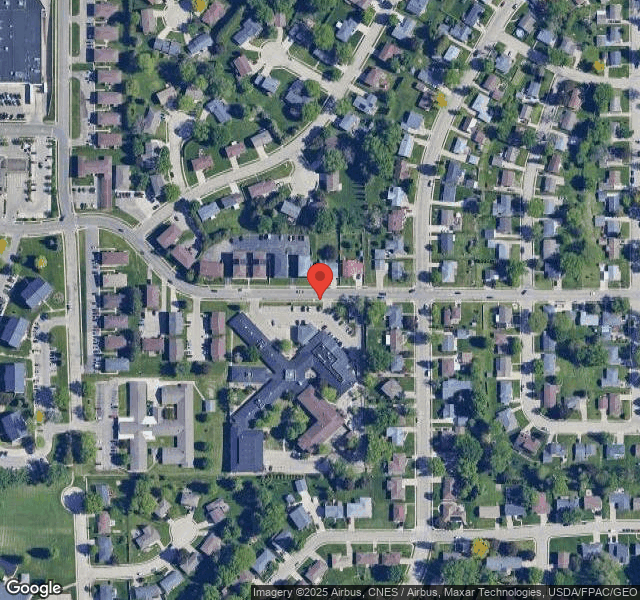
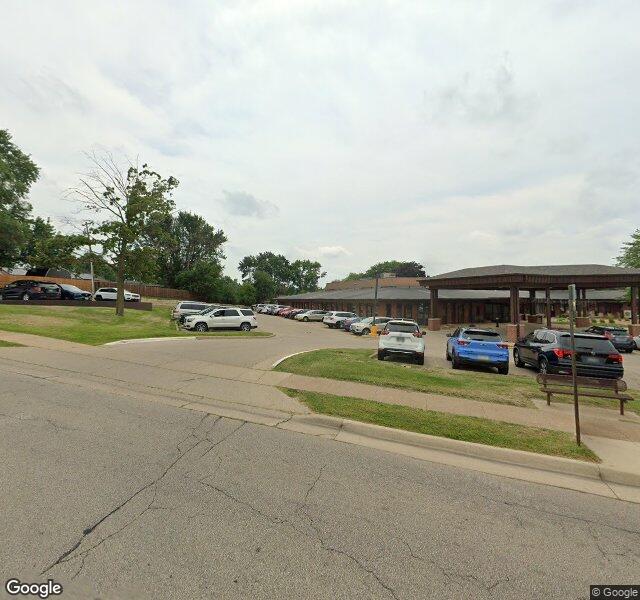
3131 Hillcrest Road, Dubuque, IA 52001 (563) 588-1413
Non profit - Other 103 Beds Independent Data: November 2025
Trust Grade
48/100
#282 of 392 in IA
Last Inspection: October 2024

Within standard 12-15 month inspection cycle. Federal law requires annual inspections.

Overview

Luther Manor at Hillcrest has a Trust Grade of D, indicating below-average performance with some significant concerns. It ranks #282 out of 392 facilities in Iowa, placing it in the bottom half of the state, and #12 out of 12 in Dubuque County, meaning there is no better local option available. Although the facility shows an improving trend, with issues decreasing from 4 in 2024 to 2 in 2025, it still has several weaknesses. Staffing is a relative strength with a rating of 4 out of 5 stars and a turnover rate of 39%, which is better than the state average. However, there are concerning incidents, such as a resident running out of pain medication and requiring emergency care, and multiple food safety violations in the kitchen, which raise questions about care quality and hygiene practices. Overall, while there are some strengths in staffing, the facility has notable weaknesses that families should consider.

Trust Score
D
48/100
In Iowa
#282/392
Bottom 29%
Safety Record
Moderate
Needs review
Inspections
Getting Better
4 → 2 violations
Staff Stability
○ Average
39% turnover. Near Iowa's 48% average. Typical for the industry.
Penalties
○ Average
$12,740 in fines. Higher than 73% of Iowa facilities. Some compliance issues.
Skilled Nurses
○ Average
Each resident gets 33 minutes of Registered Nurse (RN) attention daily — about average for Iowa. RNs are the most trained staff who monitor for health changes.
Violations
⚠ Watch
17 deficiencies on record. Higher than average. Multiple issues found across inspections.
★★☆☆☆
2.0
Overall Rating
★★★★☆
4.0
Staff Levels
★★☆☆☆
2.0
Care Quality
★★☆☆☆
2.0
Inspection Score
Stable
2024: 4 issues
2025: 2 issues

The Good

  • 4-Star Staffing Rating · Above-average nurse staffing levels
  • Full Sprinkler Coverage · Fire safety systems throughout facility
  • No fines on record
  • Staff turnover below average (39%)

    9 points below Iowa average of 48%

Facility shows strength in staffing levels, fire safety.

The Bad

2-Star Overall Rating

Below Iowa average (3.0)

Below average - review inspection findings carefully

Staff Turnover: 39%

Near Iowa avg (46%)

Typical for the industry

Federal Fines: $12,740

Below median ($33,413)

Minor penalties assessed

The Ugly 17 deficiencies on record

1 actual harm
Sept 2025 2 deficiencies 1 Harm
SERIOUS (G) 📢 Someone Reported This

A family member, employee, or ombudsman was alarmed enough to file a formal complaint

Actual Harm - a resident was hurt due to facility failures

Deficiency F0697 (Tag F0697)

A resident was harmed · This affected 1 resident

**NOTE- TERMS IN BRACKETS HAVE BEEN EDITED TO PROTECT CONFIDENTIALITY** Based on observation, clinical record review, staff and resident interview, along with policy and procedures, the facility faile...

Read full inspector narrative →
**NOTE- TERMS IN BRACKETS HAVE BEEN EDITED TO PROTECT CONFIDENTIALITY** Based on observation, clinical record review, staff and resident interview, along with policy and procedures, the facility failed to treat and manage pain, for 1 out of 3 resident reviewed (Resident #1) Resident #1 ran out of pain medication on 8/13/25-8/18/25, for which resulted in the resident being sent out to the local Emergency Department on 8/16/25 and 8/17/25 for pain medications. The facility reported a census of 99 residents.Findings include:The Minimum Data Set (MDS) assessment dated [DATE], documented Resident #1 with a Brief Interview For Mental Status (BIMS) score of 15 for which indicated no cognitive impairment. The MDS documented the resident with diagnosis for which included Peripheral Vascular Disease (a circulatory condition in which narrowed blood vessels reduce blood flow to the limbs), Diabetes Mellitus (a condition in which the body has trouble controlling blood sugar and using it for energy), absence of left leg above the knee and back pain. The MDS documented a scheduled pain medication regimen with an opioid (a class of drugs that reduce moderate to severe pain by binding to receptors on nerve cells in the brain and body) given every day in the 7 day look back period. The MDS documented the resident required dependence with showering/bathing, personal/ toileting hygiene and dressing and a wheelchair used for mobility.The Plan of Care dated of 7/31/25, documented I am on pain medication therapy and Oxycodone (opioid pain medication used to treat moderate to moderately severe pain related to disease process. Interventions include, administer medications as ordered by physician. Monitor/document side effects and effectiveness every shift. Ask physician to review medication if side effects persist. Monitor/document/report adverse reactions to pain therapy: altered mental status, anxiety, constipation, depression, dizziness, lack of appetite, nausea, vomiting, pruritus (itching), respiratory distress/decreased respirations.The Discharge Summary Report dated 7/30/25 at 10:44 a.m., documented, patient discharge/transferred to a Skilled Nursing Facility. Diagnosis include; status post above knee amputation of left leg, peripheral vascular disease and generalized weakness. Medications include, Oxycontin 10 mg every 12 hours scheduled. The Internal Medicine Progress Notes dated 8/5/25, documented, Resident is seen today for a Skilled Care Admission. He reports pain 9/10 to left above-knee amputation site. Complex regional pain syndrome (chronic arm or leg pain developing after injury, surgery, stroke or heart attack, may involve abnormal inflammation or nerve dysfunction). Followed by pain clinic. No medication changes.The Internal Medicine Progress Notes dated 8/8/25, documented, His only complaint is of on-going pain. He notes pain in his left leg following the amputation. He also has pain in his right leg. He has a history of chronic pain. A review of systems is attempted with the patient. One point that the patient is most insistent on is one of chronic pain. He notes pain particularly from his left leg after the amputation, but also has pain in his right leg and other areas. He would like to have his pain medications given routinely at exactly 8 hour intervals. He believes with his anxiety, that antianxiety medications should be given with his pain medications to smooth things out'. No medication changes.The Internal Medicine Progress Notes dated 8/12/25, documented, Oxycontin 10 mg, one tablet every 12 hours for pain. Patient is rating pain 5/10 to left stump that is improved from last week, usually rating 9/10. Pain appears to managed. Continue with oxycontin 10 mg every 12 hours.The Medication Administration Note dated 8/13/25 at 9:26 a.m., reflected, oxycontin oral tablet, 10 mg every 12 hours, medication not available and waiting for script from the primary care provider.The Medication Administration Note dated 8/14/25 at 11:57 a.m., reflected, Oxycontin 10 mg oral tablet to be administered every 12 hours, medication not available. Awaiting script from Medical Doctor.The Social Services Note dated 8/14/25 at 3:23 p.m., documented, Resident reported that he was in pain and that he wanted his pain medications. Resident informed by nurse prior that he did not have any and that he needed to call the doctor to get more. The Internal Medicine Progress Notes with an encounter dated 8/14/25, documented, Patient is seen for follow-up from the nursing home. The patient primary complaint continues to be of pain. He notes in particular pain from his left leg after the above-knee amputation. He request stronger pain medications. He does note a history of anxiety. He notes that he is frequently using his call button at the nursing home because he is frequently lonely. He demonstrated mild confusion. He continues to have quite a bit of pain from the left leg as phantom pain. He insists on his need for stronger and more frequent pain medications. Will increase his antianxiety medications. Monitor things subsequently. They can call with problems.The Nurses Note dated 8/14/25 at 4:40 p.m., documented, Resident returned to the facility from Doctors appointment. No new orders for pain medication. A call made to orthopedic surgeon. Orthopedic surgeon deferred all pain medication orders to primary care provider. A facsimile sent to primary care provider asking for pain medication for resident. The Medication Administration Note dated 8/14/25 at 8:11 p.m., reflected that oxycontin oral medication 10 mg, to be given for pain every 12 hours, medication not available.The Nurses Note dated 8/14/25 at 8:30 p.m., documented, Resident angry at staff for not having his pain medication. Explained to resident that we do not have any here, that he does not have a prescription for any pain medications. That his primary care provider was notified of his request. The Medication Administration Note dated 8/15/25 at 10:22 a.m., reflected that oxycontin 10 mg, to give every 12 hours, medication not available, no script from the primary care provider.The Medication Administration Note dated 8/15/25 at 7:49 p.m., reflected that oxycontin 10 mg, to give every 12 hours, medication not available.The Medication Administration Note dated 8/16/25 at 12:17 p.m., reflected that oxycontin 10 mg, to give every 12 hours, medication on order.The Transfer to Hospital Summary Note dated 8/16/25 at 7:49 p.m., documented, Resident complaining of pain, as a 10/10. Resident visually upset, tossing around in bed, unable to get comfortable. Resident requested to be sent out to the Emergency Department (ED) for further evaluation and treatment. The Hospital Transfer form dated 8/16/25 at 9:08 p.m., documented, primary reason for transfer: Pain (uncontrolled).The Emergency Department Provider Notes dated 8/16/25 at 9:18 p.m., documented, Resident came for request of pain medication refill due to chronic renal pain syndrome (persistent, long-term kidney pain, for which presents as a dull ache in the upper back under the ribs, and can be on one or both sides). Resident takes Oxycontin 10 milligrams (mg) every 6 hours. He reports that he has pain to left leg, ongoing since surgery. This pain causes an increase in his baseline anxiety. I am just here for my medications. The long-term care facility is out of both medications. It sounds like prescriptions have been called into the pharmacy but they have yet to be delivered to the facility. Medications given as requested. One tab of each is sent to long-term facility with patient, refills should be available to patient as of tomorrow. Patient is discharged in stable condition.The Health Status Note dated 8/16/25 at 10:33 p.m., documented, Resident returned to facility via ambulance. Resident evaluated in the ED, no concerns at this time. While in ED, oxycontin given at 9:51 p.m. One dose of oxycontin sent back with resident to facility to help mitigate pain. The Nurses Note dated 8/17/25 at 7:19 p.m., documented, Resident initiated 911 call due to pain medication being unavailable in house at this time. Resident engaging in angry outburst with staff and reports pain as a 10/10. Resident transferred to the ED.The Hospital Transfer form dated 8/17/25 at 7:22 p.m., documented, reason for transfer, Pain (uncontrolled).The Emergency Department Provider Notes dated 8/17/25 at 7:33 p.m., documented, Patient arrived per ambulance. Patient with left leg pain. Patient is post amputation. Patient states I was here yesterday and got a script for pain medications but it never got filled. Patient states It's been at least 8 hours since I had my last pain pill. Encounter for chronic pain management. Oxycodone 10 mg given. Patient discharged in stable condition back to the long-term care facility.The Medication Administration Note dated 8/18/25 at 10:02 a.m., reflected, oxycontin 10 mg pain medication to be delivered from pharmacy.A facsimile dated 8/19/25, to the primary care provider, with no time, documented, Resident was sent to the emergency room on 8/16 and 8/17 for pain management. Resident complaining of pain, reporting pain as a 10/10. Resident visually upset, tossing around in bed, unable to get comfortable. Resident requested to be sent out to Emergency Department for further evaluation and treatment. Resident initiated 911 call due to pain medication being unavailable in house this time. Resident engaging in angry outbursts with staff and reports pain as 10/10. Observation on 9/16/25 at 8:30 a.m., Resident #1 sitting in wheelchair in their room. Call light with in reach. Resident appeared to be dressed appropriately. Interview on 9/16/25 at 8:30 a.m., Resident #1 explained that he had to call 911 to take him to the ED for his uncontrolled pain in his left leg. Resident stated that the facility did not have any oxycontin medication to give him from 8/13/25 until 8/18/25. Resident stated that his pain was a 10/10 and unbearable.Interview on 9/16/25 at 2:40 p.m., Staff D, Registered Nurse (RN) stated that the expectation of the nurses are to notify the primary care provider of any medications that are not available and to call the primary care provider every day until a prescription is obtained. The Pain-Clinical Protocol dated 10/22, instructed that, if the physician determines that opioid medication is an appropriate option for managing acute (or in some cases chronic) pain in the resident, the lowest possible effective dose is prescribed for the shortest time possible with ongoing staff monitoring for effectiveness and adverse effects. If pain has not been adequately controlled, the multidisciplinary team, including the physician, shall reconsider approaches and make adjustments as indicated. Contact the prescriber immediately if the resident's pain or medication side effects are not adequately controlled.
CONCERN (D) 📢 Someone Reported This

A family member, employee, or ombudsman was alarmed enough to file a formal complaint

Potential for Harm - no one hurt, but risky conditions existed

Pharmacy Services (Tag F0755)

Could have caused harm · This affected 1 resident

**NOTE- TERMS IN BRACKETS HAVE BEEN EDITED TO PROTECT CONFIDENTIALITY** Based on clinical record review, staff interview, facility policy and procedure the facility failed to reconcile narcotic/contro...

Read full inspector narrative →
**NOTE- TERMS IN BRACKETS HAVE BEEN EDITED TO PROTECT CONFIDENTIALITY** Based on clinical record review, staff interview, facility policy and procedure the facility failed to reconcile narcotic/controlled substance counts at the beginning and ending of every shift for one of three residents reviewed (Resident #2) for which resulted in a narcotic cassette missing. The facility census was 99 residents. Findings include:1. The Minimum Data Set (MDS) assessment dated [DATE], documented Resident #2 with a Brief Interview For Mental Status (BIMS) score of 15 for which indicated no cognitive impairment. The MDS documented the resident with diagnosis for which included heart failure, Peripheral Vascular Disease (a circulatory condition in which narrowed blood vessels reduce blood flow to the limbs), Diabetes Mellitus (a condition in which the body has trouble controlling blood sugar and using it for energy), sepsis (a life-threatening complication of an infection) and chronic pain. The MDS documented a scheduled pain medication regimen with an opioid (a class of drugs that reduce moderate to severe pain by binding to receptors on nerve cells in the brain and body) given every day in the 7 day look back period. The MDS documented the resident required partial to moderate assistance with showering/bathing and dependent with toileting hygiene and dressing.The Plan of Care dated of 8/27/25, documented I am on pain medication therapy and received Tramadol (opioid pain medication used to treat moderate to moderately severe pain. Related to disease process of Osteomyelitis (inflammation of bone caused by infection, generally in the legs, arm, or spine) Interventions include:*Administer medications as ordered by physician. *Monitor/document side effects and effectiveness every shift.*Ask physician to review medication if side effects persist.*Monitor/document/report adverse reactions to pain therapy: altered mental status, anxiety, constipation, depression, dizziness, lack of appetite, nausea, vomiting, pruritus (itching), respiratory distress/decreased respirations.The Nurses Notes dated 8/29/25 at 9:23 a.m., late entry: Resident admitted around 11:55 a.m., on 8/26/25. Orders faxed to pharmacy. Resident complained level 4-8 pain to right heel and coccyx. Orders for oxycodone/Tylenol and Tramadol. At approximately 3:00-3:45 p.m., emergency medication removed for Emergency Box storage room and opened on counter at nurses' station. First large (tackle box) opened and medication was not in that box, box returned to medication room Second black box opened at nurses' station and oxycodone/Tylenol not in the inventory. Tramadol 50 milligram was in the box in a red cassette. One Tramadol removed and placed in a medicine cup. Red cassette returned to black box and black box put in medication room per facility guidelines. No extra lock tags where available in black box. RN (Registered Nurse) was sitting in front of this nurse when the above took place. Faxed a copy of the forms with the Tramadol that was removed and resident name and provider to pharmacy per facility guidelines. Interview on 9/16/25 at 1:30 p.m., Staff A, RN, confirmed and verified that a narcotic count was not completed prior to staff coming and going off of their shifts and that it is expected for staff to follow the facility policy and procedure for counting of narcotics.Interview on 9/16/25 at 3:30 p.m., Staff B, RN, confirmed and verified that a narcotic count was not completed prior to coming on and going off the shift with the resident narcotic count sheet, and it is the expectation of the nursing staff to count the narcotics per facility policy and procedure.Interview on 9/16/2 at 5:00 p.m., Staff C, LPN (Licensed Practical Nurse) confirmed and verified that no narcotic count was done prior to keys being exchanged between staff and that it is the expectation of the nurses to follow the facility policy and procedure for counting narcotics before coming on to your shift and prior to leaving your shift.Interview on 9/16/25 at 1:30 p.m., Staff D, RN confirmed and verified that the nurses are expected to count narcotics prior to coming and going off their shifts and it is the expectation of the nurses to follow the facility policy and procedures for counting narcotics.The Controlled Substances policy and procedure dated 4/2019, explained that the facility shall comply with all laws, regulations, and other requirements related to handling, storage, disposal and documentation of controlled substances.Policy Interpretation and Implementation: Controlled medications are counted at the end of each shift. The nurse coming on duty and the nurse going off duty determine the count together. Any discrepancies in the controlled substance count are documented and reported to the director of nursing services immediately.
Dec 2024 2 deficiencies
CONCERN (D) 📢 Someone Reported This

A family member, employee, or ombudsman was alarmed enough to file a formal complaint

Potential for Harm - no one hurt, but risky conditions existed

Deficiency F0865 (Tag F0865)

Could have caused harm · This affected 1 resident

Based on the Centers for Medicare and Medicaid Services (CMS) Statement of Deficiencies form, the facility Quality Assurance and Performance Improvement (QAPI) Plan, and staff interview the facility f...

Read full inspector narrative →
Based on the Centers for Medicare and Medicaid Services (CMS) Statement of Deficiencies form, the facility Quality Assurance and Performance Improvement (QAPI) Plan, and staff interview the facility failed to carry out Quality Assurance activities to ensure effective measures had been taken to correct deficiencies and prevent their ongoing prevalence. The facility reported a census of 96 residents. Findings include: The CMS 2567, dated 10/17/24 listed, in part, the following concerns: F812 The current complaint survey, conducted 12/30/24 also identified the above concern. In an interview on 12/30/24 at 3:48 PM the Administrator explained the QAPI team met monthly to discuss the Performance Improvement Projects (PIP) and quarterly with the full team. Data was collected via an online program, suggestion boxes, grievance forms, and when the Department of Inspections, Appeals, and Licensing found a deficiency. The facility prioritized the issues that impinged on residents' quality of life or rights. She explained there was a PIP in place for the previous survey deficiency but they were still struggling. A review of the facility Quality Assurance and Performance Improvement (QAPI) Plan, revised 12/01/2024 documented the following: The QAPI team will review all sources of information to determine gaps or patterns that may exist in systems of care that could result in quality problems; or if there are opportunities for improvements. Potential areas that will be considered for review could be but are not limited to: ~State survey results, deficiencies and plans for correction Based on the review of data collected, the QAPI team will prioritize areas with opportunities for improvement taking into consideration prioritizing issues with high risk, high frequency and/or problem prone. The QAPI team will charter a PIP team to oversee the problem identified, focus on the facility mission, and to identify plans for correction or improvement to be implemented. The PIP team will monitor and report on successes and failures throughout the PIP team life span and will continue until the identified area of concern has been resolved or no longer remains an issue within the facility. The facility will utilize a systemic approach to determine when in-depth analysis is needed to fully understand the problem or area of concern which has been identified. This process will help the facility to identify the causes of the issue as well as implications of a change. The facility applies an in-depth and structured approach to determine how and why the identified problem occurred, the causes of the problem and issues which may have exacerbated the problem. The facility will apply a comprehensive approach to assessing all of the systems involved in the identified issue to prevent future issues and to promote sustainable change.
CONCERN (F) 📢 Someone Reported This

A family member, employee, or ombudsman was alarmed enough to file a formal complaint

Potential for Harm - no one hurt, but risky conditions existed

Food Safety (Tag F0812)

Could have caused harm · This affected most or all residents

Based on observation, staff interviews, and policy review, the facility failed to store, prepare, and distribute food in accordance with standards of food service safety. The facility reported a censu...

Read full inspector narrative →
Based on observation, staff interviews, and policy review, the facility failed to store, prepare, and distribute food in accordance with standards of food service safety. The facility reported a census of 96 residents. Findings include: Kitchen Observations on 12/30/2024 included: At 9:24 A.M. Staff B (cook) had no hair net on. Staff B donned the hair net at 9:28 A.M. The floor had a large amount of food spatters including grapes, crumbs, and cheese slices. The kitchen counters and shelves had crumbs, cereal boxes including Fruit Wheels and Crisp [NAME] open and without a date, peanut butter open and without a date, orange juice and red juice sitting in a tub of ice with no date. The stove had a large amount of food particles including egg, broccoli, oatmeal on the burners, and grease and food residue on the grill. The oven doors had brown spatters dripping down the doors to the floor. Three food prep spaces had a moderate amount of food particles and spatters. A fourth food prep counter had piles of flour present. Four trash cans placed in the kitchen area had no lids. Four bags of white bread, one raisin bread, and three bags of buns were open and without a date. Other food items open and without a date included pancake mix and two grape jelly containers. Lunch Service observations included: At 11:11 AM, the kitchen appeared mopped, however it contained a wet paper towel and carrot coins. One food prep area had crumbs and an empty pop bottle present. The stove had dried pasta and grease on the grill. The garbage containers remained uncovered and a brown sticky substance still leaked from the stove and pooled onto the floor. Another stove still had broccoli and oatmeal dried near the burner. The beverages currently had labels. An open container of coleslaw vegetable mix had no date. A container of shredded lettuce, partially used, had no date and wilted pieces of lettuce in the bag. At 11:21 A.M., Staff C, [NAME] used gloves to touch the ice scoop handle twice, then used same glove to put ice into 26 cups. Staff D, Dietary Manager, used gloves to touch the oven handles, drawer handle, scoops, the eating surface of the plate, and then touched 7 pieces of meat with the same gloves. Staff C moved food on plates with the same gloves after touching food lids and serving scoops, and continued to touch the drawer handle and whisk handle. At 11:38 A.M., Staff B, Cook, with gloves opened the oven door, placed bread rolls onto plates, and touched carrots on the plates. At 11:39 A.M., Staff D, used the same gloves to move carrots on plates as did Staff B. Staff B used gloves to place parchment paper, open the refrigerator, grab hamburger patties and place them on a tray and in the oven. Staff D, plated rolls by hand, and moved food on plates by hand. Staff D used the same gloves to grab new plates, and touched the eating surface. Staff B donned new gloves. Staff D plated 5 buns by hand, and placed lids on plates. Staff D with gloves, entered the refrigerator, removed a container of meat, and placed the meat onto the grill without changing gloves. Staff D changed gloves and touched plates and plate warmer bottoms, touched serving handles, and carrots on the plates. Staff B plated buns without changing gloves, then touched new plates and serving handles. Staff D plated meat patties by hand for 9 resident trays. Staff B touched the oven handle and the refrigerator door. Staff D, with gloves touched a food container and lid, plate lids, and resident plates while touching the eating surface of the plates. Staff D plated buns by hand for six residents, and then by hand plated meat and moved food on plates. Staff A used gloves to open the microwave, remove a plate, put four sandwiches in the microwave, take them out and then touched the sandwiches. Staff D plated beef by hand again with the same gloves. Staff B used hands to get a box of hamburgers from the freezer, place parchment paper on trays, and place hamburger patties by hand onto three trays. Staff D used gloves to take hamburgers from the box and place them on the grill. Staff A used gloves to move the hamburger box then used same gloves to plate a hamburger. Staff D used gloves to plate hamburgers and buns, grabbed more plates, touched paper menus, and plated more patties by hand. Staff A used hands to put hamburger on bun and plate them times three, touched the refrigerator handle, grabbed a piece of cheese by hand and placed it on a hamburger. Staff D grabbed hamburger buns with hands and plated hamburgers. Staff A used gloves to grab plate warmers, grab buns, and plated sandwiches. Staff D used gloves to grab a slice of cheese and plate a hamburger, cracked eggs with gloves on, threw shells away, touched paper menus, touched plate, plated bread by hand, and assembled egg sandwich without changing gloves. Staff A with gloves, opened the refrigerator and grabbed cheese, used same gloves to plate bread and cheese, assemble sandwich, and buttered bread. Staff A used the same gloves to place sandwiches on the grill. Staff D removed food from plates and put it back in the warmer with same gloves. Staff D touched the grilled cheeses on the grill with same gloves, plated and flipped by hand. Staff D touched meat grease on grill with gloves, grabbed clean plates, touched oven dials and spatulas, opened freezer and refrigerator, and put hamburgers on the grill by hand. Staff D then touched the grilled cheese with same gloves, grabbed more hamburger patties and placed them on the grill. Staff E, Maintenance, used gloves to touch the microwave, grab plates, and plated buns and hot dog with hands. Staff E grabbed another plate, plated cheese by hand, entered refrigerator, grabbed a container and then touched buns and roll by hand. Used same gloves to remove bun from bag, plate bun, cover hamburger. Staff E used the same gloves to touch bread bag, spatula, move sandwich on plate, and touch cheese to assemble a grilled cheese. Staff D used new gloves to place bread on the grill, touched butter container and spreader, spread butter holding bread in hand and placed on the grill for two sandwiches. Staff D touched cheese and placed on bread on the grill, touched the paper menu, touched cheese on the bread with same gloves. This happened multiple times throughout meal service until 1:13 P.M. Staff Interviews: On 12/30/2024 at 2:39 P.M., Staff D revealed she completed dietary manager classes and planned to take the state test in the next couple of weeks. Staff D had prior experience in the food service industry for 17 years. Staff D reported she checks the cleaning audits and they appeared to be going well. The kitchen staff has a daily cleaning schedule and Staff D checks it. The floors get mopped every night, the grill is cleaned two times or more as needed. Every food item must have a date on it and all food is dated when it is delivered. Staff D instructs staff to wash hands and change gloves often. Staff should wear gloves at all times, and should change gloves if they change tasks so they do not cross contaminate things. Staff D indicated the garbage containers had no lids that she knew of. On 12/30/2024 at 2:50 P.M., Staff F, Regional Supervisor of Health Services reported the garbage containers did have lids and staff needed to ensure they were used. Staff should not wear gloves in the kitchen, they should wash their hands and use utensils to handle food. They were working on correcting the issue and conducted a meeting to improve the situation. They planned to provide education and add staff with experience to work along with Staff D to manage the food service. Healthcare Services Group, Inc. and its subsidiaries HCSG Policy dated 5/2014 and revised 2/2023 included: Food: Preparation Policy Statement All foods are prepared in accordance with the FDA Food Code. Procedures 1. All staff will practice proper hand washing techniques and glove use. 2. Dining Services staff will be responsible for food preparation procedures that avoid contamination by potentially harmful physical, biological, and chemical contamination. 3. All utensils, food contact equipment, and food contact surfaces will be cleaned and sanitized after every use. 4. The Dining Services Director/Cook(s) will be responsible for food preparation techniques which minimize the amount of time that food items are exposed to temperatures greater than 41 degrees F and/or less than 135 degrees F, or per state regulation. 5. The Cook(s) thaws frozen items that requires defrosting prior to preparation using one of the following methods: * Thawing in the refrigerator, in a drip-proof container, and in a manner that prevents cross-contamination; * Thawing the item in a microwave oven, then transferring immediately to conventional cooking equipment; * Completely submerging the item under cold water (at a temperature of 70 degrees F or below) that is running fast enough to agitate and float off loose ice particles; * Cooking directly from the frozen state, when directed. 6. Raw fruits and vegetables will be washed, as appropriate. 7. Separate cutting boards for meat, poultry, and produce will be maintained. 8. Only pasteurized egg products will be used for soft cooked egg items. 9. The Cook(s) will prepare all cooked food items in a fashion that permits rapid heating to appropriate minimum internal temperature. 10. Time/Temperature Control for Safety (TCS) hot food items will be cooked to a minimum internal temperature, as follows: * All poultry and stuffed foods 165 degrees F (<1 second instantaneous) * Ground meat 155 degrees F (for 17 seconds) * Eggs hot-held for service 155 degrees F (for 17 seconds) * Fish and shellfish 145 degrees F (for 15 seconds) * Pork, other meats 145 degrees F (and allowed to rest for at least 3 minutes) * Eggs for immediate service 145 degrees F (for 15 seconds) Healthcare Services Group, Inc. and its subsidiaries Dining Services Policy and Procedure Manual, c Original 5/2014, Revised 9/2017, 10/2022, 2/2023 Healthcare Services Group, Inc. and its subsidiaries HCSG Policy 016 11. When hot pureed, ground, or diced food drop into the danger zone (below 135 degrees), the mechanically altered food must be reheated to 165 degrees for 15 seconds if holding for hot service. 12. When reheating, foods will be rapidly heated to 165 degrees F for 15 seconds. If the food is not reheated within 2 hours it must be discarded. 13. All foods will be held at appropriate temperatures, greater than 135 degrees F (or as state regulation requires) for hot holding, and less than 41 degrees F for cold food holding. 14. Temperature for TCS foods will be recorded at time of service, and monitored periodically during meal service periods. 15. All staff will use serving utensils appropriately to prevent cross contamination. 16. Prepared hot food items that are not intended for immediate service will be cooled using the following guidelines: * Place in shallow pans or cut/slice to promote rapid cooling. * TCS foods will be cooled from 135 degrees F to 70 degrees F within 2 hours. * TCS foods will be cooled from 70 degrees F to 41 degrees F within 4 hours * Total cooling time cannot exceed 6 hours. The clockstarts at 135 degrees F. 17. All refrigerated, ready-to-eat TCS prepared foods that are to be held for more than 24 hours at a temperature of 41 degrees F or less, will be labeled and dated with a prepared date (Day 1) and a use by date (Day 7). Attachments 1. Service Line Checklist References: 1. A-0618, A-0620: ~482.28, CMS Conditions of Participation: Food and Dietetic Services 2. F812, ~483.60 Store, prepare, distribute, and serve food, CMS State Operations Manual, Appendix PP 3. FDA Food Code: https://www.fda.gov/food/fda-food-code/food-code-2022 4. Joint Commission: PC.02.02.03: The hospital makes food and nutrition products available to its patients Healthcare Services Group, Inc. and its subsidiaries Dining Services Policy and Procedure Manual, c Original 5/2014, Revised 9/2017, 10/2022, 2/2023
Oct 2024 1 deficiency
CONCERN (F)

Potential for Harm - no one hurt, but risky conditions existed

Food Safety (Tag F0812)

Could have caused harm · This affected most or all residents

Based on observation, kitchen record review, staff interview, and policy review the facility failed to store foods according to professional standards, cover foods during hallway transport, and mainta...

Read full inspector narrative →
Based on observation, kitchen record review, staff interview, and policy review the facility failed to store foods according to professional standards, cover foods during hallway transport, and maintain effective sanitizing solution during 2 of 2 kitchen observations and 2 of 3 hallway observations. The facility reported a census of 97 residents. Findings include: During a kitchen tour on 10/14/24 at 10:12 AM observed the dry storage area. In the back left corner where two shelves met there was a plastic spoon on the floor, laying in a brown sticky wet substance about 2 feet long, extending to the back wall. It started at 8 inches wide, narrowing to 2 inches, and then widened along the base of the wall. The substance contained small pieces of a darker brown substance. The shelf above it contained boxes of fig bars on the left, pop to the right, and a silver CD radio combo perched between them. The radio was touching the boxes and was covered with a shiny, sticky brown substance, flecks of white powder, and food particles. During the same tour, observed the walk-in cooler and freezer. A box of hamburger with 24 patties remaining was left open, uncovered by the plastic wrapper in the box, and exposed to open air. The patties were covered in ice crystals and two of them in the bottom of the box were almost white on one side. Before leaving the kitchen, the sanitizer bucket was tested. Staff B, [NAME] attempted to fill the bucket two times and the chemical sanitizer did not register on any of the strips. Staff B stated the sanitizer had recently been adjusted because it was putting too much chemical in the water. She was not sure if it was tested after that. She said there was probably not enough chemical mixing with the water because it was not changing at all. She stated they would need to call somebody because they could not make the adjustment. On 10/14/24 at 11:39 AM 4 room trays on one cart were covered in heavy plastic covers. The drinks were not covered. At 11:43 AM food delivered to another hall revealed 4 trays with no covers on them. During room tray delivery on 10/15/24 at 12:33 PM observed 3 food carts going down the halls. The first cart had paper covering the coleslaw that blew off and was not replaced. The third cart had vegetables in cups that were not covered. On 10/16/24 at 10:32 AM observed the puree process for lunch with Staff A, Assistant Manager. She pureed 5 servings of pork loin with 5 scoops of a gravy base for 4 residents with a pureed diet. 4 servings of green beans with the addition of a vegetable base and 8 rolls with the addition of milk were also pureed. Staff A did not clean or sanitize her work space between meat and vegetables or vegetables and bread. During an interview with the acting Dietary Manager (DM) on 10/16/24 at 11:04 AM he stated there was a common cleaning schedule in a binder on the table. He opened the binder and the date at the top of the form was 5/19/24. He was unaware of the food left open in the freezer or the cleanliness issues in the storage room and stated staff would take care of it immediately. He stated there was another cleaning list but he didn't know where it was. He confirmed food should be covered in the hallway and was not sure why some of the items were missed. An email from the DM on 10/16/24 at 3:49 PM indicated they were unable to locate daily cleaning logs. A policy titled Environment, revised 9/2017, documented all food preparation areas, food service areas, and dining areas would be maintained in a clean and sanitary condition. The Dining Services Manager would ensure the kitchen was maintained in a clean and sanitary manner including floors, walls, ceilings, lighting, and ventilation and that all employees were knowledgeable in proper procedures. This included a routine cleaning schedule for all cooking equipment, food storage areas, and surfaces.
Aug 2024 1 deficiency
CONCERN (E) 📢 Someone Reported This

A family member, employee, or ombudsman was alarmed enough to file a formal complaint

Potential for Harm - no one hurt, but risky conditions existed

Deficiency F0804 (Tag F0804)

Could have caused harm · This affected multiple residents

Based on observation during meal service, record review, and resident and staff interviews the facility failed to serve food at an appropriate temperature and in a palatable manner during two of two m...

Read full inspector narrative →
Based on observation during meal service, record review, and resident and staff interviews the facility failed to serve food at an appropriate temperature and in a palatable manner during two of two meals observed. The facility reported a census of 97 residents. Findings include: On 8/12/2024 at approximately 7:45 A.M. during the breakfast meal service, Staff A, CNA (Certified Nurse's Aide), served residents in the main dining room. The menu included french toast, oatmeal, and sausage patty. At 8:30 A.M., Resident #5 reported the food was not hot. A temperature check of a test tray at 9:00 A.M. revealed the oatmeal, french toast, and sausage all had temperatures at approximately 125 degrees Fahrenheit. Staff B, dietary aide, reported staff served breakfast from 7:15 A.M. until 9:00 A.M. At 9:25 A.M., Staff C, DON (Director of Nursing) revealed the facility used H.C.S. (Health Care Services) to manage the dietary department for the past year. Currently, they had no dietary manager in the facility. Testing of the steam cart at 11:00, prior to lunch service revealed the following temperatures: Chicken Fried Steak - 180 degrees Fahrenheit Mashed Potatoes - 170 degrees Fahrenheit Salisbury steak 162 degrees Fahrenheit. A temperature check of the test tray at 12:25 P.M., after residents were served, revealed Country Fried Steak at 120 degrees, carrots at 110 degrees, and mashed potatoes at 140 degrees Fahrenheit. Staff C, Dietary manager checked the steam cart food temperatures at 12:30 P.M. with the surveyor present. The Country Fried Steak temperature was at 138 degrees and carrots at 125 degrees. Staff C reported food needed to be served between 140 and 160 degrees Fahrenheit. Staff C indicated the Steam Cart temperature was turned up as high as it could go. At 2:00 P.M., Staff D, H.C.S. district manager revealed he checked the steam cart and had no concerns with it. The well temperatures were at 165 - 175 degrees Fahrenheit. Staff needed to cover the food trays in between serving residents. Staff D reported they hired a new dietary manager with a start date of 8/15/2024. Staff D presented the Food Temperature log book dated 6/17 - 8/12/2024. The log book revealed 38 missed opportunities from 6/17 - 8/12/2024 where dietary staff failed to complete the documentation of food temperatures prior to serving. On 8/12/2024 at 3:40 P.M., Staff E, facility dietician revealed H.C.S. managed dietary services at the facility. Staff E provided weekly assessments and H.C.S. staff approved the menus. Staff E indicated residents voiced concerns regarding food palatability, however the dietary manager who recently left had made positive changes. On 8/12/2024 at 2:10 P.M., Staff F, LPN (Licensed Practical Nurse) indicated the food service is slow. They have a microwave at the nurse's station that they often use to warm up resident's food since it is not hot when it arrives from the kitchen. On 8/12/2024 at 10:10 A.M., Resident #3 reported his breakfast food was not hot. At 1:50 P.M. the resident reported his lunch tasted terrible, staff forgot his roll, and the food was not hot. On 8/12/2024 at 2:00 P.M., Resident #4 reported the food was usually warm, but not hot. The Healthcare Services Group, Inc. food policy included: Food: Preparation Policy statement: All foods are prepared in accordance with the FDA Food Code. 13. All foods will be held at appropriate temperatures, greater than 135° F (or as state regulation requires) for hot holding, and less than 41°F for cold food holding. 14. Temperature for TCS foods will be recorded at time of service, and monitored periodically during meal service periods.
Nov 2023 2 deficiencies
CONCERN (E) 📢 Someone Reported This

A family member, employee, or ombudsman was alarmed enough to file a formal complaint

Potential for Harm - no one hurt, but risky conditions existed

Safe Environment (Tag F0584)

Could have caused harm · This affected multiple residents

Based on observation and staff interview, the facility failed to provide housekeeping services in a manner to maintain a safe, clean, comfortable, and homelike environment. The facility reported a cen...

Read full inspector narrative →
Based on observation and staff interview, the facility failed to provide housekeeping services in a manner to maintain a safe, clean, comfortable, and homelike environment. The facility reported a census of 97 residents. Findings include: Facility observation on 10/31/2023 at 11:30 A.M. included: Room BV-9 had debris on the floor including socks, papers, and trash. The floors appeared grimy with moderate scuff marks. The BV Nurse's station had used gloves and med cups on the floor. Room BV-17 had used gloves on the floor. Room BV-20 had trash on the floor. Rooms BV-28 and 25 had floors with heavy scuff marks, dirt, and debris. Room BV-2 had used linen and a resident gown on the floor. Room BV-11 had used linen on the bathroom floor. At 11:50 A.M. observation of WW hall revealed the following: WW-14 had debris on the floor. At 12:00 P.M. observation of the dementia unit revealed the common area had a moderate amount of dirt, food debris, scuffs, and grime on the floor. On 10/31/2023 at 11:45 A.M., Staff D, housekeeping, indicated she had no other housekeepers working with her today. Typically, they would have three scheduled. Recently, they have been working short staffed, 1 - 2 times per week. On 10/31/2023 at 3:30 P.M., Staff F, Maintenance, revealed a housekeeper called in today. He interviewed three new hires recently. Ideally, the facility had 3.5 housekeepers when fully staffed. Today, they have one housekeeper and one staff cleaning floors.
CONCERN (E) 📢 Someone Reported This

A family member, employee, or ombudsman was alarmed enough to file a formal complaint

Potential for Harm - no one hurt, but risky conditions existed

ADL Care (Tag F0677)

Could have caused harm · This affected multiple residents

**NOTE- TERMS IN BRACKETS HAVE BEEN EDITED TO PROTECT CONFIDENTIALITY** Based on clinical record review, staff and resident interviews, and observations the facility failed to provide 4 of 4 resident'...

Read full inspector narrative →
**NOTE- TERMS IN BRACKETS HAVE BEEN EDITED TO PROTECT CONFIDENTIALITY** Based on clinical record review, staff and resident interviews, and observations the facility failed to provide 4 of 4 resident's reviewed with 2 baths weekly. The facility reported a census of 97 residents. Findings include: 1. According to the Minimum Data Set, dated [DATE], Resident #6 had diagnoses which included depression and post traumatic stress disorder. The MDS revealed the resident had mild impairment of cognitive ability, and transferred independently from one surface to another. Resident #6 required assistance of one staff for bathing. Review of the Care Plan revealed Resident #6 had a self care deficit related to unsteady gait and need for assistance with cares, and assistance of one staff for baths. Review of the bath records, where CNA's charted in the computer, revealed the staff provided the residents with 4 baths in September. On 10/31/2023 at 1:20 P.M., Resident #6 indicated he received his bath if the facility had enough help, therefore, not always did he receive two baths. The resident had moderate beard growth and he indicated staff were to shave him when they gave him his bath, but he did not always receive his bath. 2. According to the Minimum Data Set, dated [DATE], Resident #7 had diagnoses which included Parkinson's Disease and diabetes. The MDS revealed the resident had no impairment of cognitive ability, and required assistance with ambulation and bathing. Review of the Care Plan revealed Resident # 7 had a self care deficit and required assistance with cares, and assistance of one staff for baths. Review of the computerized CNA charting, revealed the staff provided 6 baths in September and 3 in October. On 10/31/2023 at 1:25 P.M., Resident #7 reported she received one bath during the prior week. The facility did not always have enough help. 3. According to the Minimum Data Set, dated [DATE], Resident # 8 had diagnoses which included depression, diabetes and anxiety. The MDS revealed the resident had significant impairment of cognitive ability, and transfer assistance of one staff from one surface to another. Resident # 8 required extensive assistance of one staff for bathing. Review of the Care Plan revealed Resident # 8 had a self care deficit related to dementia and need for assistance with cares, including assistance of one staff for bathing. Review of the computerized CNA charting, revealed the staff provided 5 baths in September and 5 in October. 4. According to the Minimum Data Set, dated [DATE], Resident #9 had diagnoses which included hypertension, anxiety, depression, and dementia. The MDS revealed the resident had mild impairment of cognitive ability, and transferred with assistance of one staff from one surface to another. Resident # 9 required assistance of one staff for bathing. Review of the Care Plan revealed Resident # 9 had a self care deficit and need for assistance with cares, and assistance of one staff for baths. The Care Plan directed staff to monitor independent facial and oral cares and provide assistance as needed. Complete the remainder of morning and evening cares. Review of the computerized CNA charting, revealed the staff provided 1 bath in September and 1 in October. Observation on 10/31/2023 at 1:00 P.M. revealed Staff B, CNA and Staff C, CNA transfer the resident and assist him to the toilet. The resident, able to make his needs known, directed his cares. Staff returned the resident to his lift chair. The resident had a moderate amount of dried liquid food on his lower lip and beard. The resident reported he is to receive two showers a week, but since they were short staffed, he did not receive it on Monday. The resident also expressed a desire to have his beard shaved, and he did not get his teeth brushed that morning. It happens quite often. On 0/31/2023 at 2:20 P.M. Staff A, CNA reported due to staff calling in, baths are not always given on the day shift, and second shift does not have time either. The facility could schedule an extra day for showers, such as Saturday or Sunday. CNA's chart on the kiosk when baths are completed. On 10/31/2023 at 10:30 A.M. Staff C, CNA reported the facility sometimes staff three CNA's on a hall, and sometimes 2 and a bath aide. Today, due to a call in, they had two CNA's and no bath aide. The last couple of weeks, staffing has been difficult. On 10/31/2023 at 1:30 P.M., Staff A and Staff C explained the shower schedule is in a binder at the nurse's station. They explained a bath aide was scheduled but called in. On 10/31/2023 at 3:10 P.M., Staff A and Staff E reported the day shift only completed one shower on WW hall. That was all they had time for. The Administrator instructed Staff A and Staff E to start doing the showers, the expectation is that showers must get done. If not, they are to report to the nurse and administration. The Administrator explained staff are to sign off on the daily shower sheets at the end of their shift and turn them in to the charge nurse. A review of the September and October, 2023 daily shower sheets for WW hall, revealed there were no sheets available for thirteen days in September and 17 incomplete or missing sheets for October.
Sept 2023 3 deficiencies
CONCERN (D)

Potential for Harm - no one hurt, but risky conditions existed

Transfer Notice (Tag F0623)

Could have caused harm · This affected 1 resident

**NOTE- TERMS IN BRACKETS HAVE BEEN EDITED TO PROTECT CONFIDENTIALITY** Based on clinical record review, facility documentation review, and staff interview, the facility failed to notify the ombudsman...

Read full inspector narrative →
**NOTE- TERMS IN BRACKETS HAVE BEEN EDITED TO PROTECT CONFIDENTIALITY** Based on clinical record review, facility documentation review, and staff interview, the facility failed to notify the ombudsman for 1 of 3 residents reviewed for notification (Resident #53). The facility reported a census of 90 residents. Findings include: Resident #53's clinical record documented she was admitted to the hospital on [DATE] with a diagnosis of pneumonia. The clinical record documented she returned to the facility on 8/7/23. The facility document Admissions, Discharges, Hospitalizations/Bed Holds dated 9/5/23 that is sent to the ombudsman for residents the month prior (Residents admitting, discharging or going to the hospital in August) did not include Resident #53. During an interview on 9/20/23 at 11:46 AM, Staff B, Social Services Coordinator, explained she should have notified the ombudsman of the hospitalization.
CONCERN (D)

Potential for Harm - no one hurt, but risky conditions existed

Deficiency F0638 (Tag F0638)

Could have caused harm · This affected 1 resident

Based on record review and staff interviews the facility failed to complete a quarterly minimum data set (MDS) assessment on one out of one residents reviewed for residents assessments (Resident #19)....

Read full inspector narrative →
Based on record review and staff interviews the facility failed to complete a quarterly minimum data set (MDS) assessment on one out of one residents reviewed for residents assessments (Resident #19). The facility reported a census of 90 residents. Findings include: Review of the residents assessment lookup for Resident #19 revealed the facility completed a comprehensive assessment on 5/11/23. The document revealed a quarterly assessment was completed on 9/21/23. The quarterly review had not been submitted. On 09/21/23 at 9:15 AM the MDS Coordinator stated Resident #19's MDS was late because it did not show up on the calendar on the electronic health record. I just found it last week and I completed it as soon as soon as I found it. It happens every once in a while where it does not show up in the calendar. The software company has tried to look back at it and could never find why this occurs. The software is the only way I track when assessments are due. I use the weekly calendar and it was not populating in the calendar until I went in and messed with the residents calendar then it populated. On 09/21/23 at 9:24 AM the Director of Nursing (DON) stated she would expect MDS's to be completed according to the calendar when they are due. On 09/21/23 at 9:32 AM the MDS Coordinator stated they follow the Resident Assessment Instrument (RAI) manual for completion and timeliness of assessments.
CONCERN (D) 📢 Someone Reported This

A family member, employee, or ombudsman was alarmed enough to file a formal complaint

Potential for Harm - no one hurt, but risky conditions existed

Pharmacy Services (Tag F0755)

Could have caused harm · This affected 1 resident

Based on observation, clinical record review, policy review, and staff interview, the facility failed to ensure an accurate written record of medications administered was created by the individuals ad...

Read full inspector narrative →
Based on observation, clinical record review, policy review, and staff interview, the facility failed to ensure an accurate written record of medications administered was created by the individuals administering the medications. The facility reported a census of 90 residents. Review of the Narcotic Administration Record (NAR) for Residents #8 and #242 dated 4/30/23 showed a discrepancy between the medication cards and the NAR for both residents. Staff D, Registered Nurse (RN) was responsible for the medications at the time of the discrepancy. She was unavailable for interview. During an interview on 9/20/23 at 2:43 PM Staff A, RN explained Staff D told her she had disposed of the medications noted in the discrepancy and asked Staff A to sign as a witness the medications had been disposed of. Staff A did sign as a witness but clarified she did not actually see the medication being disposed of. During a medication cart observation on 9/21/23 at 10:00 AM, on Bluff View, the surveyor noted Staff C, RN, documenting in the narcotic count book. Staff C explained he was just double checking his work. He further explained, after being asked, that he was not signing medications out of the book that had previously been given. The Director of Nursing (DON) and surveyor completed a narcotic reconciliation count of the mediation cart. While counting Resident #242's Tramadol (narcotic pain medication), it was noted the NAR in the book did not match the number of tablets in the medication card. The NAR documented there should have been 23 tablets in the card. The card showed 24 tablets. When reviewing the NAR further, the count matched at the last shift change on 9/21/23 at 6:00 AM. The NAR had been signed by Staff C on 9/21/23 at 7:00 AM as having given Resident #242 a Tramadol 50 mg, and decreased the count on the NAR to 23. The DON confirmed there were 24 tablets in the card and a count of 23 on the NAR. During an interview immediately at the time the discrepancy was noted, Staff C stated maybe he didn't punch the medication out of the card. He further explained the normal practice is to check the Medication Administration Record (MAR), take the medication out of the card, sign the NAR in the book, administer the medication, and then sign the MAR. If the mediation is refused or otherwise not given it gets disposed of with a second person as a witness. Disposal always takes 2 people. During an interview with Resident #242 on 9/21/23 at 11:31 AM, the resident stated he was in pain at his amputation site. He rated the pain at a 5-6 on a 0-10 scale. Staff C was notified. Review of the facility policy Narcotic Count Policy and Procedure dated 2/10/21 directs staff to report count discrepancies to the DON immediately.
Jul 2022 6 deficiencies
CONCERN (D)

Potential for Harm - no one hurt, but risky conditions existed

Free from Abuse/Neglect (Tag F0600)

Could have caused harm · This affected 1 resident

**NOTE- TERMS IN BRACKETS HAVE BEEN EDITED TO PROTECT CONFIDENTIALITY** Based on record review, observation, resident, staff and family interviews the facility failed to protect 1 out of 1 resident re...

Read full inspector narrative →
**NOTE- TERMS IN BRACKETS HAVE BEEN EDITED TO PROTECT CONFIDENTIALITY** Based on record review, observation, resident, staff and family interviews the facility failed to protect 1 out of 1 resident reviewed from verbal abuse (Resident # 13). The facility reported a census of 91 residents. Findings included: The Minimum Data Set (MDS) assessment dated [DATE], listed diagnosis of arthritis, osteoporosis, and anxiety. The Brief Interview of Mental Status (BIMS) reflected a score of 8 (moderately impaired cognition). The MDS reflected Resident # 13 required extensive assist of 2 staff for transfers, toileting and extensive assist of 1 staff for eating and personal hygiene. The Care Plan for Resident # 13 dated 2/28/22, identified impaired behavior related to anxiety as evidenced by yelling/screaming out for staff. The Care Plan interventions included: Talk with resident in calm voice when behavior is disruptive and redirect. When resident is agitated and acting out move to a location away from other residents if possible. Intervene as necessary to ensure safety of resident and others. Provide 1:1 with resident. Ask resident if she would like to sit in center circle. The Interdisciplinary Note dated 5/29/22 at 8:48 PM, read at 5:20 PM it was reported to the nurse by a Certified Nurses Aid (CNA) that Staff I, CNA vocalized to resident, Shut the 4 letter curse word up, people are covering their ears you're so loud. The note continued to reflect, at that time the resident sat at the table in assisted dining room (ADR), distressed about hearing a door slam before she went to supper. Resident # 13 tearful and loudly vocalizing her distress. At 6:24 PM a family member of another resident reported that Staff I, made an inappropriate comment to Resident # 13. The note reflected staff performed 1:1 with resident after supper until resident fell asleep. Review of the Staff Statement dated 5/29/22, signed by Staff H, CNA, read as he pushed a resident into the ADR behind Staff I, CNA, he heard her yell to Resident # 13 Shut the (4 letter curse word) up people are covering their ears you're so loud! On 6/28/22 at 5:36 PM, Staff H, confirmed he heard Staff I, tell Resident # 13 to shut the (4 letter curse word) up. He reported Staff I, seemed annoyed with Resident # 13's calling out for help. Staff H confirmed another resident family present at the time Staff I made the comment to Resident # 13. On 6/27/22 at 1:12 PM, Resident # 13 exhibited tearfulness and anger as she reported Staff I Certified Nurses Aid (CNA) told her to shut the (4 letter curse word) up. Resident # 13 stated that she doesn't need to be treated like that. Resident # 13 reported that hurt her feeling and made her very upset. On 06/28/22 at 2:03 PM, a resident's family confirmed she heard Staff I tell a Resident # 13 to shut up. The family expressed her hope that staff not treat her loved one like that. On 6/28/22 at 3:39 PM, Staff J, Licensed Practical Nurse (LPN), said Staff H, reported the incident to her. She said that Staff I, told a resident to shut up with a curse word. She said she asked the staff and she denied the comment the family person said she said something inappropriate to the resident but didn't say a curse word. On 6/30/22 at 2:40 PM, the Registered Nurse/Administrator stated her expectation is staff treat the residents with dignity and respect, and provide kind considerate care. She expected all the staff not to abuse residents. The Dependent Adult Abuse Prevention policy dated 6/4/20, included a description of Verbal abuse: Any use of oral, written or gestured language that includes disparaging and derogatory terms to residents or participants or their families, or within their hearing distance, to describe residents regardless of their age, ability to comprehend or their disability.
CONCERN (D)

Potential for Harm - no one hurt, but risky conditions existed

Report Alleged Abuse (Tag F0609)

Could have caused harm · This affected 1 resident

Based on policy review, and staff interviews the facility abuse policy failed to reflect the immediate time frame for reporting any allegation of abuse to the State Agency (SA) and the policy failed t...

Read full inspector narrative →
Based on policy review, and staff interviews the facility abuse policy failed to reflect the immediate time frame for reporting any allegation of abuse to the State Agency (SA) and the policy failed to reflect the SA is the authority to determine if abuse occurred. The facility reported a census of 91 residents. Findings included: The facility policy titled Dependent Adult Abuse Prevention dated 6/4/2020, reflected on page 4, as a mandatory reporter, any staff person who believes that a dependent adult has suffered abuse or exploitation must immediately report the incident to the appropriate entity or entities. The following is a guide to assist employees in determining the appropriate entity and the process to follow. Employees who suspect abuse has occurred to a nursing home resident shall immediately report suspected abuse to their Department Head, Human Resource Director, or Administrator. The facility will then begin a preliminary investigation of the incident right after it has been reported to them. At the conclusion of the preliminary investigation a report of the findings will be submitted to the Administrator immediately. After a review of the facts the Administrator will determine whether to close the case or continue on with the investigation. When a case is determined to have validity a file will be started to collect all the information required, the SA will be notified within two hours after an allegation of abuse neglect,exploitation, or mistreatment, including injuries of unknown source and misappropriation of resident property occurs. The SA will be notified within 24 hours if the event that causes the allegation does not involve abuse and does not result in serious bodily injury after reporting the incident to the state agency a comprehensive full investigation will be completed within five working days occurrence. On 6/30/22 at 12:16 PM, the Social Service Coordinator, reported any allegation of Abuse is reported to the Administrator right away. She continued to say she thought the Administrator has 2 or 24 hours to report it to the SA On 6/30/22 at 1:08 PM, the Administrator reported she understood the immediacy of reporting to the SA and that the SA determines abuse.
CONCERN (D)

Potential for Harm - no one hurt, but risky conditions existed

Quality of Care (Tag F0684)

Could have caused harm · This affected 1 resident

**NOTE- TERMS IN BRACKETS HAVE BEEN EDITED TO PROTECT CONFIDENTIALITY** Based on observation, record review and staff interview, the facility failed to document assessments on a resident who had with ...

Read full inspector narrative →
**NOTE- TERMS IN BRACKETS HAVE BEEN EDITED TO PROTECT CONFIDENTIALITY** Based on observation, record review and staff interview, the facility failed to document assessments on a resident who had with 2+ edema to both legs (Resident #77) for one of ten residents reviewed in the standard sample. The facility reported a census of 91 residents. Findings included: The Minimum Data Set, dated [DATE] identified Resident #77 as cognitively intact with a BIMS (brief interview for mental status) of 13, and had the following diagnoses: renal insufficiency (kidney failure), diabetes mellitus and post laminectomy syndrome. It also identified the resident required extensive staff assistance only with transfers. A review of the Care Plan identified the resident on 2/2/18 with the problem of potential for impaired skin integrity related to impaired mobility and frequently incontinent and directed staff to monitor skin with cares and notify the nurse and physician as needed of problems. On 6/27/22 at 9:54 AM Resident #77 was observed to be in her recliner with her legs down. The resident stated her legs are swollen today as she ate salty items on 6/26/22. The resident's lower legs were observed to be swollen, and her toes deep red. The resident stated she wears ted hoses but the staff have yet to put them on today. A record review revealed on 3/22/22 a nursing communication to the physician stating the resident had bilateral lower leg redness and they are warm to the touch. The resident is afebrile, and had worn ted hose and elevated legs throughout the day. A Physician Order on 3/22/22 directed Azithromycin 500 mg PO (per mouth) once and then 250 mg PO daily for four days for bilateral lower extremity cellulitis. During an interview on 6/29/22 at 10:33 AM the Director of Nursing reported the resident did not have any documentation of assessments of the skin/legs.
CONCERN (E)

Potential for Harm - no one hurt, but risky conditions existed

Deficiency F0801 (Tag F0801)

Could have caused harm · This affected multiple residents

Based on observations, policy review and staff interview the facility failed to provide appropriate competencies and skill sets to carry out food and nutrition services. The facility reported a census...

Read full inspector narrative →
Based on observations, policy review and staff interview the facility failed to provide appropriate competencies and skill sets to carry out food and nutrition services. The facility reported a census of 91 residents. Findings include: An observation on 6/28/22 at 4:30 PM revealed the following: Staff F nose observed to be uncovered for 39 minutes out of a 42 consecutive minute observation. Staff L answered the kitchen phone with gloved hands and then handling plates, and food without completing hand hygiene and changing gloves. Staff N used chopped peppers and onions form a container dated 6/17/22. During an interview on 6/29/22 at 10:07 AM the Dietary Supervisor (DS) stated kitchen staff are trained through the facilities use of the CE Solutions program. Human Resources tracks each employee's attendance. The CE Solutions program offered each section in a preordered schedule. The DS stated staff would not receive the training until the next scheduled month after their hire. She would expect staff to be trained sooner but the schedule can not be reordered. The DS stated currently new staff train one on one with veteran staff. The DS stated there is not documentation of this training. The facility lacked a policy of dietary staff training.
CONCERN (E)

Potential for Harm - no one hurt, but risky conditions existed

Food Safety (Tag F0812)

Could have caused harm · This affected multiple residents

Based on observation, record review, and interview, the facility failed to store and serve food in accordance with professional standardds for food service safety. The facility reported a census of 91...

Read full inspector narrative →
Based on observation, record review, and interview, the facility failed to store and serve food in accordance with professional standardds for food service safety. The facility reported a census of 91 residents. Findings include: 1. An observation of food storage in the US cooler on 6/26/22 at 10:45 AM revealed the following: Uncovered, undated prepped lettuce, onion and tomatoes on a cart. Two open, undated containers of Sunny Fresh Liquid Egg Product. A metal container of bean soup, dated, covered with foil that was split open approximately four inches from the left side toward the top middle. Three hard boiled eggs in an open, undated plastic bag sitting in opaque yellowish liquid. An open, undated bag of bacon bits. A bag of diced green pepper, and two onion halves sitting in liquid in the original packaging open, and placed in a open zip lock dated 6/23/22. An open bag of parmesan cheese, undated with an expiration date of 3/21/22. A half full open, undated container of Resers Smoked chicken salad. An observation of food storage in the US cooler on 6/28/22 at 4:12 PM revealed the following: An open, undated container of Sunny Fresh Liquid Egg Product. A bag of diced green pepper, and two onion halves sitting in liquid in the original packaging open, and placed in a open zip lock dated 6/23/22. A third full open, undated container of Resers Smoked chicken salad Two metal containers, one with mushroom soap dated 6/28/22, and the other with chicken dated 6/28/22 covered with foil that was split open. An observation on 6/28/22 at 4:55 PM revealed a zip lock bag container of green pepper and onions dated 6/17/22 During an interview on 6/29/22 at 10:07 AM the Dietary Supervisor (DS) stated she would expect all open food items or prepared leftover food to be placed in a sealed container with the date the original packing written on the outside. The DS stated that food put in a sealed container is generally good for up to five days. Containers that are open or undated should be thrown away. The policy, dated 5/5/22, titled Storage, directed staff to store food in the original container, if the container is clean, dry and intact. If necessary, repackage food in clean, well-labeled, air tight containers. 2. During observation on 6/28/22 at 5:16 PM, Staff L, dietary aide answered the kitchen phone while wearing gloves. At 5:17 PM, while wearing the same gloves, Staff L put her left hand on a clean plate, and then put her right hand on her face under her eye wear. At 5:18 PM, while wearing the same gloves, Staff L picked up half of a hamburger bun to open it to place on a chopped hamburger. At 5:19 PM, Staff L picked up the hamburger off the plate and replaced it on the bun. During an interview on 6/28/22 at 5:21 PM, Staff L stated she did not change her gloves after she answered the kitchen phone. During an interview on 6/29/22 at 10:07 AM Staff M, Dietary Supervisor stated she would expect staff plating meals to wear gloves, a face mask covering their mouth and nose, and protective eyewear. Staff M stated staff should change gloves when they became dirty, such as touching a food time. Staff M stated if a dietary staff answered the phone she would expect gloves to be removed, answer the phone, and then wipe down the phone. Staff would then wash their hands with soap and water, dry and put on clean gloves. Staff M stated the facility does have an orientation training checklist that reviews handwashing and glove use, but the checklist is not currently in place. An undated policy, titled Employee Health and Personal Hygiene, directed dietary staff to wash hands, including under fingernails, and to forearms vigorously and thoroughly with soap and water for a period of 20 seconds when: entering the facility before work begins, immediately before preparing food or handling equipment, as often as necessary during food preparation when contamination occurs, after touching face, nose, hair or any other body part, and after sneezing or coughing, between each task performed and before wearing disposable gloves, and any other time an unsanitary task has been performed - i.e taking out garbage, handling cleaning supplies, wiping tables, picking up dropped food item, etc.
CONCERN (E)

Potential for Harm - no one hurt, but risky conditions existed

Infection Control (Tag F0880)

Could have caused harm · This affected multiple residents

**NOTE- TERMS IN BRACKETS HAVE BEEN EDITED TO PROTECT CONFIDENTIALITY** Based on observation, record review and staff interview, the facility failed to utilize proper infection control procedures duri...

Read full inspector narrative →
**NOTE- TERMS IN BRACKETS HAVE BEEN EDITED TO PROTECT CONFIDENTIALITY** Based on observation, record review and staff interview, the facility failed to utilize proper infection control procedures during wound cares provided for one of two residents reviewed with pressure ulcers (Resident #1) and failed to follow proper infection control during an observation of the evening meal for one of one meals observed. The facility reported a census of 91 residents. Findings included: 1. The Minimum Data Set, dated [DATE] identified Resident #1 as cognitively intact with a BIMS (brief interview for mental status) of 15. It also identified him with the following diagnoses: viral hepatitis, diabetes mellitus and cerebrovascular accident (stroke). It did not identify the resident with a pressure ulcer and identified him with a surgical wound. A review of the Care Plan identified the resident with the problem of impaired skin integrity related to surgery as manifested by old pressure area, right hip surgery 3/7/2022 and surgeon closed right hip and failed to direct the staff on the proper technique to use during wound care. A Physician Order, dated 6/15/22, directed staff to cleanse the wound with normal saline, apply Prisma to the wound bed, then apply the NPWT (negative pressure wound therapy - a device put on wounds to promote healing) at 120 mmhg continuous pressure with black foam and drape. Change the dressing three times per week . An observation of wound dressing change revealed the following: On 6/27/22 at 10:20 AM Staff K Licensed Practical Nurse (LPN) entered the room, the dressing supplies were sitting on the residents bedding, without a barrier. Staff K donned gloves, picked up the wound vac and removed the used collection container. At 10:21 AM, with the same gloves, Staff K removed the film covering the wound site. At 10:23 AM, Staff K without a change of gloves or hand hygiene cleansed the wound with saline and patted each area dry with gauze. At 10:25 AM, Staff K doffed gloves, and without hand hygiene completed, donned new gloves. Staff K then took off gloves, stepped out of the room and answered the facility cell phone for the unit. The gloves were placed on the bed, on top of the new dressing supplies. At 10:26 AM, Staff K ended the phone conversation and returned to the room. At 10:27 AM, Staff K without hand hygiene or gloves, removed scissors from her pocket, picked up the black foam with her bare hands and began to cut the black foam to size (two pieces) The scissors were then placed on the bed. At 10:28 AM, Staff K dropped one of the two black foam pieces on the bed but did not discard. At 10:29 AM, Staff K then without hand hygiene, donned gloves and placed each black foam piece in the wound. At 10:31 AM, Staff K placed a drape film over the black foam, picked up scissors from the bed and cut a small slit in film for wound vac. At 10:32 AM, Staff K turned on wound vac, set to 120 mmhg continuous pressure, and used the same scissors to cut a second piece of film to cover the dressing. On 6/28/22 at 2:50 PM during an interview, Staff K stated at the start of each shift hand hygiene is completed, and all equipment (phone, scissors) wiped down with the wipes facility provided. After initial hand hygiene with soap and water, alcohol based hand rub is used. Staff K stated she does not complete hand hygiene after using the phone as she wiped it down thoroughly at the start of each shift and she is the only one to use the facility cellphone for the unit. Staff K stated prior to wound care she would wash her hands first, and use hand sanitizer there after. Staff K stated she would use gloves to cut the black foam and after answering the phone would not use hand sanitizer as she wiped it down earlier in the day. However, if she left a resident's room, she would use hand sanitizer when she reentered. Staff K stated she would also complete hand hygiene at the end of wound care. A review of the facility competency assessment for dressings/dry and clean dated as last revised September 2013 and directed staff to: Wash hands and dry hands thoroughly. Put on clean gloves. Loosen tape and remove soiled dressings. Open dry, clean dressing(s) by pulling corners of exterior outward touching only the exterior surface. Label tape or dressing with date, time and initials. Place on a clean field. Using clean technique, open other products. Wash and dry your hands thoroughly. Put on clean gloves. Assess the wound and surrounding skin. Cleanse the wound as ordered. Remove gloves and discard in the designated container. Wash and dry hands thoroughly. 2. On 6/28/22 at 4:30 PM, Staff F, dietary aide plated and served meals to residents in the main dining room with her nose uncovered 39 minutes of a 42 consecutive minute observation. During an interview on 6/29/22 at 8:57 AM, Staff F, reported she had chosen not to be vaccinated for COVID, had tested negative the last time she was tested (twice a week). She also reported when wearing a mask it should cover her chin up to the top of her nose. She also reported when she served food yesterday her mask covered her face. During an interview on 6/29/22 at 10:07 AM Staff M, Dietary Supervisor stated she would expect staff plating meals to wear gloves, a face mask covering their mouth and nose, and protective eyewear.
Understanding Severity Codes (click to expand)
Life-Threatening (Immediate Jeopardy)
J - Isolated K - Pattern L - Widespread
Actual Harm
G - Isolated H - Pattern I - Widespread
Potential for Harm
D - Isolated E - Pattern F - Widespread
No Harm (Minor)
A - Isolated B - Pattern C - Widespread

Questions to Ask on Your Visit

  • "Can I speak with families of current residents?"
  • "What's your RN coverage like on weekends and overnight?"

Our Honest Assessment

Strengths
  • • 39% turnover. Below Iowa's 48% average. Good staff retention means consistent care.
Concerns
  • • 17 deficiencies on record, including 1 serious (caused harm) violation. Ask about corrective actions taken.
  • • $12,740 in fines. Above average for Iowa. Some compliance problems on record.
  • • Grade D (48/100). Below average facility with significant concerns.
Bottom line: Trust Score of 48/100 indicates significant concerns. Thoroughly evaluate alternatives.

About This Facility

What is Luther Manor At Hillcrest's CMS Rating?

CMS assigns Luther Manor at Hillcrest an overall rating of 2 out of 5 stars, which is considered below average nationally. Within Iowa, this rating places the facility higher than 0% of the state's 100 nursing homes. A rating at this level reflects concerns identified through health inspections, staffing assessments, or quality measures that families should carefully consider.

How is Luther Manor At Hillcrest Staffed?

CMS rates Luther Manor at Hillcrest's staffing level at 4 out of 5 stars, which is above average compared to other nursing homes. Staff turnover is 39%, compared to the Iowa average of 46%. This relatively stable workforce can support continuity of care.

What Have Inspectors Found at Luther Manor At Hillcrest?

State health inspectors documented 17 deficiencies at Luther Manor at Hillcrest during 2022 to 2025. These included: 1 that caused actual resident harm and 16 with potential for harm. Deficiencies causing actual harm indicate documented cases where residents experienced negative health consequences.

Who Owns and Operates Luther Manor At Hillcrest?

Luther Manor at Hillcrest is owned by a non-profit organization. Non-profit facilities reinvest revenue into operations rather than distributing to shareholders. The facility operates independently rather than as part of a larger chain. With 103 certified beds and approximately 95 residents (about 92% occupancy), it is a mid-sized facility located in Dubuque, Iowa.

How Does Luther Manor At Hillcrest Compare to Other Iowa Nursing Homes?

Compared to the 100 nursing homes in Iowa, Luther Manor at Hillcrest's overall rating (2 stars) is below the state average of 3.0, staff turnover (39%) is near the state average of 46%, and health inspection rating (2 stars) is below the national benchmark.

What Should Families Ask When Visiting Luther Manor At Hillcrest?

Based on this facility's data, families visiting should ask: "Can I visit during a mealtime to observe dining assistance and food quality?" "How do you handle medical emergencies, and what is your hospital transfer rate?" "Can I speak with family members of current residents about their experience?"

Is Luther Manor At Hillcrest Safe?

Based on CMS inspection data, Luther Manor at Hillcrest has a clean safety record: no substantiated abuse findings (meaning no confirmed cases of resident harm), no Immediate Jeopardy citations (the most serious violation level indicating risk of serious injury or death), and is not on the Special Focus Facility watch list (a federal program monitoring the lowest-performing 1% of nursing homes). The facility has a 2-star overall rating and ranks #100 of 100 nursing homes in Iowa. While no facility is perfect, families should still ask about staff-to-resident ratios and recent inspection results during their visit.

Do Nurses at Luther Manor At Hillcrest Stick Around?

Luther Manor at Hillcrest has a staff turnover rate of 39%, which is about average for Iowa nursing homes (state average: 46%). Moderate turnover is common in nursing homes, but families should still ask about staff tenure and how the facility maintains care continuity when employees leave.

Was Luther Manor At Hillcrest Ever Fined?

Luther Manor at Hillcrest has been fined $12,740 across 1 penalty action. This is below the Iowa average of $33,206. While any fine indicates a compliance issue, fines under $50,000 are relatively common and typically reflect isolated problems that were subsequently corrected. Families should ask what specific issues led to these fines and confirm they've been resolved.

Is Luther Manor At Hillcrest on Any Federal Watch List?

Luther Manor at Hillcrest is not on any federal watch list. The most significant is the Special Focus Facility (SFF) program, which identifies the bottom 1% of nursing homes nationally based on persistent, serious quality problems. Not being on this list means the facility has avoided the pattern of deficiencies that triggers enhanced federal oversight. This is a positive indicator, though families should still review the facility's inspection history directly.