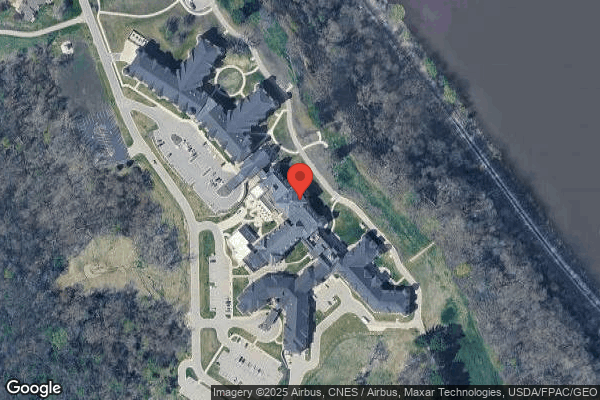
Mount Carmel Bluffs

1160 Carmel Drive, Dubuque, IA 52003 (563) 556-5474
For profit - Limited Liability company 60 Beds PRESBYTERIAN HOMES & SERVICES Data: November 2025
Trust Grade
95/100
#53 of 392 in IA
Last Inspection: February 2025

Within standard 12-15 month inspection cycle. Federal law requires annual inspections.

Overview

Mount Carmel Bluffs has earned an impressive Trust Grade of A+, indicating it is an elite facility in terms of care quality. It ranks #53 out of 392 nursing homes in Iowa, placing it in the top half of all facilities in the state, and #6 of 12 in Dubuque County, meaning there are only a few local options that are slightly better. The facility's performance trend is stable, with six issues identified in recent inspections, which has not worsened over time. Staffing is a strong point, with a perfect 5/5 rating and a low turnover rate of 21%, significantly better than the state average of 44%. Furthermore, they enjoy good RN coverage, exceeding 91% of Iowa facilities, which helps catch potential problems early. However, there were some concerns noted, such as hazardous items being left unattended in common areas and instances of staff not treating residents with the dignity they deserve. These issues highlight areas for improvement, even while the overall quality of care remains high.

Trust Score
A+
95/100
In Iowa
#53/392
Top 13%
Safety Record
Low Risk
No red flags
Inspections
Holding Steady
3 → 3 violations
Staff Stability
✓ Good
21% annual turnover. Excellent stability, 27 points below Iowa's 48% average. Staff who stay learn residents' needs.
Penalties
✓ Good
No fines on record. Clean compliance history, better than most Iowa facilities.
Skilled Nurses
✓ Good
Each resident gets 77 minutes of Registered Nurse (RN) attention daily — more than 97% of Iowa nursing homes. RNs are the most trained staff who catch health problems before they become serious.
Violations
○ Average
6 deficiencies on record. Average for a facility this size. Mostly minor or procedural issues.
★★★★★
5.0
Overall Rating
★★★★★
5.0
Staff Levels
★★☆☆☆
2.0
Care Quality
★★★★☆
4.0
Inspection Score
Stable
2024: 3 issues
2025: 3 issues

The Good

  • 5-Star Staffing Rating · Excellent nurse staffing levels
  • Low Staff Turnover (21%) · Staff stability means consistent care
  • Full Sprinkler Coverage · Fire safety systems throughout facility
  • No fines on record
  • Staff turnover is low (21%)

    27 points below Iowa average of 48%

Facility shows strength in staffing levels, staff retention, fire safety.

The Bad

Chain: PRESBYTERIAN HOMES & SERVICES

Part of a multi-facility chain

Ask about local staffing decisions and management

The Ugly 6 deficiencies on record

Jul 2025 3 deficiencies
CONCERN (D) 📢 Someone Reported This

A family member, employee, or ombudsman was alarmed enough to file a formal complaint

Potential for Harm - no one hurt, but risky conditions existed

Resident Rights (Tag F0550)

Could have caused harm · This affected 1 resident

Based on observation, clinical record review, resident interview, staff interview and review of the facilities Resident's Rights form revealed the staff failed to treat 2 out of 3 residents with digni...

Read full inspector narrative →
Based on observation, clinical record review, resident interview, staff interview and review of the facilities Resident's Rights form revealed the staff failed to treat 2 out of 3 residents with dignity and respect during care as a means to maintain their individual resident rights. (Residents #4 and #5)Findings include:1. Resident #4's Minimum Data Set (MDS) assessment form dated 4.8.25 identified a Brief Interview for Mental Status score of 15, indicating intact cognition. The MDS listed Resident #4 as non-ambulatory, required substantial to maximum assistance with toileting hygiene, and partial to moderate assistance with toilet transfers. The MDS included diagnoses of renal insufficiency (impaired kidney function), diabetes mellitus (DM) and chronic respiratory failure. During an interview on 6/25/25 at 4:24 PM Resident #4 reported one night she put on her call light to use the bathroom. When Staff C, Certified Nursing Assistant (CNA), answered she presented as not nice. Resident #4 explained Staff C failed to say hello when she responded to her request for assistance and just abruptly took her to the bathroom, assisted her back to bed and slapped her CPAP (continuous positive airway pressure) mask over her nose and mouth used for sleep apnea (absence of breathing) on her face. Resident #4 felt most staff members explained their intentions prior to touching them, but Staff C acted stern which caused Resident #4 to feel a little scared. 2. Resident #5's MDS assessment form dated 4.19.25 identified a BIMS score of 15, indicating intact cognition. During an interview on 6/26/25 at 4:52 PM Resident #5 described staff as some being better than others but she preferred not to talk about any specific situations because she didn't want to get anyone in trouble with the facility. Resident #5 added the staff member she referred to, worked the night shift. She felt they had a language barrier as the staff member came from another country. Resident #5 described the unknown staff member as not Mrs. Personality, just cold. 3. Resident #6's MDS assessment dated 6.13.25 Resident #6 had a BIMS score of 13, indicating intact cognition.During an interview on 6/27/25 at 7:57 AM Staff E, Registered Nurse (RN) confirmed she worked with Staff C on the night shift and indicated Resident #6 told her about being afraid to put on her call light because Staff C had an attitude but never shared any other specifics. During an interview on 6/27/25 at 7:50 AM Staff D, RN, indicated some residents complained about Staff C not being so patient or friendly. However, she couldn't recall their names because she only worked at the facility for a short period of time.
CONCERN (D) 📢 Someone Reported This

A family member, employee, or ombudsman was alarmed enough to file a formal complaint

Potential for Harm - no one hurt, but risky conditions existed

Quality of Care (Tag F0684)

Could have caused harm · This affected 1 resident

**NOTE- TERMS IN BRACKETS HAVE BEEN EDITED TO PROTECT CONFIDENTIALITY** Based on observations, clinical record review, staff interview and facility policy review, the facility failed to complete an ad...

Read full inspector narrative →
**NOTE- TERMS IN BRACKETS HAVE BEEN EDITED TO PROTECT CONFIDENTIALITY** Based on observations, clinical record review, staff interview and facility policy review, the facility failed to complete an adequate assessment and intervention for 3 of 3 residents following a change in condition (Residents #3, #6 and #7). The facility identified a census of 56 residents. Findings include:Resident #3's Minimum Data Set (MDS) assessment dated [DATE] identified a Brief Interview for Mental Status (BIMS) score of 15, indicating intact cognition. The MDS indicated Resident #3 depended on the staff to rolling left and right in bed, she didn't attempt to walk due to safety concerns or medical conditions and didn't use a wheelchair.An observation on 6/25/25 at approximately 3:05 PM revealed Resident #3 had a bandage on her left lower forearm. Noted drainage approximately 1/2 a pea sized and dark in color. The bandage lacked a date or initials indicating when someone placed the bandage. During an interview on 6/25/25 at 4:13 PM the Director of Nursing (DON) indicated she didn't know Resident #3 had a band aide or injury. She added if a resident had a bandage present, she would expect the staff to assess the area and intervene.During an observation on 6/25/25 at 4:20 PM Staff B removed the bandage. The bandage contained a scant amount of sanguineous (red drainage similar to blood) drainage and an approximate 2 centimeter (cm) sized skin tear. The skin appeared partially scabbed over at the point closest to Resident #3's hand with the rest of the area moist with active drainage and a small amount of sanguineous drainage. Staff B replaced the bandage but failed to clean the area. During an interview on 6/25/25 at 5:10 PM Staff B verbalized she didn't have treatment supplies available in Resident #3's room except a bandaide and the area required 4x4's, measuring tape, etc. Staff B explained she didn't keep the area open to air while she gathered supplies so covered it with a bandaide. In addition, Staff B reported she felt nervous, making it so she failed to think clearly and just didn't want to leave a wound open to air with the inspectors present. During an interview on 6/25/25 at 4:25 PM the Director of Nursing (DON) confirmed the facility provided nursing staff with standing orders and she would have expected Staff B to have cleansed the skin tear prior to the placement of a new bandage and she would have expected the staff to have reported the skin tear to her along with an investigation as to the cause. Resident #3's clinical record review lacked assessments or interventions to the area prior to the above date and time. On 6/26/25 at 11:56 AM Staff B confirmed she didn't know about the bandage present on Resident #3's left lower arm prior to the above event. During an interview on 6/26/25 at 12:03 PM Staff F, Registered Nurse (RN), confirmed she took care of Resident #3 on 6/24/25 and no one reported a skin tear to her. Staff F indicated if a resident sustained a skin tear, the staff notified the physician for a treatment order, documented an assessment in the Progress Notes and notification of family. During an interview on 6/26/25 at 12:37 PM a Sister/Nun confirmed she accompanied Resident #3 to a physician's appointment on Saturday 6/21/25 or Sunday 6/22/25. She explained the hospital staff mentioned Resident #3 sustained a skin tear when they drew her blood. During an interview on 6/26/25 at 3:40 PM Staff H, Certified Nurse Aide (CNA), reported she gave Resident #3 a bath the previous week and noticed a bandage on her left lower arm. The bandage peeled back so she informed the nurse.2. Resident #6's Nursing MDS - V 13 evaluation completed 6/11/25 reflected she had no functional limitations to her upper or lower extremities. The evaluation indicated she used a 4 wheeled walker and wore eye glasses. She could walk independently and see adequately with her glasses. She last fell on 4/27/25.The Fall Note dated 6/24/25 at 11:58 AM indicated the staff found Resident #6 on floor at 8 AM with no initial injuries. The General Note labeled late entry dated 6/24/25 at 1:04 PM documented Resident #6 complained of pain to her right ribs where she hit the waste bin when she fell.The General Note labeled late entry dated 6/24/25 at 1:08 PM listed Resident #6's apical pulse (heart rate) as 76 beats per minute (bpm). Resident #6's progress notes lacked assessments after 1:08 PM on 6/24/25.The Fall Follow-Up Note dated 6/25/25 at 12:29 AM identified Resident #6 complained of pain 10 out of 10 on the pain scale (0 - no pain, 10 worst pain) to her right-sided rib. The nurse obtained vitals, checked range of motion, and gave Resident #6 some Tylenol for her pain. Resident #6's clinical record lacked an assessment from 6/25/25 at 1:20 PM until 6/27/25 at 11:24 PM.The General Note dated 6/27/25 at 11:34 PM reflected Resident #6 approached the nurse and requested to be placed on the list to see her Physician due to her right rib pain at an 8 out of10. Resident #6's clinical record lacked an assessment from 6/27/25 at 11:34 PM until 6/30/25 at 11:09 AM.The General Note dated 6/30/25 at 11:09 AM identified Resident #6 reported to the nurse she thought she should get checked out. She explained she had a pain rating of 3 out of 10. She added she could do her normal things, but it still hurt. Resident #6 received some Tylenol for her comfort.The General Note dated 6/30/25 at 2:42 PM indicated Resident #6 had an appointment for the next day to have an x-ray before her appointment with the physician. Resident #6 refused to go to the emergency room (ER) or acute care.The General Note dated 7/1/25 at 5:56 PM identified Resident #6 returned from an X-ray and a visit with her physician. The visit progress notes reflected she had multiple right rib fractures and new orders for Tylenol 500 milligrams (mg) 2 tablets twice a day along with her as needed (PRN) for a maximum of 8 tablets daily.The Pain Note dated 7/2/25 at 11:00 AM indicate Resident #6 reported being ok, not too bad. The General Note dated 7/3/25 at 12:27 PM reflected Resident #6 complained of dizziness. The staff assessed Resident #6's vital signs.Resident #6's clinical record lacked an assessment following the 7/3/25 at 12:27 PM through 7/8/25. The clinical record lacked an assessment on her lungs following the fall.3. Resident #7's MDS assessment dated [DATE] identified a BIMS score of 99, indicating they couldn't complete the interview. The General Note dated 6/4/25 at 1:58 PM identified Resident #7 ate a large lunch and then had a 60 cubic centimeter (cc) emesis (vomit) of a yellow liquid. The nurse conducted an assessment and notified her physician.The Lab Note dated 6/5/25 at 2:36 PM reflected Resident #7 tested negative for COVID-19. Resident #7's clinical record lacked an assessment following 6/4/25 and the lab test.A Communication and Notification - Staff, Practitioners and Resident Representatives policy modified July 2024 defined the purpose of the policy as implementation and an effective communication system across all shifts which included a change in medical condition.
CONCERN (E) 📢 Someone Reported This

A family member, employee, or ombudsman was alarmed enough to file a formal complaint

Potential for Harm - no one hurt, but risky conditions existed

Accident Prevention (Tag F0689)

Could have caused harm · This affected multiple residents

**NOTE- TERMS IN BRACKETS HAVE BEEN EDITED TO PROTECT CONFIDENTIALITY** Based on observation, clinical record review, staff interview and facility policy review, the facility failed to assure all resi...

Read full inspector narrative →
**NOTE- TERMS IN BRACKETS HAVE BEEN EDITED TO PROTECT CONFIDENTIALITY** Based on observation, clinical record review, staff interview and facility policy review, the facility failed to assure all residents remained in a safe and secure environment with all hazardous items locked and/or contained in a safe area not accessible to residents (Residents #7, #8 and #9). The facility identified a census of 56 residents. Findings include: On 6/25/25 at 2:24 PM observed an unattended 4 wheeled utility cart that had 2 open shelves positioned outside of occupied room [ROOM NUMBER]. The cart contained deodorant spray and disinfectant wipes. Both bottles directed to keep out of reach of children. In addition, noted 3 pairs of pointed edged scissors accessible on the cart. During an interview at the same time, Staff A, Registered Nurse (RN), confirmed the facility policy directed the facility staff to keep the items locked up. Staff A identified Resident #8 as a resident who wandered in that area of the campus. She witnessed the cart supplied with the above items prior to the investigation at that time she redirected the staff and/or visitors to the facility. Resident #8's Minimum Data Set (MDS) assessment dated [DATE] identified a Brief Interview for Mental Status (BIMS) score of 3, indicating severely impaired cognition. The observation noted an unsecured container of disinfectant wipes on a shelving unit in a lounge area on the first floor of the facility accessible to all residents. During the observation witnessed an unattended 4 wheeled utility cart with 2 shelves positioned outside of an occupied room [ROOM NUMBER]. The cart contained 3 pairs of pointed edged scissors accessible to anyone. At the time Staff A confirmed 3 pairs of scissors present. Staff A identified Resident #9 wandered in that area of the campus. Resident #9's MDS assessment dated [DATE] identified a BIMS score of 5, indicating severely impaired cognition.During an interview on 6/25/25 at 2:38 PM Staff A confirmed Resident #9 wandered. According to an email dated 6/25/25 at 2:52 PM the Director of Nursing (DON) identified Residents #7, #8, and #9 as residents who wandered. A PHS Chemical Policy revised 12/15/20 defined the purpose of the policy as a means to have established a chemical purchasing, storage, disposal and use program. The policy directed to use, store, transport, and dispose chemicals in compliance with applicable laws and regulations. The section related to storage instructed to store under locked storage and used by trained personnel.
Apr 2024 3 deficiencies
CONCERN (D)

Potential for Harm - no one hurt, but risky conditions existed

Deficiency F0658 (Tag F0658)

Could have caused harm · This affected 1 resident

**NOTE- TERMS IN BRACKETS HAVE BEEN EDITED TO PROTECT CONFIDENTIALITY** Based on observation, clinical record review, policy review, and staff interview the facility failed to follow professional stan...

Read full inspector narrative →
**NOTE- TERMS IN BRACKETS HAVE BEEN EDITED TO PROTECT CONFIDENTIALITY** Based on observation, clinical record review, policy review, and staff interview the facility failed to follow professional standards during medication administration by leaving medications in the resident's room without making sure the resident took the medication for 1 of 5 residents observed (Resident #43). The facility reported a census of 43 residents. Findings include: The Minimum Data Set (MDS) dated [DATE] for Resident #43 indicated a Brief Interview for Mental Status (BIMS) score of 15/15 indicating no cognitive impairment. The MDS contained diagnoses including: coronary artery disease, diabetes mellitus, and renal insufficiency. The resident Care Plan revised 3/01/24 included interventions directing staff to set up and administer medications for Resident #43 as ordered. The Self-Administration of Medication-V3 assessment dated [DATE] documented the resident as capable of self-administering only oral acetaminophen as needed. During an observation on 4/02/24 at 7:56 AM Staff I, Registered Nurse (RN) set up the resident's medications into two medication cups. She then left the cups on the side table by the resident and failed to administer the medications or observe the resident taking them. In an interview on 4/02/24 at 9:25 AM Staff I reported the resident takes her medications independently every morning. She explained the resident's BIMS is high, she can go out of the facility without assistance, and it is a known preference for the resident to take her own medications after set-up. In an interview on 4/03/24 at 9:50 AM the Clinical Administrator explained she expected a resident to be able to identify what the medication is, how to administer it, what they take it for, and if there are parameters in order to be able to self-administer medication. She reported the facility does not currently have any residents that are able to take their full regimen of medications from a cup independently. She explained Resident #43 does not meet the qualifications to do that. The Self Administration of Medication Policy modified November 2016 documented each resident has a right to self-administer drugs unless the interdisciplinary team has determined that the practice is clinically inappropriate for the resident. The Procedure detailed the following steps: 1. A Self Administration of Medication Assessment as part of the comprehensive data collection will be completed on all residents upon admission, annually and with significant change in condition and at any time a resident is requesting to administer any medication without the direct supervision of a nurse. 2. After the assessment is completed, the interdisciplinary team reviews the assessment to determine that the practice of self-administration is clinically appropriate. 3. The ability for a resident who is self-administering medications will be reassessed quarterly and/or with a significant change in condition and as needed. 4. The resident care plan must be updated to reflect self-administration of medications. The Medication Administration Policy modified May 2021 directed staff not to leave medication at the bedside unless the resident has an order for self-administration of medications, has been assessed to be safe to do so, and the care plan reflects the resident's ability.
CONCERN (D)

Potential for Harm - no one hurt, but risky conditions existed

Menu Adequacy (Tag F0803)

Could have caused harm · This affected 1 resident

Based on observation, policy review, and staff interview the facility failed to measure pureed food volumes and to use the correct serving scoops to ensure resident nutritional needs were met. The fac...

Read full inspector narrative →
Based on observation, policy review, and staff interview the facility failed to measure pureed food volumes and to use the correct serving scoops to ensure resident nutritional needs were met. The facility reported a census of 43 residents. Findings include: According to the 4/02/24 Presbyterian Homes & Services Week 2 Lunch menu the following scoop sizes were to be used: a. Soup- 6 ounce (oz.) b. Stir fry- 10 oz. c. Pureed broccoli- scoop #8 (4 oz.) d. Pureed beef with sauce- scoop #8 e. Fruit- ½ cup During a continuous observation of puree preparation on 4/02/24 from 10:00 AM to 10:20 AM Staff D, Dietary [NAME] indicated she was preparing the pureed meal for four residents. She failed to measure out portion sizes prior to pureeing the beef with sauce and the broccoli. She then failed to measure the total volume of the pureed beef with sauce and broccoli after altering the consistency. An observation of the noon meal on 4/02/24 at the second-floor kitchenette revealed the following: A. 12:08 PM Staff F, Dietary Server, placed 3.5 scoops of soup into a blender, added thickener, and pureed it. She failed to measure the total volume of the pureed soup after altering the consistency and poured the soup into bowls for two residents. B. 12:17 PM Staff F and Staff G, Dietary [NAME] were observed serving residents with the following scoop sizes: a. Soup- 4 oz. b. Stir fry- 3 oz. c. Pureed broccoli- scoop #12 (2 2/3 oz.) d. Pureed beef with sauce- scoop #12 C. 12:36 PM Staff G failed to measure fruit she placed into a bowl and served to a resident. The International Dysphagia Diet Standardization Initiative Level 4 Pureed Nutrition Therapy handout dated 2021 failed to indicate measuring techniques for the puree process. The facility failed to have a policy that addressed following the dietitian approved menu. During an interview on 4/02/24 at 10:04 AM Staff D reported she purees a bunch of food and then uses the scoop number indicated on the menu to serve it to get the correct serving size. She explained she does not measure out how much to puree. She reported she adds thickener and veggie broth to get the right consistency. In an interview on 4/02/24 at 12:17 PM Staff F reported she did not have the chart that indicated what number the scoop was based on its color. She noted she had been trying to locate the ounce size on the scoops but could not. She stated the scoop sizes were likely wrong for what was on the diet spreadsheet. During an interview on 4/03/24 at 10:10 AM Staff H, Culinary Director, reported she expected staff to take the food item to be pureed, process the food with liquid (broth or thickener), and use the fork test and spoon test for consistency. She explained staff are to use the scoop size listed on the diet spreadsheet for serving. She acknowledged she had not thought about the difference in volume of the food when pureed. She reported she thought the scoop size on the spreadsheet already accounted for it.
CONCERN (E)

Potential for Harm - no one hurt, but risky conditions existed

Food Safety (Tag F0812)

Could have caused harm · This affected multiple residents

During an observation of the puree preparation on 4/02/24 at 10:04 AM Staff D, Dietary [NAME] placed a spatula on the page in a binder. She then used the spatula to scrape pureed food out of the blend...

Read full inspector narrative →
During an observation of the puree preparation on 4/02/24 at 10:04 AM Staff D, Dietary [NAME] placed a spatula on the page in a binder. She then used the spatula to scrape pureed food out of the blender into a container. An observation of the noon meal preparation on 4/02/24 in the third-floor kitchen revealed the following: A. 11:11 AM Staff D used gloved hands to touch a grilled cheese sandwich and transport it to a holding container. She then touched a spatula, plastic wrap box, opened the heating container, and touched another pan. She failed to change gloves and touched more sandwiches. B. 11:17 AM Staff E, Culinary Assistant Director used gloved hands to touch raw fish and failed to change gloves before he touched seasoning, cooking spray, butter, the oven handle, and a food container. An observation of the noon meal preparation on 4/02/24 in the second-floor kitchenette revealed the following: A. 11:43 AM The following items were opened and undated: granola in an unmarked bag, English muffins, blueberry and everything bagels, wheat and white bread, Lactaid vanilla ice cream, and a frozen hotdog in an unmarked bag. B. 11:58 AM Staff G, Dietary [NAME] wore gloves and touched bread. She then touched plastic wrap, utensils, a knife, and the lid of a container. She failed to change gloves and touched more bread. C. 12:04 PM Staff F, Dietary Server wore gloves and touched paper and utensils. She failed to change gloves and touched bread and then a spatula. She failed to change gloves and touched grilled cheese sandwiches. She then used a thermometer, failed to change gloves, and touched more sandwiches. She then touched salad bowls and chip bags, failed to change gloves, and touched a sandwich. D. 12:09 PM Staff G wore gloves and picked a piece of paper off the floor. She failed to change gloves and proceeded to plate food for a resident. E. 12:12 PM Staff G touched the garbage lid with gloves on. She then failed to change gloves and took bread out of a bag and placed it in the toaster. F. 12:14 PM Staff G placed her bare thumb an inch and a half down touching the inside of a bowl, placed fruit in the bowl, and served it to a resident. During an interview on 4/03/24 at 10:10 AM Staff H, the Culinary Director reported she expected staff to perform hand hygiene when they come in the kitchen, any time they touch their hair, face, or mask, and any time they start or stop a task. Staff must wear gloves any time they touch a regularly eaten food or raw meat, and must remove gloves after the task. They are not to touch anything other than food when they have gloves on. She explained hands must be kept outside the eating surface of dishes. She expected staff to use the new ice hooks inside the machine, not lay it elsewhere. She reported maintenance cleans the ice machine once a month. If staff notice something dirty in between they are to clean it. The Infection Prevention and Control Manual: Dietary Department dated 2020 instructed staff to wash hands as they enter the kitchen and between tasks. It required staff to practice proper food handling procedures, including wearing hairnets or caps and clean uniforms, no bare hand contact with food, wearing disposable gloves to perform certain food handling tasks, and discarding gloves on completion of the task. It required staff to handle ready-to-eat food with only clean kitchen tools or clean, gloved hands. Staff are to prevent cross contamination from utensils that are not adequately cleaned. They are to label and date food to allow for rotation of supplies. The Labeling and Dating Policy, updated 8/2019, instructed staff to label and date ready-to-eat and/or potentially hazardous foods that are opened and/or prepared with the following information: clearly indicate name of product (if not in original container); mark food containers to show when food was opened/prepared, or when the food must be used or discarded; foods that are not marked are to be discarded. The Infection Prevention and Control Manual: Ice Chests and Machines dated 2020 instructed staff to keep ice scoops in a fiberglass tray on top of the chest when not in use. It required staff to remove all extraneous equipment and items from around or on the ice chests and machines. It instructed staff to clean the ice machine on a regular schedule, at least quarterly. Based on observation, policy review, and staff interview the facility failed to use gloves appropriately for assembling and serving meals, keep hands off the eating surfaces of dishes, wear hair nets appropriately, keep the ice machines clean, and date opened foods in order to serve meals under sanitary conditions. The facility reported a census of 46 residents. Findings include: Observation of the first floor kitchenette on 4/01/23 at 9:40 AM revealed the following: a. One small, round, white, four inch cardboard container, with an unknown food substance, undated in the refrigerator. b. One six inch plastic container with one piece of Lasagna Classico, labeled with a resident's name, undated. c. A Manitowoc ice machine with the ice scoop laying on top of the machine and a brown/green substance build-up running horizontally along the back plastic ice shoot. Observation of the first floor kitchenette on 4/01/24 at 12:25 PM revealed Staff A, Dietary Server, donned gloves, opened a bag of bread, reached in and removed two slices of bread, opened the preparation (prep) table cooler with his right gloved hand, removed a container of egg salad from the cooler, removed the plastic wrap from the top of the egg salad container, obtained a knife, then touched both slices of bread with the left gloved hand to anchor while spreading egg salad on each piece of bread. Then Staff A placed the slices of bread together and held the top piece of bread with his left gloved hand while cutting the sandwich in half with a knife in the right gloved hand. Staff A picked up the two sandwich halves and placed on a plate with the dirty gloves. At 12:28 PM Staff A donned gloves, opened a bread bag, reached in and removed two slices of bread, opened the prep table cooler with his right gloved hand, removed a container of chicken salad, removed the plastic wrap from the top of the chicken salad container, anchored both slices of bread with his left gloved hand to spread chicken salad onto the bread with a knife in his right gloved hand. Staff A placed the two slices of bread together with his left gloved hand and cut the sandwich in half with his right gloved hand. Staff A picked up the sandwich halves with both gloved hands and placed on a plate. The sandwiches were served out to Resident #38 and #41. Observation of the second floor kitchenette on 4/01/24 at 2:15 PM revealed the following: a. One container of brown sugar on a lower shelf under the prep table, 3/4 full, undated. b. An opened package of 6 hamburger buns, undated. c. An open package of 3 waffles, undated d. One hot dog in a plastic bag, undated. e. One vegetable burger wrapped in plastic, undated. f. A Manitowoc ice machine had the scoop handle laying inside the ice machine touching the ice. The ice machine had a dark brown/green substance build-up 1/2 inch high running horizontally along the back ice shoot. Observation of the third floor kitchen on 4/01/24 at 2:30 PM revealed the following; a. The sugar and flour bins over half full, undated. b. A large container 1/4 full of barley, undated. c. An open package of four hot dog buns, undated. d. An open package of 6 ciabatta buns, undated e. An open package of 3 hoagie buns, undated. f. An open package of 4 buns, undated. g. An open gluten free bread bag with 5 slices of bread in the Hoshiazki refrigerator, undated. h. A Manitowoc ice machine with 1/4 inch high brown/green substance build-up running horizontally down the length of the back ice shoot. i. An open 1/2 bag of carrots, undated, and two pans of ground meat undated in the prep table refrigerator. j. An open 3/4 full bag of wilted, dark green, moist, spinach, undated; 1 full unopened bag of wilted, dark, green, moist spinach; 1/4 bag of opened, undated, yellow, wilted parsley, and 1/4 bag of open, undated, Mediterranean vegetables. Observation of the first floor meal service on 4/02/24 included the following: a. At 12:18 Staff B, Dietary Cook, donned gloves, opened a bread bag, removed two slices of wheat bread and placed both slices of bread in the toaster. Staff B, still wearing the same gloves, open the preparation (prep) table cooler, removed plastic wrap from a container of bacon and placed several slices of bacon on a plate, then removed the gloves. b. At 12:20 PM Staff C, Dietary Server, entered the kitchen and donned gloves without washing her hands. Staff C opened a bread bag, removed two slices of bread and placed on the prep table. Staff C opened the prep table refrigerator, pulled a container of chicken salad out of the cooler, removed the plastic wrap from the top of the container and proceeded to anchor the bread with her left gloved hand while spreading the chicken salad with a knife held in her right hand. She then picked a piece of lettuce out of a container in the cooler with her right gloved hand and place on the deli chicken sandwich. Staff C pulled a tomato from the cooler and held it with her left gloved hand while she cut slices with a knife in her right gloved hand. She then removed the left glove and cut the sandwich in half. Staff C used her right gloved hand to pick up the sandwich halves and place on a plate. The chicken deli sandwich was served out to Resident #8. c. At 12:23 Staff C donned gloves without washing her hands, opened a container of salad and used her left gloved hand to place salad in a small bowl. She then removed plastic wrap off the top of a container of mixed fruit and used a scoop to place mixed fruit into a small bowl. d. At 12:25 PM staff B finished assembling the bacon, lettuce, and tomato (BLT) sandwich using gloves that had already touched a knife and other containers. She picked up the BLT sandwich with the same gloves and placed on a plate. The BLT was served out to Resident # 40. e. At 12:26 PM Staff C donned gloves and touched a plate containing one veggie burger. Staff C anchored the veggie burger with her left gloved hand and cut the burger into small pieces with a knife in her right hand. The veggie burger was served out to Resident #201. Staff C had 2-inch x ½ inch piece of hair hanging out of the right side of her hair net by her right ear while preparing food in the kitchen. f. At 12:29 PM Staff C donned gloves, opened a container of salad and placed salad in a small bowl with both her right and left gloved hands. She then opened the cooler, picked up a few tomatoes and cut the tomatoes onto the salad with a knife in her right gloved hand. Staff C then removed her gloves and walked out of the kitchen. During an interview on 4/03/24 at 12:40 PM the Culinary Director reported the culinary staff on first floor probably did not have enough tongs in the kitchen and probably only think to use the tongs for hot food. She reported she would have to educate the staff more on the proper use of tongs, gloves, and not touching food. She reported staff should be washing their hands after using gloves. She verbalized she had talked to Staff A regarding the ice machine on 4/03/24 and Staff A thought the ice machine was to be cleaned quarterly, not monthly, so they are addressing the ice machines.
Understanding Severity Codes (click to expand)
Life-Threatening (Immediate Jeopardy)
J - Isolated K - Pattern L - Widespread
Actual Harm
G - Isolated H - Pattern I - Widespread
Potential for Harm
D - Isolated E - Pattern F - Widespread
No Harm (Minor)
A - Isolated B - Pattern C - Widespread

Questions to Ask on Your Visit

  • "Can I speak with families of current residents?"
  • "What's your RN coverage like on weekends and overnight?"

Our Honest Assessment

Strengths
  • • Grade A+ (95/100). Above average facility, better than most options in Iowa.
  • • No major safety red flags. No abuse findings, life-threatening violations, or SFF status.
  • • No fines on record. Clean compliance history, better than most Iowa facilities.
  • • 21% annual turnover. Excellent stability, 27 points below Iowa's 48% average. Staff who stay learn residents' needs.
Concerns
  • • No significant concerns identified. This facility shows no red flags across CMS ratings, staff turnover, or federal penalties.
Bottom line: Generally positive indicators. Standard due diligence and a personal visit recommended.

About This Facility

What is Mount Carmel Bluffs's CMS Rating?

CMS assigns Mount Carmel Bluffs an overall rating of 5 out of 5 stars, which is considered much above average nationally. Within Iowa, this rating places the facility higher than 99% of the state's 100 nursing homes. This rating reflects solid performance across the metrics CMS uses to evaluate nursing home quality.

How is Mount Carmel Bluffs Staffed?

CMS rates Mount Carmel Bluffs's staffing level at 5 out of 5 stars, which is much above average compared to other nursing homes. Staff turnover is 21%, compared to the Iowa average of 46%. This relatively stable workforce can support continuity of care.

What Have Inspectors Found at Mount Carmel Bluffs?

State health inspectors documented 6 deficiencies at Mount Carmel Bluffs during 2024 to 2025. These included: 6 with potential for harm.

Who Owns and Operates Mount Carmel Bluffs?

Mount Carmel Bluffs is owned by a for-profit company. For-profit facilities operate as businesses with obligations to shareholders or private owners. The facility is operated by PRESBYTERIAN HOMES & SERVICES, a chain that manages multiple nursing homes. With 60 certified beds and approximately 51 residents (about 85% occupancy), it is a smaller facility located in Dubuque, Iowa.

How Does Mount Carmel Bluffs Compare to Other Iowa Nursing Homes?

Compared to the 100 nursing homes in Iowa, Mount Carmel Bluffs's overall rating (5 stars) is above the state average of 3.1, staff turnover (21%) is significantly lower than the state average of 46%, and health inspection rating (4 stars) is above the national benchmark.

What Should Families Ask When Visiting Mount Carmel Bluffs?

Based on this facility's data, families visiting should ask: "Can I visit during a mealtime to observe dining assistance and food quality?" "How do you handle medical emergencies, and what is your hospital transfer rate?" "Can I speak with family members of current residents about their experience?"

Is Mount Carmel Bluffs Safe?

Based on CMS inspection data, Mount Carmel Bluffs has a clean safety record: no substantiated abuse findings (meaning no confirmed cases of resident harm), no Immediate Jeopardy citations (the most serious violation level indicating risk of serious injury or death), and is not on the Special Focus Facility watch list (a federal program monitoring the lowest-performing 1% of nursing homes). The facility has a 5-star overall rating and ranks #1 of 100 nursing homes in Iowa. While no facility is perfect, families should still ask about staff-to-resident ratios and recent inspection results during their visit.

Do Nurses at Mount Carmel Bluffs Stick Around?

Staff at Mount Carmel Bluffs tend to stick around. With a turnover rate of 21%, the facility is 24 percentage points below the Iowa average of 46%. Low turnover is a positive sign. It means caregivers have time to learn each resident's needs, medications, and personal preferences. Consistent staff also notice subtle changes in a resident's condition more quickly. Registered Nurse turnover is also low at 8%, meaning experienced RNs are available to handle complex medical needs.

Was Mount Carmel Bluffs Ever Fined?

Mount Carmel Bluffs has no federal fines on record. CMS issues fines when nursing homes fail to meet care standards or don't correct problems found during inspections. The absence of fines suggests the facility has either maintained compliance or corrected any issues before penalties were assessed. This is a positive indicator, though families should still review recent inspection reports for the full picture.

Is Mount Carmel Bluffs on Any Federal Watch List?

Mount Carmel Bluffs is not on any federal watch list. The most significant is the Special Focus Facility (SFF) program, which identifies the bottom 1% of nursing homes nationally based on persistent, serious quality problems. Not being on this list means the facility has avoided the pattern of deficiencies that triggers enhanced federal oversight. This is a positive indicator, though families should still review the facility's inspection history directly.