Stonehill Care Center
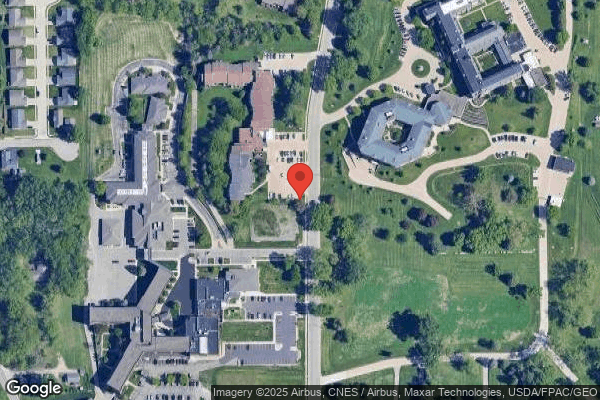
3485 Windsor Avenue, Dubuque, IA 52001 (563) 557-7180
Non profit - Corporation 185 Beds Independent Data: November 2025
Trust Grade
75/100
#232 of 392 in IA
Last Inspection: August 2025

Inspected within the last 6 months. Data reflects current conditions.

Overview

Stonehill Care Center has a Trust Grade of B, indicating it is a good facility, though not at the top tier. It ranks #232 out of 392 nursing homes in Iowa, placing it in the bottom half, and #8 out of 12 in Dubuque County, suggesting limited better options nearby. The trend is stable, with four identified issues in both 2023 and 2025, indicating consistent concerns rather than improvement. Staffing is a weakness, with a low rating of 1 out of 5 stars, though the 25% turnover rate is better than the state average, suggesting some staff do remain. Notably, there have been no fines, but there were significant concerns such as failing to properly clean glucometers for residents, which could risk infection, and a medication error involving insulin administration that was not primed correctly, which affects dosage accuracy; these incidents highlight both the strengths and weaknesses of care.
Trust Score
B
75/100
In Iowa
#232/392
Bottom 41%
Safety Record
Low Risk
No red flags
Inspections
Holding Steady
2 → 2 violations
Staff Stability
✓ Good
25% annual turnover. Excellent stability, 23 points below Iowa's 48% average. Staff who stay learn residents' needs.
Penalties
✓ Good
No fines on record. Clean compliance history, better than most Iowa facilities.
Skilled Nurses
○ Average
Each resident gets 37 minutes of Registered Nurse (RN) attention daily — about average for Iowa. RNs are the most trained staff who monitor for health changes.
Violations
✓ Good
Only 4 deficiencies on record. Cleaner than most facilities. Minor issues only.
★★★☆☆
3.0
Overall Rating
★☆☆☆☆
1.0
Staff Levels
★★★★☆
4.0
Care Quality
★★★★☆
4.0
Inspection Score
Stable
2023: 2 issues
2025: 2 issues

The Good

  • 4-Star Quality Measures · Strong clinical quality outcomes
  • Low Staff Turnover (25%) · Staff stability means consistent care
  • Full Sprinkler Coverage · Fire safety systems throughout facility
  • No fines on record
  • Staff turnover is low (25%)

    23 points below Iowa average of 48%

Facility shows strength in quality measures, staff retention, fire safety.

The Bad

3-Star Overall Rating

Near Iowa average (3.1)

Meets federal standards, typical of most facilities

The Ugly 4 deficiencies on record

Aug 2025 2 deficiencies
CONCERN (D)

Potential for Harm - no one hurt, but risky conditions existed

Unnecessary Medications (Tag F0759)

Could have caused harm · This affected 1 resident

Based on observation, clinical record review, and staff interview the facility failed to properly administer insulin from a Kwik pen for 2 out of 2 residents reviewed (Resident #174, Resident #175), r...

Read full inspector narrative →
Based on observation, clinical record review, and staff interview the facility failed to properly administer insulin from a Kwik pen for 2 out of 2 residents reviewed (Resident #174, Resident #175), resulting in a facility medication error rate of 8%. The facility identified a census of 158 residents.Findings include: 1.) Review of the Medication Administration Record for Resident #174 revealed an order for sliding scale insulin. On 08/06/2025 at 8:05 AM Staff A, Registered Nurse (RN) administered 2 units Lispro insulin via Kwik pen to Resident #174 and did not prime the needle prior to administration. 2.) Review of the Medication Administration Record for Resident #175 revealed a sliding scale order for Lispro Kwik pen insulin. On 08/06/2025 at 9:16 AM Staff A, RN administered 8 units Lispro insulin via a Kwik pen to Resident #175 and she failed to prime the insulin pen prior to medication administration. On 08/04/2025 at 11:59 AM Staff D, Licensed Practical Nurse (LPN) stated to administer insulin from a Kwik pen, clean the tip of the pen, put on the needle, prime the needle with 2 units and then administer the medication. On 08/06/2025 at 3:58 PM Staff A, RN stated should prime the insulin pen with 1 or 2 units and then after it is primed, verify the needle is working. Then could draw up the prescribed dose and then administer. Staff A explained she did not prime the insulin pen for either resident because she was nervous. On 08/07/2025 at 12:29 PM Staff G, RN, Co Director of Nursing (Co DON) stated would expect staff to prime the insulin needle with minimum 2 units prior to drawing up the ordered dose of insulin, and had provided education on this last week. Review of the package insert for Lispro insulin Kwik pen directed to prime before each injection. Priming your pen means removing the air from the needles and the cartridge that may collect during normal use and ensures the pen is working correctly. If you do not prime before each injection you may get too little or too much insulin.
CONCERN (E)

Potential for Harm - no one hurt, but risky conditions existed

Infection Control (Tag F0880)

Could have caused harm · This affected multiple residents

Based on observation, clinical record review, staff interview, and facility policy review the facility failed to properly clean glucometers for 4 out of 4 residents reviewed for blood glucose monitori...

Read full inspector narrative →
Based on observation, clinical record review, staff interview, and facility policy review the facility failed to properly clean glucometers for 4 out of 4 residents reviewed for blood glucose monitoring (Resident #90, Resident #144, Resident #174, Resident #175). The facility failed to utilize enhanced barrier precautions for 2 out of 3 residents with a gastrostomy tube (Resident #35, Resident #90). The facility identified a census of 158 residents. Findings include: 1.) Review of Resident #90's Care Plan revealed a problem initiated on 7/23/25 for enhanced barrier precautions. It directed staff to wear personal protective equipment while providing direct care including dressing, bathing, toileting, transferring, personal hygiene, assessment/manipulation of device, and linen changes. On 08/06/2025 at 9:32 AM Staff A, Registered Nurse (RN) administered medications via gastrostomy tube to Resident #90. Upon entering the room, Staff A donned a mask and gloves, and failed to put on a gown. The room had a magnet on the door frame with enhanced barrier precautions. The isolation cart in the room had a sign on it which instructed staff to use enhanced barrier precautions with gastrostomy tube. 2.) Review of Resident #35's Care Plan revealed a problem of enhanced barrier precautions dated 5/15/25. It directed staff to wear personal protective equipment while providing direct care including dressing, bathing, toileting, transferring, personal hygiene, assessment/manipulation of device, and linen changes.On 08/06/2025 at 11:19 AM Staff C, RN went in Resident #35's room to administer medications via gastrostomy tube. Staff C failed to put on a mask or don a gown for enhanced barrier precautions. There was a small magnet on the door frame for enhanced barrier precautions. The isolation supply cart inside the room had a sign on top of the cart which stated to use a gown for gastrostomy tube. On 08/06/2025 at 12:14 PM Staff D, Licensed Practical Nurse (LPN) stated she received education on enhanced barrier precautions. Staff D explained it should be used on residents with a catheter or an open wound. Per Staff D, would use them on a gastrostomy tube, and it would entail to gown up and utilize gloves. On 08/06/2025 at 4:00 PM Staff A, RN stated enhanced barrier precautions should be used when providing cares or close contact to a resident with a chronic wound or a catheter. Per Staff A, she should have done it with the gastrostomy tube, and she looked for the magnet on the door which indicated they needed enhance barrier precautions. Staff A explained she walked out of the room and saw the magnet and realized she forgot to wear it for Resident #90. On 08/07/2025 at 12:20 PM Staff G, RN, Director of Nursing (DON) stated facility provided education on enhanced barrier precautions, and did it initially when it came out with hands on training. The DON further explained also provided literature, annually after that, and with the hire of new staff. The DON explained their expectation with enhanced barrier precautions was per the regulation when they were direct care, and the residents who needed enhanced barrier precautions were catheters, chronic wounds, and feeding tubes. Per the DON, would expect them to wear a mask, gown and gloves. The facility provided a policy titled Enhanced Barrier Precautions revised 4/2025 directed staff that enhanced barrier precautions will be initiated for residents with any of the following: Wounds (for example: chronic wounds such as pressure ulcers, diabetic foot ulcers, unhealed surgical wounds, and chronic venous stasis ulcers) and/or indwelling medical devices (for example: central lines, urinary catheters, feeding tubes, tracheostomy/ventilator tubes) even if the resident is not known to be infected or colonized with a MDRO (multidrug-resistant organism). 3.) On 08/06/2025 8:05 AM Staff A, RN checked a blood sugar on Resident #174. She cleaned the glucometer with a hydrogen peroxide wipe, just wiped it, and immediately put it back in the drawer. On 08/06/2025 at 8:20 AM Staff B, RN completed a blood sugar on Resident #144, then cleaned the glucometer with an alcohol wipe, and set it on top of the medication cart. On 08/06/2025 at 9:16 AM Staff A, RN completed a blood sugar on Resident # 175. She wiped the glucometer with a hydrogen peroxide wipe and set it on the medication cart. On 08/06/2025 at 9:32 AM Staff A, RN completed a blood sugar on Resident #90, and wiped the glucometer with a hydrogen peroxide wipe for 4 seconds. On 08/07/2025 12:09 PM Staff E, RN stated glucometers should be cleaned after each using the green sani-wipes, and staff should clean it completely and let it dry. Staff E explained they were used for multiple residents on the unit, hydrogen peroxide wipes were what they used, she was unsure of the wet time, and maybe should be 5 minutes. The wet time was how long it took to completely disinfect and dry it. On 08/07/2025 at 12:11 PM Staff F, LPN stated the policy for cleaning the glucometer was to clean with the green wipes hydrogen peroxide wipes and thought they needed to stay wet for 2 minutes. Alcohol wipes should not be used on the glucometer. The wet time was the time needed to kill off the bacteria, and the glucometers were used on multiple people in the unit. On 8/7/25 at 12:20 PM Staff G, RN DON stated to clean a glucometer staff should use the disinfectant wipes with green lids, and always told them to look at the label for kill time and they can vary. Per the DON, the general rule was 2 minutes if were unsure. The facility provided a policy titled Blood Glucose Monitoring with revision date of 4/2025 it directed staff to clean and disinfect the glucometer. The technical information sheet for hydrogen peroxide cleaner disinfectant wipes directed to disinfect, let stand for the required contact time a listed on the product back label. Special Instructions for using this product to clean and decontaminate surfaces/objects soiled with blood/body Fluids: contact time: allow surfaces to remain wet for HBV (Hepatitis B), HCV (Hepatitis C) and HIV-1 (Human Immunodeficiency Virus) for 30 seconds. The contact times for other bacteria, viruses, and fungi may differ. See product label for contact times. Other bacteria and virus listed directed kill times were between 30 seconds to one minute.
Jun 2023 2 deficiencies
CONCERN (D) 📢 Someone Reported This

A family member, employee, or ombudsman was alarmed enough to file a formal complaint

Potential for Harm - no one hurt, but risky conditions existed

Comprehensive Care Plan (Tag F0656)

Could have caused harm · This affected 1 resident

**NOTE- TERMS IN BRACKETS HAVE BEEN EDITED TO PROTECT CONFIDENTIALITY** Based on clinical record review, family and staff interviews, and facility policy review the facility failed to follow the care ...

Read full inspector narrative →
**NOTE- TERMS IN BRACKETS HAVE BEEN EDITED TO PROTECT CONFIDENTIALITY** Based on clinical record review, family and staff interviews, and facility policy review the facility failed to follow the care plan which directed the staff to follow the resident with a wheelchair during staff assisted ambulation which resulted in a fall with minor injuries for 1 of 3 residents' sample for fall care plans (Resident #217). The facility identified a census of 156 residents. Findings include: The Minimum Data Set (MDS) assessment dated [DATE] for Resident #217 documented a Brief Interview for Mental Status (BIMS) score of 12 out of 15 possible points indicating mild cognitive loss. The MDS documented the resident required extensive assistance of two staff with transfers and extensive assistance of one staff for assistance walking in the corridor and locomotion on the unit. The MDS listed diagnoses of heart failure, anemia, hypertension, end stage renal disease, hyperkalemia (a medical problem in which you have too much potassium in your blood) and documented shortness of breath with exertion. The MDS documented the resident had falls prior to admission and one fall since admission to the facility that resulted in injury (except major- skin tears, abrasions, lacerations, superficial bruises, hematomas (a hematoma is usually caused by a broken blood vessel that was damaged by surgery or an injury) and sprains; or any fall-related injury that causes the resident to complain of pain. The Care Plan dated 1/17/23 documented Resident #217 at risk of falls with a goal to remain free of injury/major injury and directed the staff to provide non-skid footwear to prevent falls. The Care Plan updated on 1/19/23 directed staff to provide 1 assist for ambulation using a forward wheeled walker (FWW) followed by a wheelchair in the hall twice a day. An Office Clinic Note dated 1/18/23 detailed the resident had several falls over the last several months and had gotten progressively weaker. A Physical Therapy Plan of Care dated 1/18/23 documented the resident presented to therapy with a decline in functional mobility tolerance due to congestive heart failure and progressive weakness. The resident and family noted a decrease in his independence with mobility resulting in decreased safety and increased need for assistance. A Therapy Communication Email dated 1/18/23 documented the resident required an assist of one with a FWW followed by a wheelchair for ambulation. The Therapy Communication Email had been directed to Staff D, RN, Skilled Coordinator. A Fall Event Report dated 1/23/23 at 5:05 p.m. documented Resident #217 had an unwitnessed fall while walking in the hallway with a C.N.A. The resident utilized a walker and one assist. The resident reported he just fell forward. The Report documented he hit his head and experienced a split lip that Staff A, Registered Nurse (RN) had to stop the bleeding to. The report further detailed they assisted the resident up off the floor with a mechanical lift and 3 staff. The Fall Event Report documented a family representative had been notified on 1/23/23 and the facility would provide 2 staff assist with ambulation using a FWW and following the resident with a wheelchair to prevent future falls from occurring. An observation of the resident's room that he had resided in while at the facility revealed Staff B had walked him approximately 30 feet out of the room. During an interview on 6/6/23 at 1:07 p.m. Staff B, Certified Nursing Assistant (C.N.A.) reported she walked Resident #217 out of his room toward the dining room. She stated she assisted him with one assist, gait belt and his walker. She stated the resident voiced he started to get weak and tired. She asked him twice if he would be okay if she went back to his room to get his wheelchair and he reported he would be fine. He stood in the hallway, approximately two room doors up from his room at that time. He had been standing fine with his walker when she left him to go get his walker. She stated when she came out of his room, Resident #217 lay face down on the floor. He voiced his legs had gave out, and his nose hurt. She stated he had blood coming out of his nose. She stated it had been the first time that she had worked with the resident. She stated the facility provides a C.N.A. guide that lists the resident's name, how they transfer, as well as why they are at the facility. There is also a white board in the resident's room that lists how they transfer. She stated his white board had listed to walk him with a one assist and a FWW. On 6/6/23 at 2:55 p.m. Staff C, RN, reported the aide had walked him in the hallway, she did not have a wheelchair behind him and he ended up on the floor. She stated he had a bloody nose. She stated his family requested to have him sent to the emergency room for evaluation because they were concerned about his general health. She stated he had a decline since he had been admitted and the fall had just been a tipping point as the resident was always on the weaker side. She stated they were supposed to follow him with the wheelchair and that is pretty much a standard of practice. She thought his care plan listed to follow him with the wheelchair. She stated he required assist of one and a gait belt for walking and he had a gait belt on at the time of the fall. She stated the aide should not have left the resident on his own since he needed a one assist and she should have had the wheelchair behind him. She stated the aide should not have just left him like that. On 6/6/23 at 4:59 p.m. Staff A reported she didn't recall much about the resident's fall. She did remember he voiced his weakness to the C.N.A. The C.N.A. asked him if he was okay to stand while she went to his room to get his wheelchair. She stated his room at the time had been about two doors down from where she had him standing. She stated he had been alert and oriented and able to make his own decisions. The C.N.A. felt he had been safe to leave while she went to get his wheelchair. Staff A couldn't recall the care planned level of assistance needed or if staff needed to follow him with a wheelchair. She stated he fell between 5:30 p.m. - 6:00 p.m and he had a bloody nose and split lip. During an interview on 6/6/23 at 5:24 p.m. a family member reported he had split both of his lips and had a black eye from the fall. They chose to take him to the emergency room since he had hit his head in the fall. He had never been a one assist. The family member stated he required the assistance of two people when he walked, one person to walk with him and another to follow behind him with the wheelchair. On 6/6/23 at 5:28 p.m. a family member voiced regarding the fall on 1/23/23, she had been upset with the aide. The family stated the aide made the choice not to use the wheelchair. She had been upset the aide left him totally unattended in the hallway where he fell. The family stated the aide could have lowered him to the ground to keep him from getting injured. On 6/7/23 at 4:39 p.m. Staff B reported the evening of the resident's fall on 1/23/23 she looked around but all the other staff were on the other hallway or in the dining room. She stated she didn't try to call out or flag anyone else down to assist her. She left the resident standing in the hallway with his walker to go back to his room and get his wheelchair. During an interview on 6/7/23 at 4:50 p.m., the Director of Nursing, reported he would expect the plan of care to be followed. He reported he would expect the resident's choices to be honored as part of the plan of care. On 6/8/23 at 8:30 a.m. Staff D, Post Acute Nursing Manager, reported the resident's assistance level would have been documented on the whiteboard in the resident's room and they do not keep those. A picture of the whiteboard from Resident #217's room on 1/23/23 provided by the family directed the staff to provide one assist with ambulation and follow the resident with the wheelchair. The Comprehensive Care Plan Policy revised 10/2022 detailed the care plan would include the services to be furnished to attain or maintain the resident's highest practicable physical, mental, and psychosocial well-being. The Policy specified qualified staff would be responsible for carrying out interventions specified in the care plan and would be notified of their roles and responsibilities for carrying out the interventions, initially and when changes are made.
CONCERN (D) 📢 Someone Reported This

A family member, employee, or ombudsman was alarmed enough to file a formal complaint

Potential for Harm - no one hurt, but risky conditions existed

Accident Prevention (Tag F0689)

Could have caused harm · This affected 1 resident

**NOTE- TERMS IN BRACKETS HAVE BEEN EDITED TO PROTECT CONFIDENTIALITY** Based on clinical record review, family and staff interviews, resident images and facililty policy review the facility failed to...

Read full inspector narrative →
**NOTE- TERMS IN BRACKETS HAVE BEEN EDITED TO PROTECT CONFIDENTIALITY** Based on clinical record review, family and staff interviews, resident images and facililty policy review the facility failed to provide adequate supervision when an aide left a resident that required staff assistance standing in the hallway with his walker unassisted while she went back to his room to get his wheelchair, resulting in a fall with minor injury for 1 of 3 residents reviewed (Resident #217). The facility identified a census of 156 residents. Findings include: The Minimum Data Set (MDS) assessment dated [DATE] for Resident #217 documented a Brief Interview for Mental Status (BIMS) score of 12 out of 15 possible points indicating mild cognitive loss. The MDS documented the resident required extensive assistance of two staff with transfers and extensive assistance of one staff for assistance walking in the corridor and locomotion on the unit. The MDS listed diagnoses of heart failure, anemia, hypertension, end stage renal disease, hyperkalemia (a medical problem in which you have too much potassium in your blood) and documented shortness of breath with exertion. The MDS documented the resident had falls prior to admission and one fall since admission to the facility that resulted in injury (except major- skin tears, abrasions, lacerations, superficial bruises, hematomas (a hematoma is usually caused by a broken blood vessel that was damaged by surgery or an injury) and sprains; or any fall-related injury that causes the resident to complain of pain. The Care Plan dated 1/17/23 documented Resident #217 at risk of falls with a goal to remain free of injury/major injury and directed the staff to provide non-skid footwear to prevent falls. The Care Plan updated on 1/19/23 directed staff to provide 1 assist for ambulation using a forward wheeled walker (FWW) followed by a wheelchair in the hall twice a day. An Office Clinic Note dated 1/18/23 detailed the resident had several falls over the last several months and had gotten progressively weaker. A Physical Therapy Plan of Care dated 1/18/23 documented the resident presented to therapy with a decline in functional mobility tolerance due to congestive heart failure and progressive weakness. The resident and family noted a decrease in his independence with mobility resulting in decreased safety and increased need for assistance. A Therapy Communication Email dated 1/18/23 documented the resident required an assist of one with a FWW followed by a wheelchair for ambulation. The Therapy Communication Email had been directed to Staff D, RN, Skilled Coordinator. A Physical Therapy Treatment Note dated 1/20/23 at 4:02 p.m. documented the resident had been able to ambulate 50 feet with a FWW and contact guard assist. The resident required moderate verbal cues on step quality but struggled to correct due to level of fatigue. A Fall Event Report dated 1/23/23 at 5:05 p.m. documented Resident #217 had an unwitnessed fall while walking in the hallway with a C.N.A. The resident utilized a walker and one assist. The resident reported he just fell forward. The Report documented he hit his head and experienced a split lip that Staff A, Registered Nurse (RN) had to stop the bleeding to. The report further detailed they assisted the resident up off the floor with a mechanical lift and 3 staff. The Fall Event Report documented a family representative had been notified on 1/23/23 and the facility would provide 2 staff assist with ambulation using a FWW and following the resident with a wheelchair to prevent future falls from occurring. An observation of the resident's room that he had resided in while at the facility revealed Staff B had walked him approximately 30 feet out of the room. During an interview on 6/6/23 at 1:07 p.m. Staff B, Certified Nursing Assistant (C.N.A.) reported she walked Resident #217 out of his room toward the dining room. She stated she assisted him with one assist, gait belt and his walker. She stated the resident voiced he started to get weak and tired. She asked him twice if he would be okay if she went back to his room to get his wheelchair and he reported he would be fine. He stood in the hallway, approximately two room doors up from his room at that time. He had been standing fine with his walker when she left him to go get his walker. She stated when she came out of his room, Resident #217 lay face down on the floor. He voiced his legs had gave out, and his nose hurt. She stated he had blood coming out of his nose. She stated it had been the first time that she had worked with the resident. She stated the facility provides a C.N.A. guide that lists the resident's name, how they transfer, as well as why they are at the facility. There is also a white board in the resident's room that lists how they transfer. She stated his white board had listed to walk him with a one assist and a FWW. On 6/6/23 at 2:55 p.m. Staff C, RN, reported the aide had walked him in the hallway, she did not have a wheelchair behind him and he ended up on the floor. She stated he had a bloody nose. She stated his family requested to have him sent to the emergency room for evaluation because they were concerned about his general health. She stated he had a decline since he had been admitted and the fall had just been a tipping point as the resident was always on the weaker side. She stated they were supposed to follow him with the wheelchair and that is pretty much a standard of practice. She thought his care plan listed to follow him with the wheelchair. She stated he required assist of one and a gait belt for walking and he had a gait belt on at the time of the fall. She stated the aide should not have left the resident on his own since he needed a one assist and she should have had the wheelchair behind him. She stated the aide should not have just left him like that. On 6/6/23 at 4:59 p.m. Staff A reported she didn't recall much about the resident's fall. She did remember he voiced his weakness to the C.N.A. The C.N.A. asked him if he was okay to stand while she went to his room to get his wheelchair. She stated his room at the time had been about two doors down from where she had him standing. She stated he had been alert and oriented and able to make his own decisions. The C.N.A. felt he had been safe to leave while she went to get his wheelchair. Staff A couldn't recall the care planned level of assistance needed or if staff needed to follow him with a wheelchair. She stated he fell between 5:30 p.m. - 6:00 p.m and he had a bloody nose and split lip. During an interview on 6/6/23 at 5:24 p.m. a family member reported he had split both of his lips and had a black eye from the fall. They chose to take him to the emergency room since he had hit his head in the fall. He had never been a one assist. The family member stated he required the assistance of two people when he walked, one person to walk with him and another to follow behind him with the wheelchair. On 6/6/23 at 5:28 p.m. a family member voiced regarding the fall on 1/23/23, she had been upset with the aide. The family stated the aide made the choice not to use the wheelchair. She had been upset the aide left him totally unattended in the hallway where he fell. The family stated the aide could have lowered him to the ground to keep him from getting injured. The family who is Power of Attorney provided pictures of the resident's injuries. The family stated the pictures were taken during the hospital stay after the fall on 1/23/23. On 6/7/23 at 4:39 p.m. Staff B reported the evening of the resident's fall on 1/23/23 she looked around but all the other staff were on the other hallway or in the dining room. She stated she didn't try to call out or flag anyone else down to assist her. She left the resident standing in the hallway with his walker to go back to his room and get his wheelchair. During an interview on 6/7/23 at 4:50 p.m. the Director of Nursing reported he would expect the plan of care to be followed. He reported he would expect the resident's choices to be honored as part of the plan of care. On 6/8/23 at 8:30 a.m. Staff D, Post Acute Nursing Manager reported the resident's assistance level would have been documented on the whiteboard in the resident's room and they do not keep those. A picture of the whiteboard from Resident #217's room on 1/23/23 provided by the family directed the staff to provide one assist with ambulation and follow the resident with the wheelchair. The Adverse Events Policy, revised 12/2022, provided by the facility directed the staff not to leave a person involved in a critical situation unattended unless it is absolutely necessary to summon additional assistance.
Understanding Severity Codes (click to expand)
Life-Threatening (Immediate Jeopardy)
J - Isolated K - Pattern L - Widespread
Actual Harm
G - Isolated H - Pattern I - Widespread
Potential for Harm
D - Isolated E - Pattern F - Widespread
No Harm (Minor)
A - Isolated B - Pattern C - Widespread

Questions to Ask on Your Visit

  • "Can I speak with families of current residents?"
  • "What's your RN coverage like on weekends and overnight?"

Our Honest Assessment

Strengths
  • • No major safety red flags. No abuse findings, life-threatening violations, or SFF status.
  • • No fines on record. Clean compliance history, better than most Iowa facilities.
  • • Only 4 deficiencies on record. Cleaner than most facilities. Minor issues only.
  • • 25% annual turnover. Excellent stability, 23 points below Iowa's 48% average. Staff who stay learn residents' needs.
Concerns
  • • No major red flags. Standard due diligence and a personal visit recommended.
Bottom line: Generally positive indicators. Standard due diligence and a personal visit recommended.

About This Facility

What is Stonehill Care Center's CMS Rating?

CMS assigns Stonehill Care Center an overall rating of 3 out of 5 stars, which is considered average nationally. Within Iowa, this rating places the facility higher than 0% of the state's 100 nursing homes. This mid-range rating indicates the facility meets federal standards but may have areas for improvement.
How is Stonehill Care Center Staffed?
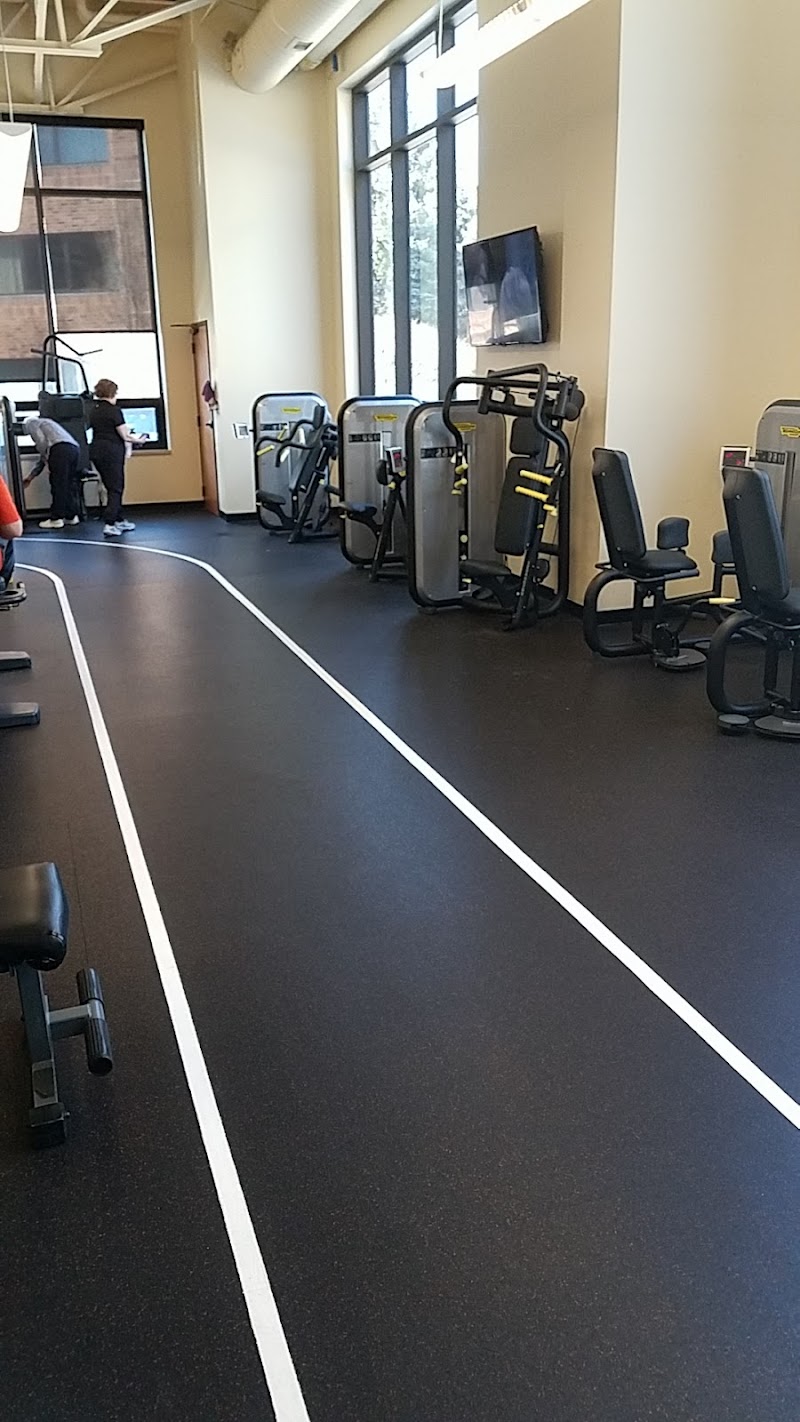
CMS rates Stonehill Care Center's staffing level at 1 out of 5 stars, which is much below average compared to other nursing homes. Staff turnover is 25%, compared to the Iowa average of 46%. This relatively stable workforce can support continuity of care.

What Have Inspectors Found at Stonehill Care Center?

State health inspectors documented 4 deficiencies at Stonehill Care Center during 2023 to 2025. These included: 4 with potential for harm.

Who Owns and Operates Stonehill Care Center?

Stonehill Care Center is owned by a non-profit organization. Non-profit facilities reinvest revenue into operations rather than distributing to shareholders. The facility operates independently rather than as part of a larger chain. With 185 certified beds and approximately 157 residents (about 85% occupancy), it is a mid-sized facility located in Dubuque, Iowa.

How Does Stonehill Care Center Compare to Other Iowa Nursing Homes?

Compared to the 100 nursing homes in Iowa, Stonehill Care Center's overall rating (3 stars) is below the state average of 3.1, staff turnover (25%) is significantly lower than the state average of 46%, and health inspection rating (4 stars) is above the national benchmark.

What Should Families Ask When Visiting Stonehill Care Center?

Based on this facility's data, families visiting should ask: "Can you walk me through typical staffing levels on day, evening, and night shifts?" "Can I visit during a mealtime to observe dining assistance and food quality?" "How do you handle medical emergencies, and what is your hospital transfer rate?" "Can I speak with family members of current residents about their experience?" These questions are particularly relevant given the below-average staffing rating.

Is Stonehill Care Center Safe?

Based on CMS inspection data, Stonehill Care Center has a clean safety record: no substantiated abuse findings (meaning no confirmed cases of resident harm), no Immediate Jeopardy citations (the most serious violation level indicating risk of serious injury or death), and is not on the Special Focus Facility watch list (a federal program monitoring the lowest-performing 1% of nursing homes). The facility has a 3-star overall rating and ranks #100 of 100 nursing homes in Iowa. While no facility is perfect, families should still ask about staff-to-resident ratios and recent inspection results during their visit.

Do Nurses at Stonehill Care Center Stick Around?

Staff at Stonehill Care Center tend to stick around. With a turnover rate of 25%, the facility is 21 percentage points below the Iowa average of 46%. Low turnover is a positive sign. It means caregivers have time to learn each resident's needs, medications, and personal preferences. Consistent staff also notice subtle changes in a resident's condition more quickly. Registered Nurse turnover is also low at 13%, meaning experienced RNs are available to handle complex medical needs.

Was Stonehill Care Center Ever Fined?

Stonehill Care Center has no federal fines on record. CMS issues fines when nursing homes fail to meet care standards or don't correct problems found during inspections. The absence of fines suggests the facility has either maintained compliance or corrected any issues before penalties were assessed. This is a positive indicator, though families should still review recent inspection reports for the full picture.

Is Stonehill Care Center on Any Federal Watch List?

Stonehill Care Center is not on any federal watch list. The most significant is the Special Focus Facility (SFF) program, which identifies the bottom 1% of nursing homes nationally based on persistent, serious quality problems. Not being on this list means the facility has avoided the pattern of deficiencies that triggers enhanced federal oversight. This is a positive indicator, though families should still review the facility's inspection history directly.