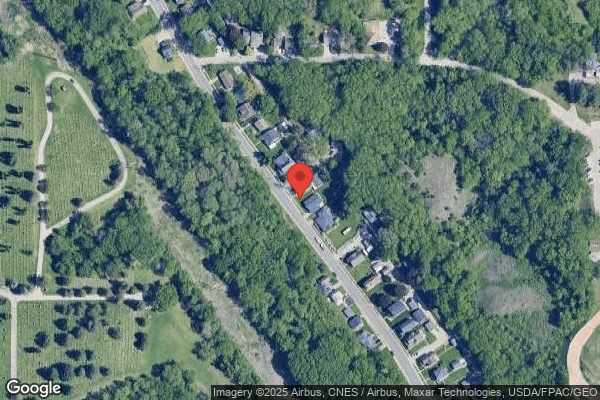

Sunnycrest Manor

2375 ROOSEVELT STREET, DUBUQUE, IA 52001 (563) 583-1781
Government - County 77 Beds Independent Data: November 2025
Trust Grade
78/100
#150 of 392 in IA
Last Inspection: February 2025

Within standard 12-15 month inspection cycle. Federal law requires annual inspections.

Overview

Sunnycrest Manor in Dubuque, Iowa has a Trust Grade of B, indicating it is a good choice among nursing homes, but not the best. It ranks #150 out of 392 facilities in Iowa, placing it in the top half of all state options, and #7 out of 12 in Dubuque County, meaning only a few local options are better. However, the facility's trend is worsening, with issues increasing from 4 in 2024 to 6 in 2025. Staffing is a strong point, rated 5 out of 5 stars, and turnover is low at 27%, which is significantly better than the state average. There have been no fines reported, but the RN coverage is only average. Specific incidents that raise concerns include staff failing to date opened food items and not wearing hair nets or using gloves properly while serving meals, which poses potential health risks. Additionally, kitchen cleanliness issues were noted, such as using the same rag for multiple clean-up tasks without proper sanitizing. While the facility has strong staffing and no fines, the ongoing issues in food safety and sanitation practices are notable weaknesses that families should consider.

Trust Score
B
78/100
In Iowa
#150/392
Top 38%
Safety Record
Low Risk
No red flags
Inspections
Getting Worse
4 → 6 violations
Staff Stability
✓ Good
27% annual turnover. Excellent stability, 21 points below Iowa's 48% average. Staff who stay learn residents' needs.
Penalties
✓ Good
No fines on record. Clean compliance history, better than most Iowa facilities.
Skilled Nurses
✓ Good
Each resident gets 42 minutes of Registered Nurse (RN) attention daily — more than average for Iowa. RNs are trained to catch health problems early.
Violations
⚠ Watch
15 deficiencies on record. Higher than average. Multiple issues found across inspections.
★★★★☆
4.0
Overall Rating
★★★★★
5.0
Staff Levels
★★☆☆☆
2.0
Care Quality
★★★☆☆
3.0
Inspection Score
Stable
2024: 4 issues
2025: 6 issues

The Good

  • 5-Star Staffing Rating · Excellent nurse staffing levels
  • Low Staff Turnover (27%) · Staff stability means consistent care
  • Full Sprinkler Coverage · Fire safety systems throughout facility
  • No fines on record
  • Staff turnover is low (27%)

    21 points below Iowa average of 48%

Facility shows strength in staffing levels, staff retention, fire safety.

The Bad

No Significant Concerns Identified

This facility shows no red flags. Among Iowa's 100 nursing homes, only 1% achieve this.

The Ugly 15 deficiencies on record

Sept 2025 1 deficiency
CONCERN (D) 📢 Someone Reported This

A family member, employee, or ombudsman was alarmed enough to file a formal complaint

Potential for Harm - no one hurt, but risky conditions existed

Resident Rights (Tag F0550)

Could have caused harm · This affected 1 resident

Based on observation, clinical record review, staff and resident interviews, and facility policy, the facility failed to ensure staff treated each resident with dignity and respect for one of four res...

Read full inspector narrative →
Based on observation, clinical record review, staff and resident interviews, and facility policy, the facility failed to ensure staff treated each resident with dignity and respect for one of four residents reviewed (Resident #1). The facility reported a census of 75 residents. Findings include:The MDS (Minimum Data Set) dated 7/30/2025 revealed Resident #1 had no cognitive impairment, required set up assistance with eating, required staff assistance to transfer from one surface to another, and used a wheel chair for mobility. The resident had diagnoses including legal blindness, hard of hearing, depressive disorder and anxiety.The resident's Care Plan revealed the resident had verbal aggression and outbursts related to mental illness initiated 9/11/2013. At times of increased agitation and difficulty with communication, it instructed staff to ensure the resident's cochlear processor (external component of cochlear implant) is placed with charged batteries. The resident, being blind and deaf required the cochlear implant in order to hear. The Care Plan directed staff to monitor the resident's eating and encourage him to eat slowly and alternate liquids and solids. The Facility Incident Investigation dated 8/1/2025 included: On 7/29/2025 the resident exhibited loud verbal outbursts and unsafe eating throughout the mealtime. Staff A, CNA (Certified Nursing Aide) told the resident he needed to leave the dining room. As Staff A transported the resident via his wheel chair towards the elevator, a witness observed Staff A remove the resident's processor (hearing device) from his head and place it in his pocket. Staff A placed the processor prior to arriving on the resident's third floor. Nurse managers were notified and separated the resident from Staff A. Staff A admitted to removing the processor and stated he thought it would help calm the resident down. Removing the processor left the resident without the ability to hear. On 9/2/2025 at 3:50 p.m., Staff B, Administrator reported she reviewed facility camera footage from the evening of July 29. She observed an incident with the resident's chicken, but he ate his food. The resident got upset but could eat his food after staff cut it up. She could not see Staff A remove the processor, but camera footage of inside the elevator allowed her to see him replace it. Staff A reported he thought it would calm the resident down. All staff were re-educated on the abuse policy after the incident occurred. On 9/2/2025 at 11:30 a.m., Staff C, CNA reported worked during the evening shift on July 29. In the dining room during dinner, she and Staff A were in the dining room assisting residents. They gave Resident #1 verbal cues and feared he would choke. Staff A took the resident's meat off the bone, and cut it up. The resident got upset and accused staff of stealing it. Staff A and Staff C assured the resident they only cut the meat up. Staff A appeared frustrated because the resident crammed food in his mouth and refused to listen. The resident did finish his food. Staff A removed him from the table, said I am just going to take him upstairs, he is done and is getting upset. Staff A took him towards the elevator, closest to the front door. Staff C continued to observe residents in the dining room and did not see Staff A remove the resident's processor. On 9/2/2025 at 2:36 p.m., Staff D, CNA reported worked on July 29. During the evening meal, Staff D assisted residents in the dining room. Resident #1 thought he had more chicken. Staff A informed him he had no more chicken, and that he ate it all. The resident insisted he had more. Staff A told the resident he was going to take him out of the dining room because of his disruptive behavior. The resident called Staff A names. Staff D observed Staff A remove the resident's processor and put it in his pocket. Staff D notified the nurse manager. During a phone interview on 9/2/2025 at 10:17 a.m., Staff A reported during the evening meal on July 29, the resident shoveled food into his mouth. Dietary took awhile getting the resident chicken his family had left for him the day before, and that upset the resident. Staff reminded him to slow down, but the resident refused to listen. When Staff A took the resident's chicken and cut it up into bite size pieces to prevent choking. That angered the resident. When the resident completed his meal, Staff A removed him from the table. The resident yelled at Staff A as he pushed his wheelchair towards the elevator. Staff A revealed the resident's behavior frustrated him and he removed the resident's processor. Staff A put the processor on once they were in the elevator. Staff A told the resident he needed to calm down, and had been eating too fast. Staff A thought removing the processor would calm the resident down. He replaced it after less than a minute. Staff A reported the facility terminated his employment due to his decision to remove the resident's processor. Observation during the noon meal on 9/2/2025 revealed staff sat with the resident and provided constant cues and reminders to eat slowly, eat one bite at a time and take a drink in between bites. The resident had episodes of coughing and staff asked him to take one bite at a time. On 9/2/2025 at 1:00 p.m., the resident sat in his room in a wheel chair. The resident said Staff A was pretty good, and some staff were fired because they did not perform as they should. When asked if Staff A ever removed his processor, the resident stated Yes, when he gave me a shower. When asked if Staff A ever removed his processor after dinner, the resident stated Yes, I had chicken left. He put it back on. I guess he was tired of hearing me complaining. The facility Abuse and Crime Prevention, Identification, Investigation and Reporting policy revised 11/2022 included:All residents have the right to be free from abuse, neglect, misappropriation of property, exploitation, corporal punishment, involuntary seclusion, acts of personal degradation, and any physical or chemical restraint not required to treat the resident's medical symptoms.
Feb 2025 5 deficiencies
CONCERN (D)

Potential for Harm - no one hurt, but risky conditions existed

Deficiency F0657 (Tag F0657)

Could have caused harm · This affected 1 resident

Based on record review, interviews, and policy review the facility failed to review and revise a resident's Care Plan for 1 of 5 residents reviewed for unnecessary medications (Resident #63). The resi...

Read full inspector narrative →
Based on record review, interviews, and policy review the facility failed to review and revise a resident's Care Plan for 1 of 5 residents reviewed for unnecessary medications (Resident #63). The resident's Care Plan did not include focus areas, goals, or interventions for the use of medications for mental health. The facility reported a census of 73 residents. Findings include: The Minimum Data Set (MDS) for Resident #63, dated 01/22/25, documented a Brief Interview for Mental Status score of 14/15 which indicated intact cognition. Diagnoses included anxiety disorder, depression, and schizophrenia. The resident's medication administration record listed the following medications: Divalproex Sodium ER Extended Release 500 MG for schizoaffective bipolar type Invega Sustenna Intramuscular Suspension 234 MG/1.5 ML for schizoaffective bipolar type Lithium Carbonate ER Extended Release 300 MG for schizoaffective bipolar type Quetiapine Fumarate 50 MG for schizoaffective disorder bipolar type Vortioxetine HBr 20 MG for depression During an interview on 02/24/25 at 11:25 AM Resident #63, when asked about a visible tremor, stated it might be from his medication. He reported someone 'checked on it.' A document titled AIMS-Abnormal Involuntary Movement Scale dated 2/4/25 documented movements of the right hand and mouth that affected eating and kept him up at night. Resident #63's Care Plan, admission date 12/07/23, documented a mood focus area with interventions to monitor for worsening mood and involve psychiatry, the resident's personal care physician, or pharmacy as needed. Another focus area for PASRR services included general medication management by a psychiatric provider. Neither section addressed the resident's diagnoses of schizophrenia, anxiety, or depression. The Care Plan did not address the resident's current psychotropic medications or monitoring for side effects such as involuntary movement. During an interview with Staff D, Registered Nurse on 02/26/25 at 11:32 AM she indicated nurses, the MDS Coordinator, and the Social Worker could update the Care Plan. On 02/26/25 at 01:17 PM the Social Worker stated she entered information into the Care Plan from the PASRR and specific to triggers and symptoms in the quality of life section. Nursing would enter information regarding diagnoses and medications. On 02/26/25 at 01:42 PM Staff E, MDS Coordinator stated it was her responsibility to enter the psychotropic medications into the Care Plan. After a review of this resident's Care Plan, she confirmed the information was not there and would normally be found under the mood heading. She stated she must have missed it and would work to get that fixed. An undated policy titled Comprehensive Care Plan documented the interdisciplinary team would continue to develop the Care Plan in conjunction with the RAI (Resident Assessment Instrument) and would be ongoing. The Care Plan would address resident goals, actual and potential problems, needs, strengths, and individual preferences and each discipline was responsible for initiation and ongoing follow up as related to their area of expertise.
CONCERN (D)

Potential for Harm - no one hurt, but risky conditions existed

Deficiency F0658 (Tag F0658)

Could have caused harm · This affected 1 resident

Based on observation, staff interview, and record review the facility failed to use proper technique to administer insulin for 1 out of 1 residents injected with an insulin pen (Resident #18). The fac...

Read full inspector narrative →
Based on observation, staff interview, and record review the facility failed to use proper technique to administer insulin for 1 out of 1 residents injected with an insulin pen (Resident #18). The facility identified a census of 73 residents. Findings include: Review of Resident #18 Medication administration record for February 2025 revealed an order for Fiasp FlexTouch Subcutaneous Solution Pen-injector 100 unit/milliliter inject 26 unit subcutaneously before meals related to type 2 diabetes mellitus. She also had an order for sliding scale insulin. If blood sugar 150-200 inject 3 units Fiasp FlexTouch Subcutaneous Solution Pen-injector. Observation on 2/25/25 at 11:01 AM Staff A, Licensed Practical Nurse (LPN) obtained a blood sugar of 186 for Resident # 18. Staff A dialed up 19 units of Fiasp insulin for Resident #18 and failed to waste 2 units to prime the needle. Staff A needed a second pen to administer the prescribed dose of 29 units. Staff A obtained a second insulin pen and dialed up 10 units of Fiasp insulin. Staff A entered Resident #18 room and administered both pens with insulin. Staff A failed to waste 2 units of insulin to ensure insulin pen functioned correctly on both syringes. On 02/27/25 at 08:17 AM Staff H, Registered Nurse (RN) stated with an insulin pen make sure it is the right person and check your dates. I dial it to 4 units or what the orders is after putting the needle on the insulin pen. I have never heard to waste 2 units before drawing the correct dose in an insulin pen. I was not aware to waste 2 units before administering insulin from a pen. On 02/27/25 08:29 AM Staff I, RN stated when administering insulin from a pen you need to prime the pen with about 5 units of medication and then push it out. This way when you give insulin the next time it for sure will administer the insulin. On 02/27/25 at 10:43 AM the Co Director of Nursing (DON) stated they would have to refer to manufacture instruction for correct procedure and they would expect nurses to follow the manufacture recommendations. The package insert for Fiasp Insulin Flex Touch Pen directed to turn the dose selector to 2 units, then hold the pen with the needle pointing up. Tap the top of the pen gently to let any air bubbles rise to the top. Hold the pen with needle pointing up and hold in the dose button until the dose counter shows 0. A drop of insulin should be seen at the tip.
CONCERN (D)

Potential for Harm - no one hurt, but risky conditions existed

Infection Control (Tag F0880)

Could have caused harm · This affected 1 resident

Based on observation, staff interview, and record review the facility failed to provide proper hand washing and wound care to prevent the spread of infection in 1 out of 1 wound care observed (Residen...

Read full inspector narrative →
Based on observation, staff interview, and record review the facility failed to provide proper hand washing and wound care to prevent the spread of infection in 1 out of 1 wound care observed (Resident #34). The facility identified a census of 73 residents. Findings include: Review of Resident #34 physician visit/consult form dated 11/14/24 revealed the resident had a left heel blister drained on 10/29/24 and indicated the area positive for Methicillin-resistant Staphylococcus aureus (MRSA) bacteria. Review of the Care Plan for Resident #34 with a revision date of 12/17/24 revealed an open area to right great toe and left heel. The Care Plan revealed resident had an active infection to left heel and left lower extremity cellulitis. The Care Plan directed staff during active infection institute CONTACT ISOLATION: Wear gowns when changing contaminated linens and prior to entering residents room, gowns and gloves should be removed prior to exiting the room, staff should use good hand-washing before entering and prior to exiting room. Place soiled linens in bags prior to exiting room and place in proper laundry bins . Bag linens and close bag tightly before taking to laundry. Observation on 02/25/25 at 10:37 AM, Staff A, Licensed Practical Nurse (LPN) provided wound care to Resident # 34. Staff provided a dressing change to the left heel and right great toe to Resident #34. Staff donned personal protective equipment (PPE) and stated he washed hands prior to me coming to the room. Staff A double gloved both hands, removed soiled dressing from right great toe and then from the left heel. He did not wash hands or change gloves after removed dressings. He then proceeded to cleanse the wound on left heel and then right great toe wound with soap and water, rinsed each area and then dried first the left heel and then the right great toe. Staff A did not remove gloves or wash hands between the wounds. Staff A removed outer gloves and donned another pair of gloves and then provided treatment to both wounds without changing gloves or washing hands between the wounds. After the treatment completed he removed gloves, cleaned up supplies, removed trash from room and took to utility room next door to residents room and disposed of trash and removed personal protective equipment. Staff A did not wash hands, he returned betadine to medication room on the unit touching medication cart, door knobs and then came out and washed hands. During an interview on 02/27/25 at 08:10 AM Staff H, Registered Nurse ( RN) states I would take care of one wound at a time. First wash hands and don gloves, then cleanse wound and again wash hands and don clean gloves. Complete the treatment and then remove gloves and wash hands again. I would then take my gloves off and wash my hands and then go to the next wound and complete one wound at a time and complete the wound care the same way. I would wash my hands before leaving the room. You should not leave the room with gloves on hands. On 02/27/25 at 8:30 AM Staff I, RN stated to keep wounds separate when providing a treatment. You should not go between wounds. I would wash my hands between steps of wound care and changes my gloves. Before you leave the room put the bed down, place call light in reach, and remove gloves and wash your hands. On 02/27/25 at 10:26 AM the Infection Preventionist stated if staff are providing wound cares they need to change gloves and wash hands before treating wounds, should only complete wound care on one wound at a time or you risk spreading infection from one wound to another. Staff should use barriers making sure area is clean, between cleansing the wound and removal of the dirty dressing staff should take off gloves and complete hand hygiene. Staff definitely need to use personal protective equipment and change gloves between wounds. Staff should never come out of the room with gloves on and should be completing hand hygiene. Staff should dispose of PPE in the room and hand hygiene in the room not after you have left the room. On 02/27/25 at 10:37 AM the Co Director of Nursing (Co DON) stated the expectation of staff would be they should do one extremity when providing wound care. They should remove dressing, wash hands and don new gloves then do the treatment and complete hand hygiene. Staff should complete one wound before starting another. They should take off their gloves and complete hand-washing before leaving the room. The facility provided a policy titled Hand Washing reviewed 2024 which directed staff hand hygiene would be required before and after changing a dressing. The policy revealed hand hygiene continues to be the primary means of preventing transmission of infections.
CONCERN (E)

Potential for Harm - no one hurt, but risky conditions existed

Food Safety (Tag F0812)

Could have caused harm · This affected multiple residents

Based on observation, kitchen record review, staff interview, and policy review the facility failed to store foods according to professional standards and maintain effective sanitizing solution during...

Read full inspector narrative →
Based on observation, kitchen record review, staff interview, and policy review the facility failed to store foods according to professional standards and maintain effective sanitizing solution during 4 of 4 kitchen and 2nd floor dining room observations. The facility reported a census of 73 residents. Findings include: 1. On 02/24/25 between 9:56 AM and 10:27 AM the initial kitchen observation revealed the following: a. Staff B, [NAME] was observed cleaning the sink with a damp, white rag. There were no filled sanitizer buckets visible. Staff B used the same rag to wipe out the sink and 2 food prep areas. The prep counter in the center of the kitchen and the sink contained food particles and splashes of unidentified light brown and off white liquids. b. A walk in cooler, with a temperature of 22 degrees, contained a cart of milk and a cart of juice. The drinks remained in pans of ice used to keep them cold when transported through the building. 6 jugs of milk were open and undated. The milk was frozen to the sides of the container and lumpy. 6 containers of lemonade and juice did not have preparation or open dates. The tops of the carts contained spilled liquids. A milk crate contained 2 gallons of milk with an expiration date the day before. The cooler also held a box of raisins with no open date, the plastic inside open, and the raisins inside exposed to air. c. A temperature log posted on a refrigerator door, dated for February 2025, contained refrigerator and freezer temperature checks from 2/1/25 through 2/7/25. Temperatures were not monitored between 2/8/25 and the initial kitchen observation, 2/24/25. d. A second walk in cooler in the back corner of the kitchen, with a temperature of 37 degrees, contained two open packages of Swiss cheese that did not have open dates. One of the bags was open and the cheese exposed to air. The other was upside down in a plastic bag labeled green beans. A pound of butter was unwrapped and exposed to air. A container of liquid eggs was open, undated, and the liquid exposed to air. A bag of carrots was open and undated. e. The dry storage area contained mesquite herb seasoning that was dated 12/16/21, open undated chicken gravy mix, and bulk containers of Caesar dressing with dusty lids and caved in sides dated 10/24/22. The can shelves contained dented cans of cream of chicken soup and refried beans. The facility stored a cereal dispenser in the dry storage room that contained frosted flakes, fruit loops, and cinnamon cereal without open dates. f. A large vent on the wall in the dry storage area was coated in a fluffy grey, brown substance. Two carts sat underneath the vent. During an interview on 02/24/25 at 10:38 AM Staff F, [NAME] and Staff C, Food Service Worker were unable to locate the dishwasher temperature logs or the sanitizer bucket logs. Staff F stated they might be in the Certified Dietary Manager's (CDM) office. Staff F stated when he was in the kitchen he checked temperatures for the dishwasher. On 02/25/25 at 10:59 AM the CDM provided dishwasher logs. He did not provide logs for the sanitizer bucket chemical checks. He stated he expected staff to take drinks out of the ice in the coolers, wipe down the carts, and dump the ice. He confirmed he was aware the vent in dry storage was dirty and requested it be cleaned by maintenance. He stated some things had gone by the wayside but the facility had a new maintenance director who would take care of it. He also stated they would need to come up with a different plan for dating items when they were opened. He expected the person who opened it to date it. 2. On 02/24/25 at 11:51 AM the surveyor noted the refrigerator in the dining area of the 2nd floor did not have a temperature log. The thermometer inside was on the top shelf and read 56 degrees Fahrenheit. An additional observation on 02/26/25 at 11:07 AM revealed the temperature in the refrigerator was 44 degrees, and the thermometer was located in the door. A certified nursing assistants (CNA) assisting in the dining room did not know where to find the temperature log. During an interview on 02/26/25 at 11:11 AM Staff G, Licensed Practical Nurse (LPN) stated he thought 3rd shift was responsible for monitoring the temperatures and indicated there was a log on the refrigerator behind the nurses station. That log did not include the smaller refrigerator. On 02/26/25 at 11:18 AM the CDM stated the CNAs were responsible for monitoring the refrigerator temperatures on the units, or maybe environmental services. An additional interview with Staff D, Infection Control Nurse on 02/26/25 at 11:23 AM determined she was also unable to find a temperature log for the dining room refrigerator, 3. During observations on 02/25/25 at 10:10 AM and on 02/26/25 at 3:33 PM the dry storage room revealed the vent was still covered in the fuzzy grey/brown matter. During the 02/25/25 observation one cart was parked under the vent. At the 02/26/25 observation two carts were under the vent. On 02/27/25 at 10:22 AM an observation in the kitchen determined the vent remained coated in a fluffy grey, brown substance. The CDM stated again it was a priority for maintenance but could not tell me when it would be cleaned. During an interview on 02/27/25 at 11:40 AM the Maintenance Director explained the facility had a new system that allowed work orders to be prioritized based on risk, need, and safety. He confirmed the vent had been cleaned that day. 4. A final kitchen observation on 02/27/25 at 10:22 AM revealed a carton of milk in the walk in cooler without an open date. The CDM stated the milk was from that day and took out a sharpie to label it. When asked again about the logs for sanitizer buckets, the CDM stated they did not have any test strips for the sanitizer buckets and had put a rush order on them. He took 5-6 papers from a plastic sleeve hanging by the sink that contained incomplete documentation and confirmed they had not been testing to see if the amount of chemical in the buckets was effective. A policy titled Food Storage, undated, indicated open packages of dry storage food should be labeled, dated, and stored in closed containers. Expired foods should be discarded. It further documented thermometers should be placed in every refrigeration and freezer unit, and temperatures should be recorded on the Fridge/Freezer Temperature Log daily, and perishables such as salads, puddings, milk, etc. should be stored in the refrigerator and covered, labeled, and dated until used.
CONCERN (E)

Potential for Harm - no one hurt, but risky conditions existed

Deficiency F0865 (Tag F0865)

Could have caused harm · This affected multiple residents

Based on CMS (Centers for Medicare and Medicaid Services) Statements of Deficiencies, the facility Quality Assessment and Performance Improvement (QAPI) Plan, and staff interviews the facility failed ...

Read full inspector narrative →
Based on CMS (Centers for Medicare and Medicaid Services) Statements of Deficiencies, the facility Quality Assessment and Performance Improvement (QAPI) Plan, and staff interviews the facility failed to fully implement Quality Assurance (QA) activities to ensure kitchen related deficiencies were corrected and to prevent repeat occurrences. The facility reported a census of 73 residents. Findings include: Form CMS-2567, with a correction date of 05/08/24, included tag F812 and documented in part that the facility failed to date open foods. Form CMS-2567, with a correction date of 01/12/23, included tag F812 and documented in part that the facility failed to meet professional standards of food service safety and food had not been prepared under sanitary conditions. The current survey, conducted between 2/24/25 and 2/27/25, revealed concerns in the same areas including in part undated open foods, not monitoring refrigerator and freezer temperatures, not monitoring sanitizer chemical levels, dented cans, expired food, and a dusty vent. The facility QAPI Plan titled Facility Assessment and reviewed 01/2025 documented information from the Facility Assessment was used to inform the QAPI process and the description of care, services, and resources provided both areas for monitoring of processes and outcomes as well as information for investigation of root causes of adverse events and gaps in performance. The section titled Policy and Procedure for Quality Assurance Performance Improvement indicated QAPI was integrated into responsibilities and accountability of top management, with the QAPI steering committee setting SMART goals each year reported on monthly. On 02/25/25 at 10:59 AM the Certified Dietary Manager (CDM) reported that he was working on a goal for a new ticketing system for meal service in the dining room. When asked about the concerns observed in the kitchen, he reported they did audits. During an interview on 02/27/25 at 11:52 AM the Administrator explained the QAPI committee met every two months. Residents, family members, staff, and departments heads could share concerns with the committee verbally, through resident council meetings, or in writing. All department heads were expected to set SMART goals that would be followed for at least a year. Safety, resident needs, and deficiencies from surveys were considered priority. The Administrator indicated the current dietary SMART goal was related to a dietary ticket system that would help with budgeting, ordering, and more accurately representing resident food needs. She reported the CDM provided audits every QA meeting and issues were immediately fixed with corrective actions. When asked about prior survey concerns in the kitchen, the Administrator stated she understood why there was a QAPI concern and the committee had been trying hard. On 02/27/25 at 12:11 PM the CDM provided a document titled 2024 deficiency audits with tabs for food temperature, hairnets, glove usage, date marking, and portion size. In the date marking tab, 13 of 44 entries indicated food was not labeled properly. The audits did not include education provided to staff regarding results.
Apr 2024 4 deficiencies
CONCERN (D)

Potential for Harm - no one hurt, but risky conditions existed

Deficiency F0637 (Tag F0637)

Could have caused harm · This affected 1 resident

**NOTE- TERMS IN BRACKETS HAVE BEEN EDITED TO PROTECT CONFIDENTIALITY** Based on clinical record review, Center for Medicare and Medicaid (CMS) Long-Term Care (LTC) Facility Resident Assessment Instru...

Read full inspector narrative →
**NOTE- TERMS IN BRACKETS HAVE BEEN EDITED TO PROTECT CONFIDENTIALITY** Based on clinical record review, Center for Medicare and Medicaid (CMS) Long-Term Care (LTC) Facility Resident Assessment Instrument (RAI) 3.0 User's Manual review, and staff interview the facility failed to complete a Significant Change in Status Minimum Data Set (MDS) Assessment within the required time frame for 1 of 2 residents sampled on hospice care (Resident #2). The facility reported a census of 62 residents. Findings include: Resident #2's Hospice Plan of Care documented a hospice admission date of 7/21/23 for a primary diagnosis of malignant neoplasm of colon. Resident #2's MDS assessment dated [DATE] showed a Brief Interview for Mental Status score of 12/15 indicating a moderate cognitive impairment. The MDS lacked documentation in section O, Special Treatments, Procedures and Programs, of Resident #2 receiving hospice services. The MDS 3.0 Summary Page showed the 8/02/23 MDS with a completion date of 8/15/23. The facility failed to complete the significant change in status assessment (SCSA) MDS for admission to hospice by 8/03/24. On 4/08/24 at 1:40 PM Staff D, Registered Nurse verbalized Resident #2 currently receives hospice care from a local provider. On 4/10/24 at 9:16 AM the MDS Coordinator reported when a resident goes on hospice care they set the assessment reference date (ARD) within 14 days of the change. She inquired if there had been changes in the MDS as she was not aware of the requirement to complete the MDS within 14 days of identifying the significant change. She reported the facility does not have a policy but follows the RAI manual for completing the MDS. During an interview on 4/10/24 at 9:55 AM Staff G, Co-Director of Nursing reported the Surveyor would have to check with the MDS Coordinator on her process, but she did expect the RAI to be followed regarding the appropriate time frames for completion. The LTC RAI 3.0 User's Manual Version 1.18.1 October 2023 page 1-4 documents the RAI process has multiple regulatory requirements. Federal regulations at 42 CFR (Code of Federal Regulations) 483.20 (b)(1)(xviii), (g), and (h) require that the assessment accurately reflects the resident's status. The LTC RAI 3.0 User's Manual Version 1.18.11 October 2023 Page 2-17 directs the MDS completion date is no later than the 14th calendar day after determination that significant change in resident's status occurred (determination date + 14 calendar days). Page 2-25 directs An SCSA is required to be performed when a terminally ill resident enrolls in a hospice program (Medicare-certified or State-licensed hospice provider) or changes hospice providers and remains a resident at the nursing home.
CONCERN (D)

Potential for Harm - no one hurt, but risky conditions existed

Assessment Accuracy (Tag F0641)

Could have caused harm · This affected 1 resident

**NOTE- TERMS IN BRACKETS HAVE BEEN EDITED TO PROTECT CONFIDENTIALITY** Based on clinical record review, Center for Medicare and Medicaid (CMS) Long-Term Care (LTC) Facility Resident Assessment Instru...

Read full inspector narrative →
**NOTE- TERMS IN BRACKETS HAVE BEEN EDITED TO PROTECT CONFIDENTIALITY** Based on clinical record review, Center for Medicare and Medicaid (CMS) Long-Term Care (LTC) Facility Resident Assessment Instrument (RAI) 3.0 User's Manual review, and staff interview the facility failed to accurately code the Minimum Data Set (MDS) assessment for 3 of 3 residents sampled (Resident #2, #23, and #32). The facility identified a census of 62 residents. Findings include: 1. Resident #2's Hospice Plan of Care documented a hospice admission date of 7/21/23 for a primary diagnosis of malignant neoplasm of colon. Resident #2's MDS assessment dated [DATE] showed a Brief Interview for Mental Status (BIMS) score of 12/15 indicating a moderate cognitive impairment. The MDS lacked documentation in section O, Special Treatments, Procedures and Programs, of Resident #2 receiving hospice services. On 4/08/24 at 1:40 PM Staff D, Registered Nurse verbalized Resident #2 currently receives hospice care from a local provider. On 4/10/24 at 9:16 AM the MDS Coordinator reported she must have accidentally miscoded the MDS in the wrong area. She reported the facility does not have a policy but she follows the RAI manual for completing the MDS. During an interview on 4/11/24 at 9:55 AM Staff G, Co-Director of Nursing reported the Surveyor would have to check with the MDS Coordinator on her process, but she did expect the RAI to be followed regarding accuracy in coding of the MDS. The LTC RAI 3.0 User's Manual Version 1.18.1 October 2023 page 1-4 documents the RAI process has multiple regulatory requirements. Federal regulations at 42 CFR (Code of Federal Regulations) 483.20 (b)(1)(xviii), (g), and (h) require that the assessment accurately reflects the resident's status. Page O-7 directs to code hospice care on the MDS for any resident identified as being in a hospice program for terminally ill persons where an array of services is provided for the palliation and management of terminal illness and related conditions. 2. Resident #32's medical record contained a Physician Order dated 12/19/23 to change the 16 French 10 cubic centimeters (cc's) balloon suprapubic catheter every 4 weeks and a 3/19/24 urology Physician Order to continue monthly suprapubic catheter changes at the nursing facility. A review of Resident #32 MDS Assessments dated 10/25/23 and 1/10/24 documented Resident #32 with the presence of an ostomy. Both MDS's lacked documentation of the presence of a suprapubic catheter. On 4/10/24 at 9:16 AM the MDS Coordinator reported she must have just miscoded Resident #32 MDS and would have to correct it. She indicated the Resident should have had the suprapubic catheter checked in section H of the assessment. Observation on 4/10/24 at 10:30 AM revealed Resident #32 with a clean split dressing to the suprapubic catheter insertion site free of signs of infection. The LTC RAI User's Manual, Chapter 3, Page H-2 under Coding Tips and Special Populations directs suprapubic catheters should be coded as an indwelling catheter only and not as an ostomy. 3. Review of Resident #23 MDS dated [DATE] indicated resident received 7 days of subcutaneous injections of insulin. Review of the MDS for Resident #23 dated 3/13/24 revealed 7 days of insulin injections. Review of the physician order sheet with active orders as of 2/28/24 did not have any orders for insulin listed. On 04/10/24 09:23 AM the RN/MDS Coordinator stated Resident #23 does not receive insulin and she was doing a lot of MDS at the time and probably just miscoded it. They follow the RAI manual for direction on how to complete the MDS.
CONCERN (E)

Potential for Harm - no one hurt, but risky conditions existed

Deficiency F0800 (Tag F0800)

Could have caused harm · This affected multiple residents

Based on observations, policy review, and staff interviews the facility failed to maintain appropriate food holding temperatures to prevent food-borne illness and utilize the menu-approved serving siz...

Read full inspector narrative →
Based on observations, policy review, and staff interviews the facility failed to maintain appropriate food holding temperatures to prevent food-borne illness and utilize the menu-approved serving sizes to meet resident nutritional needs. The facility reported a census of 62 residents. Findings include: During an observation of the puree preparation on 4/09/24 from 9:24 AM to 10:12 AM a milk carton was observed sitting directly on the counter. The temperature of the milk at 10:09 AM was 49.6° Fahrenheit (F). Staff A, [NAME] failed to dispose of the milk and placed it back in the refrigerator at 10:11 AM. During an observation of the noon meal on 4/09/24 from 11:33 AM to 1:06 PM revealed the following: A. The sliced onions, pickles, and tomatoes in containers were placed directly on a serving cart not on ice and used throughout meal service B. Staff C, Food Service Worker was observed serving residents with the following scoop sizes: a. Pureed BBQ riblets- scoop #12 (2 2/3 ounces (oz)) b. Diced BBQ riblets- scoop #12 c. Diced carrots- scoop #12 d. Mashed potatoes- scoop #12 According to DiningRD.com Diet Spreadsheet Day 10-Tuesday menu the following serving sizes were to be used: a. Pureed BBQ riblets- scoop #6 (5 1/3 oz) b. Diced BBQ riblets- scoop #6 c. Diced carrots- 4 oz d. Mashed potatoes- scoop #8 (4 oz) Post meal temperatures taken at 12:55 PM revealed the following foods did not maintain the appropriate internal holding temperature of 135° F for hot foods and 41° F or less for cold foods: a. Ground BBQ riblets: 129.2° F b. Pureed riblets: 114.4° F c. Diced carrots: 121.4° F d. Mashed potatoes: 99.1° F e. Sliced onions: 48.5° F f. Pickles: 51.8° F g. Tomatoes: 47.3° F During an interview on 4/09/24 at 2:15 PM the Dietary Director expressed he was not aware that there was a discrepancy between the scoop size on the menu and the ones used for service at the noon meal. During an interview on 4/10/24 at 10:33 AM the Dietary Director reported he expected staff to ensure cold foods are held at 41° F degrees or below and hot foods at 140° F or above during meal service. Staff are directed to follow the dietician approved menu for serving sizes and to follow all facility policies. The undated policy titled Food Temperature educated staff that bacteria grow most rapidly in the range of temperatures between 40° F and 140° F, doubling in number in as little as 20 minutes. This range of temperatures is referred to as The Danger Zone. It instructed staff to have a cooler packed with ice or frozen gel packs when transporting cold food. It further directed staff to handle, cook, and store foods at safe temperatures. It failed to direct staff on appropriate holding temperatures for hot foods. The undated policy titled Menus instructed staff to follow the approved Registered Dietician Menu. A 4/09/24 observation of the second floor Eagle Ridge unit revealed at 11:50 AM Staff E, CNA removed a gallon of white and chocolate milk from the nurses station refrigerator and placed them on the second shelf of a utility cart without being on ice. She then rolled the cart down the hallway and parked the cart outside of the village dining room. At 12:00 PM the cart remained outside of the village dining room door. At 12:15 PM Staff E passed the lunch meal trays to five residents sitting in the village dining room, then proceeded to take the tray cart down the hallway by the nurses station. At 12:18 PM Staff F, Registered Nurse (RN) entered the village dining room and poured milk for the room trays and delivered the room trays out to Resident's #21 and #162. At 12:24 PM Staff E poured a glass of chocolate milk and served out to Resident #42. A test glass of chocolate milk at this time showed a temperature of 43.9 degrees.
CONCERN (F)

Potential for Harm - no one hurt, but risky conditions existed

Food Safety (Tag F0812)

Could have caused harm · This affected most or all residents

Based on observation, policy review, and staff interview the facility failed to date opened foods, wear hair nets, use gloves appropriately for assembling and serving meals, and wash hands between glo...

Read full inspector narrative →
Based on observation, policy review, and staff interview the facility failed to date opened foods, wear hair nets, use gloves appropriately for assembling and serving meals, and wash hands between glove use in order to serve meals under sanitary conditions. The facility reported a census of 62 residents. Findings include: During an observation of the kitchen on 4/09/24 at 9:12 AM the following items were found opened and undated: elbow macaroni, rigatoni noodles, and spiral noodles in an unlabeled plastic bag. At 9:22 AM Staff B, [NAME] failed to wear a hair net while cutting dessert bars. She was observed again at 11:51 AM without a hair net on while serving the noon meal. An observation of the puree process on 4/09/24 from 9:24 AM to 10:12 AM revealed the following: a. Staff A, [NAME] wore gloves and placed cooked riblet meat in a blender by hand. He then wiped his gloves on his apron and grabbed a recipe binder off a shelf. He used his hands to flip through the binder pages and then used a rubber spatula to scrape the ground meat into a measuring container. He again touched the paper in the binder. He then opened a bag of frozen riblets and failed to change his gloves before using his hands to place the riblets on a pan. b. Staff A placed a serving scoop face down onto a wet cleaning towel. He then failed to use a clean scoop and transferred pureed carrots into a container with the soiled scoop. An observation of the noon meal on 4/09/24 from 11:33 AM to 1:06 PM revealed the following: a. Staff B wore gloves and touched a plate, tongs, the steam table, the bun bag, and then failed to change her gloves before using her hands to plate and open the bun. This occurred 25 times affecting 25 residents. b. Staff B used tongs to remove a pan lid and then failed to use clean tongs to plate tater tots. She then used the tongs to replace the lid. This occurred 6 times affecting 6 residents. c. Staff B used tongs to remove a pan lid and then failed to use clean tongs to plate riblets and chicken. She then used the tongs to replace the lid. This occurred 3 times affecting 3 residents. d. Staff B placed tongs for the chicken and riblets into the food pans with the handles directly touching the food. The food was then served to residents. e. Staff C, Food Service Worker failed to secure a scoop that then fell into the corn with the handle directly touching the food. She then served the corn to residents. f. Staff B failed to secure tongs that then fell into the tater tot pan with the handle directly touching the food. She then served the tater tots to residents. g. Staff B and Staff C changed gloves between serving on the second floor and third floor, and again between the third floor and the main dining room. No hand hygiene occurred. The document provided by the facility titled Food Temps Timeline reported on 12/14/23 the facility was aware the steam table wells were heating to different temperatures and the temperatures were dropping different amounts when checked at the completion of meal service. During an interview on 4/10/24 at 10:33 AM the Dietary Director reported he expected staff to wear a hair restraint during preparation and serving of food. Staff are also to wash hands between glove changes. He acknowledged there was nothing on the portable carts for staff to do so during meal service. He explained staff are to use utensils to handle food if present, not hands. If assembling a sandwich, staff are expected to have one person dedicated to assembly. They must not touch food items and other surfaces with the same gloves. Staff are instructed not to use tongs to move lids and then food. Once a utensil is used for food it is only used for food. He further explained the handling surface of utensils should not touch the food. He expected staff to follow all facility policies. The undated policy titled Proper Hand Washing and Glove Use directed staff to conduct hand washing procedures and glove usage in accordance with State and Federal sanitation guidelines. It instructed staff to wash hands before donning gloves and after removing gloves. It further instructed staff to change gloves any time they become contaminated by touching the face, hair, uniform, or other non-food contact surface. It directed staff not to place gloves on dirty hands and specified the procedure as wash, glove, remove, rewash, and re-glove. The undated policy titled Hair Restraint explained all food handlers who have direct contact with food must wear hair restraints, such as hairnets, beard nets, and caps, that fully cover all exposed body hair.
Aug 2023 1 deficiency
CONCERN (D) 📢 Someone Reported This

A family member, employee, or ombudsman was alarmed enough to file a formal complaint

Potential for Harm - no one hurt, but risky conditions existed

Comprehensive Care Plan (Tag F0656)

Could have caused harm · This affected 1 resident

**NOTE- TERMS IN BRACKETS HAVE BEEN EDITED TO PROTECT CONFIDENTIALITY** Based on observation, clinical record review, and staff and resident interviews, the facility failed to follow the resident's ca...

Read full inspector narrative →
**NOTE- TERMS IN BRACKETS HAVE BEEN EDITED TO PROTECT CONFIDENTIALITY** Based on observation, clinical record review, and staff and resident interviews, the facility failed to follow the resident's care plan for one of three residents reviewed (Resident #3). The facility reported a census of 56 residents. Findings include: The MDS (Minimum Data Set), an assessment tool, dated 3/1/2023, revealed Resident #3 had intact cognitive skills for daily decision making, and transferred from one surface to another with extensive assistance of two staff. The MDS dated [DATE] revealed the resident had moderately impaired cognitive skills for daily decision making and transferred with extensive assistance of two staff. The resident had diagnoses including Cerebral Palsy, diabetes, anxiety, and depressive disorder. The resident's Care Plan revealed the resident required assistance with activities of daily living and had a fall risk. On 11/21/2022, the revised Care Plan directed staff to transfer the resident using a mechanical stand up lift and with the assistance of two staff. The Incident Summary dated 5/26/2023 revealed Resident #3 reported to Staff A, Social Worker, about two weeks prior, Staff B, CNA (Certified Nurse Aide) transferred her from the recliner with the stand up mechanical lift without another staff present. In the process of hooking the resident up to the lift, her foot got caught in the machine. Staff B corrected the foot position and completed cares. This caused the resident pain, but no injury. Observation on 8/28/2023 at 10:20 a.m. revealed Staff C, CNA and Staff D, CNA transfer the resident using the stand up lift. Staff C indicated the resident did not like being raised up too high as this caused pain. The resident expressed discomfort during the transfer from the recliner to the wheel chair. The resident reported a concern regarding Staff B, CNA and the way they assisted her during a particular transfer weeks ago. Staff B lifted her up with the stand up lift and her feet were not planted on the foot rest, and it caused her pain. The resident stated she had Cerebral Palsy and had constant pain. On 8/29/2023 at 11:40 a.m., Staff E, CNA, Rehab Aide, reported Resident #3 required assistance of two staff and the stand up lift. The Care Plan stated assistance of two, and typically one staff monitors the resident's legs. The resident had issues with her stiffness in her legs and she had a fear of falling. On 8/28/2023 at 3:00 p.m., Staff B, CNA reported working at the facility for one and a half years. That evening, Resident #3 did not want to participate in the transfer, and failed to stand. Staff B assisted the resident back down into the recliner, she relaxed, and then they raised her up again. Staff B continued and provided cares.
Dec 2022 4 deficiencies
CONCERN (D)

Potential for Harm - no one hurt, but risky conditions existed

ADL Care (Tag F0677)

Could have caused harm · This affected 1 resident

Based on observation, facility policy, resident and staff interviews the facility failed to assistance residents who are dependent on staff to complete personal care (shaving, washing hands and cleani...

Read full inspector narrative →
Based on observation, facility policy, resident and staff interviews the facility failed to assistance residents who are dependent on staff to complete personal care (shaving, washing hands and cleaning fingernails)care needs for 1 out of 3 residents (Resident #1). The facility reported a census of 57 residents. Findings include: 1. The Minimum Data Set (MDS) assessment tool, dated 10/19/22, diagnoses listed for Resident #1 included: Diabetes mellitus Type 2, polymyalgia rheumatica (disorder causing muscle pain and stiffness), and pain. The MDS assessed the resident required extensive physical assistance of one staff for bed mobility, transfers, dressing, toilet use, and personal hygiene, and total dependence for bathing The MDS listed the Brief Interview for Mental Status) BIMS score as 15 out of 15, indicating intact cognition. The current care plan directed staff to check her nail length and report to nurse if they need to be trimmed, and clean on bath days and as needed. During an observation on 12/12/22 at 12:39 PM, the resident wore a lightweight nightshirt. The shirt appeared wet in several areas, and stained with dried blood on the right side of the collar. Each of the residents' hands appeared dirty, with an embedded dark substance under her thumb, index and middle fingernails. On 12/12/22 at 12:40 PM, Resident #1 stated she did not remember the last time staff assisted her with cleaning her fingernails. She stated they used to do it more than they do now. On 12/13/22 at 2:17 PM, the resident stated she did not get a shower today, but received a bed bath. The resident stated the staff did not clean her hands or nails, and she is not able to do that herself. The resident stated she likes to be clean and her hands being dirty bother her. During an interview on 12/15/22 at 11:37 AM, Staff D, Director of Nursing (DON) stated she would expect staff to assist a resident with personal care such as washing hands or cleaning underneath fingernails if the resident is able to do so, or if the staff notice the residents hands/fingernails are dirty. During an interview on 12/15/22 at 12:20 PM, Staff E, Certified Nurses Assistant (CNA) stated Resident #1 requires assistance to clean her nails, and change her clothing. She stated the resident readily accepts assistance. The undated facility policy titled Standards of Personal Care (Minimum) directed staff to be knowledgeable of each resident ' s individual needs by following the care described in the resident ' s care plan.
CONCERN (D)

Potential for Harm - no one hurt, but risky conditions existed

Deficiency F0698 (Tag F0698)

Could have caused harm · This affected 1 resident

Based on clinical record review, facility staff interview, and resident interview the facility failed to provide professional standards of practice in order to meet the resident's dialysis care needs ...

Read full inspector narrative →
Based on clinical record review, facility staff interview, and resident interview the facility failed to provide professional standards of practice in order to meet the resident's dialysis care needs for one of one resident reviewed receiving hemodialysis provider services (Resident #52). The facility reporeted a census of 57. Findings include: Review of the current care plan updated 10/28/22 for Resident #52 lacked specific goals and interventions related to Resident #52 hemodialysis plan of care. The care plan failed to state the fluid restriction amount. The arterial-venous fistula (AVF), care per his offsite facility protocol had not been identified. The days of hemodialysis and times of treatment had not been identified. Review of the resident Nephrology (kidney provider) orders showed Resident #52 had been scheduled for hemodialysis treament on Tuesday, Thursday, and Saturday for four hours each day. Resident #52 had been scheduled an additional two hour hemodialysis treatment on Monday mornings (This treatment is above the standard of care). Review of the December Electronic Medication Administration Record (EMAR) had shown blood pressure and pulse check weekly, complete on Wednesday and Saturday. Resident #52 had orders for a blood pressure medication for a diagnosis of pulmonary hypertension. The medication, Metropolol Succinate 25 milligrams, extended release, administer one-half tablet every morning at 6:00 AM. The EMAR had lacked guidelines related to the daily blood pressure result and hemodialysis; stating when the medication should be held. The EMAR also lacked identifiction of which arm to check the blood pressure. The resident had a dialysis access, AVF, in the left arm. (A blood pressure had been prohibited in the left arm as it could damage the AVF) Xarelto Tablet 2.5 milligram tablet, give one table by mouth twice a day to prevent blood clots. Review of the December Treatment Administration Record (TAR) had lacked hemodialysis tasks. There had been none identified. There had not been an identified area to document removal of AVF dressing at bedtime on hemodialysis days. There had not been an identified area to document daily assessment of the AVF (Standard protocol had been to use a stethoscope to hear the AVF bruit and to physically feel the AVF for thrill). During an interview with Resident #52 on 12/13/22 at 2:30 PM, the resident identified the following goal: The resident stated having hemodialysis three times a week is a lot and had verbalized working towards discontinuing the two hour extra treatment on Mondays. When asked about the reason for an extra treatment on Monday the resident had been unable to clarify if personal weight gains had been elevated or if had been due to monthly lab work levels. When asked about post hemodialysis AVF care the resident stated bleeding time post treatment had been getting longer up to 40 minutes (AVF average post bleed standard is 15 minutes). Resident is prescribed a twice a day blood thinner medication. When asked about post dialysis treament dressing and the length of time the dressing had been in place, the resident stated that taking the dressing off had been forgotten at times. In an interview with Staff H Registered Nurse (RN) on 12/14/22 at 1:30 PM the RN had shown a hemodialysis form that the facility writes a set of vital signs on prior to Resident #52 transportation to the hemodialysis clinic. The form again had a documented set of resident vitals upon return. Staff H had stated the form had been placed into a file within the nurses' station and had been scanned intermittently into the resident electronic file and had been placed under miscellaneous. When asked about AVF care then Staff H stated the assessment had been completed on dialysis days. Staff H stated there had not been an area specified to document this in the residents record. When asked about Resident #52 fluid restriction Staff H stated the 240 milliliters four times a day with each medication had been documented on the monthly EMAR. Staff H lacked knowledge about Resident #52 having a 24 hour per day fluid restriction. An interview completed on 12/14/22 at 3:00 PM with the facility DON. When asked about expectations of the facility staff when providing care for a dialysis resident the DON stated the facility staff was expected to take resident vital signs pre and post dialysis, and expected to assess the AVF daily and document. When asked where the documentation was to be completed the DON stated on the Monthly MAR or TAR. When asked about care plan goals and interventions the DON stated she expected staff to discuss with the resident and expected a dialysis resident to have a plan of care that included specific goals and interventions.
CONCERN (E)

Potential for Harm - no one hurt, but risky conditions existed

Food Safety (Tag F0812)

Could have caused harm · This affected multiple residents

**NOTE- TERMS IN BRACKETS HAVE BEEN EDITED TO PROTECT CONFIDENTIALITY** Based on observations, facility staff interviews, Dietary Manager interview, and review of facility policies and procedures the ...

Read full inspector narrative →
**NOTE- TERMS IN BRACKETS HAVE BEEN EDITED TO PROTECT CONFIDENTIALITY** Based on observations, facility staff interviews, Dietary Manager interview, and review of facility policies and procedures the facility failed to meet professional standards of food service safety. Food had not been prepared under sanitary conditions. The facility reported a census of 57 residents. Findings include: The initial kitchen observations on 12/12/22 at 10:00 AM had shown contaminated equipment as follows: The kitchen had two ovens for food preperation that were physically placed next to each other. A [NAME] oven had an upper and lower oven and a Vulcan oven with an upper and lower oven. Both ovens had double vertical opening doors. Both the [NAME] and Vulcan ovens doors that had buildt-up grease and grime that dried onto the oven glass, and the stainless steel above and below the oven glass doors. The substance build up blocked viewing inside the oven. The floor in front of the Vulcan oven had a large build-up oblong shaped grease puddle, approximately four inches long, that pooled on the floor from grease/grime substance that dripped off the lower oven. The back of the ovens contained an exposed motor casing with a fan and ventilation system. The motor casing area had a build up of dust and dirt, that clung to the motor, shelf-lip of the motor, the horizontal vents at the bottom of the oven, and the elcetrical cord. The cook's flat griddle area had been physically placed butted up to the back of both ovens, therefore food that had been prepared on the griddle had been exposed to the back of both ovens and the oven motor which lack sanitation. The ceiling above the cooks' oven and cooks' flat griddle stove had a ventilation system and lights that had visable grey dust and dirt. The celing above the clean prep stainless steel table had a square ceiling vent above it. The ceiling vent had dust and dirt visable that was built up and hanging down from the vent. The linoleum floor had old food stains and visable dirt. The floor had been observed in front of the cooking area, pureed prep area, and clean prep areas. The kitchen ice machine was used by kitchen staff and available for residents to use. The front of the ice machine had a pink colored substance that had dried onto the front of the machine. There was several water stain marks that were visable and dried vertically. The kitchen had an Orient brand stainless steel stand fan with an approximate twenty-four inch circular diameter span that had three blades. The fan had been on high and was blowing on dishes that had completed the dishwasher cycle and were placed on a clean dish rack unit to air dry. The three fan blades each had visable gray dust build up and the circular wire blade protecter had dust visablly blowing from the fan onto the clean dishes that had been placed onto the clean dish rack to air dry. A second observatoin on 12/14/22 at 7:30 AM revealed that all of the contaminated kitchen equipment observed on 12/12/22 at 10:00 AM remained contaminated. The Orient brand stainless steel fan was observed blowing on high speed and toward the clean dishes on the air dry rack. The staff cook had been observed cooking approximately two dozen eggs on the flat gridle butted up to the back of the oven. On 12/14/22 at 11:10 AM an observation of food served by kitchen staff revealed four scoop utensil used to prepare an individual plate. The food had been contained within a steam table that had individual containers with lids. The individual lids had a cut-out half circle that could hold the scoop once used. The dietary staff had placed each scoop on top of the indidual lid. Each scoop contained food reminants and had not been covered. The dietary staff moved the steam table to the third floor unit, served the individual plated trays, and then had put the scoops again on top of individual containers, and had not covered the scoops. The dietary staff then moved the steam table to the second floor unit, served the indivdual plated trays, and then put the scoops again on top of the individual containers. The dietary staff then moved the steam table to the first floor unit, served individual plated trays, then put the scoops again on top of the individual containers and had not covered the scoops and returned to the kitchen. On 12/14/22 at 1:00 PM a third observation had shown the kitchen contaminated equipment unchanged. On 12/14/22 at 1:15 PM during an interview, the Dietary Manager stated the facility had no policy or procedure for sanitizing the kitchen equipment routinely. The Dietary Manager did produce a document titled, Daily Cleaning. The list had daily cleaning tasks that staff had been educated to complete. The Daily Cleaning list had not been dated and had not included a signature of administration/supervisor who posted it. On 12/15/22 at 8:00 AM a fourth observation revealed the contaminated kitchen equipment unchanged. On 12/15/22 at 8:00 AM the Dietary Manager had been observed plating individual plates of brownies on the stainless steel prep table. The ceiling air vent above the clean prep table remained unchanged. On 12/15/22 at 8:15 AM during an interview the Dietary Manager stated staff were expected to return serving utensils to the individual container on the steam table for transport from unit to unit and stated the indiviual container lids had a notched area for the utensil handle. The Dietary Manager stated the facility did not have a policy or procedure documented stating how to handle serving utensils between units. The Dietary Manager stated during the interview the facility kitchen had not kept signature logs for staff to document equipment cleaning.
CONCERN (E)

Potential for Harm - no one hurt, but risky conditions existed

Infection Control (Tag F0880)

Could have caused harm · This affected multiple residents

**NOTE- TERMS IN BRACKETS HAVE BEEN EDITED TO PROTECT CONFIDENTIALITY** 2. The Minimum Data Set (MDS) assessment tool, dated 10/12/22, diagnoses listed for Resident #30 included: COVID 19, obesity, an...

Read full inspector narrative →
**NOTE- TERMS IN BRACKETS HAVE BEEN EDITED TO PROTECT CONFIDENTIALITY** 2. The Minimum Data Set (MDS) assessment tool, dated 10/12/22, diagnoses listed for Resident #30 included: COVID 19, obesity, and schizoaffective disorder The MDS assessed the resident required extensive physical assistance of two staff for bed mobility, and transfers; extensive assistance of one staff for personal hygiene, and supervision with set up for eating. The MDS listed the Brief Interview for Mental Status) BIMS score as 13 out of 15, indicating mildly impaired cognition. A review of the clinical record revealed a physician order, dated 4/18/22 for 2 liters of oxygen by nasal cannula to keep oxygen saturation (oxygen available in blood stream) above 90%. During an observation on 12/12/22 at 11:50 AM, the resident's nasal cannula laid on the floor next to her recliner. The resident called staff to her room. Staff E, Certified Nursing Assistant (CNA) answered the call light, and picked up the nasal cannula from the floor and handed it to the resident. Resident #30 then placed the cannula in her nose. During an interview on 12/15/22 at 12:20 PM, Staff F, CNA stated she would replace any nasal cannula if it appeared dirty or fell onto the floor. During an interview on 12/15/22 at 11:39 PM, the Director of Nursing (DON) stated nasal cannulas should be changed as ordered, or if it is found to be dirty or fallen to the floor. The facility presented an undated policy, titled Oxygen/CPAP/Nebulizer. The policy directed staff to change an oxygen nasal cannula every two weeks as ordered or if kinked or visually soiled. 3). During an observation on 12/14/22 at 8:26 AM, Staff A, Certified Nursing Assistant (CNA) carried a resident ' s clean laundry through the hallway on the third floor without any type of covering over the clean laundry. During an observation on 12/14/22 at 10:40 AM, Staff G, Environmental staff, pushed a full laundry cart of resident clothing onto an elevator on the first floor. The cart had three of the 4 cart covers down. The front cover rested on top of the cart, with two uncovered hospital gowns resting on top. Staff G, got off the elevator and pushed the uncovered cart off the elevator and through the third floor. During an observation on 12/15/22 at 9:55 AM, five orange contractor laundry bins lined the hallway to the laundry room. Each bin contained varying amounts of clean washcloths, towels and incontinence pads. The plastic bin on each cover had been opened and the clean linens exposed to air. During an interview on 12/15/22 at 10:04 AM, Staff G, Environmental Services stated clean laundry should be covered at all times when transporting it from the laundry room to the residents. Staff G stated the cart she transported on 12/14/22 did not have the front flap closed and the hospital gowns on the top of the cart should have been covered. During an interview on 12/15/22 at 10:50AM, the Environmental Services (ES) Supervisor stated all clean laundry should be covered when transported from the laundry room to the residents room. The ES Supervisor stated the returned laundry contractor orange bins in the hallway should be covered after they are opened. A facility policy, updated 11/2022, titled Laundry, stated linens, both personal and shared, shall be cleaned, delivered and maintained in a manner to ensure infection prevention and control. Based on observation, record review and staff interview the facility failed to follow infection control standards for laundry services on 2 of 3 floors in the facilities, and reusable medical supplies for 1 of 1 residents reviewed (Resident #30). The staff failed to change gloves and wash hands during perineal cares to prevent the spread of infection in 1 out of 1 incontinent cares observed (Resident # 48). The facility identified a census of 57 residents. Findings include: 1.) Resident #48's Minimum Data Set (MDS) assessment dated [DATE] showed the resident had severe memory loss, required extensive staff assistance for toilet use, and had frequent bladder incontinence. The MDS also showed the resident had diagnoses of dementia and anxiety. The bowel and bladder care plan dated 4/23/21 directed staff to assist with personal hygiene after incontinent episodes. During an observation on 12/14/22 at 11:07 AM Staff A, Certified Nursing Assistant (CNA) provided incontinent cares to Resident #48 and failed to change gloves or wash hands. Staff A cleaned bowel movement off the toilet seat and the top rim of the toilet using a disposable wipe used for cleaning the resident skin. He assisted Resident #48 to sit in wheelchair and removed the gait belt touching it with the same gloves and putting in the bag on the back of the wheelchair after providing incontinent cares and cleaning the toilet he did not wash hands or change gloves during the entire process. He then moved soiled disposable wipes from one garbage bag to another using the same gloves. He tied up the bags and left the room with gloves on hands touching the door knob. Staff A disposed of the garbage bags in dirty utility room then removed gloves and failed to wash hands. He left the dirty utility room and went to assist another resident. Staff A did not go back to Resident #48 room to sanitize the toilet. Staff never offered resident to wash her hands after toilet use. During an in interview on 12/15/22 10:43 AM with Staff B, CNA, stated when providing peri care staff should/would wash hands before and after or whenever hands get soiled. Staff should change gloves if torn or if going from dirty to clean. Staff should change gloves after cleaning up the bowel movement and wash hands in between. During an interview on 12/15/22 at 10:56 AM Staff C, CNA, stated after you perform cares and got rid of all the dirty stuff you would remove the gloves and wash your hands before leaving the room. She stated to never leave the room with soiled gloves. I would use soapy water to get the main stuff off the toilet seat if dirty and then use the sanitizer spray. You have to spray it on and leave sit for 5 minutes. 12/15/22 11:30 AM with Staff D, Co Director of Nursing stated - I would expect staff to wash hands when enter the room before cares and between gloves changes and when they perform cares. Any time the gloves are soiled. I would expect them to change gloves and wash their hands. They should use a peroxide disinfectant cleaner 5 minute wet to dry time when cleaning a soiled toilet. I would get a wash cloth and wipe it off and then spray again for the disinfectant time. The facility provided a policy titled Standard Precautions, not dated, that directs staff to complete hand hygiene: - After touching blood, body fluids, secretions, excretions, contaminated items, regardless if gloves are worn; recommend handwashing, - Immediately after gloves are removed, between resident contacts, and when otherwise indicated. - It may be necessary to perform hand hygiene between tasks and procedures on the same resident to prevent cross contamination.
Understanding Severity Codes (click to expand)
Life-Threatening (Immediate Jeopardy)
J - Isolated K - Pattern L - Widespread
Actual Harm
G - Isolated H - Pattern I - Widespread
Potential for Harm
D - Isolated E - Pattern F - Widespread
No Harm (Minor)
A - Isolated B - Pattern C - Widespread

Questions to Ask on Your Visit

  • "Can I speak with families of current residents?"
  • "What's your RN coverage like on weekends and overnight?"

Our Honest Assessment

Strengths
  • • No major safety red flags. No abuse findings, life-threatening violations, or SFF status.
  • • No fines on record. Clean compliance history, better than most Iowa facilities.
  • • 27% annual turnover. Excellent stability, 21 points below Iowa's 48% average. Staff who stay learn residents' needs.
Concerns
  • • 15 deficiencies on record. Higher than average. Multiple issues found across inspections.
Bottom line: Generally positive indicators. Standard due diligence and a personal visit recommended.

About This Facility

What is Sunnycrest Manor's CMS Rating?

CMS assigns Sunnycrest Manor an overall rating of 4 out of 5 stars, which is considered above average nationally. Within Iowa, this rating places the facility higher than 99% of the state's 100 nursing homes. This rating reflects solid performance across the metrics CMS uses to evaluate nursing home quality.

How is Sunnycrest Manor Staffed?

CMS rates Sunnycrest Manor's staffing level at 5 out of 5 stars, which is much above average compared to other nursing homes. Staff turnover is 27%, compared to the Iowa average of 46%. This relatively stable workforce can support continuity of care.

What Have Inspectors Found at Sunnycrest Manor?

State health inspectors documented 15 deficiencies at Sunnycrest Manor during 2022 to 2025. These included: 15 with potential for harm.

Who Owns and Operates Sunnycrest Manor?

Sunnycrest Manor is owned by a government entity. Government-operated facilities are typically run by state, county, or municipal agencies. The facility operates independently rather than as part of a larger chain. With 77 certified beds and approximately 73 residents (about 95% occupancy), it is a smaller facility located in DUBUQUE, Iowa.

How Does Sunnycrest Manor Compare to Other Iowa Nursing Homes?

Compared to the 100 nursing homes in Iowa, Sunnycrest Manor's overall rating (4 stars) is above the state average of 3.1, staff turnover (27%) is significantly lower than the state average of 46%, and health inspection rating (3 stars) is at the national benchmark.

What Should Families Ask When Visiting Sunnycrest Manor?

Based on this facility's data, families visiting should ask: "Can I visit during a mealtime to observe dining assistance and food quality?" "How do you handle medical emergencies, and what is your hospital transfer rate?" "Can I speak with family members of current residents about their experience?"

Is Sunnycrest Manor Safe?

Based on CMS inspection data, Sunnycrest Manor has a clean safety record: no substantiated abuse findings (meaning no confirmed cases of resident harm), no Immediate Jeopardy citations (the most serious violation level indicating risk of serious injury or death), and is not on the Special Focus Facility watch list (a federal program monitoring the lowest-performing 1% of nursing homes). The facility has a 4-star overall rating and ranks #1 of 100 nursing homes in Iowa. While no facility is perfect, families should still ask about staff-to-resident ratios and recent inspection results during their visit.

Do Nurses at Sunnycrest Manor Stick Around?

Staff at Sunnycrest Manor tend to stick around. With a turnover rate of 27%, the facility is 19 percentage points below the Iowa average of 46%. Low turnover is a positive sign. It means caregivers have time to learn each resident's needs, medications, and personal preferences. Consistent staff also notice subtle changes in a resident's condition more quickly.

Was Sunnycrest Manor Ever Fined?

Sunnycrest Manor has no federal fines on record. CMS issues fines when nursing homes fail to meet care standards or don't correct problems found during inspections. The absence of fines suggests the facility has either maintained compliance or corrected any issues before penalties were assessed. This is a positive indicator, though families should still review recent inspection reports for the full picture.

Is Sunnycrest Manor on Any Federal Watch List?

Sunnycrest Manor is not on any federal watch list. The most significant is the Special Focus Facility (SFF) program, which identifies the bottom 1% of nursing homes nationally based on persistent, serious quality problems. Not being on this list means the facility has avoided the pattern of deficiencies that triggers enhanced federal oversight. This is a positive indicator, though families should still review the facility's inspection history directly.