Dunlap Specialty Care
1403 Harrison Road, Dunlap, IA 51529 (712) 643-2121
Non profit - Corporation 46 Beds CARE INITIATIVES Data: November 2025 4 Immediate Jeopardy citations
Trust Grade
0/100
#341 of 392 in IA
Last Inspection: May 2025

Inspected within the last 6 months. Data reflects current conditions.

Overview

Dunlap Specialty Care has received a Trust Grade of F, indicating significant concerns about the quality of care provided. It ranks #341 out of 392 facilities in Iowa, placing it in the bottom half, and #3 out of 3 in Harrison County, meaning there are no better options locally. The facility is showing some improvement, with the number of issues decreasing from 11 in 2024 to 8 in 2025. Staffing is a relative strength, rated 4 out of 5 stars with a turnover rate of 37%, which is lower than the state average. However, the facility has accumulated $39,361 in fines, which is higher than 87% of Iowa facilities, raising concerns about repeated compliance problems. Specific incidents of concern include a failure to notify a hospice provider promptly after a resident fell and sustained injuries, and ongoing issues with a resident physically abusing others, which the facility did not adequately manage. While there is good RN coverage, more than 82% of Iowa facilities, the overall poor ratings in health inspections and quality measures should give families serious pause when considering care for their loved ones.
Trust Score
F
0/100
In Iowa
#341/392
Bottom 14%
Safety Record
High Risk
Review needed
Inspections
Getting Better
11 → 8 violations
Staff Stability
○ Average
37% turnover. Near Iowa's 48% average. Typical for the industry.
Penalties
✓ Good
$39,361 in fines. Lower than most Iowa facilities. Relatively clean record.
Skilled Nurses
✓ Good
Each resident gets 47 minutes of Registered Nurse (RN) attention daily — more than average for Iowa. RNs are trained to catch health problems early.
Violations
⚠ Watch
41 deficiencies on record. Higher than average. Multiple issues found across inspections.
★☆☆☆☆
1.0
Overall Rating
★★★★☆
4.0
Staff Levels
★★★★☆
4.0
Care Quality
★☆☆☆☆
1.0
Inspection Score
Stable
2024: 11 issues
2025: 8 issues

The Good

  • 4-Star Staffing Rating · Above-average nurse staffing levels
  • 4-Star Quality Measures · Strong clinical quality outcomes
  • Full Sprinkler Coverage · Fire safety systems throughout facility
  • No fines on record
  • Staff turnover below average (37%)

    11 points below Iowa average of 48%

Facility shows strength in staffing levels, quality measures, fire safety.

The Bad

1-Star Overall Rating

Below Iowa average (3.0)

Significant quality concerns identified by CMS

Staff Turnover: 37%

Near Iowa avg (46%)

Typical for the industry

Federal Fines: $39,361

Above median ($33,413)

Moderate penalties - review what triggered them

Chain: CARE INITIATIVES

Part of a multi-facility chain

Ask about local staffing decisions and management

The Ugly 41 deficiencies on record

4 life-threatening 1 actual harm
May 2025 7 deficiencies
CONCERN (D) 📢 Someone Reported This

A family member, employee, or ombudsman was alarmed enough to file a formal complaint

Potential for Harm - no one hurt, but risky conditions existed

Deficiency F0658 (Tag F0658)

Could have caused harm · This affected 1 resident

**NOTE- TERMS IN BRACKETS HAVE BEEN EDITED TO PROTECT CONFIDENTIALITY** Based on observation, Electronic Health Record (EHR) review, resident interview, family interview, staff interviews, and policy ...

Read full inspector narrative →
**NOTE- TERMS IN BRACKETS HAVE BEEN EDITED TO PROTECT CONFIDENTIALITY** Based on observation, Electronic Health Record (EHR) review, resident interview, family interview, staff interviews, and policy review the facility failed to follow physician orders for a resident with an ordered breathing treatment and a resident with oral medication for 2 of 4 residents (Resident #6 and #7). The facility reported a census of 33 residents. Findings include: 1. The Minimum Data Set (MDS) dated [DATE] for Resident #6 documented a Brief Interview for Mental Status (BIMS) score of 5 indicating severe cognitive impairment. The MDS also documented a diagnosis of pneumonia on 4/18/25. Review of Resident #6's EHR titled, Orders documented a physician's order for sodium chloride inhalation nebulization solution 3% to be administered between 7:00 AM and 9:00 AM. Review of the Medication Administration Record (MAR) documented on 4/30/25 the AM dose of sodium chloride inhalation nebulization solution was administered by Staff A, Registered Nurse (RN). The Progress Note with the created date of 4/30/25 entered by Staff H, Director of Nursing (DON), documented Resident #6 did not receive the AM dose of normal saline breathing treatment. On 5/19/25 at 11:17 AM Resident #6's daughter stated her mother was supposed to receive a breathing treatment but did not receive the treatment. The daughter stated there was a change of tubing every Sunday night at the facility for nebulizer's and masks. The daughter stated the nebulizer tubing was new in the package. The daughter stated she asked Staff A if her mother was given a nebulizer treatment that morning. The daughter explained Staff A said she would give Resident #6 another treatment. Resident #6's daughter stated she told Staff A not to give the treatment. The daughter revealed she had not found out the treatment was not given until 5:00 PM. On 5/21/25 at 3:22 PM Staff A stated it was a rough morning on 4/30/25 and the CMA left before 9 am. Staff A explained Resident #6 did not receive the breathing treatment that morning but acknowledged that she had signed off on the MAR that it was given. Staff A stated she did not take the medication down to Resident #6, it was still in her pocket that morning. Staff A stated Resident #6 had a new set up and it was not open at that time. Staff A explained Resident #6's daughter had come down and told her that the treatment was not administered. Staff A stated it was after 10 am on 4/30/25 when Resident #6's daughter notified her the treatment was not administered. Staff A stated Resident #6's daughter did not want Resident #6 to receive the breathing treatment at that point. Staff A stated Resident #6 s daughter was extremely argumentative and demanding. Staff A stated the DON was already aware because Resident #6's daughter had informed her. Staff A stated she spoke to the DON about the incident. Staff A acknowledged it was her mistake Resident #6 did not receive her breathing treatment that morning. Staff A stated she did not receive education of disciplinary actions as a result of the incident. On 5/21/25 at 3:00 PM the DON stated there was a recent event when Resident #6 did not receive a saline breathing treatment. The DON stated Staff A was asked by Resident #6's daughter if her mother had received the breathing treatment the morning of 4/30/25. The DON stated Staff A stated she had misspoke when she spoke to Resident #6's daughter. The DON stated the saline breathing treatment was a 7 am - 9 am medication. The DON stated she spoke with the physician and there were no new orders. The DON stated she did an investigation and determined that Staff A signed the medication out and the CMA was supposed to turn the nebulizer on. 2. The MDS dated [DATE] for Resident #7 documented a BIMS score of 15 indicating no cognitive impairment. The MDS also documented a diagnosis of lymphedema. Review of Resident #7's EHR titled, Orders documented a physician's order for Lasix 40 mg oral tablet one time daily mid morning. The MAR documented on 5/20/25 the mid morning dose of Lasix 40 mg was administered by Staff I, Registered Nurse (RN). On 5/21/25 at 7:27 AM Resident #7 stated she was not given these noon medications. The resident stated she was only given Tylenol so she told the nurse that she was supposed to get eye drops and Lasix and the nurse told her that she was to receive only the Tylenol. Observation on 5/21/25 at 7:40 AM of Resident #7's medication bubble pack for furosemide 40 mg 1 tablet at noon revealed medication present in the bubble with #20. On 5/21/25 at 7:40 AM Staff J, Certified Medication Aide, (CMA) acknowledged the bubble pack revealed that the furosemide 40 mg tablet was not administered yesterday for the noon dose. Staff J stated Staff I, RN administered medication for Resident #7 at noon 5/20/25. Staff J stated when a medication is noted in the bubble pack from the day before she would notify the nurse or the DON. Stated she had not notified anyone of the medication as of that time. On 5/21/25 at 8:10 AM Staff H, DON stated the date should match the number as long as the pharmacy sends a 30 day supply. The DON acknowledged that yesterday's noon dose of furosemide was still in the bubble pack. The DON reviewed other doses of furosemide to ensure it was not given from another card and acknowledged the medication doses were correct on other furosemide bubble packs. The DON acknowledged that the MAR was signed by Staff I that the noon furosemide was given. The DON acknowledged that there was no explanation on the MAR or in Resident #7 EHR that explained the extra dose. On 5/21/25 at 8:48 AM Staff I, RN stated she spoke with Resident #7 on 5/20/25. Staff I stated Resident #7 liked to self administer her eye drops. Staff I stated Resident #7 was frustrated because she was not allowed to do her eye drops. Staff I stated Resident #7 had 2-3 days worth of Lasix that were not administered. Staff I stated it was not uncommon for days to be left with no explanation. Staff I stated if you look in the center hall cart there were several other medications missed 5/20/25 as well. Staff I stated Staff J and herself had noticed the missed medication 5/20/25. Staff I stated she had never been taught the process of what to do if extra medication were found at the facility. Staff I stated she had administered the Lasix dose to Resident #7 without difficulties. Staff I stated she had also given Resident #7 her 3 eye drops, Tylenol, and furosemide. Staff I stated she did not notify anyone like the DON or anyone else about the extra doses because it is not uncommon to find extra doses at this facility. Staff I stated she had given the dose from the #18 spot on Resident #7's bubble pack. Review of the policy revised 4/07 titled, Documentation of Medication Administration documented a nurse or certified medication aide shall document all medication administered to each resident on the residents MAR. Administration of medication must be documented immediately after (never before) it is given. Documentation must include, as a minimum, the signature and title of the person administering the medication.
CONCERN (D) 📢 Someone Reported This

A family member, employee, or ombudsman was alarmed enough to file a formal complaint

Potential for Harm - no one hurt, but risky conditions existed

Pressure Ulcer Prevention (Tag F0686)

Could have caused harm · This affected 1 resident

**NOTE- TERMS IN BRACKETS HAVE BEEN EDITED TO PROTECT CONFIDENTIALITY** Based on observations, interviews and record review the facility failed to ensure a resident does not develop pressure ulcers un...

Read full inspector narrative →
**NOTE- TERMS IN BRACKETS HAVE BEEN EDITED TO PROTECT CONFIDENTIALITY** Based on observations, interviews and record review the facility failed to ensure a resident does not develop pressure ulcers unless unavoidable and failed to ensure interventions in place for a resident with pressure ulcers for 1 of 3 residents reviewed. On 5/13/25, the Primary Care Provider discovered that Resident #15 had a pressure injury on his heel. Staff documented no new skin issues on the same day. In an observation on 5/22/25, staff failed to have interventions in place. The facility reported a census of 33 residents. The MDS (Minimum Data Set) assessment identifies the definition of pressure ulcers: Stage I is an intact skin with non-blanchable redness of a localized area usually over a bony prominence. Darkly pigmented skin may not have a visible blanching; in dark skin tones only it may appear with persistent blue or purple hues. Stage II is partial thickness loss of dermis presenting as a shallow open ulcer with a red or pink wound bed, without slough (dead tissue, usually cream or yellow in color). May also present as an intact or open/ruptured blister. Stage III Full thickness tissue loss. Subcutaneous fat may be visible but bone, tendon or muscle is not exposed. Slough may be present but does not obscure the depth of tissue loss. May include undermining and tunneling. Stage IV is full thickness tissue loss with exposed bone, tendon or muscle. Slough or eschar (dry, black, hard necrotic tissue). may be present on some parts of the wound bed. Often includes undermining and tunneling or eschar. Unstageable Ulcer: inability to see the wound bed. Findings include: According to the Minimum Data Set (MDS) dated [DATE], Resident #15 had a Brief Interview for Mental Status (BIMS) score of 14 (intact cognitive ability). He was admitted to the facility on [DATE]. Resident #15 was totally dependent on staff for toileting, dressing, transfers, and rolling over in bed. He was at risk for pressure ulcers and did not have any pressures at the time of the assessment. His diagnoses included: anemia, heart failure, renal insufficiency, malnutrition and asthma. The Care Plan for Resident #15, updated on 2/28/25, showed that he was at risk for nutritional and skin impairment. He was unable to ambulate on his own, staff used the mechanical lift for transfers and he required moderate assistance with showers. A focus area added to the Care Plan on 5/18/25, showed that he had a Stage 1 pressure ulcer on his right heel. Staff were directed to apply a pressure relieving boot when he was in bed. On 5/19/25 a 10:37 AM, Resident #15 was laying in his bed on his back and was watching television. He said his back hurts because of the mattress on his bed. The resident was wearing a protective boot on his right foot. He said that his heel was sore and was causing him some pain, but he wasn't sure about the treatment plan. According to the Skin Observation Tool dated 5/7/25 at 9:17 AM, Resident #15 did not have any new skin issues. A Wound Evaluation dated 5/13/25 at 3:46 PM, showed that on that date it was discovered that Resident #15 had a new, right heel, deep tissue injury that was in-house acquired. It measured: 3.01 centimeters (cm) total area, 2.18 cm. length and 2 cm. width. The assessment indicated that the resident didn't have any pain and no dressing was applied. The Nurse Practitioner (NP) was present and treatment orders received. On 5/21/25 at 3:21 PM, Staff C, RN, Assistant Director of Nursing (ADON), acknowledged that he had documented the information on the heel pressure discovered on 5/13/25. He said that the NP found the spot when she was doing rounds because the resident told her that he had some pain on his right heel. Staff C maintained that the resident hadn't ever told anyone else about the pain and they were not aware of the developing sore. He was not sure what the heel may have looked like before it was discovered or if staff should have found it sooner. A Wound Care (WC) note dated 5/19/25, showed that Resident #15 was admitted for WC services on 5/14/25 with suspected Deep Tissue Injury (DTI) to his right heel that was found on 5/13/25. The resident was no longer ambulatory or able to bear weight, staff were using a Hoyer (mechanical lift) for transfers. He was chronically bedbound and noticed a deep poking pain in his heel about 2 weeks prior to its discovery. The resident had been sleeping in the recliner and used the bend in the recliner foot rest to push himself up. That routine stopped when they removed the recliner from the room about 2 weeks prior. The wound was described as a smaller area of non-blanching red with a larger surrounding callous. The primary etiology of the ulcer was described as a Stage 1, intact skin with non-blanchable redness of a localized area over a bony prominence with dark pigmented skin, some blue or purple hues. The Plan of Care included cleansing the wound with soap and water, pat dry, scrub the wound bed (mechanically debrided.) and OTA (Open to Air.) At the time of the WC assessment, the resident's foot was appropriately placed in a Prevalon (ulcer protective boot) the wound measured total perimeter of area 5.3 cm. length 1.5 cm x 1.6 cm. The ulcer was consistent with pressure as the primary etiology. Staff were to keep the foot in the Prevalon boot at all times, if resident needed a break, ensure his heel was fully offloaded with use of a wedge or pillows. A review of the Nursing Notes revealed the following: a. On 4/21/25 at 3:42 PM, Resident #15 was an assist of 1 person with the EZ stand for transfers, he had poor nutritional intake, with no current skin concerns. He preferred to sleep in the recliner as he did at home. A bed had been placed in the room and the recliner would be deep cleaned. b. On 4/24/25 at 10:43 AM, the resident was incontinent of urine and soaked through recliner. Housekeeping removed the recliner for cleaning. The resident was no longer able to bear weight, using Hoyer for transfers. The following 30-day lookback report was found in the Point of Care (POC) Response History, in the electronic chart and printed on 5/20/25 at 3:13 PM: a. Does the resident have any skin injuries? From 4/21/25 through 5/20/25, the twice a day documentation showed no skin issues. On 5/21/25 at 3:09 PM, Staff A, Registered Nurse (RN) said that resident #15 had a recliner in his room that he would sleep in and they removed it out of his room because it was soiled. She said that he wouldn't come out for meals, and she didn't know if he refused showers, and didn't know about what he wore on his feet before the discovery of the pressure ulcer. On 5/22/25 at 7:08 AM, Resident #15 was in bed on his back and was wearing gripper socks. His heels were resting on the bed. The Prevalon boot was on the floor along the side of the bed. At 9:34 AM, he had a blanket over his face, breakfast food was sitting on the bedside tray table. His feet were resting on the bed, Prevalon boot was still on the floor. At 10:46 AM, the resident was still in bed on his back, the boot was on the floor and his heels rested on the bed without a pillow of wedge under his legs to float the heels. On 5/22/25 at 11:15 AM, Staff B, Corporate Nurse Consultant, said that she would expect that the boot would be in place on his right heel unless there was some explanation. She later said that staff had reported that he refused the boot earlier that morning. A facility policy titled: Pressure Ulcers/Skin Breakdown - Clinical Protocol, dated April 2018, showed that the nursing staff and practitioner would assess and document an individuals' significant risk factors for developing pressure ulcers. The physician would order pertinent wound treatments, including pressure reduction surfaces, wound cleaning and debridement approaches, dressings and application of topical agents. The policy lacked reference to staff's responsibility to follow through with orders and/or interventions.
CONCERN (D) 📢 Someone Reported This

A family member, employee, or ombudsman was alarmed enough to file a formal complaint

Potential for Harm - no one hurt, but risky conditions existed

Pharmacy Services (Tag F0755)

Could have caused harm · This affected 1 resident

**NOTE- TERMS IN BRACKETS HAVE BEEN EDITED TO PROTECT CONFIDENTIALITY** Based on observation, interview, clinical record review and policy review the facility failed to ensure that medications were gi...

Read full inspector narrative →
**NOTE- TERMS IN BRACKETS HAVE BEEN EDITED TO PROTECT CONFIDENTIALITY** Based on observation, interview, clinical record review and policy review the facility failed to ensure that medications were given in a timely manner for 1 of 4 residents. On 5/11/25, the morning medication, administered via Percutaneous Endoscopic Gastrostomy (PEG) tube, for Resident #3 were not administered until afternoon. The facility reported a census of 33 residents. Findings include: According to the Minimum Data Set (MDS) dated [DATE] Resident #3 had a Brief Interview for Mental Status (BIMS) score of 8 (moderate cognitive deficits.) She was totally dependent on staff for dressing, hygiene, nutrition and transfers. She had an indwelling urinary catheter and a feeding tube, abdominal always incontinent of bowel. The Care Plan for Resident #3, last updated on 5/14/25, showed that she had a Foley catheter for neurogenic bladder. Staff were to provide catheter care every shift. The resident had a terminal prognosis related to diagnosis of progressive multifocal leukoencephalopathay (damage to the brain white matter.) Resident #3 had a tube feeding related to dysphagia disease. She was at risk for perineal infection related to peg tube site. Staff were to use Enhanced Barrier Precautions (EBP) when performing high contact area activities. On 5/21/25 at 5:22 AM, Resident #3 was in bed with her eyes open. The continuous tube feeding was hooked up to a pump and running. She made eye contact but was unable to respond to questions. A review of a Medication Administration Audit Report showed that on 5/11/25, the 10 morning medications were not administered until 12:20 PM. The 2 medications scheduled for 11:00 AM that day had been administered at 3:37 PM. The chart lacked documentation that the physician had been notified of late administration of medications. On 5/22/25 at 11:15 AM Staff B, Corporate Nurse Consultant, said that she would expect that the administration of medication times would be completed per facility policy. She thought that the nursing staff probably waited for the second administration later because of the late morning medications. According to a document titled: Medication Administration Times, the morning medications would be completed between 7 am-9 am and the later morning medications administered from 11 AM - 1 PM. The policy titled: Documentation of Medication Administration dated April of 2007 the administration of medication would be documented immediately after it was given.
CONCERN (D) 📢 Someone Reported This

A family member, employee, or ombudsman was alarmed enough to file a formal complaint

Potential for Harm - no one hurt, but risky conditions existed

Medical Records (Tag F0842)

Could have caused harm · This affected 1 resident

**NOTE- TERMS IN BRACKETS HAVE BEEN EDITED TO PROTECT CONFIDENTIALITY** Based on observation, staff interviews and record review the facility failed to complete accurate resident records for 3 of 13 r...

Read full inspector narrative →
**NOTE- TERMS IN BRACKETS HAVE BEEN EDITED TO PROTECT CONFIDENTIALITY** Based on observation, staff interviews and record review the facility failed to complete accurate resident records for 3 of 13 residents reviewed (Residents #3, #24 and #30.) Documentation on dialysis residents #30 and #24 had been completed up to 12 days after the date of the assessment. Staff entered a late nursing note for Resident #3 that indicated catheter care had been completed the previous evening when it had not been done. The facility reported a census of 33 residents. Findings include: 1. According to the Minimum Data Set (MDS) dated [DATE] Resident #3 had a Brief Interview for Mental Status (BIMS) score of 8 (moderate cognitive deficits). She was totally dependent on staff for dressing, hygiene, nutrition and transfers. She had an indwelling urinary catheter and a feeding tube, abdominal always incontinent of bowel. The Care Plan for Resident #3, last updated on 5/14/25, showed that she had a Foley catheter for neurogenic bladder. Staff were to provide catheter care every shift. The resident had a terminal prognosis related to diagnosis of progressive multifocal leukoencephalopathay (damage to the brain white matter.) Resident #3 had a tube feeding related to dysphagia disease. She was at risk for perineal infection related to peg tube site. Staff were to use Enhanced Barrier Precautions (EBP) when performing high contact area activities. On 5/20/25 at 12:09 PM, Resident #3 was in bed on her back. There was a urinary catheter hanging on the bed frame, light color urine. The resident made eye contact but was unable to respond to questions. A Nursing Note dated 5/10/25 at 2:20 PM showed that the resident was started on an antibiotic for a urinary tract infection. An order Audit Report printed on 5/22/25 at 7:51 AM, showed an order Acetic Acid irrigation solution 0.25% use 60 ml. via irrigation every night shift for prevent blockage and Urinary Tract Infection (UTI) irrigate Foley catheter. A review of the Medication Administration Record/Treatment Administration Record (MAR/TAR) showed that on the evening of 5/19/25 the catheter flush had not been completed and referred to the nursing notes. The following was found in the Nursing Notes: a. On 5/19/25 at 10:44 PM, solution not available. For the flush. b. On 5/19/25 at 11:07 PM (entered on 5/20/25 at 10:10 AM) the flush was completed with Normal Saline and the primary care physician was aware. On 5/21/25 at 5:15 PM, the Director of Nursing (DON) said that the overnight nurse had called and told them that there was no acetic acid available for the catheter flush, so she was told to call the doctor and get an order for Normal Saline (NS.) The DON said that she talked to the Nurse Practitioner (NP) and verified that the nurse did get an order but she did not know for sure if the nurse completed the flush. She said she assumed and that was why she documented the next day that it had been completed. 2. According to the MDS dated [DATE], Resident #24 was admitted to the facility on [DATE]. He had a BIMS score of 15 (intact cognitive ability). She was totally dependant on staff for dressing, hygiene and toilet transfers. The resident had dialysis treatments and diagnoses that included; end stage renal disease, morbid obesity, chronic pain and liver disease. The Care Plan updated on 4/29/25, showed that Resident #24 had chronic kidney disease that required dialysis three days a week. Staff were to monitor the shunt for patency, document peripheral edema, document and report symptoms of infection, or renal insufficiency such as changes in lung and heart sounds. A Dialysis Evaluation (DE) dated 5/4/25 at 12:04 PM, (entered on 5/16/25 at 12:05 PM) showed in Section 3, that the vital signs (vs) had been obtained on 5/4/25 at 8:00 AM and a reference made to see vs A review of the Weights and Vitals (W&V) tab lacked a Temperature (T) Blood Pressure (BP) or Heart Rate (HR) on 5/4/25. The DE dated 5/12/25, (entered on 5/16/25 at 12:14 PM) showed that the resident returned to the facility on 5/12/25 at 5:00 PM and had no edema, shortness of breath or nausea and the lung sounds were clear. The document showed that the date and time the vitals had been obtained was 5/12/25 at 4:00 PM, referenced to see vs. The W&V showed just one set of vitals taken on 5/12/25, and that was at 9:25 AM. 3. According to the MDS dated [DATE], Resident #30 was admitted to the facility on [DATE] and had a BIMS score of 15 (intact cognitive ability) He was independent with hygiene, dressing, toileting and transfers. He received dialysis treatments and had diagnoses that included: anemia, renal insufficiency, diabetes mellitus, end stage renal disease, The Care Plan for Resident #30 updated on 4/22/25, showed that he was receiving hemo-dialysis three days a week, staff were to monitor for shunt patency, edema and signs of infection. The DE form dated 5/4/25 at 3:12 PM, (entered on 5/15/25 at 9:33 PM) showed that he had no edema or shortness of breath, clear lung sounds and the fistula/graft site looked normal. The date and time of vitals obtained was 5/4/25 at 9:00 AM, referenced to see vs. The W&V lacked a BP, HR or T for that day. The DE form dated 5/12/25 at 5:18 PM (entered on 5/16/25 at 12:20 PM) indicated that the resident returned to the facility at 4:00 PM, with no fluid overload, no shortness of breath and clear lung sounds. The date and time vitals were obtained indicated it was 5/12/25 at 4:00 PM and referenced to see vs. The W&V showed that the T had been taken just one time that day at 8:30 AM, and HR was taken at 9:04 AM. On 5/22/25 at 11:15 AM, Staff B, Corporate Nurse Consultant, said that she would expect to see that documentation of assessments and vitals completed per policy Facility Policy titled: Charting and Documentation July of 2017, showed that documentation in the medical record would be objective, complete and accurate. Documentation of procedures and treatment would include care specific details including date and time procedure treatment was provided.
CONCERN (D) 📢 Someone Reported This

A family member, employee, or ombudsman was alarmed enough to file a formal complaint

Potential for Harm - no one hurt, but risky conditions existed

Infection Control (Tag F0880)

Could have caused harm · This affected 1 resident

**NOTE- TERMS IN BRACKETS HAVE BEEN EDITED TO PROTECT CONFIDENTIALITY** 2. According to the Minimum Data Set (MDS) dated [DATE] Resident #3 had a Brief Interview for Mental Status (BIMS) score of 8 (m...

Read full inspector narrative →
**NOTE- TERMS IN BRACKETS HAVE BEEN EDITED TO PROTECT CONFIDENTIALITY** 2. According to the Minimum Data Set (MDS) dated [DATE] Resident #3 had a Brief Interview for Mental Status (BIMS) score of 8 (moderate cognitive deficits.) She was totally dependent on staff for dressing, hygiene, nutrition and transfers. She had an indwelling urinary catheter and a feeding tube, abdominal always incontinent of bowel. The Care Plan for Resident #3, last updated on 5/14/25, showed that she had a Foley catheter for neurogenic bladder. Staff were to provide catheter care every shift. The resident had a terminal prognosis related to diagnosis of progressive multifocal leukoencephalopathay (damage to the brain white matter). Resident #3 had a tube feeding related to dysphagia disease. She was at risk for perineal infection related to peg tube site. Staff were to use Enhanced Barrier Precautions (EBP) when performing high contact area activities. On 5/21/25 at 7:10 AM, Staff A, Registered Nurse (RN) disconnected the continuous feeding from the pump for Resident #3. She clamped off the tube, then flushed the tubing with water. Staff A failed to wear gloves or a gown throughout the procedure. She talked to the resident, checked around the peg site, adjusted the gauze under the tubing, then exchanged a high five and fist bump with the resident. On 5/21/25 at 10:17 AM, the Director of Nursing (DON) stated the EBP should be required with anyone with a catheter, anyone with a draining wound, or external devices. According to an undated facility policy titled: Enhanced Barrier Precautions; the facility would implement EBP for the prevention of transmission of multidrug-resistant organisms. The facility would have an order for EBP initiated for residents with any of the following: wounds (chronic wounds such as pressure ulcers) and/or indwelling medical devices (feeding tubes) even if the resident was not known to be infected or colonized with a MDRO (Multidrug-resistant organism). Based on observations, Electronic Heath Record (EHR) review, policy review, and staff interviews the facility failed to provide appropriate infection prevention practices when providing care to a resident with an enteral feeding tube and stage 2 wound with one that had a care plan for Enhanced Barrier Precautions (EBP) for 2 of 3 reviewed (Resident #3 and #6). The facility reported a census of 33 residents. Findings include: 1. The Minimum Data Set (MDS) dated [DATE] for Resident #6 documented a Brief Interview of Mental Status (BIMS) score of 5 indicating severe cognitive impairment. The MDS also indicated Resident #6 had one or more unhealed pressure ulcers. The MDS had described the pressure ulcer as a stage 2. Review of document titled, Resident Matrix revealed Resident #6 had a stage 2 pressure ulcer that was not present on admission. On 5/21/25 at 9:06 AM an observation of Resident #6's transfer onto the shower chair by Staff N, Certified Nursing Assistant (CNA) and Staff O, Observation revealed Staff N and Staff O completed hand hygiene, applied gloves, did not apply gowns, applied lift cloth to sit to stand mechanical lift, Staff N ran the mechanical lift controls, Staff O removed Resident #6's brief, Staff N lowered Resident #6 into the shower chair, Staff O removed gloves, Staff O completed hand hygiene, Staff N removed gloves and completed hand hygiene, both staff applied gloves, Staff N removed the lift sling, Staff N positioned Resident #6 in the shower, Staff N removed socks and night gown, and Staff N started the shower. On 5/21/25 at 9:16 AM Staff N stated because Resident #6 had a wound on her buttocks because of the wound she now got a shower. Staff N stated Resident #6 usually got a whirlpool. On 5/21/25 at 9:55 AM an observation of Staff C, Registered Nurse (RN) / Assistant Director of Nursing (ADON) and Staff O, CNA of dressing change to pressure area on coccyx. Observation revealed both staff completed hand hygiene, applied gloves, no gown applied, area cleansed with normal saline by Staff C, Staff C removed gloves, Staff C completed hand hygiene, Staff C mixed collagen with normal saline, Staff C mixed the collagen with cotton tip applicator, Staff C completed hand hygiene, Staff C applied gloves, Staff C applied skin prep around the wound, Staff C removed gloves, Staff C completed hand hygiene, Staff C applied gloves, Staff C applied collagen to the wound bed, Staff C applied the dressing, Staff C dated the dressing, gloves removed by both and hand hygiene completed by both staff. On 5/21/25 at 10:10 AM Staff C, RN / ADON acknowledged he was familiar with EBP. Staff C stated a gown would be worn with any resident with an MDRO, catheters, enteral feeding tube, or dialysis resident. Staff C stated when care was completed a gown and gloves should be worn. Staff C stated he believed if the wound was open and draining a gown should be worn. Staff C stated it was discussed with the nurse practitioner and it was determined that EBP was not required for Resident #6's wound. Staff C stated EBP was not required for wound care on Resident #6. Staff C acknowledged that Resident #6 had a pressure area that was covered with a border gauze. On 5/21/25 at 10:17 AM the DON stated EBP should be required with anyone with a catheter, anyone with a draining wound, and a resident with any external devices. The DON stated if the wound had drainage it would require EBP. The DON acknowledged that Resident #6 was on EBP when she had ESBL. The DON stated EBP was removed when Resident #6 no longer had ESBL. The DON stated Resident #6 did not require EBP at this time.
CONCERN (E) 📢 Someone Reported This

A family member, employee, or ombudsman was alarmed enough to file a formal complaint

Potential for Harm - no one hurt, but risky conditions existed

Safe Environment (Tag F0584)

Could have caused harm · This affected multiple residents

**NOTE- TERMS IN BRACKETS HAVE BEEN EDITED TO PROTECT CONFIDENTIALITY** Based on Electronic Health Records (EHR) review, observations, resident interview, family interview, staff interviews, and polic...

Read full inspector narrative →
**NOTE- TERMS IN BRACKETS HAVE BEEN EDITED TO PROTECT CONFIDENTIALITY** Based on Electronic Health Records (EHR) review, observations, resident interview, family interview, staff interviews, and policy review the facility failed to provide the residents with a comfortable/clean homelike environment by not cleaning resident rooms or common space in a timely manner. The facility reported a census of 33 residents. Findings include: 1. The Minimum Data Set (MDS) dated [DATE] for Resident #6 documented a Brief Interview of Mental Status (BIMS) score of 5 indicating severe cognitive impairment. On 5/19/25 at 11:17 AM Resident #6's daughter stated there was a spider in the dining room by the nurses station for about a week. The resident's daughter stated her mothers room gets spiders at times. She stated she had told the administration. The daughter stated she killed a large spider in the chapel and explained to look behind the door in the chapel where she killed the spider about a week ago. The daughter stated there were a lot of dead bugs in the chapel when she was there last. On 5/19/25 at 11:40 PM observation of numerous dead bugs in the chapel and in the hallway on center hall. Observation of a large spider dead where Resident #6's daughter described. 2. The MDS dated [DATE] for Resident #24 documented a BIMS of 15 indicating no cognitive impairment. On 5/20/25 at 5:02 PM Resident #24 stated the housekeeping rarely comes in to clean the room less then twice a month. Resident #24 stated it did bother her and she has mentioned it to several nurses. 3. The MDS dated [DATE] for Resident #27 documented a BIMS of 13 indicating no cognitive impairment. On 5/19/25 at 12:57 PM Resident #27 stated he had to clean his room on his own before on his hands and knees. Resident #27 stated he filed a grievance about how the room was not cleaned in several days. Resident #27 stated he can go days without his room being cleaned. Resident #27 stated it did bother him that his room was not cleaned for days at a time. Observations on 5/19/25 at 11:30 AM of numerous dead insects on the floor around the nurses station and on the center hallway baseboards. Review of document Grievance/Concern Investigation Form for the last 3 months documented concern that room had not been cleaned since the resident had admitted to the facility dated 4-7-25. A concern that housekeeping was asked to clean the bathroom because the resident thought the bathroom smelled like urine. The resident wanted it mopped and cleaned. The housekeeper opened the bathroom door, said it was fine and left the room. A concern that the resident's room had not been cleaned for a few days. The resident attempted to clean the floor himself. Actions and follow-up in place for all of the grievances with Staff K, Housekeeping Aide, spot checks for effectiveness, and follow-up inspections. On 5/22/25 at 8:50 AM Staff K, housekeeping aide stated he had worked at the facility since 8/31/23. Staff K stated there were 3 people in the housekeeping then one went to the kitchen and the other became the Manager. Staff K explained about a month ago the Manager moved to Missouri. Staff K stated he worked every day, about 6 hours every day, to keep it under 40 hours. Staff K stated the facility had not allowed overtime in the past. Staff K stated the facility allowed overtime over the last five days since surveyors have been in the facility. Staff K stated on 5/21/25 there were 3 extra housekeeping brought to the facility. Staff K stated they were brought to help out during the survey. Staff K stated the facility had never in the past since he had worked at the facility pulled staff from another building for help at this facility. Staff K acknowledged that he had been spoken to about the grievances. Staff K stated he was the only person in housekeeping and he could not complete all the tasks. Staff K stated the plan that was developed had little to no follow up because there simply was not enough staff at the facility to complete all the tasks. Staff K stated he usually cleaned every single room every day. Staff K stated he usually cleaned the dining rooms and resident rooms daily. Staff K stated in the residents room he would at least sweep the room daily. Staff K acknowledged he did not feel he was completing all the tasks in the housekeeping department because he just simply does not have the time to complete all the required cleaning. Staff K stated he missed areas like the chapel, hallways and the nurses station. Staff K stated he cleaned every bathroom, toilets and the floors every day. Staff K stated he was just thrown into the position and was not oriented to the expectations. Staff K stated he had no orientation besides computer training such as dependent adult abuse. Staff K stated he had spoken to the Administrator about not being able to complete his tasks and he was told they tried to hire staff but the facility never did. Staff K stated he did not remember any follow ups from the management related to grievances. On 5/22/25 at 8:51 AM Staff L, Maintenance Supervisor and Temporary Housekeeping Supervisor stated the previous housekeeping supervisor quit that was why he started being the supervisor. Staff L stated when the residents or staff saw spiders or ants they would report them. Staff L stated it seems when the pest control spray they will try to clean up the dead when the insect is present when sprayed. Staff L stated Resident #7's daughter had reported a spider in the hall and in Resident #7's room. Staff L stated the facility was not cleaned appropriately. Staff L stated there were not enough hours. Staff L stated the halls are not being cleaned daily and the housekeeping staff were limited to 40 hours. Staff L explained the housekeeping department was short 2 full time people and did not have anyone in the laundry either. Staff L stated laundry takes priority over maintenance. Staff L stated maintenance had tasks that took priority as well. Staff L stated it was brought to his attention and he had brought it to the Administrator multiple times requesting more employees in the department or overtime. Staff L stated neither overtime or new hires had been provided. Staff L stated yesterday there were 3 staff from another facility brought in for housekeeping. Staff L stated he had not had any staff from other buildings come help in the housekeeping role. Staff L stated the grievances were written prior to him taking the position and he put together a schedule to ensure the cleaning would have been completed appropriately. Staff L stated the cleaning schedule that was being implemented related to the concerns on the grievances were not being followed because by Wednesday he had too many hours. Staff L stated the Administrator was aware of the concerns. Staff L stated he had that conversation many times with the Administrator. Staff L stated the follow up only happened for 2 days. Staff L stated the Administrator stated he could not have over 40 hours so that was stopped. Staff L stated after the plan was developed there was very little to no followup to how the issues/concerns would be addressed. Staff L stated the resident had very bad incontinence and urinated all over the room and the department was supposed to clean his room [ROOM NUMBER] times a day. Staff L stated he originally cleaned the residents room twice a day but does not think it was currently being cleaned that often. On 5/22/25 at 11:15 AM Staff M, area Administrator stated housekeeping was brought in from other facilities to help out for housekeeping at that facility. Staff M stated there was someone from the department who quit last Tuesday. Staff M stated he would expect the insects would have been cleaned up in a timely manner around the facility. Review of policy revised 8/13 titled, Cleaning and Disinfecting Residents' Rooms documented housekeeping surfaces will be cleaned on a regular basis. Environmental surfaces would be disinfected on a regular basis. Clean personal use items such as lights, phones, call buttons, bedrails etc with disinfectant solution at least twice weekly.
CONCERN (E)

Potential for Harm - no one hurt, but risky conditions existed

Food Safety (Tag F0812)

Could have caused harm · This affected multiple residents

Based on observations, staff interview, and policy review the facility failed to store food in accordance with professional standards by not dating open food items or disposing of expired food items. ...

Read full inspector narrative →
Based on observations, staff interview, and policy review the facility failed to store food in accordance with professional standards by not dating open food items or disposing of expired food items. The facility reported a census of 33 residents. Findings include: On 5/19/25 at 8:24 AM an observation during the initial kitchen tour revealed a 3 door refrigerator with 3 bags of lettuce (one bag open) with the expiration date of 4/25/25. A second 3 door refrigerator had a bag containing 8 hard boiled eggs that were open and undated, 8 individual yogurt containers with expiration of 5/17/25 and cheese in a large clear plastic container with an open date of 4/7/25. Dry storage contained a bag of gravy mix, a bag of lemonade mix, a 2 pound bag of gluten free flour, a 5 pound bag of egg noodles, a 10 pound bag of tri colored noodles and a 5 pound bag of white cake mix open and undated. On 5/19/25 at 10:23 AM Staff E, Certified Dietary Manager (CDM) stated the facility's expectation was that all open food items would be dated with the date the item was opened. Staff E stated she would have expected the cheese with the date of 4/7/25 would have been discarded before 5/19/25. Staff E stated all expired food should have been discarded once it was expired. Staff E explained the yogurt and lettuce should have been discarded before 5/19/25. During a continuous observation on 5/20/25 from 11:17 AM - 12:15 PM of the lunch meal service revealed Staff F, CDM using metal tongs to remove buttered bread from a metal container. Observation revealed Staff F moving between the tongs and bare hands to replace the lid using the handle of the lid to cover the bread throughout the entire lunch service. Observation on 5/20/25 at 11:44 AM revealed Staff E, CDM complete hand hygiene, open the 3 door refrigerator, remove a plastic bag with 2 foil wrapped sandwiches, retrieve one sandwich from the bag, open the foil with bare hands, grasp one sandwich from the foil with bare hand and place the sandwich on a plate that was taken out to the dining room for a resident. On 5/20/25 at 12:32 PM Staff G, Registered Dietitian (RD) acknowledged that she had observed Staff E handle food with bare hands. Staff G stated her expectation was that food would not be handled with bare hands. Staff G stated her expectation was that expired food would be discarded once expired. Staff G stated she expected opened items of food would be dated. Staff G explained tongs should not have been utilized for handling the handle of the metal lid and placing the bread on a plate for a resident. Staff G expressed concerns related to cross contamination when bare hands and tongs contacted the same item that bread was being served with. Review of policy revised 10/17 titled, Food Receiving and Storage documented dry foods that are stored in bins will be removed from original packaging, labeled and dated (use by date). All foods stored in the refrigerator or freezer will be covered, labeled and dated (use by).
Feb 2025 1 deficiency
CONCERN (D) 📢 Someone Reported This

A family member, employee, or ombudsman was alarmed enough to file a formal complaint

Potential for Harm - no one hurt, but risky conditions existed

Deficiency F0658 (Tag F0658)

Could have caused harm · This affected 1 resident

**NOTE- TERMS IN BRACKETS HAVE BEEN EDITED TO PROTECT CONFIDENTIALITY** Based on observations, record review, resident, staff and family interview the facility failed to ensure 1 of 2 residents (Resid...

Read full inspector narrative →
**NOTE- TERMS IN BRACKETS HAVE BEEN EDITED TO PROTECT CONFIDENTIALITY** Based on observations, record review, resident, staff and family interview the facility failed to ensure 1 of 2 residents (Resident #2) had orders to change his catheter. The facility reported a census of 34 residents. Findings include: According to the admission Minimum Data Set (MDS) assessment tool with a reference date of 9/25/2024, Resident #2 had a Brief Interview of Mental Status (BIMS) score of 15. A BIMS score of 15 suggested he had no cognitive impairment. An admission date of 9/18/2024 was documented on the MDS. The MDS documented Resident #2 did not refuse care during the review period. The MDS documented he had an indwelling catheter. The following diagnoses were documented for Resident #2: renal failure, malnutrition, depression, and hypersomnia. According to the quarterly MDS assessment tool with a reference date of 12/25/2024, Resident #2 had a BIMS score of 15. A BIMS score of 15 suggested he had no cognitive impairment. The MDS documented Resident #2 did not refuse care during the review period. Resident #2 had an indwelling catheter. The following diagnoses were documented for Resident #2: renal failure, malnutrition, depression, and hypersomnia. The Care Plan focus area with an initiated date of 12/5/2024 documented he had an indwelling catheter. Staff were directed to: a) monitor for signs and symptoms of discomfort on urination and frequency; b) monitor, document, and report as needed any signs or symptoms or urinary tract infection UTI: pain, burning, blood tinged urine, cloudiness, no output, deepening of urine color, increased pulse, increased temp, urinary frequency, foul smelling urine, fever, chills, altered mental status, change in behavior, change in eating patterns; c) observe me for acute behavioral changes that may indicate UTI; d) complete ongoing assessment of color, clarity and character of my urine; e) refer him to a urologist for evaluation of incontinence. The following Progress Notes were noted: a) On 9/24/2024 at 12:00 AM an encounter note documented by Advanced Registered Nurse Practitioner (ARNP) noted good urine output via catheter; b) On 12/17/2024 at 2:00 AM an encounter note documented by ARNP noted resident returned from the hospital on [DATE]. Resident was treated for acute encephalopathy and started on intravenous (IV) antibiotics. Reviewed hospital notes with the resident. Resident #2 stated that hospital believed the sepsis was due to his catheter not being changed. Reviewed urine sample results which showed contaminant. Noted that resident's catheter change placement was delayed, but not over 6 months as stated in records. His catheter was delayed by a few days. Resident has orders for every 30 days catheter change. He stated he is feeling good today. Review of Resident #2 Medication Administration Records (MARs) and Treatment Administration Records (TARs) from 9/18/2024 through 2/12/2025 revealed the records did not contain orders to change his catheter every 30 days. Review of Resident #2's order history since admission to the facility on 9/18/2024 revealed a standard order that was dated 12/13/2024 to change his catheter monthly. There were no other catheter orders that had been completed, discontinued or struck out in her electronic health record (EHR). On 2/7/2025 at 10:59 AM Resident #2's Power of Attorney (POA) stated his catheter was not changed since he was admitted to the facility until he went to the hospital in December. The POA was not sure what happened or why it was not changed. He added the facility never denied they did not change Resident #2's catheter. On 2/11/2025 at 10:25 AM Resident #2 sat in the dining room filling out his menu for the week. His catheter drainage bag was connected to a hook under the seat of his wheelchair. The drainage bag had a dignity bag present. On 2/11/2025 at 10:25 AM Resident #2 stated he is fairly independent when it comes to taking care of his catheter. He will clean the site, empty the drainage bag and report the output to the nursing staff. When asked if the facility changes the catheter itself, he indicated they have only changed it once since he was admitted to the facility. On 2/11/2025 at 11:59 AM the Nurse Consultant was not able to locate the orders for Resident #2's catheter to be changed. She indicated he was admitted within 24 hours of going to another facility because the admission process was horrible. There were no assessments done and his orders were not put in so when the facility admitted him they had to use the orders from his recent hospitalization or from his referral History and Physical (H&P). She did verify Resident #2 had a Foley catheter. When asked why the ARNP made a note in December 2024 about the catheter being changed a few days late in the readmission note she indicated she would go find out. At 12:28 PM the Nurse Consultant was unable to find out when it was changed prior to his December hospitalization. On 2/11/2025 at 1:05 PM the Administration indicated the facility did not have a policy about the frequency of a catheter and drainage bag needing to be changed. On 2/12/2025 at 10:13 AM Staff A Licensed Practical Nurse (LPN) stated Resident #2 does all of his own cares throughout the day and the facility changes his catheter when it's ordered to be done. Staff A added he has never had to change it but it's to be changed every 60 days. The staff will change the drainage bag when it needs to be changed. When an order is put in for a certain day to be completed, the staff member that signs in on that day, a pop up will appear that a task needs to be completed. These things never popped up on the days he worked with Resident #2. On 2/12/2025 at 10:27 AM Staff B LPN stated Resident #2 likes to do his own catheter cares because he is independent. Staff B stated she does not change his catheter because it's usually done during the day shift and she works overnights. When asked how often catheters are to be changed, she indicated every month. The orders to do so are on the MAR, when one signs in it pops up as needing to be done that day. Resident #2 will cleanse the catheter site and empty the drainage bag himself. He will then report to nursing staff how much output he has had. She will assist him with changing the drainage bag as needed then she will put a progress note in about doing that. On 2/12/2025 at 12:01 PM the Director of Nursing (DON) stated Resident #2 does his own catheter cares; he will empty the drainage bag, cleans the catheter site and the nursing staff will change it. When asked how often that catheter is to be changed she stated it used to be monthly, but the corporation went to changing the catheters every 60 days, unless the physician orders it more often. The DON was informed the ARNP documented the catheter to be changed every 30 days in a readmission note. She indicated the policy did not change until the beginning of the year and it has not been brought through their Quality Assurance and Performance Improvement (QAPI) meeting yet. She was also informed Resident #2 had no catheter orders on his MAR and/or TARs since his admission in September and there were no progress notes about the catheter being changed. She indicated it needs to be on the TAR so staff know when it needs to be completed. There was an order for it to be changed every 30 days from December but it is not on the TARs since the order was written and there were no progress notes indicating this was completed. She stated unfortunately if it was not documented then it was not done. On 2/12/2025 at 1:54 PM Staff C Registered Nurse (RN) stated Resident #2 will drain his own catheter then let the staff know how much he drained. He will also do his own site cares. Staff C stated he changed the resident's catheter on 1/9/2025 because the resident asked him to. He did a late entry in the record because there was nowhere to document it. When asked when the resident's catheter is to be changed he stated supposed to be done on the night shift because they have more time, every 30 days unless it's a silver tipped catheter then they will do different parameters. He indicated Resident #2 does not have a silver tipped catheter.
Jul 2024 6 deficiencies
CONCERN (D)

Potential for Harm - no one hurt, but risky conditions existed

Respiratory Care (Tag F0695)

Could have caused harm · This affected 1 resident

**NOTE- TERMS IN BRACKETS HAVE BEEN EDITED TO PROTECT CONFIDENTIALITY** Based on observations, record review, staff interviews, and policy reviews the facility failed to change and label oxygen tubing...

Read full inspector narrative →
**NOTE- TERMS IN BRACKETS HAVE BEEN EDITED TO PROTECT CONFIDENTIALITY** Based on observations, record review, staff interviews, and policy reviews the facility failed to change and label oxygen tubing for 1 of 1 residents reviewed (Resident #15). The facility reported a census of 26 residents. Findings include: The Minimum Data Set (MDS) assessment dated [DATE] for Resident #15 documented diagnoses of heart failure, Chronic obstructive pulmonary disease (COPD), and respiratory failure. The MDS showed the Brief Interview for Mental Status (BIMS) score of 15 which indicated no cognitive impairment. The Physician Order dated 5/21/24 for Resident #15 showed oxygen 1-4 liters per nasal cannula to keep oxygen saturation above 90%. The Physician Order dated 4/7/24 for Resident #15 showed an order to change oxygen tubing every Sunday night and as needed. The order also directed staff to ensure to date new tubing. The Care Plan on 6/12/24 showed Resident #15 received oxygen 1-4 liters per nasal cannula to keep oxygen saturation above 90%. The Care Plan failed to identify when to change oxygen tubing. Observation on 7/1/24 at 10:56 AM revealed Resident #15's oxygen concentrator tubing showed the tubing last changed and labeled on 6/12/24. In an interview on 7/1/24 at 10:57 AM, Resident #15 could not recall when the oxygen tubing change last occurred. Observation on 7/1/24 at 3:07 PM showed Resident #15's oxygen tubing changed, and newly labeled with a date of 7/2/24. In an interview on 7/1/24 at 3:08 PM, the Activity Coordinator reported she changed and labeled the oxygen tubing that day. When asked if replacing oxygen tubing was normally her responsibility, the Activity Coordinator stated, no. The Departmental (Respiratory Therapy) - Prevention of Infection policy last revised November 2011 identified oxygen tubing is changed weekly and as needed. In an interview on 7/3/23 at 9:12 AM, the Director of Nursing (DON), reported she expected oxygen tubing for all residents should be changed every Sunday.
CONCERN (D)

Potential for Harm - no one hurt, but risky conditions existed

Medical Records (Tag F0842)

Could have caused harm · This affected 1 resident

**NOTE- TERMS IN BRACKETS HAVE BEEN EDITED TO PROTECT CONFIDENTIALITY** Based on observations, record review, staff interviews and policy reviews, the facility failed to accurately document the changi...

Read full inspector narrative →
**NOTE- TERMS IN BRACKETS HAVE BEEN EDITED TO PROTECT CONFIDENTIALITY** Based on observations, record review, staff interviews and policy reviews, the facility failed to accurately document the changing of oxygen tubing for 1 of 1 residents reviewed (Resident #15). The facility reported a census of 26 residents. Findings include: The Minimum Data Set (MDS) assessment dated [DATE] for Resident #15 documented diagnosis of heart failure, Chronic obstructive pulmonary disease (COPD), and respiratory failure. The MDS showed the Brief Interview for Mental Status (BIMS) score of 15 which indicated no cognitive impairment. The Physician Order dated 5/21/24 for Resident #15 showed oxygen 1-4 liters per nasal cannula to keep oxygen saturation above 90%. The Physician Order dated 4/7/24 for Resident #15 showed an order to change oxygen tubing every Sunday night and as needed. The order also directed staff to ensure to date new tubing. The Care Plan on 6/12/24 showed Resident #15 received oxygen 1-4 liters per nasal cannula to keep oxygen saturation above 90%. The Care Plan failed to identify when to change oxygen tubing. Observation on 7/1/24 at 10:56 AM revealed Resident #15's oxygen concentrator tubing showed the tubing last changed and labeled on 6/12/24. Review of the June 2024 Medication Administration Record for Resident #15 showed staff inaccurately documented oxygen tubing as changed on the following dates: a. 6/16/24 b. 6/23/24 c. 6/30/24 The Departmental (Respiratory Therapy) - Prevention of Infection policy last revised November 2011 identified oxygen tubing is changed weekly and as needed. The policy also identified the following information should be recorded in the resident's medical record: a. The date and time the respiratory therapy was performed. b. The type of respiratory therapy performed. c. The name and title of the individual(s) who performed the respiratory therapy. In an interview on 7/3/23 at 9:12 AM, the Director of Nursing (DON), reported she expected staff to accurately document when an oxygen tubing change occurred.
CONCERN (D) 📢 Someone Reported This

A family member, employee, or ombudsman was alarmed enough to file a formal complaint

Potential for Harm - no one hurt, but risky conditions existed

Infection Control (Tag F0880)

Could have caused harm · This affected 1 resident

**NOTE- TERMS IN BRACKETS HAVE BEEN EDITED TO PROTECT CONFIDENTIALITY** Based on clinical record review, observation, staff interview, and infection control policy the facility failed to use universal...

Read full inspector narrative →
**NOTE- TERMS IN BRACKETS HAVE BEEN EDITED TO PROTECT CONFIDENTIALITY** Based on clinical record review, observation, staff interview, and infection control policy the facility failed to use universal infection control measures and Enhanced Barrier Precautions (EBP) during catheter care for 1 of 1 residents reviewed for infection control (Resident #12). The facility reported a census of 26 residents. Findings include: Review of Resident #12's Minimum Data Set (MDS) dated [DATE] revealed diagnoses of renal insufficiency, neurogenic bladder, and multiple sclerosis. The MDS further revealed Resident #12 utilized an indwelling catheter. Review of Resident #12's Physicians Orders revealed the following information: a. Enhanced barrier precautions related to suprapubic catheter and history of MRSA. Every shift. Observation 7/2/24 at 9:14 AM Staff A Certified Nursing Assistant (CNA) completed hand hygiene and donned gloves. Staff A then placed a barrier under the urinary drainage collection container. Catheter drainage port was cleansed with an alcohol swab and drained. After draining the urinary drainage bag Staff A then cleansed the port again with a new alcohol swab and returned the port. Gloves were then doffed and hand hygiene was completed. During the procedure Staff D failed to wear a gown as required per Enhanced Barrier Precautions (EBP). In an interview 7/02/24 at 9:19 AM with Staff A revealed she should have worn a gown related to enhanced barrier precautions. In an interview 7/02/24 at 9:21 AM with the Director of Nursing (DON) revealed her expectation would be for gowns and proper personal protective equipment (PPE) to be worn while draining catheter bags. Review of the facility provided policy titled: Enhanced Barrier Precautions dated 3/28/24 documented: a. PPE for enhanced barrier precautions is only necessary when performing high-contact care activities. b. High-contact resident care activities include: Device care or use: urinary catheters. Centers for Disease Control and Prevention website titled, Implementation of Personal Protective Equipment (PPE) Use in Nursing Homes to Prevent Spread of Multidrug-resistant Organisms (MDROs), visited 7/2/24 and updated 7/12/22 revealed recent changes included, additional rationale for the use of Enhanced Barrier Precautions (EBP) in nursing homes, including the high prevalence of Multidrug-resistant Organism (MDRO) colonization among residents in this setting. Expanded residents for whom EBP applies to include any resident with an indwelling medical device or wound (regardless of MDRO colonization or infection status). Expanded MDROs for which EBP applies. Clarified that, in the majority of situations, EBP are to be continued for the duration of a resident's admission. EBP may be indicated (when Contact Precautions do not otherwise apply) for residents with any of the following: Wounds or indwelling medical devices, regardless of MDRO colonization status and Infection or colonization with an MDRO. Effective implementation of EBP requires staff training on the proper use of personal protective equipment (PPE) and the availability of PPE and hand hygiene supplies at the point of care.
CONCERN (E) 📢 Someone Reported This

A family member, employee, or ombudsman was alarmed enough to file a formal complaint

Potential for Harm - no one hurt, but risky conditions existed

Resident Rights (Tag F0550)

Could have caused harm · This affected multiple residents

**NOTE- TERMS IN BRACKETS HAVE BEEN EDITED TO PROTECT CONFIDENTIALITY** Based on interview with staff and residents, record review, and policy review the facility failed to treat all residents with di...

Read full inspector narrative →
**NOTE- TERMS IN BRACKETS HAVE BEEN EDITED TO PROTECT CONFIDENTIALITY** Based on interview with staff and residents, record review, and policy review the facility failed to treat all residents with dignity and respect for 4 of 18 reviewed. Staff reported that Staff G, Licensed Practical Nurse (LPN) made disrespectful remarks to Residents #12, #25, and #29. Resident #81 reported that Staff J, Registered Nurse (RN) was disrespectful to her during cares. The facility reported a census of 26 residents. Findings include: 1) According to the Minimum Data Set (MDS) dated [DATE], Resident #12 had a Brief Interview for Mental Status (BIMS) score of 15 (intact cognitive ability). The resident did not reject cares, and was totally dependent on staff for toileting hygiene and toilet transfers. Resident #12 had an indwelling urinary catheter and was frequently incontinent of bowel. His diagnoses included; renal insufficiency, diabetes mellitus, and multiple sclerosis (MS). The Care Plan updated on [DATE] showed that Resident #12 was unable to ambulate independently, required substantial assistance with the help of 2 staff for toileting. He displayed socially inappropriate behavior and comments and staff were directed to speak to him in a calm voice and not to argue with the resident. According to an incident report dated [DATE], Resident #182 reported that she overheard a Certified Nurse Aide (CNA) say to Staff G, LPN, that a resident had been incontinent of bowel and Staff G responded to the aide that she should let him sit in it, to teach him a lesson. On [DATE] at 6:53 AM, Staff H, CNA said that she needed help to change Resident #12 on [DATE], because he was a large man and incontinent of bowel and required two people to change him. She said that Staff G abruptly said well, he can just sit in it for a while. Staff H said that she was somewhat afraid of Staff G because she was loud and would often get upset. On [DATE] at 11:20 AM, Staff E said that she had many incidences where Staff G was disrespectful to residents. She heard the nurse tell Resident #12 that the staff didn't want to care for him because he was a dick. On [DATE] at 12:20 PM, Staff D said that she heard Staff G call Resident #12 a dick. [DATE] at 9:43 AM, Staff K, CNA said that she heard Staff H mention that Resident #12 had been incontinent and she needed help to clean him up. Staff G responded to her that she should just let him sit in it, and maybe he would learn a lesson. On [DATE] at 11:54 AM, Resident #182 said that she was sitting in the dining room one morning and heard a CNA say that there was a resident that had a bowel movement in his pants on purpose and needed to be cleaned. Staff G then responded let him sit in it then he will learn. She said that it took them about 20-30 minutes before they went and attended to the resident. On [DATE] at 1:20 PM, Resident #29 said that sometimes the nurses would say I have a problem and they continue to repeat it over and over. 2) According to the MDS dated [DATE], Resident #25 had a BIMS score of 12 (moderate cognitive deficit). He had diagnoses that included: hypertension, pneumonia, vial hepatitis, anxiety disorder, and respiratory failure. The Care Plan updated on [DATE], showed that Resident #25 had diabetes and staff were to monitor and report increase in heart rate. According to the nursing note dated [DATE] at 8:51 AM, the ambulance was in route to take Resident #25 to the hospital and on [DATE] at 1:03 PM, he returned from the hospital with an antibiotic order for Bronchitis. On [DATE] at 11:20 AM, Staff E said that Resident #25 was having chest pain one morning and he wanted to be sent to the hospital. She said that Staff G loudly stated that the resident was only seeking medications. On [DATE] at 7:37 AM, Staff I said that she was working the morning that Resident #25 reported that he was having chest pains, so she went and told the nurse on duty; Staff G. The nurse then responded by saying loudly; I'll send him to the hospital, but he's not really having chest pains, he's attention seeking On [DATE] at 9:43 AM, Staff K said that she was working when Resident #25 reported that he was having chest pain, and was taken to the hospital. She said that Staff G loudly stated to the Emergency Medical Technicians that the resident had Hepatitis C and was just seeking medications. 3) According to the MDS dated [DATE], Resident #29 had a BIMS score of 15 (intact cognitive ability). She required a wheel chair for mobility and substantial assistance with sit to stand and toilet transferring. Her diagnoses included coronary artery disease, renal insufficiency, renal failure, diabetes mellitus, anxiety, and depression. The Care Plan revised on [DATE], showed that Resident #25 had a pacemaker, and an impaired thought process. She was at risk for infection related to dialysis, was on antianxiety and antidepressant medications and often felt down. Staff were to allow the resident to verbalize feelings and listen in a non-judgmental manner. She had chronic pain related to end stage renal disease (ESRD) with hemodialysis every Monday, Wednesday, and Friday. Staff were to encourage her to go to her dialysis appointments. On [DATE] at 11:20 AM, Staff E said that there was an incident one day when Resident #25 had a lot of pain and she refused to go to dialysis. Staff G then loudly said that the resident was attention seeking and she asked the resident if she wanted to end up like another resident that had died. The resident was upset and depressed. On [DATE] at 9:43 AM, Staff K said she was present when Staff G told Resident #25 that she was attention seeking and the resident was upset by these comments. On [DATE] at 7:48 AM, the Director of Nursing (DON) said that she spoke with Staff G about this incident with Resident #25 and that the nurse was often very loud and demanding with residents and staff. 4) According to the MDS dated [DATE], Resident #81 had a BIMS score of 15 (intact cognitive ability) The resident required partial assistance with toileting hygiene and dressing. Her diagnoses included peripheral vascular disease, paraplegia, depression, pressure ulcers stage 2 and stage 3. She had frequent pain. The Care Plan revised on [DATE] showed that Resident #81 had pressure sores to both of her legs and required monitoring and repositioning. She was unable to ambulate on her own due to paraplegia and she was on an antibiotic medication due to infections. On [DATE] at 12:18 PM Resident #81 said that she had filed a grievance related to Registered Nurse (RN) Staff J, who had treated her very rudely. She said that he also treated her friend, Resident #29 very rudely called had her worthless. She said that the nurse would embarrass her in front of other resident and had ordered her to go to her room. He also blamed her for letting her wounds get so bad and not taking care of herself. On [DATE] at 2:53 PM, a family member for Resident #81 said that she witnessed Staff J being rude and ordering her around. She had said to him; you don't have to be rude but he just rolled his eyes. On [DATE] at 6:51 AM Staff F CNA, said that she was working when Resident #81 reported to her that Staff J was rude to her and didn't do her wound care properly. The resident told her that she filed a grievance. On [DATE] at 7:48 AM, the DON explained the grievance process and said that when a staff member or resident came to her with a concern, she would address it to the appropriate department. She acknowledged that Staff G had a rough approach and that many of the residents had mental health issues, and tended to be sensitive to a loud approach. According to the facility policy titled: Abuse, Neglect, Exploitation and Misappropriation Prevention Program dated [DATE], Residents have the right to be free from abuse, neglect, misappropriation of resident property exploitation. This includes but is not limited to freedom from corporal punishment, involuntary seclusion, verbal mental sexual or physical abuse, and physical or chemical restraints. The facility would establish and maintain a culture of compassion and caring for all residents and particularly those with behavioral, cognitive or emotional problems.
CONCERN (E)

Potential for Harm - no one hurt, but risky conditions existed

Food Safety (Tag F0812)

Could have caused harm · This affected multiple residents

Based on observations, staff interviews, and facility policy review the facility failed to ensure sanitary conditions where staff prepared food, and failed to perform hand hygiene during meal service....

Read full inspector narrative →
Based on observations, staff interviews, and facility policy review the facility failed to ensure sanitary conditions where staff prepared food, and failed to perform hand hygiene during meal service. The facility identified a census of 26 residents. Findings included: The initial kitchen walk-through on 07/01/24 10:10 AM revealed the following: a. The stove top showed a thick layer of grease with food splatter and a variety of food debris. b. A clean dish cart contained a variety of scattered food debris. c. The floor contained an accumulation of food debris and a variety of dried liquid. d. All refrigerator and freezer systems with dried liquid and debris on the bottom of the unit. e. Ice build-up in freezers and milk cooler. f. Microwave splattered with food and dried liquid inside and out. g. Toaster covered in grime. h. Dead gnats found along window sills. During the kitchen walk-through the Dietary Manager (DM) reported that she expected the refrigeration and freezer units, carts, equipment, and floor to be clean and free of food, dried liquid, and debris. The DM stated, there is a problem with someone that worked this past weekend. I'll follow up. Observation of lunch service on 7/2/24 at 12:40 PM showed the following: a. The DM entered the dining room, served a plate of food to a resident, filled the resident's cup with ice, then returned to the kitchen without performing hand hygiene. b. The DM removed a slice of bread from the bread bag, placed the slice directly on top of the bread bag, then placed a piece of cheese on the slice in preparation of making a grilled cheese sandwich. c. The DM placed a spatula directly on the counter then used the spatula to make a grilled cheese sandwich. d. Staff B, [NAME] failed to complete hand hygiene as she entered and exited the kitchen while serving lunch to the residents. During this time Staff B also accessed the refrigerator several times to retrieve drinks and food items. After Meal service the Dietician reported she observed that staff failed to use hand hygiene appropriately during meal service, and expected staff to place food and utensils on sanitized surfaces. The Dietician also reported that carts, refrigeration and freezer units, floors, and equipment should be clean and free of grime and debris. The Sanitation policy last revised October 2008 identified: a. The food service area shall be maintained in a clean and sanitary manner. b. All kitchens, kitchen areas, and dining areas shall be kept clean, free from litter and rubbish and protected from rodents, roaches, flies and other insects. c. All equipment, food contact surfaces, and utensils shall be washed to remove or completely loosen soils by using the manual or mechanical means necessary and sanitized using hot water and/or chemical sanitizing solutions. d. Food preparation equipment and utensils that are manually washed will be allowed to air dry whenever practical.
MINOR (B)

Minor Issue - procedural, no safety impact

Deficiency F0567 (Tag F0567)

Minor procedural issue · This affected multiple residents

Based on resident and staff interviews, and policy review, the facility failed to have ready and reasonable access to personal funds upon request for 1 of 18 residents reviewed (Resident #8). The faci...

Read full inspector narrative →
Based on resident and staff interviews, and policy review, the facility failed to have ready and reasonable access to personal funds upon request for 1 of 18 residents reviewed (Resident #8). The facility reported a census of 26 residents. Findings Included: In an interview on 7/1/24 at 12:51 PM, Resident #8 stated, We rely on the business office person if we want money. We can only get money when she is here. In an interview on 7/2/24 at 3:10 PM, Staff C, Registered Nurse (RN) reported no personal funds are available to residents after normal business hours. In an interview on 7/2/24 at 3:13 PM, the Business Office Manager (BOM) stated, I ask residents if they need money before I leave. When asked if personal funds are available to residents after business hours, without giving her prior notice, the BOM replied, no. When asked about a policy related to personal funds, the BOM reported the facility lacked a policy related to personal funds. In an interview on 7/2/24 at 3:16 PM, the Director of Nursing (DON) reported that about $20 is kept at the nurse's station if residents should request personal funds. When informed the BOM reported funds are not available after hours, the DON reported, I was mistaken then. When asked if the DON was aware of resident's rights to have access to personal funds, the DON stated, Yes we will have to set something up.
Jan 2024 5 deficiencies 1 Harm
SERIOUS (G) 📢 Someone Reported This

A family member, employee, or ombudsman was alarmed enough to file a formal complaint

Actual Harm - a resident was hurt due to facility failures

Quality of Care (Tag F0684)

A resident was harmed · This affected 1 resident

**NOTE- TERMS IN BRACKETS HAVE BEEN EDITED TO PROTECT CONFIDENTIALITY** Based on clinical record review, staff interviews, and policy review, the facility failed to provide assessment and intervention...

Read full inspector narrative →
**NOTE- TERMS IN BRACKETS HAVE BEEN EDITED TO PROTECT CONFIDENTIALITY** Based on clinical record review, staff interviews, and policy review, the facility failed to provide assessment and intervention timely for the necessary care and services after a resident fall for 1 of 6 residents reviewed (Resident #1). The facility reported a census of 29 residents. Findings include: The Minimum Data Set (MDS) dated [DATE] revealed the resident had a Brief Interview for Mental Status score of 15 of 15; indicating no cognitive impairment. It also listed diagnoses of Cerebrovascular accident (stroke), Non-Alzheimer's dementia, anxiety disorder, Chronic Obstructive Pulmonary Disease (COPD), and neoplasm of bronchus and lung. It also indicated the resident required moderate to maximal assistance with all care areas except bathing self, eating, and oral hygiene. The Care Plan dated 11/22/23 revealed the resident had chronic pain related to trigeminal neuralgia and directed staff to monitor, document, and report any complaints of pain or signs or symptoms of non-verbal pain to the nurse. It also indicated on 9/05/23 Resident #1 was a fall risk related to unsteady gait. It directed staff to monitor, document and report as needed signs and symptoms of pain to the physician. Review of Incident Reports for the resident revealed she had falls on 12/2/23 at 11:00 AM and 12/2/23 at 4:35 PM. The Progress Notes documented the following: On 12/02/23 at 12:00 PM Resident #1 had an unwitnessed fall and was found sitting on the floor next to her recliner at approximately 10:45 AM. Provider notified via phone and fax. No new orders at this time. On 12/2/23 at 5:15 PM resident's family made aware of resident fall at 4:15 PM. Neuro checks within normal limits and passive range of motion within normal limits. Resident denied complaints. On 12/04/23 at 10:11 AM fax received regarding fall on 12/2/23 with no new orders. The Electronic Health Record (EHR) lacked results of post-fall neurological assessments subsequent to the resident's falls on 12/02/23. The Medication Administration Record (MAR) and Treatment Administration Record (TAR) for December 2023 revealed the resident received Gabapentin 300 mg three times per day by mouth for fibromyalgia (chronic disorder causing pain and tenderness throughout the body) and Tylenol Extra-Strength 1000 mg three times per day by mouth for trigeminal neuralgia (chronic pain disorder involving sudden, severe facial pain). It also directed staff to check the resident's pain level every shift, but no numeric pain scale rating was documented. A pain evaluation completed on 12/04/23 indicated the resident denied any pain or hurting at any time within the previous five (5) days. No other pain evaluation was completed after 12/04/24 while the resident remained in the facility. The EHR's Pain Level Summary included the following pain documentation: 1) 12/14/2023 14:00 5 Numerical 2) 12/14/2023 08:55 8 Numerical 3) 12/13/2023 08:40 3 Numerical 4) 12/12/2023 07:45 3 Numerical 5) 12/11/2023 09:29 3 Numerical 6) 12/9/2023 08:11 3 Numerical 7) 12/8/2023 06:10 0 Numerical 8) 12/2/2023 16:35 0 Numerical 9) 12/2/2023 11:46 0 Numerical The resident's EHR lacked any documented PM shift pain scale ratings. The Progress Notes lacked any documentation the medical provider was contacted regarding the resident's newly reported pain scale of 3 on 12/09/23 at 8:11 AM. The Progress Notes for the resident documented the following: On 12/05/23 at 1:34 AM the resident had increased weakness and required two (2) staff members with transfers. On 12/5/23 at 6:34 AM resident sent out to the hospital for labored respirations and a change in respiratory status. On 12/07/23 at 1:50 PM, the Director of Nursing (DON) documented a readmit evaluation that included pain but no pain rating or location included. On 1/10/24 at 9:55 AM, Staff D, Certified Nursing Assistant (CNA) stated Resident #1 historically required a gait belt for sit-to-stand but only for stability and not for substantial assistance. She also stated Resident #1 walked with a [NAME] due to Genu valgum (knock-kneed = knees touching and not ankles). Staff D stated she worked with Resident #1 on 12/03/23 and the resident's presentation (ability to perform previous functions) hadn't changed and were consistent with her ability prior to her fall. Staff D stated on 12/08/23 the resident could physically walk but didn't want to because of complaints of hip pain but couldn't remember which hip. She stated she told the nurse on duty about the resident's pain. She confirmed on 1/16/24 at 2:10 PM she notified Staff E, Licensed Practical Nurse (LPN) about the resident's pain. On 1/10/24 at 11:43 AM, Staff F, Certified Nursing Assistant (CNA) stated she didn't remember being directly assigned for Resident #1's cares but other staff asked her to assist with the resident. Staff F stated that the resident always required at least 1-person assistance but most often 2-person assistance after she transferred out of isolation. Staff F attested the resident never complained of pain to her with any care she assisted nor did she ever provide a shower/bath for the resident. On 1/10/24 at 12:15 PM, Staff F, Licensed Practical Nurse (LPN) stated the resident never complained of pain until the day the x-ray was done and was non-weight bearing (NWB) on the day of the x-ray. The Progress Notes for the resident documented the following: On 12/12/23 at 9:16 AM message left at clinic for provider regarding drastic decline in activities of daily living (ADLS) from both falls and Covid Isolation. Requesting any recommendations. Resident also complaining of left thigh discomfort and difficulty bearing weight for transfers. Assessment completed. No redness, edema, discoloration or displacement noted at time of assessment. Resident is noted to be extremely weak due to Covid. Awaiting call back. On 12/12/23 at 4:07 PM received fax back from provider regarding request for recommendations. Provider ordered X-RAY of the knee, left hip and left knee due to pain and discomfort with decreased mobility. At 9:21 PM, a linked progress note indicated - Message left back with clinic requesting number of views to complete order for mobile X-RAY. Awaiting return call. On 12/13/23 at 1:14 AM resident admitted to Hospice with primary diagnosis of COPD. On 12/13/23 at 2:12 PM call placed to clinic regarding number of views and spoke with staff. Staff will ask Primary Care Physician (PCP) and call facility back with verbal order to enter for Biotech X-RAY. Awaiting return call. On 12/13/23 at 2:42 PM received call back from clinic staff. Verbal order received by medical provider for 2-view X-RAY to Left hip and left knee. Hospice notified and stated okay to order X-RAY due to discomfort/pain. On 12/13/23 at 4:10 PM call placed to care coordinator with Biotech. Left hip and Left knee 2-view X-RAY ordered. Tech will be here tomorrow to complete. Daughter notified. On 12/14/23 at 7:31 AM resident continues to show s/s (signs & symptoms) of LLE (left lower extremity) pain-cannot pinpoint where exactly pain is located whether it is the hip, knee, etc. Called hospice on call to inform of continued pain. Biotech x-ray will be here on this date to perform x-ray of affected side. POA (Power of Attorney) aware. Hospice called back at 7:33 AM stating that once results come back, depending on findings, hospice can follow up on ordering something stronger for pain. On 12/14/23 at 8:58 AM SW initial visit to be completed. Facility charge nurse Staff F reported that patient is getting an X-ray for her left leg pain and is in a lot of pain. Facility states she has gone from a one assist to a two assist and they will look at stronger pain medication once X-ray is completed. She normally only eats about 25% and this morning didn't eat anything. No other concerns. On 12/14/23 at 1:15 PM X-ray tech arrived to facility at 1140 to complete residents LLE x-ray. Tech informed this nurse at 1210 that images obtain showed possible/likely left hip fracture. Tech requested stat read. Called POA at 1210 immediately after talking with tech. Informed POA of possible left hip fracture. POA upset about situation and venting/weighing options of having resident go through with surgery or if resident would make it through surgery with current diagnoses. Informed POA that this nurse would reach out to hospice and PCP. POA requested call back from PCP. Called hospice at 1213-operator with hospice informed this nurse that hospice nurse, would be up later on this date-no further orders/instructions from hospice at this time. Called PCP at 1217, sent to voicemail x 2. Called back to talk to staff in ER. DON made aware of situation at 1225. Hospital staff reached out to PCP who called this facility back at 1228. PCP was not aware resident was on hospice/consulted for hospice-PCP audibly agitated about this over phone. Inform PCP that x-ray stat read was not yet received at this time but imaging, per tech, showed possible left hip fracture. PCP stated she would call and talk with POA and call this nurse back with further information/orders. PCP called back at 1249 and gave verbal order to have resident sent to ER emergently/immediately for possible left hip fracture. POA aware. 911 called at 1249. Ambulance arrived to facility at 1302. Resident transported to gurney and transferred out of facility to ER at 1309. POA aware of residents transfer to ER. Report called to ER nurse at 1325. On 12/14/23 at 2:54 PM X-ray results received at this time. Faxed to ER request. On 12/14/23 at 6:24 PM received call from ER nurse at 1730. Stated resident was being sent to nearby hospital for orthopedic surgery. POA and PCP aware. On 12/15/23 at 4:48 PM late entry: (entered 12/21/23 4:49 PM) upon discovery of injury, resident's provider was immediately notified as well as POA. Resident was sent to ER and then transferred to higher level hospital for further care and repair of fracture. On 12/18/23 at 4:39 PM received call from Social work regarding Resident. At this time, working with therapy but requiring max of 2 assist. SW did not know Resident was placed on Hospice on 12/12/23. States she will look into if Resident is coming back skilled or back on Hospice. On 1/10/24 at 1:41 PM, the X-Ray dispatcher A stated X-Rays are triaged in order based on STAT, ASAP, or ROUTINE. She stated the order was placed with them on 12/13/23 after 4:00 PM as a routine status order and was scheduled for the following day based on this order. She added that it was converted to a STAT order so it would get read sooner at the request of the x-ray technician due to the presentation of the resident. On 1/10/24 at 2:23 PM, the DON stated the staff made several attempts to call the provider and office for clarification between the time of the fax noted (12/12/23 at 9:21 PM) and the documented time of (12/13/23 at 2:12 PM). On 1/10/24 at 3:00 PM, the ADON stated no attempts were made to get clarification of the order between 12/12/23 at 9:21 PM and 12/13/23 at 2:12 PM. On 1/10/24 at 3:03 PM, the ADON and DON stated the ADON called the X-Ray company multiple times before the ADON asked X-Ray dispatcher B if the X-Ray if it could be STAT. The ADON stated she was told the x-ray technician was the only technician in the area and the X-Ray order could not be ordered STAT. She stated she did not notify the physician of the x-ray delay. On 1/10/24 at 4:05 PM, the ADON stated she asked for the X-Ray to be done ASAP to get the X-Ray company to expedite the order due to historical delays with X-Rays and not because of the way the resident presented. On 1/10/24 at 4:21 PM, X-Ray dispatcher B stated the technician asked for the x-ray to be changed to STAT read. He stated he didn't remember the facility ADON requesting the x-ray to be done STAT or ASAP as he would've entered that into the order. He also stated anytime an order is requested to be done STAT, his standard response is to notify the requesting party to make sure the order states that it is to be done STAT or ASAP. He was unable to provide a turnaround time for each X-Ray triage level. He stated if an order was placed as a STAT order at 4:30 PM, it wouldn't get done only if the technician had an issue with it. The X-Ray dispatcher also stated a note was entered into the computer that read: On 12/14/23 at 12:17:33 {tech initials} completed exam asked dispatch staff to upgrade case to stat read Left hip 2 images, left knee 2 images. Fell 2 weeks ago, left hip pain, marked decreased ROM. {Staff F} asked for a stat reading due to obvious deformity of left hip. On 1/10/24 at 5:00 PM, Staff F stated the resident was out of it as she used to be with other medical related issues. She stated Resident #1 usually sat in her recliner with her legs crossed and elevated but on 12/14/23, she was sitting cock-eyed with her legs slightly bent toward herself. She stated the resident was transferred to her bed skin redness at her coccyx. She stated during the transfer, she noted the resident was non-weight-bearing and didn't want to stand. She stated the resident was a 2-person, pivot transfer and was not able to tell if she favored one leg over the other. She stated she called the POA because she wasn't aware of the scheduled x-ray but the POA informed her of it. Staff F stated when the x-ray technician was taking the image, she asked him to let her know what he thinks but she knew he could not read or diagnose the image results. She stated the x-ray technician told her he was going to make a call and try to get a STAT read based on what he saw in the image. Staff F stated the resident's positioning in the recliner was the only thing different about the resident she noticed and stated the resident had no bruising. She stated Staff B, Certified Nursing Assistant (CNA) informed her the resident grabbed his arm and twitched while providing her cares. She stated Staff B described it like the resident was in pain. On 1/10/24 at 5:15 PM, the Primary Care Provider (PCP) stated when x-rays are ordered, they are typically wanted and done the same day; that has been the norm. She stated she was not notified of the x-ray delay from 12/13/23 to 12/14/23 and stated the expectation is to have been notified of the delay and added she would've sent the resident to the Emergency Department to get the x-ray done sooner. On 1/16/23 at 2:50 PM, the DON indicated staff are to immediately assess the resident for pain or injury and obtain vitals signs. Neurological checks are initiated for unwitnessed falls. The facility policy, Change in a Resident's Condition or Status, dated February 2021 documented the facility promptly notifies the resident, his or her attending physician, and the resident representative of changes in the resident's medical/mental condition and/or status. The policy interpretation included but not limited to: 1. The nurse will notify the resident's attending physician or physician on call when there has been a(an): a. accident or incident involving the resident; b. discovery of injuries of unknown source; d. significant change in the resident's physical/emotional/mental condition; e. need to alter the resident's medical treatment significantly; g. need to transfer the resident to a hospital; 3. Prior to notifying the physician, the nurse will make detailed observations and gather relevant and pertinent information for the provider, including information prompted by the Interact SBAR Communication Form. 9. If a significant change in the resident's physical or mental condition occurs, a comprehensive assessment of the resident's condition will be conducted.
CONCERN (D) 📢 Someone Reported This

A family member, employee, or ombudsman was alarmed enough to file a formal complaint

Potential for Harm - no one hurt, but risky conditions existed

Notification of Changes (Tag F0580)

Could have caused harm · This affected 1 resident

**NOTE- TERMS IN BRACKETS HAVE BEEN EDITED TO PROTECT CONFIDENTIALITY** Based on clinical record review, staff interview, and policy review the facility failed to provide timely notification to the ph...

Read full inspector narrative →
**NOTE- TERMS IN BRACKETS HAVE BEEN EDITED TO PROTECT CONFIDENTIALITY** Based on clinical record review, staff interview, and policy review the facility failed to provide timely notification to the physician for 1 of 1 residents admitted to hospice services (Resident #1). The facility reported a census of 29 residents. Findings include: The Minimum Data Set (MDS) assessment dated [DATE] revealed Resident #1 had a Brief Interview for Mental Status (BIMS) score of 15 of 15; indicating no cognitive impairment. The MDS included diagnoses of anxiety disorder, vascular dementia with psychotic disturbances, malignant neoplasm of bronchus and lung, chronic obstructive pulmonary disease (COPD), and a cerebral infarction (stroke). It also indicated the resident required moderate to maximal assistance with all care areas except bathing self, eating, and oral hygiene. The Electronic Health Record (EHR) census report listed hospice as the primary payor source beginning 12/12/23. The Care Plan dated 12/13/23 indicated the resident chose to receive hospice services. It also directed staff to coordinate the resident's care with the hospice team. The Progress Note dated 12/13/23 revealed the resident was admitted to hospice services for COPD. It also revealed the primary care provider was not aware the resident was on hospice nor consulted for hospice and was audibly agitated about it over the phone. The Discharge summary dated [DATE] indicated the resident was never admitted to hospice by the routine provider. On 1/16/24 at 12:58 PM, the Director of Nursing (DON) stated staff is to notify the physician when a resident is admitted to hospice. She also stated that the Hospice Medical Director admitted the resident to hospice but was not able to provide documentation the Physician Assistant nor the Primary Care Physician were notified. A policy titled Change in a Resident's Condition or Status revised 02/2021 indicated the facility promptly notifies the resident, his or her attending physician, and the resident representative of changes in the resident's medical/mental condition and/or status (e.g., changes in level of care, billing/payments, resident rights, etc.). It directed staff to notify the resident's attending physician or physician on call when there has been a need to alter the resident's medical treatment significantly.
CONCERN (D) 📢 Someone Reported This

A family member, employee, or ombudsman was alarmed enough to file a formal complaint

Potential for Harm - no one hurt, but risky conditions existed

Comprehensive Care Plan (Tag F0656)

Could have caused harm · This affected 1 resident

**NOTE- TERMS IN BRACKETS HAVE BEEN EDITED TO PROTECT CONFIDENTIALITY** Based on observation, clinical record review, staff interview, and policy review the facility failed to implement a comprehensiv...

Read full inspector narrative →
**NOTE- TERMS IN BRACKETS HAVE BEEN EDITED TO PROTECT CONFIDENTIALITY** Based on observation, clinical record review, staff interview, and policy review the facility failed to implement a comprehensive care plan for 1 of 4 residents reviewed ( Resident #5). The facility reported a census of 29 residents. Findings include: The quarterly Minimum Data Set (MDS) dated [DATE] indicated Resident #5 had a Brief Interview for Mental Status (BIMS) of 14 out of 15, indicating no cognitive impairment. It included diagnoses of restlessness, agitation, and a cerebrovascular accident (stroke) and revealed the resident had two (2) previous falls that resulted in non-major injury. It also indicated the resident normally used a walker and a wheelchair and required partial/moderate assistance with toileting hygiene and toilet transfer. The Care Plan intervention dated 7/14/23 indicated Resident #5 required assistance of one for transfers to the toilet. A subsequent intervention dated 7/15/23 indicated the resident required two-person assistance with all transfers. The [NAME] (informational form used by nursing as a quick, patient care reference) for the admit date [DATE] indicated the resident required two+ persons physical assistance for transfers and toilet use. During an observation of Resident #5's care on 1/08/23 at 4:30 PM, Staff C, Certified Nursing Assistant (CNA) did not provide transfer assistance for Resident #5 with his walker when he transferred from the bathroom to the middle of his room. On 1/09/24 at 1:59 PM, the Regional Nurse stated the Care Plan should be updated to match the [NAME]. She also stated the CNAs use the [NAME] because they don't have access to the Care Plan. A procedure document titled Bathroom, Assisting a Resident to revised 2/2018 directed staff to assist the resident back into the bed or chair.
CONCERN (D) 📢 Someone Reported This

A family member, employee, or ombudsman was alarmed enough to file a formal complaint

Potential for Harm - no one hurt, but risky conditions existed

Deficiency F0657 (Tag F0657)

Could have caused harm · This affected 1 resident

**NOTE- TERMS IN BRACKETS HAVE BEEN EDITED TO PROTECT CONFIDENTIALITY** Based on observations, clinical record review, staff interviews, and policy review the facility failed to update the comprehensi...

Read full inspector narrative →
**NOTE- TERMS IN BRACKETS HAVE BEEN EDITED TO PROTECT CONFIDENTIALITY** Based on observations, clinical record review, staff interviews, and policy review the facility failed to update the comprehensive care plan with a change in transfer assistance needed for 2 of 3 residents reviewed (#5 and #7). The facility reported a census of 29 residents. Findings include: 1. The MDS assessment for Resident #7, dated 10/12/23, included diagnoses of Major Depressive Disorder and stroke. The MDS identified the resident required partial/moderate assistance of staff for sit to stand and transfers. The MDS identified the resident was frequently incontinent of bladder and bowel and a Brief Interview for Mental Status score of 14, indicated no cognitive impairment for decision-making. During an observation on 1/8/24 at 4:18 PM, Staff A, Certified Nurse Aide (CNA) transferred Resident #7 from the recliner to the wheelchair; Staff A held the resident's right hand with Staff A's left hand and with Staff A's right hand under the resident's left armpit lifted and transferred the resident to the wheelchair, without a gait belt on the resident. Staff A pushed resident into the bathroom and proceeded to lift and transfer the resident from the wheelchair to the toilet by holding the resident's hands with Staff A's hands, without a gait belt. Staff A completed cares for the resident and then lifted and transferred the resident back to the wheelchair with Staff A's hands on each side of the resident, without a gait belt. Interview on 1/9/24 at 12:50 PM, Staff B, CNA stated Resident #7 requires assistance of 1 staff with gait belt for transfers and Staff B uses the resident's [NAME] (summary of resident care needs) to know the amount of assistance a resident need to transfer. Resident #7's [NAME], dated 1/9/24, documented to transfer with extensive assistance and 1-person physical assist. Resident #7's Care Plan, initiated date of 6/20/23, documented a focus of unable to transfer independently with intervention of requires two-person assistance with all transfers. 2. The quarterly Minimum Data Set (MDS) dated [DATE] indicated the resident had a Brief Interview for Mental Status (BIMS) of 14 out of 15, indicating intact cognition. It included diagnoses of restlessness, agitation, and a cerebrovascular accident (stroke) and revealed the resident had two (2) previous falls that resulted in non-major injury. It also indicated the resident normally used a walker and a wheelchair and required partial/moderate assistance with toileting hygiene and toilet transfer. The Care Plan intervention dated 7/14/23 indicated the resident required assistance of one for transfers to the toilet. A subsequent intervention dated 7/15/23 indicated the resident required two-person assistance with all transfers. The Electronic Health Record (EHR) task list revised 9/29/23 directed staff to use one-staff assistance and a gait belt for all transfers The [NAME] (informational form used by nursing as a quick, patient care reference) indicated the resident required two+ persons physical assistance for transfers and toilet use. During observation of cares on 1/08/23 at 4:30 PM, Staff C, Certified Nursing Assistant (CNA) did not provide transfer assistance for Resident #5 with his walker when he transferred from the bathroom to the middle of his room. On 1/09/24 at 1:59 PM, the Regional Nurse stated the Care Plan should be updated to match the [NAME] and a gait belt should be used when assisting with transfers. A procedure document titled Bathroom, assisting a Resident to revised 2/2018 directed staff to assist the resident back into the bed or chair. A policy titled Care Plans, Comprehensive Person-Centered revised 12/2016 indicated assessments of residents are ongoing and care plans are revised as information about the residents and the residents' conditions change. It also directed the Interdisciplinary Team (IDT) to review and update the Care Plan when there has been a significant change in the resident's condition.
CONCERN (D) 📢 Someone Reported This

A family member, employee, or ombudsman was alarmed enough to file a formal complaint

Potential for Harm - no one hurt, but risky conditions existed

Accident Prevention (Tag F0689)

Could have caused harm · This affected 1 resident

**NOTE- TERMS IN BRACKETS HAVE BEEN EDITED TO PROTECT CONFIDENTIALITY** 2. The quarterly Minimum Data Set (MDS) dated [DATE] indicated the resident had a Brief Interview for Mental Status (BIMS) of 14...

Read full inspector narrative →
**NOTE- TERMS IN BRACKETS HAVE BEEN EDITED TO PROTECT CONFIDENTIALITY** 2. The quarterly Minimum Data Set (MDS) dated [DATE] indicated the resident had a Brief Interview for Mental Status (BIMS) of 14 out of 15, indicating intact cognition. It included diagnoses of restlessness, agitation, and a cerebrovascular accident (stroke) and revealed the resident had two (2) previous falls that resulted in non-major injury. It also indicated the resident normally used a walker and a wheelchair and required partial/moderate assistance with toileting hygiene and toilet transfer. The Care Plan intervention dated 7/14/23 indicated the resident required assistance of one for transfers to the toilet. A subsequent intervention dated 7/15/23 indicated the resident required two-person assistance with all transfers. The Electronic Health Record (EHR) task list revised 9/29/23 directed staff to use one-staff assistance and a gait belt for all transfers The [NAME] (informational form used by nursing as a quick, patient care reference) indicated the resident required two+ persons physical assistance for transfers and toilet use. During observation of care on 1/08/23 at 4:30 PM, Staff C, Certified Nursing Assistant (CNA) did not provide transfer assistance or use a gait belt for Resident #5 with his walker when he transferred from the bathroom to the middle of his room. On 1/09/24 at 1:59 PM, the Regional Nurse stated the Care Plan should be updated to match the [NAME] and a gait belt should be used when assisting with transfers. A procedure document titled Bathroom, Assisting a Resident to revised 2/2018 directed staff to assemble the equipment and supplies as needed, including a gait belt. Based on observations, clinical record review, staff interviews, and policy review the facility failed to ensure safe transfer techniques used by not using a gait belt for assisted transfers for 2 of 3 residents (Resident # 5 and Resident #7) reviewed. The facility reported a census of 29 residents. Findings include: 1. The Minimum Data Set (MDS) assessment for Resident #7, dated 12/7/23, included diagnoses of Non-Alzheimer's Dementia and heart failure. The MDS identified the resident required substantial/maximal assistance of staff for sit to stand and toilet transfer. The MDS identified the resident was occasionally incontinent of bladder and bowel and a Brief Interview for Mental Status score of 5, indicated severe cognitive impairment for decision-making. During an observation on 1/8/24 at 4:18 PM, Staff A, Certified Nurse Aide (CNA) transferred Resident #7 from the recliner to the wheelchair; Staff A held the resident's right hand with Staff A's left hand and with Staff A's right hand under the resident's left armpit lifted and transferred the resident to the wheelchair, without a gait belt on the resident. Staff A pushed resident into the bathroom and proceeded to lift and transfer the resident from the wheelchair to the toilet by holding the resident's hands with Staff A's hands, without a gait belt. Staff A completed cares for the resident and then lifted and transferred the resident back to the wheelchair with Staff A's hands on each side of the resident, without a gait belt. Interview on 1/9/24 at 12:50 PM, Staff B, CNA stated Resident #7 requires assistance of 1 staff with gait belt for transfers. Resident #7's [NAME], dated 1/9/24, documented to transfer with extensive assistance and 1-person physical assist. Facility policy titled, Assisting a Resident to Bathroom, revised February 2018, directed staff to assemble the equipment and supplies as needed, including a gait belt, place the gait belt around the resident, and if necessary for support to use a gait belt for safety. Interview on 1/10/24 at 11:50 AM, the Regional Nurse stated the facility does not have a specific gait belt policy as it is a standard of practice to use a gait belt with all assisted transfers.
Nov 2023 8 deficiencies 1 IJ
CRITICAL (J) 📢 Someone Reported This

A family member, employee, or ombudsman was alarmed enough to file a formal complaint

Immediate Jeopardy (IJ) - the most serious Medicare violation

Deficiency F0849 (Tag F0849)

Someone could have died · This affected 1 resident

**NOTE- TERMS IN BRACKETS HAVE BEEN EDITED TO PROTECT CONFIDENTIALITY** Based on clinical record review, hospital document review, staff interviews, family interviews, hospice documents, hospice agree...

Read full inspector narrative →
**NOTE- TERMS IN BRACKETS HAVE BEEN EDITED TO PROTECT CONFIDENTIALITY** Based on clinical record review, hospital document review, staff interviews, family interviews, hospice documents, hospice agreement and facility policy review the facility failed to notify in a timely manner 1 of 3 resident's hospice provider when she had a fall with injury (Resident #1). On [DATE] at 8:30 AM the nurse was called to the resident's room by another staff member. Resident #1 was lying on the floor on her left side. The resident reported she was getting up to go to the bathroom and fell. An assessment was completed and found skin tears to her left arm and next to her left eye. Bruising was noted to start over her left eye. At 10:07 AM the hospice nurse was notified that the resident had a fall and sustained an injury. When the hospice nurse arrived to the facility at 11:38 AM she noted a large hematoma to her left eye and it was swollen shut. Various small lacerations to her bilateral upper extremities were also noted. She was later sent to the hospital and found to have a subarachnoid hemorrhage scattered throughout the brain, small amount of intraventricular hemorrhage, small intraparenchymal hemorrhage, and left sided scalp hematoma. On [DATE] at 12:28 PM Resident #1 expired at the facility. This resulted in an Immediate Jeopardy (IJ) to residents' health and safety The facility reported a census of 32 residents with 2 residents receiving hospice services. The facility was notified of the Immediate Jeopardy on [DATE] at 4:10 PM. The IJ was removed on [DATE] at 4:41 PM when the facility submitted an acceptable removal plan and the scope and severity was lowered from a J to a D. The facility's removal plan documented the following actions: 1) Change of condition or fall, hospice notification will occur in a timely manner 2) If nurses cannot reach the on-call hospice provider they will call the primary care provider (PCP). If they cannot reach the PCP, they will contact their third-party physician services to notify the Medical Director. 3) One on one training with the Director of Nursing (DON), Assistant Director of Nursing (ADON) and licensed nurses to notify hospice in a timely manner of a change of condition or fall. 4) Agency Orientation Checklist to be completed for all new agency staff members to review education. 5) Hospice Notification Audit created to be completed with each clinical morning meeting by DON or designee to ensure compliance. 6) Medical Director notified and reviewed through ADHOC QAPI [DATE] at 5:18 PM. 7) Information taken to QAPI monthly x 3 months. Findings include: The significant change Minimum Data Set (MDS) assessment dated [DATE] for Resident #1 identified a Brief Interview of Mental Status (BIMS) score of 14 out of 15 indicating no cognitive impairment. The MDS revealed she required extensive assistance of one staff for transfers and toilet use, and supervision of one staff for bed mobility and personal hygiene. The MDS listed the following diagnoses for Resident #1 to include chronic obstructive pulmonary disease (COPD), atrial fibrillation, CAD, heart failure, renal failure, diabetes mellitus, anxiety, depression, and morbid obesity. The care plan focus area dated [DATE] identified Resident #1 received hospice services effective [DATE] due to hypertensive disease with heart failure. The care plan indicated the facility will coordinate her care with her hospice team. The focus area dated [DATE] identified the resident at risk for falls. The care plan directed staff to ensure hourly rounding is completed on the resident to offer more frequent toileting and care needs. The care plan also directed staff to encourage and remind the resident to ask for assistance instead of getting up on her own. The care plan focus area dated [DATE] identified the resident needs staff assistance due to her right hip fracture and directed staff to provide two person assistance with routine toileting and all transfers. The care plan focus area dated [DATE] identified the resident as at risk for bleeding due to anticoagulant therapy. Review of Resident #1's Cardiopulmonary Resuscitation (CPR) Do Not Resuscitate (DNR) Declaration Form indicated she wanted CPR initiated and/or the Automated External Defibrillator (AED) used to prolong her life when biological death was imminent. Record review revealed an untitled document that indicated Hospice began serving Resident #1 on [DATE] with the primary diagnosis of congestive heart failure. Record review revealed an Interdisciplinary Group Meeting with hospice on [DATE] at 8:00 AM listed she was admitted to hospice on [DATE]. The hospice care plan documented Resident #1 required assist with transfers to her bed/chair, dressing but was able to self-propel while in her wheelchair. The meeting listed she received Clopidogrel 75mg once a day and she desired to receive CPR. Review of Resident #1's [DATE] Medication Administration Record (MAR) revealed she received clopidogrel (blood thinner) 75 milligram (mg), 1 tablet by mouth one time a day for blood clot prevention, with a start date of [DATE] and end date of [DATE]. The MAR also documented staff administered a PRN (as needed) order of Tylenol 500 milligrams (mg) every six hours as needed for pain on [DATE] and was documented as effective at 1:44 PM. The Progress Notes for Resident #1 documented the following: On [DATE] at 12:58 PM Hospice note documented the Social Worker visit completed. Facility charge nurse states the resident is a bit more confused from last week but no other concerns. On [DATE] at 2:39 PM Hospice note documented the Registered Nurse visit completed. Charge nurse, Staff A, reports resident a little more confused this morning. On [DATE] at 9:00 AM late entry documented Staff A called to the room at 8:30 AM, resident lying on the floor on her left side. Resident #1 stated she was getting up to go to the bathroom and fell. Assessment done, no noted extremity deformities, no pain in her arms or legs, active range of motion (AROM) was within normal limits. Skin tears noted on her left arm and next to her left eye. Bruising starting to develop over her left eye, attempts were made to apply ice to the area. Hospice called and nurse came and evaluated the resident. Staff A made calls to Resident #1's top two emergency contacts, no answer to either. On [DATE] at 11:38 AM Son here to see resident and very upset regarding her condition with injury to left eye from the fall. Son requested resident be sent to the emergency room (ER). Nurse contacted Hospice and spoke to the nurse. She stated she is almost to the facility to assess the resident. Currently no change to the resident, she denied pain, no change in level of consciousness and vitals stable. On [DATE] at 12:02 PM Hospice nurse here ans spoke to son and charge nurse regarding the resident. Son very upset about injury and resident having multiple falls. Charge nurse asked son to reach out to sister and brother and if they decide they want her sent out then the facility will send her out. On [DATE] at 1:44 PM Acetaminophen tablet 500mg administered as needed for pain. On [DATE] at 2:02 PM Hospice note documented the Hospice nurse received a call from Staff A at 10:07 AM that the resident had a fall with injury about an hour prior to notification and family had been notified. Upon arrival to facility at 11:38 AM observed resident sitting next to the nurse station. Large hematoma to left eye and is swollen shut. Various small lacerations to bilateral upper extremities. Vitals stable, neuro checks normal and patient denies pain at this time. Son at bedside and is upset that she was not sent out immediately to the ER. Hospice nurse advised that resident could be sent out per his request. He is awaiting his sister. At 4:29 PM Hospice nurse provided an update to son on resident with no changes. Daughter arrived to facility and she would like the resident sent out. At 4:58 PM verbal order received by physician to send resident out for evaluation. On [DATE] at 7:31 PM ER Nurse phoned and informed facility that resident had a brain scan and has several small brain bleeds for which there are no interventions and will be sent back to the facility on hospice and end of life care. On [DATE] at 7:40 PM Hospice Nurse phoned and informed facility that resident is returning to facility and she is still full code but they are going to work on changing that. On [DATE] at 8:30 PM Late entry documented resident returned to facility. Upon assessment resident lethargic. Significant swelling and bruising noted to left eye and left side of face. Dressings clean, dry and intact to skin tears on left arm. On [DATE] at 9:00 PM son and daughter arrived. Daughter at bedside and requested pain medications administered due to resident is twitching and grimacing in pain. Resident nods head when questioned about pain. As needed Morphine given. Review of the resident's clinical record revealed the resident's primary physician was not contacted by the facility staff of the incident that occured on [DATE] at 8:30 AM until notified by the Hospice Nurse at 4:58 PM. Review of the Major Injury Determination Form documented on [DATE] at 8:30 AM Resident #1 was found lying on the floor in her room. Noted a skin tear and bruising around her left eye. By the afternoon her left eye was swollen shut, was sent to the hospital and found to have several subarachnoid hemorrhages. Resident was confused, stated she was trying to go to the bathroom and fell. Resident passed away on [DATE]. At the time of the fall she was an assistance of two staff, pivot transfer to her wheelchair. The form was completed by the Director of Nursing (DON) on [DATE] at 1:30 PM. The A Registered Nurse Practitioner (ARNP) deemed injury as a major injury; signed and dated the form on [DATE] at 11:42 AM. Review of the emergency room (ER) Visit note dated [DATE] at 5:51 PM documented Resident #1 fell and had left periorbital (eye socket area) swelling. The resident was not sure how she fell and reported facial pain. She was not sure why she was in the nursing home or on hospice. Physical exam revealed left eye periorbital edema and ecchymosis (discoloration of the skin resulting from bleeding underneath). A head CT (computed tomography) scan showed: a subarachnoid hemorrhage scattered throughout the brain, small amount of intraventricular hemorrhage, small intraparenchymal hemorrhage within the medial left cerebellum, and a large left-sided scalp hematoma. Review of hospice call logs provided by the hospice company revealed Staff A called the hospice on-call number on [DATE] at 10:03 AM to report Resident #1 fell, hit her head and had a hematoma over her left eye. The message was marked as delivered to the on call hospice staff member on [DATE] at 10:06 AM. At 11:36 AM the Assistant Director of Nursing (ADON) called to report Resident #1's family was upset she did not go to the hospital after her fall. On [DATE] at 12:51 PM Resident #1's emergency contact #3 indicated when he came to visit his mom on [DATE] she was sitting up in her wheelchair behind the nurse's station. She had a softball sized raised area to her face, and that it was bad. Photo image provided of resident #1 revealed left eye swollen shut and swollen softball sized and purple with a laceration and dried blood down the left side of her face. Son feels like the facility should have sent her to the ER when it first happened. Review of Resident #1's certified death certificate with an issued date of [DATE] listed the immediate cause of death as subarachnoid hemorrhage. On [DATE] at 2:08 PM Staff B stated it was a busy morning on [DATE]. She went in to Resident #1's room about 8:05 AM to assist her roommate with getting up for breakfast. Resident #1 was still in bed sleeping which was normal because she stayed in bed during breakfast. After she was done assisting other residents she saw Resident #1 in her wheelchair about 8:30-8:35 AM with blood coming from her face. When asked if Resident #1 was in pain, she stated her whole side of her face hurt and it was swollen, it looked absolutely horrible. Resident #1 said it hurt pretty bad and they were putting ice packs on her face to try to keep her comfortable. Her knee and head were bleeding and she had a huge knot on her head with an open spot on her eyebrow. On [DATE] at 11:12 AM Staff C Certified Medication Aide (CMA)/Certified Nursing Assistant (CNA) stated it was a crazy day on [DATE]. She indicated after breakfast, the kitchen staff were passing room trays. That staff member called down the hall indicating she needed a nurse because Resident #1 was on the floor and bleeding. Herself and the nurse on duty that day went down to the resident's room. They found her lying on the floor, in front of the bathroom. There was a lot of blood on the floor which appeared to be coming from a laceration on her eyebrow. They applied dressing to the area and got ice to place on her head. She appeared to be in pain and said her eye hurt. Staff C did give her an as needed (PRN) Tylenol but that did not help and she reported this to the nurse on duty. The nurse indicated there was not much they could do, so they continued with the ice packs. On [DATE] at 2:31 PM the hospice nurse that was on call on [DATE] stated she got a call from Staff A about 10:00 AM or so that resident had a fall out of bed. When she asked if Resident #1 had injuries he indicated she did. She told him she was about one and half hours away, heading to the facility. She was probably about five minutes from the facility when the ADON called her to report the family was upset they did not send the resident out. She had observed a large bruise to her face and her eye was swollen shut. The hospice nurse indicated the first call she got that day about the resident falling and sustaining an injury was about 10:00 AM, which she called them back right away. She gave them her personal cell phone number to contact her after that if they needed. The next call she received was when she was about five minutes from the facility and that was from the ADON. The facility calls the on call number which the triage nurse takes the call and passes the message on to the hospice nurse on-call for that day. She denied the facility calling her twice before speaking with them. She indicated once she receives the message, she calls the facility right away. On [DATE] at 10:29 AM the ADON stated she arrived to the facility about 10:15-10:30 AM. She noted a large bruise over Resident #1's eye, a skin tear to one of her elbows. When she asked Resident #1 if she was in pain, she denied having pain. She did not believe a PRN was given since Resident #1 was denying any pain. Hospice was contacted and on their way in by the time she came to the facility herself. On [DATE] at 10:48 AM Staff A, Licensed Practical Nurse, stated about 8:15-8:20 AM a kitchen staff member was passing trays down the hall and saw Resident #1 on the floor in her room. He went down to the resident to assess her. After he completed his assessment they brought the resident up to the nurse's station in her wheelchair so he could continue to complete his neurological assessments while he passed medication, assisted with transfers and other tasks that needed done that morning. Resident #1 had reported she was getting up to go to the bathroom and she fell, this was normal for her to get up without assistance. He noted bruising on the left side of her forehead and swelling over her eye. Staff A indicated he called hospice twice before someone called him back after the third call. He could not remember if the call was dropped or he was hung up on. When asked if he could have called the doctor, he indicated the hospice nurse notifies their hospice provider when things like this happen. When asked if Resident #1 was in pain, he stated no not really. On [DATE] at 11:29 AM Staff D [NAME] stated she was delivering room trays that morning and noticed Resident #1 on the floor. She called for the nurse and CMA to assess the resident. Resident #1 complained of pain in the back of her head kind of by her ear. She noticed a large amount of blood and a gash near her eye, but she was not complaining of pain above her eye. She indicated after awhile the nurse attempted to call hospice but stated he could not get through. Staff D stated her eye continued to swell and the bruising was turning a dark purple/black color, she thought maybe the resident had a fracture or brain bleed by looking at her injuries. On [DATE] at 1:05 PM the Director of Nursing (DON) stated she was not on call when Resident #1 fell on [DATE]. She came in to assist with a community event at the facility. She arrived at the facility about 10:45 AM and saw Resident #1 sitting at the nurse's station. She noticed she had some bruising to her face and her eye was swollen. She asked her if she was in pain and she said no. Staff A indicated he called hospice and she was on her way. On [DATE] at 11:37 AM during an interview with Staff F, Registered Nurse, she stated she was not working at the time of Resident #1 fall. She stated the resident's injuries to her face were pretty swollen and were from her left eye. She stated the resident should have gone to the ER sooner. She stated if she was working and with this serious of injuries and being a full code and on a blood thinner she would have sent her out. She stated when a resident is Hospice they call them first. When asked if she could not get ahold of Hospice she stated she would call the resident's physician. The facility policy titled Change in a Resident's Conidition or Status with a revised date of February 2021 documented the following: Policy Statement: Our facility promptly notifies the resident, his or her attending physician and the resident representative of changes in the resident's medical/mental condition and/or status. Policy Interpretation and Implementation: 1. The nurse will notify the resident's attending physician or physician on call when there has been an: a. accident or incident involving the resident; d. significant change in the resident's physical/emotional/mental condition; g. need to transfer the resident to a hospital/treatment center. 2. A significant change of condition is a major decline or improvement in the resident's status that: a. will not normally resolve itself without intervention by staff or by implementing interventions; b. impacts more than one area of the resident's health status; c. requires interdisciplinary review and/or revision to the care plan. 4. Unless otherwise instructed by the resident, a nurse will notify the resident's representative when: a. the resident is involved in an accident or incident that resulted in an injury. The facility policy titled Acute Condition Changes with a revised date of [DATE] documented the following: Policy Statement: 1. The facility shall use a defined protocol to evaluate and report changes in condition of its residents. 2. Physicians shall help identify and manage causes of acute changes of condition. Procedure: 5. The nursing staff will contact the physician based on the urgency of the situation. For emergencies, they will call or page the physician and request a prompt response (within approximately one-half hour or less). 6. The attending physician will respond in a timely manner to notification of problems or changes in condition and status. The nursing staff will contact the medical director for additional guidance and consultation if they do not receive a timely or appropriate response. The facility provided the following hospice agreement, dated [DATE], between the facility and hospice provider. The agreement indicated the facility shall immediately notify hospice if: a significant change in the hospice resident's physical, mental, social or emotional status occurs; a need arises to transfer a hospice resident and hospice will make arrangements for any necessary continuous care, acute inpatient care or skill nursing facility care necessary related to the terminal illness and related conditions. The facility shall designate a member of facility's interdisciplinary team who is responsible for working with hospice representatives to coordinate care to the resident by facility staff and hospice staff. The facility interdisciplinary team member must have a clinical background, function within her/his Iowa scope of practice act, and have the ability to assess the resident or have access to someone that has the skills and capabilities to assess the resident. The facility interdisciplinary team member is responsible for the following: a. Collaborating with the hospice representatives and coordinating facility staff participation in the hospice care planning process for those residents receiving these services. b. Communicating with hospice representatives and other healthcare providers participating in the provision of care for the terminal illness, related conditions, and other conditions, to ensure quality of care for the patient and family. c. Ensuring that the facility communicates with the hospice medical director, that patient's attending physician, and other practitioners participating in the provision of care to the patient as needed to coordinate the hospice care with the medical care provided by other physicians. d. Obtaining the following information from the hospice provider: (iv) names and contact information for hospice personnel involved in hospice are for each patient; (v) instructions on how to access hospice provider's 24 hour on-call system; and (vii) the hospice provider physician and attending physician (if any) orders specific to each patient. For Skilled Nursing Facility Care, the facility shall provide the 24 hour services of on-site professional nurses to render direct nursing services to hospice patients. Facility shall also ensure the patients are comfortable, clean, well-groomed, and protected from negligent and intentional damage, including but not limited to accident, injury and infection.
CONCERN (D) 📢 Someone Reported This

A family member, employee, or ombudsman was alarmed enough to file a formal complaint

Potential for Harm - no one hurt, but risky conditions existed

Report Alleged Abuse (Tag F0609)

Could have caused harm · This affected 1 resident

Based on clinical record view, investigative file review, staff interviews, and facility policy review the facility failed to report an allegation of abuse within 2 hours for 1 of 4 residents reviewed...

Read full inspector narrative →
Based on clinical record view, investigative file review, staff interviews, and facility policy review the facility failed to report an allegation of abuse within 2 hours for 1 of 4 residents reviewed (Resident #2) for reportable incidences. The facility reported a census of 32 residents. Findings include: The quarterly Minimum Data Set (MDS) assessment tool dated 9/28/23 documented Resident #2 had a Brief Interview of Mental Status (BIMS) score of 10 out of 15 indicating mild cognitive impairment. The MDS documented he required extensive assistance of one staff for bed mobility, transfers, dressing and toilet use. Resident #2 displayed verbal behavior symptoms towards others during the review period. The MDS listed diagnoses to include alcoholic cirrhosis of liver with ascites, cancer, anemia, septicemia, diabetes mellitus, and retention of urine. The care plan focus area dated 5/15/23 documented Resident #2 had a behavior problem related to confusion caused by multiple years of multi substance abuse. The care plan directed staff to anticipate and meet his needs. The Progress Note dated 9/29/23 at 11:00 PM documented by Staff F Agency Registered Nurse (RN) provided: Documenting nurse (Staff F) at station when overheard Staff G Certified Nursing Assistant (CNA) and Dietary Supervisor discussing an incident that occurred tonight involving the resident and said CNA. Staff G stated the resident had accused her of being rough with him. The Dietary Supervisor stated she overheard some of what happened but denied witnessing anything as she was in the hallway at the time. Nurse goes to assess and question the resident. When questioned he stated that Staff G was rough with him causing an injury to his leg. He stated she was mad at him and gave him a push to his room and pushed him so hard that his wheelchair ran into his bed and his legs hit the bed causing his body to fly in to bed. Resident #2 stated she was mad at him. Staff G reported that he had behaviors around the time of the incident. Upon assessment noted a 12-centimeter (CM) x 10cm hematoma with discoloration (light purple bruising) with 6cm x 5cm open area to the center. Open area is superficial with pink base noted. Resident voiced some discomfort to the area. Staff F informed Resident #2 that the CNA's shift was over and when questioned if he feels safe in the facility he nodded his head yes. Staff G did not re-enter the resident's room after the incident. Staff F phoned the Director of Nursing (DON) to notify of above incident and send a text message to notify due to no answer. At 4:00 AM the DON phones Staff F upon reading the text message and informed of incident. The self-report document reflected the facility reported the allegation on 9/30/23 at 5:27 AM, roughly 7.5 hours after the allegation occurred. On 11/3/23 at 11:37 AM Staff F stated she was sitting at the nurse's station at about 10:00 PM when she overheard Staff G and the Dietary Supervisor talking about the allegation made by Resident #2. No one actually told her about it, she just overheard them talking about it. Staff G told her Resident #2 accused her of pushing him so hard in his wheelchair that he hit the bed and flew into his bed. Staff G went to the break room and Staff F told her to not go back to his room. Staff F then went and spoke to the resident, found a good-sized hematoma to his left shin. She then told Resident #8 that Staff G was done for the night and would not be back in to see him tonight. He indicated he felt safe. After she spoke with the resident she called and sent a text to the DON about what had happened. She reported the DON called her back about 3:00 AM. On 11/8/23 at 12:57 PM the DON stated the nurse on duty should notify leadership of any allegations of abuse. The nurse on duty should notify her right away so the facility can report the allegation within two hours of the allegation. When asked what staff are supposed to do if the allegation is made after normal business hours, she stated staff are to call her or the Assistant Director of Nursing (ADON), depending on who was on call. The DON recalled a text message was sent to her about the allegation. The text came through in the middle of the night and she did not hear it because she was sleeping. As soon as she got the message she called the facility. They educated Staff F on calling and actually speaking to someone when an allegation has been made. Staff need to make sure they contact a person when reporting an allegation of abuse. They were educated on calling the Administrator, ADON, DON, someone within leadership/management to verbally connect with someone to report the allegation. The DON added she reported the allegation to the State Agency within two hours of her learning of it. On 11/9/23 at 12:56 PM the Administrator indicated staff are to immediately report any allegations of abuse to management and management must report it within 2 hours. She added the staff members that has learned of the allegation of abuse must speak to someone in management verbally. Staff are to call the DON or herself to report any allegations of abuse. Staff have been re-educated on reporting any talk of abuse; it has to be reported, period. Every employee is to report any allegation of abuse. On 10/26/23 at 12:34 PM the Administrator provided a document titled Abuse, Neglect, Exploitation or Misappropriation-Reporting and Investigating policy with a revision date of April 2021. The policy indicated all reports of resident abuse (including injuries of unknown origin), neglect, exploitation, or theft/misappropriation of resident property are reported to local, state, and federal agencies (as required by current regulations) and thoroughly investigated by facility management. Findings of all investigations are documented and reported. If abuse, neglect, exploitation, misappropriation of resident property or injury of unknown source is suspected, the suspicion must be reported immediately to the Administrator or other officials according to state law. The Administrator or the individual making the allegation immediately reports his or her suspicion to the following persons or agencies: the state licensing/certification agency responsible for survey/licensing the facility. Immediately is defined as within two hours of an allegation involving abuse or result in serious bodily injury. The facility provided a document titled Dependent Adult Abuse that directed staff to report abuse to their immediate supervisor. The facility must report within 2 hours of the incident to the State Agency/Law Enforcement. On 11/9/23 at 1:19 PM the Regional Director of Operations (RDO) provided the facility's Dependent Adult Abuse Protocols, November 2019 edition. It documented all allegations of abuse, neglect, exploitation, mistreatment, injuries of unknown origin and misappropriation should be reported immediately to the charge nurse. The charge nurse is responsible for immediately reporting the allegations of abuse to the administrator or designated representative. All allegations of resident abuse shall be reported to the State Agency no later than two hours after allegation is made. Allegations of resident neglect, exploitation, mistreatment, injuries of unknown origin and misappropriation shall be reported to the State Agency not later than two hours after the allegation is made, if the events that cause the allegation result in serious bodily injury, or not later than twenty-four hours if the events that cause the allegation involve neglect, exploitation, mistreatment, injuries or unknown origin and misappropriation but do not result in serious bodily injury. Everyone having knowledge of the criminal act has an independent duty to report to law enforcement and State Agency. Within the protocols is a Mandatory Reporting Abuse Investigation Policy that stated all allegations of resident abuse should be reported immediately to the charge nurse. The charge nurse is responsible for immediately reporting the allegations of abuse to the DON, administrator or designated representative.
CONCERN (D) 📢 Someone Reported This

A family member, employee, or ombudsman was alarmed enough to file a formal complaint

Potential for Harm - no one hurt, but risky conditions existed

Investigate Abuse (Tag F0610)

Could have caused harm · This affected 1 resident

Based on clinical record review, facility investigative file review, staff interviews and facility policy review the facility failed to complete a thorough investigation of a reportable event for 1 of...

Read full inspector narrative →
Based on clinical record review, facility investigative file review, staff interviews and facility policy review the facility failed to complete a thorough investigation of a reportable event for 1 of 4 residents (Resident #2) reviewed for reportable events. The facility also allowed an alleged perpetrator to return to work without completing a thorough investigation after Resident #2 made an abuse allegation against Staff G. The facility reported a census of 32 residents. Findings include: The quarterly MDS assessment tool dated 9/28/23 documented Resident #2 had a BIMS score of 10 out of 15 indicating mild cognitive impairment. The MDS documented he required extensive assistance of one staff for bed mobility, transfers, dressing and toilet use. Resident #2 displayed verbal behavior symptoms towards others during the review period. The MDS listed the following diagnoses to include alcoholic cirrhosis of liver with ascites, cancer, anemia, septicemia, diabetes mellitus, and retention of urine. The care plan focus area dated 5/15/23 documented Resident #2 had a behavior problem related to confusion caused by multiple years of multi substance abuse. The care plan directed staff to anticipate and meet his needs. The Progress Note dated 9/29/23 at 11:00 PM documented the following: Staff F Agency Registered Nurse (RN) at the nurse's station when overheard Staff G Certified Nursing Assistant (CNA) and Dietary Manager discussing an incident that occurred tonight involving the resident and said CNA. Staff G stated the resident had accused her of being rough with him. The Dietary Supervisor stated she overheard some of what happened but denied witnessing anything as she was in the hallway at the time. The nurse assessed and questioned the resident. When questioned he stated that Staff G was rough with him causing an injury to his leg. He stated she was mad at him and gave him a push to his room and pushed him so hard that his wheelchair ran into his bed and his legs hit the bed causing his body to fly in to bed. Resident #2 stated she was mad at him. Staff G reported that he had behaviors around the time of the incident. Upon assessment noted a 12-centimeter (CM) x 10cm hematoma with discoloration (light purple bruising) with 6cm x 5cm open area to the center. Open area is superficial with pink base noted. Resident voiced some discomfort to the area. Staff F informed Resident #2 that the CNA's shift was over and when questioned if he feels safe in the facility he nodded his head yes. Staff G did not re-enter the resident's room after the incident. Staff F phoned the Director of Nursing (DON) to notify of above incident and sent a text message to notify due to no answer. At 4:00 AM the DON phones Staff F upon reading the text message and informed of incident. Review of the facility's investigative file revealed statements were only obtained from the Dietary Manager, Staff G and Staff E. The file contained a progress note documented by the Social Service Coordinator dated 10/4/23, seven days after the alleged allegation was made. The progress note asked Resident #2 the following questions: how are things going here, if he liked staff here, and if he felt safe here. The investigative file lacked interviews from Staff F and Resident #2 about the alleged allegation that was made on 9/29/23. Review of Staff G's employee punch report revealed her last shift worked was 9/26/23, the day the allegation was made. She returned to work on 10/5/23. Resident remained in the facility until 10/9/23. Review of Staff G's employee punch report revealed she worked on 10/5/23 from 2:02 PM-10:21 PM, on 10/7/23 from 1:59 PM-6:58 AM and on 10/8/23. On 11/3/23 at 11:37 AM when asked Staff F if the facility asked her to provide a statement from the 9/29/23 allegation she stated the Director of Nursing (DON) told her they would not need a statement because they have her nurse's note from that day. They did not ask her to write one so she did not write a statement. On 11/8/23 at 12:57 PM the DON indicated the Administrator and herself complete the investigations for any reportable event. They will interview the resident, alleged abuser, and other residents as well. When they complete the staff interviews they will have them write the statements and everything is documented in their five-day summary. When asked why Resident #2 was not interviewed about his allegation she indicated the social worker did a follow-up with him and he felt safe. When asked if they did an interview that included his side of the story, she stated she would have to look at the report. She added he was not able to recall stuff, had dementia and his cancer was advancing. When asked why Staff F did not have a written statement she stated they had her notes from that day. She was reminded he wrote a statement on 10/30/23 because she had indicated his documentation was lacking. She again stated she would have to look through the record. She was asked what the investigation concluded and she stated it was inconclusive because he had increased confusion, would run in to doors to open them as well. They were unable to determine if Staff G pushed him in to his bed or if he did it himself. They were not able to find evidence of abuse. On 11/8/23 at 2:39 PM Staff G stated that Resident #2 was an extreme fall risk, would self transfer and was having one of his bad nights on 9/29/23. He was found in the dining area with no pants or a brief on, while sitting in his wheelchair. She pushed the resident to his room, in his wheelchair, in to his doorway to get him out of view for his own privacy. As she walked away she heard him say ow, fuck. When asked if she went back in the room to check on him after that, she stated she did not go back in because he was calling her names so she wanted to give him 15 minutes to calm down. She added usually when he is given time, he will calm down and apologize. She stated she had Staff E go in his room maybe 5-10 minutes later because she was with another resident. On 11/9/23 at 12:56 PM the Administrator stated herself and the DON work on the reportable events investigations together. When asked if they would get statements for witnesses, she indicated that is their process. When asked why they did not get a statement from Resident #2 she indicated the social worker put in a note but Resident #2's statement may be on the DON's desk in a pile. She indicated they used the progress note that Staff F documented as her statement, but will ask the DON if they have one. At 1:11 PM she brought in the social workers follow-up note that does not ask anything specific of the allegation made by Resident #2. When questioned on if she would want to know what Resident #2 said in regards to who the perpetrator was, what happened, and when it happened, she stated yes. She provided Staff F's progress note about the allegation and indicated that was what Staff F would have written in her statement so they used that. On 10/26/23 at 12:34 PM the Administrator provided a document titled Abuse, Neglect, Exploitation or Misappropriation-Reporting and Investigating policy with a revision date of April 2021 indicated all allegations are thoroughly investigated. The Administrator initiates the investigation. Investigations may be assigned to an individual trained in reviewing, investigating, and report such allegations. The Administrator provides supporting documents and evidence related to the alleged incident to the individual in charge of the investigation. The individual conducting the investigation as a minimum: a. Reviews the documentation and evidence d. interviews the person(s) reporting the incident e. interviews any witnesses to the incident f. interviews the resident or resident's representative h. interviews staff members (on all shifts) who have had contact with the resident during the period of the alleged incident The following guidelines are used when conducting interviews: d. witness statements are obtained in writing, signed and dated. The witness may write his/her statement or the investigator may obtain a statement.
CONCERN (D) 📢 Someone Reported This

A family member, employee, or ombudsman was alarmed enough to file a formal complaint

Potential for Harm - no one hurt, but risky conditions existed

Assessment Accuracy (Tag F0641)

Could have caused harm · This affected 1 resident

**NOTE- TERMS IN BRACKETS HAVE BEEN EDITED TO PROTECT CONFIDENTIALITY** Based on clinical record review, staff interviews and facility policy review the facility failed to accurately document 1 of 3 r...

Read full inspector narrative →
**NOTE- TERMS IN BRACKETS HAVE BEEN EDITED TO PROTECT CONFIDENTIALITY** Based on clinical record review, staff interviews and facility policy review the facility failed to accurately document 1 of 3 resident's (Resident #1) received hospice services, on their Minimum Data Set (MDS) assessment. The facility reported a census of 32 residents. Findings include: The significant change Minimum Data Set (MDS) assessment dated [DATE] for Resident #1 identified a Brief Interview of Mental Status (BIMS) score of 14 out of 15 indicating no cognitive impairment. The MDS revealed she required extensive assistance of one staff for transfers and toilet use, supervision of one staff for bed mobility and personal hygiene. The MDS documented she did not receive hospice services while a resident of the facility. The MDS instructed staff to check all of the following treatments, procedures, and programs that were performed during the last 14 days: 2. While a resident, performed while a resident of this facility and within the last 14 days. The MDS listed diagnoses to include chronic obstructive pulmonary disease (COPD), atrial fibrillation, CAD, heart failure, renal failure, diabetes mellitus, anxiety, depression, morbid obesity. The care plan focus area dated 7/28/23 identified Resident #1 received hospice services effective 7/18/23 due to hypertensive disease with heart failure. The care plan indicated the facility will coordinate her care with her hospice team. Record review revealed an untitled document that indicated Hospice began serving Resident #1 on 7/18/23 with the primary diagnosis of congestive heart failure. Record review revealed an Interdisciplinary Group Meeting with hospice on 7/21/23 at 8:00 AM listing she was admitted to hospice on 7/18/23. On 11/8/23 at 12:57 PM the Director of Nursing (DON) indicated the facility has not had an MDS Coordinator for a few months. They have an interim MDS Coordinator that comes once a week. Resident #1's significant change MDS dated [DATE] was reviewed with the DON. She acknowledged that it did not document the resident had received hospice services while a resident during the review period. The facility's Comprehensive Assessments and Care Delivery Process policy with a revised date of December 2016 documented comprehensive assessments will be conducted to assist in developing person-centered care plans. Comprehensive assessments are conducted and coordinated by a registered nurse (RN) with appropriate participation from other health professionals.
CONCERN (D) 📢 Someone Reported This

A family member, employee, or ombudsman was alarmed enough to file a formal complaint

Potential for Harm - no one hurt, but risky conditions existed

Deficiency F0657 (Tag F0657)

Could have caused harm · This affected 1 resident

**NOTE- TERMS IN BRACKETS HAVE BEEN EDITED TO PROTECT CONFIDENTIALITY** Based on clinical record review, staff interview and facility policy review the facility failed to update 2 of 9 resident's care...

Read full inspector narrative →
**NOTE- TERMS IN BRACKETS HAVE BEEN EDITED TO PROTECT CONFIDENTIALITY** Based on clinical record review, staff interview and facility policy review the facility failed to update 2 of 9 resident's care plans (Resident #1 and Resident #8). Resident #1's care plan did not include interventions while she received an anticoagulant medication. Resident #8's care plan did not include her current deep tissue injury and interventions for staff to follow. The facility reported a census of 32 residents. Findings include: 1. The significant change Minimum Data Set (MDS) assessment dated [DATE] for Resident #1 identified a Brief Interview of Mental Status (BIMS) score of 14 out of 15 indicating no cognitive impairment. The MDS revealed she required extensive assistance of one staff for transfers and toilet use, supervision of one staff for bed mobility and personal hygiene. The MDS documented diagnoses to include chronic obstructive pulmonary disease (COPD), atrial fibrillation, CAD, heart failure, renal failure, diabetes mellitus, anxiety, depression, and morbid obesity. The care plan focus area dated 2/7/23 documented Resident #1 was at risk for bleeding due to anticoagulant therapy. She takes clopidorgrel (Plavix) (blood thinner). The care plan directed staff to administer her anticoagulant as ordered by her physician. The care plan lacked interventions for staff to monitor for side effects such as unusual bruising, bleeding gums, purpura (rash of purple spots) and changes in her mental status which could indicate hyper-coagulation. Review of Resident #1's October 2023 Medication Administration Record (MAR) revealed she received clopidogrel 75 milligram (mg), 1 tablet by mouth one time a day for blood clot prevention, with a start date of 1/13/23 and end date of 10/9/23. 2.The admission MDS assessment dated [DATE] For Resident #8 documented a BIMS score of 13. A BIMS score of 13 suggested no cognitive impairment. The MDS revealed she required extensive assistance of two staff for bed mobility, transfers, dressing and toilet use. The assessment took documented she had a pressure ulcer/pressure injury over a bony prominence, was at risk for developing a pressure ulcer/pressure injury, had one stage two pressure ulcer and one unstageable pressure ulcer upon admission/entry or reentry. The MDS listed the following diagnoses for Resident #8: hypertension, anxiety, depression, bipolar, schizophrenia, lung disease, and sleep apnea. Review of Resident #8's care plan with the last revision date of 11/1/23 revealed it lacked documentation of her pressure ulcer/pressure injury, her being at risk for developing pressure ulcers/pressure injuries, interventions staff should follow to prevent new pressure ulcers/pressure injuries, interventions to prevent worsening and interventions to aide in healing her current pressure ulcers/pressure injuries. A progress note documented on 8/4/23 at 11:23 PM indicated a skin impairment to her left heel was discovered after her cast was removed on 8/3/23. The area noted to have a dark center, measuring 3.5 centimeters (cm) x 4.5 cm, area is sore for the resident. Review of Resident #8's October Medication Administration Record (MAR) revealed the following orders: -Apply skin prep to left heel wound, cut calcium alginate to size of wound and place in wound bed, cover with border gauze every other day for wound care. This order had a start date of 10/28/23 at 2:00 PM. -Keep prevalon heel protector to left leg in place while in bed until left heel deep tissue injury heals, every night shift for wound care. This order had a start date of 9/18/23. -Arginaid oral packet, give one packet by mouth, once a day for wound healing. This order had a start date of 9/18/23. -Apply ACE wraps-do not care left heel deep tissue injury, two times a day. Apply in the morning and remove at bed time. This order has a start date of 8/20/23. -Wound care team to evaluate and treat left heel wound if appropriate. Review of Resident #8's wound evaluation dated 10/24/23 documented a deep tissue injury to her left heel that as present on admission and is improving. On 11/8/23 at 12:57 PM the Director of Nursing (DON) stated Resident #8's care plan should include her wounds and interventions to be followed by staff. Resident #8's care plan was reviewed with the DON and she acknowledged her wounds were not addressed on the care plan. She added Resident #1's care plan should have included interventions for staff while she was receiving Plavix. Her care plan was reviewed with the DON and acknowledged it should include staff to monitor for bruising and bleeding. The facility's Comprehensive Assessments and the Care Plan Delivery Process policy with a revision date of December 2016 documented comprehensive assessments, care planning, and the care delivery process involve collecting and analyzing information, choosing and initiating interventions, and then monitoring results and adjusting interventions. Information analysis steps include: c. define current treatments and services; link with problems/diagnoses (1) identify the current interventions and treatments; and (2) link these to problems and diagnoses they are supposed to be treating d. identify overall care goals and specific objectives of individual treatments. (1) evaluate whether or not these treatments are accomplishing results e. make decisions about care and treatment (apply clinical reasoning to assessment information and determine the most appropriate interventions. Comprehensive assessments are conducted and coordinated by a registered nurse (RN) with appropriate participation from other health professionals. Completed assessments (baseline, comprehensive, MDS, etc) are maintained in the resident's record for a minimum of 15 months. These assessments are used to develop, review and revise the resident's comprehensive care plan.
CONCERN (D) 📢 Someone Reported This

A family member, employee, or ombudsman was alarmed enough to file a formal complaint

Potential for Harm - no one hurt, but risky conditions existed

ADL Care (Tag F0677)

Could have caused harm · This affected 1 resident

Based on observations; resident, staff and family interviews; clinical record review, review of resident council notes; resident group meeting; and facility policy review the facility failed to provid...

Read full inspector narrative →
Based on observations; resident, staff and family interviews; clinical record review, review of resident council notes; resident group meeting; and facility policy review the facility failed to provide baths on scheduled days or offer a bath on the non-scheduled days for 3 of 3 residents (Resident #1, #5, and #9) reviewed. The facility reported a census of 32 residents. Findings include: 1. Review of Resident #1's bath schedule and documentation revealed she was schedule to receive a bath on Wednesday (W) and Saturday (Sat) day shift. Review of her bathing documentation of August 2023 through October 2023 revealed she received a bath/shower on 8/13(Sun) and 8/23(W). Her bathing schedule documented not applicable (NA) on the following bath days: 8/6 (Sun), 8/20 (Sun), and 8/26 (Sat) and she refused her bath on 8/9 (W) and 8/16 (W). There was no documentation that a bath was given or refused on 8/2 (W), 8/5 (Sat), 8/12 (Sat), 8/19 (Sat), and 8/30 (W). Nine baths should have been given, only two were documented as given and two documented as refused. Further review of her bathing record revealed she had a bath on 9/23 (Sat), there was no documentation of a bath being offered on 9/27 (W), 9/30 (Sat), 10/4 (W) and 10/7 (Sat). Review of Resident #1's record revealed she was not hospitalized , out of the building or refused a bath/shower during these dates. 2. Review of Resident #5's bath schedule and documentation revealed he was scheduled to receive a bath on the evening shift of Monday (M), Wednesday (W), and Friday. Review of his bathing documentation for October 2023 revealed he received a bath/shower on 10/4 (W), 10/9 (M), 10/13 (F), 10/16 (M), 10/18 (W), 10/20 (F) and 10/25 (W). His bathing schedule documented NA on the following bath days: 10/2 (M), 10/23 (M), 10/27 (F), and 10/30 (M). Thirteen baths should have been given, only four were documented as given. Review of Resident #5's record revealed he was not hospitalized , out of the building or refused a bath/shower during these dates. 3. Review of Resident #9's bath schedule and documentation revealed he was scheduled to receive a bath on the evening shift of Wednesday (W) and Saturday (Sat). Review of this bathing documentation for August 2023 revealed he received a bath/shower on 8/2 (W), 8/19 (Sat), and 8/23 (W). His bathing schedule documented NA on the following days: 8/9 (W), 8/13 (Sun), 8/16 (W), 8/20 (Sun), 8/27 (Sun), 8/30 (W). There was no documentation for the following bath days: 8/5 (Sat), 8/12 (Sat), 8/19(Sat), 8/26 (Sat). Nine baths should have been given, only three were documented as being given. Review of Resident #9's record revealed he was not hospitalized , out of the building or refused a bath/shower during these dates. Observation on 10/31/23 at 9:42 AM revealed Resident #9's hair to be greasy and disheveled. Review of the facility's resident council meeting minutes revealed the following concerns: -8/1/23 baths need work -8/29/23 baths need to get done The facility provided grievances filed by residents or on behalf of residents. The following grievances were documented: -8/1/23 during resident council residents reported baths need done. -8/14/23 a resident stated she had not been bathed since she arrived to the facility. -8/29/23 during resident council residents reported baths are not getting done, they need more CNAs to help. On 10/31/23 at 9:42 AM during a confidential resident group meeting, residents reported they get their baths based on how many staff are working that shift. Some reported they have gone two weeks and three days with out getting a bath. The baths for each resident are on scheduled days but they don't get done or staff forget to do them. They reported the facility was supposed to get a bath aide at the beginning of the month but may be longer because when they hire people they don't show up or they quit. Residents declined being offered a bed bath if the staff are not able to complete a bath or shower. They wished they would get their baths more often. On 10/26/23 at 2:08 PM Staff B, Certified Nursing Assistant (CNA), stated the 6:00 AM-2:00 PM shift frequently runs with two CNAs on the floor, one medication aide and at times two nurses. She indicated staffing is worse on the weekends. She indicated on the weekends the on call staff members do not want to come in to help with staffing. She added the agency staff always call in too, leaving only two aides on the floor which means you can't get baths done because that would leave one CNA on the floor to do transfers that require two staff members. They have to have three CNAs on the floor to get baths done while still having enough staff to do transfers appropriately. On 10/27/23 at 9:47 AM Resident #1's Emergency Contact #1 stated her mom was not getting bathed like she was supposed to but it got better once hospice took over her cares. On 10/29/23 at 9:00 AM Staff L, Licensed Practical Nurse (LPN), stated they normally have 2 CNAs, 1 CMA, and a nurse working during the day shift. They have switched schedulers and have had a lot of call-ins lately. If the agency staff call in, they will put them on the do not return list. Weekend staffing during the mornings is especially a struggle. When asked if this effects the care the residents received she stated they will push the baths to the next day if they can't get it done the day they are scheduled. She felt staff is getting better just some days it is tough. On 10/31/23 at 3:36 PM Staff E, CNA, stated they try to get baths done every day if they have staff available. If they only have two CNAs on the floor it is too much to do all the showers. On 11/3/23 at 9:36 AM Staff I, CNA, stated baths have gotten better this month but before there were issues; residents smelled and looked unkept. On 11/7/23 at 12:05 PM Staff J, Certified Medication Aide (CMA), stated call lights were not getting answered timely because they were understaffed like crazy. When asked what shift was understaffed, she felted they all were and the expectations while they were short staffed was crazy. They would have two CNAs on the floor and expect them to get all the showers done; but they would not get done. On 11/8/23 at 9:50 AM Staff E, CNA, and Staff K, CNA, indicated they were unsure why someone would chart not applicable (NA) when documented on a resident's bath day. Staff K stated it might be because it did not get done. Staff E agreed that would probably be the reason. The bath was not done so NA was charted. On 11/8/23 at 12:57 PM the Director of Nursing (DON) stated they have issues with staffing but felt baths were getting completed. She indicated there had been issues with the documentation piece once a bath has been completed. She indicated the biggest thing with baths is some residents have specific preferences on when and who completes their baths. At times they will have people assigned to do them but will have to rearrange the schedule so those that prefer to get them done in the evenings can get them done. When asked why staff would chart not applicable (NA) when documenting a bath she indicated they recently changed the electronic documentation for baths so some bath days will cross over for both shifts or if it is not their bath day they will document NA in the record. They are working on consistent documentation to make it as consistent as possible. On 11/8/23 at 2:39 PM Staff G, CNA, stated if staff chart NA on a bath day it's because it did not get done. On 11/8/23 at 3:01 PM Resident #8 and #10 were discussing their baths. Resident #8 asked if Resident #10 received her bath yet because she hadn't. Resident #10 stated she finally got one today, first one in three weeks. Resident #8 questioned three weeks, Resident #10 stated staff are just lazy here.
CONCERN (D) 📢 Someone Reported This

A family member, employee, or ombudsman was alarmed enough to file a formal complaint

Potential for Harm - no one hurt, but risky conditions existed

Medical Records (Tag F0842)

Could have caused harm · This affected 1 resident

**NOTE- TERMS IN BRACKETS HAVE BEEN EDITED TO PROTECT CONFIDENTIALITY** Based on record review, staff interviews and policy review the facility failed to ensure Resident #1's medical record was comple...

Read full inspector narrative →
**NOTE- TERMS IN BRACKETS HAVE BEEN EDITED TO PROTECT CONFIDENTIALITY** Based on record review, staff interviews and policy review the facility failed to ensure Resident #1's medical record was completed and accurate following a fall with major injury. The facility reported a census of 32 residents. Findings include: The significant change Minimum Data Set (MDS) assessment dated [DATE] for Resident #1 identified a Brief Interview of Mental Status (BIMS) score of 14 out of 15 indicating no cognitive impairment. The MDS revealed she required extensive assistance of one staff for transfers and toilet use, supervision of one staff for bed mobility and personal hygiene. The MDS listed diagnoses to include chronic obstructive pulmonary disease (COPD), atrial fibrillation, CAD, heart failure, renal failure, diabetes mellitus, anxiety, depression, and morbid obesity. The care plan focus area dated 7/28/23 identified Resident #1 received hospice services effective 7/18/23 due to hypertensive disease with heart failure. The care plan indicated the facility will coordinate her care with her hospice team. Review of Resident #1's clinical record revealed the following note documented by Staff A Licensed Practical Nurse (LPN) on 10/8/23 at 9:00 AM: called to the room at 8:30 AM, resident lying on the floor on her left side. Resident #1 stated she was getting up to go to the bathroom and fell. An assessment was completed; no noted extremity deformities, no pain in her arms or legs, active range of motion (AROM) was within normal limits. Skin tears noted on her left arm and next to her left eye. Bruising starting to develop over her left eye, attempts were made to apply ice to the area. Hospice was notified, nurse came and evaluated the resident. Staff A made calls to Resident #1's top two emergency contacts, no answer to either. The facility's self-report summary documented the Hospice nurse and Staff A discussed with Resident #1 who had a BIMS score of 14, declined to go to the hospital. On 10/31/23 at 10:48 AM Staff A stated about 8:15-8:20 AM a kitchen staff member was passing trays down the hall and saw Resident #1 on the floor in her room. He went down to the resident to assess her. After he completed his assessment they brought the resident up to the nurse's station in her wheelchair so he could continue to complete his neurological assessments while he passed medication, assisted with transfers and other tasks that needed done that morning. Resident #1 had reported she was getting up to go to the bathroom and she fell, this was normal for her to get up without assistance. He noted bruising on the left side of her forehead and swelling over her eye. Staff A indicated he called hospice twice before someone called him back after the third call. He could not remember if the call was dropped or he was hung up on. When asked if he could have called the doctor, he indicated the hospice nurse notifies their hospice provider when things like this happen. When asked if Resident #1 was in pain, he stated no not really. On 10/31/23 at 4:45 PM the Regional Director of Operations (RDO) indicated Resident #1 was asked if she wanted to go to the hospital after she fell on [DATE]. The RDO was informed that information was not documented anywhere in her record and not one person stated that during staff interviews. She indicated they documented it on their 5-day summary with their self-report. On 11/1/23 at 1:05 PM the Director of Nursing (DON) stated when she spoke to Staff A he indicated Resident #1 declined to go to the hospital. She reviewed Staff A's documentation from that time and acknowledged he did not note Resident #1 declined to go to the hospital, his charting was lacking. The DON indicated when she came in to the facility that day, it was for a community event. She was not on call but she saw the resident sitting at the nurse's station with bruising and a swollen eye. She asked Resident #1 what had happened, if she was ok, and if she wanted to go to the hospital. The resident declined wanting to go to the hospital. She spoke with Staff A and he verified what happened and when he asked if she wanted to go to the hospital she declined. The DON was asked why she did not document her interaction with Resident #1 she stated she was not on call that day, she was at the facility for the community event and did not think to document. Staff interviews were completed with Staff B Certified Nursing Assistant (CNA), Staff C Certified Medication Aide (CMA)/CNA, Staff D Cook, and the Assistant Director of Nursing (ADON) and there was no mention of the resident declining to go to the hospital. Review of the facility's Hospice Policy and Procedures with a revision date of 2/1/23 documented a clinical record is established and maintained for every resident receiving care and services from hospice. The clinical record documentation is accurate, timely and completed, readily accessible, and systematically organized to facilitate retrieval.
CONCERN (E) 📢 Someone Reported This

A family member, employee, or ombudsman was alarmed enough to file a formal complaint

Potential for Harm - no one hurt, but risky conditions existed

Deficiency F0725 (Tag F0725)

Could have caused harm · This affected multiple residents

**NOTE- TERMS IN BRACKETS HAVE BEEN EDITED TO PROTECT CONFIDENTIALITY** Based on resident, family, and staff interviews, daily staffing review, facility assessment review, resident council notes revie...

Read full inspector narrative →
**NOTE- TERMS IN BRACKETS HAVE BEEN EDITED TO PROTECT CONFIDENTIALITY** Based on resident, family, and staff interviews, daily staffing review, facility assessment review, resident council notes review, resident group meeting, and facility policy review the facility failed to provide sufficient staff to ensure resident's needs were met and to answer call lights in a timely manner. The facility reported a census of 32 residents. Findings include: On 10/31/23 at 9:42 AM during a confidential resident group meeting, residents reported call light response times is based on how many staff members are working and who else is needing help at the same time. Residents reported the left hall is a heavier hall which takes everyone off the floor to help those residents and this leaves no one on the floor to answer call lights. They reported call lights can take 45 minutes to an hour to be answered. Residents were asked if they spoke to anyone about their call light concerns and they reported they speak about it during their monthly resident council meeting and they get told they are working on hiring more staff but they are not showing up or they work a day then quit. They do not feel there is enough staff working at the facility to care for everyone. The facility provided grievances filed by residents or on behalf of residents. The following grievances were documented: - 8/29/23 during resident council residents reported they need more aides to help, and beds are not getting made every day. -10/4/23 Resident #5 stated his call light does not get answered for 1.5 hours, and he had to lay in his own urine for that long. The Facility assessment dated [DATE] documented a resident capacity of 50 residents and an average daily census of 30 residents. The assessment documented the following daily staffing pattern: -Licensed nurse providing direct care: 2 on the 6:00 AM-6:00 PM shift or 1 Certified Medication Aide (CMA) and 1 licensed nurse 6:00 AM-6:00 PM; 1 licensed nurse on the 6:00 PM-6:00 AM shift. -Nurse Aides: 4 Certified Nursing Assistants (CNA's) on 6:00 AM-2:00 PM shift, 3 on 2:00 PM-10:00 PM shift, and 2 on 10:00 PM-6:00 AM shift. -Medications Aides: 1 if only 1 nurse on duty Review of the facility's daily staffing from the previous 30 days revealed the following staffing schedule: -On 9/25/23 Monday 6:00 AM -2:00 PM: 1 nurse, 1 CMA and 2 CNAs, this shifted lacked 2 CNAs; 2:00 PM-10:00 PM 1 nurse, 1 CNA, 1 CNA 4:00 PM-10:00 PM, 1 CNA 6:00 PM-10:00 PM and 1 CNA 2:00-6:00 PM, this shift lacked 1 CNA from 2:00 PM-4:00 PM. -On 9/27/23 Wednesday 6:00 AM -2:00 PM 1 nurse, 1 CMA, 2 CNAs, and 1 CNA 6:00 AM-12:00 PM, this shift lacked 1 CNA from 12:00PM-2:00 PM and 1 CNA from 6:00 AM-2:00 PM; 2:00 PM-10:00 PM: 1 nurse and 2 CNAs from 2:00 PM-10:00 PM, this shift lacked 1 CNA. -On 9/28/23 Thursday 6:00 AM-2:00 PM 1 nurse and CMA, 3 CNAs, this shift lacked 1 CNA; 2:00 PM-10:00 PM 1 nurse and 2 CNAs, a third CNA came in at 4:00 PM, this shift lacked a CNA from 2:00 PM-4:00 PM. -On 9/30/23 Saturday 6:00 AM-2:00 PM 1 nurse, 1 CMA and 2 CNAs, Director of Nursing (DON) 7:00 AM-4:00 PM, this shift lacked 1 CNA; 2:00 PM-10:00 PM 1 nurse, two CNAs, DON 2:00PM-4:00PM, 1 CNA 6:00 PM-10:00 PM, this shift lacked 1 CNA from 4:00 PM-6:00 PM. -On 10/1/23 Sunday 6:00 AM -2:00 PM 1 nurse, 1 CMA and 3 CNAs, this shift lacked 1 CNA; 2:00 PM-10:00 PM 1 nurse, 2 CNAs 2:00 PM-6:00 PM, 3 CNAs 6:00 PM-8:00 PM, this shift lacked 1 CNA from 2:00-6:00 PM and 8:00 PM-10:00 PM; 2:00 PM-10:00 PM 1 nurse, 2 CNAs, 1 CNA from 4:00 PM-10:00 PM and 1 CNA 6:00 PM-10:00 PM, this shift lacked 1 CNA from 2:00 PM-4:00 PM. -On 10/2/23 Monday 6:00 AM-2:00 PM 1 nurse, 1 CMA, 3 CNAs until 12:00 PM, this shift lacked 1 CNA from 6:00 AM-2:00 PM and 1 CNA from 12:00 PM-2:00 PM. -On 10/3/23 Tuesday 6:00 AM-2:00 PM 1 nurse, 1 CMA, 3 CNAs 6:00 AM-8:00 AM, this shift lacked a CNA from 6:00 AM-8:00 AM; 2:00 PM-10:00 PM 1 nurse, 2 CNAs 2:00 PM-6:00 PM, 3 CNAs 4:00 PM-6:00 PM, this shift lacked 1 CNA from 2:00 PM-4:00 PM and from 6:00 PM-10:00 PM. -On 10/4/23 Wednesday 6:00 AM-2:00 PM 1 nurse, 1 CMA, 1 CNA, 2 CNAs 6:00 AM-8:00 AM, 3 CNAs 8:00 AM-12:00 PM, this shift lacked 2 CNAs from 6:00 AM-8:00 AM and from 12:00 PM-2:00 PM; 2:00 PM-10:00 PM 1 nurse, 2 CNA 2:00 PM-4:00 PM, 2 CNA 4:00 PM-6:00 PM, 3 CNAs 6:00 PM-10:00 PM this shift lacked 1 CNA from 2:00 PM-6:00 PM. -On 10/5/23 Thursday 2:00 PM-10:00 PM 1 nurse, 2 CNAs 2:00 PM-4:00 PM, 3 CNAs 4:00 PM-6:00 PM, 4 CNAs from 6:00 PM-10:00 PM, this shift lacked 1 CNA from 2:00 PM-4:00 PM. -On 10/6/23 Friday 6:00 AM-2:00 PM 1 nurse, 1 CMA, 3 CNAs with 2 additional CNAs in training and 1 CNA 8:00 AM-2:00 PM, this shift lacked 1 CNA from 6:00 AM-8:00 AM; 2:00 PM-10:00 PM 1 nurse, 1 CNA, 2 CNAs 2:00 PM-8:00 PM, 1 CNA 6:00 PM-10:00 PM this shift lacked 1 CNA from 8:00 PM-10:00 PM. -On 10/7/23 Saturday 6:00 PM-2:00 PM 2 nurses, 2 CNAs, 1 CNA 6:00 AM-7:30 AM, this shift lacked 2 CNAs from 7:30 AM-2:00 PM. -On 10/8/23 Sunday 6:00 AM-2:00 PM 1 nurse, 1 CMA, 1 CNA, this shift lacked 3 CNAs; 2:00 PM-10:00 PM 1 nurse, 2 CNAs, 3 CNAs from 6:00 PM-10:00 PM, this shift lacked 1 CNA from 2:00 PM-6:00 PM. -On 10/9/23 Monday 2:00 PM-10:00 PM 1 nurse, 2 CNAs, 3 CNAs 4:00-10:00 PM, 4 CNAs 6:00 PM-10:00 PM, this shift lacked 1 CNA from 2:00 PM-4:00 PM. -On 10/10/23 Tuesday 2:00 PM-10:00 PM 1 nurse, 2 CNAs, 1 CNA 6:00 PM-10:00 PM, this shift lacked 1 CNA from 2:00 PM-6:00 PM. -On 10/11/23 Wednesday 6:00 AM-2:00 PM 1 nurse, 1 CMA, 2 CNAs, 1 CNA 6:00 AM-12:00 PM this shift lacked 1 CNA from 6:00 AM-12:00 PM and 2 CNAs from 12:00 PM-2:00 PM; 2:00 PM-10:00 PM 1 nurse, 2 CNAs, and 1 CNA 6:00 PM-10:00 PM, this shift lacked 1 CNA from 2:00 PM-6:00 PM. -On 10/12/23 Thursday 2:00 PM-10:00 PM 1 nurse, 2 CNAs, this shift lacked 1 CNA. -On 10/14/23 Saturday 6:00 AM-2:00 PM 1 nurse, 3 CNAs, this shift lacked 1 CNA; 2:00-10:00 PM 1 nurse, 1 CNA, DON on the floor 3:00 PM-8:00 PM, 1 CNA 6:00 PM-10:00 PM this shift lacked 2 CNAS from 2:00 PM-3:00 PM and 8:00 PM-10:00 PM. -On 10/15/23 Sunday 6:00 AM-2:00 PM 1 nurse, 1 CMA, two CNAs, this shift lacked 2 CNAs. -On 10/16/23 Monday 6:00 AM-2:00 PM 1 nurse, 2 CNAs, this shift lacked 1 nurse and 2 CNAs. -On 10/17/23 Tuesday 6:00 AM-2:00 PM 2 nurses, 2 CNAs, 1 CNA 6:00 AM-12:00 PM, 1 CNA 8:00 AM-2:00 PM, this shift lacked 1 CNA from 6:00 AM-8:00 AM and 12:00 PM-2:00 PM. -On 10/18/23 Monday 6:00 AM-2:00 PM 1 nurse, 1 CMA, 1 CNA, 1 CNA 6:00 AM-12:00 PM, 1 CNA 8:00 AM-2:00 PM, this shift lacked 1 CNA 6:00 AM-8:00 AM and 12:00 PM-2:00 PM. -On 10/19/23 6:00 AM-2:00 PM 1 nurse, 1 CMA, 1 CNA, ADON assisted on the floor, 1 CNA 8:00 AM-4:00 PM, this shift lacked 2 CNAs from 6:00 AM-8:00 AM. -On 10/20/23 6:00 AM-2:00 PM 1 nurse, 1 CMA, 2 CNAs, 1 non-certified nurse's aide oriented -On 8:00 AM-2:00 PM, this shift lacked 2 CNAs from 6:00 AM-2:00 PM. -On 10/21/23 Saturday 6:00 AM-2:00 PM 1 nurse, 1 CMA, 2 CNAs, this shift lacked 2 CNAs. -On 10/22/23 Sunday 6:00 AM-2:00 PM 1 nurse, 1 CMA, 2 CNAs, this shift lacked 2 CNAs. -On 10/23/23 Monday 6:00 AM-2:00 PM 1 nurse, 1 CMA 6:00 AM-1:30 PM, 2 CNAs, 1 CNA 6:00 AM-12:00 PM, this shift lacked 1 CNA from 6:00 AM-12:00 PM; 2:00 PM-10:00 PM 1 nurse, 1 CNA, 1 CNA 4:00 PM-10:00 PM, 1 CNA 6:00 PM-10:00 PM, this shift lacked 2 CNAs from 2:00 PM-4:00 PM, and 1 CNA from 4:00 PM-6:00 PM. -On 10/24/23 Tuesday 6:00 AM-2:00 PM 1 nurse, 1 CMA, 3 CNAs, this shift lacked 1 CNA. Review of the facility's fall report revealed the following unwitnessed falls took place when the facility lacked sufficient staff: -On 9/28/23 at 11:15 AM -On 10/6/23 at 6:39 PM -On 10/8/23 1:57 PM -On 10/12/23 at 5:40 PM On 10/26/23 at 2:08 PM Staff B, Certified Nursing Assistant (CNA), stated the 6:00 AM-2:00 PM shift frequently runs with two CNAs on the floor and one medication aide and at times two nurses but not that often. She indicated staffing is worse on the weekends. She indicated on the weekends the on call staff members do not want to come in to help with staffing. She added the agency staff always call in too, leaving only two aides on the floor which means you can't get baths done because that would leave one CNA on the floor to do transfers that require two staff members. Staff B indicated they currently have four residents in the facility that require a hoyer lift and quite a few that are two assist. On 10/27/23 at 9:47 AM Resident #1's Emergency Contact #1 stated her mom has fallen numerous times. The resident would ask for help to go to the bathroom and wait 10-20 minutes before the daughter would go out to ask for help. Staff would tell her they will get to her when they can. There would be times she would come in, she would be sitting on the toilet and the resident would tell her she had been on their awhile. The resident told her she would pull the call light but no one was coming. The daughter would help her up and notice toilet marks on her bottom from sitting so long. On 10/27/23 at 11:12 AM Staff C, Certified Medication Aide (CMA), stated staffing was not great but could not speak for other staff members. She added she felt it was common to be short staffed. On 10/29/23 at 9:00 AM Staff L, Licensed Practical Nurse (LPN), stated they normally have 2 CNAs, 1 CMA, and a nurse working during the day shift. They have switched schedulers and have had a lot of call-ins lately. If the agency staff call in, they will put them on the do not return list. Weekend staffing during the mornings is especially a struggle. When asked if this effects the care the residents received she stated they will push the baths to the next day if they can't get it done the day they are scheduled. She felt staff is getting better just some days it is tough. On 10/31/23 at 3:36 PM Staff E, CNA, stated honestly, staffing is not the greatest, they barely have enough to work the floor. Agency staff members will pick up shifts but will not come in to work and it gets stressful. On 11/1/23 at 12:26 PM Staff A, LPN just laughed when asked how staffing was at the facility. He added things get missed when they are short staffed. He indicated all the staff that work there are hard workers, they are not neglectful. When he works weekends, he could not time of time that a weekend was fully staffed. He believes staffing is the main issue at the facility. On 11/7/23 at 12:05 PM Staff J, Certified Medication Aide (CMA), stated call lights were not getting answered timely because they were understaffed like crazy. When asked what shift was understaffed, she felt they all were and the expectations while they were short staffed was crazy. When they were short staffed water barely got passed, she would work both medication carts because the nurse on duty was so busy. She would also work on the floor on top of passing medications. She felt residents were not getting changed like they should. They would have two CNAs on the floor and expect them to get all the showers done. She added residents that required assistance of two staff would only get one staff to assist because that's all the staff they had. They would get in trouble for not getting stuff done but how can they when they don't have the proper number of staff members. On 11/8/23 at 12:57 PM the Director of Nursing (DON) stated staffing has been a challenge. When she first started they had a lot of agency staff that was calling in or no call no shows. She stated when that would happen, they would do not return (DNR) list them. She indicated the leadership staff will assist when they have call-ins; herself, the ADON, activities director and social worker as well. She indicated she has seen a huge improvement since she started in August. When asked if she felt call lights were getting answered timely she indicated for the most part she would say yes. She added all staff are able to answer a call light. They are able to go in to see what the resident needs and if it's something that does not require assistance with activities of daily living (ADLs) then that staff member can help. If the request requires more than that, they will tell the resident someone will be on their way to help them. Her goal would be for staff to answer the call lights within 5 minutes. On 11/8/23 at 2:39 PM Staff G Certified Nursing Assistant (CNA) stated staffing is alright and they have days where they are short staffed because agency staff call off a lot. Review of the facility's Answering Call Light policy with a revision date of March 2021 indicated the purpose of this procedure is to ensure timely responses to the resident's request and needs. All entries into the clinical record must be clear, complete and appropriately authenticated and dated in accordance with hospice policy and accepted standards of practice.
May 2023 14 deficiencies 3 IJ
CRITICAL (J) 📢 Someone Reported This

A family member, employee, or ombudsman was alarmed enough to file a formal complaint

Immediate Jeopardy (IJ) - the most serious Medicare violation

Free from Abuse/Neglect (Tag F0600)

Someone could have died · This affected 1 resident

Based on record review, observation, resident and staff interviews and facility policy review the facility failed to keep a resident (Resident #27) from physically abusing other residents while living...

Read full inspector narrative →
Based on record review, observation, resident and staff interviews and facility policy review the facility failed to keep a resident (Resident #27) from physically abusing other residents while living at the facility. Review of Resident #27 record revealed documentation in the past she has open handed slapped another resident in the face, hit a resident in the back of the head, and threw water at a resident. During the survey Resident #27 threw a full pop can at a resident causing mental anguish and pain. The facility was unable to produce documentation of nursing risk management incident report investigations potentially placing all residents at risk for resident to resident abuse due to failure to review incidents. The Iowa Department of Inspections and Appeals (DIA) informed the facility of the Immediate Jeopardy (IJ) that began as of December 14, 2022 on April 27, 2023 at 11:45 AM the Facility Staff removed the Immediate Jeopardy on April 27, 2023 through the following actions: a. Resident # 27 was placed on one to one supervision with staff for 24 hours a day, until further assessment and safety plan can be implemented. b. Resident #27 primary care physician has been notified of the alleged behavior. c. Resident #27 care plan will be revised according to the treatment plan. d. Facility staff and agency staff (prior to their next scheduled shift) have been/will be educated to: 1. Maintain a safe environment free from resident abuse by another resident who resided at the facility by placing them one to one until evaluated by the facilities interdisciplinary team involving facility management and the primary care physician, and family, if any, to determine if the need continues after a review of behavior trends with potential medication modification or placement elsewhere is determined with no observation and/or documentation of behavior. The duration of the one to one will be based on the individual and continued exhibition of the behavior and will continue. 2. To report all allegations of abuse including physical, mental, psychosocial, sexual, verbal, and misappropriation immediately to their supervisor. The facilities management has been educated to report to DIA and/or local law enforcement within two (2) hours if applicable. 3. To fully investigate allegations of abuse to prevent and protect residents from further potential abuse during the investigation. 4. Resident to resident altercation policy. The scope lowered from a J to D at the time of the survey after ensuring the facility implemented education and their policy and procedures. The facility identified a census of 37 residents. Findings include: The Minimum Data Set (MDS) for Resident #27 dated 2/28/2023 documented a Brief Interview of Mental Status (BIMS) of 15 indicating no cognitive impairment. The MDS documented no physical, verbal, or other behavioral symptoms directed towards others in the past 90 days. The MDS also documented she needs physical assistance of one person with transfers, dressing, walking, and locomotion. The MDS revealed diagnoses of depression, epilepsy (seizure disorder), and other neurological conditions. The MDS documented that she takes antipsychotic medication (a type of psychiatric medication used to treat psychosis) and antidepressant medication (a type of medication used for treatment of depression and anxiety disorders). Record review of a Progress Note dated 11/21/2022 at 3:40 AM for Resident #27 documented yelling throughout the shift for staff to come to her room and when they enter she yelled at them, she cursed at staff by calling them bitches or fagots. Each time she cursed at staff and used vulgar names, education was provided to her that it was rude to talk like that and ask her to please stop. The Progress Note also documented none of the interventions had been effective and she continued to yell. Record review of a Progress Note dated 12/2/22 at 5:44 AM for Resident #27 documented She was awake the majority of the shift, yelling out, cussing, and calling staff bitch redirections attempted and unsuccessful. Record review of Resident #27 Progress Note dated 12/14/22 at 5:43 PM documented another female resident was reaching across the table attempting to grab a book and Resident #27 became upset and repeatedly yelled at the other resident to stop. Resident #27 yelled, fucking bitch and the other resident yelled bitch. Resident #27 propelled her wheelchair around the table and open handed slapped the other female resident across the right side of the face hitting her glasses. The residents were separated and the Administrator was notified. Record review of Resident #27 Progress Note dated 12/23/22 at 3:39 PM documented she open handed hit another female resident in the back of the head because the other resident was singing. The Progress note documented the Administrator was notified and Resident #27 was moved to a different room for the safety of other residents at the facility and 30 minute checks on Resident #27 were started. The MDS for Resident #11 dated 3/30/23 documented a BIMS of 15 indicating no cognitive impairment. The MDS documented she needs supervision of one person with transfers, walking, and locomotion. The MDS revealed diagnoses of anxiety, depression, and bipolar disorder. The MDS documented that she takes antipsychotic and antidepressant medications. Record review of Resident #11 Progress Note dated 12/23/22 at 3:45 PM documented she was sitting in a chair in the dining room quietly singing to herself when another female resident came up behind her and open handed hit her in the back of the head. The residents were separated and no injuries found to the back of her head. She was crying out in pain. The Administrator was notified, emergency services, and waiting for an officer to come to the facility. Record review of Resident #11 Progress Note dated 12/23/2022 at 8:26 PM documented she was upset with the lack of consequences the other female received from the police officer today. She stated she is going to call the state, she informed she feels that something needs to be done, the nurse explained that she had the right to call the state and make a complaint. Resident #11 stated she felt better, but more needed to be done because she did not feel safe living here with someone who will hit her for no reason. Record review of Resident #24 Progress Note dated 3/5/2023 at 1:36 PM documented another resident threw a glass of water on him while he was in the dining room cleaning off the tables. Resident #24 stated the cup itself didn't hit him, just the water. Resident #24 denies being fearful of the other resident and stated he doesn't know what he did. Resident #27 was visibly wet and staff assisted him to change his clothes. Record review of Resident #27 Progress Note dated 3/5/2023 at 1:38 PM documented she was in the dining room and was trying to propel herself back to her room, but another male resident was in her way and didn't move so she threw her glass of water on him. He moved and she propelled herself back to her room. Record review of Resident #27 Progress Note dated 4/16/2023 at 4:02 AM, documented Resident #27 was cursing at staff and throwing objects at staff when they assisted her to get dressed and into her wheelchair. Record review of Resident #27 Progress Note dated 4/16/23 at 7:20 PM, documented she began having aggressive threatening verbal behaviors while the facility's Doctor was in the facility seeing other residents. Resident #27 behaviors escalated to her throwing a phone and other objects at other residents. At the time the facility's Doctor decided it was safest and best to have her sent out for psychiatric evaluation and review of medications. The facility placed a call to 911 and moved her to the chapel. Resident #27 calmed but continued to be very aggressive in threats and intent on what she would do to other residents. Emergency services arrived and she left the facility. During an interview on 4/25/23 at 9:37 AM with Resident #11 revealed another resident here at the facility, Resident #27, had hit her multiple times. She revealed she was scared to live here and the facility had done nothing about it. She further informed she was at the point where she felt so unsafe living here she can't eat or sleep at night, she informed she hadn't slept for months because she was scared Resident #27 would come into her room. Record review of Resident #27 Progress Note dated 4/25/23 at 3:26 PM, documented a late entry of Incident, Accident,Unusual Occurrence Note. The Progress Note revealed Resident #27 was in the dining room going to another resident's table. The other resident stated don't sit here. This resident (Resident #27) picked up a full can of soda and threw it at the other resident. This resident was immediately removed from the situation and taken to her room for a private interview of what happened. Resident #27 stated the other resident pissed her off and told her she couldn't sit at the table, and then stated fuck you, you stupid son of a bitch, nobody tells me what to do. The facility started 15 minute checks at 3:00 PM and the police were notified. During an interview on 4/25/2023 at 2:08 PM with the facilities Administrator revealed Resident #27 and Resident #11 just had a physical resident to resident altercation where Resident #27 threw a full pop can at Resident #11 shoulder. He revealed he is working on reporting it to the State Agency and the local police department. He then informed Resident #27 and Resident #11 have not had physical altercations in the past that he was aware of. He revealed they will occasionally have arguments, he stated they have a love/hate relationship for some reason. During an interview on 4/25/23 at 2:16 PM with Resident #11 revealed she was tired of the abuse by Resident #27 and something had to be done about it. She informed Resident #27 threw a full pop can at her shoulder about 15-20 minutes ago. She stated, I'm not a target, I am a human being, something has to get done. She revealed the facility had done nothing about the continued abuse besides removing her at the time of the abuse, but then it happens again. She asked the question: how do I know if I am going to be safe? And stated the facility does nothing and so this keeps happening. She then informed this past Saturday Resident #27 hit her in the left arm in the afternoon. Throughout the interview Resident #11 was observed to have redness throughout her face, shaking in her arms, difficulty forming sentences due to excessive crying, and nasal drainage (runny nose). During an interview on 4/26/23 at 1:25 PM Staff D, Certified Nurse Aide (CNA), revealed Resident #27 has had many incidents of aggression with other residents and staff here. He recalled the following incidents: a. Resident #27 threw a pop at Resident #11 b. Resident #27 punched Resident #11 in the face less than 2 months ago in the dining room c. Resident #27 slapped Resident #22 in the face He revealed when altercations happen between residents the residents are separated and both residents are then spoken with to get both sides of the story. He informed the nurse on and the next nurse on duty is notified of the incidents. He stated he does not remember the nurses names that were working during b and c resident to resident physical altercations he mentioned because the facility used agency nurse staffing at the time. During an interview on 04/27/2023 at 8:39 AM with the Assistant Director of Nursing (ADON) and the facilities Social Services Director revealed the facility did not investigate to identify and implement root cause analysis interventions for Resident #27 Care Plan for her resident to resident physical altercations that occurred on 12/14/2022 12/23/2022, and 3/5/2023. During the interview they also confirmed they do not have incident reports for the 12/14/22 and 12/23/22 incidents. During an interview on 5/1/23 at 10:20 AM with Resident #11 she stated, thank you, thank you, thank you, Resident #27 no longer lives here, I slept this weekend, I feel safe now and love my home now. I used to feel unsafe and now everything has changed. During an interview on 5/3/23 at 11:19 AM with the facilities Housekeeping Supervisor revealed she had worked here for about five (5) years and the incident between Resident #27 and Resident #11 that occurred on 4/25/23 is the first incident she had heard of regarding Resident #27 being in a physical altercation with another resident, she then informed the day after the incident Resident #11 showed her a bruise on her collarbone. She also revealed she attends the facilities daily morning meetings. During an interview on 5/3/23 at 2:16 PM with the facilities ADON revealed the facility has had three (3) DON's in the past five (5) months. She informed multiple of Resident #27 resident to resident incidents were not put into the facilities Risk Management system on their Electronic Health Record (EHR) and so the facility did not know about them. She revealed the facility is now reading a daily document called, 24 hour progress notes, in case anything is missed that should be in Risk Management. Record review of the facilities policy titled, Resident-to-Resident Altercations, last revised on 12/2016 instructed the following: 1. Facility staff will monitor residents for aggressive/inappropriate behavior towards other residents, family members, visitors, or to the staff. Occurrences of such incidents shall be promptly reported to the Nurse Supervisor, Director of Nursing Services, and to the Administrator. 2. If two residents are involved in an altercation, staff will: a. Separate the residents, and institute measures to calm the situation; b. Identify what happened, including what might have led to aggressive conduct on the part of one or more of the individuals involved in the altercation; c. Notify each resident's representative and Attending Physician of the incident; d. Review the events with the Nursing Supervisor and Director of Nursing, and possible measures to try to prevent additional incidents; e. Consult with the Attending Physician to identify treatable conditions such as acute psychosis that may have caused or contributed to the problem; f. Make any necessary changes in the care plan approaches to any or all of the involved individuals; g. Document in the resident's clinical record all interventions and their effectiveness; h. Consult psychiatric services as needed for assistance in assessing the resident, identifying causes, and developing a care plan for intervention and management as necessary or as may be recommended by the Attending Physician or Interdisciplinary Care Planning Team; i. Complete a Report of Incident/Accident form and document the incident, findings, and any corrective measures taken in the resident's medical/clinical record; j. If, after carefully evaluating the situation, it is determined that care cannot be readily given within the facility, transfer the resident; and k. Report incidents, findings, and corrective measures to appropriate agencies as outlined in our facility's abuse reporting policy. 3. Inquiries concerning resident-to-resident altercations should be referred to the Director of Nursing Services or to the Administrator.
CRITICAL (J)

Immediate Jeopardy (IJ) - the most serious Medicare violation

Report Alleged Abuse (Tag F0609)

Someone could have died · This affected 1 resident

Based on record review, resident and staff interviews, and facility policy review the facility failed to report continued resident to resident altercations for 1 of 3 residents reviewed to the State A...

Read full inspector narrative →
Based on record review, resident and staff interviews, and facility policy review the facility failed to report continued resident to resident altercations for 1 of 3 residents reviewed to the State Agency (Iowa Department of Inspections and Appeals (DIA)), (Resident #27). The facility reported Resident #27 initial resident to resident physical altercation for an incident that occurred on 12/14/2022, however the facility failed to report subsequent resident to resident physical altercations by Resident #27 that occurred on 12/23/22 and 3/5/2023. During the facilities annual survey Resident #27 had an additional resident to resident physical incident that could of potentially been avoided if the State Agency would have been aware of Resident #27 continued aggression towards other residents. The State Agency (DIA) informed the facility of the Immediate Jeopardy (IJ) that began as of December 23, 2022 on April 27, 2023 at 11:45 AM the Facility Staff removed the Immediate Jeopardy on April 27, 2023 through the following actions: a. Resident # 27 was placed on one to one supervision with staff for 24 hours a day, until further assessment and safety plan can be implemented. b. Resident #27 primary care physician has been notified of the alleged behavior. c. Resident #27 care plan will be revised according to the treatment plan. d. Facility staff and agency staff (prior to their next scheduled shift) have been/will be educated to: 1. Maintain a safe environment free from resident abuse by another resident who resided at the facility by placing them one to one until evaluated by the facilities interdisciplinary team involving facility management and the primary care physician, and family, if any, to determine if the need continues after a review of behavior trends with potential medication modification or placement elsewhere is determined with no observation and or documentation of behavior. The duration of the one to one will be based on the individual and continued exhibition of the behavior and will continue. 2. To report all allegations of abuse including physical, mental, psychosocial, sexual, verbal, and misappropriation immediately to their supervisor. The facilities management has been educated to report to DIA and/or local law enforcement within two (2) hours if applicable. 3. To fully investigate allegations of abuse to prevent and protect residents from further potential abuse during the investigation. 4. Resident to resident altercation policy. The scope lowered from a J to D at the time of the survey after ensuring the facility implemented education and their policy and procedures. The facility identified a census of 37 residents. Findings include: The Minimum Data Set (MDS) for Resident #27 dated 2/28/2023 documented a Brief Interview of Mental Status (BIMS) of 15 indicating no cognitive impairment. The MDS documented no physical, verbal, or other behavioral symptoms directed towards others in the past 90 days. The MDS also documented she needed physical assistance of one person with transfers, dressing, walking, and locomotion. The MDS revealed diagnoses of depression, epilepsy (seizure disorder), and other neurological conditions. The MDS documented that she takes antipsychotic medication (a type of psychiatric medication used to treat psychosis) and antidepressant medication (a type of medication used for treatment of depression and anxiety disorders). Record review of a Progress Note dated 11/21/2022 at 3:40 AM for Resident #27 documented yelling throughout the shift for staff to come to her room and when they enter she yelled at them, she cursed at staff by calling them bitches or fagots. Each time she cursed at staff and used vulgar names, education was provided to her that it was rude to talk like that and ask her to please stop. The Progress Note also documented none of the interventions have been effective and she continued to yell. Record review of a Progress Note dated 12/2/22 at 5:44 AM for Resident #27 documented She was awake the majority of the shift, yelling out, cussing, and called staff bitch redirections attempted and unsuccessful. Record review of Resident #27 Progress Note dated 12/14/22 at 5:43 PM documented another female resident reached across the table attempting to grab a book and Resident #27 became upset and repeatedly yelled at the other resident to stop. Resident #27 yelled, fucking bitch and the other resident yelled bitch. Resident #27 propelled her wheelchair around the table and open handed slapped the other female resident across the right side of the face hitting her glasses. The residents were separated and the Administrator was notified. Record review of Resident #27 Progress Note dated 12/23/22 at 3:39 PM documented she open handed hit another female resident in the back of the head because the other resident was singing. The Progress note documented the Administrator was notified and Resident #27 was moved to a different room for the safety of other residents at the facility and 30 minute checks on Resident #27 were started. The MDS for Resident #11 dated 3/30/23 documented a BIMS of 15 indicating no cognitive impairment. The MDS documented she needed supervision of one person with transfers, walking, and locomotion. The MDS revealed diagnoses of anxiety, depression, and bipolar disorder. The MDS documented that she took antipsychotic and antidepressant medications. Record review of Resident #11 Progress Note dated 12/23/22 at 3:45 PM documented she sat in a chair in the dining room quietly singing to herself when another female resident came up behind her and open handed hit her in the back of the head. The residents were separated and no injuries found to the back of her head. She was crying out in pain. The Administrator was notified, emergency services, and waiting for an officer to come to the facility. Record review of Resident #11 Progress Note dated 12/23/2022 at 8:26 PM documented she was upset with the lack of consequences the other female received from the police officer today. She stated she was going to call the state, she informed she felt that something needed to be done, the nurse explained that she had the right to call the state and make a complaint. Resident #11 stated she felt better, but more needed to be done because she does not feel safe living here with someone who would hit her for no reason. Record review of Resident #24 Progress Note dated 3/5/2023 at 1:36 PM documented another resident threw a glass of water on him while he was in the dining room cleaning off the tables. Resident #24 stated the cup itself didn't hit him, just the water. Resident #24 denied being fearful of the other resident and stated he doesn't know what he did. Resident #27 was visibly wet and staff assisted him to change his clothes. Record review of Resident #27 Progress Note dated 3/5/2023 at 1:38 PM documented she was in the dining room and was trying to propel herself back to her room, but another male resident was in her way and didn't move so she threw her glass of water on him. He moved and she propelled herself back to her room. Record review of Resident #27 Progress Note dated 4/16/2023 at 4:02 AM, documented Resident #27 was cursing at staff and throwing objects at staff when assisting her to get dressed and into her wheelchair. Record review of Resident #27 Progress Note dated 4/16/23 at 7:20 PM, documented she began having aggressive threatening verbal behaviors while the facility's Doctor was in the facility seeing other residents. Resident #27 behaviors escalated to her throwing a phone and other objects at other residents. At the time the facility's Doctor decided it was safest and best to have her sent out for psychiatric evaluation and review of medications. The facility placed a call to 911 and moved her to the chapel. Resident #27 calmed but continued to be very aggressive in threats and intent on what she would do to other residents. Emergency services arrived and she left the facility. During an interview on 4/25/23 at 9:37 AM with Resident #11 revealed another resident here at the facility, Resident #27, had hit her multiple times. She revealed she was scared to live here and the facility had done nothing about it. She further informed she was at the point where she felt so unsafe living here she can't eat or sleep at night, she informed she hadn't slept for months because she was scared Resident #27 would come into her room. Record review of Resident #27 Progress Note dated 4/25/23 at 3:26 PM, documented a late entry of Incident, Accident,Unusual Occurrence Note. The Progress Note revealed Resident #27 was in the dining room going to another resident's table. The other resident stated don't sit here. This resident (Resident #27) picked up a full can of soda and threw it at the other resident. This resident was immediately removed from the situation and taken to her room for a private interview of what happened. Resident #27 stated the other resident pissed her off and told her she couldn't sit at the table, and then stated fuck you, you stupid son of a bitch, nobody tells me what to do. The facility started 15 minute checks at 3:00 PM and the police were notified. During an interview on 4/25/2023 at 2:08 PM with the facilities Administrator revealed Resident #27 and Resident #11 just had a physical resident to resident altercation where Resident #27 threw a full pop can at Resident #11 shoulder. He revealed he was working on reporting it to the State Agency and the local police department. He then informed Resident #27 and Resident #11 have not had physical altercations in the past that he was aware of. He revealed they would occasionally have arguments, he stated they had a love/hate relationship for some reason. During an interview on 4/25/23 at 2:16 PM with Resident #11 revealed she was tired of the abuse by Resident #27 and something had to be done about it. She informed Resident #27 threw a full pop can at her shoulder about 15-20 minutes ago. She stated, I'm not a target, I am a human being, something has to get done. She revealed the facility had done nothing about the continued abuse besides removing her at the time of the abuse, but then it happens again. She asked the question: how do I know if I am going to be safe? And stated the facility does nothing and so this keeps happening. She then informed this past Saturday Resident #27 hit her in the left arm in the afternoon. Throughout the interview Resident #11 was observed to have redness throughout her face, shaking in her arms, difficulty forming sentences due to excessive crying, and nasal drainage (runny nose). During an interview on 4/26/23 at 1:25 PM Staff D, Certified Nurse Aide (CNA), revealed Resident #27 has had many incidents of aggression with other residents and staff here. He recalled the following incidents: a. Resident #27 threw a pop at Resident #11 b. Resident #27 punched Resident #11 in the face less than 2 months ago in the dining room c. Resident #27 slapped Resident #22 in the face He revealed when altercations happen between residents the residents are separated and both residents are then spoken with to get both sides of the story. He informed the nurse on and the next nurse on duty is notified of the incidents. He stated he does not remember the nurses names that were working during b and c resident to resident physical altercations he mentioned because the facility used agency nurse staffing at the time. During an interview on 04/27/2023 at 8:39 AM with the Assistant Director of Nursing (ADON) and the facilities Social Services Director revealed the facility did not investigate to identify and implement root cause analysis interventions for Resident #27 Care Plan for her resident to resident physical altercations that occurred on 12/14/2022 12/23/2022, and 3/5/2023. During the interview they also confirmed they do not have incident reports for the 12/14/22 and 12/23/22 incidents. During an interview on 5/1/23 at 10:20 AM with Resident #11 she stated, thank you, thank you, thank you Resident #27 no longer lives here, I slept this weekend, I feel safe now and love my home now. I used to feel unsafe and now everything has changed. During an interview on 5/3/23 at 11:19 AM with the facilities Housekeeping Supervisor revealed she had worked here for about five (5) years and the incident between Resident #27 and Resident #11 that occurred on 4/25/23 was the first incident she had heard of regarding Resident #27 being in a physical altercation with another resident, she then informed the day after the incident Resident #11 showed her a bruise on her collarbone. She also revealed she attends the facilities daily morning meetings. During an interview on 5/3/23 at 2:16 PM with the facilities ADON revealed the facility has had three (3) DON's in the past five (5) months. She informed multiple of Resident #27 resident to resident incidents were not put into the facilities Risk Management system on their Electronic Health Record (EHR) and so the facility did not know about them. She revealed the facility was now reading a daily document called, 24 hour progress notes, in case anything is missed that should be in Risk Management. Record Review of a document titled Self Reports dated 4/26/23 of the facilities self reports to DIA documented the facility only self reported the incidents that occurred on 12/14/2022 and 4/25/2023 for Resident #27. Record review of the facilities policy titled, Abuse, Neglect, Exploitation or Misappropriation - Reporting and Investigating, revised 4/2021 instructed the following: Reporting Allegations to the Administrator and Authorities 1. If resident abuse, neglect, exploitation, misappropriation of resident property, or injury of unknown source is suspected, the suspicion must be reported immediately to the administrator and to other officials according to state law. 2. The administrator or the individual making the allegation immediately reports his or her suspicion to the following persons or agencies: a. The state licensing/certification agency responsible for surveying/licensing the facility; b. The local/state ombudsman; c. The resident's representative; d. Adult protective services (where state law provides jurisdiction in long-term care); e. Law enforcement officials; f. The resident's attending physician; and g. The facility medical director. 3. Immediately is defined as: a. within two hours of an allegation involving abuse or result in serious bodily injury; or b. within 24 hours of an allegation that does not involve abuse or result in serious bodily injury. 4. Verbal/written notices to agencies are submitted via special carrier, fax, e-mail, or by telephone. 5. Notices include, as appropriate: a. the resident's name; b. the resident's room number; c. the type of abuse that is alleged (i.e., verbal, physical, sexual, neglect, etc.); d. the date and time the alleged incident occurred; e. the name(s) of all persons involved in the alleged incident; and f. what immediate action was taken by the facility. 6. Upon receiving any allegations of abuse, neglect, exploitation, misappropriation of resident property, or injury of unknown source, the administrator is responsible for determining what actions (if any) are needed for the protection of residents.
CRITICAL (J) 📢 Someone Reported This

A family member, employee, or ombudsman was alarmed enough to file a formal complaint

Immediate Jeopardy (IJ) - the most serious Medicare violation

Accident Prevention (Tag F0689)

Someone could have died · This affected 1 resident

Based on record review, resident and staff interviews, and facility policy review the facility failed to implement safety measures and interventions for Resident #27 to protect residents from her phys...

Read full inspector narrative →
Based on record review, resident and staff interviews, and facility policy review the facility failed to implement safety measures and interventions for Resident #27 to protect residents from her physical resident to resident altercations for 2 of 3 residents reviewed (Residents #11 and #24). The facility failed to identify the root cause and implement interventions for Resident #27 aggression towards other residents potentially placing all residents at risk. The Iowa Department of Inspections and Appeals (DIA) informed the facility of the Immediate Jeopardy (IJ) that began as of December 14, 2022 on April 27, 2023 at 11:45 AM the Facility Staff removed the Immediate Jeopardy on April 27, 2023 through the following actions: a. Resident # 27 was placed on one to one supervision with staff for 24 hours a day, until further assessment and safety plan can be implemented. b. Resident #27 primary care physician has been notified of the alleged behavior. c. Resident #27 care plan will be revised according to the treatment plan. d. Facility staff and agency staff (prior to their next scheduled shift) have been/will be educated to: 1. Maintain a safe environment free from resident abuse by another resident who resided at the facility by placing them one to one until evaluated by the facilities interdisciplinary team involving facility management and the primary care physician, and family, if any, to determine if the need continues after a review of behavior trends with potential medication modification or placement elsewhere is determined with no observation and or documentation of behavior. The duration of the one to one will be based on the individual and continued exhibition of the behavior and will continue. 2. To report all allegations of abuse including physical, mental, psychosocial, sexual, verbal, and misappropriation immediately to their supervisor. The facilities management has been educated to report to DIA and/or local law enforcement within two (2) hours if applicable. 3. To fully investigate allegations of abuse to prevent and protect residents from further potential abuse during the investigation. 4. Resident to resident altercation policy. The scope lowered from a J to D at the time of the survey after ensuring the facility implemented education and their policy and procedures. The facility identified a census of 37 residents. Findings include: The Minimum Data Set (MDS) for Resident #27 dated 2/28/2023 documented a Brief Interview of Mental Status (BIMS) of 15 indicating no cognitive impairment. The MDS documented no physical, verbal, or other behavioral symptoms directed towards others in the past 90 days. The MDS also documented she needed physical assistance of one person with transfers, dressing, walking, and locomotion. The MDS revealed diagnoses of depression, epilepsy (seizure disorder), and other neurological conditions. The MDS documented that she took antipsychotic medication (a type of psychiatric medication used to treat psychosis) and antidepressant medication (a type of medication used for treatment of depression and anxiety disorders). Record review of a Progress Note dated 11/21/2022 at 3:40 AM for Resident #27 documented yelling throughout the shift for staff to come to her room and when they entered she yelled at them, she cursed at staff by calling them bitches or fagots. Each time she cursed at staff and used vulgar names, education was provided to her that it was rude to talk like that and asked her to please stop. The Progress Note also documented none of the interventions had been effective and she continued to yell. Record review of a Progress Note dated 12/2/22 at 5:44 AM for Resident #27 documented She was awake the majority of the shift, yelling out, cussing, and calling staff bitch redirections attempted and unsuccessful. Record review of Resident #27 Progress Note dated 12/14/22 at 5:43 PM documented another female resident reached across the table attempting to grab a book and Resident #27 became upset and repeatedly yelled at the other resident to stop. Resident #27 yelled, fucking bitch and the other resident yelled bitch. Resident #27 propelled her wheelchair around the table and open handed slapped the other female resident across the right side of the face hitting her glasses. The residents were separated and the Administrator was notified. Record review of Resident #27 Progress Note dated 12/23/22 at 3:39 PM documented she open handed hit another female resident in the back of the head because the other resident was singing. The Progress note documented the Administrator was notified and Resident #27 was moved to a different room for the safety of other residents at the facility and 30 minute checks on Resident #27 be started. The MDS for Resident #11 dated 3/30/23 documented a BIMS of 15 indicating no cognitive impairment. The MDS documented she needed supervision of one person with transfers, walking, and locomotion. The MDS revealed diagnoses of anxiety, depression, and bipolar disorder. The MDS documented that she took antipsychotic and antidepressant medications. Record review of Resident #11 Progress Note dated 12/23/22 at 3:45 PM documented she was sitting in a chair in the dining room quietly singing to herself when another female resident came up behind her and open handed hit her in the back of the head. The residents were separated and no injuries found to the back of her head. She was crying out in pain. The Administrator was notified, emergency services, and waiting for an officer to come to the facility. Record review of Resident #11 Progress Note dated 12/23/2022 at 8:26 PM documented she was upset with the lack of consequences the other female received from the police officer today. She stated she was going to call the state, she informed she feels that something needed to be done, the nurse explained that she had the right to call the state and make a complaint. Resident #11 stated she felt better, but more needed to be done because she does not feel safe living here with someone who would hit her for no reason. Record review of Resident #24 Progress Note dated 3/5/2023 at 1:36 PM documented another resident threw a glass of water on him while he was in the dining room cleaning off the tables. Resident #24 stated the cup itself didn't hit him, just the water. Resident #24 denied being fearful of the other resident and stated he doesn't know what he did. Resident #27 was visibly wet and staff assisted him to change his clothes. Record review of Resident #27 Progress Note dated 3/5/2023 at 1:38 PM documented she was in the dining room and was trying to propel herself back to her room, but another male resident was in her way and didn't move so she threw her glass of water on him. He moved and she propelled herself back to her room. Record review of Resident #27 Progress Note dated 4/16/2023 at 4:02 AM, documented Resident #27 was cursing at staff and throwing objects at staff when assisting her to get dressed and into her wheelchair. Record review of Resident #27 Progress Note dated 4/16/23 at 7:20 PM, documented she began having aggressive threatening verbal behaviors while the facility's Doctor was in the facility seeing other residents. Resident #27 behaviors escalated to her throwing a phone and other objects at other residents. At the time the facility's Doctor decided it was safest and best to have her sent out for psychiatric evaluation and review of medications. The facility placed a call to 911 and moved her to the chapel. Resident #27 calmed but continued to be very aggressive in threats and intent on what she would do to other residents. Emergency services arrived and she left the facility. During an interview on 4/25/23 at 9:37 AM with Resident #11 revealed another resident here at the facility, Resident #27, had hit her multiple times. She revealed she was scared to live here and the facility had done nothing about it. She further informed she was at the point where she felt so unsafe living here she can't eat or sleep at night, she informed she hadn't slept for months because she was scared Resident #27 would come into her room. Record review of Resident #27 Progress Note dated 4/25/23 at 3:26 PM, documented a late entry of Incident, Accident,Unusual Occurrence Note. The Progress Note revealed Resident #27 was in the dining room going to another resident's table. The other resident stated don't sit here. This resident (Resident #27) picked up a full can of soda and threw it at the other resident. This resident was immediately removed from the situation and taken to her room for a private interview of what happened. Resident #27 stated the other resident pissed her off and told her she couldn't sit at the table, and then stated fuck you, you stupid son of a bitch, nobody tells me what to do. The facility started 15 minute checks at 3:00 PM and the police were notified. During an interview on 4/25/2023 at 2:08 PM with the facilities Administrator revealed Resident #27 and Resident #11 just had a physical resident to resident altercation where Resident #27 threw a full pop can at Resident #11 shoulder. He revealed he was working on reporting it to the State Agency and the local police department. He then informed Resident #27 and Resident #11 have not had physical altercations in the past that he was aware of. He revealed they will occasionally have arguments, he stated they had a love/hate relationship for some reason. During an interview on 4/25/23 at 2:16 PM with Resident #11 revealed she was tired of the abuse by Resident #27 and something had to be done about it. She informed Resident #27 threw a full pop can at her shoulder about 15-20 minutes ago. She stated, I'm not a target, I am a human being, something has to get done. She revealed the facility had done nothing about the continued abuse besides removing her at the time of the abuse, but then it happens again. She asked the question: how do I know if I am going to be safe? And stated the facility does nothing and so this keeps happening. She then informed this past Saturday Resident #27 hit her in the left arm in the afternoon. Throughout the interview Resident #11 was observed to have redness throughout her face, shaking in her arms, difficulty forming sentences due to excessive crying, and nasal drainage (runny nose). During an interview on 4/26/23 at 1:25 PM Staff D, Certified Nurse Aide (CNA), revealed Resident #27 has had many incidents of aggression with other residents and staff here. He recalled the following incidents: a. Resident #27 threw a pop at Resident #11 b. Resident #27 punched Resident #11 in the face less than 2 months ago in the dining room c. Resident #27 slapped Resident #22 in the face He revealed when altercations happen between residents the residents are separated and both residents are then spoken with to get both sides of the story. He informed the nurse on and the next nurse on duty is notified of the incidents. He stated he does not remember the nurses names that were working during b and c resident to resident physical altercations he mentioned because the facility used agency nurse staffing at the time. During an interview on 04/27/2023 at 8:39 AM with the Assistant Director of Nursing (ADON) and the facilities Social Services Director revealed the facility did not investigate to identify and implement root cause analysis interventions for Resident #27 Care Plan for her resident to resident physical altercations that occurred on 12/14/2022, 12/23/2022, and 3/5/2023. During the interview they also confirmed they do not have incident reports for the 12/14/22 and 12/23/22 incidents. During an interview on 5/1/23 at 10:20 AM with Resident #11 she stated, thank you, thank you, thank you Resident #27 no longer lives here, I slept this weekend, I feel safe now and love my home now. I used to feel unsafe and now everything has changed. During an interview on 5/3/23 at 11:19 AM with the facilities Housekeeping Supervisor revealed she had worked here for about five (5) years and the incident between Resident #27 and Resident #11 that occurred on 4/25/23 was the first incident she had heard of regarding Resident #27 being in a physical altercation with another resident, she then informed the day after the incident Resident #11 showed her a bruise on her collarbone. She also revealed she attended the facilities daily morning meetings. During an interview on 5/3/23 at 2:16 PM with the facilities ADON revealed the facility has had three (3) DON's in the past five (5) months. She informed multiple of Resident #27 resident to resident incidents were not put into the facilities Risk Management system on their Electronic Health Record (EHR) and so the facility did not know about them. She revealed the facility was now reading a daily document called, 24 hour progress notes, in case anything was missed that should be in Risk Management. Record review of the facilities policy titled, Resident-to-Resident Altercations, last revised on 12/2016 instructed the following: 1. Facility staff will monitor residents for aggressive/inappropriate behavior towards other residents, family members, visitors, or to the staff. Occurrences of such incidents shall be promptly reported to the Nurse Supervisor, Director of Nursing Services, and to the Administrator. 2. If two residents are involved in an altercation, staff will: a. Separate the residents, and institute measures to calm the situation; b. Identify what happened, including what might have led to aggressive conduct on the part of one or more of the individuals involved in the altercation; c. Notify each resident's representative and Attending Physician of the incident; d. Review the events with the Nursing Supervisor and Director of Nursing, and possible measures to try to prevent additional incidents; e. Consult with the Attending Physician to identify treatable conditions such as acute psychosis that may have caused or contributed to the problem; f. Make any necessary changes in the care plan approaches to any or all of the involved individuals; g. Document in the resident's clinical record all interventions and their effectiveness; h. Consult psychiatric services as needed for assistance in assessing the resident, identifying causes, and developing a care plan for intervention and management as necessary or as may be recommended by the Attending Physician or Interdisciplinary Care Planning Team; i. Complete a Report of Incident/Accident form and document the incident, findings, and any corrective measures taken in the resident's medical/clinical record; j. If, after carefully evaluating the situation, it is determined that care cannot be readily given within the facility, transfer the resident; and k. Report incidents, findings, and corrective measures to appropriate agencies as outlined in our facility's abuse reporting policy. 3. Inquiries concerning resident-to-resident altercations should be referred to the Director of Nursing Services or to the Administrator. Record Review of a document titled Self Reports dated 4/26/23 of the facilities self reports to DIA documented the facility only self reported the incidents that occurred on 12/14/2022 and 4/25/2023 for Resident #27. Record review of the facilities policy titled, Abuse, Neglect, Exploitation or Misappropriation - Reporting and Investigating, revised 4/2021 instructed the following: Reporting Allegations to the Administrator and Authorities 1. If resident abuse, neglect, exploitation, misappropriation of resident property or injury of unknown source is suspected, the suspicion must be reported immediately to the administrator and to other officials according to state law. 2. The administrator or the individual making the allegation immediately reports his or her suspicion to the following persons or agencies: a. The state licensing/certification agency responsible for surveying/licensing the facility; b. The local/state ombudsman; c. The resident's representative; d. Adult protective services (where state law provides jurisdiction in long-term care); e. Law enforcement officials; f. The resident's attending physician; and g. The facility medical director. 3. Immediately is defined as: a. within two hours of an allegation involving abuse or result in serious bodily injury; or b. within 24 hours of an allegation that does not involve abuse or result in serious bodily injury. 4. Verbal/written notices to agencies are submitted via special carrier, fax, e-mail, or by telephone. 5. Notices include, as appropriate: a. the resident's name; b. the resident's room number; c. the type of abuse that is alleged (i.e., verbal, physical, sexual, neglect, etc.); d. the date and time the alleged incident occurred; e. the name(s) of all persons involved in the alleged incident; and f. what immediate action was taken by the facility. 6. Upon receiving any allegations of abuse, neglect, exploitation, misappropriation of resident property or injury of unknown source, the administrator is responsible for determining what actions (if any) are needed for the protection of residents.
CONCERN (D) 📢 Someone Reported This

A family member, employee, or ombudsman was alarmed enough to file a formal complaint

Potential for Harm - no one hurt, but risky conditions existed

Deficiency F0657 (Tag F0657)

Could have caused harm · This affected 1 resident

Based on record review, staff interview, and policy review the facility failed to revise Care Plans after continued resident to resident physical altercations for 1 of 4 residents reviewed (Resident #...

Read full inspector narrative →
Based on record review, staff interview, and policy review the facility failed to revise Care Plans after continued resident to resident physical altercations for 1 of 4 residents reviewed (Resident #27). The facility reported a census of 37 residents. Findings include: The Minimum Data Set (MDS) for Resident #27 dated 2/28/2023 documented a Brief Interview of Mental Status (BIMS) of 15 indicating no cognitive impairment. The MDS documented no physical, verbal, or other behavioral symptoms directed towards others in the past 90 days. The MDS also documented she needed physical assistance of one person with transfers, dressing, walking, and locomotion. The MDS revealed diagnoses of depression, epilepsy (seizure disorder), and other neurological conditions. The MDS documented that she took antipsychotic medication (a type of psychiatric medication used to treat psychosis) and antidepressant medication (a type of medication used for treatment of depression and anxiety disorders). Record review of a Progress Note dated 11/21/2022 at 3:40 AM for Resident #27 documented yelling throughout the shift for staff to come to her room and when they entered she yelled at them, she cursed at staff by calling them bitches or fagots. Each time she cursed at staff and used vulgar names, education was provided to her that it was rude to talk like that and asked her to please stop. The Progress Note also documented none of the interventions had been effective and she continued to yell. Record review of a Progress Note dated 12/2/22 at 5:44 AM for Resident #27 documented She was awake the majority of the shift, yelling out, cussing, and calling staff bitch redirections attempted and unsuccessful. Record review of Resident #27 Progress Note dated 12/14/22 at 5:43 PM documented another female resident reached a across the table attempting to grab a book and Resident #27 became upset and repeatedly yelled at the other resident to stop. Resident #27 yelled, fucking bitch and the other resident yelled bitch. Resident #27 propelled her wheelchair around the table and open handed slapped the other female resident across the right side of the face hitting her glasses. The residents were separated and the Administrator was notified. Record review of Resident #27 Progress Note dated 12/23/22 at 3:39 PM documented she open handed hit another female resident in the back of the head because the other resident was singing. The Progress note documented the Administrator was notified and Resident #27 was moved to a different room for the safety of other residents at the facility and 30 minute checks on Resident #27 were started. Record review of Resident #27 Progress Note dated 3/5/2023 at 1:38 PM documented she was in the dining room and was trying to propel herself back to her room, but another male resident was in her way and didn't move so she threw her glass of water on him. He moved and she propelled herself back to her room. Record review of Resident #27 Progress Note dated 4/16/2023 at 4:02 AM, documented Resident #27 was cursing at staff and throwing objects at staff when assisting her to get dressed and into her wheelchair. Record review of Resident #27 Progress Note dated 4/16/23 at 7:20 PM, documented she began to have aggressive threatening verbal behaviors while the facility's Doctor was in the facility seeing other residents. Resident #27 behaviors escalated to her throwing a phone and other objects at other residents. At the time the facility's Doctor decided it was safest and best to have her sent out for psychiatric evaluation and review of medications. The facility placed a call to 911 and moved her to the chapel. Resident #27 calmed but continued to be very aggressive in threats and intent on what she would do to other residents. Emergency services arrived and Resident #27 left the facility. Record review of Resident #27 Progress Note dated 4/25/23 at 3:26 PM, documented a late entry of Incident, Accident,Unusual Occurrence Note. The Progress Note revealed Resident #27 was in the dining room going to another resident's table. The other resident stated don't sit here. This resident (Resident #27) picked up a full can of soda and threw it at the other resident. This resident was immediately removed from the situation and taken to her room for a private interview of what happened. Resident #27 stated the other resident pissed her off and told her she couldn't sit at the table, and then stated fuck you, you stupid son of a bitch, nobody tells me what to do. The facility started 15 minute checks at 3:00 PM and the police were notified. Record review of Resident #27 current Care Plan as of 5/4/23 documented on 4/4/23 a revision was made to a Focus area on her Care Plan she had a potential to be physically aggressive related to anger and poor impulse control. With the following interventions with a date initiated as 12/20/2022. a. When I become agitated intervene before agitation escalates; guide away from source of distress; engage calmly in conversation; if response is aggressive, staff to walk calmly away, and approach later. b. Analyze times of day, places, circumstances, triggers, and what de-escalates behavior and document. c. Administer medications as ordered. Monitor for and document side effects and effectiveness. The Care Plan lacked documentation of root cause analysis interventions related to physical resident to resident altercations. During an interview on 04/27/2023 at 8:39 AM with the Assistant Director of Nursing (ADON) and the facilities Social Services Director revealed the facility did not investigate to identify and implement root cause analysis interventions for Resident #27 Care Plan for her resident to resident physical altercations that occurred on 12/14/2022, 12/23/2022, and 3/5/2023. Record review of the facilities policy titled, Resident-to-Resident Altercations, revised 12/2016 instructed the following: If two residents are involved in an altercation, staff will: a. Separate the residents, and institute measures to calm the situation; b. Identify what happened, including what might have led to aggressive conduct on the part of one or more of the individuals involved in the altercation; c. Notify each resident's representative and Attending Physician of the incident; d. Review the events with the Nursing Supervisor and Director of Nursing, and possible measures to try to prevent additional incidents; e. Consult with the Attending Physician to identify treatable conditions such as acute psychosis that may have caused or contributed to the problem; f. Make any necessary changes in the care plan approaches to any or all of the involved individuals; g. Document in the resident's clinical record all interventions and their effectiveness; h. Consult psychiatric services as needed for assistance in assessing the resident, identifying causes, and developing a care plan for intervention and management as necessary or as may be recommended by the Attending Physician or Interdisciplinary Care Planning Team; i. Complete a Report of Incident/Accident form and document the incident, findings, and any corrective measures taken in the resident's medical/clinical record; j. If, after carefully evaluating the situation, it is determined that care cannot be readily given within the facility, transfer the resident; and k. Report incidents, findings, and corrective measures to appropriate agencies as outlined in our facility's abuse reporting policy.
CONCERN (D) 📢 Someone Reported This

A family member, employee, or ombudsman was alarmed enough to file a formal complaint

Potential for Harm - no one hurt, but risky conditions existed

Quality of Care (Tag F0684)

Could have caused harm · This affected 1 resident

**NOTE- TERMS IN BRACKETS HAVE BEEN EDITED TO PROTECT CONFIDENTIALITY** Based on record review, staff interview, and policy review the facility failed to provide needed services in accordance with pro...

Read full inspector narrative →
**NOTE- TERMS IN BRACKETS HAVE BEEN EDITED TO PROTECT CONFIDENTIALITY** Based on record review, staff interview, and policy review the facility failed to provide needed services in accordance with professional standards by not completing treatments as ordered by the physician and pushing medications into a Gastrostomy tube (G-tube) not allowing medications to flow by gravity for 2 of 2 residents (Resident #14 and #285). The facility reported a census of 37 residents. Findings include: 1. Record review of the Minimum Data Set (MDS) for Resident #14, dated 2/9/2023 documented a Brief Interview of Mental Status of 15 indicating no cognitive impairment. The MDS also documented diagnoses of quadriplegia, malnutrition, and depression. On 5/3/23 11:18 AM observation of Staff O (LPN) completing medication administration for Resident #14. Tube feeding pump was put on hold. Tube for feeding was disconnected. 30mL of water was pushed with a piston syringe to flush the Gastrostomy tube (G-tube) prior to medication administration. Baclofen 20 mg tablet was crushed and mixed with 15 mL of water. The mixture of Baclofen and water was then pushed with a piston syringe into the G-tube. 30mL of water was pushed with a piston syringe to flush the G-tube. Levetiracetam 750 mg tablet was crushed and mixed with 15 mL of water. The mixture of Levetiracetam and water then pushed with a piston syringe into the G-tube. 30mL water was pushed with a piston syringe to flush the g-tube. The g-tube was reconnected to tube feeding pump and tube feeding restarted. Jevity 1.5 enteral nutrition bottle undated and without resident name. Second clear bag with water reported inside undated, without resident name, or title of fluid in bag. No marking on g-tube to designate change in position or external length to ensure proper placement. Residual was not checked at any time during medication administration. On 5/3/23 at 11:25 AM Staff O stated residual check and placement were not required as Resident #14 was on continuous feeding. Staff O stated they pushed medications into the g-tube with a piston syringe because sometimes the G-tube was plugged. Staff O stated she needed to get a black marker to mark date, name, and title of liquid in the clear bag and enteral nutrition bottle. Staff O stated she had changed the enteral nutrition and water earlier that day. On 5/3/23 at 2:18 PM the DON stated they were employed at the facility since December. DON stated currently Resident #14 had an order to flush with coke because tubing would get clogged. DON stated the facility never changed the tube. DON stated if the G-tube gets pulled out or issue occurs and the G-tube needs replaced, nursing would place a G-tube on hand at the facility into the site and then transfer straight to the hospital. Tube is scheduled to be changed at the hospital and PRN (as needed) if any issues occur. DON stated Staff N (RN/Nurse Consultant) indicated it wasn't necessary to check placement with continuous feedings. DON stated not always indicated for gravity as Resident #14's G-tube gets clogged sometimes. The DON stated she does not have an expectation that nurses would check placement or allow medications to flow with gravity. DON stated facility expectation was now that placement would be checked prior to feeding being started. DON stated the recommended way to check for placement with a G-tube would be to use an air bolus. [NAME] stated facility expectation would be that the formula would be labeled with initials, date, and time formula bottle was hung. Review of document titled Administering Medications through an enteral tube with revised date November 2018 provided by the DON revealed: a. Verify placement of feeding tube. If you suspect improper tube positioning, do not administer feeding or medication. Notify the Charge Nurse or Physician. b. Remove plunger from syringe. Add medication and appropriate amount of water to dilute. c. Reattach syringe (without plunger to the end of the tubing. d. Administer medication by gravity flow. 2. The MDS dated [DATE] documented Resident #285 entered the facility on 11/15/2022. The MDS also documented a BIMS of 14 indicating no cognitive impairment. MDS revealed diagnosis of Cancer, Diabetes Mellitus, and peripheral vascular disease. Review of Resident #285 physician treatment orders for month of November 2022 revealed: a. Wash left leg wound daily with soap\water, pat dry, don't soak in tub. Left lower extremity wound apply betadine moistened gauze\rolled gauze and change daily. Every day shift for wound care. b. Right medial foot scab/eschar: Paint area daily with betadine. Cover with gauze. Change daily. Every day shift for wound care. c. Right toe amputation site: Sutures to be left in place. Apply Betadine moistened gauze\rolled gauze to the right toe amputation site daily. Every day shift for wound care. Review of treatment records for month of November 2022 revealed: a. Dates unsigned on am shift 11/10, 11/14, 11/16, 11/19, 11/20, 11/22, 11/23, 11/24, 11/25, 11/26, 11/27, 11/30 for all three treatments. On 5/3/23 at 2:18 PM DON stated the expectation of the facility is that treatments need to be completed if treatments are refused document in progress note for possible doctor follow up would be expected. On 5/4/23 at 12:04 PM Administrator stated the facilities expectation is treatments are completed as ordered by the physician.
CONCERN (D) 📢 Someone Reported This

A family member, employee, or ombudsman was alarmed enough to file a formal complaint

Potential for Harm - no one hurt, but risky conditions existed

Tube Feeding (Tag F0693)

Could have caused harm · This affected 1 resident

Based on record review, staff interview, and policy review the facility failed to implement policies and procedures regarding the technical aspect of feeding tubes by not applying initials to formula ...

Read full inspector narrative →
Based on record review, staff interview, and policy review the facility failed to implement policies and procedures regarding the technical aspect of feeding tubes by not applying initials to formula bottles and not verifying G-tube proper placement and functioning before beginning a feeding and before administering medications for 1 of 1 residents (Resident #14). The facility reported a census of 37 residents. Findings include: 1. Record review of the Minimum Data Set (MDS) for Resident #14, dated 2/9/2023 documented a Brief Interview of Mental Status of 15 indicating no cognitive impairment. The MDS also documented diagnoses of quadriplegia, malnutrition, and depression. On 5/3/23 11:18 AM observation of Staff O (LPN) completing medication administration for Resident #14. Tube feeding pump was put on hold. Tube for the feeding was disconnected. 30 mL (milliliters) of water was pushed with a piston syringe to flush the Gastrostomy tube (G-tube) prior to medication administration. Baclofen 20 mg tablet crushed and mixed with 15 mL of water. Mixture of Baclofen and water was then pushed with the piston syringe into the G-tube. 30 mL of water was pushed with the piston syringe to flush the G-tube. Levetiracetam 750 mg tablet was crushed and mixed with 15 mL of water. Mixture of Levetiracetam and water then pushed with the piston syringe into the G-tube. 30 mL of water was pushed with the piston syringe to flush the G-tube. The tube feeding was reconnected to the feeding pump and the feeding was restarted. Jevity 1.5 enteral nutrition bottle undated and without the resident name. A second clear bag with water reported inside undated, without the resident name, or title of fluid in bag. No marking observed on the G-tube to designate change in position or external length to indicate proper placement. Residual was not checked at any time during medication administration. On 5/3/23 at 11:25 AM Staff O stated residual check and placement were not required as Resident #14 was on a continuous feeding. Staff O stated she pushed medications into the G-tube with a piston syringe because sometimes the G-tube is plugged. Staff O stated she needed to get a black marker to mark date, name, and title of liquid in a clear bag and enteral nutrition bottle. Staff O stated she had changed the enteral nutrition and water earlier that day. On 5/3/23 at 2:18 PM the DON stated was employed at the facility since December. DON stated currently Resident #14 had an order to flush with coke because tubing would get clogged. DON stated the facility never changed the tube. DON stated if the G-tube gets pulled out or issue occurs and the G-tube needs replaced, nursing would place a G-tube on hand at the facility into site and then transfer straight to the hospital. Tube is scheduled to be changed at the hospital and PRN (as needed) if any issues occur. DON stated Staff N (RN/Nurse Consultant) indicated it wasn't necessary to check placement with continuous feedings. The DON stated it's not always indicated for gravity flow as Resident #14's G-tube gets clogged sometimes. DON stated does not have an expectation that nurses would check placement or allow medications to flow with gravity. DON stated facility expectation was now that placement would be checked prior to tube feeding being started. DON stated the recommended way to check for placement with a G-tube would be to use an air bolus. DON stated facility expectation would be that the formula would be labeled with initials, date, and time formula bottle was hung. Review of document titled Enteral Feeding - Safety Precautions with revised date of November 2018 provided by DON revealed: a. On the formula label document initials, date and time the formula was hung, and initial the label was checked against the order. b. Check enteral tube placement every 4 hours and prior to feeding or administration of medications. Review of facility policy titled Enteral Nutrition with revised date of November 2018 provided by DON revealed: a. Risk of aspiration may be affected by. b. Failure to confirm placement of the feeding tube prior to initiating the feeding. Review of document titled Administering Medications through an enteral tube with revised date November 2018 provided by DON revealed: a. Verify placement of feeding tube. If you suspect improper tube positioning, do not administer feeding or medication. Notify the Charge Nurse or Physician. b. Remove plunger from syringe. Add medication and appropriate amount of water to dilute. c. Reattach syringe (without plunger to the end of the tubing. d. Administer medication by gravity flow.
CONCERN (D) 📢 Someone Reported This

A family member, employee, or ombudsman was alarmed enough to file a formal complaint

Potential for Harm - no one hurt, but risky conditions existed

Deficiency F0697 (Tag F0697)

Could have caused harm · This affected 1 resident

**NOTE- TERMS IN BRACKETS HAVE BEEN EDITED TO PROTECT CONFIDENTIALITY** Based on observation, clinical record review, resident interview, and policy review, the facility failed to consistently offer a...

Read full inspector narrative →
**NOTE- TERMS IN BRACKETS HAVE BEEN EDITED TO PROTECT CONFIDENTIALITY** Based on observation, clinical record review, resident interview, and policy review, the facility failed to consistently offer as needed pain medication for acute breakthrough pain for 1 of 1 residents reviewed (Resident #27). Findings include: The Minimum Data Sheet (MDS) assessment dated [DATE] for Resident #27 identified that the resident was able to make themselves understood and understood others. The Brief Interview for Mental Status (BIMS) score documented a BIMS of 15 which indicated intact cognition. The same MDS identified that resident had pain and received scheduled and as needed pain medication. The MDS lacked documentation of a verbal pain description from resident and was marked for no staff assessment of pain. The Care Plan revised 2/23/23 identified the resident had acute/chronic pain and that oxycodone was used as needed, and that she preferred her pain to be controlled with oxycodone. The care plan identified diagnoses of chronic osteomyelitis (bone inflammation), depression, epilepsy, and stroke. Review of the Medication Administration Record (MAR) for March and April, 2023 revealed the following: 3/8 - pain 10 overnight shift, no as needed pain medication given 3/21 - pain 9 evening shift, no as needed pain medication given 4/2 - pain 10 day shift, no as needed pain medication given 4/2- pain 10 overnight shift, no as needed pain medication given 4/5 - pain 10 morning shift, no as needed pain medication given 4/6 - pain 10 evening shift, no as needed pain medication given 4/12 - pain 10 evening shift, no as needed pain medication given 4/14 - pain 10 morning shift, no as needed pain medication given 4/22 - pain 10 evening shift, no as needed pain medication given 4/26 - pain 10 evening shift, no as needed pain medication given Review of the clinical record Progress Notes revealed lack of documentation for why as needed pain medication was not administered for pain rated at the highest level. Interview with resident 04/27/23 at 12:30 PM she stated she has leg and hip pain and that it was not always controlled with medication. Review of document titled Pain-Clinical Protocol revised March 2018, lacked information regarding staff's responsibility to provide as needed pain medication as prescribed.
CONCERN (D) 📢 Someone Reported This

A family member, employee, or ombudsman was alarmed enough to file a formal complaint

Potential for Harm - no one hurt, but risky conditions existed

Deficiency F0761 (Tag F0761)

Could have caused harm · This affected 1 resident

**NOTE- TERMS IN BRACKETS HAVE BEEN EDITED TO PROTECT CONFIDENTIALITY** Based on clinical record review, policy review, document review, and staff interview, the facility failed to secure medications ...

Read full inspector narrative →
**NOTE- TERMS IN BRACKETS HAVE BEEN EDITED TO PROTECT CONFIDENTIALITY** Based on clinical record review, policy review, document review, and staff interview, the facility failed to secure medications in a method in which a missing dose is easily detected with 16 missing doses for 2 of 2 residents reviewed (Residents #7 and #134). The facility reported a census of 37 residents. Findings include: 1. The Minimum Data Set (MDS) dated [DATE] documented Resident #7 entered the facility on 7/19/22. The MDS also documented a Brief Interview of Mental Status (BIMS) of 15 indicating no cognitive impairment. MDS documented diagnoses of anxiety disorder, bipolar, and schizophrenia. Review of Resident #7 physician orders revealed Lorazepam (anxiety medication) Tablet 0.5 mg. Give 1 tablet by mouth every 8 hours as needed for behaviors. Review of document titled, Individual Narcotic Record for Resident #7 from 12/30/22 through 2/2/23 for Lorazepam 0.5 mg revealed count of 13 at 1800 on 1/29/23, count of 12 at 1200 on 2/1/23, and count of 11 at 2200 on 2/1/23 when count was corrected because count was not correct. Review of Controlled drugs count record from 12/26/23 - 1/29/23 revealed medication counts were correct for all medications in the drawer that contained the Lorazepam. On 4/26/23 at 10:15 am, Assistant Director of Nursing (ADON), stated they noticed missing Lorazepam for Resident #7 while completing an audit of controlled substances. The ADON stated she spoke with the nurse that passed the Lorazepam that morning shift, Staff H, Licensed Practical Nurse (LPN). ADON said Staff H stated she only administered one dose of Lorazepam to Resident #7 that day. ADON stated per policy controlled substances are counted between 2 nurses or 1 nurse and a CMA but never 2 CMA's. ADON stated the facility's expectation is that medication would be given as ordered and documented on the count sheet correctly at the time of medication administration. On 4/27/23 at 9:08 AM Staff I, Licensed Practical Nurse (LPN) stated Staff H was running late and left before counting. Staff I stated the narcotic count was completed between Staff I and Staff J, Registered Nurse (RN). Staff I stated she was working from 2:00 PM - 10:00 PM that day. Staff I stated Lorazepam count was off for Resident #7. Staff I stated the ADON was immediately notified of the medication error. Staff I stated she looked through carts to find the medication but was unable to locate the missing medication. On 04/27/23 at 9:17 AM Staff J stated she counted Resident #7's Lorazepam on 2/1/23 and noticed the count did not match the number of medication left in the medication card. Staff J stated she did not have access to the cart all of the morning shift. Staff J stated she did not remember who she counted medications with that day. Staff J stated the nurse working prior had already left before counting between shifts. Staff J stated the entire cart was searched and the medication was not located. On 04/27/23 at 1:36 PM Staff H stated came into work 2/1/23 at 6:00 AM. Staff H stated she completed the medication count that morning. Staff H stated the count sheet matched the number of medications on the medication card for Resident #7's Lorazepam. Staff H stated she charted in the book when the medication was administered. Staff H stated she was in a hurry to leave and running late needed to pick up kids. Staff H stated the facility called to come back in because the count for Resident #7's Lorazepam was not correct. Staff H stated upon return the medication cart was searched and half of a white pill was found but could not be certain it was part of the Lorazepam. Staff H stated typically counts with oncoming nurses to ensure all count medications are correct but did not on 2/1/23 because she was running so late to pick up children. Staff H stated she had the keys to the cart the entire day. Staff H stated she did not take lunch and did not pass keys to anyone during that shift. Review of protocol titled, Controlled Substance Record Book, dated 2/14/22 provided by the Administrator revealed: a. Conducting a controlled substance count. Begin the narcotic count with the on-coming shift by counting the number of cards. The number of cards should be the same as the non-yellowed lines on the index sheet. Then verify each medication card to the proper page number for actual count. Actually, count each card bubble and the actual medication. b. Controlled substance count is off. If the controlled substance count is off, the off going medication passer must stay in the facility until direction is provided by the Director of Nursing/Nursing Home Administrator. Review of untitled document completed by the facility as part of their investigation revealed: a. On 02/01/2023 at approximately 5:00 PM during a narcotic audit, it was discovered that lorazepam tablet .5 mg to be administered PRN (as needed) for resident Resident #7 were missing. The count at the beginning of the day in the narcotic controlled substance book indicated 13 tablets matching what was on the medication administration record. At approximately 12:00 PM, Staff H documented on the MAR that she gave one tablet, indicating 12 tablets remaining. At approximately 5:00 PM during a narcotic controlled substance count audit, the ADON discovered the narcotic count in the book to be 12 but only 11 tablets remaining. Facility immediately began an investigation. The administrator reported the incident at approximately 4:35 PM on 02/02/2023. b. On 02/01/2022 at approximately 6:00 AM, off going nurse Staff K, Registered Nurse (RN), and oncoming nurse Staff H, counted narcotics on the center hall medication cart. The count according to the narcotic book indicated 13 tablets remaining at 6:00 AM. According to the Medication Administration Record, Resident #7 received 1 Lorazepam tablet .0.5 MG at 12:00 PM, administered by Staff H. At approximately 4:00 PM, during a narcotic count audit conducted by ADON and with nurses Staff I and Staff J, it was discovered that 11 tablets remained in the Lorazepam card. The narcotic count record in the book indicated 12 to be remaining. The nurses notified the Administrator and Staff L, Director of Nursing (DON). During an initial search, the 12th tablet had been punched out. Nurses conducted a thorough search through the Medication cart and were unable to find the tablet. Facility began an investigation. The Administrator reported to the Department of Inspections and Appeals via phone on 02/02/2023 at approximately 4:00 PM. c. When asked, Staff H reported that she was sure the count was correct with 13 tablets at 6:00 AM that morning. She reported that she gave 1 tablet PRN to Resident #7 at noon. Staff H reported that there was a pharmacist consultant that day auditing med pass and looking over carts and cards. Staff H reported that time she believed one of Resident #7's pills fell out of his bubble pack. d. ADON, reported that Staff H left the building without signing off Lorazepam at noon on the MAR after administering to Resident #7. After discovery, ADON called Staff H to return to the facility to complete documentation. Staff H returned to the facility to sign off the tablet. Staff H reported that she forgot to sign off e. When asked, nurse Staff J reported that she did not have keys to the center hall medication cart, as she was working right hall. She reported that she does not know what happened to the tablet. She reported that she was present during the narcotic audit with the ADON. When interviewed, Staff K reported that the count at 6:00 AM that morning was correct at 13 tablets. She reported that she had no further knowledge of what could have happened to the tablet. f. Facility investigation is ongoing. Facility unable to conclude, although it is suspected a medication error may have occurred and the card had been double popped. Facility to continue audits of narcotic books for verification for following narcotic protocol. 2. The MDS dated [DATE] documented Resident #134 entered the facility on 12/29/22. The MDS also documented a BIMS of 15 indicating no cognitive impairment. MDS documented a diagnosis of traumatic subdural hemorrhage without loss of consciousness. Review of Resident #134 physician orders revealed Hydrocodone-Acetaminophen Tablet 5-325 MG. Give 1 tablet by mouth every 6 hours as needed for Pain. Do NOT exceed 3g/24hr. On 4/26/23 at 10:15 am ADON stated she had only worked at the facility for a little while when Resident #134 had the missing Hydrocodone situation happened and did not recall very much of the incident. ADON stated the facility's procedure is to send the controlled substance home with the resident because the resident had already paid for the medication or the medication should be destroyed with 2 nurses if it remained at the facility. ADON stated Staff M, RN completed the discharge and currently no longer works at the facility. ADON stated per facility policy the discharging nurse should have destroyed controlled substances with a second nurse. ADON stated that Staff M indicated medication was left in the drawer and not destroyed. ADON stated she completed the discharge planning and recapitulation section 9 day of discharge portion and marked return to pharmacy but did not complete discharge and did not return medications to pharmacy. On 4/26/23 at 6:36 PM Staff M indicated she completed discharge with Resident #134 on 1/13/23. Staff M indicated she did not remember sending the medications home with Resident #134. Staff M stated Hydrocodone was taken out of the medication cart that held Resident #134's medication when at the facility. Staff M stated Hydrocodone was moved to the other medication cart or put in the medication room. Staff M stated she did not destroy the Hydrocodone but feels now that she should have. Staff M stated Hydrocodone was counted together between Staff M and Staff I on 1/13/23. Staff M stated in the three months she was at the facility there were four DON's. Staff M stated all of the DON's wanted medications destroyed differently. Staff M stated one DON wanted only 2 RN's to destroy the medications, another DON wanted only DON and ADON to destroy medications, another DON wanted medications destroyed with 2 nurses only at least one had to be an RN. Staff M stated it was decided between Staff I and Staff M that they would wait to destroy medications till they asked the current DON. Staff M stated she worked on 1/13/23 but did not remember if she worked 6:00 AM - 6:00 PM or 6:00 AM - 2:00 PM. Staff M stated it was common practice to put medications that needed to be destroyed or on hold in the medication room or the other medication cart. Staff M stated it was also common practice to paper clip medications together in the count book to show the medication was destroyed, going to be destroyed, or on hold. Staff M stated Hydrocodone may not have been counted because sheets were clipped together. Staff M stated a second narcotic card with Tramadol was found in a bag returned from the pharmacy and not in the other medication cart or medication room. Staff M stated she did not know what happened to the card of Hydrocodone. On 4/27/23 at 9:08 AM Staff I stated she counted the Hydrocodone medication card with Staff M for Resident #134 on 1/13/23. Staff I stated Resident #134 had two medication cards to count 1/13/23 Hydrocodone (opioid medication) and Tramadol (anxiety). Staff I stated she discussed destroying medications with Staff M. Staff I said both Staff M and Staff I decided not to destroy Hydrocodone or Tramadol because both nurses were unaware of the current policy of destruction. Staff I said she worked through the agency at the facility for three to four months. Staff I stated in the time she was at the facility three or four DON's were employed and all of them wanted medications destroyed differently. Staff I stated she was called on 1/16/23 and questioned about missing medication. Staff I stated she did not know what happened to the card of Hydrocodone. Review of Controlled drugs count records from 3/11/23 - 1/7/23 revealed medication counts were correct for all medications in the drawer that contained the hydrocodone. Review of a policy titled, Discharge Medications with revised date of 12/16 provided by ADON revealed: a. Unless otherwise specified by facility policy, or contrary to current law or regulation, medications shall be sent with the resident upon discharge. Controlled substances may not be released to the resident upon discharge. b. The nurse shall complete the medication disposition record, including: c. The signature of the person receiving the medications; and d. The signature of the nurse releasing the medication. Review of a policy titled, Discarding and Destroying Medications with revised date of 4/19 provided by ADON revealed: a. All unused controlled substances shall be retained in a securely locked area with restricted access until disposed of. b. Schedule 2, 3, and 4 (non-hazardous controlled substances will be disposed of in accordance with state regulations with federal guidelines regarding disposition of non-hazardous controlled medications. Review of document titled, Iowa Incident Report Police Department, dated 1/17/23 provided by administrator revealed: a. A 15 pack of Hydrocodone is missing from Resident #7. b. Resident #7 was a patient at the nursing home and was discharged back to his own home 1/13/23 at approximately 5:00 PM. c. Administrator contacted Resident #7's family and asked if they had the Hydrocodone in their possession. Resident #7's family said no. d. To summarize then when Resident #7 left the nursing home on 1/13/23 Hydrocodone was mishandled. Hydrocodone is still missing. Review of protocol titled, Controlled Substance Record Book, dated 2/14/22 provided by the Administrator revealed: a. Conducting a controlled substance count. Begin the narcotic count with the on-coming shift by counting the number of cards. The number of cards should be the same as the non-yellowed lines on the index sheet. Then verify each medication card to the proper page number for actual count. Actually, count each card bubble and the actual medication. b. Controlled substance count is off. If the controlled substance count is off, the off going medication passer must stay in the facility until direction is provided by the Director of Nursing/Nursing Home Administrator.
CONCERN (D)

Potential for Harm - no one hurt, but risky conditions existed

Deficiency F0883 (Tag F0883)

Could have caused harm · This affected 1 resident

Based on record review and staff interview the facility failed to document 3 of 3 residents or their representatives were provided education regarding the benefits and potential side effects of influe...

Read full inspector narrative →
Based on record review and staff interview the facility failed to document 3 of 3 residents or their representatives were provided education regarding the benefits and potential side effects of influenza immunization; and the residents either received or refused for the 2022 influenza season (#1, #25, and #28). The facility also failed to document for 2 of 2 residents or their representatives were provided education regarding the benefits of and potential side effects of the pneumococcal immunization; and if the residents either received or refused the vaccination (#25, and #28). The facility reported a census of 37 residents. Findings include: Record review of Resident #1 Immunizations in the Electronic Health Record (EHR) 4/26/2023 lacked documentation if influenza vaccine was received or refused. Record review of Resident #15 Immunizations in the EHR on 4/26/2023 lacked documentation if influenza vaccine was received or refused. Record review of Resident #25 Immunizations in the EHR 4/26/2023 lacked documentation if influenza vaccine and pneumococcal vaccine was received or refused. Record review of Resident #28 Immunizations on 4/26/2023 lacked documentation if pneumococcal vaccine was received or refused. During an interview on 4/26/2023 at 3:30 PM with the Regional Nurse Consultant revealed the facility does not have any declinations or documentation education was provided regarding the influenza vaccine and pneumococcal vaccine to any resident that refused it or does not have it in their record. She revealed her expectation would be to have signed declinations of the vaccine and education about the vaccine provided to the residents.
CONCERN (D)

Potential for Harm - no one hurt, but risky conditions existed

Deficiency F0887 (Tag F0887)

Could have caused harm · This affected 1 resident

Based on record review, staff interview, and the Centers for Medicare and Medicaid Services (CMS) QSO-21-19-NH memo the facility failed to document in the residents record education of the COVID-19 va...

Read full inspector narrative →
Based on record review, staff interview, and the Centers for Medicare and Medicaid Services (CMS) QSO-21-19-NH memo the facility failed to document in the residents record education of the COVID-19 vaccination was provided to them to make an informed decision for 5 of 5 residents reviewed that refused the COVID-19 vaccine (Resident #1, #8, #15, #25, and #28). The facility reported a census of 37 residents. Findings include: Record review of Resident #1 Immunizations in the Electronic Health Record (EHR) on 4/26/2023 revealed she refused the COVID-19 vaccine. Record review of Resident #8 Immunizations in the EHR on 4/26/2023 revealed he refused the Covid-19 vaccine. Record review of Resident #15 Immunizations in the EHR on 4/26/2023 revealed she has not received the COVID-19 vaccine. Record review of Resident #25 Immunizations in the EHR on 4/26/2023 revealed he has not received the COVID-19 vaccine. Record review of Resident #28 Immunizations in the EHR on 4/26/2023 revealed she has not received the COVID-19 vaccine. During an interview on 4/26/2023 at 3:30 PM with the Regional Nurse Consultant revealed the facility does not have any declinations or documentation education was provided regarding the COVID-19 vaccine to any resident that refused it or does not have it in their record. She revealed her expectation would be to have signed declinations of the vaccine and education about the vaccine provided to the residents. Review of CMS QSO-21-19-NH memo dated 5/11/21 instructed facilities of the following: The residents medical record must include documentation that indicates, at a minimum, that the resident or resident representative was provided education regarding the benefits and potential side effects of the COVID-19 vaccine, and the resident (or representative) either accepted and received the COVID-19 vaccine or did not receive the vaccine due to medical contradictions, prior vaccination, or refusal. If there is a contraindication to the resident having the vaccination, the appropriate documentation must be made in the resident's medical record. Documentation should include the date the education and offering took place, and the name of the representative that received the education and accepted or refused the vaccine, if the resident has a representative that makes decisions for them. Facilities should also provide samples of the education materials that were used to educate residents.
CONCERN (E) 📢 Someone Reported This

A family member, employee, or ombudsman was alarmed enough to file a formal complaint

Potential for Harm - no one hurt, but risky conditions existed

ADL Care (Tag F0677)

Could have caused harm · This affected multiple residents

**NOTE- TERMS IN BRACKETS HAVE BEEN EDITED TO PROTECT CONFIDENTIALITY** 4. The MDS dated [DATE] documented Resident #19 entered the facility on 2/16/2023. The MDS also documented a BIMS of 15 indicat...

Read full inspector narrative →
**NOTE- TERMS IN BRACKETS HAVE BEEN EDITED TO PROTECT CONFIDENTIALITY** 4. The MDS dated [DATE] documented Resident #19 entered the facility on 2/16/2023. The MDS also documented a BIMS of 15 indicating no cognitive impairment. MDS revealed diagnosis of Multiple Sclerosis (a progressive neurological condition). The MDS further revealed Resident #19 needed the assistance of one person physical assistance with dressing, eating, toilet use, and personal hygiene. Record review of the Electronic Health Record (EHR) for the months from January 2023 through April 2023 revealed no documentation of bath/shower offered or refused during the following time spans: a. January 3rd through January 15th b. January 19th through January 24th c. January 26th through February 5th d. February 10th through February 16th e. March 21st through March 26th f. March 28th through April 2nd g. April 8th through April 18th. On 4/23/2023 at 3:13 PM, Resident #19, stated he would like his teeth brushed once a day and twice a day would be a bonus. Resident further revealed the last time his teeth were brushed was around 4/11/23. On 4/25/2023 at 9:30 AM, Resident #19, stated he only received a bath once every 2 to 3 weeks. On 4/26/2023 at 9:55 AM, Resident #19, stated he had no bath or oral hygiene completed that morning. 5. The MDS dated [DATE] documented Resident #21 entered the facility on 6/11/2021. The MDS also documented a BIMS of 15 indicating no cognitive impairment. MDS revealed diagnoses of generalized muscle weakness, difficulty in walking, unsteadiness on feet, and the need for assistance with personal care. Record review of the EHR for the months of January 2023 through April 2023 revealed no documentation of bath/shower offered or refused from the following time spans: a. January 11th through February 6th b. February 15th through February 23rd c. February 25th through March 9th d. March 11th through March 30th e. April 5th through April 18th f. April 20th through April 26th On 4/25/2023 at 9:28 AM Resident #21 revealed he received showers once every three weeks. He Further revealed with the facilities new bath aid he now showers 1 time a week, but it still can be 1 time every 3 weeks at times. Resident #21 would like to be showered 3 times a week. On 4/26/2023 at 9:58 AM, Staff G Resident Assistant (RA), stated she would give baths to residents if they requested, Staff G further revealed the bath aid is here today and that shower/bath logs are kept on paper. On 4/26/2023 at 10:06 AM, Staff D Certified Nursing Aid (CNA) revealed charting is only in the EHR for showers/baths. If a resident refused, residents may be showered the next day. Staff D also revealed oral hygiene is being completed twice daily. On 4/26/2023 at 10:17 AM, Staff E Licensed Practical Nurse (LPN) revealed showers and oral care are being charted in EHR, she then revealed there was not a stable bath aid in the past, but it is getting better. On 4/26/2023 at 10:21 AM, the Interim Director of Nursing (DON) revealed she would expect each resident to have 2 showers/baths a week and their teeth brushed twice daily. On 4/26/2023 at 10:29 AM, the Assistant Director of Nursing (ADON) stated she would expect for baths/showers to be given at least twice a week, as well as oral hygiene twice daily. The ADON further revealed this is something she is currently working on. On 4/26/2023 at 2:42 PM, Staff F, Bath Aid revealed she just started about a week ago as the bath aide. Staff F revealed she uses a daily resident list to document showers completed each day but it is shredded at the end of the day. She revealed she does not reattempt if a resident refuses but has the nurse on duty attempt. Policy review of document titled, Bath, Shower/Tub, revised on February 2018 revealed documentation should include: a. The date and time the shower/tub bath was performed. b. If the resident refused the shower/tub bath, the reason(s) why and the interventions taken. Policy review of document titled, Mouth Care, revised on February 2018 informed documentation should include: a. The date and time the mouth care was provided. b. If the resident refused the treatment, the reason(s) why and the interventions taken. 2. The MDS dated [DATE] documented Resident #284 entered the facility on 6/27/2022. The MDS also documented a BIMS of 9 indicating moderate cognitive impairment. MDS revealed total dependence with bathing. Record review of the EHR for the months of June 2022 through September 2022 revealed no documentation of bath/shower offered or refused from the following time spans: a. June 30th through July 5th b. July 14th through July 20th c. August 18th through August 23rd d. August 25th through September 3rd. 3. The MDS assessment dated [DATE] for Resident #18 documented a BIMS score of 3 which indicated severe cognitive impairment. The MDS also documented diagnoses of Alzheimer's disease and anxiety disorder, as well as muscle weakness, unsteadiness on feet, and need for assistance with personal care. The MDS also revealed Resident #18 required extensive assistance of one staff for bed mobility, dressing, locomotion, and personal hygiene. Resident also needed extensive assistance of two staff for transfers and toilet use. The Care Plan updated on 2/2/23 documented that Resident #18 was incontinent and required the assistance of one staff for incontinence care and bathing. The Care Plan also revealed the goal of resident's daily needs being met by the facility. Review of the resident's bathing schedule documented Resident #18 was to receive twice weekly bathing on Mondays and Thursdays and as needed. Bathing records for 2/1/23 - 4/26/23 revealed the following: February 2023 baths completed: 2/2 - 2 baths one scheduled and one as needed 2/9 - 2 baths - both as needed (7 days since last bath) 2/16 - As needed bath (7 days since last bath) 2/23 - As needed bath (7 days since last bath) 2/27 - Scheduled bath (4 days since last bath) March 2023 baths completed: 3/3 - As needed bath (4 days since last bath) 3/5 - As needed bath (2 days since last bath) 3/6 - Scheduled bath 3/13 - Scheduled bath (7 days since last bath) 3/16 - As needed bath (3 days since last bath) 3/27 - Scheduled bath (11 days since last bath) April 2023 baths completed: 4/2 - As needed bath (6 days since last bath) 4/10 - Scheduled bath (8 days since last bath) 4/19 - As needed bath (9 days since last bath) 4/24 - Scheduled bath (5 days since last bath) 4/26 - As needed bath (2 days since last bath) Based on record review, resident and staff interviews, and policy review the facility failed to provide residents with routine bathing at least twice a week and/or have documentation to support resident refusals for 5 of 5 residents reviewed for bathing (Residents #14, #284, #18, #19, and #21). Residents reported going multiple weeks without getting a bath. The facility reported a census of 37 residents. Findings include: 1. Record review of the Minimum Data Set (MDS) for Resident #14, dated 2/9/2023 documented a Brief Interview of Mental Status of 15 indicating no cognitive impairment. The MDS documented him as totally dependent on two (2) staff for bathing. The MDS also documented diagnoses of quadriplegia, malnutrition, and depression. Record review of the facilities bathing logs for Resident #14 titled Documentation Survey Report on 05/02/23 revealed for the month of December 2022 he only received four (4) showers for the month on the following dates: a. December 1, 2022 b. December 15, 2022 c. December 26, 2022 d. December 29, 2022 Record review of the facilities bathing logs for Resident #14 titled Documentation Survey Report on 05/02/23 revealed for the month of January 2023 he only received two (2) showers for the month on the following dates: a. January 2, 2023 b. January 5, 2023 Record review of the facilities bathing logs for Resident #14 titled Documentation Survey Report on 05/02/23 revealed for the month of March 2023 he only received four (4) showers for the month on the following dates: a. March 2, 2023 b. March 6, 2023 c. March 20, 2023 d. March 30, 2023 Record review of the facilities bathing logs for Resident #14 titled Documentation Survey Report on 05/02/2023 revealed for the month of April 2023 he only received 3 showers for the month on the following dates: a. April 4, 2023 b. April 5, 2023 c. April 19, 2023 During an interview on 4/24/23 at 2:59 PM with Resident #14 revealed he has only received a shower once a month for the last year and he would like to have one three (3) time a week preferably in the morning on Monday, Wednesday, and Friday. Record review of Resident #14 current Care Plan on 5/2/2023 documented an intervention initiated on 5/10/2022 that he would like to have three (3) showers a week.
CONCERN (E) 📢 Someone Reported This

A family member, employee, or ombudsman was alarmed enough to file a formal complaint

Potential for Harm - no one hurt, but risky conditions existed

Food Safety (Tag F0812)

Could have caused harm · This affected multiple residents

Based on observations, staff interviews, and facility policy reviews the facility failed to ensure food was stored and prepared under sanitary conditions. The facility identified a census of 37 reside...

Read full inspector narrative →
Based on observations, staff interviews, and facility policy reviews the facility failed to ensure food was stored and prepared under sanitary conditions. The facility identified a census of 37 residents. Findings include: An initial kitchen tour conducted on 4/24/21 at 1:10 PM revealed the following observations: Unlabeled, undated squirt bottle of what appeared to be French dressing Unlabeled, undated sippy cup of thin brown liquid 2 open containers of Oikoi's yogurt no date Unlabeled, undated glass of what appeared to be chocolate milk Pink plastic basin filled with several small clear cups with lids containing a white sour cream type substance and thousand island dressing type substance. Tub was labeled Salsa. Individual cups unlabeled, undated Undated open container of potato salad Undated open jug of salsa Floor of refrigerator dirty with sticky, clear and brown substances Unlabeled, undated open bag of shredded cabbage slimy, brown, and mushy Unlabeled opened bag of cubed ham dated 4/20 Undated open container of egg salad Unlabeled, undated open bag of what appears to be frozen meatballs Unlabeled, undated open bag of frozen tater tots 2 unlabeled, undated open bags of what appeared to be frozen breaded chicken patties/strips, bags open to air Unlabeled, undated open to air frozen bag of skinless chicken Unlabeled, undated, uncovered plastic Pepsi cup with what appeared to be frozen chocolate malt with spoon and straw frozen in cup Review of Dietary Services document titled Storage from Policy and Procedure Manual dated February 2016, revealed the facility shall store, prepare, distribute, and serve food under sanitary conditions. Number one documented that all food and non-food items will be received, dated, and placed in designated storage areas by dietary services personnel. Interview on 4/27/23 at 12:45 PM, Staff #C, Regional Certified Dietary Manager stated her expectation is that all food items placed in refrigerators or freezers be labeled and dated, and no personal food items be stored in kitchen refrigerators. On 4/26/23 at 12:07 PM, Staff B, Dietary Aide (DA), cleaned a meal tray cart with a rag immersed in sanitizing solution bucket. On 4/26/23 at 12:16 PM, Staff B spilled a cup of tea on the cart, she then cleaned the spill up with a rag immersed in the sanitizing solution bucket. On 4/26/23 at 12:36 PM, Staff A, cook, checked the sanitizing solution bucket with two different incorrect testing strips to determine adequate concentration is being used to sanitize surfaces based on the manufacturer's recommendation. On 4/26/23 at 1:49 PM, the Dietary Manager (DM) tested a new sanitizing solution mixture with the correct testing strips. The testing strip result was not within the manufacturer's appropriate range. She stated the water pressure supply appeared to be too low to activate the negative pressure-siphon mechanism required to supply an appropriate amount of sanitizer to the solution mixture. On 4/26/23 at 2:00 PM, the DM stated the maintenance director adjusted the water pressure. She performed a subsequent sanitizing solution mixture test and used the manufacturer's recommended test strips. The solution test strip registered within manufacturer's recommended range. On 4/26/23 at 2:20 PM, a review of the manufacturer's directions revealed a fresh solution was required if the solution being used tested below sanitizing concentration range.
MINOR (C) 📢 Someone Reported This

A family member, employee, or ombudsman was alarmed enough to file a formal complaint

Minor Issue - procedural, no safety impact

Deficiency F0868 (Tag F0868)

Minor procedural issue · This affected most or all residents

Based on record review, staff interviews, and policy review the facility failed to ensure for the calendar year of 2022 the Director of Nursing (DON), Medical Director or his/her designee, and the Inf...

Read full inspector narrative →
Based on record review, staff interviews, and policy review the facility failed to ensure for the calendar year of 2022 the Director of Nursing (DON), Medical Director or his/her designee, and the Infection Preventionist attend every quarterly meeting. The facility reported a census of 37 residents. Findings include: Record review of a document titled Quality Assurance Committee Meeting Sign-in dated 6/15/2022 lacked documentation the Medical Director attended. Record review of a document titled Quality Assurance Committee Meeting Sign-in dated 9/15/22 lacked documentation the Medical Director attended. Record review of a document titled Quality Assurance Committee Meeting Sign-in dated 12/28/22 lacked documentation the Director of Nursing and Infection Preventionist attended. During an interview on 5/4/23 at 11:14 AM with the facilities Administrator revealed the Medical Director, Director of Nursing, and Infection Preventionist are required to attend the facilities quarterly Quality Assurance (QA) meetings. Record review of the facilities policy titled, Quality Assurance and Performance Improvement (QAPI) Program - Governance and Leadership, revised March 2020 documented the following individuals serve on the committee: a. Administrator, or a designee who is in a leadership role b. Director of Nursing Services; c. Medical Director; d. Infection Preventionist; e. Representatives of the following departments, as requested by the Administrator: 1. Pharmacy 2. Social Services 3. Activity Services 4. Environmental Services 5. Human Resources 6. Medical Records
MINOR (C)

Minor Issue - procedural, no safety impact

Deficiency F0882 (Tag F0882)

Minor procedural issue · This affected most or all residents

Based on record review and staff interviews the facility failed to employee a qualified Infection Preventionist during the facilities annual survey. The facility reported a census of 37 residents. Fi...

Read full inspector narrative →
Based on record review and staff interviews the facility failed to employee a qualified Infection Preventionist during the facilities annual survey. The facility reported a census of 37 residents. Findings include: Record review of an untitled and undated document provided by the facility on 4/27/2023 revealed the facility has designated nurses to the Infection Preventionist role, however the employees have not completed the training but are planning on completing the required professional training. During an interview on 5/1/23 at 11:28 AM with the Assistant Director of Nursing (ADON) revealed she is not currently qualified to meet the requirements of an Infection Preventionist, but has started the training. During an interview on 4/26/23 at 3:30 PM with the facilities Regional Nurse Consultant revealed the facility does not have a current Infection Preventionist working in the facility, but they do have plans already in place to get staff qualified.
Understanding Severity Codes (click to expand)
Life-Threatening (Immediate Jeopardy)
J - Isolated K - Pattern L - Widespread
Actual Harm
G - Isolated H - Pattern I - Widespread
Potential for Harm
D - Isolated E - Pattern F - Widespread
No Harm (Minor)
A - Isolated B - Pattern C - Widespread

Questions to Ask on Your Visit

  • "What changes have you made since the serious inspection findings?"
  • "Can I speak with families of current residents?"
  • "What's your RN coverage like on weekends and overnight?"

Our Honest Assessment

Strengths
  • • 37% turnover. Below Iowa's 48% average. Good staff retention means consistent care.
Concerns
  • • Multiple safety concerns identified: 4 life-threatening violation(s), 1 harm violation(s), $39,361 in fines, Payment denial on record. Review inspection reports carefully.
  • • 41 deficiencies on record, including 4 critical (life-threatening) violations. These warrant careful review before choosing this facility.
  • • $39,361 in fines. Higher than 94% of Iowa facilities, suggesting repeated compliance issues.
  • • Grade F (0/100). Below average facility with significant concerns.
Bottom line: This facility has 4 Immediate Jeopardy findings. Serious concerns require careful evaluation.

About This Facility

What is Dunlap Specialty Care's CMS Rating?

CMS assigns Dunlap Specialty Care an overall rating of 1 out of 5 stars, which is considered much below average nationally. Within Iowa, this rating places the facility higher than 0% of the state's 100 nursing homes. A rating at this level reflects concerns identified through health inspections, staffing assessments, or quality measures that families should carefully consider.
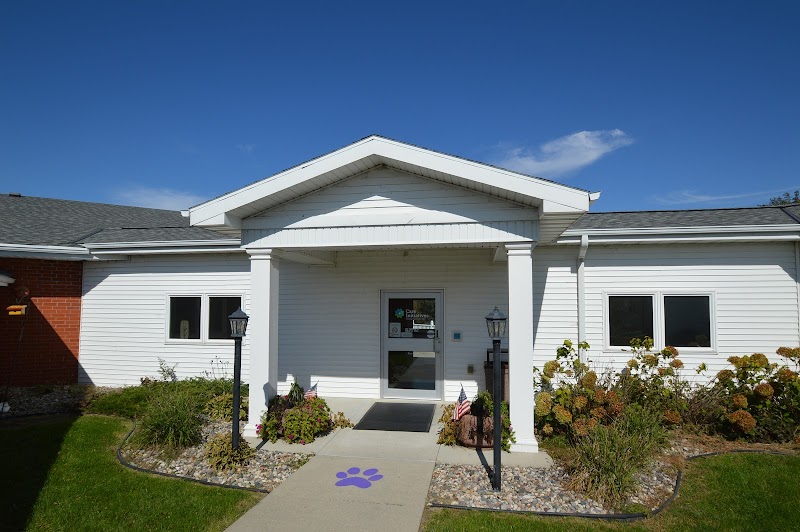
How is Dunlap Specialty Care Staffed?
CMS rates Dunlap Specialty Care's staffing level at 4 out of 5 stars, which is above average compared to other nursing homes. Staff turnover is 37%, compared to the Iowa average of 46%. This relatively stable workforce can support continuity of care.

What Have Inspectors Found at Dunlap Specialty Care?

State health inspectors documented 41 deficiencies at Dunlap Specialty Care during 2023 to 2025. These included: 4 Immediate Jeopardy (the most serious level, indicating potential for serious harm or death), 1 that caused actual resident harm, 33 with potential for harm, and 3 minor or isolated issues. Immediate Jeopardy findings are rare and represent the most serious regulatory concerns. They require immediate corrective action.

Who Owns and Operates Dunlap Specialty Care?

Dunlap Specialty Care is owned by a non-profit organization. Non-profit facilities reinvest revenue into operations rather than distributing to shareholders. The facility is operated by CARE INITIATIVES, a chain that manages multiple nursing homes. With 46 certified beds and approximately 33 residents (about 72% occupancy), it is a smaller facility located in Dunlap, Iowa.

How Does Dunlap Specialty Care Compare to Other Iowa Nursing Homes?

Compared to the 100 nursing homes in Iowa, Dunlap Specialty Care's overall rating (1 stars) is below the state average of 3.0, staff turnover (37%) is near the state average of 46%, and health inspection rating (1 stars) is much below the national benchmark.

What Should Families Ask When Visiting Dunlap Specialty Care?

Based on this facility's data, families visiting should ask: "What changes have been made since the serious inspection findings, and how are you preventing similar issues?" "Can I visit during a mealtime to observe dining assistance and food quality?" "How do you handle medical emergencies, and what is your hospital transfer rate?" "Can I speak with family members of current residents about their experience?" These questions are particularly relevant given the facility's Immediate Jeopardy citations.

Is Dunlap Specialty Care Safe?

Based on CMS inspection data, Dunlap Specialty Care has documented safety concerns. Inspectors have issued 4 Immediate Jeopardy citations (the most serious violation level indicating risk of serious injury or death). The facility has a 1-star overall rating and ranks #100 of 100 nursing homes in Iowa. Families considering this facility should ask detailed questions about what corrective actions have been taken since these incidents.

Do Nurses at Dunlap Specialty Care Stick Around?

Dunlap Specialty Care has a staff turnover rate of 37%, which is about average for Iowa nursing homes (state average: 46%). Moderate turnover is common in nursing homes, but families should still ask about staff tenure and how the facility maintains care continuity when employees leave.

Was Dunlap Specialty Care Ever Fined?

Dunlap Specialty Care has been fined $39,361 across 2 penalty actions. The Iowa average is $33,472. While any fine indicates a compliance issue, fines under $50,000 are relatively common and typically reflect isolated problems that were subsequently corrected. Families should ask what specific issues led to these fines and confirm they've been resolved.

Is Dunlap Specialty Care on Any Federal Watch List?

Dunlap Specialty Care is not on any federal watch list. The most significant is the Special Focus Facility (SFF) program, which identifies the bottom 1% of nursing homes nationally based on persistent, serious quality problems. Not being on this list means the facility has avoided the pattern of deficiencies that triggers enhanced federal oversight. This is a positive indicator, though families should still review the facility's inspection history directly.