Colonial Manor of Elma
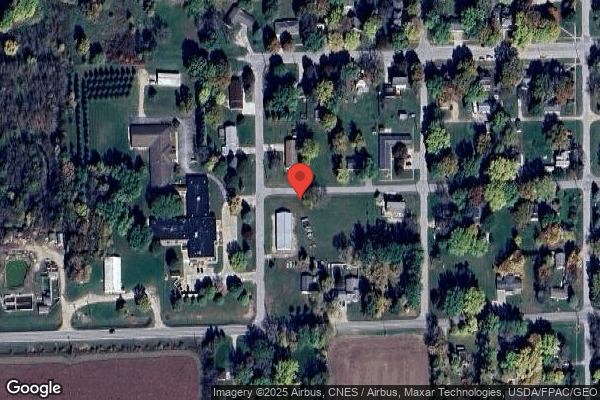
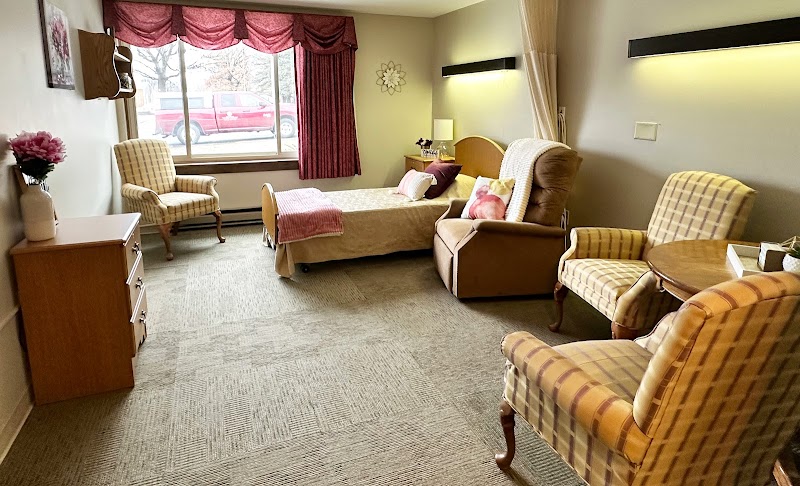
407 9th Street, Elma, IA 50628 (641) 393-2134
For profit - Limited Liability company 46 Beds LEGACY HEALTHCARE Data: November 2025
Trust Grade
63/100
#179 of 392 in IA
Last Inspection: February 2025

Within standard 12-15 month inspection cycle. Federal law requires annual inspections.

Overview

Colonial Manor of Elma has a Trust Grade of C+, indicating it is decent and slightly above average compared to other facilities. It ranks #179 out of 392 in Iowa, placing it in the top half, and #2 out of 3 in Howard County, meaning only one local facility is rated higher. The facility's trend is stable, with the same number of issues reported in both 2024 and 2025. Staffing is a strength, with a 4/5 star rating, but a 50% turnover rate is average, suggesting some staff consistency. However, the facility has faced some concerning incidents, such as failing to properly assess a resident after a fall which resulted in a hip fracture and not ensuring the Dietary Service Manager had the required qualifications. Overall, while there are positive aspects to consider, families should be aware of these weaknesses when researching this home.
Trust Score
C+
63/100
In Iowa
#179/392
Top 45%
Safety Record
Moderate
Needs review
Inspections
Holding Steady
4 → 4 violations
Staff Stability
⚠ Watch
50% turnover. Above average. Higher turnover means staff may not know residents' routines.
Penalties
✓ Good
$8,018 in fines. Lower than most Iowa facilities. Relatively clean record.
Skilled Nurses
○ Average
Each resident gets 34 minutes of Registered Nurse (RN) attention daily — about average for Iowa. RNs are the most trained staff who monitor for health changes.
Violations
○ Average
8 deficiencies on record. Average for a facility this size. Mostly minor or procedural issues.
★★★☆☆
3.0
Overall Rating
★★★★☆
4.0
Staff Levels
★★★☆☆
3.0
Care Quality
★★★☆☆
3.0
Inspection Score
Stable
2024: 4 issues
2025: 4 issues

The Good

  • 4-Star Staffing Rating · Above-average nurse staffing levels
  • Full Sprinkler Coverage · Fire safety systems throughout facility
  • No fines on record

Facility shows strength in staffing levels, fire safety.

The Bad

3-Star Overall Rating

Near Iowa average (3.1)

Meets federal standards, typical of most facilities

Staff Turnover: 50%

Near Iowa avg (46%)

Higher turnover may affect care consistency

Federal Fines: $8,018

Below median ($33,413)

Minor penalties assessed

Chain: LEGACY HEALTHCARE

Part of a multi-facility chain

Ask about local staffing decisions and management

The Ugly 8 deficiencies on record

1 actual harm
Aug 2025 1 deficiency
CONCERN (D) 📢 Someone Reported This

A family member, employee, or ombudsman was alarmed enough to file a formal complaint

Potential for Harm - no one hurt, but risky conditions existed

Comprehensive Care Plan (Tag F0656)

Could have caused harm · This affected 1 resident

**NOTE- TERMS IN BRACKETS HAVE BEEN EDITED TO PROTECT CONFIDENTIALITY** Based on record review, staff interviews, and policy review the facility failed to implement a Care Plan chair alarm interventio...

Read full inspector narrative →
**NOTE- TERMS IN BRACKETS HAVE BEEN EDITED TO PROTECT CONFIDENTIALITY** Based on record review, staff interviews, and policy review the facility failed to implement a Care Plan chair alarm intervention for 1 of 3 residents reviewed for falls (Resident #3). The facility reported a census of 31 residents. Findings Include: The Minimum Data Set (MDS) assessment dated [DATE] for Resident #3 documented a Brief Interview for Mental Status (BIMS) of 2 out of 15, which indicated severe cognitive impairment. The MDS documented the need for substantial/maximal assistance (staff did more than half the effort) for transfers and walking up to 50 feet. The MDS also documented diagnoses of non-Alzheimer's dementia, anxiety, respiratory failure, and adult failure to thrive.The Care Plan created 2/18/25 revealed, Resident is at risk for falls. The Intervention initiated 2/24/25 and created on 3/6/25 revealed, Chair alarm placed to alert staff when I am self transferring. Review of the Witness Statement for Staff A License Practical Nurse (LPN) dated 4/30/25 at 11:45 AM documented on 4/25/25 she watched Resident #3 stand up impulsively from the wheelchair and immediately fall over. The statement lacked if the chair alarm was in place. During an interview on 8/26/25 at 3:12 PM with Staff C, Staffing Coordinator and Activities Director revealed she helped with Resident #3 fall on 4/25/25 and did not recall seeing the chair alarm in his wheelchair. During an interview on 8/26/25 and 4:14 PM with Staff D, Social Services Designee revealed she did not recall a wheelchair in alarm in place during Resident #3 fall on 4/25/25. During an interview on 8/28/25 at 12:59 PM with the Director of Nursing (DON) revealed if he had a chair alarm on his Care Plan that should of been in place at the time of the fall. She revealed she was not the Director of Nursing at the facility when the fall occurred. During an interview on 8/28/25 at 2:44 PM the Administrator revealed she would of expected the chair alarm to be used when Resident #3 fell, however it would of not of changed the outcome because it was an observed fall. Review of the facilities policy and procedure for Alarms, Voice Activated Devices, Monitoring Devices, last revised 4/25/25 instructed: The use of any type of alarming device, including audio devices (such as personal alarms, monitors and voice activated chair commands), used to alert staff of a change in position, will be assessed for appropriateness and continued effectiveness. (Alarming devices do not generally prevent a resident from falling but may alter staff of position changes with residents who have diminished cognition related to self-safety.)
Feb 2025 3 deficiencies
CONCERN (D) 📢 Someone Reported This

A family member, employee, or ombudsman was alarmed enough to file a formal complaint

Potential for Harm - no one hurt, but risky conditions existed

Resident Rights (Tag F0550)

Could have caused harm · This affected 1 resident

**NOTE- TERMS IN BRACKETS HAVE BEEN EDITED TO PROTECT CONFIDENTIALITY** Based on clinical record review, policy review, resident and staff interviews, the facility failed to treat a resident with dign...

Read full inspector narrative →
**NOTE- TERMS IN BRACKETS HAVE BEEN EDITED TO PROTECT CONFIDENTIALITY** Based on clinical record review, policy review, resident and staff interviews, the facility failed to treat a resident with dignity and respect for 1 of 3 residents sampled (Resident #4). The facility identified a census of 30 residents. Findings include: Resident #4 Minimum Data Set (MDS) assessment dated [DATE] showed a Brief Interview for Mental Status (BIMS) score of 15 out of 15 indicating intact cognition. During an interview on 2/11/25 at 4:01 PM Resident #4 reported Staff B, Certified Nursing Assistant (CNA) came into her room during the night and started mouthing off yelling Staff A, Licensed Practical Nurse (LPN), that fucking fat ass he doesn't do anything, repeatedly. He sits on his butt all night and then goes outside to smoke every two hours. Then Staff B left the room. Resident #4 voiced Staff B is rude at times and she doesn't feel that Staff B should be talking to her about other employees or residents. She is always complaining how she can't take care of Resident #27 because she doesn't want her taking care of her and Resident #19 and one other resident always have their call lights on all night long and she is tired of that. Resident #4 voiced she was really disappointed when Staff A cut down hours and then quit. Staff A was a good nurse to her. He was always on time with her medications and took good care of her. At 4:04 PM Resident #4 verbalized she was offended when Staff B used offensive language and started to yell about a nurse that she liked in her own room. Staff B had provided care to her twice in the past week without using profanity, but Resident #4 added if it happens again, she would be uncomfortable with Staff B taking care of her. During an interview on 2/11/25 at 4:28 AM Staff B reported on 1/26/25 shortly after the start of shift she went in to Resident #4 room to check on her roommate to be sure she wasn't crawling out of bed. While in Resident #4 room, Staff B verbalized, that fat ass upset me. Resident #4 asked her who and Staff B responded Staff A had upset her. Staff B reported she knows she should not have said that to Resident #4 but she was really upset. Staff B voiced they are not to use profanity at work. On 2/11/25 at 4:50 PM the Director of Nursing (DON) reported Staff A had reported that Staff B would not follow instructions on the night shift. She had gotten a report from Staff A that Staff B had called him a fat ass. She had talked with Resident #4 just last week and Resident #4 was okay with Staff B taking care of her. During an interview on 2/12/25 at 11:20 AM Staff A reported he had multiple altercations with Staff B. The last incident was 1/26/25. He had been working with another resident that was having difficulty breathing and Staff B was in the room freaking, making the resident more anxious, so he told her to leave the room. He then went up to the nurses' station to chart. Staff B was at the nurses' station telling Staff C, CNA that Staff A was lazy and wouldn't do anything to help the residents. Staff A reported he came out of the nurses' station and told Staff B that was not true and to stop saying those things or she could go home. He verbalized Staff B told him he was not a regular nurse there and couldn't tell her what to do, she didn't have to listen to him. On 1/27/25 on his next night shift, Resident #4 told him that Staff B was in her room yelling the night before (1/26/25) that he was a lazy fat fuck repeatedly. Resident #4 apologized to Staff A that staff would call him names and voiced she felt bad for him. It felt awful that a resident had to apologize for her. A 2/12/25 review of employee time cards showed the following: a. Staff A worked 1/26/25 time in 5:54 PM; time out 6:33 AM. b. Staff B worked 1/26/25 time in 10:08 PM; time out 6:03 AM. On 2/13/25 at 9:29 AM Staff F, Registered Nurse (RN) voiced the use of profanity in front of a resident is not acceptable. She would correct the employee right away, write the employee up, and report the incident to the DON. On 2/13/25 at 9:45 AM the DON reported regarding dignity, profanity is not to be used in front of residents. Interview 2/13/25 at 9:58 AM the Administrator reported staff are to follow resident rights with privacy and respect. They are to promote a homelike environment. It is inappropriate and unprofessional for staff to use profanity in front of residents. The 4/2024 Resident Rights - Dignity and Respect Policy documented a purpose to lay the foundation for treating all residents with dignity and respect and maintaining and enhancing his or her self-esteem and self-worth. The procedure directed: Each Resident has the right to considerate and respectful care and to be treated with honesty, dignity, respect and with reasonable accommodation of individual.
CONCERN (D) 📢 Someone Reported This

A family member, employee, or ombudsman was alarmed enough to file a formal complaint

Potential for Harm - no one hurt, but risky conditions existed

Infection Control (Tag F0880)

Could have caused harm · This affected 1 resident

**NOTE- TERMS IN BRACKETS HAVE BEEN EDITED TO PROTECT CONFIDENTIALITY** 2. Resident #4 MDS assessment dated [DATE] showed a BIMS score of 15 out of 15 indicating intact cognition. The MDS documented ...

Read full inspector narrative →
**NOTE- TERMS IN BRACKETS HAVE BEEN EDITED TO PROTECT CONFIDENTIALITY** 2. Resident #4 MDS assessment dated [DATE] showed a BIMS score of 15 out of 15 indicating intact cognition. The MDS documented Resident #4 utilized an indwelling catheter for a diagnosis of neurogenic bladder. A 2/10/25 review of Resident #4 Electronic Healthcare Record (EHR) listed a Physician Order for a 20 French (size) Foley catheter to be changed once a month. The Care Plan with an undated focus date directed Resident #4 required EBP related to the Foley catheter. The Care Plan directed staff to maintain proper EBP per the facility policy. Observation on 2/10/24 at 9:45 AM revealed a CDC sign directing staff how to apply and remove gloves and an isolation gown hanging on the wall to the left of Resident #4 room door. Observation on 2/10/25 at 1:33 PM Staff D, CNA entered Resident #4 room, washed her hands, put on gloves and obtained a plastic bag and a graduate container to empty Resident #4 urinary drainage bag. Staff D emptied Resident #4 urinary drainage bag, stored the graduate container, removed gloves, washed her hands and exited Resident #4 room. Staff D failed to apply an isolation gown prior to emptying Resident #4 urinary drainage bag as required for EBP. During an interview on 2/11/25 at 1:08 PM Staff E, CNA reported they are required to use gloves when performing catheter care and when emptying the urinary drainage bag. The use of an isolation gown is optional and the gowns are not in the resident rooms. If they want an isolation gown, they have to go get one from supply. On 2/11/25 at 4:05 PM Resident #4 reported she has never seen any of the CNA's staff wear isolation gowns when they empty her urinary drainage bag. Interview on 2/11/25 at 4:46 PM the DON initially reported they did not have any residents that require the use of isolation gowns in the facility. Then she stated all residents that have urinary catheters are to be on EBP. The EBP are communicated to staff through the resident care plan and kardex (care guide). Maintenance is supposed to place a PPE cart in the resident's room so the PPE is available for EBP. Resident #4 should have a gown hanging up in her room and a plastic cart with PPE in her bathroom. The residents all had CDC signs up, but they don't stick to the walls and come down. She expects gloves and isolation gowns to be utilized when emptying urinary drainage bags. Observation on 02/11/25 at 5:04 PM of Resident #4 bathroom with the DON revealed a PPE cart with a CDC Contact Precaution Sign laying on top of the cart. The isolation cart contained five disposable isolation gowns. The DON reported the PPE was available for staff to use. 3. Resident #10 MDS assessment dated [DATE] showed a BIMS score of 14 out of 15 indicating intact cognition. The MDS documented Resident #10 utilized an indwelling catheter for a diagnosis of benign prostatic hyperplasia (BPH, enlarged prostate) and obstructive uropathy (flow of urine is blocked within the urinary tract). A 2/11/25 review of Resident #10 EHR revealed a physician order to replace a 20 French Foley catheter every 30 days and as needed. Resident #10 undated Care Plan included a Focus detailing he required EBP related to the use of a urinary catheter. The Care Plan directed the staff to wear a gown and gloves while performing high-contact care activities which included when caring for an indwelling urinary catheter. Observation on 2/11/25 at 12:59 PM Staff E washed her hands, applied gloves, set up a plastic barrier and a graduate and emptied Resident #10 urinary drainage bag without applying a isolation gown per the Care Plan and CDC guidelines for EBP. During an observation on 2/11/25 at 5:06 PM the DON inspected Resident #10 bathroom and reported he did not have a PPE isolation bin in his room for EBP or an EBP sign on his door. Resident #10 voiced he didn't recall any staff wearing isolation gowns when they emptied his urinary drainage bag. Based on observation, policy review, clinical record review, and staff interview, the facility failed to utilize appropriate EBP per the CDC during the provision of catheter care to minimize the risk of cross contamination that may lead to the spread of multi-drug resistant organisms for 3 of 3 residents sampled (Residents #5, #4, and #10). The facility reported a census of 30 residents. Findings include: 1. Resident #5 Minimum Data Set (MDS) assessment dated [DATE] documented a Brief Interview for Mental Status (BIMS) score of 09 out of 15 indicating moderate cognitive impairment. It documented Resident #5 had diagnoses of renal insufficiency, neurogenic bladder, and Cerebral Palsy. The MDS further documented Resident #5 utilized an indwelling catheter for a diagnosis of neurogenic bladder. A 8/26/23 review of Resident #5 Electronic Healthcare Record (EHR) listed a Physician Order for a 16 French (size) Foley catheter to be continued. The Care Plan with an undated focus date directed Resident #5 required Enhanced Barrier Precautions (EBP) related to the Foley catheter. The Care Plan directed staff to maintain proper EBP per the facility policy. Observation on 2/11/25 at 12:26 PM Staff G, Certified Nurse Aide (CNA) entered Resident #5 room, washed her hands, put on gloves, and obtained a plastic bag and a graduate container to empty Resident #5 urinary drainage bag. Staff G emptied Resident #5 urinary drainage bag, stored the graduate container, removed gloves, washed her hands and exited Resident #5 room. Staff G failed to apply an isolation gown prior to emptying Resident #5 urinary drainage bag as required for EBP. Throughout observation no EBP sign noted in or out of the room. During an interview on 2/11/25 at 4:00 PM Staff C, CNA said they do not have any current residents that they need to wear gowns when doing care. Staff C reported if there were any residents there would be a sign hanging outside the door and they would have reported it in the shift meeting prior to getting to the floor. During an interview on 2/11/25 4:12 PM Staff H, CNA reported there are no residents currently that staff need to wear gowns for. If they needed any Personal Protective Equipment (PPE) besides gloves there would be a three drawer container with PPE and a sign outside the door to the room. If they have anyone they need to wear gowns and such they will discuss it at the shift meeting. During an interview 2/11/25 04:17 PM Staff B reported currently there are no residents who they use gowns for that she is aware of. The facility will have a posting outside the door of the resident's room if they did and would say it at the shift meeting at the beginning of the shift. In an interview 2/11/25 at 4:46 PM the DON initially reported they did not have any residents that require the use of isolation gowns in the facility. Then she stated all residents that have urinary catheters are to be on EBP. The EBP are communicated to staff through the resident Care Plan and kardex (care guide). Maintenance is supposed to place a PPE cart in the resident's room so the PPE is available for EBP. The residents all should have the Center for Disease Control and Prevention CDC sign up for EBP, but they don't stick to the walls and come down. She expects gloves and isolation gowns to be utilized when emptying urinary drainage bags. The facility policy titled Enhanced Barrier Precautions with revised date of 3/2024 directed staff EBP will be used in conjunction with standard precautions for residents with any of the following (if/when Contact Precautions requirements are not in place): Wounds and/or indwelling medical devices (even if the resident is not known to be infected or colonized with a targeted MDRO). CDC guidelines dated 6/12/2022 documented EBP expand the use of PPE and refer to the use of gown and gloves during high-contact resident care activities that provide opportunities for transfer of MDROs to staff hands and clothing. MDROs may be indirectly transferred from resident-to-resident during these high-contact care activities. Nursing home residents with wounds and indwelling medical devices are at especially high risk of both acquisition of and colonization with MDROs. The use of gown and gloves for high-contact resident care activities is indicated, when Contact Precautions do not otherwise apply, for nursing home residents with wounds and/or indwelling medical devices regardless of MDRO colonization as well as for residents with MDRO infection or colonization.
MINOR (B)

Minor Issue - procedural, no safety impact

Deficiency F0637 (Tag F0637)

Minor procedural issue · This affected multiple residents

**NOTE- TERMS IN BRACKETS HAVE BEEN EDITED TO PROTECT CONFIDENTIALITY** Based on clinical record review, Centers for Medicare and Medicaid Services (CMS) Long-Term Care (LTC) Facility Resident Assessm...

Read full inspector narrative →
**NOTE- TERMS IN BRACKETS HAVE BEEN EDITED TO PROTECT CONFIDENTIALITY** Based on clinical record review, Centers for Medicare and Medicaid Services (CMS) Long-Term Care (LTC) Facility Resident Assessment Instrument (RAI) 3.0 User's Manual review, and staff interview, the facility failed to complete a Significant Change Status Assessment (SCSA) Minimum Data Set (MDS) within 14 days of hospice election for 1 of 1 residents reviewed for hospice care (Resident #23). The facility reported a census of 30 residents. Findings include: Resident #23 SCSA MDS dated [DATE] showed a Brief Interview for Mental Status (BIMS) score of 00 indicating severe cognitive loss. The MDS documented Resident #23 as dependent upon staff to provide for her activities of daily living (ADLs). The MDS listed diagnoses of cancer, end stage renal disease, diabetes mellitus, and Non-Alzheimer's Dementia. The MDS lacked documentation Resident #23 received hospice care services. A Hospice Election Statement and Hospice admission Consent Form signed by Resident #23 family representative showed the family signed Resident #23 into hospice care on 1/13/25. Resident #23 Electronic Healthcare Record (EHR) Census showed Resident #23 on hospice care 1/13/25. A Hospice Medication Order Sheet signed by the Provider on 1/15/25 documented 1/13/25 admit to (Hospice) services. A 2/11/25 review of Resident #23 Electronic Healthcare Record (EHR) MDS page lacked documentation Resident #23 had a SCSA MDS set up within 14 days from the hospice election date of 1/13/25. On 2/11/25 at 3:25 PM the MDS Coordinator reported she usually becomes aware of who is admitted to hospice at the daily meetings they have Monday through Friday. She then sets up a SCSA MDS that has to be completed within 14 days. She reviewed Resident #23 EHR and reported she was aware that Resident #23 went on hospice care. She further voiced the SCSA MDS just got missed. She follows the RAI to complete the MDS. During an interview on 2/11/25 at 3:30 PM the DON reported hospice provides them with a slip notifying them of admission to hospice, but she does not keep those slips. She reviewed Resident #23 MDS's and reported she expects the MDS Coordinator to complete a SCSA MDS per the RAI. The LTC RAI 3.0 User's Manual Version 1.19.1 October 2024 Chapter 2, Page 2- 17 of the RAI manual specifies the SCSA MDS completion date is 14 days from the determination that a significant change in resident status has occurred (determination date plus 14 calendar days). Page 2-25 specifies a SCSA is required to be performed when a terminally ill resident enrolls in a hospice program (Medicare-certified or State-licensed hospice provider) or changes hospice providers and remains a resident at the nursing home. The Assessment Reference Date (ARD) must be within 14 days from the effective date of the hospice election (which can be the same or later than the date of the hospice election statement, but not earlier than). An SCSA must be performed regardless of whether an assessment was recently conducted on the resident.
Dec 2024 1 deficiency 1 Harm
SERIOUS (G) 📢 Someone Reported This

A family member, employee, or ombudsman was alarmed enough to file a formal complaint

Actual Harm - a resident was hurt due to facility failures

Accident Prevention (Tag F0689)

A resident was harmed · This affected 1 resident

**NOTE- TERMS IN BRACKETS HAVE BEEN EDITED TO PROTECT CONFIDENTIALITY** Based on observation, clinical record review, document review, policy review, resident and staff interviews, the facility failed...

Read full inspector narrative →
**NOTE- TERMS IN BRACKETS HAVE BEEN EDITED TO PROTECT CONFIDENTIALITY** Based on observation, clinical record review, document review, policy review, resident and staff interviews, the facility failed to provide a full assessment for 1 of 4 residents sampled for falls (Resident #2). Resident #2 fell on [DATE] at 9:50 PM. Resident #2 exhibited left hip pain and an externally rotated left leg. Staff A, Assistant Director of Nursing (ADON) failed to assess the resident and assisted Resident #2 from the floor to standing position where Resident #2 could not bear weight on his left leg. Staff A called for help and Staff B, Certified Nursing Assistant (CNA) assisted her to transfer Resident #2 into a wheelchair and then they transferred him to lay in bed. Resident #2 was transferred to the emergency room department on 10/13/24. Resident #2 was diagnosed with a left hip fracture on 10/14/24. The facility mitigated the situation through staff education on falls from 10/14/24 - 10/17/24 for nursing staff. The facility identified a census of 30 residents. Findings include: The Minimum Data Set (MDS) assessment dated [DATE] showed a Brief Interview for Mental Status (BIMS) score of 13/15 indicating intact cognition. The MDS documented Resident #2 had a functional impairment on both lower sides of the body (hip, knee, ankle, foot) and utilized a walker for walking. The MDS showed Resident #2 required substantial to maximum assistance (a helper does more than half the effort. The helper lifts or holds trunk or limbs and provides more than half the effort) with toileting and supervision/touch assistance (a helper provides verbal cues and/or touching/steadying and/or contact guard assistance as resident completes activity. Assistance may be provided throughout the activity or intermittently) for chair to bed/bed to chair transfers, toilet transfers, and walking 10, 50, and 150 feet. The MDS further documented Resident #2 was frequently incontinent of bowel and bladder. The MDS listed diagnoses of neurogenic bladder, anemia, hypertension, and anxiety disorder. The MDS identified Resident #2 without pain, no falls since the prior assessment; utilized alarms of the bed, chair, and wander guard on a daily basis. A 9/02/24 Alarm Review Monthly Assessment documented Resident #2 utilized a bed alarm when in bed and a chair alarm when up in the chair to alert staff when Resident #2 changed positions independently. The Alarm Review Monthly Assessment further documented no plan to reduce the use of the alarms as the resident continued to transfer independently and the devices alerted staff for assistance. A 9/27/2024 8:15 AM Communication with Family/Related Party Progress Note written by Staff A (LPN/ADON), documented she received a phone call from Resident #2 family member to discuss the discontinuation of bed/chair alarms. She reported to the family it was a company-wide policy fall alarms would no longer be used and the alarms would be removed some time next week. The family member voiced understanding but had concerns Resident #2 would fall and break a hip if the fall alarms were removed. She reassured the family member Resident #2 would still be assisted as needed and that he does use his call light/doorbell when he needs assistance. A Progress Note titled Incident Report dated 10/13/2024 at 9:50 PM documented by Staff A (LPN/ADON) showed a Late Entry into Resident #2 Medical Record containing the following information: a. Describe the Situation: banging noise heard down the hallway; upon investigation, found resident banging into door of wardrobe; resident leaning forward and holding on to walker with arms stretched out; in order to prevent resident from falling forward, nurse quickly wrapped arms around resident's waist and pulled him to my knee to attempt to hold him steady; propped resident on knee while holding onto waist and applied gait belt as nurse called out for help and CNAs came to hold/stand resident up and walk to bed; noticed resident not putting weight on left leg; encouraged resident to advance left leg but resident was unable to move it; CNAs got wheelchair to assist the resident to sit and then transported the resident into bed; once in bed the left leg noted to be externally rotated and painful; nurse attempted to inspect leg without rolling resident to side and determined leg was injured. b. Assessment of Resident including Range of Motion (ROM) and Pain: left leg externally rotated; pain in the left leg. c. Vital Signs - if a fall, include orthostatic blood pressures: not applicable. d. Describe Any Injury Noted: left leg externally rotated; transfer to emergency department, per family request. e. List Any Treatment Provided: assisted to standing position and transferred into the wheelchair and then into the bed with two staff assist and gait belt. f. List Relevant Interventions That Were In Place at the Time of the Incident: resident call light in reach, not utilized; doorbell on his walker, not utilized. g. Preliminary Recommendations, if any, for Consideration as Further Preventative Measures: night-light/hall-light/over-the-bed-light in room to be turned on while in bed. h. List Responsible Party Notified: family notified. i. The Incident Note detailed the Director of Nursing (DON) and the Administrator had been notified and the Provider was notified via facsimile (fax). The original Incident Report Progress Note was lined through in Resident #2 Medical Record to indicate to omit the entry. A Second 10/13/2024 9:50 PM Incident Report Progress Note documented by Staff A included a corrected late entry entered 10/15/24 at 2:35 AM which included the following information: a. Describe Situation: heard some tapping coming from north hall; upon inspection, resident noted to be on the floor with his back against the outside bathroom wall and right foot tapping on the door to get staff attention; nurse put gait belt on and wrapped arms around resident to stand him up and called for CNAs to help. The nurse propped up resident on her knee to steady him while waiting for CNAs to help get resident into bed. When the CNAs came to help stand him, noted that his leg was externally rotated. The CNAs retrieved a wheelchair and got resident into the wheelchair; he was then assisted into bed. b. Assessment of Resident including range of motion (ROM) and Pain: resident complained of pain in the left leg and noted external rotation of his left leg. c. Vital Signs - If fall, include orthostatic blood pressure: within normal limits (WNL). d. Describe Any Injury Noted: left leg externally rotated. e. List Any Treatment Provided: resident assisted off floor and into bed; family called. f. List Relevant Interventions That Were In Place At The Time of The Incident: call light within reach, not utilized; doorbell attached to walker, not utilized; proper footwear on. g. Preliminary Recommendations, if any, for Consideration as Further Preventative Measures: bed alarm h. List Responsible Party Notified: family notified. The Incident Note also detailed the Director of Nursing and the Administrator had been notified and the Provider was notified via facsimile (fax). The amended 10/13/24 Incident Note failed to document Staff A provided documentation of actual vital signs (temperature, pulse, respirations, blood pressure and oxygen saturation, pain) and assessment of ROM of the upper and lower extremities prior to assisting Resident #2 up off the floor. The original lined through documentation had vital signs documented as not applicable. The amended Incident Report documented vital signs as WNL. A 10/14/24 Emergency/Urgent Care Report documented Resident #2 with a diagnosis of a left hip fracture. The 10/14/24 Hospital History and Physical documented the Chief Complaint as left hip pain. The History of Present Illness further documented the patient had an unwitnessed fall at the facility earlier this morning. He was unable to stand on his own and was transferred to the hospital for definitive management. Radiographs were obtained demonstrating a left hip fracture. The patient reported pain in the left hip. The Assessment/Plan noted a hip fracture on the left; hip injury major. Resident #2 Care Plan revised 10/15/24 noted Resident #2 at a risk for falls and (fall) alarms had been removed due to the resident removing the alarms on his own and shutting the alarms off. The Activities of Daily Living (ADL) Care Plan directed Resident #2 required the assistance of one staff member with a gait belt and a two-wheeled walker for walking and transferring. A 10/15/24 document from Staff A's Employee Record documented by the Director of Nursing (DON) documented Staff A approached her in her office and started crying. Staff A stated she had lied. Resident #2 fell on [DATE]. Staff A stated she was afraid to tell the family he fell and didn't know what to do. The DON informed her they needed to report this to the administrator. Staff A verbalized she messed up and was sorry. The Document was signed by the DON. A 10/15/24 document retrieved from Staff A's Employee File documented by the DON documented after the conversation with Staff A and the Administrator regarding Resident #2 incident, Staff A came back into the DON's office and stated, Am I going to get fired? What is going to happen? The DON informed her she didn't know. Staff A replied, I should not have told you guys and kept my mouth shut, and this wouldn't be happening. The DON stated she did the right thing in telling the truth. Staff A stated, I don't think so. The document was signed by the DON. A Facility Self-Report to the Department of Inspection, Appeals and Licensing (DIAL) showed the Facility submitted a 10/15/24 11:44 AM report to the State Agency regarding an Accident with Major Injury for Resident #2. The Incident Summary documented on 10/13/24 at 10:26 PM, it was reported Resident #2 was sent out to the emergency room. Staff A found the resident standing outside the bathroom and non-weight bearing on the left leg. Following assessment of the left leg, Staff A found the hip to be displaced. The Facility was notified on 10/14/24 at 8:20 AM that Resident #2 had a confirmed hip fracture. Staff A arrived to work 10/15/24 at 8:45 AM and reported to the DON and the Administrator, she incorrectly documented her statement and original incident report in Point Click Care (PCC, electronic medical records system). Staff A reported she came into the facility at 2:00 AM 10/15/24 and generated a second incident report to show Resident #2 was found on the floor at shift change on 10/13/24 at 9:50 PM. She entered Resident #2 resident room to find him on the floor tapping his foot against his closet. Staff A proceeded to assist Resident #2 off the floor and then called for the aides to help her. The Self-Report identified Staff A was placed on suspension immediately as of 10/15/24 at 10:17 AM. Further investigation submitted to the State Agency revealed Staff A, after entering Resident #2 room, asked him what happened and he stated, fall. Staff A put the gait belt on him while looking over the situation. His legs were bent at the knee and his arms were at his sides with his hands on the floor. Staff A panicked as his bed alarm had just been taken away per company policy. Staff A stood Resident #2 part-way up and propped/stabilized him with her knee under his buttocks while yelling for help from the CNAs as Resident #2 could not bear weight on his left leg. Staff B grabbed the gait belt on the left side to help fully stand the resident. Upon fully standing, resident's left leg was turned outward and noted that he could not advance his leg. Staff A and Staff B transferred the resident into a wheelchair and then transferred him into bed in a lying position. Staff A informed Resident #2 she thought his leg was hurt and asked if he wanted to go to the hospital and he state, yeah. The Report further detailed an emailed statement from Staff A on 10/17/24 at 8:45 AM, Resident #2 did complaint of pain in his left leg when assisted to a full standing position. In response to was there deformation seen, heard, cracking, popping, moving before getting up, Staff A responded yes to an extent. His legs were bent and unable to fully straighten them. An undated, unsigned Facility Investigation entailed the above information, including the Facility was notified on 10/21/2024, following radiology tests obtained on 10/19/2024, Resident #2 had fractured 3rd and 4th ribs on his right side. The Investigation further detailed Resident #2 shut his room door at approximately 9:28 PM and was attempting to re-open the door at 9:49 PM. Staff A entered his room at approximately 9:20 PM and exited his room at approximately 9:22 PM. Resident #2 was assisted to bed by a CNA at approximately 7:24 PM. The Facility Investigation concluded there was no staff culpability related to the fall. Staff were following his Care Plan, supervising, and meeting his needs appropriately. It was an unavoidable fall. A Witness Statement dated 10/13/24 at 3:11 PM for Staff B documented when she entered Resident #2 room to see he was at the front door of the room with a gait belt on. They wanted him to go back to bed, but he couldn't move his leg. She could see that his leg was not right and he couldn't move it. The Witness Statement contained documentation Staff B was aware not to try get a resident up off the floor after a fall and wait for a nurse to come. A Witness Statement dated 10/17/24 at 3:30 PM Staff D, CNA documented she worked 2:30 - 10:00 PM on 10/13/24. She had last seen Resident #2 after supper sitting in the recliner in the lounge area. She had walked him out to supper and he didn't seem out of character. The Witness Statement documented Staff D observed Staff A on the right side of Resident #2 holding him up (in the room). It kind of looked like Staff A was holding the resident up with her knee. Staff B was on the other side of Resident #2 holding him with her arm. Staff D brought the wheelchair into the room. Staff D Witness Statement identified she knew to call for a nurse and not get a resident up off the floor if they fall. A Witness Statement dated 10/17/24 at 3:38 PM Staff E, CNA documented she worked 10/13/24 2:30 PM to 10:00 PM. She had last seen Resident #2 sitting his recliner in the lounge area. The Witness Statement identified Staff E was aware to make sure a resident is safe and never move them. Call for the nurse, never leave the room, and wait for the nurse to come in. Observation on 12/03/24 at 12:22 PM Staff G, CMA and Staff H, CNA assisted Resident #2 via the standing lift from his wheelchair to the bathroom for cares, then to transfer into bed. Resident #2 stood upright in the standing lift without complaints of pain. The DON reported Resident #2 was just evaluated by therapy on 11/27/24 and moved from a full mechanical lift to the standing lift. Interview on 12/03/24 at 12:37 PM Resident #2 when asked if he remembered his last fall when he broke his hip stated, yes. When asked if he recalled where he fell, he stated and pointed, front door of room. When asked if he had pain while on the floor he responded, yes. When asked if the nurse moved his legs to see if he was injured before getting him up off the floor he responded, No. On 12/03/24 at 1:23 PM Staff D reported she didn't actually see the 10/13/24 incident happen. Staff A and Staff B were already in the room. They yelled to bring a wheelchair. When she brought the wheelchair to the room she saw Staff A had her knee under Resident #2 thigh area, next to his butt holding him up. She dropped off the wheelchair and she left the room. On 12/03/24 at 1:39 PM Staff E verbalized Resident #2 needed a hand on the gait belt to keep him steady and verbal cues to take big steps, when it came to walking. He used a two wheeled walker with the front wheels and tennis balls on the back. He had a door bell on his walker to call for help. He used the doorbell anytime he needed something, if people were not around. If people were around he would say something or just raise his hand. They were told they couldn't use fall alarms anymore. They were told to do more frequent checks on the residents that had the fall alarms discontinued. They tried to walk up and down the hallways as much as possible. She didn't really see Resident #2 the night of the incident. Interview on 12/03/24 1:51 PM Staff B explained they were almost done in another resident's room. She heard the nurse calling for help from Resident #2 room. Staff A and Resident #2 were standing between the room doorway and the bathroom door with Resident #2 facing the closet. She didn't know what happened, but Resident #2 foot was turned in a weird way. He couldn't get his foot straight and he couldn't move. It was painful for him to stand. They assisted him to sit in the wheelchair. Put the wheelchair by his bed and did a two-person manual transfer from the wheelchair to the bed. The nurse decided they needed to move him to his bed. Interview on 12/04/24 at 7:20 AM, Staff F, Registered Nurse (RN) reported when a resident falls, they keep them on the floor, get a set of vital signs and move their arms and legs (ROM) to assess if they are injured before assisting them up off the floor. She voiced if a resident exhibits a change in ROM, she is to keep the resident immobilized on the floor and call 911 to send the resident out to the hospital. The facility provided fall education to the nursing staff after Resident #2 fall on keeping the resident on the floor if injured and completing an assessment. Staff F explained the fall alarms were discontinued about 4-6 weeks ago. They started by notifying the family of the alarm reduction to see if the family had any concerns with the fall alarms being removed. If the family had concerns with the fall alarms being removed, then DON would follow up with the family on their concerns. During an interview on 12/04/24 at 8:10 AM the DON reported Staff A did not do an assessment before standing Resident #2 up off the floor. The DON voiced she wouldn't lie and Staff A did not do an assessment before she tried to stand Resident #2 from the floor. She further explained she thought Resident #2 leg was bent when he was sitting on the floor and he couldn't stand on the leg when Staff A lifted him up off the floor, but that the Administrator had watched the camera footage and she could talk more about that. She voiced she expects the nursing staff to complete a full assessment including vital signs (temperature, pulse, respirations, blood pressure and pulse oximetry), range of motion (ROM) and a pain assessment. A resident should not be moved if there are signs of injury. She explained documenting vitals signs WNL is not acceptable as part of the facility fall documentation. She explained they provided staff education on falls to the nursing staff after Resident #2 fall. They have a fall care path that they educated on and that they use. Interview on 12/04/24 at 9:20 AM the DON reported Resident #2 does have garbled speech but he is able to communicate his needs. The DON voiced in her professional opinion the actions taken by Staff A to not assess Resident #2 and move him from the floor may have worsened his condition. Interview completed with the Administrator on 12/04/24 at 9:32 AM revealed she confirmed they did have camera footage that she was able to review. By the time they completed the investigation, the camera footage had recorded over the video. She viewed the camera that was positioned at the entrance to Resident #2 hallway by his room. She observed Staff A entered Resident #2 room at 9:20 PM and exited the room at 9:22 PM. At 9:28 PM the room door started to close. The Resident was the only one in the room. She believed Resident #2 walked from the bed to the door and closed the door. At 9:49 PM the door begins to open. She assumed Resident #2 tried to open the door himself. At 9:58 PM Staff A entered the room herself. She couldn't see Resident #2 on the camera. She could see Staff A grab the gait belt with two hands on each side of Resident #2 back as she tried to pull him up off the floor. At 10:00 PM Staff B entered the room. Staff D brought the wheelchair to the room. Only Staff A and Staff B remained in the room. The Administrator verbalized she did not see Staff A take in a stethoscope, blood pressure cuff, or any equipment in the room. She did not see Staff A go in front of the resident to try to move his arms or legs. The Administrator voiced she absolutely would not expect one nurse to lift a resident up off the floor by herself and she couldn't confirm that Staff A did an assessment on the resident. She expects vital signs, ROM, and pain assessments to be completed and documented within the incident report when a resident falls. She acknowledged and stated she did not see any documentation of any range of motion assessment in the documentation on the actual Incident Report. She responded without vital signs and a full assessment, Resident #2 should not have been assisted up off the floor. She reported she could not make assumptions, but that the lack of assessment did not benefit the resident in regard the resident being transferred out of the facility and a diagnosis of a fractured hip. On 12/04/24 at 9:47 AM the DON provided Staff A's Time Card. The Time Card showed Staff A worked 10/15/24 from 7:34 AM to 10:07 AM. The DON further explained that is when Staff A informed her that she had lied about what she charted in Resident #2 chart and that he had fallen. She reported Staff A was working in the office that day and was suspended pending an investigation 10/15/24. She was eventually terminated 10/25/24 due to lying in her documentation. During an interview on 12/04/24 10:20 AM Staff A explained they were told by the Nurse Consultant that the new company no longer wanted to use fall alarms. She talked to Resident #2 family about the alarm reduction and the family was not happy. The alarms were discontinued within 1-2 days of the consultant notifying the facility of the alarm reduction. They were given directions to just walk the halls and peek in on residents frequently. The night of the fall (10/13/24) She hadn't seen the resident up until the time of the fall. When she entered his room, he was sitting in the entrance to the room. His back was against the bathroom wall inside his doorway of the room and his legs were facing toward the closet. After her conversation with the daughter on the fall alarms, she panicked. She was petrified. Staff A verbalized she knew his left leg was broken, but she put the gait belt on him and got up off the floor by herself anyway. She had no idea why she got Resident #2 up off the floor when she knew his leg was broken. She panicked. When she had talked with the family prior on the alarm reduction, the family stated they would be waiting for a phone call that Resident #2 broke his hip and that would be the end of him. Staff A reiterated she was scared and that is what drove the events of that night. She shouldn't have gotten the resident up off the floor by herself. Staff A stated, she did not do vital signs or further assessment (ROM, pain assessment) on the resident. She documented WNL on the amended Incident Report as the ambulance responded to the nursing home call and they took vital signs on the resident when they arrived and his vital signs were WNL. Staff A reported she absolutely should not have transferred him up off the floor when she knew his left leg was broken. During an interview on 12/04/24 at 1:59 PM Resident #2 Provider voiced it probably would be best to keep a resident immobilized if a fall occurs and the resident exhibits external rotation of a leg and leg/hip pain. The Fall Care Path, utilized for staff education between 10/15/24 - 10/16/24 directed the following: a. Take Vital Signs - temperature, blood pressure, pulse, respirations, oxygen saturation and finger stick glucose if diabetic. The Care Path directed a box chart for parameters on vital signs. b. Initial Nursing Evaluation for Injury and/or Mental Status Change - do not move off the floor until a complete exam has been performed. Suspected fracture or new bone deformity, head trauma, altered mental status (decreased level of consciousness, suspicion of seizure, new or worsened cognitive impairment), laceration requiring sutures/samples. If yes, Notify the Medical Doctor, Nurse Practitioner or Physician Assistant. If No, evaluate signs and symptoms for immediate notification - abnormal lung sounds, new/irregular pulse, chest pain, acute decline in ADLs, new or worsening incontinence, sign/symptoms suggestive of a stroke (weakness, numbness or tingling), new or worsening pain unrelated to head trauma or a suspected fracture. The Fall Occurrence revised 2/24, under Purpose documented it is the policy of the facility to ensure that residents are evaluated for fall risks and implement interventions to minimize risk for falls and/or risk of injury from falls. The Procedure directed residents would be assessed by a licensed nurse prior to being moved after a fall. The Guidelines for Charting After a Fall, provided by the facility, directed: a. Chart ROM on all extremities with or without discomfort (if severe discomfort noted or shortening of the extremity or external rotation, do not move the resident until emergency medical technicians arrive for transport to the hospital). b. Chart a full set of vital signs. c. Chart Resident Complaint of pain rated on scale of 1-10 with 10 being the worst pain.
May 2024 3 deficiencies
CONCERN (D)

Potential for Harm - no one hurt, but risky conditions existed

Deficiency F0658 (Tag F0658)

Could have caused harm · This affected 1 resident

**NOTE- TERMS IN BRACKETS HAVE BEEN EDITED TO PROTECT CONFIDENTIALITY** Based on record review, staff interviews, and policy review, the facility failed to follow physician orders for 1 of 2 residents...

Read full inspector narrative →
**NOTE- TERMS IN BRACKETS HAVE BEEN EDITED TO PROTECT CONFIDENTIALITY** Based on record review, staff interviews, and policy review, the facility failed to follow physician orders for 1 of 2 residents reviewed (Resident #17). The facility reported a census of 35 residents. Finding include: Resident #17 Minimum Data Set (MDS) assessment dated [DATE] documented a Brief Interview for Mental Status (BIMS) score of 15 indicating intact cognition. The MDS include diagnoses of benign prostatic hyperplasia, anxiety, and hypertension Review of Resident #17's Electronic Health Record (EHR) revealed a Physician Order for referral to Urology on 1/22/24. Review of the Progress Notes lacked documentation of an appointment being made or call out to make the appointment. During an interview on 5/01/24 at 11:12 AM, the Director of Nursing (DON) reported there was no documentation of any call to Urology nor an appointment scheduled to see Urology for Resident #17. She reported she talked with the nurse who noted the order and was not sure why it was not done. The DON reported she expected staff to call and get an appointment set up right away when the referral came on 1/22/24. During an interview on 5/02/24 at 11:54 AM, the DON reported the facility did not have a policy for Physician's Orders. She reported the facility follows professional standards.
CONCERN (D)

Potential for Harm - no one hurt, but risky conditions existed

Deficiency F0688 (Tag F0688)

Could have caused harm · This affected 1 resident

**NOTE- TERMS IN BRACKETS HAVE BEEN EDITED TO PROTECT CONFIDENTIALITY** Based on observations, interviews, and record review, the facility failed to ensure assessments were done for 1 of 2 residents r...

Read full inspector narrative →
**NOTE- TERMS IN BRACKETS HAVE BEEN EDITED TO PROTECT CONFIDENTIALITY** Based on observations, interviews, and record review, the facility failed to ensure assessments were done for 1 of 2 residents reviewed to determine if she remained at baseline or had a decline (Resident #15). The facility reported a census of 35 residents. Findings include: The Minimum Data Set (MDS) dated [DATE], documented Resident #15 had impairment on both sides of her upper and lower extremities. Review of Resident #15's Care Plan revealed this resident was not on a restorative care program. On 4/29/24 at 11:30 a.m., Resident #15 was observed laying in her bed. On 4/29/24 at 1:02 p.m., Resident #15 was up and dressed sitting in the room recliner, yelling out to lay down in bed for 8 minutes. No call light on, just periodically yelling for help. Staff went in at this time and placed a gait belt on the resident and reported they would assist her to lay down. On 5/1/24 at 1:34 p.m., Resident #15 was sitting in her recliner, eyes were closed. She didn't respond to the knock at the door. Door was open, she appeared to be sleeping. On 5/1/24 at 3:21 p.m., the Director of Nursing (DON), stated Resident #15 did not have a restorative program. She refused and would not allow it. She pulled up the Restorative Summary dated 5/29/22 and stated that it documented that Resident #15 was not in a program because of her refusals. This DON stated that Resident #15's Care Plan addressed her refusals. A Request for Therapy Screen dated 4/4/23 at 10:55 a.m., documented that the annual MDS requires therapy screen. It documented that this resident was at baseline for ADLs and mobility. No therapy was indicated. On 5/1/24 at 3:40 p.m., the DON brought in the above Therapy Screen and stated that this resident would have another therapy screen done with her annual. When told the annual had already been done, she stated that it's okay they just need to do it annually and there was still time to do that. When asked if the Therapy Screen was normally done with the annual, she stated they just need to ask therapy to do it. On 5/1/24 at 4:00 p.m., the MDS Coordinator stated she did not do range of motion (ROM) assessments. She stated she did not know what therapy or restorative does for assessments. This MDS Coordinator asked if they were supposed to check ROM with annual assessments. She stated that she didn't know anything about it. She stated that the Assistant Director of Nursing (ADON) was the facility's restorative person. On 5/2/24 at 9:15 a.m., the ADON stated that she was learning that she needed to do the facility's annual therapy screens. This ADON stated that she took over restorative duties when she took the ADON position not too long ago. The ADON stated that Resident #15 did not allow much intervention from staff. She stated that this resident refuses many things and has many behaviors. This ADON stated this resident really didn't do much at all. The ADON acknowledged the concern of not doing at least an annual assessment to determine no loss of ROM or no need for therapy or restorative care. On 5/2/24 at 10:39 a.m., the Occupational Therapist (OT), stated that normally they talk about residents at Medicare meetings regarding residents who have fallen, who may be declining, or who may need help in the dining room with swallowing things. A lot of our referrals come from those meetings. Medicare meetings are held every Thursday at 11:30 am. She stated that generally when residents are on therapy and they discharge, therapy will put a restorative program into place. This OT stated that Resident #15 was not one they have had on therapy in a while. This OT stated they used to do assessments by paper and now they do it electronically. This OT stated therapy does not know when a resident's annual comes up. She stated that therapy has their own screening process different from what the facility has. She stated that normally the Social Services staff, the MDS Coordinator, the DON, sometimes the ADON, the Physical Therapy staff, the Administrative Assistant, and herself attend the weekly meetings. This OT stated she has seen the restorative program stronger here when they had a restorative Certified Nurse Aide (CNA) dedicated to just doing restorative. This OT acknowledged the importance of documentation of a residents' refusals and ongoing assessment of a resident to show the resident hasn't changed from baseline status. On 5/2/24 at 11:47 p.m., the DON acknowledged the concern that the annual assessment wasn't done to check baseline status for this resident. She stated that they missed it. This DON stated they had a process in place and are now going to make sure that the therapy evaluations are getting done. She stated they now just put in to have therapy assess 2 other residents who are having their annual/comprehensive assessment done. An undated Therapy Screening Policy and Procedure directed that a representative from at least one therapy discipline will participate in a screening to determine a resident's therapy needs in the following instances: One week prior to the annual MDS observation period.
CONCERN (E)

Potential for Harm - no one hurt, but risky conditions existed

Deficiency F0801 (Tag F0801)

Could have caused harm · This affected multiple residents

Based on facility record review and staff interviews, the facility failed to ensure the facility's Dietary Service Manager had the required qualifications in the absence of a full-time dietician. The ...

Read full inspector narrative →
Based on facility record review and staff interviews, the facility failed to ensure the facility's Dietary Service Manager had the required qualifications in the absence of a full-time dietician. The facility reported a census of 35 residents. Findings include: During an interview on 4/29/24 at 9;50 AM, the Dietary Manager reported the facility is working on getting her enrolled in the dietary manager classes. During an interview on 4/30/24 at 10:42 AM, the Consultant Dietician reported the Dietary Manager is not certified but currently in the course. She reported when she is in the building it varies when she comes but reviews the residents at least once a week. Review of the Dietary Manager's employee file lacked documentation of a certificate of completion of the Dietary Manager courses.
Understanding Severity Codes (click to expand)
Life-Threatening (Immediate Jeopardy)
J - Isolated K - Pattern L - Widespread
Actual Harm
G - Isolated H - Pattern I - Widespread
Potential for Harm
D - Isolated E - Pattern F - Widespread
No Harm (Minor)
A - Isolated B - Pattern C - Widespread

Questions to Ask on Your Visit

  • "Can I speak with families of current residents?"
  • "What's your RN coverage like on weekends and overnight?"

Our Honest Assessment

Strengths
  • • Licensed and certified facility. Meets minimum state requirements.
Concerns
  • • 8 deficiencies on record, including 1 serious (caused harm) violation. Ask about corrective actions taken.
Bottom line: Mixed indicators with Trust Score of 63/100. Visit in person and ask pointed questions.

About This Facility

What is Colonial Manor Of Elma's CMS Rating?

CMS assigns Colonial Manor of Elma an overall rating of 3 out of 5 stars, which is considered average nationally. Within Iowa, this rating places the facility higher than 0% of the state's 100 nursing homes. This mid-range rating indicates the facility meets federal standards but may have areas for improvement.
How is Colonial Manor Of Elma Staffed?

CMS rates Colonial Manor of Elma's staffing level at 4 out of 5 stars, which is above average compared to other nursing homes. Staff turnover is 50%, compared to the Iowa average of 46%.

What Have Inspectors Found at Colonial Manor Of Elma?

State health inspectors documented 8 deficiencies at Colonial Manor of Elma during 2024 to 2025. These included: 1 that caused actual resident harm, 6 with potential for harm, and 1 minor or isolated issues. Deficiencies causing actual harm indicate documented cases where residents experienced negative health consequences.
Who Owns and Operates Colonial Manor Of Elma?

Colonial Manor of Elma is owned by a for-profit company. For-profit facilities operate as businesses with obligations to shareholders or private owners. The facility is operated by LEGACY HEALTHCARE, a chain that manages multiple nursing homes. With 46 certified beds and approximately 29 residents (about 63% occupancy), it is a smaller facility located in Elma, Iowa.

How Does Colonial Manor Of Elma Compare to Other Iowa Nursing Homes?

Compared to the 100 nursing homes in Iowa, Colonial Manor of Elma's overall rating (3 stars) is below the state average of 3.1, staff turnover (50%) is near the state average of 46%, and health inspection rating (3 stars) is at the national benchmark.

What Should Families Ask When Visiting Colonial Manor Of Elma?

Based on this facility's data, families visiting should ask: "Can I visit during a mealtime to observe dining assistance and food quality?" "How do you handle medical emergencies, and what is your hospital transfer rate?" "Can I speak with family members of current residents about their experience?"

Is Colonial Manor Of Elma Safe?

Based on CMS inspection data, Colonial Manor of Elma has a clean safety record: no substantiated abuse findings (meaning no confirmed cases of resident harm), no Immediate Jeopardy citations (the most serious violation level indicating risk of serious injury or death), and is not on the Special Focus Facility watch list (a federal program monitoring the lowest-performing 1% of nursing homes). The facility has a 3-star overall rating and ranks #100 of 100 nursing homes in Iowa. While no facility is perfect, families should still ask about staff-to-resident ratios and recent inspection results during their visit.

Do Nurses at Colonial Manor Of Elma Stick Around?

Colonial Manor of Elma has a staff turnover rate of 50%, which is about average for Iowa nursing homes (state average: 46%). Moderate turnover is common in nursing homes, but families should still ask about staff tenure and how the facility maintains care continuity when employees leave.

Was Colonial Manor Of Elma Ever Fined?

Colonial Manor of Elma has been fined $8,018 across 1 penalty action. This is below the Iowa average of $33,159. While any fine indicates a compliance issue, fines under $50,000 are relatively common and typically reflect isolated problems that were subsequently corrected. Families should ask what specific issues led to these fines and confirm they've been resolved.

Is Colonial Manor Of Elma on Any Federal Watch List?

Colonial Manor of Elma is not on any federal watch list. The most significant is the Special Focus Facility (SFF) program, which identifies the bottom 1% of nursing homes nationally based on persistent, serious quality problems. Not being on this list means the facility has avoided the pattern of deficiencies that triggers enhanced federal oversight. This is a positive indicator, though families should still review the facility's inspection history directly.