Fonda Specialty Care


607 Queen Street, Fonda, IA 50540 (712) 288-4441
Non profit - Corporation 46 Beds CARE INITIATIVES Data: November 2025
Trust Grade
65/100
#108 of 392 in IA
Last Inspection: February 2025

Within standard 12-15 month inspection cycle. Federal law requires annual inspections.

Overview

Fonda Specialty Care has a Trust Grade of C+, indicating it is slightly above average but not exceptional in quality. It ranks #108 out of 392 nursing homes in Iowa, placing it in the top half, but it is the second-best option in Pocahontas County with only one other facility nearby. The facility is on an improving trend, having reduced issues from 2 in 2024 to none in 2025. Staffing is rated well at 4 out of 5 stars, though turnover is at 48%, which is average for the state. Notably, there have been no fines reported, which is a positive sign. However, there are some concerns. An inspector found that a resident who required respiratory care was not provided the necessary suctioning, which could have serious implications for their health. Additionally, there have been reports of a persistent strong urine odor throughout the facility, raising questions about cleanliness. Lastly, there were issues with drug records not being properly maintained, which could lead to medication errors. Overall, while Fonda Specialty Care has strengths in staffing and no fines, families should carefully consider the identified weaknesses in care and facility conditions.
Trust Score
C+
65/100
In Iowa
#108/392
Top 27%
Safety Record
Moderate
Needs review
Inspections
Getting Better
2 → 0 violations
Staff Stability
⚠ Watch
48% turnover. Above average. Higher turnover means staff may not know residents' routines.
Penalties
✓ Good
No fines on record. Clean compliance history, better than most Iowa facilities.
Skilled Nurses
⚠ Watch
Each resident gets only 28 minutes of Registered Nurse (RN) attention daily — below average for Iowa. Fewer RN minutes means fewer trained eyes watching for problems.
Violations
⚠ Watch
28 deficiencies on record. Higher than average. Multiple issues found across inspections.
★★★★☆
4.0
Overall Rating
★★★★☆
4.0
Staff Levels
★★★☆☆
3.0
Care Quality
★★★★☆
4.0
Inspection Score
Stable
2024: 2 issues
2025: 0 issues

The Good

  • 4-Star Staffing Rating · Above-average nurse staffing levels
  • Full Sprinkler Coverage · Fire safety systems throughout facility
  • No fines on record

Facility shows strength in staffing levels, fire safety.

The Bad

Staff Turnover: 48%

Near Iowa avg (46%)

Higher turnover may affect care consistency

Chain: CARE INITIATIVES

Part of a multi-facility chain

Ask about local staffing decisions and management

The Ugly 28 deficiencies on record

1 actual harm
Apr 2024 2 deficiencies
CONCERN (D) 📢 Someone Reported This

A family member, employee, or ombudsman was alarmed enough to file a formal complaint

Potential for Harm - no one hurt, but risky conditions existed

Deficiency F0658 (Tag F0658)

Could have caused harm · This affected 1 resident

**NOTE- TERMS IN BRACKETS HAVE BEEN EDITED TO PROTECT CONFIDENTIALITY** Based on record review, facility policy review, and staff interview, the facility failed to ensure residents received medication...

Read full inspector narrative →
**NOTE- TERMS IN BRACKETS HAVE BEEN EDITED TO PROTECT CONFIDENTIALITY** Based on record review, facility policy review, and staff interview, the facility failed to ensure residents received medications per the physicians orders for 1 of 3 residents (Resident #1). The facility reported a census of 42 residents. Findings include: According to the Minimum Data Set (MDS) assessment dated [DATE] Resident #1 scored 15 on the Brief Interview for Mental Status (BIMS) indicating no cognitive impairment. The resident had diagnoses including atrial fibrillation and heart failure. The resident received pain medication and had moderate pain. The Care Plan revised 7/1/23 identified the resident had altered respiratory status/difficulty breathing related to chronic reparatory failure with hypoxia. The interventions included oxygen (O2) via nasal prongs at 2 liters. The Progress Notes dated 12/27/23 at 1:08 p.m. documented an order received to obtain an influenza swab due to cough. The Progress Notes dated 12/27/23 at 3:58 p.m. documented the lab called with results. The resident tested positive for Influenza A. The Progress Notes dated 12/27/23 at 4:59 p.m. documented receipt of a new order received for Tamiflu 75 mg BID (2 times a day) for 5 days. The Progress Notes dated 12/29/23 at 11:42 a.m. documented receipt of an order to schedule albuterol nebulizer TID (3 times a day ) for 5 days. The December 2023 Medication Administration Record (MAR) showed the order for Tamiflu Oral Capsule 75 mg two times a day for Influenza A for 5 Days with a start date of 12/27/23. The Tamiflu documented as given 12/27/23 at HS (hour of sleep/bedtime). The MAR showed the Tamiflu discontinued 12/28/23 and rewritten with a start date of 12/28/23. The resident received 1 dose on 12/28/23 at HS and 2 doses on the 29th, 30th, and 31st. The January 2024 MAR showed the order for Tamiflu Oral Capsule 75 mg two times a day for Influenza A for 5 days with a start date of 12/28/23. The MAR documented the resident received 1 dose of the Tamiflu 1/1/24. The Progress Notes dated 1/1/24 at 7:14 p.m. documented the resident's order for Tamiflu 75 mg 2 times a day for Influenza A for 5 days completed. According to the clinical record, the resident received 9 doses of the Tamiflu, and the order called for 10 doses. The Progress Notes dated 12/28/23 at 1:52 p.m. documented the resident was Influenza A positive. The resident stated she still did not feel well. The Progress Notes dated 12/29/23 at 12 a.m. documented an acute follow-up. The resident had Influenza A, having increased shortness of breath, and having to sleep with the head of the bed elevated. She had sinus congestion, and a cough with thick yellow mucus. She was very tired, wore out, and not sleeping well. She had been on Tamiflu since Wednesday, and on oxygen. Lungs were congested with rhonchi, moist cough, and breathing non labored. Encouraged the resident to force fluids and have good nutrition. The Progress Notes dated 12/29/23 at 11:19 a.m. documented the resident had notable congestion when conversing. The Nurse Practitioner saw the resident and added nebulizer treatments to help her cough up the secretions. The January 2024 MAR showed the order for Albuterol Sulfate Inhalation Nebulization Solution (2.5 mg/3 ml) 0.083% 1 inhalation, inhale orally via nebulizer three times a day for URI (upper respiratory infection) for 5 days, with a start date of 12/29/23. The Progress Notes dated 12/30/23 at 10:40 a.m. documented the resident had a moist cough and occasional headache. She had congestion you could hear in her voice. The Progress Notes dated 12/30/23 at 11:11 a.m. documented the resident's Albuterol Sulfate Inhalation Nebulization Solution on order. The Progress Notes dated 12/30/23 at 3:03 p.m. documented the the resident's Albuterol Sulfate Inhalation Nebulization Solution not available. The Progress Notes dated 12/31/23 at 3:01 p.m. documented the resident's Albuterol Sulfate Inhalation Nebulization Solution not available. The Progress Notes dated 1/1/24 at 6:41 a.m. documented the resident's Albuterol Sulfate Inhalation Nebulization Solution not available. The Progress Notes dated 1/1/24 at 3 p.m. documented the resident's Albuterol Sulfate Inhalation Nebulization Solution not available. The December 2023 MAR documented the resident received the Albuterol nebulization 1 dose on 12/29/23 and 2 doses on 12/31/23. The January 2024 MAR documented the resident received the Albuterol nebulization 3 doses on 1/2/24 and 2 doses on 1/3/24. According to the December 2023 and January 2024 MAR's the resident only received 8 out of 15 doses ordered. The resident's orders included LiquaCel Oral Liquid (Amino Acids) Give 30 ml by mouth two times a day for the promotion of healing with a start date of 3/31/23. The January 2024 MAR showed the LiquaCel not given 1/23/24 through 1/30/24. The Progress Notes dated 1/27/24 at 4:18 p.m. documented a call placed to the on call Nurse Practitioner (NP). The resident was out of LiquiCel amino acids, they were on order. Requested order to substitute Arginaid until the Liquicel amino acids arrived. Order received from the NP. The January 2024 MAR showed the resident missed 8 doses of LiquiCel before the facility notified the provider, and a substitute ordered. The Progress Notes dated 3/23/24 at 6:33 a.m. documented LiquaCel Oral Liquid give 30 ml by mouth two times a day to promote healing, on order. The Progress Notes dated 3/27/24 at 3:07 p.m. documented regarding the LiquaCel order, the Registered Nurse requested Arginaid for medication on order. The Progress Notes dated 3/27/24 at 3:08 p.m. documented communication with the physician with notification LiquaCel was on back order and questioned if they could give the resident Arginaid until it arrived. The Progress Notes dated 3/28/24 at 9:06 a.m. documented the NP confirmed to give Arginaid a.m. and p.m. On 4/15/24 at 3:30 p.m. the resident stated she had not had medications available multiple times while a resident at the facility. She said she had Influenza A in January. The doctor ordered nebulizer treatments but she didn't get them for 5 days. They had run out of pain medication at times and she needed it to keep her pain under control. On 4/17/24 at 5:05 p.m. the Director of Nursing (DON) stated she would need to look into it more, but residents should receive the number of medications ordered. She said when they didn't get a medication they were supposed to call the provider and get a hold order until they received the medication. The facility policy, dated 2/2023, for Ordering and Receiving Medication included medications (prescription and non-prescription), related supplies, and equipment were to be routinely ordered and delivered in a timely manner. Anticipated 2 business days for delivery of reordered medication refills. When there was a delay in the dispensing of medication such as unavailability prior to authorization, the Pharmacy would notify the nursing staff. Nursing staff would document reason for the delay and notify the Physician or prescriber. If there were further directions from the physician those directions would be communicated to the pharmacy.
CONCERN (D) 📢 Someone Reported This

A family member, employee, or ombudsman was alarmed enough to file a formal complaint

Potential for Harm - no one hurt, but risky conditions existed

Pharmacy Services (Tag F0755)

Could have caused harm · This affected 1 resident

**NOTE- TERMS IN BRACKETS HAVE BEEN EDITED TO PROTECT CONFIDENTIALITY** Based on record review, staff and resident interview the facility failed to provide pharmaceutical services to meet the needs of...

Read full inspector narrative →
**NOTE- TERMS IN BRACKETS HAVE BEEN EDITED TO PROTECT CONFIDENTIALITY** Based on record review, staff and resident interview the facility failed to provide pharmaceutical services to meet the needs of 1 of 3 residents reviewed (Resident #1). The facility reported a census of 42 residents. Findings include: According to the Minimum Data Set (MDS) assessment dated [DATE] Resident #1 scored 15 on the Brief Interview for Mental Status (BIMS) indicating no cognitive impairment. The resident had diagnoses including atrial fibrillation and heart failure. The resident received pain medication and had moderate pain. The Care Plan revised 10/10/22 identified the resident had chronic pain related to cervical disc degeneration. The interventions included administering analgesic medications as ordered by my provider. Due to her diagnosis the resident had a low tolerance for pain, her acceptable level was 3. The resident had as needed (PRN) Tylenol available. She would continue to have a low pain tolerance and high pain rating. The Clinical Physician's Orders dated 4/18/24 documented the resident had the following orders: a. Percocet Oral Tablet 5-325 mg (milligrams) 1 tablet by mouth one time a day for pain active since 10/7/23. b. Percocet Oral Tablet 7.5-325 mg 1 tablet by mouth three times a day for pain active since 10/6/23. The Progress Notes dated 1/6/24 at 12:58 p.m. documented Percocet Oral Tablet 5-325 mg 1 tablet by mouth one time a day for pain not available from pharmacy. Staff called the pharmacy and left a message with no response. The Progress Notes dated 1/6/24 12:59 p.m. documented the resident received Acetaminophen Tablet 325 mg per request in replace of Oxycodone that was not available from pharmacy. At 2:56 p.m. the Acetaminophen ineffective with the follow-up pain scale a 4. The Progress Notes dated 1/7/24 at 11:01 a.m. documented the on call pharmacist gave the okay to remove one Percocet 5-325 mg from the Emergency (E)-kit for the resident's missing dose. The Progress Notes dated 3/4/24 at 8:20 p.m. documented the resident's Percocet 7.5-325 mg three times a day for pain was on order. The Progress Notes dated 3/5/24 at 4:48 a.m. documented the resident was out of her Percocet. Staff called the pharmacy to see why they didn't send it. The pharmacy stated they sent it on February 29th but it was not on the delivery sheets. The pharmacist said he would look into it in morning due to it being after hours. The medication was not in the Emergency (E)-kit. Staff to get an order to put on hold until it became available. The nurse stated they needed to call the primary care provider (PCP) because he prescribed it. The PCP was out of the office due to after hours, so sent a fax. The Progress Notes dated 3/5/24 at 6:15 a.m. documented the resident's pain medication on order. On 4/15/24 at 3:30 p.m. the resident stated she had not had meds available multiple times while a resident at the facility. They had run out of pain medication at times and she needed it to keep her pain under control. On 4/17/24 at 5:05 p.m. the Director of Nursing (DON) stated she would need to look into it more, but residents should receive the number of medications ordered. She said when they didn't get a medication they were supposed to call the provider and get a hold order until they received the medication. The facility policy dated 2/2023 for Ordering and Receiving Medication included medications (prescription and non-prescription), related supplies, and equipment were to be routinely ordered and delivered in a timely manner. Anticipated 2 business days for delivery of reordered medication refills. When there was a delay in the dispensing of medication such as unavailability prior to authorization, the Pharmacy would notify the nursing staff. Nursing staff would document reason for the delay and notify the Physician or prescriber. If there were further directions from the physician those directions would be communicated to the pharmacy.
Dec 2023 2 deficiencies
CONCERN (D) 📢 Someone Reported This

A family member, employee, or ombudsman was alarmed enough to file a formal complaint

Potential for Harm - no one hurt, but risky conditions existed

Notification of Changes (Tag F0580)

Could have caused harm · This affected 1 resident

**NOTE- TERMS IN BRACKETS HAVE BEEN EDITED TO PROTECT CONFIDENTIALITY** Based on record review, staff interview and policy review, the facility failed to notify the physician and the family of a chang...

Read full inspector narrative →
**NOTE- TERMS IN BRACKETS HAVE BEEN EDITED TO PROTECT CONFIDENTIALITY** Based on record review, staff interview and policy review, the facility failed to notify the physician and the family of a change in condition for 1 of 3 residents reviewed (Resident #1). The facility reported a census of 43 residents. Findings include: According to the Minimum Data Set (MDS) assessment dated [DATE], Resident #1 entered the facility 12/7/23. The Medical Diagnosis page documented the resident's diagnoses included congenital stenosis of the aortic (heart) valve, abdominal aortic aneurysm (weakened area) without rupture, chronic obstructive pulmonary (lung) disease (COPD), obstructive sleep apnea, chronic kidney disease, wound of the front wall of the thorax (area between the neck and the abdomen), and methecillin resistant staphylococcus aureus (MRSA/infection). The Care Plan dated 12/7/23 identified the resident was a new admit to the facility. The interventions included staff would keep the resident and the resident's family updated on his condition and physician orders. The Care Plan identified the resident had pain related to a sternal incision. The interventions included evaluating the effectiveness of pain interventions, and notifying the physician if interventions were unsuccessful, or the complaint was a significant change from the resident's past experience of pain. The Progress Notes dated 12/8/23 at 11:47 a.m. documented the resident had a sternal wound 9 cm long and 1 cm wide. It had a small amount of thick, yellow exudate (drainage) located toward the abdominal end of the wound. The wound itself was pink/red in color. There were some metal filaments coming through the top or closer to the neck part of the wound. The resident tolerated cleansing of the wound and redressing of the area without complaint of pain or discomfort. The Progress Notes dated 12/8/23 at 1:46 p.m. documented the resident had a Brief Interview for Mental Status (BIMS) score of 10 indicating moderate cognitive impairment. The Progress Notes dated 12/8/23 at 2:45 p.m. documented the resident was alert and oriented. The Weights and Vitals record documented the resident experienced the following pain levels: a. 12/8/23, 0 at 11:54 a.m. b. 12/8/23, 0 at 7:03 p.m. c. 12/9/23, 5 at 5:48 a.m. d. 12/9/23, 5 at 10:32 a.m. e. 12/9/23, 0 at 1:38 p.m. f. 12/9/23, 10 at 7:36 p.m. g. 12/9/23, 8 at 9:30 p.m. Pain was rated on a scale of 0-10, 0 indicating no pain, and 10 indicating severe (worst) pain. The Medication Administration Record (MAR) documented the resident had the order for Tylenol (Acetaminophen), 1000 mg by mouth every 6 hours as needed (PRN) for pain/discomfort with a start date of 12/7/23 at 3:45 p.m. The Progress Notes dated 12/9/23 documented: a. At 5:48 a.m. the resident received Tylenol 1000 mg by mouth for pain/discomfort, restlessness, and inability to express needs. b. At 10:32 a.m. the resident's follow up pain scale was a 5. The resident received Tylenol 1000 mg for yelling out in increased general pain. c. At 1:38 p.m. the follow-up pain scale was 0. d. At 7:36 p.m. the resident received Tylenol 1000 mg by mouth (pain 10). e. At 9:30 p.m. the PRN administration was ineffective, follow-up pain scale was 8. f. At 9:50 p.m. the resident had continual moaning and yelling out. He did not make sense, and unable to specify needs. Tylenol given and he let it sit in his mouth, and seemed to not understand to swallow. He was restless. Cares were given and they repositioned him. The facility failed to notify the physician or the family of the resident's increased pain with continual moaning and yelling out, his inability to specify needs, and his lack of adequate relief from interventions. On 12/18/23 at 10:25 a.m. Staff G Registered Nurse (RN) stated when the resident came he was very tired but alert and able to answer questions. On 12/18/23 at 1:20 p.m. Staff F Certified Nursing Assistant (CNA) stated the resident was cognitive, he could tell you the right answers. On 12/18/23 at 3:10 p.m. Staff E CNA/Certified Medication Aide (CMA) stated when she worked (12/7 evening shift documented administering medication to resident) and the resident could tell you what he needed and put his light on, but he didn't put it on very often. He did not call out, did not complain of pain, and was pretty quiet. On 12/18/23 at 12:37 p.m. Staff H CNA stated she worked over night (Friday) 12/8 to (Saturday) 12/9. The resident did some calling out during the night. They would reposition and try to make him comfortable. The resident did complain of discomfort, Staff H told the nurse, and the nurse gave him Tylenol. On 12/18/23 at 2:50 p.m. Staff D CNA worked the 7th (Thursday) and the 9th (Saturday). On the first day he was okay and alert. The 1st day he seemed with it, and then Saturday he did not. He would dangle his foot off the bed, they would put it back, and he would put it back down. He kept yelling for his mom. He wouldn't answer when they asked him what was wrong. On 12/18/23 at 1:35 p.m. Staff C RN stated she worked Saturday the 9th (6 a.m. to 6 p.m.) and she didn't really know much about the resident. That day was kind of rough and she interviewed the CNA to see if this is how he was because she didn't know if this was a change in condition. His vitals were good in the morning, but he wouldn't get out of bed. He was hurting and all he had was Tylenol. Staff C said she was in there several times and so were the aides. They changed and repositioned him. She thought he ate breakfast, but not much for lunch, and she didn't know what he ate for supper. She would go in there and ask if he needed something, but there was no coherence. He called out so they tried to make him comfortable. She thought the calling out got better after he took the Tylenol. She didn't call the physician or his family because she didn't know there was a change in condition, but looking back she maybe should have. On 12/11/23 at 3:15 p.m. Staff A CMA stated on Saturday evening shift the resident was super restless and hurting all over. She said she told the nurse about his calling out and not being able to get him comfortable. They decided to give him more Tylenol to try and get it under control. He wasn't due for it, but there wasn't anything else to give him. On 12/12/23 at 1:15 p.m. Staff B RN stated the resident really couldn't explain how bad his pain was. Staff B stated she wasn't aware that the CMA had given him Tylenol earlier in the evening (12/9), it wasn't conveyed to her. She said it was like he couldn't swallow the Tylenol. She said he didn't have it in his mouth when they went down to do his care so she assumed he swallowed it. Staff B said she did not notify the wife or the doctor that night because there was no change in the resident from Friday night to Saturday night. On 12/19/23 at 10:30 a.m. the resident's Physician said the change with the pain was something the facility could notify the physician of for alternative pain medications available. He said the resident had a sternal wound that measured 9 centimeters by 1 centimeter so he would have a reason to have pain. It didn't look like they ever completely or definitively cleared the infection. He was super high risk for something to happen. According to the facility's Change in a Resident's Condition or Status Policy Statement revised February 2021, the facility promptly notified the resident, his or her attending physician, and the resident representative of changes in the resident's medical/mental condition and/or status. The nurse would notify the resident's attending physician or physician on call when there had been a significant change in the resident's physical/emotional/mental condition.
CONCERN (D) 📢 Someone Reported This

A family member, employee, or ombudsman was alarmed enough to file a formal complaint

Potential for Harm - no one hurt, but risky conditions existed

Quality of Care (Tag F0684)

Could have caused harm · This affected 1 resident

**NOTE- TERMS IN BRACKETS HAVE BEEN EDITED TO PROTECT CONFIDENTIALITY** Based on record review and staff interview, the facility failed to provide adequate assessment and timely intervention when a re...

Read full inspector narrative →
**NOTE- TERMS IN BRACKETS HAVE BEEN EDITED TO PROTECT CONFIDENTIALITY** Based on record review and staff interview, the facility failed to provide adequate assessment and timely intervention when a resident had a change in mental status and pain level for 1 of 3 residents reviewed (Resident #1). The facility reported a census of 43 residents. Findings include: According to the Minimum Data Set (MDS) assessment dated [DATE], Resident #1 entered the facility 12/7/23. The Medical Diagnosis page documented the resident's diagnoses included congenital stenosis of the aortic (heart) valve, abdominal aortic aneurysm (weakened area) without rupture, chronic obstructive pulmonary (lung) disease (COPD), obstructive sleep apnea, chronic kidney disease, wound of the front wall of the thorax (area between the neck and the abdomen), and methecillin resistant staphylococcus aureus (MRSA/infection)). The Care Plan dated 12/7/23 identified the resident was a new admit to the facility. The interventions included staff would keep the resident and the resident's family updated on his condition and physician orders. The Care Plan identified the resident had pain related to a sternal incision. The interventions included evaluating the effectiveness of pain interventions, and notifying the physician if interventions were unsuccessful, or the complaint was a significant change from the resident's past experience of pain. The Progress Notes dated 12/8/23 at 11:47 a.m. documented the resident had a sternal wound 9 cm long and 1 cm wide. It had a small amount of thick, yellow exudate (drainage) located toward the abdominal end of the wound. The wound itself was pink/red in color. There were some metal filaments coming through the top or closer to the neck part of the wound. The resident tolerated cleansing of the wound and redressing of the area without complaint of pain or discomfort. The Progress Notes dated 12/8/23 at 1:46 p.m. documented the resident had a Brief Interview for Mental Status (BIMS) score of 10 indicating moderate cognitive impairment. The Progress Notes dated 12/8/23 at 2:45 p.m. documented the resident was alert and oriented. The Medication Administration Record (MAR) documented the resident had the order for Tylenol (Acetaminophen), 1000 mg by mouth every 6 hours as needed (PRN) for pain/discomfort with a start date of 12/7/23 at 3:45 p.m. The facility used a Pain Assessment in Advanced Dementia Scale (PAINAD) if the resident could not verbalize pain. The areas observed included: a. Breathing b. Negative verbalization c. Facial expression d. Body language e. Consolability. Each area could score 0-2. They final score would range from 0-10. When added up, 0 was no pain and 10 was severe (worst) pain. The Weights and Vitals record documented the resident experienced the following pain levels: a. 12/8/23, 0 at 11:54 a.m. b. 12/8/23, 0 at 7:03 p.m. c. 12/9/23, 5 at 5:48 a.m. (PAINAD) d. 12/9/23, 5 at 10:32 a.m. (PAINAD) e. 12/9/23, 0 at 1:38 p.m. (PAINAD) f. 12/9/23, 10 at 7:36 p.m. g. 12/9/23, 8 at 9:30 p.m. (PAINAD) The Progress Notes dated 12/9/23 documented: a. At 5:48 a.m. the resident received Tylenol Oral Tablet 1000 mg by mouth for pain/discomfort, restlessness, and inability to express needs. b. At 10:32 a.m. the resident's follow up pain scale was a 5. The resident received Tylenol 1000 mg for yelling out in increased general pain. c. At 1:38 p.m. the follow-up pain scale was 0. d. At 7:36 p.m. the resident received Tylenol 1000 mg by mouth (pain 10). e. At 9:30 p.m. the PRN administration was ineffective, follow-up pain scale was 8. f. At 9:50 p.m. the resident had continual moaning and yelling out. He did not make sense, and unable to specify needs. Tylenol given and he let it sit in his mouth, and seemed to not understand to swallow. He was restless. Cares were given and they repositioned him. Per the resident's individual plan of care the facility failed to evaluate the effectiveness of pain interventions, and notify the physician if interventions were unsuccessful, or the complaint was a significant change from the resident's past experience of pain. The facility administered as needed Tylenol nearly 4 hours early with no notification of the physician of the resident's severe pain without adequate relief. On 12/18/23 at 10:25 a.m. Staff G Registered Nurse (RN) stated when the resident came (12/7) he was very tired but alert and able to answer questions. On 12/18/23 at 1:20 p.m. Staff F Certified Nursing Assistant (CNA) stated the resident was cognitive, he could tell you the right answers. The 2nd day the resident was in the facility he and another CNA were getting him up for breakfast and as soon as they sat him down he said he was dizzy, and didn't think he could make it so they laid him back down. The resident didn't want to eat and said leave me my juice and my water. He wasn't calling out. That would have been Thursday (12/7) and Friday (12/8). Staff F did not work that weekend. On 12/18/23 at 3:10 p.m. Staff E CNA/CMA stated she worked with the resident as med aide (12/7 per documentation on the MAR). He could tell you what he needed and put his light on, but he didn't put it on very often. He did not call out, did not complain of pain, and was pretty quiet. On 12/18/23 at 12:37 p.m. Staff H Certified Nursing Assistant (CNA) stated she worked over night (Friday) 12/8 to (Saturday) 12/9. The resident did some calling out during the night. They would reposition and try to make him comfortable. The resident did complain of discomfort. Staff H told the nurse, and the nurse gave him Tylenol. On 12/18/23 at 1:35 p.m. Staff C RN stated she worked Saturday the 9th and she didn't really know much about the resident. That day was kind of rough and she interviewed the CNA to see if this is how he was because she didn't know if this was a change in condition. His vitals were good in the morning, but he wouldn't get out of bed. He was hurting and all he had was Tylenol. Staff C said she was in there several times and so were the aides. They changed and repositioned him. She thought he ate breakfast, but not much for lunch, and she didn't know what he ate for supper. She would go in there and ask if he needed something, but there was no coherence. He called out so they tried to make him comfortable. She thought the calling out got better after he took the Tylenol. She didn't call the physician or his family because she didn't know there was a change in condition, but looking back she maybe should have. On 12/18/23 at 2:50 p.m. Staff D CNA worked the 7th (Thursday) and the 9th (Saturday). On the first day he was okay and alert. The 1st day he seemed with it, and then Saturday he did not. He wouldn't answer when they asked him what was wrong. On 12/11/23 at 3:15 p.m. Staff A CMA stated on Saturday evening shift the resident was super restless and hurting all over. She said she told the nurse about his calling out and not being able to get him comfortable. They decided to give him more Tylenol to try and get it under control. He wasn't due for it, but there wasn't anything else to give him. On 12/12/23 at 1:15 p.m. Staff B RN stated the resident really couldn't explain how bad his pain was, and thought she would have just done the PAINAD to try and decipher how bad it was. Staff B stated she wasn't aware that the CMA had given him Tylenol earlier in the evening, it wasn't conveyed to her. She said it was like he couldn't swallow the Tylenol. She said he didn't have it in his mouth when they went down to do his care so she assumed he swallowed it. Staff B said she did not notify the wife or the doctor that night because there was no change in the resident from Friday night to Saturday night. On 12/19/23 at 10:30 a.m. the resident's Physician said the change with the pain was something the facility could notify the physician of for alternative pain medications available. He said the resident had a sternal wound that measured 9 centimeters by 1 centimeter so he would have a reason to have pain. It didn't look like they ever completely or definitively cleared the infection. He was super high risk for something to happen. According to the facility's Change in a Resident's Condition or Status Policy Statement revised February 2021, the facility promptly notified the resident, his or her attending physician, and the resident representative of changes in the resident's medical/mental condition and/or status. The nurse would notify the resident's attending physician or physician on call when there had been a significant change in the resident's physical/emotional/mental condition. The facility policy Acute Condition Changes-Clinical Protocol revised March 2018 documented the nursing staff would contact the physician based on the urgency of the situation. For emergencies, they would call or page the physician and request a prompt response. The attending physician or a practitioner providing backup coverage would respond in a timely manner to notification of problems or changes in condition or status. The nurse and physician would discuss and evaluate the situation. As needed the physician would discuss with the staff and resident and/or family the pros and cons of diagnosing and managing the situation in the facility or need for hospitalization. The physician would help identify and authorize appropriate treatments. If it was decided after sufficient review, that care or observation could not reasonably be provided in the facility, the physician would authorize transfer to an appropriate setting. The staff would monitor and document the resident's progress and responses to treatment, and the physician would adjust treatment accordingly.
Nov 2023 9 deficiencies
CONCERN (D)

Potential for Harm - no one hurt, but risky conditions existed

Transfer Requirements (Tag F0622)

Could have caused harm · This affected 1 resident

**NOTE- TERMS IN BRACKETS HAVE BEEN EDITED TO PROTECT CONFIDENTIALITY** Based on clinical record review, staff interview and policy review the facility failed to communicate necessary information to t...

Read full inspector narrative →
**NOTE- TERMS IN BRACKETS HAVE BEEN EDITED TO PROTECT CONFIDENTIALITY** Based on clinical record review, staff interview and policy review the facility failed to communicate necessary information to the receiving facility when a resident was transferred to the hospital emergently due to change in condition for 1 out of 2 residents (Resident #44) reviewed for hospitalizations. The facility reported a census of 43 residents. Findings include: Resident #44 ' s MDS (Minimum Data Set) assessment dated [DATE] identified a BIMS (Brief Interview for Mental Status) score of 12, indicating moderately impaired cognition. The MDS identified Resident #44 required extensive assistance of two persons with bed mobility, and toileting use. The MDS identified Resident #44 was dependent with assistance of two persons with transfers. The MDS included diagnoses of end stage renal disease (kidney), methicillin- resistant staph infection, absence of left leg below the knee and obesity. A Progress Note dated 9/3/23 at 7:25 AM revealed during the night Resident #44 ' s skin became pale in color, and cool to touch. The note documented Resident 44 ' s oxygen saturation (O2 sat) taken on multiple fingers read 59%, blood pressure 72/46, pulse 78 beats per minute and temperature 96 degrees. The note indicated the Physician on call and family were notified of the change in condition. The note documented the facility contacted 911 emergency services and sent Resident #44 to the hospital. The Progress Notes lacked documentation on what information the facility sent with the resident, communicated or sent with the ambulance crew or communicated to the hospital. The clinical record lacked documentation that the facility communicated necessary information to the receiving provider (hospital). The clinical record lacked a completed transfer form. On 11/20/23 at 12:30 PM, the Director of Nursing (DON) acknowledged and verified she could not locate a completed transfer form for Resident #44 on 9/3/23. The DON reported her expectations were for the nurse to complete and send a transfer form along with the medication administration records, resident face sheet, insurance cards, advance directives, progress notes for the last 24 hours and to call the emergency room to inform them the resident was coming. The DON verified and acknowledged the information expected to be communicated was not documented in Resident #44 ' s medical record. A facility form titled Transfer or Discharge, Emergency revised December 2016 documented emergency transfers or discharges may be necessary to protect the health and/or well-being of the resident. The policy further documented should a emergency transfer become necessary, the facility will implement the following procedures: a. Notify the resident ' s attending physician; b. Notify the receiving facility that the transfer is being made; c. Prepare the resident for transfer; d. Prepare a transfer form to send with the resident; e. Notify the representative of other family member; f. Assist in obtaining transportation; and g. Others as appropriate or as necessary.
CONCERN (D)

Potential for Harm - no one hurt, but risky conditions existed

Assessment Accuracy (Tag F0641)

Could have caused harm · This affected 1 resident

**NOTE- TERMS IN BRACKETS HAVE BEEN EDITED TO PROTECT CONFIDENTIALITY** Based on clinical record review, staff interviews and policy review the facility failed to accurately complete an MDS (Minimum D...

Read full inspector narrative →
**NOTE- TERMS IN BRACKETS HAVE BEEN EDITED TO PROTECT CONFIDENTIALITY** Based on clinical record review, staff interviews and policy review the facility failed to accurately complete an MDS (Minimum Data Set) assessment reflective of the resident status for 2 out of 12 residents (Resident #12 and #23).The facility reported a census of 43 residents. Findings include: 1. Resident #12 ' s MDS assessment dated [DATE] identified a BIMS (Brief Interview for Mental Status) score of 05, indicating severely impaired cognition. The MDS identified Resident #12 required maximal assistance with bed mobility, transfers and toileting use. The MDS included diagnoses of thyroid disorder, non-Alzheimer ' s dementia, parkinson ' s disease, anxiety disorder, and bipolar disorder. A Wound Evaluation dated 10/17/23 revealed Resident #12 had an unstageable (inability to see wound bed) pressure ulcer to the right and left heel. A Wound Evaluation dated 10/25/23 revealed Resident #12 had a stage 2 pressure ulcer to the intergluteal cleft (partial thickness loss of dermis presenting as a shallow open ulcer with a red or pink wound bed without slough (dead nonviable tissue that is usually cream or yellow in color) May also present as an intact or open/ruptured blister). The Clinical Census revealed Resident #12 was admitted to hospice care on 11/6/23. The Significant Change MDS with an ARD (assessment reference date) of 11/13/23 revealed Resident #12 ' s pressure ulcers were not coded in Section M of the MDS and hospice care while a resident was not coded in Section O of the MDS. On 11/16/23 at 4:04 PM, Staff A, MDS Coordinator acknowledged and verified Resident #12's Significant Change MDS was not coded correctly for pressure ulcers and hospice care. Staff A reported she would complete an MDS modification and make the corrections. 2. Resident #23 ' s MDS assessment dated [DATE] identified a BIMS score of 09, indicating moderately impaired cognition. The MDS identified Resident #23 was independent with bed mobility, transfers and toilet use. The MDS included diagnoses of anemia, hypertension, diabetes mellitus, Alzheimer ' s disease, depression and post traumatic stress disorder. The MDS documented Resident #23 had an invasive mechanical ventilator (machine used to assist with breathing). Review of the clinical record revealed Resident #23 did not have a ventilator. On 11/14/23 at 10:00 AM, the Director of Nursing verified Resident #23 did not have a ventilator. On 11/16/23 at 4:04 PM, Staff A acknowledged and verified Resident #23's MDS was not coded correctly as Resident #23 does not have a ventilator. A facility policy titled Certifying Accuracy of the Resident Assessment revised November 2019 documented any person completing a portion of the MDS must sign and certify the accuracy of that portion of the assessment. The policy further documented that the information captured on the assessment reflected the status of the resident during the observation period for that assessment.
CONCERN (D)

Potential for Harm - no one hurt, but risky conditions existed

Deficiency F0655 (Tag F0655)

Could have caused harm · This affected 1 resident

**NOTE- TERMS IN BRACKETS HAVE BEEN EDITED TO PROTECT CONFIDENTIALITY** Based on clinical record review and staff interview, the facility failed to complete a baseline care plan that included the mini...

Read full inspector narrative →
**NOTE- TERMS IN BRACKETS HAVE BEEN EDITED TO PROTECT CONFIDENTIALITY** Based on clinical record review and staff interview, the facility failed to complete a baseline care plan that included the minimum healthcare information necessary to properly care for the immediate needs of a resident with a foley catheter (indwelling catheter to empty urine from the bladder) for one of three residents reviewed, (Resident #45). The facility reported a census of 43 residents. Findings include: Resident #45's Progress Notes documented the resident admitted on [DATE] at 1:46 PM and no catheter present. Observation on 11/14/23 at 11:14 AM, Resident #45 in bed with catheter bag attached to bed, dark colored urine in catheter bag. During interview on 11/15/23 at 2:30 PM, Resident #22 stated she had a catheter. Review of Resident #45's record of bladder elimination on 11/16/23, documented an indwelling catheter 11/9/23 to current date of 11/16/23. Review of Resident #45's Physician Orders lack an order for a foley catheter. Review of Resident #45's Hospice Plan of Care dated 11/8/23, documented supplies of foley catheter. Resident #45's Baseline Care Plan initiated 11/8/23, lacked documentation of foley catheter and care. Facility policy Care Plans-Baseline revised 12/2016, documented the Interdisciplinary Team will implement a baseline care plan to meet the resident's immediate care needs. Interview on 11/20/23 at 2:16 PM, the Director of Nursing confirmed the resident did have a catheter and expectation for catheter and care to be included in the baseline care plan.
CONCERN (D)

Potential for Harm - no one hurt, but risky conditions existed

Comprehensive Care Plan (Tag F0656)

Could have caused harm · This affected 1 resident

**NOTE- TERMS IN BRACKETS HAVE BEEN EDITED TO PROTECT CONFIDENTIALITY** Based on clinical record review, staff interview and policy review the facility failed to develop a care plan to address risk fa...

Read full inspector narrative →
**NOTE- TERMS IN BRACKETS HAVE BEEN EDITED TO PROTECT CONFIDENTIALITY** Based on clinical record review, staff interview and policy review the facility failed to develop a care plan to address risk factors and interventions related to risk for skin impairment and pressure ulcers for 1 out of 12 residents (Resident #12) reviewed for comprehensive care plans.The facility reported a census of 43 residents. Findings include: Resident #12 ' s MDS (Minimum Data Set) assessment dated [DATE] identified a BIMS (Brief Interview for Mental Status) score of 09, indicating moderately impaired cognition. The MDS identified Resident #12 required extensive assistance of two persons with bed mobility, transfers and toileting use. The MDS included diagnoses of thyroid disorder, non-Alzheimer ' s dementia, parkinson ' s disease, anxiety disorder, and bipolar disorder. The MDS identified Resident #12 was at risk for developing pressure ulcers. The MDS documented Resident #12 had a pressure reducing device for the chair and bed. A Wound Evaluation dated 10/17/23 revealed Resident #12 had new unstageable (inability to see wound bed) pressure ulcers to the right and left heel. A Progress Note dated 10/25/23 at 1:35 PM documented Resident #12 had a MASD (moisture associated skin damage) to the intergluteal cleft that deteriorated to a stage 2 pressure ulcer. A Wound Evaluation dated 10/25/23 revealed Resident #23 had a stage 2 pressure ulcer to the intergluteal cleft (partial thickness loss of dermis presenting as a shallow open ulcer with a red or pink wound bed without slough (dead nonviable tissue that is usually cream or yellow in color) May also present as an intact or open/ruptured blister). The Care Plan with a target date 11/13/23 did not identify Resident #12 was at risk for skin impairments and/or developing pressure ulcers. The Care Plan lacked focus areas, goals and interventions/tasks to manage, treat and prevent skin impairments and pressure ulcers. The Care Plan was updated on 11/3/23 to reflect Resident #12 had pressure ulcers to both heels and coccyx. On 11/16/23 4:04 PM, Staff A, MDS Coordinator acknowledge and verified a comprehensive skin/pressure ulcer care plan was not completed until after Resident #12 developed pressure ulcers. Staff A acknowledged Resident #12 was at risk for developing pressure ulcers before the ulcers developed. A facility policy titled Care Plan, Comprehensive Person-Centered revised December 2016 documented a comprehensive, person centered care plan that included measurable objectives and timetable to meet the resident ' s physical, psychosocial and functional needs would be developed and implemented for each resident. The comprehensive, person-centered care plan will include: a. Measurable objectives and timeframes; b. Describe the services that are to be furnished to attain or maintain the resident ' s highest practicable physical, mental and psychosocial well-being; c. Describe services that are not provided due to the resident exercising his or her rights, including the right to refuse treatment. d. Include the resident ' s stated goals upon admission and desired outcomes; e. Incorporate identified problem areas; f. Incorporate risk factors associated with the identified problems g. Reflect treatment goals, timetable and objectives in measurable outcomes; h. Identify the professional services that are responsible for each element of care; i. Aid in preventing or reducing decline in the resident ' s functional status and/or functional levels; and j. Reflect currently recognized standards of practice for problem areas and conditions.
CONCERN (D)

Potential for Harm - no one hurt, but risky conditions existed

Deficiency F0657 (Tag F0657)

Could have caused harm · This affected 1 resident

Based on observation, record review, resident interview and policy review the facility failed to update the resident's care plan after a resident attempted to leave the facility for 1 of 12 residents ...

Read full inspector narrative →
Based on observation, record review, resident interview and policy review the facility failed to update the resident's care plan after a resident attempted to leave the facility for 1 of 12 residents reviewed (Resident #22). The facility reported a census of 43 residents. Findings include: The Minimum Data Set (MDS) assessment for Resident #22, dated 10/19/23, included diagnosis of depression and heart failure. The MDS documented the resident was independent with transfers, had ability to walk and propel self in a wheelchair at least 150 feet independently, wandering behavior not exhibited, and had a Brief Interview for Mental Status (BIMS) score of 13, indicating mild cognitive impairment for decision-making. Observation on 11/14/23 at 1:03 PM, Resident #22 propelled self in a wheelchair from the dining room to his room. Resident #22's nursing Progress Notes documented: 1.11/11/2023 at 1:42 AM- Has been attempting to leave building for past 30 min. Staff standing in front of him, explaining he cannot go outside due to cold and he has no coat on. Stating he wants to go home. He is pushing staff and keeps going back to the door to leave. Will sit in recliner for 30 seconds and then head toward the front door again. Will continue to provide 1:1 to avoid elopement. 2. 11/11/2023 at 2:30 AM - Took 5 min nap in recliner and up again at this time trying to leave through front door. 3. 11/11/2023 at 2:35 AM - Denies any pain or headache, has been toileted, declines snack, states he just wants to go home. 4. 11/11/2023 at 4:00 AM- Staff able to persuade resident to go to his room and assisted him into recliner. Has been up and exit seeking since 1:20 AM. 5. 11/11/2023 4:09 AM- Up again to living room. Interview on 11/15/23 at 3:31 PM, Resident #22 stated that night he just wanted to leave the facility and go home. Resident #22's Care Plan with target date 2/1/24, lacked documentation of update with wandering/elopement risks and interventions. Facility policy titled Wandering and Elopements revised 3/2019, revealed if identified as at risk for wandering or elopement, the resident's care plan will include strategies and interventions to maintain the resident's safety. Interview on 11/20/23 at 2:17 PM, the Director of Nursing confirmed Resident #22's care plan was not updated with wandering/elopement risk and interventions.
CONCERN (D)

Potential for Harm - no one hurt, but risky conditions existed

Deficiency F0658 (Tag F0658)

Could have caused harm · This affected 1 resident

**NOTE- TERMS IN BRACKETS HAVE BEEN EDITED TO PROTECT CONFIDENTIALITY** Based on observation and staff interview, the facility failed to meet professional standards of quality by not having a physicia...

Read full inspector narrative →
**NOTE- TERMS IN BRACKETS HAVE BEEN EDITED TO PROTECT CONFIDENTIALITY** Based on observation and staff interview, the facility failed to meet professional standards of quality by not having a physician's order for a resident admitted with a foley catheter (indwelling catheter to empty the bladder of urine) for one of twelve residents reviewed, (Resident #45). The facility reported a census of 43 residents. Findings include: Resident #45's Progress Notes documented the resident admitted on [DATE] at 1:46 PM and no catheter present. Observation on 11/14/23 at 11:14 AM, Resident #45 in bed with catheter bag attached to bed, dark colored urine in catheter bag. During interview on 11/15/23 at 2:30 PM, Resident #22 stated she had a catheter. Review of Resident #45's record of bladder elimination on 11/16/23, documented an indwelling catheter 11/9/23 to current date of 11/16/23. Review of Resident #45's Physician Orders lacked an order for a foley catheter. Review of Resident #45's Hospice Plan of Care dated 11/8/23, documented supplies of foley catheter. Resident #45's Baseline Care Plan initiated 11/8/23, lacked documentation of foley catheter and care. Facility policy Admission/readmission Orders revised 9/2017 revealed essential information for new admissions should include medications and treatments (for example, catheter care). Interview on 11/20/23 at 2:16 PM, the Director of Nursing confirmed the resident did have a catheter and expectation for physician's order for catheter and care.
CONCERN (D) 📢 Someone Reported This

A family member, employee, or ombudsman was alarmed enough to file a formal complaint

Potential for Harm - no one hurt, but risky conditions existed

Incontinence Care (Tag F0690)

Could have caused harm · This affected 1 resident

Based on observation, staff interview, and policy review the facility failed to provide appropriate incontinence care for one of two residents reviewed, (Resident #27). The facility reported a census ...

Read full inspector narrative →
Based on observation, staff interview, and policy review the facility failed to provide appropriate incontinence care for one of two residents reviewed, (Resident #27). The facility reported a census of 43 residents. Findings include: The Minimum Data Set (MDS) assessment for Resident #27 dated 8/24/2023, included diagnoses of malignant neoplasm of brain (brain tumor that has spread) and mild intellectual disabilities. The MDS documented the resident required extensive assistance of 2 staff for bed mobility, transfers, and toilet use and was always incontinent of bladder and bowel. The MDS documented a Brief Interview for Mental Status (BIMS) score of 5, indicating severe cognitive impairment for decision-making. Observation on 11/16/23 at 8:53 AM, Staff B, Certified Nurse Aide (CNA) and Staff D, CNA washed hands, applied gloves, and with Resident #27 lying in bed, Staff B lowered the wet brief and cleansed the front perineal area. Staff B and Staff D, assisted the resident to turn to the left side. With bowel movement visible on the resident's buttocks, Staff B cleansed the right buttock and hip, between buttocks and inner half of left buttock, not cleansing the outer side of the left buttock or left hip area. Staff B confirmed the brief was wet and had bowel movement. Staff B removed her gloves, applied new gloves, and Staff B and Staff D applied a clean brief, gathered trash and supplies, removed gloves and washed hands. Facility policy titled Perineal Care revised 2/2018, documented wash the perineal area, remove gloves and sanitize/wash hands, and wash and rinse the rectal area thoroughly, including the area under the scrotum, the anus, and the buttocks, remove gloves, wash and dry hands thoroughly, and reposition the bed covers. Interview on 11/20/23 at 2:17 PM, the Director of Nursing stated expectation to cleanse both hips and to change gloves and hand hygiene when going from dirty to clean.
CONCERN (D)

Potential for Harm - no one hurt, but risky conditions existed

Infection Control (Tag F0880)

Could have caused harm · This affected 1 resident

Based on observations, record review, policy review, and staff interview the facility failed to complete proper hand hygiene during cares for two of two residents reviewed (Resident #27, #34) and to m...

Read full inspector narrative →
Based on observations, record review, policy review, and staff interview the facility failed to complete proper hand hygiene during cares for two of two residents reviewed (Resident #27, #34) and to maintain standard precaution for infection control. The facility reported a census of 43 residents. Findings include: 1. The Minimum Data Set (MDS) assessment for Resident #27 dated 8/24/2023, included diagnoses of malignant neoplasm of brain (brain tumor that has spread) and mild intellectual disabilities. The MDS documented the resident required extensive assistance of 2 staff for bed mobility, transfers, and toilet use and was always incontinent of bladder and bowel. The MDS documented a Brief Interview for Mental Status (BIMS) score of 5, indicating severe cognitive impairment for decision-making. Observation on 11/15/23 at 8:41 AM, Staff B, Certified Nurse Aide and Staff C, Non-Certified Aide returned Resident #27 to his room in a shower chair. With a bath blanket spread on the bed, Staff B and Staff C transferred Resident #27 to bed with a full body lift and the sling that was under the resident in the shower chair, with the sling wet from the shower. Staff B and Staff C applied gloves, did not perform hand hygiene, and applied a brief and pants on Resident #27 and removed the wet sling and bath blanket and placed on Resident #27's bed linen. Staff C, with same gloves on, exited the resident's room and touched the resident's room door handle (room is shared with another resident), touched the supply closet door handle in the hallway, and got socks, Staff C proceeded to return to resident's room with the same gloves, applied socks to resident, and with the same gloves on went back out of room to the supply closet and got blanket and trash bag. Staff B left Resident #27's room with same gloves on and returned with same gloves on, with a box of gloves. Staff B and Staff C placed the sling and bath blanket in the garbage bag, leaving the bed sheet under the resident with wet areas from the wet sling. Staff B confirmed the sling remained under Resident #27 during his shower. Staff B and Staff C removed gloves and sanitized hands. 2. The MDS assessment for Resident #34 dated 11/2/2023, included diagnoses of Non-Alzheimer's Dementia and Anxiety Disorder. The MDS documented the resident required partial assistance with toileting and was occasionally incontinent of bowel and bladder. The MDS documented a score of 14, indicating no cognitive impairment for decision-making. Observation on 11/16/23 at 9:17 AM, Staff B washed hands, applied gloves, and assisted Resident #34 to ambulate to the bathroom with a gait belt on and walker. Staff B proceeded to pull down the resident's pants and pull-up, completed peri care, removed gloves (did not complete hand hygiene), pulled up pull-up and pants, had resident wash hands, and walked resident back to the recliner. Staff B proceeded to remove the gait belt, placed on her shoulder and washed her hands. Review of facility policy titled Handwashing/Hand Hygiene revised 8/2019, documented use an alcohol-based hand rub or soap and water for the following situations: before and after direct contact with residents, before moving from a contaminated body site to a clean body site during resident care, and after removing gloves. Interview on 11/20/23 at 2:17 PM, the Director of Nursing stated expectation to change gloves and complete hand hygiene when going from dirty to clean.
CONCERN (E)

Potential for Harm - no one hurt, but risky conditions existed

Safe Environment (Tag F0584)

Could have caused harm · This affected multiple residents

Based on observations and interviews the facility failed to maintain a home-like environment with the facility repeatedly having a strong offensive urine odor throughout the facility. The facility rep...

Read full inspector narrative →
Based on observations and interviews the facility failed to maintain a home-like environment with the facility repeatedly having a strong offensive urine odor throughout the facility. The facility reported a census of 43 residents. Findings include: On 11/14/23 at 9:10 AM, entered facility through the front door, upon entrance in facility and during the walk thru the facility, a strong urine odor throughout the entire facility. On 11/15/23 from 7:30 AM to 4:30 PM, during several walkabouts throughout the halls of the facility, have smelled a strong urine odor throughout the facility, intermittently throughout the day. On 11/16/23 at 7:30AM, entered facility through front door, observation of staff stripping and cleaning beds and rooms, no strong urine odor noted in the hallways. On 11/20/23 at 8:49 AM, entered facility through the front door, lounge area and down long hallway with strong urine odor. Interview on 11/16/23 at 3:36 PM, the Ombudsman (state resident advocate) stated she was in the facility on 9/19/23 and the facility smelled very strongly of urine throughout the facility and felt the odor could be coming from the carpet. The Ombudsman stated on 9/20/23 she spoke with the Administrator (ADM) and expressed her concern of the offensive odor and the ADM talked of shampooing carpets, understood her concern, and was trying to get the corporation to replace the flooring but was not in the budget.
Aug 2023 1 deficiency
CONCERN (E) 📢 Someone Reported This

A family member, employee, or ombudsman was alarmed enough to file a formal complaint

Potential for Harm - no one hurt, but risky conditions existed

Pharmacy Services (Tag F0755)

Could have caused harm · This affected multiple residents

Based on facility record review, staff interviews, and policy review, the facility failed to ensure drug records are in order and accurate. The facility also failed to implement a system to consistent...

Read full inspector narrative →
Based on facility record review, staff interviews, and policy review, the facility failed to ensure drug records are in order and accurate. The facility also failed to implement a system to consistently and accurately reconcile controlled medications. The facility reported a census of 41 residents. Findings include: A facility form titled Control Drugs- Count Record labeled for Medication Cart A documented by signing the form, staff are acknowledging they counted the controlled drugs on hand and have found that the quantity of each medication counted is in agreement with the quantity stated on the Controlled Drug Administration Record. The record required documentation of the date, shift, Nurse on signature and the Nurse off signature. The document directed staff to record any discrepancies or pertinent notes in the comments section. Review of the count record for medication cart A revealed the lack of staff signatures, indicating reconciliation of controlled medications for medication cart A did not occur on the following months, dates and shifts: March 2023: 3/27- 2 PM 3/28- 6 AM 3/31- 10 PM April 2023: 4/1- 10 PM 4/5- 10 PM 4/6- 6 AM, 10 PM 4/7- 6 AM 4/10- 10 PM 4/11- 6 AM 4/12- 10 PM 4/13- 6 AM 4/16- 10 PM 4/17- 6 AM, 10 PM 4/18- 6 AM, 2 PM, 10 PM 4/19- 6 AM, 2 PM, 10 PM 4/20- 6 AM 4/21- 6 AM, 2 PM 4/22- 6 AM, 2 PM, 10 PM 4/23- 6 AM, 2 PM, 10 PM 4/24- 6 AM, 2 PM, 10 PM 4/25- 6 AM 4/27- 10 PM 4/28- 6 AM, 10 PM 4/29- 6 AM, 10 PM 4/30- 10 PM May 20203: 5/1- 6 AM, 2 PM, 10 PM 5/2- 6 AM, 2 PM 5/7- 8:15 PM 5/8- 6 AM 5/9- 10 PM 5/10- 6 AM, 9:30 PM 5/11- 6 AM 5/15- 6 AM, 10 PM 5/16- 6 AM, 9 PM 5/17- 6 AM, 10 PM 5/18- 6 AM June 2023 6/13- 2 PM 6/16-3 PM 6/18- 2 PM, 10 PM July 2023 7/12- 6 AM 7/13- 9 PM August 2023 8/2- 6 AM A facility form called Control Drugs- Count Record labeled for Medication Cart B revealed the lack of staff signatures, indicating reconciliation of controlled medications in medication cart B did not occur on the following months, dates and shifts: April 2023 4/1- 6 AM 4/2- 10 PM 4/3- 6 AM 4/5- 10 PM 4/6- 6 AM, 10 PM 4/7- 6 AM 4/10- 10 PM 4/11- 6 AM, 10 PM 4/12- 6 AM, 10 PM 4/13- 6 AM 4/16- 10 PM 4/17- 6 AM, 2 PM, 10 PM 4/18- 6 AM, 2 PM, 10 PM 4/19- 6 AM, 2 PM, 10 PM 4/20- 6 AM, 2 PM, 4/22- 6 AM, 2 PM, 10 PM 4/23-6 AM, 2 PM, 10 PM 4/24- 6 AM, 2 PM, 10 PM 4/25- 6 AM 4/26- 6 AM, 10 PM 4/27- 10 PM 4/28- 6 AM, 2 PM, 10 PM 4/29- 6 AM, 10 PM May 2023 5/1- 6 AM, 2 PM, 10 PM 5/2- 6 AM, 2 PM, 10 PM 5/3- 6 AM, 2 PM, 10 PM 5/4- 6 AM, 2 PM 5/5- 2 PM, 10 PM 5/6- 6 AM 5/9- 10 PM 5/10-6 AM, 9:30 PM 5/11- 6 AM 5/14- 10 PM 5/15-6 AM, 2 PM, 10 PM 5/16- 6 AM, 9 PM 5/17- 6 AM, 10 PM 5/18-6 AM 5/26- 6 AM, 2 PM June 2023 6/15- 2 PM 6/18-10 PM A facility form titled Control Drugs- Count Record used for the Medication Room, where liquid Ativan (antianxiety) and Morphine (pain medication) are stored, revealed the lack of staff signatures, indicating reconciliation of these controlled medications did not occur on the following months, dates and shifts: April 2023: 4/8- 6 PM 4/9- 6 PM 4/14-6 AM, 6 PM 4/20- 6 PM 4/22- 6 PM 4/23-6 PM 4/25-3 PM, 10 PM 4/27- 6 PM 4/28- 6 AM, 6 PM 4/29- 6 PM 4/30- 6 AM May 2023: 5/2/23- 6 PM 5/9- 6 PM 5/10- 6 AM, 6 PM 5/11- 6 AM 5/17- 6 PM 5/18- 6 AM June 2023: 6/1- 2 PM July 2023: 7/2- 6 AM, 6 PM On 8/2/23 at 12:29 PM, the Director of Nursing (DON) reported she had completed two facility investigations related to the narcotic count being incorrect. On 8/2/23 at 3:00 PM, the DON reported on 5/18/23 she was informed Resident #3 ' s liquid morphine count was incorrect. The DON reported the narcotic count was not completed for Resident #3 on 5/17/23 at 6 PM or 5/18/23 at 6 AM. On 8/3/23 at 2 PM, the DON reported on 6/5/23 she was informed the narcotic count for Resident #11 was incorrect as there were four tablets of tramadol (pain medication) unaccounted for. The DON reported she had verified Resident #11 ' s count was correct on 6/1/23 at 10 PM. The DON reported the facility investigation concluded Staff B, Certified Medication Aide (CMA) gave tramadol 2 tablets on 6/2/23 and 6/3/23 and had not documented it. Review of Resident #3 ' s Individual Narcotic Record revealed Staff A, Registered Nurse (RN) documented she gave Morphine Sulfate 0.25 ml (milliliters) on 5/17/23 at 5 PM. The narcotic record indicated there was 24.25 ml remaining after the Morphine was administered. Review of Resident #3 ' s Individual Narcotic Record on 5/18/23 at 6 PM revealed the Morphine Sulfate count was 16 ml and there were no documented doses given after 5/17/23 at 5 PM. Review of Resident #11 ' s individual Narcotic Record directed staff to administer Tramadol HCL 50 mg (milligrams) 2 tablets every 6 hours as needed. The narcotic record documented Staff B gave one dose (two tablets) on 5/30/23 at 2:45 PM and one dose on 6/2/23 at 4:48 PM. A typed recount statement from Staff A dated 6-2 to 6-4-23 revealed Staff A documented she neglected to count narcotics with Staff B when her shift ended on 6/3/23 at 9:30 PM and the following morning on 6/4/23 at 6 AM with Staff C to validate and maintain checks and balances or to locate any discrepancies. Review of the facility form titled Controlled Drugs- Count Record for medication carts A and B revealed Staff A signed the document that she had completed the narcotic count on 6/3/23 at 9:30 PM and on 6/4/23 at 6 AM. On 8/3/23 at 3:30 PM, the DON stated her expectation for narcotic count is for the nurses and/or CMAs to count at the beginning and end of shift and ensure that the count is right. On 8/3/23 at 3:55 PM, Staff B stated she could not state for sure if she was the one that committed the medication discrepancy with the Tramadol. Staff B stated there was a possibility she could have given it but could not say with 100% certainty if it was her or someone else. Staff B reported at the discretion of her boss, she documented on Resident #11 ' s Individual Narcotic Record that she administered Tramadol on 5/30/23 at 2:24 PM and 6/2/23 at 4:48 PM. Staff B reported she can not say for sure she gave the medications on the dates and times that are recorded on the narcotic record. Staff B stated she wished she had not signed the narcotic record that she gave the medication as she does not know for sure. On 8/7/23 at 3:23 PM, Staff C reported when she first started as a CMA in April or May, she would trust her fellow CMA or Nurse and not always complete a narcotic count at the beginning of the shift. Staff C stated she would sign the narcotic count form at the end of her shift after she had passed the narcotic medications. On 8/7/23 at 1:15 PM, the DON acknowledged and verified narcotic counts were not being done correctly. She stated she had started auditing the narcotic counts as of 6/6/23. On 8/7/23 at 1:17 PM, Staff D Licensed Practical Nurse (LPN) reported she went to the DON regarding the morphine discrepancy with Resident #3. Staff D stated she won't sign her name to the narcotic count unless it is correct. Staff D stated liquid narcotics had been off several times over the past year. Staff D reported she had witnessed staff not counting narcotics at the end of their shift, handing off the keys and be on their way. On 8/7/23 at 1:45 PM, the Assistant Director of Nursing (ADON) reported she could not recall 100% if she completed a narcotic count on 5/18/23 at noon with the other nurse. The ADON reported she thought the other nurse was in a hurry to leave so there is a possibility they did not count. The ADON stated the liquid morphine bottles are dark and hard to read. On 8/7/23 at 8:25 PM, Staff E, LPN reported she does not recall if she completed narcotic count on the evening of 5/17/23 or the morning of 5/18/23. Staff E stated she does narcotic count with everyone but makes a point to count with agency nurses. Staff E stated she probably forgot to sign the book if there were blanks on those days. Staff E reported she did not do the narcotic count on the evening of 6/4/23 and did not verify with Staff B the count was correct. Review of the facility form titled Controlled Drugs-Count Record for the Medication Room revealed on 5/17 at 6 PM and on 5/18/23 at 6 AM the record was blank and without a staff signature indicating narcotic count was not done. According to the facility nurse schedule, Staff E was scheduled to work on 5/17/23 from 6 PM to 6 AM. Review of the facility form titled Controlled Drugs- Count Record for medication carts A and B revealed Staff E signed the document that she had completed the narcotic count on 6/4/23 at 6 PM. A facility policy titled Controlled Substances revised April 2019 documented controlled substances are reconciled upon receipt, administration, disposition and at the end of each shift. The policy directed staff at the end of the shift to complete the following: a. Controlled medications are counted at the end of each shift. The nurse coming on duty and the nurse going off duty determine the count together. b. Any discrepancies in the control substance count are documented and reported to the Director of Nursing immediately. c. The Director of Nursing Services investigates all discrepancies in controlled medication reconciliation to determine the cause and identify any responsible parties, and reports the findings to the Administrator. d. The Director of Nursing Services consults with the provider pharmacy and the Administrator to determine whether further legal action is indicated.
Mar 2023 1 deficiency 1 Harm
SERIOUS (G) 📢 Someone Reported This

A family member, employee, or ombudsman was alarmed enough to file a formal complaint

Actual Harm - a resident was hurt due to facility failures

Respiratory Care (Tag F0695)

A resident was harmed · This affected 1 resident

**NOTE- TERMS IN BRACKETS HAVE BEEN EDITED TO PROTECT CONFIDENTIALITY** The facility failed to ensure that a resident who needs respiratory care, including tracheostomy care and tracheal suctioning, i...

Read full inspector narrative →
**NOTE- TERMS IN BRACKETS HAVE BEEN EDITED TO PROTECT CONFIDENTIALITY** The facility failed to ensure that a resident who needs respiratory care, including tracheostomy care and tracheal suctioning, is provided such care, consistent with professional standards of practice. The facility failed to give the required suctioning for 1 resident that required suctioning by patting/pointing and mouthing indicating that it was difficult to breathe, (Resident #2). The facility census was 43 residents. Findings include The 5-day Minimum Data Set (MDS) assessment dated [DATE], documented Resident #2 with diagnoses which included cancer, heart failure, pneumonia, Alzheimer's Disease, malnutrition, and respiratory failure. The MDS identified the resident as no speech, or absence of spoken words, with the ability to usually be understood (difficulty communication some words or finishing thoughts but is able if prompted or given time) and Brief Interview for Mental Status (BIMS) score of 5, for which indicated severe decision making abilities. The resident required extensive assistance of two for personal hygiene, bed mobility, dressing and one assist for eating. The resident received oxygen therapy, suctioning and tracheostomy cares. The Plan of Care with an initiated date of [DATE], had a focus area of I am unable to care for my tracheostomy. Interventions include: *Perform my tracheostomy care every shift. *Suction as necessary. The Physicians Orders dated [DATE], instructed staff to: Irrigation/suctioning with 1 cc sterile saline every 8 hours as needed for phlegm. The Progress Notes dated and documented: *[DATE] at 3:41 a.m., documented: At 2:00 a.m. called to residents room resident is changing color to blue and yellowish, moist-diaphoretic. Difficult to get vitals Blood pressure 102/64, heart rate 78 and irregular, respirations 20 and unable to get a pulse oxygen reading. Orders checked, no order for nitro. Call to hospital talked with emergency room nurse and order to transport for evaluation. Call placed and ambulance in route. Return call back from emergency room to send resident to local hospital. Residents condition continues to decline oxygen remains on, no responding from resident. Multiple calls have been placed to family members without answer and messages to call back as soon as they got the call. At 2:28 a.m., called back to room as getting paper work ready. Resident without respirations, no heart rate or blood pressure and color is ash yellow. At 2:40 a.m., ambulance arrives and check resident and run strip which is flat line. Continue with calls to family members no answer. *[DATE] at 4:08 a.m., Text: Return call from emergency room and order from doctor received to release remains. Return call from son, and will come to facility to see his father. Confirmed funeral home choice. Did let him know his father went fast and that we respected the DNR request we had on file. *[DATE] at 5:58 a.m., Family has been here with resident since prior 5:00 a.m., funeral home was notified to come and are here now. Spoke briefly with family. Family has left and funeral home staff is taking remains at this time. *[DATE] at 6:22 a.m., Discharge Summary Note Text: funeral home has picked up body. Family did not take belongings at this time. Pharmacy updated per fax medications to be destroyed and or gotten ready to go back to pharmacy. The Emergency Medical System dated [DATE], documented, crew dispatched 911 priority to nursing home for a [AGE] year male, unresponsive and unable to obtain an oxygen saturation reading. Crew responded emergent lights and no sirens as no traffic was encountered at the early time of day. Crew arrived to be greeted at the door by two employees who stated You know he's dead right? Just come in and talk with the charge nurse, don't bring in any equipment Crew entered the facility to find the charge nurse on the phone attempting to call the family. Charge Nurse, stated called time of death at 2:25 a.m., would you please confirm death?' I retrieved the cardiac monitor from the ambulance. We entered the patients room and observed an [AGE] year male sitting upright in his recliner, no pulse, not breathing; pale mottled skin cool to the touch, with lividly beginning to appear in his feet. Obtained the 12 lead while I spoke with the nurse and obtained a copy of the patients DNR order. Nurse stated he was very sweaty when she came in to check on him, patient had dented chest pain, and went unresponsive. Patient has a tracheostomy and was prescribed oxygen which the patient removed often. She tried to get an oxygen saturation reading and called for an ambulance. Patient expired prior to our arrival. 12 lead EKG shows asystole in all 12 leads. No resuscitation efforts were made due to the valid DNR order. No other EMS services were requested. Charge nurse thanked us and we returned to base, no patient transport, All times based on call summery report. In an interview on [DATE] at 11:00 a.m., Staff A, LPN (licensed practical nurse), confirmed and verified that Resident #2 was able to communicate to staff that they needed to be suctioned by pointing/patting the stoma. Resident #2 would consistently have thick phlegm which would cause a difficult time with breathing and was a sign that the resident needed to be suctioned. Staff A confirmed and verified that there was a suction machine in the residents room and that a procedure for suctioning was at the nurses station. It was a common occurrence that he needed to be suctioned. In an interview on [DATE] at 12:26 p.m., Staff B, CMA/CNA (certified medication aide/certified nursing assistant) confirmed and verified that Resident #2 would need suctioning as soon as possible if resident was coughing/pointing/patting the stoma. Resident #2 would have thick phlegm which caused coughing and would scare the resident due to not being able to cough up the phlegm. Staff B stated that when Resident #2 would make sign gestures to be suctioned, you needed to get the nurse right away. The suction machine was available right there on the bedside dresser. In an interview on [DATE] at 1:00 p.m., Staff C, RN (registered nurse) confirmed and verified that Resident #2 would point/pat at the stoma when needed to be suctioned and would cough to try and bring up the thick phlegm. Staff C, stated that the resident would panic when the stoma needed to be suctioned. Staff C also confirmed and verified that the suction machine was available in the residents room and the procedure for the suctioning was at the nurses station. Resident was very good about making gestures to make his needs known especially since he was not able to talk. In an interview on [DATE] at 1:26 p.m., Staff D, CNA, confirmed and verified that Resident #2 was doing well and would let her know multiple times that he needed suctioning by patting or pointing to his stoma. About 2:00 a.m., went in to check and change the resident, he was sitting in his recliner, we stood him up and changed him, sat him back down, Staff D was cleaning up his room when Staff F, CNA, said that the resident is in trouble and we need to get the nurse right away, the resident was patting at the stoma and mouthing that he could not breathe and grasping for air. Staff D left the room to get the nurse, when Staff D came back a couple of minutes later, the resident was pale, turning purple and then blue. The nurse came in and took vitals. Staff D attempted to get O2 and it would not read, Staff D told the nurse that there was no reading. The nurse explained that it was normal since he was having a heart attack, Staff D told the nurse that he was pointing to the stoma and mouthing that it was difficult to breathe. The nurse said just a minute and left the room. Staff D explained that the resident was very good about letting the staff know when needed to be suctioned, by pointing/patting or mouthing the words that he needed to be suctioned. The suction machine was available right on the bedside dresser. In an interview on [DATE] at 2:50 p.m., Staff E, CNA, confirmed and verified that Resident #2 was very good about letting staff know when he needed to be suctioned due to a lot of phlegm, by pointing or patting on the stoma. The suction machine was readily available on the resident bedside dresser. In an interview on [DATE] at 4:10 p.m., Staff F, CNA, confirmed about 1:45 a.m., Staff F and Staff D went into Resident #2 room to do rounds, the resident was visibly soiled, Staff D and Staff F, stood the resident up for which he had soiled himself with urine and bowel. Staff F and Staff D proceeded to sit the resident down in a recliner, the resident started to point to at the stoma and pat at it, indicting that the stoma needed to be suctioned. Staff D went out to get the nurse that the resident needed to be suctioned. Resident#2 started to get really pale, and started to gasp for air. Staff F went out to the nurse and said would you please suction him, he needs to be suctioned. The nurse came into the residents room, explained that she needed to do an assessment, and left the room. The nurse came back in with some supplies, took his blood pressure/pulse and attempted to take his 02 sats, the resident started to turn pale, purple and then blue. Resident #2 was very compliant with pointing or patting at his stoma to have the nurse suction him, there was a suction machine right in the room readily accessible. In an interview on [DATE] at 4:30 p.m., Staff G, LPN, stated that Staff D and Staff F came out of Resident #2 room, about 1:45 a.m., and told Staff G that the resident was having explosive diarrhea. Staff G went into help, he was standing with no problems, no problems with breathing but did appear to be exhausted from standing. Staff G then left the room. Around 2:00 a.m., Staff D came out of the room and said that the resident was looking pale and turning purple, Staff G went back into the room and the resident was sitting in the recliner, he looked dusty and purple, staff wanted me to suction him, I told the staff no I was told that I would not have to do anything with the tracheostomy. I told the 2 staff that I needed to go get my supplies to check his blood pressure, pulse and 02 sats, I left the room and went to the nurses station to retrieve my equipment, I went back to the residents room and by then he was clammy, low blood pressure, and irregular pulse, I told the staff that I needed to go back to the nurses station and find out if the residents was a full code or DNR. Staff F then came out and said that I was needed right away in the residents room, I went back into his room and he had no blood pressure, no pulse, and no respirations, I pronounced him deceased , by this time the ambulance got to the facility and I showed them to the residents room and they pronounced him deceased also. I don't recall seeing any phlegm in his stoma, Staff D and Staff F did tell me that he needed to be suctioned due to pointing/patting at his stoma and mouthing that he was having a difficult time breathing. I again was told that I didn't have to do anything with his trach. Staff G, admitted that they did not attempt to suction. Staff G explained that her mind set went to the resident having a full blown heart attack and not needed to be suctioned. Staff G, stated that it did not occur to her to suction. In an interview on [DATE] at 5:15 p.m., Staff H, CMA/CNA, confirmed and verified that Resident #2 was very good about letting staff know when he needed to be suctioned, he would attempt to cough and bring up his own, but if he could not bring up the phlegm then he would point/pat at the stoma indicating that he needed to be suctioned. In an interview on [DATE] at 10:30 a.m., Staff I, ADON (assistant director of nursing), confirmed and verified that it is the expectation of the nurses to suction Resident #2 when he would point/pat at the stoma indicating that he needed to be suctioned or was having a difficult time with coughing up the thick phlegm. Staff I stated that the suction machine was readily available for the nurses to utilize. In an interview on [DATE] at 10:50 a.m., Staff J, RN, confirmed and verified that Resident #2 would point/pat at the stoma indicating that it needed to be suctioned. Staff J stated that the resident would have thick phlegm which he would attempt to try and cough up but if not able to would need to be suctioned and that the suction machine was readily available for the nurses to use and if staff stated that the resident needed to be suctioned, it was important to suction quickly. In an interview on [DATE] at 3:40 p.m., with the Primary Care Provider, confirmed and verified that if the resident expressed respiratory distress to the staff of pointing/patting his stoma then it would be a simple procedure to suction him. If the resident went into a hypoxia state, yes that would cause the heart to go into failure and cause a heart failure/attack. Just because Resident #2 didn't like the trach tube in does not mean that the staff should not have attempted to suction the resident. Resident #2 was very well aware of the need to be suctioned. If staff told the nurse that he needed to be suctioned due to respiratory distress, then the nurse should have at least attempted suctioning and then call 911 and send to the ER. Suctioning is a simple procedure that nurses should be able to do. If he did have a mucus plug that got lodged and he was not able to cough it up, yes, with out 02 to his heart, it could cause heart attack/failure and put the resident into cardiac arrest. However, even being a DNR does not mean that we don't treat the symptoms and send to the ER. Any resident with this type of condition, we need to educate the nurse to do suctioning and take care of the secretions. The [NAME] Tube Care Procedure Guide from the University of Arkansas for medical sciences with no date documented the following: (Laryngectomy Tube) *Suctioning Your Trachea: For a while. you will probably need a suction machine to help clear the sputum from your airway. Before suctioning. check your [NAME] tube to be sure it isn't blocked with mucus. If it is blocked follow the steps above for cleaning the tube. If you still have trouble coughing up your mucus, you will need to suction. It is best to remove the [NAME] tube if' there are secretions/mucus. You may suction your trachea without the [NAME] tube in place. Steps included: 2. Wash your hands well and fill the bowl with water and set it aside, turn on the suction machine and adjust the regulator dial to the right selling. 4. Remove the suction catheter from its wrapper or airtight container. Attach the suction catheter to the control valve on the suction tubing. 5. Dip the loose lip of the catheter into the water. This will help the catheter glide more easily. Put your thumb on the port and suck up some of the water to make sure the suction is working. Then release your thumb from the port and empty the water. 6. Put a saline solution mist or up to 3 cc of saline in your stoma. This will loosen secretions. 7. Take a few deep breaths and gently insert the moist catheter between 5 and 8 inches into the trachea through your [NAME] tube or stoma until you feel resistance. Caution: Take care not to injure yourself. Be careful not to cover the catheter's suction port during insertion. The suction pressure that results can damage the tissues that line your trachea. 8. With your thumb, cover and uncover the suction portion, start and stop the suction. As you do this, slowly take the catheter out of the trachea, rolling it between your thumb and finger as you go. This should take no more than 10 seconds. (Longer than that steals oxygen from your lungs.) 9. Repeat if needed for a lot of secretions. 10. You may see a small amount of blood, This is normal and not a cause for concern. 11. Put the catheter tip in the water to clean the suction catheter and the connection, then turn off the suction machine and disconnect tubing. Throw the disposable catheter in a plastic-lined wastebasket.
Oct 2022 13 deficiencies
CONCERN (D)

Potential for Harm - no one hurt, but risky conditions existed

Comprehensive Assessments (Tag F0636)

Could have caused harm · This affected 1 resident

**NOTE- TERMS IN BRACKETS HAVE BEEN EDITED TO PROTECT CONFIDENTIALITY** Based on clinical record review, facility policy review, the Long-Term Care Facility Resident Assessment Instrument 3.0 User's M...

Read full inspector narrative →
**NOTE- TERMS IN BRACKETS HAVE BEEN EDITED TO PROTECT CONFIDENTIALITY** Based on clinical record review, facility policy review, the Long-Term Care Facility Resident Assessment Instrument 3.0 User's Manual (RAI Manual), and staff interview the facility failed to complete an admission assessment within 14 days for 1 of 1 resident reviewed (Resident #145). The facility reported a census of 43 residents. Findings Include: The Minimum Data Set (MDS) assessment completed 10/5/22, coded as an entry tracking form identified Resident #145's date of admission to the facility 9/29/22. The facility document titled Clinical Census dated 10/20/22, revealed resident active at the facility on 9/29/22. The facility document titled Clinical - MDS dated [DATE], revealed an admission assessment dated [DATE] with status as in progress. Clinical record review for Resident #145 lacked an admission MDS completed by 10/12/22. The facility document titled MDS Completion & Submission Timeframes revised July 2017, stated the facility would conduct and submit resident assessments in accordance with federal & state submission timeframes. Policy interpretation & implementation: time frames for completion & submission of assessments based on the requirements published in the Resident Assessment Instrument Manual. The Long-Term Care Facility Resident Assessment Instrument 3.0 User's Manual (RAI manual) dated October 2019, identified an admission assessment was a comprehensive assessment for a new resident, that must be completed by the end of day 14, counting date of admission to the nursing home as day 1. Federal statue & regulations required that residents assessed promptly upon admission (but not later than day 14) and the results used in planning and providing appropriate care to attain or maintain the highest practical well-being. On 10/20/22 9:26 AM, Staff I Licensed Practical Nurse (LPN) confirmed the admission MDS for Resident #145 had not been completed. On 10/20/22 at 12:39 PM, the Administrator stated the facility followed the RAI manual for MDS completion dates and would expect Resident #145's admission MDS to be completed by day 14.
CONCERN (D)

Potential for Harm - no one hurt, but risky conditions existed

Deficiency F0655 (Tag F0655)

Could have caused harm · This affected 1 resident

Based on observation, clinical record review, and staff interview the facility failed to ensure the baseline care plan was completely developed for 1 of 1 resident reviewed for new admission (Resident...

Read full inspector narrative →
Based on observation, clinical record review, and staff interview the facility failed to ensure the baseline care plan was completely developed for 1 of 1 resident reviewed for new admission (Resident #145). The facility reported a census of 43. Findings include: The Minimum Data Set (MDS) assessment completed 10/5/22, coded as an entry tracking form identified Resident #145's date of admission to the facility 9/29/22. The Care Plan with initiated date of 9/29/22, for Resident #145 failed to identify a problem focus area or directive to address the tracheostomy. On 10/17/22 at 11:28 AM, Resident #145 observed in recliner, in their room. Resident #145 appeared well groomed with gripper socks on. Resident #145 with call light in reach and pounded on the wall for staff to respond. Resident #145 had nebulizer mask in place on tracheostomy site to their neck. The facility document titled Admission/readmission Evaluation for Resident #145, dated 9/29/22, revealed under the Respiratory section the resident identified to have a tracheostomy. The document failed to initiate a care plan focus area or directive to address the tracheostomy. The document initiated care plan focus areas that included: advanced directives, pre-admission screening & resident review, transitional care planning, impaired cognition, diuretic therapy, transfers, tube feeding, and diet. On 10/19/22 at 8:29 AM, Resident #145 up in recliner in their room with call light in reach. The resident well-groomed and gripper socks on. Staff K Registered Nurse (RN) administered Resident #145's medications and tube feeding via the gastrostomy tube (g-tube) in the abdomen. Resident #145 did not have a cannula in place in the tracheostomy site. Staff K stated the resident refused to wear the cannula and the cannula kept at the beside in a labeled denture cup. Staff K stated the resident to have humidification on the tracheostomy site, however, refused. Staff K stated due to Resident #145's increased secretions, suction remained at the bedside and the resident's tracheostomy suctioned as needed. Staff K stated Resident #145 was given saline nebulizers via the tracheostomy as needed to loosen the secretions. On 10/20/22 at 9:26 AM, Staff I Licensed Practical Nurse (LPN) jointly reviewed Resident #145's Care Plan. Staff I confirmed Resident #145's Care Plan failed to include the tracheostomy. Staff I stated Resident #145's initial nursing admission assessment identified the tracheostomy, however, did not know why the tracheostomy had not been on the resident's Care Plan. Staff I stated expected the tracheostomy to be included on Resident #145's Care Plan. On 10/20/22 at 12:39 PM, the Administrator stated expected Resident #145's tracheostomy to be included on the resident's Care Plan.
CONCERN (D)

Potential for Harm - no one hurt, but risky conditions existed

Comprehensive Care Plan (Tag F0656)

Could have caused harm · This affected 1 resident

**NOTE- TERMS IN BRACKETS HAVE BEEN EDITED TO PROTECT CONFIDENTIALITY** Based on observation, interview and record review the facility failed to implement a resident-centered care plan to meet the nee...

Read full inspector narrative →
**NOTE- TERMS IN BRACKETS HAVE BEEN EDITED TO PROTECT CONFIDENTIALITY** Based on observation, interview and record review the facility failed to implement a resident-centered care plan to meet the needs of the resident for 1 resident reviewed, (Resident #21). Resident #21 had a diagnosis of congestive heart failure and had edema to the lower extremities. The care plan lacked information regarding the edema and did not include the intervention to apply edema wear daily. The facility reported a census of 43 residents Findings include: According to the Minimum Data Set (MDS) dated [DATE] Resident #21 had a BIMS score of 15 (intact cognitive ability). He required limited assistance with the help of one staff for bed mobility, transfers, dressing and toileting. The resident had diagnosis that included heart failure, chronic kidney disease and hypertension. On 10/17/22 at 3:32 PM the resident was in his recliner with his feet elevated. The resident had extensive edema to his lower extremities and ankles. An order dated 7/25/22 at 6:00 PM indicated Resident #21 was to wear edema wear during the day. On 10/18/22 at 1:54 PM the resident was not wearing edema wear on his legs. On 10/18/22 at 2:10 PM Resident #21 said he did not refuse his edema wear hose and that he would wear them night and day if they would let him. The Care Plan lacked a focus area of edema related to congestive heart failure and did not include interventions to prevent edema. According to a facility policy updated on 12/2016 titled: Care Plans, Comprehensive Person-Centered. Resident care planning would include an assessment of the resident's strengths and needs and describe the services that were to be furnished to attain or maintain the residents highest practicable physical, mental and psychosocial well-being.
CONCERN (D)

Potential for Harm - no one hurt, but risky conditions existed

ADL Care (Tag F0677)

Could have caused harm · This affected 1 resident

**NOTE- TERMS IN BRACKETS HAVE BEEN EDITED TO PROTECT CONFIDENTIALITY** Based on observation, clinical record review, the facility bath record review, resident interview, and staff interview the facil...

Read full inspector narrative →
**NOTE- TERMS IN BRACKETS HAVE BEEN EDITED TO PROTECT CONFIDENTIALITY** Based on observation, clinical record review, the facility bath record review, resident interview, and staff interview the facility failed to provide bathing assistance per the resident preference to residents identified as assistance required for bathing for 2 of 3 residents reviewed (Residents #9 & #39). The facility reported a census of 43 residents. Findings include: 1. The Minimum Data Set (MDS) assessment for Resident #9, dated of 8/2/22, identified a Brief Interview for Mental Status (BIMS) score of 15, which indicated no cognitive impairment. The MDS coded the resident required extensive physical assist of one staff for bathing. The MDS listed diagnosis of diabetes, non-alzheimer's dementia, and need for assistance with personal care. The Care Plan date initiated 12/16/21, revealed Resident #9 required assistance for all ADL's (activities of daily living). The Care Plan intervention identified the resident required one person assist with bathing. The facility document titled Tasks with a printed date of 10/20/22, identified Resident #9 required bathing assistance of 1 staff and scheduled on Tuesdays & Fridays. The facility document titled POC (Point of Care) Response History for Bathing for Resident #9 from 9/19 - 10/18/22, revealed the resident had not received a bath since 10/7/22. On 10/17/22 at 2:03 PM, during initial tour, Resident #9 rested in bed and hair appeared greasy and disheveled. Resident #9 stated had not received a shower for at least a couple of weeks and supposed to receive 2x/week. 2. The MDS assessment for Resident #39, dated of 10/3/22, identified a Brief Interview for Mental Status (BIMS) score of 15, which indicated no cognitive impairment. The MDS coded the resident required extensive physical assist of one staff for bathing. The MDS listed diagnosis of hypertension, wound infection, diabetes, and need for assistance with personal care. The MDS identified the resident had one Stage 2 and one Stage 3 pressure ulcer present. The Care Plan date initiated 2/9/22, revealed Resident #39 required assistance for all ADL's. The Care Plan intervention identified the resident required one person assist with bathing. The facility document titled Tasks with a printed date of 10/18/22, identified Resident #39 required bathing assistance of 1 staff and scheduled on Monday, Wednesday & Friday. The facility document titled POC Response History for Bathing for Resident #39 from 9/19 - 10/17/22, revealed the resident had not received a bath since 10/7/22. The resident not available 10/8, 10/9, or 10/10/22. The facility document titled Clinical Census for Resident #39 dated 10/24/22, identified the resident hospitalized on [DATE] and returned to the facility on [DATE]. On 10/17/22 at 12:01 PM during initial tour, Resident #39 stated aware nursing facilities did not have enough staff and not just at this facility, however, the resident went without baths. Resident #39 stated last bath had been a week ago, prior to hospital admission. Resident #39 stated supposed to receive a bath 3x/week due to abdominal wounds and the need to keep the wounds clean. Resident #39 up in wheelchair in room with disheveled and greasy hair. On 10/19/22 at 6:43 AM, Resident #39 stated received a shower earlier in the morning and that it had been a week and a half since last had a shower. Resident #39 stated had been in the hospital for 4 days. On 10/20/22 at 12:39 PM, the Administrator stated expected the residents to receive showers &/or baths 2x/week.
CONCERN (D)

Potential for Harm - no one hurt, but risky conditions existed

Quality of Care (Tag F0684)

Could have caused harm · This affected 1 resident

**NOTE- TERMS IN BRACKETS HAVE BEEN EDITED TO PROTECT CONFIDENTIALITY** Based on observations, interviews and record review the facility failed to provide treatments and interventions as ordered by th...

Read full inspector narrative →
**NOTE- TERMS IN BRACKETS HAVE BEEN EDITED TO PROTECT CONFIDENTIALITY** Based on observations, interviews and record review the facility failed to provide treatments and interventions as ordered by the physician for 2 of 2 residents reviewed, (Residents #33 and #21). Resident #33 had chronic wounds that required daily attention and was found to be without the ordered dressing on the wound on his back. Resident #21 had a diagnosis of congestive heart failure and the doctor ordered daily edema wear. The resident did not have edema wear on his legs. The facility reported a census of 43 residents Findings include. 1) According to the Minimum Data Set (MDS) dated [DATE] Resident #33 had a Brief Interview for Mental Status (BIMS) score of 15 (intact cognitive ability). The resident required extensive assistance with the help of two staff for bed mobility, transfers, toileting and hygiene. The Care Plan updated on 6/6/22 showed Resident #33 had pressure related injuries and staff were directed to monitor healing. The Medication/Treatment Administration Record (MAR/TAR) showed the resident had an order dated 7/23/22 to clean the wounds on his back and abdomen with normal saline and cover the wounds with silver polymem and secure with Mepilex border on Tuesdays and Fridays and every 24 hours as needed for infection prevention. On Wednesday 10/19/22 at 10:45 AM Licensed Practicing Nurse (LPN) Staff I said the wound on the resident's back had some drainage and tunneling so they received a new order for treatments. Staff I assisted the resident to turn onto his left side and there was no bandage on the wound on his back. Staff I acknowledged that there should have been a dressing on the wound as ordered. A Nursing Note dated 10/18/22 at 10:42 AM indicated the treatment had not been done because there was a new order received. According to the MAR/TAR the new order did not get implemented until 10/21/22. 2) According to the MDS dated [DATE] Resident #21 had a BIMS score of 15 (intact cognitive ability). He required limited assistance with the help of one staff for bed mobility, transfers, dressing and toileting. The resident had diagnosis that included heart failure, chronic kidney disease and hypertension. On 10/17/22 at 3:32 PM the resident was in his recliner with his feet elevated. The resident had extensive edema to his lower extremities and ankles. An order dated 7/25/22 at 6:00 PM indicated Resident #21 was to wear edema wear during the day. On 10/18/22 at 1:54 PM the resident was not wearing edema wear on his legs. On 10/18/22 at 2:10 PM Resident #21 said he did not refuse his edema wear hose and that he would wear them night and day if they would let him. On 10/20/22 at 12:41 PM the Administrator said she would expect that CNA's and the nurses check to make sure the ordered edema wear was in place.
CONCERN (D)

Potential for Harm - no one hurt, but risky conditions existed

Accident Prevention (Tag F0689)

Could have caused harm · This affected 1 resident

**NOTE- TERMS IN BRACKETS HAVE BEEN EDITED TO PROTECT CONFIDENTIALITY** Based on observation, interviews and record review the facility failed to mitigate the risk of falls for 1 of 1 resident reviewe...

Read full inspector narrative →
**NOTE- TERMS IN BRACKETS HAVE BEEN EDITED TO PROTECT CONFIDENTIALITY** Based on observation, interviews and record review the facility failed to mitigate the risk of falls for 1 of 1 resident reviewed for falls, (Resident #2). Resident #2 had a fall from the Sit-To-Stand and the transfer status changed to a Hoyer lift. On 10/18/22 the resident was transferred with the use of the Sit-To-Stand and was not bearing weight. The facility reported a census of 43 residents. Findings include: According to the Minimum Data Set (MDS) dated [DATE], Resident #2 had a Brief Interview for Mental Status (BIMS) score of 7 (moderate cognitive deficits). The resident required extensive assistance with the help of two staff for bed mobility, transfers, dressing and toileting. The resident had diagnosis including generalized anxiety disorder muscle weakness and dementia. The Care Plan updated on 10/9/22 showed Resident #2 was at risk for falls and required a total Hoyer transfer with the help of 2 staff. According to a Nursing Note dated 10/8/22 at 4:09 PM a Certified Nursing Assistant had transferred the resident to the wheel chair with the use of the Sit-To-Stand and as the resident was in the mechanical lift, the CNA attempted to clean her bottom but the resident was unable to stand long and she lowered to the floor. On 10/17/22 at 2:32 PM a family member for Resident #2 said she didn't get hurt after the fall but they were trying to clean her up while on the lift and the family requested that she be changed while in bed and not on the lift because she wasn't strong enough to stand. In an observation on 10/18/22 at 12:59 PM, Certified Nursing Assistant (CNA) Staff C and CNA Staff K used the Sit-To-Stand to transfer the resident from the wheel chair to the recliner. They strapped the resident's legs on the platform of the lift but her shins were not up against the padded support. As they raised her up the resident said my foot is sliding and her toes slid to the front of the platform. The resident's arms were parallel to the floor with her body weight supported in armpits with the sling. The CNA's moved the lift to the recliner and kept her on the lift as they changed her brief and wiped her. They lowered her into the recliner and the resident said that the sling did hurt her arm pits. She said sometimes she felt that she was going to lose it but today I did okay. On 10/20/22 at 7:40 AM the director of Physical Therapy (PT) said that when a resident was in the Sit-To-Stand sling and their arms were stuck out parallel to the floor it's not a good position. He said when the feet were not planted and bearing weight on the platform with the toes pushed up against the front of the platform is not a good position for safe transfer. He said the knees should not be bent and the shins should be supported against the shin padding. On 10/20/22 at 12:41 PM the Administrator said the staff should be communicating in the electronic chart when the resident's change in status went from Sit-To-Stand to a Hoyer mechanical lift. A facility policy dated 1/2015 and titled: Lift-Mechanical: Sit-To-Stand showed that to utilize the Sit-To-Stand, the resident must be able to bear some weight. Have the resident place their feet on the foot support plate, with their shins against the shin support pad.
CONCERN (D)

Potential for Harm - no one hurt, but risky conditions existed

Medication Errors (Tag F0758)

Could have caused harm · This affected 1 resident

**NOTE- TERMS IN BRACKETS HAVE BEEN EDITED TO PROTECT CONFIDENTIALITY** Based on clinical record review, policy review, and staff interview the facility failed to ensure that as needed orders for psyc...

Read full inspector narrative →
**NOTE- TERMS IN BRACKETS HAVE BEEN EDITED TO PROTECT CONFIDENTIALITY** Based on clinical record review, policy review, and staff interview the facility failed to ensure that as needed orders for psychotropic medications were limited to 14 days for 1 of 4 residents reviewed for taking psychotropic medications, (Resident #41). The facility reported a census of 43 residents. Findings Include: The Minimum Data Set (MDS) assessment dated [DATE], for Resident #41, identified a BIMS of score of 2 out of 15, which indicated severe cognitive impairment. The MDS identified physical & verbal behavioral symptoms 1-3 days in the last 7 days. The MDS listed diagnoses of non-alzheimer's dementia and anxiety. The MDS coded the resident received antipsychotic medication 1 day in the last 7 days. The Care Plan date initiated 10/13/21, identified Resident #41 utilized antipsychotic medication related to dementia. The Care Plan interventions included: a. Administer the antipsychotic medications ordered by the physician and monitor for side effects & effectiveness every shift. b. Monitor for side effects: lethargy, dry mouth, constipation, diarrhea, blurred vision, tardive dyskinesia, orthostatic hypotension, nausea, and insomnia. The October 2022 Medication Administration Record (MAR) for Resident #41, revealed orders for: a. Haloperidol solution 5 milligrams (mg)/ milliliter (ml), inject 0.4ml intramuscularly every 6 hours as needed for agitation, start date 9/8/22. b. Haloperidol tablet 2mg every 6 hours as needed for agitation, start date 9/8/22. The clinical record review for Resident #41 revealed the Haloperidol ordered on 9/8/22 did not contain a 14 day stop date. The facility document titled Antipsychotic Medication Use revised date December 2016, stated antipsychotic medications may be considered for residents with dementia but only after medical, physical, functional, psychological, emotional psychiatric, social, and environmental causes of behavioral symptoms have been identified and addressed. Policy interpretation & implementation: a. Residents will not receive PRN (as needed) doses of psychotropic medications unless that medication was necessary to treat a specific condition that was documented in the clinical record. b. The need to continue PRN orders for psychotropic medications beyond 14 days required that the practitioner document the rationale for the extended order. The duration of the PRN order would be indicated in the order. c. PRN orders for antipsychotic medication would not be renewed beyond the 14 days unless the healthcare practitioner evaluated the resident for the appropriateness of the medication. On 10/20/22 at 9:25 AM Staff I Licensed Practical Nurse (LPN) stated as needed psychotropic orders initially received for 14 days and then the resident to have a face to face with the practitioner to renew the psychotropic medication order for an extended period of time. On 10/20/22 at 12:39 PM, the Administrator stated PRN psychotropic medication orders had a 14-day rule, to only be ordered for 14 days.
CONCERN (D)

Potential for Harm - no one hurt, but risky conditions existed

Deficiency F0805 (Tag F0805)

Could have caused harm · This affected 1 resident

**NOTE- TERMS IN BRACKETS HAVE BEEN EDITED TO PROTECT CONFIDENTIALITY** Based on observation, interview and record review the facility failed to serve the residents food as ordered. Four residents req...

Read full inspector narrative →
**NOTE- TERMS IN BRACKETS HAVE BEEN EDITED TO PROTECT CONFIDENTIALITY** Based on observation, interview and record review the facility failed to serve the residents food as ordered. Four residents requested bread and butter with their meals and the items were not included in their meals. The facility reported a census of 43 residents. Findings include: According to the Spring/Summer Week 2 Wednesday meal choices, Resident #6, Resident #19, Resident #26 and Resident #16 circled all of the options for lunch to include bread with margarine. The following is from the Minimum Data Sets (MDS) Brief Interview for Mental Status (BIMS) scores: Resident #6 MDS dated [DATE], BIMS of 6 (moderate cognitive deficit) Resident #79 MDS dated [DATE], BIMS of 12 (moderate cognitive deficit) Resident #26 MDS dated [DATE] BIMS of 3 (severe cognitive deficit) Resident #16 MDS dated [DATE] BIMS of 13 (moderate cognitive deficit) In an observation of the lunch meal services on 10/19/22 at 12:16 PM, the four residents did not get bread and butter on their lunch trays. On 10/24/22 at 11:33 AM the Dietary Manager said Resident #26 had a carb restriction diet and she thought that the other three probably wouldn't eat the bread anyway so she didn't put it on their plates. She said that going forward she would serve them the items they ordered.
CONCERN (D)

Potential for Harm - no one hurt, but risky conditions existed

Deficiency F0883 (Tag F0883)

Could have caused harm · This affected 1 resident

**NOTE- TERMS IN BRACKETS HAVE BEEN EDITED TO PROTECT CONFIDENTIALITY** Based on clinical record review and staff interview the facility failed to offer and/or administer the influenza and/or the pneu...

Read full inspector narrative →
**NOTE- TERMS IN BRACKETS HAVE BEEN EDITED TO PROTECT CONFIDENTIALITY** Based on clinical record review and staff interview the facility failed to offer and/or administer the influenza and/or the pneumococcal vaccination for 2 of 5 residents reviewed (Residents #6 & #20). The facility reported a census of 43 residents. Findings Include: 1. The Minimum Data Set (MDS) assessment for Resident #20, dated 7/15/22, identified the resident admitted to the facility on [DATE]. The MDS identified a Brief Interview for Mental Status (BIMS) score of 15, no cognitive impairment. The MDS listed diagnosis of heart failure, hypertension, and depression. The MDS documented the resident's pneumococcal vaccination not up to date and the vaccine not received due to not offered. The MDS assessment for Resident #20 dated 8/16/22, identified the resident admitted to the facility on [DATE]. The MDS identified a BIMS score of 11, moderately impaired decision-making ability. The MDS documented the resident's pneumococcal vaccination not up to date and the vaccine not received due to not offered. The document titled Iowa Immunization Registry Information System (IRIS) for Resident #20, undated, identified Resident #20 had not received the pneumococcal immunization. The facility document titled Clinical - Immunizations for Resident #20, print date of 10/19/22, revealed no documentation of administration or refusal of the pneumococcal vaccine. The facility document titled Client Uploaded Files for Resident #20, print date of 10/19/22, revealed no facility document titled Consent or Declination of Pneumococcal Vaccine. Review of Resident #20's clinical record revealed the resident had not been offered the pneumococcal vaccination. 2. The Minimum Data Set (MDS) assessment for Resident #26, dated 3/9/22, identified a BIMS score of 99, severe cognitive impairment. The MDS coded the resident being able to make self-understood and understands others, clear comprehension. The MDS listed diagnosis of non-alzheimer's dementia. The MDS documented the resident did not receive the influenza vaccine in the facility for the year's influenza vaccination season due to not being offered. The facility document titled Consent or Declination of Influenza Vaccine signed by Resident #6 & the facility staff on 12/29/21, indicated the resident accepted the influenza vaccine. The facility document titled Clinical - Immunizations for Resident #6, printed date 10/19/22, revealed Resident #6's last influenza vaccine 9/14/20. Review of Resident #6's clinical record revealed the resident had not received the influenza vaccine as requested. The facility document titled Vaccination of Residents, dated October 2019, stated all residents would be offered vaccines that aid in preventing infectious diseases unless the vaccine was medically contraindicated or the resident had already been vaccinated. The facility document titled Pneumococcal Vaccine dated October 2019, stated all residents would be offered the pneumococcal vaccine to aid in preventing pneumonia/pneumococcal infections. Interpretation & Implementation: a. Prior to or upon admission, the residents would be assessed for eligibility to receive the pneumococcal vaccine series, and when indicated would be offered the vaccine series within 30 days of admission to the facility unless medically contraindicated or the resident had already been vaccinated. b. Assessment of the pneumonia vaccine status would be conducted within 5 working days of the resident's admission if not conducted prior to admission. c. Before receiving a pneumococcal vaccine, the resident or legal representative shall receive information and education regarding the benefits and potential side effects of the pneumococcal vaccine. Provision of the education would be documented in the resident's medical record. d. Pneumococcal vaccines would be administered to the resident (unless medically contraindicated, already received, or refused) per the facility's physician-approved pneumococcal vaccination policy. e. Residents had the right to refuse the vaccination. If refused, appropriate entries would be documented in each resident's medical record indicating the date of the refusal of the pneumococcal vaccine. The facility document titled Influenza Vaccine revised date of October 2019, stated all residents & employees who had no medical contraindications to the vaccine would be offered the influenza vaccine annually to encourage and promote the benefits associated with the vaccinations against influenza. The policy interpretation & implementation identified: a. Between October 1st and march 31st of each year, the influenza vaccine would be offered to the residents and employees, unless the vaccine was medically contraindicated or the resident or employee had already been immunized. b. Prior to the vaccination, the resident would be provided the information & education regarding the benefits and potential side effects of the influenza vaccine. The education would be documented in the resident's medical record. c. For those residents who received the vaccine; the date of vaccination, lot number, expiration date, person administering, and the site of the vaccination would be documented in the resident's medical record. d. A resident's refusal of the vaccine would be documented on the Informed Consent for the Influenza Vaccine e. Administration of the influenza vaccine would be made in accordance with current Centers for Disease Control and Prevention (CDC) recommendations at the time of the vaccination On 10/19/22 at 2:20 PM, the Regional Nurse Consultant (RNC) stated unable to locate the vaccinations for Resident #6 & Resident #20. The RNC confirmed Resident #20 had not been offered the pneumococcal vaccination by the facility staff upon admission to the facility. The RNC confirmed the facility obtained consent for Resident #6 to receive the influenza vaccine on 12/29/21, however, the resident did not receive the influenza vaccine. The RNC stated reviewed Resident #6's Medication Administration Records, Treatment Administration Records, and Progress Notes; called the pharmacy and reviewed the facilities roster billing and Resident #6 did not receive the influenza vaccine. The RNC stated expected the facility to offer the influenza & pneumonia vaccines to the residents, provide the consent/declination form and follow the consent for the declination or acceptance of the vaccine. On 10/20/22 at 12:39 PM, the Administrator stated Resident #20 got angry with the facility staff when questioned about vaccinations. The Administrator stated that did not mean the facility staff should not have asked Resident #20 if wanted the pneumococcal vaccine. The Administrator confirmed Resident #20, refused the COVID-19 vaccine and signed the declination.
CONCERN (E)

Potential for Harm - no one hurt, but risky conditions existed

Deficiency F0727 (Tag F0727)

Could have caused harm · This affected multiple residents

Based on the facility nursing schedule and staff interview the facility failed to ensure a Registered Nurse (RN) on duty 8 hours per day, 7 days a week. The facility failed to ensure an RN on duty for...

Read full inspector narrative →
Based on the facility nursing schedule and staff interview the facility failed to ensure a Registered Nurse (RN) on duty 8 hours per day, 7 days a week. The facility failed to ensure an RN on duty for 8 hours/day for 5 days from 9/14/22 - 10/14/22. The facility reported a census of 43 residents. Findings include: 1. The document titled Two Week Work Schedule dated 9/8/22 - 9/21/22 revealed no RN on duty for: a. Wednesday 9/14/22 b. Thursday 9/15/22 2. The document titled Two Week Work Schedule dated 9/22/22 - 10/5/22 revealed no RN on duty for Sunday 9/25/22. 3. The document titled Two Week Work Schedule dated 10/6/22 - 10/19/22 revealed no RN on duty for: a. Wednesday 10/12/22 b. Thursday 10/13/22 On 10/19/22 at 1:49 PM, the Regional Nurse Consultant confirmed the facility did not have RN coverage for 9/14, 9/15, 9/25, 10/12, & 10/13/22. The Nurse Consultant stated expected 8hr/day of RN coverage.
CONCERN (E)

Potential for Harm - no one hurt, but risky conditions existed

Deficiency F0804 (Tag F0804)

Could have caused harm · This affected multiple residents

Based on observation, interviews and regulation review the facility failed to provide food at appetizing temperatures for 3 of 3 resident reviewed for food temperatures. The facility reported a census...

Read full inspector narrative →
Based on observation, interviews and regulation review the facility failed to provide food at appetizing temperatures for 3 of 3 resident reviewed for food temperatures. The facility reported a census of 43 residents. Findings include: On 10/18/22 at 11:08 AM, Resident #20 stated that his food was often served to him cold. On 10/18/22 at 12:05 PM staff pushed a tray of plates down the hallway to serve the residents in their rooms. An investigation of the temperatures of the food revealed the following: Resident #20 had a grilled cheese sandwich temperature of 123 degrees Fahrenheit (F), the sandwich was served. Resident #23 had a goulash dish that was 122 degrees F and was served. Resident #13 had a chicken breast with a temperature of 118 degrees and it was served. Certified Nursing Assistant (CNA) Staff C looked at the thermometer and said she didn't know what the temperatures should have been. On 10/24/22 at 11:20 AM the Dietary Manager said she would expect the staff to bring food back to the kitchen to be reheated if it was not up to the recommended temperatures. If a resident said that his of her food was cold, she would expect staff to bring it back to be warmed. According to the Food and Drug Administration, hot foods should be kept at an internal temperature of 140 °F or warmer. Retrieved from Serving Up Safe Buffets | FDA on 10/24/22
CONCERN (E)

Potential for Harm - no one hurt, but risky conditions existed

Food Safety (Tag F0812)

Could have caused harm · This affected multiple residents

Based on observations, interviews and regulation review the facility failed to ensure the water in the dishwasher, in the multi-use sink, and in the surface cleaning water was at the recommended sanit...

Read full inspector narrative →
Based on observations, interviews and regulation review the facility failed to ensure the water in the dishwasher, in the multi-use sink, and in the surface cleaning water was at the recommended sanitation level. The refrigerator contained unmarked foods and out of date foods. The staff failed to use recommended hand hygiene while serving a meal. The facility reported a census of 43 residents. Findings include: 1) An observation on 10/17/22 at 9:54 AM revealed there were two carts full of dirty dishes from the breakfast meal. The Dietary Manager (DM) said they were not using disposable dishware for the Covid-19 positive residents and they were not separating the dishes according to the resident's infection status. The DM said the dishwasher was a low temperature machine and she had daily temperatures logged but she did not have a log for the level of sanitizer in the water. The DM was unsure of what sanitation testing strips to use for the dishwasher to test the sanitizer level. She retrieved a bottle of Ecolab high level chlorine sink and surface strips and tested the dishwasher water, the water in the sink, and a bucket of water used to clean surfaces. The strip showed dark blue in color but she was not sure if that was the recommended level and said that the service provider did the testing when he came once a month. The DM did not know when the sanitizer had last been tested in the dishwasher or in the sink dispenser but said that she would call the Ecolab representative. On 10/17/22 at 4:10 PM, the DM said the Ecolab representative tested the sanitizer in the dishwasher and found that the water did not contain sanitizer. The bucket under the sink with the sanitizer was low and not getting to the dishwasher. The sink and the wash buckets were not getting sanitizer because the hose had been kicked behind something under the sink. She said that he fixed those problems. He also gave her the right test strips for the dishwasher because the ones she had were only for testing the sink water and the surface cleaning water. On 10/18/22 at 7:18 AM the Ecolab representative said there was a 5 gallon bucket under the sink with a hole in the lid where the hose went down into the bucket and fed the sanitizer up into the dishwasher. This 5 gallon bucket of sanitizer was near empty. He could not say how long the dishwasher may have been without sanitizer but he serviced this kitchen once a month. He said they either ran out of test strips or they didn't know about the correct ones to use. He checked the multi sink and sanitizer and the line had been pinched under the sink and there was no product going through into the washing sink. 2) In an observation of the refrigerators in the kitchen on 10/17/22 at 9:46 AM, several items were found to be undated and/or outdated: a. A bowl of oranges, uncovered and undated. b. A bowl of pureed chicken covered with tin foil, no date. c. A container of pork and beans dated 10/15/22. d. A large container of gravy with meat dated 10/12/22. f. A bowl with pureed ham and cheese sandwich no date. 3) An observation on 10/19/22 at 12:16 revealed Staff L used gloved hands to prepare meals. She touched the plates, surfaces, papers and without hand hygiene or removing the gloves and she grabbed inside the bread bag and pulled out pieces of bread on 5 separate occasions. On 10/24/22 at 11:20 AM the DM said she had started a log to document the sanitation levels going forward. She said that she understood she should have changed her gloves before touching bread or she could have used tongs to handle the bread. A facility policy revised on July 2014 title: Preventing Foodborne Illness - Food Handling stated that all food service equipment and utensils would be sanitized according to current guidelines and manufacturer's recommendations.
CONCERN (E)

Potential for Harm - no one hurt, but risky conditions existed

Infection Control (Tag F0880)

Could have caused harm · This affected multiple residents

**NOTE- TERMS IN BRACKETS HAVE BEEN EDITED TO PROTECT CONFIDENTIALITY** 7. The Minimum Data Set (MDS) for Resident #6, dated of 7/27/22, identified a Brief Interview for Mental Status (BIMS) score of ...

Read full inspector narrative →
**NOTE- TERMS IN BRACKETS HAVE BEEN EDITED TO PROTECT CONFIDENTIALITY** 7. The Minimum Data Set (MDS) for Resident #6, dated of 7/27/22, identified a Brief Interview for Mental Status (BIMS) score of 6, which indicated severely impaired cognition. The MDS listed the resident's diagnoses of non-alzheimer's dementia. The Care Plan for Resident #6, with a revised date of 9/19/22, identified the resident with potential/actual impairment to the skin integrity of the buttocks related to abrasion from moisture. The Care Plan interventions included: a. Encourage good nutrition & hydration in order to promote healthier skin. b. Treatment as ordered. On 10/17/22 at 12:17 PM, Resident #6 lying in the bed, eyes closed, head of bed elevated, and covered with blankets. The Treatment Administration Record (TAR) for Resident #6 dated October 2022, revealed an order to apply cavilon non-sting barrier to the right heel and cover with tegaderm form, change on bath days and as needed, to the blister on the left heel. Start date of 10/6/22. On 10/19/22 at 9:47 AM, Resident #6 lying in bed on back with heel protectors on bilateral feet and padded cushion underneath the calves to float the heels. Staff J Registered Nurse (RN) removed the old dressing from the right heel of Resident #6 and placed the dressing in the receptacle. Staff J proceeded to wipe the wound on the right heel with the cavilon barrier and then placed the new foam dressing. Staff J failed to change gloves and/or perform hand hygiene after the dirty dressing removed and prior to placing the new dressing. The facility document titled Wound Care revised date of October 2010, identified the purpose was to provide guidelines for the care of wounds to promote healing. a. Put on an exam glove, loosen the tape, and remove the dressing. b. Pull the glove over the dressing and discard into the appropriate receptacle. Wash & dry hands thoroughly. c. Put on glove. d. Wash tissue around the wound that would usually be covered by the dressing, tape, or gauze with antiseptic or soap & water. e. Apply the treatment as indicated. f. Dress the wound. 8. The MDS assessment for Resident #11 dated 8/2/22, identified a BIMS score of 14, which indicated no cognitive impairment. The MDS documented diagnosis of diabetes and cerebrovascular accident (CVA). The Care Plan for Resident #11, identified a diabetic ulcer of the left heel related to diabetes. The Care Plan interventions included: a. Heel protectors on when in bed or in the recliner. b. Treatment as ordered to the ulcer. c. Weekly documentation to include the measurement of each area of skin breakdown's width, length, depth, type of tissue & exudate, and any other notable changes or observations. On 10/17/22 at 11:57 AM, Resident #11 in room in recliner with feet elevated. Resident #11 stated the heel protector boots on the bed, to be worn while in bed. Resident #11 stated had an area on heel that required a dressing change. Resident #11 repositioned self in recliner throughout the visit. The TAR for Resident #11, dated October 2022, included an order: apply cavilon non-sting barrier & cover with tegaderm foam adhesive dressing every Wednesday, start date 10/5/22. On 10/19/22 at 9:29 AM, Resident #11 in recliner with feet elevated. Staff J RN removed the old dressing from the residents gripper sock on the left foot and placed in the receptacle. Staff J proceeded to apply the non-sting barrier and cover with new foam dressing. Staff J failed to failed to change gloves and/or perform hand hygiene after the dirty dressing removed and prior to placing the new dressing. On 10/20/22 at 12:39 PM, the Administrator stated expected gloves to be changed and hand hygiene performed during dressing changes after the dirty dressing removed and prior to placing the new dressing for Residents #6 & #11. Based on observations, interviews and regulation review the facility failed to implement appropriate standards of infection control for residents on transmission based precautions for 9 of 43 residents reviewed. The facility also failed to implement appropriate infection control practices during wound care for 2 of 3 residents reviewed. The facility had an outbreak of Covid-19 and staff failed to use the recommended Personal Protective Equipment (PPE) to prevent the spread of germs. The facility reported a census of 43 residents. Findings include: On 10/17/22 at 9:45 AM the Administrator said there were 16 residents that were positive for Covid-19. According to a document titled: Covid Line Listing the following residents tested positive for Covid-19: Resident #11 in room [ROOM NUMBER] tested positive on 10/15/22 Resident #21 in room [ROOM NUMBER] tested positive on 10/13/22 Resident #9 in room [ROOM NUMBER] tested positive on 10/17/22 Resident #20 in room [ROOM NUMBER] tested positive on 10/13/22 Resident #32 in room [ROOM NUMBER] tested positive on 10/13/22 Resident #16 in room [ROOM NUMBER] tested positive on 10/13/22 Resident #19 in room [ROOM NUMBER] tested positive on 10/13/22 1) On 10/17/22 at 10:18 AM the Activities Director, Staff A stepped out of room [ROOM NUMBER] with 2 boxes of soda, one in each hand. Staff A was not wearing gloves, surgical mask, or gown. She failed to washer her hands and did not use sanitizer. Staff A walked down the hallway with the soda and put it in a closet and proceeded to enter anther resident's room. 2) On 10/17/22 at 10:23 AM Certified Medication Aide (CMA) Staff B came out of room [ROOM NUMBER]. She was not wearing gloves and she failed to perform hand hygiene. 3) On 10/18/22 at 7:50 AM housekeeping Staff D went in and out of rooms #16, #14 and #12 and was not wearing a gown or gloves. 4) On 10/18/22 at 7:46 AM Registered Nurse (RN) Staff E went into room # 17. She grabbed the resident's oxygen tubing that was lying on the floor and set it up on the nightstand. The RN was not wearing gloves or a gown. 5) On 10/18/22 at 7:55 AM Staff A pushed a laundry tub down the hallway wearing a cloth gown. She came out of room [ROOM NUMBER], went into a storage room then into another resident's room. She pushed the cart down the 100 hallway, went into the nurses station with the same gown. 6) On 10/18/22 at 12:00 PM Staff A was in room [ROOM NUMBER] and was not wearing a gown or gloves. On 10/17/22 at 10:20 AM Certified Nursing Assistant (CNA) Staff F and CNA Staff G said Resident #19 in room [ROOM NUMBER], was positive for Covid-19 but there is no sign on the door because it made upset him and he would tear the sign off the door. They said that all the staff knew that he was positive. On 10/18/22 at 7:30 AM CNA Staff C said all of the Covid positive residents had signs on the door to their rooms. She was not sure if Resident #19 was positive or not. On 10/18/22 at 8:50 AM the Administrator said they did not have a specific policy related to plan for Covid-19 but they were following the guidance of memos from the Center for Disease Control. The Administrator referred to QSO-20-39 dated September 17, 2020. The memo was related to visitation guidance and did not address plans for outbreak or appropriate staff use of Personal Protective Equipment (PPE).
Understanding Severity Codes (click to expand)
Life-Threatening (Immediate Jeopardy)
J - Isolated K - Pattern L - Widespread
Actual Harm
G - Isolated H - Pattern I - Widespread
Potential for Harm
D - Isolated E - Pattern F - Widespread
No Harm (Minor)
A - Isolated B - Pattern C - Widespread

Questions to Ask on Your Visit

  • "Can I speak with families of current residents?"
  • "What's your RN coverage like on weekends and overnight?"

Our Honest Assessment

Strengths
  • • No fines on record. Clean compliance history, better than most Iowa facilities.
Concerns
  • • 28 deficiencies on record, including 1 serious (caused harm) violation. Ask about corrective actions taken.
Bottom line: Mixed indicators with Trust Score of 65/100. Visit in person and ask pointed questions.

About This Facility

What is Fonda Specialty Care's CMS Rating?

CMS assigns Fonda Specialty Care an overall rating of 4 out of 5 stars, which is considered above average nationally. Within Iowa, this rating places the facility higher than 99% of the state's 100 nursing homes. This rating reflects solid performance across the metrics CMS uses to evaluate nursing home quality.
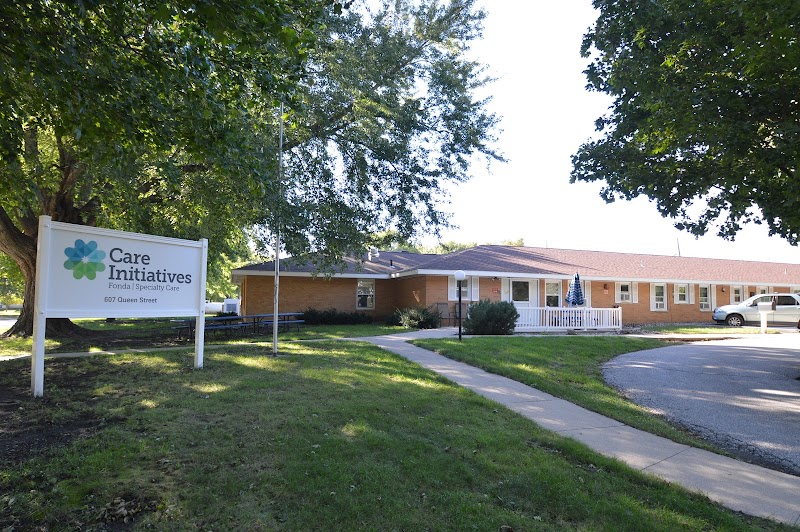
How is Fonda Specialty Care Staffed?

CMS rates Fonda Specialty Care's staffing level at 4 out of 5 stars, which is above average compared to other nursing homes. Staff turnover is 48%, compared to the Iowa average of 46%.

What Have Inspectors Found at Fonda Specialty Care?

State health inspectors documented 28 deficiencies at Fonda Specialty Care during 2022 to 2024. These included: 1 that caused actual resident harm and 27 with potential for harm. Deficiencies causing actual harm indicate documented cases where residents experienced negative health consequences.

Who Owns and Operates Fonda Specialty Care?

Fonda Specialty Care is owned by a non-profit organization. Non-profit facilities reinvest revenue into operations rather than distributing to shareholders. The facility is operated by CARE INITIATIVES, a chain that manages multiple nursing homes. With 46 certified beds and approximately 40 residents (about 87% occupancy), it is a smaller facility located in Fonda, Iowa.

How Does Fonda Specialty Care Compare to Other Iowa Nursing Homes?

Compared to the 100 nursing homes in Iowa, Fonda Specialty Care's overall rating (4 stars) is above the state average of 3.1, staff turnover (48%) is near the state average of 46%, and health inspection rating (4 stars) is above the national benchmark.

What Should Families Ask When Visiting Fonda Specialty Care?

Based on this facility's data, families visiting should ask: "Can I visit during a mealtime to observe dining assistance and food quality?" "How do you handle medical emergencies, and what is your hospital transfer rate?" "Can I speak with family members of current residents about their experience?"

Is Fonda Specialty Care Safe?

Based on CMS inspection data, Fonda Specialty Care has a clean safety record: no substantiated abuse findings (meaning no confirmed cases of resident harm), no Immediate Jeopardy citations (the most serious violation level indicating risk of serious injury or death), and is not on the Special Focus Facility watch list (a federal program monitoring the lowest-performing 1% of nursing homes). The facility has a 4-star overall rating and ranks #1 of 100 nursing homes in Iowa. While no facility is perfect, families should still ask about staff-to-resident ratios and recent inspection results during their visit.

Do Nurses at Fonda Specialty Care Stick Around?

Fonda Specialty Care has a staff turnover rate of 48%, which is about average for Iowa nursing homes (state average: 46%). Moderate turnover is common in nursing homes, but families should still ask about staff tenure and how the facility maintains care continuity when employees leave.

Was Fonda Specialty Care Ever Fined?

Fonda Specialty Care has no federal fines on record. CMS issues fines when nursing homes fail to meet care standards or don't correct problems found during inspections. The absence of fines suggests the facility has either maintained compliance or corrected any issues before penalties were assessed. This is a positive indicator, though families should still review recent inspection reports for the full picture.

Is Fonda Specialty Care on Any Federal Watch List?

Fonda Specialty Care is not on any federal watch list. The most significant is the Special Focus Facility (SFF) program, which identifies the bottom 1% of nursing homes nationally based on persistent, serious quality problems. Not being on this list means the facility has avoided the pattern of deficiencies that triggers enhanced federal oversight. This is a positive indicator, though families should still review the facility's inspection history directly.