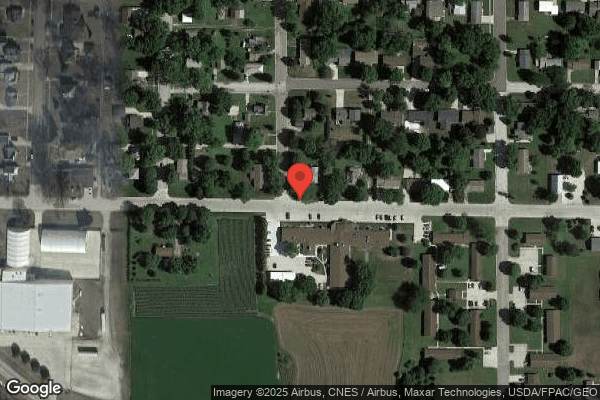
Laurens Care Center

304 EAST VETERANS ROAD, LAURENS, IA 50554 (712) 845-4915
Non profit - Corporation 38 Beds Independent Data: November 2025
Trust Grade
90/100
#43 of 392 in IA
Last Inspection: March 2025

Within standard 12-15 month inspection cycle. Federal law requires annual inspections.

Overview

Laurens Care Center has received an impressive Trust Grade of A, indicating an excellent reputation among nursing homes, suggesting a high level of care. It ranks #43 out of 392 facilities in Iowa, placing it comfortably in the top half, and is the best option in Pocahontas County. The facility is improving, having reduced its issues from five in 2024 to four in 2025. Staffing is a strong point, with a 5/5 star rating and a turnover rate of 34%, which is significantly lower than the state average. However, there are some concerns, including incidents where a student CNA was not verified as certified and the Dietary Manager lacked full certification. Additionally, the facility failed to provide written notice of the bed hold policy for residents on hospital leave, which could lead to confusion for families. Overall, while there are areas needing attention, Laurens Care Center demonstrates many strengths in its care and management.

Trust Score
A
90/100
In Iowa
#43/392
Top 10%
Safety Record
Low Risk
No red flags
Inspections
Getting Better
5 → 4 violations
Staff Stability
○ Average
34% turnover. Near Iowa's 48% average. Typical for the industry.
Penalties
✓ Good
No fines on record. Clean compliance history, better than most Iowa facilities.
Skilled Nurses
✓ Good
Each resident gets 61 minutes of Registered Nurse (RN) attention daily — more than 97% of Iowa nursing homes. RNs are the most trained staff who catch health problems before they become serious.
Violations
⚠ Watch
11 deficiencies on record. Higher than average. Multiple issues found across inspections.
★★★★★
5.0
Overall Rating
★★★★★
5.0
Staff Levels
★★☆☆☆
2.0
Care Quality
★★★★☆
4.0
Inspection Score
Stable
2024: 5 issues
2025: 4 issues

The Good

  • 5-Star Staffing Rating · Excellent nurse staffing levels
  • Full Sprinkler Coverage · Fire safety systems throughout facility
  • No fines on record
  • Staff turnover below average (34%)

    14 points below Iowa average of 48%

Facility shows strength in staffing levels, fire safety.

The Bad

Staff Turnover: 34%

12pts below Iowa avg (46%)

Typical for the industry

The Ugly 11 deficiencies on record

Mar 2025 4 deficiencies
CONCERN (D)

Potential for Harm - no one hurt, but risky conditions existed

Deficiency F0625 (Tag F0625)

Could have caused harm · This affected 1 resident

**NOTE- TERMS IN BRACKETS HAVE BEEN EDITED TO PROTECT CONFIDENTIALITY** Based on record review and staff interview, the facility failed to provide to the resident and the resident representative, writ...

Read full inspector narrative →
**NOTE- TERMS IN BRACKETS HAVE BEEN EDITED TO PROTECT CONFIDENTIALITY** Based on record review and staff interview, the facility failed to provide to the resident and the resident representative, written notice of the bed hold policy when on hospital leave, which specified the duration of the bed-hold policy and reserve payment, for 3 of 3 residents reviewed (Resident #8, #11, and #2). The facility reported a census of 26 residents. Findings include: 1) According to the Minimum Data Set (MDS) assessment dated [DATE], Resident #8 scored 4 on the Brief Interview for Mental Status (BIMS) indicating severe cognitive impairment. The resident had diagnoses including Alzheimer's disease. The Census page showed the resident on hospital leave from 10/30/24 to 11/4/24. The Progress Notes dated 10/30/24 at 1:35 p.m. documented the resident sent to the hospital, and the bed hold signed by her family member. A Bed-Hold Notice dated 10/30/24 documented a verbal consent from the resident's family to reserve the room for the resident, signed by the charge nurse. The notice contained the Administrator's name and a number to contact with any questions. The notice lacked the daily rates to reserve the room. On 3/18/25 at 3:45 p.m. the Business Office Manager (BOM) stated she did not give the resident/resident representative a copy of the bed hold. She acknowledged the notice had a carbon copy attached and both were retained by the facility. 2) According to the MDS assessment dated [DATE], Resident #11 scored 14 on the BIMS indicating no cognitive impairment. The resident had diagnoses including chronic diastolic heart failure. a) The Progress Notes dated 1/27/25 at 2:35 p.m. documented an order to transfer the resident to the hospital, family notified, and a bed hold obtained. The Census page showed the resident on hospital leave from 1/27/25 to 2/3/25. A Bed-Hold Notice dated 1/27/25 documented a verbal consent from the resident's family to reserve the room for the resident, signed by the charge nurse. The notice contained the Administrator's name and a number to contact with any questions. The notice lacked the daily rates to reserve the room. b) The Progress Notes dated 2/19/25 at 10:25 a.m. documented receipt of an order to transport the resident to the hospital by ambulance to have evaluated in the emergency room (ER). The resident's family member gave a verbal okay for a bed hold. The Census page showed the resident on hospital leave from 2/19/25 to 2/25/25. A Bed-Hold Notice dated 2/19/25 documented a verbal consent from the resident's family to reserve the room for the resident, signed by the charge nurse. The notice contained the Administrator's name and a number to contact with any questions. The notice lacked the daily rates to reserve the room. On 3/20/25 at 12:36 p.m. the Director of Nursing (DON) stated they were getting the verbal consent (for bed holds) because people were usually in a hurry to get to the hospital. The facility plan of correction from their last survey 3/21/24 included Ftag 625 bed holds. It was the intent of the facility to provide a resident or their responsible party with written information regarding notice of the bed-hold policy before a resident transferred to a hospital or went on therapeutic or recreational leave. 3. The MDS assessment dated [DATE] for Resident #2 documented diagnoses of quadriplegic, seizure disorder, depression, bi-polar and post traumatic stress disorder. The MDS showed the Brief Interview for Mental Status (BIMS) score of 15, indicating intact cognition. Review of Resident #2's Electronic Healthcare Record (EHR) revealed Resident #2 was in the hospital from [DATE] to 2/3/25, 11/12/24 to 11/14/24, 9/6/24 to 9/17/24, 8/31/24 to 9/1/24, and 8/16/24 to 8/22/24. Further review of the EHR page titled, Clinical Census confirmed the Resident was in the hospital on these dates. Review of the bed holds dated for 1/20/25, 11/12/24, 9/6/24, 8/31/24, and 8/16/24 revealed verbal authorization from Resident #2's representative but lacked a resident or representative signature. Review of the bed holds for these dates also lacked the cost of the room.
CONCERN (D)

Potential for Harm - no one hurt, but risky conditions existed

Comprehensive Care Plan (Tag F0656)

Could have caused harm · This affected 1 resident

**NOTE- TERMS IN BRACKETS HAVE BEEN EDITED TO PROTECT CONFIDENTIALITY** Based on record review and staff interview, the facility failed to develop and implement a comprehensive care plan for 1 of 5 re...

Read full inspector narrative →
**NOTE- TERMS IN BRACKETS HAVE BEEN EDITED TO PROTECT CONFIDENTIALITY** Based on record review and staff interview, the facility failed to develop and implement a comprehensive care plan for 1 of 5 residents reviewed for psychotropic medications (Resident #21). The facility reported a census of 26 residents. Findings include: According to the Minimum Data Set (MDS) assessment dated [DATE], Resident #21 scored 9 on the Brief Interview for Mental Status (BIMS) indicating moderate cognitive impairment. The resident had diagnoses including an unspecified nutritional deficiency. The resident received antidepressant medication. The Care Area Assessment (CAA) for psychotropic medication use documented the resident received antidepressant medication for a treatable medical condition. Adverse consequences of antidepressants exhibited by the resident were an increased risk for falls. The CAA documented psychotropic drug use would be addressed on the care plan to avoid complications, minimize risks, and symptom relief. The Clinical Physician's Orders in the Electronic Health Record showed the resident had an order for Mirtazapine (antidepressant) 7.5 mg at bedtime for failure to thrive dated 9/23/24. The resident's Care Plan lacked any identification of the antidepressant use. On 3/20/25 at 12:36 p.m. the Director of Nursing (DON) stated the Mirtazapine should be addressed on the care plan. At 1:43 p.m. the DON confirmed the Mirtazapine had been missed on the care plan. The DON responded to an email on 3/19/25 indicating the facility did not have a policy on care plans, but followed the Code of Federal Regulations on comprehensive person-centered care planning. The facility must develop and implement a comprehensive person-centered care plan for each resident, consistent with the resident rights that included measurable objectives and timeframes to meet a resident's medical, nursing, and mental and psychosocial needs that were identified in the comprehensive assessment.
CONCERN (D)

Potential for Harm - no one hurt, but risky conditions existed

Deficiency F0657 (Tag F0657)

Could have caused harm · This affected 1 resident

**NOTE- TERMS IN BRACKETS HAVE BEEN EDITED TO PROTECT CONFIDENTIALITY** Based on observation, record review, and staff interview, the facility failed to ensure a resident's care plan was reviewed and ...

Read full inspector narrative →
**NOTE- TERMS IN BRACKETS HAVE BEEN EDITED TO PROTECT CONFIDENTIALITY** Based on observation, record review, and staff interview, the facility failed to ensure a resident's care plan was reviewed and revised after each assessment for 2 of 11 residents reviewed (Resident #8 and #14). The facility reported a census of 26 residents. Findings include: 1. According to the Minimum Data Set (MDS) assessment dated [DATE], Resident #8 had long and short term memory problems and severely impaired skills for daily decision making. The resident required substantial/maximal assistance with eating. The resident had diagnoses including Alzheimer's disease. The Care Plan revised 11/14/23 identified the resident had an Activity of Daily Living (ADL) self care performance deficit related to Alzheimer's. The interventions included the resident ate/drank independently. On 3/18/25 at 7:50 a.m. and 12:10 p.m. the resident was fed by staff. On 3/20/25 at 12:36 p.m. the DON confirmed the resident had declined with eating, and the care plan should be updated to reflect the resident's current status. The DON responded to an email on 3/19/25 indicating the facility did not have a policy on care plans, but followed the Code of Federal Regulations on comprehensive person-centered care planning. The regulations directed the care plan would be reviewed and revised by the interdisciplinary team after each assessment, including both the comprehensive and quarterly review assessments. 2. The MDS assessment dated [DATE] for Resident #14 documented diagnosis of non-Alzheimer's dementia, diabetes mellitus, and renal insufficiency. The MDS showed a Brief Interview for Mental Status (BIMS) score of 4 indicating severe cognitive impairment. The MDS also revealed Resident #14 was independent with eating. Review of the Care Plan with an initiated date of 7/17/2023 showed Resident #14 was able to feed self independently. Review of the Visual/Bedside Kardex Report revealed Resident #14 was able to feed self independently. Review of the Electronic Health Record Response History from 2/19/25 to 3/19/25 revealed staff have documented Resident #14 needs limited assistance (residents highly involved in activity, staff provide guided maneuvering of limbs or other non weight bearing assistance) 27 out of 30 days.
CONCERN (D)

Potential for Harm - no one hurt, but risky conditions existed

Respiratory Care (Tag F0695)

Could have caused harm · This affected 1 resident

**NOTE- TERMS IN BRACKETS HAVE BEEN EDITED TO PROTECT CONFIDENTIALITY** Based on observation, record review, and staff interview, the facility failed to ensure a resident who needed Oxygen (O2) had do...

Read full inspector narrative →
**NOTE- TERMS IN BRACKETS HAVE BEEN EDITED TO PROTECT CONFIDENTIALITY** Based on observation, record review, and staff interview, the facility failed to ensure a resident who needed Oxygen (O2) had documentation when they received oxygen for 1 of 2 residents reviewed (Resident #11). The facility reported a census of 26 residents. Findings include: According to the Minimum Data Set (MDS) assessment dated [DATE] Resident #11 scored 11 on the Brief Interview for Mental Status (BIMS) indicating moderate cognitive impairment. The resident had diagnoses including pneumonia. The Clinical Physician's Orders showed the resident had the order for Oxygen, inhale 2-4 liters/minute as needed to keep sats above 90% dated 2/26/25. The Care Plan identified the resident had oxygen therapy related to Congestive Heart Failure (CHF) revised 3/5/25. The interventions included continuous O2 at 2 liters, may increase up to 4 as needed to keep sats >90% revised 1/22/25. The Treatment Administration Record (TAR) for March 2025 showed the only day documented for the use of O2 was on 3/4/25 at 9:03 a.m. but did not document how many liters. On 3/17/25 at 2:34 p.m. the resident had O2 at 2 liters on per nasal cannula. On 3/18/25 at 7:50 a.m. the resident sat at breakfast with O2 on at 2 liters per nasal cannula. On 3/18/25 at 1:20 p.m. the resident continued with the O2 at 2 liters per nasal. The TAR lacked documentation of the use of the O2. On 3/20/25 at 12:36 p.m. the Director of Nursing stated if the order was for as needed O2 it should be documented on the TAR if the resident received it, and how many liters it was set on. The DON responded to an email on 3/19/25, that the facility did not have a policy for as needed O2, they went by the physician's orders.
Mar 2024 5 deficiencies
CONCERN (D)

Potential for Harm - no one hurt, but risky conditions existed

Deficiency F0582 (Tag F0582)

Could have caused harm · This affected 1 resident

**NOTE- TERMS IN BRACKETS HAVE BEEN EDITED TO PROTECT CONFIDENTIALITY** Based on clinical record review, staff interviews and review of Medicare guidelines, the facility failed to provide a notice of ...

Read full inspector narrative →
**NOTE- TERMS IN BRACKETS HAVE BEEN EDITED TO PROTECT CONFIDENTIALITY** Based on clinical record review, staff interviews and review of Medicare guidelines, the facility failed to provide a notice of Medicare Non-coverage 48 hours in advance of services ending for 1 of 3 residents reviewed (Resident #2). The facility also failed to provide the correct Skilled Nursing Facility Advance Beneficiary Notice of Non-Coverage (SNF ABN) form for 2 of 2 residents (Resident #2 and #6) whose skilled stay ended and continued to reside in the facility. The facility reported a census of 30 residents. Findings include: 1. Resident #2 ' s Minimum Data Set (MDS) dated [DATE] assessment identified Brief Interview for Mental Status (BIMs) score of 15, indicating intact cognition. The MDS identified Resident #2 was dependent on two persons with bed mobility and transfers. Resident #2 ' s MDS included diagnoses of neurogenic bladder (lack bladder control due to nerve damage), urinary tract infection in the past 30 days, quadriplegia (paralysis that affects all limbs and body from the neck down), seizure disorder, and respiratory failure. The Clinical Census revealed Resident #2 was readmitted to the facility on [DATE] for a Medicare Part A Skilled stay. A Progress Note dated 9/28/23 at 2:39 PM revealed Resident #2 returned to the facility for SNF (Skilled Nursing Facility) level of care post hospitalization for pneumonia. A Progress Note titled Social Services Note dated for 10/4/2023 at 4:27 PM revealed the social worker was advised on 10/4/23, Resident #2 ' s last covered day for SNF level of care was on 10/2/23. The note documented the social worker completed the notice paperwork and apologized to Resident #2 for the notices being completed late. The note documented Resident #2 stated understanding and signed the notice forms. A CMS (Center of Medicare and Medicaid Services) form (10123-NOMNC)(Approved 12/31/2011) titled Notice of Medicare Non-Coverage documented Resident #2 SNF services would end on 10/2/23. Resident #2 signed the form on 10/04/23. Resident #2 signed the CMS form (CMS-R-131) (Exp. 6/30/2023) titled Advance Beneficiary Notice of Non-coverage (ABN) on 10/04/23. 2. Resident #6 ' s Minimum Data Set (MDS) dated [DATE] assessment identified Brief Interview for Mental Status (BIMs) score of 15, indicating intact cognition. The MDS identified Resident #6 required partial to moderate assistance with bed mobility and supervision/touchin assistance with chair/bed to chair transfers and toilet transfers. Resident #6 ' s MDS included diagnoses of anemia, hypertension (high blood pressure), pneumonia, and cerebrovascular accident (CVA/stroke). The Clinical Census revealed Resident #6 was readmitted to the facility on [DATE] for a Medicare Part A Skilled stay. A Progress Note titled Social Services Note dated 8/29/23 revealed Resident #6 ' s last covered day for SNF level of care was on 9/1/23. The note documented Resident #6 stated understanding and signed the notice forms. Resident #2 signed the CMS form (CMS-R-131) (Exp. 6/30/2023) titled Advance Beneficiary Notice of Non-coverage (ABN) on 8/29/23. On 3/19/24 at 10:46 AM, Staff C, Social Worker verified and acknowledged the wrong SNF ABN form had been given to Resident #2 and #6. Staff C also verified the Notice of Medicare Non-coverage was given late to Resident #2. Staff C stated she was notified on 10/4/23 that Resident #2's SNF services ended on 10/2/23. On 3/19/24 at 11:14 AM, the Administrator reported the facility does not have a policy for administering the Advance Beneficiary Notices (ABNs). The Administrator reported the facility follows CMS regulations. The Administrator reported the general rule of thumb was written notification to be issued within 48 hours of discharge from skilled services.
CONCERN (D)

Potential for Harm - no one hurt, but risky conditions existed

Deficiency F0625 (Tag F0625)

Could have caused harm · This affected 1 resident

**NOTE- TERMS IN BRACKETS HAVE BEEN EDITED TO PROTECT CONFIDENTIALITY** 2. Resident #4 ' s Minimum Data Set (MDS) dated [DATE] assessment identified a Brief Interview for Mental Status (BIMs) score of...

Read full inspector narrative →
**NOTE- TERMS IN BRACKETS HAVE BEEN EDITED TO PROTECT CONFIDENTIALITY** 2. Resident #4 ' s Minimum Data Set (MDS) dated [DATE] assessment identified a Brief Interview for Mental Status (BIMs) score of 12, indicating moderately impaired cognition. Resident #4 's MDS included diagnoses of anemia, hypertension (high blood pressure), renal disease (kidney), neurogenic bladder (lack bladder control due to nerve damage), pneumonia, diabetes mellitus and a cerebrovascular accident with hemiplegia (stroke affecting the right side). The Clinical Census revealed Resident #4 was on a hospital leave that began on 12/8/23. A Progress Note dated 12/8/23 at 12:39 PM revealed Resident #4 was admitted to the hospital for a urinary tract infection and intravenous therapy (give fluid/medications directly into the vein). The clinical record lacked documentation the facility provided a bed hold notice to Resident #4 and/or resident representative upon discharge to the hospital. On 3/19/24 at 1:40 PM, the Administrator reported she could not locate a bed hold notice for Resident #4 for 12/8/23. In an interview on 3/19/24 at 2:12 PM, the Director of Nursing (DON), indicated the facility lacked a completed Bed Hold form for Resident # 4 and #35. When asked if the DON expected staff to complete Bed Hold forms for those residents transferred out of the facility, she replied, They should have had one done. Based on clinical record review, interviews, and facility policy, the facility failed to ensure bed hold notice was signed by resident and or the resident's responsible person when residents transferred out of the facility for 2 of 4 residents reviewed (Residents #4 and #35). The facility reported a census of 30 residents. Findings include: 1.The Minimum Data Set (MDS) assessment dated [DATE] for Resident #35 documented diagnoses of spinal stenosis, heart failure and renal insufficiency. The MDS showed the Brief Interview for Mental Status (BIMS) score of 15 indicated no cognitive impairment. The Clinical Census for Resident #35 revealed the following: a. 1/23/24- active b. 1/29/24- hospital c. 1/30/24- resumed stay The Progress Notes for Resident #35 revealed the following information: a. On 1/29/24 at 1:51 PM, Resident #35 sent to the Emergency Department (ED). b. On 1/29/24 at 5:16 PM, Resident #35 will be admitted to the hospital for intravenous antibiotics. The clinical record lacked a Bed Hold form for Resident #35 regarding the ED and hospital stay that occurred on 1/29/24. The undated facility policy identified upon admission the facility provides information regarding facility bed hold policy and also at the time of temporary absence from hospital to the Residents or responsible party. Residents are eligible to request that their bed be held while out of the facility overnights and/or for an indefinite number of days. When the Residents shall be charged the then current Bed Hold Rate. Residents who are hospitalized or therapeutic leave exceeds the bed-hold period under the state rules, will be readmitted to the facility immediately upon the first availability of a bed in a semi private room if the Residents: Requires the services provided by the facility and, is eligible for Medicaid nursing facility services.
CONCERN (D)

Potential for Harm - no one hurt, but risky conditions existed

Infection Control (Tag F0880)

Could have caused harm · This affected 1 resident

**NOTE- TERMS IN BRACKETS HAVE BEEN EDITED TO PROTECT CONFIDENTIALITY** Based on observation, infection control policy, and staff interview, the facility failed to use personal protective equipment (P...

Read full inspector narrative →
**NOTE- TERMS IN BRACKETS HAVE BEEN EDITED TO PROTECT CONFIDENTIALITY** Based on observation, infection control policy, and staff interview, the facility failed to use personal protective equipment (PPE) and perform hand hygiene when exchanging water pitchers for residents suspected of having the Norovirus for rooms 208, 209 and 213. The facility reported a census of 30 residents. Findings included: In an interview on 3/18/24 at 9:00 AM, the Administrator reported some residents required isolation precautions due to a possible norovirus outbreak. Observation on 3/18/24 at 10:20 AM showed PPE supplies, a contact isolation sign that stated PPE requirements of a gown, gloves and designed equipment required for contact isolation located outside of room [ROOM NUMBER]. Staff A, Certified Nurses Aide (CNA), observed to enter room [ROOM NUMBER] without PPE, placed a water pitcher on the bedside table, picked up the used water pitcher, and secured the used pitcher against herself by using her forearm. Staff A exchanged the other water pitcher and exited the room. Staff A next placed the used water pitchers on the second shelf of a wheeled cart and proceeded to the next room without performing hygiene. Staff A then pushed the cart to room [ROOM NUMBER], placed a water pitcher on the bedside table, picked up the used water pitcher, and secured the used pitcher against herself by using her forearm. Staff A exchanged the other water pitcher and exited the room. Staff A next placed the used water pitchers on the second shelf of a wheeled cart and proceeded to the next room without performing hygiene. room [ROOM NUMBER] also showed PPE supplies, a contact isolation sign that stated PPE requirements of a gown, gloves and designed equipment required for contact isolation located outside of the room Staff A observed to enter room [ROOM NUMBER] without PPE, placed a water pitcher on the bedside table, picked up the used water pitcher, and secured the used pitcher against herself by using her forearm. Staff A exchanged the other water pitcher and exited the room.Staff A next placed the used water pitchers on the second shelf of a wheeled cart and proceeded to the next room without performing hygiene. Staff A then pushed the cart to room [ROOM NUMBER], placed a water pitcher on the bedside table, picked up the used water pitcher, and secured the used pitcher against herself by using her forearm. Staff A exchanged the other water pitcher and exited the room. Staff A next placed the used water pitchers on the second shelf of a wheeled cart and proceeded to the next room without performing hygiene. room [ROOM NUMBER] also showed PPE supplies, a contact isolation sign that stated PPE requirements of a gown, gloves and designed equipment required for contact isolation located outside of the room. Staff A observed to enter room [ROOM NUMBER] without PPE, placed a water pitcher on the bedside table, picked up the used water pitcher, and secured the used pitcher against herself by using her forearm. Staff A exchanged the other water pitcher and exited the room.Staff A next placed the used water pitchers on the second shelf of a wheeled cart and proceeded to the next room without performing hygiene. In an interview on 3/18/24 at10:50 AM, Staff B, Licensed Practical Nurse (LPN), reported the residents in rooms 208, 209 and 213 required contact isolation precautions due to symptoms of suspected norovirus. Staff B reported PPE of a gown and gloves required for contact isolation. In an interview on 3/18/24 at 11:01 AM, the Infection Preventionist (IP) reported test results were pending for the norovirus. The IP explained residents experienced symptoms of nausea, vomiting and diarrhea. In an interview on 3/18/24 at 3:14 PM, the Director or Nursing (DON), and the IP confirmed rooms 208, 209 and 213 required PPE for contact isolation precautions. When asked if the DON expected staff to follow contact isolation precautions every time staff entered rooms [ROOM NUMBER], the DON replied, yes. The email regarding the possible norovirus information provided by the IP on 4/18/24 at 11:24 AM showed residents isolated to rooms as symptoms start: a. 3/13/24-rooms [ROOM NUMBERS] b. 3/14/24- rooms 213 Standard Precautions The Standard Precautions/Transmission based precaution system is designed to prevent the transmission of infectious agents. It requires the use of work practice controls and protective apparel for all contact with blood and body substances, but uses airborne infection isolation, droplet, and contact precautions for patients with diseases known to be transmitted in whole or in part by these routes. Standard precautions include consistent and prudent prevention measures to be used at all times regardless of their patient''s known affection status and include: Hand hygiene: Practice hand hygiene: practice hand hygiene after touching blood, body fluids, secretions, excreations, or contaminated items, whether or not gloves are worn. Wash hands immediately after gloves are removed, between patient contacts, and when otherwise indicated to avoid transfer of microorganisms to other patients or environments. Gloves: Wear gloves (clean, non sterile gloves are adequate) when touching blood, body fluids, secretions, excretions, or contaminated items. Put on clean gloves just before touching mucous membranes and non intact skin. Change gloves between tasks and procedures. Practice hand hygiene whenever gloves are removed. Gown: Wear a gown (a clean, non sterile gown is adequate) to protect skin And to prevent soiling of clothing during procedures and patient care activities that are likely to generate splashes or sprays of food, body fluids, secretions, or excretions. Carefully, remove a soiled gown as promptly as possible, to avoid contamination of personal clothing, and wash hands.
CONCERN (D)

Potential for Harm - no one hurt, but risky conditions existed

Deficiency F0943 (Tag F0943)

Could have caused harm · This affected 1 resident

Based on personnel file reviews, facility policy review and staff interview, the facility failed to provide the required 2 hour dependent adult abuse training within 6 months of hire for 2 of 9 employ...

Read full inspector narrative →
Based on personnel file reviews, facility policy review and staff interview, the facility failed to provide the required 2 hour dependent adult abuse training within 6 months of hire for 2 of 9 employees reviewed (Staff D and E). The facility identified a census of 30 residents. Findings include: 1. The personnel file for Staff D, Certified Nursing Assistant (CNA) documented a hired date of 3-23-23. Review of the Dependent Adult Abuse Mandatory Reporter Training Certificate documented Staff D, CNA completed the 2 hour training on 11/24/23. 2. The personnel file for Staff E, CNA documented a hired date of 5/15/23. Review of the Dependent Adult Abuse Mandatory Reporter Training Certificates documented Staff E, CNA completed the 2 hour dependent adult abuse training on 11/24/23. The facility policy titled Abuse, Prevention, Identification, Investigating, and Reporting Policy revised 4-1-17 revealed each employee shall be required to complete two hours of training relating to the identification and reporting of dependent adult abuse within six months of initial employment. On 3/20/24 at 1:54 PM, Staff F, Business Office Manager verified and acknowledged Staff D and Staff E completed the dependent adult abuse training late and not within 6 months of hire.
CONCERN (F)

Potential for Harm - no one hurt, but risky conditions existed

Deficiency F0729 (Tag F0729)

Could have caused harm · This affected most or all residents

Based on personnel file review, interviews, and review of the Direct Care Worker (DCW) Registry the facility failed to verify and assure a student certified nursing assistant (CNA) actually became cer...

Read full inspector narrative →
Based on personnel file review, interviews, and review of the Direct Care Worker (DCW) Registry the facility failed to verify and assure a student certified nursing assistant (CNA) actually became certified and registered after completing the CNA course and taken the written exam for 1 of 5 CNAs reviewed (Staff G). The facility reported a census of 30 residents. Findings include: The personnel file for Staff G, student CNA documented a hired date of 3-23-23. Review of the personnel file lacked documentation Staff G, student CNA was registered on the Iowa Direct Care Worker Registry (DCW) The personnel file documented Staff G had passed the skills competency exam on 8-10-23 and the written exam with a 71% final score on 9/18/23. Review of the DCW registry on 3/20/24 at 10:43 AM revealed Staff G was not on the registry. The status documented No Test and no certification date. A facility form titled Skills Competency Checklist of Environmental Aides who have taken CNA course documented the following competencies where completed with Staff G on 8/3/23: feeding, dressing (top half of resident who transfers with mechanical lift), oral cares, application of ted hose or other compression wear, application of lotion, washing or resident hands/face. On 3/20/24 at 12:15 PM, Staff F, Business Office Manager reported Staff G, student CNA took the CNA class in either June or July 2023. Staff F stated she had periodically checked the registry and again on the evening of 3/19/24 and the registry documented Staff G had no test. Staff F stated Staff G was hired to be a housekeeper and then switched over to be a CNA. Staff F stated that the Director of Nursing (DON) was going to message the college to inquire about the registry. On 3/20/24 at 12:20 PM, the DON reported she had been in contact with the college. The DON stated she was trying to get copies of the written exams that Staff F has taken. She stated the tests results the college had were not lining up with the test results the facility had that were provided by Staff G. The DON stated Staff G was hired as an Environmental Aide in March and then switched over to be a CNA after the facility had sent her to the CNA class. The DON reported Staff G had been taken off work at this time. On 3/20/24 at 12:30 PM, the DON reported Staff G has taken the written exam three different times. Review of the written exam test results provided by the college and Staff G revealed the following information: *8/10/23- 1st test- Did not pass with a 67% result- Both test copies match *8/17/23- 2nd test- Did not pass with a 69% result- Both test copies match *9/18/23- 3rd test- Discrepancy with the test results. The test exam the college provided documented a 67% result which indicated Staff G did not pass (time stamped on 9/18/23 at 1:20 PM). The copy of the test exam Staff G provided documented a 71% result which indicated Staff had passed the exam (time stamped on 9/18/23 at 1:47 PM). The DON reported she did not know why the copies of the third exam are not the same. She stated she received a text message from Staff G on 9/18/23 stating she had passed. The DON reported she does not do the registry part so she was not aware Staff G was not on it until 3/19/24. The DON stated Staff G denied changing or altering the third test exam. On 3/20/24 at 1:08 PM, Staff F, Business Office Manager reported Staff G was changed to a CNA on 9-25-24 after she had notified the facility she had passed her exam and provided a copy of the pass results. Staff F stated she would have expected Staff G to have been on the registry within a couple of weeks after passing the exam. Staff F stated the facility has had issues in the past with the registry so that is why the facility makes sure to get copies of the passed results from the staff. Staff F stated last night (3/19/24) she was going through the employee files and rechecked the Direct Care Worker Registry for Staff G and learned she was still not on the registry. On 3/20/24 at 1:55 PM, Staff G, student CNA stated she started working at the facility in the middle of March as an environmental aide. She reported she went to the college for the CNA class in June or July and finished either the end of July or in August. Staff G reported she took the written exam three different times and on the third attempt she passed with a 71%. Staff G stated she gave the pass results to Staff F in the business office. She stated after the facility received her results she was changed to a CNA and put on the floor to train. She stated she does not know why her copy of the third exam results does not match the college results. She stated she text the DON on the day she passed the test. Staff G denied changing the test results. On 3/20/24 at 2:02 PM, the DON reported the facility does not have a policy on the nurse aide registry checks. On 3/20/24 at 2:37 PM, The DON verified Staff G had worked full time as a CNA on the 2-10 shift and had been active on the schedule. On 3/20/24 at 4:05 PM, the College Health Industry Trainer Programmer reported the Direct Worker Registry showed Staff G failed the exam three times. She stated the college submits the results to a third party and they give the written scores to the DCW registry. She reported she compared the written exam results from college to the written exam results that Staff G provided the facility. She stated the form that Staff G provided the facility has different format/spacing and wording. She stated it appeared the document had been recreated. A form called DCW Test Scores revealed Staff G failed the written exam on 8/10/23, 8/17/23 and on 9/18/23.
Feb 2023 2 deficiencies
CONCERN (D)

Potential for Harm - no one hurt, but risky conditions existed

Deficiency F0657 (Tag F0657)

Could have caused harm · This affected 1 resident

**NOTE- TERMS IN BRACKETS HAVE BEEN EDITED TO PROTECT CONFIDENTIALITY** 2. The Minimum Data Set (MDS) dated [DATE] for Resident #19 revealed a Brief Interview of Mental Status (BIMS) score of 11 which...

Read full inspector narrative →
**NOTE- TERMS IN BRACKETS HAVE BEEN EDITED TO PROTECT CONFIDENTIALITY** 2. The Minimum Data Set (MDS) dated [DATE] for Resident #19 revealed a Brief Interview of Mental Status (BIMS) score of 11 which indicated moderately intact cognition. The resident had diagnoses of Parkinson's disease, mood disorder due to known physiological condition, and intermittent explosive disorder. The Physician Order Summary dated 12/28/22 signed by a physician revealed an order for melatonin, 3 milligrams (mg) to be taken at bedtime. The Care Plan did not include the use of the melatonin or adverse side effects to monitor for. In an interview on 2/8/23 at 2:43 PM, the Director of Nursing (DON) reported the facility does not have a policy for including melatonin on care plans. In the same interview, the DON reported that she will talk with the facility's contracted care plan company about including melatonin on care plans. Based on observation, staff interview and record review, the facility failed to update the resident's care plan to accurately reflect the resident for 2 of 12 reviewed (Residents #13 and #19). The facility reported a census of 28 residents. Findings include: 1. The Minimum Data Set (MDS) assessment dated [DATE] for Resident #13 documented diagnoses of arthritis, neurogenic bladder and hypertension. The MDS showed a Brief Interview for Mental Status (BIMS) score of 10, indicating moderate cognitive impairment. The Care Plan with a revision date of 2/6/23 revealed Resident #13 currently has an indwelling catheter and was currently taking tramadol for pain management. The Progress Notes revealed the following information: On 1/5/23 at 11:10 a.m., order received to discontinue Tramadol. On 1/6/23 at 6:05 p.m., fax returned and catheter may remain out per physician. Interview on 2/8/23 at 1:02 p.m., with the Director of Nursing revealed the care plans should have been updated with the change in medication and with the discontinuation of the catheter.
CONCERN (E)

Potential for Harm - no one hurt, but risky conditions existed

Deficiency F0801 (Tag F0801)

Could have caused harm · This affected multiple residents

Based on facility policy and staff interview, the facility failed to ensure the Dietary Manager was certified. The facility reported a census of 28 residents. Findings include: In an interview on 2/6/...

Read full inspector narrative →
Based on facility policy and staff interview, the facility failed to ensure the Dietary Manager was certified. The facility reported a census of 28 residents. Findings include: In an interview on 2/6/23 at 11:18 AM , the Dietary Manager (DM) reported she had 10 of 17 modules completed and had to complete 3 tests to obtain her Certified Dietary Manager (CDM) certification. In the same interview, the DM reported that worked in this position at the facility since November 2021. In an interview on 2/8/23 at 10:26 AM, the Business Office Manager (BOM) reported the Dietary Manager was hired on 11/16/21 for the position of DM. In an interview on 2/8/23 at 2:17 PM, the Administrator reported the the DM was in the process of taking course work to complete her certification, that other facilities did not have certified DMs in the area, and that if the facility was out of compliance with this regulation the facility would plan on correcting this.
Understanding Severity Codes (click to expand)
Life-Threatening (Immediate Jeopardy)
J - Isolated K - Pattern L - Widespread
Actual Harm
G - Isolated H - Pattern I - Widespread
Potential for Harm
D - Isolated E - Pattern F - Widespread
No Harm (Minor)
A - Isolated B - Pattern C - Widespread

Questions to Ask on Your Visit

  • "Can I speak with families of current residents?"
  • "What's your RN coverage like on weekends and overnight?"

Our Honest Assessment

Strengths
  • • Grade A (90/100). Above average facility, better than most options in Iowa.
  • • No major safety red flags. No abuse findings, life-threatening violations, or SFF status.
  • • No fines on record. Clean compliance history, better than most Iowa facilities.
  • • 34% turnover. Below Iowa's 48% average. Good staff retention means consistent care.
Concerns
  • • 11 deficiencies on record. Higher than average. Multiple issues found across inspections.
Bottom line: Generally positive indicators. Standard due diligence and a personal visit recommended.

About This Facility

What is Laurens Care Center's CMS Rating?

CMS assigns Laurens Care Center an overall rating of 5 out of 5 stars, which is considered much above average nationally. Within Iowa, this rating places the facility higher than 99% of the state's 100 nursing homes. This rating reflects solid performance across the metrics CMS uses to evaluate nursing home quality.

How is Laurens Care Center Staffed?

CMS rates Laurens Care Center's staffing level at 5 out of 5 stars, which is much above average compared to other nursing homes. Staff turnover is 34%, compared to the Iowa average of 46%. This relatively stable workforce can support continuity of care.

What Have Inspectors Found at Laurens Care Center?

State health inspectors documented 11 deficiencies at Laurens Care Center during 2023 to 2025. These included: 11 with potential for harm.

Who Owns and Operates Laurens Care Center?

Laurens Care Center is owned by a non-profit organization. Non-profit facilities reinvest revenue into operations rather than distributing to shareholders. The facility operates independently rather than as part of a larger chain. With 38 certified beds and approximately 29 residents (about 76% occupancy), it is a smaller facility located in LAURENS, Iowa.

How Does Laurens Care Center Compare to Other Iowa Nursing Homes?

Compared to the 100 nursing homes in Iowa, Laurens Care Center's overall rating (5 stars) is above the state average of 3.1, staff turnover (34%) is significantly lower than the state average of 46%, and health inspection rating (4 stars) is above the national benchmark.

What Should Families Ask When Visiting Laurens Care Center?

Based on this facility's data, families visiting should ask: "Can I visit during a mealtime to observe dining assistance and food quality?" "How do you handle medical emergencies, and what is your hospital transfer rate?" "Can I speak with family members of current residents about their experience?"

Is Laurens Care Center Safe?

Based on CMS inspection data, Laurens Care Center has a clean safety record: no substantiated abuse findings (meaning no confirmed cases of resident harm), no Immediate Jeopardy citations (the most serious violation level indicating risk of serious injury or death), and is not on the Special Focus Facility watch list (a federal program monitoring the lowest-performing 1% of nursing homes). The facility has a 5-star overall rating and ranks #1 of 100 nursing homes in Iowa. While no facility is perfect, families should still ask about staff-to-resident ratios and recent inspection results during their visit.

Do Nurses at Laurens Care Center Stick Around?

Laurens Care Center has a staff turnover rate of 34%, which is about average for Iowa nursing homes (state average: 46%). Moderate turnover is common in nursing homes, but families should still ask about staff tenure and how the facility maintains care continuity when employees leave.

Was Laurens Care Center Ever Fined?

Laurens Care Center has no federal fines on record. CMS issues fines when nursing homes fail to meet care standards or don't correct problems found during inspections. The absence of fines suggests the facility has either maintained compliance or corrected any issues before penalties were assessed. This is a positive indicator, though families should still review recent inspection reports for the full picture.

Is Laurens Care Center on Any Federal Watch List?

Laurens Care Center is not on any federal watch list. The most significant is the Special Focus Facility (SFF) program, which identifies the bottom 1% of nursing homes nationally based on persistent, serious quality problems. Not being on this list means the facility has avoided the pattern of deficiencies that triggers enhanced federal oversight. This is a positive indicator, though families should still review the facility's inspection history directly.