Good Samaritan Society - Forest City

606 South Seventh Street, Forest City, IA 50436 (641) 585-2232
Non profit - Church related 43 Beds GOOD SAMARITAN SOCIETY Data: November 2025 1 Immediate Jeopardy citation
Trust Grade
48/100
#112 of 392 in IA
Last Inspection: August 2025

Inspected within the last 6 months. Data reflects current conditions.

Overview

Good Samaritan Society - Forest City has a Trust Grade of D, meaning it is below average with some concerns about care quality. It ranks #112 out of 392 nursing facilities in Iowa, placing it in the top half, but it is the lowest-ranked facility in Winnebago County at #3 of 3. The facility is showing signs of improvement, having reduced issues from 4 in 2024 to 2 in 2025. Staffing is a mixed bag; it has a 3/5 average rating, but a concerning turnover rate of 56% compared to the state average of 44%. There are also significant fines totaling $25,945, which is higher than 82% of Iowa facilities, indicating past compliance issues. The facility boasts good RN coverage, exceeding 78% of state facilities, which helps ensure better oversight of resident care. However, there are serious concerns as inspectors found critical incidents, including a failure to provide the correct diet texture for six residents, and a serious lapse in nursing supervision that led to a resident being hospitalized with a fracture. Although there are some strengths, such as good RN coverage, families should be aware of the significant issues present when considering this facility for care.

Trust Score
D
48/100
In Iowa
#112/392
Top 28%
Safety Record
High Risk
Review needed
Inspections
Getting Better
4 → 2 violations
Staff Stability
⚠ Watch
56% turnover. Above average. Higher turnover means staff may not know residents' routines.
Penalties
✓ Good
$25,945 in fines. Lower than most Iowa facilities. Relatively clean record.
Skilled Nurses
✓ Good
Each resident gets 47 minutes of Registered Nurse (RN) attention daily — more than average for Iowa. RNs are trained to catch health problems early.
Violations
⚠ Watch
11 deficiencies on record. Higher than average. Multiple issues found across inspections.
★★★★☆
4.0
Overall Rating
★★★☆☆
3.0
Staff Levels
★★☆☆☆
2.0
Care Quality
★★★★☆
4.0
Inspection Score
Stable
2024: 4 issues
2025: 2 issues

The Good

  • Full Sprinkler Coverage · Fire safety systems throughout facility
  • No fines on record

Facility shows strength in fire safety.

The Bad

Staff Turnover: 56%

Near Iowa avg (46%)

Frequent staff changes - ask about care continuity

Federal Fines: $25,945

Below median ($33,413)

Moderate penalties - review what triggered them

Chain: GOOD SAMARITAN SOCIETY

Part of a multi-facility chain

Ask about local staffing decisions and management

Staff turnover is elevated (56%)

8 points above Iowa average of 48%

The Ugly 11 deficiencies on record

1 life-threatening 2 actual harm
Aug 2025 2 deficiencies
CONCERN (D) 📢 Someone Reported This

A family member, employee, or ombudsman was alarmed enough to file a formal complaint

Potential for Harm - no one hurt, but risky conditions existed

Free from Abuse/Neglect (Tag F0600)

Could have caused harm · This affected 1 resident

**NOTE- TERMS IN BRACKETS HAVE BEEN EDITED TO PROTECT CONFIDENTIALITY** Based on record review and staff interview, the facility failed to ensure a resident was free from abuse for 1 resident reviewed...

Read full inspector narrative →
**NOTE- TERMS IN BRACKETS HAVE BEEN EDITED TO PROTECT CONFIDENTIALITY** Based on record review and staff interview, the facility failed to ensure a resident was free from abuse for 1 resident reviewed (Resident #2). The facility reported a census of 34 residents.The citation is considered past non-compliance.Findings include:According to the Minimum Data Set (MDS) assessment dated [DATE], Resident #2 scored 13 on the Brief Interview for Mental Status (BIMS) indicating no cognitive impairment. The resident depended on staff for toileting hygiene, shower/bathing, lower body dressing, and transfers. The resident's diagnoses included aphasia (a language disorder that affects a person's ability to communicate), stroke, and hemiplegia (paralysis) or hemiparesis (weakness on 1 side of the body). The Care Plan revised 6/11/25 identified the resident:a. Had impaired cognitive function and impaired thought processes related to cerebral infarction (stroke) evidenced by inattention, disorganized thinking, and behaviors.b. The resident had a communication problem due to expressive aphasia related to a history of strokes.Revised 3/11/25:c. The resident was adjusting to admission related to a recent stroke and needing 24 hour care.Revised 7/14/25:d. The resident had the potential to experience trauma related to abuse allegations and ongoing investigation.A facility Investigation documented on 7/11/25 at 9:30 a.m. the Social Worker (SW) was asked to assist Resident #2 to help him with his new phone that he received the day prior. He told her he was not sure he was receiving messages and asked her to help. He gave her the phone and his password. When the SW unlocked the phone in front of the resident, she saw that there was a text message thread with someone with the same 1st name as Staff A Certified Nursing Assistant (CNA)/Certified Medication Aide (CMA), and because it was a unique name, she questioned if it was Staff A from work, and Resident #2 said no. The resident asked her to click on a text message thread to see if she could get a message to send. The SW scrolled up on the feed to see if any messages were sent. She saw a picture of Staff A and other messages. The SW was concerned by photos she had seen. The resident said it was a friend from another town. The resident then asked her to hold on to his phone for him so that she could work on it which he has done prior when his phone didn't work properly. She went into his messages to see the last time he received a message. When she clicked on the Staff A contact and saw that it said, Good Morning Love, I miss you, she had some concerns that it may be the employee that worked at the facility and scrolled back to see a picture of Staff A, and then saw a picture of male genitalia. At that point she put the phone down and called the Administrator. The investigation ensued and included obtaining an interview with Staff A and a report to police.In a statement written by Staff A, she documented she met Resident #2 when he first came to the facility. They hit it off immediately. They had always had a very good working relationship. A couple of months ago feelings between the two of them became more than just friends. They exchanged phone numbers and had conversations outside of work. The relationship was physical one time with a kiss. It was never her intention for this to happen. It sprung up on her. There had never been any ill intentions. It was consensual on both sides. There had never been any sexual contact. At work their relationship had been professional with the exception of the one kiss. She admitted she knew it was wrong, but her feelings got the best of her.The Police Incident Report dated 7/11/25 at 10:54 a.m. documented the incident occurred 5/9/25 through 7/11/25, and the offense dependent adult abuse. The Police Arrest History dated 7/14/25 documented Staff A arrested for dependent adult abuse.A review of images from Staff A's phone showed it contained inappropriate messages and pictures sent to Resident #2's phone.During an interview on 8/6/25 at 2 p.m. Staff A stated she was empathetic to the resident. She said she got to know Resident #2 when he came in the facility. She said he was hospitalized and several wondered where he went and how he was doing. When he came back to the facility he asked for her phone number, so if he went back to the hospital, he could let her know how he was doing. She gave it to him, but she did not get his. He initiated things by giving her very nice compliments. She said he started texting her, and she texted back, mostly memes. There were a few phone calls, but communication over the phone was very difficult. She did start to have feelings for him. Some of the memes had I Love You in them. She confirmed the resident sent texts with a male's genitals in them. She did not know where he obtained them. She also admitted the pictures of a woman in a bra and panties, and exposing a breast were of her sent to the resident. She said it was not physical except for 1 kiss. It was a consensual relationship, and she did not hurt anyone. She knew it was wrong because she was employed at the facility, but it was consensual, and no one was hurt. A review of Staff A's personnel file showed she completed the Iowa Department of Health and Human Services Dependent Adult Abuse Mandatory Reporter Training on 10/8/24.The facility provided training to staff on July 15, 2025 related to dependent adult abuse and boundaries.The Iowa Department of Health And Human Services, Dependent Adult Abuse, A Guide for Mandatory Reporters revised July 2024 documented Sexual Exploitation by a Caretaker meant any consensual or nonconsensual sexual conduct with a dependent adult, and included kissing. The facility policy Abuse and Neglect reviewed/revised 4/7/25 documented the purpose to ensure that residents/clients were not subjected to abuse by anyone, including, but not limited to, location employees, other residents, consultants or volunteers, employees of other agencies serving the individual, family members or legal guardians, friends or other individuals. The resident had the right to be free from abuse, neglect, misappropriation of resident property and exploitation.
CONCERN (D)

Potential for Harm - no one hurt, but risky conditions existed

Incontinence Care (Tag F0690)

Could have caused harm · This affected 1 resident

**NOTE- TERMS IN BRACKETS HAVE BEEN EDITED TO PROTECT CONFIDENTIALITY** Based on observation, staff interview, clinical record review, Centers for Disease Control and Prevention (CDC) recommendations ...

Read full inspector narrative →
**NOTE- TERMS IN BRACKETS HAVE BEEN EDITED TO PROTECT CONFIDENTIALITY** Based on observation, staff interview, clinical record review, Centers for Disease Control and Prevention (CDC) recommendations and policy review the facility failed to provide appropriate catheter care for 1 of 1 resident reviewed (Resident #17). The facility reported a census of 34 residents.Findings include:Resident #17's Minimum Data Set (MDS) dated [DATE] identified a Brief Interview for Mental Status (BIMS) score of 13 indicating intact cognition. The MDS identified Resident #17 was dependent on staff assistance for toileting hygiene. Residents #17 MDS included a diagnosis of benign prostatic hyperplasia (enlarged prostate gland). The MDS revealed Resident #17 had an indwelling catheter (tube inserted into bladder to drain urine).The Care Plan revised dated 07/03/25 identified Resident #17 had an indwelling catheter due to urinary retention (inability to completely empty the bladder). The care plan lack direction on where to place the catheter urine bag and tubing to prevent the bag/tubing from touching the floor.Review of the form titled Catheter Data Collection dated 07/23/25 documented resident education to keep the urine bag lower than the bladder and off the floor.On 08/04/2025 at 1:53 PM, observed Resident #17 lying in bed and his catheter urine bag was laying on floor next to the bed. The urine bag did not have a dignity bag in place.On 08/05/2025 at 10:18 AM, observed Resident #17 catheter urine bag attached to the bed rail with the bag touching floor. The urine bag did not have a dignity bag in place. On 08/06/2025 at 7:29 AM, observed Resident #17 catheter urine bag attached to the bed rail with the bag touching floor. The urine bag did not have a dignity bag in place.On 08/06/2025 at 9:02 AM, the Director of Nursing (DON) stated her expectation of the catheter urine bag placement was that the bag should not be touching the floor while attached to the bed.Review of the CDC Guidelines for Prevention of Catheter-Associated Urinary Tract Infections dated 2009 directed the catheter urine bag not to be rested on the floor.The facility policy titled Catheter: Care, Insertion/Removal, Drainage Bags, Irrigation, and Specimen revised 04/06/25 directed staff to keep the resident's catheter bag covered and catheter tubing should never be allowed to touch the floor.
Sept 2024 4 deficiencies 1 Harm
SERIOUS (G) 📢 Someone Reported This

A family member, employee, or ombudsman was alarmed enough to file a formal complaint

Actual Harm - a resident was hurt due to facility failures

Accident Prevention (Tag F0689)

A resident was harmed · This affected 1 resident

**NOTE- TERMS IN BRACKETS HAVE BEEN EDITED TO PROTECT CONFIDENTIALITY** Based on clinical record reviews, hospital record review, staff interviews and policy review, the facility failed to provide ade...

Read full inspector narrative →
**NOTE- TERMS IN BRACKETS HAVE BEEN EDITED TO PROTECT CONFIDENTIALITY** Based on clinical record reviews, hospital record review, staff interviews and policy review, the facility failed to provide adequate nursing supervision to prevent accident and injuries for 1 of 3 residents reviewed (Resident #87). The facility failed to provide the appropriate level of assistance during a transfer which resulted in Resident #87 being lowered to the floor and hospitalized with a fracture requiring surgical intervention. The facility reported a census of 35 residents. Citation considered past noncompliance as the facility completed the following interventions prior to the surveyor entering the facility on 9/3/24: 1. Staff A, CNA provided written disciplinary action for not following the plan of care transfer-4/22/24 2. Employee Huddles discussed the importance of following the [NAME] and assist levels with all transfers at all nursing huddles at 6 AM and 2 PM on 4/20, 4/21 and 4/22/24. 3. The DON and MDS Coordinator applied colored labels to each resident walker/wheelchair so the staff would know the proper assist level of each resident and made sure the colored labels match the [NAME]. Staff were provided education that they would have real time information on what the resident assist level was. The admission checklist was updated to place colored labels on the equipment and therapy was educated to change the labels immediately when the level of assist changed- 4/22/24 4. The DON met with therapy to discuss not having different assist levels at different times of the day, if there was a question, to defer to higher level of care.- 4/22/24 5. All nursing staff were provided face to face education with the Clinical Learning and Development Specialist regarding safe transfers. If staff did not attend one of the group meetings then they were provided 1:1 education.- 5/16/24 through 7/10/24 Findings include: The Minimum Data Set (MDS) assessment for Resident #87 dated 3/14/24 identified a Brief Interview for Mental Status (BIMS) score of 12, which indicated intact cognition. The MDS identified Resident #87 required partial/moderate assistance with bed mobility, and was dependent on staff for transfers, and toileting. The MDS included diagnoses of anemia, atrial fibrillation (irregular heart rhythm), hypertension (high blood pressure), deep venous thrombosis (blood clot in a deep vein), diabetes mellitus, and chronic kidney disease. The Care Plan dated 3/8/24 revealed Resident #87 had a ADL (Activity of Daily Living) self care performance deficit related to generalized muscle weakness, diabetes, hypertension, osteoarthritis, macular degeneration, edema and depression. The Care Plan directed the following: -Resident #87 required extensive assistance x 2 staff to get to and from the commode, with completion of toileting hygiene and continence product management. -Resident #87 required assist of one staff member for stand pivot transfers (transfers toward the right) only with use of gait belt and front wheeled walker during the day hours (6 AM to 6 PM), and assist of two staff members for stand pivot transfers during the night hours when more fatigued. A Physical Therapy Discharge summary dated [DATE] documented Resident #87 amounts of assistance with transfers and standing tolerance varied from day to day. The summary documented Resident #87 required an assist of one for transfers during the day (6 AM to 6 PM) and an assist of 2 at night. A Fall Risk Evaluation dated 3/8/24 documented a fall risk score of 20 which indicated Resident #87 was at high risk for falls. An Incident Report dated 4/19/24 at 8:45 PM documented Resident #87 had a sudden loss of strength to her left knee and caused a loss of balance. Staff member assisted Resident #87 to the floor. Resident #87 reported her left knee twisted. The report documented it was undetermined if Resident #87's knee twisted prior to being lowered to the floor or as she was lowered by staff. Resident reported she lost her balance when her knee gave out. Resident reported she wasn't standing that long this time. A Progress Note dated 4/19/24 at 8:45 PM documented Resident #87 was transferring from the commode to her wheelchair. Staff was moving the commode and putting the wheelchair behind Resident #87, when she had a sudden loss of strength to her left knee/lower extremity which caused a loss of balance. Resident #87 was not able to regain balance or bear weight on her left lower extremity with staff assistance. Staff lowered Resident #87 to the floor. Staff reported Resident #87 left foot was hooked behind her right calf after being lowered to the floor. Resident #87 reported she had twisted her knee. A head to toe assessment was completed along with vital signs. The head to toe assessment and palpation revealed pain to both anterior and posterior left knee. Increased pain was noted to the left knee with slight movement. No immediate bruising or increased swelling noted. Call placed to on call Provider and new order received to transfer Resident #87 to the hospital for further evaluation. Resident #87's husband was notified of the fall and aware of the transfer to the hospital. A Progress Note dated 4/20/24 documented Resident #87 was admitted to the hospital. A Hospital Consultation Note dated 4/19/24 documented Resident #87 was admitted to the hospital for a management of left fibula periprosthetic fracture. The consultation note documented Resident #87 presented to the emergency room (ER) via Emergency Medical Services (EMS) after falling from the commode at the nursing home. Resident #87 was being assisted at the time and claimed her left knee gave out. A Hospital Operative Report dated 4/22/24 revealed Resident #87 had an open reduction and internal fixation with a lateral plate due to the left distal femur periprosthetic fracture. An untitled facility form dated 4/22/24 documented Staff A, CNA (certified nursing assistant) transferred resident to the bedside commode with assistance of one. This level of assistance did not follow the resident's care plan of having assistance of two with transfers during the night time hours. The resident was lowered to the floor during the transfer resulting in a fracture. The summary and expectation portion of the form documented Staff A would follow resident care plans for all transfers and for all care. Staff A to ask for assistance when needed. The form documented Staff A was required to be in compliance with the policies. The form was signed by Staff A, the Director of Nursing (DON) and the Administrator on 4/22/24. On 9/4/24 at 10:25 AM, the Administrator reported Staff A, CNA was given a written warning for not providing appropriate level of assistance per the care plan. The Administrator reported there were some inconsistencies in the care plan that had to be clarified with therapy. She stated there was education and training provided to all the nurses and CNAs on transfer techniques. On 9/4/24 at 10:30 AM, Staff B, RN (Registered Nurse) reported she was called into Resident #87's room after she was lowered to the floor by Staff A. Staff B stated she completed vitals and a head to toe assessment. She reported Resident #87 had left knee pain. She stated she did some gently passive range of motion to the left knee and stopped when Resident #87 complained of pain. Staff B stated she sent Resident #87 to ER for an evaluation. She stated both Staff A and Resident #87 reported she did not hit her head during the fall. Staff B stated Resident #87 reported she went down easy. Staff B verified Staff A was not providing the appropriate level of assistance during the transfer. Staff B stated Resident #87 was supposed to have assistance from two staff members after 6 PM. Staff B stated she asked Staff A if she was in the room by herself and Staff A responded that she could not remember when Resident #87 was an assist of one vs. assist of two. She stated she did not believe Staff A. Staff B reported she had a conversation with Staff A, educating and reminding her on assistance levels. Staff B stated she told the Administrator and the DON and they also followed up with Staff A. Staff B reported the CNAs are to look at the care plan for assistance levels. On 9/4/24 at 1:34 PM, Staff A, CNA reported Resident #87 call light was on and she went to answer the light. She stated Resident #87 wanted to use the commode. She stated she put the gait belt on Resident #87, stood her up, pulled the wheelchair out and put the commode in place. She said Resident #87 sat for a little bit and when she was done, she stood her up to complete peri cares, keeping the commode behind her. She stated Resident #87 sat back down and then stood up again to remove the commode. She stated before she could get the wheelchair in place, Resident #87 started going down so she let her down easily to the floor. Staff A stated she called for the nurse. Staff A reported it happened so fast. She reported she did not hear any pooping and there was no twisting. She stated Resident #87 complained of pain in her left leg and asked her to reposition it. Staff A stated she told Resident #87 she could not move her leg until the nurse evaluated her. She reported Resident #87's Care Plan directed an assist of one with transfers from 6 AM to 6 PM and an assist of 2 from 6PM to 6 AM. Staff A stated she was transferring Resident #87 by herself and was aware after 6 PM she required the assistance of two. She stated the level of assistance was on Resident #87's [NAME]. She verified and acknowledged she was given a written warning by the DON and Administrator regarding the incident and not following the care plan. She stated she was a rule follower and has had no incidents afterwards. A facility policy titled Fall Prevention and Management reviewed/revised 7/29/24 documented the purpose of the policy was the following: *To promote resident well being by developing and implementing a fall prevention and management program. *To identify risk factors and implement intervention before a fall occurs. *To give prompt treatment after a fall occurs. *To provide guidance for documentation A facility policy titled Care Plan reviewed/revised 11/1/23 documented the care plan will emphasize the care and development of the whole person ensuring that the resident will receive appropriate care and services. It will address the relationship of items or services required and facility responsibility for providing these services.
CONCERN (D)

Potential for Harm - no one hurt, but risky conditions existed

Comprehensive Care Plan (Tag F0656)

Could have caused harm · This affected 1 resident

2. The MDS assessment for Resident #8 dated 8/5/24 identified a Brief Interview for Mental Status (BIMS) score of 10, which indicated moderate cognitive impairment. The MDS included diagnoses of atria...

Read full inspector narrative →
2. The MDS assessment for Resident #8 dated 8/5/24 identified a Brief Interview for Mental Status (BIMS) score of 10, which indicated moderate cognitive impairment. The MDS included diagnoses of atrial fibrillation, heart failure, hypertension (high blood pressure), anxiety and depression. The MDS documented Resident #8 received the diuretic medication during the assessment period (last 7 days). Per the clinical Physician Order dated 3/19/24 directed staff to administer hydrochlorothiazide 12.5mg Capsule, give 1 capsule by mouth one time a day related to congestive heart failure. Review of Resident #8's Care Plan with an initiated date of 3/15/23 revealed the diuretic medication, potential side effects and what to monitor for, while taking the high risk medication was not addressed on the comprehensive care plan. 3. The MDS assessment for Resident #30 dated 7/23/24 identified a Brief Interview for Mental Status (BIMS) score of 10, which indicated moderate cognitive impairment. The MDS included diagnoses of anxiety, depression, post traumatic stress disorder, and schizophrenia. The MDS documented Resident #30 received a antipsychotic medication during the assessment period (last 7 days). Per the clinical Physician Order dated 3/29/24 directed staff to administer Abilify15mg, give 1 tablet by mouth daily, Quetiapine 25mg tablet, give 1.5 tablet by mouth two times daily, and Quetiapine 25mg, give 2 tablets by mouth daily. Review of Resident #30's Care Plan with an initiated date of 1/29/24 revealed the antipsychotic medication, potential side effects and what to monitor for, while taking the high risk medication was not addressed on the comprehensive care plan. Based on clinical record review, staff interview and policy review the facility failed to develop a care plan to address risk factors and interventions for 3 out of 13 residents (Residents #87, #8, #30) reviewed for comprehensive care plans.The facility reported a census of 35 residents. Findings include: 1. The Minimum Data Set (MDS) assessment for Resident #87 dated 3/14/24 identified a Brief Interview for Mental Status (BIMS) score of 12, which indicated intact cognition. The MDS included diagnoses of anemia, atrial fibrillation (irregular heart rhythm), hypertension (high blood pressure), deep venous thrombosis (blood clot in a deep vein), diabetes mellitus, and chronic kidney disease. The MDS documented Resident #87 received an anticoagulant medication during the assessment period (last 7 days). Review of Medication Administration Records (MAR) for the months of March 2024 to June 2024 revealed Resident #87 received coumadin (anticoagulant medication) at various dosages for atrial fibrillation. Review of Resident #87's Care Plan initiated on 3/8/24 revealed the anticoagulant medication, potential side effects and what to monitor for while taking the high risk medication was not addressed on the comprehensive care plan. On 9/4/24 at 11:32 AM, the MDS Coordinator acknowledged and verified the coumadin was not addressed on Resident #87's Care Plan. A facility policy titled Care Plan reviewed/revised 11/1/23 documented each resident to have an individualized, person centered, comprehensive plan of care that will include measurable goals and timetables directed toward achieving and maintaining the resident ' s optimal medical, nursing, physical, functional, spiritual, emotional, psychosocial, and educational needs. The plan of care will be modified to reflect the care currently required/provided for the resident.
CONCERN (D) 📢 Someone Reported This

A family member, employee, or ombudsman was alarmed enough to file a formal complaint

Potential for Harm - no one hurt, but risky conditions existed

Quality of Care (Tag F0684)

Could have caused harm · This affected 1 resident

Based on clinical record review, staff interviews, and policy review the facility failed to provide assessment and interventions necessary for the care and services, to maintain the residents' highest...

Read full inspector narrative →
Based on clinical record review, staff interviews, and policy review the facility failed to provide assessment and interventions necessary for the care and services, to maintain the residents' highest practical physical well- being for 1 of 13 residents reviewed (Resident #21). The facility failed to complete and document nursing assessments related to diuretic usage and increased edema (fluid retention). The facility reported a census of 35 residents. Findings include: The Minimum Data Set (MDS) assessment for Resident #21 dated 6/8/24 identified a Brief Interview for Mental Status (BIMS) score of 15, which indicated intact cognition. The MDS included diagnoses of anemia, atrial fibrillation (irregular heart rhythm), heart failure (heart cannot pump blood well enough), hypertension (high blood pressure), and chronic kidney disease. The Care Plan with revision date of 4/5/24 revealed Resident #21 had altered cardiovascular status related to atrial flutter, congestive heart failure (CHF), hypertension, anemia and history of tobacco use. The Care Plan directed staff to apply and remove bilateral ted hose. The Care Plan focus area and interventions dated 9/4/24 directed staff to monitor/document/report to health care provider as needed of any signs and symptoms of CHF: dependent edema of legs/feet, periorbital edema, shortness of breath upon exertion, cool skin, dry cough, distended neck veins, weakness, weight gain unrelated to intake, crackles/wheezes upon auscultation of the lungs, orthopnea, weakness, fatigue, increase heart rate, lethargy and disorientation. A Physician Order dated 11/26/23 directed staff to apply knee high ted hose on in the morning and remove at bedtime. Review of Medication Administration Record (MAR) and Treatment Administration Record (TAR) for June through September 2024 lacked documentation Resident #21 ted hose were being applied and removed per the Physician order. A Progress Note dated 8/8/24 revealed Resident #21 had a significant weight gain of 6.1% in the past 30 days. A Progress Note dated 8/8/24 revealed a fax was sent to the Physician that documented Resident #21 had a significant weight gain, 3+ edema bilaterally and lung sounds were clear. The note revealed Resident #21 was not prescribed any diuretic (fluid pill) medications. A Progress Note dated 8/13/24 documented the ARNP (Advanced Registered Nurse Practitioner) responded to please have Resident #21 seen and evaluated for concerns for heart failure. The noted documented a appointment to be made. Review of the Progress Notes from 8/9/24 to 8/21/24 lacked documentation of nursing assessments and interventions related to fluid retention. The notes also lacked follow up documentation regarding the appointment for Resident #21 to be seen regarding the concerns for heart failure. A Progress Note dated 8/21/24 revealed the Physician evaluated Resident #21 and new orders received for Lasix (diuretic medication) 20 mg (milligrams) every AM (morning) and to draw a BMP (Basic Metabolic Panel/lab work) in 2 weeks. A Physician Progress Note dated 8/21/24 revealed the Physician was asked to see Resident #21 because of a lot of edema in her lower extremities. The note documented Resident #21 had swelling all the way up to the thigh area. The swelling started 1-2 weeks ago with it gradually getting worse. Resident #21 ankles had 2 to 3+ pitting edema in the lower extremities and 2+ edema up into the thighs. The note documented the plan was to add Lasix 20 mg 2 tablets in the morning and to repeat a BMP in 2 weeks. The facility to notify the Physician if there was no improvement. Review of the Progress Notes from 8/22/24 to 8/25/24 lacked documentation of nursing assessments and interventions related to fluid retention and the diuretic usage that was started the morning of 8/22/24. A Progress Note dated 8/26/24 documented Resident #21 was started on a new medication lasix on 8/21 with daily weight being completed at sporadic times and not at set time/same clothes. The note revealed Resident #21 had been slowly climbing with weight and fluid. The note documented Resident #21 had no shortness of breath and lung sounds diminished bilaterally. The note documented Resident #21 was educated regarding the importance of daily exercise but does not put forth the effort. Resident #21 was scheduled for a BMP lab draw on 9/5 and appointment with the Physician on 9/10/24. The clinical record lacked a daily weight on 8/26/24 per order. A Physician Progress Note dated 8/28/24 documented nursing concerns of increased weight and fluid accumulation. No new orders documented on the Physician Progress Note regarding the weight or fluid accumulation. Review of the Progress Notes from 8/29/24 and 8/30/24 lacked documentation of nursing assessments and interventions related to fluid retention. A Wound Care Telemedicine Follow Up Evaluation dated 8/29/24 revealed Resident #21 had a full thickness venous wound to the right posterior thigh with duration greater than 3 days. The note documented the wound size (length x width x depth) was 5.0 x 17.0 x 0.1 cm (centimeters). The wound had moderate amounts of serous (clear fluid) drainage. The note revealed the treatment plan was to apply hydrocortisone cream 0.1 % twice a day until healed. Review of the Progress Notes on 8/29 and prior lacked documentation regarding the open area to the right posterior thigh. The notes lacked documentation Resident #29 was seen for a telemedicine visit on 8/29. Review of the August MAR revealed the Hydrocortisone cream was started on 8/31/24. A Progress Note dated 8/31/24 at 3:11 PM documented Resident #21 had 4+ edema to both legs, weeping with open areas and a rash behind the right knee. The note documented a RN (Registered Nurse) wrapped legs in the morning, covered open areas with ABD (abdominal pad) and coban (self adherent wrap). The note reported at 2:30 PM Resident #21 had a bath, legs were redressed with ABD pad, ace wraps and an ABD pad under the right knee. The clinical record lacked documentation of a Physician Order for the legs to be wrapped with ace wraps. A Progress Note dated 8/31/24 (Saturday) revealed a fax was sent to the Physician reporting Resident #21 had 4+ weeping edema to bilateral lower extremities, along with open areas present to the right leg and a rash on the back of the right knee. The note documented there were no present orders to treat and the staff implemented wrapping both legs with coban and/or ace wraps and using an ABD pad as a moisture barrier. Review of the Progress Notes from 9/1/24 and 9/2/24 lacked documentation of any further nursing assessments related to the fluid retention, open areas to lower legs, lungs sounds or shortness of breath. The notes lacked any further communication to the Physician regarding the change in condition to the lower legs. A Progress Note dated 9/3/24 documented the ARNP returned communication and directed to give Lasix 40 mg at 12 PM, check BMP now and in one week to monitor kidney function and electrolytes. A Progress Note dated 9/3/24 at 1:52 PM documented the one time dose of lasix was given to Resident #21 per order. The noted documented Resident #21 denied shortness of breath and showed no signs or symptoms of difficulty breathing. Resident #21 legs were wrapped as weeping was present, especially in the right leg. A Progress Note dated 9/3/24 at 3:03 PM documented Resident #21 legs wrapped with ace wraps and ABD pads on the sores. The sores on the right leg are growing in nature, and a rash was present and has an ABD pad on it. On 9/4/24 at 1:00 PM, the DON (Director of Nursing) reported she would expect assessments to be completed when a new medication (lasix) was started. On 9/4/24 at 1:30 PM, the DON acknowledged and verified she could not locate a weight for Resident #21 on 8/26/24. The DON reported the facility had been in contact with the Physician and would be receiving new orders. A Progress Note dated for 9/4/24 at 2:10 PM documented a call was received from the Physician to discuss patient status and skin concerns. The Physician directed the following new orders: 1. Start spironolactone (diuretic) 25 mg daily 2. Increase Lasix to 40 mg twice daily 3. BMP in one week 4. Continue hydrocortisone cream for the rash 5. For the open area, use aquacel ag with silver or any equivalent calcium alginate with silver and cover with either a foam pad or ABD. 6. Continue to treat at the facility. If Resident #21 develops shortness of breath, heart rate is consistently greater than 120 beats per minute, or systolic blood pressure reading drops below 100, call back for further directives. 7. Call back on 9/5/24 to follow up on how Resident #21 was tolerating the medication and if not improving, other options could be tried. On 9/4/24 at 3:18 PM, the DON acknowledged R#21 did not wear ted hose to her lower legs and was waiting on a clarification order from the Physician. On 9/4/24 at 3:49 PM, the DON acknowledged and verified she could not locate documentation for the ted hose for the past 60 days. She reported the Physician does not feel the ted hose are appropriate anymore and was going to discontinue the order. She stated Resident #21 wore the brown compression stockings and the stockings were stopped a couple of weeks ago due to the swelling and weeping in the legs. The DON stated she would expect when the wraps were started an order would have been obtained and the ted hose either put on hold or discontinued. On 9/5/24 at 8:48 AM, the DON reported she expected physician orders to be followed and documentation completed if the resident refused and/or if nursing felt the order was contraindicated and to notify the Provider. On 9/5/24 at 9:14 AM, the DON reported she expected the nurses to triage and use their judgment on whether a fax or phone call to the Provider was appropriate. She stated she expected nursing to continue to monitor the resident and document whether there were improvements or declines while waiting for the Physician to respond and if there were declines to follow up/notify the Provider. The DON acknowledge the documentation for Resident #21 was sparse and missing details regarding assessments and interventions. She stated she was working on educating the staff. A facility policy titled Change in Condition reviewed/revised on 4/1/24 documented the purpose of the policy was the following: *To improve communication between nurses and a provider when nursing was monitoring a change in condition. *To enhance the nursing evaluation of and documentation of a resident who has a change in condition. *To provide a standard format to collect pertinent clinical data prior to contacting the provider when there is a change in condition. *To standardize shift to shift communication about a resident change in condition. The policy documented nursing judgment should be used when determining the urgency of contacting the Provider and at what point to call the Provider. The policy directed that staff continue to monitor the resident and update the change of condition evaluation as appropriate. A facility policy titled Physician/Practitioner orders reviewed/revised on 4/1/24 documented the purpose of the policy was to provide individualized care to each resident by obtaining and processing appropriate, accurate and timely Physician/Practitioner orders.
CONCERN (D)

Potential for Harm - no one hurt, but risky conditions existed

Food Safety (Tag F0812)

Could have caused harm · This affected 1 resident

Based on observations, staff interview, and policy review the facility failed to obtain food temperatures with a resident's meal substitutions and ensure the kitchen ice machine wiped down on a regula...

Read full inspector narrative →
Based on observations, staff interview, and policy review the facility failed to obtain food temperatures with a resident's meal substitutions and ensure the kitchen ice machine wiped down on a regular basis to reduce the risk of bacteria growth and foodborne illness. The facility reported a census of 35 residents. Findings include: During the initial tour of the kitchen on 9/3/24 at 10:40 AM, the ice machine examined. Upon opening the lid, a line of pink/yellow residue found along the rim just above the ice collection bin. Lunch service observed on 9/4/24 at 11:45 AM. A serving of tomato soup as well as an individual frozen portion of macaroni and cheese reheated in the microwave. When finished cooking, kitchen staff plated the items and sent out to the resident. Temperatures were not obtained for either item. During an interview on 9/4/24 at 12:15 PM, the Certified Dietary Manager (CDM) made aware of the temperature oversight. The CDM acknowledged that temperatures should have been obtained on both food items to meet food safety standards. During an interview on 9/5/24 at 8:40 AM, the CDM acknowledged the residue found during the initial kitchen tour. The CDM explained there is no scheduled spot checks or wiping down of the ice machine. Kitchen and maintenance staff will complete monthly deep cleaning which is tracked on a separate maintenance computer program. The CDM would expect staff to clean any visible dirt or residue immediately. The policy Food Temperature Monitor-Food and Nutrition Services dated 12/21/23, outlines a minimal cook-to temperature of reheated or cooked foods in the microwave to 165°. The policy Cleaning Schedule-Food and Nutrition Services dated 11/27/23 outlines staff to check kitchen equipment for cleanliness and that it's in good repair. Refrigerated units placed on a regular cleaning schedule to ensure removal of mold and mildew.
Oct 2023 3 deficiencies 1 IJ (1 affecting multiple)
CRITICAL (K)

Immediate Jeopardy (IJ) - the most serious Medicare violation

Deficiency F0805 (Tag F0805)

Someone could have died · This affected multiple residents

**NOTE- TERMS IN BRACKETS HAVE BEEN EDITED TO PROTECT CONFIDENTIALITY** Based on observations, interviews, and record review, the facility failed to provide the correct texture of diets to at least 6 ...

Read full inspector narrative →
**NOTE- TERMS IN BRACKETS HAVE BEEN EDITED TO PROTECT CONFIDENTIALITY** Based on observations, interviews, and record review, the facility failed to provide the correct texture of diets to at least 6 residents (Resident #4, #9, #24, #27, #35 and #91) for an extended amount of time. The facility had all residents evaluated by a Speech Therapist (ST) for the IDDSI (International Dysphagia Diet Standardization Initiative 2019) framework of diets in April and May of 2023. Residents diets were changed and ordered per the ST's recommendations. These 6 residents were evaluated and were to receive either a Diet Texture 5 Minced & Moist or a Diet Texture 6 Soft & Bite Sized and were to have their food altered according to their designated diets. The Certified Dietary Manager (CDM) stated they were not following the diets as she was told to follow the mechanical soft diet model (from the National Dysphagia Diet (NDD)), which is a more liberal diet that included soft breads. Residents #4, #9 and #24 were to be given pureed bread sticks for lunch service on 10/17/23. They were given whole breadsticks. Resident #27 was to be given pureed pears on 9/17/23 and was given sliced pears. Documentation revealed that she had a choking episode. Resident #35, who was on Diet Texture 5 was given a Honey Bun, without it being approved by a Speech Therapist. Resident #91's documentation revealed that he was to have a level 6 diet soft and bite sized per ST's evaluation on 4/12/23. On 5/11/23 it was documented that this resident had recent coughing episodes and was to be on a soft and bite sized diet. On 5/24/23, the CDM documented that Resident #91 was on a general diet with mechanical soft texture. The facility reported a census of 38 residents. On 10/18/23 at 11:30 AM, the Iowa Department of Inspections and Appeals and Licensing staff contacted the facility staff to notify them the Department staff determined an Immediate Jeopardy situation existed at the facility. This Immediate Jeopardy situation started on 9/17/23, the day Resident #27 was documented as having a choking episode. The facility staff removed the immediacy on 10/18/23 and decreased the scope to D, after the facility staff completed the following: Corrective Action: a. Success Center Course IDDSI training will be completed for all cooks and dietary aids by end of today 10/18/23 or by next shift. CDM will complete training on dietary spreadsheets with all cooks prior to next shift. A competency quiz will be issued to all cooks and dietary aids to validate understanding. b. Dietary Spreadsheets will be updated and match diet cards, care plans will be updated and match physician orders and diet cards by end of today 10/18/23. c. Nursing assessments will be completed on residents #4, #9, #24 and #27 by end of day today 10/18/23. Any concerns will be immediately communicated to physician. Family and physician will be notified by facility regarding resident #27's coughing episode by end of day today 10/18/23. d. QAPI meeting will be held today 10/18 to review current action plan. Identification of Others: e. All residents with altered diet orders medical records will be audited today (10/18/23) to ensure all diets are correct. Any discrepancies found will be immediately corrected. CDM or designee will monitor all meals x 7 days to monitor and ensure proper diet texture is provided to residents. Process/Systemic Change: f. Success Center IDDSI training course will be issued for all new dietary hires and completed annually. g. Facility will follow Policy & Procedure utilizing dietary spreadsheets for validation of correct texture. h. All new or changed diet orders will be reviewed weekly during weekly IDT meeting to ensure accuracy of diet textures. Monitoring: i. CDM or designee, will monitor meal services and validation of correct texture at meal service per spreadsheet every meal x 7 days, if no concerns noted will continue audits weekly x 4 and monthly x 2. Findings will be shared during QAPI x 3 months for further review and recommendations. Further auditing will be determined by QAPI committee. Completion Date: j. Please consider this IJ abatement plan as the facility action to address the immediate concerns of noncompliance. This plan will be implemented and completed on October 18th, 2023, by end of day. Findings Include: The following is information that is included in handouts from IDDSI dated January 2019: Level 5 Minced & Moist Food for Adults -Soft and moist, but with no liquid leaking/dripping from the food -Biting is not required -Minimal chewing required -Lumps of 4mm (millimeter) in size -Lumps can be mashed with the tongue -Food can be easily mashed with just a little pressure from a fork -Should be able to scoop food onto a fork, with no liquid dripping and no crumbles falling off the fork Examples of Level 5 Minced & Moist Food for Adults included: -Fruit served finely mashed or chopped to 4 mm lump size pieces (drain any excess liquid) -NO REGULAR DRY BREAD due to high choking risk! Level 6 Soft & Bite-Sized for Adults -Soft, tender and moist, but with no thin liquid leaking/dripping from food -Ability to 'bite off' a piece of food is not required -Ability to chew 'bite sized' pieces so that they are safe to swallow is required -Bite-sized pieces no bigger than 1.5 X 1.5 cm (centimeter) in size -Food can be mashed/broken down with pressure from fork -A knife is not required to cut this food EXAMPLES of Level 6 Soft & Bite-Sized Food for Adults included: NO REGULAR DRY BREAD due to high choking risk! 1. A Minimum Data Set (MDS) dated [DATE], documented Resident #4's diagnoses included dysphagia of the oral phase (the tongue collects the food or liquid and moves it around the mouth so it can be chewed) and oropharyngeal phase (the tongue moves the food or liquid toward the back of the mouth). A Brief Interview for Mental Status (BIMS), for Resident #4 revealed a score of 9 out of 15, which indicated moderately impaired cognition. This resident was independent with set up help only for eating. A Care Plan for Resident #4 with a Focus Area dated as revised on 9/1/22, documented that this resident had a potential nutritional problem related to history of weight loss, difficulty chewing (missing dentures) and vision impairment. Interventions directed staff that this resident received a general diet with soft & bite size texture, regular fluid consistency. It directed that she needed to be supervised at meal intakes at this time. A Therapy Daily/PRN (as needed) Documentation Note dated 4/18/23 at 9:48 a.m., documented that Staff A, Speech Therapist (ST), completed a speech screen on 4/12/23 for transition to IDDSI Diet Recommendation: Food Level:#6 (Soft & Bite Size). Liquid Level:0 (thin). Eat with Supervision. Dietary updated. A Doctor's Order for Resident #4 dated 4/28/23, directed that Resident #4 was to receive a regular diet #6 Soft & Bite-Sized texture. 2. A MDS dated [DATE], documented that Resident #9's diagnoses included non-Alzheimer's dementia, dysphagia (difficulty with chewing) and anorexia . A BIMS for Resident #9 revealed a score of 3 out of 15, which indicated severely impaired cognition. This resident required extensive assist of 1 for eating. A Care Plan for Resident #9 with a Focus Area revised on 11/10/22, documented that this resident had a potential nutritional problem related to obesity, CHF (congested heart failure), self-feeding difficulty, inappropriate food choices, and need for a mechanically altered diet. An undated intervention, directed staff that this resident had an order for a texture modified diet. General, soft & bite size. A Therapy Daily/PRN (as needed) Documentation Note dated 4/18/23 at 9:48 a.m., documented that Staff A, ST, completed a speech screen on 4/12/23 for transition to IDDSI Diet Recommendation: Food Level:#6 (Soft & Bite Size). Liquid Level:0 (thin). Eat with Supervision and tray set up. Encourage small bites, take small bites/sips, medications crushed. Dietary updated. A Doctor's Order for Resident #9 dated 4/28/23 and revised on 8/24/23, directed that this resident was on a #6 diet Soft & Bite Sized texture. Directions were to offer finger foods as appropriate. Do not give condiments on plate. Staff to supervise and provide cues as well as assist with condiments. 3. A MDS dated [DATE], documented that diagnoses for Resident #24 included non-Alzheimer's dementia. A BIMS for Resident #24 revealed a score of 7 out of 15, which indicated severely impaired cognition. This MDS documented that this resident was independent with set up help only for eating. A Care Plan for Resident #24 with a Focus Area dated as revised on 8/17/23, documented that this resident had a potential nutritional problem with decreased oral intake possibly related to complaint of mouth pain and/or medication side effect. She had a recent history of bowel impaction and carried diagnoses of obesity and diabetes mellitus. Intervention directed staff that resident had an order for a minced and moist diet with thin liquids-she was to be supervised with meal intakes. A Doctor's Order dated 5/22/23 and revised on 8/24/23, directed that Resident #24 was on a regular diet, #5 Minced & Moist with transitional foods texture. Directions included ground meat, per request. Provide cueing during meals. A Nutritional Status-Dietitian Assessment progress note dated 6/8/23 at 11:08 a.m., documented that Resident #24 was recently hospitalized with a bowel obstruction. This resident was followed by ST and now received a minced and moist diet without concern. A Nutritional Status-Dietitian assessment dated [DATE] at 10:22 a.m., documented that Resident #24 has had difficulty establishing bowel regularity since her bowel impaction last quarter. Resident reported constipation, following a documented period of loose watery stools. She complained of mouth pain due to a canker sore located on her right, lower gum, stating I can't chew or swallow anything without it hurting. She continues on minced & moist textures. Resident at nutritional risk with decreased oral food intake possibly related to bowel irregularity, medication side-effect, and/or mouth pain. Resident may benefit from oral exam to resolve oral discomfort and cueing with meals to help increase oral intake. 4. A MDS dated [DATE], documented that Resident #27's diagnoses included non-Alzheimer's dementia and malnutrition. Documentation for a BIMS read that it should not be conducted as resident rarely/never understood. This resident required extensive assist of 1 for eating. A Care Plan with a Focus Area dated as revised on 6/8/23, documented that this resident had potential for nutritional problems related to varied meal acceptance, self-feeding difficulty, and unintentional weight loss. An undated intervention directed staff that Resident #27 received a general diet with minced & moist textures and slightly thickened liquids. Doctor's orders for Resident #27 were ordered as follows: On 9/14/22, Regular diet, regular texture thin consistency. On 4/27 23, Regular diet #7 regular texture thin consistency. On 6/28/23, Regular diet #6 Soft & Bite-Sized texture thin consistency On 8/1/23, Regular diet #5 Minced & Moist texture, Slightly thick consistency. An Incident Progress Note dated 9/17/23 at 8:55 p.m., documented that Resident #27 choked in the dining room after eating a pear slice at approximately 6:00 p.m. This resident showed no signs of distress after this choking incident. Lung sounds clear at 7:30 p.m. An Incident Progress Note dated 9/18/23 at 3:16 a.m., documented that resident was resting quietly without any problems to note. The head of her bed is elevated some and call light is within reach. Skin was warm, dry and pink. There was no further documentation following/related to these 2 Incident Progress Notes until 10/18/23. A Health status Progress Note dated 10/18/23 at 1:19 p.m., documented the note was an addendum to the Incident Progress Note on 9/17/23 at 8:55 p.m. Resident had a coughing spell on 9/17/23 at approximately 6:00 p.m. following the consumption of pears. The staff assisting with the meal called this nurse (nurse documenting the entry) to come and assess the resident after the coughing spell. Resident was visually assessed and lungs assessed afterward to ensure no aspirating had occurred and lung sounds were clear. Lung sounds were re-assessed at 7:30 p.m., and remained clear. The previous Progress Note this writer incorrectly used the word choking for this coughing spell. Daughter notified of this coughing incident and physician notified as well. A Health Progress Note dated 10/18/23 at 1:27 p.m. documented the Provider's name and residents date of birth . It then documented that on 9/17/23 at approximately 6:00 p.m., during mealtime, resident had a coughing spell after consuming pears. Resident did not have any signs of distress after this and lung sounds were clear when checked immediately after and an hour and a half later when rechecked. 5. A MDS dated [DATE], documented that Resident #35's diagnoses included malnutrition. This resident's BIMS score was 12 out of 15, which indicated moderately impaired cognition. This resident was independent with set up help only for eating. A Care Plan with a Focus Area dated as revised on 9/22/23, documented that this resident was at nutritional risk with underweight status and unspecified protein-calorie malnutrition diagnoses. She had chewing difficulty likely related to acute illness with generalized weakness and potential for self-feeding difficulty with tender, swollen dominant hand. Interventions directed staff to monitor for weight loss, this resident was to eat a general diet with minced and moist textures, thin fluids. Doctor's Orders for Resident #35's diet were as follows: 9/12/23 Lactose Restricted diet, #5 Minced & Moist with Transitional Foods texture, thin consistency 10/19/23 Regular diet, #5 Minced & Moist texture thin consistency. 6. A MDS dated [DATE], documented diagnoses for Resident #91 included dysphagia of the oral phase and the oropharyngeal phase. Documentation for a BIMS read that it should not be conducted as resident rarely/never understood. Resident required supervision with set up help only for eating. A Care Plan with a Focus Area dated as initiated on 1/18/23, documented that this resident was at nutritional risk with unintended weight loss related to end-stage disease process with inadequate oral food intake. This resident had a history of dysphagia, weight loss and altered nutrition related labs. Interventions directed that this resident had an order for regular, soft & bite size, with regular fluids. A Therapy Daily PRN Documentation Note Progress Note dated 4/18/23 at 9:52 a.m., documented that Staff A, ST contacted, completed a Speech Screen on 4/12/23 for transition to IDDSI Diet Recommendation: Food Level: #6 (Soft & Bite Sized). Liquid Level #0 (thin). Resident was to Eat with supervision with tray set up. Alternate liquids with solids. Small bites/sips, pause between bites/sips, medications crushed. Dietary was updated. A Doctor's Order dated 4/28/23, directed that this resident was on a regular diet #6 Soft & Bite-Sized texture. Thin consistency. A Nutritional Status-Dietitian Assessment Progress Note dated 5/11/23 at 10:13 a.m., documented that Resident #91 had recent coughing episodes at meals. He at this time was to receive a soft and bite sized diet order. He was accepting nourishment throughout the day from staff. A Care Conference Note Progress Note dated 5/24/23 at 2:28 p.m., was documented by the CDM. It documented that Resident #91 was on a general diet with regular fluids, mechanical soft texture. Progress Notes dated 8/20/23 documented that Resident #91 had passed away. On 10/17/23 at approximately 10:30 a.m., observed Staff C, [NAME] puree the food for lunch. Staff C had stated that they have 3 residents on a puree diet and she purees 4 portions to have extra. Observed Staff C puree 4 bread sticks with milk. On 10/17/23 at 11:30 a.m., observation of lunch service began. During this lunch service Resident #4, Resident #9, and Resident #24 received a full bread stick. The CDM was asked if it was okay that they received the breadsticks and she stated that it was. Resident #35 requested the cheesecake dessert. Staff B, Cook, stated that she could not have the dessert because Resident #35 was lactose intolerant. Staff B and the CDM agreed that she could have a Honey Bun. After the service was finished, these residents' trays were checked in the dining room. The bread sticks had all been eaten. The CDM verified that Residents' #4, #9 and #24 received and ate the full bread stick as well as the fact that Resident #35 received and ate a Honey Bun. The CDM stated they follow a mechanical soft diet not the IDDSI diet so these foods were safe to serve to the IDDSI level 5 and level 6 diets. The lunch service ended at 12:10 p.m. A test tray was tasted directly after service. It was noted that the bread stick was hard on both ends and the middle was chewy and not soft. A Fall/Winter-therapeutics menu documented the following: - 3rd week Tuesday, Lunch Day:3: documented that Goulash, 1 breadstick, and carrots had been written in for lunch regular diet and goulash pureed, breadstick pureed, and carrots pureed had been written in for the pureed diet. The typed menu had been whited out with the above written on the whited out area. Easy to Chew, Soft & Bite-Sized, and Minced & Moist diets had a dash (-) under them. This is the menu for the day of the lunch observation. The supper menu documented that the Regular diet was cheese pizza and for the Soft & Bite Sized and Minced and Moist diets the residents would be served Beef Rigatoni Casserole -3rd week Wednesday, Breakfast Day:4: Blueberry Muffin for Regular Diet, Blueberry Muffin slurried for Soft and Bite Sized diet, and Blueberry Muffin pureed for Minced and Moist Diet. Supper for this day had diced pears for Regular diet and pureed pears for Minced and Moist Diet. - 3rd week Saturday, Lunch Day:7: documented that a Garlic Buttered Breadstick was to be given for a Regular diet. It documented that the Garlic Buttered Breadstick was to be pureed for the Soft & Bite Sized Diet and for the Minced & Moist Diet. This day showed [NAME] Toast for Breakfast for the regular diet. For the Soft & Bite-Sized Diet and for the Minced & Moist Diet the residents on these diets were to receive pureed cinnamon white bread. On 10/17/23 at 2:29 p.m., Staff C, Dietitian, stated that the residents on a 5 (Minced and Moist) and 6 level diet (Soft & Bite Sized) should have had a pureed breadstick. She stated that technically speech therapy should assess and document the level of diet that each resident should be on. Staff C stated that she had just started at the facility in August. The decision for the diet level could have possibly been made by speech. Staff C stated that technically the facility should be following the diets. Staff C stated that she normally did not work with the IDDSI diet and this home has the diet. Staff C stated that she typically did not recommend a change in diet she would have speech therapy look at it if she thought a change was warranted. Staff C stated that she was new to the this corporation and the protocols are a little different then the homes she had been working at. Staff C was unable to access the records off site. She stated she did not recommend any diets at this facility. I would not have recommended any diets, I started beginning of August. Resident #35's name does sound familiar to me. Unable to access records. I don't remember recommending a diet for her. I typically would go with the diet that was recommended from the hospital if that was where she came from, or from Speech Therapy. Staff C stated that she had gone over diets with the CDM. She stated she did approve a change to goulash and bread sticks as there was a day with ham sandwiches on the menu and the residents do not like the ham sandwiches. On 10/17/23 at 1:19 p.m., the CDM, looked over the menu spreadsheet. The breadsticks for the meal for the upcoming Saturday menu were to be pureed for residents that were to be served 6 soft and bite sized diet textures and 5 minced and moist diet textures. This CDM stated that they should have served pureed bread sticks for the residents on these diets. Reviewed the residents on these diets and 3 out of 6 residents that received either the soft and bite-sized diet or the minced and moist diet received a bread stick (Residents #4, #9 and #24). One resident, Resident #35, who was on a minced and moist diet did not receive a bread stick but she was given a Honey Bun snack instead of cheesecake as she was lactose restricted. The CDM stated that Resident #35 should not have had a whole Honey Bun. This CDM stated that Residents #4, #9, and #24 should not have had whole breadsticks, the breadsticks should have been pureed. The CDM stated the residents were not going to be happy about this. When asked about the meal for this day being whited out and written over, she stated Staff C and the CDM went over the menus. Lunch for this day was to be a ham sandwich. The CDM stated the residents do not like the ham sandwich option, so the Dietitian and the CDM changed it to goulash, a bread stick and carrots. She said they changed it on the day the menu was dated by the dietitian. The CDM stated that there is a Corporate Dietitian and the company has changed to the SNOW program. She stated they follow the IDDSI diets now. She said that they used to be able to serve the bread sticks on a mechanical soft diet. On 10/17/23 at 2:08 p.m., reviewed diet cards for the residents who were on 5 or 6 level diets. No exceptions were on the diet cards (ie may have bread stick, may have honey bun), nor were there any exceptions written in their doctor's orders. On 10/17/23 at 2:20 p.m., Staff D, Certified Nurse Assistant (CNA), stated she assisted Resident #24 to dine at lunch. Staff D stated she had to hold the breadstick for Resident #24 and would put it up to this resident's mouth and then this resident would take a small bite of it. Staff D stated Resident #24 ate the whole bread stick, she ate all of her lunch. Staff D also stated that Resident #24 had toast at breakfast. Staff D stated she often cuts the crust off of the toast for Resident #24 as this resident tends to have a hard time chewing it. Staff D stated that she adds quite a bit of jelly to this resident's toast as she tends to swallow it better that way. Staff E, CNA stated she assisted Resident #9 at lunch. Staff E stated that she had broken off pieces of Resident #9's bread stick and then put it in her mouth. Staff D stated that the pieces were about 1 inch sized chunks. Staff E stated she did not assist Resident #9 at breakfast this morning. Staff E stated that Resident #9 seemed to do okay with eating the bread stick. On 10/17/23 at 2:28 p.m., Resident #4, when asked how her lunch was today, stated it was good. When asked if she enjoyed the breadstick. She stated it was good and denied having any problems with chewing or swallowing. On 10/17/23 at 3:19 p.m., went over concerns of these residents receiving bread without it being pureed with the Director of Nursing (DON). The DON acknowledged concerns regarding the diets being changed. On 10/17/23 at 4:25 p.m., the Administrator stated she talked with their Head of Therapy. She stated that the Speech Therapist was busy and meeting with clients. The Administrator stated that the Head of Therapy said the IDDSI diets are liberal with bread and that it is one of the items that can be given with the different levels. She stated that the Speech Therapist saw all of their residents in April and May to evaluate them for the IDDSI diet. She stated that she and the CDM and a couple of other people went to training on the IDDSI diets as the corporation was going to this evaluation system. She stated the residents' diets were updated, however, the menus didn't start until a month or two ago when the facility changed over from their summer to fall menus. She repeated that she was happy to hear the Head of Therapy state that bread is one of those items that can be given whole with some of the levels in the IDDSI framework. The DON stated that Resident #35 was not evaluated by ST as she was admitted from the hospital and they used the diet order that the hospital had. The hospital also uses IDDSI diets. They both stated they would get the other ST evaluation that was requested of them along with the Corporate Dietitians phone #. A text was sent to the ST at this time requesting a time to talk in the a.m., as she was unavailable this afternoon/evening. On 10/17/23 at 4:53 PM, the CDM verified that tonight cheese pizza is on the menu but all residents who are to receive the 5 and 6 diets will not be getting pizza but will be getting the alternate of beef rigatoni. This CDM stated they will be following the #5 and #6 IDDSI diets as they are written on the menus from this point on. On 10/18/23 at 9:00 a.m., the CDM stated that the facility started the IDDSI diets in late September. She stated she does not keep the old diet spread sheets. She stated she would look for emails to see if she can find an old diet menu. This CDM stated that they used the the old diet spreadsheets up to late September when they started using the IDDSI spread sheets. The CDM stated the old spread sheets did not have the minced and moist or soft and bite-sized diet textures, it had the mechanical soft diet on it. The CDM stated that was where it gets gray. The minced and moist in her mind is pretty much the mechanical soft diet without the bread. This CDM stated the bread is the gray area. The IDDSI diets break down the bread differently and this also is in the gray area. When asked about breakfast that morning, the CDM stated they served slurried muffins to the residents with the soft and bite sized textured diets and they served pureed muffins to the residents with a minced and moist textured diets per the IDDSI menu. This CDM stated she had training on the IDDSI diets but nothing on how to implement the change over to them. She stated that they were told just to adjust the menus to what they knew. The CDM stated that they were serving bread without altering it and they were serving the old mechanical soft diets to the minced and moist diets. This CDM stated the mechanical soft diets were more liberal. She stated that the training was more about here is the information on the IDDSI diets. Not really an explanation on them. She said that Staff C and the CDM would just go over the menus and adjust what they needed to, because sometimes there would be 2 servings of vegetables for one meal service and then the next day they would have just spaghetti and meatballs or something like that without the vegetables. So, the dietitian and the CDM would adjust the daily menus but not necessarily to each specific texture of diet. On 10/18/23 at 9:35 a.m., the Corporate Dietitian, stated she was told that somebody was given a bread stick for a soft and bite sized diet and was asked if that was okay. She stated the resident should not have received the bread stick. The Corporate Dietitian stated that the bread stick would have been fine had the ST specified it would be okay. She stated that as a society (corporation) they went to the new diets. She stated that she was a bit baffled by why they didn't change the menus to the IDDSI diets when they had the residents assessed and changed their individual diets to meet the IDDSI parameters. She stated the diets should have been transitioned to the IDDSI spread sheets (menus). She stated that the spread sheets/the SNOW program are their menus and their diet extensions including minced and moist and soft and bite sized. They include therapeutics as well. When told about the CDM stating she was using the mechanical soft diet guidelines for breads, the Corporate Dietitian stated that the CDM was right that a mechanical soft diet would allow bread. The Corporate Dietitian stated that if the facility was not ready to transition to the IDDSI diets then that would have been okay to wait until they were ready, but the problem was the facility went ahead and changed all the diets for the residents and then did not follow the diet orders. She stated other facilities did wait to start. On 10/18/23 at 9:50 a.m., Staff F, Speech Therapist, stated that it wasn't her that did the evaluations of the diets. She stated she was not really in the facility. This ST stated she didn't know the residents or their diets as she had not evaluated any residents at this facility. Staff F stated she would agree that bread sticks would have to be cleared through an evaluation by a Speech Therapist for a resident on a level 5 or 6 diet to have a bread stick. On 10/18/23 at 10:12 a.m., the Administrator and the CDM, both reported/concurred that the menus were changed to the IDDSI diets on 9/3/23. The Administrator stated the only issue was yesterday with the bread. Otherwise she had talked to others and they were following the diets. CDM stated they had been following the mechanical soft diets not the IDDSI diets. Administrator said they had the IDDSI diets though since April/May. CDM stated the IDDSI diets were on the diet spreadsheet but they were told not to follow them. They were to follow the mechanical soft diets. An explanation of the concern was given to the Administrator and the CDM. It was explained that the issue was that the residents were evaluated for the IDDSI diets with some of the residents having a diet change to Diet Texture 6 or 5 in April and May. These residents were not given the recommended food textures for these diets. They were given a more liberalized diet to include breads without a Speech Therapist determining that bread or any other item was okay for the individual residents that were evaluated and put on the Diet texture 5 and 6 diets. The CDM acknowledged that they had been giving them bread all along. The CDM and the Administrator were told about Resident #27 choking on sliced pears on September 17th. She was on a Diet Texture 5 minced and moist and per the week of diets provided by the facility at the beginning of the survey, pears are to be pureed for residents that receive Diet Texture 5. The Administrator stated she did not know about the choking episode and they should have done an incident report. When told they did do an incident progress note and on the incident progress note it documented that Resident #27 was given sliced pears. The Administrator stated she would have reviewed it then as she reviews all incident reports. The Administrator and the CDM agreed that breads for Diet Textures 5 and 6 were to be altered either by slurry or by pureeing depending on the type of bread and per the menu breakdown of diet texture types. On 10/18/23 at 11:20 a.m., the CDM provided spring/summer menus that she got off of the web site that they would have used for the spring and summer. She stated she is unable to give what dates that they actually used them. She also stated these were not the ones signed by the dietitian as she does not have a copy of those menus. She stated that she is still looking for the menu week that would have included 9/17/23. On 10/18/23 at 11:30 a.m., Staff A, Speech Therapist, stated that right now there was not a full time ST for this facility. Staff A stated that the reason she went up to the facility was to evaluate 9 residents for the International Diet (IDDSI). This ST stated she did these evaluations on 4/12/23. All 9 that she looked at were on modified diets already. Staff A stated the facility wanted her to look at these residents who were already on modified diets and evaluate them for the more restricted IDDSI diets. Staff A stated that the national level kind has more or less 3 different diets. The IDDSI has technically 4 solid levels. The big question for her to evaluate was the residents on the mech[TRUNCATED]
CONCERN (D)

Potential for Harm - no one hurt, but risky conditions existed

Notification of Changes (Tag F0580)

Could have caused harm · This affected 1 resident

**NOTE- TERMS IN BRACKETS HAVE BEEN EDITED TO PROTECT CONFIDENTIALITY** Based on observations, interviews and record review, the facility failed to notify the family and/or the physician of incidents ...

Read full inspector narrative →
**NOTE- TERMS IN BRACKETS HAVE BEEN EDITED TO PROTECT CONFIDENTIALITY** Based on observations, interviews and record review, the facility failed to notify the family and/or the physician of incidents that occurred for 2 out of 16 residents reviewed (Residents #17 and Resident #27). The facility did not notify the family or physician when a cold sore developed on Resident #17's lip. The facility did not notify the family or physician when Resident #27 had a coughing/choking episode at supper until a month later. The facility reported a census of 38 residents. Findings include: 1. A Minimum Data Set (MDS) dated [DATE], documented Resident #17's diagnoses included Alzheimer's disease. A Brief Interview for Mental Status (BIMS) score for Resident #17 was 0 out of 15, which indicated severely impaired cognition. Resident #17 required extensive assist of 1 for dressing and personal hygiene. On 10/16/23 at 3:23 p.m., Resident #17's son stated his mother had a cold sore on her lip. He believed they were following up with it. He didn't know if they had ordered any ointment or treatment for the cold sore. On 10/17/23 at 10:00 a.m., Resident #17 was noted to have a black scab on her right upper lip. It was approximately the size of a pea. Review of Resident #17's records revealed there was no documentation of the cold sore or of notification to the physician or to the family. On 10/19/23 at 1:07 p.m., Staff K, Registered Nurse (RN), Wound Nurse, acknowledged there was nothing in the chart regarding Resident #17's cold sore. Staff K stated she went ahead and notified the physician and the family. When asked what should have happened, she stated it should have been charted on, the physician should have been notified, the family should have been notified, and she should have been notified as the wound nurse so she could have started an assessment on it. On 10/19/23 at 1:20 p.m., the Director of Nursing (DON), stated that staff should have reported the cold sore and it should have been reported to the doctor and to the family. The DON acknowledged lack of notification of physician and family. On 10/19/23 at 1:36 PM, Staff K stated that she wanted to let us know that the family and doctor have been notified. A Communication/Visit with Physician Progress Note dated 10/19/23 at 1:22 p.m., documented Resident #17 noted to have a cold sore to her upper lip on the right side. No raised blisters or drainage noted. Appeared with approximately 0.2 cm X 0.5 cm scab with epithelization forming to wound bed. Vaseline applied to wound to help prevent cracking. Education to resident on hand hygiene and not to pick at scab. Education provided to staff to keep area clean and assist resident to not pick at it. Family has been notified and voices understanding. Do you want to treat with anything besides PRN (as needed) Vaseline at this time? Please Advise. 2. A MDS dated [DATE], documented Resident #27's diagnoses included non-Alzheimer's dementia and malnutrition. Documentation for a BIMS read that it should not be conducted as resident rarely/never understood. This resident required extensive assist of 1 for eating. An Incident Progress Note dated 9/17/23 at 8:55 p.m., documented Resident #27 choked in the dining room after eating a pear slice at approximately 6:00 p.m. This resident showed no signs of distress after this choking incident. Lung sounds clear at 7:30 p.m. An Incident Progress Note dated 9/18/23 at 3:16 a.m., documented that resident was resting quietly without any problems to note. The head of her bed is elevated some and call light is within reach. Skin was warm, dry and pink. There was no further documentation following/related to these two Incident Progress Notes until 10/18/23. A Health status Progress Note dated 10/18/23 at 1:19 p.m., documented the note was an addendum to the Incident Progress Note on 9/17/23 at 8:55 p.m. Resident had a coughing spell on 9/17/23 at approximately 6:00 p.m. following the consumption of pears. The staff assisting with the meal called this nurse (nurse documenting the entry) to come and assess the resident after the coughing spell. Resident was visually assessed and lungs assessed afterward to ensure no aspirating had occurred and lung sounds were clear. Lung sounds were re-assessed at 7:30 p.m., and remained clear. The previous Progress Note this writer incorrectly used the word choking for this coughing spell. Daughter notified of this coughing incident and physician notified as well. A Health Progress Note dated 10/18/23 at 1:27 p.m. documented the Provider's name and residents date of birth . It then documented that on 9/17/23 at approximately 6:00 p.m., during mealtime, resident had a coughing spell after consuming pears. Resident did not have any signs of distress after this and lung sounds were clear when checked immediately after and an hour and a half later when rechecked. On 10/18/23 at 1:45 p.m., Staff G, Licensed Practical Nurse (LPN), stated that the night of the incident with Resident #27, Staff G's shift started right at 6 p.m. and it happened about 6:02 p.m. Staff G stated she heard over the walkie talkies I need a nurse right away. She stated it was Staff H, CNA that had called on the walkie talkie. Staff G stated that when she arrived to the dining room Staff H stated that she was sorry, Resident #27 was just coughing, coughing, coughing and Staff H gets scared when they start coughing so much. Staff G stated that Staff F stated she had just given Resident #27 a pear and it had a little juice in there, maybe the juice kind of went down her throat. Staff G stated she was thinking that she hoped Resident #27 did not aspirate. The pears were sliced in a little white bowl. Staff G stated the pears were cut up. Staff G stated because she was hoping Resident #27 didn't aspirate, Staff G wrote the note so that there would be follow up for a couple of days, just to make sure that nothing went down her lungs. Staff G did not know that Resident #27 should have had pureed pears. This incident didn't require the Heimlich. Staff G stated she didn't see the scene itself and it didn't appear to me that she had choked. Staff G stated it didn't seem like her eyes were watery and her face wasn't red. Staff G said that nothing came up from this resident's coughing. Staff G stated that she and this CNA agreed that maybe it was the juice. Staff G said that this resident was to have thickened liquid and Staff G saw juice in the pears, she had no idea she needed pureed pears. Staff G stated she felt like Resident #27 should be followed up on so she wanted the next one or two shifts to at least listen to her lungs to be sure she didn't develop pneumonia because she could have gotten aspiration pneumonia from liquid going down into her lungs. On 10/18/23 at 4:00 p.m., the DON stated that Staff G notified the physician on this day regarding the coughing incident with Resident #27. On 10/19/23 at 9:30 a.m., the DON stated that the change in diets for Resident #27 in June and in August were spurred on by the family's request. She said they are active in their mom's care. On 10/19/23 at 10:52 a.m., Resident #27's daughter, second emergency contact and Power of Attorney (POA) over health, was in her mother's room with her mother. This daughter stated she and her sister were very frustrated because they found out yesterday that their mother had had a choking incident, and they were not notified. She stated that her and her sister received different reports on this as well. She said that one nurse told the sister that their mother had choked on a pear and another nurse told a sister that their mother had choked on the juice. This daughter stated that she and her sister were glad today to see that they had a ST reevaluate their mother's diet and concurred that she was on the correct diet of minced and moist. She said that her sister who lives in town had requested a stricter diet back in June. She said that her sister had told them to not give bread to their mother. This daughter stated that around August she was at the facility and noticed that there was bread on her mother's tray. She called her sister and told her and her sister was upset because she had told the facility to not serve their mother bread, as their mother could not swallow it effectively. This daughter again said this was very frustrating. On 10/19/23 at 10:59 a.m., Resident #27's daughter and fist emergency contact, stated that she had received a call about an incident and was surprised. The incident was that her mother was choking at dinner and her mother got red and coughed a lot but that was back in September. This daughter told them it would be nice to have had an earlier response then this daughter believed at a care conference they discussed the possibility about her mom not having any more bread. This daughter said some of the buns can be really dry. Buns and rolls, bread sticks any kind of bread, so it was decided she would not have any more bread. This daughter stated that she usually was there from the time her mom gets up after her nap until supper time. This daughter stated that the girl that she talked to yesterday about the choking told the daughter it was just liquid not the pears. This daughter stated that they did not tell her that the pears should have been pureed. On 10/19/23 at 1:18 PM, the DON acknowledged that the family and provider should have been notified of the incident. A Notification of Change policy dated 11/29/22, directed staff the following: PURPOSE To identify when regulation requires notifications to occur. POLICY A facility must immediately inform the resident, consult with the resident's physician and notify, consistent with his or her authority, the resident representative(s) when there is: I. An accident involving the resident which results in injury and has the potential for requiring physician intervention 2. A significant change in the resident's physical, mental or psychosocial status 3. A need to alter treatment significantly - a need to discontinue or change an existing form of treatment or to commence a new form of treatment. When making notification to the physician, the facility must ensure that all pertinent information is available and provided upon request. When the facility transfers or discharges a resident under any of the circumstances specified, the facility must ensure that the transfer or discharge is documented in the resident's medical record and appropriate information is communicated to the receiving healthcare institution or provider.
CONCERN (D)

Potential for Harm - no one hurt, but risky conditions existed

Quality of Care (Tag F0684)

Could have caused harm · This affected 1 resident

**NOTE- TERMS IN BRACKETS HAVE BEEN EDITED TO PROTECT CONFIDENTIALITY** Based on observations, interviews and record review, the facility failed to assess and provide interventions for 2 out of 16 res...

Read full inspector narrative →
**NOTE- TERMS IN BRACKETS HAVE BEEN EDITED TO PROTECT CONFIDENTIALITY** Based on observations, interviews and record review, the facility failed to assess and provide interventions for 2 out of 16 residents reviewed (Residents #17 and Resident #27). The facility did not assess or provide interventions when a cold sore developed on Resident #17's lip. The facility did not do follow up assessments and interventions for Resident #27 with the exception of an assessment by the following shift's nurse,Staff I, Registered Nurse (RN), after Resident #27 had a coughing/choking episode at supper until a month later. Staff G, Licensed Practical Nurse (LPN), initially assessed this resident and reported it on to Staff I. No further assessments were documented. The facility reported a census of 38 residents. Findings include: 1. A Minimum Data Set (MDS) dated [DATE], documented that Resident #17's diagnoses included Alzheimer's disease. A Brief Interview for Mental Status (BIMS) score for Resident #17 was 0 out of 15, which indicated severely impaired cognition. Resident #17 required extensive assist of 1 for dressing and personal hygiene. On 10/16/23 at 3:23 p.m., Resident #17's son stated his mother had a cold sore on her lip. He believed they were following up with it. He didn't know if they had ordered any ointment or treatment for the cold sore. On 10/17/23 at 10:00 a.m., Resident #17 was noted to have a black scab on her right upper lip. It was approximately the size of a pea. Review of Resident #17's records revealed there was no documentation of the cold sore or of notification to the physician or to the family. On 10/19/23 at 1:07 p.m.,Staff K, Registered Nurse (RN), Wound Nurse, acknowledged there was nothing in the chart regarding Resident #17's cold sore. Staff K stated she did go ahead and assess the cold sore. She stated it looked like it was pink and healing. When asked what should have happened, she stated it should have been charted on, the physician should have been notified, the family should have been notified, and she should have been notified as the wound nurse so she could have started an assessment on it. On 10/19/23 at 1:20 p.m., the Director of Nursing (DON), stated that staff should have reported the cold sore and it should have been reported to the doctor and to the family. The DON acknowledged lack of assessment and intervention. A Communication/Visit with Physician Progress Note dated 10/19/23 at 1:22 p.m., documented Resident #17 noted to have a cold sore to her upper lip on the right side. No raised blisters or drainage noted. Appeared with approximately 0.2 cm X 0.5 cm scab with epithelization forming to wound bed. Vaseline applied to wound to help prevent cracking. Education to resident on hand hygiene and not to pick at scab. Education provided to staff to keep area clean and assist resident to not pick at it. Family has been notified and voices understanding. Do you want to treat with anything besides PRN (as needed) Vaseline at this time? Please Advise. 2. A MDS dated [DATE], documented Resident #27's diagnoses included non-Alzheimer's dementia and malnutrition. Documentation for a BIMS read that it should not be conducted as resident rarely/never understood. This resident required extensive assist of 1 for eating. An Incident Progress Note dated 9/17/23 at 8:55 p.m., documented Resident #27 choked in the dining room after eating a pear slice at approximately 6:00 p.m. This resident showed no signs of distress after this choking incident. Lung sounds clear at 7:30 p.m. An Incident Progress Note dated 9/18/23 at 3:16 a.m., documented that resident was resting quietly without any problems to note. The head of her bed is elevated some and call light is within reach. Skin was warm, dry and pink. There was no further documentation following/related to these two Incident Progress Notes until 10/18/23. A Health status Progress Note dated 10/18/23 at 1:19 p.m., documented the note was an addendum to the Incident Progress Note on 9/17/23 at 8:55 p.m. Resident had a coughing spell on 9/17/23 at approximately 6:00 p.m. following the consumption of pears. The staff assisting with the meal called this nurse (nurse documenting the entry) to come and assess the resident after the coughing spell. Resident was visually assessed and lungs assessed afterward to ensure no aspirating had occurred and lung sounds were clear. Lung sounds were re-assessed at 7:30 p.m., and remained clear. The previous Progress Note this writer incorrectly used the word choking for this coughing spell. Daughter notified of this coughing incident and physician notified as well. A Health Progress Note dated 10/18/23 at 1:27 p.m. documented the Provider's name and residents date of birth . It then documented that on 9/17/23 at approximately 6:00 p.m., during mealtime, resident had a coughing spell after consuming pears. Resident did not have any signs of distress after this and lung sounds were clear when checked immediately after and an hour and a half later when rechecked. On 10/18/23 at 1:45 p.m., Staff G, Licensed Practical Nurse (LPN), stated that the night of the incident with Resident #27, Staff G's shift started right at 6 p.m. and it happened about 6:02 p.m. Staff G stated she heard over the walkie talkies I need a nurse right away. She stated it was Staff H, CNA that had called on the walkie talkie. Staff G stated that when she arrived to the dining room Staff H stated that she was sorry, Resident #27 was just coughing, coughing, coughing and Staff H gets scared when they start coughing so much. Staff G stated that Staff F stated she had just given Resident #27 a pear and it had a little juice in there, maybe the juice kind of went down her throat. Staff G stated she was thinking that she hoped Resident #27 did not aspirate. The pears were sliced in a little white bowl. Staff G stated the pears were cut up. Staff G stated because she was hoping Resident #27 didn't aspirate, Staff G wrote the note so that there would be follow up for a couple of days, just to make sure that nothing went down her lungs. Staff G did not know that Resident #27 should have had pureed pears. This incident didn't require the Heimlich. Staff G stated she didn't see the scene itself and it didn't appear to me that she had choked. Staff G stated it didn't seem like her eyes were watery and her face wasn't red. Staff G said that nothing came up from this resident's coughing. Staff G stated that she and this CNA agreed that maybe it was the juice. Staff G said that this resident was to have thickened liquid and Staff G saw juice in the pears, she had no idea she needed pureed pears. Staff G stated she felt like Resident #27 should be followed up on so she wanted the next one or two shifts to at least listen to her lungs to be sure she didn't develop pneumonia because she could have gotten aspiration pneumonia from liquid going down into her lungs. On 10/18/23 at 4:00 p.m., the DON stated that Staff G notified the physician on this day regarding the coughing incident with Resident #27. On 10/19/23 at 9:30 a.m., the DON stated that the change in diets for Resident #27 in June and in August were spurred on by the family's request. She said they are active in their mom's care. On 10/19/23 at 10:52 a.m., Resident #27's daughter, second emergency contact and Power of Attorney (POA) over health, was in her mother's room with her mother. This daughter stated she and her sister were very frustrated because they found out yesterday that their mother had had a choking incident, and they were not notified. She stated that her and her sister received different reports on this as well. She said that one nurse told the sister that their mother had choked on a pear and another nurse told a sister that their mother had choked on the juice. This daughter stated that she and her sister were glad today to see that they had a ST reevaluate their mother's diet and concurred that she was on the correct diet of minced and moist. She said that her sister who lives in town had requested a stricter diet back in June. She said that her sister had told them to not give bread to their mother. This daughter stated that around August she was at the facility and noticed that there was bread on her mother's tray. She called her sister and told her and her sister was upset because she had told the facility to not serve their mother bread, as their mother could not swallow it effectively. This daughter again said this was very frustrating. On 10/19/23 at 10:59 a.m., Resident #27's daughter and fist emergency contact, stated that she had received a call about an incident and was surprised. The incident was that her mother was choking at dinner and her mother got red and coughed a lot but that was back in September. This daughter told them it would be nice to have had an earlier response then this daughter believed at a care conference they discussed the possibility about her mom not having any more bread. This daughter said some of the buns can be really dry. Buns and rolls, bread sticks any kind of bread, so it was decided she would not have any more bread. This daughter stated that she usually was there from the time her mom gets up after her nap until supper time. This daughter stated that the girl that she talked to yesterday about the choking told the daughter it was just liquid not the pears. This daughter stated that they did not tell her that the pears should have been pureed. On 10/19/23 at 1:18 PM, the DON acknowledged that follow up assessment and interventions were not done thoroughly for this resident after the nurse deemed it necessary to do follow up after a coughing episode to evaluate the possible development of complications from aspiration. The DON stated that she felt the nurses should have done an assessment every shift x 3 days. The facility provided the following policy for assessment and intervention of the resident: A Nursing Documentation Guidelines, Timelines-Rehab/Skilled dated as reviewed/revised on 4/26/23, directed the following: When a change in condition is identified in a resident, the nurse will use the elNTERACT Change in Condition Evaluation - UDA (CICE) to collect the data prior to communicating with the medical provider. The CICE is the progress note and does not require the information to be re-written. If more information is collected than will fit on the CICE, PN - Health Status may be used. Incidental Charting - day-to-day type documentation of specific occurrences will be completed by a licensed nurse in the appropriate progress note determined by the content of the note. For the purpose of generating reports, it is important to document information in the most appropriate progress note. In the case that documentation could fit into more than one progress note type, the nurse should determine the key content and document in the progress note type that is most appropriate.
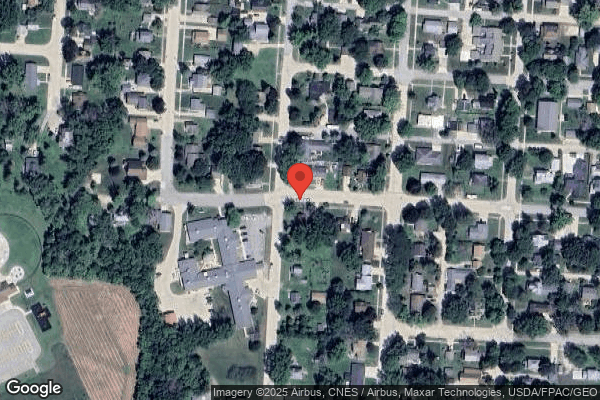
Apr 2023 2 deficiencies 1 Harm
SERIOUS (G) 📢 Someone Reported This

A family member, employee, or ombudsman was alarmed enough to file a formal complaint

Actual Harm - a resident was hurt due to facility failures

Quality of Care (Tag F0684)

A resident was harmed · This affected 1 resident

Based on observation, clinical record review, emergency room report, staff interview and facility policy review, at the time of the investigation, the facility failed to promptly identify and interven...

Read full inspector narrative →
Based on observation, clinical record review, emergency room report, staff interview and facility policy review, at the time of the investigation, the facility failed to promptly identify and intervene for an acute change in a residents condition related to increase pain/swelling/bruising in the resident right upper arm for which resulted in a diagnosis of a right humerus fracture for 1 of 4 residents reviewed with a condition change, (Resident #7). The facility identified a census of 35 residents. Findings include: 1. A Quarterly Minimum Data Set (MDS) assessment form dated 11/2/2022, documented Resident #7 had diagnosis that included Hypertension, Non-Alzheimer's Dementia, anxiety, depression, and muscle weakness. The assessment documented the resident with short and long term memory problems, severely impaired for decision making abilities, needing extensive assistance of two staff members with bed mobility, transfers, and extensive assist of one staff member for locomotion on/off the unit and a wheelchair as mobility device and no ambulation. The assessment also documented the resident with no limitation of upper extremity range of motion and absent of any pain. A Care Plan with a focus area dated 9/20/2018, documented the resident has chronic pain/discomfort related to left knee arthritis, generalized weakness, and pain during ambulation. Interventions included the following: *Notify health care provider if interventions are unsuccessful or if current complaint is a significant change from residents past experience of pain. *Observe/record/report to Nurse any signs/symptoms of non-verbal pain: Changes in breathing (noisy, deep/shallow, labored, fast/slow); vocalizations (grunting, moans, yelling out, silence); mood/behavior (changes, more irritable, restless, aggressive, squirmy, constant motion); eyes (wide open/narrow slits/shut, glazed, tearing, no focus); face (sad, crying, worried, scared, clenched teeth, grimacing) body (tense, rigid, rocking, curled up, thrashing). *Observe and report changes in usual routine, sleep patterns, decrease in functional abilities, decrease range of motion, withdrawal or resistance to care. Observation on 4/17/23 at 1:15 p.m., Resident #7 was sitting in a broda chair with a pillow underneath the right arm and hand on top of the residents abdomen. The Progress Notes documented the following on these dates and times: *11/19/2022 at 8:15 a.m., This nurse was called to residents room by CNA (Certified Nursing Assistant) as resident was not bearing any weight to right side. Upon assessment noted minimal facial dropping to right side, limp right arm, tense right leg and not bearing any weight to it. Resident with facial wincing when repositioning arm, scheduled Tylenol given. We do have PRN (as needed) morphine on hand and will use as needed. ROM (range of motion) WNL (with-in-normal limits) for residents left side. Resident was unable to voice her needs and was orientated to self only, per her usual. On call Doctor notified of happenings and that resident was DNR and on hospice. Doctor stated no need to send her out, just keep comfortable. Family and Hospice notified as well. *11/19/2022 at 2:57 p.m., Incident, Late Entry: This nurse and another nurse were called to resident room approximately 9:30 p.m., this evening. Staff noted resident with a large swollen area to upper right arm. Assessed decreased ROM to right arm. Some non-verbal signs/symptoms of pain/discomfort. Staff hoyer assisted to bed. Encouraged elevating arm. Applied cool packs approximately 20 minutes. Update sent to primary physician and hospice notified. No orders to send to hospital as resident is Hospice and comfort cares were provided as ordered. Staff education provided for resident positioning and transfers with hoyer only. Physician, family and Hospice have been notified. Instructed to provide comfort cares to resident. Added to daily documentation. *11/19/2022 at 3:29 p.m., Health Status, Note Text: Resident continues with slight facial droop to right side, limp right arm/ contracted hand, and tensed right leg. Appears comfortable at this time and is resting quietly in bed. *11/19/2022 at 10:32 p.m., Administration Record (Default Note) Note Text: Morphine Sulfate (Concentrate) Solution 20 MG/ML Give 0.25 ml by mouth every 2 hours as needed for Pain-Moderate; Pain-Severe;Shortness of Breath given for comfort d/t facial grimacing and stating Oh, oww. as the CNAs were assisting with cares. *11/20/2022 at 5:25 a.m., Communication/Visit with Physician Note Text: As staff were assisting resident in completing cares, it was noted resident had an area on the upper outer/ inner arm. Right upper arm: Irregular shaped bright red/ light purple red in color measuring approximately 10.3 cm (centimeters) by 11 cm. A mobile nodule noted toward the inner upper arm, closer to armpit region, measuring approximately 6.0 cm in diameter per wound measuring guide circular grid. Resident does not complain of pain upon assessment of the area, though when right arm slightly moved for cares, states, Oh, Ow. accompanied with facial grimacing. 3 interventions attempted, repositioning, elevation of extremity, one on one consoling, reduced stimuli. Resident was given a PRN dose of Morphine 0.25 ml to aid in comfort orders. Staff encouraged to take extra precaution during cares, slight elevation of extremity encouraged as well for comfort. *11/20/2022 at 7:12 a.m., Administration Record (Default Note) Note Text: Morphine Sulfate (Concentrate) Solution 20 MG/ML Give 0.25 ml by mouth every 2 hours as needed for Pain-Moderate;Pain- Severe;Shortness of Breath *11/20/2022 at 10:42 a.m., Communication - Other Note Text: Hospice on-call nurse notified of swollen right arm and bruise/nodule found yesterday evening. *11/20/2022 at 12:55 p.m., Health Status, Note Text: Resident was bearing weight to right leg this morning and by the afternoon no longer was. Morphine given due to facial grimacing per PRN orders. Red and bruise/swollen area to right arm continues with minimal pain. Vitals WNL for resident, no SOB (shortness of breath) noted. CNA stated she is eating slower than normal but no further troubles noted. She is currently resting in bed, arm propped for comfort. *11/20/2022 at 5:48 p.m., Administration Record (Default Note) Note Text: Morphine Sulfate (Concentrate) Solution 20 MG/ML Give 0.25 ml by mouth every 2 hours as needed for Pain-Moderate;Pain-Severe;Shortness of Breath. Morphine given due to wincing and shaking for comfort. *11/21/2022 at 7:16 a.m., Administration Record (Default Note) Note Text: Morphine Sulfate (Concentrate) Solution 20 MG/ML Give 0.25 ml by mouth every 2 hours as needed for Pain-Moderate;Pain-Severe;Shortness of Breath. Administered for pain prior to transfer out of bed. *11/21/2022 at 4:04 p.m., Health Status Note Text: Resident continues with bruising to right arm and limited movement. Resident given Roxanol this morning prior to getting transferred from bed to wheelchair. Resident drank this morning, but didn't eat anything. Resident rested in recliner in TV area for awhile. No signs or symptoms of pain. Resident's niece and hospice nurse here today to see resident. Resident resting quietly in bed at this time. *11/22/2022 at 11:19 a.m., Health Status Note Text: Resident continues with bruise to right arm, now down into forearm and with limited movement. She was resting comfortably this morning and slept in later than usual. Staff using hoyer to transfer at this time. Took morning medications without concern. *11/22/2022 at 2:46 p.m., Communication/Visit with Physician Note Doctor, Update on right arm; swelling to upper arm has gone down, bruising now noticed in forearm and hand. Swelling noted now in right hand as well, geri sleeves applied, sling in place to keep arm elevated as she is not able to do so herself. Ice packs and PRN morphine also being used for pain control. Will notify hospice. *11/22/2022 at 5:02 p.m., Transfer to Hospital: Reason(s) for Transfer: Pain (uncontrolled) Other (specify) - right upper arm. Bruise/swelling, Decreased ROM. Increase pain. *11/22/2022 at 5:17 p.m., Health Status Note Text: This nurse received call back from hospice transport for an X-ray of the right arm. Paperwork sent with resident. She is being transported by facility van and accompanied by the driver. This nurse called hospital to speak with ER. *11/22/2022 at 8:30 p.m., Health Status Late Entry: Resident returned in facility van with staff member from hospital. Diagnosis with Humerus fracture to be treated with immobilization. Orders state Leave in posterior splint with shoulder sling. Have follow up in 2 weeks for re-X-ray and examination. Contact hospice if further pain medication needed. Hospital form included the following: -the humerus is the large bone in the upper arm-a broken humerus is often treated by wearing a cast, splint or sling -Wear a splint or sling as told by your doctor. Remove it only as told by your doctor. -Move fingers often. A phone call was made to hospice message left with triage nurse updating on diagnosis. *11/22/2022 at 10:30 p.m., Health Status Late Entry: Resident given PRN dose of Roxanol prior to hoyer transfer into bed. Splint and sling remain in place and cover arm all the way to right wrist. Right hand is very swollen and completely black and blue. Resident paperwork states move finger often when communicating with resident and showing her, writers moving fingers she was able to move them on the right hand. Hospice nurse also arrived and assessed resident, no new orders at this time. Will attempt to control pain with PRN med's already ordered from hospice. *11/23/2022 at 4:50 a.m., Communication/Visit with Physician Note Text: Resident returned from ER visit at 10:30 p.m., on 11/22/22 was diagnosed with a closed displaced segmental fracture of shaft of right humerus with malunion. They applied posterior splint with shoulder sling and state to leave on. Have follow up in 2 weeks for re X-ray and exam. Contact hospice if further pain medication is needed. Return to ER for new or worsening symptoms. Residents right had is very swollen and completely covered in dark purplish bruising. Staff is elevating with pillow on her lap. Can we get orders for: Gel ice pack on for 15 minutes - 30 minutes up to hourly PRN? Thank You The Skin Observation form dated 11/19/22 at 10:30 p.m., documented, right upper arm: irregular shaped bright red/ light purple red in color measuring approximately 10.3 cm x 11 cm. A mobile nodule noted toward the inner upper arm, closer to armpit region, measuring approximately 6.0 cm in diameter per wound measuring guide circular grid As staff were assisting resident in completing cares, it was noted resident had an area on her upper outer/ inner arm. Resident does not c/o pain upon assessment of the area, though when right arm slightly moved for cares, states, Oh, Ow. accompanied with facial grimacing. Resident was given a PRN dose of Morphine 0.25 ml to aid in comfort per orders. Staff encouraged to take extra precaution during cares, slight elevation of extremity. encouraged as well for comfort. The Pain Level Summary form with these dates and times, documented the residents level of pain, from the 1-10 level scale of pain, (1 lowest level of pain, 10 being the highest level of pain): *11/19/2022 at 3:28 p.m., 2 *11/19/2022 at 10:00 p.m., 3 *11/19/2022 at 10:30 p.m., 6 *11/20/2022 at 7:12 a.m., 5 *11/20/2022 at 8:43 a.m., 3 *11/20/2022 5:48 p.m., 5 *11/21/2022 at 7:16 a.m. 4, *11/22/2022 at 3:55 p.m., 5 *11/22/2022 at 4:33 p.m., 2 The Medication Administration Record (MAR) for November 2022, instructed staff to administer Morphine Sulfate (Concentrate) Solutions 20 MG/ML, give 0.25 ml by mouth every 2 hours as needed for Pain, (moderate-severe) and for shortness of breath. The MAR documented the morphine given on these dates and times. *11/19/22 at 10:32 p.m. *11/20/22 at 7:12 a.m., and 5:48 p.m. *11/21/22 at 7:16 a.m. *11/22/22 at 3:55 p.m., and 10:25 p.m. *11/23//22 at 10:33 a.m., and 3:40 p.m. The emergency room Final Report dated 11/22/22 at 7:53 p.m., documented, the patient presents with right arm injury. The onset was 3 days ago. The course/duration of symptoms is constant. Type of injury is unknown. The character of symptoms is pain. The degree of pain is moderate. The degree of swelling is moderate. The exacerbating factor is movement. The relieving factor is non. The patient can give no history and does not speak. According to staff, 3 days ago they thought she had a stroke because she was not using her right arm. The staff started to have to use a Hoyer lift to move her. There is no known fall or injury but the patient started to have right arm bruising so was brought into the emergency room for evaluation. Review of symptoms: *Skin Symptoms=bruising right arm *Musculoskeletal symptoms= pain with movement of right arm *Musculoskeletal= proximal upper extremity, right arm, tenderness, swelling, ecchymosis *Findings=right mid shaft humerus fracture with significant displacement *Patient was given morphine 2 MG IM, Patient had posterior long arm splint applied and placed in a shoulder sling Diagnosis= Closed displaced segmental fracture of shaft of right humerus with malunion. Interview on 4/20/23 at 9:00 a.m. Staff A (Licensed Practical Nurse) stated was notified that Resident #7 was not acting right. Staff A went into the room and noticed that the resident had a right sided facial droop, and some right sided weakness. Staff A did range of motion on the right side and noticed that Resident #7 did have some wincing when range of motion was completed. Staff A confirmed and verified that the resident had a change in condition with the limited movement during range of motion to the right upper arm and that Resident #7 needed to be sent out for evaluation. Interview on 4/19/23 at 3:30 p.m., Staff B, LPN, heard about about the bruising/swelling on 11/19/22 around 10:00 p.m., when the evening shift aides were getting Resident #7 ready for bed. Staff B and Staff C (Registered Nurse)proceeded to go into the resident room to assess the right arm/shoulder area. Staff B confirmed and verified that there was bruising/swelling and a notable bump on the inner part of the right arm. Staff B confirmed and verified that the resident had a change in condition and that further assessment/intervention needed to have been completed. Interview on 4/20/23 at 10:00 a.m., Staff C, RN, confirmed and verified that Staff B came and got her to look at Resident #7 upper right arm area. Staff C noticed that there was a lump on the inner right side by the arm pit, but does not recall if any range of motion or assessment was completed. Interview on 4/19/23 at 1:30 p.m., Staff D, LPN, stated they worked on 11/21/22 and seen the bruising/swelling on Resident #7 upper right arm area and limited range of motion to that area. Staff D confirmed and verified that Resident #7 had a change in condition and that the expectation of the nurses is to do a thorough assessment and if needed to have the resident seen. Interview on 4/19/23 at 2:00 p.m., Staff E, RN, worked on 11/22/22 and got report from the previous nurse that Resident #7 had bruising/swelling on the upper right are/forearm/and hand, and that there was a lump/bump by the upper arm. Staff E explained that they called the facility physician and hospice and received an order to send the resident out for x-rays due to the resident having pain and limited range of motion in the right arm. Interview on 4/19/23 at 3:00 p.m., the Physician confirmed and verified that it is the expectation of the nursing staff to have a resident evaluated at a hospital if there is a change in condition. Interview on 4/20/23 at 11:00 a.m., the facility Administrator confirmed and verified that the nurses are expected to do an assessment on the resident and if a change of condition is seen and warranted to call the doctor to inform of the change and condition and the need to send out of the facility for an evaluation. The INTERACT-Change In Condition Evaluation Policy dated 3/29/2023, documented the purpose is to improve communication between nurses and a provider when nursing is monitoring a change in condition, to enhance the nursing evaluation of and documentation of a resident who has a change in condition, to provide a standard format to collect pertinent clinical data prior to contacting the provider when there is a change in condition and to standardize shift to shift communication about a resident change in condition. The Procedure: *Nursing judgement should be used when determining the urgency of contacting the provider. In the even the situation requires calling 911, the change in condition evaluation would not be used. *Check with other staff members who have regular contact with the resident to obtain an accurate picture of the change in condition. Staff members who can provide useful information about the situation include the nursing assistant, rehabilitation staff members, social workers and activity staff members.
CONCERN (D) 📢 Someone Reported This

A family member, employee, or ombudsman was alarmed enough to file a formal complaint

Potential for Harm - no one hurt, but risky conditions existed

Deficiency F0658 (Tag F0658)

Could have caused harm · This affected 1 resident

**NOTE- TERMS IN BRACKETS HAVE BEEN EDITED TO PROTECT CONFIDENTIALITY** Based on clinical record review, and staff interviews, the facility failed to obtain a urine analysis (UA) per physician order f...

Read full inspector narrative →
**NOTE- TERMS IN BRACKETS HAVE BEEN EDITED TO PROTECT CONFIDENTIALITY** Based on clinical record review, and staff interviews, the facility failed to obtain a urine analysis (UA) per physician order for 2 of 4 resident reviewed (Resident #5 and Resident #8) and additionally failed to apply ted hose per physicians orders for 1 of 4 resident reviewed (Resident #5). The facility reported a census of 35 residents. Findings include: 1. The Quarterly Minimum Data Set (MDS) assessment dated [DATE], for Resident #5 identified a Brief Interview for Mental Status (BIMs) score of 8, indicating moderately impaired cognition. The MDS identified Resident #5 was requiring extensive assist of one for toilet use and personal hygiene and frequently incontinent of urine. The MDS included diagnoses for which included heart failure, hypertension, renal insufficiency, renal failure, diabetes mellitus and Alzheimer disease. The Plan of care with an initiated date 5/27/2021, the resident has bladder incontinence related to Alzheimer's Disease, History of UTI , Impaired mobility, diuretic use. Interventions include: *Encourage resident to drink more fluids during morning and afternoon and limit fluids in the evening/night. *Monitor/document for s/s UTI: pain, burning, blood tinged urine, cloudiness, no output, deepening of urine color, increased pulse,increased temp, urinary frequency, foul smelling urine, fever, chills, altered mental status. *Resident uses incontinence product: pull up brief *Resident prefers to use the toilet during the day and a bedside commode on the right side during the night. The Progress Notes dated 9/23/2021 at 10:22 a.m., documented, that the family wonders if a urine analysis (UA) should be collected as she has more confusion. Patient has no other UTI symptoms. A facsimile sent to the facility on [DATE] included an order that instructed staff to do a UA. The facsimile was signed and dated by the physician on 10/1/21. The facsimile was not noted by the facility until 10/4/21 at 7:32 AM. The Progress Notes dated 10/4/2021 at 7:31 a.m., documented received a new order from physician to collect a UA. Charge nurse notified. TAR order entered. The Progress Notes dated 10/4/2021 at 7:36 p.m., informed family of UA order that was received, stated sample had already been obtained and sent to lab. The Clinical Record lacked any documentation of the UA being collected on 10/1/21, per the physicians order. 2. The Quarterly MDS assessment dated [DATE], for Resident #8 identified a BIMS score of 12, which indicated impaired cognition. The MDS identified Resident #8 was requiring extensive assist of 1 for toilet use and supervision with set up help for personal hygiene and frequently incontinent of bladder. The MDS diagnoses included heart failure, hypertension, diabetes mellitus, anxiety and depression. The Plan of Care with an initiated date 4/23/2019, identified the resident had bladder incontinence related to diuretic use, cognitive impairment, impaired mobility, generalized weakness, history of recurrent urinary tract infections. Interventions included: *Encourage resident to drink more fluids throughout the morning and afternoon and encourage her to limit fluids in the evening/night. *Monitor/document for signs or symptoms of UTI: pain, burning, blood tinged urine, cloudiness, no output, deepening of urine color, increased pulse, increased temp, urinary frequency, foul smelling urine, fever, chills, altered mental status, change in behavior, change in eating patterns. *Encourage & assist Resident #8 with washing her hands following toileting, before meals. The Progress Notes dated 4/11/2023 at 12:09 p.m., documented the physician in facility for rounds this morning. Visit with resident. Reviewed medications and diagnosis. Resident complained of urinary pain/discomfort. 1. Orders to straight catheter UA received. The Progress Notes dated 4/13/2023 at 6:44 a.m., documented, did attempt a straight catheter UA this morning. Only got a few drops and not enough for the sample. Resident then told this nurse I just went before you came in. Resident was incontinent of urine. The Progress Notes dated 4/14/2023 at 5:25 a.m., documented urine sample obtained at this time by straight catheter using sterile technique The Clinical Record lacked any documentation of the UA collected on 4/11/23 as ordered by the physician. 3. The Quarterly Minimum Data Set (MDS) assessment dated [DATE], for Resident #5 identified a Brief Interview for Mental Status (BIMs) score of 8, indicating moderately impaired cognition. The MDS identified Resident #5 was requiring extensive assist of one for toilet use and personal hygiene and frequently incontinent of urine. The MDS included diagnoses for which included heart failure, hypertension, renal insufficiency, renal failure, diabetes mellitus and Alzheimer disease. The Progress Notes dated 10/14/21, documented provider also asked if resident would benefit from TED hose to bilateral lower extremities, on each a.m., and off at hour of sleep. Physician signed and dated OK on 10/15/2021. The Clinical Record lacked any documentation of the TED hose applied as ordered. Interview on 4/25/23 at 10:00 a.m., the facility Administrator and the facility Director of Nursing confirmed and verified that the clinical record lacked any documentation of the orders being followed and it is the expectation of the staff to follow the physicians orders.
Understanding Severity Codes (click to expand)
Life-Threatening (Immediate Jeopardy)
J - Isolated K - Pattern L - Widespread
Actual Harm
G - Isolated H - Pattern I - Widespread
Potential for Harm
D - Isolated E - Pattern F - Widespread
No Harm (Minor)
A - Isolated B - Pattern C - Widespread

Questions to Ask on Your Visit

  • "What changes have you made since the serious inspection findings?"
  • "Why is there high staff turnover? How do you retain staff?"
  • "Can I speak with families of current residents?"
  • "What's your RN coverage like on weekends and overnight?"

Our Honest Assessment

Strengths
  • • Licensed and certified facility. Meets minimum state requirements.
Concerns
  • • Multiple safety concerns identified: 1 life-threatening violation(s), 2 harm violation(s), $25,945 in fines, Payment denial on record. Review inspection reports carefully.
  • • 11 deficiencies on record, including 1 critical (life-threatening) violation. These warrant careful review before choosing this facility.
  • • $25,945 in fines. Higher than 94% of Iowa facilities, suggesting repeated compliance issues.
  • • Grade D (48/100). Below average facility with significant concerns.
Bottom line: Trust Score of 48/100 indicates significant concerns. Thoroughly evaluate alternatives.

About This Facility

What is Good Samaritan Society - Forest City's CMS Rating?

CMS assigns Good Samaritan Society - Forest City an overall rating of 4 out of 5 stars, which is considered above average nationally. Within Iowa, this rating places the facility higher than 99% of the state's 100 nursing homes. This rating reflects solid performance across the metrics CMS uses to evaluate nursing home quality.

How is Good Samaritan Society - Forest City Staffed?

CMS rates Good Samaritan Society - Forest City's staffing level at 3 out of 5 stars, which is average compared to other nursing homes. Staff turnover is 56%, which is 10 percentage points above the Iowa average of 46%. High turnover can affect care consistency as new staff learn residents' individual needs.

What Have Inspectors Found at Good Samaritan Society - Forest City?

State health inspectors documented 11 deficiencies at Good Samaritan Society - Forest City during 2023 to 2025. These included: 1 Immediate Jeopardy (the most serious level, indicating potential for serious harm or death), 2 that caused actual resident harm, and 8 with potential for harm. Immediate Jeopardy findings are rare and represent the most serious regulatory concerns. They require immediate corrective action.

Who Owns and Operates Good Samaritan Society - Forest City?

Good Samaritan Society - Forest City is owned by a non-profit organization. Non-profit facilities reinvest revenue into operations rather than distributing to shareholders. The facility is operated by GOOD SAMARITAN SOCIETY, a chain that manages multiple nursing homes. With 43 certified beds and approximately 32 residents (about 74% occupancy), it is a smaller facility located in Forest City, Iowa.

How Does Good Samaritan Society - Forest City Compare to Other Iowa Nursing Homes?

Compared to the 100 nursing homes in Iowa, Good Samaritan Society - Forest City's overall rating (4 stars) is above the state average of 3.1, staff turnover (56%) is near the state average of 46%, and health inspection rating (4 stars) is above the national benchmark.

What Should Families Ask When Visiting Good Samaritan Society - Forest City?

Based on this facility's data, families visiting should ask: "What changes have been made since the serious inspection findings, and how are you preventing similar issues?" "How do you ensure continuity of care given staff turnover, and what is your staff retention strategy?" "Can I visit during a mealtime to observe dining assistance and food quality?" "How do you handle medical emergencies, and what is your hospital transfer rate?" These questions are particularly relevant given the facility's Immediate Jeopardy citations and the facility's high staff turnover rate.

Is Good Samaritan Society - Forest City Safe?

Based on CMS inspection data, Good Samaritan Society - Forest City has documented safety concerns. Inspectors have issued 1 Immediate Jeopardy citation (the most serious violation level indicating risk of serious injury or death). The facility has a 4-star overall rating and ranks #1 of 100 nursing homes in Iowa. Families considering this facility should ask detailed questions about what corrective actions have been taken since these incidents.

Do Nurses at Good Samaritan Society - Forest City Stick Around?

Staff turnover at Good Samaritan Society - Forest City is high. At 56%, the facility is 10 percentage points above the Iowa average of 46%. High turnover means new staff may not know residents' individual needs, medications, or preferences. It can also be disorienting for residents, especially those with dementia who rely on familiar faces. Families should ask: What is causing the turnover? What retention programs are in place? How do you ensure care continuity during staff transitions?

Was Good Samaritan Society - Forest City Ever Fined?

Good Samaritan Society - Forest City has been fined $25,945 across 2 penalty actions. This is below the Iowa average of $33,338. While any fine indicates a compliance issue, fines under $50,000 are relatively common and typically reflect isolated problems that were subsequently corrected. Families should ask what specific issues led to these fines and confirm they've been resolved.

Is Good Samaritan Society - Forest City on Any Federal Watch List?

Good Samaritan Society - Forest City is not on any federal watch list. The most significant is the Special Focus Facility (SFF) program, which identifies the bottom 1% of nursing homes nationally based on persistent, serious quality problems. Not being on this list means the facility has avoided the pattern of deficiencies that triggers enhanced federal oversight. This is a positive indicator, though families should still review the facility's inspection history directly.