Fort Dodge Health and Rehabilitation


728 14th Avenue North, Fort Dodge, IA 50501 (515) 576-7226
For profit - Corporation 65 Beds THE ENSIGN GROUP Data: November 2025 1 Immediate Jeopardy citation
Trust Grade
16/100
#344 of 392 in IA
Last Inspection: January 2025

Within standard 12-15 month inspection cycle. Federal law requires annual inspections.

Overview

Fort Dodge Health and Rehabilitation has received a Trust Grade of F, indicating significant concerns and poor performance compared to other facilities. They rank #344 out of 392 in Iowa, placing them in the bottom half of nursing homes statewide, and #4 out of 4 in Webster County, meaning only one other local option is worse. Despite a recent trend of improvement, reducing issues from 16 to 12, the facility still reported a concerning number of deficiencies, including critical failures in resident care. Staffing is average with a turnover rate of 33%, which is better than the state average, and they have received $9,750 in fines, indicating some compliance issues. However, there are serious incidents, such as failing to assess lung sounds for a resident leading to a hospital admission and subsequent death, and inadequate care for residents with skin breakdowns that resulted in additional amputations. While there are some strengths in staffing retention, the overall quality of care raises serious concerns for families considering this facility.
Trust Score
F
16/100
In Iowa
#344/392
Bottom 13%
Safety Record
High Risk
Review needed
Inspections
Getting Better
16 → 12 violations
Staff Stability
○ Average
33% turnover. Near Iowa's 48% average. Typical for the industry.
Penalties
✓ Good
$9,750 in fines. Lower than most Iowa facilities. Relatively clean record.
Skilled Nurses
○ Average
Each resident gets 40 minutes of Registered Nurse (RN) attention daily — about average for Iowa. RNs are the most trained staff who monitor for health changes.
Violations
⚠ Watch
41 deficiencies on record. Higher than average. Multiple issues found across inspections.
★☆☆☆☆
1.0
Overall Rating
★★★☆☆
3.0
Staff Levels
★★★☆☆
3.0
Care Quality
★☆☆☆☆
1.0
Inspection Score
Stable
2024: 16 issues
2025: 12 issues

The Good

  • Full Sprinkler Coverage · Fire safety systems throughout facility
  • No fines on record
  • Staff turnover below average (33%)

    15 points below Iowa average of 48%

Facility shows strength in fire safety.

The Bad

1-Star Overall Rating

Below Iowa average (3.0)

Significant quality concerns identified by CMS

Staff Turnover: 33%

13pts below Iowa avg (46%)

Typical for the industry

Federal Fines: $9,750

Below median ($33,413)

Minor penalties assessed

Chain: THE ENSIGN GROUP

Part of a multi-facility chain

Ask about local staffing decisions and management

The Ugly 41 deficiencies on record

1 life-threatening 2 actual harm
Aug 2025 5 deficiencies 1 IJ
CRITICAL (J) 📢 Someone Reported This

A family member, employee, or ombudsman was alarmed enough to file a formal complaint

Immediate Jeopardy (IJ) - the most serious Medicare violation

Quality of Care (Tag F0684)

Someone could have died · This affected 1 resident

**NOTE- TERMS IN BRACKETS HAVE BEEN EDITED TO PROTECT CONFIDENTIALITY** Based on observation, clinical record review, resident interview, staff interview, Physician interview, Nurse Practitioner (NP) ...

Read full inspector narrative →
**NOTE- TERMS IN BRACKETS HAVE BEEN EDITED TO PROTECT CONFIDENTIALITY** Based on observation, clinical record review, resident interview, staff interview, Physician interview, Nurse Practitioner (NP) interview, and facility policy review, the facility failed to complete thorough assessments and interventions when 3 of 3 residents (Residents #1, #4 and #5) sustained skin breakdown. In addition, the facility failed to properly assess one (1) resident following a fall (Resident #2). Resident #1 had a previous history of an amputation on his left foot. Following his surgery, the facility failed to follow physician orders, complete thorough skin assessments, and failed to follow treatments. Per the Podiatrist, Resident #1 had an additional amputation due to the lack of care and treatment he received. This resulted in an immediate jeopardy situation.On 8/14/25 at 5:20 p.m. the Iowa Department of Inspections and Appeals staff contacted the facility staff to notify them the Department staff determined an Immediate Jeopardy situation existed at the facility. The facility staff removed the immediacy on 8/14/25 and decreased the scope to G, after the facility staff completed the following:The Director of Nursing (DON) and the nursing staff identified all residents with wounds.The DON met with Wound Nurse and updated her on the residents with wounds.Assessed all residents with wounds which included measurements, documentation, and notified the primary care physicians. All staff re-educated on proper assessments and utilization of the wound vac. The facility identified a census of 64 residents.Findings include:The Complex Wound Management policy and procedure reviewed July 2022 instructed the facility to provide documentation that enabled the medical staff to evaluate the status of wounds. A complex wound be identified as an arterial ulcer, diabetic neuropathic ulcer, pressure ulcer and/or venous insufficiency ulcers. The Procedure directed the following: a. Complete a weekly skin assessment on all residents and document it in the resident's medical record. b. Measure each wound in centimeters (cm) weekly. Measurements, size and depth, drainage, odor, color and a short statement on the progress (or lack of) on the Skin Pressure Weekly or Skin Ulcer Non-Pressure Weekly forms. c. Use the treatments ordered by the medical provider. If the wound didn't have improvement, the facility must call the medical provider for an evaluation. d. Consider a significant change based on the information in regards to the presence of pressure ulcer(s). The staff must complete a Minimum Data Set (MDS) and Care Plan as soon as identified.According to an email dated 8/28/25 at 10:39 AM the Corporate Clinical Market Leader confirmed the facility's wound policy directed the staff to measure all wounds, even jagged edged wounds as they aren't exempt to the policy.Resident #1's MDS assessment form dated 5/5/25 identified a Brief Interview for Mental Status (BIMS) score of 12, indicating moderately impaired cognitive skills. The MDS reflected Resident #1 didn't exhibit rejection of care. He required substantial/maximum assistance with most activities of daily living (ADL's). He didn't walk. The MDS included diagnoses of atherosclerotic native arteries of the left leg with ulceration of the calf, coronary artery disease (CAD), peripheral vascular disease (PVD), diabetes mellitus (DM) with diabetic neuropathy and malnutrition. The assessment indicated Resident #1 had a risk for pressure ulcers but didn't have pressure ulcers at the time of the assessment. However, he had surgical wounds and moisture associated skin damage (MASD). The assessment indicated Resident #1 didn't have a turning and repositioning program.The Care Plan included the following Focuses and Interventions as dated: a. 4/11/25: Potential for pressure injury or impairment to skin integrity related to (r/t) diabetes mellitus (DM). The Interventions instructed the following: i. 5/13/25: Float heels when rested as he allowed. ii. 4/11/25: Left foot heel protector boot when he rested and as he allowed iii. 4/11/25: Provide preventative maintenance to his coccyx as directed and as needed (PRN). iv. Weekly and PRN skin assessments.b. 5/13/25: Actual impairment to the skin integrity r/t a surgical wound to the left foot mid amputation. The Interventions directed the following: i. 5/13/25: Administration of treatment to the left stump as ordered. ii. 5/13/25: Monitor/document location, size and treatment of the skin injury. Report abnormalities, failure to heal, signs and symptoms of infection, maceration and etc. to the Physician. iii. 5/13/25: Weekly skin assessments.c. 7/14/25: Infection of the left surgical site. The Intervention instructed to complete daily dressings by applying betadine-soaked gauze with a non-compressed gauze roll to the left foot surgical site until they could apply the wound vac. Resident #1 had an order that directed no weight bearing and protective boots on at all times.d. 5/15/25: ADL self-care performance deficit r/t limited mobility and impaired balance. The Intervention listed Resident #1 as dependent on staff with toileting hygiene, dressing, and rolling from left to right in the bed.e. 7/10/25: Unstageable pressure ulcer to his left outer ankle. The Interventions reflected the following: i. 7/10/25: Administer treatments as ordered and monitor for effectiveness. ii. 7/10/25: Assess, record, and monitor wound healing. Measure the length, width, and depth where possible. Assess and document the status of the wound perimeter, wound bed, and healing progress. Report improvements and decline to the Physician.The LN-Initial admission Record signed 4/4/25 effective 3/28/25 listed Resident #1 had the following skin issues:a. Left foot fifth toe had a dry intact blood blisterb. Left bottom of the foot center is dark and soft.c. Left heel is non-blanchable and appeared as a deep tissue injury.The Emergency Department (ED) to Hospital - admission dated 5/2/25 indicated on 4/29/25 Resident #1 had a partial amputation to his left foot.The Post - Acute Discharge Report dated 5/13/25 identified Resident #1 discharged from the hospital to the nursing home.Following Resident #1's return, his clinical records lacked measurements of his surgical incision 4 times in May 2025 and 3 times in June 2025. The Wound Center Wound Assessment Details dated 6/25/25, noted eschar (dead tissue) in the surgical wound of his left foot. The LN - Skin Ulcer Non-Pressure Weekly dated 7/2/25, reflected Resident #1's surgical wound had moderate odor, drainage, and the incision reopened. The open area of the wound measured 7x4 cm. The LN - Skin Ulcer Non-Pressure Weekly assessment dated [DATE] indicated on 7/2/25 Resident #1 had a new wound to his left outer ankle.A Braden Scale for Predicting Pressure Sore Risk forms dated 4/28/25, 5/27/25, 6/18/25, and 7/10/25 placed the resident at high risk for pressure ulcers.The facility's undated time line of events related to Resident #1's left foot included the following:a. 3/28/25 - admitted to the facility with a dried intact blood blister on his left foot 5th toe, a dark and non-blanchable area on the bottom of his left foot, a hard, round area to his upper coccyx, a dark soft area on the center on the bottom of his left foot, the left heel appeared to have been a deep tissue injury (DTI) dark red in color and all his right toes amputated. The facility failed to complete thorough assessments of the above documented skin issues. b. 4/4/25 - The facility failed to provide a complete assessment of Resident #1's following areas: left 5th toe, the bottom of his left foot, left planter foot, and his coccyx area. c. 4/10/25 - Left 5th toe and left planter foot - healed.d. The facility failed to provide a complete assessment of the bottom of Resident #1's left foot, coccyx, and his scrotum on the assessments done on 4/11/25, 4/19/25, 4/24/25 and 4/27/25. h. hospitalized [DATE] through 5/13/25.i. 5/13/25 - Resident #1 returned to the facility with the following wounds: i. Coccyx ulcer that measured 0.5 cm x 0.3 cm surrounded by calloused skin ii. The left foot surgical incision following an amputation identified but assessed.j. 5/16/25 - The facility failed to provide a complete and thorough assessment of Resident #1's left foot's stump and coccyx area. k. The facility failed to do complete assessments of the resident's left foot stump on 5/22/25, 5/28/25, and 6/3/25.l. 6/11/25 - Removed sutures to left foot incision.m. 6/12/25 - Identified Resident #1's left foot stump didn't have sutures, but had 11 steri strips in place. The note lacked a complete assessment. The coccyx - healed with scar tissue.n. 6/17/25 - The facility failed to provide a complete and thorough assessment of Resident #1's left foot stump. o. 6/25/25 -The wound on Resident #1's left foot stump declined and revealed a grade 1 wound with etiologies (starting cause) of diabetic/wound ulcer and a dehisced (opened) wound that measured 1.7 x 2.8 x 1.4 cm. Resident #1's wound had subcutaneous (fat) tissue exposed with no tunneling or undermining, red granulation tissue (a new connective tissue and microscopic blood vessels that form on the surfaces of a wound during the healing process. Granulation tissue typically grows from the base of a wound and is able to fill wounds of almost any size.) within the wound bed along with eschar (dead tissue). The peri wound skin appeared dry, scaly, and with maceration (break down of skin from moisture). In addition, the wound had a moderate amount of serosanguinous drainage with the wound bed described as black/brown and edges macerated with surrounding scar tissue.p. 7/2/25 - The lateral (side) aspect of the left foot stump's surgical site had an area that measured 3.0 x 1.5 x 0.8 cm with a moderate amount of serosanguinous drainage, moderate odor, granulation tissue in the wound bed and undefined wound edges. Resident #1 had a new unstageable area on his left-outer ankle that measured 1.0 cm x 1.5 cm. The Timeline described the wound as a dry, thick, scabbed area with surrounding tissue didn't' have discoloration, drainage, undermining, or tunneling. The note reflected the wound bed had black/brown eschar and defined wound edges.q. 7/9/25 - The left foot stump measured 3.0 x 4.6 x 1.6 with a moderate amount of seropurulent drainage (a watery pinkish color, usually a sign of a localized infection) with a foul odor. The wound bed presented with granulation tissue, macerated wound edges, and surrounding scar tissue. The left outer ankle remained unstageable and measured 1.1 x 0.9 x 0.2. The wound description listed a moderate amount of serosanguinous drainage, wound bed black/brown, defined wound edges and normal surrounding tissue. The right coccyx area reopened as a stage II area that measured at 2.0 x 1.0 x 0.1, no drainage, wound bed beefy red, wound edges fibrotic calloused and surround scar tissue.r. The facility failed to complete assessments to Resident #1's left foot and coccyx areas on 7/21/25, 7/28/25 and 8/4/25. According to an email dated 8/29/25 at 10:27 AM the DON confirmed the facility failed to assess Resident #1's open areas on 7/21/25, 7/28/25 and 8/4/25.The Podiatry Physician Progress Notes form dated 7/10/25 identified Resident #1 presented to the office for a post-operative visit from his left midfoot amputation with delayed primary closure performed on 5/6/25. The Podiatrist performed a procedure to debride with sharp dissection (cutting) a lesion on Resident #1's lateral wound. The Podiatrist removed a lesion from the epidermal (a type of skin tissue) layer with a 15 blade. The Podiatrist described the wound with no underlying infection noted and had healthy granular tissue noted on the underlying lesion. The lateral wound measured 4.0 x 2.0 x 1.0 and the medial wound measured 3.0 x 2.0 x 1.0 with exposed bone. The Assessment identified Resident #1 had diagnoses of atherosclerosis (a condition of a buildup of fats, cholesterol, and substances in and on the artery walls causing a narrowing of arteries and reduced blood flow) of the lower extremity, diabetic nephropathy (kidney disease) associated with type 2 DM, uncontrolled type 2 DM with hyperglycemia (increased blood sugar), amputation of the left midfoot and a post-operative examination. The Orders directed to apply a wound vacuum (vac).A Podiatrist Progress Record form dated 7/10/25 included an order for a wound vac at 125 mmHg (millimeters of mercury which measured the pressure of the device) to start when available. The order directed to run the wound vac continuously and change it every Monday, Wednesday and Friday.The Wound Culture with Grain Stain collected 7/4/25 reflected Resident #1's left foot had a heavy growth of pseudomonas aeruginosa (bacterial infection). The NP documented they spoke with podiatry who reported the Wound Center saw Resident #1 that day. They said he likely had a colonization (build of bacteria that becomes part of the body's normal flora) of bacteria but did have heavy growth, so they wanted him started on Augmentin 500 - 125 milligrams (mg) twice a day for 7 days. According to an Order Details form dated 7/15/25 at 5:52 PM the staff scheduled to change the wound vac every 30 minutes on Monday, Wednesday and Friday starting 7/16/25.Resident #1's Medication Admin Audit Report form printed 8/26/25 at 1:58 PM identified a schedule to change his wound vac on 7/16/25 as 6:00 AM, 6:30 AM, and 7:00 AM. The record indicated the nurse changed the wound dressing at 5:09 AM, 10:59 AM, and 11:00 AM.The eMAR - Medication Administration Note dated 7/16/25 at 4:52 AM indicated Resident #1 got his wound vac changed twice the day before. He required and received an overlay of a clear, adherent dressing to have maintained the unit's function. During an interview on 8/8/25 at 12:57 PM the DON confirmed Staff E, Registered Nurse (RN), entered the Physician Order incorrectly.A handwritten Podiatrist Progress Note form dated 7/25/25 the Podiatrist documented the wound vac cannot be left off.A handwritten Podiatrist Progress Note form dated 8/1/25 the Podiatrist documented Resident #1 arrived at his Podiatrist appointment for a second week in a row without a wound vac or a dead vac. He reinforced it was unacceptable. The note included to send supplies and charge vac.The Nursing Noted related to 8/5/25 at 11:06 PM reflected when his family took him outside to smoke cigarettes, his foot had gnats on it so they brought him back inside. The nurse washed all pressure relief items and changed the dressing to his foot. His dressing had serous drainage with odor. The day shift updated the wound physician on 8/5/25 about the staff not changing his wound vac. The physician gave an order to apply a dressing and restart his wound vac on 8/6/25.The Nursing Note dated 8/6/25 at 7:20 AM indicated the nurse spoke with Resident #1 and he agreed to get evaluated in the ED per his daughter's request because of him vomiting. When the NP visited the facility, they gave an okay for him to be evaluated in the ED. According to an interview on 8/12/25 at 1:00 PM Resident #1's Podiatrist confirmed he expected the facility staff to follow his orders. The Podiatrist indicated the first couple weeks Resident #1 laid down granulation tissue. He explained that without the wound vac running continuously, it directly caused a thick, soupy drainage that affected the granulation tissue and caused further deterioration of his foot. He described measurements as an essential factor in wound management and he expected the staff to measure the jagged incision as well. He explained the deterioration of the wounds resulted due to the lack of appropriate care and treatment of the wounds. Resident #1 had co-morbidities (multiple diagnoses) such as DM which placed him at a higher risk but ultimately those co-morbidities didn't cause his amputations, rather the main contributor of lack of care and treatment. The entire situation caused the Podiatrist frustration because the first time he arrived for an appointment, he didn't have his wound vac attached. When he called the facility, no one answered the telephone. The second time Resident #1 arrived for his appointment with his wound vac not functioning. The Podiatrist called the facility repeatedly until someone finally answered the telephone. The Podiatrist described the entire situation as not acceptable at all.During an interview on 8/19/25 at 5:45 PM Staff B, Registered Nurse (RN), indicated she knew of Resident #1's wound vac device. She reported she worked once with Staff C, RN, who planned to change the device but left the shift without changing the wound vac. Staff B reported the DON went out of town when Resident #1 received his wound vac order. Staff B explained she didn't receive education on wound vacs and/or the proper placement. When the wound vac device arrived, the DON directed her to do the treatment. She told the DON she didn't feel comfortable without training and the DON became upset with her. Staff B reported he didn't get his wound vac changed on 8/4/25 as the physician ordered. She added she knew the facility sent him to the hospital on the 5th or 6th. During an interview on 8/20/25 at 12:54 PM Staff C confirmed she couldn't change Resident #1's wound vac on 8/4/25 because she trained another nurse, had 3 admissions and no management staff support in the facility.During an interview on 8/8/25 at 12:09 PM Staff F, CNA, confirmed when Resident #1 sat in his chair, he had the wound vac always unplugged and nonfunctional.During an interview on 8/8/25 at 12:20 PM Staff G, CNA, confirmed when Resident #1 got up for meals, he had his wound vac unplugged and nonfunctional.During an interview on 8/8/25 at 2:34 PM Staff I, CNA, confirmed she found the wound vac shut off or unplugged. She knew that because it beeped when it didn't function.2. Resident #4's MDS assessment dated [DATE], indicated he had a short- and long-term memory deficit and severely impaired cognition. The MDS listed Resident #4 as dependent on staff with activities of daily living (ADL's). The MDS reflected Resident #4 didn't walk. The MDS included diagnoses of type II diabetes mellitus, Alzheimer's disease, non-Alzheimer's dementia and malnutrition. The MDS indicated Resident #4 didn't have a pressure ulcer/injury, a scar over bony prominence, or a non-removable dressing/device. The MDS identified he had a risk for pressure ulcers/injuries. The MDS reflected he had diabetic foot ulcer(s). He had pressure reducing devices in the bed and chair, but didn't have a turning/repositioning program.Resident #4's MDS assessment dated [DATE], lacked documentation of his skin issues. The form indicated Resident #4 didn't have a risk for pressure ulcers. He had pressure reducing devices in the bed and chair, but didn't have a turning/repositioning program.The Care Plan Focuses indicated the following for Resident #4: a. 5/25/18: Potential for pressure injury or impairment to skin integrity r/t limited mobility, incontinent of bowel and bladder and DM. The Interventions directed the following: i. 5/6/25: Mat placed on wall by window due to resident rubbed his feet and fingers which caused an abrasion. ii. 5/25/18: Weekly skin checks and PRN.b. Potential/actual impairment to skin integrity r/t fragile skin which caused MASD. The Interventions instructed the following: i. 6/12/25: Administration of treatments as ordered.c. 5/25/18: ADL self-care performance deficit r/t limited mobility and slow response. i. 5/12/25: Non-ambulatory. ii. 5/25/18: Required assistance from 1 staff repositioned in bed. Review of the facility's undated timeline of skin breakdown areas the facility lacked an adequate assessment on the following injuries and dates:a. 5/28/25, 6/3/25, 6/10/25, 6/12/25, 6/17/25, 6/19/25, 6/24/25, 6/25/25 - Left great toe diabetic ulcer, left foot 3rd digit diabetic ulcer, outer aspect of the left foot diabetic ulcer and the left pinky toe diabetic ulcer. b. 6/19/25, 6/25/25, 7/2/25 - Right upper buttock with a 3.2 cm intact blister, coccyx 2.0 x 1.0 unopened dry area with no further assessments completed.c. Resident #4's record lacked further completed assessments until 7/17/25. At the time Resident #4's right buttock area contained an assessment. The assessment indicated Resident #4's outer aspect of the left foot wound healed. d. 7/24/25 - The right buttock and outer aspect of the left foot - healed. e. 8/6/25 - Coccyx area healed, onset of a left knee area measured 1.5 x 1.8 x 0.2 unstageable with slough and eschar, no tunneling or undermining, moderate amount of serosanguinous drainage with no odor, wound edges defined with erythema on the surrounding tissue with no further assessments of any other areas completed. f. 8/12/25, 8/13, 8/15 - The facility failed to complete a thorough assessment of Resident #4's left abdominal blister, left knee, and the top of his right buttock.g 8/15/25 - Resident #4 presented with a right shin abrasion that measured 4.0 x 1.0 as a scabbed area with no further assessments completed. o. 8/16/25 - Stage II right buttock measured 3.0 x 2.0 x 0.1 with a scant amount of serous drainage noted on the dressing removed. Also noted a flat pink area located above the stage II area that measured 0.5 x 0.5 and not open at that time, a bandage had been noted on the resident's right shin, when removed noted an area that measured 4.0 x 1.0 with no drainage and no erythema noted on the surrounding tissue. No further assessments completed. p. 8/20/25 - The facility failed to complete a thorough assessment of Resident #4's left knee area and right buttock. During an interview on 8/27/25 at 11:55 AM the Corporate Clinical Market Leader indicated the facility failed to provide any assessments of Resident #4's left pinky toe.3. Resident #5's MDS assessment dated [DATE] included diagnoses of type II DM, malnutrition, a cognitive deficit and lymphedema. The assessment indicated Resident #4 had a risk for pressure ulcers/injuries and had 1 unstageable pressure injury which presented as a deep tissue injury.Review of LN-Skin Pressure Ulcer Weekly forms revealed the following as dated: a. 7/2/25 at 5:55 PM - Right buttock measured 15 cm x 7.5 cm, non-blanchable and dark purple in color, left buttock measured 12 cm x 9 cm with no further assessment and her right gluteal fold measured 2.0 cm x 1.0 cm x 0.2 cm deep. The staff further described the right gluteal fold Description tab as the area not open and remained with a scarred area with no further assessment/documentation. b. 7/10/25 at 10:17 AM - The facility failed to complete an assessment of the resident's right buttock. The resident now presented with an area on the left buttock that measured 6.5 cm x 3.5 cm x 0.0 cm described as a dark purple, non-blanchable areas up higher on the buttock than the area to the right side and the right gluteal fold measured 10 cm x 8.0 cm x 0.0 cm described as purple in color located on the lower aspect of the right buttock, a fatty area that the resident had near the gluteal fold. c. The facility failed to assess the above documented skin areas 7/14/25, 7/21/25, 7/28/25 and 8/6/25.During an interview on 8/26/25 at 4:30 PM the Corporate Clinical Market Leader, DON and the Assistant Director of Nursing (ADON) reported the week of 8/25/25 the ADON started her first week in the role of the skin care nurse on a full-time basis. The prior nurses who performed skin assessments failed to properly assess all areas and also mis-coded if the skin areas presented as pressure, non-pressure, MSAD and/or a diabetic ulcer so the facility couldn't track areas and paint a complete picture of what actually occurred with the residents' skin issues.A Quality Improvement Activity Sheet form dated 8/27/25 at 2:53 PM reflected the facility started a project on 8/4/25 for skin/wound assessments, due to the facility's identification of incomplete wound assessment with incomplete weekly documentation.4. Resident #2's MDS assessment dated [DATE] identified a BIMS score of 6, indicating severely impaired cognition. Resident #2 required substantial to maximal assistance of staff with toileting and transfers. The MDS listed Resident #2 as non-ambulatory (nonwalking). The MDS included diagnoses of non-Alzheimer's dementia, age related physical debility, lumbago with sciatica (back pain with nerve involvement), weakness, and other reduced mobility.During an interview on 8/7/25 at 2:48 PM Staff D, CNA indicated after Resident #2 fell Staff H, RN, stated let's get her up without an assessment.During an interview on 8/8/25 at 12:00 PM Staff F, CNA, indicated after Resident #2 fell Staff H failed to assess them while positioned on the floor. During an interview on 8/8/25 at 12:15 PM Staff G, CNA, indicated Staff H failed to assess Resident #4 while on the floor.During an interview on 8/8/25 at 1:30 PM Staff H confirmed she failed to assessed Resident #2 while on the floor rather she performed an assessment once staff moved/positioned her in the wheelchair. Staff H added she had no excuses and/or reason for her failure to assess Resident #2.During an interview on 8/21/25 at 1:05 PM Resident #2's NP confirmed he expected the facility staff complete a thorough assessment of Resident #2 while on the ground after she fell prior to transferring her to the wheelchair. In addition, the NP confirmed even if her legs appeared the same length with no noticeable internal or external rotation of her lower extremities, the staff should have done a thorough head-to-toe assessment of Resident #2 prior to moving her. A thorough assessment may not reveal any damage, but they expected it done before moving her. The NP indicated he suspected all of her fractures occurred at the time of the fall.The History of Present Illness dated 7/18/25 at 8:27 AM the Physician documented Resident #2 came to the ED. The evaluation listed Resident #2 sustained a closed fracture of the right distal femur (outer part of the upper leg) and a closed fracture of the left proximal tibia (inner side of the leg bone).
CONCERN (D) 📢 Someone Reported This

A family member, employee, or ombudsman was alarmed enough to file a formal complaint

Potential for Harm - no one hurt, but risky conditions existed

Resident Rights (Tag F0550)

Could have caused harm · This affected 1 resident

**NOTE- TERMS IN BRACKETS HAVE BEEN EDITED TO PROTECT CONFIDENTIALITY** Based on observations, clinical record review, staff interview, Emergency Medical Services (EMS) interview, and review of the fa...

Read full inspector narrative →
**NOTE- TERMS IN BRACKETS HAVE BEEN EDITED TO PROTECT CONFIDENTIALITY** Based on observations, clinical record review, staff interview, Emergency Medical Services (EMS) interview, and review of the facilities Resident Rights, the facility staff failed to treat 1 of 3 residents with dignity and respect during a medical crisis (Resident #2). The facility identified a census of 64 resident. Findings include: Resident #2's Minimum Data Set (MDS) assessment dated [DATE] identified a Brief Interview for Mental Status (BIMS) score of 6, indicating severely impaired cognitive skills. Resident #2 required substantial to maximum assistance with toileting and hygiene. The MDS listed Resident #2 as non-ambulatory. The MDS listed Resident #2 as always incontinent of urine and frequently incontinent of bowels. The MDS included diagnoses of non-Alzheimer's dementia, other signs and symptoms with cognitive functions and awareness, age-related physical debility, sciatica (pain from pressure on a nerve in the back that goes down a leg), weakness, type ii diabetes mellitus (dm), and end stage renal disease (ESRD or end stage kidney disease).The Care Plan identified the following Focuses and Interventions as dated: a. 1/11/18: Resident #2 had a risk for impaired cognitive status related to short-term memory loss. i. 9/1/22: Explain exactly what you want her to do, her provision of care, listen to her concerns for care, and provide her emotional support.b. 6/8/22: Potential for psychosocial well-being problem related to (r/t) illness/disease process. ii. 11/1/22: Give Resident #2 short and accurate answers to questions when asked. Provide written material when possible about her health.The local Fire EMS Report dated 7/17/25 at 4:10 PM included the following information: a. Called for a non-emergent response to the listed location for a lady with a leg injury at 2:56 PM and arrived at 3:04 PMb. Resident #2 presented with moderate confusion which staff described as her normal. She appeared disoriented to person, place, time and event, due to a history of chronic dementia. c. While EMS began their assessment, Staff D, Certified Nurse Aide (CNA), told the Resident #2, don't worry, they will just cut your legs off. A very confused Resident #2 responded, I'm going to die multiple times throughout the rest of the assessment.d. Staff D's statements made Resident #2 very scared and nervous for the rest of the call. Staff D advised Resident #2 a total of 3 times that the medic crew planned to transport her to the hospital to cut her legs cut off. e. During preparation of movement of Resident #2 she again became agitated and stated I'm going to die, oh please help me. Staff D responded with don't worry, we can't let you die because we don't have anyone to fill your room yet.During an interview 8/7/25 at 2:32 PM an EMS provider indicated he witnessed the most fucked up situation as very upsetting to him. He further described the following: a. Resident #2 fell earlier that day but he wanted to be honest, her injuries (broken legs) didn't appear obvious at the time of the fall, due to Resident #2's size and dementia. The EMS provider indicated when the EMS crew arrived Resident #2 presented as anxious as Staff D told her she didn't have broken legs but the hospital staff planned to cut them off once she arrived at the hospital. Resident #2 voiced being scared, in pain, and said oh my God, I am going to die. Staff D told Resident #2 she couldn't die yet because they didn't anyone to replace her. The EMS provider verbalized concern with the verbal exchange as no staff member or any care giver should address a resident in that manor especially one with dementia. When they assisted Resident #2 to the ambulance, the crew settled her down. The EMS provider offered Resident #2 didn't made it through surgery at the hospital and passed away. During an interview on 8/7/25 at 2:48 PM Staff D denied made the statements documented above. She added if she said them, which she failed to remember, she would have said them in a joking manner. During an interview on 8/19/25 at 3:42 PM Staff D described Resident #2 as a known jokester. Staff D reported she still couldn't recall making the above statements but if she did say something like that, she would have said joking. She added maybe she said those words because she had a stroke last March and she might not remember. The Resident Rights policy reviewed June 2023 directed each resident had the right to been treated with consideration, respect and full recognition of his or her dignity and individuality.
CONCERN (D) 📢 Someone Reported This

A family member, employee, or ombudsman was alarmed enough to file a formal complaint

Potential for Harm - no one hurt, but risky conditions existed

Comprehensive Assessments (Tag F0636)

Could have caused harm · This affected 1 resident

**NOTE- TERMS IN BRACKETS HAVE BEEN EDITED TO PROTECT CONFIDENTIALITY** Based on clinical record review and facility policy review the facility failed to complete an accurate Minimum Data Set Assessme...

Read full inspector narrative →
**NOTE- TERMS IN BRACKETS HAVE BEEN EDITED TO PROTECT CONFIDENTIALITY** Based on clinical record review and facility policy review the facility failed to complete an accurate Minimum Data Set Assessment (MDS) for 1 of 3 residents with multiple skin issues (Resident #4). The facility identified a census of 64 residents. Findings include: Resident #4's MDS assessment dated [DATE], indicated he had a short- and long-term memory deficit and severely impaired cognition. The MDS listed Resident #4 as dependent on staff with activities of daily living (ADL's). The MDS reflected Resident #4 didn't walk. The MDS included diagnoses of type II diabetes mellitus, Alzheimer's disease, non-Alzheimer's dementia and malnutrition. The MDS indicated Resident #4 didn't have a pressure ulcer/injury, a scar over bony prominence, or a non-removable dressing/device. The MDS identified he had a risk for pressure ulcers/injuries. The MDS reflected he had diabetic foot ulcer(s). He had pressure reducing devices in the bed and chair, but didn't have a turning/repositioning program.Resident #4's MDS assessment dated [DATE], lacked documentation of his skin issues. The form indicated Resident #4 didn't have a risk for pressure ulcers. He had pressure reducing devices in the bed and chair, but didn't have a turning/repositioning program.The review of the facility's timeline listed the following areas with skin breakdown: a. 5/28/25 i. Left great toe diabetic ulcer scabbed area ii. Left foot third digit diabetic ulcer scabbed area iii. Outer aspect of the left foot diabetic ulcer iv. Left pinky toe diabetic ulcer b. 6/3/25 i. Left outer side of the foot with a small abrasion ii. Left outer ankle pressure area iii. Left great toe iv. Coccyx v. Scratches on bilateral legs c. 6/10/25 - The assessment reflected his toes appeared to heal. The assessment form lacked other assessments completed. d. 6/12/25 i. Left great toe diabetic ulcer pink abraded dry area ii. Left foot third digit diabetic ulcer scabbing. iii. Outer aspect of the left foot diabetic ulcer iv. Upper buttocks moisture associated skin damage (MASD) v. The coccyx had an intact blister. The assessment form lacked other assessments completed. e. 6/17/25 i. Left great toe pink abraded dry area, ii. Left foot third digit had a scabbed area iii. The outer aspect of the left foot had an abraded area. iv. The upper buttocks had a diabetic ulcer with granulation tissue. v. The coccyx had a diabetic ulcer with granulation tissue. The assessment form lacked other assessments completed. f. 6/19/25 i. Right upper buttock had an intact blister ii. Coccyx had an unopened dry area. The assessment form lacked other assessments completed. g. 6/24/25 i. Left great toe healed ii. Left foot third digit scabbed area iii. Outer aspect of the left foot abraded area iv. Left pinky toe healed. The assessment form lacked other assessments completed. During an interview on 8/27/25 at 11:55 AM the Corporate Clinical Market Leader indicated the facility failed to provide assessments of Resident #4's left pinky toe prior to the above documented entry of area healed. h. 6/25/25 - i. Left foot third digit scabbed area ii. Outer aspect of the left foot scabbed area iii. Right of the coccyx contained an unstageable area with slough. The assessment form lacked other assessments completed. i. 7/2/25 i. Left great toe, outer aspect of the left foot and left foot third digit - healed. ii. Right coccyx approximately 50 % slough covered. j. 7/17/25 - Resident #4's right buttock area and the outer aspect of the left foot - healed. k. 7/24/25 - Resident #4's right buttock area and the outer aspect of the left foot - healed. l. 8/6/25 - i. Coccyx area healed ii. Onset of a left knee area unstageable with slough and eschar. The assessment form lacked other assessments completed. m. 8/12/25 - i. Left abdominal blister ii. Left knee no assessment iii. The top of the right buttock. The assessment form lacked other assessments completed. n. 8/13/25 i. Left knee area unstageable ii. Left abdomen intact blister o. 8/15/25 - Right shin abrasion scabbed. The assessment form lacked other assessments completed. p. 8/16/25 i. Stage II right buttock ii. A flat pink area located above the stage II ulcer. iii. A bandage on the right shin. The assessment form lacked other assessments completed. q. 8/20/25 - i. Left knee area measured 0.1 cm ii. Stage II ulcer to the right buttock.During an interview on 8/27/25 at 11:10 AM Staff C, Registered Nurse (RN), indicated the description of scabbing came from a previous employee so they didn't know the meaning.The Accuracy of Assessment (MDS 3.0) policy reviewed August 2018 instructed the facility to ensure all assessments accurately reflected the resident's status.
CONCERN (D) 📢 Someone Reported This

A family member, employee, or ombudsman was alarmed enough to file a formal complaint

Potential for Harm - no one hurt, but risky conditions existed

Deficiency F0658 (Tag F0658)

Could have caused harm · This affected 1 resident

Based on clinical record review, staff interview, family interview and facility policy review the facility failed to follow Physician orders for 1 of 3 residents reviewed (Resident #1). The facility i...

Read full inspector narrative →
Based on clinical record review, staff interview, family interview and facility policy review the facility failed to follow Physician orders for 1 of 3 residents reviewed (Resident #1). The facility identified a census of 64 residents. Findings include:A Progress Record form dated 7/10/25 indicated Resident #1 received a physician's order for a wound vacuum (vac) at 125 mmHg (millimeters of mercury which measured the pressure of the device), to start when available. The order directed to run continuously and changed every Monday, Wednesday and Friday.The Order Details form dated 7/15/25 at 5:52 PM directed to change the wound vac every 30 minutes on Monday, Wednesday and Friday starting 7/16/25.According to a Medication Admin Audit Report form printed 8/26/25 at 1:58 PM identified Resident #1's schedule to change wound vac on 7/16/25 as 6:00 AM, 6:30 AM, and 7:00 AM. The record indicated the nurse did the wound dressing at 5:09 AM, 10:59 AM, and 11:00 AM.The eMAR - Medication Administration Note dated 7/16/25 at 4:52 AM indicated Resident #1 got his wound vac changed twice the day before. He required and received an overlay of a clear, adherent dressing to have maintained the unit's function.During an interview on 8/8/25 at 12:57 PM the Director of Nursing (DON) confirmed Staff E, Registered Nurse (RN), entered the Physician Order incorrectly.During an interview on 8/8/25 at 2 PM Staff H, RN, confirmed she caught the order to change Resident #1's wound vac every 30 minutes. She brought it to the DON's attention because she never observed that kind of order in her nursing career. Staff H confirmed she corrected the order. During an interview on 8/8/25 at 12:09 PM Staff F, Certified Nurse Aide (CNA), confirmed Resident #1 always had his wound vac unplugged while he sat up in his chair. During an interview on 8/8/25 at 12:20 PM Staff G, CNA, confirmed Resident #1 had his wound vac unplugged while up for meals.During an interview on 8/8/25 at 2:34 PM Staff I, CNA, confirmed she found the wound vac shut off or unplugged. She added she knew because it beeped when non-functional.Resident #1's August 2025 Treatment Administration Record (TAR) included the following physician orders:a. 8/1/25: Wound vac continuously at 125 /hour (hr.) placed on the medial wound only (location where toe removed) change every Monday, Wednesday and Friday. The TAR lacked documentation on 8/4/25, indicating Resident #1 didn't receive the treatment.During an interview on 8/19/25 at 5:45 PM Staff B, Registered Nurse (RN), indicated she knew of Resident #1's wound vac device. She reported she worked once with Staff C, RN, who planned to change the device but left the shift without changing the wound vac. They didn't have supplies available for dressing changes. The DON, went out of town when Resident #1 received his wound vac order. She didn't know where the wound vac came from. She had no education on wound vacs. When it arrived, the DON told her to place the wound vac but she didn't know the process. Usually the wound nurse first placed the wound vac and then she could do it after she observed the process. She told the DON she didn't feel comfortable doing the wound vac without education. The DON became upset, but did arrange an education after the fact. Apparently, they cancelled it because she was busy in the back and she went up front, she saw nurses present. They said no one told them they canceled the meeting and/or they didn't know they canceled it. Staff B reported she knew Resident #1's wound vac did not get changed on August 4th and knew he went out the next or the following day.During an interview on 8/20/25 at 12:54 PM Staff C, RN, confirmed she couldn't change Resident #1's wound vac on 8/4/25 because she trained another nurse, had three (3) admissions, and no management support due to them being out of the facility.A Podiatrist Progress Note form dated 7/25/25 indicated Resident #1 arrived at his appointment with no wound vac machine, but still had the wound vac dressing in place. The Physician reinforced if the wound vac didn't run, the staff needed to remove the dressing and apply a Betadine dressing immediately.A Podiatrist Progress Note form dated 8/1/25 indicated Resident #1 arrived again at his appointment for a second week in a row with a nonfunctional wound vac machine. Resident #1's wound vac had a dead battery due to the staff's failure to plug in the device at night. Upon removal of the dressing, the wound had malodor (bad smell) drainage. The Physician note indicated he called the facility and discussed the unacceptable care provided to Resident #1.
CONCERN (E) 📢 Someone Reported This

A family member, employee, or ombudsman was alarmed enough to file a formal complaint

Potential for Harm - no one hurt, but risky conditions existed

Safe Environment (Tag F0584)

Could have caused harm · This affected multiple residents

**NOTE- TERMS IN BRACKETS HAVE BEEN EDITED TO PROTECT CONFIDENTIALITY** Based on observation, photos, staff interview, and facility policy review the facility failed to maintain resident rooms and car...

Read full inspector narrative →
**NOTE- TERMS IN BRACKETS HAVE BEEN EDITED TO PROTECT CONFIDENTIALITY** Based on observation, photos, staff interview, and facility policy review the facility failed to maintain resident rooms and care equipment in a clean, sanitary and homelike environment. The reported a census of 64 residents.Findings include:1. On 8/14/25 at 1:38 PM observed dried, brown, long, running stains that ran down the wall beside Resident #4's bed.On 8/15/25 at 1:30 PM witnessed Resident #4's wall continued to have the stains.On 8/27/25 at 11:00 AM witnessed the stains remained on Resident #4's wall. Photos taken during an observation on 8/15/25 at 11:10 AM revealed the following: a. Buildup of dust, dirt, and debris on a stand-up lift device positioned along the wall on the 100 hallway. b. Buildup of a brown/rust substance along a scale device attached to the anterior portion of a total lift device also positioned along the wall on the 100 hallway. Photos taken during an observation on 8/15/25 at 11:30 PM revealed the following: a. A bedside fall mat positioned beside Resident #4's bed contained a torn plastic covering which exposed the inner foam cushion (not sanitizable). b. The plastic covering of the fall mat contained a large amount of white stains and discoloration. c. The floor had a buildup of dust, dirt and debris throughout Resident #4's room. 2. Photos taken during an observation on 8/15/25 at 11:33 AM revealed a torn pillow/positioning device which exposed the inner foam (not sanitizable) on a bed in room [ROOM NUMBER]. An observation on 8/15/25 at 11:35 AM revealed a heating element that ran along the wall in a hallway by a resident's wheelchair scale in poor repair with the inner heating elements exposed and jagged edges. An interview on 8/20/25 at 10:06 AM Staff A, Certified Nursing Assistant (CNA), described the resident rooms as unclean and could use a deep clean. According to an interview on 8/20/25 at 12:54 PM Staff C, Registered Nurse (RN), described resident rooms as absolutely uncleaned as they contain dust, dirt and debris and the residents deserved more.
May 2025 2 deficiencies 1 Harm
SERIOUS (G) 📢 Someone Reported This

A family member, employee, or ombudsman was alarmed enough to file a formal complaint

Actual Harm - a resident was hurt due to facility failures

Quality of Care (Tag F0684)

A resident was harmed · This affected 1 resident

**NOTE- TERMS IN BRACKETS HAVE BEEN EDITED TO PROTECT CONFIDENTIALITY** Based on clinical record review, facility policy review, staff, family, and Advanced Registered Nurse Practitioner (ARNP) interv...

Read full inspector narrative →
**NOTE- TERMS IN BRACKETS HAVE BEEN EDITED TO PROTECT CONFIDENTIALITY** Based on clinical record review, facility policy review, staff, family, and Advanced Registered Nurse Practitioner (ARNP) interviews, the facility failed to assess a resident's lung sounds, before and after administering a nebulizer treatment (a medication that turns liquid medication into a mist, which is inhaled to treat respiratory conditions. It helps relax breathing muscles and makes it easier to breathe). In addition, the facility failed to intervene when the resident had shortness of breath (SOB) on exertion (walking, bathing, and transferring), sitting, at rest, and when lying flat in bed on 4/16/25, 4/17/25, 4/18/25, 4/19/25, and 4/21/25 for 1 of 3 residents reviewed (Resident #1). Without the assessment, the staff failed to notice the change in Resident #1's lungs, delaying the transfer to the hospital. On 4/22/25, the hospital admitted Resident #1 and tested positive for parainfluenza (lung infection) and passed away on 5/5/25. The facility identified a census of 63 residents. Findings include: Resident #1's Minimum Data Set (MDS) assessment dated [DATE], The MDS documented the resident had a Brief Interview for Mental Status (BIMS) score of 8 which indicated moderate impaired cognitive decisions, is able to be understood and understand and no behavior or mood issues. The resident required dependent assistance for activity of daily living (ADL) and oxygen used in last 7 days. The MDS included diagnoses of heart failure, arthritis, non-Alzheimer's dementia, anxiety, depression, chronic obstructive pulmonary disease (long-term lung disease), and chronic respiratory failure with hypoxia (lung disease with low oxygen levels in the blood). The Care Plan Focus dated 2/24/24, indicated Resident #1 received diuretic therapy due to chronic obstructive pulmonary disease (COPD) with (acute) exacerbation (increased difficulty with breathing). The Interventions directed the following: a. 2/24/24: Administer medication as ordered. b. 2/24/24: May cause dizziness, postural hypotension, fatigue, and an increased risk for falls. Observe for possible side effects every shift. c. 2/24/24: Report pertinent lab results to the Medical Doctor The Care Plan Focus dated 4/12/25 reflected Resident #1 had oxygen therapy related to COPD. The Interventions instructed to provide oxygen per Medical Doctor orders. The Medication Administration Note dated 4/17/25 at 9:08 AM indicated Resident #1 received AR formoterol Tartrate Nebulization Solution (a long acting medication that is used to relax the airway muscles, making breathing easier) 15 micrograms (MCG)/2 milliliters (ML). Inhale orally by a nebulizer 2 ML two times a day for COPD with acute exacerbation. The Medication Administration Note dated 4/21/25 at 11:10 PM identified Resident #1 received Albuterol Sulfate inhalation nebulization solution (Albuterol) (2.5 MG/3 ML) 0.083% (medication to help open the airway). Inhale 1 vial orally via nebulizer every 4 hours as needed (PRN) for SOB. Resident #1 reported I can't breathe honey. The Condition Follow-up Note dated 4/21/25 at 11:15 PM from start of: 4/21/25, reflected the staff monitored Resident #1 due to reporting she couldn't breathe. The nurse documented the vital signs as: a. Blood Pressure (BP) 129/86 (average 120/80) position: sitting, right arm b. Temperature (T) 97.0 Fahrenheit (average 98.6), route: forehead (non-contact) c. Pulse (P) 120 beats per minute (expected 60-100), type: regular d. Respirations (R) 24.0 breaths per minutes (expected 12-20) e. Current Conditions: identified Resident #1 had audible wheezes with a low pulse oxygen level (measurement used to determine amount of air in the body). Confirmed oxygen set up. The nurse started an as needed (PRN) albuterol nebulizer treatment, repositioned her to 45-degree angle in bed, and increased her oxygen to 4 liters per nasal cannula (L/NC) and her pulse oximeter (ox) ratings (level of oxygen in the blood) increased to 90 %. When the nurse listened to her lungs, they heard congestion with wheezing throughout (a whistling sound as the person breathes). Resident #1 looked diaphoretic (very sweaty) with a blood sugar of 247 (expected 70-150). She rested during her albuterol nebulizer (neb) treatment and her pulse oximeter increased to 95% with supplemental oxygen at 4 L/NC. The Condition Follow up Note dated 4/21/25 at 11:33 PM, from start of: 4/21/25, reflected the nurse monitored Resident #1 due to a report she couldn't breathe with pulse ox reading of 80% with oxygen at 2 L/NC. Her pulse ox read 97% after an increase to 4 L/NC. The nurse described her lung sounds continued to sound diminished, coarse, congested, and wheezes throughout. The nurse documented her vital signs as: a. BP 117/81 Position: Lying right arm b. T 97.4 Forehead (non-contact) c. P 107 Pulse Type: Regular d. R 24.0 The Condition Follow up Note dated 4/21/25 at 11:55 PM, from start of: 4/21/25 indicated the nurse spoke with Resident #1's Power of Attorney, who reported she didn't like her going to emergency room (ER) at night but it sounded like she needed to go. Resident #1's daughter explained she might need her Lasix (medication used to remove excess fluid from the body) dose increased. The nurse heard an audible expiratory wheeze (whistle-like sound as someone breathes out and can be heard without a stethoscope). The nurse documented Resident #1 had zero improvement in her lung sounds. The nurse documented the vital signs as: a. BP 117/81 Position: Lying right arm b. T 97.6 Route: Forehead (non-contact) c. P 107 Pulse Type: Regular d. R 25 The section labeled Current Conditions identified the nurse waited for a return call from the on-call physician. The Condition Follow up Note dated 4/22/25 at 12:04 AM, from start of: 4/21/25, reflected the nurse monitored Resident #1 for SOB and abnormal lung sounds. The nurse increased Resident #1's supplemental oxygen to 4 L/NC and provided a PRN albuterol neb treatment. The nurse documented Resident #1's vital signs as: a. BP 117/81 Position: Lying right arm b. T 97.6 Forehead (non-contact) c. P 107 Pulse Type: Regular d. R 25.0 The section labeled Current Conditions identified the nurse received orders to send Resident #1 to the ER via ambulance for evaluation and treat due to her altered pulmonary (respiratory or lung) symptoms. The Medication Administration Note dated 4/22/25 at 12:10 AM indicated the nurse gave Resident #1 an Albuterol (2.5 MG/3 ML) 0.083% neb treatment due to SOB. The nurse labeled the treatment as effective. The Nursing Note dated 5/5/25 at 11:54 AM identified the hospital called and reported Resident #1 passed away. Resident #1's daughter called and instructed no one could take anything out of Resident #1's room. The nurse sent all medications back to the pharmacy and destroyed the narcotics with 2 nurses. Resident #1's April 2025 Treatment Administration Record (TAR) included an order dated 3/28/24 for staff to monitor for signs and/or symptoms of SOB every shift as exhibited (shown) by the following code: a. 0 = NONE b. 1 = SOB on exertion (e.g. walking, bathing, and transferring) c. 2 = SOB when sitting at rest d. 3 = SOB when lying flat - The documentation indicated Resident #1 didn't have signs and/or symptoms of SOB on any shift on 4/2/25, 4/3/25, 4/4/25, 4/5/25, 4/6/25, 4/9/25, 4/10/25, 4/11/25, 4/12/25, 4/13/25, 4/14/25, and 4/15/25. - Resident #1 did have SOB on exertion and while lying down on: i. Day shift: 4/7/25, 4/8/25, 4/16/25, 4/17/25, 4/19/25, and 4/21/25 ii. Night shift: 4/16/25 (also while at rest) and 4/18/25. Resident #1's clinical record lacked documentation of her lung sounds before or after the twice daily nebulizer treatment. The Emergency Department (ED) Note dated 4/22/25 at 12:57 AM, documented Resident #1's chief complaint as Shortness of breath. When Resident #1 presented to the ED, she needed increased oxygen due to the difficulty breathing. Resident #1 reported having worsening problems with breathing and having a cough for over the past several weeks. Overnight the nurse found her to with low oxygen saturation despite receiving her usual 2 liters of oxygen through the nasal cannula (L/NC), diaphoretic (sweating excessively), and notably dyspneic (short of breath). She arrived using 4 L/NC with her oxygen saturation in the low to mid 90% (expected over 90%). The hospital diagnosed her with parainfluenza, acute on chronic respiratory failure with low blood oxygen levels (increased trouble with long-term lung issues), COPD exacerbation, shortness of breath, and generalized edema (swelling). Interview on 5/20/25 at 4:00 PM, Resident #1's family reported they expressed concerns to the facility a week before that Resident #1 complained more about SOB and having difficulty with breathing. Resident #1's family didn't think the facility took her concerns serious. If the facility took the concerns serious, they said she might be alive. Interview on 5/22/25 at 8:55 AM, Staff A, ARNP, verified they expected the facility staff to complete lung sounds before and after a nebulizer treatment. In addition, if Resident #1 had more shortness of breath on exertion, rest, or just lying flat they expected the facility to notify them, so they could give orders or send to her to the closest ED. Interview on 5/22/25 at 11:30 AM, Staff B, Registered Nurse (RN), explained they expected the nurses to complete lung sounds prior to and after giving a nebulizer. Resident #1's clinical record lacked documentation of the staff assessing her lung sounds per professional standards of nursing. Interview on 5/22/25 at 2:00 PM, the facility Director of Nursing (DON), confirmed Resident #1's clinical record lacked documentation of the staff's assessment of her lung sounds before or after administering her nebulizer treatment. The DON reported they expected the nurse to complete lung sounds and as it is a standard of practice to complete lung sounds. The Policy and Procedure for Change of Condition and Reporting dated July 2024, directed to communicate all changes in a resident's condition with the physician. The section related to Acute Medical Change instructed to communicate any sudden or serious change in a resident's condition manifested by a marked change in physical or mental behavior with a request for a prompt physician visit and/or acute care evaluations. The licensed nurse in charge has the responsibility to notify the physician.
CONCERN (D) 📢 Someone Reported This

A family member, employee, or ombudsman was alarmed enough to file a formal complaint

Potential for Harm - no one hurt, but risky conditions existed

Pharmacy Services (Tag F0755)

Could have caused harm · This affected 1 resident

**NOTE- TERMS IN BRACKETS HAVE BEEN EDITED TO PROTECT CONFIDENTIALITY** Based on clinical record review, facility policy review, resident, and staff interviews the facility failed to ensure they had m...

Read full inspector narrative →
**NOTE- TERMS IN BRACKETS HAVE BEEN EDITED TO PROTECT CONFIDENTIALITY** Based on clinical record review, facility policy review, resident, and staff interviews the facility failed to ensure they had medications available at the facility to administer as ordered by the physician for 1 of 3 residents reviewed (Resident #2). The facility reported a census of 63 residents. Findings include Resident #2's Minimum Data Set (MDS) assessment dated [DATE] identified a Brief Interview for Mental Status (BIMS) score of 11, indicating moderately impaired cognition. Resident #2 required partial/moderate assistance with their activities of daily living (ADLs). The included diagnoses of hypertension (high blood pressure), diabetes mellitus, depression, and oral cavity (mouth) with obvious or likely cavity or broken natural teeth. The Care Plan Focus initiated 4/3/25 and resolved on 4/30/25 indicated Resident #2 received an antifungal medication due to thrush (a fungus infection of the mouth and throat). The Interventions instructed: a. 4/9/25: Administer antipyretic (medication used to decrease body temperature) as per medical doctor (MD) orders. b. 4/9/25: Give antifungal medication as ordered. c. 4/9/25: Monitor temperature and pulse. d. 4/9/25: Monitor, document, and report to MD signs/symptoms of delirium (sudden change in mental abilities): Changes in behavior, altered mental status, wide variation in cognitive function throughout the day, communication decline, disorientation, periods of lethargy, restlessness and agitation, altered sleep cycle. The Care Plan Focus initiated 2/28/25 reflected Resident #2 had oral/dental health problems related to broken, missing, and cavities in teeth. The Intervention directed to monitor, document, and report to MD as needed (PRN) for signs/symptoms of oral/dental problems that need attention such as: pain (gums, toothache, palate roof of mouth), abscess (blister-like area possibly with drainage of fluid), debris (food or other substances) in mouth, lips cracked, lips bleeding, teeth missing, loose teeth, broken teeth, eroded (worn away) teeth, decayed teeth, tongue (black, coated, inflamed swollen, white, smooth), ulcers (sores) in mouth, lesions (abnormal area). Review of the Post-Acute Discharge Report dated 5/1/25, instructed staff to use Nystatin suspension (antifungal medication used to treat thrush), take 1 milliliter (ML) (100,000 units total) by mouth 4 times daily. Use on each side of the mouth until 2-3 days after symptoms have resolved. Interview on 5/20/25 at 3:30 PM, Resident #2 confirmed they didn't receive the mouthwash 4 times a day. The Progress Notes reflected Resident #2 didn't receive Nystatin as ordered due to the facility not having it available on these dates and times: a. 5/1/25 at 5:26 PM b. 5/16/25 at 7:23 PM - Nurse notified c. 5/17/25 at 12:18 PM d. 5/18/25 at 7:52 AM e. 5/18/25 at 12:02 PM f. 5/18/25 at 3:54 PM - Nurse notified g. 5/18/25 at 8:37 PM - Nurse notified h. 5/19/25 at 3:55 PM - Nurse notified i. 5/19/25 at 8:40 PM - Nurse notified j. 5/20/25 at 9:06 AM k. 5/20/25 at 12:54 PM l. 5/20/25 at 4:26 PM m. 5/20/25 at 8:54 PM n. 5/21/25 at 9:08 AM o. 5/21/25 at 12:36 PM Interview on 5/22/25 at 9:01 AM, Advanced Registered Nurse Practitioner (ARNP), confirmed if the facility failed to have the medication on hand, they expected them contact the pharmacy or contact the primary care provider to notify them Resident #2 didn't have the medication available. The ARNP stated during the assessment that day with Resident #2, they had white spots in their mouth, on their cheeks, and on their tongue, due to the facility staff not giving Resident #2 their medication. Interview on 5/22/25 at 3:00 PM, the Director of Nursing verified they expected the nursing staff to administer the physician's orders as written, make sure they have an adequate supply, and notify the pharmacy if running low or out of medications. In addition, they need to contact the physician to receive direction on missed medications. The Pharmacy Services policy and procedure dated January 2022, instructed to employ (use) or obtain the services of a licensed pharmacist to provide consultation on all aspects of pharmacy services in the facility. In addition, the policy directed to assure the staff request, receive, and administer medications in a timely manner as ordered by the physician.
Mar 2025 2 deficiencies
CONCERN (D) 📢 Someone Reported This

A family member, employee, or ombudsman was alarmed enough to file a formal complaint

Potential for Harm - no one hurt, but risky conditions existed

Quality of Care (Tag F0684)

Could have caused harm · This affected 1 resident

**NOTE- TERMS IN BRACKETS HAVE BEEN EDITED TO PROTECT CONFIDENTIALITY** Based on clinical record reviews, staff interviews, hospital staff interviews, and policy review, the facility failed to provide...

Read full inspector narrative →
**NOTE- TERMS IN BRACKETS HAVE BEEN EDITED TO PROTECT CONFIDENTIALITY** Based on clinical record reviews, staff interviews, hospital staff interviews, and policy review, the facility failed to provide timely intervention to a resident with a change in condition for 1 of 3 residents reviewed (Resident #1) for assessment and intervention. After the return of Resident #1's return to the facility from the hospital, he continued to have elevated blood sugars. The facility staff failed to provide timely intervention for Resident #1's elevated blood sugars that had a poor oral intake, only drinking chocolate milk. On 3/21/25, Resident #1 admitted to the hospital with diabetic ketoacidosis (an imbalance of the body's electrolytes due to an inadequate insulin intake that is a medical emergency). The facility reported a census of 56 residents. Findings include: Resident #1's Minimum Data Set (MDS) assessment dated [DATE] identified a Brief Interview for Mental Status score of 4, indicating severe cognitive impairment. Resident #1 required staff supervision with eating. The MDS included diagnoses of diabetes, heart failure, renal insufficiency (impaired kidney function), Alzheimer's disease, and malnutrition (inadequate intake of nutrients). Resident #1 received insulin within the lookback period. Resident #1's MDS assessment dated [DATE] reflected Resident #1 had an unplanned discharge to the hospital on 2/26/25. Resident #1's Clinical Census List reviewed 3/24/25 listed the following: a. discharged to the hospital on 2/26/25. b. Returned to the facility on 3/15/25. c. Transferred to the hospital on 3/21/25. The Care Plan Focus updated 1/30/25 identified Resident #1 had diabetes. The Interventions directed the staff the following: a. Monitor blood sugars (BS) b. Give insulin per orders c. Provide a complex carbohydrate snack at 2:00 PM daily. Resident #1's Order Summary reviewed 3/25/25 included the following active orders as of 2/1/25: a. 11/23/23: A carbohydrate snack daily at 2 PM related to Type 2 Diabetes. b. 11/23/23: Notify provider if BS less than 60 or over 500 four times a day (QID). c. 1/22/25: NovoLog i. 12 units (u) SQ (subcutaneously, fatty tissue just under the skin) in the morning. ii. 14u in the afternoon iii. 10u SQ in the evening. d. 1/22/25: Tresiba 40 units SQ in the AM (morning). e. 3/15/25: Check BS as needed per nursing judgment as needed. f. 3/15/25: Humalog KwikPen (Insulin Lispro) inject SQ before meals as per sliding scale if: i. 150 - 199 = 3u ii. 200 - 249 = 4u iii. 250 - 299 = 7u iv. 300 - 349 = 10u v. 350 - 399 = 12u vi. 400 - 449 = 15u vii. 450 - 500 = 20u An After-Visit Summary dated 3/15/25 reflected Resident #1 had a hospital stay from 2/26/25 to 3/15/25. The summary included the following orders: a. Discontinue i. Novolog vial and flex pen ii. Tresiba. b. Start i. Humalog (lispro) 20 units TID before meals. ii. Amoxicillin - clavulanate (Augmentin, Antibiotic). Take 1 tablet by mouth twice a day for 3 days. iii. Levofloxacin (antibiotic). Take 1 tablet (500 mg) by mouth daily. c. BS checks before meals and at bedtime, notify physician if BS less than 70 or greater than 350. d. FreeStyle Libre 14-day sensor (continuous glucose monitor) use as directed. The Condition Follow-up Note dated 3/17/25 at 12:31 AM, reflected Resident #1 readmitted to the facility for skilled level of care with dual antibiotic therapy for a urinary tract infection (UTI), pneumonia, sepsis (severe infection in the blood), and postoperative partial left second toe amputation. The eMAR - Medication Administration Note dated 3/17/25 at 12:03 PM, identified Resident #1's BS registered as high. The EHR Weights and Vitals section recorded the following blood sugars over 350: a. 3/17/25 at 5:40 AM = 360 b. 3/18/25 at 7:28 AM = 410 c. 3/18/25 at 11:13 AM = 372 d. 3/18/25 at 5:19 PM = 427 e. 3/19/25 at 8:39 AM = 452 f. 3/19/25 at 11:35 AM = 432 g. 3/20/25 at 11:37 AM = 378 h. 3/20/25 at 6:44 PM = 355 Resident #1's March 2025 MAR identified an order for Humalog scheduled for 7:00 AM - 10 AM. Staff documentation reflected he received it outside the scheduled time frame on 3/17/25 at 10:42 AM and 3/19/25 at 8:39 AM. The eMAR-Medication Administration Note dated 3/17/25 at 10:42 AM indicated Resident #1's BS registered as high and he didn't eat. The nurse indicated she would give insulin at the time and notify the provider. Resident #1's clinical record lacked interventions taken for the BS of 360 at 5:40 AM. The clinical record lacked follow-up until 10:42 AM when he BS registered high. The eMAR-Medication Administration Note dated 3/17/25 at 3:10 PM identified the nurse gave Resident #1 20u of insulin due to blood sugar registering high and notified the provider. The Condition Follow-up Note dated 3/17/25 at 5:44 PM indicated Resident #1 refused meals but took 2 glasses of chocolate milk. He was reluctant to get out bed at lunch, blood sugar registered high numerous times. The Advanced Registered Nurse Practitioner saw him that morning and gave a half dose of sliding scale insulin due to him not eating. The nurse discussed hospice with Resident #1's wife, who told the nurse she needed to discuss it with her daughter. The Daily Skilled Note dated 3/18/25 at 3:38 PM reflected the staff monitored Resident #1's BS due to it not at his baseline or well controlled. The nurse didn't provide education regarding his BS levels. He ate less than 25% of his meals. The Condition Follow-up Note dated 3/18/25 at 4:19 PM described Resident #1's appearance as under the weather but with stable vital signs. A Physician's Progress Notes dated 3/19/25 indicated the provider saw Resident #1 following his hospitalization from 2/26/25 to 3/15/25. The note listed the reason for the hospitalization as multifactorial sepsis related to osteomyelitis (infection in the bone) of the left foot, MRSA (methicillin resistant staphylococcus aureus) (a bacterial infection) pneumonia, and urinary tract infection (UTI). Resident #1 had his left second toe amputated on 3/6/25 due to osteomyelitis. His BS's varied even prior to his hospitalization. Nephrology managed his care and staff are to notify the clinic with new or worsening symptoms. Resident #1 didn't eat well and had very poor oral intake. The staff reported most of his intake included chocolate milk. The Daily Skilled Note dated 3/19/25 at 10:48 AM reflected Resident #1 had a BS of 452, which is not baseline or well controlled. The nurse didn't provide education regarding his BS levels. He ate less than 25% of his meals. The Daily Skilled Note dated 3/20/25 at 4:43 PM reflected Resident #1 had a BS of 378 at 11:37 AM, which is not baseline or well controlled. The nurse didn't provide education regarding his BS levels. He ate less than 25% of his meals. The Condition Follow-up dated 3/20/25 at 6:45 PM identified Resident #1 wanted to attend karaoke, an activity he loves. The nurse described him as subdued but able to move his arms and legs. The Condition Follow-up dated 3/20/25 at 7:05 PM described Resident #1 as too fatigued to remain up in his wheelchair at the end of the day. The staff assisted him back to bed. The Condition Follow-up Note dated 3/20/25 at 8:09 PM identified the nurse visited with Resident #1's wife about his general weakness and decline since his return from the hospital. His wife reported she desired all interventions done possible to prolong his life as he told her that he desire that. The Nursing Note dated 3/20/25 at 8:10 PM reflected the nurse visited with Resident #1's wife about his decreased appetite, more fatigue, and less active. The nurse relayed his status and that he had an order to do cardiopulmonary resuscitation (CPR). The nurse reviewed what that entailed and told his wife she called her to follow-up with her about their wishes due to his current status. The wife reported she understood and reiterated she desired all interventions done possible to prolong his life because he told her he desired that. The Transfer / Discharge Report dated 3/21/25 reflected Resident #1's chief complaint (reason for transfer) as recent readmit from hospital on 3/15/25 after an extensive stay in the intensive care unit. The report described Resident #1 as unresponsive at times with blood sugars high for several days. Resident #1 had no intake as he couldn't swallow. He depended on staff for all cares. He had a recent amputation of his left foot's second digit with no-weight bearing to that foot. The Nursing Note dated 3/21/25 at 8:46 AM identified Resident #1 went to the ED via ambulance. The ambulance staff (EMTs) couldn't get a blood pressure or a pulse ox (level of oxygen in the blood) on the resident. A Hospital admission History and Physical (H & P) dated 3/21/25 revealed Resident #1 went to the Emergency Department (ED) on 3/21/25 for an altered mental status, increased lethargy, and being less responsive than his normal, with his BS's also running high. A workup in the ED showed Resident #1 had DKA (diabetic ketoacidosis, a medical emergency caused by inadequate amount of insulin), glucose of 951 (normal BS: 70 100), bicarb 8 (normal: 22 28) and potassium 6.8 (normal: 3.5 - 5.2). A Hemoglobin A1C (HgbA1C, measures BS over time) on 1/20/25 revealed a result of 9.2 (normal HgbA1C is less than 7%). The undated American Diabetes Association article titled Carb Counting and Diabetes found on the website https://diabetes.org/food nutrition/understanding carbs reflected the body breaks down food or drinks with carbohydrates into glucose which raises the level of glucose in the blood. The increase in glucose should cause the pancreas to release insulin to help cells in the body absorb the glucose. For people with diabetes, the insulin doesn't function properly to process the blood glucose. The carbohydrates consumed impact the blood sugar so balance is key. Meals are usually a mix of carbohydrate, protein, and fat. A meal high in protein and fat can change how quickly the body absorbs carbohydrates, which impacts blood sugar levels. The American Heart Association article titled How Much Sugar is Too Much? Last reviewed 9/23/24, found on the following website https://www.heart.org/en/healthy living/healthy eating/eat smart/sugar/how much sugar is too much instructed men shouldn't consume more than 9 teaspoons (36 grams or 150 calories) of sugar per day and women shouldn't consume more than 6 teaspoons (25 grams or 100 calories) per day. In an interview on 3/25/25 at 11:30 AM, Staff A, Registered Nurse (RN), described Resident #1 as a brittle diabetic (difficult to manage due to large fluctuations in blood sugars). Resident #1 went to the hospital on 3/21/25 because he had high BS's, they got up to 900. He didn't eat and only consumed chocolate milk. He came back from the hospital on 3/15/25 and started on sliding scale insulin. Staff A reported if a resident's BS registered high, they needed to enter a number (code) on the MAR or enter N/A and enter a nurse's notes. When asked how much time they allowed for administering medication when insulin scheduled, Staff A responded it depends. The sliding scale insulin popped up on the screen at 7:00 AM if Resident #1 had an order to receive insulin, but the facility had open breakfast from 7:00 AM - 9:00 AM. She checked Resident #1's BS before he went to the dining room but she didn't give the insulin right away because she wanted to make sure he ate some food. If he wasn't eating, she didn't want to give his insulin. She used her nursing judgement on whether to give him insulin or not. She always heard to wait to give Resident #1 insulin until she knew he ate, for his safety. Most of the time, the insulin times are set up in a window of time such as 7:00 AM - 10:00 AM, but after software updates, the system had some quirks. Resident #1's MAR is red most of the days she explained, because she wanted to feel him out to see what he was going to do. She wanted to make sure he ate. Staff A said it scared the crap out of her when a resident had a hypoglycemic reaction. It terrified both her and Resident #1. Staff A reported the CMA's (certified medication aides) give the supplements, and the CMAs MAR includes the supplements. Staff A stated she didn't know if the CMA gave him a sugar free house supplement or the regular house supplement. In an interview on 3/25/25 at 2:55 PM, Staff B, RN, reported he called the physician if Resident #1's BS got out of parameters. The parameters could be different depending on the physician or the resident. Some residents did fine with a BS above 70. Staff B confirmed he cared for Resident #1, but he was currently in the hospital. Resident #1 always had issues with his BS's even before he went to the hospital. Staff B reported he called the nephrologist to request BS parameters because the physician had Resident #1 on a set amount of insulin. Resident #1's BS's would dip really low. It was easier to bring down Resident #1's BS's versus if his BS's dipped down low. If his BS's got low, it was really hard to bring his BS's back up. Resident #1 had behaviors. He chose if he would eat or drink anything. The nurse had to think about the situation before they gave him any insulin. Resident #1 didn't eat at all, he let the physician know and held his insulin. Staff B reported the nephrologist is not a diabetic physician or specialist but he was the one staff were supposed to call for Resident #1's BS's. Staff B explained they made many attempts to reach the nephrologist but he didn't respond back. Staff B reported the computer automatically put in the timeslots for insulin and when it needed given. Staff couldn't edit the times for insulin administration. Staff need to document if they give the insulin outside of the designated timeframes in the MAR. In an interview on 3/26/25 at 10:45 AM, Staff F, Nurse Practitioner (NP), reported he saw Resident #1 for a while. He had hard diagnoses to manage. He described him as a brittle Type 2 diabetic, as his BS's ran up and down, and his HgbA1C always ran high. Resident #1 had dementia, he didn't eat, and he only drank chocolate milk. The Nephrologist and Staff G, Nephrology NP, managed Resident #1's BS's, CKD (chronic kidney disease), and his blood pressure. Staff F took care of any other medical issues that came up along with his other diagnoses. Staff notify him of resident BS's and he tells them to notify Nephrology because the Nephrologist wanted to manage his blood sugars. Staff F reviewed Resident #1's EHR and confirmed Resident #1 admitted to the hospital twice. He had an acute hypoxic respiratory failure, then they diagnosed him with a UTI, pneumonia, and osteomyelitis in his foot. The hospital put on IV antibiotics. Staff F discussed the impact of giving insulin if Resident #1 didn't eat or drink, as well as if he received his insulin later than the scheduled time. Resident #1 had BS's that fluctuated so Staff F stated he wouldn't give Resident #1 as much insulin when he didn't eat. Staff F added that giving long acting insulin later does not make much of a difference as the short acting insulin given later than the scheduled time. Staff F stated he would be more concerned with short acting insulin and if they gave one late. Staff H, Nephrology NP, failed to respond to a voicemail left on 3/26/25 at 12:10 PM from the surveyor. In an interview on 3/26/25 at 3:45 PM, the [NAME] President (VP) of Clinical Operations reported the nephrologist and Staff G, NP, gave orders for residents in the nursing home. They didn't have a policy or procedure for the residents in the nursing home though. The physician or NP put instructions in their orders on what they needed done by the facility's staff. Typically, a sliding scale is according to the facility's policy. The VP of Clinical Operations stated the staff should call the nephrologist or call the facility's provider who conducted rounds at the facility. She described the facility Provider as Staff F or another provider. The facility staff call the clinic or enter a note in the inbox in EPIC if the staff had a question about an order or something. The facility had the ability to see things through EPIC because they had access to the EPIC program. The VP of Clinical Operations stated if the nephrologist or nephrology NP weren't available, the facility staff could call and request the on-call provider. The facility provider's company would connect staff the providers' team to discuss the resident's care and address their questions. In an email correspondence with the Senior Clinic Administrator dated 3/26/25 at 4:39 PM reported insulin is most effective when administered as prescribed. The provider expected the facility to notify or call the physician and follow the facility's policy if the resident had a change in diet or fluid intake. The Senior Clinic Administrator reported the insulin lowered blood sugar. Giving insulin to a resident who didn't eat or drink could further lower their blood sugar. She expected the facility staff to notify or call the nephrologist's office based on orders given or per their facility policy about the resident's blood sugars. In a follow up email 3/28/25 at 12:53 PM regarding the following questions: a. If it mattered if insulin was given later than the scheduled times, if it mattered if the nutritional supplement was sugar free or diabetic friendly b. If the afternoon snack should be held if Resident #1 had an elevated BS? The Senior Clinic Administrator responded to the emailed questions that the provider would expect the facility to follow any order given or the facility's protocol. In an interview on 3/26/25 at 4:15 PM, the DON reported staff documented calls to the physician in the progress notes. The DON reported they also used EPIC to communicate via an email with Staff F. On 3/27/25 at 8:40 AM, the DON checked the computer EPIC system to see if the staff sent notifications to the provider about Resident #1. The DON confirmed the system didn't have notifications found for 1/18/25, 1/24/25, or dates in February 2025 when they held his insulin. In addition, they couldn't find notifications to the physician or NP about when they held his snacks due to Resident #1's high blood sugar. The DON stated she talked with the nephrologist about giving Resident #1 a snack if his blood sugars were elevated. The nephrologist wanted them to give the snack, especially in the afternoon, because otherwise Resident #1's blood sugar could drop. She was told it's better to provide a snack in between the meals to help keep the blood sugar readings at a more even level. In an interview on 3/27/25 at 8:55 AM, Staff E, CMA, reported the facility used a generic brand house supplement. They kept the supplement in the kitchenette refrigerator, they documented them on the CMA tab. At the time, Staff E obtained the supplement to show the surveyor. Staff E showed the surveyor the Mighty Shake and stated Resident #1 had the option of chocolate or strawberry flavor. Staff E acknowledged she took care of Resident #1 for quite a while. He only drank the chocolate shakes, as he didn't like the strawberry flavor. He would dump the strawberry supplement on the floor or the table. She realized the chocolate Mighty Shakes had more sugar and carbohydrates but he wouldn't drink the strawberry, so she gave him chocolate. In an interview on 3/27/25 at 9:10 AM, Staff D, Licensed Practical Nurse (LPN), reported Resident #1's BS's ran high but he also had his BS's bottom out. Resident #1's BS's went up and down. Staff D stated the facility gave a Mighty Shake as the house supplement to residents but they also had one with less sugar for diabetics. Staff D stated the MAR would have the type of house supplement Resident #1 received, along with Resident #1's preference on which flavor they liked. Staff D reported they offered to give Resident #1 things to eat but he clenched his lips shut. She offered him a snack but if when she checked his BS and it had high result, she told the staff to not give him the snack or give him something not as sugary. The order for a snack came because he had real low BS's at night. His BS didn't have a pattern. His BS's went up and down at the drop of a hat. Staff D reported the facility's protocol was if the resident had a BS less than 60 or greater than 400, then she called the physician unless they had other parameters ordered. She documented in the progress note whenever she contacted the physician. Staff entered a code on the MAR or TAR if she held his insulin due to the BS reading and entered a note that she notified the physician. Staff D explained Resident #1 didn't get up right away so they put his insulin on the block schedule, which meant the AM dose could be administered between 7 10 AM. They checked his BS before meals but if he refused to get out of bed, she waited to give him insulin. She wanted to make sure he ate something before she gave him insulin. Staff D stated Resident #1 had dementia and the staff had to just go with the flow with him. On 3/27/25 at 12:15 PM, the Clinical Market Leader reported the facility didn't have a policy for nutritional supplements. An Administration of Drugs policy reviewed September 2022 instructed to administer all medications as prescribed by the attending physician. Scheduled medications must be administered within the facility's time frame. If they withheld a medication, a resident refused, or they gave it outside the scheduled time, the documentation will be reflected in the clinical record. A Change of Condition Reporting policy reviewed July 2021 directed to communicate all changes in a resident's condition to the physician. Notify the Medical Director for follow up if they can't contact the attending physician or alternate physician timely. The physician will be notified whenever there are changes in Resident #1's physical condition and if they have any abnormal labs. The nurse in charge is responsible for notifying the physician prior to the end of their assigned shift whenever they note a significant change in the resident's condition. All calls to the physician or communication exchanges requesting callbacks need documented in the nursing progress notes. If the physician didn't return the call by the end of the shift, the on coming nurse will be notified for follow up. A change in Resident #1's condition and response shall be documented in the nursing progress notes and updated the resident's Care Plan as indicated. All attempts to reach the physician and responsible party, along with the time and response will be documented in the nursing progress notes.
CONCERN (D) 📢 Someone Reported This

A family member, employee, or ombudsman was alarmed enough to file a formal complaint

Potential for Harm - no one hurt, but risky conditions existed

Deficiency F0710 (Tag F0710)

Could have caused harm · This affected 1 resident

**NOTE- TERMS IN BRACKETS HAVE BEEN EDITED TO PROTECT CONFIDENTIALITY** Based on clinical record review, staff interviews, and policy review the facility staff failed to notify the physician in a time...

Read full inspector narrative →
**NOTE- TERMS IN BRACKETS HAVE BEEN EDITED TO PROTECT CONFIDENTIALITY** Based on clinical record review, staff interviews, and policy review the facility staff failed to notify the physician in a timely manner of changes in a resident's status, failed to ensure the physician collaborated with the facility staff on the care and treatment of a diabetic resident, and failed to ensure the provider / specialist followed up in a timely manner for a resident's care and needs for 1 of 4 residents reviewed diabetes care and treatment and/or had a change in condition (Resident #1). The facility reported a census of 56 residents. Findings: Resident #1's Minimum Data Set (MDS) assessment dated [DATE] identified a Brief Interview for Mental Status score of 4, indicating severe cognitive impairment. Resident #1 required staff supervision with eating. The MDS included diagnoses of diabetes, heart failure, renal insufficiency (impaired kidney function), Alzheimer's disease, and malnutrition (inadequate intake of nutrients). Resident #1 received insulin within the lookback period. Resident #1's MDS assessment dated [DATE] reflected Resident #1 had an unplanned discharge to the hospital on 2/26/25. Resident #1's Clinical Census List reviewed 3/24/25 listed the following: a. discharged to the hospital on 2/26/25. b. Returned to the facility on 3/15/25. c. Transferred to the hospital on 3/21/25. The Care Plan Focus updated 1/30/25 identified Resident #1 had diabetes. The Interventions directed the staff the following: a. Monitor blood sugars (BS) b. Give insulin per orders c. Provide a complex carbohydrate snack at 2:00 PM daily. The eMAR - Medication Administration Note dated 1/18/25 at 8:14 AM, reflected Resident #1 had a BS of 122. Insulin held per nursing judgement due to Resident #1 had a history (hx) of easily going hypoglycemic (blood sugar lower than average of 70-150). The eMAR - Medication Administration Note dated 1/24/25 at 12:21 PM identified the nurse held Resident #1's Novolog per nursing judgement for low BS's and Resident #1's refusal to eat lunch. The Nursing Note dated 1/24/25 at 8:35 PM, indicated the nurse sent a list of BS's to Staff G, Nurse Practitioner (NP) at the nephrologist's office with a request for them to review and possibly decrease his Tresiba and order Novolog on a sliding scale. In addition, they notified the provider Resident #1 often had a poor appetite. He received his snacks frequently with insulin held per nursing judgement at times. The eMAR - Medication Administration Note dated 2/7/25 at 5:08 PM, reflected the nurse held Resident #1's Novolog 10 units SQ per nursing judgement due to a BS of 99. The eMAR - Medication Administration Note dated 2/8/25 at 4:01 PM, indicated the nurse held Resident #1's Novolog 10 units SQ per nursing judgement. The eMAR - Medication Administration Note dated 2/10/25 at 8:24 PM, identified to notify the provider for a BS under 60 or over 500. Resident #1's BS registered high, the nurse gave fluids as he allowed. The eMAR - Medication Administration Note dated 2/14/25 at 12:19 PM, reflected the nurse couldn't give Resident #1 his house supplement due to it being frozen. The eMAR - Medication Administration Note dated 2/14/25 at 6:00 PM, indicated Resident #1 didn't receive his carbohydrate snack at 2:00 PM due to his high BS. The eMAR - Medication Administration Note dated 2/15/25 at 3:32 PM identified Resident #1 received 10 units of Novolog due to blood sugar reading high. The eMAR - Medication Administration Note dated 2/20/25 at 8:28 AM listed Resident #1 had a BS of 62. The Skin/Wound Note dated 2/21/25 at 3:07 PM reflected Resident #1 had dry adherent eschar noted to top of his left second toe. The toe appeared slightly red, swollen, and cool to touch. The nurse cleaned the area with soap and water, painted it with betadine, and covered it with a foam dressing. The eMAR - Medication Administration Note dated 2/25/25 at 1:01 AM reflected Resident #1's BS registered high with finger stick as the nurse couldn't locate his monitor for his continuous glucose monitor. The nurse gave several drinks of water as he showed no symptoms. The eMAR - Medication Administration Note dated 2/25/25 at 12:24 PM identified the nurse held Resident #1's house supplement held due to his high BS. The eMAR - Medication Administration Note dated 2/26/25 at 8:49 AM, identified the nurse held the Tresiba and Novolog due to Resident #1 not getting up to eat breakfast. Resident is clammy and tired. The eMAR - Medication Administration Note dated 2/26/25 at 1:26 PM, indicated Resident #1 had high BS's all day, with a BS of 437 after lunch. Resident #1 had a nonproductive wet cough and crackles in his lungs. His oxygen saturation registered at 78 % on room air. The nurse received an order to send Resident #1 to the emergency department (ED) for evaluation. The Nursing Note dated 3/11/25 at 4:15 PM, the facility received the PFF (Physician Fax Form) from the nephrologist sent by the facility on 1/24/25 regarding Resident #1's low BS's and a request to review his insulin dose. The nephrologist responded the patient is inpatient (at the hospital) so unable to address at this time. They would review insulin dose and BS when Resident #1 returned to the facility. The Condition Follow-up Note dated 3/17/25 at 12:31 AM, reflected Resident #1 readmitted to the facility for skilled level of care with dual antibiotic therapy for a urinary tract infection (UTI), pneumonia, sepsis (severe infection in the blood), and postoperative partial left second toe amputation. The eMAR - Medication Administration Note dated 3/17/25 at 12:03 PM, identified Resident #1's BS registered as high. The eMAR - Medication Administration Note dated 3/19/25 at 8:26 AM, Coreg for atrial flutter held due to low blood pressure (B/P) of 102/58 (expected around 120/80). The Daily Skilled Note dated 3/20/25 at 4:43 PM reflected Resident #1 had a BS of 378 at 11:37 AM, which is not baseline or well controlled. The nurse didn't provide education regarding his BS levels. He ate less than 25% of his meals. The Condition Follow-up dated 3/20/25 at 6:45 PM identified Resident #1 wanted to attend karaoke, an activity he loves. The nurse described him as subdued but able to move his arms and legs. The Condition Follow-up dated 3/20/25 at 7:05 PM described Resident #1 as too fatigued to remain up in his wheelchair at the end of the day. The staff assisted him back to bed. The Nursing Note dated 3/20/25 at 10:01 PM, indicated the facility waited for a return call from the provider to update on Resident #1's decline and general status. Resident #1 had fatigue, declined appetite, and high BS via his Freestyle monitor and glucometer. The Nursing Note dated 3/20/25 at 10:34 PM, reflected the nurse called the on call physician back. The Nursing Note dated 3/20/25 at 10:35 PM, identified the call service paged the physician every 15 minutes. The Condition Follow-up Note dated 3/20/25 at 11:25 PM indicated the nurse updated the on-call physician of Resident #1's decline, decreased appetite, increased fatigue, his diagnoses, antibiotic therapy, and his high blood glucose at that time. The on-call provider gave zero new orders and instructed don't give insulin at that time. Follow-up with the NP in the morning. The hospital's communication program identified messages between the facility staff and the NP on 2/25/25 at 1:15 PM and 3/21/25 at 10:48 AM. An After-Visit Summary dated 3/15/25 reflected Resident #1 had a hospital stay from 2/26/25 to 3/15/25. The summary included the following orders: a. BS checks before meals and at bedtime, notify physician if BS less than 70 or greater than 350. b. FreeStyle Libre 14-day sensor (continuous glucose monitor) use as directed. A Physician's Progress Notes dated 3/19/25 indicated the provider saw Resident #1 following his hospitalization from 2/26/25 to 3/15/25. The note listed the reason for the hospitalization as multifactorial sepsis related to osteomyelitis (infection in the bone) of the left foot, MRSA (methicillin resistant staphylococcus aureus) (a bacterial infection) pneumonia, and urinary tract infection (UTI). Resident #1 had his left second toe amputated on 3/6/25 due to osteomyelitis. His BS's varied even prior to his hospitalization. Nephrology managed his care and staff are to notify the clinic with new or worsening symptoms. Resident #1 didn't eat well and had very poor oral intake. The staff reported most of his intake included chocolate milk. A Hospital admission History and Physical (H & P) dated 3/21/25 revealed Resident #1 went to the Emergency Department (ED) on 3/21/25 for an altered mental status, increased lethargy, and being less responsive than his normal, with his BS's also running high. A workup in the ED showed Resident #1 had DKA (diabetic ketoacidosis, a medical emergency caused by inadequate amount of insulin), glucose of 951 (normal BS: 70 100), bicarb 8 (normal: 22 28) and potassium 6.8 (normal: 3.5 5.2). A Hemoglobin A1C (HgbA1C, measures BS over time) on 1/20/25 revealed a result of 9.2 (normal HgbA1C is less than 7%). In an interview on 3/25/25 at 11:30 AM, Staff A, Registered Nurse (RN), described Resident #1 as a brittle diabetic (difficult to manage due to large fluctuations in blood sugars). Resident #1 went to the hospital on 3/21/25 because he had high BS's, they got up to 900. He didn't eat and only consumed chocolate milk. He came back from the hospital on 3/15/25 and started on sliding scale insulin. Staff A reported if a resident's BS registered high, they needed to enter a number (code) on the MAR or enter N/A and enter a nurse's notes. When asked how much time they allowed for administering medication when insulin scheduled, Staff A responded it depends. The sliding scale insulin popped up on the screen at 7:00 AM if Resident #1 had an order to receive insulin, but the facility had open breakfast from 7:00 AM - 9:00 AM. She checked Resident #1's BS before he went to the dining room but she didn't give the insulin right away because she wanted to make sure he ate some food. If he wasn't eating, she didn't want to give his insulin. She used her nursing judgement on whether to give him insulin or not. She always heard to wait to give Resident #1 insulin until she knew he ate, for his safety. Most of the time, the insulin times are set up in a window of time such as 7:00 AM - 10:00 AM, but after software updates, the system had some quirks. Resident #1's MAR is red most of the days she explained, because she wanted to feel him out to see what he was going to do. She wanted to make sure he ate. Staff A said it scared the crap out of her when a resident had a hypoglycemic reaction. It terrified both her and Resident #1. Staff A reported the CMA's (certified medication aides) give the supplements, and the CMAs MAR includes the supplements. Staff A stated she didn't know if the CMA gave him a sugar free house supplement or the regular house supplement. In an interview on 3/25/25 at 2:55 PM, Staff B, RN, reported he called the physician if Resident #1's BS got out of parameters. The parameters could be different depending on the physician or the resident. Some resident did fine with a BS above 70. Staff B confirmed he cared for Resident #1, but he was currently in the hospital. Resident #1 always had issues with his BS's even before he went to the hospital. Staff B reported he called the nephrologist to request BS parameters because the physician had Resident #1 on a set amount of insulin. Resident #1's BS's would dip really low. It was easier to bring down Resident #1's BS's versus if his BS's dipped down low. If his BS's got low, it was really hard to bring his BS's back up. Resident #1 had behaviors. He chose if he would eat or drink anything. The nurse had to think about the situation before they gave him any insulin. Resident #1 didn't eat at all, he let the physician know and held his insulin. Staff B reported the nephrologist is not a diabetic physician or specialist but he was the one staff were supposed to call for Resident #1's BS's. Staff B explained they made many attempts to reach the nephrologist but he didn't respond back. Staff B reported the computer automatically put in the timeslots for insulin and when it needed given. Staff couldn't edit the times for insulin administration. Staff need to document if they give the insulin outside of the designated timeframes in the MAR. In an interview on 3/26/25 at 10:45 AM, Staff F, Nurse Practitioner (NP), reported he saw Resident #1 for a while. He had hard diagnoses to manage. He described him as a brittle Type 2 diabetic, as his BS's ran up and down, and his HgbA1C always ran high. Resident #1 had dementia, he didn't eat, and he only drank chocolate milk. The Nephrologist and Staff G, Nephrology NP, managed Resident #1's BS's, CKD (chronic kidney disease), and his blood pressure. Staff F took care of any other medical issues that came up along with his other diagnoses. Staff notify him of resident BS's and he tells them to notify Nephrology because the Nephrologist wanted to manage his blood sugars. Staff F reviewed Resident #1's EHR and confirmed Resident #1 admitted to the hospital twice. He had an acute hypoxic respiratory failure, then they diagnosed him with a UTI, pneumonia, and osteomyelitis in his foot. The hospital put on IV antibiotics. Staff F discussed the impact of giving insulin if Resident #1 didn't eat or drink, as well as if he received his insulin later than the scheduled time. Resident #1 had BS's that fluctuated so Staff F stated he wouldn't give Resident #1 as much insulin when he didn't eat. Staff F added that giving long acting insulin later does not make much of a difference as the short acting insulin given later than the scheduled time. Staff F stated he would be more concerned with short acting insulin and if they gave one late. Staff H, Nephrology NP, failed to respond to a voicemail left on 3/26/25 at 12:10 PM from the surveyor. In an interview on 3/26/25 at 3:45 PM, the [NAME] President (VP) of Clinical Operations reported the nephrologist and Staff G, NP, gave orders for residents in the nursing home. They do not have a policy or procedure for Resident #1s in the nursing home though. The physician or NP put instructions in their orders on what they needed done by the facility's staff. Typically, a sliding scale is according to the facility's policy. Staff should call the nephrologist or call the Connect provider that made rounds at the facility. The Connect Provider for the facility would be Staff F or another provider. The facility staff called the clinic or entered a note in the inbox in hospital communication program if the staff had a question about an order or something. The VP of Clinical Operations reported the facility had the ability to see things through hospital communication program because they had access to the hospital communication program. When the surveyor asked the VP of Clinical Operations what the turnaround time would be for when staff submitted a question in hospital communication program or called the nephrologist's office. The VP of Clinical Operations said it just depends. She went on to explain that the nephrologist was a single provider with a NP in his office. If the nephrologist or NP was not available because they were out of town or not on call, nobody took over or managed the nephrology faxes or communications back to the facility. The VP of Clinical Operations stated the facility staff could call and reach out and request the provider that was on call, which would then be addressed by the Connect team. She would expect the turnaround time for a provider responding back through hospital communication program or a communication back to the facility within 24 48 hours. In an interview on 3/26/25 at 4:15 PM, the Director of Nursing (DON) reported the staff contacted Staff F or the Medical Director whenever the nephrologist didn't respond to staff calls or communications. The staff waited a day to hear back from the provider. If the issue was more serious or emergent then she expected staff to request the provider call back as soon as possible. the DON reported staff documented calls to the physician in the progress notes. The DON reported they also used a hospital program to communicate via an email with Staff F. Staff F did his best to contact the nephrologist or Staff G, NP, by doing what he could do to reach them and get them what was needed. Staff F had his office in the same office building with the nephrologist. It had been a challenge to get the nephrologist to respond to staff at the facility regarding his BS's and concerns about Resident #1 and what to do. The DON stated the nephrologist yelled at her and told her, she wasn't a doctor. On 3/27/25 at 8:40 AM, the DON checked the computer EPIC system to see if the staff sent notifications to the provider about Resident #1. The DON confirmed the system didn't have notifications found for 1/18/25, 1/24/25, or dates in February 2025 when they held his insulin. In addition, they couldn't find notifications to the physician or NP about when they held his snacks due to Resident #1's high blood sugar. The DON stated she talked with the nephrologist about giving Resident #1 a snack if his blood sugars were elevated. The nephrologist wanted them to give the snack, especially in the afternoon, because otherwise Resident #1's blood sugar could drop. She was told it's better to provide a snack in between the meals to help keep the blood sugar readings at a more even level. She found correspondence in hospital communication program between the facility staff and the provider on 8/12/24 at 9:38 AM, 10/4/24 at 8:13 AM, and 3/21/25 at 10:48 AM. In an interview on 3/27/25 at 9:10 AM, Staff D, Licensed Practical Nurse (LPN), reported Resident #1's BS's ran high but his BS's could also bottom out, his BS's went up and down. Staff D stated they tried to work with the nephrologist to let him know about Resident #1's BS's but it was hard to get him to respond back. The specialist was very good at what he did and he knows it, but he acted like he was better than everyone else. On 3/27/25 at 1:30 PM, the Clinical Market Leader reported the nephrologist used to go through the faxes or communication from the facility staff every 3 months and then addressed things. On 3/27/25 at 1:45 PM, the Clinical Market Leader reported she looked for policies more specific to what to do if the physician doesn't respond back but she couldn't find one. She sent the policy she had for physician notification. A Notification of Physician or Responsible Party revised August 2007 revealed the facility notified the attending physician promptly for any changes in the resident's condition and/or status. A Physician's Visit policy dated August 2019 instructed the resident must see their attending physician at least once every quarter following their admission. The facility must review the resident's total program of care (including medication and treatments) at least every quarter, and revise as necessary. A Change of Condition Reporting policy reviewed July 2021 directed to communicate all changes in a resident's condition to the physician. Notify the Medical Director for follow up if they can't contact the attending physician or alternate physician timely. The physician will be notified whenever there are changes in Resident #1's physical condition and if they have any abnormal labs. The nurse in charge is responsible for notifying the physician prior to the end of their assigned shift whenever they note a significant change in the resident's condition. All calls to the physician or communication exchanges requesting callbacks need documented in the nursing progress notes. If the physician didn't return the call by the end of the shift, the on coming nurse will be notified for follow up. A change in Resident #1's condition and response shall be documented in the nursing progress notes and updated the resident's Care Plan as indicated. All attempts to reach the physician and responsible party, along with the time and response will be documented in the nursing progress notes.
Jan 2025 3 deficiencies
CONCERN (D) 📢 Someone Reported This

A family member, employee, or ombudsman was alarmed enough to file a formal complaint

Potential for Harm - no one hurt, but risky conditions existed

Deficiency F0658 (Tag F0658)

Could have caused harm · This affected 1 resident

**NOTE- TERMS IN BRACKETS HAVE BEEN EDITED TO PROTECT CONFIDENTIALITY** Based on observation, record review, staff interview, and policy review, the facility failed to provide services that met profes...

Read full inspector narrative →
**NOTE- TERMS IN BRACKETS HAVE BEEN EDITED TO PROTECT CONFIDENTIALITY** Based on observation, record review, staff interview, and policy review, the facility failed to provide services that met professional standards regarding medication administration and following physician orders for 1 of 1 resident reviewed (Resident #213). The facility administered medications outside of the scheduled time frame per facility policy. The facility reported a census of 56 residents. Findings include: Resident #213's Minimum Data Set (MDS) assessment dated [DATE], identified a Brief Interview for Mental Status (BIMS) score of 15, indicating intact cognition. Resident #213 required moderate assistance with toileting and extensive assistance with transfers. The MDS listed Resident #213 as occasionally incontinent of bowel and bladder. The MDS included diagnoses of a hip replacement, diabetes, and depression. Resident #213's Medication Administration Record (MAR) and Treatment Administration Record (TAR) for the time frame of 11/27/24 through 12/1/24 reflected the following medications given out of the time frame, per the facility policy, of 1 hour before to 1 hour after the scheduled times: a. 11/27/24: 1) Blood Sugar Checks AC (before Meals) and HS (at bedtime) and PRN (as needed) - three times a day - Scheduled for 7:00 AM, signed as given at 9:02 AM 2) Coenzyme Q10 Vitamin E - 1 po (by mouth) QD (every day) - Scheduled for 7:00 AM, signed as given at 12:07 PM 3) Omeprazole 40 mg (milligrams) po Q (every) AM (morning) - Scheduled for 7:00 AM, signed as given at 12:07 PM 4) Cranberry 425 mg po QD - Scheduled for 7:00 AM, signed as given at 12:07 PM 5) Oxybutynin ER 10 mg po Q AM - Scheduled for 7:00 AM, signed as given at 12:07 PM 6) Carbidopa-Levodopa 10-100 mg po Q AM - Scheduled for 7:00 AM, signed as given at 12:07 PM 7) Furosemide 20 mg po QD - Scheduled for 7:00 AM, signed as given at 12:07 PM 8) Losartan 25 mg po QD - Scheduled for 7:00 AM, signed as given at 12:07 PM 9) Omega-3 Fatty Acids Capsule 1000 mg 2 capsules po QD - Scheduled for 7:00 PM, signed as given at 12:07 PM 10) Polyethylene Glycol Powder 17 grams po QD - Scheduled for 7:00 AM, Signed as given at 12:07 PM 11) Lutein 20 mg po Q AM - Scheduled for 7:00 AM, signed as given at 12:07 PM 12) Janumet 50-500 mg po Q AM - Scheduled for 7:00 AM, signed as given at 12:07 PM 13) Vitamin C 500 mg QD - Scheduled for 7:00 AM, signed as given at 12:07 PM 14) Citalopram Hydrobromide 10 mg po Q AM - Scheduled for 7:00 AM, signed as given at 12:07 PM 15) Gabapentin 100 mg po Q AM - Scheduled for 7:00 AM, signed as given at 12:07 PM 16) Multivitamin 1 tablet po Q AM - Scheduled for 7:00 AM, signed as given at 12:07 PM 17) Cyanocobalamin 1000 mcg (micrograms) po QD - Scheduled for 7:00 AM, signed as given at 12:07 PM 18) Eliquis 5 mg po two times a day - Scheduled for 8:00 AM, signed as given at 12:07 PM 19) Azelastine Nasal Solution 0.1% 2 sprays in both nostrils two times a day - Scheduled for 8:00 AM, signed as given at 12:07 PM 20) Memantine 5 mg po two times a day - Scheduled for 8:00 AM, signed as given at 12:07 PM 21) Potassium Chloride 20 mEq (milliequivalent)/15ml (milliliter)- Give 15 ml po two times a day - Scheduled for 8:00 AM, signed as given at 12:22 PM 22) Famotidine 20 mg po two times a day - Scheduled for 8:00 AM, signed as given at 12:07 PM b. 11/28/24: 1) Blood Sugar Checks AC and HS and PRN - three times a day - Scheduled for 7:00 AM, signed as given at 8:12 AM 2) Coenzyme Q10 Vitamin E - 1 PO QD - Scheduled for 7:00 AM, signed as given at 10:27 AM 3) Omeprazole 40 mg po Q AM - Scheduled for 7:00 AM, signed as given at 10:27 AM 4) Cranberry 425 mg po QD - Scheduled for 7:00 AM, signed as given at 10:25 AM 5) Oxybutynin ER 10 mg po Q AM - Scheduled for 7:00 AM, signed as given at 10:27 AM 6) Carbidopa-Levodopa 10-100 mg po Q AM - Scheduled for 7:00 AM, signed as given at 10:27 AM 7) Furosemide 20 mg po QD - Scheduled for 7:00 AM, signed as given at 10:27 AM 8) Losartan 25 mg po QD - Scheduled for 7:00 AM, signed as given at 10:27 AM 9) Omega-3 Fatty Acids Capsule 1000 mg 2 capsules po QD - Scheduled for 7:00 PM, signed as given at 10:27 AM 10) Polyethylene Glycol Powder 17 grams po QD - Scheduled for 7:00 AM, Signed as given at 10:27 AM 11) Lutein 20 mg po Q AM - Scheduled for 7:00 AM, signed as given at 10:27 AM 12) Janumet 50-500 mg po Q AM - Scheduled for 7:00 AM, signed as given at 10:27 AM 13) Vitamin C 500 mg QD - Scheduled for 7:00 AM, signed as given at 10:27 AM 14) Citalopram Hydrobromide 10 mg po Q AM - Scheduled for 7:00 AM, signed as given at 10:27 AM 15) Gabapentin 100 mg po Q AM - Scheduled for 7:00 AM, signed as given at 10:27 AM 16) Multivitamin 1 tablet po Q AM - Scheduled for 7:00 AM, signed as given at 10:27 AM 17) Cyanocobalamin 1000 mcg po QD - Scheduled for 7:00 AM, signed as given at 10:27 AM 18) Eliquis 5 mg po two times a day - Scheduled for 8:00 AM, signed as given at 10:27 AM 19) Azelastine Nasal Solution 0.1% 2 sprays in both nostrils two times a day - Scheduled for 8:00 AM, signed as given at 10:27 AM 20) Memantine 5 mg po two times a day - Scheduled for 8:00 AM, signed as given at 10:27 AM 21) Potassium Chloride 20 mEq /15ml - Give 15 ml po two times a day - Scheduled for 8:00 AM, signed as given at 10:27 AM 22) Famotidine 20 mg po two times a day - Scheduled for 8:00 AM, signed as given at 10:27 AM 11/29/24: 1) Carbidopa-Levodopa 10-100 mg po Q HS - Scheduled for 8:00 PM, signed as given at 9:24 PM 2) Gabapentin 100 mg two capsules po at HS - Scheduled for 8:00 PM, signed as given at 9:25 PM 3) Donepezil 10 mg po at HS - Scheduled for 8:00 PM, signed as given at 9:25 PM c. 11/30/24: 1) Coenzyme Q10 Vitamin E - 1 PO QD - Scheduled for 7:00 AM, signed as given at 9:53 AM 2) Omeprazole 40 mg po Q AM - Scheduled for 7:00 AM, signed as given at 9:53 AM 3) Cranberry 425 mg po QD - Scheduled for 7:00 AM, signed as given at 9:53 AM 4) Oxybutynin ER 10 mg po Q AM - Scheduled for 7:00 AM, signed as given at 9:53 AM 5) Carbidopa-Levodopa 10-100 mg po Q AM - Scheduled for 7:00 AM, signed as given at 9:53 AM 6) Furosemide 20 mg po QD - Scheduled for 7:00 AM, signed as given at 9:53 AM 7) Losartan 25 mg po QD - Scheduled for 7:00 AM, signed as given at 9:53 AM 8) Omega-3 Fatty Acids Capsule 1000 mg 2 capsules po QD - Scheduled for 7:00 PM, signed as given at 9:53 AM 9) Polyethylene Glycol Powder 17 grams po QD - Scheduled for 7:00 AM, Signed as given at 9:53 AM 10) Lutein 20 mg po Q AM - Scheduled for 7:00 AM, signed as given at 9:53 AM 11) Janumet 50-500 mg po Q AM - Scheduled for 7:00 AM, signed as given at 9:53 AM 12) Vitamin C 500 mg QD - Scheduled for 7:00 AM, signed as given at 9:53 AM 13) Citalopram Hydrobromide 10 mg po Q AM - Scheduled for 7:00 AM, signed as given at 9:53 AM 14) Gabapentin 100 mg po Q AM - Scheduled for 7:00 AM, signed as given at 9:53 AM 15) Multivitamin 1 tablet po Q AM - Scheduled for 7:00 AM, signed as given at 9:53 AM 16) Cyanocobalamin 1000 mcg po QD - Scheduled for 7:00 AM, signed as given at 9:53 AM 17) Eliquis 5 mg po two times a day - Scheduled for 8:00 AM, signed as given at 9:53 AM 18) Azelastine Nasal Solution 0.1% 2 sprays in both nostrils two times a day - Scheduled for 8:00 AM, signed as given at 9:53 AM 19) Memantine 5 mg po two times a day - Scheduled for 8:00 AM, signed as given at 9:53 AM 20) Potassium Chloride 20 mEq /15ml - Give 15 ml po two times a day - Scheduled for 8:00 AM, signed as given at 9:53 AM 21) Famotidine 20 mg po two times a day - Scheduled for 8:00 AM, signed as given at 9:53 AM d. 12/1/24: 1) Blood Sugar Checks AC and HS and PRN - three times a day - Scheduled for 7:00 AM, signed as given at 11:13 AM 2) Coenzyme Q10 Vitamin E - 1 PO QD - Scheduled for 7:00 AM, signed as given at 9:56 AM 3) Omeprazole 40 mg po Q AM - Scheduled for 7:00 AM, signed as given at 9:57 AM 4) Cranberry 425 mg po QD - Scheduled for 7:00 AM, signed as given at 9:56 AM 5) Oxybutynin ER 10 mg po Q AM - Scheduled for 7:00 AM, signed as given at 9:57 AM 6) Carbidopa-Levodopa 10-100 mg po Q AM - Scheduled for 7:00 AM, signed as given at 9:56 AM 7) Furosemide 20 mg po QD - Scheduled for 7:00 AM, signed as given at 9:56 AM 8) Losartan 25 mg po QD - Scheduled for 7:00 AM, signed as given at 9:57 AM 9) Omega-3 Fatty Acids Capsule 1000 mg 2 capsules po QD - Scheduled for 7:00 PM, signed as given at 9:57 AM 10) Polyethylene Glycol Powder 17 grams po QD - Scheduled for 7:00 AM, Signed as given at 9:57 AM 11) Lutein 20 mg po Q AM - Scheduled for 7:00 AM, signed as given at 9:57 12) Janumet 50-500 mg po Q AM - Scheduled for 7:00 AM, signed as given at 9:57 AM 13) Vitamin C 500 mg QD - Scheduled for 7:00 AM, signed as given at 9:57 14) Citalopram Hydrobromide 10 mg po Q AM - Scheduled for 7:00 AM, signed as given at 9:56 AM 15) Gabapentin 100 mg po Q AM - Scheduled for 7:00 AM, signed as given at 9:56 AM 16) Multivitamin 1 tablet po Q AM - Scheduled for 7:00 AM, signed as given at 9:57 17) Cyanocobalamin 1000 mcg po QD - Scheduled for 7:00 AM, signed as given at 9:56 AM 18) Eliquis 5 mg po two times a day - Scheduled for 8:00 AM, signed as given at 9:58 AM 19) Azelastine Nasal Solution 0.1% 2 sprays in both nostrils two times a day - Scheduled for 8:00 AM, signed as given at 9:58 AM 20) Memantine 5 mg po two times a day - Scheduled for 8:00 AM, signed as given at 9:57 AM 21) Potassium Chloride 20 mEq /15ml - Give 15 ml po two times a day - Scheduled for 8:00 AM, signed as given at 9:58 AM 22) Famotidine 20 mg po two times a day - Scheduled for 8:00 AM, signed as given at 9:58 AM In an interview on 1/15/25 at 10:18 AM, the Director of Nursing (DON) stated she expected the medication staff pass medications within the time frame of 1 hour before and 1 hour after and if it is block scheduled they stay within that black time frame. A facility provided policy titled Medication Administration relating to Administration of Drugs last revised October 2024 instructed medications may not be set up in advance and scheduled medications must be administered within 1 hour before or after their prescribed time. Note: Before and/or after meal orders must be administered as ordered.
CONCERN (D) 📢 Someone Reported This

A family member, employee, or ombudsman was alarmed enough to file a formal complaint

Potential for Harm - no one hurt, but risky conditions existed

Deficiency F0725 (Tag F0725)

Could have caused harm · This affected 1 resident

**NOTE- TERMS IN BRACKETS HAVE BEEN EDITED TO PROTECT CONFIDENTIALITY** Based on observation, record review, resident and staff interview and policy review the facility failed to ensure call lights we...

Read full inspector narrative →
**NOTE- TERMS IN BRACKETS HAVE BEEN EDITED TO PROTECT CONFIDENTIALITY** Based on observation, record review, resident and staff interview and policy review the facility failed to ensure call lights were answered within 15 minutes for 3 of 3 residents reviewed (Resident #43 and #213). The facility reported a census of 56 residents. Findings include: 1. Resident #213's Minimum Data Set (MDS) assessment dated [DATE], identified a Brief Interview for Mental Status (BIMS) score of 15, indicating intact cognition. Resident #213 required moderate assistance with toileting and extensive assistance with transfers. The MDS listed Resident #213 as occasionally incontinent of bowel and bladder. The MDS included diagnoses of a hip replacement, diabetes, and depression. The Care Plan initiated 11/21/24 indicated Resident #213 had an actual impairment to their skin integrity due to their right hip surgical wound. The Interventions included to use caution during transfers and bed mobility. The Device Activity Report (Call light log) for the time period of 11/20/24 through 11/27/24 related to Resident #213 who lived in room [ROOM NUMBER] -1 during that time reflected the following call light times greater than 15 minutes: 1) 11/21/24 from 10:56:44 AM to 11:15:43 AM - 18 minutes (m) 59 seconds (s) 2) 11/21/24 from 1:15:51 PM to 1:33:21 PM - 17m 30s 3) 11/21/24 from 6:32:48 PM to 6:49:11 PM - 16m 23s 4) 11/22/24 from 4:56:14 AM to 5:22:11 AM - 25m 57s 5) 11/22/24 from 3:41:24 PM to 4:05:38 PM - 24m 14s 6) 11/22/24 from 5:55:53 PM to 6:12:18 PM - 16m 25s 7) 11/23/24 from 4:27:26 AM to 4:43:53 AM - 16m 27s 8) 11/23/24 from 8:42:37 PM to 8:59:04 PM - 16m 27s 9) 11/24/24 from 7:22:00 AM to 7:54:46 AM - 32m 46s 10) 11/24/24 from 9:58:02 AM to 10:58:02 AM - 60m 11) 11/24/24 from 12:43:02 PM to 1:13:39 PM - 30m 36s 12 11/24/24 from 6:17:40 PM to 6:47:59 PM - 30m 19s 13) 11/25/24 from 7:58:42 AM to 8:27:14 AM - 28m 32s 14) 11/25/24 from 11:43:01 AM to 12:13:53 PM - 30m 52s 15) 11/25/24 from 1:02:02 PM to 1:22:27 PM - 20m 25s 16) 11/25/24 from 3:18:16 PM to 3:36:28 PM - 18m 12s 17) 11/26/24 from 12:12:29 AM to 12:30:31 AM - 18m 2s 18) 11/26/24 from 6:49:54 AM to 7:20:03 AM - 30m 9s 19) 11/26/24 from 8:46:22 AM to 9:06:11 AM - 19m 49s 20) 11/26/24 from 12:41:37 PM to 1:01:28 PM - 19m 51s 21) 11/26/24 from 6:49:01 PM to 7:52:45 PM - 63m 44s 22) 11/26/24 from 8:17:59 PM to 8:50:52 PM - 32m 53s The Device Activity Report (Call light log) for the time period of 11/27/24 through 11/28/24 related to Resident #213 who lived in room [ROOM NUMBER]-1 during that time reflected the following call light times greater than 15 minutes: 1) 11/27/24 from 9:50:04 AM to 10:09:14 AM - 19m 10s 2) 11/27/24 from 10:49:02 AM to 11:44:39 AM - 55m 37s 3) 11/28/24 from 7:17:48 AM to 7:35:55 AM - 18m 7s 4) 11/28/24 from 8:50:14 AM to 9:07:56 AM - 17m 42s 5) 11/28/24 from 9:22:01 AM to 9:37:41 AM - 15m 40s The Device Activity Report (Call light log) for the time period of 11/20/24 through 11/27/24 related to room [ROOM NUMBER]-2 during that time reflected the following call light times greater than 15 minutes 1) 11/20/24 from 4:25:42 AM to 4:51:29 AM - 25m 47s 2) 11/20/24 from 1:59:01 PM to 2:22:48 PM - 23m 47s 3) 11/21/24 from 9:30:02 AM to 9:52:40 AM - 22m 38s 4) 11/21/24 from 3:15:22 PM to 3:35:35 PM - 20m 13s 5) 11/21/24 from 6:18:22 PM to 7:00:39 PM - 42m 17s 6) 11/21/24 from 9:49:23 PM to 10:06:38 PM - 17m 15s 7) 11/21/24 from 11:36:11 PM to 11:53:12 PM - 17m 1s 8) 11/25/24 from 9:07:06 AM to 9:24:43 AM - 17m 37s 9) 11/25/24 from 6:17:02 PM to 7:04:24 PM - 47m 22s In an interview on 1/15/25 at 10:15 AM, the Director of Nursing (DON) stated she knew of the call light issues after reviewing they provided the call light logs. They put a plan in place to run a report every morning and address any concerns in the team meetings. She stated she preferred call lights answered within 15 minutes. The staff were to call for assistance to get the call light or stop in and tell the resident they would return to assist them when their current task was completed. The DON stated she instructed staff to leave the call light on until they addressed the resident's issue. The facility's policy titled Call Light/Bell revised May 2007 directed the staff to answer the light/bell within a reasonable time (15 minutes or less). 2. Resident #43's Minimum Data Set (MDS) assessment dated [DATE] identified a BIMS score of 15, indicating no cognitive impairment. Resident #43 depended on staff for toileting and transfers. The MDS listed Resident #43 as always incontinent of bladder and frequently incontinent of bowel. The MDS included diagnoses of atrial fibrillation (abnormal heart rate), heart failure and diabetes. The Care Plan Focus dated 8/19/22 identified Resident #43 had an activity of daily living (ADL) self-care performance deficit related to limited mobility and impaired balance. The Interventions directed to encourage them to use the bell to call for assistance. On 1/12/25 at 2:04 PM Resident #43 stated it could take up to 30 minutes for someone to answer their call light. She said she used the clock on her wall to time it. The Device Activity Report from 1/1/25 to 1/14/25 during that time reflected the following call light times greater than 15 minutes: 1. 1/4/25 from 6:52 PM to 7:10 PM 18 minutes. 2. 1/4/25 from 9:47 PM to 10:07 PM 19 minutes. 3. 1/9/25 from 1:35 PM to 2:01 PM 25 minutes. 4. 1/10/25 from 6:22 PM to 6:49 PM 27 minutes.
CONCERN (D) 📢 Someone Reported This

A family member, employee, or ombudsman was alarmed enough to file a formal complaint

Potential for Harm - no one hurt, but risky conditions existed

Deficiency F0825 (Tag F0825)

Could have caused harm · This affected 1 resident

**NOTE- TERMS IN BRACKETS HAVE BEEN EDITED TO PROTECT CONFIDENTIALITY** Based on record review, staff interview and policy review, the facility failed to assure a resident received a physical and occu...

Read full inspector narrative →
**NOTE- TERMS IN BRACKETS HAVE BEEN EDITED TO PROTECT CONFIDENTIALITY** Based on record review, staff interview and policy review, the facility failed to assure a resident received a physical and occupational therapy evaluation timely upon admission for 1 of 1 resident reviewed (Resident #213). The facility reported a census of 56 residents. Findings include: Resident #213's Minimum Data Set (MDS) assessment dated [DATE], identified a Brief Interview for Mental Status (BIMS) score of 15, indicating intact cognition. Resident #213 required moderate assistance with toileting and extensive assistance with transfers. The MDS listed Resident #213 as occasionally incontinent of bowel and bladder. The MDS included diagnoses of a hip replacement, diabetes, and depression. The Discharge summary dated [DATE], indicated Resident #213 admitted to the hospital on [DATE] for a right total hip arthroplasty due to a diagnosis of osteoarthritis (a condition that causes the breakdown of cartilage in the joints, leading to pain and stiffness) of the right hip. The Summary indicated Resident #213 needed to see Physical Therapy (PT) and Occupational Therapy (OT) prior to discharge, as they required quite a bit of assistance. The Discharge Plans directed to discharge to intermediate care facility for rehabilitation and PT for strengthening range of motion (ROM) safety. The Hospital Discharge Orders dated 11/20/24 reflected Resident #213 discharged to a skilled nursing facility (SNF) with a diagnosis of right hip primary osteoarthritis with a right total hip arthroplasty. The orders instructed for Resident #213 to have PT and OT evaluate and treat, activity as tolerated, utilize assistive devices, perform exercised 2 times a day, ambulate 4 times a day and wear TED hose (compression socks) on in the mornings and off at bed time for 4 weeks. . The facility faxed form for admission orders dated 11/20/24 to the facility physician upon Resident #213's admission requesting an order to evaluate and treat with PT/OT. The physician signed and faxed back the form to the facility on [DATE] approving the orders. The OT Evaluation and Plan of Treatment listed Resident #213's Certification Period start date as 11/26/24, 6 days after admission. The PT Evaluation and Plan of Treatment listed Resident #213's Certification Period start date as 11/26/24, 6 days after admission. The Care Plan initiated 11/21/24 reflected Resident #213 had an actual impairment to their skin integrity related to a surgical wound to the right hip. The Interventions instructed OT/PT evaluation and treatment per physician orders. In an interview on 1/14/25 at 10:00 AM the Director of Nursing (DON) reported the facility recently changed the procedure for admission orders for residents coming in with orders for therapy. Prior to the change the facility filled out an internal form admission check list that had admission orders to be checked if applicable which included PT and OT evaluate and treat orders with the date. The facility sent the form to the facility physician for signature and then returned to the facility to be noted and put in place. The new process allowed for the hospital discharge orders to be used as active orders. They had about a 24-hour turn around to initiate therapy. The DON indicated therapy would come in on the weekends if needed. In an interview on 1/15/25 at 10:19 AM, the DON stated they expectation the admission orders be placed in the resident's electronic health records and activate therapy to begin evaluating and treating the resident within 72-hours of admission but they usually did it sooner than that. Orders from the hospital were to be active and no longer sent out for signature of the facility physician. A facility policy titled Rehabilitation Orders dated 11/21/24 instructed the clinician would obtain and verify the presence of a physician order to evaluate prior to completing an Evaluation and Plan of Care for each new resident.
Jul 2024 2 deficiencies
CONCERN (D) 📢 Someone Reported This

A family member, employee, or ombudsman was alarmed enough to file a formal complaint

Potential for Harm - no one hurt, but risky conditions existed

Resident Rights (Tag F0550)

Could have caused harm · This affected 1 resident

Based on clinical record review, policy and procedure review, resident and staff interviews the facility failed to treat a resident with respect and dignity in a manner that promotes maintenance or en...

Read full inspector narrative →
Based on clinical record review, policy and procedure review, resident and staff interviews the facility failed to treat a resident with respect and dignity in a manner that promotes maintenance or enhancement of his or her quality of life for 1 out of 3 residents reviewed, (Resident #1). The facility identified a census of 55 residents. Findings include: 1. The admission Minimum Data Set (MDS) for Resident #1, with an assessment reference dated 4/4/24, documented diagnoses for which included hypertension, diabetes mellitus, anxiety, depression, muscle weakness and cognitive communication deficit. The MDS revealed the resident with a Brief Interview for Mental Status (BIMS) score of 15 for which indicated no cognitive impairment, and able to be understood and has the ability to understand others, and dependent with toileting hygiene and lower body dressing. The Plan of Care with a initiated date 5/4/24, stated the resident was at risk for re-traumatization related to history of trauma due to previous verbal abuse occurring in the past. Interventions include: *Approach in a calm manner. *Care givers to provide opportunity for positive interaction, attention. Stop and talk with him/her as passing by. *Assist to identify strengths, positive coping skills and reinforce these. *Encourage to express feelings. *Monitor/record mood to determine if problems seem to be related to external causes. *Needs encouragement/assistance/support to maintain as much independence and control as possible. Likes to stay organized and know the plan for the day. An Abuse Report dated 5/3/24 at 11:45 a.m., documented, Reported by Staff A, Certified Nursing Assistant (CNA) that Staff B, CNA, spoke to Resident #1 inappropriately and Resident #1 was upset. Resident #1 reports she had an accident and had her call light on for assistance. Staff B, stated to her we need to get you on the commode so you will stop shitting your pants. I don't have time for this and walked out of the room. This nurse and administrator went and spoke with Resident #1, condolences and support given. Resident calm and at ease when we left. Called Staff B, CNA, in to administrators office and this nurse and administrator told of the investigation to be completed and she is to be sent home. No injuries observed at time of incident. The Progress Notes dated 5/3/24 at 5:16 p.m., documented Social Services Note Text: 1:1 time spent with Resident #1 reassuring her that she is safe here and needs will be met. Resident is tearful and expresses appreciation for the reassurance. She has no further concerns at this time. The Self Report dated 5/23/24 at 4:27 p.m., documented, Allegation of Abuse, On Friday 5/3/24 at 11:45 a.m., Resident #1 reported that Staff B, CNA, spoke to her after she put her call light on in her room, asking to get cleaned up after an accident. She then states Staff B, CNA, stated to her that she needed to start using the commode so she will stop shitting herself. This nurse along with the administrator went to Resident #1 room and spoke with the resident. Spoke with the resident and apologized for the situation and support given. Resident was calm and at ease when we left the room. Then called Staff B, CNA, into the administrators office, was told the incident was being investigated and she will be off work until the investigation was completed. Staff B, CNA, was immediately sent home. Interview on 7/16/24 at 11:10 a.m., Staff D (Regional Market Leader) and Staff E (Clinical Market Leader) stated that the expectation of the staff are to treat all residents with dignity and respect at all times. Interview on 7/17/24 at 9:00 a.m., Resident #1, confirmed and verified that Staff B, CNA, made a comment that Resident #1, had shit their pants again, and maybe getting on a commode would assist in eliminating all the stool. The Dignity and Privacy Policy/Procedure dated 10/2015, documented that it is the policy of the facility that all residents be treated with dignity, respect and privacy. 1. Staff shall display respect for Residents when speaking with, care for, or talking about them, as constant affirmation of their individuality and dignity as human beings. 3. Residents will be appropriately dressed in clean clothes arranged comfortably on their persons, and be well groomed. 6. Violation of the Residents right to dignity and respect should be promptly reported to the Director of Nursing Services and/or Administrator.
CONCERN (D) 📢 Someone Reported This

A family member, employee, or ombudsman was alarmed enough to file a formal complaint

Potential for Harm - no one hurt, but risky conditions existed

Report Alleged Abuse (Tag F0609)

Could have caused harm · This affected 1 resident

Based on clinical record review, facility self report, staff interview and review of policy and procedures, the facility failed to ensure all alleged violations involving mistreatment, neglect, or abu...

Read full inspector narrative →
Based on clinical record review, facility self report, staff interview and review of policy and procedures, the facility failed to ensure all alleged violations involving mistreatment, neglect, or abuse of a resident and/or residents are reported per facility policy to the Iowa Department of Inspection and Appeals within 2 hours, (Resident #1). The facility reported a census of 55 residents. Findings include: 1. The admission Minimum Data Set (MDS) for Resident #1, with an assessment reference dated 4/4/24, documented diagnoses for which included hypertension, diabetes mellitus, anxiety, depression, muscle weakness and cognitive communication deficit. The MDS revealed the resident with a Brief Interview for Mental Status (BIMS) score of 15 for which indicated no cognitive impairment, and able to be understood and has the ability to understand others, and dependent with toileting hygiene and lower body dressing. The Plan of Care with a initiated date 4/9/24, stated the resident has performance deficit related to limited mobility, Musculoskeletal impairment, pain, trauma, and limited range of motion. Interventions include: *Is dependent on staff for all chair to bed/chair transfers with use of hoyer lift and sling. *Is dependent on staff for all toilet transfers. *Is dependent on staff for going from lying to sitting on side of bed. *Is dependent on staff for lower body dressing. *Is dependent on staff for toilet hygiene. An Abuse Report dated 5/3/24 at 11:45 a.m., documented, Reported by Staff A, Certified Nursing Assistant (CNA) that Staff B, CNA, spoke to Resident #1 inappropriately and Resident #1 was upset. Resident #1 reports she had an accident and had her call light on for assistance. Staff B, stated to her we need to get you on the commode so you will stop shitting your pants. I don't have time for this and walked out of the room. This nurse and administrator went and spoke with Resident #1, condolences and support given. Resident calm and at ease when we left. Called Staff B, CNA, in to administrators office and this nurse and administrator told of the investigation to be completed and she is to be sent home. No injuries observed at time of incident. The Progress Notes dated 5/3/24 at 5:16 p.m., documented Social Services Note Text: 1:1 time spent with Resident #1 reassuring her that she was safe here and needs will be met. Resident was tearful and expresses appreciation for the reassurance. She had no further concerns at this time. The Self Report dated 5/23/24 at 4:27 p.m., documented, Allegation of Abuse, On Friday 5/3/24 at 11:45 a.m., Resident #1 reported that Staff B, CNA, spoke to her after she put her call light on in her room, asking to get cleaned up after an accident. She then stated Staff B, CNA, stated to her that she needed to start using the commode so she will stop shitting herself. This nurse along with the administrator went to Resident #1 room and spoke with the resident. Spoke with the resident and apologized for the situation and support given. Resident was calm and at ease when we left the room. Then called Staff B, CNA, into the administrators office, was told the incident was being investigated and she will be off work until the investigation was completed. Staff B, CNA, was immediately sent home. Interview on 7/16/24 at 11:10 a.m., Staff D (Regional Market Leader) and Staff E (Clinical Market Leader) confirmed and verified that the facility failed to notify DIAL of the allegation of abuse according to the facility policy and procedure and that it was the expectation of the facility to notify DIAL with in the 2 hour time frame. Interview on 7/16/24 at 11:45 a.m., Staff C, (former administrator) confirmed and verified that the facility failed to notify DIAL of the allegation of abuse that occurred on 5/3/24, according to the facility policy and procedure and it is an expectation to follow those policies. The Reporting Alleged Violations of Abuse, Neglect, Exploitation or Mistreatment dated 12/23, stated it is the policy of this Facility that each resident has the right to be free from abuse, neglect, misappropriation of resident property, exploitation and mistreatment. This includes but is not limited to freedom from corporal punishment, involuntary seclusion and any physical or chemical restraint not required to treat the resident medical symptoms. Resident must not be subjected to abuse by anyone, including but not limited to, Facility staff, other residents, consultants or volunteers. If there is an allegation or suspicion of abuse, the facility will make a report to the appropriate agencies as designated by State and Federal laws. Procedure: In response to allegations of abuse, neglect, exploitation, or mistreatment, the facility will: *Ensure that all alleged violations involving abuse, neglect, exploitation or mistreatment, including injuries of unknown source and misappropriation of resident property are reported immediately. *Not later than two (2) hours after the allegation is made if events that cause the allegation involves abuse or results in serious bodily injury *Not later than twenty-four (24) hours if the event that causes the allegation does not involve abuse and does not result in serious bodily injury. *Ensure that all alleged violations involving abuse, neglect, exploitation or mistreatment, including injuries of unknown source and misappropriation of resident property, are reported to: *The administrator of the facility *The State Survey Agency
Mar 2024 14 deficiencies 1 Harm
SERIOUS (G) 📢 Someone Reported This

A family member, employee, or ombudsman was alarmed enough to file a formal complaint

Actual Harm - a resident was hurt due to facility failures

Quality of Care (Tag F0684)

A resident was harmed · This affected 1 resident

**NOTE- TERMS IN BRACKETS HAVE BEEN EDITED TO PROTECT CONFIDENTIALITY** Based on clinical record review, staff interviews, resident interviews, facility records, and policy review the facility failed ...

Read full inspector narrative →
**NOTE- TERMS IN BRACKETS HAVE BEEN EDITED TO PROTECT CONFIDENTIALITY** Based on clinical record review, staff interviews, resident interviews, facility records, and policy review the facility failed to provide assessment and interventions necessary for the care and services, to maintain the residents' highest practical physical well-being for 2 of 2 resident reviewed (Resident #268 and #24). The facility failed to complete assessments and interventions for a resident who had bed bugs and a resident diagnosed with a urinary tract infection. Findings include: 1. Resident #268's Minimum Data Set (MDS) assessment dated [DATE] identified a Brief Interview for Mental Status (BIMS) score of 15, indicating intact cognition. The MDS described Resident #268 as dependent on staff for bed mobility, transfers, and toilet transfers. Resident #268 did not walk during the assessment period. Resident #268's MDS included diagnoses of coronary artery disease, hypertension (high blood pressure), seizure disorder, non-st elevation myocardial infarction (heart attack) and hemiplegia and hemiparesis following cerebrovascular disease affecting one side (stroke with paralysis on one side of the body). Resident #268's Clinical Census documented they resided in room [ROOM NUMBER] from 10/15/23 to 2/12/24. The eMAR- Medication Administration Note on 10/24/23 at 11:40 PM indicated Resident #268 had an over the counter (OTC) lotion was applied to their dry itchy skin. The Nursing Note on 10/25/23 at 4:41 PM indicated Resident #268 complained of itching skin and had a small rash to her left arm and one above the right knee. The note identified the facility sent a notice to Palliative Care (comfort care that you can still receive treatment), who said they would see Resident #268 on rounds the following day. The Nursing Note on 11/8/23 at 4:47 AM reflected Resident #268 reported acute (new) itching to their right elbow, right knee, right ankle and left arm. Lotion applied to the areas. The Nursing Note on 11/8/23 at 3:35 PM identified new orders for Triamcinolone acetonide 0.1% cream (topical corticosteroid to help relieve skin inflammation, itching, dryness and redness) to apply twice a day for two weeks and loratadine (antihistamine) 10 mg (milligrams) daily for two weeks. A Skin Evaluation weekly form dated 10/25/23 documented Resident #268 had a rash to the left front shoulder and right front knee. The skin evaluation reflected Resident #268 complained of itching on the side of her left arm and above her right knee. Observed Resident #268 had a small rash at those sites that looked like some type of bug bite. The nurse notified palliative care and requested hydrocortisone cream. A Physician Fax Form dated 10/25/23 at 9:00 AM documented Resident #268 complained of itchy skin. Resident #268 had two different spots where a small rash appeared like a bug bite of some sort. The form suggested a plan of action as a hydrocortisone cream to help with the itching. The provider replied they would see on rounds the next day. Staff A, Registered Nurse (RN), noted the order on 10/25/23. The provider signed the form on 10/26/23 and didn't provide further information or directions. A Physician Progress Note dated 11/8/2023 identified the Assistant Director of Nursing (ADON) notified the provider Resident #268 had bites to lower extremities with intense itching present. Resident #268's family requested an order for an oral antihistamine in addition to hydrocortisone cream. The Nurse Practitioner responded by asking if the patient had bed bugs and recommended the facility assess for bed bugs. The Nurse Practitioner gave new orders for Triamcinolone acetonide 0.1% cream apply twice daily for two weeks and loratadine 10 milligrams (mg) daily for 2 weeks for pruritus (itching). The Interdisciplinary Team (IDT) - Care Plan Review dated 11/8/23 at 10:33 AM documented Resident #268 and her sister had a care conference with the facility. Resident #268 had concerns due to the requested hydrocortisone cream on 10/26/23 didn't get ordered. Resident #268 stated the Nurse Practitioner saw her on rounds but did not order the as needed cream as requested. The note included a statement the facility planned to heat treat her room. A facility form titled Bed Bug treatment last updated 1/8/24 documented they sprayed room [ROOM NUMBER] for bed bugs on 10/26/23, 11/6/23, 11/15/23, 11/22/23, and 12/7/23. In addition, the form reflected the facility heat treated her room on 11/8/23. Resident #268's clinical record lacked of documentation of the Nurse Practitioner seeing her on the 10/26/23 rounds. Resident #268's October 2023's Medication Administration Record (MAR) lacked a treatment option of hydrocortisone cream. Resident #268's November 2023 MAR included an order for Triamcinolone Acetonide External Cream 0.1%. The documentation listed a 7, other / see Nurse Notes, for 11/8/23 and 11/9/23. The eMAR-Medication Administration Note dated 11/8/23 at 4:18 PM listed the facility didn't have the Triamcinolone Acetonide External Cream 0.1% yet. The eMAR-Medication Administration Note dated 11/9/23 at 5:04 PM listed the facility didn't have the Triamcinolone Acetonide External Cream 0.1% yet. On 2/29/24 at 11:19 AM, the ADON reported he knew Resident #268 had bed bug bites. He stated the Nurse Practitioner came to see her on rounds and when she learned about the bed bugs, she refused to visit Resident #268. The Nurse Practitioner left without ordering something. The ADON reported he would have to look to see if Resident #268 received any treatment orders from 10/25/23 to 11/8/23. He reported the facility didn't have an exterminator come to the facility to verify the cause of the bites. He stated the facility had bouts of bed bugs in the past and the staff knew what to look for. On 2/29/24 at 1:27 PM, the ADON verified the facility didn't get orders for Resident #268's rashes and/or bug bites from 10/25/23 until 11/8/24. Resident #268's clinical record lacked follow-up or a request for treatment for Resident #268's bites from 10/26/23 to 11/8/23. The clinical record lacked documentation that Resident #268 had bed bugs, when the bed bugs were first identified, and a treatment plan to eradicate them. On 2/29/24 at 1:45 PM, Resident #268 reported a nurse told her she had bed bugs. She stated the nurses looked at the bites/rash areas and could tell they were from bed bugs. She stated she didn't know if the facility had the bugs before. She thinks it might have spread but was not positive. She stated she knew the facility treated other resident rooms and bed bugs travel. She reported the facility sprayed her room a couple of times and ran a heater. When they did the heat treatment, they moved her to a different room and she stayed overnight for one night. Resident #268 reported having rashes to her arms that itched all the time. She said it took a while to get some cream for her rash. She reported it took around a week and a half for her to get the cream. She stated the staff did not provide any other treatments to her rash until the cream came in. On 3/4/24 at 8:19 AM, the Director of Nursing (DON) reported she expected the staff to get the treatment for the rash in a timely manner or at least for the staff to apply lotion to the areas to help the resident feel comfortable. On 3/4/24 at 8:35 AM, Resident #268's sister reported she attended a care conference on 11/8/24 and asked about a treatment for Resident #268's bed bug bites, as she hadn't received anything. It took several days to get a cream or treatment for the bed bug bites. Resident #268 needed something to help her get relief from the bed bugs bites/rash as she had them pretty severe. The staff at the care conference couldn't find any notes in the record. Resident #268 asked for the cream at times and the staff refused to do it for her. She explained the staff didn't have good communication. Resident #268 had called her on 10/26/23 and told her she got the bed bugs the day before on 10/25/23. Resident #268 told her she didn't sleep at all due to the itching. On Friday, 10/27/23 Resident #268 waited to get cream for the bites. She reported 11/8/23 as the first time the facility did a heat treatment on Resident #268's room. Resident #268 told her the facility sprayed the room several times. The staff took Resident #268 from her room along with her clothes and showered her before the care conference on 11/8/23. She stated that afternoon, the nurse noticed the full-body lift sling on Resident #268's wheelchair from her room. She reported being unhappy as she visited Resident #268 all day and did not want to bring bed bugs home with her. She added it only took one bed bug. She was so concerned she bought herself a steamer and washed her clothes at home. She stated she looked up online how to deal with bed bugs. She believes the facility is incompetent and she felt bad for all the people who live there. On 3/24/24 at 9:11 AM, Staff B, Social Worker/Licensed Practical Nurse (LPN), stated Resident #268 complained to her of getting bit. She went to Resident #268's room and observed red marks on her left arm. Resident #268 asked for hydrocortisone cream. She went to Staff C, LPN, regarding Resident #268's concerns. Staff C stated there should be a standing order for the cream and that she gave it. Staff B stated she was not familiar with the facility's standing orders so she thought the concern was taken care of. She learned Staff D, RN, refused to apply the hydrocortisone cream when Resident #268 asked for the cream because she didn't have an order. Resident #268 went to her before the care conference wanting some money to buy a few items including hydrocortisone cream. Staff B stated at the care conference she learned Resident #268 didn't have an order for hydrocortisone cream. Resident #268 voiced she didn't get it at all. Staff B stated the day of the care conference on 11/8/23 the staff got new orders. Staff B stated Staff C said she put hydrocortisone cream on Resident #268. Staff B stated that there had been conversations with administrative staff on which one the facility should eat, either the facility providing medication without a physician order or not providing a treatment. She stated she wasn't sure which one the facility decided to do as she didn't make those types of decisions. On 3/4/24 at 1:04 PM, Staff E, Certified Nurse Aide (CNA), reported finding a live bug a few months before in room [ROOM NUMBER], she put it in some tissue, and showed it to the Administrator. On 3/4/24 at 11:10 AM, Staff C reported they didn't remember applying hydrocortisone cream on Resident #268 in October or November 2023, as she can't remember back that far. Staff C thought the facility's standing orders included hydrocortisone cream. Staff C looked at the laminated standing order form at the front nurses' station and acknowledged she didn't see hydrocortisone cream listed. Staff C didn't recall Resident #268 having bed bugs. If she used a standing order, she would send out an order for signature and add the order in the computer so it could be documented. The Change of Condition Reporting policy revised 7/2023 directed all changes in resident condition need communicated to the physician and documented. The Acute Medical Change section of the policy instructed the following: a. Any sudden or serious change in a resident's condition manifested by a marked change in physical or mental behavior will be communicated to the physician with a request for physician visit promptly and/or acute care evaluation. The licensed nurse will notify the physician. b. All Nursing actions will be documented in the nursing progress notes as soon as possible after resident needs have been met. 2. Resident #24's MDS assessment dated [DATE] identified a Brief Interview for Mental Status (BIMS) score of 15, indicating intact cognition. The MDS listed Resident #24 as independent with bed mobility, transfers, toilet transfers, and walking 150 feet. The MDS described Resident #24 as occasionally incontinent of urine and didn't have a toileting program. Resident #24s MDS included diagnoses of anemia (low blood iron), hypertension (high blood pressure), renal disease (kidney), diabetes mellitus, asthma and adjustment disorder with mixed anxiety and depressed mood (usually a short-term change in mood due to a recent change). The Care Plan dated 1/30/24 indicated Resident #24 had bowel and bladder incontinence related to disease process, medication side effects, and poor toileting habits. The Care Plan directed the staff to document and report signs and symptoms of urinary tract infections that would include pain, burning, blood tinged urine, cloudiness, no output, deepening of urine color, increased pulse, increased temperature, urinary frequency, foul smelling urine, fever, chills, altered mental status, change in behavior and change in eating patterns. In addition, the Care Plan directed staff to ensure Resident #24 had an unobstructed path to the bathroom. The eMAR-Medication Administration Note dated 2/13/24 at 10:46 PM reflected Resident #24 received 650 mg (milligrams) of acetaminophen (Tylenol) for complaints of right-side pain. The Condition Follow-up Note dated 2/19/24 at 4:46 PM documented the nurse monitored Resident #24 for the start of Augmentin (antibiotic). a. Vital Signs documented in the progress note included the following: i. Blood Pressure: 119/70 on 2/19/24 at 9:07 AM ii. Temperature: 98.1 on 2/16/24 at 8:33 PM iii. Pulse: 90 beats per minute on 2/19/24 at 9:07 AM iv. Respirations: 18 per minute on 2/16/24 at 8:33 PM Resident #24's Laboratory report dated 2/14/24 reflected the staff collected a urinalysis microscopic specimen (UA) at 7:15 PM. The report identified the urinalysis (UA) as abnormal, with the final culture results listed as greater than >100,000 CFU per ML (colony-forming unit per milliliter) of Escherichia coli (bacteria/pathogen). The Laboratory Report indicated the Nurse Practitioner responded to the culture and ordered Augmentin 875 milligrams (mg) one tablet twice a day for 7 days. Resident #24's Clinical Record for Resident #24 lacked documentation on when and why the resident needed a UA, when they obtained it, and any urinary assessments, and Physician notification regarding the change in condition. On 2/26/24 at 1:57 PM, Resident #24 reported she took an antibiotic for a urinary tract infection (UTI). Resident #24 said a nurse told her she had an infection. They did a urine culture. She reported her right side hurt and the staff told her to drink water. One nurse decided to get a urine sample. She stated she completed antibiotics sometime that week. She stated the antibiotic helped and her pain in the right side had improved. On 2/27/24 at 11:58 AM, the Director of Nursing (DON) reported the facility nurse used the facility standing order to obtain and send out the UA. The DON verified Resident #'s chart had no documentation about the collection of the urinalysis, the delivery to the lab, and the reason why they collected the UA. She acknowledged Resident # didn't have any urinary assessments documented prior to the start of the ATB. In addition, the clinical record lacked documentation the facility notified the Primary Care Physician about the reason for the UA. She stated she expected the nurse to document in the progress notes that when they sent the urinalysis, they continued to monitor the resident while waiting for the results to come back, and the notification to the Physician. On 2/27/24 at 3:19 PM, the DON reported she didn't have a policy for UTIs or a policy regarding standing orders. She reported she had a policy for condition changes that addressed PCP notification. The Change of Condition Reporting policy revised July 2023 directed all changes in resident condition will be communicated to the physician and documented.
CONCERN (D)

Potential for Harm - no one hurt, but risky conditions existed

Deficiency F0578 (Tag F0578)

Could have caused harm · This affected 1 resident

**NOTE- TERMS IN BRACKETS HAVE BEEN EDITED TO PROTECT CONFIDENTIALITY** Based on record review and staff interview the facility failed to ensure a resident had advanced directives (do not resuscitate ...

Read full inspector narrative →
**NOTE- TERMS IN BRACKETS HAVE BEEN EDITED TO PROTECT CONFIDENTIALITY** Based on record review and staff interview the facility failed to ensure a resident had advanced directives (do not resuscitate (DNR) or full code (CPR)) in place for 1 of 16 residents reviewed (Resident #28). The advanced directives provide direction for the staff if the resident is unable to speak for themselves in an emergency, such as their heart stopped beating. Findings include: Resident #28's Minimum Data Set (MDS) assessment dated [DATE] listed an admission date of [DATE]. Resident #28's Clinical Physician Orders reviewed on [DATE] listed her code status as a DNR (do not provide chest compressions in case their heart stopped). Resident #28's Medical Record reviewed on [DATE] lacked a signed Advanced Directive by herself and medical provider regarding her wishes, since admission to the facility. During an interview on [DATE] at 10:24 AM the facility's Nurse Consultant reported the facility didn't have an Advance Directive for Resident #28. The Advance Directives policy, revised [DATE], instructed the following: a. Prior to, upon, or immediately after admission, the Social Services or Clinical or Admissions will ask residents, and/or their family members, about the existence of any advance directives. b. Should the resident indicate that he or she has issued advance directives about his/her care and treatments, the facility will require that a copy of such directives be included in the medical record.
CONCERN (D)

Potential for Harm - no one hurt, but risky conditions existed

Notification of Changes (Tag F0580)

Could have caused harm · This affected 1 resident

**NOTE- TERMS IN BRACKETS HAVE BEEN EDITED TO PROTECT CONFIDENTIALITY** Based on clinical record review, staff interviews and policy review, the facility failed to notify the Physician when a resident...

Read full inspector narrative →
**NOTE- TERMS IN BRACKETS HAVE BEEN EDITED TO PROTECT CONFIDENTIALITY** Based on clinical record review, staff interviews and policy review, the facility failed to notify the Physician when a resident had a change of condition for 1 of 2 residents reviewed (Resident #24) for urinary tract infections (UTIs). Findings include: Resident #24's MDS assessment dated [DATE] identified a Brief Interview for Mental Status (BIMS) score of 15, indicating intact cognition. The MDS listed Resident #24 as independent with bed mobility, transfers, toilet transfers, and walking 150 feet. The MDS documented reflected Resident #24 had occasional incontinence of urine and didn't have a toileting program. Resident #24's MDS included diagnoses of anemia (low blood iron), hypertension (high blood pressure), renal disease (kidney), diabetes mellitus, asthma, adjustment disorder with mixed anxiety and depressed mood (short-term disorder that results due to significant changes in the person's life). Resident #24's Laboratory report dated 2/14/24 reflected the staff collected a urinalysis microscopic specimen (UA) at 7:15 PM. The report identified the urinalysis (UA) as abnormal, with the final culture results listed as greater than >100,000 CFU per ML (colony-forming unit per milliliter) of Escherichia coli (bacteria/pathogen). The Laboratory Report indicated the Nurse Practitioner responded to the culture and ordered Augmentin 875 milligrams (mg) one tablet twice a day for 7 days. Resident #24's Clinical Record for Resident #24 lacked documentation on when and why the resident needed a UA, when they obtained it, and any urinary assessments, and Physician notification regarding the change in condition. On 2/27/24 at 11:58 AM, the Director of Nursing (DON) reported the facility nurse used the facility standing order to obtain and send out the UA. The DON verified Resident #24's clinical record didn't have documentation regarding the collection, delivery, or the reason why the nurse collected a urinalysis. She acknowledged the chart lacked urinary assessments documented prior to the start of the antibiotic (ATB) or documentation the nurse notified the Primary Care Physician that Resident #24 needed a UA. She added she expected the nurse to document in the progress notes they notified the physician and sent the urinalysis out and that they continued to monitor the resident while waiting for the results to return. On 2/27/24 at 3:19 PM, the DON reported she didn't have a policy for UTIs or regarding standing orders. She explained she had a policy for condition changes that addressed the physician's notification. The Change of Condition Reporting policy revised July 2023 directed all changes in resident condition will be communicated to the physician and documented.
CONCERN (D)

Potential for Harm - no one hurt, but risky conditions existed

Deficiency F0625 (Tag F0625)

Could have caused harm · This affected 1 resident

Based on interview and record review, the facility failed to provide the bed hold notice policy for 1 of 3 residents reviewed (Resident #267). Findings include: A Progress Note dated 10/26/23 at 12:5...

Read full inspector narrative →
Based on interview and record review, the facility failed to provide the bed hold notice policy for 1 of 3 residents reviewed (Resident #267). Findings include: A Progress Note dated 10/26/23 at 12:53 PM, identified while at the facility, the Nurse Practitioner directed to send Resident #267 to the ER (emergency room) for a workup. A Progress Note dated 10/26/23 at 1:30 PM, documented Resident #267 left the facility via ambulance. Resident #267's clinical record lacked a bed hold. On 2/29/24 at 1:23 PM, the Director of Nursing (DON), said she talked with the nurse who sent Resident #267 to the hospital and determined they didn't have a completed bed hold. The DON acknowledged the nurse should have completed a bed hold. An Admission/Discharge/Transfer policy with the subject of Bed Hold dated November 2016, directed staff that the resident, or the resident's representative, shall be informed, in writing, of their right to exercise the bed hold provision in the event of a transfer from the facility to a general acute care hospital or for a therapeutic leave.
CONCERN (D)

Potential for Harm - no one hurt, but risky conditions existed

Deficiency F0655 (Tag F0655)

Could have caused harm · This affected 1 resident

**NOTE- TERMS IN BRACKETS HAVE BEEN EDITED TO PROTECT CONFIDENTIALITY** Based on record review, family and staff interviews and policy review the facility failed to implement 1 of 6 residents (residen...

Read full inspector narrative →
**NOTE- TERMS IN BRACKETS HAVE BEEN EDITED TO PROTECT CONFIDENTIALITY** Based on record review, family and staff interviews and policy review the facility failed to implement 1 of 6 residents (resident #57) activity preferences on her Baseline Care Plan. Findings include: Resident #57's Minimum Data Set (MDS) assessment dated [DATE] listed an admission date of 11/3/23. The MDS identified a Brief Interview for Mental Status (BIMS) score of 7, indicating severe cognitive impairment. The MDS included diagnoses of stroke and aphasia (difficulty talking). Resident #57's undated Baseline Care Plan, lacked activities she desires. On 2/28/2024 at 10:30 AM the Nurse Consultant reported she couldn't find Resident #57's activity attendance records. The Baseline Care Plan policy dated May 2021 instructed the facility to develop and implement a Baseline Care Plan within 48's hours of the resident's admission that includes instructions needed to provided effective and person-centered care.
CONCERN (D)

Potential for Harm - no one hurt, but risky conditions existed

Comprehensive Care Plan (Tag F0656)

Could have caused harm · This affected 1 resident

**NOTE- TERMS IN BRACKETS HAVE BEEN EDITED TO PROTECT CONFIDENTIALITY** Based on record review, facility policy review, family, and staff interview the facility failed to include a resident's activiti...

Read full inspector narrative →
**NOTE- TERMS IN BRACKETS HAVE BEEN EDITED TO PROTECT CONFIDENTIALITY** Based on record review, facility policy review, family, and staff interview the facility failed to include a resident's activities preferences on their Care Plan 1 of 6 residents reviewed (Resident #57). Findings include: Resident #57's Minimum Data Set (MDS) assessment dated [DATE] listed an admission date of 11/3/23. The MDS identified a Brief Interview for Mental Status (BIMS) score of 7, indicating severe cognitive impairment. The MDS included diagnoses of stroke and aphasia (difficulty talking). During an interview on 2/26/24 at 1:17 PM Resident #57's family revealed Resident #57 used to sing in the church choir and wished they would ask her to attend music. Resident #57's family added she told them, they never ask her to come. Resident #57's Care Plan dated 2/27/24 lacked her activities preferences. On 2/28/2024 at 10:30 AM the Nurse Consultant reported she couldn't find Resident #57's activity attendance records. The Care Planning policy revised September 2020 instructed the facility to develop the Comprehensive Care Plan within 7 days of completion of the MDS. The Comprehensive Care Plan will include the resident's needs identified in the comprehensive assessment, any specialized services, the resident's goals, their desired outcomes, preferences for future discharge, and discharge plans.
CONCERN (D)

Potential for Harm - no one hurt, but risky conditions existed

Deficiency F0657 (Tag F0657)

Could have caused harm · This affected 1 resident

**NOTE- TERMS IN BRACKETS HAVE BEEN EDITED TO PROTECT CONFIDENTIALITY** Based on observations, interviews, and record review, the facility failed to revise a Care Plan for 1 of 20 residents reviewed (...

Read full inspector narrative →
**NOTE- TERMS IN BRACKETS HAVE BEEN EDITED TO PROTECT CONFIDENTIALITY** Based on observations, interviews, and record review, the facility failed to revise a Care Plan for 1 of 20 residents reviewed (Resident #1). Resident #1 received nutrition through a tube feeding (TF). When their primary care provider (PCP) discontinued the order for Pleasure Foods, the facility failed to remove it from Resident #1's plan of care. Findings include: Resident #1's Minimum Data Set (MDS) assessment dated [DATE] identified a Brief Interview for Mental Status (BIMS) score of 8, indicating moderately impaired cognition. The Clinical Physician's Order reviewed on 3/5/24 included the following orders dated: a. 5/3/19: Give Jevity 1 Cal (Nutritional Supplements) Liquid 83 milliliters (ml) per (/) hour (hr.) via gastrostomy (hole into the stomach through the abdomen) tube (G-tube) one time a day. Run from 7 PM to 7 AM. b. 3/23/22: Discontinue the order of pleasure feeding of pureed diet with thin liquid consistency. The Care Plan Focus dated 1/7/18 indicated Resident #1 had an actual nutritional problem related to tube feeding and dysphagia (difficulty swallowing). An intervention dated 9/28/18, directed the staff, Resident #1 had a pleasure feeding program with puree texture per speech therapy directions of 1 puree serving provided during activities. On 2/27/24 at 1:34 PM, the Director of Nursing (DON), stated as far as she knew the order still continued for pleasure foods. The DON said everything she went through didn't show an order to discontinue the pleasure food order. She stated that Speech Therapy (ST) was not there on that day. She stated that their Activities Director provided the pleasure feedings. The DON asked what date the provider saw her and gave the order to discontinue the pleasure feedings. The surveyor showed her the discontinue order. The DON reported the ST would be at the facility the next day. On 2/27/24 at 1:49 PM, the Activity Director (AD) declared she also had the title of Head of Food Services as well. This AD stated she gave Resident #1 sips of beer or a bite of ice cream, more touch to taste. The AD reported she only had that order. When shown the Care Plan regarding serving puree, she replied that wasn't right, as she didn't do that. The AD stated that she requested through therapy that this resident should have a touch to taste order. She said it's been a couple of months since Resident #1 requested a taste. The AD stated that Resident #1 liked Budweiser and will kind of giggle when she took sips of it like she was part of the group. The AD stated Resident #1 also liked ice cream. On 2/28/24 at 11:14 AM, the DON stated that the physician gave an order for sip to taste only and that the pleasure order was being removed off the Care Plan. The Care Planning policy revised September 2020, directed the staff to revise Care Plan as needed and updated as needed for order changes.
CONCERN (D)

Potential for Harm - no one hurt, but risky conditions existed

Deficiency F0658 (Tag F0658)

Could have caused harm · This affected 1 resident

**NOTE- TERMS IN BRACKETS HAVE BEEN EDITED TO PROTECT CONFIDENTIALITY** Based on observations, interviews, and record review, the facility failed to discontinue the order provided by the primary care ...

Read full inspector narrative →
**NOTE- TERMS IN BRACKETS HAVE BEEN EDITED TO PROTECT CONFIDENTIALITY** Based on observations, interviews, and record review, the facility failed to discontinue the order provided by the primary care physician for one resident reviewed (Resident #1). Resident #1 received nutrition through a tube feeding (TF). After the PCP gave an order to discontinue Pleasure Foods, the facility continued to give her food and drink by mouth touch to taste without an order. Findings include: Resident #1's Minimum Data Set (MDS) assessment dated [DATE] identified a Brief Interview for Mental Status (BIMS) score of 8, indicating moderately impaired cognition. The MDS included diagnoses of quadriplegia (extreme weakness to paralysis of all four extremities) and traumatic brain injury (TBI). Resident #1 got their nutrition via a feeding tube. The Clinical Physician's Order reviewed on 3/5/24 included the following orders dated: a. 5/3/19: Give Jevity 1 Cal (Nutritional Supplements) Liquid 83 milliliters (ml) per (/) hour (hr.) via gastrostomy (hole into the stomach through the abdomen) tube (G-tube) one time a day. Run from 7 PM to 7 AM. b. 3/23/22: Discontinue the order of pleasure feeding of pureed diet with thin liquid consistency. The Care Plan Focus dated 1/7/18 indicated Resident #1 had an actual nutritional problem related to tube feeding and dysphagia (difficulty swallowing). An intervention dated 9/28/18, directed the staff, Resident #1 had a pleasure feeding program with puree texture per speech therapy directions of 1 puree serving provided during activities. On 2/27/24 at 1:34 PM, the Director of Nursing (DON), stated as far as she knew the order still continued for pleasure foods. The DON said everything she went through didn't show an order to discontinue the pleasure food order. She stated that Speech Therapy (ST) was not there on that day. She stated that their Activities Director provided the pleasure feedings. The DON asked what date the provider saw her and gave the order to discontinue the pleasure feedings. The surveyor showed her the discontinue order. The DON reported the ST would be at the facility the next day. On 2/27/24 at 1:49 PM, the Activity Director (AD) declared she also had the title of Head of Food Services as well. This AD stated she gave Resident #1 sips of beer or a bite of ice cream, more touch to taste. The AD reported she only had that order. When shown the Care Plan regarding serving puree, she replied that wasn't right, as she didn't do that. The AD stated that she requested through therapy that this resident should have a touch to taste order. She said it's been a couple of months since Resident #1 requested a taste. The AD stated that Resident #1 liked Budweiser and will kind of giggle when she took sips of it like she was part of the group. The AD stated Resident #1 also liked ice cream. On 2/28/24 at 10:55 AM, the Speech Language Pathologist Masters (MACCC-SLP), reported being on vacation and didn't have access to records. The SLP stated she only worked with Resident #1 for her communication device. The SLP stated she understood Resident #1 couldn't take food by mouth (NPO), except pleasure foods because her family requested the order. The SLP stated she never evaluated Resident #1's swallow. The SLP stated because of Resident #1's long term previous swallowing problems and not having a neck brace for support, the SLP did not feel like Resident #1 was able to progress. The SLP stated that if anything Resident #1 was going to digress to a place that her pleasure feedings would have to go away, if anything Resident #1's swallowing would get worse. The SLP stated she worked at the facility off and on since the fall of 2020. On 2/28/24 at 11:10 AM, Resident #1's Primary Care Physician (PCP) verified she discontinued the order for pleasure food in 2022. She said she discontinued the order due to the high chance of aspiration (condition in which foods, stomach contents, or fluids are breathed into the lungs through the wind pipe). The PCP explained Resident #1's mother used to feed her at home and after her admission, her mom came and gave her food. The Pleasure Food order stemmed from this originally, but they discontinued the order because Resident #1 had such a high risk of aspiration. When asked about the touch to taste and told that this had been done as recently as 2 months ago, the PCP said she didn't even know that was a thing or that it could be ordered, but she said as long as Resident #1 didn't swallow, she thought it might be alright. The PCP wanted to talk with the DON. On 2/28/24 at 11:14 AM, the DON said the PCP gave Resident #1 an order to sip to taste only. In addition, they planned to remove the pleasure order from the Care Plan. On 3/5/24 at 12:28 PM, Resident #1's electronic health record lacked the order for sip to taste only. An email sent to the Administrator regarding Resident #1's regarding order to sip to taste during activities, with a request for information regarding what happened to the order. On 3/5/24 at 3:47 PM, the DON stated she called the PCP, and would put the order in Resident #1's electronic health record at that time. The DON did not respond when asked about why it was not put in last Thursday when the PCP gave her the order. She stated she talked with the provider and put in the order at that time. The Physician's Clinical Order dated 3/5/24, directed staff that Resident #1 could sip to taste for pleasure at activities as needed (PRN). The facility did not supply a professional standards policy.
CONCERN (D)

Potential for Harm - no one hurt, but risky conditions existed

Deficiency F0679 (Tag F0679)

Could have caused harm · This affected 1 resident

**NOTE- TERMS IN BRACKETS HAVE BEEN EDITED TO PROTECT CONFIDENTIALITY** Based on record review, facility policy review, family and staff interview the facility failed to provide documentation of the g...

Read full inspector narrative →
**NOTE- TERMS IN BRACKETS HAVE BEEN EDITED TO PROTECT CONFIDENTIALITY** Based on record review, facility policy review, family and staff interview the facility failed to provide documentation of the group, individual, and independent activities provided for 1 of 1 resident reviewed (Resident #57) for activities. In addition, the facility failed to provide Resident #57 with activities that met her interests and supported her physical, mental, and psychosocial well-being. Findings include: Resident #57's Minimum Data Set (MDS) assessment dated [DATE] listed an admission date of 11/3/23. The MDS identified a Brief Interview for Mental Status (BIMS) score of 7, indicating severe cognitive impairment. The MDS included diagnoses of stroke and aphasia (difficulty talking). On 2/28/2024 at 10:30 AM the Nurse Consultant reported she couldn't find Resident #57's activity attendance records. The Activities Supervisor job description labeled Activities Director (AD) dated 12/27/21, directed the AD to plan, organize, develop, and direct the overall operation of the Activities Department in accordance with current federal, state, and local standards, guidelines and regulations. The facility's established policies and procedures, directed the Administrator to ensure the on-going program of activities is designed to meet, in accordance with the comprehensive assessment, the interests and the physical, mental, and psychosocial well-being of each resident. As Activities Supervisor, they are delegated the administrative authority, responsibility, and accountability necessary for carrying out your assigned duties. The Activities policy dated July 2022 instructed the facility to: a. Residents are encouraged to choose the types of activities and social events in which they prefer to participate. b. When developing the resident's activity and social Care Plan, ensure the resident has an opportunity to choose, when, where, and how they will participate in activities and social events. Activities, social events, and schedules are developed in conjunction with the resident's interest, assessment, and plan of care.
CONCERN (D) 📢 Someone Reported This

A family member, employee, or ombudsman was alarmed enough to file a formal complaint

Potential for Harm - no one hurt, but risky conditions existed

Deficiency F0725 (Tag F0725)

Could have caused harm · This affected 1 resident

**NOTE- TERMS IN BRACKETS HAVE BEEN EDITED TO PROTECT CONFIDENTIALITY** Based on clinical record review, resident interview, staff interview, facility records and facility policy review the facility f...

Read full inspector narrative →
**NOTE- TERMS IN BRACKETS HAVE BEEN EDITED TO PROTECT CONFIDENTIALITY** Based on clinical record review, resident interview, staff interview, facility records and facility policy review the facility failed to provide sufficient staff to meet the needs of residents who resided in the facility for 1 of 5 residents reviewed (Resident #48). Findings include: Resident #48's Minimum Data Set (MDS) assessment dated [DATE] identified a Brief Interview for Mental Status (BIMS) score of 15, indicating intact cognition. On 2/26/24 at 1:31 PM, Resident #48 reported the facility had low staffing on the weekends. She could tell because she didn't see anyone. The call light times are worse on the weekend when they are short staffed. Her call light can be on for 30 minutes up to an hour. She stated her hip is bone on bone and it is too hard for her to sit that long on the toilet. Her roommate has gone to find someone to get her off the toilet. She stated she times the call light with a clock. She stated she is not bashful and has told staff and management about her concerns with the call light. The Device Activity Report for Resident #48 from 1/30/24 to 2/28/24 revealed the following call light times: a. 1/30/24: 9:15:02 PM to 9:34:23 PM = 19 minutes (m) 21 seconds (s) b. 1/31/24: 9:48:15 PM to 10:05:07 PM = 16m 52s c. 2/5/24: 4:00:58 PM to 4:18:52 PM = 17m 54s d. 2/7/24: 6:11:52 PM to 6:42:04 PM = 30m 12s e. 2/11/24: 6:14:47 PM to 6:36:47 PM = 22m f. 2/13/24: 3:5329 PM to 4:12:20 PM = 18m 51s g. 2/14/24: 1:42:59 PM to 2:37:58 PM = 54m 59s h. 2/17/24: 9:37:13 PM to 10:08:29 PM = 31m 16s i. 2/20/23: 9:19:22 PM to 9:36:55 PM = 17m 33s j. 2/21/23: 4:03:14 PM to 4:19:00 PM = 15m 46s k. 2/26/24: 4:38:24 PM to 4:54:20 PM = 15m 56s l. 2/26/24: 6:55:12 PM to 7:11:18 PM = 16m 6s m. 2/27/24: 11:11:08 AM to 11:28:15 = 17m 7s n. 2/28/24: 8:49:43 PM to 9:08:44 PM = 19m 1s On 2/28/24 at 5:00 PM, the Administrator reported she expected the staff to answer the call lights within 15 minutes. A facility policy titled Call light/Bell revised May 2007 directed the staff to answer the light/bell within a reasonable amount of time (15 minutes or less).
CONCERN (E)

Potential for Harm - no one hurt, but risky conditions existed

Food Safety (Tag F0812)

Could have caused harm · This affected multiple residents

F 812 Food Procurement, Store/Prepare/Serve-Sanitary Based on record review and policy review the facility failed to maintain a cleaning schedule for the convection oven. An observation found a dark ...

Read full inspector narrative →
F 812 Food Procurement, Store/Prepare/Serve-Sanitary Based on record review and policy review the facility failed to maintain a cleaning schedule for the convection oven. An observation found a dark brown and black substance throughout the convection oven. The facility reported a census of 60 residents. Findings include: During an observation on 2/25/24 at 10:25 AM of the kitchen revealed the convection oven with black substance and crumbs throughout the inside. During an observation on 2/27/24 at 12:34 PM revealed the convection oven continued to have a black substance and debris throughout the inside. The undated and untitled kitchen cleaning schedule provided by the facility lacked instruction on when to clean the convection oven. The Kitchen Sanitation and Cleaning policy revised August 2021 instructed the following: a. Please follow these steps to clean kitchen equipment such as blenders and food processors. i. Turn off and unplug equipment before cleaning ii. Remove food and soil from under and around the equipment iii. Remove any detachable parts iv. Manually wash, rinse, and sanitize detachable parts, or run them through the dishwashing machine v. Wash and rinse all other food-contact surfaces that you cannot remove and then wipe or spray them with a properly prepared chemical sanitizing solution vi. Air-dry all parts and then reassemble
CONCERN (E) 📢 Someone Reported This

A family member, employee, or ombudsman was alarmed enough to file a formal complaint

Potential for Harm - no one hurt, but risky conditions existed

Medical Records (Tag F0842)

Could have caused harm · This affected multiple residents

**NOTE- TERMS IN BRACKETS HAVE BEEN EDITED TO PROTECT CONFIDENTIALITY** Based on clinical record review, staff interviews and policy review the facility failed to document bed bug assessments, treatme...

Read full inspector narrative →
**NOTE- TERMS IN BRACKETS HAVE BEEN EDITED TO PROTECT CONFIDENTIALITY** Based on clinical record review, staff interviews and policy review the facility failed to document bed bug assessments, treatments and eradication (removal) for 4 out of 4 residents reviewed (Residents #268, #44, #267, #11). In addition, the facility failed to accurately document bed bug treatments in resident's rooms and provided conflicting information regarding the fire alarm response and temperatures of a room during heat treatment. Findings include: 1. Resident #268's Minimum Data Set (MDS) assessment dated [DATE] identified a Brief Interview for Mental Status (BIMS) score of 15, indicating intact cognition. On 2/29/24 at 1:45 PM, Resident #268 reported a nurse told her she had bed bugs. She stated the nurses looked at the bites/rash areas and could tell they were from bed bugs. She stated she didn't know if the facility had the bugs before. She thinks it might have spread but was not positive. She stated she knew the facility treated other resident rooms and bed bugs travel. She reported the facility sprayed her room a couple of times and ran a heater. When they did the heat treatment, they moved her to a different room and she stayed overnight for one night. Resident #268 reported having rashes to her arms that itched all the time. Resident #28's clinical record lacked documentation of her having bed bugs, when they first identified the bed bugs, and a treatment plan to eradicate them. On 2/29/24 at 11:02 AM, Staff H, Nurse Consultant, reported having a difficult time putting together a timeline for the bed bug assessments and treatments, as she had a hard time finding the information and evidence. She stated she expected the information to be in the medical record. The Documentation and Charting policy revised July 2022 instructed to provide the following: a. A complete account of the resident's care, treatment, response to care, signs, symptoms, etc., as well as the progress of the resident's care. b. Guidance to the physician in prescribing appropriate medications and treatments. c. The facility, as well as other interested parties, with a tool for measuring the quality of care provided to the resident. d. Nursing service personnel with a record of the physical and mental status of the resident. e. Assistant in the development of a plan of care for each resident. 2. Resident #44's Minimum Data Set (MDS) dated [DATE] assessment identified a Brief Interview for Mental Status (BIMS) score of 15, indicating intact cognition. On 3/4/24 at 7:55 AM, Resident #44 reported she had bed bugs in her room before. The facility sprayed her room and did a heat treatment on the room. She even had to leave her room overnight. The clinical record lacked documentation that Resident #44 had bed bugs, when the bed bugs were first identified and a treatment plan to eradicate them. 3. On 2/28/24 at 2:11 PM, Resident #267 said the lady in the room with her (Resident #11) and she (Resident #267) had bed bugs. They switched them to different rooms trying to get rid of the bed bugs in their room and kept washing their clothes. The clinical record lacked documentation that Resident #267 had bed bugs, when the bed bugs were first identified and a treatment plan to eradicate them. 4. On 2/26/24 at12:09 PM, Resident #11 stated she had some decorations go missing because the staff took them out of her room when they had bed bugs. She stated her roommate (Resident #267) had bed bugs. Resident #11 stated she had bed bug bites on her. The clinical record lacked documentation that Resident #11 had bed bugs, when the bed bugs were first identified and a treatment plan to eradicate them. Residents #268 and #44 lived in room [ROOM NUMBER]. Residents #11 and #267 lived in room [ROOM NUMBER]. On 2/27/24 02:30 PM, the Administrator stated that Resident #267 didn't like her chair and wanted a new one. Their old maintenance man said he had one in his garage and brought it in. She explained the facility determined the chair had bed bugs. She stated they got rid of the chair and heat treated the room twice. She stated the Fire Chief ended up coming to the facility because the heat treatment set off the fire alarm. She stated they updated the policy, she would send the internal investigation, and the updated policy. The Administrator stated after the above conversation that she couldn't provide documentation of the facility's internal investigation as they didn't write anything down. A Bed Bug treatment list last updated on 1/8/24, documented the following bed bug treatments provided to the listed rooms: a. 508 - 9/29/23 heat/spray - 9/30/23 heat/spray - 11/1/23 spray - 11/8/23 spray - 11/15/23 - 11/22/23 spray b. 510 - 10/10/23 spray - 10/16/23 spray - 10/23/23 spray - 11/8/23 spray - 11/15/23 spray - 11/22/23 spray c. 507 - 10/24/23 spray d. 506 - 10/26/23 spray - 11/6/23 spray - 11/8/23 heat - 11/15/23 spray - 11/22/23 spray - 12/7/23 spray e. 501 - 10/27/23 spray f. 510(?) - 11/1/23 or 10/1/23: numbers are written over and not clear g. 106 - 11/20/23 heat and spray h. 309 - 12/6/23 spray i. 312 - 12/6/23 spray - 12/7/23 heated j. 518 - 1/2/24 sprayed - 1/17/24 sprayed On 2/29/24 at 9:45 AM, the Administrator reported anytime they completed the bed bug treatment form and/or the facility provided heat treatment meant the facility had active bed bugs. She reported a resident admitted on [DATE] to room [ROOM NUMBER] who had bed bugs when she came. She came from the hospital and someone brought in items from her home before she came. The staff found beg bugs in her computer, camera, and phone. The Administrator couldn't verify the day they identified the bed bugs. She reported an exterminator came to the facility and the facility got rid of the contaminated equipment. The Administrator couldn't identify when they eradicated the bed bugs. She said the resident moved to room [ROOM NUMBER] and later discharged on 8/22/23. The Administrator reported on 9/9/23, she purchased a heater to eradicate the bed bugs. The company shipped the machine on 9/12/23. She watched a manufacturer's video (zip drive) on how to run the heat device. She said the zip drive directed that 135 degrees would eradicate the bed bugs. She treated room [ROOM NUMBER] on 9/29/23. They moved the 2 residents that resided in the room to another room. Per the Administrator the room got so hot it set off a heat sensor. The Fire Marshall came to the facility and stated the heat device should not heat over 145 degrees. The Administrator explained she cranked the device up because they had problems with the room. She reported the temperature room got to 174 degrees Fahrenheit(F), when she checked it with a temperature gun. The second bout of bed bugs started the end of September in room [ROOM NUMBER]. She stated the previous maintenance man brought in a chair from his garage for Resident #267 and the chair had bed bugs. She stated she remembered working on 9/30/23 at the facility. The Administrator reported the staff sprayed residents' rooms when they identified a potential problem with bugs. She stated it didn't hurt to spray the rooms. She reported an exterminator didn't come to the facility to confirm if the facility had bed bugs. She stated she treated room [ROOM NUMBER] with heat and spray on 11/20/23 as the Activity Director thought the resident had bites. She stated they heated and sprayed room [ROOM NUMBER] on 12/7/23 due to the resident thought he had bugs in his room. A text between the Administrator and the Assistant Director Of Nursing (ADON) dated 10/7/23 at 10:45 AM documented temperature readings of 126 degrees F at the heater and 118 degrees F under the chair. The facility's list of heat-treated rooms, lacked information from the date of the text message. The facility reported they only had that text message. A Dispatch Report dated 10/7/23, reflected the Fire Department got dispatched to the facility at 3:15 PM for a fire alarm. A Service Report from the company that manages the facility's fire sensors, dated 10/7/23 at 5:30 PM, indicated the service technician replaced a fire sensor. The document listed the reason of the replaced fire sensor as the room temperature exceeded the limit of the heat detector, causing it to fail. The report reflected the Administrator called the concern in to the company. On 3/6/24 at 9:05 AM, the Administrator stated the list of rooms treated came from housekeeping and her. When told the text she provided regarding temperatures was dated 10/7/23. She stated that was one day they did heat treat. She acknowledged that list didn't contain 10/7/23. The Administrator stated she didn't know which room they treated that day. She didn't know if there was another bed bug sighting that day or what the reason was, she couldn't remember because it was so long ago. She needed to look in her computer as she had a log in there. When asked if she could send the log, she stated she printed the logout and gave it to housekeeping. She will need to see if she still has it in her computer. She acknowledged that both the Fire Department and the alarm company came to the facility that day. She stated she would call back with any information she could find, to include reason for heat treating on 10/7/23 and any other days the facility not included on the list that they may have heat treated. In an email dated 3/6/24 at 11:00 AM, the Administrator declared the Bed Bug treatment list as accurate to her knowledge, except the 10/1/24 date might be the wrong date. The Administrator documented the facility had Covid during that time period. To the best of her recollection the facility didn't have additional heat treatments that occurred during that time period but the dates on the list. The Administrator reported no sprinkler went off during any time they used the machine. On 3/6/24 at 11:25 AM, the Administrator explained they treated room [ROOM NUMBER] on 10/7/23 as they suspected it had bed bugs. When asked why it was suspected of bed bugs, the Administrator stated they would have to look in the electronic health record for Resident #3. The Administrator then asked the Director of Nursing (DON), who said she would get a timeline. When asked about 10/1/23, the Administrator stated she thought maybe they put down the wrong date. When asked if she knew that there wasn't a heat treatment on 10/1/23 as well as 10/7/23, she stated she didn't know for sure. When asked if she felt they kept good records of room treatments, she stated yes. When looking through the electronic health record (HER), the documentation didn't address bed bugs. When asked if it should have, the DON replied it didn't need to be because they didn't know for sure it was bed bugs. They just treated Resident #3's room to make her happy. The DON explained she would send Resident #3's timeline. On 3/6/24 at 11:43 AM, an email from the Administrator, she replied that she couldn't make up a timeline for events, when she didn't have complete record. On 3/5/24 at 4:13 PM, an email from the Nurse Consultant, reported the Administrator had text messages saved from the time they did the heat treatments and the temperatures didn't get above 125 degrees F. The Physical Environment policy with the subject of Pest Control revised May 2013, directed staff to utilize pesticides and rodenticides in a safe and efficient manner to control pests with the least amount of contamination to the environment. The facility needed to report any pest sightings and file a report using the pest observation log or through TELS building services work order process (the facility's communication system). Then document problems found during inspection and the remedial actions taken. Advise staff on preventive measures, unsanitary conditions, etc. The facility needed to secure services of a Pest Control company for routine and as needed services to control pests with the least amount of contamination to the environment.
CONCERN (E)

Potential for Harm - no one hurt, but risky conditions existed

Deficiency F0943 (Tag F0943)

Could have caused harm · This affected multiple residents

Based on personnel file reviews, facility policy review and staff interviews, the facility failed to provide the required 2-hour dependent adult abuse training within 6 months of hire for 1 of 5 emplo...

Read full inspector narrative →
Based on personnel file reviews, facility policy review and staff interviews, the facility failed to provide the required 2-hour dependent adult abuse training within 6 months of hire for 1 of 5 employees reviewed (Staff F). The facility identified a census of 60 residents. Findings include: Staff F, Dietary Aide's, personnel file listed a hired date of 4/28/23. The personnel file lacked a completed dependent adult abuse (DAA) training. On 2/27/24 at 4:20 PM, Staff G, Business Office Manager, reported Staff F completed his DAA training on 2/27/24. Staff G acknowledged Staff F took the Dependent Adult Abuse training. On 2/27/24 at 5:00 PM, the Administrator reported she expected the staff to complete the Dependent Adult Abuse Training within 6 months of hire. The Abuse Prevention and Reporting policy revised May 2007 directed employees receive instruction on what constitutes abuse and reporting requirements during orientation and periodically during ongoing in-service education. The policy failed to address completing a dependent adult abuse training within 6 months of hire and/or complete a recertification training within 3 years.
CONCERN (F) 📢 Someone Reported This

A family member, employee, or ombudsman was alarmed enough to file a formal complaint

Potential for Harm - no one hurt, but risky conditions existed

Deficiency F0925 (Tag F0925)

Could have caused harm · This affected most or all residents

**NOTE- TERMS IN BRACKETS HAVE BEEN EDITED TO PROTECT CONFIDENTIALITY** Based on interviews and record review, the facility failed to implement and have an effective pest control program policy. The f...

Read full inspector narrative →
**NOTE- TERMS IN BRACKETS HAVE BEEN EDITED TO PROTECT CONFIDENTIALITY** Based on interviews and record review, the facility failed to implement and have an effective pest control program policy. The facility halted routine and as needed visits from their Pest Control provider from 9/1/23 to 1/2/2024. During that time, the facility attempted to treat the facility's bed bug problem with sprays and a heat machine. Findings include: Resident #268's Minimum Data Set (MDS) assessment dated [DATE] identified a Brief Interview for Mental Status (BIMS) score of 15, indicating intact cognition. On 2/29/24 at 1:45 PM, Resident #268 reported a nurse told her she had bed bugs. She stated the nurses looked at the bites/rash areas and could tell they were from bed bugs. She stated she didn't know if the facility had the bugs before. She thinks it might have spread but was not positive. She stated she knew the facility treated other resident rooms and bed bugs travel. She reported the facility sprayed her room a couple of times and ran a heater. When they did the heat treatment, they moved her to a different room and she stayed overnight for one night. Resident #268 reported having rashes to her arms that itched all the time. 2. Resident #44's Minimum Data Set (MDS) dated [DATE] assessment identified a Brief Interview for Mental Status (BIMS) score of 15, indicating intact cognition. On 3/4/24 at 7:55 AM, Resident #44 reported she had bed bugs in her room before. The facility sprayed her room and did a heat treatment on the room. She even had to leave her room overnight. On 2/29/24 at 12:45 PM, the Housekeeping Supervisor showed the Bed Bug Killer she purchased at a local chain store to treat the resident rooms for bed bugs. The Housekeeping Supervisor didn't work from August 11th to October 2nd and when she returned the facility had issues with bed bugs. She stated she sprayed the resident rooms when residents had evidence of bites on them. She stated she took a flashlight in the room, turned over the chairs, and looked for the bugs. She stated the bed bugs usually affected the people who slept in their chairs. She stated when a night aide found a bug they reported it to her or the Administrator. She stated if they observed bugs, she took the residents linens, bedding, clothes and bagged them, then dried them at 190 degrees. She then washed them and dried them again. When she returned from leave the facility treated the bed bugs differently. She reported the facility started using heat treatment. She reported room [ROOM NUMBER] as the last room to have bed bugs. She explained the facility didn't have a bug guy come to the facility during the last outbreak. She said they identified the bed bugs by using the internet and doing a lot of research. She stated they treated room [ROOM NUMBER] on 11/20/23 but they didn't see bugs. They treated room [ROOM NUMBER] as the resident got paranoid as he thought he saw a flying bug. The bug treatment company came to the facility and used chemicals to treat the four rooms all at once prior to the last outbreak. She stated he sent reports on when he came to the facility. Review of service visits from the facility's pest control provider reflected the last date the pest control provider came to the facility on 9/1/23 and didn't return to the facility until 1/2/24. During that time, the facility focused their treatment on bed bugs. The report lacked routine visits from their pest control provider for other rodents or vermin. The Physical Environment policy with the subject of Pest Control revised May 2013, directed staff to utilize pesticides and rodenticides in a safe and efficient manner to control pests with the least amount of contamination to the environment. The facility needed to report any pest sightings and file a report using the pest observation log or through TELS building services work order process (the facility's communication system). Then document problems found during inspection and the remedial actions taken. Advise staff on preventive measures, unsanitary conditions, etc. The facility needed to secure services of a Pest Control company for routine and as needed services to control pests with the least amount of contamination to the environment.
Sept 2023 2 deficiencies
CONCERN (D) 📢 Someone Reported This

A family member, employee, or ombudsman was alarmed enough to file a formal complaint

Potential for Harm - no one hurt, but risky conditions existed

Quality of Care (Tag F0684)

Could have caused harm · This affected 1 resident

**NOTE- TERMS IN BRACKETS HAVE BEEN EDITED TO PROTECT CONFIDENTIALITY** Based on observation, clinical record review, facility policy review, staff, and resident interviews the facility failed to asse...

Read full inspector narrative →
**NOTE- TERMS IN BRACKETS HAVE BEEN EDITED TO PROTECT CONFIDENTIALITY** Based on observation, clinical record review, facility policy review, staff, and resident interviews the facility failed to assess and provide interventions necessary for the care and services to maintain the resident's highest practical physical well-being for 3 of 5 residents reviewed with skin impairments, and failed to complete timely resident assessments on admission and re-admission for 3 of 5 residents who required wound care and/or such assessments. (Resident #1, #3 and #7). Findings include: 1. Resident #1's Minimum Data Set (MDS) assessment dated [DATE] identified a Brief Interview for Mental Status (BIMS) score of 14, indicating no cognitive impairment. The MDS reflected that Resident #1 did not have behaviors and did not resist cares. The assessment indicated that he needed limited assistance from two persons for bed mobility, and extensive assistance from two persons for transfers, dressing, toilet use, and personal hygiene. The MDS included diagnoses of coronary artery disease (narrowing of the large arteries around the heart), heart failure (impaired pumping of the heart), hypertension (high blood pressure), diabetes mellitus, respiratory failure (impaired air intake), disorder of the skin and subcutaneous tissue. The Care Plan Focus dated 8/22/23 reflected that Resident #1 had the potential for a pressure injury or impairment to his skin integrity related to diabetes. The Interventions dated 8/22/23 instructed the following: *avoid scratching, keep hands, and body parts away from excessive moisture. Keep fingernails short. *Identify/document potential causative factors and eliminate/resolve where possible *Use caution during transfers and bed mobility to prevent striking arms, legs and hands against any sharp or hard surface. *Weekly and as needed skin assessments. The Initial admission Record dated 8/16/23 at 12:08 p.m., documented skin integrity upon admission with bruising to his left antecubital, with no measurements, and additional documentation of large bruising to left wrist following a stent placement in the hospital. A Skin Evaluation-Weekly dated 8/23/23 at 8:30 a.m., documented skin pink, warm and dry with large bruising to his left wrist area and to his left upper arm where he scratched himself. A Nursing Home to Hospital Transfer Form dated 8/24/23 at 3:42 p.m., documented Resident #1 transferred to the hospital due to an altered mental status changes. An Initial admission Record dated 8/29/23 at 3:15 p.m., listed that Resident #1 re-admitted to the facility from the hospital, with skin integrity upon re-admission of moisture related area to crack of buttock, and Mepilex (wound dressing) as preventive measures. A Skin Evaluation Weekly dated 9/5/23 at 9:52 a.m., documented no new skin problems nor open areas, monitor small red area to bridge of nose from BiPap (machine used to push and pull air out helping the person to breathe) mask placement. The nurse reminded Resident #1 to adjust his mask properly. A Skin Evaluation Weekly form dated 9/12/23 at 2:50 p.m., documented to continue to monitor the small area to the bridge of his nose from the BiPap mask placement. The nurse reminded Resident #1 to adjust mask properly. He reported no pain. On 9/18/23 at 4:10 p.m., observed a large dark purple bruise, raised, and swollen on Resident #1's left forearm extending from the inner wrist up to under his arm pit. Resident #1 reported that he did not how it happened. He added that he had the bruise since his admission to the facility and that the staff knew about the area. On 9/19/23 at 1:20 p.m., observed the bruise still on Resident #1 left inner forearm, extending from his inner wrist area to under his arm pit. Review of the clinical record lacked documentation, assessment, treatment, and/or follow up on the bruise to the left forearm. The clinical record lacked a skin assessment, incident report, documentation in the progress notes along with doctor (Dr.) and family notification. The clinical record lacked documentation of an intervention or treatment to reduce the risk of further bruising. On 9/19/23 at 8:30 a.m., the facility's Clinical Resource Nurse (CRN), confirmed that the clinical record lacked documentation of the bruise, lacked family, and doctor (Dr.) notification. The CRN that they expect staff to follow-up and document on a bruise along with notifying the Dr. and family per facility policy and procedure. The Skin Evaluation-Weekly form dated 9/20/23 at 5:11 p.m., documented a 15 centimeter by 7 centimeter bruise noted to Resident #1's left forearm. The facsimile (fax) dated 9/20/23 at 1:55 p.m., documented, that Resident #1 had increased bruising noted to his left extremity, warm to touch, and no complaints of pain. The nurse asked if the Dr. wanted to draw a D-dimer (lab test to check for clots). At 3:44 p.m., the Advanced Registered Nurse Practitioner responded to continue to monitor. With resident on ticagrelor (blood thinner) the likelihood of having a blood clot is very low. 2. Resident #3's MDS assessment form dated 7/6/23 identified a BIMS score of 10, indicating moderately impaired cognition. The assessment reflected that Resident #3 did not have behaviors or resist care. The assessment indicated that Resident #3 required extensive assistance from two persons for bed mobility, dressing, toilet use, with extensive assistance of one person for personal hygiene. The MDS included diagnoses of anemia (inadequate amount of iron in the blood), malnutrition (lacking enough nutrients), anxiety, depression, Post Traumatic Stress Disorder, a pressure ulcer of the sacral region (lower back near buttock) stage four, and a non-pressure chronic ulcer of back. The MDS documented that Resident #3 had a risk for developing pressure ulcers/injuries and had one or more unhealed pressure ulcers/injuries. The Care Plan Focus initiated 4/25/23, indicated that Resident #3 had an actual impairment to her skin integrity relate to a stage four pressure injury to sacrum. The Interventions dated 4/25/23 directed the following: * Avoid scratching and keep hands and body parts from excessive moisture. Keep fingernails short. *Follow facility protocols for treatment of injury. *Monitor/document location, size and treatment of skin injury weekly and as needed. *Use caution during transfers and bed mobility to prevent striking arms, legs, and hands against and sharp or hard surface. A Nursing Home to Hospital Transfer form dated 6/26/23 at 10:45 a.m., documented that Resident #3 transferred to the hospital due to altered mental status changes. The Initial admission Record dated 6/30/23 at 2:21 p.m., documented that Resident #3 re-admitted from the acute care hospital with a stage four pressure area to her coccyx with no measurements. The Skin Pressure Ulcer Weekly form dated 7/11/23 at 2:25 p.m., documented a stage four pressure area on sacrum that measured 8.5 cm by 11 cm by 1.5 cm with large copious amount of serosanguinous drainage (a pale red or pink colored wound drainage) and pink wound bed. The Clinical Record lacked documentation, assessment and measurements of the pressure area on the coccyx on 6/30/23. 3. Resident #7's Medical Diagnosis list reviewed on 9/20/23 included diagnoses of hypertension, spinal stenosis (a type of compression to the vertebrae), diabetes mellitus, heart failure, weakness chronic kidney disease, Parkinson's (movement disorder), and insomnia. The late loss Activities of Daily living (ADL) section G dated 9/22/23 reflected that Resident #7 needed extensive assistance of two persons for bed mobility, transfers, toilet use, and personal hygiene. The IDT - BIMS listed a score of 4, indicating severely impaired cognition for decision making abilities. The Care Plan dated 9/18/23 reflected that Resident #7 had the potential for and an actual impairment to his skin integrity related to pressure injury to coccyx, right lateral ankle, and right buttocks. The Interventions dated 9/18/23 instructed the following: *Educate resident/family/caregivers of causative factors and measures to prevent skin injury *Identify/document potential causative factors and eliminate/resolve where possible. *Monitor/document location, size and treatment of skin injuries weekly and as needed *Assess skin weekly and as needed. *Use caution during transfers and bed mobility to prevent striking arms, legs, and hands against any sharp or hard surface. The Initial admission Record dated 9/15/23 at 3:14 p.m., documented that Resident #7 had skin integrity problems on admission of the following: *Coccyx, pressure, stage II *Right buttock, pressure, Stage II *Right ankle (outer), pressure, Stage III *Abdomen, scattered bruises, scattered variant color of purple bruising on abdomen, heels intact. The Skin Pressure Ulcer Weekly form dated 9/19/23 at 5:35 p.m., documented: *Right ankle (outer) no odor or signs/symptoms of infection, Stage 3, 0.6 cm by 0.4 cm by 0.1 centimeters with small amount of serosanguinous exudate, slough wound bed and erythema surrounding the tissue. *Coccyx, no odor or signs/symptoms of infection, Stage 2, 1.4 by 0.4 by 0.1 cm, pink wound base, and erythema surrounding the tissue. *Right gluteal fold, as resolved. The Clinical Record lacked documentation, assessment and measurements of the initial areas on 9/15/23. On 9/21/23 at 11:00 a.m., the Director of Nursing (DON) confirmed that the clinical records lacked documentation of the skin measurements on admission and re-admission to the facility. The DON expected the staff to follow the facility policy and procedures on skin assessments upon admission and re-admission, then document it. The Policy/Procedure for Skin Assessments dated September 2023, documented it is the policy of this facility to assess all residents upon admission, when a comprehensive assessment is required and quarterly thereafter to identify risk of skin breakdown. *All residents will be assessed for skin risk using a pressure ulcer risk assessment form within 24-hours of the time of admission by a licensed nurse. *Residents will be re-assessed for skin risk when a comprehensive assessment is required and quarterly thereafter. *The Care Plan will be updated and implemented based on the needs identified by the comprehensive assessment and the score on the pressure ulcer risk assessment form. *If skin breakdown is present, protocols for wound care will be followed. *Documentation
CONCERN (D) 📢 Someone Reported This

A family member, employee, or ombudsman was alarmed enough to file a formal complaint

Potential for Harm - no one hurt, but risky conditions existed

Pressure Ulcer Prevention (Tag F0686)

Could have caused harm · This affected 1 resident

**NOTE- TERMS IN BRACKETS HAVE BEEN EDITED TO PROTECT CONFIDENTIALITY** Based on clinical record, facility policy, and staff interview, the facility failed to provide care consistent with professional...

Read full inspector narrative →
**NOTE- TERMS IN BRACKETS HAVE BEEN EDITED TO PROTECT CONFIDENTIALITY** Based on clinical record, facility policy, and staff interview, the facility failed to provide care consistent with professional standards of practice, to provide necessary treatment and services to promote the healing of a pressure ulcer, for 1 of 4 residents reviewed (Resident #5). Due to the inadequate care Resident #5's pressure ulcer declined and got larger. Findings include: The MDS assessment identifies the definition of pressure ulcers: Stage I is an intact skin with non-blanchable redness of a localized area usually over a bony prominence. Darkly pigmented skin may not have a visible blanching; in dark skin tones only, it may appear with persistent blue or purple hues. Stage II is partial thickness loss of dermis presenting as a shallow open ulcer with a red or pink wound bed, without slough (dead tissue, usually cream or yellow in color). May also present as an intact or open/ruptured blister. Stage III Full thickness tissue loss. Subcutaneous fat may be visible but bone, tendon or muscle is not exposed. Slough may be present but does not obscure the depth of tissue loss. May include undermining and tunneling. Stage IV is full thickness tissue loss with exposed bone, tendon or muscle. Slough or eschar (dry, black, hard necrotic tissue). may be present on some parts of the wound bed. Often includes undermining and tunneling or eschar. Unstageable Ulcer: inability to see the wound bed. Other staging considerations include: Deep Tissue Pressure Injury (DTPI): Persistent non-blanchable deep red, maroon or purple discoloration. Intact skin with localized area of persistent non-blanchable deep red, maroon, purple discoloration due to damage of underlying soft tissue. This area may be preceded by tissue that is painful, firm, mushy, boggy, warmer or cooler as compared to adjacent tissue. These changes often precede skin color changes and discoloration may appear differently in darkly pigmented skin. This injury results from intense and/or prolonged pressure and shear forces at the bone-muscle interface. Resident #5's Minimum Data Set (MDS) assessment dated [DATE] listed an admission date of 2/10/222. The assessment identified a Brief Interview of Mental Status (BIMS) score of 15, indicating intact cognition. The MDS included diagnoses of medically complex conditions of hypertension (high blood pressure), renal insufficiency (impaired kidney function), renal failure, arthritis, lymphedema (swollen tissues), chronic pain. The assessment reflected that Resident #5 had a pressure ulcer of the sacral region, the right, and the left heel. The MDS revealed that Resident #5 had five stage III pressure ulcers. The Discharge Summary from the hospital dated 2/1/22 at 10:32 a.m., documented lymphedema, multiple wounds of the lower extremity, bilateral leg weakness, and wheelchair bound. The summary indicated that the hospital staff visited with the physician who directed for her to follow-up at wound care center and podiatry. Then hold off on lymphedema warps until heel ulcers are better. In addition, the document included that the Podiatrist directed to follow-up as an outpatient and use Santyl for wound care. The Discharge instructions: heel wounds to be dressed with Santyl and Mepilex border (A type of wound dressing) daily. Continue to off load bilateral heels. The Initial admission Record dated 2/10/22 at 2:48 p.m., documented that Resident #5 admitted from home with home health services, with the reason for admission as wound care. The note listed the following as impaired skin integrity: *right buttock, intact raised macerated (impaired skin from moisture) area, 1.5 (length) by 2.0 (width) *left buttock, intact raised macerated area, 7.0 (L) by 2.0 (W) *Left thigh (front) lateral mid-thigh, open to air, 0.3 (L) by 0.3 (W) *left thigh (rear) upper thigh below gluteal fold, open to air, moist, 11.0 (L) by 15.0 (W) *left lower leg (rear), open to air, dry, depth, undetermined 8.3 (L) by 3.2 (W) *right heel, 5.8 (L) by 1.5 (W) *left heel, 10.0 (L) by 4.5 (W) *left gluteal fold, open to air, 8.0 (L) by 7.0 (W) The Braden Scale Assessment for Predicting Pressure Sore Risk dated 2/10/22 revealed the resident had a very high risk for pressure ulcers due to the following: *Sensory Perception=very limited, responds only to painful stimuli. Cannot communicate discomfort except by moaning or restlessness or has a sensory impairment which limits the ability to feel pain or discomfort over 1/2 body. *Moisture=very moist: skin is often, but not always moist. Linen must be changed at least once a shift. *Activity=chairfast: ability to walk severally limited or non-existent. Cannot bear own weight and/or must be assisted into chair or wheelchair. *Mobility=very limited: Makes occasional slight changes in body or extremity position but unable to make frequent or significant changes independently. *Friction=problem: requires moderate to maximum assistance in moving. Complete lifting without sliding against sheets is impossible. Frequently slides down in bed or chair, requiring frequent repositioning with maximum assistance. Spasticity, contractures or agitation leads to almost constant friction. The undated Care Plan Focus reflected that Resident #5 had an actual impairment to skin integrity related to pressure injuries multiple sites. The Goal listed that she would not have complications related to the pressure injuries stage III through the review date. The Interventions directed the following: * Attend wound center appointments as scheduled. * Avoid scratching and keep hands and body parts from excessive moisture. Keep fingernails short. * Encourage good nutrition and hydration to promote healthier skin. * Follow facility protocols for treatment of pressure injuries. * Monitor/document locations, size, and treatment of skin injury weekly and as needed. The Physician Orders reviewed on 9/20/23 listed an order dated 2/10/22 for Bactroban 2% ointment (wound ointment). To apply to affected areas three times a day. The Skilled Nursing Facility Progress Note signed 2/14/22, documented that Resident #5 admitted to skilled nursing for assistance with wound care and healing, particularly of her left posterior thigh wound. She received home care every other day but needed daily care to wounds and daily assistance with her activities of daily living (ADLs). Resident #5 needed to be repositioned every two hours and at admission she needed assistance to turn in bed. Also requesting an alternating air pressure mattress to be placed on the bed. In addition, Resident #5 received the following new orders: *Follow up with wound care center as planned. *Alternating air pressure mattress on bed. *Help patient in repositioning every 2 hours. *Santyl ointment, apply to heel wounds daily. The Wound Healing Center wound assessments dated 2/15/22 at 8:20 a.m., documented the following: *Wound #2, Coccyx = pressure injury/ulcer *clustered wound: yes *measurements = 11 cm by 16.5 cm by 0.1 cm, *category = Stage III *narcotic tissue = eschar, adherent slough with fat layer exposed *Wound #3, left posterior upper thigh = pressure injury/ulcer *clustered wound: yes *measurements: 20.0 cm by 13.2 cm by 0.2 cm *category = Stage III *narcotic tissue: eschar, adherent slough with fat later exposed. *Wound #4, Right, posterior upper leg = pressure injury/ulcer *clustered wounds = yes *measurements: 10.0 cm by 7.0 cm by 0.1 cm *category = Stage III *narcotic tissue = eschar, adherent slough with fat layer exposed. *Wound #6, Right Calcaneus (heel) = pressure injury/ulcer *measurements=1.1 cm by 4.9 cm by 0.5 cm, after post debridement *category=Stage III *narcotic tissue = large amount of eschar with fat layer exposed *Wound #7, Left Calcaneus (heel) = pressure injury/ulcer *Measurements = 3.8 cm by 10.0 cm by 0.6 cm *Category = Stage III *narcotic tissue = large amount with eschar present and adherent slough with fat layer exposed. *post debridement measurements = 3.8 cm by 10.0 cm by 0.7 cm. The Skin Pressure Ulcer Weekly form dated 2/15/22 at 5:35 p.m., documented: *Coccyx = cluster wound with half red/pink with eschar and slough to bed, Stage III, 11.0 cm by 16.5 cm by 0.1 cm *Left thigh (rear), cluster wound with half red/pink with eschar and slough to bed, Stage III, 20 by 13 by 0.2 *Right thigh (rear) cluster wound with half red/pink with eschar and slough to bed, Stage III, 10 by 7 by 0.1 *Right heel, Stage III, 1.1 by 4.9 by 0.5 *Left heel, Stage III, 3.8 by 10.0 by 0.6 The Clinical Physician Orders listed the following orders: *Start date 2/16/22: Cleanse areas to coccyx, back of upper, and lower leg with normal saline or soap and water, then apply Bactroban ointment and cover with foam or appropriate size dressing daily. *Start date 2/18/22: Cleanse lower left posterior (backside) leg with normal saline, apply Santyl thin layer to only wound bed and cover with Mepilex. *Start date 2/18/22: Cleanse upper right posterior leg with normal saline, apply Aquacel AG rope (a type of wound dressing that goes into the wound) and cover with Mepilex. *Start date 2/18/22: Cleanse posterior upper left leg with normal saline, apply Aquacel AG rope every day, cover with Mepilex border every day. The Clinical Record lacked documentation of Physicians orders upon admit on 2/10/22, for the any of the Pressure ulcer/injuries except for the Right and Left heels. On 9/20/23 at 9:30 a.m., the facility's Clinical Resource Nurse (CRN) confirmed that the clinical record lacked documentation of physician orders on admit for Resident #4 with the areas identified on her initial skin assessment form. The CRN reported that she expected the staff is to notify the physician and get orders for the areas. The Wound Management policy and procedure revised on September 2017 instructed the following: * A resident having pressure ulcers receives necessary treatment and services to promote healing, prevent infection, and prevent new, avoidable sores from developing. The policy included a section labeled Purpose that described the purpose of the policy as to ensure the resident does not develop pressure ulcers unless clinically unavoidable, and that the facility provides care and services to: *Promote healing of pressure ulcers that are present (including prevention of infection to the extent possible) *Prevent the development of additional, avoidable pressure ulcers The section labeled Procedures directed that the nurse responsible for assessing and evaluating the resident condition on admission and readmission is expected to take the following actions: *Complete comprehensive admission assessment/evaluation and Braden Scale to identity risk and to identify any alterations in skin integrity noted at that time. *Braden Scale evaluation may be completed on a weekly basis for at least 4 weeks. *Once a wound has been identified, assessed, and documented, nursing shall administer treatment to each affected area as per the Physicians order.
Mar 2023 11 deficiencies
CONCERN (D) 📢 Someone Reported This

A family member, employee, or ombudsman was alarmed enough to file a formal complaint

Potential for Harm - no one hurt, but risky conditions existed

Resident Rights (Tag F0550)

Could have caused harm · This affected 1 resident

Based on resident interview, facility staff interview, and facility policy review the facility failed to provide a comfortable homelike environment for residents residing in the facility for one of 24...

Read full inspector narrative →
Based on resident interview, facility staff interview, and facility policy review the facility failed to provide a comfortable homelike environment for residents residing in the facility for one of 24 residents reviewed (Resident #30). The facility reported a census of 62 residents. Findings include: On 3/6/23 at 2:26 p.m., Resident #30 revealed there is staff that will talk in the hallway and she can hear them cursing mainly on the evening shift when there aren't a lot of people in the facility. Resident #30 revealed that she did not like to hear that kind of language as this is her home and she did not allow that in her home before. Review of facility provided policy titled Notice of Resident Rights and Responsibilities revised January 22 directed that it is the policy of the facility to inform the residents both orally and in writing of his/her rights as a resident, as well as, the rules and regulations governing the resident's conduct and responsibilities during his/her stay in the facility. On 3/8/23 at 3:32 p.m. the Director of Nursing reported that the staff should never talk like that in the facility. On 3/8/23 at 4:14 p.m. the Administrator verified that the staff should never talk like that around the residents.
CONCERN (D)

Potential for Harm - no one hurt, but risky conditions existed

PASARR Coordination (Tag F0644)

Could have caused harm · This affected 1 resident

**NOTE- TERMS IN BRACKETS HAVE BEEN EDITED TO PROTECT CONFIDENTIALITY** Based on clinical record review and staff interview, the facility failed to document all diagnoses identified as relevant to the...

Read full inspector narrative →
**NOTE- TERMS IN BRACKETS HAVE BEEN EDITED TO PROTECT CONFIDENTIALITY** Based on clinical record review and staff interview, the facility failed to document all diagnoses identified as relevant to the appropriate state-designated authority for Level II Preadmission Screening and Resident Review (PASRR) evaluation and determination for 1 out of 1 residents (Resident #2) reviewed for PASRR requirements. The facility reported a census of 62 residents. Findings include: Clinical record review on 3/7/23 at 3:33 PM revealed that Resident #2 had an active diagnosis of anxiety on admission to the facility and it was not listed on the PASARR application. In an interview with [NAME], Director of Nursing (DON) on 3/8/23 at 04:35 PM, she stated that the expectation was for all mental health diagnoses ' to be listed on PASARR applications.
CONCERN (D)

Potential for Harm - no one hurt, but risky conditions existed

Deficiency F0657 (Tag F0657)

Could have caused harm · This affected 1 resident

**NOTE- TERMS IN BRACKETS HAVE BEEN EDITED TO PROTECT CONFIDENTIALITY** Based on observation, staff interview, policy review, and record review, the facility failed to update the resident's care plan ...

Read full inspector narrative →
**NOTE- TERMS IN BRACKETS HAVE BEEN EDITED TO PROTECT CONFIDENTIALITY** Based on observation, staff interview, policy review, and record review, the facility failed to update the resident's care plan to accurately reflect the resident for 3 of 18 reviewed (Residents #16, #30, and #45). The facility reported a census of 62 residents. Findings include: 1. The Minimum Data Set (MDS) assessment dated [DATE] for Resident #45 included diagnoses of Alzheimer's disease and non traumatic brain dysfunction. The MDS identified a Brief Interview for Mental Status (BIMS) score of 4, indicating severe cognitive impairment. The Order Summary reviewed on 3/8/23 at 3:28 PM included an order dated 2/3/23 to check code placement on Resident #45 ' s right wrist, every day and night shift. The Care Plan revised 1/20/23 lacked information regarding Resident #45 having a wanderguard or checking it twice daily as ordered. The Comprehensive Person-Centered Care Planning Policy revised January 2022 directed that the resident's comprehensive plan of care would be reviewed and/or revised by the Interdisciplinary Team (IDT) after each assessment, including both the comprehensive and quarterly review assessments. On 3/8/23 at 4:35 PM the Director of Nursing stated that she expected all Care Plans to be updated as changes occurred. 2. The MDS assessment dated [DATE] for Resident # 16 included diagnoses of hypertension, diabetes mellitus, and heart failure. The MDS included a BIMS score of a 6, indicating severe cognitive impairment. Review of the Physician Orders signed 2/1/23 included the following orders: Lasix (diuretic medication) with an order date of 12/13/22 Novolog Insulin (diabetes medication) with an order date of 1/9/23 Tresiba insulin (diabetes medication) with an order of 1/12/23 The Care Plan revised 2/14/23 lacked signs and symptoms to watch for with hyperglycemia and lacked signs and symptoms to watch for with the usage of diuretic medication. 3. The MDS assessment dated [DATE] for Resident #30 identified diagnoses hypertension, diabetes mellitus, and heart failure. The MDS included a BIMS score of a 6, indicating severe cognitive impairment. Review of the Physician Orders signed 2/23/23 included an order for buspirone. The Care Plan revised 2/14/23 lacked signs and symptoms to watch for with usage of anti-anxiety medications. Review of the facility provided policy titled Comprehensive Person Centered Care Planning with a revision date of 1/22 revealed it is the policy of this facility that the interdisciplinary team (IDT) shall develop a comprehensive person-centered care plan for each resident. The residents' comprehensive plan of care will be reviewed and or revised by the IDT after each assessment, including both the comprehensive and quarterly assessments. On 3/8/23 at 3:33 p.m. the DON revealed she would not expect to have the side effects or signs and symptoms of high risk medication on the care plan as the CNA's use the [NAME] and that CNA's cannot access the residents. On 3/8/23 at 4:24 p.m. the DON revealed the Care Plan did not include the side effects and signs and symptoms of high risk medications and that she add them.
CONCERN (D)

Potential for Harm - no one hurt, but risky conditions existed

Deficiency F0658 (Tag F0658)

Could have caused harm · This affected 1 resident

**NOTE- TERMS IN BRACKETS HAVE BEEN EDITED TO PROTECT CONFIDENTIALITY** Based on clinical record reviews, observations, staff interviews and policy review, the facility failed to provide care and serv...

Read full inspector narrative →
**NOTE- TERMS IN BRACKETS HAVE BEEN EDITED TO PROTECT CONFIDENTIALITY** Based on clinical record reviews, observations, staff interviews and policy review, the facility failed to provide care and services according to accepted standards of clinical practice for 2 of 18 residents reviewed (Residents #40 and #55). The facility failed to implement a physician order for a new medication and failed to monitor a wander guard device for placement and functioning. The facility reported a census of 62 residents. Findings include: 1. Resident #40's Minimum Data Set assessment dated [DATE] identified a Brief Interview for Mental Status (BIMS) score of 6, indicating severely impaired cognition. The MDS identified Resident #40 as independent with bed mobility, transfers, ambulation and toilet use. Resident #40's MDS included diagnoses of chronic obstructive pulmonary disease and non-alzheimer's dementia. A Physician order dated 3/1/23 directed staff to administer remeron (antidepressant) 7.5 mg (milligrams) by mouth daily at bedtime. A Progress note dated 3/3/23 at 8:45 p.m. indicated that the facility did not receive Remeron from the pharmacy. A Progress note dated 3/5/23 at 7:05 p.m. documented that the facility did not have Remeron available in the medication cart. The review of the Progress Notes lacked documentation of the facility notifying the provider that Resident #40 did not start their Remeron. A Progress note dated 3/6/23 at 8:05 p.m.documented that the facility did not have Remeron available in the medication cart. A facility policy titled Physician Orders revised August 2022 instructed that it is the policy of the facility to accurately implement orders upon the written order of a person duly licensed and authorized to do so. During an interview on 3/7/23 at 10:25 a.m. the Director of Nursing (DON) verified the remeron did not get started. The DON reported the pharmacy did not receive the script and the medication order was not followed up on. The DON reported she notified the doctor's office and a new order was received to start remeron the evening of 3/7/23. 2. Resident #55's Minimum Data Set assessment dated [DATE] identified that she could not complete the Brief Interview for Mental Status (BIMS). The MDS Staff Assessment for Mental Status revealed Resident #55 was severely impaired with decision making. The MDS identified that Resident #55 had signs and symptoms of delirium with inattention and disorganized thinking with behavior present continuously. The MDS identified that Resident #55 required extensive assistance of two persons with bed mobility, transfers, toilet use and ambulation in her room. The MDS indicated Resident #55 required a wheelchair for locomotion. Resident #55's MDS included diagnoses of non-Alzheimer's dementia. The Care Plan revised 2/16/23 identified Resident #55 had a risk for wandering and elopement due to disorientation and impaired safety awareness. The Care Plan directed staff to monitor the wanderguard placement on her right wrist. An elopement/wandering evaluation completed on 2/2/23 documented a score 18, indicating a high risk for wandering and elopement. On 3/7/23 at 12:38 p.m. observed Resident #55 wearing a wanderguard device on her right wrist. Review of the clinical record lacked Resident 55's wander guard on the electronic treatment records (ETAR) or the electronic medication administration records (EMAR). During an interview on 3/7/23 at 12:25 p.m. Staff E, Licensed Practical Nurse (LPN), reported that the wanderguard placement is monitored and documented on the ETAR. During an interview on 3/7/23 at 12:40 p.m. Staff F, Registered Nurse (RN), stated the wanderguard devices should be listed on the ETAR or EMAR and documented on each shift. Staff F verified that Resident #55's EMAR or ETAR did not list the wanderguard. Staff F reported Resident #55 had a risk for wandering. Staff F said after identifying the wandering risk and the need for a wanderguard. The wander guard should have been added to the ETAR or EMAR. The manufacturer's user guide for transmitter testing revised January 2020 stated testing the transmitters should be done on a regular basis and directed the facility to keep records of the test and transmitter inspections. The facility policy titled Wander System Monitoring Program revised January 2022 stated each monitoring wristband(wanderguard) will be tested each shift for placement and function. The wanderguard will be replaced as per manufacturer's recommendations. During an interview on 3/8/23 at 7:30 a.m. the DON stated that she expected the wander guard devices to be listed on the ETAR or EMAR, in addition to being checked each shift for placement and functioning.
CONCERN (D)

Potential for Harm - no one hurt, but risky conditions existed

Deficiency F0661 (Tag F0661)

Could have caused harm · This affected 1 resident

**NOTE- TERMS IN BRACKETS HAVE BEEN EDITED TO PROTECT CONFIDENTIALITY** Based on clinical record review and interview, the facility lacked a discharge summary including a recapitulation of a resident'...

Read full inspector narrative →
**NOTE- TERMS IN BRACKETS HAVE BEEN EDITED TO PROTECT CONFIDENTIALITY** Based on clinical record review and interview, the facility lacked a discharge summary including a recapitulation of a resident's stay for 1 of 1 residents reviewed in the closed record sample (Resident #57). The facility reported a census of 62 residents. Findings include: The Minimum Data Set (MDS) assessment dated [DATE] for Resident #57 included diagnoses of hyponatremia, respiratory failure, cardiac arrest unspecified, alcohol dependence, and other stimulant abuse. The MDS identified a Brief Interview for Mental Status (BIMS) score of 13, indicating no cognitive impairment. Review of Resident #57's progress notes dated 2/6/23 at 1:431 PM revealed Resident #57 left the facility Against Medical Advice (AMA). Review of Resident #57's miscellaneous documents revealed a document titled Release from Responsibility for Discharge signed and dated on 2/6/23 at 1:40 PM. Review of Resident #57's census tab revealed a stop billing date of 2/6/23. Review of Resident #57's MDS listing revealed the facility completed a MDS labeled discharged return not anticipated on 2/6/23. On 3/8/23 at 4:35 PM, the Director of Nursing (DON) explained that Resident #57 left the facility AMA with his family yelling loudly, I have a great big [NAME] joint and my XBOX waiting for me. The DON stated she expected the completion of a discharge summary.
CONCERN (D) 📢 Someone Reported This

A family member, employee, or ombudsman was alarmed enough to file a formal complaint

Potential for Harm - no one hurt, but risky conditions existed

Quality of Care (Tag F0684)

Could have caused harm · This affected 1 resident

**NOTE- TERMS IN BRACKETS HAVE BEEN EDITED TO PROTECT CONFIDENTIALITY** Based on clinical record review, facility policy review, staff, and resident interviews the facility failed to assess and provid...

Read full inspector narrative →
**NOTE- TERMS IN BRACKETS HAVE BEEN EDITED TO PROTECT CONFIDENTIALITY** Based on clinical record review, facility policy review, staff, and resident interviews the facility failed to assess and provide interventions necessary for the care and services to maintain the residents' highest practical physical well-being for 2 of 18 residents reviewed (Residents #5 and #14) with skin impairments. The facility reported a census of 62 residents. Findings include: 1. Resident #5's Minimum Data Set (MDS) assessment dated [DATE] identified a Brief Interview for Mental Status (BIMS) score of 15, indicating intact cognition. The MDS identified that Resident #5 required extensive assistance of two persons with bed mobility, transfers, and toilet use. The MDS indicated that Resident #5 did not walk in their room or hallway in the seven day lookback period. The MDS identified that Resident #5 used a wheelchair for locomotion. The MDS included diagnoses of anemia, heart failure, hypertension, diabetes mellitus, malnutrition and renal disease. A Physician ' s Order dated 1/18/23 directed staff to administer Coumadin (anticoagulant/blood thinner) 2.5 mg (milligrams) by mouth daily at bedtime for atrial fibrillation (irregular heart rate). The Care Plan Focus dated 5/25/18 identified that Resident #5 used an anticoagulant related to atrial fibrillation. The Intervention directed staff to monitor, document, and report to the doctor as needed for signs and symptoms of anticoagulant complications such as bruising. On 3/6/23 at 3:45 p.m. observed a purple bruise, raised and swollen on Resident #5's right forearm with a black circle drawn around it. Resident #5 reported she bumped her arm and caused the area herself. Resident #5 stated she bruises easily, that the staff knew about it, and circled the area. Review of the clinical record lacked documentation, assessment, treatment, and/or follow up on the bruise to the right forearm. The clinical record lacked a skin assessment, incident report, documentation in the progress notes along with doctor (Dr.) and family notification. The clinical record lacked documentation of an intervention or treatment to reduce the risk of further bruising. The clinical record lacked any request for labs related to anticoagulant therapy and bruising. During an interview on 3/8/23 at 7:30 a.m. the Director of Nursing (DON) reported Resident #5 had a history of past hematomas (blood in tissue). The DON reported that she expected staff to document and follow up on the bruise in the clinical record along with notifying the Dr. and family notification. On 3/8/23 at 7:58 a.m. the DON reported a facility nurse identified the bruise on Resident #5's right arm on Saturday, 3/4/23. The DON verified the area did not get documented in the clinical record and/or get followed up on. The DON reported the plan to the Dr. and family to report the area. The DON stated the area did appear larger in size and now extended outside the previously marked circled area. On 3/8/23 at 1:50 p.m observed Resident #5's bruised area on right forearm. The bruise appeared approximately two inches above the wrist and an inch below the elbow then extended down the right forearm. The bruise looked dark purple and red in color with yellow edges towards the top of the bruise near the elbow. The bruising spread outside the original markings. The facility policy titled Skin and Wound Monitoring and Management revised January 2022 instructed that areas of breakdown, excoriation, discoloration, or other unusual finding must be documented in the nurses notes or on the appropriate weekly assessment form. The policy further directed any changes in the condition of the resident's skin must be communicated to the resident/responsible party, resident's physician, and others as necessary to facilitate healing. 2. Resident #14's Minimum Data Set, dated [DATE] assessment identified a Brief Interview for Mental Status (BIMS) score of 4, indicating severely impaired cognition. The MDS identified Resident #14 as independent with bed mobility. The MDS identified Resident #14 required supervision and the assistance of two persons with transfers and toilet use. Resident #14's MDS included diagnoses of non-Alzheimer's dementia, diabetes mellitus, renal disorder, and age related debility. On 3/7/23 at 3:15 p.m. observed a dry, raised area with redness, approximately the size of a quarter on the left side of Resident 14's forehead. A Physician Progress Note dated 2/23/23 listed past medical history of basal cell carcinoma (skin cancer). Review of the clinical record lacked documentation, assessment, and treatment for the skin area on Resident #14's forehead. The clinical record lacked a skin assessment, incident report, documentation in the progress notes along with doctor and family notification. The clinical record lacked documentation of an intervention or treatment related to skin area. During an interview on 3/8/23 at 7:30 a.m. the DON reported that she expected staff to document and follow up on the skin area in the clinical record along with Dr. and family notification. 3. The MDS assessment dated [DATE] for Resident #109 included diagnoses of a pressure ulcer of the sacral region, non-pressure chronic ulcer of heel and mid foot, and orthostatic hypotension. The MDS identified a BIMS score of 14, indicating no cognitive impairment. The MDS indicated that Resident #109 had a stage 3 pressure ulcer on their sacral region, 2 venous/arterial ulcers present, and a surgical wound. The Braden Scale assessment completed on admission dated 11/7/22 listed a score of 14, indicating a risk for pressure ulcer development. Review of Skin Pressure Ulcer Weekly dated 11/8/22 at 4:03 p.m. recommended cleansing with normal saline, applying wound gel, and covering with border foam dressing three times a week. Review of Skin Ulcer Non-Pressure Weekly dated 11/8/22 at 4:03 p.m. recommended cleansing, then covering the open ulcers with calcium alginate, and covering with an abdominal gauze pad (ABD), roll gauze, and tape three times a week Review of physician fax form signed 11/10/22 included the following orders 1. Clean with normal saline, apply wound gel, and cover with a border foam dressing three times a week. 2. Clean and cover open ulcers with calcium alginate, then cover with an ABD, roll gauze and tape three times a week. Review of the progress notes lacked documentation of wound dressing changes being completed. Review of Medication Administration Record (MAR) and Treatment Administration Record (TAR) lacked any documentation of the orders for wound dressing change from 11/7/22 - 11/15/22. Resident #109 discharged from the facility on 11/15/22. On 3/8/23 at 3:35 p.m. the DON reported when there are wound dressing orders or changes they should be on the MAR or TAR. The nurse doing the treatment would document it after they completed the order. The DON further revealed if there is an order it should have been on the MAR/TAR.
CONCERN (D)

Potential for Harm - no one hurt, but risky conditions existed

Accident Prevention (Tag F0689)

Could have caused harm · This affected 1 resident

**NOTE- TERMS IN BRACKETS HAVE BEEN EDITED TO PROTECT CONFIDENTIALITY** Based on clinical record review, staff interviews, facility record review and facility policy review, the the facility failed to...

Read full inspector narrative →
**NOTE- TERMS IN BRACKETS HAVE BEEN EDITED TO PROTECT CONFIDENTIALITY** Based on clinical record review, staff interviews, facility record review and facility policy review, the the facility failed to ensure residents were safe to smoke for 1 of 1 residents reviewed (Resident # 22). The facility reported a total census of 62 residents. Findings include: 1. The Minimum Data Set (MDS) assessment dated [DATE] for Resident # 22 included diagnoses of hypertension, diabetes mellitus, and anxiety disorder. The MDS included a Brief Interview for Mental Status (BIMS) score of 15, indicating no cognitive impairment. On 3/6/23 at 10:31 a.m. observed Resident #22 sitting in her wheelchair on the north edge of the street smoking with a male next to her smoking as well. On 3/6/23 at 10:46 a.m. the Administrator explained that the facility is a smoke free campus and they only had one resident that smokes. The Administrator reported that she has to sign herself out and go across the street to smoke. On 3/6/23 at 3:30 p.m. Resident #22 revealed she has to sign out or tell someone she is going outside and go across the street to smoke. Resident #22 revealed the facility has never completed a smoking assessment on her prior to her smoking. Resident #22 revealed her boyfriend or her mom took her outside to smoke. The facility does not allow smoking on the grounds. The Care Plan revised 3/5/23 lacked documentation that Resident #22 smoked. Review of Resident #22's medical chart lacked documentation of a smoking assessment. Review of the undated facility provided policy titled Smoking and Tobacco Free Policy instructed the following: a. To reduce illness, addiction, and the risk of injury caused by tobacco products through the implementation of a facility-wide tobacco-free policy by 1/1/20. b. Residents wishing to smoke must be physically able to smoke without the assistance of staff, as assessed on admission and thereafter. Residents who cannot physically smoke may call on volunteers to provide smoking assistance during the scheduled smoking times. Residents that wish to smoke must have a smoking assessment to determine fire safety hazards associated with smoking, such assessment will be kept in the resident's chart. On 3/8/23 at 3:37 p.m. the Director of Nursing (DON) revealed the facility is a non-smoking facility and that they do not allow anyone to smoke. The DON further added that Resident #22 did not smoke when she first came to the facility, but smokes now with her boyfriend. The DON explained that she has not completed a smoking assessment on her as she signs herself out of the building and the facility staff do not take her out to smoke.
CONCERN (D)

Potential for Harm - no one hurt, but risky conditions existed

Deficiency F0883 (Tag F0883)

Could have caused harm · This affected 1 resident

**NOTE- TERMS IN BRACKETS HAVE BEEN EDITED TO PROTECT CONFIDENTIALITY** Based on clinical record review, facility policy review, staff, and resident interviews the facility failed to administer the in...

Read full inspector narrative →
**NOTE- TERMS IN BRACKETS HAVE BEEN EDITED TO PROTECT CONFIDENTIALITY** Based on clinical record review, facility policy review, staff, and resident interviews the facility failed to administer the influenza vaccination after the resident completed a consent indicating they wanted to have the vaccination on 1 of 5 residents reviewed (Resident #40). The facility reported a census of 62 residents. Findings include: Resident #40's Minimum Data Set assessment dated [DATE] identified a Brief Interview for Mental Status (BIMS) score of 6, indicating severely impaired cognition. The MDS identified Resident #40 was independent with bed mobility, transfer, ambulation and toilet use. Resident #40's MDS included diagnoses of chronic obstructive pulmonary disease and non-alzheimer's dementia. The MDS section labeled Influenza Vaccine indicated that Resident #40 did not receive an influenza vaccine in the facility for the year's influenza season. The documented reason indicated no of the above (resident not in the facility, received outside of the facility, not eligible, offered and declined, not offered, inability to obtain influenza vaccine. Resident #40's Vaccine Consent Form signed 12/30/22 by Resident #40's Responsible party revealed an X in the circle next to YES. I would like to receive the influenza vaccine annually while I am residing at this facility. Resident #40's immunization facility records lacked documentation of the influenza vaccination. Review of Iowa Immunization Registry Information System (IRIS) lacked documentation of an influenza vaccination administration. Review of Resident #40's progress notes lacked documentation on the influenza vaccination being administered. On 3/8/23 at 4:15 p.m. Resident #40 stated she would like a flu shot if she has not already had one. The facility's policy labeled Immunizations, Influenza and Pneumococcal revised October 22 directed that it is the policy of the facility to offer and administer influenza immunization to eligible residents after providing education on the risks and potential side effects of the vaccine and obtaining consent. The policy further instructed the purpose of the policy is to minimize risk of resident acquiring, transmitting, or experiencing complications of influenza disease by ensuring each resident is informed about the benefits and risks of the immunizations; and has the opportunity to receive the influenza vaccine unless medically contraindicated, declined or was already immunized. During an interview on 3/8/23 at 4:50 p.m the Director of Nursing (DON) verified Resident #40 did not receive the influenza vaccine and was coordinating with the contracted pharmacy to administer it.
CONCERN (E)

Potential for Harm - no one hurt, but risky conditions existed

Deficiency F0804 (Tag F0804)

Could have caused harm · This affected multiple residents

4. On 3/8/23 at 8:40 AM, Resident #46 revealed that he sits in the back of the dining room and that his food is generally cold when he receives it. Based on observations, facility record review and r...

Read full inspector narrative →
4. On 3/8/23 at 8:40 AM, Resident #46 revealed that he sits in the back of the dining room and that his food is generally cold when he receives it. Based on observations, facility record review and resident and staff interviews the facility failed to ensure palatable temperatures for foods served to the residents. The facility reported a census of 62 residents. Finding Include: 1. On 3/6/23 at 1:48 p.m. Resident #4 reported that the hot food is not hot and the cold food is not cold. Resident #4 added that the burger from the previous evening's supper was hardly warm. 2. On 3/6/23 at 3:50 p.m. Resident #18 revealed the food is always cold when it gets to her room. Resident #18 revealed she eats all her meals in her room. 3. On 3/6/23 at 2:44 p.m. Resident #30 revealed the hot food is not always hot a lot of times it is lukewarm at best.
CONCERN (E)

Potential for Harm - no one hurt, but risky conditions existed

Food Safety (Tag F0812)

Could have caused harm · This affected multiple residents

Based on observation, policy review, and staff interview, the facility failed to maintain residents personal use refrigerators for 4 of 8 residents. The facility reported a census of 62 residents. Fin...

Read full inspector narrative →
Based on observation, policy review, and staff interview, the facility failed to maintain residents personal use refrigerators for 4 of 8 residents. The facility reported a census of 62 residents. Findings include: The facility policy labeled Resident/Personal Food Storage revised November 2017, indicated that some residents had personal refrigerators in their rooms. The policy stated that the refrigeration units would be monitored by designated facility staff. On 3/7/23 at 9:50 AM Staff C, Housekeeping Manager, provided a list of eight rooms with refrigerators. On 3/7/23 between 10:00 AM and 11:30 AM observed four refrigerators with significant amounts of built-up frost in the freezer. In an interview on 3/8/23 at 4:15 PM Staff C, she stated that housekeeping were expected to monitor all resident refrigerators and freezers and let her know when they needed to be defrosted.
CONCERN (E)

Potential for Harm - no one hurt, but risky conditions existed

Infection Control (Tag F0880)

Could have caused harm · This affected multiple residents

2. On 3/7/23 at 12:16 PM observed Staff A, Certified Nursing Assistant (CNA), place a plate of food on the table in front of a resident in a wheelchair, she lean on the table with her ungloved right h...

Read full inspector narrative →
2. On 3/7/23 at 12:16 PM observed Staff A, Certified Nursing Assistant (CNA), place a plate of food on the table in front of a resident in a wheelchair, she lean on the table with her ungloved right hand, and place her ungloved left hand on the wheelchair handle while talking to him. Staff A then left the resident, went to the serving counter and took another plate without performing hand hygiene. Staff A delivered the plate to another resident and returned to the serving window. Without performing hand hygiene, Staff A took another plate and placed it on the table in front of another resident, whom she tapped on the shoulder before setting her plate down. Then witnessed Staff A return to the serving window and put her hands in her scrub pants pockets, in her jacket pockets and then touch her radio clipped to her top. Without performing hand hygiene, Staff A served another resident plate. 3. On 3/8/23 at 1:00 PM while serving the residents' lunch meals, observed Staff B, Cook, put both ungloved hands on the cutting board that runs the length of the steam table and leaned on it. Minutes later Staff B was asked for another plate with chicken cut into chunks. Staff B placed a piece of chicken on the same cutting board and shredded it with a fork and tongs, then using the tongs placed it on a plate and served it. In addition, observed Staff B fill four separate plates with food to be delivered to resident rooms, bend over to pick up a serving tray stored underneath the steam table resulting in his face being just inches above the uncovered plate of food that was to be served. The facility policy Hand Hygiene revised October 2022, revealed that staff were to use hand sanitizer or wash their hands before and after direct contact with residents and before and after handling food. On 3/8/23 at 4:35 PM Staff D, Certified Dietary Manager (CDM), stated that she expected that Staff B would place the piece of chicken on a plate and shred it there instead of the cutting board. She also stated that she would expect kitchen staff to not to put their face near an uncovered plate of food. On 3/8/23 at 2:00 p.m. observed a laundry cart with an open bottom with clothes inside and a bath blanket on top. During an interview on 3/8/23 at 2:15 p.m. Staff G reported that she did not have any concerns with the bottom of the cart being open as they cover the sides with a bath blanket during delivery. Based on observations, staff interviews, and facility policy the facility staff failed to completely cover clean laundry and perform hand hygiene between resident interactions. The facility reported a census of 62 residents. Findings include: 1. Observation on 3/8/23 at 12:10 p.m. Staff G, Laundry, pushed a wheeled laundry cart down the hallway with wire openings on the four sides. A blanket covered only the top of the clothing. Staff G revealed she passes laundry like this once a day and the facility has a large zippered laundry cart but it is too hard for her to maneuver down the hallways so she uses this small one. On 3/8/23 at 2:48 p.m. the Administrator revealed that she thought the facility had a tall enclosed zippered laundry cart for delivering laundry. She further revealed the clothing should be covered completely when going down the hallway.
Understanding Severity Codes (click to expand)
Life-Threatening (Immediate Jeopardy)
J - Isolated K - Pattern L - Widespread
Actual Harm
G - Isolated H - Pattern I - Widespread
Potential for Harm
D - Isolated E - Pattern F - Widespread
No Harm (Minor)
A - Isolated B - Pattern C - Widespread

Questions to Ask on Your Visit

  • "What changes have you made since the serious inspection findings?"
  • "Can I speak with families of current residents?"
  • "What's your RN coverage like on weekends and overnight?"

Our Honest Assessment

Strengths
  • • 33% turnover. Below Iowa's 48% average. Good staff retention means consistent care.
Concerns
  • • Multiple safety concerns identified: 1 life-threatening violation(s), 2 harm violation(s). Review inspection reports carefully.
  • • 41 deficiencies on record, including 1 critical (life-threatening) violation. These warrant careful review before choosing this facility.
  • • Grade F (16/100). Below average facility with significant concerns.
Bottom line: Trust Score of 16/100 indicates significant concerns. Thoroughly evaluate alternatives.

About This Facility

What is Fort Dodge Health And Rehabilitation's CMS Rating?

CMS assigns Fort Dodge Health and Rehabilitation an overall rating of 1 out of 5 stars, which is considered much below average nationally. Within Iowa, this rating places the facility higher than 0% of the state's 100 nursing homes. A rating at this level reflects concerns identified through health inspections, staffing assessments, or quality measures that families should carefully consider.
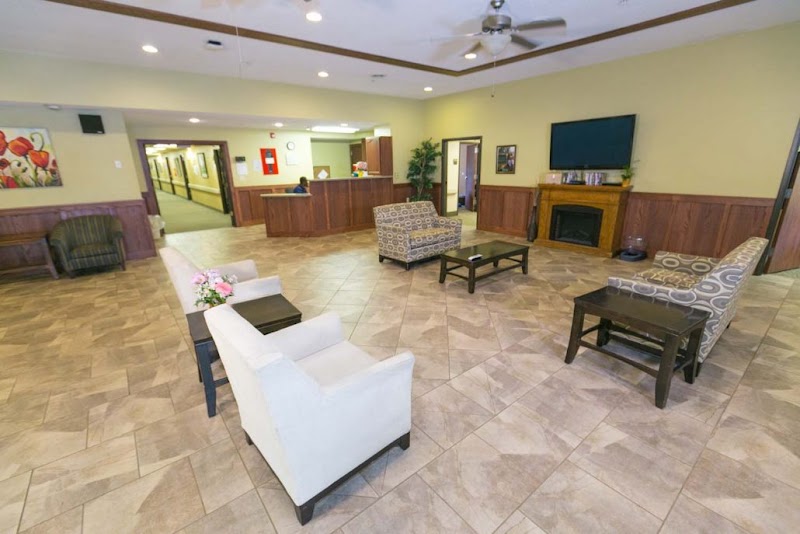
How is Fort Dodge Health And Rehabilitation Staffed?

CMS rates Fort Dodge Health and Rehabilitation's staffing level at 3 out of 5 stars, which is average compared to other nursing homes. Staff turnover is 33%, compared to the Iowa average of 46%. This relatively stable workforce can support continuity of care.

What Have Inspectors Found at Fort Dodge Health And Rehabilitation?

State health inspectors documented 41 deficiencies at Fort Dodge Health and Rehabilitation during 2023 to 2025. These included: 1 Immediate Jeopardy (the most serious level, indicating potential for serious harm or death), 2 that caused actual resident harm, and 38 with potential for harm. Immediate Jeopardy findings are rare and represent the most serious regulatory concerns. They require immediate corrective action.
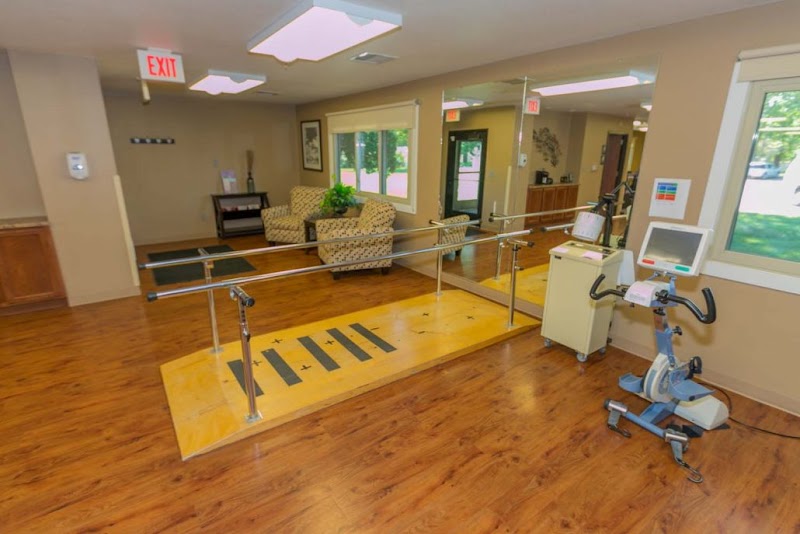
Who Owns and Operates Fort Dodge Health And Rehabilitation?

Fort Dodge Health and Rehabilitation is owned by a for-profit company. For-profit facilities operate as businesses with obligations to shareholders or private owners. The facility is operated by THE ENSIGN GROUP, a chain that manages multiple nursing homes. With 65 certified beds and approximately 60 residents (about 92% occupancy), it is a smaller facility located in Fort Dodge, Iowa.

How Does Fort Dodge Health And Rehabilitation Compare to Other Iowa Nursing Homes?

Compared to the 100 nursing homes in Iowa, Fort Dodge Health and Rehabilitation's overall rating (1 stars) is below the state average of 3.0, staff turnover (33%) is significantly lower than the state average of 46%, and health inspection rating (1 stars) is much below the national benchmark.

What Should Families Ask When Visiting Fort Dodge Health And Rehabilitation?

Based on this facility's data, families visiting should ask: "What changes have been made since the serious inspection findings, and how are you preventing similar issues?" "Can I visit during a mealtime to observe dining assistance and food quality?" "How do you handle medical emergencies, and what is your hospital transfer rate?" "Can I speak with family members of current residents about their experience?" These questions are particularly relevant given the facility's Immediate Jeopardy citations.

Is Fort Dodge Health And Rehabilitation Safe?

Based on CMS inspection data, Fort Dodge Health and Rehabilitation has documented safety concerns. Inspectors have issued 1 Immediate Jeopardy citation (the most serious violation level indicating risk of serious injury or death). The facility has a 1-star overall rating and ranks #100 of 100 nursing homes in Iowa. Families considering this facility should ask detailed questions about what corrective actions have been taken since these incidents.

Do Nurses at Fort Dodge Health And Rehabilitation Stick Around?

Fort Dodge Health and Rehabilitation has a staff turnover rate of 33%, which is about average for Iowa nursing homes (state average: 46%). Moderate turnover is common in nursing homes, but families should still ask about staff tenure and how the facility maintains care continuity when employees leave.

Was Fort Dodge Health And Rehabilitation Ever Fined?

Fort Dodge Health and Rehabilitation has been fined $9,750 across 1 penalty action. This is below the Iowa average of $33,176. While any fine indicates a compliance issue, fines under $50,000 are relatively common and typically reflect isolated problems that were subsequently corrected. Families should ask what specific issues led to these fines and confirm they've been resolved.

Is Fort Dodge Health And Rehabilitation on Any Federal Watch List?

Fort Dodge Health and Rehabilitation is not on any federal watch list. The most significant is the Special Focus Facility (SFF) program, which identifies the bottom 1% of nursing homes nationally based on persistent, serious quality problems. Not being on this list means the facility has avoided the pattern of deficiencies that triggers enhanced federal oversight. This is a positive indicator, though families should still review the facility's inspection history directly.