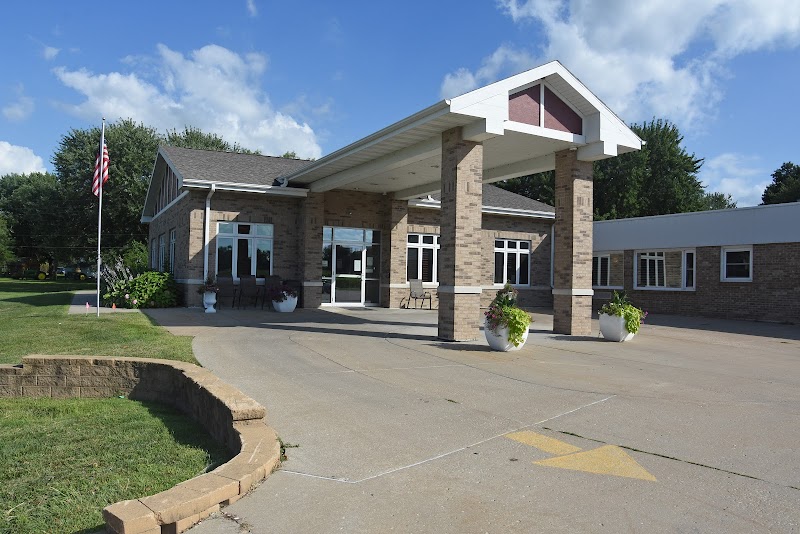
Birkwood Village of Fort Madison
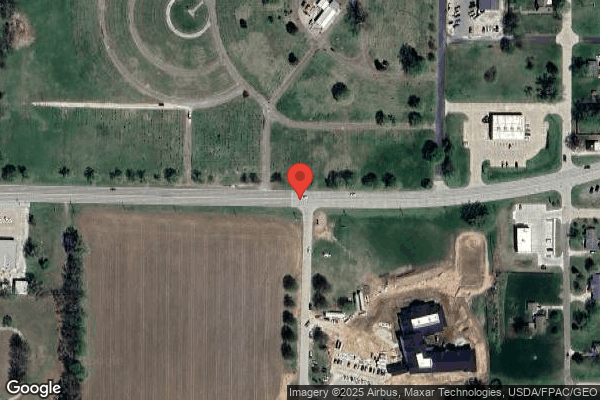
1702 41st Street, Fort Madison, IA 52627 (319) 372-8021
For profit - Limited Liability company 80 Beds Independent Data: November 2025
Trust Grade
33/100
#254 of 392 in IA
Last Inspection: April 2025

Within standard 12-15 month inspection cycle. Federal law requires annual inspections.

Overview

Birkwood Village of Fort Madison has received a Trust Grade of F, indicating significant concerns about the quality of care provided. Ranking #254 out of 392 in Iowa places it in the bottom half of all facilities in the state, while its county rank of #6 out of 6 suggests it is the least favorable option in Lee County. Although the facility has shown improvement in its issues, decreasing from 14 in 2024 to 8 in 2025, it still faces serious challenges. Staffing is rated at 3 out of 5 stars, with a 47% turnover rate that matches the state average, but the RN coverage is concerning as it is lower than 88% of Iowa facilities. Specific incidents include a failure to evaluate a resident’s urinary catheter, leading to a diagnosis of a urinary tract infection, and a resident who fell and fractured an arm due to inadequate fall prevention measures. While there are some strengths in quality measures, the overall picture indicates many weaknesses that families should carefully consider.
Trust Score
F
33/100
In Iowa
#254/392
Bottom 36%
Safety Record
High Risk
Review needed
Inspections
Getting Better
14 → 8 violations
Staff Stability
⚠ Watch
47% turnover. Above average. Higher turnover means staff may not know residents' routines.
Penalties
✓ Good
$16,113 in fines. Lower than most Iowa facilities. Relatively clean record.
Skilled Nurses
○ Average
Each resident gets 35 minutes of Registered Nurse (RN) attention daily — about average for Iowa. RNs are the most trained staff who monitor for health changes.
Violations
⚠ Watch
33 deficiencies on record. Higher than average. Multiple issues found across inspections.
★★☆☆☆
2.0
Overall Rating
★★★☆☆
3.0
Staff Levels
★★★★☆
4.0
Care Quality
★★☆☆☆
2.0
Inspection Score
Stable
2024: 14 issues
2025: 8 issues

The Good

  • 4-Star Quality Measures · Strong clinical quality outcomes
  • Full Sprinkler Coverage · Fire safety systems throughout facility
  • No fines on record

Facility shows strength in quality measures, fire safety.

The Bad

2-Star Overall Rating

Below Iowa average (3.0)

Below average - review inspection findings carefully

Staff Turnover: 47%

Near Iowa avg (46%)

Higher turnover may affect care consistency

Federal Fines: $16,113

Below median ($33,413)

Minor penalties assessed

The Ugly 33 deficiencies on record

3 actual harm
Apr 2025 8 deficiencies
CONCERN (D)

Potential for Harm - no one hurt, but risky conditions existed

Deficiency F0582 (Tag F0582)

Could have caused harm · This affected 1 resident

Based on clinical record review and staff interviews, the facility failed to issue the Notice of Medicare Non-Coverage (NOMNC) Form 10123 for 2 of 3 residents reviewed for beneficiary notices (Residen...

Read full inspector narrative →
Based on clinical record review and staff interviews, the facility failed to issue the Notice of Medicare Non-Coverage (NOMNC) Form 10123 for 2 of 3 residents reviewed for beneficiary notices (Resident #36 and Resident #51). The facility reported a census of 54 residents. Findings include: 1. The Review of Resident #36 Skilled Nursing Facility Advance Beneficiary Notice of Non-Coverage (SNF ABN) Form 10055 indicated on 3/8/25 Medicare may not pay due to Resident #36 met her therapy goals and is at baseline independence and Resident #36 signed the notice on 3/5/25. The Review of the SNF (Skilled Nursing Facility) Beneficiary Protection Notification Review revealed resident started skilled service on 2/14/25 and the last day covered of Part A Services was on 3/7/25 due to resident and therapy agreement to end SNF due to being at baseline independence. The section Was a NOMNC (CMS- 10123) provided to the resident section indicated No, with Other Explain: unaware of needing both forms. The NOMNC, Form CMS-10123 informs the beneficiary that Medicare will no longer cover their services and provides information on how to appeal the decision. The NOMNC is to be issued no later than two calendar days before Medicare-covered services end. 2. The Review of Resident #51 SNF-ABN indicated on 11/8/24 Medicare may not pay due to Resident #51 met her therapy goals and is at baseline your baseline. Resident #51 signed the notice on 11/6/24. The Review of the SNF Beneficiary Protection Notification Review revealed resident started skilled service on 10/11/24 and the last day covered of Part A Services was on 11/7/24 due to resident and therapy agreement to end SNF due to being at baseline. The section Was a NOMNC (CMS- 10123) provided to the resident section indicated No, with Other Explain: unaware of needing both forms. During an interview on 4/22/25 at 4:02 PM, the facility Social Worker (SW) staff stated she apologized for filling out the wrong form. She stated she didn't realize she needed to fill out both forms and she got confused. The SW stated she filled out the SNF ABN, Form #10055, but didn't fill out form #10123. During an interview on 4/24/25 at 12:18 PM, the SW stated she started doing the beneficiary notification in November or December of 2024 when the MDS (Minimum Data Set) Coordinator went on maternity leave. The SW queried if she was trained, responded she was trained by the previous Administrator and apparently not trained correctly. During an interview on 4/24/25 at 4:41 PM, the Administrator stated they were unaware the SW used the wrong forms and they found the education and would start using the correct ones. On 4/24/25 at 5:41 PM, the Nurse Consultant confirmed the facility lacked a policy regarding beneficiary notifications. She stated the facility follows the CMS (Centers for Medicare and Medicaid Services) regulations.
CONCERN (D)

Potential for Harm - no one hurt, but risky conditions existed

PASARR Coordination (Tag F0644)

Could have caused harm · This affected 1 resident

**NOTE- TERMS IN BRACKETS HAVE BEEN EDITED TO PROTECT CONFIDENTIALITY** Based on clinical record review and staff interviews, the facility failed to update the Care Plan and initiate Specialized Servi...

Read full inspector narrative →
**NOTE- TERMS IN BRACKETS HAVE BEEN EDITED TO PROTECT CONFIDENTIALITY** Based on clinical record review and staff interviews, the facility failed to update the Care Plan and initiate Specialized Services for a resident as directed per the PASRR (Preadmission Screening and Resident Review) Level II for 1 of 1 (Resident #10) residents reviewed. The facility reported a census 54 residents. Findings include: The Minimum Data Set (MDS) assessment dated [DATE], revealed Resident #10 scored a 99 out of 15 on the Brief Interview for Mental Status (BIMS) exam, which indicated severely impaired cognition. The MDS list of diagnoses included moderate intellectual disabilities, and unspecified mood (affective) disorder. The MDS PASRR section indicated No to answer Is the resident currently considered by the state level II PASRR process to have serious mental illness and/or intellectual disability or a related condition. The MDS revealed Resident #10 prescribed antipsychotic, antianxiety and anticonvulsant medications. Review of the Care Plan revealed a lack of a Focus area and associated Interventions to address the need for PASRR level II Specialized Services. The Notice of PASRR Level II Outcome dated 4/5/25 revealed the following: a. PASRR Determination: Level II- Approved SS (short stay)- time limited b. Date of Short Term Approval Ends: 10/2/25 c. Specialized Services: You will need to be provided the following specialized services: 1. Service or Support: Ongoing psychiatric medication management by a psychiatrist or a psychiatric ARNP (Advanced Registered Nurse Practitioner) (to evaluate response and effectiveness of psychotropic medications on target symptoms, modify medication orders, and to evaluate ongoing need for additional behavioral health services). The reason for the services: Ongoing medication management by psychiatrist or psychiatric nurse practitioner (ARNP)- Because you have a longstanding history of major mental illness, are prescribed multiple medications to treat mental health symptoms and have a past and recent history of symptoms that impact functioning, you should continue to have your medication and mental health treatment monitored and managed by a psychiatrist or psychiatric nurse practitioner while you are at a nursing facility receiving care. d. Rehabilitative services: You will need to be provided the following services and/or supports: 1. Service or Support: Facilitate family involvement in the individual's care and care planning, including inviting family for regular visitation, and participation in care conferences. Supportive counseling from NF (Nursing Facility) staff: The reason for those supports is below. Family involvement: Engaging with family and supports can improve mood and mood-related symptoms. People with a strong support system and frequent positive interactions have better health outcomes and a more positive perception of their overall well-being. Supportive counseling from nursing facility staff: You will benefit from supportive counseling from nursing facility staff to assist with managing any behavioral or mental health symptoms you may have. During an interview on 4/24/25 12:24 PM, the Social Worker (SW) queried who did the PASRR, and she stated she and the DON (Director of Nursing) did them. The SW stated she filed the 4/5/25 PASRR for Resident #10. The SW stated the level of the PASRR did change to a Level II. The SW quiered if Resident #10 Care Plan changed and she stated Resident #10 already had psych services set up and she didn't think the resident needed any other services. The SW asked for information regarding the provider for psychiatric services and dates of service for Resident #10. During an interview on 4/24/25 at 12:56 PM, the MDS Coordinator queried on Resident #10 updated PASRR. The MDS Coordinator stated she didn't see a nurse note for the change and confirmed the Care Plan needed updated for the change in Resident #10 PASRR. During an interview on 4/24/25 01:48 PM , the SW stated after reviewing records, Resident #10 didn't have psych services since being at the facility. She stated what should of happened was the DON would request for records and then follow up. During an interview on 4/24/25 at 4:26 PM, the DON queried about Resident #10 PASRR Level II and she stated Resident #10 admitted on hospice as the hospital stated Resident #10 was expected to pass away within a month. The DON stated this did not happen. The DON stated Resident #10 Care Plan needed to be updated as a result of the PASRR Level II. The DON stated on this date the facility started the process of getting mental health records for Resident #10, and talking to the family about provider choice. The DON confirmed the facility should of been addressing Resident #10 PASRR level II prior than today. On 4/24/25 at 5:41 PM, the Nurse Consultant stated the facility didn't have a policy related to PASRR's. She stated the facility follows CMS (Center for Medicare and Medicaid Services) regulations.
CONCERN (D)

Potential for Harm - no one hurt, but risky conditions existed

Deficiency F0657 (Tag F0657)

Could have caused harm · This affected 1 resident

**NOTE- TERMS IN BRACKETS HAVE BEEN EDITED TO PROTECT CONFIDENTIALITY** Based on clinical record review and staff interviews, the facility failed to address the reason and the trigger areas for the re...

Read full inspector narrative →
**NOTE- TERMS IN BRACKETS HAVE BEEN EDITED TO PROTECT CONFIDENTIALITY** Based on clinical record review and staff interviews, the facility failed to address the reason and the trigger areas for the resident's diagnoses of PTSD (post traumatic stress disorder) for 1 of 5 residents reviewed for unnecessary medications (Resident #33). The facility reported a census of 54 residents. Findings include: The MDS assessment dated [DATE] revealed Resident #33 scored a 14 out of 15 on the BIMS exam, which indicated cognition intact. The MDS revealed diagnoses for Parkinsonism, unspecified; depression; and post traumatic stress disorder (PTSD). Review of the Care Plan, Date Initiated: 11/30/23 revealed a Focus area to address Resident has a history of post-traumatic stress disorder (PTSD). The Interventions, Date Initiated: 11/30/23 included: a. Charge Nurse will report traumatic reactions to provider for guidance in resident's care. b. Staff will report any traumatic reactions to charge nurse. Review of the Physician Orders revealed an order for Divalproex Sodium Oral Tablet Delayed Release 250 mg (milligrams) Give 2 tablet by mouth two times a day related to Parkinsonism, unspecified; depression, unspecified; PTSD, unspecified. During an interview on 4/24/25 at 10:20 AM, Staff F, RN (Registered Nurse) queried if Resident #33 had a diagnose for PTSD and Staff F stated she didn't know. Staff F queried if knowing the triggers and reason for a resident with PTSD would be important, Staff F stated absolutely. During an interview on 4/24/25 at 12:48 PM, the MDS Coordinator stated when Resident #33 admitted to the facility the MDS Coordinator conducted his assessment and left the diagnosis open to discuss. She stated Resident #33 didn't imply on what he had PTSD for or any triggers to give interventions. The MDS Coordinator stated the Focus areas of the Care Plan were reviewed during Care Plan conferences and that would be a good time to review the PTSD diagnosis. During an interview on 4/24/25 at 1:06 PM, the ADON (Assistant Director of Nursing) queried on Resident #33 diagnoses for PTSD, and she stated the resident had a history of being assaulted at his job. When asked about the traumatic reactions Resident #33 may have, the ADON stated she did not know to answer the question. When asked what Resident #33 triggers has, the ADON stated that was a MDS Coordinator question. During an interview on 4/24/25 at 4:30 PM, the DON (Director of Nursing) stated she would have to look to be sure what triggers Resident #33 has related to PTSD. The DON stated she did not recall any conversation in regards to his PTSD. The DON stated some residents had significant triggers that affected their daily like such as loud noises. On 4/24/25 at 5:41 PM, the Nurse Consultant stated the facility didn't have a policy related to Care Plans. She stated the facility follows the CMS (Center for Medicare and Medicaid Services) regulations.
CONCERN (D)

Potential for Harm - no one hurt, but risky conditions existed

Quality of Care (Tag F0684)

Could have caused harm · This affected 1 resident

Based on observation, interview, and record review, the facility failed to ensure timely follow up for a resident with history of constipation who had not had a bowel movement (BM) in multiple days fo...

Read full inspector narrative →
Based on observation, interview, and record review, the facility failed to ensure timely follow up for a resident with history of constipation who had not had a bowel movement (BM) in multiple days for one of one resident reviewed for constipation (Resident #21). The facility reported a census of 54 residents. Findings include: Review of the Minimum Data Set (MDS) assessment for Resident #21 dated 3/20/25 revealed the resident scored 15 out of 15 on a Brief Interview for Mental Status (BIMS) exam, which indicated intact cognition. Per this assessment, the resident was occasionally incontinent of bowel. Review of the resident's Medical Diagnoses included constipation. Review of the Care Plan dated 3/25/24 revealed, The resident has constipation/diarrhea r/t (related to) DM (Diabetes Mellitus) type 2, ESRD (End Stage Renal Disease). Interventions per the Care Plan, all dated 3/25/24, revealed the following: a. Administer medications as ordered, monitor effectiveness and any adverse side effects. b. Encourage fluid intake c. Monitor/document/report PRN (as needed) s/sx (signs/symptoms) of complications related to constipation: Change in mental status, new onset: confusion, sleepiness, inability to maintain posture, agitation, Bradycardia (slow, low pulse), Abdominal distension, vomiting, small loose or stools, fecal smearing, Bowel sounds, Diaphoresis, Abdomen: tenderness, guarding, rigidity, fecal compaction. d. Record bowel movement & consistency every shift Review of Resident #21's Physician Orders revealed the following PRN (as needed) medications for constipation: a. (Order date 4/9/25): Dulcolax Rectal Suppository 10 MG (Bisacodyl) Insert 1 suppository rectally every 24 hours as needed for Constipation. b. (3/12/24): Docusate Sodium Oral Tablet 100 MG (Docusate Sodium) Give 1 tablet by mouth as needed for Constipation Once daily in the evening PRN (as needed) for constipation. Review of Resident #21's Physician Orders revealed the following scheduled medications for constipation: a. (Order date 2/2/25): Polyethylene Glycol 3350 Powder (Polyethylene Glycol 3350 (Bulk)) Give 17 gram by mouth one time a day for constipation. b. (Order date 2/2/25): Psyllium Oral Wafer (Psyllium) Give 1 wafer by mouth one time a day for constipation. c. (Order date 2/11/25): Senna Plus Oral Tablet 8.6-50 MG (milligram) (Sennosides-Docusate Sodium) Give 1 tablet by mouth one time a day for constipation. d. (Order date 2/10/25): Bisacodyl Oral Tablet Delayed Release 5 MG (Bisacodyl) Give 1 tablet by mouth every 12 hours as needed for constipation. e. (Order 2/10/25): Sennosides Oral Tablet 8.6 MG (Sennosides) Give 1 tablet by mouth one time a day for Constipation. Review of the Physician Order dated 3/17/25 revealed the resident received the following narcotic opioid pain medication: oxyCODONE HCl Oral Tablet 10 MG (Oxycodone HCl) Give 1 tablet by mouth one time a day every Mon, Wed, Fri for pain give prior to dialysis. The resident also had the following medication ordered: Methadone HCl Oral Tablet 5 MG (Methadone HCl) Give 0.5 tablet by mouth one time a day for pain give 0.5 tablet to equal 2.5mg daily. Review of the resident's Bowel Movement Record revealed no BM charted 4/4/25 to 4/9/25, 4/13/25 to 4/17/25, and 4/19/25 to 4/22/25. Review of Resident #21's Medication Administration Record (MAR) for the time period of 4/4/25 to 4/9/25 revealed Bisacodyl 5 MG PRN and Docusate Sodium 100 MG PRN given at 5:55 PM on 4/8/25. The Order Note dated 4/9/25 at 1:42 PM revealed, Resident c/o (complained of) constipation this shift. PRNs given overnight ineffective. Requesting more PRN. Per [Name Redacted] NP (Nurse Practitioner) to start 10mg Dulcolax suppository Q24H for constipation. Per the resident's Bowel Movement Record, the resident had a BM on 4/10/25. Review of the resident's MAR for the time period of 4/13/25 to 4/17/25 revealed Bisacodyl 5 mg PRN administered on 4/14/25 at 7:59 PM, and next on 4/16/25 at 8:02 PM. No PRN medications were administered to the resident on 4/15/25. On 4/17/25 at 10:02 PM, the resident received Dulcolax suppository 10 MG. The resident had a BM on 4/18/25. Review of Resident #21's MAR for the time period of 4/19/25 to 4/22/25 revealed Bisocodyl 10 mg PRN administered on 4/20/25 at 8:53 PM, and next administered on 4/22/25 at 12:27 PM. No PRN medications were administered to the resident on 4/21/25. On 4/22/25 at 7:58 AM, Resident #21 observed in her room. Resident #21 explained, in part, [Resident #21] drank [Brand name laxative] every day and fiber wafers. The resident explained they had not had a bowel movement in about a week. On 4/23/25 at 12: 16 AM, a suppository administered for Resident #21. On 4/24/25 at 9:50 AM, Staff E, Registered Nurse (RN), explained the following about bowel protocol for facility: Per Staff E, night shift would review, if patient wakes up they would give them something, and when Staff E got on duty at 6, [nightshift] had everything ready for who hadn't had one in how many days. When queried after how many days the protocol was initiated, Staff E explained day 3 if hadn't had a BM. On 4/24/25 at 2:18 PM, Staff G, RN queried about resident and constipation issues. Per Staff G, just reported multiple loose stools to Staff G. Staff G explained she knew they had been working with medications, seen GI (gastrointestinal) for that, and everything prescribed was not covered by insurance. When queried after how many days no BM would give something, Staff G responded she thought 3. Staff G explained the resident had dailies (medication), queried if gave something and didn't work when would try something else, and responded if she saw resident complained constipated and wanted stuff. Staff G explained she was present when [Nurse Practitioner] gave suppository Q(every) 24 because miralax, senna, and docusate not working. On 4/24/25 at 4:45 PM, the facility's Director of Nursing (DON) explained the facility did not have a bowel protocol, and checked bowel movements. Per the DON, if over 3 days, that's when gave something or when requested it. The DON explained if gave something and did not work, would do an assessment then notify the provider. On 4/24/25, the Administrator explained via email the facility did not have a policy to address bowel management (constipation).
CONCERN (D)

Potential for Harm - no one hurt, but risky conditions existed

Deficiency F0726 (Tag F0726)

Could have caused harm · This affected 1 resident

**NOTE- TERMS IN BRACKETS HAVE BEEN EDITED TO PROTECT CONFIDENTIALITY** Based on observation, clinical record review and staff interviews, the facility failed to ensure competent nursing staff provide...

Read full inspector narrative →
**NOTE- TERMS IN BRACKETS HAVE BEEN EDITED TO PROTECT CONFIDENTIALITY** Based on observation, clinical record review and staff interviews, the facility failed to ensure competent nursing staff provided wound care and applied a wound VAC (vacuum assisted closure) for 1 of 1 resident reviewed with pressure wounds (Resident #55). The facility reported a census of 54 residents. Findings include: The Minimum Data Set (MDS) dated [DATE] identified Resident #55 as moderately cognitively impaired based on a Brief Interview for Mental Status (BIMS) score of 10 out of 15. The MDS list of diagnoses included: respiratory failure dependence on a ventilator, critical illness myopathy (major muscle weakness disorder in critically ill patients), diabetes mellitus, and wound infection. The MDS assessed Resident #55 dependent on staff for all care needs. The MDS documented Resident #55 admitted to the facility with two unstageable pressure wounds to the buttocks. The MDS documented Resident #55 admitted to the facility on [DATE] from a long term hospital stay. Review of the Care Plan, Date Initiated: 4/11/25 (Revised: 4/17/25) dated 4/11/2025 included a Focus area to address Resident is at risk for skin breakdown r/t immobility, total dependence for ADL's (activity of daily living, meaning tasks such as toothbrushing, bathing, etc) tracheotomy status, Gastrostomy status, indwelling catheter, Ventilator dependent, wound vac, rectal tube .Location: Sacrococcygeal Stage 4 (admitted with a unstageable DTPI (deep tissue pressure injury) on 3/3/25. discharged to [hospital name redacted] on 3/17/25 returned with stage 4 pressure wound on 4/10/25. Interventions, Date Initiated: 4/11/15 included, in part: a. Provide Treatments as ordered. b. Wound vac as ordered. Follow up with provider as required. Review of the April 2025 Treatment Administration Record (TAR) revealed the following treatment orders, in part: a. Wound vac to sacrum wound change every Tuesday and Friday and PRN (as needed) Cleanse with wound vashe (solution for wound care) Place prisma (material used for wound care that absorbs drainage and promotes moist healing environment) on wound bed Apply skin prep & mastisol (liquid adhesive used to secure dressings) around wound edges as needed for soiled, displaced. State Date: 4/10/25. D/C (discontinue) date: 4/22/25 b. Wound vac at 125 mmHG (millimeters of mercury, a pressure measurement) to sacrum wound change every Tuesday and Friday and PRN Cleanse with wound vashe Place prisma on wound bed Apply skin prep & mastisol around wound edges as needed for soiled, displaced. State Date: 4/22/25. During an observation on 4/22/2025 at 12:20 PM, Staff J, Licensed Practical Nurse (LPN) provided wound care and reapplied the wound VAC. After the care, during an interview, Staff J stated she does not have specific training for wound care or use of a wound VAC. During an interview on 4/22/2025 at 3:20 PM, Staff H, LPN stated Staff J is the facility wound care nurse. She explained Staff J completes all wound measurements and wound VAC changes. Staff H stated she is now aware of any specific training the facility has offered for wound care or the use of a wound VAC. During an interview on 4/24/2025 at 11:22 AM, Staff J, LPN stated she had no formal wound care or wound VAC training. She stated she has looked up information on her own. During an interview on 4/24/2025 at 4:47 PM, the Director of Nursing ( DON) stated the use of the title wound nurse is loose. She stated the facility does not have a designated staff member who has had formal training in wound care or use of a wound VAC. During an interview on 4/24/2025 at 5:09 PM, the Administrator stated the facility does not have a policy for wound care or use of a wound VAC. She stated the facility follows the CMS guidelines.
CONCERN (D)

Potential for Harm - no one hurt, but risky conditions existed

Medication Errors (Tag F0758)

Could have caused harm · This affected 1 resident

**NOTE- TERMS IN BRACKETS HAVE BEEN EDITED TO PROTECT CONFIDENTIALITY** Based on observation, interview, and record review, the facility failed to ensure documentation of targeted behaviors and behavi...

Read full inspector narrative →
**NOTE- TERMS IN BRACKETS HAVE BEEN EDITED TO PROTECT CONFIDENTIALITY** Based on observation, interview, and record review, the facility failed to ensure documentation of targeted behaviors and behavioral monitoring for the use of an antipsychotic medication for one of five residents reviewed for unnecessary medications (Resident #54). The facility reported a census of 54 residents. Findings include: The Minimum Data Set (MDS) assessment dated [DATE] revealed the resident was rarely to never understood, took antipsychotic medication, and had no hallucinations, delusions, or physical, verbal, or other behavioral symptoms not directed towards others. Review of Resident #54's Baseline Care Plan dated 11/25/24 revealed the following per the psychotropic medication section: antianxiety and antipsychotic. Under the mental health needs and behavior concerns section, a zero was documented. Review of the resident's Care Plan revealed, Resident receives psychotropic medications antidepressant, antipsychotic, antianxiety r/t (related to) dx (diagnosis) of depression, anxiety, dementia. The Physician Order dated 11/25/24 revealed, risperiDONE Oral Tablet 0.5 MG (milligram) with instructions to give 1 tablet by mouth two times a day related to ANXIETY DISORDER, UNSPECIFIED .;MAJOR DEPRESSIVE DISORDER, RECURRENT, UNSPECIFIED. Review of the resident's Medication Administration Record (MAR) dated April 2025 revealed the resident received the medication twice per day. On 4/23/25 at 3:41 PM, Staff B, Certified Nursing Assistant (CNA) queried if resident had behaviors, and responded she had never had him (Resident #54) have a behavior with her. Per Staff B, the resident's cognition was not there all the time, resident would ask what are we doing, and explained this occurred after had explained what were doing. When queried about verbal, physical, or sexual behaviors, Staff B responded not towards them. On 4/23/25 at 4:06 PM, Staff D, Certified Nursing Assistant (CNA) explained had never had aggression, anything like that from resident. Staff D explained Resident #54 was one that had to guide, and would explain going to transfer resident, going to take resident to the restroom and give opportunity to go. Staff D explained once started the transfer, Resident #54 would say where going? Staff D explained would say going to go to restroom and get ready for bed. On 4/24/25 at 1:19 PM, Social Services queried about Resident #54, and explained she had not really seen any behaviors out of Resident #54, and had not heard of any aggression. Social Services explained the resident had a flat affect, didn't communicate a whole lot, and was not very social, real quiet, and stuck to himself. Per Social Services, to her knowledge hadn't experienced any behaviors with resident. When queried why resident on Risperdal, Social Services explained knew had diagnosis of dementia, and didn't have an explanation for that. Per Social Services, she did not follow medications. When queried if antipsychotics got behavior monitoring, Social Services explained they did not do that, and per Social Services, the Director of Nursing (DON) did. On 4/24/25 at 4:49 PM, the Director of Nursing explained resident seen by [Nurse Practitioner Name Redacted]. When queried if the resident saw psych services, the DON responded no. When queried if the resident had behavior monitoring, the DON said would have to look to see if listed under tasks. When queried why the resident on Risperidone, DON responded resident came on it. The DON explained [Nurse Practitioner Name Redacted] started one medication to gradually decrease at a time, the more medications got off of the better, and when admitted someone in, didn't always have that information, and did not want to immediately start taking medications away. On 4/24/25, the Administrator explained via email the facility did not have a policy to address.
CONCERN (D)

Potential for Harm - no one hurt, but risky conditions existed

Deficiency F0760 (Tag F0760)

Could have caused harm · This affected 1 resident

Based on observation, interview, and record review, the facility failed to ensure insulin administered per physician order for two of three residents reviewed for insulin (Resident #28, Resident #47)....

Read full inspector narrative →
Based on observation, interview, and record review, the facility failed to ensure insulin administered per physician order for two of three residents reviewed for insulin (Resident #28, Resident #47). The facility reported a census of 54 residents. Findings include: 1. Review of the Minimum Data Set (MDS) assessment for Resident #28 dated 1/30/25 revealed the resident was rarely to never understood, and took insulin injections for 7 of the last 7 days. The Care Plan dated 5/6/24 revealed, The resident has Diabetes Mellitus. The Intervention dated 5/6/24 revealed, Diabetes medication as ordered by doctor. Monitor/document for side effects and effectiveness. Review of the Physician Order dated 3/7/25 revealed, HumaLOG Injection Solution 100 UNIT/ML (milliliter) with directions to inject 15 unit subcutaneously three times a day related to TYPE 2 DIABETES MELLITUS WITH UNSPECIFIED DIABETIC RETINOPATHY WITHOUT MACULAR EDEMA .report blood sugar to PCP (Primary Care Physician) if <60 or >400; okay to hold if blood sugar is less than 150. Review of Resident #28's Medication Administration Record (MAR) dated April 2025 revealed eighteen instances where the medication administered with resident's blood sugar less than 150. Review of the resident's MARs revealed the following: Resident #28's 8:00 AM insulin dose administered on 4/1/25 when blood sugar (bs) 131, 4/7/25 when bs 96, 4/8/25 when bs 116, 4/14/25 when bs 135, 4/15/25 when bs 119, 4/18/25 when bs 111, 4/20/25 when bs 120, 4/21/25 when bs 97, and 4/22/25 when bs 84. Resident #28's 12:00 PM insulin dose administered on 4/14 when the resident's bs was 126. Resident #28's 5:00 PM insulin dose administered on 4/1/25 when bs 144, 4/9/25 when bs 117, 4/14/25 when bs 135, 4/15/25 when bs 115, 4/17/25 when bs 111, 4/19/25 when bs 145, 4/20/25 when bs 134, and 4/22/24 when bs 144. Observation on 4/23/24 at 8:22 AM revealed Resident #28 in a wheelchair in the television area across from the dining room. On 4/24/25 at 10:22 AM, Staff F, Registered Nurse (RN) explained she did not believe the resident parameters for insulin, and Staff F made sure resident ate prior to giving it to [resident]. 2. Review of the Minimum Data Set (MDS) assessment for Resident #47 dated 1/23/25 revealed the resident scored 6 out of 15 on a Brief Interview for Mental Status (BIMS) exam, which indicated severely impaired cognition. Per this assessment, the resident received insulin injections for 7 of the last 7 days. The Care Plan dated 2/6/25 revealed, The resident has Diabetes Mellitus. The Intervention dated 2/6/25 revealed, Diabetes medication as ordered by doctor. Monitor/document for side effects and effectiveness. Review of the Physician Order dated 2/7/25 revealed, HumaLOG Solution 100 UNIT/ML (milliliter) with direction to inject 12 unit subcutaneously three times a day for diabetes 12 U WITH meals HOLD if <150, report BS to PCP if <60 or >400. Review of the resident's Medication Administration Records (MARs) dated February 2025 to current revealed the following dates, times, and blood sugars when the resident received Humalog Solution 100 Unit/ml with corresponding blood sugars: Record review revealed five instances in February 2025 when Resident #47 received the medication with bs less than 150: On 2/1/25 scheduled for PM 16 with bs 146, on 2/19/25 scheduled at PM 16 with bs 148, on 2/21/25 scheduled at MID 1 with bs 124, on 2/23/25 scheduled at MID 1 with bs 122, and on 2/28/25 scheduled at MID 1 with bs 135. Record review revealed two instances in March 2025 when Resident #47 received the medication with bs less than 150: On 3/24/25 scheduled at MID 1 with bs 124, and on 3/28/25 scheduled at MID 1 with bs 127. Record review revealed four instances in April 2025 when Resident #47 received the medication with bs less than 150: On 4/11/25 scheduled at PM 16 with bs 136, on 4/15/25 scheduled at MID 1 with bs 134, on 4/19/25 scheduled at MID 1 with bs 144, and on 4/20/25 scheduled at AM08 with blood sugar 95. On 4/22/25 at approximately 3:24 PM, Resident #47 observed in the dining room in his wheelchair. The resident had a sandwich in front of him. On 4/24/25 at 10:23 AM, Staff F explained did not believe had parameters on humalog, and explained [another resident name redacted, noted not R#28 or R#47] only one that had the parameters. On 4/25/24 at 2:18 PM, Staff G, RN acknowledged there were parameters on insulin for [another resident, not Resident #28 or #47], and Resident #28. Staff G explained said to hold under 150, was open to nursing judgement how ate, and for Resident #28 if under 150 typically didn't give it. On 4/24/25 at 4:44 PM, the Director of Nursing (DON) explained for Resident #28 said may hold it based off dietary intake, and Resident #47 said to hold. On 4/24/25, the Administrator explained via email the facility did not have a policy to address medication administration.
CONCERN (E)

Potential for Harm - no one hurt, but risky conditions existed

Food Safety (Tag F0812)

Could have caused harm · This affected multiple residents

Based on observation, interview, and record review, the facility failed to ensure proper labeling and dating of all food items, failed to discard food items in appropriate time frames, and failed to e...

Read full inspector narrative →
Based on observation, interview, and record review, the facility failed to ensure proper labeling and dating of all food items, failed to discard food items in appropriate time frames, and failed to ensure proper use of beard restraints. The facility reported a census of 54 residents. Findings include: On 4/21/25 at approximately 10:40 AM during the initial tour of the kitchen, the following items observed in the walk in refrigerator: a. One 5 lb (pound) container of tuna salad dated 4/6 b. One 5 lb container of chicken salad dated 4/4 Observation of the ice machine present in the kitchen revealed dust present on the air filter. The following directions observed on the ice machine equipment: Clean air filter twice a month. Observation conducted in the kitchen on 4/23/25 at approximately 9:50 AM revealed dust on the ice machine filters, and a styrofoam scoop present in a clear plastic bin for the sugar. Observations conducted in the kitchen on 4/23/25 at approximately 10:03 AM and 10:55 AM revealed Staff A, Dietary prepared pureed food. The resident had facial hair to the side of the face and above Staff A's lip that were not covered with a beard restraint. On 4/24/25 at 12:12 PM, the Dietary Manager explained, in part, the following about label/dating: The open date should be written on the top (where 4/4 and 4/6 observed on food items), and once open would be good for 5 days. The undated Facility Policy titled Food Safety and Sanitation Guidelines revealed, The current food code will be followed as the standards of practice for the dietary department to meet the needs of safe food handling and sanitation practice of the kitchen.
Oct 2024 1 deficiency 1 Harm
SERIOUS (G) 📢 Someone Reported This

A family member, employee, or ombudsman was alarmed enough to file a formal complaint

Actual Harm - a resident was hurt due to facility failures

Incontinence Care (Tag F0690)

A resident was harmed · This affected 1 resident

**NOTE- TERMS IN BRACKETS HAVE BEEN EDITED TO PROTECT CONFIDENTIALITY** Based on record review and staff interviews, the facility failed to evaluate the placement of the urinary catheter after a routi...

Read full inspector narrative →
**NOTE- TERMS IN BRACKETS HAVE BEEN EDITED TO PROTECT CONFIDENTIALITY** Based on record review and staff interviews, the facility failed to evaluate the placement of the urinary catheter after a routine catheter change with little to no urine output along with bloody urine for 2 days and then continued to have bloody urine for an additional 2 days before sending the resident to the hospital 4 days where it was found the balloon inserted in the urethra causing trauma and the resident diagnosed with a UTI (Urinary Tract Infection) for 1 of 3 residents reviewed for urinary catheters (Resident #1). The facility reported a census of 59 residents. Findings include: The Minimum Data Set (MDS) assessment dated [DATE] revealed Resident #1 scored a 15 out of 15 on the Brief Interview for Mental Status (BIMS) exam, which indicated cognition intact. The MDS revealed the resident had impairment in both lower extremities and used a wheelchair. The MDS revealed the resident was dependent on staff with toileting hygiene, and transferring to the toilet was not applicable due to not attempted and the resident did not perform this activity prior to the current illness, exacerbation, or injury. The MDS revealed resident used an indwelling catheter. The MDS revealed medical diagnoses of heart failure, benign prostatic hyperplasia (BPH), and diabetes mellitus (DM). The Care Plan revealed a focus area dated 10/2/23 for an indwelling catheter related to urinary retention. The interventions dated 10/2/23 revealed monitored and documented intake and output as per facility policy; monitored/documented for pain/discomfort due to the catheter; monitored/recorded/reported to the MD (Medical Director) for s/sx (signs/symptoms) of UTI (Urinary Tract Infection) such as pain, burning, blood tinged urine, cloudiness, no output, deepening of urine color, increased pulse, increased temperature, urinary frequency, foul smelling urine, fever, chills, altered mental status, change in behavior, change in eating patterns; and catheter size and type per order. Position catheter bag and tubing below the level of the bladder and in dignity bag. The Electronic Medical Record (EMR) revealed the following diagnosis: a. Benign prostatic hyperplasia (BPH) with lower urinary tract symptoms The EMR revealed the following Physician Orders: a. Lasix oral tablet 20 mg- give 1 tablet by mouth one time a day b. sodium chloride irrigation solution- use 60 cc (milliliters) via irrigation two times a day for maintain patent Foley catheter flush c. 18 fr (french) 10 cc Foley change monthly and PRN (as needed)- every shift starting on the 19th and ending on the 19th every month for failing voiding trial, follow up with urology and as needed d. hydrocodone-acetaminophen oral tablet 5-325 mg (milligrams)- give one tablet three times a day The Indwelling Catheter Reassessment for Resident #1 signed by the provider on 7/3/24 revealed: a. diagnosis: BPH b. attempts at removal in the past resulted in: failed voiding trial, to follow up with urology c. This resident is not a candidate for surgical correction at this time. I feel that it is in the resident's interest to continue the catheter. I will reassess the need in 3 months and if any medical changes haven't taken place which would allow us to make any changes, I will consider discontinuing the catheter at that time. The Health Status Note dated 9/19/24 at 9:45 PM, revealed routine Foley catheter change. Removed 18 FR/10 mL catheter. Inserted new 18 FR/10 mL Foley catheter per sterile technique with immediate return of light amber urine. Res (resident) tolerated procedure well. The Nutrition/Dietary Note dated 10/19/24 at 6:46 PM, revealed Meal/Fluid Intake Fair or Poor or Refused for 2 or more meals in the day-Staff continue to encourage and assist as needed at meals. Snacks in room at times. Provide set-up assist with meals. The Health Status Note dated 10/19/24 at 10:00 PM, revealed Routine catheter change due. Removed 18 FR 10 mL catheter with large amount of sediment around catheter when removed. Inserted new 18 FR 10 mL catheter with immediate return of bloody urine. Res tolerated procedure well. The Health Status Note dated 10/20/24 at 5:10 AM, revealed continued to have hematuria. No c/o (complaints) pain or discomfort. Fluids offered and encouraged throughout night. The Nutrition/Dietary Note dated 10/20/24 at 6:34 PM, revealed Meal/Fluid Intake Fair or Poor or Refused for 2 or more meals in the day-Staff continue to encourage and assist as needed at meals. Snacks in room at times. Provide set-up assist with meals. The Health Status Note dated 10/20/24 at 7:35 PM, revealed T (temperature) 99.9, P (pulse) 100, R (respirations) 18, SPO2 (oxygen saturation) 95% room air, BP 121/75. Continues to have hematuria. Fluids offered and encouraged. No c/o pain or discomfort. Catheter flushes freely with Sodium chloride as ordered. The Encounter Note dated 10/21/24 at 00:00 revealed visit type: acute/follow-up Chief Complaint / Nature of Presenting Problem: Gross hematuria History Of Present Illness: [AGE] year old Caucasian male seen this day at [facility name redacted]. Patient awaiting shower at time of assessment. Staff report to this provider that catheter change was performed. Noted sediment around catheter removed. Inserted 18 Fr 10 mL with ease that patient tolerated well per [name redacted] electronic medical record. Noted gross hematuria on 10/20. Patient afebrile, asymptomatic. Denies pain or discomfort. Staff report catheter flushes with ease and patency. On call notified over the weekend of gross hematuria. Ordered UA with reflex to C&S. Staff utilized infectious disease processes protocol and did not obtain related to afebrile status and history of catheter change at time of onset. Poor appetite noted with refusal of more than one meal in one day and rejection of alternatives. GU: 18 French 10 cc Foley catheter present with gross hematuria ~50 cc. Plan: Gross hematuria: Initial evaluation. Large amount of bright red blood noted to cath bag. No clots noted. Suspected urethral trauma related to routine catheter changes. Continue to monitor. Benign prostatic hyperplasia with lower urinary tract symptoms, symptom details unspecified: Contributing to the above. Continue tamsulosin 0.4 mg daily. Continue finasteride 5 mg daily. Poor appetite: Encouraged oral intake as tolerated. Monitor hydration status. Continue weekly weights and report any changes as indicated. Offer alternatives as indicated at meals based on availability. Adult failure to thrive: Contributing to the above. May hinder infectious disease processes. Weight stable at this time. Continue current dietary recommendations. The Health Status Note dated 10/21/24 at 8:00 PM, revealed T 99.0, P 80, R 16, SPO2 96% room air, BP 110/64. Continues to have hematuria. Fluids offered and encouraged. No c/o pain or discomfort. Catheter flushes freely with Sodium chloride as ordered. The Nutrition/Dietary Note dated 10/22/24 at 6:30 PM, revealed Meal/Fluid Intake Fair or Poor or Refused for 2 or more meals in the day-Staff continue to encourage and assist as needed at meals. Snacks in room at times. Provide set-up assist with meals. The Health Status Note dated 10/22/24 at 8:30 PM, revealed T 98.6, P 110, R 18, BP 146/65, SPO2 95% on room air. Offered and encouraged fluids. Resident resting with no c/o pain or discomfort. Continues to have hematuria. The Encounter Note dated 10/23/24 at 00:00 PM, revealed visit type: acute/follow up Chief Complaint / Nature of Presenting Problem: Arterial wounds, gross hematuria History Of Present Illness: [AGE] year-old Caucasian male seen this day at [name of facility redacted]. Patient awaiting breakfast at time of assessment. Staff report to this provider that hematuria continues. At time of assessment bright red blood present to catheter bag with no improvement compared to Monday. Arterial wounds to third and fourth right toes have been stable for some time with Betadine to affected areas. Affected areas fluctuate from week to week. No gauze treatment noted at time of assessment. Patient denies pain or discomfort. Patient denies chest pain dizziness shortness of breath. Patient denies GI upset such as nausea or vomiting. Appetite per patient baseline per [name redacted] documentation. GU: 18 French 10 cc Foley catheter present with gross hematuria ~100 cc. Plan: Gross hematuria: Gross hematuria continues with no improvement compared to Monday. Large amount of bright red blood noted to catheter bag. No clots noted. Suspected urethral trauma related to routine catheter changes. CBC and CMP at next routine lab day. Benign prostatic hyperplasia with lower urinary tract symptoms, symptom details unspecified: Contributing to the above. Continue tamsulosin 0.4 mg daily. Continue finasteride 5 mg daily. Long-term use of aspirin therapy: Contributing to the above. Neuro improvement in hematuria. Discontinue aspirin 81 mg. Adult failure to thrive: Contribute to the above. Hinders infectious disease processes. Weight stable at time of assessment. Continue current dietary recommendations. Contributing to the above. May hinder infectious disease processes. Weight stable at this time. Continue current dietary recommendations. The Health Status Note dated 10/23/24 at 10:26 AM, revealed [name redacted] medical provider in for rounds with new orders for CBC (complete blood count) and CMP (comprehensive metabolic panel) r/t (related to) hematuria and to D/C Aspirin r/t hematuria. Resident aware of orders. The Health Status Note dated 10/23/24 at 3:24 PM, revealed CBC and CMP results sent to [name redacted]. Infection screen assessment completed and triggered for suspected UTI. BP 135/77, HR 118. Resident reports suprapubic pain/tenderness. [name redacted] Medical provider notified of lab results and infection screen assessment. Pending response for any new orders. The Health Status Note dated 10/23/24 at 3:24 PM, revealed new orders from [name redacted] (medical provider) for a UA (urinalysis) reflex to culture. Resident aware of orders. The Health Status Note dated 10/23/24 at 5:27 PM, revealed decrease in appetite and fluid intake, gross hematuria with decreased output, pale in color, elevated pulse rate [name redacted] medical provider 10/23/2024 3:00 PM [name redacted] emergency contact 10/23/2024 6:35 PM The Health Status Note dated 10/23/24 at 5:42 PM, revealed catheter clamped to obtain urine specimen. Resident pale and drowsy. The Health Status Note dated 10/23/24 at 6:15 PM, revealed unclamped catheter to obtain urine sample. Scant amount of bright red blood noted when sample obtained. Resident states he would like to go to the hospital and doesn't feel well. [name redacted], DON notified and began process to send resident to ER (emergency room). The Health Status Note dated 10/23/24 at 6:30 PM, Resident requesting to go to ER, urine bright red blood with minimal output, tachycardia noted, poor appetite and fluid intake. The Health Status Note dated 10/23/24 at 6:45 PM, EMS (Emergency Medical Services) called for transport, report called to [name redacted] nurse at [name redacted] (local hospital) ER, [name redacted] (emergency contact) notified and [name redacted] provider called. The POC (Plan of Care) Response History for Catheter Output revealed the following urinary outputs: a. 10/18/24: 5:55 AM- 400 ml (milliliters); 11:44 AM- 500 ml; 9:59 PM- 350 ml b. 10/19/24: 5:59 AM- 325 ml; 12:58 PM; 650 ml; 8:56 PM- 850 ml c. 10/20/24: 5:45 AM- 150 ml; 9:59 PM- 100 ml d. 10/21/24: 5:28 AM- 50 ml; 1:36 PM- 300 ml; 9:27 PM- not applicable e. 10/22/24: 5:37 AM- 250 ml; 1:43 PM- 575 ml; 9:41 PM- 650 ml f. 10/23/24: 5:18 AM- 800 ml; 1:33 PM- 700 ml The Change of Condition Evaluation V4.2 dated 10/23/24 at 5:27 PM revealed the following: a. situation: change in condition, symptoms or signs I am calling about are 1. abnormal vital signs (low/high BP (blood pressure), heart rate, respiratory rate, weight change) 2. bleeding (other than GI (gastrointestinal)) 3. food and/or fluid intake (decreased or unable to eat and/or drink adequate amounts) 4. functional decline (worsening function and/or mobility 5. started on 10/20/24 at night b. background general information: 1. resident long term in the facility 2. additional pertinent diagnoses: chronic obstructive pulmonary disease (COPD), congestive heart failure (CHF), diabetes 3. additional information as required: recent catheter change 10/19/24 4. specify other directives: indwelling catheter c. background (evaluation) 1. most recent vitals: BP (blood pressure) 135/77 on 10/23/24 at 3:20 PM lying left arm; pulse 118 beats per minute (BPM) on 10/23/24 at 3:20 PM; apical heart rate: 123 bpm; respirations 16 breaths/minute on 10/23/24 at 5:29 PM; temperature 97.9 Fahrenheit on 10/23/24 at 3:20 PM; most recent O2 (oxygen) saturation 98% on 10/3/24 at 5:43 PM 2. functional status change: general weakness 3. describe the change in weakness: general weakness without fever, change in level of consciousness, or other acute symptoms 4. describe the functional status signs or symptoms: non appetite, sleeping more 5. describe cardiovascular changes: resting pulse >100 or <50; tachycardia 6. describe abdominal/GI changes: decreased appetite/fluid intake 7. describe decreased appetite: significant decline in food and fluid intake in resident with marginal hydration and nutritional status 8. describe genitourinary changes: decreased urine output blood in urine 9. describe decreased output: decreased urinary output over 1-2 days, or new onset of post-void residual > 400 cc 10. describe hematuria: gross hematuria with pain, fever or other signs of bleeding at other sites 11. Laboratory tests/diagnostic procedures: abnormal results: chemistry 12. other chemistry values: creatinine, BUN (blood urea nitrogen), and GFR (glomerular filtration rate) dated 10/23/24 13. since the change of condition occurred have the symptoms or signs gotten: worse summarize observations and evaluation: decreased in appetite and fluid intake, gross hematuria with decreased output, pale in color, elevated pulse rate d. review and notify 1. reviewed and acknowledged the notifications: yes 2. reported to primary care clinician [name redacted] 3. date and time of clinician notification: 10/23/24 at 3:00 PM 4. recommendation of primary condition: UA with reflux 5. testing: urinalysis or culture The eInteract Transfer Form V4.1 dated 10/23/24 at 6:36 PM revealed the following: a. transfer/discharge details 1. sent to [name redacted] local hospital on 9/29/23 at 9:34 PM for abnormal kidney function for unplanned transfer b. conditions of return: nursing home would be able to accept resident back under the following conditions: 2. ED (emergency department) determines diagnoses, treatment can be done in nursing home c. devices and treatments: bladder (Foley) catheter- chronic d. additional relevant information: routine catheter change on 10/19/24, has had bloody urine since 10/20/24 that has progressively gotten worse. Increased heart rate, not eating or drinking, change in pallor, decline in kidney labs. The ED (Emergency Department) Physician Note dated 10/23/24 at 7:32 PM from [name redacted] local hospital revealed the following: a. Chief Complaint: 1. Patient arrives via EMS from [name redacted], complaints of bloody urine draining from Foley, complains of abdominal pain, EMS gave 50 mcg (micrograms) of Fentanyl in route and 4 mg of Zofran, Hx (history) of stroke b. history of present illness: 1. [AGE] year-old male brought from the nursing home with increasing abdominal pain over the past 4 days. Today he is having dark red bloody urine in his catheter. Patient is paraplegic due to stroke. c. Review of symptoms: 1. constitutional: denies fever, chills, or recent illness 2. Respiratory: Increased shortness of breath today no cough. 3. Cardiovascular: No chest pain, no palpitations. 4. Abdominal: Abdominal pain without nausea or vomiting. d. Physical exam: 1. vitals and measurements: T: 36.4 °C (Temporal Artery) HR: 79 (Monitored) RR: 10 BP: 94/59 SpO2: 100% HT (height): 170 cm WT (weight): 56.30 kg (Dosing) BMI (body mass index): 19.00 kg/m2 BSA (body surface area): 1.650 m2 e. General: Alert, no acute distress. f. ENT (ear, nose, throat): Oral mucosa moist, no LAD g. Cardiovascular: Regular rate and rhythm, Normal peripheral perfusion. h. Respiratory: Lungs are clear to auscultation, respirations are non-labored. i. Gastrointestinal: Abdomen distended, mildly firm, bowel sounds normal. j. Extremities: Contractions of bilateral lower extremities. No evidence of trauma k. Neurological: Soft but normal speech. Upper extremities show no motor or sensory l. deficits. Lower extremities are contracted but sensory is intact. m. Medical Decision Making 1. [AGE] year-old male presents with abdominal pain and frankly bloody urine. Differential diagnosis includes but is not limited to renal carcinoma, bladder carcinoma, intestinal-Bladder fistula, kidney stones, bladder stones, UTI, etc. 2. Review of laboratory work CBC (complete blood count) shows normal white count 9.4 H&H (hematocrit & hemoglobin) 10.5 and 31 platelets normal at 1.3. There is left shift of 84% neutrophils. Metabolic panel shows a slightly low sodium of 134 normal potassium at 4.1 CO2 is decreased at 17.5. There is an anion gap of 17.6 glucose of 223 BUN and creatinine elevated at 90 and 3.24, Most recent comparison 2 months ago shows BUN of 46 and creatinine of 1.95. Calcium slightly low at 8.2, albumin low at 2.3. Lipase normal at 48, lactic acid normal at 1.1. Urinalysis is red and cloudy with 250 glucose large amount of bilirubin 1+ ketones 3+ blood positive nitrites and large amount of leukocyte esterase, microscopic shows greater than 50 white blood cells greater than 50 red blood cells and 3+ bacteria. n. Review of radiology dated 10/23/2024 8:40 PM CT (Computed Tomography) Abdomen Pelvis WO (without) Contrast) with the following impression: 1. massively distended urinary bladder with air within the bladder lumen and extensive emphysematous changes to the wall of the bladder highly suspicious for emphysematous cystitis. Urology consultation is recommended. 2. Foley catheter has its balloon inflated in the urethra. recommend immediate removal and urology consultation. 3. right lower lobe pneumonia 4. other findings discussed o. The previous urinary catheter was removed and we were able to get a 16 French coudé in and patient did quickly empty 1500 mL of dark bloody. p. We do not have urology on-call in our system and for the next 4 days. I (Provider) called (tertiary hospital, name redacted) and they do not have any bed availability. q. After the bladder was completely drained patient's blood pressure did drop down to a MAP (mean arterial pressure) between 60 and 65. Patient was given 2 L (liters) normal saline IV (intravenous) and his MAP stayed above 70. r. We contacted [hospital name redacted] and I (provider) spoke with [doctor's name redacted] in urology. He felt that the patient would simply need to be treated as a severe UTI and did not need any specialty care. I (provider) spoke with [doctor's name redacted] Super (supervisor) triage and they do not have any beds available. With [doctor's name redacted] stating that the patient does not need specialty care, I (provider) talked with our Hospitalist here tonight [name redacted] and she agrees to accept the patient for admission at this facility. There was a slight delay in the patient getting over to the MedSurg unit as a nurse needed to be called in. Patient remained stable with heart rate of 75 blood pressure of 99/58 with a MAP of 72, O2 sats (saturation) of 100% on room air with a respiratory rate of 13-15. s. Assessment/Plan: 1. Emphysematous cystitis 2. AKI (acute kidney injury) 3. Right lower lobe pneumonia The Chemistry Report from the [name redacted] local hospital revealed the following lab results collected on 10/23/24 at 7:40 PM and resulted on 10/23/24 at 8:12 PM: a. BUN- 90 mg/dl (milligrams per deciliter) with reference range of (7-18) b. Creatinine Level- 3.24 mg/dl with reference range of (0.70-1.30) c. BUN/Creatinine ratio- 27.8 with a reference range of (9.0-21.6) The Urinalysis Report from the [name redacted] local hospital revealed the following results collected on 10/23/24 at 8:16 PM and resulted on 10/23/24 at 8:51 PM a. UA color: red with reference range of (yellow) b. urine clarity: cloudy with a reference range of (clear) c. urine pH: 8.0 with reference range of (5.0-8.0) d. specific gravity: 1.010 with reference range (1.001-1.030) e. glucose: 250 mg/dl with reference range (negative) f. bilirubin: large with reference range (negative) g. ketones: 1+ with a reference range (negative) h. urine HGB (hemoglobin): 3+ with a reference range (negative) i. urine protein >=300 mg/dl with a reference range (negative) j. nitrite: positive with a reference range (negative) k. leuk esterase: large with a reference range of (negative) l. Urine WBC (white blood cells) >50 with reference range (0-2) m. bacteria: 3+ with a reference range of (none) n. urine culture indicated? yes The CT Report from [name redacted] local hospital dated 10/23/24 at 8:40 PM revealed a. reason for exam: (CT Abdomen without contrast) abdominal pain, hematuria, abdominal distention b. Report: history: abdominal pain, hematuria, abdominal distention c. Findings: There is consolidation in the right lung base with air bronchograms compatible with right lower lobe pneumonia. There are intrarenal calcifications both kidneys compatible with kidney stones. This includes staghorn calculus on the right. There is mild bilateral hydronephrosis and hydroureter. There is air within the bladder wall with massively distended urinary bladder. This is highly concerning for emphysematous cystitis. Urology consultation is recommended. There is air within the urinary bladder consistent with infection. There is a Foley catheter with the catheter balloon inflated within the urethra. There is artifact in the pelvis associated with right hip prosthesis. There is mild stool in the colon with moderate stool within the rectum. There are degenerative changes lumbar spine there are changes of ankylosis. d. Impression: 1. massively distended urinary bladder with air within the bladder lumen and extensive emphysematous changes to the wall of the bladder highly suspicious for emphysematous cystitis. Urology consultation is recommended. 2. Foley catheter has its balloon inflated in the urethra. recommend immediate removal and urology consultation. 3. right lower lobe pneumonia 4. other findings discussed The Chemistry Report from the [name redacted] local hospital revealed the following lab results collected on 10/24/24 at 5:20 AM and resulted on 10/24/24 at 6:33 AM: a. BUN- 89 mg/dl with a reference range of (7-18) b. Creatinine Level- 2.99 mg/dl with a reference range of (0.70-1.30) c. BUN/Creatinine ratio- 29.8 with a reference range of (9.0-21.6) The Bacteriology Report from the [name redacted] local hospital revealed the final report dated 10/26/24 at 7:46 AM: a. Staphylococcus aureus isolated from both bottles b. Enterococcus faecalis isolated from 1 bottle Beta Lactamase test is negative The Gram Stain Report from the [name redacted] local hospital dated 10/24/24 at 2:06 PM revealed the following: a. gram positive Cocci in clusters Seen On Smear From Both Bottles b. Gram Positive Cocci in chains Seen on smear from anaerobic bottle The Infectious Disease Consultation dated 10/24/24 at 3:18 PM from [name redacted] local hospital revealed a. chief complaint: Pt is from [facility name redacted] and staff noticed the urine in his Foley was red so they called EMS. b. Pt (patient) arrived to the ED where they discovered that the balloon in the Foley was lodged in his urethra c. reason for consultation: bacteremia d. history of present illness: infectious disease consultation was done via telemetry from my remote office location here in [place redacted] using two-way audiovisual technology and assistance from bedside RN (Registered Nurse). Patient is located in [name of hospital and room number redacted] while I am located in my remote office here in [place redacted]. Consultation involved but not limited to chart review, history taking, physical examination, recommendation for workup as well as treatment. Treatment recommendation was communicated to the primary team. I personally examined patient using telemedicine video with assistance from bedside RN. Patient is a [AGE] year-old gentleman with multiple medical problems including CVA (cerebrovascular accident) with paraplegia, BPH with chronic urinary retention for which patient has chronic indwelling Foley catheter. Patient also has diabetes, osteoarthritis, hypertension and hyperlipidemia. Patient was brought to the emergency room from the nursing home of his residence because of hematuria. There was blood in his urine bag and by imaging it was discovered that the Foley catheter balloon is in the urethra resulting in the bleeding. It has been replaced but patient did have significant urine retention with massively distended urinary bladder seen on CT scan with extensive emphysematous changes to the wall of the bladder suspicious for emphysematous cystitis. Patient now has continuous bladder drainage which is quite bloody. Patient is very frail, and unable to give history and very somnolent. His blood culture is growing gram-positive cocci in clusters as well as gram-negative rod in one of the 2 blood culture bottles. Infectious disease service consulted for antimicrobial management. He has been having cough and chest imaging did show right lower lobe pneumonia e. Assessment 1. bacteremia with gram-positive cocci in clusters indicating staphylococcal bacteremia. There is also gram-negative rod isolated in one of the blood culture bottles. We will await identification of these organisms to opine on the other sources however with patient being admitted with acute urinary retention and hematuria, urinary source is worth considering. Patient also has right lower lobe pneumonia which could be a source of bacteremia depending on which 2. Right lower lobe pneumonia 3. Acute urinary retention with hematuria due to malpositioned Foley catheter. Catheter balloon was in the urethra f. Plan 1. Repeat blood culture x 2 2. Obtain transthoracic echocardiogram 3. Start IV vancomycin, target trough between 15 and 20 4. Continue IV Zosyn dosed per creatinine clearance 5. Will follow-up on the ID and sensitivity of the blood culture isolate; Will de-escalate antibiotics based on culture data and clinical course; Obtain sputum culture if patient can expectorate The Discharge summary dated [DATE] at 5:12 PM from [name redacted] local hospital revealed the following information a. admission date: 10/23/24 b. discharge date : [DATE] c. reason for hospitalization: blood in catheter d. diagnoses: discharge diagnoses: AKI (acute kidney injury); emphysematous cystitis; right lower lobe pneumonia. e. Summary of Events leading to admission: f. [name redacted] Resident #1 is a [AGE] year-old gentleman with past medical history of CVA with paraplegia, BPH and urinary retention with chronic indwelling Foley, hypertension, hyperlipidemia, type 2 diabetes mellitus, osteoarthritis, allergic rhinitis who presented to [name redacted] emergency room from [name redacted] nursing home when staff noticed urine in his Foley was red so they called EMS. When the patient arrived in the ED it was noted that the balloon and the Foley was lodged in his urethra and he had abdominal pain for last 4 days. Given that his Foley was noted to be in the urethra it was later removed in the ED. CBI (continuous bladder irrigation) catheter was attempted however could not be passed. Foley was replaced and 1.5 L (liters) of urine was drained with improvement of abdominal pain. Patient does also report a nonproductive cough and chills but denies any nausea, vomiting, shortness of breath, chest pain, fevers, chills. Patient's wife also present at bedside and patient also reports having abdominal pain and hematuria ongoing for 4 days. However he reports after Foley was replaced in the ED no further episodes of abdominal pain. g. Lab work on admission noted for WBC 10.3 with neutrophilic shift, hemoglobin 12.5, hematocrit 38, platelets 157, sodium 133, potassium 5.1, chloride 98, bicarb 19.8, anion gap 20.3, glucose 266, BUN 86, creatinine 3.43, calcium 9.1, total protein 6.9, albumin 2.8, total bilirubin 0.6, alkaline phosphatase 78, AST 10, ALT 20, lipase within normal limits at 48, lactic acid 1.1, UA is red and cloudy with 250 glucose large amount of bilirubin 1+ ketones 3+ blood positive nitrites and large amount of leukocyte esterase, microscopic shows greater than 50 white blood cells greater than 50 red blood cells and 3+ bacteria. h. CT abdomen pelvis without contrast noted for impression : 1. massively distended urinary bladder with air within the bladder lumen and extensive emphysematous changes to the wall of the bladder highly suspicious for emphysematous cystitis. Urology consultation is recommended. 2. Foley catheter has its balloon inflated in the urethra. recommend immediate removal and urology consultation. 3. right lower lobe pneumonia 4. other findings discussed i. The previous urinary catheter was removed and ED able to get a 16 French coudé in and patient did quickly empty 1500 mL of dark bloody. After the bladder was completely drained blood pressure did drop down to a MAP between 60-65 and the patient received 2 L of NS with improvement of maps staying above 70. Given lack of urology available in [town redacted] for the next 4 days ED physician reached out to [name of hospital] Hospital in [name of town and state redacted] and they do not have any bed availability. Later ED physician spoke with [hospital and name of doctor redacted] in urology. He felt that the patient would simply need to be treated as a severe UTI and did not need any specialty care. ED physician also spoke with [name of doctor redacted] super (supervisor) triage in [hospital name redacted] and they do not have any beds available. Given urologist at [hospital name redacted] said no need of specialty care patient was admitted to [town name redacted] for further management j. Plan: 1. Foley replaced in ED on 10/24 2. continue Zosyn inpatient 3. blood Cxes (cultures): Pending identification and sensitivities and will follow till completion 4. Gram Positive Cocci in clusters Seen On Smear From Both Bottles 5. Gram Positive Cocci in chains Seen on smear from anaerobic bottle 6. Gram Negative Bacilli Seen on smear from anaerobic bottle 7. urine cultures pending, follow till completion 8. Echocardiogram ordered for gram-positive cocci bacteremia 9. Consider transfer to facility which has urology inpatient for further evaluation to see if cystoscopy and CBI indicated 10. Also noted to have borderline low blood pressure-treated with 2 L IV fluids on admission to the ED, and also started some IV fluids inpatient and held antihypertensive medication. Will work with case management on transfer to tertiary care hospital given drop in hemoglobin and soft blood pressures 11. Infectious disease consult, appreciate recs (recommendations)- 12. Repeat blood culture x 2 k. Obtain transthoracic echocardiogram l. Start IV vancomycin, target trough between 15 and 20 m. Continue IV Zosyn dosed per creatinine clearance n Will follow-up on the ID and sensitivity of the blood culture is
Jun 2024 12 deficiencies
CONCERN (D) 📢 Someone Reported This

A family member, employee, or ombudsman was alarmed enough to file a formal complaint

Potential for Harm - no one hurt, but risky conditions existed

Resident Rights (Tag F0550)

Could have caused harm · This affected 1 resident

**NOTE- TERMS IN BRACKETS HAVE BEEN EDITED TO PROTECT CONFIDENTIALITY** Based on interviews, clinical record review, and facility Human Resources documentation, the facility failed to ensure residents...

Read full inspector narrative →
**NOTE- TERMS IN BRACKETS HAVE BEEN EDITED TO PROTECT CONFIDENTIALITY** Based on interviews, clinical record review, and facility Human Resources documentation, the facility failed to ensure residents were treated in a dignified manner while speaking to residents and during incontinent care for 1 of 3 residents reviewed (Resident #50). The facility reported a census of 59 residents. Findings include: The Minimum Data Set (MDS) assessment, dated [DATE], revealed Resident #50 scored a 15 out of 15 on the Brief Interview for Mental Status (BIMS), which indicated intact cognition. The MDS assessed the resident dependent on staff for assistance with toileting hygiene and frequently incontinent of bowel and bladder. The Care Plan, dated [DATE], revealed a focus area to address grieving related to the unexpected loss of her husband. The Interventions included encourage the resident to live one day at a time and encourage the resident to recognize grief situations. Staff H, Certified Nursing Assistant (CNA) personnel file revealed the following information: a. Documentation of termination on [DATE]. Reason indicated - outcome related to facility investigation of abuse accusations. b. Mandatory Reporter training for Dependent Adult Abuse completed on [DATE]. c. Training completed on the importance of effective communication in health care on [DATE] and [DATE]. d. Training on Resident's Rights completed on [DATE]. e. Signed acknowledgement of CNA job description dated [DATE]. f. Signed acknowledgement form stating understand the obligation to report potential abuse, and received/discussed the Abuse Prevention, Identification and Reporting Policy [[DATE]] on [DATE]. Per the undated, Facility Investigation documents regarding the incident involving Resident #50: a. On [DATE], Resident #50 reported to the ADON (Assistant Director of Nursing), Staff H, CNA talked to her in an aggressive accusatory manner about a relationship with a peer. Resident #50 claimed Staff H stated It's disgusting, your husband has only been dead for 2 weeks. Resident #50 claimed Staff H refused to answer the call light and jabbed a finger at her when talking. Resident #50 claimed Staff H made comments about her incontinence and with an aggressive, raised voice questioned her why she didn't use her call light to use the bed pan. Resident #50 did state she yelled at Staff H to shut up and get out. Resident #50 stated Staff H shut the call light off and said she can't help her and walked out of the room. Resident #50 reported Staff I, CNA was in the room during this incident. Resident #50 reported Staff H pushed her to propel her own wheelchair and told other staff not to help her. Resident #50 reported she felt intimidated by Staff H and denied any previous problems with Staff H. b. Staff H, during an interview for the facility investigation, confirmed she had a disagreement with Resident #50. Staff H reported Resident #50 asked her opinion on the relationship she formed with another resident. Staff H reported she told Resident #50, it was a bad idea, but they are both adults and can make their own decisions. At that time Staff H claimed Resident #50 yelled at her to shut up and get out, as Staff H left the room the nurse walked in and finished assisting with the transfer. Staff H went on to say that her and Resident #50 didn't mesh well and she felt that therapy encouraged her to encourage the resident to do more for herself it created animosity with the resident. Staff H stated that she removed herself from the situation. Staff H reported the day after the incident, she went into the room to shut off the call light and let her know staff was on lunch break and she wasn't allowed in the resident's room. In initial interview Staff H stated she wanted to report how Resident #50 treated her and she wanted to report what the resident done to her too. Staff H then stated the resident was going to get Staff H kicked on her hall and demanded the resident be moved to a different hallway. c. Staff I, during an interview for the facility investigation, could not verify if Staff H or Resident #50 commented first but Staff H commented on Resident #50 deceased husband and that she thought Resident #50 moving to fast with another resident. Staff I stated both Staff H and Resident #50 raised their voices. d. Investigation documentation revealed on [DATE], Staff H sent home and placed on administrative leave pending further investigation. No previous discipline in file for Staff H noted. No incident report or nurses note on topic and after thorough investigation the allegation of abuse considered substantiated, the employee terminated from the facility. Abuse isolated to one employee, no root cause analysis necessary. During an interview on [DATE] at 3:07 PM, Resident #50 stated she felt like she had a target on her back with Staff H worked at the facility. Resident #50 stated Staff H babbled about the resident and her tablemate and said she saw the tablemate kissing Resident #50 up and down the arm and Resident #50 should be ashamed of herself since her husband died 2 weeks ago. Resident #50 stated she felt angry, then upset, and then didn't know what to do. Resident #50 stated she didn't entirely feel safe and requested Staff H not to take care of her. Resident #50 stated she felt like Staff H was verbally abusive to her. During an interview on [DATE] at 4:44 PM, Staff H, CNA stated before she was terminated she didn't go into Resident #50 room or speak to her. She stated her and Staff J, CNA switched residents. Staff H stated she didn't chart on Resident #50 or answer her call light. Staff H stated Resident #50 asked her about a relationship she had with another resident and Staff H kept saying she didn't want to get into it but Resident #50 persisted so Staff H told her she thought it was inappropriate and not respectful to her husband who died 2 weeks prior. Staff H stated Resident #50 told her to shut up and get out of her room so Staff H had Staff I come into the room and take over cares. Staff H stated a week and half or two weeks later she was called to the office and told she was verbally abusive and suspended. Staff H stated according to therapy Resident #50 needed to push herself and sometimes Resident #50 had full blown bowel movements or urinary incontinence and didn't even try to push the call light. Staff H stated when she found the big messes, she asked Resident #50 why she didn't use her call light, like she was supposed to do. During an interview on [DATE] at 5:35 PM, Staff K, RN (Registered Nurse) stated Staff H and Resident #50 didn't get along. Staff K stated the last incident with Staff H and Resident #50, she was called into the room and Staff H came out and Resident #50 stated she didn't want Staff H in her room anymore. Staff K stated immediately Staff H and Staff J traded residents and Staff K thought the issue solved. Staff K thought the incident happened a few weeks prior to the DON (Director of Nursing) questioning her. Staff K stated Staff H came to her and told Staff K that she didn't think the relationship between Resident #50 and another resident appropriate. Staff K stated she told her they were adults and could do what they wanted. During an interview on [DATE] at 9:29 AM, Staff J, CNA stated she had resident tell her staff were rough with them. Staff J stated the residents named Staff H. Staff J stated one weekend she worked with Staff H and Staff H asked her to switch residents with her because Staff H thought Resident #50 a b word. Staff J stated Resident #50 told her Staff H told Resident #50 she was being inappropriate with another resident. Staff J also stated that Staff H stated Resident #50 asked for her opinion so she gave it. Staff J stated that her and Staff H went to the ADON (Assistant Director of Nursing) after the incident and told her they switched residents and the ADON thought it an appropriate alternative to keep the staff member and resident apart. Staff J stated the situation got worse because Staff H refused to take care of Resident #50 and would turn off her call light while Resident #50 on the bed pan so she reported it to the DON. During an interview on [DATE] at 11:47 AM, Staff D, CNA stated Resident #50 told her that Staff H didn't speak to her very politely and refused to do cares on her. Staff D stated she witnessed Staff H refuse cares for Resident #50 when they worked Hall 4 together and Staff D would go and help Resident #50. During an interview on [DATE] at 12:24 PM, Staff I, CNA stated she witnessed an incident when Staff H found out about Resident #50 talking with another resident and Staff H went into Resident #50 room and in a loud voice told Resident #50 she should be ashamed of herself and should be grieving for her husband. Staff I stated she witnessed another incident when Staff H performed incontinent cares on Resident #50 and asked the resident why she didn't use the bed pan and Staff H told the resident if they could work a phone, they could use a bed pan. Staff I stated after the comment, Resident #50 told Staff H to shut up and get out of her room and from then on Staff H refused to do cares on Resident #50. Staff I stated a week or two later, Staff H was suspended. Staff H stated a few times after the incident Resident #50 asked what she did to deserve care like that. During an interview on [DATE] at 1:10 PM, the ADON stated when she interviewed Resident #50, the resident stated Staff H refused to answer her call light and accused her of being inappropriate for giving her husband's ring to someone else. The ADON stated Resident #50 expressed she didn't feel comfortable with Staff H doing her cares anymore. The ADON stated during her investigation, the staff mentioned Staff H could be short and abrasive with people. The ADON stated when she interviewed Staff H initially, Staff H called Resident #50 a curse word and stated she was going to get her fired. The ADON stated her conclusion at the end of the investigation stated the knew they didn't want Staff H taking care of their residents anymore and Staff H bedside manner not appropriate. During an interview on [DATE] at 4:06 PM, the DON stated Staff H exhibited behaviors were not appropriate for the facility and she wished the staff would of came to her sooner. The DON stated Resident #50 became very upset and crying when she spoke to her after the incident. During an interview on [DATE] at 4:22 PM, the Interim Administrator stated her conclusion of the investigation was Staff H could no longer work at the facility. She stated she was a huge advocate for their residents and even if a resident was not being nice, the staff needed to be nice to them. The Certified Nurse Aide Job Description, signed on [DATE], included the following essential functions: a. Provide resident cares in a manner that promoted resident comfort and security while allowed time for the resident participation and rehabilitation. b. Follow resident rights policies at all times
CONCERN (D) 📢 Someone Reported This

A family member, employee, or ombudsman was alarmed enough to file a formal complaint

Potential for Harm - no one hurt, but risky conditions existed

Abuse Prevention Policies (Tag F0607)

Could have caused harm · This affected 1 resident

**NOTE- TERMS IN BRACKETS HAVE BEEN EDITED TO PROTECT CONFIDENTIALITY** Based on clinical record review, facility policy review, and staff interviews, the facility failed to follow their abuse policy ...

Read full inspector narrative →
**NOTE- TERMS IN BRACKETS HAVE BEEN EDITED TO PROTECT CONFIDENTIALITY** Based on clinical record review, facility policy review, and staff interviews, the facility failed to follow their abuse policy when staff did not notify management of concerns with potential abuse of 1 of 2 residents reviewed (Resident #50). The facility reported a census of 59 residents. Findings include: The Minimum Data Set (MDS) assessment dated [DATE] revealed Resident #50 scored a 15 out of 15 on the Brief Interview for Mental Status (BIMS) exam, which indicated cognition intact. The MDS revealed resident dependent with toileting hygiene and frequently incontinent of bowel and bladder. A review of facility investigation notes revealed on 5/28/24, Resident #50 reported to the Assistant Director Nursing (ADON) Staff H, Certified Nursing Assistant (CNA) talked to her in an aggressive, accusatory manor in regards to a discussion about a relationship with another peer. The investigation revealed: a. Staff H confirmed she had a disagreement with Resident #50. b. Staff I, CNA stated Staff H and Resident #50 raised their voices during the disagreement. c. Staff H sent home on 5/28/24 and placed on administrative leave pending further investigations. The facility submitted a Self Report on 5/28/24 at 2:08 PM revealed the following information: a. Reporting Type: Allegation of Abuse b. Approximate Date Time Occurred: 5/28/24 at 12:10- PM c. Location occurred: Resident's Room d. Date Aware: 5/28/24 e. Incident Summary: Resident reported to ADON that the CNA assigned to the hall she lived on wasn't nice to her. Stated that the CNA had told her that it was disrespectful to her husband who had only been dead 2 weeks and you already have a new boyfriend. Resident stated that this CNA had told other CNAs not to come and help her because she needed to exercise. f. Corrective Action Description: CNA has been suspended pending our investigation During an interview on 6/17/24 at 3:11 PM, Resident #50 stated she felt Staff H verbally abusive to her for a good 2 to 3 months and it really bothered her what Staff H said about her husband of 37 years. Resident #50 stated she just put up with it and then told staff after it happened. During an interview on 6/19/24 at 5:35 PM, Staff K, RN (Registered Nurse) stated Staff H and Resident #50 didn't get along. Staff K stated the last incident with Staff H and Resident #50, she was called into the room and Staff H came out and Resident #50 stated she didn't want Staff H in her room anymore. Staff K stated immediately Staff H and Staff J traded residents and Staff K thought the issue solved. Staff K thought the incident happened a few weeks prior to the DON (Director of Nursing) questioning her. During an interview on 6/19/24 at 5:57 PM, Staff G, CNA stated she reported to her nurse Staff H aggressive with a resident in Hall 4. She stated the resident had an accident in his pants and she yelled at him. Staff G stated Staff H called the resident a butt hole and refused to lay him down so she told the nurse. Staff G stated she didn't know the nurse's name and they worked for agency staffing. During an interview on 6/20/24 at 9:29 AM, Staff J, CNA stated she had resident tell her staff were rough with them. Staff J stated the residents named Staff H. Staff J stated one weekend she worked with Staff H and Staff H asked her to switch residents with her because Staff H thought Resident #50 a b word. Staff J stated that her and Staff H went to the ADON (Assistant Director of Nursing) after the incident and told her they switched residents and the ADON thought it an appropriate alternative to keep the staff member and resident apart. Staff J stated the situation got worse because Staff H refused to take care of Resident #50 and would turn off her call light while Resident #50 on the bed pan so she reported it to the DON. During an interview on 6/20/24 at 11:47 AM, Staff D, CNA stated Resident #50 told her that Staff H didn't speak to her very politely and refused to do cares on her. Staff D stated she witnessed Staff H refuse cares for Resident #50 when they worked Hall 4 together and Staff D would go and help Resident #50. During an interview on 6/20/24 at 12:24 PM, Staff I, CNA stated she worked with Staff H she witnessed an incident when Staff H found out about Resident #50 talking with another resident and Staff H went into Resident #50 room and in a loud voice told Resident #50 she should be ashamed of herself and should be grieving for her husband. Staff I stated she witnessed another incident when Staff H performed incontinent cares on Resident #50 and asked the resident why she didn't use the bed pan and Staff H told the resident if they could work a phone, they could use a bed pan. Staff I stated after the comment, Resident #50 told Staff H to shut up and get out of her room and from then on Staff H refused to do cares on Resident #50. Staff I stated she helped Staff H with a mechanical lift with a resident and Staff H called the resident lazy because he needed to stand up and needed their help. Staff I stated Staff H knew what she did because she made comments not to say anything to anyone because Staff H didn't want moved from her hall. Staff I stated she never told anyone until she was pulled into the office because she thought it couldn't have been the first time Staff H spoke to the resident that way. Staff I stated this was her first CNA job and didn't know what to say and maybe she was wrong. During an interview on 6/20/24 at 4:06 PM, the DON stated Staff H exhibited behaviors were not appropriate for the facility and she wished the staff would of came to her sooner. The DON confirmed she would of liked the staff to come to her soon and they completed education on abuse and even if the staff unsure if abuse to still report it. She stated the staff knew how to report and to report as soon as possible. The Facility Abuse Policy dated 7/19 revealed the following information: a. All allegations of resident abuse, neglect, exploitation, mistreatment, injuries of unknown origin and misappropriation should be reported immediately to the charge nurse. The charge nurse responsible for immediately reporting the allegations of abuse to the Administrator, or designated representative.
CONCERN (D)

Potential for Harm - no one hurt, but risky conditions existed

Deficiency F0658 (Tag F0658)

Could have caused harm · This affected 1 resident

Based on staff interview, clinical record review, and facility policy review, the facility failed to ensure documented assessment of pain and symptoms timely upon presentation for one of one resident ...

Read full inspector narrative →
Based on staff interview, clinical record review, and facility policy review, the facility failed to ensure documented assessment of pain and symptoms timely upon presentation for one of one resident reviewed for professional standards of practice (Resident #109). The facility reported a census of 59 residents. Findings include: Review of the Minimum Data Set (MDS) assessment for Resident #109 revealed the resident was rarely to never understood. Per the mobility section of the MDS assessment, Resident #109 was dependent for chair/bed-to-chair transfer. The Care Plan dated 9/24/21 revealed the resident has impaired cognitive function/dementia or impaired thought processes r/t (related to) Alzheimer's. The Progress Note authored by Staff K, Registered Nurse (RN), dated 5/10/24 at 12:36 PM revealed, CNA's (Certified Nursing Assistants) notified this nurse that resident's right knee swollen. Upon assessment resident's knee swollen without redness or warm to the touch. The Health Status Note dated 5/10/24 at 12:37 PM revealed, [Name Redacted] ARNP (Advanced Registered Nurse Practitioner) notified of resident's right knee swollen without redness or warmth to the touch. No new orders. Review of the Encounter Note by the Nurse Practitioner, date of service 5/13/24, revealed, Patient being evaluated today with concerns of swelling in her right knee and now apparent bruising. It was reported on 5/10 it was mildly edematous without redness or warmth. Patient was not exhibiting any pain behaviors at that time. The Health Status Note dated 5/10/24 at 12:38 PM revealed, [Name Redacted], resident's daughter/POA (Power of Attorney) notified of resident's swollen knee. [Name Redacted] voices understanding. Review of the ED (Emergency Department) Note-Physician dated 5/13/24 at 5:06 PM documented, in part, [Family] report noticing increasing right knee swelling and patient acting off since since Friday. On 6/19/24 at 5:45 PM, Staff K, Registered Nurse (RN) explained she worked with the resident on Friday, Saturday, and Sunday. Per Staff K, she worked that weekend and we noticed Resident #109's knee was swollen. Staff K explained she got ahold of [ARNP name redacted]. Per Staff K, the resident seemed to be in some discomfort and was not herself. Staff K further explained on Saturday, there was very light purple bruising up on the resident's thigh, and on Sunday it was a little more discolored. Staff K explained on Saturday the resident didn't seem to be in as much discomfort as Friday, on Sunday was more herself, and on Sunday the resident even ate. Staff K explained on Friday the resident did not eat, and the resident ate some on Saturday, and on Sunday the resident ate and seemed more herself and did not seem to be in discomfort. Staff K further explained on Saturday and Sunday the resident's knee was not as swollen as on Friday. Per Staff K, on Friday they noticed her knee was swollen and in discomfort, which was when assessment done and [ARNP name redacted] notified. When queried if the resident fell on Staff K's shift Friday, Saturday, or Sunday, Staff K responded no. Per Staff K, the resident hadn't fallen for a long time. When queried if anything had been reported to Staff K from midnight to day shift (Staff K's shift), Staff K responded no, not that she recalled. On 6/20/24 at 3:52 PM, the facility's Director of Nursing queried when the resident first started to have pain, and explained she would need to look at the notes. When queried where she would look, the DON responded the progress notes. When queried if that was where staff would chart the pain, the DON responded yes. When queried about a pain score, the DON responded if giving pain medicine would do that, and the DON's standard would be if having pain to treat the pain. The DON explained effectiveness of pain medicine would not be charted if scheduled medication, and would be done if PRN (as needed). Review of the Registered Nurse Job Description, undated, revealed, 17. Perform and document comprehensive assessments of each resident.
CONCERN (D)

Potential for Harm - no one hurt, but risky conditions existed

Deficiency F0692 (Tag F0692)

Could have caused harm · This affected 1 resident

**NOTE- TERMS IN BRACKETS HAVE BEEN EDITED TO PROTECT CONFIDENTIALITY** Based on clinical record review, observations, and staff interviews review the facility failed to ensure residents maintained ac...

Read full inspector narrative →
**NOTE- TERMS IN BRACKETS HAVE BEEN EDITED TO PROTECT CONFIDENTIALITY** Based on clinical record review, observations, and staff interviews review the facility failed to ensure residents maintained acceptable nutritional standards and identify a weight loss, for one resident (Resident #31) out of three residents reviewed for weight loss. The facility reported a census of 59 residents. Findings include: The Minimum Data Set (MDS) assessment dated [DATE] for Resident #31 identified a Brief Interview for Mental Status (BIMS) score of 99 indicating a severe cognitive impairment. The MDS revealed the resident required supervision and set up assistance with eating and drinking. The MDS documented diagnoses that included unspecified dementia, severe, without behavioral disturbance, metabolic encephalopathy, and acute kidney failure. The MDS revealed the resident requires supervision or touching assistance when eating including verbal cues and/or touching, steadying and/or contact guard. The Care Plan, dated 5/6/2024, included a focus area to maintain adequate nutritional status as evidenced by maintaining weight, no signs or symptoms of malnutrition and consuming at least 50% of at least 3 meals daily through the review date. The directives for staff included to monitor/record/ report to MD as needed for signs or symptoms of malnutrition, emaciation, muscle wasting, significant weight loss: 3 lbs (pounds) in a week, >5% in 1 month, >7.5% in 3 months, >10% in 6 months. Obtain resident weights per facility protocol, provide assistance with meals as needed and to provide and serve diet as ordered and to monitor intake and record each meal. On 6/19/24, a review of Weights and Vitals documentation revealed the following results: On 4/30/24, Resident #31 weighed 152.3 pounds, and on 5/27/24 the same resident weighed 141.4 which is a 7.16% weight loss in one month. During an observation on 06/19/24 at 5:44 PM, Resident #31 sat in the dining area with other residents. The resident took small bites of her meal on her own. Staff M, Licensed Practical Nurse (LPN), revealed sometimes the resident will eat on her own, it depends what mood she is in. Sometimes verbal prompting works and other times she needs to be fed. During an interview on 06/19/24 at 5:55 PM, the Director of Nursing, (DON) stated she does not believe there are any weight loss concerns with Resident #31. Upon review of the Resident #31's file the DON stated the weight loss did not trigger in the facility notes and it should have triggered since it was over a 5% weight loss in one month. The DON then checked dietician notes and did not see anything about a weight loss concern. She stated she was now able see there was a significant loss in that one month period. Sometimes she eats sometimes she doesn't. Sometimes we put the food on the silverware for her and sometimes she won't eat that way either. The resident gets a snack at night. The resident is not on any supplementals. The DON advised a change of 3 pounds either direction needs to be reported to the nurse for reweigh. Somehow we missed this. The DON shared they had started to see some outliers with resident's weights and they have implemented weighing all residents on the same scale and if the resident is high risk for weigh loss or has a weight loss concern they are now weighed more frequently. They have also implemented weekly weight loss meetings and anyone triggering as a concern or any resident they have weight loss concerns with are discussed at the meeting. The DON stated she is upset that this resident's weigh loss was not caught. We have a system that didn't trigger and staff didn't catch it either. During an interview on 06/20/24 at 8:40 AM, the facility Registered Dietitian, (RD) stated she had been with the facility since October of 2023. Upon request, she was able to review her documentation and advised she was not aware of a weight loss concern with this resident. The RD advised most of her work is done offsite but she does come to the facility on a quarterly basis and is present remotely for the weekly weight meeting. She has never met this resident. If for some reason the facilty electronic health record (EHR) system does not trigger a significant weight loss, more than 5% in one month, she stated she would think someone would catch it when they enter the weights. During an interview on 06/20/24 at 1:18 PM, the Dietary Manager, (DM) stated his spreadsheets will trigger if a resident is outside of the normal or acceptable guidelines for weight gain or weight loss. During our weekly weight meetings we go through any triggers that have come up in the EHR. If there is a weight loss or gain greater than 5 percent that resident would be discussed in the weekly weight loss meetings. The DM advised he believes this resident's weight loss had been discussed in a previous weight loss meeting but is unable to locate any documentation regarding this. He then advised somehow we must of her of missed her. The DM is not sure how a situation like this would be handled if it didn't automatically trigger in the facility's system. During an interview on 06/20/24 at 2:15 PM, the Director of Nursing stated she now realized the system had triggered the significant weight loss for Resident #31 and she had somehow inadvertently deleted it in error. The facilty lacked a policy regarding weight loss.
CONCERN (D)

Potential for Harm - no one hurt, but risky conditions existed

Deficiency F0725 (Tag F0725)

Could have caused harm · This affected 1 resident

**NOTE- TERMS IN BRACKETS HAVE BEEN EDITED TO PROTECT CONFIDENTIALITY** Based on observation, clinical record review, and staff interview, the facility failed to ensure adequate number of staff to ass...

Read full inspector narrative →
**NOTE- TERMS IN BRACKETS HAVE BEEN EDITED TO PROTECT CONFIDENTIALITY** Based on observation, clinical record review, and staff interview, the facility failed to ensure adequate number of staff to assist residents with dining for two of two residents reviewed for dining assistance (Resident #20, Resident #40). The facility reported a census of 59 residents. Findings include: a. Review of the Minimum Data Set (MDS) assessment dated [DATE] for Resident #20 revealed the resident had severely impaired cognitive skills for daily decision making, and required partial/moderate assistance for eating. b. Review of the MDS assessment for Resident #40 dated 4/18/24 revealed the resident scored 5 out of 15 on a Brief Interview for Mental Status (BIMS) exam, which indicated severely impaired cognition. Per this assessment, the resident required supervision or touching assistance for eating. Observation conducted on 6/19/24 in the dining room closest to the front of the facility revealed the following: a. 8:38 AM: Resident #20 and Resident #40 present in the dining room without assistance or food present. The residents did not have staff present at their table. b. 8:43 AM: Resident #20 and Resident #40 at table without staff present, c. 8:44 AM: Resident #20 and Resident #40 both appeared to be resting in their chairs at the table. d. 8:52 AM: Resident #40 requested some chocolate milk. Staff N, Dietary Staff, asked another staff who was assisting another resident if she could get the resident chocolate milk, and response provided was to wait. g. 8:55 AM: Resident #40 at table with no food or drink in front of them. h. 8:56 AM: Resident #20, present at the table with Resident #40, had a glass in front of them, and nothing else. i. 8:59 AM: Staff N provided a drink to Resident #40, then walked away. The resident did not have food at the time of observation. j. 9:04 AM: Staff N asked Resident #40 if they wanted their glass thrown away, and took the resident's glass. k. 9:09 AM: Resident #20 served food, and a staff member got a clothing protector for Resident #20. l. 9:11 AM: Resident #20 observed with food in front of them, but staff not present. At 9:12 AM, a staff member asked Resident #20 if they were hungry. Resident #40, present at the same table, did not have food or drink and looked toward Resident #20. m. 9:14 AM: Staff N provided another drink to Resident #40. n. 9:15 AM: Resident #40's tray delivered to the resident. On 6/19/24 at 6:10 PM, Staff G, Certified Nursing Assistant (CNA) queried about staffing during dining, and responded it was horrible. Staff G responded it was overwhelming because of a lot of people and hard to get everyone attended to. Per Staff G, they used to be able to take a stool and scoot back and forth, but currently when sit needed to stay at one spot. Per Staff G, some days it was very hard and some days it was easier. Staff G acknowledged this (dining assistance) as the hardest part of the day. Staff G explained they normally would assist two people, and used one hand for one person and one for another. Staff G explained being told if residents not fed for awhile, told to put the residents in the activity room and turn the television on. On 6/20/24 at 10:30 AM, Staff E, CNA queried if there were enough staff to assist with dining, and responded sometimes. When queried about wait time for residents who needed assist, Staff E responded they felt like 10 to 15 minutes was too long sometimes, and sometimes once residents were gotten up, sometimes they were put in the activity room before the table, and sometimes they were put at the table. Per Staff E, some residents did have behaviors if they came up too early. On 6/20/24 at 11:09 AM, Staff F, CNA queried about dining staffing. Per Staff F, the current week was an odd week, and it usually was not like that, usually more. Per Staff F, the current week was odd, and usually everyone helped out. When queried about enough staff to help in the dining room, Staff F responded there was a quirk in one of the days, and someone went home sick. On 6/20/24 at 3:46 PM when queried as to a time frame for residents to sit at the table without food, drink, or help to eat, the Director of Nursing (DON) explained there was a resident who liked to sit in the dining room early. When queried how long was too long, the DON responded an hour to two hours. Per the DON, concerns with dining staffing had not been reported to her.
CONCERN (D)

Potential for Harm - no one hurt, but risky conditions existed

Medication Errors (Tag F0758)

Could have caused harm · This affected 1 resident

**NOTE- TERMS IN BRACKETS HAVE BEEN EDITED TO PROTECT CONFIDENTIALITY** Based on clinical record review, interviews, and facility policy review the facility failed to ensure targeted behaviors and tri...

Read full inspector narrative →
**NOTE- TERMS IN BRACKETS HAVE BEEN EDITED TO PROTECT CONFIDENTIALITY** Based on clinical record review, interviews, and facility policy review the facility failed to ensure targeted behaviors and triggers are identified for the antipsychotic medication olanzapine for 1of 5 residents reviewed for unnecessary medications (Resident #4). The facility reported a census of 59 residents. Findings include: The Minimum Data Set (MDS) assessment dated [DATE] for Resident #4 listed a Brief Interview for Mental Status (BIMS) score of 15 out of 15, indicating intact cognition, The MDS listed diagnoses included: unspecified dementia, unspecified severity, without behavioral disturbance, psychological disturbance, mood disturbance, or anxiety; non-Alzheimer's Disease; anxiety disorder, and depression. The MDS revealed resident took antipsychotic and antidepressant medications. The Care Plan, revision date of 4/30/24, included a Focus area to address psychotropic medications, antidepressant, and antipsychotic related to major depressive disorder, generalized anxiety disorder, dementia, adjustment disorder, and unspecified mood disorder. The Interventions included monitoring for [medication] side effects, and notification to the nurse or medical doctor for antidepressant and antipsychotic effects. The Care Plan, dated 8/9/21, included a Focus Area regarding a diagnosis of depression. The Interventions listed included encourage resident to attend activities; the resident enjoyed word searches, coloring, feeding the birds, reading books, playing cats and dogs, and watching squirrels; utilized laptop; enjoyed playing Bingo; and liked spending time outdoors looking at flowers when nice outside; and enjoyed watching sitcoms, westerns, and the Olympics. The Care Plan lacked information identifying triggers and behaviors with interventions indicating a need for prescribed antipsychotic medications. The Electronic Medical Record (EMR) revealed the following diagnoses: a. Unspecified dementia, unspecified severity, without behavioral disturbance, psychotic disturbance, mood disturbance, and anxiety. b. Adjustment disorder, unspecified. c. Major depressive disorder, recurrent, severe with psychotic symptoms. d. Other persistent mood disorders e. Adjustment disorder with depressed mood f. Generalized anxiety disorder The EMR Physician Orders revealed the following medications: a. topiramate oral tablet 25 mg (milligrams)- give 1 tablet by mouth one time a day b. topiramate oral tablet 50 mg- give 1 tablet by mouth at bedtime c. olanzapine oral tablet 2.5 mg- give 1 tablet by mouth at bedtime every 2 day(s) d. sertraline HCl (hydrochloride) oral tablet 100 mg- give 1.5 tablet by mouth at bedtime During an interview on 6/19/24 at 12:05 PM, Staff C, LPN (Licensed Practical Nurse) stated Resident #4 would get upset and yell at staff. She stated the resident got upset when the staff didn't do what she wanted them to do and something she wanted the staff to do, they couldn't. Staff C stated she went and spoke to Resident #4 when she got upset and explained the CNA were trying to help her, they just couldn't do what she asked because it was not in their job classifications. Staff C stated they documented behaviors every time the resident displayed them on the EMR. Staff C stated the resident got more angry than cried, and when you let the resident vent, the residents behaviors improved. During an interview on 6/20/24 at 11:03 AM, the MDS Coordinator queried if the resident's behaviors care planned and she stated they went off the residents symptoms. She stated Resident #4 didn't show any issues or behaviors at this time. During an interview on 6/20/24 at 1:00 PM, the MDS Coordinator stated the olanzapine started prior to admission and they attempted GDR (Gradual Dose Reduction) but didn't know the response. The MDS Coordinator stated the resident struggles to socialize and stayed in her room a lot. She stated the resident visited with staff. The MDS Coordinator asked if the resident displayed any triggers or behaviors and she stated she didn't know off the top of her head but the nurses charted them when the resident displayed them. The MDS Coordinator asked if the behaviors were addressed in the Care Plan stated they looked for trends and if they didn't see any behaviors in the 14 day window and since the resident didn't have any behaviors presently, they didn't Care Plan for them. During an interview on 6/20/24 at 4:03 PM, the DON (Director of Nursing) queried on the resident's prescription for olanzapine and asked if the behaviors and triggers needed Care Planned and the DON stated it depended on why they took the medication. The DON queried on the resident's diagnosis of major depressive disorder with psychosis and what the facility looked when with the diagnosis and she stated they looked for self isolation, confusion, paranoia. The DON confirmed the nurses only charted for behaviors when the resident displayed them or had medication changes they needed to monitor. The DON asked if the resident displayed behaviors what interventions the staff did and she stated they would give her space, talk things out with the resident, or do a 1 on 1. The DON confirmed the interventions should be on the Care Plan. The Facility Anti-Psychotics Policy updated 1/23 lacked documentation for antipsychotic to be addressed on the Care Plan for behaviors and interventions.
CONCERN (D)

Potential for Harm - no one hurt, but risky conditions existed

Unnecessary Medications (Tag F0759)

Could have caused harm · This affected 1 resident

Based on observation, staff interview, and record review, the facility failed to ensure a medication error rate less than five percent when two medication errors were observed from a total of thirty-t...

Read full inspector narrative →
Based on observation, staff interview, and record review, the facility failed to ensure a medication error rate less than five percent when two medication errors were observed from a total of thirty-two opportunities for 2 of 3 residents reviewed for medication administration (Resident #36, Resident #41). The facility reported a census of 59 residents. Findings include: 1. Review of the Minimum Data Set (MDS) assessment for Resident #41 dated 3/6/24 revealed the resident scored 12 out of 15 on a Brief Interview for Mental Status (BIMS) exam, which indicated moderately impaired cognition. The Physician Order dated 2/10/24 revealed, Senna Oral Tablet 8.6 mg (milligram) with instructions to give 2 tablets by mouth one time a day every other day. On 6/19/24 at approximately 7:20 AM, Staff A, Licensed Practical Nurse (LPN), prepared two Senna Plus, which contained Senna and Docusate Sodium, tabs to administer to the resident. The medications were administered to Resident #41. 2. Review of the MDS assessment for Resident #36 dated 5/23/24 revealed the resident scored 12 out of 15 on a BIMS exam, which indicated moderately impaired cognition. The Physician Order dated 6/18/24 revealed, Furosemide (also called Lasix) oral tablet 40 mg with instruction to give 1 tablet by mouth two times a day for edema for 3 Days AND Give 1 tablet by mouth one time a day for edema. On 6/19/24 at approximately 7:36 AM, Staff B, Registered Nurse (RN), prepared Lasix 20 mg to administer to the resident, and administered Resident #36's medications. On 6/19/24 at 7:46 AM, Staff B queried about the resident's Lasix, responded he needs two, prepared another medication, and administered the medication to the resident. On 6/20/24 at 3:42 PM, the facility's Director of Nursing (DON) explained Resident #36 just had a recent increase of the medication. When queried as to how staff verified the correct medication, the DON explained need to compare the pharmacy label on the medication, and if the prescription matched what was in [the electronic health record]. Per the DON, if stock, read the stock bottle to make sure matched the order in the [electronic health record system]. The Facility Policy titled Medication Administration effective 10/10/19 revealed the following: Medications shall be administered per physician order.
CONCERN (D)

Potential for Harm - no one hurt, but risky conditions existed

Dental Services (Tag F0791)

Could have caused harm · This affected 1 resident

**NOTE- TERMS IN BRACKETS HAVE BEEN EDITED TO PROTECT CONFIDENTIALITY** Based on clinical record review, resident and staff interviews the facility failed to ensure timely dental care for 1 of 1 resid...

Read full inspector narrative →
**NOTE- TERMS IN BRACKETS HAVE BEEN EDITED TO PROTECT CONFIDENTIALITY** Based on clinical record review, resident and staff interviews the facility failed to ensure timely dental care for 1 of 1 residents (Resident #6) reviewed. The facility reported a census of 59 residents. Findings include: The Minimum Data Set, (MDS) assessment dated [DATE] Brief Interview for Mental Status (BIMS) score of 13 out of 15, indicating cognitively intact. The MDS diagnoses included Non-surgical Orthopedic/Musculoskeletal, unilateral primary osteoarthritis and chronic diastolic heart failure. A Health Status Note on 9/9/2023 documented the following: This nurse performed Heimlich maneuver on resident at lunch choking on an onion. After resident was able to breath it took 30 minutes of intervention to get the onion to dislodge. Residents' lungs are currently clear, and she is functioning normally. Checks for aspiration are being placed per shift. Dentures are currently missing for the event and are being searched for. PCP has been notified of the event and received new orders for swallow study and to make mechanical soft until test results. POA voicemail left to return call. The Care Plan revised on 3/18/24 did not address dental care, dentures or denture replacement. On 06/18/24 at 9:59 AM an interview with Resident #6 was conducted. The resident stated she choked on a long piece of onion and while she was coughing and vomiting staff told her to take her dentures out and then they lost them. Resident #6 reported staff members looked all over and couldn't find them. The resident shared it was her top dentures only. She can not wear bottom dentures because there is not enough bridge/bone to support them. Resident #6 stated she never the left dining table and they disappeared that quickly. The resident reported she was unable to chew so they put her on a pureed diet and she started losing weight. Resident #6 stated it has been at least a year that she has been without her dentures. The resident stated she has since been changed back to a regular texture diet and has gained some weight back. During an interview on 06/19/24 at 7:54 AM, the Director of Nursing, (DON) stated Resident #6 had lost her dentures and had a change in diet. The DON stated the resident put her dentures in a tissue when she was choking and the dentures disappeared from there. The DON advised, from a medical standpoint it would be common practice to remove the dentures when someone is choking because it a loose object in the resident's mouth. The resident only wore top dentures. The DON stated they have been working with area dentists to get new dentures but no one will accept State benefits. Just recently they found a dental company that will come to the facility to see the residents and she believes Resident #6 is scheduled to see them. During an interview on 06/20/24 at 12:34 PM, the Social Service Coordinator stated the facility recently started using an outside dental agency that will come to the facility to see the residents. The dental agency started in March 2024 and they were at the facility in March, April, and May. The dentist does all of the dentures and the fillings for the facility. The Social Service staff advised Resident #6 was seen by the dentist in March and an oral cancer screen and gums cleaning was completed. In April, they did impressions for her bottom dentures. On 6/12/24 there was a note from the dentist advising the resident has very little bone density for lower dentures so an impression was made for upper dentures. The Social Service staff member advised Resident #6 has seen the dentist all three times they have been to the facility. Prior to March 2024 there was no dental care on site and she believes the resident would have had to go offsite for any dental care. During an interview on 06/19/24 at 12:36 PM, Staff C, Licensed Practical Nurse (LPN) stated she was present when Resident #6 started choking. Resident #6 had taken her dentures out and set them on the table. After the incident the resident finished eating. Before the resident left the table and the dining room her dentures were missing. She believes dietary staff had already cleared the table. At that time numerous staff members looked everywhere for the dentures and were unable to locate them. The resident was upset that they were missing. Staff advised the resident had been trying to get new dentures prior to the incident and had been asking staff about new ones. During an interview on 06/20/24 at 9:02 AM, the Registered Dietician, (RD) stated Resident #6 is currently on a general diet, with added mashed potatoes for added nutrition supplement. She advised the resident typically eats only what she wants to. She will not drink the supplements. There was some weight fluctuation. The RD advised when she started at this facility in December 2023 the resident was on a mechanical soft, thin liquids at that time because of the chocking incident and not having her dentures. The RD shared she thinks staff were working on a program to help cover for her dentures. Some of the resident's weight fluctuation was likely due to not having dentures. The facility lacked a policy on dentures.
CONCERN (D)

Potential for Harm - no one hurt, but risky conditions existed

Deficiency F0810 (Tag F0810)

Could have caused harm · This affected 1 resident

**NOTE- TERMS IN BRACKETS HAVE BEEN EDITED TO PROTECT CONFIDENTIALITY** Based on observation, interview, and record review, the facility failed to ensure assistive devices for eating to include a stra...

Read full inspector narrative →
**NOTE- TERMS IN BRACKETS HAVE BEEN EDITED TO PROTECT CONFIDENTIALITY** Based on observation, interview, and record review, the facility failed to ensure assistive devices for eating to include a straw were utilized per the resident's diet order for 1 of 2 residents (Resident #8) reviewed for assistive devices for dining. The facility reported a census of 59 residents. Findings include: 1. Review of the Minimum Data Set, dated [DATE] revealed the resident scored 3 out of 15 on a Brief Interview for Mental Status (BIMS) exam, which indicated severely impaired cognition. The Care Plan dated 10/31/23, revised 6/6/24, revealed the following: NUTRITION: Nutritional status related to need for therapeutic diet due to Dx (diagnosis) of diabetes, changes in texture related to poor dentition and adaptive plate. Hx (history) of significant weight changes. The Intervention dated 10/31/23 revealed, Assistive devices at meals as ordered. The Nutrition/Dietary Note dated 4/28/24 at 3:38 PM documented by the Registered Dietician (RD) revealed, Meal PO (oral) intake > (less than) 75% at most meals independently after set up help. Uses a plate guard. Goal to encourage fluids, assist, straws preferred vs (versus) cup, pinch straw or take out of mouth to prevent taking more than 2 sips at a time. The Physician Order dated 12/26/22 revealed, House diabetic diet pureed texture, regular consistency, plate guard, encourage fluids, assist, straws preferred vs cup, pinch straw or take out of mouth to prevent taking more than 2 sips at a time. Observation on 6/19/24 at 7:26 AM revealed Resident #8 at a table in dining room, and resident observed to drink from a regular cup. Observation on 6/19/24 at 7:44 AM revealed Resident #8 in the dining room, and the resident had a regular cup. Observation on 6/19/24 at 11:54 AM Revealed Resident #8 at a table in the dining room with another resident. Resident #8 had a regular cup with no straw in front of them. On 6/20/24 at 9:37 AM, interview with the Registered Dietician revealed she last saw the resident in April. When queried if the resident was supposed to have a straw, the Registered Dietician said that she would go off of the diet order. On 6/20/24 at 11:59 AM, Staff D, Certified Nursing Assistant (CNA) explained she believed the resident drank out of a normal cup. When queried about whether the resident used straws or not, Staff D explained she was not sure, and further explained dietary should know. Per Staff D, the menu tickets with each meal would say on the bottom if specialized cups, thickened or not. On 6/20/24 at 1:39 PM, the Dietary Manager (DM) queried about use of straws for Resident #8. Per the Dietary Manager, he thought the resident could ask for them, and outside of that not sure. Per the Dietary Manager, that would be the CNAs, and straws were not kept in the kitchen side. On 6/20/24 at 1:45 PM, the Dietary Manager explained there was not anything on the menus about straws. On 6/20/24 at 3:44 PM when queried about the situation, the Director of Nursing (DON) explained it would depend on the wording (of order) if the resident was to have straws or could use straws, and it would depend on the Physician and speech. On 6/20/24 at 4:27 PM, the DON acknowledged not sure how this information would be communicated. The Facility Policy titled Adaptive Self-Feeding Devices, dated 4/17, revealed, When a resident requires adaptive equipment, it will be identified on the nutritional assessment form. Ongoing need and effectiveness will be evaluated by nursing, dietary, and therapies.
CONCERN (D)

Potential for Harm - no one hurt, but risky conditions existed

Antibiotic Stewardship (Tag F0881)

Could have caused harm · This affected 1 resident

Based on clinical review, staff interview, and facility policy review, facility staff failed to follow infection control practices in reducing the use of antibiotics when test results indicate unneces...

Read full inspector narrative →
Based on clinical review, staff interview, and facility policy review, facility staff failed to follow infection control practices in reducing the use of antibiotics when test results indicate unnecessary or inappropriate antibiotic use. The facility reported a census of 59 residents. Findings include: On 6/20/24 The facility Antibiotic Report dated January April and May 2024 was received and reviewed. The facility report documents and tracks the resident's name, hall, room number, diagnosis, antibiotic order, symptoms, physician, antibiotic start date and name or organism. Additionally, as part of this document there is a heading titled, Inappropriate Antibiotic Starts. This documentation and tracking reflects in January 2024 ten residents had inappropriate antibiotic starts, in April 2024 8 residents had inappropriate antibiotic starts and in May 2024 5 residents had inappropriate antibiotic starts. The corrective action documented: Education. On 6/20/2024 at 11:55 AM The Infection Preventionist, (IP) was queried for additional information regarding reducing the use of antibiotics and reducing or stopping them when a culture comes back negative. She advised she tracks all of the antibiotics prescribed to the residents and tracks the order, diagnostic testing, results and corrective action. She advised often times the physician will prescribe an antibiotic based on symptoms without having test results. When this happens the resident typically continues to receive the antibiotic for the duration of the prescription. The IP reported she provides education to staff and other professionals regarding McGeer Criteria. The number of inappropriate antibiotic starts has been reduced by 50 percent since January 2024. On 6/20/24 at 3:46 PM The Antibiotic Stewardship Policy, Long Term Care dated 11-28-17 was received and reviewed. The goal of the Antibiotic Stewardship Program is to promote the appropriate use of antibiotics in order to maximize treatment outcomes and minimize unintended consequences of antibiotic therapy. The Antibiotic Stewardship program aims to improve antibiotic prescribing practices through the development and implementation of antibiotic use protocols and a system to monitor antibiotic use.
CONCERN (E)

Potential for Harm - no one hurt, but risky conditions existed

Deficiency F0804 (Tag F0804)

Could have caused harm · This affected multiple residents

**NOTE- TERMS IN BRACKETS HAVE BEEN EDITED TO PROTECT CONFIDENTIALITY** Based on observations, clinical record review, facility policy review, and staff interviews the facility failed to ensure adequa...

Read full inspector narrative →
**NOTE- TERMS IN BRACKETS HAVE BEEN EDITED TO PROTECT CONFIDENTIALITY** Based on observations, clinical record review, facility policy review, and staff interviews the facility failed to ensure adequate food temperatures prior to service and hold an appropriate after delivering of food to the resident for 2 of 2 dietary services reviewed for food temperatures and for 1 of 1 residents reviewed for food. The facility reported a census of 59 residents. Findings include: During an observation on 6/17/24 Staff B, Dietary [NAME] took food temperatures with the following results: a. At 11:31 AM - 142 degrees Fahrenheit (F) for the breaded pork chop b. At 11:39 AM - 127 degrees F for the ground up pork c. At 11:45 AM - 165 degrees F after putting the pureed pork on the steam table Post temperatures taken by Staff B on 6/17/24 at 12:23 PM were as follows: a. 139.5 degrees F for the breaded pork chop b. 139.4 degrees F for the fish fillet c. 150.2 degrees F for the pureed pork The Minimum Data Set (MDS) assessment dated [DATE] listed Resident #29 Brief Interview for Mental Status (BIMS) score as 13 out of 15 on the exam, indicating intact cognition. The MDS revealed the resident needed set up or clean up assistance with eating on admission. During an interview on 6/17/24 at 3:49 PM, Resident #29 stated the food was terrible, and it just started. She stated when she first came here, the food tasted better, and now it doesn't. She stated the issues with the food were the taste, temperature, and the look of the food. Resident #29 stated the food rarely warm in her dining room. Resident #29 stated the fish she ate today wasn't hot. Resident #29 asked about the flavor and she stated it was as flavorful as something made into a little fish. On 6/18/24 at 11:46 AM, the Dietary Manager (DM) delivered trays to the 300 Hall in a portable warmer and once when arrived into the dining room plugged the warmer into an outlet. On 6/18/24 at 11:55 AM, after the delivering the last tray, the DM took the temperatures of a tray with the following results: a. 121.4 degrees F for the green beans b. 148.7 degrees F for ham slice During an interview on 6/19/24 at 10:01 AM, Staff B, Dietary [NAME] queried on what the temperatures of ground meat should be upon serving and he stated the temperature need to be at least 175 to 180 degrees. Staff B stated the temperatures the other day were a little lower than usual. Staff B asked what the temperature of meat and fish needed to be served at and he stated probably 175 degrees. Staff B stated he should of put a lid on the breaded pork when he took it out of oven. Staff B queried on what the holding temperatures for meat were and he stated around 180 degrees. Staff B stated they used warmer plates on hall 3 because in the past the residents stated the food not hot enough. During an interview on 6/20/24 at 9:20 AM, the DM queried what the food temperatures needed to be on the steam table for meats and he stated his preference was 165 degrees or higher. The DM asked what the expected the vegetable food temperatures on the trays delivered to the hallways and he stated 165 degrees. The DM stated he expected the food being delivered to the halls needed to be at least 135 degrees. The DM confirmed the green beans on the hall tray temped at 121 degrees. During an interview on 6/20/24 at 4:26 PM, the Interim Administrator stated she expected the food to be at the appropriate temperatures and she would of expected the food to be at least 165 prior to service and had a holding temperature between 155 degrees and 165 degrees. The Facility Dietary Policies and Procedures dated 4/17 revealed the following information: a. Hot foods must be served at a minimum temperature of 135 degrees F, preferably at 160 degrees F or higher. Reheated items and pureed items must be heated to 165 degrees F or above. b. It was the cook's responsibility to see all the food were at the proper temperature.
CONCERN (E)

Potential for Harm - no one hurt, but risky conditions existed

Infection Control (Tag F0880)

Could have caused harm · This affected multiple residents

Based on observation, interview, and record review, the facility failed to ensure adequate infection control practices implemented during medication administration when staff handled medications, incl...

Read full inspector narrative →
Based on observation, interview, and record review, the facility failed to ensure adequate infection control practices implemented during medication administration when staff handled medications, including stock medication and resident specific medication for Resident #38, with bare hands for 1 of 3 residents reviewed for medication administration. The facility reported a census of 59 residents. Findings include: Observation conducted 6/20/24 at approximately 7:31 AM revealed Staff C, Licensed Practical Nurse, prepared medications to administer to Resident #38. Observation revealed Staff C touched the resident's Levitracetam medication and Pregabalin medication with bare hands in the process of putting the medications into the medication cup. Staff C also prepared Calcium with Vitamin D3 to administer to the resident, which was a stock medication. Observation revealed Staff C tipped medications into the top cap of the medication bottle, and when dispensing the medication, Staff C touched a tablet in the medication cap with bare hands. On 6/20/24 at 3:31 PM when queried about picking up a pill and placing it in the cup, the Infection Preventionist explained that was not ok, would borrow from a different day, and would let the pharmacy know so that the borrowed pill could be replaced. On 6/20/24 at 3:40 PM, the Director of Nursing (DON) explained if a pill was dropped it should be replaced. The Facility Policy titled Medication Administration, effective 10/10/19, did not address the area of concern.
Jan 2024 1 deficiency
CONCERN (D) 📢 Someone Reported This

A family member, employee, or ombudsman was alarmed enough to file a formal complaint

Potential for Harm - no one hurt, but risky conditions existed

Deficiency F0660 (Tag F0660)

Could have caused harm · This affected 1 resident

Based on record review, and staff, resident and resident's responsible party interviews, the facility failed to coordinate and communicate physician orders that included essential medication prescript...

Read full inspector narrative →
Based on record review, and staff, resident and resident's responsible party interviews, the facility failed to coordinate and communicate physician orders that included essential medication prescriptions for the resident's continued care when transferred from the facility, for 1 of 3 residents reviewed that required mechanical ventilation (Resident #6). The facility reported a census of 56 residents. Findings include: The Quarterly Minimum Data Set (MDS) Assessment tool dated 7/6/23 revealed Resident #6 had diagnoses that included diabetes and chronic respiratory failure with dependence on mechanical ventilation, scored 15 out of 15 points possible on the Brief Interview for Mental Status (BIMS) cognitive assessment, that indicated no cognitive impairment or symptoms of delirium present. The MDS documented that the resident required extensive assistance of at least 1 staff for transfers to and from bed or chair, dressing, toileting and bathing. The assessment revealed the resident required and received oxygen therapy, tracheostomy care, suctioning and invasive mechanical ventilator care. Physician orders included the following medication orders, with date of order indicated: 12/13/22 - Ipratropium Bromide Solution 0.02 % (a bronchodilator medication), 1 vial via trach two times a day. 8/2/23 - Budesonide Suspension 0.5 milligrams (mg) in 2 milliliters (ml), 1 vial via vent two times a day (a bronchodilator medication). 1/17/23 - Arformoterol Tartrate Inhalation Nebulization Solution (a bronchodilator medication) 15 micrograms in 2 ml, 1 vial via vent two times a day 4/6/23 - Novolog Insulin (fast acting insulin, with onset as early as 5 minutes after injection) administered by subcutaneous injection per sliding scale as follows: if blood sugar 0 - 150 = 0 units; 151 - 200 = 2 units; 201 - 250 = 4 units; 251 - 300 = 6 units; 301 - 350 = 8 units; 351 - 400 = 10 units, subcutaneously three times a day. 4/5/23 - Levemir Insulin (long-acting insulin), administered by subcutaneous injection, 20 units subcutaneously two times a day. An order transcribed on 8/8/23, Okay to discharge home with family on 8/9/23 with all meds sent to pharmacy of choice; family had set up transportation; and all meds sent with resident when discharged was transcribed by Staff A, Licensed Practical Nurse (LPN). A Progress Note transcribed by Staff A on 8/9/23 at 11:12 a.m. documented as follows: Resident's family/responsible party/Power of Attorney (POA) arrived to facility at about 6:45 a.m. to have staff demonstrate how to set up new vent for resident and transfer resident over. Registered Nurse demonstrated how to transfer resident over to new vent; vent settings already set up in vent. Resident and POA packed up all belongings and took out to vehicle. All belongings and the rest of medications sent with resident and POA. Paperwork (MDS, Care plan, current med list, resident's et Primary Care Provider (PCP) information, Full code status papers and all special instructions) all sent with resident. During an interview on 1/17/24 at 3:05 p.m., the Director of Nursing stated she had checked her records and called the resident's physician, the physician's office didn't have records of sending the resident's prescriptions to her new pharmacy after she discharged from the facility. During an interview on 1/16/24 at 12:25 p.m., the resident's POA stated based on her communication with the facility, the resident's prescriptions were supposed to be transferred to her pharmacy prior to discharge, but when she got to the pharmacy, they didn't have any of the resident's prescriptions. She called the facility, spoke to the DON who told her they packed her hand-written prescriptions with her belongings. The POA took the hard copy prescriptions to the pharmacy and they wouldn't accept the prescriptions, the pharmacy required that the prescription be transmitted electronically by the physician's office. All of those factors caused a delay to get the resident's medications, she didn't have the prescriptions the first day the resident was home, the facility sent an empty box of insulin so she didn't have the insulin she needed, and as a result, the resident ended up in the hospital emergency room 24 hours after she was discharged from the facility with a high blood sugar that was out of control. The POA stated all could have been avoided if the facility had ensured the prescriptions were transferred to the pharmacy prior to her discharge, the facility knew she going to be discharged for at least 2 weeks prior to her discharge date .
Mar 2023 9 deficiencies 1 Harm
SERIOUS (G) 📢 Someone Reported This

A family member, employee, or ombudsman was alarmed enough to file a formal complaint

Actual Harm - a resident was hurt due to facility failures

Quality of Care (Tag F0684)

A resident was harmed · This affected 1 resident

**NOTE- TERMS IN BRACKETS HAVE BEEN EDITED TO PROTECT CONFIDENTIALITY** 2. Review of Resident #165 chart had identified the resident having been evaluated on 3/3/2023 by a wound provider. The resident...

Read full inspector narrative →
**NOTE- TERMS IN BRACKETS HAVE BEEN EDITED TO PROTECT CONFIDENTIALITY** 2. Review of Resident #165 chart had identified the resident having been evaluated on 3/3/2023 by a wound provider. The resident documentation had listed diagnosis to include morbid obesity, ventilator dependence at nighttime, spina bifida (a condition caused when a baby's spine and spinal cord does not develop properly in the mother's womb, causing the baby to be born with a gap in the spine and often causes paralysis in the lower limbs) and paraplegia (paralysis of the lower limbs). Review of the Minimum Data Set (MDS) dated [DATE] had shown Resident #165 had scored a total score of 15 on the Brief Interview Mental Status (BIMS) assessment indicating the resident had been cognitively intact. The MDS Section H had also documented the resident always being incontinent of bowel and needing two plus staffs to complete care after an incontinent episode. Section GG Functional Abilities and Goals had shown through documentation the resident being dependent on staff for all lower body cares. Resident #165 had been diagnosed with a non-pressure wound by a wound provider on 3/3/2023. The provider had documented the wound as an open boil (pus-filled bump that forms under your skin when bacteria infect and inflame one or more of your hair follicles). The reference of open boil had meant the wound (boil) had started to drain infection from beneath the skin on its' own. The wound provider had documented the location as inferior scrotum (a pouch of skin containing the testicles). The provider had documented the open boil size as 1.2 centimeters in length, 0.3 centimeters in width and 4.0 centimeters in depth. On 3/3/2023 the provider had ordered an oral antibiotic for the resident to take for ten days to aide in clearing the infection and had also ordered a gauze type material identified as Iodoform packing ¼ inch width size, apply to scrotum open boil wound topically every day shift for wound healing. The order read for every day shift, the nurse to remove the Iodoform packing from the day before and then cleanse the wound and repack as ordered. Review of the March 2023 electronic medication administration record (EMAR) and treatment administration record (TAR) had shown the 3/3/2023 Iodoform order had not been started until 3/8/2023. The reason documented on the record had been not available from pharmacy. Review of the Resident Progress Notes from 3/3/2023 through 3/8/2023 had lacked documentation to show the provider had been informed of the pharmacy not having the Iodoform ¼ inch packing. No new orders were obtained. There had been no documentation showing what action had taken place for the draining open boil. An interview had been completed on 3/7/2023 with the day shift licensed practical nurse (LPN) and the question had been asked if the wound provider had been notified of the pharmacy not delivering the Iodoform packing as order. The answer had been, no. When asked if getting supplies from the pharmacy had been an issue the LPN stated no. On 3/10/2023 the wound provider evaluated Resident #165 for a second time. The wound size remained unchanged. The provider ordered a larger size of Iodoform Packing increasing the ¼ inch to ½ inch. The provider had not documented being aware of the 3/3/2023 order not starting until 3/8/2023. 3. On 3/6/3023 review of Resident #38 electronic chart had shown the resident diagnosis: history of seizures, quadriplegia (paralysis of all four limbs) since 2008 following a motor vehicle accident with a cervical (neck) fracture at cervical 3 and 4 of the spinal cord (A column of nerve tissue that runs from the base of the skull down the center of the back. It is covered by three thin layers of protective tissue called membranes), high blood pressure and diabetes. The Minimum Data Set (MDS) Brief Interview Mental Status (BIMS) completed 1/16/2023 for Resident #38 had a total score of 15 which had indicated the resident had been cognitively intact. The resident had been dependent on staffs for all personal and medical care of daily living due to quadriplegia. Resident #38 had been assessed to be dependent upon a ventilator (machine to assist breathing) for breathing. Review of the wound provider documentation dated 3/3/23 had shown Resident #38 had been treated for one non-pressure wound of the right ischium. Documentation further stated an excisional debridement (provider uses a sharp blade to remove dead tissue from the wound margins to a point where living tissue is present for the wound to heal) had been completed on 3/3/23. On 03/08/23 at 3:00 PM wound care treatment had been observed with Resident #38 consent. left buttock has new surface area. The upper right buttock had two new areas. Both the left and right buttock had been cleaned by Staff F, licensed practical nurse (LPN) providing the care. Staff F then proceeded to complete all wound care. The new areas had not been measured or covered. On 3/08/23 at 4:13 PM in an interview with Staff F the information had been given that Staff E an LPN who had been designated as the wound nurse, had called the wound provider and received orders for Mepilex (a dressing cover) to be applied to the three areas of buttocks and the wound provider would assess on 3/10/2023 when at the facility. Review of the Progress notes on 3/9/2023 had shown that on 3/8/2023 at 4:54 PM a progress note had been completed stating there had been new orders from the wound provider to cover open areas on the right and left top buttocks with border gauze. The wound provider would see the resident on 3/10/2023. On 03/09/23 at 07:45 AM In an interview with Staff F the subject of wound covering had been discussed. When asked if the new wound dressing order that had been given on 3/8/2023, by the wound provider had been started then Staff F stated she had worked until 6:00 PM on 3/8/2023 and had not been present when Resident #38 had been laid down on 3/8/2023. When asked about Resident #38 and what the resident had been dressed in when staffs assisted resident to a chair on 3/8/2023 then Staff F had stated on 3/8/23 at 4:30 pm the resident had been dressed and put up in chair, dressed in sweatpants. Resident #38 had fabric material to direct non-pressure skin areas that had been left uncovered creating the fabric to bare skin. When asked about the resident's chair then Staff F had stated a cushion had been set in the chair. Staff F further stated there had been no new orders given when the resident had been transferred to a chair. The interview had continued with asking when the new orders had been initiated. When asked if the nurse who worked from 6:00 PM on 3/8/2023 to 6:00 AM 3/9/2023 had covered the three new wounds then Staff F stated the nurse who relieved her had been an agency nurse and Staff E had put the new order in to begin on 3/9/2023. When asked if skin sheets had been started and the wounds measured then Staff F stated the documentation had not been completed yet and had been left until wound care today 3/9/2023. Staff F had reviewed the resident electronical medication administration record (EMAR) and the treatment administration record (TAR) which concluded there had not been any further documentation about Resident #38 new wounds. There had been no documentation of covering the wounds at bedtime. An interview had been completed on 03/09/23 07:00 AM In an interview with resident he stated the evening nurse did not apply any dressings to buttock when he had been put to bed last PM from his chair, On 3/10/23 the wound provider evaluated Resident #38 for the second time. Documentation included acknowledgement of the resident having a new non-pressure wound to the sacrum that had been present for at least one day with a moderate amount of serous exudate (A clear, amber, thin, and watery clear part of blood that is normal during the inflammatory stage of wound healing, and smaller amounts are considered normal). The wound is identified by the wound provider as site four, non-pressure wound sacrum due to moisture associated skin damage, initial evaluation, full thickness. Wound size documented as 2 centimeters in length, 1 centimeter in width and 0.2 centimeters in depth. Provider ordered a primary dressing of alginate calcium daily with a secondary dressing of a bordered foam. The wound orders had been ordered for a 23-day duration. Based on observation, interview, and record review, the facility failed to thoroughly assess and implement interventions for a worsening non-pressure wound and failed to promptly treat two non-pressure wounds for three of three residents reviewed for non-pressure wounds (Resident #14, Resident #38, Resident #165). The facility reported a census of 64 residents. Findings include: 1. The Minimum Data Set (MDS) assessment for Resident #14 dated 2/14/23 revealed the resident scored 12 out of 15 on a Brief Interview for Mental Status (BIMS) exam, which indicated moderately impaired cognition. Per this assessment the resident was at risk for pressure ulcers/injuries, had one or more unhealed pressure ulcers/injuries, and documented one stage two pressure ulcer present on admission, entry, or reentry. The Care Plan dated 2/17/23 documented, Resident has an actual pressure ulcer r/t (related to) diabetes, present upon admit. Stage 2 Location: left inner glut. All interventions per the Care Plan had been dated 2/17/23. One intervention dated 2/17/23 documented the following: Monitor skin during cares. Report any further skin breakdown (sore, tender, red, or broken areas). The admission summary dated [DATE] at 8:10 PM documented, Coccyx has 2.0cm (centimeter) x 1.5cm red non-blanchable area, not open. The Wound/Skin Healing Record documented a date of onset of 2/15/23 for a left inner glut wound. The wound had been documented as a stage two which measured 0.5x1. The assessment documented no depth, no exudate or odor, and granulation tissue (pink-red moist tissue that fills an open wound, when it starts to heal) for the wound bed. The definition of a Stage 2 Pressure Ulcer per the section Stage 2 Pressure Ulcer: Partial-thickness skin loss with exposed dermis in the State Operations Manual documented, in part, Partial-thickness loss of skin with exposed dermis, presenting as a shallow open ulcer. The wound bed is viable, pink or red, moist, and may also present as an intact or open/ruptured blister. Adipose (fat) is not visible and deeper tissues are not visible. Granulation tissue, slough and eschar are not present. This stage should not be used to describe moisture associated skin damage including incontinence associated dermatitis, intertriginous dermatitis (inflammation of the skin folds), medical adhesive related skin injury, or traumatic wounds (skin tears, burns, abrasions). The following had been documented on later assessments of the same wound: a. 2/16 (no year documented): Same measurements as 2/15/23, and documented no exudate or odor, and no pain related to wound. A Physician Order dated 2/16/23 to 3/3/23 Puracol Plus AG+ Collagen Wound Dressing with Silver Apply to lt (left) glut topically every day shift for open area cleanse, apply, cover. b. 2/23 (no year documented): Stage two 7 (Length) x3 (Width) x0.1 (Depth) centimeters, and documented serosanguineous exudate, slight odor, and scant exudate amount, and no pain related to wound. The wound bed documented granulation tissue. The assessment documented the wound had deteriorated. The Health Status Note dated 2/25/23 at 1:39 PM authored by Staff J, Licensed Practical Nurse (LPN)documented, Upon wound treatment to buttock/coccyx resident c/o (complained of) pain. Wound appears to be macerated with sloughing of tissue within the center of the wound. Also, dark areas found within the wound. Wound treatment completed per physician order. Will continue to closely monitor. The Health Status Note dated 2/26/23 at 10:27 AM authored by Staff J, LPN documented, Coccyx wound macerated, open and bleeding with dark purple areas. Wound tx (treatment) completed per physician order. c. 3/2 (no year documented): Stage two 12 (Length) x5 (Width) x0.2 (Depth) centimeters, and documented serosanguineous exudate, slight odor, and scant amount of exudate. The wound bed documented epithelial tissue and slough, and noted pain related to the wound. The assessment documented the wound had deteriorated. The Skin/Wound Note dated 3/2/23 at 3:59 PM documented, in part, the following for Weekly Wound Assessment: a. Type: Abrasion b. Status: Declined c. Location: Coccyx d. Treatment: Prisma/Cover e.Measurement 1x0.3 f. POA (Power of Attorney)/PCP (Primary Care Provider)/Dietary Aware On 3/3/23, a Non-Pressure Skin Condition Report documented the resident had a 13cm x 8cm x 0.2 cm wound with serosanguineous exudate, light amount of exudate, and no odor. The tissue type had been documented as epithelial, progress documented improved, and documented the resident was not experiencing pain related to the wound. Review of the [Name Redacted] Initial Wound Evaluation and Management Summary dated 3/3/23 documented non-pressure wound sacrum full thickness 13.0x8.0x0.2cm (centimeters) with moderate serous exudate with 25% slough (dead tissue). The Initial Wound Evaluation and Management Summary documented the wound had undergone surgical excisional debridement. The indication for procedure section documented the following: Remove necrotic tissue and establish the margins of viable tissue. The Skin/Wound Note late entry note dated 3/3/23 at 12:35 PM Weekly Wound Assessment note documented: a. Type: MASD (moisture associated skin damage) b. Status: Dr. [Name Redacted] First Assessment c. Location: Coccyx d. Treatment: alginate calcium/mepilex e. Measurement: 13x8x0.2 f. Debridement g. POA/PCP/Dietary aware On 3/8/23 at 9:40 AM, Resident #14's wound care was observed with Staff C, Licensed Practical Nurse (LPN). The resident had been sitting on the toilet in the restroom in the resident's room. The nurse explained they were going to clean the resident's wound with soap. Blood had been observed on the gauze after Staff C took the gauze away from the resident. Two areas had been observed to the right side of the resident's buttocks near the area between the left and right buttock. When Staff C had been asked to describe the wound, she said that on the right glut there was a little slough and on the other epithelial. Staff C explained it had been looking a lot better, and when she had first seen it it had all slough and bigger. On 3/8/23 at 9:53AM, Staff C explained the facility now had an in-house wound doctor that came in. Per Staff C, prior they had a wound nurse On 3/8/23 at 9:53 AM, Staff C, Licensed Practical Nurse (LPN), explained the facility now had an in-house wound doctor come in. Per Staff C, before they had a wound nurse do weekly assessments, and now the facility had both on a weekly basis. Staff C explained Staff E was the wound nurse. When queried what would occur if they noticed the wound had been worsening, Staff C explained they would let Staff E know, and Staff E would assess when they came back in. Per Staff C, Staff E did weekly skins on anyone with an area, and Staff C explained they did have skin sheets that would be completed to notify Staff E. Staff C acknowledged the floor nurse would do the treatment, and the floor nurse would not do weekly skin assessments. The form would be initially filled out by whoever found the wound. When queried what would occur if they changed the wound and it had looked different, Staff C explained they would go ahead with the treatment ordered, and would let Staff E know and the resident's primary know there had been a change. When queried where this would be charted, Staff C explained this would be in electronic medical record in the progress notes. When queried who could stage at the facility, Staff C explained they tried to leave it to Staff E. When queried about the resident's wound appeared when the resident first came in, Staff C explained the resident had a little reddened area that had been blanchable that had stayed consistent until Covid. Per Staff C, the resident gotten Covid and had been more sedentary. Staff C acknowledged the area had opened after the resident got Covid. When queried about the progression of the wound over time, Staff C explained she had noticed it had kind of grown a little bigger. Per Staff C, the resident had been started on health shakes as the resident's protein intake had not been that great. Staff C explained the resident had an area on the left side and two on the right side. On 3/08/23 at 1:50 PM, when queried if the resident had come in with open wounds, Staff E, Licensed Practical Nurse (LPN) responded yes, on her bottom. Staff E explained that she would go in to do weekly assessments and it had been open. When queried if this meant it had been open when the resident arrived to the facility, Staff E explained she could not answer that question. Per Staff E, when the resident first got the facility the doctor had ordered Z Guard which had been applied. Per Staff E, if the resident ad an area they would get a skin sheet on admission, otherwise the information was charted in the assessment for admission. Staff E explained she had first seen the resident's wound on 2/16/23. Per Staff E, the staff member who completed the first skin sheet for the resident no longer worked at the facility. When asked about the wound staging, Staff E explained it remained at a two (stage two noted on skin sheets) until the doctor told them otherwise. Staff E also explained they could not move a wound to a non-pressure wound until they talked to the physician, it was the decision of the first nurse for staging, and a lot of times if there was a question they put non-pressure until they saw the doctor. Staff E explained the wound had been changed to MASD (moisture associated skin damage) by the wound doctor. When queried about the assessment on 3/2, Staff E explained she had not known how to change it, she had known the wound doctor had been coming in, and she had been very much questioning it. When queried about the note which mentioned slough on 2/25/23, Staff E acknowledged if the wound had been worse the doctor should have been notified, and there should have been a progress note or a fax. Review of faxes to the doctor present in the resident's paper chart did not reveal a fax pertaining to the note dated 2/25/23. On 3/8/23 at 5:23 PM during an interview with the Corporate Nurse and the Director of Nursing (DON) the Corporate Nurse said that if it had been an agency nurse or someone who had not worked in four days they would not know if it had been a change, and the physician would be notified if the situation had been alarming or immediate. When queried if the wound had slough, the Director of Nursing (DON) explained that it would depend on the treatment ordered, and the order wouldn't be changed because it was still trying to work. On 3/9/23 at 4:15 PM, Staff G, Registered Nurse (RN) had been queried what they would do if a resident had an open wound with purple in it. Staff G responded they would notify the doctor, get orders, and make sure the wound doctor had been aware. On 3/9/23 at 4:23PM when queried what they would do if they already had an order but the purple had been new, Staff G responded they would notify the PCP (Primary Care Provider) when queried as to the process prior to having the wound doctor at the facility. On 3/13/23 at 11:35 AM, Staff J, LPN had been queried about Resident #14's wound. Staff J explained the wound had been along the resident's butt cheeks, not on the coccyx, more on the outside. Staff J had been queried if the wound had odor and said she did not recall an odor. When queried about her documentation of dark areas, Staff J explained getting darker, almost purple color, and not black. Per Staff J, the darkened area had been within where the wound had been. Staff J had not been sure the instance this had happened. When queried if the resident had had the dark areas prior, Staff J responded she did not think it had those purple areas. Staff J explained she had some concern with the wound's maceration and sloughing. When queried what she would about the purple areas, Staff J explained she would fill out a call slip, call the Physician, and update the wound nurse in the facility (Staff E) as sometimes she had suggestions. When queried as to where documentation of notification would be documented, Staff J explained it would be in the electronic medical record under progress notes. Staff J said she knew she had talked to Staff E about them, and further explained Staff measured and followed wounds weekly. On 3/13/23 at 12:38 PM, during an interview with the Corporate Nurse and the Director of Nursing (DON) conducted via telephone, the Corporate Nurse explained they felt the nurse doing the treatment would not be looking at the previous assessment, and if the site was necrotic or something like that then immediate notification would occur and not otherwise. The Corporate Nurse explained otherwise with every treatment staff would go back and do another assessment, and unless there was a significant change they probably would not notify right away if the wound doctor was in the next day. The Facility Policy titled Skin Integrity Program dated 12/1/21 documented the following per the Risk Assessment section: Braden assessment is a standardized, evidence-based assessment tool commonly used in health care to assess and document a patient's risk for developing pressure injuries. Complete weekly for 4 weeks upon admission, quarterly, and with a significant change in status. Identify and implement skin integrity interventions based on the results of the risk assessment. The policy lacked specific steps for staff to follow if they identified changes in appearance of a non-pressure wound.
CONCERN (D) 📢 Someone Reported This

A family member, employee, or ombudsman was alarmed enough to file a formal complaint

Potential for Harm - no one hurt, but risky conditions existed

Resident Rights (Tag F0550)

Could have caused harm · This affected 1 resident

Based on observation, interview, record review, and facility Your Rights and Protections as a Nursing Home Resident document review, the facility failed to ensure a dignified dining experience for two...

Read full inspector narrative →
Based on observation, interview, record review, and facility Your Rights and Protections as a Nursing Home Resident document review, the facility failed to ensure a dignified dining experience for two residents observed during the lunch meal on the secured area of the facility on 3/6/23 (Resident #19, Resident #50). The facility reported a census of 64 residents. Findings include: The Minimum Data Set (MDS) for Resident #19 dated 2/2/23 revealed the resident had severely impaired cognition and required the extensive assistance of one person for eating. The MDS for Resident #50 dated 12/23/22 revealed the resident scored 5 out of 15 on a Brief Interview for Mental Status (BIMS) exam, which indicated severely impaired cognition. Per the assessment, the resident required limited assistance of one person for eating. On 3/6/23 at 11:45 AM, an observation of the lunch meal was conducted on the secured area of the facility. The following had been observed: Resident #19 had been observed in a specialized type chair in the dining room. The resident's food had been observed on the other side of the table from the resident out of reach of the resident. At 11/46 AM, Staff A, Certified Nursing Assistant (CNA) stood and attempted to give Resident #50 a bite of food. Staff A walked to Resident #19 and gave the resident a bit of food while standing up. The resident's food remained out of reach. Staff A then walked to another resident. At 11:47 AM, Resident #19's food was out of reach and observation revealed the resident reached across the table. At 11:48 AM, Staff A walked to Resident #19, stood, gave the resident a bite of food, then walked to Resident #50 to assist the resident and gave the resident a drink while the staff stood. Staff A then continued to walked to another resident. At 11:50 AM, Resident #19's food remained at the other side of the table. At 11:51, the resident's dessert was added to the food across the table, and Staff A gave the resident a bite of food and drink while they stood. Staff A then went to Resident #50 and gave them a bite of dessert while standing, then went to the next table and was speaking with a resident. At 11:53 AM, Staff B, CNA, stood and gave Resident #19 a bite of food, then stood and assisted another resident. At 11:54 AM, Staff A came to Resident #19 and assisted the resident with chocolate milk and food. At 11:55 AM, Staff A stood to assist Resident #50, then Staff B did the same. Two staff (Staff A and Staff B) were observed in the dining room walking resident to resident providing assistance. At 11:55 AM Staff B gave Resident #19 a bite of food, and at 11:56 AM Staff A stood and assisted Resident #50. On 3/09/23 at approximately 11:40 AM when queried about expectations for staff positioning to the resident for dining assistance, the Director of Nursing (DON) explained it depended, some preferred to sit, and some preferred to stand next to them. The document provided by the facility titled Your Rights and Protections as a Nursing Home Resident (undated) documented, in part, You have the right to be treated with dignity and respect.
CONCERN (D) 📢 Someone Reported This

A family member, employee, or ombudsman was alarmed enough to file a formal complaint

Potential for Harm - no one hurt, but risky conditions existed

Notification of Changes (Tag F0580)

Could have caused harm · This affected 1 resident

Based on observation, interview, and record review the facility failed to notify the physician of elevated blood sugars for one of two residents reviewed for physician notification (Resident #46). The...

Read full inspector narrative →
Based on observation, interview, and record review the facility failed to notify the physician of elevated blood sugars for one of two residents reviewed for physician notification (Resident #46). The facility reported a census of 64 residents. Findings include: The Minimum Data Set (MDS) assessment for Resident #46 dated 2/7/23 documented the resident had severely impaired cognitive skills for daily decision making. Per this assessment, the resident had a diagnosis of Diabetes Mellitus. The Care Plan for Resident #46 dated 10/4/21 revised 2/6/23 documented, Nutritional status related to need for therapeutic diet due to Dx (diagnosis) of diabetes and changes in texture related to dentition, left side neglect and dementia progression. The intervention dated 3/8/22 documented blood sugar parameters per provider order. The Physician Order dated 1/31/23 documented, Basaglar KwikPen Subcutaneous Solution Pen-injector 100 UNIT/ML (milliliter) with instructions to inject 40 unit subcutaneously at bedtime related to TYPE 2 DIABETES MELLITUS WITH HYPERGLYCEMIA .report BS (blood sugar) to MD/NP (Medical Doctor/Nurse Practioner) if (less than) <60 or > (greater than) 250. On 2/5/23 at 5:13 PM, the resident's blood sugar had been documented as 288.0 mg/dL (milligram/deciliter). The resident had no Progress Notes in their electronic record dated 2/5/23. On 2/13/23 at 5:36 PM, the resident's blood sugar had been documented as 366.0 mg/dL. Review of Progress Notes dated 2/13/23 lacked documentation the physician had been contacted. On 2/15/23 at 6:01 PM the resident's blood sugar had been documented as 367.0 mg/dL. Review of Progress Notes dated 2/15/23 lacked documentation the physician had been contacted. On 2/16/23 at 5:50 PM the resident's blood sugar had been documented as 318 mg/dL. Review of Progress Notes dated 2/16/23 lacked documentation the physician had been contacted. On 2/18/2023 at 5:47 PM the resident's blood sugar had been documented as 368.0 mg/dL. Review of Progress Notes dated 2/18/23 lacked documentation the physician had been contacted. On 3/8/23 at 10:16 AM, Staff D, Registered Nurse (RN), had been queried where they would chart if the doctor had been contacted, and explained it would be in the electronic charting system under progress notes. On 3/08/23 at 11:29 AM, Staff F, Licensed Practical Nurse (LPN) had been queried about notifying the doctor and explained it would be in the progress notes/health status notes. Staff F also explained they could fax the doctor, the Nurse Practitioner (NP) was in twice per week, and they had a folder of things that required attention now. Per Staff F, the NP called on their days not at the facility, and they usually communicated what was in the folder, and then the NP would sign on the days in the building. On 3/9/23 at 10:31 AM, during an interview with the Consultant Nurse and the Director of Nursing (DON), the DON explained it would be documented in the progress notes in the electronic medical record if staff had to call the physician or would be in a fax. Review of faxes in the resident's paper chart lacked documentation of provider notification for the above dates. On 3/9/23 at 12:33 PM, the Director of Nursing (DON) they did not see any notification for the above dates. The Facility Policy titled Physician Notification, undated, documented, in part, the following: 1.) Physicians will be notified promptly of the following E. A change in condition which requires a significant alteration in treatment.
CONCERN (D)

Potential for Harm - no one hurt, but risky conditions existed

Deficiency F0657 (Tag F0657)

Could have caused harm · This affected 1 resident

**NOTE- TERMS IN BRACKETS HAVE BEEN EDITED TO PROTECT CONFIDENTIALITY** 2. The Quarterly Minimum Data Set (MDS) assessment dated [DATE] revealed Resident#6 scored 15 out of 15 on a Brief Interview for...

Read full inspector narrative →
**NOTE- TERMS IN BRACKETS HAVE BEEN EDITED TO PROTECT CONFIDENTIALITY** 2. The Quarterly Minimum Data Set (MDS) assessment dated [DATE] revealed Resident#6 scored 15 out of 15 on a Brief Interview for Mental Status (BIMS) exam, which indicated cognitively intact. The MDS revealed the resident at risk for developing pressure ulcers/injuries. The MDS revealed the resident had a Stage II pressure ulcer over a bony prominence. The Care Plan dated 1/31/22 revealed a focus problem of resident was at risk for skin breakdown related to decreased mobility and incontinent at times. Interventions dated 9/20/21 indicated skin changes were monitored during cares and redness and breakdown were reported. Interventions included signs of skin breakdown such as sore, tender, red, or broken areas be reported. Interventions revealed skin treatments as ordered for any areas of skin integrity. The Care Plan dated 1/31/22 revealed a focus problem of a Stage II pressure ulcer on the coccyx initiated on 1/31/23. Interventions dated 1/31/23 indicated the pressure ulcer assessed for location, stage, size (length, width, depth), presence and absence of granulation tissue and epithelization, and condition of surrounding skin weekly. The Skin/Wound Progress Note dated 11/21/22 revealed a pressure area noted to coccyx area, appropriately 2 cm x 0.5 cm with surrounded wound edges grayish in color. Skin surrounding wound pinkish/red. Denied any pain to area. The Weekly Wound assessment dated [DATE] revealed a Stage II Coccyx pressure ulcer measuring 2 cm x 0.5 cm x 0.1 cm and indicated the wound was new with a treatment of M&M (Mupirocin and mometasone) and cover. The Progress Note on 11/21/22 revealed a pressure area and the Care Plan lacked documentation of the wound until 1/31/23. The Physician Orders revealed the following medication ordered on 11/21/22: a. Mometasone Furoate Ointment 0.1% - Apply to coccyx topically every day shift for wound mix 50/50 with Mupirocin, cover with foam border. b. Mupirocin Ointment 2% - Apply to coccyx topically every day shift for wound mix 50/50 with mometasone cover with foam border. During an interview on 3/7/23 at 10:58 AM, Resident #6 stated he had an ulcer on his bottom they had treated and it had improved. During observation on 3/8/23 at 11:33 PM, Staff D, RN (Registered Nurse) performed a wound dressing on Resident #8 as ordered by the physician. The wound is located at the crease between the right and left buttocks. During an interview on 3/9/23 at 10:27 AM, queried the DON (Director of Nursing) if a wound had been identified should the care plan be updated and she responded yes, in a timely manner. During an interview on 3/9/23 at 11:32 AM, queried the DON if they had any additional information on Resident #6 Care Plan and she stated no, that one got missed and didn't get added until January. 3. The Minimum Data Set (MDS) assessment dated [DATE] revealed Resident#8 scored 15 out of 15 on a Brief Interview for Mental Status (BIMS) exam, which indicated cognitively intact. The MDS revealed the resident was not at risk for developing pressure ulcers/injuries. The Care Plan dated 1/18/23 revealed a focus problem of resident at risk for skin breakdown related to decreased mobility and obesity. Interventions dated 9/13/21 revealed to monitor skin changes and redness and breakdown were reported. Interventions dated 9/13/21 included any signs of skin breakdown such as sore, tender, red, or broken areas needed to be reported. The Skin/Wound Noted dated 11/17/23 revealed a new wound on Resident #8 right inner buttock measured 3 cm x 0.1 cm x 0.1 cm with a treatment of TAO(triple antibiotic ointment)/cover. The wound assessment completed weekly on 11/24/22, 12/1/22, 12/8/22, 12/15/22, 12/22/22, 12/29/22, 1/5/23, 1/12/23, 1/19/23, 1/26/23, 2/2/23, 2/9/23, 2/16/23, and 2/23/23. The Skin/Wound Note on 3/2/23 revealed the wound on the right buttock was a Type 3 pressure ulcer and measured 2 cm x 1 x 0.4 cm. The Care Plan lacked documentation that showed Resident #8 had a skin wound since 11/17/22. During an interview on 3/6/23 at 2:53 PM, Resident #8 stated she had a sore on her back that needed debrided and should be done tomorrow or Friday. She stated it started at the top of her crack of her bottom and went down and she didn't know what caused it and they found it when she took a shower. She stated she had it for quite a while and she didn't have prior to coming to the facility. During observation on 3/8/23 at 11:00 AM, Staff E, LPN (Licensed Practical Nurse) performed a dressing change on Resident #8 pressure wound. Resident had a pressure ulcer on her coccyx area. Dressing change applied to wound as ordered. During an interview on 3/8/23 at 1:10 PM, Staff E queried about Resident #8 wounds and she stated Resident #8 wounds are chronic. They get rid of them and then they come back. During an interview on 3/9/23 at 10:27 AM, the DON (Director of Nursing) queried if they care plan wounds that are not pressure ulcers and she stated we only care plan pressure, so if the wound was documented as an abrasion they wouldn't of added it to the care plan. During an interview on 3/9/23 at 11:28 AM, the DON queried about Resident #8 Care Plan and she stated the Care Plan updated on 3/3/23 and the pressure ulcer was missed documented as a Stage 2 and then it was put in as a Stage 3 on Monday after the doctor came in on Friday. Informed the DON the wound had started on 11/17/23 and she responded that one had healed and it came back because it was chronic. The DON queried when the wound started again and she stated she didn't know and would have to go back and look. She stated 3/6/23 was the first time the wound was care planned as a pressure. 4. On 3/6/3023 review of Resident #38 electronic chart had shown the resident diagnosis: history of seizures, quadriplegia (paralysis of all four limbs) since 2008 following a motor vehicle accident with a cervical (neck) fracture a cervical 3 and 4 of the spinal cord (A column of nerve tissue that runs from the base of the skull down the center of the back. It is covered by three thin layers of protective tissue called membranes), high blood pressure and diabetes. The Minimum Data Set (MDS) Brief Interview Mental Status (BIMS) completed 1/16/2023 for Resident #38 had a total score of 15 which had indicated the resident had been cognitively intact. The resident had been dependent on staffs for all personal and medical care of daily living due to quadriplegia. Resident #38 had been assessed to be dependent upon a ventilator (machine to assist breathing) for breathing. On 3/7/23 at 3:06 PM a review of Resident #38 electronic chart had shown facility staff had witnessed the resident having had a seizure (a seizure is a sudden, uncontrolled burst of electrical activity in the brain. It can cause changes in behavior, movements, feelings and alter an individual's level of consciousness). 1. On 1/9/2023 at 00:30 AM the facility staff had documented Resident #38 requested cough assistance and had a seizure lasting 2-3 minutes in which Resident #38 became unresponsive with eyelids twitching. After the seizure, Resident #38 did not recollect having had a seizure. 2. Again on 1/9/2023 at 11:05 PM facility staff had documented being called to Resident #38 room by the facility respiratory therapy staff as Resident #38 had been observed having seizure activity with eyes rolled back in head lasting approximately two minutes. Resident #38 then came too and began to verbally mumble for approximately another 60 seconds before then being able to verbally answer questions with clear speech. 3. Further documentation showed on 1/10/2023 at approximately 11:30 AM Resident #38 had been transported by Medic to the emergency room for evaluation as ordered by Resident #38 provider. Resident agreed to transfer for evaluation. The facility documentation further stated the resident had been stabilized at the nearby emergency room and then transferred to an area hospital for admission to an intensive care unit (higher level of medical care) for further inpatient care. 4. Resident #38 had been treated 1/10/2023 to 1/16/2023 as an inpatient for pneumonia. Documentation upon discharge back to the facility had stated seizures had been caused by a high fever. Discharge orders included for the care of seizures the following: Keep a record of seizures for provider, time of day, length of seizure, frequency and any characteristics; notify of infections that could possibly affect the threshold of Keppra (medication to keep an individual free of seizures) every day and night shift. On 3/8/2023 a review of Resident #38 most recent Care Plan dated 12/2/2022 reviewed. The Care Plan lacked goals or interventions for Resident #38 seizure diagnosis. On 3/8/2023 a review of Resident #38 March 2023 electronic medication administration record (EMAR) and treatment administration record (TAR) lack documentation the inpatient provider upon discharge 1/16/23 upon return to facility. On 3/9/2023 a review of Resident #38 last neurology (a medical specialist in the diagnosis and treatment of disorders of the nervous system), exam dated 1/27/2023 showed Resident #38 had a history of Epilepsy (a neurological disorder marked by sudden recurrent episodes of sensory disturbances, loss of consciousness, or convulsions, associated with abnormal electrical activity in the brain), and recurrent seizures. 1. The neurologist again, ordered the following: Keep a record of seizures for provider, time of day, length of seizure, frequency and any characteristics; notify of infections that could possibly affect the threshold of Keppra (medication to keep an individual from having seizures) every day and night shift. 2. The neurologist had also documented on the dose of Keppra stating, Resident #38 was taking Keppra 1000 mg twice a day whereas he was supposed to take 1250 mg twice a day. This was increased to 1500 mg twice a day upon acute inpatient discharge on [DATE]. On 3/9/2023 at 8:39 AM during an interview with the facility registered nurse (RN), who completes all care plans for the facility residents, had been asked about Resident #38 seizure condition being addressed on the care plan. The facility RN stated the residents care plan had not been written to include seizure goals or interventions due to not meeting criteria that the RN had received from the facility consultant. Upon observations 3/6, 3/7, 3/8 and 3/9/2023 of Resident #38 room there had not been interventions put in place within the Residents environment to prevent bodily injury if a seizure occurred. Bed rails made of a hard-plastic material were in place. Based on observation, interview, and record review, and facility document review the facility failed to ensure a resident's care plan addressed the use of a urinary catheter, addressed wounds upon initial wound presentation, and address seizures for four of eighteen residents reviewed for Care Plans (Resident #6, Resident #8, Resident #14, Resident #38). The facility reported a census of 64 residents. Findings include: 1. The Minimum Data Set (MDS) assessment for Resident #14 dated 2/14/23 revealed the resident scored 12 out of 15 on a Brief Interview for Mental Status (BIMS) exam, which indicated moderately impaired cognition. The Health Status Note dated 3/3/23 at 8:56 PM documented, Waiting on supplies for Cath. order. 14F (french)cath should arrive tonight to be placed tomorrow morning. The Health Status Note dated 3/6/23 at 2:53 AM documented, Foley catheter to straight drainage. Urine is yellow and clear. Review of R#14's Care Plan lacked documentation to address the resident's use of a urinary catheter. On 3/8/23 at 9:40 AM, Resident #14's wound care was observed with Staff C, Licensed Practical Nurse (LPN). The resident had been observed in their restroom, and the resident had been observed to have a catheter. On 3/09/23 at 8:31 AM the MDS Coordinator explained they would typically formulate the care plan when they had the admit after the MDS assessment had been done so the the information could be pulled. Per the MDS Coordinator, she also tried to keep them updated with anything that changed. When queried how she would become aware of changes, she explained that every morning when she came in she did a documentation review which included looking at the 24 hour summary and there was a report that she could pull back to 72 hours. When queried if she was verbally notified of changes, the MDS Coordinator explained sometimes they mentioned it and there was communication throughout the day. When queried if a catheter would be care planned, the MDS coordinator responded yes. The MDS Coordinator explained she had a care plan tool sheet that helped her with pertinent information that should be care planned. When queried about the expectation of the time line from a change to being included on the care plan, the MDS Coordinator responded as soon as possible. The MDS Coordinator explained that she believed they had just gotten the order this week. Per the MDS Coordinator, she did all of the care plans. On 3/9/23 at 10:27 AM the Corporate Nurse and Director of Nursing (DON) had been queried about when a catheter should be added to the care plan, and the response given was that it would be added to the care plan as soon as could get to it and they did not know if there was a specific time frame. On 3/9/23 at 10:37 AM, the Corporate Nurse explained non-pressure wounds would not get care planned. The document titled Care Plan Audit Tool, undated, documented, Comprehensive list of items to be included on the resident's care plan Catheter Skin Interventions (geri-sleeves/legs, derma savers, etc).
CONCERN (D) 📢 Someone Reported This

A family member, employee, or ombudsman was alarmed enough to file a formal complaint

Potential for Harm - no one hurt, but risky conditions existed

ADL Care (Tag F0677)

Could have caused harm · This affected 1 resident

**NOTE- TERMS IN BRACKETS HAVE BEEN EDITED TO PROTECT CONFIDENTIALITY** Based on observation, interview, and record review, the facility failed to provide showers twice weekly for 1 of 6 residents rev...

Read full inspector narrative →
**NOTE- TERMS IN BRACKETS HAVE BEEN EDITED TO PROTECT CONFIDENTIALITY** Based on observation, interview, and record review, the facility failed to provide showers twice weekly for 1 of 6 residents reviewed for the showers (Resident #30). The facility reported a census of 64. Findings include: The Minimum Data Set (MDS) assessment dated [DATE] revealed Resident#30 scored 15 out of 15 on a Brief Interview for Mental Status (BIMS) exam, which indicated cognitively intact. The MDS revealed the resident needed physical help in part of the bathing activity and support provided was a one person assist. The Care Plan dated 2/25/23 revealed a focus problem for the resident's ability to complete ADLs (Activities of Daily Living) had deteriorated related to his history of CVA (Cerebral Vascular Accident) with hemiplegia and seizures. Interventions dated 8/9/22 indicated resident received whirlpool/showers two times per week with hair and nail care as needed. The Care Task Report for ADL- Bathing for the month of February 2023 revealed the resident received a shower on 2/3/23, 2/7/23, 2/10/23, 2/21/23, and 2/28/23. The Care Task Report for ADL- Bathing for the month of March 2023 revealed the resident received a shower on 3/10/23. During an interview on 3/6/23 at 1:45 PM, Resident #30 stated he had not received a shower since last Tuesday and they did not give him a shower for the last two Fridays. He stated his shower days were Tuesday and Friday. He stated he was told he didn't receive a shower because of staff shortages. During an interview on 3/9/23 at 1:31 PM, informed the ADON (Assistant Director of Nursing) resident did not have documentation of having a shower between 2/21 and 2/28 and queried where it would be documented if the resident refused his shower and she stated she could tell me he didn't refused because she had to pull the shower aide for the last two Fridays because she didn't have enough staff. She stated she used to have people who would pick up extra hours but didn't know if they gotten jobs somewhere else. The ADON queried if anyone received a shower on those Fridays and she stated no one scheduled for that day. The ADON asked if she had enough staff for showers for the next day and she stated she had enough people for tomorrow. During an interview on 3/9/23 at 1:40 PM, Resident queried if he received a shower this week and he stated yes he did, yesterday. During an interview on 3/9/23 at 4:02 PM, queried the DON (Director of Nursing) how often residents received showers and she responded twice a week. The DON queried if she was aware that residents had not received showers the last two Fridays and she stated yes she knew about the staffing issues and they strived to make sure they were fully staffed and had recently implemented a call in policy that had helped.
CONCERN (D) 📢 Someone Reported This

A family member, employee, or ombudsman was alarmed enough to file a formal complaint

Potential for Harm - no one hurt, but risky conditions existed

Deficiency F0740 (Tag F0740)

Could have caused harm · This affected 1 resident

**NOTE- TERMS IN BRACKETS HAVE BEEN EDITED TO PROTECT CONFIDENTIALITY** Based on resident interview, staff interview, and record review, the facility failed to provide a licensed behavioral health pro...

Read full inspector narrative →
**NOTE- TERMS IN BRACKETS HAVE BEEN EDITED TO PROTECT CONFIDENTIALITY** Based on resident interview, staff interview, and record review, the facility failed to provide a licensed behavioral health professional to residents who required Specialized Services per PASSAR (Preadmission Screening and Resident Review) recommendations for 1 of 1 resident reviewed for Specialized Services. (Resident #8). The facility reported a census of 64. Findings include: The Minimum Data Set (MDS) assessment dated [DATE] documented Resident#8 scored 15 out of 15 on a Brief Interview for Mental Status (BIMS) exam, which indicated cognitively intact. The MDS revealed the resident received an antidepressant and an antianxiety medication 7 out of 7 days. The MDS indicated the resident received antipsychotic on a routine basis. The Care Plan dated 1/24/23 revealed a PASSAR identified a need for Specialized Services due to anxiety, depression, Alzheimer's. The Specialized Services will assist me to achieve optimal function and recovery. Interventions dated 9/13/21 indicated resident would receive Specialized Services every 2 weeks. The PASSAR Notice of Nursing Facility Approval dated 2/25/20 revealed Identified Specialized Services to include individual therapy by a licensed behavioral health professional (may include mobile therapy). The rationale of the services are she would benefit from having individual therapy services to help her develop coping skills to address her depression and recent self-harming thoughts. The Physician Medication Orders are the following: a. Trazadone HCL (hydrochloride) 150 mg (milligram) ordered on 9/20/22- Give 1 tablet by mouth at bedtime. b. Duloxetine HCL capsule delayed release sprinkle 60 mg ordered on 11/2/21- Give 60 mg by mouth at bedtime. c. alprazolam tablet 0.5 mg *controlled drug* ordered on 6/17/21- Give 1 tablet by mouth three times a day. During an interview on 3/6/23 at 3:34 PM, Resident #8 stated she felt like her life was over since they put her in a nursing home and felt she got a raw deal. During an interview on 3/9/23 at 3:19 PM, queried the DON (Director of Nursing) where the records were for residents who received psychological services outside of the facility and she asked if there was someone specific. The DON was asked about the specific licensed mental health counselor specified in Resident #8 Care Plan and she stated they no longer came to the facility and spoke with the residents. She stated they were in the process of finding someone new and would be coming into the facility next month. The DON queried how long the licensed mental health counselor had not worked there and she stated since October and it had been difficult finding services. She stated they had a company come in and tour the place and then they had to make sure the residents would accept the services before they would come in and now they had to wait for the company to find staff to come in.
CONCERN (D) 📢 Someone Reported This

A family member, employee, or ombudsman was alarmed enough to file a formal complaint

Potential for Harm - no one hurt, but risky conditions existed

Deficiency F0760 (Tag F0760)

Could have caused harm · This affected 1 resident

**NOTE- TERMS IN BRACKETS HAVE BEEN EDITED TO PROTECT CONFIDENTIALITY** 2. On 3/10/3023 review of Resident #38 electronic chart had shown the resident diagnosis: history of seizures, quadriplegia (par...

Read full inspector narrative →
**NOTE- TERMS IN BRACKETS HAVE BEEN EDITED TO PROTECT CONFIDENTIALITY** 2. On 3/10/3023 review of Resident #38 electronic chart had shown the resident diagnosis: history of seizures, quadriplegia (paralysis of all four limbs) since 2008 following a motor vehicle accident with a cervical (neck) fracture at cervical 3 and 4 of the spinal cord (A column of nerve tissue that runs from the base of the skull down the center of the back. It is covered by three thin layers of protective tissue called membranes), high blood pressure and diabetes. The Minimum Data Set (MDS) Brief Interview Mental Status (BIMS) completed 1/16/2023 for Resident #38 had a total score of 15 which had indicated the resident had been cognitively intact. The resident had been dependent on staff for all personal and medical care of daily living due to quadriplegia. Resident #38 had been assessed to be dependent upon a ventilator (machine to assist breathing) for breathing. Review of the Resident last Neurologist Clinic evaluation had been dated 1/27/2023. The neurology provider had documented within the clinic note that the resident had been hospitalized for seizures related to a fever and treated for pneumonia as an inpatient from 1/10/2023 to 1/16/2023. The neurology provider had further stated the resident had not been taking the prescribed order of Keppra (a medication to prevent the resident from having seizures). The neurology provider had documented the resident had been ordered Keppra 1250 milligrams twice a day. Documentation stated the resident had been incorrectly administered Keppra 1000 milligrams twice a day, a lower dose. Based on observation, interview, and record review, the facility failed to ensure a resident was free from a significant medication error when insulin had been administered outside of parameters established per physician order for one of nine residents reviewed during medication administration (Resident #55) and failed to ensure proper dosing of an anticonvulsant medication (Resident #38). The facility reported a census of 64 residents. Findings include: The Minimum Data Set (MDS) assessment dated [DATE] revealed the resident scored 13 out of 15 on a Brief Interview for Mental Status exam, which indicated the resident was cognitively intact. Medical diagnoses for Resident #55 included Type 2 Diabetes Mellitus Without Complications. The Care Plan dated 11/9/22 documented the following: Nutritional status related to need for theraputic diet due to diabetes. The intervention dated 11/9/22 documented, Administer diabetic meds as ordered. The Physician Order for Resident #55's insulin dated 2/2/23 documented NovoLOG Solution (Insulin Aspart) Inject as per sliding scale: if 0 - 150 = 0; 151 - 200 = 2; 201 - 250 = 4; 251 - 300 = 6; 301 - 350 = 8; 351 - 400 = 10, subcutaneously three times a day related to Type 2 Diabetes Mellitus Without Complications Report BG (blood glucose) levels (greater than) >350 or (less than) <65 AND Inject 8 unit subcutaneously three times a day related to Type 2 Diabetes Mellitus without complications .Hold if <150, Report BG levels >350 or <65. Review of the blood sugar dated 3/8/23 at 11:13 AM documented the resident's blood sugar as 144. On 3/8/23 at approximately 11:35 AM, Staff F prepared Novalog Insulin Aspart 8 Units to administer to Resident #55. Prior to drawing up the insulin, Staff F verbally explained the resident's blood sugar had been 144. Staff F then had been observed to administer the insulin to the resident while in the resident's room. On 3/9/23 at 10:29 AM the Director of Nursing (DON) acknowledged as of yesterday the insulin should have been held. The policy titled Medication Administration dated 10/10/19 documented, Medications shall be administered per order.
CONCERN (E) 📢 Someone Reported This

A family member, employee, or ombudsman was alarmed enough to file a formal complaint

Potential for Harm - no one hurt, but risky conditions existed

Unnecessary Medications (Tag F0759)

Could have caused harm · This affected multiple residents

**NOTE- TERMS IN BRACKETS HAVE BEEN EDITED TO PROTECT CONFIDENTIALITY** Based on observation, interview, and record review the facility failed to ensure a medication error rate of less than five perce...

Read full inspector narrative →
**NOTE- TERMS IN BRACKETS HAVE BEEN EDITED TO PROTECT CONFIDENTIALITY** Based on observation, interview, and record review the facility failed to ensure a medication error rate of less than five percent when two medication errors had been observed from a total of twenty-five opportunities for two of nine residents observed during medication administration, resulting in a medication error rate of 8% (Resident #27, Resident #55). The facility reported a census of 64 residents. Findings include: 1. The Minimum Data Set (MDS) for Resident #27 revealed the resident scored 9 out of 15 on a Brief Interview for Mental Status (BIMS) exam, which indicated moderately impaired cognition. The Physician Order dated 7/12/21 documented, Omeprazole Suspension 2 MG/ML (milligram/milliliter) Give 10 ml via G-Tube one time a day related to Gastro-Esophageal Reflux Disease Without Esophagitis. On 3/8/23 at 7:10 AM, Staff F, Licensed Practical Nurse (LPN) was observed to prepare medications to administer to Resident #27. One of the medications included Omeprazole 20mg/5mL suspension. Staff F poured 10 mL (milliliters) into a medication cup. On 3/9/23 at 1:27 PM, a bottle of Omeprazole 20mg/5mL for Resident #27 was observed in the refrigerator in the nursing station with instructions on the label to take 5mLs. On 3/9/23 at 1:33 PM, when queried if the resident was to recieve 20 or 40 (mg), the Director of Nursing (DON) responded 20. 2. The MDS assessment dated [DATE] revealed the resident scored 13 out of 15 on a BIMS exam, which indicated the resident was cognitively intact. Medical diagnoses for Resident #55 included Type 2 Diabetes Mellitus Without Complications. The Physician Order for Resident #55's insulin dated 2/2/23 documented NovoLOG Solution (Insulin Aspart) Inject as per sliding scale: if 0 - 150 = 0; 151 - 200 = 2; 201 - 250 = 4; 251 - 300 = 6; 301 - 350 = 8; 351 - 400 = 10, subcutaneously three times a day related to Type 2 Diabetes Mellitus Without Complications Report BG (blood glucose) levels (greater than) >350 or (less than) <65 AND Inject 8 unit subcutaneously three times a day related to Type 2 Diabetes Mellitus without complications .Hold if <150, Report BG levels >350 or <65. Review of the blood sugar dated 3/8/23 at 11:13 AM documented the resident's blood sugar as 144. On 3/8/23 at approximately 11:35 AM, Staff F prepared Novalog Insulin Aspart 8 Units to administer to Resident #55. Prior to drawing up the insulin, Staff F verbally explained the resident's blood sugar had been 144. Staff F then had been observed to administer the insulin to the resident while in the resident's room. On 3/9/23 at 10:29 AM the Director of Nursing (DON) acknowledged as of yesterday the insulin should have been held. The policy titled Medication Administration dated 10/10/19 documented, Medications shall be administered per order.
CONCERN (E) 📢 Someone Reported This

A family member, employee, or ombudsman was alarmed enough to file a formal complaint

Potential for Harm - no one hurt, but risky conditions existed

Food Safety (Tag F0812)

Could have caused harm · This affected multiple residents

Based on observations and interview the facility failed to have dietary staff wear hairnets while they were in the kitchen. The facility reported a census of 64 residents. Findings include: On 3/6/23...

Read full inspector narrative →
Based on observations and interview the facility failed to have dietary staff wear hairnets while they were in the kitchen. The facility reported a census of 64 residents. Findings include: On 3/6/23 at 9:42 AM, an initial tour of the kitchen was conducted with the Dietary Manager. During observation the Dietary Manager had long hair and a beard and wore a hairnet and a facial mask with no beard restraint. During an observation on 3/6/23 at 12:01 PM, Staff H, [NAME] had hair and didn't have a hairnet on while he was in the kitchen. During an observation on 3/7/23 at 7:31 AM, Staff H did not wear a hairnet while serving breakfast. Staff I, Dietary Aide observed with a hat on, without a hairnet and wore a facial mask and no beard restraint on his beard while in the kitchen. During an observation on 3/7/23 at 9:10 AM, Staff H did not have a hairnet on while in the kitchen. During an observation on 3/7/23 at 11:32 AM, Staff I wore a hat without a hairnet, wore a facial mask without a beard restraint when he was in the kitchen. During an observation on 3/9/23 at 7:50 AM, Staff I wore a hat without a hairnet, wore a facial mask without a beard restraint when he prepared breakfast plates. During an observation on 3/9/23 at 9:17 AM, Staff I had his facial mask down below his beard on his chin and had no beard restraint on. He wore a hat. During an interview on 3/7/23 at 12:16 PM, queried Staff H on the policy of hairnets and he stated he kept his hair short so he didn't have to wear one and it depended on how long his hair gets. During an interview on 3/7/23 at 12:20 PM, queried Staff I on the policy of hairnets and beard restraints and he stated he was pretty much bald but if it got longer he would have worn a hairnet. Staff I stated he wore a facial mask otherwise he would of worn beard net. During an interview on 3/9/23 at 9:18 AM, queried the Dietary Manager on the policy of hairnets and beard restraints and he stated hairnets were worn if the hair was longer than 1/2 inch or hats could be worn. He stated the hat was part of the uniform and staff were responsible for having them washed just like the scrubs. He stated for beard nets if you wore a surgical mask that was sufficient and it was one of the weird things that COVID changed. He stated he didn't know if it was policy but was his rule and he asked his consultant and they stated that it was fine. During an interview on 3/9/23 at 2:53 PM, queried the Administrator on the expectation of hairnets and beard restraints in the kitchen and he stated the way he had always interpreted it was if you could grab or pitch the hair you must wear a hairnet and if you wore a face mask you didn't have to wear a beard net. He stated that is what he was told has the last safety manager health food handling class he took. The Administrator asked if dietary staff were allowed to wear hats instead of hairnets and he yes as long as it is covered and in some kitchens he worked in they wanted them to wear hats. During an interview on 3/9/23 at 3:53 PM, Dietary Manager stated they go with the food code for hairnets and made sure they effectively restrained hair from going into the food and he asked his consultant and that was what they told him and he stated they did not have a policy. A policy requested from the facility for hair net and beard restraints and the facility stated they did not have one.
Nov 2022 2 deficiencies 1 Harm
SERIOUS (G) 📢 Someone Reported This

A family member, employee, or ombudsman was alarmed enough to file a formal complaint

Actual Harm - a resident was hurt due to facility failures

Accident Prevention (Tag F0689)

A resident was harmed · This affected 1 resident

**NOTE- TERMS IN BRACKETS HAVE BEEN EDITED TO PROTECT CONFIDENTIALITY** Based on observations, interviews and record reviews, the facility failed to ensure fall prevention interventions were being fol...

Read full inspector narrative →
**NOTE- TERMS IN BRACKETS HAVE BEEN EDITED TO PROTECT CONFIDENTIALITY** Based on observations, interviews and record reviews, the facility failed to ensure fall prevention interventions were being followed for 1 of 3 residents reviewed (Resident #1). Resident #1 fell in her room which resulted in a fractured arm. Staff were unable to verify that the care planned alarm sounded. This resident later passed away. The facility reported a census of 62. Findings include: 1. A Quarterly Minimum Data Set (MDS) dated [DATE], documented diagnoses for Resident #1 included generalized muscle weakness and respiratory failure. This resident's Brief Interview for Mental Status score was 14 out of 15, which indicated intact cognition. This resident required limited assist of 1 for transfers and bed mobility. The MDS documented that she did not ambulate in her room or in a corridor during the observation period for this MDS. This resident required extensive assist of 1 for toileting. This MDS documented Resident #1 had 2 or more falls without injury since the last assessment. 2. A Care Plan documented that an intervention initiated on 7/29/22, directed that a seat alarm was to be on at all times when transferring from bed to wheelchair. 3. An undated investigation, done by the facility, documented that upon interviewing the staff on duty at the time of the fall, the staff were unable to state whether or not her seat alarm was sounding/alarming. This investigation documented that it was care planned as an intervention for her to have a seat alarm in her wheelchair. This investigation documented at the time of this incident the resident had not initiated her call light prior to getting out of her wheelchair. 4. A review of progress notes revealed the following: -On 9/19/22 at 11:30 p.m., documented that the nurse was called into this resident's room by a CNA. Resident was found sitting in the bathroom on the floor resting against the wall. The resident was awake, alert, and answered questions appropriately. She was noted to have a skin tear to her left upper arm. There was no obvious head injury noted. The resident did not remember if she hit her head but stated she probably did. Resident complained of left shoulder pain and refused to move her arm due to pain but was able to grip with her left hand. There was no obvious injury to the left shoulder but it was tender to touch. The Resident was assisted to bed with a Hoyer and assist of 2. The resident tolerated fairly well but still complained of shoulder pain. -On 9/20/2022 at 12:00 a.m., Due to resident's continued complaints of shoulder pain and being unable to move arm and stating that she is sure it is broke, the EMS (Emergency Medical Services) was called to transfer resident to the emergency room (ER). A report was called to the ER staff and family was called and agreed with the plan. - On 9/20/2022 at 5:30 a.m., a call was received from the ER with a report that resident did fracture her left humerus and was this resident was found to have a UTI (urinary tract infection). This resident was to return to facility with an arm immobilizer and was to make a follow up appointment with the doctor. This resident was also started on Cipro (an antibiotic) in the ER for the UTI and one dose was given there. This resident was to continue with her current medications and treatments as ordered previous to fall. This resident was also given one dose of Morphine (narcotic for pain) in the ER which did control pain and this resident did not have pain if arm was not moved. - On 10/13/2022 at 11:53 a.m., this nurse was made aware by CNA that resident was feeling short of breath. This nurse assessed resident to find that resident was short of breath, complained of indigestion, and feeling hot. This nurse took BP (blood pressure) to find it was 96/70, pulse was from low 90's to 130's. This nurse called the PCP (primary care provider) and received a new order to send to ER for evaluation and treatment. This nurse called resident's sister to make aware. This nurse called the ER and gave report. - On 10/14/2022 at 4:12 p.m., this resident's second contact stated Resident #1's heart was functioning at 15 to 20% and Resident #1 may come back from the hospital and go on hospice. - On 10/17/2022 at 2:40 p.m., Resident#1 returned to the facility from the hospital. - On 10/17/2022 at 9:08 p.m., this resident ceased respirations, no apical pulse heard for 60 seconds by this RN, and a LPN at 7:50 p.m. ARNP (advanced registered nurse practitioner) notified and gave order to release this resident's body to the funeral home at 8:05 p.m This ARNP had spoken with [NAME] (medical examiner investigator), and stated they did not need to come in to investigate. Funeral Home was here to pick up body at 8:53 p.m. 5. On 11/9/22 at 4:10 p.m., the Nurse Consultant (NC) and the Provisional Administrator (PA) stated that their care plans needed a lot of work. The Nurse Consultant and the PA stated that the staff that were interviewed after the fall with fracture, stated they did not know if the alarm sounded or if it was even in the chair. The NC and the PA acknowledged that this was an issue, as at the time of the fall with fracture, this resident was care planned to have the alarm on the chair or the bed at all times. 6. On 11/15/22 at 5:00 p.m., the DON acknowledged that there was an issue with the alarm not being on at the time of the fall. 7. On 11/16/22 at 11:30 a.m., Staff A, Registered Nurse (RN), stated the alarm was not sounding when she entered this resident's room. The resident was sitting on the floor. There was one CNA in this resident's room with the resident and the other CNA had come to get this RN to assess the resident after she was found on the floor. This RN stated she was busy so she could not say if the alarm sounded before she went into this resident's room or not. She knew Resident #1 and knew that this resident would transfer by herself a lot. She does not recall if this resident was supposed to have an alarm or not. What Staff A did remember was that this resident kept complaining that her arm hurt, so she sent this resident out to the hospital. 8. On 11/16/22 at 5:00 p.m., Staff B, Certified Nurse Aide (CNA) stated she was working a different hallway the night of Resident #1's fall. She was approaching the central nursing station when Staff C, CNA, told Staff B that she might want to go into Resident #1's room. Staff B yelled at her nurse, Staff A to let her know, and then headed down to Resident #1's room. Staff B stated this resident was pinned between the bottom of the bed, the doorway to the bathroom and her head was propped up on the wall. Staff B stated that this resident more or less landed on her shoulder. Staff B stated the 3 staff had a conversation regarding how to get this resident up safely and they decided to use the Hoyer lift. Staff B stated that this resident never wanted to stay in bed. Staff B stated this resident was supposed to have an alarm on her. Staff B did not remember an alarm sounding. Staff B stated that Resident #1 knew how to turn the alarm off. Staff B added that this resident knew how to remove the alarm from underneath herself. Staff B stated that as far as she understood, the nurses all knew this resident knew how to remove the alarm. Staff B stated the staff were always on the lookout for this resident. Staff B stated she worked that night 6:00 p.m. to 6:00 a.m. She stated the fall happened around midnight or 1 a.m. 9. On 11/17/22 at 11:15 a.m., Staff C, CNA, stated she was doing her rounds, and she heard a noise like a [NAME] and holler. She wasn't sure if it was Resident #1 or not. She went into Resident #1's room and Resident #1 was in the bathroom on the floor. This CNA went and got help. She stated she did not remember if an alarm was sounding, nor did she know if Resident #1 was care planned for an alarm. This CNA stated she knew that Resident #1 had tried to get up and move on her own several different times. This CNA stated she knew she needed to keep an eye on Resident #1 more, because Resident #1 liked to try to take herself to the bathroom and Resident #1 was very forgetful. 10. An Inpatient Clinical Summary faxed on 10/17/22 at 2:05 p.m., documented the following discharge diagnoses: 1. atrial fibrillation (rapid) 2. elevated troponin 3. CHF-congested heart failure 4. COPD-chronic obstructive pulmonary disease 5. DM-diabetes mellitus 6. hypercholesterolemia 7. comfort measures 11. An Order Summary dated 10/17/22, documented that resident was admitted back to the facility on hospice care. 12. A Comprehensive Care Plan policy, revised on 7/18/22, directed the following: Care, treatment and services shall be planned to ensure that they are individualized to the resident's needs. Results of the assessment shall be used to develop, review and revise the resident's comprehensive care plan. The care plan shall describe the services that are to be furnished to attain or maintain the resident's highest practicable physical, mental and psychosocial well-being as required. The planning for care, treatment and services shall include the following- frequency of care, services and treatment AND team members responsible for care, services and treatment. Care plan, treatment and services should be regularly reviewed and revised The care plan should be individualized to the needs of the resident.
CONCERN (D) 📢 Someone Reported This

A family member, employee, or ombudsman was alarmed enough to file a formal complaint

Potential for Harm - no one hurt, but risky conditions existed

Deficiency F0725 (Tag F0725)

Could have caused harm · This affected 1 resident

**NOTE- TERMS IN BRACKETS HAVE BEEN EDITED TO PROTECT CONFIDENTIALITY** Based on clinical record review, resident, resident representative and staff interviews, observations, and facility record revie...

Read full inspector narrative →
**NOTE- TERMS IN BRACKETS HAVE BEEN EDITED TO PROTECT CONFIDENTIALITY** Based on clinical record review, resident, resident representative and staff interviews, observations, and facility record review, the facility failed to provide timely interventions when they did not respond to call lights within 15 minutes for 3 of 3 residents (Residents #2, #3 and #6) reviewed. The facility reported a census of 62 current residents. Findings include: 1. A Minimum Data Set assessment dated [DATE] documented that Resident #2's diagnoses included quadriplegia, seizure disorder and respiratory failure. A Brief Interview for Mental Status (BIMS) showed a score of 15 out of 15, which indicated intact cognitive status. Resident #2 required extensive assistance of 2 for transfers, bed mobility, transfers and dressing. The MDS documented that Resident #2 required oxygen therapy, suctioning, tracheostomy care and invasive mechanical ventilator. During observation and interview on 11/15/22 at 4:15 p.m., Resident #2 sat in a high back chair in his room. Staff came in and asked what the resident wanted as the call light was on. Resident #2 responded that his ventilator was making noise. The staff person said that the ventilator needed to be plugged in and plugged the ventilator in, then left the room. Resident #2 said he had been paralyzed for about 15 years. He stated he has to wait on staff at times. Resident #2 stated he's heard the neighbor yelling across the hall (Resident #6) and the staff just take their time getting to her. He stated he was on Facetime with his family and staff took about an 1½ hours to come to his room; the resident was having a hard time breathing. He did not know the date but stated it this occurred not too long ago. Review of a Call Light Report provided by the facility on 11/15 22 for the dates of 11/11/22 to 11/15/22 revealed the following: a. Resident #2's ventilator call light: Longest Response Time 19 minutes Shortest Response Time 1 minute Average Response Time 1 minute b. Resident #2's main room call light: Longest Response Time 93 minutes Shortest Response Time 1 minute Average Response Time 14 minutes 2. The MDS assessment dated [DATE] documented that Resident #3's diagnoses included seizure disorder, respiratory failure and dependence on a ventilator. Resident #3's BIMS score measured 15. Resident #3 required limited assistance of 1 for transfers, mobility in her room and dressing. The MDS documented that Resident #3 required oxygen therapy, suctioning, tracheostomy care and invasive mechanical ventilator. During interview on 11/9/22 at 9:52 a.m., Resident #3's representative stated the resident continually was sent out to the hospital and the hospital was continually sending Resident #3 back. This representative stated the hospital had said maybe Resident #3 had a crappy ventilator. On 11/17/22 at 10:32, Resident #3 was in her bed watching TV. When asked if her call lights get answered timely, she moved her hand side to side in a sometimes yes sometimes no. This resident did not want to talk at this time. Review of the Call Light Report provided by the facility on 11/15 22 for the dates of 11/11/22 to 11/15/22 revealed the following: a. Resident #3's ventilator call light: Longest Response Time 23 minutes Shortest Response Time 1 minute Average Response Time 1 minute b. Resident #3's main room call light: Longest Response Time NA (not applicable) Shortest Response Time NA Average Response Time NA 3. The MDS assessment dated [DATE] documented Resident #6 diagnoses that included respiratory failure, bipolar disease and post-traumatic stress syndrome (PTSD). Resident #6's BIMS score measured at 15. This resident was independent for bed mobility, transfers, and dressing. The MDS documented that Resident #6 required oxygen therapy, suctioning, tracheostomy care and invasive mechanical ventilator During observation and interview on 11/17/22 at 10:38 a.m., Resident #6 sat in her room in her chair with her eyes shut. She nodded that she would answer a question. When asked if her call lights are answered in a timely manner, she emphatically shook her head no. When asked if she would like to talk she shook her head no, and closed her eyes. Review of the floor plan layout revealed that Resident #6 resided across the hall from Resident #2. Review of the Call Light Report provided by the facility on 11/15 22 for the dates of 11/11/22 to 11/15/22 revealed the following: a. Resident #6's ventilator call light: Longest Response Time 113 minutes Shortest Response Time 1 minute Average Response Time 8 minute b. Resident #6's main room call light: Longest Response Time 164 minutes Shortest Response Time 1 minute Average Response Time 17 minutes On 11/15/22 at 5:30 p.m., the Director of Nursing (DON) provided call light documentation. When asked about the amount of times it took to answer some of the call lights, she stated that sometimes the call lights don't work correctly. When asked if she could show that the call lights with long call light waits had been turned into maintenance, she stated she could not. The DON stated the facility tried their hardest to answer call lights in a timely manner, but down the ventilator hall the residents have many needs and when staff are with one of these residents, they may need to be in there for a while due to the increased needs, which in turn may slow the amount of time that a call light is answered. The DON stated that there are 3 different call lights in the residents' rooms who required ventilators. There is one that alerts when there is ventilator needs, and then there are 2 in the room - one when a resident is in bed and then the other when a resident is in a chair. The DON acknowledged the reports showed some call lights that were not answered for over an hour. During interview on 11/16/22 at 3:00 p.m., the Nurse Consultant stated that she reviewed the call light report provided by the facility. She stated she looked at Resident #2's call lights in particular. Resident #2 had 105 call lights that went off in the short amount of time that was requested to look at the call light with an average answer time of 15 minutes. She stated the longest times for call light waits were around meal times and times that residents were getting up or lying down. The Nurse Consultant stated she reviewed the hall that was requested and it looked like for the most part, the calls that were greater than 15 minutes were at the busiest times. She felt there was enough staff to meet the residents' needs and felt they did a good job of trying to answer the call lights in a timely manner. The Nurse Consultant stated the facility does not have a call light response time policy.
Understanding Severity Codes (click to expand)
Life-Threatening (Immediate Jeopardy)
J - Isolated K - Pattern L - Widespread
Actual Harm
G - Isolated H - Pattern I - Widespread
Potential for Harm
D - Isolated E - Pattern F - Widespread
No Harm (Minor)
A - Isolated B - Pattern C - Widespread

Questions to Ask on Your Visit

  • "Can I speak with families of current residents?"
  • "What's your RN coverage like on weekends and overnight?"

Our Honest Assessment

Strengths
  • • Licensed and certified facility. Meets minimum state requirements.
Concerns
  • • Multiple safety concerns identified: 3 harm violation(s). Review inspection reports carefully.
  • • 33 deficiencies on record, including 3 serious (caused harm) violations. Ask about corrective actions taken.
  • • $16,113 in fines. Above average for Iowa. Some compliance problems on record.
  • • Grade F (33/100). Below average facility with significant concerns.
Bottom line: Trust Score of 33/100 indicates significant concerns. Thoroughly evaluate alternatives.

About This Facility

What is Birkwood Village Of Fort Madison's CMS Rating?

CMS assigns Birkwood Village of Fort Madison an overall rating of 2 out of 5 stars, which is considered below average nationally. Within Iowa, this rating places the facility higher than 0% of the state's 100 nursing homes. A rating at this level reflects concerns identified through health inspections, staffing assessments, or quality measures that families should carefully consider.
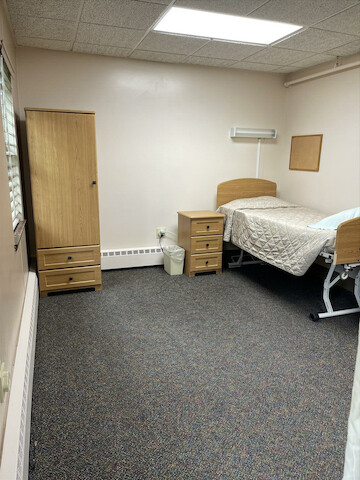
How is Birkwood Village Of Fort Madison Staffed?

CMS rates Birkwood Village of Fort Madison's staffing level at 3 out of 5 stars, which is average compared to other nursing homes. Staff turnover is 47%, compared to the Iowa average of 46%.

What Have Inspectors Found at Birkwood Village Of Fort Madison?

State health inspectors documented 33 deficiencies at Birkwood Village of Fort Madison during 2022 to 2025. These included: 3 that caused actual resident harm and 30 with potential for harm. Deficiencies causing actual harm indicate documented cases where residents experienced negative health consequences.
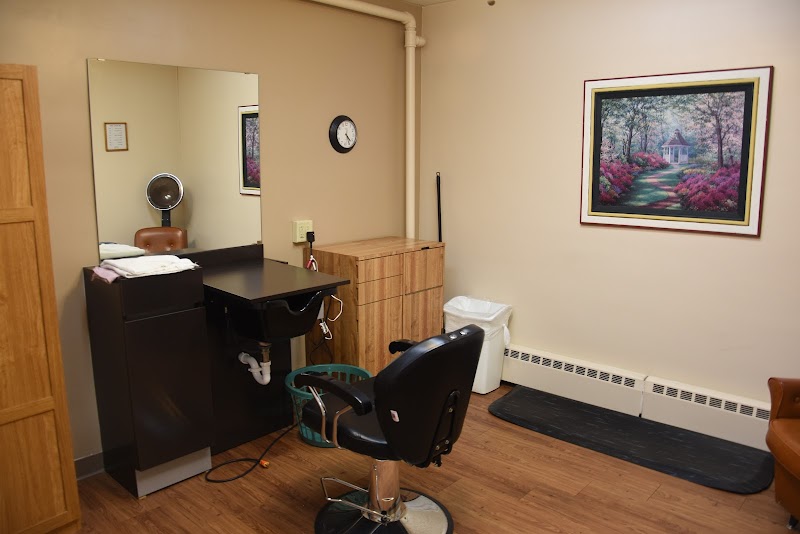
Who Owns and Operates Birkwood Village Of Fort Madison?

Birkwood Village of Fort Madison is owned by a for-profit company. For-profit facilities operate as businesses with obligations to shareholders or private owners. The facility operates independently rather than as part of a larger chain. With 80 certified beds and approximately 59 residents (about 74% occupancy), it is a smaller facility located in Fort Madison, Iowa.

How Does Birkwood Village Of Fort Madison Compare to Other Iowa Nursing Homes?

Compared to the 100 nursing homes in Iowa, Birkwood Village of Fort Madison's overall rating (2 stars) is below the state average of 3.0, staff turnover (47%) is near the state average of 46%, and health inspection rating (2 stars) is below the national benchmark.

What Should Families Ask When Visiting Birkwood Village Of Fort Madison?

Based on this facility's data, families visiting should ask: "Can I visit during a mealtime to observe dining assistance and food quality?" "How do you handle medical emergencies, and what is your hospital transfer rate?" "Can I speak with family members of current residents about their experience?"

Is Birkwood Village Of Fort Madison Safe?

Based on CMS inspection data, Birkwood Village of Fort Madison has a clean safety record: no substantiated abuse findings (meaning no confirmed cases of resident harm), no Immediate Jeopardy citations (the most serious violation level indicating risk of serious injury or death), and is not on the Special Focus Facility watch list (a federal program monitoring the lowest-performing 1% of nursing homes). The facility has a 2-star overall rating and ranks #100 of 100 nursing homes in Iowa. While no facility is perfect, families should still ask about staff-to-resident ratios and recent inspection results during their visit.

Do Nurses at Birkwood Village Of Fort Madison Stick Around?

Birkwood Village of Fort Madison has a staff turnover rate of 47%, which is about average for Iowa nursing homes (state average: 46%). Moderate turnover is common in nursing homes, but families should still ask about staff tenure and how the facility maintains care continuity when employees leave.

Was Birkwood Village Of Fort Madison Ever Fined?

Birkwood Village of Fort Madison has been fined $16,113 across 2 penalty actions. This is below the Iowa average of $33,240. While any fine indicates a compliance issue, fines under $50,000 are relatively common and typically reflect isolated problems that were subsequently corrected. Families should ask what specific issues led to these fines and confirm they've been resolved.

Is Birkwood Village Of Fort Madison on Any Federal Watch List?

Birkwood Village of Fort Madison is not on any federal watch list. The most significant is the Special Focus Facility (SFF) program, which identifies the bottom 1% of nursing homes nationally based on persistent, serious quality problems. Not being on this list means the facility has avoided the pattern of deficiencies that triggers enhanced federal oversight. This is a positive indicator, though families should still review the facility's inspection history directly.