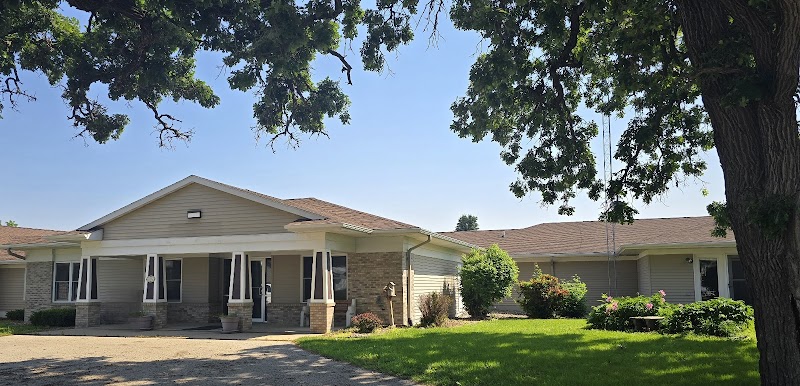
AMS Memorial-Greene

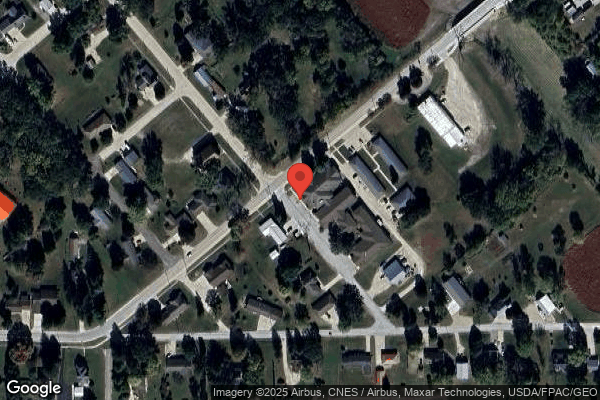
108 South High Street, Greene, IA 50636 (641) 823-4531
For profit - Limited Liability company 31 Beds Independent Data: November 2025
Trust Grade
45/100
#311 of 392 in IA
Last Inspection: February 2022

Over 2 years since last inspection. Current conditions may differ from available data.

Overview

AMS Memorial-Greene has a Trust Grade of D, indicating below-average quality with some concerns. Ranking #311 out of 392 facilities in Iowa places it in the bottom half, and it is #4 out of 5 in Butler County, suggesting there are better local options. Unfortunately, the facility's situation is worsening, with issues increasing from 6 in 2020 to 8 in 2022. Staffing is a strength, as the turnover rate is 0%, significantly lower than the state average, but there are concerns about RN coverage, as they failed to provide an RN for at least eight hours a day on several occasions. Specific incidents include not notifying families about COVID-19 cases in a timely manner and failing to consistently offer bedtime snacks to residents, highlighting both strengths in staffing and weaknesses in management and care practices.

Trust Score
D
45/100
In Iowa
#311/392
Bottom 21%
Safety Record
Low Risk
No red flags
Inspections
Getting Worse
6 → 8 violations
Staff Stability
○ Average
Turnover data not reported for this facility.
Penalties
✓ Good
No fines on record. Clean compliance history, better than most Iowa facilities.
Skilled Nurses
○ Average
RN staffing data not reported for this facility.
Violations
⚠ Watch
16 deficiencies on record. Higher than average. Multiple issues found across inspections.
★☆☆☆☆
1.0
Overall Rating
★☆☆☆☆
1.0
Staff Levels
☆☆☆☆☆
0.0
Care Quality
★★☆☆☆
2.0
Inspection Score
Stable
2020: 6 issues
2022: 8 issues

The Good

  • Full Sprinkler Coverage · Fire safety systems throughout facility
  • No fines on record

Facility shows strength in fire safety.

The Bad

1-Star Overall Rating

Below Iowa average (3.0)

Significant quality concerns identified by CMS

The Ugly 16 deficiencies on record

Feb 2022 8 deficiencies
CONCERN (D)

Potential for Harm - no one hurt, but risky conditions existed

Employment Screening (Tag F0606)

Could have caused harm · This affected 1 resident

Based on employee files review, staff interviews and abuse policy review, the facility failed to complete a background check for 1 of 5 employees (Staff I) prior to hire. The facility reported a censu...

Read full inspector narrative →
Based on employee files review, staff interviews and abuse policy review, the facility failed to complete a background check for 1 of 5 employees (Staff I) prior to hire. The facility reported a census of 22 residents. Findings include: The record review of a document titled Archived Time Card Report revealed Staff I, Certified Nurse Aide (CNA), was hired on 3/15/18. The record review of Staff I's Certified Nurse Aide active license revealed the following: Certification date: 11/22/1993 Expiration date:1/31/24 The record reviewed on 2/17/22 at 11:00 AM of Staff I's employee file lacked a background check prior to hire. On 2/17/22 at 1:33 PM the facility provided a background check they found in the basement dated 3/19/07 for Staff I. The Office Assistant revealed it was completed at Staff I's prior place of employment, she then revealed Staff I's prior place of employment was not affiliated with this facility, but did have the same Administrator at the time. On 2/17/22 at 1:34 PM, the facility provided a background check dated 2/17/22 for Staff I indicating that Staff I was ok to work. During an interview on 2/17/22 at 1:35 PM, the Office Manager revealed she did not run a background check prior to Staff I starting at the facility. The Office Manager reported she was instructed not to as the employee transferred to this facility from another one the Administrator worked at. During an interview on 2/21/22 at 4:50 PM, the Administrator declared he should of ran a background check prior to hiring Staff I and not treated it as a transfer between facilities since he owned them both. He explained that since they were different providers he should of treated Staff I as a new employee. The Nursing Facility Abuse Prevention, Identification, Investigation and Reporting Policy dated July 2019 instructed the facility to complete the following: 1. The facility will conduct an Iowa criminal record check and dependent adult/child abuse registry check on all prospective employees and other individuals engaged to provide services to residents, prior to hire, in the manner prescribed under Iowa Administrative Code. 2. The facility will conduct a criminal record check and dependent adult/child abuse registry check on all current employees and other individuals engaged to provide services to resident who have criminal convictions or founded abuse determination after hire, or where the facility received credible information that an employee has had a criminal conviction or founded abuse determination subsequent to hire. See Iowa Code.
CONCERN (D)

Potential for Harm - no one hurt, but risky conditions existed

Comprehensive Care Plan (Tag F0656)

Could have caused harm · This affected 1 resident

**NOTE- TERMS IN BRACKETS HAVE BEEN EDITED TO PROTECT CONFIDENTIALITY** Based on record review, staff interviews, and policy review, the facility failed to develop and implement a comprehensive person...

Read full inspector narrative →
**NOTE- TERMS IN BRACKETS HAVE BEEN EDITED TO PROTECT CONFIDENTIALITY** Based on record review, staff interviews, and policy review, the facility failed to develop and implement a comprehensive person-centered care plan as directed by the Resident Assessment Instrument (RAI) manual and ongoing as needed with resident changes for 2 of 12 residents reviewed (Resident #20 and #18). The facility reported a census of 22 residents. Findings include: 1. The Minimum Data Assessment (MDS) dated [DATE] for Resident #20 documented an entry date to the facility as 1/17/22. The MDS documented Resident #20 needed limited assistance of one (1) person to assist him with bed mobility, transfers, ambulation, dressing and personal hygiene. The MDS also documented a diagnosis of End-stage Renal Disease and the need for Dialysis while he was a resident at the facility and also prior to his entry. Resident #20's Electronic Health Record (EHR) on 2/21/22 documented the MDS was transmitted and accepted to the Centers of Medicare and Medicaid Services (CMS) on 1/24/22. Resident #20's Electronic Health Record (EHR) on 2/21/22 documented an overdue need for a care plan review on 1/30/22. Resident #20's current Care Plan printed on 2/21/22 revealed that the residents goals were past due for review with a target date of 1/30/22. During an interview on 2/21/22 at 5:19 PM the Director of Nursing (DON) revealed she was currently in the process of reviewing all care plans and that was something she was behind on. 2. Resident #18's MDS dated [DATE], documented diagnoses that included a right wrist fracture and atrial fibrillation (an abnormal heart rate). The Brief Interview for Mental Status documented a score of 8, indicating moderate cognitive impairment. This resident required extensive assistance of two people for bed mobility, transfers, and personal hygiene. Resident #18's admission date was documented as 9/28/21. Resident #18's admission assessment MDS dated [DATE] documented an admission date of 9/28/21. The MDS section recorded the usage of an anticoagulant for seven out of seven days in the lookback period. Resident #18's Medication Administration Record (MAR) for 2/22, documented an order for warfarin (Coumadin), an anticoagulant (blood thinner) medication. Resident #18's Care Plan, included a review of discontinued problems and interventions since his admission. The Care Plan lacked documentation of the resident using the anticoagulant. On 2/17/22 at 4:03 PM, the Director of Nursing (DON), stated she was concerned that Resident #18's warfarin was not care planned. The DON stated that her expectation would be that all high risk drugs would be care planned. An undated Comprehensive Person-Centered Care Planning-Comprehensive Care Plan directed staff that a comprehensive person centered care plan was to be developed and implemented, including measurable objectives and timeframes to meet a resident's medical, nursing, mental, and psychosocial needs that were identified in the comprehensive assessment. The comprehensive care plan must describe the services that are to be furnished to attain or maintain the resident's highest practicable physical, mental, and psychosocial well-being.
CONCERN (D)

Potential for Harm - no one hurt, but risky conditions existed

Deficiency F0657 (Tag F0657)

Could have caused harm · This affected 1 resident

**NOTE- TERMS IN BRACKETS HAVE BEEN EDITED TO PROTECT CONFIDENTIALITY** Based on observations, clinical record review, facility policy review, and staff interview, the facility failed to review and re...

Read full inspector narrative →
**NOTE- TERMS IN BRACKETS HAVE BEEN EDITED TO PROTECT CONFIDENTIALITY** Based on observations, clinical record review, facility policy review, and staff interview, the facility failed to review and revise care plans for 2 out of 12 residents reviewed (Residents #15 and #18). The facility failed to update the care plan after each episode following a fall by Resident #15 and after an antipsychotic medication was added for Resident #18. The facility reported a census of 22. Findings include: 1. Resident #15's Minimum Data Set (MDS) assessment dated [DATE], included the following diagnoses cerebrovascular accident (CVA) and generalized muscle weakness. The Brief Interview for Mental Status (BIMS), documented a score of 15, indicating intact cognition. Resident #15 required extensive assistance of one person for transfering and toilet use. Resident #15 required limited assistance of one person for ambulation in room. A review of Resident #15's progress notes recorded falls on 7/25/21, 12/7/21, 1/29/22, 2/3/22 and 2/7/22. A review of incident reports for Resident #15 documented falls on 7/25/21, 12/7/21, 1/29/22, 2/3/22 and 2/7/22. Resident #15's Care Plan revised on 6/14/21, documented that they were at a high risk for falls related to confusion, gait (walking) balance problems, and unaware of their safety needs. The goal was Resident #15 wouldn't fall. The intervention dated 7/25/21 documented that education was provided to Resident #15 regarding safety with transfers and reminder to put his foot rest down before getting up. The Care Plan lacked additional interventions related to fall after 7/25/21. 2. Resident #18's MDS dated [DATE], documented diagnoses that included a right wrist fracture and atrial fibrillation. The BIMS documented a score of 8, indicating moderate cognitive impairment. Resident #18 required an extensive assist of two people for bed mobility, transfers, and personal hygiene. Resident #18 received an antipsychotic 7 out of 7 days during the observation period. Resident #18's admission date was documented as 9/28/21. Resident #15's Medication Administration Record for March 2022, documented an order for quetiapine (Seroquel), an antipsychotic medication, with a start date of 12/13/21. Resident #18's Care Plan, included a review of discontinued problems and interventions since his admission. The discontinued problems lacked care planning for the antipsychotic medication. On 2/17/22 at 4:03 PM, the Director of Nursing (DON), stated that a fall intervention should be added to a care plan after each fall. The DON stated she noticed that on Resident #15 that interventions were not added. The DON stated she planned to do some education with the nurses, that they need to add an intervention on the care plans after falls. The DON stated she was concerned that an antipsychotic was not care planned. The DON stated that her expectation would be that high risk drugs should be care planned. An undated Care Plan Assessment policy, documented that as the resident's status changes, the facility must review and/or revise the care plan goals and treatment choices.
CONCERN (D)

Potential for Harm - no one hurt, but risky conditions existed

Deficiency F0678 (Tag F0678)

Could have caused harm · This affected 1 resident

**NOTE- TERMS IN BRACKETS HAVE BEEN EDITED TO PROTECT CONFIDENTIALITY** Based on record reviews and interviews, the facility failed to ensure that properly trained personnel certified in CPR (cardiopu...

Read full inspector narrative →
**NOTE- TERMS IN BRACKETS HAVE BEEN EDITED TO PROTECT CONFIDENTIALITY** Based on record reviews and interviews, the facility failed to ensure that properly trained personnel certified in CPR (cardiopulmonary resuscitation) were available 24 hours per day. The review of CPR certified staff along with the review of the schedules for the nursing staff revealed that the facility went without a CPR certified staff member on 2 shifts in a 4 week period. During the review of 16 residents, 3 residents clinical records indicated the resident requested CPR at the time of the survey (Resident #13, #18, and #73). The facility reported a census of 22 residents. Findings include: The Nursing Schedule 2022 dated [DATE] to [DATE], documented that the Nursing Home Administrator (NHA), Registered Nurse (RN), worked as the nurse from 10:00 PM to 6:00 AM on [DATE] and [DATE]. The facility lacked additional staff certified in CPR working that night. The facility was unable to provide a current CPR certificate for the NHA when it was requested on [DATE]. On [DATE] at 11:15 AM, the Director of Nursing (DON), stated the NHA was now certified. The DON stated that the NHA obtained his CPR certification on [DATE], because the facility noted he didn't have a current certification. The DON stated the NHA had said he did get recertified before this date but he could not find the certificate, so he went ahead and became recertified again. An undated CPR Resuscitation Policy, directed staff that upon determination that a resident was in cardiopulmonary or respiratory arrest CPR would be immediately initiated by nursing staff. 911 would be called for advanced cardiac life support unless one of the exceptions applies: a. When the resident or the Resident's Representative indicated that resuscitation was not desired in writing and/or the attending physician has issued a written do not resuscitate (DNR) order that was maintained in the facility's clinical record; or b. When there is the presence of obviously clinical signs of irreversible deatch (defined as rigor mortis or dependent lividity); or c. There was no physiologic benefit expected because the vital functions have deteriorated despite maximal therapy for such conditions such as progressive septic shock or cariogenic shock d. When an attempt to perform CPR would place the rescuer at risk of personal injury. The facility provided an online Certificate of CPR Completion (eligible for skills session within 90 days) for the NHA, dated [DATE]. On [DATE] at 12:08 PM, the DON reported they understood that the NHA would need the skills session before he was considered fully certified.
CONCERN (D)

Potential for Harm - no one hurt, but risky conditions existed

Deficiency F0688 (Tag F0688)

Could have caused harm · This affected 1 resident

**NOTE- TERMS IN BRACKETS HAVE BEEN EDITED TO PROTECT CONFIDENTIALITY** Based on clinical record review, staff, and resident interviews, the facility failed to ensure staff provided and followed the i...

Read full inspector narrative →
**NOTE- TERMS IN BRACKETS HAVE BEEN EDITED TO PROTECT CONFIDENTIALITY** Based on clinical record review, staff, and resident interviews, the facility failed to ensure staff provided and followed the individualized restorative programs for 2 of 3 residents reviewed (Residents #10 and #21). The facility reported a census of 22 residents. Findings include: 1. Resident #10's Minimum Data Set (MDS) assessment dated [DATE], documented diagnoses that included non-Alzheimer's dementia, anxiety, and depression. Resident #10's Brief Interview for Mental Status (BIMS) score was a 10 out of 15, indicating moderate cognitive impairment. Resident #10 required extensive assistance of two people for transfers, ambulation, and toileting. An OT Restorative Program form dated 9/30/20, directed that 3-6 times a week, Resident #10 was to have upper extremity passive range of motion (PROM) and active range of motion (AROM). A PT Restorative Program form dated 12/30/20, directed that 3-6 times a week Resident #10 was to have seated exercises, the nustep, and ambulation. A POC (Plan of Care) Response History printed on 2/17/22 for the previous 30 days, documented the task labeled Nursing Rehab/Restorative: Active ROM Program #1 Upper Extremity PROM. On 1/22/22 it was documented that resident refused. On 1/31/22 it was documented that this resident had 7 minutes of exercise. The task lacked additional documentation of completion, unavailability, not applicable, or refusals. A POC Response History printed on 2/17/22 for the previous 30 days, documented the task labeled Nursing Rehab/Restorative Active ROM program #2 Seated Exercise/Nustep. The documentation on 1/22/22 indicated that the resident refused. The documentation for this task showed 15 minutes of exercise on 1/23/22, 1/24/22, and 1/30/22. The task documented that on 1/31/22 the resident had 8 minutes of exercise. 2. Resident #21's MDS assessment dated [DATE], documented diagnoses that included Parkinson's disease, cerebral palsy, and a cognitive communication deficit. Resident #21's BIMS score was 8 out of 15, indicating moderate cognitive impairment. Resident #21 required an extensive assist of two people for bed mobility, transfers, toilet use, and personal hygiene. On 2/15/22 at 10:32 AM, Resident #10 remarked that she would like to do the bike (Nustep). Resident #10 stated that her legs bother her and don't work as good as they used to. Resident #10 explained that the lady retired on 2/6/22 so she hadn't been able to ride the bike. Resident #10 imagined the facility will be replacing the retired staff. A PT Restorative Program form dated 5/12/21, directed that 3-6 times a week Resident #21 was to have PROM of a single knee to chest, lower trunk rotation, and heel slides. An OT Restorative Program form dated 5/12/21, directed that 3-6 times a week, Resident #21 was to have upper extremity PROM or AROM. A POC Response History for the task of Nursing Rehab/Restorative: Active ROM Program #1 Bilateral Upper Extremity AROM or PROM printed on 2/17/22 for the previous 30 days, documented no data found, indicating there was no documentation that this exercise was provided. A POC Response History for the task of Nursing Rehab/Restorative: Active ROM Program #1 Bilateral Lower Extremity PROM printed on 2/17/22 for the previous 30 days, documented no data found, indicating there was no documentation that this exercise was provided. On 2/15/22 at 3:20 PM, the Director of Nursing (DON) commented that she now wore the restorative hat as well. She reported that they did have a Restorative Aide that retired a couple of weeks ago. The DON stated that on Monday 2/21/22, they have one of their Certified Nurse Aide's (CNA) lined up to take over the Restorative Aide responsibilities. The DON stated that this CNA did the restorative aide responsibilities before and that the DON didn't think it would be too hard of a transition for the CNA. The DON stated the residents have not received restorative services in the meantime while they put together their plan. On 2/15/22 at 3:33 PM, the DON provided restorative program sheets for Resident #10 and Resident #21. She stated how she would check to see if exercises were done was to go into the [NAME] (POC). The DON said that the old Restorative Aide did not like computers, so she did not always document on the [NAME] the exercises that the residents did. The DON added that she knew documentation was something that needed to be fixed. On 2/16/22 1:41 PM Staff J, Registered Nurse (RN), Restorative, stated she wasn't sure if she could say she was in charge of restorative, she just did her job. Staff J did RN coverage on weekends and then she did restorative on Mondays. Staff J explained that she would do restorative on Saturdays and Sundays too. Staff J stated that she would give everyone 15 minutes of her time, then she would document what she had done in the POC. Staff J added that most of the residents wanted to do the Nustep. Staff J stated that she retired and that her first day of retirement was 2/1/22. Staff J stated she did stay on to help as needed. Staff J explained that Resident #10 liked to do the Nustep and then do the upper body. Staff J reported that she really didn't know if any CNAs or other staff worked restorative with the residents. Staff J stated that she used to work with Resident #21 in her room. Staff J stated that Resident #21 went on Hospice care, then it became harder and harder to work with her related to Resident #21's anxieties. Staff J stated she could do general ROM with Resident #21. Staff J stated that she would start to work with Resident #21 and then Resident #21 would become emotional. Staff J explained that she just tried to give Resident #21 some tender love and care (TLC). Staff J said that Resident #21 was a religious person so sometimes Staff J would read to her as that calmed her down. Staff J explained that was how she spent her 15 minutes with Resident #21. Staff J stated no one really watched her do restorative and there were days she couldn't get to it. She declared that no one was doing a monthly progress note regarding restorative care, as they had not put the monthly progress note into play. Staff J stated that 3 or 4 years ago she got the books and she would ask who was to do it. We never got to documenting the monthly progress note. Staff J stated there was not a monthly evaluation by a nurse to see if the program was effective, if it should be continued, or if the program should be altered. Staff J would talk with therapy and let them know if she really needed something for the residents. Staff J explained that she would say that some residents had a significant decline because they did not receive a restorative program. Staff J did not name any specific residents. Staff J felt Resident #21's decline could not have been avoided and felt that Resident #10 didn't have a decline. Staff J remarked that most residents were on her caseload for restorative. An undated Rehabilitation Services Policy, documented that restorative services referred to nursing interventions that promote the resident's ability to adapt and adjust to living as independently and as safely as possible. The concept actively focused on achieving and maintaining optimal physical, mental, and psychosocial functioning. The policy documented that a resident could start on a restorative nursing program when he or she was admitted to the facility with restorative needs but wasn't a candidate for formalized rehabilitation therapy, or when restorative needs arise during the course of a longer-term stay, or in conjunction with formalized rehabilitation therapy. The policy recorded that the restorative nursing programs generally were initiated when a resident was discharged from formalized physical, occupational, or speech rehabilitation therapy.
CONCERN (D)

Potential for Harm - no one hurt, but risky conditions existed

Medication Errors (Tag F0758)

Could have caused harm · This affected 1 resident

**NOTE- TERMS IN BRACKETS HAVE BEEN EDITED TO PROTECT CONFIDENTIALITY** Based on clinical record review, pharmacy reviews, staff interviews, and policy review; the facility failed to ensure an As Need...

Read full inspector narrative →
**NOTE- TERMS IN BRACKETS HAVE BEEN EDITED TO PROTECT CONFIDENTIALITY** Based on clinical record review, pharmacy reviews, staff interviews, and policy review; the facility failed to ensure an As Needed (PRN) medication order for an anti-anxiety drug was limited to 14 day use. The facility failed to ensure a physician documented it was appropriate for the PRN order to be extended beyond the 14 days. The facility failed to a documented rationale in the resident's medical record to indicate the duration for the PRN order was required for 1 of 5 residents reviewed (Resident #1). The facility also failed to routinely monitor residents receiving anti-psychotic medications for potential adverse consequences for 2 of 5 residents reviewed (Resident #1 and #10). The facility reported a census of 22 residents. Findings include: 1. The Minimum Data Assessment (MDS) dated [DATE] for Resident #1 documented a Brief Interview for Mental Status (BIMS) of two (2), indicating severe cognitive decline. The MDS recorded that Resident #1 diagnoses included stroke, cancer, diabetes mellitus, and dementia. The Note to Attending Physician/Prescriber dated 2/4/21 for Resident #1 documented an order for Lorazepam, Ativan (an anti-anxiety medication), one (1) milligram (MG) every 4 hours PRN with a start date of 12/17/20. The doctor signed a 6 month continuation on 2/5/21. Resident #1's Medication Administration Record (MAR) for the month of December 2020 documented a new order for: Lorazepam 1 MG, take one (1) tablet by mouth every four (4) hours PRN started on 12/17/20. The MAR documented Resident #1 only received the medication for the first 14 days after ordered in the month of December. Resident #1's MAR for the month of January 2021 documented an order for: Lorazepam 1 MG, take one (1) tablet by mouth every four (4) hours PRN started on 12/17/20. Resident #1 received the medication on the following dates past the 14 day start date. 1. 1/7/21 2. 1/12/21 3. 1/14/21 4. 1/18/21 5. 1/19/21 6. 1/22/21 7. 1/24/21 8. 1/26/21 During an interview on 2/21/22 at 2:35 PM the Director of Nursing (DON) revealed that she was not the DON in January 2021 and revealed the medication should of only been given for 14 days. 2. Definitions are provided to clarify terminology related to the evaluation and treatment of residents: Extrapyramidal symptoms (EPS) are neurological side effects that can occur at any time from the first few days of treatment with anti-psychotic medication to years later. EPS includes various syndromes such as: a. Akathisia, which refers to a distressing feeling of internal restlessness that may appear as constant motion, the inability to sit still, fidgeting, pacing, or rocking. b. Medication-induced Parkinsonism, which refers to a syndrome of Parkinson-like symptoms including tremors, shuffling gait, slowness of movement, expressionless face, drooling, postural unsteadiness and rigidity of muscles in the limbs, neck and trunk. c. Dystonia, which refers to an acute, painful, spastic contraction of muscle groups (commonly the neck, eyes and trunk) that often occurs soon after initiating treatment and is more common in younger individuals. Neuroleptic Malignant Syndrome (NMS) is a syndrome related to the use of medications, mainly anti-psychotics, that typically presents with a sudden onset of diffuse muscle rigidity, high fever, labile blood pressure, tremor, and notable cognitive dysfunction. It is potentially fatal if not treated immediately, including stopping the offending medications. Tardive dyskinesia refers to abnormal, recurrent, involuntary movements that may be irreversible and typically present as lateral movements of the tongue or jaw, tongue thrusting, chewing, frequent blinking, brow arching, grimacing, and lip smacking, although the trunk or other parts of the body may also be affected. Resident #1's Order Recap Report for the time period of 8/26/21 to 2/28/22 revealed she received an order for Seroquel, quetiapine (anti-psychotic medication), started on 7/6/21. The order was discontinued but also restarted on the same date of 8/26/21. Resident #1's MAR for the month of February 2022 documented an order for: Seroquel 25 milligrams, take one (1) tablet by mouth two (2) times a day starting on 8/26/21. Resident #1's Electronic Health Record (EHR) on 2/15/22 lacked initial and routine assessments for anti-psychotic medications for adverse consequences such as Extraphyramidal Symptoms (EPS), Neuroleptic Malignant Syndrome (NMS), and tardive dyskinesia. During an interview on 2/16/22 at 11:10 AM, the Director of Nursing (DON) revealed she was not aware she was to complete AIMS (Abnormal Involuntary Movement Scale) evaluations on residents. The DON added that she just got done completing her first one on Resident #1. Resident #1's EHR on 2/16/22 documented an AIMS initial assessment completed by the facility that included monitoring of adverse consequences such as Extraphyramidal Symptoms (EPS), Neuroleptic Malignant Syndrome (NMS), and tardive dyskinesia. The undated policy titled Medication Regimen Review lacked direction on assessments to be completed for the evaluation of residents when starting an anti-psychotic medication and throughout the time the resident is on the medication. 3. Resident #10's MDS dated [DATE], documented diagnoses that included non-Alzheimer's dementia, anxiety, and depression. Resident #10's BIMS score was 10 out of 15, indicating moderate cognitive impairment. Resident #10 required an assistance of 2 people for transfers, ambulation, and toilet use. The MDS documented Resident #10 used an antipsychotic for 7 out of 7 days during the observation period. Resident #10's Care Plan initiated on 3/19/20, documented that she used the psychotropic medication Seroquel related to depression. Resident #10's goal was to remain free of psychotropic drug related complications, including movement disorder, discomfort, hypotension, gait disturbance, constipation/impaction or cognitive/behavioral impairment through the review date. The interventions directed staff to consult with pharmacy, medical provider to consider dosage reeducation when clinically appropriate at least quarterly and to monitor/document and report as needed any adverse reactions of psychotropic medications: unsteady gait, tardive dyskinesia, EPS (shuffling gait, rigid muscles, shaking), frequent falls, refusal to eat, difficulty swallowing, dry mouth, depression, suicidal ideations, social isolation, blurred vision, diarrhea, fatigue, insomnia, loss of appetite, weight loss, muscle cramps, nausea, vomiting, behavior symptoms not usual to the person. Resident #10's AIMS Evaluation dated 2/16/22, documented that she was admitted on [DATE]. The facility was unable to provide another AIMS assessment or any other assessment to show Resident #10 had been assessed and monitored for unwanted side effects of an antipsychotic medication. The MAR dated March 2020, documented that Seroquel (an anti psychotic medication) was started for Resident #10 on 3/12/20. The MAR dated February 2022, documented that quetiapine was administered daily. On 2/16/22 at 2:40 PM, the Director of Nursing (DON) stated they didn't do an AIMS assessment or a baseline assessment regarding antipsychotic usage. The DON provided an AIMS assessment that was done the day of the interview. The DON remarked they had not done the AIMS or baseline antipsychotic side effect assessment for this resident prior to the one done that day.
CONCERN (F)

Potential for Harm - no one hurt, but risky conditions existed

Deficiency F0727 (Tag F0727)

Could have caused harm · This affected most or all residents

Based on nursing schedule reviews, and staff interviews, the facility failed to provide the services of a registered nurse (RN) for at least eight consecutive hours a day, seven days a week. Review of...

Read full inspector narrative →
Based on nursing schedule reviews, and staff interviews, the facility failed to provide the services of a registered nurse (RN) for at least eight consecutive hours a day, seven days a week. Review of nurse coverage schedules revealed 3 days in a 4 week period were without RN coverage. The facility reported a census of 22. Findings include: The Nursing Schedule 2022 dated 1/23/22 to 2/19/22 the facility did not have an RN working on 2/5/22, 2/6/22 and 2/12/22. On 2/14/22 at 12:30 PM, the Nursing Home Administrator (NHA) stated that the facility used to have a waiver for eight hour RN coverage but the facility no longer had the waiver. The NHA stated they are looking to pursue getting the waiver again. On 2/17/22 at 12:47 PM, the Director of Nurse (DON), confirmed the facility did not have eight hours of RN coverage every day since one RN retired on 2/1/22. She stated the Nursing Home Administrator (NHA) was looking at getting a waiver again as the facility used to have one. She stated the NHA lived right across the street and was a RN.
CONCERN (F)

Potential for Harm - no one hurt, but risky conditions existed

Deficiency F0885 (Tag F0885)

Could have caused harm · This affected most or all residents

Based on facility email correspondence with families, staff interviews, and policy review the facility failed to document notification to residents. The facility also notify resident representatives a...

Read full inspector narrative →
Based on facility email correspondence with families, staff interviews, and policy review the facility failed to document notification to residents. The facility also notify resident representatives and families by 5:00 PM the next calendar day following the occurrence of a single confirmed novel Coronavirus 2019 (COVID-19) staff or resident positive for 7 of 8 positive cases in January 2022. The facility reported a census of 22 residents. Findings include: The undated paper labeled Staff Positive Cases for January 2022 provided by the facility Office Manager documented eight positive cases of COVID-19 for staff for the month of January. The indicated that the following staff tested positive on the following dates: 1. Staff A 1/11/22 2. Staff B 1/17/22 3. Staff C 1/17/22 4. Staff D 1/21/22 5. Staff E 1/22/22 6. Staff F 1/23/22 7. Staff G 1/23/22 8. Staff H 1/30/22 Record review of an email provided by the facility regarding family notification of COVID-19 positives in the facility dated 1/21/22 at 9:46 AM documented notification to families all the positive cases for the month of January so far. During an interview on 2/21/22 at 2:50 PM, the Director of Nursing (DON) revealed that the facility didn't document in any resident record or on paper of resident notification for staff that tested positive for COVID-19 in January 2022. She revealed that staff talked to the residents that they could, but did not document it anywhere. The document provided by the facility of the current residents' BIMS scores for 2/17/22 documented 15 of 21 residents with moderate to severely impaired cognition. During an interview on 2/17/22 at 2:53 PM with the Office Manager commented that the facility did not notify families with every positive staff case for the month of January 2022. She revealed she thought families were informed once in the month of January. The record review of an email provided by the facility regarding family notification of COVID-19 dated 2/18/22 at 12:18 PM documented notification to families of positive staff cases at the end of January 2022 and a single positive staff case on 2/17/22. The undated facility policy titled COVID Testing and Reporting Procedures indicated the facility would inform staff members, residents, resident representatives, and/or families of those residing in the facilities by 5:00 PM the next calendar day following the occurrence of a single confirmed COVID-19 infection.
Mar 2020 6 deficiencies
CONCERN (D)

Potential for Harm - no one hurt, but risky conditions existed

Grievances (Tag F0585)

Could have caused harm · This affected 1 resident

Based on observation, resident and staff interviews, the facility failed to make available information on how to make a grievance and who the grievance Official was. The facility census was 27 residen...

Read full inspector narrative →
Based on observation, resident and staff interviews, the facility failed to make available information on how to make a grievance and who the grievance Official was. The facility census was 27 residents. Findings include: 1. Observation throughout the survey on 3/2-4/20, revealed no posting regarding the facility designated Grievance Officer or the contact information for the Grievance Officer. During the group interview on 3/3/20 at 1:00 p.m., residents responded they were not aware of the grievance officer in the facility. During interview on 3/3/20 at 2:02 p.m., the Administrator stated resident's would come to her if they had a grievance, but acknowledged the designated grievance officer information was not posted. During record review of the Resident Handbook no grievance officer was identified in the handbook.
CONCERN (D)

Potential for Harm - no one hurt, but risky conditions existed

Abuse Prevention Policies (Tag F0607)

Could have caused harm · This affected 1 resident

**NOTE- TERMS IN BRACKETS HAVE BEEN EDITED TO PROTECT CONFIDENTIALITY** Based on personnel file review, facility policy review and staff interview, the facility failed to provide dependent adult abuse...

Read full inspector narrative →
**NOTE- TERMS IN BRACKETS HAVE BEEN EDITED TO PROTECT CONFIDENTIALITY** Based on personnel file review, facility policy review and staff interview, the facility failed to provide dependent adult abuse training for one of five employees reviewed. (Staff A) The facility census was 27 residents. Findings include: 1. The personnel file for Staff A, certified nurse aide, CNA documented a completed date of Dependent Adult Abuse training on [DATE]. During interview on [DATE] at 9:30 a.m., the Business Office Manager stated Staff A's Dependent Adult Abuse training was not current, and she was working on it right now. During interview on [DATE] at 9:45 a.m., Staff A verified she did not have a current Dependent Adult Abuse certificate. During interview on [DATE] at 11:00 a.m., the Director of Nursing stated she did not have knowledge that Staff A's Dependent Adult Abuse had expired. Review of a document titled Nursing Facility Abuse Prevention, Identification, Investigation and Reporting policy revealed each employee will take a one hour recertification training within 3 years of the initial training.
CONCERN (D)

Potential for Harm - no one hurt, but risky conditions existed

Accident Prevention (Tag F0689)

Could have caused harm · This affected 1 resident

**NOTE- TERMS IN BRACKETS HAVE BEEN EDITED TO PROTECT CONFIDENTIALITY** Based on observation, clinical record review and and staff interviews, the facility failed to ensure one resident had a safe tra...

Read full inspector narrative →
**NOTE- TERMS IN BRACKETS HAVE BEEN EDITED TO PROTECT CONFIDENTIALITY** Based on observation, clinical record review and and staff interviews, the facility failed to ensure one resident had a safe transfer as planned. (Residents #16) The facility census was 27 residents. Findings include: 1. The Minimum Data Set (MDS) assessment dated [DATE], revealed Resident #16 had diagnoses of hip fracture and stroke and required limited assistance for transfers and personal hygiene. The Care Plan dated 1/21/20, revealed the resident required assistance of one staff for transfers and a gait belt was to be used. The Care Plan indicated the resident was at high risk for falls. During observation on 3/3/20 at 7:30 a.m., Staff B transferred the resident from the recliner to the wheelchair with no gait belt used. During interview at the time, Staff B acknowledged he did not use a gait belt and should have. During interview at the time, the Director of Nursing stated staff should follow the Care plan and a gait belt should have been used.
CONCERN (D)

Potential for Harm - no one hurt, but risky conditions existed

Infection Control (Tag F0880)

Could have caused harm · This affected 1 resident

**NOTE- TERMS IN BRACKETS HAVE BEEN EDITED TO PROTECT CONFIDENTIALITY** Based on observation, clinical record review and staff interviews, the facility failed to follow proper infection control practi...

Read full inspector narrative →
**NOTE- TERMS IN BRACKETS HAVE BEEN EDITED TO PROTECT CONFIDENTIALITY** Based on observation, clinical record review and staff interviews, the facility failed to follow proper infection control practices for one resident reviewed with a catheter. (Resident #13) The facility census was 27 residents. Findings include: 1. The Minimum Data Set Assessment (MDS) dated [DATE], revealed Resident #13 had diagnosis of bladder neck obstruction. The Care Plan revised on 8/12/19, revealed the resident had an Indwelling Foley Catheter. The Care Plan directed staff to monitor for symptoms of urinary tract infection (UTI). During observation on 3/3/20 at 7:50 a.m., Staff B, Certified Nurse Aide, CNA knocked and entered Resident 13's room and left to get alcohol swabs. Staff B again knocked and entered the residents room and put on gloves, but failed to wash hands. Staff B took a trash bag containing the resident's catheter supplies from the bathroom and sat it on the floor, with no barrier. Staff B removed their gloves and left the room to get a new leg bag. Staff B did not wash their hands. Staff B returned to the resident's room and put on new gloves without completing hand hygiene. Staff B removed gloves and left room to get hand sanitizer. Staff B returned and placed a bottle of hand sanitizer on resident's bedside table, put on clean gloves without completing hand hygiene. Staff B using gloved hands retracted foreskin and cleansed around catheter tubing with disposable wipes and removed gloves. Without completing hand hygiene Staff B put on new gloves, used an alcohol wipe to clean around the catheter tubing and connected leg bag to the catheter and removed gloves. During interview on 3/4/20 at 11:17 p.m., the Director of Nursing (DON) acknowledged hand hygiene should be completed before and after catheter care.
CONCERN (E)

Potential for Harm - no one hurt, but risky conditions existed

Deficiency F0809 (Tag F0809)

Could have caused harm · This affected multiple residents

Based on resident and staff interviews and facility document review, the facility failed to ensure staff offered residents a snack at bedtime each night. The facility census was 27 residents. Finding...

Read full inspector narrative →
Based on resident and staff interviews and facility document review, the facility failed to ensure staff offered residents a snack at bedtime each night. The facility census was 27 residents. Findings include: During group interview on 3/3/20 at 1:00 p.m., four of four residents present reported not being offered bedtime snacks every night. Residents stated they do not get snacks after 2:30 p.m. The January 2020 Snack Flow Sheet Valley View revealed no documentation of bedtime snacks being offered to residents. The February 2020 Snack Flow Sheet Valley View had two documented entries of snacks being offered. During interview on 3/3/20 at 2:16 p.m., Staff E stated snacks were not always passed after supper and it has been a problem for a while. Staff E helped prepare the snacks and finds the snacks not passed when she comes back in the morning. During interview on 3/4/20 at 11:15 a.m., the Director of Nursing stated the snack records were not being filled out consistently.
CONCERN (E)

Potential for Harm - no one hurt, but risky conditions existed

Food Safety (Tag F0812)

Could have caused harm · This affected multiple residents

Based on observation, facility policy review and staff interview, the facility failed to maintain a clean and sanitary kitchen and failed to serve resident food items utilizing proper hair/beard cover...

Read full inspector narrative →
Based on observation, facility policy review and staff interview, the facility failed to maintain a clean and sanitary kitchen and failed to serve resident food items utilizing proper hair/beard coverings. The facility census was 27 residents. Findings include: 1. During observation of the breakfast meal on 3/2/20 at 8:48 a.m., Staff C, Dietary Aide, wore a beard net. However, the net did not contain all of their beard. Staff C had approximately 3 inches of beard exposed on the sides of his face and on is neck. Staff C was standing over food in the kitchen while it was being dished. Staff C transported dished food in and out of the kitchen. 2. During observation of the noon meal on 3/2/20, at 12:14 p.m., Staff C, Dietary Aide, wore hair and beard restraints. However, the beard restrain failed to fully restrain the beard. The beard net covered Staff C's nose, covering the mustache. Staff C had approximately 3 inches on each side of the beard not covered by beard net. Approximately 2 inches of beard on Staff C's neck was not restrained in the beard net. Staff C transported food from the kitchen to tables on a cart. Staff C returned to the kitchen for each table service. 3. Observation on 3/3/20 at 12:05 p.m., revealed a thick layer of dust on a standing fan. The fan was blowing in the direction of the food preparation counter. Staff D, Cook, buttered bread at the counter. The counter was approximately 10 feet from the fan. Observation revealed a thick layer of dust on a wall mounted air conditioner. The undated Prevention of Foodborne Illness Policy stated Dietary Staff must wear hair and/or beard restraints to prevent their hair from contacting exposed food. During interview on 3/3/20 at 12:46 p.m., Staff D, Cook, stated Maintenance cleans the fan and air conditioner. Staff D stated they did not know how often it was cleaned. During interview on 3/3/20 at 2:03 p.m., the Dietary Manager acknowledged the fan and air conditioner needed cleaned. The Dietary Manager stated Maintenance cleaned them monthly but it needed done more frequently. The Dietary Manager stated hair and beard restraints should be worn by all staff in the kitchen.
Mar 2019 2 deficiencies
CONCERN (D)

Potential for Harm - no one hurt, but risky conditions existed

Infection Control (Tag F0880)

Could have caused harm · This affected 1 resident

Based on observation, manufacturers recommendations and staff interview, the facility failed to ensure staff followed manufacturers guidelines for sanitizing resident equipment. (Resident #1) The faci...

Read full inspector narrative →
Based on observation, manufacturers recommendations and staff interview, the facility failed to ensure staff followed manufacturers guidelines for sanitizing resident equipment. (Resident #1) The facility census was 25 residents. Findings include: 1. On 3/19/19 at 9:23 a.m., Staff A, Certified Nurse Aide, CNA and Staff B, CNA assisted Resident #1 to transfer from a wheel chair to the toilet. During the transfer the resident voided a large amount of urine onto the wheel chair cushion. At 9:28 a.m., Staff A sprayed Century 256 (disinfectant) on the wheel chair cushion and immediately wiped it with a dry cloth. Observation at 9:29 a.m., revealed the chair cushion was visibly dry. At 1:30 p.m., the Director of Nursing (DON) verified Staff A had not sanitized the cushion according to manufacturers guidelines. The DON stated Staff A should have allowed the cushion to remain wet with sanitizer for three minutes. The DON stated Staff A was counseled on how to properly use the sanitizer after the observation. On 3/21/19 at 9:38 a.m., the DON stated the surface of the wheel chair cushion should have remained visibly wet for 3 minutes in order for it to have been sanitized properly. A review of the manufacturer guidelines for 256 Century Q disinfectant cleaner included a section for sanitizer. The directions for sprayer application directed to spray 6-8 inches from surface, rub with brush, cloth or sponge and let stand for 3 minutes and allow to air dry.
CONCERN (D)

Potential for Harm - no one hurt, but risky conditions existed

Antibiotic Stewardship (Tag F0881)

Could have caused harm · This affected 1 resident

2. The Minimum Data Set (MDS) assessment for Resident #9 dated 3/8/19, included a diagnoses of Alzheimer's disease and Renal Insufficiency The MDS documented the resident required extensive assistance...

Read full inspector narrative →
2. The Minimum Data Set (MDS) assessment for Resident #9 dated 3/8/19, included a diagnoses of Alzheimer's disease and Renal Insufficiency The MDS documented the resident required extensive assistance of two for toilet use. Clinical record review revealed a physician order dated 1/10/19, for Bactrim DS (antibiotic) 1 pill by mouth two times a day for 10 days for urine culture full of wihte blood cells. Record review revealed an order for Cipro (antibiotic) 500 mg one by mouth on 2/8/19, two times daily for ten days. A follow up order dated 2/11/19, revealed the urine showed no growth and directed to stop Cipro after 5 days. Record review revealed an order on 3/8/19, for Amoxicillin 500 mg one by mouth three times a day for ten days. Record review revealed no SBAR tool completed for the resident. During an interview on 3/21/19 at 8:40 a.m, the facility Director of Resident Services (DORS)/Licensed Practical Nurse (LPN), verified the SBAR tool was not in the record for the antibiotic orders in January, February, and March. DORS further stated the nurses have been directed to use the tool but have not been good about completing the SBAR tool prior to calling the physician. Based on staff interview, clinical record review and a review of facility infection control policies the facility failed to follow their antibiotic stewardship component of the infection control program for two of three residents reviewed that had been prescribed antibiotics. (Resident #11 & #9) The facility census was 25. 1. The Minimum Data Set (MDS) assessment for Resident #11 dated 1/11/19, included a diagnoses of Alzheimers disease. The MDS documented the resident required extensive assistance of two for toilet use and had no infection in the last 7 days. Clinical record review revealed a physician order dated 1/5/19, for Amoxicillin (antibiotic) 500 milligrams (mg) one capsule by mouth three times a day for urinary tract infection for ten days. Record review revealed an order for Macrobid (antibiotic) 100 mg one by mouth on 1/6/18, two times daily for one week for urinary tract infection, discontinue Amoxicillin per culture and sensitivity results. Record review revealed an order on 1/7/19, to discontinue the Macrobid, start Ciprofloxacin 500 mg by mouth two times daily for ten days. Record review revealed no SBAR tool completed for the resident. During interview on 3/20/19 at 12:55 p.m., the facility Director of Nursing (DON) reviewed the facility antibiotic stewardship policy and verified that using the Situation, Background, Assessment Input, Request for Physician Orders (SBAR) tool had been a part of the stewardship program. The DON stated the form should have been filled out for any resident with a suspected urinary tract infection. On 3/21/19 at 8:00 a.m., the DON verified the resident had been on antibiotics and the facility did not follow their policy and use the SBAR tool. A review of the facility policy for antibiotic stewardship (no date) included a statement that the facilities antibiotic stewardship program includes addressing antibiotic prescribing practices such as/including an infection assessment tool (SBAR) when prescribing.
Understanding Severity Codes (click to expand)
Life-Threatening (Immediate Jeopardy)
J - Isolated K - Pattern L - Widespread
Actual Harm
G - Isolated H - Pattern I - Widespread
Potential for Harm
D - Isolated E - Pattern F - Widespread
No Harm (Minor)
A - Isolated B - Pattern C - Widespread

Questions to Ask on Your Visit

  • "Can I speak with families of current residents?"
  • "What's your RN coverage like on weekends and overnight?"

Our Honest Assessment

Strengths
  • • No major safety red flags. No abuse findings, life-threatening violations, or SFF status.
  • • No fines on record. Clean compliance history, better than most Iowa facilities.
Concerns
  • • 16 deficiencies on record. Higher than average. Multiple issues found across inspections.
  • • Grade D (45/100). Below average facility with significant concerns.
Bottom line: Trust Score of 45/100 indicates significant concerns. Thoroughly evaluate alternatives.

About This Facility

What is Ams Memorial-Greene's CMS Rating?

CMS assigns AMS Memorial-Greene an overall rating of 1 out of 5 stars, which is considered much below average nationally. Within Iowa, this rating places the facility higher than 0% of the state's 100 nursing homes. A rating at this level reflects concerns identified through health inspections, staffing assessments, or quality measures that families should carefully consider.

How is Ams Memorial-Greene Staffed?

CMS rates AMS Memorial-Greene's staffing level at 1 out of 5 stars, which is much below average compared to other nursing homes.

What Have Inspectors Found at Ams Memorial-Greene?

State health inspectors documented 16 deficiencies at AMS Memorial-Greene during 2019 to 2022. These included: 16 with potential for harm.

Who Owns and Operates Ams Memorial-Greene?

AMS Memorial-Greene is owned by a for-profit company. For-profit facilities operate as businesses with obligations to shareholders or private owners. The facility operates independently rather than as part of a larger chain. With 31 certified beds and approximately 0 residents (about 0% occupancy), it is a smaller facility located in Greene, Iowa.

How Does Ams Memorial-Greene Compare to Other Iowa Nursing Homes?

Compared to the 100 nursing homes in Iowa, AMS Memorial-Greene's overall rating (1 stars) is below the state average of 3.0 and health inspection rating (2 stars) is below the national benchmark.

What Should Families Ask When Visiting Ams Memorial-Greene?

Based on this facility's data, families visiting should ask: "Can you walk me through typical staffing levels on day, evening, and night shifts?" "Can I visit during a mealtime to observe dining assistance and food quality?" "How do you handle medical emergencies, and what is your hospital transfer rate?" "Can I speak with family members of current residents about their experience?" These questions are particularly relevant given the below-average staffing rating.

Is Ams Memorial-Greene Safe?

Based on CMS inspection data, AMS Memorial-Greene has a clean safety record: no substantiated abuse findings (meaning no confirmed cases of resident harm), no Immediate Jeopardy citations (the most serious violation level indicating risk of serious injury or death), and is not on the Special Focus Facility watch list (a federal program monitoring the lowest-performing 1% of nursing homes). The facility has a 1-star overall rating and ranks #100 of 100 nursing homes in Iowa. While no facility is perfect, families should still ask about staff-to-resident ratios and recent inspection results during their visit.

Do Nurses at Ams Memorial-Greene Stick Around?

AMS Memorial-Greene has not reported staff turnover data to CMS. Staff turnover matters because consistent caregivers learn residents' individual needs, medications, and preferences. When staff frequently change, this institutional knowledge is lost. Families should ask the facility directly about their staff retention rates and average employee tenure.

Was Ams Memorial-Greene Ever Fined?

AMS Memorial-Greene has no federal fines on record. CMS issues fines when nursing homes fail to meet care standards or don't correct problems found during inspections. The absence of fines suggests the facility has either maintained compliance or corrected any issues before penalties were assessed. This is a positive indicator, though families should still review recent inspection reports for the full picture.

Is Ams Memorial-Greene on Any Federal Watch List?

AMS Memorial-Greene is not on any federal watch list. The most significant is the Special Focus Facility (SFF) program, which identifies the bottom 1% of nursing homes nationally based on persistent, serious quality problems. Not being on this list means the facility has avoided the pattern of deficiencies that triggers enhanced federal oversight. This is a positive indicator, though families should still review the facility's inspection history directly.