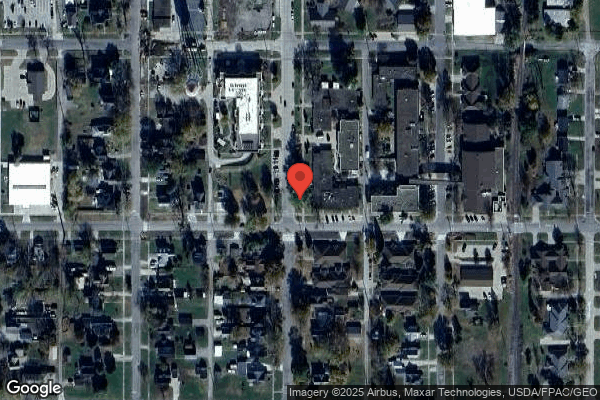
Mayflower Home

616 Broad Street, Grinnell, IA 50112 (641) 236-6151
Non profit - Church related 40 Beds Independent Data: November 2025
Trust Grade
80/100
#128 of 392 in IA
Last Inspection: May 2025

Inspected within the last 6 months. Data reflects current conditions.

Overview

Mayflower Home in Grinnell, Iowa, has a Trust Grade of B+, which means it is above average and recommended for families considering nursing homes. It ranks #128 out of 392 facilities in Iowa, placing it in the top half, and #3 out of 4 in Poweshiek County, indicating there is only one other local option that is better. The facility is improving, reducing issues from three in 2024 to two in 2025, and has a solid staffing rating of 4 out of 5 stars, with a 44% turnover rate that aligns with the state average. Notably, Mayflower Home has not incurred any fines, which is a positive sign of compliance and care standards. However, there are some concerns to note. An incident occurred where the facility didn't provide the required eight hours of Registered Nurse coverage on one day, and there were also failures to follow physician orders regarding wound care for a resident with a pressure ulcer. Additionally, there were issues with assessing and ensuring bowel regularity for several residents. While there are strengths in staffing and compliance, these specific incidents highlight areas needing attention.

Trust Score
B+
80/100
In Iowa
#128/392
Top 32%
Safety Record
Low Risk
No red flags
Inspections
Getting Better
3 → 2 violations
Staff Stability
○ Average
44% turnover. Near Iowa's 48% average. Typical for the industry.
Penalties
✓ Good
No fines on record. Clean compliance history, better than most Iowa facilities.
Skilled Nurses
✓ Good
Each resident gets 69 minutes of Registered Nurse (RN) attention daily — more than 97% of Iowa nursing homes. RNs are the most trained staff who catch health problems before they become serious.
Violations
✓ Good
Only 5 deficiencies on record. Cleaner than most facilities. Minor issues only.
★★★★☆
4.0
Overall Rating
★★★★☆
4.0
Staff Levels
★★★★☆
4.0
Care Quality
★★★★☆
4.0
Inspection Score
Stable
2024: 3 issues
2025: 2 issues

The Good

  • 4-Star Staffing Rating · Above-average nurse staffing levels
  • 4-Star Quality Measures · Strong clinical quality outcomes
  • Full Sprinkler Coverage · Fire safety systems throughout facility
  • No fines on record
  • Staff turnover below average (44%)

    4 points below Iowa average of 48%

Facility shows strength in staffing levels, quality measures, fire safety.

The Bad

Staff Turnover: 44%

Near Iowa avg (46%)

Typical for the industry

The Ugly 5 deficiencies on record

May 2025 2 deficiencies
CONCERN (D)

Potential for Harm - no one hurt, but risky conditions existed

Deficiency F0658 (Tag F0658)

Could have caused harm · This affected 1 resident

Based on observation, clinical record review, policy review, and staff interview, the facility failed to follow physician's orders for 1 of 3 residents reviewed for pressure ulcers (Resident #32). The...

Read full inspector narrative →
Based on observation, clinical record review, policy review, and staff interview, the facility failed to follow physician's orders for 1 of 3 residents reviewed for pressure ulcers (Resident #32). The facility reported a census of 31 residents. Findings include: The Minimum Data Set assessment tool, dated 5/16/25, listed diagnoses for Resident #32 which included heart failure, diabetes, and obesity. The MDS listed the Brief Interview for Mental Status(BIMS) score as 14 out of 15, which indicated intact cognition. The MDS documented the resident had 1 unhealed pressure ulcer. A 5/27/25 Health Status Note stated the facility received a signed order from the primary care physician (PCP) which directed to apply betadine (an iodine solution used to treat wounds) to the left heel and cover with Optifoam (a type of foam dressing). During an observation on 5/28/25 at 9:06 a.m., Staff A Registered Nurse (RN) applied betadine to a dry, flaky scab-like area on the resident's left heel. Staff A stated that the provider told her last week that they did not want Optifoam applied and staff should keep the area open to air. Staff A did not apply Optifoam to the resident's heel. The May Treatment Administration Record (TAR) listed a 5/28/25 order for betadine to the left heel with Optifoam to cover, every other day until healed. The entry for 5/28/25 contained Staff A's initials and a check to indicate the completion of the treatment. During an interview on 5/29/25 at 10:08 a.m., Staff A stated she looked at orders prior to carrying out a treatment. She stated the Hospice provider did not want the Optifoam but the primary provider did. She stated the clinic failed to dispose of the order. During an interview on 5/29/25 at 10:41 a.m. the Director of Nursing stated nurses should look at the order prior to carrying out a treatment. Review of the facility policy Notification to Physician, Physician Assistant, Nurse Practitioner, revised May 2025, revealed the direction that staff would note and document physician treatments.
CONCERN (D)

Potential for Harm - no one hurt, but risky conditions existed

Quality of Care (Tag F0684)

Could have caused harm · This affected 1 resident

Based on clinical record review, facility policy review, and staff interviews, the facility failed to assess, intervene, and notify the physician as directed to ensure bowel regularity for 3 of 4 resi...

Read full inspector narrative →
Based on clinical record review, facility policy review, and staff interviews, the facility failed to assess, intervene, and notify the physician as directed to ensure bowel regularity for 3 of 4 residents (Residents #2, #18, and #21) reviewed. The facility reported a census of 31 residents. Findings include: 1. Review of the Minimum Data Set (MDS) assessment tool, dated 3/21/25, for Resident #2 revealed a list of diagnoses which included a seizure disorder, depression, and severe obesity. The MDS listed the resident's Brief Interview for Mental Status (BIMS) score as 14 out of 15, which indicated intact cognition. Review of the Bowel Elimination Report revealed a lack of documentation to indicate if Resident #2 had a bowel movement from 5/20/25 to 5/28/25. The report indicated Resident #2 had a bowel movement on 5/19/25 at 1:41 p.m. Review of the electronic health record revealed an Alert Note, dated 5/23/25 on 4:39 AM, which indicated the resident On list for intervention for No BM (bowel movement) in 3 days. Review of the May 2025 Medication Administration Record (MAR) revealed the following scheduled and PRN (as needed) medication orders: a. MiraLax (a laxative) Oral Packet 17 GM (grams)/SCOOP .Give 8.5 gms by mouth one time per day every other day for constipation. Mix with 4-8 ounces of fluid. Start Date: 2/8/24. Per the MAR the resident refused this on 5/13/25, 5/23/25 and 5/27/25. b. Dulcolax (a laxative) suppository 10 milligrams (mg). Insert 1 suppository rectally every 24 hours as needed for constipation. IF NOT RESOLVED WITHIN 48 HOURS CONTACT PHYSICIAN. Start Date: 11/29/24. The MAR lacked documentation the resident offered/refused or received the medication from 5/1/25 to 5/28/25. c. Milk of Magnesia (a laxative) Oral Suspension .Give 30 milliliters (ml) every 24 hours as needed for constipation. IF NOT RESOLVED WITHIN 48 HOURS CONTACT PHYSICIAN. Start Date: 11/29/24. The MAR documented the resident received the medication one time on 5/28/25 at 2:30 p.m. and it was unsuccessful. The MAR lacked documentation the resident offered/refused or received the medication at any other time in the month. d. MiraLax Oral Packet 17 GM (grams)/SCOOP .Give 17 gram by mouth every 24 hours as needed for promoting bowel movement. Mix with 4-6 ounces of fluid. IF NOT RESOLVED WITHIN 48 HOURS CONTACT PHYSICIAN. Start Date: 11/29/24. The lacked documentation the resident offered/refused or received the medication from 5/1/25 to 5/28/25. Review of the Progress Notes in the electronic health record from 5/20/25 until 5/28/25 at 2:30 p.m. revealed a lack of documentation regarding the status of Resident #2's bowel movements. The review also revealed a lack of physician notification of the lack of bowel movements during this period. During an interview on 5/29/25 at 10:08 a.m., Staff A Registered Nurse (RN) stated yesterday Resident #2 was on the list as having had no recent bowel movement so she administered Milk of Magnesia yesterday afternoon [5/28/25 at 2:30 PM] before she left. This morning [5/29/25] she found out that the resident had a bowel movement on 5/25/25 as this was noted on the calendar in her room. She stated she had the list yesterday morning. 2. Review of the MDS assessment tool, dated 3/7/25, for Resident #21 revealed a list of diagnoses which included heart failure, non-Alzheimer's dementia, and depression. The MDS stated the resident had problems with memory. Review the Care Plan, dated 4/23/24, revealed a Focus area to address The resident has constipation with contributing diuretic (medication used to rid the body of fluid) use for edema (swelling). He has impaired cognition and does prefer to perform toileting tasks himself. Interventions included, in part: a. Administer routine bowel medications, monitor effectiveness and report ineffectiveness. Date Initiated: 4/23/24 b. Follow facility bowel protocol for bowel management. Date Initiated: 4/23/24 Review of the Bowel Elimination Report revealed Resident #21 had a bowel movement on 5/23/25. The report listed no subsequent bowel movements as of 5/29/25 at 1:18 p.m. Review of the May 2025 MAR revealed the following scheduled and PRN medication orders: a. MiraLax Oral Power 17 GM/SCOOP .Give 1 scoop by mouth in the afternoon for constipation. Start Date: 4/30/25. Per the May 2025 MAR the medication administered daily from 5/1/25 to 5/29/25. b. Dulcolax suppository 10 mg. Insert 1 suppository rectally ever 24 hours as needed for constipation IF NOT RESOLVED WITHIN 48 HOURS CONTACT PHYSICIAN. Start Date: 12/4/24. Review of MAR's from 3/23/25 to 5/28/25 lacked documentation the resident offered/refused or received the medication. c. Milk of Magnesia, give 30 ml by mouth every 24 hours as needed for constipation. IF NOT RESOLVED WITHIN 48 HOURS CONTACT PHYSICIAN. The lacked documentation the resident offered/refused or received the medication from 5/1/25 until administered on 5/28/25 at 2:32 p.m. Review of the Progress Notes in the electronic health record from 5/23/25 to 5/28/25 at 2:32 p.m., revealed a lack of documentation regarding the status of Resident #21's bowel movements. The review also revealed a lack of physician notification of the lack of bowel movements during during this period. During an interview on 5/28/25 at 2:27 p.m., Staff D, RN stated nurses looked for BM documentation in the computer. She stated they had a paper list and stated there was only one resident on it currently and Resident #2 and Resident #21 were not on the list. Upon request, Staff D looked at Resident #21's electronic health record BM record and stated he had not had a bowel movement since 5/23/25. During an interview on 5/29/25 at 8:21 a.m., Staff C, Certified Nursing Assistant (CNA), stated the nurse informed staff if the resident is on on the BM list. She stated there was no one on the list currently. During an interview on 5/29/25 at 11:24 a.m., Staff E, Assistant Director of Nursing (ADON) stated the list generated from the computer was not congruent with the actual dates. She stated until they resolved the issue, the facility would complete paper lists. She stated when she worked on 5/16/25, the BM report sheets were not correct. She stated she directed staff not to rely on that report but stated if the resident's were not on the printed list, staff did not dig deeper to investigate. During an interview on 5/29/25 at 10:41 a.m., the Director of Nursing (DON) stated the facility had routine orders to follow if resident's had not had a BM. She stated she expected staff to notify the physician if they did not have a BM after 5 days. 3. Review of the MDS Assessment, dated 3/14/25, revealed a list of diagnoses for Resident #18 which included seizure disorder, anxiety disorder, and a mild cognitive impairment. The BIMS score of 11 out of 15 indicated a moderate cognitive impairment. Review of the Care Plan, Revision on: 7/15/24 revealed a Focus area to address [Name redacted] at risk for symptoms of constipation r/t (related to) decreased decreased mobility, need for assistance with toileting and transfers, hx (hx) of constipation. and a history of constipation. 7/12/24 Non compliant with interventions to promote normal bowel pattern and prevent complications related to constipation. Interventions included, in part: a. Follow facility bowel protocol for bowel management. UPDATED 7/12/24: [Name redacted] refusing to accept protocol for promoting normal bowel pattern. Report refusals if indicated and continues. b. Monitor the medications for side effects of constipation. Keep physician informed of any problems. Date Initiated: 4/27/23. Review of the Bowel Elimination Report revealed no documented bowel movement from 4/20/25 to 5/02/25 at 9:59 p.m.; from 5/3/25 to 5/19/25 at 1:01 p.m.; and from 5/20/25 to 5/26/25 at 9:54 p.m. Review of the electronic health record revealed the following a. Alert Note dated 4/25/25 at 6:32 a.m., On BM list for intervention No BM in 3 days b. No Type Specified dated 4/26/25 at 1:57 a.m., Resident refuses intervention for BM protocol. No documentation that physician notified of refusal. c. Alert Note dated 5/09/25 at 1:36 a.m., On BM list for intervention No BM in 3 days. d. Alert Note dated 5/16/25 at 1:00 a.m., LBM (last BM) updated to 5/12/25 -counseled res (resident, Resident #18) about regular bowel movements and available interventions. Res reports I am fine and I will poop when I'm ready. No documentation that physician notified of refusal. e. Health Status Note dated 5/18/25 at 2:14 p.m., Res refused any intervention for bowels at this time. No documentation the physician notified of refusal. f. Health Status Note dated 5/19/25 at 1:22 p.m., CNA was taking resident to bathroom and called this nurse to bathroom. Bright red blood noted small amount mixed in with B.M. Fax prepared to [physician name redacted]. Will continue to monitor. Follow up note entered at 10:00 p.m., documented Received response from PCF (primary care physician), no new orders received, no action needed. g. Health Status Note dated 5/25/25 at 9:31 p.m., Resident given prune juice to promote bowel movement. No BM noted during shift. No documentation that physician notifed of lack of bowel movement. During an interview on 5/29/25 at 9:23 a.m., Staff B, RN stated would often refuse bowel interventions and sometimes would go 5 days without bowel movement. Staff B stated that if more then 5 days with no bowel movement for Resident #18, the physician should be notified. Staff B revealed that nursing staff working overnights would run a bowel report in the facility's Electronic Health Records to determine which residents required bowel intervention or follow up. Staff B believed the bowel report may have recently had a system glitch. At 9:25 a.m., Staff B ran a bowel report which revealed no residents currently required intervention for facility bowel protocol. During an interview on 5/29/25 at 10:42 a.m., the DON stated Resident #18 would sometimes go 7 days with no bowel movement. The DON stated nursing staff should notify the physician by day 5 of no bowel movement, or determine accuracy of bowel movement documentation. Review of the facility policy, titled Notification to Physician, Physician Assistant, Nurse Practitioner revised May 2025, revealed the direction that staff would notify the provider of a resident change in condition in a timely manner. Review of the undated facility policy Bowel Management Program, revealed a Purpose section, which declared, in part: To ensure that the resident has adequate bowel movements to prevent problems. The policy directed staff to a. Administer Milk of Magnesia if no BM or only a small BM in 2 days. b. Administer a Dulcolax suppository if no BM by the end of the following shift. c. Administer a Fleets enema (a procedure where liquid was inserted into the rectum through the anus to empty the bowels) on that shift.
Jul 2024 3 deficiencies
CONCERN (D)

Potential for Harm - no one hurt, but risky conditions existed

Resident Rights (Tag F0550)

Could have caused harm · This affected 1 resident

**NOTE- TERMS IN BRACKETS HAVE BEEN EDITED TO PROTECT CONFIDENTIALITY** Based on observations, interviews and record review, the facility failed to recognize and respect the psychosocial feedback and ...

Read full inspector narrative →
**NOTE- TERMS IN BRACKETS HAVE BEEN EDITED TO PROTECT CONFIDENTIALITY** Based on observations, interviews and record review, the facility failed to recognize and respect the psychosocial feedback and responses for 2 of 3 residents reviewed (Residents #4 and #10). Resident #4 and Resident #10 both had alarms that sounded when standing. Resident #4 reported the alarm made her anxious and like she needed to move when her alarm sounded. Resident #10 reported the alarm as jarring and it frightened her. The facility had a census of 27 residents. Findings include: 1. Resident #4's Minimum Data Set (MDS) assessment dated [DATE], identified a Brief Interview for Mental Status (BIMS) score of 15, indicating intact cognition. Resident #4 required supervision or touching assistance with transfers, standing, and ambulation. The MDS included diagnoses of anxiety, depression, COPD (chronic obstructive pulmonary disease) and osteoarthritis. The MDS documented Resident #4 used a bed alarm daily. The Care Plan Focus revised 7/9/24 indicated Resident #4 had a risk for falls and fall related injuries due to her history of falls, increased weakness, use of oxygen per nasal cannula (O2/NC), contributing diagnoses, balance and gait deficits. Resident #4 continued to self-transfer, removed, or hid her alarms. The facility discontinued her chair alarm on 4/24/24. On 7/9/24, the facility placed a new alarm due to her noncompliance with requesting assistance with transfers resulting in falls and/or increased risk for falls. The Interventions directed the following: a. 1/9/24: Resident #4 needed an assistance from 1 staff with transfers, ambulation in room, and throughout the facility with use of a gait belt and walker. b. 12/1/23: Place a body pillow to the left side of Resident #4's bed to define edge of bed for Resident #4. c. 12/1/23: Check with Resident #4 between 9:00 a.m. and 9:30 a.m., to see if she is ready to get out of bed. d. 5/21/24: Educated Resident #4 that she was at risk for falls. Re-educate/remind further as needed. e. 5/21/24: Educated Resident #4 on the need for calling for assistance, questions, medications and/or concerns. The staff must assess Resident #4's compliance of the use of her call light to assist with above needs. f. 1/9/24: Ensure proper bed alarm placement and functioning while in bed. Resident #4 did remove her alarm at times. The staff should provide education on the importance of placement and the importance of requesting assistance prior to trying to self-transfer. Resolved 6/20/24. g. 1/9/24: Ensure chair alarm is in place when up and proper functioning. Resident #4 did remove chair alarm at times, Staff should educate on the importance of placement and need for requesting assistance prior to attempting to self-transfer. Resolved 4/24/24. h. 6/17/24: Listed the fall intervention as of 6/15/24: Ensure the use of the assistive device. Consult therapy as needed (PRN) to help with transfers and use of assisted devices. i. 6/20/24: Ensure placement and functioning of the floor alarm due to Resident #4 hiding the bed alarm (discontinued bed alarm due to noncompliant use). Cancelled 7/9/24. j. 7/9/24: Laser motion sensor alarm placed in room to alert staff when Resident #4 self-transferred. k. 6/11/24: Provide and encourage use of a reacher to pick up items off the floor. l. Revised 7/9/24: Provide education and counseling on the importance of using her call light for assistance. Keep Resident #4's door open. Resident #4 refused to use bedside commode attempted for safety. m. 6/13/24: Refer to Physical Therapy to evaluate and treat if indicated due to right lower knee weakness. n. 12/1/23: Remind Resident #4 to use call light and wait for staff assistance prior to attempting to self-transfer. o. 2/28/24: Remind Resident #4 to use the call light for assistance for all transfers and toilet use. The Care Plan Focus revised 2/16/24 identified Resident #4 had a risk for problems related to psychosocial wellbeing and participation due to her short-stay admission, but determined unsafe to return home. Resident #4 reported feeling isolated with diagnoses of depression and anxiety. The related Goal reflected she would participate in activities of daily living (ADLs), activities of her choice, her mood will not result in an overall decline through the next review date. The Interventions directed the staff the following: a. 11/24/23: Monitor and document Resident #4's for impact of medical problems on activity level. b. 11/24/23: Observe Resident #4 for changes in mood and participation, intervene and report if indicated. c. 2/16/24: Observe Resident #4 for signs of depression, such as isolating herself and decreased participation in self-care, report if indicated. d. 11/24/23: Resident #4 needed assistance/escort to activity functions. Resident #4's Clinical Record Review reflected Fall Incident Reports for the following dates: 11/22/23, 12/1/23, 12/9/23, 2/27/24, 4/27/24, 5/21/24, 5/25/24, 6/12/24 and 6/15/24. A Progress Note dated 6/17/24 at 11:41 a.m., documented that a nurse and the Administrator spoke with Resident #4. They reviewed her recent increased falls. They explained she needed interventions to mitigate the continued incidents. Due to the location of her room, staff couldn't hear her alarm effectively or pass by her room as it is at the end of the hall, the staff preferred she move closer to the staff area, but, that location didn't have rooms available. Resident #4 reported she usually didn't use her call light. They asked Resident #4 to start using her call light to prevent needing to move and having a possible roommate. Resident #4 stated she didn't want a roommate. They visited about keeping her door open, Resident #4 agreed to keep her door open. They discussed and Resident #4 agreed to having a commode beside her bed to use the bathroom in the middle of the night to decrease the distance and trip hazards. On 7/8/24 at 1:40 p.m., Resident #4 stated she did fall with injury but it had been awhile since she had fallen. Resident #4 stated she was good with ambulation and did not require further therapy. Resident #4 had an alarmed mat on the floor in front of her couch where she was sitting. This resident set the alarm off with her feet, turned it off, and scooted it under her couch with her feet. Staff responded. Staff C, Registered Nurse (RN), entered the room and pulled the mat back out from under the couch and turned it back on. Staff C explained to Resident #4 it was to let staff know when Resident #4 was up in her room. Resident #4 said okay and then rolled her eyes after the nurse left. Resident #4 set off her alarm again and rolled her eyes. Staff responded. On 7/10/24 at 10:19 a.m., Resident #4 did not have the mat under her feet while sitting on the couch. Staff E, Certified Nurse Aide (CNA), stated that now Resident #4 had an alarm on the wall. Staff E showed the censor and how it alarms. Staff E stated the alarmed censor basically will pick up movement in the room. The CNA stepped out in front of the alarm and it sounded. This resident rolled her eyes. When asked if her daughter wanted her to have an alarm, she stated she didn't know anything about that. When asked if she was worried about falling, she stated not anymore. When asked what she thought about the alarm she stated it can be annoying and she tolerates it. Following the above observation, Staff D, RN, and Staff E stated that Resident #4 transferred to the facility from Assisted Living related to continuous falling in her apartment. They stated that this resident does not like the alarm, but tolerated it. Staff E stated that Resident #4 agreed to have the alarm because her daughter wanted her to have it. Staff E stated that Resident #4's daughter wanted her mom to have some kind of an alarm. Staff D stated that Resident #4 was in a restorative program. Staff D said that Resident #4 liked to ride the bike (Nu Step) although many times she refused. On 7/10/24 at 11:52 a.m., the Licensed Nursing Home Administrator (LNHA) and Staff A, Licensed Practical Nurse (LPN), brought in documentation from progress notes regarding Resident #4's 'noncompliance' with call light use. They stated that Resident #4 was agreeable to use alarm and had stated back up on Physical Therapy. On 7/10/24 at 12:47 p.m., the Physical Therapist stated Resident #4 already had a floor alarm the first time this Physical Therapist saw Resident #4. The rest of the therapy team agreed that they did not make recommendations for Resident #4 to have alarms. On 7/10/24 at 12:56 p.m., when questioned about how the wall alarm made her feel, Resident #4 responded it made her anxious. Resident #4 described it as loud and made her feel like she needed to get up and move or something. She reported it as defective. When asked if anyone talked to her about it being an alarm to alert staff about her moving in her room, Resident #4 replied no one talked to her about that. She stated she can move around herself. When asked if staff talked to her about their concern of her falling, she stated no one talked to her about falling. On 7/11/24 at 9:11 a.m., Resident #4's Daughter (RR#4) stated she didn't love the alarms and didn't think the alarms prevented her mother from falling. RR#4 stated when the alarms sound, the staff come to her mom's room check on her and see that she fell. RR#4 stated in her opinion the alarm went off so often, that it could slow the staff's response to the alarm. RR#4 stated the alarms are loud, hard to turn off, and they end up waiting for the staff a while to respond to the alarm to turn them off. RR#4 said as they wait, they sit in the room waiting with a loud alarm sounding. When asked if she felt the alarms caused her mother any distress, RR#4 responded yes when an alarm went off, it caused her mom anxiety. RR#4 stated her mom did have short-term memory loss. 2. Resident #10's MDS assessment dated [DATE], identified a BIMS score of 15, indicating intact cognition. Resident #10 required supervision or touching assistance with chair/bed and toilet transfers, standing, and ambulation. The MDS included diagnoses of Parkinson's disease and cerebral infarction (stroke). The MDS documented that Resident #10 used a floor mat alarm daily. The Care Plan Focus revised 7/2/24 reflected Resident #10 had a potential to fall or have fall related injuries due to her needing assistance with self-care and mobility tasks due to admitting with impaired range of motion to her right lower extremity due to a previous fall with hip fracture that required repair. The connected Goal revised 7/1/24, indicated Resident #10 wouldn't sustain any additional falls related injuries by utilizing fall precautions through the next review date. The Interventions instructed the staff the following: a. 1/8/24: Anticipate and meet Resident #10's needs. b. 1/8/24: Be sure Resident #10's call light is within reach and encourage Resident #10 to use it for assistance as needed. Resident #10 needs prompt response to all requests for assistance. c. 5/19/24: Place chair alarm arm in wheelchair and recline. Observe placement and functioning. Cancelled 7/10/24. d. 1/8/24: Educate Resident #10, family, and caregivers about safety reminders and what to do if a fall occurred. e. 5/19/24: Encourage and remind Resident #10 to use her call light for assistance prior to attempting to self-transfers. f. 3/14/24: Ensure bed alarm placement and proper functioning. i. Revised 4/24/24: Will follow up with continued need of alarm on 5/7/24 if Resident #10 returned to full weightbearing status. iii. Intervention resolved 7/2/24. g. 1/8/24: Ensure Resident #10 wore appropriate footwear when ambulating or mobilizing in her wheelchair (w/c). h. 5/30/24: Floor alarm in front of chair (while up in chair) and at bedside (while in bed). i. 1/8/24: Physical Therapy to evaluate and treat as ordered or PRN. j. 6/14/24: Visual Reminder Note on closet to remind Resident #10 to not transfer without staff assistance. Resident #10's list of Fall Incident Reports listed she fell on 5/19/24. A Progress Note dated 5/30/24 at 10:05 a.m., documented the staff discussed with Resident #10 about safety and need for staff to be by her when she is up with her walker. Staff found Resident #10 in the hall independently with her walker, no call light on, and no alarm sounding. Upon investigation, discovered alarm placed in different chair. Took a long walk with Resident #10, who visited with therapy about plans to do restorative exercises. Resident #10 reported a concern that no one would work with her anymore. Reassured Resident #10 that she would continue to get exercises with Occupational Therapy and she could ambulate with staff. When they returned to Resident #10's room, she avoided sitting in chair with alarm and asked, is it going to beep when I move my butt? In addition, Resident #10 avoided sleeping in her bed due to the bed alarm. When visited about an alternative option of a floor alarm, Resident #10 appeared more agreeable to that. Resident #10 stated what do I have to do to get rid of that?. Staff advised that Resident #10 would have to use her call light consistently for staff to be with her during ambulation and transfers. Resident #10 stated well I am done with therapy and at my best level so I can do whatever I want now. Advised that the staff's job required them to keep the residents safe from injury or otherwise. Additionally, the staff had facility rules they need to follow. Floor alarm placed, bed and chair alarms taken out. A Progress Note dated 5/30/24 at 10:18 a.m., documented a staff member reported Resident #10 crying in her room. The nurse visited with Resident #10 again and asked why she was upset. Resident #10 stated she couldn't go to a birthday party. The nurse explained the staff would make sure she could go to the birthday party. Resident #10 added she did not like the floor alarm and wanted to go home. Resident #10 stated What is the use of having legs if they won't let me use them? The nurse advised Resident #10 that she could ambulate with staff, they just needed to know when she would like to, as well as being able to walk to dining area and back to room for meals. Reiterated that staff needed to be present while she does so. Resident stopped crying, but continued to display some anxiousness about various things. On 7/8/24 at 2:57 p.m., observed an alarm mat at the foot of Resident #10's recliner. Resident #10 reported she HATES it. Resident #10 voiced she never fell and the staff wanted to make sure she called them before trying to take herself to the bathroom. On 7/10/24 at 10:47 a.m., Resident #10 looked asleep in her recliner, with the mat on the floor. The Director of Nursing (DON) and Staff D stated Resident #10 never refused the floor mat. They said Resident #10 told the staff she wanted the chair alarm removed and the bed alarm removed, so they removed those alarms. They acknowledged Resident #10 told staff she hated the mat, however they stated Resident #10 didn't refuse letting the staff to place it under her feet. They added that Resident #10 now refused to sleep in her bed, and slept in her recliner. They stated that Resident #10 got up to try to help her husband, she had slow gait and walked on her tip toes. The DON and Staff D described Resident #10 as a high fall risk. The DON stated Resident #10 currently worked in physical therapy (PT) as Resident #10 and her husband wanted to discharge back to their home. The DON stated Resident #10's children believed Resident #10 could take care of their father. The DON stated that Resident #10 and her husband had alarms at home and when/if they discharge they will take the alarm with them. On 7/10/24 at 12:46 p.m., the Physical Therapy Aide (PTA), stated she remembered having a conversation with nursing when Resident #10 ended therapy that maybe they could try a floor mat since she did not like the bed alarm or the chair alarm. Resident #10 didn't consistently use her call light but would go ahead and transfer herself. She needed to have 1 assist with a gait belt and walker for safety reasons. On 7/10/24 at 1:01 p.m., When asked how the floor alarm made her feel, Resident #10 reported the alarm as jarring and frightened her. When asked if she knew why she had the floor alarm, she stated it is there to keep a person in one place but that can't be good for the body. When asked if they had talked to her about their concern for her falling, she shook her head no. On 7/10/24 at 1:37 p.m., the DON, acknowledged the concern regarding psycho-social well-being for Resident #4 and Resident #10. This DON stated she would like the facility to be alarm free. On 7/10/24 at 4:01 p.m., the Executive Director acknowledged concerns with alarms. Stated she had a conversation with their call light company regarding other options that would send a signal to a phone instead without the loud noise sounding from the alarm. On 7/11/24 at 11:56 a.m., the DON stated each resident's alarm sounded differently and the staff could hear the alarms from all halls. The DON explained she expected the staff to answer the alarms immediately. A Facility assessment dated [DATE], directed the staff to do the following: a. Build relationship with resident/get to know him/her; engage resident in conversation b. Find out what resident's preferences and routines are; what makes a good day for Resident #10; what upsets him/her and incorporate this information into the care planning process. Make sure staff caring for Resident #10 have this information c. Record and discuss treatment and care preferences d. Support emotional and mental well-being; support helpful coping mechanisms e. Offer and assist resident and family caregivers (or other proxy as appropriate) to be involved in person-centered care planning and advance care planning. The Resident Alarms policy revised June 2024, directed the staff to utilize resident alarms in limited circumstances, in accordance with the resident's needs, goals, and preferences, so Resident #10 will be able to attain or maintain his or her highest practicable level of physical, mental, and psychosocial well-being. An alarm is any physical or electronic device that monitors the resident's movement and alerts the staff, by either audible or inaudible means, it detects when movement. a. The use of alarms does not eliminate the need for adequate supervision of the resident. Types of alarms include: i. Bed alarms - including devices such as a sensor pad on the bed or a device that clips to the resident's clothing ii. Chair alarms - including devices such as a sensor pad placed on the chair or wheelchair or a device that clips to the resident's clothing iii. Floor mat alarms - including devices such as a sensor pad placed on the floor beside the bed iv. Motion sensor alarms - includes infrared beam motion detectors. v. Other - includes devices such as alarms on Resident #10's bathroom and/or bedroom door, toilet seat alarms, or seatbelt alarms. b. The facility shall establish and utilize a systematic approach for the safe and appropriate use of resident alarms, including efforts to identify risk; evaluate and analyze risk; implement interventions to reduce risk; and monitor for effectiveness of the interventions and modifying interventions when necessary. c. Identification of risk: The facility should assess each resident for fall and elopement risk upon admission and periodically thereafter as part of the comprehensive assessment process. i. The medical record should have the medical symptoms identified and documented. The information may come from the resident's medical history, physical exam, or individual observation. ii. The facility should identify the adverse consequences related to alarm when using or considering the use of alarms. d. Evaluation and analysis of risk: The interdisciplinary team shall analyze each resident's unique risks and medical symptoms to determine the root cause(s) of each risk. i. The interdisciplinary team shall consider the severity of risks/symptoms, the immediacy of risks, and trends such as time of day, location, or stated reasons for the behavior/fall. ii. The facility should develop interventions to address the root cause(s) of each risk. e. Implementation of interventions i. The facility shall implement Resident-directed approaches in accordance with the resident's needs, goals, and preferences. ii. The facility should initiate alarms only to address a specific medical symptom or unique risk, when the benefit of the alarm outweighs the risk associated with its use. iii. The facility should implement and document on supervision and other resident-specific interventions prior to the use of alarms. iv. The facility should communicate the interventions to all relevant staff, including frequency/time frames and responsibility. f. Monitoring and modification: The facility should provide supervision to the resident in accordance with their plan of care. i. When a facility used an alarm, the facility should provide additional monitoring, including but not limited to: 1. Verifying using the alarm is in accordance with the resident's care plan. 2. Verifying alarms worked properly. 3. Monitoring for adverse consequences associated with the use of the alarms, including psychosocial concerns. ii. Ongoing assessment of the resident shall occur to identify changes in patterns, routines, or medical symptoms of the resident. The facility should modify interventions as needed, to address any changes. iii. Considerations for discontinuation of alarms include, but are not limited to: The medical symptoms or risks warranting the use of the alarms are no longer present. 1. The risks associated with the use of the alarm outweigh the benefit. 2. Evidence of adverse consequences associated with the use of the alarms. 3. Resident/family goals and preferences change. g. When the facility used alarms, the interdisciplinary team shall determine whether the alarm meets the definition of a restraint. The resident's assessment should include documentation to determine whether the alarm meets a definition of a restraint. i. If the facility considers the alarm a restraint for the resident, the facility should implement the procedures for restraints.
CONCERN (D)

Potential for Harm - no one hurt, but risky conditions existed

Deficiency F0658 (Tag F0658)

Could have caused harm · This affected 1 resident

**NOTE- TERMS IN BRACKETS HAVE BEEN EDITED TO PROTECT CONFIDENTIALITY** Based on observation, policy reviews and staff interviews, the facility failed to follow manufacturer's recommendations while ad...

Read full inspector narrative →
**NOTE- TERMS IN BRACKETS HAVE BEEN EDITED TO PROTECT CONFIDENTIALITY** Based on observation, policy reviews and staff interviews, the facility failed to follow manufacturer's recommendations while administering insulin utilizing an insulin KwikPen for 1 of 1 resident reviewed for insulin administration with an insulin pen (Resident #16). The facility reported a census of 28 residents. Findings include: Resident #16's Minimum Data Set (MDS) assessment dated [DATE] identified a Brief Interview for Mental Status (BIMS) score of 4, indicating severely impaired cognition. The MDS included a diagnosis of diabetes mellitus. Resident #16's July 2024 Medication Administration Record (MAR) listed an order dated 5/30/24 for Basaglar KwikPen Solution Pen injector 100 UNIT/milliliter (ML) (insulin glargine). Inject 45 units subcutaneously in the morning for diabetes mellitus type 2. On 7/10/24 at 7:10 AM, observed Staff A, Licensed Practical Nurse (LPN), administer glargine insulin subcutaneously to Resident #16 utilizing the Basaglar KwikPen. Following administration, Staff A immediately removed the insulin pen from Resident #10. Review of the manufacturer's recommendation for Basaglar Temp Pen insulin glargine injection directed to insert the needle into the skin. Push the Dose Knob all the way in, continue to hold the dose knob in and slowly count to 5 before removing the needle. During an interview 7/10/24 at 12:09 PM Staff A reported she didn't receive training to keep the insulin KwikPen in place for a period of time following administration. During an interview 7/10/24 at 12:20 PM, Staff A acknowledged the manufacturer's recommendation is to hold the pen in place following administration and slowly count to 5 before removing the needle. In addition, Staff A explained she previously pulled the insulin pen out immediately after she heard the pen click following administration. The Insulin Pen policy, revised February 2023 instructed while still pressing the plunger, keep the needle in the skin following the manufacturer's protocol, then remove the needle. The Medication Administration policy, revised 10/19/23 directed the staff to administer medications as ordered in accordance with manufacturer specifications. During an interview 7/10/24 at 1:38 PM, the Director of Nursing (DON) reported they expected the staff follow manufacturer's recommendations when administering insulin.
CONCERN (E)

Potential for Harm - no one hurt, but risky conditions existed

Deficiency F0727 (Tag F0727)

Could have caused harm · This affected multiple residents

Based on daily staffing sheets, punch detail, policy review and staff interviews, the facility failed to have 8 hours Registered Nurse (RN) coverage. The facility reported a census of 28 residents. F...

Read full inspector narrative →
Based on daily staffing sheets, punch detail, policy review and staff interviews, the facility failed to have 8 hours Registered Nurse (RN) coverage. The facility reported a census of 28 residents. Findings include: The Daily Healthcare (HC) Schedule, dated 6/16/24, revealed Staff B, Registered Nurse, worked the night shift on 6/16/24. The review of the facility punch detail reflected on 6/16/24 Staff B clocked in at 10:07 PM and clocked out 6/17/24 at 6:37 AM. The facility couldn't provide additional information including Daily HC schedules or punch detail regarding RN coverage on 6/16/24. The Nursing Services and Sufficient Staff policy, revised 10/10/23 revealed except when waived, the facility must use the services of a registered nurse for at least 8 consecutive hours a day, 7 days a week. During an interview 7/10/24 at 2:00 PM the Director of Nursing acknowledged an RN didn't work 8 consecutive hours on 6/16/24 as expected.
Understanding Severity Codes (click to expand)
Life-Threatening (Immediate Jeopardy)
J - Isolated K - Pattern L - Widespread
Actual Harm
G - Isolated H - Pattern I - Widespread
Potential for Harm
D - Isolated E - Pattern F - Widespread
No Harm (Minor)
A - Isolated B - Pattern C - Widespread

Questions to Ask on Your Visit

  • "Can I speak with families of current residents?"
  • "What's your RN coverage like on weekends and overnight?"

Our Honest Assessment

Strengths
  • • Grade B+ (80/100). Above average facility, better than most options in Iowa.
  • • No major safety red flags. No abuse findings, life-threatening violations, or SFF status.
  • • No fines on record. Clean compliance history, better than most Iowa facilities.
  • • Only 5 deficiencies on record. Cleaner than most facilities. Minor issues only.
Concerns
  • • No significant concerns identified. This facility shows no red flags across CMS ratings, staff turnover, or federal penalties.
Bottom line: Generally positive indicators. Standard due diligence and a personal visit recommended.

About This Facility

What is Mayflower Home's CMS Rating?

CMS assigns Mayflower Home an overall rating of 4 out of 5 stars, which is considered above average nationally. Within Iowa, this rating places the facility higher than 99% of the state's 100 nursing homes. This rating reflects solid performance across the metrics CMS uses to evaluate nursing home quality.

How is Mayflower Home Staffed?

CMS rates Mayflower Home's staffing level at 4 out of 5 stars, which is above average compared to other nursing homes. Staff turnover is 44%, compared to the Iowa average of 46%. This relatively stable workforce can support continuity of care.

What Have Inspectors Found at Mayflower Home?

State health inspectors documented 5 deficiencies at Mayflower Home during 2024 to 2025. These included: 5 with potential for harm.

Who Owns and Operates Mayflower Home?

Mayflower Home is owned by a non-profit organization. Non-profit facilities reinvest revenue into operations rather than distributing to shareholders. The facility operates independently rather than as part of a larger chain. With 40 certified beds and approximately 29 residents (about 72% occupancy), it is a smaller facility located in Grinnell, Iowa.

How Does Mayflower Home Compare to Other Iowa Nursing Homes?

Compared to the 100 nursing homes in Iowa, Mayflower Home's overall rating (4 stars) is above the state average of 3.1, staff turnover (44%) is near the state average of 46%, and health inspection rating (4 stars) is above the national benchmark.

What Should Families Ask When Visiting Mayflower Home?

Based on this facility's data, families visiting should ask: "Can I visit during a mealtime to observe dining assistance and food quality?" "How do you handle medical emergencies, and what is your hospital transfer rate?" "Can I speak with family members of current residents about their experience?"

Is Mayflower Home Safe?

Based on CMS inspection data, Mayflower Home has a clean safety record: no substantiated abuse findings (meaning no confirmed cases of resident harm), no Immediate Jeopardy citations (the most serious violation level indicating risk of serious injury or death), and is not on the Special Focus Facility watch list (a federal program monitoring the lowest-performing 1% of nursing homes). The facility has a 4-star overall rating and ranks #1 of 100 nursing homes in Iowa. While no facility is perfect, families should still ask about staff-to-resident ratios and recent inspection results during their visit.

Do Nurses at Mayflower Home Stick Around?

Mayflower Home has a staff turnover rate of 44%, which is about average for Iowa nursing homes (state average: 46%). Moderate turnover is common in nursing homes, but families should still ask about staff tenure and how the facility maintains care continuity when employees leave.

Was Mayflower Home Ever Fined?

Mayflower Home has no federal fines on record. CMS issues fines when nursing homes fail to meet care standards or don't correct problems found during inspections. The absence of fines suggests the facility has either maintained compliance or corrected any issues before penalties were assessed. This is a positive indicator, though families should still review recent inspection reports for the full picture.

Is Mayflower Home on Any Federal Watch List?

Mayflower Home is not on any federal watch list. The most significant is the Special Focus Facility (SFF) program, which identifies the bottom 1% of nursing homes nationally based on persistent, serious quality problems. Not being on this list means the facility has avoided the pattern of deficiencies that triggers enhanced federal oversight. This is a positive indicator, though families should still review the facility's inspection history directly.