Montezuma Specialty Care
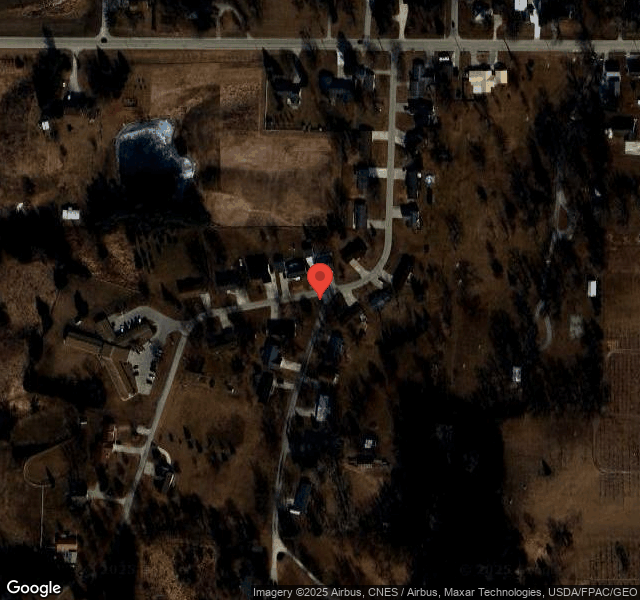
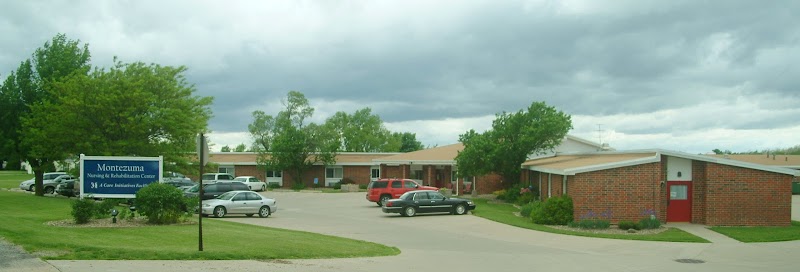
316 Meadow Lane Drive, Montezuma, IA 50171 (641) 623-5497
Non profit - Corporation 41 Beds CARE INITIATIVES Data: November 2025
Trust Grade
65/100
#130 of 392 in IA
Last Inspection: April 2025

Within standard 12-15 month inspection cycle. Federal law requires annual inspections.

Overview

Montezuma Specialty Care has a Trust Grade of C+, which indicates it is decent and slightly above average compared to other facilities. It ranks #130 out of 392 in Iowa, placing it in the top half, but it is at the bottom position of #4 out of 4 in Poweshiek County, suggesting that only one local option is better. The facility is improving, having reduced its issues from 9 in 2024 to 0 in 2025, which is a positive trend. Staffing is average with a 3/5 rating, but a high turnover rate of 59% is concerning as it exceeds the state average. Notably, there have been no fines recorded, which is a good sign of compliance. However, there are some weaknesses to consider. A serious incident involved a resident who fell and was not adequately monitored after the fall, leading to severe health changes that required hospitalization. Additionally, there were concerns about how residents were treated, as some were not shown proper respect and dignity, highlighting a need for improvement in staff training. Overall, while Montezuma Specialty Care has some positive aspects, families should weigh these concerns carefully when considering care for their loved ones.
Trust Score
C+
65/100
In Iowa
#130/392
Top 33%
Safety Record
Moderate
Needs review
Inspections
Getting Better
9 → 0 violations
Staff Stability
⚠ Watch
59% turnover. Above average. Higher turnover means staff may not know residents' routines.
Penalties
✓ Good
No fines on record. Clean compliance history, better than most Iowa facilities.
Skilled Nurses
✓ Good
Each resident gets 42 minutes of Registered Nurse (RN) attention daily — more than average for Iowa. RNs are trained to catch health problems early.
Violations
⚠ Watch
13 deficiencies on record. Higher than average. Multiple issues found across inspections.
★★★★☆
4.0
Overall Rating
★★★☆☆
3.0
Staff Levels
★★★☆☆
3.0
Care Quality
★★★★☆
4.0
Inspection Score
Stable
2024: 9 issues
2025: 0 issues

The Good

  • Full Sprinkler Coverage · Fire safety systems throughout facility
  • No fines on record

Facility shows strength in fire safety.

The Bad

Staff Turnover: 59%

13pts above Iowa avg (46%)

Frequent staff changes - ask about care continuity

Chain: CARE INITIATIVES

Part of a multi-facility chain

Ask about local staffing decisions and management

Staff turnover is elevated (59%)

11 points above Iowa average of 48%

The Ugly 13 deficiencies on record

1 actual harm
Oct 2024 3 deficiencies
CONCERN (E) 📢 Someone Reported This

A family member, employee, or ombudsman was alarmed enough to file a formal complaint

Potential for Harm - no one hurt, but risky conditions existed

Resident Rights (Tag F0550)

Could have caused harm · This affected multiple residents

Based on clinical record review, written staff statements, policy review, and staff and resident interviews, the facility failed to ensure residents were treated with respect and dignity for 4 out of ...

Read full inspector narrative →
Based on clinical record review, written staff statements, policy review, and staff and resident interviews, the facility failed to ensure residents were treated with respect and dignity for 4 out of 12 residents reviewed for dignity(Residents #6, #8, #11, #12). The facility reported a census of 28 residents. Findings: 1. The Minimum Data Set (MDS) assessment tool, dated 8/21/24, listed diagnoses for Resident #8 which included heart failure, diabetes, and anxiety. The MDS listed the resident's Brief Interview for Mental Status (BIMS) score as 15 out of 15, indicating intact cognition. Care Plan entries, dated 8/18/22, stated the resident had impaired cognitive function/dementia or impaired thought processes related to schizophrenia and directed staff to face her when speaking and keep her routine consistent in order to decrease confusion. 2. The MDS assessment tool, dated 7/15/24, listed diagnoses for Resident #12 which included non-Alzheimer's dementia, anxiety, and depression. The MDS listed the resident's BIMS score as 12 out of 15, indicating moderately impaired cognition. Care Plan entries, dated 6/8/24, stated the resident cried, was tearful, and wanted to die related to recent life changes of learning she would not return home. The Care Plan directed staff to provide opportunities for positive interaction and attention and to stop and talk to the resident when passing by. 3. The MDS assessment tool, dated 7/24/24, listed diagnoses for Resident #11 which included depression, anxiety, and paraplegia (paralysis from the waist down). The MDS listed the BIMS score as 15 out of 15, indicating intact cognition. Care Plan entries, dated 11/20/23, directed staff to speak to him in a calm manor. A 1/25/24 Care Plan entry stated the resident became anxious at times. On 10/2/24 at approximately 4:00 p.m., Resident #11 stated Staff F Certified Nursing Assistant (CNA) made him feel bad when he fell because he told him this seems to be a recurring thing with you. 4. The MDS assessment tool, dated 7/31/24, listed diagnoses for Resident #6 which included morbid obesity, lymphedema (a chronic condition that causes swelling due to a buildup of fluid in the body), and hypertension (high blood pressure). The MDS listed the resident's BIMS score as 15 out of 15, indicating intact cognition. An 8/19/24 Grievance/Concern Investigation Form stated Staff F did not provide care for Resident #6. A follow-up interview with the resident, conducted by Staff E former DON stated Staff F stated she was resisting him while rolling her and she wasn't. Resident #6 stated she did not have any problem with Staff F and it was not a big deal. A Care Plan entry, dated 9/23/24, stated the resident required the assistance of two staff for bed mobility. On 10/2/24 at approximately 3:30 p.m., Resident #6 stated one night Staff F rolled her and told her she was resisting. She told him she was not and he stormed out. He did not return to her room for 3 weeks and other staff assisted her. The facility lacked further documentation regarding the concern that Staff F did not care for Resident #6 for 3 weeks after the incident. The facility policy Residents Rights-Dignity and Respect dated June 2012, stated each resident had the right to considerate and respectful care to be treated with honest, dignity, and respect. Written statements, dated 7/6/24, by Staff D CNA revealed the following: a. Staff F was upset at dinnertime and when a resident asked him something, he yelled at her. When another resident joined in, Staff F started yelling at them for getting into business that wasn't theirs. He told them the needed to quit talking. b. A resident slid out of his bed and Staff F walked in and stated that his co-workers were incompetent because the bed was not all the way to the floor. The resident became upset thinking it was his fault that the bed was not all the way to the floor. On 10/2/24 at 10:22 a.m., Staff A CNA stated that Staff F CNA did not want to go into Resident #6's room because he was afraid she would accuse him of something. Staff A stated Resident #6 didn't understand why he would not go in there. Staff F stated she talked to Staff E former DON about him not going in her room. On 10/2/24 at 10:57 a.m., Staff B CNA stated Staff F would refuse to go in Resident #6's room for about a week and then began taking care of her again. On 10/2/24 at 11:10 a.m. Staff C CNA stated that Resident #6 did not understand why Staff F would not go in her room. Staff C stated she talked to Staff E about this and toward the end of his employment Staff F began to go in her room again. On 10/2/24 at 2:35 p.m. Staff D CNA stated that Staff F yelled at Resident #8 at the dining table and told her what he was talking about was none of her business. He then said the same thing to Resident #12. She stated he told Resident #6 that her pillows could not be a certain way because she peed the bed. She stated when Resident #11 fell, Staff F stated that the bed should have been all the way to the floor. Staff D stated Resident #11 felt that Staff F was mad at him about it and started to tear up. Staff D stated she placed written statements regarding the above concerns in the Administrator's mail box but did not hear anything further about the concerns. On 10/2/24 at 3:43 via phone, Staff E former DON stated she was aware of the situation with Resident #6 when Staff F assisted her with rolling. She stated she couldn't recall any other concerns reported regarding Staff F. On 10/3/24 at 9:04 a.m., the Administrator stated he did not have additional documentation related to any grievances or staff concerns submitted. He stated if a staff member turned in a concern related to another staff member, he would start an investigation and talk to the residents and staff. He stated he would provide coaching and education. He stated staff should treat residents how they would want to be treated and stated the way Staff F spoke to residents (in the above examples) was not ok.
CONCERN (E) 📢 Someone Reported This

A family member, employee, or ombudsman was alarmed enough to file a formal complaint

Potential for Harm - no one hurt, but risky conditions existed

Administration (Tag F0835)

Could have caused harm · This affected multiple residents

Based on clinical record review, written staff statements, policy review, and staff and resident interviews, facility administration failed to follow-up on concerns with staff treatment of residents f...

Read full inspector narrative →
Based on clinical record review, written staff statements, policy review, and staff and resident interviews, facility administration failed to follow-up on concerns with staff treatment of residents for 4 out of 12 residents reviewed for dignity (Residents #6, #8, #11, #12). The facility reported a census of 28 residents. Findings: 1. The Minimum Data Set (MDS) assessment tool, dated 8/21/24, listed diagnoses for Resident #8 which included heart failure, diabetes, and anxiety. The MDS listed the resident's Brief Interview for Mental Status (BIMS) score as 15 out of 15, indicating intact cognition. Care Plan entries, dated 8/18/22, stated the resident had impaired cognitive function/dementia or impaired thought processes related to schizophrenia and directed staff to face her when speaking and keep her routine consistent in order to decrease confusion. 2. The MDS assessment tool, dated 7/15/24, listed diagnoses for Resident #12 which included non-Alzheimer's dementia, anxiety, and depression. The MDS listed the resident's BIMS score as 12 out of 15, indicating moderately impaired cognition. Care Plan entries, dated 6/8/24, stated the resident cried, was tearful, and wanted to die related to recent life changes of learning she would not return home. The Care Plan directed staff to provide opportunities for positive interaction and attention and to stop and talk to the resident when passing by. 3. The MDS assessment tool, dated 7/24/24, listed diagnoses for Resident #11 which included depression, anxiety, and paraplegia (paralysis from the waist down). The MDS listed the BIMS score as 15 out of 15, indicating intact cognition. Care Plan entries, dated 11/20/23, directed staff to speak to him in a calm manor. A 1/25/24 Care Plan entry stated the resident became anxious at times. On 10/2/24 at approximately 4:00 p.m., Resident #11 stated Staff F Certified Nursing Assistant (CNA) made him feel bad when he fell because he told him this seems to be a recurring thing with you. 4. The MDS assessment tool, dated 7/31/2, listed diagnoses for Resident #6 which included morbid obesity, lymphedema (a chronic condition that causes swelling due to a buildup of fluid in the body), and hypertension (high blood pressure). The MDS listed the resident's BIMS score as 15 out of 15, indicating intact cognition. An 8/19/24 Grievance/Concern Investigation Form stated Staff F did not provide care for Resident #6. A follow-up interview with the resident, conducted by Staff E former DON stated Staff F stated she was resisting him while rolling her and she wasn't. Resident #6 stated she did not have any problem with Staff F and it was not a big deal. A Care Plan entry, dated 9/23/24, stated the resident required the assistance of two staff for bed mobility. On 10/2/24 at approximately 3:30 p.m., Resident #6 stated one night Staff F rolled her and told her she was resisting. She told him she was not and he stormed out. He did not return to her room for 3 weeks and other staff assisted her. The facility lacked further documentation regarding the concern that Staff F did not care for Resident #6 for 3 weeks after the incident. The facility policy Residents Rights-Dignity and Respect dated June 2012, stated each resident had the right to considerate and respectful care to be treated with honest, dignity, and respect. Written statements, dated 7/6/24, by Staff D CNA revealed the following: a. Staff F was upset at dinnertime and when a resident asked him something, he yelled at her. When another resident joined in, Staff F started yelling at them for getting into business that wasn't theirs. He told them the needed to quit talking. b. A resident slid out of his bed and Staff F walked in and stated that his co-workers were incompetent because the bed was not all the way to the floor. The resident became upset thinking it was his fault that the bed was not all the way to the floor. The facility lacked documentation members of administration followed up with the above concerns. On 10/2/24 at 10:22 a.m., Staff A CNA stated that Staff F CNA did not want to go into Resident #6's room because he was afraid she would accuse him of something. Staff A stated Resident #6 didn't understand why he would not go in there. Staff F stated she talked to Staff E former DON about him not going in her room. On 10/2/24 at 10:57 a.m., Staff B CNA stated Staff F would refuse to go in Resident #6's room for about a week and then began taking care of her again. On 10/2/24 at 11:10 a.m. Staff C CNA stated that Resident #6 did not understand why Staff F would not go in her room. Staff C stated she talked to Staff E about this and toward the end of his employment Staff F began to go in her room again. On 10/2/24 at 2:35 p.m. Staff D CNA stated that Staff F yelled at Resident #8 at the dining table and told her what he was talking about was none of her business. He then said the same thing to Resident #12. She stated he told Resident #6 that her pillows could not be a certain way because she peed the bed. She stated when Resident #11 fell, Staff F stated that the bed should have been all the way to the floor. Staff D stated Resident #11 felt that Staff F was mad at him about it and started to tear up. Staff D stated she placed written statements regarding the above concerns in the Administrator's mail box but did not hear anything further about the concerns. On 10/2/24 at 3:43 via phone, Staff E former DON stated she was aware of the situation with Resident #6 when Staff F assisted her with rolling. She stated she couldn't recall any other concerns reported regarding Staff F. On 10/3/24 at 9:04 a.m., the Administrator stated he did not have additional documentation related to any grievances or staff concerns submitted. He stated if a staff member turned in a concern related to another staff member, he would start an investigation and talk to the residents and staff. He stated he would provide coaching and education. He stated staff should treat residents how they would want to be treated and stated the way Staff F spoke to residents (in the above examples) was not ok.
CONCERN (E) 📢 Someone Reported This

A family member, employee, or ombudsman was alarmed enough to file a formal complaint

Potential for Harm - no one hurt, but risky conditions existed

Deficiency F0865 (Tag F0865)

Could have caused harm · This affected multiple residents

Based on review of Quality Assurance and Performance Improvement (QAPI) meeting documentation, policy review, and staff interview, the facility failed to carry out Quality Assurance (QA) activities to...

Read full inspector narrative →
Based on review of Quality Assurance and Performance Improvement (QAPI) meeting documentation, policy review, and staff interview, the facility failed to carry out Quality Assurance (QA) activities to obtain feedback, use data, and take action to conduct structured, systematic investigations and analysis of underlying causes or contributing factors of problems affecting facility-wide processes that impact quality of care, quality of life, and resident safety. The facility reported a census of 28 residents. Findings: The Centers for Medicare and Medicaid Services (CMS) 2567, dated 5/9/24, listed, in part, the following concern: F550. The current survey, conducted 10/1/24-10/3/24 also identified the above concern. Review of QAPI/QA documentation from 1/1/24 to 10/3/24 revealed the facility lacked documentation of QAPI/QA program activities related to resident treatment or dignity concerns. The facility lacked evidence of an ongoing QAPI program related to the above areas including a process of addressing how the committee would conduct the activities necessary to identify and correct quality deficiencies. The facility lacked documentation of monitoring or evaluating the effectiveness of corrective action/performance improvement activities and revision as needed. The facility policy QAPI Program Governance and Leadership, revised March 2020, stated the responsibilities of the QAPI committee were to to identify and help to resolve negative outcomes and to coordinate the development, implementation, monitoring, and evaluation of performance improvement projects to achieve specific goals. On 10/3/24 at 10:56 a.m., the Administrator stated in QA meetings, the facility should discuss citations from previous surveys. He stated since he started at the facility, they had not talked about past citations.
May 2024 2 deficiencies
CONCERN (D)

Potential for Harm - no one hurt, but risky conditions existed

Deficiency F0658 (Tag F0658)

Could have caused harm · This affected 1 resident

**NOTE- TERMS IN BRACKETS HAVE BEEN EDITED TO PROTECT CONFIDENTIALITY** Based on observation, interviews, resident and staff interviews, the facility failed to provide the diet as ordered for 1 of 2 r...

Read full inspector narrative →
**NOTE- TERMS IN BRACKETS HAVE BEEN EDITED TO PROTECT CONFIDENTIALITY** Based on observation, interviews, resident and staff interviews, the facility failed to provide the diet as ordered for 1 of 2 residents reviewed for nutrition (Resident #28). The facility did not provide double the protein for Resident #28 as recommended by the Registered Dietitian (RD) and as per the physician order. The facility reported a census of 31 residents. Findings include: The Annual Minimum Data Set (MDS) dated [DATE] for Resident #28 revealed a diagnosis of hyponatremia, chronic obstructive pulmonary disease (COPD), pulmonary embolism (blood clot in lung), and osteoarthritis. The MDS identified Resident #28 was at risk for the development of pressure injuries, and was on a therapeutic diet. Resident #28 had a Brief Interview for Mental Status (BIMS) score of 15 which indicated an intact cognition. The Care Plan for Resident #28 directed staff to provide and serve the diet as ordered for a Nutritional Interventions Program (NIP) with double protein two times a day (BID) with initiated date of 1/24/24. On 5/28/24 at 11:14 A.M. Resident #28 stated that she was to be receiving double the protein at lunch and supper as she had skin injuries to her buttocks. She reported she had been receiving a large amount of starches. Resident #28 reported that she had seen the dietitian one time, and since she is on the blood thinner, Resident #28 reported she had to watch the vitamin K level, They keep giving me broccoli and green leafy foods that I can't eat. The Clinical Physician Orders reveal a regular, small portion diet with extra protein source at lunch and supper with start date of 7/5/23. The Dietary Progress Note dated 1/24/24 at 9:50 A.M. for Resident #28 revealed: a. Small portion diet, level 7, regular texture, level 0 thin consistency. b. Extra protein source at lunch and supper per diet directions. c. By mouth (po) intakes with mostly 26-100% two meals daily (appears to refuse breakfast). d. Notify RD of nutritional concerns. During an observation on 5/28/24 at 12:15 P.M. Resident #28 had 1 small portion of fish, rice, peas, pineapple juice, tomato juice and chocolate milk. The lunch lacked evidence of a second portion of protein. A document titled [NAME] Specialty Care Lunch Week 1 Wednesday May 29, 2023 for Resident #28 revealed Level 7 Regular thin fluids, small protein, with Alert: Extra protein lunch & supper. During an observation on 5/29/24 at 12:05 P.M. Resident #28 had 1 single protein source, turkey served at lunch. During an interview on 5/29/24 at 1:13 P.M., Staff A, Certified Dietary Manager (CDM) stated for a double portion of protein, the cook serving would give an extra serving of meat. Staff A stated Resident #28 picked out what she wanted and had the extra protein diet order. Staff A stated that the dietary staff were aware, and double the protein meant that the resident receives extra meat. During an interview on 5/29/24 at 1:32 P.M., Staff B, Registered Dietitian (RD) described small portions for diabetics and it was for carbohydrate control, therefore the resident received a small serving of the desert. Staff B described the double the protein as double the protein portion source of the meal. Staff B stated she had reviewed Resident #28's diet order and the menu, and found the menu directed the dietary staff to provide double the protein. Staff B stated she will meet with the CDM.
CONCERN (D)

Potential for Harm - no one hurt, but risky conditions existed

Accident Prevention (Tag F0689)

Could have caused harm · This affected 1 resident

Based on observation, staff interview, resident interview and Facility Assessment the facility failed to ensure safe transport of resident in a wheelchair for 1 of 3 resident reviewed. (Resident #18)....

Read full inspector narrative →
Based on observation, staff interview, resident interview and Facility Assessment the facility failed to ensure safe transport of resident in a wheelchair for 1 of 3 resident reviewed. (Resident #18). The facility reported a census of 31. Findings include: The admission Minimum Data Set (MDS) for Resident #18 dated 4/10/24 revealed resident scored 13 on a Brief Interview for Mental Status (BIMS) exam, which indicated cognition intact. The MDS revealed diagnoses of arthritis, osteoporosis, cerebrovascular accident (CVA) referring to stroke and fracture of right humorous. The MDS documented the resident normally used a manual wheelchair for a mobility device, with dependence on staff to operate the wheelchair. The Care plan initiated 4/6/24 documented resident continued to work with therapy, recent fall with fractured humorous. Resident #18 to use a wheel chair for mobility, non-weight bearing to right upper extremity, sling to right upper extremity at all times and required assist of one related to recent fracture. Observation on 5/28/24 at 10:45 AM revealed Staff#C, Certified Nursing Assistant (CNA) pushed resident in a wheelchair down the hall, both feet of the resident on one-wheel chair pedal. Staff C voiced, wish we could find the other wheel chair pedal and directed resident to keep your feet up. On 05/28/24 at 11:07 AM The Assistant Director of Nursing (ADON) relayed expectation is to have both food pedals on the wheelchair when pushed, for safety. On 05/28/24 at 1:55 PM Resident #18 reported she had only one (1) wheel chair pedal since she arrived at the facility and it did upset her that they can't find the another one. On 5/29/24 at 5:00 PM the Administrator acknowledged a resident should have both wheel chair pedals on when being pushed by staff. The Facility Assessment identified resident with abnormalities of gait and mobility. The Facility Assessment documented resident footing assessed upon admission and ongoing, proper transfer equipment provided as needed included cane, walker and wheelchair.
May 2024 4 deficiencies
CONCERN (D) 📢 Someone Reported This

A family member, employee, or ombudsman was alarmed enough to file a formal complaint

Potential for Harm - no one hurt, but risky conditions existed

Resident Rights (Tag F0550)

Could have caused harm · This affected 1 resident

Based on clinical record review, policy review, and resident and staff interviews, the facility failed to treat 2 of 9 residents reviewed for resident rights with dignity (Resident #5 and #11) by fail...

Read full inspector narrative →
Based on clinical record review, policy review, and resident and staff interviews, the facility failed to treat 2 of 9 residents reviewed for resident rights with dignity (Resident #5 and #11) by failing to assist residents with the bedpan and/or incontinent care and instructing them to urinate/defecate in their incontinent briefs. The facility reported a census of 31 residents. Findings include: 1. The admission Minimum Data Set(MDS) assessment tool, dated 4/24/24, listed diagnoses for Resident #5 which included tibia(a lower leg bone) fracture, weakness, and difficulty walking, and stated the resident required substantial/maximal assistance for toilet transfers and was dependent on staff for toileting hygiene. The MDS listed her Brief Interview for Mental Status(BIMS) score as 15 out of 15, which indicated intact cognition. Care Plan entries, dated 4/18/24, stated the resident required the assistance of 1 staff for toileting and personal hygiene. A 4/19/24 1:38 p.m., Nurses Note documented the resident admitted to the facility following a right ankle fracture and would complete therapy. The note stated the resident was incontinent of bladder but was aware of when she was incontinent and called promptly to request staff to change her. On 5/8/24 at 1:15 p.m., Resident #5 stated she had trouble with a night shift staff member who told her that she was not wet and she should defecate in her incontinent brief. She stated this happened several times and the staff member would reach into her brief and tell her she was not wet enough and to go in her brief. The resident stated she had had a suppository and really needed to use the bedpan but because the staff member would not provide this to her, she had to go in her brief. She stated this made her feel dirty. 2. The MDS assessment tool, dated 4/17/24, listed diagnoses for Resident #6 which included heart failure, respiratory failure, and morbid obesity. The MDS listed the resident's BIMS score as 15 out of 15, which indicated intact cognition. On 5/8/24 at 1:15 p.m. Resident #6, who is Resident #5's roommate was present during Resident #5's interview. Resident #6 stated the staff member who told Resident #5 to defecate in her pants was Staff A Certified Nursing Assistant (CNA). Resident #6 stated she heard her say that to Resident #6 2 times on 2 separate shifts. Resident #6 stated they reported it but she could not remember who it was they reported it to. Resident #6 stated this happened about 2 weeks ago and the next day someone came into talk to them about it and they had to sign a paper regarding the complaint. Resident #6 stated she was shocked when she heard Staff A state this to Resident #5 and stated this treatment was treating them like they were not human. 3. The Annual MDS assessment tool, dated 2/5/24, listed diagnoses for Resident #3 which included arthritis, morbid obesity, and high blood pressure. The MDS listed her Brief Interview for Mental Status(BIMS) score as 15 out of 15, indicating intact cognition. On 5/8/24 at 1:45 p.m., Resident #3 stated about a year ago she heard Staff A tell Resident #11 to urinate in her pants. 4. The Quarterly MDS assessment tool, dated 5/11/23, listed diagnoses for Resident #11 which included heart failure, hip fracture, and weakness. The MDS stated the resident required extensive assistance of 1 staff for toilet use and personal hygiene and listed her BIMS score as 13 out of 15, which indicated intact cognition. Care Plan entries, dated 11/21/22, stated the resident required the assistance of 1 staff for toileting and personal hygiene related to limited mobility due to a hip fracture. On 5/8/24, the facility provided all reported grievances from 12/1/23 to 5/8/23 listed on the Resident/Family/Staff Grievance Concern Investigation Log. The form did not contain any concerns related to staff failing to change residents or provide a bed pan or directing them to urinate/defecate in their briefs. On 5/8/24 at 1:08 p.m. Staff B CNA stated Resident #5 reported to her that Staff A would not provide her the bed pan and instructed the resident to go in her brief. Staff B stated she reported this to Staff E, former Director of Nursing (DON). On 5/8/24 at 1:16 p.m. Staff C CNA stated Resident #5 reported to her that Staff A refused to provide her the bed pan and instructed her to urinate in her pants. On 5/8/24 at 3:23 p.m. via phone Staff D Registered Nurse (RN) stated that he administered a suppository to Resident #5 and asked her to call when she needed help. Staff D heard later from Resident #5's roommate, Resident #6 that Staff A came in and told Resident #5 to go in her brief. Staff D stated he reported the concern to the Assistant Director of Nursing (ADON). He stated Staff A should have provided the resident with a fracture pan (a smaller bed pan which was easier to move on and off of). On 5/8/24 at 4:08 p.m., the ADON stated she worked the night shift around 4/23/24 and on 4:00 a.m. rounds Residents #5 and #6 told her that Staff A told Resident #5 to just soil herself and she would change her rather than giving her a bed pan. The ADON stated she reported this to Staff E, former DON. On 5/9/24 at 9:36 a.m. via phone, Staff E, former DON stated staff reported to her that Staff A did not round on residents who were sleeping and she educated Staff A about making sure resident's were not wet. Staff E stated she did not think anyone reported to her that Staff A instructed residents to urinate in their briefs. She stated if she did hear that she would investigate it and report it because that was wrong. On 5/9/24 at 12:01 p.m., the Administrator stated that she found out yesterday about a staff member who told a resident to go to the bathroom in her brief and she would change her. She stated they called Staff A and suspended her and were currently completing their investigation. She stated she did not hear about this until yesterday and stated she would want this investigated and reported right after it occurred. The facility policy Dignity, revised February 2021, stated staff would care for each resident in a manner that promoted and enhanced well-being, level of satisfaction with life and feelings of self-worth and self-esteem.
CONCERN (D) 📢 Someone Reported This

A family member, employee, or ombudsman was alarmed enough to file a formal complaint

Potential for Harm - no one hurt, but risky conditions existed

Report Alleged Abuse (Tag F0609)

Could have caused harm · This affected 1 resident

Based on clinical record review, policy review, and resident and staff interviews, the facility failed to report an allegation of abuse (a staff member allegedly failed to assist a resident with the b...

Read full inspector narrative →
Based on clinical record review, policy review, and resident and staff interviews, the facility failed to report an allegation of abuse (a staff member allegedly failed to assist a resident with the bedpan and/or incontinent care and instructed her to urinate/defecate in her incontinent brief) for 1 of 1 residents reviewed for an allegation of abuse(Resident #5). The facility reported a census of 31 residents. Findings included: 1. The admission Minimum Data Set (MDS) assessment tool, dated 4/24/24, listed diagnoses for Resident #5 which included tibia (a lower leg bone) fracture, weakness, and difficulty walking, and stated the resident required substantial/maximal assistance for toilet transfers and was dependent on staff for toileting hygiene. The MDS listed her Brief Interview for Mental Status (BIMS) score as 15 out of 15, indicating intact cognition. Care Plan entries, dated 4/18/24, stated the resident required the assistance of 1 staff for toileting and personal hygiene. A 4/19/24 Nurses Note stated the resident admitted to the facility following a right ankle fracture and would complete therapy. The note stated the resident was incontinent of bladder but was aware of when she was incontinent and called promptly to request staff to change her. On 5/8/24 at 1:15 p.m., Resident #5 stated she had trouble with a night shift staff member who told her that she was not wet and she should defecate in her incontinent brief. She stated this happened several times and the staff member would reach into her brief and tell her she was not wet enough and to go in her brief. The resident stated she had had a suppository and really needed to use the bedpan but because the staff member would not provide this to her, she had to go in her brief. She stated this made her feel dirty. 2. The Annual MDS assessment tool, dated 4/17/24, listed diagnoses for Resident #6 which included heart failure, respiratory failure, and morbid obesity. The MDS listed the resident's BIMS score as 15 out of 15, indicating intact cognition. On 5/8/24 at 1:15 p.m. Resident #6, who is Resident #5's roommate was present during Resident #5's interview. Resident #6 stated the staff member who told Resident #5 to defecate in her pants was Staff A Certified Nursing Assistant (CNA). Resident #6 stated she heard her say that to Resident #6 2 times on 2 separate shifts. Resident #6 stated they reported it but she could not remember who it was they reported it to. Resident #6 stated this happened about 2 weeks ago and the next day someone came into talk to them about it and they had to sign a paper regarding the complaint. Resident #6 stated she was shocked when she heard Staff A state this to Resident #5 and stated this treatment was treating them like they were not human. On 5/8/24, the facility provided all reported grievances from 12/1/23 to 5/8/23 listed on the Resident/Family/Staff Grievance Concern Investigation Log. The form did not contain any concerns related to staff failing to change residents or provide a bed pan or directing them to urinate/defecate in their briefs. On 5/8/24 at 1:08 p.m. Staff B CNA stated Resident #5 reported to her that Staff A would not provide her the bed pan and instructed the resident to go in her brief. Staff B stated she reported this to Staff E, former Director of Nursing (DON). On 5/8/24 at 1:16 p.m. Staff C CNA stated Resident #5 reported to her that Staff A refused to provide her the bed pan and instructed her to urinate in her pants. On 5/8/24 at 3:23 p.m. via phone Staff D Registered Nurse (RN) stated that he administered a suppository to Resident #5 and asked her to call when she needed help. Staff D heard later from Resident #5's roommate, Resident #6 that Staff A came in and told Resident #5 to go in her brief. Staff D stated he reported the concern to the Assistant Director of Nursing (ADON). He stated Staff A should have provided the resident with a fracture pan (a smaller bed pan which was easier to move on and off of). On 5/8/24 at 4:08 p.m., the ADON stated she worked the night shift around 4/23/24 and on 4:00 a.m. rounds Residents #5 and #6 told her that Staff A told Resident #5 to just soil herself and she would change her rather than giving her a bed pan. The ADON stated she reported this to Staff E, former DON. On 5/9/24 at 9:36 a.m. via phone, Staff E, former DON stated staff reported to her that Staff A did not round on residents who were sleeping and she educated Staff A about making sure resident's were not wet. Staff E stated she did not think anyone reported to her that Staff A instructed residents to urinate in their briefs. She stated if she did hear that she would investigate it and report it because that was wrong. On 5/9/24 at 12:01 p.m., the Administrator stated that she found out yesterday about a staff member who told a resident to go to the bathroom in her brief and she would change her. She stated they called Staff A and suspended her and were currently completing their investigation. She stated she did not hear about this until yesterday and stated she would want this investigated and reported right after it occurred. The facility provided the survey team with a policy titled Abuse, Neglect, Exploitation and Misappropriation Prevention Program with revised date of April 2021. The policy documented the following under the heading Policy Interpretation and Implementation; The resident abuse, neglect and exploitation program consists of a facility-wide commitment and resource allocation to support the following objectives: (which included the following directives) -Develop and implement policies and protocols to prevent and identify: a. abuse or mistreatment of residents; b. neglect of residents; and/or c. theft, exploitation or misappropriation of resident property. -Protect residents from abuse, neglect, exploitation or misappropriation of property. -Establish and maintain a culture of compassion and caring for all residents -Identify and investigate all possible incidents of abuse, neglect, mistreatment, or misappropriation of resident property -Provide staff orientation and training/orientation programs that include topics such as abuse prevention, identification and reporting of abuse, stress management, and handling verbally or physically aggressive resident behavior -Identify and investigate all possible incidents of abuse, neglect, mistreatment, or misappropriation of resident property. -Investigate and report any allegations within timeframes required by federal requirements. The facility policy Dignity, revised February 2021, stated staff would care for each resident in a manner that promoted and enhanced well-being, level of satisfaction with life and feelings of self-worth and self-esteem.
CONCERN (D) 📢 Someone Reported This

A family member, employee, or ombudsman was alarmed enough to file a formal complaint

Potential for Harm - no one hurt, but risky conditions existed

Investigate Abuse (Tag F0610)

Could have caused harm · This affected 1 resident

Based on clinical record review, policy review, and resident and staff interviews, the facility failed to investigate an allegation of abuse (a staff member allegedly failed to assist a resident with ...

Read full inspector narrative →
Based on clinical record review, policy review, and resident and staff interviews, the facility failed to investigate an allegation of abuse (a staff member allegedly failed to assist a resident with the bedpan and/or incontinent care and instructed her to urinate/defecate in her incontinent brief) and ensure protection from further abuse for 1 of 1 residents reviewed for an allegation of abuse(Resident #5). The facility reported a census of 31 residents. Findings include: 1. The Minimum Data Set(MDS) assessment tool, dated 4/24/24, listed diagnoses for Resident #5 which included tibia(a lower leg bone) fracture, weakness, and difficulty walking, and stated the resident required substantial/maximal assistance for toilet transfers and was dependent on staff for toileting hygiene. The MDS listed her Brief Interview for Mental Status(BIMS) score as 15 out of 15, indicating intact cognition. Care Plan entries, dated 4/18/24, stated the resident required the assistance of 1 staff for toileting and personal hygiene. A 4/19/24 Nurses Note stated the resident admitted to the facility following a right ankle fracture and would complete therapy. The note stated the resident was incontinent of bladder but was aware of when she was incontinent and called promptly to request staff to change her. On 5/8/24 at 1:15 p.m., Resident #5 stated she had trouble with a night shift staff member who told her that she was not wet and she should defecate in her incontinent brief. She stated this happened several times and the staff member would reach into her brief and tell her she was not wet enough and to go in her brief. The resident stated she had had a suppository and really needed to use the bedpan but because the staff member would not provide this to her, she had to go in her brief. She stated this made her feel dirty. 2. The MDS assessment tool, dated 4/17/24, listed diagnoses for Resident #6 which included heart failure, respiratory failure, and morbid obesity. The MDS listed the resident's BIMS score as 15 out of 15, indicating intact cognition. On 5/8/24 at 1:15 p.m. Resident #6, who is Resident #5's roommate was present during Resident #5's interview. Resident #6 stated the staff member who told Resident #5 to defecate in her pants was Staff A Certified Nursing Assistant(CNA). Resident #6 stated she heard her say that to Resident #6 2 times on 2 separate shifts. Resident #6 stated they reported it but she could not remember who it was they reported it to. Resident #6 stated this happened about 2 weeks ago and the next day someone came into talk to them about it and they had to sign a paper regarding the complaint. Resident #6 stated she was shocked when she heard Staff A state this to Resident #5 and stated this treatment was treating them like they were not human. On 5/8/24, the facility provided all reported grievances from 12/1/23 to 5/8/23 listed on the Resident/Family/Staff Grievance Concern Investigation Log. The form did not contain any concerns related to staff failing to change residents or provide a bed pan or directing them to urinate/defecate in their briefs. On 5/8/24 at 1:08 p.m. Staff B CNA stated Resident #5 reported to her that Staff A would not provide her the bed pan and instructed the resident to go in her brief. Staff B stated she reported this to Staff E, former Director of Nursing(DON). On 5/8/24 at 1:16 p.m. Staff C CNA stated Resident #5 reported to her that Staff A refused to provide her the bed pan and instructed her to urinate in her pants. On 5/8/24 at 3:23 p.m. via phone Staff D Registered Nurse(RN) stated that he administered a suppository to Resident #5 and asked her to call when she needed help. Staff D heard later from Resident #5's roommate, Resident #6 that Staff A came in and told Resident #5 to go in her brief. Staff D stated he reported the concern to the Assistant Director of Nursing(ADON). He stated Staff A should have provided the resident with a fracture pan(a smaller bed pan which was easier to move on and off of). On 5/8/24 at 4:08 p.m., the ADON stated she worked the night shift around 4/23/24 and on 4:00 a.m. rounds Residents #5 and #6 told her that Staff A told Resident #5 to just soil herself and she would change her rather than giving her a bed pan. The ADON stated she reported this to Staff E, former DON. On 5/9/24 at 9:36 a.m. via phone, Staff E, former DON stated staff reported to her that Staff A did not round on residents who were sleeping and she educated Staff A about making sure resident's were not wet. Staff E stated she did not think anyone reported to her that Staff A instructed residents to urinate in their briefs. She stated if she did hear that she would investigate it and report it because that was wrong. On 5/9/24 at 12:01 p.m., the Administrator stated that she found out yesterday about a staff member who told a resident to go to the bathroom in her brief and she would change her. She stated they called Staff A and suspended her and were currently completing their investigation. She stated she did not hear about this until yesterday and stated she would want this investigated and reported right after it occurred. The facility provided the survey team with a policy titled Abuse, Neglect, Exploitation and Misappropriation Prevention Program with revised date of April 2021. The policy documented the following under the heading Policy Interpretation and Implementation; The resident abuse, neglect and exploitation program consists of a facility-wide commitment and resource allocation to support the following objectives: (which included the following) -Protect residents from abuse, neglect, exploitation or misappropriation of property. -Establish and maintain a culture of compassion and caring for all residents -Identify and investigate all possible incidents of abuse, neglect, mistreatment, or misappropriation of resident property -Provide staff orientation and training/orientation programs that include topics such as abuse prevention, identification and reporting of abuse, stress management, and handling verbally or physically aggressive resident behavior -Identify and investigate all possible incidents of abuse, neglect, mistreatment, or misappropriation of resident property. -Investigate and report any allegations within timeframes required by federal requirements. The facility policy Dignity, revised February 2021, stated staff would care for each resident in a manner that promoted and enhanced well-being, level of satisfaction with life and feelings of self-worth and self-esteem.
CONCERN (D) 📢 Someone Reported This

A family member, employee, or ombudsman was alarmed enough to file a formal complaint

Potential for Harm - no one hurt, but risky conditions existed

Accident Prevention (Tag F0689)

Could have caused harm · This affected 1 resident

**NOTE- TERMS IN BRACKETS HAVE BEEN EDITED TO PROTECT CONFIDENTIALITY** Based on observation, clinical record review, policy review, and staff interview, the facility failed to create interventions ba...

Read full inspector narrative →
**NOTE- TERMS IN BRACKETS HAVE BEEN EDITED TO PROTECT CONFIDENTIALITY** Based on observation, clinical record review, policy review, and staff interview, the facility failed to create interventions based on root cause analysis of falls in order to prevent future falls for 1 of 4 residents reviewed for falls(Resident #4). The facility reported a census of 31 residents. Findings include: The admission Minimum Data Set(MDS) assessment tool, dated 2/9/24, listed diagnoses for Resident #4 which included pelvic fracture, non-Alzheimer's dementia, and heart failure, and stated the resident depended on staff for transfers and toilet transfers but did not walk due to a medical condition or safety concerns. The MDS documented the resident had a fracture related to a fall within the last 6 months and stated the resident's cognition was severely impaired. The MDS stated the resident was admitted to the facility on [DATE]. An untitled Hospital Report, dated 2/4/24, documented the resident sustained a fracture of the left greater trochanter(the upper part of the thigh bone) and a fracture of the pubic ramus (a part of the pelvic bone) from a ground-level fall. A 3/4/24 10:35 p.m. untitled Fall Incident Report stated staff found the resident on the floor after he took a couple of steps. The resident sustained 3 small skin tears to the left elbow. A 3/5/24 Fall Risk Evaluation stated the resident was at high risk for falls. A 3/9/24 untitled Fall Incident Report stated staff found the resident on the floor after he got up to use the bathroom. There was blood on the floor and running down the right side of his head. The resident transferred to the hospital. A 3/10/24 3:41 a.m. Nurses Note stated the resident returned from the ER with 5 staples to a right scalp laceration(cut) and multiple skin tears, blood blisters, and bruises to the right and left upper extremities. A 3/17/24 10:30 p.m. untitled Fall Incident Report stated staff observed the resident slide forward out of his electric recliner and the resident stated he had to go to the bathroom. A 4/11/24 2:00 a.m. untitled Fall Incident Report stated staff found the resident on the floor near the window. The resident stated he rolled over and caught the wall. He sustained a laceration to the right leg. The resident's Care Plan lacked interventions related to the above falls and the clinical record lacked documentation of a facility analysis of the root causes of each fall and interventions implemented to prevent future falls. Observation on 5/8/24 at 8:03 a.m. two staff transferred the resident from his wheelchair to his recliner a gait belt was used with the transfer. The facility policy Assessing Falls and Their Causes, revised March 2018, stated the facility would identify possible or likely causes of the incident. The facility policy Falls and Fall Risk, Managing, revised March 2018, stated staff would identify interventions related to the resident's specific risks to try to prevent the resident from falling. On 5/9/24 at 9:48 a.m., the Director of Nursing (DON) reported for each resident fall, they tried to come up with a root cause analysis and an intervention that fit the cause. She stated with regard to Resident #4, his lack of Care Plan interventions was not what was expected.
Jan 2023 4 deficiencies 1 Harm
SERIOUS (G) 📢 Someone Reported This

A family member, employee, or ombudsman was alarmed enough to file a formal complaint

Actual Harm - a resident was hurt due to facility failures

Quality of Care (Tag F0684)

A resident was harmed · This affected 1 resident

Based on observation, record review, staff and family interviews, the facility failed to provide adequate assessment and timely intervention for 1 of 4 residents reviewed (Resident #3). On 9/2/22 at 1...

Read full inspector narrative →
Based on observation, record review, staff and family interviews, the facility failed to provide adequate assessment and timely intervention for 1 of 4 residents reviewed (Resident #3). On 9/2/22 at 12:15 a.m. Resident #3 had an unwitnessed fall to the floor and was found face down with a hematoma (a mass of blood that forms in tissue as a result of a broken blood vessel) on the left side of her forehead and swelling to the left eye. Facility staff initiated Neurological checks but failed to complete as scheduled and failed to notify the provider. Resident #2 had a Neurological check at 4:00 a.m., but staff failed to complete the next check scheduled at 12 Noon. The next Neurological assessment was completed at 6:00 p.m., 14 hours after the 4:00 a.m. check. When assessed at 6:00 p.m., Resident #3 displayed altered mental status changes, was lethargic and weak, with nausea and was dry heaving. The Provider was notified at this time, resident was transferred to the local emergency room (ER) and was diagnosed with a subdural hematoma (collection of blood on the brain's surface) with brain bleed and required transfer to a larger hospital for care and treatment. The facility reported a census of 59 residents. Findings Include: The Minimum Data Set (MDS) Assessment with a reference date of 8/23/22 for Resident #3 identified intact cognitive skills for decision making. The MDS further revealed the resident independent for transfer, walking, and hygiene. The MDS identified the resident with adequate hearing. The resident had diagnoses that included atrial fibrillation, muscle weakness, hypertension, and anemia. Observation and interview on 12/28/22 at 12:40 p.m. Resident #3 seated at the dining room table in wheelchair. Resident noted to not be able to hear conversation, white board was provided for communication. Resident stated that she lost her hearing after the fall with head injury. Does not recall the fall or injury. An un-witnessed Fall Report initiated on 9/2/22 at 12:15 a.m., by Staff A, Licensed Practical Nurse (LPN) documented Resident #3 had been found on the floor face down beside her electric recliner which was tilted in the highest position. Resident #3 stated that she was trying to get up from the recliner and her leg gave out and she fell to the floor. The resident was assessed for injuries which included an abrasion to the right (in error) forehead. Neurological (Neuro) Checks were initiated. The report further documented the Associate Director of Nursing (ADON) and the Administrator were notified of the fall A Progress Note dated 9/2/22 at 12:15 a.m., documented Staff A was called to Resident #3's room and resident was on the floor face down, noted abrasion above left eye. Neuro's started. Active range of motion to all extremities without difficulties. A fax was made out to the Provider. The facility was unable to produce record of a fax being sent to the Provider at that time by Staff A. A Progress Note dated 9/2/22 at 2:59 p.m., documented Staff B, LPN documented the Provider was faxed and informed of the fall. The facility is unable to produce record of a fax being sent to the provider at this time by Staff B. Additionally, the clinical record lacked documentation of an assessment or Neuro Checks by Staff B. Review of a Progress Note dated 9/2/22 at 6:00 p.m., titled as a Summary for Providers initiated by the ADON described a change in condition which included the following: abnormal vital signs (BP 90/40), altered mental status, nausea and vomiting, resident on an anticoagulant, lethargic, unable to eat or drink, alert and oriented to self only, confused, unable to complete full sentences, and swelling to the left eye increased. Primary Care Provider responded with recommendation to send to local emergency room (ER) to evaluate and treat. A Progress Note dated 9/2/22 at 6:45 p.m., initiated by the ADON documented the Provider was notified via phone of the recent fall with bruising to the left forehead and shoulder and the left eye was swollen. Informed that resident now displayed altered mental status (AMS), nausea and dry heaving, lethargic and weak. Order received to send to the local ER for a CT scan and evaluation. 911 was notified and resident transported to local hospital ER. In a Progress Note dated 9/2/22 at 9:23 p.m., the ADON received an update from an ER Nurse that the resident was being transferred to a larger hospital due to a subdural hematoma with a brain bleed. Review of an electronic document titled Neurological Eval for Resident #3 included Neuro assessments directed to be completed at the following scheduled times: a. 15 minute checks x 4: 12:15 a.m., 12:30 a.m., 12:45 a.m., 1:00 a.m., 1:15 a.m. b. 30 minute checks x 2: 1:45 a.m., 2:15 a.m. c. 1 hour checks x 2: 3:00 a.m., 4:00 a.m. d. 8 hour checks x 9: No checks documented as completed During an interview on 12/29/22 at 2:14 p.m., Staff A, LPN confirmed she had worked the night of the fall. Confirmed that she had not contacted the Provider of the head injury and she had passed on the information to the next shift. During an interview on 12/28/22 at 2:59 p.m., Staff B, LPN had been informed of the fall at the start of her shift, but didn't feel it was her responsibility to notify the provider. She had no recall of why she failed to complete Neurological Checks as scheduled, or why she had not completed an assessment. Staff B verified that had she assessed she would have documented in the Clinical Record. In an interview on 12/28/22 at 2:24 p.m., a Facility Provider stated she would expect staff to notify of an unwitnessed fall that had resulted in an obvious head strike, to use the on-call service to report immediately and talk to a Provider and would not expect a fax notification. The Provider added that the resident was on a blood thinner which made her more at risk for a bleed. Additionally, would have expected all neurological checks to be completed as per protocol and would have expected staff to monitor for symptoms. The Provider recalled that the ADON had notified her that evening when she had arrived and assessed that resident had a mental status change and experienced nausea. In an interview on 12/28/22 at 2:44 p.m., the Administrator stated that staff are expected to follow the protocols identified for Neurological Checks in the electronic record after a fall with a head strike. The checks are prompted at every 15 minutes x 4, every 30 minutes x 2, every 1 hour x 2 and every 8 hours x 9. The Administrator stated would expect to be completed even if the resident was sleeping. Additionally, would expect staff to monitor for changes as they provided care to the resident. The Administrator stated she felt the facility had failed to send notification to the Provider, as could not find any faxes that had been sent. The Administrator indicated she would expect staff to complete assessments and provide timely intervention. In an interview on 12/28/22 at 1:05 p.m., Resident #3's sister listed as #1 contact and Power of Attorney (POA) stated that she felt she should have been notified immediately, that is what they are supposed to do. Had she been contacted she would have advocated for her sister to be sent to the local ER for evaluation right away. Prior to the fall Resident #3 had been independent, competent, and could hear a pin drop, now can't hear anything. A CT Scan (medical imaging technique) dated as completed 9/2/22 revealed a subdural hematoma and left frontal scalp hematoma. Review of a hospital document titled Trauma Surgery History and Physical dated 9/3/22 revealed the resident was evaluated for a subdural hematoma and altered mental status after sustaining a ground level fall with head contusion. Review of a Major Injury Determination Form signed by the Medical Director on 9/3/22 determined that as a result of a fall resulting in a brain bleed on 9/2/22 at 12:15 a.m. the injury sustained was a major injury. Review of a facility Corrective Action Form dated 9/12/22 documented Staff A received a written final warning for failing to: follow fall protocol, notify the Provider and family, and completing an assessment.
CONCERN (D) 📢 Someone Reported This

A family member, employee, or ombudsman was alarmed enough to file a formal complaint

Potential for Harm - no one hurt, but risky conditions existed

Notification of Changes (Tag F0580)

Could have caused harm · This affected 1 resident

Based on observation, record review, staff and family interviews the facility failed to promptly report a resident's emergent hospital transfer to family/resident representative (Resident #2) and a fa...

Read full inspector narrative →
Based on observation, record review, staff and family interviews the facility failed to promptly report a resident's emergent hospital transfer to family/resident representative (Resident #2) and a fall with head strike to the family/resident representative and the Physician (Resident #3) for 2 of 4 residents reviewed. The facility identified a census of 59 residents. Findings Include: 1. The Minimum Data Set (MDS) Assessment with a reference date of 8/16/22 for Resident #2 identified intact cognitive skills for decision making. The MDS further revealed the resident required extensive assistance for bed mobility, transfer, dressing, and toilet use. The resident had diagnoses that included Post Traumatic Stress Disorder (PTSD), anxiety, depression, noncompliance with medical treatment and regimen, and diabetes. A Progress Note dated 9/14/22 at 4:28 p.m., Staff B, Licensed Practical Nurse (LPN) documented resident found with low blood glucose level, and altered mental status changes, usually alert and oriented. Provider in facility notified and order received to send to local emergency room (ER) for evaluation and treatment. Resident departed facility by ambulance at 4:24 p.m. The Progress Note lacked documentation of family notification. Review of the Resident's Electronic Face Sheet revealed Resident #2 identified as her own responsible party. Comments identified that the Resident's family should be notified only at transfer or death. In an interview on 12/21/22 at 2:00 p.m., the Assistant Director of Nursing (ADON) stated the directive for family notification on Resident #2's Face Sheet directed staff to notify family of transfer and death. The ADON confirmed that facility had not notified the family at the time of her transfer and would have expected family notification as directed by the residents wishes. 2. The MDS Assessment with a reference date of 8/23/22 for Resident #3 identified intact cognitive skills for decision making. The MDS further revealed the resident was independent for transfer, walking, and hygiene. The MDS identified the resident with adequate hearing. The resident had diagnoses that included atrial fibrillation, muscle weakness, hypertension, and anemia. Observation and interview on 12/28/22 at 12:40 p.m., Resident #3 seated at the dining room table in wheelchair. Resident noted to not be able to hear conversation, white board was provided for communication. Resident stated that she lost her hearing after the fall with head injury. Sister is very involved in care. An un-witnessed Fall Report initiated on 9/2/22 at 12:15 a.m. by Staff A, LPN documented that Resident #3 found on the floor face down beside her electric recliner which was tilted in the highest position. Resident #3 stated that she was trying to get up from the recliner and her leg gave out and she fell to the floor. Resident was assessed for injuries which included an abrasion to the right (in error) forehead. Neurological (Neuro) checks were initiated. The report further documented the Associate Director of Nursing (ADON) and the Administrator were notified of the fall A Progress Note dated 9/2/22 at 12:15 a.m., documented Staff A was called to Resident #3's room and resident was on the floor face down, noted abrasion above left eye. Neuro's started. Active range of motion to all extremities without difficulties. A fax was made out to the provider. The facility was unable to produce record of a fax being sent to the provider at that time by Staff A. No documentation of family notification noted. A Progress Note dated 9/2/22 at 2:59 p.m., documented Staff B, LPN documented the provider was faxed and informed of the fall. The facility unable to produce record of a fax being sent to the provider at this time by Staff B. Additionally, the clinical record lacked documentation of family notification. Review of a Progress Note dated 9/2/22 at 6:00 p.m., titled as a Summary for Providers initiated by the ADON described a change in condition which included the following: abnormal vital signs (BP 90/40), altered mental status, nausea and vomiting, resident on an anticoagulant, lethargic, unable to eat or drink, alert and oriented to self only, confused, unable to complete full sentences, and swelling to the left eye increased. Primary care provider responded with recommendation to send to local ER to evaluate and treat. A Progress Note dated 9/2/22 at 6:45 p.m., initiated by the ADON documented the Provider was notified via phone of the recent fall with bruising to the left forehead and shoulder and the left eye was swollen. Informed that resident now displayed altered mental status (AMS), nausea and dry heaving, lethargic and weak. Order received to send to the local ER for a CT scan and evaluation. 911 was notified and resident transported to local hospital ER. The note further documented that the Power of Attorney (POA) was notified at 6:20 p.m. of the fall and recent change of condition. POA agreed resident should be sent out for evaluation. In a Progress note dated 9/2/22 at 9:23 p.m., the ADON received an update from an ER nurse that resident was being transferred to a larger hospital due to a subdural hematoma with a brain bleed. During an interview on 12/29/22 at 2:14 p.m., Staff A, LPN confirmed she had worked the night of the fall. Confirmed that she had not contacted the family or the provider of the head injury, had passed on to the next shift. During an interview on 12/28/22 at 2:59 p.m., Staff B, LPN had been informed of the fall at the start of her shift, but didn't feel it was her responsibility to notify the provider. She had no recall of why she had not completed neurological checks as scheduled, or why she had not completed an assessment. Staff B verified that had she assessed she would have documented in the clinical record. In an interview on 12/28/22 at 2:24 p.m., a facility provider stated she would expect staff to notify of an unwitnessed fall that had resulted in an obvious head strike, to use the on-call service to report immediately and talk to a provider, would not expect a fax notification. The provider added that the resident was on a blood thinner which made her more at risk for a bleed. Additionally, would have expected all neurological checks to be completed as per protocol and would have expected staff to monitor for symptoms. Recalled that the ADON had notified her that evening when she had arrived and assessed that resident had a mental status change and experienced nausea. In an interview on 12/28/22 at 1:05 p.m., Resident #3's sister listed as #1 contact and POA stated that she felt she should have been notified immediately, that is what they are supposed to do. Had she been contacted she would have advocated for her sister to be sent to the local ER for evaluation right away. Prior to the fall Resident #3 had been independent, competent, and could hear a pin drop, now can't hear anything. In an interview on 12/28/22 at 2:44 p.m., the Administrator stated that staff are expected to notify the provider urgently with a head strike. The Administrator stated she felt the facility had failed to send notification to the provider, as could not find any faxes that had been sent. Additionally, would expect the family representative to be notified immediately unless there is documentation to do otherwise. Confirmed would have expected to notify the family representative immediately for Resident #2 and #3. Review of a facility Corrective Action Form dated 9/12/22 documented Staff A received a written final warning for failing to: follow fall protocol, notify the Provider and family, and complete an assessment.
CONCERN (D) 📢 Someone Reported This

A family member, employee, or ombudsman was alarmed enough to file a formal complaint

Potential for Harm - no one hurt, but risky conditions existed

Deficiency F0761 (Tag F0761)

Could have caused harm · This affected 1 resident

**NOTE- TERMS IN BRACKETS HAVE BEEN EDITED TO PROTECT CONFIDENTIALITY** Based on observation, clinical record review, policy review and staff interview the facility failed to ensure that Oxycodone, a ...

Read full inspector narrative →
**NOTE- TERMS IN BRACKETS HAVE BEEN EDITED TO PROTECT CONFIDENTIALITY** Based on observation, clinical record review, policy review and staff interview the facility failed to ensure that Oxycodone, a Schedule II opioid narcotic was destroyed as directed by facility policy for 1 of 3 residents reviewed (Resident #5). (Schedule II-V controlled medications have a potential for abuse and may also lead to physical or psychological dependence).The facility reported a census of 59 residents. Findings Include: 1. Observation on 12/19/22 at 4:37 p.m., revealed narcotics were double locked. All of the as needed (PRN) narcotics are stored in the cart assigned to a nurse. Medications are to be destroyed in the medication room, a drug buster container was identified by contracted staff who responded that destruction of a controlled medication must be witnessed by another staff member, who must initial the Narcotic Record. Further observation on 12/20/22 at 6:00 p.m. shift count was observed. Review of the Individual Narcotic Record for Resident #5 documented an order dated as received on 1/31/22 for Oxycodone HCL 5 milligrams (mg), administer 1 tablet by mouth every 8 hours as needed. 5 tablets were received by the facility. On 2/26/22 one tablet is signed out in error by Staff C, Registered Nurse (RN), on 3/4/22 3 tablets are signed out in error by Staff D, Licensed Practical Nurse (LPN) and on 3/16/22 the remaining tablet is destroyed by Staff E, LPN via the disposal bottle. The narcotic record failed to document a witness to the destruction of the wasted Oxycodone by Staff C, D, or E. During an interview on 12/20/22 at 3:15 p.m., the Administrator and the Assistant Director of Nursing (ADON) revealed that on 2/26/22 Staff C failed to document the Oxycodone that was removed in error was destroyed or that there was a witness to the destruction as was expected. On 3/4/22 Staff D stated that she had destroyed the 3 Oxycodone that had been removed in error but failed to have a witness to the destruction as expected. On 3/16/22 the medication was destroyed due to non-use. Staff E destroyed the remaining Oxycodone but failed to have a witness to the destruction. Staff E was counseled that a witness was required when destroying controlled medications. Education was provided to the staff of the expectation for counting and wasting narcotics. Review of facility policy titled Controlled Substance Record Book: Protocol last revised on 2/14/22 included the following directive for the expiration, discharge or medication is discontinued: a. Complete the date the medication was destroyed. b. The number of pills that were destroyed. c. Write in how the medication was destroyed i.e. drug [NAME] and the reason the medication was destroyed. d. The nurse and the other staff member will then sign at the bottom of the Narcotic Record Sheet.
CONCERN (E) 📢 Someone Reported This

A family member, employee, or ombudsman was alarmed enough to file a formal complaint

Potential for Harm - no one hurt, but risky conditions existed

Deficiency F0727 (Tag F0727)

Could have caused harm · This affected multiple residents

Based on record review and staff interview the facility failed to provide eight consecutive hours of Registered Nurse (RN) coverage seven days a week as per regulations. The facility reported a census...

Read full inspector narrative →
Based on record review and staff interview the facility failed to provide eight consecutive hours of Registered Nurse (RN) coverage seven days a week as per regulations. The facility reported a census of 59 residents. Findings Include: The Administrator reviewed actual staffing schedules for 7/1/22-present and identified the following dates that the facility failed to provide eight consecutive hours of Registered Nurse coverage for the following months: a. In July 2022 - 7/2, 7/3, 7/4 and 7/24/22. b. In August 2022 - 8/6, 8/9, 8/11, 8/21, 8/23, 8/24 and 8/31/22. c. In September 2022 - 9/1, 9/2, 9/3, 9/4, 9/11, 9/18, 9/25, 9/26, 9/28 and 9/29/22. In an interview on 12/29/22 at 11:00 a.m., the Administrator confirmed that she was aware of the responsibility of the facility to provide 8 hours of Registered Nurse (RN) coverage 7 days a week. She stated that they had been trying to hire nurses, and had been using Agency Staff ,but had been very difficult to secure RN coverage for the facility. The Administrator reported coverage has improved, and when reviewed staffing sheets provided with surveyor confirmed no RN coverage on the dates identified.
Understanding Severity Codes (click to expand)
Life-Threatening (Immediate Jeopardy)
J - Isolated K - Pattern L - Widespread
Actual Harm
G - Isolated H - Pattern I - Widespread
Potential for Harm
D - Isolated E - Pattern F - Widespread
No Harm (Minor)
A - Isolated B - Pattern C - Widespread

Questions to Ask on Your Visit

  • "Why is there high staff turnover? How do you retain staff?"
  • "Can I speak with families of current residents?"
  • "What's your RN coverage like on weekends and overnight?"

Our Honest Assessment

Strengths
  • • No fines on record. Clean compliance history, better than most Iowa facilities.
Concerns
  • • 13 deficiencies on record, including 1 serious (caused harm) violation. Ask about corrective actions taken.
  • • 59% turnover. Above average. Higher turnover means staff may not know residents' routines.
Bottom line: Mixed indicators with Trust Score of 65/100. Visit in person and ask pointed questions.

About This Facility

What is Montezuma Specialty Care's CMS Rating?

CMS assigns Montezuma Specialty Care an overall rating of 4 out of 5 stars, which is considered above average nationally. Within Iowa, this rating places the facility higher than 99% of the state's 100 nursing homes. This rating reflects solid performance across the metrics CMS uses to evaluate nursing home quality.
How is Montezuma Specialty Care Staffed?

CMS rates Montezuma Specialty Care's staffing level at 3 out of 5 stars, which is average compared to other nursing homes. Staff turnover is 59%, which is 13 percentage points above the Iowa average of 46%. High turnover can affect care consistency as new staff learn residents' individual needs. RN turnover specifically is 77%, which is notably high. RNs provide skilled clinical oversight, so turnover in this role can affect medical care quality.

What Have Inspectors Found at Montezuma Specialty Care?

State health inspectors documented 13 deficiencies at Montezuma Specialty Care during 2023 to 2024. These included: 1 that caused actual resident harm and 12 with potential for harm. Deficiencies causing actual harm indicate documented cases where residents experienced negative health consequences.

Who Owns and Operates Montezuma Specialty Care?

Montezuma Specialty Care is owned by a non-profit organization. Non-profit facilities reinvest revenue into operations rather than distributing to shareholders. The facility is operated by CARE INITIATIVES, a chain that manages multiple nursing homes. With 41 certified beds and approximately 32 residents (about 78% occupancy), it is a smaller facility located in Montezuma, Iowa.

How Does Montezuma Specialty Care Compare to Other Iowa Nursing Homes?

Compared to the 100 nursing homes in Iowa, Montezuma Specialty Care's overall rating (4 stars) is above the state average of 3.1, staff turnover (59%) is significantly higher than the state average of 46%, and health inspection rating (4 stars) is above the national benchmark.

What Should Families Ask When Visiting Montezuma Specialty Care?

Based on this facility's data, families visiting should ask: "How do you ensure continuity of care given staff turnover, and what is your staff retention strategy?" "Can I visit during a mealtime to observe dining assistance and food quality?" "How do you handle medical emergencies, and what is your hospital transfer rate?" "Can I speak with family members of current residents about their experience?" These questions are particularly relevant given the facility's high staff turnover rate.

Is Montezuma Specialty Care Safe?

Based on CMS inspection data, Montezuma Specialty Care has a clean safety record: no substantiated abuse findings (meaning no confirmed cases of resident harm), no Immediate Jeopardy citations (the most serious violation level indicating risk of serious injury or death), and is not on the Special Focus Facility watch list (a federal program monitoring the lowest-performing 1% of nursing homes). The facility has a 4-star overall rating and ranks #1 of 100 nursing homes in Iowa. While no facility is perfect, families should still ask about staff-to-resident ratios and recent inspection results during their visit.

Do Nurses at Montezuma Specialty Care Stick Around?

Staff turnover at Montezuma Specialty Care is high. At 59%, the facility is 13 percentage points above the Iowa average of 46%. Registered Nurse turnover is particularly concerning at 77%. RNs handle complex medical decisions and coordinate care — frequent RN changes can directly impact care quality. High turnover means new staff may not know residents' individual needs, medications, or preferences. It can also be disorienting for residents, especially those with dementia who rely on familiar faces. Families should ask: What is causing the turnover? What retention programs are in place? How do you ensure care continuity during staff transitions?

Was Montezuma Specialty Care Ever Fined?

Montezuma Specialty Care has no federal fines on record. CMS issues fines when nursing homes fail to meet care standards or don't correct problems found during inspections. The absence of fines suggests the facility has either maintained compliance or corrected any issues before penalties were assessed. This is a positive indicator, though families should still review recent inspection reports for the full picture.

Is Montezuma Specialty Care on Any Federal Watch List?

Montezuma Specialty Care is not on any federal watch list. The most significant is the Special Focus Facility (SFF) program, which identifies the bottom 1% of nursing homes nationally based on persistent, serious quality problems. Not being on this list means the facility has avoided the pattern of deficiencies that triggers enhanced federal oversight. This is a positive indicator, though families should still review the facility's inspection history directly.