Briarwood Healthcare Center
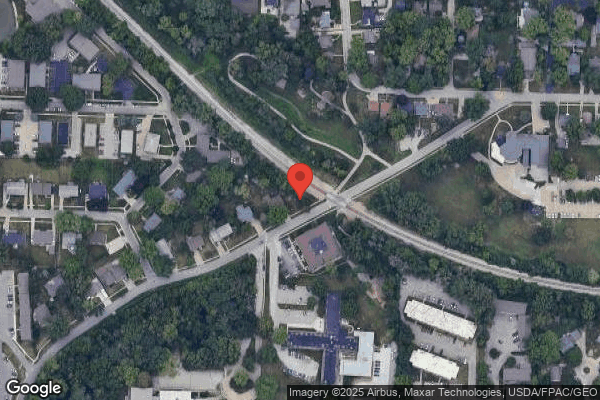

605 Greenwood Drive, Iowa City, IA 52246 (319) 338-7912
For profit - Corporation 62 Beds Independent Data: November 2025
Trust Grade
80/100
#98 of 392 in IA
Last Inspection: October 2024

Within standard 12-15 month inspection cycle. Federal law requires annual inspections.

Overview

Briarwood Healthcare Center in Iowa City has a Trust Grade of B+, indicating it is above average and recommended for families considering care options. It ranks #98 out of 392 nursing homes in Iowa, placing it in the top half, and #3 out of 7 in Johnson County, meaning only two local facilities are better. The facility's trend is improving, with reported issues decreasing from five in 2023 to three in 2024. Staffing is rated at 4 out of 5 stars, with a turnover rate of 40%, which is lower than the state average, suggesting experienced staff who know the residents well. However, there are some concerns, such as failures to screen residents for necessary pneumococcal vaccinations and incidents where food was not properly covered during meal service, risking contamination. Despite these weaknesses, the absence of fines and a generally good staffing situation are positive aspects to consider.

Trust Score
B+
80/100
In Iowa
#98/392
Top 25%
Safety Record
Low Risk
No red flags
Inspections
Getting Better
5 → 3 violations
Staff Stability
○ Average
40% turnover. Near Iowa's 48% average. Typical for the industry.
Penalties
✓ Good
No fines on record. Clean compliance history, better than most Iowa facilities.
Skilled Nurses
○ Average
Each resident gets 34 minutes of Registered Nurse (RN) attention daily — about average for Iowa. RNs are the most trained staff who monitor for health changes.
Violations
○ Average
9 deficiencies on record. Average for a facility this size. Mostly minor or procedural issues.
★★★★☆
4.0
Overall Rating
★★★★☆
4.0
Staff Levels
★★☆☆☆
2.0
Care Quality
★★★★☆
4.0
Inspection Score
Stable
2023: 5 issues
2024: 3 issues

The Good

  • 4-Star Staffing Rating · Above-average nurse staffing levels
  • Full Sprinkler Coverage · Fire safety systems throughout facility
  • No fines on record
  • Staff turnover below average (40%)

    8 points below Iowa average of 48%

Facility shows strength in staffing levels, fire safety.

The Bad

Staff Turnover: 40%

Near Iowa avg (46%)

Typical for the industry

The Ugly 9 deficiencies on record

Oct 2024 3 deficiencies
CONCERN (D)

Potential for Harm - no one hurt, but risky conditions existed

Assessment Accuracy (Tag F0641)

Could have caused harm · This affected 1 resident

Based on observation, staff interviews, and policy review the facility failed to update the comprehensive assessment to ensure accuracy for 1 of 5 residents reviewed (Resident #16). The facility repor...

Read full inspector narrative →
Based on observation, staff interviews, and policy review the facility failed to update the comprehensive assessment to ensure accuracy for 1 of 5 residents reviewed (Resident #16). The facility reported a census of 50 residents. Findings include: The Minimum Data Set (MDS) report, dated 9/26/24, listed diagnoses for Resident #16 included: cerebral vascular accident (stroke), non-Alzheimer's dementia with behavioral disturbances, and unspecified fall. The MDS Brief Interview for Mental Status (BIMS) score of 3 out of 15 indicated a severe cognitive impairment. The MDS assessed Resident #16 required total assistance for all transfers. The MDS did not document or identify the use of a bed, or chair alarm. The Care Plan, revised 10/04/24, included a Focus area to address [name redacted] has had an actual fall d/t Poor Balance, Unsteady gait self transferring. Interventions included: a. 1/11/2024: Fa;; - witnessed by staff slipping from recliner while attempting to reach forward intervention: Grabber given to resident to assist reaching for things safely. Date Initiated: 1/11/2024. Revision on: 7/15/2024 b. 4/16/2024: Fall out of bed no injury: Intervention: low bed. Date Initiated: 4/21/2024. c. 7/14/2024: Fall self ambulating Intervention: Sign on walker to remind her to call for assistance. Date Initiated: 7/15/2024 d. 8/7/2024: Fall with major injury fx (fracture) R hip intervention: floor mat. Date Initiated: 8/10/2024 e. 8/8/2024: Fall self ambulating Intervention: Floor mat every time in bed. Dated Initiated: 8/7/2024 Revision on 8/8.2024 f. Continue interventions on at-risk plan. Date Initiated: 2/18/2023 g. Document/report PRN (as needed) x 72 h (hour) to MD (medical doctor) for s/sx (signs and symptoms); Pain, bruises. Change in mental status, New onset: confusion, sleepiness, inability to maintain posture, agitation. Date Initiated: 2/18/2024. Revision on 5/21/23 During an observation on 10/08/24 at 11:06 AM, alarms were visible on Resident #16 bed and recliner. During an interview on 10/08/24 01:06 PM Staff B, Certified Nursing Assistant (CNA) explained the alarm in Resident #16's chair was placed after a fall about 2 months ago. The alarms were on her recliner and bed because she tries to take herself to the bathroom unassisted. It is not in the wheelchair as she doesn't try to get out of that. The alarms have not gone off recently. Therapy or the nurses tell CNA's when these interventions are put in place. There are Hall Sheets that tell about each resident and their care needs, including their transfer and ambulation needs. During an interview on 10/08/24 at 1:14 PM Staff D, CNA explained the alarms started after the resident fell about 2 months ago because she was trying to self-transfer and get herself to the restroom. She fell a couple of times, especially overnight. Staff were notified of new interventions by mass text or during report from the prior shift. During an interview on 10/09/24 at 7:51 AM the Director of Nursing (DON) explained prior fall interventions are looked to see if an alarm is needed. Sometimes it is family prompted and there is a lot of education given, especially that it may not prevent a fall. If they have tried several interventions it may be the last thing they have left to try. They don't really like to use them if they can avoid it. Family was prompting the alarms for Resident #16 because she liked to self-transfer. They held off a lot but after the fall with major injury they put it in place. They could probably discontinue it at this time as she is no longer trying to get up by herself. There is no permission form, just a conversation with the family and the change is noted in the nurse communication form. Then it gets transferred to the Hall Sheets and updated on the Care Plan and next MDS. They also put it out on the scheduling mass text application. The MDS coordinator is in charge of the Care Plan and the MDS updates. During an interview on 10/09/24 at 10:25 AM the MDS Coordinator explained every week she checks her calendar and opens up the Care Plan so changes can be made. She has been completing the MDS a month ahead of time for quarterly and annual reviews. If someone is on a bed or chair alarm it should be added in the MDS. She explained she does miss this at times. She noted she remembered adding the interventions for Resident #16 to the Care Plan so was unsure why they weren't there. She explained she must have just clicked through and missed it on the MDS. The facility policy titled Comprehensive Assessment and Reassessment, dated 5/10/17 instructed the assessment of the care or treatment required to meet the needs of the resident to be ongoing throughout the resident's facility stay, with the assessment process individualized to meet the needs of the resident population.
CONCERN (D)

Potential for Harm - no one hurt, but risky conditions existed

Deficiency F0760 (Tag F0760)

Could have caused harm · This affected 1 resident

Based on observation, staff interviews, and policy review the facility failed to prepare a medication as directed for for 1 out of 1 residents reviewed (Resident #31). The facility reported a census o...

Read full inspector narrative →
Based on observation, staff interviews, and policy review the facility failed to prepare a medication as directed for for 1 out of 1 residents reviewed (Resident #31). The facility reported a census of 50 residents. Findings include: The Minimum Data Set (MDS) report, dated 8/07/24, for Resident #31 listed diangoses included: unspecified dementia due to known physiologic condition, shortness of breath, and allergic rhinitis (runny nose). The Brief Interview for Mental Status (BIMS) score of 7 out of 15 indicated a severe cognitive impairment. A review of Physician's Order revealed an order, dated 11/06/24, May crush medications if not contraindicated/use liquid equivalent as PRN (as needed) if difficulty swallowing. A Physican Order, dated 7/03/24, instructed staff to administer Mucinex Tab 600 milligrams (mg) ER 2 tabs every 12 hours, Do Not Crush. The Medication Administration Record (MAR) for 10/24 listed Mucinex 600mg ER 2 tablets (1200mg) by mouth every 12 hours, Do Not Crush. In an observation on 10/09/24 at 8:26 AM Staff E, Licensed Practical Nurse (LPN) dispensed 2 tabs of Mucinex ER 600mg and placed it with all other tab medications in a plastic sleeve. She then proceeded to crush all medications in the bag and administered them to Resident #31 mixed in pudding. In an interview on 10/09/24 at 11:13 AM Staff E confirmed all of the resident's tab medications were crushed. She explained it was in the computer system that they can crush them and deliver them in their vehicle of choice. Usually, if they do not want staff to crush them, pharmacy sends a substitute medication. Staff have asked about getting Resident #31 changed to liquid medications and the pharmacy couldn't change them all, which is why they are still crushing them all. She explained she thought the order was changed to allow everything to be crushed. In an interview on 10/09/24 at 11:17 AM the Director of Nursing explained she expected if there was an order not to crush certain medications they work with the pharmacy to get either a liquid form or a capsule they can open. The facility policy titled Medication Administration, dated 4/01/23 instructed staff to do the following: Medication labels will be checked against current MAR for individual resident's medication pass. Remove medication with labels facing the nurse/OMT. Check labels to MAR. Verify resident, drug, strength, dose, route and hours of administration with MAR. Dispense medication into medication cup. Return medications to cart. Close and lock medication cart. Identify the resident. Administer medication. Assure resident has taken the medication. Sign medication on the MAR.
CONCERN (E)

Potential for Harm - no one hurt, but risky conditions existed

Deficiency F0883 (Tag F0883)

Could have caused harm · This affected multiple residents

**NOTE- TERMS IN BRACKETS HAVE BEEN EDITED TO PROTECT CONFIDENTIALITY** Based on interview, clinical record review, Centers for Disease Control and Prevention (CDC) policy review, the facility failed ...

Read full inspector narrative →
**NOTE- TERMS IN BRACKETS HAVE BEEN EDITED TO PROTECT CONFIDENTIALITY** Based on interview, clinical record review, Centers for Disease Control and Prevention (CDC) policy review, the facility failed to screen for pneumococcal vaccines, educate residents or responsible party about benefits and potential side effects, or offer pneumococcal vaccines for 4 of 5 residents (R#1, R#22, R#23, and R#35), reviewed for immunizations. The facility reported a census of 50 residents. Findings include: 1. Resident #1 example: The Minimum Data Set (MDS), dated [DATE], revealed the most recent facility admission or entry date of 5/23/22 and informed that Resident #1 had been up to date with Pneumococcal vaccination. The Electronic Health Record (EHR) immunization list revealed that Resident #1 received a Pneumococcal polysaccharide (PPSV23) vaccine on 4/19/2011, prior to facility admission. Immunization list lacked additional dose of Pneumococcal conjugate (PCV13, PCV15, or PCV20) recommended to complete the vaccination. 2. Resident #22 example: The MDS, dated [DATE], revealed that 1/03/20 had been the most recent admission or entry date into facility, and informed that Resident #22 had not been up to date with Pneumococcal vaccination without selected reason to indicate why vaccine not received. The EHR immunization list revealed that Resident #22 received a Pneumococcal conjugate (PCV 13) dose on 11/03/2015, prior to facility admission. Immunization list lacked additional dose of Pneumococcal polysaccharide (PPSV23) to complete the vaccination. 3. Resident #23 example: The MDS, dated [DATE], revealed that 5/28/24 had been the most recent admission or entry date into facility, and informed that Resident #23 had been up to date with Pneumococcal vaccination. The EHR immunization list revealed that Resident #23 received a Pneumococcal polysaccharide (PPSV23) dose on 9/21/2020, prior to facility admission. Immunization list lacked additional dose of Pneumococcal conjugate (PCV 13, PCV 15, or PCV 20) to complete the vaccination. 4. Resident #35 example: The MDS, dated [DATE], revealed the most recent admission or entry date into facility on 12/19/23 and had not been up to date with Pneumococcal vaccination without selected reason to indicate why vaccine not received. The EHR immunization list revealed that Resident #35 had not received any vaccine doses to protect against Pneumonia infection. On 10/08/24 at 10:52 AM, Assistant Director of Nursing (ADON) informed that upon admission the Immunization Registry Information System (IRIS) would be checked for all residents and documented into each resident's EHR immunization list. On 10/08/24 at 11:09 AM, Director of Nursing (DON) revealed the facility had been unaware of requirements for screening and offering Pneumococcal vaccinations to residents and stated Primary Care Provider (PCP) would order Pneumococcal vaccinations for residents when needed. On 10/10/24 at 08:30 AM, DON informed that facility had now added screening for pneumococcal vaccination to admissions to ensure completion and offered vaccine to all current residents who had been due for a Pneumococcal vaccine, The facility policy, titled Pneumococcal Vaccinations, dated 8/20/2022, revealed the purpose of policy would be for facility to provide vaccination against pneumococcal disease to prevent the spread of infection. Policy informed that facility would assess all residents upon admission for receiving Pneumococcal conjugate or Pneumococcal polysaccharide vaccine.
Aug 2023 5 deficiencies
CONCERN (D)

Potential for Harm - no one hurt, but risky conditions existed

Resident Rights (Tag F0550)

Could have caused harm · This affected 1 resident

**NOTE- TERMS IN BRACKETS HAVE BEEN EDITED TO PROTECT CONFIDENTIALITY** Based on observations, staff interviews and facility policy review the facility failed to provide dignity covers for two out of ...

Read full inspector narrative →
**NOTE- TERMS IN BRACKETS HAVE BEEN EDITED TO PROTECT CONFIDENTIALITY** Based on observations, staff interviews and facility policy review the facility failed to provide dignity covers for two out of four residents reviewed with urinary catheters (Resident #4 and #46). Findings include: 1. Resident #4's Minimum Data Set Assessment (MDS) dated 7.21.23, identified a Brief Interview for Mental Status (BIMS) of 1, indicating moderately impaired cognition. The MDS indicated that she required extensive assistance from two persons for toilet use and dressing. The MDS included diagnoses of neurogenic bladder (bladder malfunction caused by an abnormality of the brain) and dementia. The Care Plan Goal dated 8/1/23, identified Resident #4's dignity and autonomy will be maintained at the highest level throughout the review date. The Care Plan Intervention dated 12/24/22, directed to position Resident #4's urinary catheter bag and tubing below the level of the bladder and away from entrance room door. On 8/7/23 at 10:49 AM, observed Resident #4's urinary catheter drainage bag hang under her wheelchair without a dignity cover. On 8/7/23 at 12:47 PM, observed Resident #4 sit at the dining room table while the urinary catheter drainage bag hanged under her wheelchair without a dignity cover. On 8/7/23 at 2:13 PM, witnessed Resident #4 sitting in her recliner chair in her room with the door open and her urinary catheter drainage bag sat in a basket without a dignity cover. On 8/8/23 at 8:47 AM, observed Resident #4's urinary catheter drainage bag hang under her wheelchair without a dignity cover. On 8/8/23 at 1:40 PM, watched as Resident #4 sat in her room, with her urinary catheter drainage bag without a cover. On 8/9/23 at 1:58 PM, Staff E, Certified Nurse Aide (CNA), revealed the catheter drainage bag came with the dignity cover attached. Staff E stated the cover for the dignity catheter drainage bag got dirty or tore off. The cover is off until a new drainage bag is placed. 2. Resident #46's MDS dated [DATE], identified a BIMS score of 15, indicating intact cognition. The MDS indicated that she required extensive assist from two persons for dressing and required total dependence from two persons for toilet use. The MDS included diagnoses of neurogenic bladder, anemia (low blood iron), and mild cognitive impairment. The Care Plan Intervention dated 4/30/23, directed to position the catheter bag and tubing below the level of the bladder and away from entrance room door. On 8/7/23 at 10:31 AM, observed Resident #46's urinary catheter bag hanged without a dignity cover under her wheelchair with the room door open. On 8/9/23 at 2:05 PM, Staff B, Licensed Practical Nurse (LPN), reported that the urinary catheter drainage bags are changed every week and have the dignity covers attached to the drainage bags. She confirmed when the covers are removed, they failed to replace the covers. The catheter drainage bags and tubing are kept off the floor. She denied knowing that Resident #4 used two antibiotics at a time. Resident #46's family is very involved with her and will request the medications. She expected the doctor provided them education at the time but she did not know for sure. On 8/10/23 at 9:11 AM, the Director of Nursing (DON) reported that she always expected the staff to cover the urinary catheter bags with a dignity bag. The Resident [NAME] of Rights reviewed 2022, instructed that the resident has a right to a dignified existence, self-determination, and communication with and access to persons and services inside and outside the facility, including those specified in the section. a. A facility must treat each resident with respect and dignity and care for each resident in a manner and in an environment that promotes or enhancement of his/her quality of life, recognizing each resident's individuality. The facility must protect and promote the rights of the residents.
CONCERN (D)

Potential for Harm - no one hurt, but risky conditions existed

Deficiency F0578 (Tag F0578)

Could have caused harm · This affected 1 resident

**NOTE- TERMS IN BRACKETS HAVE BEEN EDITED TO PROTECT CONFIDENTIALITY** Based on clinical record review, policy review, and staff interview the facility failed to maintain accurate advance directive r...

Read full inspector narrative →
**NOTE- TERMS IN BRACKETS HAVE BEEN EDITED TO PROTECT CONFIDENTIALITY** Based on clinical record review, policy review, and staff interview the facility failed to maintain accurate advance directive records based on resident preference for 1 of 24 residents reviewed (#12). The facility reported a census of 52. Findings include: Resident #12's Minimum Data Set assessment (MDS) dated [DATE] identified a Brief Interview for Mental Status (BIMS) score of 11, indicating moderately impaired cognition. The MDS included diagnoses of coronary artery disease, non-Alzheimer's dementia, and Parkinson's disease. The Iowa Physician's Orders for Scope of Treatment (IPOST) signed [DATE] by Resident #12 reflected that if she did not have a pulse and/or is not breathing she wanted cardiopulmonary resuscitation (CPR). Resident #12's Code Status reviewed on [DATE] at 9:48 AM, displayed do not resuscitate (DNR). Resident #12's [DATE] Medication Administration Record (MAR) listed her advanced directive as DNR. The Advanced Directives Policy and Procedure dated [DATE], instructed the facility to implement the terms of the Advanced Directives in accordance with the appropriate direction of the resident, Power of Attorney, or resident's physician. On [DATE] at 1:17 PM Staff D, Certified Nurse Aide (CNA), explained that the staff looked both in the file and the electronic health record in an emergency, based on the staff's location. On [DATE] at 1:25 PM the Director of Nursing (DON) confirmed that the staff looked in both the computer and paper chart for advance directive information in an emergency. The facility sends the residents with a copy of the document in the paper chart when they leave the facility. At 1:34 PM the DON verified the inaccuracy of the code status in the computer.
CONCERN (D)

Potential for Harm - no one hurt, but risky conditions existed

Deficiency F0658 (Tag F0658)

Could have caused harm · This affected 1 resident

**NOTE- TERMS IN BRACKETS HAVE BEEN EDITED TO PROTECT CONFIDENTIALITY** Based on clinical record review, observations, facility policy review, and staff interviews the facility failed to administer le...

Read full inspector narrative →
**NOTE- TERMS IN BRACKETS HAVE BEEN EDITED TO PROTECT CONFIDENTIALITY** Based on clinical record review, observations, facility policy review, and staff interviews the facility failed to administer levothyroxine (medication used to treat an underactive thyroid) per physicians' orders for 1 of 1 residents in the sample (Resident #302); and within the scheduled timeframe for 3 of 8 residents in the sample (Residents #6, #9, and #302). Findings include: 1. Resident #302's Minimum Data Set assessment (MDS) dated [DATE], identified a Brief Interview for Mental Status (BIMS) score as 15, indicating intact cognition. The MDS included diagnoses of hypothyroidism (underactive thyroid), arthritis (swelling and tenderness of one or more joints), and rhabdomyolysis (muscle breakdown). The Physician's Visit Note dated 7/28/23, listed an order for levothyroxine 25 mcg (micrograms) 1 tablet by mouth every morning before breakfast. The Mayo Clinic website related to Drugs and Supplements: Levothyroxine (Oral Route) updated 7/1/23 described levothyroxine as a medication used to treat hypothyroidism. The section related to proper use directed to take the medication in the morning on an empty stomach, at least 30 to 60 minutes before eating breakfast. On 8/9/23 at 9:46 AM, Resident #302 reported that she ate breakfast at approximately 8:30 AM that day. During an interview on 8/9/23 at 10:11 AM, Staff A, Certified Medication Aide (CMA), reported that she had not given Resident #302, her medications yet. On 8/9/23 at 2:10 PM, confirmed that Resident #302 received her levothyroxine after she ate breakfast. Staff A denied knowing the reason levothyroxine is prescribed, and did not know the medication needed to be administered prior to a resident eating. On 8/10/23 at 8:41 AM, Staff F, Licensed Practical Nurse (LPN), explained that she would administer levothyroxine in the morning, prior to a resident eating breakfast. On 8/10/23 at 9:12 AM, the Director of Nursing (DON) reported that she expected the nursing staff to administer levothyroxine in the morning, prior to breakfast unless ordered otherwise. The DON stated Resident #302 should have received levothyroxine before she ate her breakfast at 8:30 AM as ordered. Resident #302 Administration History Report reviewed on 8/10/23 at 9:38 AM reflected that she received the following scheduled 7 AM - 9 AM medications on 8/9/23: a. Centrum Silver tablet Adult 50 1 tab by mouth once daily at 9:43 AM b. Furosemide 40 mg (milligrams)1 tablet by mouth once daily at 11:00 AM c. Levothyroxine 25 mcg 1 tablet by mouth daily at 11:00 AM d. Losartan potassium 25 mg 1 tablet by mouth twice daily at 11:00 AM e. Metoprolol succinate ER (extended release) 25 mg 1 tablet by mouth daily at 9:43 AM f. Vitamin D3-1000 IU (international units)/25 mcg 1 tablet by mouth daily at 11:00 AM The clinical record lacked documentation of physician notification regarding the late administration of these medications. 2. Resident #6's MDS dated [DATE] identified a Brief Interview for Mental Status (BIMS) score of 9, indicating moderately impaired cognition. The MDS included diagnoses of cerebral palsy (a group of disorders that affect movement, muscle tone, balance, and posture), hypothyroidism, and depression. Resident #6's Administration History Report reviewed on 9:41 AM reflected that she received the following 7 AM - 9 AM medications on 8/9/23 at10:53 AM - 10:54 AM: a. Culturelle 1 capsule by mouth daily b. Levothyroxine 50 mcg 1 tablet by mouth c. Polyethylene glycol powder 17 gram in 8 ounces liquid d. Senna plus tab 8.6-50mg 1 tablet by mouth daily e. Sertraline 100 mg tab, with a 25 mg tablet to equal 125 mg by mouth daily f. Simvastatin 40 mg 1 tablet by mouth daily g. Vitamin C 250 mg 1 tablet by mouth daily Resident #6's clinical record lacked documentation of physician notification regarding the late administration of these medications. 4. Resident #9's MDS dated [DATE] identified a BIMS score of 9, indicating moderately impaired cognition. The MDS included diagnoses of a stroke, high blood pressure, and urinary retention (difficulty urinating). Resident #9's Administration History Report reviewed on 8/10/23 at 9:41 AM reflected that he received the following 7 AM - 9 AM scheduled medications at 10:25 AM: a. Cephalexin 250 mg 1 tablet by mouth twice daily b. Lisinopril 10 mg 1 tablet by mouth daily c. Loratadine 10 mg 1 tablet by mouth daily d. Senna plus tab 8.6-50mg 1 tablet by mouth daily e. Triamcinolone aerosol 55 mcg 2 sprays in each nostril The clinical record lacked documentation of physician notification regarding the late administration of these medications. On 8/9/23 at 2:10 PM, Staff A explained that she usually did not pass the medications during the first shift. She added that she did not what time she needed to have the morning medications completed, but believed at 9:30 AM. Staff A reported that she completed passing medications on the morning of 8/9/23 after 10:00 AM. The undated Medication Administration Times form provided by the facility listed the AM (morning) medication times as 6:00 AM to 10:00 AM. The form indicated that the times included the hour before and after listed in the electronic record. On 8/10/23 at 8:41 AM, Staff F explained that the morning medication pass needs completed by 10:00 AM. On 8/10/23 at 9:12 AM, the DON reported that she expected the staff to do the morning medications between 7:00 AM to 9:00 AM, with an hour before and after this timeframe being acceptable. The DON added that if a resident received medication after 10:00 AM it is late, and the physician should be notified. The Medication Administration policy revised 4/1/23 instructed that the staff could administer medications one hour prior (before) and one hour after the scheduled administration times. If the administration occurs outside of these time frames, physician notification is required.
CONCERN (D)

Potential for Harm - no one hurt, but risky conditions existed

Incontinence Care (Tag F0690)

Could have caused harm · This affected 1 resident

**NOTE- TERMS IN BRACKETS HAVE BEEN EDITED TO PROTECT CONFIDENTIALITY** Based on clinical record review, observations, facility policy, and staff interviews the facility failed to ensure indwelling ca...

Read full inspector narrative →
**NOTE- TERMS IN BRACKETS HAVE BEEN EDITED TO PROTECT CONFIDENTIALITY** Based on clinical record review, observations, facility policy, and staff interviews the facility failed to ensure indwelling catheters bags and tubing were off the floor for 3 of 4 residents in the sample (Resident #4, Resident #46, and Resident #203). Findings include: 1. Resident #203's Minimum Data Set assessment (MDS) dated [DATE], identified a Brief Interview for Mental Status (BIMS) score of 10, indicating moderately impaired cognition. The MDS included diagnoses of Parkinson's disease (a chronic and progressive movement disorder that starts with a tremor in one hand, stiffness, or slowing of movement), benign prostatic hyperplasia (enlarged prostate), and obstructive uropathy (difficulty urinating due to a blockage). The Order Summary Report included an order dated 8/4/23 for a urinary catheter due to benign prostatic hyperplasia with lower urinary tract symptoms. The Care Plan Problem revised 8/6/23 indicated that Resident #203 had a urinary catheter due to urinary retention. The Goal dated 8/6/23 indicated that Resident #203 would not have signs or symptoms of a urinary infection. On 8/7/23 at 10:53 AM, observed Resident #203's urinary catheter bag resting on the floor near his recliner. On 8/7/23 at 2:26 PM witnessed Resident #203's urinary catheter bag hooked on the side of his garbage can. On 8/8//23 at 1:43 PM, saw Resident #203's urinary catheter bag resting on the floor and hooked to the side of his garbage can. 2. Resident #4's MDS dated [DATE] identified a BIMS score of 11, indicating moderately impaired cognition. The MDS indicated that she required extensive assistance from two persons for toilet use and dressing. Resident #4 had an indwelling catheter. The MDS included diagnoses of neurogenic bladder (lack bladder control due to nerve problem), and dementia. The facility provided Matrix on 8/7/23 at 12:23 PM identified that Resident #4 had a urinary tract infection (UTI) and used an antibiotic. The Care Plan Focus revised 6/17/23, indicated that Resident #4 used antibiotics due to chronic UTIs. The Care Plan Goal listed that Resident #4 would have no signs or symptoms (s/s) of Urinary infection through the review date of 11/3/23. The Care Plan Focus dated 12/24/22 listed that Resident #4 had an indwelling urinary catheter. The Intervention dated 12/24/22 directed to position Resident #4's urinary catheter bag and tubing below the level of the bladder and away from entrance room door. The Clinical Laboratories Urinalysis and Culture report dated 8/4/23, listed the following Physician's orders for: a. Bactrim double strength (DS) (antibiotic) one, two times a day for seven days b. Levaquin (antibiotic) 500 milligrams (mg) daily for seven days treatment of UTI. On 8/8/23 at 8:46 AM observed Resident #4 sitting at the dining room table while two inches of her urinary catheter tubing sat on the floor under her wheelchair (w/c). On 8/8/23 at 9:05 AM, watched the Restorative Aide pulled Resident #4 back from the table and ask her to wheel herself out of the dining room. On 8/8/23 at 9:20 AM, witnessed the Restorative Aide pushed Resident #4 approximately forty feet down the west hall to her room as her urinary catheter tubing dragged across the floor. The Restorative Aide left Resident #4 in her room in the w/c as the catheter tubing sat on the floor underneath her. On 8/8/23 at 1:46 PM, observed Resident #4's urinary catheter drainage bag sit in a wire basket on the floor in her room with about four inches of the catheter tubing sitting directly on the floor. 3. Resident #46's MDS dated [DATE], identified a BIMS score of 15, indicating intact cognition. The MDS indicated that she required extensive assistance from two persons for dressing and requires total assistance from two persons for toilet use. Resident #46 used an indwelling catheter. The MDS included diagnoses of neurogenic bladder anemia, and mild cognitive impairment. The Care Plan Goal dated 4/30/23, listed to Resident #46 would have no s/s of urinary infection through the review date. The Care Plan Intervention dated 4/30/23 directed to position the catheter bag and tubing below the level of the bladder and away from entrance room door. On 8/8/23 at 8:49 AM, observed Resident #46 sitting in her w/c in the dining room with her urinary catheter drainage bag covered in the front and back with a dignity bag. Approximately four inches of the urinary catheter's drainage bag's bottom sat directly on the floor. On 8/9/23 at 1:57 PM, Staff D, Certified Nurse's Aide (CNA), reported they keep Resident #46's urinary catheter drainage bag in the wire basket while she sat in the recliner to keep it off the floor. On 8/9/23 at 2:01 PM, Staff D, stated the staff are expected to keep the catheter tubing off the floor. On 8/9/23 at 2:06 PM, Staff B, Licensed Practical Nurse (LPN), reported the catheter and tubing are always kept off the floor . On 8/10/23 at 9:11 AM, the Director of Nursing (DON) said she expected catheter tubing and drainage bags kept off the floor at all times. She expected the catheter drainage bags placed under the wheel chairs off the floor or in the wire basket on the floor. She confirmed an infection control problem if a catheter drainage bag hung on the garbage can. The Catheter Care policy dated 10/1/18, instructed that the tubing and catheter bag should not touch the floor. The Urinary Catheter Handling and Storage policy dated 10/1/18, directed to handle and store urinary catheter supplies to minimize the risk of contamination and spread of infection.
CONCERN (E)

Potential for Harm - no one hurt, but risky conditions existed

Food Safety (Tag F0812)

Could have caused harm · This affected multiple residents

Based on observations, interviews, and facility policy review the facility failed to cover food and drinks during meal tray distribution for six out of six room trays observed during one out of one me...

Read full inspector narrative →
Based on observations, interviews, and facility policy review the facility failed to cover food and drinks during meal tray distribution for six out of six room trays observed during one out of one meals. Findings include: On 8/8/23 from 11:55 AM to 12:45 PM observed the following: a. Staff C, Cook, while serving lunch pick up two menu tickets that fell to the floor during meal service. Without completing hand hygiene, Staff C resumed serving food from steam table to residents in the main dining room. b. The Dietary Supervisor prepared room trays; without covering the drinks and side dishes, she placed them in the cart. The Dietary Supervisor transported the covered cart from the kitchen to a central hallway location, near the nurses' station, and notified the Certified Nursing Assistants (CNA)s the trays were ready. On 8/8/23 at 12:46 PM, watched the nursing staff remove meal trays from the centrally located cart and distributed the trays to six resident rooms throughout the facility. The drinks and side dishes remained uncovered during transport through the hallways as residents and staff moved through the hallways. On 8/8/23 at 2:05 PM, Staff E, CNA, stated that when the kitchen makes the announcement, the available staff take each tray from the covered cart located centrally between hallways and then deliver to the corresponding resident's room. Staff E denied the requirement of further preparation of trays. Staff E reported that the cart remained at the central location throughout the meal tray distribution. On 8/8/23 at 2:33 PM, Staff C reported that she expected all food and drinks covered during room tray delivery. She added that she is expected to complete hand hygiene after she touched something of the floor. On 8/9/23 at 1:37 PM, Dietary Supervisor confirmed that she expected all food and drinks to be covered during room tray delivery to prevent contamination. She reported hand hygiene must be performed by all staff after picking items up from the floor. The Meal Service Schedule policy revised 2023, reflected that the dietary department had the responsibility for serving the meal onto a tray and covering all food items.
Jun 2022 1 deficiency
CONCERN (D)

Potential for Harm - no one hurt, but risky conditions existed

Comprehensive Care Plan (Tag F0656)

Could have caused harm · This affected 1 resident

**NOTE- TERMS IN BRACKETS HAVE BEEN EDITED TO PROTECT CONFIDENTIALITY** 2. The Annual Minimum Data Set (MDS) assessment dated [DATE] for Resident #3 revealed the resident unable to complete the Brief ...

Read full inspector narrative →
**NOTE- TERMS IN BRACKETS HAVE BEEN EDITED TO PROTECT CONFIDENTIALITY** 2. The Annual Minimum Data Set (MDS) assessment dated [DATE] for Resident #3 revealed the resident unable to complete the Brief Interview for Mental Status (BIMS) exam. Per this assessment, Resident #3 had received antidepressant medication for 7 of the last seven days. The Care Plan for Resident #3 dated 10/1/20 revised 12/20/21 documented, Resident #3 with impaired cognitive function/dementia or impaired thought processes. The Care Plan lacked documentation of use of antidepressant medication. Review of electronic Physician Orders in the Electronic Health Record (EHR) revealed Resident #3 had been ordered the following, dated 10/19/21: Fluoxetine 10 mg (milligram) one capsule with 20 mg to equal 30 mg by mouth once daily. Review of the Medication Administration Record (MAR) dated June 2022 revealed Resident #3 had received the medication in the month. 3. The Quarterly MDS assessment dated [DATE] for Resident #11 revealed the resident scored 9 out of 15 on a Brief Interview for Mental Status (BIMS) exam, which indicated moderately impaired cognition. The Care Plan for Resident #11 dated 3/23/21 and revised 12/31/21 documented, Resident #11 uses psychotropic medications Risperdal (antipsychotic medication) related to Behavior management. The Care Plan did not address the use of an antidepressant medication. Review of electronic Physician Orders in the EHR revealed the following order, dated 10/19/21: Mirtazipine tab 30 mg with directions for 1 tablet by mouth at bedtime. Review of the MAR June 2022 revealed Resident #11 had received the medication in the month. The Facility Policy titled Comprehensive Care Plan dated 8/30/21 documented, This facility shall provide an individualized, interdisciplinary Plan of Care for all residents that shall be appropriate to the resident's needs, strengths, results of diagnostic testing, limitations and goals. The Facility Policy also documented, Results of the assessment shall be used to develop, review and revise the resident's Comprehensive Plan of Care. Based on clinical record review, staff interviews, and facility policy review, the facility failed to address insulin and anti-depressant medications on the residents' Care Plans for 3 of 5 residents reviewed for unnecessary medications. (Resident #3, #8, and #11). The facility reported a resident census of 44. Findings Include: 1. The Quarterly Minimum Data Set (MDS) dated [DATE] documented Resident#8 took insulin and an anti-depressant medications. The Resident scored a 9 out of 15 on the Brief Interview for Mental Status (BIMS) indicating moderate cognitive impairment. The MDS identified resident with diagnoses including diabetes, cancer, and high blood pressure. The Physician's Order with start date of 2/9/22 documented the resident took an anti-depressant (Mirtazapine) 7.5 milligrams (mg) by mouth at bedtime for sleep. The Physician's Order with start date of 12/13/21 documented the resident took insulin (Tresiba) 15 Units once daily for diabetes. The Care Plan failed to address the resident's use of insulin or anti-depressant medications. During an interview on 6/16/22 at 10:40 a.m., the Director of Nursing (DON) stated, expected a goal for the insulin, and administered per Doctor's Order on the resident's Care Plan. For the anit-depressant the resident's mood would be assessed with questions by the Care Plan Coordinator, and then if the resident triggers for concerns, a request for a Med-A-Tel Consult ( a Psychiatric service that is offered to the residents over zoom) would be requested by the residents' primary physicians. Then the anti-depressant would be reviewed by the Med-A -Tel Services. .
Understanding Severity Codes (click to expand)
Life-Threatening (Immediate Jeopardy)
J - Isolated K - Pattern L - Widespread
Actual Harm
G - Isolated H - Pattern I - Widespread
Potential for Harm
D - Isolated E - Pattern F - Widespread
No Harm (Minor)
A - Isolated B - Pattern C - Widespread

Questions to Ask on Your Visit

  • "Can I speak with families of current residents?"
  • "What's your RN coverage like on weekends and overnight?"

Our Honest Assessment

Strengths
  • • Grade B+ (80/100). Above average facility, better than most options in Iowa.
  • • No major safety red flags. No abuse findings, life-threatening violations, or SFF status.
  • • No fines on record. Clean compliance history, better than most Iowa facilities.
  • • 40% turnover. Below Iowa's 48% average. Good staff retention means consistent care.
Concerns
  • • No significant concerns identified. This facility shows no red flags across CMS ratings, staff turnover, or federal penalties.
Bottom line: Generally positive indicators. Standard due diligence and a personal visit recommended.

About This Facility

What is Briarwood Healthcare Center's CMS Rating?

CMS assigns Briarwood Healthcare Center an overall rating of 4 out of 5 stars, which is considered above average nationally. Within Iowa, this rating places the facility higher than 99% of the state's 100 nursing homes. This rating reflects solid performance across the metrics CMS uses to evaluate nursing home quality.

How is Briarwood Healthcare Center Staffed?

CMS rates Briarwood Healthcare Center's staffing level at 4 out of 5 stars, which is above average compared to other nursing homes. Staff turnover is 40%, compared to the Iowa average of 46%. This relatively stable workforce can support continuity of care.

What Have Inspectors Found at Briarwood Healthcare Center?

State health inspectors documented 9 deficiencies at Briarwood Healthcare Center during 2022 to 2024. These included: 9 with potential for harm.

Who Owns and Operates Briarwood Healthcare Center?

Briarwood Healthcare Center is owned by a for-profit company. For-profit facilities operate as businesses with obligations to shareholders or private owners. The facility operates independently rather than as part of a larger chain. With 62 certified beds and approximately 51 residents (about 82% occupancy), it is a smaller facility located in Iowa City, Iowa.

How Does Briarwood Healthcare Center Compare to Other Iowa Nursing Homes?

Compared to the 100 nursing homes in Iowa, Briarwood Healthcare Center's overall rating (4 stars) is above the state average of 3.1, staff turnover (40%) is near the state average of 46%, and health inspection rating (4 stars) is above the national benchmark.

What Should Families Ask When Visiting Briarwood Healthcare Center?

Based on this facility's data, families visiting should ask: "Can I visit during a mealtime to observe dining assistance and food quality?" "How do you handle medical emergencies, and what is your hospital transfer rate?" "Can I speak with family members of current residents about their experience?"

Is Briarwood Healthcare Center Safe?

Based on CMS inspection data, Briarwood Healthcare Center has a clean safety record: no substantiated abuse findings (meaning no confirmed cases of resident harm), no Immediate Jeopardy citations (the most serious violation level indicating risk of serious injury or death), and is not on the Special Focus Facility watch list (a federal program monitoring the lowest-performing 1% of nursing homes). The facility has a 4-star overall rating and ranks #1 of 100 nursing homes in Iowa. While no facility is perfect, families should still ask about staff-to-resident ratios and recent inspection results during their visit.

Do Nurses at Briarwood Healthcare Center Stick Around?

Briarwood Healthcare Center has a staff turnover rate of 40%, which is about average for Iowa nursing homes (state average: 46%). Moderate turnover is common in nursing homes, but families should still ask about staff tenure and how the facility maintains care continuity when employees leave.

Was Briarwood Healthcare Center Ever Fined?

Briarwood Healthcare Center has no federal fines on record. CMS issues fines when nursing homes fail to meet care standards or don't correct problems found during inspections. The absence of fines suggests the facility has either maintained compliance or corrected any issues before penalties were assessed. This is a positive indicator, though families should still review recent inspection reports for the full picture.

Is Briarwood Healthcare Center on Any Federal Watch List?

Briarwood Healthcare Center is not on any federal watch list. The most significant is the Special Focus Facility (SFF) program, which identifies the bottom 1% of nursing homes nationally based on persistent, serious quality problems. Not being on this list means the facility has avoided the pattern of deficiencies that triggers enhanced federal oversight. This is a positive indicator, though families should still review the facility's inspection history directly.