Lone Tree Health Care Center INC
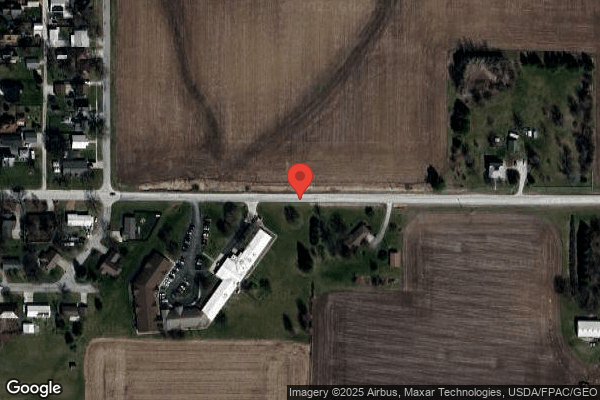
501 EAST PIONEER ROAD, LONE TREE, IA 52755 (319) 629-4255
For profit - Individual 44 Beds Independent Data: November 2025
Trust Grade
95/100
#45 of 392 in IA
Last Inspection: September 2024

Within standard 12-15 month inspection cycle. Federal law requires annual inspections.

Overview

Lone Tree Health Care Center INC has received a Trust Grade of F, indicating significant concerns about the facility's overall quality and care. However, they rank #1 out of 7 nursing homes in Johnson County and #45 out of 392 in Iowa, placing them in the top half of facilities statewide. The facility is improving, as issues declined from 5 in 2023 to just 1 in 2024. Staffing is a strong point, with a 5/5 rating and only a 24% turnover rate, which is much lower than the state average. Notably, there have been no fines, suggesting compliance with regulations; however, inspector findings revealed that a resident did not receive necessary tube feeding as prescribed, and there were failures to update care plans for residents who experienced significant changes in their condition. Overall, while there are strengths in staffing and ranking, the poor trust grade and specific care shortcomings are concerning for families considering this home.

Trust Score
A+
95/100
In Iowa
#45/392
Top 11%
Safety Record
Low Risk
No red flags
Inspections
Getting Better
5 → 1 violations
Staff Stability
✓ Good
24% annual turnover. Excellent stability, 24 points below Iowa's 48% average. Staff who stay learn residents' needs.
Penalties
✓ Good
No fines on record. Clean compliance history, better than most Iowa facilities.
Skilled Nurses
✓ Good
Each resident gets 43 minutes of Registered Nurse (RN) attention daily — more than average for Iowa. RNs are trained to catch health problems early.
Violations
○ Average
8 deficiencies on record. Average for a facility this size. Mostly minor or procedural issues.
★★★★★
5.0
Overall Rating
★★★★★
5.0
Staff Levels
★★★★☆
4.0
Care Quality
★★★★☆
4.0
Inspection Score
Stable
2023: 5 issues
2024: 1 issues

The Good

  • 5-Star Staffing Rating · Excellent nurse staffing levels
  • 4-Star Quality Measures · Strong clinical quality outcomes
  • Low Staff Turnover (24%) · Staff stability means consistent care
  • Full Sprinkler Coverage · Fire safety systems throughout facility
  • No fines on record
  • Staff turnover is low (24%)

    24 points below Iowa average of 48%

Facility shows strength in staffing levels, quality measures, staff retention, fire safety.

The Bad

No Significant Concerns Identified

This facility shows no red flags. Among Iowa's 100 nursing homes, only 1% achieve this.

The Ugly 8 deficiencies on record

Apr 2024 1 deficiency
CONCERN (D) 📢 Someone Reported This

A family member, employee, or ombudsman was alarmed enough to file a formal complaint

Potential for Harm - no one hurt, but risky conditions existed

Tube Feeding (Tag F0693)

Could have caused harm · This affected 1 resident

Based on clinical record review, staff interviews, and facility policy review the facility failed to provide the tube feeding (TF) according to the physician's order individualized to the resident for...

Read full inspector narrative →
Based on clinical record review, staff interviews, and facility policy review the facility failed to provide the tube feeding (TF) according to the physician's order individualized to the resident for 1 of 1 residents reviewed with tube feeding sampled (Resident #3). The facility reported a census of 32 residents. Findings include: The Minimum Data Set (MDS) Assessment for Resident #3 dated 10/20/23, listed diagnoses of malnutrition, anemia, and heart failure. The MDS identified Resident #3's Brief Interview for Mental Status (BIMS) score of 9 out of 15, moderate cognitive impairment. The MDS identified Resident #3 received a tube feeding. The Care Plan for Resident #3 dated 11/1/23, reflected Resident #3 required a tube feeding related to swallowing problems, stricture. The Care Plan directed she needed assist of 1 nurse with tube feeding and water flushes. See the Physician's order for current feeding orders. The Medication Administration Record (MAR) dated 12/2023, directed enteral feeding (tube feeding), Bolus feeding 240 millimeters (ml) five times a day (6 AM-6 PM) flush with 30 ml of water before and after. The Progress Notes dated 12/16/23 at 7:20 PM, reflected staff called the nurse to Resident #3's room, a Certified Nurses Aid (CNA) stated Resident #3's clothes and tube feeding site were soaked. Upon assessment staff found the tube leaked residual. More than 850 ml of residual drained from tube and more came. Vital signs stable, resident denied pain or discomfort. Placed a call to the resident's family, who wanted her sent to the hospital. Call placed to the physician and received an order to send Resident#3 for evaluation and treat at the hospital. The hospital record titled Anteroposterior (AP) (related to or directed toward both front and back) Spine dated 12/16/23, identified the indication for the exam concern for gastric outlet obstruction. PEG (tube feeding port) large volume of gastric content after feeding for 2 days. The impression listed they failed to find evidence for gastric outlet obstruction. The hospital After Visit Summary dated 12/17/23, revealed the feeding seemed to be functioning appropriately. It directed staff to be cognizant of the rate of the PEG tube feeding, the patient will likely do better with administering the volume of feeding slowly over several minutes as opposed to a quicker bolus. The MAR dated 12/17/23, ordered to give feeding slower over several minutes. On 4/11/24 at 10:58 Staff B, Registered Nurse (RN) revealed Resident #3 TF site leaked out fluid, she said that happened for a couple days. She revealed she would pour her feeding with the water, so it would go faster. She stated the Physician told the family not to add the water to the feeding, it made it too thin, and the feeding needed to go in more slowly. On 4/11/24 at 12:57 PM, Staff A, Licensed Practical Nurse (LPN) reported she follows the Physician's Order to administer a TF. She stated flushing before and after the feeding with water. She reported she's added water to the feeing when it ran too slow to thin it out. On 4/11/24 at 3:20 PM, the Assistant Director of Nursing (ADON) stated the nurses may add some water to the feeding, it may be plugged. She confirmed the policy directed to follow the Physician's Order's. The facility provided a policy titled Enteral Feeding (tube feeding) undated, it directed to flush the tube with at least 30-50 cubic centimeters (cc) one time per shift unless otherwise ordered. Before and after medications, flush with 30-50 cc of water. Flushing helps to loosen formula from sticking to the inside of the tube. After verifying correct tube placement, draw up 30-50 cc of water into syringe and flush tube using a moderate rate and constant pressure. The policy continued to initiating the feeding, Bolus method: Remove the plunger or the bulb from a catheter tip syringe. Attach syringe to end of tube and elevate to 18 inches. Pour the ordered amount of formula into the syringe per physician order. Let the formula run in slowly by gravity. To prevent air from getting into the stomach, add more formula to syringe before it empties. Adjust the height of the syringe to a lower position to run slower. Make sure the formula is at room temperature. It should take about 15 - 20 minutes to complete the feeding. After the feeding is complete, flush tube to prevent clogging.
Jun 2023 5 deficiencies
CONCERN (D)

Potential for Harm - no one hurt, but risky conditions existed

Comprehensive Care Plan (Tag F0656)

Could have caused harm · This affected 1 resident

**NOTE- TERMS IN BRACKETS HAVE BEEN EDITED TO PROTECT CONFIDENTIALITY** Based on clinical record review,staff interviews, and facility policy review the facility failed to complete a Comprehensive Car...

Read full inspector narrative →
**NOTE- TERMS IN BRACKETS HAVE BEEN EDITED TO PROTECT CONFIDENTIALITY** Based on clinical record review,staff interviews, and facility policy review the facility failed to complete a Comprehensive Care Plan for 1 of 12 residents in the sample (Resident #3). The facility reported a census of 38 residents. Findings include: 1. The Minimum Data Set (MDS), dated [DATE], listed diagnosis for Resident #3 included: Type 2 diabetes, fracture of left femur, and cardiac arrhythmia (irregular heart beat). The MDS assessed the two weeks prior the resident exhibited symptoms of feeling tired or having little energy, feeling bad about self/letting others down, and trouble concentrating on things 12-14 half or more of the days. And little interest/pleasure in doing things, feeling down/depressed/hopeless, and moving or speaking so slowly others have noted in 7 to 11 half or more days. The MDS listed the Brief Interview for Mental Status (BIMS) score of 15 out of 15, indicating cognition intact. A review of the Electronic Health Record (EHR) revealed a Physician Order, dated 5/2/22, for sertraline (antidepressant) 50 milligram (mg) tablet, give 1.5 tablets by mouth once a day for depression. A review of the Order Summary Report, with active orders as of 6/19/23, lacked documentation of a depression diagnosis. The Care Area Assessment (CAA) dated 5/2/23, indicated a trigger in the area of Mood State A review of the Care Plan, revealed a lack of a focus area on mood. During an interview on 6/21/23 at 11:17 AM, the MDS Coordinator stated if a resident is prescribed medication for depression this needs to be reflected in the Care Plan. After reviewing the residents plan in the EHR, the MDS Coordinator agreed the diagnosis is not listed for the resident and the Care Plan lacks the service area need for depression. During an interview on 6/21/23 at 11:23 AM, the Director of Nursing (DON) stated if a resident is prescribed an antidepressant she would expect the diagnosis listed and addressed on the Care Plan. A facility policy, dated 12/2016, titled Comprehensive Care Plan, Procedure Section #3 explained the Comprehensive Care Plan will be developed within 7 days after the completion of the Comprehensive MDS Assessment. The CAA's triggered by the MDS will be [the] basis for developing the Plan of Care.
CONCERN (D)

Potential for Harm - no one hurt, but risky conditions existed

Deficiency F0657 (Tag F0657)

Could have caused harm · This affected 1 resident

**NOTE- TERMS IN BRACKETS HAVE BEEN EDITED TO PROTECT CONFIDENTIALITY** Based on clinical record review, staff interview and facility policy review, the facility failed to revise/update the Comprehens...

Read full inspector narrative →
**NOTE- TERMS IN BRACKETS HAVE BEEN EDITED TO PROTECT CONFIDENTIALITY** Based on clinical record review, staff interview and facility policy review, the facility failed to revise/update the Comprehensive Care Plan after a resident experienced a significant change; and another resident had a fall for 1 of 12 residents (Resident #3). The facility reported a census of 38 residents. Findings include: 1. The Minimum Data Set (MDS), dated [DATE], listed diagnosis for Resident #3 included: Type 2 diabetes, fracture of left femur, and cardiac arrhythmia (irregular heart beat). The MDS assessed the resident required extensive assistance of two staff for: bed mobility, dressing, and toilet use; and extensive assistance of one for dressing, and personal hygiene. The resident required total dependence for: transfers, and locomotion on unit and off the unit. Walking did not occur. The MDS listed the Brief Interview for Mental Status (BIMS) score of 15 out of 15, indicating cognition intact. The 5/2/23 MDS completed due to a significant change and identified as a Comprehensive Assessment. A review of the Electronic Health Record (EHR) revealed the resident fell on 4/23/23 which resulted in a fracture to her left femur. Prior to the fall, the MDS, dated [DATE], assessed the resident required limited assistance of one staff for bed mobility, dressing, toilet use and personal hygiene. The resident identified as independent for transfers, walking, and locomotion. A review of the Care Plan revealed an Activities of Daily Living (ADL) deficit for the resident, with the resident listed as independent for bed mobility, personal hygiene, toilet use, and transfers. Walking addressed under the ADL deficit care area. During an interview on 6/21/23 at 11:17 AM, the MDS Coordinator stated a Care Plan should be updated within 24 hours after a significant change is identified. The MDS Coordinator stated all changes are made in the EHR. The MDS Coordinator stated after the significant change the resident's Care Plan should have been updated to note the change in level of assistance needed for ADL's. A facility policy, dated 12/2016, titled Comprehensive Care Plan, Procedure Section, #6 directed staff to review and revise the Care Plan after each Comprehensive and Quarterly MDS.
CONCERN (D)

Potential for Harm - no one hurt, but risky conditions existed

Menu Adequacy (Tag F0803)

Could have caused harm · This affected 1 resident

Based on clinical record review, Menu review, observations and staff interview the facility failed to ensure foods were pureed to ensure appropriate portion size for two of three residents who receive...

Read full inspector narrative →
Based on clinical record review, Menu review, observations and staff interview the facility failed to ensure foods were pureed to ensure appropriate portion size for two of three residents who received a pureed diet (Residents #9 and #17). The facility reported a census of 38 residents. Findings Include: Review of the Diet List revealed two residents, Resident #9 and Resident #17, received a pureed diet. The Physician Order for Resident #9 dated 8/24/22 documented, Regular diet pureed texture, regular consistency, thin liquids as tolerated with supervision. The Physician Order for Resident #17 dated 4/27/20 documented, Regular diet pureed texture, regular consistency, regular liquids. May have finger food per resident preferences. Review of the Menu for the noon meal for Week 2 Tuesday revealed the regular diet included #8 scoop of sweet pepper slaw. The mechanical soft diet included 4 ounces of steamed cabbage. The puree included 1 serving of puree sweet pepper slaw. Observation of the puree process for the lunch meal on 6/20/23 at approximately 10:30 AM, revealed Staff B, [NAME] puree cabbage slaw. Per Staff B, there were one and a half cups of cabbage slaw. Staff B pureed the cabbage slaw. Staff B explained there were two regular servings and one half serving. Staff B used a #16 scoop, which equaled two ounces, and scooped three full scoops, which would equal six ounces, into one dish. Staff B scooped just about one scoop into the other dish. Review of a chart from the facility's food vendor revealed for 3 servings and one and a half cups of total pureed food, a #8 scoop would be utilized. Also per the chart, a #8 scoop would equal four ounces, while a #16 scoop would equal two ounces. On 6/20/23 at 1:56 PM, the Dietary Manager acknowledged for the cabbage slaw the regular puree would be the four ounce, and that would be the gray #8 scoop. Per the Dietary Manager, the half portion would be the #12 scoop. The Dietary Manager acknowledged the wrong scoop was utilized. The Facility Policy titled Pureed Foods, undated, documented, in part, the following: 1. Place the number of servings (portions according to menu) in the blender. Weigh or measure prior to blending 3. Divide blended food into the number of dishes to serve the exact number of pureed diets so each serving matches that written on the menu. Volume may increase with the addition of liquid.
CONCERN (D)

Potential for Harm - no one hurt, but risky conditions existed

Deficiency F0883 (Tag F0883)

Could have caused harm · This affected 1 resident

Based on clinical record review, staff interviews and facility policy review, the facility failed to screen residents for eligibility of the pneumococcal vaccine for 1 of 5 residents reviewed. (Reside...

Read full inspector narrative →
Based on clinical record review, staff interviews and facility policy review, the facility failed to screen residents for eligibility of the pneumococcal vaccine for 1 of 5 residents reviewed. (Resident #30). The facility reported a census of 38 residents. Findings include: Review of the Facility's Immunization Report revealed Resident #30 had unknown status for the pneumococcal vaccination, and documented the following admission date of 9/15/22. During an interview on 6/22/23 at 11:30 AM, the Infection Preventionist (IP) stated all residents' influenza, pneumococcal and COVID-19 vaccination status should be updated in the Electronic Health Record (EHR). When queried about the status of pneumococcal vaccination for Resident #30, the IP stated there is no documentation of the resident having had the vaccination or being offered the vaccination and declining. During an interview on 6/22/23 at 11:40 AM, the Director of Nursing (DON) stated resident immunizations are tracked at admission. The DON stated during Resident #30's admission the family informed the facility they did not know his medical history and had few records. The DON stated if there is no documentation in the resident's EHR then the status is unknown. The DON stated she does not know if the resident was offered the vaccination. The undated Facility Policy, titled Pneumococcal Pneumonia Vaccination Procedure section under General #3 documented the pneumococcal immunization status of all residents will be determined on admission. Residents currently residing in the facility will have their immunization status determined by reviewing available past and present medical records. Residents for whom the immunization status is unknown or unsure will be offered the vaccine.
CONCERN (D)

Potential for Harm - no one hurt, but risky conditions existed

Deficiency F0887 (Tag F0887)

Could have caused harm · This affected 1 resident

Based on record review, staff interviews, and facility policy review, the facility failed to educate staff on the benefits of the COVID-19 vaccination and provide information on obtaining the vaccinat...

Read full inspector narrative →
Based on record review, staff interviews, and facility policy review, the facility failed to educate staff on the benefits of the COVID-19 vaccination and provide information on obtaining the vaccination. Findings Include: The facility presented a list of facility staff that documented staff vaccination status. On the list is a handwritten highlighted [yellow] = not vaccinated notation. During an interview on 6/22/23 at 12:45 PM, the Administrator stated the list is used to track staff COVID-19 vaccination status. The list revealed a total of 54 staff, with 11 highlighted to indicate not vaccinated for COVID-19. During an interview on 6/22/23 at 10:20 AM, the Infection Preventionist (IP) stated the Business Office Manager (BOM) completes a surveillance of staff COVID -19 vaccination status at hire. The IP stated employees can be employed without a COVID vaccination, and since May 2023 do not need an exemption. She added, if they are not going to get the vaccination they need to complete a declination. When queried about coordination with the BOM about staffs COVID vaccination status the IP stated she is not connected to the business office, and does not know who is vaccinated or not. The IP stated there should be a process in place so this is known. During an interview on 6/22/23 at 10:47 AM, the BOM stated at hire she asks each staff if they are vaccinated or not. The BOM stated the staff are asked to sign an undated form to indicate their COVID-19 vaccination status. The form provides two choices for staff to sign: a. I agree to receive the COVID-19 vaccine within 90 days of employment. I will be responsible to get any subsequent doses. OR b. I have received my COVID -19 vaccine. The BOM stated if the staff do not want to get vaccinated they are asked to complete and sign an undated form titled Vaccination Exemption Request. The BOM stated the form is completed,reviewed and approved the same day so the staff can start work immediately. When queried about providing education about the COVID-19 vaccination, the BOM stated I do not feel it is my job to give people medication advice, everyone knows about the vaccination as it has been out there for so long, it is common knowledge at this point. When queried about giving staff information about where they can get vaccinated, the BOM stated she assumes staff can get vaccinated at the facility. She stated she does not give out information on where to get a vaccination, but would if a staff member asked. During an interview on 6/22/23 at 10:56 AM, the Director of Nursing (DON) stated the facility can provide COVID -19 vaccinations. The DON stated she would arrange for the consulting Pharmacy to come on sight and provide the vaccination. The DON stated she had not been asked or informed there were staff who want to receive the COVID-19 vaccination. The facility policy, titled COVID 19 Policy and Procedure lacked direction for staff vaccination related education, information on where/how to get the vaccination or completing a declination.
Mar 2022 2 deficiencies
CONCERN (D)

Potential for Harm - no one hurt, but risky conditions existed

Deficiency F0658 (Tag F0658)

Could have caused harm · This affected 1 resident

Based on clinical record review, policy review, and staff interview, the facility failed to ensure staff carried out safe practices of medication administration for 1 of 8 residents reviewed for medic...

Read full inspector narrative →
Based on clinical record review, policy review, and staff interview, the facility failed to ensure staff carried out safe practices of medication administration for 1 of 8 residents reviewed for medications (Resident #128). The facility reported a census of 26 residents. Findings Include: 1. The MDS(Minimum Data Set), dated 10/12/21, documented diagnoses for Resident #128 that included: diabetes, heart failure, and non-Alzheimer's dementia. An 8/9/2021 Incident Note stated Resident #128 took Resident #127's medications while the Certified Medication Assistant (CMA) assisted Resident #127 in the bathroom. Resident #127's August 2021 Medication Administration Record (MAR) listed the resident's bedtime medications on 8/9/21 as Lexapro (an antidepressant) and Apixaban (an anticoagulant). An untitled facility document, dated 8/10/21, stated the facility retrained Staff B, CMA regarding the importance of never leaving medications unattended. The form directed Staff Nurses to ensure CMAs observed residents taking medications. A facility Medication Administrating Monitoring Form, dated 8/11/21, stated the facility monitored Staff B for the correct procedure for the administration of medications. During an interview on 3/17/22 at 11:22 a.m., Staff C, Certified Nursing Assistant (CNA) stated she observed unattended medications. She stated she observed this as recent as the week before the survey started. During an interview on 3/17/22 at 11:43 a.m., the Director of Nursing (DON) stated Resident #128 took Resident #127's medications. She stated Staff B, CMA had Resident #127's medications ready and he looked like he was going to fall and while she assisted him, Resident #128 took Resident #127's medications. During an interview on 3/17/22 at 12:32 p.m., Staff B, CMA stated on the night of the medication error, she walked in the room with Resident #127's medications. She stated she sat the medications down on the bedside table in order to turn down the resident's bed and Resident #128 took the medications. She stated at the time, Resident #127 was in the bathroom with 2 CNAs and the error was not related to Resident #127 almost falling. During an interview on 3/17/22 at 1:06 p.m., the Administrator stated Staff B turned her back to prevent Resident #127 from falling and during that time period Resident #128 took Resident #127's medications.
CONCERN (D)

Potential for Harm - no one hurt, but risky conditions existed

Dental Services (Tag F0791)

Could have caused harm · This affected 1 resident

Based on observation, staff interview, and clinical record review, the facility failed to ensure 1 of 1 residents reviewed(Resident #5) received routine dental care. The facility reported a census of ...

Read full inspector narrative →
Based on observation, staff interview, and clinical record review, the facility failed to ensure 1 of 1 residents reviewed(Resident #5) received routine dental care. The facility reported a census of 26 residents. Findings Include: 1. The Minimum Data Set (MDS) Assessment, dated 12/21/21, listed diagnoses for Resident #5 that included: cerebral infarct due to embolism of left middle cerebral artery (stroke), dysphagia (difficulty swallowing) following cerebral infarction; and aphasia (difficulty speaking). The MDS identified the resident's cognition as moderately impaired and stated the resident required extensive physical assistance of one staff for personal hygiene. On 3/16/22 at 11:30 AM, observed Staff A, Certified Nursing Assistant (CNA) assisted the resident with morning cares. Staff A did not assist or offer to assist the resident with oral cares. After the observation, Staff A stated that the last time staff assisted the resident with oral care was 3/15/2022. A Care Plan entry, dated 6/17/19, directed staff to assist the resident with oral care. A 3/11/22 Speech Therapy Note stated the resident had poor oral care. The resident's Clinical Record lacked documentation of Dental Services. During an interview on 3/16/22 at approximately 4:00 p.m., the Director of Nursing (DON) stated the facility did not have documentation the resident received Dental Services during her stay. During an interview on 3/17/22 at 11:20 AM, the DON stated the facility failed to have a process in place for routine Dental Care. She added the families of residents typically assisted with dental appointments. The DON stated the facility attempted the use of a Consulting Dentist, however that was not successful due to their small census. The DON stated that she did not know the facility was responsible for the provision of dental services.
Understanding Severity Codes (click to expand)
Life-Threatening (Immediate Jeopardy)
J - Isolated K - Pattern L - Widespread
Actual Harm
G - Isolated H - Pattern I - Widespread
Potential for Harm
D - Isolated E - Pattern F - Widespread
No Harm (Minor)
A - Isolated B - Pattern C - Widespread

Questions to Ask on Your Visit

  • "Can I speak with families of current residents?"
  • "What's your RN coverage like on weekends and overnight?"

Our Honest Assessment

Strengths
  • • Grade A+ (95/100). Above average facility, better than most options in Iowa.
  • • No major safety red flags. No abuse findings, life-threatening violations, or SFF status.
  • • No fines on record. Clean compliance history, better than most Iowa facilities.
  • • 24% annual turnover. Excellent stability, 24 points below Iowa's 48% average. Staff who stay learn residents' needs.
Concerns
  • • No significant concerns identified. This facility shows no red flags across CMS ratings, staff turnover, or federal penalties.
Bottom line: Generally positive indicators. Standard due diligence and a personal visit recommended.

About This Facility

What is Lone Tree Health Care Center Inc's CMS Rating?

CMS assigns Lone Tree Health Care Center INC an overall rating of 5 out of 5 stars, which is considered much above average nationally. Within Iowa, this rating places the facility higher than 99% of the state's 100 nursing homes. This rating reflects solid performance across the metrics CMS uses to evaluate nursing home quality.

How is Lone Tree Health Care Center Inc Staffed?

CMS rates Lone Tree Health Care Center INC's staffing level at 5 out of 5 stars, which is much above average compared to other nursing homes. Staff turnover is 24%, compared to the Iowa average of 46%. This relatively stable workforce can support continuity of care.

What Have Inspectors Found at Lone Tree Health Care Center Inc?

State health inspectors documented 8 deficiencies at Lone Tree Health Care Center INC during 2022 to 2024. These included: 8 with potential for harm.

Who Owns and Operates Lone Tree Health Care Center Inc?

Lone Tree Health Care Center INC is owned by a for-profit company. For-profit facilities operate as businesses with obligations to shareholders or private owners. The facility operates independently rather than as part of a larger chain. With 44 certified beds and approximately 31 residents (about 70% occupancy), it is a smaller facility located in LONE TREE, Iowa.

How Does Lone Tree Health Care Center Inc Compare to Other Iowa Nursing Homes?

Compared to the 100 nursing homes in Iowa, Lone Tree Health Care Center INC's overall rating (5 stars) is above the state average of 3.1, staff turnover (24%) is significantly lower than the state average of 46%, and health inspection rating (4 stars) is above the national benchmark.

What Should Families Ask When Visiting Lone Tree Health Care Center Inc?

Based on this facility's data, families visiting should ask: "Can I visit during a mealtime to observe dining assistance and food quality?" "How do you handle medical emergencies, and what is your hospital transfer rate?" "Can I speak with family members of current residents about their experience?"

Is Lone Tree Health Care Center Inc Safe?

Based on CMS inspection data, Lone Tree Health Care Center INC has a clean safety record: no substantiated abuse findings (meaning no confirmed cases of resident harm), no Immediate Jeopardy citations (the most serious violation level indicating risk of serious injury or death), and is not on the Special Focus Facility watch list (a federal program monitoring the lowest-performing 1% of nursing homes). The facility has a 5-star overall rating and ranks #1 of 100 nursing homes in Iowa. While no facility is perfect, families should still ask about staff-to-resident ratios and recent inspection results during their visit.

Do Nurses at Lone Tree Health Care Center Inc Stick Around?

Staff at Lone Tree Health Care Center INC tend to stick around. With a turnover rate of 24%, the facility is 21 percentage points below the Iowa average of 46%. Low turnover is a positive sign. It means caregivers have time to learn each resident's needs, medications, and personal preferences. Consistent staff also notice subtle changes in a resident's condition more quickly. Registered Nurse turnover is also low at 20%, meaning experienced RNs are available to handle complex medical needs.

Was Lone Tree Health Care Center Inc Ever Fined?

Lone Tree Health Care Center INC has no federal fines on record. CMS issues fines when nursing homes fail to meet care standards or don't correct problems found during inspections. The absence of fines suggests the facility has either maintained compliance or corrected any issues before penalties were assessed. This is a positive indicator, though families should still review recent inspection reports for the full picture.

Is Lone Tree Health Care Center Inc on Any Federal Watch List?

Lone Tree Health Care Center INC is not on any federal watch list. The most significant is the Special Focus Facility (SFF) program, which identifies the bottom 1% of nursing homes nationally based on persistent, serious quality problems. Not being on this list means the facility has avoided the pattern of deficiencies that triggers enhanced federal oversight. This is a positive indicator, though families should still review the facility's inspection history directly.