Bishop Drumm Retirement Center
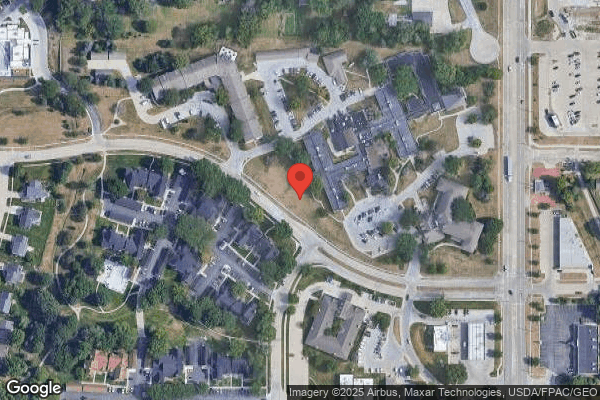
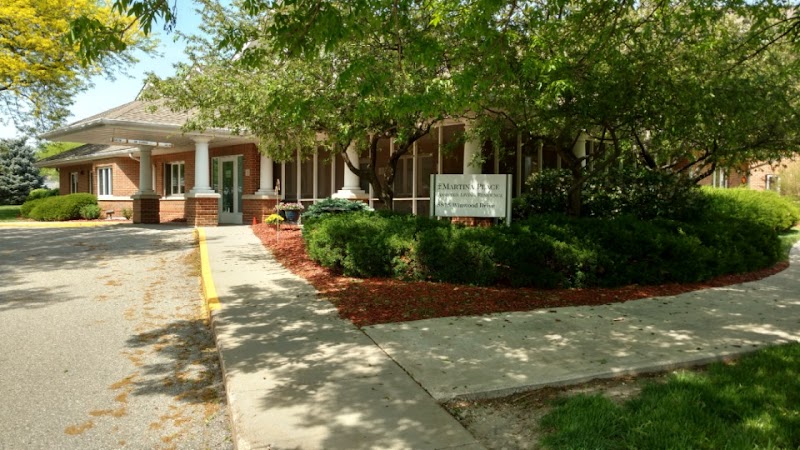
5837 Winwood Drive, Johnston, IA 50131 (515) 270-1100
For profit - Corporation 150 Beds COMMONSPIRIT HEALTH Data: November 2025 3 Immediate Jeopardy citations
Trust Grade
0/100
#255 of 392 in IA
Last Inspection: September 2024

Within standard 12-15 month inspection cycle. Federal law requires annual inspections.

Overview

Bishop Drumm Retirement Center has received a Trust Grade of F, which indicates serious concerns about the quality of care provided at this facility. Ranking #255 out of 392 nursing homes in Iowa places it in the bottom half of facilities statewide, and #17 out of 29 in Polk County means only a few local options are worse. The facility's performance appears stable, with 18 issues reported in both 2024 and 2025, but there are significant weaknesses, including $143,738 in fines, which is higher than 89% of Iowa facilities, suggesting ongoing compliance issues. While staffing is rated as good with a 4/5 star rating and better RN coverage than 82% of Iowa facilities, there have been critical incidents, such as failing to prevent the development of Stage IV pressure ulcers and significant medication errors that put residents at risk. Families should weigh these serious concerns against the facility's strengths in staffing and RN coverage when making their decision.

Trust Score
F
0/100
In Iowa
#255/392
Bottom 35%
Safety Record
High Risk
Review needed
Inspections
Holding Steady
18 → 18 violations
Staff Stability
⚠ Watch
45% turnover. Above average. Higher turnover means staff may not know residents' routines.
Penalties
○ Average
$143,738 in fines. Higher than 60% of Iowa facilities. Some compliance issues.
Skilled Nurses
✓ Good
Each resident gets 56 minutes of Registered Nurse (RN) attention daily — more than average for Iowa. RNs are trained to catch health problems early.
Violations
⚠ Watch
69 deficiencies on record. Higher than average. Multiple issues found across inspections.
★★☆☆☆
2.0
Overall Rating
★★★★☆
4.0
Staff Levels
★★★★★
5.0
Care Quality
★☆☆☆☆
1.0
Inspection Score
Stable
2024: 18 issues
2025: 18 issues

The Good

  • 4-Star Staffing Rating · Above-average nurse staffing levels
  • 5-Star Quality Measures · Strong clinical quality outcomes
  • Full Sprinkler Coverage · Fire safety systems throughout facility
  • No fines on record

Facility shows strength in staffing levels, quality measures, fire safety.

The Bad

2-Star Overall Rating

Below Iowa average (3.0)

Below average - review inspection findings carefully

Staff Turnover: 45%

Near Iowa avg (46%)

Higher turnover may affect care consistency

Federal Fines: $143,738

Well above median ($33,413)

Significant penalties indicating serious issues

Chain: COMMONSPIRIT HEALTH

Part of a multi-facility chain

Ask about local staffing decisions and management

The Ugly 69 deficiencies on record

3 life-threatening 5 actual harm
Sept 2025 8 deficiencies 1 Harm
SERIOUS (G) 📢 Someone Reported This

A family member, employee, or ombudsman was alarmed enough to file a formal complaint

Actual Harm - a resident was hurt due to facility failures

Pressure Ulcer Prevention (Tag F0686)

A resident was harmed · This affected 1 resident

**NOTE- TERMS IN BRACKETS HAVE BEEN EDITED TO PROTECT CONFIDENTIALITY** Based on clinical record reviews, hospital clinical record review, hospital images, staff interviews and policy review the facil...

Read full inspector narrative →
**NOTE- TERMS IN BRACKETS HAVE BEEN EDITED TO PROTECT CONFIDENTIALITY** Based on clinical record reviews, hospital clinical record review, hospital images, staff interviews and policy review the facility failed to identify a resident with a pressure ulcer/injury and to assure the resident received treatment and services, consistent with professional standards of practice, to promote healing of an unstageable pressure ulcer/injury for 1 of 3 residents reviewed (Resident #10). The facility reported a census of 114 residents.Finding include: The Minimum Data Set (MDS) assessment identifies the definition of pressure ulcers:Stage I is an intact skin with non-blanchable redness of a localized area usually over a bony prominence. Darkly pigmented skin may not have a visible blanching; in dark skin tones only it may appear with persistent blue or purple hues. Stage II is a partial thickness loss of dermis presenting as a shallow open ulcer with a red or pink wound bed, with slough (dead tissue, usually cream or yellow in color). May also present as an intact or open/ruptured blister. Stage III is full thickness tissue loss. Subcutaneous fat may be visible but bone, tendon or muscle is not exposed. Slough may be present but does not obscure the depth of tissue loss. May include undermining and tunneling. Stage IV is full thickness tissue loss with exposed bone, tendon or muscle. Slough or eschar (dry, black, hard necrotic tissue) which may be present on some parts of the wound bed. Often includes undermining and tunneling or eschar.Unstageable Ulcer: inability to see the wound.Other staging considerations include:Deep Tissue Pressure Injury (DTPI): Persistent non-blanchable deep red, maroon or purple discoloration. Intact skin with localized area of persistent non-blanchable deep red, maroon, purple discoloration due to damage of underlying tissue. This area may be preceded by tissue that is painful, firm, mushy, boggy, warmer, or cooler as compared to adjacent skin. These changes often precede skin color changes and discoloration may appear differently in darkly pigmented skin. This injury results from intense and/or prolonged pressure and shear forces at the bone-muscle interface. The Clinical Census sheet for Resident#10 documented April 18, 2025 as the residents original admit date to the facility.Resident #10's Minimum Data Set (MDS) dated [DATE] assessment identified a Staff Assessment for Mental Status indicating severely impaired cognition. The MDS identified Resident #10 required substantial/maximal assistance with rolling left and right in bed and was dependent on staff with sitting up or lying in bed and with all transfers. Resident #10's MDS included diagnoses of anemia, diabetes mellitus, traumatic brain injury, malnutrition and respiratory failure. The MDS documented Resident #10 was at risk for developing pressure ulcers/injuries and had one or more unhealed pressure ulcer/injuries. The MDS documented Resident #10 had one unstageable pressure ulcer present. The MDS documented the following skin and ulcer/injury and treatments: pressure reducing device for chair/bed, nutrition/hydration to manage skin problems, pressure ulcer/injury care, application of nonsurgical dressing and application of ointments/medications.The Care Plan with a target date of 10/14/25 revealed Resident #10 was at risk for skin breakdown due to impaired mobility, impaired cognition, incontinence and taking high risk medications. In addition the care plan identified Resident #10 had a break in skin integrity but did not address an unstageable pressure ulcer/injury to the left heel. The care plan directed the following interventions:- Staff to educate resident and/or family regarding skin problem and treatment-Staff to provide treatment as ordered.-Staff to complete weekly skin checks.-Pressure reducing mattress.-Staff to clean and dry Resident #10's skin after each incontinent episode. The Care Plan lacked any interventions related to repositioning, turning or keeping Resident #10's heels floated or elevated off of a surface to reduce the risk for pressure ulcers and promote healing. The Braden Scale for Predicting Pressure Sore Risk documented the following scores:6/3/25- 8- Very High Risk7/2/25- 8- Very High [NAME] Progress Note dated 6/27/25 at 5:28 PM revealed Resident #10 was not at his baseline and the on call Physician gave an order to transfer Resident #10 to the ER (emergency room) for an evaluation. A Progress Note dated 6/28/25 revealed Resident #10 was admitted to the critical care unit for sepsis (life threatening complication of an infection).Resident #10's discharge assessment, return anticipated MDS dated [DATE] documented Resident #10 did not have any unhealed pressure ulcer/injuries.A Hospital Image dated 6/27/25 at 10:36 PM revealed a wound to the left heel approximately the size of a two 50 cent pieces (half dollars). The wound bed was 100% black eschar (dead tissue) with wound edges dry and peeling. The heel was pink and boggy in appearance. The bottom of the left foot was dry and cracked. A Progress Note dated 7/2/25 documented Resident #10 returned to the facility. The note revealed Resident #10 returned to the facility with a dry eschar to the left heel. The progress note lacked documentation regarding wound measurements, staging, wound characteristics of the wound bed and peri wound. The assessment lacked any documentation regarding a wound treatment or intervention to assist with wound healing and reduce pressure to the left heel. A Progress Note titled N Adv Skin Check dated 7/2/25 lacked documentation regarding the pressure ulcer/injury to the left heel. A Progress Note titled N ADV Clinical admission dated 7/2/25 lacked documentation regarding the pressure ulcer/injury to the left heel.A Progress Note dated 7/9/25 revealed Resident #10 was admitted to the hospital. Resident #10's discharge assessment, return anticipated MDS dated [DATE] documented Resident #10 did not have any unhealed pressure ulcer/injuries.A Hospital Image scanned on 7/11/25 at 12:33 PM revealed a wound to the left heel that was approximately the size of a 50 cent piece. The wound bed was 100% black eschar with wound edges dry. The heel was red and boggy in appearance. The bottom of the left foot was dry and cracked. A Progress Note dated 7/16/25 documented Resident #10 returned to the facility from the hospital. A Progress Note title N Adv-Skin Check dated 7/16/25 lacked a skin assessment for the left heel. A Progress Note titled N ADV Clinical admission dated 7/16/25 lacked a skin assessment for the left heel. A Progress Note dated 7/18/25 revealed Resident #10 was sent to the emergency room (ER) and hospitalized . Resident #10's discharge assessment, return anticipated MDS dated [DATE] documented Resident #10 did not have any unhealed pressure ulcer/injuries.A Hospital Image scanned on 7/22/25 at 12:33 9:01 AM revealed a wound to the left heel approximately the size of a 50 cent piece. The wound bed was 100% black eschar with wound edges dry and peeling. The heel was pink and boggy in appearance. A Progress Noted titled N ADV Clinical admission dated 7/28/25 documented Resident #10 returned to the facility and had an unstageable pressure ulcer/injury to the left heel that measured 2 cm (centimeters)(length) x 3 cm (width). The assessment lacked any documentation regarding a wound treatment or intervention to assist with wound healing and reduce pressure to the left heel. The July 2025 Medication Administration Record (MAR) and Treatment Administration Record (TAR) lacked documentation of a wound treatment or new skin intervention for the left heel pressure wound/injury until 7/31/25. The July 2025 TAR directed the following treatments with a start date of 7/31/25:1. Cleanse left heel with normal saline and apply betadine and cover with bordered gauze every evening shift.2. Apply heel protector boots every shift for protection.Review of Progress Notes titled N Adv-Skin Check for the following dates 7/30/25, 8/10/25, 8/19/25, 8/30/25 revealed the skin assessments for the unstageable pressure ulcer/injury to the left heel were incomplete and lacked documentation regarding wound measurements, wound characteristics of the wound bed and the peri wound. The assessments lacked documentation on the treatment/condition of the pressure ulcer/injury and whether the wound was improving or not. A Progress Note dated 8/14/25 revealed Resident #10 was sent to the ER and hospitalized . A Hospital WOC (Wound, Ostomy, Continence) Nurse Consult dated 8/18/25 documented an unstageable pressure ulcer/injury to the left heel that measured 3 cm (length) x 4 cm (width) with dry, necrotic eschar/sloughing with calloused margins. A Hospital Discharge summary dated [DATE] documented a stage 3 pressure ulcer/injury of the left heel and the following wound care orders:1. Left heel: Cleanse with normal saline and gauze. Cover wound bed with betadine moistened gauze then cover with ABD (abdominal) pad. Secure loosely with kerlix and ace wrap. Perform wound care daily and as needed for saturation dressing. 2. Turn every 2 hours with TAPs system (turn and position system) and wedges3. Float both heels on pillows daily. Review of the July, August and September 20205 MAR and TAR lack any documentation regarding repositioning or turning. A Skin and Wound Evaluation dated 9/2/25 documented the left heel unstageable pressure ulcer measured 2.5 cm (length) x 2.3 cm (width) with 100% eschar and light serous drainage (clear, watery fluid). The assessment documented the heel was boggy and with unstable eschar. The note section of the assessment documented treatment order received to add opticell (gelling fiber wound dressing) to promote autolytic debridement (body's own enzymes to remove dead tissue) of the unstable eschar. On 9/11/25 at 9:05 AM, the Director of Nursing (DON) acknowledged Resident #10 had a pressure ulcer/injury to the left heel that was documented by the facility nurse on 7/2/25. The DON verified the left heel ulcer/eschar was omitted from the admission skin assessment on 7/16/25. The DON reported the facility did not receive any orders from the hospital related to the left heel wound on readmission on 7/2, 7/16 and 7/28.On 9/15/25 at 11:45 AM, the DON reported she did not have any further information regarding Resident #10 wound assessments. She said what was in the medical record was what the facility had. The DON said she expected wound measurements and characteristics to be included in the medical record documentation. She said the nurses are to measure the wounds with approximate measurements. She said the wound nurse would complete the official measurements when consulted. She said the wound nurse used an IPAD to assist with obtaining wound measurements and surface volume of the wound. She said once the wound nurse was consulted, the wound nurse would complete measurements weekly. She said Resident #10 was frequently in and out of the hospital and each time the wound nurse planned to see him he was in the hospital. She said Resident #10 was a very wiggly man and would move around in bed. When asked about turning and repositioning, the DON said the care plan addressed bed mobility and everything else related to repositioning/turning was a standard of practice. She said when Resident #10 first came to the facility in April he was dependent on staff for bed mobility but since then he had woken up some and has been having more movement. She said due to his frequent movement and medical diagnoses causing shearing and friction it was difficult to obtain proper pressure relief. On 9/16/25 at 9:00 AM, the DON reported Resident #10 had a cracked left heel on admission in April. She reported she was not aware of any pressure ulcers to Resident #10's left heel prior to hospitalization on 6/27/25. When asked if she would expect treatments and interventions to be in place for the left heel, the DON said she knew Resident #10 had heel lift boots for a while but was not sure when the boots were put in place. She reported the facility skin protocol did not address treatment for eschar. She said the nursing staff could implement treatments according to the skin protocol otherwise they would have to obtain an order from the Physician. On 9/16/25 at 11:23 PM, the Nurse Practitioner (NP) reported she was not sure that she had evaluated Resident #10 left heel pressure ulcer/injury and could not comment if the area was avoidable or unavoidable. The NP said she did not see the wound during rounds on 9/4/25. She reported Resident #10 had started moving around more and therapy was working on getting him up. A facility policy titled Turning and Repositioning dated 9/11/25 directed staff to implement turning and repositioning as part of a systemic approach to pressure injury prevention and management. The policy explanation and compliance guidelines documented all residents at risk of, or with existing pressure ulcer will be turned and repositioned unless contraindicated due to medical condition. The frequency of turning and repositioning to be documented in the resident's care plan and be determined by the resident's tissue tolerance, level of activity/mobility, skin condition, overall medical condition, treatment goals, type of pressure redistribution support surface, comfort level and resident preferences. The policy further directed staff to ensure that heels are floated off the surface of the bed with pillows or devices designed to do so. If using a heel protector, the heel must still be floated. A facility policy titled Pressure Injury Prevention and Management revised 9/11/25 documented the facility was committed to the prevention of avoidable pressure injuries, unless clinically unavoidable, and to provide treatment and services to heal the pressure ulcer/injury, prevent infection and the development of additional pressure ulcers/injuries. The policy further documented the facility would establish and utilize a systemic approach for pressure injury prevention and management, including prompt assessment and treatment, intervening to stabilize, reduce, or remove the underlying risk factors; monitoring the impact of interventions, and modifying the interventions as appropriate. In addition the policy documented licensed nurses would conduct a full body skin assessment on all residents upon admission/readmission, weekly, and after any new identified pressure injury. The finding of the skin assessment would be documented in the medical record. After completing a thorough assessment/evaluation, the interdisciplinary team should develop a care plan that includes measurable goals for prevention and management of pressure injuries with appropriate interventions.
CONCERN (D) 📢 Someone Reported This

A family member, employee, or ombudsman was alarmed enough to file a formal complaint

Potential for Harm - no one hurt, but risky conditions existed

Notification of Changes (Tag F0580)

Could have caused harm · This affected 1 resident

**NOTE- TERMS IN BRACKETS HAVE BEEN EDITED TO PROTECT CONFIDENTIALITY** Based on clinical record review and staff interviews, the facility failed to notify the family/emergency contact when a resident...

Read full inspector narrative →
**NOTE- TERMS IN BRACKETS HAVE BEEN EDITED TO PROTECT CONFIDENTIALITY** Based on clinical record review and staff interviews, the facility failed to notify the family/emergency contact when a resident had a significant change of condition for 1 of 3 residents reviewed (Resident #10). The facility reported a census of 114 residents.Findings include: Resident #10's Quarterly Minimum Data Set (MDS) dated [DATE] assessment identified a Staff Assessment for Mental Status indicating severely impaired cognition. The MDS identified Resident #10 was dependent on staff for eating . Resident #10's MDS included diagnoses of anemia, diabetes mellitus, traumatic brain injury, malnutrition and respiratory failure. The MDS documented Resident #10 had weight loss of 5% or more in the last month or loss of 10% or more in the last 6 months and was not on a physician prescribed weight loss regimen. The MDS identified Resident #10 had a feeding tube and received 51% or more of the total calories through the feeding tube daily. A Progress Note dated 6/5/25 titled Dietary Note revealed Resident #10 had a weight loss of 8.8 pounds (5%) in one week. The note documented the dietician recommended switching tube feeding to prevent further weight loss. Review of the clinical record lacked documentation Resident #10's family/emergency contact was notified regarding the weight loss and recommendations from the dietician. A Progress Note dated 8/11/25 titled Dietary Note revealed Resident #10 triggered for weight loss. The note documented Resident #10 had a 11.9 pound weight loss (7.3%) in one month and 21.4 pound weight loss (12.4 %) in 3 months. A Progress Note dated 8/14/25 titled Dietary Note revealed the dietician recommended to increase the tube feeding rate to help prevent further weight loss. Review of the clinical record lacked documentation Resident #10's family/emergency contact was notified regarding the weight loss and recommendations from the dietician. On 9/16/25 at 9:00 AM, the Director of Nursing (DON) verified she could not locate family notification for the weight loss in the medical record. She said she would expect family notification to be documented in the clinical record. She said she had multiple conversations with the family and did not document the conversations. A facility policy titled Notification of Changes revised 3/5/25 documented the purpose of the policy was to ensure the facility promptly informs the resident, consults the resident's physician and notifies the resident's representative when there was a change requiring notification. The policy documented circumstances requiring notification include significant change in the resident's physical condition or a circumstance that required a need to alter treatment.
CONCERN (D) 📢 Someone Reported This

A family member, employee, or ombudsman was alarmed enough to file a formal complaint

Potential for Harm - no one hurt, but risky conditions existed

Deficiency F0658 (Tag F0658)

Could have caused harm · This affected 1 resident

**NOTE- TERMS IN BRACKETS HAVE BEEN EDITED TO PROTECT CONFIDENTIALITY** Based on clinical record review, staff interviews and policy review the facility failed to provide care and services according t...

Read full inspector narrative →
**NOTE- TERMS IN BRACKETS HAVE BEEN EDITED TO PROTECT CONFIDENTIALITY** Based on clinical record review, staff interviews and policy review the facility failed to provide care and services according to accepted standards of clinical practice for 3 of 3 residents reviewed (Residents #10, #76, #15). The facility failed to obtain weekly weights per physician order for residents who have a feeding tube. The facility reported a census of 114 residents.Findings include: 1. Resident #10's Quarterly Minimum Data Set (MDS) dated [DATE] assessment identified a Staff Assessment for Mental Status indicating severely impaired cognition. The MDS identified Resident #10 was dependent on staff for eating . Resident #10's MDS included diagnoses of anemia, diabetes mellitus, traumatic brain injury, malnutrition and respiratory failure. The MDS documented Resident #10 had weight loss of 5% or more in the last month or loss of 10% or more in the last 6 months and was not on a physician prescribed weight loss regimen. The MDS identified Resident #10 had a feeding tube and received 51% or more of the total calories through the feeding tube daily. The Care Plan initiated on 5/1/25 revealed Resident #10 was at a nutrition risk due to underweight status and the need for tube feeding via PEG (Percutaneous Endoscopic Gastrostomy) tube (thin, flexible tube inserted through the skin and into the stomach to provide nutrition and medication when a person cannot eat or drink adequately). The Care Plan directed staff to administer the tube feeding via PEG per physician order. A Physician Order dated 5/1/25 directed staff to obtain daily weight for three days and then weekly every Sunday for nutrition monitoring. Resident #10's Weight Summary revealed one weight documented the month of May on 5/29/25. Review of the May 2025 Treatment Administration Record (TAR) revealed no weights documented. A Progress Note dated 6/3/25 titled Dietary Note documented Resident #10 had not been getting weighed weekly as ordered. The note revealed Resident #10 had a large weight fluctuation with only two weights documented since admit. The note documented Resident #10 needed to have weekly weight obtained to identify weight trends. A Progress Note dated 6/5/25 titled Dietary Note revealed Resident #10 had a weight loss of 8.8 pounds (5%) in one week. The note documented the dietician recommended switching tube feeding to prevent further weight loss. On 9/15/25 at 11:45 AM, the Director of Nursing (DON) said she expected the staff to follow the physician order for Resident #10 to obtain weekly weights and to follow the facility weight protocol. 2. Resident #79's Quarterly Minimum Data Set (MDS) dated [DATE] assessment identified a Staff Assessment for Mental Status indicating severely impaired cognition. The MDS identified Resident #79 was dependent on staff for eating . Resident #79's MDS included diagnoses of anemia, diabetes mellitus, cerebrovascular accident (CVA) with hemiplegia affecting the right side and dysphagia (difficulty swallowing). The MDS identified Resident #79 had a feeding tube and received 51% or more of the total calories through the feeding tube daily. The Care Plan revised on 1/18/25 documented Resident #79 was at risk for dehydration due to being dependent on fluid intake related to dysphagia and requiring tube feeding. The Care Plan directed staff to weigh Resident #79 and to note significant increases and decreases. A Physician Order dated 1/24/25 directed staff to obtain weekly weights every Sunday for nutrition monitoring. Review of Weight Summary and TARs for March to September 2025 revealed the weekly weights were not obtained for the following dates: 3/9, 3/16, 4/6, 5/11, 5/25, 6/8, 7/6, 7/27, 8/3, 8/17, 8/31 and 9/14. On 9/16/25 at 11:54 AM, the Dietician reported she expected residents with feeding tubes to have weights completed weekly to monitor their nutritional status. She said she had noticed obtaining weekly weights had been a problem. She reported she believed the Director of Nursing (DON) and Administrator were aware of the issue. She said some of the scales had been broken and needed to be repaired. She said a weight scale had been added to the shower room. She said there had also been concerns with staff obtaining accurate weights. On 9/16/25 at 10:45 AM, the Administrator in training/ Infection Preventionist said she expected staff to obtain weights according to physician orders. A facility policy titled Weight Monitoring revised 11/28/22 documented weights could be a useful indicator of nutritional status. Significant unintended changes in weight or insidious weight loss may indicate a nutritional problem. The policy directed staff to implement a weight monitoring schedule upon admission for all residents and weights should be recorded at the time they are obtained. 3. The Quarterly MDS for Resident #15, dated 7/24/25, included diagnoses of Muscular Dystrophy, respiratory failure, dysphagia (difficulty swallowing food or liquids), and malnutrition. The MDS identified the resident had a feeding tube (tube into the stomach to provide liquid nutrition) and was dependent on staff for eating, toilet hygiene. and transfers. The MDS indicated the resident had a suprapubic catheter (tube into the lower abdomen to drain urine from the bladder) and a tracheostomy (opening with tube into the windpipe to maintain an airway for breathing). The MDS indicated the resident had a BIMS score of 12, indicating mild cognitive impairment. Resident #15's Medication Administration Record (MAR) for 8/1/25 - 8/31/25 and 9/1/25 – 9/30/25 revealed the following physician orders: a. daily weights X 3 and then weekly for nutrition monitoring, on time a day every Sunday with start date of 5/4/25. b. weight monitoring every day shift every Friday with start date 6/13/25. Resident #15's MAR for 8/1/25 – 8/31/25 and 9/1/25 – 9/30/25 revealed only 1 weight on 8/31/25 of 124.4 pounds. Resident #15's Weights and Vitals record revealed weights documented on 7/4/25, 8/31/25, and 9/3/25 only.
CONCERN (D) 📢 Someone Reported This

A family member, employee, or ombudsman was alarmed enough to file a formal complaint

Potential for Harm - no one hurt, but risky conditions existed

Incontinence Care (Tag F0690)

Could have caused harm · This affected 1 resident

Based on observation, clinical record review, staff interview, and policy review the facility failed to provide appropriate suprapubic catheter (tube into the lower abdomen to drain urine from the bla...

Read full inspector narrative →
Based on observation, clinical record review, staff interview, and policy review the facility failed to provide appropriate suprapubic catheter (tube into the lower abdomen to drain urine from the bladder) care for 1 of 3 residents (Resident #15) reviewed. The facility reported a census of 114 residents.Findings include:The Quarterly Minimum Data Set (MDS) for Resident #15, dated 7/24/25, included diagnoses of Muscular Dystrophy, respiratory failure, dysphagia (difficulty swallowing food or liquids), and malnutrition. The MDS identified the resident was dependent on staff for eating, toilet hygiene. and transfers. The MDS indicated the resident had a suprapubic catheter and a tracheostomy (opening with tube into the windpipe to maintain an airway for breathing). The MDS indicated the resident had a BIMS score of 12, indicating mild cognitive impairment. Observation on 9/15/25 at 2 PM, Staff A, Registered Nurse with the same pair of gloves on completed the 2 wound treatments, removing the old dressings, cleansing the wounds, and applying new dressings on Resident #15. Staff A then proceeded to remove the old suprapubic catheter dressing on Resident #15, applied wound cleanser to a gauze pad and wiped around the suprapubic catheter insertion site 4 times continuing to wipe in the same areas with the same area of the gauze pad. Staff A continued with the same gloves on, and proceeded to apply a new dressing around the suprapubic catheter. Resident #15's electronic health record progress notes revealed the following:a. Nurse's Note 8/16/25 at 6:09 AM- Nurse was summoned to the resident's bedside for complaints of blood in the urine, blood observed in the tubing of the indwelling suprapubic catheter and large sediment in the catheter tubing. Resident transferred to the hospital emergency room (ER). b. Encounter Note, 8/21/25 - resident seen for an acute visit, recent ER visit for hematuria (blood in urine) in foley catheter bag. Resident returned to the facility. Received urinalysis culture and sensitivity (C&S) (test for bacteria and antibiotic that bacteria is sensitive to) report indicating a urinary tract infection. Order left in facility for antibiotic medication. Resident #15's lab report from the hospital revealed a urinalysis completed on 8/16/25 and C&S resulted on 8/19/25 with Enterococcus species(bacteria) count over 100,000. The facility Suprapubic Catheterization policy approved 9/17/25 revealed wash and dry hands, apply gloves, and clean the stoma (insertion site in abdomen of suprapubic catheter), cleansing outward from for the stoma in a circular motion using only 1 cotton ball or applicator for each stroke. Interview on 9/16/25 at 9 AM, the Infection Control Preventionist stated expectation when changing the dressing and cleaning the suprapubic catheter site to remove the old dressing, complete hand hygiene, apply new gloves and cleanse around the catheter working from the insertion site outward with the gauze pad or cotton ball, not wiping over the same area again.
CONCERN (D) 📢 Someone Reported This

A family member, employee, or ombudsman was alarmed enough to file a formal complaint

Potential for Harm - no one hurt, but risky conditions existed

Tube Feeding (Tag F0693)

Could have caused harm · This affected 1 resident

Based on observation, clinical record review, staff interview, and policy review the facility failed to flush an enteral gastrostomy tube (g-tube) (tube surgically inserted into the stomach to provide...

Read full inspector narrative →
Based on observation, clinical record review, staff interview, and policy review the facility failed to flush an enteral gastrostomy tube (g-tube) (tube surgically inserted into the stomach to provide nutrition and medication) per facility policy prior to and after administering medication thru the g-tube for 1 of 3 resident (Resident #15) reviewed. The facility reported a census of 114 residents. Findings include:The Quarterly Minimum Data Set (MDS) for Resident #15, dated 7/24/25, included diagnoses of Muscular Dystrophy, respiratory failure, dysphagia (difficulty swallowing food or liquids), and malnutrition. The MDS identified the resident had a g-tube and was dependent on staff for eating, toilet hygiene. and transfers. The MDS indicated the resident had a suprapubic catheter (tube into the lower abdomen to drain urine from the bladder) and a tracheostomy (opening with tube into the windpipe to maintain an airway for breathing). The MDS indicated the resident had a BIMS score of 12, indicating mild cognitive impairment.Observation on 9/15/25 at 2:30 PM, Staff A, Registered Nurse was sitting on the side of Resident #15's bed and applying tape to the g-tube adaptor port (end of g-tube that attaches to the tubing from the container that provides the feeding product). Staff A had a syringe with approximately 25 milliliters (ml) of pink liquid. Staff A proceeded to attach the syringe to the g-tube and administered the liquid into the resident's g-tube, without flushing the g-tube before or after administering the liquid in the syringe. Staff A stated the pink liquid was 3 of the resident's medication and an unknown amount of water, as there was no set amount for the water flush so it didn't really matter.The facility's Medication Administration via Enteral Tube policy revised 9/16/25, revealed flush enteral tube with at least 15 ml. of water prior to administering medications, dilute the solid or liquid medication as appropriate and administer, and flush tube again with at least 15 ml. water.Interview on 9/16/25 at 9 AM, the Director of Nursing stated her expectation to follow the physician's order for flushing a g-tube before and after medication administration, and if no order to follow the protocol which is 30 or 60 ml. of water to flush before and after medications given.
CONCERN (D) 📢 Someone Reported This

A family member, employee, or ombudsman was alarmed enough to file a formal complaint

Potential for Harm - no one hurt, but risky conditions existed

Deficiency F0725 (Tag F0725)

Could have caused harm · This affected 1 resident

Based on resident council minutes review, resident and staff interviews, record review, and policy review the facility failed to answer call lights in a timely manner (15 minutes or less) for 3 of 3 r...

Read full inspector narrative →
Based on resident council minutes review, resident and staff interviews, record review, and policy review the facility failed to answer call lights in a timely manner (15 minutes or less) for 3 of 3 residents (Residents #26, #39, and #79) reviewed and failed to ensure the call light was within reach for 2 of 5 residents (Residents #1 and #15) reviewed. The facility reported a census of 114 residents. Findings include:1.Review of Resident Council Minutes for August 2025 documented the residents in attendance expressed continued concerns regarding the length of time it takes staff to respond to call lights. Interview on 9/8/25 at 2 PM, Resident #79, with a Brief Interview for Mental Status (BIMS) score of 15 (indicating cognitively intact) stated the call light response time had not gotten any better, that it still takes quite a while. During the same interview, Resident #26 with a BIMS score of 14 (indicating cognitively intact) agreed that the call light response time had not gotten any better. Interview on 9/8/25 at 2:15 PM, Resident #39, with a BIMS score of 15, stated the call light response time had gotten better on day and evening shifts but the night shift still needs to get better as they can take up to 40 minutes as she times it. Interview on 9/16/25 at 9 AM, the Director of Nursing stated the standard and expectation for answering call lights is less than 15 minutes. 2. The Quarterly Minimum Data Set (MDS) for Resident #1, dated 7/14/25, included diagnoses of Non-Alzheimer's Dementia and hemiplegia (paralysis of 1 side of the body). The MDS identified the resident was dependent on staff for toilet hygiene and transfers and was always incontinent of bowel and bladder. The MDS indicated the resident had a BIMS score of 13, indicating mild cognitive impairment.Resident #1's Care Plan Report with goal target date of 10/12/25, identified a focus of resident at risk for injury related to falls due to gait/balance problems and history of falls with an intervention to be sure my call light is within reach when I am in my room and encourage me to use it before attempting to transfer. Observation on 9/11/25 at 2:40 PM, Resident #1 was in her room sitting in a high-backed wheel chair with smaller wheels that are unable to be reached to propel by the resident. Resident's call light was attached to the bed cover below the pillow approximately 5 feet from the resident. Resident #1 stated she was unable to reach the call light. 3.The Quarterly MDS for Resident #15, dated 7/24/25, included diagnoses of Muscular Dystrophy, respiratory failure, dysphagia (difficulty swallowing food or liquids), and malnutrition. The MDS identified the resident had a feeding tube (tube into the stomach to provide liquid nutrition) and was dependent on staff for eating, toilet hygiene. and transfers. The MDS indicated the resident had a suprapubic catheter (tube into the lower abdomen to drain urine from the bladder) and a tracheostomy (opening with tube into the windpipe to maintain an airway for breathing). The MDS indicated the resident had a BIMS score of 12, indicating mild cognitive impairment.Resident #15's Care Plan Report with goal target date of 10/22/25, identified the following focus areas with interventions:a. resident at risk for falls and injury related to deconditioning and gait/balance problems with an intervention to be sure my call light is within reach when I am in my room and encourage me to use it before attempting to transfer. b. I have a tracheostomy related to respiratory failure with intervention to suction as necessary. Observations of Resident #15 in bed on 9/15/25 from 11:40 AM - 2 PM with call light not within reach for 2 hours and 20 minutes:c. 11:40 AM - resident in bed, call light on floor not within reach of the resident.d. 11:50 AM - staff member took lunch tray into room and placed on tray table, call light remained on the floor.e. 11:56 AM - Director of Nursing (DON) entered room and spoke to resident, call light remained on the floor.f. 11:58 AM - Staff nurse in room with resident, call light remained on the floor.g. 12:30 PM - Staff member removed meal tray from resident's room, call light remained on the floor.h. 1:59 PM - Infection Control Preventionist (ICP) in resident's room, providing oral care to resident. Call light remained on the floor.i. 2 PM - 3 staff entered the resident's room and provided cares. Call light picked up off floor and placed within reach of resident after cares completed. Facility policy Call Lights: Accessibility and Timely Response, last approved 8/5/25, revealed the purpose of this policy is to assure the facility is adequately equipped with a call light at each residents' bedside to allow residents to call for assistance and staff will ensure the call light is within reach of resident and secured, as needed. Interview on 9/16/25 at 9 AM, the DON stated expectation for call lights to be within reach of the residents.
CONCERN (D) 📢 Someone Reported This

A family member, employee, or ombudsman was alarmed enough to file a formal complaint

Potential for Harm - no one hurt, but risky conditions existed

Infection Control (Tag F0880)

Could have caused harm · This affected 1 resident

Based on observations, clinical record review, staff interviews, and policy review the facility failed to maintain infection control practices for 1 of 5 residents reviewed (Resident #15). The facilit...

Read full inspector narrative →
Based on observations, clinical record review, staff interviews, and policy review the facility failed to maintain infection control practices for 1 of 5 residents reviewed (Resident #15). The facility failed to ensure use of enhanced barrier precautions (EBP)when required and failed to complete hand hygiene and change gloves when completing treatments. The facility reported a census of 114 residents. Findings include:1.The Quarterly Minimum Data Set (MDS) for Resident #15, dated 7/24/25, included diagnoses of Muscular Dystrophy, respiratory failure, dysphagia (difficulty swallowing food or liquids), and malnutrition. The MDS identified the resident was dependent on staff for eating, toilet hygiene. and transfers. The MDS indicated the resident had a gastrointestinal feeding tube (g-tube) (tube into the stomach to provide liquid nutrition) a suprapubic catheter (tube into the lower abdomen to drain urine from the bladder) and a tracheostomy (opening with tube into the windpipe to maintain an airway for breathing). The MDS indicated the resident had a BIMS score of 12, indicating mild cognitive impairment. Resident #15's Care Plan with revision date 11/13/24 documented the resident required Enhance Barrier Precautions (EBP) with close contact due to presence of catheter. 2.Observation on 9/15/at 1:59 PM, the Infection Control Preventionist (ICP)was in Resident #15's room providing oral care with only gloves on, no gown on. 3.Observation on 9/15/25 at 2 PM, Staff A, Registered Nurse (RN) applied a gown and gloves and entered Resident #15's room. Staff A removed an old dressing off the resident's left buttock, cleansed an open wound with wound cleanser and a gauze pad, and applied a new dressing with an ordered treatment paste. Staff A continued with the same gloves on and remove an old dressing from the resident's right buttock, cleansed the wound area and applied a new dressing. Staff A then proceeded with the same gloves on and removed the old suprapubic catheter dressing on the resident, cleansed the catheter insertion site, and applied a clean dressing to the site. Staff A, still with the same gloves on, removed the old dressing from the g-tube site, cleansed the site area with wound cleanser and gauze, and applied a new dressing. Staff A continued with the same gloves on and removed the tracheostomy dressing, cleansed around the tracheostomy, and applied a clean dressing. 4.Observation on 9/15/25 at 2:30 PM, Staff A, was sitting on the side of Resident #15's bed administering to the resident per g-tube, without a gown or gloves on. Facility Enhanced Barrier Precautions policy, revised 9/16/25, revealed EBP refer to an infection control intervention designed to reduce transmission of multidrug-resistant organisms that employs targeted gown and gloves use during high contact resident care activities with high-contact resident care activities include device care of feeding tubes, tracheostomy tubes, urinary catheters, and wound care. Facility Hand Hygiene policy, revised 9/16/25, revealed hand hygiene is indicated and will be performed under the conditions listed: after handling contaminated objects and before and after handling clean or soiled dressings. Interview on 9/16/25 at 9 AM, the ICP acknowledged she observed Staff A not complete hand hygiene or change gloves when completing dressing changes for Resident #15 and stated expectation to complete hand hygiene and change gloves when going from dirty to clean when completing dressing changes. The ICP additionally stated her expectation for staff to wear gown and gloves with high contact care such as administering medications per a g-tube.
CONCERN (F) 📢 Someone Reported This

A family member, employee, or ombudsman was alarmed enough to file a formal complaint

Potential for Harm - no one hurt, but risky conditions existed

Deficiency F0865 (Tag F0865)

Could have caused harm · This affected most or all residents

Based on review of the facility's Quality Assurance Performance Improvement (QAPI) plan, the facilities past surveys, and staff interview, the facility failed to correct their own deficiencies and hav...

Read full inspector narrative →
Based on review of the facility's Quality Assurance Performance Improvement (QAPI) plan, the facilities past surveys, and staff interview, the facility failed to correct their own deficiencies and have an effective quality assurance program in place to assist in the provision of quality of care for residents and attain substantial complaining with Federal regulation and State rule. The facility reported a census of 114 residents. Findings include: Review of the Department of Inspections Appeals and Licensing (DIAL) website under the facility's visit history revealed the facility had the following concerns identified at the current revisit and complaint survey, that were also cited at past surveys in the last two and half years. a. F686- Pressure Sores b. F658- Services to Meet Professional Standardsc. F725- Sufficient Nursing Staffingd. F880- Infection ControlThe following surveys revealed repeated deficiencies from 6/29/23 to current survey:7/21/25- Recertification, Complaint, Incident Survey: F725, F8804/3/25- Complaint, Incident: F7259/19/24- Recertification, complaint, Incident: F8808/18/24- Complaint revisit: F6866/27/24- Complaint: F686, F7255/3/24- Complaint: F6582/27/24- Complaint, Incident: F658, F686, F88010/9/23- Complaint, Incident, Recertification revisit, Complaint Revisit, Incident Revisit: F725, F8806/29/23- Recertification, Complaint, Incident: F725, F880A Quality Assurance and Performance Improvement Plan (QAPI) dated 2/26/25 documented the facility used a systematic approach to determine when in-depth analysis was needed to fully understand identified problems, causes of the problems, and implications of a change. The policy further documented that to prevent future events and promote sustained improvement the facility would develop actions to address the identified root cause and/or contributing factors of an issue/event that would affect change at the systems level. To ensure the planned changes/interventions are implemented and effective in making and sustaining improvements, the facility would choose indicators/measures that tie directly to the new action and conduct ongoing periodic measurement and review to ensure that the new action has been adopted and was performed consistently.In an interview on 9/17/25 at 1:45 PM, the surveyor asked the Administrator what the facility had done to improve and address the repeat deficiencies from the current survey and prior surveys. The Administrator acknowledged the repeated deficiencies and stated that the facility had put in place quite a few things to improve and address the deficiencies. He said the facility had implemented new wound assessments/tracking and had hired a wound nurse. The Administrator reported he thought the facility had a good process in place for pressure wounds until the current survey identified concerns. He said the facility was tracking infection control in a different way so trends could be identified easier. He said the facility was conducting routine audits and reviewing resident infections. The Administrator reported the facility was working with an outside quality of care coalition on a monthly basis to share information, resources and review quality of care outcomes. He said the facility had been tracking call lights and had made some changes on how the staff were scheduled and supported. He said he felt call lights had improved. The Administrator reported the concerns identified through the survey process would be reviewed and discussed through QAPI.
Jul 2025 4 deficiencies
CONCERN (D) 📢 Someone Reported This

A family member, employee, or ombudsman was alarmed enough to file a formal complaint

Potential for Harm - no one hurt, but risky conditions existed

Safe Environment (Tag F0584)

Could have caused harm · This affected 1 resident

**NOTE- TERMS IN BRACKETS HAVE BEEN EDITED TO PROTECT CONFIDENTIALITY** Based on observations, facility work orders, resident and staff interviews, and policy review, the facility failed to provide a ...

Read full inspector narrative →
**NOTE- TERMS IN BRACKETS HAVE BEEN EDITED TO PROTECT CONFIDENTIALITY** Based on observations, facility work orders, resident and staff interviews, and policy review, the facility failed to provide a safe, clean, comfortable and homelike environment. The facility identified a census of 107 residents.Findings include:Observations revealed the following: a. On 7/14/25 at 3:00 PM, the door to resident's room [ROOM NUMBER] and room [ROOM NUMBER] would not close even though the surveyor pulled on the door repeatedly in attempt to close the door to the room. b. On 7/16/25 at 12:30 PM, room [ROOM NUMBER] had a board for the window sill lying on the floor by the resident's bed.c. On 7/17/25 at 8:50 AM, the door to resident's room [ROOM NUMBER] and room [ROOM NUMBER] sprung open several times as the surveyor and staff attempted to close the door. room [ROOM NUMBER] continued to have a board for the window sill lying on the floor by the wall and bed. The platform (by the window) for the window sill had hard, dried glue and a rough surface. The bathroom call light in room [ROOM NUMBER] was not working. The 4-plex electrical outlet had a dorm sized refrigerator, a charger for a motorized wheelchair, and a charger for electronic devices plugged into 3 of the 4 outlets. Work Orders reviewed 4/18/25 to 7/17/25 revealed no open or active work orders for rooms [ROOM NUMBER]. A Work Order for room [ROOM NUMBER] revealed the windowsill lifted up due to the bed rising and the windowsill needed glued down. The work order was created and completed on 6/18/25. A Work Order for room [ROOM NUMBER] created on 7/15/25 and completed on 7/17/25 revealed the (electrical) outlet was not working.In an interview on 7/15/25 at 8:22 AM, Resident #40 reported the windowsill in her room had laid on the floor by her bed for more than a month. Resident #40 stated staff told her they would fix it but it didn't get done. In an interview on 7/14/25 at 2:57 PM, Resident #5 reported the bathroom call light was not working. The plug-in by the wall threw out sparks when staff plugged something into it. At the time a large dorm-sized refrigerator was plugged into one outlet, a charger for electronic devices was plugged into one outlet, and a charger for a motorized wheelchair was plugged into one of the 4-plex electrical outlet-In an interview on 7/17/25 at 9:25 AM, Staff B, Certified Nursing Assistant (CNA) reported a work order was entered in the computer when something needed repaired. She let the nurse know if maintenance had not fixed the broken item. The nurse could enter an updated work order request. In an interview 7/17/25 at 1:35 PM, Staff C, Certified Medication Aide (CMA) reported he entered a work order in the computer if someone reported something not functioning properly or needed repaired. In an interview 7/17/25 at 9:30 AM, Staff K, Maintenance, reported staff could enter a work request in the TELS system on the computer or verbally told him when something needed repaired. In an interview 7/17/25 9:35 AM, the Maintenance Director reported maintenance staff received notification about things that needed repaired or checked through the TELS system. A work order was prioritized according to urgency. The Maintenance Director reported he could run a report of the work orders completed or pending work orders. In an interview 7/17/25 at 9:45 AM, Staff A, Registered Nurse reported she entered a work request in the TELS system on the computer, or she paged maintenance to let them know if equipment or something needed repaired or wasn't working. In an interview 7/17/25 at 3:48 PM, the Administrator reported he believed the reason the windowsill in room [ROOM NUMBER] may be lying on the floor was due to the bed hit the window sill when staff raised the bed up, and the windowsill broke off. The Administrator stated they probably needed to order a board that fit the windowsill to reduce the chance of the bed hitting the windowsill when the bed got raised. The Administrator stated he planned to reopen the work order and have maintenance order the custom wood to go over the windowsill. The Administrator reported the work order for the electrical outlet in room [ROOM NUMBER] entered was created on 7/15/25. A Homelike Environment policy revised 1/3/22 and effective 5/22/25 revealed residents are provided with a safe, clean, and homelike environment.
CONCERN (D) 📢 Someone Reported This

A family member, employee, or ombudsman was alarmed enough to file a formal complaint

Potential for Harm - no one hurt, but risky conditions existed

Quality of Care (Tag F0684)

Could have caused harm · This affected 1 resident

**NOTE- TERMS IN BRACKETS HAVE BEEN EDITED TO PROTECT CONFIDENTIALITY** Based on observation, clinical record review, resident and staff interviews, and policy review the facility failed to report a r...

Read full inspector narrative →
**NOTE- TERMS IN BRACKETS HAVE BEEN EDITED TO PROTECT CONFIDENTIALITY** Based on observation, clinical record review, resident and staff interviews, and policy review the facility failed to report a resident's change in condition, and failed to assess and document a skin assessments for one of three residents reviewed (Resident #5). The facility reported a census of 107 residents.Findings include: The admission Minimum Data Set (MDS) assessment dated [DATE] revealed Resident #5 had diagnoses of osteomyelitis to the left ankle and foot, diabetes, and renal insufficiency. The Care Plan created on 5/14/25 revealed Resident #5 had a break in skin integrity on the left third toe due to an amputation. The Care Plan directed staff to provide treatment as ordered. The Care Plan lacked information about a wound or area of concern on her bottom. An admission assessment dated [DATE] revealed the resident had a toe amputation. Section B of the assessment revealed the resident had bruises to her hands that were present on admission. The resident had no other skin abnormalities documented. The Braden Scale assessment dated [DATE] revealed the resident had a high risk for developing a pressure ulcer. The Braden Scale assessment dated [DATE] revealed the resident had a very high risk for pressure ulcers. An Order started on 5/22/25 to apply Calmoseptine ointment to the buttocks topically two times a day for pressure reduction until the area was healed. Encounter Note dated 5/22/25 documented Menthol-Zinc Oxide, Calmoseptine External Ointment 0.44-20.6% Apply to buttocks topically two times a day for pressure reduction until healed.The Clinical Assessments under the Assessment tab in the EHR revealed the last documented assessment on 7/14/25 for a venous wound to the left lateral lower leg and a surgical wound to the left third toe amputation. The Progress Notes documented the following: a. On 6/29/25 at 9:41 PM, a weekly skin assessment completed. A new area of concerns noted with a laceration on the left shin. Resident reported she got it during a fall yesterday (6/28/25). Treatment order in place. PCP notified. b. A Skin check documented on 7/7/25 at 12:21 AM, the skin was warm and dry, and skin turgor normal.c. On 7/14/25 at 1:00 PM, the resident had a laceration to the left shin that was acquired in-house. The skin issue to the buttocks was not evaluated. d. On 7/15/25 at 2:36 PM, resident complaining of diarrhea. e. On 7/16/25 at 9:11 PM revealed the resident had a yellow, dry scab on the right buttock measuring approximately 1 centimeter (cm) by 2 cm, possibly indicating a healing superficial skin loss. No signs or symptoms of infection were observed. Calmoseptine ointment applied to the buttocks as ordered. The Skin Assessments indicated the following: a. On 7/7/25, skin warm, dry, and within normal limits (WNL).b. On 7/14/25, skin warm, dry, and WNL. No signs or symptoms of infection noted to the left foot third digit amputation site. Several bruises present to the extremities that are resolving. The record lacked any other skin assessments about a wound or skin issue on the resident's bottom. The Treatment Administration Record dated 7/1 to 7/31/25 documented Calmoseptine applied 7/1 - 7/17/25 except on 7/7/25, 7/10/25 and 7/11/25 on the AM shifts. During observation on 7/16/25 at 4:40 PM, Staff I, Registered Nurse (RN) told Resident #5 she would look at her bottom per the surveyor's request. After the resident rolled onto her right side, Staff I removed the resident's brief and noted the resident incontinent of black liquid stool. Staff I stated needed to clean the resident up in order to view her bottom. At 4:45 PM, Staff J, Certified Medication Aide (CMA) entered the room, donned gloves, and cleansed the resident's buttocks area with disposable wipes. Staff I reported she didn't see any redness or open areas to the resident's bottom but she would look further after the resident had been cleaned up. Staff I proceeded to leave the room to find a different sling for transferring the resident. After Staff J changed gloves, he lifted the resident's left buttock up in order for the surveyor to view the buttocks area. A dime-sized reddened, raised area observed to the right inner buttock with a small open area in the middle of the wound area. Staff J changed his gloves and applied Calmoseptine to the buttock area. At 4:57 PM, Staff G, RN, brought a sling to the room. At 4:50 PM, Staff I, RN, returned to the room as staff had the resident in a sling and positioned the mechanical lift to transfer the resident from the bed into her motorized wheelchair. Resident #5 said she wanted to stay up and go to supper. Staff I was observed talking with Staff G, RN, in the hallway. In an interview 7/14/25 at 3:08 PM, Resident #5 reported she had a small slit on her bottom.In an interview 7/16/25 at 9:37 AM, Staff I, RN, reported skin assessments documented on the computer under the assessments tab. In an interview 7/16/25 at 10:39 AM, the Director of Nursing (DON) reported skin assessments documented on the computer on the Skin Evaluation V7 Assessment and the wound treatments were listed under the Orders in the computer. An Interdisciplinary Team (IDT) Review note related to any skin incidents listed in the progress notes. In a follow up interview on 7/16/25 at 4:30 PM, Resident #5 reported she believed her bottom still had a sore on it. She told staff about the area 4 days ago but no nurse had looked at the area yet. The resident reported she had been having loose stools but never got medication for the diarrhea. She asked Staff J to give her some medication for the diarrhea yesterday but he never did. On 7/16/25 at 4:35 PM, Staff I, RN, reported Resident #5 did not have any wounds or other treatments at this time except Calmoseptine ordered for preventative measures twice a day. The resident had a wound on her leg but it had recently resolved. In an interview 7/17/25 at 9:10 AM, Staff F, RN, reported whenever staff reported a skin concern, she assessed the area of concern, documented a progress note and filled out a Skin and Wound Assessment on the computer under the assessments section. There is also a Skin Check order on the MAR for staff to check the resident's skin. The skin assessment was typically performed on the resident's shower day. Staff F reported an area was discovered on Resident #5's bottom yesterday. The Wound Physician told them to monitor the area and apply Calmoseptine, and notify the physician if there was a change in the wound or it got worse. In an interview 7/17/25 at 9:45 AM, Staff A, RN, reported the CNA's and CMA's were supposed to let the nurse know if a resident had any skin concerns. She assessed the resident's skin, measured the area of concern, filled out a skin assessment on the computer, and contacted the physician to obtain orders for treatment. The facility also had an in-house protocol for what treatment to apply for certain things such as a skin tear. Staff A reported Resident #5 currently had a wound on her left shin and she also had some toes amputated. Staff A stated she had not seen the resident's bottom for a week. The resident's buttock had redness but no open areas when she saw the resident's bottom last week. They had an order to apply Calmoseptine to the buttocks mainly for preventative measures to keep the skin from breakdown. In an interview 7/17/25 at 3:05 PM, Staff G, RN, reported she was told by Staff I, RN, to look at the Resident #5's bottom. She looked at the resident's bottom on 7/16/25 after supper when the resident was lying down. The buttock area had what looked like a yellow scab. It measured 1 cm by 2 cm. She put Calmoseptine on the area. The resident has had loose stools. She gave Imodium to help reduce the occurrence of stools. Staff G stated she passed the information on during shift report to let the wound nurse know about Resident #5's bottom. She documented the observation in the progress note. The facility's Skin Assessment policy revised 6/26/25 revealed a full body skin assessment performed for prevention and management of pressure injury. A head to toe assessment conducted weekly and whenever a change of condition identified. Pressure injuries may result from tissue pressure of high concentration of adipose (fat) tissue and may be in areas other than bony prominences. Moisture and weight exerted by skin and/or body parts should be considered when determining pressure-related versus moisture-related etiology. Documentation of a skin assessment including the type of wound, wound measurements, drainage, odor, and the date and time of the assessment. A Guidelines for Notifying of Clinical Problems effective 5/22/25 revealed all significant changes in resident status are assessed and documented in the medical record.
CONCERN (D) 📢 Someone Reported This

A family member, employee, or ombudsman was alarmed enough to file a formal complaint

Potential for Harm - no one hurt, but risky conditions existed

Deficiency F0725 (Tag F0725)

Could have caused harm · This affected 1 resident

Based on Resident council minutes, family interview, resident interview, and staff interview the facility failed to answer call lights in a timely manner (15 minutes or less) for 3 of 4 units (North, ...

Read full inspector narrative →
Based on Resident council minutes, family interview, resident interview, and staff interview the facility failed to answer call lights in a timely manner (15 minutes or less) for 3 of 4 units (North, South and North East). The facility reported a census of 107 Residents. Findings include:Review of Resident Council Minutes for April, May and June of 2025 documented the residents in attendance each month expressed concerns regarding the length of time it takes staff to respond to call lights. During an interview on 7/14/25 at 1:53 PM, Resident #79, with a Brief Interview for Mental Status (BIMS) of 15 (indicating cognitively intact) explained it takes at least 20-30 minutes to get staff to respond to call lights. During the same interview, Resident #26 with a BIMS of 14 (indicating cognitively intact) agreed that it takes a long time to get call lights answered. During an interview on 7/14/25 at 3:08 PM, Resident #5 with a BIMS of 15, explained it takes a long time to get staff to respond to her call light. She explained she turned her call light on at 1:00 PM and no staff came in to help her as of the time off the interview. She further explained that staff will come in and turn off her call light saying they will be back but that could take another 50 minutes. During an interview on 7/15/25 at 10:29 AM, Resident #39 with a BIMS of 15 explained she watched the clock when she turned her call light on that morning. She explained she turned her call light at 7:35 AM and it was not answered until 8:15 AM. During an interview on 7/17/25 at 9:07 AM, a family member that is frequently in the facility reported it takes 30 minutes or longer for the call light to be answered. During an interview on 7/17/25 at 12:01 PM the Director of Nursing (DON) explained the standard and expectation for answering call lights is less than 15 minutes. She explained she was aware of the resident's concerns and had provided education, completed audits, hired another unit manager and adjusted staffing. She further explained there was no reason for the lights to not be answered
CONCERN (D) 📢 Someone Reported This

A family member, employee, or ombudsman was alarmed enough to file a formal complaint

Potential for Harm - no one hurt, but risky conditions existed

Infection Control (Tag F0880)

Could have caused harm · This affected 1 resident

**NOTE- TERMS IN BRACKETS HAVE BEEN EDITED TO PROTECT CONFIDENTIALITY** Based on observation, staff interview, and policy review, the facility failed to follow infection control practices for a reside...

Read full inspector narrative →
**NOTE- TERMS IN BRACKETS HAVE BEEN EDITED TO PROTECT CONFIDENTIALITY** Based on observation, staff interview, and policy review, the facility failed to follow infection control practices for a resident with a feeding tube for 1 of 3 residents reviewed for medication review (Resident #79). The facility also failed to follow infection control practices for a resident with a catheter for 1 of 1 resident reviewed for catheter care (Resident #19). The facility reported a census of 107 residents.Findings include:1. The Minimum Data Set (MDS) dated [DATE], indicated that Resident #79 had hemiplegia and hemiparesis following cerebral infarction affecting right dominant side, dysphagia following cerebral infarction, aphasia following cerebral infarction and a feeding tube. The Care Plan for Resident #79, with a target date of 7/18/25, indicated a feeding tube related to dysphagia secondary to Cerebral Vascular Accident (CVA) requiring Enhanced Barrier Precautions (EBP). During an observation on 7/15/25 at 12:34 PM, Staff A, RN gave medications to Resident #79. Staff A, RN donned gloves and gown for EBP precautions. Prior to medication administration, blood sugar, blood pressure and pulse oximetry were obtained. Equipment of glucometer, automatic blood pressure cuff and pulse oximeter were placed back into the medication cart without being sanitized and without hand hygiene or glove removal. Insulin was given and returned to the medication cart. Scopolamine patch was placed and wrapper discarded in trash on the side of the medication cart. Medications were charted with gloves still on. Then, Staff A, RN got medications out of the medication cart, opening several draws without hand hygiene or glove removal. Medications were given via gastrostomy tube, documented and returned to the medication cart. Gloves were doffed and then she adjusted resident’s clothing. Finally, Staff A, RN doffed her gown and performed hand hygiene. During an observation on 7/16/25 at 9:10 AM, Staff B, CNA and Staff C, CNA were transferring and providing hygiene for Resident #79. Both staff members donned gown and gloves. Resident #79 was transferred to her wheelchair and Staff B doffed her gloves and began combing Resident #79’s hair. New gloves were donned without hand hygiene. Staff C doffed gown and gloves and unplugged feeding pole and moved next to resident. Staff C then donned new gloves without hand hygiene but did not don a new gown. During an interview with the Director of Nursing (DON) on 7/17/25 at 11:45, she stated that EBP here is by the splash factor when germs can splash on to other surfaces. If residents have all their clothes on and the area of concern like a catheter or wound is covered, EBP is not required. If their clothes are off or they are close to the area where it could splash, EBP is required. To clarify, stated if taking off a resident’s shirt who has a suprapubic catheter, EBP would be required. However, if a vaginal catheter and taking off resident’s shirt, EBP would not be needed. Stated EBP would be required for transfer out of bed to a wheelchair with a mechanical lift. Stated combing hair would require EBP as it is part of the process of getting up. Pertaining to hand hygiene, stated that it would be required between glove changes and between dirty and soiled areas. Reviewed findings of observations with her and she stated that staff should have performed hand hygiene in both situations. Review of document titled Hand Hygiene, approved 5/22/25, indicates that the use of gloves does not replace hand hygiene. If your task requires gloves, perform hand hygiene prior to donning gloves, and immediately after removing gloves. Review of document titled Enhanced Barrier Precautions has no approval date but copyright date of 2025 indicates to implement EBP with high-contact resident care activities including providing hygiene. The Center for Disease Control and Prevention (CDC) directs nursing facility staff to implement EBP for residents with wounds and/or indwelling medical devices, regardless of MDRO status, during high contact resident care activities to include providing hygiene. (https://www.cdc.gov/long-term-care-facilities/hcp/ prevent-mdro/ppe.html?CDC_AAref_Val=https:// www.cdc.gov/hai/containment/PPE-Nursing-Hom es.html) 2.The MDS assessment for Resident # 19 dated 5/3/2025, included a diagnosis of neuromuscular dysfunction of bladder and revealed the resident had an indwelling catheter. During 3 different observations on 7/14/2025 at 3:08, 7/15/25 at 9:04 AM, and 7/16/25, Resident #19 was sitting in her recliner and the catheter bag was lying on the floor, with the drain port touching the floor. Interview on 7/17/25 at 1 PM, the Director of Nursing reported the catheter bag should not be on the floor.
May 2025 2 deficiencies
CONCERN (D) 📢 Someone Reported This

A family member, employee, or ombudsman was alarmed enough to file a formal complaint

Potential for Harm - no one hurt, but risky conditions existed

Quality of Care (Tag F0684)

Could have caused harm · This affected 1 resident

**NOTE- TERMS IN BRACKETS HAVE BEEN EDITED TO PROTECT CONFIDENTIALITY** Based on clinical record review, hospital record review, staff and physician interview, the facility failed to promptly notify a...

Read full inspector narrative →
**NOTE- TERMS IN BRACKETS HAVE BEEN EDITED TO PROTECT CONFIDENTIALITY** Based on clinical record review, hospital record review, staff and physician interview, the facility failed to promptly notify a medical provider in a timely manner of a change of condition for 1 of 4 residents reviewed (Resident #2). Resident #2 was exhibiting symptoms of hyperglycemia (high blood sugar) two days prior to physician notification and had an elevated heart rate for several days prior. The resident was hospitalized with diagnoses including sepsis (infection in the bloodstream) and diabetic ketoacidosis (also known as DKA, a serious complication of diabetes causing a buildup of ketones and a significant rise of blood sugar). The facility reported a census of 117 residents. Findings include: The Quarterly Minimum Data Set (MDS) of Resident #2, dated 4/3/25 coded the resident to be non verbal and could sometimes make herself understood. The MDS documented diagnoses that included anemia, hypertension, diabetes, aphasia (a communication disorder that impairs a person's ability to process language resulting in difficulty speaking or understanding), stroke, and seizure disorders. The MDS recorded the presence of a feeding tube and that the resident received 51% or more of her total calories through the tube feeding. The MDS recorded the resident received insulin daily during the lookback period. The Care Plan of Resident #2 identified a focus area of tube feedings, secondary to stroke, dated 1/13/20. The Care Plan additionally identified focus areas of communication problems related to language barrier and aphasia and diabetes with daily insulin with risk of complications of hypo or hyperglycemia (low or high blood sugar). The Medication Administration Record for Resident #2 for April of 2025 documented a blood sugar of 437 on the evening of 4/17/25. The following evening her blood sugar was recorded as 296, and on 4/16/25 her morning blood sugar was 413 and evening blood sugar was 397. Neither the MAR nor the Treatment Administration Record (TAR) reflected the resident receiving any additional insulin outside of her normal daily scheduled insulin. The Progress Notes failed to reveal any medical provider had been notified of the resident's high blood sugars. There were no nursing notes entered for 4/4/25 through 4/15/25. The only note written on 4/16/25 documented a physician note dated 4/4/25 had been received with no new orders. The MAR recorded the resident had an order for Metoprolol, a blood pressure medication, three times daily which required documentation of the residents blood pressure and pulse at administration. The resident's blood pressure was noted to be trending slightly below her baseline and her pulse was noted to be at 100 beats per minute or higher, up to 126 beats per minute on 4/13/25 through 4/16/25. (Tachycardia, a rapid heart rate, is defined as greater than 100 beats per minute). Staff C, RN documented a blood pressure of 119/84 with a pulse of 126 at 6:00 am on 4/16/25. Staff B, RN, documented the exact same vital signs at 1:00 pm that day with no documentation of notifying a provider of tachycardia maintaining for seven hours. (Early signs of sepsis can include low blood pressure and rapid heart rate). The report from an area hospital dated 4/17/25 at 10:10 am documented Resident #2 presented to the emergency department febrile, tachycardic, tachypneic and hypotensive (having a fever, having an increased heart rate and respiratory rate and low blood pressure). The report documented her blood pressure as 92/70, her temperature as 103.6 degrees, a heart rate of 125 and pulse rate of 24. Labs taken at 10:28 am documented a blood glucose of 695. A chest xray was ordered which was consistent with pneumonia. The note documented the resident received multiple rounds of Intravenous (IV) fluids but remained with a low blood pressure and an insulin drip was started to lower her blood sugar levels. An additional report dated 4/17/25 at 3:30 pm documented the resident was admitted to the hospital with DKA, and septic shock secondary to pneumonia and a UTI. This note documented the resident presented from the nursing facility having been more somnolent and having decreased responsiveness since the prior day. The admission Summary of the facility dated 4/24/25 identified the resident readmitted to the facility on [DATE] at 2:50 pm following a week-long hospital stay. On 5/28/25 at 7:53 am, Staff C, RN stated when she was working the overnight shift of 4/16/25-4/17/25, she recalled receiving in shift report that Resident #2's blood sugars had been running high. During her shift, she went to check on the resident and said that she just didn't look like her normal self. She stated that while the resident is baseline non verbal, she would normally smile and her eyes would make contact. Staff C performed an additional blood glucose check and the glucometer could only read high, meaning the blood sugar was too high for the glucometer to not be able to obtain a reading which would indicate severe hyperglycemic (high blood sugar). She stated she called the oncall provider who failed to give any orders for insulin. Staff C stated she did ask for insulin orders but the provider was a medical resident and only gave orders to stop the resident's continuous tube feeding and to draw labs. She stated the provider told her due to the glucometer not giving a specific blood sugar number, she was not ordering insulin. She stated when the day shift arrived for shift exchange, they checked her blood sugar again which still read high and they attempted to draw the ordered labs but were unsuccessful in obtaining the blood draw. She stated the day shift nurse again notified the provider and at that time received orders to send the resident to the ER. She stated when she has worked with Resident #2 in the past her blood sugars most often run in the high 100's into the 200's, occasionally being higher. On 5/28/25 at 11:08 am, Staff B, RN stated not all diabetic residents have parameters listed in their orders of when to notify a physician. He stated he would normally notify a physician if a resident's blood sugar is running higher than their normal baseline or higher than 300. He stated he did not recall having any concerns about Resident #3 on that shift or recall her vital signs being abnormal, but that it didn't surprise him when he heard she was hospitalized . On 5/28/25 at 11:56 am, the Director of Nursing (DON) stated Resident #2 is followed by the Residency group of one of the local hospitals. She stated the facility's Medical Director overall is able to prescribe medications or treatments for any of the facility residents but he does not follow Resident #2 for her normal visits. She stated she would expect the staff to notify a medical provider anytime a resident's blood sugar is greater than 400 but some staff may do so when it's more like 350. She stated she reviewed the progress notes and agreed there was no notification made to a provider prior to 4/17/25. On 5/28/25 at 1:40 pm, the Medical Director stated that Resident #2 is followed by the Hospital Residency Group but if staff can either not get ahold of that group or has further concerns, they can always reach out to him as well. He stated if there is a concern for the safety of any resident, he would want the staff to call himself or whoever is on call for him. He stated in this case, he would have reached out to the Residency Group himself and gotten the resident taken care of. On 5/29/24 the DON stated the facility will be reaching out to their medical providers regarding obtaining parameters of when the providers wish to be notified of changes in vital signs or blood sugars. She stated they will be updating their education for their nursing staff and using a change of condition form within the electronic health charting. She also stated they would be speaking to the providers about obtaining orders for sliding scale insulin for Resident #2.
CONCERN (D) 📢 Someone Reported This

A family member, employee, or ombudsman was alarmed enough to file a formal complaint

Potential for Harm - no one hurt, but risky conditions existed

Accident Prevention (Tag F0689)

Could have caused harm · This affected 1 resident

Based on observations, clinical record review, staff interview and facility policy review, the facility failed to provide adequate supervision and follow the care plan for 1 of 3 residents reviewed, r...

Read full inspector narrative →
Based on observations, clinical record review, staff interview and facility policy review, the facility failed to provide adequate supervision and follow the care plan for 1 of 3 residents reviewed, resulting in Resident #3 suffering a fall. The facility reported a census of 117 residents. Findings include: The Quarterly Minimum Data Set (MDS) Assessment of Resident #3 dated 3/22/25 identified a Brief Interview for Mental Status Score of 5, which indicated severe cognitive impairment. The MDS documented diagnoses which included humerus fracture, non Alzheimer's dementia, and anxiety disorder. The MDS revealed the resident had an impairment to one upper extremity, and used a walker for a mobility device. The MDS documented that the resident required substantial/maximal assistance with the following activities; toilet transfer, chair/bed-to-chair transfer, sit to stand, lying to sitting on side of bed, sit to lying, and roll left and right in bed. The MDS documented the resident had had one fall with no injury and one fall with injury since the prior MDS assessment. The Care Plan, last reviewed 4/1/25, identified a Focus Area of Activities of Daily Living (ADL) Self Care Performance. The Care Plan directed staff that Resident #3 required assistance with transfers, with hand held assistance, revision date of 10/25/24. The Care Plan also directed staff the resident needed assistance with all toileting tasks, revision date of 10/25/24. The Nurse's Note dated 4/23/25, authored by Staff B, Registered Nurse (RN) documented he was alerted by another nurse that the resident had slipped returning from the bathroom heading to her chair. The Note documented the resident received a skin tear in the fall measuring 5 cm by 10 cm on her left forearm. The resident also complained of pain to her right big toe and it was noted her left shin was bruised. The medical provider was notified and an order obtained to x-ray her toe. The Interdisciplinary Note dated 5/5/25 authored by the Director of Nursing (DON) documented the Interdisciplinary Team (IDT) met to review the fall which occurred on 4/23/25 at 3:00 pm. This note documented the resident was walking herself from the bathroom to the main area of her room and she had fallen, obtaining a 5 cm x 10 cm skin tear and complaining of pain in her right big toe. The x-ray of the toe showed no injury noted. The note detailed the resident later complaining of pain and discomfort to her left arm on 5/2/25. An x-ray was obtained on 5/5/25 noting a fracture of the arm. The note detailed the resident was sent to the emergency room where she received a splint and an ace bandage wrap was applied and she received new orders and was to have a follow up visit with orthopedics. On 5/22/25 at 2:30 pm, Resident #3 was observed resting in the lounge area of the facility, near the nursing station with three other residents nearby. No staff were in the room with direct observation of the resident, but were noted to be nearby. Approximately 30 minutes later, Resident #3 was observed starting to get restless and a staff member came and assisted her and took her for a walk. On 5/23/25 a nurse from the Orthopedic physician office verified the fracture seen on the x-rays was the same prior fracture from several months back which had previously not healed and the fracture was not a new fracture from this fall. On 5/28/25 at 8:23 am, the DON stated that the facility was not going to provide the incident report regarding the fall with the State Agency as requested. The DON provided the names of the staff members who were assigned to care for Resident #3 that day. Staff D, CNA was assigned to care for her until 3:00 pm and Staff E, CNA was assigned to care for her beginning at 3:00 pm. On 5/28/25 at 9:50 am, Staff E, Certified Nurse Aide (CNA) stated she was not on duty the day Resident #3 fell. She stated she was not in the building until the following day. The schedule reflected Staff E was assigned to work on the day of the fall although no charting by any CNA was completed that shift. On 5/28/25 at 11:08 am, Staff B, RN stated the resident's fall was right at shift exchange. He stated he was walking down the hall and Staff A, RN was coming down another hall and she told him Resident #3 had just fallen. He stated he felt that Resident #3 really needed to be a one to one resident since he had started working at the facility several months prior. He stated she has had multiple falls over several months. But he stated she was care planned to be up independently. He stated she goes to the bathroom on her own but if staff sees her, then they try to go with her. He stated he remembered she obtained a skin tear during the fall and it was bandaged sometime shortly after the fall but he did not remember other details of the fall. On 5/28/25 at 11:30 am, Staff D, CNA, stated she worked the day of the fall but was not assigned to care for Resident #3. She stated she was working a different hall and did not know anything about the fall until the following day. Charting reflected that Staff D had charted cares for Resident #3 that shift. On 5/28/25 at 11:35 am, the DON stated Resident #3 is to be assisted for her tasks including walking and toileting. She stated she uses her walker and often is found furniture surfing walking independently in her room and outside of her room. She stated based on the notes from the fall, a staff member was aware she was in the bathroom. She stated normally a staff member will assist her to the bathroom and onto the toilet and then leave her to provide privacy to use the toilet. She stated the resident's room is right near the nursing station and she would expect a staff member to stay nearby until Resident #3 was done in the restroom. She stated the IDT determined the root cause analysis of the fall was the resident's impulsiveness and not using the call light for assistance. She stated she did not feel the Care Plan was correct in stating she needed assistance as she thought that therapy had deemed her to be independent for transfers and toileting prior to discharging her from therapy. She stated the portion of the care plan of needing assistance with toileting tasks was more about providing prompting to use the restroom. She stated Resident #3 had multiple changes since her fall in October and the Care Plan had not been updated. She also stated it did not surprise her that the two CNAs denied caring for Resident #3 on that day as she stated this was a cultural thing and she had experienced the same sort of issues when providing either education or discipline to staff at times. On 5/29/25 at 9:10 am, Staff A, RN stated on 4/23/25, the day of Resident #3's fall there was staff education training and she signed up for training from 3:00 pm to 4:00 pm. She stated she had asked Staff B, RN to stay later in the day so she could attend training and he agreed to do so. She stated she arrived at the nursing station to drop off her things prior to attending training and the admission Coordinator was at the desk. She stated the admission Coordinator told her he had observed Resident #3 walking in her room from the restroom and then heard a noise just before Staff A arrived at the nursing station. She stated she went into Resident #3's room and saw she had fallen. She stated she saw Staff B coming down the hall and she informed him of the fall. She stated she needed to go to training and left Resident #3 with Staff B assessing her and she returned to the nursing station approximately one hour later after training. She stated when she returned Resident #3's daughter was there and Staff B informed her that the resident had obtained a skin tear from the fall. She stated he told her he had called the provider on call and gotten an order to dress the skin tear per the wound protocol for the facility. She said when she went in to see the resident, the bandage was soiled which she removed. She noted the resident's skin was not pulled over the wound and there were no steri strips in place as the wound protocol calls for. She stated the resident's daughter informed her she had come in and found her bleeding and had to go find Staff B for him to treat the wound. She stated she cleansed the wound, placed the skin over the wound, and secured with steri strips and then gauze. She stated the resident was also complaining of pain to her toe so she got her an ice pack for that and then called the provider and obtained an order for x-rays of the toe. On 5/29/25 at 11:03 am, F, CNA stated Resident #3 walked with a walker and staff help her. She stated if staff see her up on her own, or going into the restroom on her own, staff are to go in and assist her. On 5/29/25 at 11:10 am, Staff G, Restorative Aide, stated Resident #3 gets very confused and tearful at times. She stated it can be difficult to redirect her sometimes. She stated if she witnesses this, she will often take her for a walk to calm her. She stated she is to be an assist of one staff member and is not supposed to be independent but that she forgets and she gets up on her own. She said she is sometimes found going to the bathroom or making her bed or other things and staff try to bring her out of her room into a common area or at the nursing station. On 5/29/24 at 11:24 am the DON stated she talked to the MDS Coordinators and with the clinical team about how Resident #3 was currently doing and they updated the Care Plan to reflect her to be independent to transfer and to require assistance with toileting hygiene/incontinence cares. She stated on the prior care plan to note she needed one assistance for toileting, that was more in regards to peri care (toileting hygiene) as she wasn't able to do that when she had fractured her arm several months prior. She also stated the resident has had medication changes to help calm her down and she appears to be more content at this time. She stated the care plan which was updated in October of 2024 was regarding how the resident was before some changes were made and did not reflect her current status and it had now been updated. The Facility Policy Falls and Fall Risk, Managing, revised March 2018, documented the following under Resident-Centered Approaches to Managing Falls and Fall Risk : Point 4: In conjunction with the consultant pharmacist and nursing staff, the attending physician will identify and adjust medications that may be associated with an increased risk of falling, or indicate why those medications could not be tapered or stopped, even for a trial period. Point 5: If falling recurs despite initial interventions, staff will implement additional or different interventions, or indicate why the current approach remains relevant. Point 6: If underlying causes cannot be readily identified or corrected, staff will try various interventions, based on assessment of the nature or category of falling, until falling is reduced or stopped, or until the reason for the continuation of the falling is identified as unavoidable. The Policy documented the following under Monitoring Subsequent Falls and Fall Risk: Point 3: If the resident continues to fall, staff will re-evaluate the situation and whether it is appropriate to continue or change current interventions. As needed, the attending physician will help the staff reconsider possible causes that may not previously have been identified. The Facility Policy Activities of Daily Living (ADLs), Supporting, revised March, 2018 documented the following: Point 5: A resident's ability to perform ADLs will be measured using clinical tools, including the MDS. Functional decline or improvement will be evaluated in reference to the assessment reference date (ARD) and the following MDS definitions: a. Independent - Resident completed activity with no help or staff oversight at any time during the last 7 days. b. Supervision - Oversight, encouragement or cueing provided 3 or more times during the last 7 days. c. Limited Assistance - Resident highly involved in activity and received physical help in guided maneuvering of limb(s) or other non-weight bearing assistance 3 or more times during the last 7 days. d. Extensive Assistance - While resident performed part of activity over the last 7 days, staff provided weight-bearing support. e. Total Dependence - Full staff performance of an activity with no participation by resident for any aspect of the ADL activity. Resident was unwilling or unable to perform any part of the activity over entire 7-day look-back period. Point 6: Interventions to improve or minimize a resident ' s functional abilities will be in accordance with the resident's assessed needs, preferences, stated goals and recognized standards of practice. Point 7: The resident ' s response to interventions will be monitored, evaluated and revised as appropriate.
Apr 2025 4 deficiencies 2 Harm
SERIOUS (G) 📢 Someone Reported This

A family member, employee, or ombudsman was alarmed enough to file a formal complaint

Actual Harm - a resident was hurt due to facility failures

Quality of Care (Tag F0684)

A resident was harmed · This affected 1 resident

**NOTE- TERMS IN BRACKETS HAVE BEEN EDITED TO PROTECT CONFIDENTIALITY** Based on observation, staff interview, clinical record review, and facility policy review, the facility failed to perform post d...

Read full inspector narrative →
**NOTE- TERMS IN BRACKETS HAVE BEEN EDITED TO PROTECT CONFIDENTIALITY** Based on observation, staff interview, clinical record review, and facility policy review, the facility failed to perform post dialysis assessment and failed to assess for side effects of missed medication doses for Resident #2 on 3/22/25. Resident #2 later transferred to the hospital on 3/22/25 for abnormal vital signs, lethargy, and hypothermia. Resident#2 was 1 of 3 residents reviewed for assessment and intervention. The facility additionally failed to document a post fall assessment, greater than 24 hours, following a fall on 4/02/25 (Resident #9) for a witnessed fall without injury. Resident#9 was 1 of 3 residents reviewed for falls. The facility reported a census of 119 residents. Findings include: 1. The Minimum Data Set (MDS), dated [DATE], revealed Resident #2 had been admitted to the facility on [DATE], and had an unplanned discharge to an acute care hospital on 3/22/25 with return to facility anticipated. The MDS identified the following active diagnosis: Diabetes Mellitus, malnutrition, fracture of left lower leg, End Stage Renal Disease (ESRD), acute respiratory failure with hypoxia (low oxygen saturation), chronic diastolic heart failure, and anemia in Chronic Kidney Disease. Resident #2 required antidepressant, opioid, and antiplatelet medications. The Care Plan, initiated 3/15/25, revealed a focused area for hemodialysis three times per week. Interventions instructed staff to assess for thrill and bruit at fistula (dialysis access site), complete dialysis treatments as ordered, obtain dry weights from dialysis center, observe for bleeding at dialysis access site, and provide therapeutic diet as ordered. The Care Plan identified Resident #2 at risk for weight fluctuations related to current health status with intervention to encourage fluids with meals and between meals. The Treatment Medication Record (TAR), dated March 2025, revealed an order for Hemodialysis in the morning every Tuesday, Thursday, and Saturday with transportation at 9:45 AM, initiated on 3/15/25. The TAR instructed staff to check Resident #2 ' s weight and vitals signs on days of hemodialysis appointments. Documentation on 3/22/25 included one entry of weight and vital signs. The Medication Administration Record (MAR), revealed an order, initiated 3/13/25, for nursing to monitor thrill and bruit to dialysis access site every shift daily. A negative result (thrill/bruit not felt at access site) recorded on 3/15/25 and 3/19/25. Review of Resident #2's Electronic Health Records lacked documentation of reassessment or physician notification related to negative results. The MAR revealed an order, initiated 3/13/25, for fluid restriction every shift and lacked the amount of fluid allocated per day. Review of Resident #2's Electronic Health Records lacked physician notification for fluid restriction order clarification. The Resident's Care Plan also lacked direction for staff for how to follow fluid restriction. The Medication Administration Record (MAR), dated March 2025, revealed a number 3 had been coded for each of the following morning medications to be given on 3/22/25, The code 3 indicated, medications not administered due to Resident #2 away from home. 1. Amlodipine Besylate 10 milligrams (mg), with instructions to give one tablet one time a day, scheduled at 9:00 AM, related to hypertensive emergency. 2. B Complex Vitamins Oral Tablet, with instructions to give one tablet in the morning, scheduled at 7:00 AM, related to muscle weakness and other specified abnormal findings of blood chemistry. 3. Escitalopram Oxalate 10 mg, with instructions to give one tablet one time a day, scheduled at 9:00 AM, related to nicotine dependence, cigarettes. 4. Lisinopril Oral Tablet 40 mg, with instructions to give one tablet, one time a day, scheduled at 9:00 AM, related to hypertensive emergency. 5. Rosuvastatin Calcium 40 mg, with instructions to give one tablet one time a day, scheduled at 9:00 AM, related to arteriosclerotic heart disease. 6. Aspirin Low Dose Chewable 81 mg, with instruction to give one tablet twice a day, scheduled at 9:00 AM and 6:00 PM, related to fracture of left lower leg. 7. Dulera Inhalation Aerosol 200-5 micrograms per actuation (mcg/ACT), with instructions to inhale 2 puffs twice daily, scheduled at 9:00 AM and 6:00 PM, related to acute respiratory failure with hypoxia. 8. Metoprolol Tartrate Oral Tablet 50 mg, with instructions to give one tablet twice daily, scheduled at 9:00 AM and 6:00 PM, related to hypertensive emergency. 9. Senna-S Oral Tablet 8.6-50 mg, with instructions to give one tablet twice daily, scheduled at 9:00 AM and 6:00 PM, related to fracture of left lower leg. 10. Renvela (Sevelamer Carbonate) 800 mg, with instructions to give 4 tablets three times daily, scheduled at 8:00 AM, 2:00 PM, and 7:00 PM, related to End Stage Rental Disease. The MAR revealed Resident #2 additionally had an order for Insulin Aspart Injection Solution 100 units per milliliter, with instructions to inject insulin subcutaneously following sliding scale protocol with meals related to Type 2 Diabetes Mellitus with Chronic Kidney Disease. The start date for this order was documented as 3/20/25. For blood sugars between 0-199, no insulin given. For blood sugars between 200-249, give 2 units of insulin. For blood sugars between 250-299, give 4 units of insulin. For blood sugars between 300-349, give 6 units of insulin. For blood sugars between 350-399, give 8 units of insulin. For blood sugars greater than 400, physician to be called. The 3/22/25 12:00 PM blood sugar check and sliding scale insulin administration coded as 3 for Resident #2 away from home. Review of Resident #2's Electronic Health Records lacked physician notification of missed medication doses on 3/22/25 or follow up assessments of Resident #2 for potential side effects related to missed medication doses. Review of Resident #2's list of assessments revealed a Skilled Assessment, completed 3/22/25 at 1:44 PM, that lacked Resident #2's post dialysis weight, vitals, or an assessment of fistula access site. Review of Resident #2's Nursing Progress Notes, revealed an entry on 3/22/25 at 3:16 PM, Note informed that Resident #2 was in the Sunshine Room and family came in to visit, Family took Resident #2 to his room and requested assistance to transfer Resident #2 to bed. The Note informed that Resident #2 had been very lethargic and hypothermic, cold to touch and not at baseline. Blood sugar was noted to be 272, heart rate 130 beats per minute, blood pressure 98/58, temperature 97.6 degrees Fahrenheit, 16 respirations per minute, and oxygen saturation at 70% (normal being greater than 90%). Supplemental oxygen initiated at 5 liters per minute which increased oxygen saturation to 88%. Note revealed physician was notified of Resident #2 change in status and orders received to send Resident #2 to the emergency room via ambulance. On 4/02/25 at 11:00 AM, the Director of Nursing (DON) reported the expectation of nursing staff to check the weight and vital signs of residents who required dialysis before and after the procedure. DON reported that Resident #2's weights and vitals should be reflected in his medical record and informed that the facility would normally send a paper with residents to dialysis and stated sometimes the dialysis center didn't send the paper back. DON confirmed that nursing staff did not call the dialysis center if paper had not been sent back, but would do an assessment of resident upon return to facility. DON stated it was probably an oversight not to put post dialysis assessment on the MAR and informed that it was a standard of practice to do post dialysis assessments. The DON identified a Skilled Assessment had been documented at 1:44 PM, confirmed this assessment lacked the check of vital signs, weight, or check of dialysis access site. When queried about Resident #2's allocated amount of fluid per day related to fluid restriction order, DON revealed this order had been part of a general order set for dialysis patients and no amount had been put in because there had been no specific recommendation received. On 4/02/25 at 2:45 PM, Staff G, Licensed Practical Nurse (LPN), confirmed working the morning of 3/22/25 with Resident #2, and reported being unaware of Resident #2's dialysis appointment until a driver showed up to transport Resident #2. Staff G revealed Resident #2 returned to the facility close to 2:00 PM and Staff G requested driver to put Resident #2 at a table in the Sunshine Room. Staff G stated that the MAR did not have orders for post dialysis vitals and revealed they had forgotten to do vitals on Resident #2 when he got back to the facility. On 4/03/25 at 10:58 AM, the DON confirmed that a number 3 coded on the Medication Administration Record (MAR) indicated that the medication had not been administered due to Resident #2 away from home. The facility policy, titled Hemodialysis, dated 3/28/25, revealed the following compliance guidelines listed: 1. The facility will coordinate and collaborate with the dialysis facility to assure that documentation requirements are met to assure that treatments are provided as ordered by nephrologist, attending practitioner, and dialysis team; and there is ongoing communication and collaboration for the development and implementation of the dialysis care plan by nursing home and dialysis staff. 2. The licensed nurse will communicate to the dialysis facility via telephonic communication or written format, such as a dialysis communication form or other form, that will include, but not limit itself to: Timely medication administration (initiated, held or discontinued) by the nursing home and/or dialysis facility. Physician/treatment orders, laboratory values, and vital signs. Nutritional/fluid management including documentation of weights, resident compliance with food/fluid restrictions or the provision of meals before, during and/or after dialysis and monitoring intake and output measurements as ordered. Dialysis treatment provided and resident ' s response, including declines in functional status, falls, and the identification of symptoms that may interfere with treatments. Dialysis adverse reactions/complications and/or recommendations for follow up observations and monitoring, and/or concerns related to the vascular access site. Changes and/or decline in conditions unrelated to dialysis. 3. The nurse will monitor and document the status of the resident ' s access site upon return from the dialysis treatment to observe for bleeding or other complications. 4. The facility will communicate with the dialysis facility, attending physician, and/or nephrologist any medication administration or withholding of certain medications prior to the dialysis treatment and document such orders. 5. The nurse will ensure that the dialysis access site is checked before and after dialysis treatments and every shift for patency by auscultating for a bruit and palpating for a thrill. If absent, the nurse will immediately notify the attending physician, dialysis facility, and/or nephrologist. The facility policy titled, Medication Administration, dated 12/30/24, instructed staff to administer medications within 60 minutes prior to or after scheduled time unless otherwise ordered by the physician. 2. The Minimum Data Set (MDS), dated [DATE], for Resident#9 documented a Brief Interview for Mental Status (BIMS) score of 14 out of 15, which indicated intact cognition. Resident #9 had impairment to bilateral lower extremities, required substantial to maximal amount of staff assistance with bed mobility and dependence upon staff for transfers. Resident #9 unable to ambulate at time of MDS assessment. Resident #9 had no falls since previous MDS assessment. Diagnoses included urinary tract infection, urinary retention, Diabetes Mellitus, and malnutrition. The MDS documented that the Resident had lower extremity impairment to both sides, and required substantial/maximal assistance with dressing the lower body. The Care Plan, initiated 1/02/25, revealed Resident #9 at risk for falls and injury related to deconditioning, gait/balance problems, pain, repeated falls in the community, right patellar fracture, and right lower extremity cellulitis. Interventions instructed staff to ensure call light is within reach, appropriate footwear is on, floor is free of clutter, and non-skid strips in front of bed and recliner. The Care Plan revealed Resident #9 had an actual fall due to weakness and impaired balance, staff instructed to continue interventions on the at risk plan and to determine/address causative factors of the fall. On 4/02/25 at 8:15 AM observation of Resident #9 on the floor in his room with Staff H, Infection Prevention Nurse, and 3 other direct care staff present in the room. Resident #9 lying flat on his back, feet pointed towards the bathroom and head/upper body visible through the doorway from the hallway. Review of Resident #9's Nursing Progress Notes for 4/02/25 lacked documentation of fall incident or post fall assessment. Review of Resident #9's Assessment List lacked assessments completed on 4/02/25. Review of Resident #9's Weights and Vital Signs list lacked entry of vital signs documented on 4/02/25. On 4/03/25 at 9:00 AM, Staff I, Registered Nursing (RN), confirmed working on 4/02/25 morning shift on Resident #9's unit. Staff I confirmed Resident #9 fell due to weakness with staff present in his room, who assisted him to the floor. On 4/03/25 at 8:45 AM, Staff H, Infection Prevention Nurse, confirmed being present in Resident #9's room to assist with getting him up from the floor. Staff H reported she had checked Resident #9's vitals, pain, and orientation. Staff H denied documentation of fall assessment and stated she had reported Resident #9's fall assessment to Staff J, Registered Nurse (RN), who had been charge nurse for Resident #9 on 4/02/25. On 4/03/25 at 9:38 AM, Staff J, Registered Nurse (RN) confirmed working as charge nurse for Resident #9 on 4/02/25 at the time of his fall. Staff J denied documentation of fall or post fall assessment in Resident #9's medical record, but stated the fall had been documented into the facility's risk management system. Staff J reported she had been notified by Director of Nursing (DON) of missed documentation related to Resident #9's fall on 4/02/25 and would be coming into the facility to complete a late entry of the incident. Review of a Nursing Progress Note, with effective date of 4/03/25 at 9:56 AM, documented by Staff J, revealed a late entry of nurse being alerted by nursing assistant that Resident #9 was on the floor in front of the toilet. Note indicated Resident #9's vital signs were within normal limits, denied pain, and had not hit head. Note informed that the family had been notified and no other concerns were noted. On 4/03/25 at 10:58 AM, the Director of Nursing (DON) revealed expectation of Staff J to document Resident #9's fall on 4/02/25 with vital signs and fall assessment in the medical record and confirmed this had not been documented until 4/03/25 in Resident #9's medical record. The DON explained the that facility's risk management system documentation could only be viewed by the Facility Executive Director, Director of Nursing, and Assistant Director of Nursing. The facility policy titled, Incident and Accidents, dated 4/03/25, revealed the nurse would enter the incident/accident information into the appropriate form or system within 24 hours of occurrence and would document all pertinent information. The policy revealed the expectation of documentation to include the date, time, nature of the incident, location, initial findings, immediate interventions, notifications, and orders obtained or follow up interventions. The facility policy titled, Documentation in Medical Record, dated 4/03/25, revealed the expectation that documentation be completed at the time of service, but not later than the shift in which the assessment, observation, or care service occurred. The policy revealed when documentation occurs after the fact, outside of acceptable time limits, the entry must be clearly indicated as a late entry.
SERIOUS (G) 📢 Someone Reported This

A family member, employee, or ombudsman was alarmed enough to file a formal complaint

Actual Harm - a resident was hurt due to facility failures

Accident Prevention (Tag F0689)

A resident was harmed · This affected 1 resident

**NOTE- TERMS IN BRACKETS HAVE BEEN EDITED TO PROTECT CONFIDENTIALITY** Based on record review, observation, policy review, resident interview and staff interview the facility failed to ensure the res...

Read full inspector narrative →
**NOTE- TERMS IN BRACKETS HAVE BEEN EDITED TO PROTECT CONFIDENTIALITY** Based on record review, observation, policy review, resident interview and staff interview the facility failed to ensure the resident received adequate supervision and assistance devices to prevent accidents for 2 of 3 residents reviewed (Resident #3 and #7) requiring mechanical equipment device transfers. The facility reported a census of 117 residents. Findings include: 1. The Quarterly Minimum Data Set (MDS) dated [DATE] for Resident #7 documented a Brief Interview for Mental Status (BIMS) of 15 which indicated no cognitive impairment. MDS documented Resident #7 was dependent on staff for upper body/lower body dressing, application of footwear and completion of personal hygiene. MDS also documented Resident #7 was dependent on staff for position changes from lying to sitting, sitting to standing, and chair to bed. Review of Resident #7's Care Plan documented Resident #7 required 1 staff to assist him with all transfers using a platform walker with start date of 1/2/25. On 4/2/25 at 8:06 AM Resident #7 stated he was having a terrible morning. An observation on 4/2/25 at 8:07 AM revealed Staff A, Certified Medication Assistant (CMA) and Staff D, Certified Nurses Assistant (CNA) complete a transfer with gait belt on Resident #7. Staff D applied anti slip socks on Resident #7. Staff D was on the left side of Resident #7 with Staff A on the right side. Staff D applied a gait belt to Resident #7. Staff A lifted Resident #7 by the waist of his pants and under his shoulder and Staff D lifted with the gait belt and under Resident #7's shoulder. Resident #7 was transferred to the wheelchair this way. On 4/2/25 at 12:52 PM the DON stated she would expect that a gait belt would have been applied during transfers with Resident #7. Stated can always go up with assistance and she would have preferred the staff to use the gait belt and not his pants for transfer and would like to have the staff have a conversation with Resident #7 about the use of the walker for transfers. 2. The MDS for Resident #3 dated 2/1/24 documented a BIMS of 13 which indicated intact cognitive function. The MDS documented diagnosis of hemiplegia or hemiparesis, non-Alzheimer's dementia, cancer, anemia, and orthostatic hypotension. The MDS reflected a total dependence on staff for transfers and most of the activities of daily living. In an interview with the family on 4/2/25 at 10:30 am, it was confirmed Resident #3 sustained an injury during a transfer due to staff using an incorrect mechanical lift and only 1 person instead of 2 person lift as required. The family member stated the resident was transferred using a sit-to-stand mechanical lift instead of a mechanical full body lift. A Verbal Communication Order from the Nurse Practitioner dated 3/22/25 at 2:16 pm documented the following order; Ace wrap to the lump on top of the right hand as tolerated by the resident until seen by the provider on Monday. A Follow Up Note (Orders for Resident) by the provider dated 3/24/25 documented Raised area soft, surrounding bruising healing, continue to monitor. An Electronic Health Record review documented an Interdisciplinary Note on 3/20/25 at 11:46 am a bruise occurred on 3/14/25 at 4:20 pm. The note documented a conclusion of the incident was due to a Certified Nurse Assistant (CNA) assisted Resident #3 and told her to hold onto the bars of the mechanical lift (sit to stand) during the transfer. Resident #3 was to be transferred using a mechanical full body lift and not the mechanical lift (sit to stand). Resident #3 was prescribed Plavix and Aspirin for a blood thinner and it increased risk for bruising. Resident#3 stated she did have slight discomfort with movement. Orders received to increase pain medications, X-ray, and ice to the hand as tolerated. The note further documented the facility, reported the incident and findings to the family members and provided education to the team members. In an interview with the Director of Nursing (DON) on 4/3/25 at 11:05 am, she confirmed Resident #3 was transferred improperly by CNA using a mechanical lift (sit to stand) instead of a mechanical full body lift. The DON stated Resident #3 did not have a good core strength and the physical therapy department was working with the resident to improve mobility and used a mechanical lift (sit to stand) during therapy sessions but was not successful and CNA's were not given instructions to use a mechanical lift (sit to stand) for transfers, only a mechanical full body lift. The DON stated the staff member was removed from providing hands-on assistance to Resident #3 per family's request and was disciplined. A review of Staff E, Certified Nursing Assistant (CNA) personnel file revealed a Corrective Action Report signed by Staff E on 3/24/25 with the details of violation: you did not follow the plan of care when transferring a resident. You must always review the plan of care for each resident and then follow it. The plan of improvement was 1:1 coaching by a nurse. An observation on 4/3/25 at 11:50 am of a mechanical lift (sit to stand), revealed a severely damaged foam padding on the handles, exposing sharp metal edges on the right side where hands were to be placed during use. In an interview with the Administrator and the DON on 4/3/25 at 11:50 am they both visualized and confirmed the mechanical lift (sit to stand) stand-mechanical lift had a compromised integrity and removed it from the floor to replace the foam piece. A review of the facility policy titled Safe Resident Handling/Transfers revised 4/3/2025 documented directives to staff as follows; It is the policy of this facility to ensure that residents are handled and transferred safely to prevent or minimize risks for injury and provide and promote a safe, secure and comfortable experience for the resident while keeping the employees safe in accordance with current standards and guidelines. The document also revealed Damaged, broken, or improperly functioning lift equipment will not be used and tagged out according to facility policy.
CONCERN (D) 📢 Someone Reported This

A family member, employee, or ombudsman was alarmed enough to file a formal complaint

Potential for Harm - no one hurt, but risky conditions existed

Deficiency F0925 (Tag F0925)

Could have caused harm · This affected 1 resident

**NOTE- TERMS IN BRACKETS HAVE BEEN EDITED TO PROTECT CONFIDENTIALITY** Based on observation, Electronic Health Record review (EHR), resident interviews and staff interviews the facility failed to mai...

Read full inspector narrative →
**NOTE- TERMS IN BRACKETS HAVE BEEN EDITED TO PROTECT CONFIDENTIALITY** Based on observation, Electronic Health Record review (EHR), resident interviews and staff interviews the facility failed to maintain an effective pest control program so that the facility was free of pest and rodents for 2 of 3 residents reviewed (Resident #1 and #10). The facility reported a census of 117 residents. Finding include: 1. The Minimum Data Set (MDS) dated [DATE] for Resident #1 documented a Brief Interview for Mental Status (BIMS) of 15 which indicated no cognitive impairment. On 4/1/25 at 3:17 PM Resident #1 stated she had seen a mouse in her room. Resident #1 explained there was only 1 that had been in the facility but had been around for the last 4 months. Resident #1 stated the traps in her room were set and got set off but, no mouse on the trap. Resident #1 revealed she had bought sticky traps and the traps disappeared. Resident #1 said she did not know what happened to them. Resident #1 said she told Staff F, Director of Maintenance and facilities about the mouse and he said he would call pest control. An observation on 4/1/25 at 3:20 PM revealed an armed wooden mouse trap with creamy brown substance present behind Resident #1's recliner. Observation of small black specks around the mouse trap possible mouse droppings. Review of Resident #1's EHR documented resident resided in room [ROOM NUMBER]-A Review of undated document title, Front Desk Copy of Floor Plan documented room [ROOM NUMBER] and 231 were across the hall from each other at the end of the west wing hall. The floor plan also documented an exit door at the end of the west wing hall between rooms [ROOM NUMBERS]. An observation on 4/2/24 at 9:13 AM revealed the exit door at the end of the west wing hall between rooms [ROOM NUMBERS] had a visible gap at the bottom of the door leading outside. Also revealed a circular gap near the corner of the door where the weather guard was missing or had been separated. Observation revealed an area of building structure missing near the lower left corner of the door on the outside entrance of the door. Observation further revealed a trail of missing bristles from the weather guard out to the area of missing building structure in the lower left corner of the building at the entrance. 2. The MDS dated [DATE] for Resident #10 documented a BIMS of 15 which indicated no cognitive impairment. Review of Resident #10's EHR documented resident resided in room [ROOM NUMBER]-A. On 4/2/25 at 2:42 PM Resident #10 stated he lived across the hall from Resident #1. Resident #10 said he had a mouse that lived in his closet. Resident #10 explained his closet door did not shut all the way and the mouse would go in there. Resident #10 stated he had told Staff F. Resident #10 stated Staff F told him the exterminator had already been there. Resident #10 revealed he told Staff F about it last week. On 4/2/25 at 10:47 AM Staff B, President of the pest and termite control services stated he had been coming to the facility for about 20 years. Staff B stated he got a mouse concern today in room [ROOM NUMBER]. Staff B stated he had not had any concerns about mice at the facility reported to his company in the last 6 months. Staff B stated he had not completed any mice inspections or treatments in the last 6 months. On 4/2/25 8:45 AM Staff C, Certified Medication Assistant (CMA) stated Resident #1 had complained about mice in her room. Staff C stated he had seen mice running from room to room at the end of the hall between from 230 and 231. Staff C revealed he had reported the mice issue to the maintenance guy but did not remember his name. On 4/2/25 at 12:52 PM DON stated Resident #1 had been complaining about mice in her room for 4 months. The DON stated she had turned in reports to the computer reporting system at the facility related to mice in Resident #1's room. The DON stated it was not in her scope of practice to investigate or rid the facility of mice. On 4/3/25 at 12:05 PM Staff F, Director of Maintenance and Facilities stated no CMA or staff had reported mice in the facility. Staff F stated he had no reason not to report and call the pest control service. Staff F stated he had looked in room [ROOM NUMBER] but Resident #10 had never reported any mice issues to him. Staff F revealed there were moths reported in December but not mice. Staff F acknowledged if a pest problem was reported it should be reported to the pest control as soon as possible. Staff F stated the pest control services were at the facility usually in 3 days. Staff F explained the pest control service stated 4/2/25 there was no evidence of mice in the room. On 4/3/25 at 1:00 PM the Administrator stated he would expect a work order would have been created for the pest control issue so that maintenance is aware of the concern and in this situation if the work order was submitted the maintenance would have notified the pest control management company. The Administrator revealed once notified the maintenance should notify the pest control by the next business day. The Administrator stated he would expect the pest control services to triage the concern based on what the report is. Review of policy revised 4/3/25 titled, Pest Control Program documented the facility would maintain a report system of issues that may arise in between scheduled visits with the outside pest service and treat as indicated.
CONCERN (E) 📢 Someone Reported This

A family member, employee, or ombudsman was alarmed enough to file a formal complaint

Potential for Harm - no one hurt, but risky conditions existed

Deficiency F0725 (Tag F0725)

Could have caused harm · This affected multiple residents

**NOTE- TERMS IN BRACKETS HAVE BEEN EDITED TO PROTECT CONFIDENTIALITY** Based on observation, electronic health record (EHR) review, resident interview and staff interview the facility failed to provi...

Read full inspector narrative →
**NOTE- TERMS IN BRACKETS HAVE BEEN EDITED TO PROTECT CONFIDENTIALITY** Based on observation, electronic health record (EHR) review, resident interview and staff interview the facility failed to provide nursing staff to assure residents safety by not responding to call lights in a timely manner for 4 of 6 resident reviewed (Resident #5, #6, #7 and #11). The facility reported a census of 117 residents. Findings include: 1. The Quarterly Minimum Data Set (MDS) dated [DATE] for Resident #6 documented a Brief Interview for Mental Status (BIMS) of 10 which indicated moderate cognitive impairment. The MDS documented diagnosis of wedge compression fracture of fourth lumbar vertebra, with subsequent encounter for fracture with routine healing. Review of Resident #6's EHR titled, Care Plan documented Resident #6 was unable to get out of bed and was on strict bedrest for at least 3 months. On 4/1/25 at 3:42 PM Resident #6 stated the staff rarely come promptly. Resident #6 explained it took about 15 or 20 minutes for the staff to answer the call lights frequently. Resident #6 stated her call light was on a couple of times today and nobody ever came. Resident #6 said she could shut the call light off and would frequently when it is not answered in 30 or 40 minutes. Resident #6 reported the current time as 12 minutes to 4. Resident #6 stated she knew how long it took for staff to answer the call light because she could read the clock. 2. The Quarterly Minimum Data Set (MDS) dated [DATE] for Resident #7 documented a Brief Interview for Mental Status (BIMS) of 15 which indicated no cognitive impairment. The MDS documented Resident #7 was dependent on staff for upper body/lower body dressing, application of footwear and completion of personal hygiene. MDS also documented Resident #7 was dependent on staff for position changes from lying to sitting, sitting to standing, and chair to bed. On 4/3/25 at 7:45 AM Resident #7 stated that on 4/2/25 he was upset because it had taken the staff a very long time to answer the call light that he turned on. Resident #7 said he wanted to get out of bed to go to breakfast. Resident #7 explained that frequently it took longer than 15 minutes for his call light to be answered. Resident #7 expressed that he liked to get out of bed at the same time every day and he usually turned his call light on at 7:00 AM in hopes to get up at 8:00 AM. Resident #7 stated that it could take at times up to an hour for the staff to answer his call light. Resident #7 said the staff usually told him they were working short and that was the reason the call light took so long to answer. Review of Resident #7's EHR documented resident resided in room [ROOM NUMBER]-1. A continuous observation on 4/2/25 at 7:37 room [ROOM NUMBER]'s call light on. At 7:53 AM a CNA entered the room to answer the call light. An observation on 4/2/25 at 8:04 AM Staff A, Certified Nursing Assistant (CNA) spoke to Resident #7 and stated the reason it took a little while to answer the call light was because there were a lot of other residents to assist. Staff A told Resident #7 that staff were working short that morning. On 4/2/25 at 12:52 PM DON stated call lights were addressed in the last visit by the state in February. The DON said there was a decrease in trends with complaints about call light response times. The DON stated there were not as many grievances about call light responses. The DON explained that the facility's guardian angel rounds had not had any complaints of call light response time. The DON stated the facility's expectation was that the call light would be answered in less than 15 minutes. The DON stated call light response was increased during peak hours such as breakfast, lunch, dinner and bedtime. The DON stated Wednesdays were the hardest day to staff. The DON stated was not optimal staffing 2.5 on central 3 on northeast and 4 on west as was the situation 4/2/25. The DON stated she felt that there was enough staff to provide adequate care to the residents that day. The DON explained the expectation was not that the call light would be shut off and then provide the service 30 minutes later. The DON stated the facility expectation was that the service would be provided prior to the call light being shut off. On 4/3/25 at 1:00 PM the Administrator stated the facility's expectation was the staff would prioritize call lights. The Administrator stated he would like to see the call lights in under 15 minutes. Review of policy revised 2/11/25 tilted, Call Lights: Accessibility and Timely Response documented all staff members who saw or heard an activated call light were responsible for responding. If the staff member could not provide what the resident desired, the appropriate personnel should be notified. Call lights would directly relay to a staff member or centralized location to ensure appropriate response. 3. The Quarterly Minimum Data Set (MDS), dated [DATE], revealed Resident #5 had a Brief Interview for Mental Status (BIMS) score of 12 out of 15 which indicated moderately impaired cognition. The MDS revealed Resident #5 had been dependent upon staff for toileting hygiene, lower body dressing, and toilet transferring. The MDS identified Resident #5 as always incontinent of bowel and bladder. Diagnoses included neurogenic bladder and Benign Prostatic Hyperplasia (BPH) with lower urinary tract symptoms. The Care Plan, initiated 10/01/24, revealed Resident #5 had been totally dependent on staff for toileting due to incontinence of bowel and bladder. Interventions instructed staff to check Resident #5 for incontinence, wash, rinse, and dry perineum, and change clothing as needed after incontinence episodes. On 4/01/25 at 12:37 PM, a staff member brought Resident #5 to the nurses station via wheelchair, the staff member stated, he is soaking wet, to other staff who sat behind the nurses station. Resident #5 then transported from the nurses station to his room via wheelchair and left alone in his room. Resident #5 observed wearing grey sweatpants with visible saturation across his lap. On 4/01/25 at 12:55 PM, Resident #5 continued to sit in wheelchair in his room and grey sweatpants remained visibly wet. On 4/01/25 at 1:00 PM, after 23 minutes, two staff members entered Resident #5's room and stated, we' re going to change you. On 4/03/25 at 10:58 AM, the Director of Nursing (DON), revealed expectation of staff to assist residents with an incontinence episode within 15 minutes. 4. The Minimum Data Set (MDS), dated [DATE], revealed Resident #11 had a Brief Interview of Mental Status (BIMS) score of 15 out of 15, indicating intact cognition. Resident #11 required substantial to maximal staff assistance with transfers and partial to moderate assistance with bed mobility. Resident #11 had an indwelling urinary catheter. Diagnoses included neurogenic bladder, acute respiratory failure with hypoxia (low oxygen saturation) and sepsis. The Care Plan, initiated 3/22/25, revealed Resident #11 had potential for alteration in comfort and was at risk for skin breakdown and rehospitalization. On 4/02/25 12:35 PM, Resident #11 activated call light. Call light observed on outside of Resident #11's room. On 4/02/25 at 12:51 PM, 16 minutes after light activated, Resident #11 observed lying in bed. Resident #11 reported he had pressed the call light to request assistance getting up from bed. Resident #11 stated he had not been out of bed as of this time, on 4/02/25, due to waiting on removal of indwelling urinary catheter. A Nursing Assistant entered the room and answered call light. Nursing Assistant informed Resident #11 she would notify the nurse of his request and return to assist him up from bed. Review of a Nursing Progress Note, dated 4/02/25 at 10:44 PM, revealed Resident #11's indwelling catheter was discontinued on this shift. The facility policy titled, Call Lights: Accessibility and Timely Response, dated 2/11/25,
Sept 2024 4 deficiencies 1 Harm
SERIOUS (G)

Actual Harm - a resident was hurt due to facility failures

Deficiency F0692 (Tag F0692)

A resident was harmed · This affected 1 resident

Based on observation, clinical record review, staff interviews and policy review, the facility failed to provide care and services to maintain acceptable parameters of nutritional status for 1 of 3 re...

Read full inspector narrative →
Based on observation, clinical record review, staff interviews and policy review, the facility failed to provide care and services to maintain acceptable parameters of nutritional status for 1 of 3 residents (Resident #69) reviewed for nutrition. This failure resulted in harm due to Resident #69 experiencing a weight loss of 10.4% in an approximate 3 month period. The facility reported a census of 120 residents. Findings Include: The Quarterly Minimum Data Set (MDS) of Resident #69, dated 8/15/24 identified a Brief Interview of Mental Status (BIMS) score of 12 which indicated moderate cognitive impairment. The MDS identified a PHQ-9 (Patient Health Questionnaire) score of 13, indicating moderate depression. The MDS documented diagnoses that included: anemia (low red blood cell count), renal (kidney) insufficiency), diabetes, dementia, and depression. The MDS documented a height of 65 inches and weight of 139 pounds. The MDS identified a weight loss of 5% or more in the last month or loss of 10% or more in the last 6 months, not on a physician-prescribed weight-loss regimen. The Care Plan of Resident #69 identified a Focus Area of Nutrition, dated 6/17/21. An intervention was added 8/13/24 to receive 8 oz of Glucerna (a meal replacement supplement for diabetics) with each meal to promote weight maintenance and prevent further weight loss. No further interventions for weight loss were documented in the Care Plan. The Weight Summary section of the Electronic Health Record (EHR) documented Resident #69 weighed 147.9 pounds on 6/1/24. The Weight Summary documented a weight of 132.5 pounds on 9/9/24, 10.41% weight loss in 15 weeks time. Resident #69 was next weighed one week later, with a documented weight of 131.1 pounds, an additional 1% loss in one week. The following weights were recorded: 6/01/24 147.9 pounds 7/11/24 149.3 pounds 7/23/24 134.0 pounds 7/29/24 136.7 pounds 8/12/24 145.8 pounds 8/26/24 133.9 pounds 9/01/24 134.6 pounds 9/09/24 132.5 pounds 9/16/24 131.1 pounds The Active Orders section of the EHR, reviewed on 9/19/24 at 8:09 am, revealed an order dated 8/2/24 which read Dietitian to eval and offer nutritional supplements. No supplements were ordered except Glucerna three times a day. The Medication Administration Record (MAR) identified a start date of 8/12/24 for the Glucerna Order. The MAR failed to identify any further nutritional supplements. On 9/18/24 at 9:56 am, Resident #69 was observed lying in bed sleeping soundly. A breakfast tray was at her bedside, still covered. Her full breakfast remained on the tray, untouched. The Schedule of Mealtimes documented provided by the facility noted breakfast times to be between 7:30 am and 9:00 am. On 9/18/24 at 9:58 am, Staff M, Certified Nurse Aide (CNA) stated Resident #69 was sleeping when her breakfast tray was brought in but that she would feed her at this time. Staff M stated Resident #69's tray had not been sitting there for very long. She said her tray was delivered separately because she likes to sleep late and the food should still be warm. At 9:59 am, Resident #69 was sitting up in bed and feeding herself breakfast. On 9/18/24 at 12:23 pm, room trays arrived for Resident #69's hall. When all trays were passed, it was observed Resident #69's tray was included on the same cart as all resident's. Her meal was not separated from other residents. On 9/18/24 at 12:27 pm, the Registered Dietitian (RD) stated the resident is of Bosnian descent and prefers Bosnian food. She stated the Dietary Manager is also Bosnian and is able to assist in translating for interviews to determine what foods the Resident prefers. She stated Resident #69 has some depression and has stated her desire is to return to Bosnia. The RD stated the facility does use fortified foods in the facility (foods with extra butter, brown sugar, etc. to add extra calories to food for residents who experience weight loss). She stated she was not aware if fortified foods had ever been tried for Resident #69. She confirmed no current supplements were in place except Glucerna. She added the facility holds a weekly meeting to discuss resident weights and watch nutrition trends. She was aware the resident weighed somewhere in the 130 pound area and confirmed this to be a significant weight loss with no interventions except Glucerna. On 9/18/24 at 3:05 pm, the Director of Nursing (DON) stated Resident #69 has been facing other health challenges besides just weight loss. She stated she has had a decrease in physical ability and an overall health decline. She stated she is no longer walking to the bathroom or getting up and sitting in her chair. She said she was aware of no interventions put in place except Glucerna. She stated she would look into some cultural and personal interventions that could be done in the weekly weight meeting. On 9/19/24 at 9:05 room trays were delivered to the hallway where Resident #69's room was on. On 9/19/24 at 9:11 am, the breakfast tray for Resident #69 was delivered to her room. Resident #69's tray was not separated from other residents' trays. On 9/19/24 at 9:19 am, Resident #69 was observed sleeping soundly in bed with her breakfast tray still sitting on her table covered. On 9/19/24 at 9:24 am, the Dietary Supervisor stated Resident #69 had been expressing desires to return to Bosnia over the past year. She stated this is not a possibility for Resident #69's family to accommodate her wishes. She stated Resident #69 likes to sleep late in the mornings. She said Resident #69's tray is sent to the floor the same time as all of the other residents. It is not kept separate. She stated that she had given Magic Cup (a fortified high calorie ice cream) to Resident #69 in the past but she did not like it. She stated it was added to her tray card to try again the previous day. She added super mashed potatoes (fortified food) to her list the prior day as well. She stated the resident has always liked oatmeal and has coffee creamer in her room that she has always added to her oatmeal herself but super oatmeal with extra brown sugar was also added the prior day. She confirmed the additional interventions were put in place on 9/18/24. No mention of special foods, or Bosnian food were specified in the interview. The Encounter Note dated 8/1/24 revealed the Nurse Practitioner was aware of the weight loss and noted for the Dietitian to evaluate and offer nutritional supplements and for the facility to obtain weekly weights. The Progress Notes revealed no Dietary Note was placed with additional supplements until 9/19/24. The facility policy Nutritional Management, revision date 11/28/22 documented: Point 4 - Care Plan Implementation: a. The resident's goals and preferences regarding nutrition will be reflected in the resident's plan of care. b. Interventions will be individualized to address the specific needs of the resident. Examples include, but are not limited to: i. Diet liberalization unless the resident's medical condition warrants a therapeutic diet ii. Altered-consistency food/liquids after underlying causes of symptoms are addressed (i.e. new dentures, dental consult, dysphagia therapy) iii. Weight-related interventions iv. Environmental interventions v. Disease-specific interventions vi. Physical assistance or provision of assistive devices vii. Interventions to address food-drug interactions or medication side effects c. Real food will be offered first before adding supplements. The facility policy Nutrition (Impaired)/Unplanned Weight Loss - Clinical Protocol, revised September 2017 documented: Monitoring 1. The physician and staff will monitor nutritional status, an individual's response to interventions, and possible complications of such interventions (for example, additional weight gain or loss, nausea, or vomiting). 2. When medical conditions or medication-related adverse consequences are causing or contributing to altered nutritional status, the physician and staff will collaborate in adjusting interventions, taking into account the status of those causes and the resident/patient's responses, goals, wishes, prognosis, and complications. 3. The physician and staff will collaborate to address any ethical issues related to weight and nutrition (for example, possible use of artificial nutrition and hydration) related to severe or prolonged impairment of nutritional status and weight loss. a. Such recommendations should be consistent with resident/patient treatment wishes; for example, as expressed through an advance directive. b. The physician and staff should ordinarily not recommend or order a feeding tube until seeking to identify causes and trying other alternatives or identifying them as legitimately not feasible. c. The physician and staff will document the medical and ethical rationale for recommending, not recommending, or discontinuing tube feedings, consistent with the clinical situation and applicable laws and regulations about the withholding or withdrawing of artificial nutrition and hydration.
CONCERN (E)

Potential for Harm - no one hurt, but risky conditions existed

Deficiency F0557 (Tag F0557)

Could have caused harm · This affected multiple residents

Based on observation, staff interview, and policy review, the facility failed to treat residents with dignity by staff arguing with each other in front of 9 residents. The facility reported a census o...

Read full inspector narrative →
Based on observation, staff interview, and policy review, the facility failed to treat residents with dignity by staff arguing with each other in front of 9 residents. The facility reported a census of 120. Findings include: 1) On 9/19/24 at 7:55 AM, Staff H, Dietary Attendant and Staff I, Culinary Support argued in the large dining room with 9 residents present. While standing 30 feet outside the large dining room door, the surveyor heard someone yell I don't care. Upon entering the dining room doorway, 1 of the 9 residents in the dining room watched as Staff H walked from the left side of the dining room to the right side and yelled I have to do everything around here. at Staff I. Staff H threw some cloth napkins in a bin on the table near the kitchen entrance and yelled You don't ever help at Staff I. Staff I made an inaudible comment and Staff H yelled I bet you do then grabbed the tray cart and left the dining room. At 2:25 PM, the Director of Dietary stated staff should never have any argument in the dining room. It is not necessary. A policy titled Dignity revised 2/2021 indicated residents are treated with dignity and respect at all times. 2) On 9/18/24 at 11:03 AM North Unit rooms 200-217, observed the Certified Nurse Aide, (CNA) charting monitor (Kiosk) open, viewed information for the residents rooms 200 to 205. The Staff K, Licensed Practical Nurse, (LPN) walked by the monitor did not close the screen. At 11:06 AM The Staff L, CNA walked from the Residents #63 room to the monitor and started to access the screen. On 9/18/24 at 11:07 AM The Staff L stated the monitor is how they access and chart the CNA tasks for the residents. The hall way is broken down to three groups. Each CNA is to chart their group, the tasks of Activities of Daily Living (ADL) that they assisted the resident with. The task are individualized for that resident. On 9/19/24 at 3:12 PM The Executive Director (ED) stated the monitors (Kiosk) should be in locked screen whenever the staff member is not present and using it. The monitors in the hallways are for the CNAs and have the task for ADLs for their residents they are caring for. This is individual residents information for care. Education will be provided to the staff. The facility policy titled Confidentiality of Information and Personal Privacy revised 10/17 instructed the staff the facility will safeguard the personal privacy and confidentiality of all resident personal and medical records and access to resident personal and medical records will be limited to authorized staff and business associates.
CONCERN (E) 📢 Someone Reported This

A family member, employee, or ombudsman was alarmed enough to file a formal complaint

Potential for Harm - no one hurt, but risky conditions existed

Medical Records (Tag F0842)

Could have caused harm · This affected multiple residents

Based on observation, staff interview, and policy review, the facility failed to secure Electronic Health Record information for 16 residents. The facility reported a census of 120. Findings include: ...

Read full inspector narrative →
Based on observation, staff interview, and policy review, the facility failed to secure Electronic Health Record information for 16 residents. The facility reported a census of 120. Findings include: 1) On 9/17/24 at 8:15 PM, a northeast hall report sheet with 21 residents' information was observed laying face up on a medication cart. At 8:17 PM, the Director of Nursing (DON) stated the resident's information (NE report sheet) is usually under the binder and should not be face up on top of the cart. A policy titled Confidentiality of Information and Personal Privacy revised 10/2017 indicated the facility will safeguard the personal privacy and confidentiality of all resident personal and medical records.
CONCERN (E)

Potential for Harm - no one hurt, but risky conditions existed

Infection Control (Tag F0880)

Could have caused harm · This affected multiple residents

**NOTE- TERMS IN BRACKETS HAVE BEEN EDITED TO PROTECT CONFIDENTIALITY** 3. The Minimum Date Set (MDS) dated [DATE] revealed Resident #52 had a Brief Interview for Mental Status score of 13, indicating...

Read full inspector narrative →
**NOTE- TERMS IN BRACKETS HAVE BEEN EDITED TO PROTECT CONFIDENTIALITY** 3. The Minimum Date Set (MDS) dated [DATE] revealed Resident #52 had a Brief Interview for Mental Status score of 13, indicating intact cognition. Diagnoses on the MDS include history of urinary [NAME] infections, diabetes, benign prostatic hyperplasia, obstructive uropathy, and renal insufficiency, renal failure, or end-stage renal disease. The MDS indicated presence of an indwelling catheter. During observation 9/18/24 at 10:30 AM, Staff A, Certified Nursing Assistant (CNA), donned gloves and gown upon entering Resident #52's room to empty catheter urinary bag and complete pericares. Staff A picked up the call light from the floor, rearranged bed blankets, and moved the bed control to declutter the care area. Staff A proceeded to empty Resident #52 urinary catheter bag, which included use of a new alcohol swab to cleanse the catheter port. After the collection graduate emptied and rinse, Staff A removed gloves and donned on a new pair. No hand hygiene observed prior to donning of the gloves. Staff A verbalized there was no hand sanitizer in the room. Staff A cleansed the area around the suprapubic catheter site. Pericares completed next, which include application of a barrier cream and incontinence brief change. After cares completed, Staff A repositioned Resident #52, rearranged blankets and pillows, and ensured the call right was in reach. Staff A then removed gloves and washed hands. During interview on 9/19/24 at 12:20 PM, the Director of Nursing, DON, voiced the expectations that gloves are changed immediately after completion of pericares and before the start of new tasks/touching of items in the room. DON unclear on facility's procedure if gloves should have been changed after Staff A touched various surfaces prior to the start of emptying the catheter bag. The Hand Hygiene policy dated 5/9/23 outlines staff to complete hand hygiene before applying and removing personal protective equipment, including gloves. The Personal Protective Equipment policy dated 3/2/23, direct staff to change gloves and perform hand hygiene 1. Between clean and dirty tasks 2. When moving from one body part to another 3. When heavily contaminated 4. When torn 4. 9/18/24 at 9:09 AM The Staff J, Certified Medication Aide (CMA) did not complete hand hygiene, gathered the Resident #324 medication cards, looked at the electronic medication administration record (EMAR), verified the medication with the EMAR, and then one at a time dispensed the tablet or capsule into the medication cup. The Staff J verified again all the medication in the medication cup, placed the medication cards in the medication cart, locked the medication cart, locked the computer screen. The Resident #324 was at the nurse station, the Staff J handed the medication cup to the Resident #324, handed the water cup to the Resident #324, the Resident #324 administered the medications and handed the Staff J the emptied cups. The Staff J disposed soiled cups in the trash. The Staff J verified with the EMAR, gathered the artificial tear bottle, tissue paper, informed the Resident #324, administered the artificial tear, dabbed the Resident #324 with the tissue paper each eye, disposed the tissue paper in the trash, returned artificial tears bottle to the medication cart. The Staff J did not complete hand hygiene with completion of tasks. 5. 9/18/24 at 9:32 AM The Staff J, CMA did not complete hand hygiene, gathered the Resident #61 medication cards, looked at the electronic medication administration record (EMAR), verified the medication with the EMAR, and then one at a time dispensed the tablet or capsule into the medication cup. The Staff J verified again all the medication in the medication cup, placed the medication cards in the medication cart, locked the medication cart, locked the computer screen. The Staff J walked to the Resident #61 room, knocked on the door, waited for permission to enter, informed the Resident #61 of the medications. The Resident #61 took the medication cup, the Staff J handed the Resident #61 glass of water, the Resident #61 administered the medications and handed the Staff J the emptied cups. The Staff J disposed soiled cups in the trash. The Staff J completed hand hygiene at the medication cart. 6. 9/18/24 at 9:48 AM The Staff J, CMA did not complete hand hygiene, gathered the Resident #113 medication cards, looked at the electronic medication administration record (EMAR), verified the medication with the EMAR, and then one at a time dispensed the tablet or capsule into the medication cup. The Staff J prepared liquid medication in a medication cup. The Staff J verified again all the medication in the medication cup, placed the medication cards in the medication cart, locked the medication cart, locked the computer screen. The Staff J walked to the Resident #113 room, knocked on the door, waited for permission to enter, informed the Resident #113 of the medications. The Staff J administered a couple tablets at a time, provided sips of water, completed administration of tablets, provided sips of water, administered liquid medication, and provided sips of water. The Staff J disposed soiled cups in the trash. The Staff J completed hand hygiene at the Resident #113 sink prior to exiting room. 7. 9/18/24 at 11:12 AM The Staff K, Licensed Practical Nurse (LPN) reviewed the EMAR for the Resident #63, gloved, knocked on the Resident #63 door, walked into the room, informed the Resident #63 of medication administration, obtained blood pressure, obtained graduate and syringe, filled graduate with water, placed on side table, checked the formula and pump, informed the Resident #63 to return with medications. The Staff K exited the room, removed the gloves, reviewed the EMAR, prepared the liquid medications, gloved, walked into the Resident #63 room, placed medication cups on side table, placed the feeding on hold, noted head of bed at appropriate level, located the gastrostomy tube (g-tube), placed the connector on hold, filled syringe with 30mls of water, connected the syringe to the g-tube port, turned the connector to administer, flushed the g-tube with 30mls of water, placed the connector on hold, disconnect the syringe, filled the syringe with medication, connected the syringe to the g-tube, turned the connector to administer, administered the medication, placed the connector on hold, disconnect the syringe, filled syringe with 30mls of water, connected the syringe to the g-tube port, turned the connector to administer, flushed the g-tube with 30mls of water, placed the connector on hold, disconnect the syringe, filled the syringe with medication, connected the syringe to the g-tube, turned the connector to administer, administered the medication, placed the connector on hold, disconnect the syringe, filled syringe with 30mls of water, connected the syringe to the g-tube port, turned the connector to administer, flushed the g-tube with 30mls of water, placed the connector on hold, and disconnect the syringe. The Staff K placed the pump on start mode, disposed the soiled medication into the trash, rinsed the syringe and graduate, disposed gloves, and exited the room. The Staff J did not complete hand hygiene prior or completion of task. The Staff J did not following Enhanced Barrier Precautions with gowning. 8. 9/18/24 at 12:00 PM The Staff K reviewed the EMAR and recent blood glucose for the Resident #114, gloved, gathered the lispro insulin flexpen from the medication cart, cleansed the port of flexpen with alcohol pad, attached the flexpen needle, primed the flexpen, set the flexpen to the required units of insulin to be administered, gathered an alcohol pad, walked to the Resident #114 room, knocked on the door, waited for permission to enter, informed the Resident #114 about the administration of insulin, permission granted and site stated, area cleansed with alcohol pad, administered the insulin, disposed the needle, completed hand hygiene, exited room. The Staff K did not complete hand hygiene prior to administration of insulin. 9. 9/18/24 at 12:07 PM The Staff K reviewed the EMAR and recent blood glucose for the Resident #64, gathered the lispro insulin flexpen from the medication cart, gloved, cleansed the port of flexpen with alcohol pad, attached the flexpen needle, primed the flexpen, set the flexpen to the required units of insulin to be administered, gathered an alcohol pad, walked to the Resident #64 room, knocked on the door, waited for permission to enter, informed the Resident #64 about the administration of insulin, permission granted and site stated, area cleansed with alcohol pad, administered the insulin, disposed the needle, completed hand hygiene, exited room. The Staff K did not complete hand hygiene prior or completion of task. On 9/19/24 at 3:12 PM The Executive Director (ED) stated the staff should be following the Enhance Barrier Precautions, Hand Hygiene, and Medication Administration policies. The staff should be washing their hands before and after providing cares, medications, etc. The staff should be wearing a gown and gloves while taking care of the residents with g-tubes. The staff will be further educated so they understand. The facility policy titled Medication Administration reviewed 5/3/22 instructed the staff to wash hands prior to administering medication per facility protocol and product, observe resident consumption of medication, wash hands using facility protocol and product. The facility policy titled Administering Medications through an Enteral Tube revised 11/18 instructed the staff follow the medication administration guidelines in the policy entitled administering medications, wash your hands (administering), verify placement of feeding tube, and wash your hands (completion). The facility policy titled Enhanced Barrier Precautions (EBP) revised 8/10/22 instructed the staff Enhanced barrier precautions refer to the use of gown and gloves for use during high-contact resident care activities for residents known to be colonized or infected with a MDRO as well as those at increase risk of MDRO acquisition (e.g., residents with wounds or indwelling medical devices). The policy stated all staff receive training on EBP upon hire and at least annually and are expected to comply with all designated precautions. High-contact resident care activities include: Device care or use: feeding tubes. EBP should be used for the duration of the affected resident's stay in the facility or until the wound heals or indwelling medical device is removed. Based on observation, record review, staff interview, and policy review, the facility failed to implement infection control practices to minimize cross-contamination for 9 of 9 resident staff interactions reviewed for infection control observations (#31, 52, 61, 63,64,113, 114, and 324). The facility reported a census of 120. Findings include: 1) On 9/18/24 at 8:34 AM, Staff D, Certified Nurse Aide (CNA) and Staff E, Certified Nurse Aide (CNA) transferred Resident #31 from her bed to her wheelchair. Staff D hung the resident's indwelling catheter bag on the spreader bar (center bar between grip handles) above the resident's bladder. The Minimum Data Set (MDS) dated [DATE] indicated Resident #31 had a Brief Interview for Mental Status (BIMS) score of 13 out of 15 which indicated completely intact cognition. It included diagnoses of Heart Failure, peripheral vascular disease, kidney disease, obstructive uropathy (blocked urine flow), anemia, and Atrial Fibrillation (irregular heartbeat). It revealed the resident was dependent with bed-to-chair transfers, bathing, and toileting hygiene. It included the resident's use of an indwelling catheter. The Care Plan directed staff to position the catheter bag and tubing below the level of the bladder. On 9/18/24 at 9:07 PM, Staff E stated the catheter bag should be positioned to make sure urine doesn't flow back into the resident and should not be above the resident's bladder. On 9/18/24 at 9:24 PM, Staff D stated her indwelling catheter training included instructions that staff should not position the indwelling catheter to allow urine to flow back into the resident. She stated she felt the spreader bar was the safest place to hang the drainage bag but added she felt it wasn't an appropriate place to hang the catheter bag. On 9/19/24 at 2:51 PM, the DON stated staff should've followed her training and hung the bag at a location that was lower to the bladder. A policy titled Catheter Care dated 5/10/23 directed staff to ensure the drainage bag is located below the level of the bladder to discourage backflow of urine. 2) On 9/17/24 at 8:38 PM, Staff F, Certified Medicine Aide (CMA) entered a resident's room who was on contact isolation and Enhance Barrier Precautions (EBP). Staff F did not perform don Personal Protective Equipment (PPE) or perform hand hygiene. He grabbed a Styrofoam cup off of the resident's bedside table, threw the straw away, and carried the cup to the galley (unit-based room with an ice machine) and threw the cup in the trash. He filled another cup with ice and carried it to the resident and performed hand hygiene. He stated the resident was on contact precautions because of pressure ulcers. At 8:50 PM, Staff G, Registered Nurse (RN) stated the resident was on contact precautions due to Clostridium Difficile (C-Diff) and EBP due to having an indwelling catheter. She stated staff must wear PPE at all times when inside the resident's room. On 9/19/24 at 2:54 PM, the DON stated staff should have asked the resident from the door threshold what he needed and gotten the ice prior to entering the resident's room. PPE should have been applied prior to entering the resident's room. A policy titled Personal Protective Equipment dated 3/02/23 indicated the facility promotes appropriate use of personal protective equipment to prevent the transmission of pathogens to residents, visitors, and other staff. A policy titled Transmission-Based (Isolation) Precautions dated 10/24/22 directed healthcare personnel caring for residents on Contact Precautions to wear a gown and gloves for all interactions that may involve contact with the resident or potentially contaminated areas in the resident's environment.
Aug 2024 1 deficiency 1 IJ
CRITICAL (J) 📢 Someone Reported This

A family member, employee, or ombudsman was alarmed enough to file a formal complaint

Immediate Jeopardy (IJ) - the most serious Medicare violation

Pressure Ulcer Prevention (Tag F0686)

Someone could have died · This affected 1 resident

**NOTE- TERMS IN BRACKETS HAVE BEEN EDITED TO PROTECT CONFIDENTIALITY** Based on clinical record review, resident and staff interviews, and facility policy review, the facility failed to prevent the d...

Read full inspector narrative →
**NOTE- TERMS IN BRACKETS HAVE BEEN EDITED TO PROTECT CONFIDENTIALITY** Based on clinical record review, resident and staff interviews, and facility policy review, the facility failed to prevent the development of a pressure ulcer for 1 of 3 (Resident #1) residents reviewed. The resident was admitted with one Stage IV pressure ulcer, having comorbidities which made her susceptible to further impaired skin integrity. The facility failed to provide recommended every 2 hour repositioning, and failed to do all ordered skin treatments. This failure resulted in Immediate Jeopardy to the health and safety of the resident when she developed a second stage IV pressure ulcer, which required multiple antibiotics and medical intervention during a hospital. The facility reported a census of 119 residents. The State Agency informed the facility of the Immediate Jeopardy (IJ) on 8/17/24 at 4:05 pm. The IJ began on June 9, 2024. Facility staff removed the Immediate Jeopardy on 8/18/24 through the following actions: -Skin assessments conducted on all residents with active wounds, and reviewed and revised treatments orders as necessary -Braden scale assessments (an assessment to predict pressure ulcer risk) conducted on all residents -Policies regarding Pressure Injury Prevention and Turn/Repositioning reviewed and updated as needed -Education provided to all nursing staff of policies and procedures related to skin/wound care, turning and repositioning -Audits put in place to be completed 5 days a week to ensure accurate and complete documentation of skin related treatments -Audits put in place to be completed on 3 residents per week for observation of treatments, preventative skin care and weekly skin assessments -A QAPI (Quality Assurance Performance Improvement) action plan was initiated The scope lowered from J to D at the time of the survey after ensuring the facility implemented the education, audits and their policy and procedures. Findings include: Determining the Stage of Pressure Injury: Stage 1 Pressure Injury: Non-blanchable erythema of intact skin Intact skin with a localized area of non-blanchable erythema, which may appear differently in darkly pigmented skin. Presence of blanchable erythema or changes in sensation, temperature, or firmness may precede visual changes. Color changes do not include purple or maroon discoloration; these may indicate deep tissue pressure injury. Stage 2 Pressure Injury: Partial-thickness skin loss with exposed dermis Partial-thickness loss of skin with exposed dermis. The wound bed is viable, pink or red, moist, and may also present as an intact or ruptured serum-filled blister. Adipose (fat) is not visible and deeper tissues are not visible. Granulation tissue, slough and eschar are not present. These injuries commonly result from adverse microclimate and shear in the skin over the pelvis and shear in the heel. This stage should not be used to describe moisture associated skin damage (MASD) including incontinence associated dermatitis (IAD), intertriginous dermatitis (ITD), medical adhesive related skin injury (MARSI), or traumatic wounds (skin tears, burns, abrasions). Stage 3 Pressure Injury: Full-thickness skin loss Full-thickness loss of skin, in which adipose (fat) is visible in the ulcer and granulation tissue and epibole (rolled wound edges) are often present. Slough and/or eschar may be visible. The depth of tissue damage varies by anatomical location; areas of significant adiposity can develop deep wounds. Undermining and tunneling may occur. Fascia, muscle, tendon, ligament, cartilage and/or bone are not exposed. If slough or eschar obscures the extent of tissue loss this is an Unstageable Pressure Injury. Stage 4 Pressure Injury: Full-thickness skin and tissue loss Full-thickness skin and tissue loss with exposed or directly palpable fascia, muscle, tendon, ligament, cartilage or bone in the ulcer. Slough and/or eschar may be visible. Epibole (rolled edges), undermining and/or tunneling often occur. Depth varies by anatomical location. If slough or eschar obscures the extent of tissue loss this is an Unstageable Pressure Injury. Unstageable Pressure Injury: Obscured full-thickness skin and tissue loss Full-thickness skin and tissue loss in which the extent of tissue damage within the ulcer cannot be confirmed because it is obscured by slough or eschar. If slough or eschar is removed, a Stage 3 or Stage 4 pressure injury will be revealed. Stable eschar (i.e. dry, adherent, intact without erythema or fluctuance) on the heel or ischemic limb should not be softened or removed. Deep Tissue Pressure Injury: Persistent non-blanchable deep red, maroon or purple discoloration Intact or non-intact skin with localized area of persistent non-blanchable deep red, maroon, purple discoloration or epidermal separation revealing a dark wound bed or blood-filled blister. Pain and temperature change often precede skin color changes. Discoloration may appear differently in darkly pigmented skin. This injury results from intense and/or prolonged pressure and shear forces at the bone-muscle interface. The wound may evolve rapidly to reveal the actual extent of tissue injury, or may resolve without tissue loss. If necrotic tissue, subcutaneous tissue, granulation tissue, fascia, muscle or other underlying structures are visible, this indicates a full thickness pressure injury (Unstageable, Stage 3 or Stage 4). Do not use DTPI to describe vascular, traumatic, neuropathic, or dermatologic conditions. The Minimum Data Set (MDS) dated [DATE] of Resident #1 identified a Brief Interview of Mental Status (BIMS) score of 15 which indicated cognition intact. The MDS revealed the resident to be dependent on rolling side to side and chair/bed-to-chair transfers. The MDS coded the presence of an indwelling catheter. The MDS reflected the resident always incontinent of bowel. The MDS documented diagnoses that included: Diabetes Mellitus, paraplegia and spinal stenosis. The MDS revealed the resident had one Stage IV pressure ulcer, which had been present upon admission to the facility. The MDS additionally revealed the resident to have Moisture Associated Skin Damage. The MDS documented that resident admission date to the facility as 9/15/2023. The Comprehensive Care Plan of Resident #1, initiated 9/20/23, identified a Focus Area of Skin Breakdown, dated 9/26/23. The Care Plan directed staff to encourage the resident to turn side to side when in bed to decrease pressure, dated 9/26/23. The Care Plan failed to direct staff of a turning/repositioning schedule. The Care Plan failed to document that the Skin Breakdown Focus Area had been updated since 2023. The Focus Area ADL (Activities of Daily Living) self-care performance deficit, dated 9/26/23 directed the resident required 2 staff members to reposition and turn in bed, dated 9/26/23. The Care Plan failed to document the resident to be non-compliant with repositioning. The Nurse's Note dated 6/9/24 at 12:15 p.m. revealed multiple abrasions were noted on the resident's tailbone with small amounts of bleeding. An order was received for topical wound care. The Encounter note dated 6/10/24 at midnight by the house Nurse Practitioner documented the resident to have a wound on her buttocks and stated the resident was seen by and cared for by a wound care provider once a week. She documented the resident does not turn in bed without staff assistance. The resident complained of increased pain from a wound on her buttocks. The Nurse's Note dated 6/10/24 at 2:58 p.m. documented ensure (a protein drink) ordered with meals for wound healing due to the resident refusing liquacel (a high protein supplement). A Skin/Wound Note dated 6/11/24 at 6:13 p.m. documented an open area to the sacrum with a small amount of serosanguinous (a mixture of blood and serum [the liquid part of blood]) drainage noted. It stated the surrounding skin to have blanchable erythema. The Wound Evaluation and Management Summary dated 6/11/24 documented the initial evaluation of a non-pressure wound to the sacrum. The Wound Advanced Registered Nurse Practitioner (ARNP) ordered alginate calcium with a gauze bordered dressing for 30 days. (Alginate is used for wounds with exudate). The Treatment Administration Record (TAR) for June of 2024 revealed the above order was implemented as ordered, documented as being done June 12th through June 16th, 2024. It was discontinued on June 17th, 2024. The Order Audit Report documented the order was discontinued on 6/17/24 by Staff A, Registered Nurse (RN) at 3:47 am. The reason was documented as New Order Received. The Progress Notes failed to document any new orders received on 6/16/24 or 6/17/24. The TAR failed to document any treatment being completed on the sacrum between June 16th and June 21st when a new order was received. The TAR for June of 2024 showed the calcium alginate order with gauze was re-started on 6/21/24 and documented as completed through 6/25/24. On 6/25/24 a new order was given to apply alginate calcium and Santyl (an ointment used to remove damaged tissue from chronic pressure ulcers or burns) and to continue the use of the bordered dressing. There were no wound treatments for the sacral wound documented as being completed 6/17/24 - 6/20/24 or on 6/26/24. The Skin & Wound Evaluation dated 6/18/24 documented the resident to have a new unstageable pressure ulcer, 1 week old, house acquired, which was described as 100% of the wound being filled with eschar (dead tissue which forms over wounds). Per the definition of pressure injuries, eschar is not present until the injury reaches at least a Stage 3 Pressure Injury. The Wound Evaluation and Management Summary dated 6/18/24 documented the sacrum wound to be 4 x 3 x 0.1 cm, listed as moisture associated skin damage and repeated the orders from the prior week of alginate calcium and a gauze island bordered dressing daily. The Wound Evaluation and Management Summary dated 6/25/24 documented the sacrum wound to be 7 x 3 x 0.1 cm. The wound progress was documented as exacerbated due to the patient not offloading as she should and not telling the aides when she is wet. An order was placed to continue the same treatment, but to add Santyl as part of the treatment. (Santyl is an ointment used to remove damaged tissue from chronic skin ulcers, or debriding of a wound). The Wound ARNP did not see the resident again after 6/25/24 until 7/16/24. The Skin and Wound Evaluation dated 7/2/24 documented the sacral wound as being Moisture Associated Skin Damage, house acquired, with measurements documented 9 x 7 x 0.2 cm. The Evaluation documented the wound was 10% filled with granulation and 90% filled with eschar. Additional documentation included a moderate amount of serous exudate, and attached wound edges. The Evaluation documented Provider recommended off-loading the wound and letting staff know when soiled, nursing staff educated on making sure resident's briefs are changed frequently throughout the day. On 8/15/24 at 3:32 pm, the Wound ARNP stated when she saw the wound on 6/25/24 the wound was not a pressure injury. She stated it may have worsened after she saw it prior to admitting to the hospital. She stated the resident can assist in repositioning but is unable to turn herself in bed without staff assistance. The Point of Care charting portion of the resident's record, where the Certified Nurse Aides (CNA) document cares, revealed the section of Rolling left and Right was to be documented 3 times a day (once a shift), every day, for the month of June. The documentation was left blank 17 times during the month of June. The Point of Care charting revealed the section of Skin: Turn and Reposition at least every 2 hours was also left blank 17 times during the month of June. On 8/15/24 at 4:12 pm, the Director of Nursing (DON) stated the CNAs only chart in Point of Care. She stated there is nowhere else the turning is documented to show it is being done. She also stated the resident does not comply with repositioning all of the time. On 8/15/24 at 4:30 pm, Staff B, Registered Nurse (RN), acting in house wound nurse, stated he was not familiar with the wound prior to the resident's hospitalization. He stated he only saw it after she returned from the hospital. He stated based on the description in the Skin and Wound assessment, the wound did not sound like it was Moisture Associated Skin Damage. He stated at times MASD can break down further and lead to pressure ulcers. The Encounter Note dated 7/5/24 by the facility ARNP documented an acute visit was made due to labs showing an elevated white blood cell count (an indication of infection) and a urinalysis which indicated a need for a culture to be done. The WBC count was 20.9 (normal range 4.5 - 11). The resident's blood pressure was slightly low and heart rate was 99. The note documented a concern of sepsis (a serious condition in which the body responds improperly to an infection). The ARNP recommended the resident be sent to the Emergency Department for further evaluation. The records from the acute care hospital documented upon arrival to the Emergency Department, the resident had a WBC count of 23.4 and a C-reactive protein of 27.2 (an indication of inflammation in the body). The Patient Active Problem list identified: - Pressure ulcer of the left ischium, Stage 4 - Pressure injury of sacral region, Stage 4 - Incomplete paraplegia - Diabetes Mellitus, type 2 - Degenerative arthritis of the spine - Lumbosacral spondylosis without myelopathy - Acquired kyphosis - Status post cervical spinal fusion - Lumbar radiculopathy- Lumbar spinal stenosis (all comorbidities which could put the resident at a higher risk of impaired skin integrity). The Computed Tomography (CT) scan dated 7/5/24 documented the pressure ulcers and chronic osteomyelitis of the coccyx (a long-term bone infection which can develop, be treated and return). The CT also showed subcutaneous emphysema (development of air under the skin which may indicate deeper pathological issues). The History and Physical documented a prior history of multiple decubitus ulcers, with admission diagnoses of sepsis secondary to cellulitis and chronic osteomyelitis associated with a large decubitus ulcer. The resident was referred to plastic surgery for wound debridement and was treated with multiple antibiotics. The note stated the resident also had rhinovirus (the common cold) and a UTI which was noted to be another possible source of infection. The resident was discharged from the hospital on 7/15/24, listed in stable condition with wound care orders in place for ischium and sacrum pressure ulcers to be done twice daily. The Wound ARNP visited the resident on 7/16/24 and wrote orders to initiate a wound vac for the pressure ulcers (a vacuum-assisted device used for closure of a wound). On 7/22/24 the Director of Nursing (DON) documented a Nurse's Note that stated the orders that were received on 7/16/24 were being initiated on this date (7/22/24). The note documented the wound practitioner and the spouse of the resident were informed of the late initiation of orders. On 8/17/24 at 10:09 am, Staff C, Licensed Practical Nurse (LPN) stated she had worked with Resident #1 often since beginning employment greater than 6 months ago. She stated the sacral wound was open and she would have considered it a pressure injury, not Moisture Associated Skin Damage. On 8/17/24 at 10:55 am, the Wound ARNP verified wound #1 in her weekly wound charting is referring to the resident's initial pressure ulcer that was present on admission. This pressure ulcer is on her left ischium (the curved bone forming the base of each half of the pelvis). Her notes document this wound as being on her coccyx (tail bone). She stated she considers the buttocks, the coccyx and the ischium to all be basically the same spot. The resident's skin was observed on 8/17/24 at 11:40 am. The wound vac was in place and running as ordered, with the sponges covering two wounds on the left ischium and on the sacral area. On 8/17/24 at 1:22 pm, the DON stated the Wound ARNP comes every Tuesday. She stated the in house wound nurse had been working overnight shifts covering the floor, so Staff B, RN had been acting as the in house wound nurse to assist. She stated each week when the Wound ARNP comes she (the DON) prefers to discuss all of the wounds with the in house wound nurse. She stated it had been very busy and there had not been a discussion of the wound orders from 7/16/22. She said on 7/22/24, she asked to have a conversation with Staff B about the wounds and at that time he informed her he had not implemented any of the orders received that on 7/16/24. He stated he had been busy all week and had not had a chance to place the order in the Electronic Health Records of the residents. She stated there were orders for 4 residents. She stated she immediately contacted the wound vac supplier and it was delivered the following day. On 8/18/24 at 8:25 am, Resident #1 stated she is supposed to be supported by a pillow on one side of her body, and then the pillow is supposed to be switched to the other side of her body every couple of hours. She stated that sometimes it happens on time and sometimes it takes a long time to get somebody. She stated she thinks part of the reason it takes a long time is the staff thinks it takes two people to reposition her but she feels if the staff know how to do it, it can be done with one person. She stated at that moment, she was lying on her back with no pillows under her. She stated she was not sure how long it had been since anyone had been in to reposition her. She said occasionally she has a staff member who will stick to the schedule and let her know exactly when they will be back to reposition again, but she considers it rare when staff follow through. On 8/18/24 at 8:37 am, Staff C, LPN stated Resident #1 prefers to be on her back during meals. But with encouragement she will reposition. She stated she has never had the resident refuse to reposition during times she has cared for her. On 8/18/24 at 8:41 am, Staff D, CNA stated the resident occasionally says no when she is asked about repositioning. On 8/18/24 at 8:46 am, Staff E, CNA stated at times when she offers to reposition Resident #1, the resident will tell her she is ok for now. She stated she can ring her call light when she wants repositioned. She stated if the resident refuses repositioning, it should be charted in Point of Care as refused. On 8/18/24 at 9:05 am, Staff F, Certified Medication Aide (CMA) stated Resident #1 is to be turned side to side only. He stated Resident #1 has never refused repositioning when he has worked with her. On 8/18/24 at 9:09 am, Staff G, RN, stated she works all over the building but is familiar with Resident #1. She stated to turn the resident and prop a pillow, it can be done with one staff member but she generally also needs to be boosted up in bed which requires 2 staff members. She stated the resident is fully alert and oriented and she has never refused cares for her. She stated the resident will ring her call light and also request to be turned at times. The undated facility policy Turning and Repositioning documented It is our policy to implement turning and repositioning as part of our systematic approach to pressure injury prevention and management. This policy establishes responsibilities and protocols for turning and repositioning. The Policy Explanation and Compliance Guidelines documented: Repositioning will be documented in the resident's plan of care, and will be determined by the resident assessment which may include Braden Scale for predicting Pressure Sore Risk and/or like assessment as determined by the facility. The facility policy Pressure Injury Prevention and Management, review date 10/22/22 documented This facility is committed to the prevention of avoidable pressure injuries, unless clinically unavoidable, and to provide treatment and services to heal the pressure ulcer/injury, prevent infection and the development of additional pressure ulcers/injuries. Point 2: The facility shall establish and utilize a systematic approach for pressure injury prevention and management, including prompt assessment and treatment; intervening to stabilize, reduce or remove underlying risk factors; monitoring the impact of the interventions; and modifying the interventions as appropriate. Point 4d. -Evidence-based treatments in accordance with current standards of practice will be provided for all residents who have a pressure injury present. -i. Pressure injuries will be differentiated from non-pressure injuries, such as arterial, venous diabetic, moisture or incontinence related skin damage. -ii. Treatment decisions will be based on the characteristics of the wound, including the stage, size, exudate (if present), presence of pain, signs of infection, wound bed, wound edge and surrounding tissue characteristics.
Jun 2024 3 deficiencies 1 Harm
SERIOUS (G) 📢 Someone Reported This

A family member, employee, or ombudsman was alarmed enough to file a formal complaint

Actual Harm - a resident was hurt due to facility failures

Pressure Ulcer Prevention (Tag F0686)

A resident was harmed · This affected 1 resident

**NOTE- TERMS IN BRACKETS HAVE BEEN EDITED TO PROTECT CONFIDENTIALITY** Based on record review, staff interviews, and policy review the facility failed to provide the care, interventions, and services...

Read full inspector narrative →
**NOTE- TERMS IN BRACKETS HAVE BEEN EDITED TO PROTECT CONFIDENTIALITY** Based on record review, staff interviews, and policy review the facility failed to provide the care, interventions, and services to prevent the development of a pressure sore for 2 of 6 residents sampled as at risk for pressure ulcer development, (Resident #1 and #2). The facility reported a census of 116. Findings include: The MDS (Minimum Data Set) assessment identifies the definition of pressure ulcers: Stage I is an intact skin with non-blanchable redness of a localized area usually over a bony prominence. Darkly pigmented skin may not have a visible blanching; in dark skin tones only it may appear with persistent blue or purple hues. Stage II is partial thickness loss of dermis presenting as a shallow open ulcer with a red or pink wound bed, without slough (dead tissue, usually cream or yellow in color). May also present as an intact or open/ruptured blister. Stage III Full thickness tissue loss. Subcutaneous fat may be visible but bone, tendon or muscle is not exposed. Slough may be present but does not obscure the depth of tissue loss. May include undermining and tunneling. Stage IV is full thickness tissue loss with exposed bone, tendon or muscle. Slough or eschar (dry, black, hard necrotic tissue). may be present on some parts of the wound bed. Often includes undermining and tunneling or eschar. Unstageable Ulcer: inability to see the wound bed. Other staging considerations include: Deep Tissue Pressure Injury (DTPI): Persistent non-blanchable deep red, maroon or purple discoloration. Intact skin with localized area of persistent non-blanchable deep red, maroon, purple discoloration due to damage of underlying soft tissue. This area may be preceded by tissue that is painful, firm, mushy, boggy, warmer or cooler as compared to adjacent tissue. These changes often precede skin color changes and discoloration may appear differently in darkly pigmented skin. This injury results from intense and/or prolonged pressure and shear forces at the bone-muscle interface. 1. The admission MDS assessment dated [DATE] revealed Resident #1 admitted to the facility on [DATE] and had diagnoses of septicemia, MRSA (methicillin resistant staphylococcus aureus) (a bacterial infection), multi-drug resistant organism, and dementia. The MDS documented the resident had a risk for pressure ulcer development but had no pressure ulcers or skin issues during the assessment period. The MDS indicated the resident took an antibiotic during the 7-day look-back period. The MDS documented the resident required substantial to maximum assistance of staff for bed mobility and transfers, and had incontinence. The care area assessment triggered a category for pressure ulcer. The Care Plan initiated on 5/28/24 revealed the resident at risk for skin breakdown due to impaired mobility, incontinence, and high-risk medication use. The resident also required assistance with activities of daily living such as transfers and bed mobility. A focus area added to the Care Plan on 6/14/24 revealed the resident had an actual skin breakdown and classified the left and right heels had an unstageable deep tissue injury, and the right buttock had a skin tear. The Care Plan initiated 5/28/24 directed staff to: o Reposition and turn the resident in bed. o Provide assistance of one for transfers. o Administer medications and treatments as ordered. o Ensure a pressure reducing cushion in the chair, and a pressure relieving mattress on the bed. o Consult a wound care specialist as needed initiated 6/12/2024. o Assess the wound for signs or symptoms of infection such as redness, drainage, and odor initiated on 6/12/2024. o Administer antibiotics as ordered for bilateral heel wounds initiated on 6/14/2024. A CHI admission assessment dated [DATE] indicated the resident's skin integrity intact. A CHI Skin One Time Observation Tool assessment dated [DATE] revealed the resident had intact skin (no abnormalities). The Braden Scale (used for predicting pressure sore risk) dated 5/17/24 documented the resident had a risk for pressure sore development. A Skin and Wound evaluation dated 6/11/24 revealed the resident had a new skin tear measuring 1.9 centimeters (cm) x 1.7 cm. The assessment lacked documentation of the wound location. The Medication Administration Record (MAR) dated 6/1/24 to 6/30/24 revealed the following orders: a. Bactrim (antibiotic) by mouth (PO) two times a day (BID) for 10 days for bilateral heel wounds started on 6/12/24. b. Portable 2-3 view x-ray of bilateral heels to rule out osteomyelitis ordered on 6/12/24 due to acute wounds to heels. c. Labs ordered on 6/13/24 due to resident's signs and symptoms of infection. The Treatment Administration Record (TAR) revealed the following: a. Reposition the resident per facility protocol and off-load wound every shift started on 6/12/24 at 7:00 AM. b. Prevalon boots to bilateral lower extremities at all times as the resident tolerated every shift started on 6/12/24 at 3:00 PM. c. Cleanse bilateral heels and apply betadine-soaked gauze pads, ABD (a large dressing) pad, kerlix, and tape in place daily for wound management started on 6/13/24 at 7:00 AM. d. Apply Triad paste to open wound on right buttock and cover with optifoam dressing daily started on 6/13/24 at 7:00 AM. e. Air mattress setting at 350. Check air mattress for correct setting and ensure it functioned properly each shift started on 6/13/24 and 3:00 PM. The Progress Notes revealed the following: a. On 5/17/2024 at 11:49 PM, resident admitted to the facility at 3:00 PM. Resident alert and oriented to time, person and place. Skin intact. Vital signs: blood pressure (BP) 135/76, temperature (T) 98.0, pulse (P) 75, respirations (R) 18. b. On 5/21/2024 at 10:16 PM, skin color normal. Skin intact with no abnormalities. c. On 6/11/2024 at 6:44 AM, a 2 cm x 2 cm skin abrasion noted on the resident's coccyx during cares. Triple antibiotic and ABD dressing applied. Resident repositioned to the lateral side to relieve pressure from coccyx. Resident did not seem to have pain during cares. d. On 6/12/2024 at 8:29 AM, the resident's skin assessed and a treatment performed to his peri-rectal area. Resident had the following new skin areas: 1). A 5.0 cm x 4.8 cm dark purple area with a white center on the left heel. 2). A 4.5 cm x 2.4 cm dark purple area on the right heel. Skin intact but not blanchable to either site. The resident denied pain. Heel protector boots placed and an air mattress ordered. At 10:34 AM, physician (Dr) at facility. New orders for wound care consult regarding heel wounds, bactrim ordered BID for 10 days for wound management, and x-ray of bilateral heels ordered to rule out osteomyelitis. At 3:20 PM, x-rays of bilateral heels obtained. Results pending. At 5:54 PM, an alternating air mattress delivered and set up on the bed. At 7:29 PM, x-ray results showed no acute fracture or dislocation or bony destruction to suggest acute osteomyelitis to bilateral heels. e. On 6/14/2024 at 3:26 PM, per hospital report, resident admitted for septic shock and respiratory failure. Resident currently intubated. A Physician's Encounter note dated 6/12/2024 at 12:00 AM, documented on 6/12/24 at 7:21 PM, revealed a follow-up on the resident's declining functional status and bilateral heel wounds on 6/12/24. Nursing staff noticed what appeared to be deep tissue injuries to the bilateral heels. The resident reported his feet are not painful. A family member reported she noticed some discoloration on his feet, particularly on the right foot. The physician documented the heel wounds as fairly extensive pressure-induced deep tissue damage with purulence in the center. X-rays of the bilateral heels ordered to evaluate for possible osteomyelitis. Started on Bactrim BID for 10 days due to concerns about potential infection in the heels. Wound care consulted. Nursing staff shall ensure proper offloading and pressure relief for the affected areas. An Origami Risk (incident) Report for Resident #1 revealed on 6/13/2024 at 10:00 AM, a skin assessment revealed the resident had the following new areas: 1. A 5.0 cm x 4.8 cm dark purple area with a white center on the left heel. 2. A 4.5 cm x 2.4 cm dark purple are on the right heel. Skin intact but not blanchable to either site, and surrounding skin pink/blanchable. The resident denied any pain or discomfort when areas palpated. Heel protector boots put in place. Director of Nursing (DON) notified and an air mattress ordered 6/13/24. A physician expected to visit the facility on 6/14/24 to assess the areas for appropriate dressings and further orders. The Braden scale indicated the resident at a high risk for pressure ulcers. A reviewer follow-up determined the areas as a deep tissue injury (DTI). A Stop, Think, Act, Review (S.T.A.R.) universal skill could have been used to prevent this incident from occurring. Immediate actions included: Wound areas measured and treatment initiated. Heel boots on at all times. Alternating air mattress ordered for the bed. A Provider's Encounter note dated 6/13/2024 at 12:00 AM that was signed on 6/14/24 at 3:07 PM revealed the provider saw the resident on 6/13/24 but the resident had a decline in status, fever, and hypoxia. Order to send resident to the Emergency Department (ED) for evaluation. An E-interact Change in Condition form dated 6/14/24 revealed the resident had a sudden change in level of consciousness and unresponsive, and required more assistance with ADL's started on 6/14/24. Vital signs included B/P 68 / 50, P 155, R 24, T 101.9, pulse oximetry (PO) 73%. Physician and resident representative notified. Resident sent to the ED. An E-interact Transfer form dated 6/14/24 at 4:00 PM revealed the resident sent to the ED due to abnormal vital signs (low b/p, elevated temperature and elevated pulse), pain in right heel, and pressure ulcers to his heels. The ED Provider note dated 6/14/24 at 12:22 PM revealed the resident presented to the ED with a B/P 58/42, T 99.0, P 172, R 30, PO 95 %. The resident had wounds present with ulcers on his bilateral heels. The provider's clinical impression/diagnoses included: septic shock (a life-threatening condition due to an infection causing low blood pressure and organ damage) and acute respiratory failure with hypoxia (lack of oxygen to the tissues). In an interview on 6/25/24 at 9:30 AM, Staff D, Registered Nurse (RN) reported she used an app on the IPAD for tracking wounds. A dot placed by the wound, and when she took a picture of the wound, the program calculated the wound measurements. Staff D stated since they had been unable to find the dots, the wound provider measured the resident's wounds. In an interview on 6/25/24 at 11:45 AM, Staff E, Certified Nursing Assistant (CNA), stated she looked at the resident's Care Plan in the Plan of Care (POC) to know what cares or things needed done for the residents. Staff E reported she placed a sheet under the resident in bed for lifting if a resident had a risk for pressure sores. The resident may also use an air mattress. She checked on the resident every 2 hours to see if they needed anything. Staff E reported she documented in POC whenever she transferred or did something with the resident. In an interview on 6/25/24 at 12:00 PM, Staff F, CNA, reported she got updates from the nurse and other staff on what she needed to do for the residents. A booklet at the nurse's station had information about new admissions such as how a resident transferred, if the resident had incontinence, and things like that. She didn't know who updated the book. Staff F stated the electronic POC not as reliable because the information not updated as often. Staff F reported a resident needed repositioned if a resident at risk for pressure ulcer. She rolled the resident onto their side as tolerated, then shifted the resident onto the opposite side the next time she checked on the resident. Boots placed on the resident's feet if the resident had a sore on their feet or heel. In an interview on 6/25/24 at 1:55 PM, Staff C, Licensed Practical Nurse (LPN), reported skin assessments performed by the nurses weekly on each resident and documented on the MAR. A Braden Scale assessment done when a resident admitted to determine their level of risk for pressure ulcers. Staff C also reported a total body assessment completed and documented in the EHR. At the bottom of the form, staff documented 0 if no new skin issues, or indicated the number of new skin issues found. Staff C reported if a resident is at risk for pressure ulcer and had incontinence, she started house barrier cream, and let the DON know if the resident needed an alternating air mattress. If the resident at risk or had breakdown, then heel boots applied or heels floated on a pillow. Staff C stated if a resident had a wound, she documented in the Nurse's Note, notified the family and Dr., and filled out an incident report. Staff C stated she helped follow up on pressure ulcers/wounds whenever Staff D was off. Staff C stated a little dot placed by the wound, a picture taken, and the program calculated the measurements of the wound. Since they haven't been able to find the little white dots, a manual measurement done instead using a paper measuring tool. She communicated in report to the CNA's any new skin areas, and interventions or what they needed to do for the resident. Staff C reported only one nurse with 3 CNA's on Central (skilled unit) Hall. The residents' acuity levels were higher and there were a number of treatments to do. Several residents needed a hoyer lift for transfers and some residents needed help with eating. Staff not getting residents up because they don't have time and they don't have enough help, and the residents don't get repositioned like they should. She confirmed she had noticed residents with a lot of skin issues. Staff C stated staff had to choose if they were going to change someone or do something else. Staff C reported she was the one who found the wounds on Resident #1's heels when she went to do a treatment on his bottom. When she rolled him over to do the treatment, she noticed the wounds on his heels. One wound was the full size of his heel, and had swelling and a fluid-filled blister. The fluid did not appear clear, it was black. If she took a pin and popped it open, the skin under it would be necrotic. The resident didn't have an air mattress on the bed and he had no heel boots on the day she found wounds on his heels. She let the DON know and the air mattress was delivered the same day. She called the Dr and started treatment on his heels. In an interview on 6/25/24 at 2:30 PM, Staff G, RN, reported staffing could be better. One nurse for 30 residents is a lot. Staff get pulled to work in other areas when other units are short staffed. Staff not able to get residents up or provide the assistance they needed. In an interview on 6/25/24 at 3:10 PM, the wound Dr. reported the interventions put into place depended on the resident and if a resident at risk for pressure ulcers. If a resident had a Stage 2 pressure ulcer on the feet/heels then heel boots should be placed. In an interview on 6/26/24 at 9:15 AM, Staff H, RN, reported a head to toe skin assessment for certain residents assigned each day to the day and evening shift nurses. Skin assessments documented in the EHR under the full body assessment. She documented any skin concerns or wounds on the skin & wound assessment. Boots applied if a resident had a risk for pressure sores or a history of pressure ulcer on the heels. An air mattress placed on the bed and resident frequently repositioned if the resident had a wound/skin area on the sacral area. Staff H reported things don't get done when they are short-staffed. There are delays, residents don't get positioned timely and not changed as frequently, and then pressure ulcers developed. Staff D reported they do the best they can, but only have 2 nurses or 1 nurse and 1 CMA for 60 residents. In an interview on 6/26/24 at 3:20 PM, Staff J, RN, reported the nurses made recommendation on positioning devices if a resident at risk for pressure ulcer. He called the DON whenever a skin concern/area found. He got permission to use boots, and he may get an air mattress depending upon if the resident had a wound or risk for skin breakdown. He would also elevate legs on pillows to float heels if a resident not able to position themselves in bed. Staff J reported Resident #1 required staff to check on him. He didn't remember to use the call light. Staff checked on him every 2 hours on the night shift. They elevated his extremities on a pillow because he was in bed most of the time. In an interview on 6/27/24 at 2:15 PM, the surveyor asked the Administrator what the facility had done to improve and address the repeat deficiencies from the most recertification survey and prior surveys included pressure ulcer development. The Administrator responded he had been the Administrator at this facility since 3/2024, and he couldn't speak for prior Administration. They continued to do audits and staff education monthly since he started in 3/2024. He implemented a PIP (Performance Improvement Plan) on 4/2024, and put in some action plans in the past month. They made a targeted effort and are strategically working with staff to be successful to learn what needed to be done. The Administrator stated he is not a nurse but thought a lot of skin concerns were related to moisture, some residents refuse to eat or drink, and the resident's skin integrity already compromised from their hospital stay. A facility's policy for Pressure Injury Prevention and Management implemented 10/24/22 revealed the facility is committed to the prevention of avoidable pressure injuries and provision of treatments and services to heal the pressure ulcer/injury, prevent infection and the development of additional pressure ulcers/injuries. Evidence-based interventions for prevention implemented for all residents assessed at risk for pressure injury or who had a pressure injury present. Basic, routine care interventions included: pressure redistribution such as repositioning, protecting or offloading heels, exposure to moisture minimized, skin kept clean, and nutrition maintained. Interventions documented on the care plan and also communicated to all relevant staff. 2 The admission MDS assessment dated [DATE] revealed Resident #2 had diagnoses of stroke, hemiplegia (paralysis on one side), diabetes, malnutrition, and adult failure to thrive. The MDS documented the resident had a risk for developing a pressure ulcer but had no pressure ulcers or skin issues. The resident had incontinence, required substantial to maximum assistance for bed mobility, and had dependence on staff for transfers. The MDS assessment 4/23/24 revealed the resident had a Stage 4 pressure ulcer to the sacral region. The MDS documented the resident had incontinence, required substantial to maximum assistance for bed mobility, and had dependence on staff for transfers. The MDS assessment dated [DATE] revealed the resident discharged to the hospital and a return to the facility anticipated. A Baseline Care Plan dated 1/18/24 revealed the resident had no skin alterations. The Care Plan initiated on 1/29/24 revealed the resident had a risk for skin breakdown due to left hemiplegia, diabetes, immobility, incontinence, and malnutrition. The resident required assistance of two staff for transfers and to reposition and turn in bed. The Care Plan directives included the following: o Administer treatments as ordered and monitor for effectiveness. o Use a pressure reducing cushion in the chair and a pressure reducing mattress on the bed. A Care Plan revision on 3/29/24 included a low air loss mattress. The Care Plan revised on 4/18/24 revealed the resident had an actual skin breakdown and blistering on her lower back. The staff directives included: o Consult a wound care specialist as needed. o Monitor for wound healing and notify the physician if no improvement. A Care Plan focus area initiated 4/26/24 revealed the resident had a Stage IV pressure ulcer to the sacrum. The staff directives included to encourage the resident to reposition frequently (Initiated 4/26/24). A CHI admission assessment dated [DATE] indicated the resident's skin intact. A CHI Skin One Time Observation Tool assessment dated [DATE] revealed the resident had intact skin (no abnormalities). The One Time Skin Observation Took assessment dated [DATE] documented a new skin concern, indicating a medium fluid-filled intact blister to Resident #2's upper mid-vertebrae. The Braden Scale dated 1/18/24 documented the resident had a moderate risk for pressure sore development. The Braden assessment dated [DATE] revealed the resident had a high risk for pressure ulcer development. The Skin and Wound assessments revealed the following: On the left ischial tuberosity: 2/6/24 MASD 1.9 cm x 0.9 cm 2/13/24 MASD 0.4 cm x 0.4 cm 2/20/24 MASD 1.4 cm x 0.6 cm; Treatment: Triad paste 2/27/24 MASD 1.1 cm x 0.9 cm 3/5/24 MASD 0.4 cm x 0.4 cm 3/12/24 MASD 1.3 cm x 1.1 cm 3/19/24 MASD 1.6 cm x 1.2 cm 3/26/24 MASD 1.4 cm x 0.7 cm 4/2/24 MASD 1.7 cm x 1.0 cm 4/9/24 Stage 3 pressure area (in-house acquired) measured 5.7 cm x 3.2 cm 4/16/24 Stage 3 pressure area 6.7 cm x 3.5 cm 4/23/24 Stage 4 pressure ulcer 3.9 cm x 2.8 cm. Wound deteriorated. Wound specialist notified. 4/30/24 3.9 cm x 3.1 cm x 0.3 cm 5/7/24 3.6 cm x 2.4 cm On the left lower back: 4/16/24 A blister on the left lower back measured 0.3 cm x 0.1 cm The Treatment Administration Record (TAR) dated 3/1/24 to 4/30/24 revealed the following: a. Apply Triad paste to left buttock BID until wound healed started on 2/5/24 at 6:45 PM and discontinued on 3/31/24. b. Apply Triad paste to bilateral buttocks for BID started on 3/31/24 at 8:00 PM c. Check air mattress each shift to ensure air mattress plugged in, functioning properly and at the correct setting for skin protection started on 3/28/24 at 11:00 PM. d. Apply skin prep to fluid filled blister on left side of back (mid rib cage) started on 3/20/24, and discontinued on 3/29/24 at 4:56 PM. e. Apply bacitracin to site, cover with protective dressing daily and PRN for compromised skin area started on 3/30/24 at 7:00 AM and discontinued on 4/13/24. f. Apply calcium alginate to buttocks wound bed and a foam dressing to the sacral area daily started on 4/14/24 at 7:00 AM and discontinued on 4/24/24. g. Apply santyl and calcium alginate to the wound bed, then apply a sacral foam dressing daily started on 4/25/24 at 7:00 AM and discontinued on 5/7/24. An Origami Risk (incident) Report for Resident #2 dated 3/19/24 at 2:00 PM revealed a medium size intact fluid-filled blister noted to the back (posterior rib cage). No signs or symptoms of infection observed. Treatment orders obtained and education provided to the resident about frequent re-positioning. No incident report provided by the facility for the left ischial tuberosity skin concern. A Notice of Resident Transfer form dated 5/8/24 revealed the resident transferred to the hospital for evaluation of a wound and abnormal labs. Review of the Progress Notes revealed the following: a. 1/18/24 at 10:49 PM, resident admitted to facility. Skin intact. b. 2/25/24 at 11:55 PM, Skin assessment completed and no new skin issue noted. c. 3/29/24 at 5:00 PM, an open skin area on the left side of resident's back just below the armpit. The blister on the left side of her at the mid rib cage now open. Dr. notified. New orders received for bacitracin and protective dressing daily and PRN until resolved. d. 4/13/24 at 9:36 PM, wound bed and size of wound on bottom had deteriorated. Wound bed reddish/yellow in color and had clear drainage. Area tender when touched. New orders received to cleanse bilateral buttocks, apply calcium alginate to wound bed, and apply a sacral foam dressing daily until the area healed. e. 5/7/24 at 5:04 PM, open area on back measured 3 cm x 2 cm. Triple antibiotic ointment applied and area covered with a gauze. f. 5/8/24 at 7:15 PM, Dr assessed resident at approximately 12:30 PM. Resident unresponsive to questions but responded to pain. Face is cold and clammy but extremities warm. Dr assessed wound to sacrum. No signs of infection or odor noted. No drainage observed when removed the packing. T: 100.6, B/P: 42/39, P 119, unable to obtain pulse ox reading. Resident sent to the ED. g. 5/9/24 at 10:47 PM, hospital nurse reported the resident passed away at 6:52 PM. In an interview on 6/25/24 at 1:55 PM, Staff C, LPN, confirmed Resident #2 did not have a wound when she came to the facility. Staff C reported the resident had started to decline prior to going to the hospital. She was bed ridden, used a hoyer for transfers, and staff had to help feed her. It was the resident's preference to stay in bed because it hurt her to get up. She started to get skin breakdown on her bottom. She offered to send the resident to the hospital but a family member didn't want her to go to the hospital at that time. In an interview on 6/26/24 at 9:15 AM, Staff H, RN, reported Resident #2 used a hoyer and required assistance of staff for transfers and bed mobility. The resident developed a pressure sore while at the facility. A treatment was started. The wound Dr saw her. Staff H reported when they are short-staffed things don't get done. There are delays in residents not getting positioned timely and they don't get changed as frequently. Staff H confirmed residents then developed pressure ulcers. Staff D reported they do the best they can, but only have 2 nurses or 1 nurse and 1 CMA (certified medication aide) for 60 residents. In an interview on 6/26/24 at 3:20 PM, Staff J, RN, reported Resident #2 was bedbound and needed assistance with everything. She had weakness on one side, and she liked to [NAME] on one side. She complained of pain whenever they positioned her onto her left side. They checked and changed the resident. She had a wound on her bottom and had treatments provided to the area.
CONCERN (E) 📢 Someone Reported This

A family member, employee, or ombudsman was alarmed enough to file a formal complaint

Potential for Harm - no one hurt, but risky conditions existed

Administration (Tag F0835)

Could have caused harm · This affected multiple residents

Based on facility record review, policy review, and staff interview, the facility failed to have an effective quality assurance (QA) program in place to assist in the provision of quality care for res...

Read full inspector narrative →
Based on facility record review, policy review, and staff interview, the facility failed to have an effective quality assurance (QA) program in place to assist in the provision of quality care for residents and attain substantial compliance with Federal regulations and State rules. The facility identified a census of 116 residents. Findings include: Review of the Department of Inspections, Appeals and Licensing (DIAL) website under the facility's visit history revealed repeated deficient practices identified during the facility's annual survey 2/24/21 and 6/29/23, and complaint investigations completed 10/9/23, 2/27/24, and the current complaint investigations. The repeat deficiencies cited included: F725 cited 6/29/23, 10/9/23, and during the current survey F686 cited 2/24/21, 2/27/24, and during the current survey. A Quality Assurance and Performance Improvement (QAPI)) change process implemented 10/24/22 revealed the QAPI as a systematic approach for performance improvement activities to ensure changes are effective and improvements are sustained. Performance improvement is a continuous study and improvement of processes with the intent to improve services or outcomes, and prevent or decrease the likelihood of problems, by identifying opportunities for improvement, testing new approaches to fix underlying causes of persistent and systemic problems or barriers to improvement. The QAPI focused on systems and processes, identified system gaps, and identified root causes of concern. In an interview on 6/27/24 at 2:15 PM, the surveyor asked the Administrator what the facility had done to improve and address the repeat deficiencies from the most recert survey and prior surveys. The Administrator responded he had been the Administrator at this facility since 3/2024, and he couldn't speak for prior Administration. They continued to do audits and staff education monthly since he started in 3/2024. The Administrator stated he looked at the CASPER report and the areas that affected the facility's 5-Star Rating Scale and chose to work on pressure ulcers due to pressure ulcers had a higher rating. He implemented a PIP (Performance Improvement Plan) on 4/2024, and put in some action plans in the past month. An all staff skills fair held 6/5 -6/7/24 which entailed skin observations, assessments, and other areas of concern. They made a targeted effort and are strategically working with staff to be successful to learn what needs to be done. For staffing and call light response times, they aimed for a 1:15 ratio for staffing but the staffing levels may be missed due to the staff call ins. Nurse managers are on an on-call rotation and expected to come in and fill in when needed. During peak times, it's all hands on deck helping to answer call lights, pass meal trays, and do what is needed.
CONCERN (F) 📢 Someone Reported This

A family member, employee, or ombudsman was alarmed enough to file a formal complaint

Potential for Harm - no one hurt, but risky conditions existed

Deficiency F0725 (Tag F0725)

Could have caused harm · This affected most or all residents

Based on observations, resident, family, and staff interviews, record review, facility assessment, and policy review, the facility failed to provide sufficient staff to meet the residents' needs for c...

Read full inspector narrative →
Based on observations, resident, family, and staff interviews, record review, facility assessment, and policy review, the facility failed to provide sufficient staff to meet the residents' needs for cares and answer call lights timely for 2 of 3 nursing units. The facility reported a census of 116 residents. Findings include: Observations revealed the following: a.On 6/20/24 at 11:55 AM, no staff in the dining room with resident. Residents seated at two assistive table. A family member assisted a resident with feeding. At 12:02 PM, a staff person brought one of the residents at the assistive table a tray of food and began to assist the resident with eating. The staff member then assisted three residents, spooning food into their mouths and provided beverages. The staff member sat on a stool and wheeled around the table, and fed the residents. At 12:27 PM, the Administrator, Director of Nursing (DON), and Social Worker passed meal trays and answered call lights on the [NAME] halls. On the [NAME] (200) halls: b.On 6/24/24 8:00 AM 4 call lights on. On 6/24/24/ 8:24 AM all call lights off Call light on a total of 24 minutes. c.On 6/26/24 at 2:35 PM, 3 call lights on On 6/26/24 at 2:50 PM, 5 call lights on On 6/26/24 at 2:58 PM, Staff A, Registered Nurse (RN) walked down the hall and checked on a resident who had her call light on. At the time, the Administrator walked out of the DON's office and down the 200 hall, entered a resident's room where a call light was on and asked the resident what she needed. Another staff person (CNA) walked down the South Hall (on the [NAME] Unit) and responded to another resident's call light. Call light on a total of 23 minutes d. On 6/24/24 8:12 AM several trays with covered plates on a wheeled cart located on the 200 hallway. The trays had not been delivered to the residents. At 8:25 AM, the Administrator pushed the cart with room trays down the [NAME] middle hallway and began to deliver meal trays to the residents in their rooms. At 8:30 AM, the Staff Development Manager and Administrator delivered room trays to residents on the [NAME] middle hall. The Staff Development Manager reported she worked the night shift but stayed over to help on 6/24/24 AM. At 8:33 AM, the DON delivered room trays along with the Administrator. At 8:40 AM, meal trays delivered except for one resident's tray. During confidential resident interviews that began on 6/20/24 - 6/26/24, 4 of 5 interviewable residents reported the facility didn't have enough help and were short-handed, especially on the night shift. The nursing staff and aides always seemed busy. The residents reported it took 30 minutes to 2 hours before someone responded to their call light. It was rarely under 15 minutes. The residents reported it depended upon how many staff worked, the time of day, and how long it took for staff to answer their call light. One resident reported since she required the assistance of two staff, it took longer to find staff to help her. One resident stated he wanted to get up by 6:00 AM but staff didn't get him up until after 7:20 AM on 6/24/24. Two of five residents voiced fear of retaliation by facility staff, and expressed dissatisfaction about the service they got for the amount of money people pay to stay at the facility. One resident stated the CNA's (certified nursing assistants) seemed too busy, distracted, and forgetful. Staff forgot to empty the bedpan and left soiled linens on the floor. A resident stated she thought the facility tried to replace staff but not always. Administration staff don't usually jump in to help but the residents had seen them helping whenever State in the building. A resident reported when family called the facility, they were placed on hold, but then no unit staff picked up the phone. One resident reported staff put her in bed at 2:00 PM because they told her if she doesn't go to bed at that time, they won't have staff to put her in bed. She ended up in bed until the staff got her up the next AM. The resident reported she didn't get repositioned when the facility was short-handed. During confidential family interviews on 6/20/24 at 11:43 AM and 6/25/24 at 11:04 AM, a family member reported staff didn't get the residents up for meals like they were supposed to and the resident lost a lot of weight because they didn't assist him/her with feeding. The resident got a bed sore and infection. Another family member reported she didn't think the facility had enough help. The resident fell and had to go to the hospital. The family member felt staff needed to be more on top of answering the call lights. It took more than 15-35 minutes to get someone to help her loved one. In an interview on 6/24/24 at 8:05 AM, Staff B, Licensed Practical Nurse (LPN) reported only 3 CNA's on 6/24/24 for 61 residents. Staff B reported 3 CNA's not enough and residents don't receive the care they need. The staff don't get residents up because many of the residents needed two staff for assistance and transfers. Sometimes they had an uncertified nursing assistant (NA), but the NA had limitations on what they could do. The NA couldn't do cares, transfers, and many of the things a certified aide could do. Staff B stated she talked to management about staffing but they don't want to pay the staff overtime or use agency staff. The schedule looked like they had staff but the schedule was not accurate. In an interview on 6/25/24 at 12:20 PM, an ancillary staff member reported residents voiced concerns about waiting 2 hours for their call light to get answered. One resident reported she sat on a bedpan for 2 hours. The facility was always short-handed and needed more help. The facility only staffed one CNA on each hall but there are alot of residents. The CNA's asked about staffing coverage needed and offered to come into help but On-shift showed the facility as fully staffed. However, the reality is staff not on the schedule. People also called in all of the time. The ancillary staff member confirmed the Executive Director, management team, and the front office staff rarely answer call lights but she saw them answer call lights and pass room trays whenever State was in the facility. In an interview on 6/25/24 at 1:55 PM, Staff C, LPN, reported only 1 nurse and 3 CNA's assigned on Central Hall. [NAME] Hall only had 3 CNA's on 6/23/24 for 60 residents. The load of residents is heavy and several residents required two staff to get them up. The nurse passed medications, provided treatments, performed assessments, etc. The resident acuity level is high, and several residents needed a hoyer lift for transfers, required lots of treatments/medications, and some residents needed assistance with eating. Staff C stated staff not getting residents up because they don't have time, and there's not enough help. It came down to choosing to change someone or feed someone. Staff C relayed she noticed residents didn't' get repositioned like they should, had more skin issues, weight loss, and a decline in their ability to do things whenever staffing levels reduced. Staff C stated leadership concerned about the budget and won't use agency or give incentives for staff to pick up shifts. Office staff (except for the Administrator) picking up meal trays and answering call lights was rare unless State in the facility. In an interview on 6/25/24 at 2:30 PM, Staff G, Registered Nurse (RN), reported she thought staffing could be better. She was assigned as the only nurse for 30 residents. Sometimes have CMA assigned to pass meds and 3 CNA's but if short in other areas of the facility, the staff CNA / CMA got pulled to the other areas and then they worked short on the area she was assigned. Staff may not be able to get residents up or baths not given. She also noticed some residents had weight loss due to residents not getting assistance with feeding. In an interview on 6/26/24 at 9:15 AM, Staff H, RN, reported the facility staff only 2 nurses for 60 residents, and sometimes only 1 nurse and a certified medication aide (CMA) to help pass medications. The facility staffed 5 CNA's but should have 6 CNA's. They tried to replace call ins but sometimes unable to replace staff. The other units are at minimal staffing so it's not an option to pull staff. Staff H acknowledged things didn't get done when they were short-staffed. She dealt with emergencies first and sometimes other things just didn't get done. Staff H reported she noticed delays in call lights getting answered, residents not getting repositioned timely, and residents not changed as frequently when not enough staff to care for all of the residents. A number of residents developed pressure ulcers. Staff H stated they did the best they could. In an interview on 6/26/24 at 9:40 AM, Staff I, CNA, reported they were supposed to have 6 CNA's on the [NAME] Halls but sometimes they only had 3 CNA's working which was not enough to take care of the residents and do everything they needed to do. Most of the residents on the [NAME] Hall required 2 staff for transfers. Staff I stated she either had to wait for someone to come help her transfer a resident or do things herself, or things don't get done. Staff I reported some residents needed help with feeding but there wasn't enough time to help people. The CNA's also gave the resident baths/showers in addition to the other CNA tasks. In an interview on 6/26/24 at 3:20 PM, Staff J, RN, reported the [NAME] Hall had 60 residents. Normally, 6-7 CNA's needed to work on the [NAME] Unit Halls on the day and evening shifts, and 3 CNA's and a nurse on the night shift. Sometimes a staff person got pulled from the Central or NE Units to work on the [NAME] Unit when the [NAME] Unit was short staffed. Staff J reported he called the on-call person to find staff to come in. Sometimes they had to rearrange the residents shower day/time due to less staff. Call light response was a problem after supper. In an interview on 6/27/24 at 10:10 AM, the Human Resource (HR) Director reported she currently filled in as the scheduler until a new staff scheduler was hired and trained. The HR Director made the schedules for nurses, CNA's and dietary staff. The HR Director reported she used the On-Shift software program to create and modify staffs' schedule. A master schedule template had been set up by the Executive Director and Corporate based on their budget allotment for staffing. The HR Director explained they aimed to have the following numbers of staff/positions: On the day and evening shifts: West Hall: 6 CNA's, 2 nurses, 2 CMA's Central Hall: 3 CNA's, 1 nurse, 1 CMA NE Hall: 3 CNA's, 1 nurse On the night shift: West - 3 CNA's, 1 nurse Central 2 CNA's, 1 nurse, 1 CMA NE 2 CNA's, 1 nurse or CMA The HR Director reported staff entered a request to pick up available shifts through the On-shift program. The HR Director /scheduler checked On-shift program several times during the day and approved the shifts picked up by staff, then the person got added onto the schedule. She also made changes on the schedule whenever someone called in. In an interview on 6/27/24 at 11:50 AM, the Director of Nursing (DON) reported the bare minimum staffing would be at least four CNA's on the [NAME] halls, three CNA's on the Central (sklled unit), and two CNA's on the Northeast Hall. The DON reported it was harder when they worked with the minimum staffing level. She tried to cover staff whenever they had call-ins. The DON reported she no longer had the ability to approve shifts for staff to work. Staff are willing to work but upper management won't pay overtime. The DON stated residents admitted to the facility had multiple needs but don't always feel like they have the staff or resources to care for them. She was not included in the decision on which residents got admitted to the facility. The Admissions Coordinator and Executive Director determined who got admitted to the facility. The DON stated staff did their best to meet the needs of the residents. Staff not always able to get residents up, and they had a number of residents with pressure ulcers and skin issues. The DON stated she expected call lights answered within 15 minutes. In an interview on 6/27/24 at 2:15 PM, the Administrator reported the facility determined staffing needs based on PPD (hours per patient days) (The hours PPD is a measurement used to compare total number of direct nursing care hours (RNs, LPNs, and CNA's) to total number of patients served), utilizing the number of hours for nursing and CNA staff. They float between 3.6-4 ppd. They aim for a 1:15 ratio for staffing but staffing levels may be missed due to staff call ins. Nurse managers are on an on-call rotation and expected to come in and fill in when needed. The Administrator stated during peak times, it's all hands on deck to answer call lights, pass meal trays, and doing whatever is needed. Review of the Resident List Report dated 6/20/24 revealed 35 residents required assistance of one staff for transfers, 50 residents required assistance of two staff for transfers, and 31 residents considered independent with transfers. The report also revealed 81 of 116 residents required staff assistance for bed mobility. A facility policy titled Call lights: Accessibility and Timely Response implemented 8/10/22 revealed call lights directly relay to a staff member or centralized location to ensure appropriate response. Review of the Facility's Assessment revised 4/25/24 revealed the facility assessment is for the facility to evaluate its resident population and identify the resources needed to provide the necessary person-centered care and services the residents require. The purpose of the assessment is to determine what resources are necessary to care for residents competently during both day-to-day operations and emergencies. The assessment is used to make decisions about direct care staff needs, as well as capabilities to provide services to the residents at the facility. Using a competency-based approach focuses on ensuring that each resident is provided care that allows the resident to maintain or attain their highest practicable physical, mental, and psychosocial well-being. The facility assessment revealed the facility organized into neighborhoods (units): [NAME] had 62 beds, Central had 58 beds, and Northeast had 30 beds. The staffing plan included the following: Licensed nurses: 3-5 each day and evening shift and 2-3 each night shift. A CMA may be used to supplement nurses if needed. Nurse Aides: 8-16 on day/evening shifts and 5-8 on night shift. This is the personnel needed to provide care, treatment, and services to the residents. From time to time the facility may have vacancies in various departments like any other business and that the facility then makes staffing adjustments that may include moving staff between departments, if appropriate, overtime, or agency assistance.
May 2024 3 deficiencies
CONCERN (D) 📢 Someone Reported This

A family member, employee, or ombudsman was alarmed enough to file a formal complaint

Potential for Harm - no one hurt, but risky conditions existed

Resident Rights (Tag F0550)

Could have caused harm · This affected 1 resident

Based on observations, clinical record review, staff interviews facility policy review the facility failed to ensure the dignity of 1 of 3 residents (#3) was respected while she sat in the commons are...

Read full inspector narrative →
Based on observations, clinical record review, staff interviews facility policy review the facility failed to ensure the dignity of 1 of 3 residents (#3) was respected while she sat in the commons area with peers. The facility reported a census of 110 residents. Findings include: The Quarterly Minimum Data Set (MDS) assessment tool with a reference date of 4/2/24 documented Resident #3 has severely impaired cognitive skills for daily decision making. Resident #3's preferred language was Spanish and wanted or needed an interpreter to communicate with a doctor or health care staff. The MDS documented no rejection of care during the 7-day review period and utilized a wheelchair. The MDS indicated she was always incontinent of bowel and bladder. The following diagnoses were listed for Resident #3: stroke, hypertension (high blood pressure), diabetes mellitus, aphasia (trouble speaking), and atrial fibrillation. The Care Plan focus area with an initiation date of 1/13/2020 documented Resident #3 had a communication problem related to a language barrier, stroke with residual aphasia and confusion. A second Care Plan focus area documented she had activities of daily living (ADL) self care performance deficit related to confusion, hemiplegia, impaired balance, and limited mobility due to a stroke. The care placed documented she required two staff members to reposition and turn in bed. Resident #3 required a mechanical lift for transfers, was totally dependent on staff for dressing, required total assistance with personal hygiene care. On 5/1/24 at 1:39 PM Resident #3 was sitting in her broda chair in the commons area with a long top/t-shirt dress on, no pants, with her white adult brief completely exposed in the front. A sheet is off to her left side, two other residents sat in the area as well. At 3:00 PM Resident #3 remained in the commons area, with no pants on and her white adult brief completely exposed in the front. On 5/2/24 at 1:30 PM Staff A Certified Nursing Assistant (CNA) stated Resident #3 does not talk, they will change her and get her up in her chair then put her in the commons area for a few hours to be around other people. When asked if she is to wear pants, she stated all she has to wear are dresses. She was informed that Resident #3 sat in the commons area with no pants on, with an exposed adult brief on 5/1/24. She acknowledged she saw this too and covered her up. Before they bring her out, they usually put a blanket or sheet on her but she will at times pull it off of her like she is hot maybe. On 5/2/24 at 2:59 PM Staff B CNA stated Resident #3 does not say or do much. She indicated the resident only has dressed to wear because that is what the family brought in for her. When they bring her out in the commons area in her chair, they put a blanket over her. At times she will remove the blanket and staff will go put it back on her. On 5/2/24 at 3:12 PM the Director of Nursing (DON) was informed that Resident #3 sat in the commons area with no pants on and her white adult brief exposed to other residents that sat in the same area. She indicated she could not speak on that because she did not see the resident like that. Review of the facility's Dignity policy with a revision date of February 2021 documented each resident shall be cared for in a manner that promotes and enhances his or her sense of well-being, level of satisfaction with life and feelings of self-worth and self-esteem. Residents will be treated with dignity and respect at all times.
CONCERN (D) 📢 Someone Reported This

A family member, employee, or ombudsman was alarmed enough to file a formal complaint

Potential for Harm - no one hurt, but risky conditions existed

Deficiency F0658 (Tag F0658)

Could have caused harm · This affected 1 resident

Based on record review, staff and hospital staff interviews, and policy review the facility failed to initiate 2 of 3 resident's (Resident #1 & #2) physician's orders. Resident #1 was seen by the woun...

Read full inspector narrative →
Based on record review, staff and hospital staff interviews, and policy review the facility failed to initiate 2 of 3 resident's (Resident #1 & #2) physician's orders. Resident #1 was seen by the wound physician weekly with recommendations that were not initiated. Resident #2 was a newly admitted resident to the facility. The facility failed to administer his medications as ordered. The facility reported a census of 110 residents. Findings include: 1. The admission Minimum Data Set (MDS) assessment tool with a reference date of 1/22/24 documented Resident #1 had a Brief Interview of Mental Status (BIMS) score of 12. A BIMS score of 12 suggested no cognitive impairment. The MDS documented she had a one Stage 2 pressure ulcer that was present upon admission. The MDS listed the following diagnoses for Resident #1: metabolic encephalophy, atrial fibrillation, and type 2 diabetes mellitus. The Care Plan focus area with an initiation date of 1/26/24 documented she was admitted to the facility with pressure ulcers to her right buttocks and sacrum. The care plan directed staff to consult a wound specialist as ordered. The Wound Physician Notes dated: 2/9/24, 2/16/24, 3/1/24, and 4/18/24 documented the following recommendation: vitamin C 500 milligrams (mg), twice daily (BID) by mouth (PO). Review of the February 2024, March 2024 and April 2024 Medication Administration Records (MARs) revealed there was no vitamin C 500 mg BID PO order initiated. On 5/2/24 at 3:12 PM the Director of Nursing (DON) stated Staff C Unit Manager is their wound nurse as well. When asked who was in charge of initiating any recommendations after a resident is seen by the physician during wound rounds, she stated Staff C. The DON was informed of the vitamin C recommendation on every wound note from 2/9/24-4/18/24 that was not initiated. She acknowledged the order should have been started. 2. The admission MDS assessment tool with a reference date of 4/20/24 documented Resident #2 had a BIMS score of 3. A BIMS score of 3 suggested severe cognitive impairment. The MDS documented the resident was admitted from a hospital on 4/19/24. The Baseline Care Plan dated 4/19/24 6:18 p.m. listed the following diagnoses for Resident #2: metabolic encephalopathy, acute respiratory failure, seizures, dysphasia, and alcohol abuse with withdrawal. Review of the Hospital's Medication Discharge Report with a fax date and time stamp of 4/19/24 at 1:10 PM listed the following medications: Lacosamide (treat seizures)10 mg/milliliters (mL), oral solution, 200 mg oral twice a day ( BID) and Zonisamide (treat seizures) 100 mg/5 mL, oral twice a day (BID). Review of Resident #2's progress note revealed the following notes: a) On 4/19/24 at 2:26 PM the resident was admitted to the facility b) On 4/19/24 at 5:05 PM the pharmacy called and reported two of the resident's seizure medications: Zonisamide suspension and Lacosamide solution, were not available at that pharmacy and neighboring pharmacies. The Registered Nurse Practitioner (ARNP) was notified and advised to received from a different pharmacy. The Executive Director was notified and he attempted to discussed with the pharmacy. The pharmacy reached out to the prescriber to change the orders to capsules which was available in the pharmacy. Staff waiting for call from the pharmacy for an update. c) 4/20/24 at 3:40 PM the nurse was called in to the resident's room by the Certified Nursing Assistant (CNA) stating the resident's right leg and arm were twitching. At the time of the assessment no twitching was observed to his arm but right leg was twitching. This twitching lasted less than 1 minute. Staff notified the ARNP, resident's physician will see the resident on 4/22/24, continue to monitor the resident. d) On 4/20/24 at 3:45 PM the nurse was called back to Resident #2's room and noted he was having full body tremors, head turned to the right, eyes staring toward the window. Episode lasted approximately five minutes, resident then became alert and started talking. A call was made to the ARNP and received an order for the resident to be sent to the emergency room (ER) for evaluation. e) 4/22/24 at 5:16 PM a call was placed to the hospital to get an update on Resident #2. His admitting diagnosis was recurrent seizures of unknown origin. He continues to have seizures and his medication Zonisamides had been doubled in dose by the hospital. Review of the April 2024 MAR revealed the following orders were signed out as not given on 4/19/24 at 6:00 PM: a) Apixaban (blood thinner) 5 mg BID b) Lacosamide 10 mg/mL oral solution, give 20 mL by mouth BID c) Levetiracetam (treat seizures) 20 mL by mouth BID d) Lisinopril 20 mg BID (treat high blood pressure) e) Sodium Chloride 1 gram (gm) BID f) Zonisamide 100 mg/mL give 5 mL by mouth BID The following orders were signed out as not given on 4/20/24 at 9:00 AM: a) Lacosamide 10 mg/mL oral solution, give 20 mL by mouth BID b) Zonisamide 100 mg/mL give 5 mL by mouth BID Review of a pharmacy deliver medication list provided by the DON documented Levetiracetam and Lacosamide were delivered to the facility on 4/19/24. Staff D Certified Medication Aide (CMA) signed the medication list as receiving the medications on 4/19/24 at 11:18 PM. Review of a document with Order Created typed at the top of the page revealed an order was created on 4/20/24 at 12:53 AM and delivered to the facility on 4/20/24 at 9:08 AM. On 5/1/24 at 3:43 PM hospital staff stated the facility accepted the resident on 4/11/24 and a referral packet was sent to the facility that same day. He acknowledged that a current medication list was included in that referral packet. The resident was not medically ready for the facility until 4/15/24. On 4/15/24 the insurance authorization was started and received on 4/17/24, then he was discharged to the facility on 4/19/24. Another medication list was sent to the facility on the day of discharge. On 5/2/24 at 3:12 PM the DON stated she was not in the facility the day the resident was admitted . From what she was told during her investigation, the pharmacy received an order from the ARNP to dispense the medications in pill form. Two of the medications, Lacosamide and Levetiracetam, were delivered to the facility at 11:00 PM on 4/19/24 and Zonisamide was delivered on 4/20/24. She added two of the medications were not administered on 4/19/24 because they were not delivered until 11:00 PM. When asked if staff could have called to get an order to administer the medications late, she acknowledged they could have done that. On 5/2/24 at 9:41 AM the Administrator indicated the document with Order Created at the top of the page was the timeframe given by the pharmacy of when the resident's Zonisamide was delivered to the facility. The facility's Medication Orders with a revision date of November 2014 documented the purpose of this procedure is to establish uniform guidelines in receiving and recording of medication orders. When recording orders for medication, specify the type, route, dosage, frequency and strength of the medication ordered. The facility's admission Orders policy with an implemented date of 2/27/2023 documented a physician must personally approve, in writing, a recommendation that an individual be admitted to a facility. A physician, physician assistant, nurse practitioner or clinical nurse specialist must provide written and/or verbal orders for the residents' immediate care and needs. The orders should allow the facility staff to provide essential care to the resident consistent with the resident's mental and physical status on admission.
CONCERN (D) 📢 Someone Reported This

A family member, employee, or ombudsman was alarmed enough to file a formal complaint

Potential for Harm - no one hurt, but risky conditions existed

ADL Care (Tag F0677)

Could have caused harm · This affected 1 resident

Based on observations, record review, staff interviews, and policy review the facility failed to ensure 1 of 3 residents (Resident #3) received assistance with their activities of daily living (ADLS)....

Read full inspector narrative →
Based on observations, record review, staff interviews, and policy review the facility failed to ensure 1 of 3 residents (Resident #3) received assistance with their activities of daily living (ADLS). The facility reported a census of 110 residents. Findings include: The Quarterly Minimum Data Set (MDS) assessment tool with a reference date of 4/2/24 documented Resident #3 has severely impaired cognitive skills for daily decision making. Resident #3's preferred language was Spanish and wanted or needed an interpreter to communicate with a doctor or health care staff. The MDS documented no rejection of care during the 7-day review period and utilized a wheelchair. The MDS indicated she was always incontinent of bowel and bladder. The following diagnoses were listed for Resident #3: stroke, hypertension (high blood pressure), diabetes mellitus, aphasia (trouble speaking), and atrial fibrillation. The Care Plan focus area with an initiation date of 1/13/2020 documented Resident #3 had a communication problem related to a language barrier, stroke with residual aphasia and confusion. A second Care Plan focus area documented she had activities of daily living (ADL) self-care performance deficit related to confusion, hemiplegia, impaired balance, and limited mobility due to a stroke. The Care Plan documented she required two staff members to reposition and turn in bed. Resident #3 required a mechanical lift for transfers, was totally dependent on staff for dressing, required total assistance with personal hygiene care. On 5/1/24 at 7:42 AM Resident #3 observed to be lying in bed on her back, wearing a hospital gown. At 9:24 AM she remained in bed on her back, wearing a hospital gown. At 11:15 AM Resident #3 laid in bed on her back with a hospital gown on. At 1:39 PM and 3:00 PM Resident #3 observed to be sitting in her Broda chair in the commons area with no pants on, her white adult brief exposed. Her hair appeared brushed in the front but not in back, her hair was balled up, messy and appeared to be oily/greasy. On 5/2/24 at 10:26 AM Resident #3 observed to be lying in bed on her back, wearing a hospital gown, awake looking around the room with the TV on in English. At 11:52 AM the resident continued to be lying in bed on her back, wearing a hospital gown, awake with the TV on in English. At 1:07 PM Resident #3 sat in her Broda chair in the commons area with a sheet covering her. Her hair appeared to be brushed in the front but not in the back, her hair is balled up, messy and appeared to be oily/greasy. At 3:55 PM Resident #3 remained in the commons area in her Broda chair in the same condition. On 5/2/24 at 1:30 PM Staff A Certified Nursing Assistant (CNA) stated Resident #3 does not talk, they will change her and get her up in her chair then put her in the commons area for a few hours to be around other people. They normally get her up in her chair once a day. She stated while she is in bed, they will check on her every 2 hours and change her when needed. She was informed the last two days, Resident #3 had been in bed until after lunch. When asked if it was normal for her to be in bed until after lunch, she stated it isn't but it all depends on staffing for the day. When asked if she is to wear pants, she stated all she has to wear are dresses. She was informed that Resident #3 sat in the commons area with no pants on, with an exposed adult brief. She acknowledged she saw this too and covered her up. Before they bring her out, they usually put a blanket or sheet on her but she will at times pull it off of her like she is hot maybe. On 5/2/24 at 2:59 PM Staff B CNA stated they get Resident #3 ready in the morning and get her up in her chair about 10:00 AM and bring her out to the commons area. They will then put her back to bed around 2:30 PM before the end of her shift, which ends at 3:00 PM. Staff B was informed the last two days the resident had been in bed since after lunch. She replied that that they will either get her up at 10:00 AM or 1:00 PM then the rest of the day she is in bed. When asked why, Staff B stated because they don't' want her sitting in one spot for too long. While she is in bed, she is repositioned. Staff B stated the resident does not say or do much. Staff B acknowledged the resident got a bath yesterday and at the requested of the Director of Nursing (DON) she got another one today. When asked about the knots in the resident hair on the back of her head, she stated Resident #3 lays on that part of her head and it becomes difficult to comb. When they do try to comb it, the resident makes a lot of noises so they stop. On 5/2/24 at 3:12 PM the DON was asked how Resident #3 spends her days. She replied she gets up out of bed once a day, goes in to the Broda chair and will sit out in the lobby area. She is usually up after breakfast for about two hours. Her family comes in at night to visit, while she is in bed. The DON added this has been the resident's routine since before she started at the facility. The CNAs told her about the knots in the resident's hair. She indicated has constantly has saliva and pools out of her mouth and pools on the back of her head when she is in bed. She believed this was what caused the knots in her hair. She asked the CNAs to take the resident to the tub room, put conditioner in her hair and attempted to get the knots out when she learned the beautician was gone for the day. The facility's Brushing and Combing Hair policy with a revision date of February 2018 documented the purpose of this procedure to provide hair and scalp care. The resident's hair should be brushed and combed every morning before breakfast and whenever necessary throughout the day. Staff are to brush the resident's hair carefully, gently, and thoroughly. Style the hair according to the resident's wishes. Staff are encouraged to comb only small amounts of hair at a time. The facility's Dignity Policy with a revision date of February 2021 documented when staff are assisting residents with care, residents are supported in exercising their rights. For example, residents are: a) Groomed as they wish to be groomed (hair styles)
Feb 2024 6 deficiencies 1 IJ
CRITICAL (J) 📢 Someone Reported This

A family member, employee, or ombudsman was alarmed enough to file a formal complaint

Immediate Jeopardy (IJ) - the most serious Medicare violation

Pressure Ulcer Prevention (Tag F0686)

Someone could have died · This affected 1 resident

**NOTE- TERMS IN BRACKETS HAVE BEEN EDITED TO PROTECT CONFIDENTIALITY** Based on observations, clinical record review, staff interviews, provider interviews and facility policy review the facility fai...

Read full inspector narrative →
**NOTE- TERMS IN BRACKETS HAVE BEEN EDITED TO PROTECT CONFIDENTIALITY** Based on observations, clinical record review, staff interviews, provider interviews and facility policy review the facility failed to provide skin assessments per policy and provide treatments per physician's orders to prevent the development and worsening of a facility acquired pressure ulcer which required the physician to complete a debridement of a Stage IV pressure ulcer to the coccyx for 1 of 3 residents (Resident #11) reviewed for pressure ulcers. There was an immediate need for the facility to take steps to ensure residents were protected from risk of development or worsening of wounds. The facility reported a census of 110 residents. On February 22, 2024 at 3:05 PM, the State Survey Agency informed the facility of the staff's failure to assess and provide treatments per physician's orders created an Immediate Jeopardy situation resulting in the development of a Stage IV pressure ulcer as discovered on February 14, 2024. The facility staff removed the immediacy on February 23, 2024 at 1:37 PM when the staff implemented the following Corrective Actions: The facility took the following actions to address the citation and prevent any additional residents from suffering an adverse outcome. (Completion Date: 16 [DATE]) a) The Director of Nursing (DON) and designee(s) conducted skin assessments on all residents. Concerns were not identified. b) An audit was conducted to ensure all treatments, supplies, and equipment were readily available for ordered wound treatments by Nursing Supervisors and designee(s). c) A medical records review was completed on all residents by Nursing Supervisors and designee(s) to ensure weekly skin assessments were completed and treatment recommendations/orders were in place. The facility took the following actions to prevent an adverse outcome from reoccurring: (Completion Date: 22 [DATE]) a) The facility policies on Skin Assessment and Pressure Injury Prevention and Management were reviewed and revised as needed. b) An audit of all pressure relieving devices and support surfaces was conducted by the Nursing Supervisor(s) to ensure proper use. c) The DON or designee provided education to all licensed nurses on facility policies and procedures related to skin/wound care, as well as appropriate wound treatment measures. This included ensuring residents had necessary support surfaces and pressure relieving devices. d) The DON or designee educated all nurse aides on preventative skin care. e) The DON or designee conducted treatment record and nursing documentation audits 5 days a week to ensure accurate and complete documentation of skin related treatments and preventative measures. f)The DON or designee will continue to monitor/audit 3 residents each week for the following: 1)Observation of treatments 2)Preventative skin care 3)Weekly skin assessments g) A QAPI PIP has been initiated to report on the above monitoring and auditing procedures. All findings from the PIP will be presented at the monthly The scope lowered from a J to a D at the time of the survey after ensuring the facility implemented education, their policy and procedures. Findings include: The MDS (Minimum Data Set) assessment identifies the definition of pressure ulcers: Stage I is an intact skin with non-blanchable redness of a localized area usually over a bony prominence. Darkly pigmented skin may not have a visible blanching; in dark skin tones only it may appear with persistent blue or purple hues. Stage II is partial thickness loss of dermis presenting as a shallow open ulcer with a red or pink wound bed, without slough (dead tissue, usually cream or yellow in color). May also present as an intact or open/ruptured blister. Stage III Full thickness tissue loss. Subcutaneous fat may be visible but bone, tendon or muscle is not exposed. Slough may be present but does not obscure the depth of tissue loss. May include undermining and tunneling. Stage IV is full thickness tissue loss with exposed bone, tendon or muscle. Slough or eschar (dry, black, hard necrotic tissue). may be present on some parts of the wound bed. Often includes undermining and tunneling or eschar. Unstageable Ulcer: inability to see the wound bed. Other staging considerations include: Deep Tissue Pressure Injury (DTPI): Persistent non-blanchable deep red, maroon or purple discoloration. Intact skin with localized area of persistent non-blanchable deep red, maroon, purple discoloration or epidermal separation revealing a dark wound bed or blood filled blister. Pain and temperature change often precede skin color changes. Discoloration may appear differently in darkly pigmented skin. This area may be preceded by tissue that is painful, firm, mushy, boggy, warmer or cooler as compared to adjacent tissue. This injury results from intense and/or prolonged pressure and shear forces at the bone-muscle interface. The wound may evolve rapidly to reveal the actual extent of tissue injury, or may resolve without tissue loss. If necrotic tissue, subcutaneous tissue, granulation tissue, fascia, muscle or other underlying structures are visible, this indicates a full thickness pressure injury (unstageable, stage 3, or stage 4). Do not use DTI to describe vascular, traumatic, neuropathic, or dermatologic conditions. The admission Minimum Data Set (MDS) assessment tool with a reference date of 12/11/23 documented Resident #11 had a Brief Interview of Mental Status (BIMS) score of 9. A BIMS score of 9 suggested she had mild cognitive impairment. An admission date was documented at 12/7/2023. Resident #11 did not exhibit rejection of care during the 7-day review period. The MDS indicated Resident #11 was at risk for the development of pressure ulcers/injuries and had no unhealed pressure ulcers/injuries. Resident #11 had moisture associated skin damage (MASD), had a pressure reducing device for her chair and bed, was not on a turning/repositioning program, did not utilize nutrition or hydration interventions to manage skin problems and had ointments/medication other than to her feet. The MDS documented her weight in pounds was 327 and was 64 inches tall. The following diagnoses were listed: stroke, cancer, diabetes mellitus, hemiplegia, seizure disorder, anxiety, morbid obesity, and body mass index (BMI) 50.0-59.9. The discharge-return anticipated MDS assessment tool with a reference date of 2/16/24 documented Resident #11 had severely impaired cognitive skills for daily decision making. She did not exhibit rejection of care during the 7-day review period. She was dependent on staff for toileting hygiene, showering, dressing, chair/bed to chair transfer. The MDS documented she had an unhealed stage 4 pressure ulcer/injury that was not present upon admission. The active diagnoses portion of the Electronic Health Record (EHR) of Resident #11 documented diagnoses of: hemiplegia (paralysis of one side of the body) affecting left dominant side, muscle weakness, reduced mobility, need for assistance with personal care, seizures, malignant neoplasm of endometrium, anxiety disorder, atrial fibrillation, lymphedema, morbid obesity, obstructive sleep apnea, BMI 50-59.9, spinal stenosis, type 2 diabetes mellitus, vitamin D deficiency, cerebral infarction due to thrombosis of right cerebellar artery. The Baseline Care Plan for Resident #11 dated 12/7/2023 documented the following skin integrity issues: slight redness to groin, abdominal folds, and groin. Her bilateral lower extremities and feet dry and scaly. The Comprehensive Care Plan of Resident #11 initiated 12/13/2023, identified a Focus Area of an Activities of Daily Living (ADL) self care performances deficit related to hemiplegia, impaired balance, limited range of motion and stroke. The Care Plan indicated she required two staff members to reposition and turn in bed. Staff directed to use a mechanical lift for transferring and two staff members. She is totally dependent on staff for bathing and toileting. A second Focus Area documented she is at risk for skin breakdown due to diabetes, immobility, and incontinence. Staff directed to administer treatments as ordered and monitor for effectiveness. Staff also encouraged to follow facility protocols for prevention/treatment of skin breakdown. The care plan documented she had a pressure reducing cushion in her chair and mattress on her bed. A Focus Area with an initiated date of 2/18/24 documented she had a stage IV pressure ulcer to her coccyx. Staff directed to measure length, width, and depth where possible. Assess and document the status of wound perimeter, wound bed and healing progress and report improvements and declines to the physician. Staff to consult the wound specialist as ordered and his physician will see her in the facility. Staff to encourage frequent repositioning. Resident #11 will require supplemental protein, amino acids vitamins, minerals as ordered to promote wound healing. While completing dressing changes staff to monitor the wound for signs and symptoms of infection/worsening (redness, increased pain/tenderness/drainage, edema, warmth). Resident #11 had a low air loss mattress placed. The following Braden scales for predicting pressure sore risk completed as following: -On 12/7/23 at 7:37 PM documented a score of 13, indicating Resident #11 was at moderate risk for developing pressure sores -On 2/14/24 at 10:00 PM documented a score of 13, indicating resident #11 was at moderate risk for developing pressure sores -On 2/15/24 at 1:01 PM documented a score of 10, indicating Resident #11 was at high risk for developing pressure sores The admission assessment dated [DATE] at 5:21 PM documented slight redness to abdominal folds, bottom and groin with treatment in place. Bilateral lower extremities and feet dry and scaly. The admission Skin One Time Observation Tool dated 12/7/23 at 7:39 PM documented the following impaired skin areas: slight redness to her groin, abdominal folds and bottom; bilateral lower extremities and feet dry and scaly. The total body skin assessments completed on 12/22/23, 12/29/23, 1/5/24, 1/9/24, 1/12/24, 1/19/24, 1/26/24, and 2/2/24 documented 0 when asked to enter the # of new wounds. The plan of care response history review completed on 1/29/24, 2/4/24, 2/5/24, 2/6/24, 2/7/24, 2/8/24, 2/11/24, 2/12/24, 2/13/24, and 2/15/24 instructed staff to complete skin observations and notify the nurse immediately of any new areas of skin breakdown: redness, blisters, bruises, discoloration noted during bath or daily care. Staff documented yes when asked if an observation of resident's skin completed. The Skin and Wound Evaluation dated 2/15/24 at 9:21 AM documented it was still in progress. The evaluation documented Resident #11 had a new Stage III: full-thickness skin loss, pressure ulcer on her intergluteal cleft (butt crack) that was acquired in-house with the following measurements 43.9 centimeters (cm) x 10.2 cm x 6.9 cm. The depth, undermining, and tunneling were not applicable. Review of Resident #11 orders revealed the following order with a start date of 12/7/23 and end date of 2/15/23: cleanse resident's buttocks with soap and water, apply a layer of Z-guard paste every shift for skin integrity. The paste is to be applied during the day, evening and night shifts. Review of the December 2023 Treatment Administration Record (TAR) revealed the order not signed out as being completed on: a. 12/10/23 day shift b. 12/13/23 night shift c. 12/15/23 day and evening shifts d. 12/16/23 evening shift e. 12/17/23 day shift f. 12/20/23 day shift g. 12/21/23 day shift h. 12/22/23 day shift i. 12/26/23 day, evening and night shifts j. 12/27/23 night shift k. 12/28/23 day shift l. 12/29/23 evening shift m. 12/30/23 evening and night shifts Review of the January 2024 TAR revealed the order not signed out as being completed on: a. 1/2/24 evening shift b. 1/3/24 day shift c. 1/4/24 day and evening shifts d. 1/5/24 day and evening shifts e. 1/9/24 day and evening shifts f. 1/12/24 day shift g. 1/13/24 evening shifts h. 1/15/24 day shift i. 1/16/24 evening shift j. 1/18/24 evening shift k. 1/19/24 evening shift l. 1/20/24 day shift m. 1/22/24 day shift n. 1/23/24 day shift o. 1/26/24 evening shift Review of the February 2024 TAR revealed the order not signed out as being completed on: a. 2/14/24 night shift The Occupational Therapy (OT) Discharge Summary with a date of service of 12/8/23-1/4/24 documented an Assessment and Summary of Skilled Services: trialed multiple interventions to promote out of bed activity. Resident able to tolerate an average of 15 minutes of sitting in her wheelchair before requesting to go back to bed. Trialed sitting unsupported, averaging about 5 minutes of sitting with minimum to moderate assistance. Resident dependent with peri cares and toileting due to inability to tolerate out of bed activity. Discharge Recommendations and Status: recommend 15-20 minutes of sitting in wheelchair with the use of the mechanical lift to transfer. The Physical Therapy (PT) Discharge Summary with a date of service of 12/8/23-1/4/24 documented a Discharge Recommendations and Status: resident requires assistance for all ADL's and is dependent on staff for all functional mobility to prevent skin breakdown. The Progress Notes documented the following: a) On 2/14/24 at 10:00 PM the charge nurse called asking this nurse to come to Resident #11's hall right away. The charge nurse for unit stated that she had a skin issue she would like for this nurse to look at. They entered the resident's room and two Certified Nursing Assistants (CNAs) were present providing peri cares to resident. Resident turned on her left side. Charge nurse stated that she would like for this nurse to see resident's bottom. This nurse assessed peri-rectal area. Resident had a pressure area the size of a baseball with undetermined depth/tunneling to coccyx site. Edges are irregular and macerated. Wound bed with dark red, black tissue present. Serosanguinous (bloody drainage) drainage noted to site with other areas of excoriation surrounding wound. Current treatment regimen that has been in place to site since admission is Z-guard ointment to site. Z-guard treatment discontinued as it was no longer effective for deteriorated site. Treatment initiated as follows to coccyx: (1) cleanse site; (2) apply skin prep to intact skin surrounding site; (3) pack wound with saline soaked gauze; (4) cover with protective dressing every shift and as needed (PRN). Order written to have wound assessed/followed by the physician who will be in house tomorrow. Resident not on an air mattress and will need one due to the wound. Staff educated that resident is to be turned and repositioned frequently off-loading off of bottom as much as possible and is also to be checked and changed frequently. Resident incontinent of urine and consideration may need to be suggested for a Foley catheter placement for wound management. Note left for Accredidated Registered Nurse Practitioner (ARNP) regarding area who will be in house on rounds tomorrow. Attempted to notify emergency contact with no answer. Message left requesting returned call to facility. Will continue to monitor for any change in status. b) E-signed by ARNP on 2/15/24 at 3:22 PM notified by nursing this morning of newly discovered wound to resident's coccyx. On assessment she has a decubitus ulcer, stage 3 to intergluteal cleft. Gauze packing present with gauze covering dressing. Wound with mild serosanguinous drainage. Second open more superficial wound to about 4:00. Peri wound with redness to deep purple discoloration. Wound is painful to resident with dressing change. Orders left in facility for dressing changes. Resident is incontinent of urine, order given for Foley catheter for wound care. Consult placed for physician for wound care. She is planning to see resident tomorrow morning. Date wound was identified 2/15/24 on her coccyx, stage 3, measured at 10.17 cm x 6.94cm, 3.08cm x 1.76cm with moderate amount of serosanguinous drainage, no odor. Orders left in facility for: wet to dry dressing pack with gauze soaked in Dakins (clean infected wounds) solution. Cover with boarder Mepilex (absorbent foam dressing). Change BID. Skin prep to peri wound. Insert Foley catheter for wound care, liquicel (liquid protein) twice a day (BID), consult dietician for nutritional support for wound healing, consult Doctor of Osteopathic medicine (DO) for continuing wound care, complete blood count (CBC) with differential, sedimentation rate (look for inflammation in body), basic metabolic panel (BMP) today, air mattress, and frequent repositioning of patient. c) On 2/16/24 11:07 AM resident seen by DO today for an assessment of her coccyx wound, wound debrided during today's visit. Wound measured 14cm x 13cm x 3.5cm, moderate serosanguinous drainage noted, noted redness to surrounding skin area, resident tolerated procedure well, no complaints of pain, treatment orders in place, family updated and plan of care ongoing. An Initial Wound Evaluation and Management Summary dated 2/16/24 documented by DO. The following was documented: resident present with a wound on her coccyx. At the request of the referring provider a thorough wound care assessment and evaluation performed today. Focused wound exam (site 1): stage 4 pressure wound that measured 14 cm x 13 x 3.5cm with a surface area of 182cm. There was moderate serosanguinous drainage with 70% thick adherent devitalized necrotic tissue, 20% slough and 10% other viable tissue (muscle, bone). Site 1 Surgical Excisional Debridement Procedure: to remove necrotic tissue. The wound cleansed with normal saline and anesthesia achieved using topical benzocaine. Then with clean surgical technique, 15 blade, pick-ups used to surgically excise 36.4cm of devitalized tissue and necrotic periosteum and bone along with slough and biofilm were removed at a depth of 4 cm and healthy bleeding tissue observed. As a result of this procedure, the nonviable tissue in the wound bed decreased from 90 percent to 70 percent. Hemostasis achieved and a clean dressing applied. Observation on 2/21/24 at 2:45 PM revealed resident had an air mattress on her bed. There was a pair of Prevalon boots in her chair, a black wedge, two chair cushions and a U-shaped chair cushion in her room. Only two pillows noticed in her room, rested on her bed. On 2/22/24 at 1:45 PM resident remained at the hospital. On 2/21/24 at 4:12 PM Staff K Registered Nurse (RN) called. The number stated the party was unavailable, please try again later and the call ended. On 2/21/24 at 4:18 PM Staff M LPN stated total body skin assessments are usually completed in the morning or evenings and when there is a new skin area of concern. They do have a wound physician that will come in and assess and complete the treatments if the wounds are chronic or in bad shape. When asked how she completes the skin assessment she stated she usually goes in while they are getting their shower to check everything. She will also let staff know so she can do a skin check during cares, then they will come get her. She did take care of Resident #11 and when she did care for her she spent most of her days in bed. When staff would get her up in her wheelchair she instantly wanted to go to bed. Staff M added the resident was incontinent of urine and bowel. Since she met her she could tell her cognition had decreased due to her brain tumor. At the beginning of her time at the facility, Resident #11 was more active with movement but now she does not move at all. When asked how Resident #11 would reposition, Staff M stated she would do little movements but would not roll over on to her side for offloading, staff would do that. When asked if she noticed her offloading she stated she's not sure because she was a bigger lady and would flatten the pillows or anything they put under her to offload. She does not remember seeing positioning wedges or body pillows of any kind in her room. When asked if Resident #11 had skin issues, Staff M stated just on her buttocks, they were putting triad cream on it for a little while. Then they started to discontinue a lot of the treatments because it was too expensive so they either changed to no treatment or to A&D ointment, creams like that. Her bottom had a pinkish tint to it but did not know how long ago it started. Staff M stated she had a regular mattress and that did not make sense to her since she was a bigger woman. The last few times they repositioned her, staff went to pull the sheets from under her and they found a big wound on her buttock that required cleansing and packing. She indicated this was found on the morning of February 15th. She believed staff had known about it for a day or two before that. Staff M was asked if she felt the facility did everything they could to prevent this wound from developing she stated she was unsure but felt they could have done more. When asked what she would have done differently she stated for a woman her size she would get overlooked. Staff would not want to do cares on the bigger residents because they were harder to do. Plus, when they run short on the overnight shifts it's harder for staff to do cares like they would like to do. Once the wound was discovered they inserted a Foley catheter, repositioned her more and an air mattress was put in place. On 2/21/24 at 4:34 PM Staff B Licensed Practical Nurse (LPN) stated the Director of Nursing (DON) makes a list on paper of what skin assessments she wants checked, then leaves it at the nurse's station for the nurses to complete. When asked how those assessments are completed she stated the nurse goes in and checks the skin, then will go to the computer and chart in the Electronic Health Record (EHR) this includes any new areas. She likes to do them while the residents are in bed before they get dressed. Staff B stated she was recently educated to look at every skin area, separate the buttocks and lift folds to see if there are any wounds. When asked why this education was provided she stated they recently had a large woman that had a wound but all she knew she had was an area where they were putting cream on it. She admitted before she was not separating the skin to look for wounds, she would just turn the resident side to side, not open up the buttocks to see if there were wounds. She never saw the wound that was developed but was told it was between her buttocks and since she was obese you would have to separate the butt cheeks. Other staff members told they would have to lift the excess skin to see the wound. Staff B stated nobody noticed that wound, not even the DON when she went in to her room, no one noticed it because she was a bigger lady. Staff B stated when she would work on Resident #11's hall, she was always in bed, was not up in her wheelchair but when they tried to get her up she would cry to go back to bed. She could not recall what kind of bed the resident had and indicated she was not sure if the CNAs were turning her or not. Staff B stated Resident #11 was incontinent of urine and bowel. When asked if the resident was ever in bed offloading, she acknowledged when she would go in to do the cream treatment she never saw pillows under her. When asked if she felt the facility could have done more to prevent the pressure ulcer from developing she stated she felt bad that no one noticed it. She felt there was too much to do with what staff they had on the floor working. She felt staff are over worked and under staffed. She added Resident #11 was on the skilled unit and they need more staff on that unit. She felt if they been staffed well, this would not have been an issue but everyone is rushed there. On 2/21/24 at 4:59 PM Staff C LPN stated skin assessments are completed dependent on what resident the DON tells nurses that need an assessment completed. When asked how they are completed she stated she will go to their rooms to complete the skin assessment while they are in bed. When asked to talk about Resident #11 she stated she liked to spend most of her time in bed, and did not recall if she got out of bed. When the resident was first admitted she was working with therapy and got her up maybe one time. She would get up to shower maybe twice. Staff C was asked if staff assisted Resident #11 with repositioning and she stated the resident could not do that herself, staff would have to do it but was unsure how they repositioned her. When asked what she meant she stated that floor is busy but when she would go in there she would see her on her side, not sure for how long those. When staff are busy they can't pay attention to everything. Staff C unsure what kind of bed the resident had because she was always in it. She recalled Resident #11 had superficial areas on her bilateral buttocks that they were applying creams to. Staff C added only nurses could apply those creams and would be signed out on the TAR every shift. When asked if Resident #11 had any open wound, she stated they were not open just superficial, and two areas. She did not see anything else, she couldn't see anything else. When asked what she meant by that she stated unless you were looking for something or aware of it, you would need to separate her butt cheeks. She indicated Resident #11 was a big lady and when she would lie down the skin lays over itself making it hard to see anything. To see anything, you have to move the area, lift the buttocks with two hands to see the superficial areas. On 2/21/24 at 6:19 PM Staff L Certified Medication Aide (CMA) stated she never assisted with any personal cares and was unsure what kind of bed she had. When asked if she noticed Resident #11 being repositioned she stated she had not noticed her being repositioned on her sides. She had witnessed some CNAs telling nurses that Resident #11's bottom needed attention but that was it. On 2/22/24 at 8:14 AM Staff F CNA stated Resident #11 would get out of bed with therapy and with staff. Once she was up she would not want to stay up long because she complained of back pain. She had a regular mattress, no air mattress but did get an air mattress after they found the wound. Resident #11 required staff assistance for positioning because of her left sided weakness. Staff F stated when she would go in to Resident #11's room she would put a pillow under her arm or lower back because she would not roll on her own. It usually took 3-4 staff to do this. When asked if she noticed any skin issues Staff F stated she had one open area by her tailbone but it was not big. Staff F stated she was off when the bigger wound was discovered but when she came back to work they told her about it. She indicated the resident was incontinent of bowel and bladder. When the resident first came to the facility she would let staff know when she needed changed but when she started to decline she would not use her call light to be changed so they would just check and change her. On 2/22/24 at 8:40 AM the ARNP stated she was not aware that Resident #11 had wounds prior to the wound found on her buttock. When asked on the day she went to the facility to assess the wound what kind of mattress Resident #11 was laying on she indicated a regular mattress. She added after she completed her assessment she did order an air mattress for the resident as well as an order to insert a Foley catheter. The ARNP indicated the wound was located on Resident #11's coccyx and could be seen if you separated her butt cheeks. If they were not separated you could see there was something there but could not see the entire wound that way. She was unsure how long it took for the wound to develop but added Resident #11 has poor nutrition, would refuse cares at times which included repositioning but she could not speak for what took place the week prior to finding it. She added since she was incontinent of urine a catheter was inserted to promote wound cleaning. When asked if she felt the facility did what they could to prevent this wound from developing she indicated she was not sure what they were doing to prevent it from happening since she was admitted . On 2/22/24 on 9:21 AM the DO stated when she went to the facility February 16th that was the first time she saw Resident #11 and the first time she was aware of any skin issues. She was asked if you could see the wound without separating her butt cheeks, she stated it was a large wound and once the dressing was removed you could see it. The wound was not small and it's not hidden. She has had patients of that size with the same wound and would need to separate the fatty tissue to see it. She added this wound did not just happen, it was past that point because it was advanced. She added she was unsure when it started. When she went to see the resident on February 16th, she was lying on her side, uncovered and staff had her butt cheeks separated. With the size of the wound she believed you could see it if you went in to do cares. Once she assessed the wound she debrided it, she was concerned about Resident #11 being in pain but she slept through it. When asked what stage the wound was she stated stage IV because she could probe bone during the treatment. Her assessment note would be in the resident's medical record. When asked if this wound was avoidable or unavoidable she indicated she does not use those terms. She has seen a lot of residents in situations where they are prone to the development of wounds or susceptible to pressure ulcers because they are bed bound, hardly out bed, does not move themselves, or needs to be repositioned. The resident was immobile, had chronic medical conditions and at high risk of pressure wounds so it's not black and white when it comes to avoidable and unavoidable. On 2/22/24 at 9:34 AM and 2/26/24 at 10:27 AM attempts were made to speak with Staff I Unit Manager. At the conclusion of the survey, no return call received. On 2/22/24 at 11:31 AM the DON stated total body skin assessments are completed upon admission and once a week. When asked how they are completed she stated whenever they have time to do them, they are to do a head to toe to look at all the skin either in the shower or before getting out of bed. The DON indicated when Resident #11 was admitted the assessment documented redness to her buttock but unsure what interventions were put in place and she would have to look. When asked about offloading she stated Resident #11 would be repositioned frequently, with pillows to keep pressure at a minimum. They would attempt to get her up in the wheelchair throughout the day but did not do well with that. She believed they would attempted to get her up for an hour a day. She had a standard pressure relieving mattress prior to getting the air mattress. Resident #11 weighed 318 pounds and felt the pressure relieving mattress was sufficient for her because it was wider than a standard mattress. When asked where the skin assessments were from 12/7/23-12/22/23 she obtained daily skin assessment sheets from her office. She was able to find assessments on 12/8/23:
CONCERN (D) 📢 Someone Reported This

A family member, employee, or ombudsman was alarmed enough to file a formal complaint

Potential for Harm - no one hurt, but risky conditions existed

Comprehensive Care Plan (Tag F0656)

Could have caused harm · This affected 1 resident

**NOTE- TERMS IN BRACKETS HAVE BEEN EDITED TO PROTECT CONFIDENTIALITY** Based on observations, clinical record review, staff interview and facility policy review the facility failed to implement a com...

Read full inspector narrative →
**NOTE- TERMS IN BRACKETS HAVE BEEN EDITED TO PROTECT CONFIDENTIALITY** Based on observations, clinical record review, staff interview and facility policy review the facility failed to implement a comprehensive care plan for 1 of 3 residents (Resident #5) reviewed for elopement. The facility reported a census of 110 residents. Findings include: The admission Minimum Data Set (MDS) assessment tool with a reference date of 2/13/24 documented Resident #5 had a Brief Interview of Mental Status (BIMS) score of 4. A BIMS score of 4 suggested severe cognitive impairment. The MDS documented he had an admission date of 2/9/24. Resident #5 exhibited wandering behavior daily during the review period. He needed partial assistance from another person for indoor mobility, had impairment to both of lower extremities and utilized a walker. Resident #5 required supervision or touching assistance to walk 50 feet with two turns. The MDS documented he had the following diagnoses: metabolic encephalopathy, diabetes mellitus, dementia, anxiety, and chronic obstructive pulmonary disease. The Care Plan focus area with an initiation date of 2/13/24 documented Resident #5 was alert and oriented to person due to his diagnoses of dementia/encephalopathy. His mood varies from ok to angry, he had behavioral expressions of resistance with cares and elopement issues. The care plan lacked interventions for staff to utilize. The care plan also lacked Resident #5 had a wander guard, interventions for staff to utilize if he displays wandering behaviors. The care plan also lacked his exit seeking behaviors and interventions for staff to utilize to prevent him from eloping. The care plan also failed to include when he eloped on 2/13/24 and interventions for staff to utilize to ensure he did not elope. The Elopement assessment dated [DATE] documented he did not have an elopement risk. The Treatment Administration Record (TAR) for February 2024 contained the following order: check wander guard for placement and functioning every shift, for wandering, with a start date of 2/9/24. The Progress Notes documented the following: a) On 2/11/24 at 8:17 AM resident very anxious and restless. He continued to pace the halls, setting off the door alarms, seeking to exit, and stating he wanted to go home. Resident #5's significant other called three times to talk to him but he continued to attempt to elope, and went in to other resident's rooms. Staff redirected, toileted, offered drinks and something to eat but these interventions did not help for a long time as he began to pace the halls again. b) On 2/12/24 at 8:03 PM resident continues to pace the hall this shift, setting off the door alarms, going in to other resident's rooms and going through their stuff. Staff redirected each time with difficulty as he would attempt to hit other residents and staff. He would take his clothes off and come out in the hallway with only his depends on. Resident #5 stated he wants to go home, highly exit seeking behavior noted. His significant other called three times to talk to him, to calm him down but that did not work for too long. Resident finally laid down in his bed and went to this this morning. c) On 2/13/24 at 7:17 AM resident on follow up for behaviors and wandering. Resident pleasant this shift but very confused. Easily redirected, did not sleep this shift. He did attempt to open the door at the end of the hall by the old activity room and set off the alarm while looking for the stairs. Resident reassured there were no stairs in the building and successfully redirected him. d) On 2/13/24 at 9:00 AM staff saw Resident #5 in the parking lot and brought him back into the facility. He may have gone outside through the hall's exit door. Exit door alarming. When he eloped, staff working on his hall were busy assisting other residents in the rooms. e) On 2/13/24 at 12:53 PM nurse notified that resident had exited outdoors this morning at approximately 7:30 AM this morning. The door and wander guard alarms both sounded. Staff members responded to alarms appropriately and began to search. Two staff members went outside of the door that had alarmed while other staff members searched rooms inside. While outside, a unit manager had arrived to work, observed him and brought him immediately inside. He denied pain and no injuries noted after an assessment completed. Resident #5 placed on one to one supervision with a Certified Nursing Assistant (CNA). While interviewing staff regarding the incident, the CNA performing one to one supervision stated the resident observed staff coming in the employee entrance and attempted to go out that door. Resident immediately redirected and is now with activities for one to one supervision. f) On 2/13/24 at 10:00 PM resident had one on one care this evening. He continued to pace the halls, going to other units with his staff member. He went to the dining room for supper. Resident #5 attempted to reach for exit door but was timely redirected away from the door. No elopements this shift. On 2/15/24 at 11:55 AM observed the resident sitting in his recliner in his room, looking out the window. Resident had a wander guard on his left wrist. On 2/15/24 at 1:35 PM Staff F CNA stated she heard the alarm go off the morning Resident #5 left the building. Staff rushed to the door, she was in the dining room and went back to the hall to see what was going on. He was not on one to one supervision at that time. He later tried to go out again while he was on one to one supervision. On 2/15/24 at 1:51 PM Staff D Certified Medication Aide (CMA) stated they would take Resident #5 to the bathroom, see if he wanted something to drink when he would start wandering. On 2/15/24 at 2:00 PM Staff B Licensed Practical Nurse (LPN) stated that Resident #5 very confused, had dementia and kept trying to elope. At about 7:30 AM he went out the door. While he was with Staff E he tried again to leave the building but staff redirected. After they got him back inside they had him under one to one supervision with activity staff. She stated the resident not appropriate for their facility, he tried to hit staff and other residents. She believed there was 40-50 residents on his hall and felt they need more staff if they have those kinds of residents with behaviors. On 2/15/24 at 2:12 PM Staff E CNA stated the day he eloped he was one to one supervision after he eloped until activities staff took over. While staff one to one with him, he saw staff leaving so he tried to leave that way too but staff able to redirect him. On 2/15/24 at 2:40 PM Staff C LPN stated when he admitted she asked him to stay in his room while she stepped out to get something. He came out of his room and thought he looked like a wanderer, followed her and redirected him while she tried to go in to another room. Staff A put a wander guard on him that day. Over that weekend he was at the exit door so staff kept an eye on him. He would get in other resident's faces to hit them, when Staff C would step in the middle of it he tried to slap her twice. At this time, he was not on one to one supervision. When asked what interventions were in place for him she stated they kept him in front of the nurse's station before they did the one on one supervision. He had only eloped that one time. On 2/15/24 at 2:56 PM Staff A Registered Nurse (RN) stated she was at the facility when Resident #5 was admitted . After he was taken to his room, she noted he was already walking around, needing some attention. She went to her Director of Nursing (DON) about his wandering. Staff A told her she needed a wander guard for Resident #5, when she was questioned about this she told the DON she believed he needed one because he was already walking all over. She felt he could get out of the building and she wanted that alarm to tell her and staff if he was getting close to the door. Once she got the wander guard and order she put it on his right wrist. That night he was wandering around, he would not sleep or lye down. They offered taking him to the bathroom, a drink and snack but nothing was working to keep him calm. That night her and the two CNAs kept a close eye on him to keep him safe. Staff A indicated they used to have a dementia unit but closed it. That unit would have been appropriate for Resident #5. On 2/16/24 at 8:53 AM Staff G stated on the day Resident #5 eloped, she was walking in to the building for work when she noticed someone was by the staff entrance. Resident #5 was walking from the building, a few steps from the emergency exit door. She was not sure where this person was going so she went over to see who it was. He stated he was confused and trying to get to his room. She told him to come with her and she would show him where he lived. On 2/16/24 at 9:35 AM the DON stated since Resident #5 had been admitted he was pretty restless and had behaviors that included aggression, agitation and he eloped. He would wander in and out of other resident's rooms and had door seeking behavior since he was admitted . Staff were to redirect these behaviors and that appeared to help. They also put a wander guard on him, kept an eye on him and had him up at the nurse's station a lot. She was not in the building the morning he eloped but arrived shortly after. She indicated he did not elope because her staff followed the facility's process, they put him on one to one, staff were educated. She indicated staff immediately went outside when they heard the alarms sounding, did a head count and Staff G had him and brought him back inside. When asked what her definition of elopement was, she stated if staff did not follow their process, if the alarms sounded and they did not go meet him, if a head count was not completed, and did not look for him. She again stated Staff G saw him and grabbed him, he had just come out of the door. When asked what staff had eyes on him the whole time she again stated Staff G did when he came out the door. When asked if staff was physically with him from the time he left his room until he went outside, she stated Staff G got him, staff did not follow him out the door. At the time he left the building staff were closely observing him but afterwards he was on one to one supervision. The DON was informed the use of a wander guard, his exit seeking behaviors and his elopement was not care planned. When asked if this kind of information should be on his care plan she shook her head yes and acknowledged it should be care planned. She added not everything was done yet like getting his care plan updated. The facility's Comprehensive Care Plan policy with an implementation date of 10/24/22 documented it is the policy of this facility to develop and implement a comprehensive person-centered care plan for each resident, consistent with resident rights, that includes measurable objectives and timeframes to meet a resident's medical, nursing, and mental and psychosocial needs that are identified in the resident's comprehensive assessment. 3. The comprehensive care plan will describe, at a minimum, the following: a. The services that are to be furnished to attain or maintain the resident's highest practicable physical, mental, and psychosocial well-being. 6. The comprehensive care plan will include measurable objectives and timeframes to meet the resident's needs as identified in the resident's comprehensive assessment. The objectives will be utilized to monitor the resident's progress. Alternative interventions will be documented, as needed.
CONCERN (D) 📢 Someone Reported This

A family member, employee, or ombudsman was alarmed enough to file a formal complaint

Potential for Harm - no one hurt, but risky conditions existed

Deficiency F0658 (Tag F0658)

Could have caused harm · This affected 1 resident

**NOTE- TERMS IN BRACKETS HAVE BEEN EDITED TO PROTECT CONFIDENTIALITY** Based on clinical record review, staff interviews, and policy review the facility failed to ensure that residents receive treatm...

Read full inspector narrative →
**NOTE- TERMS IN BRACKETS HAVE BEEN EDITED TO PROTECT CONFIDENTIALITY** Based on clinical record review, staff interviews, and policy review the facility failed to ensure that residents receive treatment and care in accordance with professional standards of practice regarding signing out ointment treatments as being completed and initiating physician's orders for 2 or 3 residents reviewed (Resident #4 and #11). The facility reported a census of 110. Findings include: 1) The annual Minimum Data Set (MDS) assessment tool with a reference date of 1/7/24 documented Resident #4 had a Brief Interview of Mental Status (BIMS) score of 2. A BIMS score of 2 suggested severe cognitive impairment. The MDS listed the following diagnoses: dementia, hypertension, peripheral vascular disease, and benign prostatic hyperplasia. The Care Plan focus area with an initiation date of 1/12/24 documented Resident #4 had a communication problem related to confusion, short-term memory and dementia. The care plan directed staff to monitor for presence or absence of symptoms such as fever, cough and shortness of breath. Resident #4 tested positive for COVID-19 on 11/16/23. Staff directed to promptly report any of the following: trouble breathing, oxygen saturation below 90% , persistent pain or pressure in his chest, new confusion or inability to around, and/or bluish lips or face. Staff also directed to report any worsening symptoms or lack of improvement from treatments to the physician or designee. The Care Plan focus area with an initiation date of 1/12/24 documented he had shortness of breath and wheezing post COVID-19. Staff were to monitor/document breathing patterns, report abnormalities to his physician: nasal flaring, respiratory depth charges, altered chest excursion, use of accessory muscles, pursed-lip breathing or prolonged expiratory phase, increased anteroposterior chest diameter. The Progress Notes documented the following: a) On 1/22/24 at 1:12 PM resident is wheezing this shift, pulse oxygen saturation at 91% on room air. Resident is not short of breath or respiratory distress noted or reported. An albuterol treatment was given and will continue to monitor. b) On 1/23/24 at 2:33 PM resident continues with a non-productive cough. Resident #4 required his as needed cough syrup with effectiveness. His lungs are diminished to auscultation bilaterally, respirations easy and unlabored with no expiratory wheezing noted. He denied any shortness of breath, cough is chronic for him, and afebrile. Staff will continue to monitor for any change in status. At 7:55 PM wheezing remains heart rate at 100 beats per minute, respirations at 22, oxygen saturation at 90%. His as needed (PRN) nebulizer was given at 4:28 PM. His lung sounds remained coarse all over with distance expiratory wheezes, no coughing: respirations at 20, heart rate at 92 and oxygen saturation at 94% on reassessment. c) On 1/24/24 at 1:09 PM a Certified Nursing Assistant (CNA) brought resident back form lunch stating resident had trouble swallowing food and appears to not be himself: his eyes are closed, will open when spoke to, his oxygen saturation is 89-90% on room air. His PRN cough syrup was given for chest congestion. Staff received an order to continue observation and call tomorrow with any update, if oxygen saturation gets below 87% to call the provider. d) On 1/24/24 at 4:30 PM Resident #4 transported to the hospital for shortness of breath, wheezing and chest congestion. e) On 1/24/24 at 10:32 PM Resident #4 returned to the facility from the emergency room (ER) at about 10:10 PM. Hospital nurse only reported that his chest x-ray and respiratory studies were normal with the exception of the fluids in his throat which they tried to suction but he became very combative and were unable to completed the task. Please see paper work for the hospital on the clip board. Review of a document titled After Visit Summary dated 1/24/24 documented Resident #4 to start taking Guaifenesin (expectorant) commonly known as Mucinex, 600 milligrams (mg) two times, daily for five days. The After Visit Summary lacked documentation of a time and notation by a nurse. Review of Resident #4's January 2024 Medication Administration Record (MAR) and Treatment Administration Record (TAR) revealed it did not include the following order: Guaifenesin 600 mg two times a daily for five days. On 2/21/24 at 1:10 PM informed the Director of Nursing (DON) of the Guaifenesin order not being started after recommended to be started by the ER on [DATE]. The After Visit Summary reviewed with the DON and the chest x-ray results were noted on 1/25/24 and she questioned if the summary itself was timed and noted. During a follow-up interview on 2/27/24 at 2:13 PM the DON stated she talked with staff about the order not be initiated and they should have initiated it upon return from the hospital. 2) The admission Minimum Data Set (MDS) assessment tool with a reference date of 12/11/23 documented Resident #11 had a Brief Interview of Mental Status (BIMS) score of 9. A BIMS score of 9 suggested she had mild cognitive impairment. An admission date was documented at 12/7/2023. Resident #11 did not exhibit rejection of care during the 7-day review period. The MDS documented Resident #11 at risk for the development of pressure ulcers/injuries and had no unhealed pressure ulcers/injuries. Resident #11 had moisture associated skin damage (MASD), had a pressure reducing device for her chair and bed, was not on a turning/repositioning program, did not utilize nutrition or hydration interventions to manage skin problems and had ointments/medication other than to her feet. The following diagnoses were listed: stroke, cancer, diabetes mellitus, hemiplegia, seizure disorder, anxiety, morbid obesity, and body mass index (BMI) 50.0-59.9. The Care Plan focus area with an initiation date of 12/13/2023 documented the resident at risk for skin breakdown due to diabetes, immobility and incontinence. The care plan directed staff to administer treatments as ordered and to monitor for effectiveness. Staff are to follow facility protocols for the prevention/treatment of skin breakdown. Resident #11 utilized a pressure reducing mattress to her bed and cushion in her chair. Review of Resident #11 orders revealed the following order with a start date of 12/7/23 and end date of 2/15/23: cleanse resident's buttocks with soap and water, apply a layer of Z-guard paste every shift for skin integrity. The paste is to be applied during the day, evening and night shifts. Review of the December 2023 Treatment Administration Record (TAR) revealed the order not signed out as being completed on: a. 12/10/23 day shift, b. 12/13/23 night shift, c. 12/15/23 day and evening shifts, d. 12/16/23 evening shift, e. 12/17/23 day shift, f. 12/20/23 day shift, g. 12/21/23 day shift, h. 12/22/23 day shift, i. 12/26/23 day, evening and night shifts, j. 12/27/23 night shift, k. 12/28/23 day shift, l. 12/29/23 evening shift and m. 12/30/23 evening and night shifts. Review of the January 2024 TAR revealed the order not signed out as being completed on: a. 1/2/24 evening shift, b. 1/3/24 day shift, c. 1/4/24 day and evening shifts, d. 1/5/24 day and evening shifts, e. 1/9/24 day and evening shifts, f. 1/12/24 day shift, g. 1/13/24 evening shifts, h. 1/15/24 day shift, i. 1/16/24 evening shift, j. 1/18/24 evening shift, k. 1/19/24 evening shift, l. 1/20/24 day shift, m. 1/22/24 day shift, n. 1/23/24 day shift, and o. 1/26/24 evening shift. Review of the February 2024 TAR revealed the order was not signed out as being completed on: a. 2/14/24 night shift. On 2/22/24 at 11:31 AM the Director of Nursing (DON) informed Resident #11's Z-guard cream not signed out as being completed. Presented the DON with the TARs and she said awesome. When asked who completed those treatments she stated the nurses do those. During a follow-up interview with the DON on 2/27/24 at 2:13 PM she stated something should have been documented on the TAR. The TAR has different codes for different reasons why the order was not completed: out of the facility, refuses, etc. The facility's Medication and Treatment Orders Policy with a revision date of July 2016 documented orders for medications and treatments will be consistent with principles of safe and effective order writing. The facility's Documentation of Medication Administrator policy with a revision date of April 2007 documented the facility shall maintain a medication administration record to document all medications administered. 1. A nurse or certified medication aide (where applicable) shall document all medications administered to each resident on the resident's medication administration record (MAR). 2. Administration of medication must be documented immediately after (never before) it is given.
CONCERN (D) 📢 Someone Reported This

A family member, employee, or ombudsman was alarmed enough to file a formal complaint

Potential for Harm - no one hurt, but risky conditions existed

Accident Prevention (Tag F0689)

Could have caused harm · This affected 1 resident

**NOTE- TERMS IN BRACKETS HAVE BEEN EDITED TO PROTECT CONFIDENTIALITY** Based on observations, clinical record review, staff interviews and facility policy review the facility failed to ensure 1 of 3 ...

Read full inspector narrative →
**NOTE- TERMS IN BRACKETS HAVE BEEN EDITED TO PROTECT CONFIDENTIALITY** Based on observations, clinical record review, staff interviews and facility policy review the facility failed to ensure 1 of 3 residents (Resident #5) was assessed for an elopement risk after he left the building on 2/13/24. The facility reported a census of 110 residents. Findings include: The admission Minimum Data Set (MDS) assessment tool with a reference date of 2/13/24 documented Resident #5 had a Brief Interview of Mental Status (BIMS) score of 4. A BIMS score of 4 suggested severe cognitive impairment. The MDS documented he had an admission date of 2/9/24. Resident #5 exhibited wandering behavior daily during the review period. He needed partial assistance from another person for indoor mobility, had impairment to both of lower extremities and utilized a walker. Resident #5 required supervision or touching assistance to walk 50 feet with two turns. The MDS documented he had the following diagnoses: metabolic encephalopathy, diabetes mellitus, dementia, anxiety, and chronic obstructive pulmonary disease. The Care Plan focus area with an initiation date of 2/13/24 documented Resident #5 was alert and oriented to person due to his diagnoses of dementia/encephalopathy. His mood varies from ok to angry, he had behavioral expressions of resistance with cares and elopement issues. The care plan lacked interventions for staff to utilize. An Elopement assessment dated [DATE] at 3:45 PM, documented he did not have an elopement risk. An Elopement assessment dated [DATE] at 10:06 AM, documented he had an elopement risk. The Treatment Administration Record (TAR) for February 2024 contained the following order: check wander guard for placement and functioning every shift, for wandering, with a start date of 2/9/24. The Progress Notes documented the following: a) On 2/9/24 at 4:27 PM the resident admitted around 3:00 PM. Resident #5's gait is not steady and he continued to ambulate without assistance. b) On 2/11/24 at 8:17 AM the resident very anxious and restless. He continued to pace the halls, setting off the door alarms, seeking to exit, stating he wanted to go home. Resident #5's significant other called by staff three times to talk to him but he continued to attempt to elope, went in to other resident's rooms. Staff redirected, toileted, offered drinks and something to eat but these interventions did not help for a long time as he began to pace the halls again. c) On 2/12/24 at 8:03 PM the resident continues to pace the hall this shift, setting off the door alarms, going in to other resident's rooms and going through their stuff. Staff redirected each time with difficulty as he would attempt to hit other residents and staff. He would take his clothes off and come out in the hallway with only his depends on. Resident #5 stated he wants to go home, highly exit seeking behavior noted. His significant other called by staff three times to talk to him, to calm him down but that did not work for too long. Resident finally laid down in his bed and went to this this morning. d) On 2/13/24 at 7:17 AM the resident on follow up for behaviors and wandering. Resident pleasant this shift but very confused. Easily redirected, but did not sleep this shift. He did attempt to open the door at the end of the hall by the old activity room and set off the alarm while looking for the stairs. Resident reassured there were no stairs in the building and successfully redirected him. e) On 2/13/24 at 9:00 AM staff saw Resident #5 in the parking lot and brought him back into the facility. He may have gone outside through the hall's exit door. Exit door alarming. When he eloped, staff working on his hall were busy assisting other residents in the rooms. f) On 2/13/24 at 12:53 PM nurse notified that resident had exited outdoors this morning at approximately 7:30 AM this morning. The door and wander guard alarms both sounded. Staff members responded to alarms appropriately and began to search. Two staff members went outside of the door that had alarmed while other staff members searched rooms inside. While outside, a unit manager had arrived to work, observed him and brought him immediately inside. He denied pain and no injuries noted after an assessment was completed. Resident #5 placed on one to one supervision with a Certified Nursing Assistant (CNA). While interviewing staff regarding the incident, the CNA performing one to one supervision stated the resident observed staff coming in the employee entrance and attempted to go out that door. Resident immediately redirected and is now with activities for one to one supervision. g) On 2/13/24 at 10:00 PM the resident had one on one care this evening. He continued to pace the halls, going to other units with his staff member. He went to the dining room for supper. Resident #5 attempted to reach for exit door but timely redirected away from the door. No elopements this shift. Observation on 2/15/24 at 11:53 AM revealed an exit door on the resident's hall. The door had an egress door with the follow wordage on the door: push the door for 15 seconds as the alarm sounds and opens. Once the door is opened, the sideway led to a small parking lot and residential area. At 11:55 AM resident sat in his recliner in his room, looking out the window. Resident had a wander guard on his left wrist. On 2/15/24 at 11:55 AM Resident #5 denied ever leaving the facility or walking outside to the parking lot. On 2/16/24 at 9:35 AM the DON stated since Resident #5 had been admitted he was pretty restless and had behaviors that included aggression, agitation and he eloped. He would wander in and out of other resident's rooms and had door seeking behavior since he admitted . Staff to redirect these behaviors and that appeared to help. They also put a wander guard on him, kept an eye on him and had him up at the nurse's station a lot. She was not in the building the morning he eloped but arrived shortly after. She indicated he did not elope because her staff followed the facility's process, they put him on one to one, staff were educated. She indicated staff immediately went outside when they heard the alarms sounding, did a head count and Staff G had him and brought him back inside. When asked what her definition of elopement was, she stated if staff did not follow their process, if the alarms sounded and they did not go meet him, if a head count was not completed, and did not look for him. She again stated Staff G saw him and grabbed him, he had just come out of the door. When asked what staff had eyes on him the whole time she again stated Staff G did when he came out the door. When asked if staff was physically with him from the time he left his room until he went outside, she stated Staff G got him, staff did not follow him out the door. At the time he left the building staff were closely observing him but afterwards he was on one to one supervision. The DON was informed an elopement assessment had not been completed after he left the building on 2/13/24. When asked if one should have been completed she stated Staff G indicated she was asked the same question, then indicated there should have been one completed. During a follow-up interview on 2/27/24 at 2:13 PM the DON acknowledged she completed the elopement assessment after she initially spoke to the surveyor on 2/16/24. She stated its not completed by a score, it's either the resident is at risk or not at risk. She indicated the questions were the same as when it was first completed on admission and the answers were the same. She added the outcome of the assessment would not have changed based on the events but she did it anyway and his risk level did not change. The facility's Elopements and Wandering Residents Policy with a revised date of 8/12/2022 indicated the facility ensures that residents who exhibit wandering behavior and/or are at risk for elopement receive adequate supervision to prevent accidents and receive care in accordance with their person-centered plan of care addressing the unique factors contributing to wandering or elopement risk. The facility shall establish and utilize a systemic approach to monitoring and managing residents at risk for elopement or unsafe wandering, including identification and assessment of risk, evaluation monitoring for effectiveness and modifying interventions when necessary. Monitoring and management residents at risk for elopement or unsafe wandering: a. Residents will be assessed for risk of elopement and unsafe wandering upon admission and throughout their stay by the interdisciplinary care plan team.
CONCERN (D) 📢 Someone Reported This

A family member, employee, or ombudsman was alarmed enough to file a formal complaint

Potential for Harm - no one hurt, but risky conditions existed

Medical Records (Tag F0842)

Could have caused harm · This affected 1 resident

Based on clinical record review, staff interviews and facility policy review the facility failed to ensure Resident #6, #7, and #8 medical record contained bath records and Resident #11 medical record...

Read full inspector narrative →
Based on clinical record review, staff interviews and facility policy review the facility failed to ensure Resident #6, #7, and #8 medical record contained bath records and Resident #11 medical record contained completed skin assessments. The facility reported a census of 110 residents. Findings include: 1) According to the quarterly Minimum Data Set (MDS) assessment tool with a reference date of 12/6/23 Resident #6 had a Brief Interview of Mental Status (BIMS) score of 14. A BIMS score of 14 suggested no cognitive impairment. The MDS documented Resident #6 was dependent on staff for showering/bathing. The MDS documented the following diagnoses: heart failure, renal failure, diabetes mellitus, depression, chronic pain and COVID-19. The Care Plan focus area with an initiation date of 3/2/22 documented Resident #6 had activities of daily living (ADL) self-care performance deficit related to weakness, fatigue, and impairment balance. The care plan documented staff were to provide her with a sponge bath when a full bath or shower cannot be tolerated. Record review of Resident #6's Electronic Health Record (EHR) revealed the bathing record for January 2024 and February 2024 lacked documentation of baths being completed two times a week. 2) The quarterly MDS assessment tool with a reference date of 12/10/23 documented Resident #7 had a BIMS score of 15. A BIMS score of 15 suggested no cognitive impairment. The MDS documented Resident #7 was dependent on staff for showering/bathing. The MDS documented the following diagnoses for the resident: cancer, coronary artery disease, neurogenic bladder, depression, atrial fibrillation, and morbid obesity. The Care Plan focus area with an initiation date of 5/11/2021 documented Resident #7 had ADL self-care performance deficit related to impaired balance, limited mobility, pain, morbid obesity history of left tibia/fibula fracture and non-weight bearing. The care plan documented staff were to provide her with a sponge bath with a full bath or shower cannot be tolerated. Record review of Resident #7's EHR revealed the bathing record for January 2024 and February 2024 lacked documentation of baths being completed two times a week. 3) The admission MDS assessment tool with a reference date of 2/2/24 documented Resident #8 had a BIMS score of 15. A BIMS score of 15 suggested no cognitive impairment. The MDS documented he was dependent on staff for showering/bathing. The MDS documented the following diagnoses: atrial fibrillation, heart failure, renal failure, benign prostatic hyperplasia, pneumonia, and respiratory failure. The Care Plan focus area with an initiation date of 2/6/24 documented Resident #8 had ADL self-care performance deficit related to morbid obesity, fatigue, impaired balance, limited mobility, shortness of breath and recovering from bacterial pneumonia. The care plan documented he was dependent on staff to provide a bath as necessary. Record review of Resident #8's EHR revealed the bathing record for January 2024 and February 2024 lacked documentation of baths being completed two times a week. On 2/21/24 at 10:51 AM the facility provided emailed scanned bath audits the staff filled out when the baths are complete and return to the Director of Nursing (DON). These bath audit sheets are not part of the resident's medical record for Resident #6, #7 and #8. On 2/15/24 at 1:35 PM Staff F Certified Nursing Assistant (CNA) stated when they complete resident's baths they chart in their EHR and on the bath sheets the DON prints out for them. Once the CNAs complete the sheets, the nurse will sign it and give it to the DON. On 2/16/24 at 9:09 AM Staff H CNA stated after a resident receives a bath, they are to chart it in the shower book and in the computer as well. 4) The admission MDS assessment tool with a reference date of 12/11/23 documented Resident #11 had a BIMS score of 9. A BIMS score of 9 suggested she had mild cognitive impairment. An admission date was documented at 12/7/2023. Resident #11 did not exhibit rejection of care during the 7-day review period. The MDS indicated Resident #11 at risk for the development of pressure ulcers/injuries and had no unhealed pressure ulcers/injuries. Resident #11 had moisture associated skin damage (MASD), had a pressure reducing device for her chair and bed, was not on a turning/repositioning program, did not utilize nutrition or hydration interventions to manage skin problems and had ointments/medication other than to her feet. The MDS documented her weight in pounds 327 and 64 inches tall. The following diagnoses to include: stroke, cancer, diabetes mellitus, hemiplegia, seizure disorder, anxiety, morbid obesity, and body mass index (BMI) 50.0-59.9. The discharge-return anticipated MDS assessment tool with a reference date of 2/16/24 documented Resident #11 had severely impaired cognitive skills for daily decision making. She did not exhibit rejection of care during the 7-day review period. Resident dependent on staff for toileting hygiene, showering, dressing, chair/bed to chair transfer. The MDS documented she had an unhealed stage 4 pressure ulcer/injury that was not present upon admission. The baseline care plan for Resident #11 dated 12/7/2023 documented the following skin integrity issues: slight redness to groin, abdominal folds, and groin. Her bilateral lower extremities and feet dry and scaly. Review of Resident #11 EHR revealed it lacked skin assessments from 12/7/23-12/22/23. On 2/22/24 at 11:31 AM informed the DON skin assessments from 12/7/23-12/22/23 not documented in the EHR. She went to her desk, obtained paper daily skin assessments and was able to find assessments completed on 12/8/23 and 12/22/23. These documents were not part of her medical file. During a follow up interview with the DON on 2/27/24 at 2:13 PM she stated staff can chart when baths are completed in the EHR or paper sheets. The CNAS have the option to chart in their EHR but she also does bath audits with skin assessments. She has bath audits because staff forget to chart in EHR so she can audit the papers if they did not chart in EHR. The facility's Charting and Documentation with a revision date of July 2017 documented all services provided to the resident, progress toward the care plan goals, or any changes in the resident's medical, physical, functional, or psychosocial condition, shall be documented in the resident's medical record. The medical record should facilitate communication between the interdisciplinary team regarding the resident's condition and response to care. Documentation in the medical record may be electronic, manual or a combination.
CONCERN (D) 📢 Someone Reported This

A family member, employee, or ombudsman was alarmed enough to file a formal complaint

Potential for Harm - no one hurt, but risky conditions existed

Infection Control (Tag F0880)

Could have caused harm · This affected 1 resident

Based on observations, clinical record review, staff interviews and facility policy review the facility failed to follow infection control practices while completing incontinent cares for 1 of 3 resid...

Read full inspector narrative →
Based on observations, clinical record review, staff interviews and facility policy review the facility failed to follow infection control practices while completing incontinent cares for 1 of 3 residents (Resident #14). The facility reported a census of 110 residents. Findings include: The quarterly Minimum Data Set (MDS) with a reference date of 12/15/23 documented Resident #14 had a Brief Interview of Mental Status (BIMS) score of 8. A BIMS score of 8 suggested mild cognitive impairment. The MDS documented the resident always incontinent of urine and bowel. The MDS documented the following diagnoses for Resident #14: dementia, coronary artery disease, depression, and COVID-19. The Care Plan focus area with an initiation date of 3/20/2020 documented she had activities of daily living (ADL) self care performance deficit related to dementia, impaired balance, limited mobility and weakness. The care plan documented she required assistance from staff with personal hygiene care. Staff directed to ask Resident #14 routinely and as needed if she needs to use the restroom to prevent soiling herself. Staff are to assist her with incontinent cares as needed. On 2/23/24 at 1:00 PM Staff N Certified Nursing Assistant (CNA) had performed incontinent cares so Staff B Licensed Practical Nurse (LPN) could apply cream to Resident #14 buttocks. With gloved hands Staff N removed the resident's brief and noted the resident incontinent of bowel. With the same gloved hands Staff N received adult wipes and moved a trash can closer to her. Staff N then completed incontinent cares by pulling adult wipes from the packet with her right hand, then cleaning the resident's peri-area in an upward motion. Staff N continued with the same gloved right hand to pull adult wipes from the same packet and cleanse the resident in an upward motion two more times. Staff N removed her gloves and rubbed her hands together in a manner one would do if they had hand sanitizer. Observation of the bedside where she stood next to revealed no hand sanitizer. She donned a new pair of gloves to continue with incontinent cares by obtaining new wipes with her right hand after cleansing the resident with that same hand. Staff N and Staff B realized they did not have a new bed pad, Staff B stepped out to get a bed pad. Staff N removed her gloves, rubbed her hands together without the presence of hand sanitizer and donned a new pair of gloves. Once Staff B returned she brought in hand sanitizer and cares completed. Staff N failed to change her gloves between tasks, perform hand hygiene and perform incontinent cares while using infection control practices. On 2/27/24 at 2:13 PM the Director of Nursing (DON) stated staff should not be wiping front to back when completing incontinent cares on residents. Staff are to change their gloves between dirty and clean tasks, and wash them or use hand sanitizer between change of gloves. Staff N should have obtained the adult wipes from the package with her left hand if she was wiping with her right hand or she could have taken wipes out of the package before she started and placed them on a clean barrier. She should not have used the same hand to cleanse and remove wipes from the packet. The facility's Perineal Care policy with a revision date of February 2018 documented the purposes of this procedure are to provide cleanliness and comfort to the resident, to prevent infections and skin irritation, and to observe the resident's skin condition. For a female resident: separate labia and wash area downward from front to back. Remove gloves, wash and dry hands thoroughly. The facility's Hand Hygiene policy with a revision date of 5/9/23 documented all staff will perform proper hand hygiene procedures to prevent the spread of infection to other personnel, residents and visitors. This applies to all staff working in all locations within the facility. Policy Explanation and Compliance Guidelines: 1. Staff will perform hand hygiene when indicated, using proper technique consistent with accepted standards of practice. 2. Hand hygiene is indicated and will be performed under the conditions listed in, but not limited to, the attached hand hygiene table. 3. Alcohol-based hand rub with 60 to 95% alcohol is the preferred method for cleaning hands in most clinical situations. Wash hands with soap and water whenever they are visibly dirty, before eating, and after using the restroom. 4. Hand hygiene technique when using an alcohol-based hand rub: a. Apply to palm of one hand the amount of product recommended by the manufacturer. b. Rub hands together, covering all surfaces of hands and fingers until hands feel dry. c. This should take about 20 seconds. 5. Hand hygiene technique when using soap and water: a. Wet hands with water. Avoid using hot water to prevent drying of skin. b. Apply to hands the amount of soap recommended by the manufacturer. c. Rub hands together vigorously for at least 20 seconds, covering all surfaces of the hands and fingers. d. Rinse hands with water. e. Dry thoroughly with a single-use towel. f. Use clean towel to turn off the faucet. 6. Additional considerations: a. The use of gloves does not replace hand hygiene. If your task requires gloves, perform hand hygiene prior to donning gloves, and immediately after removing gloves. b. Bar soap is approved for a resident's personal use only. Keep bar soap clean and dry in protective containers (i.e. plastic case or bag). c. Liquid soap reservoirs must be discarded when empty. If refillable, dispensers must be emptied and cleaned, rinsed and dried according to manufacturer instructions. d. Use lotions and creams to prevent and decrease skin dryness.
Jan 2024 1 deficiency
CONCERN (E) 📢 Someone Reported This

A family member, employee, or ombudsman was alarmed enough to file a formal complaint

Potential for Harm - no one hurt, but risky conditions existed

Resident Rights (Tag F0550)

Could have caused harm · This affected multiple residents

**NOTE- TERMS IN BRACKETS HAVE BEEN EDITED TO PROTECT CONFIDENTIALITY** Based on record review, staff, resident, and family interview, along with facility policy, the facility failed to assure residen...

Read full inspector narrative →
**NOTE- TERMS IN BRACKETS HAVE BEEN EDITED TO PROTECT CONFIDENTIALITY** Based on record review, staff, resident, and family interview, along with facility policy, the facility failed to assure residents were treated with respect and dignity for which residents were exposed to social media for 4 of 6 residents reviewed (Resident #4, #5, #6, and #7). The facility reported a census of 108 residents. Findings include: 1. According to the Minimum Data Set (MDS) assessment dated [DATE] Resident #4 scored 2 out of 15 on the Brief Interview for Mental Status (BIMS) indicating severe cognitive impairment. The resident required dependent assistance with all aspects of activities of daily living, sometimes makes self understood and sometimes understands others, has verbal behaviors (threatening, screaming, cursing at others) for which occurred 4-6 days a week, and frequently incontinent of bowel and bladder. The resident's diagnoses included senile degeneration of brain, anemia and heart failure. The Care Plan included Resident #4 showed recent allegation of being exposed to (social media) abuse by a member of staff initiated 1/2/24. Interventions included: *Continue to maintain trust and an opportunity for me to have a private audience for sharing any feelings or concerns *Social Services to visit 1:1 daily/PRN (M-F) for counseling sessions to offer support x 2 weeks *Staff will continue to monitor and document any changes in behavior On 1/2/24 at 4:00 p.m., a picture revealed, Resident #4 sitting in a wheelchair with a blue bonnet on their head with a caption underneath the resident stating like why are you stealing my bonnet. 2. According to the MDS assessment dated [DATE], Resident #5 scored of 4 out of 15 on the BIMS indicating severe cognitive impairment. The resident required moderate/maximum assistance with toileting, dressing, personal hygiene and transfer on/off the toilet. Resident is able to be understood and has the ability to understand others. The residents diagnosis included anemia, hypertension. Alzheimer's Disease, Non-Alzheimer dementia and depression. The Care Plan included Resident #5 showed Recent allegation of being exposed to (social media) abuse by a member of staff initiated 1/2/24. Interventions include: *Continue to maintain trust and an opportunity for me to have a private audience for sharing any feelings or concerns *Social Services to visit 1:1 daily/PRN (M-F) for counseling sessions to offer support x 2 weeks *Staff will continue to monitor and document any changes in behavior On 1/2/24 at 4:20 p.m., a video revealed, Resident #4 sitting on a toilet with pants around their ankles, and left thigh exposed with an individual having blue socks on, placing their feet in front of Resident #5 nose and moving them back and forth with Resident #5 stating stop doing that, your feet stink. A caption underneath the video read gassed. During an interview on 1/11/24 at 9:00 a.m., the resident family member confirmed and verified that Resident #5 would have expected staff to treat them with dignity and respect. 3. According to the MDS assessment dated [DATE], Resident #6 scored 12 out of 15 on the BIMS for which indicated no cognitive impairment. The resident required moderate assistance with toileting and personal hygiene, transfers and dressing, and has the ability to be understood and ability to understand others. The resident diagnosis included anemia, renal insufficiency and anxiety. The Care Plan included Resident #6 showed recent allegation of being exposed to (social media) abuse by a member of staff initiated 1/2/24. Interventions include: *Continue to maintain trust and an opportunity for me to have a private audience for sharing any feelings or concerns *Social Services to visit 1:1 daily/PRN (M-F) for counseling sessions to offer support x 2 weeks *Staff will continue to monitor and document any changes in behavior During an interview on 1/2/24 at 3:00 p.m., Resident #6 confirmed and verified that no individual asked for permission to take a picture, and she stated you would think that if someone would want to take their picture they would get permission. On 1/2/24 at 4:15 p.m., a picture revealed Resident #6 sitting on a toilet with pants around their ankles exposing the left thigh area and Resident #6 shirt off and exposing resident left side of breast. A caption underneath the picture was not able to be read. 4. According to the MDS assessment dated [DATE], Resident #7 scored 3 out of 15 on the BIMS for which indicated severe cognitive impairments. The resident required dependent assist with transfers, personal hygiene, toilet use and dressing. The resident had the ability to be understood and ability to understand others. The resident diagnosis included hypertension, non-Alzheimer dementia, and senile degeneration of brain. The Care Plan included Resident #7 showed recent allegation of being exposed to (social media) abuse by a member of staff initiated on 1/2/24. Interventions include: *Continue to maintain trust and an opportunity for me to have a private audience for sharing any feelings or concerns *Monitor for changes in my appetite *Nursing to check in on resident on weekends *Social Services to visit 1:1 daily/PRN (M-F) for counseling sessions to offer support x 2 weeks *Staff will continue to monitor and document any changes in behavior On 1/2/24 at 4:00 p.m., a video revealed Resident #7 lying in bed on their left side with a blanket over them and an individual shaking their butt (twerking) in front of the resident face. Resident with their eyes open. Review of the Progress Notes for the residents involved included Social Service Notes assessing for any signs of distress with none noted. During an interview on 1/3/24 at 10:30 a.m., the facility administrator and director of nursing both confirmed and verified that it is the expectation of the staff to treat all residents with dignity and respect. The Nursing Home Resident Rights with no date, revealed: Residents of nursing homes have rights that are guaranteed to them under Federal and State Laws. The laws required nursing home to treat each resident with dignity and respect and care for each resident in an environment that promotes and protects their rights. *Be treated with consideration, respect and dignity, recognizing each residents individuality, wishes and preferences. *Freedom from abuse, neglect, exploitation and misappropriation of property. *Quality of life is maintained and improved.
Oct 2023 5 deficiencies
CONCERN (D) 📢 Someone Reported This

A family member, employee, or ombudsman was alarmed enough to file a formal complaint

Potential for Harm - no one hurt, but risky conditions existed

Accident Prevention (Tag F0689)

Could have caused harm · This affected 1 resident

**NOTE- TERMS IN BRACKETS HAVE BEEN EDITED TO PROTECT CONFIDENTIALITY** Based on clinical record review, observation, staff interview, and policy review the facility staff failed to transfer a residen...

Read full inspector narrative →
**NOTE- TERMS IN BRACKETS HAVE BEEN EDITED TO PROTECT CONFIDENTIALITY** Based on clinical record review, observation, staff interview, and policy review the facility staff failed to transfer a resident as directed by the resident's care plan for one of three residents reviewed for transfers (Resident #4), and failed to transfer a resident appropriately and safely using a gait belt for one of three residents reviewed for transfers (Resident #9). The facility reported a census of 104 residents. Findings include: 1. The Minimum Data Set (MDS) assessment dated [DATE] revealed Resident #4 had diagnosis of vascular dementia, diabetes, and glaucoma. The MDS assessment documented the resident had a Brief Interview for Mental Status (BIMS) score of 4 out of 15 which indicated severely impaired cognition. The MDS indicated the resident required assistance of two persons for transfers. The MDS revealed the resident had a history of falls. The Care Plan updated 4/28/23 revealed the resident had risk for ADL self-performance decline due to weakness, cognitive impairment secondary to vascular dementia, and a history of CVA (stroke). The care plan directed staff to use an EZ stand mechanical lift and assistance of two staff for transfers as the resident's cooperation varied with standing and when ambulated with staff During observation on 9/28/23 at 7:59 AM, observed Resident #4 stand on the EZ stand mechanical lift platform as Staff A, certified nursing assistant (CNA), applied a brief on the resident's bottom. A soiled brief observed on the floor by the EZ stand. Staff A pulled the resident's pants up, then placed a wheelchair behind the resident, then used the EZ stand remote and lowered the resident into the wheelchair. Staff A removed a sling behind the resident's back, but had no strap by the resident's legs. At 8:05 AM, Staff E, CNA, entered the room to assist with cares. During an interview on 10/5/23 at 2:30 PM, the Director of Nursing (DON) reported she expected staff to look at the [NAME] on the computer to know how a resident transferred, if any devices used for transfer, and the number of staff required for transfers and cares. On 10/5/23 at 3:30 PM, the DON reported the facility doesn't have a separate policy for EZ stand lift, they used the mechanical lift policy. A facility policy titled Using a Mechanical Lifting Machine Level II revised 7/2017 revealed at least two nursing assistants needed to safely move a resident with a mechanical lift. 2. The MDS assessment dated [DATE] revealed Resident #9 had diagnoses of Non-Alzheimer's dementia. The MDS revealed the resident had a BIMS score of 5 out of 15 which indicated severely impaired cognition. The MDS documented the resident required limited assistance of one for transfers. The MDS recorded the resident had a history of falls since the previous assessment. The Care Plan revised 3/13/23 revealed Resident #9 had impaired balance and had a risk for falls. The resident required assistance with activities of daily living (ADL's). The directives for staff included transfer with assistance of one using a four wheeled walker. During observation on 9/28/23 at 1:45 PM, Staff A, CNA transferred Resident #9 from a wheelchair to the toilet using a gait belt. At 1:50 PM, Staff A donned a pair of gloves and placed a clean brief over the resident's legs. Staff A provided cues to the resident to stand by the toilet. Staff A took disposable wipes and cleansed the resident's front side, front to back, then folded the same wipe over and wiped the same area again. Staff A obtained another wad of wipes, and cleansed the buttocks area front to back, flipped the wipes over and wipe the buttocks area again. Resident #9 voided into the clean brief straddled around her legs. Staff A removed the brief, removed her gloves, sanitized her hands, and donned a pair of gloves. During this time, the resident stood and held onto a bar near the toilet, and had a gait belt around her waist, however Staff A did not hold the gait belt during this time or assist the resident to sit down. Staff A told the resident she didn't want her to fall and to hold on. Staff A then placed a clean brief on the resident, removed her gloves, pulled the resident's pants and brief up, sanitized her hand, then stepped away from the resident and grabbed the wheelchair near the doorway of the bathroom, placed the wheelchair behind the resident, and assisted the resident into the wheelchair. During an interview on 10/5/23 at 2:30 PM, the Director of Nursing (DON) reported she expected staff to hold the gait belt when provided care and transferring a resident.
CONCERN (D) 📢 Someone Reported This

A family member, employee, or ombudsman was alarmed enough to file a formal complaint

Potential for Harm - no one hurt, but risky conditions existed

Incontinence Care (Tag F0690)

Could have caused harm · This affected 1 resident

**NOTE- TERMS IN BRACKETS HAVE BEEN EDITED TO PROTECT CONFIDENTIALITY** Based on clinical record review, observations, staff interviews, and facility policy review, the facility staff failed to provid...

Read full inspector narrative →
**NOTE- TERMS IN BRACKETS HAVE BEEN EDITED TO PROTECT CONFIDENTIALITY** Based on clinical record review, observations, staff interviews, and facility policy review, the facility staff failed to provide incontinence care in a manner to prevent cross contamination for one of three residents observed for incontinence care (Resident #9), and for one of three residents observed for catheter and nephrostomy care (Resident #10). The facility reported a census of 104 residents. Findings include: 1. The Minimum Data Set (MDS) assessment dated [DATE] revealed Resident #9 had diagnoses of Non-Alzheimer's dementia. The MDS revealed the resident had a Brief Interview for Mental Status (BIMS) score of 5 out of 15 which indicated severely impaired cognition. The MDS documented the resident required limited assistance of one for transfers and extensive assistance of one for toileting. The resident had bowel and bladder incontinence. The Care Plan revised 3/13/23 revealed Resident #9 had incontinence and a risk for falls due to confusion and gait/balance problems. The directives for staff included transfer with assistance of one using a four wheeled walker, and provide assistance with incontinence care. During observation on 9/28/23 at 1:45 PM, Staff A, certified nursing assistant (CNA) transferred Resident #9 from a wheelchair to the toilet using a gait belt. At 1:50 PM, Staff A donned a pair of gloves and placed a clean brief on resident's legs. Staff A provided cues to the resident to stand by the toilet. Staff A took disposable wipes and cleansed the resident's front side, front to back, then folded the same wipe over and wiped the same area again. Staff A obtained another wad of wipes, and cleansed the buttocks area front to back, flipped the wipes over and wiped the buttocks area again. Resident #9 voided into the clean brief straddled around her legs. Staff A removed the brief, removed her gloves, sanitized her hands, and donned a pair of gloves. During this time, the resident stood and held onto a bar near the toilet, and had a gait belt around her waist, however Staff A did not hold the gait belt during this time. Staff A told the resident she didn't want her to fall and to hold on. Staff A then placed a clean brief on the resident, removed her gloves, pulled the resident's pants and brief up, sanitized her hand, then stepped away from the resident and grabbed the wheelchair near the doorway of the bathroom, placed the wheelchair behind the resident, and assisted the resident into the wheelchair. During an interview 10/5/23 at 2:30 PM, the Director of Nursing (DON) reported she expected staff used one wipe per swipe when provided incontinence /peri care for resident, and discarded the wipe. A facility policy revised 2/2018 for Perineal Care revealed the following procedural steps for a female resident: a. Wash and dry hands thoroughly. b. [NAME] gloves. c. Wash perineal area, wiping from front to back. d. Wet washcloth and apply soap or skin cleansing agent. e. Separate labia and wash area downward from front to back. Gently rinse and dry the area. f. Continue to wash the perineum moving from inside outward to the thighs. Rinse perineum thoroughly in the same direction, using fresh water and a clean washcloth. Dry perineum. g. Wash the rectal area thoroughly, wiping from the base of the labia towards and extending over the buttocks. Rinse and dry area thoroughly. h. Remove gloves i. Wash and dry hands thoroughly. The policy did not address use of disposable wipes. 2. The admission MDS dated [DATE] revealed Resident #10 admitted to the facility on [DATE] and had diagnosis of sepsis, obstructive uropathy, urinary tract infection, urinary retention, and tubulo-interstitial nephritis. The MDS indicated the resident required extensive assistance of one for toileting, and had an indwelling catheter. The admission assessment dated [DATE] revealed the resident had a diagnosis of urinary retention. The assessment documented the resident had a foley catheter and a nephrostomy tube. The Baseline Care Plan revealed the resident required assistance of one for toileting, and had an indwelling catheter, The baseline care plan lacked information about a nephrostomy tube and the care required for a nephrostomy tube such as emptying the nephrostomy drainage bag. The Physician Orders dated 9/25/23 revealed the following: : a. Urinary Catheter to dependent drainage for obstructive uropathy and urinary retention b. Record output of left nephrostomy drain every shift . c. Catheter Care every shift every shift for infection prevention The Progress Notes revealed on 9/25/23 at 3:10 PM, resident arrived to facility with a foley catheter and left nephrostomy drain in place. During observation on 9/28/23 at 2:10 PM, Staff A, CNA, washed her hands and donned a pair of gloves. Staff A placed a urinal on a towel on the floor by Resident #10's chair. Staff A removed the drain port from the catheter bag and placed the port into the urinal. Staff A did not hold onto the catheter port while the catheter bag was drained. The end of the port touched the inside of the urinal. Staff A clamped the catheter after catheter bag drained and place the port into the catheter bag holder. Staff A took the urinal to the bathroom and emptied the contents into the toilet. Staff A continued to wear the same gloves, turned the sink faucet handle on, obtained a glass of water from the sink, poured the water into the urinal, rinsed the urinal, and placed the urinal on the back of the toilet. At 2:14 PM, Staff A changed her gloves and obtained a graduate container from the bathroom. Staff A placed the resident's nephrostomy tube drainage bag inside the graduate container, removed the cap on the end of the drainage bag, then questioned how this thing works. At 2:17 PM, Staff A moved the lever to open the drainage bag, emptied contents from the bag into the graduate container, then moved the lever to close the drainage bag after the drainage bag emptied. Staff A removed the bag from the graduate container and placed the drainage bag on a washcloth, then placed the cap over the end of the drainage bag port. Staff A took the graduate container to the bathroom and emptied the contents into the toilet. Staff A removed her gloves and sanitized her hands. During an interview 10/5/23 at 2:30 PM, the DON reported the nurses cared for a resident's nephrostomy tube and emptied the nephrostomy drainage bag. The DON stated she expected staff cleansed the end of the drainage port with an alcohol swab after a catheter bag or nephrostomy drainage bag emptied. On 10/5/23 at 3:30 PM, the DON reported the catheter care policy emptying of catheter and draining a nephrostomy tube, which is a Level 2. She stated a CNA can empty a nephrostomy tube if staff have had training on the device. A nephrostomy tube care and maintenance policy revised 5/10/23 revealed nephrostomy tubes shall be managed by licensed nurses. Nurse aides may handle the collection bags in accordance with facility procedures for handling urinary drainage bags. The policy did not address the procedure for emptying the nephrostomy collection bag. A policy for Emptying a Urinary Drainage Bag Level 11 dated 10/2010, revealed the drain spout shall not come into contact with the measuring container, hands, or any other object. If accidental contamination occurs, the drain spout wiped using an alcohol sponge or swab. The policy revealed the following procedural steps: 1. Wash and dry your hands thoroughly. 2. [NAME] disposable gloves. 3. Place a paper towel on the floor beneath the drainage bag. 4. Position the measuring container under the drainage bag. 5. Remove the drain tube from its holder. 6. Open the drainage bag and let the urine flow into the measuring container. 7. After the drainage bag has emptied, close the drain. 8. Wipe the drain with an alcohol sponge or swab. 9. Replace the drain tube back into its holder. 10. Measure and record the urinary output, if indicated. 11. Pour urine down the commode. 12. Rinse out the measuring container and return to its designated storage area. 13. Remove gloves. 14. Wash and dry hands.
CONCERN (E) 📢 Someone Reported This

A family member, employee, or ombudsman was alarmed enough to file a formal complaint

Potential for Harm - no one hurt, but risky conditions existed

Deficiency F0725 (Tag F0725)

Could have caused harm · This affected multiple residents

**NOTE- TERMS IN BRACKETS HAVE BEEN EDITED TO PROTECT CONFIDENTIALITY** Based on resident interviews, resident council minutes, facility call light audits, facility assessment, policy review, and sta...

Read full inspector narrative →
**NOTE- TERMS IN BRACKETS HAVE BEEN EDITED TO PROTECT CONFIDENTIALITY** Based on resident interviews, resident council minutes, facility call light audits, facility assessment, policy review, and staff interviews the facility failed to provide sufficient staff to meet the residents' needs and answer call lights timely (within 15 minutes per regulatory standards) for 5 of 5 residents interviewed, and 3 of 3 nursing units reviewed. The facility reported a census of 104 residents. Findings include: During confidential resident interviews starting on 9/27/23 at 1:45 PM to 9/30/23 at 6:45 PM, 5 of 5 interviewable residents who had a Brief Interview for Mental Status (BIMS) score of 12-15 reported concerns about call light response times. One resident reported it took a long time for staff to answer her light, and when staff came, the staff person told her they would be back but didn't return for an hour. The resident reported she had waited up to 4 hours for someone to answer her call light. Staff response times were worse on the night shift. The resident had a clock the wall in her room to know how much time it took. During resident interview on 9/28/23, the resident reported she put her call light on 9/28/23 at 7:30 AM and it took 30 minutes for staff to respond. The resident reported call light response times worse on the night shift, and often waited an hour before someone responded and assisted her. The resident believed the facility didn't have enough staff working and the reason for the delay. Another resident reported it took 20 minutes before staff answered his call light. The resident voiced concern if he had an emergency, and worried if staff wasn't able to get to him in time. The resident stated call light response times were worse on the night and afternoon shifts. The resident had a clock on the wall to knew the amount of time it took for staff to respond. One resident stated call light response times depended upon the time of the day. It took longer to get assistance between 6:00 to 8:00 PM because staff were helping people to bed. Another resident reported he liked to get up no later than 7:30 AM to get dressed and go to the dining room to eat breakfast and visit with his buddies, but on 9/30/23, staff didn't get him up until after 9:00 AM. The resident believed the reason it took staff so long to get him up was because they didn't have enough help. The resident said he had the call light on but staff didn't come to help him. His call light could be on for an hour before someone answered it. The resident had a clock on the wall to know the time and how long it took for staff to provide assistance. The resident voiced concern that waiting an hour is too long, and worried if he had an emergency what would happen. Two of the five residents voiced concerns and feared retaliation by facility staff if they said anything about their concerns. 2. Review of Resident Council Minutes dated 8/4/23 revealed the following summary of continued staffing issues: -Residents not getting showers. -Staff wearing ear buds during resident cares. -Staff not answering call lights. -Residents waited to be place on and off the bedpan. Concerns relayed to the Director of Nursing (DON). The follow up timeframe was immediate. The Resident Council Minutes dated 9/6/23 revealed staff still used ear buds during cares and concern of call light response time continued. 3. The Call Light Alternative Communication (audit) Form revealed the following staff response times: 8/11/23 1:10 - 1:35 PM - 25 minutes 8/11/23 1:35 - 2:10 PM - 35 minutes 8/11/23 1:40 -2:15 PM -35 minutes 8/11/23 2:16 - 3:00 PM - 44 minutes 8/16/23 1:35 - 2:00 PM - 25 minutes 8/16/23 10:45 -11:40 AM-55 minutes 8/21/23 1:15 -3:00 PM - 1 hour 45 minutes 8/21/23 3:00 - 3:20 PM - 20 minutes - call light out of reach 8/23/23 10:15 - 11:15 AM - 1 hour 8/23/23 1:09 - 1:49 PM - 40 minutes 8/24/23 10:29 - 11:10 AM - 40 minutes 8/30/23 3:30 - 3:30 PM - 1 hour 8/31/23 2:51 - 3:55 PM - 1 hour 4 minutes 9/1/23 2:18 - 2:55 PM -38 minutes 9/1/23 2:55 - 3:35 PM - 40 minutes 9/5/23 11:30 AM - 12:15 PM - 45 minutes 9/8/23 1:00 - 2:30 PM 1 hour 30 minutes 9/8/23 2:15 - 2:48 PM - 33 minutes 9/8/23 2:23 - 2:46 PM - 23 minutes 9/8/23 1:00 - 2:00 PM - 1 hour 9/13/23 2:00 - 2:25 PM - 25 minutes 9/14/23 4:20 - 5:00 PM - 40 minutes; unable to locate CNA's 9/14/23 4:30 - 5:00 PM - 30 minutes; unable to locate CNA's 9/15/23 11:20 - 12:05 PM - 45 minutes; only 2 CNA's on [NAME] wing 9/15/23 11:05-11:50 AM - 45 minutes 9/15/23 11:15-11:46 AM - 31 minutes; 1 CNA on the floor 9/15/23 12:55 - 1:09 PM -34 minutes - Social Worker answered light. Resident stated call light on for 20 minutes at 12:55 PM, Both residents wanted to [NAME] down. CNA on cell phone at nurse's station. 9/18/23 1:10 - 1:45 PM - 35 minutes 9/18/23 3:30 - 4:00 PM - 30 minutes 9/20/23 10:00 - 10:40 AM -40 minutes 9/20/23 2:00 - 2:20 PM - 20 minutes 9/21/23 1:45 - 2:15 PM - 30 minutes 9/21/23 1:15 PM-1:35 PM - 20 minutes A Facility assessment dated [DATE] revealed information generated from the MDS assessment to determine the care required for the resident population. The information is continually updated and available at any time. The MDS provided information about resident diseases, conditions, and physical and cognitive disabilities of the facility population who resided at the facility, as well as their care needs. The admissions coordinator and/or the interdisciplinary team determined if the facility able to meet the resident's needs based on the resident's assessment and treatment orders. The team determined what resources were needed to care for the resident. The facility assessment included the staffing plan and number of staff needed on each shift. Licensed nurses: 2-5 each shift Nurse Aides: 8-16 on day/evening shifts; 3-8 on the night shift During an interview on 9/27/23 at 9:20 AM, the LTC Ombudsman reported residents had voiced concerns about call lights not answered timely, or staff go into the resident's room and shut the call light off, tell the resident they would return but don't come back right away. During an interview on 10/3/23 at 3:30 PM, the Social Workers (SW) reported they had been assigned to do call light audits and monitor staff response times. The SW's verified the call light audit log times were the time when they observed the call light and the time when staff answered the call light. The SW reported they did call light audits 5 times a week, but on 9/10/23, audits increased to 10 times per week due to staff response times. The SW reported when a call light on greater than 15 minutes, staff education done about the call light response. Staff sometimes stood at the nurse's desk, took breaks together, or went on break at shift change. During an interview on 10/4/23 at 11:20 AM, the Activities Director reported she attended resident council meetings and documented the meeting notes, including resident concerns and if concerns had been resolved from prior meetings. The Activity Director stated she marked a C next to the concern which meant continue plan of action since the area of concern not resolved, and the resident still had concerns. During an interview on 10/5/23 at 2:30 PM, the DON reported she expected call lights to be answered within 15 minutes. On 10/5/23 at 12:30 PM, the Administrator reported the Facility Assessment currently under revision and he planned to have the QAPI committee review and approve an updated version at the next QAPI meeting. A facility policy titled Call lights: Accessibility and Timely Response implemented 8/10/22 revealed all staff members who see or hear an activated call light are responsible for responding. If the staff member cannot provide what the resident desires, the appropriate personnel should be notified. The policy did not address the length of time for staff's response to call lights.
CONCERN (E) 📢 Someone Reported This

A family member, employee, or ombudsman was alarmed enough to file a formal complaint

Potential for Harm - no one hurt, but risky conditions existed

QAPI Program (Tag F0867)

Could have caused harm · This affected multiple residents

Based on facility record review, review of 2567's, and staff interviews, the facility failed to effectively address repeat deficiencies cited during prior surveys, and failed to implement an effective...

Read full inspector narrative →
Based on facility record review, review of 2567's, and staff interviews, the facility failed to effectively address repeat deficiencies cited during prior surveys, and failed to implement an effective, comprehensive Quality Assurance Performance Improvement (QAPI) program that focused on indicators of the outcomes of care and quality of life. The facility identified a census of 104 residents. Findings include: Review of facility records revealed repeated deficient practices identified during the facility's recertification surveys completed 6/29/23, complaint and facility reported incident (FRI) 8/8/23, and during the current complaint, FRI, and recertification survey revisit investigations. During an interview on 10/9/23 at 2:30 PM, the Executive Director (ED), reported issues brought to the QA (Quality Assurance) committee for discussion, then the committee decided if they needed to work on the issue. The ED stated concerns also brought up during the monthly Resident Council meeting and he determined if QAPI needed. The ED stated the QA committed prioritize the concerns that were repetitive or a risk to the resident(s), and triaged what areas provided the most benefit to the resident and safety. The ED stated there were a lot of things being worked on due to survey citations, including call light response, and resident satisfaction. When the surveyor asked the ED how they had addressed repeat deficiencies cited since recertification survey in 6/2023 and complaints survey in 8/2023, including F689, F690, F725, and F880, the ED reported they had reviewed the open surveys, and put together a plan of correction to address the deficiencies cited, provided education to staff, and performed audits. they had reviewed and put together a plan of correction to address the deficiencies cited, provided education to staff, and had performed audits. Progress of QAPI reviewed at the QA meetings and determined if they needed to make a change in direction.
CONCERN (E) 📢 Someone Reported This

A family member, employee, or ombudsman was alarmed enough to file a formal complaint

Potential for Harm - no one hurt, but risky conditions existed

Infection Control (Tag F0880)

Could have caused harm · This affected multiple residents

**NOTE- TERMS IN BRACKETS HAVE BEEN EDITED TO PROTECT CONFIDENTIALITY** Based on observations, clinical record review, staff interviews, and facility policy review, the facility failed to provide a sa...

Read full inspector narrative →
**NOTE- TERMS IN BRACKETS HAVE BEEN EDITED TO PROTECT CONFIDENTIALITY** Based on observations, clinical record review, staff interviews, and facility policy review, the facility failed to provide a safe and sanitary environment to help prevent cross contamination and potential exposure to pathogens. The facility failed to follow hand hygiene, change gloves when contaminated, and follow disinfecting practices consistent with accepted standards of practice for 1 of 3 residents reviewed (Resident #8) during a dressing change. The facility staff also failed to transport soiled linens in a manner to prevent cross-contamination for 1 of 3 units observed. The facility reported a census of 104 residents. Findings include: 1. Resident #8's admission Minimum Data Set (MDS) assessment dated [DATE] revealed the resident had diagnosis of diabetes, wound infection, and a Stage 4 pressure ulcer to her left buttock. The MDS indicated the resident required extensive assistance of two persons for bed mobility and total dependence of two persons for transfers. The MDS documented the resident took an antibiotic 4 of 7 days during the look-back period. The Care Plan initiated 9/26/23 revealed the resident admitted with a Stage IV pressure ulcer to her left ischium paired bone of the pelvis) and had a risk for skin breakdown due to diabetes, immobility, and incontinence. The staff directives included administer treatments as ordered, and monitor for signs and symptoms of infection or worsening condition of the wound. The Physician's Order starting on 9/26/23 revealed to cleanse the left ischium wound with normal saline and gauze and pack the wound bed with rolled gauze moistened with 1/4% acetic acid. Apply moisture barrier to periwound (the skin around the wound). Cover the wound with border gauze every day and evening shift, and as needed for wound care. During observation on 9/28/23 at 9:30 AM, Staff B, Licensed Practical Nurse (LPN), and Staff C (LPN) entered the resident's room and washed their hands. Staff B, LPN, placed dressing supplies on an over bed table, then took a bottle of ascetic acid 0.2% labeled 9/17/23 and poured the solution over gauze dressing inside a plastic glass. No barrier placed on the over bed table. Staff B and Staff C donned a pair of gloves. Staff B removed the resident's brief and rolled the resident onto her right side, then removed the brief on the backside. Staff B removed the dressing to the resident's buttock area, then removed a large amount of gauze packing from the left buttock/ischium wound and handed the soiled, bloody dressings to Staff C. Staff C took the soiled dressing and placed it into a plastic bag attached to the side of the over bed table. Staff B picked up a bottle of wound wash and sprayed the wound area with wound cleanser, took gauze and wiped inside the wound cavity, then took another gauze and dried the area. Staff C whispered to Staff B. Staff B then changed her gloves. Staff B took gauze with acetic acid and packed the wound cavity. Staff C reached into the plastic bin with packages of dressing supplies and opened a package of Q-tip's for Staff B. Staff B reached into the package using the same gloves and removed a Q-tip, then continued to pack the buttock wound with acetic acid soaked gauze. Staff B then placed the package of Q-tips back into the plastic bin with clean/sterile dressing supplies. Staff B continued to wear the same gloves, reached into her uniform pocket, obtained a pen from her uniform pocket, and wrote 9/28 on a border dressing, Staff B removed the backing from the border dressing and applied the dressing to the left buttock/ischium area. Staff B then applied a barrier cream to the reddened area surrounding the dressing and wound. Staff C applied a clean brief under the resident, and attached the tabs on the brief. Staff B opened the night stand drawer by the resident's bed, reached into the drawer, placed the barrier cream inside the drawer, closed the night stand drawer, moved the over bed table, removed her gloves, and washed her hands. Staff B took a wet paper towel with water, and wiped the top of the over bed table. Staff B placed items from the overbed table into the plastic bin with dressing supplies, and placed the plastic bin on a stand by the TV. During an interview 10/5/23 at 2:30 PM, the Director of Nursing (DON) reported she expected staff to change gloves and sanitize hands whenever they went from a dirty to a clean area, and use a barrier to place dressing supplies on. The DON reported she expected surfaces be disinfected with the purple top disinfectant wipes for 1-2 minutes, but staff needed to check the label on the bottle for the amount of time required to disinfect the surface. The DON reported the date listed on the ascetic acid bottle was the open date. The DON reported ascetic acid solution needed changed every 24 hours. The DON stated she just told staff about the length of time to use ascetic acid and to discard the solution/bottle after 24 hours of opening the bottle. On 10/5/23 at 3:30 PM, the DON reported the facility doesn't have a policy or step by step competency for dressing changes or wound cares. A Standard Precautions Infection Control policy dated 10/24/22 revealed all staff assumed that all residents are potentially infected or colonized with an organism that could be transmitted during the course of providing resident care services. All staff shall adhere to Standard Precautions to prevent the spread of infection to residents, staff and visitors. Standard Precautions included hand hygiene, use of PPE (personal protective equipment) such as gloves, and perform environmental cleaning and disinfection. Unnecessary touching of surfaces in close proximity to the resident avoided during the delivery of resident care services to prevent contamination of clean hands from environmental surfaces and transmission of pathogens from contaminated hands to surfaces. Hand hygiene performed after touching blood and body fluids, contaminated items, and before and after removing PPE. An EPA-registered disinfectant used in accordance with the manufacturer's instructions. A facility's Hand Hygiene policy implemented 5/9/23 revealed proper hand hygiene procedures performed by all staff to prevent the spread of infection to other personnel, residents, and visitors. An alcohol-based hand rub is the preferred method for cleaning hands in most clinical situations. Alcohol-based hand sanitizer used between resident contacts, and after moving from a contaminated body site to a clean body site. The use of gloves does not replace hand hygiene. Hand hygiene performed prior to donning gloves, and immediately after removal of gloves 2. During an observation on 9/30/23 at 7:45 PM, Staff D, certified nursing assistant (CNA) carried soiled linens under her right arm and against her uniform as she walked down the South hallway of the [NAME] Unit. Staff D also carried clean, folded bed pads with her left hand. Staff D reached into her uniform pocket with her gloved hand, stated where's the key, then threw soiled linens on the hallway carpet by the door of the soiled utility room. Staff D then walked toward the nurse's station, looked by the desk and asked another staff person if they had seen her keys. At 7:48 PM, Staff D walked back toward the soiled utility room, removed the glove on her left hand, placed the key into the soiled utility doorknob, and unlocked the door. Staff D then picked up the soiled linens on the floor by the soiled utility room, and placed the linens on a cart in the soiled utility room. On 10/3/23 at 10:40 AM, the DON provided documentation of counseling done with Staff D on 9/30/23 evening when Staff D carried dirty linens against her uniform and threw the dirty linens on the floor. The DON stated Staff D told her her hands were full and that is why she dropped the linens by the soiled utility room. The DON reported she provided education to Staff D on not carrying dirty linens against her uniform, and soiled linens need bagged. During an interview 10/5/23 at 2:30 PM, the DON reported she expected staff to place soiled linens in a plastic bag, not to throw soiled brief or linens on the floor. A Standard Precautions Infection Control policy dated 10/24/22 revealed soiled linens handled in a manner that prevents transfer of microorganisms to others and to the environment. A Handling Soiled Linen policy dated 3/1/23 revealed soiled linen handled and transported in a safe and sanitary method to prevent the spread of infection. All used linen should be handled using standard precautions (i.e., gloves) and treated as potentially contaminated. Used or soiled linen shall be collected at the bedside and placed in a linen bag or designated lined receptacle. Linen should not be allowed to touch the uniform or floor and should be handled as little as possible, with minimum agitation to avoid contamination of air, surfaces, and persons. Soiled linen shall be kept separate from clean linen. Wash hands after contact with soiled linen.
Aug 2023 4 deficiencies 1 IJ
CRITICAL (J) 📢 Someone Reported This

A family member, employee, or ombudsman was alarmed enough to file a formal complaint

Immediate Jeopardy (IJ) - the most serious Medicare violation

Deficiency F0760 (Tag F0760)

Someone could have died · This affected 1 resident

**NOTE- TERMS IN BRACKETS HAVE BEEN EDITED TO PROTECT CONFIDENTIALITY** Based on staff interview, pharmacist interview, physician interview, clinical record review and facility policy review, the faci...

Read full inspector narrative →
**NOTE- TERMS IN BRACKETS HAVE BEEN EDITED TO PROTECT CONFIDENTIALITY** Based on staff interview, pharmacist interview, physician interview, clinical record review and facility policy review, the facility failed to prevent significant medication errors which included: Staff A, LPN crushed morphine extended release medication 90 milligrams (mg) and administered it to Resident #1. The facility also administered 16 mg of Dexamethasone (steroid) instead of 4 mg as ordered for Resident #2. Additionally, Resident #3 received a narcotic medication on an as needed dose without an order. On 8/2/23 at 1:30 PM, the State Agency (SA) notified the Administrator and Director of Nursing (DON) of the Immediate Jeopardy of F 760 significant medication error. The Immediate Jeopardy began on 7/24/23 at 6:40 AM when Staff A, LPN crushed morphine extended release medication 90 milligrams and administered it to Resident #1. The facility removed the immediacy on 8/3/23 at 8:25 AM with the following removal plan: 1. The DON or designee re-educated licensed nurses and certified medication aides (CMA) regarding facility policy Medication Administration and Medications Not to Be Crushed. Education initiated 8/2/23 at 2:00 PM. All nurses and CMA's are educated prior to working their next shift. 2. The DON completed corrective action and one-to-one education on above listed topics with licensed nurse/CMA identified as being deficient in their practice resulting in this citation. This was completed on 8/2/23. 3. The DON or designee identified all residents with orders to crush and administer medication and reviewed medication storage to ensure medications not to be crushed were labeled as such. This was completed on 8/2/23. 4. The DON or designee will randomly observe medication passes for five (5) residents each week with orders to crush medications to ensure compliance. 5. The Administrator implemented a QAPI PIP as a means to gather and process information from the observations. Findings will be reported at the monthly QAPI committee meetings for a minimum of three (3) months. The facility lowered the scope and severity from a J to a G after the SA verified the facility staff had implemented the education and additional corrective actions. The facility reported a census of 108 residents. Findings include: 1. The Minimum Data Set (MDS) dated [DATE] identified Resident #1 as cognitively intact with a BIMS (Brief Interview for Mental Status) of 13 out of 15 points and had the following diagnoses: cancer, deep vein thrombosis and diabetes mellitus. The MDS identified Resident #1 required staff supervision for most activities of daily living. The MDS identified Resident #1 complained of pain occasionally and the worst he rated the pain level was 9 out of 10. The MDS documented the resident received opioid medication 6 of the last 7 days. The Care Plan dated 7/5/23 identified Resident #1 with the problem of pain related to pancreatic cancer and directed staff as follows: -Administer pain medication as ordered. -Educate resident regarding side effects of the pain medication and the potential for falls: dizziness, drowsiness, nausea, constipation, and notify physician as needed. -Refer to opioid orders for black box warnings. A review of the Facility Incident Report dated 7/31/23 had documentation of the following: On 7/24/23 at 6:40 AM Resident #1's long acting Morphine Sulfate 90 mg was crushed with is morning medications due to the resident's decreased alertness. A review of the July 2023 MAR (Medication Administration Record) revealed the following orders: Morphine Extended Release oral tablet 30 mg one tablet every 8 hours. Morphine Extended Release one tablet 60 mg tablet every 8 hours. On 6/24/23 both of the above doses were signed out as given at 6:00 AM. Naloxone Hcl 0.4 mg/ml give 0.4 mg IM every 30 minutes PRN (as needed) for sedation x 6 hours one dose signed out as given on 7/24/23 at 12:09 PM. A review of the Progress Notes dated 7/24/23 at 12:01 PM, revealed Staff A, LPN documented the following: Hospice nurse gave Narcan 0.4 mg at 10:15 AM. Electronic medical record would not allow her to enter 10:15 and this nurse gave him a dose at 12:00 PM. Resident #1 was talking after Narcan was given. A review of the Progress Notes dated 7/24/23 at 1:09 PM, revealed Staff B, Nurse Practitioner, documented the following: Resident received 90 mg extended release Morphine this morning crushed. Hospice nurse reports resident more lethargic with pulse ox in the 70's. After discussion with hospice medical director and primary care physician, the decision was made to give Narcan for respiratory distress for the next 6 hours. One dose IM (intramuscular) was given. Resident became more alert with improved speech, pulse ox in the 80's. Order left in the facility to repeat Narcan for the next 6 hours for respiratory distress. Requested close monitoring for 2 hours. A review of the Progress Note dated 7/25/23 at 11:23 AM, revealed Staff A, LPN documented Resident #1 was seen by this nurse at 7:30 AM this morning, he was alive and breathing. No respiratory distress observed, no signs of pain or discomfort. At 8:25 AM, this nurse observed resident chest not raising and falling. Upon assessment no pulse, no BP (blood pressure) noted. In an interview on 7/31/23 at 11:17 AM, Staff A, LPN reported she did not pay attention when she crushed the Morphine Extended Release pill when she gave it to him sublingually on 7/24/23. When the hospice nurse came in that morning, she asked what he had for pain and when she told her, the hospice nurse stated, you shouldn't have crushed it. Staff A also reported she usually had a CMA scheduled to help her pass medications and that day, there was no CMA scheduled and she had a total of 33 residents that she had to check blood sugars on 12 residents that morning. In an interview on 7/31/23 at 1:11 PM, Staff D, NP reported if a resident receives a long acting opioid crushed, it could cause respiratory distress. She stated if a hospice resident had problems with swallowing, other routes that could have been ordered for pain medication could have been sublingual. In an interview on 7/31/23 at 3:10 PM, Staff D, RN reported that before she left the faciity on 7/24/23 she gave report to Staff A, LPN. She did not witness it, but stated Staff A gave the Morphine ER to the resident before Staff D left the facility. Resident #1 did not have other routes ordered to administer pain medication and on that day, he was not able to swallow any liquids. In an interview on 8/1/23 at 11:09 AM, the consultant pharmacist reported if Morphine Sulfate ER had been crushed and given sublingually, she would want to have the resident observed closely and have Narcan ready as it could cause severe respiratory depression. In an interview on 8/1/23 at 12:18 PM, the ADON (Assistant Director of Nursing) reported when she spoke to Staff A, they reviewed the blisterpack which contained the Morphine ER. The label which provided instructions not to crush was in very small font, and very difficult to read if a nurse is trying to administer medications to 33 residents. When asked what could have been done to prevent the error, she reported the nurse should have followed the 5 rights of medication administration and it would have helped to have an agency staff come in to help pass medications. In an interview on 8/1/23 at 2:13 PM, the DON (Director of Nursing) reported for the unit Resident #1 resided, the facility tries to staff with one nurse, one CMA (Certified Medication Aide) and 3 CNAs. On 7/24/23 there was no CMA scheduled. She stated there is no unit secretary to answer the phones while the nurse passes medications and the nurse is expected to answer it. That morning, Staff A also was responsible for 33 residents and when there is no CMA to help pass meds, the nurse is responsible for checking blood sugars, giving insulins and medications, skin checks, processing orders which involves calling pharmacy, entering the orders into PCC, tube feedings, and wound care. When asked what could have been done to prevent the error, she reported the blisterpack labeling could have been different to make the do not crush instructions easily identifiable. In an interview on 8/2/23 at 8:06 AM, Staff M, RN reported the error could have been prevented if the MAR's and blisterpacks had instructions not to crush on non-crushable medications. The facility's policy titled: Medication Administration dated as last revised 5/3/22 had documentation of the following: -Review MAR to identify medication to be administered. -Compare medication source (bubble pack, vial, etc.) with MAR to verify resident name, medication name, form, dose, route, and time. -Refer to drug reference material if unfamiliar with the medication, including its mechanism of action or common side effects. -Administer medication as ordered in accordance with manufacturer specifications. Do not crush medications with do not crush instructions. -Report and document any adverse side effects or refusals.
CONCERN (D) 📢 Someone Reported This

A family member, employee, or ombudsman was alarmed enough to file a formal complaint

Potential for Harm - no one hurt, but risky conditions existed

Quality of Care (Tag F0684)

Could have caused harm · This affected 1 resident

**NOTE- TERMS IN BRACKETS HAVE BEEN EDITED TO PROTECT CONFIDENTIALITY** Based on observation, clinical record review, resident and staff interview, and facility policy review, the facility failed to d...

Read full inspector narrative →
**NOTE- TERMS IN BRACKETS HAVE BEEN EDITED TO PROTECT CONFIDENTIALITY** Based on observation, clinical record review, resident and staff interview, and facility policy review, the facility failed to document adequate assessments after medication errors for 2 of 4 residents reviewed (Resident #1 and #4). The facility reported a census of 108 residents. Findings include: 1. The Minimum Data Set (MDS) dated [DATE] identified Resident #1 as cognitively intact with a BIMS (Brief Interview for Mental Status) of 13 out of 15 points. The MDS documented the resident had the following diagnoses: cancer, deep vein thrombosis and diabetes mellitus. The MDS also identified Resident #1 required only staff supervision for most activities of daily living (ADL). The MDS identified Resident #1 complained of pain occasionally and the worst he rated the pain level was 9 out of 10. The MDS documented the resident received opioids on 6 of the 7 days of the assessment period. The Care Plan dated 7/5/23 for Resident #1 documented the resident has altered respiratory status and directed staff as follows: -Elevate HOB (head of bed). Resident prefers elevation of at least 30 degrees and use of 3-4 pillows. -Position resident with proper body alignment for optimal breathing pattern. -Use pain management as appropriate. Monitor/document side effects and effectiveness. A review of the Progress Notes dated 7/24/23 at 3:18 AM revealed documentation of the following: Neuro checks in place with O2 Sat (oxygen saturation level) in the 47-50%, call placed to Hospice but received no response back. Spoke to Nurse Practitioner and received new order for medications ordered to be given as needed for air hunger. Resident is very lethargic and sleepy. O2 (oxygen) at 3 liters per nasal cannula in place. O2 sat now 72% at this time. Review of the clinical record revealed no documentation for almost 9 hours after above assessment documented with O2 sats in 40's and after Narcan given. The record lacked documentation to show how many doses were administered. A review of the Progress Notes dated 7/24/23 at 12:01 PM, had documentation of the following: Hospice nurse gave Narcan 0.4 mg at 10:15 AM. Electronic medical record would not allow her to enter 10:15 AM and this nurse gave him a dose at 12:00 PM. Resident #1 was talking after Narcan was given. A review of July MAR (Medication Administration Record) revealed order for Naloxone (Narcan) Hcl injection 0.4 mg/ml, (milligrams/milliliters) give 0.4 mg IM (intramuscular) every 30 minutes as needed for respiratory depression. Monitor for sedation. One dose was signed out on 7/24/23 at 12:09 PM. In an interview on 7/31/23 at 3:10 PM, Staff D, RN reported she took care of Resident #1 on 7/23/23 starting at 11:00 PM. Later that night the CNA reported that Resident #1 had an oxygen saturation rate of 47% on room air. She then rechecked his oxygen saturation rate and it read 47 to 50% on room air. Staff D applied continuous oxygen at 3 liters per minute then attempted to contact the hospice nurse. Staff D reported that she monitored him all night long. In an interview on 8/1/23 at 11:09 AM, the Consultant Pharmacist reported if Morphine Sulfate ER had been crushed and given sublingually, you would want to have the resident observed closely and have Narcan ready as it could cause severe respiratory depression. In an interview on 8/1/23 at 12:18 PM, the ADON reported when a resident has O2 sats in the 40's, she would expect the nurse to document assessments on the resident at least every 2 hours after the oxygen was started. In an interview on 8/1/23 at 2:13 PM, the DON (Director of Nursing) reported she would have expected the nurse to chart that she gave the Morphine ER crushed on 7/24/23 at 6:40 AM and verified nothing to that effect was charted. She also would have expected the nurse to chart assessments afterward to assess his status. The DON also verified there was no documentation to show the Medical Examiner was in the facility to assess the body. The DON also reported the facility did not have a protocol on charting assessments after unusual incidents such as this occur. 2. The MDS identified Resident #4 as cognitively intact with a BIMS of 12 out of 15 points. The MDS also identified Resident #4 with the following diagnoses: fractures and other multiple trauma, non-Alzheimer's dementia and anxiety disorder. The MDS also identified Resident #4 required one staff person assist with all ADL's except for eating in which she was independent. The Care Plan dated 7/24/23 did not identify Resident #4 with the problem of glaucoma with orders for medicated eye drops. A review of the facility Incident Report dated 7/23/23 at 8:00 PM revealed documentation of the following: RN passing meds and noted resident had eye drops at the bedside. Resident #4 had orders for Combigan and Xalatan At bedside, found Combigan and Travoprost. Travoprost was not prescribed to this resident and had a different resident name on eye drops. RN passing med asked this RN to come to bedside. Resident unsure how incorrect eye drops came to her bedside. Disposed of Travoprost. A review of the July 2023 MAR's (Medication Administration Records) revealed the following orders: 7/11/23 Latanoprost (Xalatan) Opthalmic Solution 0.005% instill one drop in both eyes at bedtime for glaucoma signed out as administered on 7/23/23 at 8:00 PM. 7/11/23 Combigan Opthalmic Solution 0.2 to 0.5% (Brimonidine Tartrate-Timolol Maleate) instill one drop in both eyes twice daily for allergies signed out as given on 7/23/23 at 8:00 PM. A review of the Progress Notes revealed the following: On 7/23/23 at 9:53 PM nurse passing medications noted that Resident #4 had eye drops at bedside. Resident with order for combigan and Xalatan. At bedside resident has Combigan and Travoprost. Travoprost not prescribed to this resident and has a different resident name on eye drops. RN passing medication asked this RN to come to beside for above situation. Resident unsure how incorrect eye drops came to her bedside. Disposed of Travoprost. On 7/28/23 at 5:25 PM resident complaining of film on eyes. Nurse practitioner notified. New orders given for Refresh Tears PRN. Review of the clinical record revealed the above entry was the only entry in 5 days with documentation of possible adverse effects.
CONCERN (E) 📢 Someone Reported This

A family member, employee, or ombudsman was alarmed enough to file a formal complaint

Potential for Harm - no one hurt, but risky conditions existed

Deficiency F0658 (Tag F0658)

Could have caused harm · This affected multiple residents

**NOTE- TERMS IN BRACKETS HAVE BEEN EDITED TO PROTECT CONFIDENTIALITY** Based on clinical record review, resident interviews, staff interviews, pharmacist interviews and facility policy review the fac...

Read full inspector narrative →
**NOTE- TERMS IN BRACKETS HAVE BEEN EDITED TO PROTECT CONFIDENTIALITY** Based on clinical record review, resident interviews, staff interviews, pharmacist interviews and facility policy review the facility failed to follow physician orders for 4 of 4 residents reviewed with medication errors reported (Resident #1, #2, #3, and #4). The facility administered morphine sulfate (a narcotic medication) extended release 90 mg (milligrams) crushed and sublingually to Resident #1, and administered 16 mg of Dexamethasone (steroid) instead of 4 mg as ordered to Resident #2. Additionally, Resident #3 received a narcotic medication on an as needed dose without an order and Resident #4 received another resident's medicated eye drops. The facility reported a census of 108 residents. Findings include: 1. The Minimum Data Set (MDS) dated [DATE] identified Resident #1 as cognitively intact with a BIMS (Brief Interview for Mental Status) of 13 out of 15 points and had the following diagnoses: cancer, deep vein thrombosis and diabetes mellitus. The MDS also identified Resident #1 required only staff supervision for most activities of daily living. The MDS also identified Resident #1 complained of pain occasionally and the worst he rated the pain level was 9 out of 10. On 7/5/23, the Care Plan identified Resident #1 with the problem of pain related to pancreatic cancer and directed staff to: -Administer pain medication as ordered. -Refer to opioid orders for black box warnings. A review of the Facility Incident Report dated 7/31/23 had documentation of the following: On 7/24/23 at 6:40 AM Resident #1's long acting Morphine Sulfate 90 milligrams (mg) was crushed with is morning medications due to the resident's decreased alertness. A review of the July 2023 MAR (Medication Administration Record) revealed the following orders: Morphine Extended Release oral tablet 30 mg one tablet every 8 hours Morphine Extended Release one tablet 60 mg tablet every 8 hours On 6/24/23 the record revealed both of the above doses signed out as given at 6:00 AM Naloxone HCL 0.4 mg/ml (milliliter) give 0.4 mg IM (intramuscular) every 30 minutes PRN (as needed) for sedation x 6 hours. One dose signed out as given on 7/24/23 at 12:09 PM. The Progress Notes for Resident #1 documented the following : On 7/24/23 at 12:01 PM the Hospice nurse gave Narcan 0.4 mg at 10:15 AM. Electronic medical record would not allow her to enter 10:15 and this nurse gave him a dose at 12:00 PM. Resident #1 was talking after Narcan was given. On 7/24/23 at 1:09 PM resident received 90 mg extended release Morphine this morning crushed. Hospice nurse reports resident more lethargic with pulse ox in the 70's. After discussion with hospice medical director and primary care physician, the decision was made to give Narcan for respiratory distress for the next 6 hours. One dose IM (intramuscular) was given. Resident became more alert with improved speech, pulse ox (a measurement of oxygen) in the 80's. Order left in the facility to repeat Narcan for the next 6 hours for respiratory distress. Requested close monitoring for 2 hours. On 7/25/23 at 11:23 AM, Resident #1 was seen by this nurse at 7:30 AM this morning, he was alive and breathing. No respiratory distress observed, no signs of pain or discomfort. At 8:25 AM, this nurse observed resident chest not raising and falling. Upon assessment no pulse, no BP (blood pressure) noted. In an interview on 7/31/23 at 11:17 AM, Staff A, LPN reported she did not pay attention when she crushed the Morphine Extended Release pill when she gave it to Resident #1 sublingually on 7/24/23. When the hospice nurse came in that morning, she asked what he had for pain and when she told her, the hospice nurse informed her she shouldn't have crushed it. Staff A also reported she usually had a CMA scheduled to help her pass medications and that day, there was no CMA scheduled and she had a total of 33 residents that she had to check blood sugars on 12 residents that morning. In an interview on 7/31/23 at 1:11 PM, Staff D, NP reported if a resident receives a long acting opioid crushed it could cause respiratory distress. If a hospice resident had problems with swallowing, other routes that could have been ordered for pain medication could have been sublingual. In an interview on 7/31/23 at 3:10 PM, Staff D, RN reported that before she left the faciity on 7/24/23 she gave report to Staff A, LPN. She did not witness it, but stated Staff A gave the Morphine ER to the resident before Staff D left the facility. Resident #1 did not have other routes ordered to administer pain medication and on that day, he was not able to swallow any liquids. In an interview on 8/1/23 at 11:09 AM, the Consultant Pharmacist reported if Morphine Sulfate ER had been crushed and given sublingually, she would want to have the resident observed closely and have Narcan ready as it could cause severe respiratory depression. In an interview on 8/1/23 at 12:18 PM, the ADON (Assistant Director of Nursing) reported when she spoke to Staff A, they reviewed the blisterpack which contained the Morphine ER. The label which provided instructions not to crush was in very small font, very difficult to read if a nurse is trying to administer medications to 33 residents. When asked what could have been done to prevent the error, she reported the nurse should have followed the 5 rights of medication administration and it would have helped to have an agency staff come in to help pass medications. In an interview on 8/1/23 at 2:13 PM, the DON (Director of Nursing) reported for the unit Resident #1 resided, the facility tries to staff with one nurse, one CMA (Certified Medication Aide) and 3 CNAs. On 7/24/23 there was no CMA scheduled. There is no unit secretary to answer the phones while the nurse passes medications and the nurse is expected to answer. That morning, Staff A also was responsible for 33 residents, when there is no CMA to help pass meds, the nurse is responsible for checking blood sugars, giving insulins and meds, skin checks, processing orders which involves calling pharmacy, entering the orders into PCC, tube feedings, wound care. When asked what could have been done to prevent the error, she reported the blisterpack labeling could have been different to make the do not crush instructions easily identifiable. In an interview on 8/2/23 at 8:06 AM, Staff M, RN reported the error could have been prevented if the MARs and blisterpack's had instructions not to crush on non-crushable medications. 2. The MDS dated [DATE] identified Resident #2 as mildly cognitively impaired with a BIMS of 10 out of 15 points indicating moderately impaired cognition. The MDS identified Resident #2 with the following diagnoses: COVID-19, cancer and diabetes mellitus. The MDS identified Resident #2 required one person staff assist with all ADL's (Activities of Daily Living) with the exception of eating of which he was independent. The Care Plan dated 5/16/23 identified Resident #2 with the problem of chronic pain related to cancer and directed staff to: -Administer steroids daily to manage pain -Observe and report changes in usual routine, sleep patterns, decrease in functional abilities, decrease ROM (range of motion), withdrawal or resistance to care. A review of a Facility Incident Report dated 7/3/23 at 12:00 PM documented the following: -CMA (Certified Medication Aide) brought to this RN (Registered Nurse) attention that on resident dose card in medication cart, there was handwriting stating 4 tabs noted order to be Dexamethasone 4 mg, give 4 mg not 4 tabs. -Assessment of resident, stated he has been having trouble sleeping and having better management with pain. Vital signs stable. A review of the Physician's Orders and July 2023 MAR's had documentation of the following: Dexamethasone 4 mg PO (orally) BID (twice daily) On 7/3/23, there was no dose signed out for noon. On 7/3/23 the order was scheduled on the MAR to be given at 8:00 AM and 2:00 PM. In an interview on 8/1/23 at 1:10 PM, the ADON verified the incident occurred on 7/3/23 at 12:00 PM. 3. The MDS dated [DATE] identified Resident #3 as cognitively intact with a BIMS of 12 out of 15 points. The MDS identified Resident #3 with the following diagnoses: non-traumatic brain dysfunction, renal insufficiency (kidney failure) and diabetes mellitus. The MDS also identified Resident #3 required the assist of one person with most ADL's except for eating of which she was independent. On 5/25/23, the Care Plan identified Resident #3 with the problem of have chronic pain related to lumbar stenosis, Degenerative Joint Disease and opioid dependent. The Care Plan directed staff as follows: -Monitor/document for side effects of pain medication. Observe for constipation; new onset or increased agitation, restlessness, confusion, hallucinations, dysphoria; nausea; vomiting; dizziness and falls. -Report occurrences to the physician. -Refer to opioid order for black box warnings. A review of the facility Incident Report dated 5/19/23 at 4:00 PM documented the following: -Resident #3 is on Hydrocodone 10/325 mg every 8 hours scheduled. Resident does not have an order for a PRN (give as needed) dose of Hydrocodone. Resident received a scheduled dose of Hydrocodone at noon. The med aide administered at 2:00 PM another dose of Hydrocodone claiming to have given it as a PRN dose. Resident #3 does not have PRN ordered for this. A review of the May 2023 MAR revealed documentation of the following: Hydrocodone 10/325 mg every 8 hours scheduled with two scheduled times listed as BL (Before Lunch) May 19th was the only day 4 doses were documented as given. A review of the Progress Notes revealed the following: On 5/19/23 at 11:15 PM CMA administered Hydrocodone 10/325 mg one tab as a PRN dose two hours she had just given the scheduled dose. Resident #3 did not have an order for PRN dose of Hydrocodone. On 5/23/23 at 8:49 AM Resident is on Hydrocodone 10/325 mg every 8 hours scheduled. Resident #3 does not have an order for a PRN dose of Hydrocodone. Staff K, CMA administered another dose of Hydrocodone claiming to have given it as a PRN dose. Resident #3 did not have an order for PRN for this medication. In an interview on 8/1/23 at 1:22 PM, the ADON verified the Physician did not order Hydrocodone 10/325 as PRN In an interview on 8/1/23 at 1:45 PM, the DON verified the May MAR had BL listed twice and could not explain why the order had been entered onto the MAR that way. There was no physician order to administer the Hydrocodone PRN. In an interview on 8/3/23 at 11:31 AM, Staff K, CMA reported she thought the dose she gave was PRN. The last scheduled dose was given at noon before she gave it at 1:00 PM or 2:00 PM. It was listed on the MAR as scheduled for 4 times a day when it was ordered for 3 times a day. Staff K also reported the error could have been prevented if she had followed the 5 rights of medication administration: right resident, right med, right time, right dose and right dose and documentation. 4. The MDS dated [DATE] identified Resident #4 as cognitively intact with a BIMS of 12 out of 15 points. The MDS also identified Resident #4 with the following diagnoses: fractures and other multiple trauma, non-Alzheimer's dementia and anxiety disorder. The MDS also identified Resident #4 required one staff person assist with all ADL's except for eating in which she was independent. A review of the facility Incident Report dated 7/23/23 at 8:00 PM had documentation of the following: RN passing meds and noted resident had eye drops at the bedside. Resident #4 had orders for Combigan and Xalatan At bedside, found Combigan and Travoprost. Travoprost was not prescribed to this resident and had a different resident name on eye drops. RN passing med asked this RN to come to bedside. Resident #4 unsure how incorrect eye drop came to her bedside. Disposed of Travoprost. The Care Plan dated 7/24/23 did not identify Resident #4 with the problem of glaucoma with orders for medicated eye drops. A review of the July 2023 MARs (Medication Administration Records) revealed the following orders: 7/11/23 Latanoprost (another name for Xalatan) Opthalmic Solution 0.005% instill one drop in both eyes at bedtime for glaucoma signed out as administered on 7/23/23 at 8:00 PM. 7/11/23 Combigan Opthalmic Solution 0.2 to 0.5% (Brimonidine Tartrate-Timolol Maleate) instill one drop in both eyes twice daily for allergies. A dose was signed out as given on 7/23/23 at 8:00 PM. A review of the Progress Notes revealed the following: On 7/23/2023 at 9:53 PM RN passing medications noted that Resident #4 had eye drops at bedside. Resident #4 had orders for Combigan and Xalatan. At bedside resident has Combigan and Travoprost. Travoprost was not prescribed to this resident and had a different resident name on eye drops. RN passing medication asked this RN to come to beside for above situation. Resident unsure how incorrect eye tt came to her bedside. Disposed of Travoprost. On 7/28/23 at 5:25 PM resident complaining of film on eyes. Nurse practitioner notified. New orders given for Refresh Tears PRN. The above entry was the only entry in 5 days with documentation of possible adverse effects. In an interview on 8/1/23 at 9:54 AM, the DON reported the resident did receive the wrong eye drops. In an interview on 8/1/23 at 1:57 PM, the DON reported she did not know who gave the wrong eye drops. She verified the incident occurred 7/23/23 at 8:00 PM. Another resident's eye drops were left in Resident #4's room. Prior to that, the resident was giving her own eye drops. She did not know if Resident #4 administered the other resident's eye drops to herself. The DON verified there was no order to allow Resident #4 to self administer her eye drops. In an interview on 8/1/23 at 3:20 PM, Resident #4 reported before the above incident occurred, the nurse would give her the two bottles of eye drops and Resident #4 would administer them to herself. On 7/23/23, the nurse came in and said she would give them to Resident #4 and she gave the wrong eye drops. The nurse did not ask Resident #4 if those were her eye drops then another nurse realized the eye drops belonged to someone else. The facility's policy titled: Medication Administration dated as last revised 5/3/22 had documentation of the following: -Review MAR to identify medication to be administered. -Compare medication source (bubble pack, vial, etc.) with MAR to verify resident name, medication name, form, dose, route, and time. -Refer to drug reference material if unfamiliar with the medication, including its mechanism of action or common side effects. -Administer medication as ordered in accordance with manufacturer specifications. Do not crush medications with do not crush instructions. -Report and document any adverse side effects or refusals.
CONCERN (E) 📢 Someone Reported This

A family member, employee, or ombudsman was alarmed enough to file a formal complaint

Potential for Harm - no one hurt, but risky conditions existed

Deficiency F0725 (Tag F0725)

Could have caused harm · This affected multiple residents

**NOTE- TERMS IN BRACKETS HAVE BEEN EDITED TO PROTECT CONFIDENTIALITY** Based on observation, clinical record review, facility policy review, resident, family and staff interviews, the facility failed...

Read full inspector narrative →
**NOTE- TERMS IN BRACKETS HAVE BEEN EDITED TO PROTECT CONFIDENTIALITY** Based on observation, clinical record review, facility policy review, resident, family and staff interviews, the facility failed to answer call lights in a timely manner for 5 of 5 residents reviewed for call lights (Residents #6, #7, #8, #9 and #10). The facility reported a census of 108 residents. Findings include: 1. The Minimum Data Set (MDS) dated [DATE] identified Resident #6 as cognitively intact with a BIMS (Brief Interview for Mental Status) of 15 out of 15 points. The MDS also identified Resident #6 with the following diagnoses: cerebral palsy, anxiety disorder and respiratory failure. The MDS also identified Resident #6 required extensive staff assistance with bed mobility, transfers and bathing and required one person assist with dressing and toileting. The Care Plan dated 8/30/21 identified Resident #6 with the problem of ADL (Activities of Daily Living) self care performance deficit and had documentation of the following: -Prefers to be out of bed between 7:00 AM to 8:00 AM daily -Provide assist of two for pivot transfer -Encourage her to use bell to call for assistance. -Requires set up assistance with personal hygiene care. The Care Plan did not direct staff to answer her light within 15 minutes In an interview on 8/2/23 at 9:59 AM, Resident #6 reported this morning she turned on her call light for help to get on the bedpan. The staff did not answer for 1 ½ hours then she called the facility phone number and it rang over 100 times. A nurse finally arrived over 1 ½ hours later and put her on the bedpan. Resident #6 also reported she can see how much time had lapsed as she has a digital clock on her cellular phone. Resident #6 also reported she participated in Resident Council meetings where the problem with call lights is brought up many times and nothing changes. A review of the Social Services Progress Note dated 8/3/23 at 2:57 PM had documentation of the following: Visited with Resident #6 while doing a call light audit. Response time of 25 minutes. She shared nights have the slowest call light response time, often times 1 ½ hours. She stated that it is 'hit and miss' if get both showers each week. In an interview on 8/2/23 at 12:03 PM, the ADON (Assistant Director of Nursing) reported the facility's call light system does not have the capability to produce reports to show time frames of staff response. 2. The MDS dated [DATE] identified Resident #7 as cognitively intact with a BIMS of 15 out of 15 points. The MDS also identified Resident #7 with the following diagnoses: peripheral vascular disease, renal insufficiency (kidney failure) and diabetes mellitus. The MDS also identified Resident #7 required extensive staff assistance with transfers and bathing and required one person assist with bed mobility, dressing, toileting and person hygiene. The Care Plan dated 12/23/17 identified Resident #7 with the problem of ADL Self Care Performance Deficit related to limited mobility and had documentation of the following: -Needs assistance with the bed pan and urinal for toileting needs -Encourage me to use bell to call for assistance -Require's a hoyer lift for transferring to and from bed The Care Plan lacked direction for staff to answer the call light within 15 minutes. In an interview on 8/3/23 at 9:37 AM, Resident #7 reported residents have to wait and wait to get call lights answered and the longest Resident #7 had to wait was an hour and a half. Each time Resident #7 turned his call light on it took an hour for them to answer. Many times, Resident #7 has seen staff walk by this room after he turned on his call light and they tell him to give them a minute. One minute turns into 20 then turns into an hour. Resident #7 had a clock in his room and reported this happened at least three times a week, mostly at night from 11:00 PM to 7:00 AM and it also happened after supper. There have been times that Resident #7 needed to go to the bathroom and could not hold his urine or stool anymore. That made him feel bad, embarrassed, like he was a child. 3. The MDS dated [DATE] identified Resident #8 as cognitively intact with a BIMS of 12 out of 15 points. The MDS also identified Resident #8 with the following diagnoses: pain in thoracic spine, cancer and orthostatic hypotension (low blood pressure upon standing). The MDS also identified Resident #8 required extensive staff assistance with bed mobility, transfers and toileting, totally dependent on staff for bathing. The MDS identified Resident #8 required one person assistance with locomotion on and off the unit, dressing and personal hygiene. The care Plan dated 2/1/22 identified Resident #8 with the problem of ADL Self Care Performance Deficit related to impaired balance and documented the following: -Please put call light on functional side (right) so can use it to call for assistance -Require's assist of two using hoyer lift for all transfers -Ask routinely and PRN (as needed) if needs to use the restroom to prevent soiling self. Assist with incontinence care PRN. The Care Plan lacked direction to staff to answer the light within 15 minutes. An observation of the resident's call light began on 8/3/23: 10:38 AM the resident sat up in her power chair, two staff members walked by the room without checking on the resident. 10:42 AM Staff L, CNA entered room and turned off call light 307, and did not check on the call light to Resident #8's room which was still on. 10:44 AM, a physical therapy staff member walked by the room without checking on the resident, the call light was still on. 10:51 AM call light remained on, has been on for 13 minutes now, no staff in the hallway. 10:54 AM call light remained on, Staff L, CNA asked Resident #8 if she was ready to go and that the other aide must have forgotten her. She would return after she assisted another resident in a wheelchair. 10:55 AM Call light has now been on for 17 minutes. 10:56 AM Staff L, CNA entered room and turned off call light. 4. The MDS dated [DATE] identified Resident #9 as cognitively intact with a BIMS of 15 out of 15 points. The MDS identified Resident #9 with the following diagnoses: multiple sclerosis, coronary artery disease and heart failure. The MDS also identified Resident #9 required extensive staff assistance with bed mobility, transfers, dressing, toileting and bathing. The Care Plan dated 1/7/22 identified Resident #9 with the problem of an ADL Self Care Performance Deficit and documented the following: -Encourage resident to use bell to call for assistance. -Require's 1-2 staff members to reposition and turn in bed. -Require's 2 staff assist with transfers using hoyer lift. The Care Plan lacked direction to staff to answer call lights within 15 minutes. In an interview on 8/3/23 at 11:17 AM, Resident #9 reported she didn't get a shower yesterday. Call lights take a while for them to answer and the longest she had to wait was 45 minutes to get it answered. This happens at least twice a week during the day shift. She had a digital clock on her power chair arm. She also reported the staff don't toilet her anymore and their excuse is they're short and don't have enough staff. 5. The MDS dated [DATE] identified Resident #10 as cognitively impaired with a BIMS of 6 out of 15 points. The MDS identified Resident #10 with the following diagnoses: cirrhosis of the liver, heart failure and diabetes mellitus. The MDS also identified Resident #10 required extensive staff assistance with bed mobility, transfers, toileting and personal hygiene and totally dependent on staff for bathing. The Care Plan dated 4/24/23 identified Resident #10 with the problem of ADL Self Care Performance Deficit related to impaired balance and documented the following: -Encourage resident to use bell to call for assistance. -Ask routinely and PRN if needed to use the restroom to prevent soiling self. Assist with incontinence care PRN. -Require's 2 staff members to reposition and turn in bed. The Care Plan lacked direction to staff to answer call lights within 15 minutes In an interview on 8/3/23 at 2:33 PM, Resident #10's family member reported, the staff were not changing her incontinent briefs and she had an open sore because they didn't change her. Right now her skin is ok because the family member is the one changing her and taking care of her. She gets Lactulose which gives her diarrhea. When she spoke to the staff about it, Staff D, RN told her you need to wait and she needs to wait her turn Sometimes Resident #10 will wait 3 or 4 hours and no one will change her. Resident #10's family member will push her call light, they'll come in, turn off the call light and then leave the room without doing anything. When she turned the call light on for Resident #10, one day she waited 4 hours and the family member ended up changing her. Every single day when she visits, it takes 1 to 2 hours before anyone will answer her light. A review of the facility's Resident Council Meeting Minutes documentation revealed the following: On 1/6/23 residents complained about call lights (did not identify which residents complained), concern to be given to the DON (Director of Nursing). On 6/9/23 residents complained about staffing on the weekends, delayed timing for meals and the concern was communicated to DON and dietary manager. On 7/2/23 residents complained call lights taking too long and the concern was communicated to DON. In an interview on 8/1/23 at 12:18 PM, the ADON (Assistant Director of Nursing) reported the facility is short staffed on a daily basis due to staff call ins. In an interview on 8/2/23 at 8:06 AM, Staff M, RN reported the staff have been working double shifts all the time as corporate will not allow to have agency work in the building. She worked 70 hours last week and she and the ADON are expected to work when staff call in. In an interview on 8/2/23 at 12:03 PM, the ADON reported she expected call lights to be answered within 10 to 15 minutes. She also expected the staff to keep the light on until they have addressed the resident's need. In an interview on 8/3/23 at 11:31 AM, Staff K, CMA reported nurse aides are expected to answer call lights within 10 to 15 minutes. The facility's policy titled Call Lights: Accessibility and Timely Response dated 8/10/22 had documentation of the following: All staff members who see or hear an activated call light are responsible for responding. If the staff member cannot provide what the resident desires, the appropriate personnel should be notified. The policy did not direct staff to answer the light within 15 minutes (as directed by the state rule).
Jun 2023 17 deficiencies
CONCERN (D) 📢 Someone Reported This

A family member, employee, or ombudsman was alarmed enough to file a formal complaint

Potential for Harm - no one hurt, but risky conditions existed

Resident Rights (Tag F0550)

Could have caused harm · This affected 1 resident

**NOTE- TERMS IN BRACKETS HAVE BEEN EDITED TO PROTECT CONFIDENTIALITY** Based on clinical record review, facility record review, staff, resident and volunteer interviews and review of facility policy,...

Read full inspector narrative →
**NOTE- TERMS IN BRACKETS HAVE BEEN EDITED TO PROTECT CONFIDENTIALITY** Based on clinical record review, facility record review, staff, resident and volunteer interviews and review of facility policy, the facility failed to provide care for 2 of 26 residents reviewed (Resident #7 and #19) in a manner to promote dignity and respect. The facility reported a census of 110 residents. Findings include: 1. The Minimum Data Set (MDS) for Resident #7 dated 4/12/23 assessment identified a Brief Interview for Mental Status (BIMS) score of 15 out of 15, indicating intact cognition. Resident #7 's MDS included diagnoses of cerebral palsy, anxiety disorder, and depression. A facility grievance report dated 5/1/23 revealed Resident #7 made a formal complaint that she did not get her shower on 4/30/23 and that she was embarrassed as she went to a doctor's appointment on the morning of 5/1/23 without being clean. The report documented the concern was referred to nursing and the Assistant Director of Nursing was informed of the concern. The report lacked any documented resolutions. On 06/19/23 at 11:38 AM, Resident #7 reported Staff N, Certified Nursing Assistant (CNA), told her after she had returned from surgery in January that she was here to die and to get the job done. Resident #7 stated the comment irritated her and she reported it to the head nurse at the time. Resident #7 stated Staff N, CNA accused her of being racist. On 6/21/23 at 2:15 PM Staff Q, Licensed Practical Nurse (LPN) and Staff R, Social Worker reported Resident #7 had voiced concerns regarding Staff N, CNA being bossy and rude. Staff Q, LPN reported she had been told by the Resident #7 that Staff N, CNA stated to the resident if she laid down she was not going to get her back up. Staff R, Social Worker reported she had not heard of the comment about coming here to die and to get the job done. On 6/21/23 at 4:45 PM Staff R, Social Worker reported the Director of Nursing (DON) had given a written warning Staff N, CNA. Staff R, Social Worker reported she could not locate any documentation or grievances related to the comment about coming here to die and to get it done. Staff R, Social Worker stated Resident #7 was alert and she believed what the resident said. On 6/21/23 at 5:15 PM, the DON stated Resident #7 reported at a recent Resident Council meeting, Staff N, CNA had refused to provide her care, was told if she laid down she would not get her back up, refused to pick up items that were dropped on the floor and refused to answer call lights. The DON stated she had given Staff N, CNA a written warning. The DON reported Staff N, CNA admitted to saying these things and was apologetic. 2. Resident #19's Minimum Data Set (MDS) dated [DATE] identified a Brief Interview for Mental Status (BIMS) score of 13 out of 15, indicating intact cognition. Resident #19's MDS included diagnoses of multiple sclerosis, depression, thyroid disorder and osteoporosis. A Facility Management Meeting Summary dated 12/20/22 documented Resident #19 had a concern regarding a staff member's attitude and asked if they were reprimanded for poor attitude. Resident #19 reported an aide providing care made her feel like a burden and that she should be able to do more for herself. The report documented Resident #19 was in tears. On 6/19/23 at 2:06 PM Resident #19 reported she felt some staff did not believe her regarding her toileting needs and how often she needed to go to the bathroom. Resident #19 reported she felt staff thought she was making it up and it made her feel like a bother. She stated she did not want to tell staff about any of her concerns or problems as it could make it worse. Resident #19 reported she had not told the upper management about her concerns as she was afraid of someone knowing and being retaliated against. Resident #19 stated she had limited her fluid intake so she did not have to go to the bathroom as often. On 6/21/23 at 10:15 AM Staff S, facility volunteer and Staff T, Registered Nurse(RN)/facility volunteer reported Resident #19 had valid concerns related to her toileting needs being met. Staff T reported Resident #19 had a lot of urinary frequency. Staff T stated there is an aide that refused to transfer Resident #19 because she was a hard transfer. Staff T stated the CNA told Resident #19 and it made her feel bad. Staff S, Volunteer reported Resident #19 had called her at home before because she was sitting on the toilet alone and needed help. A facility policy titled Resident and Family Grievances revised on 1/23/22 documented it is the policy of this facility to support each resident and family member's right to voice grievances without discrimination, reprisal or fear of discrimination. The policy further documented the facility will not retaliate or discriminate against anyone who files a grievance or participates in the investigation of a grievance. The policy directed staff to make prompt efforts to resolve grievances. On 6/21/23 at 1:15 PM The DON stated she expected staff to be nice and treat residents with respect/dignity.
CONCERN (D) 📢 Someone Reported This

A family member, employee, or ombudsman was alarmed enough to file a formal complaint

Potential for Harm - no one hurt, but risky conditions existed

Deficiency F0578 (Tag F0578)

Could have caused harm · This affected 1 resident

**NOTE- TERMS IN BRACKETS HAVE BEEN EDITED TO PROTECT CONFIDENTIALITY** Based on clinical record review, staff interviews, and facility policy review, the facility failed to accurately document advanc...

Read full inspector narrative →
**NOTE- TERMS IN BRACKETS HAVE BEEN EDITED TO PROTECT CONFIDENTIALITY** Based on clinical record review, staff interviews, and facility policy review, the facility failed to accurately document advance directives for 1 of 7 residents (Resident #108) reviewed. The facility reported a census of 110 residents. Findings include: Review of the hospice service hard chart revealed Resident #108's Iowa Physician Orders for Scope of Treatment (IPOST), documented a Do Not Attempt Resuscitation (DNR) choice for the Cardiopulmonary Resuscitation (CPR) category. The IPOST was signed and dated on [DATE] by Resident #108 and the physician or physician's care team. On [DATE] at 10:35 AM Facility electronic record review and IPOST binder revealed Resident #108's IPOST was signed and dated on [DATE] by the Resident and the physician or physician's care team. Facility did not update the electronic chart and the IPOST binder with the latest changes in code status. During an interview on [DATE] at 1100 Staff B confirmed Resident #108 was considered full code after verifying in the IPOST binder and in the Electronic record. She reported facility staff are directed to look in the IPOST binder for current residents code status. She further stated electronic charts also have code status for each resident and physician signed orders for the code status. She revealed she was not aware Resident #108 had a change in code status. In addition, on [DATE] at 1500, Director of Nursing (DON) confirmed the facility was not aware of the updated code status for the Resident #108. Review of the facility provided policy Cardiopulmonary Resuscitation (CPR) date implemented 11-28-2022 documented It is the policy of this facility to adhere to residents ' rights to formulate advance directives. In accordance with these rights, this facility will implement guidelines regarding cardiopulmonary resuscitation (CPR).
CONCERN (D)

Potential for Harm - no one hurt, but risky conditions existed

Comprehensive Care Plan (Tag F0656)

Could have caused harm · This affected 1 resident

**NOTE- TERMS IN BRACKETS HAVE BEEN EDITED TO PROTECT CONFIDENTIALITY** Based on clinical record review, staff interview, and facility policy review the facility failed to develop a comprehensive care...

Read full inspector narrative →
**NOTE- TERMS IN BRACKETS HAVE BEEN EDITED TO PROTECT CONFIDENTIALITY** Based on clinical record review, staff interview, and facility policy review the facility failed to develop a comprehensive care plan for one of twenty-six residents reviewed (Resident #11). The facility reported a census of 110 residents. Findings include: The quarterly Minimum Data Set (MDS) assessment dated [DATE], revealed Resident #11 had diagnoses of anemia, Alzheimer's disease, and dementia. The MDS documented the resident took an antidepressant and anticoagulant medications for seven of seven days during the look-back period. The Medication Administration Record and Physician's Orders for Resident #11 revealed apixaban (an anticoagulant) twice a day for atrial fibrillation started 1/13/23. The Care Plan revised 2/22/22 revealed the resident had an ADL (activities of daily living) self care performance deficit related to cognitive decline, weakness, and a fractured right distal femur diaphysis (shaft of the long bone). The Care Plan revised 3/30/22 revealed Resident #11 took psychoactive medications related to behaviors, depression, and anxiety. The care plan directive included to monitor and document side effects and effectiveness of the medication, and monitor occurrences of target behavior symptoms such as aggression towards staff and other residents, refusal of cares, and wandering into other residents' rooms. The care plan lacked information regarding anticoagulant use and signs and symptoms to monitor, staff directives for monitoring diagnostics or labs, and monitoring effectiveness of the medication. During an interview on 6/22/23 at 10:00 AM, the Director of Nursing reported she expected anticoagulant medication and the signs and symptoms to monitor listed on the care plan. A facility policy Care Plan Revisions Upon Status Change implemented 2/27/23 revealed the comprehensive care plan reviewed and revised as necessary, and whenever a resident experienced a status change. The MDS Coordinator or designated staff person modified care plans as needed. The Unit Manager or other designated staff member conducted an audit on all residents experiencing a change in status, at the time a change in status is identified to ensure care plans updated to reflect current resident needs.
CONCERN (D) 📢 Someone Reported This

A family member, employee, or ombudsman was alarmed enough to file a formal complaint

Potential for Harm - no one hurt, but risky conditions existed

Deficiency F0657 (Tag F0657)

Could have caused harm · This affected 1 resident

**NOTE- TERMS IN BRACKETS HAVE BEEN EDITED TO PROTECT CONFIDENTIALITY** Based on clinical record review, staff interviews, and facility policy review the facility failed to revise a Care Plan for 1 of...

Read full inspector narrative →
**NOTE- TERMS IN BRACKETS HAVE BEEN EDITED TO PROTECT CONFIDENTIALITY** Based on clinical record review, staff interviews, and facility policy review the facility failed to revise a Care Plan for 1 of 2 residents reviewed (Residents #55) with a catheter. The facility reported a census of 110 residents. Findings include: Resident #55 's Minimum Data Set (MDS) assessment dated [DATE] identified a Brief Interview for Mental Status (BIMS) score of 8 out of 15, indicating moderately impaired cognition. The MDS identified the resident required extensive assistance of two persons with bed mobility and toileting. The MDS identified the resident was dependent on two persons with transfers. The MDS indicated Resident #55 walking in the room or hallway did not occur in the seven day look back period. The MDS indicated the resident had an indwelling catheter and stage 4 pressure ulcer (full tissue thickness loss with exposed bone, tendon or muscle). The MDS included diagnoses of heart failure, anemia, hip fracture, abnormal posture and need for assistance with personal care. A Physician Order dated 3/3/23 directed staff to insert a foley catheter 16 Fr (french), 10cc (cubic centimeters) to aid in wound healing. Review of Resident #55 's Care Plan revised 5/23/2023 revealed the foley catheter was not addressed on the comprehensive care plan. The Care Plan lacked direction on how to treat, assess or handle the foley catheter and what to monitor for while the catheter is in place. The facility policy titled Care Plan Revision Upon Status Change revised 2-27-23 documented the purpose was to provide a consistent process for reviewing and revising the care plans for those residents experiencing a status change. The policy further documented the care plan will be updated with new or modified interventions by the MDS Coordinator or other designated staff member. On 6/21/23 at 12:36 PM, the MDS Coordinator verified and acknowledged Resident #55's foley catheter was not addressed on the care plan. She stated she would expect the catheter to be addressed under the wound management or a separate focus area.
CONCERN (D) 📢 Someone Reported This

A family member, employee, or ombudsman was alarmed enough to file a formal complaint

Potential for Harm - no one hurt, but risky conditions existed

Quality of Care (Tag F0684)

Could have caused harm · This affected 1 resident

**NOTE- TERMS IN BRACKETS HAVE BEEN EDITED TO PROTECT CONFIDENTIALITY** Based on observations, clinical record review, staff and resident interviews, and facility policy review the facility failed to ...

Read full inspector narrative →
**NOTE- TERMS IN BRACKETS HAVE BEEN EDITED TO PROTECT CONFIDENTIALITY** Based on observations, clinical record review, staff and resident interviews, and facility policy review the facility failed to provide the appropriate level of transfer assistance and also failed to stay with the resident while on the toilet as directed by the care plan for 1 of 1 resident reviewed (Resident #19) for toileting transfers. The facility reported a census of 110 residents. Findings include: 1. Resident #19's Minimum Data Set (MDS) dated [DATE] assessment identified a Brief Interview for Mental Status (BIMS) score of 13 out of 15, indicating intact cognition. The MDS identified the resident required extensive assistance of one person with bed mobility and toilet use and extensive assistance of two persons with transfers. The MDS indicated Resident #19 walking in the room or hallway did not occur in the seven day look back period. The MDS identified the resident used a wheelchair for locomotion. The MDS included diagnoses of multiple sclerosis, depression, thyroid disorder and osteoporosis. The Progress Note dated 3/21/23 at 3:23 PM revealed Resident #19 was lowered to the floor during a transfer with a slide board. The progress note indicated there were no injuries. The Care Plan revised on 3/23/23 directed staff to use assistance of two persons with all transfers. The Care Plan also directed staff to stay with Resident #19 when using the toilet. On 6/20/23 at 3:38 PM observed Staff M, Certified Nursing Assistant (CNA) transfer Resident #19 on the toilet from an electric wheelchair using the assistance of one person and a gait belt. Staff M, CNA then left the bathroom and stood in the hallway by the resident room. Staff M, CNA did not stay with Resident #19 in the bathroom. Staff M, CNA returned to the bathroom when the call light came on and transferred Resident #19 from the toilet to an electric wheelchair with assistance of one person and a gait belt. On 6/20/23 at 3:38 PM observed a sign posted on the bathroom door that directed staff not to leave Resident #19 alone in the bathroom. Staff M, CNA reported the sign was there because Resident #19 was afraid the staff would not return. On 6/21/23 at 8:25 AM Staff N, CNA reported she transfers Resident #19 to the toilet by herself. Staff N, CNA stated staff are supposed to stay with Resident #19 in the bathroom as she has a history of getting hot and passing out. On 6/21/23 at 8:36 AM Resident #19 stated she only recalled one staff member being present with transfers to the toilet. Resident #19 stated some of the staff would stay in her room and sit on the bed when she was in the bathroom. Review of CNA task documentation from 5/30/23 to 6/25/23 revealed one person physical assist with toileting transfers was documented on the following dates: 5/30, 5/31, 6/2, 6/3, 6/4, 6/6, 6/7, 6/8, 6/10, 6/11, 6/12, 6/13, 6/14, 6/15, 6/16, 6/17, 6/18, 6/29, 6/21, 6/22, 6/23, 6/24 and 6/25/23. On 6/21/23 at 12:44 PM, the MDS coordinator stated Resident #19 was lowered to the floor on 3/21/23 during a transfer from recliner to wheelchair with a sliding board. The MDS coordinator stated assistance of two with all transfers including transfers to the toilet was a fall intervention and added to the care plan on 3/22/23. The MDS Coordinator stated she was not certain how the change in the Care Plan was communicated to the staff. She stated she would expect staff to follow the Care Plan and use assistance of two with all transfers.
CONCERN (D) 📢 Someone Reported This

A family member, employee, or ombudsman was alarmed enough to file a formal complaint

Potential for Harm - no one hurt, but risky conditions existed

Deficiency F0688 (Tag F0688)

Could have caused harm · This affected 1 resident

**NOTE- TERMS IN BRACKETS HAVE BEEN EDITED TO PROTECT CONFIDENTIALITY** Based on clinical record review, resident and staff interviews, and review of facility policy, the facility failed to provide a ...

Read full inspector narrative →
**NOTE- TERMS IN BRACKETS HAVE BEEN EDITED TO PROTECT CONFIDENTIALITY** Based on clinical record review, resident and staff interviews, and review of facility policy, the facility failed to provide a restorative program to residents with mobility and range of motion concerns for 2 of 2 residents reviewed (Resident #6 and #7). The facility reported a census of 110 residents Findings include: 1. Resident #6's Minimum Data Set (MDS) dated [DATE] identified a Brief Interview for Mental Status (BIMS) score of 15 out of 15, indicating intact cognition. The MDS identified the resident required extensive assistance of two persons with toilet use and dependent of two persons for transfers. The MDS indicated the resident required extensive assist of one person for bed mobility and dressing. The MDS indicated Resident #6 walking in the room or hallway did not occur in the seven day look back period. The MDS indicated the resident required a wheelchair for locomotion. The MDS indicated the resident had impairment in range of motion (ROM) to upper extremity on one side and lower extremity on both sides. Resident #6's MDS included diagnoses of multiple sclerosis, hemiplegia, trigeminal neuralgia, muscle weakness, anxiety disorder and depression. On 6/19/23 at 10:44 AM Resident #6 reported she can not use her right arm or right leg at all due to her multiple sclerosis and had very little movement in her left leg. The resident reported she had not received much restorative therapy due to staffing issues. The resident stated the restorative aides are working as aides on the floor. The Care Plan for the resident revised 2/17/23 documented ROM maintenance with Activity of Daily Living (ADLs). Review of the undated clinical record tasks revealed Resident #6 to receive passive range of motion to right lower extremity, active assist range of motion to left lower extremity and hand strengthening 3-5 times per week. 2. Resident #7's MDS dated [DATE] identified a BIMS score of 15 out of 15, indicating intact cognition. The MDS identified the resident required extensive assistance of one person with bed mobility, transfers, and toilet use. The MDS indicated the resident required limited assistance of one person for personal hygiene. The MDS indicated Resident #7, walking in the room or hallway, did not occur in the seven day look back period. The MDS indicated the resident wheelchair for locomotion and had impairment in range of motion to upper and lower extremities on both sides. The resident's MDS included diagnoses of cerebral palsy, restless leg syndrome, pain in the left hip, anxiety disorder, and depression. On 6/19/23 at 11:30 AM Resident #7 reported she had a restorative program but the staff does not have time to do it. The resident stated she was told she was to have ROM twice a week. Review of the undated clinical record tasks revealed Resident #7 was to receive bilateral lower extremity and upper extremity Active ROM exercises 3-5x per week as tolerated. On 6/21/23 at 9:15 AM Staff U, Restorative Aide stated she was not sure who was overseeing the restorative program. Staff U reported she was pulled to the floor a lot to work as a CNA due to call ins and staffing issues. Staff U stated each week was different depending on staffing. She stated all the residents at some point in time have complained about not getting restorative. She stated when she worked the floor as a CNA she tried to provide ROM and restorative exercises as much as she could but she was not able to do all of it. She stated each day the resident would ask which job she was doing (restorative or CNA). Staff U acknowledged and verified there had been times Resident #6 and #7 had not received restorative therapy. She stated she felt the residents have had declines or had setbacks from not getting restorative therapy consistently. On 6/21/23 at 10:15 AM Staff T, RN/volunteer reported there was not an active restorative program at the facility regardless of what the facility reported. She stated Physical Therapy (PT) would work with the residents to gain some strength back but then there was no follow up. On 6/21/23 at 11:15 AM the Director of Nursing (DON) reported she was not sure who was overseeing the restorative programs. On 6/21/23 at 11:55 AM the DON confirmed there was no one overseeing restorative and that was something she needed to change. On 6/21/23 at 1:15 PM the DON acknowledged and verified restorative therapy was not getting done. The facility policy titled Restorative Nursing Programs dated 10/2019 documented it was the policy of the facility to provide maintenance and restorative services designed to maintain or improve a resident's ability to the highest practicable level. The policy directed a restorative nurse, or designated licensed nurse to provide oversight of the restorative aides activities, review the documentation at least weekly, and evaluate the effectiveness of the plan monthly.
CONCERN (D)

Potential for Harm - no one hurt, but risky conditions existed

Incontinence Care (Tag F0690)

Could have caused harm · This affected 1 resident

**NOTE- TERMS IN BRACKETS HAVE BEEN EDITED TO PROTECT CONFIDENTIALITY** 2. Resident #19's MDS dated [DATE] identified a Brief Interview of Mental Status (BIMS) score of 13 out of 15, indicating intact...

Read full inspector narrative →
**NOTE- TERMS IN BRACKETS HAVE BEEN EDITED TO PROTECT CONFIDENTIALITY** 2. Resident #19's MDS dated [DATE] identified a Brief Interview of Mental Status (BIMS) score of 13 out of 15, indicating intact cognition. The MDS identified the resident required extensive assistance of one person with bed mobility and toilet use and extensive assistance of two persons with transfers. The MDS documented the resident as always incontinent of urine. The MDS included diagnoses of multiple sclerosis, depression, thyroid disorder and osteoporosis. The Care Plan revised on 3/23/23 documented Resident #19 had urinary and bowel incontinence due to impaired mobility and neurogenic disorder. The Care Plan directed staff to remind and or assist the resident to the bathroom upon waking, before meals and at bed to try and prevent episodes of incontinence. The Care Plan further directed staff to check the resident for incontinence. On 6/19/23 at 2:06 PM the resident #19 reported she felt some staff did not believe her regarding her toileting needs and how often she needed to go to the bathroom. Resident #19 reported she felt staff thought she was making it up and it made her feel like why bother. She stated she did not want to tell staff about any of her concerns or problems as it could make it worse. Resident #19 reported she had not told the upper management about her concerns as she was afraid of someone knowing and being retaliated against. Resident #19 stated she had limited her fluid intake so she did not have to go to the bathroom as often. On 6/20/23 at 3:38 PM observed Staff M, Certified Nursing Assistant (CNA) transfer Resident #19 to the toilet. Observed resident ask to have a fan in the bathroom and also took a phone with her. Staff M reported the resident took a phone with her in the bathroom as she was scared staff will not return. Observed a toileting schedule posted on the bathroom door, sign stated to offer toileting at the following times 9-9:30 AM, 1:00 PM, 4-4:30 PM and before bed. Staff M reported the resident had been forgetting she had been to the bathroom so a toileting schedule was provided for a visual. The toileting schedule was not filled out on the bathroom door. On 6/21/23 at 10:15 AM Staff, S facility volunteer and Staff T, Registered Nurse(RN)/facility volunteer reported Resident #19 had valid concerns related to her toileting needs being met. Staff T reported the resident had a lot of urinary frequency. Staff S reported the resident had called her at home before because she was sitting on the toilet alone and needed help. A facility Management Meeting Summary dated 5/11/23 documented Resident #19 takes her phone to the bathroom because sometimes she gets left on the toilet for so long. The summary documented the resident called a volunteer for help. On 6/21/23 at 1:15 PM the Director of Nursing reported she would expect staff to assist Resident #19 to the bathroom each time she requested to go. 3. The MDS for Resident #18 dated 5/11/23 identified a BIMS score of 12 out of 15, indicating moderately impaired cognition. The MDS identified the resident required extensive assistance of two persons with bed mobility and toileting use. The MDS included diagnoses of chronic obstructive pulmonary disease, moderate protein-calorie malnutrition, morbid obesity, and type 2 diabetes mellitus. The Care Plan revised on 2/17/23 documented Resident #18 had urinary and bowel incontinence due to impaired mobility and loss of peritoneal tone. The Care Plan directed staff to to check for incontinence and to wash, rinse and dry perineum. The Care Plan further directed staff to change clothing as needed after incontinence episodes and to apply a topical barrier to the skin. On 6/21/23 at 10:13 AM observed incontinence cares with Resident #18. Staff N, CNA placed a package of cleansing wipes on the bed. Staff N wiped back to front twice during front perineal care. Staff N with contaminated gloves touched the cleansing wipe package multiple times when removing cleansing wipes from the package. Staff N with the same gloves removed the incontinent brief and touched the bedding. Staff N assisted the resident with turning to her left side and with the same gloves and cleansed the buttock area in a circular motion. Staff N removed gloves and did not complete hand hygiene. Staff N went to the closet and obtained a clean brief and placed the brief underneath the resident. Staff N put on gloves and applied protective cream to the buttocks. Staff N removed the glove to the right hand and put on a new glove to the right hand without hand hygiene. Staff N then applied cream to the perineal area and abdomen fold. Staff N removed gloves and applied new gloves with no hand hygiene completed. Staff N assisted the resident on her right side and cleansed the left hip thigh area. Staff N removed gloves with no hand hygiene, applied new gloves and then applied additional cream. Staff N with the same gloves, pulled up the incontinent brief. Staff N removed the dirty gloves, quickly rinsed her hands with only water and then pulled the resident shirt down. The facility policy titled Perineal Care revised February 2018 documented the purpose of this procedure are to provide cleanliness and comfort to the resident, prevent infections and skin irritations and to observe the resident ' s skin condition. The policy directed staff to wash the perineal area, wiping from front to back. The policy further directed the staff to wash the perineum moving from inside outward to the thighs. On 6/22/23 at 3:29 PM the DON reported she would expect staff to cleanse the perineal area front to back and change gloves between dirty and clean. Based on clinical record review, observations, staff interviews, and facility policy review, the facility staff failed to ensure complete and appropriate incontinence care provided for three of four residents observed for incontinence care (Resident #11, #18, and #19). The facility reported a census of 110 residents. Findings include: 1. The quarterly Minimum Data Set (MDS) assessment dated [DATE], revealed Resident #11 had diagnoses of anemia, Alzheimer's disease, and dementia. The MDS revealed the resident had short-term and long-term memory impaired, and severely impaired decision making skills. The MDS indicated the resident always had bowel and bladder incontinence, and required extensive assistance of two staff for bed mobility and toileting. The Care Plan revised 2/22/22 revealed the resident had an ADL (activities of daily living) self care performance deficit related to cognitive decline, weakness, and a fractured right distal femur diaphysis (shaft of the long bone). The Care Plan also revealed the resident at risk for skin breakdown related to bladder and bowel incontinence. The staff directives included check and change the resident, wash, rinse, and dry the perineum, and apply treatment as ordered. During observation on 6/21/23 at 11:29 AM, Staff A, certified medication aide, washed her hands and donned a pair of gloves, then obtained a plastic basin with water, placed washcloths in the water, and placed the plastic bin on an overbed table. At 11:33 AM, Staff F, certified nursing assistant, entered the resident's room and donned a pair of gloves but did not wash or sanitize her hands. Staff A took a washcloth and cleansed the resident's face, then uncovered the resident. Staff A removed one of her soiled gloves, wadded the glove in her hand, then handed the soiled glove to Staff F. Staff F threw the soiled glove in a trashcan by the resident's bed. Staff A donned a clean glove while Staff F removed the resident's brief. Staff A used a disposable wipe and cleansed the resident's front/groin area three times using the same disposable wipe, folding the wipe in-between each swipe. Staff A and Staff F rolled the resident onto her right side. Staff F took a disposable wipe and cleansed between the resident's buttocks, folded the same wipe two additional times, and cleansed the buttocks. Staff F removed her glove, applied another glove, applied protect ointment to the buttocks area, then applied a clean brief and pants for the resident. Staff F then removed her gloves. During an interview 6/22/23 at 10:00 AM, the Director of Nursing (DON) reported she expected staff to discard the disposable wipe after one time use, and use one disposable wipe for each area cleansed whenever incontinence care provided for a resident. The DON also stated she expected staff to cleanse all areas of skin wherever the brief had touched whenever staff provided pericare or incontinence cares. The DON reported she expected staff to change gloves whenever they went from a dirty area to a clean area, and staff used hand sanitize whenever gloves changed. A facility policy dated 2001 for Perineal Care revealed the following procedural steps: a. Wash and dry hands thoroughly. b. [NAME] gloves. For a female resident: c. Wash perineal area, wiping from front to back. d. Wet washcloth and apply soap or skin cleansing agent. e. Separate labia and wash area downward from front to back. Gently rinse and dry the [NAME]. f. Continue to wash the perineum moving from inside outward to the thighs. g. Rinse perineum thoroughly in the same direction, using fresh water and a clean washcloth. h. Gently dry perineum. i. Turn the resident onto their side with top leg slightly bent, if able. j. Rinse wash cloth and apply soap or skin cleansing agent. k. Wash the rectal area thoroughly, wiping from the base of the labia towards and extending over the buttocks. l. Rinse and dry area thoroughly. m. Remove gloves and discard into designated container. n. Wash and dry hands thoroughly. o. Clean wash basin and return to designated storage area. p. Clean the bedside stand. q. Wash and dry hands thoroughly. A facility's Hand Hygiene policy implemented 5/9/23 revealed proper hand hygiene procedures performed by all staff to prevent the spread of infection to other personnel, residents, and visitors. An alcohol-based hand rub is the preferred method for cleaning hands in most clinical situations. Alcohol-based hand sanitizer used between resident contacts, and after moving from a contaminated body site to a clean body site. The use of gloves does not replace hand hygiene. Hand hygiene performed prior to donning gloves, and immediately after removal of gloves.
CONCERN (D) 📢 Someone Reported This

A family member, employee, or ombudsman was alarmed enough to file a formal complaint

Potential for Harm - no one hurt, but risky conditions existed

Deficiency F0725 (Tag F0725)

Could have caused harm · This affected 1 resident

Based on clinical record review, facility policy review and resident and staff interviews the facility failed to provide sufficient staff to meet the needs for 1 of 5 residents reviewed (Resident #7) ...

Read full inspector narrative →
Based on clinical record review, facility policy review and resident and staff interviews the facility failed to provide sufficient staff to meet the needs for 1 of 5 residents reviewed (Resident #7) for call lights. The facility reported a census of 110 residents. Findings include: The Minimum Data Set (MDS) for Resident #7 dated 4/12/23 identified a Brief Interview for Mental Status (BIMS) score of 15 out of 15, indicating intact cognition. Resident #7's MDS included diagnoses of cerebral palsy, anxiety disorder, and depression. The facility Grievance Report dated 5/1/23 revealed Resident #7 complained on 4/29/23 that her call light was on from 2:15 PM to 4:30 PM without being answered. The report documented the concern was referred to nursing and the Assistant Director of Nursing was informed of the concern. The report lacked any documented resolutions. On 6/19/23 at 11:24 AM the resident reported there was not enough staff. Resident #7 reported she put her call light on that morning at 7:30 AM and it did not get answered until 9:00 AM. She reported she watched the clock on the wall next to her TV to time the call light. The resident reported she has had accidents (urinary incontinence) when waiting for staff to answer the call light. On 6/21/23 at 11:45 AM the Director of Nursing (DON) reported the facility does not have call light reports. The facility policy titled Call Lights Accessibility and Timely Response dated 8/10/22 documented the purpose of the policy is to assure the facility is adequately equipped with a call light at each resident's beside, toilet, and bathing facility to allow residents to call for assistance. The policy further documentented call lights will directly relay to a staff member or centralized location to ensure appropriate response. The policy did not address or provide direction on call light response time. On 6/22/23 at 4:50 PM the DON reported she expected call lights to be answered within 15 minutes.
CONCERN (D)

Potential for Harm - no one hurt, but risky conditions existed

Drug Regimen Review (Tag F0756)

Could have caused harm · This affected 1 resident

**NOTE- TERMS IN BRACKETS HAVE BEEN EDITED TO PROTECT CONFIDENTIALITY** Based on clinical record review, facility policy review, and staff interviews the facility failed to complete Monthly Medication...

Read full inspector narrative →
**NOTE- TERMS IN BRACKETS HAVE BEEN EDITED TO PROTECT CONFIDENTIALITY** Based on clinical record review, facility policy review, and staff interviews the facility failed to complete Monthly Medication Regimen Review (MRR) by a licensed pharmacist for 3 of 5 residents reviewed (Resident #1, #11, and #14). The facility reported a census of 110. Findings include: 1. The Minimum Data Set (MDS) for Resident #14 dated 4/30/23 documented a Brief Interview of Mental Status (BIMS) of 9 out of 15 indicating moderate cognitive impairment. The MDS documented diagnosis of major depressive disorder, anxiety, and unspecified dementia. Review of facility binder titled, Pharmacy, revealed no MRR's completed for Resident #14 for the months of July 2022, August 2022, September 2022, October 2022, February 2023, and March 2023. Review of policy titled, Medication Therapy revised on April 2007 provided by the Director of Nursing (DON) documented the following: The consultant pharmacist shall review each resident's medication regimen monthly, as requested by the staff or practitioner, or when a clinically significant adverse consequence is confirmed or suspected. Interview on 6/21/23 at 7:49 AM, with the DON revealed that MRR had not been completed and the DON knew this was an issue. 2. The MDS for Resident #1 dated 5/25/23 documented a BIMS of 12 out of 15 indicating moderate cognitive impairment. The MDS indicated diagnoses of type 2 diabetes with diabetic peripheral angiopathy without gangrene, type 2 diabetes mellitus with diabetic polyneuropathy, and anxiety disorder. Review of facility binder titled, Pharmacy, revealed no MRR's completed for Resident #1 for the months of July 2022, August 2022, September 2022, October 2022, February 2023, and March 2023. 3. The MDS assessment dated [DATE], revealed Resident #11 readmitted to the facility on [DATE]. The MDS revealed the resident took antidepresant and anticoagulant medications seven of seven days during the look-back period. Review of facility pharmacy reviews 10/2022 to 5/2023 revealed no pharmacy reviews conducted on Resident #11 for 2/2023 and 3/2023.
CONCERN (D) 📢 Someone Reported This

A family member, employee, or ombudsman was alarmed enough to file a formal complaint

Potential for Harm - no one hurt, but risky conditions existed

Infection Control (Tag F0880)

Could have caused harm · This affected 1 resident

**NOTE- TERMS IN BRACKETS HAVE BEEN EDITED TO PROTECT CONFIDENTIALITY** 4. The MDS for Resident #45 dated 4/26/23 documented a BIMS of 10 out of 15 indicating moderate cognitive impairment. The MDS in...

Read full inspector narrative →
**NOTE- TERMS IN BRACKETS HAVE BEEN EDITED TO PROTECT CONFIDENTIALITY** 4. The MDS for Resident #45 dated 4/26/23 documented a BIMS of 10 out of 15 indicating moderate cognitive impairment. The MDS indicated diagnoses of neurogenic bladder, UTI, and paraplegia. The Clinical Physician Orders for Resident #45 revealed an order dated 10/11/22 to cleanse supra-pubic catheter site with soap and water, pat dry, and apply dry split 4x4 gauze daily. Observation on 6/22/23 at 9:15 AM of Resident #45 catheter cares performed by Staff B included the following: Staff B washed her hands, applied gloves from her pocket and then performed supra-public catheter care with soap and water. Following cares Staff B removed her gloves and applied new gloves from her pocket. Staff B completed no hand hygiene after glove removal. Staff B opened a new 4x4 dressing and applied the dressing. Staff B then removed her gloves and washed her hands with soap and water. Interview on 6/22/23 at 11:56 AM, with the DON revealed the facility's expectation is that hand hygiene would be completed in-between all glove changes. Based on observations, clinical record review, staff interviews, and facility policy review, the facility failed to provide a safe and sanitary environment to help prevent the development and transmission of communicable diseases and infections. The facility failed to follow hand hygiene, gloving and disinfecting practices consistent with accepted standards of practice for 5 of 5 residents reviewed (Resident #55, #65, #18, #45, and #11) during incontinence and catheter care. The facility failed to change gloves when contaminated while providing incontinence cares for 3 of 4 residents observed for cares (Resident #11, #18, and #19). The facility failed to disinfect the floor in a resident's room after contaminated with a soiled washcloth used during resident cares. The facility failed to sanitize hands before, during and after resident cares. The facility staff also failed to properly store a basin used for resident care to prevent cross contamination and potential exposure to pathogens. The facility reported a census of 110 residents. Findings include: 1. Resident #55's Minimum Data Set (MDS) assessment dated [DATE] identified a Brief Interview for Mental Status (BIMS) score of 8 out of 15, indicating moderately impaired cognition. The MDS identified Resident #55 dependent on two persons with transfers and required extensive assistance of two persons with bed mobility and toileting. The MDS indicated the resident had an indwelling catheter and stage 4 pressure ulcer (full tissue thickness loss with exposed bone, tendon or muscle). The MDS included diagnoses of heart failure, anemia, hip fracture, abnormal posture and need for assistance with personal care. A Physician Transfer Order Report revealed Resident #55 was hospitalized from [DATE] to 5/15/23 due to a urinary tract infection associated with indwelling urethral catheter. The Care Plan dated 5/27/22 documented the resident had urinary and bowel incontinence but lacked documentation that she had a foley catheter. The Care Plan also lacked direction on how to treat, assess or handle the foley catheter and what to monitor for while the catheter is in place. On 6/21/23 at 7:52 AM observed Staff N, Certified Nursing Assistant (CNA), empty the resident's catheter bag and complete catheter care. Observations of Staff N providing the care included the following: -Staff N placed the graduate on the floor without a barrier. -Staff N put the catheter bag on top of the bed, took the graduate to the bathroom and emptied the urine. -Staff N changed her gloves and did not perform hand hygiene. - During perineal care the aide took wipes directly from the package, touching the package each time she took a wipe, with contaminated gloves. -Staff N with the same contaminated gloves, assisted the resident with rolling to her left side, removed the brief, and cleansed the buttocks area with cleansing wipes. -Staff N with the contaminated gloves, opened the bedside table, took out a clean brief, placed the clean brief underneath the resident and applied remedy cream to the buttocks. - Staff N removed the gloves and without completing hand hygiene finished applying the brief. -Staff N then proceeded to dress the resident. The facility policy titled Catheter Care revised 5/10/23 documented it was the policy of the facility to ensure that residents with indwelling catheters receive appropriate catheter care and maintain their dignity and privacy when indwelling catheters are in use. The policy directed staff to ensure the drainage bag is located below the level of the bladder to discourage backflow of urine. The facility policy tilted Hand Hygiene dated 5/9/23 documented that all staff will perform proper hand hygiene procedures to prevent the spread of infection to other personnel, residents and visitors. The Policy directed staff to complete hand hygiene during these times: -Hands are visibly soiled with blood or other body fluids. -After handling contaminated objects. -Before applying and after removing personal protective equipment, including gloves. -Before and after handling clean or soiled dressings, linens, ect. -Before performing resident care procedures. -After handling items potentially contaminated with blood, body fluids, secretions or excretions. -When during resident care, moving from a contaminated body diet to a clean body site. -When in doubt. On 6/21/23 at 1:15 PM, the Director of Nursing (DON) reported she would expect staff to complete hand hygiene, either wash hands or use a hand sanitizer when removing gloves and would expect staff to change gloves between dirty and clean procedures. The DON stated she would expect staff to use a barrier when putting the graduate on the floor. 2. Resident #65's MDS assessment dated [DATE] identified a BIMS score of 13 out of 15, indicating intact cognition. The MDS identified Resident #65 required limited assistance of one person with bed mobility, transfers, toileting and personal hygiene. The MDS included diagnoses of anemia, hypertension, hyperlipidemia, thyroid disorder, and need for assistance with personal care. The Care Plan revised on 4/19/23 documented Resident #65 had urinary incontinence due to impaired mobility and loss of peritoneal tone. The Care Plan directed staff to check for incontinence and to wash, rinse and dry the perineum. The Care Plan further directed staff to change clothing as needed after incontinence episodes and to apply a topical barrier to the skin. On 6/20/23 at 1:05 PM observed Staff P, CNA assist Resident #65 with toileting. Staff P, CNA assisted the resident with pulling her pants down and removing the wet incontinence brief. Staff P removed her gloves and applied new gloves from her uniform shirt pocket without completing hand hygiene. Staff P provided post toileting hygiene by assisting the resident with applying a new brief and cleansing her buttocks with two peri cleansing wipes. The resident's front perineal area, lower abdomen, back, thighs, and bilateral hips were not cleansed during the process. The aide removed her gloves and applied new gloves from the uniform shirt pocket without completing hand hygiene. Staff P then assisted the resident with pulling up her incontinent brief and pants. 3. The MDS for Resident #18 dated 5/11/23 assessment identified a BIMS score of 12 out of 15, indicating moderately impaired cognition. The MDS identified the resident required extensive assistance of two persons with bed mobility and toileting use. The MDS included diagnoses of chronic obstructive pulmonary disease, moderate protein-calorie malnutrition, morbid obesity, and type 2 diabetes mellitus. The Care Plan revised on 2/17/23 documented Resident #18 had urinary and bowel incontinence due to impaired mobility and loss of peritoneal tone. The Care Plan directed staff to to check for incontinence and to wash, rinse and dry the perineum. The Care Plan further directed staff to change clothing as needed after incontinence episodes and to apply a topical barrier to the skin. On 6/21/23 at 10:13 AM observed incontinence cares with Resident #18. Observations of Staff N providing the care included the following: -Staff N wiped back to front twice during front perineal care. - Staff N with contaminated gloves touched the cleansing wipe package multiple times when removing cleansing wipes from the package. -Staff N with the same gloves removed the incontinent brief and touched the bedding. The aide then assisted the resident with turning to her left side and with the same gloves cleansed the buttock area in a circular motion. -Staff N removed her gloves and did not complete hand hygiene. She then went to the closet and obtained a clean brief and placed the brief underneath the resident. -Staff N put on gloves, applied protective cream to the buttocks, removed the glove to the right hand and put on a new glove to the right hand without hand hygiene. -Staff N applied cream to the perineal area and abdomen fold then removed gloves and applied new gloves with no hand hygiene completed. -Staff N assisted the resident on her right side and cleansed the left hip thigh area. She then removed her gloves with no hand hygiene, applied new gloves and then applied additional cream. -Staff N with the contaminated gloves, pulled up the incontinent brief. -Staff N removed her gloves, quickly rinsed her hands with only water and then pulled the resident shirt down. On 6/22/23 at 3:29 PM The DON reported she would expect staff to cleanse the perineal area front to back and change gloves between dirty and clean. 5. During observation on 6/21/23 at 11:29 AM, Staff A, certified medication aide, washed her hands and donned a pair of gloves. The aide then obtained a plastic basin with water, placed washcloths in the water, and placed the plastic bin on an overbed table. At 11:33 AM, Staff F, certified nursing assistant, entered the resident's room and donned a pair of gloves but did not wash or sanitize her hands. Staff A took a washcloth and cleansed the resident's face, and uncovered the resident. Staff A removed one of her soiled gloves, wadded the glove in her hand, then handed the soiled glove to Staff F. Staff F threw the soiled glove in a trash by the resident's bed. Staff A donned a clean glove. Staff F removed the resident's brief. Staff F removed her gloves after she provided incontinence care for Resident #11. At 11:42 AM, Staff F tossed a wet, soiled washcloth behind her back but missed the wash basin that sat on an overbed table. The soiled washcloth landed on the floor. Staff A and Staff F proceeded to dress the resident, place a sling under the resident, then transferred the resident into a wheelchair. Staff F then picked up the washcloth from the floor and placed the washcloth into a plastic bag. Staff F emptied the basin of water into the sink and laid the basin upside down on the sink, washed her hands, and left the resident's room. Neither staff cleaned the floor where the soiled washcloth laid. During an interview 6/22/23 at 10:00 AM, the DON reported she expected staff to change gloves whenever they went from a dirty area to a clean area, and to use hand sanitizer whenever they changed their gloves. A facility's Hand Hygiene policy implemented 5/9/23 revealed the following: All staff will perform proper hand hygiene procedures to prevent the spread of infection to other personnel, residents, and visitors. An alcohol-based hand rub is the preferred method for cleaning hands in most clinical situations. Alcohol-based hand sanitizer used between resident contacts, and after moving from a contaminated body site to a clean body site. The use of gloves does not replace hand hygiene. Hand hygiene performed prior to donning gloves, and immediately after removal of gloves. A facility policy dated 2001 for Perineal Care revealed staff are to remove gloves and discard into designated containers. The wash basin is to be cleaned and returned to the designated storage area.
CONCERN (D)

Potential for Harm - no one hurt, but risky conditions existed

Deficiency F0883 (Tag F0883)

Could have caused harm · This affected 1 resident

Based on clinical record review, staff interviews, and facility policy review the facility failed to ensure 2 of 5 residents (Resident #78 and 34) received education on the influenza vaccination prior...

Read full inspector narrative →
Based on clinical record review, staff interviews, and facility policy review the facility failed to ensure 2 of 5 residents (Resident #78 and 34) received education on the influenza vaccination prior to refusal. The facility reported a census of 110 residents. Findings include: 1. Record review of a Resident #78 Electronic Health Record (EHR) Immunizations documented she refused the influenza vaccine. Record review of Resident #78 Progress Notes since September 2022, lacked documentation of education provided to her regarding the influenza vaccination. 2. Record review of Resident #34 Immunizations documented she refused the influenza vaccination. Record review of Resident #34 Progress Notes since September 2022, lacked documentation of education provided to her regarding the influenza vaccination. During an interview with the facilities Infection Preventionist (IP) on 6/20/23 at 1:19 PM revealed she does not have documentation of Resident #78 and Resident #34 receiving education of the influenza vaccination. During an interview on 06/22/23 at 3:27 PM with the facilities Director of Nursing (DON) revealed she would expect residents to receive education on the influenza vaccine. Record review of the facilities policy titled, Influenza Vaccination, dated 3/1/23 lacked direction for documentation needed if a resident was to refuse the vaccination.
CONCERN (E) 📢 Someone Reported This

A family member, employee, or ombudsman was alarmed enough to file a formal complaint

Potential for Harm - no one hurt, but risky conditions existed

Safe Environment (Tag F0584)

Could have caused harm · This affected multiple residents

Based on observations, resident, and staff interviews, the facility failed to keep a comfortable temperature in one of the facilites dining rooms. Temperatures were outside the regulation of 71 to 81 ...

Read full inspector narrative →
Based on observations, resident, and staff interviews, the facility failed to keep a comfortable temperature in one of the facilites dining rooms. Temperatures were outside the regulation of 71 to 81 degrees. The facility reported a census of 110 residents. Findings include: During an observation of the dining room on 6/20/23 at 2:00 PM, the infrared thermometer reading recorded a temperature of 85 Farenheit (F) degrees. On 6/22/23 at 3:00 PM, observed the temperature at 90 F degrees. During an interview on 6/20/23 at 2:30 PM with Staff G, revealed the temperatures were too warm for the staff to work in the dining room for some time now and she overheard residents complain about the warm temperatures. She further stated the air conditioning had not been working properly since August of 2022. During an interview with the Director of Facilities on 6/20/23, he reported the air conditioning system was not working properly since last August and it was in the works to replace the system in the near future. In an interview on 6/21/23 at 11:30 AM Resident #49 stated she felt the temperature was too warm in the dining room and she often leaves the area without finishing all of her meal. She further reported many of her friends also complained about how hot it is there. In an interview on 6/21/23 at 1:00 PM Resident #75 stated she typically felt too warm in the dining room. She stated recently portable fans were put in but they were too loud for the residents and therefore were not used regularly. In an interview on 6/21/23 at 1:05 PM Resident #22 stated she felt too warm in the dining room and it upset her due to a health condition that could cause her face to develop a rash if the environment was too hot. She was not aware if she had a choice to eat in her room. In an interview with the Director of Nursing on 6/22/23 at 3:00 PM, facility policy requested for Comfortable Temperatures in the Environment but not provided.
CONCERN (E) 📢 Someone Reported This

A family member, employee, or ombudsman was alarmed enough to file a formal complaint

Potential for Harm - no one hurt, but risky conditions existed

ADL Care (Tag F0677)

Could have caused harm · This affected multiple residents

**NOTE- TERMS IN BRACKETS HAVE BEEN EDITED TO PROTECT CONFIDENTIALITY** 3. The MDS dated [DATE] for Resident #33 revealed a BIMS score of 13 out of 15 indicating no cognitive impairment. The MDS furth...

Read full inspector narrative →
**NOTE- TERMS IN BRACKETS HAVE BEEN EDITED TO PROTECT CONFIDENTIALITY** 3. The MDS dated [DATE] for Resident #33 revealed a BIMS score of 13 out of 15 indicating no cognitive impairment. The MDS further documented physical assistance of 1 person required for bathing. Record review of a document titled, Documentation Survey Report v2 for April 2023 documented Resident #33 received no bathing for the month. Record review of a document titled, Documentation Survey Report v2 for May 2023 documented Resident #33 only received bathing on 05/26/2023. Record review of a document titled, Documentation Survey Report v2 for June 2023 documented Resident #33 only received bathing on 6/9/23. Interview on 6/20/23 at 8:33 AM Resident #33 stated she gets a shower once a week and would like them twice a week. 4. The MDS dated [DATE] for Resident #59 revealed a BIMS score of 9 out of 15 indicating moderate cognitive impairment. The MDS further documented she needed physical assistance of 1 for bathing. Record review of a document titled, Documentation Survey Report v2 for April 2023 documented Resident #59 only received bathing on 4/3/23, 4/7/23, and 4/27/23. Record review of a document titled, Documentation Survey Report v2 for May 2023 documented Resident #59 only received bathing on 5/11/23. Record review of a document titled, Documentation Survey Report v2 for June 2023 documented Resident #59 received no bathing for the month. Interview on 6/19/23 at 12:18 PM Resident #59 revealed she only gets one shower a week if that. Resident #59 further revealed that she would like 2 showers a week. 5. The MDS dated [DATE] for Resident #88 revealed a BIMS score of 5 out of 15 indicating severe cognitive impairment. The MDS further documented she is totally dependent on physical assistance for bathing. Record review of a document titled, Documentation Survey Report v2 for April 2023 documented Resident #88 received no bathing for the month. Record review of a document titled, Documentation Survey Report v2 for May 2023 documented Resident #88 received no bathing for the month. Record review of a document titled, Documentation Survey Report v2 for June 2023 documented Resident #88 received no bathing for the month. Interview on 6/19/23 at 3:08 PM a family member of Resident # 88 stated the resident does not get baths/showers twice a week. Interview on 6/20/23 at 1:28 PM Staff C, Certified Nurses Assistant (CNA) revealed when a resident refuses a bath/shower the CNA would notify a nurse. Staff C stated the nurses then documented results in the Electronic Health Record (EHR). Staff C further revealed the facility kept paper logs signed by the nurse and CNA. Staff C stated she was unsure where this log is kept. Interview on 6/20/23 at 1:31 PM with Staff D, Licensed Practical Nurse (LPN) revealed nurses chart in the EHR if baths/showers are refused. Staff D further revealed bath logs are kept in a plastic shelf at the nurses station, but is unsure where they go from there. Staff D indicated if a nurse is notified by a CNA that a resident refuses the nurse will try and offer a bath/shower the next shift or the next day. Interview 6/20/23 at 1:39 PM Staff E, CNA indicated they will try 2 or 3 times to offer residents baths/showers and will try and find out why the resident is refusing. Staff E also indicated that a paper log is kept and is stored at the nurses station. Staff E further indicated that the DON will take these papers. Staff E also identified that the CNA and/or nurse will document the refusal in the EHR. Interview 6/20/23 at 1:49 PM the Director of Nursing (DON) revealed she is getting some but not all of the bath logs. The DON further revealed that she acknowledged baths were not being completed twice a week. The DON stated her expectations for baths/showers to be completed twice a week. Policy review of a document titled Resident Showers revised 3/29/22 revealed: a. Residents will be provided showers as per request or as per facility schedule protocols and based upon resident safety. Based on facility record review, staff interviews, and facility policy review the facility failed to provide routine bathing per residents wishes for 5 of 5 residents (Resident #1, #86, #33, #59, and #88) reviewed for bathing. The facility reported a census of 110 residents: Findings include: 1. The Minimum Data Set (MDS) for Resident #1 dated 4/13/23 documented a Brief Interview of Mental Status (BIMS) of 13 out of 15 indicating no cognitive impairment. The MDS also documented he is physical dependent on staff for bathing. Record review of a document titled, Documentation Survey Report v2 for April 2023 documented Resident #1 received one (1) bath for the month. Record review of a document titled, Documentation Survey Report v2 for June 2023 documented Resident #1 received one (1) bath for the month. 2. The MDS dated [DATE] for Resident #86 documented a BIMS of 13 out of 15 indicating no cognitive impairment. The MDS also documented he is physical dependent on staff for bathing. Record review of a document titled, Documentation Survey Report v2 for April 2023 documented Resident #86 received one (1) bath for the month. Record review of a document titled, Documentation Survey Report v2 for June 2023 documented Resident #86 received one (1) bath for the month.
CONCERN (E) 📢 Someone Reported This

A family member, employee, or ombudsman was alarmed enough to file a formal complaint

Potential for Harm - no one hurt, but risky conditions existed

Accident Prevention (Tag F0689)

Could have caused harm · This affected multiple residents

**NOTE- TERMS IN BRACKETS HAVE BEEN EDITED TO PROTECT CONFIDENTIALITY** Based on observations, record review and staff interviews, the facility failed to repair their roof after damage was caused from...

Read full inspector narrative →
**NOTE- TERMS IN BRACKETS HAVE BEEN EDITED TO PROTECT CONFIDENTIALITY** Based on observations, record review and staff interviews, the facility failed to repair their roof after damage was caused from the Derecho (August 10, 2020). The facility has received multiple bids for a new roof once damage was identified without accepting offers. Observations of damage to the building have caused the ceiling of the activity room to fall, the main dining room to have wet ceiling tiles and the nurses station to bow. A strong, musty, damp odor was smelled throughout the facility. Dried water marks were identified throughout the facility walls. Throughout the 100 and 200 hallways and resident room areas the air vents, ceiling tiles, drop ceiling frame, fire sprinkler system, air conditioner unit duct work and cupboards, a black substance had been identified. The facility reported a census of 110 residents. Findings include: During an observation on 6/20/23 at 12:09 PM, it was revealed that several ceiling tiles throughout the building had active, damp water damage and in the lights on the skilled hall. The main dining room had 5 tiles that were still wet from the weekend's rain and 1 had a hole poked into it. A strong damp, musty smell was throughout the building, stronger in the 100 hallway which led to the activity room. The activity room had plastic held into place with a 2x4 and floor [NAME] to separate it from the 100 hall and upon entering the room, a very strong musty smell was discovered. Observed ceiling tiles missing with a bucket on the floor with approximately a quarter of an inch of water, water damage to the north west wall and the ceiling bowed. The central nurses station revealed a bow in the ceiling. The north east soiled utility room had a black substance on the wall and in the cabinet. The air conditioner in the north east mechanical area had black substance on the pipes, sides and top of the air conditioner. Observed damp ceiling tiles in administration hall, and outside the physical therapy room. A black substance was on the ceiling in the 100 hall outside of the plastic covered activity door and on the air duct in the resident room [ROOM NUMBER] across the hall. A black substance was on the ceiling in room [ROOM NUMBER], and both rooms were occupied with 2 residents each. During an interview on 6/20/23 at 12:09 PM, Staff I, Maintenance Manager, stated he had been employed by the facility for 2 years and had been working on the roof damage during that time. Staff I stated he sealed off the activity room due to the extensive water damage to the ceiling and walls. Staff I stated the facility planned to put up a permanent wall to separate the activity room from 100 hall during construction. Staff I stated the facility roof is original of 43 years and has been working on bids for over 2 years. Staff I identified water damage in the activity room, in the west and north area skilled halls and by the chapel where his sister resided. Record review of a mail correspondence provided by the facility revealed on May 4, 2023 at 3:23 PM, Staff I communicated with the Administrator that with the amount of damage there is, the need to receive the bid from a contractor for the structural damage due to this building being in very poor condition. Due to liabilities, another contractor cannot put a new roof on the structure until it has been inspected and repaired. The walls having 100% water saturation levels, the joists primarily sitting in water and with the wet insulation. There is a considerable amount of bowing in the main ceiling and beams, too much water damage over the years due to neglect to put this on after the inspection results. Record review of a document provided by the facility revealed an estimate on 5/22/23 to repair the activity room to include tear out of the wet drywall, insulation, flooring, cupboards, suspended ceiling and placing a temporary wall between the activity room and the main hall. During an interview on 6/20/23 at 2:09 PM Staff L, Janitor, stated water has been coming into the activity area for years, and water would run from the far wall across the floor to the office. Staff L stated he would run with buckets to that room, it's been an ongoing problem and is considerably worse this year. He stated he can't tell when it started but more than 2 years ago. During an interview on 6/20/23 at 3:20 PM, Staff J, Physical Therapy Assistant (PTA), stated therapy was moved out of the damaged activity room a year ago. Staff J stated the roof was leaking then. During an interview on 6/20/23 at 3:21 PM, Staff K, Physical Therapy Manager stated therapy moved into the activity area 2 years ago and it had always leaked back there when it rained. Staff K stated she saw a black substance on the ceiling tiles and under the sink 2 years ago. She stated, the room always smelled, a funky smell. During an interview on 6/21/23 at 10:10 AM, Staff G, Activities Assistant stated the activities were held wherever they could make room since the activities room was under remodeling and needed the ceiling replaced. During an interview on 6/21/23 at 10:46 AM, Staff H, Activity Director, stated the activity office had moved to a temporary space two months ago due to water damage. Staff H stated, the activity room area smelled musty like an old closet and the wall had a brown appearance down the wall with the paint peeling. Staff H stated she asked maintenance who was coming to fix it and was told no one was going to fix it. She stated the activity staff came in on a weekend and put kilz it on the walls and painted the walls themselves. She stated, after it rained, it leaked in through the walls and had puddles on the floor. She stated when you walked across the floor, you could feel it squish under your feet. During an interview on 6/22/23 at 7:25 AM, the Administrator stated, the air quality was good and the structure was just fine. During an interview on 6/22/23 at 11:21 AM, an Engineering Technician, stated the air quality testing was well within the levels of acceptability.
CONCERN (E) 📢 Someone Reported This

A family member, employee, or ombudsman was alarmed enough to file a formal complaint

Potential for Harm - no one hurt, but risky conditions existed

Deficiency F0804 (Tag F0804)

Could have caused harm · This affected multiple residents

2. The Minimum Data Set (MDS) for Resident #18 dated 5/11/23 identified a Brief Interview for Mental Status (BIMS) score of 12 out of 15, indicating moderately impaired cognition. The resident's MDS i...

Read full inspector narrative →
2. The Minimum Data Set (MDS) for Resident #18 dated 5/11/23 identified a Brief Interview for Mental Status (BIMS) score of 12 out of 15, indicating moderately impaired cognition. The resident's MDS included diagnoses of chronic obstructive pulmonary disease, moderate protein-calorie malnutrition, morbid obesity, and type 2 diabetes mellitus. On 06/20/23 at 9:11 AM Resident #18 reported her breakfast was cold and that it was common for her food to be cold. She stated she preferred to eat her meals in her room. Observation revealed Resident #18 did not eat the sausage, biscuit and eggs. Based on observations, resident and staff interview, and facility policy review, the facility failed to serve all foods at palatable temperatures for 1 of 3 meal services observed. The facility reported a census of 110 residents. Findings include: 1. During confidential resident interviews starting on 6/19/23 at 1:00 PM to 6/21/23 at 8:30 AM, 4 of 6 residents reported food temperatures often not hot when meals served. One resident reported her breakfast of sausage, biscuits, and eggs were cold and it was common for her food to be cold. Two residents reported breakfast food not hot but edible on 6/21/23. Another resident reported vegetables were cold on meal tray during lunch on 6/19/23. Observations on 6/21/23 revealed the following: a. At 7:35 AM, dietary staff wheeled a cart with meal trays to the North 200 hallway. b. At 7:52 AM, the cart with meal trays sat in the middle of the North 200 hall and a CNA delivered a meal tray to a resident. c. At 8:01 AM, three meal trays and a test tray remained on the cart parked in the North 200 hall. d. At 8:06 AM, the CNA took the last meal tray on the cart in the North 200 hall and delivered the meal tray to a resident's room. On 6/21/23 at 8:06 AM, after staff served the last resident's meal tray on the North 200 hallway, the Dietary Director checked the food temperatures on the test tray with the surveyor. The food temperatures revealed the following: a. Sausage patty 129 degrees Fahrenheit (F) b. Glass of milk - 46 degrees (F) c. Glass of juice - 52 degrees (F) At the time, the surveyor spoke with 2 of 3 residents on the North 200 hallway who reported their breakfast food not hot but edible. During an interview on 6/22/23 at 3:20 PM, the Dietary Director reported he expected cold beverages served at 41 degrees (F) or lower, and hot foods served at 140 degrees (F) or above. An undated facility policy for Holding Food Temperatures and Guidelines revealed all food shall be held at proper temperatures to promote optimum palatability, ensure food safety, and prevent foodborne illness. The acceptable holding temperatures included: - Milk and Juice : less than or equal to 41 degrees (F) - Hot entrees: greater than or equal to 135 degrees (F)
CONCERN (E)

Potential for Harm - no one hurt, but risky conditions existed

Antibiotic Stewardship (Tag F0881)

Could have caused harm · This affected multiple residents

Based on clinical record review, staff interviews, and facility policy review the facility failed to have an effective antibiotic stewardship program to monitor infections in the facility and use of a...

Read full inspector narrative →
Based on clinical record review, staff interviews, and facility policy review the facility failed to have an effective antibiotic stewardship program to monitor infections in the facility and use of antibiotics. The facility reported a census of 110 residents. Findings include: Review of the facilities May 2023 antibiotic tracking logs lacked documentation and evaluation of type of symptoms for antibiotic use and if the facility obtained labs to ensure appropriate for treatment. During an interview on 6/20/23 at 1:19 PM with the facilies Infection Preventionist (IP) revealed she does not have antibiotic tracking logs for March and April 2023. During interview with the facilities IP on 06/20/23 at 1:10 PM revealed she has recently started in the position and does not currently have her Infection Preventionist certificate but is serving as the IP. She revealed she has not had formal training for tracking antibiotics. Review of the facilities policy titled, Infection Surveillance, titled 5/22/23 instructed the following: The facility will collect data to properly identify possible communicable diseases or infections among residents and staff before they spread by identifying: a. Data to be collected, including how often and the type of data to be documented, including: i. The infection site, pathogen (if available), signs and symptoms, and resident location, including summary and analysis of the number of residents (and staff, if applicable) who developed infections: ii. Observations of staff including the identification of ineffective practices, if any; and iii. The identification of unusual or unexpected outcomes, infection trends and patterns. b. How the data will be used and shared and with appropriate individuals (e.g., staff, medical director, director of nursing, quality assurance committee) when applicable, to ensure that staff minimize spread of the infection or disease.
MINOR (C)

Minor Issue - procedural, no safety impact

Deficiency F0882 (Tag F0882)

Minor procedural issue · This affected most or all residents

Based on staff interviews and facility policy review the facility failed to ensure a qualified individual serves as the Infection Preventionist (IP). The facility reported a census of 110 residents. ...

Read full inspector narrative →
Based on staff interviews and facility policy review the facility failed to ensure a qualified individual serves as the Infection Preventionist (IP). The facility reported a census of 110 residents. Findings include: During an interview with the facilities IP on 6/20/23 at 1:10 PM revealed she has recently started in the position and does not currently have her Infection Preventionist certificate but is serving as the IP. During an interview on 6/22/23 at 3:27 PM with the facilities Director of Nursing (DON) revealed she would expect the facilities IP have the IP certificate. Review of the facilities policy titled, Infection Prevention and Control Program, last reviewed on 10/24/2022 instructed the following: a. The designated Infection Preventionist is responsible for oversight of the program and serves as a consultant to our staff on infectious diseases, resident room placement, implementing isolation precautions, staff and resident exposures, surveillance, and epidemiological investigations of exposures of infectious diseases. b. The Infection Preventionist serves as the leader in surveillance activities, maintains documentation of incidents, findings, and any corrective actions made by the facility and reports surveillance findings to the facility's Quality Assessment and Assurance Committee.
May 2022 7 deficiencies
CONCERN (D)

Potential for Harm - no one hurt, but risky conditions existed

Resident Rights (Tag F0550)

Could have caused harm · This affected 1 resident

Based on observation, record review, staff interviews, and policy review the facility failed to provide an environment that maintained a resident's privacy and preserved their dignity for 1 of 9 resid...

Read full inspector narrative →
Based on observation, record review, staff interviews, and policy review the facility failed to provide an environment that maintained a resident's privacy and preserved their dignity for 1 of 9 residents reviewed (Resident #3). The facility reported a census of 113 residents. According to the Minimum Data Set (MDS) assessment tool dated 1/21/22 documented Resident #3 scored 3 of 15 possible points on the Brief Interview for Mental Status (BIMS) test, which meant the resident experienced severe cognitive impairment. The MDS revealed the resident had diagnoses that included non-traumatic brain dysfunction, benign prostatic hyperplasia (BPH), and hypertension. The MDS documented the resident needed moderate staff assist for lower body dressing, toilet use, and personal hygiene. The care plan revised on 2/2/22 documented Resident #3 experienced incontinence and directed staff to check them for incontinence, take them to the bathroom, and change their clothing as needed (PRN) after incontinence episodes. The care plan also directed staff to check and change Resident #3 upon awakening, between meals, at bedtime, and as needed. Observations: On 5/11/22 at 8:45 AM Resident #3 walked from the dining area to his room and passed 4 staff that included nursing staff and housekeeping, with the backside of his dark gray sweatpants wet from the perineal (peri) area to his knees. A large bulge near his right knee appeared to be a saturated incontinence brief hanging in his sweat pants. The resident entered his room, went into the restroom, immediately left the restroom, and went to lie on his fully made bed wearing the wet clothing. - At 10:11 AM and 11:03 AM Resident #3 lay in bed and wore the same saturated pants partially lowered on the backside with urine surrounding him on the bedding and a readily detectable urine odor noted at doorway of the resident's room. -At 11:20 AM, staff assisted Resident #3 to the restroom for incontinence care. In an interview on 5/11/22 @ 11:40 AM Staff M, Certified Nursing Assistant, (CNA) stated all residents should be taken to the restroom after meals, every 2 hours, and as needed. In an interview on 5/12/22 @ 11:45 AM Staff B, CNA stated residents should be checked and changed every 2 hours, after meals, and as needed while doing rounds. In an interview on 5/11/22 @ 1:30 PM, the Director of Nursing stated she expected staff to round on residents at least every two hours, but preferably more frequently to tend to the needs of the resident with rounds, including taking them to the restroom. The Dignity facility policy revised on February 2021 directed staff to treat residents with dignity at all times and to promote, maintain and protect resident privacy, and respond promptly to toileting assistance.
CONCERN (D)

Potential for Harm - no one hurt, but risky conditions existed

Deficiency F0657 (Tag F0657)

Could have caused harm · This affected 1 resident

**NOTE- TERMS IN BRACKETS HAVE BEEN EDITED TO PROTECT CONFIDENTIALITY** Based on clinical record review, observations, and staff interviews, the facility failed to revise a resident's care plan to ref...

Read full inspector narrative →
**NOTE- TERMS IN BRACKETS HAVE BEEN EDITED TO PROTECT CONFIDENTIALITY** Based on clinical record review, observations, and staff interviews, the facility failed to revise a resident's care plan to reflect changes in status for 1 of 27 residents reviewed (Resident #98). The facility reported a census of 113 residents. Findings include: The MDS assessment dated [DATE] revealed Resident #98 entered the facility on 9/6/16. The MDS documented the resident demonstrated moderate cognitive impairment with a BIMS score of 10 with diagnoses that included heart failure, coronary artery disease, atrial fibrillation, and major depressive disorder. The MDS indicated resident needed limited assistance of 1 staff for bed mobility and toilet use and was frequently incontinent of bowel and bladder. The MDS documented the resident as at risk for pressure ulcers and used a pressure reducing device for the their chair. Progress notes contained the following related to skin breakdown: a. On 3/11/2022 at 4:33 PM, staff documented Resident #98 had a skin issue to bilateral buttocks, possibly a boil or abscesses that had drained. Wound physician will assess the resident's skin issue at the facility tomorrow. b. On 3/24/2022 at 9:59 AM, staff ordered a pressure relieving cushion in the resident's chair due to open wounds on bilateral buttocks and resident sleeping in her chair c. On 3/30/2022 at 11:58 AM wound physician here on 3/28/22, saw Resident #98, performed surgical excisional debridement, and obtained a biopsy. Resident had her new cushion in her chair. d. On 4/4/2022 at 4:22 PM wound physician here, saw resident, and provided surgical excisional debridement. Biopsy results have not returned. Wounds continue to show improvement, no new orders, Pressure relieving cushion in resident's recliner. e. On 4/11/2022 at 2:59 PM wound care rounds completed with wound physician. Wound debridement completed during rounds, wound care completed per order. Wound progressing as expected. Right buttock wound care discontinued, area scabbed. f. On 4/18/2022 at 4:17 PM wound physician saw the resident. Wound care and assessment done per order. Chemical cauterization to left buttock wound done by physician, no new orders. Resident #98's care plan dated 2/12/22 failed to contain documentation related to the impaired skin. Staff failed to update the care plan in 3/2022 when the resident developed wounds on her buttock area requiring treatments and wound physician consult, care, and follow-up. In an interview on 5/18/22 at 3:30 PM, the DON and Staff O, MDS nurse stated care plans should direct staff related to how to care for a resident. Staff O stated staff were to report issues to the nurse who would inform the MDS nurse to make the needed updates. During an interview on 5/11/22 at 8:11 a.m., the Director of Nursing (DON) reported the facility had 2 MDS Coordinators with the responsibility to update the MDS and care plans. The DON said facility staff discussed resident changes during the morning meeting and she expected the MDS coordinator(s) to revise care plans by the next business day.
CONCERN (D)

Potential for Harm - no one hurt, but risky conditions existed

Deficiency F0658 (Tag F0658)

Could have caused harm · This affected 1 resident

**NOTE- TERMS IN BRACKETS HAVE BEEN EDITED TO PROTECT CONFIDENTIALITY** Based on observation, interview, and record review, the facility failed to ensure staff followed professional standards of pract...

Read full inspector narrative →
**NOTE- TERMS IN BRACKETS HAVE BEEN EDITED TO PROTECT CONFIDENTIALITY** Based on observation, interview, and record review, the facility failed to ensure staff followed professional standards of practice with regard to medication administration and following physician orders for 3 of 9 residents reviewed (Residents #47, #20, and #105). The facility reported a census of 113 residents. Findings include: 1. According to the Minimum Data Set (MDS) assessment tool dated 12/15/21, Resident #47 recorded diagnoses that included dementia and peripheral vascular disease and identified the resident had severely impaired cognitive skills The MDS documented the resident as at risk for a pressure ulcer and experienced both bowel and bladder incontinence. A Significant Change MDS dated [DATE] documented Resident #47 developed a Stage 4 pressure ulcer on her right buttock. The care plan updated on 5/2/22 identified the resident had an infected Stage 4 pressure ulcer) . The May 2022 Medication Administration Record (MAR) contained an order that directed staff to apply 2% Lidocaine gel to the wound bed of Resident #47's pressure ulcer 30 minutes prior to wound care daily (Lidocaine is a numbing agent that reduces sensation and pain). The May 2022 Treatment Administration Record directed staff to apply Santyl ointment 250 unit/gram apply topically to pressure ulcer once daily. Observation on 5/9/22 at 9:22 a.m., revealed Staff H, Certified Nursing Assistant and Staff I, Registered Nurse (RN) provided perineal care and a wound treatment for Resident #47. Staff I completed hand hygiene, donned gloves, applied Santyl ointment to a 4 x 4 gauze pad, and wiped the inside of the wound bed, which caused Resident #47 to cry out in pain. Staff I then covered the wound with an adhesive dressing. Staff I verified she did not apply Lidocaine to the wound bed 30 minutes prior to completing the wound care. 2. According to the MDS dated [DATE], Resident #20 had diagnoses that that included dementia, heart failure, and depression and scored 10 of 15 possible points on the Brief Interview for Mental Status (BIMS) Test, which meant the resident demonstrated moderately impaired cognitive abilities. The MDS indicated the resident had two or more falls during the lookback period and required limited assistance with bed mobility, transfers, toilet use, and bathing. Observation on 5/18/22 at 11:00 a.m. revealed Resident #20 watched TV in her room. She complained of pain in her left hip and said no pills. The room contained multiple bags full of clothes, food, and other items on the floor. During an interview on 5/17/22 at 1:07 p.m., Staff K, Certified Medication Aide (CMA) reported on 3/6/22, he found pain medication in a box where Resident #20 kept extra condiments and notified Staff L, Assistant Director of Nursing (ADON) on-call. During an interview on 5/17/22 at 1:30 p.m., the Director of Nursing (DON) reported she did not direct Staff K to write an incident report as it was only Tylenol. She added that she did direct staff to search the resident's room and they did not find additional medication. On 5/17/22 at 2:16 p.m., Staff L, (ADON) recollected that Staff K notified her on 3/6/22 that he found Tramadol in Resident #20's room. The ADON instructed Staff K to waste the medication and perform a room search. Staff L stated she expected the nursing staff to watch the residents swallow their pills. On 5/18/22 at 8:45 a.m., the DON stated they notified the physician of Resident #20 and their discovery of the medication hoard and the physician ordered staff to discontinue the medication as the resident had no order to self-medicate. The DON reported they did not discuss the incident during the subsequent Quality Assurance/Performance Improvement (QAPI) meeting. The Controlled Medication Utilization Record, dated 3/6/22 documented at 2:00 p.m., staff found 44 Tramadol 50 milligrams (mg) tablets in Resident 20's room and wasted them; at 3:15 p.m., staff found and wasted 5 Tramadol 50 mg tablets from Resident #20's room; at 3:35 p.m., staff found and wasted 19 Tramadol 50 MG tablets from the same resident's room; and at 8:21 p.m., staff found 8 Tramadol 50 MG tablets in Resident #20's and then wasted them. The tablets found in Resident #20's room and wasted on 3/26/22, totaled 71 tablets. An untitled facility document dated 3/9/22, documented Resident #20 must be watched when swallowing her pills. The Administering Medications facility policy dated 04/19 directed staff to document and report medication error and the QAPI will then review them to inform process changes and/or the need for additional staff training. The comprehensive care plan dated 5/18/22 documented Resident #20 had a history of hiding pain pills for later consumption due to her belief that her well-controlled pain means she has no pain. 3. The MDS dated [DATE] reported Resident #105 had a Brief Interview of Mental Status (BIMS) score of 13 (intact cognitive abilities) making and could eat independent after set-up assistance by staff. The MDS documented the resident had diagnoses that included anemia, coronary artery disease, heart failure, hypertension, peripheral vascular disease, diabetes mellitus, hyperkalemia, hemiplegia, asthma, and paroxysmal atrial fibrillation. The MDS revealed Resident #105 took anticoagulant, antibiotic and diuretic medication on 7 out of 7 days during the look back period. Resident #105's care plan documented the resident displayed cognitive/communication deficit and impaired memory. and remained alert and oriented to person, time and place with some forgetfulness. The care plan directed staff to supervise and cue him with decision making. The facility policy titled Administering Medications dated April 2019 directed staff: a. administer prescribed medications in accordance with physician's orders and in a safe and timely manner. b. before giving medication, verify the residents identity by either: 1) checking their ID band 2) checking a picture attached to the medical record, and if necessary, verify resident identification with other facility personnel. c. check the label three (3) times to verify the right resident, right medication, right dosage, right time, and right method (route) of administration before giving the medication. d. Residents may self-administer their own medications only if the attending physician, in conjunction with the interdisciplinary care planning team, has determined that they have the decision-making capacity to do so safely. Resident #105's May 2022 Medication Administration Report (MAR) included the following medications: : a.Amiodarone HCl (cardiac) tab 200 MG, give 1 tab once daily starting 1/2/22. b. Folic Acid (iron tablet) tab 1 MG, give 1 tab once daily starting 4/8/2022. c. Calcium (supplement) tab 20 MG, give 1 tab once daily starting 11/3/21. d. Vitamin C (anemia) tab chewable 125 MG, give 1 tab once daily starting 2/28/22. e. Vitamin D3 tab 2000 units, give 1 tab daily starting 1/5/22. f. Eliquis (blood thinner) tab 5 mg, give 1 tab twice daily starting 11/2/21. g.Furosemide (water pill) tab 40 mg, give 1 tab twice daily h.Gabapentin (nerve pain) capsule 400 mg, give 1 cap twice daily, starting 11/2/21. i.Levetiracetam (anticonvulsant) tab 500 mg, give 1 tab twice daily starting 11/2/21. j. Metformin (diabetes) tab 1000 mg, give 1 tab twice daily starting 11/2/21. k.Metoprolol Tartrate (high blood pressure) 25 mg, give 1 tab twice daily starting 11/2/21. l.Potassium Chloride ER (supplement) tab 20 mcq, give 1 tab twice daily starting 1/3/22. m.Liquacel (wound healing) 1 twice daily starting 11/11/21. An observation on 05/09/22 at 9:14 AM revealed Resident #105 in his room with an overbed table that contained his breakfast tray, a medication cup that contained 12 pills or capsules, and a small cup that contained brownish/goldish liquid. Resident #105 stated they trust me to take my medications. On 5/10/22 at 9:14 AM, Staff A, CMA entered the room and identified the cup of medication and the brown liquid on the over bed table as the resident's morning medications and a wound heeling agent respectively. During an interview on 5/10/22 at 10:25 AM, the DON stated she expected staff to not leave medication in a resident's room unless the facility had completed proper assessment and care plan to show a resident could self-administer their own medications.
CONCERN (D)

Potential for Harm - no one hurt, but risky conditions existed

ADL Care (Tag F0677)

Could have caused harm · This affected 1 resident

Based on observation, resident and staff interviews, clinical record review, and facility policy review, the facility failed to provide at least two baths per week as scheduled for 2 of 9 residents re...

Read full inspector narrative →
Based on observation, resident and staff interviews, clinical record review, and facility policy review, the facility failed to provide at least two baths per week as scheduled for 2 of 9 residents reviewed (#47 and #90). The facility reported a census of 113 residents. 1. The Minimum Data Set (MDS) assessment for Resident #47 dated 12/15/21 recorded diagnoses that included dementia, peripheral vascular disease, and depress. The MDS documented a Brief Interview Mental Status score of 2 out of 15, which indicated severe cognition impairment. The resident required extensive assistance with bed mobility, transfers, and toileting. The MDS further recorded the resident was at risk for a pressure ulcer but did not have one, she was incontinent of bowel and bladder. Observation of resident 47 on 5/5/22 at 11:16 a.m., resident lying in bed, hair appeared dirty and not combed. Observation of resident 47 on 5/9/22 at 9:16 a.m. revealed resident lying in bed wearing a hospital gown, eyes with yellow crusty discharge, and her hair not combed. Observation of resident 47 on 5/10/22 at 9:30 a.m. revealed resident with yellow crusty drainage in both eyes, resident wearing a hospital gown. Observation of resident 47 on 5/11/22 at 10:30 a.m. revealed resident wearing hospital gown, hair not combed, red-brown unknown substance under her jagged fingernails. During an interview on 5/9/22 at 9:01 a.m., Staff H, Certified Nurse Assistant (CNA) revealed she provides oral cares in the morning and as needed to resident 47. During an interview on 5/9/22 at 9:22 a.m., Staff C, CNA, revealed the facility does not have a bath aide and she will need to provide four baths on her shift today. Staff C stated if she is unable to complete the baths, she would complete them the next day. Staff C stated residents could request a bath anytime they like. During an interview on 5/9/22 at 9:55 a.m., with Staff I, Registered Nurse (RN) stated the CNA's can do a bed bath on the day or assigned or they will complete it the next day. She was unsure who follows up to ensure baths are given. The comprehensive care plan stated resident 47 requires total assistance with personal hygiene care. The facility document titled Shower Schedule stated resident 47 shower days are Wednesday and Saturday. The facility document titled ADL: Bathing, dated 4/13-5/4/22 recorded resident 47 received 3-bed baths and 1 shower. 2. MDS assessment for resident 90 dated 4/10/22 revealed resident diagnosis that included dementia, heart failure, and depression. The resident had a BIMS score of 10 out of 15, indicating moderately impaired cognition. The MDS indicated the resident had two or more falls during the lookback period. The MDS also indicated the resident required limited assistance with bed mobility, transferring, toileting, and bathing. Observation of resident 90 on 5/5/22 at 11:23 a.m., hair and nails appeared dirty and unkempt; she stated she receives one shower per week. Observation of resident 90 on 5/9/22 at 8:51 a.m., hair appeared greasy and combed strait back. During an interview with resident 90 on 5/9/22 at 8:44 a.m., revealed she received one bath per week, she had requested a shower every other night; her last shower was 4/28/22. Resident 90 stated she fell a week ago while getting dressed, and she did not have assistance. During an interview on 5/10/22 at 10:27 a.m., with Staff H, Certified Nurse Assistant (CNA) revealed resident 90 requires 1-2 staff to assist her with cares. The comprehensive care plan indicated resident 90 is at risk for a decline in activities of daily living (ADL's) due to chronic health issues and that she uses psychoactive medications due to dementia. An undated document titled Shower Schedule revealed resident 90 scheduled to receive a shower on Monday and Thursday. Facility document titled ADL bathing; dated 3/1-4/30/22 revealed resident 90 did not receive a bath between the dates of 3/15-4/14/22. Records reveal resident 90 received four showers the past 30 days between the dates of 4/12-5/9/22. Facility policy titled Activity of Daily Living, Supporting, and dated March 2018 revealed that appropriate care and services will be provided for residents who are unable to carry out ADLs independently, and in accordance with the care plan, including appropriate support and assistance with hygiene (bathing). If residents with dementia resist care, staff will attempt to identify the underlying cause of the problem and not just assume the resident is refusing or declining care. Approaching the resident in a different way or time, or having another staff member speak with the resident may be appropriate. Interventions to improve or minimize residents' functional abilities will be in accordance with the residents' assessed needs, preferences, and recognized standards of practice.
CONCERN (D)

Potential for Harm - no one hurt, but risky conditions existed

Deficiency F0698 (Tag F0698)

Could have caused harm · This affected 1 resident

Based on clinical record and facility policy review and resident and staff interviews, the facility failed to complete full nursing assessments and monitoring of a resident before and after outpatient...

Read full inspector narrative →
Based on clinical record and facility policy review and resident and staff interviews, the facility failed to complete full nursing assessments and monitoring of a resident before and after outpatient dialysis treatments for 1 of 1 resident(s) reviewed (Resident #55). The facility identified a census of 113 residents. Findings included: Resident #55's Minimum Data Set (MDS) assessment tool documented the resident had diagnoses that included end stage kidney failure, diabetes, and depression and identified the resident received services for dialysis. The MDS also documented the resident scored 14 of 15 possible points on the Brief Interview for Mental Status (BIMS) test, which meant the resident demonstrated intact cognitive abilities. A Comprehensive Care Plan revealed the resident had end stage kidney failure and required hemodialysis on Monday, Wednesday and Friday. The care plan directed staff to monitor bruit and thrill, color, warmth, redness, edema, drainage, and bleeding of the access site and to report any abnormal findings to the medical doctor (MD). The care plan further directed staff to notify Resident #55's physician if any diminished or absent bruit and thrill in the fistula and to obtain vital signs per protocol and report significant changes immediately. A facility policy titled End-Stage Renal Disease, Care of a Resident; dated 9/2010 revealed staff are trained on the care of the special needs of these residents including the care to be gathered on a daily or per shift basis and the care of grafts and fistulas. An undated Dialysis Communication directed staff to complete the document before the resident leaves the facility for dialysis. The form required vitals (temperature, pulse, respirations, blood pressure), medications given prior to dialysis and any needed at dialysis, and the resident's pre-dialysis weight. The document also include data staff need to obtain after the resident returned from dialysis as follows: time arrived, pain level, access site status with bruit present or bleeding, post dialysis weight, and vital signs. Physician orders lacked staff directives or orders related to assessing for bruit and thrill in the resident's arteriovenous (AV) fistula and any care of. The resident's Medication Administration Record (MAR) and Treatment Administration Record (TAR) lacked staff directives for pre and post assessments, pre and post dialysis weights, and monitoring instructions for AV fistula. Review of the clinical record failed to contain pre and post dialysis vital signs, weights, and AV fistula assessments and the facility could not locate any additional documentation During an interview on 5/9/22 at 8:24 a.m., Resident #55 reported she leaves the facility three times a week for hemodialysis (HD) and then showed the AV fistula in her left upper arm. During a subsequent interview on 5/10/22 at 9:30 a.m., Resident #55 revealed the nursing staff does not check her vital signs before or after dialysis nor do they check her AV fistula for a present bruit and thrill. Resident #55 stated her fistula has clotted off in the past and she had to have surgery. During an interview on 5/11/22 at 11:00 a.m., Staff F, Assistant Director of Nursing (ADON) revealed he expected staff to obtain Resident #55's vital signs before she leaves for HD and upon her return. ADON stated the facility could not locate any documentation to show staff assessed Resident #55's vital signs before and after HD for the past 30 days.
CONCERN (E)

Potential for Harm - no one hurt, but risky conditions existed

Safe Environment (Tag F0584)

Could have caused harm · This affected multiple residents

**NOTE- TERMS IN BRACKETS HAVE BEEN EDITED TO PROTECT CONFIDENTIALITY** Based on clinical record review, observations, interviews, and policy review, the facility failed to provide a clean and homelik...

Read full inspector narrative →
**NOTE- TERMS IN BRACKETS HAVE BEEN EDITED TO PROTECT CONFIDENTIALITY** Based on clinical record review, observations, interviews, and policy review, the facility failed to provide a clean and homelike environment. The facility reported a census of 113 residents. Findings include: 1. A Minimum Data Set (MDS) assessment tool dated 4/22/22 indicated Resident #109 in room [ROOM NUMBER] scored 15 of 15 possible points on the Brief Interview for Mental Status (BIMS) test, which meant the resident demonstrated intact cognitive abilities. The MDS revealed the resident used a wheelchair for mobility. On 5/05/22 at 12:27 PM, Resident #109 in room [ROOM NUMBER] reported water came under the wall and leaked onto their floor. She said she was told that the shower room next door had been leaking and that staff had been using towels to clean the water up from the floor. 2. An MDS dated [DATE] documented Resident #19 in room [ROOM NUMBER]-2 scored 15 on the BIMS test and used a wheelchair for mobility. An observation on 5/05/22 at 10:55 AM revealed room [ROOM NUMBER]-2 had large hole in the wall about the size of a softball. The resident stated they accidentally ran their electric wheelchair into the wall, but they did not think the facility would fix it because it was not big enough. A follow up observation on 5/17/22 at 10:08 AM in room [ROOM NUMBER]-2 revealed the hole in the wall remained unchanged. 3. An observation on 5/05/22 at 12:51 PM revealed the resister in room [ROOM NUMBER] contained a large number of scuffed areas, a partially completed patch job on the wall under the sink, as well as a second hole. The wall beside the resident's recliner contained numerous scuffs and some gouges. A follow up observation on 5/17/22 at 10:08 AM in room [ROOM NUMBER] revealed both holes under the sink were repaired, but the register and the wall beside the recliner remained gouged, scuffed, and in need of repair. The facility provided a work order for room [ROOM NUMBER] dated 2/18/2021 and documented as high priority item that revealed staff gave a shower and then noted water all over the floor in 316 (the next room). The note indicated staff would clean up the water and maintenance would look at it the following morning The facility provided a work order for room # 321 dated 2/20/2019 that documented a hole under the sink - medium priority. On 5/10/22 at 2:38 PM, the Director of Maintenance reported he was not aware of the issues brought to his attention. He added that housekeeping should monitor all rooms in the facility and complete a work order when they notice items. On 5/12/22 at 12:21 PM, the Director of Maintenance, said the hole made by the resident's wheelchair in room [ROOM NUMBER]-2 was being fixed. He also reported staff told him about the shower room leaking into room [ROOM NUMBER] on 2/21/21, but he was unaware it was still happening and he would check on it. He verified that room [ROOM NUMBER] had a hole under the sink in addition to an area that they had begun to patch in the same area, plus the walls and register were in need of repair as well. The facility provided a Work Orders, Maintenance Policy last revised in April 2020. In order to establish a priority of maintenance service, work orders must be filled out and forwarded to the Maintenance Director. It is the responsibility of the department directors to fill out and forward the work orders to the Maintenance Director. The policy directed work order requests should be placed in the appropriate file basket at the nurses' station and picked up daily, although emergency requests will be given priority in making necessary repairs. 2. According to the MDS dated [DATE], Resident # 52 scored 15 on the BIMS test (no cognitive impairment), had a diagnosis of renal failure, and used an indwelling catheter for urinary elimination. Observation on 5/09/22 at 11:50 AM in Resident #52's room revealed dried, yellow urine on the floor on the window side of the bed approximately the size of a loaf of bread. The area remained unchanged during subsequent observations on 05/10/22 at 09:13 AM, 05/11/22 at 08:53 AM, 05/11/22 at 11:05 AM, 05/11/22 at 02:23 PM, and 05/12/22 at 08:07 AM. In an interview on 5/10/22 at 8:30 AM, Resident #52 stated she knew there was urine from her catheter on the floor because she could smell it, plus staff tracked urine all over her floor when they stood near the window to assist with her care. Resident #52 stated housekeeping comes in and uses a dry mop for a little bit in the doorway but do not clean the floor thoroughly. On 5/11/22 at 2:30 PM, Resident #52's visitor stated she felt the need to wipe her small dog's feet with wet wipes before she let the the dog on the resident's bed after the dog walked on the unclean floors that contained dried urine. On 5/11/22 at 11:30 AM Staff J stated staff mop every resident's room each day. In an interview on 5/12/22 at 10:00 AM, the Head of Maintenance/Housekeeping reported they expected staff to wet mop the floors in each resident's room every day. . The Infection Prevention and Control for Manual Environmental Services/Housekeeping/Laundry facility policy with copy permissions dated 2020 directed facility staff to clean floors and all other surfaces daily and as needed when spills or soiling occurs using an EPA approved hospital grade disinfectant-detergent solution.
CONCERN (E)

Potential for Harm - no one hurt, but risky conditions existed

Infection Control (Tag F0880)

Could have caused harm · This affected multiple residents

**NOTE- TERMS IN BRACKETS HAVE BEEN EDITED TO PROTECT CONFIDENTIALITY** 2. An MDS dated [DATE] documented Resident #109 had diagnoses that included cancer, neurogenic bladder, and lymphedema. The MDS ...

Read full inspector narrative →
**NOTE- TERMS IN BRACKETS HAVE BEEN EDITED TO PROTECT CONFIDENTIALITY** 2. An MDS dated [DATE] documented Resident #109 had diagnoses that included cancer, neurogenic bladder, and lymphedema. The MDS also documented the resident scored 15 of 15 possible points on BIMS (intact cognitive abilities). The MDS revealed Resident #109 needed extensive assist of 2 staff for bed mobility and used an indwelling catheter for urinary elimination. Resident #109's care plan dated 8/19/21 documented indwelling catheter usage due to a diagnosis of neurogenic bladder and identified the resident as at risk for infection and catheter related trauma. The care plan directed staff to notify the nurse if they observed any of the following when emptying the drainage bag: no urinary output or red, cloudy, or foul-smelling urine. The care plan also directed staff to provide catheter care routinely and as needed. Observation on 5/10/22 at 10:25 AM revealed Staff B, Certified Nursing Assistant (CNA) and Staff H, CNA (who assisted Staff H) in Resident #109's room to provide care. They washed their hands, donned gloves, and explained the care they were planning to provide - Resident #109 agreed. Staff B obtained supplies, placed a barrier on the tray table, set up their supplies, raised the bed and uncovered the resident to provide catheter care. Staff then removed their gloves, sanitized their hands, and donned new gloves. Staff B utilized cleansing wipes and wiped across the pubis area and the groin area through the inside of the thighs. She used a separate wipe for each pass, then removed her gloves, sanitized her hands, and donned new gloves. Staff B used alcohol swabs to cleanse the catheter tubing from outside the labia to approximately 4 inches down the tubing a total of 3 times while using a different alcohol swab with each pass. Staff B finished by covering the resident again and making them comfortable, removing her gloves, and sanitizing her hands while using good infection control practices. However, Staff B failed to spread the resident's labia to cleanse the area, did not cleanse the area where the catheter entered the urethra, and failed to cleanse the tubing starting at the urethra instead of starting at the outside of the labia. Finally, Staff B used alcohol to cleanse the tubing in direct violation of the facility's policy and procedure. In an interview on 5/18/22 at 3:10 PM, the Director of Nursing (DON), stated she expected staff to offer catheter care once per shift as allowed by the resident, provide catheter care according to facility policy, cleanse the catheter tubing beginning at the urethra and down the tubing approximately 4 inches using the wipes the facility provided, and also ensure they secure the catheter when they clean the tubing. A facility policy titled Catheter Care, Urinary revised 9/2014 included the following information: a. Do not clean the periurethral area with antiseptics to prevent catheter-associated urinary tract infections while the catheter is in place. Routine hygiene (e.g., cleansing of the meatal surface during daily bathing or showering) is appropriate. b. Wash the resident's genitalia and perineum thoroughly with soap and water. Rinse the area well and towel dry. c. Separate the labia of the female when providing catheter care. d. Use a washcloth to cleanse the labia. Use one area of the washcloth for each downward, cleansing stroke. Change the position of the washcloth with each downward stoke. Next change the position of the washcloth and cleanse around the urethral meatus. e. Use a clean washcloth with warm water and soap to cleanse and rinse the catheter from the insertion site to approximately four inches outward. A facility procedure dated 2021 directed staff how to provide perineal care: a. Use a fresh wipe for each swipe and never move from back to front b. Wash the lower abdomen, pubic area and the groin going to the inside of the thighs c. Men - clean the tip of the penis first, moving in a circular motion from the meatus outward. Wash the shaft of the penis using downward strokes and the scrotum. d. Women - Gently separate labia; wash down one side then the other (from front to back) e. For male and female residents with catheters add this step; with cleansing wipes, wash the catheter starting at the urinary opening with short strokes to about 4 inches away from the body. 3. According to the MDS dated [DATE], Resident #17 scored 8 of 15 on the BIMS test (moderately impaired cognitive abilities) and had diagnoses that included end stage renal disease, diabetes, and hypertension. The MDS also documented the resident had an indwelling urinary catheter. The care plan revised on 3/11/22 directed staff to wash, rinse, and dry Resident #17's perineum with each incontinence episode. Observation on 05/11/22 at 11:34 AM revealed Staff A, CNA and Staff C, CNA provided incontinence care for Resident #17, but did not clean the head of the penis or shaft during the provision of care. During an interview with Staff A, CNA and Staff H, CNA on 5/18/22 at 1:30 PM, they both reported the facility expectation for perineal care included cleaning both the head and shaft of the penis. On 5/18/22 at 2:30 PM, the DON reported she expected routine incontinence care to include cleansing the head and the shaft of the penis. 4. According to the MDS dated [DATE], Resident # 52 scored 15 on the BIMS test (no cognitive impairment), had a diagnosis of renal failure, and used an indwelling catheter for urinary elimination. On 5/09/22 11:50 AM, of Resident #52's room revealed dried, yellow urine noted on the floor on the window side of the bed which remained during subsequent observations on 05/10/22 at 09:13 AM, 05/11/22 at 08:53 AM, 05/11/22 at 11:05 AM, 05/11/22 at 02:23 PM, and 05/12/22 at 08:07 AM. The dried urine area was approximately the size of a loaf of bread. In an interview on 5/10/22 @ 8:30 AM Resident #52 stated she knew there was urine on the floor from her catheter because she could smell it, plus staff tracked urine all over her floor when they stood near the window to assist with her care. Resident #52 stated housekeeping comes in and uses a dry mop for a little bit in the doorway, but do not clean the floor thoroughly. On 5/11/22 at 2:30 PM, Resident #52's visitor stated she felt the need to wipe her small dog's feet with wet wipes before she let the the dog on the resident's bed, because the dog walked on the unclean floors that contained dried urine. On 5/11/22 at 11:30 AM Staff J stated staff mop every resident room each day. In an interview 5/12/22 at 10:00 AM, the Head of Maintenance/Housekeeping reported they expected staff to wet mop the floors in each resident's room every day. . The Infection Prevention and Control Manual Environmental Services/Housekeeping/Laundry policy with copy permissions dated 2020 directed facility staff to clean floors and all other surfaces daily and as needed when spills or soiling occurs using an EPA approved hospital grade disinfectant-detergent solution. Based on observation, clinical record review, policy review, and staff interviews the facility failed to follow established infection control protocols for 4 of 9 residents reviewed (Residents #17, #40, #52, and #109). The facility reported a census of 113 residents. Findings include: 1. The Minimum Data Set (MDS) assessment tool dated 3/22/22 documented Resident #40 scored 13 of 15 possible points on the Brief Interview for Mental Status (BIMS) test, which meant the resident demonstrated intact cognitive skills for daily decision making. The MDS revealed the resident required limited assistance of 2 staff for bed mobility, extensive assistance of 2 staff for toilet use, and utilized a Foley catheter for urinary elimination. The MDS showed the resident had a diagnosis of acute gastric ulcer with perforation. Resident #40's care plan dated 2/15/22 identified the resident experienced a self-care performance deficit related to limited mobility. The care plan directed staff to assist the resident with managing their urinary catheter and help with ostomy care. The Emptying a Urinary Drainage Bag facility policy dated 10/20 included the following information: a. The purpose of the procedure is to prevent the drainage bag from becoming full and allowing urine to flow back into the bladder, to measure output, and to obtain a sterile specimen. b. Keep the drainage bag and tubing off the floor at all times to prevent contamination and damage. An observation on 5/9/22 at 8:45 AM revealed Resident #40's catheter drain bag lay on the floor beside his bed next to the window, but not within the line of sight from the doorway. During an interview on 5/10/22 at 11:22 AM, the Director of Nursing (DON) reported she she had heard that Resident #40's drain bag had been laying on the floor. The DON explained she would expect staff to hang it from the bed frame and off the floor.
Understanding Severity Codes (click to expand)
Life-Threatening (Immediate Jeopardy)
J - Isolated K - Pattern L - Widespread
Actual Harm
G - Isolated H - Pattern I - Widespread
Potential for Harm
D - Isolated E - Pattern F - Widespread
No Harm (Minor)
A - Isolated B - Pattern C - Widespread

Questions to Ask on Your Visit

  • "What changes have you made since the serious inspection findings?"
  • "Can I speak with families of current residents?"
  • "What's your RN coverage like on weekends and overnight?"

Our Honest Assessment

Strengths
  • • Licensed and certified facility. Meets minimum state requirements.
Concerns
  • • Multiple safety concerns identified: 3 life-threatening violation(s), Special Focus Facility, 5 harm violation(s), $143,738 in fines, Payment denial on record. Review inspection reports carefully.
  • • 69 deficiencies on record, including 3 critical (life-threatening) violations. These warrant careful review before choosing this facility.
  • • $143,738 in fines. Extremely high, among the most fined facilities in Iowa. Major compliance failures.
  • • Grade F (0/100). Below average facility with significant concerns.
Bottom line: This facility is on CMS's Special Focus list for poor performance. Consider alternatives strongly.

About This Facility

What is Bishop Drumm Retirement Center's CMS Rating?

CMS assigns Bishop Drumm Retirement Center an overall rating of 2 out of 5 stars, which is considered below average nationally. Within Iowa, this rating places the facility higher than 0% of the state's 100 nursing homes. A rating at this level reflects concerns identified through health inspections, staffing assessments, or quality measures that families should carefully consider.

How is Bishop Drumm Retirement Center Staffed?

CMS rates Bishop Drumm Retirement Center's staffing level at 4 out of 5 stars, which is above average compared to other nursing homes. Staff turnover is 45%, compared to the Iowa average of 46%. This relatively stable workforce can support continuity of care. RN turnover specifically is 56%, which is notably high. RNs provide skilled clinical oversight, so turnover in this role can affect medical care quality.

What Have Inspectors Found at Bishop Drumm Retirement Center?

State health inspectors documented 69 deficiencies at Bishop Drumm Retirement Center during 2022 to 2025. These included: 3 Immediate Jeopardy (the most serious level, indicating potential for serious harm or death), 5 that caused actual resident harm, 60 with potential for harm, and 1 minor or isolated issues. Immediate Jeopardy findings are rare and represent the most serious regulatory concerns. They require immediate corrective action.

Who Owns and Operates Bishop Drumm Retirement Center?

Bishop Drumm Retirement Center is owned by a for-profit company. For-profit facilities operate as businesses with obligations to shareholders or private owners. The facility is operated by COMMONSPIRIT HEALTH, a chain that manages multiple nursing homes. With 150 certified beds and approximately 113 residents (about 75% occupancy), it is a mid-sized facility located in Johnston, Iowa.

How Does Bishop Drumm Retirement Center Compare to Other Iowa Nursing Homes?

Compared to the 100 nursing homes in Iowa, Bishop Drumm Retirement Center's overall rating (2 stars) is below the state average of 3.0, staff turnover (45%) is near the state average of 46%, and health inspection rating (1 stars) is much below the national benchmark.

What Should Families Ask When Visiting Bishop Drumm Retirement Center?

Based on this facility's data, families visiting should ask: "What changes have been made since the serious inspection findings, and how are you preventing similar issues?" "Can I visit during a mealtime to observe dining assistance and food quality?" "How do you handle medical emergencies, and what is your hospital transfer rate?" "Can I speak with family members of current residents about their experience?" These questions are particularly relevant given the facility's Immediate Jeopardy citations.

Is Bishop Drumm Retirement Center Safe?

Based on CMS inspection data, Bishop Drumm Retirement Center has documented safety concerns. Inspectors have issued 3 Immediate Jeopardy citations (the most serious violation level indicating risk of serious injury or death). The facility is currently on the Special Focus Facility watch list (a federal program monitoring the lowest-performing 1% of nursing homes nationwide). The facility has a 2-star overall rating and ranks #100 of 100 nursing homes in Iowa. Families considering this facility should ask detailed questions about what corrective actions have been taken since these incidents.

Do Nurses at Bishop Drumm Retirement Center Stick Around?

Bishop Drumm Retirement Center has a staff turnover rate of 45%, which is about average for Iowa nursing homes (state average: 46%). Moderate turnover is common in nursing homes, but families should still ask about staff tenure and how the facility maintains care continuity when employees leave.

Was Bishop Drumm Retirement Center Ever Fined?

Bishop Drumm Retirement Center has been fined $143,738 across 4 penalty actions. This is 4.2x the Iowa average of $34,516. Fines at this level are uncommon and typically indicate a pattern of serious deficiencies, repeated violations, or failure to correct problems promptly. CMS reserves penalties of this magnitude for facilities that pose significant, documented risk to resident health or safety. Families should request specific documentation of what issues led to these fines and what systemic changes have been implemented.

Is Bishop Drumm Retirement Center on Any Federal Watch List?

Bishop Drumm Retirement Center is currently an SFF Candidate, meaning CMS has identified it as potentially qualifying for the Special Focus Facility watch list. SFF Candidates have a history of serious deficiencies but haven't yet reached the threshold for full SFF designation. The facility is being monitored more closely — if problems continue, it may be added to the official watch list. Families should ask what the facility is doing to address the issues that led to this status.