Brio of Johnston, LLC
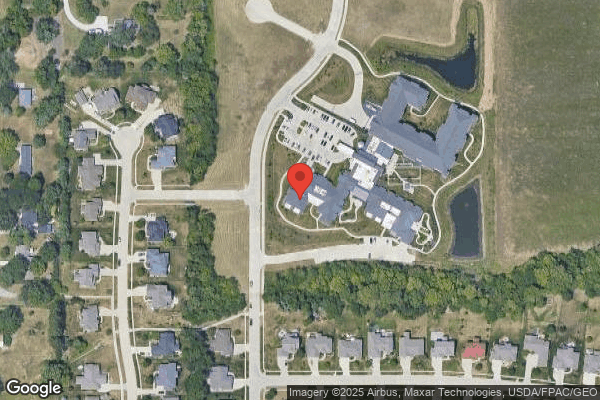
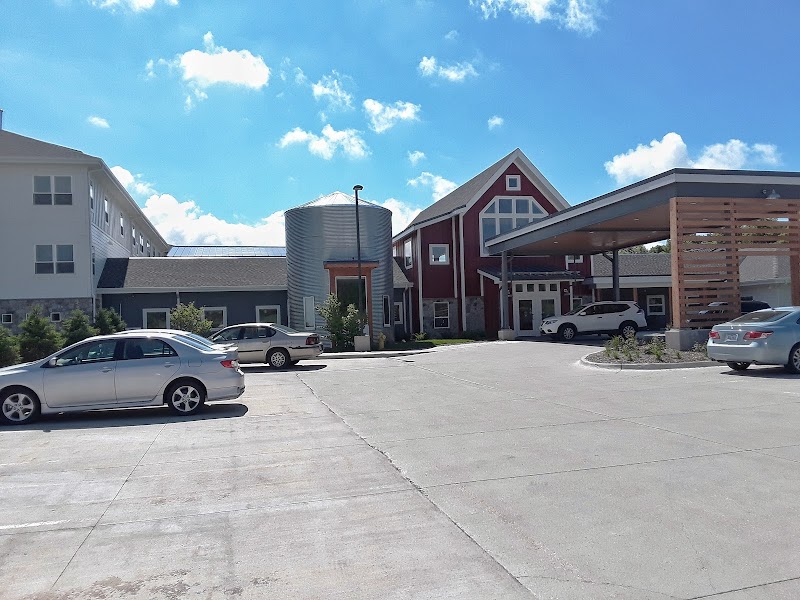
6901 Peckham Street, Johnston, IA 50131 (515) 253-2501
For profit - Limited Liability company 36 Beds WESLEYLIFE Data: November 2025 1 Immediate Jeopardy citation
Trust Grade
61/100
#99 of 392 in IA
Last Inspection: March 2025

Within standard 12-15 month inspection cycle. Federal law requires annual inspections.

Overview

Brio of Johnston, LLC has a Trust Grade of C+, indicating it is slightly above average but not exceptional in terms of care quality. It ranks #99 out of 392 nursing homes in Iowa, placing it in the top half of facilities statewide, and #9 out of 29 in Polk County, meaning there are only eight local options rated higher. The facility's trend is improving, with issues decreasing from four in 2024 to two in 2025. Staffing is rated 4 out of 5 stars, but the turnover rate is concerning at 59%, which is above the Iowa average of 44%. There are also some notable issues: a critical incident involved a resident potentially accessing narcotic medication unsupervised, and there were concerns about improperly documented behaviors related to psychotropic medication for several residents. Additionally, a medication drawer was found unsecured, which could pose risks to resident safety. Overall, while Brio of Johnston has strengths in staffing and a positive trend, these significant weaknesses should be carefully considered by families.

Trust Score
C+
61/100
In Iowa
#99/392
Top 25%
Safety Record
High Risk
Review needed
Inspections
Getting Better
4 → 2 violations
Staff Stability
⚠ Watch
59% turnover. Above average. Higher turnover means staff may not know residents' routines.
Penalties
⚠ Watch
$6,923 in fines. Higher than 94% of Iowa facilities. Major compliance failures.
Skilled Nurses
✓ Good
Each resident gets 88 minutes of Registered Nurse (RN) attention daily — more than 97% of Iowa nursing homes. RNs are the most trained staff who catch health problems before they become serious.
Violations
○ Average
10 deficiencies on record. Average for a facility this size. Mostly minor or procedural issues.
★★★★☆
4.0
Overall Rating
★★★★☆
4.0
Staff Levels
★★★★☆
4.0
Care Quality
★★★★☆
4.0
Inspection Score
Stable
2024: 4 issues
2025: 2 issues

The Good

  • 4-Star Staffing Rating · Above-average nurse staffing levels
  • 4-Star Quality Measures · Strong clinical quality outcomes
  • Full Sprinkler Coverage · Fire safety systems throughout facility
  • No fines on record

Facility shows strength in staffing levels, quality measures, fire safety.

The Bad

Staff Turnover: 59%

13pts above Iowa avg (46%)

Frequent staff changes - ask about care continuity

Federal Fines: $6,923

Below median ($33,413)

Minor penalties assessed

Chain: WESLEYLIFE

Part of a multi-facility chain

Ask about local staffing decisions and management

Staff turnover is elevated (59%)

11 points above Iowa average of 48%

The Ugly 10 deficiencies on record

1 life-threatening
Mar 2025 2 deficiencies
CONCERN (D)

Potential for Harm - no one hurt, but risky conditions existed

Deficiency F0741 (Tag F0741)

Could have caused harm · This affected 1 resident

Based on electronic health record review, staff interview, and policy review, the facility failed to document on the Behavior Assessment Record, as ordered, behaviors related to psychotropic medicatio...

Read full inspector narrative →
Based on electronic health record review, staff interview, and policy review, the facility failed to document on the Behavior Assessment Record, as ordered, behaviors related to psychotropic medication use (drugs which alter a person's mental state, emotions, or behavior) for 3 out of 3 residents reviewed for unnecessary medications (Residents #17, #24, and #25). The facility reported a census of 33 residents. Findings include: 1. The Minimum Data Set (MDS) Assessment, dated 2/6/25, revealed Resident #17 with a Brief Interview for Mental Status (BIMS) score of 1, indicating severe cognitive impairment. Diagnoses on the MDS include Alzheimer's Dementia, anxiety, and depression. The MDS listed the use of an antidepressant and an antipsychotic medication. Summary of Physician Orders for Resident #17, obtained on 3/13/25, listed orders for Divalproex (anticonvulsant used as a mood stabilizer) 125 mg tablet two times daily, Olanzapine (antipsychotic) 2.5 mg tablet daily and Sertraline (antidepressant) 50 mg tablet daily. The Physician Orders direct staff to Monitor and document for behaviors related to psychotropic medication use. Refer to active Care Plan for target behaviors one time a day every Tuesday and one time a day every Friday. The Behavioral Assessment Record (BAR) revealed the following: a. In February 2025, behaviors were not recorded for 2 out of 8 days b. In January 2025, behaviors were not recorded for 4 out of 9 days c. In December 2024, behaviors were not recorded for 2 out of 9 days Review of Progress Notes in the electronic health record lacked documentation to address if behaviors had been observed or not on the days missing documentation on the BAR for Resident #17. 2. The MDS Assessment, dated 1/23/25, revealed Resident #24 with a BIMS score of 2, indicating severe cognitive impairment. Diagnoses on the MDS include Alzheimer's Dementia, anxiety, depression and senile degeneration of the brain. The MDS listed the use of an antianxiety, antidepressant, and an antipsychotic medication. Summary of Physician Orders for Resident #24, obtained on 3/13/25, listed orders for Buspirone (antianxiety) 7.5 mg tablet two times daily, Quetiapine (antipsychotic) 1.5-25 mg tablets two times daily, and Sertraline (antidepressant) 1.5-50 mg tablets one time daily. The Physician Orders direct staff to Monitor and document for behaviors related to psychotropic medication use. Refer to active Care Plan for target behaviors one time a day every Tuesday and one time a day every Friday. The Behavioral Assessment Record (BAR) revealed the following: a. In February 2025, behaviors were not recorded for 2 out of 8 days b. In January 2025, behaviors were not recorded for 4 out of 9 days c. In December 2024, behaviors were not recorded for 2 out of 9 days Review of Progress Notes in the electronic health record lacked documentation to address if behaviors had been observed or not on the days missing documentation on the BAR for Resident #24. 3. The MDS Assessment, dated 1/17/25, revealed Resident #25 with a BIMS score of 2 indicating severe cognitive impairment. Diagnoses on the MDS include Alzheimer's Dementia, anxiety, and depression. The MDS listed the use of an antipsychotic and antidepressant. Summary of Physician Orders for Resident #25, obtained on 3/13/25, listed orders for Duloxetine (antidepressant) 60 mg tablet one time daily, Quetiapine (antipsychotic) 12.5 mg tablet two times daily, and Trazodone (antidepressant) 1.5-50 mg tablets one time daily. The Physician Orders direct staff to Monitor and document for behaviors related to psychotropic medication use. Refer to active Care Plan for target behaviors one time a day every Tuesday and one time a day every Friday. The Behavioral Assessment Record (BAR) revealed the following: a. In February 2025, behaviors were not recorded for 2 out of 8 days b. In January 2025, behaviors were not recorded for 4 out of 9 days c. In December 2024, behaviors were not recorded for 2 out of 9 days Review of Progress Notes in the electronic health record lacked documentation to address if behaviors had been observed or not on the days missing documentation on the BAR for Resident #25. During an interview on 3/12/25 at 1:45 PM, Staff A, Licensed Practical Nurse, explained tasks, such as completion of the BAR, is flagged in yellow as a reminder. If the day is marked with a check-mark on the BAR, the specific question has been addressed and no behaviors observed. The initials NO on a day indicate behaviors not identified. During an interview on 3/12/25 at 2:00 PM, the Director of Nursing (DON), acknowledged the incomplete BAR documentation for Residents #17, #24, and #25. Upon further review, the missing documentation occurred on all the same days for the three residents. The DON explained the BAR is completed by nursing staff and flagged for completion during medication rounds throughout the day. Certified Medication Aides (CMA) were scheduled to pass medications on the undocumented days on the BAR. The CMA's do not have access to the BAR completion and are unaware of the task to alert nursing staff. The policy Adverse Effects Monitoring Process, revised 04/2024, stated professional team members should record if adverse effects are present as indicated on the order set at the triggered times.
CONCERN (D)

Potential for Harm - no one hurt, but risky conditions existed

Deficiency F0761 (Tag F0761)

Could have caused harm · This affected 1 resident

Based on observations, staff interview, and policy review, the facility failed to securely store resident medications for 1 of 6 residents reviewed for medication administration. The facility reported...

Read full inspector narrative →
Based on observations, staff interview, and policy review, the facility failed to securely store resident medications for 1 of 6 residents reviewed for medication administration. The facility reported a census of 33 residents. Findings include: During an observation on 3/10/25 at approximately 10:00 AM, on the Chronic Confusion or Dementing Illness (CCDI) Unit, the medication drawer in Resident #18's room was not securely locked and was easily opened. The unsecured drawer was full of Resident #18's medications. During an interview on 3/10/25 at 10:05 AM, the Director of Nursing, DON, witnessed and acknowledged the unlocked drawer. The DON removed the medications and placed them in another drawer that was securely locked. The DON stated medication drawers are to be locked when actively filled with medications and supplies. The policy Medication Administration, Storage, Disposal, and Nurse Review, revised 09/2020, stated all prescription medications must be kept in a locked cabinet.
Jun 2024 1 deficiency
CONCERN (D) 📢 Someone Reported This

A family member, employee, or ombudsman was alarmed enough to file a formal complaint

Potential for Harm - no one hurt, but risky conditions existed

Accident Prevention (Tag F0689)

Could have caused harm · This affected 1 resident

**NOTE- TERMS IN BRACKETS HAVE BEEN EDITED TO PROTECT CONFIDENTIALITY** Based on observation, clinical record review, policy review and staff interview the facility failed to ensure the garden gate cl...

Read full inspector narrative →
**NOTE- TERMS IN BRACKETS HAVE BEEN EDITED TO PROTECT CONFIDENTIALITY** Based on observation, clinical record review, policy review and staff interview the facility failed to ensure the garden gate closed securely allowing 2 residents to leave the garden unnoticed. (Resident#1 and #2) The facility reported a census of 35 residents. Findings Include: 1. The admission Minimum Data Set (MDS) dated [DATE] for Resident #1 documented a Brief Interview for Mental Status (BIMS) of 6 which indicated severe cognitive impairment. The MDS documented diagnosis including non-traumatic brain dysfunction, Alzheimer's disease and hypertension (high blood pressure). The MDS documented that the resident was independent with walking. The Care Plan for Resident #1 included a focus area of elopement risk/wanderer related to history of attempts to leave the facility and impaired safety awareness dated 5/2/24. The Care Plan interventions included use of wander guard, provide structured activities, redirect/distract when wandering and provide an assortment of nuts/bolts/washers for resident to sort. The Progress Note written on 6/2/24 at 2:59 PM documented Resident #1 was found outside the designated patio and was returned inside the facility within 5 minutes. 2. The Quarterly MDS for Resident #3 dated 4/3/24 documented a BIMS of 2 which indicated severe cognitive impairment. The MDS documented diagnosis including non-traumatic brain dysfunction, Alzheimer's disease and anxiety disorder. The Care Plan for Resident #3 included a focus area of elopement risk related to wandering and Alzheimer's disease dated 10/12/22. The Care Plan interventions included distract from wandering by providing diversional activity and identify purpose of wandering (looking for the bathroom). The Care Plan documented that the resident walked independently. The Progress Note written on 6/2/24 at 3:22 PM documented Resident #3 escaped through a locked gate on the patio and was found walking along the side of the building on the sidewalk. During an interview on 6/17/24 at 2:20 PM, Staff A, activities and Lifestyles Coordinator, explained she had worked the morning of 6/2/24. After she got off work, she went home and returned a short time later about 1:00 PM and had been fishing on campus. She had caught a good-sized fish. She took a picture and released the fish. There were residents sitting in the gated garden area. She entered the garden area using the key pad release from the outside. She showed a few residents the picture. There was a family member sitting outside with the residents but no staff present. Staff A continued, explaining when she left the garden gate, she heard it hit to latch but did not turn around to visualize the gate had properly latched. During an interview on 6/17/24 at 2:41 PM the Director of Plant Operations explained he conducted an inspection of the latch on the morning of 6/3/24. There was no explanation why the gate did not latch, there was nothing structurally or mechanically wrong with the latch. During an interview on 6/17/24 at 4:27 PM the Executive Director stated they take resident safety very seriously; the residents are safe. Review of the security camera footage at 4:38 on 6/17/24. The footage for 6/2/24 showed Resident #1 entering view in front of garage at 1:41:44 PM. Resident #3 entered into the view in front of garage at 1:42:25 PM and stood next to Resident #1. Both residents turn and walk up the sidewalk along the building. Both residents walk out of camera view at 1:45:45 PM. Team member comes quickly out of garage side door towards residents at 1:46:02. Facility document titled Elopement Precautions Policy last revised 4/22 directs that the electronic door alarms must remain active at all times. During an interview on 6/19/24 at 1:53 PM the Executive Director explained she would expect facility staff to follow facility policies.
Apr 2024 3 deficiencies
CONCERN (D)

Potential for Harm - no one hurt, but risky conditions existed

Deficiency F0658 (Tag F0658)

Could have caused harm · This affected 1 resident

Based on staff interview, record review, and policy review the facility failed to follow a physician's order for one (Resident #26) of twelve residents reviewed. The facility reported a census of 33 r...

Read full inspector narrative →
Based on staff interview, record review, and policy review the facility failed to follow a physician's order for one (Resident #26) of twelve residents reviewed. The facility reported a census of 33 residents. Findings include: A Minimum Data Set (MDS) for Resident #26 dated 4/5/24, included diagnoses of hypertension (high blood pressure), urinary tract infection in last 30 days, and anxiety disorder. The MDS identified the resident required partial to substantial assistance for transfers, toileting, and personal hygiene. The MDS documented the resident had a Brief Interview for Mental Status score of 9, indicating moderate cognitive impairment. Resident's Order Summary Report dated 4/24/24 documented the following current physician orders: 1. Clonidine (blood pressure medication) 0.1milligrams (mg) every 6 hours as need (PRN) for systolic blood pressure (SBP) (top number of BP) greater than 160 or diastolic blood pressure (DBP) (lower number of BP) greater than 100 starting 4/1/24. 2. Check BP every 6 hours and administer PRN clonidine per parameters every 6 hours related to hypertension starting 4/11/24. Resident's blood pressure summary report revealed the following dates and blood pressures: a. 4/6/24 8:00 AM - 161/71 b. 4/7/24 10:47 PM -169/97 c. 4/7/24 11:15 PM - 190/96 d. 4/8/24- 3:33 AM 181/93 e. 4/8/24 8:15 AM - 172/84 f. 4/8/24 11:15 AM - 175/85 g. 4/12/24 7:15 AM - 175/85 h. 4/17/24 7:27 AM - 168/93 i. 4/22/24 7:37 AM - 163/99 j. 4/22/24 6:42 PM - 163/99 k. 4/24/24 8:08 AM 180/100 Resident's Medication Administration Record for 4/1/24 - 4/30/24, revealed the clonidine PRN order had not been administered at all during those dates. Interview on 4/24/24 at 10:43 AM, Staff A, Licensed Practical Nurse stated the skilled residents' BPs are taken 2 times a day. Staff A further stated that she had taken the resident's BP about 8 AM and the resident's BP was 180/100. Staff stated she administered the resident's morning medications and did not give the clonidine PRN medication. Staff A stated she was not aware of the order for the resident's BP to be taken every 6 hours or the order for clonidine. Staff A stated she should have administered the clonidine based on the BP 180/100. Facility policy, Medication Administration revised 11/2022 documented the authorized person will ensure prescribed medication is administered per physician order. Interview on 4/24/24 at 11:05 AM, the Director of Nursing stated her expectation is to follow the physician's order.
CONCERN (D)

Potential for Harm - no one hurt, but risky conditions existed

Deficiency F0727 (Tag F0727)

Could have caused harm · This affected 1 resident

Based on document review and staff interview the facility failed to provide Registered Nurse (RN) coverage eight consecutive hours a day, seven days a week. The facility reported a census of 33. Findi...

Read full inspector narrative →
Based on document review and staff interview the facility failed to provide Registered Nurse (RN) coverage eight consecutive hours a day, seven days a week. The facility reported a census of 33. Findings include: Review of facility's PBJ (Payroll Based Journal) Staffing Data Report (staffing numbers reported to Centers for Medicare and Medicaid Services) for the fiscal quarter of 2024 (October 1, 2023-December 31, 2023) identified a No RN hours trigger for 11/12, 12/9, 12/10, 12/23, and 12/24/23. Review of facility's schedule for the following dates revealed no RN scheduled to work: 11/12, 12/9, 12/10, 12/23, and 12/24/23. Interview on 4/23/24 at 2:42 PM, the Administrator confirmed the facility did not have 8 hours of RN coverage on the days reported on the PBJ report of 11/12,12/9, 12/10, 12/23, and 12/24/23. The Administrator stated there was a RN on call but not in the facility. The Administrator stated they do not have a policy for RN coverage that they follow the federal regulations for RN coverage 8 hours a day and her expectation for RN coverage 8 hours a day/7 days a week.
CONCERN (D)

Potential for Harm - no one hurt, but risky conditions existed

Infection Control (Tag F0880)

Could have caused harm · This affected 1 resident

Based on observation, staff interviews and policy reviews the facility failed to ensure staff completed appropriate hand hygiene and glove usage prior to incontinence care for 1 of 1 residents (Reside...

Read full inspector narrative →
Based on observation, staff interviews and policy reviews the facility failed to ensure staff completed appropriate hand hygiene and glove usage prior to incontinence care for 1 of 1 residents (Resident #26) reviewed. The facility reported a census of 33 residents. Findings Include: A Minimum Data Set (MDS) for Resident #26, dated 4/5/24, included diagnoses of hypertension (high blood pressure), urinary tract infection in last 30 days, and anxiety disorder. The MDS identified the resident required partial to substantial assistance for transfers, toileting, and personal hygiene. The MDS documented the resident had a Brief Interview for Mental Status score of 9, indicating moderate cognitive impairment. Observation on 04/24/24 at 1:32 PM, Staff B, Certified Nurse Aide entered room to assist Resident #26 during toileting. Staff B washed hands, applied gloves, removed the resident's shoes and pants, applied a new attend, reapplied the resident's shoes, touched the dirty trash bag, and with the same gloves on proceeded to complete peri care on the resident. After cares completed, Staff B removed gloves and washed hands. Facility policy, Hand Washing and Hand Hygiene revised 6/2020 revealed hand hygiene must be performed after touching contaminated items and before providing personal cares for a resident (peri care). Interview on 4/24/24 at 4:00 PM, the Director of Nursing stated her expectation for staff to complete hand hygiene and apply new gloves before completing peri care.
Sept 2023 1 deficiency 1 IJ (1 affecting multiple)
CRITICAL (K) 📢 Someone Reported This

A family member, employee, or ombudsman was alarmed enough to file a formal complaint

Immediate Jeopardy (IJ) - the most serious Medicare violation

Accident Prevention (Tag F0689)

Someone could have died · This affected multiple residents

**NOTE- TERMS IN BRACKETS HAVE BEEN EDITED TO PROTECT CONFIDENTIALITY** Based on clinical record review, staff interviews, facility policy review and Pharmacist interview, the facility failed to assur...

Read full inspector narrative →
**NOTE- TERMS IN BRACKETS HAVE BEEN EDITED TO PROTECT CONFIDENTIALITY** Based on clinical record review, staff interviews, facility policy review and Pharmacist interview, the facility failed to assure narcotic medication was in a secure location and not accessible to a dependent resident resulting in the possible ingestion of up to 18 Hydrocodone/APAP (Tylenol) 5-325 milligrams (MG) unsupervised in less than 24 hours for 1 of 1 residents with a history of drug seeking behavior (Resident #1). This failure resulted in 72 hours of monitoring of Resident #1 causing an Immediate Jeopardy (IJ) to the health, safety and security of the resident. The State Agency informed the facility of the IJ that began on April 27,2023 on September 13, 2023 at 4:30 PM. The facility staff removed the IJ on April 28, 2023 through the following actions: a. All team members from all departments will be educated as they come on for shifts starting immediately, including agency started 4/28/23 and ongoing. b. Daily huddles and shift to shift huddles- educate and obtain signatures with dates. Started 5/10/23 and ongoing. c. All team members in all departments will be educated if they note medications not properly stored in resident room in locked drawer or for narcotics double locked in medication room they are to notify their supervisor. Completed 4/28/23 and ongoing. d. All facility leaders will be educated by the Executive Director in the event of a concern with medication they are to immediately report to the Director of Nursing (DON) and Executive Director. Completed 4/28/23. e. Resident care plan updated to have an opioid substance disorder. Completed 4/28/23. f. Director of Social Services will meet with resident to establish psychosocial needs- she will offer Encounter Telehealth. Completed 5/2/23. g. Resident will be monitored for 72 hours for signs and symptoms of lethargy change in condition related to medication. Started 4/28/23. h. Nurse Practitioner documented routine pain medication and review, due to diagnosis of opioid dependence. Completed 5/9/23. i. Staff A, Registered Nurse (RN) was educated and received a corrective action. Educated 4/28/23, Corrective Action 5/1/23. j. Medication was replaced by the facility and the facility responsible for costs. Completed on 4/28/23. k. Continue to audit medication laptop cart and resident medication drawers. Started 5/1/23 and continues 3x weekly minimum and PRN. i. Created a binder with self-report, all policies, communication/education with team and signatures. Completed 5/4/23. The scope lowered from a J to D at the time of the survey after ensuring the facility implemented education and their policy and procedures. The facility identified a census of 34 residents. Findings include: The Minimum Data Set (MDS) dated [DATE] revealed Resident #1 had a Brief Interview for Mental Status (BIMS) of 11 out of 15 indicating moderate cognitive impairment. The MDS further indicated the resident was independent with transfers, locomotion on the unit and in the corridor and had diagnosis including opioid dependence, anxiety disorder, depression, wedge compression fracture of second lumbar vertebrae and chronic pain syndrome. The MDS documented the resident received scheduled and PRN pain medication. The MDS also documented she received opioid pain medication 7 days of the last 7 day look back period. The Care Plan initiated 12/21/22 revealed Resident #1 was on pain medication therapy related to chronic pain and used as needed opioid (narcotic) pain and non-opioid pain medication. The Care Plan had a goal for the resident to be free of any discomfort or adverse side effects from pain medication and directed staff to administer analgesic medications as ordered by physician, monitor for increased risk for falls, monitor for adverse reactions to analgesic therapy including mental status, anxiety, constipation, depression, dizziness, lack of appetite, nausea, vomiting, pruritus (itching), respiratory distress, decreased respirations, sedation and urinary retention. The Care Plan initiated 4/28/23 documented Resident #1 was at risk for substance abuse disorder of opioids. The Care Plan directed staff as follows: -resident seeks out opioids and other analgesics. Monitor for seeking behavior. -remain non-judgmental. Be alert to changes in behaviors (restlessness, increased tension). -offer quiet space to reduce stimuli. The April 2023 Medication Administration Record (MAR) for Resident #1 documented the following orders: a. Acetaminophen (APAP) 500 MG 1 tablet three times a day *max 4 grams (GM)/24 hours start 3/7/23 6:00 AM. b. Hydrocodone/APAP tab 7.5-325 MG 1 tablet every 4 hours as needed for pain start 3/21/23 at 12:00 AM. The MAR documented the resident received Hydrocodone/APAP 7.5-325 mg at the following times: On 4/27/23 at 7:02 AM and at 2:20 PM. On 4/28/23 at 7:22 AM. Review of facility Incident Report #1083 dated 4/2023 revealed Staff B, the previous Assistant Director of Nursing (ADON) and the DON searched Resident #1's room and a missing narcotic card was found in the resident's dresser drawer folded up in fourths inside a pocket of a pair of jeans. The resident stated she had never seen the medication before and did not know what they were. Review of Resident #1's Progress Notes revealed the following documentation: -On 3/27/23 at 5:44 AM resident observed by nurse with at least 8-10 Tylenol tablets attempting to take them back to her room. Resident educated on not taking pills without the knowledge of the nurse. -On 3/27/23 at 6:23 AM resident observed by RN with a handful of Tylenol that she took from the medication cart attempting to take them back to her room. Resident stated she had a headache. PRN Hydrocodone 7.5 mg offered to the resident. Resident educated on the importance of asking for PRN medications instead of attempting to take them. DON and oncoming staff informed of the incident. Will continue to monitor resident. -On 4/28/23 at 7:50 PM Physician notified of 18 tabs of Hydrocodone/APAP 5-325 MG missing and possibly consumed by the resident and directed staff to monitor the resident and send to the hospital if necessary. -On 4/28/23 at 9:08 PM son made aware of stolen narcotics and possible consumption. Son voices understanding and denies questions or concerns. Review of facility policy titled, Controlled Substances Distribution and Administration, approved 7/2016, documented the purpose of the protocol was to ensure the proper distribution and administration of controlled substances (CIO medications) and revealed all controlled substances will be stored, distributed and administered in compliance with all applicable laws and regulations. Review of facility policy titled, Medication Administration, Storage, Disposal and Nurse Review, approved 9/2020, documented all prescription medication must be kept in a locked cabinet. All other medications must be stored in a locked area not accessible to persons other than employees responsible for administration and storage of medications. Narcotics shall be stored in a double locked area. During an interview on 9/13/23 at 5:27 AM, Staff A, RN revealed the pharmacy had delivered medications the evening of 4/27/23 around 8:30 PM while Staff A was in the middle of passing medications. Staff A revealed she delivered the medications to the locked cabinets in resident rooms around 10:00 PM and around midnight she was busy putting papers away when she checked the list of medications pharmacy had delivered that night and noticed a narcotic had been delivered. Staff A stated she checked the narcotic drawer and couldn't locate the narcotic that had been delivered. Staff A revealed she thought maybe she had misplaced the narcotic and went to every resident's room and checked every medication drawer and couldn't locate it. Staff A stated she then called the pharmacy to provide verification they had delivered the narcotic and she notified the DON. Staff A revealed she had set the medications that had been received from the pharmacy at the nurse's station unsupervised and unsecured for approximately one hour following their delivery. Staff A reported the normal protocol is to put narcotics in the locked medication room in a locked drawer in order to have the narcotics double locked. Staff A stated she had seen Resident #1 walking around when Staff A was looking for the narcotic around 1:00 AM or 2:00 AM after she had been looking for the narcotic and stated Resident #1 had a history of seeking out medication. Staff A reported the normal process for pharmacy deliveries is the pharmacy scans the medication on a mobile phone one at a time and then facility staff sign off after the medications are scanned. After signing, the pharmacy will fax a confirmation sheet of what had been delivered sometimes within 30 minutes and sometimes more than 30 minutes after delivery. During an interview on 9/12/23 at 12:22 PM, Staff D, Pharmacist revealed 4 GM of Tylenol in a 24-hour period of time would be the maximum dose. On 9/13/23 at 10:27 AM, the Clinical Quality Specialist revealed in April 2023 there were 6 residents that resided in the community of the facility where the incident occurred that wandered with purpose. During an interview on 9/13/23 at 12:59 PM, the DON reported the physician had reported to monitor Resident #1's breathing and somnolence (excessive drowsiness). The DON further revealed she was concerned the resident was going to go unresponsive and was thankful she had a high tolerance because of her history. During an interview on 9/13/23 at 1:13 PM, Staff B, the previous ADON stated she had general concerns for Resident #1's safety following the incident as it was very serious if someone ingests too many narcotics as they could overdose and die.
Feb 2023 3 deficiencies
CONCERN (D)

Potential for Harm - no one hurt, but risky conditions existed

Notification of Changes (Tag F0580)

Could have caused harm · This affected 1 resident

**NOTE- TERMS IN BRACKETS HAVE BEEN EDITED TO PROTECT CONFIDENTIALITY** Based on staff interviews, physician interview and record review the facility failed to notify the physician of resident change ...

Read full inspector narrative →
**NOTE- TERMS IN BRACKETS HAVE BEEN EDITED TO PROTECT CONFIDENTIALITY** Based on staff interviews, physician interview and record review the facility failed to notify the physician of resident change in condition for 1 of 3 residents (Resident 36) reviewed. The facility reported a census of 34 Residents. Findings include: The MDS dated [DATE] documented a Brief Interview of Mental Status (BIMS) as 15 indicating no cognitive impairment. The MDS also documented the need for extensive assistance of one person with bed mobility, transfers, dressing, toilet use and personal hygiene. The MDS documented diagnosis of benign prostatic hyperplasia, renal insufficiency, obstructive uropathy, urinary tract infections, acute kidney failure, acute cystitis, diabetes and heart disease. The care plan dated 5/27/21 documented residents indwelling catheter, interventions/tasks included to monitor, record and report to the doctor signs and symptom of infection, included , report no urine output. Record review of urinary output documented 1/4/2022 to 1/10/2022 On 1/4/2022 - day shift 450, evening shift 950, night shift 200 On 1/5/2022 - day shift 1000, evening shift 600, night shift-blank no documented On 1/6/2022 - day shift 600, evening shift 425, night shift-blank not documented On 1/7/2022 - day shift-blank not documented, evening 450, night shift -blank ON 1/8/2022- day shift- blank not documented, evening shift 600, night shift 300 On 1/9/2022 - day shift 600, evening shift 650, night shift 300 On 1/10/2022- day shift 250, evening shift 0 (zero), night shift blank resident at the hospital. Progress note dated 2/11/2022 at 02:15 AM documented assessed resident, appears pale, lethargic, blood pressure documented 66/40. Continued to have no output in catheter. Resident was sent to the emergency room and hospitalized . Interview on 02/02/23 at 02:38 PM 02/02/23 02:38 PM nurse, staff D, relayed the output in the computer is the only place that catheter output is documented, should be documented by all shifts. Interview on 02/02/23 at 02:49 PM Staff E, Director or nursing (D.O.N.) relayed the expectation is a CNA notifies the nurse if there is no urine output in the catheter bag, generally the doctor is notified if there is no output in 6 hours, the doctor should of been notified if there was no urine output in a shift, that would be abnormal and the physician notification is needed. Interview on 02/02/23 at 09:42 AM Physician, Staff F reviewed resident record, acknowledged resident had no urinary output in the catheter for an entire shift, relayed a report to the doctor would be warranted with no urine out put in a shift, stated no urine output in the catheter bag for an entire shift is not normal.
CONCERN (D) 📢 Someone Reported This

A family member, employee, or ombudsman was alarmed enough to file a formal complaint

Potential for Harm - no one hurt, but risky conditions existed

Deficiency F0725 (Tag F0725)

Could have caused harm · This affected 1 resident

Based on Resident interviews, staff interviews and record review the facility failed to answer call lights in a reasonable amount of time (15 minutes or less) for 3 of 8 residents interviewed (Res#30,...

Read full inspector narrative →
Based on Resident interviews, staff interviews and record review the facility failed to answer call lights in a reasonable amount of time (15 minutes or less) for 3 of 8 residents interviewed (Res#30, Res #37 and Res#236) . The facility reported a census of 34 residents. Findings included: Interview on 01/30/23 at 12:14 PM Resident #30 relayed she used the call light and waited a half an hour while sitting on the toilet and another time waited 55 minutes in the morning for staff assistance. Resident #30 relayed she has a clock in her room and that is how she monitors time. Resident #40 relayed feelings that there is not enough staff. Interview on 01/30/23 02:00 PM Resident #236 voiced waited 10 -30 minutes, relayed she used her cell phone to look at the length of time staff responded. Interview on 01/31/23 08:49 AM Resident #37 voiced she used her calllight when needing assistance, waited at times over 20 minutes. Record review of facilities call light system logs provided by the Director of Nursing (DON) on 2/1/23 at 03:40 PM documented time over 15 minutes Res#30, Res #37 and Res#236. Review of 5 days log for residents interviewed from 1/25/23 to 1/30/23: for Resident #30 call light record documented a.01/25/23 at 2:13 PM - 50 minutes b.01/25/23 at 2:17 PM - 30 minutes c.01/26/23 at 7:03 AM - 25 minutes d.01/27/23 at 7:47 AM - 62 minutes e.01/27/23 at 7:37 AM - 38 minutes f.01/27/23 at 8:02 PM - 22 minutes g.01/28/23 at 2:07 AM - 21 minutes h.01/28/23 at 9:07 AM - 29 minutes i.01/28/23 at 4:09 PM - 24 minutes For Resident #37 call light record documented: a.01/27/23 at 11:32 AM -17 minutes b.01/27/23 at 6:38 PM - 21 minutes c.01/28/23 at 7:18 PM - 36 minutes d.01/29/23 at 4:09 PM - 18 minutes e.01/29/23 at 8:03 AM - 30 minutes f.01/29/23 at 8:53 Am - 20 minutes g.01/30/23 at 4:39 AM - 63 minutes h.01/30/23 at 4:47 AM - 28 minutes 01/30/23 at 6:02 AM - 18 minutes For Resident #236 call light record documented: a.01/25/23 at 12:24 PM- 37 minutes b.01/25/23 at 2:48 PM - 24 minutes c.01/25/23 at 6:21 PM - 26 minutes d.01/26/23 at 9:36 AM - 27 minutes e.01/26/23 at 12:11 PM- 35 minutes f.01/27/23 at 8:31 AM - 22 minutes g.01/27/23 at 2:33 PM -19 minutes h.01/29/23 at 1:14 PM - 23 minutes i.01/29/23 at 10:20PM - 29 minutes j.01/30/23 at 11:24 AM - 23 minutes Interview with the Administrator on 02/02/23 at 02:30 PM voiced expectation, relayed call lights to be answered within 15 minutes or sooner. Interview with the Director of Nursing (DON) on 02/03/23 at 03:00 revealed expectation for call lights to be answered in 15 minutes or less. Requests made throughout the survey for a Call light policy, not provided.
CONCERN (D)

Potential for Harm - no one hurt, but risky conditions existed

Deficiency F0886 (Tag F0886)

Could have caused harm · This affected 1 resident

Based on testing logs, policy review, and staff interview, the facility failed to test 1 of 3 staff members reviewed during an outbreak. The facility reported a census of 34 residents. Findings includ...

Read full inspector narrative →
Based on testing logs, policy review, and staff interview, the facility failed to test 1 of 3 staff members reviewed during an outbreak. The facility reported a census of 34 residents. Findings include: 1. Review of Covid-19 Test Consent Forms between the dates of 12/14/22 through 02/02/23 revealed the facility tested Staff A on 12/14, 12/15, and 12/19/22. The facility also provided an undated, untitled, handwritten document that contained 2 additional testing dates for Staff A: 12/27/22 and 1/25/23. Review of the undated Covid Positive Residents List identified Resident #27 tested positive on 12/23/22. Resident #27's Survey Report v2 Report for December 2022 revealed Staff A assisted the resident with activities of daily living on 12/22/22. The facility lacked further documentation to show any additional tests for Staff A during this time period. The undated facility document Covid Positive Resident identified 3 additional residents tested positive on 12/28/22, 12/29/22, and 1/7/23. The Interim Infection Prevention and Control Recommendations for Healthcare Personnel During the Coronavirus Disease 2019 (COVID-19) Pandemic, dated 9/23/22, directed facilities to perform testing for all residents and HCP identified as close contacts or on the affected unit(s) if using a broad-based approach, regardless of vaccination status. The recommendations stated if additional cases were identified, strong consideration should be given to shifting to the broad-based approach. As part of the broad-based approach, testing should continue on affected unit(s) or facility-wide every 3-7 days until there are no new cases for 14 days. The facility policy, COVID 19 Clinical Update revised 11/2022, documented if a community was not able to identify all close contacts, they should perform testing for all residents and staff on the affected units as soon as possible. During an interview on 2/2/23 at 11:50 a.m., the Director of Clinical Excellence stated if a resident tested positive, they would test everyone in the household. During an interview on 2/2/23 at 1:30 p.m., the Director of Clinical Excellence reported if a staff member was exposed to a Covid positive staff member but was wearing a mask, she would not need to test. She did not have the documentation available, but said she would look for CDC Guidance to support this and subsequently submit it to the Department.
Understanding Severity Codes (click to expand)
Life-Threatening (Immediate Jeopardy)
J - Isolated K - Pattern L - Widespread
Actual Harm
G - Isolated H - Pattern I - Widespread
Potential for Harm
D - Isolated E - Pattern F - Widespread
No Harm (Minor)
A - Isolated B - Pattern C - Widespread

Questions to Ask on Your Visit

  • "What changes have you made since the serious inspection findings?"
  • "Why is there high staff turnover? How do you retain staff?"
  • "Can I speak with families of current residents?"
  • "What's your RN coverage like on weekends and overnight?"

Our Honest Assessment

Strengths
  • • Licensed and certified facility. Meets minimum state requirements.
Concerns
  • • Multiple safety concerns identified: 1 life-threatening violation(s). Review inspection reports carefully.
  • • 10 deficiencies on record, including 1 critical (life-threatening) violation. These warrant careful review before choosing this facility.
  • • 59% turnover. Above average. Higher turnover means staff may not know residents' routines.
Bottom line: Mixed indicators with Trust Score of 61/100. Visit in person and ask pointed questions.

About This Facility

What is Brio Of Johnston, Llc's CMS Rating?

CMS assigns Brio of Johnston, LLC an overall rating of 4 out of 5 stars, which is considered above average nationally. Within Iowa, this rating places the facility higher than 99% of the state's 100 nursing homes. This rating reflects solid performance across the metrics CMS uses to evaluate nursing home quality.

How is Brio Of Johnston, Llc Staffed?

CMS rates Brio of Johnston, LLC's staffing level at 4 out of 5 stars, which is above average compared to other nursing homes. Staff turnover is 59%, which is 13 percentage points above the Iowa average of 46%. High turnover can affect care consistency as new staff learn residents' individual needs. RN turnover specifically is 65%, which is notably high. RNs provide skilled clinical oversight, so turnover in this role can affect medical care quality.

What Have Inspectors Found at Brio Of Johnston, Llc?

State health inspectors documented 10 deficiencies at Brio of Johnston, LLC during 2023 to 2025. These included: 1 Immediate Jeopardy (the most serious level, indicating potential for serious harm or death) and 9 with potential for harm. Immediate Jeopardy findings are rare and represent the most serious regulatory concerns. They require immediate corrective action.
Who Owns and Operates Brio Of Johnston, Llc?

Brio of Johnston, LLC is owned by a for-profit company. For-profit facilities operate as businesses with obligations to shareholders or private owners. The facility is operated by WESLEYLIFE, a chain that manages multiple nursing homes. With 36 certified beds and approximately 33 residents (about 92% occupancy), it is a smaller facility located in Johnston, Iowa.

How Does Brio Of Johnston, Llc Compare to Other Iowa Nursing Homes?

Compared to the 100 nursing homes in Iowa, Brio of Johnston, LLC's overall rating (4 stars) is above the state average of 3.1, staff turnover (59%) is significantly higher than the state average of 46%, and health inspection rating (4 stars) is above the national benchmark.

What Should Families Ask When Visiting Brio Of Johnston, Llc?

Based on this facility's data, families visiting should ask: "What changes have been made since the serious inspection findings, and how are you preventing similar issues?" "How do you ensure continuity of care given staff turnover, and what is your staff retention strategy?" "Can I visit during a mealtime to observe dining assistance and food quality?" "How do you handle medical emergencies, and what is your hospital transfer rate?" These questions are particularly relevant given the facility's Immediate Jeopardy citations and the facility's high staff turnover rate.

Is Brio Of Johnston, Llc Safe?

Based on CMS inspection data, Brio of Johnston, LLC has documented safety concerns. Inspectors have issued 1 Immediate Jeopardy citation (the most serious violation level indicating risk of serious injury or death). The facility has a 4-star overall rating and ranks #1 of 100 nursing homes in Iowa. Families considering this facility should ask detailed questions about what corrective actions have been taken since these incidents.

Do Nurses at Brio Of Johnston, Llc Stick Around?

Staff turnover at Brio of Johnston, LLC is high. At 59%, the facility is 13 percentage points above the Iowa average of 46%. Registered Nurse turnover is particularly concerning at 65%. RNs handle complex medical decisions and coordinate care — frequent RN changes can directly impact care quality. High turnover means new staff may not know residents' individual needs, medications, or preferences. It can also be disorienting for residents, especially those with dementia who rely on familiar faces. Families should ask: What is causing the turnover? What retention programs are in place? How do you ensure care continuity during staff transitions?

Was Brio Of Johnston, Llc Ever Fined?

Brio of Johnston, LLC has been fined $6,923 across 1 penalty action. This is below the Iowa average of $33,148. While any fine indicates a compliance issue, fines under $50,000 are relatively common and typically reflect isolated problems that were subsequently corrected. Families should ask what specific issues led to these fines and confirm they've been resolved.

Is Brio Of Johnston, Llc on Any Federal Watch List?

Brio of Johnston, LLC is not on any federal watch list. The most significant is the Special Focus Facility (SFF) program, which identifies the bottom 1% of nursing homes nationally based on persistent, serious quality problems. Not being on this list means the facility has avoided the pattern of deficiencies that triggers enhanced federal oversight. This is a positive indicator, though families should still review the facility's inspection history directly.