Childserve Habilitation Center
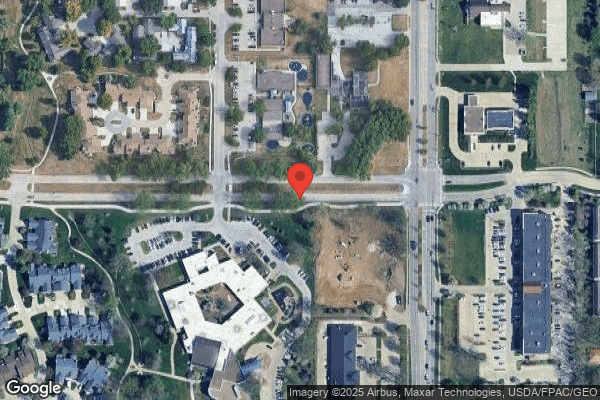
5900 Pioneer Parkway, Johnston, IA 50131 (515) 270-2205
Non profit - Corporation 74 Beds Independent Data: November 2025
Trust Grade
90/100
#11 of 392 in IA
Last Inspection: May 2025

Inspected within the last 6 months. Data reflects current conditions.

Overview

Childserve Habilitation Center in Johnston, Iowa, has received an excellent Trust Grade of A, indicating a high level of quality and care. It ranks #11 out of 392 facilities in Iowa, placing it in the top half overall, and #2 out of 29 in Polk County, suggesting only one local option is better. The facility is improving, with reported issues decreasing from 5 in 2024 to 2 in 2025. Staffing is a strong point, earning 5 out of 5 stars and having a turnover rate of 37%, which is below the Iowa average of 44%, indicating that staff members tend to stay longer and build strong relationships with residents. While there are no fines recorded, which is a positive sign, there have been some concerns. For example, staff left keys unsecured near medication carts, posing a risk of unauthorized access to medications. Additionally, the facility failed to notify the long-term care ombudsman about several residents' transfers to acute care hospitals. Lastly, there was an incident where staff did not take immediate action to protect a resident after witnessing questionable treatment from a staff member, highlighting the need for better oversight in such matters. Overall, while there are notable strengths, families should consider these concerns when evaluating the facility.

Trust Score
A
90/100
In Iowa
#11/392
Top 2%
Safety Record
Low Risk
No red flags
Inspections
Getting Better
5 → 2 violations
Staff Stability
○ Average
37% turnover. Near Iowa's 48% average. Typical for the industry.
Penalties
✓ Good
No fines on record. Clean compliance history, better than most Iowa facilities.
Skilled Nurses
✓ Good
Each resident gets 269 minutes of Registered Nurse (RN) attention daily — more than 97% of Iowa nursing homes. RNs are the most trained staff who catch health problems before they become serious.
Violations
⚠ Watch
11 deficiencies on record. Higher than average. Multiple issues found across inspections.
★★★★★
5.0
Overall Rating
★★★★★
5.0
Staff Levels
★★★★★
5.0
Care Quality
★★★★☆
4.0
Inspection Score
Stable
2024: 5 issues
2025: 2 issues

The Good

  • 5-Star Staffing Rating · Excellent nurse staffing levels
  • 5-Star Quality Measures · Strong clinical quality outcomes
  • Full Sprinkler Coverage · Fire safety systems throughout facility
  • No fines on record
  • Staff turnover below average (37%)

    11 points below Iowa average of 48%

Facility shows strength in staffing levels, quality measures, fire safety.

The Bad

Staff Turnover: 37%

Near Iowa avg (46%)

Typical for the industry

The Ugly 11 deficiencies on record

May 2025 2 deficiencies
CONCERN (D)

Potential for Harm - no one hurt, but risky conditions existed

Infection Control (Tag F0880)

Could have caused harm · This affected 1 resident

Based on observations, staff interviews, and policy review, the facility failed to implement the Infection Prevention and Control Program (IPCP) by staff not discarding Personal Protective Equipment (...

Read full inspector narrative →
Based on observations, staff interviews, and policy review, the facility failed to implement the Infection Prevention and Control Program (IPCP) by staff not discarding Personal Protective Equipment (PPE) immediately after use nor appropriately performing hand hygiene. The facility reported a census of 70 residents. Findings include: On 4/30/25 at 7:45 AM, Staff C, Housekeeping (HSKG) entered a resident's room, that displayed a contact/droplet isolation sign, wearing gloves but no other Personal Protective Equipment (PPE). She grabbed the trash bag out of the trashcan closest to the entry, tied it in a knot, then grabbed the trash bag from the other trashcan against the furthest wall, tied it in a knot, and brought them out of the residents' room. She placed the bags of trash in a large container then entered another room with a standard precautions sign displayed, collected the trash bags, brought them out of the room, and placed them in the large container. She grabbed the roll of trash bags from the adjacent cart, separated two (2) trash bags from the roll, then handed the roll to Staff D, HSKG. Staff C re-entered the second room and placed the trash bags in the trash containers while Staff D separated a trash bag off of the roll she grabbed from Staff C. Staff C and Staff D entered a third resident's room to replace the trash bags. No hand hygiene or glove change was performed during the observation. At 7:50 AM, both Staff C and Staff D stated they received infection prevention education upon hire and confirmed the education included transmission-based precautions. They also confirmed the education included hand hygiene and appropriate use of PPE. They stated the reason they didn't don any PPE, change gloves, or wash their hands between the contact/droplet room and standard precaution rooms was they were trying to keep up with their schedule. At 7:53 AM, Staff E, Facility Operations Manager (FOM) explained to Staff C and Staff D that PPE must be worn when indicated and hand hygiene and glove changes must occur between resident rooms. At 5/01/25 at 1:12 PM, the Inpatient Clinical Director (ICD) stated staff should not be wearing the same PPE between patient rooms. A policy titled Infection Prevention & Control dated 12/14/23 indicated: b. Hand Hygiene i. Indications for hand hygiene: 1. Before touching a patient; 2. Before clean/aseptic procedures; 3. After body fluid exposure/risk; 4. After touching a patient; and 5. After touching patient surroundings.
CONCERN (E)

Potential for Harm - no one hurt, but risky conditions existed

Deficiency F0761 (Tag F0761)

Could have caused harm · This affected multiple residents

Based on observations, staff interviews and policy review, the facility failed to secure prescribed medications from the possibility of unauthorized access. The facility reported a census of 70 reside...

Read full inspector narrative →
Based on observations, staff interviews and policy review, the facility failed to secure prescribed medications from the possibility of unauthorized access. The facility reported a census of 70 residents. Findings included: Observations on 4/30/2025 revealed the following events; On 4/30/25 at 11:38 AM, Staff A, Licensed Practical Nurse (LPN) walked away from her medication cart in the patient care hallway and entered a storage room. A key was observed lying on top of the medication cart. At 11:40 AM, Staff A walked past the medication cart with water and entered a resident's room. There was one resident present but unable to manipulate the key or the medication cart. When Staff A returned to the medication cart, she confirmed the key was used to unlock the medication cart and stated she didn't realize she left it on the cart. At 11:41 AM, Staff A removed medications from her cart, locked the cart and entered a resident's room. The key was observed lying on top of the medication cart. At 11:43 AM, another staff member entered the hallway where Staff A's medication cart was stationed. She confirmed she was a Respiratory Therapist and that she does not access the medication cart. At 1:29 PM, Staff B, Registered Nurse (RN) demonstrated the medication cart key also accesses the controlled substance drawer on the respective cart. On 5/01/25 at 9:44 AM, Staff A's medication cart was examined. The controlled substance drawer contained Oxycodone (opioid) and Nayzilam nasal spray (benzodiazepine - central nervous system depressant) used to treat seizures. On 5/01/25 at 1:11 PM, the Inpatient Clinical Director (ICD) stated staff should not have left the key on the cart. Staff should have the med cart keys with them. A policy titled Medication Administration dated 12/14/23 indicated: c. Controlled Substances (CII) i. A separate locked area for controlled medications is provided in a locked cabinet (double-locked). The cabinet has a special lock and key and must be kept locked at all times. ii. The controlled substance key will be kept with a designated staff member at all times or locked in a lockbox with restricted access.
Jul 2024 2 deficiencies
CONCERN (D)

Potential for Harm - no one hurt, but risky conditions existed

Infection Control (Tag F0880)

Could have caused harm · This affected 1 resident

**NOTE- TERMS IN BRACKETS HAVE BEEN EDITED TO PROTECT CONFIDENTIALITY** Based on observation, record review, policy review, and staff interview the facility failed to provide appropriate infection pre...

Read full inspector narrative →
**NOTE- TERMS IN BRACKETS HAVE BEEN EDITED TO PROTECT CONFIDENTIALITY** Based on observation, record review, policy review, and staff interview the facility failed to provide appropriate infection prevention practices when providing enteral tube feedings, nasal and tracheostomy suctioning for 2 of 7 residents observed (Resident #57 & #60). The facility reported a census of 69 residents. Findings include: 1. Observation on 6/30/24 at 12:05 PM revealed Staff A, RN, was not wearing gloves, standing at Resident #57's bedside, setting up enteral tube feeding by pouring measured formula into feeding bag that runs into a pump, tubing from the pump connects to Resident #57's feeding tube (g-tube). Staff A rolled Resident #57 toward herself noticing mucus drainage from his nose. Staff A, not wearing gloves, used a nasal cannula attached to a suction machine and suctioned mucus from Resident #57's nose. Staff A, then used hand sanitizer, completed feeding set up and connected Resident #57's feeding tube port to the tubing from the pump and started the feeding. The Minimum Data Set (MDS) dated [DATE] revealed Resident #57's age as 10 months old, fully dependent for cares and mobility, diagnosis of chronic respiratory failure, feeding problems of newborn, has feeding tube, tracheostomy with oxygen and a mechanical ventilator. Resident #57's Care Plan dated 2/8/24, revealed Resident #57's interventions for infection control included: Following CDC guidelines for all precautions as needed, Follow facility's process for infection control, including hand washing, gown, mask and glove. Interventions for nutrition/fluid maintenance included: Administer feedings and water flushes as ordered to ensure adequate nutrition and hydration. Interventions for respiratory/ventilator included: suctioning as needed. Review of Resident #57's Medication Administration Record (MAR) and Treatment Administration Record (TAR) for July 2024 revealed an order for enteral continuous feed administered by pump via G-tube (gastrostomy tube, feeding tube) 2. Observation on 7/2/24 at 2:53 PM revealed Staff B, CNA, providing secretion suction for Resident #60's tracheostomy. Staff B used a closed suction catheter (protected catheter tube covered with a sterile plastic sleeve) without wearing gloves. The MDS dated [DATE] revealed Resident #60 as [AGE] years old, nonverbal, fully dependent for cares and mobility, diagnosis of diabetes mellitus, seizure disorder, chronic respiratory failure, anoxic brain damage, had feeding tube, tracheostomy with oxygen and a mechanical ventilator. Resident #60's Care Plan dated 6/25/24, revealed Resident #60's interventions for infection control included: Following CDC guidelines for all precautions as needed, Follow facility's process for infection control, including hand washing, gown, mask and glove. Interventions for respiratory/ventilator included: suctioning as needed. Interventions for tracheostomy included: Suction PRN (as needed) with catheter per Respiratory Therapy (RT) recommendations. On 7/2/24 at 4:22 PM the Administrator stated his expectations are for all staff to wear gloves when providing care for tracheotomies, g-tube feedings, and g-tube cares. He said his expectations are for all staff to follow standard precautions. The facility Infection Prevention & Control Handbook, with revision date 1/31/24, revealed Standard Precautions are an approach to infection control that combines the major features of universal precautions and body substance isolation and applies them to all children regardless of their diagnosis or infections status. Standard precautions apply to: blood, all body fluids, secretions, and excretions (except sweat) regardless of whether or not they contain visible blood. Non-intact skin, and mucous membranes. Review of Hand Hygiene Education Session, provided to staff by the facility stated, wear gloves according to Standard Precautions, when it can be reasonably anticipated that contact with blood or other potentially infectious materials, mucous membranes, non-intact skin, potentially contaminated skin or contaminated equipment could occur.
CONCERN (E)

Potential for Harm - no one hurt, but risky conditions existed

Transfer Notice (Tag F0623)

Could have caused harm · This affected multiple residents

**NOTE- TERMS IN BRACKETS HAVE BEEN EDITED TO PROTECT CONFIDENTIALITY** Based on clinical record review and staff interviews, the facility failed to notify the long term care ombudsman for resident tr...

Read full inspector narrative →
**NOTE- TERMS IN BRACKETS HAVE BEEN EDITED TO PROTECT CONFIDENTIALITY** Based on clinical record review and staff interviews, the facility failed to notify the long term care ombudsman for resident transfer to an acute care hospital for 6 of 6 (Res #22, #26, #46, #54, #56, #70) residents reviewed for hospitalization. Findings include: The Minimum Data Set (MDS) of Resident # 22 documented a discharge, return anticipated, to an acute care hospital on [DATE] and 5/2/24. The MDS of Resident #26 documented a discharge, return anticipated, to an acute care hospital on 2/5/24, 3/31/24, 4/10/24 and 4/13/24. The MDS of Resident #46 documented a discharge, return anticipated, to an acute care hospital on [DATE] and 3/23/24. The MDS of Resident #54 documented a discharge, return anticipated, to an acute care hospital on 3/1/24, 4/13/24, 4/18/24 and 5/19/24. The MDS of Resident #56 documented a discharge, return anticipated, to an acute care hospital on 5/19/24. The MDS of Resident #70 documented a discharge, return anticipated, to an acute care hospital on 3/9/24 and 4/11/24. The document provided by the facility titled Monthly Discharge Template, Ombudsman Notify, failed to reflect any of the above hospital transfers. On 7/2/24 at 12:41 pm, the Administrator stated the facility had changed to a different electronic health record (EHR) in November of 2023. He stated all inpatient residents still have records in the prior EHR as both programs are still used for different things in the facility. He stated transfer outs were not being tracked correctly. He stated they have now added a different tracking log to remedy that. On 7/2/24 at 4:17 pm, via email, the Administrator stated the facility did not have policy regarding ombudsman notifications.
Jan 2024 3 deficiencies
CONCERN (D) 📢 Someone Reported This

A family member, employee, or ombudsman was alarmed enough to file a formal complaint

Potential for Harm - no one hurt, but risky conditions existed

Notification of Changes (Tag F0580)

Could have caused harm · This affected 1 resident

**NOTE- TERMS IN BRACKETS HAVE BEEN EDITED TO PROTECT CONFIDENTIALITY** Based on observation, clinical record review, staff interviews, and policy review, the facility failed to provide timely notific...

Read full inspector narrative →
**NOTE- TERMS IN BRACKETS HAVE BEEN EDITED TO PROTECT CONFIDENTIALITY** Based on observation, clinical record review, staff interviews, and policy review, the facility failed to provide timely notification to the physician or family when changes occurred in the resident's physical or mental condition for 2 of 3 residents reviewed (#1 & #3). The facility reported a census of 61 residents. Findings include: 1. The quarterly Minimum Data Set (MDS) dated [DATE] revealed Resident #1 was rarely or never understood and a Brief Interview for Mental Status (BIMS) score was not obtained. The MDS included diagnoses of Seizure disorder, Receptive-Expressive Language Disorder, dependence on supplemental oxygen, and Failure to Thrive. The MDS also indicated the resident was dependent in all areas of care. On 1/4/24 at 7:53 AM, Staff A, a Licensed Practical Nurse (LPN) documented a Nursing Assessment indicating the resident was on room air with a documented oxygen saturation (O2 sats) of 85%. The Care Plan dated 7/8/19 directed staff to communicate any changes in condition to the physician and to use oxygen to keep O2 sats greater than 90%. The EHR contained a Physician Order entry directing staff to use up to 5 Liters per minute (LPM) of oxygen as needed for keeping O2 sats greater than 90%. On 1/4/24 at 1:45 PM, the Primary Care Physician (PCP) documented the resident was on 2 LPM of oxygen with O2 sats between 96% - 99% and between 91% - 93% on room air. The PCP adjusted Resident #1's respiratory treatments. The Respiratory Assessment on 1/4/24 at 8:00 PM indicated the resident increased to 4 LPM of oxygen through a mask and had an O2 sat of 98%. The EHR O2 sat summary review revealed Resident #1's oxygen was documented at 10 LPM on 1/4/24 at 8:20 PM and had an O2 sat of 91% while on BiPAP. The Progress Notes revealed the PCP wasn't notified until 1/5/24 at 1:46 AM regarding the resident's respiratory concerns and transferred the resident to a higher level of care on 1/5/24 at 2:24 AM. On 1/5/24 at 7:25 AM, Staff B, Registered Nurse (RN) entered a Nursing Assessment and indicated the resident was receiving 6 LPM of oxygen through a mask but no alternate date or time were referenced. On 1/24/24 at 11:05 AM, the Pediatric Long-Term Care Inpatient Clinical Manager (PLTCICM) stated the physician should have been notified prior to 1:46 AM based on the precipitating events. The facility did not have a policy for notifying a physician other than adverse events. 2. The Minimum Data Set (MDS) assessment dated [DATE] revealed Resident #3 was rarely or never understood and a Brief Interview for Mental Status (BIMS) score was not obtained. The MDS included diagnoses of spastic quadriplegic Cerebral Palsy, seizure disorder, and gastro-esophageal reflux disease without esophagitis (GERD). The MDS indicated the resident was dependent in all areas of care. On 1/22/24 at 4:55 AM, Resident #3's monitor alarmed due to an elevated heart rate (HR) of 155 beats per minute (BPM) and Staff D, Registered Nurse (RN) entered the resident's room. At 4:59 AM, Staff D, RN stated Resident #3 vomited at 7:10 PM, 7:45 PM, 8:18 PM, and 10:00 PM. She stated she notified the physician, held his tube feeding (TF) for one hour, and started the resident on a hydration plan. The Electronic Health Record (EHR) Progress Notes revealed the resident had an elevated temperature of 100.5 degrees F and had a 15-minute seizure at 1:35 AM and was tachycardic (HR above 100) most of the night. It also indicated the nurse notified the physician but not the family. The EHR Progress Notes revealed Resident #3's family wasn't notified until 4:59 PM. The Care Plan dated 12/24/23 indicated the resident's family was involved in his care and directed staff to continue good communications with the family while the resident was assigned to the current unit. On 1/22/24 at 2:00 PM, the Pediatric Long-Term Care Inpatient Clinical Manager (PLTCICM) stated the family should know when there was a change in the resident's condition. She stated, in this scenario, the family should have been contacted at least by the end of the shift. A process manual titled Parent/Guardian Notification dated 1/20/23 directed staff to immediately notify the parent or guarding by telephone for a significant change in the resident's physical, mental, or psychosocial status OR a need to alter treatment significantly (a need to discontinue or change an existing form of treatment due to adverse consequences, or to commence a new form of treatment). It also directed staff to notify the parent or guardian by their preferred method as soon as possible for a new or discontinued provider order.
CONCERN (D) 📢 Someone Reported This

A family member, employee, or ombudsman was alarmed enough to file a formal complaint

Potential for Harm - no one hurt, but risky conditions existed

Deficiency F0658 (Tag F0658)

Could have caused harm · This affected 1 resident

**NOTE- TERMS IN BRACKETS HAVE BEEN EDITED TO PROTECT CONFIDENTIALITY** Based on clinical record review, staff interview, and policy review the facility failed to ensure physician's orders were follow...

Read full inspector narrative →
**NOTE- TERMS IN BRACKETS HAVE BEEN EDITED TO PROTECT CONFIDENTIALITY** Based on clinical record review, staff interview, and policy review the facility failed to ensure physician's orders were followed for 2 of 3 residents reviewed (#1 & #2). The facility identified a census of 61 residents. Findings include: 1. The quarterly Minimum Data Set (MDS) dated [DATE] revealed Resident #1 was rarely or never understood and a Brief Interview for Mental Status (BIMS) score was not obtained. The MDS included diagnoses of Seizure disorder, Receptive-Expressive Language Disorder, dependence on supplemental oxygen, and Failure to Thrive. The MDS also indicated the resident was dependent in all areas of care. The Care Plan dated 7/8/19 directed staff to communicate any changes in condition to the physician and to use oxygen to keep O2 sats greater than 90%. On 1/4/24 at 7:53 AM, Staff A, a Licensed Practical Nurse (LPN) documented a Nursing Assessment indicating the resident was on room air with a documented oxygen saturation (O2 sats) of 85%. The EHR contained a Physician Order entry directing staff to use up to 5 Liters per minute (LPM) of oxygen as needed for keeping O2 sats greater than 90%. The Electronic Health Record (EHR) indicated Staff A, LPN failed to initiate oxygen to Resident #1 after documenting an O2 sat of 85%. On 1/4/24 at 1:45 PM, the Primary Care Physician (PCP) documented the resident was on 2 LPM of oxygen with O2 sats between 96% - 99%. The EHR O2 sat summary review revealed Resident #1's oxygen was documented at 10 LPM on 1/4/24 at 8:20 PM and had an O2 sat of 91% while on BiPAP. On 1/22/24 at 12:23 PM, Staff C, a Respiratory Therapist (RT) stated she found the resident on 10 LPM of oxygen at the beginning of her shift with no documentation of when it was initiated. 2. The quarterly Minimum Data Set (MDS) dated [DATE] revealed Resident #2 was rarely or never understood and a Brief Interview for Mental Status (BIMS) score was not obtained. The MDS included diagnoses of Cerebral Palsy, Seizure disorder, functional quadriplegia, and dysfunction of the autonomic nervous system. The MDS also indicated the resident was dependent in all areas of care. The Care Plan directed staff to provide the resident with oxygen while he was asleep and to refer to the EHR for the current order. On 1/22/24 at 5:32 AM, an observation revealed Resident #2 received 3 LPM through a trach ring while asleep. The Electronic Health Record (EHR) physician orders directed staff to apply oxygen at 2 ¾ LPM when the child is asleep every shift. On 1/5/24 at 5:47 AM, Staff D, Registered Nurse (RN) entered a Nursing Assessment and indicated the resident was receiving 3 LPM of oxygen through a trach ring. On 1/22/24 at 6:20 AM, Staff E, RT, stated there was a way to document 2 ¾ LPM into the EHR. On 1/22/24 at 2:00 PM, the Pediatric Long-Term Care Inpatient Clinical Manager (PLTCICM) stated if a Physician Order is an actual order, as opposed to something mentioned in conversation, the nurse is expected to follow the order. She stated sometimes the nurse and the physician would have a conversation and the physician would comment on a recommendation but the nurse would be expected to clarify whether that conversation constituted an official order. A policy titled Physician/Nurse Practitioner/Physician Assistant Orders dated 12/14/23 indicated compliance with physician/nurse practitioner/physician assistant; orders must be evidenced in the child/young adult's care file. Documentation must demonstrate that physician/nurse practitioner/physician assistant; orders were followed as ordered.
CONCERN (D) 📢 Someone Reported This

A family member, employee, or ombudsman was alarmed enough to file a formal complaint

Potential for Harm - no one hurt, but risky conditions existed

Medical Records (Tag F0842)

Could have caused harm · This affected 1 resident

**NOTE- TERMS IN BRACKETS HAVE BEEN EDITED TO PROTECT CONFIDENTIALITY** Based on observation, clinical record review, staff interviews, and policy review, the facility failed to provide a complete, ac...

Read full inspector narrative →
**NOTE- TERMS IN BRACKETS HAVE BEEN EDITED TO PROTECT CONFIDENTIALITY** Based on observation, clinical record review, staff interviews, and policy review, the facility failed to provide a complete, accurate, and detailed record for the resident's physical condition to maintain the resident's highest practical well-being for 2 of 3 residents reviewed (#1 & #2). The facility reported a census of 61 residents. Findings include: 1. The quarterly Minimum Data Set (MDS) dated [DATE] revealed Resident #1 was rarely or never understood and a Brief Interview for Mental Status (BIMS) score was not obtained. The MDS included diagnoses of Seizure disorder, Receptive-Expressive Language Disorder, dependence on supplemental oxygen, and Failure to Thrive. The MDS also indicated the resident was dependent in all areas of care. The Care Plan dated 7/8/19 directed staff to use oxygen to keep O2 sats greater than 90%. On 1/4/24 at 7:53 AM, Staff A, Licensed Practical Nurse (LPN) documented a Nursing Assessment indicating Resident #1 was on room air with a documented oxygen saturation (O2 sats) of 85%. The EHR contained a Physician Order entry directing staff to use up to 5 Liters per minute (LPM) of oxygen as needed for keeping O2 sats greater than 90%. The Electronic Health Record (EHR) had no documentation of oxygen being initiated during the morning shift on 1/4/24. On 1/4/24 at 1:45 PM, the Primary Care Physician (PCP) documented the resident was on 2 LPM of oxygen with O2 sats between 96% - 99% with no documentation of when the oxygen was initiated. The EHR O2 sat summary review revealed Resident #1's oxygen was documented at 10 LPM on 1/4/24 at 8:20 PM and had an O2 sat of 91% while on BiPAP. On 1/22/24 at 12:23 PM, Staff C, a Respiratory Therapist (RT) stated she found the resident on 10 LPM of oxygen at the beginning of her shift with no documentation of when it was initiated. She also stated she did not document her findings. 2. The quarterly Minimum Data Set (MDS) dated [DATE] revealed Resident #2 was rarely or never understood and a Brief Interview for Mental Status (BIMS) score was not obtained. The MDS included diagnoses of Cerebral Palsy, Seizure disorder, functional quadriplegia, and dysfunction of the autonomic nervous system. The MDS also indicated the resident was dependent in all areas of care. The Care Plan directed staff to provide the resident with oxygen while he was asleep and to refer to the EHR for the current order. The Electronic Health Record (EHR) Physician Orders directed staff to apply oxygen at 2 ¾ LPM when the child was asleep every shift. On 1/21/24 at 7:45 PM, Staff F, RT completed a Respiratory Assessment and indicated the resident was on 2 LPM of oxygen through a trach ring. On 1/22/24 at 5:32 AM, an observation revealed Resident #2 was receiving 3 LPM of oxygen through a trach ring while he was asleep. On 1/22/24 at 5:47 AM, Staff D, Registered Nurse (RN) entered a Nursing Assessment and indicated the resident was receiving 3 LPM of oxygen through a trach ring. The EHR lacked documentation of when the resident's increased oxygen was initiated prior to the 3 LPM oxygen observed at 5:32 AM. A policy titled Documentation revised 5/21/21 directed staff to specifically state in the body of your note the time that events occurred and the actions taken and indicated thorough, accurate documentation decreases the potential for miscommunication and errors. On 1/24/24 at 11:05 AM, the Pediatric Long-Term Care Inpatient Clinical Manager (PLTCICM) stated documentation should reflect the information at the time it was available to the staff. She stated documentation should reflect the time treatment was done. She indicated the above oxygen adjustments should have been documented when they were initiated.
Sept 2023 3 deficiencies
CONCERN (D) 📢 Someone Reported This

A family member, employee, or ombudsman was alarmed enough to file a formal complaint

Potential for Harm - no one hurt, but risky conditions existed

Free from Abuse/Neglect (Tag F0600)

Could have caused harm · This affected 1 resident

**NOTE- TERMS IN BRACKETS HAVE BEEN EDITED TO PROTECT CONFIDENTIALITY** Based on record review, staff interviews, and policy review the facility failed to ensure 1 of 1 residents (Resident #52) review...

Read full inspector narrative →
**NOTE- TERMS IN BRACKETS HAVE BEEN EDITED TO PROTECT CONFIDENTIALITY** Based on record review, staff interviews, and policy review the facility failed to ensure 1 of 1 residents (Resident #52) reviewed was treated with respect and dignity by all staff, when Staff A, Respiratory Therapist, scolded Resident #52 for grabbing at her medical device. The facility reported a census of 61 residents. Findings include: The Quarterly Minimum Data Set (MDS) dated [DATE] for Resident #52 documented she has short-term and long-term memory problems, inability to recall current season, location of room, staff names and faces, and that she is in a nursing facility, and severely impaired cognitive skills for daily decision making. The MDS also documented she is totally dependent on 1 staff member for dressing, eating, toilet use, and personal hygiene. The MDS documented the diagnosis of seizure disorder or epilepsy, anxiety, dysphasia, hearing loss. Record review of an undated document titled, Care Investigation Summary informed the following Summary of Event(s): a. Child (Resident #52) from Long Term Care (LTC) unit was receiving routine care on 4/23/2023 when she removed her heat and moisture exchanger from her tracheostomy. Staff A, a travel Respiratory Therapist (RT) allegedly slapped the child's hands and yelled at her. Event was witnessed by several staff. b. Resident #52 did not sustain any physical injury, but she appeared visibly upset following the event. She received a dose of Tylenol. c. The event was reported to Department of Inspections, Appeals, and Licensing (DIAL) on 4/26/23 (delayed reporting). Staff reported the event to their supervisor, but it was not immediate, per policy. Once the supervisor was notified of the event, she promptly shared information with the Licensed Nursing Home Administrator (LNHA) and the alleged Respiratory Therapist was removed from the facility and her contract was immediately terminated. d. Response by staff in reporting incident did not meet policy requirements. Staff need to be encouraged to immediately share with supervisor when they witness an interaction with a resident that doesn't seem right. There was some reluctance to report this event right away because the alleged perpetrator was having a stressful day and the unit was stressed overall that day. During an interview on 9/13/23 at 9:58 AM with Staff B, Certified Nurse Aid (CNA) described the following observation she had of Resident #52 and Staff A's interaction on 4/23/23. Resident #52 was in sun room sitting on the floor and she pulled at her medical device on her neck, I was washing my hands at the sink, and Staff A (Respiratory Therapist) pulled Resident #52 hand away, and she said something like, stop doing that, this is the fourth (4th) time I had to put a new one on you today, in a not nice tone. She then informed Resident #52 got up and walked off, and she looked sad, and she knew she had been yelled at. I felt it was inappropriate because Resident #52 is really grabby and she does that a lot, for the RT to be annoyed with it, was pointless. I think Staff A prevented Resident #52 from doing a normal behavior, and she should not be punished for that, in that sense I do feel like it was abusive. Once the facility was made aware they terminated Staff A and when I talked to my Supervisor I was instructed I should of said something right then when it happened, and not waited. I was with Resident #52 the rest of the day, and she seemed ok the rest of the day, just sad at the time of the incident. After this incident the facility did a meeting and we all reviewed the same policy, and staff were directed to even if you think you see something, to call management because we are all mandatory reporters. She then informed Staff A continued to work with Resident #52 the rest of the shift and the next day. During an interview on 9/14/23 at 10:42 AM with the Director of Nursing stated regarding any individuals they serve, if they were observed being visibly sad after a possible alleged abuse incident she would constitute that as abuse. During an interview on 9/14/23 at 11:28 AM with the facilities Licensed Nursing Home Administrator (LNHA) reported staff informed her Resident #52 looked sad after Staff A spoke to her that way, like she had been disciplined, the nursing staff assessed her and no injuries were found, but she looked sad. The LNHA stated that if she had been informed of the incident with Staff A and Resident#52 immediately, Staff A would have been removed from working right away. Record review of the facilities policy, Resident Abuse Prevention, Identification, Investigation, and Reporting in Nursing Facilities, last revised 6/22/23 directed staff as follows; Initial/Immediate Protection During Facility Investigation a. Upon receiving a report of an allegation of resident abuse, neglect, exploitation, or mistreatment, the facility shall immediately implement measures to prevent further potential abuse of residents from occurring while the facility investigation is in process. If this involves a allegation of abuse by an staff, this will be accomplished by separating the staff accused of abuse from all residents through the following or a combination of the following, if practicable: i. Suspending the staff; ii. Segregating the employee by moving the staff to an area of the facility where there will be no contact with any residents of the facility; and in rare instances, iii. Separating the staff accused of abuse from the resident alleged to have been abused, but allowing the staff to care for and have contact with other residents, only if there is a second staff who remains with and accompanies the staff accused of abuse at all times to supervise all contacts and interactions with the residents. b. Following completion of the facility investigation, if the facility concludes that the allegations of resident abuse are unfounded, the staff may be allowed to return to job duties involving resident contact, but the staff must maintain a separation and have no contact with the resident alleged to have been abused, by reassigning the accused staff to an area of the facility where no contact will be made between the accused staff and the resident alleged to have been abused. This separation must be maintained until the Department concludes its investigation and issues the written results of its investigation.
CONCERN (D) 📢 Someone Reported This

A family member, employee, or ombudsman was alarmed enough to file a formal complaint

Potential for Harm - no one hurt, but risky conditions existed

Report Alleged Abuse (Tag F0609)

Could have caused harm · This affected 1 resident

Based on record review, staff interviews, and policy review the facility failed to report alleged physical and verbal abuse without bodily injury for 1 of 1 residents (Resident #52) within 24 hours of...

Read full inspector narrative →
Based on record review, staff interviews, and policy review the facility failed to report alleged physical and verbal abuse without bodily injury for 1 of 1 residents (Resident #52) within 24 hours of the incident to the state agency. The facility reported a census of 61 residents. Findings include: Record review of an undated document titled, Care Investigation Summary informed the following Summary of Event(s): a. Child (Resident #52) from Long Term Care (LTC) unit was receiving routine care on 4/23/2023 when she removed her heat and moisture exchanger from her tracheostomy. Staff A, a travel Respiratory Therapist (RT) allegedly slapped the child's hands and yelled at her. Event was witnessed by several staff. b. Resident #52 did not sustain any physical injury, but she appeared visibly upset following the event. She received a dose of Tylenol. c. The event was reported to DIAL on 4/26/23. Staff reported the event to their supervisor, but it was not immediate, per policy. Once the supervisor was notified of the event, she promptly share information with the Licensed Nursing Home Administrator (LNHA) and the alleged Respiratory Therapist was removed from the facility and her contract was immediately terminated. d. Response by staff in reporting incident did not meet policy requirements. Staff need to be encouraged to immediately share with supervisor when they witness an interaction with a resident that doesn't seem right. There was some reluctance to report this event right away because the alleged perpetrator was having a stressful day and the unit was stressed overall that day. During an interview on 9/13/23 at 9:58 AM Staff B, Certified Nurse Aid (CNA) described her observation she had of Resident #52 and Staff A's interaction on 4/23/23 as follows; Resident #52 was in sun room sitting on the floor and she pulled at her medical device on her neck, I was washing my hands at the sink, and Staff A pulled Resident #52 hand away, and she said something like, stop doing that, this is the fourth (4th) time I had to put a new one on you today, in a not nice tone. She then informed Resident #52 got up and walked off, and she looked sad, and she knew she had been yelled at. I felt it was inappropriate because Resident #52 is really grabby and she does that a lot, for the RT to be annoyed with it, was pointless. I think Staff A prevented Resident #52 from doing a normal behavior, and she should not be punished for that, in that sense I do feel like it was abusive. Once the facility was made aware they terminated Staff A and when I talked to my Supervisor I was instructed I should of said something right then when it happened, and not waited. I was with Resident #52 the rest of the day, and she seemed ok the rest of the day, just sad at the time of the incident. After this incident the facility did a meeting and we all reviewed the same policy, and staff were directed to even if you think you see something, to call management because we are all mandatory reporters. She then informed Staff A continued to work with Resident #52 the rest of the shift and the next day. During an interview on 9/14/23 at 10:41 AM with the Director of Nursing (DON) stated that she absolutely expected staff to report the alleged abuse that occurred on 4/23/23 within less than 24 hours. On 09/14/23 at 11:21 AM the facilities LNHA reported the 4/23/23 alleged abuse event should have of been reported to the state agency, DIAL, no later then 24 hours from the time of event. Record review of the facilities policy titled Resident Abuse Prevention, Identification, Investigation, and Reporting in Nursing Facilities last revised 6/22/23 directed staff as follows: D. Reporting Abuse a. All allegations of resident abuse, neglect, exploitation, mistreatment, injuries of unknown origin, and misappropriation should be reported immediately to the staff ' s supervisor. The supervisor is responsible for immediately reporting the allegations of abuse to the Administrator, or designated representative. b. All allegations of resident neglect, exploitation, mistreatment, injuries of unknown origin, and misappropriation shall be reported to the Iowa Department of Inspections and Appeals, not later than two (2) hours after the allegation is made, if the events that cause the allegation result in serious bodily injury, or not later than twenty-four (24) hours if the events that cause the allegation involve neglect, exploitation, mistreatment, injuries of unknown origin and misappropriation, but do not result in serious bodily injury. c. If there is a reasonable suspicion that the allegation of abuse also constitutes a crime committed against the resident by any person, whether or not the alleged perpetrator is employed by the facility, the Elder Justice Act requires the matter must also be reported to law enforcement. While the federal regulations require all abuse allegations be reported to DIA within 2 hours, the Elder Justice Act has a different time frame for reporting to the police/sheriff. i. If the allegation of abuse (that results from a crime) results in serious bodily injury to a resident, a report must be made to law enforcement not later than two (2) hours after the allegation is made. ii. If the allegation of abuse does not result in serious bodily injury, a report must be made to law enforcement not later than twenty-four (24) hours.
CONCERN (E) 📢 Someone Reported This

A family member, employee, or ombudsman was alarmed enough to file a formal complaint

Potential for Harm - no one hurt, but risky conditions existed

Investigate Abuse (Tag F0610)

Could have caused harm · This affected multiple residents

Based on record review, staff interview, and policy review the facility failed to immediately put effective measures in place to ensure further potential abuse or mistreatment does not occur for 1 of ...

Read full inspector narrative →
Based on record review, staff interview, and policy review the facility failed to immediately put effective measures in place to ensure further potential abuse or mistreatment does not occur for 1 of 1 dependent residents (Resident #52) when four (4) employees observed questionable physical and verbal abuse by Staff A, Respiratory Therapist (RT) to Resident #52. The facility reported a census of 61 residents. Findings include: On 9/13/23 at 9:58 AM Staff B, Certified Nurse Aid (CNA) described her observation she had of Resident #52 and Staff A's interaction on 4/23/23 as follows; Resident #52 was in sun room sitting on the floor and she pulled at her medical device on her neck, I was washing my hands at the sink, and Staff A pulled Resident #52 hand away, and she said something like, stop doing that, this is the fourth (4th) time I had to put a new one on you today, in a not nice tone. She then informed Resident #52 got up and walked off, and she looked sad, and she knew she had been yelled at. I felt it was inappropriate because Resident #52 is really grabby and she does that a lot, for the RT to be annoyed with it, was pointless. I think Staff A prevented Resident #52 from doing a normal behavior, and she should not be punished for that, in that sense I do feel like it was abusive. Once the facility was made aware they terminated Staff A and when I talked to my Supervisor I was instructed I should of said something right then when it happened, and not waited. I was with Resident #52 the rest of the day, and she seemed ok the rest of the day, just sad at the time of the incident. After this incident the facility did a meeting and we all reviewed the same policy, and staff were directed to even if you think you see something, to call management because we are all mandatory reporters. She then informed Staff A continued to work with Resident #52 the rest of the shift and the next day. On 9/14/23 at 11:28 AM with the facilities Licensed Nursing Home Administrator (LNHA) revealed staff informed her Resident #52 looked sad after Staff A spoke to her that way, like she had been disciplined, the nursing staff assessed her and no injuries, but she looked sad. She then informed she would of immediately removed Staff A from working with any individuals they serve if they were made aware of the situation immediately. On 09/14/23 10:44 AM with the Director of Nursing (DON) stated she would of expected Staff A to be removed immediately from caring for any individual once possible abuse was suspected. She revealed if she was aware of the incident she would of immediately removed Staff A on 4/23/23 if she would of known. She reported they would of removed Staff A immediately before even investigating the alleged abuse to ensure safety of all individuals they serve.
Mar 2023 1 deficiency
CONCERN (D) 📢 Someone Reported This

A family member, employee, or ombudsman was alarmed enough to file a formal complaint

Potential for Harm - no one hurt, but risky conditions existed

Accident Prevention (Tag F0689)

Could have caused harm · This affected 1 resident

Based on observation, clinical record review, resident and staff interview, a physician interview and facility policy review the facility failed to provide the necessary nursing supervision for a depe...

Read full inspector narrative →
Based on observation, clinical record review, resident and staff interview, a physician interview and facility policy review the facility failed to provide the necessary nursing supervision for a dependent patient who fell out of a crib that required staff assistance to maintain the safety for 1 of 3 patients reviewed. (Resident #1) The facility identified a census of 37 patients. Findings include: A Quarterly Minimum Data Set (MDS) assessment form dated 11.2.22 revealed Resident #1 as a 4 and 1/2 year old patient with diagnosis that included respiratory failure, atrial septal defect (hole in the wall of the heart's upper chambers), congenital sacral dimple (lump on the bottom of the back), other deletions of autosomes, renal agenesis (absence of one or more kidneys) gastrostomy and a tracheostomy. The assessment indicated the patient rarely made self understood or understood others, required supervision with bed mobility, non-ambulatory and no toilet use and as dependent on staff with all other activities of daily living (ADL's). A Care Plan dated 5.2.19 identified the resident with a problem with safety. The interventions included the following: a. Bed rails up at all times when patient in bed. (not dated) An Incident Management Quality Improvement form dated 11.8.22 at 5:25 p.m. revealed the following entry by Staff A, Registered Nurse (RN): RN in patients room to put ventilator away and had the crib side rail down as she helped the patient. The patient had been on the ventilator but woke up and had taken the vent off so the RN tried to get the patient back onto the wall oxygen. RN turned away for a second and the patient fell out of bed. RN immediately picked up the patient and performed an assessment. The patient cried immediately and the RN assessed for consciousness and bumps and bruises on the patient's head. No signs of injury noted. A Physician's Note dated 11.9.22 included the following documentation: Evaluated this morning following a fall from her bed -3-4 ft, last evening when bed rail was not all the way up during cares. Reportedly cried immediately after the event. No loss of consciousness. Assessed at that time by nursing without findings concerns for fracture. Reported no marks or bruising. Overnight acted like normal self per staff report. Awake for majority of the night and fell asleep that morning. Reportedly used both arms, both legs as her usual. No vomiting, no excessive sleepiness. During an interview 3.30.23 at 2:49 p.m. Staff A stated she helped the patient because as the patient had been positioned in bed she connected the oxygen tubing because the patient had a tracheostomy. The staff member turned her back to the patient when she hooked up the oxygen from the wall unit and the patient fell out of bed. When the patient fell out of bed she cried, the staff member picked her up off her back right away and then assessed the patient and found no injuries. When asked the staff member if there had been anything she could have done differently she stated even though it had been only for seconds she would not have turned her back to the patient. The staff member described the incident as human error and the patient as one of those wild child children. During an interview 3.30.23 at 1:05 p.m. the [NAME] President of Inpatient Services confirmed the nurse should have kept a hand on the patient but the thought process for that second had been the patient initially slept. During an interview 3.30.23 at 1:40 p.m. the Director of Nursing (DON) confirmed if a staff member turned or reached for something while they cared for a child they should have always had a hand on them. If they crossed the room the crib/bed rail should have always been positioned upward. During an interview 3.30.23 at approximately 3:15 p.m. the patient's Physician described the incident from a medical standpoint as negligent from the nurse's standpoint.
Understanding Severity Codes (click to expand)
Life-Threatening (Immediate Jeopardy)
J - Isolated K - Pattern L - Widespread
Actual Harm
G - Isolated H - Pattern I - Widespread
Potential for Harm
D - Isolated E - Pattern F - Widespread
No Harm (Minor)
A - Isolated B - Pattern C - Widespread

Questions to Ask on Your Visit

  • "Can I speak with families of current residents?"
  • "What's your RN coverage like on weekends and overnight?"

Our Honest Assessment

Strengths
  • • Grade A (90/100). Above average facility, better than most options in Iowa.
  • • No major safety red flags. No abuse findings, life-threatening violations, or SFF status.
  • • No fines on record. Clean compliance history, better than most Iowa facilities.
  • • 37% turnover. Below Iowa's 48% average. Good staff retention means consistent care.
Concerns
  • • 11 deficiencies on record. Higher than average. Multiple issues found across inspections.
Bottom line: Generally positive indicators. Standard due diligence and a personal visit recommended.

About This Facility

What is Childserve Habilitation Center's CMS Rating?

CMS assigns Childserve Habilitation Center an overall rating of 5 out of 5 stars, which is considered much above average nationally. Within Iowa, this rating places the facility higher than 99% of the state's 100 nursing homes. This rating reflects solid performance across the metrics CMS uses to evaluate nursing home quality.

How is Childserve Habilitation Center Staffed?

CMS rates Childserve Habilitation Center's staffing level at 5 out of 5 stars, which is much above average compared to other nursing homes. Staff turnover is 37%, compared to the Iowa average of 46%. This relatively stable workforce can support continuity of care.

What Have Inspectors Found at Childserve Habilitation Center?

State health inspectors documented 11 deficiencies at Childserve Habilitation Center during 2023 to 2025. These included: 11 with potential for harm.

Who Owns and Operates Childserve Habilitation Center?

Childserve Habilitation Center is owned by a non-profit organization. Non-profit facilities reinvest revenue into operations rather than distributing to shareholders. The facility operates independently rather than as part of a larger chain. With 74 certified beds and approximately 70 residents (about 95% occupancy), it is a smaller facility located in Johnston, Iowa.

How Does Childserve Habilitation Center Compare to Other Iowa Nursing Homes?

Compared to the 100 nursing homes in Iowa, Childserve Habilitation Center's overall rating (5 stars) is above the state average of 3.1, staff turnover (37%) is near the state average of 46%, and health inspection rating (4 stars) is above the national benchmark.

What Should Families Ask When Visiting Childserve Habilitation Center?

Based on this facility's data, families visiting should ask: "Can I visit during a mealtime to observe dining assistance and food quality?" "How do you handle medical emergencies, and what is your hospital transfer rate?" "Can I speak with family members of current residents about their experience?"

Is Childserve Habilitation Center Safe?

Based on CMS inspection data, Childserve Habilitation Center has a clean safety record: no substantiated abuse findings (meaning no confirmed cases of resident harm), no Immediate Jeopardy citations (the most serious violation level indicating risk of serious injury or death), and is not on the Special Focus Facility watch list (a federal program monitoring the lowest-performing 1% of nursing homes). The facility has a 5-star overall rating and ranks #1 of 100 nursing homes in Iowa. While no facility is perfect, families should still ask about staff-to-resident ratios and recent inspection results during their visit.

Do Nurses at Childserve Habilitation Center Stick Around?

Childserve Habilitation Center has a staff turnover rate of 37%, which is about average for Iowa nursing homes (state average: 46%). Moderate turnover is common in nursing homes, but families should still ask about staff tenure and how the facility maintains care continuity when employees leave.

Was Childserve Habilitation Center Ever Fined?

Childserve Habilitation Center has no federal fines on record. CMS issues fines when nursing homes fail to meet care standards or don't correct problems found during inspections. The absence of fines suggests the facility has either maintained compliance or corrected any issues before penalties were assessed. This is a positive indicator, though families should still review recent inspection reports for the full picture.

Is Childserve Habilitation Center on Any Federal Watch List?

Childserve Habilitation Center is not on any federal watch list. The most significant is the Special Focus Facility (SFF) program, which identifies the bottom 1% of nursing homes nationally based on persistent, serious quality problems. Not being on this list means the facility has avoided the pattern of deficiencies that triggers enhanced federal oversight. This is a positive indicator, though families should still review the facility's inspection history directly.