Kingsley Specialty Care
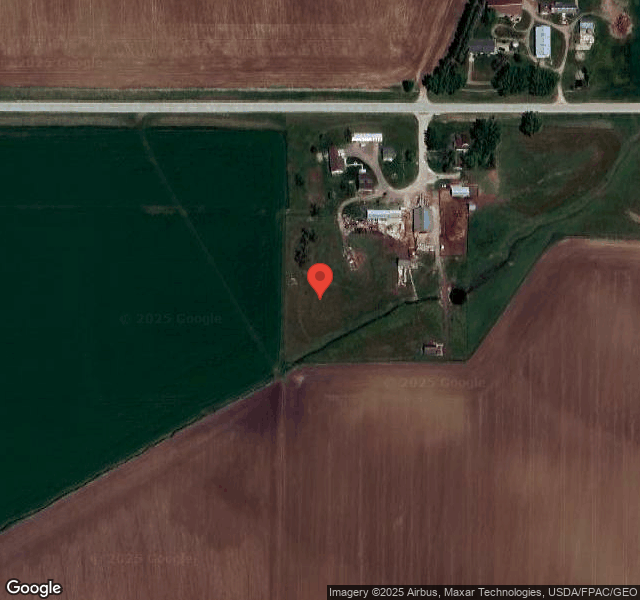
305 West Third Box 10, Kingsley, IA 51028 (712) 378-2400
Non profit - Corporation 43 Beds CARE INITIATIVES Data: November 2025
Trust Grade
35/100
#359 of 392 in IA
Last Inspection: August 2025

Inspected within the last 6 months. Data reflects current conditions.

Overview

Kingsley Specialty Care has received a Trust Grade of F, indicating significant concerns with its operations and care quality. The facility ranks #359 out of 392 in Iowa, placing it in the bottom half of all nursing homes in the state and last in its county. Although the facility is on an improving trend, with issues decreasing from 13 in 2024 to 12 in 2025, it still has serious weaknesses, including a staffing turnover rate of 67%, which is concerning compared to the state average of 44%. On a positive note, there is more RN coverage than 98% of Iowa facilities, which helps catch potential problems, but recent inspections found issues like failure to maintain proper staffing levels and a lack of a legionella water program, risking residents' safety. While there are no fines on record, the overall low ratings in health inspection and quality measures highlight the need for improvement.

Trust Score
F
35/100
In Iowa
#359/392
Bottom 9%
Safety Record
Low Risk
No red flags
Inspections
Getting Better
13 → 12 violations
Staff Stability
⚠ Watch
67% turnover. Above average. Higher turnover means staff may not know residents' routines.
Penalties
✓ Good
No fines on record. Clean compliance history, better than most Iowa facilities.
Skilled Nurses
✓ Good
Each resident gets 68 minutes of Registered Nurse (RN) attention daily — more than 97% of Iowa nursing homes. RNs are the most trained staff who catch health problems before they become serious.
Violations
⚠ Watch
31 deficiencies on record. Higher than average. Multiple issues found across inspections.
★☆☆☆☆
1.0
Overall Rating
★★★☆☆
3.0
Staff Levels
★☆☆☆☆
1.0
Care Quality
★★☆☆☆
2.0
Inspection Score
Stable
2024: 13 issues
2025: 12 issues

The Good

  • Full Sprinkler Coverage · Fire safety systems throughout facility
  • No fines on record

Facility shows strength in fire safety.

The Bad

1-Star Overall Rating

Below Iowa average (3.0)

Significant quality concerns identified by CMS

Staff Turnover: 67%

20pts above Iowa avg (46%)

Frequent staff changes - ask about care continuity

Chain: CARE INITIATIVES

Part of a multi-facility chain

Ask about local staffing decisions and management

Staff turnover is elevated (67%)

19 points above Iowa average of 48%

The Ugly 31 deficiencies on record

Aug 2025 10 deficiencies
CONCERN (D)

Potential for Harm - no one hurt, but risky conditions existed

Resident Rights (Tag F0550)

Could have caused harm · This affected 1 resident

**NOTE- TERMS IN BRACKETS HAVE BEEN EDITED TO PROTECT CONFIDENTIALITY** Based on observation, Electronic Health Record (EHR) review, policy review, resident interviews and staff interviews the facilit...

Read full inspector narrative →
**NOTE- TERMS IN BRACKETS HAVE BEEN EDITED TO PROTECT CONFIDENTIALITY** Based on observation, Electronic Health Record (EHR) review, policy review, resident interviews and staff interviews the facility failed to provide dignity and respect to 1 of 8 residents reviewed (Resident #7). The facility reported a census of 31 residents.Finding include:1. The Minimum Data Set (MDS) dated [DATE] for Resident #7 documented a Brief Interview for Mental Status (BIMS) of 12 indicating moderate cognitive impairment. The MDS also documented diagnoses of hemiplegia and hemiparesis following cerebral infarction affecting the right dominant side, unsteadiness on feet and generalized muscle weakness. The MDS indicated Resident #7 required substantial / maximal assistance for transfers on and off the toilet and Resident #7 was completely dependent on staff for toileting hygiene.An observation on 8/4/25 at 1:15 PM revealed Staff A, Non Certified Aide (NA) entered Resident #7's room and shut the call light off. Resident #7 stated to Staff A he needed to go to the bathroom. Staff A told Resident #7 she could not take him to the bathroom on her own and would get someone to help. On 8/4/25 at 1:16 PM Resident #7 stated he needed to use the restroom that was the reason he turned the call light on. Resident #7 explained he told the staff he needed to use the restroom. An observation on 8/4/25 1:48 PM revealed Staff B, Activities Director turned Resident 7's call light on because the resident stated he needed to be changed and needed a staff to change him. On 8/4/25 at 1:49 PM Staff B, acknowledged Resident #7 stated he would come to the activity as soon as he got his brief changed. Staff B stated she turned the call light on so that a staff member would come and provide him personal care.An observation on 8/4/25 at 1:49 PM revealed Staff C, Certified Nursing Assistant (CNA) / Certified Medication Assistant (CMA) entered Resident #7's room and shut the light off. Staff C explained to Resident #7 she would have to have another staff to help provide personal care.An observation on 8/4/25 at 1:53 PM revealed Resident #7 audibly and visually sobbing.An observation on 8/4/25 at 1:55 PM revealed the DON enter Resident #7's room and speak to him about why he was crying.On 8/4/25 at 1:56 PM the DON stated Resident #7 was upset because he wanted to be changed and have personal care completed. The DON acknowledged Resident #7 stated he had been waiting. The DON stated Resident #7 wanted to go down to the activity.On 8/4/25 at 2:06 PM staff entered the room to assist Resident #7 after DON requested staff to help Resident #7.On 8/4/25 at 2:08 PM Staff A stated she entered Resident #7's room and shut the call light off in his room. Staff A stated she told Staff C that Resident #7 needed to be changed. Staff A stated staff did not go into the room because the surveyor was in the room when the staff came back down. On 8/4/25 at 2:18 PM Resident #7 stated he felt the staff had not provided him with dignity and was very upset the light was turned off 2 times without changing his wet brief. Resident #7 acknowledged the reason he was sobbing when the DON spoke with him was because he wanted to be changed and no staff had the time to change him. Resident #7 explained that was very upsetting to him.On 8/4/25 at 2:24 PM Staff C stated she was working on hall 3 and she cared for Resident #7 that day. Staff C stated Resident #7 had his light on and she shut it off and said she was busy with a 2 assist and she would be right back. Staff C explained Resident #7 told her that would be fine. Staff C stated Staff B did not tell her that Resident #7 needed help prior to when she entered Resident #7's room at 1:49 PM. Staff C stated the expectation was that call lights would be answered within 15 minutes and if they can't get to it will ask if it was an emergency or if it was something that could wait. On 8/6/25 at 4:16 PM the DON stated the lack of communication had led to the delay of care and Resident #7 being upset. The DON stated she had already spoken to staff about the situation once she had talked to Resident #7. The DON stated she could understand if Resident #7 felt he did not receive the appropriate respect or dignity in that situation.On 8/6/25 at 4:35 PM the Administrator stated she would have expected no delay in care and understood Resident #7 was upset. The Administrator acknowledged anyone in a similar situation would feel appropriate dignity and respect was not provided. Review of policy revised 12/16 titled, Resident Rights documented employees shall treat all residents with kindness, respect, and dignity. Federal and state laws guarantee certain basic rights to all residents of that facility. These rights include the resident's right to be treated with respect, kindness and dignity.
CONCERN (D)

Potential for Harm - no one hurt, but risky conditions existed

Deficiency F0627 (Tag F0627)

Could have caused harm · This affected 1 resident

**NOTE- TERMS IN BRACKETS HAVE BEEN EDITED TO PROTECT CONFIDENTIALITY** Based on clinical record review, facility policy and interviews the facility failed to permit a resident to return to the facili...

Read full inspector narrative →
**NOTE- TERMS IN BRACKETS HAVE BEEN EDITED TO PROTECT CONFIDENTIALITY** Based on clinical record review, facility policy and interviews the facility failed to permit a resident to return to the facility after hospitalization for 1 of 1 residents reviewed (Resident #39). The facility reported a census of 31 residents. Findings include:The Minimum Data Set (MDS) assessment dated [DATE] for Resident #39 documented a discharge assessment with return anticipated for an unplanned short-term general hospital stay.The Clinical Progress Notes for Resident #39 showed on 3/10/25 at 9:01 PM showed the resident admitted to the hospital. The notes showed no documentation for readmission.In an interview on 8/4/25 at 1:32 PM, the locally assigned Office of the State Long-Term Care Ombudsman (OSLTCO) reported on March 7, 2025 the facility's Business Office Manager (BOM) called to discuss Resident #39's Medicare coverage ended and that he owed a substantial outstanding balance. The BOM reported Resident #32 wanted to remain at the facility until he had the strength to go home, but refused to pay. The BOM told the Ombudsman the OSLTCO needed to tell the resident he had to pay for services. The BOM stated to the Ombudsman, he cannot just stay here without paying. On 3/18/25 at 1:00 PM the Ombudsman arrived at the facility, talked with the Administrator, and discovered the resident no longer resided at the facility after hospitalization. The Ombudsman inquired if the resident's goal was to return to the facility, whether he received a bed hold notice, and if an involuntary discharge notice was served. The Administrator, uncertain about the details, brought the Ombudsman to speak to the BOM. The BOM reported bed hold notices are not provided to residents if outstanding debt to the facility is owed upon hospitalization per policy, and as per the facility's admission agreement. In an interview on 8/6/25 at 11:37 AM, the BOM reported Resident #39 was transferred to the emergency room and did not return. When asked if the resident wanted to return to the facility, the BOM reported per the facility's admission agreement residents are not allowed to hold open a bed if a balance is owed. When asked if the resident was not permitted to return to the facility because he owed money, the BOM stated, I wasn't the one who would talk to him about returning, that would have been the social worker or corporate. In an interview on 8/6/25 at 12:11 PM, the Nurse Consultant reported she had no knowledge of the discharge of Resident #39, and would find the intake specialist for more information. The Administrator reported being recently hired, and also had no knowledge of the discharge.In an interview on 8/7/25 at 11:11 AM, Staff L, Central Intake reported Resident #39 transferred to the hospital and signed a Bed Hold form but due to an extended stay at the hospital the bed hold was stopped to prevent further billing. Staff L stated, Resident #39 agreed to a payment plan, he wanted to stop the bed hold charge because he wasn't going to be ready for discharge for quite awhile. In an interview on 8/7/25 at 11:44 AM, when asked if Resident #39 was allowed to return to the facility after hospitalization, Staff M, Regional Finances stated a bed hold was allowed even with a past due amount. Staff M reported she worked with the case manager at the hospital, Resident #39 wanted to let the bed hold go to prevent further billing. The hospital Case Manager notes for Resident #39 dated 3/12/25 at 10:52 AM documented the following:Social Worker called from Facility, Care Liaison, Staff L. States patient did not do a bed hold and has other issues with the facility (Care Liaison did not elaborate). The Patient can't return to the facility or other facilities owned by the company.In an interview on 8/7/25 at 3:34 PM, the current Administrator reported if a resident's account is past due they should be permitted to return from the hospital to the facility. The undated admission Agreement dated 8/20/24 documented the resident shall have the option to hold the bed indefinitely; however, Resident will not be allowed to hold open a bed during a temporary absence if the account is past due. The Bed Hold Policy/Authorization date effective 3/10/25 showed to be signed by Resident #39 on 3/12/25. The Discharge Summary and Plan dated December 2016 failed to address readmissions to the facility.
CONCERN (D)

Potential for Harm - no one hurt, but risky conditions existed

Assessment Accuracy (Tag F0641)

Could have caused harm · This affected 1 resident

**NOTE- TERMS IN BRACKETS HAVE BEEN EDITED TO PROTECT CONFIDENTIALITY** Based on Medication Administration Record (MAR) - Treatment Administration record (TAR), Electronic Health Records (EHR) review,...

Read full inspector narrative →
**NOTE- TERMS IN BRACKETS HAVE BEEN EDITED TO PROTECT CONFIDENTIALITY** Based on Medication Administration Record (MAR) - Treatment Administration record (TAR), Electronic Health Records (EHR) review, resident interviews and staff interviews the facility failed to represent an accurate assessment of the resident's status during the observation period of the MDS by not accurately assessing the use of insulin for 1 of 10 residents reviewed (Resident #7). The facility reported a census of 31 residents. Finding include:1. The Minimum Data Set (MDS) dated [DATE] for Resident #7 documented a Brief Interview for Mental Status (BIMS) of 12 indicating moderate cognitive impairment. On 8/4/25 at 1:21 PM Resident #7 stated he was not on insulin. Review of Resident #7's MDS dated [DATE] documented 7 days insulin injections were received during the last 7 days and no order for insulin.Review of Resident #7's EHR titled, Orders documented no current order for insulin.Review of Resident #7's EHR titled, Orders documented basaglar kwik pen started 2/3/23 and discontinued 3/22/24 and insulin glargine started 4/29/22 and discontinued 7/6/22.Review of Resident #7's MAR - TAR for the month of May, June and July revealed no orders for insulin.On 8/6/25 at 4:03 PM Staff D, MDS Coordinator / Infection preventionist (IP) / Registered Nurse (RN) acknowledged the MDS that was completed for Resident #7 on 5/15/25 was entered in error when documenting the use of insulin. Staff D stated the MDS would be updated immediately. Staff D acknowledged Resident #7 did not have an order for insulin at the time of the MDS and was not receiving insulin at the time of the completion of the MDS on 5/15/25.On 8/7/25 at 4:00 PM the DON explained that her expectation was that the MDS would be completed accurately. The DON acknowledged Resident #7's MDS dated [DATE] was not accurately completed. The DON acknowledged that Resident #7 did not take insulin and did not have an order for insulin at that time. Email request for policy on accurate MDS assessment documented a response that the facility does not have a policy. The facility followed the Resident Assessment Instrument (RAI) guidelines.
CONCERN (D)

Potential for Harm - no one hurt, but risky conditions existed

Deficiency F0658 (Tag F0658)

Could have caused harm · This affected 1 resident

Based on observation, Electronic Health Record (EHR) review, staff interview, policy, and Medication Administration Records - Treatment Administration Records (MAR-TAR) review the facility failed to p...

Read full inspector narrative →
Based on observation, Electronic Health Record (EHR) review, staff interview, policy, and Medication Administration Records - Treatment Administration Records (MAR-TAR) review the facility failed to provide needed services in accordance with professional standards by administering a medication that should have been held related to parameters for 1 of 3 residents (Resident #8). The facility reported a census of 31 residents. Findings include: 1. The Minimum Data Set (MDS) for Resident #8, dated 7/7/25 did not document a Brief Interview for Mental Status (BIMS). Review of EHR titled, Progress Notes dated 8/5/25 revealed a BIMS evaluation with a BIMS of 15 documented. The MDS documented diagnoses of essential hypertension and unspecified hypotension. An observation on 8/6/25 at 7:24 AM with Staff D, MDS Coordinator / Infection Preventionist (IP) / Registered Nurse (RN) present of Staff E, Registered Nurse (RN) prepare medications for Resident #8, blood pressure obtained 140/70, midodrine 10mg removed from the drawer, midodrine reviewed with the MAR, midodrine 10mg removed from the bubble pack, the rest of Resident #8's medications removed from bubble pack, Staff E knocked on Resident #8's door, Staff E presented Resident #8 with medications, Resident #8 self administered medications with sips of water mixed with Miralax.Review of Resident #8 EHR titled, Orders documented an order for midodrine HCl Oral Tablet 10mg to give 10mg by mouth three times a day related to hypotension hold if the Systolic Blood Pressure (SBP) >110. Review of Resident #8's MAR - TAR documented a Physician's Order for midodrine HCl Oral Tablet 10mg to give 10mg by mouth three times a day related to hypotension hold if the Systolic Blood Pressure (SBP) >110. Review of Resident #8's EHR titled, Vitals / Blood Pressure Summary documented a blood pressure on 8/6/25 at 7:41 AM of 140/70. On 8/6/25 at 8:48 AM Staff D stated other than the parameters for Resident #8's midodrine not being followed she did not see any concerns. Staff D explained Resident #8's midodrine was given outside of the physician's parameters. Staff D stated the physician would be notified and would complete follow up blood pressures throughout the day. Staff D acknowledged Resident #8's midodrine should have been held because the systolic blood pressure was above 110. Staff D acknowledged Resident #8's systolic blood pressure was 140. On 8/7/25 at 4:00 PM the DON stated her expectation was that Resident #8's midodrine would have been held with a systolic blood pressure of 140 according to the physician's orders. The DON stated she expected the nurse to follow the medication checks prior to medication administration. Review of policy revised 4/19 titled, Administering Medications documented medications were to be administered in a safe and timely manner, and as prescribed. The individual administering the medication checks the label 3 times to verify the right resident, right medication, right dosage, right time, and right method of administration before giving the medication.
CONCERN (D)

Potential for Harm - no one hurt, but risky conditions existed

Unnecessary Medications (Tag F0759)

Could have caused harm · This affected 1 resident

**NOTE- TERMS IN BRACKETS HAVE BEEN EDITED TO PROTECT CONFIDENTIALITY** Based on observation, record review, policy review and staff interviews the facility failed to provide 2 of 37 medications as or...

Read full inspector narrative →
**NOTE- TERMS IN BRACKETS HAVE BEEN EDITED TO PROTECT CONFIDENTIALITY** Based on observation, record review, policy review and staff interviews the facility failed to provide 2 of 37 medications as ordered resulting in a medication error rate of 5.41. The facility reported a census of 31 residents. Findings include: 1. The Minimum Data Set (MDS) for Resident #8, dated 7/7/25 did not document a Brief Interview for Mental Status (BIMS). Review of EHR titled, Progress Notes dated 8/5/25 revealed a BIMS evaluation with a BIMS of 15 documented. The MDS documented diagnoses of essential hypertension and unspecified hypotension. An observation on 8/6/25 at 7:24 AM with Staff D, MDS Coordinator / Infection Preventionist (IP) / Registered Nurse (RN) present of Staff E, Registered nurse (RN) prepare medications for Resident #8, blood pressure obtained 140/70, midodrine 10mg removed from the drawer, midodrine reviewed with the MAR, midodrine 10mg removed from the bubble pack, the rest of Resident #8's medications removed from bubble pack, Staff E knocked on Resident #8's door, Staff E presented Resident #8 with medications, Resident #8 self administered medications with sips of water.Review of Resident #8 EHR titled, Orders documented an order for midodrine HCl Oral Tablet 10mg to give 10mg by mouth three times a day related to hypotension hold if the Systolic Blood Pressure (SBP) >110. Review of Resident #8's MAR - TAR documented a Physician's Order for midodrine HCl Oral Tablet 10mg to give 10mg by mouth three times a day related to hypotension hold if the Systolic Blood Pressure (SBP) >110. Review of Resident #8's EHR titled, Vitals / Blood Pressure Summary documented a blood pressure on 8/6/25 at 7:41 AM of 140/70. On 8/6/25 at 8:48 AM Staff D stated other than the parameters for Resident #8's midodrine not being followed she did not see any concerns. Staff D explained Resident #8's midodrine was given outside of the physician's parameters. Staff D stated the physician would be notified and would complete follow up blood pressures throughout the day. Staff D acknowledged Resident #8's midodrine should have been held because the systolic blood pressure was above 110. Staff D acknowledged Resident #8's systolic blood pressure was 140. On 8/7/25 at 4:00 PM the DON stated her expectation was that Resident #8's midodrine would have been held with a systolic blood pressure of 140 according to the physician's orders. The DON stated she expected the nurse to follow the medication checks prior to medication administration. 2. The MDS dated [DATE] for Resident #26 documented a BIMS of 2 indicating severe cognitive impairment. The MDS documented Resident #26 had a diagnosis of type 2 diabetes mellitus with other specified complications.Review of Resident #26's MAR-TAR documented a Physician's Order for NovoLog solution 100 UNIT/ML (insulin aspart). Inject 6 units subcutaneously three times a day with a start date of 7/25/25.Review of Resident #26's EHR titled, Orders documented a Physician's Order for NovoLog solution 100 UNIT/ML (insulin aspart). Inject 6 units subcutaneously three times a day with a start date of 7/25/25.An observation on 8/6/25 at 8:38 AM with Staff D, MDS Coordinator / Infection Preventionist (IP) / Registered Nurse (RN) revealed Staff F, Licensed Practical Nurse (LPN) draw up 2 units of NovoLog insulin, 2 units primed to check patency, 6 units drawn up, cleansed Resident #26's back upper arm with an alcohol wipe, NovoLog given in the back of the right upper arm, visual and audio observation of turning insulin pen down 2 clicks, insulin pen needle removed from Resident #26's arm clicking continued 2 times outside of the arm, Staff F acknowledged she had completed the insulin administration, surveyor requested to see the insulin pen and 2 units remained in the insulin pen. Staff A stated she would administer the rest with another needle in the left side abdomen. Staff A obtained a new needle for insulin pen, cleansed Resident #26's left abdomen with an alcohol wipe and injected the remaining 2 units of NovoLog insulin.On 8/6/25 at 8:48 AM Staff D acknowledged during the observation of insulin administration to Resident #26 it appeared the insulin was not administered appropriately. Staff D explained that it appeared the insulin was being administered after the needle had been removed from Resident #26's arm. Staff D stated her expectation was the insulin would have been administered appropriately. On 8/7/25 at 4:00 PM the DON stated the facility's expectation was medication would be administered appropriately according to the physician's orders. The DON stated in the incident with Resident #26's insulin administration she expected all 6 units would have been administered to Resident #26 in one dose and all in the upper right arm at once. The DON explained when Staff F had not given all 6 units at once she would have expected with a second needle being applied to the insulin pen that 2 more units would have been primed to ensure patency of the needle. The DON explained the facility's expectation was medication errors would not occur and all appropriate administration steps would be followed.Review of policy revised 4/19 titled, Administering Medications documented medications were to be administered in a safe and timely manner, and as prescribed. The individual administering the medication checks the label 3 times to verify the right resident, right medication, right dosage, right time, and right method of administration before giving the medication. Insulin pens are clearly labeled with the resident's name or other identifying information. Prior to administering insulin with an insulin pen, the nurse verifies that the correct pen is used for that resident.
CONCERN (D)

Potential for Harm - no one hurt, but risky conditions existed

Infection Control (Tag F0880)

Could have caused harm · This affected 1 resident

**NOTE- TERMS IN BRACKETS HAVE BEEN EDITED TO PROTECT CONFIDENTIALITY** Based on observations, record review, staff interviews and policy reviews, the facility failed to provide proper hand hygiene af...

Read full inspector narrative →
**NOTE- TERMS IN BRACKETS HAVE BEEN EDITED TO PROTECT CONFIDENTIALITY** Based on observations, record review, staff interviews and policy reviews, the facility failed to provide proper hand hygiene after resident care for 2 of 2 residents reviewed (Resident #8 and #26). The facility reported a census of 31 residents.Findings include: 1. Observation on 08/06/2025 at 8:02 AM showed Staff K, Certified Nursing Assistant, (CNA) and Staff C, CNA performed hand hygiene, donned personal protective equipment (PPE) of a gown and gloves then provided care for a catheter and bowel movement incontinence. When finished Staff K removed the soiled gown and gloves, used the left hand to hold the trash receptacle, then used the right hand to place soiled PPE into the trash. Staff K next placed her right hand on top of the soiled PPE, and pushed the soiled PPE down further into the trash receptacle. Without performing hand hygiene Staff K arranged the resident’s sheet and bedside table. In an interview on 8/7/25 at 3:34 PM, the Administrator reported she expected staff to complete hand hygiene immediately after removing solid gloves. 2. The Minimum Data Set (MDS) dated [DATE] for Resident #26 documented a Brief Interview for Mental Status (BIMS) of 2 indicating severe cognitive impairment. The MDS documented Resident #26 had a diagnosis of type 2 diabetes mellitus with other specified complications. An observation on 8/6/25 at 8:38 AM with Staff D, MDS Coordinator / Infection Preventionist (IP) / Registered Nurse (RN) revealed Staff F, Licensed Practical Nurse (LPN) complete hand hygiene, apply gloves, draw up 2 units of NovoLog insulin, 2 units primed to check patency, 6 units drawn up, cleansed Resident #26’s back upper arm with an alcohol wipe, NovoLog given, Staff F removed gloves picked up insulin supplies, placed hands on the handles of Resident #26’s wheelchair, wheeled Resident #26 down the hall to the medication cart, retrieved keys, unlocked the medication cart, placed supplies in the medication cart, completed hand hygiene and wheeled Resident #26 to the dining room table. On 8/6/25 at 8:48 AM Staff D stated her expectation was hand hygiene would have been completed after gloves were removed before contamination of any surfaces, pushing Resident #26 up the hall and prior to returning supplies to the medication cart. On 6/7/25 at 4:00 PM the DON stated the facility’s expectation was hand hygiene would be completed after gloves were removed before contamination of any surfaces, pushing Resident #26 up the hall and prior to returning supplies to the medication cart. Review of policy revised 8/19 titled, Handwashing / Hand Hygiene documented This facility considers hand hygiene the primary means to prevent the spread of infections. Use an alcohol-based hand rub containing at least 62% alcohol; or, alternatively, soap (antimicrobial or non-antimicrobial) and water for the following situations before and after direct contact with residents, after contact with a resident’s intact skin, after contact with blood or bodily fluids and after removing gloves.
CONCERN (E)

Potential for Harm - no one hurt, but risky conditions existed

Deficiency F0804 (Tag F0804)

Could have caused harm · This affected multiple residents

**NOTE- TERMS IN BRACKETS HAVE BEEN EDITED TO PROTECT CONFIDENTIALITY** Based on observation, resident interview, staff interview and policy review the facility failed to provide food at an appetizing...

Read full inspector narrative →
**NOTE- TERMS IN BRACKETS HAVE BEEN EDITED TO PROTECT CONFIDENTIALITY** Based on observation, resident interview, staff interview and policy review the facility failed to provide food at an appetizing temperature to 4 of 20 residents reviewed (Resident #3, #5, #8 and #25). The facility reported a census of 31 residents.Findings include: 1. The Minimum Data Set (MDS) dated [DATE] for Resident #3 documented a Brief Interview for Mental Status (BIMS) of 15 indicating no cognitive impairment. On 8/4/25 at 1:03 PM Resident #3 stated the food is delivered cold to her room every day. Resident #3 stated all meals not a particular time. Resident #3 stated the meal came cold at lunch today. 2. The MDS dated [DATE] for Resident #5 documented a BIMS of 14 indicating no cognitive impairment. On 8/5/25 at 9:33 AM Resident #5 stated he told the Administrator that the food was cold and then the evening meal started to get hotter but lunch is almost always cold. 3. The MDS dated [DATE] for Resident #25 documented a BIMS of 15 indicating no cognitive impairment. On 8/5/25 at 7:55 AM Resident #25 stated nearly all the meals are served cool. Stated she does not ask the staff to reheat the food. Resident #25 stated she would like it if the food was served warmer. On 8/6/25 at 12:05 PM during a continuous observation of lunch service revealed Staff G, Lead [NAME] remove 6 servings of ham from the steam table, ham placed in food processor, ham blended to ground consistency, ham removed from food processor, 4oz scoop utilized to place ham on 4 plates, Staff G acknowledged his intent to serve the plate once all food was on the plates, surveyor requested temperature of mechanical ham, Staff G obtained a temperature of 114 degrees, Staff G removed mechanically altered ham from the plated into container with the other 2 servings of ham, ham placed in microwave, ham removed from the microwave, temperature of 170 obtained. On 8/6/2025 at 12:15 PM Staff G stated residents with room trays had complained about food being cold so the facility ordered warming pellets and received the warming pellets for the plates yesterday. On 8/6/2025 at 12:47 PM Staff H, Dietary Manager acknowledged the mechanical soft ham should not have been served at a temp of 114. Staff H stated her expectation was the serving / holding temperature for the food would be a minimum of 135 degrees. On 8/6/25 at 1:01 PM the Administrator expected all food would have been served at a minimum of 135 degrees. 8/6/25 at 3:18 PM Staff I, Registered Dietitian stated she expected food to have a holding temperature of at least 135 degrees. Staff I stated the mechanical soft should have had the temperature taken prior to serving and then reheated. Staff I stated her expectation was the mechanically soft ham would have been reheated to 135 degrees in the microwave because it was not considered leftover. Review of policy revised 4/19 titled, Food Preparation and Service documented the danger zone for food temperatures was between 41 degrees and 135 degrees. This temperature range promotes the rapid growth of pathogenic microorganisms that cause foodborne illness. The longer food remains in the danger zone the greater the risk for growth of harmful pathogens. Therefore, potentially hazardous foods must be maintained below 41 degrees or above 135 degrees. Mechanically altered hot foods prepared for modified consistency diets remain above 135 degrees during preparation or they are reheated to 165 degrees for at least 15 seconds. 4. Observation on 08/06/2025 at 8:12 AM showed the kitchen staff knocked on Resident # 8’s door, during resident care, and reported the breakfast tray would be outside of the room. At 8:49 AM resident care ended, staff retrieved the tray from an uninsulated cart and served the breakfast tray to the resident. At 8:51 AM Resident #8 reported the breakfast to be cold. When asked how many days of the week meals are cold, the resident replied, six out of seven. When asked how many meals were cold in the six days, the resident replied, all three. Resident #8 consumes all meals in her room. In an interview on 8/7/25 at 3:34 PM, the Administrator reported staff should have provided a new breakfast tray for the resident. When asked if she had knowledge of the resident's concerns of cold food, the Administrator stated, we have ordered warming pellets for room trays. The Food Preparation and Service Policy last revised April 2019 identified the services employees prepare and serve food in a manner that complies with safe food handling practices. Policy Interpretation and Implementation Food Preparation, Cooking and Holding Time/Temperatures The “danger zone” for food temperatures is between 41°F and 135°F. This temperature range promotes the rapid growth of pathogenic microorganisms that cause foodborne illness. Potentially hazardous foods include meats, poultry, seafood, cut melon, eggs, milk, yogurt and cottage cheese. The longer foods remain in the “danger zone” the greater the risk for growth of harmful pathogens. Therefore, PHF must be maintained below 41°F or above 135°F. Potentially hazardous foods held in the danger zone for more than 4 hours (if being prepared from ingredients at room temperature) or 6 hours (if cooked and then cooled) may cause foodborne illness. Food thermometers used to check food temperatures are clean, sanitized and calibrated for accuracy. The following internal cooking temperatures/times for specific foods are reached to kill or sufficiently inactivate pathogenic microorganisms: Internal Cooking Temperature Raw Animal Foods 145°F for 15 seconds • Raw eggs cooked for immediate service • Fish (except as listed below) • Meat (except as listed below) • Commercially raised game animals, rabbits 155°F for 15 seconds • Ground meat (beef, pork) • Ground fish • Raw eggs held for service • Comminuted meat, fish, or commercially raised game animals • Injected or mechanically tenderized meats • Ratites (ostrich, [NAME] and emu) 165°F for 15 seconds • Wild game animals • Poultry • Stuffed fish, meat, pork, pasta, ratites & poultry • Stuffing containing fish, meat, ratites & poultry Fresh, frozen or canned fruits and vegetables are cooked to a holding temperature of 135°F. Raw food cooked in a microwave reach 165°F in all parts of the food. The item is rotated and stirred during the cooking process so that all parts of the food reached 165°F, and allowed to stand covered for at least two (2) minutes after cooking. Previously cooked food is reheated to an internal temperature of 165°F for at least 15 seconds. Reheated foods that are not consumed within 2 hours are discarded. Ready to eat foods that require reheating are taken directly from the sealed container or intact package from the food processing source and cooked to at least 135°F. Mechanically altered hot foods prepared for a modified consistency diet remain above 135°F during preparation or they are reheated to 165°F for at least 15 seconds. continues on next page Only pasteurized shell eggs are cooked and served when: Residents request undercooked, soft-served or sunny side up eggs; and Preparing foods that will not be thoroughly cooked (e.g., hollandaise sauce, French toast, ice cream, etc.). Unpasteurized eggs are cooked until all parts of the egg (yolk and whites) are completely firm. Only the number of eggs necessary for immediate service or baking are cracked and pooled (combined together). Eggs are not cracked and pooled for later use. Raw eggs with damaged shells are discarded. All raw fruits are washed thoroughly before serving. Food served once is not served again. Residents are discouraged from saving anything from their meals for later consumption. Residents are strongly discouraged from keeping potentially hazardous food in their rooms. Food Service/Distribution Proper hot and cold temperatures are maintained during food service. Foods that are held in the temperature “danger zone” are discarded after 4 hours. The temperatures of foods held in steam tables are monitored throughout the meal by food and nutrition services staff. Steam tables are never used to reheat foods.
CONCERN (E)

Potential for Harm - no one hurt, but risky conditions existed

Deficiency F0805 (Tag F0805)

Could have caused harm · This affected multiple residents

**NOTE- TERMS IN BRACKETS HAVE BEEN EDITED TO PROTECT CONFIDENTIALITY** Based on Electronic Health Records (EHR) review, observation, document review, and staff interviews the facility failed to prepa...

Read full inspector narrative →
**NOTE- TERMS IN BRACKETS HAVE BEEN EDITED TO PROTECT CONFIDENTIALITY** Based on Electronic Health Records (EHR) review, observation, document review, and staff interviews the facility failed to prepare food in a form designed to meet individual needs by sending incorrect consistency for modified diet ordered for 6 of 6 residents reviewed (Resident #7, #9, #10, #11, #13 and #22). The facility reported a census of 31 residents.Findings include:1. The Minimum Data Set (MDS) dated [DATE] for Resident #7 documented a Brief Interview for Mental Status (BIMS) of 12 indicating moderate cognitive impairment. The MDS also documented diagnoses of hemiplegia and hemiparesis following cerebral infarction affecting the right dominant side, unsteadiness on feet and generalized muscle weakness. Review of Resident #7's EHR titled, Orders documented an order for regular / no added salt diet with mechanical soft texture.Review or Resident #7's lunch meal ticket from 8/6/25 documented a mechanical soft diet with 1/2 cup of chopped brussels sprouts.2. The MDS dated [DATE] for Resident #9 documented a BIMS of 13 indicating no cognitive impairment. Review of Resident #9's EHR titled, Orders documented an order for regular / no added salt diet with mechanical soft texture.Review or Resident #9's lunch meal ticket from 8/6/25 documented a mechanical soft diet with 1/2 cup of chopped brussels sprouts.3. The MDS dated [DATE] for Resident #10 documented a BIMS of 0 indicating Resident #10 was rarely / never understood. Review of Resident #10's EHR titled, Orders documented an order for regular / no added salt diet with mechanical soft texture.Review or Resident #10's lunch meal ticket from 8/6/25 documented a mechanical soft diet with 1/2 cup of chopped brussels sprouts.4. The MDS dated [DATE] for Resident #11 documented a BIMS of 7 indicating severe cognitive impairment. Review of Resident #11's EHR titled, Orders documented an order for regular / no added salt diet with mechanical soft texture.Review or Resident #11's lunch meal ticket from 8/6/25 documented a mechanical soft diet with 1/2 cup of chopped brussels sprouts.5. The MDS dated [DATE] for Resident #13 documented a BIMS of 10 indicating moderate cognitive impairment. Review of Resident #13's EHR titled, Orders documented an order for regular / no added salt diet with mechanical soft texture.Review or Resident #13's lunch meal ticket from 8/6/25 documented a mechanical soft diet with 1/2 cup of chopped brussels sprouts.6. The MDS dated [DATE] for Resident #22 documented a BIMS of 12 indicating moderate cognitive impairment. Review of Resident #22's EHR titled, Orders documented an order for regular / no added salt diet with mechanical soft texture.Review or Resident #22's lunch meal ticket from 8/6/25 documented a mechanical soft diet with 1/2 cup of chopped brussels sprouts.On 8/6/25 at 12:05 PM a continuous observation of lunch service revealed Staff G, Lead [NAME] remove 6 servings of ham from the steam table, ham placed in food processor, ham blended to ground consistency, ham removed from food processor, 4oz scoop utilized to place ham on 4 plates and 1/2 cup spoodle utilized for whole brussels sprouts. Observation revealed all 6 mechanically soft diets received regular brussels sprouts on the plate for lunch. No mechanical soft brussels sprouts prepared for the lunch meal. Review of document titled, Therapeutic Spread Report Summer / Spring Menu 25 for Week 4 Wednesday Lunch documented mechanical soft diets were to receive 1/2 cup of chopped brussels sprouts.Review of document dated 8/6/25 titled Diet Type Report documented Resident #7, #9, #10, #11, #13, and #22 received mechanical soft diets.On 8/6/2025 at 12:47 PM Staff H Dietary Manager acknowledged the brussels sprouts served on 8/6/25 at the lunch service to the residents on a mechanically soft diet were not chopped and should have been. On 8/6/25 at 1:01 PM the Administrator stated her expectation was the brussels sprouts would have been chopped if that was how the menu read. On 8/6/25 at 1:24 PM Staff J, Dietary Aide acknowledged the mechanical soft diets had regular brussels spouts served to them during lunch on 8/6/25. Staff J stated he depended on the cook to serve the right consistency for residents on a mechanical soft diet. Staff J stated the dietary slips have the diets that should be served to the resident but only sees the dietary slips when the plates are not taken to the residents fast enough and the plated food gets backed up on the steam table.On 8/6/25 2:22 PM Staff G, Lead [NAME] acknowledged the brussels sprouts should have been chopped for the lunch meal on 8/6/25. Staff G acknowledged none of the residents that were on a mechanical diet received chopped brussels sports. Staff G explained that chopped brussels sprouts were on the menu and the residents did not receive them. Staff G explained he utilized the menu to determine what to prepare for the mechanically altered diets. Staff G stated he thought the brussels spouts were soft enough for the mechanical diets. Staff G stated Resident #10 ate too fast and was changed to a mechanical diet because he choked. Stated Resident #13 choked and was changed to a mechanical soft diet as a result as well.On 8/6/25 at 3:18 PM Staff I, Registered Dietitian stated mechanical soft brussels sprouts should be chopped or fork tender. Staff I stated the cooks should be following the menu if the menu stated the brussels spouts are chopped then they should be chopped.
CONCERN (E)

Potential for Harm - no one hurt, but risky conditions existed

Food Safety (Tag F0812)

Could have caused harm · This affected multiple residents

Based on observation, staff interview, and policy review the facility failed to store food in accordance with professional standards by not dating open food items and not disposing of expired food ite...

Read full inspector narrative →
Based on observation, staff interview, and policy review the facility failed to store food in accordance with professional standards by not dating open food items and not disposing of expired food items. The facility reported a census of 31 residents.Findings include:The initial kitchen observation on 8/4/25 at 10:50 AM revealed the refrigerator in the dish machine room had broccoli dated 7/25/25. The 3 door refrigerator had an open and undated bag of shredded cheese. The Dry storage had an open and undated 5lbs bag of egg noodles and an open undated 5lbs bag of tri color spiral noodles. The 2 door freezer had an open and undated bag of hush puppies. The [NAME] freezer chest had an open and undated bag of frozen chicken breasts. The 2 door stand up freezer had an open undated bag of pork chops and a bag of pork sausages that were dated but were not covered.On 8/4/25 at 11:00 AM Staff H, Dietary Manager stated all open food items should have the date the item was opened. Staff H stated the broccoli dated 7/25/25 should have been thrown away. Staff H explained her expectation was that all leftovers would be thrown out after 3 days. Staff H acknowledged all the food items in the kitchen without open dates. Staff H explained all of the food items without open dates would be thrown away immediately. On 8/6/25 at 1:01 PM the Administrator stated her expectation was all open food would be covered and labeled with an open date.Review of policy revised 10/17 titled, Food Receiving and Storage documented dry foods that are not stored in bins will be removed from original packaging, labeled and dated ( use bydate). All foods stored in the refrigerator or freezer will be covered, labeled and dated.
CONCERN (F) 📢 Someone Reported This

A family member, employee, or ombudsman was alarmed enough to file a formal complaint

Potential for Harm - no one hurt, but risky conditions existed

Staffing Data (Tag F0851)

Could have caused harm · This affected most or all residents

Based on the Center for Medicare and Medicaid Services (CMS) Payroll Based Journal (PBJ) Staffing Data Report from Fiscal Quarter 2, 2025 (January 1 through March 31) review, facility staffing review,...

Read full inspector narrative →
Based on the Center for Medicare and Medicaid Services (CMS) Payroll Based Journal (PBJ) Staffing Data Report from Fiscal Quarter 2, 2025 (January 1 through March 31) review, facility staffing review, and staff interviews, the facility failed to meet staffing requirements in all three metrics. The facility reported a census of 31 residents.Findings include:The PBJ Staffing Data Report with a run date of 7/29/25 triggered submitted weekend staffing data excessively low within the quarter.Review of staffing for Nurses and Certified Nursing Assistants (CNAs) scheduled similarly for weekdays and weekends. In an interview on 8/7/25 at 3:34 PM, the Administrator reported recently being hired and not aware of how incorrect data was reported to CMS. The Administrator reported she expected data to be reported correctly and would look into the matter. The Reporting Direct-Care Staffing Information (Payroll-Based Journal) policy last revised October 2017 identified staffing and census information will be reported electronically to CMS through the Payroll-Based Journal system in compliance with 6106 of the Affordable Care Act.Policy Interpretation and Implementation1. Beginning with the fiscal quarter of 2016 (beginning July 1, 2016), direct-care staffing and census information will be reported electronically to CMS through the Payroll-Based Journal (PBJ) system.2. Direct-care staffing information includes staff hired directly by the facility, those hired through an agency, and contract employees.3. Providers who are employed by the facility (including physicians) are included in direct-care staffing information; providers who bill Medicare directly are not included.4. For auditing purposes, reported staffing information is based on payroll records, or other verifiable information.5. Information may be uploaded to the PBJ system manually, or through a payroll time and attendance system, or a combination of both.6. The PBJ system is accessed through the QIES at https://www.qtso.com/.7. Manual entries are made only by designated personnel with training on the PBJ user interface.8. Technical specifications for uploading data directly from a payroll or time and attendance system will be accessed through: https://www.cms.gov/Medicare/Quality-Initiatives-Patient-Assessment-Instruments/NursingHomeQualityInits/Staffing-Data-Submission-PBJ.html.9. Staffing information is collected daily and reported for each fiscal quarter no later than 45 days after the end of the reporting quarter. Dates are as follows:Fiscal Quarter Date Range Submission Deadline1 October 1- December 31 February 142 January 1- March 31 May 153 April 1 - June 30 August 144 July 1 - September 30 November 1410. Staffing data includes the number of hours worked each day by each staff member.11. Census data is reported each fiscal quarter and includes resident census on the last day of each month of the quarter.12. Definitions, instructions and examples of the PBJ user interface can be found in CMS' Electronic Staffing Data Submission Payroll-Based Journal Long-Term Care Facility Policy Manual. A current copy of this manual can be accessed at https://www.cms.gov/Medicare/Quality-Initiatives-Patient-Assessment- Instruments/NursingHomeQualityInits/Staffing-Data-Submission-PBJ.html.13. A manual log is available to record information should the facility experience temporary internet outage and cannot record staffing data directly to the PBJ system. This log may also serve as a tool to record data that will be manually uploaded quarterly.
Jan 2025 2 deficiencies
CONCERN (D) 📢 Someone Reported This

A family member, employee, or ombudsman was alarmed enough to file a formal complaint

Potential for Harm - no one hurt, but risky conditions existed

Deficiency F0657 (Tag F0657)

Could have caused harm · This affected 1 resident

**NOTE- TERMS IN BRACKETS HAVE BEEN EDITED TO PROTECT CONFIDENTIALITY** Based on clinical record review, policy review and staff interview the facility failed to revise and update care plans to includ...

Read full inspector narrative →
**NOTE- TERMS IN BRACKETS HAVE BEEN EDITED TO PROTECT CONFIDENTIALITY** Based on clinical record review, policy review and staff interview the facility failed to revise and update care plans to include appropriate interventions for residents to prevent repeated fall and injuries for 3 out of 3 residents reviewed (Resident #1, #2 and #3). The facility reported a census of 34 residents. Findings included: 1. The Minimum Data Set (MDS) assessment dated [DATE] for Resident #2 documented diagnoses of neurological disorder, dysphagia, and stroke. The MDS showed Resident #2 ' s cognitive skills for daily decision making as moderately impaired. Review of the facility Incident Reports from a look back period starting on admission [DATE] through 12/31/24 showed Resident #2 fell four times. The Incidents Reports for Resident #2 showed the following falls: a. On 11/8/24 at 11:00 PM- resident found with his back on the floor. b. On 11/9/24 at 4:53 PM- resident found sitting on the floor. c. On 11/25/24 at 10:47 PM- resident found on the floor sitting on both knees. d. On 12/7/24 at 9:47 AM- resident found with his stomach on the floor. The Care Plan for Resident #2 showed no focus area or fall interventions for November or December 2024. 2. The MDS assessment dated [DATE] for Resident #3 documented diagnoses of coronary artery disease, diabetes, and arthritis. The MDS showed the Brief Interview for Mental Status (BIMS) score of 9, which indicated moderate cognitive impairment. Review of the facility Incident Reports from a look back period starting on 10/1/24 through 12/31/24 showed Resident #3 fell six times. The Incidents Reports for Resident #3 showed the following falls: a. On 10/2/24 at 5:30 AM- resident found sitting on the floor. b. On 10/6/24 at 10:30 PM- resident found sitting on a box in her closet. c. On 10/19/24 at 10:00 PM- resident found laying on the floor. d. On 10/24/24 at 2:00 PM- resident found laying on the floor. e. On 11/17/24 at 8:00 AM-resident found with right hip slightly sitting on floor. f. On 11/20/24 at 4:50 PM- resident found on the floor in the fetal position. The Care Plan for Resident #3 showed no fall interventions added to the care plan for the following dates: a. 10/6/24 b. 10/24/24 c. 11/17/24 d. 11/20/24 e. 11/29/24. 3.The Minimum Data Set (MDS) assessment dated [DATE] for Resident #1 documented the initial reentry to the facility from a short term general hospital stay. The Clinical assessment dated [DATE] for Resident #1 showed the Brief Interview for Mental Status (BIMS) score of 8, which indicated moderate cognitive impairment. On 10/14/24 reassessment of the BIMS showed a score of 1 which indicated severe cognitive impairment. The Medical Diagnosis for Resident #1 showed diagnoses of dementia, blindness, cerebral infarction, and heart failure. The Fall Risk Evaluation dated 10/8/24 for Resident #1 showed the fall risk score of 13, which indicated a high risk of falling. The Care Plan for Resident #1 identified the resident unable to ambulate and required an assist of two persons for transfers. The care plan interventions for the look back date of October 2024 through December 2024 identified the following fall interventions: Initiated on 10/31/24- Body pillow along edge of bed to help establish a bed boundary. Initiated on 12/19/24- I have lateral support in my wheelchair to prevent leaning to the side. The Incident Report dated 10/14/24 at 11:23 PM for Resident #1 identified resident found sitting on the floor in front of the bed, legs crossed, and with the call light cord wrapped around her legs. Resident #1 noted to have new dark purple bruises to the right arm, chest and back. Predisposing physiological factors included confusion, gait imbalance, impaired memory, weakness/fainted. The facility failed to take measures to reduce falls and injuries by not placing appropriate fall interventions onto the care plan. The Incident Report dated 10/19/24 at 7:50 AM for Resident #1 identified resident attempted to stand without assistance, tripped over wheelchair pedals then fell to the floor, which resulted in an injury to the forehead and subsequently sent by emergency medical services to the emergency department where had steri strips placed to the 3cm laceration to mid forehead. The facility failed to take measures to reduce falls and injuries by not placing appropriate fall interventions onto the care plan. The Incident Report dated 10/30/24 at 8:15 AM for Resident #1 identified resident found sitting on the floor at the bedside. A new lump occurred to the back of the resident ' s head and a skin tear to the left elbow. The facility initiated an intervention for a body pillow along the edge of bed to help establish a bed boundary. The Incident Report dated 11/4/24 at 4:20 AM for Resident #1 identified staff responded to a noise in the hallway to find the resident lying on her left side in front of the wheelchair in the hallway. Resident unable to give a description of what she was trying to do. The Resident sustained an abrasion to the left side of her scalp and a new red bruise to the left shoulder. The facility failed to initiate a care plan intervention with the previous fall from wheelchair on 10/19/24 which resulted in a ER visit. The facility failed to take measures to reduce falls and injuries by not placing appropriate fall interventions onto the care plan after this fall on 11/4/24. The Care Plan Process policy dated January 2015 identified: a. The care plan will be reviewed and revised by the team at least quarterly. b. All problems needs, occurrences, goals and approaches will be evaluated at each care plan meeting. Determination we made as to whether or not a problem, need, or concern has been resolved or needs to be readdressed. If resolved, clearly indicate and date.If a problem, need, or concern is not resolved within six months, the problem, need, or concern and approach needs to be re-evaluated and revised. Documentation completed on interdisciplinary notes. c. The residents condition will be a reassessed new problems comma's needs, or concerns would be added as identified. d. The care plan will be an ongoing reflection of the current treatment plan. And deletions can be made on the plan of care with residents approval without holding a care plan conference, as long as the change does not constitute a permanent, significant change. The Falls Protocol Quick Reference policy dated January 2015 identified follow up after a fall occurs: a. Evaluate effectiveness of interventions that were implemented. b. Revised residents' plan of care with the additional interventions that are identified. c. Communicate care plan changes interventions to the resident and direct care staff. In an interview on 1/9/24 at 12:26 PM, the Administrator reported she expected the nurse to initiate a fall intervention immediately after a resident fell. The Administrator reported she expected a new fall focus area be initiated with fall interventions the first time a resident falls after admission.
CONCERN (D) 📢 Someone Reported This

A family member, employee, or ombudsman was alarmed enough to file a formal complaint

Potential for Harm - no one hurt, but risky conditions existed

Accident Prevention (Tag F0689)

Could have caused harm · This affected 1 resident

**NOTE- TERMS IN BRACKETS HAVE BEEN EDITED TO PROTECT CONFIDENTIALITY** Based on clinical record review, observation, staff interviews, and facility record review, the facility failed to provide adequ...

Read full inspector narrative →
**NOTE- TERMS IN BRACKETS HAVE BEEN EDITED TO PROTECT CONFIDENTIALITY** Based on clinical record review, observation, staff interviews, and facility record review, the facility failed to provide adequate fall interventions and communicate inventions via the care plan to prevent falls that resulted in injury for 1 of 3 residents reviewed (Residents #1). The facility reported a total census of 34 residents. Findings included: The Minimum Data Set (MDS) assessment dated [DATE] for Resident #1 documented the initial reentry to the facility from a short term general hospital stay. The Clinical assessment dated [DATE] for Resident #1 showed the Brief Interview for Mental Status (BIMS) score of 8, which indicated moderate cognitive impairment. On 10/14/24 reassessment of the BIMS showed a score of 1 which indicated severe cognitive impairment. The Medical Diagnosis for Resident #1 showed diagnoses of dementia, blindness, cerebral infarction, and heart failure. The Fall Risk Evaluation dated 10/8/24 for Resident #1 showed the fall risk score of 13, which indicated a high risk of falling. The Care Plan for Resident #1 identified the resident unable to ambulate and required an assist of two persons for transfers. The care plan interventions for the look back date of October 2024 through December 2024 identified the following fall interventions: Initiated on 10/31/24- Body pillow along edge of bed to help establish a bed boundary. Initiated on 12/19/24- I have lateral support in my wheelchair to prevent leaning to the side. 1. The Incident Report dated 10/14/24 at 11:23 PM for Resident #1 identified resident found sitting on the floor in front of the bed, legs crossed, and with the call light cord wrapped around her legs. Resident #1 noted to have new dark purple bruises to the right arm, chest and back. Predisposing physiological factors included confusion, gait imbalance, impaired memory, weakness/fainted. The facility failed to take measures to reduce falls and injuries by not placing appropriate fall interventions onto the care plan. 2. The Incident Report dated 10/19/24 at 7:50 AM for Resident #1 identified resident attempted to stand without assistance, tripped over wheelchair pedals then fell to the floor, which resulted in an injury to the forehead and subsequently sent by emergency medical services (EMS) to the emergency department (ED). The facility failed to take measures to reduce falls and injuries by not placing appropriate fall interventions onto the care plan. The emergency room Record dated 10/19/24 at 8:51 AM for Resident #1 revealed the provider noted the resident presented via ambulance after a fall in which the resident tripped, fell and hit her head. The resident sustained a forehead laceration. The resident required a computed tomography (CT) to rule out brain injury. No brain injury found. Resident #1 received steri-strips to the 3 cm laceration located on the mid forehead then discharged back to the facility. 3. The Incident Report dated 10/30/24 at 8:15 AM for Resident #1 identified resident found sitting on the floor at the bedside. A new lump occurred to the back of the resident ' s head and a skin tear to the left elbow. The facility initiated an intervention for a body pillow along the edge of bed to help establish a bed boundary. 4. The Incident Report dated 11/4/24 at 4:20 AM for Resident #1 identified staff responded to a noise in the hallway to find the resident lying on her left side in front of the wheelchair in the hallway. Resident unable to give a description of what she was trying to do. The Resident sustained an abrasion to the left side of her scalp and a new red bruise to the left shoulder. The facility failed to initiate a care plan intervention with the previous fall from wheelchair on 10/19/24 which resulted in a ER visit. The facility failed to take measures to reduce falls and injuries by not placing appropriate fall interventions onto the care plan after this fall on 11/4/24. In an interview on 1/8/25 at 10:22 AM, Staff D, Register Nurse (RN) reported past non-compliance actions and forms completed for lack of fall interventions being updated on care plans. Staff D stated, the interdisciplinary team failed to update and monitor care plans in the morning meeting. In an interview on 1/9/25 at 7:42 AM, Staff A, Licensed Practical Nurse (LPN) reported the nurse is expected to immediately initiate a new intervention after a fall. Staff A stated, Even if it's not going to be a long term intervention we still put it on the care plan then the management staff reviews the falls the next day in their meeting. When asked if the nurse is expected to place the intervention onto the care plan after the fall, Staff A replied, I will place the intervention into the care plan if it's not a repeated fall. If it's an easy intervention then I will immediately put it in the care pan but if not, I will reach out to the MDS/Care Plan nurse. When asked if Resident #1 had bruising to her face and or forehead, Staff A stated, both. They were from falls that occurred pretty close together, both falls the resident hit her head. In an interview on 1/9/25 at 8:12 AM, when asked what she would do for interventions if a resident fell, Staff B, Certified Nursing Assistant (CNA) stated, I would follow what the nurse tells me to do for an intervention. If the resident falls out of bed I make sure the bed is lowered to the floor. Staff B reported, I don't put anything into the care plan. When asked where she would look to find fall interventions, Staff B replied in the [NAME] or charting. In an interview on 1/9/25 at 9:35 AM, the MDS/Care Plan Nurse reported after a fall the floor nurse should initiate an intervention and document the intervention in risk management. The next day the Director of Nursing (DON) reviewed the falls then reported to the MDS/Care Plan Nurse if the care plan needed to be changed or updated. The MDS/Care Plan Nurse reported the plan after today is for the management team to review the falls in the morning meeting. When asked why the care plan failed to be updated after falls for Resident #1 the MDS/Care Plan Nurse stated, I think the old DON tried to handle everything himself, there was no collaboration. When asked if the MDS/Care Plan Nurse was informed of when Resident #1 fell, she stated, no. When asked if Resident #1 had bruising to her face and body, MDS/Care Plan Nurse stated yes, from falls. In an interview on 1/9/25 at 10:27 AM, Staff C, CNA reported the charge nurses developed interventions for residents after a fall. Staff C reported fall interventions could be found on the [NAME]. When asked if Resident #1 had injuries to her forehead or face, Staff C stated, yes from falls. Staff C explained she found the resident after an unwitnessed fall in the dining room which resulted in an injury to the resident's forehead. Staff C recalled another fall where Resident #1 fell from bed which resulted in a bump to the forehead and head. The Falls Protocol Quick Reference policy dated January 2015 identified follow up after a fall occurs: a. All falls are reviewed during daily quality assurance meetings with interdisciplinary team. b. Review completed investigation for cause/ Contributing factors. c. Evaluate effectiveness of interventions that were implemented. d. Revised residents' plan of care with the additional interventions that are identified. e. Communicate care plan changes interventions to the resident and direct care staff. f. Conduct staff education/re-education/disciplinary action as needed. Quality assurance and Assessment a. All falls are reviewed weekly by Fall Safety Committee. b. Evaluate the effectiveness of interventions that have been implemented for each resident following a fall. c. Compile a log of falls who assist in evaluation of problems. Review on a quarterly basis to identify trends and patterns to assist in further prevention actions. In an interview on 1/9/24 at 12:26 PM, the Administrator reported she expected the nurse to initiate a fall intervention immediately after a resident fell. The nurse should then enter the intervention into risk management.The Administrator reported the next day the management team reviewed the fall and intervention then after an appropriate intervention decided would enter the intervention onto the care plan which would also update the [NAME]. When asked which staff was responsible for entering the intervention onto the care plan, the Administrator reported she left that up to the DON and MDS to decide. When asked how the facility failed to ensure appropriate fall interventions were initiated and failed to enter the interventions onto the care plan after a fall, the Administrator reported, she didn't know but thought the DON must have communicated the information verbally to staff and the DON and MDS miscommunicated as to who was going to update the care plan.
Sept 2024 13 deficiencies
CONCERN (D) 📢 Someone Reported This

A family member, employee, or ombudsman was alarmed enough to file a formal complaint

Potential for Harm - no one hurt, but risky conditions existed

Resident Rights (Tag F0550)

Could have caused harm · This affected 1 resident

**NOTE- TERMS IN BRACKETS HAVE BEEN EDITED TO PROTECT CONFIDENTIALITY** Based on observation, resident interviews, and staff interviews the facility failed to respect each resident's dignity throughou...

Read full inspector narrative →
**NOTE- TERMS IN BRACKETS HAVE BEEN EDITED TO PROTECT CONFIDENTIALITY** Based on observation, resident interviews, and staff interviews the facility failed to respect each resident's dignity throughout all care and services provided (Resident #32). The facility reported a census of 33 residents. Findings include: The Minimum Data Set (MDS) assessment dated [DATE] for Resident #32 documented diagnosis of renal insufficiency, Diabetes Melltuis and peripheral vascular disease. The MDS showed a BIMs score of 15, indicating no cognitive impairment. The Care Plan for Resident #32 showed the presence of a urinary catheter. The interventions included changing the catheter as needed. In an interview on 9/10/24 at 9:58 AM, Resident #32 reported an incident that occurred in July that he reported a catheter leak to a nurse. The resident stated, the nurse was more worried about leaving in time for her shift to be over than taking care of my catheter. No one did anything. I sat the whole night with a leaking catheter. I was soaked and smelled of urine. I was upset and embarrassed. I filed a grievance over it. The Progress Note dated 7/25/24 at 11:30 AM recorded upon entry into the resident's room at approximately 8:00 AM this morning, the resident, his bed, and his dressings were very wet with urine. He stated his catheter had been leaking since around 9:30 PM. He stated the nurse on duty was aware and did not fix it. He stated he had been lying in urine since then. The Grievance Form dated 7/26/24 for Resident #32 identified on 7/24/24 at 9:50 PM the resident requested his catheter output to be checked for possible blood. The Action and Follow-up indicated the Director of Nursing followed up with staff and gave education. The Dignity policy dated February 2021 identified each resident shall be cared for in a manner that promotes and enhances his or their sense of well-being, level of satisfaction with life, and feelings of self-worth and self esteem. When assisting with cares, residents are supported in exercising their rights. In an interview on 9/13/24 at 3:23 PM, the Administrator reported she expected staff to respond to resident's requests and concerns at the time they are voiced by the resident. The Administrator reported that she expected the nurse to check the catheter and follow up as needed before leaving the shift.
CONCERN (D)

Potential for Harm - no one hurt, but risky conditions existed

Deficiency F0552 (Tag F0552)

Could have caused harm · This affected 1 resident

**NOTE- TERMS IN BRACKETS HAVE BEEN EDITED TO PROTECT CONFIDENTIALITY** Based on clinical record review, family interviews and facility policy review the facility failed to notify the resident's repre...

Read full inspector narrative →
**NOTE- TERMS IN BRACKETS HAVE BEEN EDITED TO PROTECT CONFIDENTIALITY** Based on clinical record review, family interviews and facility policy review the facility failed to notify the resident's representative of hospitalization of 1 of 3 residents reviewed (Resident #7). The facility reported a census of 33. Findings include: The Minimum Data Set (MDS) assessment dated [DATE] for Resident #7 documented diagnoses of cancer, hypertension, anxiety and depression. The MDS showed the Brief Interview for Mental Status (BIMS) score of 10, indicating moderate cognitive impairment. Review of Resident #7's Census tab revealed the following information: a. 8/29/24- hospital unpaid leave. b. 9/1/24- active. Review of bed hold dated 8/23/23 revealed son had been contacted for bed hold authorization. Review of Progress Notes lacked documentation son had been contacted and signed bed hold authorization. During interview on 9/11/24 at 10:11 a.m., Resident #7's son was asked to confirm confirmation of authorizing a bed hold for Resident #7's hospitalization. Resident #7's son revealed he had never been contacted from the facility regarding a bed hold or what a bed hold was. Resident #7's son revealed he is the power of attorney for healthcare and is very rarely contacted on what is going on with his mother. Resident #7's son revealed he is not sure his mother is competent enough anymore to be signing her own paperwork. Resident #7's son further explained he came to see his mother yesterday (9/10/24) at the facility and she wasn't there. The Director of Nursing explained to him Resident #7 was at the hospital getting blood and he was not aware this was occuring. Resident #7 revealed he understands he is gone for his job a lot but that is not an excuse not to notify him of what is going on with his mother. The facility did not provide a policy on family notification. Interview on 9/12/24 at 10:21 a.m., with Staff B revealed Resident #7 is her own person and tells the facility she does not want her family notified of changes. When asked if she able to adequately advocate for herself Staff B was unsure at this time but did verify the son was the Power of Attorney.
CONCERN (D)

Potential for Harm - no one hurt, but risky conditions existed

Comprehensive Care Plan (Tag F0656)

Could have caused harm · This affected 1 resident

**NOTE- TERMS IN BRACKETS HAVE BEEN EDITED TO PROTECT CONFIDENTIALITY** Based on clinical record review and staff interview the facility failed to develop care plans to address usage of high risk medi...

Read full inspector narrative →
**NOTE- TERMS IN BRACKETS HAVE BEEN EDITED TO PROTECT CONFIDENTIALITY** Based on clinical record review and staff interview the facility failed to develop care plans to address usage of high risk medications and side effects to watch for 2 out of 5 sampled residents reviewed for comprehensive care plans (Resident #4 and #35). The facility reported a census of 33 residents. Findings include: 1. The Minimum Data Set (MDS) assessment dated [DATE] for Resident #4 documented diagnoses of hypertension, depression, bipolar disorder and diabetes mellitus. The MDS showed a Brief Interview for Mental Status (BIMS) score of 15 indicating no cognitive impairment. Review of Resident #4's September Medication Administration Record (MAR) revealed current orders for the following medications: a. Latuda tablet daily (antipsychotic medication) with a start date of 8/21/23. b. Nucynta Tablet four times daily (opioid medication) with a start date of 9/13/23. Review of Resident #4's current medication orders revealed orders for the following medications: a. Latuda daily with a start date of 8/21/23. b. Nucynta tablet four times a day with a start date of 9/13/23. Review of document titled Informed Consent for Psychotropic Medication signed and dated 7/10/24 revealed medication of Latuda 40 mg for bipolar disorder. Review of Physician Order form signed and dated 3/19/24 revealed continue Nucynta 50 mg 1 tablet by mouth every 6 hours. Review of Resident #4's Care Plan lacked usage and side effects to watch for with the usage of antipsychotic medication and opioid medication. 2. The MDS dated [DATE] for Resident #33 documented diagnoses of renal insufficiency, dementia and history of a hip fracture. The MDS showed a Brief Interview for Mental Status (BIMS) score of 11 indicating moderate cognitive impairment. Review of Resident #33's current Medication Orders revealed orders for the following medications: Morphine Sulfate 20 mg per milliliter with a start date of 6/5/24. Hydrocodone-Acetaminophen 5-325 mg with a start date of 8/27/24. Review of Resident #4's Care Plan lacked the usage of Hydrocodone-Acetaminophen and side effects to monitor for with the usage of Hydrocodone-Acetaminophen and Morphine Sulfate. The Care Plan Process Policy dated January 2015 failed to include instructions for care plan expectations related to medications usage and side effects. In an interview on 9/10/24 at 11:47 AM, Staff C, Registered Nurse (RN) reported the care plan should include the usage of pain medication, antipsychotic medication and the side effects to monitor the resident for each medication. In an interview on 9/13/24 at 3:23 PM, the Administrator reported she expected staff to list the high risk resident specific medications and side effects on each resident's care plan.
CONCERN (D)

Potential for Harm - no one hurt, but risky conditions existed

Deficiency F0658 (Tag F0658)

Could have caused harm · This affected 1 resident

**NOTE- TERMS IN BRACKETS HAVE BEEN EDITED TO PROTECT CONFIDENTIALITY** Based on record review and staff interviews the facility failed to provide professional standards of care by not initiating phys...

Read full inspector narrative →
**NOTE- TERMS IN BRACKETS HAVE BEEN EDITED TO PROTECT CONFIDENTIALITY** Based on record review and staff interviews the facility failed to provide professional standards of care by not initiating physical therapy as ordered for 1 of 12 residents reviewed (Resident #9). The facility reported a census of 33 residents. Findings include: The Minimum Data Set (MDS) assessment dated [DATE] for Resident #9 documented diagnoses of cancer, renal insufficiency, and Parkinson's Disease. The MDS showed the Brief Interview for Mental Status (BIMS) score of 14, indicating no cognitive impairment. In an interview on 9/9/24 at 11:59 AM, Resident #9 reported the physician ordered physical therapy for shoulder pain, but therapy wasn't initiated. Review of the electronic Physician Orders showed the facility lacked an order for physical therapy. Review of the written Physician Orders showed physical therapy ordered on 7/18/24 related to shoulder pain. Review of Resident #9's chart on 9/10/24 at 8:46 AM revealed no further documentation found relating to physical therapy. In an interview on 9/10/24 at 4:06 PM, the Nurse Consultant reported physical therapy didn't pick Resident #9 up on the case load. In an interview on 9/13/24 at 3:23 PM, the Administrator reported she expected orders to be entered into the electronic chart and initiated. The facility failed to submit a policy regarding physician orders.
CONCERN (D) 📢 Someone Reported This

A family member, employee, or ombudsman was alarmed enough to file a formal complaint

Potential for Harm - no one hurt, but risky conditions existed

ADL Care (Tag F0677)

Could have caused harm · This affected 1 resident

**NOTE- TERMS IN BRACKETS HAVE BEEN EDITED TO PROTECT CONFIDENTIALITY** Based on clinical record review, resident interview, staff interview and facility policy review the facility failed to provide b...

Read full inspector narrative →
**NOTE- TERMS IN BRACKETS HAVE BEEN EDITED TO PROTECT CONFIDENTIALITY** Based on clinical record review, resident interview, staff interview and facility policy review the facility failed to provide bathing assistance twice weekly for 3 of 3 residents reviewed for bathing (Resident #4, #23 and #35). The facility reported a census of 33 residents. Findings include: 1. The Minimum Data Set (MDS) assessment dated [DATE] for Resident #4 documented diagnoses of hypertension, depression, bipolar disorder and diabetes mellitus. The MDS showed a Brief Interview for Mental Status (BIMS) score of 15 indicating no cognitive impairment. Interview on 9/9/24 at 2:05 p.m., with Resident #4 revealed showers are kind of sporadic here. Sometimes we get them when we are supposed to and other times we do not as they tell us they are short staffed. We are not getting them like we are supposed to. Review of Resident #4's Task List revealed bathing as needed and scheduled for Monday and Thursdays. Review of Resident #4's Care Plan lacked frequency of bathing. Review of facility provided documentation titled Follow up Question Report dated 7/10/24-9/10/24 revealed the following information: a. August 12- bathing was documented as not applicable. Resident received a bath on August 8 and again on August 13. Resident went 5 days without a bath. b. September 5- bathing was documented as resident not available. Resident received a bath on September 2 and again on September 10. Resident went 8 days without a bath. 2. The MDS dated [DATE] for Resident #35 documented diagnosis of cancer, non-Alzheimer's dementia and heart failure. The MDS showed a BIMS score of 6 indicating severe cognitive impairment. Observation on 9/9/24 at 2:15 p.m., of Resident #35 sitting in his room after a Certified Nursing Assistant (CNA) had assisted him to his wheelchair. Resident #35 was sitting with his back to the door and noted Resident #35's hair was uncombed and appeared to be oily. Review of Resident #35's Task List revealed bathing as needed and scheduled for Tuesday and Fridays. Review of Resident #35's Care Plan lacked frequency of bathing. Review of facility provided documentation titled Follow up Question Report dated 7/10/24-9/10/24 revealed the following information: a. July 16- bathing was documented as resident not available. Resident received a bath on July 12 and again on July 26. Resident went 14 days without a bath. b. July 30 and August 2- bathing was documented as not applicable. Resident received a bath on July 26 and again on August 6. Resident went 11 days without a bath. c. August 9- bathing was documented as not applicable. Resident received a bath on August 6 and again on August 13. Resident went 7 days without a bath. d. August 20- bathing was documented as not applicable. Resident received a bath on August 16 and again on August 23. Resident went 7 days without a bath. e. September 3- bathing was documented as not applicable. Resident received a bath on August 30 and again on September 7. Resident went 8 days without a bath. 3. The MDS assessment dated [DATE] for Resident #23 documented diagnoses of heart failure, spinal stenosis and renal insufficiency. The MDS showed a BIMS score of 15, indicating no cognitive impairment. In an interview on 9/9/24 at 1:20 PM, Resident #23 stated, There are times I get a bath, and sometimes I don't. Review of Resident #23's Care Plan lacked frequency of bathing. The Care Plan showed the resident required partial assistance of one person for bathing. Review of the Documentation Survey Report dated August 2024 showed Resident #23 scheduled to receive a bath on Tuesdays and Fridays. Review of the Documentation Survey Report dated August 2024 revealed the facility failed to bathe Resident #23 on the following dates: a. 8/24/24 b. 8/25/24 c. 8/26/24 d. 8/27/24 e. 8/28/24 f. 8/29/24 g. 8/30/24 h. 8/31/24 Review of the Documentation Survey Report datedSeptember 2024 revealed the facility failed to bathe Resident #23 on the following dates: a. 9/1/24 b. 9/2/24 In an interview on 9/11/24 at 9:43 AM, Resident #23 confirmed no bath offered from 8/24/23 through 9/2/24. The Bath, Shower/Tub policy revised February 2018 documented the purpose of this procedure is to promote cleanliness, provide comfort to the resident, and to observe the condition of the resident's skin. Documentation: 1. The date and time the shower or bath was performed. 2. The name and title of the individual who assisted the resident with the shower or bath. 3. All assessment data obtained during the shower or bath. 4. How the resident tolerated the shower or bath. 5. If the resident refused the shower or bath, the reason why and the interventions taken. 6. The signature and title of the person recording the data In an interview on 9/13/24 at 3:23 PM, the Administrator reported she expected staff to bathe residents on the scheduled days at least twice a week unless otherwise requested by the resident.
CONCERN (D) 📢 Someone Reported This

A family member, employee, or ombudsman was alarmed enough to file a formal complaint

Potential for Harm - no one hurt, but risky conditions existed

Quality of Care (Tag F0684)

Could have caused harm · This affected 1 resident

**NOTE- TERMS IN BRACKETS HAVE BEEN EDITED TO PROTECT CONFIDENTIALITY** Based on clinical record review, staff interviews, and policy the facility failed to complete assessment and interventions for t...

Read full inspector narrative →
**NOTE- TERMS IN BRACKETS HAVE BEEN EDITED TO PROTECT CONFIDENTIALITY** Based on clinical record review, staff interviews, and policy the facility failed to complete assessment and interventions for the necessary care and services. Clinical record review revealed the nursing staff failed to complete all required skilled assessments for 1 out 12 residents reviewed (Resident #37). The facility reported a census of 33 residents. Findings included: The Minimum Data Set (MDS) assessment dated [DATE] for Resident #37 documented diagnosis of renal insufficiency, Diabetes Mellitus (DM) and coronary artery disease. The MDS showed a BIMs score of 14, indicating no cognitive impairment. The Progress Note with the effective date of 8/1/24 showed Resident #37's primary care provider documented the resident returned from the hospital on skilled level of care after a prolonged hospital stay for sepsis, hypoxia, rhabdomyolysis, DM, Chronic obstructive pulmonary disease (COPD) and myocardial infarction. The Skilled Evaluations for Resident #37 showed the facility failed to complete skilled assessments on: a. 8/3/24 b. 8/4/24 c. 8/11/24 d. 8/31/24 e. 9/1/24 f. 9/4/24 g. 9/6/24 The undated Delete, Close & Strikeout Options for an Evaluation policy instructed staff to complete skilled assessments once a day. In an interview on 9/13/24 at 3:23 PM, the Administrator reported she expected nurses to perform and document skilled assessments daily.
CONCERN (D)

Potential for Harm - no one hurt, but risky conditions existed

Deficiency F0688 (Tag F0688)

Could have caused harm · This affected 1 resident

**NOTE- TERMS IN BRACKETS HAVE BEEN EDITED TO PROTECT CONFIDENTIALITY** Based on interviews and record review, the facility failed to provide a restorative program to a resident with mobility concerns...

Read full inspector narrative →
**NOTE- TERMS IN BRACKETS HAVE BEEN EDITED TO PROTECT CONFIDENTIALITY** Based on interviews and record review, the facility failed to provide a restorative program to a resident with mobility concerns for 1 of 1 resident reviewed (Resident #4). The facility reported a census of 33 residents. Findings include: The Minimum Data Set (MDS) assessment dated [DATE] for Resident #4 documented diagnoses of hypertension, depression, bipolar disorder and diabetes mellitus. The MDS showed a Brief Interview for Mental Status (BIMS) score of 15 indicating no cognitive impairment. Interview on 9/9/24 at 2:06 p.m., with Resident #4 revealed she was not receiving restorative therapy anymore. Resident #4 explained there is not a staff member to do it anymore. Resident #4 further revealed that was the only exercise my legs got. She explained that since the facility has stopped doing restorative therapy she feels like there is a difference in her legs. Review of Physical Therapy Discharge summary dated and signed 9/1/23 revealed discharge recommendations included: a. Restorative range of motion program. a. Lower Extremities omnicycle. Review of Resident #4's Care Plan lacked a restorative therapy program. Interview on 9/10/24 at 1:11 p.m., with Staff C, Registered Nurse (RN), MDS Coordinator revealed Resident #4 had been refusing restorative services and so it was decided at her care conference awhile ago restorative services would be discontinued. Staff C was requested to provided the documentation of the refusals as well as the discontinuation of restorative services documentation. Interview on 9/10/24 at 1:48 p.m., with Staff C revealed the facility was unable to find any documentation Resident #4 every received restorative therapy since the order date. Review of facility provided policy titled Restorative Nursing Services with a revised date of July 2017 revealed residents will receive restorative nursing care as needed to help promote optimal safety and independence. Interview on 9/10/24 at 1:52 p.m., with the Director of Nursing revealed the order should have been completed with Resident #4.
CONCERN (D)

Potential for Harm - no one hurt, but risky conditions existed

Deficiency F0698 (Tag F0698)

Could have caused harm · This affected 1 resident

**NOTE- TERMS IN BRACKETS HAVE BEEN EDITED TO PROTECT CONFIDENTIALITY** Based on clinical record review, staff interviews, and policy the facility failed to complete assessment and interventions for t...

Read full inspector narrative →
**NOTE- TERMS IN BRACKETS HAVE BEEN EDITED TO PROTECT CONFIDENTIALITY** Based on clinical record review, staff interviews, and policy the facility failed to complete assessment and interventions for the necessary care and services related to dialysis. Clinical record review revealed the nursing staff failed to complete all required dialysis evaluations for 1 out 2 residents reviewed (Resident #37). The facility reported a census of 33 residents. Findings included: The Minimum Data Set (MDS) assessment dated [DATE] for Resident #37 documented diagnosis of renal insufficiency, Diabetes Mellitus (DM) and coronary artery disease. The MDS showed a BIMs score of 14, indicating no cognitive impairment. The Physician Order dated 8/14/24 instructed staff to complete dialysis evaluations prior to dialysis and post dialysis on Monday, Wednesday and Friday. One dialysis evaluation on Tuesday, Thursday, Saturday and Sunday. The Dialysis Evaluations for Resident #37 showed the facility failed to complete evaluations on: a. 8/2/24 b. 8/4/24 c. 8/5/24 d. 8/16/24 e. 8/23/24 f. 8/27/24 g. 8/28/24 h. 8/31/24 i. 9/1/24 j. 9/6/24 x2 pre and post evaluations k. 9/7/24 l. 9/8/24 m. 9/9/24 n. 9/11/24 The End-Stage Renal Disease, Care of a Resident with revised September 2010 instructed education and training of staff includes, specifically: The type of assessment data that is to be gathered about the resident's condition on a daily or per shift basis. In an interview on 9/13/24 at 3:23 PM, the Administrator reported she expected nurses complete dialysis assessments as ordered.
CONCERN (E)

Potential for Harm - no one hurt, but risky conditions existed

Deficiency F0625 (Tag F0625)

Could have caused harm · This affected multiple residents

**NOTE- TERMS IN BRACKETS HAVE BEEN EDITED TO PROTECT CONFIDENTIALITY** Based on clinical record review, interviews, and facility policy, the facility failed to ensure bed hold notice was signed by re...

Read full inspector narrative →
**NOTE- TERMS IN BRACKETS HAVE BEEN EDITED TO PROTECT CONFIDENTIALITY** Based on clinical record review, interviews, and facility policy, the facility failed to ensure bed hold notice was signed by residents and or the resident's responsible person when residents transferred out of the facility for 4 of 4 residents reviewed (Residents #7, #18, #32 and #36). The facility reported a census of 33 residents. Findings include: 1. The Minimum Data Set (MDS) assessment dated [DATE] for Resident #7 documented diagnoses of cancer, hypertension, anxiety and depression. The MDS showed the Brief Interview for Mental Status (BIMS) score of 10, indicating moderate cognitive impairment. Review of Resident #7's Census tab revealed the following information: a. 8/29/24- hospital unpaid leave b. 9/1/24- active c. 5/8/24- hospital unpaid leave d. 5/9/24- active Review of bed hold dated 8/23/23 revealed son had been contacted via phone for bed hold authorization but was not sent to representative for signature. Review of bed hold dated 5/9/24 revealed verbal confirmation but lacked a contact and lacked a resident or representative signature. 2. The MDS dated [DATE] for Resident #18 documented diagnoses of cancer, diabetes mellitus and respiratory failure. The MDS showed the BIMS score of 5 indicating severe cognitive impairment. Review of Resident #18's Census tab revealed the following information: a. 6/25/24- hospital unpaid leave b. 7/5/24- active c. 8/1/24- hospital unpaid leave d. 8/2/24- stop billing e. 8/16/24- active Review of the bed hold dated 6/25/24 revealed verbal confirmation but lacked a contact and lacked a resident or representative signature. Review of the bed hold dated 8/2/24 revealed verbal confirmation but lacked a contact and lacked a resident or representative signature. 3. The MDS assessment dated [DATE] for Resident #32 documented diagnosis of renal insufficiency, Diabetes Melltuis and peripheral vascular disease. The MDS showed a BIMs score of 15, indicating no cognitive impairment. Review of Resident 32's Census tab revealed the following information: a. 7/30/24- Stop billing b. 8/20/24- Active Review of bed hold dated 7/30/24 revealed no date that indicated when Resident #32 signed the form. In an interview on 9/10/24 at 9:58 AM, Resident #32 reported he signed the bed hold form for 7/30/24 yesterday per staff request. When asked if the resident was 100% confident that he signed the bed hold yesterday, the resident replied, I'm broken down there (points to legs), but I'm not broken up here (pointed to his head). 4. The MDS assessment dated [DATE] for Resident #36 documented diagnosis of heart failure, renal insufficiency and dementia. The MDS showed the BIMS score of 9, indicating moderate cognitive impairment. Review of Resident #7's Census tab revealed the following information: a. 5/20/24- Active b. 6/2/24- Hospital c. 6/12/24- Stop billing d6/18/24 Hospital Review of bed hold dated 6/6/24 revealed son had been contacted via phone for bed hold authorization but was not sent to representative for signature. Review of bed hold dated 6/21/24 revealed son had been contacted via phone for bed hold authorization but was not sent to representative for signature. In an interview on 9/10/24 at 11:47 AM, Staff C, Registered Nurse (RN) reported she added the hand written information and signed the bed holds because the floor nurses always contacted the representatives about bed holds. The Bed-Holds and Returns policy revised March 2017 identified prior to a transfer, written information will be given to the resident and the resident representatives that explain in detail: a. The rights and limitations of the resident regarding bet holds. b. The reserve bed payment policy as indicated by the state plan. c. The facility per diem rate required to hold a bed, or to hold a bed beyond the state bed hold period; and d. The details of the transfer. In an interview on 9/13/24 at 3:23 PM, the Administrator reported bed hold forms should be addressed prior to the resident transferring out of the building. The Administrator reported it was not acceptable that Staff C signed the bed holds requested for the survey or obtained Resident #32's signature for a past bed hold form.
CONCERN (E)

Potential for Harm - no one hurt, but risky conditions existed

Food Safety (Tag F0812)

Could have caused harm · This affected multiple residents

Based on observations, staff interviews, and facility policy reviews the facility failed to ensure food was stored and prepared under sanitary conditions. The facility identified a census of residents...

Read full inspector narrative →
Based on observations, staff interviews, and facility policy reviews the facility failed to ensure food was stored and prepared under sanitary conditions. The facility identified a census of residents. Findings include: An initial kitchen tour conducted on 9/9/24 at 10:17 a.m., revealed the following observations: The dry storage area revealed the following items ready for service: a. A bottle of kiwi-lime sauce with an expiration date of 8/15/24. b. A bottle of mango sauce with an expiration date of 6/8/24. c. Two packages of tortilla shells with an expiration date of 9/6/24. d. Twenty one packages of tortilla shells with an expiration date of 8/4/24. The kitchen fridge revealed the following items ready for service: a. Two gallons of white milk open with no open date. b. One gallon of chocolate milk open with no open date. c. Thickened water, open, with no open date. d. Thickened apple juice, open, with no open date. e. A gallon of orange juice unlabeled, with no open date. A container of food thickener open with no open date and scoop inside of the container with lid on. Review of facility provided policy titled Food Receiving and Storage with a revised date of October 2017 revealed the following information: a. Food shall be received and stored in a manner that complies with safe food handling practices. b. All foods stored in the refrigerator or freezer will be covered, labeled and dated. c. Beverages must be dated when opened and discarded after twenty-four hours. Interview on 9/9/24 at 11:01 a.m., with the Dietary Manager revealed the kitchen should not have expired food stored and all items should be labeled with an open date.
CONCERN (E)

Potential for Harm - no one hurt, but risky conditions existed

Safe Environment (Tag F0921)

Could have caused harm · This affected multiple residents

Based on observations, staff interviews and facility policy review the facility failed to maintain a clean, orderly and homelike environment for the residents and public by having boxes stacked around...

Read full inspector narrative →
Based on observations, staff interviews and facility policy review the facility failed to maintain a clean, orderly and homelike environment for the residents and public by having boxes stacked around the nurses station and having 2 wheelchairs parked in the hallway blocking an emergency door. The facility identified a census of 33. Findings include: 1. Observation on 9/9/24 at 11:40 a.m., of 16 boxes stacked along the wall by the nurses station. 2. Observation on 9/9/24 at 11:50 a.m., of two wheelchairs sitting at the end of the 300 hallway next to each other blocking the exit door. 3. Observation on 9/9/24 at 12:13 p.m., of 16 boxes still stacked along the wall by the nurses station. 4. Observation on 9/9/24 at 1:57 p.m., of 14 boxes still stacked along the wall around nurses station and 2 wheel chairs sitting at the end of the 300 hallway next to each other blocking the exit door. 5. Observation on 9/12/24 at 12:16 p.m., of 26 boxes stacked along the wall sitting around the nurses station and 4 boxes stacked next to the nurses station. Review of facility provided policy titled Homelike Environment with a revised date of February 2021 revealed residents are provided with a safe, clean, comfortable and homelike environment. The facility staff and management maximizes, to the extent possible, the characteristics of the facility that reflect a personalized homelike setting. These characteristics include a clean, sanitary and orderly environment. Interview on 9/12/24 at 12:56 p.m., with Staff C, Registered Nurse, revealed there is no one in the facility assigned to put the freight away and it ends up stacked around the nurses station. Staff C further revealed the facility tries to get the boxes put away the day they come but they usually do not get it done so Staff C ends up putting it away. Staff C revealed it should not be sitting around the nurses station.
CONCERN (F) 📢 Someone Reported This

A family member, employee, or ombudsman was alarmed enough to file a formal complaint

Potential for Harm - no one hurt, but risky conditions existed

Staffing Data (Tag F0851)

Could have caused harm · This affected most or all residents

Based on the Center for Medicare and Medicaid Services (CMS) Payroll Based Journal (PBJ) Staffing Data Report from Fiscal Quarter 3, 2024 (April 1- June 30) review, facility staffing review, and staff...

Read full inspector narrative →
Based on the Center for Medicare and Medicaid Services (CMS) Payroll Based Journal (PBJ) Staffing Data Report from Fiscal Quarter 3, 2024 (April 1- June 30) review, facility staffing review, and staff interviews, the facility failed to meet staffing requirements in three metrics. The facility reported a census of 33 residents. Findings include: The PBJ Staffing Data Report with a run date of 9/4/24 triggered no data submitted for the quarter, excessively low weekend staffing, and failed to have licensed nursing coverage 24 hours a day for four or more days within the quarter and less than 24 hours per day licensed nursing coverage. Review of staffing for nurses and Certified Nursing Assistants (CNAs) scheduled similarly for weekdays and weekends. The Reporting Direct-Care Staffing Information (Payroll-Based Journal) policy directed staff to electronically report staff and census information to CMS in compliance with 6106 of the Affordable Care Act. In an interview on 9/13/24 at 3:23 PM, the Administrator reported knowledge of the requirement of submitting staffing data to CMS. The Administrator reported staffing information would be reported sufficiently in the future.
CONCERN (F)

Potential for Harm - no one hurt, but risky conditions existed

Infection Control (Tag F0880)

Could have caused harm · This affected most or all residents

Based on observation, infection control policy and staff interview, the facility failed to initiate a legionella water program for the facility. The facility reported a total census of 33 residents. F...

Read full inspector narrative →
Based on observation, infection control policy and staff interview, the facility failed to initiate a legionella water program for the facility. The facility reported a total census of 33 residents. Findings include: 1. Interview on 9/12/24 at 10:24 a.m., with Staff A, Maintenance Director revealed Staff B, Administrator was in charge of the Legionella water program. He did not do any testing or monitoring of the program. Interview on 9/12/24 at 10:26 a.m., with Staff C, Registered Nurse, Infection Preventionist revealed she did not know who was in charge of the Legionella water program for the facility. Interview on 9/12/24 at 10:38 a.m., with Staff B, Administrator revealed Staff B and Staff A were in charge of the Legionella water program for the facility. Staff B could not give specifics on when the testing was done but the facility planned to educate the facility staff on the program this month. Staff B revealed the facility had a 20 page plan and would have to review the plan in order to be able to explain the plan. Staff B was unable to explain what the facility was currently doing to prevent legionella growth in the facility. Interview on 9/12/24 at 12:23 p.m., with Staff B revealed after she had reviewed the facility plan to prevent legionella growth in the facility. Staff B explained the facility did not currently have any empty rooms at this time but if they did the facility would then be flushing the lines. Staff B explained that prior to all the rooms being full the facility was flushing the lines but did not have any documentation of this being completed. When Staff B was asked if with one hundred percent certainty she could say the facility was flushing the lines since she became the Administrator she replied yes. Surveyor explained to Staff B prior to previous conversation Staff A and Staff C had been interviewed. Staff A revealed Staff B was in charge of the water program and he did not do any testing and Staff C revealed she did not know who was in charge of the program. Staff B was again asked if for one hundred percent certainty could she say the facility was flushing the lines and had implemented the legionella program. Staff B replied no. Staff B further revealed there had been a meeting in August where this policy was discussed and she was unable to attend and she was to review the policy and educate her staff which she had not completed prior to the surveyors entering the building and did not have a program implemented to prevent the growth of legionella in the facility. Review of facility provided policy titled Legionella Water Management Program with a revision date of July 2017 revealed the facility is committed to the prevention, detection and control of water-borne contaminants, including legionella. The water management team will consist of at least the following personnel: the Infection Preventionist, the Administrator, the Medical Director, The Director of Maintenance and the Director of Environmental Services. During an ongoing interview on Interview on 9/12/24 at 12:23 p.m., with the Administrator revealed she should have had a legionella program implemented in the facility.
Jun 2023 6 deficiencies
CONCERN (D) 📢 Someone Reported This

A family member, employee, or ombudsman was alarmed enough to file a formal complaint

Potential for Harm - no one hurt, but risky conditions existed

Deficiency F0582 (Tag F0582)

Could have caused harm · This affected 1 resident

Based on record review and staff interview the facility failed to properly complete the Centers of Medicare & Medicaid form #10055 for 2 of 3 sampled residents, (Residents #34 and #38). The facility r...

Read full inspector narrative →
Based on record review and staff interview the facility failed to properly complete the Centers of Medicare & Medicaid form #10055 for 2 of 3 sampled residents, (Residents #34 and #38). The facility reported a census of 40 residents. Findings Include: 1. The ABN form #10055 dated 2/27/23 for Resident #34 revealed the form lacked the reason Medicare may not pay and the estimated cost of services. 2. The ABN form #10055 dated 3/4/23 for Resident #38 revealed the form lacked the estimated cost of skilled nursing care. The Medicare Advanced Beneficiary Notice policy Dated April 2021 identified if the admissions coordinator or business office manager believes (upon admission or during the resident ' s stay) that Medicare (Part A of the Fee-for-Service Medicare Program) will not pay for an otherwise covered skilled service(s), the resident (or representative) is notified in writing why the service(s) may not be covered and of the resident ' s potential liability for payment of the non-covered service(s). The facility issues the Skilled Nursing Facility Advanced Beneficiary Notice (CMS form 10055) to the resident prior to providing care that Medicare usually covers, but may not pay for because the care is considered not medically reasonable and necessary, or custodial. The resident (or representative) may choose to continue receiving the skilled services that may not be covered, and assume financial responsibility. The Centers for Medicare and Medicaid Beneficiary Notices website (https://www.cms.gov/Medicare/Medicare-General-Information/BNI/ABN), last modified on 12/01/2021 at 8:00 PM, provided the link to the undated document titled Form Instructions Advance Beneficiary Notice of Non-coverage that provided instruction for ABN estimated cost of services. The form instructed that notifiers must complete the column under Blank (F) to ensure the beneficiary has all available information to make an informed decision about whether or not to obtain potentially non-covered services. Notifiers must make a good faith effort to insert a reasonable estimate for all of the items or services listed under Blank (D). In general, we would expect that the estimate should be within $100 or 25% of the actual costs, whichever is greater; however, an estimate that exceeds the actual cost substantially would generally still be acceptable, since the beneficiary would not be harmed if the actual costs were less than predicted. Multiple items or services that are routinely grouped can be bundled into a single cost estimate. For example, a single cost estimate can be given for a group of laboratory tests, such as a basic metabolic panel (BMP). An average daily cost estimate is also permissible for long term or complex projections. As noted above, providers may also pre-print a menu of items or services in the column under Blank (D) and include a cost estimate alongside each item or service. If a situation involves the possibility of additional tests or procedures (such as in laboratory reflex testing), and the costs associated with such tests cannot be reasonably estimated by the notifier at the time of ABN delivery, the notifier may enter the initial cost estimate and indicate the possibility of further testing. Finally, if for some reason the notifier is unable to provide a good faith estimate of projected costs at the time of ABN delivery, the notifier may indicate in the cost estimate area that no cost estimate is available. We would not expect either of these last two scenarios to be routine or frequent practices, but the beneficiary would have the option of signing the ABN and accepting liability in these situations. In an interview on 6/28/23 at 1:41 PM, the Director of Nursing, and the Regional Nurse Consultant acknowledged the areas on the ABN form #10055, the estimated cost of services, would be needed for residents to make an informed decision to pay out of pocket for continued services.
CONCERN (D)

Potential for Harm - no one hurt, but risky conditions existed

Assessment Accuracy (Tag F0641)

Could have caused harm · This affected 1 resident

**NOTE- TERMS IN BRACKETS HAVE BEEN EDITED TO PROTECT CONFIDENTIALITY** Based on document review, staff interviews, and policy review the facility failed to correctly code the Minimum Data Set (MDS) b...

Read full inspector narrative →
**NOTE- TERMS IN BRACKETS HAVE BEEN EDITED TO PROTECT CONFIDENTIALITY** Based on document review, staff interviews, and policy review the facility failed to correctly code the Minimum Data Set (MDS) by not accurately recording resident assessments for 2 of 15 residents reviewed, (Resident #2 and #42). The facility reported a census of 40. Findings include: 1. The MDS dated [DATE] for Resident #2 documented the Resident had an enteral tube (feeding tube). Record review of a document titled Clinical Physician Orders, Resident #2 physician orders revealed he has never had a feeding tube. 2. The MDS dated [DATE] for Resident #42 documented the Resident had an indwelling catheter. Record review of a document titled Clinical Physician Orders, Resident #42 physician orders revealed he has never had an indwelling catheter. During interview on 6/28/23 at 9:16 AM the Director of Nursing (DON) revealed her expectation is for Minimum Data Sets (MDS) assessments to be completed accurately. Interview on 6/28/23 at 2:09 PM with the MDS Coordinator revealed Resident #2 has never had an enteral tube, and Resident #42 has never had an indwelling catheter. Review of the facility policy titled, Certifying Accuracy of the Resident Assessment, Revised November 2019 documented: The information captured on the assessment reflects the status of the resident during the observation (look-back) period for that assessment. Different items on the MDS may have different observation periods.
CONCERN (D)

Potential for Harm - no one hurt, but risky conditions existed

Deficiency F0679 (Tag F0679)

Could have caused harm · This affected 1 resident

**NOTE- TERMS IN BRACKETS HAVE BEEN EDITED TO PROTECT CONFIDENTIALITY** 2. The MDS dated [DATE] documented Resident #22 had a Brief Interview of Mental Status (BIMS) of 15 indicating no cognitive impa...

Read full inspector narrative →
**NOTE- TERMS IN BRACKETS HAVE BEEN EDITED TO PROTECT CONFIDENTIALITY** 2. The MDS dated [DATE] documented Resident #22 had a Brief Interview of Mental Status (BIMS) of 15 indicating no cognitive impairment. Interview on 6/26/23 at 1:47 PM Resident #22 stated she receives an activities calendar, but does not prefer the activities. Resident #22 further revealed there are outdoor activities going on, but prefers to be indoors and would like more activities offered. 3. The MDS dated [DATE] documented Resident #42 had a BIMS of 9 indicating moderately impaired cognition. Interview on 6/26/23 at 2:15 PM Resident #42 stated that he doesn't really care for the activities being offered and would like more things to do. Interview on 6/27/23 at 1:18 PM Staff A, Activity Director, revealed activities calendars are being given out and if residents miss morning activity then he would try and get those residents to afternoon activity. He also revealed he would document when activities are attended or refused in the Electronic Health Record (EHR), but at this time he documents who attends and refuses on paper. Review of untitled handwritten paper notes provided by Staff A from 4/13/23 to 6/27/23 revealed Res #22, and Resident #42 did not attend activities during that time period. During interview on 6/28/23 at 10:29 AM the Administrator revealed her expectation is for activities to be offered to all residents and attendance and refusal is documented in EHR. Based on observation, record review, and staff interview, the facility failed to assure the activity preferences of each resident were provided for 3 of 4 residents reviewed, (Resident #23, #22, and #42). The facility reported a census of 42 residents. Findings include: 1. According to the Minimum Data Set (MDS) assessment dated [DATE] Resident #23 scored 12 on the Brief Interview for Mental Status (BIMS) indicating moderate cognitive impairment. The resident required limited assistance of 1 person for locomotion on and off the unit. The resident had diagnoses including legal blindness. The Care Plan identified the resident independent/dependent on staff in helping with meeting emotional, intellectual, physical, and social needs, revised 5/24/23. Interventions included she enjoyed television, introducing her to residents with similar background and interests, and encouraging/facilitating interaction, inviting to scheduled activities, providing with the activities calendar, and notifying her of any changes to the calendar of activities. When she chose to participate in activities, she was okay with small and large groups. Due to her poor sight, she needed aid to and from at times. During an interview on 6/26/23 at 3:12 p.m. the resident stated she played bingo, there was not much else to do. Observations on 6/27/23, 6/28/23, and 6/29/23 revealed the resident sat in her room. Review of hand written notes regarding activities from 4/13/23 to 6/27/23 showed the resident marked attending activities only 4 times.
CONCERN (D) 📢 Someone Reported This

A family member, employee, or ombudsman was alarmed enough to file a formal complaint

Potential for Harm - no one hurt, but risky conditions existed

Medical Records (Tag F0842)

Could have caused harm · This affected 1 resident

Based on record review and staff interviews the facility failed to maintain accurate medical records for 1 out of 15 residents reviewed (Resident #98). The facility reported a census of 40 residents. ...

Read full inspector narrative →
Based on record review and staff interviews the facility failed to maintain accurate medical records for 1 out of 15 residents reviewed (Resident #98). The facility reported a census of 40 residents. Findings included: 1. Review of Progress Notes dated 5/16/2023 at 6:24 PM documented Resident #98 was eating dinner and was choking in the dining hall, Heimlich was performed, food was removed. On 6/27/23 at 2:36 PM further review of Resident #98 ' s medical record showed the facility failed to document additional information and details of the choking event. In an interview on 6/27/23 at 11:24 AM, Staff E, Certified Nurse Assistant, (CNA), reported on 5/16/23 that she witnessed staff performing the Heimlich Maneuver on Resident #98. In an interview on 6/27/23 at 11:44 AM, Staff D, Licensed Practical Nurse, (LPN), reported that she responded to Resident #98 during the choking event that occurred on 5/16/23. The Emergency Procedure - Choking policy dated August 2018 identified the person performing this procedure should record the following information in the resident ' s medical record: 1. The date and time the procedure was performed. 2. The name and title of the individual(s) who performed the procedure. 3. The exact time the choking began. 4. The exact time of any unconsciousness. 5. All assessment data obtained during the procedure. 6. The time the procedure was started and stopped. 7. The resident ' s response to the procedure. 8. The signature and title of the person recording the data. In an interview on 6/28/23 at 2:46 PM, the Director of Nursing (DON), and Regional Nurse Consultant acknowledged the medical record should contain thorough and complete documentation of an emergent event.
CONCERN (E) 📢 Someone Reported This

A family member, employee, or ombudsman was alarmed enough to file a formal complaint

Potential for Harm - no one hurt, but risky conditions existed

Deficiency F0801 (Tag F0801)

Could have caused harm · This affected multiple residents

Based on document review, staff interviews, and policy review the facility failed to employ sufficient staff with the appropriate competencies and skills sets to carry out the functions of the food an...

Read full inspector narrative →
Based on document review, staff interviews, and policy review the facility failed to employ sufficient staff with the appropriate competencies and skills sets to carry out the functions of the food and nutrition service by not having a qualified professional serve as the dietary manager. The facility reported a census of 40 residents. Findings include: Interview on 6/26/23 at 10:15 AM with the facility Dietary Manager revealed she does not have education and training completed to be a qualified professional to serve as the Dietary Manager at the facility. Interview on 6/26/23 at 10:15 AM with Staff B revealed she did not have her certification for dietary manager. She further revealed that she is currently taking the classes to become certified. Interview 6/28/23 at 2:15 PM Administrator revealed her expectation is for the dietary manager to have a Dietary Manager Certification. Review of the facility ' s policy titled, Dietician, last revised October 2017 instructed the following: 7. If a dietitian is not employed full time (35 or more hours per week) a director of food service management will be designated. This individual will: a. be a certified dietary manager; or b. be a certified food service manager; or c. be nationally certified in food service management and safety; or d. have an associate ' s (or higher) degree in food service management or hospitality (must be from an accredited institution and include courses in food service or restaurant management); e. Meet any state requirements for food service or dietary managers; and f. Receive frequently scheduled consultations from a qualified dietitian or qualified nutrition professional.
CONCERN (E) 📢 Someone Reported This

A family member, employee, or ombudsman was alarmed enough to file a formal complaint

Potential for Harm - no one hurt, but risky conditions existed

Food Safety (Tag F0812)

Could have caused harm · This affected multiple residents

Based on observation, policy review, and staff interviews the facility failed to store food in accordance with professional standards. The facility reported a census of 40 residents. Findings include...

Read full inspector narrative →
Based on observation, policy review, and staff interviews the facility failed to store food in accordance with professional standards. The facility reported a census of 40 residents. Findings include: Observation on 6/23/23 at 10:15 AM revealed a single door white freezer had an outside thermometer reading 7 degrees. Upon opening the freezer the inside thermometer read 20 degrees. Food inside of the freezer was cool to the touch, defrosted, and mushy. Foods observed included premade egg omelets, sausage links, hamburger patties, sliced ham, ice cream, pies, and hashbrowns. Review of the facility ' s policy titled, Refrigerators and Freezers, last revised December 2014 documented: Acceptable temperature ranges are 35 degrees fahrenheit to 40 degrees fahrenheit for refrigerators and less than 0 degrees fahrenheit for freezers. In an interview on 6/23/23 at 10:30 AM Staff B revealed everything would be getting thrown away from the freezer and her expectation was for frozen foods to be frozen. During a follow up observation on 6/23/23 at 3:30 PM the single door white freezer was empty.
Understanding Severity Codes (click to expand)
Life-Threatening (Immediate Jeopardy)
J - Isolated K - Pattern L - Widespread
Actual Harm
G - Isolated H - Pattern I - Widespread
Potential for Harm
D - Isolated E - Pattern F - Widespread
No Harm (Minor)
A - Isolated B - Pattern C - Widespread

Questions to Ask on Your Visit

  • "Why is there high staff turnover? How do you retain staff?"
  • "Can I speak with families of current residents?"
  • "What's your RN coverage like on weekends and overnight?"

Our Honest Assessment

Strengths
  • • No major safety red flags. No abuse findings, life-threatening violations, or SFF status.
  • • No fines on record. Clean compliance history, better than most Iowa facilities.
Concerns
  • • 31 deficiencies on record. Higher than average. Multiple issues found across inspections.
  • • Grade F (35/100). Below average facility with significant concerns.
  • • 67% turnover. Above average. Higher turnover means staff may not know residents' routines.
Bottom line: Trust Score of 35/100 indicates significant concerns. Thoroughly evaluate alternatives.

About This Facility

What is Kingsley Specialty Care's CMS Rating?

CMS assigns Kingsley Specialty Care an overall rating of 1 out of 5 stars, which is considered much below average nationally. Within Iowa, this rating places the facility higher than 0% of the state's 100 nursing homes. A rating at this level reflects concerns identified through health inspections, staffing assessments, or quality measures that families should carefully consider.

How is Kingsley Specialty Care Staffed?

CMS rates Kingsley Specialty Care's staffing level at 3 out of 5 stars, which is average compared to other nursing homes. Staff turnover is 67%, which is 20 percentage points above the Iowa average of 46%. High turnover can affect care consistency as new staff learn residents' individual needs.

What Have Inspectors Found at Kingsley Specialty Care?

State health inspectors documented 31 deficiencies at Kingsley Specialty Care during 2023 to 2025. These included: 31 with potential for harm.

Who Owns and Operates Kingsley Specialty Care?

Kingsley Specialty Care is owned by a non-profit organization. Non-profit facilities reinvest revenue into operations rather than distributing to shareholders. The facility is operated by CARE INITIATIVES, a chain that manages multiple nursing homes. With 43 certified beds and approximately 32 residents (about 74% occupancy), it is a smaller facility located in Kingsley, Iowa.

How Does Kingsley Specialty Care Compare to Other Iowa Nursing Homes?

Compared to the 100 nursing homes in Iowa, Kingsley Specialty Care's overall rating (1 stars) is below the state average of 3.0, staff turnover (67%) is significantly higher than the state average of 46%, and health inspection rating (2 stars) is below the national benchmark.

What Should Families Ask When Visiting Kingsley Specialty Care?

Based on this facility's data, families visiting should ask: "How do you ensure continuity of care given staff turnover, and what is your staff retention strategy?" "Can I visit during a mealtime to observe dining assistance and food quality?" "How do you handle medical emergencies, and what is your hospital transfer rate?" "Can I speak with family members of current residents about their experience?" These questions are particularly relevant given the facility's high staff turnover rate.

Is Kingsley Specialty Care Safe?

Based on CMS inspection data, Kingsley Specialty Care has a clean safety record: no substantiated abuse findings (meaning no confirmed cases of resident harm), no Immediate Jeopardy citations (the most serious violation level indicating risk of serious injury or death), and is not on the Special Focus Facility watch list (a federal program monitoring the lowest-performing 1% of nursing homes). The facility has a 1-star overall rating and ranks #100 of 100 nursing homes in Iowa. While no facility is perfect, families should still ask about staff-to-resident ratios and recent inspection results during their visit.

Do Nurses at Kingsley Specialty Care Stick Around?

Staff turnover at Kingsley Specialty Care is high. At 67%, the facility is 20 percentage points above the Iowa average of 46%. High turnover means new staff may not know residents' individual needs, medications, or preferences. It can also be disorienting for residents, especially those with dementia who rely on familiar faces. Families should ask: What is causing the turnover? What retention programs are in place? How do you ensure care continuity during staff transitions?

Was Kingsley Specialty Care Ever Fined?

Kingsley Specialty Care has no federal fines on record. CMS issues fines when nursing homes fail to meet care standards or don't correct problems found during inspections. The absence of fines suggests the facility has either maintained compliance or corrected any issues before penalties were assessed. This is a positive indicator, though families should still review recent inspection reports for the full picture.

Is Kingsley Specialty Care on Any Federal Watch List?

Kingsley Specialty Care is not on any federal watch list. The most significant is the Special Focus Facility (SFF) program, which identifies the bottom 1% of nursing homes nationally based on persistent, serious quality problems. Not being on this list means the facility has avoided the pattern of deficiencies that triggers enhanced federal oversight. This is a positive indicator, though families should still review the facility's inspection history directly.