Accura Healthcare of Lake City, LLC
1409 West Main Street, Lake City, IA 51449 (712) 464-3106
For profit - Corporation 46 Beds ACCURA HEALTHCARE Data: November 2025 2 Immediate Jeopardy citations
Trust Grade
0/100
#315 of 392 in IA
Last Inspection: April 2025

Within standard 12-15 month inspection cycle. Federal law requires annual inspections.

Overview

Accura Healthcare of Lake City has received a Trust Grade of F, indicating a poor rating with significant concerns about the quality of care provided. They rank #315 out of 392 nursing homes in Iowa, placing them in the bottom half of facilities statewide, and #3 out of 3 in Calhoun County, meaning only one local option is better. While the facility is improving, having reduced reported issues from 17 in 2024 to 12 in 2025, it still faces serious concerns, including $58,702 in fines, which is higher than 93% of Iowa facilities, suggesting ongoing compliance problems. Staffing is a relative strength with a 4 out of 5 star rating and a turnover rate of 40%, lower than the state average. However, there are critical incidents that raise alarms, such as a choking incident where staff failed to provide timely intervention and a resident's death due to inadequate response to respiratory distress, highlighting serious gaps in safety and care protocols.

Trust Score
F
0/100
In Iowa
#315/392
Bottom 20%
Safety Record
High Risk
Review needed
Inspections
Getting Better
17 → 12 violations
Staff Stability
○ Average
40% turnover. Near Iowa's 48% average. Typical for the industry.
Penalties
✓ Good
$58,702 in fines. Lower than most Iowa facilities. Relatively clean record.
Skilled Nurses
○ Average
Each resident gets 38 minutes of Registered Nurse (RN) attention daily — about average for Iowa. RNs are the most trained staff who monitor for health changes.
Violations
⚠ Watch
37 deficiencies on record. Higher than average. Multiple issues found across inspections.
★☆☆☆☆
1.0
Overall Rating
★★★★☆
4.0
Staff Levels
★☆☆☆☆
1.0
Care Quality
★☆☆☆☆
1.0
Inspection Score
Stable
2024: 17 issues
2025: 12 issues

The Good

  • 4-Star Staffing Rating · Above-average nurse staffing levels
  • Full Sprinkler Coverage · Fire safety systems throughout facility
  • No fines on record
  • Staff turnover below average (40%)

    8 points below Iowa average of 48%

Facility shows strength in staffing levels, fire safety.

The Bad

1-Star Overall Rating

Below Iowa average (3.0)

Significant quality concerns identified by CMS

Staff Turnover: 40%

Near Iowa avg (46%)

Typical for the industry

Federal Fines: $58,702

Above median ($33,413)

Moderate penalties - review what triggered them

Chain: ACCURA HEALTHCARE

Part of a multi-facility chain

Ask about local staffing decisions and management

The Ugly 37 deficiencies on record

2 life-threatening 2 actual harm
Apr 2025 7 deficiencies
CONCERN (D)

Potential for Harm - no one hurt, but risky conditions existed

Notification of Changes (Tag F0580)

Could have caused harm · This affected 1 resident

**NOTE- TERMS IN BRACKETS HAVE BEEN EDITED TO PROTECT CONFIDENTIALITY** Based on clinical record review and staff interviews, the facility failed to notify the family or responsible party when a resid...

Read full inspector narrative →
**NOTE- TERMS IN BRACKETS HAVE BEEN EDITED TO PROTECT CONFIDENTIALITY** Based on clinical record review and staff interviews, the facility failed to notify the family or responsible party when a resident had a change of condition for 2 of 15 residents reviewed (Residents #34 and #18). The facility reported a census of 41 residents. Findings include: 1. Resident #34's Minimum Data Set (MDS) assessment dated [DATE] identified a Brief Interview for Mental Status (BIMS) score of 15, indicating intact cognition. The MDS identified Resident #34 was independent with bed mobility, transfers and ambulation. Resident #34's MDS documented diagnoses of hypertension (high blood pressure), atrial fibrillation (irregular heart beat), and hypothyroidism. A Progress Note dated 1/17/25 at 7:17 PM documented Resident #34 reported to the nurse that she had a productive cough with white, thick mucus, runny nose and a sore throat. The note documented Resident #34 had abnormal lung sounds with crackles in the left lower lobe and diminished lung sounds to left upper lobe and right lobes diminishes. Resident #34's temperature was 102.4 degrees Fahrenheit and pulse oximeter (oxygen in the blood) measured 88-90% on room air. The note documented an appointment at the clinic was made for 3:30 PM. The note revealed the facility received a call that Resident #34 had pneumonia and was being admitted to the hospital. The Progress Note lacked documentation Resident #34's niece/POA was notified of the condition change and that she was being admitted to the hospital. A Progress Note dated 1/21/25 at 10:40 AM documented Resident #34's niece/POA called the Social Worker to report she was upset that she had not been notified of Resident #34 being taken to the emergency room on 1/17/25. The note documented that the facility would educate staff moving forward as it was important families are notified of these situations. On 4/3/25 at 9:15 AM, the DON (Director of Nursing) reported it was the first time she was hearing about Resident #34's POA not being notified of the ER transfer/hospitalization. She reported there should have been a grievance form filled out. The DON reported she would expect the POA/responsible party to be notified regarding an ER transfer that resulted in a hospitalization. On 4/3/25 at 9:37 AM, the Administrator provided an education form dated 1/21/25 that documented family notifications need to be completed and it was leadership responsibility to ensure they are done. These would be reviewed during morning clinical meetings. The form was signed by Social Services, ADON, Administrative Assistant, DON and Administrator on 1/22/25. On 4/3/25 at 10AM, the Administrator reported the charge nurses had been educated verbally regarding family notification but she did not have anything documented to prove the education was completed. On 4/3/25 at 10:40 AM, Resident #34 reported she wants her niece/POA to be notified of any condition changes including ER visit/hospitalization. Resident #34 reported that her niece/POA did not know she was hospitalized in January until she came to visit and she told the niece about it. A facility policy titled Notification of Change in Resident Health Status updated 2/8/23 documented the resident's legal representative would be notified of a change in resident status that included a significant change in the resident's physical, mental or psychosocial status for example, a deterioration in health, mental or psychosocial status in either life threatening conditions or clinical complications. The facility would also notify the resident legal representative of a decision to transfer or discharge the resident from the nursing home. 2. The MDS assessment dated [DATE] for Resident #18 documented diagnosis of non-traumatic brain dysfunction, non-Alzheimer ' s dementia, and hallucinations. The MDS showed the BIMS score of 15, indicating no cognitive impairment. Review of facility Progress Notes noted on 3/8/25 at 2:13 PM, Resident #18's family came to the facility for a visit, when family members arrived Resident #18 was sitting in the commons area. After a couple of hours the family took Resident #18 down to his room and noted there were precaution signs in the room and personal protective equipment outside of the room. Resident #18's family were informed at that time Resident #18 was positive for influenza A. Resident #18's wife was concerned that they had not been informed of the positive result and that if they had known they would not have come to visit him and wanted to know why he was out in the common area. Review of facility Progress Notes revealed on 3/8/25 at 2:23 AM revealed lab called and informed facility Resident #18 was positive for Influenza A. Review of electronic health records lacked documentation of notifying the family Resident #18 was positive for Influenza A. Interview on 4/3/25 at 9:23 AM with the DON revealed the expectation would be to notify families first thing in the morning.
CONCERN (D) 📢 Someone Reported This

A family member, employee, or ombudsman was alarmed enough to file a formal complaint

Potential for Harm - no one hurt, but risky conditions existed

Comprehensive Care Plan (Tag F0656)

Could have caused harm · This affected 1 resident

**NOTE- TERMS IN BRACKETS HAVE BEEN EDITED TO PROTECT CONFIDENTIALITY** Based on clinical record review, observations, and staff interviews the facility failed to implement care plan interventions to ...

Read full inspector narrative →
**NOTE- TERMS IN BRACKETS HAVE BEEN EDITED TO PROTECT CONFIDENTIALITY** Based on clinical record review, observations, and staff interviews the facility failed to implement care plan interventions to reduce the risk for falls for 1 out of 4 residents (Resident #25) reviewed.The facility reported a census of 41 residents. Findings include: Resident #21's Minimum Data Set (MDS) assessment dated [DATE] identified a Brief Interview for Mental Status (BIMS) score of 13, indicating intact cognition. The MDS identified Resident #21 required partial/moderate assistance with bed mobility and all transfers. Resident #21's MDS documented diagnoses of hypertension (high blood pressure), Cerebrovascular Accident (CVA), non-Alzheimer's dementia, Parkinson's disease, seizure disorder and paroxysmal atrial fibrillation (irregular heart beat). The Care Plan with a target date of 7/8/25 documented Resident #21 was at risk for injury related to falls. The Care Plan and the CNA (certified nursing assistance) [NAME] directed the following interventions: -Resident #21 to keep the door ajar so staff can keep a closer eye on him.-8/6/24 -Encourage Resident #21 to leave the room door open.-11/11/24 -Resident #21's bed to be in the lowest position when in bed.-12/31/24 Review of the Care Plan revealed duplicate interventions to keep the door open on 8/6/24 and 11/11/24. Review of the Clinical Record revealed Resident #21 had 7 falls from 11/1/24 to 3/1/25. On 3/31/25 at 1:21 PM observed Resident #21's door to room closed. Upon entering the room, observed Resident #21 lying in bed and bed was not in a low position per the care plan. Resident #21 reported he had had a few falls in the past and had hit his head. On 4/1/25 at 9:35 AM, observed Resident #21's door to room closed. Upon entering the room, observed Resident #21 lying in bed and bed was not in a low position per the care plan. On 4/2/25 at 4:53 PM, the DON (Director of Nursing) reported she expected staff to follow the care plan/[NAME]. She reported the facility was going to do education as some CNAs do not know what the [NAME] is. She reported she wanted to get back to the staff carrying a pocket care plan. A facility policy titled Comprehensive Care Plan dated 1/30/24 documented it was the policy of the facility to develop and implement a comprehensive person-centered care plan for each resident, consistent with resident rights, that include measurable objectives and timeframes to meet a resident's medical, nursing, and mental and psychosocial needs that are identified in the resident's comprehensive assessment. The policy further documented that the qualified staff responsible for carrying out interventions specified in the care plan will be notified of their roles and responsibilities for carrying out the interventions, initially and when changes are made.
CONCERN (D)

Potential for Harm - no one hurt, but risky conditions existed

Deficiency F0658 (Tag F0658)

Could have caused harm · This affected 1 resident

**NOTE- TERMS IN BRACKETS HAVE BEEN EDITED TO PROTECT CONFIDENTIALITY** Based on observations, clinical record review, staff interviews, and policy review, the facility failed to provide care and serv...

Read full inspector narrative →
**NOTE- TERMS IN BRACKETS HAVE BEEN EDITED TO PROTECT CONFIDENTIALITY** Based on observations, clinical record review, staff interviews, and policy review, the facility failed to provide care and services according to accepted standards of clinical practice for 2 of 15 residents reviewed (Residents #21 and #23). The facility reported a census of 41 residents. Findings include: 1. Resident #21's Minimum Data Set (MDS) assessment dated [DATE] identified a Brief Interview for Mental Status (BIMS) score of 13, indicating intact cognition. The MDS identified Resident #21 required partial/moderate assistance with bed mobility and all transfers. Resident #21's MDS documented diagnoses of hypertension (high blood pressure), Cerebrovascular Accident (CVA), non-Alzheimer's dementia, Parkinson's disease, seizure disorder and paroxysmal atrial fibrillation (irregular heartbeat). The Care Plan with a target date of 7/8/25 documented Resident #21 was noncompliant with cares/activities of daily living (ADLs) and would get up on his own. The care plan directed staff to increase supervision as needed. In addition, the care plan identified Resident #21 was at risk for injuries related to falls and had Parkinson's disease. The care plan directed staff to contact wife for any falls with known or possible head injuries to see if Resident #21 would like to be seen in the emergency room (ER). The care plan directed staff to administer medications and the diet as ordered by the Physician. A Physician Order dated 4/19/24 directed staff to give Eliquis (anticoagulant) 5 mg (milligrams) twice a day for atrial fibrillation (irregular heartbeat). A Progress Note dated 11/6/24 at 10:15 PM documented Resident #21 was found lying on the floor on his right side between the recliner and the bed. The note documented Resident #21 had an abrasion to the middle of his forehead that measured 5 cm (centimeters) x 4 cm with no active bleeding. A Progress Note dated 11/7/24 at 2:59 PM documented Resident #21 went out to a Dr's appointment and returned without any incident. New orders were received to start APAP (Tylenol) 1000 mg (milligrams) three times a day, oxycodone (opioid pain medication) 5 mg q 6 hours as needed and apply mupirocin ointment to the abrasion to forehead x 7 days. A Progress Note dated 11/8/24 at 5:28 PM documented the radiology department called and insurance approved Resident #21 to have a head CT (computed tomography) scan scheduled for 11/11 at 8 AM. A Progress Note dated 11/11/24 at 5:30 AM documented Resident #21 got up unassisted and fell landing on his right side. Neurological assessment initiated. A Progress Note dated 11/11/24 documented Resident #21 went out of the facility for a CT scan at 7:30 AM and returned to the facility at 8:15 AM. A Progress Note dated 11/11/24 at 11:23 AM documented Resident #21's CT scan results showed a subdural hematoma (pool of blood between the brain and its outermost covering). The note documented Resident #21 had a Dr's appointment at 1 PM and if he had a change in condition prior to the appointment to send him to ER. A Progress Note dated 11/11/24 at 12:50 PM documented Resident #21 went to Dr's appointment regarding the CT scan results. A Progress Note dated 11/11/24 at 3:37 PM documented Resident #21 was admitted to the hospital for observation. A Hospital Progress noted dated 11/11/24 documented Resident #21 had fallen on 11/6/24 and sustained an abrasion to his forehead. The noted revealed Resident #21 was on Eliquis (blood thinner) for anticoagulation due to atrial fibrillation. The CT scan showed a small (0.5 cm) mixed density right subdural hematoma and a small (0.5 cm) subacute left sudural hematoma. The progress note directed to hold the Eliquis medication at this time until follow up CT in 2 weeks. A Progress Note date 11/12/24 at 2:37 PM documented Resident #21 returned to the facility. A facility Physician fax form dated 11/13/24 directed to hold Resident #21's Eliquis anticoagulant medication at least until CT scan was repeated and Resident #21 saw a neurosurgeon as those outcomes would guide further recommendations. Review of the Clinical Record revealed the Eliquis medication was discontinued on 11/12/24. An Incident Report titled unwitnessed fall dated 11/18/24 at 3:57 PM documented Resident #21 was observed lying on the floor between the bed and heating unit on his right side with his right arm under his head and left arm back. The incident report documented Resident #21 had an abrasion to his right forehead. A facility form titled Hawk- Change in Condition dated 11/18/24 documented Resident #21 fell when getting up to close the window that was not open. The condition change form that was faxed to the Physician lacked information that Resident #21 had hit his head during the fall. The form was signed by the Physician on 11/20/24. A Clinic note titled Telephone dated 11/19/24 at 9:22 AM documented the clinic nurse called and spoke to a facility nursing staff member who reported Resident #21 did have an unwitnessed fall hitting his head along with his arm and had some abrasions. The facility staff member reported the facility offered to take Resident #21 to the ER but staff reported that the wife agreed to have nursing staff monitor him closely at the nursing home instead. The facility staff reported Resident #21 was neurologically intact and vitals have been normal. A Clinic note titled Telephone dated 11/19/24 at 11:21 AM documented Resident #21 PCP (Primary Care Physician) medical recommendations continued to be an ER evaluation for any head injury with Resident #21. The Physician documented the last time Resident #21 had a head injury, vitals were fine and neurological assessment intact he had a subdural hematoma. The note documented with the current subdural hematoma, this may have expanded with the recent falll. In addition the note documented if Resident #21 or his wife refused for him to go to the ER, that was one thing but they do need to be clearly aware that was the medical recommendation. Review of the Progress Notes revealed the fall that occurred on 11/18/24 was not documented in the progress notes until 11/19/24 at 1:26 PM. The progress notes lacked documentation the wife or resident offered and refused to go to ER. A facility form titled Education dated 11/21/24 documented if Resident #21 had a fall with head injury or if unknown head injury the facility must call his wife and verify if she would like him to be seen in ER every time. The education form documented if the wife does not want Resident #21 to be seen in ER then a good progress note needs to be completed on the refusal. The education form included nurse signatures and dates acknowledging the education. A Progress Note titled Care Conference note on 11/26/24 at 2:10 PM documented Resident #21 PCP was firm that her medical recommendation was that Resident #21 be seen in ER for a follow up head CT scan for any fall that he does hit his head with. Resident #21's wife was in agreement and would like to be notified when he does have a fall. A facility form titled VAMC SLUMS Examination (screening tool used to assess cognitive function) dated 11/27/24 documented Resident #21 scored a 16. A score 1-20 indicated dementia. A Progress Note dated 12/2/24 documented Resident #21 had a head CT scan completed. A Progress Note dated 12/4/24 documented Resident #21 went and returned from Dr's appointment. The note documented the head CT scan results being forwarded to neurosurgeon for further recommendations. A Clinic Telephone Encounter Note dated 12/5/24 documented Resident #21 had a history of subdural hematoma and the family canceled consulting/management with the neurosurgeon due to difficulty with transportation. The note documented on 12/4/24 the CT scan was faxed to the neurosurgeon's office to see if he could give an opinion on this patient for further management. The neurosurgeon' office reported that they are unable to give an opinion without an office visit/consultation. A facility MD/Nursing Communication form dated 12/4/25 revealed Resident #21 PCP documented a diagnosis of moderate dementia without behavioral or mood disturbance. Review of the Clinical Record after 12/5/25 revealed there was no further follow up on the Eliquis anticoagulant medication on whether to continue to hold the medication, discontinue the medication or restart the medication. An IR titled unwitnessed fall dated 12/31/25 at 4:30 AM revealed staff found Resident #21 lying on his stomach on the floor right next to his bed. Resident #21 denied hitting his head. Review of the Progress Note lacked documentation Resident #21's wife was offered or refused an ER visit due to an unwitnessed fall. An IR titled unwitnessed fall dated 2/3/25 at 6:05 AM revealed staff observed Resident #21 lying on his right side with head facing the wall by his dresser. The note documented Resident #21 had a rug burn to his right temple area and neurological assessment initiated. Review of the Progress Note lacked documentation Resident #21's wife was offered or refused an ER visit due to an unwitnessed fall with head injury. An IR titled unwitnessed fall dated 2/27/25 at 4:40 AM documented staff walked by Resident #21 room and observed him on the floor by his recliner sitting on his bottom with his knees bent up, facing the TV and his arms wrapped around the arm of the chair holding himself upright. His bed was raised almost all the way up. Resident #21 reported he sat up, put his shoes on and started to walk towards his recliner, lost his balance and fell to the floor. The IR documented there were no injuries. The IR lacked documentation on whether Resident #21 was asked if he hit his head or not during the fall. Review of the Progress Note lacked documentation Resident #21's wife was offered or refused an ER visit due to an unwitnessed fall with unknown head injury. A Progress Note dated 3/24/25 at 12:39 PM revealed Resident #21 had been having increased coughing episodes during meal times and when drinking water. The note documented a fax was sent to Resident #21's PCP requesting an order for speech therapy (ST) evaluation and treatment. A Progress Note dated 3/24/25 at 5:07 PM documented a fax was received with a new order for ST evaluation and treatment for diet appropriateness. A Progress Note dated 3/27/25 at 2:01 PM documented ST evaluation completed with recommendations for Resident #21 to have a general diet with thin liquids, no straws. Mechanical soft solids cut into bite sized and ground meat added with moisture. Speech therapy recommended large pills to be cut in half if able and given in pudding/applesauce. A Progress Note dated 3/27/25 at 5:27 PM documented ST recommendations faxed and received back signed by PCP. A facility form titled Rehab Communication for Resident #21 dated 3/27/25 documented ST recommended PO (by mouth) diet of thin liquids with no straws along with mechanical soft solids cut into bit sizes and ground meat with added moisture. ST recommended large pills cut in half if able and given in chocolate pudding. The form had the word yes documented on it and signed by DNP (Doctor of Nursing Practice) on 3/27/25. On 3/31/25 at 1:27 PM, Resident #21 reported his diet changed a couple of days ago because of coughing. He reported the coughing had gotten better with the diet change. Observed a water pitcher with a straw in the pitcher sitting on the bed side table next to the bed. When asked if he could have straws, he said no but that lasted about a day before the straws were given back. Review of the Care Plan with a target date of 7/8/25 and the CNA (certified nursing assistant) [NAME] did not address Resident #21 was not to have straws. On 4/1/25 at 7:50 AM, observed Resident #21 sitting at the dining room table eating cereal. The Speech Therapist and a speech therapy student were at the table observing Resident #21 eating. The speech therapist student explained the recommendation for Resident #21 not to have straws. She said when you drink with a straw it requires sucking causing the liquid to shoot back of the throat and could potentially go down the wrong pipe. The speech therapist student reported they had observed Resident #21 would cough when using a straw. Observed Staff A, LPN (Licensed Practice Nurse) bring over a cup of medication in whole forms without applesauce or pudding and a cup of thin liquid with a straw in it. The Speech Therapist told the nurse there was a recommendation for no straws. The Speech Therapist directed the nurse to try giving the pills whole and use the straw to give liquids. Observed Resident #21 take a few pills given on a spoon by the nurse and then take a drink with the straw. Resident #21 had a hard time swallowing the whole pills and did cough when he used the straw. The Speech Therapist directed the nurse to try giving the whole meds without using the straw. Observed Resident #21 take whole pills on a spoon from the nurse, take a drink from the cup without the straw and he was able to swallow the pills without difficulty and did not cough. The Speech therapist and the nurse both told Resident #21 that he does better without the straw. The Speech therapist told Resident #21 that she knew he had a preference for straws but the straw was causing him to cough. On 4/1/25 at 7:59 AM observed straw in the water pitcher in Resident #21's room. On 4/1/25 at 9:35 AM, observed Resident #21 lying in bed with a water pitcher on the bed side table with straw in it. Resident #21 reported the water pitcher was delivered that way with a straw in it. When asked if he was using the straw he said yes. On 4/1/15 at 10:04 AM, the DON (Director of Nursing) reported she had talked to Resident #21's wife regarding his diet change and she did not want to do a shared negotiated risk. She reported Resident #21 had been educated about the types of food he was able to eat but was not sure if he had been educated regarding not using a straw. The DON was informed Resident #21 had a straw yesterday and today in his water pitcher. The DON acknowledged the concern and reported she would follow up. A Speech Therapy Encounter Note dated 4/1/25 at 11:03 AM documented Resident #21 was seen in the dining room to complete dysphagia therapy. The note documented nursing came to administer medication, where straw was present in thin liquid. Nursing then administered three pills at a time via spoon, where Resident #21 tried thin liquids via straw. Moderate oral holding of about 20 seconds noted before initiation of the swallow. Resident #21 then took three more pills with thin liquids via cup rim with no oral holding noted and immediate initiation of the swallow. Speech therapy will continue to recommend intake of medications with pureed consistencies, however will continue trial with thin liquids via cup rim and no straws. On 4/1/25 at 2:08 PM, the Nurse Consultant reported the facility completed immediate education with the staff regarding straw usage so it should not happen again. On 4/1/25 at 3:04 PM, the Nurse Consultant reported she would expect staff to follow therapy recommendations and physician orders. 4/1/15 at 2:00 PM, the Nurse Consultant verified she could not locate any additional documentation or follow up regarding the Eliquis after 12/5/24. On 4/2/25 at 10:45 AM, the Nurse Consultant reported her expectation after a fall with a head injury or suspected head injury and the resident was taking anticoagulant was to complete neurological assessments according to the Risk Management Policy and if there was a deviation from the neurological assessments to follow up with the Physician for further direction. The Nurse Consultant reported Resident #21's Physician would be rounding on 4/2/25 to address the Eliquis medication. She reported she did not think the Pharmacist reviewed the Eliquis medication during pharmacy reviews as the Eliquis was discontinued and was not put on hold so the Eliquis was not on Resident #21's medication list. The Nurse Consultant reported she would expect staff to follow physician orders and that the facility follows the regulations/standards of care. On 4/2/25 at 12:00 PM, the Nurse Consultant reported falls on 12/31/24, 2/3/25 and 2/27/25 were unwitnessed falls and required neurological assessments. She acknowledged the clinical record lacked documentation that the facility contacted wife regarding an evaluation in the emergency room and that the facility did not follow the care plan or Physician recommendations. On 4/2/25 at 12:37 PM, the Nurse Consultant acknowledged the condition change form from 11/18/24 did not address Resident #21 had hit his head. On 4/2/25 at 12:42 PM, the Administrator reported the facility does not have a policy that addresses anticoagulant medications. The Administrator reported the facility follows regulations and standards of care related to following Physician orders. A facility policy titled Notification of Change in Resident Health status updated 2/8/23 documented the resident's physician and resident's legal representative will be notified of a change in resident status when an accident involving the resident results in injury and has the potential for requiring physician intervention. 2. Resident #23's MDS assessment dated [DATE] identified a BIMS score of 15, indicating intact cognition. The MDS identified Resident #23 required supervision/touching assistance with bed mobility and transfers. Resident #23's MDS documented diagnoses of hypertension (high blood pressure), anemia, heart failure, diabetes mellitus, and arthritis. The Care Plan with target date 7/29/25 revealed Resident #23 had bladder incontinence and directed staff to monitor/document for signs and symptoms of a urinary tract infection (UTI). A Progress Note titled Transfer to Hospital Summary dated 2/28/25 at 2:25 AM documented Resident #23 was being admitted to the hospital for a UTI and IV (intravenous) antibiotics. A Progress Note titled admission summary dated [DATE] at 1:20 PM documented Resident #23 returned to the facility. The March 2025 Medication Administration Record (MAR) for Resident #23 directed staff to administer Cefdinir 300 mg (milligrams) 1 capsule two times a day for 5 days for acute cystitis with hematuria (bladder infection). A Physician fax form dated 3/11/25 directed staff to obtain a UA (urinalysis) with C&S (culture and sensitivity) related to fatigue and status post UTI. A Progress Note dated 3/12/25 documented the UA was collected and sent with labs. A Progress Note dated 3/13/25 documented a fax was received regarding UA and waiting for final C&S results prior to treatment. Review of the final culture results dated 3/16/25 documented >100,00 CFU (colony forming unit) per ml (milliter) of yeast sensitivity. The form documented the culture results were faxed to the facility on 3/17/25. A new physician order for Macrobid (antibiotic) 100 mg twice a day for 5 days was documented on the form and signed by the DNP and dated 3/19/25. Review of the form revealed a note was written on the bottom of the form to the pharmacy to start the Macrobid on 3/20/25 at supper. The results and physician order for Macrobid were double noted by two facility nurses on 3/19/25. Review of the Progress Notes lacked documentation the facility received the final culture results or that the results were faxed to the Physician for review. The Progress Notes lacked any documentation regarding follow up or phone calls to the Physician regarding the results or need for treatment. The March 2025 MAR revealed the Macrobid medication was not started until the evening of 3/20/25. On 4/3/25 at 9:00 AM, the DON (Director of Nursing) reported the laboratory fax the results to the facility and then the nurses fax the results to the Physician. She reported she would expect documentation in the progress notes to reflect when the facility received the culture results and notified the Physician of the results. The DON verified the facility received the culture results on 3/17/24 by the timestamp on the fax. She reported she would expect the nurses to follow up with the Physician if there had not been a response and document the follow up in the progress notes. She reported she was working with the nurses regarding timely responses and documentation with the faxes. She reported she would expect the antibiotic to be started the day the antibiotic was ordered. She said if the fax was received the afternoon of the 19th she would expect the order to be started that evening. She reported the facility had an E-kit (emergency kit) so if the pharmacy was not able to deliver the medication the nurses could take the medication from there. She acknowledged the order for Macrobid was BID and was not started until the evening the following day after the order was received. On 4/3/25 at 10:00 AM, the DON verified Macrobid medication was available in the Ekit. A facility policy titled Notifying Clinicians of Lab Results updated 10/19/22 documented the facility must promptly notify the ordering physician and/or designee results that fall outside of clinical reference ranges in accordance with facility policies and procedures for notification of a practitioner or per the order physician ' s orders. The policy further documented labs or diagnostic results that are outside the normal range, the facility to do the following: a. Notify the physician via phone or fax of the abnormal lab results. b. If the physician had not responded by the next day a phone is made to the physician office for response. c. If the physician still has not answered the DON is notified to attempt to get a response or notify the Medical Director for a response.
CONCERN (D)

Potential for Harm - no one hurt, but risky conditions existed

ADL Care (Tag F0677)

Could have caused harm · This affected 1 resident

**NOTE- TERMS IN BRACKETS HAVE BEEN EDITED TO PROTECT CONFIDENTIALITY** Based on clinical record review, staff interview and policy review the facility failed to provide bathing assistance for 2 of 2 ...

Read full inspector narrative →
**NOTE- TERMS IN BRACKETS HAVE BEEN EDITED TO PROTECT CONFIDENTIALITY** Based on clinical record review, staff interview and policy review the facility failed to provide bathing assistance for 2 of 2 residents reviewed for bathing (Residents #1 and #13). The facility reported a census of 41 residents. Findings include: 1. Resident #1's Minimum Data Set (MDS) dated [DATE] assessment identified a Brief Interview for Mental Status (BIMS) score of 13, indicating intact cognition. The MDS did not document or code how much assistance Resident #1 required for bathing. Resident #1's MDS included diagnoses of peripheral vascular disease, diabetes mellitus, non-alzheimer's dementia, and an unstageable pressure ulcer to buttocks. The Care Plan with a target date of 8/12/25 documented Resident #1 required assistance of one staff member with bathing or showering. The facility form titled Bath Schedule documented Resident #1 was scheduled for a bath on Monday and Wednesday. The facility electronic from titled Shower/Bath Self for the last 30 days documented Resident #1 received a bath/shower on 3/12, 3/17, 3/24, 3/26 and 3/31. The form documented the response not applicable on 3/5 and 3/10. The form lacked documentation Resident #1 had refused any baths or showers. According to the documentation Resident #1 did not receive a bath/shower from 3/1 through 3/11. The Clinical Record lacked documentation of any other attempts to offer or encourage Resident #1 to shower or bathe. On 3/31/25 at 3:34 PM, Resident #1 reported she only gets one bath per week and she was supposed to have two baths a week. She reported the facility does not have enough staff at times so she does not get her bath. On 4/2/25 at 2:49 PM, the Corporate Nurse acknowledged the lack of documentation regarding bathing for Resident #1. She reported she could not locate any other documentation that baths/showers were completed in the last 30 days. 2. Resident #13's MDS dated [DATE] assessment identified a BIMS score of 15, indicating intact cognition. The MDS documented Resident #13 required substantial/maximal assistance for bathing and was dependent on staff for tub/shower transfer. Resident #13's MDS included diagnoses of diabetes mellitus, cerebrovascular accident (stroke), Psychotic disorder, anxiety and depression. The Care Plan with a target date of 8/5/25 documented Resident #13 required assistance of two staff members with bathing. The care plan directed staff to give a whirlpool bath on Wednesday and Saturdays and if Resident #13 refused the bath to tell him his sister wanted him to get in the bath. The care plan documented Resident #13 frequently refused his baths. The care plan directed staff to encourage Resident #13 to take baths. The facility form titled Bath Schedule documented Resident #13 was scheduled for a bath on Monday and Wednesday. The facility electronic from titled Shower/Bath Self for the last 30 days documented Resident #13 received a bath on 3/10, 3/17, 3/24, 3/31. The form documented Resident #13 refused a bath on 3/12 and the response not applicable was documented on 3/5 and 3/26. According to the documentation Resident #13 did not receive a bath from 3/1 through 3/9 and had only received 4 baths in the last 30 days. The Clinical Record lacked documentation of any other attempts to offer or encourage Resident #13 to bathe or attempts to reapproach when Resident #13 refused to bathe. On 3/31/25 at 1:57 PM, Resident #13 reported he has only been getting baths once a week. When asked if this was his preference he said no. He reported he has told the staff about not getting his baths but nothing has changed. On 4/2/25 at 2:49 PM, the Corporate Nurse acknowledged the lack of documentation regarding bathing for Resident #13. She reported she could not locate any other documentation that baths were completed in the last 30 days. She reported she could not locate any documentation in the progress notes regarding refusals. She reported she would expect staff to offer baths according to resident preference. She reported the facility does not have a bathing policy. She reported the facility follows the regulations and standard of practice. On 4/2/25 at 3:24 PM, the Administrator reported Resident #13 refused care and bathing often and the care plan reflected this. The Administrator acknowledged the concern with bathing, will educate staff and start the plan of correction. On 4/3/25 at 3:30 PM, the DON (Director of Nursing) reported she did not know what non applicable meant when it was documented on the bathing forms. She said it could mean that there was a mix up between the facility bath list/schedule and what was documented in the electronic medical record.
CONCERN (D)

Potential for Harm - no one hurt, but risky conditions existed

Pressure Ulcer Prevention (Tag F0686)

Could have caused harm · This affected 1 resident

**NOTE- TERMS IN BRACKETS HAVE BEEN EDITED TO PROTECT CONFIDENTIALITY** Based on record review, staff interviews and facility policy the facility failed to put proper interventions in place to prevent...

Read full inspector narrative →
**NOTE- TERMS IN BRACKETS HAVE BEEN EDITED TO PROTECT CONFIDENTIALITY** Based on record review, staff interviews and facility policy the facility failed to put proper interventions in place to prevent a stage 2 pressure ulcer to the right heel consistent with professional standards of practice for 1 of 1 residents reviewed (Resident #38). The facility reported a census of 41 residents. Findings include: The MDS (Minimum Data Set) assessment identifies the definition of pressure ulcers: Stage I is an intact skin with non-blanchable redness of a localized area usually over a bony prominence. Darkly pigmented skin may not have a visible blanching; in dark skin tones only it may appear with persistent blue or purple hues. Stage II is partial thickness loss of dermis presenting as a shallow open ulcer with a red or pink wound bed, without slough (dead tissue, usually cream or yellow in color). May also present as an intact or open/ruptured blister. Stage III Full thickness tissue loss. Subcutaneous fat may be visible but bone, tendon or muscle is not exposed. Slough may be present but does not obscure the depth of tissue loss. May include undermining and tunneling. Stage IV is full thickness tissue loss with exposed bone, tendon or muscle. Slough or eschar (dry, black, hard necrotic tissue). may be present on some parts of the wound bed. Often includes undermining and tunneling or eschar. Unstageable Ulcer: inability to see the wound bed. Other staging considerations include: Deep Tissue Pressure Injury (DTPI): Persistent non-blanchable deep red, maroon or purple discoloration. Intact skin with localized area of persistent non-blanchable deep red, maroon, purple discoloration due to damage of underlying soft tissue. This area may be preceded by tissue that is painful, firm, mushy, boggy, warmer or cooler as compared to adjacent tissue. These changes often precede skin color changes and discoloration may appear differently in darkly pigmented skin. This injury results from intense and/or prolonged pressure and shear forces at the bone-muscle interface. The Minimum Data Set (MDS) assessment dated [DATE], for Resident #38 documented diagnoses that included hip fracture, peripheral vascular disease, and renal insufficiency. The MDS showed a Brief Interview for Mental Status (BIMS) score of 15, indicating intact cognition. The MDS identified the resident as at risk for pressure ulcers and also identified the facility had placed a pressure reducing device for the bed. The MDS indicated Resident #38 needed substantial/maximal assistance (helper does more than half the effort. Helper lifts or holds trunk or limbs and provides more than half the effort) with sit to lye, lye to sitting on side of bed, sit to stand, chair/bed to chair transfers and toilet transfers. Review of Resident #38's baseline Care Plan dated 9/20/24 revealed Resident #38 needed assistance from 1 staff member with repositioning and bed mobility. The baseline Care Plan failed to identify any interventions in place to prevent pressure ulcers. Review of facility provided skin sheet dated 10/5/25 revealed Resident #38 with an area to his right heel measuring 2.5 centimeters(cm) x 2.5cm indicated a Stage 2 pressure ulcer. The facility policy named Pressure Injury Prevention Guidelines dated 2024 revealed to prevent the formation of avoidable pressure injuries and to promote healing of existing pressure injuries, it is the policy of this facility to implement evidence-based interventions for all residents who are assessed at risk or who have a pressure injury present. Individualized interventions will address specific factors identified in the resident's risk assessment, skin assessment, and any pressure injury assessment(moisture management, impaired mobility, nutritional deficit, staging, wound characteristics). The goal and preferences of the resident and/or authorized representative will be included in the plan of care. Interventions will be implemented in accordance with physician orders, including the type of prevention devices to be used and, for tasks, the frequency for performing them. In the absence of prevention orders, the licensed nurse will utilize nursing judgement in accordance with pressure injury prevention guidelines to provide care, and will notify physician to obtain orders. Prevention devices will be utilized in accordance with manufacturer recommendations(heel flotation devices, cushions, mattresses). Guidelines for prevention may be utilized in obtaining physician orders. The facility may use facility specific guidelines or see Pressure Injury Prevention Guidelines below. Interventions will be documented in the care plan and communicated to all relevant staff. Compliance with interventions will be documented in the medical record The effectiveness of interventions will be monitored through ongoing assessments of the resident and/or wound. Interview with the DON on 4/3/25 at 1:10 PM stated there were no indications to put interventions in place, Resident #38 had a low braden score and was working with therapy. The DON stated Resident #38 did have a pressure reducing mattress to his bed. The DON stated there was no risk management or incident completed on this area and could not find a root cause analysis, the facility thought this area happened from his shoe. Interview with the DON on 4/3/25 at 3:30 PM revealed the expectation is to review the resident's information during the admission's process and put interventions in place based on that information.
CONCERN (D) 📢 Someone Reported This

A family member, employee, or ombudsman was alarmed enough to file a formal complaint

Potential for Harm - no one hurt, but risky conditions existed

Accident Prevention (Tag F0689)

Could have caused harm · This affected 1 resident

**NOTE- TERMS IN BRACKETS HAVE BEEN EDITED TO PROTECT CONFIDENTIALITY** Based on clinical record reviews, staff interviews and policy review, the facility failed to put effective interventions in plac...

Read full inspector narrative →
**NOTE- TERMS IN BRACKETS HAVE BEEN EDITED TO PROTECT CONFIDENTIALITY** Based on clinical record reviews, staff interviews and policy review, the facility failed to put effective interventions in place and provide adequate nursing supervision to prevent accident and injuries from falls for 1 of 1 residents reviewed (Resident #18). Resident #18 had a risk for falls with a history of repeated falls. Resident #18 had his thirteenth fall on 3/5/25 in a three-month period of time. On 1/9/25 Resident #18 had an unwitnessed fall in his room, resulting in a fracture to his left hand. Findings include: Resident #18's Minimum Data Set (MDS) dated [DATE] identified a Brief Interview for Mental Status (BIMS) score of 15, indicating no cognitive impairment. The MDS listed Resident #18 as independent with rolling left and right, sit to lying, lying to sitting on side of bed, sit to stand, chair/bed to chair transfers. The MDS listed Resident #18 as supervision for toileting. The MDS described Resident #18 as frequently incontinent of urine. Resident #18's MDS included diagnoses of non-traumatic brain dysfunction, non-Alzheimer's dementia, and hallucinations. The Facility Incident Reports (IR) documented from 12/26/25 to 3/5/25 revealed Resident #18 fell on [DATE], 12/30/24, 1/7/25, 1/9/25 x2, 1/26/25, 2/4/25, 2/6/25, 2/10/25, 2/18/25 x 2, 3/5/25 x 2. The Care Plan with a target date of 1/6/25 revealed Resident #18 had a risk for falls related to encephalopathy. Resident #18 tends to place himself on the floor when looking for objects or tinkering with items. Resident #18 also tends to walk without a walker. The interventions directed the following: 12/26/25 Medication reviewed and changes made. 1/7/25 Gripper socks on at bedtime as resident allows. 1/9/25 Has had recent medication changes, will have primary care physician review medications. 1/10/25 Re-eval with physical therapy. 1/26/25 Encourage Resident #18 to wear proper footwear at all times. 2/6/25 Staff to encourage Resident #18 to utilize a walker when appearing unsteady. 2/10/25 Medication review by primary care physician for possible insomnia. 2/18/25 Recliner replaced with straight back chair in resident's room. 3/5/25 All regular socks removed from room and only gripper socks added to room. 3/5/25 Assessment and treatment for acute illness. Review of the Progress Notes on 12/30/24 at 11:07 AM revealed Resident #18 was found on the floor in the dining room, with his walker on the floor with him. Intervention to put a sign on the walker directing Resident #18 to utilize the walker. The facility failed to complete an Incident Report and a Root Cause Analysis to identify the reason for the fall. An IR dated 12/30/25 at 9:30 PM identified an unwitness fall in his room. The IR indicated Resident #18 was found lying on his right side in front of closet, Resident #18 had a drawer at the bottom of the closet open and taking out the items. Resident #18 denied falling and put himself down on the floor, Resident #18 reported he was fixing the drawer with nails. The IR for 12/30/25 stated assessment not needed as care plan updated that Resident #18 placed himself on the floor. An IR dated 1/7/25 3:30 AM identified an unwitnessed fall in his room. The IR indicated staff heard a noise coming from Resident #18's room, staff found Resident #18 on his knees leaning against the recliner. Resident #18 stated I think I fell right here. Intervention to have gripper socks on at bedtime as Resident #18 will allow. An IR dated 1/9/25 at 3:00 AM identified an unwitnessed fall in his room. The IR indicated staff went to check on Resident #18 due to on 15 minute safety checks, Resident #18 was found lying flat on his back on the floor next to bed. Resident #18 did receive a bruising to the palm and back of his left hand and his left wrist. Intervention is a medication review. The facility failed to put any additional interventions in place until the medication review was completed. Review of facility Progress Notes revealed the facility updated the primary care physician on the swelling and bruising to the left hand/wrist, and continued complaints of right shoulder pain. Appointment scheduled for 1/9/25 at 2:00 PM. Review of the x ray results of the left wrist and hand dated 1/9/25 at 2:27 PM revealed Resident #18 had a minimally displaced oblique fracture(bone is broken at an angle and the broken ends are slightly out of alignment) of the third metacarpal (middle finder that connects the palm to the hand) mid/proximal diaphysis (the area of the shaft of a long bone that is near the proximal end). An IR dated 1/9/25 at 11:15 PM identified an unwitnessed fall in his room. The IR indicated staff entered room to find Resident #18 laying on his left side facing dresser, left arm under his head, right arm at side, legs partly bent. When nurse entered room, Resident #18 was on his knees leaning on the bed. The certified nursing assistant (CNA) stated he wouldn't wait to be assessed. Resident #18 continued to have a splint on left hand, lower arm in place. RCA: Medication changes taking time to get out of the system. Intervention: physical therapy to re-evaluate need for walker. The facility failed to put any additional interventions in place until physical therapy could see Resident #18. Information provided by the Administrator on 4/3/25 revealed physical therapy saw Resident #18 on 1/13/25. An IR dated 1/26/25 at 2:10 PM identified an unwitnessed fall in the hallway. The IR indicated Resident #18 was found on the floor with a rug burn noted to the right knee. Resident #18 unsure of how it happened. Intervention: Encourage Resident #18 to wear proper footwear at all times. An IR dated 2/4/25 at 10:58 AM identified an unwitnessed fall in his room. The IR indicated Resident #18 was found laying on the floor and yelling for help. Upon entering room, Resident #18 was laying on left hip with legs extended and propping himself up with arms. Resident #18 stated he slid out of his recliner. Intervention: dycem applied between cushion and chair. An IR dated 2/6/25 at 6:50 PM indicated Resident #18 had a witnessed fall in his room. The IR indicated staff was assisting Resident #18 to get ready for bed. Staff asked Resident #18 to sit down into his chair so his legs can rest, when the CNA turned around, Resident #18 stepped towards the door to leave his room and tripped over his feet and fell to the floor. Intervention: Encourage Resident #18 to use a walker when appearing unsteady. An IR dated 2/10/25 at 7:35 AM indicated Resident #18 had an unwitnessed fall in his room. The IR indicated Resident #18 was found on the floor between his dresser and the wall with his head in the corner, lying on his left side. Resident #18 fully dressed with gripper socks on and brief is dry. Resident #18 stated I was trying to get that worm as he pointed to a piece of yarn on the floor. Resident #18 noted to have skin tear to left forearm and some bruising to his left elbow and left ear. Intervention: Facility will have Resident #18 seen by primary care physician for medication review due to reported by night nurses that Resident #18 is not sleeping at night. The facility failed to put any additional interventions in place until the medication review could be completed. An IR dated 2/18/25 at 4:35 AM indicated Resident #18 had an unwitnessed fall in his room. The IR indicated Resident #18 was yelling for help, when staff entered the room he was lying on the ground in front of the recliner. Resident #18 stated I slipped off the damn thing. Intervention: Dycem placed underneath the recliner to prevent from sliding backwards. An IR dated 2/18/25 at 1:45 PM indicated Resident #18 had an unwitnessed fall in his room. The IR indicated Resident #18 was found next to the recliner between the wall and recliner and feet out toward the center of the floor facing toward the west wall. When Resident #18 was asked what he was doing, he was not able to answer stating he doesn't know what's going on and said he is waiting for some woman. Intervention: Recliner removed from room and replaced with straight back chair. Resident #18 sent to the emergency room per primary care physician due to his decline with respiratory status and increased confusion. An IR dated 3/5/25 at 00:00 AM indicated Resident #18 had an unwitnessed fall in his bathroom. The IR indicated that Resident #18 was found on the floor of his bathroom in front of toilet sitting on buttocks. Resident #18 had bottom pants off and was sitting on the floor. Resident #18 had regular socks on no gripper socks. Intervention: to make sure Resident #18 had gripper socks on at all times. All regular socks removed from the room; only gripper socks in room. An IR dated 3/5/25 at 3:05 AM indicated Resident #18 had an unwitnessed fall in his room. The IR indicated staff checked on Resident #18 on the floor laying on his left side next to bed. Resident #18 stated I don't know how I got myself in this predicament. Resident #18 had taken non-skid socks off so a new pair applied. Intervention: Assessment and treatment for acute illness. The facility failed to put any additional interventions in place until acute illness resides. Interview with the DON on 4/3/25 at 3:30 PM revealed the expectation regarding falls/interventions for the nursing staff is to fill out the risk management and put interventions in place immediately. DON stated that she is going to implement Risk Management binders at the nurse's station to help with implementations of interventions and to notify her if they need help with an intervention. Review of facility Progress Notes dated 1/1/25 at 00:35 AM revealed Resident #18 was found in bed with a female resident in her room. Resident #18 was found naked from the waist down and his pants and brief were on the floor by the bed. Staff assisted Resident #18 out of the bed and back to his room. Intervention at this time to initiate one on one. The facility failed to fill out an Incident Report and root cause analysis with this incident. Interview on 4/1/25 at 12:54 pm interview with Staff C, Licensed Practical Nurse (LPN) revealed Resident #18 hadn't been in his room and they were looking for him and found him in another room, in the resident's bed with no clothes on from waist down. Staff C stated she got him out of bed and dressed him. Staff C stated Resident #18 told her he was going to bed. Staff C stated the other resident was asleep. Staff C stated she didn't know if the other resident knew he was there, the resident wasn't awake and she still had her clothes on. When Staff C was asked about frequent check, Staff C stated that we just checked on him frequently, Resident #18 was always going in another resident's room. Staff C stated if she documented frequent checks she doesn't remember or if they had implemented the fifteen minute visual checks. Staff C stated we just did frequent ones because he was a wanderer and we would do them every so often, we didn't have a formal place to document the frequent checks. Interview on 4/1/25 at 4:00 PM with Staff B, Certified Nursing Assistant (CNA), revealed that it is day by day with what Resident #18 wears to bed, sometimes he just wears a brief and sometimes he wears sweatpants. Staff B stated that she had never known him to sleep naked. Review of facility Progress Notes dated on 1/22/25 at 10:40 AM revealed Resident #18 was found sitting at the end of the bed with no pants/brief on, his pants were at his ankles and the other Resident (whose room this was) was in bed with eyes closed and did not appear to be aware that this Resident was even in there. Staff assisted Resident #18 pulled his pants up and walked him out of the room. Per Administrator on 4/3/25 stated they tried to identify patterns of wandering, stating he was typically looking for the bathroom, so a sign was placed on the bathroom door. The facility failed to fill out an Incident Report and root cause analysis with this incident. Review of the facility's policy named Risk Management dated 9/27/24 revealed all accidents/incidents involving residents will be reported, investigated and reviewed through the facilities Quality Assurance and Performance Improvement (QAPI) Process to ensure residents receive the highest quality of care. The nurse identifying an incident (see all incident types below) will be responsible for completing the incident report in the electronic health record. Incident Reports: a) All incident reports are located under the clinical tab under the dropdown box under care management and choose risk management and click on active. Under active click on the new button tab. This will open a new incident report window and enter resident specifics and location. b) Select the appropriate type of Incident: 1) Witness or Unwitnessed Fall 2) New Skin Issue 3) Elopement 4) Medication Error 5) Resident to Resident incident 6) Abuse 7) Unusual event 8) Smoking injury, Burns Completion of Incident Reports: a) Fill out completely all tabs of incident report, be very specific. b) Details: 1) incident description 2) resident ' s description 3) immediate action taken, assessment at time of incident and intervention initiated (care plan intervention). c) Injuries: 1) Injuries, select from drop down type and location 2) Level of pain 3) Level of Consciousness, Mobility, and Mental Status 4) Note section: any supporting note ( increased confusion, increased pain or new pain, refusal of pain medication, gait disturbance new or unusual, etc). d) Factors: 1) Predisposing Environmental factors, select all that apply. 2) Predisposing Physiological factors, select all that apply. 3) Predisposing Situation, select all that apply. 4) Other information, additional information as needed (resident has a urinary tract infection (UTI) and is more confused,things that may have contributed to the incident). e) Witnesses 1) Only list first and last name of those staff that actually witnessed the incident. f) Actions: 1) Agencies/People notified (emergency department, director of nursing, physician, family and law enforcement as appropriate). 2) Progress Notes, this note will populate to the resident ' s chart. 3) Triggered user-defined assessments (UDA) will prepopulate as required and appropriate and complete before moving to next step. g) Notes: close out the incident by charting about your interdisciplinary team (IDT) reviewing the incident report, what the root cause was, and all interventions related to this incident. h) Signature, sign when completed. Witness statements: a) These will be completed on facility ' s investigation statement form by the witness, only document name of witness in risk management. b) Sign incident as completed by the end of shift. c) All investigation assessments are located under the resident ' s chart and are due by the end of the nurses shift that incident occurred. Neurological Assessment: a) Must be completed with every unwitnessed fall or a fall with possible head injury. b) Neuro checks must be completed in the following time frames: 1) Every 15 minutes x 4 2) Every 30 minutes x 2 3) Every hour x 2 4) Every 4 hours x 3 5) Every shift x 3 All Incidents Reports and investigations will be completed by the end of your shift. DON, MDS and ED will review risk management Monday through Friday to identify new incidents. a) Incident dashboard indicates incidents occurred in the last 7 days. b) Incident analysis located on dashboard. c) Review all active incident reports daily. d) Huddle/Stand-up review all new incidents. e) Monitor UDA portal for any UDA ' s were not initiated or completed (under in progress), in both Clinical and Admin. f) Ensure intervention is appropriate and care planned. g) Once reviewed, report will be signed by the DON, ED and MDS within 48 hours. h) Review all residents who have had 2 or more incidents in 30 days for trending and need for further interventions to prevent incidents.
CONCERN (D)

Potential for Harm - no one hurt, but risky conditions existed

Medication Errors (Tag F0758)

Could have caused harm · This affected 1 resident

**NOTE- TERMS IN BRACKETS HAVE BEEN EDITED TO PROTECT CONFIDENTIALITY** Based on clinical record review, staff interview and facility policy review, the facility failed to complete a gradual dose redu...

Read full inspector narrative →
**NOTE- TERMS IN BRACKETS HAVE BEEN EDITED TO PROTECT CONFIDENTIALITY** Based on clinical record review, staff interview and facility policy review, the facility failed to complete a gradual dose reduction (GDR) for 2 out of 5 residents reviewed for unnecessary medications. (Residents #5 and #19). The facility reported a census of 41 residents. Findings include: 1. Resident #5's Minimum Data Set (MDS) assessment dated [DATE] identified a Brief Interview for Mental Status (BIMS) score of 08, indicating moderate cognitive impairment. The MDS identified Resident #5 was dependent on staff for bed mobility, and transfers. Resident #5's MDS included diagnoses of Alzheimer's disease, Non-Alzheimer's disease, multiple sclerosis and depression. The MDS documented Resident #5 was taking antipsychotic and antidepressant medications during the 7 day look back period. The Care Plan with a target date 7/15/25 documented Resident #5 was at risk for adverse effects from antipsychotic and antidepressant medications. The Care Plan directed staff to attempt GDR (gradual dose reduction) per physician orders. A Consultant Pharmacist Communication to Prescriber form dated 10/28/24 documented Resident #5 was taking Sertraline (antidepressant) 150 mg (milligrams) daily, Trazadone (antidepressant) 100 mg at HS (bedtime) and Aripiprazole 2 mg daily for explosive disorder and major depressive disorder since admission in February 2024. The Behavioral Health ARNP (Advanced Registered Nurse Practitioner) documented on the form on 11/21/24 that it was ok to trial decrease Sertraline to 125 mg daily if okay with the patient. The Behavioral Health ARNP did not address the Trazadone or Aripiprazole medications on the form and did not provide a clinical rationale on why the medications were not adjusted or a GDR done. A Progress Note dated 11/21/24 documented Psych faxed back ok to trial decrease of Sertraline to 125 mg daily if okay with patient. The note revealed Resident #5 stated no he did not want to decrease the medication. The Progress Note lacked documentation regarding a GDR for the Trazadone or Aripiprazole medication and lacked a clinical rationale for not completing a GDR. On 4/2/25 at 2:38 PM, the DON (Director of Nursing) reported she acknowledged the concern with the GDRs. She reported her expectation was for a GDR to be completed two separate quarters the first year with a month in between and then annually after. A facility policy titled Medication Regimen Review Policy updated 10/19/22 documented the consultant pharmacist would review the resident medication regiment including the resident chart at least once a month. The consultant pharmacist will report in writing in recommendations and irregularities to the Attending Physician, the community Medical Director and DON and if appropriate to the Administrator. 2. The MDS assessment dated [DATE] for Resident #19 documented diagnoses of hemiplegia, seizure disorder, depression, and aphasia. The MDS showed the BIMS score of 9, indicating moderate cognitive impairment. Review of facility provided document titled Consultation Pharmacist Communication to Prescriber dated 9/24/24 revealed Resident #19 was on Sertraline 25 milligrams (mg) since March 2024 and Trazodone 50mg daily since admission in May 2022. The Sertraline was due for a gradual dose reduction in March 2025. The facility failed to complete the gradual dose reduction.
Jan 2025 5 deficiencies 1 IJ
CRITICAL (J) 📢 Someone Reported This

A family member, employee, or ombudsman was alarmed enough to file a formal complaint

Immediate Jeopardy (IJ) - the most serious Medicare violation

Accident Prevention (Tag F0689)

Someone could have died · This affected 1 resident

**NOTE- TERMS IN BRACKETS HAVE BEEN EDITED TO PROTECT CONFIDENTIALITY** Based on record review and staff interview, the facility failed to provide adequate supervision to ensure timely intervention du...

Read full inspector narrative →
**NOTE- TERMS IN BRACKETS HAVE BEEN EDITED TO PROTECT CONFIDENTIALITY** Based on record review and staff interview, the facility failed to provide adequate supervision to ensure timely intervention during a choking incident for 1 resident (Resident #1) and failed to ensure appropriately trained staff supervised and fed residents at risk for choking for 2 of 2 residents (Resident #1 and #3). On 12/4/24, while at supper in the assisted area, Staff A, Noncertified Nurse Aide (NCNA), assisted Resident #3 eat and observed Resident #1. Resident #1 choked. At the time, the only people in the assisted dining room were Staff A and the 2 residents. Staff A couldn't do the Heimlich and the walkie talkie failed to work to summon help timely. Staff A yelled for help. After hearing Staff A, Staff D Dietary Aide responded and learned they needed assistance. Staff D left the dining room to find additional staff to assist Resident #1. Staff A provided back thrusts without success. Once the nurse arrived, they managed to dislodge a piece of bread which allowed the resident to resume breathing. This failure resulted in Immediate Jeopardy to the health, safety, and security of the resident. The facility reported a census of 46 residents. The State Agency informed the facility of the Immediate Jeopardy (IJ) that began on December 4, 2024 on January 7, 2025 at 4:30 p.m. The Facility Staff removed the Immediate Jeopardy on January 7, 2025 through the following actions: On 1/7/2025, the Administrator initiated staff education to ensure all nursing staff are carrying a functioning walkie talkie during their shift. All nursing staff will be educated on 1/7/2025 or prior to the start of their next shift. On 1/7/2025, the Administrator and DON were educated by the VP of Operations on the requirement to ensure licensed nurses or certified nurse aides are the only staff assisting residents during meals. As of 1/7/2025, there are no uncertified nurse aides on the nursing schedule. Staff A is no longer employed at the facility. Last date of employment was 12/26/2024. The DON/Administrator and/or designee will audit staff for compliance with walkie talkie usage at random during their shift. The DON/Administrator and/or designee will also audit the nursing daily schedule sheets at random to ensure licensed/certified staff are scheduled. Any concerns will be reported to the Administrator immediately and addressed in facility QA. The scope lowered from a J to a G at the time of the survey after ensuring the facility implemented education and their policy and procedures. Findings include: 1) According to the Minimum Data Set (MDS) assessment dated [DATE] Resident #1 scored 10 on the Brief Interview for Mental Status (BIMS) indicating moderate cognitive impairment. The resident required supervision or touching assistance with eating. The resident had diagnoses including diabetes. The Care Plan initiated 10/12/2023 identified Resident #1 had a recent swallow study with recommended mechanical soft with ground meat diet and honey thick liquids. The resident declined. Resident #1 and his family were aware of the risks per a managed or negotiated shared risk agreement. 2) According to the MDS assessment dated [DATE] Resident #3 scored 7 on the BIMS indicating severe cognitive impairment. The resident required substantial/maximal assistance with eating. The resident had diagnoses including non-Alzheimer's dementia and multiple sclerosis. The Care Plan initiated 2/26/24 identified Resident #3 had a swallowing problem related to dsyphagia. Interventions included all staff informed of special dietary and safety needs, alternate small bites and sips, check mouth after a meal for pocketed food and debris, remove and report as needed. The resident had oral/dental health problems related to poor oral hygiene. He did not have his own teeth. Interventions included diet as ordered. Consult with the dietician and change if chewing/swallowing problems. In a statement dated 12/5/24 Staff A signed on 12/4/24 she was in the dining room at the end of supper feeding another resident (Resident #3) around 6:15 p.m. Resident #1 sat across the table from her. Staff A saw Resident #1 take a bite of his sandwich. He chewed and swallowed it and then made a gasping/muffled whistling noise. He picked up a glass of water and took a drink and kept gasping. No liquid ran out of his mouth. Staff A went behind him and tried to put her arms around him for the Heimlich, but couldn't fit her arms around him. She called for help and the walkie talkie didn't work. Staff A pounded on Resident #1's back to see if something would lodge loose. Staff D Dietary Aide (DA) heard Staff A yelling and ran to get help. Resident #1 never lost consciousness. Resident #1 kept trying to take drinks and Staff A had to take the cup out of his hand as he kept trying. Time lapse between when he started choking and when the nurse's arrived, approximately 3 minutes. The Progress Notes dated 12/4/24 at 7 p.m. documented Staff C Licensed Practical Nurse (LPN) was giving on coming nurse Staff B LPN report at approximately 6:20 p.m. when Staff D came running, stating a resident choked in the dining room. Staff B ran to the dining room while Staff C looked up code status and grabbed vital sign equipment and ran to the dining room. When Staff C entered the dining room a NCNA said Resident #1 started choking. Resident #1 could not talk or cough. His lips were blue and teeth were clenched together. Staff B started thrusts while this nurse called 911 at approximately 6:23 p.m. while running for the crash cart. When Staff C reentered the dining room, Staff B stated she got a small chunk of food to come up. Resident #1 still did not cough and Oxygen (O2) read low at 50%. O2 applied via a mask. The Ambulance arrived and took over. The Progress Notes dated 12/4/24 at 9:01 p.m. documented at approximately 6:20 p.m. Staff B Licensed Practical Nurse (LPN) was getting shift report at the nursing station when Staff D came and notified her Resident #1 choked in the dining room. Staff B and Staff C ran to the dining area. Staff A was in the dining area helping Resident #1 lean forward and encouraging him to cough. Resident #1 was awake, but unable to speak or cough. The resident noted to have blueish purple lips. Back blows given while the resident sat forward then abdominal thrusts performed by Staff B while Staff C called 911 at 6:23 p.m. and obtained the emergency cart. Resident #1 able to dislodge a piece of bread after multiple thrusts, then resident gasped and had some air movement. Resident #1 had his teeth clenched and had a whistle when breathing with fast shallow respirations. No secretions noted and lips appeared less blue in color. Helped Resident #1 sit forward and encouraged him to cough. He didn't cough, but made a growl noise. Abdominal thrusts done again to see if there were anymore food that could be dislodged, but none did. Resident #1 continued to clench his teeth so unable to look inside of his mouth. Resident #1 remained awake, Oxygen (O2) applied via mask. When pulse oximetry checked it read 51%-60% (normal 90-100%). Emergency Medical Technicians (EMTs) arrived and took over and applied their oxygen source. Resident #1 transferred to a cot then left the facility. The ambulance Prehospitalization Care Report dated 12/4/24 documented Resident #1's primary impression of esophageal obstruction and secondary hypoxemia (low level of O2 in the blood). Resident #1 visibly tried to breathe and cough with no success. He had cyanosis of the face, head, hands, and arms (deep purple dark blue in color) and lethargy. Resident #1 had his jaw clenched closed with his lips open. EMS used a suction device on the patient, one attempt. Unable to see inside due to his jaw being clenched and nothing seen inside the cheeks. The resident's color improved to red in color with some cyanosis present (lighter blue purple) and he had grunting/gasping sounds present and breathing labored. Oxygen increased to 8 liters and his 02 saturation improving. The hospital report dated 12/4/24 at 6:42 p.m. documented Resident #1 presented per EMS from the facility with complaints of choking at supper. The Heimlich attempted with a small amount of bread expelled. EMS tried the manual vac device with no output retrieved. He struggled to breath with 15 L non-re breather on per EMS with oxygen saturations at 68%. When placed on BiPAP he improved to 86% oxygenation. His family was called and was at the bedside. A physical exam revealed Resident #1 in acute distress. He showed tachypnea (rapid, shallow breathing), accessory muscle usage (the use of muscles other than primary respiratory muscles to assist with breathing), respiratory distress and retractions present. Decreased air movement, wheezing, rhonchi and rales present. Mottling (skin developing a patchy or marbled appearance, often with shades of red, purple or blue) up to the residents umbilicus (navel). Resident #1 unable to voice concerns or needs due to condition. Final diagnoses included: Choking due to food in larynx, Parkinson's disease, Aspiration pneumonia of both lungs due to regurgitated food, Acute respiratory failure with hypoxia, End of life care. Resident #1 remained on BIPAP until all of his family arrived. Time of death: 12/04/24 at 10:40 p.m. from cardiac arrest due to acute respiratory failure and a choking incident from Parkinson's disease. On 1/6/25 at 12:25 p.m. Staff A said she sat in the assisted area with Resident #1 and one other resident, Resident #3. Staff A sat by Resident #3 because he needed more assistance. Resident #1 took a bite of his tenderloin sandwich and Staff A heard him make a gasp. She looked over and Resident #1 tried to get a hold of his water and got it up to his mouth, but he really couldn't take any in. Staff A went over and told Resident #1 to cough but he wasn't able to do that so she tried to put her arms around him and do the Heimlich maneuver, but she couldn't get her arms around him and the wheelchair arms. While she did some back blows Staff A said she used her walkie to try to call for help, but she didn't get any response, so she started yelling that she needed help. Staff D from the kitchen came out and asked what she needed, and she told her a resident choked and she needed the nurse. Staff D ran to get her. Staff A thought Resident #1 was getting some air but not a lot. When the nurse came, she took over. Staff A said she was not certified as a nurse aide. She had worked in an assisted living previously, and didn't have to be certified to work in that area. The Administrator was willing to give her a shot at being an aide and they were going to set her up with testing out so she could be a certified aid, but with the holidays it was hard to get a date. She has since then moved and no longer working at the facility. Staff A said she had not been certified in CPR, but she knew how to do it and the Heimlich maneuver, and in fact had performed CPR on someone previously. On 1/7/25 at 1:35 p.m. Staff C stated she thought the event with Resident #1 went as well as they could have expected. She said the NCNA, Staff A said she had been trying to call over the walkie for help. Staff C was giving the night nurse report when the dietary staff (Staff D) came and told them she needed help. They had heard nothing over the walkie. She said Staff B took off running while she got vital sign equipment and checked code status. She said they did things as quick as they could. She said the only delay was not getting the message over the walkie. She said they never heard any call for help come over the walkie. On 1/9/25 at 7:45 a.m. Staff B LPN stated as soon as Staff D came running and said they needed help she went to the dining room. And when she got to the dining room she started working with Resident #1. She said the only thing that she could think of that would have gotten them there quicker would be a call over the walkie. She said they never heard any call for help over the walkie. She said Staff A's walkie wasn't working later either because she had call lights on and Staff B told her they had been on too long. Staff A said she didn't have any call lights on. Her walkie had either died or wasn't working because she didn't get her call lights. In a statement signed and dated 1/9/25, Staff D was in the middle of the dining room picking up dishes and the aide was over in the back helping residents. Staff D heard the aide ask if one of the residents in the assisted dining was ok. Directly after that Staff D heard her yell hey he is choking go get help. Staff D dropped what she was doing and ran down the halls looking for someone. She did not see anyone in the halls, nobody was at the nurse's station either. Staff D ran down a hall and did not see anyone in the rooms, but saw some people at the other station. Staff D told them they had someone choking in the dining room. One of them took off running to the dining room and the other messaged people on the walkie. Staff D did not see or hear the aide using a walkie talkie. Staff D heard her yell to go get help so she did. On 1/7/25 at 12:45 p.m. the Administrator stated nurse aides could work for up to 4 months if they had the skills and competencies with a Registered Nurse (RN). Staff A had that with the Director of Nursing (DON) at a previous facility. That facility closed and they all transferred to this facility. An application dated 9/17/24 showed Staff A worked as a Training CNA from 8/2024 to 9/2024 at another facility training to take the CNA test. From 7/2021 to 7/2024 she worked in a restaurant where she served customers food and beverages. Staff A signed the job description for a Certified Nursing Assistant (CNA). A CNA/Nurse Aide-Skills and Competency checklist with a date of hire 8/28/24 (at previous facility) and had items dated and checked under met objectives. The facility Job Description: Aide in Training (CNA Scholarship) revised 3/14/24 documented the facility would enroll a candidate directly into a state certified Certified Nursing Assistant (CNA) course, either prior to joining their team, or request a candidate join their team in a non-certified capacity for a predetermined allotted time, prior to their investment in a CNA course and testing. As a non-certified aide in training, they would play a vital role in providing direct resident care and assisting the nursing and medical staff in delivering high quality healthcare services. Essential job functions included performing all duties and responsibilities under the direct supervision of the nursing staff.
CONCERN (D) 📢 Someone Reported This

A family member, employee, or ombudsman was alarmed enough to file a formal complaint

Potential for Harm - no one hurt, but risky conditions existed

Deficiency F0725 (Tag F0725)

Could have caused harm · This affected 1 resident

Based on personnel file review and staff interview the facility failed to ensure sufficient nursing staff with appropriate training to provide supervision during a meal for 1 of 2 staff reviewed (Staf...

Read full inspector narrative →
Based on personnel file review and staff interview the facility failed to ensure sufficient nursing staff with appropriate training to provide supervision during a meal for 1 of 2 staff reviewed (Staff A). The facility reported a census of 46 residents. Findings include: Staff A's personnel file contained an application dated 9/17/24 showing Staff A worked as a Training Certified Nursing Assistant (CNA) from 8/2024 to 9/2024 at another facility, training to take the CNA test. From 7/2021 to 7/2024 Staff A worked in a restaurant where she served customers food and beverages. Staff A signed the job description for a CNA. A CNA/Nurse Aide-Skills and Competency checklist with a date of hire 8/28/24 (at previous facility) had items dated and checked under met objectives dated 8/31 or 9/3/24. The observer signature identified as the Director of Nursing (DON). The personnel file lacked training by a state approved program or enrollment in a CNA class. In a statement dated 12/5/24 Staff A signed on 12/4/24 she was in the dining room at the end of supper feeding another resident (Resident #3) around 6:15 p.m. Resident #1 sat across the table from her. Staff A saw Resident #1 take a bite of his sandwich. He chewed and swallowed it and then made a gasping/muffled whistling noise. He picked up a glass of water and took a drink and kept gasping. No liquid ran out of his mouth. Staff A went behind him and tried to put her arms around him for the Heimlich, but couldn't fit her arms around him. She called for help and the walkie talkie didn't work. Staff A pounded on Resident #1's back to see if something would lodge loose. Staff D Dietary Aide (DA) heard Staff A yelling and ran to get help. Resident #1 never lost consciousness. Resident #1 kept trying to take drinks and Staff A had to take the cup out of his hand as he kept trying. Time lapse between when he started choking and when the nurse's arrived, approximately 3 minutes. On 1/7/25 at 12:45 p.m. the Administrator stated nurse aides could work for up to 4 months if they had the skills and competencies with a Registered Nurse (RN). Staff A had that with the Director of Nursing (DON) at a previous facility. That facility closed and they all transferred to this facility. The facility Job Description: Aide in Training (CNA Scholarship) revised 3/14/24 documented the facility would enroll a candidate directly into a state certified Certified Nursing Assistant (CNA) course, either prior to joining their team, or request a candidate join their team in a non-certified capacity for a predetermined allotted time, prior to their investment in a CNA course and testing. As a non-certified aide in training, they would play a vital role in providing direct resident care and assisting the nursing and medical staff in delivering high quality healthcare services. Essential job functions included performing all duties and responsibilities under the direct supervision of the nursing staff.
CONCERN (D) 📢 Someone Reported This

A family member, employee, or ombudsman was alarmed enough to file a formal complaint

Potential for Harm - no one hurt, but risky conditions existed

Deficiency F0728 (Tag F0728)

Could have caused harm · This affected 1 resident

Based on personnel file review and staff interview, the facility failed to ensure an individual applying for a position as a nurse aide could prove that he or she had recently successfully completed a...

Read full inspector narrative →
Based on personnel file review and staff interview, the facility failed to ensure an individual applying for a position as a nurse aide could prove that he or she had recently successfully completed a training and competency evaluation program, or was a full time employee in a training and competency program approved by the State for 1 of 2 staff reviewed (Staff A). The facility reported a census of 46 residents. Findings include: Staff A's personnel file contained an application dated 9/17/24 showing Staff A worked as a Training CNA from 8/2024 to 9/2024 at another facility, training to take the CNA test. From 7/2021 to 7/2024 she worked in a restaurant where she served customers food and beverages. Staff A signed the job description for a Certified Nursing Assistant (CNA). A CNA/Nurse Aide-Skills and Competency checklist with a date of hire 8/28/24 (at previous facility) had items dated and checked met objectives dated 8/31 or 9/3/24. The observer signature identified as the Director of Nursing (DON). The personnel file lacked training by a state approved program or enrollment in a CNA class. On 1/7/25 at 12:45 p.m. the Administrator stated nurse aides could work for up to 4 months if they had the skills and competencies with a Registered Nurse (RN). Staff A had that with the Director of Nursing (DON) at a previous facility. That facility closed and they all transferred to this facility. The facility Job Description: Aide in Training (CNA Scholarship) revised 3/14/24 documented the facility would enroll a candidate directly into a state certified Certified Nursing Assistant (CNA) course, either prior to joining their team, or request a candidate join their team in a non-certified capacity for a predetermined allotted time, prior to their investment in a CNA course and testing. As a non-certified aide in training, they would play a vital role in providing direct resident care and assisting the nursing and medical staff in delivering high quality healthcare services. Essential job functions included performing all duties and responsibilities under the direct supervision of the nursing staff.
CONCERN (D) 📢 Someone Reported This

A family member, employee, or ombudsman was alarmed enough to file a formal complaint

Potential for Harm - no one hurt, but risky conditions existed

Pharmacy Services (Tag F0755)

Could have caused harm · This affected 1 resident

Based on record review and staff interview, the facility failed maintain a system of drug reconciliation to identify disposition of a missing pill for 1 of 3 residents reviewed (Resident #4). The faci...

Read full inspector narrative →
Based on record review and staff interview, the facility failed maintain a system of drug reconciliation to identify disposition of a missing pill for 1 of 3 residents reviewed (Resident #4). The facility reported a census of 46 residents. Findings include: The Progress Notes dated 9/27/24 at 8 a.m. documented staff reported Resident #4 had a missing Methadone 1/2 tab to equal 2.5 mg. A Self Report documented on 9/27/24 at approximately 6:45 a.m. the Administrator in Training (AIT) received notification from Staff F Registered Nurse (RN) that during narcotic count they noted a discrepancy in Methadone count for Resident #4 of a 2.5 mg tablet of Methadone missing. At Approximately 6 a.m. oncoming Certified Medication Assistant (CMA), Staff G began count of the narcotics in one of the carts and noticed the incorrect count of Methadone for Resident #4. There were only 15 tablets of Methadone, but should have been 16. As of 10 p.m. on 9/26/24 all of the narcotic count was correct and signed off by the off going CMA and oncoming Staff H Licensed Practical Nurse (LPN). A narcotic count completed by the Director of Nursing (DON) and the AlT on 9/27/24 at approximately 5 p.m. revealed all other controlled substances were accounted for per nursing documentation. The internal investigation determined the missing medication could not be found. The medication was a scheduled narcotic to be given at approximately 8 a.m. and 8 p.m. per the electronic health record. At 10 p.m. all controlled substances were accounted for and at 6 a.m. 1 pill missing during count. The overnight nurse Staff H, per her statement, indicated she did not know where the medication went and she was the only one with access to the medication cart during that time. Staff H sent her statement via email. She wrote she arrived to her scheduled shift at 10 p.m. They had one nurse and two CMA's working from both med carts passing meds. The nurse and the CMA mentioned it had been a really busy, chaotic night. Staff H asked how she could help and the nurse and CMA instructed her in a few things they still needed done and Staff H did those tasks. When it came time to count narcotics Staff I CMA and Staff H counted one of the two carts together. All of the narcotics were removed from the drawers and set on the cart. Staff I had the narcotic count sheet and Staff H had the narcotics. Staff H did not visualize the narcotic count sheet as they counted. Staff H visualized the narcotics and counted them in the cassettes and relayed the number to Staff I and she then confirmed the number was correct. Staff H then counted the other cart with the nurse. It was med change over and Staff H was very busy changing out the medications and it took a good portion of her shift. As Staff H finished that around 4:30 a.m. she then signed off the narcotic check book, trying to be proactive and get things ready for the on coming shift. Around 5:30 a.m. or so one of the CMA's came in and took the keys for one of the carts and Staff H passed early a.m. medications. Another CMA came on shift and counted the cart with the other CMA that came in at 5:30. The CMA then stated the count was off for a medication. A Staff Investigation Questionnaire dated 9/27/24 documented the Director of Nursing investigated the missing medication and a CMA did not follow facility policy to count with off going staff. She counted by herself and found medication missing. The Controlled Drug Count Record for September 2024 showed missing signatures/initials on 9/1, 6, 7, 8, 13, 16, and 20/24. Education given to nurses and CMAs on the controlled substance procedure on 9/27/24 and 9/30/32 by the AlT. Staff H taken off the schedule pending investigation. The facility Controlled Substance updated 10/29/22 identified the purpose included to complete a physical inventory of narcotics at each change of shift by 2 nurses to identify discrepancies and need for reconciliation and accountability, to assure controlled drugs were handled, stored and disposed of properly, and to assure proper record keeping for controlled drugs. The procedure for controlled substance count included one authorized person was responsible for narcotics utilization every shift Going off duty and coming on duty, authorized persons must count and validate accuracy of narcotics supply for every resident at the change of every shift. Narcotic records are reconciled by a physical count of the remaining narcotic supply at the change of each shift by the oncoming and outgoing licensed nurse/designee. After the supply is counted and justified each nurse must record the date and his/her signature to verify the count was correct. The nurse going off duty surrenders the narcotics key to the oncoming nurse after the narcotics count was reconciled.
CONCERN (E) 📢 Someone Reported This

A family member, employee, or ombudsman was alarmed enough to file a formal complaint

Potential for Harm - no one hurt, but risky conditions existed

Deficiency F0925 (Tag F0925)

Could have caused harm · This affected multiple residents

Based on observation, and staff and resident interview, the facility failed to maintain an effective pest control program. The facility reported a census of 46 residents. Findings include: On 1/6/24 a...

Read full inspector narrative →
Based on observation, and staff and resident interview, the facility failed to maintain an effective pest control program. The facility reported a census of 46 residents. Findings include: On 1/6/24 at 1:50 p.m. Resident #2 sat in her room in her wheelchair. She said the first time she saw a mouse in her room was sometime in November and she got up and went to her top drawer dresser and opened it. There was a mouse sitting on top of her underwear. It startled her and she fell. She said the second time she saw a mouse in her room is when it came in and got into a sticky trap. Then one of the staff members took it out of the room for her. She didn't know what they did with it and she didn't care. She just couldn't stand the idea of having a mouse in her room. On 1/7/25 at 9:40 a.m. Staff E Certified Nursing Assistant (CNA) stated they have had a mouse infestation. Residents and family had brought it up. She said they had to clean out drawers with mouse droppings in them. It didn't seem to be getting any better. On 1/9/25 7:45 a.m. Staff B Licensed Practical Nurse (LPN) stated there were mice, and a staff member saw one the previous day. It had been going on for awhile. On 1/9/25 at 8:08 a.m. Resident #5 stated she had just seen a mouse this past week. She was looking down and saw a mouse. If she had not been looking down she would not have seen it. She thought she had seen something before, but couldn't quite look quick enough. They have put out sticky traps. The Maintenance Man came in Resident #5's room and stated the pest control person had just been there and sent pictures of areas mice may be getting in. He brought some sealant for an area by the register in Resident #5's room. On 1/9/25 at 11:05 a.m. Resident #2's family member stated they have had mice for awhile. Resident #2 had been startled by a mouse in her dresser drawer, and they had to clean the drawers several times due to their droppings, and they chewed on things. He said the pest control person came this week and found a mouse in one of the sticky traps in Resident #2's room. He took it and said he would take care of it. A pest control report dated 1/7/25 documented all conditions were still active and observable during the inspection. Added conditions pertaining to rooms inspected due to increased rodent activity. Mice were reported in 9 rooms. Four rooms had potential points of entry needing sealed. On 1/9/25 at 1:50 p.m. the Administrator confirmed awareness of the mouse infestation and there had been a change in pest control companies.
May 2024 1 deficiency
CONCERN (D) 📢 Someone Reported This

A family member, employee, or ombudsman was alarmed enough to file a formal complaint

Potential for Harm - no one hurt, but risky conditions existed

Quality of Care (Tag F0684)

Could have caused harm · This affected 1 resident

Based on clinical record review and staff interviews, the facility failed to assess and provide interventions necessary for the care and services, to maintain the residents' highest practical physical...

Read full inspector narrative →
Based on clinical record review and staff interviews, the facility failed to assess and provide interventions necessary for the care and services, to maintain the residents' highest practical physical well- being for 1 of 3 residents reviewed (Resident #3). The facility failed to assess and document fall and neurological assessments after an unwitnessed fall for Resident #3. The facility reported a census of 38 residents. Findings include: The Minimum Data Set (MDS) for Resident #3 dated 2/28/24 documented a Brief Interview for Mental Status (BIMS) score of 09, indicating moderately impaired cognition. The MDS identified Resident #3 required partial/moderate assistance with bed mobility, and substantial/maximal assistance with chair/bed to chair transfers. Resident #3 ' s MDS included diagnoses of coronary artery disease, heart failure (heart does not pump blood well), Hypertension (high blood pressure), and renal (kidney) disease. An Incident Report (IR) dated 5/10/24 at 6:30 AM revealed Resident #3 had an unwitnessed fall in her room. The IR documented Resident #3 was sitting on the floor in front of the recliner with legs bent in front of her. Resident #3 stated, I was just sitting down on the floor, I did not fall and I ' m not hurt either. The IR documented Resident #3 had no injuries noted and a neurological check was initiated. Resident #3's clinical record lacked documentation related to her fall on 5/10/24 including follow up falls assessments and neurological checks. A facility electronic form titled Neurological Assessment directed staff to complete neurological assessments every 15 minutes x4, every 30 minutes x2, every hour x2, every 4 hours x3 and every 8 hour x1. On 5/30/24 at 8:20 AM, the Director of Nursing (DON) reported a late entry was made in the Progress Notes on 5/29/24 for Resident #3's fall that occurred on 5/10/24. The DON reported she would expect a fall to be documented in the progress notes. The DON stated she would expect neurological assessments to be completed on a neurological assessment form with an unwitnessed fall or when a resident hits their head. On 5/30/24 at 11:27 AM, The DON reported the facility does not have a neurological policy and the facility follows standards of care. The DON reported she would expect staff to complete neurological assessments according to the assessment form. On 5/30/24 at 11:45 AM, the DON reported Resident #3's fall on 5/10/24 was not added to the hot charting which resulted in the followup fall and neurological assessments not being completed.
Apr 2024 3 deficiencies
CONCERN (D) 📢 Someone Reported This

A family member, employee, or ombudsman was alarmed enough to file a formal complaint

Potential for Harm - no one hurt, but risky conditions existed

Report Alleged Abuse (Tag F0609)

Could have caused harm · This affected 1 resident

**NOTE- TERMS IN BRACKETS HAVE BEEN EDITED TO PROTECT CONFIDENTIALITY** Based on clinical record review, staff interviews, and facility record review, the facility failed to report an allegation of ab...

Read full inspector narrative →
**NOTE- TERMS IN BRACKETS HAVE BEEN EDITED TO PROTECT CONFIDENTIALITY** Based on clinical record review, staff interviews, and facility record review, the facility failed to report an allegation of abuse to the Iowa Department of Inspections, Appeals and Licensing (DIAL) for 1 of 1 residents reviewed for abuse who reported a Certified Nursing Assistant (CNA) was being rough with (Resident #2). The facility reported a census of 39 residents. Findings include: The Minimum Data Set (MDS) assessment dated [DATE] revealed Resident #2 had diagnoses of hypertension (high blood pressure), heart failure, and urinary tract infection. The MDS documented the resident had a brief interview for mental status (BIMS) score of 15, which indicated no cognitive impairment. The Care Plan dated 3/21/24 revealed Resident #2 required assistance of one person with ambulation, bathing, bed mobility, dressing, grooming and toilet use. Interview on 4/2/24 at 3:00 PM with Resident #2 revealed Staff A, CNA entered the room, while I was in bed, Staff A started changing my brief. Staff A rolled me over and pushed real hard on my right leg thigh area and I yelped owe. Staff A then threw up her hands and said I am not dealing with this. Resident #2 revealed the dirty brief was still on when Staff A left the room. Resident #2 stated Staff A did not cover me up with anything, I laid there exposed. Staff A did not come back to finish changing me. Resident #2 revealed Staff A might have been too forceful when she pushed me over. On 3/23/24 at 11:10 AM, the Administrator, DON and Administrative Assistant revealed Resident #2 reported to the them, Staff A and Staff B came to get Resident #2 up that morning, they changed Resident #2 in bed and when Resident #2 was rolling, Staff A pushed Resident #2 ' s hip to assist and Resident #2 yelled out. Staff A threw up her arms and said she wasn ' t dealing with this and walked out of the room. Staff A did close the door as she left and Staff B was still in the room with Resident #2. Resident #2 stated I don ' t feel Staff A did anything on purpose Resident #2 stated she didn ' t feel like what the staff member was doing was intentionally trying to cause pain. On 3/23/24 the facility conducted an internal investigation and per the Administrator, DON, and Administrative Assistant, they reviewed all the information and since they didn ' t find any harm and Resident #2 was not hurt, they thought it was non reportable due to the fact Resident #2 didn' t feel like she was abused. On 4/2/24 at 3:42 PM per Director of Nursing (DON) there are no pending investigations sent to the Department of Inspection, Appeals and Licensing (DIAL). Per the facility policy titled Nursing Facility Abuse Prevention, Identification, Investigation, and Reporting Policy revealed all allegations of abuse and reported crimes must be coordinated through the facilities QAA Committee and communicated to QAPI to determine: a) If a thorough investigation is conducted; b) Whether the resident is protected; c) Whether an analysis was conducted as to why the situation occurred; d) Risk factors that contributed to the abuse (e.g., history of aggressive behaviors, environmental factors); and e) Where there is further need for systemic actions. Reporting: All allegations of Resident abuse, neglect, exploitation, mistreatment, injuries of unknown origin and misappropriation should be reported immediately to the charge nurse. The charge nurse is responsible for immediately reporting the allegations of abuse to the Administrator, or designated representative. All allegations of Resident abuse shall be reported to the Iowa Department of Inspections and Appeals not later than two (2) hours after the allegation is made. All allegations of Resident neglect, exploitation, mistreatment, injuries of unknown origin and misappropriation shall be reported to the Iowa Department of Inspections and Appeals, not later than two (2) hours after the allegation is made, if the events that cause the allegation result in serious bodily injury, or not later than twenty-four (24) hours if the events that cause the allegation involve neglect, exploitation, mistreatment, injuries of unknown origin and misappropriation, but do not result in serious bodily injury. If there is a reasonable suspicion that the allegation of abuse also constitutes a crime committed against the resident by any person, whether or not the alleged perpetrator is employed by the facility, the Elder Justice Act requires the matter must also be reported to law enforcement. While the federal regulations require all abuse allegations be reported to DIA within 2 hours, the Elder Justice Act has a different time frame for reporting to the police/sheriff. If the allegation of abuse (that results from a crime) results in serious bodily injury to a resident, a report must be made to law enforcement not later than two (2) hours after the allegation is made. If the allegation of abuse does not result in serious bodily injury, a report must be made to law enforcement not later than twenty-four (24) hours
CONCERN (D) 📢 Someone Reported This

A family member, employee, or ombudsman was alarmed enough to file a formal complaint

Potential for Harm - no one hurt, but risky conditions existed

Deficiency F0725 (Tag F0725)

Could have caused harm · This affected 1 resident

**NOTE- TERMS IN BRACKETS HAVE BEEN EDITED TO PROTECT CONFIDENTIALITY** Based on resident, staff and record review, the facility failed to ensure staff answered resident call lights and responded to r...

Read full inspector narrative →
**NOTE- TERMS IN BRACKETS HAVE BEEN EDITED TO PROTECT CONFIDENTIALITY** Based on resident, staff and record review, the facility failed to ensure staff answered resident call lights and responded to resident needs in a timely manner, within fifteen minutes, for 2 out of 2 residents interviewed (Residents #4 and #6). The facility reported a census of 39 residents. Finding included: 1. The Minimum Data Set (MDS) assessment dated [DATE] for Resident #4 documented the Brief Interview for Mental Status (BIMS) score of 15 which indicated intact cognition. The MDS showed Resident #4 required extensive assistance from one person for transfers, bed mobility, dressing and toileting. The MDS diagnosis included hypertension, anxiety disorder, and dehydration. In an interview on 4/2/24 at 10:00 AM, Resident #4 reported she waited for her call light to be answered longer than 15 minutes at least two times. Resident #4 reported that she tracked the time by looking at her watch. Review of the facility call light report named Device Activity Report revealed on 3/31/24 at 8:14 PM it took staff 26 minutes to answer the call light for Resident #4. 2. The Minimum Data Set (MDS) assessment dated [DATE] for Resident #6 documented the Brief Interview for Mental Status (BIMS) score of 15 which indicated intact cognition. The MDS showed Resident #6 required extensive assistance of one person for bed mobility and extensive assistance of two persons for transfers. The MDS diagnosis included hypertension, heart failure and arthritis. In an interview on 4/2/24 at 1:00 PM, Resident #6 stated, I have waited longer than 15 minutes for the staff to answer the call light. When asked Resident #6, how she knows it ' s been longer than 15 minutes, she stated that she can see the clock on the wall. Review of the facility call light report named Device Activity Report revealed on 4/1/24 at 8:28AM it took staff 18 minutes to answer the call light for Resident #6. In an interview on 4/2/24 at 2:44 PM, Staff E, Certified Nursing Assistant (CNA), stated she felt like they lack staff on the 2pm-10pm shift. In an interview on 4/2/24 at 3:49 PM, Staff F, CNA, stated they do not have sufficient staff to answer call lights. Staff F stated I feel like sometimes we do and we don' t, the 2pm to 10pm is the harder shift to fill. In an interview on 4/3/24 at 9:35 AM, Staff A, CNA, was asked if adequate staffing to answer call lights in a timely manner, Staff A stated, no the facility does not have sufficient staffing to answer call lights in a timely manner. On 4/4/24 at 10:42 AM Administrative assistant stated the facility does not have a call light policy they go by the state guidelines.
CONCERN (E) 📢 Someone Reported This

A family member, employee, or ombudsman was alarmed enough to file a formal complaint

Potential for Harm - no one hurt, but risky conditions existed

Accident Prevention (Tag F0689)

Could have caused harm · This affected multiple residents

**NOTE- TERMS IN BRACKETS HAVE BEEN EDITED TO PROTECT CONFIDENTIALITY** Based on observation, staff interviews, and facility record review, the facility failed to make sure the environment remained fr...

Read full inspector narrative →
**NOTE- TERMS IN BRACKETS HAVE BEEN EDITED TO PROTECT CONFIDENTIALITY** Based on observation, staff interviews, and facility record review, the facility failed to make sure the environment remained free from accident hazards as the door to laundry room was broke and 11 residents that are mobile had access to it and failed to provide adequate nursing supervision for 1 of 1 residents reviewed (Resident #7). The facility reported a total census of 39 residents. Findings include: The Minimum Data Set (MDS) assessment dated [DATE] for Resident #7 documented diagnoses of hypertension (high blood pressure), dissociative and conversion disorder. The MDS showed the Brief Interview for Mental Status (BIMS) score was an 8 indicating moderate cognitive impairment. The MDS shows Resident #7 was independent with ambulation and transfers. Observation completed with the Director of Nursing (DON) on 4/2/24 at 12:05 PM of the laundry room door. The door to the laundry does have a key coded pad, but the DON just pushed the door open. The DON did not enter a code to unlock the door. Observed laundry door was behind another set of double doors that the facility does not keep locked. Interview on 4/2/24 at 12:05 PM with Staff H, Laundry Aide, stated the door lock had been broken for a couple of months, ever since our last maintenance guy left. The DON verbalized the facility is getting a new maintenance man next week. Staff H revealed that sometime last week Resident #7 was actively seeking the laundry room, she got past the double doors and another staff member caught her. Staff H revealed that there are chemicals in between the washing machines and under the folding table. Interview on 4/4/24 at 8:35 AM with Staff I, Housekeeping/Laundry - stated she was the one that found Resident #7 outside of the Laundry door. Staff I stated she was coming out of the Laundry room and found Resident #7, in the foyer-like area looking for the laundry room, she was looking for some clothing. Observations of chemicals between the washing machines that are open were Laundry Chlorine Destainer, Laundry Soft Sour and Laundry Emulsion Detergent. All three laundry detergents have the same hazardous warnings - harmful if swallowed, harmful with contact with skin, causes severe skin burns and eye damage and causes serious eye damage.
Feb 2024 13 deficiencies
CONCERN (D)

Potential for Harm - no one hurt, but risky conditions existed

Deficiency F0578 (Tag F0578)

Could have caused harm · This affected 1 resident

**NOTE- TERMS IN BRACKETS HAVE BEEN EDITED TO PROTECT CONFIDENTIALITY** Based on clinical record review and staff interviews, the facility failed to have an accurate advanced directive (instructions o...

Read full inspector narrative →
**NOTE- TERMS IN BRACKETS HAVE BEEN EDITED TO PROTECT CONFIDENTIALITY** Based on clinical record review and staff interviews, the facility failed to have an accurate advanced directive (instructions on what to do in case their heart stops beating or they stop breathing) for 1 out of 16 residents reviewed (Resident #13). Findings include: Resident #13's Minimum Data Set (MDS) assessment dated [DATE] listed an admission date of [DATE]. The MDS identified a Brief Interview for Mental Status (BIMS) score of 14, indicating intact cognition. Resident #13's MDS documented diagnoses of atrial fibrillation (irregular heart beat), hypertension (high blood pressure), anemia, heart failure (inability for the heart to pump blood), renal disease, thyroid disorder, arthritis and depression. Resident #13's Clinical Census listed an admission date of [DATE]. Resident #13's Clinical Record included the following code status: Code Status: Do Not Attempt Resuscitation (DNR) and Full code (initiate Cardiopulmonary Resuscitation CPR). The Clinical Physician Orders included the following orders: a. [DATE]: DNR - Limited interventions that include comfort measures as well as medical treatment, cardiac monitor, oral/IV (intravenous) fluids and medications as indicated. The order directed not to use intubation or mechanical ventilation. May consider less invasive airway support, vasopressors and transfer to the hospital if indicated, may include critical care. b. [DATE]: Full code (if the heart stopped beating and/or stopped breathing, the person wants all resuscitation procedures provided) Review of a form titled Iowa Physician Orders Scope of Treatment (IPOST) revealed Resident #13's desired CPR with full treatment. The IPOST documented full treatment included use of intubation, advanced airway interventions, mechanical ventilation and cardioversion as indicated. Transfer to the hospital, includes critical care. The Physician and Resident #13 signed the IPOST on [DATE]. The clinical record revealed an additional IPOST dated [DATE], labeled for another discharged resident in Resident #13's clinical record. The IPOST indicated the discharged resident requested a DNR status with limited additional interventions. A binder with resident's IPOST kept at the front nurses' desk included Resident #13's IPOST dated [DATE] directing his wish as a full code (CPR) with full treatment. On [DATE] at 11:20 AM, Staff A, MDS Coordinator, reported the facility updated the IPOST Binder weekly after care conferences. Staff A stated the nurses either go to the IPOST binder or the clinical record to determine the resident's code status. On [DATE] at 1:30 PM, Staff B, Health Information Manager (HIM), reported being the person responsible for updating the IPOST binder. She stated they review the residents' IPOSTs quarterly with their care conference and update the IPOST Binder as needed. On [DATE] at 2:20 PM, Staff C, Licensed Practical Nurse (LPN), reported she would 1st look at the top of the screen in the clinical record to look for the resident code status. When asked what she would do if there was conflicting information, she stated she would go to the IPOST Binder at the nurses' station. On [DATE] at 2:25 PM, the Director of Nursing (DON) acknowledged there were two different code status orders and an IPOST for another resident scanned in Resident #13's clinical record. She stated she was going to talk with the Staff B to verify Resident #13's code status. On [DATE] at 2:45 PM, the DON reported Staff B scanned in the IPOST dated [DATE] and put the DNR order in the wrong resident chart. The DON stated Staff B must have pulled up Resident #13, when she meant to pull up the other resident's chart. The DON stated they fixed the clinical record and updated the Care Plan to reflect Resident #13 as a full code. On [DATE] at 3:11 PM, The Administrator reported the facility didn't have an Advance Directives policy. She stated the facility follows the regulations and standards of care. An undated facility policy titled CPR documented upon admission the facility will give each resident or Health Care Power of Attorney instruction on the risks and benefits of CPR, so they can make an informed decision on whether to have CPR or wish to initiate a DNR order from the Physician. The facility will maintain each resident's resuscitation status in the clinical record.
CONCERN (D)

Potential for Harm - no one hurt, but risky conditions existed

Abuse Prevention Policies (Tag F0607)

Could have caused harm · This affected 1 resident

Based on personnel file reviews, staff interviews, and facility policy review, the facility failed to wait for the completion of a criminal background check prior to start of employment for 2 of 5 cur...

Read full inspector narrative →
Based on personnel file reviews, staff interviews, and facility policy review, the facility failed to wait for the completion of a criminal background check prior to start of employment for 2 of 5 current employees sampled Staff I, Certified Nursing Assistant (CNA), and Staff J Licensed Practical Nurse (LPN). Findings include: 1. The personnel file for Staff I documented a hire date of 7/14/23. The Single Contact License and Background Check (SING) indicated Staff I had a possible criminal hit which required the Department of Criminal Investigation (DCI) to clarify whether the prospective employee did or didn't have a criminal history. The personnel record revealed Staff I received clearance on 7/18/23. Staff I's Timesheet indicated she worked the following days prior to 7/18/23. a. 7/16/23: 5:30 AM - 2:00 PM b. 7/17/23: 5:45 AM - 2:00 PM 2. The personnel file for Staff J documented a hire date of 8/17/23. The SING indicated a possible criminal hit for Staff J which required the DCI to clarify if the prospective employee did or didn't have a criminal history. The personnel record revealed Staff J received clearance on 8/17/23. Staff J's Timesheet indicated she worked the following days before 8/17/23 a. 8/10/23: 6:00 AM to 6:13 PM b. 8/16/23: 6:00 AM to 6:05 PM The Nursing Facility Abuse Prevention, Identification, Investigation and Reporting Policy dated 10/19/22 instructed the facility should screen all potential employees for a history of abuse, neglect, exploitation, misappropriation of property or mistreatment of residents. The facility would screen the potential employee through the following (including maintaining documentation of such results): The facility will conduct an Iowa criminal record check and dependent adult/child abuse registry check on all prospective employees and other individuals engaged to provide services to residents, prior to hire, in the manner prescribed under 481 Iowa Administrative Code 58.11(3). The facility will conduct a criminal record check and dependent adult/child abuse registry check on all current employees and other individuals engaged to provide services to residents. Interview on 2/22/24 at 10:30 AM, the Administrator reported the facility should follow the above policy.
CONCERN (D)

Potential for Harm - no one hurt, but risky conditions existed

Deficiency F0625 (Tag F0625)

Could have caused harm · This affected 1 resident

**NOTE- TERMS IN BRACKETS HAVE BEEN EDITED TO PROTECT CONFIDENTIALITY** 2. The Minimum Data Set (MDS) assessment dated [DATE] for Resident # 19 documented diagnoses of hypertension, diabetes mellitus,...

Read full inspector narrative →
**NOTE- TERMS IN BRACKETS HAVE BEEN EDITED TO PROTECT CONFIDENTIALITY** 2. The Minimum Data Set (MDS) assessment dated [DATE] for Resident # 19 documented diagnoses of hypertension, diabetes mellitus, and aphasia. The MDS showed the Brief Interview for Mental Status (BIMS) score of 11, indicating moderate cognitive impairment. The MDS assessment dated [DATE] indicated Resident #19 discharged with an anticipated return. The Progress Note dated 12/1/23 at 4:48 PM, reflected the facility sent Resident #19 to the hospital. The Progress Notes date 12/1/23 at 6:52 PM, indicated the hospital planned to keep Resident #19 overnight and reassess him in the morning. The Progress Notes dated 12/2/23 at 3:30 PM, reflected the hospital admitted Resident #19. Review of Resident #19's medical chart lacked documentation of a bed hold completed by resident or resident representative. Based on clinical record review, staff interviews and facility policy review the facility failed to provide a notice of bed hold for 2 of 2 residents reviewed (Resident #2 and #19) for discharge to the hospital. Findings include: 1. Resident #2's Minimum Data Set assessment (MDS) dated [DATE] identified Brief Interview for Mental Status (BIMs) score of 11, indicating moderately impaired cognition. Resident #2's MDS included diagnoses of coronary artery disease, hypertension (high blood pressure), diabetes mellitus, non-Alzheimer's dementia, below the knee amputation and depression. The Clinical Census listed Resident #2 discharged to the hospital on 4/7/23. The Transfer to Hospital Summary dated 4/7/23 at 12:08 PM reflected the hospital admitted Resident #2 for pneumonia and a urinary tract infection (UTI). The clinical record lacked documentation the facility provided a bed hold notice to Resident #2 and/or Resident #2's representative upon discharge to the hospital. On 2/21/24 at 7:42 AM, the Director of Nursing (DON) reported every time a resident went to the emergency room or hospital she expected the staff to ask the family if they wanted to hold the bed. She stated a verbal consent would work until they could obtain a signature. The Emergency Notice of Transfer/Discharge policy dated 5/15/23 instructed the facility must provide a written notice to the resident and/or resident representative regarding a transfer to the hospital and the appeal rights.
CONCERN (D)

Potential for Harm - no one hurt, but risky conditions existed

Deficiency F0637 (Tag F0637)

Could have caused harm · This affected 1 resident

Based on record review, staff interview and Resident Assessment Instrument (RAI) the facility failed to complete a Significant Change in Status (SCSA) Minimum Data Set (MDS) assessment within 14 days ...

Read full inspector narrative →
Based on record review, staff interview and Resident Assessment Instrument (RAI) the facility failed to complete a Significant Change in Status (SCSA) Minimum Data Set (MDS) assessment within 14 days of discharge from hospice for 1 of 1 resident (Resident #2) reviewed for hospice services. Findings include: The Clinical Census listed Resident #2 admitted to hospice services on 7/1/23 and discharged from hospice services on 11/11/23. The clinical record lacked documentation of a completed SCSA MDS after Resident #2 discharged from hospice services. The RAI manual; Chapter 2, instructed the facilities to complete a Significant Change in Status Assessment (SCSA) when a resident who is receiving hospice services decides to discontinue those services. The assessment reference date must be within 14 days from one of the following: The effective date of the hospice election revocation The expiration date of the certification of the terminal illness The date of the Physician or medical director's order stating the resident is no longer terminally ill. On 2/20/24 at 11:10 AM, Staff A, MDS Coordinator acknowledged the facility didn't complete a SCSA MDS after Resident #2 discharged from Hospice Services. She expected the staff to complete a SCSA MDS when a resident admits or discharges from hospice services. On 2/20/24 at 3:11 PM, the Administrator reported the facility didn't have a policy regarding SCSA MDS. She stated the facility follows the RAI manual.
CONCERN (D)

Potential for Harm - no one hurt, but risky conditions existed

Comprehensive Care Plan (Tag F0656)

Could have caused harm · This affected 1 resident

**NOTE- TERMS IN BRACKETS HAVE BEEN EDITED TO PROTECT CONFIDENTIALITY** Based on clinical record review and staff interviews the facility failed to complete a comprehensive Care Plan for 1 of 2 reside...

Read full inspector narrative →
**NOTE- TERMS IN BRACKETS HAVE BEEN EDITED TO PROTECT CONFIDENTIALITY** Based on clinical record review and staff interviews the facility failed to complete a comprehensive Care Plan for 1 of 2 residents reviewed (Residents #13) with a catheter. Findings include: Resident #13's Minimum Data Set (MDS) assessment dated [DATE] identified a Brief Interview for Mental Status (BIMS) score of 14, indicating intact cognition. The MDS identified Resident #13 was dependent on staff for toileting transfers and required substantial/maximal assistance with toileting hygiene. The MDS indicated Resident #13 had an indwelling catheter. Resident #13's MDS documented diagnoses of atrial fibrillation (irregular heart beat), hypertension (high blood pressure), anemia, heart failure (inability for the heart to pump blood), renal disease, thyroid disorder, arthritis and depression. A Physician order dated 1/24/2024 directed staff to complete urinary catheter management per facility guidelines and protocols every shift for urinary retention. Do not remove the catheter without a physician's order. Review of Resident #13's Care Plan with a target date of 2/19/2024 revealed the urinary catheter was not addressed on the comprehensive Care Plan. The Care Plan lacked direction on how to treat, assess, maintain or handle the urinary catheter and what to monitor for while the catheter is in place. On 2/20/23 at 3:11 PM, the Administrator reported the facility does not have a comprehensive Care Plan policy. She stated the facility follows the regulations and standards of care. On 2/20/23 at 3:30 PM, Staff A, MDS Coordinator reported she had not finished Resident #13's Care Plan. Staff A acknowledged and verified the Care Plan was late and the Care Plan didn't address the urinary catheter.
CONCERN (D)

Potential for Harm - no one hurt, but risky conditions existed

Deficiency F0657 (Tag F0657)

Could have caused harm · This affected 1 resident

**NOTE- TERMS IN BRACKETS HAVE BEEN EDITED TO PROTECT CONFIDENTIALITY** Based on observation, clinical record review, and staff interview, the facility failed to review and revise the Care Plan to ref...

Read full inspector narrative →
**NOTE- TERMS IN BRACKETS HAVE BEEN EDITED TO PROTECT CONFIDENTIALITY** Based on observation, clinical record review, and staff interview, the facility failed to review and revise the Care Plan to reflect the resident's current status for 1 of 6 residents reviewed (Resident #33). Findings include: According to the Minimum Data Set (MDS) assessment dated [DATE] Resident #33 scored 8 on the Brief Interview for Mental Status (BIMS) indicating moderate impairment. Scores range from 0 to 7 severe impairment, 8 to 12 moderate cognitive impairment, 13 to 15 no cognitive impairment. The resident had diagnoses of bilateral primary osteoarthritis of the knee and tobacco use. The assessment section entitled Functional Abilities and Goals (GG) revealed Resident #33 required partial to moderate assistance with transfers, mobility, bed mobility, dressing, and bathing. The resident utilized a walker and wheelchair. Resident #33's physician orders dated 1/19/24 stated do not remove urinary. urinary catheter to drainage. Do not remove without a physician order. urinary catheter care per facility guidelines. 18 French, 10mL balloon. Resident #33's electronic health record (EHR) revealed diagnoses of acute kidney failure, unspecified, obstructive and reflux uropathy, unspecified, vesicointestinal fistula (when an opening form between the bladder and the intestine), and urinary tract infection, site not specified created on 1/19/24. Resident #33's Care Plan Focus revised 12/13/23 reflected they had an area of actual bowel and bladder incontinence related to bilateral primary osteoarthritis of their knee. The Goal indicated Resident #33's would have adequate bladder function over the next review period. The Interventions listed the following incomplete directions: a. Catheter: diagnosis: urinary retention, size FR_________, cc/bulb: ________ date initiated and revised 2/8/24. b. Further Interventions added on 12/13/23 directed the following a. Dietary measures as needed, labs as ordered. b. Medications as ordered, c. Nursing assessment as needed, d. Toileting assist of 1 - routine toileting - peri care per staff - wears briefs/pull ups. e. Urological consult as indicated with date initiated 12/13/23. The facility failed to address Resident #33's new diagnoses and physician orders on his Care Plan regarding his catheter upon readmission to the facility on 1/19/24. Staff A, MDS Coordinator, acknowledged no one started the Care Plan as she didn't know the sizes for the catheter. The facility reported they didn't have a policy related to catheter cares, as they followed the standards of practice.
CONCERN (D)

Potential for Harm - no one hurt, but risky conditions existed

Deficiency F0658 (Tag F0658)

Could have caused harm · This affected 1 resident

**NOTE- TERMS IN BRACKETS HAVE BEEN EDITED TO PROTECT CONFIDENTIALITY** 2. The Minimum Data Set (MDS) assessment dated [DATE], documented Resident #20 had a Brief Interview for Mental Status (BIMS) wi...

Read full inspector narrative →
**NOTE- TERMS IN BRACKETS HAVE BEEN EDITED TO PROTECT CONFIDENTIALITY** 2. The Minimum Data Set (MDS) assessment dated [DATE], documented Resident #20 had a Brief Interview for Mental Status (BIMS) without a score. The MDS documented a diagnosis of Non - Alzheimer's Dementia. The assessment section entitled Functional Abilities and Goals (GG) revealed Resident #20's independence with all ambulation with distances up to 150 feet, bed mobility, bed/chair transfers, dressing, and personal hygiene; setup or clean - up assistance for eating, oral hygiene, toilet hygiene, and bathing. The Electronic Health Record (EHR) reviewed and noted a BIMS completion with a score of 0, indicating severe impairment. Resident #20's Physician Order dated 10/1/23 instructed to check the function of the Code Alert bracelet on the left ankle two times a day. Resident #20's Care Plan include 2 Focus areas regarding elopement risk: a. 12/4/23: Resident #20 had an elopement risk/wanderer related to impaired safety awareness and she wandered aimlessly. The Care Plan interventions directed staff to: i. Check the function of the Code Alert bracelet on the left ankle twice a day (BID). ii. Distract Resident #20 from wandering by offering pleasant diversions. iii. Identify patterns of wandering iv. Monitor for fatigue and weight loss v. Provide structured activities. b. 12/27/22: Resident #20 had an elopement risk related to wandering behaviors, long and short - term memory impairment. The Care Plan interventions revised on 8/3/23 directed staff to: i. Alert staff to wandering behavior, all door security systems tested daily for proper functioning and recorded. ii. Intervene as soon as anxious behavior noted to prevent behavior escalating iii. Complete a missing resident identification form and keep in the Elopement Risk Manual at nurses' station and include a photo of Resident #20. iv. Place wander/elopement alarm on resident if appropriate, check wander/elopement alarm daily. v. Refer to Buddies Forever as needed (PRN). vi. Educate Resident #20's Responsible Party on the sign-out sheets and the importance using them when he leaves the building, designated area, or grounds. Resident #20's February 2024 Electronic Treatment Administration Record (ETAR) included an order dated 10/1/23 that directed the staff to check the function of the Code Alert Bracelet on his left ankle 2 times a day every day shift related to unspecified dementia without behavioral disturbance. a. The ETAR provided only a single line for staff documentation for checking the function of the Code Alert bracelet. b. The ETAR lacked documentation for 2 dates, 2/5/24 and 2/12/24. Resident #20's Missing Resident Identification form located in the Elopement Risk Manual at the nurses station reflected the last completed update as 3/21/22. The Elopement Risk Manual contained a total of only 4 records last updated in 2022. The work history report for the Resident Monitoring System indicated the last time the facility checked the door monitors and patient wandering system every week on 2/5/24. On 2/19/24 at 1:03 PM observed Resident #20 ambulating around the facility with Code Alert bracelet on her left ankle. On 2/20/24 at 12:51 PM observed Resident #20 walking around the facility and wanted to know if it was cold outside. On 2/20/24 at 4:22 PM observed Resident #20 walking around the facility wearing a code alert bracelet on her left ankle. She questioned what the weather was like outside. On 2/21/24 at 7:21 AM watched Resident #20 exit her bedroom, and went to the dining room for breakfast with her Code Alert bracelet on left ankle. She interacted with Staff D, CNA/CMA, on the way to the dining room. On 2/21/24 at 7:24 AM observed Resident #20 leave her bedroom with facial tissue and her code alert bracelet on her left ankle. She walked to the end of the hallway, worked on a jigsaw puzzle for 30 seconds, and returned to her bedroom. Staff H, Registered Nurse (RN), stated Resident 20's Code Alert bracelet is monitored every shift. The nurse kept the device for monitoring the bracelet in the top drawer of the medication cart. The staff stated the light on the device turned green indicating the Code Alert bracelet worked. The Director of Nursing (DON) and Staff G, Clinical Resource RN, stated they expected the staff to document when they monitor the Code Alert bracelet be on the Electronic Medication Administration Record (EMAR) or the ETAR. They expected the staff to monitor the care alert bracelet frequency per facility policy and physician orders. If the order stated twice daily monitoring, then the DON expected the nurse to check the Code Alert twice and document it twice. The Maintenance Department checked the function of the door. When the maintenance worker stopped working at the facility on 2/12/24, the housekeepers assumed some of the duties of the maintenance department The DON couldn't confirm if that included the door checks. The DON didn't have documentation of the Code Alert manufacturer instructions/recommendations regarding checking the devices. Staff A, MDS Coordinator, stated they didn't know what the reference to Buddies Forever, PRN entailed. They only had the position for less than a year and didn't update all the Care Plan records. Staff A didn't know about the second Focus area on Resident 20's Care Plan, as she wrote the first Focus area and preferred it. Staff A stated she planned to update and remove the second Focus area to the Care Plan. On 2/21/24 at 2:50 PM the Interim Administrator stated she didn't know who had the responsibility for monitoring the door alarm. She heard the housekeepers assisted with the task, but could not confirm it. The Interim Administrator stated they should check and complete the doors every week. The Administrator reported she didn't know of a Care Plan reference to check and record all the door systems every day for proper functioning. The Missing Resident/Elopement Process policy updated 7/12/21, described the Activities Department as having the responsibility to complete a missing resident identification form for each resident on admission and annually by the end of the first quarter (March 31st). The facility would maintain a current picture of the resident. 3. The Minimum Data Set (MDS) assessment dated [DATE] identified a Brief Interview for Mental Status (BIMS) score of 15, indicating, no cognitive impairment. Resident #29's MDS included diagnoses of hypertension (high blood pressure) coronary artery disease, anxiety and depression. On 2/21/24 at 7:45 AM witnessed Staff K, Registered Nurse (RN), with medications set up in a medication cup and sitting on top of the medication cart, as Resident #29 came up to medication cart. When Resident #29 arrived, Staff K administered their medications. 4. The MDS assessment dated [DATE] for Resident #187 identified a BIMS dated 2/8/24 shows a score of 11, indicating moderate cognitive impairment. The MDS included diagnoses of non-traumatic spinal cord dysfunction, coronary artery disease, and Alzheimer's disease. On 2/21/24 at 7:50 AM observed Staff K, RN, administer the Breo Ellipta Inhaler to Resident #187. Following Resident #187 receiving their inhaler, Staff K failed to have Resident #187 rinse their mouth out. The Highlights of Prescribing Information regarding the Breo Ellipta Inhaler approved 2013 included warnings and precautions that candida albicans (fungal infection also known as thrush) can occur in the mouth and pharynx (part of throat immediately behind the nasal cavity and throat, above the esophagus and larynx). Interview on 2/21/24 at 1:19 PM, the Director of Nursing (DON) explained she expected the nurses prepare the resident's medications when they are ready to take them and not before. Interview on 2/22/24 at 10:25 AM, the DON reported the facility didn't have a policy on medication administration and she expected the nurses to follow nursing standards. Based on clinical record review and staff interviews, the facility failed to provide care and services according to accepted standards of clinical practice for 2 of 2 resident reviewed (Resident #14 and #20). The facility failed to obtain an INR blood test (International normalized ratio) (blood test to determine how long it takes for the blood to clot) per Physician order and failed to check/document the code alert (wander guard bracelet) per physician order. The facility also failed to administer medications per standard of practice during the medication administration task. Finding include: 1. Resident #14's Minimum Data Set (MDS) assessment dated [DATE] identified a Brief Interview for Mental Status (BIMS) score of 15, indicating intact cognition. Resident #14's MDS's documented diagnoses of hypertension (high blood pressure), diabetes mellitus, cerebrovascular accident (CVA), seizure disorder, anxiety, depression, psychotic disorder and long - term use of anticoagulants (blood thinner). The MDS documented Resident #14 received an anticoagulant medication for 7 days during the 7 day look back period. The Care Plan dated 11/13/23 revealed Resident #14 was at risk for abnormal bleeding due to routine use of coumadin (anticoagulant medication). The Care Plan directed staff to observe for abnormal signs and symptoms of bleeding such as bruising, drop in blood pressure, increase pulse, occult blood (blood in stool) and hemorrhaging (excessive blood loss). A Physician order dated 11/10/23 directed staff to check an INR on 11/15/23 and then monthly after that due to presence of other heart valve replacement. A Hospital Laboratory Report dated 11/29/23 documented Resident #14's INR was 1.4. The reference range listed on the report was 0.8 to 1.0. A Physician order dated 11/29/23 directed staff to administer Warfarin (coumadin) 6 mg (milligrams) by mouth daily and to recheck an INR in one week. The Laboratory Note dated 12/6/23 at 9:30 AM indicated the staff attempted to obtain a lab draw from Resident #14's right arm, but couldn't obtain the specimen. The facility notified the laboratory and indicated they would notify the Primary Care Physician (PCP) on rounds to determine if the PCP still wanted the lab done on 12/6/23 or if the lab draw could wait until the following week. The clinical record lacked any further INR lab tests after 11/29/23 or any attempts to draw the INR lab test after 12/6/23. On 2/21/24 at 10:50 AM, Staff G, Clinical Resource Registered Nurse (RN), verified she couldn't find an INR lab result documented in Resident #14's clinical record after 11/29/23. Staff G stated she instructed the staff to reach out to the PCP to get an INR done and to lay eyes on the INR results on 2/21/23. Staff G stated the facility planned to complete an audit of all residents who receive coumadin. Staff G stated the facility does not have a lab policy and would expect the facility to follow physician orders and pharmacy recommendations. A Hospital Laboratory Report dated 2/21/24 revealed Resident #14's INR was 2.6. The Physician documented Resident #14's INR was therapeutic, no changes to current dose of coumadin and to recheck the INR in 4 weeks.
CONCERN (D)

Potential for Harm - no one hurt, but risky conditions existed

Incontinence Care (Tag F0690)

Could have caused harm · This affected 1 resident

**NOTE- TERMS IN BRACKETS HAVE BEEN EDITED TO PROTECT CONFIDENTIALITY** 2. According to the Minimum Data Set (MDS) assessment dated [DATE] Resident #33 scored 8 on the Brief Interview for Mental Statu...

Read full inspector narrative →
**NOTE- TERMS IN BRACKETS HAVE BEEN EDITED TO PROTECT CONFIDENTIALITY** 2. According to the Minimum Data Set (MDS) assessment dated [DATE] Resident #33 scored 8 on the Brief Interview for Mental Status (BIMS), indicating moderate impairment. Resident #33 required partial to moderate assistance with transfers, mobility, bed mobility, dressing, and bathing. The resident utilized a walker and wheelchair. The MDS included diagnoses of bilateral primary osteoarthritis of the knee and tobacco use. Resident #33's physician orders dated 1/19/24 directed to not remove the urinary catheter and connect to drainage. Do not remove without a physician order. Use the urinary catheter care per facility guidelines, an 18 French (FR), 10 milliliters (mL) balloon. Resident #33's Medical Diagnoses reviewed on 2/20/24 included diagnoses created on 1/19/24 of acute kidney failure, obstructive and reflux uropathy (conditions that affect the urinary tract due to a blockage or backward flow), vesicointestinal fistula (opening between the bladder and intestine), and urinary tract infection (UTI). Resident #33's Care Plan Focus revised 12/13/23 reflected they had an area of actual bowel and bladder incontinence related to bilateral primary osteoarthritis of their knee. The Goal indicated Resident #33's would have adequate bladder function over the next review period. The Interventions listed the following incomplete directions: a. Catheter: diagnosis: urinary retention, size FR_________, cc/bulb: ________ date initiated and revised 2/8/24. b. Further Interventions added on 12/13/23 directed the following a. Dietary measures as needed, labs as ordered. b. Medications as ordered, c. Nursing assessment as needed, d. Toileting assist of 1 - routine toileting - peri care per staff - wears briefs/pull ups. e. Urological consult as indicated with date initiated 12/13/23. On 2/19/24 at 1:37 PM observed Resident #33's catheter bag hooked to the bed frame without a dignity bag. On 2/19/24 at 3:15 PM observed Resident #33's catheter bag hooked to the bed frame without a dignity bag. On 2/20/24 at 12:43 PM watched Resident #33 return from a shower via wheelchair with an unidentified staff member pushing the wheelchair. The catheter bag sat in a dignity bag attached to the wheelchair frame. On 2/20/24 12:48 PM witnessed Resident #33's catheter in a dignity bag hanging from the bed frame (under the bed). On 2/20/24 at 4:22 PM seen Resident #33's catheter in a dignity bag attached to the bed frame. Electronic Health Record (EHR) reviewed and lacked the amount of urinary output documented, but included times to document for the catheter output. On 2/21/24 at 7:28 AM witnessed Resident #33 sleeping with a catheter bag hanging from bottom of bed frame in a dignity bag. On 2/21/24 at 7:56 AM the Director of Nursing (DON) stated she expected the staff to document in the EHR related to the amount of output and characteristics of output from urinary catheters. On 2/21/24 at 9:16 AM observed Resident #33's catheter bag in dignity bag hanging from bed (lower frame). Staff D, CNA/CMA, on 2/21/24 at 9:18 AM entered the resident's room and asked if needed to use the toilet. Staff D exited the room approximately 5 minutes later and indicated she emptied his catheter bag. Staff D stated she didn't have a place on the EHR to document his urinary output, but told the nurses the amount. On 2/21/24 at 11:50 Staff D explained she now had a documentation location in the EHR for output of urine. The EHR reviewed and the document provided a place for a check mark for yes output from catheter and time. The facility didn't have a policy regarding urinary catheters. The Administrator stated on 2/20/24 at 3:07 PM that the facility followed standards of care and physician orders. Based on observation, staff interview, and clinical record review the facility failed to provide appropriate catheter care for 2 of 2 residents reviewed (Resident #13 and #33). Findings include: 1. Resident #13's Minimum Data Set (MDS) assessment dated [DATE] listed an admission date of 1/24/24. The MDS identified a Brief Interview for Mental Status (BIMS) score of 14, indicating intact cognition. The MDS reflected Resident #13 was dependent on staff for toilet use, transfers, and required substantial/maximal assistance with toilet hygiene. The MDS indicated Resident #13 had an indwelling catheter. Resident #13's MDS documented diagnoses of atrial fibrillation (irregular heart beat), hypertension (high blood pressure), anemia, heart failure (inability for the heart to pump blood), renal disease, thyroid disorder, arthritis and depression. A Physician order dated 1/24/2024 directed staff to complete urinary catheter management per facility guidelines and protocols every shift for urinary retention and not to remove the catheter without a physician's order. The clinical record, physician orders and Care Plan lacked direction on the size of the urinary catheter, how to treat, assess, handle, maintain the urinary catheter and what to monitor for while the catheter is in place. The clinical record lacked documentation regarding the urinary output from the catheter. On 2/19/24 at 10:55 AM observed Resident #13's catheter bag uncovered, hanging on a garbage can containing garbage, and touching the floor. On 2/20/24 at 1:30 PM observed Resident #13 sitting in a recliner in his room with his catheter bag hanging on a walker without a dignity bag. On 2/20/24 at 4:25 PM observed Resident #13 sitting in a recliner in his room with a catheter bag hanging on a garbage can with no dignity bag and touching the floor. On 2/20/24 at 3:07 PM, the Administrator reported the facility didn't have a policy regarding urinary catheters. The Administrator stated the facility followed the standards of care. The Administrator reported the facility should reach out to the Primary Care Physician for the orders to manage the catheter. On 2/20/24 at 4:04 PM, the Director of Nursing (DON) acknowledged the facility didn't have physician orders on how to manage and care for Resident #13's catheter. The DON reported she was going to fax the DR requesting orders on the management of the urinary catheter. On 2/21/24 at 7:20 AM, Staff D, Certified Medication Aide (CMA), reported she usually told the nurse what the amount of urine output from the catheter. Staff D stated she didn't recall a place to document Resident #13's output in the clinical record. On 2/21/24 at 7:35 AM, Staff E, CMA, verified the clinical record didn't have a place for the staff to document Resident #13's urine output from the catheter. She stated she would give the output to the nurse to document. On 2/21/24 at 7:56 AM, the Director of Nursing (DON) acknowledged she could not locate any documentation in the medical record regarding Resident #13's catheter output. She stated she expected the staff to document the catheter's urine output each shift, along with urine characteristics, and that the statlock (security device to prevent catheter dislodgement) was in place. She stated she would add a task for the staff to document urine output. On 2/21/23 at 1:52 PM observed Resident #13 in their room with their catheter bag with a dignity bag hanging on a garbage can with garbage in the can. The DON reported she expected the catheter bag to hang on the recliner with a dignity bag, and below the bladder. She stated she expected the catheter bag not to hang on the garbage can and/or not touch the floor.
CONCERN (D)

Potential for Harm - no one hurt, but risky conditions existed

Respiratory Care (Tag F0695)

Could have caused harm · This affected 1 resident

**NOTE- TERMS IN BRACKETS HAVE BEEN EDITED TO PROTECT CONFIDENTIALITY** Based on clinical record review, observations, and staff interviews the facility failed to provide respiratory care and services...

Read full inspector narrative →
**NOTE- TERMS IN BRACKETS HAVE BEEN EDITED TO PROTECT CONFIDENTIALITY** Based on clinical record review, observations, and staff interviews the facility failed to provide respiratory care and services in accordance with professional standards of practice for 1 of 1 resident reviewed, requiring the use of oxygen (Resident #8). Findings include: The Minimum Data Set (MDS) assessment dated [DATE], documented Resident #8 had a Brief Interview for Mental Status (BIMS) score of 14, indicating no cognitive impairment. Resident #8's could walk independently up to 150 feet. In addition, Resident #8 could complete bed mobility, bed/chair transfers, and personal hygiene independently. Resident #8 required setup or clean - up assistance for eating, with partial/moderate assistance with upper and lower body dressing. Resident #8 used a walker. The MDS included diagnoses of asthma, chronic obstructive pulmonary disease (COPD) or chronic lung disease, idiopathic sleep related nonobstructive alveolar hypoventilation (insufficient breathing during sleep without a known cause), hypoxemia, and another pulmonary embolism (blood clots in the lungs) without acute cor pulmonale (no sudden or severe heart failure cause by the pulmonary embolism). The Clinical Physician Orders reviewed on 2/22/24 included the following orders: a. 1/2/24: Oxygen at 2 liters (L) with all activities. b. 12/27/23: Check pulse oximeter (oxygen number in the blood) every shift to keep pulse oxygen greater than 90%. c. 12/27/23: Oxygen at 2-4 L per nasal cannula (NC) to keep oxygen saturations greater than 90%. The orders lacked an order to change the oxygen tubing. The Care Plan Focus dated 8/9/23 indicated Resident #8 had actual respiratory abnormalities related to a pulmonary embolism, idiopathic sleep related to nonobstructive alveolar hypoventilation, and COPD. The Interventions included: a. 12/27/23: Check pulse oximeter every shift to keep pulse oxygenation greater than 90%. b. Oxygen at 2 L with all activities. c. Oxygen at 2-4L/NC to keep oxygen greater than 90%. The Care Plan lacked information related to changing Resident #8's oxygen tubing. On 2/19/24 at 1:22 PM observed Resident #8 with a concentrator in her room with undated oxygen tubing present. On 2/20/24 at 12:52 PM found undated oxygen tubing from the concentrator tucked into the side of the chair. A nebulizer on the bedside table had tubing and mouthpiece dated 2/18/24 attached. On 2/20/24 at 4:24 PM observed Resident #8's undated oxygen tubing tucked into the side of the chair and a dated nebulizer mouthpiece on the bedside table. On 2/21/24 at 7:25 AM observed Resident #8's concentrator's undated oxygen tubing tucked into the side of the chair. On 2/21/24 at 11:22 AM observed Resident #8's concentrator oxygen tubing wrapped around the concentrator with the nasal cannula on the floor. The dated nebulizer mouthpiece noted on the bedside table. On 2/21/24 at 1:30 PM the Director of Nursing (DON) with Staff G, Clinical Resource Registered Nurse (RN), said she expected the staff to change the oxygen tubing weekly and then document when completed. The DON stated there should be a physician's order. The staff should document in the Electronic Health Record (EHR) when they change the tubing on the Treatment Administration Record (TAR). The DON stated oxygen tubing change typically occurred on Saturday nights. The staff should mark the oxygen tubing with the date and name of staff who changed the tubing. The facility reported they didn't have a policy related to oxygen management. The DON reported the facility followed the standards of practice for the procedure for oxygen tubing management.
CONCERN (D)

Potential for Harm - no one hurt, but risky conditions existed

Infection Control (Tag F0880)

Could have caused harm · This affected 1 resident

Based on staff observation, and staff interview, the facility failed to administer medications in a sanitary manner for 2 of 5 residents reviewed (Resident #15 and Resident #187). Findings include: O...

Read full inspector narrative →
Based on staff observation, and staff interview, the facility failed to administer medications in a sanitary manner for 2 of 5 residents reviewed (Resident #15 and Resident #187). Findings include: On 2/21/24 at 7:17 AM witnessed Staff K, Registered Nurse (RN), administer medication to Resident #15. Staff K opened the stock bottle of Tylenol 650 milligrams (mg) and took one tablet out with their bare hands and placed the tablet in the medication cup. When Staff K administered Resident #15's medications, a tablet fell to the floor, she picked up the tablet with her bare hands. Without performing hand hygiene, she placed the tablet on the table. Staff K finished giving Resident #15 their medication, who took all of their medications with no complications. On 2/21/24 at 7:30 AM, observed Staff K apply an Exelon Patch (medication to assist memory) to Resident #15 without wearing gloves and then removed the old Exelon Patch from Resident #15 without wearing gloves. On 2/21/24 at 7:45 AM, watched Staff K administer Resident #187's medications. Staff K opened a stock bottle of Aspirin 81 mg and took out the medication with her bare hands and placed the medication in the medication cup without performing hand hygiene. Staff K gave Resident #187 the Aspiring, who took the medications without complications. On 2/21/24 at 7:49 AM witnessed Staff K apply a new Nicotine Patch and removed an old Nicotine pack from Resident #187 without wearing gloves. Interview on 2/21/24 at 1:19 PM, the Director of Nursing (DON) said she expected the staff wear gloves when applying and removing medicated patches. If the medication fell on the floor, the nursing staff are to discard the medication and get a new one. In addition, she expected the staff to do hand hygiene between each resident's medication pass. Interview on 2/22/24 at 10:25 AM, the DON reported the facility didn't have a policy on medication administration and they expected the nurses to follow nursing standards.
CONCERN (D)

Potential for Harm - no one hurt, but risky conditions existed

Deficiency F0943 (Tag F0943)

Could have caused harm · This affected 1 resident

Based on personnel file review, facility policy review and staff interview the facility failed to provide dependent adult abuse training within 6 months of hire for 1 of 5 employees reviewed (Staff F,...

Read full inspector narrative →
Based on personnel file review, facility policy review and staff interview the facility failed to provide dependent adult abuse training within 6 months of hire for 1 of 5 employees reviewed (Staff F, Cook). The facility identified a census of 39 residents. Findings include: The facility's undated and unlabeled Employee List reflected Staff F's, Certified Nurse Aide (CNA), hire date as 7/14/23. Staff F's, personal file failed to provide a Dependent Adult Abuse Mandatory Reporter Training Certification. The facility policy named Nursing Facility Abuse Prevention, Identification, Investigation and Reporting Policy dated 10/19/22 instructed that the facility should require staff within six months of hire to complete an initial two-hour training course provided by the Iowa Department of Human Services relating to the identification and reporting of dependent adult abuse. Interview on 2/22/24 at 10:30 AM, the Administrator said she expected the facility to follow the Abuse Policy.
CONCERN (E)

Potential for Harm - no one hurt, but risky conditions existed

Deficiency F0678 (Tag F0678)

Could have caused harm · This affected multiple residents

**NOTE- TERMS IN BRACKETS HAVE BEEN EDITED TO PROTECT CONFIDENTIALITY** Based on employee file review, facility record review, staff interviews and policy review the facility failed to have cardiopulm...

Read full inspector narrative →
**NOTE- TERMS IN BRACKETS HAVE BEEN EDITED TO PROTECT CONFIDENTIALITY** Based on employee file review, facility record review, staff interviews and policy review the facility failed to have cardiopulmonary resuscitation (CPR, life saving measures in case the heart stops beating) certified staff member present on all shifts 24/7. The facility reported a census of 39 residents. Findings include: The facility provided employee CPR (cardiopulmonary resuscitation) certifications listed 9 CPR certified staff members (7 nurses and 2 certified nursing assistants). Review of January and February 2024 nurses' schedules provided by the facility included 11 nurses on the schedules. 2 out of the 3 evening/overnight nurses on the schedule didn't have their CPR certificate. The 2 nurses worked the following dates and times without a CPR certified staff member at the facility: a. [DATE] i. 6 PM to 6 AM - [DATE] - [DATE], [DATE], [DATE], [DATE], [DATE], [DATE], [DATE], [DATE], and [DATE] ii. 10 PM to 6 AM - [DATE], [DATE] iii. 6 PM to 12 AM - [DATE] b. February 2024 i. 6 PM to 6 AM - [DATE] - [DATE], [DATE], [DATE], and [DATE]. ii. 2PM to 6 AM - [DATE] and [DATE] On [DATE] at 1:00 PM, the Administrator acknowledged and identified she had concerns with CPR coverage. She explained they had two employees that could teach and/or train CPR. She reported they a CPR class scheduled for Tuesday, [DATE]. On [DATE] at 1:20 PM, the Director of Nursing (DON) reported she learned on [DATE] that they had nurses not CPR certified. She reported she thought all the nurses had their CPR certification. On [DATE] at 1:45 PM, the DON reported she expected the nurse to start CPR if a resident coded (had no pulse), regardless if they had their CPR certification or not and to call 911. An undated facility policy titled CPR indicated if a someone required CPR, any currently certified employee will immediately initiate CPR.
CONCERN (E)

Potential for Harm - no one hurt, but risky conditions existed

Food Safety (Tag F0812)

Could have caused harm · This affected multiple residents

Based on observation, staff interviews, and policy reviews the facility failed to prepare, serve, distribute, and store food in accordance with professional standards. The facility reported a census o...

Read full inspector narrative →
Based on observation, staff interviews, and policy reviews the facility failed to prepare, serve, distribute, and store food in accordance with professional standards. The facility reported a census of 39 residents. Findings include: On 2/20/24 at 11:31 AM watched the noon meal service, consisting of pork loin (slices), sweet potatoes, vegetables, gravy, and raspberry cake. Staff L, Cook, completed food temperatures and logged the temperatures from the steam table. Hand sanitizer located on the wall before the serving line. Staff L, Staff M, dietary aide, Staff N, Dietary Manager, and 2 unidentified Certified Nursing Assistants (CNAs) served the meal. The staff collected the menu selection from the residents, checked the residents' cards for equipment/diet consistencies, entered the serving line next to the hand sanitizer, obtained selected cold drinks, food items from the steam table, hot drinks from serving dispensers, cake from a serving cart, bread/butter from the counter, and whipped cream placed in an ice container on the counter. Staff M applied gloves without sanitizer, touched the bread package, obtained a slice of bread, a butter packet, obtained a knife, spread the butter on the bread, and left the knife on the counter. She obtained coffee, removed gloves, and threw them away in a trash receptacle under the counter, and proceeded to serve the food. Staff M didn't sanitize her hands following removal of gloves. After serving that meal, Staff M returned to the service line without sanitizing her hands. Throughout the meal Staff L, Staff M, and the unidentified CNA's removed the whipped cream scoop from the container of ice or the container of whipped cream, scooped the whipped cream, and placed the scoop in the container of ice when completed with each resident's dessert. Staff N obtained the scoop from the ice container, scooped the whipped cream, and left the scoop in the whipped cream container. Throughout the service observed 13 instances of the scoop moved from the ice container to the whipped cream and returned to the ice container. 3 instances of the scoop moved from the ice container to whipped cream, and left in the whipped cream container. 2 instances of the scoop taken from the whipped cream container, used, and placed in the ice container. Staff N put on gloves without use of hand sanitizer, touched the package of bread, the butter packet, picked up a slice of bread, and placed it on serving paper. Staff then removed her gloves, threw them away, and proceeded to deliver the meal to the resident. No hand sanitizer used. Staff M put a glove on her right hand without hand sanitizer. Staff M used the right hand and touched the bread package, retrieved a slice of bread, put on the left glove, used both hands to unwrap the butter, and touched the butter patty. Staff M removed her gloves, threw them away and served the meal without use of hand sanitizer. On 2/20/24 at 11:55 AM witnessed an individual in a gray sweater walk up to the serving line, obtain a paper plate, placed food from the steam table on the plate, and walked out of the dining room. The meal service observation stopped at 11:57 AM to locate the individual in the gray sweater. 2/20/24 at 11:58 observed the individual in a gray sweater seated at a table with Resident #3 eating lunch. Mealtime service observation continued at 12:00 PM. On 2/20/24 at 12:02 PM Staff N confirmed the individual in the gray sweater was not a staff member. Staff D confirmed the individual was a family member of Resident #3. Staff N put gloves on both hands, touched the bread package, a slice of bread, placed it on the serving plate, discarded gloves, and proceeded to serve the meal. No hand sanitizer used. Observed throughout the mealtime service inconsistent use of hand sanitizer by staff prior to entering the serving line. On 2/21/24 at 9:37 AM observed the unit refrigerator for resident snacks. The refrigerator and freezer temperature logs had 15 blanks each. Observed items in the refrigerator not consistently marked with date opened, and items that had expired. Observed bulk items in the freezer. On 2/21/24 at 9:45 AM the Interim Administrator explained she expected staff to follow the hand hygiene policy for serving meals and using gloves. She started working in the building on 2/19/24 and new to her position so she didn't know the serving practices of meals. The staff stated she would expect if CNAs scooped/placed food on plates that they had some training from the Dietary manager or Dietitian similar to the dietary aides. At 2/21/24 at 10:45 the Interim Administrator reported she expected the staff to follow the policy or regulation for placement of serving utensils when not in use during the meal service. The Interim Administrator added the facility served the family/guests at the same time as residents to allow for a nice atmosphere. She stated guests shouldn't serve themselves from the steam tray and staff should serve the meals. The Interim Administrator stated she someone should have told her of the previous day's mealtime service observation of a guest serving themselves at the steam table. The staff stated she observed this morning during rounds the incomplete temperature logs on the residents 'unit refrigerator. The Interim Administrator didn't know who was responsible for the temperature logs or ensured the labeling of items appropriately. On 2/21/24 at 12:31 PM Staff N stated that the previous dietary manager trained some CNAs on serving meals, specifically scoop size, but didn't know who completed the training as they had no records. Staff N stated they expected they staff wash their hands prior to serving meals and/or use hand sanitizer as often as possible. Staff N stated the staff should wear gloves with cooking, use of utensils, obtaining food items, cutting food, and picking up dishes. They expected the staff to place serving utensils on plates when not in use during mealtime service. Staff N described the bulk items in the residents' unit refrigerator as bulk overflow items for the kitchen. The kitchen staff should check the temperatures. The Hand Hygiene policy updated 10/5/23 revealed staff should use alcohol-based hand sanitizer immediately before putting on gloves and after glove removal. All employees should perform hand washing between tasks and procedures to prevent cross - contamination. When hands are not visibly soiled, alcohol-based hand sanitizer is an efficient and effective method for hand hygiene. The undated Visitor Food Policy directed the staff to label, date, and store resident's food safely in a designated area per facility policy following the food safety guidelines for personal food. Staff to discard any prepared food or drink with obvious signs of improper food safety handling techniques for the protection of the resident.
Sept 2023 4 deficiencies 1 Harm
SERIOUS (G) 📢 Someone Reported This

A family member, employee, or ombudsman was alarmed enough to file a formal complaint

Actual Harm - a resident was hurt due to facility failures

Pressure Ulcer Prevention (Tag F0686)

A resident was harmed · This affected 1 resident

**NOTE- TERMS IN BRACKETS HAVE BEEN EDITED TO PROTECT CONFIDENTIALITY** Based on clinical record reviews, wound center record review and staff interviews the facility failed to assure that a resident ...

Read full inspector narrative →
**NOTE- TERMS IN BRACKETS HAVE BEEN EDITED TO PROTECT CONFIDENTIALITY** Based on clinical record reviews, wound center record review and staff interviews the facility failed to assure that a resident with a pressure ulcer received treatment and services, consistent with professional standards of practice, to promote healing of a stage three pressure ulcer for 1 of 1 resident reviewed (Resident #2). The facility reported a census of 34 residents. Finding include: The Minimum Data Set (MDS) assessment identifies the definition of pressure ulcers: Stage I is an intact skin with non-blanchable redness of a localized area usually over a bony prominence. Darkly pigmented skin may not have a visible blanching; in dark skin tones only it may appear with persistent blue or purple hues. Stage II is a partial thickness loss of dermis presenting as a shallow open ulcer with a red or pink wound bed, with slough (dead tissue, usually cream or yellow in color). May also present as an intact or open/ruptured blister. Stage III is full thickness tissue loss. Subcutaneous fat may be visible but bone, tendon or muscle is not exposed. Slough may be present but does not obscure the depth of tissue loss. May include undermining and tunneling. Stage IV is full thickness tissue loss with exposed bone, tendon or muscle. Slough or eschar (dry, black, hard necrotic tissue) which may be present on some parts of the wound bed. Often includes undermining and tunneling or eschar. Unstageable Ulcer: inability to see the wound. Other staging consideration include: Deep Tissue Pressure Injury (DTPI): Persistent non-blanchable deep red, maroon or purple discoloration. Intact skin with localized area of persistent non-blanchable deep red, maroon, purple discoloration due to damage of underlying tissue. This area may be preceded by tissue that is painful, firm, mushy, boggy, warmer, or cooler as compared to adjacent skin. These changes often precede skin color changes and discoloration may appear differently in darkly pigmented skin. This injury results from intense and/or prolonged pressure and shear forces at the bone-muscle interface. Resident #2 ' s Minimum Data Set (MDS) dated [DATE] assessment identified a Brief Interview for Mental Status (BIMs) score of 08, indicating moderately impaired cognition. The MDS identified Resident #2 required extensive assistance of two persons with bed mobility, transfers and toilet use. The MDS identified walking did not occur. The MDS included diagnoses of heart failure (heart doesn ' t pump blood), hypertension, anemia, coronary artery disease, and pneumonia. The MDS documented Resident #2 was at risk for developing pressure ulcers. Resident ' s 2 ' s Care Plan revised 12/19/22 contained the following information: a. Resident #2 could not transfer independently due to abnormal gait and mobility. The care plan directed that Resident #2 required assistance of one person, gait belt and front forward walker for transfers and ambulation in the room. Resident #2 used a wheelchair for longer distances. b. Resident #2 was at risk for skin impairment related to self care deficit. The care plan documented Resident #2 had actual skin impairment due to dry areas to bilateral lower extremities requiring treatment. The care plan directed staff to: -Dietician to evaluate resident nutrition PRN (as needed). -Float heels using pillows or off loading boots PRN. -Keep nails trimmed and filed, encourage not to scratch PRN. -Pressure relieving devices to chair and bed at all times. -Provide peri care after each incontinent episode. -Report any denuded (loss of skin due to moisture) or discolored areas PRN. - Teach about risk factors for development of pressure ulcers PRN. - Try to identify skin allergies and avoid them; process of elimination PRN. -Use caution during transfers and bed mobility to prevent striking extremities against sharp or hard surfaces. -Utilize turn sheets PRN. -Weekly and PRN skin monitoring by a professional nurse. The Braden Scale assessments (tool used to evaluate risk of development of a pressure ulcer) documented a score of 10-12 indicated that the resident had a high risk for pressure sore development, 13-14 meant the resident had a moderate risk, and 15-18 meant the resident had a risk for pressure ulcer development. The review of the Braden Scale assessments completed for Resident #2 documented scores on the following dates: 12/18/23= 17 2/14/23=15 A Progress Note titled Skin/Wound Note dated 2/6/23 at 3:36 AM documented an aide reported to the nurse that Resident #2 had a blister on the right heel. The note documented the blister was intact without drainage and measured 0.75 Length x 0.5 width. The note documented the area was reddened and Resident #2 denied pain. According to the note, it appeared the area to be from back of a shoe rubbing on Resident #2 ' s heel. The Clinical Record lacked documentation from 2/6/23 to 2/9/23 regarding an intervention or treatment for the blister to the right heel, family notification and Physician notification. The facility was not able to provide an incident report or a skin condition record for the blister area to the right heel. A facility form titled Physician Visit/Communication Form dated 2/9/23 at 10:45 AM documented Resident #2 ' s Physician was notified of the blister to the right heel. The form documented the area blanched when touched and a boot was applied to keep the area from developing a pressure area. The Physician acknowledged on the form by documenting ok and directed to see wound care or podiatry the following week. A Progress Note dated 2/10/23 at 3:04 PM documented Resident #2 was admitted to the hospital. A Physician Transfer Order Report dated 2/14/23 revealed Resident #2 was hospitalized for pneumonia to both lungs. A Progress Note dated 2/14/23 at 1:35 PM documented Resident #2 returned from the hospital. The admission Progress Note lacked documentation, assessment or intervention for the right heel. A facility form titled Physician Visit/Communication Form dated 2/15/23 at 1:21 PM documented upon readmit, Resident #2 had an abrasion to back, and slightly above right heel that measured 2.1 cm (centimeters) x 2.3 cm with scant amount of serous (clear to yellow) drainage. The note documented a mepilex border dressing (foam dressing) was applied. The communication form requested an order for the mepilex dressing and to change the dressing every 3 days and PRN. The communication form was signed by a Physician and dated on 2/15/23. A Progress Note dated 2/15/23 at 4:53 PM documented Resident #2 had an open area to the back of the right heel that measured 2.1 cm x 2.3 cm. The note documented an order was received to apply mepliex border dressing every 3 days and PRN. Resident #2 ' s daughter updated. The Clinical Record revealed daily skilled assessments completed in the Progress Notes that documented no changes in skin integrity on 2/16, 2/17, 2/18, 2/19, 2/21, 2/23, 2/24, 2/25, 2/26, 2/28, 3/1, 3/2, 3/3 and 3/5. The daily notes lacked a specific assessment related to the right heel ulcer regarding measurements of the wound and characteristics of the wound such as odor, drainage (type/color), wound bed (slough/eschar), surrounding skin, pain, and signs and symptoms of infection. A Progress Note dated 2/18/23 at 11:34 AM documented Resident #2 complained of the right heel hurting. The note documented a mepliex dressing was applied and right foot elevated. A Progress Note dated 2/26/23 at 4:10 PM documented Resident #2 ' s right heel did not appear to be getting better. The note documented the right heel had some bleeding, leakage and appeared to be breaking down further. The note documented the area was cleansed, vaseline gauze, some regular gauze and a tegaderm (transparent/film dressing) applied to the area to help give more cushion. The note documented staff would continue to monitor the area. The note lacked documentation regarding physician or family notification. The Clinical Record lacked a Physician order for the dressing that was applied to Resident #2 ' s right heel on 2/26/23. A facility form titled Physician Visit/Communication form dated 2/27/23 at 4:32 PM documented Resident #2 had a wound to the right heel that was initially presented as a blister. The note documented the wound had worsened with the mepilex border dressing and the daughter had requested Resident #2 to be seen at the wound clinic. The Physician's response was OK. A Progress Note dated 2/27/23 at 7:11 PM documented a fax was received from the Physician okaying Resident #2 to be seen at the wound clinic for a worsening wound to the right heel. The Clinical Record lacked any additional skin interventions implemented for the right heel when the area declined on 2/26/23 until 3/7/23 when Resident #2 was evaluated in the wound center. A Progress Note dated 3/4/23 at 3:00 PM documented Resident #2 reported his heel was sore and he was trying to keep pressure off of it. The note documented the dressing on his heel was changed using mepilex with minimal drainage noted. The note documented wound bed had improved since 2/27/23. A Progress Note dated 3/5/23 at 12:45 PM documented Resident #2 was watching television in his reclining chair. The note documented his shoes were taken off so his heel had less friction. A Progress Note dated 3/7/23 at 3:59 PM documented Resident #2 went to a wound care appointment. The note documented Resident #2 returned with new orders to cleanse the wound with normal saline, pat dry, apply silvercel to the wound and cover with a foam dressing 3 times per week. Resident #2 to return for a follow up appointment on 3/14/23 at 10:30 AM. Resident #2 to continue to wear a heel protector and keep weight off the affected area/limb at all times. Resident #2 ' s daughter updated. A Visit Discharge Instruction Details form dated 3/7/23 directed the facility to keep weight off the affected area/limb at all times and apply heel protector to the right foot. The right heel was diagnosed as a chronic stage 3 pressure ulcer. A facility form titled Physical Therapy Treatment Note documented on 3/13/23 Staff F, Physical Therapy assistant (PTA) was approached by staff regarding making Resident #2 assistance of one person with transfers. The note documented Staff F assisted staff and Resident #2 with a transfer from the recliner with moderate assistance of one person with time allowed. The note documented Resident #2 ambulated 79 feet with front wheeled walker and moderate assistance of one person and a second person to assist with wheelchair following. The note further documented Staff F did make Resident #2 assistance of one person with pivot transfer and when ambulating assistance of two persons as needed. A Progress Note titled therapy note dated 3/13/23 at 7:01 PM documented Resident #2 required assistance of one staff member with gait belt and front forward walker with pivot transfers only and assistance of two staff members for ambulation. A Progress note dated 3/14/23 at 11:54 AM documented Resident #2 returned from the wound center. Resident #2 to return on 3/21/23 at 10:30 AM. A Visit Discharge Instruction Details form dated 3/14/23 directed the facility to keep weight off the affected area/limb at all times and apply heel protector to the right foot. The discharge instructions directed staff to cleanse the wound with normal saline, pat dry, apply silvercel to the wound then cover with foam dressing 3 times per week. A facility form titled Physical Therapy Treatment Note documented on 3/14/23 Staff F, PTA was going to walk with Resident #2 with staff after appointment, but Resident #2 wanted to wait until after lunch. The note documented during lunch, nursing staff received paperwork from the wound clinic and Resident #2 status change to non weight bearing on right heel due to wound not healing. The note further documented that Staff F assisted nursing with explaining situation and Resident #2 stated he felt so blue now. A Progress Note dated 3/21/23 at 12:50 PM documented Resident return from wound center and dressing change completed at the clinic. The note documented the facility received new treatment orders to apply xeroform (non-adherent dressing) 3 times per week and cover with foam dressing. Follow up appointment on 3/28/23 at 10:30 AM A Progress Note titled Social Services dated 3/14/23 at 3:55 PM documented Resident #2 to be a full body lift with assistance of two staff members due to non-weight bearing status on the right heel. A Visit Discharge Instruction Details form dated 3/21/23 directed the facility to keep weight off the affected area/limb at all times and apply heel protector to the right foot. The discharge instructions directed staff to cleanse the wound with normal saline, pat dry, apply xeroform to the wound then cover with foam dressing 3 times per week. A Progress Note dated 3/25/23 at 1:59 PM documented that the dressing change was completed on the right heel. No dressing was present initially as the dressing came off frequently. The note documented the wound appeared to be closed but still needed some protection. A Progress Note dated 3/28/23 at 12:45 PM documented Resident #2 's dressing change was held due to the dressing change to be done at the wound clinic. The clinical record lacked documentation that Resident #2 went to the wound center for a follow up appointment on 3/28/23. A Progress Note dated 4/4/23 at 11:17 AM documented Resident #2 returned from the wound center with new orders. The note documented the following new orders: 1- May shower, cleanse with soap and water, pat dry. 2- Continue to apply foam pad dressing for 2 weeks and then discontinue. 3- No ambulation restrictions related to wound care. May wear shoes at all times. Should wear a heel protector when in bed. May return to ambulating with a walker. 4- Treatment completed at wound center and does not need to return. Resident 2 's Non Pressure Skin Condition records revealed the following information: -2/6/23: no skin condition record completed for the blister to the right heel. -2/9/23: Blister area to the right heel that measured (length x Width x Depth) 2cm x 2.5cm x 0cm. Blister intact with no drainage. Surrounding skin was reddened. Boot applied to the right heel and Physician notified. -2/14/23: Abrasion above right heel that measured 2.1cm x 2.3cm, partial thickness with scant amount of serous drainage. Wound bed was dark pink/red tissue. Surrounding skin was normal. Description documented mepilex border dressing, change every 3 days and as needed. -3/3/23: Blister looking area to right heel, area is open and slightly painful. No measurements documented. No drainage, wound bed normal for skin and surrounding skin normal. Area looked better. -3/11/23: Open area to right heel that measured 2cm x 2cm. Area improving. No redness or drainage noted. -3/26/23: Wound to right heel, initially a blister on back of heel that had deteriorated to an open area. Assessment documented wound was closed, to continue foam dressing and using foot boot to keep pressure off of the area to continue to let the area heal. The clinical record lacked wound evaluations/assessments completed for the following weeks: • February 21st • February 28th- On 2/26 a partial skin assessment was completed in the Progress Note that documented the wound had declined. A non-pressure skin report was not completed on 2/26 or 2/28. A non-pressure skin report was partially completed on 3/3 with no wound measurements documented. • March 7th- Resident #2 went to the wound center. The facility did not complete an assessment. The facility completed measurements on 3/11. • March 14th- Resident # 2 went to the wound center. The facility did not complete an assessment. • March 21st- Resident #2 went to the wound center. The facility did not complete an assessment. The clinical record revealed the facility continued to document periodically on a non- pressure skin condition record even though the area to the right heel was diagnosed as a stage 3 pressure ulcer on 3/7/23. The clinical record lacked a dietician assessment and that nutritional interventions were reviewed related to the right heel pressure ulcer. Review of Resident #2' s wound center notes revealed the following information: An initial evaluation on 3/7/23 documented Resident #2 had a chronic stage 3 pressure injury/ulcer to the right heel that measured 1.5cm length x 1cm width x 0.2cm depth. Adipose (fat) tissue was exposed. No tunneling, sinus tract or undermining had been noted. There was a moderate amount of drainage. The wound bed had slough (dead tissue) present. The periwound skin color, texture, moisture and temperature was normal and without signs and symptoms of infection. Local Pulse was normal. A skin/subcutaneous tissue level excisional/surgical debridement was performed by the Physician. Dermis, epidermis, and subcutaneous tissue were removed along with devitalized tissue: biofilm and slough. A minimal amount of bleeding was controlled with pressure. Post debridement measurements 1.7cm x 1.1cm x 0.2cm. Wound Center appointment on 3/14/23 documented chronic stage 3 pressure injury/ulcer to the right heel that measured 1.0cm x 0.8cm x 0.2cm. Adipose (fat) tissue was exposed. No tunneling, sinus tract or undermining had been noted. There was a moderate amount of drainage. The wound bed had slough (dead tissue) present. The periwound skin color, texture, moisture and temperature was normal and without signs and symptoms of infection. Local Pulse was normal. A non-selective mechanical debridement was performed. Non-viable tissue was removed. Post debridement measurements 1.0cm x 0.8cm x 0.2cm. Wound Center appointment on 3/21/23 documented chronic stage 3 pressure injury/ulcer to the right heel that measured 0.9cm x 0.3cm x 0.1cm. Adipose (fat) tissue was exposed. No tunneling, sinus tract or undermining had been noted. There was a small amount of drainage. The wound bed had slough (dead tissue) present. The periwound skin color, texture, moisture and temperature was normal and without signs and symptoms of infection. Local Pulse was normal. A skin/subcutaneous tissue level excisional/surgical debridement was performed by the Physician. Dermis, epidermis, and subcutaneous tissue were removed along with devitalized tissue: biofilm and slough. A minimal amount of bleeding was controlled with pressure. Post debridement measurements 1.0cm x 0.3cm x 0.2cm. Wound Center appointment on 4/4/23 documented the chronic stage 3 pressure injury/ulcer had healed with 0cm x 0cm x 0cm. Resident #2 ' s wound had healed, continue with foam protector for 2 weeks, no restrictions, return as needed. On 9/11/23 at 12:00 PM, the Director of Nursing (DON) reported that her expectation was for a wound to be assessed each week. She acknowledged and verified Resident #2 did not have consistent weekly skin assessments for his pressure area to the right heel. She also acknowledged and verified Resident #2 did not have a dietician assessment after the pressure ulcer developed. The DON verified she could not locate family notification or Dr notification regarding the pressure ulcer on 2-6-23. The DON reported a heel protector was added to the right foot on 2-7-23 according to her QAPI notes which is not part of the clinical record. The DON stated the boot was already on the care plan as PRN so the facility did not change any interventions on the care plan. On 9/12/23 at 12:00PM, the Administrator reported the facility did not have a pressure ulcer policy. The Administrator reported for skins, the facility follows regulations and best practices. On 9/12/23 at 3:56 PM, the Hospital Health Information reported Resident #2 was not seen at the wound clinic on 3/28. On 9/12/23 at 4:39 PM, Staff G, Registered Nurse (RN) reported she recalled Resident #2 had a blister to his right heel due to shoes being too tight. Staff G stated the staff were trying to keep shoes off of Resident #2 and cushion the area. Staff G stated it was difficult as Resident #2 would wheel himself around in his wheelchair and put weight on the wound. Staff G stated Resident #2 did not have a good memory so it took awhile for the area to heal. Staff G stated a family friend was present in the room on 2/26/23 when she applied the dressing to the right heel. Staff G stated she was concerned about how the wound looked and so was the friend. Staff G stated she did not recall if she had faxed the Dr or not regarding the decline in the wound. On 9/12/23 at 6:23 PM, the Administrator acknowledged the facility did not have an incident report for the blister on 2/6/23.
CONCERN (D) 📢 Someone Reported This

A family member, employee, or ombudsman was alarmed enough to file a formal complaint

Potential for Harm - no one hurt, but risky conditions existed

Deficiency F0760 (Tag F0760)

Could have caused harm · This affected 1 resident

**NOTE- TERMS IN BRACKETS HAVE BEEN EDITED TO PROTECT CONFIDENTIALITY** Based on staff interviews, clinic record review, and policy review, the facility failed to administer medication appropriately f...

Read full inspector narrative →
**NOTE- TERMS IN BRACKETS HAVE BEEN EDITED TO PROTECT CONFIDENTIALITY** Based on staff interviews, clinic record review, and policy review, the facility failed to administer medication appropriately for 1 out of 5 residents (Resident #7) reviewed. The facility administered morphine without a physician order. The facility reported a census of 34 residents. Findings include: Resident #7 ' s Minimum Data Set (MDS) dated [DATE] assessment identified a Brief Interview for Mental Status (BIMs) score of 09, indicating moderately impaired cognition. The MDS identified Resident #7 required extensive assistance of one person with bed mobility and extensive assistance of two persons with transfers and toilet use. The MDS included diagnoses of heart failure (heart doesn ' t pump blood), hypertension, renal disease (kidney), diabetes mellitus, non-alzheimer ' s dementia and anxiety disorder. The MDS identified Resident #7 received hospice services during the look back period. The May 2023 Medication Administration Record (MAR) revealed Resident #7 was not prescribed or receiving morphine sulfate. A facility form titled Medication Error Report dated 5/17/23 at 7:08 AM revealed Staff D, Certified Medication Aide (CMA) administered Morphine Sulfate (MS04) 0.25 ml (milliliters) to Resident #7 without a physician order. The form documented Resident #7 ' s physician, family, hospice and pharmacy were notified of the medication error. The form documented the CMA was educated to always follow 6 rights of medication administration. The form was signed and dated by Staff D, Staff E, Registered Nurse and the Director of Nursing (DON). The Progress Notes for Resident #7 lacked documentation regarding the medication error or incident that took place on 5/17/23. On 9/11/23 at 12:30 PM, The DON reported Staff D, CMA had given another resident ' s morphine to Resident #7. The DON stated Resident #7 was in hospice and requested something for pain. The DON stated Staff D was thinking of morphine since she was on hospice and did not check the MAR before giving it. The DON stated Resident #7 was fine and able to talk with the staff after receiving the morphine. The DON reported she gave Staff D verbal education regarding medication administration. On 9/12/23 at 1:42 PM, the Administrator reported the facility did not have a medication error policy. The Administrator reported the facility follows the standards of practice in response to medication errors.
CONCERN (E) 📢 Someone Reported This

A family member, employee, or ombudsman was alarmed enough to file a formal complaint

Potential for Harm - no one hurt, but risky conditions existed

Pharmacy Services (Tag F0755)

Could have caused harm · This affected multiple residents

**NOTE- TERMS IN BRACKETS HAVE BEEN EDITED TO PROTECT CONFIDENTIALITY** Based on facility record review, staff interviews, and policy review, the facility failed to implement a system to consistently ...

Read full inspector narrative →
**NOTE- TERMS IN BRACKETS HAVE BEEN EDITED TO PROTECT CONFIDENTIALITY** Based on facility record review, staff interviews, and policy review, the facility failed to implement a system to consistently and accurately reconcile all controlled medications. The facility failed to count a schedule 4 controlled medication for 1 of 1 resident (#5) reviewed taking tramadol. The facility reported a census of 34 residents. Findings include: Resident #5 ' s Minimum Data Set (MDS) dated [DATE] assessment identified a Brief Interview for Mental Status (BIMs) score of 15, indicating intact cognition. The MDS identified Resident #5 took opioid medications for 7 days during the look back period. The MDS included diagnoses of aftercare following joint replacement, presence of a left artificial hip and shoulder joint and osteoarthritis. A Physician Order dated 5/31/23 directed staff to administer tramadol (controlled pain medication) 50 mg (milligrams) two tablets in the morning and one tablet in the evening for pain. A facility form titled Controlled Drug Administration Record August 2023 revealed reconciliation of Resident #5 ' s tramadol started on 8/4/23. On 9/6/23 at 4:00 PM, the Director of Nursing (DON) reported the facility started to count Tramadol as of August 4th. The DON reported when switching companies, the old company did not have the facility count all the controlled substances, only schedule 2 drugs and the new company required the facility to count all controlled substances. On 9/7/23 at 2:40 PM, Staff A, Registered Nurse (RN) reported the facility did not count all controlled substances until recently when the new company took over. On 9/11/23 at 3:07 PM, Staff B, Certified Medication Aide (CMA) reported when the new company took over everything changed. Staff B stated the new company had the staff counting a slew of drugs. Staff B reported the facility used to only count the schedule 2 narcotics and now they count all of them. Staff B stated the change happened on August 4th. On 9/11/23 at 3:55 PM, Staff C, Licensed Practical Nurse (LPN) reported when the new company took over, all controlled substances like tramadol and diazepam were put in the locked narcotic drawers. Staff C stated they had to count all controlled substances. Staff C reported the change with controlled substances and narcotic count happened around 1- 1 ½ months ago. She stated the new company fully took over on August 1, 2023. A undated facility document titled Self Report revealed on 8/26/23 at 5:50 PM during narcotic count, the facility discovered Resident #1 had 7 tablets of 60mg of Morphine missing from the narcotic drawer. On 9/6/23 at 9:40 AM, Staff D, CMA reported she worked 6 AM to 6 PM on 8/26/23 as a CNA and CMA. Staff D stated she received the medication cart keys around 9:30 AM. Staff D reported she was not present for the narcotic count that morning as she had been working as a CNA. Staff D reported she did not do a narcotic count with Staff A, RN when she took over the medications cart keys. On 9/7/23 at 8:34 AM, the DON stated Staff D, CMA received education regarding narcotic count procedure. The DON reported Staff D was not involved in the morning count on 8/26/23 and did not complete a count when she received the medication cart keys. The DON stated any time a nurse or CMA received the keys or relinquished the keys the narcotic count needs to be done. On 9/7/23 at 2:40 PM, Staff A, RN reported she did not do a narcotic count with Staff D, CMA when she handed off the medication cart keys on 8/26/23. Staff A stated it did not become an expectation to do narcotic count when keys are exchanged until after the morphine tablets went missing. A facility policy titled Controlled Substances dated 10/19/22 documented the purpose of the policy is the following: a- To complete a physical inventory of narcotics at each change of shift by two nurses to identify discrepancies and need for reconciliation and accountability. b- To assure controlled drugs are handled, stored, and disposed of properly. c- To assure proper record keeping for controlled drugs. The policy documented procedure for controlled substance count as the following: a- Controlled substances are only available to nurses, pharmacists, and medical personnel designated by the facility. b- One authorized person to be responsible for narcotic utilization every shift. Going off duty and coming on duty authorized persons must count and validate the accuracy of narcotics supply for every resident at the change of every shift. c- Narcotic records are reconciled by a physical count of the remaining narcotic supply at the change of each shift by the oncoming and outgoing licensed nurse/designee. Emergency kits containing narcotics will be checked at the same time to be sure the seal was not broken or reconciled if the kit was not sealed. On 9/11/23 at 1:00 PM, the DON reported she expected the CMA to be involved in the narcotic count at the beginning and end of shift.
CONCERN (E) 📢 Someone Reported This

A family member, employee, or ombudsman was alarmed enough to file a formal complaint

Potential for Harm - no one hurt, but risky conditions existed

Deficiency F0761 (Tag F0761)

Could have caused harm · This affected multiple residents

Based on staff interviews, review of facility documents and policy review, the facility failed to provide safe and secured storage of controlled substances to limit access, minimize loss and prevent d...

Read full inspector narrative →
Based on staff interviews, review of facility documents and policy review, the facility failed to provide safe and secured storage of controlled substances to limit access, minimize loss and prevent diversion. The facility did not have the medication cart keys which included the key to the narcotic drawers in a secured location or in possession of an authorized person. The facility reported a census of 34 residents. Findings include: A undated facility document titled Self Report revealed on 8/26/23 at 5:50 PM during narcotic count, the facility discovered Resident #1 had 7 tablets of 60mg of Morphine missing from the narcotic drawer. On 9/6/23 at 9:40 AM, Staff D, Certified Medication Aide (CMA) reported on 8/26/23 around 12:30 PM she was asked to go to the hospital to pick up a new resident. Staff D stated she put both sets of medication cart keys which included the narcotic key in the drawer at the nurses desk. Staff D stated she returned to the facility around 1 PM and both sets of keys were sitting on top of the desk. Staff D stated she picked up the keys and put them in her pocket. Staff D stated she had told Staff A, Registered Nurse (RN) that she had put the keys in the drawer when she had left. Staff D stated she should have had the nurse put the keys in her pocket. Staff D stated it was normal to put the keys in the desk drawer. Staff D stated everyone does that. Staff D stated if you go on break, you put the keys in the drawer at the nurses station. On 9/6/23 at 11:38 AM, Staff A, RN reported a police officer had asked her about the medication cart keys being left in the drawer at the nurses desk on 8/26/23. Staff A stated she was not aware of the keys being in the drawer and learned Staff D had put the keys in the drawer from her interview with the police officer. Staff A stated she was not surprised because the CMAs put the keys in the drawer when they go to break. Staff A stated she did not use the keys anytime while Staff D was gone picking up the new admit. On 9/7/23 at 8:34 AM, the Director of Nursing (DON) reported that on 8/26/23 Staff D, CMA left the facility, put the medication cart keys in the nurses desk drawer unattended and when she returned the keys were sitting on top of the desk. The DON reported she did not know how the keys got on top of the desk. On 9/11/23 at 1:00 PM, The DON reported her expectation was for the nurses and/or CMAs to have the medication cart keys on a person unless the keys were securely locked up in the medication room or a locker. A facility policy titled Controlled Substances dated 10/19/22 documented the purpose of the policy is the following: a- To complete a physical inventory of narcotics at each change of shift by two nurses to identify discrepancies and need for reconciliation and accountability. b- To assure controlled drugs are handled, stored, and disposed of properly. c- To assure proper record keeping for controlled drugs. The policy further documented the responsibility of the narcotic keys are the following: 1- The nurse going off duty surrenders the narcotic key to the coming on duty after the narcotic count is reconciled. 2- The narcotics key to be carried at all times by authorized personnel.
Mar 2023 1 deficiency 1 IJ
CRITICAL (J) 📢 Someone Reported This

A family member, employee, or ombudsman was alarmed enough to file a formal complaint

Immediate Jeopardy (IJ) - the most serious Medicare violation

Quality of Care (Tag F0684)

Someone could have died · This affected 1 resident

Based on observation, clinical record review, resident and staff interview, a physician interview and facility policy review the facility failed to provide the necessary assessment and interventions f...

Read full inspector narrative →
Based on observation, clinical record review, resident and staff interview, a physician interview and facility policy review the facility failed to provide the necessary assessment and interventions for a resident who started to present with respiratory distress, a change in skin color (cyanosis), and a loss of consciousness. The resident passed away at the facility within 50 minutes of the first coughing episode on 2/21/23. (Resident #1) This failure put the facility into an Immediate Jeopardy to the health, safety, and security of the resident. The facility identified a census of 32 residents. The State Agency informed the facility of the Immediate Jeopardy (IJ) that began as of February 21, 2023 at approximately 4:45 P.M. The Facility Staff removed the Immediate Jeopardy on March 3, 2023 through the following actions: a. All staff education on acute condition changes-clinical protocols The scope lowered from a J to D at the time of the survey after ensuring the facility implemented education and their policy and procedures. The facility identified a census of 32 residents. There were 3 residents included in the sample size. Findings Include: Resident #1 ' s Minimum Data Set (MDS) assessment dated 1/9/.23 included diagnoses of disorientation, pharyngeal phase dysphagia, oropharyngeal phase dysphagia and dementia. The MDS identified that Resident #1 had short and long-term memory deficits with severely impaired cognitive skills. The MDS indicated that Resident #1 required extensive assistance from staff with eating. The assessment failed to address the resident's swallowing difficulties. A Care Plan included the following focus area and approaches: Problem: At risk for potential impaired nutritional status due to dementia/confusion. Edema bilateral lower legs. Created 8/10/17 Goal · Resident #1 will have adequate intake to avoid significant weight loss Target date: 3/9/23 Interventions 1. Diet as ordered. (initiated 11.29.22) 2. Dine in the assisted dining room. Allow adequate time to ingest meals and offer assistance as needed. (initiated 5.12.21) 3. Encourage Resident #1 to drink if pocketing her food. (initiated 10.13.22) 4. All staff informed of special dietary and safety needs (initiated 1.31.18) Problem: Potential for complications related to diabetes, date initiated: 8/10/17 Goal: · Blood sugars will be within normal range through the next review date. Target date 3/9/23. Intervention General, liberal, pureed diet with thin liquids, date initiated 1/31/18. An undated Clinical Resident Profile form included the following staff directives: Comfort Measures Only - Administration of medications by any route, positioning, wound care and other measures to relieve pain and suffering. Utilization of oxygen, suction, and manual treatment of airway obstruction as needed for comfort. The patient preferred no transfer to hospital for life-sustaining treatment but to transfer if comfort needs could not have been met at the current location. A Progress Notes entry dated 2/21/23 at 6:16 p.m. included the following documentation: At 5:20 p.m. the staff alerted the Registered Nurse (RN) that Resident #1 had been coughing with difficulty expecting any food and/or phlegm. The staff encouraged Resident #1 to cough and could hear phlegm as she coughed. The staff stayed with Resident #1 and alerted the RN when her color changed to blue. The staff took the unresponsive resident to her room via a wheelchair. When the staff called the resident's name she opened her eyes wide in response. Two (2) staff members assisted her into bed as she could stand at first. The staff positioned Resident #1 in bed with her head up. Resident #1 continued to experience a weak cough with little result. The RN phoned Resident #1 ' s family, who arrived to see Resident #1 who passed away at 6:10 p.m. On 3/1/32 at 9:30 a.m. observed the hospital right next door to the facility with a driveway to each entity. During an interview on 3/1/23 at 12:51 p.m. Staff A, RN, confirmed that she worked at the facility for 10 years. Staff A indicated on 2/21/23 at 5 ish in the afternoon, she had been at the nurse's desk and then went to the assisted dining room. While in there she saw two CNA's at a table informed her Resident #1 exhibited a coughing spell. Staff A reported that she approached Resident #1, stood on her left side, bent over, and looked at Resident #1 as she returned. Staff A reported that she directed Resident #1 to cough more as she followed the request. Resident #1's cough seemed to ease up a bit, meaning not coughing as much so Staff A returned to the nurse's desk. As she spoke on the telephone she observed the two CNA's as they propelled Resident #1 by the nurse's station in a wheelchair due to the continued coughing in the dining room. Staff A explained that she hung up the phone and followed them right down the hall. Staff A and one of the CNA's transferred Resident #1 out of her wheelchair and into bed as she continued to cough. Staff A observed a piece of a fry on the resident's tongue so she used a washcloth and removed the fry. Staff A described the fry as 1/2 centimeters (cm) long. At that time Staff A added that she failed to look further into Resident #1's mouth because she had already removed the fry and the breath sounds the resident exhibited sounded like phlegm. Staff A confirmed that through the entire process Resident #1 experienced audible phlegm in the throat region. Resident #1 coughed some clear phlegm up but not in big chunks. Staff A confirmed that the entire time from when the staff propelled Resident #1 by the nurse's station and into her room, she appeared blue (cyanotic) around the lips and fingertips. Once positioned on the edge of the bed, Resident #1 continued to cough but exhibited air exchange throughout the process to that point. Staff A indicated that they laid Resident #1 in bed with the head of the bed elevated around 80-90 degrees as she still tried to cough but with decreased oomph power to move the phlegm. Staff A left the room and the two CNA's stayed with Resident #1. Staff A called Resident #1's family and updated them. The family stated they would be right out and arrived within 5-10 minutes at the facility. Staff A added that she was not in the room when Resident #1 passed away, however, she had been present when the family arrived. At that point the staff member told the family she planned to return to the nurse's station to give someone insulin. Staff A told the family to call her if things changed and she did not get back to Resident #1 ' s room. Staff A explained that it all happened so fast. During the interview, Staff A confirmed the following: 1. Resident #1 was known to cough frequently. 2. She had no knowledge as to why she did not look further into Resident #1's mouth. Staff A explained that she knew she still coughed. 3. Staff A failed to suction Resident #1, even though phlegm had been audible in her throat because Resident #1 requested comfort measures. 4. Staff A did not know why she failed to apply oxygen, rather she stated it happened to darn fast. 5. Staff A left Resident #1's room to call her family and returned in approximately 2-3 minutes. When she returned to the room Resident #1 appeared unresponsive, Staff A could hear gurgling, Resident #1 appeared not as cyanotic, she could hear phlegm but not as much and Resident #1 exchanged air. 6. Staff A confirmed that she failed to assess Resident #1's vital signs such as her blood pressure, pulse, respirations, oxygen saturation rate, temperature, and lung sounds. When asked if she would have done anything differently, the staff member said I would not have changed anything I did. The staff member stated suctioning never came to her mind, the oxygen placement did when the family got there but the resident appeared less blue. It just happened so fast. During an interview 3/1/23 at 11:15 a.m. the Director of Nursing (DON) confirmed the facility had a crash cart located in the nurse's supply room which included a suction machine, an oxygen e-tank and all the supplies required for usage, such as tubing. The DON indicated that when she spoke with Staff A the nurse felt she removed all of the food from the resident's mouth so she identified the Heimlich maneuver as not necessary. During an interview 3/1/23 at 1:42 p.m. the DON felt the staff focused on the resident's DNR (do not resuscitate) which did not apply until a resident did not have a pulse. The facility conducted a staff meeting following the incident and reviewed suctioning, oxygen (O2), vitals expectations, and the proper usage of the crash cart as a means to trigger staff thought processes. The DON agreed that Staff A should have assessed vitals, applied oxygen, and suctioned the resident. During an interview 3/1/23 at a time unknown, Staff B, Health Information Manager, confirmed she worked on 2/21/23 at the time of the incident she processed a new resident admission in her office. She heard the hubbub of what went on and heard Staff C, CNA, as she encouraged Resident #1 to cough it up as her voice became more anxious. When Staff B arrived Staff C stood to one side of Resident #1 as Staff D, CNA, stood on the other side. Staff C stated they got everything out and that Resident #1 just had a phlegm in her mouth. Staff B pushed Resident #1 forward and patted her back. Staff B noticed that Resident #1 turned colors further described as purplish. Staff B requested Staff D go and get Staff A. Staff A told Staff D to take Resident #1 to her room. Staff D brought a wheelchair and Staff B assisted Staff C with the transfer to the wheelchair but at that point the resident drooled out of her mouth, appeared droopy on her right side, became unresponsive, appearing to have a fixed look on her face and unable to move easily due to stiffness. Upon completion of the transfer process Staff B returned to her office. Staff B confirmed that she participated in in-services and in fact she conducted the in-service in February 2022 at which time they reviewed the location of the crash cart and AED during a visual tour and how to use it. During an interview on 3/1/23 at 2:06 p.m. Resident #1 ' s family member confirmed that Staff A called him to update him on her condition. Staff A explained that Resident #1 ate supper and struggled to breath. Staff A explained that the family needed to come to the facility right away and/or the staff member would have called with an update later. The family left right away. As they arrived Staff A and two aides stayed with Resident #1. Resident #1 ' s Family Member described Resident #1 as unresponsive and struggled to breath as the family heard phlegm in her mouth which bubbled out of the resident's mouth however Resident #1 did not appear cyanotic (blue in color). Due to Staff D being out of the country, no interview was conducted. During an interview 3/2/23 at 2:17 p.m. Staff E, CNA, stated that on 2/21/23 she served Resident #1 her meal which consisted of cheeseburger soup and french fries. Staff E confirmed that Resident #1 could feed herself but that she required supervision. After she served the food, the nurse and medication aide said she just needed to cough up the phlegm so the staff watched Resident #1. Resident #1 probably coughed for five minutes as she tried to get the phlegm up but she kept swallowing it. Staff D went to get a glove on her hand and a kleenex in her hand as she encouraged Resident #1 to spit it out. Resident #1 stopped coughing and her lips turned a bluish, purple color as her face turned pale and gray. Staff D told Staff C to get Staff A because Resident #1 stopped coughing. Staff C returned with Staff B, a wheelchair, and scooped up Resident #1 taking her to her bedroom. From that time until Staff A directed her to get a gown she did know what happened. Staff E went to get a gown and went into Resident #1's room where she observed her in bed with the head of the bed all the way up but she looked deceased . Staff E confirmed that no one performed the Heimlich maneuver, suctioning, or applied oxygen to Resident #1. Staff E indicated that she did not know the facility had a suction machine or anything, as she did not get educated on the suction machine or crash cart nor did she know the location of the crash cart. During an interview on 3/2/23 at 3:20 p.m. the Physical Therapy Assistant (PTA) indicated that she did not know the location of the crash cart. During an interview on 3/7/23 at 3:36 p.m. the family member indicated Staff A never offered to send the resident to the hospital either on the telephone or when they arrived at the facility. During an interview on 3/7/23 at 3:49 p.m. the family member indicated they probably would not have sent the resident to the hospital. According to an email dated 3/7/23 at 3:59 p.m. the DON described the distance from the facility's door to the hospital's emergency room as 600 feet. According to an email dated 3/7/23 at 4:04 p.m. the DON described the distance from the facility's front door to the clinic entrance as 335 feet. During an interview on 3/2/23 at 11:42 a.m. Resident #1's physician indicated it would have been hard to tell if the outcome would have been different had the nurse appropriately intervened. The physician offered that the family refused a pureed diet as suggested by Speech Therapy. Without a direct observation of what actually transpired he knew that if she choked with complete airway obstruction, she would have passed out in 1-2 minutes so that led him to believe the problem had been a build up of phlegm not choking. The physician described oxygen administration and suctioning as overrated unless a resident presented foaming at the mouth then suctioning would have been appropriate. The physician stated he failed to agree with government agencies and he described them, including the Department of Inspections and Appeals as entities that always say coulda, woulda and shoulda. The physician described himself over how nursing facilities have been treated since the pandemic and described it as a shit show. The physician hoped the nurse terminated had not been a good nurse because they are hard to find. Review of the facilities Oronasopharyngeal Suctioning policy revised 11/28/22 included the following documentation under the tab labeled Introduction: Oronasophaeyngeal suctioning removes secretions from the pharynx with a suction catheter inserted through the mouth or nostril. Used to maintain a patent airway, this procedure helped patients who could not effectively clear the airway through coughing and expectoration, such as unconscious or severely debilitated patients.
Feb 2023 3 deficiencies 1 Harm
SERIOUS (G) 📢 Someone Reported This

A family member, employee, or ombudsman was alarmed enough to file a formal complaint

Actual Harm - a resident was hurt due to facility failures

Quality of Care (Tag F0684)

A resident was harmed · This affected 1 resident

**NOTE- TERMS IN BRACKETS HAVE BEEN EDITED TO PROTECT CONFIDENTIALITY** Based on observations, clinical record reviews, staff, and provider clinic staff interviews the facility failed to provide an ac...

Read full inspector narrative →
**NOTE- TERMS IN BRACKETS HAVE BEEN EDITED TO PROTECT CONFIDENTIALITY** Based on observations, clinical record reviews, staff, and provider clinic staff interviews the facility failed to provide an accurate and timely assessment with an intervention after a fall for 1 of 3 residents reviewed (Resident #11). On 5/18/22 Resident #11 reported that she fell on 5/17/22 around 10:15 PM and that the nurse helped her up. The clinical record lacked an assessment, provider notification, or description of the fall until 5/18/22. After learning of Resident #11's fall and complaint of ankle pain, the facility notified the provider via fax. The interviews determined that the provider did not typically work in the office on that day of the week. The facility waited until 5/19/22 before receiving a response for additional testing at the office, which determined an ankle fracture. The facility reported a census of 28 residents. Findings include: Resident #11's Minimum Data Set (MDS) assessment dated [DATE] listed her as independent with all activities of daily living (ADLs). A Significant Change MDS assessment dated [DATE] identified that she required extensive assistance from one person for bed mobility and transfers while requiring total assistance from staff for locomotion. Resident #11's MDS assessment dated [DATE] identified a Brief Interview for Mental Status (BIMS) score of 15, indicating intact cognition. The MDS listed that she required extensive assistance from one person for transfers and walking. On 2/6/23 at 12:57 PM observed Resident #11 dressed in her wheelchair. She reported that she broke her ankle a while back when her knees gave out and said that she went down to the floor. She explained that she walked independently before the fall but she couldn't remember the details of the fall. The Care Plan Focus dated 9/22/21 indicated that Resident #11 had a self-care performance deficit related to weakness. In addition, Resident #11 had the potential for falls related to impaired balance and advanced age. The Incident Audit Report for the incident dated 5/17/22 at 10:15 PM created by Staff I, Licensed Practical Nurse (LPN) on 5/19/22 at 1:15 PM indicated that Staff I took a statement from the Staff J present at the time of the fall. The nurse stated via telephone that they answered Resident #11's call light per her usual routine of requiring assistance with post-toileting perineal (peri) care. The nurse reported that she walked Resident #11 towards her bed from the bathroom. At approximately the middle of Resident #11's bedroom, her knees became weak and the nurse lowered her to the floor. Resident #11 had no pain at the time and could pull herself to a standing position using a walker with the nurse holding the gait belt. The nurse then assisted Resident #11 to the wheelchair then over to her bed where she pivot (the person bears at least some weight on one or both legs and spins to move their bottom from one surface to another) transfers her to bed. The Un-witnessed Incident Report dated 5/17/22 at 10:15 PM prepared by Staff I indicated that no immediate action occurred at the time of the fall. Resident #11 went to the clinic and received x-rays of her right ankle on 5/19/22. The Witness Statements included the following a. Staff G, Registered Nurse (RN), reported that Staff J stated in the morning report of 5/18/22 reported Resident #11 as being weak and utilizing a wheelchair. In the evening report Staff J reported that Resident #11 did not fall, that he kept her from falling. b. Staff J, RN, on 5/19/22 reported via telephone call that he answered Resident #11's call light per her usual routine of needing assistance with peri care post toileting. Staff J assisted Resident #11 with her care and walked with her towards the bed from the bathroom. In approximately the middle of Resident #11's bedroom her knees became weak so Staff J lowered her to the floor. Resident #11 reported no pain at that time and could pull herself to a standing position using a walker with Staff J holding the gait belt. Staff J then assisted Resident #11 to the wheelchair to the bed and pivot transferred her to bed. Resident #11 continued to not have pain with no visible injuries noted. c. Staff K, Certified Nurse Aide (CNA), on 5/19/22 explained that Resident #11's call light sounded after 11:00 PM. Staff J came from Resident #11's room for a gait belt stating her knees were weak. Later Staff J instructed the staff that Resident #11 should use a call light due to her knees giving out. Staff K stated that she answered one call light for Resident #11 after Staff J directed them to use a gait belt where she assisted her with the remote to her T.V. Staff K reinforced education to Resident #11 to use a call light for the rest of the night shift. Resident #11 did not have any complaints at that time. The Nursing Note dated 5/17/22 at 10:58 PM indicated that Resident #11 reported that her knees felt like they wouldn't support her. She felt like she could fall all the time. Resident appeared hunched over with a weak gait (walk) clinging to her walker. Resident #11 barely able to transfer to her bed. The nurse instructed Resident #11 to not transfer herself as they would use a wheelchair for safety concerns. The Nurse Shift Report dated 5/18/22 for the 6 AM to 6 PM shift listed Resident #11 as very unsteady as her knees would not support her, staff to use a wheelchair for all transfers. The Physical Therapy (PT) Daily Treatment Noted for 5/18/22 at 12:06PM indicated that a supervisory visit for reason for Resident #11's treatment that day. Resident #11 reported that she fell the night before and hurt her right ankle. Resident #11 expressed no pain at rest or with active range of motion (ROM) but explained that it hurt with weight-bearing. Resident #11 limited herself to pivot transfers only. Resident #11 reported that a nurse planned to assess it and considered getting an x-ray. Resident #11 did not remember how or why she fell, only that it happened fast and in her room. Upon assessment, Resident #11 had no limitation in dorsiflexion (DF, bending up)/ or plantar flexion (PF, bending down), but reported mild discomfort upon inversion (movement so that soles face towards the body)/eversion (movement so that soles face away from body). The PT determined the ankle had no bruising but appeared swollen in malleoli (bony portion of the ankle). Resident #11 could complete pivot transfers with heavy support on grab bar in the bathroom or with a front wheeled walker (FWW), placing approximately 50% weight during standing and pivot turn with a minimum assistance of one. Resident #11 reported that her pain increased during that movement. Resident #11 reported that she waited for assistance all day due to pain. The PT reported that they notified the nurse. The Provider Note dated 5/18/22 at 12:17 PM indicated that Resident #11 reported that she fell the previous night at bedtime, at approximately 10:15 PM. She stated that she hurt her ankle and the PT staff assessed her ankle and found no bruising but some swelling. Resident #11 did not want to bear weight on that ankle. Resident #11 would only pivot transfer and use a wheelchair at the time, but could walk independently before. The nurse sent Resident #11's provider a fax requesting an order for x-ray. The Physician Visit/Communication form dated 5/18/22 at 12:12 PM indicated that Resident #11 reported that she fell at bedtime, at approximately 10:15 PM and hurt her ankle. The PT staff reported that they looked at her ankle and observed no bruising but did note some swelling. Resident #11 did not want to put weight on it and would only complete a pivot transfer or use a wheelchair. Prior to the injury Resident #11 walked independently with a walker. The nurse added, would an x-ray be in order or any additional orders? - The facility received the provider's response on 5/19/23 at 10:13 AM indicating that they would see. The Nursing Note dated 5/18/22 at 2:20 PM labeled Late Entry created on 5/19/22 at 2:21 PM by Staff I indicated that Resident #11 asked the nurse (not caring for her at the time) to assess her right ankle. Staff I assessed Resident #11's ankle and observed swelling with small linear (line) ecchymosis (discoloration similar to bruising) noted to her right lateral (side) ankle. Staff I asked Resident #11 what happened. Resident #11 reported that she could not recall where it happened either in her bedroom or bathroom or what she was doing at the time when her knees gave out causing her to fall. Resident #11 explained that the Staff J came and she would not have been able to stand without him. Resident #11 could not remember what surface she fell on. Resident #11 reported that no assistive devices were used to assist her with standing. Resident #11 requested that Staff I ask the Staff J for more details as she could not remember. Staff I reported notifying the events to the charge nurse. The Nursing Note dated 5/19/22 at 8:30 AM indicated that Resident #11 asked the nurse when she could go to the clinic for an x-ray. Resident #11 reported that she fell the evening of 5/17/22 but could not tell the nurse how or what happened. She could only remember being in her room and that the night nurse assisted her from off the floor. Resident #11 continued to complain of right ankle discomfort. On examination Resident #11's right ankle and foot appear swollen with the outer ankle slightly red and warm to the touch. The nurse called the provider's office and made an appointment for that day at 11 AM. The nurse notified Resident #11's son. The Nursing Note dated 5/19/22 at 1:30 PM indicated that Staff I took a statement from the Staff J present at the time of the fall. The nurse explained via telephone call that they answered Resident #11's call light per her usual routine of needing assistance with peri care post toileting. The nurse assisted Resident #11 with care and walked with her towards the bed from the bathroom, with an assistive device. Resident #11 wore her bedtime clothing and gripper socks. The nurse had not yet given her night time medications. Approximately in the middle of Resident #11's bedroom her knees became weak and the nurse lowered her to the floor. Resident #11 reported no pain at that time and could pull herself to a standing position using the walker with the nurse holding the gait belt. The nurse then assisted Resident #11 to a wheelchair to her bed and then pivot transferred her to bed. Resident #11 continued to not have pain with no visible injuries noted. The nurse reported that Resident #11 had no prior issues with dizziness, weakness, or any other complaints. Resident #11's chart lacked documentation of an assessment following her incident on 5/17/22 until the PT assessed her on 5/18/22. On 2/7/23 at 1:44 PM, the Director of Nursing (DON) said that she called Staff J because he worked at the time of the fall to get the details because he hadn't filled out an incident report. On 2/7/23 at 1:47 PM attempted to contact Staff J via telephone, but he did not answer or return the call. On 2/7/23 at 1:54 PM Staff G, said that she worked as the morning nurse on 5/18/22 and she remembered that Staff J told her that he had lifted Resident #11 off of the floor by himself after he lowered her to the floor. She said that he told her that the resident was complaining of ankle pain and she assumed that he would have completed a full assessment, but she was not sure. On 2/8/23 at 9:03 AM Staff H, PT, said that Resident #11 participated in therapy three times a week before the ankle break. A couple of weeks prior to her fall Resident #11 had some injections in her knees at the beginning of May. She pointed out that Resident #11 complained of pain in her right ankle when standing on 5/18/22. On 2/9/23 at 10:24 AM the Provider Clinic's Nurse (PCN) said that they did not keep all the faxes that come into the office from facilities. Due to that the PCN said she did not know when the 5/18/22 fax actually came into the office. She said that the doctor did not work in the office on Wednesdays and the 18th was a Wednesday. The PCN expected someone to call the on-call doctor to get an order for an x-ray. On 2/9/23 at 11:51 AM the DON stated that she would expect that Staff J to complete an incident report, do a nursing assessment, and call the on-call doctor on the night of the fall on 5/17/22. She said that the staff know that the doctor is not in the office on Wednesdays so she would expect the staff to call the on-call doctor for an x-ray when a resident is having pain. The form titled Fall Documentation dated March 2017 directed the staff to a. Complete an assessment of the resident with vital signs. b. Complete entry in progress notes and document the presence or absence of external rotation of lower extremities in every fall assessment progress note entry. Do not chart FALL. c. A fall huddle will be performed immediately after the resident is stabilized, all team members working in the neighborhood should participate. d. Complete the Fall Scene Investigation (FSI) report (to be completed by the charge nurse). Give the completed FSI to the DON or designee. e. Complete the Quality Assurance (QA) Reader Incident Report form. f. Complete the Physician Visit/Communication user defined assessment (UDA) to update the physician. g. Notify the responsible party. h. Fill out Nursing to Therapy Communication Form/Screen Request on EVERY fall. i. Assess/document every shift for 72 hours, including vital signs as follow-up from fall. j. Notify leadership as per facility process.
CONCERN (D)

Potential for Harm - no one hurt, but risky conditions existed

Deficiency F0658 (Tag F0658)

Could have caused harm · This affected 1 resident

**NOTE- TERMS IN BRACKETS HAVE BEEN EDITED TO PROTECT CONFIDENTIALITY** Based on clinical record review, staff, and family interviews the facility failed to implement physician's orders in a timely ma...

Read full inspector narrative →
**NOTE- TERMS IN BRACKETS HAVE BEEN EDITED TO PROTECT CONFIDENTIALITY** Based on clinical record review, staff, and family interviews the facility failed to implement physician's orders in a timely manner for 1 of 14 residents reviewed (Resident #26). The facility failed to implement an order for an antianxiety medication in a timely manner after receiving the order from Resident #26's provider. Resident #26's provider wrote the order due to the increased agitation experienced by him. The facility reported a census of 28 residents. Findings include: Resident #26's Minimum Data Set (MDS) assessment dated [DATE] identified a Brief Interview for Mental Status (BIMS) score of 9, indicating moderately impaired cognition. The MDS indicated Resident #26 as independent with transfers, ambulation and toilet use. The Care Plan Focus revised 5/19/22 indicated that Resident #26 had a potential for injury related to the need for supervision and assistance when outside due to the potential for elopement. A Nursing Note dated 12/19/22 at 11:45 AM listed that a mental health Nurse Practitioner (NP) came to the facility to evaluate Resident #26. The note indicated that the paper work would be returned by the NP at a later date. The Behavior Health Progress Notes dated 12/19/22 included a presenting problem of increased agitation and confusion over the last six months. Resident #26 struck another resident and easily got frustrated. The Doctor's Orders and Progress Notes form completed by the NP on 12/20/22 lists an order for Resident #26 to start sertraline 50 milligrams (MG) daily for two weeks, then increase to 100 MG daily. The order included for Resident #26 to follow-up in eight weeks or sooner as needed (PRN). The order got noted by a Registered Nurse (RN) on 1/5/23. Resident #26's January 2023 Medication Administration Record (MAR) listed an order for sertraline HCL oral tablet 50 MG start date of 1/6/23. The MAR directed to give 50 MG by mouth once a day for depression until 1/19/23 (two weeks) then increase to 100 MG daily. - The MAR lacked orders for sertraline prior to 1/6/23. On 2/9/23 at 9:30 AM Resident #26's Representative (RR #26) said that she would have liked to have seen the doctors try medications to help with his restlessness. RR #26 explained that she would have also been okay with a PRN medication to help calm him. On 2/9/23 at 9:30 AM, the NP said that she remembered the initial psychiatric evaluation for Resident #26 and described him as pleasantly confused. She said that when she decided to start the sertraline she had to convince the family to start it and she didn't think they would have agreed to add a PRN medication. The NP said that the family called her on 12/20/22 and told her that the sertraline hadn't been started so she had the order refaxed it on that date. She did not know that Resident #26 did not start his medication until 1/6/23. The NP reported that she knew of some trouble receiving and sending faxes at the facility. On 2/9/23 at 11:46 AM the Director of Nursing (DON) said that the nursing staff told her they hadn't gotten the order. She said they have had a lot of trouble with the phone and fax system. The DON expected the nurses to follow up with a phone call to make sure communications went through successfully. She stated that they were not a policy driven facility and did not have a specific policy related to following physician's orders. She said that she was working on a system for nurses to double note orders.
CONCERN (D) 📢 Someone Reported This

A family member, employee, or ombudsman was alarmed enough to file a formal complaint

Potential for Harm - no one hurt, but risky conditions existed

Accident Prevention (Tag F0689)

Could have caused harm · This affected 1 resident

**NOTE- TERMS IN BRACKETS HAVE BEEN EDITED TO PROTECT CONFIDENTIALITY** Based on observation, clinical record reviews, resident, and staff interviews the facility failed to use interventions to preven...

Read full inspector narrative →
**NOTE- TERMS IN BRACKETS HAVE BEEN EDITED TO PROTECT CONFIDENTIALITY** Based on observation, clinical record reviews, resident, and staff interviews the facility failed to use interventions to prevent falls for 1 of 3 residents reviewed (Resident #15). Resident #15 required staff assistance with a gait belt to transfer and ambulate. Prior to and during the survey the staff failed to use a gait belt while assisting Resident #15. The facility reported a census of 28 residents. Findings include: Resident #15's Minimum Data Set (MDS) dated [DATE] identified a staff assessment for mental status that indicated she had an ok short and long-term memory. Resident #15 required extensive assistance from one person for bed mobility, transfers, walking and toilet use. Resident #15 could only stabilize with staff for moving from a seated to standing position, walking, and surface-to-surface transfer. The activities of turning around and moving on and off the toilet did not occur. The MDS indicated that she used a walker and a wheelchair with no functional limitation in range of motion (ROM). The Care Plan Focus revised 5/5/20 indicated that Resident #15 had an activities of daily living (ADL) self-care performance deficit related to weakness, chronic obstructive pulmonary disease (COPD) and Opioid dependence. Resident #15 had a potential for falls related to weakness and impaired balance. The Focus included the following interventions a. Revised 1/19/23 directed the staff to use an assist of one and a walker for walking in the room and corridor. b. Revised 10/26/22 instructed staff to use an assist of 1-2 with gait belt used on all transfers A nursing note dated 8/3/2022 at 7:13 PM listed that the nurse got summoned to Resident #15 's room. Upon arrival, she sat upright on the floor on her buttocks in the middle of the room with a Certified Nurse Aide (CNA) and a tall walker next to her. Resident #15 was sobbing, unable to calm herself to breathe deeply to try to relax. Resident #15 stated she got shaky and her legs gave out while the CNA attempted to ambulate her alone and without a gait belt. Resident #15 did not have noted injuries. The staff assisted her off the floor with a mechanical lift and two staff into a recliner. The nurse educated the CNA to have 2 staff with Resident #15 and to use a gait belt. Resident #15 attempted to calm down and breathe deep by holding her breath a lot. On 2/7/23 at 11:11 AM Resident #15 said that she did not ever refuse to wear the gait belt and she knew that it was important for staff to use this intervention. On 2/7/23 at 11:25 AM, Staff G, Registered Nurse (RN), said that she came into Resident #15 's room after the fall. Staff G observed Resident #15 on the floor without a gait belt on. Staff G reported being upset with the aide and reminded her of the importance of using a gait belt. The CNA said that she would do that in the future. Staff G said that she did not have any aides report to her that Resident #15 refused to use a gait belt. On 2/9/23 at 7:05 AM observed Staff A, CNA, walking Resident #15 down the hallway with the use of the high standing walker and a wheelchair behind her. The walker had two gait belts draped over it. Resident #15 looked back at Staff A and said oh, I need my belt. Staff A responded it's okay because I'm not holding onto you. On 2/9/23 at 11:49 AM the Director of Nursing (DON) said that she would expect the staff to use a gait belt when transferring Resident #15. She said that some residents may be strong enough to transfer without a gait belt but she would expect the staff to use it with her because she is not very strong. According to a document titled; Gait Belt Competency, revised November 2019 instructed that gait belts are to be used whenever assisting a resident to transfer, reposition, or ambulate. The untitled document revised January 2023 directed that gait belts are mandatory for all residents requiring assistance with ambulation and transfers.
Understanding Severity Codes (click to expand)
Life-Threatening (Immediate Jeopardy)
J - Isolated K - Pattern L - Widespread
Actual Harm
G - Isolated H - Pattern I - Widespread
Potential for Harm
D - Isolated E - Pattern F - Widespread
No Harm (Minor)
A - Isolated B - Pattern C - Widespread

Questions to Ask on Your Visit

  • "What changes have you made since the serious inspection findings?"
  • "Can I speak with families of current residents?"
  • "What's your RN coverage like on weekends and overnight?"

Our Honest Assessment

Strengths
  • • 40% turnover. Below Iowa's 48% average. Good staff retention means consistent care.
Concerns
  • • Multiple safety concerns identified: 2 life-threatening violation(s), 2 harm violation(s), $58,702 in fines, Payment denial on record. Review inspection reports carefully.
  • • 37 deficiencies on record, including 2 critical (life-threatening) violations. These warrant careful review before choosing this facility.
  • • $58,702 in fines. Extremely high, among the most fined facilities in Iowa. Major compliance failures.
  • • Grade F (0/100). Below average facility with significant concerns.
Bottom line: Trust Score of 0/100 indicates significant concerns. Thoroughly evaluate alternatives.

About This Facility

What is Accura Healthcare Of Lake City, Llc's CMS Rating?

CMS assigns Accura Healthcare of Lake City, LLC an overall rating of 1 out of 5 stars, which is considered much below average nationally. Within Iowa, this rating places the facility higher than 0% of the state's 100 nursing homes. A rating at this level reflects concerns identified through health inspections, staffing assessments, or quality measures that families should carefully consider.
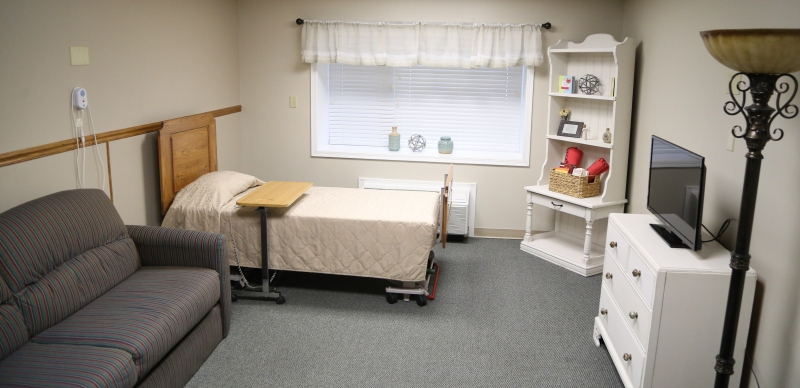
How is Accura Healthcare Of Lake City, Llc Staffed?

CMS rates Accura Healthcare of Lake City, LLC's staffing level at 4 out of 5 stars, which is above average compared to other nursing homes. Staff turnover is 40%, compared to the Iowa average of 46%. This relatively stable workforce can support continuity of care.

What Have Inspectors Found at Accura Healthcare Of Lake City, Llc?

State health inspectors documented 37 deficiencies at Accura Healthcare of Lake City, LLC during 2023 to 2025. These included: 2 Immediate Jeopardy (the most serious level, indicating potential for serious harm or death), 2 that caused actual resident harm, and 33 with potential for harm. Immediate Jeopardy findings are rare and represent the most serious regulatory concerns. They require immediate corrective action.
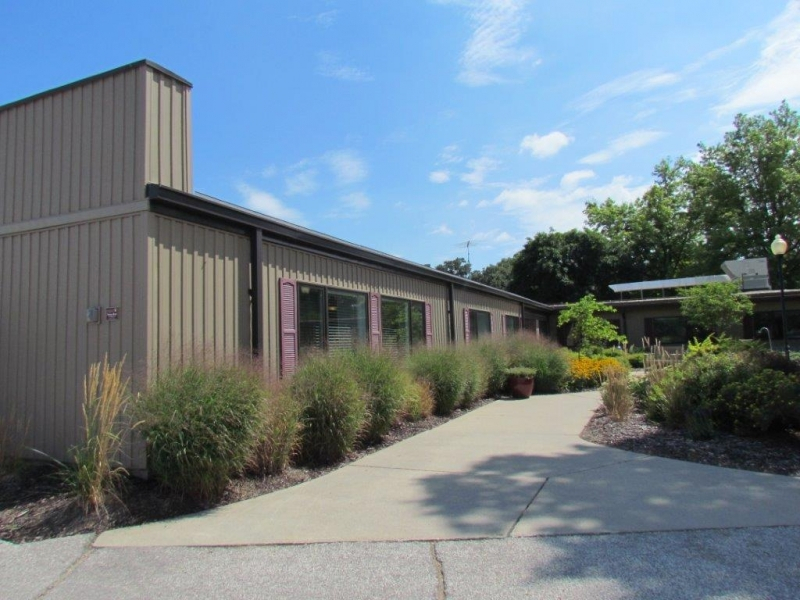
Who Owns and Operates Accura Healthcare Of Lake City, Llc?

Accura Healthcare of Lake City, LLC is owned by a for-profit company. For-profit facilities operate as businesses with obligations to shareholders or private owners. The facility is operated by ACCURA HEALTHCARE, a chain that manages multiple nursing homes. With 46 certified beds and approximately 39 residents (about 85% occupancy), it is a smaller facility located in Lake City, Iowa.
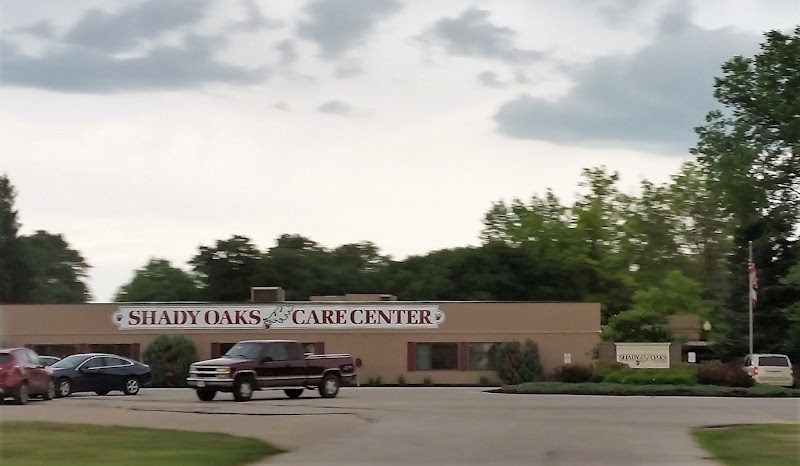
How Does Accura Healthcare Of Lake City, Llc Compare to Other Iowa Nursing Homes?

Compared to the 100 nursing homes in Iowa, Accura Healthcare of Lake City, LLC's overall rating (1 stars) is below the state average of 3.0, staff turnover (40%) is near the state average of 46%, and health inspection rating (1 stars) is much below the national benchmark.

What Should Families Ask When Visiting Accura Healthcare Of Lake City, Llc?

Based on this facility's data, families visiting should ask: "What changes have been made since the serious inspection findings, and how are you preventing similar issues?" "Can I visit during a mealtime to observe dining assistance and food quality?" "How do you handle medical emergencies, and what is your hospital transfer rate?" "Can I speak with family members of current residents about their experience?" These questions are particularly relevant given the facility's Immediate Jeopardy citations.

Is Accura Healthcare Of Lake City, Llc Safe?

Based on CMS inspection data, Accura Healthcare of Lake City, LLC has documented safety concerns. Inspectors have issued 2 Immediate Jeopardy citations (the most serious violation level indicating risk of serious injury or death). The facility has a 1-star overall rating and ranks #100 of 100 nursing homes in Iowa. Families considering this facility should ask detailed questions about what corrective actions have been taken since these incidents.

Do Nurses at Accura Healthcare Of Lake City, Llc Stick Around?

Accura Healthcare of Lake City, LLC has a staff turnover rate of 40%, which is about average for Iowa nursing homes (state average: 46%). Moderate turnover is common in nursing homes, but families should still ask about staff tenure and how the facility maintains care continuity when employees leave.

Was Accura Healthcare Of Lake City, Llc Ever Fined?

Accura Healthcare of Lake City, LLC has been fined $58,702 across 4 penalty actions. This is above the Iowa average of $33,666. Fines in this range indicate compliance issues significant enough for CMS to impose meaningful financial consequences. Common causes include delayed correction of deficiencies, repeat violations, or care failures affecting resident safety. Families should ask facility leadership what changes have been made since these penalties.

Is Accura Healthcare Of Lake City, Llc on Any Federal Watch List?

Accura Healthcare of Lake City, LLC is not on any federal watch list. The most significant is the Special Focus Facility (SFF) program, which identifies the bottom 1% of nursing homes nationally based on persistent, serious quality problems. Not being on this list means the facility has avoided the pattern of deficiencies that triggers enhanced federal oversight. This is a positive indicator, though families should still review the facility's inspection history directly.