Accura Healthcare of Pomeroy, LLC
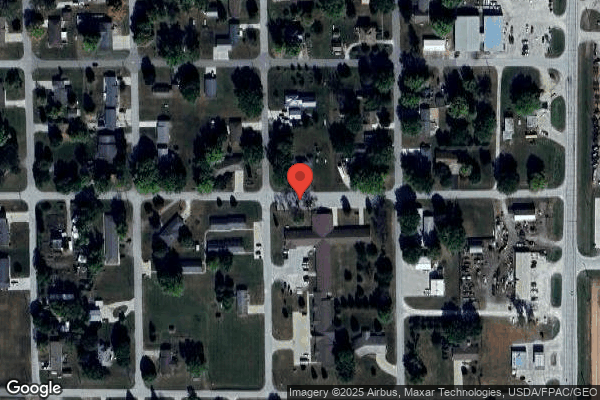
303 East 7th Street, Pomeroy, IA 50575 (712) 468-2241
For profit - Limited Liability company 30 Beds ACCURA HEALTHCARE Data: November 2025
Trust Grade
65/100
#171 of 392 in IA
Last Inspection: May 2025

Inspected within the last 6 months. Data reflects current conditions.

Overview

Accura Healthcare of Pomeroy, LLC has a Trust Grade of C+, indicating it's slightly above average, which suggests it's decent but not exceptional. It ranks #171 out of 392 facilities in Iowa, placing it in the top half, and #1 out of 3 in Calhoun County, meaning it's the best option locally. Unfortunately, the facility is worsening, with issues increasing from 5 in 2024 to 9 in 2025. While staffing is a strength here with a 4/5 star rating and a turnover rate of 41%, which is below the state average, recent inspections revealed concerning incidents. For example, staff failed to administer medications as ordered for two residents, and there were gaps in assessments and interventions for another resident showing ongoing agitation and bruising. Despite these weaknesses, the facility has no fines on record, which is a positive sign.

Trust Score
C+
65/100
In Iowa
#171/392
Top 43%
Safety Record
Low Risk
No red flags
Inspections
Getting Worse
5 → 9 violations
Staff Stability
○ Average
41% turnover. Near Iowa's 48% average. Typical for the industry.
Penalties
✓ Good
No fines on record. Clean compliance history, better than most Iowa facilities.
Skilled Nurses
✓ Good
Each resident gets 49 minutes of Registered Nurse (RN) attention daily — more than average for Iowa. RNs are trained to catch health problems early.
Violations
⚠ Watch
15 deficiencies on record. Higher than average. Multiple issues found across inspections.
★★★☆☆
3.0
Overall Rating
★★★★☆
4.0
Staff Levels
★★★★☆
4.0
Care Quality
★★★☆☆
3.0
Inspection Score
Stable
2024: 5 issues
2025: 9 issues

The Good

  • 4-Star Staffing Rating · Above-average nurse staffing levels
  • 4-Star Quality Measures · Strong clinical quality outcomes
  • Full Sprinkler Coverage · Fire safety systems throughout facility
  • No fines on record
  • Staff turnover below average (41%)

    7 points below Iowa average of 48%

Facility shows strength in staffing levels, quality measures, fire safety.

The Bad

3-Star Overall Rating

Near Iowa average (3.1)

Meets federal standards, typical of most facilities

Staff Turnover: 41%

Near Iowa avg (46%)

Typical for the industry

Chain: ACCURA HEALTHCARE

Part of a multi-facility chain

Ask about local staffing decisions and management

The Ugly 15 deficiencies on record

Aug 2025 3 deficiencies
CONCERN (D) 📢 Someone Reported This

A family member, employee, or ombudsman was alarmed enough to file a formal complaint

Potential for Harm - no one hurt, but risky conditions existed

Quality of Care (Tag F0684)

Could have caused harm · This affected 1 resident

**NOTE- TERMS IN BRACKETS HAVE BEEN EDITED TO PROTECT CONFIDENTIALITY** Based on observation, interview and record review the facility failed to provide complete assessments and interventions for 1 of...

Read full inspector narrative →
**NOTE- TERMS IN BRACKETS HAVE BEEN EDITED TO PROTECT CONFIDENTIALITY** Based on observation, interview and record review the facility failed to provide complete assessments and interventions for 1 of 5 residents reviewed. Staff reported that Resident #2 had on-going agitation that lead to hitting of staff, and regular bruising on his arms from various causes. The chart lacked documentation of these concerns until 7/5/25, when he reported allegations of rough treatment with dark bruising on his arms. The facility reported a census of 26 residents.Findings include: According to the Minimum Data Set (MDS) dated [DATE], Resident #2 had a Brief Interview for Mental Status (BIMS) score of 10 (moderate cognitive deficits) The resident did not have behavioral symptoms, directed toward others such as hitting, kicking and pushing, and no rejection of care. He had verbal behavioral symptoms directed toward others 1-3 days during the look-back period. Resident #2 used a manual wheel chair and was able to wheel at least 150 feet and make 2 turns. He was frequently incontinent of urine and always incontinent of bowel. The resident had impaired movement of upper and lower extremities, and was totally dependent on staff for dressing, hygiene and transfers. The Care Plan updated on 3/17/25, showed that Resident #2 had coping deficits related to bipolar disorder, borderline personality disorder, with irritability and anger. He had a long standing history of behaviors with foul language, yelling, spitting, attempting to self-transfer, aggression and hitting.From 5/22/25 - 7/4/25, the Nursing Progress Notes lacked any reference to aggressive behavior, refusal of cares or new bruising.A Nursing Progress Note dated 7/5/25 at 8:22 PM, showed that staff discovered new, dark bruising on both forearms that were not there the previous evening. The resident stated that one of the girls last night did it when she yanked me.A Non-Ulcer Skin Assessment document, showed that his right arm had scattered dark bruising. Total area of 16 centimeters (cm) x 5cm. His left arm had scattered dark bruising; total area of 12cm x 7cm.The following entries were added to the Care Plan after 7/5/25;a. On 7/7/25; padded side rails to prevent skin injuries that might be caused due to intentionally hitting arms and or legs into stationary objects. He often refuses or removes interventions. Allow time to cool down and re-approach.b. On 7/8/25; Use 2 staff for all care due to history of allegations against staff. Intervention included observe for contribute factors for behavior, provide one on one activities as needed.c. On 7/20/25; the resident was combative in the Hoyer lift.d. On 7/25/25; resident refuses Geri sleeves.e. On 8/5/25; the resident runs his wheel chair into the walls, med carts, furniture and railings.f. On 8/7/25; staff to try to help resident identify his boundaries when propelling wheelchair.On 8/11/25 at 9:20 AM, Resident #2 was in the hallway near his room. He was propelling himself by pushing the wheels, and his feet were extended out over the top of the foot pedal. The resident was having some difficulty navigating the corner into his room. At 9:33 AM, he was still trying to turn into his room and his arm was squeezed up against the handrail.On 8/11/25 at 2:51 PM, Staff K, Licensed Practical Nurse (LPN) said that the resident could not bear weight but he thinks he can and it upset him when staff would tell him he can't get up on his own. When asked if he'd had any falls, Resident #2 pointed to the matt on the floor and said that they put it next to his bed. He then said I do it on purpose. He explained that he would roll out of bed on purpose and put himself on the floor so the alarm would go off and it would get their attention. When asked if there were any staff that have treated him rough, he said that there was one who grabbed his arm, mostly the right arm and said it's almost healed now. she was trying to prevent him from getting into the bathroom. He said that sometimes he would bump his arms on the side rails when they rolled him over in bed. On 8/12/25 at 8:21 AM, Staff G, CNA said that since 7/5 when Resident #2 made allegations of abuse, they started taking pictures of all new bruises. She said that there were many times that he would get combative with the staff when they provided cares and when they would report it, they were told that he just didn't like them and to step away from him. She said that there was an incident when they were transferring him with the mechanical lift, he raised his fist and hit the arm of the lift which bruised on his hand. On 8/12/25 at 9:02 AM, Staff C, CMA said that many times Resident #2 was combative and it wasn't documented. She displayed a bruise on her leg where he slammed his wheel chair into her. On 8/12/25 at 9:13 AM Staff I, CNA said that there were many incidences in past, that Resident #2 was combative and he hit her. She reported to Nursing and the Administrator and she was told to just get away from him. She did not see any new interventions or documentation completed.On 8/12/25 at 11:12 AM, Staff B, CNA said that Resident #2 often had bruising on his arms, he would get agitated when the staff tried to clean him. He would report to the nurses whenever it happened.On 8/12/25 at 1:11 PM the Director of Nursing said that Resident #2 often had bruises on his arms because he would bump them on the walls and side rails of the bed. She said that they hadn't been keeping track of the bruising before the incident on 7/5/25.On 8/12/25 at 2:30 PM, the Administrator said that Resident #2 often got caught up on the hall arm rests and in doorways which caused bruising. She said that if there were incidents between residents and staff such as hitting them or running his wheel chair into them, staff should step back and there should be a behavior note in the nursing documentation. They would do an incident report if/when the resident sustained new injury.According to a facility policy dated 5/6/23 titled: Skin Management Protocol to notify the DON and wound nurse of new skin alteration and complete incident report and a skin sheet.
CONCERN (D) 📢 Someone Reported This

A family member, employee, or ombudsman was alarmed enough to file a formal complaint

Potential for Harm - no one hurt, but risky conditions existed

Pharmacy Services (Tag F0755)

Could have caused harm · This affected 1 resident

**NOTE- TERMS IN BRACKETS HAVE BEEN EDITED TO PROTECT CONFIDENTIALITY** Based on observation, interviews and record review the facility failed to administer medications as ordered for 2 of 5 residents...

Read full inspector narrative →
**NOTE- TERMS IN BRACKETS HAVE BEEN EDITED TO PROTECT CONFIDENTIALITY** Based on observation, interviews and record review the facility failed to administer medications as ordered for 2 of 5 residents reviewed (Resident #1 and #3.) Within a 5-week timeframe staff reported 3 medication errors for Resident #1. Staff left medications for Resident #3 unattended, and the cup of pills was later discovered on the food tray in the kitchen. The facility reported a census of 26 residents. Findings include: 1) According to the Minimum Data Set (MDS) dated [DATE], Resident #1 was absence of spoken words, she was rarely/never understood. She was unable to participate with a Brief Interview for Mental Status (BIMS) assessment and her cognitive skills were severely limited. Resident #1 was totally dependent on staff for toileting, dressing, hygiene, and transfers and used a wheel chair. He diagnoses included diabetes mellitus, aphasia, seizure disorder, malnutrition and Rett's Syndrome (neurological disorder that causes severe muscle movement) The Care Plan last updated on 4/8/25, showed that Resident #1 had artificial nutrition per gastrostomy tube. She was completely dependant with care, and used a mechanical lift for transfers. The resident had a history of seizures and used psychotropic medications related to Rett's Syndrome, Aphasia, Epilepsy, Scoliosis and spasticity. On 8/11/25 at 9:30 AM, Resident #1 was sitting in front of the television in the dayroom. Her wheel chair was in the upright position, arms crossed at her chest. She had contractures of the hands and her eyes were closed. At 12:00 PM, Staff K, Licensed Practical Nurse (LPN) pushed her back to her room and at 1:10 PM she was in bed with the head of the bed elevated.On 8/11/25 at 2:14 PM, a Family Member (FM) for Resident #1 said she had been up to visit the resident and talked to the nurse that forgot to give the resident her evening medications in May. FM said that there were a couple of temporary staff that didn't give the seizure medication as ordered and the mistakes seemed to always happen on a holiday weekend. According to the Orders tab, Resident #1 had an order for clobazam 2.5 milligrams per milliliter (mg/ml) give 2 ml one time a day in the morning, give 4ml at bedtime.Incident Reports for Resident #1 showed the following:a. On 5/23/25 at 8:30 PM the overnight nurse realized that she had forgotten to give Resident #1 her night medications or feeding.b. On 5/27/25 at 3:10 PM during the morning medication pass the nurse gave the nighttime dose of Clobazam 4 milliliters (ml) instead of the 2 ml. morning dose.c. On 7/5/25 at 7:00 AM during shift change it was discovered that the previous nurse had given 2ml instead of the ordered 4ml night dose.On 8/12/25 at 2:15 PM, Staff J, Registered Nurse (RN) said that she got busy on the evening of 5/23/25 and had forgotten the evening medication and feeding. She said that it was still sitting on the nightstand the following morning.On 8/12/25 at 11:55 AM, The Assistant Director of Nursing (ADON) acknowledged that they'd had a problem with the clozabam and ensuring that the medication was being given as ordered because they've gone back and forth from a bottle and pre-filled syringes.2) According to the MDS dated [DATE], Resident #3 had a BIMS score of 15 (cognitive intact) She was totally dependent on staff for toileting, dressing, rolling and sit to stand. Her diagnoses included: heart failure, renal insufficiency, diabetes mellitus, hip fracture, anxiety and depression. The resident rejected evaluation or care 1-3 days during the look-back period. High-risk drugs included antianxiety, antidepressant, opioid, antiplatelet and hypoglycemic medications.The Care Plan for Resident #3 last updated on 7/10/25, showed that Resident #3 had altered cardiovascular status related to history of acute and chronic diastolic congestive heart failure, bradycardia, obesity, staff were to administer medications as ordered. She had the potential for constipation related to decreased physical mobility and obesity, diverticulosis and diabetes mellitus.On 8/12/25 at 9:38 AM, Resident #3 was in her recliner with a bedside tray pulled up to where she could reach items. She said that she preferred to stay in her room and she took her meal trays in the room as well. She said there was an agency nurse that put her cup of pills in front of her one evening and then left the room. The tray was taken back to the kitchen with the pills and another nurse found them and brought them back to her to take.On 8/12/25 at 2:15 PM, Staff J said that it was a Sunday night when agency staff set a cup of medications for Resident #3 and it was left on the food tray without the resident's knowledge. The kitchen staff picked up the tray and found the medications, and gave them to Staff J, she then took the medications to the resident to take.On 8/13/25 at 10:30 AM the Administrator said that they do not have any residents that have been assessed to be able to administer their own medications unsupervised. She said we don't do that here She said that the nurses should know the 5 rights of medication administration and double check during medication pass.
CONCERN (D) 📢 Someone Reported This

A family member, employee, or ombudsman was alarmed enough to file a formal complaint

Potential for Harm - no one hurt, but risky conditions existed

Deficiency F0947 (Tag F0947)

Could have caused harm · This affected 1 resident

**NOTE- TERMS IN BRACKETS HAVE BEEN EDITED TO PROTECT CONFIDENTIALITY** Based on observation, interview and record review the facility failed to ensure that staff were orientated and trained to care f...

Read full inspector narrative →
**NOTE- TERMS IN BRACKETS HAVE BEEN EDITED TO PROTECT CONFIDENTIALITY** Based on observation, interview and record review the facility failed to ensure that staff were orientated and trained to care for residents. Temporary nurses and Certified Nurse Aides (CNA) were expected to perform the job duties without proper training. The facility reported a census of 36 residents.Findings include: On 8/12/25 at 1:00 PM, the Administrator and the Assistant Director of Nursing (ADON) stated they had orientation checklists for agency staff. In the absence of the Director of Nursing (DON) they would look for documentation that the following temporary staff had been oriented: Staff C, CNA, Staff E, CNA, and Staff D, Registered Nurse (RN). In an observation on 8/12/25 at 1:10 PM, Staff L, CNA was assisting residents with transfers too and from their rooms. Staff L said that she was with a staffing agency it was her second day at this facility. The last time she worked at this facility was 6 months previous. She said that she did not get an orientation, and she didn't remember any education checklists offered to her before she worked independently with the residents.On 8/12/25 at 10:05 AM, Staff E, CNA said that she worked the overnight shift on the previous Sunday, and it was a difficult night because she was the only aide on floor. She had worked several other shifts at this facility and she tried to transfer Resident #2 without the use of the mechanical lift because he told her that he could stand. When she found that he wasn't standing, she lowered him back down onto the bed. Staff E said that she did not get an orientation or education before she worked independently with the residents. On 8/12/25 at 10:14 AM, Staff M, CNA said that she worked the overnight shifts and she did not get any orientation or education. She said that she knew how to transfer residents and provide cares because she was a CNA for a long time.On 8/12/25 at 10:23 AM, Staff D, RN said that she usually worked the weekends at this facility. She said when she first started she was expected to come in an hour early and another nurse showed her around the building. She did not remember getting a complete orientation or a signed checklist.On 8/12 at 9:45 AM, Resident #5 was in her wheel chair in the dayroom. She had bruising on her left arm and said it was from a recent hospitalization. She said that she was on dialysis and was feeling much better. The resident said that she was concerned about good staff that were leaving and the temporary aides don't know what they are doing. She said that on that morning, she had to explain to the CNA how to help her with her catheter and toileting needs.On 8/13/25 at 11:00 AM, the Administration said that many orientation checklists were on the DON's desk except for the 3 staff that were requested.A form titled: Agency Staff Checklist indicated that the following items would be included in orientation:a. Facility layout with tourb. Shift routine/general duties. Resident care, mechanical lifts, documentation, narcotic count, medication deliveries, change in condition guidelines, 24 hour report, Pocket Care Plans, Medication administrationc. Communication; Door alarms, telephone use, walkie use,d. Abuse Policy; what to report and whene. Resident Incident Reports; falls, skin protocol, medication errors, deathf. Emergencies; physician contacts, hospital contactsg. Emergency Procedures: fire, weather, elopement, leave of absence, emergency carth. DON notificationi. Concern [NAME] signing, staff acknowledged that they had received training for all of the above guidelines and information to perform the job. The orientation was not intended to cover every situation which may arise while on assignment but was a general guideline.
May 2025 6 deficiencies
CONCERN (D)

Potential for Harm - no one hurt, but risky conditions existed

Notification of Changes (Tag F0580)

Could have caused harm · This affected 1 resident

**NOTE- TERMS IN BRACKETS HAVE BEEN EDITED TO PROTECT CONFIDENTIALITY** Based on clinical record review, staff interviews, and facility policy, the facility failed to notify the physician and family r...

Read full inspector narrative →
**NOTE- TERMS IN BRACKETS HAVE BEEN EDITED TO PROTECT CONFIDENTIALITY** Based on clinical record review, staff interviews, and facility policy, the facility failed to notify the physician and family regarding a skin condition after a fall (Resident #1). The facility reported a census of 26 residents. Findings include: The Minimum Data Set (MDS) assessment dated [DATE] for Resident #1 documented diagnosis of schizophrenia, depression, and orthostatic hypotension. The MDS showed the Brief Interview for Mental Status (BIMS) score of 14, indicating no cognitive impairment. Review of facility Progress Notes on 4/30/25 at 10:25 a.m. revealed a nurse documented on 4/28/25 at 7:05 p.m. a fall follow up and revealed a skin condition, a bruise, was found on the back of Resident #1's right leg behind the knee, the bruise measured 2 centimeters (cm) x 4 cm, the bruise was described as yellow, green, purple in color. The Progress Note lacked information that the family and physician was notified. Review of facility skin sheets on 4/30/25 at 10:25 a.m. revealed the facility failed to fill out the skin sheet to monitor the bruise weekly. Review of the facility policy named Weekly Skin Assessment and Documentation Process dated 1/20/23 revealed skin ulcers and non-ulcer will be assessed and documented weekly by the facility wound nurse. Identifying a Skin Ulcer or Non-Ulcer Assessment: 1) The nurse who initially identifies the Skin Ulcer or Non-Ulcer Ulcer will complete the appropriate Skin Assessment (Non-Ulcer or Ulcer Assessment). 2) A separate Skin Assessment (Non-Ulcer or Ulcer Assessment) will be completed for each identified skin/wound alteration. (i.e., if two bruises are identified on one resident, two separate assessments will need to be completed, one for each area.) 3) The treatment orders for all Skin Ulcer or Non-Ulcer will be implemented per the Skin Management Protocol. 4) The Nurse Leader will fax the appropriate wound treatment order per the Skin/Wound Protocol for approval by the physician. 5) The care plan will be updated and reviewed to ensure that the skin/wound alteration and appropriate interventions have been identified on the Care Plan. 6) Notification to Physician 7) When the nurse on the floor observes a new skin/wound alteration they should utilize the fax forms to notify the physician/nurse practitioner or call and put the new order in the electronic health record. Interview on 5/1/25 at 9:30 a.m. with the Administrator stated the expectation would be to follow the facility policy and procedures.
CONCERN (D)

Potential for Harm - no one hurt, but risky conditions existed

Deficiency F0628 (Tag F0628)

Could have caused harm · This affected 1 resident

**NOTE- TERMS IN BRACKETS HAVE BEEN EDITED TO PROTECT CONFIDENTIALITY** Based on clinical record review and staff interview the facility failed to notify the Long Term Care (LTC) Ombudsman for 1 of 1 ...

Read full inspector narrative →
**NOTE- TERMS IN BRACKETS HAVE BEEN EDITED TO PROTECT CONFIDENTIALITY** Based on clinical record review and staff interview the facility failed to notify the Long Term Care (LTC) Ombudsman for 1 of 1 residents reviewed who transferred to the hospital (Resident #9). The facility reported a census of 26 residents. Findings include: 1. The Minimum Data Set (MDS) assessment dated [DATE] for Resident #9 documented diagnoses of quadriplegia, anxiety, depression and chronic pain. The MDS showed the Brief Interview for Mental Status (BIMS) score of 15 indicating no cognitive impairment. Review of Resident #9's Progress Notes revealed the following information: 8/13/24 at 4:45 p.m., Resident transferred to the emergency department and admitted to hospital. 8/22/24 at 12:55 p.m., Resident readmitted to facility from the hospital. 12/9/24 at 9:34 a.m., Resident transferred to the emergency department and admitted to hospital. 12/12/24 at 4:57 p.m., Resident readmitted to the facility from the hospital. 1/7/25 at 4:09 a.m., Resident admitted to hospital for surgical procedure. 1/10/25 at 4:00 p.m., Resident readmitted to the facility from the hospital. Review of Resident #9's Census tab revealed the following: 8/13/24- hospital unpaid leave 8/22/24- active 12/9/24 - hospital unpaid leave 12/12/24 - active 1/7/25 - hospital unpaid leave 1/10/25 - active Review of MDS listing revealed the following: 8/13/24 - discharge return anticipated 8/22/24 - Entry 12/9/24 - discharge return anticipated 12/12/25 - Entry 1/7/25 - discharge return anticipated 1/10/25 - Entry Review of the facility document titled Notice of Transfer Form to Long Term Care Ombudsman dated August 2024, December 2024 and January 2025 lacked Resident #9's name. Interview on 4/30/25 at 11:56 a.m., with the Nurse Consultant revealed the facility follows regulation with ombudsman notification. Interview on 4/30/25 at 12:35 p.m. with Administrator revealed she had pulled the same report from the electronic health record for the last couple of years and when she pulled it Resident #9's name is not showing up on the report. The Administrator stated she will have to get a hold of her supervisor to see what she needs to do to correct this report.
CONCERN (D)

Potential for Harm - no one hurt, but risky conditions existed

Comprehensive Care Plan (Tag F0656)

Could have caused harm · This affected 1 resident

**NOTE- TERMS IN BRACKETS HAVE BEEN EDITED TO PROTECT CONFIDENTIALITY** Based on observation, interviews and record review the facility failed to develop a comprehensive care plan for 1 of 13 resident...

Read full inspector narrative →
**NOTE- TERMS IN BRACKETS HAVE BEEN EDITED TO PROTECT CONFIDENTIALITY** Based on observation, interviews and record review the facility failed to develop a comprehensive care plan for 1 of 13 residents reviewed. Staff utilized a seat buckle in the wheel chair for Resident #15 and the care plan lacked a focus area or interventions for monitoring. Staff failed to include the details related to seat buckle use and did not define interventions to be used during the use of seat buckle. The facility reported a census of 26 residents. Findings include: According to the Minimum Data Set (MDS) dated [DATE], Resident #15 was absence of spoken words, rarely/never understood and did not understand others. She was unable to participate with a Brief Interview for Mental Status cognitive skills severely limited. She had upper extremity (shoulder, elbow, wrist and hand) and lower extremity impairment on both sides and was totally dependent on staff for toileting, dressing, hygiene, and transfers and used a wheel chair. Her diagnoses included: diabetes mellitus, aphasia, seizure disorder, malnutrition, Rett's Syndrome (neurological disorder that causes severe muscle movement disability condition leads to loss of motor skills, language abilities loss of purposeful hand skills.) The MDS showed that she did not use a physical trunk restraint. The Care Plan last updated on 4/8/25, showed that the resident had artificial nutrition per gastrostomy tube. If the resident was in the wheelchair, she was to remain upright for one hour following the administration of feeding and fluids. Resident #15 was completely dependent with care, and required a Hoyer mechanical lift for transfers. She had the potential for injury from falls/seizures related to Rett's Syndrome, Aphasia, Epilepsy, Scoliosis, and spasticity, The resident used a small tilt-in-space wheelchair for locomotion, and bilateral ½ side rails in bed to allow for boundary identification. On 4/28/25 at 11:18 AM, Resident #15 was sitting in a wheel chair in the dayroom in front of the television sleeping. The wheelchair was slightly tipped back, and she had a waist buckle around her lower abdomen. Her arms were on her chest and her hands were contractures. At 11:43 AM, the resident was still in the dayroom, there were no other residents or staff nearby. On 4/30/25 at 2:23 PM, Staff D, [NAME] Clinical Specialist agreed that the resident did not attempt to access her body, because she did not move her arms or hands on her own. Staff D agreed that the lap strap should be added to the care plan. According to a facility policy titled: Comprehensive Care Plans dated April 2/25, the facility would develop and implement a comprehensive person-centered care plan for each resident, consistent with resident rights that included measurable objective and timeframe to meet a resident medical nursing and mental and psychosocial needs and all services that were identified int eh resident comprehensive assessment and meet professional standards of quality. The comprehensive care plan would be reviewed and revised by the interdisciplinary team after each comprehensive and quarterly MDS assessment.
CONCERN (D)

Potential for Harm - no one hurt, but risky conditions existed

Deficiency F0658 (Tag F0658)

Could have caused harm · This affected 1 resident

**NOTE- TERMS IN BRACKETS HAVE BEEN EDITED TO PROTECT CONFIDENTIALITY** Based on record, policy, and chart review, the facility failed to follow through with physician's orders for 1 of 13 residents r...

Read full inspector narrative →
**NOTE- TERMS IN BRACKETS HAVE BEEN EDITED TO PROTECT CONFIDENTIALITY** Based on record, policy, and chart review, the facility failed to follow through with physician's orders for 1 of 13 residents reviewed. Staff were monitoring the blood glucose levels for Resident #23 four times a day and the physician directed them to contact him/her according to the established parameters. In a 3-month timeframe, the blood glucose levels were outside those parameters 8 times, and staff failed to contact the doctor. The facility reported a census of 26 residents. Findings include: According to the Minimum Data Set (MDS) dated [DATE], Resident #23 was admitted to the facility on [DATE], and had a Brief Interview for Mental Status (BIMS) score of 15 (intact cognitive ability.) The resident was independent with hygiene, dressing, transfers and walking. Her diagnoses included: hypertension, diabetes mellitus, arthritis, obesity, developmental disorder, edema and long-term use of insulin. The Care Plan for Resident #23, updated on 4/9/25, showed the resident had altered cognition related to a diagnosis of developmental disorder. She was at risk for alteration in blood glucose levels, staff were to report abnormal blood glucose levels to the physician. An order entered on 1/31/25 at 10:12 AM, showed that staff were to monitor the blood sugar levels for Resident #23 four times a day, and notify the provider if blood sugar was more than 400 Milligrams per deciliter (mg/dL) or less than 60 mg/dL. The Blood Sugar Summary (BSS) document in the electronic chart showed the following documentation. On each occasion, the chart lacked information regarding a doctor notification. a. 4/27/25 at 11:22 AM, 56 mg/dL b. 4/10/25 at 3:00 PM, 471 mg/dL c. 3/26/25 at 6:08 PM, 400 mg/dL d. 3/8/25 at 10:25 AM, 429 mg/dL e. 2/15/25 at 3:31 PM, 481 mg/dL f. 2/14/25 at 10:55 AM, 43 mg/dL g. 2/4/25 at 3:52 PM, 406 mg/dL h. 2/1/25 at 7:50 PM, 53 mg/dL The BSS showed that 4 times, Staff C, Licensed Practical Nurse (LPN) administered the glucose test and failed to follow through with a call to the doctor. On 4/30/25 at 2:42 PM, Staff C, said that she was aware of times that Resident #23 had high blood glucose readings but she hadn't ever had to contact the doctor. She didn't remember what the parameters were, but the resident would often eat her roommates cookies and that would cause the high glucose levels. On 4/30/25 at 2:29 PM, Staff D, Regional Clinical Specialist said that if/when there were doctor-ordered parameters, staff were expected to follow through with a call to the doctor. A facility policy dated 2/8/23, titled: Notification of Change in Resident Health Status, the resident's physician would be notified of a change in resident status when there was a significant change in the resident physical, mental or psychosocial status; for example a deterioration in health or clinical complications, or a need to alter treatment significantly such as discontinue an existing form of treatment due to adverse consequences or to begin a new form of treatment.
CONCERN (D)

Potential for Harm - no one hurt, but risky conditions existed

Quality of Care (Tag F0684)

Could have caused harm · This affected 1 resident

**NOTE- TERMS IN BRACKETS HAVE BEEN EDITED TO PROTECT CONFIDENTIALITY** Based on observation, interview and record review the facility failed to follow through with an intervention for edema managemen...

Read full inspector narrative →
**NOTE- TERMS IN BRACKETS HAVE BEEN EDITED TO PROTECT CONFIDENTIALITY** Based on observation, interview and record review the facility failed to follow through with an intervention for edema management for 1 of 1 resident reviewed. Resident #23 had chronic edema and staff were directed to apply edema wear to her lower extremities in the morning and to remove it at night. The resident was observed to be without the compression stockings all day and staff documented that the task had been completed. The facility reported a census of 26 residents. Findings include: According to the Minimum Data Set (MDS) dated [DATE], Resident #23 was admitted to the facility on [DATE], and had a Brief Interview for Mental Status (BIMS) score of 15 (intact cognitive ability.) The resident was independent with hygiene, dressing, transfers and walking. Her diagnoses included: hypertension, diabetes mellitus, arthritis, obesity, developmental disorder, edema and long-term use of insulin. The resident was taking a diuretic medication. The Care Plan for Resident #23, updated on 4/9/25, showed that she had altered cardiovascular status related to edema and hyperlipidemia, staff were to monitor edema and report changes. The resident had altered cognition related to a diagnosis of developmental disorder. The Orders tab in the electronic chart showed an order dated 2/14/25 at 6:00 AM, to apply edema wear in the morning and remove at night. On 4/28/25 at 12:52 PM, Resident #23 was sitting in her chair in room with feet on the floor. She was wearing gripper socks and her feet were swollen. When asked if she had some compression hose, she pointed to the bathroom where a pair of hose were hanging on the towel rack. She said she needed help to put them on, and they were still wet because they had been washed. The Medication Administration Record/Treatment Administration Record (MAR/TAR) for April, printed on 4/28/25 at 1:43 PM, showed that the nurse had documented that the resident was wearing the edema wear. On 4/28/25 at 4:04 PM, Resident #23 was sitting in a chair near the nurses' station. She was wearing the gripper socks, and did not have her compression hose on. She said that they were still hanging in the bathroom and said they are still wet, I'll get them on tomorrow. The MAR TAR for April, printed on 4/29/25 at 6:47 AM, showed that staff documented that the edema wear had been removed on the night of 4/28/25. On 4/30/25 at 11:56 AM, Staff D, Regional Clinical Specialist, indicated that the facility did not have policies on edema management but that staff were expected to follow the physicians orders.
CONCERN (F)

Potential for Harm - no one hurt, but risky conditions existed

Staffing Data (Tag F0851)

Could have caused harm · This affected most or all residents

Based on the Center for Medicare and Medicaid Services (CMS) Payroll Based Journal (PBJ) Staffing Data Report for Quarter 1, 2025 review, facility staffing reports review, and staff interviews, the fa...

Read full inspector narrative →
Based on the Center for Medicare and Medicaid Services (CMS) Payroll Based Journal (PBJ) Staffing Data Report for Quarter 1, 2025 review, facility staffing reports review, and staff interviews, the facility failed to submit accurate staff reports for the PBJ Staffing Data Report. The facility reported a census of 26 residents. Findings include: The PBJ Staffing Data Report with a run date of 4/23/25, for the 1st quarter of the fiscal year 2025; (October 1 - December 31), triggered for a failure to have licensed nursing coverage 24 Hours/Day. Infraction dates included: 10/19, 10/20, 11/28, 12/2, 12/3, 12/4, 12/5, 12/6, 12/8, 12/9, 12/10, 12/11, 12/13, 12/16, 12/17, 12/18, 12/19, 12/20, 12/22, 12/23, 12/24, 12/25, 12/26, 12/27, 12/30 and 12/31. A review of the nursing schedules and timesheets revealed that nurses were on duty on the above dates. On 4/29/25 at 3:30 PM, the Administrator said that the PBJ report was being submitted by a third-party entity. She said that the process had been unorganized and confusing and the facility had identified and arranged for a different company to provide the service in the future. The Administrator said that the report had been showing an overstaffing of nurses on one day, then the following day, showed no nurses at all. She acknowledged that it was not submitted correctly. According to the facility policy dated 2/23/25 titled: Nursing Services and Sufficient Staff, the facility was responsible for submitting timely and accurate staffing data through the CMS Payroll-Based Journal system.
May 2024 5 deficiencies
CONCERN (D)

Potential for Harm - no one hurt, but risky conditions existed

Notification of Changes (Tag F0580)

Could have caused harm · This affected 1 resident

**NOTE- TERMS IN BRACKETS HAVE BEEN EDITED TO PROTECT CONFIDENTIALITY** Based on interview and record review the facility failed to notify family and physician after a medication error for 1 of 1 Resi...

Read full inspector narrative →
**NOTE- TERMS IN BRACKETS HAVE BEEN EDITED TO PROTECT CONFIDENTIALITY** Based on interview and record review the facility failed to notify family and physician after a medication error for 1 of 1 Resident reviewed, (Resident #25). From 2/16/24 - 3/12/24, Resident #25 was given 40 milligrams (mg) of pantoprazole instead of the prescribed 20mg daily dose. The facility reported a census of 37 residents. Findings include: 1) According to the Minimum Data Set (MDS) dated [DATE], Resident #25 was admitted on [DATE] with a Brief Interview for Mental Status (BIMS) score of 13 (moderate cognitive deficit). She was dependent on staff for toileting hygiene, dressings and transfers. Her diagnoses included osteomyelitis of vertebra, insomnia, muscle weakness and low back pain. The Care Plan revised on 4/10/24 showed Resident #25 had deficits in Activities of Daily Living (ADL) skills due to muscle weakness, obesity repeated falls and heart failure. She had chronic pain related to osteoarthritis, osteomyelitis and wounds. According to a New Prescription Summary sent to the pharmacy, dated 2/16/24, Resident #25 had an order for; pantoprazole sodium oral tablet delayed release 20 milligrams, give 1 tablet one time a day for upset stomach. In a review of personal files, it was discovered that three, Certified Medication Aides (CMAs) were issued Employee Coaching and Consult disciplinary actions for medication errors. The forms were dated 3/13/24 and signed by the Director of Nursing DON. Staff E, CMA administered the wrong dose on 4 separate days. Staff F, CMA administrated the wrong dose on 1 occasion. Staff G, CMA administered the wrong dose on 16 occasions. A Nursing Note dated 3/13/24 at 7:32 AM indicated the pharmacy sent pantoprazole 40mg tabs to the facility instead of 20 mg taps as ordered on 2/16/24. On 5/21/24 at 1:44 PM, when asked about an incident report for Resident #25 related to a medication error, the Director of Nursing (DON) replied that she did not have any incident reports or documentation of a medication error for that resident. At 3:15 PM the DON then said she remembered that when Resident #25 was admitted on [DATE], the pharmacy sent 40 mg tablets of pantoprazole instead of 20 mg. She said that the error had been discovered on 3/13 and staff were administering the wrong dose from 2/16 through 3/12. The DON said Staff A, Registered Nurse (RN) discovered the error and the RN was asked to fill out a risk management form. The DON said Staff A must not have completed the form because they did not have one in the file. The DON said that as far as she knew, the family and doctor had not been contacted regarding the error. On 5/21/24 at 3:32 PM Staff A, said she did remember the medication error and she told the DON and she called the pharmacy to get it changed. Staff A said she worked on an as needed (PRN) basis, and she had discovered the error days prior to 3/13. She said she told the charge nurse at that time but when she came back to work on 3/13 it hadn't been corrected. She said she did not fill out an incident report and didn't remember the DON asking her to do that. She did not call the family or doctor and thought that DON had handled those responsibilities. On 5/22/24 10:15 AM the DON said she didn't know if the resident had been informed of the medication error and if a risk assessment had been filled out when it happened, that would have triggered them to call the family and the doctor but it didn't happen. A facility policy titled Medication Administration Policy lacked direction to staff to ensure they have double checked that the right dose was administered. On 5/22/24 at 9:54 AM the DON said that they did not have a policy on notification to family and physicians.
CONCERN (D)

Potential for Harm - no one hurt, but risky conditions existed

Deficiency F0657 (Tag F0657)

Could have caused harm · This affected 1 resident

**NOTE- TERMS IN BRACKETS HAVE BEEN EDITED TO PROTECT CONFIDENTIALITY** Based on observation, record review and interviews the facility failed to ensure care plan was updated in a timely manner for 1 ...

Read full inspector narrative →
**NOTE- TERMS IN BRACKETS HAVE BEEN EDITED TO PROTECT CONFIDENTIALITY** Based on observation, record review and interviews the facility failed to ensure care plan was updated in a timely manner for 1 of 14 residents reviewed, (Resident #1). Resident #1 had specific orders for her bilevel positive airway pressure (BiPAP) machine. On 3/8/24, the order changed from 2liters (L) of oxygen to 6L and the care plan did not reflect this change. The facility reported a census of 37 residents. Findings include: According to the Minimum Data Set (MDS) dated [DATE], Resident #1 was admitted on [DATE] with a Brief Interview for Mental Status (BIMS) score of 15 (intact cognitive ability). The resident was independent with toileting hygiene and eating, walking and transfers. The diagnoses included; chronic respiratory failure, Chronic Obstructive Pulmonary Disease (COPD) and Chronic Pain. The Care Plan revised on 2/6/24, showed Resident #1 had actual respiratory abnormalities related to restrictive lung disease and obstructive sleep apneas. She used continuous oxygen and BiPAP at night. The resident had a history of chronic respiratory failure with hypoxia and hypercapnia. Staff were instructed to set the BiPAP at 17V12 centimeters H2O (water) pressure with O2 (oxygen) at 2 Liters (L) per minutes bled with warm humidification. On at night and off in the morning. The Orders tab showed an order dated 3/8/24 at 3:19 PM, for BIPAP at 17V12 centimeters H2O pressure with O2 at 6 liters per minute. On 5/19/24 at 11:22 AM, Resident #1 said that a couple of days prior, an agency nurse forgot to put her BiPAP on overnight and by morning, her oxygen level had dropped into the 70's. A Nursing Note dated 5/10/2024 at 9:03 AM showed Resident #1 complained of being short of breath with oxygen saturations at 78% on 4L O2. She had shallow breathing, her face was red and she was diaphoretic (sweating). On 5/21/24 at 12:12 PM Staff B, RN stated there had been a couple of incidents when the oxygen level was down in the mornings for Resident #1. Her face would turn blue and she really struggled to breath. The provider had asked them to put her back on the BiPAP and bleed in 6liters of oxygen. She said that one day, she worked for over 4 hours to get the oxygen back up. Staff B said that she had gone into the residents room early in the mornings and saw that the BiPAP oxygen level would be set on 3 liters rather than 6 and that was problematic for this resident. In an observation on 5/22/24 at 7:07 AM, the resident was in bed sleeping. The oxygen bled into the BiPAP was set on 7 liters. On 5/22/24 at 10:15 AM, the DON said Resident #1 always had her oxygen or the BiPAP on at all times. When asked about the oxygen bled into the BIPAP order she thought it was 6 liters. When alerted to the fact that the oxygen was set on 7L, the DON said that she would address it with the nurse. The DON was not aware the care plan had not been updated when the oxygen order changed from 2L to 6 liters. On 5/22/24 at 9:54 AM the DON indicated that they did not have a policy on following physicians orders or on care plan updates but they follow the standards of care.
CONCERN (D)

Potential for Harm - no one hurt, but risky conditions existed

Deficiency F0658 (Tag F0658)

Could have caused harm · This affected 1 resident

**NOTE- TERMS IN BRACKETS HAVE BEEN EDITED TO PROTECT CONFIDENTIALITY** Based on observation, interview and record review the facility failed to follow physician's orders for 2 of 14 residents reviewe...

Read full inspector narrative →
**NOTE- TERMS IN BRACKETS HAVE BEEN EDITED TO PROTECT CONFIDENTIALITY** Based on observation, interview and record review the facility failed to follow physician's orders for 2 of 14 residents reviewed, ( Residents #25 and #1). Resident #25 had an order for pantoprazole 20 milligram (mg), when the pharmacy sent 40mg tablets, staff failed to check the right dose and administered the wrong dose daily, from 2/16/24 through 3/12/24. Resident #1 had specific orders for her bilevel positive airway pressure (BiPAP) machine, staff failed to set the oxygen on the correct level. The facility reported a census of 37 residents. Findings include: 1) According to the Minimum Data Set (MDS) dated [DATE], Resident #25 was admitted on [DATE] with a Brief Interview for Mental Status (BIMS) score of 13 (moderate cognitive deficit). She was dependent on staff for toileting hygiene, dressings and transfers. Her diagnoses included osteomyelitis of vertebra, insomnia, muscle weakness and low back pain. The Care Plan revised on 4/10/24 showed that Resident #25 had deficits in Activities of Daily Living (ADL) skills due to muscle weakness, obesity repeated falls and heart failure. She had chronic pain related to osteoarthritis, osteomyelitis and wounds. According to a New Prescription Summary sent to the pharmacy, dated 2/16/24, Resident #25 had an order for; pantoprazole sodium oral tablet delayed release 20 milligrams, give 1 tablet one time a day for upset stomach. In a review of personal files, it was discovered that three, Certified Medication Aides (CMAs) were issued Employee Coaching and Consult disciplinary actions for medication errors. The forms were dated 3/13/24 and signed by the Director of Nursing DON. Staff E, CMA administered the wrong dose on 4 separate days. Staff F, CMA administrated the wrong dose on 1 occasion. Staff G, CMA administered the wrong dose on 16 occasions. A Nursing Note dated 3/13/24 at 7:32 AM indicated the pharmacy sent pantoprazole 40mg tabs to the facility instead of 20 mg taps as ordered on 2/16/24. On 5/21/24 at 1:44 PM, when asked about an incident report for Resident #25 related to a medication error, the Director of Nursing (DON) replied that she did not have any incident reports or documentation of a medication error for that resident. At 3:15 PM the DON then said she remembered when Resident #25 was admitted on [DATE], the pharmacy sent 40 mg tablets of pantoprazole instead of 20 mg. She said the error had been discovered on 3/13 and staff were administering the wrong dose from 2/16/24 through 3/12/24. The DON said Staff A, Registered Nurse (RN) discovered the error and the RN was asked to fill out a risk management form. The DON said Staff A must not have completed the form because they did not have one in the file. The DON said that as far as she knew, the family and doctor had not been contacted regarding the error. On 5/21/24 at 3:32 PM Staff A, said she did remember the medication error and she told the DON and she called the pharmacy to get it changed. Staff A said she worked on an as needed (PRN) basis, and she had discovered the error days prior to 3/13. She said she told the charge nurse at that time but when she came back to work on 3/13 it hadn't been corrected. She said she did not fill out an incident report and didn't remember the DON asking her to do that. She did not call the family or doctor and thought that DON had handled those responsibilities. On 5/22/24 at 10:15 AM the DON said she didn't know if the resident had been informed of the medication error and if a risk assessment had been filled out when it happened, that would have triggered them to call the family and the doctor but it didn't happen. A facility policy titled Medication Administration Policy lacked direction to staff to ensure they have double checked that the right dose was administered. 2) According to the MDS dated 4/10/24, Resident #1 was admitted on [DATE] with a BIMS score of 15 (intact cognitive ability). The resident was independent with toileting hygiene and eating, walking and transfers. The diagnoses included; chronic respiratory failure, Chronic Obstructive Pulmonary Disease (COPD) and Chronic Pain. The Care Plan revised on 2/6/24, showed Resident #1 had actual respiratory abnormalities related to restrictive lung disease and obstructive sleep apneas. She used continuous oxygen and BiPAP at night. The resident had a history of chronic respiratory failure with hypoxia and hypercapnia. Staff were instructed to set the BiPAP at 17V12 centimeters H2O (water) pressure with O2 (oxygen) at 2 Liters (L) per minutes bled with warm humidification. On at night and off in the morning. The Orders tab showed an order dated 3/8/24 at 3:19 PM, for BIPAP at 17V12 centimeters H2O pressure with O2 at 6 liters per minute. On 5/19/24 at 11:22 AM, Resident #1 said that a couple of days prior, an agency nurse forgot to put her BiPAP on overnight and by morning, her oxygen level had dropped into the 70's. A Nursing Note dated 5/10/2024 at 9:03 AM showed Resident #1 complained of being short of breath with oxygen saturations at 78% on 4L O2. She had shallow breathing, her face was red and she was diaphoretic (sweating). On 5/21/24 at 12:12 PM Staff B, RN said there had been a couple of incidents when the oxygen level was down in the mornings for Resident #1. Her face would turn blue and she really struggled to breath. The provider had asked them to put her back on the BiPAP and bleed in 6liters of oxygen. She said that one day, she worked for over 4 hours to get the oxygen back up. Staff B said she had gone into the residents room early in the mornings and saw that the BiPAP oxygen level would be set on 3 liters rather than 6 and that was problematic for this resident. In an observation on 5/22/24 at 7:07 AM, the resident was in bed sleeping. The oxygen bled into the BiPAP was set on 7 liters. On 5/22/24 at 10:15 AM, the DON said Resident #1 always had her oxygen or the BiPAP on at all times. When asked about the oxygen bled into the BIPAP order she thought it was 6 liters. When alerted to the fact that the oxygen was set on 7L, the DON said she would address it with the nurse. On 5/22/24 at 9:54 AM the DON indicated they did not have a policy on following physicians orders.
CONCERN (D)

Potential for Harm - no one hurt, but risky conditions existed

Quality of Care (Tag F0684)

Could have caused harm · This affected 1 resident

**NOTE- TERMS IN BRACKETS HAVE BEEN EDITED TO PROTECT CONFIDENTIALITY** Based on observation, interview and record review the facility failed to assess and intervene in a timely manner for 1 of 14 res...

Read full inspector narrative →
**NOTE- TERMS IN BRACKETS HAVE BEEN EDITED TO PROTECT CONFIDENTIALITY** Based on observation, interview and record review the facility failed to assess and intervene in a timely manner for 1 of 14 resident reviewed, (Resident #6). Resident #6 fell out of his wheel chair when it rolled off of the van lift. He sustained an injury to his right foot and staff failed to contact the doctor when the resident had reported increase in pain and decrease in movement. The facility reported a census of 37 residents. Findings include: According to the Minimum Data Set (MDS) dated [DATE], Resident #6 had a Brief Interview for Mental Status (BIMS) score of 15 (intact cognitive ability). He used a walker and a wheel chair for mobility and he was totally dependent on staff for showers, independent with sit to stand, toilet transfers and walking 10 feet. His diagnoses included Atrial Fibrillation, morbid severe obesity, arthropathy, edema, weakness, venous thrombosis and embolism. He had occasional pain that rarely caused him to lose sleep. He rated his pain intensity at a 2 out of 10, with 10 being the worst. The MDS dated [DATE], showed that during the assessment time, sit to stand transfers and walking was not attempted due to medical condition or safety concerns. He was totally dependent for toilet transfers and sit to lying. On 5/19/24 at 1:20 PM, Resident #6 was in bed lying on his back. He was a large man, and when asked, about his transfer status, the resident said that since his fall, he needed the mechanical full-body lift. Before that he had been mostly independent and was walking with a walker. The resident said that he fell out of his wheel chair when the gait opened on the lift in the transportation van. An Incident Report dated 2/5/24 at 1:48 PM, showed that on that date, Resident #6 was transferred to the hospital for a lymphedema wrapping appointment. While in his wheel chair, he was lowered with a lift platform when the gate opened. The resident had disengaged the breaks on the wheel chair and it rolled off the platform. The resident then fell out of the wheel chair. He was taken to the emergency room for examination and he did not have any apparent injuries at that time. A note was faxed from the facility, to the primary doctor on 2/5/24 at 6:04 PM, regarding the fall and that the emergency room doctor reported to continue with wrapping his leg. The resident complained to overall discomfort upon return to the facility. According to the Medication Administration Record (MAR) for January 2024, Resident #6 had not used the as-needed (PRN) Acetaminophen in the entire month. From February 6th to the 13th the PRN Tylenol was used 10 times. From February 14th -21st the PRN Tylenol was used 4 times. The following documentation was found in the Nursing Progress Notes: a. On 2/5/24 at 3:05 PM resident complained of discomfort in right foot. No injury noted to area. b. On 2/6/24 at 3:02 PM Fall follow up assessment. Resident complained of pain right toe. c. On 2/7/24 at 10:44 AM Fall follow up resident complained of pain all over. d. On 2/7/24 at 1:11 PM, doctor aware of fall with no new orders. (On 5/22/24 at 12:00 PM Staff B said the communication with the doctor was through fax and she did not actually talk to the doctor) e. On 2/7/24 at 10:20 PM discomfort in right foot. f. On 2/8/24 at 9:34 AM discomfort in right foot. g. On 2/10/24 at 12:27 AM right leg and toe pain. h. On 2/11/24 at 1:12 AM right toe pain. i. On 2/12/24 at 1:29 AM right foot discomfort. j. On 2/12/24 at 4:35 AM right toe discomfort. k. On 2/13/24 encounter with Nurse Practitioner (NP), Report right foot pain is worse from last week. He reported he caught his right foot under the wheelchair and unable to bear weight to right foot increased pain across top of foot and toe. Will order an X-ray continue Tylenol PRN. l. On 2/13/24 at 1:31 PM Portable X-ray at the facility. According to the Patient Report from X-ray no acute fracture visualized. m. On 2/16/24 at 12:03 PM Hoyer lift utilized for transfers resident is not bearing weight on right foot. n. On 2/19/24 at 7:40 PM pain and vitals assessment. Right ankle pain, worse with movement, non-medication intervention did not provide relief. Scheduled medication provided. o. On 2/21/24 at 11:00 AM NP in facility and requested a computerized tomography (CT) of right foot due to resident now having pain to posterior right ankle. p. On 2/22/24 at 11:15 NP stated CT scheduled for 2/23/24 at 11:15 AM. q. On 2/24/24 at 7:08 AM impression: fracture about the base of medial malleolus posterior aspect tibial plafond and distal fibular shaft. Nondisplaced third metatarsal neck fracture. r. On 2/26/24 at 11:50 NP made a referral to orthopedics. From 2/7/24 - 2/13/24, staff failed to contact the physician regarding the resident's ongoing pain. From 2/14/24 - 2/21/24 staff failed to contact the physician regarding the continued pain and that his status had changed to non-weight bearing. On 5/21/24 at 9:57 AM Staff C, Registered Nurse (RN), said that on 2/10 and 2/11 she was the nurse for Resident #6 and he had complained of a lot of pain in his foot and toes. She said she didn't look at his foot but his skin tended to be very red and had always had a lot of edema. She said she had not called the doctor about the increased pain because everyone was aware of it and she didn't think it was that alarming to warrant a call to the doctor. On 5/21/24 at 12:00 PM Staff B, RN, said she took care of Resident #6 on 2/7/24 and he complained that he had quite a bit of pain in his foot and toes. When asked about a Nursing Note dated 2/7/24 at 1:11 PM that she entered regarding the fax communication, she said she did not actually talk to the the doctor regarding the increased pain. On 5/22/24 at 10:15 AM the Director of Nursing (DON) said that they hadn't been very concerned about the increased pain until the resident was no longer bearing weight on that foot. Before that time, he had mostly a general discomfort. She said she did not see any bruising after the fall because his legs were always discolored and he had extensive lymphedema. At 10:35 AM on 5/22/24 the DON indicated the facility did not have any policies on change in condition and when to call the doctor. She communicated that they follow standards of care and regulations.
CONCERN (D)

Potential for Harm - no one hurt, but risky conditions existed

Deficiency F0698 (Tag F0698)

Could have caused harm · This affected 1 resident

**NOTE- TERMS IN BRACKETS HAVE BEEN EDITED TO PROTECT CONFIDENTIALITY** Based on interviews, record and policy review the facility failed to provide post-dialysis assessments for 1 of 1 resident revie...

Read full inspector narrative →
**NOTE- TERMS IN BRACKETS HAVE BEEN EDITED TO PROTECT CONFIDENTIALITY** Based on interviews, record and policy review the facility failed to provide post-dialysis assessments for 1 of 1 resident reviewed, (Resident #12). The facility reported a census of 37 residents. Finding include: According to the Minimum Data Set (MDS) dated [DATE], Resident #12 had a Brief Interview for Mental Status (BIMS) score of 15 (intact cognitive ability). She required dialysis treatments and was independent with toilet transfers, walking and dressing. Her diagnoses include; chronic kidney disease, stage 5, acidosis, obsessive compulsive disorder and malnutrition. The Care Plan revised on 3/19/24, showed Resident #12 had a fistula in right arm due to disorder of kidney and ureter. Staff were directed to listen for the bruit or feel for the thrill in fistula daily. She was at risk for dehydration and fluid volume imbalance related to routine use of diuretic medication and current dialysis regimen. Staff were to observe for signs and symptoms of dehydration and to notify the doctor with increase edema, shortness of breath, increased respirations and decreased oxygen saturations. In a review of the record, it was discovered the chart lacked post-dialysis vital signs and assessments on 4/12/24, 4/20/24, 4/29/24, 5/6/24 and 5/13/24. On 5/22/24 at 1:30 PM, Staff B, Registered Nurse (RN) acknowledged that several of the post dialysis assessments had not been edited. She said that if/when the afternoon nurse completed those assessments the document would be closed, and the current assessment information would have been included. On 5/22/24 at 9:54 AM, Staff D, Licensed Practical Nurse (LPN) said that when she was the early morning nurse on dialysis days, she would initiate the assessment document and the second nurse in the afternoon would be responsible to complete and enter the post dialysis vitals on the same form. On 5/22/24 at 10:15 AM, the Director of Nursing (DON) said that staff would meet the resident at the door when she arrived back from dialysis, and they immediately completed an assessment with vital signs. Policy titled Dialysis, Care and Monitor of Resident undated; Post-Dialysis-Assessment and Documentation of the Dialysis Resident standard: To assess for and evaluate any changes of condition related to the residents physical condition upon return to the facility after receiving dialysis treatment. 1. Obtain a set of vital sings upon return to the facility. 2. Assess residents physical condition upon return to the facility. 3. Assess residents vascular access site-report any bleeding or swelling.
Jun 2023 1 deficiency
CONCERN (D)

Potential for Harm - no one hurt, but risky conditions existed

Deficiency F0657 (Tag F0657)

Could have caused harm · This affected 1 resident

**NOTE- TERMS IN BRACKETS HAVE BEEN EDITED TO PROTECT CONFIDENTIALITY** Based on facility record review, facility policy review, resident, and staff interviews, the facility failed to revise and updat...

Read full inspector narrative →
**NOTE- TERMS IN BRACKETS HAVE BEEN EDITED TO PROTECT CONFIDENTIALITY** Based on facility record review, facility policy review, resident, and staff interviews, the facility failed to revise and update the Care Plan to address fall interventions for 1 of 1 residents reviewed (Resident #7). Findings include: Resident #7s Minimum Data Set (MDS) assessment dated [DATE] identified a Brief Interview for Mental Status (BIMS) score of 15, indicating intact cognition. The MDS indicated that Resident #7 required extensive assistance of one staff with dressing, personal hygiene, and toilet use. Resident #7 was independent with all other activities of daily living. The MDS included diagnoses of high blood pressure, depression, atrial fibrillation (irregular and often faster heartbeat), severe morbid obesity (a serious health condition that can interfere with basic physical functions such as breathing or walking), attention deficit hyperactivity disorder (a mental health condition with a short attention span), arthropathy (joint disease), long term anticoagulant (blood thinner) medication use, edema (swelling), and weakness. Resident #7's Care Plan, revised 4/16/23 indicated that he had a risk for fall with injury related to his diagnoses of atrial fibrillation, morbid obesity, edema, weakness, anticoagulant use, depression, and arthropathy. On 6/12/23 at 12:49 PM Resident #7 reported that he recently fell three times. He explained that two of the falls happened as he got off the scale after checking his weight. The third time occurred when he backed up to sit in his reclining chair and missed it. Resident #7 stated that he thought he fainted getting off the scale one time, and his knee gave out the second time. The Health Status Note dated 2/25/23 at 1:32 PM reflected that Resident #7's knee gave out as he got off the scale, causing him to fall to his hands and knees, eventually ending up on his abdomen (stomach) on the floor. The facility staff unable to get Resident #7 up. The facility called the emergency medical services (EMS) to assist with getting him off the floor. The staff remain with Resident #7 offering support until EMS arrived. EMS arrived at 11:45 AM and assisted Resident #7 off the floor into a wheelchair at 12:25 PM. Resident #7 stayed on the floor for about one hour before for getting up. The assessment revealed a bruised and swollen kneecap. The nurse offered Tylenol and an ice pack, but Resident #7 declined. The Fall Note dated 3/30/23 at 2:15 PM the Certified Nurse Aide / Certified Medication Aide (CNA/CMA) reported Resident #7 was on the floor in front of his recliner. The floor nurse could not assess him due to doing treatments with another resident. Resident #7 reported that as he walked backwards without his walker, he lost his balance, and sat on his buttocks. Resident #7 denied any complaints of pain or discomfort. Four staff with the use of the full-body mechanical lift assisted Resident #7 off the floor. The assessment revealed that Resident #7 denied pain at the time of the fall but then complained of a slight ache in his buttocks approximately 30 minutes later. He denied the need for pain medications. In addition, the assessment revealed no injuries noted at time of his fall. Resident #7 refused to have vital signs checked at the time of the fall. Resident #7 just wanted off the floor. Resident #7 is independent with ambulation with the use of his walker. Intervention initiated at time of fall: The staff educated Resident #7 to use his walker at all times and to not walk backwards. Also encouraged to use his call light for staff to assist him in carrying bags next time he has the Activity Director go shopping. The Fall Note dated 4/30/23 at 11:38 AM reflected that Resident #7 had a witnessed fall while stepping of the scale. He lost his balance on the incline and fell on to his buttocks. Resident #7 reported that he lost his balance and fell directly on his tailbone. The staff used an assist of five and the full-body mechanical lift to get him into his wheelchair. The Intervention initiated at the time of the fall directed the staff to not use the scale until the Director of Nursing determines it is safe as the scale incline needed reassessed. The Fall Follow-up Note dated 5/1/23 at 11:24 AM indicated that Resident #7 denied feeling dizzy when the fall happened the other day and explained that he must have just blacked out. The Resident's Care Plan lacked documentation of Interventions for the falls that occurred in February, March, or April 2023 to prevent further falls from happening. The facility reported that they did not have a no policy related to revising or updating Care Plans. On 6/15/23 at 9:50 AM, the Director of Nursing (DON) stated she expected the timely completion of updates to the Care Plans. In addition, if a fall occurred on a weekend, she expected the staff to update the Care Plan by the following Tuesday.
Understanding Severity Codes (click to expand)
Life-Threatening (Immediate Jeopardy)
J - Isolated K - Pattern L - Widespread
Actual Harm
G - Isolated H - Pattern I - Widespread
Potential for Harm
D - Isolated E - Pattern F - Widespread
No Harm (Minor)
A - Isolated B - Pattern C - Widespread

Questions to Ask on Your Visit

  • "Can I speak with families of current residents?"
  • "What's your RN coverage like on weekends and overnight?"

Our Honest Assessment

Strengths
  • • No major safety red flags. No abuse findings, life-threatening violations, or SFF status.
  • • No fines on record. Clean compliance history, better than most Iowa facilities.
  • • 41% turnover. Below Iowa's 48% average. Good staff retention means consistent care.
Concerns
  • • 15 deficiencies on record. Higher than average. Multiple issues found across inspections.
Bottom line: Mixed indicators with Trust Score of 65/100. Visit in person and ask pointed questions.

About This Facility

What is Accura Healthcare Of Pomeroy, Llc's CMS Rating?

CMS assigns Accura Healthcare of Pomeroy, LLC an overall rating of 3 out of 5 stars, which is considered average nationally. Within Iowa, this rating places the facility higher than 0% of the state's 100 nursing homes. This mid-range rating indicates the facility meets federal standards but may have areas for improvement.
How is Accura Healthcare Of Pomeroy, Llc Staffed?

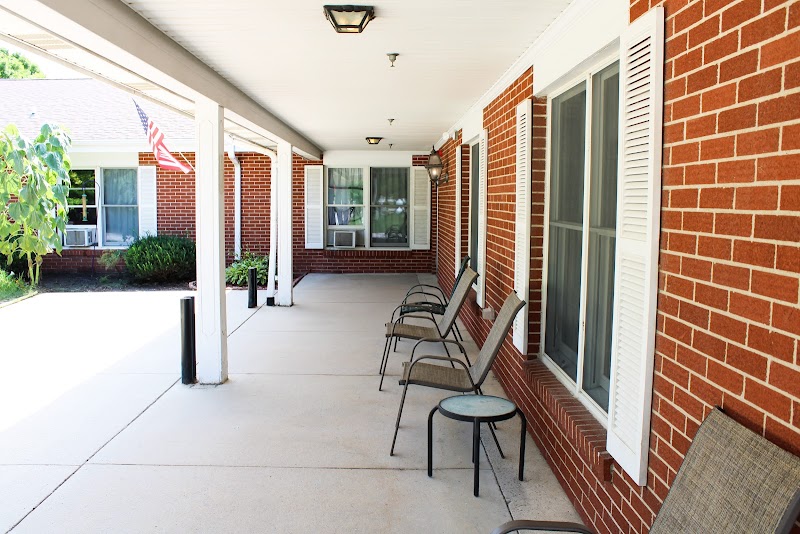
CMS rates Accura Healthcare of Pomeroy, LLC's staffing level at 4 out of 5 stars, which is above average compared to other nursing homes. Staff turnover is 41%, compared to the Iowa average of 46%. This relatively stable workforce can support continuity of care. RN turnover specifically is 75%, which is notably high. RNs provide skilled clinical oversight, so turnover in this role can affect medical care quality.

What Have Inspectors Found at Accura Healthcare Of Pomeroy, Llc?

State health inspectors documented 15 deficiencies at Accura Healthcare of Pomeroy, LLC during 2023 to 2025. These included: 15 with potential for harm.
Who Owns and Operates Accura Healthcare Of Pomeroy, Llc?

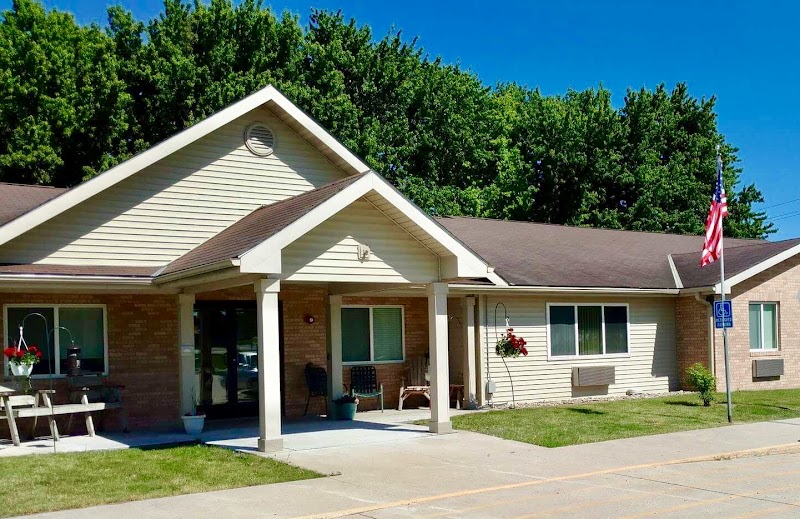
Accura Healthcare of Pomeroy, LLC is owned by a for-profit company. For-profit facilities operate as businesses with obligations to shareholders or private owners. The facility is operated by ACCURA HEALTHCARE, a chain that manages multiple nursing homes. With 30 certified beds and approximately 25 residents (about 83% occupancy), it is a smaller facility located in Pomeroy, Iowa.

How Does Accura Healthcare Of Pomeroy, Llc Compare to Other Iowa Nursing Homes?

Compared to the 100 nursing homes in Iowa, Accura Healthcare of Pomeroy, LLC's overall rating (3 stars) is below the state average of 3.1, staff turnover (41%) is near the state average of 46%, and health inspection rating (3 stars) is at the national benchmark.

What Should Families Ask When Visiting Accura Healthcare Of Pomeroy, Llc?

Based on this facility's data, families visiting should ask: "Can I visit during a mealtime to observe dining assistance and food quality?" "How do you handle medical emergencies, and what is your hospital transfer rate?" "Can I speak with family members of current residents about their experience?"

Is Accura Healthcare Of Pomeroy, Llc Safe?

Based on CMS inspection data, Accura Healthcare of Pomeroy, LLC has a clean safety record: no substantiated abuse findings (meaning no confirmed cases of resident harm), no Immediate Jeopardy citations (the most serious violation level indicating risk of serious injury or death), and is not on the Special Focus Facility watch list (a federal program monitoring the lowest-performing 1% of nursing homes). The facility has a 3-star overall rating and ranks #100 of 100 nursing homes in Iowa. While no facility is perfect, families should still ask about staff-to-resident ratios and recent inspection results during their visit.

Do Nurses at Accura Healthcare Of Pomeroy, Llc Stick Around?

Accura Healthcare of Pomeroy, LLC has a staff turnover rate of 41%, which is about average for Iowa nursing homes (state average: 46%). Moderate turnover is common in nursing homes, but families should still ask about staff tenure and how the facility maintains care continuity when employees leave.

Was Accura Healthcare Of Pomeroy, Llc Ever Fined?

Accura Healthcare of Pomeroy, LLC has no federal fines on record. CMS issues fines when nursing homes fail to meet care standards or don't correct problems found during inspections. The absence of fines suggests the facility has either maintained compliance or corrected any issues before penalties were assessed. This is a positive indicator, though families should still review recent inspection reports for the full picture.

Is Accura Healthcare Of Pomeroy, Llc on Any Federal Watch List?

Accura Healthcare of Pomeroy, LLC is not on any federal watch list. The most significant is the Special Focus Facility (SFF) program, which identifies the bottom 1% of nursing homes nationally based on persistent, serious quality problems. Not being on this list means the facility has avoided the pattern of deficiencies that triggers enhanced federal oversight. This is a positive indicator, though families should still review the facility's inspection history directly.