Lamoni Specialty Care
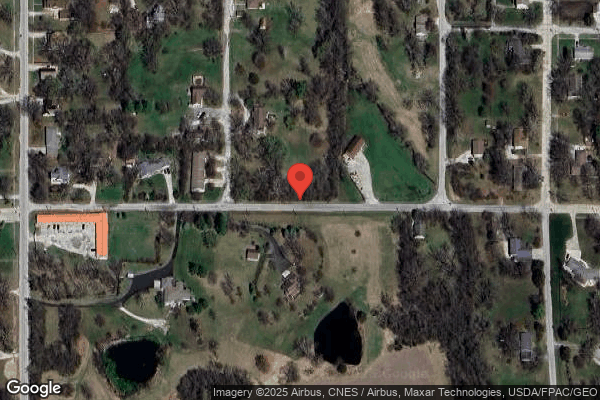
215 South Oak Street Box C, Lamoni, IA 50140 (641) 784-3388
Non profit - Corporation 43 Beds CARE INITIATIVES Data: November 2025
Trust Grade
85/100
#124 of 392 in IA
Last Inspection: February 2025

Within standard 12-15 month inspection cycle. Federal law requires annual inspections.

Overview

Lamoni Specialty Care has a Trust Grade of B+, which means it is above average and recommended for families considering this option. It ranks #124 out of 392 facilities in Iowa, placing it in the top half, but is #2 out of 2 in Decatur County, indicating limited local choices. Unfortunately, the facility's trend is worsening, with the number of reported issues increasing from 1 in 2024 to 4 in 2025. Staffing is rated average with a 3 out of 5 stars and a turnover rate of 24%, which is significantly better than the Iowa average of 44%, suggesting that staff generally stay long enough to build relationships with residents. There have been no fines, which is a positive indicator, but the facility has less RN coverage than 82% of other state facilities, potentially affecting the quality of care. Recent inspections revealed some concerning incidents, such as the facility's failure to accurately report and reconcile controlled medications, which raises questions about medication management. Additionally, there were lapses in documentation during shift changes that could compromise the safety of medication administration. While the facility has strengths in staffing stability and no fines, these issues highlight areas that need improvement.

Trust Score
B+
85/100
In Iowa
#124/392
Top 31%
Safety Record
Low Risk
No red flags
Inspections
Getting Worse
1 → 4 violations
Staff Stability
✓ Good
24% annual turnover. Excellent stability, 24 points below Iowa's 48% average. Staff who stay learn residents' needs.
Penalties
✓ Good
No fines on record. Clean compliance history, better than most Iowa facilities.
Skilled Nurses
⚠ Watch
Each resident gets only 27 minutes of Registered Nurse (RN) attention daily — below average for Iowa. Fewer RN minutes means fewer trained eyes watching for problems.
Violations
○ Average
6 deficiencies on record. Average for a facility this size. Mostly minor or procedural issues.
★★★★☆
4.0
Overall Rating
★★★☆☆
3.0
Staff Levels
★★★★☆
4.0
Care Quality
★★★★☆
4.0
Inspection Score
Stable
2024: 1 issues
2025: 4 issues

The Good

  • 4-Star Quality Measures · Strong clinical quality outcomes
  • Low Staff Turnover (24%) · Staff stability means consistent care
  • Full Sprinkler Coverage · Fire safety systems throughout facility
  • No fines on record
  • Staff turnover is low (24%)

    24 points below Iowa average of 48%

Facility shows strength in quality measures, staff retention, fire safety.

The Bad

Chain: CARE INITIATIVES

Part of a multi-facility chain

Ask about local staffing decisions and management

The Ugly 6 deficiencies on record

Apr 2025 3 deficiencies
CONCERN (D) 📢 Someone Reported This

A family member, employee, or ombudsman was alarmed enough to file a formal complaint

Potential for Harm - no one hurt, but risky conditions existed

Report Alleged Abuse (Tag F0609)

Could have caused harm · This affected 1 resident

**NOTE- TERMS IN BRACKETS HAVE BEEN EDITED TO PROTECT CONFIDENTIALITY** Based on clinical record review, Individual Narcotic Records, Controlled Drugs-Count Records and staff interviews, the facility ...

Read full inspector narrative →
**NOTE- TERMS IN BRACKETS HAVE BEEN EDITED TO PROTECT CONFIDENTIALITY** Based on clinical record review, Individual Narcotic Records, Controlled Drugs-Count Records and staff interviews, the facility failed to report 4 milliliters of morphine missing from a resident's supply. (Resident #5) The facility reported census was 31. Findings include: According to the Minimum Data Set (MDS) dated [DATE], Resident #5 had a Brief Interview for Mental Status (BIMS) score of 15, indicating an intact cognitive status. Resident #5 was Independent with transfers, mobility, dressing, toilet use and personal hygiene needs, occasionally incontinent of bladder and always incontinent of bowel. Resident #5's diagnosis included atrial fibrillation, coronary artery disease, diabetes mellitus, emphysema. According to the Individual Narcotic Record (INR), Resident #5 received a 30 milliliter bottle of Morphine Sulfate 20 milligrams per milliliter on 12/24/24. The initial dose of 0.5 milliliters every two hours as needed for pain was administered that same day. Doses were administered as ordered with no math errors noted through 1/9/25 at which time 4 milliliters should have been remaining. A photo provided of 30 ml bottle of liquid has clear markings visible at 3 milliliter increments. In an interview on 4/24/25 at 3:00 p.m. Staff D, Registered Nurse, stated she recalled the evening (1/9/25) in which Staff I was unable to get the entire dose (0.5 ml) of Morphine Sulfate from Resident #5's bottle. Staff D stated the usage record indicated there was 4.25 milliliters remaining, but there were only 0.25 milliliters that could be drawn from the bottle. Staff D stated she assumed the missing morphine was the result of spillage over time. Staff D stated she signed off on the Individual Narcotic Record (INR) with Staff I indicating the count was corrected and she then discarded the bottle. Staff D stated she was unaware that missing narcotics should be reported immediately to the DON. Staff D stated she was working a 2:00 p.m. to 10:00 p.m. shift on 1/9/25 and completed a narcotic count at the 2:00 p.m. shift change and signed indicating all narcotics were accounted for. Staff D stated she did not complete a shift change narcotic count with Staff I at 4:00 p.m. before handing over the medication cart keys to her. In an interview on 4/24/25 at 10:39 a.m. Staff I, Licensed Practical Nurse, stated she was working a 4:00 p.m. to 8:00 p.m. shift (1/9/25), noting it was very hectic. Staff I admitted she had not completed a narcotic count with Staff D at 4:00 p.m. before receiving the medication cart keys. That evening, while preparing to give a dose (0.5 ml) of morphine to Resident #5 (7:52 p.m.) she discovered the bottle of liquid morphine only had about 0.25 milliliters in it, while the Individual Narcotic Record (INR) indicated 4.25 milliliters should have been available. Staff I consulted with Staff D and initialed the INR as corrected despite 4 milliliters that were unaccounted for. In an interview on 4/24/25 at 1:58 p.m. Staff H, Registered Nurse, stated on 1/10/25, Staff C and another aide had brought to her attention an Individual Narcotic Record for Resident #5's liquid morphine which should have had 4.0 milliliters remaining was documented as completed. Staff H stated she reviewed the page for errors and after finding none, contacted the DON. In interviews on 4/24/25 and 4/28/25 the Director of Nursing (DON) stated on 1/10/25 at 4:48 p.m. she was informed by Staff H that there were 4 milliliters of liquid morphine missing from Resident #5's supply (bottle). The DON stated when investigating, she discovered Staff D had used the last of the bottle and discarded it, not aware of what would warrant concern and a need to immediately report the discrepancy. The DON stated she questioned most of her staff (Staff K, Staff B, Staff D, Staff H) and all reported no issues with spillage and did not notice the count to be off. Staff M stated she did not notice the count to be off on 1/8/25. Staff reported the clear liquid was difficult to read. On 1/10/25 at 9:12 p.m. Staff I contacted her and reported two incidents in which she had spilled morphine. Once on 12/25/24 and again on 1/1/25. The DON stated the manufacturer's instructions stated a 30 milliliter bottle may have as much as 2.5 milliliters missing from the start. (Manufacturer's instructions estimated volume variance for a 30 milliliter bottle may have a plus or minus 2.5 milliliter variance). The DON stated based on the manufacturer's instructions the original bottle may have been 2.5 milliliters short, that left only 1.5 milliliters unaccounted for. When Staff I called and stated she spilled the morphine twice, it appeared a reasonable explanation for the discrepancy. The DON stated since there was an explanation for the discrepancy, she did not think there was any drug diversion and did not report it to the State Agency.
CONCERN (D) 📢 Someone Reported This

A family member, employee, or ombudsman was alarmed enough to file a formal complaint

Potential for Harm - no one hurt, but risky conditions existed

Pharmacy Services (Tag F0755)

Could have caused harm · This affected 1 resident

**NOTE- TERMS IN BRACKETS HAVE BEEN EDITED TO PROTECT CONFIDENTIALITY** Based on clinical record review, Individual Narcotic Records, Controlled Drugs-Count Records and staff interviews, the facility ...

Read full inspector narrative →
**NOTE- TERMS IN BRACKETS HAVE BEEN EDITED TO PROTECT CONFIDENTIALITY** Based on clinical record review, Individual Narcotic Records, Controlled Drugs-Count Records and staff interviews, the facility failed to ensure an accurate reconciliation of all controlled medications. (Resident #5) The facility reported census was 31. Findings include: According to the Minimum Data Set (MDS) dated [DATE], Resident #5 had a Brief Interview for Mental Status (BIMS) score of 15, indicating an intact cognitive status. Resident #5 was Independent with transfers, mobility, dressing, toilet use and personal hygiene needs, occasionally incontinent of bladder and always incontinent of bowel. Resident #5's diagnosis included Atrial fibrillation, coronary artery disease, diabetes mellitus, emphysema. According to the Individual Narcotic Record (INR), Resident #5 received a 30 milliliter bottle of Morphine Sulfate 20 milligrams per milliliter on 12/24/24. The initial dose of 0.5 milliliters every two hours as needed for pain was administered that same day. Doses were administered as ordered with no math errors noted through 1/9/25 at which time 4 milliliters should have been remaining. A photo provided of 30 ml bottle of liquid has clear markings visible at 3 milliliter increments. In an interview on 4/24/25 at 3:00 p.m. Staff D, Registered Nurse, stated she recalled the evening (1/9/25) in which Staff I was unable to get the entire dose (0.5 ml) of Morphine Sulfate from Resident #5's bottle. Staff D stated the usage record indicated there was 4.25 milliliters remaining, but there were only 0.25 milliliters that could be drawn from the bottle. Staff D stated she assumed the missing morphine was the result of spillage over time. Staff D stated she signed off on the Individual Narcotic Record (INR) with Staff I indicating the count was corrected and she then discarded the bottle. Staff D stated she was unaware that missing narcotics should be reported immediately to the DON. Staff D stated she was working a 2:00 p.m. to 10:00 p.m. on 1/9/25 and completed a narcotic count at the 2:00 p.m. shift change and signed indicating all narcotics were accounted for. Staff D stated she did not complete a shift change narcotic count with Staff I at 4:00 p.m. before handing over the medication cart keys to her. In an interview on 4/24/25 at 10:39 a.m. Staff I, Licensed Practical Nurse, stated she was working a 4:00 p.m. to 8:00 p.m. shift (1/9/25), noting it was very hectic. Staff I admitted she had not completed a narcotic count with Staff D at 4:00 p.m. before receiving the medication cart keys. That evening, while preparing to give a dose (0.5 ml) of morphine to Resident #5 (7:52 p.m.) she discovered the bottle of liquid morphine only had about 0.25 milliliters in it, while the Individual Narcotic Record (INR) indicated 4.25 milliliters should have been available. Staff I consulted with Staff D and initialed the INR as corrected despite 4 milliliters that were unaccounted for. Staff I stated the next evening (1/10/25), she was directed to call the DON. Staff I recalled being on the phone with the DON that evening trying to explain the discrepancy. Staff I stated during their conversation, she remembered a time or two in which there may have been some morphine spilt, but not nearly to the amount that was missing. Nevertheless the DON persisted at pressuring her to admit she spilled the morphine, stating if she did not, the police might need to get involved. Staff I stated she was a new nurse and feared for her license so agreed to indicate she had spilled the morphine. In an interview on 4/23/25 at 12:29 p.m. Staff M, Registered Nurse, stated on 1/10/25 it was discovered Resident #5 was missing 4 ml of morphine. Staff M stated Staff I called her upset, following her conversation with the DON. Staff I stated she was the last person to administer the morphine (1/9/25 at 7:52 p.m.) and she had also failed to complete a narcotic count with Staff D at shift change. Staff I told Staff M that she felt coerced by the DON into falsely claiming she had spilled the morphine in order to account for the discrepancy. Staff I stated she denied spilling the morphine, but was told by the DON if she did not claim she had, they would have to get the police involved. In an interview on 4/24/25 at 1:58 p.m. Staff H, Registered Nurse, stated on 1/10/25, Staff C and another aide had brought to her attention an Individual Narcotic Record for Resident #5's liquid morphine which should have had 4.0 milliliters remaining was documented as completed. Staff H stated she reviewed the page for errors and after finding none, contacted the DON. In an interview on 4/24/25 at 1:30 p.m. the Director of Nursing (DON) stated on 1/10/25 at 4:48 p.m. she was informed by Staff H that there were 4 milliliters of liquid morphine missing from Resident #5's supply (bottle). The DON stated when investigating, she discovered Staff D had used the last of the bottle and discarded it, not aware of what would warrant concern. The DON stated she questioned most of her staff (Staff K, Staff B, Staff D, Staff H) and all reported no issues with spillage and did not notice the count to be off. Staff M stated she did not notice the count to be off on 1/8/25. Staff reported the clear liquid was difficult to read. On 1/10/25 at 9:12 p.m. Staff I contacted her and reported two incidents in which she had spilled morphine. Staff I was educated on the importance of having a witness during these instances and documenting on the Individual Narcotic Record. In a follow up interview on 4/28/25 at 4:05 p.m. the DON stated upon hearing of the discrepancy she contacted her Regional Manager and initiated an investigation which included reviewing Resident #5's morphine use records. The DON stated she found no error in doses or documentation errors. The DON stated she sent out a group text asking if anyone was aware or could explain why there were 4 milliliters missing. The DON stated that was when Staff I called her and stated she may have spilled some twice. Once on 12/25/24 and again on 1/1/25. The DON stated the manufacturer's instructions stated a 30 milliliter bottle may have as much as 2.5 milliliters missing from the start. (Manufacturer's instructions estimated volume variance for a 30 milliliter bottle may have a plus or minus 2.5 milliliter variance). The DON stated based on the manufacturer's instructions the original bottle may have been 2.5 milliliters short, that left only 1.5 milliliters unaccounted for. When Staff I called and stated she spilled the morphine twice, it appeared a reasonable explanation for the discrepancy. The DON stated since there was an explanation for the discrepancy, she did not think there was any drug diversion and did not report it to the State Agency. The DON was asked if her assertions were true and the spillage and variance accounted for 4 milliliters of missing morphine as of 1/1/25, why was the missing morphine not discovered during 45 shift change narcotic counts prior to the bottle being empty on 1/9/25. The DON shrugged her shoulders and indicated she did not know.
CONCERN (D) 📢 Someone Reported This

A family member, employee, or ombudsman was alarmed enough to file a formal complaint

Potential for Harm - no one hurt, but risky conditions existed

Medical Records (Tag F0842)

Could have caused harm · This affected 1 resident

Based on clinical record review, Individual Narcotic Records, Controlled Drugs-Count Records and staff interviews, the facility failed to ensure medical records were accurately documented. The facilit...

Read full inspector narrative →
Based on clinical record review, Individual Narcotic Records, Controlled Drugs-Count Records and staff interviews, the facility failed to ensure medical records were accurately documented. The facility reported census was 31. Findings include: In an interview on 4/24/25 at 3:00 p.m. Staff D stated she was working a 2:00 p.m. to 10:00 p.m. on 1/9/25 and completed a narcotic count at the 2:00 p.m. shift change and signed the Controlled Drugs-Count Records indicating all narcotics were accounted for. Staff D stated she did not complete a shift change narcotic count with Staff I at 4:00 p.m. before handing over the medication cart keys to her. In an interview on 4/24/25 at 10:39 a.m. Staff I, Licensed Practical Nurse, stated she was working a 4:00 p.m. to 8:00 p.m. shift (1/9/25), noting it was very hectic. Staff I admitted she had not completed a narcotic count with Staff D at 4:00 p.m. before receiving the medication cart keys. According to the Controlled Drugs-Count Records (shift change narcotic count record), Staff D and Staff I both signed the record dated 1/9/25 at 4:00 p.m. despite both acknowledging the count was not completed.
Feb 2025 1 deficiency
CONCERN (D)

Potential for Harm - no one hurt, but risky conditions existed

Deficiency F0658 (Tag F0658)

Could have caused harm · This affected 1 resident

Based on clinical record review, resident interview, staff interview and facility policy review, the facility failed to accurately transcribe a physician order, resulting in the order not being fully ...

Read full inspector narrative →
Based on clinical record review, resident interview, staff interview and facility policy review, the facility failed to accurately transcribe a physician order, resulting in the order not being fully completed in a timely manner, for 1 of 1 residents (Res #14) reviewed. The facility reported a census of 35. Findings include: The Minimum Data Set (MDS) of Resident #14, dated 1/30/25 identified a Brief Interview for Mental Status (BIMS) score of 12 which indicated moderate cognitive impairment. On 2/10/25 at 11:30 am, Resident #14 stated she is hard of hearing and has had a lot of wax build up in her ears. She stated the Nurse Practitioner gave an order to the facility to have ear drops in her ears for five days, and then her ears were to be flushed. She stated she got the drops but nobody ever flushed her ears. She reported she had asked multiple staff members to flush her ears but nobody had completed it. She additionally reported she would like to make an audiology appointment to have her hearing aids adjusted but she cannot do this until her ears are clean of built up wax. The Medication Administration Report (MAR) for Resident #14 for February of 2025 reflected an order for Debrox Otic Solution (Earwax removal drops), instill five drops in each ear, one time a day for wax build up for six days. Flush on Day six. The MAR revealed documentation the order was written for the drops to be administered 2/1/25-2/6/25. There was no separate entry for the ears to be flushed. The MAR documented the drops were given for five days, 2/2/25 - 2/6/25. On the first day, 2/1/25 they were held with an indication to see progress notes. A review of progress notes from 2/1/25 documented the medication was not available. Review of the nursing schedule for 2/6/25 and 2/7/25 revealed Staff A, Licensed Practical Nurse (LPN) was the nurse on duty for day shift on both of those days On 2/11/25 at 1:59 pm, Staff A, LPN stated she was the nurse who placed the order into the Electronic Health Record (EHR) but she had not flushed Resident #14's ears. She stated the drops were started on day two of the order, once they arrived from the pharmacy. After reviewing the order, Staff A stated Resident #14's ears should have been flushed on 2/7/25. Staff A stated she was the nurse on duty on 2/7/25 but she had transcribed the order incorrectly so the need to flush the resident's ears did not come up as an order on 2/7/25. She stated she should have placed one order in the EHR for the drops and a separate order to flush the ears. Staff A also stated Resident #14 had not mentioned this to her until 2/10/25. She stated she had notified the Nurse Practitioner of this and the resident would be seen by the Practitioner later in the week when she was in the building. On 2/11/25 at 2:32 pm, Staff A, LPN stated she had now flushed the resident's ears and got discharge results from one of her ears only. On 2/11/25 at 2:50 pm, the Director of Nursing (DON) stated the facility had spoken to the Nurse Practitioner regarding the situation. She stated her expectation was for the order to have been placed as two separate orders to ensure the flush was completed. The Communication with Physician Note dated 2/11/25 at 2:56 pm documented Staff A had notified the Nurse Practitioner and received an order at that time to flush the resident's ears and this order was carried out. The facility policy titled Medication and Treatment Orders, Revision date July 2016 documented the following: Policy Statement: Orders for medications and treatments will be consistent with principles of safe and effective order writing. Point 9: Orders for medications must include: a. Name and strength of the drug; b. Number of doses, start and stop date, and/or specific duration of therapy; c. Dosage and frequency of administration; d. Route of administration; e. Clinical condition or symptoms for which the medication is prescribed; and f. Any interim follow-up requirements (pending culture and sensitivity reports, repeat labs, therapeutic medication monitoring, etc.).
Mar 2024 1 deficiency
CONCERN (D) 📢 Someone Reported This

A family member, employee, or ombudsman was alarmed enough to file a formal complaint

Potential for Harm - no one hurt, but risky conditions existed

Deficiency F0658 (Tag F0658)

Could have caused harm · This affected 1 resident

Based on clinical record review, facility document review, hospital record review, staff, pharmacy and physician interviews, the facility failed to accurately transcribe and implement physicians order...

Read full inspector narrative →
Based on clinical record review, facility document review, hospital record review, staff, pharmacy and physician interviews, the facility failed to accurately transcribe and implement physicians orders for 1 of 1 residents reviewed (Resident #4). The facility reported a census of 29 residents. Findings include: The Minimum Data Set (MDS) of Resident #4 dated 2/15/24 identified a BIMS score of 14 which indicated cognition intact. The MDS documented diagnoses that included hyponatremia (low sodium), non Alzheimer's dementia, Parkinson's disease, schizophrenia, anxiety and depression. The undated facility document chronicled the following: • On 12/15/23 the Director of Nursing (DON) notified by the Advanced Registered Nurse Practitioner (ARNP) that during a review of orders for Resident #4 she noticed an order she had submitted on 12/1/23 for Fluconazole (an antifungal medication) for 300 mg once per week for 4 weeks had incorrectly been transcribed. The facility wrote the order into the resident's Electronic Health Record (EHR) as 300 mg daily for 14 days. • On Wednesday 12/13/23, Resident #4 sent via ambulance to the county hospital for shortness of breath, unsteady gait, and change in mental status. While at the county hospital, Resident #4 had a seizure and experienced cardiac arrest. The hospital life flighted him to a larger hospital in the closest metropolitan city. They determined the resident had a drop in sodium levels which caused the mental status change and lead to the seizure. The Physician Order form for Resident #4 dated 11/30/23 revealed a hand written order, authored by the ARNP to start Fluconazole, 300 mg, by mouth, once weekly for four weeks. Staff A, Licensed Practical Nurse (LPN) noted the order on 11/30/23. The orders section of the EHR documented Staff A entered the order as Fluconazole tablet, 150 mg, give 2 tablets one time a day for 14 days (300 mg total). The Medication Administration Record (MAR) of Resident #4 for December, 2023 revealed the resident received 300 mg of Fluconazole daily from 12/1/23 to 12/13/23. The hospital records from a kidney specialist physician dated 12/18/23 documented the resident had been on a thiazide diuretic medication and this was the cause of the hyponatremia. On 3/19/24 at 8:29 am, the facility Pharmacist stated the dose of 300 mg a day is not out of normal dosing range for the medication. She stated the resident should not have had any adverse side effects due to the transcription error. She stated while the dose the facility prescribed is different than received, it is not an inappropriate dose per the drug manufacture's safe dosage recommendations. On 3/19/24 at 1:48 pm, Staff A, LPN stated she is not sure of why she transcribed the order incorrectly. She said she believed she just read the order wrong. She also said that once the error had been discovered, she replayed that day over and over in her head and stated she thinks about it daily and the error has traumatized her. She said that since the error, the facility put into place that each new order is double noted by two nurses and additionally when orders are written by the doctor, the nurse reads it verbally to the physician to verify it is correct. On 3/20/24 at 9:28 am, the ARNP stated the resident was not on the medication long enough for the error to be the cause of his hospitalization. She stated he had candida (a yeast/fungi infection) and ringworm on his chest and under his abdominal folds following a trip home with family and this was systemic and was the reason for the Fluconazole order. She stated she hand wrote the order and handed it directly to the nurse. On 3/20/24 at 2:30 pm, the DON stated her expectation is to have 2 nurses double note all orders for accuracy. She stated she also reviews all antibiotic or antifungal medication orders personally. The Medical Information for Fluconazole from the drug manufacturer documented a maximum daily dosage of the medication for adult patients to be 400 mg.
Jan 2023 1 deficiency
CONCERN (D) 📢 Someone Reported This

A family member, employee, or ombudsman was alarmed enough to file a formal complaint

Potential for Harm - no one hurt, but risky conditions existed

Deficiency F0692 (Tag F0692)

Could have caused harm · This affected 1 resident

**NOTE- TERMS IN BRACKETS HAVE BEEN EDITED TO PROTECT CONFIDENTIALITY** Based on clinical record review, facility policy review, and staff and provider interviews, the facility failed to ensure full i...

Read full inspector narrative →
**NOTE- TERMS IN BRACKETS HAVE BEEN EDITED TO PROTECT CONFIDENTIALITY** Based on clinical record review, facility policy review, and staff and provider interviews, the facility failed to ensure full implementation of nutritional assessments and interventions for one of three residents reviewed for assessment and intervention (Resident #5). The facility identified a census of 23 current residents. Findings include: According to the admission Minimum Data Set (MDS) assessment dated [DATE], Resident #5 entered the facility on 11/7/22. The resident's diagnoses included high blood pressure, other fracture, Non-Alzheimer's dementia, malnutrition, chronic lung disease, other emphysema, unspecified dementia with mild and moderate behavioral disturbances and muscle weakness. The assessment documented she had a Brief Interview for Mental Status score of 0, indicating severe cognitive impairment. Resident #5 required setup only to eat and required the assistance of one staff member while walking and during locomotion via walker and wheelchair. The MDS documented she had no weight loss prior to admission, weighed 109 pounds on admission and received a therapeutic diet. Resident #5's Care Plan, initiated on 11/7/22, contained a Focus area beginning 11/10/22 that her nutritional status was at risk related to dementia, high blood pressure, gastroesophageal reflux disease and emphysema. The Care Plan instructed staff to monitor her appetite and meal intake, offer her between meal snacks and fluids, provide house supplement if needed as ordered and provide her diet as ordered. Resident #5's admission orders dated 11/7/22 instructed that staff provide Ensure (a nutritional drink) TID (three times daily). The resident's Medication Administration Record (MAR) for 11/22 documented she received Ensure as ordered from 11/8 - 11/15/22, with a change in her ordered supplement to House Supplement 4 oz (ounces) TID on 11/16/22. The 11/22 and 12/22 MARs documented staff administered the House Supplement 4 oz TID until 12/22/22. Resident #5's Treatment Administration Record (TAR) of 11/22 directed staff to obtain Resident #5's weight upon admission, then for the next 3 weeks for a total of four weekly weights. The TAR documented she weighed 104.5 pounds on 11/14/22 and then no weight measurements on 11/21/22 and 11/28/22. The entries for 11/21 and 11/28 documented '9': other/see the progress notes. Resident #5's 12/22 TAR documented she weighed 97.4 pounds on 12/5/22. A Progress Note dated 11/7/22 at 6:02 PM documented the nurse did a mini nutrition assessment. The resident scored seven, indicating malnourishment. A Progress Noted dated 11/8/22 at 1:54 PM documented Resident #5 ate 25% or less for two or more meals in the day; the resident refused to eat breakfast. Resident #5 stated 'it looks like s***', she just wanted to leave and get out of there. The admission Registered Dietician (RD) Note dated 11/10/22 at 5:56 AM documented Resident #5 weighed 109.2 pounds on 11/7/22 with a BMI (body mass index) of 20.6 (normal). Resident #5 consumed a heart healthy, regular texture diet with thin fluids and ate 25-75% during all meals, drank 240-480 milliliters of fluid per meal and refused evening snacks since admission. She ate with supervision, cueing, had upper and lower dentures and no chewing, swallowing or gastrointestinal issues noted. The resident received Ensure TID for added calories and protein. She had no recent edema noted. The 11/7/22 mini nutritional assessment indicated the resident as malnourished related to a moderate decrease in oral intakes. Her weight loss was not significant per MDS guidelines, recent acute stress, BIMS 0, and BMI of 20.6. Resident #5 had fair oral intakes. The RD recommended her diet to be liberalized to regular, no added salt due to fair oral intakes. Resident #5 would benefit from slow trending weight gain due to her BMI for her age. The RD could not evaluate a change in weight due to the absence of her weight history. The RD recommended House Supplement 4 oz. TID for added calories and protein and to discontinue the Ensure order and a NIP (Nutritional Intervention Program) for added cal/pro. Please notify the RD of any changes. The RD Note dated 11/16/22 at 6:58 PM documented the RD spoke with Interdisciplinary Team and learned Resident #5 was not eating well and was a picky eater. The RD recommended the resident receive Magic Cup (another nutritional supplement) BID (twice daily) for added calories and protein. The RD asked to notify her of any changes. Review of the resident's MARs, TARs, Progress notes and task notes revealed no documentation she received the Magic Cup. The Nurses Note date 11/19/22 at 12:08 PM documented Resident #5 tested positive for COVID-19 and isolation was in place. Resident #5 did not display symptoms at the time and her vital signs measured within normal limits. Remained on iso until 11/30 at 2044 (documented as out for supper). The Nurses Notes documented Resident #5 ended isolation on 11/30/22. Resident #5's 12/22 TAR documented staff measured the resident's weight next on 12/5/22 at which time she weighed 97.4 pounds. Review of Resident #5's food intake records revealed: a. In 11/22 - No refusals, 0-25% intake during 18 meals, 25-50% for 19 meals, 51-75% during 16 meals and 76-100% for five meals. b. In 12/22 - 26 refusals, 0-25% intake during 26 meals, 25-50% for three meals, 51-75% during four meals and 76-100% for one meal. A Progress Note dated 12/7/22 at 1:30 PM contained a weight change notification from the RD to the resident's Advanced Registered Nurse Practitioner (ARNP). The resident had a significant loss in 30 days related to varied intake. The resident's intakes measured 25 - 75% with all meals with one refusal. Staff offered a daily evening snack and she refused 50% of the time. The RD recommended increasing her House Supplement to 6 oz TID. The ARNP acknowledged notice but gave no new orders. The resident's 12/22 MAR showed she continued to receive 4 ounces of House Supplement, not the 6 ounces recommended by the RD. The RD Progress Note dated 12/21/22 at 11:30 AM documented the resident continued to lose weight with an 11% loss in 30 days. Resident #5 ate very little if any. She refused most meals and fluids and if she ate, it was less than 25%. She received NIP and 4 oz of House Supplement TID currently and usually drank the House Supplement. Interview on 1/26/23 at 10:37 AM with the Director of Nursing stated that with weekly weights for an isolated resident, staff would normally bring a scale in the room, sanitize it and then exit. The DON stated she'd look to see of a reason why Resident #5 was not weighed. When implementing RD recommendations, the DON stated the RD would email her and she would review the recommendations. Any recommendation that required a doctor's order went in a binder and he'd sign if the change would require an order. For NIP changes and House Supplements, nursing implemented those. She provided an internal QA (Quality Assurance) effort regarding communication with RD. An email dated 1/26/23 documented the DON could not locate the resident's missing weight measurements on 11/21 and 11/28/22. Interview on 1/26/23 at 2:25 PM with the facility's former RD revealed weekly resident weight measurements would have been beneficial in her decision-making towards recommendation for Resident #5. When asked, the former RD remembered two recommendations that weren ' t ' implemented (increasing the House Supplement and adding Magic Cup). When asked regarding the system to relay RD recommendations, the former RD stated she emailed the Dietary Services Manager, Administrator, DON and Regional RD of her recommendations. She was not sure who relayed the recommendations to the resident's Primary Care Provider. She remembered there were nursing staffing challenges at the time so that maybe affected relay of the information. When asked if the loss was avoidable, the former RD stated that it was hard to say as it depended on whether the resident consumed the supplements. Also the resident ' s behavior and refusals likely had an impact. Progress Notes documented Resident #5 transferred out of the facility on 12/22/22. During interview on 1/30/23 at 1 PM, when asked about the resident's weight loss, the resident's ARNP remembered that at the beginning of her stay, Resident #5 was pretty lucid and could clearly say what she wanted. She became less so as her dementia progressed. The ARNP also stated that COVID-19 can decrease the appetite. The resident began refusing cares and food, but that was towards the end of her stay, not at the beginning. They thought the resident may have a urinary tract infection, but could not obtain a urine sample. They were almost to the point of straight cathing her when she transferred. Review of the facility's undated NIP guidelines detailed that the RD would routinely evaluate approximate extra calories and protein provided by the NIP. It did not dictate methods of communication amongst staff and the measurement of resident weights.
Understanding Severity Codes (click to expand)
Life-Threatening (Immediate Jeopardy)
J - Isolated K - Pattern L - Widespread
Actual Harm
G - Isolated H - Pattern I - Widespread
Potential for Harm
D - Isolated E - Pattern F - Widespread
No Harm (Minor)
A - Isolated B - Pattern C - Widespread

Questions to Ask on Your Visit

  • "Can I speak with families of current residents?"
  • "What's your RN coverage like on weekends and overnight?"

Our Honest Assessment

Strengths
  • • Grade B+ (85/100). Above average facility, better than most options in Iowa.
  • • No major safety red flags. No abuse findings, life-threatening violations, or SFF status.
  • • No fines on record. Clean compliance history, better than most Iowa facilities.
  • • 24% annual turnover. Excellent stability, 24 points below Iowa's 48% average. Staff who stay learn residents' needs.
Concerns
  • • No significant concerns identified. This facility shows no red flags across CMS ratings, staff turnover, or federal penalties.
Bottom line: Generally positive indicators. Standard due diligence and a personal visit recommended.

About This Facility

What is Lamoni Specialty Care's CMS Rating?

CMS assigns Lamoni Specialty Care an overall rating of 4 out of 5 stars, which is considered above average nationally. Within Iowa, this rating places the facility higher than 99% of the state's 100 nursing homes. This rating reflects solid performance across the metrics CMS uses to evaluate nursing home quality.

How is Lamoni Specialty Care Staffed?

CMS rates Lamoni Specialty Care's staffing level at 3 out of 5 stars, which is average compared to other nursing homes. Staff turnover is 24%, compared to the Iowa average of 46%. This relatively stable workforce can support continuity of care.

What Have Inspectors Found at Lamoni Specialty Care?

State health inspectors documented 6 deficiencies at Lamoni Specialty Care during 2023 to 2025. These included: 6 with potential for harm.

Who Owns and Operates Lamoni Specialty Care?

Lamoni Specialty Care is owned by a non-profit organization. Non-profit facilities reinvest revenue into operations rather than distributing to shareholders. The facility is operated by CARE INITIATIVES, a chain that manages multiple nursing homes. With 43 certified beds and approximately 32 residents (about 74% occupancy), it is a smaller facility located in Lamoni, Iowa.

How Does Lamoni Specialty Care Compare to Other Iowa Nursing Homes?

Compared to the 100 nursing homes in Iowa, Lamoni Specialty Care's overall rating (4 stars) is above the state average of 3.1, staff turnover (24%) is significantly lower than the state average of 46%, and health inspection rating (4 stars) is above the national benchmark.

What Should Families Ask When Visiting Lamoni Specialty Care?

Based on this facility's data, families visiting should ask: "Can I visit during a mealtime to observe dining assistance and food quality?" "How do you handle medical emergencies, and what is your hospital transfer rate?" "Can I speak with family members of current residents about their experience?"

Is Lamoni Specialty Care Safe?

Based on CMS inspection data, Lamoni Specialty Care has a clean safety record: no substantiated abuse findings (meaning no confirmed cases of resident harm), no Immediate Jeopardy citations (the most serious violation level indicating risk of serious injury or death), and is not on the Special Focus Facility watch list (a federal program monitoring the lowest-performing 1% of nursing homes). The facility has a 4-star overall rating and ranks #1 of 100 nursing homes in Iowa. While no facility is perfect, families should still ask about staff-to-resident ratios and recent inspection results during their visit.

Do Nurses at Lamoni Specialty Care Stick Around?

Staff at Lamoni Specialty Care tend to stick around. With a turnover rate of 24%, the facility is 22 percentage points below the Iowa average of 46%. Low turnover is a positive sign. It means caregivers have time to learn each resident's needs, medications, and personal preferences. Consistent staff also notice subtle changes in a resident's condition more quickly.

Was Lamoni Specialty Care Ever Fined?

Lamoni Specialty Care has no federal fines on record. CMS issues fines when nursing homes fail to meet care standards or don't correct problems found during inspections. The absence of fines suggests the facility has either maintained compliance or corrected any issues before penalties were assessed. This is a positive indicator, though families should still review recent inspection reports for the full picture.

Is Lamoni Specialty Care on Any Federal Watch List?

Lamoni Specialty Care is not on any federal watch list. The most significant is the Special Focus Facility (SFF) program, which identifies the bottom 1% of nursing homes nationally based on persistent, serious quality problems. Not being on this list means the facility has avoided the pattern of deficiencies that triggers enhanced federal oversight. This is a positive indicator, though families should still review the facility's inspection history directly.