Westview Acres Care Center
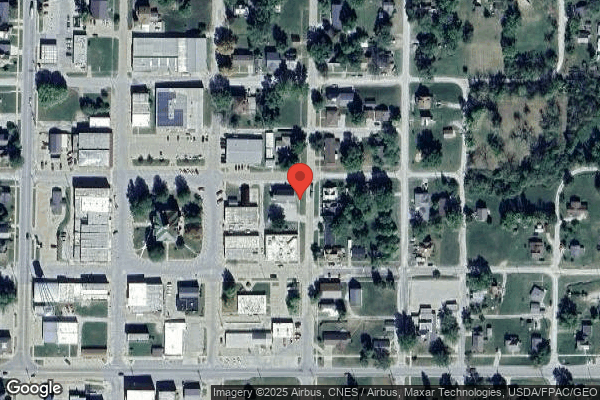
203 S W LORRAINE, LEON, IA 50144 (641) 446-4165
For profit - Limited Liability company 46 Beds Independent Data: November 2025
Trust Grade
90/100
#84 of 392 in IA
Last Inspection: June 2025

Inspected within the last 6 months. Data reflects current conditions.

Overview

Westview Acres Care Center has received an impressive Trust Grade of A, indicating it is considered excellent and highly recommended for families looking for care. It ranks #84 out of 392 facilities in Iowa, placing it in the top half, and is the best option in Decatur County. The facility is showing an improving trend, having reduced its issues from 7 in 2024 to just 1 in 2025, suggesting they are addressing previous concerns effectively. Staffing is a strength here, with a perfect 5/5 rating and a turnover rate of 40%, which is below the state average, indicating that staff are dedicated and familiar with the residents. While there are no fines on record, there have been some concerning incidents, such as staff failing to clean their hands before donning gloves and not obtaining a necessary doctor's signature on an important medical directive, which highlight areas for improvement in infection control and documentation practices. Overall, while Westview Acres shows many strengths, families should be aware of these specific concerns.

Trust Score
A
90/100
In Iowa
#84/392
Top 21%
Safety Record
Low Risk
No red flags
Inspections
Getting Better
7 → 1 violations
Staff Stability
○ Average
40% turnover. Near Iowa's 48% average. Typical for the industry.
Penalties
✓ Good
No fines on record. Clean compliance history, better than most Iowa facilities.
Skilled Nurses
○ Average
Each resident gets 36 minutes of Registered Nurse (RN) attention daily — about average for Iowa. RNs are the most trained staff who monitor for health changes.
Violations
⚠ Watch
12 deficiencies on record. Higher than average. Multiple issues found across inspections.
★★★★★
5.0
Overall Rating
★★★★★
5.0
Staff Levels
★★★☆☆
3.0
Care Quality
★★★★☆
4.0
Inspection Score
Stable
2024: 7 issues
2025: 1 issues

The Good

  • 5-Star Staffing Rating · Excellent nurse staffing levels
  • Full Sprinkler Coverage · Fire safety systems throughout facility
  • No fines on record
  • Staff turnover below average (40%)

    8 points below Iowa average of 48%

Facility shows strength in staffing levels, fire safety.

The Bad

Staff Turnover: 40%

Near Iowa avg (46%)

Typical for the industry

The Ugly 12 deficiencies on record

Jun 2025 1 deficiency
CONCERN (D)

Potential for Harm - no one hurt, but risky conditions existed

Deficiency F0637 (Tag F0637)

Could have caused harm · This affected 1 resident

Based on electronic health record review, document review, and staff interviews the facility failed to complete and submit a comprehensive assessment related to a significant change for 1 of 5 residen...

Read full inspector narrative →
Based on electronic health record review, document review, and staff interviews the facility failed to complete and submit a comprehensive assessment related to a significant change for 1 of 5 residents reviewed (Resident #5). The facility reported a census of 35 residents. Finding include: A review of the Electronic Health Record (EHR) for Resident #5 section Minimum Data Set (MDS) revealed the latest quarterly assessment completed on 3/13/2025. A review of the Care Plan for Resident #5 reflected a focus area Hospice initiated on 3/19/2025 due to a decline in health status. Interventions/Tasks documented the hospice services company name and a contact number for emergency services. It further describes steps to take in care of any decline and/or improvement in health. In an interview with the Director of Nursing (DON) on 6/05/25 at 11:10 am, she stated a significant change in Resident #5's health status occurred when the Care Plan was updated with the Hospice services initiated on 3/19/2025. The DON reviewed the EHR and noted there was no MDS entry made on or within 14 days of the health status change. The DON requested that the MDS Coordinator review the Resident #5's MDS section of the EHR. On 6/05/25 at 11:15 am in an interview the MDS Coordinator stated she recalled updating the Care Plan section for Resident #5 but missed submitting MDS changes at that time. She further confirmed that the significant change had to be reflected on Resident #5's MDS and she will need to complete a late submission of the MDS Significant Change update to reflect the current health status of Resident #5.
Jul 2024 6 deficiencies
CONCERN (D)

Potential for Harm - no one hurt, but risky conditions existed

Abuse Prevention Policies (Tag F0607)

Could have caused harm · This affected 1 resident

Based on employee file review, staff interview, and facility policy, the facility failed to ensure 1 of 5 staff members reviewed (Staff A, Certified Nurse Aide) completed the two hour Dependent Adult ...

Read full inspector narrative →
Based on employee file review, staff interview, and facility policy, the facility failed to ensure 1 of 5 staff members reviewed (Staff A, Certified Nurse Aide) completed the two hour Dependent Adult Abuse training within 6 months of their hire date. The facility reported a census of 40 residents. Findings include: Review of the employee file of Staff A, conducted on 7/24/24, revealed a hire date of 10/6/23. The employee file documented the Iowa Department of Public Health (IDPH) approved Dependent Adult Abuse Mandatory Reporter training was completed on 7/23/24. On 7/24/24 at 10:50 am, the Director of Nursing (DON) stated Staff A had done the training in February but failed to finalize it until 7/23/24. She stated the facility is conducting an audit of all employee files for current training. The facility policy titled Nursing Facility Abuse Prevention, Identification, Investigation and Reporting Policy, dated July 2019, documented the following: - Within six months of hire each employee shall be required to complete an initial 2-hour training course provided by the Iowa Department of Human Services relating to the identification and reporting of dependent adult abuse. Each employee will take a 1-hour recertification training within 3 years of the initial training and every three years thereafter.
CONCERN (D)

Potential for Harm - no one hurt, but risky conditions existed

Deficiency F0657 (Tag F0657)

Could have caused harm · This affected 1 resident

**NOTE- TERMS IN BRACKETS HAVE BEEN EDITED TO PROTECT CONFIDENTIALITY** Based on clinical record review, staff interview, and facility policy review, the facility failed to revise the care plan for 1 ...

Read full inspector narrative →
**NOTE- TERMS IN BRACKETS HAVE BEEN EDITED TO PROTECT CONFIDENTIALITY** Based on clinical record review, staff interview, and facility policy review, the facility failed to revise the care plan for 1 of 16 residents reviewed for revision of care plan (Resident #23). The facility reported a census of 40 residents. Findings include: The Minimum Data Sheet (MDS) assessment dated [DATE] identified a BIMS score of 14 which indicated cognition intact. The MDS revealed the resident independent with bed mobility, personal care, transfers, toileting, eating, and dressing. The MDS revealed the resident frequently incontinent of urine and occasional incontinent of bowel. The MDS documented diagnoses that included: other and unspecified nontraumatic intracranial hemorrhage, hypertension, diabetes mellitus, cerebrovascular accident, asthma, chronic obstructive pulmonary disease (COPD), morbid (Severe) obesity, unspecified mental disorder due to known physiological condition, restless legs syndrome, and atrial fibrillation. The MDS revealed antidepressant, insulin, and diuretic. The Care Plan revised 7/18/24 revealed no documentation for tubi grip related to right lower leg pain. The care plan revealed no documentation for depression, including the resident started on antidepressant medication 3/21/24. The care plan revealed no personalized interventions or assessment for asthma and COPD. On 07/25/24 at 10:18 AM the Minimum Data Set Coordinator (MDS) stated the Doctor does their rounds at the facility Thursday, the Progress Note from visit arrived on Monday or Tuesday, orders are left on paper the day of the visit. The floor nurse documented the order(s), the management nurses processed the order(s), staff uploaded the order(s). The nurse that documented the order(s) updated the care plan and diagnosis if applicable, the management nurses verified the care plan and diagnosis are updated. The care plan should be personalized for the resident updated with depression, antidepressant medication, tubi grip, assessment and personalized interventions for asthma and COPD. The facility policy title Comprehensive Care Plan Policy reviewed 7/18/24 instructed staff to: Assessment: conduct a thorough assessment of the resident's current health status, including any changes in their condition, medications, or treatments. This assessment should be performed by a qualified healthcare provider, such as a nurse or physician. Review the resident's current care plan to determine if any revisions are needed. This review should include input from the resident, their family members, and any other healthcare providers who are involved in the resident's care. Based on the assessment and review of the current care plan, revise the care plan as needed to reflect any changes in the resident's health status or care needs. The revised care plan should include specific goals and interventions to address the resident's physical, emotional, and social needs. Review and revise the comprehensive care plan at least quarterly or as needed based on changes in the resident's health status or care needs. Revising a comprehensive care plan is an important part of the resident care in skilled nursing facility. It allows community staff to adapt the care plan to meet the resident's changing needs and improve their overall quality of life. It is important for nursing staff to follow this policy and procedure to ensure that all residents receive appropriate and timely revisions to their care plan.
CONCERN (D)

Potential for Harm - no one hurt, but risky conditions existed

Medication Errors (Tag F0758)

Could have caused harm · This affected 1 resident

**NOTE- TERMS IN BRACKETS HAVE BEEN EDITED TO PROTECT CONFIDENTIALITY** Based on clinical record review, staff interviews, and policy review, the facility failed to ensure a psychotropic medication (a...

Read full inspector narrative →
**NOTE- TERMS IN BRACKETS HAVE BEEN EDITED TO PROTECT CONFIDENTIALITY** Based on clinical record review, staff interviews, and policy review, the facility failed to ensure a psychotropic medication (a medication that affects a person's mental state) gradual dose reduction (GDR) was appropriately attempted for 1 of 1 resident (#13) reviewed. The facility reported a census of 40. Findings include: On 7/22/24 at 4:19 PM, Resident #13 stated she slept about 5 hours during the daytime after sleeping at night. She did not know what medications she was prescribed. The quarterly Minimum Data Set (MDS) assessment dated [DATE] revealed a Brief Interview for Mental Status (BIMS) score of 12 out of 15 which indicated moderately impaired cognition. It included diagnoses of hypertension, Non-Alzheimer's dementia, anxiety, depression, and bipolar disorder. It indicated the resident received an antidepressant and antianxiety medication but had not exhibited a crying episode during the previous 7-day look-back period. The Electronic Health Record (EHR) included an order dated 12/07/23 for Buspirone Hydrochloride (HCL) oral tablet 5 mg; two (2) tablets by mouth every morning and at bedtime related to generalized anxiety disorder. It also included an order dated 12/08/23 for Celexa (antidepressant) oral tablet 40 mg; one (1) tablet by mouth one time a day related to major depressive disorder. A Gradual Dose Reduction for Celexa was implemented 3/16/24 with an updated order Celexa oral tablet 20 mg; one (1) tablet by mouth one time a day related to major depressive disorder. On 5/05/24, the pharmacist recommended a GDR for Buspirone to 7.5 mg twice daily. It indicated the resident lacked documentation of signs and symptoms of anxiety during the previous 30-day look-back period. On 5/16/24, the provider response indicated continue since a decrease was likely to worsen anxiety. A Progress Note dated 5/20/24 documented a pharmacy recommendation of possible reduction in Buspar. It included a physician response to Continue since decrease likely to worsen anxiety. The Care Plan dated 12/11/23 revealed the resident had a diagnosis of anxiety and directed staff to assess for side effects related to anxiety med 1- dizziness 2-disturbed sleep 3-irritability every shift per eMAR (Electronic Medication Administration Record). A Behavior Documentation Record review revealed the resident had not experienced crying in the last six (6) months. On 7/25/24 at 1:30 PM, the Director of Nursing (DON) and the Social Worker stated behavior documentation would be located in progress notes or behavior documentation sheet in the EHR. An undated policy titled Drug Regimen Review indicated if evidence of a valid clinical reason for rejecting the recommendation is provided and the attending physician is the medical director (MD), the consultant pharmacist and DON arrange a meeting with the MD to discuss the issues. The DON or designated licensed nurse address and document recommendations that do not require a physician intervention.
CONCERN (E)

Potential for Harm - no one hurt, but risky conditions existed

Deficiency F0578 (Tag F0578)

Could have caused harm · This affected multiple residents

Based on clinical record review, facility policy, and staff interview, the facility failed to have the Doctor signature on the Iowa Physician Orders for Scope of Treatment (IPOST) for 1 of 16 resident...

Read full inspector narrative →
Based on clinical record review, facility policy, and staff interview, the facility failed to have the Doctor signature on the Iowa Physician Orders for Scope of Treatment (IPOST) for 1 of 16 residents reviewed for Advance Directives (Resident # 17). The facility reported a census of 40 residents. Findings include: The Iowa Physician Orders for Scope of Treatment (IPOST) dated 12/11/23 revealed no Doctor signature for a code status of Do Not Resuscitate. On 7/23/24 at 10:05 AM the Social Worker (SW) revealed the IPOST did not get signed by the Doctor. The facility policy titled Advance Directives revised 7/18/24 instructed staff the residents attending Physician will clarify and present any relevant medical issues and decisions to the resident or legal representative as the residents condition changes in an effort to clarify and adhere to the residents wishes. The Interdisciplinary Team will conduct ongoing review of the residents decision-making capacity and communicate significant changes to the residents legal representative. Such changes will be documented in the care plan and medical record. The Interdisciplinary Team will review annually with the resident his or her advance directives to ensure that such directives are still the wishes of the resident. Such reviews will be made during the annual assessment process and recorded on the resident assessment instrument (MDS).
CONCERN (E)

Potential for Harm - no one hurt, but risky conditions existed

Deficiency F0725 (Tag F0725)

Could have caused harm · This affected multiple residents

**NOTE- TERMS IN BRACKETS HAVE BEEN EDITED TO PROTECT CONFIDENTIALITY** Based on observations, resident interview, and policy review, the facility failed to respond to resident call lights in a timely...

Read full inspector narrative →
**NOTE- TERMS IN BRACKETS HAVE BEEN EDITED TO PROTECT CONFIDENTIALITY** Based on observations, resident interview, and policy review, the facility failed to respond to resident call lights in a timely manner for 5 of 5 residents reviewed (#1, #7, #13, #30, & #32). The facility reported a census of 40. Findings include: 1. The quarterly Minimum Data Set (MDS) assessment dated [DATE] revealed a Brief Interview for Mental Status (BIMS) score of 12 out of 15 which indicated moderately impaired cognition. It included diagnoses of hypertension, Non-Alzheimer's dementia, anxiety, depression, and bipolar disorder. It indicated the resident was independent in all activities of daily living (ADLs) but required moderate assistance with bathing. The Care Plan revised 12/28/23 documented Resident #13 is at moderate risk for falls and directed staff to encourage her to wear her shoes with all transfers and gripper socks when not wearing shoes. The Care Plan also directed staff to encourage her to get out of her bed and out of her room every day due to anxiety and tends to isolate herself. On 7/22/24 a continuous observation revealed Resident #13's call light was activated at 2:53 PM and staff responded at 3:16 PM. 2. The MDS for Resident #1 dated 7/11/24 documented a BIMS score of 15 indicating intact cognition. On 7/22/24 at 2:21 pm, Resident #1 reported she waits a long time for her call light to be answered. She stated she looks at the clock in her room and it is often a 45 minute wait. 3. The MDS for Resident #7 dated 4/4/24 documented a BIMS score of 12 indicating mildly impaired cognition. On 7/22/24 at 2:43 pm, Resident #7 stated she felt call lights generally were a 15-20 minute response time. 4. The MDS for Resident #30 dated 5/9/24 documented a BIMS score of 14 indicating intact cognition. During observation on 7/22/24 beginning at 2:48 pm the call light of Resident #30 was noted to be triggered. At 2:53 pm, a staff member was observed exiting the room next door to Resident #30's room. The staff member looked to her left, the direction of the call light illuminated above the door, turned and walked the opposite direction. At 2:56 pm, another staff member was observed walking down the hallway and past the room of Resident #30 without stopping to answer the call light. At 3:04 pm another staff member was observed walking past the room without answering the call light. At 3:06 pm a fourth staff member walked by the room and entered another room briefly. This staff member then returned and answered the call light. The call light was answered 18 minutes into observation. On 7/22/24 at 3:57 pm, a family member of Resident #30 stated he feels the facility is low staffed. He spoke very highly of the nursing staff and stated they provide good care but he feels there are not enough CNAs. 5. On 7/22/24 at 3:13 pm, Resident #32 reported she considers the care she receives to be good but stated there are long wait times to receive help when she rings her call light. On 7/25/24 at 3:20 PM, the Director of Nursing stated staff were expected to answer resident call lights within the 15 minute requirement. The undated facility policy titled Call Light System documented the following: -Upon receiving an alert from the call light system, staff members at the nurse station shall acknowledge the call promptly. -If responding staff is unable to meet the resident needs independently they shall promptly seek assistance from appropriate healthcare providers or supervisors.
CONCERN (F)

Potential for Harm - no one hurt, but risky conditions existed

Infection Control (Tag F0880)

Could have caused harm · This affected most or all residents

2. On 7/24/24 at 11:22 AM observed Staff B, RN grab gloves from the medication cart, don gloves, pick up the accu check monitor, test strip, cotton ball, lancet, alcohol swab, and barrier. Staff faile...

Read full inspector narrative →
2. On 7/24/24 at 11:22 AM observed Staff B, RN grab gloves from the medication cart, don gloves, pick up the accu check monitor, test strip, cotton ball, lancet, alcohol swab, and barrier. Staff failed to clean hands prior to donning gloves. Staff B carried items to the room of Resident #22, knocked on the residents door, waited for permission, entered when the resident voiced permission. Staff B placed the barrier on the side table realized the side table was wet from beverages, moved items off the recliner, placed barrier on the recliner, placed the accu check monitor, test strip, lancet, and alcohol swab on the recliner. Staff failed to clean hands or change gloves after moving items from wet table. Staff B realized the cotton ball was not there, Staff B obtained a Kleenex. Staff B cleansed the residents finger, used the lancet, obtained a drop of blood, placed the blood on the test strip, and covered the finger with the Kleenex. Results revealed, disposed the Kleenex, disposed the used lancet in the sharp container in the bathroom, removed soiled gloves, and hand washing completed. On 7/24/24 at 11:30 AM observed Staff B, RN grab gloves from the medication cart, don gloves, pick up medication cup with medications, pre-set insulin flex pen, and alcohol swab. The staff failed to clean hands prior to donning gloves. Staff B carried items to the room of the Resident #22, knocked on the residents door, waited for permission, and entered when the resident voiced permission. Staff B handed the resident the cup of medications, grabbed the cup of water, handed the cup of water to the resident, received the cup of water from the resident when the resident took the medications, and Staff B placed the cup of water onto the side table. Staff failed to clean hands after med administration and before insulin administration. Staff B then informed the resident about the insulin, the resident gave permission, Staff B lifted the shirt of the resident, cleansed the abdominal area, placed the insulin flex pen into the abdomen and pushed the button, administered the insulin, waited about 10 seconds removed the insulin flex pen, covered the resident with the shirt, disposed the flex pen needle into the sharp container in the bathroom, removed soiled gloves, and completed hand washing. 3. On 7/24/24 at 11:45 AM observed Staff B, RN grab gloves from the medication cart, donned gloves, picked up medication cup with medications, pre-set insulin flex pen, alcohol swab, cup of powder stool laxative, pain relief patch-12 hour, pain patch-72 hour, and pulse ox monitor. The staff failed to clean hands prior to donning gloves. Staff B carried items to the room of the Resident #18, knocked on the residents door, waited for permission, entered when the resident voiced permission. Staff B set down the cup of medications on the resident food tray, placed the pre-set insulin flex pen on barrier by the sink, poured juice into the cup of powder stool laxative, stirred with spoon, and placed the spoon back onto tray. Staff attempted to obtain a pulse ox reading, the monitor did not provide a result, picked up the cup of medications, resident took cup of medications and picked out the tablets as she prefers, Staff B provided the juice as the resident needed, the resident voiced when she completed. Staff B removed the pain relief patch-72 hour from right chest and placed new patch on left side of chest. Staff B asked the resident to lift up her dress, placed the pain relief patch-12 hour on the right hip. Staff B asked the resident where the resident preferred the insulin, the resident informed Staff B, staff administered the insulin flex pen, removed the needle disposed in the sharp container in the bathroom. The Staff B removed soiled gloves and performed hand washing. The staff failed to clean hands or change gloves between any of the different administrations. On 7/25/24 at 2:45 PM Director of Nursing (DON) stated that hand hygiene should be completed before, after, and during a procedure if needed. Including when using gloves. The facility policy titled Handwashing Policy reviewed 5/10/24 instructed staff to perform hand washing before applying gloves and after removing gloves or other PPE, or alcohol based hand gel, after contact with blood, body fluids, secretions, mucous membranes, or non-intact skin, before moving from a contaminated body site to a clean body site during resident care, after providing direct resident care. The facility policy titled Implementation of Personal Protective Equipment (PPE) Use in Nursing Homes to Prevent Spread of Multidrug-resistant Organisms (MDROs) reviewed 7/10/24 instructed staff to Use of PPE is based on the staff interaction with residents and the potential for exposure to blood, body fluids, or pathogens (e.g., gloves are worn when contact with blood, body fluids, mucous membranes, non-intact skin, or potentially contaminated surfaces or equipment are anticipated). Based on observations, staff interviews, document reviews, and policy review, the facility failed to implement a comprehensive water management program and identify areas or devices in the building to reduce the risk and prevent the growth of Legionella or other waterborne pathogens. The facility also failed to implement appropriate hand hygiene practices during resident care. The facility reported a census of 40 residents. Findings include: 1. On 7/25/24 at 11:00 AM, the Maintenance Director stated the facility did not have a current water flow diagram, a water management plan, or a process in place to identify areas in the building to reduce the risk or growth of Legionella or other waterborne pathogens. On 7/25/24 at 11:20 AM, the Environmental Services Director stated she flushed every resident toilet and turned on the water in every resident room sink for 30 seconds every day. She also stated she wasn't able to provide documentation of the completed task. During an interview on 7/25/24 at 11:20 AM, the Director of Nursing (DON) stated there hadn't been a resident room vacant for more than one month. A policy titled Legionella Water Management Program revised 7/2017 indicated the water management program included the following elements: a) A detailed description and diagram of the water system in the facility kept by maintenance. b) The identification of areas in the water system that could encourage the growth and spread of Legionella or other waterborne bacteria. c) The identification of situations that can lead to Legionella growth. At 1:30 PM, the DON stated the Maintenance Director reported to the Administrator and she was not certain whether the Maintenance Director was responsible for implementing the water management plan.
Feb 2024 1 deficiency
CONCERN (F) 📢 Someone Reported This

A family member, employee, or ombudsman was alarmed enough to file a formal complaint

Potential for Harm - no one hurt, but risky conditions existed

Infection Control (Tag F0880)

Could have caused harm · This affected most or all residents

Based on staff interviews, facility record review, facility policy review, and Centers for Disease Control information the facility failed to follow proper infection control practices to mitigate the ...

Read full inspector narrative →
Based on staff interviews, facility record review, facility policy review, and Centers for Disease Control information the facility failed to follow proper infection control practices to mitigate the risk for the spread of infectious disease. The facility reported a resident census of 33. Findings include: On 2/27/24 at 8:00 a.m. Staff C, Dietary Aide (DA), stated she has gotten COVID twice since working at the facility. Staff C stated she doesn't recall specific dates, but recalled in September 2023, not feeling well and discussed her symptoms with the cook. Staff C stated she then texted the Dietary Supervisor (DS) and reported her symptoms. The DS instructed her to take a COVID test per protocol. Staff C stated she did and it was positive for COVID. Staff C stated she texted the DS with the results and was instructed to go home per protocol. Staff C stated she was not allowed to work for several days. On 2/27/24 at 8:25 a.m. the Dietary Supervisor (DS) stated she recalled receiving a text from Staff C reporting that she was not feeling well. The DS stated she still had the text on her phone and pulled it up for review. The DS stated it was on 9/14/23 at 5:16 a.m. in which Staff C indicated she was not feeling well. The DS instructed her to take a COVID test and text her back with the results. At 6:12 a.m. Staff C texted the DS and reported she was positive for COVID. The DS instructed Staff C to go home. The DS stated over the next several days she was in contact with Staff C and 7-10 days later returned to work. According to Staff C's Timecard Report, she clocked out on 9/14/23 at 6:16 a.m. and returned to work on 9/19/23 at 6:02 a.m., just 5 days since first testing positive for COVID. On 2/27/23 at 9:30 a.m. the Director of Nursing (DON) stated she was unable to find any testing records indicating Staff C was positive for COVID on 9/14/23 or had been tested prior to returning on 9/19/23. The DON stated facility protocol for staff who test positive for COVID are that they are restricted from working at least 7 days, pending a negative COVID test within 48 hours of returning or 10 days without testing. According to the facilities COVID 19 testing policy for staff, staff who test positive for COVID 19, will be sent home for 10 days unless that staff member tests negative on day 5 in which they then can return on day 7. The following website for the Centers for Disease Control (CDC) https://www.cdc.gov/coronavirus/2019-ncov/hcp/guidance-risk-assessment-hcp.html included updated guidance as of September 23, 2022. The Interim Guidance for Managing Healthcare Personnel with a respiratory disease called coronavirus disease 19 (COVID-19) (SARS-CoV-2) Infection or Exposure to SARS-CoV-2 included the following return to work criteria; a. Healthcare Personnel (HCP) who were asymptomatic throughout their infection and are not moderately to severely immunocompromised could return to work after the following criteria have been met; 1. At least 7 days have passed since the date of their first positive viral test if a negative viral test* is obtain with in 48 hours prior to returning to work (or 10 days if testing is not performed or if a positive test at day 5-7). 2. *Either a Nucleic Acid Amplification Test (NAAT) (molecular) or antigen test may be used. If using an antigen test, HCP should have a negative test obtained on day 5 and again 48 hours later.
May 2023 4 deficiencies
CONCERN (D)

Potential for Harm - no one hurt, but risky conditions existed

Deficiency F0625 (Tag F0625)

Could have caused harm · This affected 1 resident

Based on clinical record review, staff interview and facility policy review the facility failed to provide bed hold notice for 1 of 1 residents reviewed (Resident #25). The facility reported a census ...

Read full inspector narrative →
Based on clinical record review, staff interview and facility policy review the facility failed to provide bed hold notice for 1 of 1 residents reviewed (Resident #25). The facility reported a census of 34. Findings include: The Minimum Data Set (MDS) assessment tool dated 5/2/23 for Resident #25 documented a Brief Interview for Mental Status (BIMS) of 6 out of 15 possible points indicating severe cognitive impairment. Review of the Clinical Census revealed Resident #25 discharged from the facility to the hospital on 3/31/23. The clinical record lacked documentation of any explanation of the bed hold notification to the resident or the resident's representative when the resident discharged to the hospital on 3/31/23. In an interview on 5/23/23 at 12:49 PM, Staff A, Social Services reported there was not a bed hold notice completed for Resident #25 for his transfer to the hospital and the nurse had forgot to complete one. In an interview on 5/23/23 at 1:12 PM, the Director of Nursing (DON) stated it was the expectation a bed hold be completed every time a resident was transferred to the hospital. The facility Bed Hold Policy, last reviewed 8/22, documented upon a resident being transferred for hospitalization or for a therapeutic leave, the resident and resident representative will be provided information on the facility Bed Hold Policy within 24 hours of the hospitalization or therapeutic leave.
CONCERN (D)

Potential for Harm - no one hurt, but risky conditions existed

Deficiency F0761 (Tag F0761)

Could have caused harm · This affected 1 resident

Based on observations, staff interviews and facility policy review, the facility failed to ensure food and medications were not stored together in the same refrigerator for 2 of 2 unit medication stor...

Read full inspector narrative →
Based on observations, staff interviews and facility policy review, the facility failed to ensure food and medications were not stored together in the same refrigerator for 2 of 2 unit medication storage refrigerators. The facility reported a census of 34 residents. Findings included: On 05/22/23 at 02:40 PM, an observation of the [NAME] and East nursing station medication refrigerators revealed multiple insulin vials along with chocolate pudding containers, applesauce pouches, and liquid thickener used during medication pass. On 05/23/23 at 07:32 AM, Staff C, Licensed Practical Nurse (LPN) stated the applesauce is kept in the door of the refrigerator at the East nursing station because the residents like it cold with the medication. She stated that is where it has always been kept. On 05/23/23 at 01:00 PM, the Director of Nursing confirmed the medication storage policy specified that food was not to be stored with medications in the same refrigerator. On 05/23/23 at 01:02 PM, the facility policy titled Medication Storage in the Facility revised January 2018 instructed staff that refrigerated medications are kept in closed and labeled containers, with internal and external medications separated and separate from fruit juices, applesauce, and other foods used in administering medications.
CONCERN (D)

Potential for Harm - no one hurt, but risky conditions existed

Food Safety (Tag F0812)

Could have caused harm · This affected 1 resident

**NOTE- TERMS IN BRACKETS HAVE BEEN EDITED TO PROTECT CONFIDENTIALITY** Based on observations, staff interview, and facility policy review, the facility failed to ensure the sanitizing solution used t...

Read full inspector narrative →
**NOTE- TERMS IN BRACKETS HAVE BEEN EDITED TO PROTECT CONFIDENTIALITY** Based on observations, staff interview, and facility policy review, the facility failed to ensure the sanitizing solution used to clean kitchen equipment maintained proper dilution levels to adequately disinfect kitchen equipment. The facility reported a census of 34 residents. Findings include: On 5/22/23 at 11:45 AM, Staff D, Dietary Cook, wiped a food serving counter with a rag immersed in a sanitizing solution bucket. On 5/22/23 at 12:00 PM, Staff D, Dietary Cook, performed a sanitizing solution concentration check. She removed approximately two (2) inches of ribbon from a Hydrion QT-40 test strip case and submerged it into the sanitizing solution for six (6) seconds. She removed the strip from the solution and compared it to the reference chart on the back of the strip case. She verbalized the result was 0 parts-per-million (ppm). On 5/22/23 at 12:02 PM, Staff E, Dietary Cook, performed a sanitizing solution concentration check on a separate bucket. She removed approximately two (2) inches of ribbon from a Hydrion QT-40 test strip case and submerged it into the sanitizing solution. She immediately removed the strip from the solution and compared it to the reference chart on the back of the strip case. She verbalized the result was 150 ppm. On 05/22/23 at 02:16 PM, the Dietary Manager, stated the sanitizing solution was typically changed every morning, at noon, and during the night shift kitchen time. She stated the expectation was for staff to change the sanitizing solution every 4 hours unless there was increased use of the solution then it should be changed more frequently. On 5/23/23 at 03:23 PM, a review of the manufacturer's undated directions titled Procedure for Cleaning & Sanitizing Tables revealed [NAME]-based sanitizers should be 150-400 ppm and instructed staff to check the sanitizing solution often because the ppm will drop throughout the day. The undated facility policy titled Cleaning Instructions: Cloths, Pads, Mops, and Buckets directed staff to test the sanitizing solution periodically to assure that it maintains correct concentration.
CONCERN (D)

Potential for Harm - no one hurt, but risky conditions existed

Deficiency F0943 (Tag F0943)

Could have caused harm · This affected 1 resident

**NOTE- TERMS IN BRACKETS HAVE BEEN EDITED TO PROTECT CONFIDENTIALITY** Based on personnel record review, staff interviews, and facility policy review the facility failed to ensure all employees recei...

Read full inspector narrative →
**NOTE- TERMS IN BRACKETS HAVE BEEN EDITED TO PROTECT CONFIDENTIALITY** Based on personnel record review, staff interviews, and facility policy review the facility failed to ensure all employees received education and training on what constitutes abuse and the facilities procedures for reporting incidents of abuse when 1 of 5 staff files (Staff B) reviewed did not complete; The State of Iowa Department of Health and Human Services (HHS), Dependent Adult Abuse Mandatory Reporter Training, within the past three (3) years. The facility reported a census of 34 residents. Findings include: Record review of Staff B, Certified Nursing Assistant, staff file on [DATE] at 1:25 PM revealed her Dependent Adult Abuse Mandatory Training was completed on [DATE] and expired on [DATE]. During an interview on [DATE] at 1:58 PM with the Administrator, she stated it was her expectation for all employees to be up to date on all training including Dependent Adult Abuse Mandatory Reporter Training. During an interview on [DATE] at 2:03 PM with the Director of Nursing, she stated it was her expectation for employees to be up to date on all training including Dependent Adult Abuse Mandatory Reporter Training. Review of the facilities policy titled, Nursing Facility Abuse Prevention, Identification, Investigation and Reporting Policy, last reviewed on 11/2021 instructed the following: Upon initial employment, each employee shall be provided with a copy of the facility ' s policies and procedures relating to abuse identification and reporting requirements. Within six months of hire each employee shall be required to complete an initial 2-hour training course provided by the Iowa Department of Human Services relating to the identification and reporting of dependent adult abuse. Each employee will take a 1-hour recertification training within 3 years of the initial training and every three years thereafter.
Understanding Severity Codes (click to expand)
Life-Threatening (Immediate Jeopardy)
J - Isolated K - Pattern L - Widespread
Actual Harm
G - Isolated H - Pattern I - Widespread
Potential for Harm
D - Isolated E - Pattern F - Widespread
No Harm (Minor)
A - Isolated B - Pattern C - Widespread

Questions to Ask on Your Visit

  • "Can I speak with families of current residents?"
  • "What's your RN coverage like on weekends and overnight?"

Our Honest Assessment

Strengths
  • • Grade A (90/100). Above average facility, better than most options in Iowa.
  • • No major safety red flags. No abuse findings, life-threatening violations, or SFF status.
  • • No fines on record. Clean compliance history, better than most Iowa facilities.
  • • 40% turnover. Below Iowa's 48% average. Good staff retention means consistent care.
Concerns
  • • 12 deficiencies on record. Higher than average. Multiple issues found across inspections.
Bottom line: Generally positive indicators. Standard due diligence and a personal visit recommended.

About This Facility

What is Westview Acres Care Center's CMS Rating?

CMS assigns Westview Acres Care Center an overall rating of 5 out of 5 stars, which is considered much above average nationally. Within Iowa, this rating places the facility higher than 99% of the state's 100 nursing homes. This rating reflects solid performance across the metrics CMS uses to evaluate nursing home quality.

How is Westview Acres Care Center Staffed?

CMS rates Westview Acres Care Center's staffing level at 5 out of 5 stars, which is much above average compared to other nursing homes. Staff turnover is 40%, compared to the Iowa average of 46%. This relatively stable workforce can support continuity of care.

What Have Inspectors Found at Westview Acres Care Center?

State health inspectors documented 12 deficiencies at Westview Acres Care Center during 2023 to 2025. These included: 12 with potential for harm.

Who Owns and Operates Westview Acres Care Center?

Westview Acres Care Center is owned by a for-profit company. For-profit facilities operate as businesses with obligations to shareholders or private owners. The facility operates independently rather than as part of a larger chain. With 46 certified beds and approximately 35 residents (about 76% occupancy), it is a smaller facility located in LEON, Iowa.

How Does Westview Acres Care Center Compare to Other Iowa Nursing Homes?

Compared to the 100 nursing homes in Iowa, Westview Acres Care Center's overall rating (5 stars) is above the state average of 3.1, staff turnover (40%) is near the state average of 46%, and health inspection rating (4 stars) is above the national benchmark.

What Should Families Ask When Visiting Westview Acres Care Center?

Based on this facility's data, families visiting should ask: "Can I visit during a mealtime to observe dining assistance and food quality?" "How do you handle medical emergencies, and what is your hospital transfer rate?" "Can I speak with family members of current residents about their experience?"

Is Westview Acres Care Center Safe?

Based on CMS inspection data, Westview Acres Care Center has a clean safety record: no substantiated abuse findings (meaning no confirmed cases of resident harm), no Immediate Jeopardy citations (the most serious violation level indicating risk of serious injury or death), and is not on the Special Focus Facility watch list (a federal program monitoring the lowest-performing 1% of nursing homes). The facility has a 5-star overall rating and ranks #1 of 100 nursing homes in Iowa. While no facility is perfect, families should still ask about staff-to-resident ratios and recent inspection results during their visit.

Do Nurses at Westview Acres Care Center Stick Around?

Westview Acres Care Center has a staff turnover rate of 40%, which is about average for Iowa nursing homes (state average: 46%). Moderate turnover is common in nursing homes, but families should still ask about staff tenure and how the facility maintains care continuity when employees leave.

Was Westview Acres Care Center Ever Fined?

Westview Acres Care Center has no federal fines on record. CMS issues fines when nursing homes fail to meet care standards or don't correct problems found during inspections. The absence of fines suggests the facility has either maintained compliance or corrected any issues before penalties were assessed. This is a positive indicator, though families should still review recent inspection reports for the full picture.

Is Westview Acres Care Center on Any Federal Watch List?

Westview Acres Care Center is not on any federal watch list. The most significant is the Special Focus Facility (SFF) program, which identifies the bottom 1% of nursing homes nationally based on persistent, serious quality problems. Not being on this list means the facility has avoided the pattern of deficiencies that triggers enhanced federal oversight. This is a positive indicator, though families should still review the facility's inspection history directly.