Good Samaritan Society - Lemars
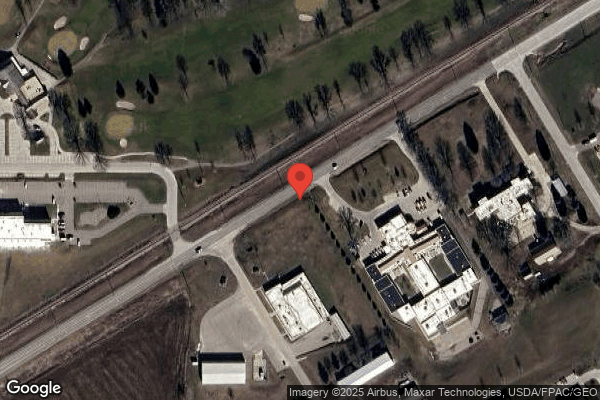

1140 Lincoln Street NE, Le Mars, IA 51031 (712) 546-4101
Non profit - Corporation 70 Beds GOOD SAMARITAN SOCIETY Data: November 2025
Trust Grade
70/100
#191 of 392 in IA
Last Inspection: April 2025

Within standard 12-15 month inspection cycle. Federal law requires annual inspections.

Overview

Good Samaritan Society - Lemars has received a Trust Grade of B, which indicates it is a solid choice but not the top tier of facilities. It ranks #191 out of 392 in Iowa, placing it in the top half of nursing homes in the state, and #3 out of 5 in Plymouth County, meaning only two local options are rated higher. Unfortunately, the facility is experiencing a worsening trend, with issues increasing from 2 in 2024 to 4 in 2025. Staffing is average, with a turnover rate of 54%, which is concerning as it is higher than the state average of 44%. The facility has no fines, which is a positive sign, and it has average RN coverage, suggesting that while there is sufficient nursing staff, there may be room for improvement. However, there are some specific areas of concern based on recent inspections. For example, the facility failed to maintain proper safeguards for medications, leading to instances where medication carts contained incorrect or tampered medications. Additionally, there were lapses in infection control procedures, such as staff not washing their hands after assisting residents, which poses a risk of spreading infections. Overall, while Good Samaritan Society - Lemars has some strengths, these weaknesses highlight the importance of careful consideration when choosing a nursing home for loved ones.
Trust Score
B
70/100
In Iowa
#191/392
Top 48%
Safety Record
Low Risk
No red flags
Inspections
Getting Worse
2 → 4 violations
Staff Stability
⚠ Watch
54% turnover. Above average. Higher turnover means staff may not know residents' routines.
Penalties
✓ Good
No fines on record. Clean compliance history, better than most Iowa facilities.
Skilled Nurses
○ Average
Each resident gets 33 minutes of Registered Nurse (RN) attention daily — about average for Iowa. RNs are the most trained staff who monitor for health changes.
Violations
⚠ Watch
11 deficiencies on record. Higher than average. Multiple issues found across inspections.
★★★☆☆
3.0
Overall Rating
★★★☆☆
3.0
Staff Levels
★★★★☆
4.0
Care Quality
★★★☆☆
3.0
Inspection Score
Stable
2024: 2 issues
2025: 4 issues

The Good

  • 4-Star Quality Measures · Strong clinical quality outcomes
  • Full Sprinkler Coverage · Fire safety systems throughout facility
  • No fines on record

Facility shows strength in quality measures, fire safety.

The Bad

3-Star Overall Rating

Near Iowa average (3.1)

Meets federal standards, typical of most facilities

Staff Turnover: 54%

Near Iowa avg (46%)

Higher turnover may affect care consistency

Chain: GOOD SAMARITAN SOCIETY

Part of a multi-facility chain

Ask about local staffing decisions and management

The Ugly 11 deficiencies on record

Apr 2025 4 deficiencies
CONCERN (D)

Potential for Harm - no one hurt, but risky conditions existed

Assessment Accuracy (Tag F0641)

Could have caused harm · This affected 1 resident

**NOTE- TERMS IN BRACKETS HAVE BEEN EDITED TO PROTECT CONFIDENTIALITY** Based on record review and staff interview, the facility failed to accurately complete the Minimum Data Set (MDS) assessment for...

Read full inspector narrative →
**NOTE- TERMS IN BRACKETS HAVE BEEN EDITED TO PROTECT CONFIDENTIALITY** Based on record review and staff interview, the facility failed to accurately complete the Minimum Data Set (MDS) assessment for 1 of 14 resident's reviewed (Resident #38). The facility reported a census of 54 residents. Findings include: According to the MDS assessment dated [DATE], Resident #38 demonstrated long and short term memory problems and severely impaired skills for daily decision making. The resident had diagnoses including non-Alzheimer's dementia. The MDS documented the resident exhibited no behaviors in the 7 day look back period. The Care Plan revised 4/9/25 included the resident was on antipsychotic medication therapy related to a diagnosis of end-stage Alzheimer's and Dementia evidenced by episodes of hitting, yelling, and uncooperative with cares, with the need for scheduled Haldol (antipsychotic). Continued slow dose reduction. The Progress Notes dated 1/6/25 at 8:57 p.m. documented the resident received Ativan (antianxiety) 1 mg for the resident yelling out and unable to rest. The Progress Notes dated 1/7/25 at 3:48 p.m. documented the resident was very vocal most of the shift yelling, calling out, and yelling at people at meals. At 7:16 p.m. when doing eye drops the resident [NAME] chanting no at the charge nurse. At 10:36 p.m. the resident yelling out once awake from nap for supper. A one time dose of Ativan and Haldol administered. The resident continued to yell out for the rest of night. She fell asleep at 10 p.m. The Progress Notes dated 1/8/25 at 7:30 a.m. documented the resident was very vocal during breakfast, yelling and making loud noise, upsetting other residents. At 8:41 a.m. the nurse checked on the resident at the beginning of the shift. The resident attempted to hit the nurse while the nurse adjusted her blanket. On 4/17/25 at 9:13 a.m. the MDS Coordinator stated the 1/10/25 MDS should have included the residents behaviors. The Centers for Medicare and Medicaid Services (CMS)'s Resident Assessment Instrument (RAI) Version 3.0 Manual, Section E for behavior, documented the intent for the items in the section to identify behavioral symptoms in the last seven days that may cause distress to the resident, or may be distressing or disruptive to facility residents, staff members or the care environment. These behaviors may place the resident at risk for injury, isolation, and inactivity and may also indicate unrecognized needs, preferences or illness. Behaviors included those that were potentially harmful to the resident themselves. The emphasis was identifying behaviors, which did not necessarily imply a medical diagnosis. Identification of the frequency and the impact of behavioral symptoms on the resident and on others was critical to distinguish behaviors that constituted problems from those that were not problematic. Once the frequency and impact of behavioral symptoms were accurately determined, follow-up evaluation and care plan interventions could be developed to improve the symptoms or reduce their impact. Steps for assessment included: a. Review of the medical record for the 7-day look-back period. b. Interview of staff, across all shifts and disciplines, as well as others who had close interactions with the resident during the 7-day look-back period, including family or friends who visited frequently or had frequent contact with the resident. c. Observation of the resident in a variety of situations during the 7-day look-back period. Coding Instructions included: Code 0, behavior not exhibited: if the behavioral symptoms were not present in the last 7 days. Used this code if the symptom had never been exhibited or if it previously had been exhibited but had been absent in the last 7 days. Code 1, behavior of this type occurred 1-3 days: if the behavior was exhibited 1-3 days of the last 7 days, regardless of the number or severity of episodes that occurred on any one of those days. Code 2, behavior of this type occurred 4-6 days, but less than daily: if the behavior was exhibited 4-6 of the last 7 days, regardless of the number or severity of episodes that occurred on any of those days. Code 3, behavior of this type occurred daily: if the behavior was exhibited daily, regardless of the number or severity of episodes that occurred on any of those days.
CONCERN (D)

Potential for Harm - no one hurt, but risky conditions existed

Comprehensive Care Plan (Tag F0656)

Could have caused harm · This affected 1 resident

**NOTE- TERMS IN BRACKETS HAVE BEEN EDITED TO PROTECT CONFIDENTIALITY** Based on clinical record review and staff interview the facility failed to revise and update care plans to include and address h...

Read full inspector narrative →
**NOTE- TERMS IN BRACKETS HAVE BEEN EDITED TO PROTECT CONFIDENTIALITY** Based on clinical record review and staff interview the facility failed to revise and update care plans to include and address high risk medications and side effects to watch for 1 out of 14 residents included in the comprehensive care plans (Resident #53). The facility reported a census of 57 residents. Findings include: The Minimum Data Set (MDS) assessment dated [DATE] for Resident #53 documented diagnoses of depression and anxiety disorder. The MDS showed the Brief Interview for Mental Status (BIMS) score of 7, indicating severe cognitive impairment. Review of Resident #53's April Medication Administration Record (MAR) revealed the following orders: a. Furosemide tablet (diuretic medication) daily with a start date of 12/12/24 b. Halperidol tablet (antipsychotic medication) 3 times daily with a start date of 3/4/25 c. Lispro Injection (insulin, diabetic medication) before meals with a start date of 2/11/25 d. Lantus Solostar Injection (insulin, diabetic medication) daily with a start date of 3/26/25 e. Spirolactone tablet (diuretic medication) daily with a start date of 12/12/24 Review of Resident #53's Order Summary Report signed and dated 4/8/25 revealed the following orders: a. Furosemide tablet daily with an order date of 12/11/24 b. Halperidol tablet 3 times daily with an order date of 3/4/25 c. Lispro injection before meals with an order date of 2/11/25 d. Lantus Solostar daily with an order date of 3/25/25 e. Spirolactone tablet daily with an order date of 12/11/25 Review of the Care Plan with a revised date of 2/17/25 lacked the following things: a. Specific side effects to watch for with the usage of diabetic medication. b. Specific side effects to watch for with the usage of antipsychotic medication. c. Specific side effects to watch for with the usage of diuretic medications. Review of the facility provided policy titled Care Plan dated 12/2/24 revealed each resident will have an individualized, person-centered, comprehensive plan of care that will include measurable goals and timetables directed toward achieving and maintaining the resident ' s optimal medical, nursing, physical, functional, spiritual, emotional, psychosocial, and educational needs. Interview on 4/16/25 at 11:32 a.m., with the Director of Nursing revealed she expects the care plan to include side effects for high risk medications.
CONCERN (D)

Potential for Harm - no one hurt, but risky conditions existed

Medication Errors (Tag F0758)

Could have caused harm · This affected 1 resident

**NOTE- TERMS IN BRACKETS HAVE BEEN EDITED TO PROTECT CONFIDENTIALITY** Based on clinical record review and staff interview the facility failed to identify non-pharmacological interventions and target...

Read full inspector narrative →
**NOTE- TERMS IN BRACKETS HAVE BEEN EDITED TO PROTECT CONFIDENTIALITY** Based on clinical record review and staff interview the facility failed to identify non-pharmacological interventions and targeted behaviors related to high risk medications in 1 of 5 residents reviewed (Resident #53). The facility reported a census of 57 residents. Findings include: The Minimum Data Set (MDS) assessment dated [DATE] for Resident #53 documented diagnoses of depression and anxiety disorder. The MDS showed the Brief Interview for Mental Status (BIMS) score of 7, indicating severe cognitive impairment. Review of Resident #53's April Medication Administration Record revealed the following orders: a. Cymbalta capsule (antidepressant medication) daily with a start date of 1/21/25 b. Haleridol tablet (antipsychotic medication) 3 times daily with a start date of 3/4/25 Review of signed Order Summary Report signed 4/8/25 revealed the following orders: a. Cymbalta capsule daily with an order date of 1/21/25 b. Halperidol tablet 3 times daily with an order date of 3/4/25 Review of the Care Plan with a revision date of 2/17/25 lacked information on non-pharmacological interventions, targeted behaviors and side effects to watch for in antipsychotic medication usage and targeted behaviors with the use of anti-depressant medication usage. The facility does not have a policy on unnecessary medication usage. Interview on 4/16/25 at 11:32 a.m., with the Director of Nursing revealed she expects the care plan to include non-pharmacological interventions and targeted behaviors with usage of psychotropic medications.
CONCERN (F)

Potential for Harm - no one hurt, but risky conditions existed

Staffing Data (Tag F0851)

Could have caused harm · This affected most or all residents

Based on the Center for Medicare and Medicaid Services (CMS) Payroll Based Journal (PBJ) Staffing Data Report from Fiscal Quarter 1, 2025 (October 1 - December 31) review, facility staffing review, an...

Read full inspector narrative →
Based on the Center for Medicare and Medicaid Services (CMS) Payroll Based Journal (PBJ) Staffing Data Report from Fiscal Quarter 1, 2025 (October 1 - December 31) review, facility staffing review, and staff interviews, the facility failed to meet staffing requirements in three metrics. The facility reported a census of 57 residents. Findings include: The PBJ Staffing Data Report with a run date of 4/9/25 triggered submitted weekend staffing data excessively low within the quarter. Review of staffing for nurses and Certified Nursing Assistants (CNAs) scheduled similarly for weekdays and weekends. In an interview on 4/16/25 at 11:34 AM, the DON reported she reviewed the PBJ with the Administrator yesterday and determined the incorrect information was reported due to a glitch at the main campus. In an interview on 4/16/25 at 12:04 PM, the Administrator reported he reviewed staffing and doesn't know why excessively low staffing triggered other than having more office staff working on weekdays. The Administrator reported he planned to look into things. The Administrator reported the facility failed to have a policy regarding PBJ.
Apr 2024 2 deficiencies
CONCERN (D)

Potential for Harm - no one hurt, but risky conditions existed

Deficiency F0657 (Tag F0657)

Could have caused harm · This affected 1 resident

**NOTE- TERMS IN BRACKETS HAVE BEEN EDITED TO PROTECT CONFIDENTIALITY** Based on clinical record review and staff interview the facility failed to revise and update Care Plans to include and address h...

Read full inspector narrative →
**NOTE- TERMS IN BRACKETS HAVE BEEN EDITED TO PROTECT CONFIDENTIALITY** Based on clinical record review and staff interview the facility failed to revise and update Care Plans to include and address high risk medications and side effects to watch for in 2 out of 15 sampled residents reviewed for Comprehensive Care Plans (Resident #17 & #30). The facility reported a census of 61 residents. Findings include: 1. The Minimum Data Set (MDS) assessment dated [DATE] for Resident #17 documented diagnoses of diabetes mellitus and hypertension. The MDS showed a Brief Interview for Mental Status (BIMS) score of 15 indicating no cognitive impairment. Review of the April 2024 Medication Administration Record (MAR) revealed the following orders: a. Insulin Glargine-Lixisenatide (diabetic medication) with a start date of 7/12/23. Review of the MDS dated [DATE] revealed diabetic medication and insulin injection taken 7 out of 7 days in the look back period. Review of the Medication Review Report signed 3/13/24 revealed the following orders: a. Insulin Glargine-Lixisenatide with a start date of 7/12/23. Review of the Care Plan undated lacked information regarding the usage and side effects of insulin injections. 2. The MDS assessment dated [DATE] for Resident #30 documented diagnoses of diabetes mellitus, edema and hypertension. The MDS showed a Brief Interview for Mental Status (BIMS) score of 13 indicating no cognitive impairment. Review of the April 2024 MAR revealed the following orders: a. Lasix with a start date of 1/25/24. b. Lantus Insulin (diabetic medication) with a start date of 2/15/24 with a discontinuation date of 4/8/24. c. Tresiba (diabetic medication) with a start date of 4/9/24. Review of the MDS dated [DATE] revealed diabetic medication and insulin injection taken 7 out of 7 days in the look back period. Review of the Medication Review Report signed 3/13/24 revealed the following orders: a. Lasix with a start date of 1/25/24. b. Lantus Insulin with a start date of 2/15/24. c. Tresiba on hold. Review of facility provided policy titled Comprehensive Care Plan and Care Conference with a reviewed date of 12/4/23 revealed the purpose of the policy is to provide an ongoing method of assessing, implementing, evaluating and updating the resident's Care Plan to help maintain the resident's highest practicable level of function, including culturally competent and trauma informed care. Interview on 04/10/24 at 01:11 p.m., with the Director of Nursing (DON) revealed insulin and diuretic medication should be on the Care Plan.
CONCERN (D)

Potential for Harm - no one hurt, but risky conditions existed

Deficiency F0725 (Tag F0725)

Could have caused harm · This affected 1 resident

**NOTE- TERMS IN BRACKETS HAVE BEEN EDITED TO PROTECT CONFIDENTIALITY** Based on observation, document review, resident interview, and staff interview the facility failed to provide nursing staff to a...

Read full inspector narrative →
**NOTE- TERMS IN BRACKETS HAVE BEEN EDITED TO PROTECT CONFIDENTIALITY** Based on observation, document review, resident interview, and staff interview the facility failed to provide nursing staff to assure residents safety by not adequately responding to call lights in a timely manner. The facility reported a census of 61 residents. Findings include: 1. The Minimum Data Set (MDS) dated [DATE] for Resident #8 documented a Brief Interview for Mental Status (BIMS) of 13 indicating no cognitive impairment. Review of document titled, Resident Listing Report revealed Resident #8 resided in 213. On 4/10/24 at 7:55 AM a continuous observation of room [ROOM NUMBER]'s call light revealed at 7:55 AM call light was on and at 8:30 AM call light was shut off. On 4/10/24 at 8:11 AM Resident #8 stated his call light was turned on because he wanted his butt scooted over in bed. Resident #8 stated he wanted help transferring into bed. Resident #8 stated he had grown tired of waiting and transferred himself into bed. Resident #8 stated in the morning sometimes it would take longer than 15 minutes for staff to answer the call lights. Resident #8 stated he could read the clock in the room and knew how long it took the staff to answer his call light. Resident #8 stated it was 8:13 AM at that time. Review of document titled, Device Activity Report dated 4/10/24 reported on 4/10/24 the call light for room [ROOM NUMBER] was shut off after 21 minutes and 51 seconds at 12:16 AM, 4/10/24 at 5:10 AM the call light was shut after 24 minutes, 4/10/24 at 7:12 AM the call light was shut off after 16 minutes and 37 seconds, and 4/10/24 8:30 AM the call light was shut off after 36 minutes and 35 seconds. 2. The MDS dated [DATE] for Resident #59 documented a BIMS of 15 indicating no cognitive impairment. Review of document titled, Resident Listing Report revealed Resident #59 resided in room [ROOM NUMBER]. On 4/10/24 at 7:55 AM a continuous observation of room [ROOM NUMBER]'s call light revealed at 8:02 AM call light was on and at 8:31 AM call light was shut off. On 4/10/24 at 8:24 AM Resident #59 stated he wanted to go to the bathroom. Resident #59 stated the call light had been on for a bit but they are usually good about answering the call light. Review of document titled, Device Activity Report dated 4/10/24 reported on 4/10/24 the call light for room [ROOM NUMBER] was shut off after 28 minutes and 35 seconds at 8:31 AM. On 4/10/24 at 1:39 PM Staff A, Certified Nursing Assistant (CNA) stated call lights would be answered in no more than 3-5 minutes. Staff A stated sometimes it could take longer than 3-5 minutes depending on if someone had fallen or what was going on at the time. Staff A stated no one had fallen the morning of 4/10/24 from her hall. Staff A stated the facility's expectation was that call lights would be answered in less than 15 minutes. On 4/10/24 at 1:52 PM the DON stated the residents did not really complain about how long the call lights are on prior to answering. The DON stated it was hard to answer them all at times under 15 minutes, but she was aware this was the regulation. The DON stated Resident #8 never needed anything urgent. The DON stated the standard was 15 minutes and the staff is educated on that all the time. The DON stated mornings at the facility were busy. Review of policy titled, Call light reviewed 8/1/23 documented when a resident's call light is observed/heard, go to the residents room promptly and respond to resident's request as soon as possible.
Jan 2023 5 deficiencies
CONCERN (D) 📢 Someone Reported This

A family member, employee, or ombudsman was alarmed enough to file a formal complaint

Potential for Harm - no one hurt, but risky conditions existed

Deficiency F0658 (Tag F0658)

Could have caused harm · This affected 1 resident

**NOTE- TERMS IN BRACKETS HAVE BEEN EDITED TO PROTECT CONFIDENTIALITY** Based on observation, interviews and record review the facility failed to follow professional standards for 1 of 3 residents rev...

Read full inspector narrative →
**NOTE- TERMS IN BRACKETS HAVE BEEN EDITED TO PROTECT CONFIDENTIALITY** Based on observation, interviews and record review the facility failed to follow professional standards for 1 of 3 residents reviewed. Resident #25 was at risk for decline in status and required assistance with transfers and locomotion. Staff failed to assist the Resident to walk on a daily basis and failed to move him out of his wheel chair every 3 hours. The facility reported a census of 52 residents. Findings include: According to the Minimum Data Set (MDS) dated [DATE] Resident #25 did not have a Brief Interview for Mental Score (BIMS). Resident #25 required the help of one staff for toileting, hygiene, transfers and walking. The Care Plan dated 4/24/22 showed that Resident #25 had impaired cognitive functioning related to history of cerebral infarction with aphasia. The resident was able to ambulate and staff were directed to assist him to walk 3-5 times a week. He had diagnosis that included hemiplegia, hemiparesis following cerebral infarction. The electronic record included an order dated 10/25/21 at 11:53 AM that directed staff to assist with ambulation daily and to limit that resident's time in wheel chair to 3 hours at any time. The resident was to be transferred to the recliner after lunch and dinner. The following was found on documents titled: Point of Care (POC) Response History, generated on 1/11/23 at 3:10 PM: a. Walking in room from 12/13/22 - 1/11/23 was checked off that it did not occur 47 times and was completed 8 times. b. Walking in the corridor from 12/13/22 - 1/11/23 did not occur 48 times and was completed 7 times. On 1/10/23 at 7:05 AM Licensed Practicing Nurse (LPN) Staff D said that the Certified Nursing Assistants (CNA) would walk the resident throughout the day. She said that the family had hired a lady to come and do exercises with him (Staff E). On 1/11/23 at 3:10 PM Staff E said she worked for an agency that typically would go into homes and help elderly with their needs. She said that she had been working with Resident #25 for quite a while and assisted him to walk and with exercises twice a week. She said that on several occasions, she came into the facility and found the resident on the toilet and very upset. He was able to communicate with her that he had been waiting for 45 minutes. Staff E said that the resident's bottom had a purple ring around his buttocks from the pressure of sitting there so long. She said that the staff would tell her that they didn't have enough help to walk him twice a day as they should. The following is documentation of an on-going observation of Resident #25 on 1/12/23: a. At 7:23 AM the resident was at the table in the dining room eating breakfast in his wheel chair, (WC). b. At 7:55 AM in the hallway in WC. c. At 8:21 AM in room sitting in the WC in front of television (TV) d. At 8:44 AM in room in WC in front of TV e. At 9:05 AM in room in WC in front of TV f. At 9:29 AM in room in WC in front of TV g. At 9:49 AM on the toilet h. At 10:10 AM in room in WC in front of TV i. At 10:22 AM in room in WC in front of TV j. At 10:42 AM in room in WC in front of TV k. At 11:00 AM in room in WC in front of TV l. At 11:16 AM wheeling self out to dining room m. At 11:45 AM still at table eating n. At 12:04 PM in room in WC in front of TV o. At 12:24 PM in room in WC in front of TV p. At 12:43 PM in room in WC in front of TV q. At 12:47 PM hired aide was walking him down the hallway On 1/12/23 at 1:45 PM the Director of Nursing (DON) said she understood that Resident #25 had a doctor's order to be up out of his wheel chair on a regular basis. She said he had gone to see a vascular specialist that recommended this intervention. She said that the hired helper did not substitute for what staff were to provide in way of positioning, exercise and walking.
CONCERN (D)

Potential for Harm - no one hurt, but risky conditions existed

Accident Prevention (Tag F0689)

Could have caused harm · This affected 1 resident

**NOTE- TERMS IN BRACKETS HAVE BEEN EDITED TO PROTECT CONFIDENTIALITY** Based on observation, interviews and record review the facility failed to prevent accidents and hazards for 1 of 3 residents rev...

Read full inspector narrative →
**NOTE- TERMS IN BRACKETS HAVE BEEN EDITED TO PROTECT CONFIDENTIALITY** Based on observation, interviews and record review the facility failed to prevent accidents and hazards for 1 of 3 residents reviewed. Resident #17 sustained an injury from a mechanical lift Sit to Stand sling that was too small for her. The facility reported a census of 52 residents. Findings include: According to the Minimum Data Set (MDS) dated [DATE], Resident #17 had a Brief Interview for Mental Status (BIMS) score of 15 (intact cognitive ability). The resident required extensive assistance with the help of two staff for bed mobility and toileting and required extensive assistance with the help of one staff for transfers and dressing. The Care Plan updated on 2/3/22 showed that Resident #17 had an Activities of Daily Living (ADL) self-care performance deficit related to a history of Cerebrovascular Attack (CVA) and right sided weakness. The resident was a non-ambulatory and required the Sit to Stand mechanical lift for transfers. Staff were directed to use the extra-large size harness for all transfers. Resident #17 had diagnosis that included congestive heart failure, chronic kidney disease, stage 3, obesity and peripheral vascular disease. On 1/09/23 at 1:15 PM Certified Nursing Assistant (CNA) Staff C prepared the Sit to Stand mechanical lift to transfer Resident #17 from the wheel chair to the bedside commode. Before the sling was attached, the resident lifted her blouse and revealed a large, dark purple bruise on her right breast. The resident said that on the previous day, a CNA put a sling on her that was too small and I felt like I was in a strait jacket. The resident said that she told the CNA that it was the wrong size before she attached it, but the CNA responded that they couldn't find the larger sling that they would usually use to transfer her. A review of the record revealed a Nursing Note dated 1/9/2023 at 10:33 PM that showed the resident had a bruise, light to dark purple noted to the right breast measuring 17.0 centimeters (cm) x 25.0 cm. in size. According to the Sit to Stand Harness Sizing Guide, for a resident weighing 190-320 pounds, staff were to use a large sling. The Vitals tab in the electronic chart showed on 1/8/23 at 1:03 PM Resident #17 weighed 247.9 pounds. On 1/12/23 at 1:45 PM the Director of Nursing (DON) said that she had asked the physical therapy department to evaluate the resident for transfer status. The DON said she was not sure that the bruising on the right breast had been caused by the sling, but she did understand that the resident is not bearing weight very well on the Sit to Stand and may need to be changed to a Hoyer transfer.
CONCERN (D)

Potential for Harm - no one hurt, but risky conditions existed

Deficiency F0725 (Tag F0725)

Could have caused harm · This affected 1 resident

**NOTE- TERMS IN BRACKETS HAVE BEEN EDITED TO PROTECT CONFIDENTIALITY** Based on observation, interviews and record review the facility failed to provide sufficient staffing to respond to residents ne...

Read full inspector narrative →
**NOTE- TERMS IN BRACKETS HAVE BEEN EDITED TO PROTECT CONFIDENTIALITY** Based on observation, interviews and record review the facility failed to provide sufficient staffing to respond to residents needs in a timely fashion for 2 of 16 residents reviewed. Resident #17 and Resident #30 reported that many times it took over 30 minutes for staff to respond to the call lights. The facility reported a census of 52 residents. Findings include: 1) According to the Minimum Data Set (MDS) dated [DATE], Resident #17 had a Brief Interview for Mental Status (BIMS) score of 15 (intact cognitive ability). The resident required extensive assistance with the help of two staff for bed mobility and toileting and required extensive assistance with the help of one staff for transfers and dressing. The Care Plan updated on 2/3/22 showed that Resident #17 had an Activities of Daily Living (ADL) self-care performance deficit related to a history of Cerebrovascular Attack (CVA) and right sided weakness. The resident was non-ambulatory. Resident #17 required the Sit to Stand mechanical lift for transfers and staff were directed to use the extra-large size harness for all transfers. Resident #17 had diagnosis that included congestive heart failure, chronic kidney disease, stage 3, obesity and peripheral vascular disease. On 1/5/23 at 1:16 PM Resident #17 said that at times, she had waited an hour for staff to respond to her call light. She pointed to a clock on her dresser and said she watched the clock to see how long it would take and many times she had been incontinent because it took too long for them to get to her. The Census Report tab showed that Resident #17 was in room [ROOM NUMBER] A document titled: Device Activity Report generated on 1/9/23 at 1:10 PM included the following for room [ROOM NUMBER]: a. On 12/11/22 at 12:37PM the call light was on for 18 minutes and 39 seconds. b. On 12/17/22 at 9:38 AM the call light was on for 28 minutes and 45 seconds. c. On 12/25/22 at 9:07 AM the call light was on for 25 minutes 46 seconds. d. On 12/25/22 at 3:30 PM the call light was on for 28 minutes and 46 seconds. e. On 12/24/22 at 11:12 AM the call light was on for 25 minutes and 20 seconds. F. On 12/24/22 at 5:15 PM the call light was on for 30 minutes and 47 seconds. 2) According to the MDS dated [DATE], Resident #30 had a BIMS score of 14 (intact cognitive ability). The resident required extensive assistance with the help of two staff for bed mobility, locomotion and toileting. The Care Plan for Resident #30 updated on 11/23/22 showed that she was incontinent of bowel related to malignant neuroleptic syndrome and dementia. Staff were directed to provide a bed pan or bedside commode and to check the resident for toileting needs before and after meals and throughout the night. On 1/5/23 at 1:30 PM Resident #30 said at times, it would take staff close to an hour to respond to her call light. She pointed to her clock and said that she could see it from her bed and said she would watch how long it took. The Census Report tab showed that Resident #30 was in room [ROOM NUMBER] A document titled: Device Activity Report generated on 1/9/23 at 1:10 PM included the following for room [ROOM NUMBER]: a. On 1/7/23 at 7:16 AM the call light was on for 16 minutes and 45 seconds. b. On 1/7/23 at 7:44 AM the call light was on for 15 minutes and 33 seconds. A facility policy last updated on 10/21/22 titled; Call Light showed that when a resident's call light was observed/heard, staff were to go into the resident's room promptly. On 1/12/23 at 1:45 PM the Director of Nursing said she understood that the call light response was slow over Christmas because they had a fire alarm going off. Staff were expected to respond as soon as possible.
CONCERN (E) 📢 Someone Reported This

A family member, employee, or ombudsman was alarmed enough to file a formal complaint

Potential for Harm - no one hurt, but risky conditions existed

Pharmacy Services (Tag F0755)

Could have caused harm · This affected multiple residents

**NOTE- TERMS IN BRACKETS HAVE BEEN EDITED TO PROTECT CONFIDENTIALITY** Based on observations, interviews and record review the facility failed to maintain safegaurds and systems to control and accoun...

Read full inspector narrative →
**NOTE- TERMS IN BRACKETS HAVE BEEN EDITED TO PROTECT CONFIDENTIALITY** Based on observations, interviews and record review the facility failed to maintain safegaurds and systems to control and account for scheduled medications for 4 of 6 residents reviewed. Resident #254 and Resident #306 had orders for Ativan to be used as needed for seizure disorders. The medication cassettes were tampered with and replaced with different medications. Staff removed 2 Hydrocodone tabs from the emergency kit (ekit) for Resident #307 and the Medication Administration Record (MAR) lacked documentation that these had been given. On 1/12/23, a medication cart contained a cassette with an as needed (PRN) Tramadol for Resident #43, the medication had been discontinued the end of December. The facility reported a census of 52 residents. Findings include: 1) The Minimum Data Set (MDS) dated [DATE] showed Resident #254 had a Brief Interview for Mental Status (BIMS) score of 3 (severe cognitive deficits). The resident required extensive assistance with the help of two staff for bed mobility, toileting and hygiene needs. According to the admission Record, Resident #254 was admitted on [DATE] and had diagnosis that included malignant neoplasm, spinal stenosis, and essential tremor. According to the Care Plan updated on 10/28/21, Resident #254 had impaired cognitive function and impaired thought processes related to metastatic lung cancer. The resident used psychopharmacological medications related to dysthymic disorder. An email message was sent to the facility from the pharmacy, on June 7th at 9:18 AM and stated a cassette containing 3 pills for Resident #254 had been sent back to the pharmacy in error. The pharmacist examined the cassette that was noted to contain a PRN order of Ativan 2 milligrams (mg) tabs. The pharmacy chief noticed 2 of the lids of the cassette showed evidence of having been removed and replaced. He found that one tablet was not Ativan and identified it as melatonin. This was reported to the nursing home on 6/6/22 around 10:00 AM. A review of the record showed Resident #254 had an order for a PRN Ativan dated 3/9/22 at 2:46 PM to be taken every 15 minutes as needed for seizure activity. The Medication Record (MAR) showed the medication had not been used. A facility initiated investigation revealed that no staff members were aware of or had any knowledge of misappropriation of medications. As of 6/13/22 the facility did not have any suspects in the matter. They concluded that because the cassette tabs were easily popped out and replaced, it was difficult to recognize tampering at a glance. The pharmacy planned to send out bubble packs instead of cassettes after the incident. 2) According to an MDS dated [DATE], Resident #306 did not have a BIMS score. The resident required extensive assistance with the help of two staff for dressing, toileting and bed mobility. The admission record showed the resident was admitted on [DATE] with diagnosis that included neoplasm, Parkinson's' disease, dysphagia, and carcinoma of the skin. The Care Plan updated on 6/20/22 showed the resident had impaired cognitive functioning related to dementia. Resident #306 had a seizure disorder related to neoplasm of the brain and was on seizure precautions. The resident had a terminal prognosis and Hospice services were initiated on 7/22/21. According to a facility investigation dated 6/11/22 the nursing staff had concerns of another cassette of Ativan that possibly had medication in the cassette that was not Ativan. On 6/13/22 the cassette was found to have been disturbed. The facility completed an audit of all Ativan doses and found no other concerns. According to a written statement from LPN Staff F examined the pills and found them to be metoprolol and busperone. According to the MAR, Resident #306 did not receive any PRN Ativan doses. 3) An MDS dated [DATE] showed Resident #43 had a BIMS score of 15 (intact cognitive ability). He was independent with transfers and walking, and required extensive assistance with the help of one for toileting. The resident had diagnosis that included cellulitis of the buttock, pressure induced deep tissue damage to sacral area, and Type II diabetes. The Care Plan showed the resident was admitted to the facility on [DATE] with a fistula colostomy to the lower abdomen. He had acute pain related to deep tissue pressure sores. The Orders tab showed Resident #43 had an order dated 12/15/22 at 11:57 PM for Tramadol 50 mg PRN for pain. The order was discontinued on 12/30/22. On 1/12/23 at 8:10 AM with Registered Nurse (RN) Staff G looked at the medications in the cart for Resident #43 and discovered a cassette with the PRN Ativan was still in the medication cart. Staff G admitted it should have been destroyed at the time that it was discontinued. According to facility policy titled: Medications: Controlled last reviewed on 12/7/21, controlled medication that have been discontinued should be placed in a locked box in the medication room as soon as they have been discontinued. 4) The MDS for Resident #307 dated 6/7/22 did not include a BIMS score. The Census tab showed that he was admitted to the facility on Hospice services. The Care Plan dated 6/7/22 showed the resident had an ADL self-care performance deficit related to a diagnosis of malignant neoplasm of the left bronchus or lung, malignant neoplasm of bone, and malignant neoplasm of the liver. The resident had chronic pain needed scheduled and PRN pain management. According to the Orders tab the resident had an order dated 6/7/22 at 12:45 PM for Hydrocodone 5/325 milligrams (mg) 1-2 tabs every 6 hours. An Emergency Kit Log showed on 6/7/22 (untimed and unsigned) 2 tabs of Hydrocodone had been removed from the emergency kit. The document lacked information regarding who dispensed the medications and according to the MAR the resident did not receive the medication. A review of the facilities process for the dispensing of controlled substances from the emergency kit revealed the use of one form titled: Emergency Kit Log for three ekits stored in a closet; one with intravenous medications, one with controlled substances and one for all other medications. Another form titled: Control E-Kit sign off, included columns for the date, tag number on the kit, night/day shift change, tag number, and shift. Upon investigation, it was discovered that the tag numbers on this form many times did not match the tag numbers on the Emergency Kit Log. On 1/10/23 at 11:36 AM the DON acknowledged the ekit document did not have a column for staff signature and that this was problematic. She was not sure why the Control Kit sign off numbers did not match the emergency kit log. Upon further investigation, it was discovered the tag numbers changed when the kit went back to the pharmacy for updating. According to facility policy titled: Medications: Controlled last reviewed on 12/7/21, The facility will along with their consultant pharmacist establish a system of records of receipt and disposition of all controlled drugs in sufficient detail to enable an accurate reconciliation that determine that drug records are in order and that an account of all controlled drugs is maintained and periodically reconciled and meets all state and federal requirements for controlled medications.
CONCERN (E) 📢 Someone Reported This

A family member, employee, or ombudsman was alarmed enough to file a formal complaint

Potential for Harm - no one hurt, but risky conditions existed

Infection Control (Tag F0880)

Could have caused harm · This affected multiple residents

**NOTE- TERMS IN BRACKETS HAVE BEEN EDITED TO PROTECT CONFIDENTIALITY** Based on observation, clinical record review, and staff interviews the facility failed to ensure staff followed infection contro...

Read full inspector narrative →
**NOTE- TERMS IN BRACKETS HAVE BEEN EDITED TO PROTECT CONFIDENTIALITY** Based on observation, clinical record review, and staff interviews the facility failed to ensure staff followed infection control policy and procedures for 1 out of 16 residents, (Resident #50). The facility also failed to follow infection control policy and procedures by not covering clean linen carts. The facility reported a census of 51 residents. Findings include: 1. The Minimum Data Set (MDS) assessment dated [DATE] for Resident #50 identified a Brief Interview for Mental Status (BIMS) of 13 which indicated cognitively intact. The MDS documented diagnoses of cognitive loss/dementia and cancer. Observation on 1/9/23 at 2:53 PM showed Staff A delivering snacks in 100 hall. As Staff A walked past Resident #50 ' s room, she noticed they were attempting to ambulate unassisted from the recliner to the bed. Staff A went into Resident #50 ' s room, took a hold of their arm, touched their bare back and assisted them into bed. Staff A then exited the room without washing their hands and entered two other rooms passing out snacks. In an interview with the Administrator on 1/10/23 at 2:45 PM, he stated the expectation would be that hand hygiene be performed prior to continuing to deliver snacks. 2. Observation on 1/9/23 at 9:46 AM showed clean linen carts tucked back into alcoves on 100 and 300 hallways with the front covers laying on top of carts exposing clean laundry. In an interview with Staff B, she stated that the expectation was for the carts to be covered.
Understanding Severity Codes (click to expand)
Life-Threatening (Immediate Jeopardy)
J - Isolated K - Pattern L - Widespread
Actual Harm
G - Isolated H - Pattern I - Widespread
Potential for Harm
D - Isolated E - Pattern F - Widespread
No Harm (Minor)
A - Isolated B - Pattern C - Widespread

Questions to Ask on Your Visit

  • "Can I speak with families of current residents?"
  • "What's your RN coverage like on weekends and overnight?"

Our Honest Assessment

Strengths
  • • No major safety red flags. No abuse findings, life-threatening violations, or SFF status.
  • • No fines on record. Clean compliance history, better than most Iowa facilities.
Concerns
  • • 11 deficiencies on record. Higher than average. Multiple issues found across inspections.
Bottom line: Mixed indicators with Trust Score of 70/100. Visit in person and ask pointed questions.

About This Facility

What is Good Samaritan Society - Lemars's CMS Rating?

CMS assigns Good Samaritan Society - Lemars an overall rating of 3 out of 5 stars, which is considered average nationally. Within Iowa, this rating places the facility higher than 0% of the state's 100 nursing homes. This mid-range rating indicates the facility meets federal standards but may have areas for improvement.
How is Good Samaritan Society - Lemars Staffed?

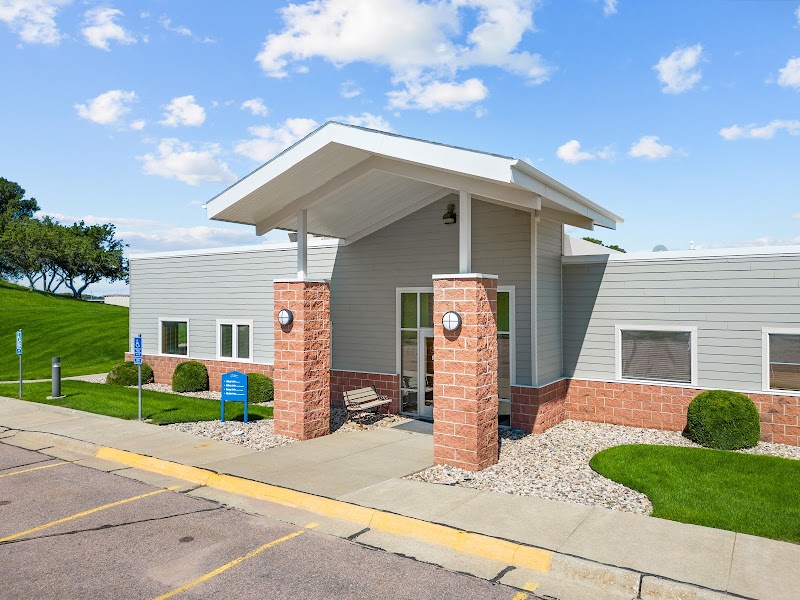
CMS rates Good Samaritan Society - Lemars's staffing level at 3 out of 5 stars, which is average compared to other nursing homes. Staff turnover is 54%, compared to the Iowa average of 46%.

What Have Inspectors Found at Good Samaritan Society - Lemars?

State health inspectors documented 11 deficiencies at Good Samaritan Society - Lemars during 2023 to 2025. These included: 11 with potential for harm.

Who Owns and Operates Good Samaritan Society - Lemars?

Good Samaritan Society - Lemars is owned by a non-profit organization. Non-profit facilities reinvest revenue into operations rather than distributing to shareholders. The facility is operated by GOOD SAMARITAN SOCIETY, a chain that manages multiple nursing homes. With 70 certified beds and approximately 60 residents (about 86% occupancy), it is a smaller facility located in Le Mars, Iowa.

How Does Good Samaritan Society - Lemars Compare to Other Iowa Nursing Homes?

Compared to the 100 nursing homes in Iowa, Good Samaritan Society - Lemars's overall rating (3 stars) is below the state average of 3.1, staff turnover (54%) is near the state average of 46%, and health inspection rating (3 stars) is at the national benchmark.

What Should Families Ask When Visiting Good Samaritan Society - Lemars?

Based on this facility's data, families visiting should ask: "Can I visit during a mealtime to observe dining assistance and food quality?" "How do you handle medical emergencies, and what is your hospital transfer rate?" "Can I speak with family members of current residents about their experience?"

Is Good Samaritan Society - Lemars Safe?

Based on CMS inspection data, Good Samaritan Society - Lemars has a clean safety record: no substantiated abuse findings (meaning no confirmed cases of resident harm), no Immediate Jeopardy citations (the most serious violation level indicating risk of serious injury or death), and is not on the Special Focus Facility watch list (a federal program monitoring the lowest-performing 1% of nursing homes). The facility has a 3-star overall rating and ranks #100 of 100 nursing homes in Iowa. While no facility is perfect, families should still ask about staff-to-resident ratios and recent inspection results during their visit.

Do Nurses at Good Samaritan Society - Lemars Stick Around?

Good Samaritan Society - Lemars has a staff turnover rate of 54%, which is 8 percentage points above the Iowa average of 46%. Moderate turnover is common in nursing homes, but families should still ask about staff tenure and how the facility maintains care continuity when employees leave.

Was Good Samaritan Society - Lemars Ever Fined?

Good Samaritan Society - Lemars has no federal fines on record. CMS issues fines when nursing homes fail to meet care standards or don't correct problems found during inspections. The absence of fines suggests the facility has either maintained compliance or corrected any issues before penalties were assessed. This is a positive indicator, though families should still review recent inspection reports for the full picture.

Is Good Samaritan Society - Lemars on Any Federal Watch List?

Good Samaritan Society - Lemars is not on any federal watch list. The most significant is the Special Focus Facility (SFF) program, which identifies the bottom 1% of nursing homes nationally based on persistent, serious quality problems. Not being on this list means the facility has avoided the pattern of deficiencies that triggers enhanced federal oversight. This is a positive indicator, though families should still review the facility's inspection history directly.