Monticello Nursing & Rehab Center
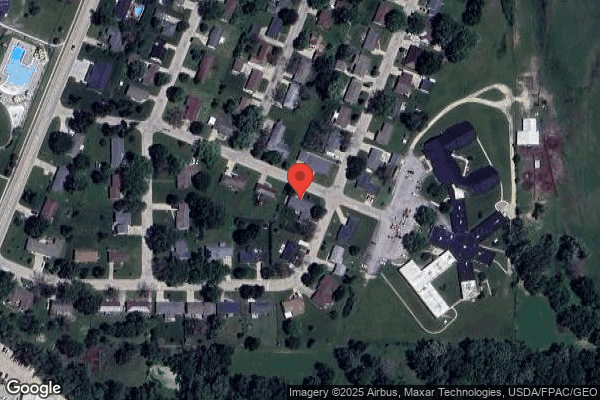
500 Pinehaven Drive, Monticello, IA 52310 (319) 465-5415
For profit - Individual 75 Beds HEALTHCARE OF IOWA Data: November 2025 1 Immediate Jeopardy citation
Trust Grade
31/100
#285 of 392 in IA
Last Inspection: November 2024

Within standard 12-15 month inspection cycle. Federal law requires annual inspections.

Overview

Monticello Nursing & Rehab Center has received a Trust Grade of F, which indicates significant concerns and is considered poor. They rank #285 out of 392 facilities in Iowa, placing them in the bottom half, and they are the second-best option in Jones County, meaning only one local facility is better. While the facility is improving, reducing its issues from 10 in 2023 to 5 in 2024, it still has a lot of room for growth. Staffing is a relative strength, with a 4/5 rating and RN coverage that exceeds 78% of Iowa facilities, suggesting that residents receive attentive care from experienced staff. However, there have been serious incidents, including a failure to supervise residents with a history of falls, leading to injuries, and a lack of thorough assessments for residents requiring assistance, which raises significant concerns about the overall quality of care.
Trust Score
F
31/100
In Iowa
#285/392
Bottom 28%
Safety Record
High Risk
Review needed
Inspections
Getting Better
10 → 5 violations
Staff Stability
⚠ Watch
47% turnover. Above average. Higher turnover means staff may not know residents' routines.
Penalties
✓ Good
$4,194 in fines. Lower than most Iowa facilities. Relatively clean record.
Skilled Nurses
✓ Good
Each resident gets 46 minutes of Registered Nurse (RN) attention daily — more than average for Iowa. RNs are trained to catch health problems early.
Violations
⚠ Watch
24 deficiencies on record. Higher than average. Multiple issues found across inspections.
★★☆☆☆
2.0
Overall Rating
★★★★☆
4.0
Staff Levels
★★☆☆☆
2.0
Care Quality
★★☆☆☆
2.0
Inspection Score
Stable
2023: 10 issues
2024: 5 issues

The Good

  • 4-Star Staffing Rating · Above-average nurse staffing levels
  • Full Sprinkler Coverage · Fire safety systems throughout facility
  • No fines on record

Facility shows strength in staffing levels, fire safety.

The Bad

2-Star Overall Rating

Below Iowa average (3.0)

Below average - review inspection findings carefully

Staff Turnover: 47%

Near Iowa avg (46%)

Higher turnover may affect care consistency

Federal Fines: $4,194

Below median ($33,413)

Minor penalties assessed

Chain: HEALTHCARE OF IOWA

Part of a multi-facility chain

Ask about local staffing decisions and management

The Ugly 24 deficiencies on record

1 life-threatening 1 actual harm
Nov 2024 5 deficiencies
CONCERN (D)

Potential for Harm - no one hurt, but risky conditions existed

Resident Rights (Tag F0550)

Could have caused harm · This affected 1 resident

**NOTE- TERMS IN BRACKETS HAVE BEEN EDITED TO PROTECT CONFIDENTIALITY** Based on observation, record review, and staff interview, the facility failed to protect a resident's dignity by failing to ensu...

Read full inspector narrative →
**NOTE- TERMS IN BRACKETS HAVE BEEN EDITED TO PROTECT CONFIDENTIALITY** Based on observation, record review, and staff interview, the facility failed to protect a resident's dignity by failing to ensure the indwelling urinary drainage bag was kept in a dignity bag for one of three residents reviewed with an indwelling catheter (Resident #11). The facility reported a census of 50 residents. Findings Include: The Minimum Data Set (MDS) dated [DATE] identified Resident #11 as severely cognitively impaired with a Brief Interview for Mental Status (BIMS) score of 4 out of 15 and had the following diagnoses: Cerebral Infarction and Compression of the Brain. The MDS identified Resident #11 was dependent on staff for toileting, showers, lower body dressing, and putting on/taking off footwear and had an indwelling urinary catheter. Observations of the resident revealed the Foley catheter bag hanging off the bed frame without a dignity bag and visible to anyone walking by or into the room at the following times: a. On 10/29/24 at 10:11 AM, while the resident was lying in bed b. On 10/29/24 at 01:56 PM Observed patient in room lying in bed. The catheter bag had been emptied since last observation but there was still no dignity bag. c. On 10/29/24 at 3:30 PM Resident #11 asleep in bed with the indwelling urinary drainage bag which was not placed in a dignity bag. d. On 10/30/24 at 10:22 AM An observation of catheter care with Resident #11 was completed by facility staff. Staff C, Certified Nursing Assistant (CNA) completed the catheter care. The facility nurse consultant was also present. No dignity bag was observed on the catheter bag when entering the resident's room. Upon completion of the catheter care a dignity bag was not placed over the catheter bag. d. On 10/30/24 at 12:40 PM the resident was observed sleeping in bed and there was no dignity bag in place. e. On 10/30/24 at 3:47 PM stopped by to speak with Resident #11 and he had a visitor. The resident introduced me to his friend and I then left the room. There was not a dignity bag or any type of cover on the catheter bag. A review of the Care Plan dated 8/26/2024 documented resident requires indwelling urinary catheter. Goal: Resident will have catheter care managed appropriately as evidenced by: not exhibiting signs of infection or urethral trauma. Interventions: a. Assess for continued need for catheter at least quarterly. b. Keep catheter system a closed system as much as possible. c. Obtain labs as ordered. d. Provide catheter care BID and PRN e. Report UTI (acute confusion, urgency, frequency, bladder spasms, nocturia, burning, pain, difficulty urinating, low back/flank pain, malaise, n/v, chills, fever, foul odor, concentrated urine, blood in urine). f. Use a catheter strap. Assure enough slack is left in the catheter between the meatus and the strap. In an interview on 10/30/2024 at 12:45 PM Staff C, Certified Nursing Assistant (CNA) reported the following: a. When a resident has a catheter, staff would need to take the following precautions to respect the resident's privacy, the staff should place the collection bag in a dignity bag. b. Both nurses and nurse aides are responsible to ensure the catheter bag is in a dignity bag. c. Staff C advised she was probably nervous when doing catheter care this morning and forgot to put the catheter bag in a dignity bag. She typically does this. In an interview on 10/30/24 at 1:20 PM Staff B, Licensed Practical Nurse (LPN) reported the following a. When a resident has a catheter, staff would need to take the following precautions to protect a resident's privacy, the staff should place the bag in a dignity bag. b. Both nurses and nurse aides are responsible to ensure the catheter bag is in a dignity bag. c. She could not verify if the resident had a dignity bag on today. In an interview on 10/31/24 at 10:53 AM the Director of Nursing (DON) advised the resident should have had a dignity bag on over this catheter bag. Whenever a resident is in public or if the catheter bag is in sight of others or if he has visitors there should be a dignity bag on the catheter bag. Dignity bags are available to staff in the front linen room. The DON advised the facility is working with volunteers making more dignity bags but there is always some sort of cover staff should use. The CNA's all have onboarding when they first start at the facility and the importance of dignity bags is gone over with them. Staff also complete yearly training that covers catheter care and dignity bags. The Facility Assessment Tool dated 10/1/2024 documented the following: Bowel/bladder toileting programs, incontinence prevention and care, intermittent or indwelling or other urinary catheter, ostomy, responding to requests for assistance to the bathroom/toilet promptly in order to maintain continence and promote resident dignity.
CONCERN (D)

Potential for Harm - no one hurt, but risky conditions existed

Deficiency F0582 (Tag F0582)

Could have caused harm · This affected 1 resident

Based on staff interview, clinical record review, and review of Centers for Medicare/Medicaid Services document, Form CMS-20052, the facility failed to provide proper notification to residents and/or ...

Read full inspector narrative →
Based on staff interview, clinical record review, and review of Centers for Medicare/Medicaid Services document, Form CMS-20052, the facility failed to provide proper notification to residents and/or resident representatives of the right to appeal decision for discharge from Medicare Part A for 3 of 3 residents reviewed for discharge from Medicare Part A with benefit days remaining (Residents #18, #303, and #304). The facility reported a census of 50 residents. Findings include: 1. Review of facility completed document titled, Beneficiary Notice- Residents discharged Within the Last Six Months, revealed Resident #18 had discharged from Medicare Part A and stayed in facility, on 8/23/24 with remaining Medicare benefit days and again discharged from a second Medicare Part A covered stay on 9/30/24 to home or lesser care, with remaining Medicare benefit days. On 8/21/24 at 3:32 PM, a Nursing Progress Note, informed that a Care Conference was held with Resident #18 and resident's spouse, in which both were notified that Resident #18 would be discharged from therapy on 8/23/24. Review of Electronic Health Records (EHR) for Resident #18, lacked documentation of notification prior to discharge from Medicare Part A benefits on 9/30/24. Review of Form CMS-20052, completed by facility, revealed Medicare Part A Skilled services began 7/15/24 with the last covered day of Part A service dated 8/23/24, in which the facility initiated discharge when service days were not exhausted. Facility failed to complete form as no selection had been made, when asked if Form CMS-10055 had been provided to the Resident. No selection made when asked if Notice of Medicare Non-Coverage (NOMNC), Form CMS-10123, had been provided to the Resident. Facility unable to provide either completed form upon request. 2. Review of facility completed document titled, Beneficiary Notice- Residents discharged Within the Last Six Months, revealed Resident #303 had discharged from Medicare Part A and stayed in facility, on 10/23/24 with remaining Medicare benefit days. Review of Electronic Health Records (EHR) for Resident #303, lacked documentation of notification prior to discharge from Medicare Part A benefits on 10/23/24. The facility provided a document titled, Discharge Notice from Therapies, dated 10/18/24, which indicated Resident #303 would have last treatment date for Physical, Occupational, and Speech Therapies on 10/22/24, signed by staff nurse notifying family on 10/21/24. Review of Form CMS-20052, completed by facility, revealed Medicare Part A Skilled services began 8/20/24 with the last covered day of Part A service dated 10/22/24, in which the facility initiated discharge when service days were not exhausted. Facility failed to complete form as no selection had been made, when asked if Form CMS-10055 had been provided to the Resident. No selection made when asked if Notice of Medicare Non-Coverage (NOMNC), Form CMS-10123, had been provided to the Resident. Facility unable to provide either completed form upon request. 3. Review of facility completed document titled, Beneficiary Notice- Residents discharged Within the Last Six Months, revealed Resident #304 had discharged from Medicare Part A and stayed in facility, on 8/24/24 with remaining Medicare benefit days. Review of Electronic Health Records (EHR) for Resident #304, lacked documentation of notification prior to discharge from Medicare Part A benefits on 8/24/24. Review of Form CMS-20052, completed by facility, revealed Medicare Part A Skilled services began 8/10/24 with the last covered day of Part A service dated 8/23/24, in which the facility initiated discharge when service days were not exhausted. Facility failed to complete form as no selection had been made, when asked if Form CMS-10055 had been provided to the Resident. No selection made when asked if Notice of Medicare Non-Coverage (NOMNC), Form CMS-10123, had been provided to the Resident. Facility unable to provide either completed form upon request. On 10/31/24 at 1:20 PM, Facility Administrator informed that the facility had been unable to locate a completed Form CMS-10123 (NOMNC) for Resident #18, Resident #303, or Resident #304. The facility provided document, titled Beneficiary Notice Scenarios for Surveyors, dated 10/2022, instructed that facility complete both Skilled Nursing Facility Advanced Beneficiary Notice (SNF ABN) and NOMNC forms for residents discharged from Medicare Part A with skilled days remaining and will continue living in the facility.
CONCERN (D)

Potential for Harm - no one hurt, but risky conditions existed

Deficiency F0657 (Tag F0657)

Could have caused harm · This affected 1 resident

**NOTE- TERMS IN BRACKETS HAVE BEEN EDITED TO PROTECT CONFIDENTIALITY** Based on clinical record review, resident, and staff interviews the facility failed to account for the resident's location when ...

Read full inspector narrative →
**NOTE- TERMS IN BRACKETS HAVE BEEN EDITED TO PROTECT CONFIDENTIALITY** Based on clinical record review, resident, and staff interviews the facility failed to account for the resident's location when a resident chose to smoke per Care Plan for one of two residents reviewed (Resident #29). The facility reported a census of 50 residents. Findings include: Resident #29's Minimum Data set (MDS) assessment dated [DATE] identified a Brief Interview for Mental Status (BIMS) score of 14 out of 15, indicating intact cognition. The MDS documented diagnoses of cancer, hypertension, and hyperlipidemia. The Care Plan initiated on 9/26/2023 identified Resident #29 currently using tobacco. An intervention recorded on the Care Plan indicated Resident #29 was to sign out on the Leave of Absence form when leaving the facility to smoke and sign back in upon return. The Release of Responsibility for Leave of Absence form was located on a ledge by the facility main entrance. The Release of Responsibility for Leave of Absence form revealed the name of the resident and facility were to be completed on the top of the form but were left blank. Under the signing out section of the form, numerous resident names were listed along with the date and time. Resident #29 documented on 10/23 at 11:45 exiting the building to smoke. There was no documented time noted for signing in for Resident #29. During an interview on 10/28/2024 at 10:48 AM Resident #29 revealed she is a current smoker. Resident #29 informed this surveyor she leaves the premises and smokes at the edge of the parking lot twice per day. On 10/30/2024 at 12:53 PM observed Staff B, Licensed Practical Nurse (LPN) provide Resident #29 with two cigarettes. Resident #29 propelled herself in her wheelchair to the exit door and exited the facility without signing out. Observed Resident #29 re-enter the facility at 1:17 PM without signing in. During an interview on 10/30/2024 Staff B, LPN reported the designated smoking area is off the premises of the facility grounds. Staff B, LPN verbalized she was unaware if Resident #29 was to sign out of the facility when smoking. Staff B confirmed Resident #29 left the building 2-3 times per day to smoke. On 10/31/2024 at 11:24 AM the Director of Nursing (DON) acknowledged any resident who chose to smoke, must do so off facility property. The DON acknowledged the Care Plan identified the intervention for Resident #29 was to sign out and in when leaving/returning to/from smoking. On 10/31/2024 at 11:58 AM the DON and Administrator confirmed Resident #29 signed out 1 time in the past month to smoke. The facility Smoking Policy revised on 10/24/2022 failed to identify responsibility for accounting for resident location when smoking.
CONCERN (D) 📢 Someone Reported This

A family member, employee, or ombudsman was alarmed enough to file a formal complaint

Potential for Harm - no one hurt, but risky conditions existed

Accident Prevention (Tag F0689)

Could have caused harm · This affected 1 resident

**NOTE- TERMS IN BRACKETS HAVE BEEN EDITED TO PROTECT CONFIDENTIALITY** Based on clinical record review, resident, family, and staff interviews the facility failed to complete the facility Smoking Ass...

Read full inspector narrative →
**NOTE- TERMS IN BRACKETS HAVE BEEN EDITED TO PROTECT CONFIDENTIALITY** Based on clinical record review, resident, family, and staff interviews the facility failed to complete the facility Smoking Assessment to assess for resident's capabilities and deficits to safely smoke for 2 of 2 residents reviewed (Residents #1 and #29). The facility reported a census of 50 residents. Findings include: 1. Resident #1's Minimum Data Set (MDS) assessment dated [DATE] identified a Brief Interview for Mental Status (BIMS) score of 11 out of 15 indicating moderate cognitive impairment. The MDS documented diagnoses of non-traumatic brain dysfunction, coronary artery disease, hypertension, diabetes mellitus, and cerebrovascular accident. The admission Nursing Assessment completed on 3/07/2024 at 4:34 PM by Staff A, Registered Nurse (RN) documented Resident #1 as a current smoker. A Care Plan focus area initiated on 06/10/24 identified Resident #1 as currently using tobacco. Facility interventions include assessing Resident #1's capabilities and deficits quarterly to determine if supervision was required. A review of the clinical record revealed the facility completed no Smoking Assessment to assess Resident #1 capabilities and deficits to safely smoke. The facility failed to assess Resident #1 upon admission and quarterly to safely smoke. During an interview on 10/28/2024 at 3:49 PM Resident #1 verbalized he was a current smoker. On 10/30/2024 at 4:09 PM, Resident #1's daughter confirmed he was a current smoker. On 10/31/2024 at 11:19 AM, Staff A, RN acknowledged completing the admission Nursing Assessment for Resident #1 identifying Resident #1 as a current smoker. Staff A, RN confirmed she did not initiate or complete a Smoking Assessment for Resident #1. 2. Resident #29's MDS assessment dated [DATE] identified a BIMS score of 14 out of 15, indicating intact cognition. The MDS documented diagnoses of cancer, hypertension, and hyperlipidemia. The Care Plan initiated on 9/26/2023 identified Resident #29 currently using tobacco. Facility interventions include assessing Resident #29 capabilities and deficits quarterly to determine if supervision was required. During an interview on 10/28/2024 at 10:48 AM, Resident #29 verified she was a current smoker. Resident #29 verbalized she exited the building twice per day and smoked 2 cigarettes without supervision each time. A record review identified the facility completed Smoking Assessments on 9/24/2023, 1/04/2024, and 10/31/2024. The facility failed to assess Resident #29 quarterly to safely smoke. On 10/31/2024 at 11:24 AM the Director of Nursing (DON) verbalized the Smoking Assessment is completed upon admission and quarterly for current identified smokers. The MDS Coordinator or Care Coordinator are responsible for completing assessments timely. The DON acknowledged missed Smoking Assessments for Resident #29 occurred on 03/28/24, 04/21/2024 and 07/18/2024. Furthermore, the DON acknowledged that no Smoking Assessments were completed for Resident #1. The DON verbalized Smoking Assessments for Resident #1 should have been completed on 03/14/24, 06/06/2024, 07/04/24, 08/08/2024 and 09/26/2024. The facility failed to complete 8 assessments on current residents. The facility Smoking Policy revised on 10/24/2022 failed to identify assessing resident's capabilities and deficits to safely smoke.
CONCERN (D)

Potential for Harm - no one hurt, but risky conditions existed

Deficiency F0698 (Tag F0698)

Could have caused harm · This affected 1 resident

**NOTE- TERMS IN BRACKETS HAVE BEEN EDITED TO PROTECT CONFIDENTIALITY** Based on clinical record review, resident and staff interviews, and facility policy review the facility failed to maintain consi...

Read full inspector narrative →
**NOTE- TERMS IN BRACKETS HAVE BEEN EDITED TO PROTECT CONFIDENTIALITY** Based on clinical record review, resident and staff interviews, and facility policy review the facility failed to maintain consistent records of Hemodialysis communication for 2 out of 2 months for 1 out of 1 resident reviewed (Resident#10). The facility reported a census of 50 residents. Findings include: The Minimum Data Set (MDS) assessment dated [DATE], for Resident #10 listed diagnoses of chronic kidney disease (CKD), congestive heart failure. The MDS reflected her Brief Interview for mental status score of 15 out of 15 (intact cognition). The Care Plan for Resident#10 dated 9/29/21, identified she needed dialysis related to CKD, and will have no signs or symptoms of complications from dialysis. The Care Plan directed: encourage Resident#10 to go for the scheduled dialysis appointments Monday, Wednesday, and Fridays. Resident#10's clinical record failed to include Hemodialysis communication forms for September and October 2024. The Dialysis Book for Resident#10 on 10/30/24, failed to hold any Hemodialysis communication forms. On 10/31/24 at 11:28 AM, Staff A, RN reported she failed to know they had a Dialysis book, she thought the pre/post assessment Hemodialysis communication forms went in Resident # 10's chart. On 10/30/24 at 4:18 PM, the Director of Nursing (DON) reported the Hemodialysis assessments are in a binder not in the resident chart. On 10/31/24 at 12:08 PM, the DON reported she expected the Hemodialysis forms to be in the dialysis book. The DON reported she found one sheet for the past 2 months. The facility provided a policy titled Dialysis Care dated 2/2/2017, the policy directed nursing shall assess and document vital signs, including blood pressure in the arm where the access site is not located, weights if ordered, and communicate the information including the resident's status with dialysis facility prior to and post dialysis.
Nov 2023 10 deficiencies
CONCERN (D)

Potential for Harm - no one hurt, but risky conditions existed

Safe Environment (Tag F0584)

Could have caused harm · This affected 1 resident

Based on observations, staff interviews, and facility document review, the facility failed to provide clean and sanitary wheelchairs or electric scooter for 3 of 3 residents whom required wheelchair/s...

Read full inspector narrative →
Based on observations, staff interviews, and facility document review, the facility failed to provide clean and sanitary wheelchairs or electric scooter for 3 of 3 residents whom required wheelchair/scooter transportation (Residents #5, #9, and #47). The facility reported a census of 50 residents. Findings Include: On 11/28/23 at 8:49 AM, wheelchairs that belonged to Resident #5 and #47 sat empty in a carpeted area of dining room during breakfast. The residents sat in dining room chairs for the meal. Resident #5's wheelchair held a folded bed pad on the seat of wheelchair with yellow colored rings stained across the pad. Noted wheelchair for Resident #47 with crumbs and white smeared stains across the top of the seat. Both Resident #5 and #47 were transported back into wheelchairs following the meal. An electric scooter, driven by Resident #9, left the dining room, the back and sides of electric scooter covered in dirt and grime and a brown stain noted to back, bottom area of the seat. On 11/28/23 at 12:00 PM, wheelchairs kept in the carpeted area during lunch meal. Resident #9's electric scooter continued to have dirt and grime as well as brown stain across the back and bottom of the seat. Resident #47's wheelchair continued to have white stains across the seat. On 11/29/23 at 9:48 AM, Staff F, Certified Nursing Assistant (CNA), unable to recall a cleaning schedule for resident wheelchairs and reported being unsure of who is responsible for cleaning the wheelchairs. On 11/29/23 at 2:10 PM, Assistant Director of Nursing (ADON) reported an overnight shift CNA made up a schedule of wheelchairs to be cleaned but was unsure of documentation for this. On 11/30/23 at 10:20 AM, Staff G, CNA, worked various shifts as needed since hire, May 2022, and confirmed she worked overnight shift the night before. Staff G unable to recall an assignment or task sheet that indicated wheelchair cleaning but thought all wheelchairs were cleaned a couple days per week. Staff G unaware of a location to find information on or to document completion of wheelchair cleaning. On 11/30/23 at 1:00 PM, the ADON stated everyone had been responsible for checking the cleanliness of wheelchairs, walkers, and scooters. Facility provided a typed, undated document, that indicated all wheelchairs are to be cleaned for one hallway per day, Monday through Friday, by overnight CNA staff. The document lacked any indication of acknowledgement or completion by staff. The facility failed to have a wheelchair cleaning policy.
CONCERN (D)

Potential for Harm - no one hurt, but risky conditions existed

Comprehensive Assessments (Tag F0636)

Could have caused harm · This affected 1 resident

Based on clinical record review, resident and staff interviews, and facility policy review, the facility failed to conduct comprehensive assessments of residents in accordance with the timeframes spec...

Read full inspector narrative →
Based on clinical record review, resident and staff interviews, and facility policy review, the facility failed to conduct comprehensive assessments of residents in accordance with the timeframes specified for 2 of 2 residents reviewed (Residents #12 and #205). The facility reported a census of 50. Findings Include: 1. The Minimum Data Set (MDS) for Resident #12 dated 8/31/23 revealed the resident scored 15 out of 15 on a Brief Interview for Mental Status (BIMS) exam, which indicated intact cognition. Diagnoses included chronic congestive heart failure, end stage renal disease, and anemia. MDS section O failed to include documentation of the resident's need for Dialysis. The Care Plan included a diagnosis of dependence on renal dialysis. A Focus Area dated 9/29/21 indicated the resident needed Dialysis (hemo) related to chronic kidney disease. On 11/27/23 at 12:53 PM Staff D, Registered Nurse (RN) stated that the resident was at Dialysis and was not new treatment for this resident. During an interview with Resident #12 on 11/28/23 at 8:14 AM, she stated she went to Dialysis 3 times per week because her kidneys were failing. 2. The MDS for Resident #205 dated 11/23/23 was in progress of completion and the Electronic Health Record (EHR) indicated the submission was 3 days overdue. At the time of review on 11/29/23 sections A, B, E, GG, H, I, J, L, M, N, O, and P remained incomplete. On 11/29/23 at 10:30 AM Staff A RN, MDS Specialist (Nurse Consultant) confirmed that all sections of the MDS should be completed accurately prior to submission and indicated the facility would have to submit a correction if Dialysis was missing. She stated she was filling in for this position and was unable to confirm the policy regarding timely submission timeframes. A policy entitled Comprehensive Assessment and Reassessment effective 5/10/17 documented an assessment of the care or treatment required to meet the needs of the resident shall be ongoing throughout the resident's stay and individualized to meet the needs of the resident. The RN Assessment Coordinator would ensure the MDS Assessment was completed within 14 days of admission or significant change in status. Assessments and reassessments included special treatments and procedures and a review of the resident's record.
CONCERN (D)

Potential for Harm - no one hurt, but risky conditions existed

Deficiency F0655 (Tag F0655)

Could have caused harm · This affected 1 resident

Based on clinical record review, staff interviews, and facility policy review, the facility failed to complete a Baseline Care Plan within the timeframes specified for 2 of 2 residents reviewed (Resid...

Read full inspector narrative →
Based on clinical record review, staff interviews, and facility policy review, the facility failed to complete a Baseline Care Plan within the timeframes specified for 2 of 2 residents reviewed (Resident #11 and #205). The facility reported a census of 50. Findings Include: 1. The Minimum Data Set (MDS) for Resident #205 dated 11/23/23 was in progress and the electronic health record indicated the submission was 3 days overdue. At the time of review on 11/29/23 sections A, B, E, GG, H, I, J, L, M, N, O, and P remained incomplete. On 11/30/23 at 10:15 AM, the resident's chart lacked a Baseline Care Plan. On 11/30/23 at 2:20 PM, the Administrator confirmed that the facility was unable to locate the resident's Baseline Care Plan. She believed the Director of Nursing (DON) was completing these and she was out of the building. 2. The MDS for Resident #11 dated 9/21/23, documented an admission date on 9/13/23. The MDS reflected diagnoses of heart failure, diabetes mellitus and cerebrovascular accident (stroke). The MDS identified a Brief Interview for Mental Status (BIMS) score of 13 out of 15, indicating intact cognition. The MDS showed Resident #11 required limited physical assist of 1 staff with bed mobility, dressing, toileting, walking and personal hygiene. Resident #11's clinical record failed to contain a Baseline Care Plan. A policy entitled Comprehensive Assessment and Reassessment effective 5/10/17 documented that the Interim Nursing Plan of Care would be implemented on admission to ensure the resident received necessary and immediate care such as activities of daily living, medications, nutrition, etc.
CONCERN (D)

Potential for Harm - no one hurt, but risky conditions existed

Comprehensive Care Plan (Tag F0656)

Could have caused harm · This affected 1 resident

**NOTE- TERMS IN BRACKETS HAVE BEEN EDITED TO PROTECT CONFIDENTIALITY** Based on clinical record review, observations, staff interviews, and facility policy review, the facility failed to develop and ...

Read full inspector narrative →
**NOTE- TERMS IN BRACKETS HAVE BEEN EDITED TO PROTECT CONFIDENTIALITY** Based on clinical record review, observations, staff interviews, and facility policy review, the facility failed to develop and implement a person centered Care Plan that included measurable objectives regarding safety and risk reduction for 1 of 1 residents reviewed (Resident #30). The facility reported a census of 50 residents. Findings Include: The Minimum Data Set (MDS) assessment dated [DATE] for Resident #30 revealed the resident scored 00 on a Brief Interview for Mental Status (BIMS) exam, which indicated severely impaired cognition. The staff assessment section for cognition was not completed and indicated the resident was able to complete the BIMS. The facility failed to complete the resident's Preadmission Screening and Resident Review (PASRR), dated 11/11/22, prior to admission. The legal history section listed convictions on 11/09/2001 for failure to register as a sex offender and on 7/15/16 for assault. The PASRR further indicated any nursing facility, mental health professionals, healthcare professionals, or others who engaged in the treatment of the resident were encouraged to perform a check of registries. The assessment would determine risk and help with the development of a crisis intervention and safety plan. The rehabilitative services section documented the need to identify triggers and symptoms, methods for management of challenges, action steps to be taken by all parties to reduce hospitalization, stressors for behaviors, and how to reduce risk. Specific examples included a single room in line with the nurses station, close supervision during facility events, and restricting access to areas of the facility where vulnerable individuals were present. A document titled Patient Safety Template failed to list warning signs and listed redirection as the way to make the environment safe. It failed to include input from a mental health provider, the physician, or the resident's family. The Comprehensive Care Plan (CCP) with an admission date of 10/28/22 documented a focus area dated 11/9/22 which indicated the resident had impaired cognition. Interventions included cuing, supervision, consistent routine and caregivers dated 11/9/22 and 15 minute checks initiated 1/3/23. The CCP failed to address a specific safety plan that addressed the resident's criminal history to ensure the safety of residents, visitors, and staff or a crisis intervention plan that noted known triggers or stressors for behaviors and how to reduce increased risk. The activities section failed to include resident safety interventions. On 11/27/23 at 10:36 AM, the resident's room was noted to be located in the middle of the hallway, surrounded by other resident rooms. On 11/28/23 at 8:06 AM, Resident #30 was observed sitting at the breakfast table with 2 other residents. At 8:08 AM, he was noted to be standing without staff and reaching toward the left side of the table where another resident was seated. He was not easily redirected back into his chair. A Certified Nursing Assistant (CNA) was called over to sit with him. On 11/28/23 at 8:49 AM, Staff E, Registered Nurse (RN) stated that the resident refused cares, transfers took coaxing, he will stand at the table, and was sometimes difficult to redirect. On 11/28/23 at 9:16 AM, Staff F, CNA stated that the resident can be stubborn and was sometimes hard to redirect. On 11/29/23 at 10:51 AM, the Administrator stated that staff aware of the resident's history. She did not know what type of training staff were provided regarding his care and specific needs. She stated the facility was working on learning more about his history right now. On 11/29/23 at 10:52 AM, Staff C, Nurse Consultant Director, stated that the facility has known about the PASRR results since the date of the PASRR (11/11/22). She stated the intention of the 15 minute checks initiated 1/3/23 under the cognition focus of the Care Plan were related to the PASRR results. She confirmed there was not documentation that this was the intention of the 15 minute checks. A policy entitled Comprehensive Assessment and Reassessment effective 5/10/17 documented that the assessment of the care or treatment required to meet the needs of the resident shall be ongoing throughout the resident's stay and individualized to meet the needs of the resident. The assessment shall be structured to identify factors such as social barriers. Information would be obtained from family, care providers, and paper or electronic documents.
CONCERN (D)

Potential for Harm - no one hurt, but risky conditions existed

Quality of Care (Tag F0684)

Could have caused harm · This affected 1 resident

Based on clinical record review, observations, staff interviews, and facility policy review, the facility failed to notify the physician, assess a resident, or document an incident following a medicat...

Read full inspector narrative →
Based on clinical record review, observations, staff interviews, and facility policy review, the facility failed to notify the physician, assess a resident, or document an incident following a medication error for 1 of 1 residents (Resident #2) reviewed for medication dosage error. The Facility reported a census of 50 residents. Findings Include: The Minimum Data Set (MDS) Assessment, dated 11/15/23, revealed diagnoses include Chronic diastolic heart failure and atrial fibrillation. Resident #2 had Brief Interview for Mental Status (BIMS) score of 5 out of 10, indicative of severe cognitive impairment. The Care Plan Focus Area, initiated 8/12/2019, for diuretic (water pill) medications indicated a goal that Resident #2 will receive diuretic as ordered and be free from medication side effects. Order Summary, dated 11/29/23, revealed an order for Torsemide tablet 20 milligrams (mg), give 0.5 (half) tablet, which equals 10 mg, by mouth in the morning related to heart failure. Order initiated on 4/19/23. Progress Notes lacked documentation of physician notification, resident monitoring, or resident assessment for greater than 24 hours following a medication dosage error. On 11/29/23 at 9:15 AM, Staff H, Licensed Practical Nurse (LPN), removed Resident #2's bottle of Torsemide from the medication cart, 1 whole tablet dispensed from bottle and placed in medication cup along with other scheduled morning medications. Medications were administered to Resident #2 in the dining room. On 11/29/23 at 11:40 AM, Resident #2's bottle of Torsemide reviewed following medication reconciliation of Physician order for Torsemide 20 mg half tablet daily. Label on bottle indicated Torsemide 20 mg 1 tablet daily. A majority of tablets which remained in the bottle were whole, noted approximately 5 tablets that had been cut in half mixed within the whole tablets. On 11/29/23 at 2:20 PM, Staff H, LPN, denied giving any medications that had been cut in half or cutting any medications in half prior to administration. On 11/29/23 at 2:36 PM, Assistant Director of Nursing (ADON) confirmed administration of a whole 20 mg tablet of Torsemide would be a medication error and informed that the protocol is to notify the Provider and family of the error. The ADON indicated that documentation of error would be found in Resident #2's Progress Notes. On 11/30/23 at 9:30 AM, Resident #2 medication bottle of Torsemide had been removed from the medication cart, pill bottle found empty in the Director of Nursing's office. Staff C, Nurse Consultant, reported tablets had been destroyed due to the incorrect dosage and the correct medication dosage had been ordered from Pharmacy. On 11/30/23 at 10:30 AM, ADON confirmed a lack of Provider notification related to Resident #2 dosage error and reported she would send a Secure Conversation to Provider at this time, via the Electronic Health Record (EHR) online chat message system. The ADON unable to locate an Incident Report following the medication error for Resident #2. On 11/30/23 at 1:30 PM, Staff C, Nurse Consultant, explained Secure Conversation, used to send a message to Providers, is not part of Resident #2's Medical Record; Nursing staff would be required to initiate a Progress Note to document communication that occurred within the secure conversation messaging. Facility policy titled, Physician Notification, effective 10/10/19, instructed to notify physician promptly of any accident or unusual incident. Facility policy titled, Medication Administration, revision dated 4/01/23, revealed that medications shall be administered per physician order.
CONCERN (D)

Potential for Harm - no one hurt, but risky conditions existed

Pressure Ulcer Prevention (Tag F0686)

Could have caused harm · This affected 1 resident

Based on clinical record review, observations, staff interviews and facility policy review the facility failed to put interventions in place as directed by the Care Plan to aid in prevention of the re...

Read full inspector narrative →
Based on clinical record review, observations, staff interviews and facility policy review the facility failed to put interventions in place as directed by the Care Plan to aid in prevention of the reoccurrence of pressure sore areas for 1 out of 4 residents reviewed (Resident #11). The facility reported a census of 50 residents. Findings Include: The MDS (Minimum Data Set) Assessment identifies the definition of pressure ulcers: Stage I is an intact skin with non-blanchable redness of a localized area usually over a bony prominence. Darkly pigmented skin may not have a visible blanching; in dark skin tones only it may appear with persistent blue or purple hues. Stage II is partial thickness loss of dermis presenting as a shallow open ulcer with a red or pink wound bed, without slough (dead tissue, usually cream or yellow in color). May also present as an intact or open/ruptured blister. Stage III Full thickness tissue loss. Subcutaneous fat may be visible but bone, tendon or muscle is not exposed. Slough may be present but does not obscure the depth of tissue loss. May include undermining and tunneling. Stage IV is full thickness tissue loss with exposed bone, tendon or muscle. Slough or eschar (dry, black, hard necrotic tissue). may be present on some parts of the wound bed. Often includes undermining and tunneling or eschar. Unstageable Ulcer: inability to see the wound bed. Other staging considerations include: Deep Tissue Pressure Injury (DTPI): Persistent non-blanchable deep red, maroon or purple discoloration. Intact skin with localized area of persistent non-blanchable deep red, maroon, purple discoloration due to damage of underlying soft tissue. This area may be preceded by tissue that is painful, firm, mushy, boggy, warmer or cooler as compared to adjacent tissue. These changes often precede skin color changes and discoloration may appear differently in darkly pigmented skin. This injury results from intense and/or prolonged pressure and shear forces at the bone-muscle interface. 1. The Minimum Data Set (MDS) Assessment for Resident #11 dated 9/21/23, documented an admission date on 9/13/23. The MDS reflected diagnoses of heart failure, diabetes mellitus and cerebrovascular accident (stroke). The MDS identified a Brief Interview for Mental Status (BIMS) score of 13 out of 15, indicating intact cognition. The MDS showed Resident #11 required limited physical assist of 1 staff with bed mobility, dressing, toileting, walking and personal hygiene. The MDS showed Resident #11 lacked pressure ulcers, but identified moisture associated skin damage (MASD), and indicated Resident #11 at risk for pressure ulcers and placed a cushion in the chair for pressure reducing device. The Care Plan for Resident #11 dated 9/25/23, identified a risk for skin breakdown related to immobility and weakness. The Care Plan directed Nursing Staff to assist with repositioning, keep clean and dry as possible, use pressure reduction cushion to chair. The Facility Matrix provided on 11/27/23, identified Resident #11 acquired a Stage II pressure ulcer. The Non-Pressure Skin Condition Report dated 9/15/23, identified MASD to left buttock 5 centimeters (cm) by 1.5 cm red, excoriated with multiple pin point open areas. The Non-Pressure Skin Condition Report dated 9/15/23, identified MASD to right buttock 8 cm by 3 cm and less then 0.1 cm red, excoriated with multiple pin point open areas. The Non-Pressure Skin Condition Report dated 11/11/23, reflected the left buttock healed. The Non-Pressure Skin Condition Report dated 11/11/23, reflected the right buttock healed. The Wound/Skin Healing Record dated 11/23/23, revealed a Stage II wound to the left buttock/coccyx that measured 6 cm by 4.5 cm and less then 0.1 cm deep. The Wound/Skin Healing Record dated 11/23/23, indicated a Stage II wound to the right buttock/coccyx that measured 6 cm by 4.5 cm and less then 0.1 cm deep. The Wound/Skin Healing Record dated 11/30/23, indicated a stage II wound to the left buttock/coccyx that measured 6 cm by 3 cm and less then 0.1 cm deep. The Wound/Skin Healing Record dated 11/30/23, indicated a Stage II wound to the right buttock/coccyx that measured 8 cm by 2 cm and less then 0.1 cm deep. The following observations of Resident #11 revealed the resident lacked a pressure reducing cushion in her recliner: a. On 11/27/23 at 9:50 AM, Resident # 11 sat asleep in her recliner chair. b. On 11/27/23 at 2:00 PM, after lunch Resident # 11 sat in the recline chair, feet up, and asleep. c. On 11/28/23 at 930 AM, Resident # 11 sat in her recliner chair. d. On 11/28/23 at 3:36 PM, Resident # 11 in her recliner with her feet up. e. On 11/29/23 at 8:48 AM, Resident #11 sat in her recliner chair. On 11/29/23 at 8:50 AM. Staff B, Certified Nurses Aid (CNA) confirmed Resident #11 failed to sit on a cushion in her recliner. On 11/29/23 at 8:50 AM, Staff I, Licensed Practical Nurse (LPN) reported Resident #11 came into the facility with small areas on her bottom. She stated they healed and came back. On 11/30/23 at 11:20 AM, the Restorative Registered Nurse (RN) reported she expected a resident with a pressure area on their bottom to sit on a cushion in the recliner and she expected a cushion in place if on the Care Plan. On 11/30/23 at 12:18 PM, the Staff I, RN Consultant, reported she failed to see the wounds to Resident #11's bottom but she thought they were pressure related, due to the fact she sat in the chair a lot between meals. The facility provided a policy titled Skin Checks dated 7/12/23, and the policy failed to address the placement of interventions related skin.
CONCERN (D)

Potential for Harm - no one hurt, but risky conditions existed

Deficiency F0692 (Tag F0692)

Could have caused harm · This affected 1 resident

**NOTE- TERMS IN BRACKETS HAVE BEEN EDITED TO PROTECT CONFIDENTIALITY** Based on clinical record review, staff interviews and facility policy review, the facility failed to notify the provider timely ...

Read full inspector narrative →
**NOTE- TERMS IN BRACKETS HAVE BEEN EDITED TO PROTECT CONFIDENTIALITY** Based on clinical record review, staff interviews and facility policy review, the facility failed to notify the provider timely of a significant weight lost for 1 of 2 residents reviewed for nutrition (Resident #52). The facility reported a census of 50 residents. Findings Include: Resident #52 admitted to the facility on [DATE]. The Significant Change Minimum Data Set (MDS) dated [DATE] revealed a Brief Interview for Mental Status (BIMS) score of 8 out of 15, indicating moderately impaired cognition. The resident had diagnoses that included coronary artery disease, gastroesophageal reflux disease, diabetes mellitus, non-Alzheimer's dementia, depression and open wounds of right and left lower legs. The resident required moderate assistance with toileting, transfers, supervision with personal hygiene and was independent with eating. Resident #52's Care Plan dated 9/6/23 identified a Focus Area for nutrition related to variable intakes of meals and a goal the resident would have adequate intakes to maintain weight and be free of skin breakdown. The interventions included staff monitoring, documenting and reporting any weight loss, staff recording meal intake and staff to offer foods and fluids to encourage intake. The Progress Note dated 10/4/23 by the Dietician indicated the resident had a Significant Change Nutrition Review completed. The resident's intakes had been variable. The diet was appropriate and tolerated well. Resident was observed at meals and noted to be distracted and confused. Noted to drink fluids well at meals. Weight on 9/5/23 was 229.3 pounds, 8/31/23 weight was 228.6 pounds, and 7/13/23 weight was 252.3 pounds. There was a weight loss of 23 pounds (9.1%) in 2 months. Staff offered foods and fluids to encourage intakes at meals. No additional interventions at the time. The Progress Note dated 11/1/23 by the Dietician indicated a Nutrition Review was completed. There was a concern for weight loss as the resident was not eating at meals and refusing. Staff had been offering foods and fluids but the resident continued to refuse and become upset at times. Mirtazapine was initiated on 8/31/23 to assist with his mood and appetite. Staff offered a house supplement at meals as well as his preferences when able. Staff had continued to offer foods and fluids to encourage intake. No chewing or swallowing concerns had been noted. Weight on 10/6/23 was 220.6 pounds, on 9/5/23 weight was 229.3 pounds and when admitted on [DATE] weight was 252 pounds. Plan to continue to monitor weights and intakes closely. The Progress Note dated 11/19/23 by the Dietician indicated the resident continued to have variable intakes at meals and refused to eat at times. The resident became upset at times with staff encouragement to eat. Weights: 205.9 pounds (11/2/23), 220.6 pounds (10/6/23). Significant loss of 14.7 pounds (6.7%) in 1 month and 22.7 pounds (9.9%) since admission. Remained on Mirtazapine. Staff continued to offer foods and snacks to encourage intakes. The Progress Note dated 11/29/23 by the Dietician indicated the following review of weights: 205.5 pounds (11/2/23), 220.6 pounds (10/6/23), 229.3 (9/5/23), and 252.3 pounds (7/13/23-on admit). This showed a weight loss of 47 pounds (18.6%) since admission and 14.5 pounds (6.5%) in 1 month which was significant. The Dietician did request a re-weight. The resident continued to have variable intakes of meals. The Dietician called the resident's wife to discuss options to offer resident. Resident observed and noted to become agitated and upset when offered options. Resident continued to drink his fluids well. No concerns with chewing or swallowing noted at meals. Notification for weight loss and decreased intakes sent to provider and wife aware per conversation. Review of documentation of weights for Resident #52 revealed the following; a. Weight on 11/2/23 - 205.9 pounds b. Weight on 10/6/23 - 220.6 pounds - loss of 6.66% in 1 month c. Weight on 7/13/23 (admission) - 252.3 pounds - down 18.39% in 4 months. The facility was unable to provide any evidence that the physician had been notified of the significant weight loss which was first noted on 10/4/23. Per documentation a fax was sent to the provider on 11/29/23 to notify of the significant weight loss. In an interview on 11/29/23 at 2:35 PM, Staff A, Registered Nurse (RN), stated the Dietician requested the weights be obtained on all residents by the 5th of each month. She reviewed the weights and then requested re-weights on those she had concerns about. Once she had complied the weights, it was the expectation that notification be sent to the physician and the family be notified of any significant weight loss. In an interview on 11/29/23 at 2:45 PM, The Assistant Director of Nursing (ADON), stated it was the expectation the physician be notified of any significant weight losses. She stated the nurse was ultimately responsible but the Dietician was to write up a fax and send it to the physician's office and place the original on the clip board. When the copy was returned from the physician's office, the nurse was to note it and a Progress Note be placed in the Electronic Health Record (EHR). The family was to be notified as well. The facility provided policy titled Physician Notification dated 10/10/19 stated the physician will be notified promptly of the following: a. Any accident or unusual incident. b. Any accident or incident which results in injury which may require physician intervention. c. A significant change in resident condition which is life threatening. d. A significant change in resident condition which has potential for clinical complication (i.e. urinary tract infections, open skin, etc.). e. A change in condition which requires a significant altercation in treatment. f. Death of a resident. g. Discharge or transfer of a resident.
CONCERN (E)

Potential for Harm - no one hurt, but risky conditions existed

Deficiency F0657 (Tag F0657)

Could have caused harm · This affected multiple residents

**NOTE- TERMS IN BRACKETS HAVE BEEN EDITED TO PROTECT CONFIDENTIALITY** 2. The MDS for Resident #16 dated 9/21/23, included diagnoses of other neurologic disorder, seizure disorder and diabetes mellit...

Read full inspector narrative →
**NOTE- TERMS IN BRACKETS HAVE BEEN EDITED TO PROTECT CONFIDENTIALITY** 2. The MDS for Resident #16 dated 9/21/23, included diagnoses of other neurologic disorder, seizure disorder and diabetes mellitus. Resident #16's chart reflected one Care Conferences letter dated 10/4/23. The Chart lacked the other three Care Conferences invitations. 3. The MDS for Resident #18 dated 10/10/22, identified a BIMS score of 12 out of 15, indicating mild cognitive impairments. The Care Plan dated 8/21/23 directed Resident # 1 required assist of 1 staff a gait belt and a walker to transfer. Resident # 18's record held a copy of invitation to Care Conferences dated 4/12/23, 7/15/23, 9/21/23, and failed to have the invite for [DATE]. 4. The MDS assessment dated [DATE] for Resident #44 revealed the resident scored 3 out of 15 on the BIMS exam, which indicated severely impaired cognition. The MDS included diagnoses of non-Alzheimer's dementia and amnesia. The Comprehensive Care Plan (CCP) with an admission date of 3/08/22 documented a focus area dated 11/23/22 that the resident needed 24 hour care due to dementia. An intervention with the same date indicated staff should arrange for Care Conferences quarterly and as needed. A document headed Facility Name, with a letter sent date of 5/27/22, listed a Care Conference date of 6/18/22. A note at the top indicated the conference was going to be in person and the responsible party needed to call to make other arrangements. The lower section of the document indicated the following members of the interdisciplinary team participated in the the development of the Comprehensive Care Plan, and was signed by one staff member in nursing. A second document with the same heading, sent to the responsible party on 2/21/23 listed a Care Conference date of 3/21/23 at 10:00 and indicated the conference was held via phone with a person the document was not sent to. The participation section was signed by one staff member in nursing and one staff member in Hospice. The facility failed to document Quarterly Care Conferences in September 2022, December 2022, June 2023, and September 2023. On 11/27/23 at 2:48 PM, the resident's responsible party stated he didn't recall attending a Care Conference. He stated they have been set up but they never follow through. The resident's care and planning were important to him because he didn't see the resident very often, but wanted to know she was okay and if she needed something. He stated the facility was not good at keeping him in the loop unless something was wrong. An interview on 11/29/23 at 10:52 AM with Staff C, Nurse Consultant Director, revealed Care Conferences are documented on forms placed in the resident's paper chart and she expected they would be completed at least quarterly. Review of facility policy titled Comprehensive Assessment and Reassessment dated [DATE] revealed the sources of information for the MDS include: a. Review of resident's record. b. Communication with the resident. c. Observation of the resident. d. Communication with direct care staff. e. Communication with licensed professionals from all disciplines. f. Communication with the resident's physician. g. Communication with the resident's family members. A policy titled Interdisciplinary Plan of Care dated 5/10/17 documented each resident shall be involved in the development and review of their plan of care along with their family member. Based on clinical record review, resident and family interviews, and facility policy review, the facility failed to provide the opportunity for the resident and/or resident representative to participate in the development, review and revision of his/her Care Plan on a quarterly basis for 4 of 4 residents reviewed (Residents #16, #18, #44 and #46). The facility reported a census of 50 residents. Findings Include: 1. The Significant Change Minimum Data Set (MDS) dated [DATE] documented Resident #46 had an admission date of 11/28/22 and had a Brief Interview for Mental Status (BIMS) score of 15 out of 15, indicating intact cognition. The MDS indicated the resident had diagnoses that included quadriplegia, dysphagia, neurogenic bladder, anxiety disorder, depression, diabetes mellitus and asthma. Resident was totally dependent on 2 staff for bed mobility, transfers and toileting and totally dependent on 1 staff for eating. Clinical record review revealed the resident had Care Plan Conferences conducted on 12/5/22, 2/23/23, 5/18/23, 7/20/23 (significant change) and 9/21/23 (significant change). Clinical record review revealed a copy of a Care Plan Conference Letter sent to the resident's representative on 2/21/28 and also indicated the resident's representative was present for the meeting held on 3/8/23. No other documentation of Care Plan Conferences being held noted in the Electronic Health Record (EHR) or the paper chart. In an interview on 11/27/23 at 2:06 PM, Resident #46 stated she had never participated in a Care Plan Conference nor had her husband during her time here at the facility. In an interview on 11/30/23 at 9:12 AM, Staff A, Registered Nurse (RN)/MDS Specialist, stated the MDS Coordinator generated a list of upcoming Care Plan Conferences to be held and then a staff person was to send notice to the family or representative of the upcoming Care Plan Conference. She stated she was unsure if the residents were notified of the Care Plan Conferences or not. In an interview on 11/30/23 at 11:03 AM, the Assistant Director of Nursing (ADON) stated it was currently the expectation that the Director of Nursing (DON) send letters to the resident's family/representative of upcoming Care Plan Conferences. She stated the family/representatives would sometimes bring the letter back signed and other times they would mail it back signed. This assignment will transfer from the DON to the MDS Coordinator when they start. Depending on the resident's cognition, the MDS Coordinator or DON was to invite the resident to the Care Plan Conference.
CONCERN (E)

Potential for Harm - no one hurt, but risky conditions existed

Deficiency F0658 (Tag F0658)

Could have caused harm · This affected multiple residents

Based on observation, interview, clinical record review, and facility policy review, the facility failed to administer medications within the facility scheduled time frame for 4 of 7 residents (Reside...

Read full inspector narrative →
Based on observation, interview, clinical record review, and facility policy review, the facility failed to administer medications within the facility scheduled time frame for 4 of 7 residents (Resident #2, #34, #44, #50) observed during medication administration and further failed to administer the correct dosage of the medication Torsemide, to Resident #2, according to physician's order. The facility reported a census of 50 residents. Findings Include: 1. On 11/29/23, the following observations were made while watching Staff H, Licensed Practical Nurse (LPN) complete a Medication Pass to residents as they sat in the dining room: a. At 9:15 AM, Staff H, Licensed Practical Nurse (LPN), prepared and administered medications to Resident #2. b. At 8:36 AM, Staff H, prepared and administered medications to Resident #34. c. At 8:45 AM, Staff H, prepared and administered medications to Resident #44. d. At 9:00 AM, Staff H, prepared and administered medications to Resident #50. At the time of the observations it was noted the Medication Administration Record (MAR) for the residents (#2, #34, #44 and #50) revealed all had medications scheduled for 7:00 a.m. and medication cart computer screen displayed all residents (#2, #34, #44 and #50) medications highlighted red in color. A review of the Residents' Progress Notes in the Electronic Health Records (EHR) revealed the following entries: a. A Progress Note, dated 11/30/23, informed that Resident #2 had received bedtime (HS) medications late; Provider and family to be informed. No documentation of late morning medication administration for date 11/29/23. b. A Progress Note, dated 11/30/23, informed that Resident #34 had received bedtime (HS) medications late; Provider and family to be informed. No documentation of late morning medication administration for the date 11/29/23. c. A Progress Notes for Resident #44 lacked documentation of medications administered late on 11/29/23 morning med pass. d. A Progress Notes in Resident #50's EHR lacked documentation of medications administered late on 11/29/23 morning med pass. On 11/29/23 at 9:20 AM, Staff H informed that the red color highlighted on Resident #2, #34, #44, and #50 MAR's during medication administration meant that the medications were due, but not yet done. LPN explained she had gotten busy which resulted in medications given be past due the scheduled time frame. On 11/29/23 at 9:36 AM, Staff H stated the protocol for medications given late, included notification to the resident's doctor and the family/representative. Staff H stated an extra nurse or herself would notify the resident's doctor and family/representative. On 11/29/23 at 10:00 AM, the Assistant Director of Nursing (ADON) reported the facility medication passing times were 7:00 AM, 11:00 AM, 5:00 PM, and 8:00 PM. The ADON stated medications could be given one hour before and one hour after these times to be considered on time, and confirmed that medications given after 8:00 AM would be considered late. Review of facility policy titled, Medication Administration, revision dated 4/01/23, revealed that medication may be administered one hour prior and one hour after the scheduled administration times, if administration occurs outside of these time frames, physician notification is required. 2. The Minimum Data Set (MDS) Assessment, dated 11/15/23, revealed diagnoses include Chronic diastolic heart failure and atrial fibrillation. The Care Plan focus area, initiated 8/12/2019, for diuretic medication indicated a goal that Resident #2 will receive a diuretic (water pill) as ordered and be free from medication side effects. Order Summary, dated 11/29/23, revealed an order for Torsemide tablet 20 milligrams (mg), give 0.5 (half) tablet, 10 mg, by mouth in the morning related to heart failure. Order initiated 4/19/23. On 11/29/23 at 9:15 AM, Staff H, removed Resident #2's bottle of Torsemide (diuretic) from the medication cart, 1 whole tablet dispensed from bottle and placed in medication cup along with other scheduled morning medications. Medications were administered to Resident #2 in the dining room. On 11/29/23 at 11:40 AM, Resident #2's bottle of Torsemide reviewed following medication reconciliation of Physician order for Torsemide 20 mg half tablet daily. Label on bottle indicated Torsemide 20 mg 1 tablet daily. The majority of remaining tablets in bottle were whole, noted approximately 5 tablets that had been cut in half. On 11/29/23 at 2:20 PM, Staff H denied giving any medications that had been cut in half or cutting any medications in half prior to administration. On 11/29/23 at 2:36 PM, ADON confirmed administration of a whole 20 mg tablet of Torsemide would be a medication error and informed that the protocol is to notify the Provider and family of the error. ADON indicated that documentation of error would be included in Resident #2 Progress Note. Facility policy titled, Physician Notification, effective 10/10/19, instructed to notify physician promptly of any accident or unusual incident. Facility policy titled, Medication Administration, revision dated 4/01/23, revealed that medications shall be administered per physician order.
CONCERN (E)

Potential for Harm - no one hurt, but risky conditions existed

Deficiency F0725 (Tag F0725)

Could have caused harm · This affected multiple residents

**NOTE- TERMS IN BRACKETS HAVE BEEN EDITED TO PROTECT CONFIDENTIALITY** 3. The MDS for Resident #3 dated 8/31/23 revealed the resident scored 9 out of 15 on a BIMS exam, which indicated moderately imp...

Read full inspector narrative →
**NOTE- TERMS IN BRACKETS HAVE BEEN EDITED TO PROTECT CONFIDENTIALITY** 3. The MDS for Resident #3 dated 8/31/23 revealed the resident scored 9 out of 15 on a BIMS exam, which indicated moderately impaired cognition. Diagnoses included Alzheimer's disease, dysphagia (difficulty swallowing), and malnutrition. A Care Plan Focus Area initiated 9/26/22 documented a risk for skin breakdown. A focus area revised on 10/11/22 documented a risk for falls. A focus area revised 9/27/23 documented the resident had complaints of pain. On 11/27/23 at 10:55 AM Resident #3 stated her only concern was that it sometimes took 30 - 45 minutes to get anyone to listen to you. She said evenings were the worst for staffing. 4. The admission MDS for Resident #205 dated 11/23/23 was in progress and indicated submission was 3 days overdue. Section C, completed and signed 11/26/23, revealed the resident scored 15 out of 15 on a BIMS exam, which indicated moderately impaired cognition. The Care Plan included diagnoses of Stage 4 chronic kidney disease, prosthetic heart valve, and paroxysmal atrial fibrillation (intermittent erratic heart rate). A focus area dated 11/26/23 indicated the resident needed 24 hour care due to disease process. During an observation on 11/28/23 at 2:11 PM Resident #205's call light went unanswered for 19 minutes. At 2:30 PM Staff B, Certified Nursing Assistant (CNA) entered the resident's room after the resident called out into the hallway for assistance. On 11/29/23 at 10:51 AM, the Administrator stated she did not know what the protocol was for call lights. She acknowledged that second shift was the most difficult to staff and used the most agency support. On 11/29/23 at 10:52 AM the Nurse Consultant Director, Staff C, stated call lights should be answered in 15 minutes. She further stated she did not believe there was a call light policy and staff were expected to follow the regulations. Based on observations, resident and staff interviews, the facility failed to respond to resident's needs within the required fifteen minute time frame when residents activated their call lights. Observations of call lights revealed 4 of 14 call lights were over the fifteen minute time frame when responded to (Resident #3, #13, #42, and #205). The facility reported a census of 50 residents. Findings Include: 1. Resident #13 admitted to the facility 2/7/21. The Quarterly MDS dated [DATE] identified Resident #13 had a BIMS score of 10 out of 15, indicating moderate cognitive impairment. The resident had diagnoses including non-Alzheimer's dementia, seizure disorder, traumatic brain injury, and ataxia. The MDS revealed the resident was independent with bed mobility, transfers, and toileting and required supervision of 1 staff person for personal hygiene. In an observation on 11/28/23 of Resident #13's call light, located above the resident's door in the hallway, the call light was noted to already be activated at 3:30 PM and not responded to by staff until 3:47 PM. The call light was not addressed for a minimum of 17 minutes. In an observation on 11/29/23 of Resident #13's call light, the call light was noted to be activated at 8:41 AM and was not responded to by staff until 9:11 AM. The call light was not addressed for 30 minutes. Several staff were noted to walk by the room with the call light lit up above the resident's door and failed to address it. 2. Resident #42 admitted to the facility 7/1/22. The Quarterly Minimum Data Set (MDS) assessment dated [DATE] identified Resident #42 had a Brief Interview for Mental Status (BIMS) score of 15 out of 15, indicating intact cognition. The resident had diagnoses including diabetes mellitus, cerebrovascular accident, hemiplegia, and asthma. The MDS revealed the resident required extensive assistance of 2 staff for bed mobility, transfers and toileting and was always incontinent of urine and always continent of bowel. In an interview on 11/27/23 at 2:31 PM, Resident #42 reported she did not feel the facility had enough staff to care for the residents. The resident stated the staff did not answer call lights timely and at times it took up to 2 hours for staff to respond to her call light. The resident stated it took 2 staff to transfer her to bed or on and off the toilet. The staff have stopped in the room and said they needed to get a second staff person, turn off the light and never come back on several occasions.
Nov 2022 9 deficiencies 1 IJ
CRITICAL (J) 📢 Someone Reported This

A family member, employee, or ombudsman was alarmed enough to file a formal complaint

Immediate Jeopardy (IJ) - the most serious Medicare violation

Accident Prevention (Tag F0689)

Someone could have died · This affected 1 resident

**NOTE- TERMS IN BRACKETS HAVE BEEN EDITED TO PROTECT CONFIDENTIALITY** Based on clinical record review, observations, staff interviews and facility policy review, the facility failed to provide adequ...

Read full inspector narrative →
**NOTE- TERMS IN BRACKETS HAVE BEEN EDITED TO PROTECT CONFIDENTIALITY** Based on clinical record review, observations, staff interviews and facility policy review, the facility failed to provide adequate supervision for one of one residents reviewed with a fall history to prevent a fall with injury to occur (Resident #14). The facility also failed to prevent two out of two cognitively impaired, wandering residents from exiting the facility unattended and unnoticed (Resident #18 and Resident # 22). This failure of supervision resulted in an Immediate Jeopardy (IJ) to the health, safety, and security of the residents. The facility reported a census of 53 residents. Findings Include: 1. According to the Minimum Data Set (MDS) assessment dated [DATE] for Resident #14 shown diagnoses include Hypertension, Diabetes and Peripheral Vascular Disease. The MDS indicated Resident #14 scored a 4 out of 15 on the Brief Interview for Mental Status (BIMS), indicating the resident had severe cognitive impairments. The MDS indicated the resident was independent with transfers and ambulation. Review of an incident report dated 10/4/22 at 7:20 PM, revealed Resident #14 was found on the floor of her room with no injury from the fall. A Progress Note dated 10/5/22 at 11:30 PM, revealed the resident complained of pain to left arm, wrist and thumb. A Progress Note dated 10/6/22 at 3:46 PM, identified the resident with noted swelling of left arm and continued to have complaints of pain. Notified the medical doctor and order for x-ray obtained. Review of X-ray Report dated 10/6/22 of the left forearm reveals a minimally displaced fracture of the left radial head (bone in forearm). Review of the emergency room Report dated 10/6/22 revealed Resident #14 had the radial head fracture placed in a splint and to follow up with the doctor on an outpatient basis. The Care Plan with a revision date of 10/11/22 indicated Resident #14 was at Risk for falls related to weakness, antidepressant and diuretic medication usage and history of falls at home. The Care Plan had an intervention dated 10/11/22 to ambulate with assist of one, gait belt and assist the resident with her left side. Review of the Physical Therapy Evaluation and Plan of Treatment completed by the Physical Therapist on 10/21/22, noted resident presents with history of falls, left arm pain with fracture, weakness, instability in gait, high fall risk, decreased functional mobility, balance, coordination and activity tolerance. Review of the Incident Report dated 10/23/22 at 1:15 PM, noted the resident laying down on stomach in the dining room with walker next to her. The Incident Report revealed the resident's left arm was in the sling. A Progress Note dated 10/23/22 at 1:15 PM, revealed the resident was sent out to the Emergency Department. It was noted resident had a large hematoma to left forehead extending to the eye. The Physician Note dated 10/23/22 from the emergency room (ER) visit revealed an intraparenchymal hemorrhage of the brain (brain bleed) and subarachnoid hemorrhage. Observation on 10/25/22 at 4:18 PM, Resident # 14 sitting in a recliner in her room. The resident's four wheeled walker in the room along with the hemi walker. Dark purple color noted to the left side of face starting on forehead down below her eye which is swollen shut and discoloration down into the neck area. During an interview on 10/26/22 at 1:48 PM, Staff C, Licensed Practical Nurse (LPN) stated she was working when Resident #14 fell on [DATE] and hit her head, it was toward the end of lunch. The resident had come around the corner and coming out of the dining room. She was using her four wheeled walker and her arm was in the sling. Staff C was standing at the carpet area right outside the dining room and I did not actually see the fall. There was staff in the dining room but no one seen the fall. She was supposed to be assist of one since her prior fall with a fracture. During an interview on 11/01/22 at 10:08 AM, Staff N, Physical Therapy Assistant (PTA) stated a resident with a sling should be using a quad cane, single tip cane or hemi-walker depending on the weight bearing status. Staff N stated after an arm fracture while using a sling would not be ideal to be using a four wheeled walker. During an interview on 11/01/22 at 11:13 AM, Staff O, Certified Nursing Assistant (CNA) reported I was working when Resident #14 fell on [DATE], did not see the fall, but I heard it and I was assisting someone to eat at the first row of tables in the dining room. Staff O stated heard the fall and I went over to see if Resident #14 was ok and I got the nurses to come over. She did have the four wheeled walker and her left arm in the sling, and she was supposed to be assist of one, but she got up by herself. During an interview on 11/01/22 at 3:26 PM, the Director of Nursing (DON) stated her expectation for the nurses after a fall occurs was to do an assessment of vital signs and document to determine how the resident is doing. The DON would expect the nurse to move the resident to safety and then notify the physician and family. There should be an intervention put in place to prevent further falls. The DON reported the Nursing Staff have a Stand-Up Meeting and the Restorative Nurse and Aide get together and talk about falls. The DON did not recall specifically addressing the resident using the four wheeled walker with her arm in a sling. The resident was non-compliant with the assist of one and was not the first time she got up by herself to ambulate with the four wheeled walker. 2. According to the Minimum Data Set (MDS) assessment dated [DATE] for Resident #22 shown diagnoses include Non-Alzheimer's Dementia. The MDS indicated Resident #22 scored a 4 out of 15 on the Brief Interview for Mental Status (BIMS), indicating the resident had severe cognitive impairments. The MDS identified the resident needed supervision to limited assist of 1 staff with transfers, bed mobility, ambulation and locomotion in the corridors. The Care Plan listed a focus area of wandering initiated on 6/16/22 due to Resident #22 experiences wandering. The interventions directed staff to redirect resident away from doors as needed. Review of the resident's Progress Notes shown the following: a. On 9/19/22 at 3:06 PM, revealed Resident #22 made an attempt to go out the 600 Hall Door. The Resident in her wheelchair and staff was able to get her back inside the building and redirected. b. On 9/29/22 at 3:52 PM, revealed Resident #22 opened the door on the 600 Hall setting the alarm off. She had begun to stand up from her wheelchair and the nurse took her up front after the resident stated she wanted to go outside. c. On 10/1/22 at 3:45 PM, revealed a CNA observed the resident outside a window on the 200 Hall. Staff immediately went outside and brought the resident back inside. d. A late entry Progress Note from 10/1/22 at 3:35 revealed, Resident #22 seen outside a resident's window pushing her wheelchair. The alarm did not go off and the alarms had been checked in the past prior to when the resident went out the door. We did the door alarm 30 minutes. Resident appeared to have gone out the 300 hall and the outside door. During an observation on 10/26/22 at 2:42 PM with Staff D, CNA walked the area outside where Resident #22 went out the 300 hall door in her wheelchair down a hill on a sidewalk. She then turned left to go across a dirt path with a steep ravine next to it. Resident #22 then went up a sidewalk between the 200 and 300 hall and at the top turned right and walked along the building in a uneven grassy area pushing her wheelchair to where the staff seen her outside a window on the 200 hall. During an interview on 10/26/22 at 2:26 PM, Staff F, CNA stated remembered the day Resident #22 went outside. Staff F was going to help with a transfer in another hall and observed Resident #22 at the doors in the middle of the 300 hall we keep closed. From the time I last saw her to the time they called it was approximately 5 minutes. I saw her by the closed doors and I went to help on another hall. Staff F, then went out the 300 Hall Door to respond to the call and Resident #22 was already with the CNA outside. The CNA and Resident #22 were right in between the 200 and 300 doors on the sidewalk. When Staff F went out the 300 Hall Door to check on the resident the door did not alarm. Staff F reported she had asked someone to shut the door alarm off over the walkie-talkie while walking down there but it never did alarm. During an interview on 10/26/22 at 2:42 PM, Staff D, CNA stated on 10/1/22, she was in a resident's room on the 200 Hall with a resident and noticed Resident #22 outside the window. Staff D noticed the resident and went out the 200 Hall Door and retrieved Resident #22 and brought her back to the 300 Hall. Staff D denied hearing any alarms going off at the time of the incident. Staff D reported can hear alarms when in residents' rooms when they are going off and also can hear the alarms going off from other hallways. Resident #22 was by the gate outside the 200 Hall and I had to jump over the fence to go get her so she wouldn't go any further down. Staff D brought the resident back inside through the 300 Hall Door. Staff D didn't recall the alarm sounding when she brought the resident back inside. When the staff check the alarms they have one person stand at the alarm board then someone goes to each door and physically opens it. We let them know we are going to a certain door. The staff have always checked one door at a time. Staff D stated, didn't know how Resident #22 went out, thought she went out 300 Hall Door and went down the sidewalk and back up the sidewalk between the 200 and 300 Halls then came over the side of the building. Staff D reported the resident was in her wheelchair. During an interview on 10/26/22 at 3:41 PM, Staff G, CNA stated we checked the door alarms on 10/1/22 and then I went on break when Resident #22 went out the door. It was about 30 minutes later it came over the walkie-talkie she was outside. We check the door alarms with one CNA at the board and another CNA goes to a different door. We shut off and then we reset it and rearm it. Staff G reported actually don't know how long Resident #22 was outside I opened the door when I came back from break for the 2 CNA's who were out there and the door did alarm. During an interview on 10/27/22 at 8:10 AM, Staff H, Licensed Practical Nurse (LPN)/Agency Nurse stated regarding the incident on 10/1/22 with Resident #22, she reported I heard an alarm going off and heard a staff member say a resident got out. Then another nurse stated a resident had gotten out but she was back in the building. Staff H reported not receiving training on the door alarms when I started working here, I just follow the instruction from the other nurses. Staff H explained she never did any of the alarm checks and was never instructed on it. She never was educated on how to turn off the alarms or reset it, just knew how to turn off the alarm on the front door. During an interview on 10/27/22 at 10:25 AM, Staff I, Registered Nurse (RN) stated I was here the day Resident #22 eloped. I was down the 200 hall and came out into the hallway and was walking toward the center of the building. Staff D, CNA came out in hall and said Resident #22 was outside and the alarm was not sounding. The alarms were tested within the hour or half hour of the incident. When staff walk by the alarm panel, they should look for the green light. Training for the alarm system is basically the CNA does the testing so I cannot say I have done it. Staff I stated not heard any alarms and I cannot recall hearing any alarms. I have never had any training on testing or resetting the alarms I may have had some formal training when I first started. After the incident Staff I reported not aware of any changes or education they have made to the alarm system. Staff I explained she worked every Saturday from 2-10 PM. During an interview on 10/27/22 at 11:30 AM, the Director of Nursing (DON) stated one of the staff saw Resident #22 out the window and they brought her back in. We determined from the statements gathered from staff, they were doing the door alarm checks around the time of the incident. I don't know for sure if Resident #22 went out during or after the door alarm checks, staff just saw her outside. I guess that would mean when they were checking the alarms. The DON explained the expectation when staff check the door alarms is 2nd shift checks with the box and the check list they coordinate times and notify which door they are going to open. After this incident with Resident #22, the procedure was to walk back and forth to know which door alarm was being tested. Staff should shut the alarm off and then can proceed. The person actually running the board would be putting in the codes to make sure it is alarmed. The DON stated if the alarms are on the color of the light is red. During an interview on 10/27/22 at 4:39 PM, the Administrator said when Resident #22 exited the facility, they talked to the staff and they said it was during the alarm checks. Then the one CNA said they saw her 5 minutes before and it takes them some time to test all the doors. The Administrator reported she thought staff did not reset the main alarm after the door alarm checks, but feels like staff could have seen the resident while they were checking, or the alarms could have been turned off. That's why staff tell each other on the walkie-talkie what door they are at so that could make sure they were counting the correct one. Review of the policy the facility provided titled Wander Guards dated 11/15/18, directed residents will be monitored for the need for a wander guard security bracelet. Those residents with impaired decision making and known exit seeking shall wear guard bracelet and identification. 3. The Minimum Data Set (MDS) Assessment for Resident # 18 dated 6/2/22, listed diagnoses of non-Alzheimer's Dementia and cataracts, glaucoma, or macular degeneration. The MDS further reflected wandering behavior 1 to 3 days during the look back period. The Care Plan included a revision date 7/25/22, directed Resident # 18 ambulates independently with walker. The Care Plan identified a goal the resident will wander safely within specific boundaries. Wandering interventions included redirect resident from exit doors as needed. The Confidential Incident Report dated 8/2/22 at 11:15 AM, revealed Resident # 18 found outside by a dietary staff. The report continued the nurse went outside and saw Resident # 18 going to sit on a bench. The report revealed the door alarms failed to sound. The Health Status Note dated 8/2/2022 at 12:24 PM, reflected Resident # 18 tried to leave Coronavirus disease (COVID) unit at 1100 AM. Resident was not able to be redirected, family called at that time and unable to calm her down. At 11:15 AM dietary staff saw Resident # 18 outside through the window. The Incident Summary file included a staff statement dated 8/2/22, that read Staff K ex-Dietary Supervisor saw resident # 18 out the window. The Incident Summary file included a staff statement dated 8/2/22, that read Staff A Registered Nurse (RN) and a Certified Nurses Aid (CNA) went outside and observed Resident # 18 walking the dumpster (on the north west side of the building by the parking lot). The statement continued to read the building failed to alarm at the time resident # 18 exited. The Incident Summary dated 8/4/22, confirmed the facility door alarms failed to go off. On 10/27/22 at 6:55 AM, the fire door at the end of the 100 Hall is approximately 10-15 feet to the bench in the grass On 10/26/22 at 10:41 AM, Staff B, Registered Nurse (RN), stated Resident # 18 appeared very agitated and she kept trying to get from the COVID wing into the regular units. Staff B, stated it is normal for Resident # 18 to wander the halls of the facility. Staff B revealed she knew Resident # 18 to say before, that she was leaving the facility and she did exit seek before. Staff B indicated she thought resident # 18 exited out the door by the Assisted Living (AL) Unit. She revealed the door failed to sound an Alarm at the time. On 10/26/22 at 12:09 PM, Staff K ex-Dietary Supervisor, stated she saw Resident # 18 out the kitchen window. She reported it looked like Resident # 18 came out the door by the AL. She had her walker and she was in the grass, On 10/26/22 at 4:33 PM, Staff A, revealed she thought Resident # 18 exited the facility from the fire door by the entrance to the Assisted Living Center from the Nursing home. Staff A confirmed the door alarm failed to sound. She reported she thought the door alarm was not turned on. On 10/27/22 at 7:23 AM, the Director of Nursing (DON) reported during the facility investigation they found the door alarms were off at the time Resident #18 exited. On 10/27/22 at 4:03 PM, the Administrator confirmed the facility needed a different door alarm system. The State Agency informed the facility of the Immediate Jeopardy (IJ) on October 27, 2022 at 10:45 AM. The facility staff removed the Immediate Jeopardy (IJ) on October 27, 2022 through the following actions: a. Placing an additional door alarm on each of the 5 doors connected to the alarm system. b. Education was provided to the Housekeeping Staff responsible for checking the function of the alarms daily, and Nursing Staff to ensure the main alarm system is armed at the start of the shift. The scope lowered from J to G at the time of the survey after ensuring the facility
SERIOUS (G) 📢 Someone Reported This

A family member, employee, or ombudsman was alarmed enough to file a formal complaint

Actual Harm - a resident was hurt due to facility failures

Quality of Care (Tag F0684)

A resident was harmed · This affected 1 resident

**NOTE- TERMS IN BRACKETS HAVE BEEN EDITED TO PROTECT CONFIDENTIALITY** Based on observation, clinical record review, policy review and staff interviews, the facility failed to appropriately provide a...

Read full inspector narrative →
**NOTE- TERMS IN BRACKETS HAVE BEEN EDITED TO PROTECT CONFIDENTIALITY** Based on observation, clinical record review, policy review and staff interviews, the facility failed to appropriately provide assessment and interventions for the necessary care and services, to maintain the residents' highest practical physical well- being. Clinical record review revealed the Nursing Staff failed to do a thorough assessment and implement interventions for 2 of 2 residents reviewed (Resident #50 and #106). The facility reported a census of 53 residents. Findings Include: 1. Resident #50's Minimum Data Set (MDS) assessment dated [DATE] documented a Brief Interview for Mental Status (BIMS) of 3 indicating severe cognitive impairment. The MDS documented the resident required supervision while eating. The resident weighed 188 pounds (#) at the time of the MDS and had not had a significant weight loss (5% loss in 1 month or 10% loss in 6 months). The MDS identified diagnosis including diabetes mellitus. The resident's Weight and Vitals Summary documented weights of 183.8# on 8/12/22, 187.7# on 9/24/22 and 169.9# on 10/4/22. An additional weight on 10/6/22 was 169.9#. Progress Note written on 10/3/22 at 6:25 PM, explained the resident only took a few bites of her supper. Progress Note written on 10/26/22 at 11:22 AM, by the Dietician explained the resident had a 17 pound (#) weight loss related to decreased intakes. The family was notified by the dietician of the weight loss and decreased intakes. The Progress Notes failed to update the Primary Care Provider (PCP). No other Progress Notes in the Clinical Record noted regarding weight loss, decreased appetite or decreased intakes at meals. The last Dietary Assessment was dated 9/27/22 and identified the resident as at risk for malnutrition. The Care Plan included a goal of significant weight loss being prevented. The goal was initiated on 6/2/21. The Care Plan included interventions of monitor weight and assist with set up of meals as needed, both initiated on 6/2/21. The Care Plan failed to have any goals or interventions dated after the 10/4/22 weight loss. Facility Policy subject Significant and Severe Changes in Resident's Weight dated 4/2017 directed the Dietician to document the weight change, possible causes of the weight change and recommend nutritional interventions. The policy directed designated staff to notify the PCP and the family. During an interview on 11/2/22 at 10:39 AM, the Director of Nursing (DON) explained she would expect a physical assessment with that kind of weight loss. She explained the Dietician would be expected to look at what interventions were in place and what different interventions could be put into place. 2. Resident #106's MDS dated [DATE] documented a BIMS of 15 indicating no cognitive impairment. The MDS documented the resident had an indwelling catheter and diagnosis included neurogenic bladder, calculus (stones) of ureter and quadriplegia. A Progress Note written on 4/2/22 at 11:57 AM, explained the nephrostomy tube had come out and was lying on the resident's bed with the thread still intact. There was a small amount of red drainage in the bag. The on-call provider was notified and gave orders to cut the thread, apply an ABD (dressing) to the site, monitor through the weekend and follow up with PCP on Monday (4/4/22). The note explained the threads had been removed, the site washed and the dressing applied. The Clinical Record contained a set of vital signs on 4/3/22, but lacked documentation of assessment of the site, dressing changes, vital signs, or other physical assessment. The clinical record lacked documentation of the family being notified of the tube coming out. The resident did not have a physical assessment of any kind from the time the nephrostomy tube came out on 4/2/22 until going to the hospital on 4/4/22. The Clinical Record contained a Situation, Background, Appearance and Review (SBAR) form dated 4/4/22. form documented the resident was experiencing a function decline that had gotten worse. Vital signs were documented. The form also documented weakness, decreased urine output, a skin puncture and dizziness. The clinical record contained a transfer form dated 4/4/22 documenting the resident was sent to the hospital and the family was notified. The resident returned from the hospital on 4/11/22. During an interview with Staff L, Agency Registered Nurse (RN) on 10/26/22 at 4:39 PM, she explained she remembered the resident and remembered his nephrostomy tube coming out. She explained she spoke with the DON who was in the building and called the on-call provider. She further explained she followed the providers orders. She stated she may have taken vital signs and she may have completed a physical assessment, that if she did it would be documented in the electronic health record. (There was no physical assessment in the Electronic Health Record). She stated she didn't feel it was an emergency and the on-call provider did not feel it was an emergency. She explained if she had notified the family it would have been documented in the Progress Notes. (There was no documentation of the family being notified.) During an interview with Staff M, Registered Nurse/Traveling Nurse (RN) on 11/1/22 at 9:27 AM, she explained she had worked with the resident frequently and even though she was a Traveling Nurse she knew his baseline. She explained on 4/4/22 he had increased confusion. He had weakness that she was unable to determine if it was exacerbation of existing weakness or if he had something acute happening. She explained she was concerned he was having a stroke. She stated she was aware the nephrostomy tube had come out, it was passed along in morning report, but she did not assess the site prior to transfer. She explained she was aware he had a long-standing history of getting urosepsis easily but her primary concern was getting him to the next level of care where he could get the treatment and interventions he could not get in the facility. During an interview on 11/2/22 at 10:39 AM, the DON stated she would expect some sort of assessment once a shift. She stated she would expect the family to be notified when the nephrostomy tube came out.
CONCERN (D) 📢 Someone Reported This

A family member, employee, or ombudsman was alarmed enough to file a formal complaint

Potential for Harm - no one hurt, but risky conditions existed

Notification of Changes (Tag F0580)

Could have caused harm · This affected 1 resident

**NOTE- TERMS IN BRACKETS HAVE BEEN EDITED TO PROTECT CONFIDENTIALITY** Based on observation, clinical record review, policy review and staff interviews, the facility failed to notify residents' famil...

Read full inspector narrative →
**NOTE- TERMS IN BRACKETS HAVE BEEN EDITED TO PROTECT CONFIDENTIALITY** Based on observation, clinical record review, policy review and staff interviews, the facility failed to notify residents' families of changes in physical condition for 2 of 2 residents reviewed (Resident #50 and # 106). The facility reported a census of 56 residents. Findings Include: 1. Resident #50's Minimum Data Set (MDS) assessment dated [DATE] documented a Brief Interview for Mental Status (BIMS) of 3 indicating severe cognitive impairment. The MDS documented the resident required supervision while eating. The resident weighed 188 pounds (#) at the time of the MDS and had not had a significant weight loss (5% loss in 1 month or 10% loss in 6 months). The MDS listed a diagnosis including diabetes mellitus. The resident's Weight and Vitals Summary documented weights of 183.8# on 8/12/22, 187.7# on 9/24/22 and 169.9# on 10/4/22. An additional weight on 10/6/22 was 169.9#. Progress Note written on 10/3/22 at 6:25 PM, explained the resident only took a few bites of her supper. Progress Note written on 10/26/22 at 11:22 AM, by the Dietician explained the resident had a 17# weight loss related to decreased intakes. The family was notified by the Dietician of the weight loss and decreased intakes. The Progress Notes failed to show updating the Primary Care Provider (PCP). There were no other Progress Notes in the Clinical Record regarding weight loss, decreased appetite or decreased intakes at meals. The last Dietary Assessment was dated 9/27/22 and identified the resident as at risk for malnutrition. The Care Plan included a goal of significant weight loss being prevented. The goal was initiated on 6/2/21. The Care Plan included interventions of monitor weight and assist with set up of meals as needed, both initiated on 6/2/21. The Care Plan failed to have any goals or interventions dated after the 10/4/22 weight loss. Facility Policy subject Significant and Severe Changes in Resident's Weight dated 4/2017 directed the Dietician to documents the weight change, possible causes of the weight change and recommend nutritional interventions. The policy directed designated staff to notify the PCP and the family. During an interview on 11/2/22 at 10:39 AM, the Director of Nursing (DON) explained she would expect a physical assessment with that kind of weight loss. She explained the Dietician would be expected to look at what interventions were in place and what different interventions could be put into place. 2. Resident #106's MDS dated [DATE] documented a BIMS of 15 indicating no cognitive impairment. The MDS documented the resident had an indwelling catheter and diagnoses included neurogenic bladder, calculus (stones) of ureter and quadriplegia. A Progress Note written on 4/2/22 at 11:57 AM, explained the nephrostomy tube had come out and was lying on the resident's bed with the thread still intact. There was a small amount of red drainage in the bag. The on-call provider was notified and gave orders to cut the thread, apply an ABD Pad (dressing) to the site, monitor through the weekend and follow up with PCP on Monday (4/4/22). The note explained the threads had been removed, the site washed and the dressing applied. The Clinical Record contained a set of vital signs on 4/3/22, but lacked documentation of assessment of the site, dressing changes, vital signs, or other physical assessment. The Clinical Record also lacked documentation of the family being notified of the tube coming out. The resident did not have a physical assessment of any kind from the time the nephrostomy tube came out on 4/2/22 until going to the hospital on 4/4/22. The Clinical Record contained a Situation, Background, Appearance and Review (SBAR) form dated 4/4/22. The form documented the resident was experiencing a function decline that had gotten worse. Vital signs were documented. The form also documented weakness, decreased urine output, a skin puncture and dizziness. The Clinical Record contained a transfer form dated 4/4/22 documenting the resident was sent to the hospital and the family was notified. The resident returned from the hospital on 4/11/22. Facility Policy subject Notification, Resident Representative dated 10/10/19 directed staff to notify families the same day for conditions that are not life threatening. During an interview with Staff L, Agency Registered Nurse (RN) on 10/26/22 at 4:39 PM, she explained she remembered the resident and remembered his nephrostomy tube coming out. She explained she spoke with the DON who was in the building and called the on-call provider. She further explained she followed the providers orders. She stated she may have taken vital signs and she may have completed a physical assessment, that if she did it would be documented in the Electronic Health Record (EHR). (There was no physical assessment in the EHR noted). She stated she didn't feel it was an emergency and the on-call provider did not feel it was an emergency. She explained if she had notified the family it would have been documented in the Progress Notes. (There was no documentation of the family being notified.) During an interview with Staff M, Registered Nurse(RN)/Travel Nurse on 11/1/22 at 9:27 AM, she explained she had worked with the resident frequently and even though she was a Traveling Nurse, she knew his baseline. She explained on 4/4/22 he had increased confusion. He had weakness that she was unable to determine if it was exacerbation of existing weakness or if he had something acute happening. She explained she was concerned he was having a stroke. She stated she was aware the nephrostomy tube had come out, it was passed along in morning report, but she did not assess the site prior to transfer. She explained she was aware he had a long-standing history of getting urosepsis easily but her primary concern was getting him to the next level of care where he could get the treatment and interventions he could not get in the facility. During an interview on 11/2/22 at 10:39 AM, the DON stated she would expect some sort of assessment once a shift. She stated she would expect the family to be notified when the nephrostomy tube came out.
CONCERN (D)

Potential for Harm - no one hurt, but risky conditions existed

Free from Abuse/Neglect (Tag F0600)

Could have caused harm · This affected 1 resident

**NOTE- TERMS IN BRACKETS HAVE BEEN EDITED TO PROTECT CONFIDENTIALITY** Based on staff interview, clinical record review and facility policy review the facility failed to protect 1 of 1 residents revi...

Read full inspector narrative →
**NOTE- TERMS IN BRACKETS HAVE BEEN EDITED TO PROTECT CONFIDENTIALITY** Based on staff interview, clinical record review and facility policy review the facility failed to protect 1 of 1 residents reviewed (Resident 31) from another resident hitting her. The facility reported a census of 53. Findings Include: 1. The Minimum Data Set (MDS) assessment dated [DATE], listed diagnoses of anxiety disorder and diabetes mellitus (DM). The MDS reflected Resident #31's Brief Interview of Mental Status (BIMS) score as a 3 (severe cognitive impairment). The MDS lacked indication Resident # 31 expressed behaviors during the look back period. The Care Plan for Resident #31 dated 1/4/21, read the resident with impaired cognitive function/dementia or impaired thought processes related to short term memory loss. The Health Status Note dated 10/23/22 at 7:11 PM, read Certified Nurses Aid (CNA) came to this nurse and reported that Resident #31 came to her and reported that roommate (Resident #40) slapped her in the face. Resident #31 reported to this nurse that roommate Resident #40 yelled at her and told her to leave and then open hand smacked her in left cheek. The note further documented Resident #31 with no sign of injury. 2. The Minimum Data Set (MDS) assessment dated [DATE], listed diagnoses of anxiety disorder and diabetes mellitus (DM). The MDS reflected Resident # 40's Brief Interview of Mental Status (BIMS) score as a 3 (severe cognitive impairment). The MDS lacked indication Resident # 31 expressed behaviors during the look back period. The Care Plan for Resident #40 with a revision date of 10/25/22, lacked intervention to protect herself and others. The Health Status Note dated 10/23/22 at 7:37 PM, read a CNA reported that Resident #40's roommate reported Resident #40 smacked her in the face open hand, stated this is mine and her sister's room and she isn't suppose to be in here. Staff E, CNA told her Resident #40 thought Resident #31 is stealing our cloths. The note continued Resident #40 stated she didn't hit her, her hand did. On 10/26/22 at 2:45 PM, Staff C, CNA, revealed Resident #31 told her Resident #40 hit her in the face. On 10/27/22 at 11:45 AM, Staff C, Licensed Practical Nurse (LPN), confirmed Resident #40 hits out at the staff and is resistive to care mostly in the afternoon. Staff C, said Resident #40 is combative like over the weekend, she goes back to when she was young and sheared a room with her sister and she didn't know the woman (Resident # 31) in her room messing with her clothes and her sister's clothes and hit her. On 10/27/22 at 11:37 AM, Staff A, Registered Nurse (RN), reported she thought Resident #40 struck out or hit another resident before, but she can't remember who. Staff A revealed Resident #40 appeared upset when this incident occurred on 10/23/22, because she thought the resident in her room was her sister. Staff A stated Resident # 40 got mad when she found out it wasn't. Staff A revealed when Resident #40 is upset and getting frustrated and staff can't redirect her to alternate location away from other resident, she will move the other resident away from her. On 11/01/22 at 4:37 PM, Staff E, CNA, reported Resident #40 does try to hit at staff when they are working with her. Staff E, said has reached out to hit other resident before, but they have been able to get her away from them. Staff E revealed they all just know to keep her away from other people when she gets how she gets. The Nursing Facility Abuse Prevention, Identification, Investigation, and Reporting Policy dated 7/2019, read All residents have the right to be free from abuse, neglect, misappropriation of residents property, exploitation, corporal punishment, involuntary seclusion, and any physical or chemical restraint not required to treat the resident's medical condition. Residents must not be subjected to abuse by anyone, including, but not limited to, facility staff, other residents, consultants or volunteers, staff of other agencies serving the resident, family members or legal guardians, friends, or other individuals. The Policy on page four read; Physical abuse includes, but is not limited to, hitting ,slapping, pinching, and kicking.
CONCERN (D)

Potential for Harm - no one hurt, but risky conditions existed

Abuse Prevention Policies (Tag F0607)

Could have caused harm · This affected 1 resident

Based on staff interview, clinical record review and facility policy review the facility failed to prevent one out of two residents reviewed from hitting a another resident (Resident 40). The facility...

Read full inspector narrative →
Based on staff interview, clinical record review and facility policy review the facility failed to prevent one out of two residents reviewed from hitting a another resident (Resident 40). The facility reported a census of 53 residents. Findings Include: The Minimum Data Set (MDS) Assessment for Resident #40 dated 10/13/22, listed diagnoses of encephalopathy (disease in which the functioning of the brain is affected by some agent or condition) Parkinson's diseases and intellectually disabled. The MDS read the Brief Interview for Mental Status (BIMS) listed a score of 3 severe cognitive impairment. The Care Plan for Resident #40 with a revision date of 10/25/22, identified Resident #40 wanders and directed staff to do the following: a. Avoid over stimulation. B. Maintain a calm environment and approach to the resident. The Behavior Note dated 4/18/2022 at 3:30 PM, Read Resident #40 noted exit seeking, boisterous and yelling aggressively with staff and in the direction of residents whom she thinks are her relatives. Throwing objects. The Behavior Note dated 5/6/2022 at 4:05 PM, revealed Resident #40's behaviors related to trying to find her family and protecting her house this afternoon. She slapped a visitor in attempt to get her out of her room. The Behavior Note dated 5/7/2022 at 8:35 PM, revealed Resident #40 sat in a chair in the main area, then stood up and walked over to another resident that was walking by her and hit him 3 time on the right shoulder. She stated to a Certified Nurse Aide (CNA) who came up to them. He is my cousin I can hit him if I want! Then turned and hit the resident again 3 times on left shoulder. The Behavior Note 5/8/2022 at 3:15 PM, read Resident #40 very aggressive. Trying to hit resident and hitting pinching and kicking staff. Ripping up papers and trying to destroy the medication cart. Trying to hit people with her walker. The Behavior Note dated 5/9/2022 at 12:45 PM, documented Resident #40 approached another resident and yelled and attempted to hit and throw things at other resident. The Health Status Note dated 6/7/2022 at 6:30 PM, reflected Resident #40 in dining room and got upset and walked over to another resident and bopped him on the head. The Health Status Note dated 10/23/22 at 7:37 PM, read a CNA reported that Resident #40's roommate reported Resident #40 smacked her in the face with an open hand, stated this is mine and her sister's room and she isn't suppose to be in here. Staff E, CNA told her Resident #40 thought Resident #31 is stealing our cloths. The note continued Resident #40 stated she didn't hit her, her hand did. On 10/26/22 at 2:45 PM, Staff C, CNA, revealed Resident #31 told her Resident #40 hit her in the face. On 10/27/22 at 11:45 AM, Staff C, Licensed Practical Nurse (LPN), confirmed Resident #40 hits out at the staff and is resistive to care mostly in the afternoon. Staff C, said Resident #40 is combative like over the weekend, she goes back to when she was young and shared a room with her sister and she didn't know the woman (Resident #31) in her room messing with her clothes, her sister's clothes and hit her. On 10/27/22 at 11:37 AM, Staff A, Registered Nurse (RN), reported she thought Resident #40 struck out or hit another resident before, but she can't remember who. Staff A revealed Resident #40 appeared upset when this incident occurred on 10/23/22, because she thought the resident in her room was her sister. Staff A sated Resident # 40 got mad when she found out it wasn't. Staff A revealed when Resident #40 is upset and getting frustrated and staff can't redirect her to alternate location away from other resident she will move other resident away from her. On 11/01/22 at 4:37 PM, Staff E, CNA, reported Resident #40 does try to hit at staff when they are working with her. Staff E, said has reached out to hit other resident before, but they have been able to get her away from them. Staff E revealed they all just know to keep her away from other people when she gets how she gets. The Nursing Facility Abuse Prevention, Identification, Investigation, and Reporting Policy dated 7/2019, read: a. All residence have the right to be free from abuse, neglect, misappropriation of residents property, exploitation, corporal punishment, involuntary seclusion, and any physical or chemical restraint not required to treat the resident's medical condition. b. Residents must not be subjected to abuse by anyone, including, but not limited to, facility staff, other residents, consultants or volunteers, staff of other agencies serving the resident, family members or legal guardians, friends, or other individuals. c. It shall be the Policy of the facility to implement written procedures that prohibit abuse, neglect ,exploitation and misappropriation of resident property. d. The Policy on page four read; Physical abuse includes, but is not limited to, hitting ,slapping, pinching, and kicking. e. Page six, Point #12 directed - Resident to resident physical contact that occurs, which includes but is not limited to where a residents are hit, slapped, pinched, of kicked and results in physical harm, pain or mental anguish is considered resident to resident abuse. f. The facility will presume that instances of abuse cause physical harm, pain or mental anguish in residents with cognitive and /or physical impairments which may result in a resident unable to communicate physical harm, pain, or mental anguish, in the absence of evidence to the contrary.
CONCERN (D) 📢 Someone Reported This

A family member, employee, or ombudsman was alarmed enough to file a formal complaint

Potential for Harm - no one hurt, but risky conditions existed

Deficiency F0657 (Tag F0657)

Could have caused harm · This affected 1 resident

**NOTE- TERMS IN BRACKETS HAVE BEEN EDITED TO PROTECT CONFIDENTIALITY** 3. Resident #50's Minimum Data Set (MDS) dated [DATE] documented a Brief Interview for Mental Status (BIMS) of 3 indicating seve...

Read full inspector narrative →
**NOTE- TERMS IN BRACKETS HAVE BEEN EDITED TO PROTECT CONFIDENTIALITY** 3. Resident #50's Minimum Data Set (MDS) dated [DATE] documented a Brief Interview for Mental Status (BIMS) of 3 indicating severe cognitive impairment. The MDS documented the resident required supervision while eating. The resident weighed 188 pounds (#) at the time of the MDS and had not had a significant weight loss (5% loss in 1 month or 10% loss in 6 months). The MDS identified a diagnosis including diabetes mellitus. The resident's Weight and Vitals Summary documented weights of 183.8# on 8/12/22, 187.7# on 9/24/22 and 169.9# on 10/4/22. An additional weight on 10/6/22 was 169.9#. Progress Note written on 10/3/22 at 6:25 PM explained the resident only at a few bites of her supper. Progress Note written on 10/26/22 at 11:22 AM by the dietician explained the resident had a 17# weight loss related to decreased intakes. The family was notified by the dietician of the weight loss and decreased intakes, but failed to have Progress Notes updating the Primary Care Provider (PCP). There were no other Progress Notes in the Clinical Record regarding weight loss, decreased appetite or decreased intakes at meals. The last Dietary Assessment was dated 9/27/22 and identified the resident as at risk for malnutrition. The Care Plan included a goal of significant weight loss being prevented. The goal was initiated on 6/2/21. The Care Plan included interventions of monitor weight and assist with set up of meals as needed, both initiated on 6/2/21. The Care Plan failed to have any goals or interventions dated after the 10/4/22 weight loss. Facility Policy subject Significant and Severe Changes in Resident's Weight dated 4/2017 directed the Dietician to documents the weight change, possible causes of the weight change and recommend nutritional interventions. The policy directed designated staff to notify the PCP and the family. During an interview on 11/2/22 at 10:39 AM, the Director of Nursing (DON) explained she would expect a physical assessment with that kind of weight loss. She explained the Dietician would be expected to look at what interventions were in place and what different interventions could be put into place. Based on observations, staff interview and clinical record review the facility failed to update Care Plans for 3 out 14 residents reviewed (Resident #18, #40 and #50). The facility reported a census of 53 residents. Findings included: 1. The Minimum Data Set (MDS) Assessment for Resident # 18 dated 6/2/22, listed diagnoses of non-Alzheimer's Dementia and cataracts, glaucoma, or macular degeneration. The MDS further reflected wandering behavior 1 to 3 days during the look back period. The Care Plan included a revision date 7/25/22, directed Resident #18 ambulated independently with walker. The Care Plan identified a goal the resident will wander safely within specific boundaries. Wandering interventions included redirect resident from exit doors as needed. The Health Status Note dated 8/2/2022 at 12:24 PM, reflected Resident # 18 tried to leave Coronavirus disease (COVID) unit at 11:00 AM. The resident was not able to be redirected, family called at that time and unable to calm her down. At 11:15 AM Dietary Staff observed Resident #18 outside through the window. The Care Plan failed to reflect Resident # 18 exited the facility on 8/2/22 and lacked intervention put in place after the incident to prevent it from happening again. 2. The Minimum Data Set (MDS) Assessment for Resident #40 dated 10/13/22, listed diagnoses of encephalopathy (disease in which the functioning of the brain is affected by some agent or condition) Parkinson's diseases and intellectually disabled. The MDS read the Brief Interview for Mental Status (BIMS) listed a score of 3 severe cognitive impairment. The Behavior Note dated 4/18/2022 at 3:30 PM, Read Resident #40 exit seeking, boisterous and yelling aggressively with staff and in the direction of residents whom she thinks are her relatives. Throwing objects. The Behavior Note dated 5/6/2022 at 4:05 PM, revealed Resident #40's behaviors related to trying to find her family and protecting her house this afternoon. She slapped a visitor in attempt to get her out of her room. The Behavior Note dated 5/7/2022 at 8:35 PM, revealed Resident sat in a chair in the main area. Resident stood up and walked over to another resident that was walking by her and hit him 3 time on the right shoulder. She stated to Certified Nurse Aide (CNA) who came up to them. He is my cousin I can hit him if I want! Then turned and hit resident again 3 times on left shoulder. The Behavior Note 5/8/2022 at 3:15 PM, read Resident #40 very aggressive. Trying to hit residents and hitting pinching and kicking staff. Ripping up papers and trying to destroy the medication cart. Trying to hit people with her walker. The Behavior Note dated 5/9/2022 at 12:45 PM, documented Resident #40 approached another resident and yelled and attempted to hit and throw things at other resident. The Health Status Note dated 6/7/2022 at 6:30 PM, reflected Resident #40 in dining room and got upset and walked over to another resident and bopped him on the head. The Health Status Note dated 10/23/22 at 7:37 PM, read a CNA reported that Resident #40's roommate reported Resident #40 smacked her in the face with an open hand, stated this is mine and her sister's room and she isn't suppose to be in here. Staff E told her Resident #40 thought Resident #31 is stealing our cloths. The note continued Resident #40 stated she didn't hit her, her hand did. The Care Plan for Resident # 40 with a revision date of 10/25/22, failed to identify aggressive behaviors and failed to direct interventions to protect herself and others. On 11/1/22 at 2:38 PM, the Director of Nursing (DON) said she expected the resident's overall behavior be addressed in the Care Plan.
CONCERN (D)

Potential for Harm - no one hurt, but risky conditions existed

ADL Care (Tag F0677)

Could have caused harm · This affected 1 resident

**NOTE- TERMS IN BRACKETS HAVE BEEN EDITED TO PROTECT CONFIDENTIALITY** Based on observation, staff interview and record review the facility failed to provide nail care for 1 out of 1 residents observ...

Read full inspector narrative →
**NOTE- TERMS IN BRACKETS HAVE BEEN EDITED TO PROTECT CONFIDENTIALITY** Based on observation, staff interview and record review the facility failed to provide nail care for 1 out of 1 residents observed with long, unclean nails (Resident #26). The facility reported a census of 53 residents. Findings Include: According to the Minimum Data Set (MDS) assessment dated [DATE] for Resident #26 shown diagnoses include intellectual disabilities, anxiety and depression. The MDS indicated Resident #26 scored a 00 out of 15 on the Brief Interview for Mental Status (BIMS), indicating the resident had severe cognitive impairments. The MDS identified the resident needed extensive to total assist of 1 to 2 staff with transfers, personal hygiene, dressing and bathing. During an observation on 10/24/22 at 1:04 PM, Resident # 26, noted eating a meal in the main dining room his nails were long untrimmed and have brown dark substance under them. Resident #26 picking up food with his hands to feed himself. During an observation on 10/25/22 at 9:12 AM, Resident # 26, sitting in the main lounge area nails remain long with a brown substance under them. During an observation on 10/26/22 at 8:53 AM Resident # 26 sitting at breakfast eating food. His nails on bilateral hands remain long with a dark substance under them. During an interview on 10/26/22 at 2:09 PM, Staff C, Licensed Practical Nurse (LPN) stated residents' nails should be trimmed as needed. The nurses trim the residents finger nails and toe nails. The shower sheet does not say they need their nails cut. I suppose we should go around and look at each persons nails to determine if they need to be trimmed. During an interview on 10/26/22 at 2:48 PM, Staff D, Certified Nurse Assistant (CNA) stated the nurses are responsible for trimming nails. I don't know who is responsible or when they should be cut. During an interview on 10/27/22 at 07:47 AM, the Director of Nursing (DON) states the nurses are responsible for cutting the residents' nails. They should be cut as needed and she would expect the Bath Aides and CNA's to keep nails clean with baths. My expectation would be the CNA would let the nurse know when the nails need to be trimmed and the nurse would complete it. During an interview on 10/27/22 at 8:39 AM, the DON stated they do not have a policy on nails they would expect Bath Aides and CNA's to notify the nurse when they need to be trimmed.
CONCERN (E)

Potential for Harm - no one hurt, but risky conditions existed

Deficiency F0761 (Tag F0761)

Could have caused harm · This affected multiple residents

Based on observation, record review and staff interviews the facility failed to ensure 1 of 2 medication carts were locked when unattended. The facility reported a census of 53. Findings Include: On ...

Read full inspector narrative →
Based on observation, record review and staff interviews the facility failed to ensure 1 of 2 medication carts were locked when unattended. The facility reported a census of 53. Findings Include: On 10/24/22 at 2:44 PM, the medication cart in the middle of the 600 hallway, near the piano was observed to be unlocked with no staff visible in the 500 or 600 hallways. At 2:47 PM, Staff C, Licensed Practical Nurse (LPN) and Staff J, Registered Nurse (RN) came out of a room at the end of the 500 hall and approached the medication cart. Staff J explained she was responsible for the medication cart, was not aware it was unlocked and would not normally leave it unlocked. She further explained Staff C was showing her a glucose monitor and she thought about locking the medication cart but she was standing on the wrong side of the cart and walked away. The facility identified 8 residents as confused and wander throughout the facility. During an interview on 11/2/22 at 10:39 AM, the Director of Nursing (DON) explained she would not expect a medication cart to be left unattended and unlocked.
CONCERN (E)

Potential for Harm - no one hurt, but risky conditions existed

Food Safety (Tag F0812)

Could have caused harm · This affected multiple residents

**NOTE- TERMS IN BRACKETS HAVE BEEN EDITED TO PROTECT CONFIDENTIALITY** Based on observation, staff interview and facility policy review, the facility failed to ensure Dietary Staff restrained their h...

Read full inspector narrative →
**NOTE- TERMS IN BRACKETS HAVE BEEN EDITED TO PROTECT CONFIDENTIALITY** Based on observation, staff interview and facility policy review, the facility failed to ensure Dietary Staff restrained their hair under beard-nets during preparation and serving food. The facility reported a census of 53 residents. Findings Include: During an observation on 10/26/22 at 8:00 AM, the Dietary Supervisor was serving breakfast from inside the kitchen with no beard net in place to cover his facial hair. He was plating food from the steam table. During an observation on 10/26/22 at 11:14 AM, the Dietary Supervisor pureed [NAME] sprouts and chicken fried steak with no beard net in place with facial hair present and approximately half inch in length covering beard area and upper lip. During a continuous observation on 10/26/22 at 11:55 AM to 12:49 PM, the Dietary Supervisor served the lunch to all residents from steam table in the kitchen with no beard net in place to cover facial hair. During an interview on 10/26/22 at 1:00 PM, the Dietary Supervisor stated the reason he is not wearing a beard net is because they have been on back order and have been trying to get them in for a month from a distributor. He stated they have not made attempts to get them from anywhere else. The facility provided a policy dated 4/17 titled Personal Hygiene, which directed Food Service employees must wear a hair restraint such as a hairnet, chef hat, etcetera to effectively keep hair from coming in contact with exposed food or clean equipment and utensils. Individuals with facial hair must keep tightly trimmed or provide for total enclosure of facial hair.
Understanding Severity Codes (click to expand)
Life-Threatening (Immediate Jeopardy)
J - Isolated K - Pattern L - Widespread
Actual Harm
G - Isolated H - Pattern I - Widespread
Potential for Harm
D - Isolated E - Pattern F - Widespread
No Harm (Minor)
A - Isolated B - Pattern C - Widespread

Questions to Ask on Your Visit

  • "What changes have you made since the serious inspection findings?"
  • "Can I speak with families of current residents?"
  • "What's your RN coverage like on weekends and overnight?"

Our Honest Assessment

Strengths
  • • $4,194 in fines. Lower than most Iowa facilities. Relatively clean record.
Concerns
  • • Multiple safety concerns identified: 1 life-threatening violation(s), 1 harm violation(s). Review inspection reports carefully.
  • • 24 deficiencies on record, including 1 critical (life-threatening) violation. These warrant careful review before choosing this facility.
  • • Grade F (31/100). Below average facility with significant concerns.
Bottom line: Trust Score of 31/100 indicates significant concerns. Thoroughly evaluate alternatives.

About This Facility

What is Monticello Nursing & Rehab Center's CMS Rating?

CMS assigns Monticello Nursing & Rehab Center an overall rating of 2 out of 5 stars, which is considered below average nationally. Within Iowa, this rating places the facility higher than 0% of the state's 100 nursing homes. A rating at this level reflects concerns identified through health inspections, staffing assessments, or quality measures that families should carefully consider.
How is Monticello Nursing & Rehab Center Staffed?
CMS rates Monticello Nursing & Rehab Center's staffing level at 4 out of 5 stars, which is above average compared to other nursing homes. Staff turnover is 47%, compared to the Iowa average of 46%. RN turnover specifically is 56%, which is notably high. RNs provide skilled clinical oversight, so turnover in this role can affect medical care quality.

What Have Inspectors Found at Monticello Nursing & Rehab Center?

State health inspectors documented 24 deficiencies at Monticello Nursing & Rehab Center during 2022 to 2024. These included: 1 Immediate Jeopardy (the most serious level, indicating potential for serious harm or death), 1 that caused actual resident harm, and 22 with potential for harm. Immediate Jeopardy findings are rare and represent the most serious regulatory concerns. They require immediate corrective action.

Who Owns and Operates Monticello Nursing & Rehab Center?

Monticello Nursing & Rehab Center is owned by a for-profit company. For-profit facilities operate as businesses with obligations to shareholders or private owners. The facility is operated by HEALTHCARE OF IOWA, a chain that manages multiple nursing homes. With 75 certified beds and approximately 49 residents (about 65% occupancy), it is a smaller facility located in Monticello, Iowa.

How Does Monticello Nursing & Rehab Center Compare to Other Iowa Nursing Homes?

Compared to the 100 nursing homes in Iowa, Monticello Nursing & Rehab Center's overall rating (2 stars) is below the state average of 3.0, staff turnover (47%) is near the state average of 46%, and health inspection rating (2 stars) is below the national benchmark.

What Should Families Ask When Visiting Monticello Nursing & Rehab Center?

Based on this facility's data, families visiting should ask: "What changes have been made since the serious inspection findings, and how are you preventing similar issues?" "Can I visit during a mealtime to observe dining assistance and food quality?" "How do you handle medical emergencies, and what is your hospital transfer rate?" "Can I speak with family members of current residents about their experience?" These questions are particularly relevant given the facility's Immediate Jeopardy citations.

Is Monticello Nursing & Rehab Center Safe?

Based on CMS inspection data, Monticello Nursing & Rehab Center has documented safety concerns. Inspectors have issued 1 Immediate Jeopardy citation (the most serious violation level indicating risk of serious injury or death). The facility has a 2-star overall rating and ranks #100 of 100 nursing homes in Iowa. Families considering this facility should ask detailed questions about what corrective actions have been taken since these incidents.

Do Nurses at Monticello Nursing & Rehab Center Stick Around?

Monticello Nursing & Rehab Center has a staff turnover rate of 47%, which is about average for Iowa nursing homes (state average: 46%). Moderate turnover is common in nursing homes, but families should still ask about staff tenure and how the facility maintains care continuity when employees leave.

Was Monticello Nursing & Rehab Center Ever Fined?

Monticello Nursing & Rehab Center has been fined $4,194 across 1 penalty action. This is below the Iowa average of $33,121. While any fine indicates a compliance issue, fines under $50,000 are relatively common and typically reflect isolated problems that were subsequently corrected. Families should ask what specific issues led to these fines and confirm they've been resolved.

Is Monticello Nursing & Rehab Center on Any Federal Watch List?

Monticello Nursing & Rehab Center is not on any federal watch list. The most significant is the Special Focus Facility (SFF) program, which identifies the bottom 1% of nursing homes nationally based on persistent, serious quality problems. Not being on this list means the facility has avoided the pattern of deficiencies that triggers enhanced federal oversight. This is a positive indicator, though families should still review the facility's inspection history directly.