Accura Healthcare of Muscatine
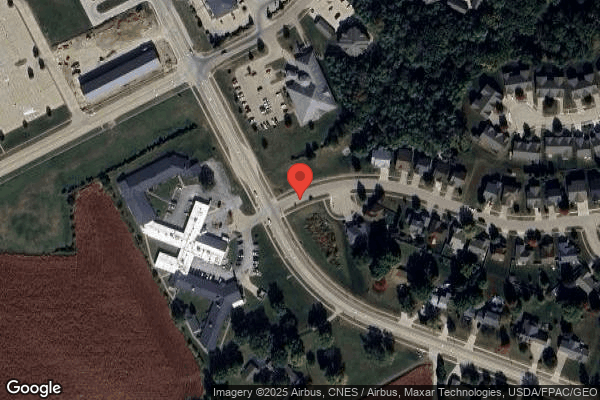
3440 Mulberry Avenue, Muscatine, IA 52761 (563) 263-2194
For profit - Corporation 100 Beds ACCURA HEALTHCARE Data: November 2025
Trust Grade
60/100
#169 of 392 in IA
Last Inspection: May 2025

Inspected within the last 6 months. Data reflects current conditions.

Overview

Accura Healthcare of Muscatine has a Trust Grade of C+, indicating a decent rating that is slightly above average but not exceptional. They rank #169 out of 392 facilities in Iowa, placing them in the top half, and #3 out of 5 in Muscatine County, meaning only two local options are better. The facility is improving, as the number of reported issues decreased from 11 in 2024 to 7 in 2025. Staffing is a concern, with a rating of 2 out of 5 stars, but the turnover rate is impressive at 0%, well below the state average of 44%. While there have been no fines, which is a positive sign, the facility has faced issues such as delayed assessments for four residents and inappropriate antibiotic use for seven infections, indicating some areas of care that need attention.

Trust Score
C+
60/100
In Iowa
#169/392
Top 43%
Safety Record
Low Risk
No red flags
Inspections
Getting Better
11 → 7 violations
Staff Stability
○ Average
Turnover data not reported for this facility.
Penalties
✓ Good
No fines on record. Clean compliance history, better than most Iowa facilities.
Skilled Nurses
○ Average
Each resident gets 36 minutes of Registered Nurse (RN) attention daily — about average for Iowa. RNs are the most trained staff who monitor for health changes.
Violations
⚠ Watch
28 deficiencies on record. Higher than average. Multiple issues found across inspections.
★★★☆☆
3.0
Overall Rating
★★☆☆☆
2.0
Staff Levels
★★☆☆☆
2.0
Care Quality
★★★☆☆
3.0
Inspection Score
Stable
2024: 11 issues
2025: 7 issues

The Good

  • Full Sprinkler Coverage · Fire safety systems throughout facility
  • No fines on record

Facility shows strength in fire safety.

The Bad

3-Star Overall Rating

Near Iowa average (3.1)

Meets federal standards, typical of most facilities

Chain: ACCURA HEALTHCARE

Part of a multi-facility chain

Ask about local staffing decisions and management

The Ugly 28 deficiencies on record

Aug 2025 1 deficiency
CONCERN (D) 📢 Someone Reported This

A family member, employee, or ombudsman was alarmed enough to file a formal complaint

Potential for Harm - no one hurt, but risky conditions existed

Free from Abuse/Neglect (Tag F0600)

Could have caused harm · This affected 1 resident

Based on clinical record review, facility policy review, and staff interviews, the facility failed to prevent both verbal and physical abuse of a dependent adult resident, for 1 of 4 residents reviewe...

Read full inspector narrative →
Based on clinical record review, facility policy review, and staff interviews, the facility failed to prevent both verbal and physical abuse of a dependent adult resident, for 1 of 4 residents reviewed (Resident #1), that resulted in the resident's physical injury. The facility reported a census of 62 residents.Findings include:A Facility Reported Incident, dated 8/7/25, documented Resident is impaired for cognition, and has a BIMS (Brief Interview for Mental Status) of 11 (moderate cognitive impairment per the assessment scale) a staff witness reports that alleged perp (perpetrator) was being verbally and physically abusive with the resident. The witness reports seeing the alleged perp call the resident names, threaten her and then pull on the residents arm. No new injuries to the resident per the facility as she has scratches to her arms which were noted prior to the incident. The alleged perp reports that the resident was having behaviors all night and then when they went to get back to her room to get her changed, the resident had her finger and she and to pry her finger from the residents fingers as it hurt. The alleged perp reports that she didn't mistreat the resident. Review of Resident #1's Minimum Data Set (MDS) assessment tool, dated 5/15/25, a list of diagnoses which included diabetes, paranoid schizophrenia, anxiety, and depression. The BIMS score of 11 out of 15 points indicated a moderately impaired cognition. The MDS revealed Resident #1 had no potential indicators of psychosis such as hallucinations or delusions; and no physical or verbal behavioral symptoms towards others in the 7 days that preceded the assessment. The MDS described the resident with bilateral lower and upper extremity impairments. The resident required substantial to maximal assistance to reposition in bed, transfer to and from bed or chair, dressing, bathing and personal hygiene, frequently incontinent of urine and always incontinent of bowel. Review of the Care Plan, revised 10/05/23, revealed a Focus area to address [Name redacted, Resident #1] has a behavior problem related to schizo-affective disorder, paranoid schizophrenia, PARANOID PERSONALITY DISORDER, delusional disorder and hallucinations. Interventions included, in part: a. Assist [name redacted] to develop more appropriate methods of coping and interacting. Encourage [name redacted] to express feelings appropriately, initiated 10/3/19.b. Caregivers to provide opportunity for positive interaction, attention. Stop and talk with [name redacted] as passing by, initiated 10/3/19.c. Explain all procedures to [name redacted] before starting and allow the resident several minutes to adjust to changes, initiated 10/3/19.d. If reasonable, discuss [name redacted] behavior. Explain/reinforce why behavior is inappropriate and/or unacceptable to the resident, initiated 10/3/19.e. Intervene as necessary to protect the rights and safety of others. Approach/speak in a calm manner. Divert attention. Remove from situation and take to alternate location as needed, initiated 10/3/19f. [Name redacted] often times believes that staff members are trying to hurt her, she needs redirected when she is having these thoughts, initiated 10/3/19.g. Know that resident frequently lifts up shirt, attempts to pull pants down in common areas. Staff to monitor and assist with redirecting behaviors when noted. Staff to complete 1:1 and offer resident activities. Staff to assist resident to room, when needed or request for privacy, initiated 11/4/24.h. Minimize potential for [name redacted] disruptive behaviors by offering tasks which divert attention, initiated 10/3/19.i. Monitor behavior episodes and attempt to determine underlying cause. Consider location, time of day, persons involved, and situations. Document behavior and potential causes, initiated 10/3/19.j. Resident frequently refuses cares from staff, initiated 8/7/25.Review of a Behavior Note, transcribed by Staff A, Registered Nurse (RN) on 8/7/25 at 5:49 a.m., revealed Description of behavior: Resident has been up all-night exhibiting behaviors. Vocalizing loudly and being very disruptive to room-mate. Will not keep her clothes on while out in tv room. Non-pharmacological interventions used: Attempted to give food ad fluids. Assessment for Pain: No pain. What interventions was used and was it effective: Comfort interventions ineffective. Review of an Incident Note transcribed by Staff B, Licensed Practical Nurse (LPN) on 8/7/25 at 10:15 a.m. revealed On 8/7/25 at 7:47 a.m. ED (Executive Director) [name redacted, Administrator] was notified by staff at nursing home that a resident had allegedly been physically and verbally abused by third shift RN. Head to toe assessment completed by ADON (Assistant Director of Nursing) and documented. Resident continues to demonstrate self-inflicted scratches that have been noted in skin assessment. Resident was resisting cares and attempting to get out of bed during the HS (hour of sleep) hours. Resident was not easily redirected throughout the night and continued to have behaviors. CNA (Certified Nursing Assistant) at station 1 notified nurse of alleged abuse, statement collected and given to ED. Notified local Police Department, Officer (name redacted) arrived to facility to collect statements. Spoke to sister regarding investigation. Physician notified, will be in house today to see resident. Resident sitting in wheelchair in lobby resting. Review of a Skin Assessment form completed 8/7/25 at 10:08 a.m. by Staff H, ADON, included a Site Identification for #29. Site: Right hand (back); Type: Other, scratch; Length Width Depth (no entries); Stage: N/A. #30. Site: Left Hand (back); Type: Other, scratch; Length 3.2 cm (centimeters), Width 0.1 cm Depth 0.0 cm; Stage N/A. The assessment included the following Section E. Co-Morbidities. 1. Co-Morbidity Diagnosis: Paranoid Schizophrenia, Paranoid personality disorder, Schizoaffective disorder-bipolar type, Generalized anxiety disorder, MDD (major depressive disorder). 2. Other items that could effect healing: Resident has multiple self-inflicted scratches noted to lower abdomen, to under bilateral breast, scratch marks to lower back, with new scratches to back of bilateral hands. Resident continues to demonstrate self-inflicting behaviors. During an interview on 8/27/25 at 6:10 a.m., Staff C, CNA, stated she worked the 10 p.m. to 6 a.m. night shift that started on 8/6/25 with Staff A, RN, both assigned to Station 1, that included Resident #1. Staff C recalled on that night, the resident was in bed at the start of her shift, asleep, until sometime between 1:00 a.m. and 2:00 a.m. when the resident crawled out of bed, a normal behavior for her. When the resident does this, they have to put her in her Broda (specialized wheelchair that allows for a variety of positioning for comfort and safety) chair and bring her to a common area, as the resident would otherwise continue to crawl on the floor and potentially disrupt the sleep and safety of other residents. Another CNA, Staff E, assisted her to transfer to the Broda chair, the resident was wheeled to the family room common area, that she enjoys as she watches television while there. Staff C stated the resident continued to have behaviors while seated in the common area, that included removing her night gown. She explained either she or Staff A would put the resident's gown back in place, had also covered her with a blanket and the resident had removed the gown at least 6 to 8 times. Staff C stated during that time period she heard Staff A call the resident stupid and she was acting like a brat related to these behaviors. Around 3:00 a.m. the resident said she wanted to go to bed, Staff C explained to the resident she needed to stay where they could maintain her safety, then the resident attempted to throw herself on the floor from the Broda chair. Staff C stated Staff A clapped her hands loudly within 3 to 4 inches of the resident's face and said knock it off. They put the resident in bed between 3:30 a.m. and 4:00 a.m. Staff C stated between 4:30 a.m. and 5:00 a.m. Staff A noticed the resident was actively climbing out of bed. Staff C stated she thought they should provide incontinence care, dress the resident and get her up for the day. Staff C described the resident was seated upright near the foot of the bed, with her legs over the footboard, and as Staff C applied pants to the resident's lower legs, Staff A was next to the resident's left side, and had her right thumb under the resident's forearm, and all her fingers in contact with the top of the resident's forearm and appeared to be digging into her skin with her fingernails. Staff C stated the next thing she knew the resident had a hold of Staff A's left finger or fingers, the resident is strong and had a tight grip on her, Staff A said if you break my finger I'm going to break your jaw, and pried her finger loose from the resident's grip. Staff C stated at that point she asked Staff A to go get another CNA to help her to get Staff A away from the resident. Staff A returned within a minute or 2, then Staff D, CNA came into the room, Staff A remained in the room as they dressed the resident and transferred her to the chair. Staff A took the resident out to the common area where a couple other residents were seated, it was around 5:30 a.m. Staff C stated she had to finish cares on all her residents, and notified Staff B, LPN, assigned to Station 2, of what had occurred. Staff C stated she thought the resident was going to be bruised related to Staff A's actions, and she noticed a long red line/mark on the resident's left hand that she had not noticed before the incident, it appeared to her as a scratch, it was not bleeding at the time.During an interview on 8/27/25 at 7:34 a.m., Staff B, LPN, stated on the morning of 8/7/25, Staff C, CNA came to her, worried and reported an incident that had occurred with Staff A, RN and Resident #1. Staff B recalled Staff C reported the resident was awake much of the night with behaviors, and she [Staff C] thought Staff A had scratched and possibly bruised the resident when they tried to get the resident in bed, and Staff A told the resident if she broke Staff A's finger she was going to break the resident's jaw when the resident had a hold of Staff A. Staff B stated she assessed Resident #1 initially and reported the alleged incident to the Administrator before she arrived to the facility. The ADON also assessed the resident and documented the skin condition on a skin assessment form. Staff B stated she also notified the police, the resident's family and the physician. Staff B stated the resident has behaviors often, she is difficult to redirect at times, and when the resident is not redirectable staff should ensure the resident's safety, not further escalate the situation with continued interactions, walk away and continue to check on the resident, re-approach the resident later and the resident would often be calmer.During an interview on 8/28/25 at 11:19 a.m., Staff H, ADON, stated she completed a head to toe skin assessment on 8/7/25 related to the allegation, Resident #1 had scratches on the back of both hands, the right hand was short, about 1 cm long, the scratch on the left hand was longer, linear shaped, and had never seen scratches on the resident's hands before. Staff H explained the resident often scratches herself on her abdomen/chest area, it is one of her behaviors. The police officer took photos of the resident's hands when they were at the facility that day. Staff H stated the resident can have behaviors, resist care, sometimes staff can redirect her but there are times when she is not redirectable. When the resident is resistive staff should try other approaches, such as having another staff member attempt the care, direct the resident's focus to something else to divert attention if possible, or leave and re-approach the resident at another time when the resident was receptive to the care needed. During an interview on 8/27/25 at 6:40 a.m., the Administrator stated she was notified of the allegation by staff on the morning of 8/7/25 as she was on her way to the facility. She observed scratches on Resident #1's hands that day. The Administrator stated it was not acceptable or appropriate for staff to call the resident names, threaten a resident, or attempt to hurt a resident in any way as that was considered Dependent Adult Abuse and was not tolerated, Staff A, RN was terminated as a result of the allegation and the results of the facility's investigation of the incident.During an interview on 8/28/25 at 2:00 p.m., Staff A, RN, stated on the 8/7/25 night shift Resident #1 was awake most of the night, had behaviors, disrobed, scratched herself, wouldn't stay in bed, the resident heard voices at times. That night the resident said they are talking about you, she was restless, didn't know what she wanted, they had provided snacks and the resident wasn't redirectable. When they tried to get her up and dressed the resident got a hold of her left index finger, bent it backwards and it hurt. She'd asked the resident to let go several times but she wouldn't let go, Staff A had to pry the resident's finger/grasp away from her finger to get it away from her. Staff A denied that she had verbally abused the resident in any way, and had not attempted to hurt the resident during the care that was provided that night. Staff A stated the facility informed her the resident had scratches on her hands, and the resident scratches herself all the time, that was nothing new and not something Staff A had done.Review of the facility policy, titled Nursing Facility Abuse Prevention, Identification, Investigation and Reporting policy, updated 10/19/22, revealed a Policy Statement which declared, in part All Residents have the right to be free from abuse, neglect, misappropriation of resident property, exploitation, corporal punishment, involuntary seclusion, and any physical or chemical restraint not required to treat the resident's medical symptoms. This includes prohibiting nursing facility staff from taking acts that result in person degradation, including the taking or using photographs or recordings in any manner that would demean or humiliate a resident, and prohibits using any type of equipment (e.g., cameras, smart phones, and other electronic devices) to take, keep, or distribute photographs and/ or recordings on social media or through multimedia messages. Residents must not be subjected to abuse by anyone, including, but not limited to, facility staff, other residents, consultants or volunteers, staff of other agencies serving the resident, family members or legal guardians, friends, or other individuals.
May 2025 6 deficiencies
CONCERN (D)

Potential for Harm - no one hurt, but risky conditions existed

Deficiency F0628 (Tag F0628)

Could have caused harm · This affected 1 resident

**NOTE- TERMS IN BRACKETS HAVE BEEN EDITED TO PROTECT CONFIDENTIALITY** Based on clinical record review, facility policy review and staff interview, the facility failed to notify the state ombudsman o...

Read full inspector narrative →
**NOTE- TERMS IN BRACKETS HAVE BEEN EDITED TO PROTECT CONFIDENTIALITY** Based on clinical record review, facility policy review and staff interview, the facility failed to notify the state ombudsman of the transfers out of the facility due to hospitalization for 2 of 3 residents reviewed (Residents #14 and Resident #19). The facility reported a census of 53 residents. Findings include: 1. A review of the Progress notes for Resident #19 revealed: a. Resident #19 transferred to hospital on [DATE] due to a urinary tract infection. The resident readmitted to the facility on [DATE]. b. Resident #19 transferred to the hospital on [DATE] for a procedure. The resident readmitted to the facility on [DATE]. c. Resident #19 transferred to the hospital on 1/3/25 for procedure, and admitted for treatment related to pyelonephritis (kidney infection). The resident readmitted to the facility on [DATE]. Review of the Notice of Transfer Form to Long Term Care Ombudsman did not include Resident #19's transfer on 11/18/24, 12/16/24, and 1/3/25. During an interview on 5/8/25 at 7:08 AM, the Social Services Director stated when a resident has been transferred to the hospital she fills out a transfer/discharge audit form, runs a report from the electronic health record and sends the information to the ombudsman office on the first of each month. The Social Services Director stated she verified the audit forms for November 2024, December 2024 and January 2025 but they did not include Resident #19. The Social Services Director stated she could not explain why this happened. Review of the policy titled Policy and Procedure Notifying Ombudsman of Discharges from Facilities, updated 4/30/21 revealed a Process section. Review of the section revealed The facility is responsible for notifying the Long Term Care Ombudsman of all transfers and discharges from the facility. 2. Review of the resident's census revealed Resident #14 on hospital leave on 2/27/25. The Progress Note dated 2/27/25 at 2:19 PM revealed, in part, CNA (Certified Nursing Assistant) came and got this nurse and stated that resident is shaking uncontrollably and freezing cold. Upon assessment her skin was warm to touch, pallor to face and lips, nausea and dry heaving .[Name Redacted] office notified and gave order to send to ED (Emergency Department) d/t (due to) shaking and nausea . EMTs (Emergency Medical Technicians) called and arrived, report called to [Name Redacted] RN (Registered Nurse) at [Hospital Name Redacted]. Review of the Notice of Transfer Form to Long Term Care Ombudsman did not include Resident #14's transfer on 2/27/25. On 5/8/25 at 11:40 AM, the Social Services Director explained figured out that maybe had ran the wrong report, and explained had noticed similar situation for another resident who had been sent to the hospital.
CONCERN (D)

Potential for Harm - no one hurt, but risky conditions existed

Assessment Accuracy (Tag F0641)

Could have caused harm · This affected 1 resident

**NOTE- TERMS IN BRACKETS HAVE BEEN EDITED TO PROTECT CONFIDENTIALITY** Based on clinical record review and staff interviews, the facility failed to accurately code the Minimum Data Set to reflect a h...

Read full inspector narrative →
**NOTE- TERMS IN BRACKETS HAVE BEEN EDITED TO PROTECT CONFIDENTIALITY** Based on clinical record review and staff interviews, the facility failed to accurately code the Minimum Data Set to reflect a having Level II Preadmission Screening and Resident Review (PASRR) services for 1 of 1 (Resident #8) residents reviewed. The facility reported a census of 53 residents. Findings include: The Annual Minimum Data Set (MDS) assessment dated [DATE] revealed Resident #8 scored a 15 out of 15 on the Brief Interview for Mental Status (BIMS) exam, which indicated cognition intact. The MDS indicated the resident was not currently considered by the state level II PASRR process to have serious mental illness and/or intellectual disability or a related condition. The Notice of PASRR Level II Outcome dated 7/22/24 revealed: a. PASRR determination: Approved with specialized services. b. PASRR determination explanation: You meet PASRR criteria for the diagnoses of Major Depressive Disorder and suspected Mild Intellectual Impairment which has led to significant symptoms that impact daily functioning and the need for intensive supports in the past. During an interview on 5/8/25 at 8:11 AM, the MDS Coordinator queried if she entered the resident's status for PASRR and she confirmed she did. The MDS Coordinator asked how she found the information to know what to code the PASRR and she stated the PASRR typically uploaded in the electronic record. During an interview on 5/8/25 at 8:20 AM, the MDS Coordinator stated she did some checking and Resident #8 had a Level II PASRR and it should of been coded on the MDS. During an interview on 5/8/25 at 11:49 AM, Director of Nursing (DON), confirmed if a Resident had a PASRR level II it needed coded as a Level II on the MDS. Per email on 5/8/25 at 12:21 PM from the Administrator, the facility does not have a policy related to accuracy of MDS assessments, and the facility follows regulations.
CONCERN (D)

Potential for Harm - no one hurt, but risky conditions existed

Deficiency F0657 (Tag F0657)

Could have caused harm · This affected 1 resident

**NOTE- TERMS IN BRACKETS HAVE BEEN EDITED TO PROTECT CONFIDENTIALITY** Based on observation, clinical record review and staff interviews, the facility failed to update a Care Plan to accurately ident...

Read full inspector narrative →
**NOTE- TERMS IN BRACKETS HAVE BEEN EDITED TO PROTECT CONFIDENTIALITY** Based on observation, clinical record review and staff interviews, the facility failed to update a Care Plan to accurately identify the level of assistance 1 of 1 residents needed to complete the activities of daily living tasks of toilet use and bed mobility (Resident #7). The facility reported a census of 53 residents. Findings include: The Minimum Data Set assessment dated [DATE], revealed Resident #7 scored a 15 out of 15 on the Brief Interview for Mental Status exam, which indicated cognition intact. The MDS indicated the resident required substantial/maximal assistance to roll from left to right and dependent with toilet transfer and toileting hygiene. Review of the Care Plan, revised 4/11/23, revealed a Focus area to address The resident has an ADL (Activities of Daily Living) Self-Care Performance Deficit r/t (related to) confusion and fall. Interventions included, in part: a. TOILET USE: The requires assist x1 with assistance to wash hands, adjust clothing, clean self, transfer onto toilet, transfer off toilet to use toilet. Revised on 11/6/24. b. BED MOBILITY: The resident is independent to reposition and turn in bed. Encourage the resident to participate to the fullest extent possible with each interaction. Revised on 11/6/24. During an interview on 5/6/25 at 12:40 PM, Resident #7 queried about positioning herself stated the staff assist her to reposition and sometimes put her on her side with a pillow behind her back. Resident #7 stated she preferred to be in bed, but staff do get her up and assist her into her chair. During an interview on 5/7/25 at 4:23 PM, Staff A, Certified Nurse Aide (CNA), stated Resident #7 could use the bed remote, but needed staff to assist with rolling over, and repositioning. Staff A stated she assisted the resident to reposition every 2 hours. Staff A stated the resident used an incontinent brief and was not always aware of when she needed to use the bathroom. Staff A stated Resident #7 preferred to stay in bed. During an interview on 5/8/25 at 7:28 AM, the MDS Coordinator stated Resident #7 is bed bound and required quite a bit of assistance with moving in bed. The MDS Coordinator stated Resident #7 is dependent with toileting. The MDS Coordinator confirmed the Care Plan needed updated for Resident #7 current level of assistance. During an interview on 5/8/25 at 11:43 AM, the Director of Nursing queried on Resident #7 level of care for her ADLs and she stated she didn't really know about Resident #7 except Resident #7 stayed in bed quite a bit and needed assistance. The DON asked about accuracy of the Care Plans and the DON stated when the old DON completed them, they were not always accurate and now the MDS Coordinator completed them. The DON confirmed the Care Plan needed to reflect the current ADL status of the resident. Per email on 5/8/25 at 12:21 PM from the Administrator communicated the facility does not have a policy regarding Care Plans, and follows regulations.
CONCERN (D)

Potential for Harm - no one hurt, but risky conditions existed

Deficiency F0692 (Tag F0692)

Could have caused harm · This affected 1 resident

Based on observation, interview, and clinical record review, the facility failed to ensure a nutritional supplement was increased per Dietician recommendation for one of one resident reviewed for nutr...

Read full inspector narrative →
Based on observation, interview, and clinical record review, the facility failed to ensure a nutritional supplement was increased per Dietician recommendation for one of one resident reviewed for nutrition (Resident #42). The facility reported a census of 53 residents. Findings include: Review of the Minimum Data Set (MDS) assessment for Resident #42 dated 3/14/25 revealed the resident scored 5 out of 15 on a Brief Interview for Mental Status (BIMS) exam, which indicated severely intact cognition. Per this assessment, the resident had lost 5% or more in the last month or loss of 10% or more in the last 6 months, and was not on a prescribed weight-loss regimen. Review of the Care Plan dated 3/18/24, revised on 1/7/25, revealed the following: The resident has nutritional problem or potential nutritional problem r/t (related to) Dementia. Texture-altered diet r/t poor dentition. Has gradually decreased in weight x180 days. Review of the Physician Order dated 2/4/25 revealed, House Supplement 4oz (ounces) daily two times a day for weight loss. Review of Nutrition/Dietary Notes for Resident #42 authored by the Registered Dietician revealed, in part, the following: a. 3/2/25 at 11:45 AM: Significant Weight Loss Assessment .Recommendations: Recommend increase her house supplement to 120 ml 3x/day (three times a day) d/t (due to) significant weight loss and suboptimal po (oral) intake. b. 3/19/25 at 8:14 PM: Annual and Significant Weight Loss Assessment .Recommend increasing her house supplement to 3x/day since she had a significant weight loss. c. 5/4/25 at 5:37 PM: Significant Weight Loss Assessment . Recommend increase her house supplement to 120 ml 3x/day d/t significant weight loss and suboptimal po intake. On 5/05/25 at 11:18 AM, Resident #42 observed at a table in the dining room. The resident had pureed food in front of her, and observed to eat independently. Review of the resident's Medication Administration Record (MAR) for March 2025, April 2025, and May 2025 revealed the supplement ordered twice a day. On 5/7/25 at 9:51 AM, Staff B, Licensed Practical Nurse (LPN) queried who put in supplement orders, and responded when got doctor's order nurses would do. When queried as to process if came from the Dietician, Staff B responded she believed it needed to be signed off as doctor's order, and eventually made way to [staff]. Per Staff B, supplements were on the MAR, and nursing would give. On 5/8/25 at 9:36 AM, the Registered Dietician (RD) for the facility interviewed via telephone and explained, in part, the following about Resident #42: Per the RD, did put in notes to see if could bump up supplement due to continued weight loss, and explained last time she looked, hadn't seen it done. The RD explained she would put her notes in [electronic health record system], facility would print them off, and would bring them to the providers during the weekdays. The RD explained she had noticed the resident was losing weight. When queried if facility ever had RD put in her own supplement orders, the RD responded no, and further explained did not think she had those privileges. On 5/8/25 at 9:44 AM, the facility's Director of Nursing (DON) explained, in part, the RD would come in and meet with the facility and would go over every resident. Per the DON, the RD would email the facility her recommendations, from there DON would print them, and DON would give them to the doctor to look at. The DON further explained if any orders, recommendations in place, would put them on the chart and let the Dietary Manager and staff know. The DON not sure why recommendation in March was not addressed. On 5/8/25 at approximately 9:50 AM, the DON recalled the facility had not been getting the Dietician's emails. On 5/8/25 at 12:05 PM, the facility Administrator explained via email did not have a policy to address nutrition.
CONCERN (E)

Potential for Harm - no one hurt, but risky conditions existed

MDS Data Transmission (Tag F0640)

Could have caused harm · This affected multiple residents

Based on clinical record review and staff interview, the facility failed to ensure Minimum Data Set (MDS) assessments were submitted timely for four of four residents reviewed for MDS submission (Resi...

Read full inspector narrative →
Based on clinical record review and staff interview, the facility failed to ensure Minimum Data Set (MDS) assessments were submitted timely for four of four residents reviewed for MDS submission (Resident #13, Resident #27, Resident #35, Resident #49). The facility reported a census of 53 residents. Findings include: Review of Resident #13's Significant Change MDS assessment with Assessment Reference Date (ARD) 4/1/25 revealed the following: MDS assessment completed on 4/15/25 and submitted on 5/4/25. Review of Resident #27's Quarterly MDS assessment with ARD 4/2/25 revealed the following: MDS assessment completed on 4/16/25 and submitted on 5/4/25. Review of Resident #35's Annual MDS assessment with ARD 4/2/25 revealed the following: MDS assessment completed on 4/16/25 and submitted on 5/4/25. Review of Resident #49's admission MDS assessment with ARD 2/14/25 revealed the following: MDS assessment completed on 2/23/25 and submitted on 3/10/25. On 5/8/25 at 11:43 AM, the facility's MDS Coordinator explained she knew a few had not been submitted on time. On 5/8/25 at 12:58 PM, the facility's Director of Nursing (DON) explained went over what was due in the morning meeting, and did not recall was shared that going to be late on MDS. On 5/8/25 at 12:05 PM, the facility Administrator explained via email did not have a policy to address MDS.
CONCERN (E)

Potential for Harm - no one hurt, but risky conditions existed

Antibiotic Stewardship (Tag F0881)

Could have caused harm · This affected multiple residents

Based on infection control data review, staff interview, and facility policy review the facility failed to ensure residents met the criteria for an infection per McGeer's criteria prior to antibiotic ...

Read full inspector narrative →
Based on infection control data review, staff interview, and facility policy review the facility failed to ensure residents met the criteria for an infection per McGeer's criteria prior to antibiotic use for seven of twelve infections which developed in the facility per March 2025 infection control data review. The facility reported a census of 53 residents. Findings include: Review of the Infection Control Summary dated March 2025 revealed twelve infections developed in the facility. Review of the Infection Control Data Log dated March 2025 revealed out of the twelve infections, seven did not meet McGeer's criteria, and the residents received antibiotics. On 5/8/25 at 9:57 AM, the facility's Assistant Director of Nursing (ADON), who also was responsible for Infection Control at the facility, explained there was a Provider who liked to prescribe antibiotics, and facility had reached out to the Physician to speak with that Provider. On 5/8/25 at 12:55 PM, the Director of Nursing (DON) explained they knew that one of the Providers did not necessarily follow [criteria], so the facility always had someone on an antibiotic. Per the DON, she knew it was something that had talked about in the facility, and with the Administrator. Review of the Facility Policy titled Antibiotic Stewardship Program, updated 10/5/23, revealed the following: The Antibiotic Stewardship Program will optimize the treatment of infections by ensuring that residents who require an antibiotic are prescribed the appropriate antibiotic, reducing the risk of adverse side effects, including the development of antibiotic-resistant organisms, from unnecessary or inappropriate antibiotic use, to improve resident outcomes.
Sept 2024 1 deficiency
CONCERN (D) 📢 Someone Reported This

A family member, employee, or ombudsman was alarmed enough to file a formal complaint

Potential for Harm - no one hurt, but risky conditions existed

Deficiency F0660 (Tag F0660)

Could have caused harm · This affected 1 resident

**NOTE- TERMS IN BRACKETS HAVE BEEN EDITED TO PROTECT CONFIDENTIALITY** Based on record review, and staff and resident responsible party interviews, the facility failed to ensure the discharge needs o...

Read full inspector narrative →
**NOTE- TERMS IN BRACKETS HAVE BEEN EDITED TO PROTECT CONFIDENTIALITY** Based on record review, and staff and resident responsible party interviews, the facility failed to ensure the discharge needs of each resident were met when they transferred a resident to the wrong facility, a facility that had no knowledge of the resident, had not agreed to accept the resident's transfer, and did not have authorization to admit the resident because they were not a Veteran Administration (VA) contracted service provider, for 1 of 3 resident's reviewed for discharge coordination (Resident #1). The facility reported a census of 56 residents Findings include: The Minimum Data Set (MDS) Assessment tool dated 8/28/24 revealed Resident #1 admitted to the facility on [DATE], with diagnoses that included malignant neoplasm of the rectum, depression, hypertension (high blood pressure), and a surgical wound present, scored 15 out of 15 points possible on the Brief Interview for Mental Status (BIMS) cognitive assessment, that indicated no cognitive deficits, and without symptoms of delirium. The assessment revealed the resident received analgesics on a scheduled and as-needed basis in the 5 days that preceded the assessment for frequent pain that impacted the resident's sleep and day to day function, rated at an 8 at the worst level with a 0 to 10 pain scale used, 10 was assigned to the worst pain possible, and required substantial staff assistance to reposition in bed, transfer to and from bed and chair, dressing, toileting, and bathing, and unable to stand or ambulate. The assessment revealed the resident received Physical and Occupational Therapy services (Skilled Therapy) with a goal of discharge to the community, estimated at 3 or more months away. A Notice of Medicare Non-Coverage (NOMNC) form dated 9/6/24 revealed 9/9/24 was the resident's last day of covered Skilled Therapy services. The resident was a Veteran, with long term care (LTC) benefits available through the Veteran's Administration (VA), continued LTC after 9/9/24 required authorization and approval by the VA, at a facility under VA contract, and the facility did not have a VA contract. Nursing Progress Note entries transcribed by Staff A, the facility's Social Service Designee (SSD) revealed: 8/28/2024 at 4:04 p.m. Care conference today with resident and family, plan is to discharge to home. If he should need more time, we will seek VA Nursing home. 9/9/24 at 12:19 p.m. Facility A (a LTC facility located 29 miles east of the facility) has accepted resident, They will call back and let SSD know transport time. 9/9/24 at 1:10 p.m. Non-Emergent Transport (NET) to transport resident. Pick up time is 2:30 p.m. 9/10/24 at 11:42 a.m. Discharge is set for 9/10/24 at 2:30 p.m. to Facility A. NET to transport. Pick up time is 2:30 p.m. 9/10/24 at 4:00 p.m. Facility B. (Facility B was a sister facility of Facility A, located 109 miles south west of the facility. Facility B had a VA contract, Facility A did not). A Nursing Progress Note transcribed 9/10/24 at 4:38 p.m. by Staff B, Registered Nurse (RN), stated: Resident left facility at 1:45 p.m. for transport to Facility A. Family not present. Resident left with discharge paperwork, including medication list and Medication Administration Record (MAR). Later when I called Facility A to ask if they needed information, the call was transferred to a nurses station, received a recording to leave a message and left message with my contact information if they had any questions. Additional Nursing Progress Notes transcribed by Staff A revealed: 9/11/24 at 8:25 a.m. SSD called resident's Power of Attorney (POA) to check on resident. He was admitted to Facility A for the night and transportation will be arranged to transfer to Facility B on 9/11/24. 9/11/24 at 8:27 a.m. SSD placed a call to Staff C, Regional Clinical admission Specialist for the corporation that owns Facility A and Facility B). Left message waiting for callback. 9/11/24 at 1:56 p.m. Ambulance service to transport the resident from Facility A today. Ambulance service to callback and give estimated time of arrival. The facility's Transfer/Discharge - Outside the Facility policy dated 2/2015 directed: 1. The Director of Social Services or designee assists with the process of resident and family/responsible party notification and processing of transfers outside of the facility. 2. Transfers or discharges initiated by the facility and not by the resident/or the resident's physician or family/responsible party may require the completion of state specific process and documentation. 3. Review facility process for managing transfers out of the facility, as needed, with the resident and family/responsible party upon admission. 4. Verify physician order for transfer/discharge is obtained. 5. Assist nursing staff with notification of the resident and family/responsible party of the following: a. Reason for and effective date of transfer. b. Location of transfer. c. Name, address, and telephone number of the Ombudsman and other parties/agencies required by the state, as indicated. 6. Coordinate with the interdisciplinary team to provide information and education to prepare a resident to be discharged , as indicated. 7. Assist staff with coordination and communication with resident and family/responsible party. Staff interviews revealed: 9/12/24 at 1:56 p.m., Staff A, Social Service Designee (SSD) stated she had contacted the VA about the resident's continued care requirement, and spoke to Staff C, (Regional Clinical admission Specialist) for Facility A's company. Staff C said she told me that Facility B had the VA contract, Facility A did not have a VA contract, but Staff A did not recall that, and believed the resident was supposed to transfer to Facility A, located 40 minutes away and accessible to the resident's family. She became aware the resident was transferred to the wrong facility late in the afternoon on 9/10/24 when she spoke to Staff C about it. Staff C told her they were going to get transportation for the resident to transfer to Facility B. She called her facility Administrator right away, who directed her to arrange transportation and bring the resident back to their facility. She spoke to Staff C again after that, who told Staff A that they were working on it. 9/12/24 at 2:17 p.m., Staff C, RN, Regional Clinical admission Specialists stated she spoke with Staff A on 8/29/24, told her Facility A did not have a VA contract, but Facility B did, there was a bed available, and they would start the process for approval through the VA. She had more communication with Staff A over the phone about the approval for Facility B and the planned discharge/transfer date. On 9/10/24 she received a phone call at 4:45 p.m. from Staff D, RN, Director of Nursing (DON) at Facility A, who told Staff C that the resident was at their facility. Staff C called Staff A right after that, Staff A said she had made a mistake, she had been talking to too many different facilities. Staff C stated the initial plan was to transport the resident back to the facility then, but she was unable to reach anyone at the facility by phone. Staff D and the Administrator at Facility A had to make arrangements for the resident to stay there until the following day when other arrangements could be made. The resident was transferred to Facility B on 9/11/24. 9/12/24 at 9:50 a.m., Staff D, RN, DON at Facility A, stated the resident was dropped off at their facility around 4 p.m. on 9/10/24. Their facility had no knowledge of the resident's admission or information about the resident. Fortunately the resident's family was with the resident, and she was able to reach Staff C, who told her the resident was supposed to go to Facility B. Staff D was unable to reach anyone at the resident's facility by phone, contacted the VA and had to get Facility A's Administrator and Medical Director involved to get orders for his care at their facility overnight until transportation arrangements could be made the following day. Their facility did not have a VA contract, the resident's care would not have been covered by the VA and this situation was challenging and complicated by their inability to contact anyone at the facility' on 9/10/24. Due to the resident's rectal area wound and pain, he would not have been able to tolerate transport to Facility B in a wheelchair van and needed to transport by ambulance as Facility B was a 2 and a half hour drive. After several phone calls on 9/11/24, the resident did transfer to Facility B by ambulance, late in the afternoon. 9/12/24 at 10:31 a.m., Staff E, Care Coordinator at the VA, stated she spoke with the Administrator at Facility A, and Staff A on 9/11/24, and directed Staff A to make transportation arrangements by ambulance, to transport the resident from Facility A to Facility B, and the arrangements had to be made for that day. She received a phone message from Staff A at 2:10 p.m. on 9/11/24 that stated the resident would be transported by ambulance at 2:45 p.m. She then contacted Facility A at 3:30 p.m. to ensure the resident was transported, found out the resident was still there, and learned in later communication the resident did not leave Facility A until approximately 4:30 p.m. on 9/11/24. During an interview on 9/16/24 at 12:42 p.m., the resident's POA stated all the communication they had with Staff A about the resident's transfer was that he would go to Facility A, and that was acceptable. Staff A never discussed Facility B, and they would not have agreed for the resident to be placed that far away, that was a hardship to drive that far and they would have requested another facility closer to their location. They were at Facility A when the resident arrived there on 9/10/24, nobody at that facility knew anything about him, but they went above and beyond to try to do the right thing and make sure he was taken care of. The resident didn't arrive at Facility B until 7:00 p.m. on 9/11/24, it was a long day with a lot of phone calls going back and forth and waiting on information until they found out when the ambulance arrangements were finally made that afternoon.
Aug 2024 10 deficiencies
CONCERN (D)

Potential for Harm - no one hurt, but risky conditions existed

Deficiency F0558 (Tag F0558)

Could have caused harm · This affected 1 resident

Based on clinical record review, observation, family and staff interview the facility failed to provide a call light system within reach and met the needs of 2 of 20 residents (Resident #29, #49) revi...

Read full inspector narrative →
Based on clinical record review, observation, family and staff interview the facility failed to provide a call light system within reach and met the needs of 2 of 20 residents (Resident #29, #49) reviewed. The facility reported a census of 60 residents. Findings include: The Minimum Data Set (MDS) of Resident #29, dated 5/29/24 identified a Brief Interview of Mental Status (BIMS) score of 00 which indicated severe cognitive impairment. The Care Plan of Resident #29 dated 7/16/24 revealed the resident deficit with Activity of Daily Living (ADL). The care plan informed the staff to encourage the resident to use bell to call for assistance. During an observation on 7/29/24 at 9:25 am, Resident #29 did not have a call device or bell sitting on him or with in reach. During an interview on 7/29/24 at 10:40 am, Staff B, CNA stated the resident has one on the bed. Staff B attempted to locate the call device or bell, no call device or bell found. Staff B obtained new call device and clipped the call device to the Resident #29 shirt. During an interview on 7/29/24 at 10:43 AM, a family member stated does not have a call device or bell to notify the staff when he needs something. Daughter stated when the resident first arrived to the facility he did have a call device. The family member stated they visit every other day, and is unable to describe what the call device or bell. During observations on 7/30/24 Resident #29 in room, and without a call device/bell at: 1:45 pm, and 3:35 pm. On 7/31/24 the resident without a call device/bell noted in room at 7:32 am. During an observation on 7/31/24 at 1:20 pm, Resident #29 had call device clipped to shirt. 2. The MDS of Resident #49, dated 6/13/24 identified a BIMS score of 3 which indicated severe cognitive impairment.
CONCERN (D)

Potential for Harm - no one hurt, but risky conditions existed

Abuse Prevention Policies (Tag F0607)

Could have caused harm · This affected 1 resident

**NOTE- TERMS IN BRACKETS HAVE BEEN EDITED TO PROTECT CONFIDENTIALITY** Based on employee file review, staff interview and facility policy review, the facility failed to ensure a current Dependent Adu...

Read full inspector narrative →
**NOTE- TERMS IN BRACKETS HAVE BEEN EDITED TO PROTECT CONFIDENTIALITY** Based on employee file review, staff interview and facility policy review, the facility failed to ensure a current Dependent Adult Abuse certification for 1 of 5 staff members reviewed. The facility reported a census of 60 residents. Findings include: A employee file review on [DATE] revealed Staff G, Certified Nursing Assistant (CNA) revealed a hire date of [DATE]. The employee file lacked documentation of Iowa Department of Public Health (IDPH) approved Dependent Adult Abuse (DAA) Mandatory Reporter training at the time of review. The facility provided a DAA certificate dated [DATE], expired as of [DATE]. On [DATE] the facility provided a Dependent Adult Abuse Mandatory Reporter certificate dated [DATE]. A review of the nursing schedules for the time [DATE] to [DATE] revealed Staff G, CNA scheduled to work first shift on the following dates: [DATE], [DATE], [DATE], [DATE], [DATE], [DATE], [DATE], [DATE], [DATE], [DATE], [DATE], [DATE], [DATE], and [DATE]. On [DATE] at 8:15 am the Administrator stated there had been a gap in Staff G's training. She stated the corporate office completes the verification check for new employees. The facility policy titled Abuse Prevention and Reporting Policy, issued 09/2014, reviewed on 4/2023 documented the following: Section IOWA Specific Instructions: Training of Employees: .Each employee shall be required to complete two hours of training relating to the identification and reporting of dependent adult abuse within six months of initial employment. Each employee shall complete at least two hours of additional dependent adult abuse identification and reporting training every three years.
CONCERN (D)

Potential for Harm - no one hurt, but risky conditions existed

Deficiency F0637 (Tag F0637)

Could have caused harm · This affected 1 resident

Based clinical record review, staff interview, policy review and guidance from Resident Assessment Instrument (RAI) Manual, the facility failed to complete a Significant Change Minimum Data Set (MDS) ...

Read full inspector narrative →
Based clinical record review, staff interview, policy review and guidance from Resident Assessment Instrument (RAI) Manual, the facility failed to complete a Significant Change Minimum Data Set (MDS) Assessment within 14 days of a resident experiencing a fall with fracture, resulting in a decline in transfer and ambulation status and in increase in pain for 1 of 20 residents (Resident #50) reviewed for MDS. The facility reported a census of 60 residents. Findings include: The MDS of Resident #50, dated 3/20/24, assessed the resident independent in bed mobility, lying to sitting, sitting to standing, chair to chair transfers and toilet transfers. The MDS documented the resident denied having experienced any pain in the prior 5 days and had received no scheduled or as needed pain medications. The MDS of Resident #50, dated 5/2/24, revealed the resident sustained a major injury related to a fall since the prior MDS assessment. The MDS of Resident #50, dated 5/14/24, assessed the resident required substantial/maximum assistance independent in bed mobility, lying to sitting, sitting to standing, chair to chair transfers and toilet transfers. The MDS documented the resident received as needed pain medications, experiencing pain frequently over the last 5 days. On a scale of 1-10, 10 being the worst, resident rated pain at a 10. The Health Status Note, dated 5/2/24 at 11:08 AM, documented the resident found on the floor, her bed as high in the air as it could go, with no shoes or socks on, leaning against her bed and side table. The resident complained of severe left hip pain with any movement. The Active Diagnosis section of Resident #50's Electronic Health Record (EHR) documented a diagnosis, added on 5/8/24, of fracture of the unspecified part of the neck of the left femur. The Care Plan, dated 1/9/24, Focus Area addressed ADL (Activities of Daily Living) Self Care Performance Deficit r/t (related to) Trauma. With Intervention: The resident is independent with transfers/ambulation without the use of assistive devices. The Intervention, updated on 7/16/24: The resident is an assist x1 (one staff) with transfers utilizing a FWW (front wheeled walker) and gait belt. Resident utilizes wheelchair for mobility and is able to self-propel. Staff to assist resident with walk to dine utilizing gait belt, FWW and w/c (wheelchair) trail. The Care Plan, dated 5/21/24, Focus Area addressed acute/chronic pain r/t Unspecified part of neck of left hip fracture repair. The April 2024 Medication Administration Record (MAR) documented Resident #50 received acetaminophen 325 mg Give 650 mg (2 - 325 mg tabs) by mouth every 4 hours as needed for pain (PRN) a total of six doses. The May 2024 MAR documented starting on 5/10/24, the resident received 11 PRN doses of acetaminophen 625 mg every 4 hours as needed. The MAR for May of 2024 revealed the following new pain medication orders for Resident #50: a. On 5/8/24 tramadol HCL 50 mg by mouth every 6 hours as needed for pain per hospital discharge orders. The MAR documented 17 PRN doses administered for the month. b. On 5/14/24 oxycodone-acetaminiphen 5-325 mg 1 tablet by mouth every 6 hours as needed for pain per [doctor name redacted]. The MAR documented 20 PRN doses administered for the month. The MAR for July of 2024 revealed the resident rated pain as high as a 10 and continued to receive acetaminophen PRN (12 doses), and tramodol PRN (9 doses). During an interview on 7/30/24 at 9:26 am, the MDS Coordinator stated a significant change MDS should be done anytime a resident experiences a change in 2 or more areas, or if the resident enrolls or discharges from hospice. She stated Resident #50 should have had a Significant Change MDS completed and it was an oversight on her part. The Long Term Care Facility Resident Assessment Instrument (RAI) 3.0 User's Manual, dated October of 2023 documented the following: The Significant Change in Status Assessment (SCSA) is a comprehensive assessment for a resident that must be completed when the IDT (interdisciplinary team) has determined that a resident meets the significant change guidelines for either major improvement or decline. A Significant change is a major decline or improvement in a resident's status that: 1. Will not normally resolve itself without intervention by staff or by implementing standard disease-related clinical interventions, the decline is not considered self-limiting ; 2. Impacts more than one area of the resident's health status; and 3. Requires interdisciplinary review and/or revision of the care plan. The RAI additionally documented: An SCSA is appropriate when: a. There is a determination that a significant change (either improvement or decline) in a resident's condition from their baseline has occurred as indicated by comparison of the resident's current status to the most recent comprehensive assessment and any subsequent Quarterly assessments; and b. The resident's condition is not expected to return to baseline within two weeks. The facility policy, Resident Assessment Instrument (RAI)/Minimum Data Set (MDS), dated 07/2015, Procedure section revealed: 6. Significant change .when identified as appropriate by the MDS Coordinator and interdisciplinary team following the guidelines, but not limited to as described in the current MDS/RAT manual. Within 14 days after the facility determines that there has been a significant change in the resident's status that will not normally resolve itself, which has an impact on one or more areas of the resident's health status and requires an interdisciplinary review and/or revision of the care plan. A significant change may be a decline or improvement that requires review or revision of the care plan. A Significant Change Assessment is completed when a resident either elects or revokes Hospice benefit even if no other change has occurred and regardless of when the last assessment was completed.
CONCERN (D) 📢 Someone Reported This

A family member, employee, or ombudsman was alarmed enough to file a formal complaint

Potential for Harm - no one hurt, but risky conditions existed

Comprehensive Care Plan (Tag F0656)

Could have caused harm · This affected 1 resident

Based on observation, clinical record review, policy review, and staff interviews the facility failed to follow the care plan for 1 of 20 residents (Resident #35) reviewed. The facility reported a cen...

Read full inspector narrative →
Based on observation, clinical record review, policy review, and staff interviews the facility failed to follow the care plan for 1 of 20 residents (Resident #35) reviewed. The facility reported a census of 60 residents. Findings include: The Minimum Data Set (MDS) of Resident #35, dated 6/11/24, identified a Brief Interview of Mental Status (BIMS) score of 12 out of 15 which indicated moderate cognitive impairment. The MDS documented diagnoses included: non-Alzheimer's dementia, Parkinson's Disease, and prior stroke. The MDS documented the resident experienced coughing or choking during meals or when swallowing medications, and had a mechanically altered diet. The Care Plan, initiated 12/14/21, revised 7/29/24, Focus Area for Nutritional Problem the resident to have a texture altered diet with choking episodes; requires cueing at times to slow down when eating and regularly coughs with meals. Interventions, dated 3/22/24, included: resident is to eat all meals in the assisted dining room; staff member to sit with resident during meals and assist with feeding and cue on taking small bites, chewing thoroughly/swallowing prior to giving a new bite. The Care Plan identified a Focus Area of ADL (Activities of Daily Living) Self Care Performance Deficit, initiated 2/16/24. Interventions included the following dated 6/7/24: staff educated to ensure they are sitting with resident at all meals, and assisted with feeding; staff to give resident cues to take small bites, chew and swallow prior to taking another bite; take a drink in between bites, slow down when eating etc.; resident is working with ST (Speech Therapy) requesting ST to eval, to determine if diet downgrade is appropriate for resident. The Active Diagnoses section of Resident #35's Electronic Health Record (EHR) documented a diagnosis of dysphagia, oropharyngeal phase (a difficulty moving food or liquid from the mouth to the upper esophagus during the oropharyngeal phase of swallowing) dated 8/30/22. The Orders Section of the EHR identified the resident had an order of regular diet, mechanical soft texture with no bread dated 2/8/24, and discontinued 6/7/24. The resident then received an order for Regular diet, puree texture on 6/7/24. The Weight Loss; Provider Notification Note dated 2/5/24 documented: Resident must be cued to slow down as he will continue to put food in his mouth before fully emptying mouth of previous bite. Resident regularly coughs at meals despite being on a texture-altered diet; SLP (Speech Language pathologist) aware. The Health Status Note, dated 3/21/24, documented the nurse paged immediately to the dining room, along with another nurse. Nurse informed Resident #35 choking on eggs. Nurse obtained the crash cart and ran to where the resident was sitting in his wheelchair. The resident was safely placed on the floor on his right side, and the nurse took over performing the Heimlich maneuver from another nurse. An additional nurse called 911. When emergency services arrived, the Heimlich successful and the resident was taken to the hospital for an overnight observation. The Health Status Note, dated 6/624, documented the resident in the dining room eating chili and choked. The Heimlich maneuver performed successfully on the resident. The note stated the nurse sat with the resident through the remainder of the meal. The Risk Management document #2816, dated 3/21/24, identified Resident #35 had a choking incident in the dining room. Note authored by Staff H, Licensed Practical Nurse (LPN). Root Cause Analysis identified as eating too fast, inhaled food and eggs got caught in throat. The Solution documented: Speech therapy, 1:1 during meals, assist with feeding, cues and reminders. The Risk Management document #2936, dated 6/6/24, identified Resident #35 had a choking incident in the dining room. Note authored by Staff I, Registered Nurse (RN). The Root Cause Analysis identified as eating too fast, not taking breaks between bites to chew/swallow. The Solution documented: staff re-educated to sit with the resident during all meals, assist with feeding, give cues to take small bites, chew/swallow prior to taking another bite. Taking drinks of fluid. ST working with resident, requesting to eval to determine if diet downgrade is appropriate. During an interview on 7/30/24 at 3:59 pm, Staff I, RN stated she saw the resident choking at the dining room table on 6/6/24. She stated a Certified Nurse Aide (CNA) was present at the table but was feeding someone else at the time and did not alert her to the episode. She stated staff should always be present at assisted tables. During an interview on 7/30/24 at 4:07 pm, Staff H, LPN stated during the incident on 3/21/24 she was at the back nursing station. She stated the resident was eating breakfast in the dining room. Staff J, LPN was monitoring the dining room. She stated a staff member came to her and told her help was needed immediately in the dining room. When she arrived, Staff J had all ready began the Heimlich. She stated she was not in the dining room at the beginning of the episode so she could not state if staff were at the table with the resident. During an interview on 7/31/24 at 7:17 am, Staff J, LPN stated she was supervising the dining room on 3/21/24. She stated Resident #35 had been served his food, and she was providing drinks to other residents. She stated she heard him cough, and turned to look at him and began to walk over to him. She stated he took another bite of food and she instructed him to stop and his coughing got worse. She stated a CNA was with her and the resident began to turn purple. She stated another staff member went to get the other nurse and 911 was called. She stated a CNA was present at the table but had not alerted her to the incident, she had heard him coughing and observed him in distress. During an observation which began on 7/31/24 at 12:00 pm, Resident #35 was observed sitting in the assisted area of the dining room eating a meal. Several staff were in the area, but no staff were sitting at the table with the resident. During the observation Staff K, Dietary Aide was passing out bowls of pudding for dessert. Resident #35 stopped her and asked if he could have a pudding. Staff L, Certified Nurse Aide (CNA) was sitting at the next table assisting another resident with their back turned to Resident #35. Staff K asked Staff L if it was ok for Resident #35 to have pudding. Staff L turned to look at the table, and told Resident #35 it was ok for him to have pudding. Staff M, LPN was also sitting at the same table as Staff L, CNA feeding another resident. She did not appear to be looking at or monitoring Resident #35. During an observation on 7/31/24 at 12:07 pm, Staff N, CNA brought food to the table of Resident #35 and then sat down at that time to feed that resident. Resident #35 was eating for at least 7 minutes without staff being at the table with him as directed in the Care Plan. During an interview on 7/31/24 at 1:14 pm, the Director of Nursing (DON) stated staff is always in the dining room when residents are eating. She stated per Resident #35's Care Plan, they should be sitting with him. She stated Dietary staff should not serve his meal prior to staff being present. She stated staff was present during his choking episodes and the Risk Management form stating re-education provided was given as an emphasis on the importance of it. During an interview on 7/31/24 at 1:16 pm, Staff L, CNA stated the resident has dysphagia and is provided cueing as needed and eats a puree diet. He stated as long as he is being observed, it is ok for him to eat without a staff member being at the table with him. During an interview on 7/31/24 at 1:36 pm, the Dietary Supervisor stated no resident who sits in the assisted area is to receive food until a nurse is present in the assisted area. During an interview on 7/31/24 at 1:38 pm, the Registered Dietitian stated for any resident in the assisted dining room, a nurse needs to be present and no food is served until a nurse is there. She stated the dining department had received no education or instruction that Resident #35 was not to be served unless a staff member was specifically present at his table. The facility policy Care Plan Development, dated August 2015 documented the following: Care Plan Development: An individualized, comprehensive care plan using the results of the RAI/MDS assessment, resident/family/legal representative and interdisciplinary input will be developed for each resident in the facility . and describe the services that are to be furnished to attain or maintain the resident ' s highest practicable physical, mental and psychosocial well-being. Procedure: 4. The care plan is integral to the provision of care to the resident and will be available to team members who are responsible for providing care and services. The completed care plans will be maintained in the resident's clinical record. All team members are responsible for reporting any changes to the resident's condition to the primary/charge nurse and of any goals or objectives not being met. Any changes must be reported to the MDS coordinator for review. Documentation must be consistent with the resident's plan of care and revisions will be done on an as needed basis and can be done by any member of the Interdisciplinary team.
CONCERN (D)

Potential for Harm - no one hurt, but risky conditions existed

Deficiency F0658 (Tag F0658)

Could have caused harm · This affected 1 resident

Based on observation, clinical record review, policy review, and staff interviews, the facility failed to follow physician orders for 1 of 20 residents (Resident # 44). The facility reported a census ...

Read full inspector narrative →
Based on observation, clinical record review, policy review, and staff interviews, the facility failed to follow physician orders for 1 of 20 residents (Resident # 44). The facility reported a census of 60 residents. Findings include: The Minimum Data Set (MDS) assessment of Resident #44, dated 6/26/24, identified a Brief Interview of Mental Status (BIMS) score of 15 out of 15, indicating intact cognition. The MDS listed diagnoses included: hypotension, diabetes mellitus, depression, and seizure disorder. The MDS revealed Resident #44 prescribed insulin and an antidepressant. The Care Plan, dated 3/18/24, Focus Area to address The Resident has impaired visual function r/t (related to) Diabetes. Interventions included: Arrange consultation with eye care provider practitioner as required. During on observation on 7/29/24 at 9:08 AM Resident #44 in room, lying on bed. The resident wore a blue and white eye patch on their left eye. During an interview on 7/30/24 at 8:20 AM Staff D, Registered Nurse (RN) stated the Resident #44 had LASIK eye surgery on 7/26/24. Staff D stated the eye patch is on at HS (at night) and off in AM only for protection. When queried regarding post operative orders, the Assistant Director of Nursing (ADON) presented Post -Operative Instructions, dated 7/27/24 . The instructions included orders: a. Neomycin (dark pink cap) - apply 1 drop to the operative eye four times a day for 1 week. Then you may discontinue the medication unless otherwise instructed. b. Atropine (red cap) - apply 1 drop a day to the operative eye (for sensitivity to light). c. Prednisolone acetate (light pink cap) - HOLD this drop the first week. Then, apply 1 drop to the operative eye on a taper as follows, unless otherwise instructed: 1 drop four times a day for 1 week; 1 drop three times a day for 1 week; 1 drop twice a day for 1 week; 1 drop once a day for 1 week; discontinue the drop. d. Wear eye protection such as glasses or sunglasses during the day, and a hard shield over the operative eye at night. A review of the July 2024 Medication Administration Record (MAR), and Treatment Administrator Record (TAR) revealed a lack of neomycin, atropine, and prednisolone acetate, and eye protection. During an interview on 7/31/24 at 12:20 pm, the Assistant Director of Nursing (ADON) stated eye drop orders were not initiated. The ADON stated staff completed a medication error report, and the eye surgeon notified. During an interview on 7/31/24 at 3:14 pm, the Administrator stated the facility follows industry standards for initiating/following physician orders.
CONCERN (D)

Potential for Harm - no one hurt, but risky conditions existed

Respiratory Care (Tag F0695)

Could have caused harm · This affected 1 resident

**NOTE- TERMS IN BRACKETS HAVE BEEN EDITED TO PROTECT CONFIDENTIALITY** Based on observation, clinical record review, staff and family interview, and policy review, the facility failed to provide supp...

Read full inspector narrative →
**NOTE- TERMS IN BRACKETS HAVE BEEN EDITED TO PROTECT CONFIDENTIALITY** Based on observation, clinical record review, staff and family interview, and policy review, the facility failed to provide supplemental oxygen as ordered for 2 of 2 resident reviewed for respiratory care ( Resident #22 & #163). The facility reported a census of 60 residents. Findings include: 1. The Minimum Data Set (MDS) listed diagnoses for Resident #22 included: heart failure, respiratory failure with hypoxia (low oxygen in body), and diabetes mellitus. The MDS revealed the residents BIMS score as 8 out of 15, indicating a moderate cognitive impairment. The MDS documented Resident #22 experienced shortness of breath, or trouble breathing with exertion (activity such as walking, bathing), when lying flat, and received oxygen therapy. A Progress Note, dated 7/6/24, revealed inpart, Hospice nurse from [hospice provider name redacted] came to facility, new orders for 1. Change current oxygen order to 1-4 liters/min via nasal cannula. A review Physician Orders revealed an order, dated 7/6/24 for Oxygen inhale 1 to 4 L/min (liters per minute) via nasal cannula (tubing in nose delivering oxygen from source) continuous. During an observation on 7/28/24 at 5:15 PM, Resident #22 wearing a nasal cannula connected to an oxygen tank. The gauge on the oxygen take noted to be on 0 (zero) which indicated the tank was empty. A review of Weights and Vitals revealed on 7/18/24 and 7/26/24 documented oxygen saturation taken by Room Air (no supplemental oxygen being used) method. The Care Plan, dated 5/2/24, Focus Area addressed The resident has COPD (chronic obstructive pulmonary disease). Interventions included: Give oxygen therapy as ordered by the physician. 2. The admission MDS, dated [DATE], for Resident #163 identified a BIMS score of 10 out of 15, indicating a moderate cognitive impairment. Diagnoses listed included: heart failure, atrial fibrillation (irregular heartbeat), and chronic obstructive pulmonary disease (COPD). The MDS revealed the resident received oxygen therapy. An review of Physician Orders revealed a 7/9/24 order for Oxygen at 2 liters per minute via NC at bedtime (HS), and as needed (PRN) for dyspnea (difficulty breathing). It also included an order dated 7/24/24 which directed staff to keep oxygen saturation between 89-91% with avoiding excessive oxygenation and to monitor every shift. During an observation on 7/28/24 at 5:50 pm, Resident #163 noted to be connected to an oxygen tank via nasal cannula (NC). The oxygen gauge was noted to be on 0, indicating an empty tank. During an interview on on 7/29/24 at 9:09 am, a family member stated oxygen tanks were discovered empty a few times when the resident first admitted [admission date 7/9/24]. The Treatment Administration Record (TAR) dated July 2024 included shift monitoring documentation but lacked documentation of oxygen saturation levels. During an interview on 8/01/24 at 12:11 pm, the Director of Nursing (DON) stated staff should ensure tanks are full and monitor and notify the nurse to change oxygen tanks that are low or empty. A policy, dated 6/15/21, titled Oxygen Administration Nasal Cannula Purpose: To provide the resident/patient with enhanced oxygen concentration of inspired room air. Procedure #14. Monitor the oxygen flow rate and oxygen saturation, as ordered.
CONCERN (D)

Potential for Harm - no one hurt, but risky conditions existed

Medication Errors (Tag F0758)

Could have caused harm · This affected 1 resident

**NOTE- TERMS IN BRACKETS HAVE BEEN EDITED TO PROTECT CONFIDENTIALITY** Based on clinical record review, psychiatry progress notes, and staff interview the facility failed to attempt a gradual dose re...

Read full inspector narrative →
**NOTE- TERMS IN BRACKETS HAVE BEEN EDITED TO PROTECT CONFIDENTIALITY** Based on clinical record review, psychiatry progress notes, and staff interview the facility failed to attempt a gradual dose reduction (GDR) of psychotropic medications when the resident no longer exhibited behaviors for which the medications were prescribed for 1 of 5 (Resident #3) residents reviewed. The facility reported a census of 60 residents. Findings include: The Minimum Data Set (MDS), dated [DATE], identified a Brief Interview of Mental Status (BIMS) score for Resident #3 of 6 out of 15, indicating a severe cognitive impairment. The MDS recorded 2-6 days of the resident reporting little interest or pleasure in doing things and no days of feeling down, depressed or hopeless in the 2 weeks prior. The MDS documented no physical or verbal behaviors directed towards others during the 7-day look back period. The MDS dated [DATE] documented the identical scores and documentation as the prior MDS. No change in cognitive status, depression or behaviors. The Care Plan identified a Focus Area, revised 5/1/2020 of socially inappropriate behaviors. The Care Plan identified a Focus Area, initiated 8/7/23 of use of anti anxiety medication related to anxiety disorder. The Care Plan identified a Focus Area, initiated 8/7/23 of use of antidepressant medication related to depression. The Treatment Administration Record (TAR) for the months of April, May, June and July 2024 r/t Behavior Monitoring lacked documentation of the resident having any negative behaviors. The Psychiatry Progress Note dated 2/22/24 noted: No changes to Paxil (an anti depressant medication) or Klonopin (an anti anxiety medication) at this time. Reducing any of the medications would not achieve the desirable therapeutic effects and the current dose is necessary to maintain the resident's function and quality of life. Staff will continue to redirect the resident. The note documented the resident has continued making inappropriate sexual comments but tends to stop when redirected. The Psychiatry Intake Note dated 4/2/24 noted: the resident was started on Paroxetine (Paxil) on 12/31/23 for hypersexual behaviors, particularly sexually oriented comments and discussions about his penis. This medication has seemed to help. Then he fell on 2/24/24 and sustained a subdural hemorrhage. Since then, staff have continued to notice a decrease in his hypersexual behaviors and no apparent adverse changes to his mental health. The Plan section of the Intake note stated depression, anxiety and hypersexual behaviors are stable on current medication regimen and no medication changes recommended. The Psychiatry Progress Note dated 7/12/24 noted: Collateral from nursing reveals no concerns about his mood. He is occasionally sexually inappropriate in his conversation but is fairly easily redirected. They report he just has no filter. He has not had any falls. The note further stated no psychiatric medication changes today. Patient is stable on current regimen with no adverse reaction noted. Dose reduction not indicated at this time as it could be detrimental to the stability of the patient's mental health. The Progress Notes from the Resident #3's Electronic Health Record (EHR) failed to reveal any documentation of any anxiety, depression or sexually inappropriate behaviors in a review of the notes for 2024. During an interivew on 7/30/24 at 1:20 pm, the Director of Nursing (DON) stated the resident still has some behaviors and they should be charted in behavior monitoring. She noted no behaviors had been charted recently and stated the facility could attempt a GDR. The facility policy, dated 5/2014, titled Behavior Management Procedures section indicated: 6. Develop goals and interventions on the care plan with input from the resident/patient and/or family/responsible party. Refer to the Care Plan Development Process in this program. Care plan to include, but not be limited to: a. Parameters for monitoring condition b. Non-pharmacologic interventions c. Dose reduction/elimination 10. Monitor and document behaviors and response to interventions in the resident/patient medical record. 11. Attempt a gradual dose reduction as ordered by the physician unless clinically contraindicated.
CONCERN (D) 📢 Someone Reported This

A family member, employee, or ombudsman was alarmed enough to file a formal complaint

Potential for Harm - no one hurt, but risky conditions existed

Deficiency F0808 (Tag F0808)

Could have caused harm · This affected 1 resident

**NOTE- TERMS IN BRACKETS HAVE BEEN EDITED TO PROTECT CONFIDENTIALITY** Based on observation, menu review, and policy review, the facility failed to serve appropriate diet for 1 of 1 residents (Reside...

Read full inspector narrative →
**NOTE- TERMS IN BRACKETS HAVE BEEN EDITED TO PROTECT CONFIDENTIALITY** Based on observation, menu review, and policy review, the facility failed to serve appropriate diet for 1 of 1 residents (Resident #12) with a low sodium diet order, and 1 of 1 residents (Resident #5) with a double protein diet order. The facility reported a census of 60 residents. Findings include: 1. The Minimum Data Set (MDS), dated [DATE], revealed Resident #5 had a Brief Interview for Mental Status (BIMS) score of 15 of 15 which indicated intact cognition. The diagnoses list included: atrial fibrillation (A Fib - irregular heartbeat), anemia, heart failure, and osteomyelitis (bone infection). The MDS indicated the resident had Stage 3 and Stage 4 pressure ulcers present on admission. A review of Physician Orders, dated 7/5/24, identified a Regular diet, Regular texture, Regular fluid, thin consistency. Directions included: DOUBLE PROTEIN. The Physician Orders revealed Double protein at all meals directions started on 12/23/23. A Pressure Ulcer Notification document dated 3/07/24 revealed the resident's blood albumin (protein in the blood used for tissue repair) level was 3.1 grams/deciliter (g/dL). A normal albumin level is 3.4 - 5.4 g/dL. The document indicated the resident ordered double protein with meals. During an interview on 7/29/24 at 10:53 am, Resident #5 stated he is supposed to get double protein for wound healing. The resident stated he is not always getting double protein. During a continuous lunch service observation that began on 7/31/24 at 11:20 AM, Resident #5's lunch tray was plated with one (1) serving of turkey & rice casserole and one (1) serving of green beans. During an interview on 7/31/24 at 12:55 pm, Resident #5 stated he did not get a double portion of protein. During an interview on 7/31/24 at 1:30 pm, the Registered Dietitian stated a double portion for Resident #5 would have been two (2) servings of the turkey & wild rice casserole. During an interview on 7/31/24 at 2:00 pm, the Assistant Director of Nursing (ADON) confirmed Resident #5's double protein at meals was due to his low albumin level and was for wound healing. 2. The quarterly Minimum Data Set (MDS) dated [DATE] revealed a Brief Interview for Mental Status (BIMS) score of 5 out of 15 which indicated severely impaired cognition. It included diagnoses of anemia, heart failure, peripheral vascular disease, hypertension, renal failure, hyperlipidemia, and Non-Alzheimer's dementia. The Care Plan revised 7/29/24 directed staff to provide and serve 2 g Na+ (sodium) regular texture, thin liquids diet as ordered. A Physician Order dated 5/01/24 identified the resident's diet as two (2) gram sodium diet, regular texture, regular fluid, thin consistency. During a continuous lunch service observation on 7/31/24 at 10:55 AM, Staff C, [NAME] was observed plating a regular diet serving of turkey & rice casserole for Resident #12. On 7/31/24 at 1:30 PM, the Registered Dietitian stated the resident doesn't adhere to her diet. A document titled Menu Planning Guide updated 3/2022 indicated a low sodium diet is needed for controlling edema or hypertension. During an interview on 8/01/24 at 12:11pm, the Director of Nursing (DON) stated staff should check and ensure the correct diet is served to the resident.
CONCERN (D)

Potential for Harm - no one hurt, but risky conditions existed

Infection Control (Tag F0880)

Could have caused harm · This affected 1 resident

**NOTE- TERMS IN BRACKETS HAVE BEEN EDITED TO PROTECT CONFIDENTIALITY** Based on observation, record review, staff interview, and policy review, the facility failed to implement infection control prac...

Read full inspector narrative →
**NOTE- TERMS IN BRACKETS HAVE BEEN EDITED TO PROTECT CONFIDENTIALITY** Based on observation, record review, staff interview, and policy review, the facility failed to implement infection control practices to prevent cross contamination of invasive medical devices. The facility reported a census of 60 residents. Findings include: The Minimum Data Set (MDS) dated [DATE], indicated the resident had a Brief Interview for Mental Status (BIMS) score of 3 out of 15 which indicated severely impaired cognition. Diagnoses listed included: cerebrovascular accident ( stroke), non-Alzheimer's dementia, hemiplegia, and seizure disorder. The MDS identified Resident #13 used an indwelling catheter. During an observation on 7/29/24 at 11:56 AM, Resident #13's indwelling urinary catheter tubing observed lying on the floor and the drainage bag in a dignity bag lying partially on the floor. During an observation on 7/29/24 at 1:56 PM, Staff A, Certified Nurse Aide (CNA) emptied Resident #13's catheter drainage bag. She performed hand hygiene and donned gloves, no gown worn. Staff A unhooked the drainage bag from the bed rail, and laid the tubing and drainage bag on the floor with part of the bag exposed. She obtained a graduated cylinder (container for measuring urine) from the bathroom, returned to the resident's bedside and picked up the drainage bag. Staff A unclamped the spigot and drained the urine into the container. She clamped the spigot and secured against the drainage bag. Staff A emptied the urine in the toilet, and removed her gloves. Without completing hand hygiene Staff A walked to the nurses' station and threw the gloves in the trash. Without completing hand hygiene, Staff A picked up a pen and put it in her right pocket, walked down the hall and got a mechanical lift and entered another resident's room. The Care Plan dated 7/02/24 included the indwelling catheter and directed staff to check tubing for kinks each shift, after cares, and as needed and to position the catheter bag and tubing below the level of the bladder and away from the entrance door. The Electronic Health Record (EHR) included progress notes which indicated the resident complained catheter discomfort on 7/02/24; 7/04/24, and 7/08/24 and was changed on 7/08/24. It also included an order for Foley output every shift for Foley care. A document titled Catheter Care dated 01/13 directed staff to remove gloves and wash hands immediately after emptying the urine in the toilet and rinsing the collection container. On 8/01/24 at 12:11 PM, the Director of Nursing (DON) stated staff should remove gloves and perform hand hygiene prior to leaving the resident's room.
CONCERN (E)

Potential for Harm - no one hurt, but risky conditions existed

Food Safety (Tag F0812)

Could have caused harm · This affected multiple residents

Based on observation, staff interview, and facility policy review, the facility failed to maintain sanitary practices by improperly storing and serving food. The facility reported a census of 60 resid...

Read full inspector narrative →
Based on observation, staff interview, and facility policy review, the facility failed to maintain sanitary practices by improperly storing and serving food. The facility reported a census of 60 residents. Findings include: On 7/28/24 at 5:20 pm, an initial kitchen observation revealed: 1) An opened box of various yellow, green, and orange items in an opened blue plastic bag in the R-Plus freezer. 2) A shelf of opened, undated seasoning containers. 3) Two (2) pot roasts thawing out on a baking sheet on a tray cart beside the oven. During an interview on 7/28/24 at 5:30 pm, Staff C, Cook, stated the pot roasts were thawing out to use for dinner the following night. The manufacturer's thawing instructions direct staff to place roast in the refrigerator for 48 hours to thaw. During an observation on 7/28/24 at 5:45 pm, Staff C prepared a peanut butter sandwich with gloves on each hand. After making the sandwich, Staff C held the peanut butter container with her left hand and used her right hand to scoop some out on a knife. She spread the peanut butter on a slice of bread and repeated the process. She placed the knife on the food preparation table, put the lid back on the container, picked up the container and placed it on the shelf beneath the table. Without changing gloves or performing hand hygiene, Staff C picked up the sandwich with her gloved hands, placed it on a plate and put it on the serving counter. Another staff member served the sandwich to a resident. During a continuous observation on 7/31/24: a. At 11:35 am, Staff E, [NAME] touched kitchen utensils and equipment with gloved hands then placing her thumbs inside sandwich bags to dump the sandwich out. Each sandwich came in direct contact with the area where her thumb contacted. b. At 11:45 am, Staff E put on a pair of gloves and began placing slices of cheese on bread. She picked up a large, white bag of potato chips from under a food preparation table, placed the bag on the food serving counter, opened the bag and took some potato chips with the same gloved hands out of the bag and placed them on two (2) separate residents' plates. c. At 11:53 am, Staff C wore gloves and placed a resident's lunch ticket on a plate stacked on the food service counter. She rearranged other lunch tickets then moved the ticket off the plate. She picked up the plate, placed food for another resident on it, then served it through the food service window. d. At 12:07 pm, Staff C reached for a resident's tray to slide it back on a service rack and her ungloved fingers touched the resident's bread. She looked down at her hand, moved it from off the resident's bread, then covered the plate. Another staff member delivered the resident's tray to him. During an interview on 12:20 pm, Staff C stated the food preparation table used for pureeing residents' food was wiped with sanitizer and a rag. She identified the sanitizer bucket she used to clean the prep table. During an observation at 12:28 pm, Staff C performed a sanitizer solution test on the bucket she used to clean the prep table. She dipped the sanitizer test strip in the solution for 10 seconds, removed it and compared it to the color identifier on the test strip cartridge. She stated the solution did not change color which indicated 0 parts-per-million (ppm) of sanitizing solution was present in the sanitizer bucket. The Registered Dietitian stated the solution did not last as long as the manufacturer had indicated. A document titled Sanitation Storage dated 6/2015 directed staff to pour contents of opened canned goods into a plastic container with label and date. It also directed staff to place dry goods in plastic bags and sealed or plastic containers. It also indicated sanitizing solution may be maintained in a bucket or spray bottle if labeled and diluted according to manufacturer directions. A document titled Sanitation & Food Production dated 6/2015 directed staff to implement critical control points to prevent, reduce, and/or eliminate hazards related to food contamination such as: a) appropriate handwashing b) foods stored and thawed at proper temperatures c) food stored in appropriately labeled containers d) proper cleaning and sanitizing of surfaces and equipment On 8/01/24 at 12:11 PM, the Administrator stated staff should put a receive date, open date, and identifier on everything in the kitchen. She also stated staff should change gloves between food service and touching non-food items and should follow the facility's policies regarding the sanitizer solution.
Oct 2023 10 deficiencies
CONCERN (D)

Potential for Harm - no one hurt, but risky conditions existed

Abuse Prevention Policies (Tag F0607)

Could have caused harm · This affected 1 resident

Based on employee file review, staff interview, and facility policy review the facility failed to ensure verification of staff credentials and/or licensure prior to date of hire for two of three emplo...

Read full inspector narrative →
Based on employee file review, staff interview, and facility policy review the facility failed to ensure verification of staff credentials and/or licensure prior to date of hire for two of three employees reviewed for credential/licensure verification (Staff C, Staff G). The facility reported a census of 53 residents. Findings Include: 1. Review of a Hire List provided by the facility revealed Staff C, Certified Nursing Assistant (CNA)'s hire date as 4/17/23. Review of the employee file for Staff C revealed verification of Staff C's Certified Nurse Aide certification completed 4/21/23. On 10/26/23 at 12:27 PM, Human Resources explained background checks and verification were done by home office. Per Human Resources acknowledged the start date of 4/17/23 and verification on the 21st. 2. Review of the Hire List provided by the facility revealed Staff G, Registered Nurse (RN)'s hire date as 3/20/23. Review of the employee file for Staff G revealed the licensure verification report dated 4/11/23. On 10/26/23 at 1:58 PM, Human Resources explained it was the same scenario for Staff G. The Facility Policy titled Abuse Prevention Program & Reporting Policy dated 9/14 revised 4/23 documented at point #5. For those prospective employees and other individuals engaged to provide services who hold certificates (e.g. - certified nurses ' aides), the facility will conduct a check with the appropriate registry to assure that there is no finding of abuse, neglect, exploitation, or mistreatment of residents or misappropriation of resident property.
CONCERN (D)

Potential for Harm - no one hurt, but risky conditions existed

Comprehensive Assessments (Tag F0636)

Could have caused harm · This affected 1 resident

Based on clinical record review, and staff interviews the facility failed to complete the Annual Minimum Data Set (MDS) Assessment within a timely manner for 1 of 14 residents reviewed for MDS assessm...

Read full inspector narrative →
Based on clinical record review, and staff interviews the facility failed to complete the Annual Minimum Data Set (MDS) Assessment within a timely manner for 1 of 14 residents reviewed for MDS assessments (Resident #46). The facility reported a census of 53. Findings Include: Resident #46 Annual MDS Assessment revealed anticipated Assessment Reference Date (ARD) dated 8/19/23, completed on 9/6/23, and accepted/locked on 9/7/23. During an interview on 10/26/23 at 8:45 AM, the MDS Coordinator queried if Resident #4's Annual MDS completed in the appropriate time frame and she stated no, she believed it should of been completed on 9/2/23. During an interview on 10/26/23 at 10:15 AM, the Director of Nursing (DON) queried on the expectation for the Annual MDS to be completed on time and she stated she expected them completed by the completion date. An email dated 10/26/23 at 2:08 PM from the Administrator documented the facility didn't have a specific policy for MDS completion, they referred to the Resident Assessment Instrument (RAI) Manual.
CONCERN (D)

Potential for Harm - no one hurt, but risky conditions existed

Deficiency F0638 (Tag F0638)

Could have caused harm · This affected 1 resident

Based on clinical record review and staff interview, the facility failed to ensure quarterly Minimum Data Set (MDS) assessments were submitted timely for three of four residents reviewed for timely co...

Read full inspector narrative →
Based on clinical record review and staff interview, the facility failed to ensure quarterly Minimum Data Set (MDS) assessments were submitted timely for three of four residents reviewed for timely completion of quarterly MDS assessments (Residents #8, #20, and #40). The facility reported a census of 53 residents. Findings Include: 1. Review of the the Quarterly Minimum Data Set (MDS) Assessment for Resident #8 revealed an Assessment Reference Date (ARD) dated 8/23/23 completed on 9/8/23. 2. Review of the Quarterly MDS for Resident #20 revealed an ARD 9/10/23 completed on 9/25/23. 3. Review of the Quarterly MDS for Resident #40 revealed an ARD 8/19/23 completed on 9/5/23. On 10/26/23 at 11:03 AM, the MDS Coordinator acknowledged the Assessments were late. On 10/26/23 at 2:08 PM, the Administrator explained via email the facility did not have a policy for MDS and followed the Resident Assessment Instrument (RAI) Manual.
CONCERN (D)

Potential for Harm - no one hurt, but risky conditions existed

Assessment Accuracy (Tag F0641)

Could have caused harm · This affected 1 resident

**NOTE- TERMS IN BRACKETS HAVE BEEN EDITED TO PROTECT CONFIDENTIALITY** Based on clinical record review, and staff interviews, the facility failed to accurately complete the Minimum Data Set (MDS) Ass...

Read full inspector narrative →
**NOTE- TERMS IN BRACKETS HAVE BEEN EDITED TO PROTECT CONFIDENTIALITY** Based on clinical record review, and staff interviews, the facility failed to accurately complete the Minimum Data Set (MDS) Assessment for 1 of 14 residents reviewed for MDS assessment completion (Resident #12). The facility reported a census of 53. Findings Include: 1. The MDS assessment dated [DATE] revealed Resident #12 scored 12 out of 15 on a Brief Interview for Mental Status (BIMS) exam, which indicated moderately impaired cognition. The MDS revealed a diagnosis of Diabetes Mellitus and the resident received insulin injections 7 out of 7 days. The Care Plan revealed a focus area of Type II Diabetes Mellitus initiated on 10/3/19. The interventions dated 10/3/19 revealed diabetes medication as ordered by the doctor and monitor/document for side effects and effectiveness. The Electronic Medical Record (EMR) revealed a medical diagnosis dated 10/1/19 of Type II Diabetes Mellitus with mild nonproliferative diabetic retinopathy without macular edema, right eye and a medical diagnosis dated 2/14/22 of Type II Diabetes Mellitus without complication. The Physician Orders dated 6/23/23 revealed the following order: a. Novolog Solution 100 UNIT/ML (milliliter) (Insulin Aspart)- Inject as per sliding scale: if 0 - 150 = 0; 151 - 200 = 1; 201 - 250 = 2; 251 - 300 = 3; 301 - 350 = 4; 351 - 400 = 5 > 400, Call MD (Medical Doctor), subcutaneously two times a day every Saturday and inject as per sliding scale: if 0 - 150 = 0; 151 - 200 = 1; 201 - 250 = 2; 251 - 300 = 3; 301 - 350 = 4; 351 - 400 = 5 > 400, call MD, subcutaneously two times a day every Tuesday. During the interview on 10/26/23 at 8:45 AM, the MDS Coordinator queried on the resident's MDS accuracy for the amount of days the resident received insulin and she stated she saw the MDS coded the resident received insulin 7 out of 7 days and the resident order showed the resident received insulin twice a day two days a week and she stated it needed corrected to 2 days. During the interview on 10/26/23 at 10:15 AM, the Director of Nursing (DON) queried on the expectation for the MDS to be accurately completed and she stated she expected them completed accurately. Informed the DON of Resident #12's insulin order ordered for insulin twice a day and the MDS documented resident received it 7 out of 7 days and asked the DON what if the MDS correct and she stated no, it should of documented 2 days. An email dated 10/26/23 at 2:08 PM from the Administrator documented the facility didn't have a specific policy for MDS, they referred to the RAI (Resident Assessment Instrument) Manual.
CONCERN (D)

Potential for Harm - no one hurt, but risky conditions existed

Quality of Care (Tag F0684)

Could have caused harm · This affected 1 resident

**NOTE- TERMS IN BRACKETS HAVE BEEN EDITED TO PROTECT CONFIDENTIALITY** Based on clinical record review, staff interviews, and facility policy review, the facility failed to provide timely assessments...

Read full inspector narrative →
**NOTE- TERMS IN BRACKETS HAVE BEEN EDITED TO PROTECT CONFIDENTIALITY** Based on clinical record review, staff interviews, and facility policy review, the facility failed to provide timely assessments and failed to provide timely medical care for 1 of 1 resident reviewed for assessments and interventions (Resident # 26). The facility reported a census of 53. Findings Include: The Minimum Data Set (MDS) assessment dated [DATE] revealed the resident scored 3 out of 15 on a Brief Interview for Mental Status exam (BIMS), which indicated the resident severally cognitively impaired. The Care Plan dated 5/07/2021 and revised on 5/24/2023 revealed Resident #26 with the potential for impairment to skin integrity related to (R/T) fragile skin and frequent falls. Revised on 5/24/2023 to address the suspected deep tissue injury to 4th right toe. The interventions include: a. Avoid scratching and keep hands and body parts from excessive moisture. Keep fingernails short. b. Educate resident/family/caregivers of causative factors and measures to prevent skin injury. c. Ensure resident is wearing gripper socks when inside to help prevent rubbing/pressure to toes. Know that resident frequently refuses/request to wear boots. Per PA-C ok to wear boots/shoes if resident requests. Staff to continue to offer/encourage gripper socks. d. Follow facility protocols for treatment of injury. e. Keep skin lean and dry. Use lotion on dry skin. f. Use caution during transfers and bed mobility to prevent striking arms, legs, and hands against any sharp or hard surface. On 5/6/2023 22:25 a Skin/Wound Note documented Resident #26 had a 0.5 centimeter (cm) x 0.5 cm black area on patient's right 4th toe. Skin remains intact to area. Skin prep applied and encouraged patient to wear gripper socks until she is able to get better fitting shoes. On 5/09/2023 The Clinical Physician Order directed staff to apply skin prep to the top of 4th, right toe. One time a day for skin care prevention. The May 2023 MAR documented treatment for the toe did not start until 5/9/2023 although was discovered on 5/6/2023. The Weekly Pressure Injury assessment dated [DATE] documented the resident had a Deep Tissue Injury (Purple or maroon localized area of discolored intact skin or blood-filled blister due to damage of underlying soft tissue from pressure and/or shear. The area may be preceded by tissue that is painful, firm, mushy, boggy, warmer or cooler as compared to adjacent tissue) on the right toe. Doctor (MD) notified of current wound on 5/6/2023. Skin prep to right 4th toe daily. Additionally a physician and Power of Attorney were notified on 5/10/2023. On 10/25/23 at 10:14 AM, an interview with the Assistant Director of Nursing (ADON)/MDS Coordinator who advised she does all of the wound assessments. Resident # 26's toe injury is currently at 0.2 cm to 0.2 cm in size and assessed today. The ADON believes the injury to Resident # 26 toe was caused by the top of her toe rubbing on the top of her shoe. Met with the resident and the ADON in her room her to observe her toe/foot. Tiny pin point scab on top right of right 4th toe was observed. The wound has healed and medical orders were discontinued on 08/10/2023. On 10/26/23 at 2:25 PM, interview with the DON regarding the lack of intervention or treatment once the injury to the 4th toe was discovered. She advised it is her expectation that her nursing staff contact the physician immediately and get new orders. She advised the person that first found the concern with the toe should have contacted a doctor. The Facility Policy dated 6/2015 revealed: The facility staff strives to prevent resident/patient skin impairment and promote the healing of existing wounds. The Interdisciplinary Team works with the resident/patient and/or family/responsible party to identify and implement interventions to prevent and treat potential skin integrity issues. The Interdisciplinary Team evaluates and documents identified skin impairments and pre-existing signs to determine the type of impairment, underlying condition contributing to it, and description of impairment to determine appropriate treatment. Under the Treatment Section at Point #4 directed the following: Obtain a physician's order for the identified protocol or treatment order.
CONCERN (D)

Potential for Harm - no one hurt, but risky conditions existed

Deficiency F0692 (Tag F0692)

Could have caused harm · This affected 1 resident

Based on observation, clinical record review, resident and staff interviews, and facility policy review, the facility failed to provide the physician ordered pureed diet for 1 of 1 residents in the sa...

Read full inspector narrative →
Based on observation, clinical record review, resident and staff interviews, and facility policy review, the facility failed to provide the physician ordered pureed diet for 1 of 1 residents in the sample (Resident #51). The facility reported a census of 53 residents. Findings Include: The Minimum Data Set (MDS) Assessment Tool, dated 8/4/232, listed diagnoses for Resident #51 included: Laryngeal cartilage cancer, dysphagia (difficulty swallowing), and chronic pain. The MDS assessed the resident independent with eating meals. The MDS documented the resident's Brief Interview for Mental Status (BIMS) score as 15 out of 15, indicating intact cognition. The Care Plan, dated 8/6/23, identified nutrition as a focus area related to significant swallowing issues due to cancer. The plan included an intervention to provide a texture altered diet as ordered. The Electronic Health Record (EHR) revealed a Physician's Order, dated 10/6/23, for a regular diet, ground meat texture, regular thin liquids. During an interview on 10/24/23 at 11:06 AM, Resident #51 communicated by written note he could not eat the facility oatmeal due to a clumpy texture. He stated he has requested food be pureed, the Dietary Staff of the facility is inconsistent with providing the foods he can eat. During an interview on 10/25/23 at 3:42 PM, the Hospice provider stated Resident #51 complained about the food, and it had been inconsistent. She stated in the last week the facility provider ordered a puree diet. A Health Status Note dated 10/20/23 at 11:04 AM, revealed the Hospice provider talked to a facility nurse to ask for a puree diet order. A Health Status Note dated 10/20/23 at 12:29 PM, indicated the facility nurse informed the facility provider of the residents request for a puree diet. The note documented the provider agreed to change the diet order to puree. The EHR lacked a Physician Order for a puree diet. During an observation on 10/25/23 at 1:15 PM, the Resident stated his lunch had been okay. The resident's lunch tray had been removed for the room. He continued to eat cake with icing. The cake had not been pureed. During an interview on 10/25/23 at 3:42 PM, the Dietary Manager stated the residents diet order received on 10/6/23 is Dysphagia Advanced Level 2 for pleasure. During an interview on 10/26/23 at 10:58 AM, the Registered Dietician stated a Dysphagia Advanced Level 2 diet is a diet order with ground meat as the EHR indicated. The RD stated she had not been made aware of the 10/20/23 diet order change to puree. During an interview on 10/26/23 at 11:23 AM, the Director of Nursing (DON) stated diet order changes are communicated verbally to the Dietary Department, and electronically when the order is entered in the EHR. The DON stated she expects all diet changes to be entered into the EHR immediately after it is received. A review of the EHR revealed a Physician Order change for a puree diet on 10/26/23. A policy, dated 9/2017, titled Therapeutic Diets Procedure directed: 1. The Licensed Nurse accepts the diet order from the authorized prescriber. 2. The Licensed Nurse completes and signs the Diet Requisition Form, including the full diet order, food allergies, and specific food preference requests. 3. Diets are prepared in accordance with the guidelines in the approved Diet Manual and the individualized plan of care.
CONCERN (D)

Potential for Harm - no one hurt, but risky conditions existed

Deficiency F0698 (Tag F0698)

Could have caused harm · This affected 1 resident

Based on clinical record review, staff interviews, and facility policy, the facility failed to ensure Dialysis Communication Forms including pre and post assessment were consistently completed for one...

Read full inspector narrative →
Based on clinical record review, staff interviews, and facility policy, the facility failed to ensure Dialysis Communication Forms including pre and post assessment were consistently completed for one of one resident reviewed for Dialysis (Resident #20). The facility reported a census of 53 residents. Findings Include: The Minimum Data Set (MDS) Assessment for Resident #20 revealed the resident scored 15 out of 15 on a Brief Interview for Mental Status (BIMS) exam, which indicated intact cognition. The Care Plan dated 3/15/23 revised 5/9/23 documented - The resident needs, dialysis related to (R/T) renal failure. The intervention dated 3/15/23 revised 3/23/23 documented - Encourage resident to go for the scheduled Dialysis appointments. Resident receives dialysis Monday, Wednesday, and Friday (M-W-F). On 10/25/23 at approximately 10:40 AM, review of Dialysis Communication Forms present in Resident #20's paper chart lacked documentation for the month of October 2023. On 10/25/23 at approximately 2:15 PM when queried about paperwork for Dialysis, Staff A, Licensed Practical Nurse (LPN), explained there was a special paper with vitals, weights, and symptoms. Staff A explained sometimes the resident did not give the paper back to the facility. On 10/26/23 at 10:11 AM, the Director of Nursing (DON) explained there was paperwork that was filled out, information provided sent to Dialysis with the patient, they would fill out their side of it, and it would be sent back. When queried if it would go with the resident for every appointment, the DON acknowledged it would. When queried where the information would go when returned to the facility, the DON acknowledged the paper chart. Per the DON, sometimes the resident would go other places after his Dialysis and may not hand it to the nurse. The DON explained they would look into it. On 10/26/23 at 12:13 PM, the DON explained the nurse had talked to the resident, the resident produced a sheet from yesterday, and the resident had a stack of them which were thrown away. The DON explained the facility would request the Dialysis Center to fax them. The Facility Policy titled Dialysis Communication dated 8/15 documented the following per the When Section: a. Prior to resident/patient departure to the Dialysis Center. b. Upon return to the nursing facility. The Policy also documented, Maintain in the resident/patient medical record.
CONCERN (D)

Potential for Harm - no one hurt, but risky conditions existed

Menu Adequacy (Tag F0803)

Could have caused harm · This affected 1 resident

Based on clinical record review, observations, and staff interviews, the facility failed to ensure foods were pureed to ensure the Menu was followed and the puree process adequately followed for two o...

Read full inspector narrative →
Based on clinical record review, observations, and staff interviews, the facility failed to ensure foods were pureed to ensure the Menu was followed and the puree process adequately followed for two of two residents who received a pureed diet (Residents #16 and #30). The facility reported a census of 53 residents. Findings Include: Review of the Resident Diet List revealed two residents, Resident #16 and Resident #30, received a pureed diet. The Physician Order for Resident #16 dated 10/4/2023 documented, Regular diet, pureed texture, Nectar thickened fluids consistency The Care Plan for Resident #30 dated 01/18/2023 documented, Regular diet pureed food, thickened liquids. Review of the Menu for the Wednesday dinner meal for Week 4 revealed the regular diet included 8 ounces of Pureed Baked Ziti with Meat sauce. Pureed Steamed Broccoli Florets served with a #10 scoop. Pureed Italian Herbed Dinner Roll with Margarine served with a #16 scoop and Pureed Tropical Fruit Salad served with a #10 scoop. Observation of the puree process for the dinner meal on 10/25/2023 at approximately 3:20 PM revealed Staff I, Dietary [NAME] pureed Baked Ziti with meat sauce. Per Staff I, residents were getting one cup of Baked Ziti and serving with a #8 scoop (4 oz) 2 each for 2 portions (residents). Staff I added 2 ounces of water for smoother consistency. Staff I used a #8 scoop, which equaled four ounces, and scooped two full scoops, which would equal eight ounces, into two separate dishes. Review of a chart from the facility's food vendor revealed for 2 servings and one and a half cups of total pureed food, a #8 scoop would be utilized. Also per the chart, a #8 scoop equals four ounces and required 2 scoops. The pureed Italian Herbed Dinner Roll was not pureed or provided in the meal. When queried, Staff I advised the dinner rolls were not baked yet but she could go ahead and bake them if desired. On 10/25/23 at 3:40 PM, the Dietary Manager acknowledged that staff should have provided Resident #16 and Resident #30 their pureed bread portions. On 10/26/23 11:08 AM, the Registered Dietician advised the facility follows the Iowa Guidelines for pureed food. The Registered Dietician advised they use the Scoop Chart posted on the wall. It is her expectation for bread portions to be served and that staff should have followed the spread sheets but she was not sure how they are doing it at this facility. The residents should be getting their bread portions. The Facility Pureed Foods policy was requested and not provided.
CONCERN (E)

Potential for Harm - no one hurt, but risky conditions existed

Deficiency F0658 (Tag F0658)

Could have caused harm · This affected multiple residents

2. During an observation on 10/25/23 at 11:16 AM, Staff D, Licensed Practical Nurse (LPN) had already prepared medications for Resident #21, and Resident #26. Staff D then prepared medications for Res...

Read full inspector narrative →
2. During an observation on 10/25/23 at 11:16 AM, Staff D, Licensed Practical Nurse (LPN) had already prepared medications for Resident #21, and Resident #26. Staff D then prepared medications for Resident #13. When queried about how she kept track of three medication cups to ensure she gave the correct medications to each resident, Staff D stated I can tell the medications apart because they are all different. She stated she has a lot to do, and she only prepares more then one medication at a time if she knows the medications. Staff D stated one cup contained an iron supplement for Resident # 21 ; one cup contained 2 acetaminophen (Tylenol) tabs and for Resident #26, and the last cup prepared was gabapentin for Resident #13. During an observation on 10/25/23 at 11:23 AM, Staff D offered Resident #13 2 tablets of acetaminophen for discomfort. The resident refused. Staff D discarded the medications in the trash bin on the medication cart. The trash bin lacked a lid or the ability to be locked. During an interview on 10/26/23 at 10:35 AM, Staff E, Certified Medication Aide (CMA) stated she only prepares medications for one resident at a time. She explained it is too easy to make a mistake if more than one resident's medication is prepared at the same time. Staff E stated if a resident refused a medication or the medication dropped on the floor it is to be wasted in the Sharps container (a container secured to the medication cart where sharp items are discarded after use. The container lid automatically closes and is unable to be easily accessed due to positioning of the lid.), or the Drug Buster container ( jug with a secured lid, and contains a chemical that dissolves medications). During an interview on 10/26/23 at 11:23 AM, the Director of Nursing (DON) stated she would expect a nurse or CMA to prepare medications for administration one resident at a time. She explained more than one at a time increases the risk of an error. The DON stated she would expect staff to waste medications in the Drug Buster container in the Medication Storage Rooms. She stated medications should never be wasted in a trash bin either on the medication cart or other trash reciprocal. The policy, dated 1/2013, titled Medication Administration does not address how many resident medications can be prepared at one time prior to administration. Based on clinical record review, observations, staff interviews, and facility policy review, the facility failed to follow Physician Orders for diuretic medication administration, failed to appropriately dispose of medications, and failed to prepare medications according to accepted standard of practice for four of fourteen residents reviewed for medication administration (Residents #13, #21, #26 and #49). The facility reported a census of 53 residents. Findings Include: 1. The Minimum Data Set (MDS) Assessment for Resident #49 dated 8/9/23 revealed the resident scored 9 out of 15 on a Brief Interview for Mental Status (BIMS) exam, which indicated moderate cognitive impairment. Per this assessment, the resident received diuretic medication for 7 of the last seven days. The Care Plan dated 8/3/23 revised 10/23/23 documented, the resident had a nutritional problem or potential nutritional problem related to (R/T) morbid obesity; history (hx) of fluid overload, hypertension (HTN), edema, Parkinson´s, muscle wasting, Chronic Obstructive Pulmonary Disease (COPD). Is on diuretic medication, so weight fluctuations anticipated, and has daily weights (wt). The Physician Order dated 3/10/23 documented, Daily Weights one time a day for congestive heart failure (CHF). Notify if wt change of 3 pounds (lbs)/24 hour (hr) or 5 lbs/week. The Physician Order active 4/20/23 documented, Metolazone (diuretic medication) Oral Tablet 5 milligrams (mg), with instructions to give 1 tablet by mouth as needed for weight gain - 5 mg for weight gain of 2-4 lbs/24 hr or 5 lbs in 48 hr, 2 tablets - 10 mg for weight gain of 4-5 lbs/24 hr or 5-7 lbs/48 hr. The Physician Order active 4/17/23 documented, Metolazone Oral Tablet 5 mg with directions to give 2 tablets by mouth as needed for weight gain ff gained 5 lbs or more in 1 week, administer and then notify Primary Care Physician (PCP). Review of weight documentation for October revealed, in part, the following dates when the resident's weights had increased by greater than or equal to two pounds, and Metolazone not documented as administered: a. On 10/6/2023 at 10:29 AM: 317.0 Lbs. b. On 10/7/2023 at 12:26 PM: 322.8 Lbs. c. On 10/11/2023 at 12:47 PM: 314.0 Lbs. d. On 10/12/2023 at 12:31 PM: 317.0 Lbs e. On 10/16/2023 at 12:36 PM: 318.5 Lbs. f. On 10/17/2023 at 1:30 PM: 321.6 Lbs. g. On 10/21/2023 at 12:40 PM: 319.2 Lbs. h. On 10/22/2023 at 2:11 PM: 321.5 Lbs. i. On 10/23/2023 at 8:39 AM: 323.5 Lbs. On 10/11/23 at approximately 10:15 AM, above dates were provided to the Director of Nursing (DON) for follow up. On 10/26/23 at 10:40 AM, Staff B, Certified Medication Aide (CMA) explained weights were given to the nurse, and she would determine and ask Staff B to give the medication. When queried if the resident's weight had fluctuated and the resident needed the medication, Staff B responded yeah, and maybe yesterday he (resident) had one. On 10/26/23 at 12:13 PM, the DON explained it did appear the resident may have missed some doses, and explained they were reaching out to the physician. The Facility Policy titled Medication Administration dated 1/13 documented the following purpose: To administer the following according to the principles of medication administration, including the right medication, to the right resident/patient at the right time, and in the right dose and route.
CONCERN (E)

Potential for Harm - no one hurt, but risky conditions existed

Food Safety (Tag F0812)

Could have caused harm · This affected multiple residents

Based on observation, staff interview, and record review the facility failed to ensure the kitchen was clean and sanitary. The facility reported a census of 53 residents. Findings Include: Observation...

Read full inspector narrative →
Based on observation, staff interview, and record review the facility failed to ensure the kitchen was clean and sanitary. The facility reported a census of 53 residents. Findings Include: Observation on 10/23/23 at 11:40 AM of the initial kitchen revealed the following: a. The burners on top of the stove in need of cleaning, greasy build up and what appeared to be dried food particles were observed. b. The food mixer had dried build up and what appeared to be food particles on it. It was not cleaned after use from the previous day. c. The floor and walls throughout the kitchen and dish room observed with debris and build up. d. Food residue under the equipment, appliances, and shelving observed with debris and unknown substance with build up. e. The exterior door between the kitchen and delivery area observed with a small gap where undesirable pest could enter the building. During the initial observation and walk through the Dietary Manager advised a cook that she should have cleaned the mixer after use this morning and the worker responded, I didn't use that today. During an interview with the Dietary Manager, she explained she had only been with the facility for two weeks and was aware that a lot of changes needed to be made. She advised she removed the daily cleaning chart so she could add more cleaning tasks to it and had yet been able to complete it. A review of document from [Name Redacted] Pest Control and dated 9/06/2023 reported Action Required: Door does not close properly (Exterior). Repair or replace as needed. Door in between offices and the kitchen has gap large enough for rodents to fit through. Opened on 9/06/23. Action Required: Food residue under appliance/machinery/equipment (interior, Kitchen). Clean as needed. Food debris build up under dish area. This should be cleaned to prevent small flies and other pest activities. Opened on 9/06/2023.
Understanding Severity Codes (click to expand)
Life-Threatening (Immediate Jeopardy)
J - Isolated K - Pattern L - Widespread
Actual Harm
G - Isolated H - Pattern I - Widespread
Potential for Harm
D - Isolated E - Pattern F - Widespread
No Harm (Minor)
A - Isolated B - Pattern C - Widespread

Questions to Ask on Your Visit

  • "Can I speak with families of current residents?"
  • "What's your RN coverage like on weekends and overnight?"

Our Honest Assessment

Strengths
  • • No major safety red flags. No abuse findings, life-threatening violations, or SFF status.
  • • No fines on record. Clean compliance history, better than most Iowa facilities.
Concerns
  • • 28 deficiencies on record. Higher than average. Multiple issues found across inspections.
Bottom line: Mixed indicators with Trust Score of 60/100. Visit in person and ask pointed questions.

About This Facility

What is Accura Healthcare Of Muscatine's CMS Rating?

CMS assigns Accura Healthcare of Muscatine an overall rating of 3 out of 5 stars, which is considered average nationally. Within Iowa, this rating places the facility higher than 0% of the state's 100 nursing homes. This mid-range rating indicates the facility meets federal standards but may have areas for improvement.

How is Accura Healthcare Of Muscatine Staffed?

CMS rates Accura Healthcare of Muscatine's staffing level at 2 out of 5 stars, which is below average compared to other nursing homes.

What Have Inspectors Found at Accura Healthcare Of Muscatine?

State health inspectors documented 28 deficiencies at Accura Healthcare of Muscatine during 2023 to 2025. These included: 28 with potential for harm.
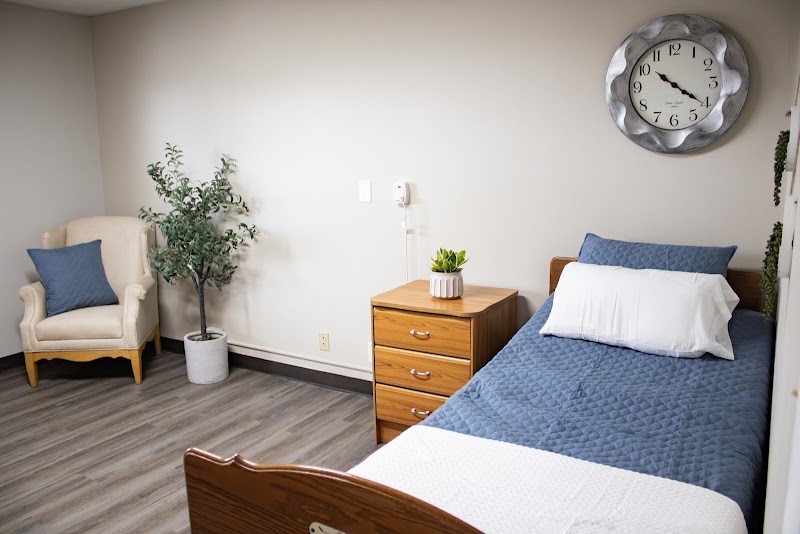
Who Owns and Operates Accura Healthcare Of Muscatine?

Accura Healthcare of Muscatine is owned by a for-profit company. For-profit facilities operate as businesses with obligations to shareholders or private owners. The facility is operated by ACCURA HEALTHCARE, a chain that manages multiple nursing homes. With 100 certified beds and approximately 52 residents (about 52% occupancy), it is a mid-sized facility located in Muscatine, Iowa.

How Does Accura Healthcare Of Muscatine Compare to Other Iowa Nursing Homes?

Compared to the 100 nursing homes in Iowa, Accura Healthcare of Muscatine's overall rating (3 stars) is below the state average of 3.1 and health inspection rating (3 stars) is at the national benchmark.

What Should Families Ask When Visiting Accura Healthcare Of Muscatine?

Based on this facility's data, families visiting should ask: "Can you walk me through typical staffing levels on day, evening, and night shifts?" "Can I visit during a mealtime to observe dining assistance and food quality?" "How do you handle medical emergencies, and what is your hospital transfer rate?" "Can I speak with family members of current residents about their experience?" These questions are particularly relevant given the below-average staffing rating.

Is Accura Healthcare Of Muscatine Safe?

Based on CMS inspection data, Accura Healthcare of Muscatine has a clean safety record: no substantiated abuse findings (meaning no confirmed cases of resident harm), no Immediate Jeopardy citations (the most serious violation level indicating risk of serious injury or death), and is not on the Special Focus Facility watch list (a federal program monitoring the lowest-performing 1% of nursing homes). The facility has a 3-star overall rating and ranks #100 of 100 nursing homes in Iowa. While no facility is perfect, families should still ask about staff-to-resident ratios and recent inspection results during their visit.

Do Nurses at Accura Healthcare Of Muscatine Stick Around?

Accura Healthcare of Muscatine has not reported staff turnover data to CMS. Staff turnover matters because consistent caregivers learn residents' individual needs, medications, and preferences. When staff frequently change, this institutional knowledge is lost. Families should ask the facility directly about their staff retention rates and average employee tenure.

Was Accura Healthcare Of Muscatine Ever Fined?

Accura Healthcare of Muscatine has no federal fines on record. CMS issues fines when nursing homes fail to meet care standards or don't correct problems found during inspections. The absence of fines suggests the facility has either maintained compliance or corrected any issues before penalties were assessed. This is a positive indicator, though families should still review recent inspection reports for the full picture.

Is Accura Healthcare Of Muscatine on Any Federal Watch List?

Accura Healthcare of Muscatine is not on any federal watch list. The most significant is the Special Focus Facility (SFF) program, which identifies the bottom 1% of nursing homes nationally based on persistent, serious quality problems. Not being on this list means the facility has avoided the pattern of deficiencies that triggers enhanced federal oversight. This is a positive indicator, though families should still review the facility's inspection history directly.