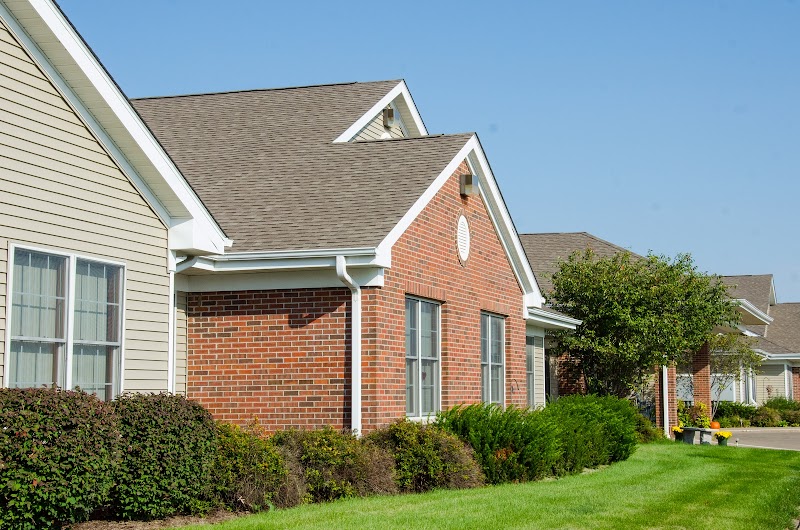
Wilton Retirement Community
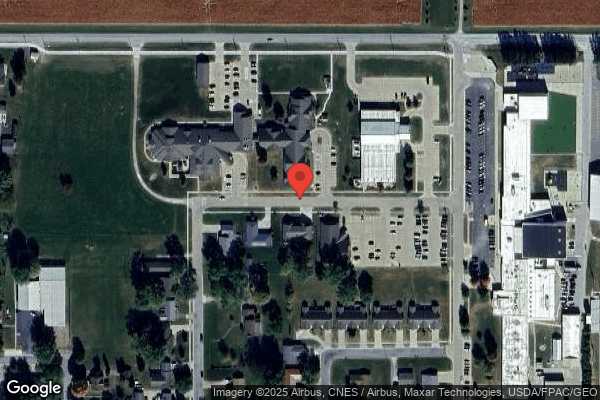
307 OVESEN DRIVE, WILTON, IA 52778 (563) 732-5067
Non profit - Corporation 34 Beds Independent Data: November 2025
Trust Grade
85/100
#88 of 392 in IA
Last Inspection: October 2024

Within standard 12-15 month inspection cycle. Federal law requires annual inspections.

Overview

Wilton Retirement Community has a Trust Grade of B+, which indicates it is above average in terms of care and services provided. It ranks #88 out of 392 nursing homes in Iowa, placing it in the top half of facilities in the state, and it is ranked #1 out of 5 in Muscatine County, meaning it is the best choice locally. The facility is improving, reducing issues from 8 in 2023 to just 1 in 2024, which is a positive sign. Staffing is rated 4 out of 5 stars with a turnover rate of 42%, slightly below the state average, suggesting that many staff members remain in their positions, which benefits resident care. However, there are some concerns, including less RN coverage than 76% of Iowa facilities, and recent inspections found issues such as a staff member not washing hands between food preparations and a lack of proper documentation for a resident's medication related to depression, which could impact care quality. Overall, while there are strengths in staffing and the facility’s ranking, families should be aware of these specific concerns when considering Wilton Retirement Community.
Trust Score
B+
85/100
In Iowa
#88/392
Top 22%
Safety Record
Low Risk
No red flags
Inspections
Getting Better
8 → 1 violations
Staff Stability
○ Average
42% turnover. Near Iowa's 48% average. Typical for the industry.
Penalties
✓ Good
No fines on record. Clean compliance history, better than most Iowa facilities.
Skilled Nurses
✓ Good
Each resident gets 43 minutes of Registered Nurse (RN) attention daily — more than average for Iowa. RNs are trained to catch health problems early.
Violations
⚠ Watch
16 deficiencies on record. Higher than average. Multiple issues found across inspections.
★★★★★
5.0
Overall Rating
★★★★☆
4.0
Staff Levels
★★★★★
5.0
Care Quality
★★★★☆
4.0
Inspection Score
Stable
2023: 8 issues
2024: 1 issues

The Good

  • 4-Star Staffing Rating · Above-average nurse staffing levels
  • 5-Star Quality Measures · Strong clinical quality outcomes
  • Full Sprinkler Coverage · Fire safety systems throughout facility
  • No fines on record
  • Staff turnover below average (42%)

    6 points below Iowa average of 48%

Facility shows strength in staffing levels, quality measures, fire safety.

The Bad

Staff Turnover: 42%

Near Iowa avg (46%)

Typical for the industry

The Ugly 16 deficiencies on record

Oct 2024 1 deficiency
CONCERN (D)

Potential for Harm - no one hurt, but risky conditions existed

Food Safety (Tag F0812)

Could have caused harm · This affected 1 resident

Based on observations, training record review, policy review and staff interview the facility failed to complete handwashing and equipment sanitizing in between tasks during the puree process. The fac...

Read full inspector narrative →
Based on observations, training record review, policy review and staff interview the facility failed to complete handwashing and equipment sanitizing in between tasks during the puree process. The facility reported a census of 30 residents. Findings include: During an observation on 10/8/24 starting at 09:29 AM, Staff A, Dietary Aide completed the puree process for three puree diet orders. She started to puree tenderloin with a chicken base for three residents. After Staff A measured the puree, she poured it into the pan and put it to the warmer. Staff A used a dry rag to wipe the counter and her hands. Without washing her hands or using sanitizer on the counter, she then pureed the casserole with a tomato base, measured, and placed it in the warmer. At 9:59 AM, Staff A wiped the blender, container, lid, and counter with the same dry rag. She then wiped her left hand on her shirt. Without washing her hands or using sanitizer on the counter, Staff A then took the stewed tomatoes out of the warmer to puree. At 10:07 AM, without washing her hands or using sanitizer on the counter Staff A held a pan against her shirt and placed a liner in the pan for the pureed rice. At 10:12 AM, Staff A wiped her right hand on the side of her shirt. She then picked up the same towel to wipe splatter from the prep surface, the ninja, and lip of both the food container and lid. The towel had brown, red, and pink food stains which smeared on the counter as she tried to clean off spattered rice. During an interview on 10/08/24 at 10:27 AM, the Dietary Supervisor stated the Dietary Aide was nervous during her observation. She acknowledged the Staff A did not wash her hands or sanitize food surfaces between pureeing each food item. The Dietary Supervisor stated staff were trained at orientation regarding hand washing and sanitizing, and added this aide was retrained the week before regarding pureeing and hand washing. She stated this staff had received multiple training's regarding the kitchen, sanitation, and hand washing. At 10:42 AM the supervisor stated she spoke to the aide about the lack of hand washing and sanitizing during the observation and would need to continue to provide re-education. A document titled Food Preparation indicated foods needed to be prepared by methods that preserve nutritive value, flavor, and appearance, and was signed by Staff A on 4/1/24. A document titled Proper Handwashing and Glove Use documented proper handwashing as one of the most important ways to prevent the spread of foodborne illness, and was signed by Staff A on 5/1/24. An undated policy titled Hand Washing documented staff were expected to wash hands after handling soiled equipment or utensils, during food preparations, as often as necessary to remove soil and contamination, and to prevent cross contamination when changing tasks.
Jul 2023 5 deficiencies
CONCERN (D)

Potential for Harm - no one hurt, but risky conditions existed

Abuse Prevention Policies (Tag F0607)

Could have caused harm · This affected 1 resident

Based on staff interview and record review the facility failed to ensure one of five staff members had current Dependent Adult Abuse training (Staff A, Registered Nurse (RN). The facility reported a c...

Read full inspector narrative →
Based on staff interview and record review the facility failed to ensure one of five staff members had current Dependent Adult Abuse training (Staff A, Registered Nurse (RN). The facility reported a census of 32 residents. Findings include: Review of a DAA certificate for Staff A revealed DAA training had been completed on 3/2/2018. On 7/19/23 at 2:43 PM, the most recent DAA training certificate for Staff A had been requested via email from the facility's Administrator. On 7/20/23 at 2:06 PM, the Administrator acknowledged Staff A's DAA training had been past due. Review of the Facility Policy provided by the facility titled State of Iowa-Department of Human Services Dependent Adult Abuse-2 Hour Mandatory Reporter Training, undated, documented ,Within six (6) months of the start of employment, [Name Reacted] needs to have proof in your employee file that you have completed the State of Iowa's two-hour dependent adult abuse training. Completion of the two-hour course is valid for three (3) years.
CONCERN (D)

Potential for Harm - no one hurt, but risky conditions existed

MDS Data Transmission (Tag F0640)

Could have caused harm · This affected 1 resident

Based on record review, staff interview and facility policy reviewed indicated the facility failed to submit a Significant Change Minimum Data Set (MDS) assessment timely for 1 of 12 reviewed for MDS ...

Read full inspector narrative →
Based on record review, staff interview and facility policy reviewed indicated the facility failed to submit a Significant Change Minimum Data Set (MDS) assessment timely for 1 of 12 reviewed for MDS submission, (Resident # 24) The facility reported a census of 32 residents. Findings include: Review of the significant change MDS for Resident #24 reviewed an Assessment Reference date of 4/28/23, completed date of 5/12/23 and a submission date of 5/31/23. During an interview on 7/20/23 with the Director of Nursing acknowledged staff who had been doing MDS was on leave since late April and another staff member had been filling. When the DON was asked about the timely submission indicated they would have to review the record. The facility policy reviewed indicated our facility will conduct and submit resident assessments in accordance with Federal and State submission guidelines.
CONCERN (D)

Potential for Harm - no one hurt, but risky conditions existed

Comprehensive Care Plan (Tag F0656)

Could have caused harm · This affected 1 resident

**NOTE- TERMS IN BRACKETS HAVE BEEN EDITED TO PROTECT CONFIDENTIALITY** Based on interview, record review, and facility policy review, the facility failed to address anticoagulant therapy on the care ...

Read full inspector narrative →
**NOTE- TERMS IN BRACKETS HAVE BEEN EDITED TO PROTECT CONFIDENTIALITY** Based on interview, record review, and facility policy review, the facility failed to address anticoagulant therapy on the care plan for 1 of 12 residents reviewed for care planning (Resident #15). The facility reported a census of 32. Findings include: The Minimum Data Set (MDS) assessment dated [DATE] revealed Resident #15 scored 14 out of 15 on a Brief Interview for Mental Status (BIMS) exam, which indicated cognition intact. The MDS revealed the medical diagnoses of unspecified atrial fibrillation, heart failure, and CAD (Coronary Artery Disease). The resident received anticoagulant 7 out of 7 days. The Care Plan dated 5/24/23 revealed no documentation for addressing anticoagulant therapy. The EMR (Electronic Medical Record) revealed a diagnosis of unspecified atrial fibrillation dated 4/19/23. The Physician Orders dated 4/19/23 revealed an order for apixaban 2.5 mg tablet- Give one tablet by mouth every 12 hours. During an interview on 7/20/23 at 10:28 AM, the DON (Director of Nursing) queried the expectation of anticoagulant therapy being on the care plan and she stated the anticoagulant therapy should be care planned. During the interview on 7/20/23 at 10:44 AM, the MDS Coordinator queried the expectation of anticoagulant being on a care plan when a resident received anticoagulant therapy and she stated yes, she put it as a separate problem. She stated it should of been addressed on Resident #15 care plan. The Facility Care Plan Policy dated December 2016 revealed the comprehensive, person centered care plan addressed the following: a. Incorporate identified problem areas b. Incorporate risk factors associated and identified problems c. Reflect currently recognized standards of practice for problem areas and conditions
CONCERN (D)

Potential for Harm - no one hurt, but risky conditions existed

Deficiency F0883 (Tag F0883)

Could have caused harm · This affected 1 resident

**NOTE- TERMS IN BRACKETS HAVE BEEN EDITED TO PROTECT CONFIDENTIALITY** Based on interview, record review, and facility policy review, the facility failed to offer the resident the recommended pneumoc...

Read full inspector narrative →
**NOTE- TERMS IN BRACKETS HAVE BEEN EDITED TO PROTECT CONFIDENTIALITY** Based on interview, record review, and facility policy review, the facility failed to offer the resident the recommended pneumococcal vaccine for 1 of 6 residents reviewed for pneumococcal vaccine status (Resident #13). The facility reported a census of 32. Findings include: The Quarterly Minimum Data Set (MDS) assessment dated [DATE] revealed the Resident #13 scored 3 out of 15 on a Brief Interview for Mental Status (BIMS) exam, which indicated severely cognitively impaired. The resident's IRIS (Iowa Registry Immunization System) dated 7/18/23 revealed the resident received a PCV13 (pneumococcal conjugate vaccine) on 4/6/15. The EMR (Electronic Medical Record) revealed no documentation that a second dose of pneumococcal offered or refused by the resident or the resident's family. During an interview on 7/19/23 at 3:33 PM, the DON (Director of Nursing) queried when pneumococcal vaccine were offered to residents and she stated on admission. The DON stated if a resident was over [AGE] years old they had 2 pneumonia vaccines if they wanted them and the vaccines should be one year apart. The DON stated she didn't find a refusal for a the pneumococcal vaccine for Resident #13. The Facility Pneumococcal Vaccine Policy dated March 2022 revealed all residents offered pneumococcal vaccines to aid in preventing pneumonia/pneumococcal infections. The Facility Policy also included the following information: a. Pneumococcal vaccines administered to residents (unless medically contraindicated, already given, or refused) per our facility ' s physician-approved pneumococcal vaccination protocol. b. Administration of the pneumococcal vaccines made in accordance with current Centers for Disease Control and Prevention (CDC) recommendations at the time of the vaccination.
CONCERN (E)

Potential for Harm - no one hurt, but risky conditions existed

Assessment Accuracy (Tag F0641)

Could have caused harm · This affected multiple residents

**NOTE- TERMS IN BRACKETS HAVE BEEN EDITED TO PROTECT CONFIDENTIALITY** 4. The Significant change data MDS for Resident #24 dated 4/28/23, revealed a BIMS of 12 out of 15, which indicated moderately i...

Read full inspector narrative →
**NOTE- TERMS IN BRACKETS HAVE BEEN EDITED TO PROTECT CONFIDENTIALITY** 4. The Significant change data MDS for Resident #24 dated 4/28/23, revealed a BIMS of 12 out of 15, which indicated moderately impaired cognition. The MDS revealed depression medications received 7/7 days without a diagnosis of depression. The Care Plan dated 11/17/22 and revised on 7/19/23 revealed the resident uses antidepressant medication r/t Depression. The Physician order dated 4/21/23 revealed Mirtazapine Oral Tablet 7.5 MG (milligrams) with instruction to give 1 tablet by mouth at bedtime for Depression. The Physician order dated 4/22/23 revealed Escitalopram Oxalate Oral Tablet 5 MG with instruction to give 1 tablet by mouth one time a day for depression. The Medical Diagnosis for Resident # 24 lacked a diagnosis of depression. On 7/20/23 the Director of Nursing indicated the lack of documentation of regarding a significant change such as a diagnosis would cause it to trigger. Based on interview, record review, and facility policy review, the facility failed to correctly code medical diagnoses and medications on the MDS (Minimum Date Set) for 4 of 5 residents reviewed for unnecessary medications. (Resident#13, Resident #15, Resident #24, Resident #26). The facility reported a census of 32. Findings include: 1. The MDS assessment dated [DATE] revealed the Resident #13 scored 3 out of 15 on a Brief Interview for Mental Status (BIMS) exam, which indicated severely cognitively impaired. The MDS revealed the resident received an antipsychotic 7 out of 7 days and received antipsychotics on a routine basis. The MDS failed to document the resident had a diagnosis of non-Alzheimer's dementia or unspecified dementia with behavioral disturbance. The Care plan dated 7/17/23 revealed a focus problem of psychotropic medications Seroquel related to behavioral management and progressive dementia. The interventions dated 10/28/21 revealed administration of psychotropic medications as ordered by the physician. The EMR (Electronic Medical Record) revealed the medical diagnosis of unspecified dementia with behavioral disturbance. The Physician Orders dated 4/6/23 revealed Seroquel 50 mg tablet- Give 1 tablet by mouth two times a day for agitation and delusions related to unspecified dementia with behavioral disturbance. 2. The Minimum Data Set (MDS) assessment dated [DATE] revealed Resident #15 scored 14 out of 15 on a Brief Interview for Mental Status (BIMS) exam, which indicated cognition intact. The MDS revealed the medical diagnoses of unspecified atrial fibrillation, heart failure, and CAD (Coronary Artery Disease). The MDS revealed the resident received a diuretic 0 out of 7 days. The Care Plan dated 5/24/23 revealed a focus problem of altered cardiovascular status related atrial fibrillation with RVR (right ventricular response). Interventions dated 5/4/23 included administration of cardiac medications as ordered by physician; assessment of shortness of breath and bilateral leg swelling; and monitored vital signs as ordered by the physician. The EMR (Electronic Medical Record) revealed a diagnosis of chronic diastolic congestive heart failure dated 5/4/23. The Physician Orders dated 5/4/23 revealed an order for Furosemide 20 mg tablet- give one tablet by mouth one time a day. The Physician Orders dated 5/8/23 revealed a new order for Furosemide 40 mg tablet- give one tablet by mouth one time a day. During an interview on 7/20/23 at 10:15 AM, the DON (Director of Nursing) queried if a resident took an diuretic would it be expected to be on the MDS and she stated yes, she would think so. The DON queried if a resident took an antipsychotic medication for dementia if she expected the diagnosis on the MDS and she stated yes she would. During an interview on 7/20/23 at 10:44 AM, the MDS Coordinator queried if a diuretic needed coded on the MDS and she stated yes, it was a medication that needed coded. The MDS Coordinator asked if a diagnosis of dementia needed coded when a resident took an antipsychotic medication for dementia and she stated yes, there should be a diagnosis coded. She stated she should of coded dementia and put in the diagnosis of dementia. The Facility Electronic Transmission of the MDS dated [DATE] revealed the MDS coordinator's responsibility ensured that appropriate edits were made prior to transmitting MDS data. 3. The Minimum Data Set (MDS) assessment dated [DATE] revealed Residet #26 scored 4 out of 15 on a Brief Interview for Mental Status (BIMS) exam, which indicated the resident had severely impaired cognition. Per this assessment, the resident had received antianxiety medication for 0 of the last 7 days. The Physician Order dated 4/6/23 through 7/14/23 revealed an order for Buspirone HCl Oral Tablet 5 MG (milligram) with instructions to give 1 tablet by mouth two times a day related to Generalized Anxiety Disorder. Review of the Medication Administration Record (MAR) dated April 2023 revealed the medication had been documented as administered twice per day between 4/6/23 through 4/30/23. On 7/20/23 at 10:43 AM, the MDS Coordinator explained she had not been responsible for MDS at the time, and acknowledged the medication should be included on the MDS.
Apr 2023 3 deficiencies
CONCERN (D) 📢 Someone Reported This

A family member, employee, or ombudsman was alarmed enough to file a formal complaint

Potential for Harm - no one hurt, but risky conditions existed

Notification of Changes (Tag F0580)

Could have caused harm · This affected 1 resident

**NOTE- TERMS IN BRACKETS HAVE BEEN EDITED TO PROTECT CONFIDENTIALITY** Based on clinical record review, observation, policy and staff interview the facility failed to notify the physician and family ...

Read full inspector narrative →
**NOTE- TERMS IN BRACKETS HAVE BEEN EDITED TO PROTECT CONFIDENTIALITY** Based on clinical record review, observation, policy and staff interview the facility failed to notify the physician and family after a resident to resident altercation for 1 of 3 residents (Resident #13) sampled. The facility identified a census of 30 residents. Findings include: 1. The Quarterly Minimum Data Set (MDS) assessment dated [DATE] for Resident #13 showed a Brief Interview for Mental Status (BIMS) score of 5 which indicated severe cognitive loss. The Resident independently transferred and ambulated. The MDS listed a diagnosis of Alzheimer's Disease and, documented Resident #13 did not exhibit physical, verbal or other behaviors 2. Resident #12's Quarterly MDS dated [DATE] showed a BIMS score of 13, which indicated intact cognition. The MDS identified Resident #12 exhibited verbal behavioral symptoms directed toward others, wandered daily and had the ability to express ideas and wants, both verbal and non-verbal. The Resident independently transferred and ambulated within the unit. The MDS documented a diagnosis of Non-Alzheimer's Dementia. Resident #12's Progress Note dated 4/09/23 at 1:03 p.m. by Staff F, Licensed Practical Nurse (LPN) documented Resident #12 made inappropriate comments towards Resident #13. The Progress Note detailed Resident #12 stated he wanted to do things with Resident #13 and until her husband comes back, he verbalized he wanted her. Resident #12 verbalized he wanted to have sex so bad. The staff intervened and both residents sat at separate tables for the remainder of the lunch meal. A review of Resident #13's electronic health record progress notes and behavioral notes lacked documentation of the 4/09/23 incident and lacked documentation the physician and family had been notified of the resident to resident altercation. During an interview on 4/25/23 at 9:03 a.m. Staff A, Registered Nurse (RN) reported incident reports are filled out for falls, skin tears, bruises, choking, behaviors and abuse. Incidents involving altercations between residents require an incident report, notification to the Director of Nursing (DON), family, doctor and depending on the type of altercation the police. If there is any abuse, they would separate those involved right away. An interview conducted on 4/25/23 at 4:24 a.m. revealed Staff H, C.N.A. reported Resident #12 had inappropriate behaviors toward Resident #13 of a sexual nature a while back. Observation on 4/25/23 at 4:25 p.m. revealed Resident #12 and Resident #13 sitting across from each other at a dining room table prior to the supper meal. On 4/25/23 at 4:28 p.m. Staff F, LPN reported Resident #12 had recently made inappropriate sexual remarks to Resident #13. She verbalized she documented at least two episodes of these inappropriate verbal interactions in the behavior notes within the past month. Resident #12 doesn't like his comments. On 4/26/23 at 11:32 a.m. Staff F reported she recalled the incident from 4/09/23 regarding Resident #12 and #13. She overheard Resident #12 stating inappropriate sexual comments to Resident #13 as they were seated by each other at the same dining room table. Staff F reported she documented the incident with quotation marks in the progress notes. Staff F walked over to the dining room table to intervene between the two residents and talk to Resident #12. She informed Resident #12 of his inappropriate conversation directed at Resident #13. Resident #13 didn't want to hear those comments. Staff F verbalized she eventually moved Resident #13 to a different dining room table as she couldn't stay to monitor the interactions between the two residents during supper. Staff F explained she reported the incident to the charge nurse before she left shift that day. She did not recall who the charge nurse had been that day. It may have been Staff C, Registered Nurse as they work the same weekend. Staff F didn't recall filling out an incident report. On 4/26/23 at 1:45 p.m. the DON reported she didn't recognized the situation between Resident #12 and #13 as an altercation. An incident report hadn't been completed and she had not done any further investigation into the incident. She planned to provide education to the nurses on identifying resident to resident altercations, completing incident reports and notifying a nurse supervisor timely. During an interview on 4/26/23 at 2:42 p.m. the DON reported the physician and family are to be notified of all resident to resident altercations and abuse. It is documented in both the Abuse and Accident-Incidents Facility Policies. The Accident/Incident Policy, undated, provided by the facility documented the facility should provide a safe and secure environment for staff and residents. Therefore, all accidents or incidents occurring on facility premises or to facility employees while performing their jobs shall be reported and investigated. The Accident/Incident Policy directed the staff were to notify the resident's attending physician of the incident. The Policy directed the Nurse Supervisor and/or Department Director should conduct an immediate investigation of the accident/incident and use the information obtained during the investigation to complete a Report of Incident/Accident form. The following data shall be included on the Report of Incident/Accident Form: 1. The date and time the accident/incident occurred; 2. The nature of the injury or illness (e.g., needlestick, bruise, fall, nausea, etc.); 3. The circumstances surrounding the accident/incident; 4. Where the accident/incident occurred; 5. Name(s) of any witnesses and their account of the accident/incident; 6. The injured person's account of the accident/incident; 7. The time the injured person's Attending or Personal Physician was notified as well as the time the physician responded and his/her instructions; 8. The date and time the injured person's family was notified and by whom; 9. The condition of the injured person, to include his/her vital signs; 10. Disposition of the injured person (i.e., transferred to hospital, put to bed, sent home, returned to work, etc.); 11. Corrective action taken; 12. Follow-up information; 13. Other pertinent data as necessary or required; and 14. Signature and title of the person completing the report. The Abuse Neglect, Mistreatment and Misappropriation of Resident Property Policy, undated, provided by the facility directed the Administrator or designee would inform the resident and/or responsible party of the results of an abuse investigation after completion.
CONCERN (D) 📢 Someone Reported This

A family member, employee, or ombudsman was alarmed enough to file a formal complaint

Potential for Harm - no one hurt, but risky conditions existed

Report Alleged Abuse (Tag F0609)

Could have caused harm · This affected 1 resident

**NOTE- TERMS IN BRACKETS HAVE BEEN EDITED TO PROTECT CONFIDENTIALITY** Based on Clinical Record Review, Facility Policy Review, Staff and family interviews the facility failed to report a resident to...

Read full inspector narrative →
**NOTE- TERMS IN BRACKETS HAVE BEEN EDITED TO PROTECT CONFIDENTIALITY** Based on Clinical Record Review, Facility Policy Review, Staff and family interviews the facility failed to report a resident to resident altercation to Iowa Department of Inspection and Appeals (DIA) for 3 of 3 residents sampled. The facility reported a census of 30 residents. Findings include: 1. The Quarterly Minimum Data Set (MDS) Assessment tool, dated 3/01/23, documented Resident #11 with a Brief Interview for Mental Status (BIMS) score of 3, which indicated severely impaired decision-making abilities. MDS lacked documentation of behaviors during the look back period. Resident #11 Care Plan revised 9/12/22 documented a behavior of wandering into other resident rooms. The Care Plan identified the resident exhibited a history of flirtatious behavior and directed staff to monitor and redirect the resident as appropriate. 2. The Quarterly MDS dated [DATE] documented Resident #12 with a BIMS score of 13, which indicated intact cognition. MDS documented the resident displayed verbal behavioral symptoms directed toward others on 1 to 3 days during look back period. Resident #12 Care Plan revised 9/12/22 directed staff to assist to develop more appropriate methods of coping and interacting, to encourage to express feelings appropriately, to monitor for inappropriate comments or sexual expressions towards other residents or staff, to monitor resident's whereabouts and to redirect resident to correct behaviors and to state that resident is being inappropriate. Resident #11 and #12's Progress Notes dated 4/9/23 documented Resident #11 was in Resident #12's room. Staff reported Certified Nurse Aid (CNA) entered the room and both residents were sitting on his bed. Resident #12 had his hand on Resident #11's breast with one hand and held her hand with other. Staff intervened and removed Resident #11 from his room back to her own room. Progress Note dated 9/11/22 at 3:26 p.m. docuemented the following; Resident#11 had been talking with and interacting with Resident#12 on the unit. Staff reported that Resident#11 appeared to be flirting with Resident#12 and enjoyed his company. The residents were observed in a room together, Resident#11 had been sitting on the bed and a male resident (Resident#12) had his hand on her thigh. Resident#12 also touched Resident#11's buttocks today. Resident#11 did not appear fearful of the situation, the residents were separated and monitoring continued. Progress Notes included that the doctor and family had been notified. During an interview on 4/25/23 at 9:03 a.m. with Staff A, Registered Nurse (RN) reported the incident reports are filled out for falls, skin tears, bruises, choking, behaviors and abuse. Altercations between residents need to complete an incident report, notify Director of Nursing (DON), families, doctor and depending on the type of altercation the police may need to be notified. If staff see any abuse they are to separate those involved right away. An interview with Staff B, Certified Medication Aid (CMA) on 4/25/23 at 9:09 a.m. reported she is to notify the nurse on staff or the DON of any falls, skin tears, change of status and behaviors so a report can be made. Altercation between residents requires the staff to separate the residents and the DON right away. Staff has abuse and dementia training yearly. On 4/25/23 at 9:29 a.m. Staff C, RN reported the nurses' complete incident reports for falls, altercations between residents and any skin concerns. Regarding resident to resident altercations, staff should separate them right away and notify the DON. The DON decides if a resident is able to consent for sexual contact. Any altercations between residents, the DON and Administrator will investigate. Interview on 4/25/23 at 10:00 a.m. with the Care Plan Nurse reported the Social Services Supervisor codes the behaviors on the MDS and Care Plans as needed. The Care Plan Nurse reads through the Progress Notes daily and updates behaviors on the Care Plan as needed. She is involved in the investigation process with altercations, behaviors and abuse. Staff are to separate those involved in altercations or abuse right away and notify DON or Administrator. The DON or Administrator determines if an investigation is needed. Staff has abuse and dementia training every year. The DON reported on 4/25/23 at 10:27 a.m. the facility uses a policy for incident reports. Staff had training over abuse and incident reports in the fall of 2022. The DON expects the nurses to complete incident report for falls, skin injuries, abuse, resident to resident altercations and medication errors. The Administrator and DON review incident reports to determine if further investigation and state reporting is needed. Interventions are put in place and follow up is completed with staff and residents to see if interventions are effective. The DON verbalized she uses the BIMS score to determine resident's cognitive level for decision making abilities. An interview conducted on 4/25/23 at 10:35 a.m. revealed the Administrator uses the Accident/Fall Reporting Flowsheet to determine when an incident should be reported to the State. Regarding resident to resident altercations, the Administrator expects staff to watch for behaviors and put interventions in place. She reported she uses the BIMS score to determine cognition level of a resident for decision making abilities. The on-call nurse is to direct staff in interventions to put in place. Interventions are reviewed for effectiveness at the care plan meetings. The Medicare team meets weekly and they discuss the concerns of residents and interventions that need to be added to the resident's care plan. During an interview with Staff D, Licensed Practical Nurse (LPN) on 4/25/23 at 10:41 a.m. reported incident reports are completed for falls, resident to resident altercations and injuries of unknown origin. Staff D verbalized for resident to resident altercations to separate the residents and call the on-call nurse for further direction. The on-call nurse determines what is reported to the State. The Social Services Supervisor and DON decide on whether a resident is cognitive enough to make decisions. Staff D verbalized she did not remember any concerns with residents to report to the DON or Administrator. Staff has training on incident reports, abuse and dementia yearly. The Social Services Supervisor reported on 4/25/23 at 11:45 a.m. she had been working as the supervisor for the past four months and has not participated in investigations for abuse, behaviors or resident to resident altercations at this time. Care Plan Nurse is care planning behaviors. Staff E, LPN on 4/25/23 at 12:40 p.m. reported no concerns with residents on behaviors or resident to resident altercations but had given in nurse to nurse report that Resident #12 had talked sexually inappropriate with Resident #11. Staff E verbalized watching Resident #12 more due to him being more cognitive then Resident #11. Staff notified the DON of the inappropriate comments made by Resident #12. On 4/25/23 at 1:14 p.m. interview with Resident #11 Power of Attorney (POA) reported she is aware of the resident to resident concerns over the past year with Resident #11 and Resident #12. She voiced no concerns with the incidents between residents. The POA verbalized Resident #11 has been promiscuous with men in the past and had always been touchy with them. The POA felt staff is doing everything they can to keep a watch over Resident #11 and #12. The Administrator reported on 4/25/23 at 2:53 p.m. the DON and herself report concerns to the State. The Administrator heard a few different stories on the altercation on 4/9/23 and the incident had not been reported to the State. The Administrator heard Resident #12 grazed the shoulder of Resident #11 and not touched the breast, but no thorough investigation had been done to determine. The Administrator verbalized the Physician did not do a cognitive assessment due to needing a consistent BIMS below 10 for Resident #11. A record review of the MDS assessments completed in last year revealed: a. MDS dated [DATE] documented a BIMS score of 03 b. MDS dated [DATE] documented a BIMS score of 03 c. MDS dated [DATE] documented a BIMS score of 03 d. MDS dated [DATE] documented a BIMS score of 03 e. MDS dated [DATE] documented a BIMS score of 04 During an interview on 4/26/23 at 8:20 a.m. Staff G, C.M.A. reported Resident #12 does seek out Resident #11. She has not seen him physically touch Resident #11, but she has heard it had happened. She tries to keep both residents separated. If she sees Resident #11 heading towards Resident #12's room, she will try to distract her. She verbalized Resident #11's dementia is almost like reverting back to when she was a child and that is concerning to her. On 4/26/23 at 9:26 a.m. the Administrator provided further Behavioral Progress Notes for Resident #12 which revealed: a. On 4/9/23 at 3:03 p.m. Resident #12 made sexually inappropriate comments toward a female resident. b. Resident #12 on 3/18/23 at 10:18 p.m. acted flirtatious with a female resident. c. At 1:31 p.m. on 3/1/8/23, Resident #12 made sexual comments toward Resident #11. d. On 2/20/23 at 2:44 p.m. Resident #12 making inappropriate gestures to another female resident. Demonstrating to staff how he wanted to put his head in her breast. e. Resident #12 12/10/22 at 10:06 p.m. had talked dirty to Resident #11 at supper. f. On 12/9/22 at 10:57 p.m. Resident #12 talked sexually to a resident multiple times. He tried to touch the resident. Staff were able to redirect both residents. g. At 9:57 p.m. on 11/21/22, Resident #12 verbalized blunt sexual comments towards Resident #11, Staff were able to redirect. h. On 11/3/22 at 8:19 p.m. Resident #12 told the nurse to sit on his lap. This nurse politely declined and told the resident that the statement was inappropriate. i. Resident #12 on 10/2/22 at 1:04 p.m. observed pacing back and forth in the hallway. Resident #12 kept looking in Resident #11 room and went in that room once. Staff redirected out of room. j. At 9/15/22 at 8:44 p.m. Resident #12 observed making inappropriate sexual comments to Resident #11 and the staff member wrote the comments down in the blue communication book. This nurse read the description and asked the CNA's to keep the residents separated if possible. This nurse called the on-call and informed him of the situation and he will pass it along tomorrow. k. On 9/12/22 at 1:10 p.m. Resident #12 making inappropriate comments to Resident #11. Asking what color panties she had on? talking about her breasts. Resident #11 told her that he wanted to give her something real nice for her birthday. That he knew she would be really good at it. Staff asked him to go to his room to rest for a while. l. Resident #12 on 9/11/22 at 3:20 p.m. reached out and touched another female resident on the buttocks. Staff also reported that yesterday he and this same female resident were in his room, door closed. When staff entered, both residents were sitting on the bed. He had his hand on the Resident #11's thigh. Both residents were calm, in no distress, and mutually agreed that they felt this was ok. Resident #11 and #12 were separated with each incident. Staff member will notify the DON of the situation. m. At 2:29 p.m. on 9/8/22 the CNA reported while assisting Resident #12 in shower he made inappropriate comments. He repeatedly asked the CNA to join him in the shower. The CNA reported the redirection was not effective. n. On 8/23/22 12:34 p.m. Resident #12 moved into the dementia unit today. o. On 7/14/22 at 3:52 p.m. Resident #12 verbalized to a C.N.A., how about I give you a shower instead. Following the shower, the patient told the nurse (speaking about CNA), I wish I could have taken her clothes off instead. Redirection effective. p. On 7/8/22 at 10:44 p.m. Resident #12 made inappropriate comment sexual comment to CNA. q. At 8:24 p.m. on 7/6/22, Resident #12 came up to the desk looked at a picture of a CNA and began speaking to it saying, hey baby you're a bad, bad girl. He proceeded to kiss the picture. Then he said, no we're not going to do 'that' tonight. The picture placed in the medication room. On 4/26/23 at approximately 10:30 a.m. the facility provided a blue Chronic Confusion Dementing Illness (CCDI) unit Communication Notebook which showed a wide rule, 70-page notebook that contained only 15 pages of documented behavioral communications for the CCDI unit with 8 torn page breaks torn off within the tablet. The documentation entries supported Resident #12 had been seeking out and exhibiting sexual behaviors toward another female (Resident #11) on the CCDI unit. The Unit Communication Notebook contained the following staff documentation: a. On 9/15/23 Resident #12 whistled for Resident #11 to come over to his room because she was walking around the unit per usual. She started walking over toward his room and the staff redirected her. Before Resident #12 noticed the staff redirecting Resident #11, staff heard him make inappropriate comments, Staff told him it was inappropriate. He got agitated then closed his door to his room. Resident #12 kept opening the door to his room looking for Resident #11 to come back his way. Resident #11 came to sit with staff and stated to the staff, that man is nerve racking and he's a very bad man. b. On 10/01/22 Resident #12 is so concerned and obsessed with Resident #11. Resident #12 stayed out after breakfast and every time aides were not in site would go over to Resident #11's table. After Resident #11 finished her breakfast, she went to her room to lay down. Resident #12 came out of his room and sat in the dining area. After a while, Resident #12 got up and walked into Resident #11 room. Staff informed him to not go into other resident's rooms without an invite. Resident #12 has been stalking Resident #11 most the day. c. On 10/15/22 Resident #12 walked into Resident #11's room while CNA had been providing care. Staff told Resident #12 it is not his room and he needed to leave. Resident #12 ignored the aide at first. When he was told a second time he said, I heard you. Staff reminded him a third time to leave before he complied. Staff are having to watch him extra close because he knows he is being watched and waits for an opportunity. Even in the dining room in front of staff, Resident #12 would grab Resident #11 butt or breast if she was close to him. The staff has to keep them separate, this is sexual assault. Staff are concerned for Resident #11 well being. Review of Facility Bulletin Board on 4/26/23 at 12:38 p.m. lacked communication documentation the CCDI Communication Notebook is used for Quality Assurance (QA) only since 1/1/2018. The [NAME] Retirement Community (WRC) Resident Sexual Expression Policy, undated, provided by the facility defined the following: 1. Consent may be evidenced through the language, gestures, conduct, activities, or other affirmative actions of a resident who: a. Exhibits and has cognitive decision-making capacity; or b. Exhibits diminished cognitive decision-making capacity (e.g., neurocognitive disorders such as Dementia/Alzheimer's Disease) but not to a degree, as determined by the interdisciplinary team (IDT), resident and resident representative, that would qualify the person as incapacitated. 2. Interdisciplinary Care Team (IDT): A group of healthcare professionals with diverse roles and a common purpose to achieve optimal health outcomes for residents. In collaboration with the resident and resident representative, the IDT determines the best health outcomes for the resident and establishes care/service goals. IDT members should be determined by the resident's needs. Community IDTs typically include the resident, resident representative, physician, nurse, social service worker, and direct care worker. However, the IDT can be extended as necessary to include family members, significant others, physical and/or occupational therapists, dietitians, speech pathologists, psychologists, or pastoral care. 3. Sexual Abuse: Any sex act between persons is sexual abuse by either of the persons when the act is performed with the other person in any of the following circumstances: a. Such other person is suffering from an incapacity which precludes giving consent or lacks the mental capacity to know the right and wrong conduct in sexual matters. The Policy Enactment directed: 1. Cognitive decision-making capacity: This policy applies to individuals who exhibit intact cognitive decision-making capacity and those who exhibit diminished cognitive decision-making capacity; but are not incapacitated. Because every resident's circumstance and level of capacity to consent differs, WRC must develop highly individualized approaches, rather than a single blanket approach, to assess each sexually related situation. In addition to provisions outlined in sections below and in furtherance of tailoring an individualized response and care plan: a. Some residents who exhibit intact cognitive decision-making capacity may still require a cognitive assessment conducted by resident's physician to confirm consent was and continues to be given. This determination should be made by the resident's IDT. b. Residents who exhibit diminished cognitive decision-making capacity (e.g. neurocognitive disorders such as Dementia/Alzheimer's Disease) WILL require a cognitive assessment conducted by a physician to confirm consent was and continues to be given. The Policy directed the Staff Responsibilities included: 1. WRC shall conduct a thoughtful review of situations and accounts of sexual expression among or between residents or with visitors to determine a solution that best meets the needs of and protects the residents involved. A description of the outcome of the review should be shared with the resident, resident representative if appropriate, and the IDT. The outcome of the review and steps to address sexual expression shall be documented in the residents' care plan. 2. Incidents of abuse or suspected abuse should be self-reported by WRC staff to the Iowa Department of Inspections and Appeals, Iowa Department of Human Services, or other agencies as required by law. 3. WRC should ensure that all staff members have received and reviewed the sexual expression policy (including updates to policy) and establish processes for ensuring that the procedures outlined in the policy is carried out by WRC staff. WRC should offer ongoing training, support, and resources to staff to equip them with the skills and knowledge related to sexual expression, resident rights, sensitization, boundaries, ethics, proper response strategies, and documentation and reporting procedures. 4. Staff should report to their Charge Nurse and Director of Nursing any instances of sexual expression that are not addressed in the existing policy so that updates or amendments can be made and so that the IDT can do a review of any new or changed resident sexual expression. 3. The Quarterly MDS dated [DATE] for Resident #13 showed a BIMS score of 5 which indicated severe cognitive loss. The Resident independently transferred and ambulated. The MDS listed a diagnoses of Alzheimer's Disease and documented Resident #13 did not exhibit physical, verbal or other behaviors. The Care Plan revised 11/23/22 lacked documentation of interventions to address inappropriate male behaviors toward the resident. Resident #12's Progress Note dated 4/09/23 at 1:03 p.m. by Staff F, Licensed Practical Nurse (LPN) documented Resident #12 made inappropriate comments towards Resident #13. The Progress Note detailed Resident #12 stated he wanted to do things with Resident #13 and until her husband comes back, he verbalized he wanted her. Resident #12 verbalized he wanted to have sex so bad. The staff intervened and both residents sat at separate tables for the remainder of the lunch meal. Observation on 4/24/23 at 4:00 p.m. revealed Resident #12 and Resident #13 sat across from each other at a dining room table prior to the supper meal. An interview conducted on 4/25/23 at 4:24 a.m. revealed Staff H, C.N.A. reported Resident #12 had inappropriate behaviors toward Resident #13 of a sexual nature a while back. Observation on 4/25/23 at 4:25 p.m. revealed Resident #12 and Resident #13 sat across from each other at a dining room table prior to the supper meal. On 4/25/23 at 4:28 p.m. Staff F, LPN reported Resident #12 had recently made inappropriate sexual remarks to Resident #13. She verbalized she documented at least two episodes of these inappropriate verbal interactions in the behavior notes within the past month. Resident #12 doesn't like his comments. A review of Resident #13's Progress Notes on 4/25/23 at 4:35 p.m. lacked documentation of any behavioral progress notes, assessment or new interventions for the 4/09/23 incident between Resident #12 and #13. On 4/26/23 at 7:15 a.m. the Administrator reported behaviors in the Chronic Confusion or Dementing Illness (CCDI) unit are documented in a book back on the unit. The Administrator went to the CCDI unit to get the behavior charting book to find a blank tablet had been replaced the evening before on 4/15/23. On 4/26/23 at 7:40 a.m. the Administrator reported the behaviors are documented in the electronic health record under an Order Administration Note. A review of Resident #13's Order Administration Notes from the Progress Notes at that time lacked documentation of any behavior documentation. During an interview on 4/26/23 at 8:20 a.m. Staff G, C.M.A. reported Resident #12 exhibited behaviors toward females since his time in the unit. She tries to keep Resident #11 and #12 separated as much as possible. She hasn't seen him physically touch another female resident, but she has heard it happened. She has visualized Resident #12 make inappropriate sexual comments towards Resident #13. Resident #12 likes to sit by Resident #13. They sit at the same table for meals. She reported she does intervene when Resident #12 makes inappropriate verbal comments to Resident #13. Staff G identified if a resident exhibits behaviors, they document it in the behavior communication book at the nurses station (in the CCDI unit). They also report the behavior to the nurse. Staff G identified if she is really concerned about a resident she will leave a note on DON's office door. She never wants anything to happen to a resident on her watch. A review of the Electronic Health Record (EHR) Census on 4/26/23 showed Resident #12 admitted to the CCDI unit on 8/23/22. A blue CCDI Communication Notebook provided by the facility on 4/26/23 at approximately 10:30 a.m. showed a wide rule, 70 page notebook that contained only 15 pages of documented behavioral communications for the CCDI unit with 8 torn page breaks torn off within the tablet. Documentation entries supported Resident #12 had been seeking out and exhibiting sexual behaviors toward another female (Resident #11) on the CCDI unit besides Resident #13. On 4/26/23 at 11:32 a.m. Staff F reported she recalled the incident from 4/09/23 regarding Resident #12 and #13. She overheard Resident #12 stating inappropriate sexual comments to Resident #13 as they sat together at a table in the dining room. Staff F reported she documented the incident with quotations in the progress notes. Staff F intervened between the two residents and talk to Resident #12 about his inappropriate comments directed at Resident #13. Resident #13 didn't want to hear those comments. Staff F verbalized she eventually moved Resident #13 to a different dining room table as she couldn't stay to monitor the interactions between the two residents during meal. Staff F reported the incident to the charge nurse before she left shift that day. She did not recall who the charge nurse had been that day. It may have been Staff C as they work the same weekend. Staff F explained they get notebooks in the CCDI unit to write down anything they notice so that management can review. It's used to keep a record of what is going on so management can keep a record of everything. Staff F verbalized they do not get any feedback from management if anything is being done regarding the behavior documentation. They have not received any specific instruction other than to redirect the residents and document behaviors in the communication book. They have Relias training they complete on mandatory reporting. The management staff doesn't tell them if incidents are reported to DIA. During an interview on 4/26/23 at 11:53 a.m. Staff C reported Staff F is a nurse so she documents her own stuff regarding resident incidents. Staff C clarified there has been incidents in the past with Resident #12 in regards to females, but she doesn't work back in the unit regularly. She doesn't recall Staff F reporting any incidents between Resident #12 and #13 to her. Staff C explained they get instruction on what to look for (regarding behaviors) but they don ot get any formal training on reporting those types of incidents. They do get mandatory adult abuse training, but it has been awhile. An email received from the Administrator on 4/26/23 at 11:15 a.m. detailed the Behavior Communication Book from the CCDI unit is only utilized for quality analysis (QA) purposes to ensure communication is effectively relayed between CNA/CMA's to the nurses. An observation on 4/16/23 at approximately 12:10 p.m. revealed the Administrator held a purple CCDI communication notebook labeled QA Purpose Only. The Administrator reported the Communication Book is used as part of the QA program for CNA and CMA's to be able to communicate with the RNs and LPNs. She stated she declared it as part of the QA program. The Administrator provided a copy of the Quality Assessment and Assurance Policy and the Quality Assessment and Assurance Committee Policy. Both Policies were undated. A review of the Policies on 4/26/23 at 12:26 p.m. showed the Policies lacked documentation the CCDI Communication Notebooks were utilized as QA tools for the Quality Assurance and Performance Improvement (QAPI) program. A review of the Facility On-line Department of Inspection and Appeals (DIA) Report on 4/26/23 at 12:35 p.m. lacked documentation the facility had reported the resident to resident altercation between Resident #12 and Resident #13 on 4/09/23 to the DIA complaint and abuse website. During an interview on 4/26/23 at 1:30 p.m. the Administrator reported the facility had not reported the incident between Resident #12 and #13 to DIA. She didn't know if there had been further investigation completed, but she would check with the DON. On 4/26/23 at 1:45 p.m. the DON reported she had not recognized the situation between Resident #12 and #13 as an altercation. An incident report had not been completed and she had not done any further investigation into the incident. She planned to provide education to the nurses on identifying resident to resident altercations, completing incident reports and notifying a nurse supervisor timely. On 4/26/23 at 1:49 p.m. the Administrator reported the facility planned through their quality analysis program to provide education to CNA/CMA staff on identifying resident to resident altercation situations and reporting those incidents into the charge nurse so that a nurse supervisor could be notified timely and notification could be made to the department within 24 hours.
CONCERN (D) 📢 Someone Reported This

A family member, employee, or ombudsman was alarmed enough to file a formal complaint

Potential for Harm - no one hurt, but risky conditions existed

Investigate Abuse (Tag F0610)

Could have caused harm · This affected 1 resident

**NOTE- TERMS IN BRACKETS HAVE BEEN EDITED TO PROTECT CONFIDENTIALITY** Based on Record Review, Facility Policy Review and staff interview the facility failed to conduct a thorough investigation of a ...

Read full inspector narrative →
**NOTE- TERMS IN BRACKETS HAVE BEEN EDITED TO PROTECT CONFIDENTIALITY** Based on Record Review, Facility Policy Review and staff interview the facility failed to conduct a thorough investigation of a resident to resident altercations for 3 of 3 residents sampled. Facility reported a census of 30 residents. Findings include: 1. The Minimum Data Set (MDS) Assessment tool dated 3/01/23 documented Resident #11 with a Brief Interview for Mental Status (BIMS) score of 3 indicated severely impaired decision-making abilities. The MDS lacked documentation of behaviors during the look back period. Resident #11 Care Plan revised 9/12/22 documented a behavior of wandering into other resident rooms. The Care Plan identified the resident exhibited a history flirtatious behavior and directed staff to monitor and redirect the resident as appropriate. 2. The MDS dated [DATE] documented Resident #12 with a BIMS score of 13 indicating intact cognition. The MDS documented the resident displayed verbal behavioral symptoms directed toward others on 1 to 3 days during look back period. Resident #12's Care Plan revised 9/12/22 directed the staff to assist to develop more appropriate methods of coping and interacting, to encourage to express feelings appropriately, to monitor for inappropriate comments or sexual expressions towards other residents or staff, to monitor resident's whereabouts and to redirect resident to correct behaviors and to state that resident is being inappropriate. Resident #11 and #12's Progress Notes dated 4/9/23 documented Resident #11 had been in Resident #12 room. Staff reported Certified Nurse Aid (CNA) entered the room and both residents were sitting on his bed. Resident #12 had his hand on Resident #11's breast with one hand and held her hand with other. Staff intervened and removed Resident #11 from his room back to her own room. During an interview on 4/25/23 at 9:03 a.m. with Staff A, Registered Nurse (RN) reported the incident reports are filled out for falls, skin tears, bruises, choking, behaviors and abuse. Altercations between residents need to complete an incident report, notify Director of Nursing (DON), families, doctor and depending on the type of altercation the police may need to be notified. If staff see any abuse they are to separate those involved right away. An interview with Staff B, Certified Medication Aid (CMA) on 4/25/23 at 9:09 a.m. reported she is to notify the nurse on staff or the DON of any falls, skin tears, change of status and behaviors so a report can be made. Altercation between residents requires the staff to separate the residents and the DON right away. Staff has abuse and dementia training yearly. On 4/25/23 at 9:29 a.m. Staff C, RN reported the nurses' complete incident reports for falls, altercations between residents and any skin concerns. Regarding resident to resident altercations, staff should separate them right away and notify The DON. The DON decides if a resident is able to consent for sexual contact. Any altercations between residents, the DON and Administrator will investigate. An interview on 4/25/23 at 10:00 a.m. with the Care Plan Nurse reported the Social Services Supervisor codes the behaviors on the MDS and care plans as needed. The Care Plan Nurse reads through the Progress Notes daily and updates behaviors on the care plan as needed. She is involved in the investigation process with altercations, behaviors and abuse. Staff are to separate those involved in altercations or abuse right away and notify the DON or the Administrator. The DON or the Administrator determines if an investigation is needed. Staff has abuse and dementia training every year. The DON reported on 4/25/23 at 10:27 a.m. the facility uses a policy for incident reports. Staff had training over abuse and incident reports in the fall of 2022. The DON expects the nurses to complete incident report for falls, skin injuries, abuse, resident to resident altercations and medication errors. The Administrator and DON review incident reports to determine if further investigation and state reporting is needed. Interventions are put in place and follow up is completed with staff and residents to see if interventions are effective. The DON verbalized she uses the BIMS score to determine resident's cognitive level for decision making abilities. An interview conducted on 4/25/23 at 10:35 a.m. revealed the Administrator uses the Accident/Fall Reporting Flowsheet to determine when an incident should be reported to the State. Regarding resident to resident altercations, the Administrator expects staff to watch for behaviors and put interventions in place. She reported she uses the BIMS score to determine cognition level of a resident for decision making abilities. The on-call nurse is to direct staff in interventions to put in place. Interventions are reviewed for effectiveness at the care plan meetings. The Medicare team meets weekly and they discuss the concerns of residents and interventions that need to be added to the resident's care plan. During an interview with Staff D, Licensed Practical Nurse (LPN) on 4/25/23 at 10:41 a.m. reported incident reports are completed for falls, resident to resident altercations and injuries of unknown origin. Staff D verbalized for resident to resident altercations to separate the residents and call the on-call nurse for further direction. The on-call nurse determines what is reported to the State. The Social Services Supervisor and DON decide on whether a resident is cognitive enough to make decisions. Staff D verbalized she did not remember any concerns with residents to report to the DON or Administrator. Staff has training on incident reports, abuse and dementia yearly. The Social Services Supervisor reported on 4/25/23 at 11:45 a.m. she's worked as the supervisor for the past four months and had not participated in investigations for abuse, behaviors or resident to resident altercations. The Care Plan Nurse is care planning behaviors. Staff E, LPN on 4/25/23 at 12:40 p.m. reported no concerns with residents on behaviors or resident to resident altercations but had given in nurse to nurse report that Resident #12 had talked sexually inappropriate with Resident #11. Staff E verbalized watching Resident #12 more due to him being more cognitive then Resident #11. Staff notified the DON of the inappropriate comments made by Resident #12. The Administrator reported on 4/25/23 at 2:53 p.m. the DON and herself report concerns to the State. The Administrator heard a few different stories on the altercation on 4/9/23 and the incident had not been reported to the State. The Administrator heard Resident #12 grazed the shoulder of Resident #11 and not touched the breast, but no thorough investigation had been done to determine. The Administrator verbalized the Physician did not do a cognitive assessment due to needing a consistent BIMS below 10 for Resident #11. A record review of the MDS assessments completed in last year revealed: a. MDS dated [DATE] documented a BIMS score of 03 b. MDS dated [DATE] documented a BIMS score of 03 c. MDS dated [DATE] documented a BIMS score of 03 d. MDS dated [DATE] documented a BIMS score of 03 e. MDS dated [DATE] documented a BIMS score of 04 During an interview on 4/26/23 at 8:20 a.m. Staff G, C.M.A. verbalized Resident #12 seeks out Resident #11. Staff G had not seen him physically touch Resident #11, but heard it has happened. Staff G reported she tries to keep both residents separated. If she sees Resident #11 heading towards Resident #12's room, she will try to distract her. She verbalized Resident #11's dementia is almost like reverting back to when she was a child and that is concerning to her. On 4/26/23 at 9:26 a.m. the Administrator provided further Behavioral Progress Notes for Resident #12 which revealed: a. On 4/9/23 at 13:03 p.m. Resident #12 made sexually inappropriate comments toward a female resident. b. Resident #12 on 3/18/23 at 10:18 p.m. acted flirtatious with a female resident. c. At 1:31 p.m. on 3/1/8/23, Resident #12 made sexual comments toward Resident #11. d. On 2/20/23 at 2:44 p.m. Resident #12 making inappropriate gestures to another female resident. Demonstrating to staff how he wanted to put his head in her breast. e. Resident #12 12/10/22 at 10:06 p.m. had talked dirty to Resident #11 at supper. f. On 12/9/22 at 10:57 p.m. Resident #12 talked sexually to a resident multiple times. He tried to touch the resident. Staff were able to redirect both residents. g. At 9:57 p.m. on 11/21/22, Resident #12 made blunt sexual comments to Resident #11 while staff was with them. Staff were able to redirect. h. On 11/3/22 at 8:19 p.m. Resident #12 told the nurse to sit on his lap. This nurse politely declined and told the resident that the statement was inappropriate. i. Resident #12 on 10/2/22 at 1:04 p.m. observed pacing back and forth in the hallway. Resident #12 kept looking in Resident #11 room and went in that room once. Staff redirected out of room. j. At 9/15/22 at 8:44 p.m. Resident #12 observed making inappropriate sexual comments to Resident #11 and the staff member wrote the comments down in the blue communication book. This nurse read the description and asked the CNA's to keep the residents separated if possible. This nurse called the on-call and informed him of the situation and he will pass it along tomorrow. k. On 9/12/22 at 1:10 p.m. Resident #12 making inappropriate comments to Resident #11. Asking what color panties she had on? , and voiced rude comments about about her breasts. Resident #11 told her that he wanted to give her something real nice for her birthday. That he knew she would be really good at it. Staff asked him to go to his room to rest for a while. l. Resident #12 on 9/11/22 at 3:20 p.m. reached out and touched another female resident on the buttocks. Staff also reported that yesterday he and this same female resident were in his room, door closed. When staff entered, both residents were sitting on the bed. He had his hand on the Resident #11's thigh. Both residents were calm, in no distress, and mutually agreed that they felt this was ok. Resident #11 and #12 were separated with each incident. Staff member will notify the DON of the situation. m. At 2:29 p.m. on 9/8/22 the CNA reported while assisting Resident #12 in shower he made inappropriate comments. He repeatedly asked the CNA to join him in the shower. The CNA reported the redirection was not effective. n. On 8/23/22 12:34 p.m. Resident #12 moved into the dementia unit today. o. On 7/14/22 at 3:52 p.m. Resident #12 verbalized to a C.N.A., how about I give you a shower instead. Following the shower, the patient told the nurse (speaking about CNA), I wish I could have taken her clothes off instead. Redirection effective. p. On 7/8/22 at 10:44 p.m. Resident #12 made inappropriate comment sexual comment to CNA. q. At 8:24 p.m. on 7/6/22, Resident #12 came up to the desk looked at a picture of a CNA and spoke inappropriatedly to the staff. He proceeded to kiss the picture. Then he said, no we're not going to do 'that' tonight. The picture placed in the medication room. On 4/26/23 at approximately 10:30 a.m. the facility provided a blue Chronic Confusion Dementing Illness (CCDI) unit Communication Notebook which showed a wide rule, 70-page notebook that contained only 15 pages of documented behavioral communications for the CCDI unit with 8 torn page breaks torn off within the tablet. The documentation entries supported Resident #12 had been seeking out and exhibiting sexual behaviors toward another female (Resident #11) on the CCDI unit. The Unit Communication Notebook contained the following staff documentation: a. On 9/15/23 Resident #12 whistled for Resident #11 to come over to his room because she was walking around the unit per usual. She started walking over toward his room and the staff redirected her. Before Resident #12 noticed the staff redirecting Resident #11, staff heard him say, man look at those big tits. Come on in and see how hard it is. Staff told him it was inappropriate. He got agitated then closed his door to his room. Resident #12 kept opening the door to his room looking for Resident #11 to come back his way. Resident #11 came to sit with staff and stated to the staff, that man is nerve racking and he's a very bad man. b. On 10/01/22 Resident #12 is so concerned and obsessed with Resident #11. Resident #12 stayed out after breakfast and every time aides were not in site would go over to Resident #11's table. After Resident #11 finished her breakfast, she went to her room to lay down. Resident #12 came out of his room and sat in the dining area. After a while, Resident #12 got up and walked into Resident #11 room. Staff informed him to not go into other resident's rooms without an invite. Resident #12 has been stalking Resident #11 most the day. c. On 10/15/22 Resident #12 walked into Resident #11's room while CNA had been providing care. Staff told Resident #12 it is not his room and he needed to leave. Resident #12 ignored the aide at first. When he was told a second time he said, I heard you. Staff reminded him a third time to leave before he complied. Staff are having to watch him extra close because he knows he is being watched and waits for an opportunity. Even in the dining room in front of staff, Resident #12 would grab Resident #11 butt or breast if she was close to him. The staff has to keep them separate. Review of Facility Bulletin Board on 4/26/23 at 12:38 p.m. lacked communication documentation on CCDI Communication Notebook used for Quality Assurance (QA) only since 1/1/2018. The [NAME] Retirement Community (WRC) Resident Sexual Expression Policy, undated, provided by the facility defined the following: 1. Consent may be evidenced through the language, gestures, conduct, activities, or other affirmative actions of a resident who: a. Exhibits and has cognitive decision-making capacity; or b. Exhibits diminished cognitive decision-making capacity (e.g., neurocognitive disorders such as Dementia/Alzheimer's Disease) but not to a degree, as determined by the interdisciplinary team (IDT), resident and resident representative, that would qualify the person as incapacitated. 2. Interdisciplinary Care Team (IDT): A group of healthcare professionals with diverse roles and a common purpose to achieve optimal health outcomes for residents. In collaboration with the resident and resident representative, the IDT determines the best health outcomes for the resident and establishes care/service goals. IDT members should be determined by the resident's needs. Community IDTs typically include the resident, resident representative, physician, nurse, social service worker, and direct care worker. However, the IDT can be extended as necessary to include family members, significant others, physical and/or occupational therapists, dietitians, speech pathologists, psychologists, or pastoral care. 3. Sexual Abuse: Any sex act between persons is sexual abuse by either of the persons when the act is performed with the other person in any of the following circumstances: a. Such other person is suffering from an incapacity which precludes giving consent or lacks the mental capacity to know the right and wrong conduct in sexual matters. The Policy Enactment directed: 1. Cognitive decision-making capacity: This policy applies to individuals who exhibit intact cognitive decision-making capacity and those who exhibit diminished cognitive decision-making capacity; but are not incapacitated. Because every resident's circumstance and level of capacity to consent differs, WRC must develop highly individualized approaches, rather than a single blanket approach, to assess each sexually related situation. In addition to provisions outlined in sections below and in furtherance of tailoring an individualized response and care plan: a. Some residents who exhibit intact cognitive decision-making capacity may still require a cognitive assessment conducted by resident's physician to confirm consent was and continues to be given. This determination should be made by the resident's IDT. b. Residents who exhibit diminished cognitive decision-making capacity (e.g. neurocognitive disorders such as Dementia/Alzheimer's Disease) WILL require a cognitive assessment conducted by a physician to confirm consent was and continues to be given. The Policy directed the Staff Responsibilities included: 1. WRC shall conduct a thoughtful review of situations and accounts of sexual expression among or between residents or with visitors to determine a solution that best meets the needs of and protects the residents involved. A description of the outcome of the review should be shared with the resident, resident representative if appropriate, and the IDT. The outcome of the review and steps to address sexual expression shall be documented in the residents' care plan. 2. Incidents of abuse or suspected abuse should be self-reported by WRC staff to the Iowa Department of Inspections and Appeals, Iowa Department of Human Services, or other agencies as required by law. 3. WRC should ensure that all staff members have received and reviewed the sexual expression policy (including updates to policy) and establish processes for ensuring that the procedures outlined in the policy is carried out by WRC staff. WRC should offer ongoing training, support, and resources to staff to equip them with the skills and knowledge related to sexual expression, resident rights, sensitization, boundaries, ethics, proper response strategies, and documentation and reporting procedures. 4. Staff should report to their Charge Nurse and Director of Nursing any instances of sexual expression that are not addressed in the existing policy so that updates or amendments can be made and so that the IDT can do a review of any new or changed resident sexual expression. 3. The MDS dated [DATE] for Resident #13 showed a BIMS score of 5 indicating severe cognitive loss. The Resident independently transferred and ambulated. The MDS listed a diagnoses of Alzheimer's Disease and documented Resident #13 did not exhibit physical, verbal or other behaviors. The Care Plan revised 11/23/22 lacked documentation of interventions to address inappropriate male behaviors toward the resident. A Progress Note dated 4/09/23 at 1:03 p.m. by Staff F, LPN documented Resident #12 made inappropriate comments towards Resident #13. The note detailed Resident #12 stated he wanted to do things with Resident #13 and until her husband comes back, he verbalized he wanted her. He verbalized he wanted to have sex so bad. The staff intervened and both residents sat at separate tables for the remainder of the lunch meal. Observation on 4/24/23 at 4:00 p.m. revealed Resident #12 and Resident #13 sat across from each other at a dining room table prior to the supper meal. An interview conducted on 4/25/23 at 4:24 a.m. revealed Staff H, C.N.A. reported Resident #12 had inappropriate behaviors toward Resident #13 of a sexual nature a while back. Observation on 4/25/23 at 4:25 p.m. revealed Resident #12 and Resident #13 sat across from each other at a dining room table prior to the supper meal. On 4/25/23 at 4:28 p.m. Staff F, LPN reported Resident #12 had recently made inappropriate sexual remarks to Resident #13. She verbalized she documented at least two episodes of these inappropriate verbal interactions in the behavior notes within the past month. Resident #12 doesn't like his comments. A review of Resident #13's Progress Notes on 4/25/23 at 4:35 p.m. lacked documentation of any behavioral progress notes, assessment or new interventions for the 4/09/23 incident between Resident #12 and #13. On 4/26/23 at 7:15 a.m. the Administrator reported behaviors in the Chronic Confusion or Dementing Illness (CCDI) unit are documented in a book back on the unit. The Administrator went to the CCDI unit to get the behavior charting book to find a blank tablet had been replaced the evening before on 4/25/23. On 4/26/23 at 7:40 a.m. the Administrator reported the behaviors are documented in the electronic health record under an Order Administration Note. A review of Resident #13's Order Administration Notes at that time lacked documentation of any behavior documentation. During an interview on 4/26/23 at 8:20 a.m. Staff G, C.M.A. reported Resident #12 exhibited behaviors toward females since he had been in the unit. She tries to keep Resident #11 and #12 separated as much as possible. She has not seen him physically touch another female resident, but she had heard it happened. She has seen Resident #12 make inappropriate sexual comments towards Resident #13. Resident #12 likes to sit by Resident #13. They sit at the same table for all meals. She reported she does intervene when Resident #12 makes inappropriate verbal comments to Resident #12. Staff G identified if a resident exhibits behaviors, they document it in the behavior book at the nurses station (in the CCDI unit). They also report the behaviors to the nurse. Staff D identified if she is really concerned about a resident, she will leave a note on DON's office door. She never wants anything to happen to a resident on her watch. A blue CCDI Communication Notebook provided by the facility on 4/26/23 at approximately 10:30 a.m. showed a wide rule, 70 page notebook that contained only 15 pages of documented behavioral communications for the CCDI unit with 8 torn page breaks torn off within the tablet. Documentation entries supported Resident #12 had been seeking out and exhibiting sexual behaviors toward another female (Resident #11) on the CCDI unit besides Resident #13. On 4/26/23 at 11:32 a.m. Staff F reported she recalled the incident from 4/09/23 regarding Resident #12 and #13. She overheard Resident #12 stating inappropriate sexual comments to Resident #13 as they sat together at a table in the dining room. Staff F reported she documented the incident with quotations in the progress notes. Staff F intervened between the two residents and talk to Resident #12 about his inappropriate comments directed at Resident #13. Resident #13 didn't want to hear those comments. Staff F verbalized she eventually moved Resident #13 to a different dining room table as she couldn't stay to monitor the interactions between the two residents during meal. Staff F reported the incident to the charge nurse before she left shift that day. She did not recall who the charge nurse had been that day. It may have been Staff C as they work the same weekend. Staff F explained they get notebooks in the CCDI unit to write down anything they notice so that management can review. It's used to keep a record of what is going on so management can keep a record of everything. Staff F verbalized they do not get any feedback from management if anything is being done regarding the behavior documentation. They have not received any specific instruction other than to redirect the residents and document behaviors in the communication book. They have Relias training they complete on mandatory reporting. The management staff doesn't tell them if incidents are reported to DIA. During an interview on 4/26/23 at 11:53 a.m. Staff C reported Staff F is a nurse so she documents her own stuff regarding resident incidents. Staff C clarified there has been incidents in the past with Resident #12 in regards to females, but she doesn't work back in the unit regularly. She doesn't recall Staff F reporting any incidents between Resident #12 and #13 to her. Staff C explained they get instruction on what to look for (regarding behaviors) but they get no formal training on reporting those types of incidents. They do get mandatory adult abuse training, but it has been awhile. An email received from the Administrator on 4/26/23 at 11:15 a.m. detailed the Behavior Communication Book from the CCDI unit is only utilized for quality analysis (QA) purposes to ensure communication is effectively relayed between CNA/CMA's and other nursing staff. An observation on 4/16/23 at approximately 12:10 p.m. revealed the Administrator held a purple CCDI communication notebook labeled QA Purpose Only. The Administrator reported the Communication Book is used as part of the QA program for CNA and CMA's to be able to communicate with the RN's and LPN's. She stated she declared it as part of the QA program. The Administrator provided a copy of the Quality Assessment and Assurance Policy and the Quality Assessment and Assurance Committee Policy. Both Policies were undated. A review of the Policies on 4/26/23 at 12:26 p.m. showed the Policies lacked documentation the CCDI Communication Notebooks were utilized as QA tools for the Quality Assurance and Performance Improvement (QAPI) program. During an interview on 4/26/23 at 1:30 p.m. the Administrator reported the facility had not reported the incident between Resident #12 and #13 to DIA. She didn't know if there had been further investigation completed, but she would check with the DON. On 4/26/23 at 1:35 p.m. the DON revealed she did not have documentation to support further investigation had been completed for the 4/09/23 incident. She verbalized she didn't recognize the incident as a resident to resident altercation. On 4/26/23 at 1:45 p.m. the DON reported she had not recognized the situation between Resident #12 and #13 as an altercation. An incident report had not been completed and she had not done any further investigation into the incident. She planned to provide education to the nurses on identifying resident to resident altercations, completing incident reports and notifying a nurse supervisor timely. On 4/26/23 at 1:49 p.m. the Administrator reported the facility planned through their quality analysis program to provide education to CNA/CMA staff on identifing resident to resident altercation situations and reporting those incidents into the charge nurse. The facility planned to provide education to the nurses on filling out incident reports and notifying a nurse supervisor timely so the nurse supervisor could initiate an investigation and notifications could be made to DIA within 24 hours.
May 2022 7 deficiencies
CONCERN (D)

Potential for Harm - no one hurt, but risky conditions existed

Deficiency F0554 (Tag F0554)

Could have caused harm · This affected 1 resident

**NOTE- TERMS IN BRACKETS HAVE BEEN EDITED TO PROTECT CONFIDENTIALITY** Based on observations, staff interviews, and clinical record review, the facility failed to assess a resident for self-administr...

Read full inspector narrative →
**NOTE- TERMS IN BRACKETS HAVE BEEN EDITED TO PROTECT CONFIDENTIALITY** Based on observations, staff interviews, and clinical record review, the facility failed to assess a resident for self-administration of medications before leaving medications with a resident for one of eight residents reviewed (Resident #19) during medication administration. The facility reported a census of 34 residents. Findings include: Resident #19's Minimum Data Set (MDS) assessment dated [DATE] documented a Brief Interview for Mental Status (BIMS) score of 12, indicating moderately impaired cognition. Resident #19's Care Plan Focus revised 3/2/21 indicated the diagnoses of impaired swallowing, high risk for aspiration r/t (related to) ST (Speech Therapy) swallowing assessment results, and moderate dysphagia (difficulty swallowing). The Care Plan for Resident #19 lacked documentation related to Resident #19's ability to self-administer medications. On 5/17/22 at 6:50 AM, Staff A, Registered Nurse (RN), prepared nine medications in the dining room to administer to Resident #19. On 5/17/22 at approximately 6:54 AM, the nurse left medications with Resident #19 while at the dining table. On 5/17/22 at 7:01 AM and 7:09 AM, the medications remained on the table. On 5/17/22 at 7:14 AM, observation revealed Resident #19 sat at the table in the dining room and eating. The pills remained in the cup next to the resident. An observation revealed Staff A present in the dining room. Staff A asked another resident if they were ready for their medications. On 5/17/22 at 7:18 AM, Resident #19's pills remained at the table. Resident #19 picked up the pill cup, placed the plastic medication cup on their dishes, and began taking the pills with water. On 5/18/22 at 11:40 AM, when queried as to the process if medications were not taken when they had been offered to residents, the Director of Nursing (DON) acknowledged staff would stay with the resident until the medications were taken, and if refused they could come back to them. When queried if they should have been left with the resident, the DON explained not unless the nurse was supervising that. When queried if any of the residents had been assessed as fine to self-administer medications, the DON acknowledged they had not been. The undated Facility Policy titled Medication Administration Policy documented the following: 11. Residents are allowed to self-administer medications when specifically authorized by the attending physician and in accordance with procedures for self-administration of medications. 15. The resident is always observed after administration to ensure that the dose was completely ingested. If only a partial dose is ingested, this is noted on the MAR (Medication Administration Record), and action is taken as appropriate.
CONCERN (D)

Potential for Harm - no one hurt, but risky conditions existed

MDS Data Transmission (Tag F0640)

Could have caused harm · This affected 1 resident

Based on clinical record reviews, facility policy reviews, and staff interviews, the facility failed to submit a Minimum Data Set (MDS) assessment in a timely manner for two of two residents reviewed ...

Read full inspector narrative →
Based on clinical record reviews, facility policy reviews, and staff interviews, the facility failed to submit a Minimum Data Set (MDS) assessment in a timely manner for two of two residents reviewed for MDS (Resident #19 and Resident #21). The facility reported a census of 34 residents. Findings include: 1. Review of Resident #19's Quarterly MDS assessment, Assessment Reference Date (ARD) 3/16/22, documented as completed on 3/25/22. The assessment got submitted on 4/15/22, 21 days after the completion date. 2. Review of Resident #21's Annual MDS assessment, ARD 3/16/22, documented as completed on 3/25/22. The assessment got submitted on 4/15/22, 21 days after the completion date. On 5/19/22 at 3:01 PM, the MDS Coordinator acknowledged the assessments should have been submitted on 4/7, and acknowledged the assessments had been late. On 5/19/22 at 3:20 PM, when queried if they had been aware of any concerns with the MDS, the Director of Nursing (DON) acknowledged they had not been. The Facility Policy titled MDS Completion and Submission Timeframes dated 2001 documented, the facility will conduct and submit resident assessments in accordance with current federal and state submission timeframes. The Centers for Medicare and Medicaid Services (CMS) Resident Assessment Instrument (RAI) verison 3.0 Manual dated October 2019 on page 5-3 documented that transmitting data: submission files are transmitted to the Quality Improvement and Evaluation System (QIES) Assessment Submission and. Processing (ASAP) system using the CMS wide area network. Providers must transmit all sections of the MDS 3.0 required for their State-specific instrument, including the Care Area Assessment (CAA) Summary (Section V) and all tracking or correction information. Transmission requirements apply to all MDS 3.0 records used to meet both federal and state requirements. Care plans are not required to be transmitted. — Assessment Transmission: Comprehensive assessments must be transmitted electronically within 14 days of the Care Plan Completion Date (V0200C2 + 14 days). All other MDS assessments must be submitted within 14 days of the MDS Completion Date (Z0500B + 14 days)
CONCERN (D)

Potential for Harm - no one hurt, but risky conditions existed

Comprehensive Care Plan (Tag F0656)

Could have caused harm · This affected 1 resident

**NOTE- TERMS IN BRACKETS HAVE BEEN EDITED TO PROTECT CONFIDENTIALITY** Based on observations, staff interviews, and clinical record reviews the facility failed to include wandering, risk for elopemen...

Read full inspector narrative →
**NOTE- TERMS IN BRACKETS HAVE BEEN EDITED TO PROTECT CONFIDENTIALITY** Based on observations, staff interviews, and clinical record reviews the facility failed to include wandering, risk for elopement, and the use of antidepressant medications in the comprehensive plan of care for one of fourteen residents reviewed for care planning (Resident #21). The facility reported a census of 34 residents. Findings include: Resident #21's Minimum Data Set (MDS) assessment dated [DATE] documented a score of 5 out of 15 on the Brief Interview for Mental Status (BIMS) exam, indicating severe cognitive impairment. Per the assessment, Resident #21 wandered four to six days in the lookback period, but less than daily. The assessment documented that Resident #21 received antidepressant medication for seven out of seven days in the lookback period. Resident #21's Quarterly Wandering Risk Scale dated 12/28/21 identified the resident as a high risk to wander. The Behavior Note dated 3/2/22 at 1:16 AM documented, that staff reported that Resident #21 got up and needed to go home because the kids were home. The nurse talked with her, got her into her room, and got her feet up with the television (TV) on. Resident #21 observed to be awake but more calm. Resident #21's Care Plan lacked documentation related to wandering or risk for elopement. Resident #21's Physician Orders Sheet (POS) signed 1/24/22 included an order for citalopram hydrobromide tablet 10 MG (milligrams) Give one tablet by mouth one time a day for depression. Resident #21's Medication Administration Record (MAR) for the months of 3/22, 4/22 and 5/22 revealed she received antidepressant medication. Resident #21's Care Plan lacked documentation related to the use of antidepressant medication. On 5/18/22 at 8:21 AM, observation revealed Resident #21 in their room in their recliner chair, with the foot portion of the chair elevated. On 5/19/22 at 1:29 PM, when queried about the review of care plans, the MDS Coordinator explained that Care Plans got reviewed with a new MDS assessment, with falls, and a change in condition. When queried about a wandering care plan for Resident #21, the MDS Coordinator explained that due to her being in the locked unit, that she could easily be redirected, and if she got upset, staff could call her son who could redirect the resident. The MDS Coordinator acknowledged that if someone got assessed as an elopement risk or required a wanderguard that would be Care Planned. When queried about whether antidepressants would be care planned, the MDS Coordinator acknowledged it should go on the Care Plan. On 5/19/22 at 3:20 PM, when queried if antidepressants would be included on the care plan, the DON responded antidepressants would normally be on the care plan or included under high risk medications. When queried if identification of wandering behaviors on the MDS if it should be care planned, the DON responded that a Care Plan should get updated for a resident at risk for elopement and a wander risk assessment would be done as well. The Facility Policy titled Care Plans, Comprehensive Person-Centered, dated 2001 documented the following: 1. The Interdisciplinary Team (IDT), in conjunction with the resident and his/her family or legal representative, develops and implements a comprehensive, person-centered care plan for each resident. 2. The Care Plan interventions are derived from a thorough analysis of the information gathered as part of the comprehensive assessment.
CONCERN (D)

Potential for Harm - no one hurt, but risky conditions existed

Deficiency F0657 (Tag F0657)

Could have caused harm · This affected 1 resident

**NOTE- TERMS IN BRACKETS HAVE BEEN EDITED TO PROTECT CONFIDENTIALITY** Based on observations, staff interviews, and clinical record reviews the facility failed to update the Care Plan to include a di...

Read full inspector narrative →
**NOTE- TERMS IN BRACKETS HAVE BEEN EDITED TO PROTECT CONFIDENTIALITY** Based on observations, staff interviews, and clinical record reviews the facility failed to update the Care Plan to include a diagnosis of diabetes, the use of a catheter, and revise a resident's plan of care to remove use of antidepressant medication for three of fourteen residents reviewed for care planning (Resident #8, Resident #13, and Resident #15). The facility reported a census of 34 residents. Findings include: 1. Resident #8's Minimum Data Set (MDS) dated [DATE] documented a score of 6 out of 15 on the Brief Interview for Mental Status (BIMS) exam, indicating severe cognitive impairment. The MDS included that Resident #8 showed physical behavioral symptoms directed toward others for one to three days in the lookback period. Resident #8's MDS included diagnoses of diabetes mellitus, non-Alzheimer's dementia, and unspecified dementia with behavioral disturbance. Resident #8 used an antipsychotic medication for seven out of seven days in the lookback period. Diagnoses for Resident #8 included dementia with behavioral disturbance (added 6/7/21), and type 2 diabetes mellitus (added 8/11/21). The Nurse's Note dated 8/10/21 at 5:56 PM documented that the facility received a fax back from the MD (Medical Doctor) with new orders to start metformin (oral diabetic medication) 500 mg (milligrams) BID (twice a day), add DM (diabetes mellitus) type two to Resident #8's diagnosis list, check her glucose daily, and draw Hgb A1C (a laboratory blood draw to determine an average blood sugar over the previous three months). Resident #8's Niece verbalized understanding when informed that Resident #8 had new orders. The Physician Order Sheet signed 3/28/22 documented an order for metformin hydrochloride (hcl) tablet 500 MG (milligrams) to give 500 mg by mouth one time a day for diabetes mellitus type two. On 5/16/22 at 11:36 AM, observed Resident #8 walked around the area of the facility where the resident resided. Resident #8's Care Plan lacked documentation related to her diagnosis of diabetes mellitus and what signs or symptoms should be monitored. 2. Resident #13's MDS dated [DATE] documented a score of 4 out of 15 on the BIMS assessment, indicating severe cognitive impairment. Per the assessment, Resident #13 received antidepressant medication for zero of the last seven days. The Care Plan dated 1/4/21 revised 2/18/21 documented, that Resident #13 used an antidepressant medication r/t (related to) dementia in other diseases classified elsewhere with behavioral disturbance. Resident #13's Physician Order Sheets signed 1/24/22 and 3/28/22 did not include an antidepressant medication. The Medication Administration Record (MAR) for the month of May 2022 did not include an antidepressant medication. On 5/19/22 at 1:29 PM, when queried about the review of Care Plans, the MDS Coordinator explained that Care Plans got reviewed with a new MDS assessment, with falls, and a change in condition. The MDS Coordinator acknowledged that a couple were missed with changes of condition, and that was something that was being worked on. When queried how they would be updated with changes, the MDS Coordinator explained they would review miscellaneous records, would scan in orders changed, etc., and the staff were pretty good about letting them know. When queried if diabetes would be Care Planned, the MDS Coordinator acknowledged it would be something that she liked to Care Plan. When queried as to the process for Care Planning for the discontinuation of medications, the MDS Coordinator explained she believed she would go in and try to resolve it. On 5/19/22 at 3:20 PM, the Director of Nursing (DON) acknowledged diabetes would normally be on the Care Plan. When queried as to how long it would take for antidepressants to be removed from the Care Plan if the resident no longer received the medication, the DON responded she hoped right away, and if there had been a change she thought it should be updated. The Facility Policy titled Care Plans, Comprehensive Person-Centered, dated 2001 included that assessments of residents are ongoing and care plans are revised as information about the residents and the residents' conditions change. 3. Resident #15's MDS assessment dated [DATE] identified a BIMS score of 9, indicating moderately impaired cognition. The MDS included diagnoses of atrial fibrillation (an abnormal heart rhythm), obstructive uropathy (a condition in which the flow of urine is blocked) and non-Alzheimer's dementia. The MDS identified that Resident #15 required extensive assistance of one person with all activities of daily living. The assessment indicated that Resident #15 had an indwelling catheter. The Physician Orders dated 4/11/22 documented an order for a urinary catheter, size 16 French silver coated with 10 cc (cubic centimeters) balloon, to be change every 30 days. The Care Plan with the target date of 7/18/22 lacked documentation related to the use of an indwelling catheter or interventions on the proper care. Observations during the survey from 5/16/22 through 5/23/22 revealed Resident #15 had an indwelling catheter. On 5/18/22 at 10:48 AM, Staff B, Registered Nurse (RN), reported that if a resident had an indwelling catheter, it would be the responsibility of the MDS coordinator to ensure it had been addressed on the Care Plan. On 5/18/22 at 11:27 AM, the DON (Director of Nursing) reported she would expect the foley catheter to be addressed on the resident's Care Plan. On 5/19/22 at 1:38 PM, the MDS Coordinator reported that she expected the resident's care plan to address the indwelling catheter and that she forgot to add it to his Care Plan when he returned with it.
CONCERN (D)

Potential for Harm - no one hurt, but risky conditions existed

Quality of Care (Tag F0684)

Could have caused harm · This affected 1 resident

**NOTE- TERMS IN BRACKETS HAVE BEEN EDITED TO PROTECT CONFIDENTIALITY** Based on clinical record reviews and staff interviews, the facility failed to document an assessment of a resident prior to and ...

Read full inspector narrative →
**NOTE- TERMS IN BRACKETS HAVE BEEN EDITED TO PROTECT CONFIDENTIALITY** Based on clinical record reviews and staff interviews, the facility failed to document an assessment of a resident prior to and upon return from the hospital for one of two residents reviewed with hospitalizations (Resident #23). The facility reported a census of 34 residents. Findings included: Resident #23's MDS dated [DATE] identified a BIMS (Brief Interview for Mental Status) score of 11, indicating moderately impaired cognition. The MDS included diagnoses of cancer, obstructive uropathy, and renal insufficiency (kidney failure). It also identified Resident #23 required extensive assistance of one person with bed mobility, transfers, locomotion on the unit, locomotion off the unit, dressing, and personal hygiene. Resident #23 required an extensive assistane of two persons with toilet use. The assessment documented that Resident #23 used an indwelling catheter. The MDS documented Resident #15 as always incontinent of urine and frequently incontinent of bowels. The Care Plan Focus revised 9/3/21 identified Resident #23 required an indwelling catheter due to an obstruction and stent placement on 8/9/21. The Care Plan interventions directed staff to monitor, record, and report to the physician signs and symptoms of a urinary tract infection (UTI) such as: pain, burning, blood tinged urine, cloudiness, no output, deepening of urine color, increased pulse, increased temperature, urinary frequency, foul smelling urine, fever, chills, altered mental status, change in behavior, and a change in eating patterns. Nurse's Notes review a. 2/2/22 at 4:01 PM Resident #23 returned from surgery by a van accompanied by staff. Resident #23's color appeared pink, warm, and dry with a temperature of 97.9. * The note lacked documentation of an assessment of Resident #23's indwelling catheter, appearance of urine, presence of pain, and etc. b. 2/3/22 at 3:57 AM Resident #23 had emesis (vomited) of bile. Notified Doctor of Resident #23's condition. * The note lacked an assessment of palpation of the abdomen, presence of bowel sounds, the amount, color of emesis, or vital signs (VS). c. 2/3/22 at 4:48 AM the doctor returned a phone call with new orders to send Resident #23 to the emergency room (ER). The nurse called an ambulance for transport. Resident #23 left the facility awake, alert with some confusion, and in no apparent distress. The facility called a report to the hospital staff, appropriate paperwork sent with the ambulance. * The note lacked documentation of the time and how Resident #23 got transported, a complete assessment of Resident #23 upon time of transfer. d. 2/7/22 at 12:43 PM Resident #23 returned to the facility by the facility van following his hospital stay for sepsis secondary to a UTI (urinary tract infection) following a recent renal stent placement. VS: temperature of 96.9, heart rate of 81, respiration rate of 24, blood pressure of 136/62 and Sp02 (serum pressure and oxygen - the amount of oxygen in the body) 96% on RA (room air). Resident #23 denied pain. The nurse observed a catheter intact draining yellow urine. Staff assisted Resident #23 to transfer into bed, mild weakness observed during the transfer. The hospital physician's History and Physical dated 2/3/22 documented the following: patient presented with a history of ureteral fibrosis with double-J stenting (insertion of a plastic tube to help drain urine from the kidney). The patient had a stent exchange the day before. The patient noted to have a temperature of 101 with increased confusion that day. In the emergency room, he had a bolus of 500 mls (milliliters) and blood cultures sent. The patient received ceftriaxone (an antibiotic used to treat infections) for treatment and got admitted to the hospital. On 5/18/22 at 10:48 AM, Staff B, Reigsterd Nurse (RN) reported that when a resident got transferred to the hospital, the nurse should document some kind of assessment, document the communication with the physician and family, if the paramedics were called, and other way the resident got transported to the hospital. On 5/23/22 at 8:13 AM, the DON reported that she would have the following expectations: a. When a resident transferred to the hospital, the nurse should document the resident's assessment, that they notified the family and physician, the time and mode of how they were transported to the hospital. b. When a resident had symptoms of emesis and got transferred to the hospital, the nurse should document the amount, color, bowel sounds, and any other concerns c. When a resident returned from the hospital with an indwelling catheter, the nurse should document placement, functioning properly, and color of the urine. The Resident Examination and Assessment policy revised February 2014 documented the following: DOCUMENTATION The following should be documented in the resident's medical record a. the date and time the procedure was performed b. the name of the individual who performed the procedure c. all assessment data obtained during the procedure d. how the resident tolerated the procedure e. if the resident refused the procedure, why and interventions taken f. signature and title of the person recording the data REPORTING Notify the physician of any abnormalities such as but not limited to: a. abnormal vital signs; b. distended, hard abdomen or absence of bowel sounds c. worsening pain as reported by the resident
CONCERN (D)

Potential for Harm - no one hurt, but risky conditions existed

Incontinence Care (Tag F0690)

Could have caused harm · This affected 1 resident

**NOTE- TERMS IN BRACKETS HAVE BEEN EDITED TO PROTECT CONFIDENTIALITY** Based on observations, clinical record reviews, and staff interviews, the facility failed to ensure the catheter tubing had been...

Read full inspector narrative →
**NOTE- TERMS IN BRACKETS HAVE BEEN EDITED TO PROTECT CONFIDENTIALITY** Based on observations, clinical record reviews, and staff interviews, the facility failed to ensure the catheter tubing had been kept up off the floor for 3 out of 3 residents reviewed (Residents #1, #15 and #23). The facility also failed to ensure indwelling catheter bags got placed in a dignity bag for 2 out of 3 residents reviewed with catheters (Residents #15 and #23). The facility reported a census of 34 residents. Findings included: 1. Resident #1's Minimum Data Set (MDS) assessment dated [DATE] documented a Brief Interview for Mental Status (BIMS) score of 12, indicating moderately impaired cognition. Resident #1's MDS included diagnoses of obstructive uropathy, cerebrovascular accident (stroke) and hemiplegia (paralysis of one side of the body). The MDS coded that Resident #1 required extensive assistance of two person with bed mobility, transfers, dressing, personal hygiene, and toilet use. The Care Plan Focus revised 2/12/21 identified Resident #1 used an indwelling catheter for urinary retention on. The Care Plan lacked direction regarding the care of the catheter while in the wheelchair or in bed. It did not have interventions that directed staff to keep the catheter tubing off the floor. The following observations of the resident revealed the catheter tubing on the floor at: a. 5/17/22 at 9:12 AM Staff C, Certified Nurse Aide (CNA), pushed Resident #1 in her wheelchair out to the activity area as the catheter tubing dragged across the floor. Staff C did not reposition the tubing from off the floor before leaving Resident #1. b. 5/17/22 at 9:19 AM Staff C, assisted another resident to sit at a table next to Resident #1 while the catheter tubing remained on the floor. Staff F, CNA, and Staff C did not adjust Resident #1's catheter tubing before leaving the area. c. 5/19/22 at 9:32 AM observed catheter tubing remained on the floor. Staff F, did not reposition the tubing before leaving the area. d. 5/17/22 at 9:58 AM observed the tubing off the floor, as Resident #1 remained in the activity area playing Bingo. e. 5/17/22 at 11:40 AM witnessed Resident #1 sitting in her wheelchair in the main dining room with her catheter tubing noted on the floor. Staff A, Registered Nurse (RN) sat beside the resident's tablemate and did not reposition Resident #1's catheter tubing. f. 5/17/22 at 11:44 AM catheter tubing remained on the floor. Staff A walked up to Resident #1 and asked if she could give her medications. Staff A returned to the medication cart and did not pick up tubing off floor before she went. g. 5/17/22 at 11:50 AM Staff A sat beside Resident #1 at the main dining room table and began to spoon feed her medications as the catheter tubing remained on the floor. Staff A did not reposition the catheter tubing before she left the table. h. 5/17/22 at 12:00 PM Staff C assisted the resident's tablemate away from the table as Resident #1's catheter tubing remained on the floor. Staff C did not reposition the tubing off floor before leaving the dining room. i. 5/17/22 at 12:03 PM catheter tubing remains on floor, Staff A walked up to resident's table and mixed medications in the resident's cup of juice and did not reposition tubing before she returned to the medication cart. j. 5/17/22 at 12:15 PM catheter tubing remains on floor, Staff A remained in the dining room did not reposition the tubing. k. 5/17/22 at 12:22 PM Staff C pushed Resident #1 in her wheelchair while the catheter tubing remained on the floor. After Staff C left Resident #1, they didn't reposition the tubing off floor. 2. Resident #15's MDS assessment dated [DATE] identified a BIMS score of 9, indicating moderately impaired cognition. Resident #15 MDS included diagnoses of atrial fibrillation (an abnormal heart rhythm), obstructive uropathy, and Non-Alzheimer's Dementia. It identified that Resident #15 required extensive assistance of one person with most activities of daily living (ADLs). Resident #15's MDS documented he used an indwelling catheter. The Care Plan with the target date of 7/18/22 lacked documentation related to an indwelling catheter or interventions on the proper care. The following observations of the resident revealed the catheter tubing and or tubing on the floor at: 5/17/22 at 9:09 AM while the resident slept in the recliner in his room with the catheter bag out of the dignity bag lying on the floor in front of him and the catheter tubing also noted on the floor. 5/17/22 at 9:16 AM assessment unchanged, tubing and bag remained on the floor. 5/17/22 at 9:34 AM assessment unchanged, catheter bag and tubing remained on the floor 5/17/22 at 10:03 AM door to room closed 5/17/22 at 12:04 PM resident able to self-propel out of the main dining room with the catheter tubing dragging along the floor. Staff F CNA pushed another resident behind this resident and did not reposition tubing off the floor. 5/17/22 12:20 PM asked Resident #15 to sit in the recliner in his room as he held the catheter bag in his lap with the catheter tubing on the floor. 3. Resident #23's MDS dated [DATE] identified a BIMS score of 11, indicating moderately impaired cognition. The MDS included diagnoses of cancer, obstructive uropathy, and renal insufficiency (kidney failure). The MDS coded Resident #23 required extensive assistance of one person with bed mobility, transfers, locomotion on the unit, locomotion off the unit, dressing, and personal hygiene. Resident #23 required extensive assistance of two persons with toilet use. The Care Plan Focus revised 9/3/21 identified Resident #23 with an indwelling catheter due to an obstruction and stent placement on 8/9/21. The Care Plan lacked interventions that directed staff to keep the catheter bag and tubing off the floor. The following observations of Resident #23 revealed the catheter tubing on the floor: a. 5/17/22 at 6:53 AM seen him self-propelled around the dining room table to move his tablemate's chair closer to the table as she requested. As he moved around in the wheelchair, his catheter tubing dragged across the floor. Staff A began to assist his tablemate to move closer to the table. Staff A did not check his catheter tubing to reposition it off the floor. b. 5/17/22 at 6:57 AM catheter tubing remained on the floor c. 5/17/22 at 7:05 AM Staff A administered medications to the resident's tablemate. Staff A did not reposition Resident #23's tubing off the floor before she left the table. d. 5/17/22 at 7:16 AM Resident #23's catheter tubing remained on the floor. Staff E, CNA assisted another resident to sit behind Resident #23, Staff E did not reposition his cathteter tubing off the floor. e. 5/17/22 at 7:20 AM Staff E sat beside Resident #23 and talked to him. She did not reposition his catheter tubing which remained on the floor. f. 5/17/22 at 7:31 AM catheter tubing remained on the floor, Staff F stood beside the resident briefly, but did not reposition the tubing off the floor. Staff F and Staff E sat at table beside Resident #23, neither one repositioned the catheter tubing off the floor. g. 5/17/22 at 11:36 AM he sat in the dining room in his wheelchair with his catheter tubing on the floor. h. 5/17/22 at 11:43 AM he remained in the dining room in his wheelchair with his catheter tubing still on the floor. i. 5/17/22 at 11:53 AM his catheter tubing remained on the floor as Staff A stood beside Resident #23 as he asked her a question. Staff A did not reposition the tubing before she left the table. j. 5/17/22 at 12:02 PM his catheter tubing remained on the floor. Staff A remained in dining room by medication cart and did not reposition the tubing off floor. k. 5/17/22 at 12:12 PM Staff C stood beside Resident #23 and asked him a question. Staff C then walked toward another table without repositioning the catheter tubing that remained on the floor. l. 5/17/22 at 12:13 PM his catheter tubing remained on the floor. Staff A stood beside Resident #23 and did not reposition the tubing before she left the table. m. 5/17/22 at 12:15 PM his catheter tubing remained on the floor. Staff A remained in the dining room and did not reposition the tubing. n. 5/17/22 at 12:24 PM Staff D, CNA, pushed Resident #23 in his wheelchair, while his catheter tubing dragged across the floor, to his room. o. 5/18/22 7:17 AM he sat in his wheelchair in main dining room. Staff B stood in front of him and asked if he needed help. Resident #23's catheter tubing remained on the floor as he self-propelled around the table. On 5/18/22 at 10:08 AM, Staff D reported that she would need to check to make sure correct placement of the strap on their leg, make sure the bag is not touching the floor, in a privacy bag, make sure the drainage tube got clamped, make sure the urine drains correctly, and not kinked anywhere. Staff D explained that she would never handle a catheter with her bare hands. On 5/18/22 at 10:14 AM, Staff E reported that she would need to check residents with an indwelling catheter to see if it had output, make sure correct placement of the leg strap and not pulling, clean tubing, no leaking from the bag, ask the resident if they had any pain and if so, they need to let the nurse know. Staff E explained that she would make sure the foreskin got pulled down, a privacy bag covered the catheter bag, watch for any blood or sediment starting to form as it could be a possible UTI starting, make sure keep to them hydrated and let the nurse know. She also reported she would never handle the catheter with her bare hands. On 5/18/22 at 10:22 AM, Staff F reported that she would need to check residents with catheters their output, the position of the bag to make sure the bag is not touching the floor and check that the resident does not have any pain. She also reported she would never handle the catheter with her bare hands. On 5/18/22 at 10:30 AM, Staff G, CNA, explained that she would need to check that the leg strap did not pull on the resident, make sure the bag hanged below their hips, that it flowed right, and make sure the clamps were closed so nothing leaked out. She also reported she would never handle the catheter with her bare hands. On 5/18/22 at 10:48 AM, Staff B reported that she would expect the CNAs to check on residents with an indwelling catheter to ensure the catheter is intact, the strap is on the leg, the catheter is secure, that the line is patent and not kinked, the bag isn't leaking, the spout is clipped and not dragging on the floor. Ensure the catheter bag is in a dignity bag, check the color of the urine, and to let the nurse know if there is anything abnormal. On 5/18/22 at 11:27 AM, the DON (Director of Nursing) reported she would expect the CNAs to check on residents with indwelling catheters to ensure correct placement of the catheter, that a dignity bag covered the urinary bag, secured clamps, and secured leg bags. If staff saw the tubing on the floor, she would expect them to pick up the tubing off the floor. During a follow-up interview on 5/19/22 at 7:45 AM, the DON reported they didn't complete audits, but she did re-educate the staff on perineal care and catheter care. A review of the outline for the staff meeting held 10/21/21 contained a copy of a competency assessment for emptying a urinary drainage bag. The competency assessement directed the staff to keep the drainage bag and tubing off the floor at all times to prevent contamination and damage. The Urinary Catheter Care policy revised September 2014 documented under the section infection control to be sure the catheter tubing and drainage bag were kept off the floor
CONCERN (D)

Potential for Harm - no one hurt, but risky conditions existed

Infection Control (Tag F0880)

Could have caused harm · This affected 1 resident

**NOTE- TERMS IN BRACKETS HAVE BEEN EDITED TO PROTECT CONFIDENTIALITY** Based on observations, clinical record reviews, and staff interviews the facility failed to 1. [NAME] (put on) gloves prior to ...

Read full inspector narrative →
**NOTE- TERMS IN BRACKETS HAVE BEEN EDITED TO PROTECT CONFIDENTIALITY** Based on observations, clinical record reviews, and staff interviews the facility failed to 1. [NAME] (put on) gloves prior to handling a indwelling catheter for one of three residents reviewed with catheters (Resident #15) 2. Failed to change gloves after cleaning wounds and before applying new treatments for one of two residents reviewed with wounds (Resident #16). The facility reported a census of 34 residents. Findings included: 1. Resident #15's MDS assessment dated [DATE] identified a BIMS score of 9, indicating moderately impaired cognition. The MDS included diagnoses of atrial fibrillation (an abnormal heart rhythm), obstructive uropathy (a condition in which the flow of urine is blocked) and non-Alzheimer's dementia. The MDS identified that Resident #15 required extensive assistance of one person with all activities of daily living. The assessment indicated that Resident #15 had an indwelling catheter. The Care Plan with the target date of 7/18/22 lacked documentation related to the use of an indwelling catheter or interventions on the proper care. Observations of catheter care revealed the following: a. 5/17/22 at 12:37 PM Staff C, Certified Nurse Aide (CNA), and Staff D, CNA, entered Resident #15's room as his urinary catheter tubing laid on the floor. b. At 12:43 PM Staff C washed her hands and filled a wash basin with water. Staff C then placed the wash basin on top of a tray table without a barrier. c. At 12:44 PM after both aides pulled Resident #15's pants down Staff C did not have gloves on when she touched the urinary catheter just below the insertion site with her bare hands. After touching the urinary catheter tubing, Staff C then used alcohol hand sanitizer. On 5/18/22 at 10:08 AM, Staff D reported that she would need to check to make sure correct placement of the strap on their leg, make sure the bag is not touching the floor, in a privacy bag, make sure the drainage tube got clamped, make sure the urine drains correctly, and not kinked anywhere. Staff D explained that she would never handle a catheter with her bare hands. On 5/18/22 at 10:14 AM, Staff E, CNA, reported that she would need to check residents with an indwelling catheter to see if it had output, make sure correct placement of the leg strap and not pulling, clean tubing, no leaking from the bag, ask the resident if they had any pain and if so, they need to let the nurse know. Staff E explained that she would make sure the foreskin got pulled down, a privacy bag covered the catheter bag, watch for any blood or sediment starting to form as it could be a possible UTI starting, make sure keep to them hydrated and let the nurse know. She also reported she would never handle the catheter with her bare hands. On 5/18/22 at 10:22 AM, Staff F, CNA, reported that she would need to check residents with catheters their output, the position of the bag to make sure the bag is not touching the floor and check that the resident does not have any pain. She also reported she would never handle the catheter with her bare hands. On 5/18/22 at 10:30 AM, Staff G, CNA, explained that she would need to check that the leg strap did not pull on the resident, make sure the bag hanged below their hips, that it flowed right, and make sure the clamps were closed so nothing leaked out. She also reported she would never handle the catheter with her bare hands. On 5/18/22 at 10:48 AM, Staff B, Registered Nurse (RN), reported that she would expect the CNAs to check on residents with an indwelling catheter to ensure the catheter is intact, the strap is on the leg, the catheter is secure, that the line is patent and not kinked, the bag isn't leaking, the spout is clipped and not dragging on the floor. Ensure the catheter bag is in a dignity bag, check the color of the urine, and to let the nurse know if there is anything abnormal. On 5/18/22 at 11:27 AM, the DON, Director of Nursing, reported that she would expect the CNAs to check on residents with indwelling catheters to ensure correct placement of the catheter, that a dignity bag covered the urinary bag, secured clamps, and secured leg bags. If staff saw the tubing on the floor, she would expect them to pick up the tubing off the floor. During a follow-up interview on 5/19/22 at 7:45 AM, the DON reported they didn't complete audits, but she did re-educate the staff on perineal care and catheter care. The Urinary Catheter Care policy revised September 2014 directed staff to wash their hands, fill a wash basin with water, and don gloves. The policy lacked direction to place a barrier underneath the wash basin. 2. Resident #16's MDS dated [DATE] identified a BIMS score of 13, indicating intact cognition. The MDS included diagnoses of heart failure, coronary artery disease, and chronic obstructive pulmonary disease. The assessment documented Resident #16 required extensive assistance of two persons with bed mobility, transfers, toilet use, and personal hygiene. The MDS indicated Resident #16 had a risk to develop pressure ulcers. Resident #16 had open lesions on his feet that required applications of dressings. Resident #16 took antibiotics for seven out of seven days in the lookback period. The Care Plan Focus revised 10/21/21, identified Resident #16 had an open area to his buttock, he had multiple areas to his BLE (both lower extremities/legs), and had the potential for pressure ulcer development. The Care Plan lacked direction to change their gloves during wound care, after handling soiled dressings, or when going from a soiled area to a clean area. An observation of wound care on 5/17/22 at 10:09 AM revealed the following: Staff A, RN and the DON entered Resident #16's room, they both washed their hands and donned gloves. At 10:13 AM Staff A removed Resident #16's dressings to his right foot. At 10:15 AM Staff A cleaned Resident #16's wounds with a wound spray and dabbed the wound with gauze dressings. At 10:18 AM without changing her gloves, Staff A used wound cleanser to clean the open areas of Resident #16's toes. At 10:19 AM Staff A removed her gloves, washed her hands, and donned new gloves. At 10:29 AM Staff A squirted normal saline on collagen dressings , then without changing her gloves before she picked up the large mepilex dressing and she applied it to the top of the collagen dressings At 10:31 AM without changing her gloves, Staff A opened up packets of skin prep, then she applied it to Resident #16's open areas on his toes on both feet. Without changing her gloves, Staff A used a cotton tipped applicator to apply Santyl ointment with collagen to Resident #16's open areas on his toes. On 5/18/22 at 10:48 AM, Staff B, RN, reported that when a nurse completed wound care or dressing changes, they should change their gloves any time their gloves got soiled, for example, after cleaning a wound and before you applying clean treatments or dressings. Staff B explained they should change their gloves in between different wounds so you are not transferring bacteria from one wound to another wound. On 5/18/22 at 11:27 AM, the DON reported that when a nurse completed wound care or dressing changes, she would expect the nurse to change their gloves any time they enter the room, whenever they go from dirty to clean, after removing a dressing, and before placing a new dressing. The Wound Care policy revised October 2010 lacked direction for staff to change their gloves after removing a dressing, after cleansing a wound, before placing a new dressing, or treatment on the wound.
Understanding Severity Codes (click to expand)
Life-Threatening (Immediate Jeopardy)
J - Isolated K - Pattern L - Widespread
Actual Harm
G - Isolated H - Pattern I - Widespread
Potential for Harm
D - Isolated E - Pattern F - Widespread
No Harm (Minor)
A - Isolated B - Pattern C - Widespread

Questions to Ask on Your Visit

  • "Can I speak with families of current residents?"
  • "What's your RN coverage like on weekends and overnight?"

Our Honest Assessment

Strengths
  • • Grade B+ (85/100). Above average facility, better than most options in Iowa.
  • • No major safety red flags. No abuse findings, life-threatening violations, or SFF status.
  • • No fines on record. Clean compliance history, better than most Iowa facilities.
  • • 42% turnover. Below Iowa's 48% average. Good staff retention means consistent care.
Concerns
  • • 16 deficiencies on record. Higher than average. Multiple issues found across inspections.
Bottom line: Generally positive indicators. Standard due diligence and a personal visit recommended.

About This Facility

What is Wilton Retirement Community's CMS Rating?

CMS assigns Wilton Retirement Community an overall rating of 5 out of 5 stars, which is considered much above average nationally. Within Iowa, this rating places the facility higher than 99% of the state's 100 nursing homes. This rating reflects solid performance across the metrics CMS uses to evaluate nursing home quality.
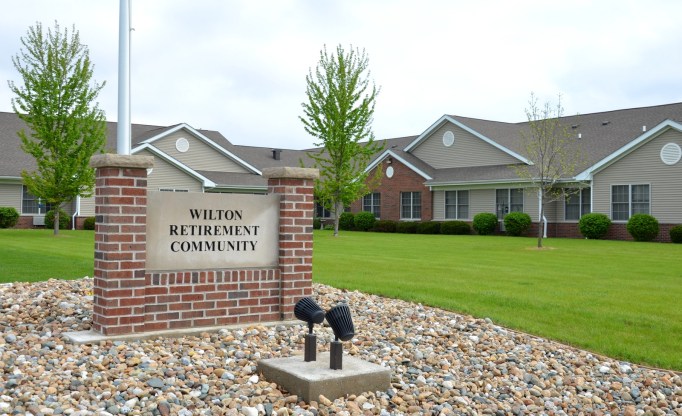
How is Wilton Retirement Community Staffed?
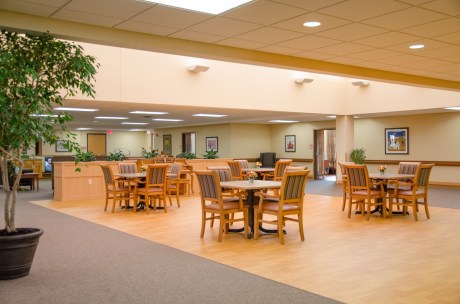
CMS rates Wilton Retirement Community's staffing level at 4 out of 5 stars, which is above average compared to other nursing homes. Staff turnover is 42%, compared to the Iowa average of 46%. This relatively stable workforce can support continuity of care.

What Have Inspectors Found at Wilton Retirement Community?

State health inspectors documented 16 deficiencies at Wilton Retirement Community during 2022 to 2024. These included: 16 with potential for harm.

Who Owns and Operates Wilton Retirement Community?

Wilton Retirement Community is owned by a non-profit organization. Non-profit facilities reinvest revenue into operations rather than distributing to shareholders. The facility operates independently rather than as part of a larger chain. With 34 certified beds and approximately 31 residents (about 91% occupancy), it is a smaller facility located in WILTON, Iowa.

How Does Wilton Retirement Community Compare to Other Iowa Nursing Homes?

Compared to the 100 nursing homes in Iowa, Wilton Retirement Community's overall rating (5 stars) is above the state average of 3.1, staff turnover (42%) is near the state average of 46%, and health inspection rating (4 stars) is above the national benchmark.

What Should Families Ask When Visiting Wilton Retirement Community?

Based on this facility's data, families visiting should ask: "Can I visit during a mealtime to observe dining assistance and food quality?" "How do you handle medical emergencies, and what is your hospital transfer rate?" "Can I speak with family members of current residents about their experience?"

Is Wilton Retirement Community Safe?

Based on CMS inspection data, Wilton Retirement Community has a clean safety record: no substantiated abuse findings (meaning no confirmed cases of resident harm), no Immediate Jeopardy citations (the most serious violation level indicating risk of serious injury or death), and is not on the Special Focus Facility watch list (a federal program monitoring the lowest-performing 1% of nursing homes). The facility has a 5-star overall rating and ranks #1 of 100 nursing homes in Iowa. While no facility is perfect, families should still ask about staff-to-resident ratios and recent inspection results during their visit.

Do Nurses at Wilton Retirement Community Stick Around?

Wilton Retirement Community has a staff turnover rate of 42%, which is about average for Iowa nursing homes (state average: 46%). Moderate turnover is common in nursing homes, but families should still ask about staff tenure and how the facility maintains care continuity when employees leave.

Was Wilton Retirement Community Ever Fined?

Wilton Retirement Community has no federal fines on record. CMS issues fines when nursing homes fail to meet care standards or don't correct problems found during inspections. The absence of fines suggests the facility has either maintained compliance or corrected any issues before penalties were assessed. This is a positive indicator, though families should still review recent inspection reports for the full picture.

Is Wilton Retirement Community on Any Federal Watch List?

Wilton Retirement Community is not on any federal watch list. The most significant is the Special Focus Facility (SFF) program, which identifies the bottom 1% of nursing homes nationally based on persistent, serious quality problems. Not being on this list means the facility has avoided the pattern of deficiencies that triggers enhanced federal oversight. This is a positive indicator, though families should still review the facility's inspection history directly.