Accura Healthcare of Onawa, LLC
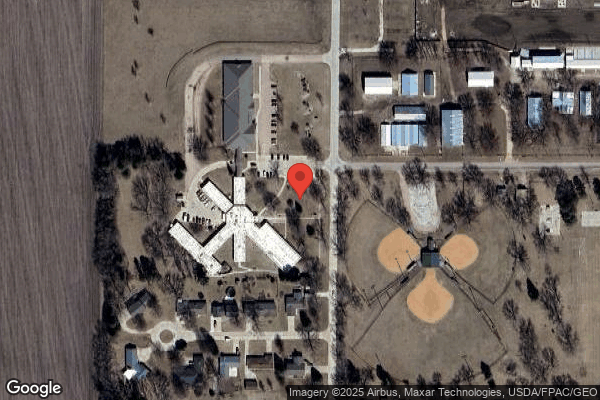
222 North 15th Street, Onawa, IA 51040 (712) 423-2510
For profit - Corporation 50 Beds ACCURA HEALTHCARE Data: November 2025
Trust Grade
35/100
#318 of 392 in IA
Last Inspection: May 2025

Inspected within the last 6 months. Data reflects current conditions.

Overview

Accura Healthcare of Onawa, LLC has received a Trust Grade of F, indicating significant concerns about the care provided, and it ranks #318 out of 392 facilities in Iowa, placing it in the bottom half. While the facility is improving, having reduced its issues from 13 to 5, it still faces serious challenges, including a recent incident where a resident developed additional skin conditions due to a lack of proper assessment. Staffing is a relative strength, with a 4/5-star rating and only 0% turnover, meaning staff are stable and familiar with the residents. However, the facility failed to provide required RN coverage on two days, raising concerns about adequate medical oversight. Families should be aware that while there are no fines on record, the facility has reported 30 issues, including one serious concern related to a resident's skin condition that led to hospitalization.

Trust Score
F
35/100
In Iowa
#318/392
Bottom 19%
Safety Record
Moderate
Needs review
Inspections
Getting Better
13 → 5 violations
Staff Stability
○ Average
Turnover data not reported for this facility.
Penalties
✓ Good
No fines on record. Clean compliance history, better than most Iowa facilities.
Skilled Nurses
✓ Good
Each resident gets 54 minutes of Registered Nurse (RN) attention daily — more than average for Iowa. RNs are trained to catch health problems early.
Violations
⚠ Watch
30 deficiencies on record. Higher than average. Multiple issues found across inspections.
★☆☆☆☆
1.0
Overall Rating
★★★★☆
4.0
Staff Levels
★☆☆☆☆
1.0
Care Quality
★★☆☆☆
2.0
Inspection Score
Stable
2024: 13 issues
2025: 5 issues

The Good

  • 4-Star Staffing Rating · Above-average nurse staffing levels
  • Full Sprinkler Coverage · Fire safety systems throughout facility
  • No fines on record

Facility shows strength in staffing levels, fire safety.

The Bad

1-Star Overall Rating

Below Iowa average (3.0)

Significant quality concerns identified by CMS

Chain: ACCURA HEALTHCARE

Part of a multi-facility chain

Ask about local staffing decisions and management

The Ugly 30 deficiencies on record

1 actual harm
May 2025 5 deficiencies
CONCERN (D)

Potential for Harm - no one hurt, but risky conditions existed

Safe Environment (Tag F0584)

Could have caused harm · This affected 1 resident

**NOTE- TERMS IN BRACKETS HAVE BEEN EDITED TO PROTECT CONFIDENTIALITY** Based on resident interview, staff interview, and policy review the facility failed to ensure 1 of 1 resident's (Resident #24) p...

Read full inspector narrative →
**NOTE- TERMS IN BRACKETS HAVE BEEN EDITED TO PROTECT CONFIDENTIALITY** Based on resident interview, staff interview, and policy review the facility failed to ensure 1 of 1 resident's (Resident #24) personal property was protected from loss or theft. The facility reported a census of 32 residents. Findings include: Review of Resident #24's Minimum Data Set (MDS) dated [DATE] revealed a Brief Interview for Mental Status (BIMS) score of 12 indicating moderate cognitive impairment. Interview 5/05/25 at 12:18 PM Resident #24 revealed she was missing a blouse with hearts, and two pairs of jeans. Resident #24 revealed that she had told staff and that the items were never replaced. Interview 5/06/25 at 8:00 AM with Staff A revealed laundry will complete inventory sheets for residents. Staff A further revealed that she was unaware she was supposed to complete inventory sheets. Staff A further revealed once the facility was switched to another company inventory sheets started to be completed, and she realized she was to be doing the inventory sheets. Staff A then revealed she was unable to locate Resident #24's inventory sheet. Interview 5/06/25 at 8:21 AM with the Administrator revealed that her expectation would be for inventory sheets to be filled out correctly and followed up on to update. The Administrator further revealed her expectation would be for inventory lists to be updated and items to be replaced if lost or stolen. Review of a facility provided policy titled, Grievance Policy with a revision date of January 2023 documented: a. The facility will take appropriate corrective action in accordance with State law if the alleged violation of the residents' rights is confirmed by the facility or if an outside entity having jurisdiction confirms a violation of any of these residents' rights within its area of responsibility.
CONCERN (D)

Potential for Harm - no one hurt, but risky conditions existed

Pharmacy Services (Tag F0755)

Could have caused harm · This affected 1 resident

**NOTE- TERMS IN BRACKETS HAVE BEEN EDITED TO PROTECT CONFIDENTIALITY** Based on clinical record review, resident interview, staff interviews and policy review the facility failed to accurately docume...

Read full inspector narrative →
**NOTE- TERMS IN BRACKETS HAVE BEEN EDITED TO PROTECT CONFIDENTIALITY** Based on clinical record review, resident interview, staff interviews and policy review the facility failed to accurately document and monitor the use of controlled substances for1 of 1 residenst reviewed. Resident #84 had prescriptions for oxycodone pain medication, scheduled three times a day and as needed (PRN.) The documentation of number of tablets administered on the Controlled Drug Count Record, was not in accordance with the Medication Administration Record (MAR.) The facility reported a census of 32 residents. Findings include: According to the Minimum Data Set (MDS) dated [DATE], Resident #84 was admitted to the facility on [DATE]. He had a Brief Interview for Mental Status (BIMS) score of 15 (intact cognitive ability.) The resident was dependent on staff for toileting, and transfers, and had a scheduled and as needed (PRN) pain medication. The residents' diagnoses included; anemia, renal insufficiency, pneumonia, cellulitis and pressure ulcers. The Care Plan for Resident #84, dated 4/10/25, showed that he had pain related to cellulitis of the perineum, wounds to bilateral buttock and the penis. Staff were to monitor for efficacy of pain medication and notify physician of adjustments needed. On 5/5/25 at 10:55 AM, Resident #84 was lying in bed on his back. He said he had some large wounds on his bottom that were causing him some pain. The resident said that sometimes, it took staff a long time to answer the call light and he had to wait for his medications. A review of the Orders tab in the electronic chart revealed the following: a. An order dated 4/22/25 at 2:50 PM for oxycodone 5milligrams (mg) give 1 tablet three times a day. b. An order dated 4/10/25 at 12:49 PM for oxycodone 5mg one tab every 4 hours as needed for acute pain for 14 days. c. An order 4/25/25 at 10:54 AM, oxycodone 5mg one tab every 4 hours as needed for pain. The Controlled Drug Administration Record (CDAR) for Resident #84, showed the pharmacy delivered 18 tablets (tabs) on 4/10/25, 28 tabs on 4/12/25, and 60 tabs on 4/22/25. A total of 106 tabs delivered. On 5/7/25 at 2:20 PM, a Pharmacy Representative verified the number delivered. On 5/7/25 at 3:20 PM, Staff E, Registered Nurse (RN) said Resident #84 had just one bubble package of oxycodone in the locked drawer and it had 11 tabs remaining. A review of the Medication Administration Record (MAR) for April and May showed that oxycodone had been administered 85 times to Resident #84. According to the CDAR documents from 4/10/25-5/7/25, 105 tabs had been administered since admission on [DATE]. On 5/06/25 at 6:12 AM, Staff F, RN, said that the nurses would count together at every shift change and then initial the Controlled Drug Count Record (CDCR) sheet, kept at the front of the binder on the medication cart. The CDCR for May, 2025 stated: signing below acknowledges that you have counted the controlled drugs on hand and have found that the quantity of each medication counted is in agreement with the quantity stated on individual narcotic form. The documentation was missing one signature on each of the following dates: 5/3, 5/4 and 5/5. On 5/07/25 at 3:26 PM, Staff D, Nurse Consultant, said that the leadership would be looking at the controlled substances forms and doing education with the staff. She said that going forward, she would like to see them use a separate sheet for each order, rather than use the same one for PRN and scheduled doses. She agreed that it was confusing and more challenging to manage when several orders were on one sheet. A facility policy titled: Controlled Substances dated 4/25/24, showed that no more than one prescription for a controlled substance would be entered on one individual narcotic sheet.
CONCERN (E)

Potential for Harm - no one hurt, but risky conditions existed

Menu Adequacy (Tag F0803)

Could have caused harm · This affected multiple residents

**NOTE- TERMS IN BRACKETS HAVE BEEN EDITED TO PROTECT CONFIDENTIALITY** Based on observation, staff interview, resident interviews and record view the facility failed to post the correct lunch menu an...

Read full inspector narrative →
**NOTE- TERMS IN BRACKETS HAVE BEEN EDITED TO PROTECT CONFIDENTIALITY** Based on observation, staff interview, resident interviews and record view the facility failed to post the correct lunch menu and failed to ensure residents were offered meal options. The facility reported a census of 32 residents. Findings include: On 5/6/25 at 11:00 AM, the bulletin board outside of the kitchen door contained a copy of the meal schedule for the month of May. For Week 1, Tuesday 5/6, the lunch meal for the day was listed as; spaghetti with meat sauce, seasonal vegetable, garlic toast and pumpkin dessert. On 5/6/25 at 11:10 AM Staff C prepared the lunch meal of goulash, garlic toast, mixed vegetables and poppy seed cake. When asked about the menu changes, she said that they were transitioning to the new company that would be managing the facility, and they were trying to use up the food they had on hand. When asked if the residents had a menu that they would fill out daily, Staff C said they had a checklist with the resident's names. When the staff had time, the dietary aides would go around to the residents in the morning and ask them if they would like an alternate. She said that the task did not get completed that morning and the residents were not aware of the changes. According to the Minimum Data Set (MDS) dated [DATE], Resident #3 had a Brief Interview for Mental Status (BIMS) score of 15 (intact cognitive ability.) On 5/07/25 at 12:44 PM, Resident #3 was in her room eating the lunch meal and an aide was with her for supervision. The resident had some coughing as she fed herself. Resident #3 said that the kitchen staff would post the menus for the month, and she would look at it occasionally but the staff didn't always come around and ask her before the meal. The MDS dated [DATE], showed that Resident #24 had a BIMS score of 12 (moderate cognitive deficit) On 5/7/25 at 12:48 PM, Resident #24 was pushing herself in her wheel chair back to her room. She pointed to the documents taped on her door that had the menu and alternatives for those days. She said they have some different choices, but on one day, the only other choice was a hot dog and she could not eat hot dogs. On 5/7 the mixed vegetables included peas and she could not tolerate peas. She said that she did not have anyone come and ask her that morning if she wanted any substitutes for the lunch meal. The MDS dated [DATE], showed that Resident #15 had a BIMS score of 15 (intact cognitive ability.) She had a low salt, diabetic diet. On 5/7/25 at 12:52 PM, Resident #15 was in her room eating lunch. She said that she would look at the monthly menu that was hanging on her door for what was being served that day and if they would like alternatives. She said it would be nice if someone were to come around and ask if they would like an alternative. That morning, she had a waffle and it was a lot to eat so she wasn't very hungry for lunch. She would have taken the option of a half a sandwich if staff had come around and asked. The Meal Alternatives document hanging on the door of resident's rooms stated that dietary staff must be informed of alternatives by 9:30 am for lunch or 1:30 PM for dinner. On 5/07/25 at 6:52 AM, the Dietary Manager said the dietary aides would go around to the residents and ask if they wanted the alternative, but she generally knew their preferences. She was not aware of any facility policy on food choices.
CONCERN (E)

Potential for Harm - no one hurt, but risky conditions existed

Food Safety (Tag F0812)

Could have caused harm · This affected multiple residents

Based on observation, staff interview and policy review the facility failed to ensure that outdated foods had been discarded in a timely manner. The facility reported a census of 32 residents. Findin...

Read full inspector narrative →
Based on observation, staff interview and policy review the facility failed to ensure that outdated foods had been discarded in a timely manner. The facility reported a census of 32 residents. Findings include. In an observation of the kitchen and coolers, on 5/05/25 at 9:40 AM, it was discovered that the walk-in refrigerator contained a bag of shredded carrots on the lower shelf. The bag was taped shut and the tape was dated 4/11/25. Staff C, [NAME] looked at that package and found that the expiration date was 4/18/25. Staff C then threw the carrots in the trash. The dry storage area contained 2 bags of gram cracker crumbs. The package was marked with an open date of 2/26/25. The Dietary Manager (DM) was not sure about an expiration date but agreed that the crumbs should be discarded. On 5/07/25 at 6:52 AM, the DM said that she would go through the coolers and dry storage looking for outdates on the day of deliveries. Other times, the staff may catch the outdates. She was not aware of a policy on checking for outdated food. According to policy titled: Food Brought in by Family/Visitors, dated January of 2023, food and beverage in their original container that were past the manufacturers expiration date would be discarded.
CONCERN (F)

Potential for Harm - no one hurt, but risky conditions existed

Deficiency F0727 (Tag F0727)

Could have caused harm · This affected most or all residents

Based on schedule review, staff interviews and document review the facility failed to ensure that a Registered Nurse (RN) was at the facility for 8 consecutive hours every day. In a review of the 30-d...

Read full inspector narrative →
Based on schedule review, staff interviews and document review the facility failed to ensure that a Registered Nurse (RN) was at the facility for 8 consecutive hours every day. In a review of the 30-day nursing schedule, on 2 days the facility failed to have RN coverage. The facility reported a census of 32 residents. Findings include: In a review of the April, 2025 Nursing Schedule it was discovered that on the 13th and the 17th, the schedule lacked a Registered Nurse. On 5/07/25 at 10:04 AM, the Director of Nursing (DON) acknowledged that on the 13th (a Sunday) and the 17th (a Thursday) of April there was no RN coverage. On 5/07/25 at 3:29 PM, Staff D, Nurse Consultant said that she wasn't sure if they had a policy on RN coverage but they follow the standard of care to have 8 consecutive hours of RN coverage per day. The Facility Assessment updated on 8/8/24, showed that the general approach to staffing would ensure that the facility had sufficient staff to meet the needs of the residents at any time given. The staffing plan depended on census, acuity and availability to hire.
Jul 2024 3 deficiencies
CONCERN (D) 📢 Someone Reported This

A family member, employee, or ombudsman was alarmed enough to file a formal complaint

Potential for Harm - no one hurt, but risky conditions existed

Deficiency F0658 (Tag F0658)

Could have caused harm · This affected 1 resident

**NOTE- TERMS IN BRACKETS HAVE BEEN EDITED TO PROTECT CONFIDENTIALITY** Based on staff interviews and clinical record review the facility failed to follow medication orders for 1 of 3 residents. Resid...

Read full inspector narrative →
**NOTE- TERMS IN BRACKETS HAVE BEEN EDITED TO PROTECT CONFIDENTIALITY** Based on staff interviews and clinical record review the facility failed to follow medication orders for 1 of 3 residents. Resident #1 had a medication order for treatment of low blood pressure (BP) and staff were directed to hold the medication when the systolic BP (top number) was higher than 130. In the month of June, staff administered the medication many times outside of the parameters. The facility reported a census of 35 residents. Findings include: According to the Minimum Data Set (MDS) assessment dated [DATE], Resident #1 had a Brief Interview for Mental Status (BIMS) score of 11 (moderate cognitive deficits). The resident was totally dependent on staff for transfers and dressing and required hemodialysis services. Her diagnosis included anemia, hypertension, gastroesophageal reflux disease (GERD), end stage renal disease (ESRD) and diabetes mellitus. The Care Plan for Resident #1, dated 7/26/24, showed that the resident received hemodialysis related to ESRD. Staff were directed to communicate with the dialysis unit and to monitor for signs and symptoms of renal insufficiency such as change in heart and lung sounds, obtain vital signs and weight per protocol and report significant change in pulse, respirations and blood pressure immediately. Resident #1 was at risk for alteration in nutritional status related to diabetes with potential for abnormal blood sugar. Staff were to obtain blood sugar per physician order and monitor for hyperglycemia and hypoglycemia. The Clinical Physician's Order revealed an order dated 2/28/24 at 2:34 PM, for Midodrine 10 milligrams (mg) one tab three times a day. Hold if systolic BP was greater than 130. The Medication Administration Record for June 2024 showed that the medication was given on the following date and blood pressures: a. June 1; 135/95 b. June 2; 148/75 c. June 3; 138/74 and 132/70 d. June 16; 135/74 and 140/68 e. June 18; 141/68 f. June 20; 144/65 g. June 24; 134/70 h. June 25; 138/64 On 7/27/24 at 2:45 PM, the Director of Nursing (DON) said they did not have a policy on following physician orders. Nurse Consultant said we follow the orders. On 7/27/24 at 4:00 PM, the DON said that she needed to do some education with the staff that documented that they gave the medication when the blood pressures had been outside the recommended parameters.
CONCERN (D) 📢 Someone Reported This

A family member, employee, or ombudsman was alarmed enough to file a formal complaint

Potential for Harm - no one hurt, but risky conditions existed

Quality of Care (Tag F0684)

Could have caused harm · This affected 1 resident

**NOTE- TERMS IN BRACKETS HAVE BEEN EDITED TO PROTECT CONFIDENTIALITY** Based on staff interviews, clinical record review and hospital record review, the facility failed to provide complete and timely...

Read full inspector narrative →
**NOTE- TERMS IN BRACKETS HAVE BEEN EDITED TO PROTECT CONFIDENTIALITY** Based on staff interviews, clinical record review and hospital record review, the facility failed to provide complete and timely assessments and interventions for 1 of 3 residents reviewed. Resident #1 was readmitted to the facility after a long hospitalization. Staff failed to document current vital signs and failed to obtain a blood glucose level upon admission. The facility reported a census of 35 residents. Findings include: According to the Minimum Data Set (MDS) assessment dated [DATE], Resident #1 had a Brief Interview for Mental Status (BIMS) score of 11 (moderate cognitive deficits). The resident was totally dependent on staff for transfers and dressing and required hemodialysis services. Her diagnosis included anemia, hypertension, gastroesophageal reflux disease (GERD), end stage renal disease (ESRD) and diabetes mellitus. The Care Plan for Resident #1, dated 7/26/24, showed that the resident received hemodialysis related to ESRD. Staff were directed to communicate with the dialysis unit and to monitor for signs and symptoms of renal insufficiency such as change in heart and lung sounds, obtain vital signs and weight per protocol and report significant change in pulse, respirations and blood pressure immediately. Resident #1 was at risk for alteration in nutritional status related to diabetes with potential for abnormal blood sugar. Staff were to obtain blood sugar per physician order and monitor for hyperglycemia and hypoglycemia. The Medication Administration Record (MAR) for the month of July 2024 showed an order dated 2/28/24 at 2:29 PM for Insulin Lispro Solution 100 units per milliliters to be injected as per sliding scale (units determined per glucose level). According to a Nursing Data Collection document for reentry, dated 7/16/24 at 2:59 PM Resident #1 was readmitted to the facility after a hospitalization. The vital signs entered upon admission were from 6/26/24 at 7:39 PM and the chart lacked a blood glucose check. On 7/27/24 at 12:34 PM, the Director of Nursing (DON) said that the admitting nurse had documented the vital signs (VS) on paper but failed to enter them into the electronic chart but the VS were stable. She did not find documentation of a blood glucose level upon admission. The DON said that the insulin had not been delivered from the pharmacy on 7/16, the resident was not having symptoms of hypo or hyperglycemia, and the nurse did not have an order for blood glucose checks, so not having checked the blood glucose upon admission was not a failure. On Page 15 from the Hospital Discharge Instructions dated 7/16/24 at 12:14 PM, showed that staff were to check blood glucose before meals and at bedtime unless otherwise directed by the physician. Staff were to notify the physician if the blood glucose was above 240 milligrams per deciliter (mg/dl) for 48 hours if it was above 400 mg/dl, and did not respond to attempts to correct it. If the blood glucose was less than 70 was symptomatic and did not respond to attempts to correct it. On 7/27/24 at 1:45 PM the DON said that they do not have a policy on admission assessments.
CONCERN (D) 📢 Someone Reported This

A family member, employee, or ombudsman was alarmed enough to file a formal complaint

Potential for Harm - no one hurt, but risky conditions existed

Deficiency F0698 (Tag F0698)

Could have caused harm · This affected 1 resident

**NOTE- TERMS IN BRACKETS HAVE BEEN EDITED TO PROTECT CONFIDENTIALITY** Based on staff interviews, clinical record review and policy review the facility failed to conduct pre-dialysis assessments for ...

Read full inspector narrative →
**NOTE- TERMS IN BRACKETS HAVE BEEN EDITED TO PROTECT CONFIDENTIALITY** Based on staff interviews, clinical record review and policy review the facility failed to conduct pre-dialysis assessments for 2 of 2 residents (Resident #1, and #3) reviewed. The facility reported a census of 35 residents. Findings include: 1. According to the Minimum Data Set (MDS) assessment dated [DATE], Resident #1 had a Brief Interview for Mental Status (BIMS) score of 11 (moderate cognitive deficits). The resident was totally dependent on staff for transfers and dressing and required hemodialysis services. Her diagnosis included anemia, hypertension, gastroesophageal reflux disease (GERD), end stage renal disease (ESRD) and diabetes mellitus. The Care Plan for Resident #1, dated 7/26/24, showed that the resident received hemodialysis related to ESRD. Staff were directed to communicate with the dialysis unit and to monitor for signs and symptoms of renal insufficiency such as change in heart and lung sounds, obtain vital signs and weight per protocol and report significant change in pulse, respirations and blood pressure immediately. Resident #1 was at risk for alteration in nutritional status related to diabetes with potential for abnormal blood sugar. Staff were to obtain blood sugar per physician order and monitor for hyperglycemia and hypoglycemia. A review of the Dialysis Communication documents for the month of June revealed that on 6/10, 6/12, 6/14 and 6/21/24 staff failed to include pre-dialysis assessments to include vital signs or weights. A Nursing Note dated 6/28/24 at 11:00 AM documented the dialysis unit called the nursing home that morning to inform them the resident was sent to the Emergency Department (ED) with a high pulse and low blood pressure. The chart lacked documentation of vital signs on 6/28/24 before the resident was sent to dialysis. 2. According to the MDS assessment dated [DATE] Resident #3 had a BIMS score of 0 (severe cognitive deficits). The resident was totally dependent on staff for eating, dressing, showering and transfers. Diagnosis included dependence on renal dialysis, Parkinsons, seizure disorder and obstructive uropathy. The Care Plan for Resident #3, updated on 5/21/24 showed that the resident required hemodialysis related to renal failure. Staff were to obtain vital signs and weight per protocol and report significant changes in pulse, respirations and blood pressure immediately. A review of the Dialysis Communication documents for the month of July revealed that on 7/10, 7/15 7/17, 7/19 and 7/24/24, staff failed to include pre-dialysis assessments to include vital signs or weights for Resident #3. On 7/27/24 at 10:11 AM, the Director of Nursing (DON) said that the nursing staff at the facility did not do pre-dialysis assessments because the dialysis department completed those. The nursing home staff had been instructed to keep that part of the form blank for the dialysis nurses to fill out. When asked how the staff would know if the resident was well enough to tolerate going to dialysis before sending her, the DON again responded dialysis does their own assessment. According to the facility policy titled: Dialysis Communication dated 8/2015, the purpose of the policy was to communicate resident information between the nursing facility and dialysis center. Prior to the resident departure to the dialysis center, and upon return to the nursing facility, the nurse would record vital signs, blood sugar and any changes since the last dialysis appointment.
Jun 2024 7 deficiencies
CONCERN (D)

Potential for Harm - no one hurt, but risky conditions existed

Deficiency F0625 (Tag F0625)

Could have caused harm · This affected 1 resident

**NOTE- TERMS IN BRACKETS HAVE BEEN EDITED TO PROTECT CONFIDENTIALITY** Based on clinical record review, staff interview, and facility policy, the facility failed to ensure bed hold notice was sent to...

Read full inspector narrative →
**NOTE- TERMS IN BRACKETS HAVE BEEN EDITED TO PROTECT CONFIDENTIALITY** Based on clinical record review, staff interview, and facility policy, the facility failed to ensure bed hold notice was sent to the resident and or the resident's responsible person after giving a verbal consent when residents transferred out of the facility for 1 of 3 residents reviewed (Residents #19). The facility reported a census of 34 residents. Findings include: The Minimum Data Set (MDS) assessment dated [DATE] for Resident #19 documented diagnosis of heart failure, hyperlipidemia and asthma. The MDS showed the Brief Interview for Mental Status (BIMS) score of 13 indicating no cognitive impairment. Review of Resident #19's progress notes revealed the following information: a. on 8/26/23 at 9:27 p.m.,the ambulance was at the facility to take Resident #19 to the emergency room. b. On 8/29/23 at 11:39 a.m., the resident returned to the facility. Review of Resident #19's census tab revealed the following information: a. 8/26/23 hospital unpaid leave b. 8/29/23 active Review of the clinical record revealed a bed hold dated 8/26/23 lacked information regarding bed hold notice that was sent to resident and or the resident's responsible person after giving a verbal consent. Review of an undated facility provided policy titled, Bed Hold Requirement and Notification revealed: a. Complete the Bed Hold Form prior to transferring the resident/patient to the hospital. In cases of an emergency transfer, written notification must be provided within twenty- four hours of transfer.
CONCERN (D)

Potential for Harm - no one hurt, but risky conditions existed

PASARR Coordination (Tag F0644)

Could have caused harm · This affected 1 resident

**NOTE- TERMS IN BRACKETS HAVE BEEN EDITED TO PROTECT CONFIDENTIALITY** Based on clinical record review, staff interviews, and policy review the facility failed to resubmit Preadmission Screening and ...

Read full inspector narrative →
**NOTE- TERMS IN BRACKETS HAVE BEEN EDITED TO PROTECT CONFIDENTIALITY** Based on clinical record review, staff interviews, and policy review the facility failed to resubmit Preadmission Screening and Resident Review (PASRR) with new mental health diagnoses and after initiation of mental health services for 1 of 2 residents reviewed for PASRR requirements (Resident #2). The facility reported a census of 34 residents. Findings include: The Minimum Data Set (MDS) assessment dated [DATE] for Resident #2 documented diagnoses of depression, anxiety disorder and post traumatic stress disorder (PTSD). The MDS showed a Brief Interview for Mental Status (BIMS) score of 15 indicating no cognitive impairment. Review of the clinical record for Resident #2 revealed a Notice of Negative Level I Screen Outcome dated 4/9/24 revealed the PASRR level 1 screen remains valid for your stay at the nursing facility and should be transferred with you if you relocate. No further level 1 screening is required unless you are known to have or are suspected of having a major mental illness or an intellectual or developmental disability and exhibit a significant change in treatment needs. Further review revealed the following questions indicated the following: a. Mental health conditions diagnosed or suspected included: Anxiety disorder b. Behavioral Health Services: No Review of the Psychiatric Progress Note dated 6/6/24 showed Resident #2 received mental health services. Diagnoses included major depressive disorder, anxiety disorder and PTSD. Review of the PASRR Level I Determination dated 4/9/24 lacked the following information: a. Active diagnosis of major depressive disorder and PTSD b. Lacked documentation of current ongoing behavioral health services The Pre-admission Screening policy dated 2/15 failed to instruct staff of the requirements to resubmit a PASRR. In an interview on 6/12/24 at 9:11 AM, the Business Office Manager (BOM) reported that she is currently responsible for PASRR resubmission's. After reviewing Resident #2's PASRR, the BOM stated, the PASRR should have been resubmitted. In an interview on 06/12/24 at 2:47 PM, the Director of Nursing (DON) reported the new social worker will be responsible to complete resubmission's of PASRRs when training is completed. The DON reported the facility planned to re-establish the responsibility of PASRR reviews upon admission to the MDS Nurse.
CONCERN (D)

Potential for Harm - no one hurt, but risky conditions existed

Quality of Care (Tag F0684)

Could have caused harm · This affected 1 resident

**NOTE- TERMS IN BRACKETS HAVE BEEN EDITED TO PROTECT CONFIDENTIALITY** Based on clinical record review, staff interviews, and policy review the facility failed to complete assessment and intervention...

Read full inspector narrative →
**NOTE- TERMS IN BRACKETS HAVE BEEN EDITED TO PROTECT CONFIDENTIALITY** Based on clinical record review, staff interviews, and policy review the facility failed to complete assessment and interventions for the necessary care and services, to maintain the residents' highest practical physical well-being. Clinical record review revealed the nursing staff failed to complete all required skilled assessments for 1 out 1 residents reviewed (Resident #2). The facility reported a census of 34 residents. Findings included: The Minimum Data Set (MDS) assessment dated [DATE] for Resident #2 documented diagnoses of paraplegia, Chronic Obstructive Pulmonary Disease (COPD) and neurogenic bladder. The MDS showed a Brief Interview for Mental Status (BIMS) score of 15 indicating no cognitive impairment. The Progress Note for Resident #2 showed the resident hospitalized from [DATE] and returned back to the facility on 5/29/24. The Hospital Records showed Resident #2 admitted to the skilled care unit of the hospital on 4/22/24 with a chief complaint of Acute Kidney Injury. In an interview on 6/11/24 at 11:22 AM, the Director of Nursing (DON) reported skilled assessments for Resident #2 should have been completed twice a day from readmission on [DATE] through 6/7/24. The Clinical Assessment for Resident #2 showed the facility failed to complete both skilled assessments on: a. 6/4/24 b. 6/5/24 c. 6/6/24 The Clinical Assessment for Resident #2 showed the facility failed to complete one skilled assessments on: a. 5/30/24 b. 5/31/24 c. 6/1/24 d. 6/2/24 e. 6/5/24 The Skilled Services Documentation dated August 2015 instructed staff to enter a narrative note in the electronic documentation once a day. The policy lacked instruction for the frequency of skilled assessments. In an interview on 6/12/24 at 3:49 PM, the Director of Nursing (DON) reported that she reviewed the skilled assessments for Resident #2 and found staff failed to complete skilled assessments. When asked if additional documentation could be found in the Progress Notes, the DON replied, no.
CONCERN (D)

Potential for Harm - no one hurt, but risky conditions existed

Accident Prevention (Tag F0689)

Could have caused harm · This affected 1 resident

**NOTE- TERMS IN BRACKETS HAVE BEEN EDITED TO PROTECT CONFIDENTIALITY** Based on observations, clinical record review, medical equipment manufacturer guide review, policy review and staff interview th...

Read full inspector narrative →
**NOTE- TERMS IN BRACKETS HAVE BEEN EDITED TO PROTECT CONFIDENTIALITY** Based on observations, clinical record review, medical equipment manufacturer guide review, policy review and staff interview the facility failed to follow mechanical lift requirements to avoid hazards and prevent accidents for 1 of 2 residents reviewed (Resident #2). The facility reported a census of 34 residents. Findings include: The Minimum Data Set (MDS) assessment dated [DATE] for Resident #2 documented diagnoses of paraplegia, chronic obstructive pulmonary disease (COPD) and neurogenic bladder. The MDS showed a Brief Interview for Mental Status (BIMS) score of 15 indicating no cognitive impairment. The MDS showed the resident to be totally dependent on toilet hygiene, lower body dressing and personal hygiene. The Care Plan last revised on 6/7/24 identified Resident #2 required total assistance with transfers and two staff for the use of the mechanical lift. Observation on 6/4/24 at 3:10 PM revealed Staff A, Certified Nurse's Aide (CNA), and Staff B, CNA used a mechanical lift to transfer Resident #2 from the bed to the wheelchair. Staff failed to lock the wheelchair brakes before lowering the resident down into the wheelchair from the mechanical lift. The undated Owner's Guide for the mechanical left directed staff when transferring a resident from bed to a wheelchair, the wheelchair brakes must be locked. The Lift Devices policy last revised March 2017 instructed staff to place the wheelchair at the foot of the bed, parallel to it and approximately 3 feet away, and to lock the brakes. In an interview on 6/12/24 at 3:49 PM, the Director of Nursing (DON) reported in this case she would have followed the lift operator's guide and applied the wheelchair brakes before lowering the resident into the wheelchair.
CONCERN (D)

Potential for Harm - no one hurt, but risky conditions existed

Deficiency F0805 (Tag F0805)

Could have caused harm · This affected 1 resident

Based on observation, review of facility menus, staff interviews, and facility policy review the facility failed to follow the menu for mechanical soft diets for 4 of 34 meals observed (Residents #8, ...

Read full inspector narrative →
Based on observation, review of facility menus, staff interviews, and facility policy review the facility failed to follow the menu for mechanical soft diets for 4 of 34 meals observed (Residents #8, #11, #27 and #138). The facility reported a census of 34 residents. Findings include: The therapeutic mechanical lunch menu for 6/12/24 diet included: a. 4 ounces of buttered waxed beans On 6/12/24 at 12:13 PM, the Dietary Manager (DM) served Resident #8, #11, #27 and #138 peas instead of buttered waxed beans for mechanical soft diets. In an interview on 6/12/24 at 12:23 PM, the Dietary Manager asked to review the menu for mechanical soft diets. After reviewing the menu the DM reported buttered wax beans should have been served instead of peas. The DM stated, sorry about that. I'll add them to my grocery list. When asked if she knew why wax beans should be served instead of peas, the DM replied, I don't know. Maybe because they can choke. When asked what the next steps would be if peas are a choking hazard, the DM told staff to get Resident #138's tray. When asked about the other mechanical soft diets that received peas, the DM left the kitchen to retrieve the peas from Residents #8, #11 and #27. On 6/12/24 at 1:35 PM the Dietician stated staff needed to follow the menu. When asked if peas could be a choking hazard for Resident #8, with past swallowing issues, the Dietician stated, no. The Dietician explained that Resident #8 had a dental problem and not an issue with the mechanics of swallowing. When asked if residents with mechanical soft diets should have served buttered waxed beans instead of peas, to prevent possible eating or swallowing issues, the Dietician stated, yes. The Menu Planning Guide last revised March 2022 identified the house mechanical soft. The use of this texture modification is for individuals who have difficulty chewing but are able to tolerate a wide variety of foods. It may also be used for individuals with missing teeth, ill-fitting dentures, general weakness and other chewing problems. It may also be useful for those with esophageal stricture. It is designed to permit easy chewing. The Regular/NAS diet is modified in consistency and texture by cooking, grinding, chopping, mincing or mashing any foods that are more difficult to chew. Modifications to this diet need to be individualized according to the person's needs. The following foods are adjusted or omitted: Omit: raw or undercooked vegetables, vegetables with tough skins, whole kernel corn, peas, dried fruit, coconut, chunk pineapple, fruits with tough skins, breads with tough, dry or hard crusts, nuts, seeds, popcorn, wild rice, whole meats, meats with thick or hard breading, crunchy peanut butter, tough legumes In an interview on 6/12/24 at 3:49 PM, the Director of Nursing (DON) reported knowledge that certain foods potentially caused eating or swallowing issues. The DON reported that she expected staff to serve the therapeutic menus planned. The DON stated, I'll be watching closer from now on.
CONCERN (D)

Potential for Harm - no one hurt, but risky conditions existed

Infection Control (Tag F0880)

Could have caused harm · This affected 1 resident

Based on observation, staff interviews, Center for Disease Control (CDC) guidelines and infection control policy the facility failed to use universal infection control measures and Enhanced Barrier Pr...

Read full inspector narrative →
Based on observation, staff interviews, Center for Disease Control (CDC) guidelines and infection control policy the facility failed to use universal infection control measures and Enhanced Barrier Precautions (EBP) during wound care for 1 of 3 residents reviewed for infection control (Resident #25). The facility reported a census of 34 residents. Findings include: Observation on 6/13/24 at 9:12 AM Staff D Registered Nurse (RN) completed hand hygiene and donned gloves prior to removing Resident #25's old dressing to the left heel. Staff D then doffed her gloves and completed hand hygiene again. Staff D then donned new gloves and completed the dressing change as ordered by the physician. During the procedure Staff D failed to wear a gown as required per Enhanced Barrier Precautions (EBP). In an interview on 6/13/24 at 9:30 AM Staff D revealed she had not been trained on EBP, and that she probably should have worn a gown while completing the wound care for Resident #25. In an interview on 6/13/24 at 9:35 AM with the Director of Nursing (DON) revealed her expectation would be for gowns to be worn during wound cares. The DON further revealed that there will be an all staff reeducation on extended barrier precautions. Review of the facility provided policy titled, Infection Control Manual with the subject of Enhanced Barrier Precautions documented: a. Wear a gown to protect skin and to prevent soiling of clothes during procedures and resident/patient care activities that are likely to generate splashes or sprays of blood, body fluids, secretions, and excretions. Wear a gown when providing care to chronic wounds. Centers for Disease Control and Prevention website titled, Implementation of Personal Protective Equipment (PPE) Use in Nursing Homes to Prevent Spread of Multidrug-resistant Organisms (MDROs), visited 6/13/24 and updated 7/12/22 revealed recent changes included, additional rationale for the use of Enhanced Barrier Precautions (EBP) in nursing homes, including the high prevalence of multidrug-resistant organism (MDRO) colonization among residents in this setting. Expanded residents for whom EBP applies to include any resident with an indwelling medical device or wound (regardless of MDRO colonization or infection status). Expanded MDROs for which EBP applies. Clarified that, in the majority of situations, EBP are to be continued for the duration of a resident's admission. EBP may be indicated (when Contact Precautions do not otherwise apply) for residents with any of the following: Wounds or indwelling medical devices, regardless of MDRO colonization status and Infection or colonization with an MDRO. Effective implementation of EBP requires staff training on the proper use of personal protective equipment (PPE) and the availability of PPE and hand hygiene supplies at the point of care.
CONCERN (E)

Potential for Harm - no one hurt, but risky conditions existed

Food Safety (Tag F0812)

Could have caused harm · This affected multiple residents

Based on observations, staff interviews, and facility policy review the facility failed to ensure sanitary conditions where staff prepared and stored food. The facility identified a census of 34 resid...

Read full inspector narrative →
Based on observations, staff interviews, and facility policy review the facility failed to ensure sanitary conditions where staff prepared and stored food. The facility identified a census of 34 residents. Findings included: The initial kitchen walkthrough on 06/10/24 at 11:34 AM revealed the following: a. The stove top showed a thick layer of grease with food splatter and a variety of food debris. b. Open shelving contained food debris and dried liquid. c. Two carts contained a variety of scattered food debris. d. The floor contained an accumulation of food debris and a variety of dried liquid. During the kitchen walkthrough the Dietary Manager (DM) reported that she expected the stove, shelfs, carts and floor to be clean and free of food, dried liquid, and debris. When reviewing the cleaning logs, the DM stated, We complete the routine cleaning and sign our logs. There is a problem with someone that worked this past weekend. I'll follow up. The Cleaning and Sanitizing policy last revised June 2015 identified the facility promotes a clean and sanitary environment for its employees, resident/patients, and visitors. The entire Nutrition Services team maintains clean and sanitary kitchen facilities and equipment. Walls, floors, ceiling, equipment, and utensils are clean, sanitized, and in good working order. All local, State, and Federal regulations are followed in order to assure a safe and sanitary Nutrition Services Department. In an interview on 06/12/24 at 1:32 PM, the Administrator relayed that the DM talked with her about the findings in the kitchen. When asked if she expected the DM to keep the stove, open shelving, carts and floor clean and sanitary, the Administrator replied, yes.
Jan 2024 3 deficiencies 1 Harm
SERIOUS (G) 📢 Someone Reported This

A family member, employee, or ombudsman was alarmed enough to file a formal complaint

Actual Harm - a resident was hurt due to facility failures

Pressure Ulcer Prevention (Tag F0686)

A resident was harmed · This affected 1 resident

**NOTE- TERMS IN BRACKETS HAVE BEEN EDITED TO PROTECT CONFIDENTIALITY** Based on clinical record review, staff interviews, and facility policy review, the facility failed to assess skin conditions aft...

Read full inspector narrative →
**NOTE- TERMS IN BRACKETS HAVE BEEN EDITED TO PROTECT CONFIDENTIALITY** Based on clinical record review, staff interviews, and facility policy review, the facility failed to assess skin conditions after discovery to prevent a decline in the pressure wound for 1 of 3 residents reviewed (Resident #3). Resident #3 admitted to the facility with skin conditions of surgical incisions, some skin tears, and bruising on 11/29/23. During his time at the facility, he developed additional skin conditions that lead to a hospitalization due to an infection in his wounds. The hospital records revealed that Resident #3 had a pressure ulcer to his back, coccyx, and left heel. The record included those in addition to his fractures that happened prior to his admission to the nursing home of his left hip and shoulder. Resident #3's clinical record at the nursing home lacked documentation related to the pressure ulcers. Findings include: The MDS (Minimum Data Set) assessment identifies the definition of pressure ulcers: Stage I is an intact skin with non-blanchable redness of a localized area usually over a bony prominence. Darkly pigmented skin may not have a visible blanching; in dark skin tones only, it may appear with persistent blue or purple hues. Stage II is partial thickness loss of dermis presenting as a shallow open ulcer with a red or pink wound bed, without slough (dead tissue, usually cream or yellow in color). May also present as an intact or open/ruptured blister. Stage III Full thickness tissue loss. Subcutaneous fat may be visible but bone, with no tendon or muscle exposed. Slough may be present but does not obscure the depth of tissue loss. May include undermining and tunneling. Stage IV is full thickness tissue loss with exposed bone, tendon or muscle. Slough or eschar (dry, black, hard necrotic tissue) may be present on some parts of the wound bed, often including undermining and tunneling or eschar. Unstageable Ulcer: inability to see the wound bed. Other staging considerations include: Deep Tissue Pressure Injury (DTPI): Persistent non-blanchable deep red, maroon or purple discoloration. Intact skin with localized area of persistent non-blanchable deep red, maroon, purple discoloration due to damage of underlying soft tissue. Tissue in this area may have started as painful, firm, mushy, boggy, warmer or cooler tissue than adjacent areas. These changes often precede skin color changes and discoloration may appear differently in darkly pigmented skin. This injury results from intense and/or prolonged pressure and shear forces at the bone-muscle interface. Resident #3's Minimum Data Set (MDS) assessment dated [DATE] listed an admission date of 11/29/23. The MDS identified a Brief Interview of Mental Status (BIMS) score of 11, indicating moderately impaired cognition. The MDS indicated he had an impairment to one side of his upper and lower extremities. The MDS included diagnoses of pathological hip fracture, atrial fibrillation, anxiety, depression, and left shoulder fracture. Resident #3 had a risk for developing pressure ulcers, had no unhealed pressure ulcers/injuries, but did have surgical wounds. Resident #3 had a pressure reducing device for his chair and bed. The Baseline Care Plan dated 11/29/23 indicated Resident #3 had wounds other than pressure injury identified and the wound would heal without signs/symptoms of infection. The Interventions included: assess, document, and notify the physician of wound healing progress, administer medications, and supplements per physician's orders. The section labeled describe additional skin interventions, remained blank. The Baseline Care Plan reflected that he required assistance from one staff for bed mobility, transfers, walking, toileting and used a walker for locomotion. The Care Plan Focus dated 12/12/23 documented Resident #3 had the potential for the development of pressure ulcers related to immobility. The Interventions directed to follow facility policies/protocols for the prevention of skin breakdown, inform the resident and family of any new area of skin breakdown, and to treat pain as ordered prior to turning to ensure the resident is comfortable. Braden Scale Review Scores a. 11/29/23 - 18, indicating a low risk for the development of pressure ulcers. b. 12/4/23 - 10, indicating a high risk for the development of pressure ulcers. c. 12/11/23 - 15, indicating a low risk for the development of pressure ulcers. The Medication Review Report signed by the physician on 12/1/23 included the following orders: - 11/28/23: Complete Braden assessment every week on Mondays for 4 weeks upon admission, for skin integrity. - 11/29/23: Monitor left hip incision and keep clean, dry, and intact, every shift for health maintenance. Notify the physician of any signs/symptoms of infection. The Medication Review Report signed by the physician on 12/13/23 included the following orders: - 11/29/23: Monitor left hip incision and keep clean, dry and intact, notify physician of any signs and symptoms of infection, every shift for health maintenance. - 12/5/23: Mighty shake one time a day for wound healing. - 12/6/23: Cover all skin tear areas (left front shin, left lateral knee, right upper arm) with Mepilex every day until healed and then discontinue. - 12/7/23: Dressing (4x4 gauze and paper tape) to left hip every 1 hour as needed (PRN) for surgical incision healing. - 12/12/23: Left lower extremity wound: cleanse with wound cleanser, cover with calcium alginate with silver, then cover with super absorbent dressing every day shift for wound treatment. The Nursing Data Collection assessment dated [DATE] at 11:04 AM listed Resident #3 had skin integrity issues to his left hip of a surgical incision and to the left shoulder of bruising. The Health Status Note dated 11/29/23 at 12:23 PM indicated Resident #3 admitted to the facility following surgical repairs of a left hip and left shoulder fracture. He had sutures to his left thigh, with an abrasion. The wound wept through the dressing and required daily changes. The Fax dated 12/4/23 from the facility to the physician Resident #3 continued to want to stay in bed and sleep. He continued to get weak, with a poor appetite, an intake of approximately 25%, and a fair fluid intake. The note reflected the facility had concerns with Resident #3 may have depression. They planned to continue to encourage Resident #3 to get up to eat. The physician responded on 12/4/23 with an order for mirtazapine (antidepressant, appetite suppressant) 75 milligrams (mg). The Health Status Note dated 12/4/23 at 10:28 AM recorded the nurse faxed the doctor about Resident #3 staying in bed all the time, having a poor appetite, and acting depressed. The Health Status Note dated 12/4/23 at 5:22 PM reflected the completed skin check revealed areas present upon admission. The Fax dated 12/4/23 from the facility to the physician included a copy of Resident #3's skin sheet. The communication inquired for an order to cover skin tear areas with Mepilex every day until healed then discontinue. On 12/5/23, the provider responded, yes. The Health Status Note dated 12/5/23 at 2:39 PM listed the Dietitian faxed the provider recommendations to start Resident #3 with a mighty shake (nutritional supplement) every day for wound healing. Review of the hot charting binder revealed on 12/1/23-12/5/23 Resident #3 remained on skilled therapy status post (after) a left hip and shoulder fracture due to a fall. The Health Status Note dated 12/7/23 at 12:07 PM reflected Resident #3 returned from his physician appointment with his staples removed from his left hip with a dressing in place with instructions to change PRN. The Fax dated 12/11/23 from the facility to the physician indicated Resident #3's open areas on his left lower extremities didn't show improvement. The facility requested orders for: 1. Cleanse area with house wound cleanser. 2. Cover with Calcium Alginate with Silver; 3. Cover with super absorbent dressing; 4. Change every day until healed. On 12/12/23 - The provider responded yes. The Binder review for the dates on 12/5/23-12/11/23 resident remained on skilled therapy status post left hip and shoulder fracture due to a fall. New order for mirtazapine at bedtime for depression, multiple skin issues. The Order Note dated 12/12/23 at 12:48 AM indicated the facility received a fax with a new order to cleanse Resident #3's left lower extremity wound with wound cleanse, cover with calcium alginate with silver (dressing), cover with a super absorbent dressing, and change daily until healed. The Nursing Daily Skilled Assessment v.8 - v 4s from 11/29/23 until 12/13/23 lacked information related to Resident #3's skin condition, appearance, measurements, or an assessment. The Health Status Note dated 12/14/23 at 11:20 AM reflected Resident #3 continued to have a poor appetite, with a decrease in his fluid intake, increased lethargy, and didn't want to do anything. Resident #3 continued to have edema to his bilateral lower extremities, but denied pain. The nurse sent a fax to the clinic. The Health Status Note dated 12/14/23 at 2:30 PM described Resident #3 as shaky, similar to shivering and hard to arouse from sleep. The staff reported a decrease in urine output and called the clinic. The Health Status Note dated 12/14/23 at 3:00 PM reflected Resident #3's physician gave orders to send him to the emergency room. The Health Status Note dated 12/14/23 at 6:45 PM indicated the hospital reported they admitted Resident #3 for dehydration and right leg cellulitis (skin infection). The Hospital Physical assessment dated [DATE] at 9:32 PM listed Resident #3 reported his pain as a 5 (moderate pain) out of 10 (severe pain) due to his left hip fracture, left shoulder fracture, pressure sores to his coccyx, spine, and left heel. The section labeled Nursing Notes: listed the staff floated his heels, as he had a stage 3/unstageable pressure sore on his left heel. The staff used pillows to position Resident #3 with the plan to turn him every 2 hours to prevent further sores. The note amended on 12/14/23 at 11:32 PM indicated Resident #3 had the following wounds: a. Wound 1 location/type: decubitus ulcer, stage 3 and unstageable-eschar left heel. - Assessment/Interventions: surrounding tissue: red left open to air, heels floated. b. Wound 2 location/type: decubitus ulcer, stage 3 to his coccyx. - Assessment/Interventions: sacral mepilex dressing clean, dry and intact. c. Wound 3 location/type: decubitus ulcer, stage 3 to his spine, mepilex applied. Staff to turn Resident #3 sided to side every 2 hours. - Assessment/Intervention: mepilex dressing clean, dry and intact. The eInteract Transfer V3 form dated 12/14/23 at 3:00 PM listed Resident #3's admission date as 11/29/23 at 8:48 AM. The facility transferred him to a local hospital for increased lethargy (tiredness) and shakiness. The transfer form lacked information related to Resident #3's skin conditions. The Binder Review revealed on 12/11/23-12/15/23 Resident #1 remained on skilled therapy status post left hip and shoulder fracture due to a fall. He received a new order for mirtazapine at bedtime for depression, multiple skin issues. Decreased Lexapro (anti-depressant) due to interactions. The Hospital Physical Therapy note dated 12/16/23 at 1:20 PM described Resident #3's pressure ulcer on his spine as healing with improved epithelialization with bridge (strands or patches of tissue which form 'bridges' across the wound bed secondary to infection) through the inferior (lower part of wound) part of the wound. The staff redressed the pressure ulcer on thoracic spine (mid back) with Mepilex. The sacral wound looked improved, they redressed the wound with Mepilex and paper tape on the most inferior aspect to reduce chance of fecal (bowel) contamination. A new mepilex pad placed on his left heel as the wound still had black eschar (dead tissue). The Hospital Physical Therapy note dated 12/18/23 at 10:13 AM indicated the staff recommended a surgical consult to possibly perform surgical debridement (remove dead tissue to increase healing) of left heel ulcer. Two pillows placed under the resident to help prevent pressure sores while seated in the recliner. The Hospital Physical Therapy note dated 12/27/23 at 9:53 AM the dressing change to Resident #3's thoracic spine wound revealed a lot of good red granulation tissue (new tissue) with minimal white (possible sign of healing) showing. On 12/27/23 at 10:34 AM the Hospital Nurse that admitted Resident #3 stated she didn't see anything about pressure ulcers on his transfer form, and the nursing home staff didn't report any to her. She explained he had pressure sores on his spine and coccyx (tailbone). She reported he had a wound to his left heel. The wound appeared half open, while the other half looked necrotic. The wound looked black, but not leathery. Resident #3 had multiple skin tears on his arms and legs. His legs appeared banged up too. On 12/27/23 at 11:05 AM Staff F, Licensed Practical Nurse (LPN), explained Resident #3 admitted towards the end of her shift. She remembered during the nursing report he had skin issues to his left arm, on his foot, but couldn't remember if it was at the top of his foot and a scratch on one of his legs. She looked up his admission skin assessment and read it. The skin assessment indicated he had bruises on right back leg, left abdominal side and back of left leg. He had skin tears on his left front shin, left outside knee, right upper arm, another on his left outside knee, and left upper arm. He also had surgical sites to the outside of his left knee and 3 different ones on his left hip. On 12/27/23 at 11:13 AM Staff L, Certified Medication Aide (CMA), stated Resident #3 transferred with two persons with an EZ-stand (standing mechanical lift) but he didn't like to get up often and he didn't like to eat. He had edema in his legs that wept all the time. Staff L believed he had failed to thrive. When asked if he had any other skin concerns she responded he had a sore on his back from the use of a gait belt or EZ-stand, and they covered his wound due to that reason. Staff L reported she didn't believe he had anything on his bottom or heel and that she didn't know anything else. On 12/27/23 at 11:20 AM Staff E, Physical Therapist Assistant (PTA), explained Resident #3 didn't transfer well, had cognitive issues, and was hard of hearing. She indicated his lower extremities wept all the time. They tried to pad his spine because it seemed like anytime they tried to use the gait belt it would put pressure on his spine. The nursing staff applied a pad dressing to the area for protection. He was compliant with therapy and would always try but it was hard for him. On 12/27/23 at 1:45 PM Staff G, LPN, reported Resident #3 needed assistance from two persons and/or EZ-stand but he didn't want to do a lot. He had a poor appetite and wanted to stay in bed. Resident #3 allowed staff to help reposition him but they had to be careful because of his hip fracture repair. When asked if he had any skin issues or wounds, he replied he had a lot of bruising before his admission, with skin tears, and surgical wounds on his left leg. When asked if Resident #3 had wounds on his bottom or heels, Staff G denied wounds. He added he had edema to both lower extremities, with weeping on his right lower leg. On 12/28/23 at 9:04 AM Staff K, Certified Nursing Assistant (CNA), stated Resident #3 always wanted to be in bed but when he got up they transferred him by stand-pivot, then he changed to assistance of two persons with the EZ-stand. She stated his legs leaked and she thought he had cellulitis, but the nurses knew that. The nurse told them to lay him down but that didn't solve his issue. When asked if he had other skin concerns, she responded Resident #3 had 2-3 discolored but couldn't remember if open spots on his buttocks with a surgical site to his hip. Staff K knew he got those from his fall before his admission to the facility. She denied any skin concerns to his back or heels other than bruises. They started to use the EZ-stand because the gait belt hurt his back. She added he repositioned well from side to side. She reported the discoloration on his buttocks to Staff H, LPN. On 12/28/23 at 12:00 PM Staff A, CMA, reported Resident #3 wanted to lay in bed all the time. He had cellulitis on his legs and didn't know if he had it on both legs or not. She informed Staff H that the wound wept and it needed to be wrapped. When asked if he had a sore on his bottom, she replied she didn't see it due to a Band-Aid on it. He had a big bruise on his back, which prevented them from using a gait belt with him, so they started to use an EZ-stand to transfer him. Staff H told her the nurses knew about that, but she couldn't recall anything on his heels. He was compliant with repositioning. On 12/28/23 at 1:00 PM Staff H reported she vaguely remembered Resident #3 and couldn't remember if he had skin issues. When asked what she would do if a resident had a new skin issue, she responded she typically did a skin assessment, notify the family, and the physician. On 12/28/23 at 1:33 PM Staff J, CNA, reported Resident #3 liked to stay in bed, and didn't have a repositioning program but he would allow them to reposition him. He had a broken hip so he had pain but repositioned. When asked if he had any skin issues she stated the last few days before going to the hospital his legs wept, but she didn't notice any open areas. She couldn't remember if he had bruising or redness to his bottom or heels. She added he wouldn't eat a lot. When asked what she would do if she noticed new skin issues on a resident, she explained she would tell the nurse, and if they didn't do anything, she would tell the next nurse. On 12/28/23 at 2:37 PM Staff I, Registered Nurse (RN), described herself as usually being the charge nurse on duty and didn't work Resident #3's hall. If the other staff had concerns they came to her about them. She remembered Resident #3 had incision sites to his hip and arm from his surgery prior to coming to the facility. She believed he had issues with his legs and maybe bottom but could not recall the specifics. On 1/2/24 at 12:49 PM during an attempted call to Resident #3's physician, the nurse reported he would be out of the office for the week. On 1/10/24 at 11:21 AM attempted another call to Resident #3's physician. The Hospital Director reported the doctor was out of the office and added he would message him to tell him to return the surveyor's call. At the end of the survey the physician didn't return the call. On 1/10/24 at 1:01 PM the Assistant Director of Nursing (ADON)/MDS Coordinator stated the previous Director of Nursing (DON) did Resident #3's Baseline Care Plan. When she completed his MDS it guided her to update his Care Plan to reflect his risk for pressure ulcers. Resident #3 admitted to the facility for Physical and Occupational Therapy due to a broken hip and shoulder. The ADON/MDS Coordinator described him as a tiny, small man that didn't have a lot of meat on his bones. When asked if he had any skin issues, she indicated she only remembered a spot on his back because he had no meat on his bones. When PT used a gait belt it rubbed on his back. In addition, he had a surgical wound but didn't remember having any pressure ulcers or anything of that nature. The ADON/MDS Coordinator reviewed the skin assessments and when asked why no one completed a skin assessment for the area on Resident #3's back, she replied PT would have reported that to the nurse. When asked about the band aid and discoloration to his bottom, she responded she needed to look through the progress notes but if he had issues, the weekly skin assessment would include them. When notified the hospital found stage III pressure ulcers to his spine, coccyx, and heel she exclaimed oh someone should have documented about that, but she would need to review his chart. After informing her, his clinical record lacked documentation in his progress notes, weekly skin assessments, skilled assessments, and documents tab she replied that is where she would look, too. She indicated she would look to see what she could find. On 1/10/24 at 1:15 PM the ADON/MDS Coordinator returned with a fax to the doctor about Resident #3's open areas to his lower extremities not improving. She reported that it was all she could find at that time. On 1/10/24 at 1:50 PM Staff M, previous DON, reported Resident #3 came to the facility on skilled therapy due to a hip fracture and dislocated shoulder. At his admission, he looked extremely bruised on his left side to his face and shoulder, however, his hip incision looked good. They completed a head-to-toe assessment and remembered documenting a stage 1 or redness on his buttocks. At that time, they applied a barrier cream. He could reposition himself independently with an assist bar while in bed. She believed he moved side-to-side by himself. After informing Staff M about the skin issues the hospital documented on his coccyx, spine, and heel, she responded she didn't remember the issue with his spine. He was in therapy early in his stay when therapy staff showed her his spine. He was malnourished so they put sheepskin on the back of his wheelchair for protection. He had no open areas at that time and they only did it as a preventative measure. He had a bony back that made it easy to see his spine but the skin didn't have breaks. She added the area didn't happen overnight. She could not recall any concerns with his heels, but Resident #3 had redness on his coccyx, and they used a barrier cream. On 1/11/24 at 9:03 AM Staff E provided the Physical Therapy Treatment Encounter note dated 12/13/23. The note indicated following Resident #3's walk, she noticed an area on his thoracic spine with skin tears/shearing from use of the gait belt. The area happened with a barrier between his skin and the belt. Noted redness on right lateral rib area. Nursing notified/addressed/treated. Staff E electronically signed the note on 12/13/23 at 3:52 PM. On 1/11/24 at 9:47 AM the Administrator stated she could only find a fax from 12/4/23 about getting orders to cover Resident #3's skin tears with a Mepilex every day until healed then discontinues. When informed the fax didn't address his spine, coccyx, and heel wounds, she replied that was all she could find for his orders. On 1/12/24 at 12:17 PM the Regional Nurse Consultant reported the abrasion on Resident #3's back happened when they used the gait belt. She indicated she would need to look in his chart to see about the documentation for that abrasion. She explained on 12/11/23 included his last weekly skin assessment and the note lacked documentation of his spine, coccyx, or heel injuries. When informed the hospital documented he had stage III decubitus ulcers to those areas, she responded they reached out to the hospital for his history and physical. When she spoke to the staff no one reported skin concerns. She indicated she spoke with the PTA that worked with him as well. After notifying the Regional Nurse Consultant that Resident #3's clinical record lacked documentation that Staff E found a skin tear/shearing to his thoracic spine, she replied she would need to look at his chart. The facility's Skin Care and Wound Management policy dated June 2015 indicated the facility staff strived to prevent resident skin impairment and to promote the healing of existing wounds. The interdisciplinary team worked with the resident and/or family/responsible party to identify and implement interventions to prevent and treat potential skin integrity issues. Components of the skin care and wound management program include at least the following: - Weekly monitoring of resident skin status - Daily monitoring of existing wounds - Application of treatment protocols based on clinical best practice standards for promotion of wound healing. - Monitoring for consistent implementation of interventions and effectiveness of interventions. - Review and modification of treatment plans, as applicable. Treatment: - Obtain a physician's order for the identified protocol or treatment order - Document treatment protocols on the TAR - Monitor and document progress towards goals - Communicate changes to the caregiving team, resident/patient and/or family/responsible party. The form defines a pressure ulcer as a localized injury to skin and/or underlying tissue usually over a bony prominence, because of pressure or pressure in combination with shear and/or friction.
CONCERN (D) 📢 Someone Reported This

A family member, employee, or ombudsman was alarmed enough to file a formal complaint

Potential for Harm - no one hurt, but risky conditions existed

Quality of Care (Tag F0684)

Could have caused harm · This affected 1 resident

**NOTE- TERMS IN BRACKETS HAVE BEEN EDITED TO PROTECT CONFIDENTIALITY** Based on clinical record review, staff interviews, and policy review, the facility failed to complete and accurately document pr...

Read full inspector narrative →
**NOTE- TERMS IN BRACKETS HAVE BEEN EDITED TO PROTECT CONFIDENTIALITY** Based on clinical record review, staff interviews, and policy review, the facility failed to complete and accurately document pressure and non pressure skin assessments for 1 of 3 resident's reviewed (Resident #4). Findings include: Resident #4's Minimum Data Set (MDS) assessment dated [DATE] identified a Brief Interview of Mental Status (BIMS) score of 14, indicating no cognitive impairment. The MDS listed Resident #4 as dependent on staff for toileting hygiene, showering/bathing, lower body dressing, putting on and taking off footwear. She required substantial/maximal assistance with upper body dressing. Resident #4 had 2 stage 2 pressure ulcers present upon admission and 2 stage III pressure ulcers not present upon admission. She had no venous or arterial ulcers but had skin tears present. The MDS listed skin and ulcer/injury treatments in place at the time of the assessment: pressure reducing device for chair and bed, turning/repositioning program, nutrition or hydration intervention to manage skin problems, pressure ulcer/pressure injury care, application of nonsurgical dressing other than to feet, applications of ointments/medications other than to feet, and application of dressings to feet. The MDS included diagnoses of COVID-19, atrial fibrillation (abnormal heartbeat that can cause shortness of breath and increased risk for blood clots), heart failure, obstructive uropathy (blockage making urination difficult), thyroid disorder (metabolic disorder that affects digestion), anxiety, depression, insomnia, non-pressure injury to the right heel and mid foot, non-pressure injury to the left heel and a mid-foot, open wound to left lower leg, pressure ulcer to the sacral region, an open wound to the lower back and pelvis. The Care Plan Focus revised 9/21/23 indicated Resident #4 had a pressure ulcer to her sacrum (lower back above buttocks), both heels, and left calf. Resident #4 had the pressure ulcer to her left heels present upon admission. The catheter tubing caused the calf ulcer. The Care Plan documented the following interventions: - Administer treatments as ordered and monitor for effectiveness - Assess/record/monitor wound healing (frequently). Measure length, width, and depth where possible. Assessment and document status of wound perimeter, wound bed and healing progress. Report improvements and declines to the physician Weekly Skin Assessments Review A. 9/5/23 i. Right lower leg (front) skin tear 1 centimeters (cm) x 2.3 cm x 0 not applicable (NA) for staging. ii. Right heel pressure 2.4 cm x 2.4 cm x 0.2 cm Stage II iii. Left heel pressure 2 cm x 2.3 cm x 0.2 cm Stage II iv. Left lower leg (front) vascular NA for staging B. 9/12/23 i. Right heel pressure 2.3 cm x 2.4 cm x 0.1 cm no staging documented ii. Left heel pressure 2 cm x 2 cm x 0.1 cm no staging documented iii. Left lower leg (front) vascular no staging, no measurements documented C. 9/19/23 i. Right heel pressure 3.4 cm x 3.1 cm x 0.4 cm Stage III ii. Left heel pressure 3.1 cm x 2.8 cm x 0.4 cm Stage III iii. Left lower leg (front) vascular no staging, no measurements documented D. 9/26/23 i. Right heel pressure 3.3 cm x 2.8 cm x 0.4 cm Stage III ii. Left heel pressure 3.0 cm x 2.8 cm x 0.4 cm Stage III iii. Left lower leg (front) vascular no staging, no measurements documented E. 10/3/23 i. Right heel pressure 2.5 cm x 2 cm x 0.5 cm Stage III ii. Left heel pressure 1.1 cm x 2 cm x 0.5 cm Stage III iii. Left lower leg (front) bruising 1 cm x 1.25 cm x 0 cm NA for staging iv. Right back mid-calf pressure 1.5 cm x 1.5 cm x 0.1 cm Stage II F. 10/9/23 i. Left lower leg (front) vascular 1 x 1 Stage II ii. Lacked documentation of an assessment of her right and left heel pressure areas. G.10/10/23 i. Right heel pressure 2 cm x 2.5 cm x 0.4 cm Stage III ii. Left heel pressure 2 cm x 3.25 cm x 0.5 cm Stage III iii. Left lower leg (front) pressure 1 x 1 x 0 Stage II iv. Right ankle (inner) bruising 8 cm x 6 cm x 0 cm NA for staging v. Right lower leg (rear) pressure 3 x 2.5 x 0.1 Stage II H. 10/24/23 i. Right heel pressure 2 cm x 2 cm x 0.3 cm Stage III ii. Left heel pressure 3 cm x 1.9 cm x 0.2 cm Stage III iii. Left lower leg (front) vascular 0.8 cm x 0.7 cm x 0.1 cm NA for staging iv. Left lower leg (rear) vascular 3.5 cm x 2 cm x 0.3 cm NA for staging v. Right lower leg (front) vascular 3.2 cm x 3 cm x 1 cm NA for staging vi. Coccyx pressure 13 cm x 9 cm x 0 cm Stage II I. 11/7/23 i. Right heel pressure 3 cm x 2.5 cm x 0.1 cm Stage II ii. Left heel pressure 3 cm x 2 cm x 0 cm Stage II iii. Left calf pressure 3 cm x 1.25 cm x 0.5 cm Stage III iv. Right calf skin tear 3 cm x 1.75 cm x 0.5 cm Stage III v. Left cheek skin tear 2.5 cm x 2 cm x 0 cm NA for staging vi. Right hand (back) skin tear 2 cm x 2 cm x 0 cm NA for staging vii. Left hand (back) skin tear 3 cm x 2 cm x 0 cm NA for staging J. 11/16/23 i. Right hand (back) open area 2 cm x 2 cm x 0 cm NA for staging ii. Left hand (back) skin tear 3 cm x 1 cm x 0 cm NA for staging iii. The resident's right heel, left heel and left calf pressure ulcers were not assessed. K. 11/21/23 i. Right heel pressure 2.3 cm x 2 cm x 0.4 cm Stage III ii. Left heel pressure 1.8 cm x 2.5 cm x 0.4 cm Stage III iii. Left calf pressure 2.4 cm x 1.5 cm x 0.7 cm Stage III iv. Left cheek bruising 6 cm x 5 cm x 0 cm NA for staging v. Right lower leg (rear) pressure 2.5 cm x 2 cm x 0.75 cm Stage III vi. Left hand (back) skin tear 2.5 cm x 0 cm x 0 cm NA for staging vii. Right hand skin tear 1.3 cm x 1 cm x 0 cm NA for staging viii. Left shoulder (front) skin tear 4 cm x 2 cm x 0 cm NA for staging L. 11/28/23 i. Right calf pressure 2.25 cm x 1.25 cm x 1 cm Stage III ii. Right heel pressure 2.25 cm x 2.25 cm x 0.2 cm Stage III iii. Left heel pressure 1.5 cm x 2.5 cm x 0.2 cm Stage III iv. Left calf pressure 2.5 cm x 1.5 cm x 0.6 cm Stage III v. Left shoulder skin tear 3 cm x 1.8 cm x 0 cm NA for staging M. 12/5/23 i. Bilateral lower extremities, vascular no measurements and no staging documented ii. Bilateral heels, pressure no measurements and no staging documented iii. Left shoulder (rear) pressure, no measurements and no staging documented iv. Coccyx no type, no measurements, no staging documented N. 12/12/23 i. Left heel vascular, no measurements, no staging documented ii. Right heel vascular, no measurements, no staging documented iii. Left lower leg (rear), no measurements, no staging documented iv. Right lower leg (rear), no measurements, no staging documented v. Left knee (front) skin tear, no measurements, no staging documented O. 12/19/23 i. Left heel vascular, no measurements, no staging documented ii. Right heel vascular, no measurements, no staging documented iii. Left lower leg (rear), no measurements, no staging documented iv. Right lower leg (rear), no measurements, no staging documented v. Left knee (front) skin tear, no measurements, no staging documented P. 12/26/23 i. Right heel pressure 2.5 cm x 2 cm x 0.2 cm Stage III ii. Left heel pressure 2 cm x 2.5 cm x 0.2 cm Stage III iii. Right calf pressure 1.5 cm x 1 cm x 0.5 cm Stage III iv. Left calf pressure 2 cm x 1.5 cm x 0.5 cm Stage III v. Left knee (front) skin tear 4 cm x 1 cm x 0 cm NA documented for staging Resident #4's Wound Clinic notes in her clinical record lacked measurements of her wounds on 9/28/23, 10/2/23, 10/13/23, 10/23/23, 11/20/23, 11/21/23, 12/22/23, and 12/29/23. On 12/28/23 at 1:00 PM Staff H, Licensed Practical Nurse (LPN), stated any nurse oversees getting skin assessments done. If there is a new skin issue she would document it on a skin assessment, notify the family, and the physician. On 1/10/24 at 1:01 PM the Assistant Director of Nursing (ADON)/MDS Coordinator said the floor nurses complete the skin assessments, including the weekly skin assessments. A weekly skin assessment includes a full body head to toe, including site identification and measurements. At times depth is not measurable so that may not get done with each assessment. On 1/10/24 at 1:50 PM Staff M, previous Director of Nursing (DON), reported when the nurses complete skin assessments, they should include the weekly measurements and staging for a skin issue. If the skin issue is a pressure ulcer or skin tear then they need to document the measurements. On 1/10/24 at 3:45 PM after informing the Regional Nurse Consultant about the inability to find all of Resident #7's wound measurements. She explained they do those at the wound clinic each week. She would call to get the notes from the clinic. On 1/11/24 at 8:45 AM the Administrator reported they had a call out to the Wound Clinic for their documents. The Wound Clinic informed her that they found the clinic notes but they did not contain measurements. She added the clinic didn't always send them back with them, as it is something that needs to be requested. She was asked to obtain notes from October 2023 to present. The follow-up interview on 1/11/24 at 9:57 AM the Administrator explained someone told her the Wound Clinic did the measurements. Once the resident returns they request the documents from the wound clinic and enter them in the electronic health record. When asked if these should be part of Resident #4's clinical record, she replied yes and they add them once they receive them from the clinic. The facility reviewed the clinic notes from June 2023 and none of them contain wound measurements. She stated she would call the wound clinic to obtain those notes to include documents. At the end of the survey the Administrator provided wound clinic notes with measures for visits on 10/13/23 and 12/5/23. During a follow-up interview on 1/12/24 at 12:17 PM the Regional Nurse Consultant added that the nurses should complete the skin assessments. When asked if they should chart the measurements and staging, she responded she believed those areas are on the forms to be documented on. She indicated their staff are to partner with the Wound Clinic when assessing and documenting measurements and staging. The nurse should probably document them in the electronic health record. The facility's Skin Care and Wound Management policy dated June 2015 indicated the facility staff strived to prevent resident skin impairment and to promote the healing of existing wounds. The interdisciplinary team worked with the resident and/or family/responsible party to identify and implement interventions to prevent and treat potential skin integrity issues. Components of the skin care and wound management program include at least the following: - Weekly monitoring of resident skin status - Daily monitoring of existing wounds The form defines a pressure ulcer as a localized injury to skin and/or underlying tissue usually over a bony prominence, because of pressure or pressure in combination with shear and/or friction.
CONCERN (D) 📢 Someone Reported This

A family member, employee, or ombudsman was alarmed enough to file a formal complaint

Potential for Harm - no one hurt, but risky conditions existed

Accident Prevention (Tag F0689)

Could have caused harm · This affected 1 resident

**NOTE- TERMS IN BRACKETS HAVE BEEN EDITED TO PROTECT CONFIDENTIALITY** Based on clinical record review, staff interviews, and facility policy review the facility failed to ensure a resident did not e...

Read full inspector narrative →
**NOTE- TERMS IN BRACKETS HAVE BEEN EDITED TO PROTECT CONFIDENTIALITY** Based on clinical record review, staff interviews, and facility policy review the facility failed to ensure a resident did not exit the facility unsupervised for 1 of 3 residents reviewed (Resident #1). Resident #1 frequently offered to pay staff to give him a ride home, but the staff denied that he ever tried to leave the facility. On 7/5/23, Resident #1 exited the facility with the assistance of another resident going outside to smoke following breakfast. The staff reported seeing him in the kitchen minutes before a staff member discovered him outside of the laundry room outside of the building. Following, the incident, the facility initiated a safety plan to prevent further attempts to elope for Resident #1 and other residents. Findings include: Resident #1's Minimum Data Set (MDS) assessment dated [DATE] identified a Brief Interview of Mental Status (BIMS) score of 12, indicating moderately impaired cognition. The MDS documented he didn't exhibit wandering behavior during the review period. Resident #1 required supervision with set up help for bed mobility, transfers, locomotion, dressing, eating and personal hygiene. The MDS indicated he didn't have a wandering/elopement alarm present during the assessment. The MDS included diagnoses of chronic obstructive pulmonary disease (long-term lung disease), renal failure (impaired kidneys), diabetes mellitus, dementia, depression, and atrial fibrillation (abnormal heart rate that affects breathing and increases the risk for blood clots, heart attacks, and/or strokes). The Care Plan Focus revised 7/11/23 described Resident #1 as a moderate to high risk for wandering/elopement due to his diagnosis of dementia, medication side effects, requests to go home, and a history of an actual elopement. The Interventions directed the following: a. On 9/16/22 if he expressed a desire to leave the facility due to missing his family, assist him with calling his brother. If staff observe him actively trying to exit, redirect his attention. If the redirection does not work - walk with him outside. Encourage him to accept appropriate clothing if inclement weather. Intervene to assure safety and notify nurses if the resident attempts to remove his wander guard device. Repeat wandering and at risk for elopement assessment routinely and with change in condition. b. On 7/6/23 staff check function and placement of his wander guard every shift. A wander guard placed with verbal consent from Resident #1 and his brother. c. On 7/11/23 Placed Resident's elopement risk form and/or face sheet with photo in the elopement book at nurse's station. The Care Plan Focus revised 7/21/23 indicated Resident #1 is an elopement risk/wanderer. Resident #1 had a history of attempts to leave the facility unattended and had impaired safety awareness. The resident used a restrictive device related to wandering. The Interventions directed the following: a. On 7/6/23 ensure valid consent on chair prior to initiating restraint. The staff to monitor, document, report to the physician as needed, and changes to effectiveness of restraint, less restrictive device, if appropriate; any negative or adverse effects noted, including: decline in mood, change in behavior, decrease in activities of daily living (ADLs) self-performance, decline in cognitive ability or communication, contracture formation, skin breakdown, signs and symptoms of delirium, falls/accidents/injuries, agitation or weakness. b. On 7/21/23 staff to distract residents at times from exit seeking by offering pleasant diversions, structured activities, food, conversation, television, or books. Resident #1 prefers ice cream. Staff to identify patterns of wandering: is wandering purposeful, aimless, or escapist? Is he looking for something? Does it indicate the need for more exercise? Staff to intervene as appropriate. Staff to provide structured activities: toileting, walking inside and outside, reorientation strategies including signs, pictures and memory boxes. The Elopement Risk assessment completed on 6/20/23 listed a score of 1, indicating a low risk for wandering. The Health Status Note dated 7/5/23 at 8:30 AM indicated Resident #1 made his way outside with a bag packed with his belongings. The staff assisted him back into the facility and put a wander guard on him. The Health Status Note dated 7/5/23 at 8:49 AM reflected the staff found Resident #1 ambulating outside around the back side of the facility with a bag packed of his clothing. The staff found Resident #1 and brought him back into the facility. An assessment revealed Resident #1 had no injuries but voiced he tried to go home. The staff applied a wander guard to him. The Health Status Note dated 7/5/23 at 9:18 AM identified the facility notified maintenance who changed the codes to the entries and exits. The Health Status Note dated 7/5/23 at 9:32 AM documented the facility faxed Resident #1's physician requesting an order for a urine sample (UA) to rule out a urinary tract infection (UTI) due to his recent elopement attempt. The Health Status Note dated 7/5/23 at 4:22 PM labeled Late Entry indicated the staff reported he attempted to exit through a window in an adjoining room with the screen removed from the window. The facility secured the window and room. The staff monitored Resident #1 every 15 minutes without further attempts to exit the facility nor did he offer money to take him home. The Health Status Note dated 7/6/23 at 9:33 PM reflected Resident #1 started an antibiotic for a UTI. He remained in his room without further attempts to exit the facility. The Elopement Risk assessment completed on 7/6/23 listed a score of 14, indicating a high risk for wandering. On 12/28/23 at 12:05 PM Staff A, Certified Medication Aide (CMA), stated she saw Resident #1 eating breakfast at the table that morning around 8:15 AM - 8:20 AM but couldn't recall exact times because of the time since it happened. Staff A couldn't recall if he had a wander guard on at that time and didn't hear the alarms going off that morning. Staff A indicated he didn't exit seek before so she found it odd when she heard someone found him outside. When asked if residents in the facility knew the code to exit the facility, she stated the residents didn't commonly know the codes. Staff A explained the staff are to assist residents with going outside. On 12/28/23 at 1:03 PM Staff D, previous Administrator, denied being in the building when Resident #1 exited. Their investigation determined another resident opened the door and let Resident #1 outside through the back door used for the residents who smoke. At that time, they had one cognitively intact resident who remembered the code to the door and went outside to smoke alone. They concluded that resident let Resident #1 out the door and thought he was being helpful by opening the door for him. She indicated Resident #1 didn't attempt to exit, even though he did offer to pay staff to take him but he never tried to leave the building. After the staff found him outside they obtained a urine sample, found he had a UTI, and determined the confusion caused him to want to leave. She never noticed him trying to push a door open. Since this incident they changed their smoking policy so everyone goes outside with a staff member. On 12/28/23 at 1:27 PM Staff C, Certified Nursing Assistant (CNA), explained as she helped another resident with their breakfast, she saw Resident #1 leave the dining room. She understood he was not outside long and didn't know how he got out of the building. She indicated she saw him 5 minutes prior to him being found outside the building. When asked if he exhibited exit seeking behaviors, she responded he always wanted to go home since his admission. He would offer to pay people to take him home. She thought he possibly had a wander guard on at that time but couldn't recall if the alarm sounded that morning. On 12/28/23 at 2:19 PM the Business Office Manager (BOM) stated she saw Resident #1 up in the front dining room eating breakfast, wearing his slipper socks. He fidgeted with his socks, but ate his breakfast. She couldn't recall what time she saw him, because it happened in July but didn't see him exit seeking. He told everyone he wanted to go home. At the time he commonly asked the staff to take him to Sioux City. She didn't hear any alarms that morning and denied knowing if any residents had the code to get out of the building at that time. On 12/28/23 at 2:51 PM Staff B, Contracted Laundry Staff, explained being in the laundry area talking with the Transportation Staff when she noticed someone wandering outside. They noticed it was Resident #1 so the transportation staff member went outside and walked with him to the nurse's station. Resident #1 wanted to go home and always talked about going home, would ask staff when someone was going to come pick him up. She added he wouldn't exit seek but always packed up his clothes. She didn't remember hearing the alarms sounding that morning but denied being able to hear them in the laundry area. Staff B stated it was kind of chilly out that morning but he had a coat on and maybe a hat. When asked where the laundry room is located, she replied down wing 3, with their windows facing residential houses. On 12/28/23 at 3:28 PM the transportation staff member stated she was in the laundry room on break when something caught the corner of her eye. She that it was someone from one of the houses but she recognized that walk, noticed it was Resident #1. He was right outside the window, walking on the sidewalk. She went out the door to start talking with him, locked arms with him, walked back in the facility and sat him down. He asked her if she could take him home, she told him they needed to talk with staff inside. Resident #1 didn't say how he got out of the building, he was just worried about getting home. She couldn't recall what time this was because it had been so long but if she had to guess she would say 10:00 AM. He had clothes and slippers on. His feet were kind of wet because it was dewy that morning. When asked if she heard an alarm going off that day, she said when they are in the back of the building, they can't hear the alarms. When asked if he had ever tried to exit before, she responded that was the only time she knew of him trying to exit the building. The facility's Care Management Reference Wandering policy dated May 2014 defined wandering as a common behavioral disturbance in the confused older adult or a person with dementia. It often occurs when anxiety or stress is increased. Any changes in the external environment can produce anxiety and fear for the confused resident and increase wandering. Wandering may also be the resident's best attempt to communicate a need such as hunger or need for toileting. The facility implemented a plan of correction with a compliance date of 7/11/23 by completing the following: 1. Correction to the individual: a. Assisted Resident #1 back in the facility and completed a head-to-toe assessment. b. 15-minute checks initiated while awaiting wander guard bracelet to arrive c. Wander guard placed on 7/6/23, with placement and function checks initiated d. The facility re-assessed Resident #1's risk for elopement on 7/6/23 e. Seen by the Advanced Registered Nurse Practitioner (ARNP) on 7/6/23 f. Labs and medications per order. g. Updated Resident #1's Care Plan 2. Prevention so does not occur to others: a. The facility completed elopement assessments on all residents by 7/11/23 b. Care Plans reviewed and updated by 7/11/23 c. Elopement binders reviewed and placed at the central nurses' station. d. Door codes changed on 7/5/23 with staff education provided. e. The facility planned to check the door alarms daily. f. Smoking process changed: staff required to punch in the code for residents and supervise those that have been determined to need supervision - 7/5/23. 3. Education completed on 7/5/23 4. Audits: a. The facility would complete audits of the elopement assessments and re-assessment with any significant changes every week for 6 weeks. b. The facility would conduct audits of the door alarms, wander guard placement, and function on residents with a wander guard every week for 11 weeks.
Jun 2023 12 deficiencies
CONCERN (D)

Potential for Harm - no one hurt, but risky conditions existed

Deficiency F0554 (Tag F0554)

Could have caused harm · This affected 1 resident

**NOTE- TERMS IN BRACKETS HAVE BEEN EDITED TO PROTECT CONFIDENTIALITY** Based on record review, observation, and interview, the facility failed to ensure one (Resident (R) 22) of one sampled resident ...

Read full inspector narrative →
**NOTE- TERMS IN BRACKETS HAVE BEEN EDITED TO PROTECT CONFIDENTIALITY** Based on record review, observation, and interview, the facility failed to ensure one (Resident (R) 22) of one sampled resident reviewed for nebulizer treatments was assessed to self-administer nebulizer treatments. Findings include: Review of R22's admission Record, located in the Profile tab of the electronic medical record (EMR), revealed the resident was admitted to the facility on [DATE] with diagnoses that included chronic obstructive pulmonary disease (COPD), heart failure, and shortness of breath with exertion and why lying flat. Review of R22's electronic Clinical Physician Orders, located in the Orders tab of the EMR and dated 11/1822, revealed R22 had a physician's order to administer ipratropium-albuterol solution 0.5-2.5 (3) MG/3ML, 1 vial via inhalation three times a day related to chronic obstructive pulmonary disease. There was no physician's order for self-administration of any medication. Review of R22's electronic quarterly Minimum Data Set (MDS), located in the MDS tab of the EMR with an Assessment Reference Date (ARD) of 05/10/23, revealed R22 had a Brief Interview for Mental Status (BIMS) score of 15, which indicated the resident was cognitively intact. Review of R22's electronic Care Plan, located in the Care Plan tab of the EMR revealed a problem related to asthma caused by COPD. The goal was that the resident would remain free from complications of asthma. Interventions included giving nebulizer treatments as ordered. During an interview with Certified Medication Assistant (CMA) 1 on 06/28/23 at 10:30 AM, CMA1 stated she completed the resident's nebulizer treatments. CMA1 stated that she took the medication into the resident's room, pulled the curtain, put the medication in the medication container of the nebulizer machine, and let the machine run. Observation of R22 in the resident's room on 6/28/23 at 10:30 AM revealed that the resident's nebulizer mask and medication container were on the resident's nightstand covered in a plastic bag. A moderate amount of clear liquid was observed in the medication container. CMA1 asked R22 if the resident had completed the nebulizer treatment, and R22 stated they had not done the nebulizer treatment because the resident's roommate was in the room. Interview of the Director of Nursing (DON) on 06/29/23 at 9:42 AM revealed that R22 did not have a physician's order to self-administer nebulizer treatments. Review of the facility's Clinical Programs Manual for Self-Medication Management, dated 05/14, provided by the facility, revealed that for residents determined to be safely able to self-administer medications, a Self-Administration of Medication Review is done quarterly and with change in condition.
CONCERN (D)

Potential for Harm - no one hurt, but risky conditions existed

Deficiency F0582 (Tag F0582)

Could have caused harm · This affected 1 resident

Based on interview, record review, and facility policy review, the facility failed to provide a Form CMS-10123 (Centers for Medicaid and Medicare) Notice of Non-Coverage (NOMNC) and a Form CMS-10055 S...

Read full inspector narrative →
Based on interview, record review, and facility policy review, the facility failed to provide a Form CMS-10123 (Centers for Medicaid and Medicare) Notice of Non-Coverage (NOMNC) and a Form CMS-10055 Skilled Nursing Facility Advance Beneficiary Notice (SNFABN) to one of three residents (Resident (R) R16) reviewed for liability notices out of a total sample of 28 residents. This failure potentially prevented the residents from understanding their rights related to their skilled Medicare coverage and/or appealing the decision of the facility and/or making an informed decision related to the cost of continued therapy services. Findings include: The facility's CMS Guidelines on notification of non-coverage (NOMNC .) Policy dated 04/2020 read, in pertinent part, Upon decision by clinical staff that resident is no longer meeting skilled criteria, a NOMNC (CMS-10123) will be delivered by the facility appointed individual two days prior to coverage termination; and Facility appointed individual will issue the SNF (Skilled Nursing Facility) ABN (CMS-1005) (Advance Beneficiary Notification) when clinical/rehab (rehabilitation) staff believe that Medicare will not pay or no longer pay when it is determined that a beneficiary does not require daily skilled services. Review of the medical record revealed R16 was admitted to Medicare part A therapy services on 04/11/23. Further review of the medical record revealed R16's last covered day of Part A therapy services was 05/03/23. R16 was never issued a CMS Form-10123 Notice of Medicare Non-Coverage (NOMNC) to indicate, with advance notice, he would be discharged from Medicare A services on 05/03/23. In addition, R16 elected to remain in the facility for long-term care services after being discharged from Medicare A skilled services on 05/03/23 but was not issued a Form CMS-10055 SNFABN to indicate potential financial liability for uncovered services. During an interview with the Business Office Manager (BOM) on 06/29/23 at 10:54 AM, she stated the staff member previously responsible for issuing the NOMNC and ABN forms to residents was no longer working in the facility and she had taken over the task after R16 was to have received his notices. She stated R16 should have received both notices at least 48 hours prior to the discontinuation of his skilled therapy services. During an interview with the Administrator on 06/29/23 at 11:22 AM, she confirmed her expectation was ABN and NOMNC forms should have been issued to R16 at least 48 hours prior to the last day of his skilled therapy services.
CONCERN (D) 📢 Someone Reported This

A family member, employee, or ombudsman was alarmed enough to file a formal complaint

Potential for Harm - no one hurt, but risky conditions existed

Report Alleged Abuse (Tag F0609)

Could have caused harm · This affected 1 resident

**NOTE- TERMS IN BRACKETS HAVE BEEN EDITED TO PROTECT CONFIDENTIALITY** Based on interview, record review, and review of facility policy, the facility failed to ensure timely reporting of an injury of...

Read full inspector narrative →
**NOTE- TERMS IN BRACKETS HAVE BEEN EDITED TO PROTECT CONFIDENTIALITY** Based on interview, record review, and review of facility policy, the facility failed to ensure timely reporting of an injury of unknown origin resulting in bruising to law enforcement, the State Agency, and the local Ombudsman for one (Resident (R) 35) of one resident reviewed for abuse. The resident was found with an injury of unknown origin on 05/16/23 (a swollen, edematous, reddened, and painful right ankle and a bruised right second toe). The injury of unknown origin was not reported to the appropriate entities. Findings include: The facility's Abuse Prevention and Reporting Policy most recently revised 08/2019 read, in pertinent part, Residents must not be subjected to abuse by anyone, including, but not limited to, facility staff, other residents, consultants or volunteers, staff of other agencies serving the resident, family members or legal guardians, friends, or other individuals; and Identify events, such as suspicious bruising of resident/patients, occurrences, patterns, and trends that may constitute abuse, neglect, and/or mistreatment and investigate; and Injuries of unknown source - classified as injuries of source when both the following conditions are met: The source of the injury was not observed by any person or the source of the injury could not be explained by the resident; and The injury is suspicious because of the extent of the injury or the location of the injury; and Reporting: Notify the appropriate State agency(s) if suspected abuse, neglect, mistreatment or misappropriation of property occurs. R35's admission Record, dated 06/29/23 and found in the Electronic Medical Record (EMR) under the Profile tab, indicated the resident was admitted to the facility on [DATE] with diagnoses including End Stage Renal Disease (ESRD) and prostate cancer. R35's quarterly Minimum Data Set (MDS) with an Assessment Reference Date (ARD) of 03/21/23, indicated a Brief Interview for Mental Status (BIMS) score of 3 out of 15 (severely cognitively impaired). The assessment indicated the resident was totally dependent upon staff for transfers from his bed to his wheelchair. R35's Activities of Daily Living (ADL) Care Plan, dated 05/30/23 and located under the Care Plan tab of the EMR, was reviewed and read, in pertinent part, (R35) had an ADL Self-Care Performance Deficit r/t (related to) needing some assistance with ADLs. Interventions included The resident uses a hoyer lift with two staff assist (for transfers to and from his bed and wheelchair). R35's Progress Notes, dated 05/16/23 8:03 AM and found in the EMR under the Notes tab, read, During AM (morning) cares, CNA (Certified Nursing Assistant) observed res's (resident's) right ankle reddened and edematous as well as 2nd digit to Rt (right) foot bruised. This nurse assessed ROM (Range of Motion) painful, ankle warm to touch, ice pack applied and PRN (as needed) rx (pain medication prescription) administered. PCP (Primary Health Provider), brother and RN (Registered Nurse) notified. Will continue to monitor as shift progresses. The facility's Incident and Accident Log dated 01/01/23 through 06/29/23 was reviewed and indicated an incident related to R35's injured right leg and foot. R35's Incident/Injury Report, dated 05/16/23 and provided directly to the survey team, indicated CNA called this nurse to res's room, reported res's Rt (right) ankle swollen. I assessed Rt ankle edematous, reddened, warm to touch as well as painful. Also 2nd toe of rt foot is bruised; and Ice pack placed on ankle, PRN PX (pain) rx administered. Fax sent to pcp, message left for brother, RN on-call notified; and res is dependent for all cares as well as hoyer lift for transfers with staff assist for wc (wheelchair) mobility. During an interview with the Administrator on 06/28/23 at 9:46 AM, she confirmed no report had been made to the State Agency, the local police, or the local Ombudsman prior to the incident being brought to the attention of administration during the survey process. She stated her expectation was facility policy be followed related to reporting potential abuse, including injuries of unknown origin, to the State Agency as well as the police and the Ombudsman. She stated the resident's injury of unknown origin had been discovered when she was on vacation and indicated the nurse who received the initial report of the injury assumed the injury was caused by the resident unintentionally dropping his foot off his wheelchair pedal. She stated the nurse who received the initial report should have reported the injury rather than assuming a cause. She stated the nurse was no longer working in the facility.
CONCERN (D) 📢 Someone Reported This

A family member, employee, or ombudsman was alarmed enough to file a formal complaint

Potential for Harm - no one hurt, but risky conditions existed

Investigate Abuse (Tag F0610)

Could have caused harm · This affected 1 resident

**NOTE- TERMS IN BRACKETS HAVE BEEN EDITED TO PROTECT CONFIDENTIALITY** Based on interview, record review, and review of facility policy, the facility failed to ensure a thorough investigation of an i...

Read full inspector narrative →
**NOTE- TERMS IN BRACKETS HAVE BEEN EDITED TO PROTECT CONFIDENTIALITY** Based on interview, record review, and review of facility policy, the facility failed to ensure a thorough investigation of an injury of unknown origin resulting in bruising for one (Resident (R) 35) of one resident reviewed for abuse. The resident was found with an injury of unknown origin on 05/16/23 (a swollen, edematous, reddened, and painful right ankle and a bruised right second toe). The injury of unknown origin was not investigated. Findings include: The facility's Abuse Prevention and Reporting Policy most recently revised 08/2019 read, in pertinent part, Residents must not be subjected to abuse by anyone, including, but not limited to, facility staff, other residents, consultants or volunteers, staff of other agencies serving the resident, family members or legal guardians, friends, or other individuals; and Identify events, such as suspicious bruising of resident/patients, occurrences, patterns, and trends that may constitute abuse, neglect, and/or mistreatment and investigate; and Injuries of unknown source - classified as injuries of source when both the following conditions are met: The source of the injury was not observed by any person or the source of the injury could not be explained by the resident; and The injury is suspicious because of the extent of the injury or the location of the injury. R35's admission Record, dated 06/29/23 and found in the electronic medical record (EMR) under the Profile tab, indicated the resident was admitted to the facility on [DATE] with diagnoses including End Stage Renal Disease (ESRD) and prostate cancer. R35's quarterly Minimum Data Set (MDS) with an Assessment Reference Date (ARD) of 03/21/23 indicated a Brief Interview for Mental Status (BIMS) score of 3 out of 15 (severely cognitively impaired). The assessment indicated the resident was totally dependent upon staff for transfers from his bed to his wheelchair. R35's Activities of Daily Living (ADL) Care Plan, dated 05/30/23 and located in the EMR under the Care Plan tab, was reviewed and read, in pertinent part, (R35) has and ADL Self-Care Performance Deficit r/t (related to) needing some assistance with ADLs. Interventions included The resident uses a hoyer lift with two staff assist (for transfers to and from his bed and wheelchair). R35's Progress Notes, dated 05/16/23 at 8:03 AM and found in the EMR under the Notes tab, read, During AM (morning) cares, CNA (Certified Nursing Assistant) observed res's (resident's) right ankle reddened and edematous as well as 2nd digit to Rt (right) foot bruised. This nurse assessed ROM (Range of Motion) painful, ankle warm to touch, ice pack applied and PRN (as needed) rx (pain medication prescription) administered. PCP (Primary Health Provider), brother and RN (Registered Nurse) notified. Will continue to monitor as shift progresses. The facility's Incident and Accident Log dated 01/01/23 through 06/29/23 was reviewed and indicated an incident related to R35's injured right leg and foot. R35's Incident/Injury Report, dated 05/16/23 and provided directly to the survey team, indicated CNA called this nurse to res's room, reported res's Rt (right) ankle swollen. I assessed Rt ankle edematous, reddened, warm to touch as well as painful. Also 2nd toe of rt foot is bruised; and Ice pack placed on ankle, PRN PX (pain) rx administered. Fax sent to pcp, message left for brother, RN on-call notified; and res is dependent for all cares as well as hoyer lift for transfers with staff assist for wc (wheelchair) mobility. Thorough review of facility documentation and R35's record indicated nothing to show an investigation had been done related to the resident's injury of unknown origin, to include staff and resident interviews about possible causes of the injury. R35 was unable to be interviewed related to his poor cognition. During an interview with the Administrator on 06/28/23 at 9:46 AM, she confirmed an investigation had not been done related to R35's injury prior to the incident being brought to the attention of administration during the survey process. She stated her expectation was facility policy be followed related to the investigation of potential abuse, including injuries of unknown origin. She stated the resident's injury of unknown origin had been discovered when she was on vacation and indicated the nurse who received the initial report of the injury assumed the injury was caused by the resident unintentionally dropping his foot off his wheelchair pedal. She stated the nurse who received the initial report should have reported the injury so that it could be properly investigated by administration. She stated the nurse was no longer working in the facility.
CONCERN (D)

Potential for Harm - no one hurt, but risky conditions existed

ADL Care (Tag F0677)

Could have caused harm · This affected 1 resident

Based on observation, interview, record review, and review of facility policy, the facility failed to assist dependent residents with Activities of Daily Living (ADL) care for one resident (Resident (...

Read full inspector narrative →
Based on observation, interview, record review, and review of facility policy, the facility failed to assist dependent residents with Activities of Daily Living (ADL) care for one resident (Resident (R) 6) of three residents reviewed for ADLs. Findings include: Review of R6's admission Record, located in the electronic medical record (EMR) under the Profile tab, revealed an admission date of 09/04/15 with medical diagnoses that included dementia, schizophrenia, and osteoarthritis. Review of R6's quarterly Minimum Data Set (MDS), located in the EMR under the MDS tab with an assessment reference date (ARD) of 03/21/23, revealed a Brief Interview for Mental Status (BIMS) score of eight out of 15, indicating R6 was moderately impaired. The MDS revealed R6 required extensive physical assistance of one person for her personal hygiene needs. Review of R6's undated Care Plan, located in the EMR under the Care Plan tab, indicated, . has an ADL Self Care Performance Deficit r/t impaired cognitive function. Review of this Care Plan revealed no interventions related to grooming. Review of R6's Response History, located under the Task tab of the EMR revealed no refusals of ADL care in the past 30 days. Review of three months of R6's Progress Notes, located in the EMR under the Progress Notes tab, did not reveal any refusal of personal hygiene care by R6. During an observation on 06/26/23 at 12:52 PM, R6 was seated in her wheelchair in her room. R6 had excessively long chin hair and excessive facial hair on her upper lip. R6 stated she wanted her facial hair to be clean shaven. During an observation on 06/27/23 at 1:06 PM, R6 was observed to be clean shaven. R6 stated that she was groomed at the salon. During an interview on 06/27/23 at 2:15 PM, Certified Nursing Assistant (CNA) 2 stated R6 required total dependence for bathing, dressing, and grooming. CNA2 stated R6 used to be independent, but since her eyes got worse, she required total dependence. CNA2 also stated that R6 did not refuse care for grooming. During an interview on 06/28/23 at 3:00 PM, the Director of Nursing (DON) stated CNAs were expected to provide personal hygiene for residents daily and as needed. The DON stated, if a resident refused care, she expected the CNA to notify the nurse and the nurse was expected to make a notation in the chart. The DON also stated it was standard for residents to be shaved and trimmed during shower. The DON stated that R6 did not refuse personal care. During an interview on 06/29/23 at 2:00 PM, the Administrator stated CNAs and staff were expected to provide personal hygiene for residents daily and as needed. Review of the facility policy titled, Shaving, dated 01/2013 and provided to the survey team by the Administrator, indicated, . To assist resident/patient in maintaining appearance and to provide a sense of well being and comfort .
CONCERN (D) 📢 Someone Reported This

A family member, employee, or ombudsman was alarmed enough to file a formal complaint

Potential for Harm - no one hurt, but risky conditions existed

Pressure Ulcer Prevention (Tag F0686)

Could have caused harm · This affected 1 resident

Based on observation, interview, and record review, the facility staff failed to promptly initiate treatment for a newly identified pressure ulcer and failed to administer treatment to the pressure ul...

Read full inspector narrative →
Based on observation, interview, and record review, the facility staff failed to promptly initiate treatment for a newly identified pressure ulcer and failed to administer treatment to the pressure ulcer as ordered by the physician for one (Resident (R) 30) of two sampled residents reviewed for pressure ulcers. Findings include: Review of R30's admission Record, located on the Profile tab of the electronic medical record (EMR) revealed an admission date of 08/30/21 with diagnoses that included heart failure, diabetes mellitus, peripheral vascular disease, and a history of a right total knee replacement. Review of R30's reentry Minimum Data Set (MDS), located on the MDS tab of the EMR and with an Assessment Reference Date (ARD) of 04/26/23, revealed that the resident had a Brief Interview for Mental Status (BIMS) score of 15, which indicated the resident was cognitively intact. R30 was assessed to be at risk for developing pressure ulcers and had pressure reducing devices for the bed and chair. The MDS recorded R30 was identified as at risk of pressure ulcers and has pressure reducing devices for the bed and chair. Review of R30's Braden Scale (used in predicting pressure ulcer risk), dated 04/27/23 and located under the Assessments tab of the EMR, revealed that R30 was chairfast, had slightly limited mobility, and had a potential problem with friction and shear. The resident's Braden score was 19, which indicated no risk for pressure ulcers. Review of R30's electronic Care Plan, located on the Care Plan tab of the EMR, revealed that R30 had a history of a stage 2 pressure ulcer to the buttocks. Interventions included administering treatments as ordered and monitoring for effectiveness; assess, record, and monitor wound healing; measure length, width, and depth where possible; assess and document status of wound perimeter, wound bed, and healing process; and to follow facility policies and protocols for the prevention/treatment of skin breakdown. Review of R30's electronic Pressure Injury Weekly Assessment, located in the Assessments tab of the EMR, revealed on 06/20/23, the nurse documented the R30 had excoriation of the left thigh rear which measured 3.0 centimeters (cm) x 1.5 cm and and a right buttock stage 2 pressure ulcer which measured length 1.0 cm x 0.5 cm x 0.1 cm. It was recorded the pressure ulcer had no exudate or odor, the wound bed had granulation tissue, the surrounding skin color was pink, and surrounding tissue wound edges were red. It was recorded, . Faxed MD and notified [family member], awaiting orders . Review of R30's electronic Weekly Skin Assessment, located in the Assessments tab of the EMR and dated 06/22/23, revealed documentation that recorded R30's skin was intact. Review of the electronic Progress Notes, located in the Progress Notes tab of the EMR and dated 06/22/23 at 6:03 PM, revealed, . fax rec'd [received] re; [regarding] skin issues, new order rec'd and noted, resident aware . Review of the electronic Physicians Orders, located in the Orders tab of the EMR and dated 06/22/23, revealed the physician gave an order to apply Calmoseptine to the rear left thigh and right buttock two times a day for skin issues. Review of the electronic Treatment Administration Record, located in the Orders tab of the EMR, revealed documentation that the treatment was not started until 06/23/23. It was recorded from 06/23/23 through 06/26/23, the treatment was only completed once daily instead of two times daily as ordered by the physician. During an interview on 06/26/23 at 1:33 PM, R30 stated he required assistance with toileting and with cleaning. the resident after toileting. R30 further stated that the staff did not always clean him completely after toileting. R30 stated he felt that this led to the development of the pressure ulcer on his buttock. R30 stated he had a history of pressure ulcers. R30 stated the current pressure ulcer was three or four weeks old and recalled that a dressing was put on the pressure ulcer on Thursday or Friday (06/22/23 or 06/23/23). During an interview on 06/27/23 at 3:50 PM, Certified Medication Assistant (CMA) 2 stated that she assisted the resident with toileting. CMA 2 stated that R30 used a urinal and was sometimes incontinent of bowel. CMA 2 stated R30 had a small open area in the crack below the butt cheek which looked like a small scab, about the size of a dime. CMA 2 stated that on this morning, the resident had a little square on the open area, which she removed because it was soiled. CMA 2 stated that she applied Calmoseptine to the open area because that is what the resident asked for. CMA 2 stated that she did not think the resident had an order for Calmoseptine. CMA2 was not able to verify if the little square was a dressing. Review of the electronic Treatment Administration Record, located in the Orders tab of the EMR and dated 06/27/23 and 06/28/23, revealed documentation that the treatment only completed once daily instead of two times daily as ordered by the physician. On 06/28/23 at 9:50 AM the Director of Nursing (DON) was notified of the surveyor's findings. The DON confirmed that an error was made when the treatment on 06/22/23 was entered into the electronic medical record, noting that treatment to R30's pressure ulcer was only being documented as being done one time per day. The DON stated that the treatment should have been completed one time during the 6:00 AM - 6:00 PM shift, and one time during the 6:00 PM - 6:00 AM shift. The DON stated that the nurse working the floor was responsible for skin assessments and a pressure ulcer assessment should have been done on 06/22/23 with measurements. On 6/28/23 at 11:14 AM with R30's consent, the surveyor, accompanied by CMA1, observed an open area to the resident's right lower buttock. The area appeared to be scabbed, with pink edges. No redness, odor, or drainage was observed. Record review revealed that on 06/28/23 at 1:00 PM, the nurse completed the electronic Weekly Skin Assessment located in the Assessments tab of the EMR. The nurse documented that R30's skin was not intact and noted an open area on the resident's right gluteal fold which was described as abrasion-like, non-blanchable and measured 6.8 cm x 4.2 cm x 0.1 cm. Review of the electronic Progress Notes, located in the Progress Notes tab of the EMR, revealed on 06/29/23 at 03:23 PM, the nurse documented, Signed fax received with new orders to open area to left lower buttock. Cleanse area, cover with optsite daily.
CONCERN (D)

Potential for Harm - no one hurt, but risky conditions existed

Deficiency F0688 (Tag F0688)

Could have caused harm · This affected 1 resident

Based on observation, record review, interview of facility staff, and interview of Resident 30 (R30) it was determined the facility staff failed to ensure that a restorative walking program was implem...

Read full inspector narrative →
Based on observation, record review, interview of facility staff, and interview of Resident 30 (R30) it was determined the facility staff failed to ensure that a restorative walking program was implemented when R30 was discharged from physical therapy. This was evident for 1 of 2 sampled residents. The findings include: Review of R30's admission Record, located on the Profile tab of the electronic medical record (EMR) revealed an admission date of 08/30/21 with diagnoses that included heart failure, diabetes mellitus, peripheral vascular disease, and a history of a right total knee replacement. Review of the electronic Physical Therapy PT Discharge Summary, dated 06/20/23 and located in the Therapy tab of the EMR, revealed discharge recommendations to walk to dine with the certified nursing assistants. The Physical Therapist documented that a restorative program was not indicated due to no restorative nursing program in the facility, and that an ambulation program was established, and staff trained to walk R30 to dine for two to three meals daily with distance as tolerated. Review of the Certified Nursing Assistants' electronic Tasks and Kardex, located in the Tasks tab of the EMR, revealed that instructions for R30's walking program had not been entered into the electronic record. There was no documentation to show staff had assisted R30 with a walking program. During an interview on 06/26/23 at 11:43 AM, R30 stated he was recently discharged from physical therapy on 06/23/23 or 06/24/23. R30 stated he had been able to walk with assistance 250 feet with the physical therapist. R30 stated he was not aware of a plan for a restorative walking program and had not walked since being discharged from physical therapy. Observation of the R30's room on 06/26/23 at 11:43 AM revealed a Rehab Communication on the resident's closet door instructing staff to use a one person assist, gait belt, and two-wheeled walker to ambulate with the resident one to three times daily to maintain strength, stability, gait, and independence with transfers. The Rehab Communication was signed by a therapist and two facility representatives. During an interview on 06/27/23 at 3:24 PM, Physical Therapist (PT) 1 stated that R30 had a recent total knee replacement, followed by a fibular fracture that caused R30 a lot of pain and set the resident back. PT1 stated R30 was discharged from physical therapy as the resident had plateaued. PT1 stated that the facility did not have a restorative program. PT1 stated when residents were discharged from therapy, discharge instructions were communicated to nursing via the Rehab Communication. During an interview on 06/27/23 at 3:43 PM, Certified Medication Aid (CMA) 3 stated if a resident was on the walk to dine program, instructions were posted in the resident's room and in the electronic medical record for the certified nursing assistants' charting. CMA 3 stated that she did not know R30 was on a walking program. During an interview on 06/27/23 at 3:50 PM, CMA2 stated she was aware R30 was on a walking program, and that the resident walked to the bathroom with a walker. CMA 2 stated that when a resident was on a walking program, it was documented in the electronic medical record and documentation included the amount of time and distance the resident walked. During an interview on 06/27/23 at 3:47 PM, Licensed Practical Nurses (LPN) 2 and LPN3, who worked onR30's unit, stated that they were not aware that R30 was on a walking program. During an interview on 06/28/23 at 9:31 AM, the Director of Nursing (DON) stated that residents were discussed during Medicare meetings. The DON stated that she was off on the day of R30's Medicare meeting and was not made aware that R30 was discharged to a restorative walking program. The DON further stated that a few people were trained related to R30's restorative walking program, and that information was passed on through shift report. The DON stated that either she or the MDS Coordinator put interventions into the plan of care for the certified nursing assistants. The DON confirmed R30 had not been started on a walking program. Review of the facility's Clinical Programs Manual for Restorative Nursing, dated 05/2014 and provided by the facility, revealed, . The interdisciplinary team works with the resident/patient and family/responsible party to identify measurable restorative goals and practical interventions that can be implemented and achieved with nursing support . Determine, with the interdisciplinary team, if the resident/patient meets criteria for a restorative program, which includes ambulation. Interventions and goals are communicated to the caregiving team, and staff document residents' daily participation and actual number of minutes participating in the restorative intervention.
CONCERN (D)

Potential for Harm - no one hurt, but risky conditions existed

Accident Prevention (Tag F0689)

Could have caused harm · This affected 1 resident

**NOTE- TERMS IN BRACKETS HAVE BEEN EDITED TO PROTECT CONFIDENTIALITY** Based on review of facility policy, interviews and record review, the facility failed to ensure two (Residents (R) 11 and R20) o...

Read full inspector narrative →
**NOTE- TERMS IN BRACKETS HAVE BEEN EDITED TO PROTECT CONFIDENTIALITY** Based on review of facility policy, interviews and record review, the facility failed to ensure two (Residents (R) 11 and R20) of three residents reviewed for accidents were provided with appropriate supervision of their smoking materials. A total of 28 residents were reviewed in the sample. The findings include: The facility's Smoking: Resident/Patient Overview Policy, dated 09/2019 read, in pertinent parts, The facility provides safe, designated smoking areas for residents/patients who smoke; and Residents/patients who smoke will be evaluated for smoking safety and level of independence. Smoking materials/electronic vapor devices will be secured by the facility; and Monitor the environment for unsecured smoking materials, secure if located. 1. R11's admission Record, dated 06/29/23 and found in the electronic medical record (EMR) under the Admissions Tab, indicated the resident was admitted to the facility on [DATE] with diagnoses including Type 2 Diabetes and nicotine dependence. R11's Quarterly Minimum Data Set (MDS) with an Assessment Reference Date (ARD) of 04/21/23, revealed a Brief Interview for Mental Status (BIMS) score of 15 out of 15 (cognitively intact). R11's Smoking Care Plan, dated 08/03/22 and found in the EMR under the Care Plan Tab read, in pertinent part, (R11) is a smoker and wishes to continue to smoke while a resident. Interventions included: Assure resident is appropriately dressed for current weather conditions, remind resident of smoking times and location, review smoking policy with resident, and smoking materials to be kept with nurse. R11's undated and signed smoking policy, indicating the policy was reviewed at some point with the resident, was found in the EMR under the Documents Tab. R11's most recent Smoking Data Collection, dated 04/21/23 and found in the EMR under the Assessments tab, indicated the resident was safe to smoke independently but indicated Staff report resident will smoke half butts out of the ashtray. Staff attempt to stop resident but he is persistent. R11 was observed to have one to two unsmoked cigarettes in his room on the overbed table next to his bed on 06/26/23 at10:56 AM, on 06/27/23 at 10:03 AM and 3:38 PM, and 06/29/23 at 10:52 AM. In addition, R11 was observed on 06/29/23 at 10:57 AM entering the smoking area unsupervised and with an unsmoked cigarette, which he requested to be lighted by another resident who had a lighter in her possession, after seating himself next to her in the smoking area. During an interview with R11 on 06/27/23 at 10:03 AM, he stated he was allowed to go out to the smoking area to smoke three times daily at 11:00 AM, 3:00 PM, and 8:00 PM. He stated, I've got part of a pack (of cigarettes) here (pointing to his bedside table drawer). I don't have a lighter. During an interview with Certified Nursing Assistant (CNA) 1 on 06/29/23 at 11:05 AM, she stated she was regularly in charge of monitoring residents in the smoking area. She stated all smoking supplies for residents were to be kept locked up by the nurse and R11 was supposed to be keeping his cigarettes and smoking supplies with nursing and then whomever was monitoring smoking at each smoking time was to provide his cigarettes to him. She stated, (R11) shouldn't have (smoking) supplies in his room. During an interview with the Director of Nursing (DON) and Administrator on 06/29/23 at 11:12 AM, the Administrator stated her expectation was all residents' cigarettes and smoking supplies were to be kept locked up with nursing staff and R11 was to be given two or three cigarettes at a time by the staff member supervising smoking. The Administrator indicated she was aware R11's smoking assessment indicated he was safe to smoke independently but confirmed it was not safe practice for R11 to keep cigarettes unsecured in his room. She stated her expectation was that the resident's cigarettes and other smoking supplies be locked in a locked box at the nurses' station. 2. Review of R20's admission Record, located in the EMR under the Profile tab, revealed an admission date of 10/05/17 with medical diagnosis that included chronic obstructive pulmonary disease. Review of R20's quarterly MDS, located in the EMR under the MDS tab with an ARD of 06/08/23, revealed a BIMS score of 15 out of 15, indicating R20 was cognitively intact. Review of R20's Care Plan, located in the EMR under the Care Plan tab, indicated R20 . is a smoker and wishes to continue to smoke while a resident . Interventions included, . smoking policy will be reviewed with resident . Review of R20's Smoking Data Assessment, located in the EMR under the Assessment tab and dated 06/06/23, indicated R20 was an independent smoker and would follow the smoking policy. During an observation on 06/26/23 at 1:07 PM, R20 was seated on his bed with a box of cigarettes and lighter in his front pocket. During an interview on 06/26/23 at 1:07 PM, R20 stated that he smoked, and he kept his cigarettes and lighter with him. During an interview on 06/27/23 at 2:00 PM, CNA2 stated that residents' cigarettes and lighters were kept in a drawer up front at the nurses' station. CNA2 confirmed that residents should not have smoking material in their possession. During an interview on 06/27/23 at 2:05 PM, Certified Medical Assistant (CMA) 1 stated that resident's cigarettes and lighters were kept at the nurse's station. CMA1 confirmed that residents should not have smoking material in their possession. During an interview on 06/27/23 at 3:00 PM, Licensed Practical Nurse 1 (LPN) 1 stated that residents smoking material were all locked in the med room. LPN 1 confirmed that residents should not have smoking material in their possession. During an interview on 06/29/23 at 2:00 PM, the Administrator stated R20 was allowed to keep his cigarettes in a lockbox in his room. The Administrator stated CNAs were responsible for monitoring smoking material and equipment was to be locked up. During observations on 06/29/23 at 2:45 PM, R20 was observed propelling himself through the hallways with cigarettes and lighter in his front pocket.
CONCERN (D)

Potential for Harm - no one hurt, but risky conditions existed

Unnecessary Medications (Tag F0759)

Could have caused harm · This affected 1 resident

**NOTE- TERMS IN BRACKETS HAVE BEEN EDITED TO PROTECT CONFIDENTIALITY** Based on record review, observations, and staff interviews, the facility failed to ensure a medication error rate of less than 5...

Read full inspector narrative →
**NOTE- TERMS IN BRACKETS HAVE BEEN EDITED TO PROTECT CONFIDENTIALITY** Based on record review, observations, and staff interviews, the facility failed to ensure a medication error rate of less than 5%. Two errors were made with a total of 31 opportunities for error, resulting in a 6.45% error rate. The errors involved two (Resident (R) R21 and R22 of six residents reviewed for medication administration. Iron (a medication indicated Do not crush) was crushed and administered to R21 and lisinopril (an antihypertensive medication used to control blood pressure) was not given to R22 due to it was unavailable in the facility and. A total of 28 residents were reviewed in the sample. Findings include: 1. R21's admission Record, dated 06/29/23 and found in the Electronic Medical Record (EMR) under the Profile Tab, indicated the resident was admitted to the facility on [DATE] with diagnoses including schizophrenia and anemia. R21's Order Summary Report, dated 06/28/23 and found in the EMR under the Orders tab, indicated orders for Ferrous Sulfate (Iron) give 325 milligrams (MGs) by mouth three times daily for anemia (low iron). Review of information related to the administration of Ferrous Sulfate (iron) on Medline (an on-line drug resource guide), revealed, Swallow medication tablets whole. Do not crush. Licensed Practical Nurse (LPN) 1 was observed administering R21's medication on 06/28/23 at 11:45 AM. LPN1 crushed the resident's iron prior to administration and then administered the medication to the resident by mouth. During an interview with LPN1 on 06/28/23 at 12:00 PM, she indicated she had never been told iron could not be crushed. During an interview with the Pharmacy Consultant on 06/29/23 at 10:00 AM, he indicated per his review of the administration of iron on his drug administration resource (Medline), the medication should not be crushed. During an interview with the Director of Nursing (DON) on 06/29/23 at 11:55 AM, she indicated she was not aware regular iron needed a to be crushed order. 2. R22's admission Record, dated 06/29/23 and found in the electronic medical record (EMR) under the Profile Tab, indicated the resident was admitted to the facility on [DATE] with diagnoses including hypertension (high blood pressure). R22's Order Summary Report, dated 06/28/23 and found in the EMR under the Orders tab, indicated orders for lisinopril (an anti-hypertensive medication) 2.5 MGs by mouth one time daily on Mondays, Wednesdays, and Fridays for hypertension. Certified Medication Aide (CMA) 1 was observed administering R22's medication on 06/28/23 at 9:08 AM. CMA1 was unable to administer the resident's lisinopril because it was not available in the facility for administration. During an interview with CMA1 on 06/28/23 at 9:15 AM, she indicated she was unable to locate the Lisinopril in the facility as it had not been ordered from the pharmacy. She indicated medications were supposed to be ordered from the pharmacy ahead of time so that they were available at the time they were to be administered. During an interview with the Director of Nursing (DON) on 06/29/23 at 11:55 AM, she indicated her expectation was all resident medication was to be available for administration at the ordered time of administration and nursing staff was generally expected to order medications from the pharmacy approximately seven to ten days prior to a medication being out of stock.
CONCERN (D)

Potential for Harm - no one hurt, but risky conditions existed

Infection Control (Tag F0880)

Could have caused harm · This affected 1 resident

**NOTE- TERMS IN BRACKETS HAVE BEEN EDITED TO PROTECT CONFIDENTIALITY** Based on observation, record review and interviews of facility staff it was determined the facility failed to ensure respiratory...

Read full inspector narrative →
**NOTE- TERMS IN BRACKETS HAVE BEEN EDITED TO PROTECT CONFIDENTIALITY** Based on observation, record review and interviews of facility staff it was determined the facility failed to ensure respiratory equipment was cleaned and maintained appropriately for two (Resident (R) 22 and R6) of two sampled residents reviewed for nebulizer treatments. Findings include: 1. Review of R22's electronic admission Record, located in the Profile tab of the electronic medical record (EMR), revealed the resident was admitted to the facility on [DATE] With diagnoses that included chronic obstructive pulmonary disease (COPD) and heart failure. Review of R22's electronic quarterly Minimum Data Set (MDS), located in the MDS tab of the EMR with an Assessment Reference Date (ARD) of 05/10/23, revealed R22 had a Brief Interview for Mental Status (BIMS) score of 15, which indicated the resident was cognitively intact. The MDS recorded R22 had diagnoses that included chronic obstructive pulmonary disease (COPD), heart failure, and shortness of breath with exertion and when lying flat. Review of R22's electronic Clinical Physician Orders, located in the Orders tab of the EMR, revealed R22 had a physician's order, dated 11/18/22, to administer ipratropium-albuterol solution 0.5-2.5 (3) MG/3ML, 1 vial via inhalation three times a day related to chronic obstructive pulmonary disease and a physician's order, dated 05/24/23, for continuous positive airway pressure (CPAP, a respiratory treatment used during sleep to treat sleep apnea) every night. During an observation and interview on 06/26/23 at 10:58 AM, a nebulizer machine on R22's nightstand. The nebulizer medication container and mask were not stored in a plastic bag, and a small amount of a liquid substance was observed in the medication container. R22 stated she received nebulizer treatments three times per day. R22 stated that staff put the medication in the medication container, and she completed the treatment herself. R22 further stated that the nebulizer medication container and mask were supposed to have a plastic bag over them. R22 stated her family member brought plastic bags to use, but she did know where the plastic bags were. During an interview on 06/27/23 at 10:05 AM, R22 stated she had not had a nebulizer treatment that morning. Her nebulizer medication container and mask were observed on her nightstand and were not stored in a plastic bag. Condensation was observed in the medication container. R22's CPAP headgear was lying on the resident's nightstand intact and uncovered. During an interview on 06/27/23 at 12:11 PM, R22 stated she had received her nebulizer treatment. The nebulizer equipment and CPAP headgear were lying on the resident's nightstand, uncovered, and unbagged. Condensation was observed in the medication container of the nebulizer equipment. R22 stated that after the nebulizer treatment was administered, staff wiped the nebulizer equipment out. During an interview on 06/28/23 at 10:30 AM, Certified Medication Aide (CMA) 1 stated after the nebulizer treatment was completed, she rinsed the mask and medication container and placed them in a plastic bag. CMA1 and the surveyor observed R22's nebulizer equipment that was on the resident's nightstand. CMA1 confirmed there was a moderate amount of clear liquid in the medication container of the nebulizer mask and that the equipment, including the CPAP headgear, was not bagged. During an interview on 06/29/23 at 9:42 AM, the Director of Nursing (DON) stated staff was supposed to rinse nebulizer equipment after use with warm, soap and water and let air dry between paper towels. The DON stated that R22 was refusing to use her CPAP equipment. The DON stated CPAP is not on a cleaning schedule due to not being used by the resident. The DON was made aware of the surveyor's findings. 2. Review of R6's admission Record, located in the EMR under the Profile tab, revealed an admission date of 09/04/15 with medical diagnosis that included asthma. Review of R6's quarterly MDS, located in the EMR under the RAI tab with an assessment reference date (ARD) of 03/21/23, revealed a BIMS score of eight out of 15, indicating R6 was moderately impaired. Review of R6's Order Summary Report, located in the EMR under the Orders tab, revealed the following order dated 01/16/23: Albuterol Sulfate Inhalation Nebulization Solution (2.5 MG [milligrams]/3ML [millimeters] 0.083% (Albuterol Sulfate). During observations on 06/26/23 at 12:54 PM, 06/27/23 at 1:06 PM, and 06/27/23 at 2:15 PM, R6's nebulizer mask was observed on her bedside table, uncovered, and unbagged. During an interview on 06/27/23 at 2:44 PM, Licensed Practical Nurse (LPN) 2 stated R6's nebulizer should be bagged. During an interview on 06/28/23 at 3:35 PM, the DON stated that nebulizers should be cleaned and bagged after each use to prevent floaties and germs. During an interview on 06/29/23 at 2:00 PM, the Administrator stated nebulizers should be bagged. During an interview on 6/29/23 at 2:50 PM, Certified Nursing Assistant (CNA) 3 stated nebulizers should be bagged and cleaned after each use. Review of recommendations of the American Lung Association revealed that it is recommended that the parts of the nebulizer should be washed after each use. The mouthpiece or mask and the medication container should be washed in warm, soapy water, rinsed and air dried until the next use. Also, the nebulizer should be thoroughly cleaned once a week in a white vinegar and water mixture for 30 minutes or as recommended by the manufacturer. Reference material received from http://www.lung.org. Review of recommendations of the Sleep Foundation revealed that CPAP machines require frequent care and cleaning. Manufacturers and experts tend to recommend daily cleaning of the CPAP machine and components and should be cleaned weekly at a minimum. Most CPAP machines consist of headgear, cushion and frame that can be separated for effective cleaning and drying. The air hose and tubing should be disconnected from the mask and the CPAP machine before cleaning. Most tubing can be washed with warm, soapy water. Each part of the mask should be washed separately. Humidifier tanks can be sanitized by filling them with a solution of equal parts warm water and white vinegar. All components should be rinsed with cool, clean water after being washed and set out to air dry. Reference material received from http://www.sleepfoundation.org. Review of the Nursing Procedure Manual for Nebulizer Medication Administration, dated 01/2013 provided by the facility revealed that after medication is administered via the nebulizer, staff is instructed to drain excess medication by detaching nebulizer from gas source and shaking out any residual medication following completion of therapy, rinse as needed and store the dry nebulizer in a storage bag labeled with the resident's name and date. Review of the Nursing Procedure Manuel for Respiratory Equipment Change Schedule dated 01/2013 provided by the facility revealed that aerosol producing devices, such as nebulizers are changed weekly and as needed.
CONCERN (E)

Potential for Harm - no one hurt, but risky conditions existed

Food Safety (Tag F0812)

Could have caused harm · This affected multiple residents

Based on observation, interview, record review, and facility policy review, the facility failed to provide food storage in a safe and consistent manner. Specifically, the facility failed to ensure sco...

Read full inspector narrative →
Based on observation, interview, record review, and facility policy review, the facility failed to provide food storage in a safe and consistent manner. Specifically, the facility failed to ensure scoops were not left in dry food container, maintain low temperature dishwasher temperatures at 120 degrees Fahrenheit, and discard glassware with white buildup. This had the potential to affect all 39 residents who consumed food from the kitchen. Findings include: Review of the facility's policy titled, Refrigerator Storage, dated 06/2015, provided to the survey team by the Dietary Manager (DM), indicated, . Label all leftovers with recipe name and date (month, day, and year) of storage . Review of the facility's policy titled, Dry Storage, dated 06/2015, provided to the survey team by the DM, indicated, . Store baking ingredients and cereal in plastic container or stainless-steel bins with lids. Never store scoops in ingredients bins or ice machine; always place in a separate container . Review of the DM's job description titled, Position Summary, provided to the survey team by the DM, indicated, . Ensure that dietary service work areas are maintained in a dean and sanitary manner. Ensure that all food storage rooms, preparation area, etc., are maintained in a clean, safe, and sanitary manner . Review of the Dietician's contract titled, Scope of Services, provided to the survey team by the DM, indicated, . Supervise sanitation practices during food service production and make recommendations as needed . Review of the facility's policy titled, Warewashing-Dishmachine [sic], revised 01/2017, provided to the survey team by the DM, indicated, . Utensils and dishes washed by mechanical dishwasher will be clean and sanitized . This policy further indicated, . For Low Temperature Dishmachines: Before washing anything, check sanitizer level; For Chlorine sanitizers, the level should be 50 ppm [parts per million]; For Quat [quaternary] sanitizers, the level should be 200 ppm . Review of dish machine manual titled, American Dish Services, provided to the survey team by the DM, indicated, . WATER HEATER-Flush the building's water Line before connecting to the dish machine. Prior to connecting plumbing, level the machine by adjusting the foot at the bottom of each leg up or down. Water heaters or boilers must provide the minimum temperature of 120F [Fahrenheit] for this model of machine, which demands an hourly minimum of 118.4 GPH [gallons per hour]. Temperatures above 150F degrees exceed the operational design limits for this model. While the supply water must have a minimum of 120F degrees, 130-140F degree is recommended for best results. This model cannot be converted to high temp sanitizing by adding a booster . During an initial kitchen walkthrough with the Dietary Manager (DM) on 06/26/23 beginning at 10:00 AM, the following was observed: In the dry storage area, there was a five-gallon bucket of flour with a scoop left inside the flour. The DM stated the scoop should not be kept there and it should be kept in a bucket above the microwave. In the four-door refrigerator, there were seven open liquid cups covered with plastic wrap that were not labeled. The DM stated that she was not sure how long the liquid was in there, but they should be dated. The DM said she would discard them immediately. During a second kitchen walkthrough on 06/27/23 at 1:29 PM with the DM, the following was observed: Dishwasher temperature gauge observed at 110 degrees Fahrenheit (F). Continued observation revealed a Hydrion micro chlorine test strip used by DM to read above 200 Parts Per Million (PPM). During a third kitchen walkthrough on 06/28/23 at 11:01 AM, with the DM, the following was observed: The dishwasher temperature gauge on the dishwasher was not reading at low heat temperature of 120 degrees F. The temperature gauge read 104 degrees F. Glassware with stained white build up on the glassware that was washed and in the dishrack. The surveyor rubbed her finger around and inside of the glassware, and the white build up was on surveyor's finger. Residents were observed in the dining room drinking from the glassware with the white build up. DM was asked if she would drink from the glassware, and she confirmed that she would not drink from the glassware. During an interview on 06/27/23 at 1:29 PM, the DM confirmed that the temperature gauge on the dishwasher had not worked for a while. The DM stated that she and her staff used a digital thermometer to check the temperature after each dishwasher use. Continued interview with DM confirmed the Hydrion micro chlorine test strip was above 200 PPM, and stated more chemicals were used on the low temperature dishwasher to ensure that dishes were being sanitized. During an interview on 06/27/23 at 3:25 PM, the DM stated that she did not have a work order for the dishwasher. DM also stated that she did not conduct an in-service with dietary staff to make them aware of using the digital thermometer to check the dishwasher temperature. DM stated dietary staff had been told to use the digital thermometer to check the temperature of the low temp dishwasher. The DM stated that she checked the temperature log for the low temperature dishwasher regularly and confirmed that the temperature was lower than the recommended temperature of 120 degrees F. During an interview on 06/28/23 at 11:45 AM, DM stated that the white build up on the drinking cups was hard water stains. The DM stated that out of the 13 cups that had white build up, six of them needed to be thrown away. The DM stated she had not educated Dietary Aide (DA) 1 on how to identify when to throw the stained glassware away. The DM stated DA1 was responsible for washing and pouring the liquid into the glassware for the residents. The DM stated that she had been having issues with the boilers for a year and half, and the boiler was set at the maximum level. The DM then stated that the dishwasher machine was not broken, and the issue was with the boiler. The DM stated that the Maintenance Director (MD) stated that he was not going to increase the boiler. During an interview on 06/28/23 at 11:59 AM, DA1 confirmed the dishwasher temperature was supposed to be at 120 degrees F, and he has never seen the low temp dishwasher temperature reach 120 degrees F. DA1 then stated that when the low temp dishwasher temperature was not at 120 degrees F, he did not know what to do. DA1 then stated that the drinking cups were filthy, and he has never been trained to identify when to throw the drinking cups away. DA1 then confirmed that he had just washed the drinking cups and confirmed that he was going to use them. DA1 then stated the low temperature dishwasher had been broken for an unknown amount of time. During an interview on 06/29/23 at 10:15 AM, the Maintenance Director (MD) stated that he was aware that the temperature gauge on the low temp dishwasher was not working properly. MD stated that he was guilty of not fixing the gauge because of all the other work orders he must complete. MD then stated that the low temperature dishwasher was a rental, and it is not much he can do about the temperature due to the plumbing of the building, and that the facility needed a water system line in the building. During an interview on 06/29/23 at 1:32 PM, the Registered Dietician (RD) stated that she was aware of the low temperature dish machine not getting hot enough. RD stated that she had not followed up with DM about the low temperature dishwasher machine and confirmed the temperature should reach 120 degrees F, adequately remove the food particles, and properly sanitize the dishes. RD stated that she had never tested the dishwasher's chemical sanitation concentration level. RD then stated that when build up was on dishware she expected the equipment and utensils to be replaced. RD also stated that scoops should not be left inside dry food containers. RD then stated anything that was opened should have a date, and liquids should be labeled and dated. During an interview on 06/29/23 at 2:00 PM, the Administrator stated that she expected the dishwasher to be working, dishware to be cleaned and sanitized, food items to be labeled and dated. Review of dish machine temperature logs revealed that the dish washer temperatures were taken three times a day during breakfast, lunch, and dinner. During the month of March 2023, the dishwasher temperatures did not reach120 degrees F or higher 71 out of 93 times. During the month of April 2023, the dishwasher temperatures did not reach120 degrees F or higher 66 out of 90 times. During the month of May 2023, the dishwasher temperatures did not reach120 degrees F or higher 63 out of 93 times. During the month of June 2023, the dishwasher temperatures did not reach 120 degrees F or higher 60 out of 77 times.
CONCERN (E)

Potential for Harm - no one hurt, but risky conditions existed

Deficiency F0925 (Tag F0925)

Could have caused harm · This affected multiple residents

Based on observation and interview, the facility failed to maintain an effective pest control system against household flies. This had the potential to affect 39 of 39 residents who resided at the fac...

Read full inspector narrative →
Based on observation and interview, the facility failed to maintain an effective pest control system against household flies. This had the potential to affect 39 of 39 residents who resided at the facility. Findings Include: Observations on 06/26/23 during the initial tour of the 500 hall, between 9:00 AM and 4:00 PM, revealed flies, too many to count, in the residents' rooms. The residents were observed with fly swatters on their wheelchairs and near their beds. Observation on 06/26/23 at 12:50 PM revealed a fly on a resident's food in the assisted residents' dining room. Observation on 06/26/23 at 12:52 PM revealed flies landing on food items provided for residents in the main dining room. Continued observation on 06/27/23 between 10:45 AM and 2:00 PM revealed multiple flies in the kitchen. During an interview on 06/27/23 at 10:45 AM, the Dietary Manager (DM) confirmed there were multiple flies in the kitchen. The DM reported there was a light trap above the door to kill the flies. The DM stated at the end of the day, the maintenance director was supposed to provide fly maintenance in the kitchen. During a Resident Council meeting on 06/28/23 at 2:55 PM, Resident (R4), R7, R22, R27, R38 and R41 confirmed having a fly issue and having fly swatters for use in the facility. During an interview on 06/29/23 at 2:05 PM, the Administrator stated Terminix provided pest control services at the facility, but she would have to talk to Terminix about other options for control of the flies. During an interview on 06/29/23 at 3:09 PM, the Maintenance Director (MD) confirmed there was an issue with the flies in the facility and stated there was an insect trap above the doorway in the kitchen before entering the cooler/freezer and the back door. He stated fly traps were not an option in the facility and his selection for pest control was limited. The MD stated he would like to get more of the light traps to place around the facility but until he received the ok to do so, he did not know what else to do to decrease the fly issue.
Understanding Severity Codes (click to expand)
Life-Threatening (Immediate Jeopardy)
J - Isolated K - Pattern L - Widespread
Actual Harm
G - Isolated H - Pattern I - Widespread
Potential for Harm
D - Isolated E - Pattern F - Widespread
No Harm (Minor)
A - Isolated B - Pattern C - Widespread

Questions to Ask on Your Visit

  • "Can I speak with families of current residents?"
  • "What's your RN coverage like on weekends and overnight?"

Our Honest Assessment

Strengths
  • • No fines on record. Clean compliance history, better than most Iowa facilities.
Concerns
  • • 30 deficiencies on record, including 1 serious (caused harm) violation. Ask about corrective actions taken.
  • • Grade F (35/100). Below average facility with significant concerns.
Bottom line: Trust Score of 35/100 indicates significant concerns. Thoroughly evaluate alternatives.

About This Facility

What is Accura Healthcare Of Onawa, Llc's CMS Rating?

CMS assigns Accura Healthcare of Onawa, LLC an overall rating of 1 out of 5 stars, which is considered much below average nationally. Within Iowa, this rating places the facility higher than 0% of the state's 100 nursing homes. A rating at this level reflects concerns identified through health inspections, staffing assessments, or quality measures that families should carefully consider.

How is Accura Healthcare Of Onawa, Llc Staffed?

CMS rates Accura Healthcare of Onawa, LLC's staffing level at 4 out of 5 stars, which is above average compared to other nursing homes.

What Have Inspectors Found at Accura Healthcare Of Onawa, Llc?

State health inspectors documented 30 deficiencies at Accura Healthcare of Onawa, LLC during 2023 to 2025. These included: 1 that caused actual resident harm and 29 with potential for harm. Deficiencies causing actual harm indicate documented cases where residents experienced negative health consequences.

Who Owns and Operates Accura Healthcare Of Onawa, Llc?

Accura Healthcare of Onawa, LLC is owned by a for-profit company. For-profit facilities operate as businesses with obligations to shareholders or private owners. The facility is operated by ACCURA HEALTHCARE, a chain that manages multiple nursing homes. With 50 certified beds and approximately 31 residents (about 62% occupancy), it is a smaller facility located in Onawa, Iowa.

How Does Accura Healthcare Of Onawa, Llc Compare to Other Iowa Nursing Homes?

Compared to the 100 nursing homes in Iowa, Accura Healthcare of Onawa, LLC's overall rating (1 stars) is below the state average of 3.0 and health inspection rating (2 stars) is below the national benchmark.

What Should Families Ask When Visiting Accura Healthcare Of Onawa, Llc?

Based on this facility's data, families visiting should ask: "Can I visit during a mealtime to observe dining assistance and food quality?" "How do you handle medical emergencies, and what is your hospital transfer rate?" "Can I speak with family members of current residents about their experience?"

Is Accura Healthcare Of Onawa, Llc Safe?

Based on CMS inspection data, Accura Healthcare of Onawa, LLC has a clean safety record: no substantiated abuse findings (meaning no confirmed cases of resident harm), no Immediate Jeopardy citations (the most serious violation level indicating risk of serious injury or death), and is not on the Special Focus Facility watch list (a federal program monitoring the lowest-performing 1% of nursing homes). The facility has a 1-star overall rating and ranks #100 of 100 nursing homes in Iowa. While no facility is perfect, families should still ask about staff-to-resident ratios and recent inspection results during their visit.

Do Nurses at Accura Healthcare Of Onawa, Llc Stick Around?

Accura Healthcare of Onawa, LLC has not reported staff turnover data to CMS. Staff turnover matters because consistent caregivers learn residents' individual needs, medications, and preferences. When staff frequently change, this institutional knowledge is lost. Families should ask the facility directly about their staff retention rates and average employee tenure.

Was Accura Healthcare Of Onawa, Llc Ever Fined?

Accura Healthcare of Onawa, LLC has no federal fines on record. CMS issues fines when nursing homes fail to meet care standards or don't correct problems found during inspections. The absence of fines suggests the facility has either maintained compliance or corrected any issues before penalties were assessed. This is a positive indicator, though families should still review recent inspection reports for the full picture.

Is Accura Healthcare Of Onawa, Llc on Any Federal Watch List?

Accura Healthcare of Onawa, LLC is not on any federal watch list. The most significant is the Special Focus Facility (SFF) program, which identifies the bottom 1% of nursing homes nationally based on persistent, serious quality problems. Not being on this list means the facility has avoided the pattern of deficiencies that triggers enhanced federal oversight. This is a positive indicator, though families should still review the facility's inspection history directly.