Pleasant View Care Center
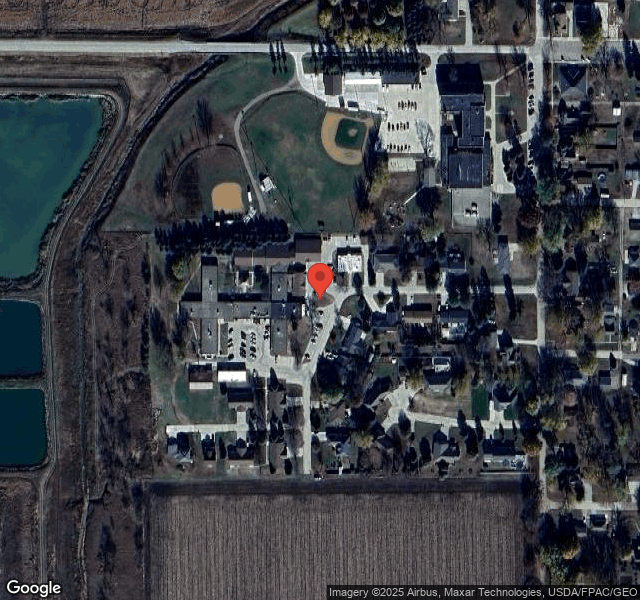
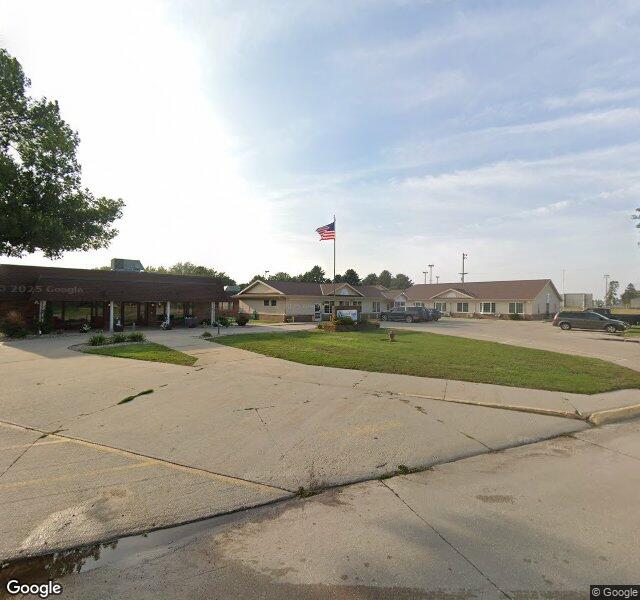
200 SHANNON DRIVE, WHITING, IA 51063 (712) 458-2417
For profit - Corporation 80 Beds Independent Data: November 2025 1 Immediate Jeopardy citation
Trust Grade
38/100
#293 of 392 in IA
Last Inspection: July 2025

Inspected within the last 6 months. Data reflects current conditions.

Overview

Pleasant View Care Center has a Trust Grade of F, indicating significant concerns about the quality of care provided. They rank #293 out of 392 nursing homes in Iowa, placing them in the bottom half of facilities in the state, and #2 of 3 in Monona County, suggesting only one nearby option is better. Although the facility's performance is improving, with a decrease in issues from 9 in 2024 to 3 in 2025, it still raises alarms due to critical findings, including serious documentation errors regarding residents' code status that could affect emergency care. Staffing is a relative strength with a rating of 4 out of 5 stars, but with a 49% turnover rate, it is average; however, RN coverage is a concern as they have less than 85% of other facilities in Iowa. While there have been no fines recorded, recent inspections revealed problems with meal preparation and food quality, where residents received meals that were not prepared according to dietary plans and were often cold and unappetizing.

Trust Score
F
38/100
In Iowa
#293/392
Bottom 26%
Safety Record
High Risk
Review needed
Inspections
Getting Better
9 → 3 violations
Staff Stability
⚠ Watch
49% turnover. Above average. Higher turnover means staff may not know residents' routines.
Penalties
✓ Good
No fines on record. Clean compliance history, better than most Iowa facilities.
Skilled Nurses
○ Average
Each resident gets 30 minutes of Registered Nurse (RN) attention daily — about average for Iowa. RNs are the most trained staff who monitor for health changes.
Violations
⚠ Watch
21 deficiencies on record. Higher than average. Multiple issues found across inspections.
★★☆☆☆
2.0
Overall Rating
★★★★☆
4.0
Staff Levels
★★☆☆☆
2.0
Care Quality
★★☆☆☆
2.0
Inspection Score
Stable
2024: 9 issues
2025: 3 issues

The Good

  • 4-Star Staffing Rating · Above-average nurse staffing levels
  • Full Sprinkler Coverage · Fire safety systems throughout facility
  • No fines on record

Facility shows strength in staffing levels, fire safety.

The Bad

2-Star Overall Rating

Below Iowa average (3.0)

Below average - review inspection findings carefully

Staff Turnover: 49%

Near Iowa avg (46%)

Higher turnover may affect care consistency

The Ugly 21 deficiencies on record

1 life-threatening
Jul 2025 3 deficiencies
CONCERN (E) 📢 Someone Reported This

A family member, employee, or ombudsman was alarmed enough to file a formal complaint

Potential for Harm - no one hurt, but risky conditions existed

Menu Adequacy (Tag F0803)

Could have caused harm · This affected multiple residents

**NOTE- TERMS IN BRACKETS HAVE BEEN EDITED TO PROTECT CONFIDENTIALITY** Based on review of the planned menu, observations, staff interviews and facility policy review the facility staff failed to foll...

Read full inspector narrative →
**NOTE- TERMS IN BRACKETS HAVE BEEN EDITED TO PROTECT CONFIDENTIALITY** Based on review of the planned menu, observations, staff interviews and facility policy review the facility staff failed to follow the planned menu for residents during the pureed meal preparation (Residents #16, #18 and #30) and for additional residents during meal service. The facility identified a census of 56 residents. Findings include: 1. Review of the menu identified the following items as part of the planned menu for the pureed and regular diet served at lunch on 7/1/25: a. Lemon Chicken b. Garlic Parmesan Pasta c. Roasted Caesar Vegetables d. Garlic Toast Observation of meal service on 7/1/25 at 11:41 AM, showed: a. Staff C, [NAME] prepared pureed meals for Residents #16, #18 and #30. Staff C placed four servings of chicken into a blender with one piece of garlic bread. When asked why Staff C used one piece of garlic bread, she replied, because it needed to be thickened. b. Staff C noted the pureed chicken would require #8 size scoop and #12 size scoop for a complete serving. Staff C obtained a pan for the two pureed diets in the east dining room and another pan for one pureed diet in the south dining room. Staff C appropriately placed #8 size scoops of pureed chicken into both pans. Staff C then placed two partial #12 size scoops into the pan for the east dining room, and used a #12 scoop with an approximate teaspoon of purred chicken for the south dining room. Staff C then placed tinfoil over both pans and wrote which location and to use a #8 and #12 size scoops for the servings of pureed chicken. As Staff C finished she stated, I don't even know why I'm writing the #12 on there, they won't have enough. Observation of the south dining room service on 7/1/25 at 1:25 PM showed Staff D, Dietary Aide failed to use the scoop sizes as written on the tinfoil covering the pureed chicken. Staff D served Resident #30 one #8 size scoop then used the same scoop to scrape approximately one teaspoon of the remaining pureed chicken from the pan. In an interview on 7/1/25 at 2:41 PM, when asked how many pieces of garlic bread Staff C should have used when pureeing 4 servings of chicken, Staff C replied, I usually puree the same number of garlic bread with the same number of chicken. I should have used 4 servings of garlic bread. I don't know why I didn't. When asked Staff C if she should have made enough pureed chicken to fill a #8 size scoop and #12 size for each pureed diet, she stated, Yes. I usually do but just didn't. I was already running late. In an interview on 7/1/25 at 2:47 PM, Staff D reported that she usually followed the scoop sizes as indicated on the tinfoil. When asked what happened if there isn't enough pureed food, Staff D stated, I usually call the cook and she' ll make more. In an interview on 7/2/25 at 2:42 PM the Certified Dietary Manager, (CDM) reported for pureed diets she expected staff to serve the correct portion sizes and correct number of servings of food as indicated on the menu. The CDM reported that she expected staff to puree additional food if needed. The CDM stated, we did not follow our normal process. 2. The Minimum Data Set (MDS) dated [DATE] documented Resident #16 had a Brief Interview for Mental Status (BIMS) score of 99 indicating Resident #16 was unable to complete the interview. The MDS also indicated diagnoses of dementia and heart failure. Review of EHR titled Physician Orders for Resident #16 documented a diet of mechanical soft with pureed meat. Review of EHR titled Care Plan for Resident #6 documented a diet of mechanical soft with pureed meat. Review of document titled, Pleasant View SS 2025, Week 1 Tuesday at noon documented a puree menu of 1 serving pureed lemon chicken, 1 serving pureed garlic parmesan pasta, 1 serving pureed roast Caesar vegetables, 1 serving pureed garlic bread and 1 serving pureed sugar cookie bar. An observation on 7/1/25 at 12:28 PM revealed Staff A, Dietary Aide brought food to the front dining room in a mobile steam table. On 7/1/25 at 12:36 PM an observation revealed Staff A utilized a size 8 and size 12 scoop to serve Resident #16's portion of meat. The observation revealed the size 12 scoop was less than 1/4 full. Resident #16 did not get the full portion of meat for lunch. On 7/1/25 at 12:53 PM an observation revealed Staff A served the first piece of garlic bread to the first table behind the medication cart. Staff A served 9 trays served without garlic bread. On 7/1/25 at 1:12 PM Staff A acknowledged the residents on the puree diet did not receive any garlic bread. Staff A acknowledged the cook probably forgot the garlic. Staff A stated she would look at the extended menu in the kitchen to know what the puree diet got for lunch. Staff A stated she looked at the extended menu for the puree meals today. Staff A acknowledged the puree diets did get garlic bread but the cook must not have made the bread. Staff A acknowledged she had enough meat to serve the first puree diet but the second puree did not receive most of the second scoop. Staff A stated she just gave Resident #16 what was left. Staff A acknowledged she did not serve garlic bread to the first 9 residents. Staff A stated she was very nervous and forgot until about halfway through the lunch meal about the garlic bread. On 7/2/25 at 12:42 PM Staff B, Certified Dietary Manager (CDM) stated she normally wants the cook to puree at least one extra serving in the whole process. The CDM stated Staff A, Dietary Aide acknowledged that she did not serve 9 residents garlic bread and she did not have enough pureed meat for both servings in both scoops. The CDM stated Staff A acknowledged she did not serve the puree diets garlic bread. The CDM stated her expectation was that the menu was completely followed. The CDM stated the facility's expectation was the garlic bread would have been served to all the residents. The CDM stated she would have expected that the garlic bread would have been pureed with the meat. The CDM stated the facility's expectation was the right amount of food would have been served to all residents on a pureed diet. The CDM stated if there was not enough then more should have been made. On 7/2/25 at 1:28 PM the Administrator stated usually she eats lunch and dinner at the facility and was always monitoring that the meal was on time. The Administrator stated the facility expected the menu would have been followed including the serving of garlic bread at lunch on 7/2/25 to all residents including the residents on pureed diets. The Administrator stated the facility's expectation was the staff would have served the appropriate amount to the resident that had a pureed diet. Review of a policy dated 2021 titled, Policy and Procedure Manual / Therapeutic Diets documented the facility would provide a therapeutic diet that is individualized to meet the clinical needs and desires of a resident. Available therapeutic diets should coincide with the therapeutic diets on the facility's menu extensions.
CONCERN (E)

Potential for Harm - no one hurt, but risky conditions existed

Deficiency F0804 (Tag F0804)

Could have caused harm · This affected multiple residents

**NOTE- TERMS IN BRACKETS HAVE BEEN EDITED TO PROTECT CONFIDENTIALITY** Based on observations, facility record review and resident and staff interviews the facility failed to ensure proper temperature...

Read full inspector narrative →
**NOTE- TERMS IN BRACKETS HAVE BEEN EDITED TO PROTECT CONFIDENTIALITY** Based on observations, facility record review and resident and staff interviews the facility failed to ensure proper temperatures, food palatable and appetizing for 4 of 15 residents reviewed (Residents #24, #42, #45 and #209). The facility reported a census of 56 residents. Finding Include: 1. Observation of meal service on 7/1/25 at 11:41 PM showed the lunch meal consisted of lemon chicken, garlic parmesan pasta, roasted caesar vegetables and garlic toast. a. The chicken appeared dry and burnt. The test tray temped immediately after plating showed: a. Lemon Chicken- 128.2 degrees Fahrenheit (F) b. Garlic parmesan pasta- 110.8 degrees F The test tray after the delivery of meal trays showed: a. Lemon chicken- 117.7 degrees F b. Garlic parmesan pasta- 98.8 degrees F c. Roasted caesar vegetables- 127.9 F In an interview on 6/30/25 at 1:49 PM, Resident #209 reported the food to always be cold and dry. Consumption of the test tray on 7/1/25 at 1:44 PM revealed the chicken difficult to cut, dry and burnt to taste. The warm garlic parmesan pasta started to lose shape and was mushy when chewed. In an interview on 7/1/25 at 2:47 PM, Staff D reported the chicken looked burnt and dry. Observation showed Staff D appeared to struggle when the chicken into bite size pieces. When asked if the chicken was hard to cut, Staff D stated, kind of but I'm getting an arm workout. In an interview on 7/2/25 at 12:42 PM, the Certified Dietary Manager (CDM) reported the dietary aide reported the test try failed to reach proper food temperatures. The CDM reported she would like food to be served at 165 degrees F but at least be above 135 degrees F. The CDM reported staff failed to follow the normal process by not placing food back into the oven but instead was placed on the hot cart. 2. The Minimum Data Set (MDS) dated [DATE] documented Resident #24 had a Brief Interview for Mental Status (BIMS) score of 14 indicating no cognitive impairment. On 7/1/25 at 8:31 AM Resident #24 stated the meals could be warmer. Resident #24 stated the meals aren't cold but are not hot all the time. Resident #24 stated she wanted the food served warmer than it was being served at times. 3. The MDS dated [DATE] documented Resident #42 had a BIMS of 15 indicating no cognitive impairment. The MDS also indicated diagnosis of dependence on renal dialysis. On 7/1/25 at 8:48 AM Resident #42's daughter stated the meals are terrible at the facility. Resident #42's daughter stated the food is dry and difficult to eat at times. Resident #42's daughter stated her mother complained about the food frequently. On 7/1/25 at 3:20 PM Resident #42 stated the vegetables always seem over cooked. The Resident #42 stated the chicken at lunch on 7/1/25 was very tough and burned on the bottom. Resident #42 stated the chicken was cold as well for lunch on 7/1/25. Resident #42 stated she did not plan on eating the chicken because it was tough, so she did not ask for the lunch to be warmed up. Resident #42 stated the room trays were almost always cold. 4. The MDS dated [DATE] documented Resident #45 had a BIMS of 3 indicating severe cognitive impairment. The MDS also indicated diagnoses of dementia and heart failure. On 7/1/25 at 9:31 AM Resident #45's wife stated her husband had not complained about the food. Resident #45's wife stated sometimes the food is hot and sometimes it is not hot. Resident #45's wife stated the kitchen normally started on the front table but once it got to him it was not hot. An observation on 7/1/25 at 12:28 PM revealed Staff A, Dietary Aide brought food to the front dining room in a mobile steam table. The temperature of the food in the steam table was chicken 189 degrees, vegetables 176 degrees, noodles 164 degrees, puree vegetables 189 degrees, puree noodles 189 degrees, puree chicken 152 degrees, and ground meat 171 degrees. An observation on 7/1/25 from 12:56 PM - 1:10 PM revealed Staff A placed a piece of chicken intended for a room tray on the counter from 12:56 PM to 12:59 PM during the time Staff A obtained garlic bread per a resident's request and pizza for another resident. Staff A cut the chicken with a pizza cutter and placed the plate on the room tray cart at 12:59 PM. On 7/1/25 at 1:04 PM Staff A remade the plate for the room tray placed on the to go cart at 01:05 PM with the original tray used for the test tray. Test tray was intended for Resident #24 at the end of the hall and delivered at 1:09 PM. The test tray was brought back to the kitchen at 1:09 PM. The test tray's temperature was checked at 1:10 PM. The test tray's food temperatures were chicken 120 degrees, noodles 125 degrees and vegetables 133 degrees. Observation revealed Staff A struggled to get the temperature probe in the chicken on the steam table. Post lunch meal temperature for food on the steam table chicken 117 degrees, noodles 191 degrees and vegetables 168 degrees. On 7/1/25 at 1:12 PM Staff A stated the food on the steam table should have been at least 165 degrees. Staff A stated she would expect the temperature of the chicken on the steam table to be warmer than 117 degrees. Staff A acknowledged all the chicken was very dry and possible burned in spots. On 7/2/25 at 12:42 PM Staff B, Certified Dietary Manager (CDM) stated Staff A voiced the concern to her that the last plate did not have an appropriate temperature. Staff B stated some of the food did not go back into the oven yesterday. Staff B stated the food went straight onto the hot cart. Staff B stated her expectation was the food to come out of the kitchen to serve at 165 degrees. Staff B stated the chicken should have been a little warmer and noodles would have been a little harder to keep the temperature. Staff B stated If the food had a temperature under 135 degrees the food needed to be reheated back up to 165 before serving. Staff B stated her expectation was all food served to the residents to be a minimum of 135 degrees. Staff A acknowledged the meal was at the end of the 5 week course and was the first time they had cooked that meal. Staff B acknowledged the chicken looked a little dry. Staff B acknowledged the chicken appeared dry and tough. On 7/2/25 at 1:28 PM the Administrator stated usually she eats lunch and dinner at the facility and they are always monitoring that the meal is on time. Stated the chicken she was sure was dryer than normal because it was so much later service and in the oven longer. The Administrator stated she had eaten the chicken and thought it was good but she liked her chicken dry. The Administrator stated she was not sure if the one side of the steam table wasn't working and would investigate that. The Administrator stated the facility does food temperatures prior to and after meal service. The Administrator stated the survey team had a bad experience with meals yesterday because the steam table pans were not placed in the oven and the meal was served later than normal. The Administrator stated the facility expectation was the food temperatures in the steam table to be maintained at 135 degrees. Review of undated document presented by the Administrator, titled End Cooking Temperatures had written on the document holding temperature was 135 degrees.
CONCERN (E)

Potential for Harm - no one hurt, but risky conditions existed

Food Safety (Tag F0812)

Could have caused harm · This affected multiple residents

Based on observations, staff interviews, and facility policy review the facility failed to ensure proper sanitary conditions in the kitchen area, where staff prepared food, and failed to prepare food ...

Read full inspector narrative →
Based on observations, staff interviews, and facility policy review the facility failed to ensure proper sanitary conditions in the kitchen area, where staff prepared food, and failed to prepare food in a sanitary manner. The facility identified a census of 56 residents. Findings included: The initial kitchen walkthrough on 6/30/25 at 11:35 AM revealed the following: a. East dining room kitchenette- refrigerator and freezer with dried liquid and various scattered food debris. b. [NAME] dining room kitchenette/dining area- white crust lime buildup found on ice machine, coffee machine and dishwasher. c. Drawers with utensils found with various food debris and dried liquid. Cupboards with small appliances found with various food debris. d. The main kitchen found a refrigerator with various food debris. Observation of meal service on 7/1/25 at 11:41 AM, showed: a. After pureeing pasta Staff C, [NAME] entered the dirty side of the kitchen in search of a measuring cup. Staff C touched the dishwasher handle and dish carts then returned to the clean side of the kitchen without completing hand hygiene. b. While placing a covered pan of pasta in the oven, Staff C dropped the pan on the floor, picked up the pan, and placed the pan over an open rack of garlic bread in the oven. c. Staff A, Dietary Aide made a salad, stacked containers of vegetables and ham in her arms then placed her face on the top bag to hold the stack steady in her arms. d. Staff D, Dietary Aide plated food, served the plate to residents then returned to the kitchen without performing hand hygiene. In an interview on 7/1/25 at 2:41 PM, Staff C reported she should have washed her hands when she left the clean side of the kitchen. Staff C also reported she wasn't thinking when she placed the pan that dropped on the floor in the oven over garlic bread. Staff C stated, I was nervous. The General Food Preparation and Handling policy last Policy & Procedure Manual dated 2021 identified food items will be prepared to conserve maximum nutritive value, develop, and enhance flavor and keep free of harmful organisms and substances. Procedure: 1. The kitchen will be kept neat and orderly. a. The kitchen surfaces and equipment will be cleaned and sanitized as appropriate. 2. Food Storage a. Food will be received, checked, and stored properly immediately following delivery. b. Time/temperature control for safety (TCS) food will be refrigerated or frozen except when being handled -Food will be covered for storage. -Food will be cooked as soon as possible after defrosting. c. Food in broken packages, swollen or dented cans, cans with a compromised seal, or food with an abnormal appearance or odor will be discarded 3. Food Preparation a. Meats, fish, and poultry will be defrosted using sale thawing practices: In the refrigerator in a drip proof container, and in a manner that prevents cross In the microwave if foods are cooked and served immediately after defrosting In the sink, submerging the item under cold water (less than 70° F) that is running fast enough to agitate and float off loose ice particles Thawing as part of a continuous cooking process. b. All meats will be cooked or heated to a safe minimum internal temperature. (Refer to the Resource: Minimum Cooking, Holding and Reheating Temperatures later in this chapter.) A meat thermometer will be used to check internal temperatures. Stuffing should be baked in separate pans. c. All cold meat/fish/poultry salads, potato/vegetable salads, egg salads, cream filled pastries and other TCS foods shall be prepared from chilled products and refrigerated below 41* F IMMEDIATELY after preparation. d. No raw eggs will be served; eggs must be cooked completely until all parts are firm. Pasteurized eggs are the exception (these may be served soft-cooked) e. Separate cutting boards for raw and uncooked food and for raw fruits and vegetables will be used. Prepared foods should not be cut on the same boards as raw food. Cutting boards should be of hard rubber construction (not wood) and must be dishwasher safe. Cutting boards should be cleaned and sanitized after each use, following the dish machine or 3 compartment sink method, and will be air dried before storing. f. Raw, unprocessed fruits and vegetables should be thoroughly washed under clean, potable, running water before use. g. Bare hands should never touch ready to eat raw food directly. Disposable gloves are a single use item and should be discarded after each use. Employees should wash hands prior to putting gloves on and after removing gloves. h. Food should be prepared and served with clean tongs, scoops, forks, spoons, spatulas, or other suitable implements to avoid manual contact of prepared foods. Any utensil or serving dish must be thoroughly cleaned and sanitized prior to use. i. Tasting must be done with a tasting spoon. Follow proper tasting procedures: Remove the food with a serving spoon and transfer it to a tasting spoon. Always use clean spoons. j. Any food that is dropped on the floor must be discarded. k. Tops of canned foods should be washed before opening. l. The can opener will be cleaned and sanitized daily and/or as needed. 4. Food Service a. Foods that stand four or more hours at room temperature cannot be considered safe and free from contamination and cannot be made so by refrigeration, especially in warm temperatures. They must be discarded. b. Prepared food will be transported to other areas in covered containers. Individual portions of food once served will not be served again. · Single-service articles will be discarded after one use. d. Leftovers must be dated, labeled, covered, cooled, and stored (within ¼ hour after cooking or service) in a refrigerator. Leftovers must be cooled to less than 41° F within 4 hours (or cooled to 70 F within 2 hours and then down to 41° F within another 4 hours). Prior to re-serving, leftover foods must be reheated to a minimum internal temperature of 165° F for a minimum of 15 seconds. (Refer to the Resource: Minimum Cooking, Holding and Reheating Temperatures in this chapter.) Leftovers are no to be used as pureed food. Use leftovers within 7 days per Food Code or discard. Check state regulations for more detail. 5. Equipment a. All food service equipment should be cleaned, sanitized, air-dried, and reassembled after each use. b. Plastic-ware or dishware that has lost its glaze or is chipped or cracked must be disposed of. c. Disposable containers and utensils should be discarded after one use. Only food-approved, dishwasher safe containers may be reused d. Flatware will be stored in such a manner to encourage contact with handles only e. Staff will handle utensils, cups, glasses, and dishes in such a way as to avoid touching surfaces that food or drink will come in contact with. f. Tongs or other serving utensils will be used to serve breads or other items to avoid bare hand contact with food Note: If individual patients/residents assist in food preparation and handling, the staff will assist and supervise to see that the above procedures are followed. In an interview on 7/2/25 at 12:42 PM, the Certified Dietary Manager (CDM) reported she expected the kitchen and kitchenettes to be clean and free of food debris. The CDM also reported that staff should use a cart or tray when transporting food, use hand hygiene when coming from the dirty side of the kitchen and should have covered the garlic bread in the oven.
Aug 2024 6 deficiencies
CONCERN (D)

Potential for Harm - no one hurt, but risky conditions existed

Resident Rights (Tag F0550)

Could have caused harm · This affected 1 resident

**NOTE- TERMS IN BRACKETS HAVE BEEN EDITED TO PROTECT CONFIDENTIALITY** Based on resident observations, record review, staff interview, and policy review, the facility failed to refer to a resident by...

Read full inspector narrative →
**NOTE- TERMS IN BRACKETS HAVE BEEN EDITED TO PROTECT CONFIDENTIALITY** Based on resident observations, record review, staff interview, and policy review, the facility failed to refer to a resident by name and failed to dress a resident appropriately for meal service 2 of 16 residents (#3 & #46) reviewed for dignity. The facility reported a census of 47. Findings include: 1. On 8/13/24 at 7:57 AM, Staff K, Licensed Practical Nurse (LPN) was standing in the dining room and stated the long table in the dining room was the feeder table for residents who required help feeding. Resident #46 was seated at the long table. The Minimum Data Set (MDS) dated [DATE] revealed Resident #46's Brief Interview for Mental Status (BIMS) score could not be determined due to the resident was rarely or never understood. It included diagnoses of Cerebral Palsy (CP), epilepsy, autistic disorder, and wheelchair dependence. It indicated the resident was dependent in all Activities of Daily Living (ADLs) and mobility. It also indicated the resident's ability to hear was adequate. 2. On 8/13/24 at 8:23 AM, Resident #3 was transported to the dining table with her briefs and upper left thigh exposed. Her pants were visible at her upper left thigh. On 8/13/24 at 8:30 AM, Staff J, Certified Nurse Aide (CNA) stated CNAs were responsible to dress and assist residents for dining. She stated Staff I, CNA and Staff L, CNA were assigned to Resident #3. The MDS dated [DATE] revealed Resident #3 had a BIMS score or 12 out of 15 which indicated moderately impaired cognition. It included diagnoses of Adult Failure to Thrive (FTT), macular degeneration (blurred or lost central vision), and depression. It indicated the resident was dependent in all Activities of Daily Living (ADLs) and mobility. It also indicated the resident required corrective lenses. The Care Plan edited 6/21/24 indicated the resident required assistance with ADL's and would remain clean, dry, and appropriately dressed throughout the quarter. It directed staff to assist the resident with ADL's. On 8/13/24 at 2:50 PM, Staff I stated the resident's family member cut the back part of resident's pants for the resident's comfort. He stated that staff sometimes used a pad or sheet to cover a resident in like situations. He confirmed he had access to pads and sheets and should have used one for Resident #3. An undated document titled Long Term Care Community Coalition directed staff to avoid the use of labels for residents such as feeders and to assist the resident to dress in their own clothes appropriate to the time of day. On 8/15/24 at 1:12 PM, the Director of Nursing (DON) stated staff should verbally watch what they say and resident should be covered for dignity.
CONCERN (D)

Potential for Harm - no one hurt, but risky conditions existed

Menu Adequacy (Tag F0803)

Could have caused harm · This affected 1 resident

Based on observation, menu review, clinical record review, staff interviews, and policy review, the facility failed to serve the appropriate portions for one (1) residents (#16) who received pureed sc...

Read full inspector narrative →
Based on observation, menu review, clinical record review, staff interviews, and policy review, the facility failed to serve the appropriate portions for one (1) residents (#16) who received pureed scalloped potatoes and failed to serve the therapeutic diet for two (2) residents (#6 & #51) who were ordered renal diets. The facility reported a census of 47 residents. Findings include: On 8/14/24 at 11:25 AM, Staff E, Cook, pureed scalloped potatoes for lunch service. She added three (3) 4-ounce disher servings of scalloped potatoes and milk to the blender and pureed them. She poured the contents into a pitcher and stated it was 3 ½ cups total volume. She referenced the pureed disher conversion chart and stated it directed staff to use a #6 (5 1/3 oz) disher and a #8 (4 oz) disher. She wrote the disher numbers on the top of the steam pan aluminum foil cover. On 8/14/24 at 12:15 PM, continuous lunch service observation revealed Staff G, Dietary Aide (DA) used only the #6 (5 1/3 oz) disher to plate pureed scalloped potatoes for resident #16. On 8/14/24 at 12:40 PM, Staff G stated she forgot to use the #8 (4-oz) disher to serve the pureed scalloped potatoes. On 8/14/24 at 1:00 PM, a menu review directed staff to provide one (1) serving of scalloped potatoes for pureed diets and 4-oz of parsley noodles for residents who were ordered renal diets. An Electronic Health Record review revealed: a) Resident #16 was ordered a pureed diet without portion restrictions. b) Resident #6 was ordered a renal diet. c) Resident #51 was ordered a renal diet. On 8/14/24 at 2:02 PM, Staff E stated she did not make parsley noodles for lunch service. She indicated it was an oversight. A document titled (Therapeutic Diets) dated 2021 indicated diets will be offered as ordered by the physician or designee. On 8/14/24 at 12:50 PM, the Administrator stated staff should follow the scoop diagram (pureed disher conversion chart) and menu items.
CONCERN (D)

Potential for Harm - no one hurt, but risky conditions existed

Infection Control (Tag F0880)

Could have caused harm · This affected 1 resident

2. On 8/13/24 at 8:32 AM, Staff I, Certified Nurse Aide (CNA) carried uncontained, soiled linen from a resident's room to the soiled utility room with gloves. The linen touched his uniform top and the...

Read full inspector narrative →
2. On 8/13/24 at 8:32 AM, Staff I, Certified Nurse Aide (CNA) carried uncontained, soiled linen from a resident's room to the soiled utility room with gloves. The linen touched his uniform top and the gait belt hanging across his chest. On 8/14/24 at 4:45 PM, Staff J, CNA stated linen should be placed in a bag before it's carried to the soiled utility room. An undated document titled Linen Handling indicated linens need to be placed in plastic bag and taken to laundry bin. It also directed staff to never carry soiled linen against the body. On 8/15/24 at 1:12 PM, the Director of Nursing (DON) stated staff should discard linen per policy of linen removal. Based on observation, record review, staff interviews and policy review the facility failed to complete hand hygiene during medication administration for 2 out of 3 residents reviewed (Resident #25 and #33). The facility also failed to transport linen in a manner that prevented cross contamination. The facility reported a census of 51 residents. Findings include: 1. Observation on 8/14/24 at 8:48 AM showed Staff B, Registered Nurse (RN) assisted Resident #33 to sip water during medication administration. Staff B then picked up the cup of fluid by the rim, disposed of the cup, returned to the medication cart and touched the cart, mouse, and medications as Staff B prepared Resident #25 medications. Observation on 8/14/24 at 9:19 AM showed Staff B, RN entered Resident #25's room with a cup of water and a medication cup that contained pills. Resident #25 lifted the medication cup to her lips, placed the medications in her mouth, sipped water, and swallowed the medication. Staff B picked up both cups by the rim, discarded, exited the room then returned to the medication cart without performing hand hygiene. Staff B proceeded to touch the medication cart and mouse. In an interview on 8/14/24 at 9:26 AM Staff B, RN stated, the surveyor caught her not washing her hands after that last med pass. When asked if Staff B also recognized other times she failed to complete hand hygiene during the medication pass, Staff B replied, she did hand hygiene at her cart and she keeps the sanitizer in the drawer. When asked at what point should hand hygiene be completed, Staff B stated, after a certain number of times. When asked for clarification, Staff B replied, after a certain amount of residents, or is it after so many medications, she didn't know. She stated she would have to get that clarified for herself. The undated Medication Pass Policy identified safe procedures and correct techniques are followed and to promote efficiency on medication administration and to assist in optimizing treatment outcomes. The facility will follow the medication pass quality assurance audit form for proper technique and safe administration of medications. The Quality Assurance Audit For Medication Pass identified proper sanitation should used and appropriate hand hygiene. In an interview on 8/15/24 at 3:46 PM the Administrator and Assistant Director of Nursing (ADON) reported they expected hand hygiene to be completed between medication passes if the nurse touched something a resident touched, and staff should avoid carrying cups by the rim.
CONCERN (E)

Potential for Harm - no one hurt, but risky conditions existed

Deficiency F0804 (Tag F0804)

Could have caused harm · This affected multiple residents

Based on observation, staff interview, and policy review, the facility failed to provide food served by a method to maintain a safe and appetizing temperature. The facility reported a census of 47. Fi...

Read full inspector narrative →
Based on observation, staff interview, and policy review, the facility failed to provide food served by a method to maintain a safe and appetizing temperature. The facility reported a census of 47. Findings include: On 8/13/24 at 8:42 AM, Staff F, Dietary Aide (DA) grabbed a milk gallon jug off the kitchenette counter and poured a cup. She stated it was for a resident. A temperature check of the milk revealed the temperature was 44.4 degrees Fahrenheit (F). On 8/14/24 at 12:40 PM, a temperature check of each lunch menu item after lunch service revealed the following results. a) Salisbury steak was 128° F. b) Pureed Salisbury steak was 115° F. c) Pureed green beans were 134.5° F. A policy titled Taking Accurate Temperatures dated 2021 indicated temperatures should be taken periodically to assure hot foods stay above 135° F and cold foods stay below 41° F during the serving process. On 8/15/24 at 12:50 PM, the Administrator stated staff should follow the temperature guidelines.
CONCERN (E)

Potential for Harm - no one hurt, but risky conditions existed

Food Safety (Tag F0812)

Could have caused harm · This affected multiple residents

Based on observation, staff interview, and policy review, the facility failed to maintain sanitary practices by failing to keep the kitchen food preparation area clean and by improperly handling food ...

Read full inspector narrative →
Based on observation, staff interview, and policy review, the facility failed to maintain sanitary practices by failing to keep the kitchen food preparation area clean and by improperly handling food during meal service. The facility reported a census of 47 residents. Findings include: 1. On 8/12/24 at 5:28 PM, Staff C, Dietary Aide (DA) brought the steam table into the dementia unit and set it up for service. She used the tongs to poke through and remove the steam pan aluminum foil cover, picked up a sandwich with the same tongs, then laid the tongs on the cookie tray. She poured the stew into a bowl, moved the tongs, and placed the prepped plate where the tongs were. Another staff member took the plate to a resident. She used the tongs to plate another sandwich, laid the tongs on the cookie tray where the previous prepped plate was, and poured stew into a bowl on the plate and placed the plate on top of the tongs. She repeated this process for five (5) more plates. On 8/12/24 at 5:43 PM, Staff D, Activities Assistant, dropped a cup on the floor while serving dinner, picked it up with her bare hands and placed it on the bottom of the beverage cart. She opened a cabinet door, rummaged through a clear, plastic bag of plastic utensils, closed the bag and the cabinet door, grabbed a paper napkin with her right hand and a silverware spoon with her left hand and rolled the utensils in the napkin and gave it to a resident to use for dinner. She did not perform hand hygiene throughout the process. On 8/13/24 at 8:40 AM, Staff F donned gloves, placed a bowl on a plate, grabbed a disher, and placed a scoop of eggs with bacon on a resident's plate beside the bowl. She grabbed a piece of toast from the toaster, buttered it, then placed it on the same plate and took it to the resident. No hand hygiene or glove change was performed. On 8/14/24 at 11:50 AM, Staff E, cook, sprayed two (2) steam pans with non-stick spray and placed the can and steam pans on the food preparation counter. She picked up a steam pan and a disher (scoop), scooped pureed food from one steam pan into another one and placed the disher on the prep table where the steam pan had been. She picked up the other steam pan, grabbed the disher and scooped pureed food into the steam pan and placed the disher on the prep table where the steam pan had been. The disher was not cleaned throughout the process. A document titled General Food Preparation and Handling dated 2021 indicated food should be prepared and served with clean tongs, scoops, forks, spoons, spatulas, or other suitable implements to avoid manual contact of prepared foods. On 8/15/24 at 12:50 PM, the Administrator stated staff should not reuse a serving spoon after placing it on a dirty counter. She also stated they should not use tongs to touch non-food items. 2. The initial kitchen walkthrough on 8/12/24 at 8:48 AM revealed the following: a. The shelf above the stove top showed a thick layer of grease with food splatter and a variety of food debris. b. A wheeled cart with clean dishes contained scattered food debris on all three shelves. c. The floor in the kitchen, walk-in fridge and freezer contained an accumulation of food debris and a variety of dried liquid. d. Food splatter and dried liquid splatter found in and on the cupboards in the kitchen area. e. All refrigerator and freezer units with food debris on the bottom of the unit. f. Toaster covered in grime and bread crumbs. g. Boxes of food found on the floor of the walk-in freezer. h. Mold found around the caulk and wall in front of the dishwashing sink. During the kitchen walkthrough Staff A, Head [NAME] reported she didn't have a chance to mop and sweep yesterday. When asked about the last time the floors were swept and mopped, Staff A reported she didn't know because kitchen staff had been short of help. When asked for the cleaning logs, Staff A stated, The logs are in the managers office and she's on leave. When asked about the location of today's cleaning logs, Staff A stated, I don't know. The General Food Preparation and Handling policy, dated 2021 indicated the kitchen will be kept neat and orderly. The kitchen surfaces and equipment will be cleaned and sanitized as appropriate. In an interview on 8/15/24 at 3:46 PM, the Administrator, and Assistant Director of Nursing (ADON) reported they expected the kitchen to be in clean and sanitary condition at all times. The ADON stated, We scrubbed and cleaned the kitchen yesterday.
CONCERN (E)

Potential for Harm - no one hurt, but risky conditions existed

Medical Records (Tag F0842)

Could have caused harm · This affected multiple residents

Based on observations, staff interviews, and policy review, the facility failed to properly protect resident information from unauthorized access. The facility reported a census of 47 residents. Find...

Read full inspector narrative →
Based on observations, staff interviews, and policy review, the facility failed to properly protect resident information from unauthorized access. The facility reported a census of 47 residents. Findings include: On 8/13/24 at 8:59 AM, Staff H, Certified Medication Aide (CMA) escorted a resident to her room to apply a patch on her. She left her laptop open with 10 residents' Electronic Health Record (EHR) information visible and a sheet of paper with an identified resident's documented narcotic medication administration time. At 9:10 AM, she indicated she was normally assigned a different duty. A policy titled HIPAA / Privacy Complaints effective 11/28/16 indicated It is the policy of this facility to ensure the privacy of Protected Health Information (PHI) as well as to ensure that such information is used and disclosed in accordance with all applicable laws and regulations. On 8/15/24 at 1:12 PM, the Director of Nursing (DON) stated staff should secure the EHR medical record when they leave the cart.
Mar 2024 3 deficiencies
CONCERN (D)

Potential for Harm - no one hurt, but risky conditions existed

Comprehensive Care Plan (Tag F0656)

Could have caused harm · This affected 1 resident

**NOTE- TERMS IN BRACKETS HAVE BEEN EDITED TO PROTECT CONFIDENTIALITY** Based on clinical record review and staff interview the facility failed to develop Care Plans to address opioid medication and a...

Read full inspector narrative →
**NOTE- TERMS IN BRACKETS HAVE BEEN EDITED TO PROTECT CONFIDENTIALITY** Based on clinical record review and staff interview the facility failed to develop Care Plans to address opioid medication and antidepressant medication side effects to watch for 1 out of 5 sampled residents reviewed for comprehensive Care Plans (Resident #13). The facility reported a census of 48 residents. Findings include: The Minimum Data Set (MDS) assessment dated [DATE] for Resident #13 documented diagnoses of heart failure, hypertension, and Non-Alzheimer's Dementia. The MDS showed a Brief Interview for Mental Status (BIMS) score of 8 indicating moderate cognitive impairment. Review of the March Medications Administration History Report revealed the following orders: a. Escitalopram (antidepressant medication) daily for depression with a start date of 1/23/24 b. Hydrocodone- acetaminophen (opioid medication) as needed for pain with a start date of 11/21/23. Review of the MDS dated [DATE] revealed the resident was taking antidepressant medication in the review period. Review of the signed Physician Order Report dated 2/23/24 with a signature date of 2/24/23 revealed the following orders: a. Hydrocodone-acetaminophen as needed for pain with a start date of 11/21/23 b. Escitalopram daily for depression with a start date of 1/23/24 Review of the Care Plan with a revision date of 2/10/24 lacked information regarding the side effects of antidepressant medication and opioid medication. Review of the facility provided policy titled Care Plan Procedure undated revealed the Care Plan will include but not limited to medications that include antidepressants and pain medications. Interview on 03/06/24 at 12:53 p.m., with the Assistant Director of Nursing revealed the side effects should be listed on the Care Plan.
CONCERN (D)

Potential for Harm - no one hurt, but risky conditions existed

Accident Prevention (Tag F0689)

Could have caused harm · This affected 1 resident

**NOTE- TERMS IN BRACKETS HAVE BEEN EDITED TO PROTECT CONFIDENTIALITY** Based on staff interview, chart review, and staff education review, the facility failed to ensure that residents were safe from ...

Read full inspector narrative →
**NOTE- TERMS IN BRACKETS HAVE BEEN EDITED TO PROTECT CONFIDENTIALITY** Based on staff interview, chart review, and staff education review, the facility failed to ensure that residents were safe from accidents and hazards for 1 of 3 residents (Resident #33). A Certified Nurse Aide (CNA) failed to apply a gait belt before attempting to transfer Resident #33 from the shower chair to the wheel chair and the resident fell to the floor. The facility reported a census of 48 residents. Findings include: According to the Minimum Data Set (MDS) dated [DATE], Resident #33 had a Brief Interview for Mental Status score (BIMS) of 8. She was at risk for falls and required extensive assistance with bathing. The Care Plan updated on 2/25/24, showed that Resident #33 was at risk for falling and had a history of falls. She was incontinent of bowel and bladder and was on 2 or more high fall risk drugs. She had impaired mobility and impaired cognition. A Nursing Note dated 1/09/2024 at 3:37 PM showed that Resident #33 fell in the shower room after getting a shower. The resident had stated that the floor was slippery and she fell. According to a Non-Pressure Skin Condition Report dated 1/9/24, the resident sustained a bruise on the top of her right hand that measured 10 centimeters (cm) x 8 cm. On 3/6/24 at 2:00 PM the Director of Nursing (DON) said they implemented an intervention after this fall to put a towel on the floor for the residents in the shower room after the bathes. She said that it was her understanding that the CNA used a gait belt when transferring the resident from the shower chair to the wheel chair. On 3/06/24 at 2:18 PM Staff C, Certified Nurse Aide (CNA) said that she provided a shower for Resident #33 on 1/9/24. After the shower, Staff C got the resident dressed while she was still in the chair, and she put gripper socks on her. Staff C said that she assisted the resident into the standing position to transfer her to the wheel chair, which was about two steps away, when the resident got weak, bent her knees and lowered to the floor. Staff C said that she assisted the resident with the transfer by grabbing the resident under her arm. She said that she had not put a gait belt on the resident. On 3/7/24 at 7:00 AM, Staff E, Registered Nurse (RN) remembered the fall that Resident #33 had in the shower room. She said that when the CNA came to get her, the resident was fully clothed, wearing gripper socks and sitting on the shower floor. The floor was wet, and the resident said that her wrist hurt. She said that while the resident was on the floor, Staff C applied the gait belt around the resident's waist at that time. On 3/07/24 at 7:21 AM, the DON said that she had just learned that Staff C hadn't actually used a gait belt to transfer the resident from the shower chair to the wheel chair. She said that the CNA would be re-educated and disciplined. The DON said that her expectation was that staff would always use a gait belt when transferring residents. She said she would expect staff to tell her if there were any staff that were not using the gait belts. According to an undated facility educational checklist titled: Transferring Resident from Bed to Chair or Chair to Bed, staff were to position a gait belt around the resident's waist before assisting them to a standing position and with both hands under the gait belt while they transferred.
CONCERN (D)

Potential for Harm - no one hurt, but risky conditions existed

Infection Control (Tag F0880)

Could have caused harm · This affected 1 resident

**NOTE- TERMS IN BRACKETS HAVE BEEN EDITED TO PROTECT CONFIDENTIALITY** Based on observation, interview, and record review the facility failed to ensure that staff used adequate infection control prac...

Read full inspector narrative →
**NOTE- TERMS IN BRACKETS HAVE BEEN EDITED TO PROTECT CONFIDENTIALITY** Based on observation, interview, and record review the facility failed to ensure that staff used adequate infection control practices to decrease the transmission of pathogens for 2 of 14 residents reviewed (Resident #1 and #34). Resident #34 required daily dressing changes for several wounds and staff failed to use proper hand hygiene during cares. Resident #1 required staff assistance with incontinence cares, they failed to use adequate hand hygiene when changing the resident. The facility reported a census of 48 residents. Findings include: 1) According to the Minimum Data Set (MDS) dated [DATE], Resident #34 had a Brief Interview for Mental Status (BIMS) score of 12 (moderate cognitive deficits). She was independent with rolling in bed and required supervision with transfers. Resident #34 had diagnoses that included urinary tract infections, renal insufficiency, and was at risk for developing pressure ulcers. The Care Plan updated on 2/24/24, showed that Resident #34 had the potential for pain/discomfort related to myalgia, multiple skin issues, and a history of skin yeast infection. The resident had a decline in functional ability, was unable to care for herself, and was at risk for impaired skin integrity related to fragile skin. She had unstageable pressure injuries on her bilateral heels, and a stage 3 ulcer on her spine. Staff were directed to keep her skin clean. On 3/04/24 at 10:33 AM, Resident #34 was in her bed on her back, she did not speak when addressed. A family member was in the room and said that the resident had just gotten out of the shower and was waiting for the nurse to come in and provide treatment to several wounds. With gloved hands, Staff A, Licensed Practical Nurse (LPN), applied betadine solution to the bilateral heels, wrapped the heals with a bandage, grabbed a marker and dated the dressing. She then applied a protective boot to the foot. Staff A failed to change her gloves. She then washed the right heel with saline solution, applied betadine to the right heel and wrapped it with a dressing. Without changing her gloves, she reached in her pocket for the marker, dated the bandage, and arrange the blankets on the bed without changing gloves. Staff A gathered trash and supplies and left the room without washing her hands. 2) According to the MDS dated [DATE], Resident #1 had a BIMS score of 9 (moderate cognitive deficits). She was at risk for developing pressure ulcers, but did not have any unhealed pressure ulcers at the time of the assessment. Diagnoses for Resident #1 included heart failure, anxiety disorder, schizophrenia, intellectual disabilities, and Down Syndrome. The Care Plan updated on 2/20/24, showed that Resident #1 had impaired decision making related to Down Syndrome and intellectual disabilities. She was at risk for pressure injury and impaired skin integrity due to incontinence of bladder and bowel. She required assistance with activities of daily living related to limited mobility. On 3/04/24 at 10:58 AM, Resident #1 said that she had a sore on her upper thigh that was causing her some pain, especially when she was sitting in the wheel chair. On 3/05/24 at 2:00 PM, Staff C, CNA and Staff D, CNA, moved Resident #1 to her bed and removed her brief. As they were checking her for skin issues, the resident said that she needed to use the bed pan. Staff D went to bathroom and got the bed pan, placed it under her and waited until she urinated. Staff D emptied the bed pan in the toilet and came back to the bed with a towel and a couple of wash cloths to clean her. With gloved hands, Staff D wiped the residents bottom several times. Staff C handed Staff D a 4x4 covering for an open sore on her upper thigh. With the same gloved hands, Staff C took a tube of barrier cream, squeezed some on the pad, spread it around on the 4x4, then applied the pad to the open sore. With the same gloved hands, Staff C then grabbed the blankets and pulled them over the resident. She gathered the trash that contained the soiled brief, grabbed the door knob, and exited the room with the trash with same gloved hands. On 3/06/24 at 3:13 PM, the Assistant Director of Nursing (ADON) and Infection Preventionist, said that she would expect staff to use hand hygiene, and glove changes whenever they were going from dirty to clean situations. She would expect them to wash their hands when entering and leaving a residents room. According to the facility policy titled: Infection Control Program, last reviewed 4/2/23, hand hygiene procedures would be followed by staff involved in direct resident contact.
Jan 2023 1 deficiency
CONCERN (D) 📢 Someone Reported This

A family member, employee, or ombudsman was alarmed enough to file a formal complaint

Potential for Harm - no one hurt, but risky conditions existed

Free from Abuse/Neglect (Tag F0600)

Could have caused harm · This affected 1 resident

**NOTE- TERMS IN BRACKETS HAVE BEEN EDITED TO PROTECT CONFIDENTIALITY** Based on observations, facility policy review, clinical record reviews, resident, staff, and family interviews, the facility fai...

Read full inspector narrative →
**NOTE- TERMS IN BRACKETS HAVE BEEN EDITED TO PROTECT CONFIDENTIALITY** Based on observations, facility policy review, clinical record reviews, resident, staff, and family interviews, the facility failed to ensure that all residents were free from physical abuse for 1 of 3 residents reviewed. Resident #6 reported that a Certified Nursing Assistant was rough with her during transfers resulting in bruising on her left and right arms. The facility reported a census of 47 Residents. Findings include: According to the Minimum Data Set (MDS) dated [DATE] Resident #6 had a Brief Interview for Mental Status (BIMS) score of 15, indicating intact cognitive ability. The resident required extensive assistance of one person for bed mobility, transfers, dressing and toilet use. The MDS section related to Behaviors indicated that the resident did not exhibit any behaviors of hallucinations, delusions, physical behavioral symptoms directed towards others, verbal behavioral symptoms directed toward others, or other behavioral symptoms not directed toward others. The MDS continued to indicate that Resident #6 did not exhibit rejection of care. The Care Plan dated 7/22/22 showed that Resident #6 was admitted to Hospice services related to a diagnosis of Parkinson's disease with a decline in mobility and increase in dysphagia (difficulty swallowing). According to a facility investigation, on 12/10/22 at 9:45 PM the Director of Nursing (DON) received a call from Staff C, Licensed Practicing Nurse (LPN), regarding an incident between Resident #6 and Staff F, CNA. The resident alleged that Staff F was rough with her while getting her ready for bed. Staff B, LPN, assisted with the assessment. The resident told her that Staff F hit her on the arm as she pointed to bruising on her right arm. Staff B said that the resident had blood drawn three days prior, and that was the cause of the bruises. On 12/11/22 at 3:30 PM the DON assessed the resident and indicated that the resident had no apparent injury other than bruising from previous venipunctures. In an interview on 12/29/22 at 7:54 AM Resident #6 spoke with soft mumbled speech. She lifted the sleeves of her pajamas and did not have any visible bruising on her arms. She said that CNA Staff F barged into her room one night and started going through her closet. The resident said that she asked her what she was doing and the CNA said that she was going to get her ready for bed. She also went through her dresser drawers and the resident asked her to leave but she said I'm not leaving, I came in here to get you into bed. Resident #6 said that she had her pajama top on and wanted the bottoms but Staff F went to find a different top. She said that the CNA ripped the pajama top off of her and put her on the Sit to Stand. I was hollering for help, the door was closed, she tried to get me to shut up. She said that the CNA transferred her to the toilet. The hitting and grabbing started when she transferred her out of the wheelchair. The resident knew that Staff E and Staff C were in the building and she was hollering for them but they couldn't hear her. She said that while she was on the Sit to Stand and being transferred she let go a couple of times as she was swinging at Staff F. That was when the CNA grabbed her arm. After she got me into bed she put the green top on me. Shortly after she was put into bed, Staff C and Staff F came into the room. On 12/29/22 at 8:35 AM Resident #6's family member said that he got a call from the resident around 10:00 PM on 12/10/22. He said that was very unusual for her to call that late and she was very upset. He explained that it was difficult to understand what she was saying but she was very upset and told him I don't know who to get a hold of. He later talked to Staff E, LPN, who told him that the resident had been yelling at Staff F to get out of her closet and drawers. Then when the aide got her into the bathroom she was physical with her. The LPN told him that she had bruising on her arms but the bruising had been from blood draws a couple of days earlier. The family member said that he visited the next day and there were 3 large bruises on the right arm and one on the left arm. He said that she hadn't ever accused people of abuse before. At times she is not very happy but she doesn't accuse people of things. On 12/29/22 at 9:34 AM Staff F stated that when she went into the room of Resident #6 on 12/10/22, she started getting freaky with me so she left the room and went to get a nurse. Staff F then said that when she entered the resident's room she introduced herself and told her she was going to get her ready for bed. It was later that the resident got upset with her and told her to leave so that was what she did. She said that she got the resident transferred into bed and initially everything was okay, but then something happened, I don't know if it was my tone of voice or what, but the resident got upset and told her to leave. She said that the resident got upset when she was looking through her closet and drawers. In a second interview on 12/29/22 at 9:56 AM Staff F said that she transferred the resident to the toilet with the sit to stand lift and the resident was calm at that time. Once she got her into bed the resident started swinging at her. Staff F then said that she transferred the resident to the toilet and left her there while she went to get a hospital gown. When she came back the resident was yelling on the toilet that she had Parkinson's and she was yelling someone's name. She said that when she tried to put the gown on her while in bed, that's when the resident became resistive. Staff F denied grabbing the resident's arms but that she blocked the resident with her right arm when the resident tried to hit her. On 12/29/22 at 11:26 AM Staff G, LPN, stated that on 12/8/22 the Hospice nurse attempted two blood draws: one from the top of the left arm and one on the top of the right arm near the wrist. She said that she was able to get a blood sample with one try; just above the spot where the Hospice nurse attempted on the right arm. On 12/29/22 at 9:33 AM, Staff D, Hospice Nurse, said that on 12/8/22 she tried to draw blood from Resident #6 on the top of her right hand just above the right finger and in the left antecubital. She said that Staff G had not been in the room when she made these two attempts. Staff D watched as Staff G drew blood from Resident #6's right wrist. A review of pictures reported by the family to have been taken on 12/11/22 showed 6 areas of bruising. 1. One on the right hand, just above the ring finger 2. One on the right wrist 3. A much larger bruise on the lower right arm 4. A smaller bruise just above the large one on the right arm 5. A smaller bruise near the right antecubital. 6. One on the top of the left lower arm. According to a document titled: Non Pressure Skin Condition dated 12/10/22 the resident had three bruises; Area 1) Right lower arm closest to the wrist measured 4 centimeters (cm) x 3 cm Area 2) Right upper arm 4 cm x 3 cm Area 3) Left lower arm 3 cm x 2 cm. Each of the three areas were said to be dark purple with fading and noted that the resident had blood drawn on 10/8/22. On 12/29/22 at 2:50 PM Staff I, CNA, said that she got Resident #6 dressed on the morning of 12/9/22 and that she did not see any bruising on her arms. She looked at the picture of the bruising on the right arm and she said that she definitely would have remembered those bruises. On 12/29/22 at 2:59 Staff H, CNA, said that she remembered taking care of Resident #6 on the morning of 12/10/22. She said that she saw just one bruise on the resident's arm and it was in the crease of the elbow she did not see any other bruising on her arms. On 12/28/22 at 2:07 PM the Hospice Social Worker stated that she knew Resident #6 for many years. She said that while the resident can be negative and disagreeable at times, she hadn't ever known her to accuse anyone of abuse. The following additions were made to the resident's Care Plan after the incident: 1. On 12/27/22 a focus area of impaired skin integrity and indicated that the resident bruised easily. 2 On 12/18/22: a. The resident used aspirin and bruised easily. b. The resident exhibited verbal behaviors such as yelling and may make accusations toward staff. On 1/3/23 at 1:40 PM the DON provided statements from two staff that they witnessed bruising on the residents arms before 12/10/22. The statements did not include a description or location of those bruises. When asked why the skin assessment hadn't been initiated until after the alleged abuse, the DON responded in an email dated 12/29/22 at 7:49 PM that they do not track bruises under 3 cm and do not track bruises known to be caused by a blood draw. According to the facility policy titled: Abuse Prevention, Identification, Investigation and Reporting Policy last reviewed in October of 2022. The risk for abuse may increase when a resident exhibits behavior that provokes a reaction from staff such as verbal aggression or screaming or rummaging through property. Additional documentation provided by the facility on 1/4/23 via email included images of Resident #6's left and right upper extremities with comments for each bruise. 1. Right Upper Extremity from the elbow down includes four statements regarding the bruises to Resident #6's arm. a. Upper forearm Staff G reported that the bruise resulted from her tourniquet. b. Mid-forearm comment indicates an unexplained bruise - possibly from the hospice tourniquet location. c. Lower forearm - Staff G drew blood. d. Under lower forearm - Staff G reported that she did her blood draw above Staff D's venipuncture. 2. Left Upper Extremity from the elbow down includes documentation that the bruise measured 3 x 2 cm. The picture indicated that the bruising was unexplained but did not appear to be new.
Nov 2022 8 deficiencies 1 IJ
CRITICAL (J) 📢 Someone Reported This

A family member, employee, or ombudsman was alarmed enough to file a formal complaint

Immediate Jeopardy (IJ) - the most serious Medicare violation

Deficiency F0578 (Tag F0578)

Someone could have died · This affected 1 resident

**NOTE- TERMS IN BRACKETS HAVE BEEN EDITED TO PROTECT CONFIDENTIALITY** Based on staff interviews, clinical record reviews, and facility policy review, the facility failed to provide a clear and docum...

Read full inspector narrative →
**NOTE- TERMS IN BRACKETS HAVE BEEN EDITED TO PROTECT CONFIDENTIALITY** Based on staff interviews, clinical record reviews, and facility policy review, the facility failed to provide a clear and documented code status form used to notify the receiving facility of a resident's code status if necessary to transfer to a resident to a higher level of care for two of two residents reviewed for correct code status documentation in a sample of 13 residents (Resident (R) 12 and R38). Due to the facility's failure to recognize the lack of clarity for a resident's code status if a resident required to be transferred to a higher level of care resulted in an Immediate Jeopardy for the potential of all residents. The facility reported a census of 44. The survey determined the Immediate Jeopardy began on [DATE] when the survey team identified the inaccuracy of the residents' code statuses. On [DATE] at 10:00 AM the survey team notified the Administrator, the Director of Nursing (DON), and Assistant Director of Nursing (ADON) of the Immediate Jeopardy at F578 (Request/Refuse/Discontinue Treatment for Advanced Directives). Findings include: The facility's policy titled, Advance Directive Policy, dated [DATE], revealed it is the policy of the facility to provide basic life support, including CPR - Cardiopulmonary Resuscitation, when a resident requires such emergency care, prior to the arrival of emergency medical services, subject to a physician's order and resident choice indicated in the resident's advance directives .Nurses and other care staff are educated to initiate CPR, as recommended by the American Heart Association (AHA) unless: A valid Do Not Resuscitate order is in place. The facility's policy titled, Hospital Transfer Policy, dated [DATE], revealed .When a Resident is transferring to a higher level of care facility the nurse will send the following information with the resident: .Residents Code Status. The facility's Emergency Transfer Paperwork Process, undated, revealed Code Status Signed Sheet in Resident Chart - Make Copy. [to send with resident when transferred to higher level of care]. 1. R12's undated Face Sheet revealed an admission date of [DATE]. The Face Sheet included medical diagnoses of unspecified dementia, unspecified severity without behavioral disturbance, psychotic disturbance, mood disturbance, anxiety, and COVID. The top of the face sheet indicated code status as FULL CODE/DNI (do not intubate). R12's admission Minimum Data Set (MDS) dated [DATE], revealed a Brief Interview for Mental Status (BIMS) score of two out of 15, indicating severe impaired cognition. R12's paper chart and electronic medical record (EMR) lacked documentation about the resident's or the resident's representative's (RR) choice of do not intubate (DNI). R12's Do Not Resuscitate/DNR Request Order, dated [DATE], located in their paper chart medical record revealed R12's RR signed the form. In the middle of the form, above the RR's signature was printed Patient must initial statement: Next line read, I (box) DO (box) DO NOT want a DO NOT RESUSCITATE (DNR) order. On the form in R12's paper chart the box checked was the DO NOT box and initiated by the RR, indicating R12 was to be a full code, and not a DNR. At the bottom of the form, printed in bold were the words DNR PHYSICIAN ORDERS. Under the title was the statement: This directive is the expressed wish of the above patient. This is followed by a box [to be checked by the physician] DO NOT RESUSCITATE in the event of an acute cardiac or respiratory arrest, no cardiopulmonary resuscitation (CPR) would be initiated. Below the statement is a line for the physician to place their signature, phone number, and date signed. The form in R12's chart had the box checked and signed by the physician with phone number and undated, indicating R12 was to be a DNR. During an interview on [DATE] at 4:23 PM, Licensed Practical Nurse (LPN) 1 reviewed R12's Face Sheet in the paper chart and expressed confusion when he read the top of the face sheet FULL CODE/DNI. He was unsure if the resident was a FULL CODE or a DNR based on the face sheet information. LPN1 reviewed the form in R12's paper chart titled Do Not Resuscitate/DNR Request Order, and expressed confusion about the wishes of the resident for FULL CODE or DNR. LPN1 confirmed if R12 had transferred to a higher level of care, the form titled, Do Not Resuscitate/DNR Request Order would be the form sent with the resident. LPN1 stated due to the signature on the bottom of the form and box checked for DNR, if R12 did stop breathing or their heart stopped, the higher level of care facility may not do CPR, even though R12 actually did wish to have CPR. During an interview on [DATE] at 4:35 PM, when asked the question if R12 was a FULL CODE or DNR, the Director of Nursing (DON) opened the paper chart, the first page, viewed the Face Sheet and seeing DNI at the end of the top line (pointed to it with her finger) stated R12 was a DNR and proceeded to look at the second page titled Do Not Resuscitate/DNR Request Order, seeing the box checked and the signature on the bottom of the page again confirmed R12 code status was DNR. Further the paper chart revealed a green dot sticker on the spine of the chart and then the DON realized R12 was a FULL CODE, not a DNR. 2. R38's undated Face Sheet revealed an admission date of [DATE]. The Face Sheet included medical diagnoses of Alzheimer's disease, and COVID. The top of the face sheet indicated R38's code status as DNR/DNI. R38's quarterly MDS dated [DATE], revealed a BIMS score of four out of 15, indicating severe cognitive impairment. R38's Do Not Resuscitate/DNR Request Order, dated [DATE], located in the resident's paper chart medical record, revealed R38's RR signed the form. In the middle of the form, above the RR signature was printed Patient must initial statement: Next line read, I (box) DO (box) DO NOT want a DO NOT RESUSCITATE (DNR) order. On the form in R38's paper chart the box checked was the DO box and initiated by the RR, indicating R38 was to be a DNR, At the bottom of the form printed in bold were the words DNR PHYSICIAN ORDERS. Under the title a statement the words: This directive is the expressed wish of the above patient. This is followed by a box [to be checked by the physician] DO NOT RESUSCITATE in the event of an acute cardiac or respiratory arrest, no cardiopulmonary resuscitation will be initiated. Below the statement is a line for the physician to place their signature, phone number, and date signed. The form in R38's chart the box was not checked, and it was signed by the physician with a phone number and dated [DATE]. During an interview on [DATE] at 4:23 PM, LPN1 reviewed R38's Face Sheet in the paper chart and confirmed R38 code status was a DNR/DNI. LPN1 reviewed the form in R38's paper chart titled Do Not Resuscitate/DNR Request Order, and confirmed the wishes of the resident for DNR. LPN1 confirmed if R38 had transferred to a higher level of care this was the form being sent with the resident and due to the signature on the bottom of the form without the box checked for DNR. LPN1 confirmed that if R38 did stop breathing or their heart stopped, the higher level of care facility may perform CPR due to the incomplete form lacking a mark confirming the order of DNR. During an interview on [DATE] at 4:35 PM, when asked the question if R38 was a FULL CODE or DNR, the Director of Nursing (DON) opened the paper chart, the first page, viewed the Face Sheet and seeing DNR/DNI at the end of the top line stated R38 was a DNR and proceeded to look at the second page titled Do Not Resuscitate/DNR Request Order. Seeing the box not checked and the signature on the bottom of the page the DON confirmed R38 code status was DNR. The DON verified that with the box not checked the form was incomplete and did not clearly indicate R38's code status of DNR. With the unclear form, this could confuse the higher level of care facility if R38 stopped breathing or heart stopped. During an interview on [DATE] at 9:55 AM, the Administrator expressed concern that there could be other residents in the facility with their Do Not Resuscitate/DNR Request Order forms not correctly completed and expressed a need to audit all the resident paper charts for correct completion of the form. The survey team validated the facility's removal plan on [DATE] at 12:15 PM through the following actions: A. An audit of all resident charts for accurate completion of the code form, six more resident records were identified and corrected with clear Advanced Directives with resident representative signatures and physician signatures. B. Education of staff about clarifying each resident's code status. The facility received notification that the Immediate Jeopardy was removed on [DATE] at 12:15 PM. After the immediacy was removed, the noncompliance remained at a D level deficiency.
CONCERN (D) 📢 Someone Reported This

A family member, employee, or ombudsman was alarmed enough to file a formal complaint

Potential for Harm - no one hurt, but risky conditions existed

Assessment Accuracy (Tag F0641)

Could have caused harm · This affected 1 resident

**NOTE- TERMS IN BRACKETS HAVE BEEN EDITED TO PROTECT CONFIDENTIALITY** Based on observations, staff interviews, and clinical record reviews, the facility failed to ensure a resident assessment accura...

Read full inspector narrative →
**NOTE- TERMS IN BRACKETS HAVE BEEN EDITED TO PROTECT CONFIDENTIALITY** Based on observations, staff interviews, and clinical record reviews, the facility failed to ensure a resident assessment accurately reflected the resident's status for two of 13 sampled residents (Resident (R) 23 and R40). This failure could result in the residents' needs, strengths, and areas of decline to be not addressed. Findings include: 1. During an observation on 10/31/22 at 10:00 AM, observed R23 seated in a Geri-chair, with her fingers clenched into the palms of both of her hands. R23's hands were observed in the same position on 11/1/22 - 11/4/22 at various times during the survey period. R23's undated Face Sheet revealed R23 was admitted to the facility on [DATE] with a diagnosis of Alzheimer's disease. During an interview on 11/2/22 at 2:19 PM, Restorative Aide (RA) 1 stated R23 was unable to open her hands on her own. During an interview on 11/2/22 at 3:47 PM, Occupational Therapist (OT) 1 stated, R23 had limited range of motion in both hands. R23's quarterly MDS (Minimum Data Set) dated 8/30/22 documented that R23 had no impairment in the upper extremities (shoulder, elbow, wrist, hand). During an interview on 11/3/22 at 12:03 PM, the Director of Nursing (DON) stated she was responsible for completing the range of motion portion of the MDS. The DON stated she coded R23 as zero impairment in her upper extremities because staff could open R23's hands. 2. R40's undated Face Sheet revealed R40 was admitted to the facility on [DATE] with diagnoses of Parkinson's disease, depression, and insomnia. R40's Physician Order Report located in the resident's EMR under the Residenttab, revealed an order dated 1/19/22 for Seroquel (an antipsychotic medication) at bedtime. R40's July 2022, August 2022, September 2022, and October 2022 Medication Administration History revealed R40 received Seroquel daily. The quarterly MDS dated 9/20/22 documented R40 had not received antipsychotic medications since admission. During an interview on 11/3/22 at 12:00 PM, the MDS Coordinator (MDSC) stated R40 received antipsychotics daily and the MDS was coded incorrectly. During an interview on 11/3/22 at 3:25 PM, the DON stated the facility did not have a MDS policy. The DON stated the facility followed the RAI manual.
CONCERN (D) 📢 Someone Reported This

A family member, employee, or ombudsman was alarmed enough to file a formal complaint

Potential for Harm - no one hurt, but risky conditions existed

Deficiency F0688 (Tag F0688)

Could have caused harm · This affected 1 resident

**NOTE- TERMS IN BRACKETS HAVE BEEN EDITED TO PROTECT CONFIDENTIALITY** Based on observations, staff interviews, and clinical record reviews, the facility failed to ensure a resident received appropri...

Read full inspector narrative →
**NOTE- TERMS IN BRACKETS HAVE BEEN EDITED TO PROTECT CONFIDENTIALITY** Based on observations, staff interviews, and clinical record reviews, the facility failed to ensure a resident received appropriate treatment and services to increase or to prevent a decline in range of motion for one of one resident (Resident (R) 23) sampled for limited range of motion (ROM) in a total sample of 13 residents. This failure had the potential for the resident to have a decline in range of motion. Findings include: R23's Physician Order Report revealed the following order dated 7/7/21: Nursing order - Cleanse hands and in between fingers, apply Bismoline powder (used to treat and prevent skin irritation) and place a rolled washcloth in both hands On 10/31/22 at 10:00 AM, observed R23 seated in a Geri-chair (medical recliner, is a large, padded, comfortable reclining chair), with her fingers clenched into her palms on both hands. R23 had no rolled washcloths observed at that time in either of her hands. During an additional observation on 11/1/22 at 11:24 AM, observed R23 seated in her Geri-chair, in the dining room with both of her hands in a clenched position with no rolled washcloths noted that time. During an additional observation on 11/1/22 at 2:21 PM, observed R23 in her bedroom, lying in bed awake with both of her hands in a clenched position without rolled washcloths noted at that time. R23's undated Face Sheet revealed R23 was admitted to the facility on [DATE] with a diagnosis of Alzheimer's disease. R23's quarterly MDS (Minimum Data Set) located in EMR under the RAI (Resident Assessment Instrument) tab with an Assessment Reference Date (ARD) of 8/30/22 revealed R23's Brief Interview for Mental Status (BIMS) could not be assessed due to resident rarely understood. During an interview on 11/2/22 at 9:21 AM, Certified Medication Aide (CMA) 2 stated she had noticed that R23 sometimes did not have the rolled washcloths in her hands. CMA2 stated, She bites at them, so I guess she doesn't like them. CMA2 stated R23 should have the rolled washcloth in both hands when R23 is awake. During an interview on 11/2/22 at 11:55 AM, Restorative Aide (RA) 1 stated, I have noticed there are times that she comes to restorative and does not have the washcloths in her hands. When that happens, I just wash her hands and follow the procedure. During an interview on 11/2/22 at 2:29 PM, the Assistant Director of Nursing (ADON) stated, If there is a nursing order in the chart, I expect it to be followed.
CONCERN (D) 📢 Someone Reported This

A family member, employee, or ombudsman was alarmed enough to file a formal complaint

Potential for Harm - no one hurt, but risky conditions existed

Respiratory Care (Tag F0695)

Could have caused harm · This affected 1 resident

**NOTE- TERMS IN BRACKETS HAVE BEEN EDITED TO PROTECT CONFIDENTIALITY** Based on observations, staff interviews, and clinical record reviews, the facility failed to provide necessary respiratory care ...

Read full inspector narrative →
**NOTE- TERMS IN BRACKETS HAVE BEEN EDITED TO PROTECT CONFIDENTIALITY** Based on observations, staff interviews, and clinical record reviews, the facility failed to provide necessary respiratory care and services in accordance with professional standards of practice, by specifically failing to change oxygen tubing for one (Resident (R) 42) of three residents reviewed for respiratory care in a total sample of 13 residents. This failure had the potential for the resident to receive care that was not in line with professional standards. Findings include: R42's undated Face Sheet revealed R42 was admitted to the facility on [DATE]. The Face Sheet included diagnoses of acute respiratory failure with hypoxia and congestive heart failure. R42's quarterly MDS (Minimum Data Set) dated 9/6/22 revealed a Brief Interview for Mental Status (BIMS) score of 15 out of 15, indicating intact cognition. During observations on 10/31/22 at 10:59 AM, 11/1/22 at 11:26 AM, and on 11/2/22 at 10:09 AM, R42's oxygen tubing was dated 9/24/22. During an interview on 11/2/22 at 10:09 AM, R42 stated the last time the oxygen tubing was changed was in September. R42 further stated, A couple of weeks ago, somebody left me some extra tubing and put it in that pouch right there but then somebody came and got it and I guess used it for another resident. R42's Physician Order Report revealed the following order dated 6/13/22: oxygen continuous at 2 l [liters] per nasal cannula. The order did not reveal when R42's oxygen tubing should be changed. R42's Care Plan located under the RAI then Care Plan tab, revealed the following oxygen interventions: 1. Assist me with organizing my oxygen and tubing. 2. The Pharmacy will maintenance my oxygen concentrator. 3. Nursing will monitor oxygen saturation as needed and address it with PCP [primary care physician] as needed. 4. Assist me with managing tubing and assess the need for oxy ears as needed. During an interview on 11/2/22 at 10:09 AM, Registered Nurse (RN) 2 stated, Oxygen tubing is changed and dated on night shift. I think monthly it [tubing] gets changed. RN2 confirmed R42's tubing was dated 9/24/22. RN2 stated, That should be changed. I will go change that now. During an interview on 11/2/22 at 11:20 AM, the Assistant Director of Nursing (ADON) stated, the Pharmacy changes tubing and maintains filters. Oxygen tubing is changed every other week by the pharmacy. For R42 the ADON expected that his tubing would have been changed so don't know why it is dated for September. I will check the last time the pharmacy was here. The ADON further stated, Oxygen tubing is not something that nursing takes care of unless it falls on the floor and gets dirty. We don't have any policies; I would just expect nurses to know what needs to be done and a care plan to be followed. R42's Oxygen Equipment Follow Up dated 10/13/22, provided to the survey team by the ADON, revealed the Pharmacy was in the facility on 10/13/22 and checked R42's concentrator and filter. The document further revealed supplies left was a cannula. Other options for supplies left include humidifier, seven foot tubing, twenty-five foot tubing, fifty foot tubing, water trap, distilled water, O2 [oxygen] mask, and oxy ears (foam padding to protect the ears). These items were not checked on the document as left for R42. An interview was conducted with the ADON at the time that she brought the document. The ADON stated the document was used as a tracking log for billing purposes to show the services the pharmacy provided. The ADON stated because the cannula was checked on the form, which meant the pharmacy changed the resident's tubing. The ADON was unable to answer why R42's tubing was dated 9/24/22. The ADON was unable to provide any other previous Oxygen Equipment Follow Up documents for R42. During an interview on 11/3/22 at 12:42 PM, the Pharmacy Consultant stated, We provide oxygen services to the facility. We check the concentrator and filter. When asked if the pharmacy changed resident tubing, the Pharmacy Consultant stated, We don't change oxygen tubing, but we do leave the supplies that are needed like the tubing. During a follow-up interview on 11/3/22 at 1:00 PM, the ADON stated We do not have any oxygen policies, but we go by the Clinical Nursing Skills book. The Clinical Nursing Skills Basic to Advanced Skills book 7th edition, copyright 2008, provided by the facility, revealed the following: pages 1390-1391 Caring for Oxygen Equipment - wash long tubing weekly. Replace monthly.
CONCERN (D) 📢 Someone Reported This

A family member, employee, or ombudsman was alarmed enough to file a formal complaint

Potential for Harm - no one hurt, but risky conditions existed

Pharmacy Services (Tag F0755)

Could have caused harm · This affected 1 resident

Based on observations, staff interviews, Pharmacy Consultant interview, Medical Director interview, clinical record reviews, and facility policy review, the facility failed to ensure controlled medica...

Read full inspector narrative →
Based on observations, staff interviews, Pharmacy Consultant interview, Medical Director interview, clinical record reviews, and facility policy review, the facility failed to ensure controlled medications records were maintained and accounted for. In addition the facility failed to ensure Schedule II through V controlled substances were doubled locked for one of three medication carts. These deficient practices had the potential for residents' medications to be diverted and not be identified by the facility. Findings include: During an observation and interview on 11/1/22 at 12:00 PM of the medication administration pass on the 400 Hall and medication cart three, revealed the OPUS (a small cassette with seven days worth of medication) box which contained Tramadol (a Schedule IV controlled substance used to treat pain) was stored in a single locked drawer and not double locked. Registered Nurse (RN) 2 stated, Tramadol is not considered a controlled substance here. On 11/2/22 at 4:30 PM the observation of medication cart three with RN1 revealed the medications of Xanax (a Schedule IV controlled substance used to treat anxiety), Valium (a Schedule IV controlled substance used to treat anxiety), Tramadol, and lorazepam (a Schedule IV controlled substance used to treat anxiety) were all located in a singled locked compartment and not double locked. Additionally, there were no reconciliation records for the medications. During an interview on 11/2/22 at 4:35 PM, RN1 stated, those medications, [Valium, Tramadol, and lorazepam] are not double locked or tracked in the narc [narcotic] book. During an interview on 11/2/22 at 4:50 PM, the Assistant Director of Nursing (ADON) stated, We lock and log narcotics. We have not ever double locked or tracked any other controlled substances. During an interview on 11/3/22 at 11:26 AM, the Pharmacy Consultant (PC) stated he was unaware it was necessary to double lock any controlled medications other than narcotics. After he reviewed the regulations, he stated it did say controlled substances schedule II through V were required to be double locked and audited. The PC stated he had not performed an audit or reconciliation on the controlled substances that were dispersed from the main area of the cart. During an observation on 11/2/22 at 4:40 PM a Certified Medication Aide (CMA) 1 gave Xanax to the prescribed resident, from one of the top drawers of medication cart three. During an interview on 11/3/22 at 4:30 PM with the DON and ADON, the DON stated again, We only lock and track narcotics, we had no idea we were supposed to be locking and tracking all controlled substances. The ADON stated, I looked up the regulation, I just did not know. During an interview on 11/4/22 at 12:30 PM, the Medical Director stated he was unaware that controlled substances were not being properly stored or reconciled.
CONCERN (D) 📢 Someone Reported This

A family member, employee, or ombudsman was alarmed enough to file a formal complaint

Potential for Harm - no one hurt, but risky conditions existed

Drug Regimen Review (Tag F0756)

Could have caused harm · This affected 1 resident

**NOTE- TERMS IN BRACKETS HAVE BEEN EDITED TO PROTECT CONFIDENTIALITY** Based on interview, record review, and facility policy review, the pharmacist failed to report irregularities and the facility f...

Read full inspector narrative →
**NOTE- TERMS IN BRACKETS HAVE BEEN EDITED TO PROTECT CONFIDENTIALITY** Based on interview, record review, and facility policy review, the pharmacist failed to report irregularities and the facility failed to respond to a pharmacy recommendation of a gradual dose reduction (GDR) for psychotropic medication use (any drug that affects brain activities associated with mental processes and behavior) for one of five residents (Resident (R) 40) reviewed for unnecessary medication use. Findings include: The facility's policy titled, Monthly Drug Regimen Review, dated 1/7/17, indicated, It is the facility's policy to have a monthly drug review by a licensed pharmacist to ensure irregularities are identified and reported to the physician, medical director, and the director of nursing. The facility's policy further revealed, During this review the pharmacist will identify Medication irregularity (e.g., including, but not limited to, unnecessary drug criteria); and review psychoactive medications to recommend gradual dose reductions per federal guidelines. R40's undated Face Sheet revealed R40 was admitted to the facility on [DATE] with a diagnoses of Parkinson's disease and insomnia. R40's Physician Order Report revealed the following order for psychotropic medications dated 5/23/21: venlafaxine (an antidepressant) [Effexor] 150 milligrams (mg) once a day for depression. R40's July 2022, August 2022, September 2022, and October 2022 Medication Administration History revealed the nursing staff administered the above-mentioned medications as ordered by the physician. R40's electronic medical record (EMR) revealed the absence of pharmacy recommendations for Venlafaxine except for one recommendation dated 9/21/22. R40's Note to Attending Physician/Prescriber, provided to the survey team by facility staff and dated 9/21/22, the pharmacist recommended a GDR of the venlafaxine. The physician did not respond to the recommendation. During an interview on 11/1/22 at 4:29 PM, the Assistant Director of Nursing (ADON) stated, The only pharmacist recommendation that we have is the one from September. The doctor hasn't responded yet because we let the psychiatrist respond and he comes every other month. He couldn't come for October and won't be here until December. The ADON confirmed there was only one pharmacy recommendation for R40 in over a year. During an interview on 11/2/22 at 5:19 PM, the ADON confirmed R40 originally got the order for venlafaxine in May 2021. During an interview on 11/3/22 at 12:42 PM, the Pharmacy Consultant stated, I do the recommendations for the psychotropic medications as a group and that is done every six months and I will bounce back and do another one [recommendation] the next month if a new medication is ordered. The Pharmacy Consultant stated he did not have any additional recommendations for R40 related to his venlafaxine. The Pharmacy Consultant stated, Since he started the medication in May 2021, there should have been recommendations done in October 2021, March 2022, and then September 2022. The Pharmacy Consultant confirmed he had not received a response from the physician for his September 2022 recommendation. During an interview on 11/4/22 at 12:36 PM, the Medical Director stated, Pharmacy recommendations related to psychotropic drugs, usually the psychiatrist responds unless I am acquainted with that resident. I don't know this particular resident so that would have been left up to the psychiatrist.
CONCERN (D) 📢 Someone Reported This

A family member, employee, or ombudsman was alarmed enough to file a formal complaint

Potential for Harm - no one hurt, but risky conditions existed

Medication Errors (Tag F0758)

Could have caused harm · This affected 1 resident

**NOTE- TERMS IN BRACKETS HAVE BEEN EDITED TO PROTECT CONFIDENTIALITY** Based on clinical record reviews, facility policy review, Pharmacist Consultant, and staff interviews the facility failed to doc...

Read full inspector narrative →
**NOTE- TERMS IN BRACKETS HAVE BEEN EDITED TO PROTECT CONFIDENTIALITY** Based on clinical record reviews, facility policy review, Pharmacist Consultant, and staff interviews the facility failed to document a clinical rationale for using multiple medications from the same pharmacological class for one resident (Resident (R) 40) of five residents reviewed for unnecessary medication use. This failure had the potential to place the resident at greater risk for adverse consequences. Findings include: The facility's policy titled, Monthly Drug Regimen Review, dated 1/7/17, indicated, During this review the pharmacist will identify excessive doses (including duplicate drug therapy). R40's Face Sheet revealed R40 was admitted to the facility on [DATE] with diagnoses of Parkinson's disease and insomnia. R40's Physician Order Report revealed the following orders for antidepressant medications: 5/23/21 Venlafaxine [Effexor] (an antidepressant) 150 mg (milligrams) once a day for depression; 6/3/22 Wellbutrin (an antidepressant) 300 mg once a day for depression; 12/15/21 Trazodone (an antidepressant) 300 mg at bedtime for insomnia. R40's July 2022, August 2022, September 2022, and October 2022 Medication Administration History revealed the nursing staff administered the above-mentioned medications as ordered by the physician. During an interview on 11/1/22 at 4:29 PM, the Assistant Director of Nursing (ADON) stated, He likes his medications. He is on several antidepressants but that's what he likes. He will not let anyone change them. When asked if the pharmacist reviewed the duplicative therapy, the ADON was unable to provide an answer. During an interview on 11/3/22 at 12:42 PM, the Pharmacy Consultant reported that he had not identified R40's duplicative therapy in regard to antidepressant medications.
CONCERN (D) 📢 Someone Reported This

A family member, employee, or ombudsman was alarmed enough to file a formal complaint

Potential for Harm - no one hurt, but risky conditions existed

Deficiency F0825 (Tag F0825)

Could have caused harm · This affected 1 resident

Based on observations, interview, and record review, the facility failed to provide specialized rehabilitation services for one of one resident (Resident (R) 23) sampled for limited range of motion (R...

Read full inspector narrative →
Based on observations, interview, and record review, the facility failed to provide specialized rehabilitation services for one of one resident (Resident (R) 23) sampled for limited range of motion (ROM) in a total sample of 13 residents. This failure had the potential to cause decreased range of motion for R23. Findings include: During an observation on 10/31/22 at 10:00 AM, observed R23 seated in a Geri-chair, with her fingers clenched into the palms of both of her hands. R23's hands were observed in the same position on 11/1/22 - 11/4/22 at various times during the survey period. R23's Physician Order Report revealed the following order dated 7/7/21: Nursing order - Cleanse hands and in between fingers, apply Bismoline powder, and place a rolled washcloth in both hands. R23's Care Plan revealed an absence of a care plan for contractures or limited range of motion. The quarterly MDS (Minimum Data Set) dated 8/30/22 documented R23 had no impairment in the upper extremities (shoulder, elbow, wrist, hand). R23's Progress Notes'' located in the EMR under the Resident tab revealed the following progress note dated 5/23/21: Nurse reported that R23 did not act like herself today and wondered if she is dehydrated so pushing fluids today. Noted decreased appetite and poor intake for supper, at HS [hour of sleep] noted she had small amt [amount] of blood on the wash cloth in her hand used for contractions. When the staff cleaned R23 up, they noted a broken dead tooth on her gown. A message left for the scheduling nurse to notify, we will monitor her to see if it causes pain. During an interview on 11/2/22 at 9:21 AM, Certified Medication Aide (CMA) 2 stated R23 always held her hands like that. During an interview on 11/2/22 at 11:27 AM, the Assistant Director of Nursing (ADON) stated, R23 gets restorative and uses rolled up washcloths for preventative measures. The ADON stated, I know you used the word contractures, but we don't use that word. It is a dirty word. During an interview on 11/2/22 at 11:55 AM, Restorative Aide (RA)1 stated, R23 receives restorative daily. I open her hands and put them over the bicycle handles and hold my hands over hers. RA1 was unable to state the length of time R23 held her hands in a clenched position. During an observation on 11/2/22 at 2:19 PM, RA1 attempted to open R23's hands. When opening and then releasing R23's hands, R23's hands immediately returned to their clenched position. R23 was observed grimacing during this interaction and RA1 stated I'm sure she has pain because she has arthritis. During an interview on 11/2/22 at 3:23 PM, Occupational Therapist (OT) 1 stated, I haven't looked at her in a while. I never assessed for contractures. She was on the therapy caseload in 2018 and that was when she was assessed for wheelchair usage. During an interview on 11/2/22 at 3:47 PM, OT1 stated she received an order to assess R23. OT1 stated the staff had not reported to her that R23 hands were in this position. OT1 stated R23 has limited ROM in both hands. I don't know how long her hands have been like this two weeks or two years I don't know. Now that I have assessed her, I am going to pick her up on my caseload and I feel that I can improve her range of motion within two weeks because even as I'm sitting here holding her hand open, I can feel it loosening up. During an interview on 11/3/22 at 12:03 PM, the Director of Nursing (DON) stated, I'm unsure how long her hands have been clenched closed. I will try to find out. During a follow-up interview on 11/3/22 at 12:54 PM, the DON stated, I looked back in the records, and I cannot identify when she began holding her hands like that.
Understanding Severity Codes (click to expand)
Life-Threatening (Immediate Jeopardy)
J - Isolated K - Pattern L - Widespread
Actual Harm
G - Isolated H - Pattern I - Widespread
Potential for Harm
D - Isolated E - Pattern F - Widespread
No Harm (Minor)
A - Isolated B - Pattern C - Widespread

Questions to Ask on Your Visit

  • "What changes have you made since the serious inspection findings?"
  • "Can I speak with families of current residents?"
  • "What's your RN coverage like on weekends and overnight?"

Our Honest Assessment

Strengths
  • • No fines on record. Clean compliance history, better than most Iowa facilities.
Concerns
  • • Multiple safety concerns identified: 1 life-threatening violation(s). Review inspection reports carefully.
  • • 21 deficiencies on record, including 1 critical (life-threatening) violation. These warrant careful review before choosing this facility.
  • • Grade F (38/100). Below average facility with significant concerns.
Bottom line: Trust Score of 38/100 indicates significant concerns. Thoroughly evaluate alternatives.

About This Facility

What is Pleasant View Care Center's CMS Rating?

CMS assigns Pleasant View Care Center an overall rating of 2 out of 5 stars, which is considered below average nationally. Within Iowa, this rating places the facility higher than 0% of the state's 100 nursing homes. A rating at this level reflects concerns identified through health inspections, staffing assessments, or quality measures that families should carefully consider.

How is Pleasant View Care Center Staffed?

CMS rates Pleasant View Care Center's staffing level at 4 out of 5 stars, which is above average compared to other nursing homes. Staff turnover is 49%, compared to the Iowa average of 46%.

What Have Inspectors Found at Pleasant View Care Center?

State health inspectors documented 21 deficiencies at Pleasant View Care Center during 2022 to 2025. These included: 1 Immediate Jeopardy (the most serious level, indicating potential for serious harm or death) and 20 with potential for harm. Immediate Jeopardy findings are rare and represent the most serious regulatory concerns. They require immediate corrective action.

Who Owns and Operates Pleasant View Care Center?

Pleasant View Care Center is owned by a for-profit company. For-profit facilities operate as businesses with obligations to shareholders or private owners. The facility operates independently rather than as part of a larger chain. With 80 certified beds and approximately 54 residents (about 68% occupancy), it is a smaller facility located in WHITING, Iowa.

How Does Pleasant View Care Center Compare to Other Iowa Nursing Homes?

Compared to the 100 nursing homes in Iowa, Pleasant View Care Center's overall rating (2 stars) is below the state average of 3.0, staff turnover (49%) is near the state average of 46%, and health inspection rating (2 stars) is below the national benchmark.

What Should Families Ask When Visiting Pleasant View Care Center?

Based on this facility's data, families visiting should ask: "What changes have been made since the serious inspection findings, and how are you preventing similar issues?" "Can I visit during a mealtime to observe dining assistance and food quality?" "How do you handle medical emergencies, and what is your hospital transfer rate?" "Can I speak with family members of current residents about their experience?" These questions are particularly relevant given the facility's Immediate Jeopardy citations.

Is Pleasant View Care Center Safe?

Based on CMS inspection data, Pleasant View Care Center has documented safety concerns. Inspectors have issued 1 Immediate Jeopardy citation (the most serious violation level indicating risk of serious injury or death). The facility has a 2-star overall rating and ranks #100 of 100 nursing homes in Iowa. Families considering this facility should ask detailed questions about what corrective actions have been taken since these incidents.

Do Nurses at Pleasant View Care Center Stick Around?

Pleasant View Care Center has a staff turnover rate of 49%, which is about average for Iowa nursing homes (state average: 46%). Moderate turnover is common in nursing homes, but families should still ask about staff tenure and how the facility maintains care continuity when employees leave.

Was Pleasant View Care Center Ever Fined?

Pleasant View Care Center has no federal fines on record. CMS issues fines when nursing homes fail to meet care standards or don't correct problems found during inspections. The absence of fines suggests the facility has either maintained compliance or corrected any issues before penalties were assessed. This is a positive indicator, though families should still review recent inspection reports for the full picture.

Is Pleasant View Care Center on Any Federal Watch List?

Pleasant View Care Center is not on any federal watch list. The most significant is the Special Focus Facility (SFF) program, which identifies the bottom 1% of nursing homes nationally based on persistent, serious quality problems. Not being on this list means the facility has avoided the pattern of deficiencies that triggers enhanced federal oversight. This is a positive indicator, though families should still review the facility's inspection history directly.