Osage Rehab and Health Care Center
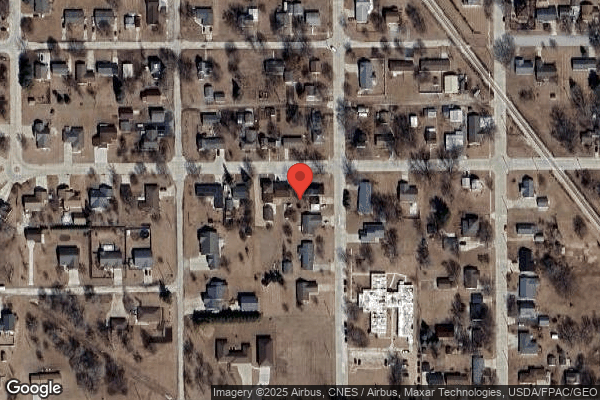
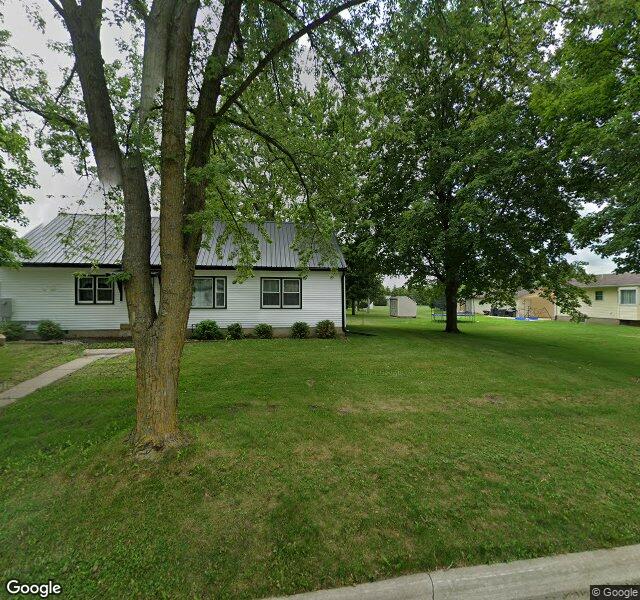
830 SOUTH FIFTH STREET, OSAGE, IA 50461 (641) 732-5520
For profit - Corporation 46 Beds ARBORETA HEALTHCARE Data: November 2025 4 Immediate Jeopardy citations
Trust Grade
0/100
#367 of 392 in IA
Last Inspection: November 2024

Within standard 12-15 month inspection cycle. Federal law requires annual inspections.

Overview

Osage Rehab and Health Care Center has received a Trust Grade of F, indicating poor performance with significant concerns about care quality. Ranking #367 out of 392 facilities in Iowa places them in the bottom half, and #4 out of 5 in Mitchell County means only one local option is better. The facility is showing signs of improvement, reducing issues from 12 in 2024 to 7 in 2025. Staffing is a mixed picture with a below-average rating of 2 out of 5, but they have an impressive 0% turnover, meaning staff remain stable and familiar with residents. However, the facility has accumulated $96,561 in fines, which is concerning as it exceeds 95% of Iowa facilities, indicating repeated compliance issues. There are critical incidents of concern, including a resident with a gastronomy tube who was not positioned correctly during feeding, leading to aspiration pneumonia. Another serious finding involved a failure to prevent the development of pressure ulcers for a resident with a history of such injuries, which placed their health in immediate jeopardy. While there are some strengths, such as good staff retention, the overall care quality and compliance issues raise significant alarms for families considering this facility.

Trust Score
F
0/100
In Iowa
#367/392
Bottom 7%
Safety Record
High Risk
Review needed
Inspections
Getting Better
12 → 7 violations
Staff Stability
○ Average
Turnover data not reported for this facility.
Penalties
✓ Good
$96,561 in fines. Lower than most Iowa facilities. Relatively clean record.
Skilled Nurses
○ Average
Each resident gets 32 minutes of Registered Nurse (RN) attention daily — about average for Iowa. RNs are the most trained staff who monitor for health changes.
Violations
⚠ Watch
52 deficiencies on record. Higher than average. Multiple issues found across inspections.
★☆☆☆☆
1.0
Overall Rating
★★☆☆☆
2.0
Staff Levels
★★★★☆
4.0
Care Quality
★☆☆☆☆
1.0
Inspection Score
Stable
2024: 12 issues
2025: 7 issues

The Good

  • 4-Star Quality Measures · Strong clinical quality outcomes
  • Full Sprinkler Coverage · Fire safety systems throughout facility
  • No fines on record

Facility shows strength in quality measures, fire safety.

The Bad

1-Star Overall Rating

Below Iowa average (3.0)

Significant quality concerns identified by CMS

Federal Fines: $96,561

Well above median ($33,413)

Moderate penalties - review what triggered them

Chain: ARBORETA HEALTHCARE

Part of a multi-facility chain

Ask about local staffing decisions and management

The Ugly 52 deficiencies on record

4 life-threatening 1 actual harm
Jun 2025 1 deficiency
CONCERN (D) 📢 Someone Reported This

A family member, employee, or ombudsman was alarmed enough to file a formal complaint

Potential for Harm - no one hurt, but risky conditions existed

Deficiency F0774 (Tag F0774)

Could have caused harm · This affected 1 resident

**NOTE- TERMS IN BRACKETS HAVE BEEN EDITED TO PROTECT CONFIDENTIALITY** Based on clinical record review, staff and family interview, the facility failed to provide transportation for a resident from a...

Read full inspector narrative →
**NOTE- TERMS IN BRACKETS HAVE BEEN EDITED TO PROTECT CONFIDENTIALITY** Based on clinical record review, staff and family interview, the facility failed to provide transportation for a resident from a physician's appointment for which resulted in the family member transporting the resident back to the facility for 1 of 4 resident reviewed. (Resident #1) The facility identified a census of 26 residents. Finding include: Resident #1's Minimum Data Set (MDS) assessment dated [DATE]. The MDS identified a Brief Interview for Mental Status (BIMS) score of 9, indicating moderately impaired cognition. The resident required partial to moderate assistance for activity of daily living (ADL) and used a wheelchair for mobility. The MDS included diagnoses of hypertension (high blood pressure), aphasia (difficulty talking), cerebrovascular accident (damage to the brain from interruption of its blood supply), hemiplegia (paralysis of one side of the body, resulting from brain damage) and anxiety. Resident #1's admission Orders dated 10/7/24 listed they had a follow up appointment scheduled on 1/2/25 at 9:15 AM with a neurology Physician Assistant (PA). Review of the facility's monthly calendar indicated Resident #1 had an appointment scheduled on 3/5/25 at 10:15 AM. The calendar indicated the facility rescheduled Resident #1's appointment with neurology. Review of the facility's monthly calendar listed Resident #1's appointment rescheduled to 5/23/25 at 3:40 PM. The Progress Note dated 5/23/25 at 2:22 PM, Staff A, Licensed Practical Nurse (LPN), documented Resident #1 left the facility with her paperwork for an appointment with a transport van service and driver. The Progress Note dated 5/23/25 at 8:48 PM, Staff B, LPN, documented Resident #1 had an appointment with neurology. Resident #1 had an order-pending, for a sleep study and a heart monitor, but no medication changes. Interview on 6/10/25 at 10:45 AM, Staff C, Registered Nurse (RN), verified the facility expected the staff to make sure a staff member goes with a resident to all appointments. Interview on 6/10/25 at 12:30 PM, the Interim Administrator, stated the facility didn't have a policy regarding transportation for residents going to a physician's appointment, but they expected staff to go with all residents to appointments. Interview on 6/10/25 at 3:10 PM, Resident #1's Representative, stated they met Resident #1 at the physician's appointment but understood they had a staff member with them. When the appointment finished the family texted the facility's Social Worker to make sure the transportation service returned to pick up Resident #1. When the family member failed to get a response, they took Resident #1 home with them for supper and then brought her back to the facility.
Apr 2025 2 deficiencies
CONCERN (D) 📢 Someone Reported This

A family member, employee, or ombudsman was alarmed enough to file a formal complaint

Potential for Harm - no one hurt, but risky conditions existed

Deficiency F0725 (Tag F0725)

Could have caused harm · This affected 1 resident

Based on resident interview, staff interview, Alarm Response Report forms, and facility policy review, the facility failed to answer resident call lights in a timely manner and within the regulated 15...

Read full inspector narrative →
Based on resident interview, staff interview, Alarm Response Report forms, and facility policy review, the facility failed to answer resident call lights in a timely manner and within the regulated 15-minute time frame for 2 residents reviewed (Residents #6 and #1). The facility identified a census of 28 residents. Findings include: 1. During an interview on 4/3/25 at 3:23 PM Resident #6 confirmed she timed her call light on for over 15 minutes, which pissed her off. Review of the facility's Alarm Response Report form for a one (1) week period of time from 3/27/25 thru 4/2/25 revealed the facility failed to answer her call light within the allotted 15-minute time frame on the following dates: a. 3/27/25 at: i. 11:10 AM for 21:42 minutes ii. 5:44 PM for 18:49 minutes iii. 9:53 PM for 19:50 minutes iv. 9:53 PM for 10:30 minutes v.10:13 PM for 26:02 minutes. b. 3/30/25 at 1:23 AM for 17:03 minutes. 2. During an interview on 4/3/25 at 2:50 PM Resident #1, identified by the facility as interviewable, confirmed she recently timed her call light as on for two (2) hours on an unknown evening shift as she used the clock on her wall. She reported the call lights as especially bad when the facility had agency staff scheduled. Resident #1 explained after supper the staff assisted all of the other residents to bed and then they answered her call light. When asked how she felt she replied, she's used to it by now but questioned what would happen if she had an emergent situation? By the time they arrived it could have been too late. Review of the facilities Alarm Response Report for a 1-week period of time from 3/27/25 thru 4/2/25 revealed the facility failed to answer the resident's call light within the allotted 15-minute time frame on the following dates: a. 4/1/25 at 2:43 PM 18:40 minutes. b. 3/28/25 at i. 1:40 PM - 22:44 minutes ii. 11:07 AM - 18:28 minutes. During an interview on 4/3/25 at 1:58 PM Staff A, Certified Nursing Assistant (CNA), confirmed the staff failed to answer the residents' call lights within 15 minutes due to staffing. Staff A described the situation as worse on the 2 PM until 10 PM shift. She added the agency staff refused to answer the residents' call lights. During an interview on 4/3/25 at 2:29 PM Staff B, CNA, confirmed the staff failed to answer residents' call lights within 15 minutes due to resident behaviors and staffing issues. The facility's Answering the Call Light Policy dated 2001 described the Purpose of the procedure as an assurance of timely call light responses to resident's requests and needs.
CONCERN (E) 📢 Someone Reported This

A family member, employee, or ombudsman was alarmed enough to file a formal complaint

Potential for Harm - no one hurt, but risky conditions existed

Safe Environment (Tag F0584)

Could have caused harm · This affected multiple residents

**NOTE- TERMS IN BRACKETS HAVE BEEN EDITED TO PROTECT CONFIDENTIALITY** Based on record review, observation, photos taken during observation, resident, and staff interview, the facility failed to ensu...

Read full inspector narrative →
**NOTE- TERMS IN BRACKETS HAVE BEEN EDITED TO PROTECT CONFIDENTIALITY** Based on record review, observation, photos taken during observation, resident, and staff interview, the facility failed to ensure all residents who resided on the East end of the building resided in a clean, sanitary, and homelike atmosphere. The facility identified a census of 28 residents. Findings include: According to a Department of Health and Human Services Centers For Medicare and Medicaid Services form 2567 with a survey completion date of 11/18/22, the facility received a deficiency for F584. The deficiency referred to a buildup of a black substance with the appearance of mold on the pipes of the heating elements in resident rooms on the East end of the building. The Maintenance Supervisor at the time indicated the heating and cooling elements in all of the rooms on the East side of the building contained hot water that flowed through the pipes in the winter and each box in the resident's rooms the hot water flowed through the pipes and in the summer the water changed from hot to cold. Related to the setup of the system the water condensed which caused moisture build up so the pipes contained mold. The facility reported they installed the current system in the 1960's. According to an email dated 4/9/25 at 10:04 PM the current Maintenance Supervisor agreed with the above description of the heating and cooling system. An observation on 4/3/25 at 12:30 PM revealed the same buildup of the black substance with the appearance of mold on all of the heating/cooling unit pipes for all 16 rooms on the East side of the building. As well as other specified issues listed below: a. room [ROOM NUMBER], occupied by Resident #2 contained an active toilet leak. The floor appeared to have standing water around the toilet itself, which ran across the bathroom floor. Resident #2, identified by the facility as interviewable, indicated his toilet leaked for a long time. Resident #2 confirmed he used the toilet on a regular basis but it didn't bother him, however, it still needed fixed. During an interview on 4/3/25 at 1:10 PM Resident #5 in room [ROOM NUMBER] A, identified by the facility as interviewable confirmed her toilet leaked off and on. Staff C, Housekeeping, present during the interview confirmed the facility had a long-standing problem of the toilets leaking. Staff C indicated the facility completed various interventions such as toilet ring but the toilets continued to leak on the East (older) end of the building. During an interview on 4/3/25 at 1:58 PM Staff A, Certified Nursing Assistant (CNA), confirmed she observed mold on heating/cooling elements in resident rooms on the East end of the building that had been there since she started work two (2) years ago. During an interview on 4/3/25 at 2:29 PM Staff B, CNA, confirmed she observed the toilets leak in the rooms of Resident #2 (room [ROOM NUMBER]) and Resident #4 (room [ROOM NUMBER]) located across the hall from each other on the East end of the building and the last rooms on the South end).
Feb 2025 4 deficiencies 1 Harm
SERIOUS (G) 📢 Someone Reported This

A family member, employee, or ombudsman was alarmed enough to file a formal complaint

Actual Harm - a resident was hurt due to facility failures

Accident Prevention (Tag F0689)

A resident was harmed · This affected 1 resident

**NOTE- TERMS IN BRACKETS HAVE BEEN EDITED TO PROTECT CONFIDENTIALITY** Based on observation, clinical record review, staff interview and resident interview, the facility staff failed to maintain appr...

Read full inspector narrative →
**NOTE- TERMS IN BRACKETS HAVE BEEN EDITED TO PROTECT CONFIDENTIALITY** Based on observation, clinical record review, staff interview and resident interview, the facility staff failed to maintain appropriate nursing supervision to prevent a cat bite which resulted in a wound infection for one (1) resident reviewed. (Resident #3) The facility identified a census of 31 residents. Findings include: Resident #3's Minimum Data Set (MDS) assessment dated [DATE] identified a Brief interview for Mental Status (BIMS) score of 6, indicating severely cognitive impairment. The MDS listed Resident #3 as independent with most activities of daily living (ADLs). The MDS included diagnoses of cerebrovascular accident (CVA or stroke), anxiety, depression, disorientation, and mild cognitive impairment. Resident #3's Baseline Care Plan (BCP) dated 1/28/25 and locked at 1:36 PM reflected she had a confused cognition. The Interventions to address her cognition listed to redirect as she continued to say she is going home. The BCP reflected Resident #3 had intact skin with a goal to maintain her intact skin. During an interview on 3/3/25 at 4:25 PM Resident #3's Durable Power of Attorney (DPOA) confirmed the cat bit her as she grabbed it and placed it in the crate to take it to Resident #3 at the nursing facility. The DPOA described the cat as a devil cat. The DPOA indicated at the time she didn't know of the cat's vaccination status so she called the veterinarian and learned the cat didn't have their vaccines up to date. A faxed Physician Order form signed by the Physician on 1/29/25 reflected Resident #3 received six (6) marks (bites) on her left arm from her cat that measured 0.1 centimeters (cm) by (x) 0.1 cm. The Physician ordered the staff to cleaned the areas on the resident's left hand with normal saline, apply by Triple Antibiotic Ointment (TAO) and cover with a bandage two (2) times a day (BID) and as needed (PRN) until healed. A Weekly Skin Assessment form dated 2/3/25 locked at 2:01 PM indicated Resident #3 sustained a scab on her left palm. The Health Status Note dated 1/30/25 at 11:33 AM reflected the Physician wrote an order for Augmentin (antibiotic) 875 milligrams (mg) 1 tablet by mouth (po) two (2) times a day (BID) for seven (7) days due to a cat bite. The Health Status Note dated 1/30/25 at 1:01 PM identified the Physician wrote an order to discontinue the Augmentin and to start Clindamycin (antibiotic) 300 mg three times a day (TID) for 7 days. The Health Status Note dated 1/30/25 at 7:44 PM indicated Resident #3 took antibiotics for a urinary tract infection and a cat bite on her left palm and wrist. The area looked slightly pink, raised, with mild tenderness, and no warmth. During an interview on 2/27/25 at 3:00 PM the Administrator explained they told her the cat had their vaccinations up to date but after the phone call with the Veterinarian, they learned the last time the cat went to the office was back in 2012. During an interview on 2/27/25 at 1:07 PM Staff A, Licensed Practical Nurse (LPN), confirmed the DPOA brought in Resident #3's cat because she exhibited exit seeking behaviors and wanted to see her cat. So, they had the animal brought to the facility as a means of comfort her but she could only have it in her room. Staff A indicated around 4ish, maybe on the 29th a Certified Nurse Aide (CNA) who worked with Resident #3 came out of her room and said the cat growled at her. Staff A went to Resident #3's room and found the cat under the bed. Resident #3 entered the room and sat by her chair far away from the cat who hissed and attempted to claw Staff A. The cat sat/laid way back in the corner under the bed. Staff A asked Resident #3 to leave her room while she called the Office Manager and told her the cat hissed at Resident #3 and she couldn't get the cat removed so the Office Manager went to the room with a CNA and attempted to remove the cat. Resident #3 followed the staff members to her room as Staff A attempted to redirect her without success as she sat in her recliner. The staff moved Resident #3's bed out and had carrier right close. The cat darted out and ran to the side of the recliner as Resident #3 reached down and tried to console the cat as it bit her on the left wrist palm area, along the meaty section. Staff A assessed 5 6 teeth/puncture marks so she cleaned the area with soap and water, applied TAO, and covered the area with a dressing. When questioned if it hurt, Resident #3 said it stung a bit. Staff A described Resident #3 as upset about the cat so the staff member attempted to console her as she told her that current cat bite wasn't the first time. The staff removed the cat from the resident's room in the carrier crate and placed it in the nurse's station until the DPOA picked it up around 9 9:30 that night. Staff A asked the Office Manager about the cat's vaccination status and she told her the DPOA verbally described the cat as vaccinated. Staff A confirmed the facility didn't have written proof of vaccinations, just verbal. An email 3/4/25 at 12:50 PM revealed the Office Manager confirmed she called the DPOA and told her as long as the cat appeared friendly and had their vaccinations up to date, she didn't have a problem with the cat staying with Resident #3. When the staff told her the cat became aggressive, she came to the facility after hours and caught the cat. She called the DPOA and informed her the situation didn't work and she needed to remove the cat from the facility. During an interview on 2/27/25 at 1:50 PM Staff C, CNA, confirmed she peeked at Resident #3's cat positioned under the bed as it hissed at her, so she reported the situation to the Administrator and Office Manager. Staff C didn't know of the cat's vaccination status. During an interview on 2/27/25 at 2:04 PM Staff D, CNA, confirmed she worked the evening/night of 1/28/25 when Resident #3's cat came to the facility around 8 PM. When the cat arrived with a friend in a cage she leaned down to see the cat and it hissed at her. The friend told her it took her all day to catch the cat and the cat bit her. Staff D texted the Administrator and told her the cat would be an issue. Staff D confirmed she didn't know the cat's vaccination status. During an interview on 2/27/25 at 2:26 PM Staff E, CNA, confirmed she worked the evening/night the cat arrived. She explained what happened as the DPOA brought the cat to the facility in a cage. The DPOA literally told staff it took her five (5) hours to get the cat in the crate and it bit her. The cat stayed overnight in Resident #3's room but she never had any contact with the cat. According to an undated and untimed email, the Administrator indicated the facility didn't have a policy or procedure for pets/animals in the building.
CONCERN (D) 📢 Someone Reported This

A family member, employee, or ombudsman was alarmed enough to file a formal complaint

Potential for Harm - no one hurt, but risky conditions existed

Comprehensive Care Plan (Tag F0656)

Could have caused harm · This affected 1 resident

**NOTE- TERMS IN BRACKETS HAVE BEEN EDITED TO PROTECT CONFIDENTIALITY** Based on clinical record review, staff interview and policy review the facility failed to implement Care Plans for one (1) resid...

Read full inspector narrative →
**NOTE- TERMS IN BRACKETS HAVE BEEN EDITED TO PROTECT CONFIDENTIALITY** Based on clinical record review, staff interview and policy review the facility failed to implement Care Plans for one (1) resident reviewed (Resident #6) The facility reported a census of 31 residents. Findings include: Resident #6's Minimum Data Set (MDS) assessment dated [DATE] identified a Brief Interview for Mental Status (BIMS) score of 15, indicating intact cognition. The Care Plan Focus revised 10/11/23 indicated Resident #6 had a risk for falling related to gait/balance problems, and incontinence. The Interventions directed to have the call light in reach and encourage her to use as needed (PRN). Resident #6 required prompt response to all requests for assistance. During an interview on 2/27/25 at 3:30 PM Resident #6 reported a couple weeks ago she timed the time it took for someone to answer her call light, it stay on from approximately 1:30 AM till 5:30 AM. At that time, she used her cell phone which gave her a feeling of anger and tired of being ignored. Resident #6 added other times she timed her call light on for 45 minutes on the 3rd shift which caused her to lose control of her stool (bowel movement) so she sat in her own poop, this caused her to feel unhappy because if the staff answered her light timely she wouldn't become incontinent. The Care Plans, Comprehensive Person Centered policy dated 2001 instructed a comprehensive, person centered Care Plan that included measurable objectives and timetables to meet the resident's physical, psychosocial and functional needed developed and implemented for each resident.
CONCERN (D) 📢 Someone Reported This

A family member, employee, or ombudsman was alarmed enough to file a formal complaint

Potential for Harm - no one hurt, but risky conditions existed

Deficiency F0658 (Tag F0658)

Could have caused harm · This affected 1 resident

Based on clinical record review, staff interview and facility policy review the facility staff failed to follow Physician Orders for 1 of 3 residents reviewed (Resident #3). The facility identified a ...

Read full inspector narrative →
Based on clinical record review, staff interview and facility policy review the facility staff failed to follow Physician Orders for 1 of 3 residents reviewed (Resident #3). The facility identified a census of 31 residents. Findings include: A faxed Physician Order form signed by the Physician on 1/29/25 reflected Resident #3 received six (6) marks (bites) on her left arm from her cat that measured 0.1 centimeters (cm) by (x) 0.1 cm. The Physician ordered the staff to cleaned the areas on the resident's left hand with normal saline, apply by Triple Antibiotic Ointment (TAO) and cover with a bandage two (2) times a day (BID) and as needed (PRN) until healed. Resident #3's January and February 2025 Medication Administration Record (MAR) and Treatment Administration Record (TAR) forms lacked the prescribed treatment orders, indicating the treatment didn't get completed as ordered. According to an email 3/4/25 at 1:56 PM the Administrator indicated Staff A, Licensed Practical Nurse (LPN), confirmed the January and February 2025 MARs and TARs didn't have the treatment order. The facilities Medication and Treatment Orders policy revised July 2016 directed the facility staff the need for orders of medications and treatments be consistent with principles of safe and effective order writing. The Policy Interpretation and Implementation instructed to administer medications only upon written order of a person duly licensed and authorized to have prescribed such medication.
CONCERN (E) 📢 Someone Reported This

A family member, employee, or ombudsman was alarmed enough to file a formal complaint

Potential for Harm - no one hurt, but risky conditions existed

Deficiency F0725 (Tag F0725)

Could have caused harm · This affected multiple residents

Based on resident interview, staff interview, Alarm Response Report forms, and facility policy review, the facility failed to answer a resident's call light in a timely manner and within the regulated...

Read full inspector narrative →
Based on resident interview, staff interview, Alarm Response Report forms, and facility policy review, the facility failed to answer a resident's call light in a timely manner and within the regulated 15-minute time-frame for 1 of 3 residents reviewed (Resident #6). The facility identified a census of 31 residents. Findings include. During an interview on 2/27/25 at 3:30 PM Resident #6 reported a couple weeks ago she timed the time it took for someone to answer her call light, it stay on from approximately 1:30 AM till 5:30 AM. At that time, she used her cell phone which gave her a feeling of anger and tired of being ignored. Resident #6 added other times she timed her call light on for 45 minutes on the 3rd shift which caused her to lose control of her stool (bowel movement) so she sat in her own poop, this caused her to feel unhappy because if the staff answered her light timely she wouldn't become incontinent. Resident #6 explained in October they left her in bed for 14 hours against her will because the facility failed to provide enough staff to get her up as she required three (3) staff assistance. Review of an Alarm Response Report form revealed Resident #6 had her call light on for over the allotted 15-minute time frame during the following dates and times: a. 2/17/25 at: - 5:49 PM for 36 minutes and 46 seconds b. 2/18/25 at: - 5:53 AM for 21 minutes and 22 seconds - 6:18 AM for 43 minutes and 2 seconds - 7:40 PM for 25 minutes and 30 seconds c. 2/19/25 at: - 1:09 PM for 32 minutes and 34 seconds - 6:08 PM for 1 hour, 22 minutes and 5 seconds - 8:08 PM for 1 hour 9 minutes and 59 seconds - 7:52 PM for 27 minutes and 3 seconds - 7:37 PM for 59 minutes and 18 seconds d. 2/20/25 at: - 12:52 AM for 17 minutes and 46 seconds - 6:16 AM for 27 minutes and 7 seconds - 4:48 PM for 24 minutes and 28 seconds e. 2/21/25 at: - 1:19 PM for 16 minutes and 36 seconds - 6:59 PM for 1 hour 55 minutes and 50 seconds f. 2/22/25 at: - 6:06 PM for 22 minutes and 10 seconds - 6:20 PM for 21 minutes and 29 seconds During an interview on 2/27/25 at 12:13 PM Staff B, Licensed Practical Nurse (LPN), confirmed the facility's call light system didn't function at various times so they have given the residents bells. Staff B verified staff couldn't hear the bells especially when the facility only had one (1) nurse and 1 CNA on staff. Staff B indicated Resident #6 cried because the facility failed to provide enough staff to reposition her as she required 3 staff for assistance. During an interview on 2/27/25 at 1:07 PM Staff A, LPN, confirmed the facility call light systems didn't function for about 1 week. Staff A confirmed the staff couldn't hear the resident's call bells especially on the other end of the building and when they only had 1 nurse and 1 CNA on staff and/or they were in other resident rooms who required 2 3 staff assistance. During an interview on 2/27/25 at 1:50 PM Staff C, CNA, verified the call system didn't work for a week to a week and a half. The residents used bells during that time and/or just yelled from their rooms. Staff C confirmed the staff couldn't hear the bells and she didn't doubt resident call bells went unanswered within the allotted 15 minutes especially when the staff assisted residents who required 2 staff assistance. During an interview on 2/27/25 at 2:04 PM Staff D, CNA, confirmed the facility's call system work on and off so the residents used a bell when the call lights didn't function however the bells didn't work well. As you could imagine because the staff didn't know where they came from and they could only hear the bells if staff were located in a specific hallway. Also, the staff were supposed to walk the hallways every 15 minutes at 1st when the call system went out but when staff assisted residents in their rooms who required 2 staff assist they couldn't walk the hall every 15 minutes. The staff member added when the call light system worked, the staff couldn't answer the call lights within 15 minutes either. During an interview on 2/27/25 at 3:02 PM the Maintenance man confirmed in the past 2 months the facility replaced the communication box and they had 2 separate occasions during that same time frame, the call system didn't function. The facilities Answering the Call Light Policy dated 2001 directed assurance of timely call light responses to resident's requests and needs.
Nov 2024 6 deficiencies
CONCERN (D)

Potential for Harm - no one hurt, but risky conditions existed

Deficiency F0582 (Tag F0582)

Could have caused harm · This affected 1 resident

**NOTE- TERMS IN BRACKETS HAVE BEEN EDITED TO PROTECT CONFIDENTIALITY** Based on record review, policy review, and staff interview the facility failed to provide the resident or the resident's legal r...

Read full inspector narrative →
**NOTE- TERMS IN BRACKETS HAVE BEEN EDITED TO PROTECT CONFIDENTIALITY** Based on record review, policy review, and staff interview the facility failed to provide the resident or the resident's legal representative with a Skilled Nursing Advance Beneficiary Notice of Non-Coverage (SNF/ABN) and Notice of Medicare Non-Coverage (NOMNC) to document an appeal decision and the date of notification of Medicare non-coverage for 1 of 3 residents (Resident #10) sampled. The facility identified a census of 27 residents. Findings include: Resident #10's Electronic Census Record detailed the Resident admitted into Medicare Part A skilled services on 5/09/24 and discharged off on 8/16/24. The admission Minimum Data Set (MDS) assessment dated [DATE] listed a diagnoses of septicemia, muscle weakness, dysphagia and urinary tract infection and detailed Resident #10 had received speech-language pathology treatment and physical therapy treatment.The MDS revealed a Brief Interview for Mental Status score of 3 out of 10 indicating severe cognitive impairment. A review of Resident #10's Progress Notes revealed the medical record lacked documentation the Resident or the Resident's legal representative had been notified of the discontinuation of Medicare Part A skilled services on 8/16/24. In an interview on 11/14/24 at 11:30 AM the Administrator reported Resident #10 did not have the notice given for Resident #10. She reported it should have been given but cannot find proof of it being done. Review of the facility policy for Skilled Services revised 6/10/24 documents the resident or representative will be notified 48 hours prior to terminations of skilled coverage and sign the form with date of notice.
CONCERN (D) 📢 Someone Reported This

A family member, employee, or ombudsman was alarmed enough to file a formal complaint

Potential for Harm - no one hurt, but risky conditions existed

Abuse Prevention Policies (Tag F0607)

Could have caused harm · This affected 1 resident

Based on interview and staff files review, the facility failed to do a background check on 1 of 5 staff reviewed. The employee file for Staff A, Certified Medication Aide (CMA) lacked a criminal backg...

Read full inspector narrative →
Based on interview and staff files review, the facility failed to do a background check on 1 of 5 staff reviewed. The employee file for Staff A, Certified Medication Aide (CMA) lacked a criminal background check. The facility reported a census of 27 residents. Findings include: A letter from the Chief Human Resources Officer (CHRO) and signed as accepted by Staff A on 12/5/22, documented that the CHRO was pleased to confirm an offer of conditional employment for the position of full time Certified Nurse Aide effective on 12/5/22. A review of Staff A's folder on 11/13/24, revealed that a background check was not in her file. It revealed a hire date of 12/5/22. On 11/13/24 at 1:17 PM, Staff B, Business Office Manager (BOM), stated the facility did not have a criminal background check for Staff A. This BOM stated she had a call out to the one Human Resource person who is left for the corporation, but the HR person is out on vacation until the 11/19/24. Staff B stated she did leave a message. This BOM stated she had an email out to 2 other staff as well. One who does payroll and one who is the benefits coordinator. The BOM stated she had looked through past emails and couldn't find anything regarding a background check for Staff A. She stated the corporation has been responsible for doing the background checks prior to hire in the past. Staff B stated she recently took over doing the background checks. When asked when she took the background checks over, she stated today. On 11/13/24 at 1:29 PM, the Payroll Director returned a call to Staff B and told her there was not a background check for Staff A. A Background Checks policy revised on 5/20/24, directed: To provide quality services and to ensure a safe working environment, every employee must successfully complete a background check before being granted regular employment.
CONCERN (D)

Potential for Harm - no one hurt, but risky conditions existed

Deficiency F0655 (Tag F0655)

Could have caused harm · This affected 1 resident

**NOTE- TERMS IN BRACKETS HAVE BEEN EDITED TO PROTECT CONFIDENTIALITY** Based on clinical record review, policy review and staff interviews, the facility failed to complete a baseline care plan for 1 ...

Read full inspector narrative →
**NOTE- TERMS IN BRACKETS HAVE BEEN EDITED TO PROTECT CONFIDENTIALITY** Based on clinical record review, policy review and staff interviews, the facility failed to complete a baseline care plan for 1 of 2 residents reviewed (Resident #27). The facility reported a census of 27 residents. Findings include: The Census tab in the Electronic Health Record (EHR) documented Resident #27 admitted on [DATE] and discharged on 10/26/24. Review of the Nursing Data Assessment for Resident # 27 completed on 10/22/24 documented the resident admitted to the facility post left knee replacement. Review of Resident #27's EHR lacked a completed baseline care plan. On 11/13/24 at 12:07 PM, the Administrator reported the baseline care plan for Resident #27 was not completed. During an interview on 11/13/24 at 12:16 PM, the Director of Nursing reported the baseline care plan should be completed within 72 hours of admission. Review of the facility policy for baseline care plans revised December 2016 documented a baseline plan of care to meet the resident's immediate needs shall be developed for each resident within forty-eight (48) hours of admission.
CONCERN (D) 📢 Someone Reported This

A family member, employee, or ombudsman was alarmed enough to file a formal complaint

Potential for Harm - no one hurt, but risky conditions existed

ADL Care (Tag F0677)

Could have caused harm · This affected 1 resident

Based on clinical record review, resident interview, staff interviews and policy review, the facility failed to ensure residents had at least 2 baths/showers per week for 2 of 3 residents reviewed for...

Read full inspector narrative →
Based on clinical record review, resident interview, staff interviews and policy review, the facility failed to ensure residents had at least 2 baths/showers per week for 2 of 3 residents reviewed for bathing (Resident #4 and #6). The facility reported a census of 27 residents. Findings include: 1. The Minimum Data Set (MDS) for Resident #6 revealed a Brief Interview for Mental Status (BIMS) of 15, which indicated intact cognition. The resident had a diagnosis of multiple sclerosis (an autoimmune disease where tissue hardens or stiffens)and required assistance from staff with bathing. The Care Plan revised 5/5/22 for Resident #6 revealed a focus area of an activity of daily living self care deficit related to limited mobility and directed staff to provide 2 staff participation with bathing. During an interview on 11/12/24 at 3:39 PM, Resident #6 revealed she was not consistently receiving showers as scheduled. Review of Electronic Health Record (EHR) for Resident #6 lacked documentation of showers/baths being offered or provided on the following dates: a. 10/4/24 b.10/11/24 c. 10/25/24 Review of facility policy titled, Bath, Shower/Tub, revised February 2018 revealed the purpose of the procedures of this procedure are to promote cleanliness, provide comfort to the resident and to observe the condition of the resident ' s skin. The policy directed staff to document if the resident refused the shower/tub bath, the reason(s) why and the intervention taken, and to notify the supervisor if the resident refused the shower/tub bath. During an interview on 11/13/24 at 2:30 PM, the Director of Nursing (DON) revealed it is an expectation residents receive their showers the days they are due to be given. The DON further revealed if a resident does not receive their shower on the day it is scheduled, it would be an expectation the nurse, the DON or the Assistant Director of Nursing (ADON) would be notified. 2. The Care Plan dated 2/24/23, directed that Resident #4 required 1 staff participation with bathing. Review of the EHR for Resident #6 lacked documentation of showers/baths being offered or provided on the following dates: a.10/17/24 b.10/31/24 c.11/7/24 On 11/13/24 at 5:00 PM, the Assistant Director of Nursing (ADON) stated that they have been documenting showers and refusals of them on daily sheets. She said she was not able to find them and staff have been inconsistent about filling the information out. She doesn't know if they have been shredded or not. She will look for any further information the missing showers for Resident #4. She stated understanding that information was taken from documentation of transfers to tub/shower. The ADON did not provide any further information regarding missing documentation for showers.
CONCERN (D) 📢 Someone Reported This

A family member, employee, or ombudsman was alarmed enough to file a formal complaint

Potential for Harm - no one hurt, but risky conditions existed

Quality of Care (Tag F0684)

Could have caused harm · This affected 1 resident

Based on clinical record review, resident interview and staff interview, the facility failed to ensure completion of physician ordered treatments for 1 of 2 residents (Resident #6). The facility repor...

Read full inspector narrative →
Based on clinical record review, resident interview and staff interview, the facility failed to ensure completion of physician ordered treatments for 1 of 2 residents (Resident #6). The facility reported a census of 27 residents. Findings include: 1. The Minimum Data Set (MDS) for Resident #6 revealed a Brief Interview for Mental Status (BIMS) of 15, which indicated intact cognition. The resident had a diagnosis of multiple sclerosis (MS) (an autoimmune disease where tissue hardens or stiffens)and required assistance from staff with bathing. During an interview on 11/12/24 at 3:39 PM, Resident #6 revealed the dressing for her peripherally inserted central catheter (PICC) line was not consistently being completed as ordered by the physician. The Care Plan initiated 9/20/21 for Resident #6 revealed the resident had MS with a goal to remain free of complications or discomfort related to MS and directed staff to contact the provider right away if noticed signs or symptoms of PICC line complications. The Care Plan further directed staff to change the PICC line dressing using sterile technique weekly. Review of Physician Orders for Resident #6 revealed an order for a PICC line dressing change once a week, one time a day, every Sunday for PICC line care with a start date 7/21/24. Review of the October 2024 treatment administration record (TAR) for Resident #6 lacked documentation of the dressing being changed and lacked a rationale on 9/15/24 and 9/22/24. The facility lacked a policy specific to expectation physician orders are followed. During an interview on 11/14/24 at 8:20 AM the Assistant Director of Nursing revealed she would expect staff to document if a treatment was not completed as ordered in addition to documentation as to why the treatment was not completed as ordered.
CONCERN (D) 📢 Someone Reported This

A family member, employee, or ombudsman was alarmed enough to file a formal complaint

Potential for Harm - no one hurt, but risky conditions existed

Deficiency F0698 (Tag F0698)

Could have caused harm · This affected 1 resident

**NOTE- TERMS IN BRACKETS HAVE BEEN EDITED TO PROTECT CONFIDENTIALITY** Based on interviews, observations, and record review, the facility failed to do pre and post dialysis assessments for 1 of 1 res...

Read full inspector narrative →
**NOTE- TERMS IN BRACKETS HAVE BEEN EDITED TO PROTECT CONFIDENTIALITY** Based on interviews, observations, and record review, the facility failed to do pre and post dialysis assessments for 1 of 1 resident who received hemodialysis (use of a machine to filter waste out of the kidneys) (Resident #24). The facility reported a census of 27 residents. Findings include: A Minimum Data Set (MDS) dated [DATE], documented Resident #24 admitted to the facility on [DATE]. A Brief Interview for Mental Status (BIMS), revealed a score of 9 out of 15, which indicated Resident #24 had moderate cognitive impairment. This MDS documented that diagnoses for Resident #24 included End Stage Renal Disease (ESRD). This MDS documented this resident received hemodialysis. A Care Plan initiated on 3/18/24, directed that Resident #24 needed hemodialysis related to renal failure, ESRD. It directed that Resident #24 would have immediate intervention should any signs or symptoms of complications from dialysis occur through the review date. It directed staff to encourage resident to go for the scheduled dialysis appointments on Tuesdays, Thursdays, and Saturdays (3 times a week). In an electronic record review on 11/13/24 at 9:28 AM, it was noted that pre and post dialysis assessments were not found in Resident #24's electronic health record. When the Administrator was asked where the assessments were found the Administrator stated she had her staff working on locating these assessments. On 11/13/24 at 3:26 PM, the Assistant Director of Nursing (ADON), stated all of the pre and post dialysis assessments were done on paper and none of them have been uploaded. When asked for the papers, the ADON stated she will have to find them. On 11/14/24 at 8:24 AM, the ADON stated that she was unable to locate pre and post dialysis assessments. She stated she could not find a substantial amount of assessments and the Director of Nursing (DON) was already working on a plan of correction. She stated their plan is to add the pre and post assessments on the MAR/TAR so they can ensure they get done. This ADON acknowledged knowing that the pre and post assessments should have been done. On 11/14/24 at 10:30 AM, the ADON provided 3 Dialysis Communication assessments dated 10/15/24, 10/26/24, and 11/2/24. The post assessments were not complete on these 3 assessments. The ADON stated she could not find any further documentation of assessments and acknowledged there should have been many more assessments. She provided a policy with the Dialysis Communication assessment attached on how to fill out the Dialysis Communication. The ADON stated that areas had been highlighted and written on before this survey and was to be used as a guide for nurses on what areas to fill out on the pre and post dialysis assessments. Provided by the ADON: A Nursing Procedure Manual Shunt Care and Maintenance of an Internal Arteriovenous (AV) Access Device dated 1/2013 documented it's purpose was to provide safe and proper care to a resident/patient with an AV shunt for hemo-dialysis access. This policy had highlighted sentences and hand writing on it. The Dialysis Communication attached to the above Procedure also had highlighted sentences and hand writing on it.
Jul 2024 3 deficiencies 1 IJ
CRITICAL (J) 📢 Someone Reported This

A family member, employee, or ombudsman was alarmed enough to file a formal complaint

Immediate Jeopardy (IJ) - the most serious Medicare violation

Tube Feeding (Tag F0693)

Someone could have died · This affected 1 resident

**NOTE- TERMS IN BRACKETS HAVE BEEN EDITED TO PROTECT CONFIDENTIALITY** Based on clinical record review, staff interview, Physician interview, Emergency Medical Service (EMS) interview, and facility p...

Read full inspector narrative →
**NOTE- TERMS IN BRACKETS HAVE BEEN EDITED TO PROTECT CONFIDENTIALITY** Based on clinical record review, staff interview, Physician interview, Emergency Medical Service (EMS) interview, and facility policy review, the facility failed to provide adequate care and services to maintain the highest functional status for 1 of 2 residents with gastronomy tube (GT) (Resident #2). Resident #2 had an order to have his head of bed elevated while receiving his feeding. As the nurse gave Resident #2 his feeding, they had the head of bed lowered. When Resident #2 started to vomit, the nurse stopped the feeding, but failed to elevate Resident #2's head of the bed. When the certified nurse aides attempted to assist the nurse, the nurse told them to have him lay flat. Resident #2 suffered from aspiration pneumonia and septic shock. With not having Resident #2's head of the bed raised during administration of his feeding, the facility placed Resident #2 at an immediate jeopardy due to the likelihood of serious harm and/or death. The facility identified a census of 33. The Department notified the facility of the immediate jeopardy on 7/16/24 at 11:45 AM, that started on 6/28/24. The facility removed the immediacy on 7/16/24 by completing the following information: a. The Director of Nursing (DON) completed observational audits on 7/16/24 related to receiving enteral (feeding via a feeding tube) and elevation of their head of bed during their feeding as required, with no concerns observed. b. The DON educated the licensed nurses between 7/15/24 and 7/16/24. Any nurse who didn't complete the education on 7/16/24 must complete the education prior to the beginning of their next scheduled shift. c. The DON or designed will conduct audits weekly for 12 weeks to ensure the licensed nurses continue to elevate the residents head of bed during enteral feeding as required. The scope lowered from J to D at the time of the survey after ensuring the facility implemented education and their policy and procedure. Findings include: Resident #2's Minimum Data Set (MDS) assessment dated [DATE] identified a Brief Interview for Mental Status (BIMS) score of 12, indicating moderately impaired cognition. Resident #2 rejected cares 1 to 3 days. Resident #2 required total assistance from staff with activities of daily living (ADL's), including repositioning. Resident #2 had functional limitation on both sides of his upper and lower extremities with range of motion (ROM). The MDS listed Resident #2 as non ambulatory. The MDS reflected Resident #2 had a catheter and a G tube (feeding tube). The MDS included diagnoses of pneumonia, pharyngeal phase dysphasia, drug induced secondary to parkinsonism, dysarthria, hypertension (htn or high blood pressure), schizophrenia, dementia, psychotic disorder, and delusions. The Care Plan included the following Focus areas and Interventions as dated: a. 12/27/23: Resident #2 used psychotropic medications related to (r/t) the disease process of Paranoid Schizophrenia. b. 5/16/23: Resident #2 required a tube feeding r/t swallowing problems. i. Revised 5/16/23: Dependent on staff with tube feedings and water flushes. ii. 5/16/23: Monitor, document and report to the Physician as needed (PRN) for the following: Aspiration, shortness of breath (SOB), abnormal breath/lung sounds and nausea and vomiting. iii. Revised 5/16/23: Resident #2 required the head of bed (HOB) elevated 45 degrees during and thirty minutes after a tube feeding. c. 2/1/24: A nutritional problem or potential for a nutritional problem r/t dysphasia and dependence on g tube feeds with met 100% of his needs. d. 2/5/24: An indwelling catheter. e. 3/21/24: Resistive to cares r/t Schizophrenia. f. 5/16/23: ADL self-care deficit. i. 5/16/23: Required two (2) staff assistance with bed mobility. (revised 5/16/23) ii. 5/16/23: Nothing by mouth (NPO). Resident #2's June 2024 Medication Administration Record (MAR) included a Physician's order for enteral feeding three times a day (TID) for 30 minutes before, after, and during meals at 9 AM, 1 PM, and 7 PM. Resident #2's Medication Admin Audit Report for 6/28/24 indicated he received his enteral feeding at 1:09 PM. During an interview on 7/16/24 at 2:19 PM Staff D, Certified Nursing Assistant (CNA), confirmed she repositioned Resident #2 before lunch and left him at a 30-degree angle. Staff D described Resident #2 as very tired that day, they described that as normal for him around that time. Staff D confirmed Resident #2 coughed a lot and sounded like he had stuff in his lungs, so they reported her observations to Staff B, Licensed Practical Nurse (LPN). During an interview on 7/15/24 at 2:27 PM Staff C, CNA, indicated Staff B came to her and reported Resident #2 just threw up and she needed assistance to reposition him. When the staff members entered Resident #2's room, they found him responsive but lethargic. Resident #2 requested they elevate his left arm the staff members repositioned him up further in the bed and elevated his arm on a pillow. Staff C confirmed Resident #2's HOB at approximately 15 degrees and that he threw up. Staff C cleaned up the emesis of tube feeding formula at which time Staff B directed her to lay Resident #2 flat. Staff C questioned Staff B why she wanted him lying flat and she replied, yes because he just threw up. Staff C only left Resident #2 flat for 1 2 minutes just long enough to pull out the chux pad out from under Resident #2. When she left Resident #2's room Staff C indicated she left Resident #2's HOB at a 30-degree angle. During an interview on 7/15/24 at 2:43 PM Staff B stated let me think when asked about the event on 6/28/24. Staff B recalled Resident #2 as congested and that she typically gave him his tube feeding at 1:00 PM. On 6/28/24 she found him more lethargic than normal but they had adjusted his pain medications, so she didn't think anything about it. Staff B checked Resident #2's gastric residual with no return prior to administering his tube feeding while positioned at a 30-degree angle. Staff B indicated she denied remembering any further events and requested time overnight to gather her thoughts. On 7/16/24 at 9:42 AM Staff B confirmed she administered Resident #2's feeding on 6/28/24 with the HOB elevated. When he had an emesis, she stopped the feeding and went to get Staff A, LPN, for a second opinion. Staff B described Staff A as a more experienced and very competent nurse, as she told him she planned to hold Resident #2's medications. Staff B reported that she couldn't recall anything else. During an interview on 7/15/24 at 1:23 PM Staff A indicated on 6/28/24 around 1:50 PM or 1:55 PM, Staff B came to him and said she planned on not administering Resident #2's medications because he threw. Staff A asked Staff B if he was OK, and she indicated he was fine. So, Staff A stated he would go talk to him. At approximately 2:05 PM, Staff A entered Resident #2's room he observed Resident #2 positioned in a supine position with his head on a pillow, tube feeding formula draining from his nose, and Resident #2 non responsive. Staff A immediately raised the HOB close to a 90-degree angle. Staff A assessed Resident #2 and found an O2 (oxygen) saturation rate of 84 88%, so he increased Resident #2's oxygen to 5 liters (L) because he first thought the low oxygen saturation level caused the non responsiveness. Staff A called the Physician from Resident #2's room and received an order within approximately four (4) minutes to have transferred Resident #2 via ambulance to the local hospital. Staff A remained in the room and completed a thorough assessment. Staff B described Resident #2's blood pressure (B/P) as low, an elevated pulse (P), and a low O2 saturation. Staff B failed to complete any assessment or intervention prior to informing Staff A about the medications or Resident #2's actual condition. Staff A described Resident #2's lungs sounds as congested in the upper lobes. Staff A instructed Staff B to stay with Resident #2 while he made all of the required calls and prepared the paperwork. Resident #2 had a code status of full code (wanted life-saving measures) and they shouldn't leave him alone. As Staff A prepared Resident #2 for transfer, he observed Staff B as she entered the nurse's station. Staff A asked her what she was doing, she replied she was thirsty. Staff A directed Staff B to take her drink back down to Resident #2's room immediately. During an interview on 7/15/24 at 1:49 PM the DON indicated she didn't recall the incident on 6/28/24 as Resident #2 had a lot going on and so did the facility. The DON indicated she spoke with Resident #2 prior and he didn't want to lay flat but rather requested the HOB at 45 degrees or less because of his pain. During an interview on 7/15/24 at 4:45 PM the facilities Interim Administrator indicated the DON informed her on 6/28/24 she escorted the EMS crew to Resident #2's room and observed his HOB elevated. After explaining to the Administrator that the DON didn't report that during her interview, the DON joined the interview. She confirmed she escorted the EMS crew to Resident #2's room but never entered the room. She added she identified Resident #2's HOB as elevated because she observed Resident #2's face as she stood in the doorway of his room. The Surveyor explained a person could observe Resident #2's face from the doorway even if he laid supine, the DON shook her head with the gesture (up and down) that indicated she agreed. An eInteract Transfer V3 form dated 6/28/24 at 2:52 PM included the following documentation but failed to address Resident #2's urinary status and catheter: a. Blood pressure (B/P) = 84/48 (low) (average 120/80). b. Pulse = 119 (high) (expected 80-100 beats per minute) c. Respirations (R) = not assessed d. Temperature (T) = 101.3 degrees Fahrenheit (F) (average temperature 98.6) e. Oxygen (O2) saturation = 84% (low) (expected greater than 90%). A County Emergency Medical Services (EMS) Patient Care Report indicated the facility called the EMS crew at 2:55 PM with an arrival time of 3:00 PM. The EMS crew found the patient as he laid in bed basically unresponsive but made noises when moved. The general impression of the patient had been an elderly man with Parkinson's and severe contractures. Staff reported they went to feed Resident #2 and he vomited. Resident #2 had a feeding tube and can't eat. Resident #2 had a temperature (T) of 104 degrees Fahrenheit (F). The crew transferred the patient to the gurney and transported him to the County Regional Hospital at 3:21 PM. During an interview on 7/15/24 at 3:57 PM one of the EMS crew members that responded to the call confirmed when they arrived on the scene, Resident #2 laid in a supine position. The EMS crew members reported finding him in bed like that, wasn't the 1st time the crew found the same resident in the supine position to transport him. The crew member verbalized concern over Resident #1's position. The County Regional Hospital emergency room (ER) Progress Notes dated 6/28/24 at 3:25 PM reflected Resident #2 presented nonresponsive with a fever. Resident #2 had a history of Methicillin resistant Staph coccus Aureus (MRSA) (infection resistant to some medications) sepsis (full-body blood infection) in February 2024 from aspiration presented unresponsive from the nursing facility with a T of 104 degrees F. According to Staff A, Licensed Practical Nurse (LPN), a nursing home nurse, the last time staff saw him well was around 10 AM. They brought in his G tube feeding that afternoon just prior to arrival, he vomited and became unresponsive. The patient moaned to verbal and painful stimuli. A Radiology Results dated 6/28/24 at 3:51 PM reflected Resident #2 had nonspecific opacities (hazy gray areas in the lungs caused by a decreased ratio of gas to soft tissue in the lungs) present in the right hemithorax (right side of the chest) most prominent in the medial (middle) lung base concerning for aspiration or pneumonia. The impression identified the new opacities in the right lung, most confluent in the lung base, concerning for aspiration or pneumonia. A County EMS Patient Care Report indicated the County Regional Hospital dispatched the crew at 5:18 PM, and they arrived on the scene at 5:30 PM. At 5:41 PM the crew transferred Resident #2 to a higher level of care hospital and arrived 6:19 PM. The Hospital's History of Present Illness report dated 6/28/24 indicated Resident #2 presented from the emergency department (ED) of an outlying facility for septic shock. The nursing facility found him unresponsive, covered with vomit, and running high fever of 104. This prompted an immediate transfer to the local ED. The last time they reported him as well at 10 AM on 6/28/24. He moaned to verbal and painful stimuli. His blood pressure on arrival at the outlying facility ED was 60s systolic (average systolic blood pressure 120), they gave 2 liters (L) of normal saline fluid bolus, but due to his persistent hypotension (low blood pressure), they started peripheral Levophed (medication used to increase blood pressure). His chest x-ray showed multiple patches likely concerning for aspiration pneumonia (infection caused by breathing particulates into the lungs. The nursing home reported Resident #2 had a blocked indwelling catheter, his bladder scan showed greater than 920 milliliters (ml), the ED flushed the catheter. Chocolate milk-like fluid returned after the flush. The ED gave him one dose of vancomycin (antibiotic), Zosyn (antibiotic), DuoNeb (nebulizer treatment to open the lungs), started on 6 L of high flow nasal cannula, and transferred him to a larger hospital for further management. Upon arrival to the critical care unit (CCU), Resident #2 noted unresponsive with a Glasgow coma score (GCS) of 4 (indicative of severe traumatic brain injury), fever of 102, blood pressure of 68/34 systolic (average 120/80) on 30 of Levophed and started vasopressin (medication used to increase blood pressure) and emergently intubated him. The team had difficultly intubating Resident #2 due to an enlarged tongue, when the team tried to intubate, his oxygen saturation dropped to 38% (expected greater than 90%). The team removed the laryngoscope (equipment used to visualize the throat while intubating a person) and bagged him with an Ambu bag (medical equipment used to breathe for a person), his oxygen saturation improved to 90%. During that time, Resident #2 had bilious vomitus (green or yellow vomit) coming out of his mouth. The team attempted to intubate with a D blade (curved intubation equipment), successfully. The team completed a bronchoscopy to suction out the vomitus from the lungs. The team started a central access and then started on broad-spectrum antibiotics. An Operative/Procedure Report form dated 6/28/24 at 5:27 PM indicated a Physician at the Hospital performed an Endotracheal Intubation for airway protection and respiratory failure. During an interview on 7/15/24 at 3:29 PM Resident #2's Physician confirmed he expected the staff elevate Resident #2's head of his bed as far as possible but agreed to 45 degrees for Resident #2's comfort. The Physician confirmed if Resident #2 laid flat that would have caused Aspiration. During an interview on 7/16/24 at 10:45 AM Resident #2's family member described Resident #2's current condition as gravely ill but still in the hospital. The staff at the hospital questioned brain damage due to oxygen deprivation. The family member also confirmed he observed Resident #2 positioned in a supine position during his tube feeding on two (2) separate occasions. He redirected the staff but he described them as incompetent and failed to listen. The Enteral Feeding policy and procedure revised May 2016 included the Purpose as administration of intermittent or continuous feeding by means of a tube when the oral route or oral intake had been insufficient. The form directed the staff to assist a resident/patient to a 30 45-degree semi-Fowler's position and notify the Physician of any changes or concerns
CONCERN (D) 📢 Someone Reported This

A family member, employee, or ombudsman was alarmed enough to file a formal complaint

Potential for Harm - no one hurt, but risky conditions existed

Comprehensive Care Plan (Tag F0656)

Could have caused harm · This affected 1 resident

Based on clinical record review, staff interview and facility policy review, the facility failed to follow the Care Plan for 1 of 3 residents reviewed (Resident #2). The facility identified a census o...

Read full inspector narrative →
Based on clinical record review, staff interview and facility policy review, the facility failed to follow the Care Plan for 1 of 3 residents reviewed (Resident #2). The facility identified a census of 33 residents. Findings included: The Care Plan Focus dated 5/16/23 indicated Resident #2 required a feeding tube related to a swallowing problem. The Interventions directed the following: a. Dependent on staff with tube feedings and water flushes. b. Monitor, document and report to the Physician as needed (PRN) for the following: Aspiration, shortness of breath (SOB), abnormal breath/lung sounds and nausea and vomiting. c. Resident #2 required the head of bed (HOB) elevated 45 degrees during and thirty minutes after a tube feeding. During an interview on 7/15/24 at 2:27 PM Staff C, Certified Nursing Assistant (CNA), indicated Staff B, Registered Nurse (RN), came to her and reported Resident #2 just threw up and she needed assistance to reposition him. When the staff members entered Resident #2's room, they found him responsive (able to react) but lethargic (excessive tiredness). Resident #2 requested to elevate his left arm so the staff members repositioned him up further in the bed and elevated his arm on a pillow. Staff C confirmed Resident #2's had his HOB at approximately 15 degrees and he threw up. During an interview on 7/15/24 at 1:23 PM Staff A, Licensed Practical Nurse (LPN), indicated on 6/28/24 around 1:50 PM or 1:55 PM, Staff B came to him and said she planned on not administering Resident #2's medications because he threw. Staff A asked Staff B if he was OK, and she indicated he was fine. So, Staff A stated he would go talk to him. At approximately 2:05 PM, Staff A entered Resident #2's room he observed Resident #2 positioned in a supine position with his head on a pillow, tube feeding formula draining from his nose, and Resident #2 non responsive. A County Emergency Medical Services (EMS) Patient Care Report indicated the facility called the EMS crew at 2:55 PM with an arrival time of 3:00 PM. The EMS crew found Resident #2 lying in bed basically unresponsive but made noises when moved. The EMS crew's general impression of Resident #2 reflected him as an elderly man with Parkinson's and severe contractures. The staff reported they went to feed Resident #2 and he vomited. Resident #2 had a feeding tube and couldn't eat. Resident #2 had a temperature (T) of 104 degrees Fahrenheit (F). The crew transferred the patient to the gurney and transported him to the County Regional Hospital at 3:21 PM. During an interview on 7/15/24 at 3:57 PM one of the EMS crew members that responded to the call, confirmed when they arrived on the scene, they found Resident #2 lying in a supine position. The EMS crew member reported they found him in bed like that before, and that wasn't the first time they found him in the supine position when they arrived to transport him. The crew member verbalized concern over Resident #1's position.
CONCERN (D) 📢 Someone Reported This

A family member, employee, or ombudsman was alarmed enough to file a formal complaint

Potential for Harm - no one hurt, but risky conditions existed

Quality of Care (Tag F0684)

Could have caused harm · This affected 1 resident

**NOTE- TERMS IN BRACKETS HAVE BEEN EDITED TO PROTECT CONFIDENTIALITY** Based on clinical record review, staff interview, and facility policy review, the facility failed to complete thorough assessmen...

Read full inspector narrative →
**NOTE- TERMS IN BRACKETS HAVE BEEN EDITED TO PROTECT CONFIDENTIALITY** Based on clinical record review, staff interview, and facility policy review, the facility failed to complete thorough assessments and interventions for a 2 of 3 residents following a condition change (Residents #1 and #2). The facility identified a census of 33 residents. Findings include: 1. Resident #2's Progress Notes dated 6/27/24 reflected the following at: a. 6:09 AM Staff changed Resident #2's catheter per his request due to it bothering him. The nurse changed the catheter and noted some blood after placement. b. 7:28 PM Blood noted in the catheter drainage bag Resident #2's Progress Notes lacked assessments on his catheter between 6:09 AM and 7:28 PM. In addition, his record lacked additional assessments after 7:28 PM until his discharge to the hospital on 6/28/24 at 3:00 PM. The Hospital's History of Present Illness report dated 6/28/24 indicated Resident #2 presented from the emergency department (ED) of an outlying facility for septic shock. The nursing facility found him unresponsive, covered with vomit, and running high fever of 104. This prompted an immediate transfer to the local ED. The last time they reported him as well at 10 AM on 6/28/24. He moaned to verbal and painful stimuli. His blood pressure on arrival at the outlying facility ED was 60s systolic (average systolic blood pressure 120), they gave 2 liters (L) of normal saline fluid bolus, but due to his persistent hypotension (low blood pressure), they started peripheral Levophed (medication used to increase blood pressure). His chest x-ray showed multiple patches likely concerning for aspiration pneumonia (infection caused by breathing particulates into the lungs. The nursing home reported Resident #2 had a blocked indwelling catheter, his bladder scan showed greater than 920 milliliters (ml), the ED flushed the catheter. Chocolate milk-like fluid returned after the flush. The ED gave him one dose of vancomycin (antibiotic), Zosyn (antibiotic), DuoNeb (nebulizer treatment to open the lungs), started on 6 L of high flow nasal cannula, and transferred him to a larger hospital for further management. Upon arrival to the critical care unit (CCU), Resident #2 noted unresponsive with a Glasgow coma score (GCS) of 4 (indicative of severe traumatic brain injury), fever of 102, blood pressure of 68/34 systolic (average 120/80) on 30 of Levophed and started vasopressin (medication used to increase blood pressure) and emergently intubated him. The team had difficultly intubating Resident #2 due to an enlarged tongue, when the team tried to intubate, his oxygen saturation dropped to 38% (expected greater than 90%). The team removed the laryngoscope (equipment used to visualize the throat while intubating a person) and bagged him with an Ambu bag (medical equipment used to breathe for a person), his oxygen saturation improved to 90%. During that time, Resident #2 had bilious vomitus (green or yellow vomit) coming out of his mouth. The team attempted to intubate with a D blade (curved intubation equipment), successfully. The team completed a bronchoscopy to suction out the vomitus from the lungs. The team started a central access and then started on broad-spectrum antibiotics. During an interview on 7/15/24 at 12:34 PM Staff E, Licensed Practical Nurse (LPN) confirmed the day prior to Resident #2's transfer to the hospital she changed Resident #2's catheter per his request. The procedure occurred without incident except for some blood in the urine return which was normal for him. Resident #2's Physician performed rounds that day and directed the facility staff to monitor the blood in Resident #2's urine/catheter bag. 2. Resident #1's Minimum Data Set (MDS) assessment dated [DATE] included diagnoses of cerebral palsy, epilepsy, gastrostomy tube (g tube) and oropharyngeal phase dysphagia (difficulty swallowing). The Health Status Note dated 6/14/24 at 2:37 PM indicated Resident #1 had a non productive cough that morning with wheezes to all of his upper lobes anteriorly (front). An undated Guidelines for Hot Rack Documentation form directed the staff if a resident exhibited blood in their urine, the staff must document the following for 24 hours post 24 hours with no symptoms: a. Vitals (blood pressure, pulse, respirations, and temperature). b. How much blood. c. When the bleeding started. d. Description of urine. e. Associated nausea and vomiting f. Abdominal pain, cramping and distention g. Presence/absence of hemorrhoids. For breathing dyspnea (difficulty breathing): a. Vitals b. Wheezing or shortness of breath on exertion/shortness of breath when lying down relieved by sitting up. c. Edema of lower extremities. d. Chest pain/cough e. Frequency and duration of symptoms. f. Onset: sudden, respiratory distress and severe congestion. g. Hyperventilation (fast breathing greater than 20 breaths per minute), possible emotional causes. h. Cyanosis (low blood oxygen levels) /Oxygen (O2) saturations/oxygen administered and how much. i. Associated pertinent diagnosis/history. j. Physician/family notification.
Apr 2024 3 deficiencies
CONCERN (D) 📢 Someone Reported This

A family member, employee, or ombudsman was alarmed enough to file a formal complaint

Potential for Harm - no one hurt, but risky conditions existed

Resident Rights (Tag F0550)

Could have caused harm · This affected 1 resident

**NOTE- TERMS IN BRACKETS HAVE BEEN EDITED TO PROTECT CONFIDENTIALITY** Based on resident interviews, staff interviews and policy reviews, the facility failed to ensure staff treated residents with di...

Read full inspector narrative →
**NOTE- TERMS IN BRACKETS HAVE BEEN EDITED TO PROTECT CONFIDENTIALITY** Based on resident interviews, staff interviews and policy reviews, the facility failed to ensure staff treated residents with dignity and respect for 1 of 5 residents reviewed (Resident #5). The Facility reported a census of 33 residents. Findings include: Resident #5's Minimum Data Set (MDS) assessment dated [DATE] identified a Brief Interview for Mental Status (BIMS) Score of 14 indicating intact cognition. The MDS included diagnoses of hypertension (high blood pressure), diabetes, schizoaffective disorder (mental health disorder), borderline personality disorder (mental health disorder), anxiety and traumatic brain injury. During an interview on 4/8/24 at 1:22 PM, Staff C, Certified Nurse Aide (CNA), reported about a month ago she was in a room assisting Staff B, CNA, with Resident #5 to change her. During the process Staff B told Resident #5 you smell like piss. Staff C reported after they were done changing the resident and Staff B left the room, Resident #5 cried because she was upset about what Staff B said to her. She then reported it to the Administrator. On 4/9/24 at 8:45 AM, Resident #5 reported Staff B, CNA about a month or so ago told her she smelled like piss. She reported Staff B told her almost every time she changed her. During an interview on 4/9/24 at 9:32 AM, the Director of Nursing reported she expected all staff to treat residents with dignity and respect. Review of the facility's policy titled Residents Rights and Responsibilities with a revised date of February 2015 lacked documentation of residents being treated in a dignified manner by staff.
CONCERN (E) 📢 Someone Reported This

A family member, employee, or ombudsman was alarmed enough to file a formal complaint

Potential for Harm - no one hurt, but risky conditions existed

Food Safety (Tag F0812)

Could have caused harm · This affected multiple residents

Based on observation, policy review, and staff interview, the facility failed to serve food under sanitary conditions, in order to reduce the risk of contamination and food borne illness. The facility...

Read full inspector narrative →
Based on observation, policy review, and staff interview, the facility failed to serve food under sanitary conditions, in order to reduce the risk of contamination and food borne illness. The facility reported a census of 33 residents. Findings include: On 4/8/24 at 5:30 PM, observed Staff D, Cook, wash her hand and applied gloves. Staff D started the supper service, she touched the containers of pasta salad and fruit to remove the lids off of both containers with the gloved hands. Staff D then grabbed a resident's menu they filled out and set in front of her on the steam table. Staff D grabbed a plate and set it on the counter and took a chicken salad sandwich out of the pan placing it on the plate. Staff D then took the utensil and dished up pasta salad on to the plate and then with a different utensil dished up the fruit into a bowl. Staff D then with the gloved hands grabbed a cookie and wrapped it up and placed it all on a tray. Staff D proceeded to do then same thing with the next 15 resident's meals going between surfaces touching the menu, plates, bowls, utensils and food with the gloved hands. Staff D did not change her gloves throughout this process. On 4/8/24 at 5:42 PM, observed Staff E, Dietary Aide, observed adjusting his ballcap he was wearing and without doing hand hygiene then grabbed two glasses and orange juice in one and milk in the other glass. Staff E then grabbed the glasses by the rim and deliver them to a resident. Throughout the meal service Staff E did not perform hand hygiene and delivered 12 residents' drinks by carrying the glasses by the rim. On 4/8/24 at 5:51 PM Staff D, Cook, observed with the same gloves in which she has been wearing since the start of meal service open the refrigerator with the gloved hands and pull out a wrapped sandwich and set it aside on the counter. Staff D with the same gloved hands continued to serve residents by handling the chicken salad sandwiches with the gloved hands and grabbing cookies with the gloved hands. Staff D went to the refrigerator two other times during meal serve with the same gloved hands touching the refrigerator handles and not changing gloves nor doing any hand hygiene between surfaces. Several staff members throughout the meal service opened and got things out of the refrigerator. The Sanitation policy revised June 2015 directed the staff to change gloves with each new task. The policy lacked direction of hand hygiene between gloves and glove changes between surfaces. During an interview on 4/9/24 at 12:19 PM, the Dietary Manager reported she expected the staff to use utensils when serving food and not to use gloves when handling food during serving.
CONCERN (F) 📢 Someone Reported This

A family member, employee, or ombudsman was alarmed enough to file a formal complaint

Potential for Harm - no one hurt, but risky conditions existed

Deficiency F0943 (Tag F0943)

Could have caused harm · This affected most or all residents

Based on personnel file reviews, facility policy review and staff interview, the facility failed to assure 2 of 6 staff met the requirements for Dependent Adult Abuse Training (Staff A and Staff B). T...

Read full inspector narrative →
Based on personnel file reviews, facility policy review and staff interview, the facility failed to assure 2 of 6 staff met the requirements for Dependent Adult Abuse Training (Staff A and Staff B). The facility reported a census of 33 residents. Findings include: Review of Staff A, Certified Medication Aide (CMA), personnel file revealed a Dependent Adult Abuse training completed on 1/9/19 and was good for five years from the date in which would need to be completed by 1/9/24. The file lacked any further Dependent Adult Abuse training. Review of Staff B, Certified Nursing Assistant (CNA), personnel file with the start date of 3/16/23 lacked any documents of Dependent Adult Abuse Training. On 4/9/24 at 1:27 PM the Administrator reported Staff A, CMA, and Staff B, CNA, were completing the training right now but acknowledged it was late. The Abuse Prevention Program & Reporting policy revised April 2023 directed each employee shall be required to complete two hours of training relating to the identification and reporting of dependent adult abuse within six months of initial employment. Each employee shall complete at least two hours of additional dependent adult abuse identification and reporting training every three years.
Aug 2023 9 deficiencies
CONCERN (D)

Potential for Harm - no one hurt, but risky conditions existed

PASARR Coordination (Tag F0644)

Could have caused harm · This affected 1 resident

Based on record review and staff interviews the facility failed to Care Plan 1 of 2 residents Specialized Services that were instructed to be care planned on his Preadmission Screening Resident Review...

Read full inspector narrative →
Based on record review and staff interviews the facility failed to Care Plan 1 of 2 residents Specialized Services that were instructed to be care planned on his Preadmission Screening Resident Review (PASRR) Level II document (Resident #31). The facility reported a census of 33 residents. Findings include: Record review of Resident #31 PASRR dated 3/6/23 documented the need for the following Specialized Services: a. Ongoing medication review by a psychiatrist or psychiatric nurse practioner b. Individualized therapy Record review of Resident #31 current Care Plan on 8/29/23 lacked documentation of how the facility was going to meet the needs of his PASRR Specialized Services for medication review by a psychiatrist or psychiatric nurse practioner and individualized therapy. During an interview with the facilities Director of Nursing and Administrator on 8/29/23 at 3:49 PM revealed they would expect all Residents that have PASRR Level II Specialized Services be apart of the residents Care Plan.
CONCERN (D)

Potential for Harm - no one hurt, but risky conditions existed

Comprehensive Care Plan (Tag F0656)

Could have caused harm · This affected 1 resident

**NOTE- TERMS IN BRACKETS HAVE BEEN EDITED TO PROTECT CONFIDENTIALITY** 2. The Minimum Data Set (MDS) assessment dated [DATE] for Resident #32 showed a Brief Interview for Mental Status (BIMS) score o...

Read full inspector narrative →
**NOTE- TERMS IN BRACKETS HAVE BEEN EDITED TO PROTECT CONFIDENTIALITY** 2. The Minimum Data Set (MDS) assessment dated [DATE] for Resident #32 showed a Brief Interview for Mental Status (BIMS) score of 10 indicating moderate cognitive impairment. The MDS included diagnoses of anemia, atrial fibrillation, heart failure, orthostatic hypotension, thyroid disorder, myelodysplastic syndrome, pancytopenia, repeated falls, stage 3 pressure ulcer, and cardiogenic shock. A review of the Electronic Health Record (EHR) on 8/29/23 at 4:20 p.m. for Resident #32 lacked documentation of a comprehensive Care Plan. An admission Minimum Data Set (MDS) dated [DATE] was completed for Resident #32. Further review of the EHR revealed Resident #32 admitted to the facility on [DATE]. During an interview 8/29/23 at 4:30 p.m. the Assistant Director of Nursing (ADON) reported the Care Plan would be located under the Care Plan section of EHR if it was completed. If it was not under the Care Plan section then it was not done. She verbalized she is the one who normally does the Care Plans but the facility had a consultant doing them due to the Director of Nursing (DON) out on leave and she was covering for the DON. Review of the facility policy titled Care Plan Development dated 08/15 documented an individualized, comprehensive care plan using the results of the MDS Assessment will be developed for each resident in the facility within 21 days of admission or 7 days after the completion date of a comprehensive MDS Assessment. Based on record review and staff interview the facility failed to code a resident admitted on an anti-coagulant (blood thinner) medication and a diuretic (removes excess water in the body) medication for 1 of 5 residents reviewed for medications (Resident #19).The facility also failed to develop a comprehensive Care Plan within 7 days of the completion date of the Minimum Data Set (MDS) for 1 of 1 new admissions reviewed (Resident #32). The facility reported a census of 33 residents. Findings include: 1. Record review of Resident #19 Orders on 8/29/2023 documented the following orders: a. Furosemide (diuretic) 20 milligrams (mg) 1 tab daily b. Apixaban (anti-coagulant) 5 mg 1 tab twice a day Record review of Resident #19 Medication Administration Record (MAR) for 8/1/23 to 8/30/23 documented she had received her Furosemide and Apixaban as ordered for all 30 days. Record review of Resident #19 Care Plan on 8/29/2023 lacked documentation of side effects for anticoagulant and diuretic medications for staff to observe for. During an interview with the facilities Director of Nursing (DON) and Administrator on 8/29/23 at 3:48 PM revealed they would expect anticoagulant and diuretic medications to be on the Care Plan if a resident is on them.
CONCERN (D)

Potential for Harm - no one hurt, but risky conditions existed

Deficiency F0657 (Tag F0657)

Could have caused harm · This affected 1 resident

**NOTE- TERMS IN BRACKETS HAVE BEEN EDITED TO PROTECT CONFIDENTIALITY** Based on observation, clinical record review, and staff interview the facility failed to update the Care Plan for 1 of 1 residen...

Read full inspector narrative →
**NOTE- TERMS IN BRACKETS HAVE BEEN EDITED TO PROTECT CONFIDENTIALITY** Based on observation, clinical record review, and staff interview the facility failed to update the Care Plan for 1 of 1 resident reviewed for mood and behaviors (Resident #2). The facility reported a census of 33 residents. Findings include: The Minimum Data Set (MDS) assessment dated [DATE] for Resident #2 included diagnoses of schizoaffective disorder, borderline personality disorder, manic episode, anxiety, and a history of suicidal behaviors. A Brief Interview for Mental Status (BIMS) Score Assessment completed on 7/20/23 had a score of 8 indicating moderately impaired cognition. During an interview on 8/27/23 at 2:09 p.m. Resident #2 was observed crying throughout the interview. Resident reported she gets very emotional about most things. Review of the Electronic Health Record (EHR) on 08/29/23 at 4:15 p.m. revealed the Care Plan lacked documentation of mood or behavior needs and interventions. Further review revealed a Nurses Progress Note dated 8/6/23 documenting the nurse was notified by Resident #2's daughter when the resident was out at her doctor appointment the resident had voiced suicidal thoughts but did not have a plan. Review of the Care Plan revealed it lacked interventions for suicidal ideations. During an interview on 8/29/23 at 4:18 p.m. the Nurse Consultant reported the Care Plan lacked documentation and interventions for mood, suicidal thoughts, behaviors, and interventions. She reported it should be on the Care Plan.
CONCERN (D)

Potential for Harm - no one hurt, but risky conditions existed

Deficiency F0658 (Tag F0658)

Could have caused harm · This affected 1 resident

**NOTE- TERMS IN BRACKETS HAVE BEEN EDITED TO PROTECT CONFIDENTIALITY** Based on observation, clinical record review and staff interview the facility failed to follow physician orders for a gastrostom...

Read full inspector narrative →
**NOTE- TERMS IN BRACKETS HAVE BEEN EDITED TO PROTECT CONFIDENTIALITY** Based on observation, clinical record review and staff interview the facility failed to follow physician orders for a gastrostomy tube (g-tube) (a g-tube is an opening into the stomach from the abdominal wall, made surgically for a tube for the introduction of food via a feeding tube) feeding for 1 of 1 resident reviewed for care of a g-tube (Resident #13). The facility reported a census of 33 residents. Findings include: The Minimum Data Set (MDS) assessment dated [DATE] for Resident #13 showed a Brief Interview for Mental Status (BIMS) to be severely cognitive impaired. The MDS included diagnoses of epilepsy, cerebral palsy, muscle weakness, dysphagia, lack of coordination, unspecified intellectual disability, acute respiratory failure, and encounter for attention to gastrostomy. The resident utilized a feeding tube requiring 51 percent or more of the total calories through the tube. During an observation on 8/28/23 at 11:37 a.m. Staff A, Licensed Practical Nurse (LPN) gave Resident #13 two cartons of Isosource 1.5 cal. She reported that was the order. Further review of the August 2023 Electronic Medication Administration Record (EMAR) on 8/28/23 at 12:48 p.m. documented on order for Isosource 1.5 cal to give one carton at 0900, one and a half cartons at 1400 and two cartons at 2100 with a start date of 8/26/23. A Physician Order dated 8/26/23 documented an order for Isosource 1.5 cal to give one carton at 0900, 1.5 carton at 1400 and 2 cartons at 2100. During an interview on 8/28/23 1:15 p.m. the Assistant Director of Nursing (ADON) verbalized she would expect the nurse to follow orders on the EMAR for amount to administer for the feeding and the time. She acknowledged the nurse did not give the correct amount.
CONCERN (D)

Potential for Harm - no one hurt, but risky conditions existed

Quality of Care (Tag F0684)

Could have caused harm · This affected 1 resident

Based on record review, staff interviews, and policy review the facility failed to ensure 1 of 2 residents reviewed for hospitalizations (Resident #11) was provided with standard nursing assessment an...

Read full inspector narrative →
Based on record review, staff interviews, and policy review the facility failed to ensure 1 of 2 residents reviewed for hospitalizations (Resident #11) was provided with standard nursing assessment and intervention when a known decline was occurring and the facility failed to assess, document, or update the doctor if changes were occurring for greater than 36 hours. The facility reported a census of 33 residents. Findings include: The Minimum Data Set (MDS) for Resident #11 dated 4/3/2023 documented a Brief Interview of Mental Status (BIMS) of 9 indicating she was moderately cognitively impaired. The MDS documented the need for limited assist assist of one (1) person for transfers, walking, dressing, and toilet use. It also documented diagnoses of diabetes, heart failure, hypertension, and seizure disorder. Record review of Resident #11 MDS log in the facilities Electronic Health Record (EHR) documented the following MDS's were completed: a. 5/6/23 - Discharge from facility return anticipated b. 5/10/23 - Entry Record review or Resident #11 Assessment in the facilities EHR lacked documentation of Assessments being completed on 5/5/23. Record review of Resident #11 Blood Pressure log in the facilities EHR documented it was assessed on the following dates from 5/2/23 to 5/7/23: a. 5/2/23 - 140/81 c. 5/4/23 - 144/78 Record review of Resident #11 Oxygen Saturation (O2) percentage log in the facilities EHR documented it was assessed on the following dates from 5/2/23 to 5/7/23: a. 5/2/23 - 94% b. 5/4/23 - 96% Record review of Resident #11 Pulse (heart rate, beats per minute (bpm)) log in the facilities EHR documented it was assessed on the following dates from 5/2/23 to 5/7/23: a. 5/2/23 - 98 bpm b. 5/4/23 - 86 bpm Record review of Resident #11 Respirations (breaths per minute) log in the facilities EHR documented it was assessed on the following dates from 5/2/23 to 5/7/23: a. 5/2/23 - 18 b. 5/4/23 - 20 Record review of Resident #11 Temperature log in the facilities EHR documented it was assessed on the following dates from 5/2/23 to 5/7/23: a. 5/2/23 - 98.2 F b. 5/4/23 - 98.8 F Record review of Resident #11 Progress Note dated 5/2/23 at 12:43 PM addressed to Resident #11 Doctor of the following: She started having body twitches last night, starting shortly after her Power of Attorney (POA) stated that she would not be able to be around much due to family being in the hospital. The body twitches are still occurring today, complaints of confusion and increased anxiety. No pain. Vital Signs: temperature 98.2 F, pulse 98, respirations 18, blood pressure 140/81 and oxygen saturation 94%. Record review of Resident #11 Progress Note dated 5/2/23 at 1:50 PM and 1:51 PM documented her Doctor replied and instructed to monitor for now and do not send to hospital. Record review of Resident #11 Progress Note dated 5/3/23 at 10:42 AM addressed to Resident #11 Doctor of the following: She continues with increase in confusion and a jerky like twitch. The nurse informed she has observed her all morning and it seems involuntary as she drops or spills everything she is holding onto. She is more tearful as her POA is busy with family issues and she doesn't like the Director of Nursing (DON). Requesting labs and a Urinalysis with culture if indicated. Vital Signs: blood pressure: 158/76, pulse: 83, respirations 84, temperature 98.3 F. Record review of Resident #11 Progress Note dated 5/3/23 at 12:00 PM documented the Doctor replied to the 5/3/23 12:00 PM notification and instructed to obtain urinalysis and no labs. Record review of Resident #11 Progress Note dated 5/3/23 at 3:47 PM documented resident was seen on rounds today and no medication changes. Record review of Resident #11 Progress Note dated 5/3/23 at 6:00 PM documented the facility obtained the urinalysis and it is amber in color with slight order and she is comfortable. Record review of Resident #11 Progress Note dated 5/3/23 at 6:10 PM documented she is moving all extremities with her usual range of motion and has no decline. She has no pain and her appetite is good. Record review of Resident #11 Progress Note dated 5/4/23 at 4:46 AM documented she is cleaning out her closets and has clothes all over her room. She has mild attention seeking behaviors wanting food and reassurance. No tremors observed and she is able to move around her room independently. She complained of pain with medication given. Record review of Resident #11 Progress Note dated 5/3/23 at 9:45 AM addressed to Resident #11 Doctor that the Urinalysis results were received. Record review of Resident #11 Progress Note dated 5/3/23 at 11:40 AM from her Doctor informed to await culture of urinalysis. Record review of Resident #11 Progress Note dated 5/4/23 at 12:38 PM addressed to Resident #11 Doctor the following: She still continues with twitching which seems to be growing more intense and more frequent. She now falls asleep while doing activities, cares, or taking medications. Would you please consider letting resident get labs drawn, the nursing staff as a whole would really appreciate it. Record review of Resident #11 Progress Note dated 5/4/23 at 1:31 PM from her Doctor gave order to draw labs. Record review of Resident #11 Progress Note dated 5/5/23 at 1:23 PM documented she has increased behaviors, she has been frequently crying and states she is unable to move or walk. Assistance has been often required for transfers. Record review of Resident #11 Progress Note dated 5/6/23 at 8:50 AM documented she is complaining of right leg pain, nursing staff encouraged her to go to the dinning room for breakfast and eat. After breakfast she became lethargic, cold, clammy, excessively sweating, pale, and complained of dizziness. The facility called the local emergency room (ER) and an order was obtained for her to be seen at the ER. Vital Signs: Temperature 92.2 F, Pulse 108, Blood Pressure 152/105, and Oxygen 91%, Blood Sugar 314. Record Review of Resident #11 History and Physical (H&P) from a local hospital dated 5/8/23 documented the following Assessment/Plan: Septic Shock with elevated lactate, hypotension, and leukocytosis presumed secondary to community-acquired pneumonia. Record review of a fax correspondence dated 8/30/23 with the facility and Resident #11 Doctor regarding the care they provided for Resident #11 from 5/1/23 to 5/5/23 revealed he may have sent Resident #11 to the local emergency room (ER) on 5/5/23 if he would of been notified of new changes. During an interview with the facilities Administrator and Director of Nursing (DON) on 8/29/23 at 3:53 PM revealed they would expect nursing staff to follow up on changes. The Director of Nursing revealed she was aware of Resident #11 change in condition and sent multiple communications with her Doctor leading up to her hospitalization on 5/6/23. During an interview with the facilities Nurse Consultant on 8/30/23 at 11:12 PM revealed she would like to know what all occurred on 5/5/23 with the lack of documentation she revealed its hard to know if there was a significant decline on that day. She revealed she would need to know more to know if the facility should have done anything differently. Record review of the facilities policy titled Clinical Change in Condition Management dated 6/2015 instructed the following: a. Assess resident/patient clinical status when a change in condition is identified. This may include but is not limited to: 1. Vital signs 2. Lung sounds 3. Pulse oxygen saturation 4. Mental /neurological status 5. Bowel sounds 6. Skin color, turgor, temperature 7. Pain b. Review the resident/patient medical record including but not limited to: 1. Primary diagnosis and medical history 2. Lab work 3. Medication changes 4. Changes in nutritional status 5. Advance directives 6. Allergies c. Review resident/patient condition with an RN. A telephonic review is acceptable. Note: If situation requires emergency attention this is not applicable. d. Contact the Physician and provide clinical data and information about the resident/patient condition. Document notification and physician response in the resident/patient medical record. Initiate any new physician orders. e. Document on the Change in Condition Data Collection Tool. f. Follow additional evaluation and documentation requirements in the Clinical Programs Manual. g. Document resident/patient condition and location on the 24 hour report. h. Verify that family/responsible party has been notified. i. Review care plan goals and interventions, modify as indicated. Update staff of changes. j. Review resident/patient at the next scheduled Care Management meeting as applicable.
CONCERN (D)

Potential for Harm - no one hurt, but risky conditions existed

Deficiency F0761 (Tag F0761)

Could have caused harm · This affected 1 resident

Based on observation and staff interview, the facility failed to ensure the treatment cart was locked for 2 of 2 treatment carts on the initial walk through of the building and the Nurse and Certified...

Read full inspector narrative →
Based on observation and staff interview, the facility failed to ensure the treatment cart was locked for 2 of 2 treatment carts on the initial walk through of the building and the Nurse and Certified Medication Aide (CMA) responsible for the cart were not in sight. The facility reported a census of 33 residents. Findings include: 1. Initial walk through observation 8/27/23 at 10:00 a.m. revealed the treatment cart was unlocked and unoccupied just outside the west wing hallway. Three residents wheeled in wheelchairs past the cart and two residents sitting in wheelchairs within eight feet of the cart. At 10:10 a.m., Staff B, Certified Nurses Aid (CNA) approached the cart and locked the cart. 2. Observation 8/27/23 at 10:13 a.m. revealed the treatment cart for the East wing was unlocked and unoccupied. At 10:18 a.m. Staff B, CNA walked to the treatment cart and acknowledged it had been unlocked. She reported the nurse who was responsible for the cart and must have missed it. During an interview 8/28/23 at 9:00 AM Staff A, LPN reported staff is to lock the medication and treatment carts at all times when the nurses or Certified Medication Aid (CMA) are not at the cart. Review of facility policy titled Medication Administration revised 5/5/23 documented the medication cart is to be locked when not in view. During an interview 8/2/23 at 1:00 PM the ADON revealed the expectation is that medication carts are locked when they are out of sight.
CONCERN (E)

Potential for Harm - no one hurt, but risky conditions existed

Safe Environment (Tag F0584)

Could have caused harm · This affected multiple residents

Based on observation and staff interviews the facility failed to maintain a clean and safe homelike environment when the flooring in the dinning room showed multiple areas where the vinyl had been rip...

Read full inspector narrative →
Based on observation and staff interviews the facility failed to maintain a clean and safe homelike environment when the flooring in the dinning room showed multiple areas where the vinyl had been ripped. The facility also failed to ensure the carpet in multiple hallways throughout the facility was in good condition without stains or frays. The facility reported a census of 33 residents. Findings include: During the initial unannounced walk through of the facility on 8/27/2023 at 10:10 AM to 10:40 AM revealed the following: a. Four (4) spots in the dinning room that appeared to have patched vinyl that was replaced in the past. Now had the old vinyl around it being lifted and exposing a white underlay. b. Three (3) areas in the facilities hallways to residents rooms where the carpet was observed to be lifted and fraying, and multiple areas throughout the facility with large discolorations. During an interview with the Administrator on 8/29/23 at 3:51 PM revealed she does not have a current plan in place for replacing the flooring, she did reveal that when she started her position at the facility earlier this year there was talk of replacing the flooring in the dinning room. During an interview on 8/30/23 at 10:47 AM with the facilities Nurse Consultant revealed the facility had a bid placed in September of 2022 to get it replaced, but not sure where it stands now.
MINOR (B)

Minor Issue - procedural, no safety impact

Assessment Accuracy (Tag F0641)

Minor procedural issue · This affected multiple residents

**NOTE- TERMS IN BRACKETS HAVE BEEN EDITED TO PROTECT CONFIDENTIALITY** Based on record review and staff interviews the facility failed to ensure the Minimum Data Set (MDS) was accurately coded for 1 ...

Read full inspector narrative →
**NOTE- TERMS IN BRACKETS HAVE BEEN EDITED TO PROTECT CONFIDENTIALITY** Based on record review and staff interviews the facility failed to ensure the Minimum Data Set (MDS) was accurately coded for 1 of 2 residents reviewed for Preadmission Screening and Resident Review (PASRR) (Resident #19). The facility reported a census of 33 residents. Findings include: Record review of Resident #19 PASRR, dated 6/29/2022 documented a Notice of PASRR Level II outcome. Record review of Resident #19 MDS, dated [DATE] documented the resident was not a PASRR Level II. During and interview with the Director of Nursing (DON) and Administrator on 8/29/23 at 3:47 PM informed they would expect the MDS to code residents PASRR status correctly. During an interview with the facilities Nurse Consultant on 8/30/23 at 10:48 AM revealed the facility staff use the Resident Assessment Instrument (RAI) Manual (instruction manual on how to complete the MDS) as instruction on how to code MDS's.
MINOR (B)

Minor Issue - procedural, no safety impact

Staffing Data (Tag F0851)

Minor procedural issue · This affected multiple residents

Based on record review and staff interviews the facility failed to accurately submit to the Payroll Based Journal (PBJ)(The Centers of Medicare and Medicaid Services (CMS) tracking system of daily nur...

Read full inspector narrative →
Based on record review and staff interviews the facility failed to accurately submit to the Payroll Based Journal (PBJ)(The Centers of Medicare and Medicaid Services (CMS) tracking system of daily nursing coverage in facilities) licensed nursing coverage for 20 days from January 1, 2023 to March 31, 2023. The facility reported a census of 33 residents. Findings include: Record review of a document titled, PBJ Staffing Data Report CASPER Report for the facility for dates 1/1/23 to 3/31/23 documented the facility did not have licensed nursing coverage 24 hours/day on the following dates: a. 01/13 (FR); 01/14 (SA); 01/21 (SA); 01/29 (SU); 02/02 (TH); 02/04 (SA); 02/05 (SU); 02/11 (SA); 02/12 (SU); 02/18 (SA); 02/19 (SU); 02/25 (SA); 02/26 (SU); 03/11 (SA); 03/12 (SU); 03/19 (SU); 03/22 (WE); 03/26 (SU); 03/27 (MO); 03/31 (FR). Record review of nursing staff schedules for January, February, and March 2023 provided by the facility revealed the facility did have licensed nursing coverage 24 hours/day for the following dates: a. 01/13 (FR); 01/14 (SA); 01/21 (SA); 01/29 (SU); 02/02 (TH); 02/04 (SA); 02/05 (SU); 02/11 (SA); 02/12 (SU); 02/18 (SA); 02/19 (SU); 02/25 (SA); 02/26 (SU); 03/11 (SA); 03/12 (SU); 03/19 (SU); 03/22 (WE); 03/26 (SU); 03/27 (MO); 03/31 (FR). During an interview with the Administrator on 8/29/23 at 3:50 PM revealed she would expect the facility to submit the correct nursing coverage to the PBJ. She also revealed she was unaware it was not submitted correctly. During a follow up interview with the facilities Nurse Consultant on 8/30/23 at 10:46 AM revealed the facility does not have a policy for submitting PBJ information, the Administrator sends it to the facilities corporation.
Jun 2023 2 deficiencies 1 IJ
CRITICAL (J) 📢 Someone Reported This

A family member, employee, or ombudsman was alarmed enough to file a formal complaint

Immediate Jeopardy (IJ) - the most serious Medicare violation

Pressure Ulcer Prevention (Tag F0686)

Someone could have died · This affected 1 resident

**NOTE- TERMS IN BRACKETS HAVE BEEN EDITED TO PROTECT CONFIDENTIALITY** Based on staff interviews, record review, facility policy and procedure review, the facility failed to provide care consistent w...

Read full inspector narrative →
**NOTE- TERMS IN BRACKETS HAVE BEEN EDITED TO PROTECT CONFIDENTIALITY** Based on staff interviews, record review, facility policy and procedure review, the facility failed to provide care consistent with professional standards of practice to prevent pressure ulcers from developing and from deteriorating on a resident with a history of pressure ulcers for one of two residents reviewed (Resident #2). The facility failed to identify the root cause and implement appropriate interventions. This failure resulted in Immediate Jeopardy to the health, safety, and security of the resident. The State Agency informed the facility of the Immediate Jeopardy (IJ) that began April 13, 2023 on June 7, 2023 at 4:30 p.m. Facility staff removed the Immediate Jeopardy on June 8th, 2023 through the following actions: a. Head to toe assessments will be completed on 6/8/23 by the Regional Directors of Clinical Services (RDCS) or designee to ensure pressure injuries have been identified and treatment plans implemented. An audit was completed by the Regional Director of Clinical Services or designee to ensure preventive measures have been implemented for residents with pressure injuries or history/risk of pressure injuries. b. The RDCS or designee will complete education with licensed beginning 6/7/23-6/8/23 related to the requirements of implementation interventions to reduce the risk for pressure injuries for any residents with current pressure injuries or history/risk of pressure injuries. c. An audit will be completed by the Director of Nursing or designee weekly for 12 weeks to ensure licensed nurses continue to implement preventive measures for residents with pressure injuries or history/risk of pressure injuries. The results of these of these audits will be presented to the QAQI committee monthly for 3 months for review and recommendations as needed. The Director of Nursing is responsible for monitoring and follow-up as needed. The scope lowered from J to D at the time of the survey after ensuring the facility implemented education and their policy and procedure. The facility reported a census of 38 residents. Findings include: 1. An admission Minimum Data Set (MDS) completed for Resident #2 with an Assessment Reference Date (ARD) of 3/12/23, documented diagnoses which included hypertension, neurogenic bladder, paraplegia, schizophrenia, and stage 2 pressure ulcers of sacral area. The MDS documented the resident had a Brief Interview for Mental Status (BIMS) score of 15 which indicated no impaired cognitive decisions and no impairments for hearing or the ability to be understood and understand others. The resident required extensive assistance of one staff for dressing, toilet use, and personal hygiene and independent with bed mobility, transfers, and locomotion on and off the unit. The MDS also documented functional limitation in range of motion to lower extremities on both sides and a wheelchair as primary mode of transportation. The MDS also documented the resident admitted with 3 stage 2 pressure ulcers (partial thickness of dermis presenting as a shallow open ulcer with a red or pink wound bed without slough) and pressure reducing device for chair & bed and pressure ulcer/injury care. The Braden scale for predicting pressure sores, dated 2/27/23 at 2:17 p.m., documented a score of 16, which indicated low risk for developing pressure ulcers. The Care Plan with a focus area initiated 2/27/23, indicated the resident had (3) pressure ulcer or potential for pressure ulcer development related to history of ulcers, immobility. Interventions include: *Administer treatments as ordered and monitor for effectiveness *(3/4/23) Stage 2 pressure ulcer times 3: coccyx every Monday, Wednesday, Saturday: cleanse with wound cleanser, place Aquacel Ag on wound base cover with sacral border, and as needed. *(3/4/23) Assess/record/monitor wound healing weekly, measure length, width, and depth where possible. Assess and document status of wound perimeter, wound bed, and healing process. Report improvements and declines to the Medical Doctor. *(4/20/23) Cushion in wheelchair *(3/4/23) Follow facility policies/protocols for the prevention/treatment of skin breakdown. A Medical/Nursing Communications form dated 4/1/23 at 9:46 p.m., documented, after bathing during a transfer from chair to bed resident obtained a 0.3 cm by 0.3 abrasion to right ischeum. No bleeding or pain. Bumped on wheelchair pedal per resident reports. After cleansing, border dressing placed for protection. Will change on bath days and as needed until healed then will discontinue. The Non-Pressure Weekly Skin Record dated 4/2/23 at 10:47 a.m., documented, first observed on 4/1/23 a small bruise on right buttock. Measurements: 0.3 centimeters (cm) by 0.3 cm. A Physician Order dated 4/13/23, instructed staff to apply Mepilex to right hip reassure wound every day until healed. Monitor for signs of infection. Off load with position changes every 2 hours. A Nursing Home Progress Note dated 4/13/23 with no time, documented, nursing staff noticed a sore on his right hip. He has had a coccyxgeal sore that had been healing. He started to notice this area on his right hip and they did place a Mepilex on it last night. It has not had a lot of drainage. Denies any fevers or chills. *SKIN= Stage 2 pressure ulcer noted on the right hip. Measuring tool not available at time of evaluation but appears to be about 2 cm in diameter. No surrounding erythema or drainage. Mepilex placed back over the area. *PLAN= continue stage II pressure ulcer treatment with wound cleanser and Aquacel Ag in the wound base and then a sacral border every Monday, Wednesday, and Saturday until healed. Plan to do same cares to the Stage II pressure ulcer on the right hip. The Non-Pressure Weekly Skin Record dated 4/15/23 at 8:04 p.m., documented first observed on 4/15/23, a bruise to the right buttock, with the wound surface has a strong odor, measurements of 0.3 cm by 0.4 cm with no exudate, yes to odor, and progress as declining. A Physicians Order dated 4/16/23 with no time, instructed staff to cleanse the wound with cleanser, and Aquacel Ag to wound base of right hip pressure ulcer along with Mepilex every Monday, Wednesday and Saturday until healed. A Wound Clinic Progress Note dated 4/20/23 at 10:53 a.m., documented, diagnosis= pressure ulcer of right hip. Patient paraplegic currently in a loaner wheelchair with a gel cushion. He is getting custom wheelchair cushion when he discharges home which is possibly next week. He self transfers and is up in a wheelchair most of the day. Location= right hip Stage=unstageable Size=3.2 cm by 4.0 cm by 0.2 cm Drainage color= serosangionous Drainage amount=large Drainage odor=moderate Wound base= 90% slough. 10% pink Wound Care= Recommend new evaluation for wheelchair cushion. Instructed patient to lay down between meals and limit time spent in wheelchair. Reposition off wound while in bed every 2 hours. A Non-Pressure Weekly Skin Record dated 4/22/23 at 3:33 p.m., documented first observed on 4/3/23, a right buttock pressure ulcer, with wound measurements as 4.0 cm by 4.0 cm by 3.0 cm. Exudate=yes Type of Exudate= serosanguinous; thin, watery, pale, red/pink drainage Amount of Exudate= moderate Odor=yes Tissue Type/Wound Bed= slough A Pressure Injury Weekly assessment dated [DATE] at 3:42 p.m., documented pressure ulcer to right buttock which measures 3.0 cm by 4.0 cm by 2.5 cm as a Stage I. Exudate= serosanguinous, large amount Odor= present Wound bed appearance= slough A Pressure Injury Weekly assessment dated [DATE] at 12:43 p.m., documented pressure ulcer to right buttock which measures 4.0 by 4.0 by 3.0-4.0 as a Stage III Exudate= serosanguinous, large amount of purulent drainage Odor=present Wound bed appearance= slough, necrotic tissue A Pressure Injury Weekly assessment dated [DATE] at 8:45 p.m., documented pressure ulcer to right buttock which measures 5.0 cm by 3.0 cm by 3.0 cm, Stage IV. Exudate= purulent drainage, heavy amounts Odor=strong Wound bed appearance=necrotic Comments=current treatment is not effective, resident states he goes to see the wound doctor on Monday. A Wound Clinic Progress note dated 5/15/23 at 9:00 a.m., documented, patient is a paraplegic after falling off a ladder in October 2022, he has the wound for a month. Wound location= right buttock Wound Measurements= 3.5 cm by 4.5 cm by 4.9 cm Exudate=large Exudate type=purulent Wound odor=yes Slough=100% Assessment/Plan=Pressure injury of right buttock. Stage 4. Patient presents today for initially treatment evaluation in this clinic of the pressure injury on the lateral right buttock near the trochanter. The wound is 100% necrotic with a foul odor. Patient does not recall noting an odor of bleach with the dressing changes. Patient has the appropriate wheelchair waiting for him when he is discharged form the nursing home. Apparently there is some rule that prevents the use of that chair in the facility. Explained to patient this is going to take along time to heal. Offloading= He will need a better wheelchair cushion, instructed to remain off of the right side while in bed as much as possible. Plan= This is a medical device related pressure injury from an old fitting wheelchair. A Wound Clinic Progress note dated 5/17/23, documented, chief complaint=pressure ulcer right hip, patient still in wheelchair from last week with no adjustments. Continue current treatment. Area worsened. Needs wheelchair adjustment or new wheelchair! A Pressure Injury Weekly assessment dated [DATE] at 1:48 p.m., documented a pressure injury on the right buttock which measures 10.0 cm by 7.0 cm by 5.0 cm an unstageable. Exudate=purulent and copious amounts Odor=very strong Wound bed appearance=completely covered with slough and eschar Comments= current treatment does not seem effective and wound progressively getting worse A Wound Clinic Progress note dated 5/23/23 at 10:00 a.m., documented, this patient presents for wound assessment. Wound location=right buttock Wound measurements=4.4 cm by 5.4 cm by 4.5 cm Exudate=large Exudate type=purulent Wound odor=yes Slough=100% Assessment/Plan= Patient presents for follow up of right buttock wound. He has not discharge from the rehabilitation facility yet. Tissue in the wound bed still consists of majority necrotic/slough. Discussed offloading/pressure relief, patient states he will try to remind himself to reposition more often. Discussed emergency room precautions. The Progress notes dated 3/23/23 at 11:49 a.m., documented, coccyx resolved. discontinue treatment. Education provided on support surfaces, may need different wheelchair cushion, if area reoccurs such as a Roho cushion. He will need pressure relieving mattress if he doesn't already have one. He is able to move himself in bed and turns from side to side at night. He already knows to reposition chair, lifts while in wheelchair. The Progress notes dated 4/1/23 at 9:41 p.m., documented, after bathing during a transfer from chair to bed he obtained a 0.3 cm by 0.3 cm abrasion to right ischeum. No bleeding or pain. Bumped on wheelchair pedal. he reports. After cleansing, bordered dressing placed for protection. Will change on bath days and as needed until healed then discontinue. The Progress notes dated 4/13/23 at 00:19 a.m., documented, Doctor notified of 2.6 cm by 0.7 cm open area to right ischeum with odor and drainage. I understand you will see him on rounds today. Do you desire wound nurse to see him? The Progress notes dated 4/13/23 at 9:04 a.m., documented, received physician orders paper after doctor complete rounds. Mepilex to right hip pressure wound every day until healed. monitor for signs of infection. Off load with position changes every 2 hours. The Progress notes dated 4/17/23 at 8:31 a.m., documented, received facsimile from doctor related to new physicians orders wound cleanser and Aquacel Ag to wound base of right hip pressure ulcer along with Mepilex every Monday, Wednesday and Saturday until healed. The Progress notes dated 4/20/23 at 1:02 p.m., documented, resident saw wound nurse today. Wound nurse assessed right hip at this time and cleansed with wound cleanser and Aquacel Ag to wound base and covered with border foam. Wound nurse recommended we get new wheelchair cushion which we have gotten. Wound nurse instructed patient to lay down between meals and decrease time spent in wheelchair. Repositioning often. The Progress notes dated 4/22/2023 at 1:38 p.m., documented, Return fax, new orders received from Doctor. Cleanse with wound cleaner, apply Aquacel AG and cover with Mepilex on Monday, Wednesday, Friday. The Progress Notes dated 4/26/2023 at 3:52 p.m., Wound Care Nurse: Weekly Assessment Note Text: wound nurse here to see resident. orders to cleanse area with Normal Saline. apply 1/4 strength Dakins solution moistened gauze into wound base, cover with abdomen pad and secure with tape. change 2 times a day and as needed. continue offloading area when in bed and laying down in between meals. will see again in 2 weeks The Progress notes dated 4/28/2023 at 3:18 p.m.,documented, Resident stated he is getting new custom wheel chair through insurance once he makes the move. Insurance will not cover custom chair until he moves out the facility The Progress notes dated 5/5/2023 at 4:59 a.m., documented,dressing change to left hip wound. Drainage purulent, strong order, necrotic wound bed,0.5 cm deep tunneling area normal surrounding wound color. Expressed concern to resident, wound nursing following. Will update DON in AM. Extensive time teaching the importance of off loading hip and mobilization. Verbalized understanding and was very receptive to teaching. The Progress notes dated 5/9/2023 at 00:18 a.m., documented, Continues with bactrim for treatment of skin concern right trochanter. No adverse reaction to antibiotic. Temperature 98.4. Good amount of fluid drank. Dressing is clean, dry, intact. The Progress notes dated 5/10/2023 10:30 p.m., documented, Continues with antibiotic to promote wound healing to right hip without adverse reaction. Wound nurse saw resident today; continue same treatment. M.D. updated. The Progress notes dated 5/11/2023 9:05 a.m., documented: seen by wound clinic on 5/10/23, progress note sent to doctor to review. The Progress notes dated 5/13/2023 1:14 a.m., documented: Continues with antibiotic for right hip wound without adverse reaction. Decreased drainage of wound noted. Temperature 97.4. The Progress notes dated 5/13/2023 3:02 p.m., documented: Resident continue with antibiotic therapy for right hip wound. Resident with no adverse effects to medication at this time. Resident without s/s of increased infection and remains afebrile. The Progress notes dated 5/15/2023 2:37 a.m., documented: Resident remains on antibiotic treatment to promote wound healing. Will be ending May 19, 2023. No adverse effects noted from therapy thus far. Resident remains afebrile, free of pain, and off loading of right hip. Able to verbalize needs, no concerns at this time. The Progress notes dated 5/15/2023 at 12:24 p.m., documented: resident returned from his wound care appointment with new orders: cleanse with Dakins and rinse with normal saline. then use Dakins soaked gauze roll for packing in the wound. secondary dressing is secured with tape. twice per day. it is important that half strength Dakins solution is used in this dressing change The Progress notes dated 5/17/2023 3:00 p.m., documented: Wound nurse here today for pressure ulcer to right hip. Resident with measurements of 4.7 x 5.0 x 5.0 cm with Serosanguinous drainage of moderate large amount. Foul odor,undermining noted at 3 and 7 at 2.5. 10% of wound bed is pink with 90% black and slough tissue. peri wound intact and edge is well defined The Progress notes dated 5/17/2023 at 3:07 p.m., documented: Orders to continue current treatment. Area worsened. Needs new wheel/ac or for his to be adjusted. Will be seen in 1 week if still facility. Has wound appointment set up with discharge. The Progress notes dated 5/23/2023 3:39 p.m., documented: Resident returned from wound appointment. Consultation form states to continue same wound care. Ensure packing is 1 whole piece and not multiple/separate pieces. Zinc oxide cream or skin barrier to surrounding skin to prevent breakdown. Periods of repositioning while in bed and in wheel/chair. Remind resident to reposition himself in the wheel/chair to relieve pressure. Interview on 5/24/23 at 3:05 p.m., the maintenance supervisor confirmed and verified that Resident #2 came into the facility with that wheelchair and that the black hard plastic piece is in the right place for an open area on the resident right hip and that the facility failed to intervene with an intervention to prevent a pressure ulcer from occurring. Interview on 5/24/23 at 9:05 a.m., Physical Therapy Assistant, confirmed and verified that Resident #2 came into the facility with that wheelchair and that the facility failed to do an evaluation on the recommendation from the Wound Clinic for a new pressure cushion and it is expected that staff follow through with that recommendation. In reviewing the wheelchair it is possible that the black hard plastic positioning device could be the culprit of the pressure ulcer and that it is expected that the staff notify the therapy department of any new orders or evaluation for positioning. Interview on 5/24/23 at 2:05 p.m., Staff A, Certified Nursing Assistant (CNA), stated that Resident #2 would position themselves on the right side of the buttocks and would need to be reminded to position in the center of the wheelchair seat and keep the right hip off the hard black plastic piece on the right side of the wheelchair. Resident #2 would use a slide board and transfer from the bed to the wheelchair independently. Interview on 5/24/23 at 1:05 p.m., Staff B, Certified Medication Aide (CMA), stated that Resident #2 was independent with self transfer by the use of a slide board and would need reminded to center the buttock in the center of the wheelchair due to Resident #2 would position the right hip on the hard black plastic piece on the right side of the wheelchair. Interview on 5/24/23 at 1:30 p.m., Staff C, Licensed Practical Nurse (LPN), stated that Resident #2 would transfer from the bed to the wheelchair independently with the use of a slide board and would need reminded to position the buttock in the center of the wheelchair cushion to take the pressure off the right hip that would be positioned on the hard black plastic piece on the right side of the seat of the wheelchair. Interview on 5/25/23 at 12:05 p.m., Staff E, (Physician) confirmed and verified that the pressure ulcer on the right hip was a mechanical device pressure ulcer and that the pressure ulcer was avoidable if the facility would have followed the recommendation to look at the device in the wheelchair that was causing the pressure ulcer. Interview on 5/30/23 at 5:05 p.m., Staff D, Registered Nurse (RN), stated that Resident #2 would transfer from the bed to the wheelchair independently with the use of a slide board and would not position in the center of the wheelchair cushion and would need to be reminded to keep off the right hip. It is the expectation of the facility staff to intervene and attempt different interventions to keep a pressure injury from developing. Interview on 5/31/23 at 2:20 p.m., the facility corporate quality assurance nurse confirmed and verified that it is the expectation of the facility staff to intervene with alternative interventions to keep a pressure injury from developing and implementing measures or interventions from deteriorating. The Skin Care and Wound Management Treatment Protocol for Stage II Pressure Ulcer dated 9/11 documented: A Stage II pressure ulcer is defined as a partial thickness loss of dermis presenting as a shallow open ulcer with a red pink wound bed, without slough. May also present as an intact or open/ruptured serum filled blister. Procedure: *Obtain a physician order for treatment. Verify resident/patient has an order for pain medication. *Implement treatment protocol as ordered. *Document wound measurements and characteristics on the Skin Grid-Pressure no less than weekly. More frequent documentation may be indicated based on change in condition of wound. *Review effectiveness of treatment plan every 2 weeks and revise as needed. The Skin Care and Wound Management Treatment Protocol for Stage III and IV Pressure Ulcer dated 6/15 documented: *A Stage III pressure ulcer is defined as a full thickness tissue loss. Subcutaneous fat may be visible but bone, tendon, or muscles are not exposed. Slough may be present but does not obscure the depth of tissue loss. May include undermining and tunneling. *A Stage IV pressure ulcer is defined as a full thickness loss with exposed bone, tendon or muscle. Slough or eschar may be present on some parts of the wound bed. Often include undermining and tunneling. Procedure: *Read and select the treatment protocol. Consider the type of wound, drainage, and depth when selecting the treatment options. *Obtain a physician order for treatment. *Implement treatment protocol as ordered. *Verify prevention interventions are in place. *Review effectiveness of treatment plan every 2 weeks and revise as needed.
CONCERN (D) 📢 Someone Reported This

A family member, employee, or ombudsman was alarmed enough to file a formal complaint

Potential for Harm - no one hurt, but risky conditions existed

Quality of Care (Tag F0684)

Could have caused harm · This affected 1 resident

**NOTE- TERMS IN BRACKETS HAVE BEEN EDITED TO PROTECT CONFIDENTIALITY** Based on observation, clinical record review, staff and resident interview, as well as facility policy review, at the time of th...

Read full inspector narrative →
**NOTE- TERMS IN BRACKETS HAVE BEEN EDITED TO PROTECT CONFIDENTIALITY** Based on observation, clinical record review, staff and resident interview, as well as facility policy review, at the time of the investigation, the facility failed to promptly identify and intervene for an unknown injury on a resident foot which had bruising on the left toe for 1 of 4 residents reviewed. (Resident #3). The facility identified a census of 38 residents. Findings include: An admission Minimum Data Set (MDS) assessment form dated 4/12/23, documented Resident #3 had diagnoses that included Hypertension, diabetes mellitus, traumatic brain injury, bipolar disease, and schizophrenia. The assessment documented the resident with a Brief Interview for Mental Status (BIMS) score of 14 which indicated no memory problems and needing extensive assistance of two (2) staff members with bed mobility & dressing and total assistance of two (2) for transfers, toilet use, and bathing and a wheelchair as mobility device and no ambulation. The assessment also documented the resident with limitation to upper and lower extremity on one side for range of motion. A Care Plan with a focus area dated 4/24/23, documented the resident has potential/actual impairment to skin integrity. Interventions include the following: *Avoid scratching and keep hands and body parts from excessive moisture. Keep fingernails short. * Educate resident/family/caregivers of causative factors and measures to prevent skin injury. * Identify/document potential causative factors and eliminate/resolve where possible. * pressure relieving/reducing mattress, pillows to protect the skin while in bed. * pressure relieving cushion, pillows to protect the skin while up in chair. · Monitor/document location, size and treatment of skin injury. Report abnormalities, failure to heal, signs/symptoms of infection, maceration to the Medical Doctor. * BATHING: The resident requires, (2) staff participation with bathing for transfer, then one assist for shower itself. A Weekly Skin assessment dated [DATE] at 3:21 p.m., documented, Bruised area to the top of the Left great toe that is light purple in color. Measures 2.0 cm by 3.2 cm. Resident states that area is tender. A Weekly Skin assessment dated [DATE] at 9:49 a.m., documented, Left toe(s) bruise on left big toe 2 centimeters (cm) x 2 cm. The Progress Notes lacked any documentation of the bruised area on top of the left great toe and no assessment or interventions were completed. Observation on 6/1/23 at 10:00 a.m., revealed no bruising on the top of the left great toe. Interview on 6/1/23 at 10:00 a.m., Resident #3, stated that while staff were pushing her down the carpeted hallway in a shower chair the left foot fell of the foot pedal and was dragged on the floor. Resident #3 told the Director of Nursing, the Director of Nursing looked at the left foot and there was a bruise on the top of the left great toe. Resident #3 explained that the area at the time did hurt but not any more. Interview on 6/5/23 at 10:00 a.m., the facility director of nursing stated that she investigated the area on top of the left great toe and that Resident #3 explained that the area on top of the left toe happened when staff where pushing the resident in a bath chair and the left foot slipped off the foot pad and left toe got caught under the shower chair. The DON confirmed and verified that the clinical record lacked any documentation of the assessment or any interventions for the left great toe and no incident/accident or unusual occurrence forms were completed and it is an expectation that the facility staff follow the facility policy and procedure. The Incident/Accident Management Policy/Procedure dated 11/19, overview documented that all employees of the facility are responsible for reporting and identification of Incident/Accidents. The employee who witnesses or discovers the incident/accident will notify his/her supervisor to complete and Incident/Accident Report. Procedure: *Verify that the resident is evaluated for injury and if injury is suspected or present, that the appropriate first aid and /or outside medical intervention is provided. *Gather information related to the incident/accident. *Verify documentation is complete in the resident medical record. *Gather all statements, worksheets and any further information obtained during the course of the investigation.
Nov 2022 16 deficiencies 2 IJ
CRITICAL (J) 📢 Someone Reported This

A family member, employee, or ombudsman was alarmed enough to file a formal complaint

Immediate Jeopardy (IJ) - the most serious Medicare violation

Quality of Care (Tag F0684)

Someone could have died · This affected 1 resident

Based on observation, clinical record review, staff and resident interview and facility policy review the facility failed to provide the necessary assessments for 1 of 7 residents reviewed with a cond...

Read full inspector narrative →
Based on observation, clinical record review, staff and resident interview and facility policy review the facility failed to provide the necessary assessments for 1 of 7 residents reviewed with a condition change, (Resident #2). A determination was made the facility's non-compliance placed residents in the facility in immediate jeopardy, beginning on 9/17/22. The facility identified a census of 33 residents. Findings include: A Minimum Data Set (MDS) assessment form dated 8/31/22 documented Resident#2 with diagnosis that included psychoactive substance abuse, bipolar, depression, deep vein thrombosis (DVT), hypertension (HTN) and a hip fracture. The assessment documented the resident with a Brief Interview for Mental Status (BIMS) score of 15 out of 15 (cognitively intact), with verbal behavioral syptoms directed towards others and rejection of cares 1-3 days a week in the look back period, non-ambulatory and required extensive assistance of two staff with bed mobility, transfers, dressing, toilet use and hygiene. The resident's Care Plan failed to address his illegal drug use. The residents Progress Notes entries included the following: a. On 9/13/22 at 3:22 p.m. - Received a fax from the resident's Physician for an order for a urinalysis (UA) with culture and a drug panel. The staff obtained the UA and sent it to the lab. 1. A Lab Report form dated 9/13/22 at 3:38 p.m. documented the resident as positive for methamphetamine. b. On 9/17/22 at 1:27 p.m. - The resident screamed at staff over a TV that he claimed was his that had been a facility TV but the resident changed rooms. The resident stated Get me my f'ing (explicit) tv right now or I am going to start breaking shit! The resident had a tv in his room already. The resident then went in to another resident's room and ripped off his oxygen. The staff told this resident to stay out of other resident's rooms, Resident #2 stated I don't give a f*$# (explicit), I am going to start tearing shit apart!' c. On 9/22/22 at 2:48 a.m. - A nurse documented the resident had been very difficult and the police came to the facility several times the past week but they could not do anything as the resident refused for the police or staff to go through his belongings. Earlier that evening the evening nurse walked into the resident's room while he smoked methamphetamine from a methamphetamine pipe. The police returned that evening and searched the room and found 3 methamphetamine pipes and white residue in a bag and in a bag on his knee scooter that tested positive for methamphetamine. d. On 10/12/2022 at 10:07 p.m. - A nurse documented I said I don't know but we did find Methamphetamine in your room with pipes it does bother me. e. On 10/28/2022 at 1:48 p.m. (the actual time of occurance 10 a.m.) - The staff approached this nurse to state it smelled bad in the resident's room which gave them a headache. This nurse went to the resident's room and could smell methaphetamine before entrance into the room. It smelled very strong. The resident had been advised to keep the door shut but he refused. When staff shut the door the resident opened the door back up. The residents record lacked documentation of staff assessment and/or intervention according to the given circumstance. f. On 10/28/2022 at 1:30 p.m. (the actual time of occurance 10:30 a.m. - 11 a.m.) - The resident in the morning had been found as he cleaned his room with a broom and then cleaned the toilet and sink with the dirty broom, he was also taking his clothes washing them in the sink and then putting them in the toilet and then back into the sink, when the staff went in to ask him if he needed help he told them to leave his room and that he would be fine without their help. The residents record lacked documentation of staff assessment and/or intervention according to the given circumstance. g. On 10/28/2022 at 12:55 p.m. - The Business Office Manager (BOM) and Social Services Designee (SSD) went into the resident's room to talk about discharge plans. The staff found the resident resting in his chair and hard to arouse with a lot of drool coming from his mouth. The resident would not open his eyes while they visited with him. The staff asked if he would like them to set up a treatment facility for discharge, he said I don't know. The staff attempted many times to ask what his plans had been for discharge and asked if he would accept help from Home Health and he had been unsure. The BOM and SSD left the room and let him know they would return. The residents record lacked documentation of staff assessment and/or intervention according to the given circumstance. h. On 10/28/2022 at 1:27 p.m. - Resident was in his room, positioned in his wheel chair, with his arms crossed and his head down, drooling and very hard to arouse. The resident answered the nurse but he had been alert that morning as he conversed with staff and cleaned his room and toilet with a broom. i. On 10/28/2022 at 1:28 p.m. - The staff placed a call the resident's physician related to his lethargy. j. On 10/28/2022 at 1:32 p.m. - Resident #2's vital signs were, Temperature - 97.8 degrees Fahrenheit (F), pulse 77, respirations16, oxygen saturation rate at 99% and his blood pressure registered 130/90. k. On 10/28/2022 at 1:35 p.m. - Staff assisted the resident to bed with 2 assistance. The resident assisted but continued with slurred speech. During an interview on 10/21/22 at 2:30 p.m. the resident confirmed staff caught him in his rom as he smoked methamphetamine not to long ago. According to an email dated 11/9/22 at 10:42 a.m. the Interium Director of Nursing documented the expectation when nurses performed skin assessments to have completed a head to toe assessments, with the proper form and measurements documented for each area identified. A Clinical Change in Condition Management form dated 6/2015 included the following procedural directives: a. Assessment of the resident's clinical status with a condition change to have included but not limited to: 1. Vital signs, lung sounds, pulse oximeter, mental/neurological satus, bowel sounds, skin color/turgor and temperature and pain. 2. Contact the Physician and family. On 10/28/22 at 2:15 PM the facility was notified of the immediate jeopardy at F684 and was given the IJ Template. The facility provided staff education on substance abuse disorder and education given to staff members to report to nurse if they observe any signs and symptoms. The nurse is to complete an assessment and notify doctor, family, and DON/Administrator if signs and symptoms exist. After the surveyor verified implementation of the removal plan the immediate jeopardy was removed on 10/29/22 and the scope and severity was lowered to a D.
CRITICAL (J) 📢 Someone Reported This

A family member, employee, or ombudsman was alarmed enough to file a formal complaint

Immediate Jeopardy (IJ) - the most serious Medicare violation

Deficiency F0741 (Tag F0741)

Someone could have died · This affected 1 resident

Based on observation, clinical record review, staff interview and facility policy review the facility failed to provide sufficient staff with appropriate competencies and skills to provide nursing and...

Read full inspector narrative →
Based on observation, clinical record review, staff interview and facility policy review the facility failed to provide sufficient staff with appropriate competencies and skills to provide nursing and related services to assure resident safety for one resident with psychosocial disorders, (Resident #2). A determination was made the facility's non-compliance placed residents in the facility in immediate jeopardy, beginning on 9/17/22. The facility identified a census of 33 residents. Findings include: A Minimum Data Set (MDS) assessment form dated 8/31/22 documented Resident#2 with diagnosis that included psychoactive substance abuse, bipolar, depression, deep vein thrombosis (DVT), hypertension (HTN) and a hip fracture. The assessment documented the resident with a Brief Interview for Mental Status (BIMS) score of 15 out of 15 (cognitively intact), non-ambulatory and required extensive assistance of two (2) staff with bed mobility, transfers, dressing, toilet use and hygiene. The resident's Care Plan failed to address his illegal drug use. The residents Progress Notes entries included the following: a. On 9/13/22 at 3:22 p.m. - Received a fax from the resident's Physician for an order for a urinalysis (UA) with culture and a drug panel. The staff obtained the UA and sent it to the lab. 1. A Lab Report form dated 9/13/22 at 3:38 p.m. documented the resident as positive for methamphetamine. b. On 9/17/22 at 1:27 p.m. - The resident screamed at staff over a TV that he claimed was his that had been a facility TV but the resident changed rooms. The resident stated Get me my f'ing (explicit) tv right now or I am going to start breaking shit! The resident had a tv in his room already. The resident then went in to another resident's room and ripped off his oxygen. The staff told this resident to stay out of other resident's rooms, Resident #2 stated I don't give a f*$# (explicit), I am going to start tearing shit apart!' c. On 9/22/22 at 2:48 a.m. - A nurse documented the resident had been very difficult and the police came to the facility several times the past week but they could not do anything as the resident refused for the police or staff to go through his belongings. Earlier that evening the evening nurse walked into the resident's room while he smoked methamphetamine from a methamphetamine pipe. The police returned that evening and searched the room and found 3 methamphetamine pipes and white residue in a bag and in a bag on his knee scooter that tested positive for methamphetamine. d. On 10/12/2022 at 10:07 p.m. - A nurse documented I said I don't know but we did find Methamphetamine in your room with pipes it does bother me. e. On 10/28/2022 at 1:48 p.m. (the actual time of occurrence 10 a.m.) - The staff approached this nurse to state it smelled bad in the resident's room which gave them a headache. This nurse went to the resident's room and could smell methaphetamine before entrance into the room. It smelled very strong. The resident had been advised to keep the door shut and but he refused. When staff shut the door the resident opened the door back up. f. On 10/28/2022 at 1:30 p.m. (the actual time of occurrence 10:30 a.m. - 11 a.m.) - The resident in the morning had been found to be cleaning his room with a broom and then found to be cleaning the toilet and sink with the dirty broom, he was also taking his clothes washing them in the sink and then putting them in the toilet and then back into the sink, when the staff went in to ask him if he needed help he told them to leave his room and that he would be fine without their help. g. On 10/28/2022 at 12:55 p.m. - The Business Office Manager (BOM) and Social Services Designee (SSD) went into the resident's room to talk about discharge plans. The staff found the resident resting in his chair and hard to arouse with a lot of drool coming from his mouth. The resident would not open his eyes while they visited with him. The staff asked if he would like them to set up a treatment facility for discharge, he said I don't know. The staff attempted many times to ask what his plans had been for discharge and asked if he would accept help from Home Health and he had been unsure. The BOM and SSD left the room and let him know they would return. h. On 10/28/2022 at 1:27 p.m. - Resident is in his room, positioned in his wheel chair, with his arms crossed and his head down, drooling and very hard to arouse. The resident answered the nurse but he had been alert that morning as he conversed with staff and cleaned his room and toilet with a broom. i. On 10/28/2022 at 1:28 p.m. - The staff placed a call the resident's physician related to his lethargy. j. On 10/28/2022 at 1:32 p.m. - Resident #2's vital signs were temperature - 97.8 degrees Fahrenheit (F), pulse 77, respirations 16, oxygen saturation rate at 99% and his blood pressure registered 130/90. k. On 10/28/2022 at 1:35 p.m. - Staff assisted the resident to bed with 2 assistance. The resident assisted but continued with slurred speech. During an interview on 10/21/22 at 2:30 p.m. the resident confirmed he was caught in the room smoking methamphetamine in his room at the facility not to long ago. During an interview on 11/16/22 at 10:50 a.m., Staff J, nursing assistant (NA) confirmed the facility failed to educate her on how to manage residents with an active drug addiction prior to the most recent education provided. During an interview 11/16/22 at 10:52 a.m., Staff B, CNA/CMA confirmed the facility failed to educate her on how to manage residents with an active drug addiction prior to the most recent education provided. On 10/28/22 at 2:15 PM the facility was notified of the immediate jeopardy at F741 and was given the IJ Template. The facility provided staff education on substance abuse disorder and education given to staff members to report to nurse if they observe any signs and symptoms. The nurse is to complete an assessment and notify doctor, family, and DON/Administrator if signs and symptoms exist. After the surveyor verified implementation of the removal plan the immediate jeopardy was removed on 10/29/22 and the scope and severity was lowered to a D.
CONCERN (D) 📢 Someone Reported This

A family member, employee, or ombudsman was alarmed enough to file a formal complaint

Potential for Harm - no one hurt, but risky conditions existed

Notification of Changes (Tag F0580)

Could have caused harm · This affected 1 resident

Based on clinical record review, staff interview, and facility policy review, the facility staff failed to promptly notify 1 of 4 resident's Physician related to a condition change. ( Resident #11) Th...

Read full inspector narrative →
Based on clinical record review, staff interview, and facility policy review, the facility staff failed to promptly notify 1 of 4 resident's Physician related to a condition change. ( Resident #11) The facility identified a census of 33 residents. Findings include: A Minimum Data Set (MDS) assessment form dated 10/19/22 documented Resident #11 with diagnoses that included diabetes mellitus (DM), unsteady on feet and muscle weakness. The assessment documented the resident with a Brief Interview for Mental Status (BIMS) score of 15 out of 15 (cognitively intact) and required limited assistance of one (1) staff member with bed mobility, transfers, ambulation and personal hygiene. A Care Plan addressed a focus area of 1 pressure ulcer or potential for pressure ulcer development related to a history of ulcers. (initiated and revised on 10/26/22). The interventions included the following as dated: a. Assess/record/monitor wound healing. Measure length, width and depth when possible. Assess and document status of the wound perimeter, wound bed and healing progress. Report improvements and declines to the Physician. Review of Weekly Skin Assessment forms revealed the following information as dated for the resident's left buttock a. 9/12/22 at 11 a.m. - The resident's left buttock as excoriated. The facility failed to further assess the area or notify the Physician. According to an email dated 11/17/22 at 1:44 p.m. the Interim Director of Nursing (DON) confirmed the facility staff failed to notify the Physician pertaining to her new open area. A Clinical Change in Condition Management policy dated 6/2015 directed the facility staff to have contacted the resident's Physician.
CONCERN (D) 📢 Someone Reported This

A family member, employee, or ombudsman was alarmed enough to file a formal complaint

Potential for Harm - no one hurt, but risky conditions existed

Deficiency F0655 (Tag F0655)

Could have caused harm · This affected 1 resident

**NOTE- TERMS IN BRACKETS HAVE BEEN EDITED TO PROTECT CONFIDENTIALITY** Based on clinical record review, staff interview and policy review, the facility failed to complete a baseline care plan for 1 o...

Read full inspector narrative →
**NOTE- TERMS IN BRACKETS HAVE BEEN EDITED TO PROTECT CONFIDENTIALITY** Based on clinical record review, staff interview and policy review, the facility failed to complete a baseline care plan for 1 of 1 residents (Resident #1) sampled. The facility identified a census of 33 residents. Findings include: The Electronic Health Care Census documented Resident #1 admitted to the facility on [DATE]. A review of the Baseline Care Plan on 11/03/22 at 12:33 p.m. showed the Baseline Care Plan had been completed on 3/14/22. The staff signatures were dated as follows: a. Staff F Social worker on 3/14/22. b. Interim Assistant Director of Nursing (DON) on 4/05/22 c. Staff B, Certified Nursing Assistant and Activities Director on 5/25/22 d. Director of Nursing, undated. The Resident or Representative Review date was blank. A Plan of Care, Care Plan Summary dated 3/18/22 at 2:00 p.m. documented by Staff F documented a care conference held with the Resident and family. The Baseline Care Plan lacked documentation of being completed within 48 hours of admission. During an interview on 11/03/22 at 2:35 p.m. the Interim DON reported she would expect the baseline care plan to be completed according the regulation. An email communication dated 11/07/22 at 10:53 a.m. from the Interim Director of Nursing documented the facility did not have a policy specific to baseline care plans as it is not a requirement. They follow the federal regulations.
CONCERN (D) 📢 Someone Reported This

A family member, employee, or ombudsman was alarmed enough to file a formal complaint

Potential for Harm - no one hurt, but risky conditions existed

Deficiency F0657 (Tag F0657)

Could have caused harm · This affected 1 resident

Based on clinical record review and staff and resident interview the facility failed to update and manage three (3) residents care plans. (Resident #2, #4 and #11) The facility identified a census of ...

Read full inspector narrative →
Based on clinical record review and staff and resident interview the facility failed to update and manage three (3) residents care plans. (Resident #2, #4 and #11) The facility identified a census of 33 residents. Findings include: 1. A Minimum Data Set (MDS) assessment form dated 8/31/22 documented Resident #2 with diagnoses that included psychoactive substance abuse, bipolar, depression, deep vein thrombosis (DVT), hypertension (HTN) and a hip fracture. The assessment documented the resident with a Brief Interview for Mental Status (BIMS) score of 15 out of 15 (cognitively intact), non-ambulatory and required extensive assistance of two (2) staff with bed mobility, transfers, dressing, toilet use and hygiene. The resident's Care Plan failed to address his illegal drug use. The residents Progress Notes entries included the following: a. 10/12/2022 at 10:07 p.m. - A nurse documented I said I don't know but we did find methamphetamine in your room with pipes it does bother me. b. 10/28/2022 at 1:48 p.m. (the actual time of occurrence 10 a.m.) - The staff approached this nurse to state it smelled bad in the resident's room which gave them a headache. This nurse went to the resident's room and could smell methaphetamine before entrance into the room. It smelled very strong. The resident had been advised to keep the door shut and but he refused. When staff shut the door the resident opened the door back up. 2. A MDS assessment form dated 8/20/22 documented Resident #4 with diagnosis that included a neurogenic bladder, obstructive uropathy, multiple sclerosis and urine retention. The assessment documented the resident with an indwelling catheter. A Care Plan documented a focus area of an indwelling catheter due to urine retention. (initiated and revised on 8/11/20). The Care Plan failed to address performance of catheter cares. 3. A MDS assessment form dated 10/19/22 documented Resident #11 with diagnosis that included diabetes mellitus (DM), unsteady on feet and muscle weakness. The assessment documented the resident with a Brief Interview for Mental Status (BIMS) score of 15 out of 15 (cognitively intact) and required limited assistance of one (1) staff member with bed mobility, transfers, ambulation and personal hygiene. A Care Plan addressed a focus area of 1 pressure ulcer or potential for pressure ulcer development related to a history of ulcers. (initiated and revised on 10/26/22). The interventions included the following as dated: a. Assess/record/monitor wound healing. Measure length, width and depth when possible. Assess and document status of the wound perimeter, wound bed and healing progress. Report improvements and declines to the Physician. Review of Weekly Skin Assessment forms revealed the following information as dated for the resident's left buttock a. 9/12/22 at 11 a.m. - The resident's left buttock as excoriated. The facility failed to further assess the area or notify the Physician. According to an email dated 11/17/22 at 1:44 p.m. the Interim Director of Nursing (DON) confirmed the facility staff failed to notify the Physician pertaining to her new open area.
CONCERN (D) 📢 Someone Reported This

A family member, employee, or ombudsman was alarmed enough to file a formal complaint

Potential for Harm - no one hurt, but risky conditions existed

Deficiency F0660 (Tag F0660)

Could have caused harm · This affected 1 resident

**NOTE- TERMS IN BRACKETS HAVE BEEN EDITED TO PROTECT CONFIDENTIALITY** Based on observations, clinical record review, staff interviews and facility policy review, the facility failed to properly deve...

Read full inspector narrative →
**NOTE- TERMS IN BRACKETS HAVE BEEN EDITED TO PROTECT CONFIDENTIALITY** Based on observations, clinical record review, staff interviews and facility policy review, the facility failed to properly develop and implement and effective discharge plan the focused on the resident's discharge goals, preparation of the resident's in home ancillary services and pharmacy and home care equipment services to enable an effective transition to home and post-discharge care for 1 of 3 resident's reviewed. (Resident #2) The facility identified a census of 33 residents. Findings include: A letter to Resident #2 dated 9/23/22 included the following information: This letter is written pursuant to officially notify you that you will be involuntarily discharged from Osage Nursing and Rehab Center 30 days from receipt of this letter on 10/23/22. You are being discharged due to the welfare of the other residents of our facility. You were observed smoking illegal drugs in your bathroom on 9/21/22 and charges were brought against you by the Osage Police Department for possession of drug paraphernalia. During a telephone interview 11/2/22 at 12:15 p.m. the Ombudsman stated the facility planned to discharge Resident #2 at that moment. An observation at the same time, revealed the resident as he sat on the edge of the bed with the Office Manager, Social Worker and an unknown staff member present. All of the resident's belonging had been packed up and ready to go. When asked the staff for the discharge summary form staff indicated they had called home health who planned to arrange meals on wheels, and the facility staff called the pharmacy about his medications so the facility planned to send the medication cards and all his meds in house with the resident. When questioned the resident's ability to self administer the medications from the med cards staff indicated the resident had been educated on the proper procedure which the resident denied. When questioned the staff about a home study the staff stated they only conduct home studies when a resident is on therapy services and discharged home and the resident had not been on therapy services. At that point, the Social Worker brought the resident's Care Plan to the resident's room and indicated that form had been the discharge summary. The Social Worker had not been trained and had no knowledge on how to proceed with the discharge summary form and the process included with a resident's discharge back into the community. During an interview 11/2/22 at 12:29 p.m. with the Interim DON and Corporate Nurse who indicated the facility had already made arrangements for transportation to pick up Resident #2 at 2 p.m. and take him home to stay. The staff were reminded of their responsibility to make sure the resident's transition is safe. The Interim DON then stated the facility needed to assure the resident's discharge occurred on that day as another resident threatened to call the local TV station and report the facility housed a drug user. During an observation and interview 11/2/22 at approximately 1 p.m. the Social Worker, Interim DON and Corporate nurse made arrangements for a home study. Per the Corporate Nurse the facility planned for the resident's transport home accompanied by the Maintenance Supervisor and the Corporate Nurse who planned to conduct a home study and the facility planned for the resident's return to the facility until all details had been properly arranged. During an interview 11/2/22 at 4:20 p.m. the Interim DON indicated the home study went well and the resident had been able to go up the stairs to get into his trailer home and able to sit and get up from his recliner. The staff member confirmed the house required cleaning and a narrow pathway through the trailer (due to belongings stacked up) needed cleared but the facility planned to come up with a plan to clean. Plan for now is to arrange for pharmacy to package Resident #2's medications for proper administration at home and the cleansing of his trailer. The Interim DON expected discharge on [DATE] at the earliest. During an interview 11/3/22 at 11:24 a.m. the Maintenance Supervisor confirmed the resident's trailer house as locked and the resident had no key so the Maintenance Supervisor had to [NAME] (break in) into the house. The resident had been able to get up and down the stairs into the house and maneuvered around without difficulty per his cane and/or knee walker.
CONCERN (D) 📢 Someone Reported This

A family member, employee, or ombudsman was alarmed enough to file a formal complaint

Potential for Harm - no one hurt, but risky conditions existed

ADL Care (Tag F0677)

Could have caused harm · This affected 1 resident

**NOTE- TERMS IN BRACKETS HAVE BEEN EDITED TO PROTECT CONFIDENTIALITY** Based on observation, clinical record review and staff and resident interview, the facility failed to provide baths/showers for ...

Read full inspector narrative →
**NOTE- TERMS IN BRACKETS HAVE BEEN EDITED TO PROTECT CONFIDENTIALITY** Based on observation, clinical record review and staff and resident interview, the facility failed to provide baths/showers for 2 residents reviewed. (Resident #4 and #15) . The facility identified a census of 33 residents. Findings include: 1. A Minimum Data Set (MDS) assessment dated [DATE] documented Resident #4 with diagnosis that included multiple sclerosis (MS), with a Brief Interview for Mental Status (BIMS) score of 15 out of 15 (cognitively intact) and as dependent on staff with the bathing process. During an interview 10/27/22 at 3 p.m. Resident #4 confirmed the staff failed to shower residents for approximately a week because something append with the water heater. 2. A MDS assessment form dated 8/31/22 documented Resident #15 with diagnosis that included heart failure (HF) chronic obstructive pulmonary disease (COPD) and hypertension (HTN), a BIMS score of 15 and required physical help in part of the bathing process from the facility staff. During an interview 11/3/22 at 9:13 a.m. Resident #15 confirmed the facility failed to provide her showers as scheduled on Tuesday ' s and Friday ' s and she wanted them. The resident stated when the water heater broke down they gave the resident's wet wipes but no one offered a bed bath. During an interview 10/27/22 at 1:31 p.m. Staff C, LPN indicated the facility recently, within the last 3 weeks, went without hot water for one (1) week so no showers had been performed.
CONCERN (D) 📢 Someone Reported This

A family member, employee, or ombudsman was alarmed enough to file a formal complaint

Potential for Harm - no one hurt, but risky conditions existed

Accident Prevention (Tag F0689)

Could have caused harm · This affected 1 resident

Based on observation, staff interview and facility policy review the facility failed to lock and secure medication carts and/or treatment carts on 2 separate occasions. The facility identified a censu...

Read full inspector narrative →
Based on observation, staff interview and facility policy review the facility failed to lock and secure medication carts and/or treatment carts on 2 separate occasions. The facility identified a census of 33 residents. Findings include: An observation on 10/20/22 at 12:29 p.m. revealed a unlocked and unattended treatment cart, which contained a variety of treatment supplies, creams and ointments, positioned along the wall outside the North wall of the [NAME] nurse's station and an unlocked and unattended medication cart, which contained a variety of medications, positioned along the South wall just outside the [NAME] nurse's station. The same observation revealed an unlocked, unattended medication cart, which contained a variety of medications positioned along the sounth wall of the East nurse's station. An observation on 11/15/22 at 8:30 a.m. revealed an unlocked and unattended medications cart, postioned along the South wall just outside the [NAME] nurse's station. According to an email dated 11/15/22 at 5:49 p.m. the Interim Director of Nursing documented one resident wandered around the facility.
CONCERN (D) 📢 Someone Reported This

A family member, employee, or ombudsman was alarmed enough to file a formal complaint

Potential for Harm - no one hurt, but risky conditions existed

Incontinence Care (Tag F0690)

Could have caused harm · This affected 1 resident

Based on observation, clinical record review, resident interview and facility policy review, the facility failed to properly care two residents with a foley catheter,(Resident #4 and #6). The facility...

Read full inspector narrative →
Based on observation, clinical record review, resident interview and facility policy review, the facility failed to properly care two residents with a foley catheter,(Resident #4 and #6). The facility identified a census of 33 residents. Findings include: 1. A Minimum Data Set (MDS) assessment form dated 8/20/22 documented Resident #4 with diagnosis that included a neurogenic bladder, obstructive uropathy, multiple sclerosis and urine retention. The assessment documented the resident with a Brief Interview for Mental Status (BIMS) score of 15 out of 15 which indicated cognitively intact and with an indwelling catheter. A Care Plan documented a focus area of an indwelling catheter due to urine retention, initiated and revised on 8/11/20. The Care Plan failed to address performance of catheter cares. During an interview on 10/28/22 at 11:12 a.m. Staff H, LPN stated Resident #4 indicated her catheter hurt on the inside. The staff member deflated the balloon and flushed the catheter with a return of a brown substance. The staff member and an unknown CNA provided external catheter cares as they smelled a yeasty substance. As Staff H separated the resident's vaginal area she noted a large amount of a white yeasty substance throughout the resident's entire vaginal area which made the staff member angry. The staff member changed the resident's catheter, called the Physician and received an order for an anti-fungal cream. A MD/Nursing Communications form dated 10/19/22 at 5:20 a.m. documented the resident noted with redness to her groin area, with yeast in her folds and an odor. The Physician ordered the house anti-fungal cream PRN (as needed) until healed, signed by the Physician on the same date, no time documented. An observation on 11/3/22 at 9:50 a.m. Staff D, CMA/CNA and Staff L, CNA provided catheter cares and perineal cares for the resident but failed to entirely cleanse the resident's labia majora and minora areas particularily around the catheter insertion site. 2. A MDS assessment form dated 8/12/22 documented Resident #6 with diagnosis that included morbid obesity, renal insufficiency and obstructive uropathy. The assessment documented the resident with a BIMS score of 15 and with an indwelling catheter. A Care Plan documented a focus area of an indwelling catheter due to obstructive and reflux uropathy, intiated 3/1/22 and revised 10/25/22. The Care Plan failed to address performance of catheter cares. An observation and interview dated 11/3/22 at 3:55 p.m. revealed staff Staff J,CNA and Staff K,CNA as they provided perineal and catheter cares. Staff J separated the resident's labia majora there was a large amount of a white thick substance between her labia majora and labia minora confirmed by Staff J. The resident confirmed staff failed to perform perineal cares and catheter cares on a regular basis.
CONCERN (D) 📢 Someone Reported This

A family member, employee, or ombudsman was alarmed enough to file a formal complaint

Potential for Harm - no one hurt, but risky conditions existed

Deficiency F0691 (Tag F0691)

Could have caused harm · This affected 1 resident

Based on observation including photos, clinical record review, staff interview and facility policy review, the facility failed to complete appropriate care for a jejunostomy tube (J-tube) for one resi...

Read full inspector narrative →
Based on observation including photos, clinical record review, staff interview and facility policy review, the facility failed to complete appropriate care for a jejunostomy tube (J-tube) for one resident reviewed, (Resident #2). Findings include: A Minimum Data Set (MDS) assessment form dated 8/31/22 documented Resident #2 with malnutrition. The assessment documented the resident with a Brief Interview for Mental Status (BIMS) score of 15 out of 15 and required extensive assistance of two staff with personal hygiene. A Care Plan documented a focus are of a J tube feeding, intiated and revised 9/1/22. The interventions included the following initiated 9/1/22. a. 30 cubic centimenter (cc) flushed three (3) times a day (TID) for maintenance of patency. b. Provided local care to J-tube as ordered and monitored for signs and symptoms of infection. During an interview on 10/21/22 at 2:30 p.m. the resident confirmed the nurse's failed to flush his feeding tube and that he recently went three days without a flush. The resident also confirmed staff failed to cleanse around his J-tube and that he just cleansed the area himself because the bandages were full of buggers (yellow/green drainage). An observation on 11/2/22 at 4:39 p.m. revealed a large amount of dried green/yellow drainage around the resident's J-tube and on the bandage the nurse removed.
CONCERN (D) 📢 Someone Reported This

A family member, employee, or ombudsman was alarmed enough to file a formal complaint

Potential for Harm - no one hurt, but risky conditions existed

Deficiency F0694 (Tag F0694)

Could have caused harm · This affected 1 resident

Based on observation, clinical record review, resident and staff interviews and facility policy review, the facility failed to properly care for one resident with a peripherally inserted central cathe...

Read full inspector narrative →
Based on observation, clinical record review, resident and staff interviews and facility policy review, the facility failed to properly care for one resident with a peripherally inserted central catheter (PICC) line, (Resident #4). The facility identified a census of 33 residents. Findings include: A Minimum Data Set (MDS) assessment form dated 8/20/22 documented Resident #4 with diagnosis that included a multiple sclerosis. A Care Plan addressed a focus area of multiple sclerosis, initiated and revised 9/20/21. The interventions included the following: a. Power PICC solo: change the PICC line dressing using sterile technique weekly. Flush the PICC line after every use or at least weekly when no in use with a 10 milliliter (ml) or larger syringe. Flush with 10 ml of 0.9% sodium chloride as a pulse or a stop start technic had been used. According to Treatment Administration Records (TAR) form dated 9/1/22 thru 9/30/22, 10/1/22 thru 10/31/22 and 11/1/22 thru 11/30/22, the resident's physician's orders included a directive to change the PICC line dressing one time a week on Wednesdays,dated 2/10/22 at 2:36 p.m The facility failed to change the resident's PICC dressing on 9/7/22, /9/14, 9/21, 9/28, 10/12/22, 10/19, 10/26 and 11/9/22. A eMAR Progress Notes form dated 11/9/22 at 1:22 p.m. documented the resident's PICC line as not changed due to no supplies. During an interview and observation on 11/16/22 at 12:30 p.m. the resident confirmed the PICC dressing as not changed since Staff C, Licensed Practical Nurse (LPN) changed it on 11/2/22 but rather staff have been piecing together coverings because they were falling off. There was no date present on current layered transparent dressings.
CONCERN (D) 📢 Someone Reported This

A family member, employee, or ombudsman was alarmed enough to file a formal complaint

Potential for Harm - no one hurt, but risky conditions existed

Deficiency F0839 (Tag F0839)

Could have caused harm · This affected 1 resident

Based on observation, clinical record review, staff interview and facility policy review, the facility failed to provide qualified personal to administer insulin and direct resident cares for one resi...

Read full inspector narrative →
Based on observation, clinical record review, staff interview and facility policy review, the facility failed to provide qualified personal to administer insulin and direct resident cares for one resident, (Resident #6). The facility identified a census of 33 residents. Findings included: 1. A Minimum Data Set (MDS) assessment form dated 8/12/22 documented Resident #6 with medical diagnosis that included diabetes mellitus (DM) and with a Brief Interview for Mental Status (BIMS) score of 15 out of 15 which indicated cognitively intact skills for dailt decision making. A Medication Administration Record (MAR) form dated 10/1/22 through 10/31/22 documented Resident # 6 with the following insulin order which had been documented as administered on 10/15/22 on the evening shift by Staff K, Certified Nursing Assistant/Certified Medication Assistant (CNA/CMA). a. Insulin Lispro solution 100 unit/milliliter (ml) 6 units subcutaneous three times a day related to type II diabetes mellitus with diabetic neuropathy. (dated 8/2/22 at 10:52 a.m.) In a typed statement (not dated) the Corporate Nurse Consultant included the following documentation: a. Staff K worked as a CMA on October 15, 2022. At 5:26 p.m. she signed the electronic medication administration record (eMAR) that she administrated the insulin for resident #6 on her right arm. During an interview by a facility staff on 10/23/22 at 1:50 p.m., Resident #6 indicated Staff K administered her insulin once a while ago and the last time had been 10/15/22. After the staff member administered the insulin she stated, see I did not kill you, don't tell anyone I gave it to you. According to a Medication Administration - Insulin Injection policy dated 1/13 documented the purpose as a means for safe administration of an insulin injection. 2. Review of the facilities Assisted4Living form dated 7/5/22, Staff J, NA (non-certified nursing assistant) had been hired to work at the facility as a certified nursing assistant (CNA). A CNA Written Exam Results form dated 6/16/22 documented the staff member passed her written exam. During an interview 11/16/22 at 9:25 a.m., Staff J, NA confirmed she provided direct resident cares independently (transfers, perineal cares, grooming and etc) as a non-certified nursing assistant however she is scheduled for her skills test today 11/16/22. According to an email dated 11/16/22 at 10:10 a.m. the Corporate Nurse Consultant confirmed they did not want CMA's to act outside their scope of practice and it is expected the CNA be certified within the appropriate timeframe of hired prior to acquiring the certification.
CONCERN (E) 📢 Someone Reported This

A family member, employee, or ombudsman was alarmed enough to file a formal complaint

Potential for Harm - no one hurt, but risky conditions existed

Resident Rights (Tag F0550)

Could have caused harm · This affected multiple residents

**NOTE- TERMS IN BRACKETS HAVE BEEN EDITED TO PROTECT CONFIDENTIALITY** Based on observation, clinical record review, staff and resident interviews and review of the facilities Resident [NAME] of Righ...

Read full inspector narrative →
**NOTE- TERMS IN BRACKETS HAVE BEEN EDITED TO PROTECT CONFIDENTIALITY** Based on observation, clinical record review, staff and resident interviews and review of the facilities Resident [NAME] of Rights, the facility failed to treat each resident with dignity and respect and in a manner that enhanced quality of life for 4 of 4 residents reviewed. (Resident #2, #5, #6 and #15 ) The facility identified a census of 33 residents. Finding include: Review of the facilities Residents' Rights Guarantee Quality of Life dated 7/5/22 at 2:25 p.m. documented all nursing homes are required to provide services and activities to attain or maintain the highest practicable physical, mental and psychosocial well-being of each resident in accordance with a written plan of care. The form documented each resident maintained the right to have been treated with dignity, respect and freedom. 1. A Minimum Data Set (MDS) assessment form dated 8/31/22 documented Resident #2 with a Brief Interview for Mental Status (BIMS) score of 15 out of 15 (cognitively intact). An Incident Report form dated 8/26/22 at 12:29 a.m. included the following documentation: The resident arrived at the facility and readmitted to room [ROOM NUMBER]. A verbal altercation between the resident and the Director of Nursing (DON) incurred while the DON yelled, pointed her finger at the resident and slammed his door shut. The DON went through the resident's personal belongings in his room without permission. The DON made comments to the resident like is that all you got and if you don't like it here you can leave as she shook and pointed her finger at the resident's face. Staff member G, Certified Nursing Assistant (CNA) attempted to de-escalate the situation as she held her hand between the resident and the DON. The DON directed Staff G to get the against medical advice (AMA) papers. Staff H had also been present and stated that Resident #2 had asked the DON to stop going through his things but she failed to stop. After Staff G left the room the DON continued to yell as she shook her finger in the resident's face and said, is that all you got. The resident stated the DON yelled at him before he even reached his bed. The resident stated he felt belittled as the DON treated him with sarcasm and nastiness as she pointed her finger in his face and said, you are not going to speak to me that way. The resident indicated he became upset because of his pain level and that the DON screamed at him that she had rummaged through is belongings in his drawers without asking him while she looked for a lighter. The resident stated if she would have asked him he would have told her where to locate the lighter. During an interview 10/28/22 at 9:37 a.m. Staff G, CNA confirmed her presence during the above altercation with the DON and resident. The ambulance crew had just brought the resident back to the facility on a stretcher post a hospital stay. Staff B, CNA/CMA and herself assisted the resident from the stretcher into his bed. At that time, Staff E, Licensed Practical Nurse (LPN) came into the resident's room to perform an admission summary. Staff B left to assist other residents. Staff G, CNA positioned herself at the foot of the residents bed and as she went around the side of the bed the DON entered the room and started to rummage through the residents drawers as she ripped out his belongings. The resident preferred organization so he started yelling saying get the f*^# (explicit) out of my drawers. She proceeded to go through the drawers, recliner and etc. The resident continued to yell what the f*^# (explicit) you looking for as the DON totally ignored him. The resident became really nasty and yelled loud. At that time the DON went over and slammed the room door and went right to his bed, almost to his face as she pointed her finger and yelled, at the top of her lungs you do not talk to me and my staff that way, in a threatening manner. The DON stated if you do not want to be here leave AMA as she yelled and pointed her finger at the resident. Then she yelled where is your lighter as the resident responded, if that is all you wanted all you had to do is ask it is in my f*^#ing (explicit) leg walker in the bag that hung on it. The DON went to the walker by the door as she angrily started going through it but never found the lighter as she screamed and pointed her finger as she stated you can leave AMA. Staff E put her arm in front of the DON to gesture the confrontation as wrong as the DON pushed down the staff member's arm and continued her behaviors. Staff G indicated the DON and resident yelled and screamed for 10 minutes. Finally the resident yelled get the f*^# (explicit) out and she left. During an interview 10/28/22 at 10:06 a.m. Staff E, LPN confirmed when the resident returned back from surgery herself and the DON took his bags to his room. As Staff E visited with the resident the DON rummaged through his belongings ie .bags, dresser drawers and etc. The DON asked where his cigarettes and lighter had been located and he told her they were in his knee scooter and if she would have asked he would have told her the location. The DON walked over to the knee scooter to go through his bag and that is when he yelled and became upset at that point. The DON walked to the door and with one hand slammed the door and walked to the resident's bed. Staff G stood on the side of the bed closest to the wall while Staff G stood closest to the resident's head. The DON positioned herself right next to Staff G, pointed her finger at the resident as she yelled and told him to stop and you cannot talk to me that way. The resident kept saying get the f*^# (explicit) out, you cannot do whatever you want like you do with other residents, I have a voice. Staff E confirmed at one point she held out her arm to stop the altercation and the DON just talked over her and yelled at Staff E to go and get the AMA papers. Staff E confirmed the DON antagonized and badgered the resident through the entire process as she said is that all you got, oh no, my feelings are hurt. 2. A MDS assessment form dated 9/10/22 documented Resident #5 with a BIMS score of 15. During an interview 10/27/22 at 11:13 a.m. Resident #5 stated he felt unsafe at the facility related to how the current DON treated residents and staff. The resident indicated approximately 4-5 days ago he turned on his call light and requested the CNA that responded to get the nurse because he had not received his 11:30 a.m. medications. The DON had been the the nurse for the entire building that day but she had been in her office on her telephone. The DON came into the resident's room and showed him her computer that indicated she could have administered his medications from 11:30 a.m. until 2 p.m. As the DON used a snotty tone she said if it was after 2 p.m. she could not have even given his medications. 3. A MDS assessment form dated 8/12/22 documented Resident #6 with a BIMS score of 15. During an interview 10/27/22 at 12:27 p.m. Resident #6 stated she felt unsafe at the facility related to how the current DON threatened her. The resident indicated the DON kept at the bear (meaning herself) and that she acted weird. One night the DON came into the resident's room and stood against the wall and said come on, come on and get me as she used hand gestures which indicated the DON wanted the resident to fight her. Then she said oh yeah, you cannot get up which the resident took as a threat. During an interview 10/27/22 at 3 p.m. Resident #4 confirmed she heard the screaming during the above altercation between the resident and the DON and the resident had not lied when it came to the circumstances of the argument. The resident indicated she failed to hear the content of the entire conversation but rather she heard the raised voices and commotion in the hallway. The resident stated another incident occurred when the DON pulled all the staff that worked the night shift to her door as she pointed at the resident and told all of the workers not to follow through with her requests for medications because the resident had been a drug seeker. During an interview 10/28/22 at 11:12 a.m. Staff H, LPN stated Resident #6 told her the DON said if you were not so fat you could get up and walk. 5. During an interview 11/3/22 at 9:13 a.m. Resident #15 verbalized concern related to the DON and her demeaning mannerisms towards residents. 6. During an interview 10/27/22 at 1:31 p.m. - Staff C, LPN stated she observed the DON threaten staff usually in a public spot with residents present. The staff member indicated residents complained about the DON as she poked at them. During an interview 10/27/22 at 4:35 p.m. the Interim DON stated the situation had gone to far as it affected the residents and they are not happy. Residents #2, #4 and #6 felt for their individual safety and Resident #2 felt retaliated against by the DON. During an interview 10/28/22 at 11:44 a.m. Staff H, LPN cried at this point and described the residents as afraid at the facility related to the care and treatment of the current DON.
CONCERN (E) 📢 Someone Reported This

A family member, employee, or ombudsman was alarmed enough to file a formal complaint

Potential for Harm - no one hurt, but risky conditions existed

Safe Environment (Tag F0584)

Could have caused harm · This affected multiple residents

**NOTE- TERMS IN BRACKETS HAVE BEEN EDITED TO PROTECT CONFIDENTIALITY** Based on observation, including photos and staff interview the facility failed to assure all residents who resided on the East e...

Read full inspector narrative →
**NOTE- TERMS IN BRACKETS HAVE BEEN EDITED TO PROTECT CONFIDENTIALITY** Based on observation, including photos and staff interview the facility failed to assure all residents who resided on the East end of the building resided in a clean, sanitary and homelike atmosphere and failed to properly clean and maintain the filters on 3 of 3 resident's oxygen concentrators. (Resident #5, #10 and #15) The facility identified a census of 33 residents. Findings include: 1. During an interview 10/28/22 at 12 p.m. Staff I, Maintenance Supervisor indicated the heating and cooling elements in all of the rooms on the East side of the building contained hot water that flowed through pipes in the winter and each box in the resident's rooms the hot water flowed through pipes and in the summer the water changed from hot to cold. Related to the set up of the system the water condensed which caused a moisture build up so the pipes contained mold. The current system had been installed in the 1960's. An observation revealed the following on 10/20/22 as timed below: a. An occupied room [ROOM NUMBER] at 1:21 p.m. observed a build up of a black substance with the appearance of mold on the pipes. b. An occupied room [ROOM NUMBER] at 1:23 p.m. observed a build up of a black substance with the appearance of mold on the pipes. c. An un-occupied room [ROOM NUMBER] at 1:23 p.m. observed a build up of a black substance with the appearance of mold on the pipes. 2. An observation 11/15/22 at 2:30 p.m. revealed the same build up of a black appearance with the appearance of mold in the same rooms as above. Actually, the observation revealed all of the 16 rooms on the East side of the building with a build up of the black substance with the appearance of mold on the pipes. 3. A Minimum Data Set (MDS) assessment form dated 9/5/22 documented Resident #5 with diagnoses that included coronary artery disease (CAD), congestive heart failure (CHF), hypertension (HTN), diabetes mellitus (DM), shortness of breath (SOB), pacemaker, morbid obesity and anxiety. The assessment documented the resident with a Brief Interview for Mental Status score of 15 out f 15 (cognitively intact) and with SOB while he stood, sat or laid down. A Medication Administration Record (MAR) form dated 11/1/22 thru 11/31/22 documented the resident with an order for oxygen at 3-4 liters (L) every shift dated 4/11/22 at 4:11 p.m. During an observation 11/3/22 at 8:30 a.m. revealed all of the oxygen concentrator filters for Resident #5 with a build up of dust, dirt and debris. 4. A MDS assessment form dated 10/9/22 documented Resident #10 with diagnoses that included chronic respiratory failure, acute mylosatic leukemia, thrombocytopenia, anemia and COPD. The assessment documented the resident with a BIMS score of 15 and with SOB while he stood, sat or laid down. A MAR form dated 11/1/22 thru 11/31/22 documented the resident with an order for oxygen at 2 L a minute via nasal canula every shift dated 10/17/22 at 2:52 p.m. During an observation 11/3/22 at 2:22 p.m. revealed all of the oxygen concentrator filters for Resident #10 with a build up of dust, dirt and debris. 5. A MDS assessment form dated 8/21/22 documented Resident #15 with diagnoses that included CHF, HTN, COPD and anxiety. The assessment documented the resident with a BIMS score of 15 and with SOB while she stood, sat or laid down. During an observation 11/3/22 at 9:13 a.m. revealed all of the the oxygen concentrator filters for Resident #15 revealed a build up of a large amount of dust, dirt and debris.
CONCERN (E) 📢 Someone Reported This

A family member, employee, or ombudsman was alarmed enough to file a formal complaint

Potential for Harm - no one hurt, but risky conditions existed

Deficiency F0658 (Tag F0658)

Could have caused harm · This affected multiple residents

**NOTE- TERMS IN BRACKETS HAVE BEEN EDITED TO PROTECT CONFIDENTIALITY** Based on observation, clinical record review, resident, staff and physician interview and facility policy review, the facility f...

Read full inspector narrative →
**NOTE- TERMS IN BRACKETS HAVE BEEN EDITED TO PROTECT CONFIDENTIALITY** Based on observation, clinical record review, resident, staff and physician interview and facility policy review, the facility failed to follow physician's orders for 4 of 7 residents reviewed (Residents #1, #9, #13 and #14) . The facility identified a census of 33 residents. Findings include: 1. The Medication Administration Policy, dated 1/13, provided by the facility, documented a purpose to administer the following according to the principles of medication administration, including the right medication, to the right resident at the right time and in the right dose and route. The Procedure under #16 directed the nurses and Certified Medication Aide (C.M.A.'s) to remain with the resident until all medication is taken. 2. The Electronic Health Record Census documented Resident #1 discharged from the facility to the hospital on 7/06/22 and returned to the facility on Medicare Part A Services on 7/12/22. A Progress Note, Health Status Note, signed by the Provider on 7/13/22 documented the Provider agreed to order skilled services for Resident #1 for another 100 days under the COVID waiver since she had a qualifying hospital stay with orders for physical, occupational, and speech therapies. A Nursing Home admission note with a date of service of 7/15/22 signed by the Provider on 7/17/22 documented a recent hospitalization for a herpes zoster infection that resulted in a superimposed Methicillin-Resistant Staphylococcus Aureus (MRSA) bacterial infection as well as a complex urinary tract infection with Pseudomonas and Enterococcus. The admission Note Plan ordered to re-admit the Resident for further strengthening and conditioning. Physical and Occupational Therapy is appreciated. A review of the electronic health record under physician orders on 11/01/22 at 1:21 p.m. lacked documentation of orders for physical and occupational therapy for 7/15/22 in the electronic orders. The Physical Therapy (PT) Evaluation and Plan of Treatment documented Resident #1 received a PT evaluation with a Start of Care date of 7/22/22. The Physical Therapy Treatment Encounter Notes for Resident #1, provided by the facility, documented therapy services from 8/01/22 thru 9/08/22 documented by the Physical Therapy Assistant (PTA). There were no Physical Therapy Treatment Encounter Notes documented by the PTA for July 2022. During an interview on 11/01/22 at 3:48 p.m. the Interim DON reported the PTA had been off for surgery for a while in there. She thought some of the staff had filled in to provide range of motion to the residents during that time, but needed to check on that. During an interview on 11/01/22 at 3:58 p.m. the Interim DON reported their therapy provider utilized two Physical Therapists on an as needed basis. She reported the PTA had been off work due to a surgery starting 6/02/22 and returned to work on 8/01/22. During an interview on 11/02/22 at 12:45 p.m. the Nurse Consultant reported the Physical Therapist does the evaluation then the PTA provides the daily treatment as specified by the physical therapist. During an interview on 11/02/22 at 2:27 p.m. the PTA reported she is the only PTA that comes to the facility on a regular basis. She reported she had been out due to a surgery from 6/2/22 until she came back on 8/01/22. She had tried to set up other PTA's to come cover for a few weeks and the Speech Language Pathologist (SLP) had also assisted to schedule the PTA's. She reported when a resident is skilled, therapy usually completes the evaluations within 48 hours of when there is an order for therapy. The facility utilizes two physical therapist on an as needed basis. Physical therapy evaluations would get done on Wednesdays, Saturdays or Sundays. The PTA reported she became aware when she returned on 8/01/22 that the physical therapy evaluations were occurring late. Both physical therapists decided to go on vacation at the same time. They couldn't find anyone to fill in during that time. She reported when a resident is skilled they are seen 5 times a week. The PT completes the evaluation and then she is the primary person providing their therapy treatments, so she makes sure the residents are seen. She stated she is a team of one. She reported Resident #1 had made some progress during therapy but due to the loss of a loved one she then stopped progressing. During an interview on 11/03/22 at 2:34 p.m. the Interim DON reported she would expect that physician orders would be followed and implemented right away. A review of the Therapy Patient's Schedule for Staff from 6/01/22 to 7/29/22 revealed Resident #1's name did not appear on the schedule for physical therapy evaluation. An email on 11/07/22 at 10:53 a.m. from the Interim Director of Nursing documetned the facility did not have a policy for physician ' s orders. There is no requirement for a physician order policy. The facility follows the federal regulations related to physician orders. 3. The Minimum Data Set (MDS) dated [DATE] for Resident #9 showed a Brief Interview for Mental Status (BIMS) Score of 13 indicating intact cognition. The MDS identified the Resident utilized antipsychotic, antidepressant, anticoagulant and diuretic medications with a diagnosis of heart failure, depression, schizophrenia and hypertension. During an observation on 11/02/22 at 7:28 a.m. Staff A, Licensed Practical Nurse (LPN), prepared the following medications: 1. Acetaminophen 500 milligrams (mg) two tablets by mouth. 2. Atenolol-Chlorthalidone Tablet 50-25 mg. Give 0.5 tablet by mouth. 3. Benztropine Mesylate Tablet 2 mg. Give 1 tablet by mouth. 4. Apixaban Tablet 5 mg. Give 1 tablet by mouth. 5. Fluphenazine hydrochloride Tablet 2.5 mg. Give 1 tablet by mouth. 6. Furosemide Tablet 20 mg. Give 1 tablet by mouth one. 7. Levothyroxine Sodium Tablet 25 microgram (mcg). Give 1 tablet by mouth. 8. Miralax Packet 17 grams. Give 17 gram by mouth in 4-8 ounces of fluid. 9. Multivitamin Tablet Give 1 tablet by mouth. Staff A then took the medication into Resident #9's room. Observation at this time revealed Resident #9 sitting on the toilet in the bathroom. Staff A placed the cup of medications with the cup of Miralax in water on the Resident's bedside table and told her medications were on her table, closed the door and walked out of the Resident's room and did not observe the resident take the medications. A review of the electronic health record Assessments on 11/02/22 at 7:55 a.m. from 12/29/21 - 11/01/22 revealed no evidence of a medication self-administration assessment being completed for Resident #9. A review of the Care Plan lacked documentation that medications could be left at the bedside or the Resident could self-administer her own medications. A review of the Physician Orders on 11/02/22 at 7:59 a.m. signed by the physician revealed no orders for self-medication administration or that medications could be left at the bedside. The November 2022 Medication Administration Record (MAR) documented Staff A administered the medications to Resident #9. 4. The MDS for Resident #13 dated 9/02/22 showed a BIMS of 13 indicating intact cognition. The MDS identified the Resident received antidepressant and diuretic medications for a diagnosis of depression and hypertension. During an observation on 11/02/22 at 7:31 a.m. Staff A set up the following medications for Resident #13: a. Cetirizine HCl Tablet 10 mg. Give 1 tablet by mouth. b. Duloxetine hydrochloride Capsule Delayed Release Sprinkle 20 mg. Give two capsules by mouth. c. Lasix Tablet 20 mg. Give 1 tablet by mouth. d. Levothyroxine Sodium Tablet 75 mcg. Give 1 tablet by mouth. e. Levetiracetam Tablet 500 mg. Give 1 tablet by mouth. f. Carbamazepine Extended Release Tablet 200 mg. Give 2 tablets by mouth. g. Multivitamin-Minerals Tablet give 1 tablet by mouth. h. Omeprazole Tablet Delayed Release 20 mg. Give 1 tablet by mouth. j. Acetaminophen 325 mg Give 2 tablets by mouth. During an observation on 11/02/22 at 7:38 a.m. Resident #13 lay in bed as Staff A entered the Resident's room. Staff A asked Resident #13 to sit up on the edge of the bed and take her pills. Staff A placed the cup of pills on Resident #13's bedside table and walked out of the room closing the Resident's door on the way out of the room. Staff A failed to observe Resident #13 swallow her medications. A review of the electronic health record Assessments on 11/02/22 at 8:00 a.m. from 5/27/21 - 11/01/22 revealed no evidence of a medication self-administration assessment being completed for Resident #13. A review of the Care Plan lacked documentation that medications could be left at the bedside or the Resident could self-administer her own medications. A review of the Physician Orders on 11/02/22 at 8:05 a.m. for orders signed by the Provider on 10/28/22 revealed no orders for self-medication administration or that medications could be left at the bedside. The November 2022 Medication Administration Record (MAR) documented Staff A administered the medications to Resident #13. 5. The MDS dated [DATE] for Resident #14 showed a BIMS of 15 indicating intact cognition. The MDS identified Resident #14 received antidepressant, anticoagulant and opioid medications and had a diagnosis of history of fracture, chronic pain, paroxysmal atrial fibrillation, and heart failure. During an observation on 11/02/22 at 7:40 a.m. Staff A prepared the following medication for Resident #14: a. Allopurinol Tablet 300 mg. Give 1 tablet by mouth one time. b. Centrum Tablet give 1 tablet by mouth. c. Apixaban Tablet 5 mg give 1 tablet by mouth. d. Sacubitril-Valsartan (Entresto) Tablet 49-51 mg, give 1 tablet by mouth. e. Famotidine Tablet 20 mg, give 1 tablet by mouth. f. Farxiga Tablet 10 mg, give 1 tablet by mouth g. Furosemide Tablet 40 mg, give 1 tablet by mouth h. Gabapentin Capsule 300 mg, give 2 capsules by mouth. i. Metoprolol Succinate Extended Release Tablet 24 Hour 25 mg, give 1.5 tablets by mouth. j. Iron Polysaccharide Complex-B12-Fast Acting Capsule 150-0.025-1 mg, give 1 capsule by mouth. k. Pramipexole Dihydrochloride Tablet 0.25 mg, give 1 tablet by mouth. During an observation on 11/02/22 at 7:48 a.m. Staff A entered Resident #14's room. Resident #14 sat in his recliner watching television. Staff A left the cup of medications on the Resident's bedside table, turned shutting the door as she walked out of the room. Staff A failed to observe Resident #14 to ensure he took his medications appropriately. A review of the electronic health record Assessments on 11/02/22 at 8:15 a.m. from 8/06/22 - 11/01/22 revealed no evidence of a medication self-administration assessment being completed for Resident #14. A review of the Care Plan lacked documentation that medications could be left at the bedside or the Resident could self-administer his own medications. A review of the Physician Orders on 11/02/22 at 8:15 a.m. for orders signed by the Provider on 8/11/22 revealed no orders for self-medication administration or that medications could be left at the bedside. The November 2022 Medication Administration Record (MAR) documented Staff A administered the medications to Resident #14. During an interview on 11/02/22 at 10:41 a.m. Staff B, Certified Medication Aide (CMA), reported medications are not to be left at the bedside unless the Director of Nursing (DON) has done a self-medication administration assessment on the resident. When you look at the MAR if it is green, then it means they can keep medications in their room. She checked the electronic Medication Administration Records and reported Residents #9, #13 and #14 did not have any indications they could keep medications at the bedside. She reported she did not believe they had any resident currently in the facility that could self-administer their own medications. During an interview on 11/02/22 at 11:21 a.m. Staff C, LPN, reported nurses are not to leave medications at the bedside unless there is an order to do so. During an interview on 11/02/22 at 2:21 p.m. Staff D, CMA, reported they are not to leave medications at the resident's bedside unless the care plan specifies they can do that. During an interview on 11/02/22 at 3:24 p.m. Staff E, LPN, reported medications are not to be left at the bedside unless the MAR specifies the medication can be left at the bedside and the care plan should specify the medications can be left at the bedside. During an interview on 11/02/22 at 3:35 p.m. the Interim Director of Nursing reported medications should not be left at the bedside. She is responsible for completing a self-medication administration assessment. She reported there are no residents at this time that self-administer their medications and her expectation is that medications will not be left at the bedside for residents to take on their own. The Medication Administration Policy, dated 1/13, provided by the facility, documented a purpose to administer the following according to the principles of medication administration, including the right medication, to the right resident at the right time and in the right dose and route. The Procedure under #16 directed the nurses and C.M.A.'s to remain with the resident until all medication is taken.
CONCERN (E) 📢 Someone Reported This

A family member, employee, or ombudsman was alarmed enough to file a formal complaint

Potential for Harm - no one hurt, but risky conditions existed

Pressure Ulcer Prevention (Tag F0686)

Could have caused harm · This affected multiple residents

**NOTE- TERMS IN BRACKETS HAVE BEEN EDITED TO PROTECT CONFIDENTIALITY** 4. The Minimum Data Set (MDS) assessment dated [DATE] for Resident #1 showed a Brief Interview for Mental Status (BIMS) score of...

Read full inspector narrative →
**NOTE- TERMS IN BRACKETS HAVE BEEN EDITED TO PROTECT CONFIDENTIALITY** 4. The Minimum Data Set (MDS) assessment dated [DATE] for Resident #1 showed a Brief Interview for Mental Status (BIMS) score of 14 indicating no cognitive loss. The Resident required extensive assistance with bed mobility, dressing, personal hygiene and full assistance with bed mobility and toileting use. The MDS listed a diagnosis of peripheral vascular disease, diabetes mellitus, chronic obstructive pulmonary disease and pressure ulcers of the left and right heel. The MDS identified the Resident at risk of a pressure injury and admitted with two unstageable pressure wound injuries which they received pressure injury care for as well as a pressure reducing chair and device for the bed. The MDS further identified the resident received application of dressings to the feet. The Braden Scale Skin Risk assessment dated [DATE], 3/18/22 and 3/25/22 all documented a score of 16 indicating a low risk of skin breakdown. The Nursing admission Data assessment dated [DATE] documented the presence of a unstageable left heel pressure ulcer measuring 3 cm in length, 2 cm in width and 0 cm in depth and a unstageable right heel pressure ulcer measuring 0.5 cm in length, 0.5 cm in width and 0 cm in depth. A weekly Skin Assessment -V1 dated 3/12/22 day of admission documented an intact pressure ulcer to the left heel with no measurements. The Assessment documented an area to the right heel measuring 0.5 centimeters (cm) by 0.5 cm. The Assessment documented the skin integrity as open areas. The Baseline Care Plan dated 3/14/22 completed by Staff F, Social Worker, noted the presence of pressure injuries with specialized wound care provided including a pressure reducing cushion in the wheelchair, pressure reducing mattress to the bed and to follow the physician orders for wound treatment. The Pressure Injury Weekly assessment dated [DATE] documented the following pressure injuries as community acquired: a. Right heel length 0.6 centimeters (cm) x width 0.5 cm, unstageable. b. Right heel length 0.4 cm x width 0.3 cm, unstageable. c. Left heel length 3.4 cm x width 3.8 cm, unstageable. The Assessment further documented the wound bed as dark purple, MD notified 3/11/22, boots in place with skin preparation treatment and co-morbidities of complete intestinal obstruction, unspecified cause, atherosclerotic heart disease of native coronary artery with angina pectoris and significant other notified of the areas on 3/11/22. A Review of the Electronic Medical Record (E.H.R.) under Assessments on 10/31/22 at 11:20 a.m. lacked documentation of pressure injury weekly assessments, non-pressure weekly skin records, or weekly skin assessments for 4/2/22 and 4/9/22. Pressure Ulcer Injury Weekly assessment dated [DATE] showed the pressure wound unchanged in assessment from 3/26/22. The Resident still continued to wear pressure reducing boots. A Review of the E.H.R. under Assessments on 10/31/22 at 11:23 a.m. lacked documentation of pressure injury weekly assessments from 4/17/22 to 6/7/22. A Weekly Skin assessment dated [DATE], 5/07/22, 5/14/22, and 5/21/22 documented the presence of a left heel pressure area and the right heel with two small pressure areas. The Weekly Skin assessment dated [DATE] and 6/04/22 documented the presence of blisters and areas to the right and left heel. The Weekly Skin Assessment lacked assessment of the pressure injury measurements, wound bed, peri-wound area, odor, or pain. A Pressure Injury Weekly assessment dated [DATE] documented a stage 1 facility acquired pressure wound present to the left buttock measuring 1 cm in length by 1.4 cm in width. The area was cleansed and Mepilex dressing applied. Repositioning every 2 hours to off load the area, side to side when in bed. The physician and Resident notified of the new area 6/18/22. A Pressure Injury Weekly assessment dated [DATE] documented a pressure injury to the left heel measuring 2 cm length by 106 cm in width, stage 1, dark purple with the physician notified 4/23/22 and a treatment of betadine to the area daily. The Assessment identified co-morbidities of muscle weakness and diabetes without complications. The Assessment lacked documentation of the right heel pressure injury. A Weekly Skin assessment dated [DATE] documented the right heel with a purple pressure area. A Pressure Injury Weekly assessment dated [DATE] (9 days after the assessment on 6/18/22) documented a pressure injury to the left heel measuring length 2.1 cm x width 1.3 cm with black eschar present with the physician notified of condition 6/18/22. A review of the electronic health record from 6/19/22 - 6/27/22 lacked documentation of any Weekly Skin Assessments or Non-Pressure Weekly Skin Records being completed. The Assessments lacked documentation of the pressure injury to the right heel. A Pressure Injury Weekly assessment dated [DATE] (9 days after the assessment on 6/18/22) documented a stage 2 pressure injury to the coccyx measuring length 1.0 cm by width 1.0 cm by depth 0.1 cm., wound granulating. Mepilex treatment in place with interventions of repositioning every 2 hours to off load the area, side to side when in bed. A review of the E.H.R. assessment on 10/31/22 at 11:45 a.m. revealed a lack of pressure injury assessment from 6/28/22 - 7/17/22. A Weekly Skin assessment dated [DATE] documented the presence of a left heel open area. The Assessment lacked documentation of the wound bed, peri-wound area, wound characteristics and if pain had been present. The Skin Assessment lacked documentation of the right heel and coccyx/left buttock condition. A Health Status Note dated 7/13/22 documented the buttocks as healed with notification to the physician to discontinue the treatment. A Pressure Injury Weekly assessment dated [DATE] documented a pressure injury, unstageable to the left heel measuring length 2.3 cm x width 3.8 cm. The Assessment lacked documentation of the two pressure injuries to the right heel from admission. Further review of the electronic health record revealed no comprehensive assessment of the pressure injury wounds from 7/19/22 - 7/29/22. The Assessment lacked documentation of the pressure injury to the right heel. A Pressure Injury Weekly assessment dated [DATE] (12 days after the Assessment on 7/18/22) documented an unstageable pressure injury to the left heel measuring length 1.5 cm x width 2.5 cm with eschar to the wound bed. The physician had been updated 7/18/22. The betadine treatment continued along with the use of protective boots. The Assessment lacked documentation of the assessment of the right heel. A Pressure Injury Weekly assessment dated [DATE] documented an unstageable pressure injury to the left heel measuring length 1.8 cm x width 1.5 cm with eschar present in the wound bed. The betadine treatment continued. The Assessment lacked documentation of the condition of the right heel. A Pressure Injury Weekly assessment dated [DATE] documented an unstageable pressure injury to the left heel measuring length 1.5 cm x width 1.8 cm with eschar present to the wound bed with the betadine treatment continuing. The Assessment lacked documentation of the pressure injury to the right heel. A Review of the E.H.R. on 10/31/22 at 12:01 p.m. lacked documentation of Pressure Injury Weekly Assessments for 8/20/22 or 8/27/22. A Weekly Skin assessment dated [DATE] documented the left heel with a dry scab with betadine being utilized. A Weekly Skin assessment dated [DATE] documented the left heel scabbed measuring length 2 cm x width 1 cm. The Assessments lacked documentation of the wound bed, peri-wound area, odor, or pain. A Pressure Injury Weekly assessment dated [DATE] documented an unstageable pressure injury to the left heel measuring length 2.5 cm x width 4 cm with black eschar in the wound bed. The Assessment under comments documented the left heel had a scabbed area with a soft discolored area next to the scab. The entire area measured 2.5 cm x 4 cm and is tender to touch. A Physician Notification dated 9/01/22 documented the physician notified of the left heel pressure injury worsening with orders given for a consultation. A Pressure Injury Weekly assessment dated [DATE] documented an unstageable pressure injury to the left heel measuring length 3 cm x width 1.6 cm with black eschar in the wound bed. The Assessment lacked documentation of pressure wound assessment to the right heel. A Review of the E.H.R. Assessments on 10/31/22 at 12:08 p.m. lacked documentation of a Pressure Injury Weekly Assessment for 9/17/22, 9/24/22 and 10/1/22. A Pressure Injury Weekly assessment dated [DATE] documented an unstageable pressure injury to the left heel measuring length 2 cm x width 3 cm. The Assessment did not assess pressure injuries to the right heel. A Pressure Injury Weekly assessment dated [DATE] documented the unstageable pressure injury to the left heel had not been assessed prior to transfer to the hospital. During an interview on 11/02/22 at 11:21 a.m. Staff C, LPN, reported she remembered Resident #1 admitted to the facility with pressure areas to her heels. She reported nurses are to assess pressure wounds weekly and do the measurements in the electronic health care assessments. The nurses are to look at the wounds when they do wound treatments. But the full assessments are to be completed weekly. During an interview on 11/03/22 at 2:30 p.m. the Interim DON reported she expected the nurses to complete a full assessment of each pressure injury wound weekly and document on the weekly pressure injury assessment in the electronic health care record. The Skin Care and Wound Management Policy, dated 6/2015, provided by the facility documented the facility staff strives to prevent resident skin impairment and to promote healing of existing wounds. The Interdisciplinary team works with the resident and/or family/responsible party to identify and implement interventions to prevent and treat potential skin integrity issues. The interdisciplinary team evaluates and documents identified skin impairments and pre-existing signs to determine the type of impairment, underlying condition contributing to it, and description of impairment to determine appropriate treatment. Components of the skin care and wound management program include, but are not limited to the following: 1. Identification of the resident at risk for developing pressure ulcers. 2. Implementation of prevention strategies to minimize the potential for developing pressure ulcers and skin integrity issues. 3. Weekly monitoring of resident skin status. 4. Daily monitoring of existing wounds. 5. Application of treatment protocols based on the clinical best-practice standards for promotion of wound healing. 6. Interdisciplinary review of identified skin impairments. 7. Monitoring of consistent implementation of interventions and effectiveness of interventions. 8. Review and modification of treatment plans, as applicable. 9. Analysis of facility pressure ulcer data for quality improvement opportunities. A pressure ulcer is defined as a localized injury to the skin and/or underlying tissue usually over a boney prominence, as a result of pressure or pressure in combination with shear and/or friction. The Policy Procedure under Prevention directed the staff in the following: 1. Complete the Braden Scale on admission, weekly x 4, then quarterly, to identify resident pressure ulcer risk indications. 2. Complete the admission Skin Sweep and the admission Clinical Information/readmission Data Collection and Initial Care Plan on admission. Initiate the Weekly Skin Sweep thereafter. Identify areas of skin impairment and any pre-existing signs. The Policy under Treatment specified to monitor and document progress toward goals. Based on observations, clinical record review, and staff, resident and Physician interviews, the facility failed to ensure that based on a comprehensive assessment, staff provided care consistent with professional standards to prevent pressure ulcers from developing unless the individual's clinical condition demonstrated that they were unavoidable. The facility also failed to ensure residents with existing pressure sores received necessary treatment care and services consistent with professional standards of practice, to promote healing, prevent infection, and prevent new ulcers from developing for 3 of 4 residents reviewed. (Resident #4, #9, #11 and #1) The facility identified a census of 33 residents. Findings include: The MDS (Minimum Data Set) assessment identifies the definition of pressure ulcers: Stage I is an intact skin with non-blanchable redness of a localized area usually over a bony prominence. Darkly pigmented skin may not have a visible blanching; in dark skin tones only it may appear with persistent blue or purple hues. Stage II is partial thickness loss of dermis presenting as a shallow open ulcer with a red or pink wound bed, without slough (dead tissue, usually cream or yellow in color). May also present as an intact or open/ruptured blister. Stage III Full thickness tissue loss. Subcutaneous fat may be visible but bone, tendon or muscle is not exposed. Slough may be present but does not obscure the depth of tissue loss. May include undermining and tunneling. Stage IV is full thickness tissue loss with exposed bone, tendon or muscle. Slough or eschar (dry, black, hard necrotic tissue). may be present on some parts of the wound bed. Often includes undermining and tunneling or eschar. Unstageable Ulcer: inability to see the wound bed. Other staging considerations include: Deep Tissue Pressure Injury (DTPI): Persistent non-blanchable deep red, maroon or purple discoloration. Intact skin with localized area of persistent non-blanchable deep red, maroon, purple discoloration due to damage of underlying soft tissue. This area may be preceded by tissue that is painful, firm, mushy, boggy, warmer or cooler as compared to adjacent tissue. These changes often precede skin color changes and discoloration may appear differently in darkly pigmented skin. This injury results from intense and/or prolonged pressure and shear forces at the bone-muscle interface. 1. A MDS assessment form dated 8/20/22 documented Resident #4 with diagnosis that included multiple sclerosis (MS) and lymphedema. The assessment documented the resident with a BIMS score of 15. A Care Plan identified a focus are of MS, initiated and revised on 9/20/21. The interventions included the following as dated: a. Change PICC line dressing per sterile technique weekly. Review of the facilities Treatment Administration Record (TAR) forms for 9/1/22 thru 9/30/22, 10/1/22 thru 10/31/22 and 11/1/22 thru 11/30/22 directed the facility staff to have changed the resident's PICC line dressing once a week on Wednesdays. The facility failed to complete the treatment 9/7/22, 9/14,/9/21, 9/28, 10/12, 10/19, 10/26 and 11/8. According to an eMAR Progress Notes entry dated 11/9/22 at 1:22 p.m. the staff failed to change the resident's PICC line dressing due to no supplies. During an interview and observation 11/16/22 at 12:30 p.m. the resident confirmed the PICC dressing as not changed since Staff C, Licensed Practical Nurse (LPN) changed it on 11/2/22. (no date present on bandage) According to a fax form signed by the resident's Physician 11/17/22, the Physician expected the facility staff to have followed his order to change the dressing on the resident's PICC line every week. Failure to follow order may have resulted in infection. 2. A MDS assessment form dated 10/8/22 documented Resident #9 with diagnosis that included schizophrenia, lymphedema, obesity and a stage II sacral pressure ulcer. The assessment documented the resident with a BIMS score of 13 (cognitively intact), required limited assistance of 1 staff with personal hygiene, independent with bed mobility, transfers and ambulation in her room. The assessment documented the resident as at risk for pressure ulcers, with MASD and on no turning and repositioning program. A Care Plan addressed a focus area of at risk for pressure ulcers, initiated 1/8/22 and revised 11/18/22. The interventions included the following as dated: a. Assess/record/monitor wound healing. Measure length, width and depth when possible. Assess and document status of the wound perimeter, wound bed and healing progress. Report improvements and declines to the Physician. (initiated and revised 1/8/22) An observation and interview on 11/2/22 at 10:51 a.m. revealed Staff A, LPN cleansed the resident's open area (approximately pea sized open area on her left buttock) with wound cleanser as the staff member wiped back and forth over the wound, applied nutrishield and again wiped back and forth over the area. According to a Weekly Skin Assessment form dated 11/6/22 at 1:52 p.m. the resident's right and left buttocks had been excoriated. The facility staff failed to further assess the area up to and including any measurements or description of the excoriation. According to a Fax Form dated 11/17/22 (no time) the resident's Physician indicated he expected the facility staff to fully assess her skin areas at least weekly and her pressure area had been preventable. 3. A MDS assessment form dated 10/19/22 documented Resident #11 with diagnosis that included diabetes mellitus (DM), unsteady on feet and muscle weakness. The assessment documented the resident with a Brief Interview for Mental Status (BIMS) score of 15 out of 15 (cognitively intact) and required limited assistance of one staff member with bed mobility, transfers, ambulation and personal hygiene. A Care Plan addressed a focus area of 1 pressure ulcer or potential for pressure ulcer development related to a history of ulcers, initiated and revised on 10/26/22. The interventions included the following as dated: a. Assess/record/monitor wound healing. Measure length, width and depth when possible. Assess and document status of the wound perimeter, wound bed and healing progress. Report improvements and declines to the Physician. Review of Weekly Skin Assessment forms revealed the following information as dated for the resident's right buttock. a. 9/5/22 at 11 a.m. - The resident's right buttock with a superficial area and no signs and symptoms of infection. The resident denied pain. The form failed to address any further assessment. According to a MD/Nursing Communications form signed by a Physician 9/6/22 directed the facility staff for an application of hydraguard two times a day (BID) and PRN. The facility described the area as superficial. b. 10/10/22 at 9:01 a.m. - No new areas of impairment noted at that time Current treatment of hydraguard to superficial area on right buttock with no signs and symptoms of infection. Resident denied pain. The facility failed to further assess the area. Review of Weekly Skin Assessment forms revealed the following information as dated for the resident's left buttock a. 9/12/22 at 11 a.m. - The resident's left buttock as excoriated. The facility failed to further assess the area or notify the Physician. b. Based on clinical record review no further skin assessments occurred to this area. According to a fax form signed by a Physician on 11/17/22 the Physician felt the resident's pressure ulcers required a minimum of a weekly assessment, proper Physician notification when the ulcers increased in size and/or changed. The Physician documented the pressure ulcers as hard to determine if preventable or not due to her sedentary lifestyle.
Jun 2022 6 deficiencies
CONCERN (D)

Potential for Harm - no one hurt, but risky conditions existed

Deficiency F0582 (Tag F0582)

Could have caused harm · This affected 1 resident

Based on record review, staff interviews and policy review the facility failed to notify 2 of 3 residents (Resident #83 and #84) of Notice of Medicare Non-Coverage (Form 10123-NOMNC) when the facility...

Read full inspector narrative →
Based on record review, staff interviews and policy review the facility failed to notify 2 of 3 residents (Resident #83 and #84) of Notice of Medicare Non-Coverage (Form 10123-NOMNC) when the facility informed the residents a change in their skilled benefit payment status would be coming. Resident #83 and #84 therefore chose to go home instead of remain at the facility for continued treatment at a different price for services. The facility reported a census of 29 residents. Findings include: Record review of Resident #83 and Resident #84 notification of Form 10123-NOMNC on 6/8/22 at 10:31 AM revealed the facility did not provide the form prior or after discharge from skilled services. Interview on 6/9/22 at 12:44 PM with the facilities Business Office Manager (BOM) and Social Services (SS) revealed they are responsible to provide the notices to the residents when skilled benefits end. They revealed they were in contact with Resident #83 and Resident #84 regarding an anticipated change in payment after 20 days of stay at the facility. They revealed the residents elected to discharge instead of have a secondary payer source. The BOM and SS revealed the residents would of potentially stayed at the facility and finished treatment if it wasn't for a change in payment status. Record review of the facilities policy titled, CMS Guidelines on Notification of Non-Coverage and last revised on 6/10/21 instructed the facility to provide the NOMNC when: a. Upon decision by clinical staff that resident is no longer meeting skilled criteria, a NOMNC (CMS-10123) will be delivered by facility appointed individual two days prior to coverage termination (note the 48-hour rule does not apply). It is important to note that proper communication takes place between clinical and business office so that proper payer changes can be made and payment arrangements can be made if applicable. b. Facility will obtain signature and date from Resident/Resident Representative (RP). If the Resident cannot sign and date the form, facility should reach out to the RP via telephone and notate date/time/RP name. Facility should confirm contact by written notice mailed on the same date. When direct contact cannot be made, the notice should be sent via certified mail, return receipt requested. The date that someone at the RP address signs (or refuses to sign) the receipt is the date of receipt. Place a dated copy of the notice in the resident medical file. A copy should also be given to the Business Office. When notices are returned by the post office with no indication of a refusal date, the enrollee's liability starts on the second working day after mailing date. c. The finalized form should be filed on the medical chart and a copy given to the Business Office to be uploaded into PointClickCare (PCC).
CONCERN (D)

Potential for Harm - no one hurt, but risky conditions existed

Deficiency F0637 (Tag F0637)

Could have caused harm · This affected 1 resident

Based on record review, staff interviews, and Resident Assessment Instrument (RAI) manual the facility failed to complete a significant change in status Minimum Data Set (MDS) assessment within 14 day...

Read full inspector narrative →
Based on record review, staff interviews, and Resident Assessment Instrument (RAI) manual the facility failed to complete a significant change in status Minimum Data Set (MDS) assessment within 14 days of a residents admission to hospice services for 1 of 1 residents reviewed (Resident #3). The facility reported a census of 29 residents. Findings include: 1. Record review of Resident #3's current Census documented the resident started hospice services on 4/16/2021. Record review of Resident #3's MDS with an Advance Reference Date (ARD) of 4/29/21 revealed the MDS was completed on 5/10/21. Record review of the current RAI manual (10/2019); Chapter 2, instructs facilities to follow the guidelines below: The MDS completion date must be no later than 14 days from the ARD (ARD + 14 calendar days) and no later than 14 days after the determination that the criteria for an Significant Change MDS were met. Record review of Resident #3's hospice admission date of 4/16/21 (date of determination that criteria for a significant change MDS is met) and the MDS completion date of 5/10/21, revealed the facility took greater than 14 days to complete the MDS assessment. Interview on 6/9/22 at 12:03 PM with the Director of Nursing (DON) revealed she would expect the significant change MDS to be completed as the regulations instruct it needing to be done. Interview on 6/9/22 at 1:27 PM with the MDS Coordinator revealed she was not aware the significant change MDS needed to be completed within 14 days from the election of hospice services.
CONCERN (D)

Potential for Harm - no one hurt, but risky conditions existed

Deficiency F0660 (Tag F0660)

Could have caused harm · This affected 1 resident

**NOTE- TERMS IN BRACKETS HAVE BEEN EDITED TO PROTECT CONFIDENTIALITY** Based on record review, staff interviews, and policy review the facility failed to involve the interdisciplinary team, resident ...

Read full inspector narrative →
**NOTE- TERMS IN BRACKETS HAVE BEEN EDITED TO PROTECT CONFIDENTIALITY** Based on record review, staff interviews, and policy review the facility failed to involve the interdisciplinary team, resident and resident representative in developing a discharge plan that reflects the resident's discharge needs at the time of discharge for 1 of 1 residents (Resident #32) that returned to the community. The facility reported a census of 29 residents. Findings include: The Minimum Data Set (MDS) dated [DATE] for Resident #32 documented he admitted to the facility on [DATE] and discharged on 3/14/22 to the community. It also documented a Brief Interview of Mental Status (BIMS) of 15 indicating no cognitive impairment. The MDS revealed he needed limited assist with the following activities of daily living bed mobility, transfers, walking, dressing, toilet use, and personal hygiene. Record review of Resident #32's completed Assessments on 6/8/2022 at 12:30 PM lacked documentation of a Nursing Discharge Assessment. Record review of Resident #32's Progress Notes lacked documentation of arrangements for follow up care, post-discharge instructions including medications and treatments needed, and other pertinent information for discharge. Interview on 6/8/2022 at 6:57 PM with the facilities Administrator revealed the facility could not find a discharge assessment. Interview on 6/9/22 at 12:04 PM with the Director of Nursing (DON) revealed she expects the nurses to follow the polices and procedures along with the state and federal guidelines for discharges. Review of the facilities policy and procedure dated 6/2015, titled Discharge Management, instructed the facility to complete the following: Nursing staff work with the interdisciplinary team to prepare a resident/patient for discharge from the facility, as indicated. Nursing documentation includes education and training on the disease process and ongoing clinical care needs of the resident/patient. Education and training may also be provided to the family/responsible party of the resident/patient as indicated. 1. Document resident/patient progress towards goals and plan for discharge with the interdisciplinary team, resident/patient and family/responsible party. 2. Document the treatments and services that have been arranged for the resident/patient discharge. Treatments and/or Services may include, but are not limited to: 3. Record resident/patient and/or family education on the Resident / Family Education Record. 4. Complete the nursing section of the Interdisciplinary Discharge Summary/Recapitulation Form. 5. Assist Social Services in completing the Discharge Information. Provide a copy of the completed document to the resident/patient prior to discharge. 6. Complete the Inventory List in the Documentation program prior to discharge. 7. Complete any additional transfer documentation as required by state regulation.
CONCERN (D)

Potential for Harm - no one hurt, but risky conditions existed

Deficiency F0661 (Tag F0661)

Could have caused harm · This affected 1 resident

**NOTE- TERMS IN BRACKETS HAVE BEEN EDITED TO PROTECT CONFIDENTIALITY** Based on record review, staff interviews, and policy review the facility failed to complete an interdisciplinary review discharg...

Read full inspector narrative →
**NOTE- TERMS IN BRACKETS HAVE BEEN EDITED TO PROTECT CONFIDENTIALITY** Based on record review, staff interviews, and policy review the facility failed to complete an interdisciplinary review discharge summary after a resident discharged to the community for 1 of 1 residents reviewed (Resident #32). The facility reported a census of 29 residents. Findings include The Minimum Data Set (MDS) dated [DATE] for Resident #32 documented he admitted to the facility on [DATE] and discharged on 3/14/22 to the community. It also documented a Brief Interview of Mental Status (BIMS) of 15 indicating no cognitive impairment. The MDS revealed he needed limited assist with the following activities of daily living bed mobility, transfers, walking, dressing, toilet use, and personal hygiene. Record review of Resident #32's completed Assessments on 6/8/2022 at 12:30 PM lacked documentation of a interdisciplinary discharge summary. Record review of Resident #32's Progress Notes and lacked documentation of an interdisciplinary review of his stay. Interview on 6/8/2022 at 6:57 PM with the Administrator revealed the facility could not find an interdisciplinary recapitulation of stay. Interview on 6/9/22 at 12:04 PM with the Director of Nursing (DON) revealed she expects the nurses to follow the polices and procedures along with the state and federal guidelines for discharges. Review of the facilities policy and procedure dated 6/2015, titled Discharge Management, instructed the facility to complete the following: Nursing staff work with the interdisciplinary team to prepare a resident/patient for discharge from the facility, as indicated. Nursing documentation includes education and training on the disease process and ongoing clinical care needs of the resident/patient. Education and training may also be provided to the family/responsible party of the resident/patient as indicated. 1. Document resident/patient progress towards goals and plan for discharge with the interdisciplinary team, resident/patient and family/responsible party. 2. Document the treatments and services that have been arranged for the resident/patient discharge. Treatments and/or Services may include, but are not limited to: 3. Record resident/patient and/or family education on the Resident / Family Education Record. 4. Complete the nursing section of the Interdisciplinary Discharge Summary/Recapitulation Form. 5. Assist Social Services in completing the Discharge Information. Provide a copy of the completed document to the resident/patient prior to discharge. 6. Complete the Inventory List in the Documentation program prior to discharge. 7. Complete any additional transfer documentation as required by state regulation.
CONCERN (D)

Potential for Harm - no one hurt, but risky conditions existed

Pressure Ulcer Prevention (Tag F0686)

Could have caused harm · This affected 1 resident

Based on record review, staff interviews, and policy review the facility failed to assess two pressure ulcers for 1 of 1 residents reviewed (Resident #81). Resident #81 was admitted with two pressure ...

Read full inspector narrative →
Based on record review, staff interviews, and policy review the facility failed to assess two pressure ulcers for 1 of 1 residents reviewed (Resident #81). Resident #81 was admitted with two pressure ulcers on 3/11/2022, during her stay the facility failed to complete routine monitoring and assessments of the pressure ulcers. The facility reported a census of 29 residents. Findings include: Record review of Resident #81's Nursing admission Data Collection, dated 3/11/2022 documented: a. Left heel Unstageable pressure ulcer measuring 3 x 2 cm. b. Right heel Unstageable pressure ulcer measuring 0.5 x 0.5 cm. Record review of Resident #81's current Care Plan revealed a focus dated 3/15/2022 documenting Resident #81 had two (2) pressure ulcers related to immobility. Record review of Weekly Skin Assessments for Resident #81 on the following dates lacked assessment of wounds and measurements of the right heel pressure ulcer and left heel pressure ulcer: a. 3/12/2022 b. 3/26/2022 c. 4/16/2022 d. 4/30/2022 e. 5/07/2022 f. 5/14/2022 g. 5/21/2022 h. 5/28/2022 i. 6/4/2022 Record review of Pressure Injury Weekly Assessments for Resident #81 that included a complete assessment and measurements of her right and left heel pressure ulcer. The facility completed the assessments on the following dates: a. 3/26/2022 b. 4/16/2022 c. 6/8/2022 Observations on 6/8/22 at 1:35 PM of Resident # 81 revealed the following a. Left heel Unstageable pressure ulcer measuring 2.5 x 1.5 cm. b. Right heel Unstageable pressure ulcer not visible and appeared healed. Record review of Resident #81's completed Assessments revealed the facility did not measure or assess her pressure ulcers from 4/17/22 to 6/7/22. Interview on 6/9/22 at 12:04 PM with the Director of Nursing (DON) revealed pressure ulcer assessments are to be done weekly and should of been completed for Resident #81. She then proceeded to inform the facility is in the middle of making changes to their procedure. Record review of the facility policy titled Skin Care & Wound Management dated 6/2015, lacked a procedure to staff on frequency of assessments and type of assessment.
CONCERN (E)

Potential for Harm - no one hurt, but risky conditions existed

Accident Prevention (Tag F0689)

Could have caused harm · This affected multiple residents

**NOTE- TERMS IN BRACKETS HAVE BEEN EDITED TO PROTECT CONFIDENTIALITY** Based on observation, resident interview and staff interview the facility failed to maintain a durable and hardwearing floor in ...

Read full inspector narrative →
**NOTE- TERMS IN BRACKETS HAVE BEEN EDITED TO PROTECT CONFIDENTIALITY** Based on observation, resident interview and staff interview the facility failed to maintain a durable and hardwearing floor in the dining room. The floor had 12 areas where the flooring had lifted and been removed resulting in a trip hazard for 4 of 4 independently ambulatory residents and 10 of 10 residents ambulatory with assistance. The facility reported a census of 29 residents. Findings include: During an interview on 6/6/22 at 11:48 AM Staff A stated the flooring in the dining room was unsafe and was a tripping hazard. The Minimum Data Set (MDS) for Resident #25 documented a Brief Interview for Mental Status (BIMS) of 15, indicating no cognitive impairment. During an interview on 6/6/22 at 11:48 AM Resident #25 stated the flooring gets worse every time it gets mopped. During an observation on 6/6/22 at 12:02 PM, 12 areas of flooring were noted to the missing, the largest approximately 2 feet by 1 foot. Resident #25 pointed out the areas and stated the missing flooring starts little like [NAME] marks and then keep getting bigger. During an interview on 6/8/22 at 2:16 PM the Administrator stated the facility had gotten a quote 9/21 and had flooring ordered but it was on back order. She stated the Maintenance Supervisor was in frequent contact with the company, asking about supplies being available. During an interview on 6/9/22 at 9:16 AM the Administrator stated they received an estimate from a construction company in town on 9/3/22, picked out the new flooring and placed the order around that time. She stated she did not have the exact date. She stated she did not have a purchase order. She stated the materials were on back order and they were placing frequent calls to the company to keep updated on where the supplies were. She stated she does not have a call log or any other documentation of when calls were placed. She stated she did not reach out to any other companies to see it if they could get materials sooner. During an interview on 6/9/22 at 9:23 AM the Maintenance Supervisor stated the flooring was sheet vinyl. He stated when it comes loose he has to remove it as it is worn out. He stated he had been in contact with the company they ordered materials from about once a month from September 2021 to present to keep updated on when supplies would be available. He stated about 2 months ago he was informed the materials were available but the company was booked up and would not be able to start the project until later in the summer. The Maintenance Supervisor stated there is another flooring company in town but they work with this company as they are willing to accept payments and don't require the full amount up front. He stated to his knowledge there was no money paid out for this project that would be lost by reaching out to another company.
Understanding Severity Codes (click to expand)
Life-Threatening (Immediate Jeopardy)
J - Isolated K - Pattern L - Widespread
Actual Harm
G - Isolated H - Pattern I - Widespread
Potential for Harm
D - Isolated E - Pattern F - Widespread
No Harm (Minor)
A - Isolated B - Pattern C - Widespread

Questions to Ask on Your Visit

  • "What changes have you made since the serious inspection findings?"
  • "Can I speak with families of current residents?"
  • "What's your RN coverage like on weekends and overnight?"

Our Honest Assessment

Strengths
  • • Licensed and certified facility. Meets minimum state requirements.
Concerns
  • • Multiple safety concerns identified: 4 life-threatening violation(s), 1 harm violation(s), $96,561 in fines, Payment denial on record. Review inspection reports carefully.
  • • 52 deficiencies on record, including 4 critical (life-threatening) violations. These warrant careful review before choosing this facility.
  • • $96,561 in fines. Extremely high, among the most fined facilities in Iowa. Major compliance failures.
  • • Grade F (0/100). Below average facility with significant concerns.
Bottom line: This facility has 4 Immediate Jeopardy findings. Serious concerns require careful evaluation.

About This Facility

What is Osage Rehab And Health Care Center's CMS Rating?

CMS assigns Osage Rehab and Health Care Center an overall rating of 1 out of 5 stars, which is considered much below average nationally. Within Iowa, this rating places the facility higher than 0% of the state's 100 nursing homes. A rating at this level reflects concerns identified through health inspections, staffing assessments, or quality measures that families should carefully consider.

How is Osage Rehab And Health Care Center Staffed?

CMS rates Osage Rehab and Health Care Center's staffing level at 2 out of 5 stars, which is below average compared to other nursing homes.

What Have Inspectors Found at Osage Rehab And Health Care Center?

State health inspectors documented 52 deficiencies at Osage Rehab and Health Care Center during 2022 to 2025. These included: 4 Immediate Jeopardy (the most serious level, indicating potential for serious harm or death), 1 that caused actual resident harm, 45 with potential for harm, and 2 minor or isolated issues. Immediate Jeopardy findings are rare and represent the most serious regulatory concerns. They require immediate corrective action.

Who Owns and Operates Osage Rehab And Health Care Center?

Osage Rehab and Health Care Center is owned by a for-profit company. For-profit facilities operate as businesses with obligations to shareholders or private owners. The facility is operated by ARBORETA HEALTHCARE, a chain that manages multiple nursing homes. With 46 certified beds and approximately 25 residents (about 54% occupancy), it is a smaller facility located in OSAGE, Iowa.

How Does Osage Rehab And Health Care Center Compare to Other Iowa Nursing Homes?

Compared to the 100 nursing homes in Iowa, Osage Rehab and Health Care Center's overall rating (1 stars) is below the state average of 3.0 and health inspection rating (1 stars) is much below the national benchmark.

What Should Families Ask When Visiting Osage Rehab And Health Care Center?

Based on this facility's data, families visiting should ask: "What changes have been made since the serious inspection findings, and how are you preventing similar issues?" "Can you walk me through typical staffing levels on day, evening, and night shifts?" "Can I visit during a mealtime to observe dining assistance and food quality?" "How do you handle medical emergencies, and what is your hospital transfer rate?" These questions are particularly relevant given the facility's Immediate Jeopardy citations and the below-average staffing rating.

Is Osage Rehab And Health Care Center Safe?

Based on CMS inspection data, Osage Rehab and Health Care Center has documented safety concerns. Inspectors have issued 4 Immediate Jeopardy citations (the most serious violation level indicating risk of serious injury or death). The facility has a 1-star overall rating and ranks #100 of 100 nursing homes in Iowa. Families considering this facility should ask detailed questions about what corrective actions have been taken since these incidents.

Do Nurses at Osage Rehab And Health Care Center Stick Around?

Osage Rehab and Health Care Center has not reported staff turnover data to CMS. Staff turnover matters because consistent caregivers learn residents' individual needs, medications, and preferences. When staff frequently change, this institutional knowledge is lost. Families should ask the facility directly about their staff retention rates and average employee tenure.

Was Osage Rehab And Health Care Center Ever Fined?

Osage Rehab and Health Care Center has been fined $96,561 across 2 penalty actions. This is above the Iowa average of $34,044. Fines in this range indicate compliance issues significant enough for CMS to impose meaningful financial consequences. Common causes include delayed correction of deficiencies, repeat violations, or care failures affecting resident safety. Families should ask facility leadership what changes have been made since these penalties.

Is Osage Rehab And Health Care Center on Any Federal Watch List?

Osage Rehab and Health Care Center is not on any federal watch list. The most significant is the Special Focus Facility (SFF) program, which identifies the bottom 1% of nursing homes nationally based on persistent, serious quality problems. Not being on this list means the facility has avoided the pattern of deficiencies that triggers enhanced federal oversight. This is a positive indicator, though families should still review the facility's inspection history directly.