Crystal Heights Care Center
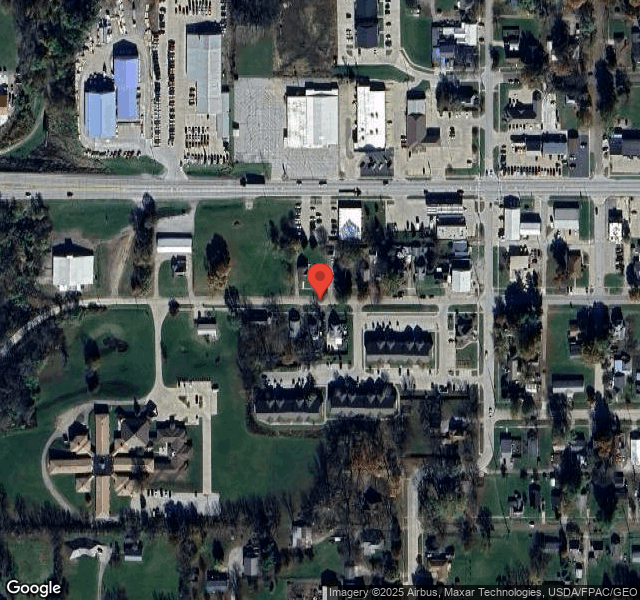
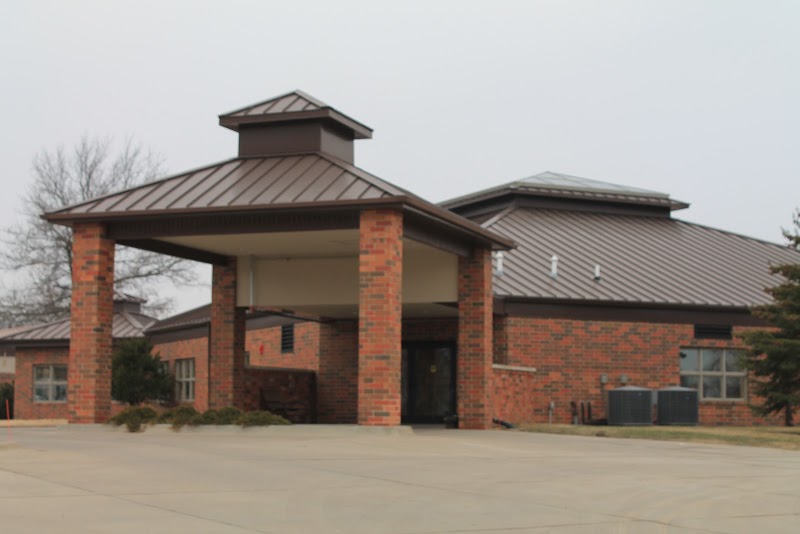
1514 High Avenue West, Oskaloosa, IA 52577 (641) 673-7032
For profit - Corporation 72 Beds Independent Data: November 2025
Trust Grade
68/100
#103 of 392 in IA
Last Inspection: June 2025

Inspected within the last 6 months. Data reflects current conditions.

Overview

Crystal Heights Care Center has received a Trust Grade of C+, indicating it is slightly above average but still has room for improvement. It ranks #103 out of 392 facilities in Iowa, placing it in the top half, and is the best option among three local facilities in Mahaska County. However, the facility is facing a worsening trend, with issues increasing from 4 in 2023 to 11 in 2025. Staffing is a concern, with a low rating of 2 out of 5 stars and a high turnover rate of 59%, which is above the state average. There were also $10,489 in fines, which is average for the area, and RN coverage is less than that of 93% of Iowa facilities, potentially impacting resident care. Specific incidents noted by inspectors included a lack of proper care planning for residents with PTSD and failure to provide meaningful activities for those in the dementia unit. Additionally, one resident was not assisted to the bathroom despite expressing the need, and another was not treated with respect regarding their food temperature preferences. While the facility has strong quality measures, these weaknesses indicate areas that need immediate attention and improvement.
Trust Score
C+
68/100
In Iowa
#103/392
Top 26%
Safety Record
Low Risk
No red flags
Inspections
Getting Worse
4 → 11 violations
Staff Stability
⚠ Watch
59% turnover. Above average. Higher turnover means staff may not know residents' routines.
Penalties
⚠ Watch
$10,489 in fines. Higher than 83% of Iowa facilities, suggesting repeated compliance issues.
Skilled Nurses
⚠ Watch
Each resident gets only 18 minutes of Registered Nurse (RN) attention daily — below average for Iowa. Fewer RN minutes means fewer trained eyes watching for problems.
Violations
⚠ Watch
15 deficiencies on record. Higher than average. Multiple issues found across inspections.
★★★★☆
4.0
Overall Rating
★★☆☆☆
2.0
Staff Levels
★★★★★
5.0
Care Quality
★★★☆☆
3.0
Inspection Score
Stable
2023: 4 issues
2025: 11 issues

The Good

  • 5-Star Quality Measures · Strong clinical quality outcomes
  • Full Sprinkler Coverage · Fire safety systems throughout facility
  • No fines on record

Facility shows strength in quality measures, fire safety.

The Bad

Staff Turnover: 59%

13pts above Iowa avg (46%)

Frequent staff changes - ask about care continuity

Federal Fines: $10,489

Below median ($33,413)

Minor penalties assessed

Staff turnover is elevated (59%)

11 points above Iowa average of 48%

The Ugly 15 deficiencies on record

Jun 2025 11 deficiencies
CONCERN (D) 📢 Someone Reported This

A family member, employee, or ombudsman was alarmed enough to file a formal complaint

Potential for Harm - no one hurt, but risky conditions existed

Resident Rights (Tag F0550)

Could have caused harm · This affected 1 resident

3. On 6/25/25 at 8:05 AM, observation of Resident #14 revealed the resident was sitting in the dining room with Staff A, LPN (Licensed Practical Nurse), next to her. Staff A fed the resident a bite of...

Read full inspector narrative →
3. On 6/25/25 at 8:05 AM, observation of Resident #14 revealed the resident was sitting in the dining room with Staff A, LPN (Licensed Practical Nurse), next to her. Staff A fed the resident a bite of oatmeal. Resident #14 said, That's too hot. Staff A responded that it wasn't too hot and tried to give the resident another bite. Resident #14 stated, If you burned your mouth you would think it was too hot too. Resident #14 refused to eat any more of the oatmeal. Based on observation, clinical record review, and staff interview, the facility failed to treat 2 of 5 residents reviewed for dignity with respect by failing to assist a resident to the bathroom when the need was voiced (Residents #14 and #44) and by failing to acknowledge a resident's food temperature preferences (Resident #14). The facility reported a census of 62 residents. Findings: 1. The Annual Minimum Data Set(MDS) assessment tool, dated 5/28/25, listed diagnoses for Resident #44 which included anxiety disorder, severe intellectual disability, and depression. The MDS stated the resident required partial to moderate assistance for toileting hygiene and toileting transfers and listed the resident's Brief Interview for Mental Status (BIMS) score as 0 out of 15, indicating severely impaired cognition. 6/15/22 Care Plan entries stated the resident had a behavior problem and was tearful, had verbal outbursts, and laid on the floor crying due to mild intellectual disabilities. The Care Plan entry directed staff to anticipate the resident's needs. A Care Plan entry, revised 3/16/23, stated the resident called for assistance with incontinence episodes when needed. On 6/26/25 at 10:53 a.m., Staff A Licensed Practical Nurse(LPN) stated Staff D Certified Nursing Assistant(CNA) did not get along with Resident #44. She stated she observed the resident tell Staff D that she had to go to the bathroom and Staff D stated to her that it was not time yet and did not assist her. Staff A stated she talked to the Assistant Director of Nursing(ADON) about it. On 6/26/25 at 11:21 a.m., Staff D CNA stated Resident #44 had a lot of behaviors and asked to go to the bathroom multiple times. She stated they assisted her to the toilet multiple times when she did not end up urinating or defecating. Staff D questioned what they should do when they had other residents to assist to the bathroom who did have to go. She stated they had Resident #44 on a two hour schedule and they tried to keep it consistent. She stated there were times when the resident wanted to go to the bathroom and she(Staff D) told her it was not time yet. 2. The Quarterly MDS assessment tool, dated 5/14/25, listed diagnoses for Resident #14 which included Alzheimer's disease, anxiety disorder, and weakness. The MDS stated the resident required substantial to maximal assistance for toilet transfers and was dependent on staff for toileting hygiene. The MDS listed her cognition as severely impaired. A 9/13/23 Care Plan entry stated the resident required the assistance of two staff for toileting needs. On 6/24/25 at 11:36 a.m., Resident #14 sat at a dining room table and drank approximately 240 milliliters(ml) of chocolate milk. Staff then provided her another cup of milk and she drank a portion of this as well. At 11:55 a.m., Staff I CNA fed the resident and the resident stated she had to go to the bathroom. Staff J CNA stated to Staff I that it was hard to tell with Resident #14 and told Staff I that if she said she had to go to the bathroom again, then to take her. Staff I did not take the resident to the bathroom and continued to feed her. The resident remained in the dining room until 12:08 p.m. On 6/26/25 at 10:53 a.m., Staff A LPN stated if Resident #14 stated she had to go to the bathroom, staff should take her. On 6/26/25 at 11:21 a.m. Staff D CNA stated if Resident #14 asked to go to the bathroom, she would take her. She stated the resident did urinate in the toilet. On 6/26/25 at 12:19 p.m., The Assistant Director of Nursing(ADON) stated if Resident #14 stated she had to go to the bathroom, staff should assist her. She stated this also applied to Resident #44. She stated she did not hear of anyone not taking Resident #44 to the bathroom when she had to go. On 6/26/25 at 2:23 p.m., via email, the ADON stated the facility did not have a policy related to dignity.
CONCERN (D)

Potential for Harm - no one hurt, but risky conditions existed

Deficiency F0567 (Tag F0567)

Could have caused harm · This affected 1 resident

Based on clinical record review, policy review, and staff and resident interviews, the facility failed to ensure residents had ready access to their personal funds for 1 of 1 residents reviewed for pe...

Read full inspector narrative →
Based on clinical record review, policy review, and staff and resident interviews, the facility failed to ensure residents had ready access to their personal funds for 1 of 1 residents reviewed for personal funds(Resident #33). The facility reported a census of 62 residents. Findings include: The Annual Minimum Data Set (MDS) assessment tool, dated 4/23/25, listed diagnoses for Resident #33 which included diabetes, non-Alzheimer's dementia, and anxiety disorder. The MDS listed the resident's Brief interview for Mental Status (BIMS) score as 15 out of 15, indicating intact cognition. On 6/24/25 at 10:27 a.m., Resident #33 stated she requested money on Monday(6/23/25) from the Business Office Manager (BOM) but she told her she would not go to the bank until Thursday(6/26/25). On 6/25/25 at 1:10 p.m., the BOM stated she handled resident funds in the facility. She stated she normally went to the bank on Thursday. She stated on Monday, Resident #33 requested money and she told her she couldn't get to the bank until Thursday. On 6/26/25 at 12:19 p.m., the Assistant Director of Nursing (ADON) stated residents should have access to their money and it was her understanding they did. The undated facility policy admission Agreement-Personal Property, stated the facility would hold and safeguard a small amount of money in accordance with State Resident Fund/Trust Account laws and/or facility policies and would provide (money) upon request.
CONCERN (D)

Potential for Harm - no one hurt, but risky conditions existed

Deficiency F0578 (Tag F0578)

Could have caused harm · This affected 1 resident

**NOTE- TERMS IN BRACKETS HAVE BEEN EDITED TO PROTECT CONFIDENTIALITY** Based on Code Status Form, observation, record review and interview the facility failed to ensure consistent documentation of co...

Read full inspector narrative →
**NOTE- TERMS IN BRACKETS HAVE BEEN EDITED TO PROTECT CONFIDENTIALITY** Based on Code Status Form, observation, record review and interview the facility failed to ensure consistent documentation of code status for 1 of 24 resident reviewed for advanced directives (Resident #15). The facility reported a census of 72 residents. Findings include: The Code Status form signed by Resident #15 on [DATE] directed CPR referring to cardiopulmonary resuscitation. The Care Plan initiated [DATE] for Resident #15 lacked code status and did not indicate hospice services. The Quarterly Minimum Data Set (MDS) assessment dated [DATE] revealed Resident #15 on hospice services. Medical diagnoses included heart disease, renal disease, diabetes and dementia. The Brief Interview for Mental Status (BIMS) exam scored 3 out of 15 indicating severe cognitive deficits. The Pocket Care Plan (condensed Care Plan directing resident cares) undated directed CPR. Observation of the Binder (chart) for Resident #15 directed Do Not Resuscitative (DNR) was wrote on the spine of the binder. The Electronic Census record revealed Resident #15 started hospice services on [DATE]. An interview with Assistant Director of Nursing (ADON) on [DATE] at 9:54 AM relayed was not sure if CPR status had changed with start of hospice services and acknowledged the concern with the code discrepancies. The ADON reported she would look into this immediately to ensure residents wishes are followed. A policy on Advance Directives was not available.
CONCERN (D)

Potential for Harm - no one hurt, but risky conditions existed

Assessment Accuracy (Tag F0641)

Could have caused harm · This affected 1 resident

**NOTE- TERMS IN BRACKETS HAVE BEEN EDITED TO PROTECT CONFIDENTIALITY** Based on clinical record review, observation and staff interviews, the facility failed to ensure staff completed the assessment ...

Read full inspector narrative →
**NOTE- TERMS IN BRACKETS HAVE BEEN EDITED TO PROTECT CONFIDENTIALITY** Based on clinical record review, observation and staff interviews, the facility failed to ensure staff completed the assessment of residents to accurately reflect their status for 2 of 19 sampled residents (Resident #18 and #12). The facility reported a census of 62 residents. Findings included: 1. The Quarterly Minimum Data Set (MDS) assessments for Resident #18, dated 3/5/25 and 6/4/25, identified a diagnosis of Alzheimer's and an admission date of 12/7/22. The assessment included documentation that the resident was dependent on staff for toileting, bathing, lower body dressing, transfers and substantial or maximum assistance for personal hygiene and rolling in bed from one side to another. The resident used a wheelchair for mobility and did not walk or stand. Her Brief Interview for Mental Status (BIMS) was documented as severely impaired with no assessed score. The same MDS assessment documented the resident did not have a impairment to upper or lower extremities. On 6/25/25 at 8:18 AM, during an interview, Staff F, Registered Nurse (RN), reported she had worked at the facility for 11 years and knew Resident #18 well. Staff F reported Resident #18 did not walk and had impairments to her bilateral lower extremities. Staff F reported the resident was a Hoyer (type of mechanical lift transfer used for dependent residents who were unable to safely stand). Staff F thought the resident had been a Hoyer transfer for the last year. On 6/25/25 at 8:37 AM, during an observation, Staff K, Certified Nurses Aide (CNA), and Staff L, CNA, transferred the resident with a Hoyer lift. The resident was dependent on staff during the transfer and did not move her lower extremities. In an interview during the same observation, Staff K, CNA, reported that staff had been utilizing the Hoyer lift for transfers with Resident #18 for a couple years. Staff K, CNA explained the resident utilized a standing mechanical lift prior to the Hoyer, but became a Hoyer lift transfer when the resident was no longer able to stand. On 6/25/25 at 2:45 PM, during an interview, Staff A, Licensed Practical Nurse (LPN), reported she was the restorative nurse for all of the residents at the facility. Staff A reported Resident #18 participated in both individual and group range of motion (ROM) activities. Staff A reported the resident did not have real good range of motion in the bilateral lower extremities. Staff A further explained she performed passive (resident did not independently move) ROM on Resident #18's bilateral lower extremities. Staff A explained that she was unable to do full range of motion on the lower extremities due to the resident being stiff. Staff A clarified that the resident had limited ROM and limited impairment to the bilateral lower extremities. Staff A reported the resident was admitted to the facility with a limited impairment to the lower extremities and was limited even when the resident used the EZ stand (type of lift where the resident stands with mechanical support. Facility staff inaccurately coded the MDS to indicate Resident #18 did not have an impairment bilaterally to the lower extremities. On 6/26/25 at 1:29 PM, in an email response, the Assistant Director of Nursing reported the facility did not have an MDS assessment policy. 2. The Quarterly MDS dated [DATE] for Resident #12 documented diagnosis of heart disease, diabetes and lung disease. The MDS coded resident used a invasive mechanical ventilator or respirator within the last 14 day look back period. An observation on 6/23/25 2:01 PM Resident #12 did not use a ventilator, room was not set up for a ventilator/respirator. During an interview on 6/25/25 at 2:52 PM the Advanced Registered Nurse Practitioner (ARNP) reported Resident #12 had not been on a ventilator. During an interview with the Assistant Director of Nurses (ADON) on 6/25/25 at 3:01 PM confirmed resident #12 did not require ventilator/respirator while at the facility and the MDS was coded in error.
CONCERN (D)

Potential for Harm - no one hurt, but risky conditions existed

Incontinence Care (Tag F0690)

Could have caused harm · This affected 1 resident

Based on observation, clinical record review, policy review, and staff interview, the facility failed to assist 1 of 2 residents reviewed for toileting assistance to the bathroom when the need was voi...

Read full inspector narrative →
Based on observation, clinical record review, policy review, and staff interview, the facility failed to assist 1 of 2 residents reviewed for toileting assistance to the bathroom when the need was voiced(Resident #14). The facility reported a census of 62 residents. Findings include: The Quarterly Minimum Data Set(MDS) assessment tool, dated 5/14/25, listed diagnoses for Resident #14 which included Alzheimer's disease, anxiety disorder, and weakness. The MDS stated the resident required substantial to maximal assistance for toilet transfers and was dependent on staff for toileting hygiene. The MDS listed her cognition as severely impaired. A 9/13/23 Care Plan entry stated the resident required the assistance of two staff for toileting needs. On 6/24/25 at 11:36 a.m., Resident #14 sat at a dining room table and drank approximately 240 milliliters(ml) of chocolate milk. Staff then provided her another cup of milk, and she drank a portion of this as well. At 11:55 a.m., Staff I Certified Nursing Assistant(CNA) fed the resident and the resident stated she had to go to the bathroom. Staff J CNA stated to Staff I that it was hard to tell with Resident #14 and told Staff I that if she said she had to go to the bathroom again, then to take her. Staff I did not take the resident to the bathroom and continued to feed her. The resident remained in the dining room until 12:08 p.m. On 6/26/25 at 10:53 a.m., Staff A Licensed Practical Nurse(LPN) stated if Resident #14 stated she had to go to the bathroom, staff should take her. On 6/26/25 at 11:21 a.m. Staff D CNA stated if Resident #14 asked to go to the bathroom, she would take her. She stated the resident did urinate in the toilet. On 6/26/25 at 12:19 p.m., The Assistant Director of Nursing(ADON) stated if Resident #14 stated she had to go to the bathroom, staff should assist her. The undated Toileting and Check and Change Policy directed staff to toilet residents before and after meals and as needed throughout the day.
CONCERN (D)

Potential for Harm - no one hurt, but risky conditions existed

Deficiency F0697 (Tag F0697)

Could have caused harm · This affected 1 resident

Based on observation, clinical record review, policy review, and staff interview, the facility failed to ensure 1 of 1 resident reviewed for pain received treatment and care related to pain management...

Read full inspector narrative →
Based on observation, clinical record review, policy review, and staff interview, the facility failed to ensure 1 of 1 resident reviewed for pain received treatment and care related to pain management(Resident #14). The facility reported a census of 62 residents. Findings include: The Quarterly Minimum Data Set(MDS) assessment tool, dated 5/14/25, listed diagnoses for Resident #14 which included Alzheimer's disease, anxiety disorder, and weakness. The MDS stated the resident was on scheduled pain medication and had no indicators of pain such as vocal complains or non-verbal sounds. The MDS listed her cognition as severely impaired. On 6/24/25 at 8:11 a.m., Resident #14 stated I hurt multiple times throughout out breakfast. Multiple staff were present in the dining room including Staff A Licensed Practical Nurse(LPN). On 6/24/25 at 11:55 a.m., Staff I Certified Nursing Assistant(CNA) fed the resident and Staff J CNA sat with another resident. The resident stated she hurt. Care Plan entries, dated 2/10/20, stated the resident reported frequent pain and discomfort to her right hip and utilized scheduled pain medications/ The entries directed staff to attempt three non-pharmacological pain interventions prior to the initiation of as needed(prn) pain medications, administer medications as ordered, and evaluate the effectiveness of pain interventions. The June 2025 Medication Sheet listed an 8/25/23 order for Acetaminophen(a non-narcotic pain medication) 2 tablets every 6 hours as needed. The record lacked documentation staff administered the medication on 6/24/25. The resident's clinical record lacked documentation of interventions carried out on 6/24/25 aimed at relieving the resident's pain and lacked documentation of an assessment of the resident's pain. On 6/25/25 at 3:11 p.m., Staff F Registered Nurse(RN) stated if a resident had pain she would like the aides to let her know and they could administer something like Tylenol(acetaminophen) or use a muscle rub. On 6/26/25 at 12:19 p.m., The Assistant Director of Nursing(ADON) stated if Resident #14 complained that her head hurt, staff should respond and offer her Tylenol. The undated facility policy Pain Assessment stated the facility would assure that residents were thoroughly assessed for pain and as comfortable as possible. The policy directed staff to carry out interventions to alleviate pain and discomfort.
CONCERN (D)

Potential for Harm - no one hurt, but risky conditions existed

Deficiency F0699 (Tag F0699)

Could have caused harm · This affected 1 resident

**NOTE- TERMS IN BRACKETS HAVE BEEN EDITED TO PROTECT CONFIDENTIALITY** Based on clinical record review, resident/family interview and staff interview, the facility failed to ensure residents who were...

Read full inspector narrative →
**NOTE- TERMS IN BRACKETS HAVE BEEN EDITED TO PROTECT CONFIDENTIALITY** Based on clinical record review, resident/family interview and staff interview, the facility failed to ensure residents who were trauma survivors received trauma-informed care to eliminate or mitigate triggers that might have caused re-traumatization of the resident for 2 of 2 sampled residents (Resident #1 and #34) identified by either record review or interview as being a trauma survivor. The facility reported a census of 62 residents. Findings included: 1. The Quarterly Minimum Data Set (MDS) assessment for Resident #1, dated 5/7/25, revealed the resident was admitted [DATE], scored 15 out of 15 on a Brief Interview for Mental Status (BIMS) exam, which indicated intact cognition, had diagnoses of non traumatic brain dysfunction, heart failure, bipolar disorder, asthma and Post Traumatic Stress Disorder (PTSD). Review of the current Care Plan for Resident #1, last revised on 2/20/25, revealed the resident took anti-anxiety and antidepressant medications and was care planned for potential in alterations in psychosocial well-being related depression and anxiety. The Care Plan included non-pharmacological interventions to provide 1:1 reassurance when the resident felt anxious or down and to allow the resident time to answer questions and to verbalize feelings perceptions, and fears. The Care Plan failed to identify the resident was a trauma surveyor and address the resident's PTSD, triggers and interventions. On 06/23/25 at 03:03 PM, Resident #1 reported she had not been invited to attend a care plan meeting since her admit to the facility. On 6/25/25 at 2:50 PM, Resident #1 reported having abandonment and trust issues related to their PTSD. PTSD episodes were triggered when the resident was upset or felt unsafe. The resident reported having had symptoms of nightmares about past trauma and becoming withdrawn when her PTSD was triggered. On 06/25/25 at 12:18 PM, the Assistant Director of Nursing (ADON) reported she had not realized Resident #1 had PTSD and was a trauma survivor until this week when she saw the trigger on the facility matrix (form that included MDS assessment trigger information for residents). The ADON confirmed they had not included trauma-informed care goals or interventions in the care plan. On 06/26/25 at 8:28 AM, Staff N, CNA, reported she worked days and was familiar with Resident #1. She reported not knowing much about the resident being a trauma survivor. On 6/26/25 at 8:33 AM, Staff F, Registered Nurse (RN), reported she would identify trauma survivors by reading through the admission notes and looking for related diagnoses such as PTSD. Staff F was aware of 2 residents that were trauma survivors, and named Resident #34. Staff F was unaware of Resident #1 being a trauma survivor and reported she had not seen Resident #1 display any mental health issues. On 6/26/25 at 8:42 AM, the Activity Director reported that she relied on the ADON to let her know if a resident was a trauma survivor. The Activity Director explained that if she was aware a resident was a trauma survivor, then she would avoid saying anything that would trigger the resident. The Activity Director was unaware that Resident #1 and Resident #34 were trauma survivors. On 6/26/25 at 11:04 AM, during an interview, Staff A, Licensed Practical Nurse (LPN), confirmed she was the acting social worker for the facility. Staff A reported if a resident was a trauma survivor she would talk with the Medical Director about getting the resident set up with mental health services. Staff A explained that she would talk with the ADON about care planning at the time the resident was admitted . Staff A reported being aware that Resident #34 was a trauma survivor due to talking with the resident's family. Staff A was unaware that Resident #1 was a trauma survivor. Staff A confirmed that she was responsible for completing the BIMS and mood assessments quarterly for Resident #1. Staff A described Resident #1 as a troublemaker and reported the resident had never expressed being traumatized. On 6/26/25 at 2:08 PM, the facility's Advanced Registered Nurse Practitioner (ARNP) reported the main mental health issue for Resident #1 was her PTSD.
CONCERN (D) 📢 Someone Reported This

A family member, employee, or ombudsman was alarmed enough to file a formal complaint

Potential for Harm - no one hurt, but risky conditions existed

Deficiency F0725 (Tag F0725)

Could have caused harm · This affected 1 resident

**NOTE- TERMS IN BRACKETS HAVE BEEN EDITED TO PROTECT CONFIDENTIALITY** Based on clinical record review, policy review, resident/family interview and staff interview, the facility failed to ensure the...

Read full inspector narrative →
**NOTE- TERMS IN BRACKETS HAVE BEEN EDITED TO PROTECT CONFIDENTIALITY** Based on clinical record review, policy review, resident/family interview and staff interview, the facility failed to ensure they had sufficient nursing staff to meet the needs of the residents for 3 of 19 sampled residents (Resident #1, #13, and #50). The facility reported a census of 62 residents. Findings included: 1. The MDS assessment for Resident #1, dated 5/7/25, revealed the resident scored 15 out of 15 on a BIMS exam, which indicated intact cognition, had diagnoses of non traumatic brain dysfunction, heart failure, bipolar disorder, asthma and Post Traumatic Stress Disorder. The MDS assessment identified the resident required partial to moderate assistance with bathing and personal hygiene. On 6/23/25 at 2:10 PM , Resident #1 explained that the facility had two CNAs working per hall, but there was not enough staff to meet the needs of the residents. Resident #1 reported the facility was always short, but mainly at meals and bath times. Resident #1 reported her shower days were Sundays and Wednesdays. Resident #1 reported that she did not always get her showers two times per week. Resident #1 explained that sometimes the staff were not getting to her shower until 10:00 PM. Resident #1 expressed that this time of night was too late, and she didn't want wet hair at 10:00 at night, so she would refuse her showers at times due to the lateness. Observation of during the interview, revealed the resident to have unkempt hair with a greasy, unwashed appearance. Review of the facility bathing record, titled Resident Cares, for Resident #1, dated February 2025, revealed the resident refused showers on 2/5/25 and 2/16/25 on the 2:00 PM to 10:00 PM shifts. On 2/16/25, Staff C, Certified Nurses Aide (CNA), documented the resident refused the shower and said too late. Review of the facility bathing records, titled Resident Cares, for Resident #1, dated March 2025 through June 2025, revealed the resident refused showers on the 2:00 PM shift to 10:00 PM shift on 3/2/25 and 4/6/25, and refused a shower on the 10:00 PM to 6:00 AM shift on 6/22/25. On 6/24/25 at 3:34 PM, Staff C, CNA, reported she was working 3rd shift (6:00 PM to 6:00 AM) until a couple months ago. Staff C reported Resident #1 normally received her shower on second shift and liked a shower anytime after supper, but before 9:00 PM. Staff C explained that by the time the CNAs got all of the residents out of dining room, the couldn't get to Resident #1's shower until 10:00 PM or 10:30 PM, depending on the night. Staff C reported a couple times they did not enough staff to get all of the residents' showers done. Staff C confirmed Resident #1 had refused a shower a few times due to the lateness. 4. The Payroll Based Journal(PBJ) Staffing Data Report stated the facility triggered for excessively low weekend staffing for the period of 1/1/25 to 3/31/25. The Facility Assessment Tool, updated 5/16/25, stated the facility staffed 4-7 Certified Nursing Assistants(CNAs) on the 1st shift and 4-6 CNAs on the 2nd shift. On 6/26/25 at 8:27 a.m. via phone, Staff G CNA stated on the weekends there was absolutely not enough staff to take care of everyone. She stated sometimes they ran with 2-3 CNAs and stated they sometimes had to complete resident showers as late as 10:00 p.m. On 6/26/25 at 12:19 p.m., The Assistant Director of Nursing(ADON) stated staffing was not good in the last five years. She stated she expected staff to respond to call lights within 15 minutes. The undated facility policy Call Light directed staff to respond to call lights to rule out an emergency situations. 3. The Minimum Data Set (MDS), dated [DATE], revealed Resident #50 had a Brief Interview for Mental Status (BIMS) score of 15 out of 15, which indicated intact cognition. Diagnoses included Heart Failure, End Stage Renal Disease (ESRD), Diabetes Mellitus, anxiety disorder, depression, history of malignant neoplasm of bronchus and lung, and history of urinary tract infections. The Care Plan, revised on 6/23/25, revealed Resident #50 had an Activities of Daily Living self-care performance deficit and required extensive assistance of 2 staff for toilet use, transferring, and bed mobility. On 6/24/25 at 10:50 AM, Resident #50 reported it can take an hour for staff to answer her call light when pressed, and identified a digital clock on dresser in which she notes the wait time. Resident #50 stated on 6/23/25 evening she waited an hour and a half to use the restroom when staff told her they would return soon. Resident #50 explained that wait times are longest after an evening meal, when requesting assistance to go to bed. The Care Plan, revised 6/23/25, revealed Resident #13 had a Brief Interview for Mental Status (BIMS) score of 15 out of 15, indicating intact cognition. Resident #13 frequently had bladder incontinence, required toileting assistance approximately every two hours, and extensive assistance of one staff to transfer between surfaces. The Care Plan listed an intervention to encourage Resident #13 to use the call bell for staff assistance. On 6/23/25 at 1:30 PM, Resident #13 reported frequently waiting up to an hour for help after pressing the call light. Resident #13 stated she would watch a digital clock on the night stand when in the bathroom and a 2nd hand clock on the wall in front of the recliner to monitor for staff response time. Resident #13 stated that recently, unable to recall the date, she waited on the toilet for an hour and four minutes.
CONCERN (D) 📢 Someone Reported This

A family member, employee, or ombudsman was alarmed enough to file a formal complaint

Potential for Harm - no one hurt, but risky conditions existed

Infection Control (Tag F0880)

Could have caused harm · This affected 1 resident

2. On 6/26/25 at 11:24 AM, Staff B, Registered Nurse (RN), removed Furosemide and Tramadol from the medication cart and put the medications in a cup with applesauce. Staff B approached Resident #5 wit...

Read full inspector narrative →
2. On 6/26/25 at 11:24 AM, Staff B, Registered Nurse (RN), removed Furosemide and Tramadol from the medication cart and put the medications in a cup with applesauce. Staff B approached Resident #5 with the medications, fed the resident the medications with a bite of applesauce. Staff B then touched the resident's shoulder and returned to the medication cart. Staff B threw away the used medication cup, charted, flipped between the residents' Medication Administration Records (MARs), put applesauce in a cup, opened the medication cart with the keys, removed a medication cassette with Acetaminophen from the cart, dropped two tabs in the cup with applesauce, returned the cassette to the medication cart and locked the cart. Staff B then approached Resident #26, touched the resident's wheelchair on the hand hold area, touched the resident's arm, and fed the resident a bite of applesauce with the medication. Staff B returned to the medication cart, threw away the used medication cup and charted. Staff B flipped through the residents' MARs. Staff B then approached Resident #8 about administering scheduled medications, but the resident refused. Staff B returned to the medication cart, flipped through the residents' MARs and reported that she had no further medications to give until 12:00 PM. Staff B walked away from the medication cart. Staff B failed to perform hand hygiene, either hand washing or an alcohol based hand rub, between residents. An undated facility policy, titled Subcutaneous Injections, included instructions for nursing staff to swab the rubber stopper of the insulin medicine container with an alcohol sponge prior to inserting the syringe in the rubber stopper. An undated facility policy, titled Hand Washing, included instructions for staff to thoroughly wash their hands before and after providing resident care. Based on observation, staff interview, clinical record review, and facility policy review, the facility failed to sanitize the rubber stopper of a multiple-use insulin vial when insulin injection was prepared and administered (Resident #50) and further failed to perform hand hygiene before preparing and between administration of oral medications to multiple residents (Resident #5, #8, and #26) for infection prevention during 2 of 2 medication administration times observed. The facility reported a census of 62 residents. Findings include: The Minimum Data Set (MDS) Assessment, dated 6/05/25, revealed Resident #50 had a diagnosis of Diabetes Mellitus and required insulin injections for 7 of the 7 days review period. The Care Plan, revised on 6/23/25, revealed Resident #50 had diagnosis of Diabetes Mellitus and lacked focus area, goals, or interventions for care needs related to Diabetes Mellitus diagnosis. The June 2025 Medication Administration Record (MAR), revealed an order, initiated on 5/20/25, for Novolog Injection 100 units per milliliter (mL), with instructions to inject 25 units subcutaneously three times a day with meals. On 6/25/25 at 11:20 AM, Staff F, Registered Nurse (RN) removed Resident #50's opened vial of Novolog insulin and a packaged insulin syringe from the medication cart. The insulin syringe was removed from packaging and inserted directly into the rubber stopper of Resident #50's Novolog vial. Staff F removed 25 units of insulin from Novolog vial into the syringe and re-sheathed the needle. When queried, Staff F denied sanitizing the stopper of the vial with alcohol wipe to remove potential pathogens before inserting the syringe into the vial. Staff F proceeded to enter Resident #50's room and administered Novolog insulin injection subcutaneously into the resident's right lower quadrant abdomen. On 6/25/25 at 4:18 PM, the Assistant Director of Nursing (ADON), revealed the expectation of nursing staff to sanitize the rubber of an insulin vial when preparing an insulin syringe for infection prevention. The undated facility policy, titled Subcutaneous Injection, revealed procedure step #9, which instructed staff to swab the rubber stopper of the medication container with an alcohol sponge, prior to inserting the needle into the container.
CONCERN (E)

Potential for Harm - no one hurt, but risky conditions existed

Deficiency F0657 (Tag F0657)

Could have caused harm · This affected multiple residents

**NOTE- TERMS IN BRACKETS HAVE BEEN EDITED TO PROTECT CONFIDENTIALITY** Based on observation, clinical record review, policy review, and staff interview, the facility failed to ensure the Care Plan id...

Read full inspector narrative →
**NOTE- TERMS IN BRACKETS HAVE BEEN EDITED TO PROTECT CONFIDENTIALITY** Based on observation, clinical record review, policy review, and staff interview, the facility failed to ensure the Care Plan identified Hospice services, correct transfer status, activities, and behavioral interventions for Post-Traumatic Stress Disorder (PTSD), and lacked documentation of care conferences conducted for 7 of 19 residents reviewed for Care Plans (Residents #15, #33, #34, #37, #44, #56 #61). The facility reported a census of 62 residents. Findings include: 1. The Quarterly Minimum Data Set(MDS) assessment tool, dated 4/23/25, listed diagnoses for Resident #33 which included diabetes, non-Alzheimer's dementia, and anxiety disorder. The MDS listed the resident's Brief interview for Mental Status(BIMS) score as 15 out of 15, indicating intact cognition. On 6/24/25 at 10:27 a.m., Resident #33 stated the facility did not invite her to care conferences. A Care Conference Summary, dated 4/23/25, stated the resident had a care conference in her room with a staff nurse and the Assistant Director of Nursing(ADON). The facility lacked documentation of additional care conferences held during the survey year(8/8/24-6/23/25). On 6/25/25 at 9:17 a.m., the Assistant Director of Nursing(ADON) stated there was a change in personnel and she could not locate any care conferences prior to April 2025. 2. The Annual MDS assessment tool, dated 5/28/25, listed diagnoses for Resident #44 which included anxiety disorder, severe intellectual disability, and depression. The MDS stated the resident required partial to moderate assistance for transfers and listed the resident's Brief Interview for Mental Status(BIMS) score as 0 out of 15, indicating severely impaired cognition. A 6/15/22 Care Plan entry stated the resident was independent with transfers. The Care Plan failed to reflect the MDS with the direction that the resident required assistance with transfers. On 6/25/25 at 7:55 a.m. Staff L and M Certified Nursing Assistants(CNAs) transferred the resident from her wheelchair to the toilet using a gait belt. The resident required substantial assistance(lifting and stabilizing) from the CNAs to complete the transfer. On 6/26/25 at 8:17 a.m., Staff G CNA stated Resident #44 required the assistance of two staff to get to the toilet. On 6/26/25 at 12:19 p.m., The ADON stated the Care Plan should reflect correct transfer statuses. 3. The Quarterly MDS assessment dated [DATE] for Resident #15 documented diagnosis, non-Alzheimer's Dementia. The MDS coded Resident #15 received hospice care. The Clinical Census, Electronic Health Record (EHR) revealed Resident #15 hospice care began 10/25/24. The Care Plan for Resident #15 was not updated to reflect that the resident received hospice services. 4. The MDS assessment for Resident #37 dated 5/21/25 revealed diagnosis of Alzheimer's diseases, early onset , no completed BIMS assessment, was coded rarely or never understood. The Clinical Census, Electronic Health Record (EHR) revealed Resident #37 admitted [DATE]. The Care Plan for Resident #37 documented behavior symptoms related to Alzheimer's revision dated 12/10/21 directed encourage group activity, to engage in simple structured activities, did not provide updates or information on resident interest or preference, lacked details, activity options or guidance to support physical mental or psychosocial well-being. 5. The Quarterly MDS assessment for Resident #56 dated 5/7/25 revealed unspecified mild dementia. The BIMS assessment scored 9 out of 15 indicated moderate cognitive decline. The Clinical Census, Electronic Health Record (EHR) revealed Resident #56 admitted [DATE]. The Care Plan for Resident #56 documented inaccurate BIMS score of 4 and did not provide updates or information on resident interest or preference, lacked details, activity options or guidance to support physical mental or psychosocial well-being. 6. The MDS dated [DATE] for Resident #61 revealed diagnosis included Non-Alzheimer's Dementia and BIMS assessment score of 3 indicated severe cognitive impairment. The Care Plan initiated 5/19/25 was not updated to reflect dressing, eating, hygiene, toileting or transfer intervention, areas left blank. The Care Plan did not provide updates or information on resident interest or preference, lacked details, activity options or guidance to support physical mental or psychosocial well-being. On 6/26/25 at 12:15 PM The ADON relayed awareness of need to expand on Care Plans updates, felt the newly hired staff would be helpful. Facility Policy titled Activities, not dated revealed activity interests will be identified in the residents plan of care and reviewed quarterly . The undated facility policy Comprehensive Resident Plan of Care stated resident needs were addressed within the comprehensive plan of care and stated the development of the plan of care included the resident. The policy stated the Care Plan would reflect changes and stated care conferences would occur quarterly.
CONCERN (E)

Potential for Harm - no one hurt, but risky conditions existed

Deficiency F0679 (Tag F0679)

Could have caused harm · This affected multiple residents

**NOTE- TERMS IN BRACKETS HAVE BEEN EDITED TO PROTECT CONFIDENTIALITY** Based on observations, representative, staff interviews, record review, and facility policy review the facility failed to provi...

Read full inspector narrative →
**NOTE- TERMS IN BRACKETS HAVE BEEN EDITED TO PROTECT CONFIDENTIALITY** Based on observations, representative, staff interviews, record review, and facility policy review the facility failed to provide the residents in the Chronic, Confusion, and Dementia Illness (CCDI) unit a activity program built to meet the interests of and support the physical, mental and psychosocial well-being of each resident. Findings include: 1. A Quarterly Minimum Data Set, dated [DATE] for Resident #15 documented diagnosis, non-Alzheimer's dementia and coded wore a wander/elopement alarm. The Brief Interview for Mental Status (BIMS) assessment coded 00 to reflect resident, was not able to take assessment. In an interview on 6/23/25 at 4:34 PM with representative of resident #15 relayed there is nothing at all related to activities and is concerning, had not seen or heard of any activities, never seen anything posted, relayed books are provided but, did not think reading was an option anymore due to dementia progression and Resident #15 no longer wearing her glasses. 2. The MDS assessment dated [DATE] for Resident #61 revealed BIMS assessment of 3 indicated severe cognitive impairment. The diagnosis included Non-Alzheimer's Dementia. In an Interview on 6/23/25 with Resident #61 spouse, relayed would like to see activities in the unit, relayed there are none here, referred to the locked memory care unit. When queried about an activity calendar, resident representative reported not aware of any activity calendar. Representative revealed would have to take spouse outside of the memory care unit to take part in activities and am not always here to do that. 3. The Quarterly MDS assessment dated [DATE] for Resident #56 revealed BIMS score of 9 indicated moderated cognitive impairment. The diagnosis included Non-Alzheimer's unspecified dementia, mild without behavioral, mood or anxiety disorders In an interview on 6/23/25 at 11:57 AM Resident #56 relayed there is nothing to do, not aware of any activities, does own puzzles in her room, was not aware of activities outside of the unit as an option. After discussion, Resident #56 revealed was not aware of church services in the common area outside of the unit on Sunday and is interested, had never seen an activity calendar. 4. The Quarterly MDS assessment for Resident #37 dated 5/21/25 revealed diagnosis of Alzheimer's diseases, early onset and was not unable to conduct the BIMS assessment, was coded rarely or never understood. Observation on 6/25/25 3:00 PM to 4:08 PM Resident #37 walked back and forth in the unit without purpose. During a confidential interview on 6/25/25 at 4:08 PM it was relayed Resident #37 usual behavior is walking back and forth, relayed would like to see staff directed activities for all the residents. 5. The Quarterly MDS assessment dated [DATE] documented Resident #45 was unable to conduct a BIMS assessment. The Clinical diagnosis documented in Resident#45's Electronic Health Record (EHR) included vascular dementia. On 6/23/25 at 4:34 PM the family visiting Resident #45 reported the residents usual behavior of walking back and forth with her head down, was usual daily behavior. The family reported wishing there were activities for the residents in the unit. In an interview on 6/25/25 at 4:40 PM Staff H, Activity Staff relayed last year they did have an activity person that concentrated on the memory care unit, but thought that staff left in December and did not get a replacement. Staff F, Registered Nurse acknowledged there is no activity calendar and the CNA in the unit is expected to fit in activities when they have time. Activity Staff H acknowledged CNA staff may not have time. In an interview on 6/25/25 on 4:41 PM The Business Office Manager (BOM)/Provisional Administrator acknowledged there is no activity calendar for the memory care unit, and thought the residents may join in the common area for activities if desired. A facility email on 6/26/25 at 10:42 AM an email relayed the Certified Activity Coordinator is also the Provisional Administrator (also has the role of BOM) . The email relayed Activity Staff H operates under the Administrator/BOM certification. Facility Policy titled Activities, not dated revealed the objective is to provide a stimulating and fulfilling activity program designed to meet resident individual needs, to achieve satisfaction and contentment. The process included to gather information about interest, share information with staff to ensure meaningful activities aligned with interests and needs in individual and group settings. Activities to be planned related to gathered information and encouraged. Staff to document resident participation. The Activity Director will update the calendar of events. Activity assessments will be completed with the comprehensive assessment, quarterly and as needed in accordance with state and federal regulations. Activity interests will be identified in the resident's plan of care and reviewed quarterly.
Dec 2023 4 deficiencies
CONCERN (D) 📢 Someone Reported This

A family member, employee, or ombudsman was alarmed enough to file a formal complaint

Potential for Harm - no one hurt, but risky conditions existed

Comprehensive Care Plan (Tag F0656)

Could have caused harm · This affected 1 resident

2. The Minimum Data Set (MDS) assessment, dated 10/08/23, revealed Resident #54 diagnoses included: Congestive Heart Failure, anemia, Diabetes Mellitus, anxiety disorder, bipolar disorder, and Schizop...

Read full inspector narrative →
2. The Minimum Data Set (MDS) assessment, dated 10/08/23, revealed Resident #54 diagnoses included: Congestive Heart Failure, anemia, Diabetes Mellitus, anxiety disorder, bipolar disorder, and Schizophrenia. The MDS indicated Resident #54 had disorganized thinking, trouble sleeping, and feeling down or depressed nearly every day of reference period. Resident #54 required the following types of medications: antipsychotic, insulin, and diuretic, on a daily basis. The Baseline Care Plan, dated 10/03/23 for an admission date of 10/02/23, revealed Resident #54 required 1500 milliliter (mL) per day fluid restriction and diabetic ulcer wound care upon admission. On 12/06/23 at 02:00 PM Assistant Director of Nursing (ADON), revealed she was responsible for Care Plans and stated if a Care Plan was not in a resident's Electronic Health Record (EHR), it had not been done. ADON confirmed Resident #54 did not have a Care Plan in place since admission. Based on record review, staff interviews, and policy review the facility failed to develop and implement a comprehensive care plan for 2 of 2 residents reviewed (Resident #50 and Resident #54). The facility reported a census of 55 residents. Findings include: 1. The Quarterly Minimum Data Set (MDS) assessment for Resident #50, dated 11/3/23, documented diagnoses of schizophrenia, history of falling, and moderate intellectual disabilities. The MDS identified a Brief Interview for Mental Status (BIMS) score of 12 which indicated moderately impaired cognition. The electronic health record lacked of a comprehensive care plan. An interview with the ADON on 12/6/23 confirmed the care plans had not been developed. She stated they knew it would be an issue and they are working on it. An undated policy titled Comprehensive Resident Plan of Care documented a comprehensive plan of care would be developed for each resident that included measurable objectives and time frames to meet resident medical, nursing, mental, and psychosocial needs identified in the comprehensive assessment.
CONCERN (D)

Potential for Harm - no one hurt, but risky conditions existed

Deficiency F0658 (Tag F0658)

Could have caused harm · This affected 1 resident

Based on observation, interview, clinical record review, and facility policy review the facility failed to safely transport prepared insulin needles from a medication cart to resident (Resident #34, #...

Read full inspector narrative →
Based on observation, interview, clinical record review, and facility policy review the facility failed to safely transport prepared insulin needles from a medication cart to resident (Resident #34, #40) for 2 out of 3 residents observed for insulin administration. The facility reported a census of 55 residents. Findings include: 1. The Annual Minimum Data Set (MDS) assessment, dated 10/18/23, revealed Resident #34 had diagnoses including Type 2 Diabetes Mellitus and Diabetic neuropathy. The MDS indicated Resident #34 required daily insulin injections through the review period. The Care Plan, revised on 11/07/22, revealed the focus area for insulin dependent Diabetes Mellitus with a goal that Resident #34 would not have complications through the review date. The Medication Administration Record (MAR), dated December 2023, revealed an order for Humalog insulin 20 units, initiated 12/05/23, to be given subcutaneously three times a day with meals, and held if blood sugar is 150 or less. On 12/06/23 at 11:40 AM, Staff A, Licensed Practical Nurse (LPN), prepared an insulin syringe with 20 units of Humalog as ordered by Provider. Staff A removed the needle from the medication vial and transported it from the medication cart in the hallway into Resident #34's room. The needle was kept exposed without cover or sheath in transport until administered into Resident #34's left lower abdomen. Staff A sheathed the needle post injection and disposed of the syringe into sharps container. 2. The Annual Minimum Data Set (MDS) assessment, dated 10/25/23, revealed Resident #40 had diagnoses including Type 2 Diabetes Mellitus and Diabetic polyneuropathy. The MDS indicated Resident #40 required daily insulin injections through the review period. The Care Plan, revised on 11/18/19, revealed the focus area for insulin dependent Diabetes Mellitus with a goal that Resident #40 would not have complications through the review date. The Medication Administration Record (MAR), dated December 2023, revealed an order for Humalog insulin 10 units, initiated 11/21/23, to be given subcutaneously three times a day with meals, and held if blood sugar is 150 or less. On 12/06/23 at 11:45 AM, Staff A, Licensed Practical Nurse (LPN), prepared an insulin syringe with 10 units of Humalog as ordered by Provider. Staff A then removed the needle from the medication vial and transported the needle from the medication cart in the hallway into Resident #40's room. The needle was kept exposed without cover or sheath in transport until administered into Resident #40's left lower abdomen. Staff A sheathed the needle post injection and disposed of syringe into sharps container. On 12/07/23 at 9:15 AM, the Director of Nursing (DON) reported the expectation that Nursing staff use a sheath over needles during the transportation of a syringe. The DON stated the concerns related to transportation of an uncovered needle included the following; the nurse could poke self or others, and that the needle may get contaminated before resident injection. The facility policy titled, Medication Administration, not dated, indicated the objective that all medications are administered safely and appropriately per physician's orders.
CONCERN (D)

Potential for Harm - no one hurt, but risky conditions existed

ADL Care (Tag F0677)

Could have caused harm · This affected 1 resident

Based on observations, interviews, and record review, the facility failed to monitor the completion of personal cares resulting in skin breakdown for 1 of 2 residents (Resident #35) reviewed for Activ...

Read full inspector narrative →
Based on observations, interviews, and record review, the facility failed to monitor the completion of personal cares resulting in skin breakdown for 1 of 2 residents (Resident #35) reviewed for Activities of Daily Living. The facility reported a census of 55 residents. Findings include: The Annual Minimum Data Set (MDS), completed 07/26/23 documented Resident #35 diagnoses included the following; dementia, anxiety disorder, depression, and Diabetes Mellitus. The MDS indicated Resident #35 required physical assist of one staff with part of bathing. The MDS documented that the resident scored a 14 out of 15 for the Brief Interview for Mental Status (BIMS), which indicated intact cognitive skills for daily decision making. The Care Plan, revised on 08/10/21, revealed the focus area for Activities of Daily Living (ADL) self-care performance deficit with the goal that the resident will be able to perform personal hygiene tasks independently by the next review date. The Care Plan documented that the resident requires extensive encouragement with bathing and personal hygiene needs. The Care Plan directed staff to praise efforts at self care as needed. The Care Plan also revealed a focus area with initiated date of 8/4/21 as follows; a potential of pressure/moisture related skin area's due to majority of time spent in room in bed, history of refusal of showers, possible friction and shearing with transfers and transitions, recurrent moisture related areas to skin under breast and abdominal folds area, diagnosis of dementia, Diabetes Mellitus, major recurrent depressive disorder, obesity due to excess calories, Vitamin D deficiency, personal history of malignant neoplasm of breast, and possible medication side effects. The Care Plan directed staff as follows; to keep skin clean and dry. Use lotion on dry skin as needed, and upon the residents request The Weekly Summary Nursing Note, dated 12/05/23, revealed Resident #35 required extensive assistance of 1 staff for both personal hygiene and bathing. The facility document titled Resident Cares, dated December 2023, revealed daily staff documentation of morning, afternoon, and evening cares completed. On 12/05/23 at 8:49 AM Resident #35 laying in bed, wearing a t-shirt and underwear on top of bed without sheets or pillow case in place. Resident #35 reported she she bathes twice per week, denies daily staff assistance with dressing, toileting, or personal cares. Noted the room had an odor similar to yeast and urine. Reddened area to left groin visible. On 12/05/23 at 1:42 PM Resident #35 remained in t-shirt and underwear, sheets remained off the bed. On 12/06/23 at 10:05 AM Resident #35 lying in bed, wearing a t-shirt and underwear. Bed un-made without sheets or pillow case. Resident #35 reported she had received a shower on 12/05/23. Room continued to smell of a urine and yeast type odor. On 12/07/23 at 09:00 AM, Resident #35 stated area of redness to left groin is sore and itchy, she denies any open area. Resident #35 reported powder is applied to breast/groin area only after twice per week bathing. On 12/08/23 at 09:30 AM, Director of Nursing (DON), stated Resident #35 often refused bathing and cares. The DON reported that CNA staff should report resident refusals to the nurses, and nursing staff should document the refusals. The [NAME] confirmed documentation had not been done. The DON stated that Resident #35 would allow her to provide the Resident cares, but not everyone can. The DON state the Resident #35 required medicated powder due to recurrent skin breakdown in groin area. On 12/06/23 at 10:06 AM Staff C, Certified Nursing Assistant (CNA), stated Resident #35 is independent for all cares, noted the only thing she is helped with is bathing. CNA unaware of any redness to Resident #35's skin. On 12/07/23 9:15 AM Staff D, CNA reported that the resident is up before CNA gets here so she hasn't had to do her morning cares. Staff D stated the resident is 1/2 independent, 1/2 assisted, and needed help with bathing and doing peri cares. Review of the residents Clinical Record lacked documentation of skin sheets for the any concerns related to the residents groin area. The facility policy titled Toileting and Check and Change Policy, not dated, indicated that every resident will be toileted or checked and changed upon rising in the morning, after breakfast, before lunch, after lunch, before supper, after supper, before bed, during rounds through the night and as needed throughout the day. The policy indicated an implementation by CNA and Licensed Nurse staff and responsibility of the DON to ensure staff followed policy.
CONCERN (D)

Potential for Harm - no one hurt, but risky conditions existed

Medication Errors (Tag F0758)

Could have caused harm · This affected 1 resident

**NOTE- TERMS IN BRACKETS HAVE BEEN EDITED TO PROTECT CONFIDENTIALITY** 3. The Quarterly Minimum Data Set (MDS), dated [DATE], revealed Resident #09 diagnoses included; Cerebral Palsy, anxiety disorde...

Read full inspector narrative →
**NOTE- TERMS IN BRACKETS HAVE BEEN EDITED TO PROTECT CONFIDENTIALITY** 3. The Quarterly Minimum Data Set (MDS), dated [DATE], revealed Resident #09 diagnoses included; Cerebral Palsy, anxiety disorder, depression, and psychotic disorder. The MDS indicated Resident #09 required antidepressant medication, and antipsychotic medication every day during the reference period. The Brief Interview for Mental Status (BIMS) assessment revealed a score of 08 indicative of moderate cognitive impairment. The Care Plan, revised 12/31/21, revealed a focused area for antidepressant medication with a goal that Resident #09 will be free from adverse reactions related to antidepressant therapy through the review date. The Care Plan documented a focus area with the initiated date of 12/15/21 as follows; the resident used antipsychotic medications related to intellectual disability, major depression, psychotic delusional disorder, personality disorder and disruptive mood systemization disorder. The Care Plan directed staff as follows; document report and need any adverse reactions of psychotropic medications, monitor and record occurrence of for target behavior symptoms (specify; tearfulness, refusal of cares, and yelling out) and document per facility protocol. The Medication Administration Record (MAR), dated November 2023, revealed an order for the antidepressant medication, Sertraline (antidepressant) 200 milligrams (mg) once a day, initiated 04/01/22, Risperidone 0.5 mg by mouth morning and bedtime with start date of 8/9/23, and Quetiapine 25 mg 1 and 1/2 tablet AM and PM with start date of 4-19-23. On 12/07/23 at 02:00 PM, the Assistant Director of Nursing (ADON), revealed the monthly facility log for Pharmacist medication review lacked review of Resident #09 antidepressant medication and further lacked gradual dose reduction attempt of antidepressant medication. The ADON stated that the Pharmacist reported he followed the Beer Criteria and did not attempt or recommend the GDR as a result. According to the Journal of the American Geriatrics Society (AGS) Volume 71, Issue 7 July 2023 an Article titled American Geriatrics Society 2023 updated AGS Beers Criteria for potentially inappropriate medication use in older adults on page 2078 documented as follows; the risk of harm arises not just from drugs considered in isolation but from how multiple drugs affect an older adult when given together. Thus, evaluations of medication appropriateness should be made in the context of the totality of a person's medication regimen and their goals of care. Based on staff interview, clinical record review and facility Gradual Dose Reduction (GDR) policy review the facility failed to re-evaluate psychotropic, antidepressant medications for 3 of 5 residents reviewed for unnecessary medications for Resident #9, #10, 28. The facility reported a resident census of 55. Findings include: 1. The Quarterly Minimum Data Set (MDS) dated [DATE] for Resident #28 documented a Brief Interview for Mental Status (BIMS) of 05 indicating severe cognitive impairment. The MDS further revealed the resident had diagnosis including Alzheimer's disease, psychotic disorder, depression, renal insufficiency and heart disease. The Care Plan revised 9/3/22 documented Resident #28 used psychotropic medications with the goal to remain free of complications. The interventions directed staff as follows; document, monitor and report reactions of psychotropic medications. The Medication Administration Record (MAR), dated December 2023 revealed an order for the antidepressant medication, Citalopram 10 milligrams (mg) once daily with start date of 8/13/20, and Quetipine (antipsychotic) 25 mg's three times a day with start date of 10/13/23. The document titled Gradual Dose Reduction Tapering in Nursing Facilities provided by the facility directed staff as follows; Within the first year in which a resident is admitted on a psychotropic medication or after the prescribing practitioner has initiated a psychotropic medication, the facility must attempt a GDR in two separate quarters (with at least one month between the attempts) unless clinically contraindicated. After the first year, a GDR must be attempted annually, unless clinically contraindicated. The time frames and duration of attempts to taper any medication must be consistent with accepted standards of practice and depend on factors including the coexisting medication regimen, underlying causes of symptoms, individual risk factors, and pharmacological characteristics of the medications. 2. The Quarterly Minimum Data Set (MDS) for Resident #10 documented a Brief Interview for Mental Status (BIMS) of 14 which indicated intact cognitive status. The MDS further revealed the resident had diagnosis which included schizophrenia, anxiety, post traumatic stress disorder (PTSD), heart failure and diabetes. The Care Plan revised 9/3/22 documented Resident #10 uses psychotropic medications related to schizophrenia, PTSD, and depression. The Care Plan goal was for the resident not to have an increase in delusions or hallucination through the review date 9/12/23. Interventions included directed staff as follows; monitor, document, and report reactions, monitor for side effects and effectiveness, consult with pharmacy, and physician to consider dosage reduction when clinically appropriate at least quarterly. The MAR for Resident#10 dated November 2023 documented Citalopram (antidepressant) 20 mg, one and half tablets by mouth daily start date of 12/13/22, Quetiapine (antipsychotic) 50 mg by mouth at 8 PM daily start date of 8/5/20, Lorazepam (benzodiazepines) 0.5 mg by mouth twice a day start date of 4/19/23, an Olanzapine (antipsychotic) 20 mg by mouth at bedtime with start date of 6/13/23 . The document titled Gradual Dose Reduction Tapering in Nursing Facilities provided by the nursing facility that was located in the facility pharmacy review book directed psychotropic medications that has been initiated the facility, must attempt a GDR in two separate quarters (with at least one month between attempts) unless clinically contraindicated. After the first year a GDR must be attempted annually unless clinically contraindicated. On 12/6/23 at 3:01 PM, the Assisted Director of Nursing (ADON) reported she could not locate the GDR attempts for the antidepressants. The ADON reported on a call to the pharmacy after the GDR inquiry and discovered the GDR request to the physician was not completed as required.
Understanding Severity Codes (click to expand)
Life-Threatening (Immediate Jeopardy)
J - Isolated K - Pattern L - Widespread
Actual Harm
G - Isolated H - Pattern I - Widespread
Potential for Harm
D - Isolated E - Pattern F - Widespread
No Harm (Minor)
A - Isolated B - Pattern C - Widespread

Questions to Ask on Your Visit

  • "Why is there high staff turnover? How do you retain staff?"
  • "Can I speak with families of current residents?"
  • "What's your RN coverage like on weekends and overnight?"

Our Honest Assessment

Strengths
  • • No major safety red flags. No abuse findings, life-threatening violations, or SFF status.
Concerns
  • • 15 deficiencies on record. Higher than average. Multiple issues found across inspections.
  • • $10,489 in fines. Above average for Iowa. Some compliance problems on record.
  • • 59% turnover. Above average. Higher turnover means staff may not know residents' routines.
Bottom line: Mixed indicators with Trust Score of 68/100. Visit in person and ask pointed questions.

About This Facility

What is Crystal Heights Care Center's CMS Rating?

CMS assigns Crystal Heights Care Center an overall rating of 4 out of 5 stars, which is considered above average nationally. Within Iowa, this rating places the facility higher than 99% of the state's 100 nursing homes. This rating reflects solid performance across the metrics CMS uses to evaluate nursing home quality.
How is Crystal Heights Care Center Staffed?
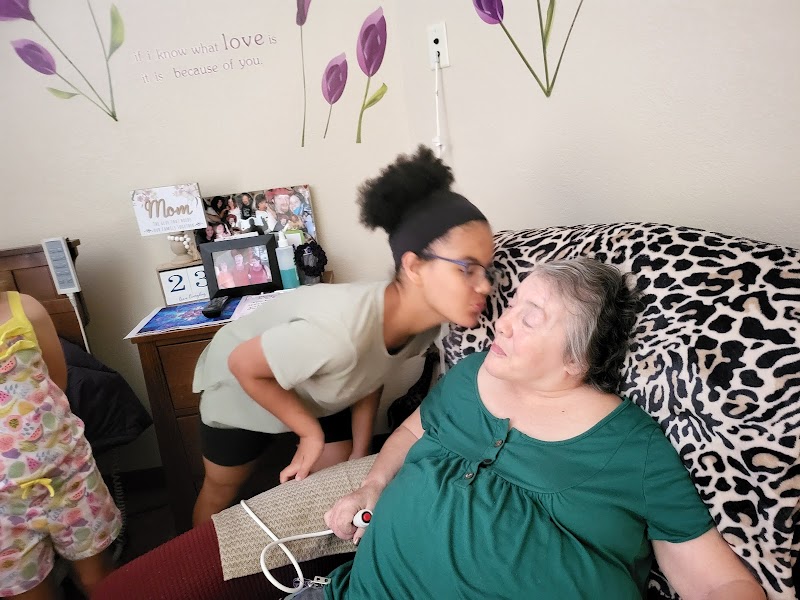
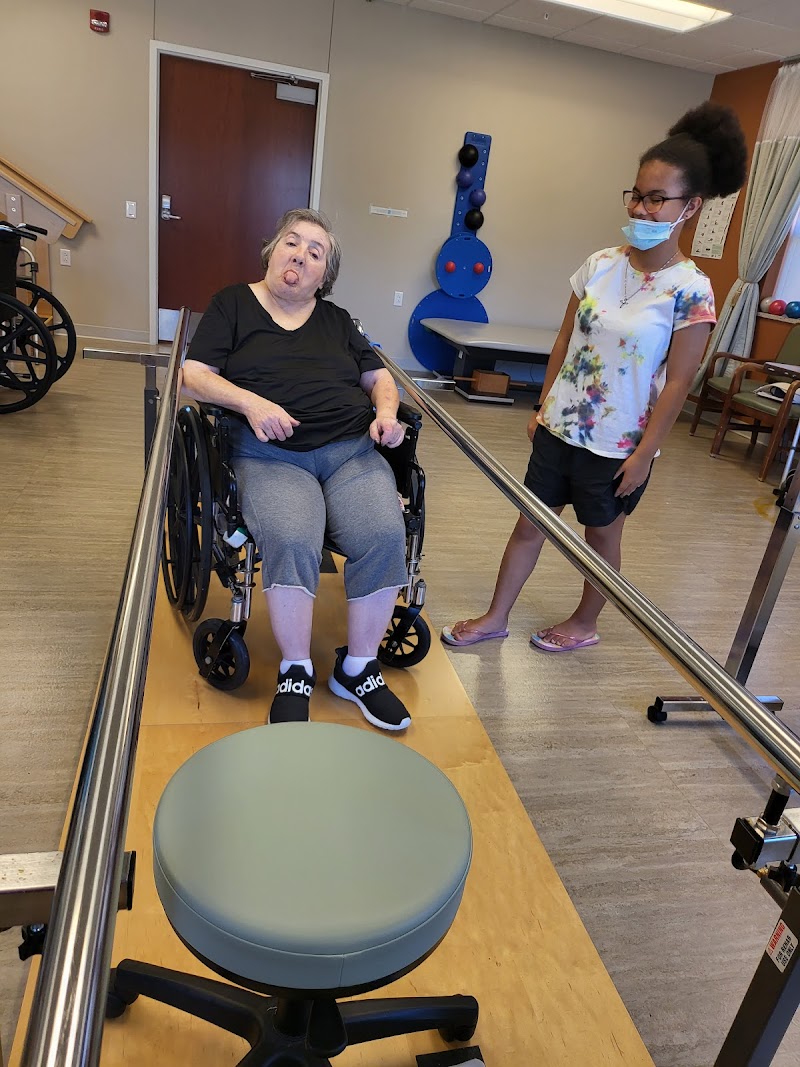
CMS rates Crystal Heights Care Center's staffing level at 2 out of 5 stars, which is below average compared to other nursing homes. Staff turnover is 59%, which is 13 percentage points above the Iowa average of 46%. High turnover can affect care consistency as new staff learn residents' individual needs.

What Have Inspectors Found at Crystal Heights Care Center?

State health inspectors documented 15 deficiencies at Crystal Heights Care Center during 2023 to 2025. These included: 15 with potential for harm.

Who Owns and Operates Crystal Heights Care Center?

Crystal Heights Care Center is owned by a for-profit company. For-profit facilities operate as businesses with obligations to shareholders or private owners. The facility operates independently rather than as part of a larger chain. With 72 certified beds and approximately 60 residents (about 83% occupancy), it is a smaller facility located in Oskaloosa, Iowa.

How Does Crystal Heights Care Center Compare to Other Iowa Nursing Homes?

Compared to the 100 nursing homes in Iowa, Crystal Heights Care Center's overall rating (4 stars) is above the state average of 3.1, staff turnover (59%) is significantly higher than the state average of 46%, and health inspection rating (3 stars) is at the national benchmark.

What Should Families Ask When Visiting Crystal Heights Care Center?

Based on this facility's data, families visiting should ask: "How do you ensure continuity of care given staff turnover, and what is your staff retention strategy?" "Can you walk me through typical staffing levels on day, evening, and night shifts?" "Can I visit during a mealtime to observe dining assistance and food quality?" "How do you handle medical emergencies, and what is your hospital transfer rate?" These questions are particularly relevant given the facility's high staff turnover rate and the below-average staffing rating.

Is Crystal Heights Care Center Safe?

Based on CMS inspection data, Crystal Heights Care Center has a clean safety record: no substantiated abuse findings (meaning no confirmed cases of resident harm), no Immediate Jeopardy citations (the most serious violation level indicating risk of serious injury or death), and is not on the Special Focus Facility watch list (a federal program monitoring the lowest-performing 1% of nursing homes). The facility has a 4-star overall rating and ranks #1 of 100 nursing homes in Iowa. While no facility is perfect, families should still ask about staff-to-resident ratios and recent inspection results during their visit.

Do Nurses at Crystal Heights Care Center Stick Around?

Staff turnover at Crystal Heights Care Center is high. At 59%, the facility is 13 percentage points above the Iowa average of 46%. High turnover means new staff may not know residents' individual needs, medications, or preferences. It can also be disorienting for residents, especially those with dementia who rely on familiar faces. Families should ask: What is causing the turnover? What retention programs are in place? How do you ensure care continuity during staff transitions?

Was Crystal Heights Care Center Ever Fined?

Crystal Heights Care Center has been fined $10,489 across 1 penalty action. This is below the Iowa average of $33,184. While any fine indicates a compliance issue, fines under $50,000 are relatively common and typically reflect isolated problems that were subsequently corrected. Families should ask what specific issues led to these fines and confirm they've been resolved.

Is Crystal Heights Care Center on Any Federal Watch List?

Crystal Heights Care Center is not on any federal watch list. The most significant is the Special Focus Facility (SFF) program, which identifies the bottom 1% of nursing homes nationally based on persistent, serious quality problems. Not being on this list means the facility has avoided the pattern of deficiencies that triggers enhanced federal oversight. This is a positive indicator, though families should still review the facility's inspection history directly.