Good Samaritan Society - Ottumwa
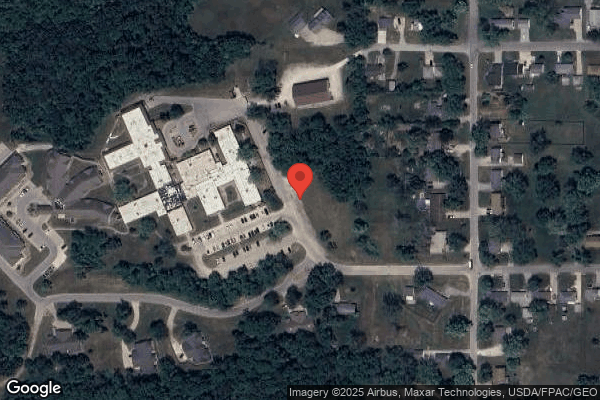
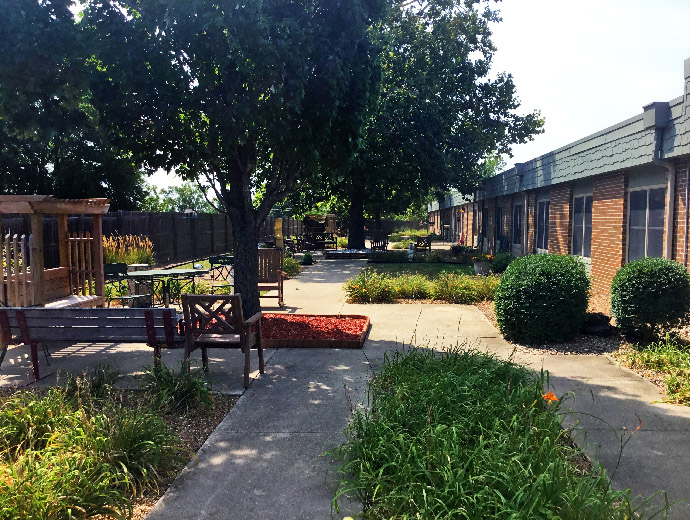
2035 Chester Avenue, Ottumwa, IA 52501 (641) 682-8041
Non profit - Corporation 134 Beds GOOD SAMARITAN SOCIETY Data: November 2025
Trust Grade
15/100
#269 of 392 in IA
Last Inspection: October 2024

Within standard 12-15 month inspection cycle. Federal law requires annual inspections.

Overview

Good Samaritan Society - Ottumwa has received a Trust Grade of F, indicating significant concerns about the quality of care provided. It ranks #269 out of 392 nursing homes in Iowa, placing it in the bottom half of facilities in the state, and #3 out of 3 in Wapello County, meaning only one local option is better. The facility is showing an improving trend, with issues decreasing from 9 in 2024 to 3 in 2025. Staffing is rated at 4 out of 5 stars, which is a strength, with a turnover rate of 39%, lower than the state average, indicating that staff are familiar with the residents. However, the facility has concerning fines totaling $91,569, which is higher than 85% of Iowa facilities, suggesting repeated compliance problems. Despite having good RN coverage, which is more than 77% of Iowa facilities, there have been serious incidents noted in inspections. For example, staff pushed a resident in a wheelchair without ensuring their feet were on the footrest, creating a fall risk. Additionally, the facility failed to implement proper wound care for another resident, leading to multiple pressure injuries, and did not follow physician orders for treatment. Families should weigh these strengths against the significant weaknesses when considering this facility for their loved ones.
Trust Score
F
15/100
In Iowa
#269/392
Bottom 32%
Safety Record
High Risk
Review needed
Inspections
Getting Better
9 → 3 violations
Staff Stability
○ Average
39% turnover. Near Iowa's 48% average. Typical for the industry.
Penalties
✓ Good
$91,569 in fines. Lower than most Iowa facilities. Relatively clean record.
Skilled Nurses
✓ Good
Each resident gets 50 minutes of Registered Nurse (RN) attention daily — more than average for Iowa. RNs are trained to catch health problems early.
Violations
⚠ Watch
44 deficiencies on record. Higher than average. Multiple issues found across inspections.
★★☆☆☆
2.0
Overall Rating
★★★★☆
4.0
Staff Levels
★★★★☆
4.0
Care Quality
★★☆☆☆
2.0
Inspection Score
Stable
2024: 9 issues
2025: 3 issues

The Good

  • 4-Star Staffing Rating · Above-average nurse staffing levels
  • 4-Star Quality Measures · Strong clinical quality outcomes
  • Full Sprinkler Coverage · Fire safety systems throughout facility
  • No fines on record
  • Staff turnover below average (39%)

    9 points below Iowa average of 48%

Facility shows strength in staffing levels, quality measures, fire safety.

The Bad

2-Star Overall Rating

Below Iowa average (3.0)

Below average - review inspection findings carefully

Staff Turnover: 39%

Near Iowa avg (46%)

Typical for the industry

Federal Fines: $91,569

Well above median ($33,413)

Moderate penalties - review what triggered them

Chain: GOOD SAMARITAN SOCIETY

Part of a multi-facility chain

Ask about local staffing decisions and management

The Ugly 44 deficiencies on record

5 actual harm
Sept 2025 3 deficiencies
CONCERN (D) 📢 Someone Reported This

A family member, employee, or ombudsman was alarmed enough to file a formal complaint

Potential for Harm - no one hurt, but risky conditions existed

Deficiency F0658 (Tag F0658)

Could have caused harm · This affected 1 resident

**NOTE- TERMS IN BRACKETS HAVE BEEN EDITED TO PROTECT CONFIDENTIALITY** Based on observation, clinical record review, and staff and resident interview, the facility failed to implement and follow phys...

Read full inspector narrative →
**NOTE- TERMS IN BRACKETS HAVE BEEN EDITED TO PROTECT CONFIDENTIALITY** Based on observation, clinical record review, and staff and resident interview, the facility failed to implement and follow physician orders for application of an ace wrap for 1 of 3 residents reviewed (Resident #8). The facility reported a census of 92 residents. Findings include: Review of the Minimum Data Set (MDS) assessment dated [DATE] revealed the resident scored 15 out of 15 on a Brief Interview for Mental Status (BIMS) exam, which indicated intact cognition. The MDS revealed the resident had a diagnosis of heart failure. Clinical record review revealed an order dated 6/18/25 for an ace wrap to be applied to Resident #8's lower extremities in the morning and discontinued in the evening. Review of June, July and August 2025 Medication Administration Records found no documentation of ace wrap or compression stockings being used as ordered. Observation on 9/3/25 at 10:45 a.m. noted Resident #8 sat in his recliner with his feet elevated. Resident #8 wore socks and shoes, but no ace wrap or compression stockings as ordered. Resident #8 was queried about using ace wrap on his legs and he stated they did it once, but it hurt so bad that he had them remove it. In an interview on 9/3/25 at 10:50 a.m. Staff W, Registered Nurse, was queried whether the computer showed Resident #8 was to have ace wraps applied daily. Staff W brought up her computer and searched, but was unable to find it as a nursing task. In an interview on 9/3/25 at 11:00 a.m. the Director of Nursing (DON), was questioned whether Resident #8 was to have ace wrap applied to his lower extremities daily. The DON searched her computer and noted he had an order for it, but was uncertain where it would be documented as completed. In an interview on 9/3/25 at 11:15 a.m. the Assistant Director of Nursing (ADON) brought her computer in and was able to show where aides documented the task of putting on an taking off the ace wrap.
CONCERN (D) 📢 Someone Reported This

A family member, employee, or ombudsman was alarmed enough to file a formal complaint

Potential for Harm - no one hurt, but risky conditions existed

Quality of Care (Tag F0684)

Could have caused harm · This affected 1 resident

Based on observation, clinical record review and staff interviews, facility staff failed to ensure prompt intervention to ensure supplemental oxygen was administered in accordance with physician order...

Read full inspector narrative →
Based on observation, clinical record review and staff interviews, facility staff failed to ensure prompt intervention to ensure supplemental oxygen was administered in accordance with physician orders and each resident's individual care plan for 2 of 3 residents reviewed (Resident #6, #7). The facility reported census of 92 residents. Findings include: 1.According to a Minimum Data Set (MDS) assessment with reference date 6/17/25, Resident #6 had a Brief Interview for Mental Status (BIMS) score 14 out of 15, which indicated intact cognitive status. Resident #6 required moderate assistance with transfers, mobility and dependent assistance with dressing, toilet use and personal hygiene needs and determined as having a catheter and occasional incontinence of bowel. Resident #6's diagnosis included Parkinson's, coronary artery disease, gastroesophageal reflux disease, malnutrition, benign prostatic hypertrophy, and a right femur neck fracture. According to physician orders, Resident #6 was to receive oxygen at 2-3 liters per minute for shortness of breath as needed to keep his oxygen saturation levels greater than 90%.During an observation on 8/21/25 at 11:40 a.m. Resident #6 sat in his wheelchair in the dining room waiting for lunch. He had an oxygen tank and wore a nasal cannula. The oxygen tank was either empty or near empty as the needle was in the red range on the tank gauge.During an observation on 8/21/25 at 3:20 p.m. Resident #6 attended an activity and remained in his wheelchair with oxygen on per nasal cannula, however his tank remained empty as the needle remained in the red range on the tank gauge.In an interview on 8/21/25 at 3:30 p.m. Staff L, Licensed Practical Nurse, was queried who was responsible to change out empty oxygen tanks. Staff L stated the nurses would change them out and typically relied on the aides to let them know when they were low or empty.In an interview on 8/21/25 at 3:40 p.m. the Director of Nursing (DON) was queried regarding whose responsibility it was to ensure residents oxygen tanks were kept full. The DON stated it was everyone's, noting if a tank was observed low or empty, nurses or aides could exchange the tank.2. According to a MDS with reference date 7/12/25, Resident #7 had a BIMS score 14 out of 15, which indicated intact cognitive status. Resident #7 required maximal to dependent assistance with transfers, mobility and dependent assistance with dressing, toilet use and personal hygiene needs and was determined as always incontinent of bladder and bowel. Resident #7's diagnosis included rheumatoid arthritis and gastroesophageal reflux disease.According to Resident #7's Plan of Care dated 10/8/24, Resident #7 required oxygen therapy related to hypoxia. Interventions initiated 10/8/24 included to monitor signs and symptoms of respiratory distress and report to the health care provider as needed, prevent abdomen compression and respiratory distress by routinely checking the resident's position so she does not slide down in bed, and oxygen therapy at 1-4 liters per minute per nasal cannula. According to physician orders, Resident #7 was to receive supplemental oxygen 1-4 liters per minute as needed to keep oxygen saturation levels great than 90%.During an observation on 8/21/25 at 11:40 a.m. Resident #7 sat in a wheelchair in the dining room waiting for lunch. She had an oxygen tank and was not wearing her nasal cannula. The oxygen tank was empty as the needle was in the red on the tank gauge.During an observation on 8/21/25 at 1:15 p.m. Resident #7 was propelled back to 200 unit and sat at a table. Resident #7's tank was exchanged and now had half full tank and she wore her nasal cannula.
CONCERN (D) 📢 Someone Reported This

A family member, employee, or ombudsman was alarmed enough to file a formal complaint

Potential for Harm - no one hurt, but risky conditions existed

Infection Control (Tag F0880)

Could have caused harm · This affected 1 resident

Based on observation, clinical record review and staff interview, the facility failed to use enhanced barrier precautions (EBP) during peri care for 1 of 3 residents who required EBP (Resident #6). Th...

Read full inspector narrative →
Based on observation, clinical record review and staff interview, the facility failed to use enhanced barrier precautions (EBP) during peri care for 1 of 3 residents who required EBP (Resident #6). The facility reported a census of 92 residents. Findings include: According to a Minimum Data Set (MDS) with a reference date of 6/17/25, Resident #6 had a Brief Interview for Mental Status (BIMS) score 14 out of 15, indicating intact cognitive status. Resident #6 required moderate assistance with transfers, mobility and dependent assistance with dressing, toilet use and personal hygiene needs and determined as having a catheter and occasional incontinence of bowel. Resident #6's diagnoses included Parkinson's, coronary artery disease, gastroesophageal reflux disease, malnutrition, benign prostatic hypertrophy, and a right femur neck fracture. The Care Plan initiated 7/1/25, revised on 7/22/25, revealed the following: The resident requires Enhanced Barrier Precautions (EBP) R/T (related to) indwelling catheter. The Intervention dated 7/22/25 revealed, [NAME] gown and gloves when performing high contact care activities including: dressing, bathing, transferring, providing hygiene such as shaving or brushing teeth, changing linens, repositioning, checking and changing, device care and/or use, and wound care. Observation on 8/28/25 at 9:00 a.m. revealed upon entrance to Resident #6's room, Staff U, Certified Nurse Aide, was in the process of resident care. Staff U was observed at Resident #6's bedside, and only wore gloves and no gown per EBP protocols. Resident #6's brief was open as to appear she was preparing to complete peri care. A new brief sat at the foot of the bed. Staff U stopped what she was doing and left the room to get a supervisor. Upon returning to the room, Staff U donned gloves and a gown and stated she needed to empty the catheter bag. Staff U then stated there was no graduate and asked her supervisor to get one. Upon returning with the graduate, Staff U then stated she had no alcohol wipes and again asked her supervisor to get her some. Staff U then proceeded with emptying the catheter bag properly using aseptic technique. Staff U then doffed her gloves and gown and re-gloved. She pulled Resident #6's brief open, stated he was clean, and she had completed catheter care prior to this surveyor entering the room. Staff #6 left the old brief on and reattached it, continued to dress Resident #6, then transferred him into his wheelchair and to the dining room for breakfast.According to the facilities Enhanced Barrier Precaution policy, Enhanced Barrier Precautions expand the use of personal protective equipment beyond situations in which exposure to blood and body fluids is anticipated and refer to the use of gown and gloves during high-contact resident care activities that provide opportunities for transfer of multidrug-resistant organisms (MDROs) to staff, hands and clothing.Enhanced barrier precautions are used for residents with chronic wounds (i.e., pressure ulcers, diabetic foot ulcers, unhealed surgical wounds, and venous statis ulcers) and residents with indwelling medical devices (i.e., central lines, hemodialysis catheters, indwelling urinary catheters, feeding tubes, and tracheostomies), even if the resident is not known to be infected or colonized with an MDRO (Multidrug resistant organisms).
Oct 2024 7 deficiencies 1 Harm
SERIOUS (G) 📢 Someone Reported This

A family member, employee, or ombudsman was alarmed enough to file a formal complaint

Actual Harm - a resident was hurt due to facility failures

Accident Prevention (Tag F0689)

A resident was harmed · This affected 1 resident

**NOTE- TERMS IN BRACKETS HAVE BEEN EDITED TO PROTECT CONFIDENTIALITY** 2. The MDS assessment dated [DATE] for Resident # 67 included medical diagnoses for Parkinson's disease and respiratory disease....

Read full inspector narrative →
**NOTE- TERMS IN BRACKETS HAVE BEEN EDITED TO PROTECT CONFIDENTIALITY** 2. The MDS assessment dated [DATE] for Resident # 67 included medical diagnoses for Parkinson's disease and respiratory disease. The MDS revealed the resident required partial/moderate assist with chair/bed transfers, sit to stand, lying to sitting and scored a 13 out of 15 on the BIMS exam, which indicated cognition intact. The Care Plan revealed a focus area initiated on 8/27/24 for Resident #67, documented limited physical mobility related to weakness. Interventions included use of a wheelchair for locomotion and foot rest use. During an observation on 10/7/24 at 12:28 PM, Staff E, CNA (Certified Nurse Aide) pushed Resident #67 down the hall after lunch and the left foot was off the foot pedal and dragged on the floor. During an interview on 10/7/24 at 5:00 PM, the DON (Director of Nursing) acknowledged awareness of possibilities of falls and injuries if feet are not on the wheel chair when pushed. Facility memo provided, DON relayed was made available to staff and directed, do not push any resident that is in a wheel chair without pedals. Serious injury can result, please make sure pedals are in place before you push a resident. Based on observation, clinical record review, policy review, and staff and resident interviews, the facility failed to provide adequate supervision or provide timely care in order to prevent a fall with major injury. The facility also failed to implement new interventions to reduce falls from the wheelchair for 1 of 3 residents reviewed (Resident #2) for falls. The facility failed to ensure safe wheelchair transport and proper use of foot pedals during a general observation of Resident #67. The facility reported a census of 111. Findings: 1. The Minimum Data Set (MDS) assessment tool, dated 8/5/24, listed diagnoses for Resident #2 which included intellectual disabilities, seizure disorder, and pain. The MDS stated the resident was dependent on staff for chair to bed transfers, shower transfers, and toilet transfers. The MDS listed the resident's Brief Interview for Mental Status (BIMS) score as 8 out of 15, indicating moderately impaired cognition. The Slipped or Fell report dated 8/11/24 at 11:00 am documented staff getting residents up for lunch when a resident yelled out that someone was on the floor. Resident #2 found on the floor face flat on the floor. Resident stated the wheelchair hurts her back and when asked how she fell she stated from the side of the wheelchair. The Care Plan initiated 5/10/2016 documented the resident is at risk for falls related to debility, impaired mobility, seizures and intellectual disability. The Care Plan documented a goal that the resident will not sustain serious injury through the review date. On 8/11/24 the Care Plan was updated with an entry directing staff to ensure the resident was in a proper sitting position in her wheelchair with her hips and back secured in the back of the chair and in good alignment with foot pedals on her chair. An 8/18/24 Mood/Behavior note stated the resident leaned forward in her wheelchair. The resident was very close to falling forward out of her chair and (staff) assisted her to sit back in her chair multiple times. Staff then used a Hoyer (a type of mechanical lift) to transfer her to a recliner to assist with safety. A 9/6/24 Other Progress note stated the resident colored at the counter slumped over and sliding out of her wheelchair. Staff manually lifted her back to a properly seated position. The Slipped or Fell report dated 9/23/24 at 7:39 pm documented the resident was yelling bed. Resident then leaned forward, screamed, and fell forward out of the wheelchair onto the floor. The nurse did not see if she hit her head due to partial wall in the way. The wheelchair was in the reclined position. The resident sustained a bruise to the front of the right shoulder. A 9/24/24 Communication/Visit with Physician stated the resident complained of pain in the right leg, did not want to move the leg, and yelled when touched. Tylenol did not help with the pain. The facility submitted a request for an x-ray of the right leg. An undated handwritten note by Staff A Licensed Practical Nurse (LPN) stated she heard the resident yell bed and heard Staff K Certified Nursing Assistant (CNA) tell the resident she would finish another resident and help Resident #2 next. Staff A then walked down the hall to assist another resident. Staff A observed the resident lean forward as she normally did to color. The resident screamed and fell forward out of her wheelchair, which was in a reclined position. A 9/24/24 Care Plan entry directed staff to remind the resident not to lean forward in the wheelchair and offer an earlier time to go to bed. The Care Plan lacked documentation to address the resident's wheelchair positioning concerns on 8/18/24 and 9/6/24 and lacked a related intervention prior to 9/24/24. A 9/25/24 Communication/Visit with Physician stated the resident was in pain. The facility received an order for Tramadol (a narcotic pain medication every 4 hours as needed). A 9/25/24 Final Radiology Report stated the resident had right fibular (referring to the long, lower leg bone) and tibial (referring to the shin bone) fractures. A 10/1/24 Health Status note stated the resident reported pain to the right lower extremity. On 10/9/24 at 9:51 a.m. Staff L and Staff M (CNAs) transferred Resident #2 from the wheelchair to the bed using a mechanical lift. When the resident rolled over to the right side she stated ow. On 10/10/24 at 8:24 a.m. via phone Staff A stated she was present when Resident #2 fell. She stated the resident yelled bed three times earlier that night from the time she returned from the dining room around 6:00 p.m. She stated a CNA trained another CNA and told the resident she would be right with her. She stated she heard a crash and a scream and the resident laid on her left side. She stated she did not see the fall due to the presence of a partial wall. She said the fall occurred between 7:00 p.m. and 8:00 p.m. and the resident initially did not appear to have an injury. On 10/10/24 at 8:49 a.m. Staff F CNA stated there was an occurrence when the resident tried to bend over and slide out of her wheelchair. She stated the resident liked to toss herself out of her wheelchair and if she yelled bed, she would prioritize assisting her. On 10/10/24 at 8:55 a.m., Staff G Certified Medication Assistant (CMA) stated the resident had been close to falling when she sat way up in her wheelchair. On 10/10/24 at 9:13 a.m. Staff H Registered Nurse (RN) stated the resident was impulsive and when pushed in her wheelchair, she immediately moved forward. On 10/10/24 at 9:24 a.m., Staff I CMA stated the resident threw herself around in her chair and it terrified her. On 10/10/24 at 11:20 a.m., Staff J RN Case Manager stated the resident did not try to get out of her chair any other times. She stated staff did not report to her that the resident almost fell out of her wheelchair prior to the 9/23/24 fall. She stated if the resident voiced that she wanted to go to bed, staff should have assisted her sooner. On 10/10/24 at 12:06 p.m., the Director of Nursing (DON) stated if a resident yelled bed, staff should ask her what was wrong and meet her needs. On 10/10/24 at 1:10 p.m., via phone, Staff K CNA stated on the night of the fall, she did not get on the floor until 6:30 p.m. She stated Resident #2 said bed but she had another resident that she needed to take care of who she could not leave. She went down and took care of the other resident for 10-15 minutes and then heard that the nurse needed her because Resident #2 was on the floor. Staff K stated there should have been another CNA on the floor and she did the best she could. She did not want the other resident to fall. The facility policy Fall Prevention and Management reviewed 7/29/24, stated the facility would have a fall prevention and management program and stated the facility would identify the causes of a problem so solutions could be identified and put into place. The policy directed staff to include appropriate interventions on the Care Plan.
CONCERN (D) 📢 Someone Reported This

A family member, employee, or ombudsman was alarmed enough to file a formal complaint

Potential for Harm - no one hurt, but risky conditions existed

Resident Rights (Tag F0550)

Could have caused harm · This affected 1 resident

**NOTE- TERMS IN BRACKETS HAVE BEEN EDITED TO PROTECT CONFIDENTIALITY** Based on observation, staff interviews, and policy review, the facility failed to ensure dignity to residents in the main dining...

Read full inspector narrative →
**NOTE- TERMS IN BRACKETS HAVE BEEN EDITED TO PROTECT CONFIDENTIALITY** Based on observation, staff interviews, and policy review, the facility failed to ensure dignity to residents in the main dining room. Resident with soiled shirt of spilt drink and processed food propelled self near other residents eating thorough the dining area (Resident #71). The facility reported a census of 111 residents. Findings include: The Minimum Data Assessment (MDS) assessment dated [DATE] revealed Resident #71 scored 00 out of 15 on the Brief Interview for Mental Status (BIMS) exam, which indicated cognition was severely impaired. Diagnoses included non-traumatic brain dysfunction, Alzheimer's disease, dysphagia (indicates difficulty swallowing) and pain. The MDS revealed resident required supervision or touching assistance with eating and required a mechanically altered diet. The Care Plan revealed a focus area initiated 5/31/24 for ADL (Activities of Daily Living) self care performance deficit related to Alzheimer's disease. The intervention dated 5/31/24 revealed resident required assistance of one. The intervention dated 9/15/24 revealed Resident #71 wore a food protector at meals to protect clothing per family request. During an observation on 10/9/24 at 5:20 PM in the main dining room, the dining room filled with residents enjoying dinner meal. Resident #71 eating independently, spilled liquid down his shirt and had pureed food going down his shirt with food in residents beard as well, began to exit self in his wheelchair through the dining room. In an interview on 10/9/24 at 5:22 PM with Certified Nursing Assistant, (CNA) Staff C stated the resident usually does wear a clothing protector, they are no longer available in the dining room. Stock is normally in another hall and there are not many. A staff must remember to bring it with the resident. Relayed resident wants to try to feed himself. In an interview on 10/9/24 at 5:24 PM with the Director of Nurses, (DON) relayed we have done away with using clothing protectors, only use if family wants them and the family would have to provide them. Relayed would reach out to the family. Policy provided titled Resident Dignity-Rehab, Skilled revised 11/16/23 documented would promote care for residents in a manner and in an environment that maintains or enhances each residents dignity and respect in full recognition of his or her individuality.
CONCERN (D)

Potential for Harm - no one hurt, but risky conditions existed

Deficiency F0578 (Tag F0578)

Could have caused harm · This affected 1 resident

**NOTE- TERMS IN BRACKETS HAVE BEEN EDITED TO PROTECT CONFIDENTIALITY** Based on staff interviews, electronic record review, Iowa Physician Orders for Scope of Treatment (IPOST) form, and facility pol...

Read full inspector narrative →
**NOTE- TERMS IN BRACKETS HAVE BEEN EDITED TO PROTECT CONFIDENTIALITY** Based on staff interviews, electronic record review, Iowa Physician Orders for Scope of Treatment (IPOST) form, and facility polic review the facility failed to ensure consistent documentation of code status for 1 of 32 resident reviewed for advanced directives (Resident #67). The facility reported a census of 111 residents. Findings include: The Minimum Data Set (MDS) assessment dated [DATE] revealed Resident #67 medical diagnoses for Parkinson's disease, respiratory disease and scored a 13 out of 15 on the Brief Interview for Mental Status (BIMS) exam, which indicated cognition intact. The Care Plan revealed a focus initiated [DATE] for the resident, relayed had a terminal prognosis related to cancer and directed staff to review resident's advance care planning choices and assist other to respect choices. A document titled Iowa Physician Orders for Scope of Treatment IPOST dated [DATE] for Resident #67 was located at the nurse's station to review in the event of an emergency and indicated to complete Cardiopulmonary Resuscitation (CPR) in the event the resident has no pulse and is not breathing. The form was signed by the resident only. Electronic Clinical Resident Profile Record, dated [DATE] for Resident #67 directed, Do Not Resuscitate (DNR). In an interview on [DATE] at 5:00 PM the Director of Nurses, (DON) acknowledged the discrepancy between two forms and relayed there should not be conflicted information to ensure appropriate resident end of life choice. In an interview on [DATE] at 5:07 PM Registered Nurse (RN) Staff D relayed she had completed the IPOST form incorrectly and per resident #67 choice should have marked DNR before asking the resident to sign. Staff D relayed she would ensure a correct form completed immediately for the physician to sign. Policy titled, Advance Care Planning revised [DATE] documented Residents, and their decision makers have the right to make decisions concerning medical care, included right to accept or refuse.
CONCERN (D) 📢 Someone Reported This

A family member, employee, or ombudsman was alarmed enough to file a formal complaint

Potential for Harm - no one hurt, but risky conditions existed

ADL Care (Tag F0677)

Could have caused harm · This affected 1 resident

**NOTE- TERMS IN BRACKETS HAVE BEEN EDITED TO PROTECT CONFIDENTIALITY** Based on observations, clinical record review, staff interviews and policy review the facility failed to provide eating assist t...

Read full inspector narrative →
**NOTE- TERMS IN BRACKETS HAVE BEEN EDITED TO PROTECT CONFIDENTIALITY** Based on observations, clinical record review, staff interviews and policy review the facility failed to provide eating assist to maintain good nutrition to 1 of 3 residents reviewed (Resident #67). The facility reported a census of 111 residents. Findings include: The MDS assessment dated [DATE] revealed Resident #67 medical diagnoses included Parkinson's disease and respiratory disease. A BIMS score of 13 out of 15 indicated cognition intact. The Care Plan revealed a focus initiated at admit 8/27/24 for resident #67 titled, Eating. Interventions noted, resident required hand over hand guidance, reminding, prompting and cueing. Electronic record revealed admit weight on 9/4/24 weighed 198.8 pounds and on 10/2/24 weighed 182.8 pounds, an 8.75% weight loss. Progress notes revealed Registered Dietician (RD) note dated 8/30/24, observed him eating and cannot hold silverware, needs assistance, discussed with resident #67 and he would like that. Telephone interview on 10/11/24 at 10:02 AM with the RD, confirmed resident needed assistance with meals. Relayed monthly follow up planned this week on weights and new interventions would be addressed. Continuous observation on 10/9/24, 8:05 AM to 9:02 AM, breakfast, Resident # 67 sat in his wheelchair at a table in the main dining room. 8:19 AM plate of scrambled eggs and a donut delivered to resident table 8:24 AM Staff fed 4 bites to resident on a fork and moved away to another resident. 8:27 AM Resident food fell off the fork several times as attempted to get into mouth, observed slow movements and hand tremors as attempted to eat. 8:30 AM Staff returned, fed two bites and offered drink then moved away to other residents 8:33 AM Resident continued to eat independently, dropped food on his lap before getting to the mouth, spilled juice on shirt when attempted to drink. 9:02 AM staff approached voiced to Resident #67, needed a new shirt that one is dirty, was assisted via wheelchair from the dining room, observed few bites of donut still on the plate. Continuous observation on 10/9/24, 11:50 AM to 12:40 PM, lunch, Resident # 67 sat in his wheelchair at a table in the main dining room. 12:30 PM Resident picking up cup, slow and unsteady hand with tremor. Following resident attempted repeatedly to get food into his mouth with the fork, dropped food at times onto his lap. No feeding assistance was offered to Resident #67 during the entire lunch meal. Continuous observation on 10/9/24, 4:20 PM to 5:20 PM, dinner, Resident # 67 sat in his wheelchair at a table in the main dining room. 4:20 PM resident sat at table awaiting drinks and food 4:30 PM observed with difficulty bringing cup to mouth, slow and unsteady with hand tremor 5:07 PM resident attempted independently to bring food to mouth, sat in wheel chair approximately a foot from the table, spilled food off the fork as brought to the mouth 5:17 PM attempted to get food off pants with a fork. No feeding assistance was offered to Resident #67 during the entire supper meal Policy titled, Nutrition and Hydration, Food and Nutrition, revised 4/1/24 documented, to routinely assess resident's nutritional status and monitor nutritional risk. Identify a resident at nutritional risk and address risk factors for impaired nutritional status to the extent possible including, but not limited to diet order, also included, disease processes, functional ability. To provide nutritional care and services to each resident, consistent with the resident's comprehensive assessments and periodic reassessments. Policy included to identify, implement, monitor and modify interventions, as appropriate, consistent with the resident's assessed needs, choices, preferences, goals and current professional standards of practice to maintain acceptable parameters of nutritional status.
CONCERN (D) 📢 Someone Reported This

A family member, employee, or ombudsman was alarmed enough to file a formal complaint

Potential for Harm - no one hurt, but risky conditions existed

Quality of Care (Tag F0684)

Could have caused harm · This affected 1 resident

**NOTE- TERMS IN BRACKETS HAVE BEEN EDITED TO PROTECT CONFIDENTIALITY** Based on observations, clinical record review, staff interviews, and policy review, the facility failed to assist with scheduled...

Read full inspector narrative →
**NOTE- TERMS IN BRACKETS HAVE BEEN EDITED TO PROTECT CONFIDENTIALITY** Based on observations, clinical record review, staff interviews, and policy review, the facility failed to assist with scheduled repositioning, and toileting for a resident with impaired skin and a pressure ulcer risk for 1 of 3 residents observed for skin concerns (Resident #81). The facility reported a census of 111 residents. Findings include: The Minimum Data Assessment (MDS) assessment dated [DATE] revealed Resident #81 diagnoses included Alzheimer's disease, dementia, urinary tract infection (UTI), pain, and cellulitis of buttocks. Resident required substantial, maximal assistance with transfers and sit to stand, had moisture associated skin damage. Resident #81 required pressure reducing devices for the wheelchair and the bed, a turning/repositioning program to manage skin problems. The Brief Interview for Mental Status (BIMS) exam scored 6 out of 15, which indicated cognition severely impaired. The Care Plan revealed a focus area revised 9/13/24 included potential of pressure ulcer development related to immobility and abscess. The interventions included to turn, reposition at least every two hours. The care plan relayed resident had bladder incontinence related to confusion. During a continuous observation on 10/8/24 at 8:50 AM to 11:05 AM (2 hours and 15 minutes), Resident #81 sat on in a recliner, lying on back side, was not assisted with repositioning or toileted. During a continuous observation on 10/9/24 at 9:15 AM to 11:40 AM (2 hours and 25 minutes) Resident #81 sat in a recliner, lying on back side, staff did not approach, did not assist her with repositioning or toileting. During an observation on 10/09/24 at 12:53 PM, Staff B, CNA (Certified Nurse Aide) assisted resident for toileting per the surveyor's request. The resident's briefs taken off, observed entire buttocks reddened, excoriated, peeling skin on the buttocks and upper inner thighs with scant amount of reddish drainage in various places of buttocks and on the removed brief. Staff B acknowledged the resident had not been toileted for hours. During an interview and toileting observation on 10/9/24 at 12:58 PM, Staff B commented, Resident #81 buttocks was so bad. During an interview on 10/09/24 at 10:15 AM, the Director of Nursing (DON), reported it was her expectation that the interventions implemented be followed for those at risk for pressure ulcers, included repositioning, toileting, protective equipment and skin care. Facility policy titled Skin Assessment Pressure Ulcer Prevention and Documentation revised 4/26/24 documented: 6. Residents who are unable to reposition themselves independently should be repositioned as often as directed by the care plan approaches.
CONCERN (D) 📢 Someone Reported This

A family member, employee, or ombudsman was alarmed enough to file a formal complaint

Potential for Harm - no one hurt, but risky conditions existed

Deficiency F0692 (Tag F0692)

Could have caused harm · This affected 1 resident

**NOTE- TERMS IN BRACKETS HAVE BEEN EDITED TO PROTECT CONFIDENTIALITY** Based on observations, clinical record review, family interviews, staff interviews and the facility policy the facility failed t...

Read full inspector narrative →
**NOTE- TERMS IN BRACKETS HAVE BEEN EDITED TO PROTECT CONFIDENTIALITY** Based on observations, clinical record review, family interviews, staff interviews and the facility policy the facility failed to ensure adequate hydration for 1 of 3 residents reviewed. (Resident #81). The facility reported a census of 111 residents. Findings include: The Minimum Data Set assessment (MDS) dated [DATE] revealed Resident #81 diagnoses of Alzheimer's disease, dementia, Urinary Tract Infection (UTI), pain, and cellulitis of buttocks, required substantial/maximal assistance with chair/bed to chair transfers and sitting to standing. the Brief Interview for Mental Status (BIMS) exam scored a 6 out of 15 indicated cognition severely impaired. The MDS revealed treatments that included a turning/repositioning program; and nutrition/ hydration interventions to manage skin problems. The Care Plan initiated date 4/8/24 for Resident #81 revealed a focus area for bladder incontinence related to confusion. The interventions included encourage resident to drink more fluids during morning and afternoon and limit fluids in the evening/night. During an interview on 10/7/24 at 3:49 PM, a family member of Resident #81 relayed a concern with the resident not getting enough water. Relayed frequently visited and had viewed the same empty cup left in the same spot with no fluids obtainable to the resident. During a continuous observation on 10/8/24 at 8:50 AM to 11:05 AM (2 hours and 15 minutes) Resident #81 sat in a recliner, was not offered fluids, and did not have fluids on the table next to the residents recliner. During a continuous observation on 10/9/24 at 9:15 AM to 11:40 AM (2 hours and 25 minutes), Resident #81 sat in a recliner and was not offered fluids, no fluids on the bedside table within resident reach. During an observation on 10/9/24 at 2:16 PM, Resident #81 sat in a recliner, and no fluids were available within reach. In an interview 10/9/24 at 10:15 AM the Director of Nursing (DON) relayed awareness of reported concerns regarding water being passed and had been working on the concerns. In an interview and observation with the Administrator on 10/10/24 at 12:20 PM included escort to recliner Resident #81 sits much of the day, was revealed no accessibility to any fluids near the recliner. The Administrator viewed the area and acknowledged the concern. Policy titled, Nutrition and Hydration, Food and Nutrition, revised 4/1/24 documented, Hydration: 2. Offer sufficient fluid intake to maintain proper hydration and health. 4. Fresh water will be available to the residents at bedside unless contraindicated.
CONCERN (D)

Potential for Harm - no one hurt, but risky conditions existed

Infection Control (Tag F0880)

Could have caused harm · This affected 1 resident

Based on observation, staff interview, and the facility policy, the failed failed to use appropriate hand hygiene between resident's medication administration and failed to use proper technique for pr...

Read full inspector narrative →
Based on observation, staff interview, and the facility policy, the failed failed to use appropriate hand hygiene between resident's medication administration and failed to use proper technique for preparation of medication administration and touched resident's pills with their bare fingers for 2 of 5 oral medication administrations observed (Resident #13 and Resident #269). The facility reported a census of 111 residents. Findings include: 1. During an observation on 10/8/24 at 7:23 AM, Staff A, LPN (Licensed Practical Nurse) finished giving another resident his pills and did not use hand hygiene prior to prepping Resident #13 medications. Staff A opened a bottle of acetaminophen and tapped the bottle and then used her finger to push out 2 pills into a medication cup. Staff A then prepped oral medications for Resident #13. Staff A popped out the furosemide pill from the card and as she popped it out, her fingers touched the pill prior to the tablet going into the cup. Staff A popped out the resident's gabapentin and as she popped the pill from the card her fingers touched the capsule prior to going into the cup. After administering the medications she touched the water pitcher, pushed the resident in her wheelchair, then unlocked the medication cart and did not wash her hands prior to starting a new medication pass with another resident. The Physician Orders dated last order review 8/27/24 for Resident #13 revealed the following information: a. acetaminophen 325 mg (milligrams)- give two tablets by mouth twice a day b. furosemide 40 mg give one by mouth one time a day c. gabapentin 100 mg give one by mouth three times a day 2. During an observation on 10/8/24 at 7:29 AM, Staff A prepared medications for medication pass for Resident #269. Staff A opened a bottle of Senna 8.6 tablets and tipped the bottle and then used her finger to push the pill out of the bottle into the medication cup. The Physician Orders dated last order review 8/27/24 for Resident #269 revealed the following information: a. Senna S oral tablet 8.6/50 mg give one tablet my mouth every morning During an interview on 10/8/24 at 8:49 AM, Staff A queried when she needed to wash her hands during medication administration and she stated after every med pass. Staff A asked if she could touch the pills during medication administration and she stated no. Staff A informed of the observations seen, and she acknowledged it and stated she would pay closer attention to what she was doing. During an interview on 10/10/24 at 10:48 AM, the DON (Director of Nursing) stated staff needed to use hand hygiene before medication pass and between residents. The DON queried if staff can touch the pills with bare hands and she stated whatever the policy says. During an interview on 10/10/24 at 10:51 AM, the Administrator queried she didn't think they could touch the pills if they didn't use hand hygiene, but she would go with what the policy stated. The Facility Medication Administration Including Scheduling and Medication Aides Policy dated 3/29/23 revealed the following: a. medication administration procedure 1. wash your hands prior to beginning med pass and following the administration of medication for each resident. If hands were visibly soiled wash hands with soap and water, if hands not visibly soiled or contaminated with body fluids use of an alcohol-based hand rub was acceptable.
May 2024 2 deficiencies
CONCERN (D) 📢 Someone Reported This

A family member, employee, or ombudsman was alarmed enough to file a formal complaint

Potential for Harm - no one hurt, but risky conditions existed

ADL Care (Tag F0677)

Could have caused harm · This affected 1 resident

Based on clinical record review and bathing records, the facility failed to ensure residents were provided adequate personal hygiene services to include at least two bathing opportunities per week for...

Read full inspector narrative →
Based on clinical record review and bathing records, the facility failed to ensure residents were provided adequate personal hygiene services to include at least two bathing opportunities per week for 2 of 4 residents reviewed (Residents #3 & #9). The facility reported census was 110 residents. Findings include: According to the Minimum Data Set (MDS) with an assessment reference date of 3/28/24, Resident #3 had a Brief Interview for Mental Status (BIMS) score of 11 indicating a mildly impaired cognitive status. Resident #3 required maximal to dependent assistance with mobility, transfers, dressing, toilet use, and personal hygiene needs. Resident #3 was coded as always incontinent of bowel and bladder. Diagnoses included peripheral vascular disease, diabetes mellitus, & malnutrition. According to shower schedules, Resident #3 was to receive shower opportunities on Wednesdays and Saturdays. Bathing records during April and May 2024 indicated Resident #3 was not provided bathing opportunities as scheduled on 4/17, 5/4, 5/11, 5/15 and 5/18. According to the Minimum Data Set (MDS) with an assessment reference date of 1/27/24, Resident #9 had a Brief Interview for Mental Status (BIMS) score of 4 indicating a severely impaired cognitive status. Resident #4 required moderate to maximal assistance with dressing, toilet use, and personal hygiene needs and supervision with mobility, transfers, and eating. Resident #9 was coded as occasional incontinent of bowel and bladder. Diagnoses included Non-Alzheimer's dementia, coronary artery disease, & gastroesophageal reflux disease. According to shower schedules, Resident #9 was to receive shower opportunities on Mondays and Thursdays. Bathing records during April and May 2024 indicated Resident #9 was not provided bathing opportunities as scheduled on 4/15, 4/22, and 5/6.
CONCERN (D) 📢 Someone Reported This

A family member, employee, or ombudsman was alarmed enough to file a formal complaint

Potential for Harm - no one hurt, but risky conditions existed

Deficiency F0725 (Tag F0725)

Could have caused harm · This affected 1 resident

Based on record review, bathing records, and staff interviews, the facility failed to provide sufficient staff to ensure resident needs were met and bathing opportunities are provided as scheduled for...

Read full inspector narrative →
Based on record review, bathing records, and staff interviews, the facility failed to provide sufficient staff to ensure resident needs were met and bathing opportunities are provided as scheduled for 1 of 3 residents reviewed (Resident #3). The facility reported census was 110 residents. Findings include: In an interview on 5/22/24 at 9:00 a.m. Staff O, staff scheduler, stated she schedules one nurse with two to three aides from 6:00 a.m. to 6:00 p.m. on the 300 hall and 400/500 halls. Then reduces to one nurse and two aides from 6:00 p.m. to 10:00 p.m. Staff O stated staffing parameters are based on census. In an interview on 5/21/24 at 3:00 p.m. Staff K, Certified Nurse Aide, stated two aides on 300 hall are sufficient to meet resident needs, however there are times weekly in which they may only have one aide working. In an interview on 5/21/24 at 3:05 p.m. Staff J, Certified Nurse Aide, stated she has worked evening shifts on 300 hall for seven months. Staff J stated two aides are needed on 300 hall to meet the needs of the residents, but noted at least once a week, they may only schedule one aide. According to Daily Assignment Records for Wednesday, May 15th, 2024 the facility only had one aide scheduled on 300 hall from 6:00 a.m. to 2:00 p.m. In an interview on 5/21/24 at 3:15 p.m. Staff L, Certified Nurse Aide, stated she was working 6:00 a.m. to 6:00 p.m. today on 400/500 halls. Staff L stated there is currently one other aide working with her this afternoon. Staff L stated two aides are not sufficient to meet resident needs because of the number of two person assist residents on the 400 hall. Staff L stated they were scheduled for three aides this evening, but one was pulled to another hall. In an interview on 5/21/24 at 3:20 p.m. Staff G, Certified Nurse Aide, stated she was working 2:00 p.m. to 10:00 p.m. this evening on 400/500 halls. Staff G stated they had three aides scheduled, but one was pulled to another hall. Staff G stated two aides are not sufficient to meet resident needs due to the heavy assist level of the residents on 400 hall requiring two person assist. Staff G stated she has been answering call lights since arriving and has been unable to start on evening showers. Staff G stated being short staffed (less than 3) is common. According to the Minimum Data Set (MDS) with an assessment reference date of 3/28/24, Resident #3 had a Brief Interview for Mental Status (BIMS) score of 11 indicating a mildly impaired cognitive status. Resident #3 required maximal to dependent assistance with mobility, transfers, dressing, toilet use, and personal hygiene needs. Resident #3 was coded as always incontinent of bowel and bladder. Diagnoses included peripheral vascular disease, diabetes mellitus, & malnutrition. According to shower schedules, Resident #3 was to receive shower opportunities on Wednesdays and Saturdays. Bathing records during April and May 2024 indicated Resident #3 was not provided bathing opportunities as scheduled on 4/17, 5/4, 5/11, 5/15, and 5/18. According to Daily Assignment Records for Saturday, May 11th, 2024 the facility had only one aide scheduled on 400/500 halls from 6:00 a.m. to 2:00 p.m. and from 5:00 p.m. to 6:00 a.m. That same day, Resident #3 was not provided a shower opportunity. According to Daily Assignment Records for Wednesday, May 15th, 2024 the facility had one aide and one restorative aide scheduled from 6:00 a.m. to 2:00 p.m., two aides scheduled from 2:00 p.m. until 8:00 p.m. and only one aide scheduled from 8:00 p.m. to 10:00 p.m. on 400/500 halls. That same day, Resident #3 was not provided a shower opportunity.
Aug 2023 18 deficiencies 2 Harm
SERIOUS (G)

Actual Harm - a resident was hurt due to facility failures

Pressure Ulcer Prevention (Tag F0686)

A resident was harmed · This affected 1 resident

**NOTE- TERMS IN BRACKETS HAVE BEEN EDITED TO PROTECT CONFIDENTIALITY** Based on observation, interview, record review and policy review the facility failed to implement interventions to prevent the d...

Read full inspector narrative →
**NOTE- TERMS IN BRACKETS HAVE BEEN EDITED TO PROTECT CONFIDENTIALITY** Based on observation, interview, record review and policy review the facility failed to implement interventions to prevent the development of multiple pressure injuries. Facility also failed to follow physician treatment, using an incorrect medicated treatment on an open pressure injury and further failed to prevent contamination of pressure injuries while performing wound care for 1 of 3 residents (Resident #96) observed for wound care. Facility reported a census of 113 residents. Findings include: Review of Resident #96 admission Assessment Record, dated 2/17/23, revealed resident was determined at risk for pressure ulcer development related to immobility. According to assessment, wounds present on admission included a right trochanter surgical wound and a pressure wound to coccyx. admission assessment indicated resident had anomaly to feet and informed that resident was not able to ambulate independently, with one assist, or with device (e.g. cane/walker/wheelchair) upon admission. Daily Skilled Progress Note, dated 2/20/23, at 10:38 AM documented that Resident #96 refused to leave her bed, refused to get up and transfer to wheelchair or recliner. Dietitian Note, dated 2/22/23 at 11:10 AM, revealed Resident #96 intakes were sporadic and nutritional supplement 4 ounces to be initiated twice per day. Documentation that Resident #96 required feeding assistance in bed. Summary of Skilled Services Note, dated 3/04/23 at 12:28 PM, revealed Resident #96 required assistance of 2 staff with a mechanical (Hoyer) lift for transfer and staff assistance with eating. Skin assessment dated [DATE] revealed initial assessment of pressure ulcer to right heel, not present on admission. Assessment indicated Diabetes Mellitus and pressure ulcer as the complications present. A second skin assessment for right heel, dated 3/20/23, revealed pressure injury presented as an intact blister, measured 3cmx3cm, and classified as a Stage 2 pressure injury. Assessment indicated a club foot deformity as a present complication. Skin assessment, dated 3/18/23, revealed pressure ulcer to left heel, not present on admission. Skin assessment, dated 4/01/23, revealed initial assessment of a pressure wound to Resident #96's left foot bony prominence. Assessment indicated the following interventions to be implemented: repositioning, support surfaces, wound care treatment, and pain management. Documentation informed physician notification of new ulcer. Skin assessment, dated 4/02/23, revealed pressure areas noted on Resident #96's left heel, left ankle, and top of left foot. Assessment documentation indicated cause of pressure areas from orthopedic abnormalities and pressure to the areas. Skin assessment revealed that resident had pain related to the pressure areas. Interventions to be implemented included: medications, padded wound dressing, positioning, and padded moon boots. Skin assessment, dated 4/14/23, revealed suspected deep tissue injury of left toes, not present on admission. Indicated Diabetes Mellitus and pressure as complications present. Skin assessment, dated 5/08/23, revealed right outer foot pressure ulcer, not present on admission. Assessment indicated 100% of wound covered in eschar (black, necrotic) tissue. Right outer foot pressure ulcer measured 0.6cmx0.1cm and classified as an unstageable pressure wound. Progress note, dated 5/24/23, revealed notification to Provider of maintaining unstageable pressure areas to bilateral feet. Review of Resident #96 most recent Minimum Data Set (MDS) assessment (Quarterly) completed on 5/30/23 listed Diabetes Mellitus (DM) as an active diagnosis. MDS revealed the Brief Interview for Mental Status (BIMS) score to be 11, indicating moderate cognitive impairment. The Braden scale, used to assess for the risk of pressure injury development, indicated resident is at risk. The MDS revealed Resident #96 had one or more unstageable deep tissue injuries that were not present upon admission. MDS revealed that Resident #96 received pressure ulcer/injury care and the application of non-surgical dressings with or without topical medications. Progress note, dated 8/10/23, revealed wound on left foot appeared to be deteriorating. Indicated notification to Wound Care Nurse for reassessment. The Resident's Care Plan lacked focus areas, goals, and interventions for prevention of skin issues to include development of pressure areas until 2/17/23. Review of current Care Plan, review date started on 08/10/23, revealed the focus area for an unstageable pressure ulcer to right heel and the potential for pressure ulcer development related to immobility. The Care Plan indicated the goal that Resident #96's pressure ulcer would show signs of healing and remain free from infection through the review date. The Care Plan interventions related to pressure ulcers on the feet listed as follows: Encourage, assist, supervise with use of assist bar, etc., for resident to assist with turning, initiated on 2/17/23. Float heels when supine and apply moon boots as appropriate, initiated on 3/22/23. Monitor/remind/assist to turn/reposition at least every two hours, initiated on 4/03/23. Provide pressure relieving device air mattress with boulders, initiated on 4/03/23. Review of current Medication Administration Record (MAR) listed the treatment order for Santyl External Ointment 250 Units/GM (Collaginase), to be applied to left inner ankle ulcer topically one time a day for healing. Directions included to cleanse area with wound cleanser soaked 4 x 4 s (gauze), pat dry with clean 4 x 4 s (gauze), apply Santyl, cover with Xerofoam, cover with foam and wrap with rolled gauze, secure with tape. Order for Santyl ointment initiated date of 08/11/23. MAR also indicated skin cote barrier film to be applied to bony prominence's of feet and cover with padded gauze wrapped dressing. On 08/21/23 at 11:00 AM, Resident #96 wore gauze wraps to both feet and padded boots on both feet. On 08/22/23 at 01:05 PM observed wound care treatment and wound dressing change performed by Staff T, Registered Nurse (RN), for Resident #96: On 08/22/23 at 01:05 PM Staff T, Registered Nurse (RN) used hand sanitizer prior to putting on gloves, then removed the old gauze wrap dressing from Resident #96's left foot. Staff T used scissors from the top of the treatment cart to aid in the removal of the dressing. Staff T failed to sanitize the scissors after use. Staff T then opened several packets of skin cote barrier film and applied to pressure areas on left heel and left bunion, wound cleanser spray used on gauze 4x4 to clean the open pressure injury on left inner foot. Staff T did not perform hand hygiene or change gloves between removal of soiled dressing and beginning of wound cleaning. Staff T then opened a package of calcium arginate wound treatment and cut off a square piece of treatment using the same scissors. The treatment was applied to the left inner foot open wound. The same scissors were again used to cut a square piece of foam which was placed on top of the left inner foot wound, scissors were never sanitized. During the treatment observation an open area on the left inner ankle with raised, dark purple/red colored skin surrounding the open area, the wound bed appeared white, yellow in color was observed. Resident reported the area felt sore during wound cleaning. Staff T then wrapped the Left foot wrapped with gauze bandaging. Staff T continued to wear the same gloves throughout entire procedure. Staff T next removed the soiled wound dressing from right foot using the same scissors and applied skin cote film barrier to resident's right heel, right inner bunion, and right outer foot, same gloves continued to be worn. The observation included the following; a. black scab with pink surrounding skin to right outer foot wound, resident complained that area felt sore when touched. b. black scab with red surrounding skin to right inner foot wound. c. large black scab that covered almost entirety of right heel, surrounding skin appeared pink, dry, and flaky. With continued observation Staff T placed padding on resident's right heel and right inner foot, secured with gauze bandaging wrap. The new dressings applied to Resident #96's feet were not labeled with the RN initials or the date performed. Staff T's gloves were removed at the end of procedure and hand hygiene performed only after finishing wound care and dressing change for multiple pressure areas on Resident #96's feet. On 08/21/23 at 11:00 AM Resident #96 reported that she had quite a bit of pain in her ankles. Resident #96 stated that she had sores on her ankles and heels, she also reported not having any sores when she came here. Staff T, RN reported on 8/2/23 at 1:22 PM the times she should wash hands and change gloves during a wound care procedure as when she were to leave or come back into a resident room, and when she had visible blood on her gloves. RN confirmed that Santyl was not used on left ankle ulcer and stated that since the scab fell off the wound they now do the calcium on the open area. Staff T indicated that wound care and dressing changes are completed daily and that a Wound Nurse performs skin assessment weekly. On 08/22/23 at 01:43 PM, the Director of Nursing (DON) reported that Nursing staff were expected to follow facility policies and the standard of practice when performing wound care and dressing changes. DON confirmed the expectation that hand hygiene and glove changes would be performed during the dressing change between removal of soiled dressing and application of a clean dressing or before wound cleaning to prevent contamination. The DON indicated that the Nursing staff receive training from Wound Nurse/Infection Preventionist, Staff Q, and reported that Staff T would be receiving further education on infection control/wound care if that is what is needed. On 08/23/23 Staff Q, Wound Nurse/Infection Preventionist at 11:20 AM, confirmed that she is responsible for Nursing staff wound care training and facility infection control program. Staff Q confirmed the expectation of Nursing staff to perform hand hygiene and change gloves during dressing change between removal of soiled dressings and application of a clean dressing or before wound cleaning to prevent contamination. On 08/24/23 at 10:02 AM. Staff R, RN reported Resident #96 had some red areas to feet upon admission but no open areas, she confirmed that resident's feet have a congenital disorder and turn inwards. Staff R stated Resident #96 had worn padded moon boots for a while but could not recall for how long. Staff R reported that Residents #96's wounds have stayed static but did identify a concern for reddened left inner foot open ulcer and stated she reported concern to Wound Nurse. On 08/24/23 at 11:15 AM, Staff P, Case Manager Nurse, indicated that she would update a resident Care Plan when a new order started, therapy made changes, or when staff report changes. Staff P confirmed the first pressure ulcer documentation and assessment of feet was for the left heel on 3/13/23. Case Manager confirmed that padded moon boots intervention was initiated in Care Plan on 3/13/23, following the left heel pressure ulcer development. Staff P also confirmed the interventions to float heels and reposition every 2 hours were initiated in the Care Plan on 4/03/23 following the development of a pressure ulcer. On 08/24/23 at 11:22 AM, Staff S, Certified Nursing Assistant (CNA), reported the resident had worn the padded moon boots for the last couple of months. On 08/24/23 at 11:30 AM, Resident #96, reported the wounds on her feet started with one then spread to both feet. Resident #96 was unable to recall how long padded moon boots had been in place, she stated before the boots they would put a pillow at the crook of her knees. On 08/24/23 at 11:55 AM, the Director of Nursing (DON), reported the Nurses complete a full head to toe assessment on all residents upon admission. The DON reported the Braden Scale was used to determine resident risk for pressure injury and the expectation that interventions would be initiated if a resident was determined at risk for pressure ulcer development. The DON confirmed that Resident #96 developed pressure wounds to her feet after admission and reported that resident condition, not being mobile, and anomaly of feet may have contributed to pressure ulcer development. The DON stated she was not aware of any interventions that were in place for Resident #96 prior to pressure ulcer development to her feet. Review of facility policy titled Pressure Ulcers- R/S, LTC, Therapy & Rehab, dated 2/10/23, revealed that based on the resident's comprehensive assessment, the location will use prevention and assessment interventions to ensure that a resident entering the location without pressure ulcers does not develop a pressure ulcer unless the individual's clinical condition demonstrates that this was unavoidable. A resident who has a pressure ulcer will receive the necessary treatment and services to promote healing, prevent infection and prevent new pressure ulcers from developing.
SERIOUS (G) 📢 Someone Reported This

A family member, employee, or ombudsman was alarmed enough to file a formal complaint

Actual Harm - a resident was hurt due to facility failures

Accident Prevention (Tag F0689)

A resident was harmed · This affected 1 resident

2. The Quarterly Minimum Data Set (MDS) for Resident #84 dated 7/19/23 revealed resident scored 09 on a Brief Interview for Mental Status (BIMS) exam, which indicated moderate cognitive impairment. Th...

Read full inspector narrative →
2. The Quarterly Minimum Data Set (MDS) for Resident #84 dated 7/19/23 revealed resident scored 09 on a Brief Interview for Mental Status (BIMS) exam, which indicated moderate cognitive impairment. The MDS revealed the resident required limited assistance of one (1) person for transfers and used a wheelchair for mobility. The medical diagnoses included peripheral vascular disease, diabetes and dementia. The Care plan completed 7/23/23 for Resident #84 revealed a focus problem of limited physical mobility related to debility, required staff assist of one (1) and used a wheelchair for locomotion with the foot rest. On 08/22/22 at 2:03 PM observation of resident #84 in his room in wheelchair yelled out repeatedly, wanted out of the room. Certified Nursing Assistant (CNA) Staff #B approached resident and started pushing resident from his room swiftly down the hallway to the common area, about 50 feet. The wheel chair did not have foot pedals, residents' feet hung in front of the wheel chair. On 8/22/22 at 2:05 PM Interview with Registered Nurse (RN) Staff A who was present in the hall relayed resident did not use his feet to move the wheel chair. Staff A confirmed Resident #84 did not like the foot pedals so they were taken off. Staff A acknowledged seeing the resident being pushed by Staff B and stated it appears she will need to educate Staff B not to push the resident without the foot pedals. On 8/22/23 at 4:00 PM the Director of Nurses reported that she believed staff are educated during their CNA training about safety transport and education is also provided with facility compliance checks. The DON relayed the expectation is that staff are aware of the potential dangers and use foot pedals on wheelchairs when pushing a resident. The DON reported on 8/23/23 at 9:00 AM that the facility did not have a specific policy regarding resident's transfers with wheelchairs. Based on observation, clinical record review, policy review, and staff interview, the facility failed to carry out fall interventions in order to prevent a major injury for 1 of 3 residents reviewed for falls (Resident #312) and failed to safely assist a resident with wheelchair locomotion for 1 resident during a general observation (Resident #84). The facility reported a census of 113 residents. Findings include: 1. The Annual Minimum Data Set (MDS) assessment tool, dated 11/17/22, listed diagnoses for Resident #312 which included arthritis (inflammation of the joints), disorder of bone density, and pain. The MDS stated the resident required extensive assistance of 1 staff for personal hygiene, dressing, and bathing, depended completely on 1 staff for bed mobility and toilet use, and depend completely on 2 staff for transfers. The MDS stated the resident did not transfer or walk during the review period and listed the resident's Brief Interview for Mental Status(BIMS) score as 15 out of 15, which indicated intact cognition. The facility policy Fall Prevention and Management-Rehab/Skilled, Therapy and Rehab, reviewed 3/29/23, stated the facility would identify risk factors and implement interventions before a fall occurred. The policy stated the facility would carry out a root cause analysis to identify the causes of a problem so that solutions could be identified and put in to place. A 12/27/22 document entitled Found on Floor stated the resident's family found her on the floor on the right side of the bed lying on the right side of her body. The family member called 911. A 12/27/22 10:50 p.m. Health Status Note stated the resident returned to the facility. A 12/28/22 Care Plan Change note listed an intervention for the 12/27/22 fall was for staff to ensure the correct bed height was in low position before leaving the room. A 12/28/22 Care Plan entry directed staff to ensure the correct bed high was in the low position before leaving the room. A 12/30/22 document entitled Found on Floor stated dietary staff reported the resident was on the floor and laid between the bathroom door and the bed. Her left knee showed deformity with bone protruding underneath the skin. The left foot and ankle were purple in color and the bed was in the up position. The resident transferred to the hospital. A 12/30/22 hospital Patient Visit Information document stated the resident had a right tibial plateau (shin bone) fracture. A 12/31/22 Other Progress Note stated the resident had a tibia (shin bone) fracture to the left leg. On 8/24/23 at 8:33 a.m., Staff U Registered Nurse (RN) stated someone in the dietary department informed her the resident was on the floor. She stated when the resident was on the floor, her bed was in the regular height position, not the low position. Staff U stated she found out after the fall that a low bed was the intervention from her previous fall. She stated the resident reported she was trying to get up and was sick and confused. On 8/24/23 at 9:37 a.m., Staff P RN Case Manager stated staff should carry out care plan changes. She stated the resident should have had a low bed with a scoop mattress at the time of the fall. She stated the care plan directed staff to make sure the bed was in low position before exiting the room. On 8/24/23 at 9:45 a.m. the Director of Nursing(DON) stated after a resident fell, they came up with interventions and staff should follow through with those interventions. She stated she expected staff to carry out the low bed intervention.
CONCERN (D) 📢 Someone Reported This

A family member, employee, or ombudsman was alarmed enough to file a formal complaint

Potential for Harm - no one hurt, but risky conditions existed

Resident Rights (Tag F0550)

Could have caused harm · This affected 1 resident

**NOTE- TERMS IN BRACKETS HAVE BEEN EDITED TO PROTECT CONFIDENTIALITY** Based on staff interview, resident interview, and clinical record review, the facility failed to treat residents with dignity an...

Read full inspector narrative →
**NOTE- TERMS IN BRACKETS HAVE BEEN EDITED TO PROTECT CONFIDENTIALITY** Based on staff interview, resident interview, and clinical record review, the facility failed to treat residents with dignity and respect throughout cares provided for 2 of 7 residents reviewed. (Resident #76 and Resident #85).The facility reported a census of 113 residents. Findings include: 1. The Quarterly Minimum Data Set (MDS) dated [DATE] for Resident#76 documented a Brief Interview of Mental Status (BIMS) of 15 which indicated intact cognition. The MDS reflected Resident #76 diagnosis of Developmental disorder of speech and language, Hemiplegia and hemiparesis following cerebral infarction affecting right dominant side, and non-traumatic brain dysfunction. The MDS further documented Resident #76 required total dependence on staff for performing activities of daily living. On 8/23/23 at 09:43 AM Staff G, Certified Nursing Assistant (CNA) with 6 years of experience in the position, stated that on 8/1/23 she walked by the shower room, and overheard Staff E, CNA yell at Resident #76. She also reported that Resident #76 cried and was worked up after the incident and was in a bad mood for the rest of that day. On 8/23/23 at 12:33 PM, the Director of Nursing (DON) reported she worked on 8/1/23 when the incident with Resident #76 occurred and immediately took action. On 8/23/23 at 1:00 PM Staff J, Certified Nursing Assistant (CNA) stated I had gotten onto Staff E, CNA a few times about cursing around and directly at Resident #76 because she would become emotional about it. Staff E, CNA had to leave the room so I could calm the resident down. On 8/23/23 at 1:10 PM Staff K, CNA reported she had worked several times with Staff E, CNA and witnessed her being mean and cursing at Resident #76. She further revealed Staff E, CNA made Resident #85 cry during cares. On 8/23/23 at 3:32 PM, Staff F, CNA reported that she witnessed Staff E, CNA yell and curse while showering Resident #76 on 8/1/23. A Progress Note dated 8/3/2023 4:12 PM documented as follows; This nurse updated daughter to the incident that occurred with CNA being inappropriate during cares and using foul language toward the resident resulting in the resident becoming upset and crying. 2. The Annual Minimum Data Set (MDS) for Resident#85 dated 7/11/23 documented a Brief Interview of Mental Status (BIMS) of 14 which indicated intact cognition. The MDS reflected Resident #85 diagnosis of Diabetes Mellitus (DM), Arthritis, and Pain. The MDS further documented Resident #85 required one staff assistance for transfers. On 8/23/23 at 1:40 PM Resident #85 reported Staff E, CNA yelled and screamed at her and it made her cry.
CONCERN (D)

Potential for Harm - no one hurt, but risky conditions existed

Deficiency F0574 (Tag F0574)

Could have caused harm · This affected 1 resident

Based on observation, staff interview and family interview the facility failed to post required notifications of ombudsman, survey agencies, and other support for advocacy. The facility also failed to...

Read full inspector narrative →
Based on observation, staff interview and family interview the facility failed to post required notifications of ombudsman, survey agencies, and other support for advocacy. The facility also failed to provide accessibility of the survey results. The facility reported a census of 113. Findings Include: On 8/21/23 at 10:15 AM Family Member visiting requested information on how to contact state agencies. It was relayed the information is usually posted at the entrance or halls for easy access. The surveyor proceeded with family down two hallways to the front door and could not locate any signage other than a sign in a glass cabinet that noted This facility's survey results for the past three (3) years are available. The family member reported he did not know how to contact any state agencies and did not recall getting the information. On 8/22/23 at 9:50 AM the Administrator reported a tube with postings in his office and a framed copy of resident rights on the floor. The administrator indicated due to renovations and a plan for painting the hallway, signs were removed and being kept in his office until painting was completed. The administrator stated he is new to the facility and was not certain how long the postings were down. He acknowledged the state contacts, advocacy information including ombudsmen and survey results should be accessible. On 8/22/23 at 10:10 AM the Administrator pointed out that the survey results are accessible as noted in the sign posted which indicated survey results are available. The administrator stated if a person wants it they can ask. The administrator then stated a copy could be made for the front lobby area and signage posted while pending the facility painting and renovations. The Administrator provided a policy titled Posting information updated 12/27/22 that documented resident's rights to be aware of certain location information concerning their rights, appeal and advocacy. Information to be accessible to all residents whether ambulatory or in a wheelchair. Posted information to include resident rights, information on resolving issues, abuse, benefits and most recent survey.
CONCERN (D)

Potential for Harm - no one hurt, but risky conditions existed

Deficiency F0582 (Tag F0582)

Could have caused harm · This affected 1 resident

Based on staff interview, record review, and facility policy review the facility failed to complete Beneficiary Notification forms for 2 of 3 residents reviewed for the implementation of Advanced Bene...

Read full inspector narrative →
Based on staff interview, record review, and facility policy review the facility failed to complete Beneficiary Notification forms for 2 of 3 residents reviewed for the implementation of Advanced Beneficiary Notification (ABN). Findings include: 1. Review of facility provided form titled SNF Beneficiary Protection Notification Review, signed on 08/11/23, for Resident #21 revealed there was no resident payment preference option selected in Section G: Options. 2. Review of facility provided form titled SNF Beneficiary Protection Notification Review, signed on 05/12/23, for Resident #12 revealed there was no resident payment preference option selected in Section G: Options. On 08/24/23 at 02:00 PM the facility Social Worker verified there was no option selected for Resident #21 and Resident #12 and confirmed an option selection is required for form completion. Review of facility policy titled Notice of Medicare Non-Coverage (NOMNC), with review/revision dated 02/14/23, revealed the expectation that the provider will issue the notice of non-coverage to appropriately inform beneficiaries their Medicare Part A of Part B coverage is ending and of their right to an expedited appeal.
CONCERN (D)

Potential for Harm - no one hurt, but risky conditions existed

Deficiency F0583 (Tag F0583)

Could have caused harm · This affected 1 resident

**NOTE- TERMS IN BRACKETS HAVE BEEN EDITED TO PROTECT CONFIDENTIALITY** Based on staff interviews, resident interviews, and the facility policy review, the facility failed to maintain personal privacy...

Read full inspector narrative →
**NOTE- TERMS IN BRACKETS HAVE BEEN EDITED TO PROTECT CONFIDENTIALITY** Based on staff interviews, resident interviews, and the facility policy review, the facility failed to maintain personal privacy and resident information confidential for 2 residents (Resident #76 and Resident #85) out of 7 reviewed. The facility reported a census of 113 residents. Findings include: 1. The Quarterly Minimum Data Set (MDS) for Resident #76 dated 6/19/23 documented a Brief Interview of Mental Status (BIMS) of 15 which indicated intact cognition. The MDS reflected Resident #76 diagnoses including Developmental disorder of speech and language, Hemiplegia and hemiparesis following cerebral infarction affecting right dominant side, and non-traumatic brain dysfunction. The MDS further documented Resident #76 required total dependence on staff for performing activities of daily living. On 8/23/23 at 1:10 PM Staff K, Certified Nursing Assistant (CNA) reported she had witnessed Staff E, CNA, use a personal cell phone while at work numerous times, including using social media TikTok live and FaceTime, then without disconnecting, entered residents rooms to provide personal cares and continued being connected. She recalled Staff E, CNA verbalized Resident #76 full name during a call. 2. The Annual MDS dated [DATE] documented a Brief Interview of Mental Status (BIMS) of 14 which indicated intact cognition. The MDS reflected Resident #85 diagnoses including Diabetes Mellitus (DM), Arthritis, and Pain. The MDS further documented Resident #85 required one staff assistance for transfers. On 8/23/23 at 1:40 PM Resident #85 reported Staff E, CNA always had her headphones in and was constantly on the phone talking to her friends and family. She recalled multiple times Staff E, CNA left her sitting on the toilet for 15 minutes or longer because she had to take a call. Resident #85 stated she would tell me to just wait and then just disappear. On 8/23/23 at 2:06 pm the Assistant of Director of Nursing (ADON) acknowledged Staff E, CNA had been spoken to about her personal cell phone use while in work status. The ADON recalled staff called her while she was off work and voiced concerns about Staff E, CNA personal phone use during work hours and she directly called Staff E, CNA to re-educate her. The ADON stated no formal disciplinary actions have been documented on Staff E, CNA, only verbal discussions. Facility provided policy review on 8/24/23 at 3:00 PM titled Cell Phone Use and Personal Phone Calls undated, documented employee role: a. Do not let personal phone calls interrupt your duties or responsibilities. b. Use your authorized break times to make personal calls.
CONCERN (D)

Potential for Harm - no one hurt, but risky conditions existed

Report Alleged Abuse (Tag F0609)

Could have caused harm · This affected 1 resident

Based on staff interviews, resident interviews, documentation reviews and the facility policy review, the facility failed to report alleged violations related to mistreatment of 2 residents (Resident ...

Read full inspector narrative →
Based on staff interviews, resident interviews, documentation reviews and the facility policy review, the facility failed to report alleged violations related to mistreatment of 2 residents (Resident #76 and Resident #85) out of 2 reviewed. The facility reported a census of 113 residents. Findings include: 1. The Quarterly Minimum Data Set (MDS) for Resident#76 dated 6/19/23 documented a Brief Interview of Mental Status (BIMS) of 15 which indicated intact cognition. The MDS reflected Resident #76 diagnoses including Developmental disorder of speech and language, Hemiplegia and hemiparesis following cerebral infarction affecting right dominant side, and non-traumatic brain dysfunction. The MDS further documented Resident #76 required total dependence on staff for performing activities of daily living. On 8/23/23 at 09:43 AM Staff G, Certified Nursing Assistant (CNA) with 6 years of experience in the position, stated that on 8/1/23 while walking by the shower room, she overheard Staff E, CNA yelling at Resident #76. She later approached Staff F, CNA who gave a shower to Resident #76 about the incident and asked what was going on in there. Staff F, CNA reported to her Staff E, CNA was yelling at Resident #76 about not having time today for a long shower and used profanity. They both went to the Director of Nursing (DON) and reported the incident. She also stated Resident #76 had cried and was worked up after the incident and was in a bad mood for the rest of that day. She later witnessed DON walk Staff E, CNA out of the building around 2 pm. On 8/23/23 at 10:58 AM Staff E, Certified Nursing Assistant (CNA) reported she had been in the position for 8 months. She described Resident #76 an exception to the rule and she got her showers before breakfast but all others had to be after breakfast per Assistant of Director of Nursing (ADON). She revealed on 8/1/23 she assisted another CNA with washing Resident #76's hair and told Resident #76 I don't have time for a 45-minute long shower, I have other residents to take care of. She stated afterward Resident #76 was taken to her room and everything was fine. Several hours later she was pulled into the DON's office and was told she is being suspended pending investigation about cursing at Resident #76, then 3 days later received a call from the office that she was terminated. On 8/23/23 at 12:33 PM, Director of Nursing (DON) reported she worked on 8/1/23 when the incident with Resident #76 occurred and immediately took action, notified the Human Resources department and interviewed Staff I, CNA, Staff E, CNA, and Staff F, CNA, and Staff E, CNA was immediately suspended then officially terminated on 8/3/23. The DON described Staff E, CNA as different, not the most pleasant person to be around, was loud and obnoxious and at times defiant, would talk negatively about management to other staff, and I had to pull her in and had discussions about sensitivity in the workplace. the DON further stated she had no previous knowledge or reports of Staff E, CNA using curse words in the workplace or around residents and no documented disciplinary actions taken against Staff E, CNA during her employment with the company. On 8/23/23 at 1:00 PM Staff J, CNA reported she had worked 2 years in her position and about 5 months with Staff E, CNA. She stated I had gotten onto Staff E, CNA a few times about about cursing around and directly at Resident #76 because she would become emotional about it. Staff E, CNA had to leave the room so I could calm the resident down, I was better at handling the situation myself. I heard Staff E, CNA curse and while telling residents I don't have time for this and you will have to wait a minute. I reported it to the ADON and a charge nurse. On 8/23/23 at 1:10 PM Staff K, CNA reported she had worked 1 year in her position and had worked several times with Staff E, CNA and witnessed her being mean and cursing at Resident #76. She recalled one time Resident #76 cried and she had to hug her. Staff K, CNA stated I hate bullies, I have not worked with anyone else like her, I reported it to the charge nurse. She further stated management knew about Staff E, CNA's behavior around residents because of another resident (Resident #85) reported Staff E, CNA mistreated her. 2. The Annual Minimum Data Set (MDS) for Resident #85 dated 7/11/23 documented a Brief Interview of Mental Status (BIMS) of 14 which indicated intact cognition. The MDS reflected Resident #85 diagnosis of Diabetes Mellitus (DM), Arthritis, and Pain. The MDS further documented Resident #85 required one staff assistance for transfers. On 8/23/23 at 1:40 PM Resident #85 reported that about 3-4 months ago she was getting ready to go to lunch, and staff always pushed her in the wheelchair, but this one time Staff E, CNA started yelling and screaming at her and said You don't need my help! and it made her cry. She stated Staff E, CNA was terrible and would use curse words all the time, she had a nasty mouth. I could hear Staff E, CNA down the hallway too and if she treated me like this, what about all those poor ladies who can't speak for themselves? She further stated she went down the hallway to where offices were located and reported to one of them about Staff E, CNA, so they knew about it. She then revealed the next day Staff E, CNA was working in her hallway again and it was a while until this incident happened with another resident that DON came in and told her Staff E, CNA was terminated. She expressed I feel safe now. Resident #85 recalled she avoided going to the bathroom towards the end of shift if Staff E, CNA was working and would wait for the next shift to arrive and it often caused her pain. On 8/23/23 at 2:06 pm, the Assistant Director of Nursing (ADON) she acknowledged Staff E, CNA was verbally addressed by her in regards to using profanity in the workplace but was not formally disciplined and discussions were not documented because it did not involve any resident directly. She further stated she had no knowledge of Staff E, CNA cursing at the residents. On 8/23/23 at 3:32 PM, Staff F, CNA reported she had been in the position for 2 months. She stated, On 8/1/23 there were 3 of us, CNAs working. I got Resident #76 in the shower and Staff E, CNA came in and just stood there, I didn't need her there, Resident #76 had a particular way to shower and I knew how to take care of her, next thing I know, Staff E, CNA was yelling and cursing and I seen Resident #76 had fear in her eyes and I started comforting her with words and got her out of the shower and reported it to DON and they let Staff E, CNA go. On 8/23/23 at 4:30 PM, in a subsequent interview with DON, the writer inquired whether she had knowledge about other staff reporting concerns to charge nurses or ADON about Staff E, CNA mistreatment of residents or cursing, DON stated it's all hearsay. The DON declined to provide facility's documentation of investigations related to history of staff E, CNA mistreatment residents, only for 8/1/23 incident. Policy and Procedure Abuse and Neglect documented staff in-service training completed on 8/3/23 following the incident with Resident #76 and Staff E, CNA termination. On 8/24/23 at 7:40 AM, the Social Services Director reported there was no Grievance Form on file for Resident #85 and she had no knowledge of the incident. She further stated the DON had multiple issues with Staff E, CNA but herself she did not have any direct knowledge of what they were since the Nursing Department handled CNA concerns. She stated Grievance Forms were available to residents, staff and visitors and were posted by the main entrance of the facility and in each department. Anyone was able to fill out the form on behalf of the resident and she would review forms then give a copy to the Administrator and the correlating department's head. She then would sign the form after the concern was resolved. Review of the facility provided policy on 8/24/23 at 11:00 AM titled Abuse and Neglect-Rehab/Skilled, Therapy & Rehab revised on 7/6/2023 documented the procedure: Alleged or suspected violations involving any mistreatment, neglect, exploitation or abuse including injuries of unknown origin will be reported immediately to the administrator. The location will have evidence that all alleged or suspected violations are thoroughly investigated and will prevent further potential abuse while the investigation is in progress. Designated agencies will be notified in accordance with state law, including the State Survey and Certification Agency. If applicable, Adult Protective Services will be notified where state law provides for jurisdiction in long-term care centers.
CONCERN (D)

Potential for Harm - no one hurt, but risky conditions existed

Investigate Abuse (Tag F0610)

Could have caused harm · This affected 1 resident

Based on clinical record review, staff interview, resident interview, and facility policy review, the facility failed to investigate an allegation of abuse to the State Survey Agency for 2 of 2 reside...

Read full inspector narrative →
Based on clinical record review, staff interview, resident interview, and facility policy review, the facility failed to investigate an allegation of abuse to the State Survey Agency for 2 of 2 residents reviewed for abuse and neglect (Resident #76 and Resident #85). The facility reported a census of 113 residents. Findings include: 1. The Quarterly Minimum Data Set (MDS) for Resident#76 dated 6/19/23 documented a Brief Interview of Mental Status (BIMS) of 15 which indicated intact cognition. The MDS reflected Resident #76 diagnosis of Developmental disorder of speech and language, Hemiplegia and hemiparesis following cerebral infarction affecting right dominant side, and non-traumatic brain dysfunction. The MDS further documented Resident #76 required total dependence on staff for performing activities of daily living. On 8/23/23 at 1:00 PM Staff J, Certified Nursing Assistant (CNA) reported that she made verbal reports to charge nurse and to Assistant of Director of Nursing (ADON) about witnessing mistreatment of Resident #76 and other residents by Staff E, CNA during cares. She further explained Staff E, CNA cursed around and at residents and told them she didn't have time for them and they had to wait. During an interview on 8/23/23 at 1:10 PM Staff K, CNA reported she has worked several times with Staff E, CNA and witnessed her being mean and cursing at Resident #76 and she made verbal reports to charge nurses. 2. The Annual MDS for Resident#85 dated 7/11/23 documented a Brief Interview of Mental Status (BIMS) of 14 which indicated intact cognition. The MDS reflected Resident #85 diagnoses including Diabetes Mellitus (DM), Arthritis, and Pain. The MDS further documented Resident #85 required one staff assistance for transfers. On 8/23/23 at 1:40 PM Resident #85 reported she cried after Staff E, CNA yelled and screamed at her during cares. She reported it to the management but Staff E, CNA continued to provide activities of daily living to her. On 8/23/23 at 2:06 pm the Assistant Director of Nursing (ADON) acknowledged Staff E, CNA was verbally addressed by her in regards to using profanity in the workplace but was not formally disciplined and discussions were not documented because it did not involve any resident directly. She further stated she had no knowledge of Staff E, CNA cursing at the residents. On 8/23/23 at 4:30 PM, the Director of Nursing (DON), the writer inquired whether she had knowledge about other staff reporting concerns to charge nurses or ADON about Staff E, CNA mistreatment of residents or cursing, DON stated it's all hearsay, but did not have a documented investigation in regards to these allegations. The facility lacked documentation of an investigation related to history of staff E, CNA mistreatment of Resident #76 and Resident #85. Review of the facility provided policy on 8/24/23 at 11:00 AM titled Abuse and Neglect-Rehab/Skilled, Therapy & Rehab revised on 7/6/2023 documented the procedure: Employees will report all allegations of mistreatment to the charge nurse and to the administrator. A designated individual will document the incident. Designated agencies will be notified in accordance with state law, including the State Survey and Certification Agency. If applicable, Adult Protective Services will be notified where state law provides for jurisdiction in long-term care centers.
CONCERN (D)

Potential for Harm - no one hurt, but risky conditions existed

Comprehensive Care Plan (Tag F0656)

Could have caused harm · This affected 1 resident

**NOTE- TERMS IN BRACKETS HAVE BEEN EDITED TO PROTECT CONFIDENTIALITY** Based on record review, staff interviews, and policy review, the facility failed to develop and implement a comprehensive care p...

Read full inspector narrative →
**NOTE- TERMS IN BRACKETS HAVE BEEN EDITED TO PROTECT CONFIDENTIALITY** Based on record review, staff interviews, and policy review, the facility failed to develop and implement a comprehensive care plan for 3 of 30 residents reviewed (Resident #4, Resident #103, Resident #104). The facility reported a census of 113 residents. Findings include: 1. The admission Minimum Data Set (MDS) assessment for Resident #4, dated 7/9/23, documented diagnoses of non-Alzheimer's dementia, depression, and transient ischemic attack (TIA). The MDS identified a Brief Interview for Mental Status (BIMS) score of 15 which indicated intact cognition. The Medication Administration Record (MAR) for August 2023 revealed Resident #4 took Donepezil HCL 10 mg once per day at bedtime for unspecified dementia and Duloxetine HCL 60 mg every morning and at bedtime for other specified depressive episodes. The MAR identified both medications started 7/3/23 on admission. The Comprehensive Care Plan (CCP) failed to address goals, desired outcomes, or resident preferences related to depression or dementia. The daily skilled notes documented in Point Click Care (PCC) indicated that Resident #4 was being monitored daily for 'mood and effect' and changes in cognition. Neither the daily notes nor progress notes described mood related interventions. Observation and interview on 08/21/23 at 03:57 PM revealed Resident #4 sat in her recliner, foot rest down, in a silent room. During the interview she stated her mood was not very good. The resident indicated staff helped when they administered medicine but she didn't think it was working and they didn't do anything else. 2. The Quarterly Minimum Data Set (MDS) assessment dated [DATE] for Resident #103 listed diagnoses of developmental disorder of speech and language and cerebral infarction. The MDS identified a BIMS score of 14 which indicated intact cognition. Section E of the MDS indicated verbal behaviors were not present. The medical diagnoses in Point Click Care (PCC) revealed diagnoses of developmental disorder of speech and language created 5/17/23, mild cognitive impairment created 7/3/23, and cognitive social or emotional deficit following cerebral infarction created 6/1/23. The documentation indicated the diagnoses were present on admission. The Comprehensive Care Plan (CCP) for Resident #103, printed 8/22/23, failed to provide goals, interventions, or resident preferences for the developmental disorder of speech and language, cognitive impairment, or cognitive social or emotional deficits. Observation and interview on 08/21/23 at 12:24 PM revealed Resident #103 sat in a recliner in his room with his feet up. The Resident expressed frustration regarding the length of the recliner, showed his feet hung beyond the end of the foot rest, and stated it was too short when he reclined. The resident also expressed anger and frustration about insurance, his stroke and the after effects, and his inability to walk alone. A Progress Note dated 8/20/2023 4:13PM documented that Staff R emailed the Director of Nursing (DON) for a chair replacement for Resident #103 and concluded it could be one of the reasons for his behavioral issues. A Progress Note dated 8/20/2023 at 3:52PM titled Mood/Behavior documented the patient (Resident #103) continued to be rude to staff members and the resident needed to be educated regarding appropriate and mutually respectful interactions with staff. A Progress Note dated 8/21/23 at 10:23PM and titled MDS revealed Resident #103 exhibited moods or behaviors in the past 7 days. On 8/23/23 at 1:04 PM the DON confirmed she received the email regarding Resident #103 and did not document in the progress notes. She stated she planned to speak with the resident herself. On 8/23/23 at 1:24 PM Staff N, Social Worker, stated she was not aware of behavior issues related to Resident #103. She stated the interdisciplinary team met daily to discuss residents and this was not included. Staff N stated that Registered Nurse (RN) case managers and department staff added information to the care plan. 3. The Quarterly Minimum Data Set (MDS) assessment for Resident #104, dated 7/10/23, documented diagnoses of sepsis, kidney failure, and heart failure. Section H of the MDS, titled Bladder and Bowel, documented an indwelling catheter. Section K of the MDS, titled Swallowing/Nutritional Status, documented weight loss of more than 10% in the last 6 months. The Medication Administration Record (MAR) for August 2023 revealed Resident #104 required 4 ounces of diabetic house supplement daily with each meal, effective 7/7/23. The MAR documented Bumex (a diuretic) 3 mg administered by mouth in the morning and in the afternoon for heart failure. The Comprehensive Care Plan (CCP) failed to address goals, desired outcomes, or resident preferences related to weight loss and diuretic use. A CCP update, dated 7/12/23, included an incomplete weight loss template that did not address resident specific information. The CCP was not updated when the Resident's diuretic changed from Lasix to Bumex. A Physician Progress Note in the electronic health record, dated 7/10/23, documented the physician followed the resident for volume overload and edema. Observation and interview on 08/22/23 at 09:40 AM revealed Resident #104 sat in his wheelchair in his room with a blanket over his head. He stated he wasn't aware of weight loss and didn't know how to answer questions about sepsis. On 8/23/23 at 10:45 AM with the Registered Dietician (RD) revealed she was not sure why Resident #104's weight decreased from 262.7 pounds on 6/1/23 to 187.8 pounds on 7/28/23. She stated it might be due to wheelchair weights. The RD reported Resident #104 had a normal weight of 225 prior to admission. On 08/24/23 at 12:08 PM with the Director of Nursing revealed the interdisciplinary management team met daily at 9:00. They discussed resident needs and did not maintain documentation. If the team needed information from the dietician, who was on site weekly, they emailed her. A policy titled Care Plan- R/S, LTC, Therapy & Rehab, dated 9/22/22 revealed the comprehensive plan of care will be finalized during an interdisciplinary care team conference no later than seven days after completion of the comprehensive resident assessment. This plan of care will be modified to reflect the care currently required/provided for the resident and will emphasize the care and development of the whole person. It will address the relationship of items or services required and facility responsibility for providing these services.
CONCERN (D)

Potential for Harm - no one hurt, but risky conditions existed

Deficiency F0657 (Tag F0657)

Could have caused harm · This affected 1 resident

**NOTE- TERMS IN BRACKETS HAVE BEEN EDITED TO PROTECT CONFIDENTIALITY** Based on record review, observation, interviews, and policy review, the facility failed to properly update the Comprehensive Car...

Read full inspector narrative →
**NOTE- TERMS IN BRACKETS HAVE BEEN EDITED TO PROTECT CONFIDENTIALITY** Based on record review, observation, interviews, and policy review, the facility failed to properly update the Comprehensive Care Plan care for 3 of 30 residents (Resident #21, Resident #103, Resident #104) reviewed for care plan intervention effectiveness, review, and revision. The facility reported a census of 113 residents. Findings include: 1. The Minimum Data Sheet (MDS) assessment dated [DATE] for Resident #21 listed skin and ulcer/injury treatments that included pressure reducing devices for chair and bed, nutrition or hydration interventions, pressure ulcer/injury care, and application of nonsurgical dressings. Diagnoses included cancer and pain. The MDS identified a BIMS score of 11 which indicated moderate cognitive impairment. The Comprehensive Care Plan (CCP) for Resident #21, dated 6/30/23, documented a focus area of 'The resident has stage 4.' The goal documented the resident had a stage 4 that will be healed by review date 10/20/23. The CCP failed to include information specific to Resident #21's pressure ulcer and person centered interventions. The CCP failed to include pressure reducing device for chair, specific location of the pressure area, and hydration interventions for some examples of person centered interventions. Observation on 08/21/23 at 11:01 AM revealed Resident #211 laying in bed, flat on his back, wrapped in a blanket. The resident confirmed staff continued wound care for a pressure ulcer. On 08/23/23 at 01:40 PM Staff Q Registered Nurse (RN) stated Resident #21 often made the choice to lay in bed all day and would take off his wound dressing. Staff Q confirmed the resident required reminders to leave the dressing alone and to reposition. 2. The Quarterly Minimum Data Set (MDS) assessment dated [DATE] for Resident #103 listed diagnoses of developmental disorder of speech and language and cerebral infarction. The MDS identified a BIMS score of 14 which indicated intact cognition. Section E of the MDS indicated verbal behaviors were not present. The MDS documented that the resident had impaired vision, he could see large print but not regular print, and wore corrective lenses. The medical diagnoses in Point Click Care (PCC) revealed diagnoses of developmental disorder of speech and language created 5/17/23, mild cognitive impairment created 7/3/23, and cognitive social or emotional deficit following cerebral infarction created 6/1/23. The documentation indicated the diagnoses were present on admission. The Comprehensive Care Plan (CCP) for Resident #103, printed 8/22/23, failed to reflect diagnoses updates, goals, interventions, or resident preferences for the developmental disorder of speech and language, cognitive impairment, or cognitive social or emotional deficits. The CCP failed to address impaired vision. Observation and interview on 08/21/23 at 12:24 PM revealed Resident #103 sat in a recliner in his room with his feet up. The Resident expressed frustration regarding the length of the recliner, insurance, his stroke and the after effects, and his inability to walk alone. A progress note dated 8/20/2023 documented that Staff R emailed the Director of Nursing (DON) for a chair replacement for Resident #103 and concluded it could be one of the reasons for his behavioral issues. A progress note dated 8/20/2023 titled Mood/Behavior documented the patient (Resident #103) continued to be rude to staff members and the resident needed to be educated regarding appropriate and mutually respectful interactions with staff. A progress note dated 8/21/23 and titled MDS revealed Resident #103 exhibited moods or behaviors in the past 7 days. On 8/23/23 at 1:04 PM the (DON) confirmed she received the email regarding Resident #103 and no follow up was documented in the progress notes. She stated she planned to speak with the resident herself. On 8/23/23 at 1:24 PM Staff N, Social Worker, stated she was not aware of behavior issues related to Resident #103. She stated the interdisciplinary team met daily to discuss residents and this was not included. Staff N stated that both Registered Nurse (RN) case managers and department staff added information to the care plan. 3. The Quarterly Minimum Data Set (MDS) assessment for Resident #104, dated 7/10/23, documented diagnoses of sepsis, kidney failure, and heart failure. Section H of the MDS, titled Bladder and Bowel, documented an indwelling catheter. Section K of the MDS, titled Swallowing/Nutritional Status, documented weight loss of more than 10% in the last 6 months. The Medication Administration Record (MAR) for August 2023 revealed Resident #104 required 4 ounces of diabetic house supplement daily with each meal, effective 7/7/23. The MAR documented Bumex (a diuretic) 3mg administered by mouth in the morning and in the afternoon for heart failure. The Comprehensive Care Plan (CCP) failed to address goals, desired outcomes, or resident preferences related to weight loss and diuretic use. A CCP update, dated 7/12/23, included an incomplete weight loss template that did not address resident specific information. The CCP was not updated when the Resident's diuretic changed from Lasix to Bumex. A Physician Progress Note in the electronic health record, dated 7/10/23, documented the physician followed the resident for volume overload and edema. Observation and interview on 08/22/23 at 09:40 AM revealed Resident #104 sat in his wheelchair in his room with a blanket over his head. He stated he wasn't aware of weight loss and didn't know how to answer questions about sepsis. On 8/23/23 at 10:45 AM with the Registered Dietician (RD) revealed she was not sure why Resident #104's weight decreased from 262.7 pounds on 6/1/23 to 187.8 pounds on 7/28/23. She stated it might be due to wheelchair weights. The RD reported Resident #104 had a normal weight of 225 prior to admission. On 08/24/23 at 12:08 PM with the Director of Nursing revealed the interdisciplinary management team met daily at 9:00. They discussed resident needs and did not maintain documentation. If the team needed information from the dietician, who was on site weekly, they emailed her. A policy titled Care Plan- R/S, LTC, Therapy & Rehab, dated 9/22/22 revealed the comprehensive plan of care will be finalized during an interdisciplinary care team conference no later than seven days after completion of the comprehensive resident assessment. This plan of care will be modified to reflect the care currently required/provided for the resident and will emphasize the care and development of the whole person. It will address the relationship of items or services required and facility responsibility for providing these services.
CONCERN (D)

Potential for Harm - no one hurt, but risky conditions existed

Deficiency F0658 (Tag F0658)

Could have caused harm · This affected 1 resident

**NOTE- TERMS IN BRACKETS HAVE BEEN EDITED TO PROTECT CONFIDENTIALITY** Based on observations, interviews, and record reviews the facility failed to follow Physician's orders for ACE wraps daily appli...

Read full inspector narrative →
**NOTE- TERMS IN BRACKETS HAVE BEEN EDITED TO PROTECT CONFIDENTIALITY** Based on observations, interviews, and record reviews the facility failed to follow Physician's orders for ACE wraps daily application causing unrelieved swelling of lower extremities and discomfort for 1 of 30 sampled residents (Resident #19). The facility also failed to prime an insulin pen injection prior to administration and/or further failed to keep insulin pen in place after injection for the appropriate amount of time for 2 of 2 residents observed receiving insulin (Resident #86 and #103). The Facility reported a census of 113 residents. Findings include: 1. Review of the most recent Minimum Data Set (MDS) assessment (Admission) completed on 6/01/23 listed the following diagnoses for Resident #19: hip fracture, heart failure, atrial fibrillation, hypertension, cellulitis of right lower limb. The Brief Interview for Mental Status (BIMS) assessment most recently completed 5/31/23 revealed a score of 15 which indicated intact cognition. Review of the current Care Plan listed the focus area: impairment of skin integrity related to edema with the goal that resident will be free from skin injury through the review date. Intervention to provide, apply/remove ace wraps on in morning and off at bedtime. Review of the the active Physician's order, initiated 6/27/23, directed for ACE wraps on every morning and off every night indicated for edema Medication Administration Record (MAR) revealed that ACE wraps were applied every day in August as indicated by staff signing as treatment completed. Review of the Bedside [NAME] Report, current as of 8/22/23, notified direct care staff to provide or apply ace wraps in the morning and remove at bedtime under the section titled repositioning/skin care. On 08/21/23 at 10:45 AM Observation of Resident #19 not wearing leg wraps at this time. On 08/22/23 at 10:10 AM Observation of Resident #19 not wearing leg wraps at this time. On 08/22/23 at 02:04 PM Observation of Resident #19 legs not wrapped. Resident's lower extremities appeared pale in color and puffy around tops of feet and both ankles. On 08/23/23 at 09:50 AM Observation of Resident #19 without wraps on her lower legs. Also observed 2 pairs of ACE bandages on top of resident's dresser. On 08/21/23 at 10:45 AM Resident #19 reported swelling of her bilateral lower extremities. She stated that she had been unable to get her shoes on and that staff are supposed to wrap her legs every day but often times don't. On 08/22/23 at 02:04 PM Resident #19 denied ever refusing to wear leg wraps, she stated no, they feel good. On 08/22/23 at 02:04 PM Staff S, Certified Nursing Assistant (CNA), reported that CNA staff are responsible for the application of resident leg wraps. Staff S confirmed that leg wraps were to be applied in the morning and listed the 5 room numbers she was aware of for resident leg wrap applications, but excluded Resident #19's room number. Staff S denied any resident refusal of leg wraps. On 08/23/23 at 12:14 PM Staff R, Registered Nurse (RN), confirmed that CNA staff are responsible for resident ACE wrap applications. Staff R reported that she gives the CNA's a list of which residents need wraps applied and signs off the completion on the Treatment Administration Record (TAR). Staff R confirmed Resident #19 required daily ACE wrap application and verified this was an active order. Staff R reported her intention to follow up to ensure Resident #19's leg wraps were applied. On 08/23/23 at 01:55 PM the Assistant Director of Nursing (ADON), confirmed that CNA staff are responsible for ACE wrap daily applications, and reported CNA staff are expected to check Resident [NAME] prior to resident cares. The ADON verified Resident #19 had an active order for ACE wraps, and confirmed that Nursing staff sign off treatment completion following CNA application. 2. The Quarterly Minimum Data Set (MDS) assessment for Resident#103 dated 6/26/23, listed Diabetes Mellitus (DM) as an active diagnosis. The MDS revealed Resident #103 received insulin administration each day of the seven reference period. Review of current Care Plan, review started on 8/10/23, revealed a focus area for diagnosis of Diabetes Mellitus with a goal that resident will have no complication related to diabetes through the review date. The Order Summary report dated 8/22/23, documented an order for Insulin Lispro Injection Solution 100UNIT/milliliter (ML) (Insulin Lispro), Inject 20 unit subcutaneously with meals related to Type 2 DM. On 8/22/23 at 11:21 AM Observation of insulin pen administration for Resident #103 performed by Staff T, Registered Nurse (RN) revealed the following; Staff T removed insulin pen from the medication cart, she removed the cap without using an alcohol wipe to clean hub prior to needle attachment. Staff T then dialed pen to 20 units without priming the pen beforehand to remove any air prior to injection. Staff T then gathered supplies and walked away from the medication cart, leaving cart unlocked, she went into the therapy room where resident was participating in exercise. Staff T then exposed Resident #103's lower abdomen with various staff and residents present in this area. She then applied gloves and cleaned an area on right lower abdomen with alcohol wipe. Surveyor asked if Staff T needed to prime the insulin pen prior to administration, she denied the need to prime pen and stated not for this one in response to the question. Staff T then pinched area of right lower abdomen and injected insulin into area, pen was removed immediately after injection, did not hold in place to ensure full insulin administration. On 08/23/23 at 11:29 AM, Staff T, RN reported that none of the insulin pens need to be primed prior to use and denied any preparation required prior to needle attachment. She stated the insulin pens were all ready to go. Review of facility policy titled Medication: Insulin Administration, Insulin Pens- R/S, LTC, date reviewed 04/26/23, directed staff to wipe the tip of the pen where the needle will attach with an alcohol swab or cotton ball moistened with alcohol and to turn the dosage knob to ' 2 ' units to prime the pen, followed by pressing the button until at least a drop of insulin appears. 3. Minimum Data Set (MDS) dated [DATE] for Resident #86 documented resident diagnoses included diabetes. The MDS revealed that the resident had received insulin injections during the last seven days. The Care plan for Resident #86 with revision date of 5/24/23 identified resident had diabetes with a goal to avoid complications. Resident #86 Medication Administration Record (MAR) revealed insulin orders and gave instruction to Inject twenty-two (22) units subcutaneously before meals related to diabetes. Wipe tip of pen with alcohol, turn dose knob to two (2) units to prime pen, hold pen upwards, press button until drop of insulin appears. Dial up ordered dose and administer During the Medication Pass Task, an observation on 8/22/23 at 10:34 AM revealed Staff A, RN administered Resident #86 Novolog injection (medication used to treat diabetes) using the pen cartridge. Staff A, RN obtained the Aspart flex pen from the medication cart, put a needle on the tip of the pen, dialed up to 22 units and proceeded to administer the medication. Staff A failed to prime the 2 units to ensure accuracy with dosing. On 8/22/23 at 10:36 AM Staff A, RN stated I was not taught to prime a pen.
CONCERN (D)

Potential for Harm - no one hurt, but risky conditions existed

Quality of Care (Tag F0684)

Could have caused harm · This affected 1 resident

**NOTE- TERMS IN BRACKETS HAVE BEEN EDITED TO PROTECT CONFIDENTIALITY** Based on observation, interviews, record review, and facility policy review the facility failed to implement interventions for b...

Read full inspector narrative →
**NOTE- TERMS IN BRACKETS HAVE BEEN EDITED TO PROTECT CONFIDENTIALITY** Based on observation, interviews, record review, and facility policy review the facility failed to implement interventions for blood glucose reading below 70 mg/dL (milligrams per deciliter) and for blood glucose readings above 400 mg/dL for 2 of 2 residents reviewed for unnecessary medications (Resident #63 and Resident #81). The facility census reported a census of 113. Findings include: 1. The Quarterly Minimum Data Set (MDS) dated [DATE] revealed Resident #63 scored 3 out of 15 on the Brief Interview for Mental Status (BIMS) exam, which indicated severe cognition impairment. The MDS revealed a diagnosis of diabetes mellitus (DM). The MDS revealed the resident received insulin injections 7 out of 7 days. The Care Plan dated 7/31/23 revealed a focus area of diabetic therapy. The interventions dated 1/21/21 revealed the resident's condition needed monitored based on clinical practice guidelines or clinical standards of practice related to the use of Lantus and Novolog. The Electronic Medical Record (EMR) revealed a medical diagnosis of Type II DM with diabetic neuropathy, unspecified. The Physician Orders revealed the following orders: a. ordered 8/8/23- Insulin Glargine Solution Pen-injector 100 UNIT/ML (unit/milliliter)- inject 56 unit subcutaneously in the morning and inject 50 unit subcutaneously at bedtime b. ordered 9/10/21- Novolin R Solution (Insulin Regular Human)- inject 15 unit subcutaneously- give if blood glucose level greater than 400 mg/dL. c. ordered 5/31/21- Accu check BID (twice a day) d. ordered 7/12/22- if resident's blood sugar >400 utilization of PRN (as needed) regular insulin and notification by fax to the doctor to notify physician of increased blood sugar The Blood Sugar Summary revealed the following blood glucose readings: a. 7/21/2023 07:36 63.0 mg/dL b. 7/22/2023 06:51 55.0 mg/dL c. 7/22/2023 09:11 67.0 mg/dL d. 7/23/2023 08:00 48.0 mg/dL e. 7/24/2023 06:37 69.0 mg/dL f. 7/26/2023 07:44 58.0 mg/dL g. 7/29/2023 07:35 54.0 mg/dL h. 7/30/2023 07:04 69.0 mg/dL i. 8/1/2023 07:22 54.0 mg/dL j. 8/4/2023 07:27 62.0 mg/dL k. 8/5/2023 07:29 59.0 mg/dL l. 8/6/2023 06:52 62.0 mg/dL m. 8/7/2023 07:58 46.0 mg/dL n. 8/8/2023 06:50 65.0 mg/dL o. 8/12/2023 07:04 58.0 mg/dL p. 8/21/2023 06:55 67.0 mg/dL The Progress Note dated 7/30/2023 at 3:20 PM, revealed the resident's blood glucose 69 mg/dL before breakfast and after he ate his blood glucose was 67 mg/dL and the nurse held his morning insulin. The EMR lacked documentation for interventions taken to increase blood glucose when the blood glucose readings below 70 mg/dL. During an observation on 8/24/23 09:44 AM, Staff A, Registered Nurse (RN) administered 56 units of Semglee (glargine) insulin into Resident #63 abdomen and used proper clinical standards. 2. The Annual MDS assessment dated [DATE] revealed Resident #81 scored 1 out of 15 on the BIMS exam, which indicated severe cognition impairment. The MDS revealed a diagnosis of DM and resident received insulin injections 7 out of 7 days. The Care plan dated 8/15/23 revealed a focus area of diabetic therapy. The interventions dated 7/18/22 revealed the resident's condition needed monitored based on clinical practice guidelines or clinical standards of practice related to the use of Lantus and Neutral Protamine [NAME] (NPH) insulin. The EMR revealed a diagnosis of Type II DM with diabetic neuropathy, unspecific. The Physician Order revealed the following orders: a. ordered 8/22/23- Lantus SoloStar Solution Pen-injector 100 UNIT/ML (Insulin Glargine)- inject 36 unit subcutaneously at bedtime b. ordered 4/12/23- Novolin N FlexPen Suspension Pen-injector 100 UNIT/ML (Insulin NPH (Human) (Isophane))- inject 30 unit subcutaneously in the morning c. ordered 7/18/22- Accu checks BID d. ordered 7/22/22- If residents blood sugar >400 mg/dL-contact physician with update and advise. also notify primary care provider (PCP) at facility by fax if on-call physician utilized. The Blood Sugar Summary revealed the following blood glucose readings: a. 6/23/2023 18:47 508.0 mg/dL b. 6/29/2023 08:02 67.0 mg/dL c. 7/1/2023 08:03 60.0 mg/dL d. 7/6/2023 07:23 51.0 mg/dL e. 7/14/2023 07:47 59.0 mg/dL f, 8/1/2023 07:36 65.0 mg/dL g. 8/7/2023 07:27 59.0 mg/dL h. 8/12/2023 07:18 61.0 mg/dL The EMR lacked documentation for interventions on 6/23/23 that showed the physician called for a blood glucose over 400 mg/dL as ordered and the EMR lacked documentation for interventions to increase blood glucose when readings below 70 mg/dL On 8/23/23 at 12:21 PM, Staff C, Registered Nurse (RN) reported physician puts in the orders for glucose parameters. She stated the orders varied between 300 mg/dL to 400 mg/dL depending on the resident. She stated for low blood glucose reading below 50 mg/dL she stated she gave ensure, juice, or peanut butter and faxed the doctor. She stated nothing set in stone for low blood sugars, just set for each resident. She stated if the resident had a low blood sugar before breakfast, she held the insulin, rechecked after they ate and gave insulin if blood glucose within normal range. Staff C reported that the facility had a policy for low blood sugars and she stated they had standing orders in the binder in the nurse's station with orders but she didn't know if hypoglycemia was considered a standing order. During an interview on 8/23/23 at 3:54 PM Staff D, RN when queried what she would do for an intervention when a blood glucose reading under 70 mg/dL and she stated it depended on the resident, some residents dropped very quickly. She stated she gave orange juice with a blood glucose of 68 mg/dL. Staff D asked what she did with a blood glucose reading over 400 mg/dL and she stated each resident prescribed orders but she didn't encounter a resident with a blood glucose over 400 mg/dl and if she did, she would call or fax the provider. She stated the facility protocol placed in the medication cart or at the nurse's station. During an observation on 8/24/23 at 7:05 AM, Staff A, RN administered Novolin N insulin 30 units subcutaneously into Resident #81 left lower abdomen according to clinical standards. On 8/24/23 at 7:13 AM, Staff A queried on what she done with a blood glucose reading below 70 mg/dL and she stated she gave orange juice with sugar or honey packets in their gums if responsive. Staff A asked if she rechecked the resident's blood glucose after the intervention and she stated yes, she did. She stated she didn't know if she needed to when the blood glucose below 70 mg/dL if the resident didn't feel bad and ate good, but she still put in a progress note. On 8/24/23 at 12:11 PM, the Director of Nursing (DON) queried on the parameters of blood sugars before interventions performed and she stated it depended on the order, they usually had parameters. The DON reported that Resident #63 and #81 didn't have orders for hypoglycemia and she stated they should probably look into it. The DON confirmed a blood glucose reading below 70 mg/dL was hypoglycemia. The DON asked what her expectations for hypoglycemia and she stated the nurse provided an intervention to increase the blood glucose. The DON asked the expectation of rechecking the blood glucose and she stated thought between 15-20 minutes or at least within an half of an hour the blood sugar needed rechecked. On 8/24/23 at 1:41 PM, the DON queried on the expectations of hyperglycemia and she stated for the nurses to follow the parameters the doctor ordered and if they don't have parameters, they needed to call the doctor. She stated they didn't have a policy for hyperglycemia, but they needed to follow the standard of practice. The Nursing Home Symptom Relief Guidelines revealed the following information: a. hypoglycemia - Follow the hypoglycemia treatment chart. b. hyperglycemia- if blood sugar greater than 400, notification of the provider unless otherwise ordered. If PRN (as needed) insulin utilized, recheck blood sugar in one hour after use. Notification to the provider if continued elevation above 400 unless otherwise ordered. The Summary Chart for treatment of hypoglycemia found in the Nursing Home Symptoms Relief Guidelines revealed the following information: a. Moderate blood sugar readings between 20 mg/dL-50 mg/dL when responsive 1. give 6 oz (ounce) orange juice or apple juice (if renal) or 8 oz of low fat milk 2. may use instaglucose 3. recheck blood glucose in 15 min 4. If blood glucose <70, repeat step 1-3 5. See follow up instructions below b. Mild blood sugar range 50 mg/dL-70 mg/dL 1. give 4 ounces of orange juice or apple juice (if renal) or 6 oz. of low fat milk 2. recheck blood glucose in 15 minutes 3. repeat steps 1 and 2 until blood glucose reaches 100. 4. see follow up instructions below The Follow up instructions: a. once blood glucose is 100 or higher, provide next meal, or CHO (carbohydrate) and protein snack: cheese and crackers and low fat milk or peanut butter and crackers and low fat milk or 2.0 kcal (kilocalories) supplement b. notify provider The Facility Hypoglycemic Incidents Policy dated 10/21/22 revealed the following information: a. On admission or when a resident newly diagnosed with diabetes, an individual physician's order needed obtained for treatment of hypoglycemia and parameters for when treatment should be initiated. b. For residents with diabetes, the practitioner should be called immediately when the blood glucose value less than 70 mg/dL and unresponsive or had consecutive blood glucose readings less than 70 mg/dL.
CONCERN (D)

Potential for Harm - no one hurt, but risky conditions existed

Incontinence Care (Tag F0690)

Could have caused harm · This affected 1 resident

2. The Minimum Data Set (MDS) assessment for Resident #104, dated 7/10/23, documented diagnoses of sepsis, kidney failure, and diabetes with diabetic neuropathy. Section H of the MDS, titled Bladder a...

Read full inspector narrative →
2. The Minimum Data Set (MDS) assessment for Resident #104, dated 7/10/23, documented diagnoses of sepsis, kidney failure, and diabetes with diabetic neuropathy. Section H of the MDS, titled Bladder and Bowel, documented an indwelling catheter. The Comprehensive Care Plan (CCP) dated 5/31/23 documented an indwelling catheter related to kidney failure with a goal to remain free from catheter related trauma through the review date of 9/19/23. Interventions included monitor for signs and symptoms of discomfort on urination and frequency and catheter care by CNA Q (every) shift and PRN. The Medication Administration Record (MAR) for August 2023 revealed the resident took ciprofloxacin HCl 500 mg twice a day for possible UTI/penile infection from 8/13/23 through 8/21/23. The Treatment Administration Record (TAR) for August 2023 documented a urinalysis on 8/13/23 and the foley catheter changed 8/13/23 for possible infection. Observation on 08/22/23 at 02:31 PM revealed Resident #104 propelled himself around the common area. His catheter bag rested in a dignity bag under his chair. The tube for the bag looped in a circle and about 2 inches of tube grazed the carpet. The Resident received assistance from Staff T through the door to go outside. The tube dragged across the bottom door frame and continued to drag on the cement outside as the resident propelled himself to an another area of the porch. At 02:40 PM Staff T went out to return the resident to his room. About 6 inches of catheter hose filled with urine dragged along the carpet. Observation on 08/22/23 at 3:57 PM revealed Resident #104 coming in the building with staff. His blue catheter dignity bag dragged on the floor under his wheelchair and showed a darker stain on the lower half of the bag. A wet trail followed the resident from the main entrance, down the hallway about 20 feet, and ended at the dignity bag. Staff stopped the resident prior to the next hall, indicated the resident should wait for staff to return, and left for clean up materials. The resident waited for a minute, expressed frustration about waiting, and propelled himself 3 feet further down the hall. The Administrator intervened and encouraged resident to wait for assistance. On 8/23/23 at 1:04 PM the Director of Nursing (DON) confirmed that catheter hoses and bags should not touch the floor due to infection control policy. A policy titled Catheter: Care, Insertion & Removal, Drainage Bags, Irrigation, Specimen - Assisted Living, Rehab/Skilled and dated 2/10/2023 documented catheter tubing is secured to the resident's leg, coiled on bed with no kinks or obstructions and the rest of the tubing should be in a straight line into urinary drainage bag. Catheter tubing should never be allowed to touch the floor. Non-obstructed downhill flow is maintained at all times. Based on clinical record review, observation, staff interview and facility policy review the facility failed to provide appropriate intervention related to urinary catheters for 2 of 2 residents reviewed (Residents #60, 104). The facility reported a census of 113 residents. Findings include: 1. The Quarterly Minimum Data Set (MDS) for Resident #60 dated 5/11/23 documented resident diagnoses included heart failure, renal disease and Parkinson's disease. Skin conditions included treatments for surgical wound care. The Brief Interview for Mental Status (BIMS) scored six indicated severe cognitive deficits. The Progress Notes dated 8/15/23 2:59 PM revealed Resident #60 returned from the hospital with Foley catheter in place and treatment orders for surgical wound. The Progress Notes documented on 8/16/23 at 11:35 AM revealed Resident #60 family wanted to know if the Foley catheter was needed. Response included the orders stated she needs it. No education was provided. The Care Plan completed date 8/16/23 documented resident has Parkinson's Disease with a goal to avoid complications. The care plan did not document catheter care. On 8/21/23 at 11:40 AM Observation of resident in her room sitting in her wheel chair. The catheter tubing viewed from her pant leg to under the chair catheter bag. The tubing that led to the catheter bag was on the floor. On 8/22/23 at 1:30 PM observed resident in her room recliner, the catheter bag was on the floor. On 08/22/23 at 1:34 PM Staff G Certified Nurses Aide (CNA) responded to resident call light, entered resident room, resident pointing to her stomach, facial grimacing. Staff G relayed she would alert the nurse. Staff G left the room, catheter bag remained on the floor. On 8/22/23 at 1:52 PM Staff B, Registered nurse (RN) entered Resident #60's room, resident relayed my stomach hurts so bad, RN stated she would look at her bowel history and get her medication. Staff B exited the room and the catheter bag remained on the floor. On 08/22/23 at 1:55 PM RN, Staff B returned to Resident #60 room with medication, Resident denied bladder pain. Staff #B, took residents lunch room tray and said I will be back, the catheter bag remained on the floor when Staff B exited the room . On 08/22/23 02:05 PM Staff B arrived with oral medication for resident that was given included arthritic rub that she applied to residents knees by moving the catheter tubing. The catheter bag remained on the floor. On 08/22/23 at 02:23 PM Staff B, RN returned to residents room and reported that she had consulted with another RN and possible discomfort is related to pressure from the catheter. Staff B relayed plan to consult with the physician. Staff B left the room again and the catheter bag remained on the floor. On 08/22/23 at 02:29 PM Staff B,RN acknowledged the catheter bag should not be lying on the floor and reported it should be hanging on the bed rail, on the other side of resident's chair so it is off the floor and can drain appropriately, she then viewed the catheter bag and moved it from the floor and hung the bag on the bed rail. On 8/22/23 at 4:00 PM with the Director of Nurses (DON) acknowledged that catheter tubing and catheter bags should not be on the floor. She would expect nursing staff to comply to these standards to avoid complications of possible urinary tract infections. DON relayed the facility has a catheter policy with expectation of compliance. Facility policy titled Catheter: Care, Insertion & Removal, Drainage Bags, Irrigation, Specimen revised on 2/10/23 documented Catheter tubing should never be allowed to touch the floor and to educate resident and/or family on the risks and benefits of using the indwelling catheter.
CONCERN (D)

Potential for Harm - no one hurt, but risky conditions existed

Unnecessary Medications (Tag F0759)

Could have caused harm · This affected 1 resident

**NOTE- TERMS IN BRACKETS HAVE BEEN EDITED TO PROTECT CONFIDENTIALITY** 2. The Quarterly Minimum Data Set (MDS) assessment dated [DATE] documented that Resident#96 had diagnoses including Diabetes Mel...

Read full inspector narrative →
**NOTE- TERMS IN BRACKETS HAVE BEEN EDITED TO PROTECT CONFIDENTIALITY** 2. The Quarterly Minimum Data Set (MDS) assessment dated [DATE] documented that Resident#96 had diagnoses including Diabetes Mellitus (DM) as an active diagnosis. MDS revealed the Brief Interview for Mental Status (BIMS) score to be 11, which indicated moderate cognitive impairment. The MDS revealed Resident #96 had one or more unstageable deep tissue injuries that were not present upon admission. MDS revealed that Resident #96 received pressure ulcer/injury care and the application of non-surgical dressings with or without topical medications. The Braden scale with lock date of 1/16/23, used to assess for the risk of pressure injury development, indicated the resident was at risk for pressure sores. The Care Plan documented the resident had potential for pressure ulcer development related to immobility with the initiated date of 2/17/23. The goal indicated that the resident will have intact skin free of redness, blisters or discoloration by/through review date. The Care Plan, revealed the focus area for an unstageable pressure ulcer to right heel with the initiated date of 3/22/23. The goal indicated that the Resident's pressure ulcer will show signs of healing and remain free from infection through review date. Review of current Medication Administration Record (MAR) listed the treatment order for Santyl External Ointment 250 Units/GM (Collaginase), Apply to left inner ankle ulcer topically one time a day for healing. Directions included to cleanse area with wound cleanser soaked 4 x 4 s (gauze), pat dry with clean 4 x 4 s (gauze), apply Santyl, cover with Xerofoam, cover with foam and wrap with rolled gauze, secure with tape. Order initiated date of 08/11/23. On 08/22/23 at 01:05 PM, Observation of wound care/dressing change performed by Staff T, Registered Nurse (RN), for Resident #96. Staff T performed wound care cleansed Resident #96's left inner ankle ulcer and patted dry with gauze. Then StaffT RN prepared and applied a Calcium Arginate treatment to wound, cover with foam, and secure with gauze wrap dressing. No Santyl ointment applied as ordered. On 08/22/23 at 01:22 PM, Staff T RN, reported following wound care: that Santyl was not used on left ankle ulcer and stated that since the scab fell off the wound they now do the calcium on the open area. RN notified that wound care and dressing changes are completed daily and Wound Nurse performs skin assessment weekly. On 8/22/23 at 13:43 PM the Director of Nursing (DON) reported the expectation that Nursing staff follow the facility policies and the standards of practice when performing wound care. DON confirmed the Wound Nurse/Infection Preventionist, Staff Q RN, is responsible for wound care training and weekly wound assessment. Review of Facility policy titled Wound and Pressure Ulcer Management, date reviewed 5/29/23, indicated the purpose of policy to provide current and consistent standards of practice in wound care management. Review of Facility policy titled Wound Dressing Change- R/S, LTC, Therapy & Rehab, date reviewed 11/02/22, listed to check physician's order and review previous assessment and notes. Based on observations, staff interviews, record review, and facility policy review the facility failed to ensure a medication error rate of less than 5% or less for two of eight residents reviewed when 2 errors were observed out of 30 medications administered, resulting in an error rate of 6.67%. (Resident #72, #96) The facility reported a census of 113. Findings include: 1. The Quarterly Minimum Data Set (MDS) assessment dated [DATE] revealed Resident #72 scored 3 out of 15 on a Brief Interview for Mental Status (BIMS) exam, which indicated severe cognition impairment. The MDS documented that the resident received as needed pain medication or was offered and declined pain medication. The Care Plan with revision date 8/7/23 revealed a focus problem of acute or chronic pain/discomfort related to general disc, which had been initiated on 2/21/23. The Physician Orders included the following medication order; a. ordered on 4/4/23- Tylenol 8 Hour Tablet Extended Release 650 mg (milligrams) tablet- **DAW** (Dispense as written)-give 1300 mg by mouth every 8 hours as needed for pain. Acetaminophen not to exceed 3,000 mg per day. Contact provider/practitioner if fever is present. During an observation on 8/24/23 at 9:09 AM, Staff A, Registered Nurse (RN) administered 2- 325 mg tabs of acetaminophen to Resident #72. During an interview on 8/24/23 at 11:24 AM, Staff A asked to clarify the Acetaminophen order and she stated she gave 2- 325 mg tablets to Resident #72 and didn't notice the order for the 1300 mg, she only looked at the 650 mg on the order. She stated the order was a big dose and she would put in a progress note that showed she only gave her 2 tablets and if the resident stated more pain, she would contact the doctor to make sure she could give her 2 more tablets. On 8/24/23 at 12:11 PM, the Director of Nursing (DON) stated the expectation for medication administration and she stated that the right dose should be given. The Facility Medication Administration including Scheduling and Medication Aides dated 3/29/23 revealed the following information: a. Medications administered to the resident according to the Six Rights. All employees who passed medications were familiar with action and adverse reactions of medications. (The six rights of medication administration are right resident, right medication, right dose, right time, right route, and right documentation).
CONCERN (E)

Potential for Harm - no one hurt, but risky conditions existed

Safe Environment (Tag F0584)

Could have caused harm · This affected multiple residents

Based on observation, staff interview, and facility policy review, the facility failed to maintain a clean, free from possible hazards, and homelike environment. The facility reported a census of 113 ...

Read full inspector narrative →
Based on observation, staff interview, and facility policy review, the facility failed to maintain a clean, free from possible hazards, and homelike environment. The facility reported a census of 113 residents. Findings include: On 8/21/23 at 11:35 AM the Sunroom located between 300 and 400 hallways revealed the ceiling had various water stains. One area had an active water leak that was collecting into a large blue tote surrounded by two yellow caution wet floor signs. The area remained accessible to residents. One of the walls closest to the water filled tote had bookcases filled with books and puzzles for residents. On 8/21/23 from 12:19 PM to 12:45 PM, multiple residents entered the sunroom, and made their way around the large blue tote. One of the residents mentioned that a water leak appeared a while ago and the facility recently made some roof repairs but the water leak continued from the air conditioning ducts. On 8/22/23 at 10:30 AM an observation of 100 Hall, (a secured section of the building occupied by residents with memory deficit) revealed multiple walls with scratched up paint and multiple shallow holes. The main dining room area included a remodeled kitchenette that had two exposed sharp edges sticking out about 3 inches on each side of the counter. Window treatments were not fully attached to the curtain rods. Next to the dining room tables, residents utilized furniture that had visible stains. On 8/22/23 at 10:45 AM Staff L, Licensed Practical Nurse (LPN) reported that the environment had been in this shape since she started working there over a year ago. She mentioned bringing up concerns to the Director of Nursing (DON) about a month ago about the appearance and size of the unit. She stated the unit lacked adequate space to accommodate all the residents and it was difficult to offer activities for residents. The unit only had dining room tables. On 08/22/23 02:01 PM Staff H, Registered Nurse (RN) expressed that when she had to work on 100 Hall, she felt uncomfortable in the unit, the hallways felt like an institution, multiple recliners cramped along the wall, a small spot for eating, and walls have been chipped/punched by furniture and by some residents. She further added that the maintenance department did not have consistent team members. The policy titled Resident Environment- R/S, LTC revised on 02/10/2023 documented The center will provide a safe, clean, comfortable and homelike environment.
CONCERN (E)

Potential for Harm - no one hurt, but risky conditions existed

Deficiency F0725 (Tag F0725)

Could have caused harm · This affected multiple residents

**NOTE- TERMS IN BRACKETS HAVE BEEN EDITED TO PROTECT CONFIDENTIALITY** 6. The Quarterly Minimum Data Set (MDS) assessment dated [DATE] documented that Resident#22 scored a 13 out of 15 for the Brief ...

Read full inspector narrative →
**NOTE- TERMS IN BRACKETS HAVE BEEN EDITED TO PROTECT CONFIDENTIALITY** 6. The Quarterly Minimum Data Set (MDS) assessment dated [DATE] documented that Resident#22 scored a 13 out of 15 for the Brief Interview for Mental Status (BIMS) which indicated intact cognitive skills for daily decision making. On 08/22/23 at 10:25 AM, Resident #22 reported that the facility cannot get enough help and stated only one aide present the night before (08/21/23), she stated that residents don't get to go to bed on time when this happens. Resident also reported that it takes quite a while to get help when she uses call light. Resident #22 reported there are times when they've not had servers in the dining room, stated this resulted in late servings and nursing staff serving the residents. Resident #22 had concern that she frequently waited in wheelchair after meals until staff would assist her into recliner. 7. The admission MDS dated [DATE] documented that Resident#19 scored a 15 out of 15 for the BIMS, which indicated intact cognitive skills for daily decision making. On 08/22/23 at 09:42 AM, Resident #19 reported the concern that the facility often had only one staff present in the evenings for two hallways and claimed this resulted in long wait time. Resident #19 stated that meals are delayed when facility is unable to get dietary staff to serve at her dining room. 5. A Daily Skilled Noted dated 8/20/23 at 3:45 PM documented that Resident #362 had alert orientation with no learning barriers. On 08/22/23 at 06:51 AM, Resident #362 reported that it frequently took more than 15 minutes for staff to answer call lights. The Resident stated there is not enough help and that staff 'run their butts off'. She indicated that all shifts had delays. A policy titled Call Light- R/S, LTC, Therapy & Rehab, reviewed/revised 8/1/2023, documented staff were expected to go to a resident's room promptly when a call light was observed or heard. On 08/23/23 at 1:04 PM, the DON confirmed that staff were expected to answer call lights within 15 minutes. Based on resident interview, staff interview, clinical record review and the facility policy review, the facility failed to consistently answer call lights within a reasonable amount of time for 7 of 9 residents reviewed for staffing(Residents # 19, #22, #32, #49, #75, #100, and #362) . Residents and staff reported having low staffing caused missed or delayed cares. The facility reported a census of 113 residents. Findings include: 1. The Quarterly Minimum Data Set (MDS) for Resident #100 dated 8/14/23 documented a Brief Interview of Mental Status (BIMS) as 15 which indicated intact cognition. The MDS documented admission to the facility on 2/9/23. On 8/21/23 at 2:10 PM, Resident #100 reported he had to wait sometimes up to 3 hours for a meal service. He also reported the facility did not consistently provide him a shower twice weekly due to staff not showing up. Clinical record review for Resident #100 documented showers for August 1, 2023 to August 22, 2023: a. 8/2/23 b. 8/9/23 c. 8/13/23 d. 8/16/23 2. The Quarterly MDS for Resident #75 dated 8/3/23 documented a BIMS as 14 which indicated no cognitive impairment. The MDS documented admission to the facility on 1/10/23. On 8/22/23 at 10:50 AM, Resident #75 reported his room was not vacuumed since he moved in there a few weeks ago. He stated housekeeping only comes in and cleans the bathroom and takes out the trash. Resident #75 reported not receiving showers at least twice a week because the facility doesn't have enough staff. Clinical record review for Resident #75 documented showers for August 1, 2023 to August 22, 2023: a. 8/7/23 b. 8/10/23 c. 8/15/23 d. 8/21/23 3. The MDS for Resident #49 dated 7/10/23 documented a BIMS as 15 whcih indicated no cognitive impairment. The MDS documented admission to the facility on [DATE]. The MDS reflected total dependence with transfers, 2-person physical assistance. On 08/21/23 12:54 PM Resident #49 reported that she required two staff assistance with transfers and after breakfast didn't get laid down in her bed because she knew staff were very busy and she felt bad having to ask them for help. She further stated some evenings she didn't get to lay down in bed until very late in the evening because of short staffing. 4. The Quarterly MDS for Resident #32 dated 8/14/23 documented a BIMS as 15 which indicated no cognitive impairment. The MDS documented admission to the facility on 8/9/22. The MDS reflected resident received diuretic (water pill) medication daily, had moisture associated skin damage (MASD), and required limited assistance with transfers of one staff. On 08/21/23 11:30 AM Resident #32 reported she experienced an hour-long waiting times for her call light to be answered when she had to use the restroom. On 8/22/23 at 2:01 PM Staff H, Registered Nurse (RN) stated the facility has experienced low staffing and had a recent history of staff turnover, including managers. On 8/24/23 at 12:40 PM, the Administraotr stated his expectation for the call lights to be answered promptly and preferably under 15 minutes. Facility policy review on 8/24/23 at 1:30 PM titled Call Light- R/S, LTC, Therapy & Rehab revised on 8/1/23 documented instructions to promptly answer resident's call light.
CONCERN (E)

Potential for Harm - no one hurt, but risky conditions existed

Food Safety (Tag F0812)

Could have caused harm · This affected multiple residents

2. a. An observation of the rehabilitation unit dining room on 08/21/23 at 12:02 PM revealed Staff O, Food Service Assistant (FSA), held a glass of ice water against her shirt with her left wrist and ...

Read full inspector narrative →
2. a. An observation of the rehabilitation unit dining room on 08/21/23 at 12:02 PM revealed Staff O, Food Service Assistant (FSA), held a glass of ice water against her shirt with her left wrist and carried another glass in her left hand. Staff O carried a glass of ice water to another resident while her right pointer finger rested on the rim of the glass. She carried a dessert bowl to the same resident and her right thumb rested on the inside of the bowl. b. An observation of the rehabilitation unit dining room on 08/22/23 at 11:20 AM revealed Staff O assisted a resident who needed help cutting her food. Staff O used the same silverware the resident handled and did not practice hand hygiene before she collected and filled two glasses for other residents. She carried a water cup in her left hand and held a juice cup with her left wrist against her shirt from the kitchenette to the table. An interview on 08/24/23 AM at 10:47 AM with the Certified Dietary Manager (CDM) confirmed infection control measures were not followed by Staff O and required follow up training. A policy titled Infection Prevention and Control Program, All Service Lines- Enterprise, dated 10/21/22, documented that infection control policies and procedures were communicated to employees by location leaders via memos, emails, in-services, and ongoing training. Based on observation, staff interview and policy review, the facility failed to ensure chicken thawed properly to avoid potential hazards of contamination to other foods. The facility failed to ensure hygienic practices with serving and with the kitchen ice machine. The facility reported a census of 113. Findings include: On 08/21/23 at 09:45 AM during the initial tour of the facility kitchen with the Dietary Supervisor observation included a baking sheet pan of chicken thawing on a shelf in the refrigerator. The pan had red liquid from the thawing meat that surrounded the chicken. The shelf below the baking sheet of chicken had several bags of food including already cooked chicken and another packaged food. On 8/21/23 at 09:47 AM the dietary supervisor acknowledged the thawing meat should be on the lowest shelf to cooler to avoid possibility of the chicken blood dripping on other foods. On 08/21/23 at 09:55 PM observation in the kitchen with the Dietary Supervisor revealed the ice scoop lying inside the machine on top of the ice. On 8/21/23 at 9:56 AM the Dietary Supervisor acknowledged that the ice scoop should be stored in its container outside of the machine as a hygienic practice to avoid possibility of contamination of bacteria being transmitted to residents. Facility policy titled Proper Thawing Methods, Food and Nutrition Services revision date 04/25/23 directed to place raw meats on the bottom shelf in a drip-proof container so that there is no chance of juices splashing on ready to eat foods. Facility policy titled Ice Machines Use and Maintenance, Food and Nutrition Services revision date 02/02/23 for purpose of limit contamination of ice directed to store the ice scoop near the machine in a clean nonporous container, directed Do not store ice scoop in the ice bin.
CONCERN (E)

Potential for Harm - no one hurt, but risky conditions existed

Infection Control (Tag F0880)

Could have caused harm · This affected multiple residents

Based on observations, staff interviews, record review, and policy review the facility failed to cover clean linen carts in the hallways to ensure that clean linen was kept free from contamination. Th...

Read full inspector narrative →
Based on observations, staff interviews, record review, and policy review the facility failed to cover clean linen carts in the hallways to ensure that clean linen was kept free from contamination. The facility also failed to perform hand hygiene or change gloves while performing wound cares and wound dressing change and further failed to sanitize treatment scissors when soiled for 1 of 3 resident (Resident #96) wound cares observed. The facility reported a census of 113 residents. Findings include: 1. Observation of housekeeping staff passing clean linens revealed the following; On 08/21/23 from 11:58 AM to 12:15 PM with continuous observation of housekeeping staff passing personal laundry from a clean clothing cart in the 600 hallway, half of the clothing remained uncovered and open to debris as housekeeping staff went in and out of multiple residents rooms. The clean personal clothing cart observed uncovered with staff and residents present and moving through the hallway to and from the dining room. Observation on 08/23/23 at 13:03 PM of clean personal linen cart on the 400 hallway completely uncovered and open to surrounding debris from all sides. Clean personal clothing cart observed uncovered with staff and residents present and passing by cart in the 400 hallway. On 08/23/23 at 13:03 PM interviewed Staff V, Housekeeping/Laundry staff, when asked if the clothing cart is supposed to have a cover on it, she replied that sometimes they do. Staff V reported that some laundry carts have covers and others do not. Staff V stated she was new and probably should have covered the cart, and indicated that next time she will cover the clean clothing cart. 2. Resident #96 example: Review of Resident #96 most recent Minimum Data Set (MDS) assessment (Quarterly) completed on 5/30/23 listed Diabetes Mellitus (DM) as an active diagnosis. MDS revealed the Brief Interview for Mental Status (BIMS) score to be 11, indicating moderate cognitive impairment. The Braden scale, used to assess for the risk of pressure injury development, indicated resident is at risk. The MDS revealed Resident #96 had one or more unstageable deep tissue injuries that were not present upon admission. MDS revealed that Resident #96 received pressure ulcer/injury care and the application of non-surgical dressings with or without topical medications. Review of current Care Plan, review date started on 08/10/23, revealed the focus area for an unstageable pressure ulcer to right heel and the potential for pressure ulcer development related to immobility. Care Plan indicated the goal that Resident #96's pressure ulcer would show signs of healing and remain free from infection through the review date. On 08/22/23 at 01:05 PM Staff T, Registered Nurse (RN) used hand sanitizer prior to putting on gloves, then removed the old gauze wrap dressing from Resident #96's left foot. Staff T used scissors from the top of the treatment cart to aid in the removal of the dressing. Staff T failed to sanitize the scissors after use. Staff T then opened several packets of skin cote barrier film and applied to pressure areas on left heel and left bunion, wound cleanser spray used on gauze 4x4 to clean the open pressure injury on left inner foot. Staff T did not perform hand hygiene or change gloves between removal of soiled dressing and beginning of wound cleaning. Staff T then opened a package of calcium arginate wound treatment and cut off a square piece of treatment using the same scissors. The treatment was applied to the left inner foot open wound. The same scissors were again used to cut a square piece of foam which was placed on top of the left inner foot wound, scissors were never sanitized. During the treatment observation an open area on the left inner ankle with raised, dark purple/red colored skin surrounding the open area, the wound bed appeared white, yellow in color was observed. Resident reported the area felt sore during wound cleaning. Staff T then wrapped the Left foot wrapped with gauze bandaging. Staff T continued to wear the same gloves throughout entire procedure. Staff T next removed the soiled wound dressing from right foot using the same scissors and applied skin cote film barrier to resident's right heel, right inner bunion, and right outer foot, same gloves continued to be worn. Gloves were removed at the end of procedure and hand hygiene performed only after finishing wound care and dressing change for multiple pressure areas on Resident #96's feet. Treatment cart was pushed back into the hallway and was not sanitized before exiting Resident #96's room. Interviewed Staff T, RN on 08/22/23 at 01:22 PM following observation of wound care. StaffT informed that she normally parks the treatment cart outside of a resident room but did not want to make trips back and forth during the observed wound care. Staff T listed the times she should wash hands and change gloves during a wound care procedure as when she were to leave or come back into resident room and when she had visible blood on her gloves. Staff T reports Resident #96 received daily wound care and dressing change for pressure ulcers to feet. On 08/22/23 at 01:43 PM the Director of Nursing (DON), she reported that Nursing staff were expected to follow facility policies and the standard of practice when performing wound care and dressing changes. The DON confirmed the expectation that hand hygiene and glove change would be performed during the dressing change between removal of soiled dressing and application of a clean dressing or before wound cleaning to prevent contamination. The DON reported that a treatment cart may be brought into a resident room if it is sanitized. The DON informed that Nursing staff receive training from Wound Nurse/Infection Preventionist, Staff Q, and notified that Staff T would be receiving further education on infection control/wound care if that is what is needed. On 08/23/23 at 11:20 AM Staff Q, RN/Wound Nurse/Infection Preventionist confirmed that she is responsible for Nursing staff wound care training and facility infection control program. Staff Q confirmed the expectation of Nursing staff to perform hand hygiene and change gloves during dressing change between removal of soiled dressings and application of a clean dressing or before wound cleaning to prevent contamination. Staff Q,RN informed that a treatment cart should only be brought into a resident's room if it has been sanitized before entering room and again before exiting room. Review of facility policy titled Infection Prevention and Control Program: All Service Lines, date reviewed 10/21/22, informed that the purpose of the policy is to establish and maintain an infection prevention and control program designed to provide a safe, sanitary, and comfortable environment and to help prevent the development and transmission of communicable diseases and infections.
Jun 2023 3 deficiencies
CONCERN (D) 📢 Someone Reported This

A family member, employee, or ombudsman was alarmed enough to file a formal complaint

Potential for Harm - no one hurt, but risky conditions existed

ADL Care (Tag F0677)

Could have caused harm · This affected 1 resident

Based on observations, clinical record review, and resident interviews, the facility failed to ensure residents are provided toileting assistance for 2 of 2 residents dependent on staff. (Residents #6...

Read full inspector narrative →
Based on observations, clinical record review, and resident interviews, the facility failed to ensure residents are provided toileting assistance for 2 of 2 residents dependent on staff. (Residents #6, and #7) The facility census was 114. Findings include: 1. According to a Quarterly Minimum Data Set (MDS) with a reference date of 6/5/23, Resident #6 had a Brief Mental Status (BIMS) score of 15 which indicated an intact cognitive status. Resident #6 required minimal assistance with transfers, mobility, dressing and personal hygiene needs and extensive assistance with toilet use. Resident #6's diagnosis included hip fracture, cancer, chronic obstructive pulmonary disease and history of falling. According to Resident #6's Plan of Care with revision date of 5/22/23, she had limited physical mobility related to her hip fracture and is at risk for falls with interventions which include Resident #6 requires assistance of one staff with mobility, ensure Resident #6 is wearing appropriate footwear, shoes, gripper socks when ambulating and ensure the environment remains free of tripping hazards. During an observation on 6/22/23 at 7:44 a.m. the call light was activated for Resident#6's room. At 8:02 a.m. this surveyor returned to the room and the call light remained activated. Resident #6 was sitting in her recliner with wheel walker at her side. Resident #6 had a trash can between her legs and had been vomiting, stating she was not feeling well. Resident #6 stated she had activated the call light at 7:00 a.m. to get assistance to go to the bathroom and when no one showed up she went to the bathroom unassisted. The call light remained activated as this surveyor left the room. At 8:30 a.m. an aide responded to the call light and offered a 7 up for the residents nausea. 2. According to an admission Minimum Data Set (MDS) with a reference date of 5/10/23, Resident #7 had a Brief Mental Status (BIMS) score of 14 which indicated an intact cognitive status. Resident #7 required extensive assistance with transfers, mobility, dressing, toilet use and personal hygiene needs. Resident #7's diagnosis included fracture left humerus, atrial fibrillation, gastroesophageal reflux disease and history of falls. According to Resident #7's Plan of Care with revision date of 5/4/23, she had Activities of Daily Living (ADL) performance deficits and is at risk for falls with interventions which include having assistance of one staff with hemi walker when transferring and using the toilet. During an observation on 6/22/23 at 8:11 a.m. the call light had been activated for Resident#7's room. At 8:27 a.m. this surveyor returned to the room as the call light remained activated. Resident #7 was sitting in her recliner. Resident #7 stated they are usually pretty good about answering call lights, but it can sometimes take up to an hour.
CONCERN (D) 📢 Someone Reported This

A family member, employee, or ombudsman was alarmed enough to file a formal complaint

Potential for Harm - no one hurt, but risky conditions existed

Accident Prevention (Tag F0689)

Could have caused harm · This affected 1 resident

**NOTE- TERMS IN BRACKETS HAVE BEEN EDITED TO PROTECT CONFIDENTIALITY** . Based on observation, clinical record review and staff interviews, the facility failed to provide adequate supervision to ensu...

Read full inspector narrative →
**NOTE- TERMS IN BRACKETS HAVE BEEN EDITED TO PROTECT CONFIDENTIALITY** . Based on observation, clinical record review and staff interviews, the facility failed to provide adequate supervision to ensure each resident ' s safety for 1 of 2 residents reviewed. (Resident #4) The facility reported census was 114. Findings include: According to a Five Day Minimum Data Set (MDS) with a reference date of 6/1/23, Resident #4 had a Brief Mental Status (BIMS) score of 9 which indicated a moderately impaired cognitive status. Resident #4 required extensive assistance with transfers, mobility, dressing, toilet use and personal hygiene needs. Resident #4's diagnosis included Non-Alzheimer's dementia, fractured right femur and pneumonia. Resident #4's Plan of Care with revision date of 5/22/23 indicated the resident was at risk for falls related to her dementia, poor safety awareness and noncompliance with allowing assistance. Interventions included using appropriate foot wear, avoid clothing that is fall risk, no house slippers and a motion sensor to alert staff when resident is moving in her room. In an interview on 6/22/23 at 2:50 p.m. Staff H, Case Manager, stated when a resident falls, she will review the fall, consult nurse's and aides and determine a course of action to keep the resident safe and mitigate the risk for additional falls. The new interventions will be added to the resident's plan of care. According to an Incident Report dated 5/3/23 at 8:10 p.m. Resident #4 was found sitting on her bathroom floor with her back leaning up against the wall. Resident #4 reports she tripped over her own feet. Resident #4 was ambulating to bathroom without her wheel walker. Resident #4 hit the left side of her head against the floor and had a 5.5 centimeter by 3.2 centimeter hematoma noted on her left forehead. No change in fall risk interventions noted. Motion sensor appears ineffective at alerting staff response quickly enough to prevent falls. According to an Incident Report dated 5/6/23 at 6:14 p.m. Staff heard someone requesting help from Resident #4's room. Resident #4 was found on her floor stating she was trying to go to the bathroom. No injuries noted. No change in fall risk interventions noted. Motion sensor appears ineffective at alerting staff response quickly enough to prevent falls. According to an Incident Report dated 5/21/23 at 8:25 p.m. Resident #4 was found sitting on her bedroom floor between the foot of her roommate's bed and bathroom door. Resident #4 was ambulating in her room without her wheel walker and was bumped with the bathroom door as her roommate was exiting the bathroom. A 1.7 centimeter by 1 centimeter laceration noted to her right posterior head. Resident #4 was complaining of pain to her right hip and was sent to the hospital where x-rays noted a fractured right hip. Resident #4 underwent a right hip cemented hemiarthroplasty. No change in fall risk interventions noted. Motion sensor appears ineffective at alerting staff response quickly enough to prevent falls. Hospital radiology report of right hip, dated 5/21/23 indicated Resident #4 with a mildly displaced right femoral fracture. Hospital Discharge summary dated [DATE] indicated Resident #4 underwent hip surgery (right hip cemented hemiarthroplasty) on 5/23/23. According to an Incident Report dated 5/28/23 at 1:11 a.m. Resident #4 was found on the floor of the commons area, lying on her back next to her chair at 12:20 a.m. Resident #4 states she was trying to see what was going on. Resident #4 was unable to move her right leg without pain, unable to bend right knee or right foot and her right foot turned outward. Resident transferred to the hospital for evaluation. No change in fall risk interventions noted. Progress Note dated 5/28/23 at 9:00 a.m. indicated Resident #4 returned back to facility and imaging of right hip was normal. According to an Incident Report dated 5/30/23 at 11:20 p.m. Resident #4 was found sitting on the floor in her bedroom between her recliner and her wheelchair. Resident #4 was yelling get me the hell up. Limited mobility to right lower extremity related to previous right hip surgery. Hematoma noted to top of her head. Resident #4 was denying increased discomfort. Resident #4 continues to transfer self unassisted. Resident #4 was placed in a recliner in commons area for 1:1 observation. Added to Care Plan to have Resident #4 sit in the common area recliner closest to the nurse's station when she becomes restless and to review toileting plan based on resident's needs. Offer toilet upon rising in the morning, after every meal and before bedtime. According to an Incident Report dated 6/2/23 at 9:40 a.m. Resident #4 was found on the floor of the commons area. Resident had been in a recliner, and had got up unassisted and fell. No injury observed. Fall was unwitnessed. Care plan intervention to refer to physical therapy for strength and mobility. According to an Incident Report dated 6/17/23 at 5:45 a.m. Staff was sitting at the nurse's station and heard a thump. Resident #4 was found laying on her right side with her right arm beneath her. Serosanquinous drainage noted from her right temple. Resident #4 was sent to the hospital for evaluation. Fall was unwitnessed. Progress note dated 6/19/23 at 7:19 a.m. written by Staff H, Case Manager, indicated Care Plan updated to include having Resident #4 sit in recliner closest to the nurse's station and to ensure Resident #4 is wearing gripper socks at bedtime.
CONCERN (D) 📢 Someone Reported This

A family member, employee, or ombudsman was alarmed enough to file a formal complaint

Potential for Harm - no one hurt, but risky conditions existed

Deficiency F0725 (Tag F0725)

Could have caused harm · This affected 1 resident

Based on observation, clinical record review, resident and staff interviews, the facility failed to answer call lights within a reasonable amount of time. (Residents #6, #7) The facility census was 11...

Read full inspector narrative →
Based on observation, clinical record review, resident and staff interviews, the facility failed to answer call lights within a reasonable amount of time. (Residents #6, #7) The facility census was 114. Findings include: 1. According to a Quarterly Minimum Data Set (MDS) with a reference date of 6/5/23, Resident #6 had a Brief Mental Status (BIMS) score of 15 which indicated an intact cognitive status. Resident #6 required minimal assistance with transfers, mobility, dressing and personal hygiene needs and extensive assistance with toilet use. Resident #6's diagnosis included hip fracture, cancer, chronic obstructive pulmonary disease and history of falling. According to Resident #6's Plan of Care, she has limited physical mobility related to her hip fracture and is at risk for falls with interventions which include Resident #6 requires assistance of one staff with mobility, ensure Resident #6 is wearing appropriate footwear, shoes, gripper socks when ambulating and ensure the environment remains free of tripping hazards. During an observation on 6/22/23 at 7:44 a.m. the call light was activated for the room of Resident#6. At 8:02 a.m. this surveyor returned to the room and the call light remained activated. Resident #6 was sitting in her recliner with wheel walker at her side. Resident #6 had a trash can between her legs and had been vomiting, stating she was not feeling well. Resident #6 stated she had activated the call light at 7:00 a.m. to get assistance to go to the bathroom and when no one showed up she went to the bathroom unassisted. The call light remained activated as this surveyor left the room. At 8:30 a.m. an aide responded to the call light and offered a 7 UP for her nausea. 2. According to a Five Day Minimum Data Set (MDS) with a reference date of 5/10/23, Resident #7 had a Brief Mental Status (BIMS) score of 14 which indicated an intact cognitive status. Resident #7 required extensive assistance with transfers, mobility, dressing, toilet use and personal hygiene needs. Resident #7's diagnosis included fracture left humerus, atrial fibrillation, gastroesophageal reflux disease and history of falls. According to Resident #7's Plan of Care, she has activities of daily living (ADL) performance deficits and is at risk for falls with interventions which include having assistance of one staff with hemi walker when transferring and using the toilet. During an observation on 6/22/23 at 8:11 a.m. the call light had been activated for the room of Resident#7. At 8:27 a.m. this surveyor returned to the room as the call light remained activated. Resident #7 was sitting in her recliner. Resident #7 stated they are usually pretty good about answering call lights, but it can sometimes take up to an hour.
Apr 2023 1 deficiency
CONCERN (D) 📢 Someone Reported This

A family member, employee, or ombudsman was alarmed enough to file a formal complaint

Potential for Harm - no one hurt, but risky conditions existed

Notification of Changes (Tag F0580)

Could have caused harm · This affected 1 resident

**NOTE- TERMS IN BRACKETS HAVE BEEN EDITED TO PROTECT CONFIDENTIALITY** Based on clinical record review, facility policy, family and staff interviews, the facility failed to notify a resident's family...

Read full inspector narrative →
**NOTE- TERMS IN BRACKETS HAVE BEEN EDITED TO PROTECT CONFIDENTIALITY** Based on clinical record review, facility policy, family and staff interviews, the facility failed to notify a resident's family in a timely manner when changes occurred with physician orders for 1 of 3 residents reviewed (Resident # 2). The facility reported a census of 108 residents. Findings include: The Minimum Data Set (MDS) dated [DATE] for Resident #2 revealed the diagnosis of hip fracture with surgical repair, pain management, depression, urinary tract infection and required the assistance of 2 persons for bed mobility, dressing, toileting and personal hygiene. The MDS identified that Resident #2 received a physician order and a Brief Interview for Mental Status (BIMS) of 5 which suggested an impaired cognition. The Care Plan dated 8/23/22 addressed pain, fractured hip, depression, behavior and directed nursing staff to monitor the resident's condition and to consult with the physician to consider medication dosage increases or reductions when clinically appropriate. During an interview on 4/5/23 at 4:39 PM, Resident #2's family member stated that the facility did not inform her of medication changes several times, in particular the order change for Oxycodone and Lasix. Progress notes for Resident #2 revealed was admitted on [DATE] after hip surgery. On 8/25/22 at 3:21 PM the physician ordered boost 8 ounces, incentive spirometry and a swallowing evaluation, followed by a phone order at 3:41 PM for Oxycodone 5 milligrams (mg) to be administered by mouth 3 times a day. On 8/26/22 at 2:27 PM, staff spoke with the family about the use of straws and therapist recommendations, but did not notify the family of the new orders. On 8/30/22 at 2:32 PM, the physician seen Resident #2 on rounds, gave staff new orders for labs to be drawn, Speech Therapy, Miralax 17 grams (gm) every day and at 3:28 PM staff documented being unable to leave the family a message as the voicemail was full, no other attempt was made to contact the family. On 9/2/22 a new order was obtained for Oxycodone 5mg to be given 2 times a day and Furosemide (Lasix) 20 mg to be given daily. It was documented by the nursing staff that the family was to be updated tomorrow morning (AM). There was no documentation of family notification on 9/3/22. On 9/6/22 an order was obtained to discontinue the Furosemide, initiate Vitamin B12 1000 units to be administered every day and the family was not notified. Physician orders dated 8/23/22 through 9/28/22, Identified several changes to the Oxycodone 5 mg dose: 8/23/22 - 8/25/22 may be given every 6 hours as needed (prn) 8/25/22 - 8/30/22 give 3 times a day 8/30/22 - 8/31/22 give 3 times a day 8/31/22 - 9/2/22 may be given every 6 hours prn. 9/3/22 - 9/4/22 give 4 times a day 9/4/22 - 9/6/22 give 3 times a day 9/6/22 - 9/8/22 give 3 times a day 9/6/22 - 9/8/22 may be given every 6 hours prn. Physician orders dated 8/23/22 through 9/28/22 identified Furosemide (Lasix) 20 mg to be given daily from 9/3/22 and discontinued on 9/6/22 The Medication Administration Record (MAR) for Resident #2, August and September 2022 has Furosemide 20mg given daily starting on 8/23/22 through 9/6/22 and started on 9/3/22 through 9/6/23 without a discontinuation of the first order, therefore Resident #2 received 40 mg of Furosemide on 9/3/22 through 9/6/22. During an interview on 4/5/23 at 10:40 AM Staff A, Registered Nurse (RN) stated nursing staff are to notify family when they receive a new physician order. During an interview on 4/5/23 at 4:43 PM, the Director of Nursing (DON) stated she expected the nursing staff to contact a resident's family after receiving a physician order.
Jun 2022 10 deficiencies 2 Harm
SERIOUS (G)

Actual Harm - a resident was hurt due to facility failures

Pressure Ulcer Prevention (Tag F0686)

A resident was harmed · This affected 1 resident

Observation on 06/08/22 at 08:43 AM of Staff A, RN/wound nurse, did a dressing change to the unstageable left outer ankle/heel wound. The wound cart top was sanitized and equipment gathered. Resident ...

Read full inspector narrative →
Observation on 06/08/22 at 08:43 AM of Staff A, RN/wound nurse, did a dressing change to the unstageable left outer ankle/heel wound. The wound cart top was sanitized and equipment gathered. Resident #77 laid in bed with lower legs elevated and heels up off of the mattress. The left lower leg/foot had a padded boot on. The nurse washed her hands, applied gloves and removed the boot. She removed gloves, used hand sanitizer and put on new gloves. She set up a clean barrier and a dirty site with plastic garbage bags. Supplies were placed on a clean site. The dressings were removed. The moderate amount of tan thin drainage had no odor. The nurse changed her gloves and her hands were sanitized. The nurse cleansed the wound with Dermal wound cleanser and gauze pads. It was dried with gauze pads. Santyl ointment applied to the wound bed. Xeroform dressing applied, then non- adhesive dressing applied. Gauze roll wrap applied and was taped in place. The date written on the tape. The wound measured 4 x 3.5 centimeters by the wound nurse. There is non- pigmented healed tissue around the black eschar. Based on observation, clinical record review, policy review, and staff interview, the facility failed to carry out interventions in order to prevent a pressure ulcer for 1 of 4 residents reviewed with a pressure ulcer(Resident #77). The facility reported a census of 102 residents. Findings: 1. The MDS(Minimum Data Set) assessment tool, dated 2/16/22, listed diagnoses for Resident #77 which included cerebrovascular accident(stroke), hemiplegia(one-sided paralysis), and pain. The MDS stated the resident required limited assistance of 1 staff for eating, and depended completely on 2 staff for bed mobility, dressing, toilet use, personal hygiene, and bathing. The MDS stated the resident did not walk and only transferred from surface to surface once or twice during the review period. The MDS stated the resident was at risk of developing pressure ulcers but had no current unhealed ulcers. The MDS stated the resident was not on a turning/repositioning program and listed the resident's BIMS(Brief Interview form Mental Status) score as 10 out of 15, indicating moderately impaired cognition. A 2/6/22 Progress Note stated the resident transferred to the hospital. A 2/14/22 Progress Note stated the resident was in the hospital due to kidney failure. A 2/14/22 Nursing Admit Re-Admit Data Collection report stated the resident returned from hospital leave. The assessment did not state the resident had a current pressure ulcer but stated the resident had a history of healed pressure ulcers and had the potential for pressure ulcer development related to recent strokes and a history of polio. A 2/14/22 Braden Scale for Predicting Pressure Sore Risk stated the resident was at risk for developing pressure sores due to factors which included very limited mobility, chairfast status, and inadequate nutrition. A 2/15/22 DNP(Doctor of Nursing Practice) Progress Note stated the resident had hemiplegia affecting the left side. A 3/2/22 Progress Note stated (staff) noted an unstageable(known but not stageable due to coverage of the wound bed by slough[dead tissue] and/or eschar[a dry, dark scab]) wound to the resident's left heel. The skin was darkened and hard and did not blanch with drainage and had a 3 cm(centimeter) slit. A 3/2/22 Wound Data Collection report stated the resident had an unstageable pressure area to the left outer heel measuring 7 x 7 (in cm length x width). Subsequent Wound Data Collection reports listed the following measurements: 3/8/22 7 x 7 3/15/22 7 x 7 3/24/22 7 x 7 3/29/22 7 x 7 4/5/22 7 x 7 4/12/22 7 x 7 4/19/22 6.8 x 7 4/26/22 6 x 6.2 5/3/22 6 x 6 5/10/22 6 x 5 5/17/22 8 x 8 5/24/22 8 x 8 5/31/22 6 x 2 6/7/22 6 x 8 6/14/22 6 x 8 The facility lacked documentation of a skin assessment completed between 2/14/22 and the discovery of the wound on 3/2/22. The 5/18/22 MDS stated the resident had 1 unstageable pressure ulcer. Care Plan entries, dated 3/2/22, stated the resident had an unstageable pressure area to the left outer heel and directed staff to apply moon boots and offload bilateral heels while lying in the supine(on the back) position. The Care Plan lacked documentation of the initiation of boots and heel offloading prior to 3/2/22. The facility policy Pressure Ulcers-R/S, LTC, Therapy and Rehab, revised 6/3/22, stated the facility would utilize prevention and assessment interventions to ensure a resident without a pressure ulcer did not develop a pressure ulcer. During a joint interview on 6/9/22 at 1:09 p.m., Staff F Nurse Manager stated the facility did not carry out skin checks on residents without current skin issues. The DON(Director of Nursing)stated there were no skin checks on paper. During a phone interview on 6/14/22 at 10:24 a.m., Staff G LPN(Licensed Practical Nurse) stated when he first saw the resident's wound, it was a dark spot and he informed the Wound Nurse. He stated he was not sure if staff floated the resident's heels prior to the development of the wound but stated he did wear boots after the discovery. During an interview on 6/14/22 at 12:58 p.m., Staff H CMA(Certified Medication Aide) stated she did not see the resident with boots prior to the development of the wound. She stated he currently wore a boot and staff floated his heels while in bed and these interventions started after the wound developed. During an interview on 6/15/22 at 10:01 a.m., Staff I RN(Registered Nurse) Case Manager stated the facility completed skin checks on existing wounds only. She stated the resident was totally dependent on staff for assistance and had one side affected by a stroke. She stated the resident had a wedge to keep his heels off the bed and a boot. She stated these were implemented because of the discovery of the wound. During an interview on 6/15/22 at 10:11 a.m., Staff A Facility Wound Nurse stated the facility had documentation of the interventions of heel offloading and boots starting from 3/2/22. During an interview on 6/15/22 at 1:27 p.m., the DON(Director of Nursing) stated the CNAs should complete daily skin checks and report any changes to the nurses. She stated if a resident had risk factors, she would expect staff to float the resident's heels and utilize boots.
SERIOUS (G)

Actual Harm - a resident was hurt due to facility failures

Accident Prevention (Tag F0689)

A resident was harmed · This affected 1 resident

**NOTE- TERMS IN BRACKETS HAVE BEEN EDITED TO PROTECT CONFIDENTIALITY** Based on observation, clinical record review, policy review, and staff interview, the facility failed to carry out interventions...

Read full inspector narrative →
**NOTE- TERMS IN BRACKETS HAVE BEEN EDITED TO PROTECT CONFIDENTIALITY** Based on observation, clinical record review, policy review, and staff interview, the facility failed to carry out interventions in order to prevent a fall with major injury for 1 of 6 residents reviewed for falls (Resident #68). The facility reported a census of 102 residents. Findings: 1. The MDS (Minimum Data Set) assessment tool, dated 4/25/22, listed diagnoses for Resident #68 which included seizure disorder, intellectual disabilities, and pain. The MDS stated the resident required extensive assistance of 2 staff for bed mobility and dressing, and depended completely on 2 staff for transfers, toilet use, personal hygiene, and bathing. The MDS listed the resident's BIMS (Brief Interview for Mental Status) score as 6 out of 15, indicating severely impaired cognition. A 5/10/16 Care Plan entry stated the resident required the assistance of 2 staff to roll side to side. An untitled 5/20/18 incident report stated the resident was jerking and thrashing and turned in bed over the edge and staff lowered the resident to the ground. A 12/19/19 3:10 a.m. Progress Note stated staff told the resident to roll to her right in order to check her brief and the resident rolled too far off the bed and onto the floor to her knees. The resident had a bruise to the right ankle and a 3 cm(centimeter) laceration to the left great toe. The facility obtained an order to send the resident to the hospital. A 12/19/19 7:07 a.m. Progress Note stated the resident returned from the hospital. A 12/19/19 7:09 a.m. Progress Note stated the facility would implement the following interventions with relation to the resident's fall: scooped bariatric mattress, assist of 2 with 1 person on each side of the bed. A 3/8/2021 7:00 a.m. Progress Note stated staff changed the resident when she grabbed the grab bar on the side of her bed, sat herself up on the edge of the bed, and threw herself off the side of bed. Staff was unable to stop the resident. A 5/1/22 2:53 a.m. Progress Note stated a CNA(Certified Nursing Assistant) asked the resident to assist with repositioning and the resident used too much force rolling onto the left side and rolled out of bed. A 5/1/22 7:41 a.m. Progress Note stated the resident transferred to the ER for evaluation. A 5/2/22 hospital History and Physical stated the resident had a right distal femoral(upper leg bone) fracture and would proceed with surgery. A 5/4/22 Progress Note stated the resident returned from the hospital. During an observation on 6/6/22 at 1:13 p.m., the left side of the resident's bed was pushed up against the wall. Staff J CNA and Staff C CNA transferred the resident to the bed utilizing the stand lift. Staff assisted the resident to roll over on the left side in order to complete perineal cares and change the resident's brief. Staff J and Staff C were both in close proximity to the bed while providing assistance to the resident. The facility policy Care Plan-R/S, LTC, Therapy and Rehab revised 5/3/22, stated the care plan would ensure residents received the appropriate care and services. During an interview on 6/13/22 at 2:22 p.m., Staff L CNA stated she was changing the resident in the middle of the night and she went to roll too fast and rolled out of the bed. She said at the time, she was in a different room with a different bed than normal due to her regular room receiving a treatment for bed bugs. She stated her normal bed was wider and the bed she was in at the time of the fall was open on one side(not against the wall). She stated the resident currently required the assistance of 2 staff for bed mobility but she didn't know what the requirement was at the time of the fall. She stated they had a [NAME] for staff to review with regard to resident's care requirements. During an interview on 6/13/22 at 2:31 p.m., Staff N CNA stated the resident had always required the assistance of 2 staff for bed mobility. She stated when she rolled she used to just fly over. During an interview on 6/13/22 at 3:02 p.m., Staff C CNA stated prior to the resident's fall, staff would utilize 2 people while in bed. She stated if the resident was too far to one side, she could roll off. During in an interview on 6/14/22 at 1:07 p.m. Staff M CNA stated she would utilize 2 staff for the resident when assisting her with cares in bed for backup. She stated she had always required the assistance of 2 staff members. During an interview on 6/15/22 at 11:28 a.m., Staff I RN (Registered Nurse) Case Manager stated staff should look at the [NAME] every day. She stated the resident should have 2 staff to assist with bed mobility and this was not the first time she rolled out of bed. She stated the resident was quick and impulsive and not very safe. She stated when she rolled out of bed, the staff member was alone and this was why she had the care plan intervention of the assistance of 2. During an interview on 6/15/22 at 1:27 p.m., the DON (Director of Nursing) stated the resident's care plan directed staff to utilize 2 staff for assistance in bed and stated this was her expectation.
CONCERN (D)

Potential for Harm - no one hurt, but risky conditions existed

Deficiency F0582 (Tag F0582)

Could have caused harm · This affected 1 resident

Based on clinical record review, facility policy review, and staff interview, the facility failed to provide information to residents regarding the charges for services not covered by Medicare and fai...

Read full inspector narrative →
Based on clinical record review, facility policy review, and staff interview, the facility failed to provide information to residents regarding the charges for services not covered by Medicare and failed to obtain accurate documentation of the options residents and resident representatives chose upon discharge from skilled services for 3 of 3 residents reviewed with a discharge from skilled services(Residents #35, #45, and #95). The facility reported a census of 102 residents. Findings include: 1. Resident #35's Notice of Medicare Non-Coverage form recorded the resident's skilled services ended on 12/10/21. The resident's clinical file lacked an Advance Beneficiary Notice of Non-Coverage form to indicate if the resident wished to continue the services and the estimated charges of those services. 2. Resident # 45's Notice of Medicare Non-Coverage form documented the resident's services ended on 3/3/22. The resident's Advance Beneficiary Notice of Non-Coverage form documented the resident chose Option 2 to indicate they wanted inpatient skilled care but did not wish to bill Medicare. The document lacked the estimated cost of continued skilled therapy. 3. Resident #95's Notice of Medicare Non-Coverage form recorded the resident's skilled services ended 1/25/22. The resident's Advance Beneficiary Notice of Non-Coverage form documented the resident chose Option 2 to indicate they wanted inpatient skilled care but did not wish to bill Medicare. The document lacked the estimated cost of continued skilled therapy. The facility policy SNF(Skilled Nursing Facility) Medicare Part A Advance Beneficiary Notice of Non-Coverage, dated 10/1/19, directed staff to notify the beneficiary or the beneficiary's representative if the facility expected denial of payment for skilled services. The facility should issue the notice to provide enough time for the beneficiary to make an informed decision regarding whether or not they wished to receive the service or item in question and accept potential financial liability. The policy stated if they were unable to deliver the notice personally to the beneficiary's representative, they should telephone the person and mail the forms. The facility should document all attempts to reach the responsible party. During an interview on 6/8/22 at 2:05 p.m., Staff P Lead Social Services Coordinator stated she thought that if residents chose Option 2 it meant that they wanted to stay in the facility at a non-skilled level. She stated with regard to Resident #35, she sent the form to the resident's family but did not get it back. She stated she could not remember if she called the family or not. She stated it was her impression that the resident did not want to appeal the decision of the discontinuation of her skilled services.
CONCERN (D)

Potential for Harm - no one hurt, but risky conditions existed

Abuse Prevention Policies (Tag F0607)

Could have caused harm · This affected 1 resident

Based on facility record review, staff interview and facility policy review, the facility failed to ensure staff had completed dependent adult abuse (DAA) training for one of two staff reviewed for DA...

Read full inspector narrative →
Based on facility record review, staff interview and facility policy review, the facility failed to ensure staff had completed dependent adult abuse (DAA) training for one of two staff reviewed for DAA training (Staff C). The facility reported a census of 102 residents. Findings include: The facility's New Hires document dated 2020 to present included Staff C, Certified Nursing Assistant (CNA) with a hire date of 7/6/21. On 6/9/22, the facility's Director of Nursing (DON) had been asked to provide DAA training for Staff C. At 10:43 AM, the DON explained they could not find DAA training for Staff C. The facility's policy titled Abuse and Neglect-Rehab/Skilled, Therapy & Rehab, dated 3/31/22, instructed that upon hire and annually, education and training will be provided to employees on abuse or neglect.
CONCERN (D)

Potential for Harm - no one hurt, but risky conditions existed

Report Alleged Abuse (Tag F0609)

Could have caused harm · This affected 1 resident

Based on clinical record review, policy review, and staff interview, the facility failed to report an allegation of abuse to the Iowa Department of Inspections and Appeals for 1 of 6 residents reviewe...

Read full inspector narrative →
Based on clinical record review, policy review, and staff interview, the facility failed to report an allegation of abuse to the Iowa Department of Inspections and Appeals for 1 of 6 residents reviewed for an allegation of abuse(Resident #200). The facility reported a census of 102 residents. Findings: 1. The MDS (Minimum Data Set) assessment tool, dated 2/8/22, listed diagnoses for Resident #200 that included cancer, schizophrenia, and pain. The MDS recorded the resident required limited assistance of 1 staff for bed mobility, transfers, walking, dressing, toilet use, personal hygiene, and bathing, and listed the resident's BIMS(Brief Interview for Mental Status) score as 15 out of 15, indicating intact cognition. The resident's Care Plan contained a focus area dated 2/4/22 she had acute/chronic pain/discomfort related to cancer. An intervention instructed staff to provide the resident with reassurance that pain was time limited and to encourage the resident to try different pain relieving methods. The resident's incident report titled Other and dated 3/23/22 recorded Resident #200 had bruising to the upper portion of her arms and staff attributed the bruising to the sling of the mechanical lift as the resident received anticoagulant therapy(medication used to prevent blood clots). The report documented Resident #200 stated no one put their hands on her in an inappropriate manner to cause the bruising. The incident report did not include documentation of alleged staff verbal mistreatment of the resident. The facility's 3/24/22 document titled 'Steps to Take if the Resident Expresses that he she is in Pain' directed staff to acknowledge the resident's pain, inform the nurse, and offer interventions such as repositioning and snacks. The form included Staff Q CNA's (Certified Nursing Assistant) signature, dated 3/25/22. The facility lacked documentation the resident reported alleged staff verbal mistreatment and roughness by staff. The facility lacked documentation of an investigation regarding any alleged comments made to the resident including documentation of an interview with the resident in question, other residents, and staff members. The facility lacked documentation they reported Resident #200's allegation of abuse to the Iowa Department of Inspections and Appeals. The facility's Abuse Prevention, Identification, Investigation, and Reporting Policy, revised 11/28/16, defined verbal abuse included oral language that willfully included disparaging and derogatory terms, threats of harm, and saying things to frighten a resident. The policy stated the facility would report allegations of abuse to the Iowa Department of Inspections and Appeals not later than (2) hours after the allegation. During an interview on 6/13/22 at 3:02 p.m., Staff C CNA stated Resident #200 told her some staff yelled at her and were rough. Staff K stated the resident reported staff were aggressive with their voices and in the manner they assisted her when she was about to fall. Staff C stated she thought the facility dealt with this issue. During an interview on 6/13/22 at 3:31 p.m., Staff K CNA stated the resident reported to her that a CNA told her they would give the resident something to cry about. Staff K stated she reported this to Staff F Nurse Manager. She stated no one from the facility asked her to write a statement regarding this. During an interview on 6/14/22 at 2:03 p.m., Staff F stated she conducted an investigation with the DON (Director of Nursing) regarding the bruising on the inside of the resident's upper arms and determined it was from the lift sling. Staff F stated staff informed her that the resident was in pain and a CNA taking care of her stated to the resident that if she thought she was in pain, she should see what (the CNA) had to deal with every day. Staff F stated the CNA was comparing her pain to the resident's pain and minimalized what the resident went through. Staff F stated she pinpointed this was Staff Q who said this and she had her sign education regarding caring for residents in pain. At 2:35 p.m., Staff F stated she did not document what the resident stated to her regarding the staff treatment and she couldn't remember if she asked other residents about staff treatment of them. She stated she knew this was a step they carried out when looking at abuse. During an interview on 6/14/22 at 3:01 p.m., the DON stated she was on vacation during the time period of the resident's allegation of mistreatment. She stated when she returned Staff F filled her in on the situation. The DON stated she was aware of the resident's bruises but no one reported to her that a staff member said something unkind to her about her pain. During an interview on 6/14/22 at 3:09 p.m., the Administrator stated staff told her about the resident's report of the CNA making the comment about her pain. The Administrator stated she did not think this was verbal abuse but did not think it was in line with the facility's customer service expectation. She stated staff reported the CNA said 'if you think you are in pain, try living with pain every day'. The Administrator took it more as the CNA minimizing the resident's pain, did not believe this constituted abuse and this was why she did not report this to the State Agency.
CONCERN (D)

Potential for Harm - no one hurt, but risky conditions existed

Investigate Abuse (Tag F0610)

Could have caused harm · This affected 1 resident

**NOTE- TERMS IN BRACKETS HAVE BEEN EDITED TO PROTECT CONFIDENTIALITY** Based on clinical record review, facility policy review, and staff interviews, the facility failed fully investigate an allegati...

Read full inspector narrative →
**NOTE- TERMS IN BRACKETS HAVE BEEN EDITED TO PROTECT CONFIDENTIALITY** Based on clinical record review, facility policy review, and staff interviews, the facility failed fully investigate an allegation of abuse for 1 of 6 residents reviewed for allegations of abuse (Resident #200). The facility reported a census of 102 residents. Findings include: 1. The MDS (Minimum Data Set) assessment dated [DATE] listed diagnoses for Resident #200 that included cancer, depression, schizophrenia, and pain. The MDS recorded the resident required limited assistance of 1 staff for bed mobility, transfers, walking, dressing, toilet use, personal hygiene, and bathing, and listed the resident's BIMS(Brief Interview for Mental Status) score as 15 out of 15, indicating intact memory and cognition. The resident's Care Plan contained a focus area dated 2/4/22 she had acute/chronic pain/discomfort related to cancer. An intervention instructed staff to provide the resident with reassurance that pain was time limited and to encourage the resident to try different pain relieving methods. The resident's incident report titled Other and dated 3/23/22 recorded Resident #200 had bruising to the upper portion of her arms and staff attributed the bruising to the sling of the mechanical lift as the resident received anticoagulant therapy(medication used to prevent blood clots). The report documented Resident #200 stated no one put their hands on her in an inappropriate manner to cause the bruising. The incident report did not include documentation of alleged staff verbal mistreatment of the resident. During an interview on 6/13/22 at 3:02 p.m., Staff C, CNA stated Resident #200 told her some staff yelled at her and were rough. Staff C stated the resident reported staff was aggressive with their voices and in the manner they assisted her when she was about to fall. Staff C stated she thought the facility dealt with this issue. During an interview on 6/13/22 at 3:31 p.m., Staff K, CNA stated the resident reported to her that a CNA told her they would give her something to cry about. Staff K stated she reported this to Staff F Nurse Manager. She stated no one from the facility asked her to write a statement regarding this. A documented dated 3/24/22 and titled Steps to Take if the Resident Expresses that he she is in Pain directed staff to acknowledge the resident's pain, inform the nurse, and offer interventions such as repositioning and snacks. The form included Staff Q CNA's (Certified Nursing Assistant) signature on 3/25/22. During an interview on 6/14/22 at 2:03 p.m., Staff F Nurse Manager stated she conducted an investigation with the DON (Director of Nursing) regarding the bruising on the inside of the resident's upper arms and determined it was from the lift sling. She stated staff informed her that the resident was in pain and a CNA taking care of her informed the resident if she thought she was in pain, she should see what (the CNA) had to deal with every day. Staff F stated the CNA was comparing her pain to the resident's pain and minimalized what the resident went through. Staff F stated she pinpointed it was Staff Q who said this and she had her sign education regarding caring for residents in pain. At 2:35 p.m., Staff F stated she did not document what the resident stated to her regarding the staff treatment and she couldn't remember if she asked other residents about staff treatment of them. Staff F stated she knew this was a step they carried out when looking at abuse. During an interview on 6/14/22 at 3:01 p.m., the DON stated she was on vacation during the time period of Resident #200's allegation of mistreatment. When the DON returned Staff F filled her in on the situation. The DON stated she knew of the resident's bruises but no one reported to her that a staff member said something unkind to Resident #200 about her pain. The facility lacked documentation that the resident reported verbal mistreatment and roughness by staff and lacked documentation of an investigation regarding any alleged comments made to the resident including documentation of an interview with the resident in question, other residents, and staff members. The facility's Abuse Prevention, Identification, Investigation, and Reporting Policy, revised 11/28/16, defined verbal abuse to include oral language that willfully included disparaging and derogatory terms, threats of harm, and saying things to frighten a resident. The policy stated the facility would investigate allegations of abuse and the investigation would include documentation of the allegation of abuse, interviews with the person reporting the incident, the alleged perpetrator, interviews with the resident and other residents, and interviews with other staff members. During an interview on 6/14/22 at 3:09 p.m., the Administrator stated staff told her about Resident #200's report of the CNA making the comment about her pain. The Administrator did not think this was verbal abuse but did not think it was in line with the facility's customer service expectation. The Administrator stated staff reported the CNA as saying 'if you think you are in pain, try living with pain every day'. The Administrator took this more as the CNA minimizing the resident's pain and did not believe this constituted abuse.
CONCERN (D)

Potential for Harm - no one hurt, but risky conditions existed

Deficiency F0645 (Tag F0645)

Could have caused harm · This affected 1 resident

**NOTE- TERMS IN BRACKETS HAVE BEEN EDITED TO PROTECT CONFIDENTIALITY** Based on clinical record review, facility policy review, and staff interview, the facility failed to submit a diagnosis of a men...

Read full inspector narrative →
**NOTE- TERMS IN BRACKETS HAVE BEEN EDITED TO PROTECT CONFIDENTIALITY** Based on clinical record review, facility policy review, and staff interview, the facility failed to submit a diagnosis of a mental illness to the state agency for 1 of 3 residents reviewed for PASRR (Preadmission Screening and Resident Review) screening (Resident #96). The facility reported a census of 102 residents. Findings include: 1. The MDS (Minimum Data Set) assessment dated [DATE] listed diagnoses for Resident #96 which included anxiety, depression, and psychotic disorder. The Resident Detail report listed an admission date for Resident #96 of 1/22/13. The resident's 1/22/13 Notice of Level 1 Screen Outcome PASRR did not list a diagnosis of major depressive disorder or psychotic disorder. The resident's current Medical Diagnosis report listed the diagnosis of major depressive disorder as present on admission and dated 4/23/16. The resident's Care Plan showed a focus of her mood problem, initiated on 11/18/16, related to a depressive disorder as evidenced by anxiety. The Care Plan also documented a focus of behavior symptoms related to anxiety such as yelling at staff and banging silverware with an initiation date of 4/10/18. A focus area initiated on 8/22/18 documented Resident #96 took an antipsychotic medication related to dementia with behaviors. In and interview on 6/8/22 at 9:27 a.m., the Social Services Supervisor stated with regard to PASRRs, the Case Managers would inform her if a resident had a new medication or diagnosis and she would run a new one to see if that triggered a new level. The Social Services Supervisor stated with regard to Resident #96, she had no idea how the omission occurred as it was a long time ago. The facility's policy titled Pre-admission Screening and Resident Review (PASRR), dated 12/21/21, instructed the facility would determine admission criteria for residents with mental illness and ensure they received the care and services needed. The policy directed staff to complete screening to identify new admissions who had a mental illness.
CONCERN (D)

Potential for Harm - no one hurt, but risky conditions existed

Incontinence Care (Tag F0690)

Could have caused harm · This affected 1 resident

**NOTE- TERMS IN BRACKETS HAVE BEEN EDITED TO PROTECT CONFIDENTIALITY** Based on clinical record review, observation, facility policy review and staff interviews, the facility failed to sanitize a cat...

Read full inspector narrative →
**NOTE- TERMS IN BRACKETS HAVE BEEN EDITED TO PROTECT CONFIDENTIALITY** Based on clinical record review, observation, facility policy review and staff interviews, the facility failed to sanitize a catheter spout after drainage to reduce the chance of urinary tract infections for 1 out of 3 residents reviewed who required urinary catheters (Resident #16). The facility reported a census of 102. Findings include: The Minimum Data Set (MDS) assessment dated [DATE] documented Resident #16 had diagnoses that included obstructive uropathy, Non-Alzheimer's dementia, urine retention, benign prostatic hyperplasia with lower urinary tract symptoms and a urinary tract infection in the past 30 days. The assessment documented Resident #16 required an indwelling urinary catheter and required the assistance of 2 with toilet use and personal hygiene. Resident #16's Care Plan contained a focus area of an indwelling catheter related to benign prostatic hyperplasia, urinary retention with revision date of 4/24/19. The Care Plan directed CNAs (Certified Nursing Assistants) to provide catheter care at morning and bed time. Resident #16's Order Summary Report dated 6/8/22 directed staff to check his urine output every shift. During observation on 6/8/22 at 3:30 PM, Staff E, CNA emptied the resident #16's catheter bag. Staff E stood the resident to the general bathroom in the memory care unit and the resident sat on the toilet. Staff E left the resident in the bathroom with the door open 2-3 inches to obtain equipment and upon return she donned gloves. Staff E adjusted the resident's pants and incontinence brief and exposed his lower right leg where the catheter leg bag attached. Staff E sat the measuring cylinder on a plastic bag on the floor, used an alcohol swab to clean the end of the resident and removed the leg bag from his leg. Staff E opened the urine bag drainage spout over the cylinder, drained the urine and replaced the drainage spout. Staff E did not sanitize the drainage spout with an alcohol wipe before placing it back into its holder. Staff E then replaced the leg bag back onto the resident's leg, removed his pants and shoes and her gloves and washed her hands. Staff E stepped out of the bathroom, stated she needed to get a new brief for him and returned with a clean brief. Staff E washed her hands, gloved, and applied the brief, pants and shoes. Following perineal care, Staff E pulled up the resident's pants, poured urine into the toilet and washed out the cylinder while the resident stood in the bathroom. Staff E then removed her gloves and washed her hands and the resident went back to the day room. The facility's policy on Catheter: Care dated 4/25/22 contained a checklist on emptying a catheter drainage bag. Step #5 directed that when done, staff should clean the drainage port tip with an alcohol wipe and replace it in the holder. In an interview on 6/9/22 at 12:40 PM, the Director of Nursing stated she expected staff to follow the policy for emptying a catheter bag.
CONCERN (D)

Potential for Harm - no one hurt, but risky conditions existed

Respiratory Care (Tag F0695)

Could have caused harm · This affected 1 resident

Based on clinical record review, observation, staff interview, and facility policy review, the facility failed to change a resident's oxygen tubing for one of two residents reviewed for respiratory ca...

Read full inspector narrative →
Based on clinical record review, observation, staff interview, and facility policy review, the facility failed to change a resident's oxygen tubing for one of two residents reviewed for respiratory care (Resident #78). The facility reported a census of 102 residents. Findings include: The Minimum Data Set (MDS) assessment for Resident #78 dated 4/28/22 recorded the resident scored 13 out of 15 on a Brief Interview for Mental Status (BIMS) exam, which indicated intact cognition. The MDS documented Resident #78's diagnoses included anemia, pneumonia, acute on chronic congestive heart failure, hypoxemia and dependence on supplemental oxygen. The assessment documented Resident #78 required oxygen while living at the facility. The resident's Care Plan dated 6/10/21 documented she had an ADL (activities of daily living) self-care performance deficit related to acute diastolic CHF (congestive heart failure), hypoxia, and generalized weakness as evidenced by the need for assistance with ADLs. The Care Plan did not document the resident required oxygen or show directions for when her oxygen tubing should be changed. The resident's Physician Order dated 10/16/21 instructed staff to place O2 (oxygen) at 2.5 L (Liters)/min via nasal cannula every shift for hypoxia. The Medication Administration Records (MAR) and Treatment Administration Records (TAR) for 5/22 and 6/22 did not record when staff changed the resident's oxygen tubing or document how frequently this should occur. On 6/6/22 at 10:15 AM, observation revealed Resident #78 in her room in their recliner without oxygen applied. An oxygen concentrator sat in the resident's room with tubing dated 5/1/22. Review of the resident's O2 Saturation Summary dated 6/6/22 at 9:20 PM revealed Resident #78 had an oxygen saturation of 95% on oxygen via nasal cannula, and on 6/7/22 at 10:31 PM, Resident #78 had an oxygen saturation of 94% on oxygen via nasal cannula. Observation on 6/8/22 at 10:17 AM revealed Resident #78 seated in the recliner in her room with her oxygen tubing continuing to show the date of 5/1/22. On 6/8/22 at 11:14 AM when asked who changed residents' oxygen tubing, the Director of Nursing (DON) stated that nurses changed it, and it should be on the MAR or TAR to change the oxygen tubing and give directions. During observation with the DON on 6/8/22 at 11:18 AM, Resident #78's oxygen tubing continued to be dated 5/1/22. The DON stated she would follow up. On 6/9/22 at 3:23 PM, the DON stated that resident oxygen tubing should be changed once a week. The facility's policy on Oxygen Administration, dated 5/3/22, instructed in the Cleaning the Concentrator/Filters and Inspections section that disposable equipment should be changed weekly or according to manufacturer's instruction and marked with date and initials.
CONCERN (E)

Potential for Harm - no one hurt, but risky conditions existed

Deficiency F0888 (Tag F0888)

Could have caused harm · This affected multiple residents

Based on observation, staff interviews and infection control policy review, the facility failed to implement appropriate practices to help prevent the possible spread of infection for the residents in...

Read full inspector narrative →
Based on observation, staff interviews and infection control policy review, the facility failed to implement appropriate practices to help prevent the possible spread of infection for the residents in the facility for 6 six facility staff reviewed for vaccination COVID-19 (coronavirus disease) status. The facility reported a census 102 residents. Findings include: When queried on 6/7/22 at 12:58 p.m. about her vaccination status at the facility Staff B, Hairstylist reported that she had not been offered the COVID-19 vaccination, and she had not been vaccinated. Staff B stated that she paid the facility a booth rent, and this is paid directly by the residents. Staff B stated that she did work at the facility Monday through Friday. During observation on 6/7/22 at 1:10 p.m., a client sat in the beauty shop chair with a mask on and Staff B provided the client with a hair cut while she wore eye protection and a mask. On 6/7/22 at 1:50 p.m. Staff B, hair stylist reported that she had clients from the facility, and from the outside community that also received their hair care at the facility. Staff B reported that all her clients from the community are screened at the door when they arrive. The Appointment Calendar provided by Staff B for the dates 5/30/22 to 6/10/22 revealed 56 appointments documented just for residents alone. On 6/8/22 at 10:00 a.m. Staff A, Infection Preventionist Registered Nurse (IPRN) reported he hairstylist would be considered a contracted staff person, and the Administrator would have the contract for her. Staff A reported the hairstylist would have been offered the vaccination. Staff A reported that unvaccinated staff were tested weekly for COVID-19. On 6/8/22 at 1:01 p.m. Staff A reported they could not find a contract between the facility and the hairstylist. Staff A reported that she had no testing documentation or COVID-19 vaccination documentation for the hairstylist. The facility's COVID Testing Employee Policy, revised 8/31/22, documented the purpose of testing by recognizing the importance of preventing the transmission of COVID-19, a serious and, in some cases, deadly illness. Robust COVID-19 testing can protect vulnerable patient and resident populations, clients, employees, licensed independent medical practitioners (MDs, DOs and advanced practice providers (Providers), contingent workers, students, volunteers, and visitors from exposure to COVID-19. The facility's COVID-19 testing program is designed to achieve this goal. All employees, providers, contingent workers, students and volunteers are required to submit to COVID-19 testing where job-related and consistent with business necessity, as well as consistent with applicable federal, state, or municipal order or department of health guidance. Unless working an approved 100% remote work arrangement or otherwise exempt for medical or religious purposes, any person who failed to comply with the current COVID-19 testing requirements for their location by or before the Enforcement Date shall be suspended for 30 days and removed from the work schedule/automatically relinquish their medical staff privileges.
Understanding Severity Codes (click to expand)
Life-Threatening (Immediate Jeopardy)
J - Isolated K - Pattern L - Widespread
Actual Harm
G - Isolated H - Pattern I - Widespread
Potential for Harm
D - Isolated E - Pattern F - Widespread
No Harm (Minor)
A - Isolated B - Pattern C - Widespread

Questions to Ask on Your Visit

  • "Can I speak with families of current residents?"
  • "What's your RN coverage like on weekends and overnight?"

Our Honest Assessment

Strengths
  • • 39% turnover. Below Iowa's 48% average. Good staff retention means consistent care.
Concerns
  • • Multiple safety concerns identified: 5 harm violation(s), $91,569 in fines. Review inspection reports carefully.
  • • 44 deficiencies on record, including 5 serious (caused harm) violations. Ask about corrective actions taken.
  • • $91,569 in fines. Extremely high, among the most fined facilities in Iowa. Major compliance failures.
  • • Grade F (15/100). Below average facility with significant concerns.
Bottom line: Trust Score of 15/100 indicates significant concerns. Thoroughly evaluate alternatives.

About This Facility

What is Good Samaritan Society - Ottumwa's CMS Rating?

CMS assigns Good Samaritan Society - Ottumwa an overall rating of 2 out of 5 stars, which is considered below average nationally. Within Iowa, this rating places the facility higher than 0% of the state's 100 nursing homes. A rating at this level reflects concerns identified through health inspections, staffing assessments, or quality measures that families should carefully consider.
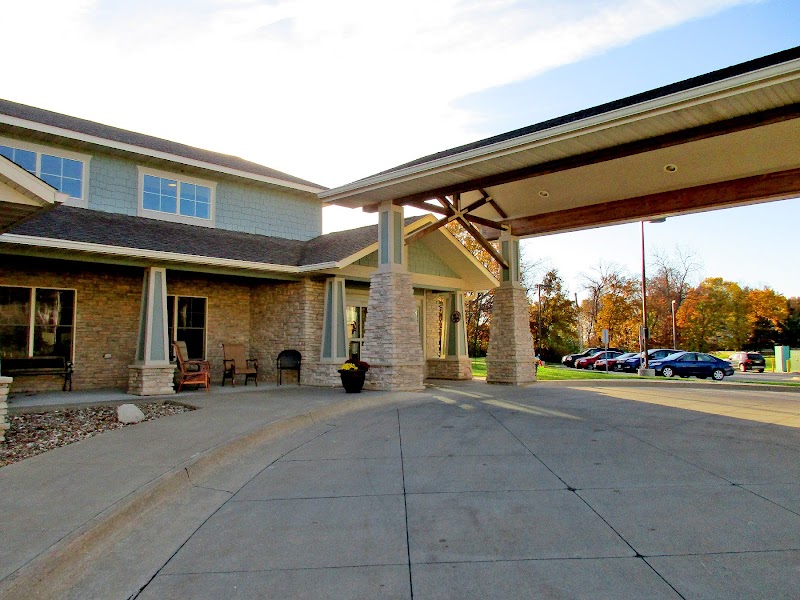
How is Good Samaritan Society - Ottumwa Staffed?
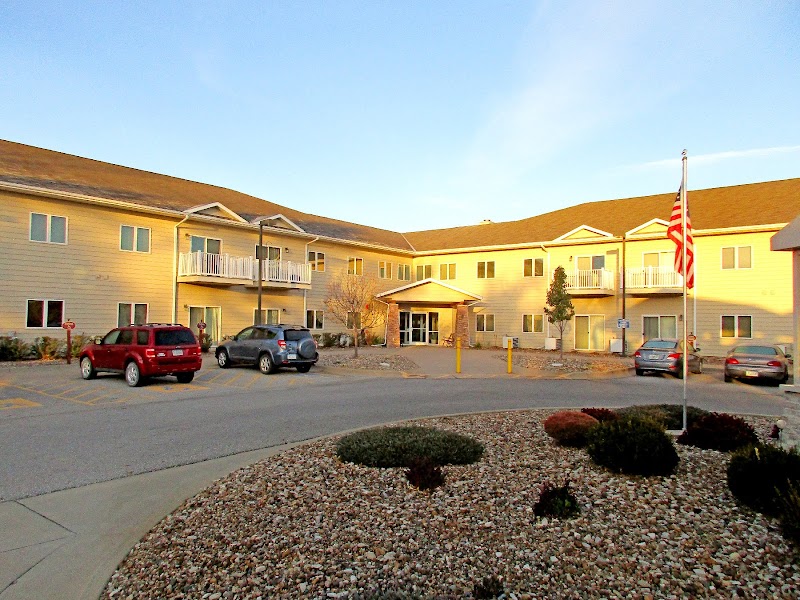
CMS rates Good Samaritan Society - Ottumwa's staffing level at 4 out of 5 stars, which is above average compared to other nursing homes. Staff turnover is 39%, compared to the Iowa average of 46%. This relatively stable workforce can support continuity of care.

What Have Inspectors Found at Good Samaritan Society - Ottumwa?

State health inspectors documented 44 deficiencies at Good Samaritan Society - Ottumwa during 2022 to 2025. These included: 5 that caused actual resident harm and 39 with potential for harm. Deficiencies causing actual harm indicate documented cases where residents experienced negative health consequences.

Who Owns and Operates Good Samaritan Society - Ottumwa?

Good Samaritan Society - Ottumwa is owned by a non-profit organization. Non-profit facilities reinvest revenue into operations rather than distributing to shareholders. The facility is operated by GOOD SAMARITAN SOCIETY, a chain that manages multiple nursing homes. With 134 certified beds and approximately 106 residents (about 79% occupancy), it is a mid-sized facility located in Ottumwa, Iowa.

How Does Good Samaritan Society - Ottumwa Compare to Other Iowa Nursing Homes?

Compared to the 100 nursing homes in Iowa, Good Samaritan Society - Ottumwa's overall rating (2 stars) is below the state average of 3.0, staff turnover (39%) is near the state average of 46%, and health inspection rating (2 stars) is below the national benchmark.

What Should Families Ask When Visiting Good Samaritan Society - Ottumwa?

Based on this facility's data, families visiting should ask: "Can I visit during a mealtime to observe dining assistance and food quality?" "How do you handle medical emergencies, and what is your hospital transfer rate?" "Can I speak with family members of current residents about their experience?"

Is Good Samaritan Society - Ottumwa Safe?

Based on CMS inspection data, Good Samaritan Society - Ottumwa has a clean safety record: no substantiated abuse findings (meaning no confirmed cases of resident harm), no Immediate Jeopardy citations (the most serious violation level indicating risk of serious injury or death), and is not on the Special Focus Facility watch list (a federal program monitoring the lowest-performing 1% of nursing homes). The facility has a 2-star overall rating and ranks #100 of 100 nursing homes in Iowa. While no facility is perfect, families should still ask about staff-to-resident ratios and recent inspection results during their visit.

Do Nurses at Good Samaritan Society - Ottumwa Stick Around?

Good Samaritan Society - Ottumwa has a staff turnover rate of 39%, which is about average for Iowa nursing homes (state average: 46%). Moderate turnover is common in nursing homes, but families should still ask about staff tenure and how the facility maintains care continuity when employees leave.

Was Good Samaritan Society - Ottumwa Ever Fined?

Good Samaritan Society - Ottumwa has been fined $91,569 across 2 penalty actions. This is above the Iowa average of $33,995. Fines in this range indicate compliance issues significant enough for CMS to impose meaningful financial consequences. Common causes include delayed correction of deficiencies, repeat violations, or care failures affecting resident safety. Families should ask facility leadership what changes have been made since these penalties.

Is Good Samaritan Society - Ottumwa on Any Federal Watch List?

Good Samaritan Society - Ottumwa is not on any federal watch list. The most significant is the Special Focus Facility (SFF) program, which identifies the bottom 1% of nursing homes nationally based on persistent, serious quality problems. Not being on this list means the facility has avoided the pattern of deficiencies that triggers enhanced federal oversight. This is a positive indicator, though families should still review the facility's inspection history directly.