Panora Specialty Care
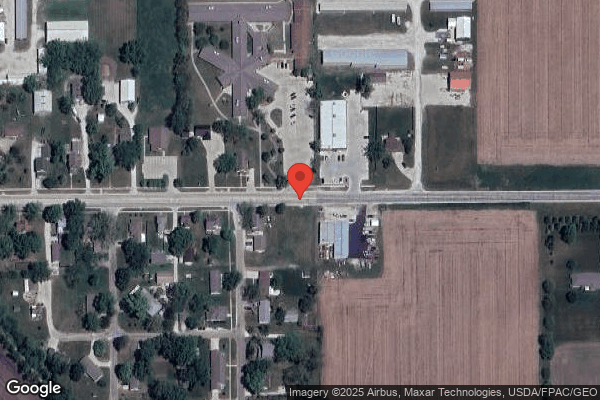
805 EAST MAIN, PANORA, IA 50216 (641) 755-2700
Non profit - Corporation 46 Beds CARE INITIATIVES Data: November 2025
Trust Grade
80/100
#138 of 392 in IA
Last Inspection: January 2025

Within standard 12-15 month inspection cycle. Federal law requires annual inspections.

Overview

Panora Specialty Care has a Trust Grade of B+, indicating it is above average and recommended for families considering care options. It ranks #138 out of 392 facilities in Iowa, placing it in the top half statewide, and is the best option out of the two in Guthrie County. However, the facility is experiencing a worsening trend, with issues increasing from 4 in 2024 to 5 in 2025. Staffing is rated as average, with a turnover rate of 38%, which is lower than the state average, but there have been concerns about weekend staffing levels being insufficient. Notably, there were incidents where proper infection control practices were not followed, such as failure to change gloves and ensure cleanliness, which could raise concerns about resident safety. Overall, while there are strengths in staffing stability and a good overall rating, families should be aware of the recent deficiencies in care practices.
Trust Score
B+
80/100
In Iowa
#138/392
Top 35%
Safety Record
Low Risk
No red flags
Inspections
Getting Worse
4 → 5 violations
Staff Stability
○ Average
38% turnover. Near Iowa's 48% average. Typical for the industry.
Penalties
✓ Good
No fines on record. Clean compliance history, better than most Iowa facilities.
Skilled Nurses
✓ Good
Each resident gets 44 minutes of Registered Nurse (RN) attention daily — more than average for Iowa. RNs are trained to catch health problems early.
Violations
○ Average
10 deficiencies on record. Average for a facility this size. Mostly minor or procedural issues.
★★★★☆
4.0
Overall Rating
★★★☆☆
3.0
Staff Levels
★★★★★
5.0
Care Quality
★★★☆☆
3.0
Inspection Score
Stable
2024: 4 issues
2025: 5 issues

The Good

  • 5-Star Quality Measures · Strong clinical quality outcomes
  • Full Sprinkler Coverage · Fire safety systems throughout facility
  • No fines on record
  • Staff turnover below average (38%)

    10 points below Iowa average of 48%

Facility shows strength in quality measures, fire safety.

The Bad

Staff Turnover: 38%

Near Iowa avg (46%)

Typical for the industry

Chain: CARE INITIATIVES

Part of a multi-facility chain

Ask about local staffing decisions and management

The Ugly 10 deficiencies on record

May 2025 2 deficiencies
CONCERN (D) 📢 Someone Reported This

A family member, employee, or ombudsman was alarmed enough to file a formal complaint

Potential for Harm - no one hurt, but risky conditions existed

Deficiency F0657 (Tag F0657)

Could have caused harm · This affected 1 resident

**NOTE- TERMS IN BRACKETS HAVE BEEN EDITED TO PROTECT CONFIDENTIALITY** Based on clinical record reviews, staff interviews, and policy review the facility failed to review and revise the Care Plan for...

Read full inspector narrative →
**NOTE- TERMS IN BRACKETS HAVE BEEN EDITED TO PROTECT CONFIDENTIALITY** Based on clinical record reviews, staff interviews, and policy review the facility failed to review and revise the Care Plan for 3 of 4 residents reviewed (Resident #1, Resident #3, Resident #4). The facility failed to revise the Care Plan to include recommendations from the PASRR Level II (Resident #1, Resident #3, Resident #4). The facility reported a census of 35 residents. Findings include: 1. According to the Minimum Data Set (MDS) assessment dated [DATE] Resident #1 had an unscorable Brief Interview for Mental Status (BIMS) assessment indicating severe cognitive impairment. The document revealed diagnoses of diabetes mellitus, anxiety, depression, schizophrenia, Post Traumatic Stress Disorder (PTSD), drug induced akathasia, and insomnia. The document disclosed the resident took antianxiety and antidepressant medications. The facility provided document, Preadmission Screening and Resident Resident Review (PASRR) Level II Outcome dated 3/9/25 identified Resident #1 had a time limited approval beginning on 3/9/25 and ending on 9/5/25. The document identified the resident had a diagnosis of a mental health condition that the PASRR program was designed to assess. The document revealed Resident #1 needed to be provided the following specialized services: A. Ongoing psychiatric medication management by a psychiatrist or psychiatric Advanced Registered Nurse Practitioner (ARNP) to monitor mental health symptoms and manage psychiatric medications. B. Individual therapy by a licensed behavioral health profession. C. Rehabilitative services and/or supports: including evaluation for a diagnosis of neurocognitive disorder/dementia, or other organic mental disorder, community living skills, facilitation of family involvement in the resident's Care Plan, obtaining archived psychiatric/behavioral health treatment records, and supportive counseling from the nursing facility staff. D. Community placement supports including home health aide services, home health nurse services, access to community resources, shopping, meal preparation, and behavioral health supports. The document further revealed ServiceMatters reviews dated 2/6/25 and 3/8/25 had been completed and found the December 2024 PASRR report identifying PASRR services and support services had not been included in the resident's Care Plan. Resident #1's Care Plan dated 4/25/25 revealed a PASRR focus area initiated on 11/7/24. The interventions identified following PASRR recommendations and contact any agencies recommended. The Care Plan failed to identify the resident's specific recommendations made from the PASRR Level II dated 3/9/25. 2. According to the MDS dated [DATE] Resident #3 had a BIMS score of 15/15 indicating normal cognitive function. The document revealed diagnoses of anxiety, depression, and schizoaffective disorder. The document disclosed the resident took antipsychotic, antianxiety, and antidepressant medications. The facility provided document, PASRR Level II Outcome dated 1/15/25 identified Resident #3 had a time limited approval beginning on 1/15/25 and ending on 7/14/25. The document identified the resident had a diagnosis of a mental health condition that the PASRR program was designed to assess. The document revealed Resident #3 needed to be provided the following specialized services: A. Ongoing psychiatric medication management by a psychiatrist or psychiatric Advanced Registered Nurse Practitioner (ARNP) due to long-standing history of schizoaffective disorder, major depression, anxiety and alcohol abuse in remission, and prescribed multiple medications to treat mental health symptoms. B. Rehabilitative services and/or supports including designation of [NAME] of Attorney for Healthcare and Financial matters, services to pursue community living, referral to Integrated Health Home (IHH), self-health care management training, referral for eligibility determination for Medicaid coverage including Home and Community Based (HCBS) waivers, and facilitation of family involvement in the Care Plan process. C. Community placement supports including home health aide services, home health nurse services, referral to HCBS waivers, access to community resources (transportation), shopping, meal preparation, and behavioral health supports. Resident #3's Care Plan dated 4/14/25 revealed a PASRR focus area identifying need for specialized services due to mental illness with a revision of 2/1/24. The goal area for the intervention was last revised on 4/14/25 with a target date of 7/31/25. The interventions included psychiatric medication management initiated 8/27/24 with a duration of 12 months and staff members to make appointments with a revision date of 8/15/23. The document further revealed rehabilitative services to be implemented to address rehabilitation with an initiation date of 8/27/24. The goal area was revised on 4/14/25 with a target date of 7/31/25. The interventions included the resident's goal of discharge to the community with a tentative discharge date of 1/19/25, and discharge planning with the resident with a tentative discharge date of 1/19/25 with implementation dates of 8/27/24. The Care Plan contained 3 additional focus areas related to rehabilitation with initiation dates for 8/27/24 with specific goal areas of referral for HCBS waivers, IHH/referrals to Managed Care Organizations, and designation of [NAME] of Attorney for Health and Financial matters. With each of the 3 focus areas the interventions/tasks were not completed to identify Resident #3's specific needs. The Care Plan failed to identify the resident's specific recommendations made from the PASRR Level II dated 4/14/25 and identify specific complete interventions for each of the focus areas. 3. According to the MDS dated [DATE] Resident #4 had a BIMS score of 15/15 indicating normal cognitive function. The document revealed diagnoses of anxiety disorder, depression, schizophrenia, and PTSD. The document disclosed the resident took antipsychotic, antianxiety, antidepressant, anticoagulant, antibiotic, opioid, hypoglycemic, and anticonvulsant medications. The facility provided document, PASRR Level II Outcome dated 3/7/25 identified Resident #4 had a time limited approval beginning on 3/7/25 and ending on 8/4/25. The document identified the resident had a diagnosis of a mental health condition that the PASRR program was designed to assess. The document revealed Resident #4 needed to be provided the following specialized services: A. Ongoing psychiatric medication management by a psychiatrist or psychiatric Advanced Registered Nurse Practitioner (ARNP) due to a longstanding history of major mental illness, past and recent symptoms that can impact daily functioning, and prescribed multiple medications to treat mental health symptoms. B. Individual therapy. C. Rehabilitative services and/or supports including services pursue community living, referral for eligibility for HCBS waivers, and work with the case manager through the MCO to assist with discharge planning. D. Community placement supports including environmental management, home health aide services, home health nurse services, referral to HCBS waivers, access to community resources (transportation), shopping, meal preparation, and behavioral health supports. Resident #4's Care Plan dated 4/11/25 revealed a PASRR focus area initiated on 1/8/25. The interventions identified following PASRR recommendations and contact any agencies recommended with an initiation date of 1/8/25. The Care Plan failed to identify the resident's specific recommendations made from the PASRR Level II dated 3/7/25. On 5/14/25 at 2:53 PM Staff F, Licensed Practical Nurse (LPN) MDS/Care Plan Coordinator, stated if the PASRR Level II had recommendations for a resident they should be reflected on the Care Plan. The staff acknowledged Resident #1's was not complete as she was needing to do research for it to be completed. On 5/14/25 at 3:00 PM Staff G, Registered Nurse (RN), Sr. Director of Nursing (DON) stated she did not know a lot about implementing the recommendations from the PASRR Level II into the Care Plan, and she relied on Staff F. The DON did further state that she thought there had been recent training that specifics regarding the Level II recommendations were not required on the Care Plan, but could not immediately find that training. On 5/14/25 at 10:36 AM Staff H, Interim Administrator, expected that the Care Plan would have the information and the recommendations from the PASRR Level II, and the interventions be centered to a specific resident. The Administrator stated the Care Plan should not have a general statement to follow PASRR recommendations. The facility's Care Plans - Comprehensive Person-Centered Policy, revised 12/16, revealed Care Plans include measurable objectives and timetables to meet the resident's physical, psychosocial, and functional needs. The document further revealed the Care Plan should describe the services needed for the resident to attain the highest level of practicable physical, mental and psychosocial well-being. The document revealed care plans were to be revised as information about the residents and residents' conditions changed. The facility's Behavioral Assessment, Intervention and Monitoring Policy, revised 3/19, revealed the Level II evaluation report will be used when conducting the resident assessment and developing the care plan. The document indicated current Level II residents will be referred for an additional PASARR Level II evaluation upon a significant change in status assessment. It disclosed the Care Plan will incorporate findings from the comprehensive assessment and PASARR Level II determinations (as appropriate), and be consistent with current standards of practice.
CONCERN (D) 📢 Someone Reported This

A family member, employee, or ombudsman was alarmed enough to file a formal complaint

Potential for Harm - no one hurt, but risky conditions existed

Deficiency F0757 (Tag F0757)

Could have caused harm · This affected 1 resident

**NOTE- TERMS IN BRACKETS HAVE BEEN EDITED TO PROTECT CONFIDENTIALITY** Based on clinical record reviews, staff interviews, and policy review the facility failed to identify and document target behavi...

Read full inspector narrative →
**NOTE- TERMS IN BRACKETS HAVE BEEN EDITED TO PROTECT CONFIDENTIALITY** Based on clinical record reviews, staff interviews, and policy review the facility failed to identify and document target behaviors and/or side effects of medications prescribed to promote or maintain a resident's highest practical mental and psychosocial well-being for 4 of 4 residents reviewed (Resident #1, Resident #2, Resident #3, Resident #4). The facility failed to identify the target behaviors and/or the side effects of medications on either the Electronic Medical Administration Record (EMAR) or the Care Plan. The facility reported a census of 35 residents. 1. According to the Minimum Data Set (MDS) assessment dated [DATE] Resident #1 had an unscorable Brief Interview for Mental Status (BIMS) assessment indicating severe cognitive impairment. The document revealed diagnoses of diabetes mellitus, anxiety, depression, schizophrenia, Post Traumatic Stress Disorder (PTSD), drug induced akathasia, and insomnia. The document disclosed the resident took antianxiety and antidepressant medications. Resident #1's Care Plan dated 4/25/25 failed to identify target behaviors associated with taking an antianxiety medication. Resident #1's EMAR for 5/25 failed to identify target behaviors for the antianxiety medication, and side effects for the antidepressant medication. 2. According to the MDS assessment dated [DATE] Resident #2 had a BIMS score indicating severe cognitive impairment and required staff input for completion. The staff identified the resident had moderately impaired cognitive functioning for daily decision making. The document revealed diagnoses of anxiety disorder, depression, bipolar disorder, and obsessive compulsive disorder (OCD). The document disclosed the resident took antipsychotic, antianxiety, antidepressant, diuretic, and anticonvulsant medications. Resident #2's Care Plan dated 11/14/24 failed to identify target behaviors associated with the antidepressant and antipsychotic medications. Resident #2's EMAR for 5/25 failed to identify the side effects for the antidepressant and antianxiety medications. 3. According to the MDS dated [DATE] Resident #3 had a BIMS score of 15/15 indicating normal cognitive function. The document revealed diagnoses of anxiety, depression, and schizoaffective disorder. The document disclosed the resident took antipsychotic, antianxiety, and antidepressant medications. Resident #3's Care Plan dated 4/14/25 failed to identify target behaviors for the antianxiety, antipsychotic, and antidepressant medications. Resident #3's EMAR for 5/25 failed to identify side effects for the antidepressant and antianxiety medications. 4. According to the MDS dated [DATE] Resident #4 had a BIMS score of 15/15 indicating normal cognitive function. The document revealed diagnoses of anxiety disorder, depression, schizophrenia, and PTSD. The document disclosed the resident took antipsychotic, antianxiety, antidepressant, anticoagulant, antibiotic, opioid, hypoglycemic, and anticonvulsant medications. Resident #4's Care Plan dated 4/11/25 failed to identify target behaviors for the antianxiety and antipsychotic medications. Resident #4's EMAR for 5/25 failed to identify the target behaviors and side effects for antianxiety, antidepressant, and antipsychotic medications. On 5/13/25 at 1:40 PM Staff A, Certified Medication Aide (CMA), stated documentation for behaviors would be completed on the EMAR if they were observed or if reported by a Certified Nursing Assistant (CNA). On 5/13/25 at 1:52 PM, Staff B, CNA/CMA, stated when behaviors were observed she would document them and notify the nurse. On 5/14/25 at 1:50 PM Staff C, CNA, stated they were unaware of where to locate a resident's individualized target behaviors or medication side effects. The staff stated they learned new things about residents by word of mouth or possibly the dashboard of the electronic medical record. On 5/14/25 at 2:00 PM Staff D, CNA, stated she wasn't a nurse therefore didn't know about target behaviors or medication side effects for residents. The staff stated if a resident appeared off notification would be made to the nurse. Staff D stated the Care Plan might contain information about medications. On 5/14/25 at 2:10 PM Staff E, CNA, stated she would recognize medication size effects by a resident not acting right, but could not identify where that information about a resident acting right would be available. The staff stated target behaviors for a specific resident would be known by knowing how the resident behaves. On 5/15/25 at 2:53 PM Staff F, Licensed Practical Nurse (LPN) MDS/Care Plan Coordinator, stated CNAs should be aware of any behaviors a resident is having and report them to the nurse. Staff F stated behaviors were being added to the Care Plans, but not specifically relating a behavior to a medication. The staff further stated the nurse should know if a medication was effective and be aware of the side effects of the medication. On 5/15/25 at 3:00 PM Staff G, Registered Nurse (RN), Sr. Director of Nursing (DON), stated target behaviors and side effects should be the same on the EMAR and the Care Plan. The DON acknowledged that not all the Care Plans may reflect the target behaviors for a medication as it was a work in progress. The staff stated when a resident was admitted to the facility a general order was placed on the EMAR for documentation of side effects and general behaviors, but then the EMAR and Care Plan should be updated to specify side effects and target behaviors for each appropriate medication. The DON acknowledged Resident #4's EMAR contained the general order from admittance and was not updated to reflect individualized side effects and behaviors for medications. On 5/15/25 at 3:40 PM, Staff H, Interim Administrator, expected the EMAR and Care Plan have the resident's target behaviors and side effects related to each identified antidepressant/ antipsychotic/ antianxiety medication, and the documentation would be completed on the EMAR. The facility's Behavioral Assessment, Intervention and Monitoring Policy, revised 3/19, revealed the facility identify and document onset, intensity and frequency of behaviors, It disclosed the facility will comply with regulatory requirements related to the use of medications to manage behavioral changes. The document indicated the Care Plan at a minimum would include a description of the behavioral symptoms (frequency, intensity, duration, outcomes, location, environment and precipitating factors), individualized interventions, rationale for interventions, measurable goals, and how to monitor for effectiveness of the interventions. The policy reported documentation for medications prescribed for behavioral symptoms include rationale, underlying causes of behavior, other interventions tried prior to use of antipsychotic medications, risks and benefits discussed with resident/family, dosage, duration, monitoring for efficacy and adverse effects, and gradual dose reductions.
Jan 2025 3 deficiencies
CONCERN (D) 📢 Someone Reported This

A family member, employee, or ombudsman was alarmed enough to file a formal complaint

Potential for Harm - no one hurt, but risky conditions existed

Accident Prevention (Tag F0689)

Could have caused harm · This affected 1 resident

**NOTE- TERMS IN BRACKETS HAVE BEEN EDITED TO PROTECT CONFIDENTIALITY** Based on clinical record review, observation, staff interview and policy review the facility failed to ensure staff transferred ...

Read full inspector narrative →
**NOTE- TERMS IN BRACKETS HAVE BEEN EDITED TO PROTECT CONFIDENTIALITY** Based on clinical record review, observation, staff interview and policy review the facility failed to ensure staff transferred a resident safely and utilized a gait belt for one of three residents reviewed for transfers (Resident #39). The facility reported a census of 40 residents. Findings include: The admission Minimum Data Set (MDS) assessment dated [DATE] revealed Resident #39 had diagnoses of Parkinson's Disease, diabetes, and dementia. The MDS revealed the resident had a Brief Interview for Mental Status score of 10 which indicated moderately impaired cognition. The resident required partial to moderate assistance for transfers, The Care Plan initiated 12/26/24 revealed the resident had poor safety awareness related to cognition and had a risk for falls. The resident required assistance with activities of daily living (ADL's). The Care Plan directed staff to provide assistance of one for bed mobility and transfers. The Progress Notes revealed the following: a. On 1/8/25 at 4:00 AM revealed the resident found on the floor by CNA (certified nursing assistant). Resident was incontinent of stool and had an abrasion to the forehead and his knees. Resident running a 100.6 fever. Currently on antibiotic for pneumonia. Resident stated he did not know why he fell. b. On 1/13/25 at 5:42 PM, the resident is on skilled level of care following hospitalization for falls. Resident alert and oriented x 3 (person, place, time) with moments of confusion and forgetfulness. He is able to make needs known but had some difficulty communicating due to memory issues. Resident has poor safety awareness, and has had a recent and past history of falls. Resident needed reminders to not ambulate without assistance. During observations on 1/12/25 at 10:54 AM, Staff A, CNA moved Resident #39's feet over the edge of the bed, held the resident's hand, and pulled on the resident's right arm. The resident hollered out. Staff A asked the resident if it would be better for him to get up from the other side of the bed. The resident said it would probably be better. Staff A placed the wheelchair on the left side of bed. Staff A pulled the resident's right arm and pulled the resident up to a sitting position on the edge of the bed. Staff A then placed a front wheeled walker in front of the resident and assisted the resident to stand. Staff A pulled the resident's pants up. Staff A transferred the resident into the wheelchair then wheeled the resident backward in the wheelchair without foot pedals to the opposite side of the room. The resident had a pair of white socks on his feet (no gripper socks or shoes on) when Staff A transferred him from the bed to the wheelchair. Staff A left the room. The call light was left out of the resident's reach. During an interview on 1/15/25 at 9:45 AM, the Director of Nursing (DON) reported she expected a gait belt used for transfers for safety reasons. A gait belt used and encouraged even if it wasn't on the resident's care plan. The DON reported the call light should be placed within the resident's reach. The facility's Assisting a Resident policy revised 2/2018 revealed the following steps: 1. Assemble equipment and supplies as needed, including a gait belt. 2. Position the bed so that the resident can get out of bed easily. 3. Assist the resident to sit up on the edge of the bed as necessary. 4. Assist the resident in putting on slippers/shoes, 5. Place the gait belt around the resident for safety 6. Assist the resident to a standing position. 7. Assist the resident into the chair or bed. 8. Place the call light within easy reach of the resident. 9. Wash and dry hands.
CONCERN (E) 📢 Someone Reported This

A family member, employee, or ombudsman was alarmed enough to file a formal complaint

Potential for Harm - no one hurt, but risky conditions existed

Deficiency F0725 (Tag F0725)

Could have caused harm · This affected multiple residents

2. Review of the Payroll Based Journal (PBJ) report revealed the facility triggered for excessively low weekend staffing and a one star staffing rating for the fiscal year quarter 4 for 2024, July 1 t...

Read full inspector narrative →
2. Review of the Payroll Based Journal (PBJ) report revealed the facility triggered for excessively low weekend staffing and a one star staffing rating for the fiscal year quarter 4 for 2024, July 1 to September 30. During an interview 1/15/25 at 9:00 AM, the Administrator and DON advised their census averages between 37 and 41 residents. For this census, to be adequately staffed, they need 2 nursing staff on the 6 am to 6 pm shift, or 1 nurse and 1 Certified Medication Aide (CMA) and they need 3-4 CNA's. For the 2 pm to 10 pm shift they need 3 CNA's and from the 10 pm to 6 am shift they need 2 CNA's. They have 1 nurse from the 6 pm to 6 am shift. Review of the staffing schedule and daily posting for nursing staff for the time period of July 1 to September 30, 2024 revealed the facility only had two CNA's on the 2 pm to 10 pm shift for Saturday the 13th of July. On Sunday, the 4th of August, the facility only had two CNA's from 2 pm to 6 pm. On Sunday, the 18th of August, the facility only had two CNA's from 2 pm to 5:48 pm. On Saturday, the 24th of August, the facility only had two CNA's on the 2 pm to 10 pm shift. On Sunday, the 1st of September, the facility had 2 CNA's on the 2 pm to 10 pm shift. On Sunday, the 15th of September, the facility only had two CNA's on the 2 pm to 10 pm shift. On Sunday, the 29th of September, the facility only had two CNA's on the 2 pm to 10 pm shift. During an interview 1/15/25 at 12:42 PM, the DON acknowledged the low weekend staffing for CNA coverage for the weekends showing low staffing on their schedule and daily posting. On Sunday, the 1st of September, the DON stated she came in to the facility to help cover from 4 pm to 8:30 pm due to low staffing, this was not reported to PBJ. Review of the Facility Assessment report, dated 6/13/24, documented under the staffing plan nursing services and staffing are evaluated at the beginning of each shift and adjusted as needed to meet the care needs and acuity of the resident population. Based on observation, resident and staff interviews, staff schedules, and facility assessment review, the facility staff failed to ensure sufficient nursing staff present during scheduled shifts and to ensure call lights were consistently answered within a reasonable amount of time, within 15 minutes, for 5 of 5 nursing halls. The facility reported a census of 40 residents. Findings include: 1. During a continuous observation on 1/14/25 starting at 8:50 AM and ending at 9:40 AM on the 100 and 300 nursing halls, a total of 6 call lights were observed. Breakfast was served in the dining room during this time. Call lights were primarily addressed by one Certified Nursing Assistant (CNA). Two CNA were helping residents during the meal. One was a CNA from the 400 hallway and the other was the Restorative Aide. By the end of the observation period, 1 call light remained unanswered which had been on since 9:20 AM. During confidential resident interviews starting on 1/12/25 at 11:00 AM, 6 of 11 interviewable residents reported prolonged responses to call lights and receiving the requested cares. Several residents stated there have been times when call light responses may be anywhere from 30-60 minutes throughout the day. Two residents reported wait times were so long that their buttock went to sleep or legs go numb due to sitting on the toilet too long. During a confidential interview on 1/14/25 at 12:15 PM, a resident acknowledged that they had pushed the call light earlier in the morning (at approximately 9:20 AM) with no response in 15 minutes. Upon further questioning, the resident indicated the call light was eventually cleared by 10:30 AM. However the resident indicated the wait time was too long and they had urinated in their incontinence brief prior to staff assistance. During an interview on 1/14/25 at 8:15 AM with Staff B, CNA, she reported 1 CNA is assigned to both the 100 and 300 halls, 1 CNA to both the 500 and 600 halls, and 1 CNA to the 400 hall. The CNA on the 400 hall is to assist on the 100 and 300 halls when needed. During an interview on 1/15/25 at 12:00 PM with the Director of Nursing (DON), the facility goal time is to respond to call lights in 15 minutes. The DON acknowledged that certain times of the day, such as meal times, are more challenging than others to ensure call lights are answered in a timely manner. The policy Answering the Call Light, version 1.2 (H5MAPR0016), states the purpose of the policy is to ensure timely responses to residents' requests and needs.
CONCERN (E) 📢 Someone Reported This

A family member, employee, or ombudsman was alarmed enough to file a formal complaint

Potential for Harm - no one hurt, but risky conditions existed

Infection Control (Tag F0880)

Could have caused harm · This affected multiple residents

**NOTE- TERMS IN BRACKETS HAVE BEEN EDITED TO PROTECT CONFIDENTIALITY** Based on record review, observations, staff interview, and policy review, the facility failed to provide peri-care in a manner t...

Read full inspector narrative →
**NOTE- TERMS IN BRACKETS HAVE BEEN EDITED TO PROTECT CONFIDENTIALITY** Based on record review, observations, staff interview, and policy review, the facility failed to provide peri-care in a manner to prevent cross-contamination and infection for one of three residents observed for peri-care. The facility also failed to ensure staff changed gloves and sanitized hands in accordance with proper infection control techniques when contaminated to protect against cross contamination and potential infection for four of twelve residents observed in the sample. The staff failed to utilize a barrier when emptied one of two catheters observed for catheter care, and failed to remove personal protective equipment prior to exit from an enhanced barrier precautions room for one of five halls observed. The facility reported a census of 40 residents. Findings include: 1. The Minimum Data Set (MDS) assessment dated [DATE] revealed Resident #2 had diagnoses of a pressure ulcer and osteomyelitis (a bone infection and inflammation) to the sacrum and coccyx, neurogenic bladder, and multidrug resistant organism (MDRO). The MDS revealed the resident had an indwelling catheter and ostomy. The MDS revealed the resident took an antibiotic. The Care Plan initiated 11/25/24 revealed the resident had pressure ulcers on his sacrum and coccyx and a MDRO. The resident had a suprapubic catheter and took an antibiotic related to a bacterial infection. The Care Plan directed staff to provide catheter care each shift and used Enhanced Barrier Precautions (EBP). During observations on 1/12/25 at 11:19 AM, Staff A, Certified Nursing Assistant (CNA) entered Resident #2's room, then left the room and donned a yellow gown, N95 mask and gloves. Staff A returned to the room and reported she was going to empty the resident's catheter. Staff A obtained a graduate container from the bathroom, unclamped the catheter, then drained the urine contents into graduate container, and clamped the catheter port. Staff A held the graduate full of urine with her gloved hands and took it to the bathroom. Staff A lifted the glasses on her face with her right gloved hand to check the amount of urine in the graduate, then placed her glasses back down over her eyes. Staff A emptied the graduate into the toilet, turned the faucet on, filled the graduate with water to rinse the container, then emptied the graduate into the toilet. Staff A placed the graduate on the back of the toilet. At 11:23 AM, Staff A continued to wear the same gloves, opened the top drawer and obtained an alcohol swab, then cleansed the end of the catheter port with the alcohol swab. Staff A placed the catheter port into the holder, removed one glove, then opened the door to the room and walked down the hall wearing a yellow gown and N95 mask. At 11:24 AM, Staff A removed the yellow gown and placed the gown in a lidded cart in the hallway, then removed the N95 mask, and threw the mask in a lidded cart in the hallway. Staff A proceeded to walk down the hall and did not sanitize her hands. During an interview 1/15/25 at 9:45 AM, the Director of Nursing (DON) reported she expected staff to use a barrier whenever a catheter is emptied. She also expected staff to change gloves and sanitize hands whenever they completed a dirty task and before they moved to a clean area. She expected staff remove the gown and mask before they left the resident's room whenever a resident on EBP's. An Enhanced Barrier Precautions policy dated 3/28/24 revealed EBP's designed to reduce transmission of multidrug-resistant organisms that employs targeted gown and gloves use during high contact resident care activities. Personal protective equipment (PPE) removed prior to exiting the room or before provided care for another resident. An Emptying a Urinary Drainage Bag policy revised 10/2010 revealed the following procedural steps: 1. Assemble the equipment and supplies as needed, including PPE such as gowns, gloves, and mask. 2. Place the clean equipment on the bedside stand or overbed table. Arrange the supplies so they can be easily reached. 3. Wash and dry hands. 4. [NAME] gloves 5. Place a paper towel on the floor beneath the drainage bag and position the measuring container under the drainage bag. 6. Remove the drain tube from the holder. 7. Open the drainage bag and drain urine into the measuring container. 8. Close the drain. 9. Wipe the drain with an alcohol sponge or swab. 10. Replace the drain tube back into the catheter bag holder. 11. Measure and record the urinary output, if indicated. 12. Pour urine down the commode. 13. Rinse out the measuring container and return to its designated storage area. 14. Discard all disposable items into designated containers. 15. Remove gloves and discard in designated container. 16. Wash hands. A Handwashing/Hand Hygiene policy revised 8/2019 revealed hand hygiene is the primary means to prevent the spread of infections. Hands washed with soap and water or an alcohol-based hand rub used before and after direct contact with residents, before and after handling a catheter, before moving from a contaminated body site to a clean body site during resident care, before and after isolation precautions, and after gloves removed. Hand hygiene is the final step after PPE removed and disposed. Glove use does not replace hand washing/hand hygiene. 2. The admission MDS assessment dated [DATE] revealed Resident #39 had diagnoses of Parkinson's Disease, diabetes, and dementia. The MDS revealed the resident had a Brief Interview for Mental Status score of 10 which indicated moderately impaired cognition. The resident had incontinence and required partial to moderate assistance for toileting. The Care Plan initiated 12/26/24 revealed the resident required assistance with activities of daily living (ADL's) and had urinary incontinence. The Care Plan directed staff to provide assistance of one for bed mobility, toileting and provide perineal cleansing as needed. During observations on 1/12/25 at 10:47 AM, Staff A, CNA, donned gloves, removed tabs on the resident's brief, then took disposable wipes and cleansed the resident buttocks from front to back. Staff A then applied barrier ointment to the buttock area. Staff A assisted the resident to roll onto his back then removed the brief over the front (groin). Staff A took disposable wipes and cleansed the resident's penis and scrotum, then applied barrier ointment to the area. Staff A rolled the resident onto his right side, rolled the soiled brief up under him, then applied a clean brief. Staff A did not change her gloves or sanitize her hands when she provided pericare. At 10:50 AM, Staff A applied gloves, rolled the resident onto his left side, tucked a clean pad under his bottom, then rolled the resident onto his right side, and removed the soiled pad. Staff A continued to wear the same gloves and proceeded to open and close dresser drawers, then opened the closet door and obtained a pair of pants. Staff A donned the clean pants on the resident then removed her gloves. At 10:54 AM, after Staff A completed cares with the resident, she left the room but did not wash her hands. During an interview on 1/15/25 at 9:45 AM, the DON reported she expected staff changed their gloves and sanitize their hands whenever they completed a dirty task and before they moved to a clean area. 3. The MDS assessment dated [DATE] revealed Resident #40 had diagnoses of anemia, diabetes, and hemiplegia (paralysis on one side of the body). The MDS documented the resident had a catheter. The Care Plan initiated 1/1/25 revealed the resident had a catheter. The Care Plan directed staff to use EBP's and provide catheter care each shift. During observation on 1/12/25 at 11:10 AM, observed Resident #40 lying in bed and had a catheter bag hung on the bedframe. The catheter bag had amber colored urine in it. At 2:05 PM, a CNA exited the resident's room wearing a yellow gown. The CNA walked down the hall to the soiled linen cart, removed the gown, and placed the gown in the lidded cart. During an interview 1/15/25 at 9:45 AM, the DON reported she expected the yellow gown be removed before staff left the resident's room whenever a resident is on EBP's. 4. During a continuous meal time observation on 1/14/25 at 9:00 AM and ending at 9:40 AM, Staff A provided feeding assistance to a total of 3 residents. While assisting the first resident to eat, Staff A got up from the table to answer the front door alarm. No hand hygiene was observed when Staff A returned to the table and resumed assisting the resident. When the first resident was done eating, Staff A got up and sat in-between two other residents who needed feeding assistance. No hygiene observed during this transition. While assisting the residents, Staff A got up to obtain a glass of milk and proceeded to pour a small amount in the residents' cereal. Once completed, Staff A resumed feeding assistance, which included not only touching eating utensils but also glasses/mugs with no hygiene observed. During an interview on 1/15/25 at 12:30 PM the DON reported an expectation that staff will perform hand hygiene in-between feeding different residents. A Handwashing/Hand Hygiene revised 8/2019 revealed hand hygiene is the primary means to prevent the spread of infections. An alcohol-based hand rub used before and after direct contact with resident, after contact with objects in the immediate vicinity of the resident, before and after eating or handling food, or before and after assisting a resident with meals.
Apr 2024 3 deficiencies
CONCERN (D) 📢 Someone Reported This

A family member, employee, or ombudsman was alarmed enough to file a formal complaint

Potential for Harm - no one hurt, but risky conditions existed

Infection Control (Tag F0880)

Could have caused harm · This affected 1 resident

Based on observation, staff interviews and policy review, the facility failed to perform appropriate infection prevention and control practices during medication administration, including hand hygiene...

Read full inspector narrative →
Based on observation, staff interviews and policy review, the facility failed to perform appropriate infection prevention and control practices during medication administration, including hand hygiene. The facility reported a census of 36 residents. Findings include: During an observation for medication administration 4/10/24 at 11:01 AM, Staff C, RN, applied gloves, placed a wax barrier down on a resident's bedside table, placed alcohol wipes and then a blood glucose meter with a test strip and needle on the wax barrier in preparation to obtain a blood sugar reading for a resident. Staff C realized she forgot a cotton ball and returned to the medication cart to obtain a cotton ball, then using the same gloves inserted the needle to obtain blood, massaged the resident's finger to bring blood to the surface, and then inserted the test strip into the glucose meter and obtained blood on the test strip. The meter read an error. Staff C then took off her gloves and placed them on table, the gloves were not placed on the wax barrier, they were placed directly on the resident's bedside table surface. Staff C returned to the medication cart to obtain a new needle and test strip, did not sanitize her hands before or after getting into the medication cart and returned to the resident's room, putting the same gloves back on her hands. Staff C used the new needle and a new strip and again received an error on the meter. Staff C removed her gloves, placing them on the bedside table, not on the wax barrier and returned to the medication cart for another needle, she did not sanitize her hands before or after using the medication cart. Staff C then put the same gloves back on, used the needle to obtain more blood from the finger and a new strip and was able to obtain a blood glucose reading. During an interview 4/10/24 at 1:08 PM, Staff C acknowledged she did not change gloves or sanitize hands in between using a new needle and strip to obtain the blood sugar with the blood glucose meter. Staff C stated she should have used new gloves and should not have placed the gloves on the bedside table and re-used them. Staff C further acknowledged she should have sanitized her hands before and after using the medication cart. Staff C acknowledged this as an infection control concern. During an interview 4/11/24 at 9:36 AM, the Director of Nursing (DON), acknowledged concerns for infection control with gloves not being changed and placed directly on the bed side table during medication administration and obtaining a blood glucose reading, as well as an infection control concern with not sanitizing hands before and after touching the medication cart. Review of the facility Handwashing/Hand Hygiene policy, revised August 2019, documents under policy interpretation and implementation, the use of gloves does not replace hand washing/hand hygiene. Integration of glove use along with routine hand hygiene is recognized as the best practice for preventing healthcare-associated infections.
CONCERN (E) 📢 Someone Reported This

A family member, employee, or ombudsman was alarmed enough to file a formal complaint

Potential for Harm - no one hurt, but risky conditions existed

Safe Environment (Tag F0584)

Could have caused harm · This affected multiple residents

**NOTE- TERMS IN BRACKETS HAVE BEEN EDITED TO PROTECT CONFIDENTIALITY** Based on observation, clinical record review, resident interviews, staff interviews and policy review, the facility failed to ke...

Read full inspector narrative →
**NOTE- TERMS IN BRACKETS HAVE BEEN EDITED TO PROTECT CONFIDENTIALITY** Based on observation, clinical record review, resident interviews, staff interviews and policy review, the facility failed to keep all areas clean in the facility and in good repair. The facility reported a census of 36 residents. Findings include: Observations during the dates of 4/9/24 and 4/10/24 revealed the following: 1. On 4/9/24 at 9:00 AM, the bathroom in room [ROOM NUMBER] observed to have fecal matter on the rim of the toilet bowl and inside the toilet bowl. What appeared to be fecal matter observed on the wall in the bathroom and on the floor, next to the floor trim. Observed rust around the toilet rim on the floor. The toilet had a bar attached under the toilet seat with handles. The bar covered in rust, leaving rust stains on the rim of the toilet under the bar. 2. On 4/9/24 at 9:27 AM, a section of the lower wall by the shower room in the 100 hallway had wallpaper peeling and the plaster coming off by the floor board. The section of wall loose, and when touched would move several inches inward. 3. On 4/9/24 at 9:35 AM, a section of the ceiling in the dining room covered by a piece of plastic, with water damage and a section of the ceiling missing. 4. On 4/10/24 at 9:30 AM, a resident observed coming out of the shower room with a staff member in the 100 hallway. The door jamb when opened observed to be splintered and broken, the door had splintered wood around the door handle and the frame by the door jamb broken and splintered. 5. On 4/10/24 at 1:30 PM, a section of the ceiling in room [ROOM NUMBER] covered with black plastic and blue tape, the section approximately a foot and a half, by four feet. Observed the room occupied by one resident. 6. On 4/10/24 at 1:35 PM, the privacy curtain located next to a resident's bed in room [ROOM NUMBER] observed to have a yellow stain from formula from tube feeding covering a section of the curtain approximately two inches across and five feet down, the curtain next to the resident's head and the head of the bed. During an interview 4/9/24 at 9:00 AM with Resident #12, with a review of the Minimum Data Set (MDS) completed 1/11/24 showing a Brief Interview for Mental Status (BIMS) score of 14, indicating intact cognition, the resident stated the bathroom in room [ROOM NUMBER] is not cleaned very often and the toilet leaks. During an interview 4/9/24 at 9:10 AM with Resident #13, with a review of the MDS completed 1/12/24 showing a BIMS score of 13, indicating intact cognition, the resident stated the bathroom in room [ROOM NUMBER] is not cleaned very often. During an interview 4/9/24 at 1:25 PM, Staff D, housekeeping, stated the facility used to have two housekeeping staff working during the day, however since their census lowered they normally only have one housekeeping staff work during the day. Today there is only one housekeeping staff working, as far as cleaning. Staff D stated room [ROOM NUMBER] has not been cleaned yet today. Staff D was going to show the supervisor the room before cleaning it as Staff D felt the room and bathroom appeared as though it had not been cleaned in a few days. Staff D stated the bathroom in room [ROOM NUMBER] has feces on the wall and in the toilet and the toilet bar needs replaced. Staff D advised the bar on the toilet is rusted and Staff D asked maintenance about two months ago to replace the bar. The bar has not been replaced yet. During an observation on 4/9/24 at 1:35 PM, with Staff D present, the bathroom in room [ROOM NUMBER] observed to have fecal matter on the toilet rim and in the bowl, and what appeared to be fecal matter on the wall and floor, next to the floor board. Staff D stated the spots on the wall and floor in between the toilet and the sink appear to be fecal matter. Staff D got a spray cleaner and a rag and sprayed the areas, it came off with a rag. Observed a few splattered spots on the wall by the toilet and on the floor, next to the floor board. The toilet bowl and rim had fecal matter. The bar that goes under the toilet seat which is attached to handles for assistance while on the toilet had rust covering the length of it, which also left rust spots on the toilet rim. During an interview 4/10/24 at 2:15 PM, the Administrator stated the ceiling had a leak around February of this year and they have a contractor coming on the 15th of April to fix the ceiling and to fix the wall by the shower room in the 100 hallway. The 100 hallway has damage by the shower room due to the shower leaking into the wall. The Administrator stated she did not know when the wall flooded by the shower room as it was like this when she started at the end of November of 2023. The shower also flooded into the room next door, room [ROOM NUMBER]. room [ROOM NUMBER] is not being used and has not been used for a long time due to water damage. Observation of room [ROOM NUMBER] with the Administrator present showed what appeared to be black mold on the wall connected to the shower room. The room did not have a moldy smell. The Administrator stated the maintenance person sprayed it with Kiltz and the mold has not spread. They were going to fix this in house and then this was taking so long they decided to have the contractor that is fixing the ceiling fix this room, the room will be gutted and new sheet rock put in. Inquired from the Administrator about the shower room door being splintered and she advised she was just told about this yesterday and is not sure how this happened or when this happened. They do have a resident who likes to use this shower room, however they have limited the use of this shower room given the water issue. The Administrator advised they received a grievance in February regarding the cleanliness of the room and bathroom in room [ROOM NUMBER]. They resolved this by having the room added to the daily cleaning list. Inquired from the Administrator how she knows if the bathroom is being cleaned daily, she said it should be marked on the cleaning list. Inquired from the Administrator about the toilet handle and the rust, she acknowledged this was not pretty and was not homelike. The Administrator advised there is a crack in the ceiling in room [ROOM NUMBER] from a unit being dropped on the roof. She is not sure when this happened, stating the ceiling was like this when she started at the end of November of 2023. The black plastic with blue tape has been on the ceiling since she started. The contractor will fix this on the 15th of April. The tape noted to be peeling on the corners. The Administrator advised she was not aware of the privacy curtain having formula stains in room [ROOM NUMBER] and stated someone should have noticed this and taken the curtain down to clean it. The Administrator stated this was not homelike. The Administrator stated there was a slow leak in the pipe in the ceiling in the dining room and then the pipe flooded the ceiling, this took place on the 27th of January, 2024. A contractor came out and gave a bid in February, this was a high bid and they had a local person give them another bid. During an interview 4/10/24 at 2:45 PM, the Administrator advised she found out a staff member kicked the shower room door in the 100 hallway because it was stuck and they needed a shower chair. She is not sure when this happened, but thinks it happened recently. There was not a resident in the shower room when this occurred. Review of the facility policy Homelike Environment, with a revision date of February 2021, documents residents are provided with a safe, clean, comfortable and homelike environment. The facility staff and management maximizes, to the extent possible, the characteristics of the facility that reflect a personalized, homelike setting, which include a clean, sanitary and orderly environment.
CONCERN (E) 📢 Someone Reported This

A family member, employee, or ombudsman was alarmed enough to file a formal complaint

Potential for Harm - no one hurt, but risky conditions existed

Food Safety (Tag F0812)

Could have caused harm · This affected multiple residents

Based on observation, policy review, and staff interview, staff failed to prepare and serve food under sanitary conditions, in order to reduce the risk of contamination and foodborne illness. The faci...

Read full inspector narrative →
Based on observation, policy review, and staff interview, staff failed to prepare and serve food under sanitary conditions, in order to reduce the risk of contamination and foodborne illness. The facility reported a census of 36 residents. Findings include: 1. On 4/10/24 at 11:40 AM, during continuous observation of the lunch service, Staff A, [NAME] placed the serving utensils of scoops and tongs, for service of the food, on the counter attached to the front of the steam table. Staff A repeatedly leaned over to scoop food touching the front of her apron to the serving utensils and continued to use the same utensils to serve the food. Staff A applied gloves, opened the refrigerator with the gloved hand, with the same gloved hands touched a slice of cheese, placed the cheese on a plate, and proceeded to open a package of buns, remove a bun, placed bun on a plate and then placed slice of cheese on the bun. 2. On 4/10/24 with meal starting at 11:40 AM, Staff B, Kitchen Aide, scooped a piece of cake onto a plate sitting on the counter, leaned across to scoop another piece of cake touching the first piece of cake with the front of her shirt. Both pieces of cake were served to residents. Facility policy, Food Preparation and Service revised April 2019, documented gloves are worn when handling food directly and changed between tasks. Disposable gloves are single-use items and are discarded after each use. Interview on 4/10/24 at 1:25 PM, the Dietary Manager stated expectation for gloves to be 1-time use, not touch other items when touching the food or use tongs to pick up the food items and to not allow clothing to touch the serving utensils. The 2013 Food Code, published by the Food and Drug Administration and considered a standard of practice for the food service industry, includes the following requirements: 1) Single-use gloves are to be used for only one task, such as working with ready-to-eat food and for no other purpose, and discarded when damaged or soiled, or when interruptions occur in the operation, 2) prohibits food employees from bare hand contact with ready-to-eat food (unless washing fruits and vegetables) and requires food employees to wash their hands immediately before engaging in food preparation, including before donning gloves for working with food, in order to prevent cross contamination when changing tasks.
Feb 2024 1 deficiency
CONCERN (D) 📢 Someone Reported This

A family member, employee, or ombudsman was alarmed enough to file a formal complaint

Potential for Harm - no one hurt, but risky conditions existed

Deficiency F0657 (Tag F0657)

Could have caused harm · This affected 1 resident

**NOTE- TERMS IN BRACKETS HAVE BEEN EDITED TO PROTECT CONFIDENTIALITY** Based on clinical record review, staff interview, and facility policy review the facility failed to revise and update the Care P...

Read full inspector narrative →
**NOTE- TERMS IN BRACKETS HAVE BEEN EDITED TO PROTECT CONFIDENTIALITY** Based on clinical record review, staff interview, and facility policy review the facility failed to revise and update the Care Plan to include adequate interventions for a resident that was at high risk for elopement for 1 of 3 residents reviewed (Resident #6). The facility reported a census of 37 residents. Findings include: The Minimum Data Set (MDS) assessment dated [DATE] for Resident #6 documented diagnoses of schizophrenia, psychotic disorder, hypertension, and thyroid disorder. The MDS showed a Brief Interview for Mental Status (BIMS) score of 6 indicating severe cognitive impairment. Review of the Progress Notes for Resident #6 showed documentation of exit seeking for the following dates: • 6/7/23 Resident exit seeked times two this shift. • 6/8/23 Resident attempted numerous times to exit several exits. • 6/17/23 Resident had been exit seeking off and on this evening and pacing in the hallways frequently this shift. • 6/22/23 Resident attempted to exit the building this morning by himself. • 6/23/23 Resident restless this evening, wandering, and exit seeking, had attempted to exit the building three times. An Incident Report dated 6/28/23 for Resident #6 revealed Resident #6 got outside without staff knowledge. Resident's Wandering Evaluation V2 dated 1/4/23 revealed a score of 13, a high risk of wandering and has had attempts to leave the facility. Resident's Wandering Evaluations V2 dated 3/15/23 revealed a score of 13, a high risk of wandering and has had attempts to leave the facility. Resident's Wandering Evaluations V3 dated 5/30/23 revealed a score of 7, a low risk of wandering and has had attempts to leave the facility. Resident's Wandering Evaluations V4 dated 6/30/23 revealed a score of 10, a high risk of wandering and has had attempts to leave the facility. Resident's Closed Care Plan dated 8/24/23 lacked documentation of exit seeking occurrences or behaviors until 7/3/23. The facility policy Care Plan, Comprehensive Person-Centered Policy revised December 2016 revealed assessments of residents are ongoing and care plans are revised as information about the residents and the residents' conditions change. Interview on 2/5/24 at 4:00 PM, the MDS Coordinator stated the Care Plan should have been updated with the exit seeking behaviors prior to the incident. Interview on 2/5/24 at 4:30 PM, with the Administrator stated their expectation would be to update the Care Plan with any change in condition.
Apr 2023 1 deficiency
CONCERN (D)

Potential for Harm - no one hurt, but risky conditions existed

Resident Rights (Tag F0550)

Could have caused harm · This affected 1 resident

**NOTE- TERMS IN BRACKETS HAVE BEEN EDITED TO PROTECT CONFIDENTIALITY** Based on observation, interviews, record review, and policy review, the facility failed to maintain a resident's dignity during ...

Read full inspector narrative →
**NOTE- TERMS IN BRACKETS HAVE BEEN EDITED TO PROTECT CONFIDENTIALITY** Based on observation, interviews, record review, and policy review, the facility failed to maintain a resident's dignity during the meal service for 1 of 5 sampled residents (Resident #2) who required assistance with meals. Specifically, a staff member stood while assisting Resident #2 while eating lunch. The facility reported a census of 35 residents. Findings include: Review of a facility policy titled, Assistance with Meals, revised July 2017, instructed, Residents shall receive assistance with meals in a manner that meets the individual needs of each resident. Further, the policy section related to Dining Room Residents specified, Residents who cannot feed themselves will be fed with attention to safety, comfort, and dignity, for example: a. not standing over residents while assisting them with meals. Resident #2's admission Record listed diagnoses of cerebral infarction (stroke), unspecified dementia, and dysphagia (difficulty swallowing). Resident #2's Minimum Data Set (MDS) assessment dated [DATE], identified that she had short- and long-term memory impairments with severely impaired cognitive skills for daily decision making. Per the MDS, Resident #4 required total dependence on staff for eating. Resident #2's Comprehensive Care Plans revised 3/22/23 addressing the resident's diet needs. The Care Plan indicated that Resident #4 had a diet order for puree with honey thick liquids and would eat foods as able for comfort. The Care Plan directed the staff to assist Resident #2 with eating. During an observation of the lunch meal service on 4/25/23 at 12:07 PM, Resident #2 sat in a wheelchair, in the main dining room, getting help to eat by Licensed Practical Nurse (LPN) #1. LPN #1 stood beside Resident #2 while assisting her to eat. Upon inquiry into the practice, LPN #1 stated he considered standing while helping a resident eat a dignity issue but indicated that his knees hurt. LPN #1 reported that as the reason he stood to help Resident #2 eat. During a follow-up interview on 4/26/23 at 10:53 AM, LPN #1 indicated he knew standing while helping Resident #2 eat was not good practice. He reported himself as selfish due to standing up and feeding Resident #2 and he expected a resident's dignity to always be maintained. During an interview on 4/27/23 at 10:34 AM, the Director of Nursing (DON) stated she expected staff to sit by a resident to assist with eating. She stated she considered it a dignity issue/concern to help a resident eat while standing. During an interview on 4/27/23 at 10:37 AM, the Administrator stated LPN #1 and all other staff should follow the facility policy which directs staff to sit by a resident to provide eating assistance and engage with the resident. She stated Resident #2 required total care by staff. The Administrator identified that she expected a resident's dignity to be always maintained.
Understanding Severity Codes (click to expand)
Life-Threatening (Immediate Jeopardy)
J - Isolated K - Pattern L - Widespread
Actual Harm
G - Isolated H - Pattern I - Widespread
Potential for Harm
D - Isolated E - Pattern F - Widespread
No Harm (Minor)
A - Isolated B - Pattern C - Widespread

Questions to Ask on Your Visit

  • "Can I speak with families of current residents?"
  • "What's your RN coverage like on weekends and overnight?"

Our Honest Assessment

Strengths
  • • Grade B+ (80/100). Above average facility, better than most options in Iowa.
  • • No major safety red flags. No abuse findings, life-threatening violations, or SFF status.
  • • No fines on record. Clean compliance history, better than most Iowa facilities.
  • • 38% turnover. Below Iowa's 48% average. Good staff retention means consistent care.
Concerns
  • • No significant concerns identified. This facility shows no red flags across CMS ratings, staff turnover, or federal penalties.
Bottom line: Generally positive indicators. Standard due diligence and a personal visit recommended.

About This Facility

What is Panora Specialty Care's CMS Rating?

CMS assigns Panora Specialty Care an overall rating of 4 out of 5 stars, which is considered above average nationally. Within Iowa, this rating places the facility higher than 99% of the state's 100 nursing homes. This rating reflects solid performance across the metrics CMS uses to evaluate nursing home quality.
How is Panora Specialty Care Staffed?
CMS rates Panora Specialty Care's staffing level at 3 out of 5 stars, which is average compared to other nursing homes. Staff turnover is 38%, compared to the Iowa average of 46%. This relatively stable workforce can support continuity of care.

What Have Inspectors Found at Panora Specialty Care?

State health inspectors documented 10 deficiencies at Panora Specialty Care during 2023 to 2025. These included: 10 with potential for harm.

Who Owns and Operates Panora Specialty Care?

Panora Specialty Care is owned by a non-profit organization. Non-profit facilities reinvest revenue into operations rather than distributing to shareholders. The facility is operated by CARE INITIATIVES, a chain that manages multiple nursing homes. With 46 certified beds and approximately 35 residents (about 76% occupancy), it is a smaller facility located in PANORA, Iowa.

How Does Panora Specialty Care Compare to Other Iowa Nursing Homes?

Compared to the 100 nursing homes in Iowa, Panora Specialty Care's overall rating (4 stars) is above the state average of 3.1, staff turnover (38%) is near the state average of 46%, and health inspection rating (3 stars) is at the national benchmark.

What Should Families Ask When Visiting Panora Specialty Care?

Based on this facility's data, families visiting should ask: "Can I visit during a mealtime to observe dining assistance and food quality?" "How do you handle medical emergencies, and what is your hospital transfer rate?" "Can I speak with family members of current residents about their experience?"

Is Panora Specialty Care Safe?

Based on CMS inspection data, Panora Specialty Care has a clean safety record: no substantiated abuse findings (meaning no confirmed cases of resident harm), no Immediate Jeopardy citations (the most serious violation level indicating risk of serious injury or death), and is not on the Special Focus Facility watch list (a federal program monitoring the lowest-performing 1% of nursing homes). The facility has a 4-star overall rating and ranks #1 of 100 nursing homes in Iowa. While no facility is perfect, families should still ask about staff-to-resident ratios and recent inspection results during their visit.

Do Nurses at Panora Specialty Care Stick Around?

Panora Specialty Care has a staff turnover rate of 38%, which is about average for Iowa nursing homes (state average: 46%). Moderate turnover is common in nursing homes, but families should still ask about staff tenure and how the facility maintains care continuity when employees leave.

Was Panora Specialty Care Ever Fined?

Panora Specialty Care has no federal fines on record. CMS issues fines when nursing homes fail to meet care standards or don't correct problems found during inspections. The absence of fines suggests the facility has either maintained compliance or corrected any issues before penalties were assessed. This is a positive indicator, though families should still review recent inspection reports for the full picture.

Is Panora Specialty Care on Any Federal Watch List?

Panora Specialty Care is not on any federal watch list. The most significant is the Special Focus Facility (SFF) program, which identifies the bottom 1% of nursing homes nationally based on persistent, serious quality problems. Not being on this list means the facility has avoided the pattern of deficiencies that triggers enhanced federal oversight. This is a positive indicator, though families should still review the facility's inspection history directly.