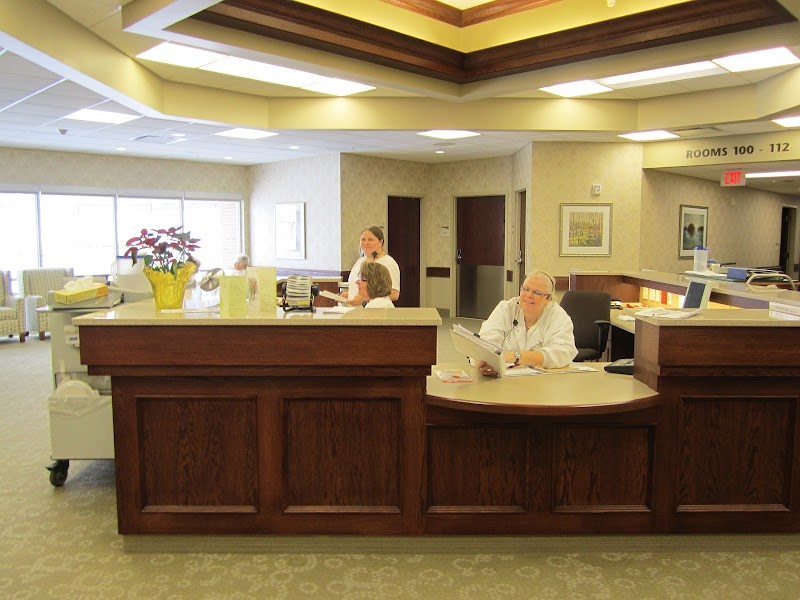
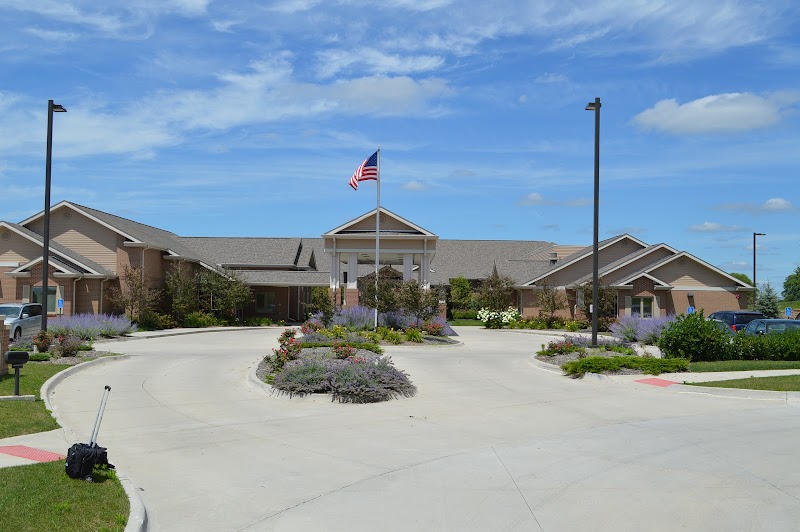
Parkridge Specialty Care

5800 NE 12TH AVENUE, PLEASANT HILL, IA 50327 (515) 265-5348
Non profit - Corporation 90 Beds CARE INITIATIVES Data: November 2025 1 Immediate Jeopardy citation
Trust Grade
3/100
#368 of 392 in IA
Last Inspection: August 2024

Within standard 12-15 month inspection cycle. Federal law requires annual inspections.

Overview

Parkridge Specialty Care has received a Trust Grade of F, indicating significant concerns and a poor overall performance. Ranking #368 out of 392 facilities in Iowa places it in the bottom half of all nursing homes in the state, and #28 out of 29 in Polk County suggests there is only one other local option that performs better. The facility is showing some improvement, as the number of issues reported dropped from 18 in 2024 to 9 in 2025, but they still face serious challenges. Staffing is rated average with a turnover of 46%, which is close to the state average, and they have concerning fines totaling $34,450, which is higher than 75% of Iowa facilities. Specific incidents of concern include a failure to provide necessary assistance for a resident's transfers, which posed a fall risk, and a lack of timely intervention for a resident experiencing chest pain and shortness of breath, leading to hospitalization. While there are some strengths such as average staffing ratings, the overall situation at Parkridge Specialty Care raises red flags for families considering this facility.

Trust Score
F
3/100
In Iowa
#368/392
Bottom 7%
Safety Record
High Risk
Review needed
Inspections
Getting Better
18 → 9 violations
Staff Stability
⚠ Watch
46% turnover. Above average. Higher turnover means staff may not know residents' routines.
Penalties
✓ Good
$34,450 in fines. Lower than most Iowa facilities. Relatively clean record.
Skilled Nurses
○ Average
Each resident gets 35 minutes of Registered Nurse (RN) attention daily — about average for Iowa. RNs are the most trained staff who monitor for health changes.
Violations
⚠ Watch
56 deficiencies on record. Higher than average. Multiple issues found across inspections.
★☆☆☆☆
1.0
Overall Rating
★★★☆☆
3.0
Staff Levels
★★★☆☆
3.0
Care Quality
★☆☆☆☆
1.0
Inspection Score
Stable
2024: 18 issues
2025: 9 issues

The Good

  • Full Sprinkler Coverage · Fire safety systems throughout facility
  • No fines on record

Facility shows strength in fire safety.

The Bad

1-Star Overall Rating

Below Iowa average (3.0)

Significant quality concerns identified by CMS

Staff Turnover: 46%

Near Iowa avg (46%)

Higher turnover may affect care consistency

Federal Fines: $34,450

Above median ($33,413)

Moderate penalties - review what triggered them

Chain: CARE INITIATIVES

Part of a multi-facility chain

Ask about local staffing decisions and management

The Ugly 56 deficiencies on record

1 life-threatening 4 actual harm
Jul 2025 4 deficiencies 1 Harm
SERIOUS (G) 📢 Someone Reported This

A family member, employee, or ombudsman was alarmed enough to file a formal complaint

Actual Harm - a resident was hurt due to facility failures

Pressure Ulcer Prevention (Tag F0686)

A resident was harmed · This affected 1 resident

**NOTE- TERMS IN BRACKETS HAVE BEEN EDITED TO PROTECT CONFIDENTIALITY** Based on observation, resident and staff interviews, clinical record review and policy review the facility failed to provide int...

Read full inspector narrative →
**NOTE- TERMS IN BRACKETS HAVE BEEN EDITED TO PROTECT CONFIDENTIALITY** Based on observation, resident and staff interviews, clinical record review and policy review the facility failed to provide interventions to prevent a deep tissue injury (a type of pressure injury that occurs when underlying soft tissue is damaged due to prolonged pressure, often over bony prominence.) from performing for 1 of 5 residents reviewed (Resident #8) and failed to apply treatment to a Moisture Associated Skin Damage (MASD) area on the coccyx (the final bone at the bottom of the spine) for which resulted in the area had gotten worse and the Advance Registered Nurse Practitioner (ARNP was notified 7 days later. (Resident #9). The facility identified a census of 84 residents. Findings include: Determining the Stage of Pressure Injury: Stage 1 Pressure Injury: Non-blanchable erythema of intact skin Intact skin with a localized area of non-blanchable erythema, which may appear differently in darkly pigmented skin. Presence of blanchable erythema or changes in sensation, temperature, or firmness may precede visual changes. Color changes do not include purple or maroon discoloration; these may indicate deep tissue pressure injury. Stage 2 Pressure Injury: Partial-thickness skin loss with exposed dermis Partial-thickness loss of skin with exposed dermis. The wound bed is viable, pink or red, moist, and may also present as an intact or ruptured serum-filled blister. Adipose (fat) is not visible and deeper tissues are not visible. Granulation tissue, slough and eschar are not present. These injuries commonly result from adverse microclimate and shear in the skin over the pelvis and shear in the heel. This stage should not be used to describe moisture associated skin damage (MASD) including incontinence associated dermatitis (IAD), intertriginous dermatitis (ITD), medical adhesive related skin injury (MARSI), or traumatic wounds (skin tears, burns, abrasions). Stage 3 Pressure Injury: Full-thickness skin loss Full-thickness loss of skin, in which adipose (fat) is visible in the ulcer and granulation tissue and epibole (rolled wound edges) are often present. Slough and/or eschar may be visible. The depth of tissue damage varies by anatomical location; areas of significant adiposity can develop deep wounds. Undermining and tunneling may occur. Fascia, muscle, tendon, ligament, cartilage and/or bone are not exposed. If slough or eschar obscures the extent of tissue loss this is an Unstageable Pressure Injury. Stage 4 Pressure Injury: Full-thickness skin and tissue loss Full-thickness skin and tissue loss with exposed or directly palpable fascia, muscle, tendon, ligament, cartilage or bone in the ulcer. Slough and/or eschar may be visible. Epibole (rolled edges), undermining and/or tunneling often occur. Depth varies by anatomical location. If slough or eschar obscures the extent of tissue loss this is an Unstageable Pressure Injury. Unstageable Pressure Injury: Obscured full-thickness skin and tissue loss Full-thickness skin and tissue loss in which the extent of tissue damage within the ulcer cannot be confirmed because it is obscured by slough or eschar. If slough or eschar is removed, a Stage 3 or Stage 4 pressure injury will be revealed. Stable eschar (i.e. dry, adherent, intact without erythema or fluctuance) on the heel or ischemic limb should not be softened or removed. Deep Tissue Pressure Injury: Persistent non-blanchable deep red, maroon or purple discoloration Intact or non-intact skin with localized area of persistent non-blanchable deep red, maroon, purple discoloration or epidermal separation revealing a dark wound bed or blood filled blister. Pain and temperature change often precede skin color changes. Discoloration may appear differently in darkly pigmented skin. This injury results from intense and/or prolonged pressure and shear forces at the bone-muscle interface. The wound may evolve rapidly to reveal the actual extent of tissue injury, or may resolve without tissue loss. If necrotic tissue, subcutaneous tissue, granulation tissue, fascia, muscle or other underlying structures are visible, this indicates a full thickness pressure injury (Unstageable, Stage 3 or Stage 4). Do not use DTPI to describe vascular, traumatic, neuropathic, or dermatologic conditions. 1. The Significant Change in Status Minimum Data Set (MDS) dated [DATE] for Resident #8 reflected that the resident was able to make herself understood and able to understand others. The MDS identified the Brief Interview for Mental Status (BIMS) score of 9 for which indicated moderate impaired decision making. The MDS revealed the resident required substantial to maximal assistance for bed mobility, and transfers and totally dependent on putting on/off of footwear. The active diagnoses portion of the Electronic Health Record (EHR) of Resident #8 documented diagnoses of acute osteomyelitis (inflammation of bone caused by infection) of right ankle and foot, diabetes mellitus, heart failure, acquired absence of left great toe, cerebrovascular disease (a term for a group of conditions that impact the brains blood vessels and blood flow), anxiety and depression. The Comprehensive Care Plan of Resident #8, initiated 5/9/24, identified a Focus Area of an Activities of Daily Living (ADL) and will continue to participate during my ADL as my condition allows. The Care Plan directed staff that the resident required 1 staff assistance for bed mobility and I am stand by pivot, assisted with two staff, left lower extremity, heal weight bearing only with post op shoe for transfers. The Interact Transfer Form dated 4/14/25 at 2:51 p.m., documented resident transferred to hospital for left great toe amputation due to diabetic ulcer to left great toe. The Care Plan identified a Focus Area, initiated on 4/22/25, identifying the resident has an actual impairment to skin: left first toe, amputation/surgical incision-healed. The Wound Evaluation form dated 5/13/25 at 1:16 p.m., revealed first digit on left foot as resolved. The Wound Evaluation form dated 5/13/25 at 1:17 p.m , revealed deep tissue injury on left plantar foot, 6 hours old, in house acquired. Measurements of area =0.65 centimeters (cm) by length= 0.8 cm by width =1.13 cm., intake blister, with additional care of cushion, foam mattress, foot cradle, heel suspension/protective device and turning/repositioning program. The Health Status Note dated 5/13/25 at 1:30 p.m., Late entry, Certified Wound Ostomy Continence Nurse (CWOCN) to resident's bedside for weekly Skin & Wound Evaluation of left great toe amputation site. Resident sitting up in bed, removed resident's socks and thoroughly assessed both feet. Surgical incision to left foot found to be healed. Intact Deep Tissue Injury identified just distal to this area, to the resident's left plantar foot. Emphasized to resident the need for her feet to not come in contact with footboard as this is causing pressure to the skin. CWOCN placed resident's bilateral feet in heel protector boots and provided resident with education regarding when to wear the boots, when they should be removed. One Way Slide to be placed in resident's bed in an attempt to prevent her from sliding down and her feet coming in contact with the footboard. CWOCN educated staff of importance of keeping resident boosted in bed and bottom of feet from coming in contact with footboard. The Care Plan with revision dated 6/25/25, revealed resident with actual impairment to skin with left plantar foot deep tissue injury, with initiated date of 5/1/25, interventions to float my heels while in bed, I have a cushion I use while in bed to keep my heels floated, on 5/14/25, I have a one-way slide (a repositioning aid designed to help individuals maintain a seated position and assist care givers in reposition them without forward slippage) while in bed to keep me from sliding down in bed, preventing my feet from pressing against the foot board and on 6/18/25, Encourage me to wear a heel-protector boot to my left foot as tolerated. The Health Status Note dated 5/16/25, with no time, documented the resident is seen today for acute onset of foot pain. The patient also reports ongoing foot pain, which is present at the time of the visit. History of amputation of left great toe, patient reports current pain in foot. The Wound Evaluation form dated 5/20/25 at 3:28 p.m., revealed deep tissue injury on left plantar foot, 7 days old, in house acquired. Measurements of 0.89 cm by 1.03 cm by 1.03 cm., intake blister, with additional care of customized shoe wear and heel suspension/protective device. The Wound Evaluation form dated 5/27/25 at 12:27 p.m., revealed deep tissue injury of left plantar foot, 14 days old, in house acquired. Measurements of 1.69 cm by 1.29 cm by 1.19 cm. intake blister, with additional care of heel suspension/protection device and turning/repositioning program, The Wound Evaluation form dated 6/3/25 at 1:03 p.m., revealed deep tissue injury of left plantar foot, 21 days old, in house acquired. Measurements of 2.49 cm by 2.53 cm by 1.42 cm by deepest point= 0.3 cm intake blister, with additional care of heel suspension/protection device and turning/repositioning program. Progress is deteriorating. The Wound Evaluation form dated 6/10/25 at 5:24 p.m., revealed deep tissue injury of left plantar foot, 1 month old, in house acquired. Measurements of 5.02 cm by 2.3 cm by 2.62 cm by deepest point= 0.2 cm intake blister, with serosanguineous exudate (a type of wound drainage that contains both blood and serous fluid (a clear yellowish fluid also know as blood serum) additional care of heel suspension/protection device. Observation on 6/30/25 at 10:00 a.m., Staff F, Registered Nurse (RN) proceeded to do wound care to Resident #8 left plantar foot. Staff E, removed the old dressing and blood was noted to be on the dressing. Staff E, proceeded to apply new dressing as ordered to the bottom of the left plantar foot. No cushion to the bottom of the foot board. Interview on 7/1/25 at 2:30 p.m., Staff F, was not able to determine when the interventions were put into place with Resident #8 per the care plan. Staff F verified that the foot cradle needed to be on the foot of the bed and also the foot board needed to be padded and that a turning/repositioning program was implemented. Interview on 7/1/25 at 4:20 p.m., Staff G, Certified Medication Aide (CMA) verified that a turning and reposition program is that the resident is turned or repositioned every 2 hours and that she was not sure that the floor aides had the ability to get into the computer system to verify that a resident is on a turning/repositioning program and that if the floor staff did not know that, then not sure if the resident would be turned and repositioned. On 7/2/25 at 8:20 a.m., Resident #8 was lying in bed with a green boot on her left foot. The blue foot cradle pillow was on top of the closest. Resident #8 went on to say that depending on who works if the blue foot cradle pillow is placed underneath her feet. On 7/2/25 at 8:40 a.m., Staff A, CNA, verified that a turning/repositioning program means that a resident is turned or repositioned every 2 hours, and that no documentation in the computer program allows the staff to chart that the resident was turned or repositioned and if not on the care plan than she did not know to turn or reposition a resident. On 7/2/25 at 8:45 a.m., Staff B, CNA, verified that the care plan is where she goes to look for a turning/repositioning program and if it is not on the care plan than she does not know a resident has that program, and that the computer has not where for her to document that the resident was turned and repositioned. On 7/2/25 at 9:50 p.m., Staff J, RN, verified that it is the expectation of the staff to turn and reposition a resident every 2 hours and that the computer system has no where for staff to document that the resident was turned or repositioned and to follow the care plan. On 7/2/25 at 12:30 p.m., Staff F, RN, explained that the expectation of the staff are to keep the feet up off the bed by using the blue cradle pillow at all times and to make sure that Resident #8 feet are not touching the foot board. On 7/3/25 at 9:30 a.m., the Director of Nursing, verified that the clinical record lacked any documentation of the staff charting on a turning/repositioning program and that it is expected that staff follow the plan of care to use the blue foot cradle at the end of the bed. 2. The 5-Day Assessment MDS dated [DATE] for Resident #9 reflected that the resident was able to make herself understood and able to understand others. The MDS identified the BIMS score of 14 for which indicated no impaired decision making. The MDS revealed the resident required partial to moderate assistance for upper and lower body dressing and repositioning and dependent for toileting. The MDS revealed these diagnoses, diabetes mellitus, cerebravascular accident, and non-Alzheimer's dementia. The Comprehensive Care Plan of Resident #9, with a revision date 12/5/23, revealed the resident to have an Activities of Daily Living (ADL) self care deficit. The Care Plan directed staff the resident required 1 staff assist for transfers, toileting, upper and lower body dressing and personal hygiene. The Focus Area of the Care Plan of skin integrity revealed the resident to have left buttock-friction/shear Moisture Associated Skin Damage (MASD), revision dated 6/17/25. It directed staff to perform treatment to area as ordered per physician orders, pressure reducing mattress to me bed and pressure reducing cushion to wheelchair. The care plan failed to reveal the need to turn the resident side to side in bed or to keep the resident off of her back. The census line of Resident #9 Electronic Health Record (EHR) reflected that the resident was hospitalized from [DATE] to 5/5/25. The Progress note dated 4/28/25 at 2:04 p.m., from the wound consult visit assessment, resident presents today with wound to buttocks. She is alert and oriented, sitting in bed. admitted for weakness and falls. She was able to turn on her side with minimal help. She is on a waffle overlay. Wound from admission photos has mostly healed already. Buttocks are lightly red, blanchable. No pressure injury at this time. Wound looks to have been shearing wound. The Nursing Admission/readmission Evaluation dated 5/5/25 at 3:30 p.m., reflected the skin and wound portion, with no pressure injuries or non pressure wounds. The Health Status Note dated 5/5/25 for Resident #9 reflected the resident to have no non-pressure injury wounds upon returning to the facility from the hospital. The Wound Evaluation form dated 5/5/25 at 12:53 p.m., reflected MASD present on admission, with no measurements and stated that patient arrived with bordered foam dressing on buttocks/gluteal cleft. Once removed, nothing was underneath. The Wound Evaluation form dated 5/12/25 at 2:45 p.m., reflected Incontinence Associated Dermatitis (IAD), present on admission 7 days old with no measurements, and healable. The Wound Evaluation form dated 5/19/25 at 4:54 p.m., reflected IAD, now 14 days old, with measurements of area=177.42 cm by length of 18.8 cm by width of 14.7 cm., with monitoring. The Wound Evaluation form dated 5/21/25 at 4:00 p.m., reflected IAD to coccyx area present on admission with 16 day old. Measurements of area= 0.56 cm by length 1.44 cm by width-0.5 cm. Wound bed is pink or red, surrounding tissue is blanching, fragile and intact, additional care of cushion, foam mattress, incontinence management and mobility aid provided, moisture control and turning/repositioning program. Review of the Treatment Administration Record of Resident #9 for May of 2025 revealed the treatment was not documented as being completed on Wednesday May 21, 2025, Friday May 23, 2025 and Saturday May 24, 2025. The Wound Evaluation Form dated 5/28/25 at 2:09 p.m., reflected, MASD-IAD, to coccyx, 23 days old, with measurements of area= 0.91 cm by length=3.59 cm by width= 0.57 cm by deepest point = 0.1 cm. Wound bed is pink or red, additional care of cushion, foam mattress, incontinence management, mobility aid provided, moisture barrier, moisture control and turning/reposition program and is deteriorating and ARNP was notified. The Dietary Note dated 5/9/25 at 12:41 p.m., reflected that skin is free from pressure injuries. The Encounter note dated 6/3/25 with no time, documented resident is seen today for a sore on her bottom. She reports feeling wiped out and has been spending more time in bed than usual. She also reports a sore on her bottom, more pronounced on the left side, which has worsened recently. The patient has been repositioned to her right side more frequently to alleviate pressure. She notes that the padding used for cushion has been uncomfortable and ineffective. Plan: breakdown on buttock due to incontinence exposure, notify provider is area opens or becomes larger, frequent reposition and out of bed in afternoons. During an interview with Resident #9 on 7/2/25 at 2:30 p.m., she stated that her wound care is supposed to be done twice a day and the staff does provide that most days. The MDS of Resident #9 dated 5/9/25 indicated a BIMS score of 14, cognition intact. On 7/2/25 at 3:12 p.m., the DON stated that her expectation is that all interventions are on the care plan and are being followed by the staff and was unable to locate any information that a turning/reposition program was in the documentation survey portion of the clinical record. The policy Pressure Ulcers/Skin Breakdown, review date 4/2018, directed staff as follows: The nursing staff and practitioner will assess and document an individuals significant risk factors for developing pressure ulcers, for example, immobility, recent weight loss, and a history or pressure ulcer. Neither Resident #8 nor Resident #9 had a positioning schedule documented in the Kardex.
CONCERN (D) 📢 Someone Reported This

A family member, employee, or ombudsman was alarmed enough to file a formal complaint

Potential for Harm - no one hurt, but risky conditions existed

Comprehensive Care Plan (Tag F0656)

Could have caused harm · This affected 1 resident

Based on observations, clinical record review, resident and staff interview, facility policy review, the facility failed to follow the comprehensive Care Plan for 1 of 3 (Resident #2) reviewed for car...

Read full inspector narrative →
Based on observations, clinical record review, resident and staff interview, facility policy review, the facility failed to follow the comprehensive Care Plan for 1 of 3 (Resident #2) reviewed for care plans. The facility reported a census of 84 residents. Findings include: The Quarterly Minimum Data Set (MDS) of Resident #2, dated 6/18/25, coded the resident dependent on assistance for personal hygiene, transfers and bed mobility. The MDS documented diagnoses that included diabetes mellitus, hemiplegia (muscle weakness or partial paralysis on one side of the body that can affect the arms legs, and facial muscles) and macular degeneration (damage to the eyes retina, causing loss of vision). The Care Plan of Resident #2, revision date 1/2/25, identified a focus area of the Resident will continue to participate during my activities of daily living (ADL) as my condition allows. The Care Plan directed the staff she required 2 staff to assist me with cares, and 2 assist with bed mobility and 2 assist with upper and lower body dressing. Observation on 6/25/25 at 11:40 a.m., with Resident #2, was lying in bed ready to get up for the noon meal. Staff C, Certified Nurse Aide (CNA) and Staff E, CNA assisted the resident to roll from side to side to position the Hoyer lift (mechanical lift) sling underneath her. Resident #2 protected her right upper arm as staff were rolling her. A Incident Accident Unusual Occurrence Note dated 4/29/25 at 3:00 p.m. documented as follows; It was brought to this nurse's attention that the resident complained that Staff E, CNA, was rough with her during the morning while assisting getting the resident up for the day and hurt her right arm. A Orders Administration Note dated 4/29/25 at 4:32 p.m. documented that Tramadol (opioid pain killer) 50 milligrams (mg) by mouth was given for residents complaint of right shoulder pain, for a scored pain level of 8 out of 10. A Orders Administration Note dated 4/29/25 at 5:40 p.m. documented that the resident reported a 6 out of 10 pain level. A Orders Administration Note dated 4/29/25 at 8:38 p.m. documented that the resident reported pain to the shoulder and Tramadol 50mgs was administered to the resident. A Orders Administration Note dated 4/29/25 at 9:08 p.m. documented that the resident reported she was comfortable, and did not have pain. On 6/25/25 at 2:00 p.m., Staff E, CNA, verified that she rolled Resident #2 by herself on 4/29/25, and that the plan of care instructed staff to have 2 staff for bed mobility and for upper body dressing. On 7/2/25 at 9:40 a.m., Resident #2, verified that 2 staff are to roll her over and reposition her, and the day of the incident, only 1 staff member came in to get her ready for the day. On 6/25/25 at 2:45 p.m., the DON verified that staff are to follow the resident plan of care. The facility policy titled Using the Care Plan revised 8/2006 instructed staff to use in developing the residents daily care routines and will be available to staff personnel who have responsibility for providing care or services to the resident.
CONCERN (D) 📢 Someone Reported This

A family member, employee, or ombudsman was alarmed enough to file a formal complaint

Potential for Harm - no one hurt, but risky conditions existed

ADL Care (Tag F0677)

Could have caused harm · This affected 1 resident

**NOTE- TERMS IN BRACKETS HAVE BEEN EDITED TO PROTECT CONFIDENTIALITY** Based on observation, staff interview and policy review, the facility failed to provide incontinence care appropriately to preve...

Read full inspector narrative →
**NOTE- TERMS IN BRACKETS HAVE BEEN EDITED TO PROTECT CONFIDENTIALITY** Based on observation, staff interview and policy review, the facility failed to provide incontinence care appropriately to prevent cross contamination for 1 of 3 residents observed for incontinence care (Resident #3). The facility reported a census of 84 residents. Findings include: 1. The Quarterly Minimum Data Set (MDS) assessment dated [DATE] documented Resident #3 had short and long term memory problems, severely impaired for decision making abilities, required substantial to maximal staff assistance for all aspects of daily living and incontinent of bowel. The MDS revealed diagnosis of quadriplegia (a condition characterized by paralysis in all four limbs (arms and legs). The Care Plan of Resident #3, revision date 8/16/24, identified a focus area of the Resident not experience any skin conditions from incontinence. The Care Plan directed the staff to assist me with perineal cleansing as needed and observe my skin daily for irritation and redness. Observation on 6/25/25 at 11:15 a.m., Staff K, Certified Nursing Assistant (CNA) provided incontinence cares on Resident #3. Staff K, CNA did hand hygiene and put on gloves. She then pulled enough wipes out and put them on a barrier surface next to the resident. She proceeded to clean the buttock area wiping from front to back. Once she cleaned the back side she then proceeded to clean her front peri area wiping from front to back with the wipe. Staff K failed to cleanse the right and left hips. Interview on 6/25/225 at 11:40 a.m., Staff F, RN, verbalized staff are to cleanse the thigh areas while providing incontinent cares to residents. Review of the facility's Perineal Care policy dated 2/2018, directed staff to continue to wash the perineum moving from inside outward to the thighs, Rinse perineum thoroughly in same direction, using fresh water and a clean washcloth .
CONCERN (E) 📢 Someone Reported This

A family member, employee, or ombudsman was alarmed enough to file a formal complaint

Potential for Harm - no one hurt, but risky conditions existed

Deficiency F0725 (Tag F0725)

Could have caused harm · This affected multiple residents

**NOTE- TERMS IN BRACKETS HAVE BEEN EDITED TO PROTECT CONFIDENTIALITY** Based on a document of call light start and end time, resident interview, staff interview, and the facility policy review, the f...

Read full inspector narrative →
**NOTE- TERMS IN BRACKETS HAVE BEEN EDITED TO PROTECT CONFIDENTIALITY** Based on a document of call light start and end time, resident interview, staff interview, and the facility policy review, the facility failed to consistently answer call lights within a reasonable amount of time for 4 of 4 residents. (#2, #5, #8 and #11) The facility reported a census of 84 residents. Findings include: 1 The Quarterly Minimum Data Set (MDS) dated [DATE] for Resident #2 documented a Brief Interview of Mental Status (BIMS) of 13 indicating no cognitive impairment and has the ability to be understood and understands others. The MDS documented diagnosis of diabetes mellitus, hemiplegia (muscle weakness or partial paralysis on one side of the body that affect the arms legs, and facial muscles) and macular degeneration (an eye disease that can blur your central vision) and required dependence with personal hygiene, transfer and toileting and always incontinent of bladder and bowel. On 6/25/25 at 11:40 a.m., Resident #2 stated that she can read the clock on the wall. Resident #2 stated that it takes longer than 15 minutes to answer the call light. Review of document titled Zone start and end time report revealed call light logs longer than 15 minutes for Resident #2. 6/24/25 7:59 a.m. to 8:18 a.m. 19 minutes 6/24/25 8:44 a.m. to 8:53 a.m. 23 minutes 6/24/25 12:04 p.m. to 12:13 p.m. 19 minutes 6/24/25 6:03 p.m., to 6:20 p.m. 17 minutes 62425 7:22 p.m. to 7:42 p.m. 20 minutes 6/25/25 2:41 p.m. to 3:06 p.m. 25 minutes 6/27/25 11:52 a.m. to 12:11 p.m. 19 minutes 6/27/25 7:18 p.m. to 7:47 p.m. 29 minutes 6/29/25 8:14 a.m. to 8:31 a.m. 17 minutes 6/29/25 11:48 a.m. to 11:55 a.m. 17 minutes 6/29/25 2:47 p.m. to 2:50 p.m. 23 minutes 6/30/25 4:09 p.m. to 4:31 p.m. 22 minutes 2. The Quarterly MDS dated [DATE] for Resident #5 documented a BIMS of 13 indicating no cognitive impairment and had the ability to be understood and understands others. The MDS documented diagnosis of diabetes mellitus, cerebrovascular accident, (damage to the brain from interruption of its blood supply) non-Alzheimer dementia, anxiety and depression and required dependence with personal hygiene, transfer, toileting and frequently incontinent of bladder. On 7/1/25 at 10:00 am. Resident #5 stated that it takes longer than 15 minutes to answer her call light and that she is able to see the clock on the wall. Review of document titled Zone start time and end time report revealed call light logs longer than 15 minutes for Resident #5. 6/24/25 6:39 p.m., to 7:02 p.m. 41 minutes 6/25/25 7:18 p.m., to 7:53 p.m. 35 minutes 6/28/25 5:19 a.m. to 5:55 a.m. 36 minutes 3. The Significant Change in status MDS dated [DATE] for Resident #8 documented a BIMS of 9 indicating moderate cognitive impairment and has the ability to be understood and understands others. The MDS documented diagnosis of diabetes mellitus, cerebrovascular accident, (damage to the brain from interruption of its blood supply), anxiety, depression and required dependence with personal hygiene, and substantial to maximal assistance with transfer, toileting. On 7/1/25 at 8:00 a.m., Resident #8 stated that it takes over 30 minutes to answer her call light, and that she is able to see the clock on her wall across from her bed. Review of document titled Zone start time and end time report revealed call light longer than 15 minutes for Resident #8. 6/24/25 8:50 a.m. to 9:14 a.m. 24 minutes 6/24/25 4:13 p.m. to 4:34 p.m. 21 minutes 6/25/25 6:39 a.m. to 6:58 a.m. 19 minutes 6/25/25 7:03 a.m. to 7:21 a.m. 18 minutes 6/25/25 12:22 p.m. to 12:44 p.m. 22 minutes 6/25/25 2:10 p.m. to 2:30 p.m. 20 minutes 6/25/25 2:45 p.m. to 3:09 p.m. 24 minutes 6/25/25 7:09 p.m. to 7:43 p.m. 34 minutes 6/26/25 12:02 p.m., to 12:47 p.m. 45 minutes 6/26/25 1:37 p.m. to 2:07 p.m. 44 minutes 6/26/25 7:01 p.m., to 8:44 p.m. 45 minutes 6/27/25 12:28 p.m. to 2:24 p.m. 2 hours 52 minutes 6/27/25 2:30 p.m. to 4:26 p.m., 2 hours, 26 minutes 6/27/25 7:48 p.m., to 8:28 p.m. 40 minutes 6/28/25 9:13 a.m. to 9:55 a.m. 42 minutes 6/28/25 12:52 p.m., to 1:30 p.m. 38 minutes 6/28/25 5:07 p.m. to 5:47 p.m. 40 minutes 6/29/25 8:30 a.m. to 9:24 a.m. 54 minutes 4. The Annual MDS dated [DATE] for Resident #11 documented a BIMS of 15 indicating no cognitive impairment and has the ability to be understood and understands others. The MDS documented diagnosis of diabetes mellitus, hemiplegia, anxiety, depression, schizophrenia and required substantial to maximal assistance with activities of daily living. On 6/30/25 at 3:15 p.m., Resident #11 stated that it takes over 15 minutes to have his call light answered and is able to time the response due to seeing the clock on the wall. Review of document titled Zone start and end time report revealed call light longer than 15 minutes for Resident #11. 6/25/25 6:12 p.m. to 6:51 p.m. 39 minutes 6/26/25 4:33 p.m., to 4:58 p.m. 25 minutes 6/27/25 11:50 a.m. to 12:12 p.m., 22 minutes 6/28/25 4:34 p.m. to 4:56 p.m. 22 minutes 6/29/25 10:03 a.m. to 10:25 a.m. 22 minutes On 7/1/25 at 3:15 p.m., the Administrator and Director of Nursing stated the facility expectation is that call lights are answered in 15 minutes or less. On 7/2/25 at 9:15 a.m., Staff A, Certified Nursing Assistant (CNA), stated that it takes longer than 15 minutes to answer a resident call light due to low staffing. On 7/2/25 at 9:30 a.m., Staff B, CNA, stated that it takes longer than 15 minutes to answer a resident call light. Review of a policy titled Call Light Answering dated 3/2021 provided by the Administrator revealed that the purpose of the policy was to meet the resident's needs and requests within an appropriate time frame. Call lights will be answered within 15 minutes.
Feb 2025 5 deficiencies
CONCERN (D) 📢 Someone Reported This

A family member, employee, or ombudsman was alarmed enough to file a formal complaint

Potential for Harm - no one hurt, but risky conditions existed

Notification of Changes (Tag F0580)

Could have caused harm · This affected 1 resident

**NOTE- TERMS IN BRACKETS HAVE BEEN EDITED TO PROTECT CONFIDENTIALITY** Based on clinical record review, staff interviews, and policy review the facility failed to notify the Physician and family when...

Read full inspector narrative →
**NOTE- TERMS IN BRACKETS HAVE BEEN EDITED TO PROTECT CONFIDENTIALITY** Based on clinical record review, staff interviews, and policy review the facility failed to notify the Physician and family when a resident experienced a change in condition for 1 of 3 residents reviewed (Residents #1). The facility reported a census of 75 residents. Findings include: The Clinical Census revealed Resident #1 was admitted to the facility on [DATE] and discharged from the facility on 1/27/25. Resident #1 did not have a Minimum Data Set (MDS) completed due to new admission to the facility. A Progress Note titled BIMS evaluation (Brief Interview for Mental Status) dated 1/24/25 identified a score of 8, which indicated moderately impaired cognition. Review of the Clinical Record revealed Resident #1 had diagnoses of delirium, altered mental status, muscle weakness, anxiety disorder, pleural effusion, acute kidney failure, asthma, atrial fibrillation and a stroke affecting the left side. Review of Bowel Elimination form for Resident #1 revealed two large loose/diarrhea stools on 1/25/25 and three large loose/diarrhea stools on 1/26/25. On 1/29/25 at 1:19 PM, Staff E, Certified Nursing Assistant (CNA) stated she had gotten Resident #1 up for breakfast on Saturday, 1/25/25. She said after breakfast, Resident #1 was sliding out of her wheelchair and Staff A, Registered Nurse (RN) told her to lay Resident #1 down. She said Staff F, CNA helped her get Resident #1 into bed around 9:30-10:00 AM. Staff E said when they went to change Resident #1 she started vomiting yellow stomach bile. She stated she vomited quite a bit because it was all over her, on the bed and on the floor. She stated her 1st bowel movement (BM) was formed and then after the BM became more liquid. She stated the rest of the day she was changing Resident #1 every 1-2 hours due to diarrhea. She stated Resident #1 did not throw up again until between 1:00-3:00 PM. She said family was visiting and she started spitting up a small amount. Staff E reported she told Staff A, RN all day long that Resident #1 was sick and had diarrhea. She stated she did not know if Staff A did anything about it. Staff E reported she did what she was supposed to do and reported it to the nurse. Staff E said she told Staff A every time she went in the room and changed her. She stated she told Staff A, something was not right with Resident #1. She said Resident #1 was not good on Saturday. She reported she usually will watch to see if the nurse goes in the room but she was so busy she does not know what the nurse did. On 1/29/25 at 3:39 PM, Staff F, CNA reported she was walking down the 100 hallway and Staff E, CNA asked for help. She reported Staff E had told her that Resident #1 had BM up her back and needed help changing her. Staff F reported they started changing Resident #1 and she started throwing up yellow bile. She stated the vomit got onto the bed and onto Resident #1. She stated she did not see it get on the floor. She reported Resident #1 was throwing up, gagging and pooping all at the same time. She said the BM started off hard and then got soft and there was a lot of stool. Staff F reported Staff E left the room a couple of times to get blankets and a mask. She stated she was gone probably 5-10 minutes so she assumed she had told the nurse as she was gone quite awhile. She stated they had to change Resident #1's bedding and get her into the nightgown. She stated after they got her pulled up in bed, she left the room. She reported she told the nurse, Staff A twice that Resident #1 was throwing up and pooping at the same time. On 1/29/25 at 4:53 PM, Staff A, RN reported her observations on Saturday, 1/25/25 revealed Resident #1 was at baseline. When asked if any staff members reported vomiting or diarrhea to her on Saturday, Staff A said she did not remember anyone telling her anything about vomiting or loose stools. She stated she was going off memory and did not recall. She said she can't say they didn't. She said, Maybe they did tell me and I forgot or didn't remember to follow up. Review of the clinical record lacked any assessments and interventions related to the nausea, vomiting and diarrhea on 1/25/25. There was no family or Physician notification documented in the progress notes regarding the nausea, vomiting or diarrhea on 1/25/25. A facility policy titled Change in Resident's Condition or Status revised February 2021 documented the facility promptly notified the resident, his or her attending physician, and the resident representative of changes in the resident's medical/mental condition and/or status. The policy further documented prior to notifying the Physician or healthcare provider, the nurse will make detailed observations and gather relevant and pertinent information for the provider, including information prompted by the Interact SBAR Communication form.
CONCERN (D) 📢 Someone Reported This

A family member, employee, or ombudsman was alarmed enough to file a formal complaint

Potential for Harm - no one hurt, but risky conditions existed

Report Alleged Abuse (Tag F0609)

Could have caused harm · This affected 1 resident

Based on clinical record review, staff interview, facility investigation review and policy review the facility failed to report an allegation of abuse within 2 hours to the Iowa Department of Inspecti...

Read full inspector narrative →
Based on clinical record review, staff interview, facility investigation review and policy review the facility failed to report an allegation of abuse within 2 hours to the Iowa Department of Inspections, Appeals and Licensing (DIAL) for 2 of 3 residents reviewed (Residents #2 and #3). The facility reported a census of 75 residents. Findings include: An Incident Report (IR) dated 1/8/25 at 3:30 PM documented Resident #2 was arguing with Resident #3 over who was going to marry the medication aide in that hallway. When the staff member entered the room, she observed Resident #2 standing over the bed of Resident #3 and Resident #3 reported Resident #2 had hit him on his right arm. Resident #2 confessed to hitting Resident #3. The report documented that both residents were separated. Review of document titled Intake Information revealed the facility filed an allegation for abuse related to a Resident to Resident Altercation for Resident #2 and Resident #3 on 1/9/25 at 12:06 AM. On 2/3/25 at 8:59 AM, the Administrator acknowledged and verified the incident occurred on 1/8/25 at 3:30 PM and the self report was filed with DIAL on 1/9/25 at 12:06 AM. The Administrator reported she thought she had 24 hours to report unless there was an injury. The Administrator reported she must have interpreted the rules incorrectly. The facility policy titled Abuse, Neglect, Exploitation and Misappropriation Prevention Program revised April 2021 documented residents have the right to be free from abuse, neglect, misappropriation of resident property and exploitation. The policy further directed staff to investigate and report any allegation within timeframes required by federal requirements.
CONCERN (D) 📢 Someone Reported This

A family member, employee, or ombudsman was alarmed enough to file a formal complaint

Potential for Harm - no one hurt, but risky conditions existed

Deficiency F0658 (Tag F0658)

Could have caused harm · This affected 1 resident

**NOTE- TERMS IN BRACKETS HAVE BEEN EDITED TO PROTECT CONFIDENTIALITY** Based on clinical record review, staff interviews and policy review the facility failed to provide care and services according t...

Read full inspector narrative →
**NOTE- TERMS IN BRACKETS HAVE BEEN EDITED TO PROTECT CONFIDENTIALITY** Based on clinical record review, staff interviews and policy review the facility failed to provide care and services according to accepted standards of clinical practice for 1 of 3 residents reviewed (Residents #2). The facility failed to implement physician orders in a timely manner. The facility reported a census of 75 residents. Findings include: Resident #2's Quarterly Minimum Data Set (MDS) dated [DATE] identified a Brief Interview for Mental Status (BIMS) score of 14, which indicated intact cognition. The MDS included diagnoses of hypertension (high blood pressure), diabetes mellitus, and hyperlipidemia. An Email Correspondence received by the DON (Director of Nursing) from the facility Advanced Registered Nurse Practitioner (ARNP) on 1/14/25 at 7:05 PM documented the following new Physician orders for Resident #1: -Increase Jardiance (diabetic medication) from 10 MG (milligrams) to 25 MG daily -Increase Insulin Glargine bedtime dose to 28 units subcutaneous -Start Cimetidine (medication used to decrease libido) 300 MG every HS (hour of sleep) for sexual inhibition -Start Citalopram (antidepressant) 20 MG daily for depression and anxiety - Give Lasix (diuretic) 20 MG daily for 4 days related to fluid overload Review of Resident #2's Progress Notes lacked documentation of the new Physician orders being received by the facility. Review of the January 2025 Medication Administration Record (MAR) revealed there was a delay in implementing the new physician orders from 1/14/25: -Jardiance 25 MG daily- started on 1/18/25 -Insulin Glargine 28 units subcutaneous at bed time- started on 1/17/25 -Cimetidine 300 MG every HS- started on 1/18/25 -Citalopram 20 MG daily- started 1/19/25 - Lasix 20 MG daily for 4 days- administered from 1/18 to 1/21/25. On 2/3/25 at 12:15 PM, The Director of Nursing (DON) reported she sent the nurses a screenshot of the new orders on 1/15/25. She reported she expected the nurses to implement the orders as directed. On 2/3/25 at 12:54 PM, the DON and Nurse Consultant acknowledged and verified there was delay in implementing the physician orders. The DON reported she should have implemented the new physician orders immediately on the evening of 1/14/25 when the orders were received. A facility policy titled Medication and Treatment Orders revised July 2016 documented orders for medications and treatments will be consistent with principles of safe and effective order writing. The policy further documented verbal orders must be recorded immediately in the resident's electronic medical record by the person receiving the order.
CONCERN (D) 📢 Someone Reported This

A family member, employee, or ombudsman was alarmed enough to file a formal complaint

Potential for Harm - no one hurt, but risky conditions existed

Quality of Care (Tag F0684)

Could have caused harm · This affected 1 resident

**NOTE- TERMS IN BRACKETS HAVE BEEN EDITED TO PROTECT CONFIDENTIALITY** Based on clinical record review, staff interviews, and policy review the facility failed to provide assessment and interventions...

Read full inspector narrative →
**NOTE- TERMS IN BRACKETS HAVE BEEN EDITED TO PROTECT CONFIDENTIALITY** Based on clinical record review, staff interviews, and policy review the facility failed to provide assessment and interventions necessary for the care and services, to maintain the residents' highest practical physical well- being for 2 of 3 residents reviewed (Resident #1 and #2). The facility failed to complete and document nursing assessments related to nausea, vomiting and diarrhea for Resident #1. The facility also failed to complete vital signs with neurological assessments and complete a range of motion (ROM) assessment after a fall for Resident #1. The facility also failed to complete and document nursing assessments related diuretic usage for fluid overload and assess/monitor the efficacy and side effects of new medications started for fluid overload, sexual inhibition, anxiety and depression for Resident #2. The facility reported a census of 35 residents. Findings include: 1. The Clinical Census revealed Resident #1 was admitted to the facility on [DATE] and discharged from the facility on 1/27/25. Resident #1 did not have a Minimum Data Set (MDS) completed due to new admission to the facility. A Progress Note titled BIMS evaluation (Brief Interview for Mental Status) dated 1/24/25 identified a score of 8, which indicated moderately impaired cognition. Review of the Clinical Record revealed Resident #1 had diagnoses of delirium, altered mental status, muscle weakness, anxiety disorder, pleural effusion, acute kidney failure, asthma, atrial fibrillation and a stroke affecting the left side. Review of Bowel Elimination form for Resident #1 revealed two large loose/diarrhea stools on 1/25/25 and three large loose/diarrhea stools on 1/26/25. A Progress note dated 1/25/25 at 5:56 PM (late entry) titled Skilled evaluation documented Resident #1 was alert and confused with no signs or symptoms of discomfort, shortness of breath or chest pain. Resident #1's vital signs were stable. The note documented Resident #1's mucus membranes were dry and staff encouraged to offer a variety of fluids. Resident #1 in the room most of the day and was up for meals with supervision. Resident #1 only took a couple of bits and refused rest of food during meals. Bowel sounds active in all quadrants. No concerns voiced. Review of the Progress note details revealed the note was created on 1/28/25 at 1:11 PM, almost 72 hours later. An Incident Report (IR) dated 1/26/25 at 10:00 AM documented an unwitnessed fall in Resident #1's room. The IR revealed the nurse walked by Resident #1's room and found Resident #1 on the floor behind the bed, sitting on her buttocks, facing the dresser and yelling for help. The note documented Resident #1 had gripper socks on. Resident #1 said, I want to get to the bathroom. The IR documented the nurses assessed Resident #1's skin with no injuries noted and range of motion (ROM) was within normal limits. The IR revealed three Certified Nursing Assistants (CNA) helped Resident #1 into the wheelchair, provided cares and then assisted Resident #1 back to bed. The Neurological Evaluation directed staff to complete neurological assessments and vital signs at the following increments: initial, 15 minute checks x 4, 30 minute checks x 2, 1 hour checks x2, and 8 hour checks x 9. The Neurological Evaluation dated 1/26/25 revealed the initial neurological assessment at 10:00 AM for Resident #1 was partially completed and lacked a set of vital signs. The evaluation documented Resident #1 vitals signs were completed and findings were to be entered into the weights/vital tab in the clinical record. Review of the weight/vital tab lacked vital sign information for Resident #1 at 10:00 AM. Review of the Neurological Evaluation dated 1/26/25 revealed the remainder of the neurological assessments after 10:00 AM documented Resident #1 vitals signs were completed and findings were to be entered in the weight/vital tab of the medical record. The neurological evaluation lacked the date and time the vitals signs and neurological assessments were completed. Review of the weight/vital tab lacked any vital sign information on 1/26/25 until 6:00 PM. An IR dated 1/26/25 at 5:00 PM documented an un-witnessed fall in Resident #1's room. The IR revealed the nurse was called into Resident #1's room due to Resident #1 being on the floor. The IR documented Resident #1 was laying on the floor facing the ceiling, yelling for help. Resident #1 was incontinent of BM (bowel movement) and had gripper socks on. The IR documented the nurse assessed resident skin with no skin issue noted and no signs or symptoms of pain. The IR documented two CNAs helped Resident #1 from the floor into her wheelchair and provided cares. Resident #1 was then taken out of her room to the nurse's station. The IR lacked documentation that a ROM assessment was completed on Resident #1's upper and lower extremities. On 1/28/25 at 12:20 PM, Resident #1's daughter reported she had come to the facility with her sister Saturday morning (1/25/25) and when she walked into the room it was a mess. She said there were sheets and blankets piled up on the two chairs in the room. There was a cup on the floor that looked like her mom had vomited in it and was spilled on the carpet. She said her mom was lying on the mattress with no sheets, no nothing. She said there were clothes on the floor with yellow vomit on them. She said she went to pick the clothes up to mark them with a fabric marker before the clothes went to the laundry and it looked like the vomit had been sitting on the clothes for awhile. Resident #1's daughter said the aide reported to her that nobody gave the staff information on how to care for her mom. She stated there were no paper towels or towels in the bathroom. Resident #1's daughter reported she returned to the facility on Sunday and the Activity Director came into the room to ask some questions. She said the Activity Director started asking her mom questions and then her mom started pointing at her mouth as she was going to throw up. She stated the Activity Director wanted to get the bed up so her mom did not aspirate. She stated once the Activity Director got the head of the bed up her mom started heaving yellow bile. She stated the bathroom still did not have any paper towels or towels and that the aide had tried to give her mom toilet paper which incinerated. She stated they had to use a blanket and could not catch all the vomit. She stated her mom had vomit all over herself, basically the whole top of her body. She stated the Activity Director got staff to help clean up her mom. Resident #1's daughter reported she had to leave for an appointment at noon and returned to the facility around 4:00 PM. She reported when she entered her mom's room and the room stunk of bowel movement (BM). She stated her mom told her she had pooped. She reported you could smell the BM in the hallway. She stated her mom was lying in diarrhea. She reported she did not know how long she had been lying in it. She stated Staff D, CNA came in and helped clean up her mom. On 1/29/25 at 1:19 PM, Staff E, Certified Nursing Assistant (CNA) stated she had gotten Resident #1 up for breakfast on Saturday, 1/25/25. She stated after breakfast, Resident #1 was sliding out of her wheelchair and Staff A, RN (Registered Nurse) told her to lay Resident #1 down. She said Staff F, CNA helped her get Resident #1 into bed around 9:30-10:00 AM. Staff E said when they went to change Resident #1 she started vomiting yellow stomach bile. She stated she vomited quite a bit because it was all over her, on the bed and on the floor. She stated her 1st BM was formed and then after the BM became more liquid. She stated the rest of the day she was changing Resident #1 every 1-2 hours due to diarrhea. She stated Resident #1 did not throw up again until between 1:00-3:00 PM. She said Resident #1's family was visiting and she started spitting up small amounts. Staff E reported she told Staff A, RN all day long that Resident #1 was sick and had diarrhea. She stated she did not know if Staff A did anything about it. Staff E reported she did what she was supposed to do and reported it to the nurse. Staff E said she told Staff A every time she went in the room and changed her. She stated she told Staff A, something was not right with Resident #1. She said Resident #1 was not good on Saturday. She reported she usually will watch to see if the nurse goes in the room but she was so busy she does not know what the nurse did. On 1/29/25 at 3:39 PM, Staff F, CNA reported she was walking down the 100 hallway and Staff E, CNA asked for help. She reported Staff E had told her that Resident #1 had BM up her back and needed help changing her. Staff reported they started changing Resident #1 and she started throwing up yellow bile. She stated the vomit got onto the bed and onto Resident #1. She stated she did not see it get on the floor. She reported Resident #1 was throwing up, gagging and pooping all at the same time. She said the BM started off hard and then got soft and there was a lot of stool. Staff F reported Staff E left the room a couple of times to get blankets and a mask. She stated she was gone probably 5-10 minutes so she assumed she had told the nurse as she was gone quite awhile. She stated they had to change Resident #1's bedding and get her into the nightgown. She stated after they got her pulled up in bed, she left the room. She reported she told the nurse, Staff A, RN twice that Resident #1 was throwing up and pooping at the same time. On 1/29/25 at 4:53 PM, Staff A, RN reported her observations on Saturday, 1/25/25 revealed Resident #1 was at baseline. When asked if any staff members reported vomiting or diarrhea to her on Saturday, Staff A said she did not remember anyone telling her anything about vomiting or loose stools. She stated she was going off memory and does not recall. She said she can't say they didn't. She said, Maybe they did tell me and I forgot or didn't remember to follow up. Review of the Progress Notes on 1/25/25 revealed no other nursing assessments except for a BIMS assessment on 1/25/25 at 8:45 AM and a late entry for a SNF assessment that was documented on 1/28/25 for 1/25/25. The clinical record lacked any assessments and interventions related to the nausea, vomiting and diarrhea on 1/25/25. There was no family or Physician notification documented in the progress notes regarding the nausea, vomiting or diarrhea on 1/25/25. On 1/30/25 at 8:20 AM, The Director of Nursing (DON) verified and acknowledged there had been no assessments completed or documented in the progress notes from 1/25/25 related to the nausea, vomiting and diarrhea for Resident #1. The DON reported she had followed up and talked to Staff E, CNA and Staff F, CNA. She said Staff E reported Resident #1 had an emesis on Saturday morning and Staff F had helped her clean it up. She reported Staff E told her that Resident #1 had frequent bowel movements on Saturday and that another resident kept pushing her call lights as the resident was concerned about Resident #1. The DON reported Staff E told her she had told Staff A, RN 2-3 times about the vomiting and stools. The DON reported Staff E did not put the concerns in the clinical alerts. The DON reported the clinical alerts would show documentation that the CNA reported the concerns, help the nurse remember and keep the nurse accountable. The DON reported Staff F assisted Staff E with cleaning up Resident #1. She said Staff F reported she walked up to Staff A, RN and told her Resident #1 was puking and having a BM at the same time. The DON reported she followed up with Staff A, RN and Staff A reported she did not remember anyone coming up to her. The DON reported Staff A completed the SNF assessment on Saturday and had her vitals written on a piece of paper. The DON acknowledged Staff A documented the SNF assessment in the computer on Tuesday. The DON reported she would expect the Provider and family to be notified of the nausea, vomiting, and diarrhea and also if it was a recurring issue. She stated the staff should be aware of BM's daily. The DON said if the resident was having more than one of the three (nausea, vomiting or diarrhea) she would expect the Provider to be notified or a combination of all three then the Provider should be notified to get new orders. When asked about Resident #1 symptoms on Saturday, she stated she would have expected the Provider to be notified along with assessments and documentation in the progress notes. The DON acknowledged after Resident #1's first fall on 1/26/25 the medical record lacked documentation of vital signs with the neurological assessments and lacked dates/times the assessments were completed. The DON stated she would expect vital signs and a neurological assessment to be completed after an unwitnessed fall. The DON reported she would expect the neurological assessments along with vital signs to be completed according to the facility policy. When asked about frequency of the assessments, she reported she would expect the nurses to complete the neurological assessments and vital signs according to time frames that are listed in the electronic medical record or the paper form. When asked DON about Resident #1's second fall, she verified and acknowledged the fall assessment did not include documentation regarding a ROM assessment. The DON reported she would expect the staff to follow the fall policy and complete a thorough assessment. A facility policy titled Change in Resident's Condition or Status revised February 2021 documented the facility promptly notified the resident, his or her attending physician, and the resident representative of changes in the resident's medical/mental condition and/or status. The policy further documented prior to notifying the Physician or healthcare provider, the nurse will make detailed observations and gather relevant and pertinent information for the provider, including information prompted by the Interact SBAR Communication form. 2. The Quarterly MDS assessment for Resident #2 dated 11/6/24 identified a BIMS score of 14, which indicated intact cognition. The MDS included diagnoses of hypertension (high blood pressure), diabetes mellitus, and hyperlipidemia. The Care Plan target date 4/28/25 documented Resident #2 had displayed intimate behavior with a female resident and had exhibited physical aggression towards another resident. The Care Plan directed staff to administer medications as ordered. The Care Plan directed staff to anticipate a possible weight gain related to improvement in intakes compared to prior admit and enjoyment of food. The Care Plan directed staff to obtain weight per orders and/or facility policy and to use the same scale month to month as possible. Resident #2's weight summary documented the following weights: 11/3/24- 192.6 lbs (pounds) 12/6/24- 196.4 lbs 1/8/25- 204.0 lbs An Incident Report (IR) dated 1/8/25 at 3:30 PM documented Resident #2 was arguing with his roommate over who was going to marry the medication aide in that hallway. When staff member entered the room, she observed Resident #2 standing over the bed of his roommate and his roommate was saying that Resident #2 had hit him on his right arm. Resident #2 confessed to hitting the roommate. Both residents were separated. An Email Correspondence received by the Director of Nursing (DON) from the facility ARNP (Advanced Registered Nurse Practitioner) on 1/14/25 at 7:05 PM documented the following new Physician orders for Resident #1: -Increase Jardiance (diabetic medication) from 10 milligrams (MG) to 25 MG daily -Increase Insulin Glargine bedtime dose to 28 units subcutaneous -Start Cimetidine (can be used to decrease libido) 300 MG every hour of sleep (HS) for sexual inhibition -Start Citalopram (antidepressant) 20 MG daily for depression and anxiety - Give Lasix (diuretic) 20 MG daily for 4 days related to fluid overload Review of the January 2025 Medication Administration Record (MAR) revealed there was a delay in implementing the new physician orders from 1/14/25: -Jardiance 25 MG daily- started on 1/18/25 -Insulin Glargine 28 units subcutaneous at bed time- started on 1/17/25 -Cimetidine 300 MG every HS- started on 1/18/25 -Citalopram 20 MG daily- started 1/19/25 - Lasix 20 MG daily for 4 days- administered from 1/18 to 1/21/25. Review of Resident #2's Progress Notes lacked documentation of the new Physician orders being received by the facility. The Progress Notes lacked documentation and completion of nursing assessments related to fluid overload and the start of a diuretic medication. The Progress Notes also lacked documentation of assessments and monitoring for the efficacy and side effects of the new or increased medications. On 2/3/25 at 12:15 PM, The DON reported she sent the nurses a screenshot of the new orders on 1/15/25. She reported she expected the nurses to implement the orders as directed. The DON reported when starting a diuretic medication she would expect fluid volume assessments completed and documented in the progress notes. On 2/3/25 at 1:49 PM, the DON reported she followed up with the facility Advanced Registered Nurse Practitioner (ARNP) regarding the order for Lasix. The DON reported the ARNP reported she had done a chart review on Resident #1 due to the incident on 1/8/25. The DON reported the ARNP ordered the Lasix related to weight gain of 12 lbs in the past 2 months and increased edema to Bilateral lower extremities (BLE). The DON reported Resident #2 current weight as of 2/3/25 was 199 lbs. The DON acknowledged there were no assessments regarding the weight gain on 1/8/25.
CONCERN (D) 📢 Someone Reported This

A family member, employee, or ombudsman was alarmed enough to file a formal complaint

Potential for Harm - no one hurt, but risky conditions existed

Accident Prevention (Tag F0689)

Could have caused harm · This affected 1 resident

**NOTE- TERMS IN BRACKETS HAVE BEEN EDITED TO PROTECT CONFIDENTIALITY** Based on clinical record review, staff interviews, family interviews, hospital record review and policy review the facility fail...

Read full inspector narrative →
**NOTE- TERMS IN BRACKETS HAVE BEEN EDITED TO PROTECT CONFIDENTIALITY** Based on clinical record review, staff interviews, family interviews, hospital record review and policy review the facility failed to provide adequate nursing supervision to prevent accidents and injuries for 1 of 3 residents reviewed (Resident #1) for falls. Resident #1 was identified as a fall risk prior and upon admission and interventions to prevent falls were not implemented upon admission to the facility. Resident #1 fell two times on the same day within 48 hours of admission. Based on staff interviews and documentation the staff did not provide appropriate level of assistance with transfers and the facility failed to complete a thorough assessment including vital signs and range of motion (ROM) after a fall occurred. The facility reported a census of 75 residents. Findings include: The Clinical Census revealed Resident #1 was admitted to the facility on [DATE] and discharged from the facility on 1/27/25. Resident #1 did not have a Minimum Data Set (MDS) completed due to new admission to the facility. Review of Hospital Physical Therapy (PT) notes dated 1/22/25 revealed Resident #1 was a fall risk and had a bed alarm. The note documented that PT recommended assistance of 2 persons with a gait belt and mechanical stand for transfers. A Progress Note titled BIMS evaluation (Brief Interview for Mental Status) for Resident #1 dated 1/24/25 identified a score of 8, indicating moderately impaired cognition. Review of the Clinical Record revealed Resident #1 had diagnoses of delirium, altered mental status, muscle weakness, anxiety disorder and a stroke affecting the left side. A Fall Risk assessment dated [DATE] identified Resident #1 scored an 8. The form documented a total score of 10 or above represents a high risk for falls. The Care Plan Conference Evaluation dated 1/24/25 at 5:00 PM documented Resident #1 was a fall risk. Review of the Initial Care Plan dated 1/24/25 did not address Resident #1 was a fall risk and lacked documentation of fall interventions. The Initial Care Plan titled Activities of Daily Living dated 1/24/25 directed staff to use a mechanical stand and assistance of 2 persons with transfers. The Initial Care Plan dated 1/25/25 revealed Resident #1 had impaired cognitive function/ dementia related to CVA (cerebrovascular accident/stroke), mild cognitive impairment and delirium. Resident #1's [NAME] with admission date of 1/24/25 directed staff to use a mechanical stand and assistance of 2 persons with transfers. An Incident Report (IR) dated 1/26/25 at 10:00 AM documented an unwitnessed fall in Resident #1's room. The IR revealed the nurse walked by Resident #1's room and found Resident #1 on the floor behind the bed, sitting on her buttocks, facing the dresser and yelling for help. The note documented Resident #1 had gripper socks on. Resident #1 said, I want to get to the bathroom. The IR documented the nurses assessed Resident #1's skin with no injuries noted and range of motion (ROM) was within normal limits. The IR revealed three Certified Nursing Assistants (CNA) helped Resident #1 into the wheelchair, provided cares and then assisted Resident #1 back to bed. Review of the IR revealed a mechanical lift or stand was not utilized to transfer the resident per the Care Plan. The Neurological Evaluation directed staff to complete neurological assessments and vital signs at the following increments: initial, 15 minute checks x 4, 30 minute checks x 2, 1 hour checks x2, and 8 hour checks x 9. The Neurological Evaluation dated 1/26/25 revealed the initial neurological assessment at 10:00 AM for Resident #1 was partially completed and lacked a set of vital signs. The evaluation documented Resident #1 vitals signs were completed and findings were to be entered into the weights/vital tab in the clinical record. Review of the weight/vital tab lacked vital sign information for Resident #1 at 10:00 AM. Review of the Neurological Evaluation dated 1/26/25 revealed the remainder of the neurological assessments after 10:00 AM documented Resident #1 vitals signs were completed and findings were to be entered in the weight/vital tab of the medical record. The neurological evaluation lacked the date and time the vitals signs and neurological assessments were completed. Review of the weight/vital tab lacked any vital sign information on 1/26/25 until 6:00 PM. An IR dated 1/26/25 at 5:00 PM documented an un-witnessed fall in Resident #1's room. The IR revealed the nurse was called into Resident #1's room due to Resident #1 being on the floor. The IR documented Resident #1 was laying on the floor facing the ceiling, yelling for help. Resident #1 was incontinent of bowel movement (BM) and had gripper socks on. The IR documented the nurse assessed resident skin with no skin issue noted and no signs or symptoms of pain. The IR documented two CNAs helped Resident #1 from the floor into her wheelchair and provided cares. Resident #1 was then taken out of her room to the nurse's station. The IR lacked documentation that a ROM assessment was completed on Resident #1's upper and lower extremities. Review of the IR revealed a mechanical lift or stand was not utilized to transfer the resident per the care plan. A Progress Note titled Incident, Accident, Unusual Occurrence dated 1/26/25 at 5:56 PM (Late Entry) documented the nurse was called into Resident #1's room due to Resident #1 being on the floor. The note documented Resident #1 was laying on the floor facing the ceiling, yelling for help. Resident #1 was incontinent of BM and had gripper socks on. The note documented that the nurse assessed Resident #1's skin with no skin issue noted and no signs or symptoms of pain. The note documented two CNAs helped Resident #1 from the floor into her wheelchair and provided cares. Resident #1 was then taken out of her room to the nurse's station. The note lacked documentation that a ROM assessment was completed on Resident #1's upper and lower extremities. Review of the note revealed a mechanical lift or stand was not utilized to transfer the resident per the Care Plan. Review of the progress note revealed the note was not created until the following day on 1/27/25 at 2:58 PM. A Progress Note dated 1/26/25 at 6:53 PM revealed staff administered Lorazepam (antianxiety medication) 1 milligram (MG) for crying, yelling and restlessness. A Progress Note dated 1/26/25 at 12:30 AM revealed staff administered Acetaminophen (pain medication) 325 MG 2 tablets. A Progress Note dated 1/27/25 at 3:18 AM revealed staff administered Lorazepam 1 MG for crying, yelling and restlessness. A Progress Note dated 1/27/25 at 3:41 AM documented the administration of the Lorazepam was ineffective. A Progress Note titled dated 1/27/25 at 4:00 AM documented a change in condition related to altered mental status, falls, and Resident #1 seems different than usual. The note documented nursing observations and evaluation revealed Resident #1 had an altered mental status to where Resident #1 was not able to follow simple commands, Resident #1 had 2 falls on 1/26/25, and nursing was unable to complete an assessment due to Resident #1 swinging arms/legs all over and Resident #1 yelling out. The Primary Care Provider responded to the condition change form and directed staff to send Resident #1 to the emergency room. The Hospital emergency room Report dated 1/27/25 at 5:15 AM documented Resident #1 presented with altered mental status, increased falls and hypoxia (low oxygen). The note documented the clinical impression was acute on chronic respiratory failure, acute kidney injury and sepsis (life threatening blood infection) with acute renal failure without septic shock due to unspecified organism. The note documented Resident #1 would be admitted to the intensive care unit (ICU). Review of the Initial Care Plan revealed on 1/27/25 a Care Plan was developed related to falls. The focus of the Care Plan documented Resident #1 was at risk for falls. The fall interventions with a date initiated 1/27/25 included the following: -Anticipate and meet Resident #1 needs. -Assist Resident #1 with stand-by assistance for all ambulation. -Be sure the call light light is within reach and encourage Resident #1 to use it for assistance as needed. Resident #1 needs prompt response to all requests for assistance. -Call light reminder sign placed in Resident #1 room as a reminder to ask for assistance. -Medication review. A Computed Tomography (CT) Scan of the abdomen and pelvis without contrast dated 1/27/25 revealed a fracture of the left pubic bone medially. The Internal Medicine Resident ICU Progress Note dated 1/28/25 documented Resident #1 was more alert and reported her buttocks hurt. The note further documented Resident #1 was unable to answer orientation questions and remained in 4 point restraints. The note documented Resident #1 had a medial left pubic bone fracture that was noted on the CT scan of abdomen/pelvis from 1/27/25. The note documented the CT scan of the abdomen/pelvis from April 2024 made no mention of the pubic bone fracture. The note indicated uncertain chronicity and unknown if the fracture was related to the falls at the nursing home. The note directed a consult with orthopedics for management and weight-bearing recommendations. On 1/28/25 at 10:20 AM, Resident #1's son reported the facility was not prepared for his mom and his mom had deteriorated to the extreme while at the facility. He reported he was aware of at least 2 falls at the facility. He reported the facility did not have interventions in place to prevent his mom from falling out of bed or the wheelchair. He reported the facility came to the hospital and talked to his mom prior to admission and that the facility knew his mom was a fall risk. On 1/28/25 at 11:15 AM, Resident #1's son reported his mom had a fractured pelvic bone. He reported his mom had been in the hospital before coming to the nursing home and that there had been no signs of a fracture prior. Resident #1's son reported he felt the fracture occurred at the facility. On 1/28/25 at 12:20 PM, Resident #1's daughter reported she had been present in her mom's hospital room when two Physicians came into the room and asked her mom if she had any pain and she pointed to the pelvic area. Resident #1's daughter reported that one of the Physician's said that it made sense that her pain was there as she had a small pelvic fracture. Resident #1's daughter reported she asked the Physician if the fracture was due to the two falls her mom had and the Physician did not know for sure. Resident #1's daughter reported that her mom had been in the hospital from [DATE] until she went to the nursing home on 1/24/25. Resident #1's daughter reported she had visited Friday night and her mom's bed did not have any side rails on it which made her concerned and the bed was not in a low position. On 1/29/25 at 11:20 AM, the Administrator reported the immediate fall interventions are listed on the incident report and long term interventions are reviewed/discussed at the Interdisciplinary Team (IDT) meeting and then added to the Care Plan. The Director of Nursing (DON) reported on admission she had completed a fall risk assessment for Resident #1 and she scored an 8. The DON reported due to the score, fall risk was not triggered on the baseline/initial care plan. The DON verified and acknowledged Resident #1 had a telesitter in the hospital. The DON stated she had a telesitter due to her impulsive behaviors. She stated the telesitter had been discontinued for 24 hours. The Administrator and DON reported they were in the process of reviewing the falls on Monday, 1/27/25 when they received a phone call from the son. The DON reported the fall Care Plan was initiated on Monday and interventions added to the Care Plan. The Administrator reported Resident #1 came to the facility later Friday afternoon and went back to the hospital early Monday morning. The Administrator reported the IDT had not had a chance to review everything. The Administrator and DON reported they were not notified by the hospital a pelvic fracture was found. On 1/28/25 at 2:15 PM, Staff A, Registered Nurse (RN) reported on Sunday around 10:00 AM, Resident #1 had a fall from her bed. She stated she was in room [ROOM NUMBER] and saw Resident #1 on the floor yelling for help. She reported she got two aides, Staff B and Staff C to come to the room. She stated she assessed Resident #1 first before the aides got her up off the floor. She stated her assessment revealed no injuries, no bruising and no complaints of pain. She stated Staff B and Staff C got Resident #1 into the wheelchair, toileted her and then back into the wheelchair. She stated Resident #1 was not sitting great in the wheelchair so the aides got her back into bed. She stated a 3rd aide aide, Staff D who was assigned to Resident #1 also came into the room before Resident #1 got back into bed. She said Resident #1 required assistance of two with transfers and a gait belt. Staff A said she was present and watched the transfers as Resident #1 had a Foley catheter. Staff A reported when she had gone to room [ROOM NUMBER] prior to the fall she had seen Resident #1 was in bed and was positioned okay in the bed. She stated her bed was in a low position prior to the fall. She stated she did not see her fall out of the bed and that the fall was unwitnessed. Staff A stated Resident #1 was confused and unable to say if she hit her head or not. She reported she started neuro assessments after the fall. She stated neuro's are completed every 15 minutes for 1 hour, every 30 minutes for 1 hour, every hour for 2 hours, then every 8 hours for 3 days. She stated Resident #1's daughter came to the facility after the 1st fall and she told the daughter that her mom had fallen. Staff A reported the bed was in the lowest position and that the way the Resident #1 was positioned on the side of the bed, it looked like she had slid out of bed. She stated Resident #1 upper torso was still on the bed and her bottom was sitting on the floor. Staff A reported she had told the daughter she did not think Resident #1 had fallen hard and it looked like she had slid out. Staff A reported Resident #1 fell again on Sunday around 5:00 PM. She stated she was called in the room by Staff D. She said Resident #1 was behind the bed laying on her back, facing the ceiling and yelling for help. She stated both falls that occurred on Sunday happened behind the bed on the window side. Staff A reported she called for the aides, Staff B and Staff C again to help. Staff A stated she checked Resident #1 legs, skin and did not observe any injuries. She stated she did not see any signs of pain and that there was no grimacing or yelling with movement. Staff A reported Resident #1 was incontinent of soft BM (bowel movement) at the time of the fall and was in bed prior to the fall. Staff A reported she told Staff D to do more frequent checks on Resident #1. She said Staff D had gone to help a resident in another room and when she came back Resident #1 was on the floor. Staff A reported with the 1st fall she moved the call light to the side of the bed the fall had happened on and moved her bedside table closer. Staff A reported Resident #1 was very disoriented and she was trying to see what would work. When asked if Resident #1 used the call light and understood how it worked, she stated she had observed Resident #1 pushing the call light button and saying help. She reported after the 2nd fall she told Staff D to do more frequent checks. She said she did not specify an exact frequency of the checks but she wanted Staff D to pay more attention and go in the room as much as possible. She told Staff D that she could sit by the room to do documentation. She stated after the fall happened, she brought Resident #1 out to the nurses station. When asked about the frequency of the checks, she said she did not include a time frame as she did not want to say 15 minute checks or a 1:1 because if the facility was not able to do the checks then it would be not following an intervention. Staff A reported around 6:00 PM, Resident #1 was at the nurses station in her wheelchair and she had partially slid out. Staff A reported she was sitting at the nurses station and intervened. She stated Resident #1 did not fall out of her wheelchair. She reported she would have if she had not assisted her. She reported she did not treat it as a fall as the resident did not go from one surface to another. On 1/29/25 at 9:20 AM, Staff D, CNA reported when she got Resident #1 up out of bed for breakfast, she transferred Resident #1 by herself. She stated it was the first day working with her and she had asked the nurse how to transfer Resident #1. She stated she was told that she could use the mechanical stand with assistance of 2 or use 1 assist depending on her comfort level. Staff D stated she sat Resident #1 on the edge of the bed and pivoted her to the wheelchair using a gait belt. Staff D reported after breakfast Resident #1 stayed in her wheelchair while she went to check on another resident and when she returned she realized Resident #1 was not able to sit in her wheelchair well as she was leaning over. Staff D reported she assisted Resident #1 back into the bed by herself. Staff D stated when she was gone helping another resident was when Resident #1 had her first fall. She reported she thought the fall happened around 10:15 AM. She stated when she returned to the room Staff A was present. She said Resident #1 was sitting on the floor in an upward position with her head on the bed. She stated she was sitting on the side of the bed toward the window. Staff D reported Staff C and herself got Resident #1 off the floor. She stated there was one aide on each side of Resident #1 and they used her pants and under the arms to lift her up, sat her on the bed and then laid her down. Staff D reported they did not assist her to the toilet after the fall. Staff D stated Resident #1 was pretty weak and Staff C and herself supported Resident #1 during the transfer. Staff D reported they did not use a gait belt during the transfer. She stated they tried to put Resident #1 in the best position and then used an assist of 2 to transfer her. Staff D reported after the 1st fall she put a chair and charting desk in front of the door so she could keep an eye on her. She stated she noticed when Resident #1 was puking, she would lean over in the bed, reach with her hand for the corner of the bed, and pull herself off the bed. Staff D reported Resident #1 was puking a lot especially after she ate. Staff D reported Resident #1 had a second fall in her room around supper time. She stated she did not witness the fall. She reported prior to the fall Resident #1 was in bed. She stated Staff B waved her down to the room as she was getting a room tray. She said when she got to the room, she did not see the nurse in the room and was not sure if the nurse had been in the room before. Staff D reported Staff B and herself got Resident #1 up off the floor the same way she did after the 1st fall and got her back into the bed. Staff D reported she asked Staff A was she was supposed to do as Resident #1 needed someone to watch or redirect her and she had other residents to take care of. Staff D reported she was the only CNA assigned to the 100 hall. She reported Staff A told her to put Resident #1 in the wheelchair and to bring her out to the table at the nurses station. On 1/29/25 at 12:33 PM, Staff B, CNA reported around supper time Resident #1 had a fall. She stated she got Staff D, CNA and they picked Resident #1 up off the floor. Staff B reported Resident #1 was laying on her back by the window. She said her bed was in a low position. Staff B reported Resident #1 said she had rolled off the bed and wanted to get off the floor. She reported she did not see any signs of pain. She reported Staff A, RN had come into the room and had taken vitals and checked her over. Staff B reported she grabbed Resident #1's lower legs and Staff D grabbed her upper body and they picked her up and put her back into bed. When asked if they lifted her, she said yes. When asked if a gait belt was used, she said no. When asked what the CNAs used to direct them regarding a resident transfer status, she said the [NAME]. When asked if she had reviewed Resident #1's [NAME], she said no because Resident #1 wanted to get up off the floor. Staff B reported on Saturday Resident #1 was sliding from the wheelchair in the common area and she helped reposition her. She said after the fall on Sunday, Resident #1 was incontinent of loose diarrhea. On 1/29/25 at 12:10 PM, Staff C, CNA reported she was aware Resident #1 had a couple of falls on Sunday but she did not recall helping get her up all the floor. She said Staff B and herself assisted Resident #1 with scooting up in bed after breakfast. On 1/29/25 at 1:19 PM, Staff E, CNA reported Saturday morning (1/25/25) when she first got there, Resident #1 was laying sideways in bed and was screaming she had fallen out of bed. She said Resident #1 was confused. Staff E said she told Resident #1, she had not fallen and was still in bed. She stated she got Resident #1 up for breakfast. She stated after breakfast she was sliding out of her wheelchair and Staff A, RN told her to lay her down. She said Staff F, CNA helped her get Resident #1 into bed around 9:30-10AM. Staff E stated she asked the nurses about Resident #1's transfer status and nobody seemed to know. She said she also asked the speech therapist and the therapist did not know. She said you could tell Resident #1 had a stroke that affected her left side. Staff E stated the aides can get on the computer to look at the [NAME] for the transfer status. She stated she did get on the computer that morning but did not see her name and at the same time was getting called to come down to her hall. She stated she used assist of 2 to transfer Resident #1 on Saturday. She said Staff F helped her transfer Resident #1 into bed but she did not remember who helped her transfer her into the chair. Staff E reported on Saturday she made sure her bed was all the way to the floor. She said she wanted the bed to be in the safest position in case she was to fall. She stated she kept checking on her and was constantly in the room. On 1/29/25 at 3:39 PM, Staff F, CMA reported the first time she saw Resident #1, she was sitting in the wheelchair by the nurses station and was not sitting up well. She said Staff A, RN had asked Staff E, CNA to lay Resident #1 down. She reported she was walking down the 100 hallway and Staff E asked for help as Resident #1 was incontinent of BM (bowel movement). She stated Resident #1 was already in bed. When asked if she had help transfer Resident #1 in bed, she stated she did not think she had helped lay her down. When asked if she had helped with any transfers on Saturday, she stated she did assist Staff E with a transfer before breakfast, getting Resident #1 in the wheelchair. She stated they did a two person transfer under the arms. When asked if they used a gaitbelt during the transfer, she said no. When asked if she had looked at the [NAME], she said no. She reported they could not find a gaitbelt and there was not one in the room. She said she knows they are supposed to use gaitbelts with transfers. Staff F verified and acknowledged she was not aware that Resident #1 was careplanned to be a mechanical stand with the assistance of 2 persons. On 1/29/25 at 2:48 PM, Staff G, RN reported she had sent Resident #1 to the hospital early Monday morning (1/27/25). She reported when she came to work on Sunday night at 6:00 PM She stated Resident #1 had just had diarrhea, had been given a shower and was being taken back to her room. She stated she was told Resident #1 had two falls, an unwitnessed fall and a witnessed fall out of her wheelchair. She stated no other issues were reported to her. She stated Resident #1 was restless and the dayshift Nurse did not know Resident #1 had an order for Lorazepam as needed. She stated she gave her the Lorazepam and it helped most of the night until the early morning. She said Resident #1 was restless again and she gave her another Lorazepam. She stated Resident #1 got more restless and was trying to throw herself out of the bed and would not let her obtain any vital signs. Staff G said she thought something was going on with Resident #1 as she was super restless and thought maybe the Lorazepam was having the opposite effect. She stated she called the on-call provider and received orders to send her to the emergency room. When asked about the fall out of the wheelchair, Staff G said she might have made a mistake about the fall from the wheelchair. She said when the ambulance came Resident #1's urine was dark brown and prior to that her urine had been yellow. She stated there was a major change in her restlessness and her urine. When asked about the Acetaminophen that was given at 12:30 AM on 1/27/25, she stated she thought Resident #1 might have been restless due to pain. She stated she gave the Acetaminophen and Resident #1 fell asleep for a little bit and then woke up restless again. Staff G stated she thought she had done a Pain Assessment in Advance Dementia (PAINAD) as Resident #1 was alert to self only and not able to verbalize what her pain score was. On 1/30/25 at 8:20 AM, The DON reported she had completed the admission for Resident #1 on Friday night around 4:45 PM. She stated it was a typical admission. She reported Resident #1 came to the facility fairly confused and she was not sure on her mentation baseline. The DON reported Resident #1's son had reported that Resident #1 was anxious during the night at the hospital and the hospital would use medications. The DON reported Resident #1 had some hospital delirium. She said Resident #1's son told her that his mom had her days and nights mixed up at the hospital and the medications helped her sleep during the night which helped improve her delirium. The DON reported Resident #1 had a telesitter at the hospital because the delirium was making her impulsive. She said the telesitter was discontinued at the hospital around 1/23/25. The DON reported she expected the staff to check the [NAME] for the resident's transfer status and to follow the [NAME]. The DON reported she expected gait belts to be used with every resident who required assistance with transfers. She stated if the [NAME] directed staff to use a mechanical stand for a transfer and the resident was unsafe to use it then she would expect the staff to use the mechanical lift. She said on Friday when she got report from the hospital she was informed by the hospital that they were using a mechanical stand to transfer Resident #1. The DON said she continued with what the hospital was doing until therapy at the facility could evaluate Resident #1. The DON verified Resident #1 had not been seen by Physical or Occupational therapy at the facility. The DON reported resident's Kardexs are updated anytime something changes. The DON acknowledged after Resident #1's first fall the medical record lacked documentation of vital signs with the neurological assessments and lacked dates/times the assessments were completed. The DON stated she would expect vital signs and a neurological assessment to be completed after an unwitnessed fall. The DON reported she would expect the neurological assessments along with vitals to be completed according to the facility policy. When asked about frequency of the assessments, she reported she would expect the nurses to complete the neurological assessments and vital signs according to time frames that are listed in the electronic medical record or the paper form. When asked DON about Resident #1's second fall, she verified and acknowledged the fall assessment did not include documentation regarding a ROM assessment. The DON reported she would expect the staff to follow the fall policy and complete a thorough assessment. On 2/3/25 at 9:06 AM, Hospital Critical Care Internalist verified and acknowledged Resident #1's pubic fracture found in the CT scan. She said it was hard to know the time frame of when the fracture occurred. She reported she went back through the medical record and CT abdomen/pelvis in April 2024 made no mention of a public bone fracture. She said the fracture could have occurred anytime during that time frame April 2024 until now. She said she could not say with any certainty that the fracture was related to the falls at the facility. She said the sepsis was related to urinary tract infection and antibiotics had been adjusted. The facility policy titled Falls and Fall Risk, Managing revised March 2018 documented based on previous evaluations and current data, the staff will identify interventions related to the resident's specific risks and causes to try to prevent the resident from falling and to try to minimize complications from falling. The facility policy titled Safe Lifting and Movement of Residents revised 2017 documented in order to protect the safety and wellbeing of staff and residents, and to promote quality of care, this facility uses appropriate techniques and devices to lift and move residents. The policy further documented that nursing staff, in conjunction with the rehabilitation staff, shall assess individual's residents' needs for transfer assistance on an ongoing basis. Staff will document resident transferring and lifting needs in the Care Plan.
Aug 2024 6 deficiencies
CONCERN (D)

Potential for Harm - no one hurt, but risky conditions existed

Deficiency F0638 (Tag F0638)

Could have caused harm · This affected 1 resident

Based on clinical record review, staff interview, guidance from the Resident Assessment Instrument (RAI) manual, and facility policy review, the facility failed to complete a quarterly assessment for ...

Read full inspector narrative →
Based on clinical record review, staff interview, guidance from the Resident Assessment Instrument (RAI) manual, and facility policy review, the facility failed to complete a quarterly assessment for 1 of 18 (Res #73) residents reviewed. The facility reported a census of 87 residents. Findings include: The admission Minimum Data Set (MDS) of Resident #73 documented an Assessment Reference Date of 4/19/24, with the most recent admission date of 4/15/2024. The MDS documented that the resident came from a hospital stay. The MDS Section of the Electronic Health Record of Resident #73, reviewed 8/26/24 at 3:32 pm, documented no MDS had been completed since his admission MDS of 4/19/24. The October 2023 Long-Term Care Facility Resident Assessment Instrument (RAI) 3.0 User's Manual directed a quarterly assessment must be completed 92 days from the prior MDS assessment Assessment Reference Date. On 8/26/24 at 4:05 pm, Staff A, LPN, MDS Coordinator stated she had opened a quarterly assessment and it would be completed by the end of the day. On 8/28/24 at 9:18 am, the Regional Director of Clinical Services stated her expectation is for the staff to follow RAI guidelines. The facility policy MDS Completion and Submission Timeframes, revised July 2017, documented a policy statement of: Our facility will conduct and submit resident assessments in accordance with current federal and state submission timeframes. Point 2 - Timeframes for completion and submission of assessments is based on the current requirements published in the Resident Assessment Instrument Manual.
CONCERN (D)

Potential for Harm - no one hurt, but risky conditions existed

Deficiency F0658 (Tag F0658)

Could have caused harm · This affected 1 resident

Based on observation, staff interview, and facility document review, the facility failed to administer medication in a timely manner for 1 of 18 residents reviewed (Resident #50). The facility reporte...

Read full inspector narrative →
Based on observation, staff interview, and facility document review, the facility failed to administer medication in a timely manner for 1 of 18 residents reviewed (Resident #50). The facility reported a census of 87. Findings Include: 1. The Minimum Data Set (MDS) of Resident #50, dated 6/3/24, documented the resident had a Brief Interview of Mental Status (BIMS) identified the presence of short and long-term memory impairment. The MDS documented that the resident had short-term, and long-term memory loss. The MDS documented diagnoses that included: renal insufficiency, hypertension, aphasia, quadriplegia, seizure disorder, anxiety disorder, depression, and respiratory failure. It further documented her gastrostomy status, muscle contractures, and dysphagia. The Medication Administration Record (MAR) of Resident #50 for the month of August, 2024, documented an order of Simethicone (medication for excess gas) oral tablet 80mg, and Levetiracetam (anti-seizure medication) oral solution 5ml, via Gastric Tube (G-Tube) two times a day, at 05:00 AM and 03:00 PM. During observation on 8/26/24 from 3:07 PM to 3:57 PM no medication was passed for the duration of the continuous observation. Staff E, Licensed Practical Nurse (LPN), was to administer medication and provide a G-Tube feeding for Resident #50. She was asked on several occasions if she would provide the medication, or if she had already provided it, to which she responded she still needed to get the medication cart. The Medication Admin Audit Report dated 8/27/24 documented that both medications were given at 3:20 PM, a period of time that is concurrent with the continuous observation in which no medications were given. The Audit Report further documented the time at which this was documented was 4:20 PM. In an interview on 8/28/24 at 2:12 PM with Staff E, she stated she must have made a mistake when documenting the medication times. She stated 4:20 PM was the time at which she finished passing the medications. She acknowledged these medication times were outside of their scheduled times by more than one hour. An interview on 8/28/24 at 10:35 AM with the Director of Nursing (DON), he acknowledged the expectation is for staff to pass medication up to one hour before the scheduled time or one hour after, and that times outside of that range should be reported to nurse leadership. The facility policy titled Administering Medications, revision date April of 2019, documented: Point 5: Medication administration times are determined by resident need and benefit, not staff convenience. Point 7: Medications are administered within one hour of their prescribed time.
CONCERN (D)

Potential for Harm - no one hurt, but risky conditions existed

ADL Care (Tag F0677)

Could have caused harm · This affected 1 resident

**NOTE- TERMS IN BRACKETS HAVE BEEN EDITED TO PROTECT CONFIDENTIALITY** Based on clinical record review, staff interviews, and policy review, the facility failed to provide routine scheduled baths for...

Read full inspector narrative →
**NOTE- TERMS IN BRACKETS HAVE BEEN EDITED TO PROTECT CONFIDENTIALITY** Based on clinical record review, staff interviews, and policy review, the facility failed to provide routine scheduled baths for 1 of 21 residents reviewed (Resident #35). The facility reported a census of 87 residents. Findings include: On 8/25/22024 at 11:32 AM, Resident #35 admitted she had received two baths since she was admitted to the facility. The resident's Minimum Data Set (MDS) assessment dated [DATE] revealed a Brief Interview for Mental Status (BIMS) score of 15 out of 15 which indicated completely intact cognition. It included diagnoses of heart failure, hypertension, Diabetes Mellitus, cardiogenic shock (lack of blood and oxygen to organs caused by heart failure), prosthetic heart valve, and shortness of breath. It indicated the resident required set-up assistance with eating and oral hygiene, moderate assistance with toileting, bathing, upper body dressing and personal hygiene, and maximal assistance with lower body dressing and footwear. The Electronic Health Record (EHR) Activities of Daily Living (ADL) bath response log indicated the resident received a bath on 8/12/24 and 8/22/24. No other documented baths were available. On 8/27/24 at 12:56 PM, Staff B, Certified Nurse Aide (CNA) stated all residents are bathed at least two (2) times per week and all baths, showers, or bathing refusals are documented in the EHR and in a binder located at each nurses' station. She also stated newly admitted residents get offered a bath or shower upon admission or the next day, if the resident declines. The EHR progress notes did not include any documented bath or shower refusals for Resident #35. On 8/27/24 at 3:23 PM, the Infection Preventionist stated the facility did not use a shower log and all documentation is entered into the EHR. The Care Plan initiated 8/05/24 indicated Resident #35 required one-person assistance with bathing. A document titled Activities of Daily Living (ADLs), Supporting revised March 2018 indicated The resident's response to interventions will be monitored, evaluated and revised as appropriate. On 8/28/24 at 11:31 AM, the Director of Nursing (DON) stated staff should reoffer bathing and notify the charge nurse if the resident refuses and document the responses.
CONCERN (D)

Potential for Harm - no one hurt, but risky conditions existed

Quality of Care (Tag F0684)

Could have caused harm · This affected 1 resident

**NOTE- TERMS IN BRACKETS HAVE BEEN EDITED TO PROTECT CONFIDENTIALITY** Based on clinical record review, staff interview and resident interview, the facility failed to follow physician orders to obtai...

Read full inspector narrative →
**NOTE- TERMS IN BRACKETS HAVE BEEN EDITED TO PROTECT CONFIDENTIALITY** Based on clinical record review, staff interview and resident interview, the facility failed to follow physician orders to obtain a resident's daily weight and twice daily oxygen saturation for 1 of 21 (#35) reviewed. The facility reported a census of 87 residents. Findings Include: On 8/25/24 at 11:42 AM, the resident was observed with bilateral, swollen ankles. The resident stated she had heart problems. The resident's Minimum Data Set (MDS) assessment dated [DATE] revealed a Brief Interview for Mental Status (BIMS) score of 15 out of 15 which indicated completely intact cognition. It included diagnoses of heart failure, hypertension, Diabetes Mellitus, cardiogenic shock (lack of blood and oxygen to organs caused by heart failure), prosthetic heart valve, and shortness of breath. It indicated the resident required set-up assistance with eating and oral hygiene, moderate assistance with toileting, bathing, upper body dressing and personal hygiene, and maximal assistance with lower body dressing and footwear. It also indicated the resident took a diuretic (water pill) during the 7-day look-back period. The Electronic Health Record (EHR) included the following physician orders: a) Furosemide (diuretic) oral tablet 80 mg; give one (1) tablet by mouth one time per day related to Congestive Heart Failure (CHF) dated 8/06/24. b) Daily weights, every day shift related to CHF and to notify the medical doctor (MD) for weight greater than 3 lbs. dated 8/08/24. c) Oxygen at two (2) liters per minute (LPM) every 12 hours as needed to keep the resident's oxygen above 90% dated 8/16/24. The Care Plan directed staff to obtain and monitor lab and diagnostic work as ordered and report results to physician and follow up as indicated. The EHR weights & vitals section and Medication Administration Record (MAR) indicated no resident weight was obtained on 8/17/24 or 8/21/24. The O2 (oxygen) saturation summary tab and MAR revealed the resident's oxygen saturation levels were not documented on 8/21/24 or 8/22/24 and were documented only once daily between 8/17/24 and 8/25/24. A document titled Oxygen Administration revised October 2010 directed staff to verify that there is a physician's order for this procedure. Review the physician's orders or facility protocol for oxygen administration. A document titled Weighing and Measuring the Resident revised March 2011 indicated the purposes of this procedure are to determine the resident's weight and height, to provide a baseline and an ongoing record of the resident's body weight as an indicator of the nutritional status and medical condition of the resident, and to provide a baseline height in order to determine the ideal weight of the resident. It also directed staff report other information in accordance with facility policy and professional standards of practice. On 8/28/24 at 11:34 AM, the Director of Nursing (DON) stated staff should follow physician's orders.
CONCERN (D)

Potential for Harm - no one hurt, but risky conditions existed

Infection Control (Tag F0880)

Could have caused harm · This affected 1 resident

Based on direct observation, staff interview, record and policy review, the facility failed to perform a gastric tube (G-Tube) feeding in a manner that protects residents from cross-contamination for ...

Read full inspector narrative →
Based on direct observation, staff interview, record and policy review, the facility failed to perform a gastric tube (G-Tube) feeding in a manner that protects residents from cross-contamination for 2 of 3 residents reviewed (Resident #24, #50). In addition, the facility failed to serve meals in a manner that protects residents from cross-contamination. The facility reported a census of 87. Findings include: 1. The Minimum Data Set (MDS) for Resident #50, dated 06/03/24, documented the resident had a brief interview for mental status (BIMS) score of 99, indicating the resident was incapable of completing a BIMS interview. It documented relevant diagnoses of renal insufficiency, hypertension, aphasia, quadriplegia, seizure disorder, anxiety disorder, depression, respiratory failure. It further documented her gastrostomy status, muscle contractures, and dysphagia. A continuous direct observation of the gastric tube (G-tube) feeding process on 8/26/24 starting at 3:07 PM and ending at 3:57 PM, revealed that Staff E, Licensed Practical Nurse, performed G-tube cares with soiled gloves on several occasions. Staff E, LPN, did not use enhanced barrier precautions while setting up for the G-tube feeding, placing sanitary supplies directly on a side table for use. At 03:12 PM she was observed using disposable gloves to type on the computer before moving to make direct contact with Resident #50's G-tube port with the now contaminated gloves. Before finalizing the G-tube feeding, she noted Resident #50 needed incontinence cares. She labeled objects, scratched her face with the same gloves, then made direct contact with the resident's G-tube port again. At 3:15 PM she changed gloves, sanitized her hands, and with the help of another staff, identified as Staff F - Certified Medication Assistant - performed incontinence care for Resident #50. She donned a disposable gown and fresh gloves while providing incontinence care, and after performing incontinence care for the resident she finalized the G-tube feeding without changing the contaminated gloves, again making direct contact with Resident #50's G-tube port. An interview on 8/28/24 at 10:35 AM with the Director of Nursing (DON), in which he acknowledged Federal guidelines currently recommended enhanced barrier precautions during high contact activities with residents who have open wounds or medical devices such as G-tubes. He acknowledges that gloves should be changed whenever soiled. He defines soiled as any objects that aren't part of the sterile field used in performing cares and cited pockets and yourself as examples. He acknowledged that his expectation would be for staff to remove gloves after incontinence cares, wash or otherwise sanitize their hands, and don fresh gloves before continuing with G-tube cares and feeding. 2. On 8/27/24 at 12:07 PM, Staff D, maintenance staff took a lunch tray and placed it on the table closest to the kitchen serving door. He removed a plate from the tray and placed it in front of Resident #14. He took the tray off of the dining table, carried it to another table closest to the TV and laid it on top of Resident #24's walker handles. He removed a plate from the tray and placed it in front of the resident. He picked the tray up off of the resident's walker handles and took it back to the kitchen. The walker handles were not sanitized afterward. On 8/28/24 at 11:29 AM, the administrator stated staff should have sanitized the resident's walker after placing the serving tray on it. A facility document titled Infection Prevention and Control Program last revised in 2018 documents that staff are to be educated to ensure that they adhere to proper techniques and procedures.
CONCERN (E)

Potential for Harm - no one hurt, but risky conditions existed

Food Safety (Tag F0812)

Could have caused harm · This affected multiple residents

**NOTE- TERMS IN BRACKETS HAVE BEEN EDITED TO PROTECT CONFIDENTIALITY** Based on observations, staff interviews, and facility policy review, the facility failed to maintain sanitary practices by impro...

Read full inspector narrative →
**NOTE- TERMS IN BRACKETS HAVE BEEN EDITED TO PROTECT CONFIDENTIALITY** Based on observations, staff interviews, and facility policy review, the facility failed to maintain sanitary practices by improperly storing food and failed to maintain essential kitchen equipment. The facility reported a census of 87 residents. Findings include: On 8/25/24 at 8:50 AM, an initial kitchen observation revealed the following findings. a) Three (3) clear, plastic containers with brown flakes, different colored rings, and opaque rice shaped objects b) A previously opened, undated bag of shredded cheese c) Opened bottle of apple cider and regular vinegar stored on a rack shelf with Worcestershire Sauce and Hickory Smoke sauce bottles for resident consumption d) A previously opened, undated and unlabeled bag of light brow, disc shaped items. e) Empty food packages stored on a rack with dry goods f) A white, unlabeled storage bin containing white powder and a scoop inside. g) A previously opened clear, blue undated and unlabeled plastic bag containing a light pink substance stored on a pan in the walk-in refrigerator h) An uncovered pan of green gelatin-like substance with fruit-like objects suspended inside stored on a cart in the walk-in refrigerator i) An opened, white box of macaroni noodles stored on the floor in the walk-in freezer j) Two (2) unlabeled, clear bags of yellowish, crinkle cut objects k) An opened, undated ground cinnamon container l) An undated garlic powder spice container On 8/26/24 at 8:10 AM, a follow-up kitchen observation revealed the following findings: a) Three (3) clear, plastic containers with brown flakes, different colored rings, and opaque rice shaped objects b) A previously opened, undated and unlabeled bag of light brow, disc shaped items c) A previously opened, undated and unlabeled bag of light brow, disc shaped items d) Three (3) unlabeled and undated round, brown, cake-like items e) Two (2) unlabeled, clear bags of yellowish, crinkle cut objects f) An opened, undated ground cinnamon spice container l) An opened, undated garlic powder spice container On 8/26/24 at 12:43 PM, Staff C, Assistant Dietary Service Manager (ADSM) loaded a rack with dirty dishes and placed it on the entry side of the dishwasher. The wash cycle temperature gauge reached 150° degrees Fahrenheit (°F) and the rinse cycle temperature gauge reached 178° F. At 12:45 PM, Staff C stated the facility did not use temperature stickers or a thermometer other than the dishwasher's integrated temperature gauge. She stated the facility previously used multiple stickers but the stickers would not consistently register and the portable thermometer did not provide an accurate temperature. She stated the Dietary Service Manager (DSM) directed staff to rely on the dishwasher's integrated temperature gauge and to notify the DSM of any rinsing temperature that did not reach 180° F. A review of the dish machine temperature log revealed the following temperature results: a) 178° on 7/04/24 at lunch service b) 175° on 7/06/24 at breakfast service c) No temperature documented on 7/22/24 at dinner service d) 178° on 7/24/24 at lunch service and no temperature documented at dinner service e) 178° on 7/25/24 at lunch service and no temperature documented at dinner service f) 178° on 7/27/24 at breakfast service, 176° at lunch service, and no temperature documented at dinner service g) No temperature documented on 7/28/24 at dinner service h) No temperature documented on 7/29/24 at breakfast or lunch service i) 175° on 7/30/24 at lunch service and no temperature documented at dinner service j) No temperature documented on 7/31/24 at dinner service k) 178° on 8/01/24 at lunch service l) 176° on 8/02/24 at lunch service m) 178° on 8/06/24 at breakfast and lunch service n) 176° on 8/07/24 at breakfast and dinner service o) 178° on 8/08/24 at lunch service p) 178° on 8/10/24 at breakfast service q) 179° on 8/12/24 at lunch service r) 178° on 8/14/24 at breakfast service s) 172° on 8/17/24 at lunch service t) 178° on 8/19/24 at breakfast service and 176° at dinner service u) 176° on 8/21/24 at breakfast and dinner service v) 175° on 8/22/24 at dinner service w) 178° on 8/23/24 at breakfast service; 170° at lunch service; 175 ° at dinner service x) 175° on 8/24/24 at lunch service y) 175° on 8/25/24 at dinner service On 8/26/24 At 1:48 PM, Staff C stated the dishwasher had not reached 180° F two or three times previously and the DSM contacted the manufacturer and was informed the dishwasher temperature only had to reach 160° F. On 8/26/24 at 2:10 PM, the dishwasher manufacturer's account manager stated the 160° F temperature he referenced to the DSM represented the surface temperature (the temperature at the level of the dishes) of the dishwasher. He also stated the integrated thermometer displays the incoming water temperature but the final temperature should be obtained with a secondary temping device; such as a temperature strip or disk thermometer to make sure the dishwasher temperature gauge is accurate. The Regional Dietary Services Manager (RDSM) stated the facility did not use the disk thermometer anymore. On at 2:15 PM, the RDSM located a plate-simulating dishwasher thermometer (PSDT) and ran it through a dishwasher cycle. The integrated dishwasher thermometer gauge reached 174° F and the PSDT reached 157.4° F. A subsequent dishwasher cycle revealed the dishwasher gauge temperature reached 184° and the PSDT temperature reached 161.6°. On at 3:05 PM, [NAME] stated the facility must use a secondary temping device to get an accurate surface temperature according to the FDA health code. He stated the DW was functioning appropriately and an initial cycle may be required to allow for temperature drop in the DW supply line. He stated the thermometer must be non-reversible. He stated the manufacturer is not authorized to require a specific secondary temping device. He stated the booster heater and rinse temperature gauge were replaced a few months ago. A document titled Dishwashing Machine Use revised March 2010 dishwashing machine hot water sanitation rinse temperatures may not be more than 194°F, or less than 165°F for stationary rack, single temperature machines and 180°F for all other machines. A document titled Food Receiving and Storage revised October 2017 indicated all foods stored in the refrigerator or freezer will be covered, labeled and dated (use by date). On 8/27/24 at 11:20 AM, the Administrator stated staff should follow the facility policy.
Jul 2024 2 deficiencies
CONCERN (D) 📢 Someone Reported This

A family member, employee, or ombudsman was alarmed enough to file a formal complaint

Potential for Harm - no one hurt, but risky conditions existed

Free from Abuse/Neglect (Tag F0600)

Could have caused harm · This affected 1 resident

**NOTE- TERMS IN BRACKETS HAVE BEEN EDITED TO PROTECT CONFIDENTIALITY** Based on observation, clinical record review, resident and staff interviews, and facility policy review, the facility failed to ...

Read full inspector narrative →
**NOTE- TERMS IN BRACKETS HAVE BEEN EDITED TO PROTECT CONFIDENTIALITY** Based on observation, clinical record review, resident and staff interviews, and facility policy review, the facility failed to prevent a male resident (Resident #1) from inappropriately kissing a female resident (Resident #2). The facility reported a census of 81 residents. Finding include: 1. The Quarterly Minimum Date Set (MDS) with an assessment date 5/15/24, documented Resident#1 had diagnoses which include, heart failure, Non-Alzheimer's Dementia, depression, insomnia and alcohol abuse. The MDS documented Resident #1 with adequate hearing and was able to be understood and understand others. The Brief Interview for Mental Status (BINS) documented a score of 13 which indicated no cognitive impairments and that the resident was independent with ambulation in the facility. The Plan of Care with an imitated date of 6/7/24, had a problem identified as follows; I display inappropriate/disruptive behaviors while in the dining room at meal times, and on 6/21/24, due to my inappropriate interaction with a female resident, the facility is searching for placement that is more appropriate for me, (all male unit). Interventions include: *(6/7/24) I display socially inappropriate/disruptive behaviors while in the dining room at mealtimes. *(6/7/24) Activities staff to visit with me and provide diversional activities *(6/7/24) Do not argue with me *(6/7/24) Encourage my family/responsible party to visit *(6/13/24) I am on a 1:1 for my behaviors at this time. *(6/7/24) Monitor and document my behavior *(6/12/24) My 1:1 will do activities with me away from regular activity sessions due to my disruptive behavior. *(6/7/24) Remove me from public area's when behavior is disruptive and unacceptable *(6/7/24) Talk with me in a calm voice when my behavior is disruptive The Progress notes dated 6/7/2024, documented, encounter Date of Service: 6/7/24, Transition of Care: Patient is a [AGE] year-old male seen today to establish psychiatric services at the request of facility staff. Patient had a recent incident where he allegedly entered another resident's room and attempted to kiss her on the mouth and succeeded kissing her on the cheeks. Patient denies this allegation, stating that he was in her room for a couple seconds. He says that she invited him to come say hello and that she is always sitting by the door. He states that he only comes out of his room to eat and play bingo. Patient reports that he is currently being moved to another room in the facility related to these allegations, voicing significant frustration with the situation. Staff report allegations of a similar incident at his previous living facility. Recommendations: *Ensuring a safe environment and constant supervision to prevent accidents and wandering. The Physical Aggression Initiated on 6/7/24 at 11:15 a.m., documented, Writer was informed that Resident #1 kissed female peer, Resident #2, but she was unsure of the date. Female peer did not give consent. I was in my room last week. I don't remember what day. We were having a conversation, and I went to leave when I asked Resident #2 if she wanted a kiss. She did not answer me either way, so Resident #1 left. Investigation started, Resident #1 placed on a 1-1 until further notice, and Resident #1 was seen for a psychiatric evaluation by the provider. The Progress Notes dated 2/22/24 at 12:32 p.m., documented from a previous facility, History Of Present Illness: Resident is a [AGE] year-old male that is seen by psych services. Current psychiatric diagnoses include dementia, insomnia, and history of alcohol use disorder. Staff states that Resident #1 is currently placed on a 1-1 for the past 1 week due to sexual inappropriateness with another resident. Apparently he had kissed her on the forehead. He states that she is the instigator and follows him around. However to ensure no boundaries are crossed additional staff are in place. He is alert and oriented. States that he is bored more times than not. The Plan of Care with an initiated date of 12/12/23, from previous facility, identified that I have had an allegation of inappropriate conduct with a female resident. Interventions include: *I am on 1:1 supervision. Date Initiated: 02/09/2024 *Discharge planning initiated. Date Initiated: 02/12/2024 *Motion alarm placed on my door to notify staff when I leave room during sleeping hours to initiate 1:1 supervision. Date Initiated: 01/11/2024 *Moved to a room on the other side of the building. Date Initiated: 12/21/2023 Observation on 7/8/24 at 2:30 p.m., staff were positioned outside of Resident #1 room. In an interview on 7/8/24 at 2:40 p.m., Resident #1 stated that due to the allegations of inappropriate behavior they are on a 1-1 with staff. Resident #1 denied any of the allegations. Resident #1 stated that they were transferred from another facility for the same allegations of touching a female inappropriately. 2. The Quarterly MDS with an assessment date 3/13/24, documented Resident #2 with diagnosis for which include, Non-Alzheimer's Dementia, anxiety, bi-polar disorder and Schizophrenia. The MDS documented Resident #2 with adequate hearing and was able to be understood and understands others. The BIMS documented a score of 11 for which indicated moderately impaired cognition and that the resident need assistance with staff for personal hygiene and transfers and a wheelchair is used for mobility. The Plan of Care with an initiated date of 11/8/23, I tend to be unapproachable and unfriendly. I can be verbally abusive at times. Interventions include: *I don't typically like to be touched, ask permission first. The Progress Notes dated and signed by the Nurse Practitioner on 6/7/24, documented, Patient is a [AGE] year-old-female seen at facility to evaluate psychiatric symptoms. Reports an incident where a resident at her facility kissed her against will on the cheeks last week. This situation is causing a mild increase in depressive and anxious symptoms due to concern for safety. Recommendations: *Ensuring a safe environment and constant supervision to prevent accident or wandering. *In event of agitation or anxiety, staff to remove non-essential staff members and other residents from area. The Physical Aggression Initiated on 6/7/24 at 11:15 a.m., documented, Resident #2 made psychiatric provider aware during visit that Resident #2 was kissed without her permission by male peer one day last week. (5/27/24-6/1/24). Resident #1 just walked in my room and said, You look like you need a kiss. Then grabbed my face and pulled it towards him and kissed me twice on the cheek. He then showed me his tongue and said. I could have shoved that in your mouth. Male peer was moved from room [ROOM NUMBER]-B to room [ROOM NUMBER], 1-1 initiated until further notice, psychiatric evaluation for male peer, trauma informed intake completed for this resident The Progress Notes dated 6/7/24 at 12:45 p.m., documented, Incident, Accident, Unusual Occurrence Note Late Entry: Writer was informed that resident reported that she was kissed by a male peer without her consent sometime last week. When speaking with resident, she could not tell writer the day of the incident, but was able to describe the male peer and give writer his name. Resident had reported that male peer had taken a hold of her face and brought it toward him and he kissed her cheek twice. Writer looked at resident's face and did not observe any bruising anywhere on her face where she informed writer that her peer had held her face with his fingers. 1:1 time given to resident to share her feelings concerning the incident. The Progress Notes dated 6/7/24 at 00:00, documented, encounter, Visit Type: Psychiatry, Reports an incident where a resident at her facility kissed her against will on the cheeks last week. This situation is causing a mild increase in depressive and anxious symptoms due to concern for safety. The Trauma Informed Intake assessment dated [DATE] at 4:12 p.m., documented, Resident #2 states that another resident kissed her and it makes her uncomfortable and she does not like that. At this time does not have a trigger but says it is not good to do that and I would be bothered to have this person near me. Does not wish to be around certain male resident. Resident #2 would like for staff to ensure that this male resident does not come near her. Otherwise, she feels safe if he is not close by. The Facility Investigation with no date, documented, On the late morning of 6/7/24 at 11:15 a.m., The Director of Nursing was notified by Social Services and psychiatric provider that Resident #2 reported that she was kissed by a male peer without her consent, in her room. Resident #2 reported that it happened the week prior, but did not tell any staff until she informed the psychiatric provider. She was able to describe Resident #1 and give the Director of Nursing his name during the investigation. Resident #1 was immediately place on 1-1, was given a psychiatric evaluation, room was moved from 212-B to room [ROOM NUMBER], and social services started calling around the state of Iowa for male beds in other units. Resident #2 was given an trauma informed intake. Resident #1 will remain on 1-1 care. On-going referrals for units. This was an untriggered event. Resident #1 came into Resident #2 room and kissed her without her permission, even after she said no, per her report. In an interview on 7/9/24 at 10:40 a.m., Resident #2, confirmed and verified that Resident #1 came into her room while she was lying in bed, leaned over her and kissed her twice on the right side of her cheek and then stuck his tongue out and said that this can do wonder on you. Resident #2 stated that they are scared of Resident #1 and that staff came in right away when the call light was on and took Resident #1 out of her room. Resident #2 stated that now that Resident #1 is a 1-1 they feel safe. In an interview on 7/9/24 at 2:00 p.m., Staff A, Licensed Practical Nurse (LPN) and Staff B, LPN, both confirmed and verified that the Care Plan lacked any interventions on the sexual behaviors of Resident #1 and that the previous facility explained that Resident #1 was not the aggressor. Staff A and Staff B both stated that the facility staff needed to know the reason for Resident #1 being transferred that this facility. In an interview on 7/9/24 at 4:15 p.m., Staff C, Registered Nurse (RN), confirmed and verified that Resident #1 care plan lacked any interventions to observe Resident #1 when out of his room and that staff needed to be aware of the sexual behaviors of Resident #1. The Abuse an Neglect-Clinical Protocol dated 3/2018, documented Definitions 1. Abuse is defined as the willful infliction of injury, unreasonable confinement, intimidation, or punishment with resulting physical harm, pain or mental anguish. Abuse also includes the deprivation by an individual, including a caretaker, of goods or services that are necessary to attain or maintain physical, mental, and psychosocial well-being. It includes verbal abuse, sexual abuse, physical abuse, and mental abuse including abuse facilitated or enables through the use of technology. 3. Sexual Abuse= is defined as non-consensual sexual contact of any type with a resident Treatment/Management 1. The facility management and staff will institute measures to address the needs of residents and minimize the possibility of abuse and neglect.
CONCERN (D) 📢 Someone Reported This

A family member, employee, or ombudsman was alarmed enough to file a formal complaint

Potential for Harm - no one hurt, but risky conditions existed

Accident Prevention (Tag F0689)

Could have caused harm · This affected 1 resident

**NOTE- TERMS IN BRACKETS HAVE BEEN EDITED TO PROTECT CONFIDENTIALITY** Based on clinical record review, resident and staff interviews, the facility failed to supervise a male resident (Resident #1) w...

Read full inspector narrative →
**NOTE- TERMS IN BRACKETS HAVE BEEN EDITED TO PROTECT CONFIDENTIALITY** Based on clinical record review, resident and staff interviews, the facility failed to supervise a male resident (Resident #1) with known sexual behaviors from inappropriately kissing a female resident (Resident #2). The facility reported a census of 81 residents. Finding include: 1. The Minimum Date Set (MDS) with an assessment date 5/15/24, documented Resident #1 with diagnosis for which include, heart failure, Non-Alzheimer's Dementia, depression, insomnia and alcohol abuse. The MDS documented Resident #1 with adequate hearing and was able to be understood and understands others. The Brief Interview for Mental Status (BINS) documented a score of 13 for which indicated no cognitive impairments and that the resident was independent in ambulation in the facility. The Plan of Care with an imitated date of 6/7/24, had a problem identified that, I display inappropriate/disruptive behaviors while in the dining room at meal times, and on 6/21/24, due to my inappropriate interaction with a female resident, the facility is searching for placement that is more appropriate for me, (all male unit). Interventions include: *(6/7/24) I display socially inappropriate/disruptive behaviors while in the dining room at mealtimes. *(6/7/24) Activities staff to visit with me and provide diversional activities *(6/7/24) Do not argue with me *(6/7/24) Encourage my family/responsible party to visit *(6/13/24) I am on a 1:1 for my behaviors at this time. *(6/7/24) Monitor and document my behavior *(6/12/24) My 1:1 will do activities with me away from regular activity sessions due to my disruptive behavior. *(6/7/24) Remove me from public area's when behavior is disruptive and unacceptable *(6/7/24) Talk with me in a calm voice when my behavior is disruptive The Progress notes dated 6/7/2024, documented, encounter Date of Service: 6/7/24, Transition of Care: Patient is a [AGE] year-old male seen today to establish psychiatric services at the request of facility staff. Patient had a recent incident where he allegedly entered another resident's room and attempted to kiss her on the mouth and succeeded kissing her on the cheeks. Patient denies this allegation, stating that he was in her room for a couple seconds. He says that she invited him to come say hello and that she is always sitting by the door. He states that he only comes out of his room to eat and play bingo. Patient reports that he is currently being moved to another room in the facility related to these allegations, voicing significant frustration with the situation. Staff report allegations of a similar incident at his previous living facility. Recommendations: *Ensuring a safe environment and constant supervision to prevent accidents and wandering. The Physical Aggression Initiated on 6/7/24 at 11:15 a.m., documented, Writer was informed that Resident #1 kissed female peer, Resident #2, but she was unsure of the date. Female peer did not give consent. I was in my room last week. I don't remember what day. We were having a conversation, and I went to leave when I asked Resident #2 if she wanted a kiss. She did not answer me wither way, so Resident #1 left. Investigation started, Resident #1 placed on a 1-1 until further notice, and Resident #1 was seen for a psychiatric evaluation by the provider. The Progress Notes dated 2/22/24 at 12:32 p.m., documented from a previous facility, History Of Present Illness: Resident is a [AGE] year-old male that is seen by psych services. Current psychiatric diagnoses include dementia, insomnia, and history of alcohol use disorder. Staff states that Resident #1 is currently placed on a 1-1 for the past 1 week due to sexual inappropriateness with another resident. Apparently he had kissed her on the forehead. He states that she is the instigator and follows him around. However to ensure no boundaries are crossed additional staff are in place. He is alert and oriented. States that he is bored more times than not. The Plan of Care with an initiated date of 12/12/23, from previous facility, identified that I have had an allegation of inappropriate conduct with a female resident. Interventions include: *I am on 1:1 supervision. Date Initiated: 02/09/2024 *Discharge planning initiated. Date Initiated: 02/12/2024 *Motion alarm placed on my door to notify staff when I leave room during sleeping hours to initiate 1:1 supervision. Date Initiated: 01/11/2024 *Moved to a room on the other side of the building. Date Initiated: 12/21/2023 Observation on 7/8/24 at 2:30 p.m., staff were positioned outside of Resident #1 room. In an interview on 7/8/24 at 2:40 p.m., Resident #1 stated that due to the allegations of inappropriate behavior they are on a 1-1 with staff. Resident #1 denied any of the allegations. Resident #1 stated that they were transferred from another facility for the same allegations of touching a female inappropriately. 2. The MDS with an assessment date 3/13/24, documented Resident #2 with diagnosis for which include, Non-Alzheimer's Dementia, anxiety, bi-polar disorder and Schizophrenia. The MDS documented Resident #2 with adequate hearing and was able to be understood and understands others. The BIMS documented a score of 11 for which indicated moderately impaired cognition and that the resident need assistance with staff for personal hygiene and transfers and a wheelchair is used for mobility. The Plan of Care with an initiated date of 11/8/23, I tend to be unapproachable and unfriendly. I can be verbally abusive at times. Interventions include: *I don't typically like to be touched, ask permission first. The Progress Notes dated and signed by the Nurse Practitioner on 6/7/24, documented, Patient is a [AGE] year-old-female seen at facility to evaluate psychiatric symptoms. Reports an incident where a resident at her facility kissed her against will on the cheeks last week. This situation is causing a mild increase in depressive and anxious symptoms due to concern for safety. Recommendations: *Ensuring a safe environment and constant supervision to prevent accident or wandering. *In event of agitation or anxiety, staff to remove non-essential staff members and other residents from area. The Physical Aggression Initiated on 6/7/24 at 11:15 a.m., documented, Resident #2 made psychiatric provider aware during visit that Resident #2 was kissed without her permission by male peer one day last week. (5/27/24-6/1/24). Resident #1 just walked in my room and said, You look like you need a kiss. Then grabbed my face and pulled it towards him and kissed me twice on the cheek. He then showed me his tongue and said. I could have shoved that in your mouth. Male peer was moved from room [ROOM NUMBER]-B to room [ROOM NUMBER], 1-1 initiated until further notice, psychiatric evaluation for male peer, trauma informed intake completed for this resident The Progress Notes dated 6/7/24 at 12:45 p.m., documented, Incident, Accident, Unusual Occurrence Note Late Entry: Writer was informed that resident reported that she was kissed by a male peer without her consent sometime last week. When speaking with resident, she could not tell writer the day of the incident, but was able to describe the male peer and give writer his name. Resident had reported that male peer had taken a hold of her face and brought it toward him and he kissed her cheek twice. Writer looked at resident's face and did not observe any bruising anywhere on her face where she informed writer that her peer had held her face with his fingers. 1:1 time given to resident to share her feelings concerning the incident. The Progress Notes dated 6/7/24 at 00:00, documented, encounter, Visit Type: Psychiatry, Reports an incident where a resident at her facility kissed her against will on the cheeks last week. This situation is causing a mild increase in depressive and anxious symptoms due to concern for safety. The Trauma Informed Intake assessment dated [DATE] at 4:12 p.m., documented, Resident #2 states that another resident kissed her and it makes her uncomfortable and she does not like that. At this time does not have a trigger but says it is not good to do that and I would be bothered to have this person near me. Does not wish to be around certain male resident. Resident #2 would like for staff to ensure that this male resident does not come near her. Otherwise, she feels safe if he is not close by. The Facility Investigation with no date, documented, On the late morning of 6/7/24 at 11:15 a.m., The Director of Nursing was notified by Social Services and psychiatric provider that Resident #2 reported that she was kissed by a male peer without her consent, in her room. Resident #2 reported that it happened the week prior, but did not tell any staff until she informed the psychiatric provider. She was able to describe Resident #1 and give the Director of Nursing his name during the investigation. Resident #1 was immediately place on 1-1, was given a psychiatric evaluation, room was moved from 212-B to room [ROOM NUMBER], and social services started calling around the state of Iowa for male beds in other units. Resident #2 was given an trauma informed intake. Resident #1 will remain on 1-1 care. On-going referrals for units. This was an untriggered event. Resident #1 came into Resident #2 room and kissed her without her permission, even after she said no, per her report. In an interview on 7/9/24 at 10:40 a.m., Resident #2, confirmed and verified that Resident #1 came into her room while she was lying in bed, leaned over her and kissed her twice on the right side of her cheek and then stuck his tongue out and said that this can do wonder on you. Resident #2 stated that they are scared of Resident #1 and that staff came in right away when the call light was on and took Resident #1 out of her room. Resident #2 stated that now that Resident #1 is a 1-1 they feel safe. In an interview on 7/9/24 at 2:00 p.m., Staff A, Licensed Practical Nurse (LPN) and Staff B, LPN, both confirmed and verified that the Care Plan lacked any interventions on the sexual behaviors of Resident #1 and that the previous facility explained that Resident #1 was not the aggressor. Staff A and Staff B both stated that the facility staff needed to know the reason for Resident #1 being transferred that this facility. In an interview on 7/9/24 at 4:15 p.m., Staff C, Registered Nurse (RN), confirmed and verified that Resident #1 care plan lacked any interventions to observe Resident #1 when out of his room and that staff needed to be aware of the sexual behaviors of Resident #1.
May 2024 1 deficiency 1 Harm
SERIOUS (G) 📢 Someone Reported This

A family member, employee, or ombudsman was alarmed enough to file a formal complaint

Actual Harm - a resident was hurt due to facility failures

Quality of Care (Tag F0684)

A resident was harmed · This affected 1 resident

**NOTE- TERMS IN BRACKETS HAVE BEEN EDITED TO PROTECT CONFIDENTIALITY** Based on clinical record review, facility policy review, family, resident interviews, and staff interviews, the facility failed ...

Read full inspector narrative →
**NOTE- TERMS IN BRACKETS HAVE BEEN EDITED TO PROTECT CONFIDENTIALITY** Based on clinical record review, facility policy review, family, resident interviews, and staff interviews, the facility failed to promptly identify and intervene for an acute change in a resident's condition, chest pain, shortness of breath, cough and urinary incontinence related to fluid volume overload. As a result the family transported the resident to the emergency department. Resident #1 was admitted to the hospital with acute hypoxic (lack of oxygen) respiratory failure due to pulmonary edema (excessive fluid in the lungs), sinus bradycardia (slowing of the heart), acute diastolic heart failure and swelling in the scrotum due to the edema. Concerns were identified for 1 or 3 residents reviewed for assessment and intervention. (Resident#1). The facility reported a census 81 of residents. Findings include: The admission Minimum Data Set (MDS) dated [DATE] for Resident #1 revealed the diagnosis of atrial fibrillation (dysrthythmia of the heart), dementia, depression, alcohol abuse The MDS documented that the resident required supervision from 1 staff member for bathing but was independent with functional abilities, the resident had occasional urinary incontinence. Resident #1's had a Brief Interview for Mental Status (BIMS) score of 13 which suggested an intact cognition. The Care Plan failed to provide direction for staff regarding the dysrthymia of the heart and for weight gain. During an interview on 5/9/24 at 1:09 p.m., The Power of Attorney (POA) for the resident reported the facility staff called her on 4/22/24 to report the resident was congested and received an over the counter (OTC) nasal spray and cough medication. The POA stated on 4/26/24 she visited the resident and he didn't look good, stated he was short of breath, had urinated all over and this was reported to staff before leaving the center. She returned the next morning to find the resident in the same condition, He looked bad and couldn't breathe. The POA stated she changed his clothes and told the staff she was taking him to see a doctor and went to the emergency department where he was immediately placed on oxygen. The POA stated that when she returned to the facility to gather some clothes, the staff wanted to know why she took him to the hospital. The POA stated she told the staff that he was admitted to the hospital. Hospital record; History and Physical dated 4/27/24, for Resident #1 documented the following; a. Chest pain, shortness of breath, cough and urinary incontinence with hypoxic oxygen saturation of 85% (typical healthy reading is 95 - 100%). b. Cardiologist consulted and applied transcutaneous pacing (external pacing for bradycardia). c. Scrotal cellulitis (inflammation of the scrotum) treated with IV antibiotics. d. admitted to the intensive care unit on telemetry (continuous heart monitoring). On 5/14/24 at 10:24 a.m. Resident #1 stated he informed the staff that he did not feel well and was not assessed by a nurse and his daughter transported him to the hospital for an evaluation. During an interview on 5/14/24 at 10:42 a.m. Staff A, Certified Nursing Assistant (CNA) stated, A couple of days before he went to the hospital he (Resident #1) had a cough and I told the nurse. During an interview on 5/14/24 at 1:08 p.m. Staff B, Certified Nursing Assistant (CNA) stated Resident #1 was not feeling well before going to the hospital. Staff B stated Resident #1 refused to eat and refused to get out of bed as he was not feeling well. During an interview on 5/15/24 at 1:22 p.m. Staff E, Advanced Practice Registered Nurse (APRN), reported that the facility nurse had called the on-call practitioner on 4/21/24 and received an order for a nasal spray. Staff E stated she had visited Resident #1 the next day, discontinued the nasal spray and ordered Flonase. Staff E stated the facility nurse did not inform her of a weight gain nor difficulty breathing. Staff E stated I was told he had a cold. Staff E stated that she was not informed that Resident #1's condition had declined after her visit. Staff E stated, If it affects the ABC's (Airway, Breathing or Circulation), they should call me. On 5/14/24 at 12:20 PM, Staff D, Assistant Director of Nursing (ADON) stated she worked on 4/26/24 and had visualized Resident #1 in the front lobby area in a chair with several staff around him. Staff D stated that no one had alerted her that Resident #1 was not well and she was the on-call nurse that weekend. Staff D stated the daughter transported Resident #1 to the hospital on 4/27/24. During an interview on 5/15/24 at 1:45 p.m. Staff F, Registered Nurse (RN) stated that she did not know Resident #1 very well but was aware of his cough, had provided his nasal spray but was unaware that he had a weight gain. A document titled Weight Summary for Resident #1 revealed: a. On 1/18/24 admit weight measured at 266 pounds (lbs). b. On 3/20/24 weight measured 284.4 lbs. A hospital document titled Discharge Note dated 5/8/24 for Resident #1 revealed: a. Diagnosis Acute hypoxemic (lack of oxygen) respiratory failure. b. New onset Congestive Heart Failure (CHF). A document provided by facility titled Staff Interview dated 5/13/24 signed by Staff B, CNA, revealed that she was aware 2 days prior to Resident #1's admission to the hospital that the resident did not want to get out of bed, his breathing was labored and she had reported it but was not sure to whom. A Policy titled Weight Assessment and Intervention dated 2008 revealed: a. The nursing staff will measure resident weights on admission and weekly for four weeks thereafter. b. Any weight change of 5% or more since the last weight assessment will be retaken as soon as possible for confirmation. If the weight is verified, nursing will notify the Dietitian. c. The Dietitian will respond and make recommendations as necessary. d. Care planning for weight loss or impaired nutrition will be a multidisciplinary effort and will include the Physician, nursing staff, the Dietitian, the Consultant Pharmacist, and the resident or resident's legal surrogate. A Policy titled Acute Clinical Changes dated 2018 directed staff as follows: a. The physician will help identify individuals with a significant risk for having acute changes of condition during their stay. b. In addition, the nurse shall assess and document/report the following baseline information: Vital signs and Neurological status. c. Before contacting a physician about someone with an acute change of condition, the nursing staff will collect pertinent details to report to the physician; d. The nursing staff will contact the physician based on the urgency of the situation. For emergencies, they will call or page the physician and request a prompt response (within approximately one-half hour or less). e. The nurse and physician will discuss and evaluate the situation. f. As needed, the physician will discuss with the staff and resident/patient and/or family the pros and cons of diagnosing and managing the situation in the facility or the need for hospitalization. During an interview on 5/14/24 at 2:10 p.m. The Corporate Nurse stated the facility was made aware of the daughters concern from the hospital Social Services note, initiated an investigation and provided education for the nursing staff on 5/10/24 to include the need for weights to be documented in Point Click Care, if an increase in edema is noted, report to the charge nurse immediately. She stated then the charge nurse would complete a head to toe and call the provider for further instructions and complete a Change of Condition Evaluation. She stated the nurses are to notify the provider of weight when assessing a resident for fluid retention.
Feb 2024 9 deficiencies
CONCERN (D) 📢 Someone Reported This

A family member, employee, or ombudsman was alarmed enough to file a formal complaint

Potential for Harm - no one hurt, but risky conditions existed

Safe Environment (Tag F0584)

Could have caused harm · This affected 1 resident

2. On 2/19/24 at 10:20 AM, Staff H, Maintenance Assistant (MA), was observed painting the unit 200 hallway walls. On 2/19/24 at 10:25 AM, an observation revealed two residents (#40 and #48) room walls...

Read full inspector narrative →
2. On 2/19/24 at 10:20 AM, Staff H, Maintenance Assistant (MA), was observed painting the unit 200 hallway walls. On 2/19/24 at 10:25 AM, an observation revealed two residents (#40 and #48) room walls were spackled and not painted. Resident #40's foot board was missing approximately two inches (2) of laminate overlay and the wall behind her headboard had scratches into the drywall. At 11:46 AM was observed still painting the unit 200 hallway walls. On 2/21/24 at 12:40 PM, the Maintenance Supervisor stated the facility had no official process for facility repairs. He stated resident room repairs were priority and all other repair requests were addressed based on order of importance. He stated the corporate plan was to replace the flooring in each room and the entire room would be remodeled at that time but footboards did not have to wait until then. He also stated facility painting started mid-January and no efforts were made to move residents to complete room repairs. On 2/22/24 at 1:10 PM, the Administrator confirmed the facility was aware of the painting needs but stated there were no grievances regarding paint. She also stated the resident rooms would be painted upon resident discharge. On 2/22/24 at 1:48 PM, the Maintenance Supervisor saw Resident #40's room and stated he wasn't aware of the current environmental concerns but stated her room had already been repaired. Her roommate asked when the walls were going to get repaired and he stated he wasn't sure. A policy titled Homelike Environment revised 2/2021 indicated the facility staff and management maximizes, to the extent possible, the characteristics of the facility that reflect a personalized, homelike setting. These characteristics include a clean, sanitary and orderly environment and inviting colors and décor. Based on resident and staff interviews, facility record review, and the facilities admission Agreement, the facility failed to exercise reasonable care for the protection of the personal property against one resident (Resident #15). The facility also failed to maintain proper maintenance to resident rooms to promote a homelike environment. The facility reported a census of 78 residents. Findings include: 1. The Quarterly Minimum Data Set (MDS) of Resident #15, dated 11/18/23, identified a Brief Interview of Mental Status (BIMS) score of 14 out of 15 which indicated intact cognition. On 2/19/24 at 11:09 am, Resident #15 reported during a room change a few months prior, a personal blanket was lost and was never found. She stated the blanket was hand made for her by her daughter and it was labeled with her name. She stated it was her cancer blanket. On 2/20/24 at 10:45 am, the laundry room was toured and the blanket was looked for in the lost and found area. Staff D, Laundry Supervisor reported she was aware of the missing blanket and had looked for it before but it had not been found. She stated she believed the resident took it with her during a hospital stay and it was lost there. The Grievance Concern/Investigation Investigation Form dated 7/24/23 documented as follows; pink tie breast cancer blanket was last seen on tip of a cabinet with clothing in it prior to room change, reported missing by Resident#15 and family member. Review of the census line of the Electronic Health Record (EHR) of Resident #15 failed to reveal the resident having a hospital stay during the time the blanket was lost. On 2/21/24 at 9:19 am, the Administrator stated she had the grievance form. She stated she believed the blanket was still in building and it was misplaced during a room change due to a covid outbreak. She stated they were searching the building and was confident it would be found. She described it as a tie blanket, pink and white, and breast cancer ribbons on it. The documents section of the EHR failed to reveal an inventory sheet of personal belongings for Resident #15. The admission Agreement for residents of the facility states: Facility reserves the right to limit personal belongings of Resident as allowed by law. Resident acknowledges that Facility is unable to exercise complete control over Resident's personal items. The admission Agreement version dated 5/2003 additionally stated: Resident is permitted to keep reasonable amounts of personal clothing and possessions for Resident's use while at the Facility. The Facility shall inventory Resident's personal items upon admission. Resident and Resident Representative shall take preventative measures to prevent theft or loss of valuable possessions, including, but not limited to marking all personal items with Resident's first and last name and professionally marking items such as glasses, dentures and hearing aides prior to admission. The Grievance Procedure with approval date of February 27, 2017 documented procedure as follows; Grievances must be submitted to the Corporate Compliance Officer, who is the Section 1557 Coordinator, within 60 days of the date the person filing the grievance becomes aware of the alleged discriminatory action. A complaint must be in writing, containing the name and address of the person filing it. The complaint must state the problem or action alleged to be discriminatory and the remedy or relief sought. The Corporate Compliance Officer (or his/her designee) shall conduct an investigation of the complaint. This investigation may be informal, but it will be thorough, affording all interested persons an opportunity to submit evidence relevant to the complaint. The Corporate Compliance Officer will maintain the files and records of Care Initiatives related to such grievances. To the extent possible, and in accordance with applicable law, the Corporate Compliance Officer will take appropriate steps to preserve the confidentiality of files and records relating to grievances and will share them only with those who have a need to know. The Corporate Compliance Officer will issue a written decision on the grievance no later than 30 days after its filing, including a notice to the complainant of their right to pursue further administrative or legal remedies.
CONCERN (D) 📢 Someone Reported This

A family member, employee, or ombudsman was alarmed enough to file a formal complaint

Potential for Harm - no one hurt, but risky conditions existed

Comprehensive Care Plan (Tag F0656)

Could have caused harm · This affected 1 resident

**NOTE- TERMS IN BRACKETS HAVE BEEN EDITED TO PROTECT CONFIDENTIALITY** Based on observation, clinical record review, staff interviews, and policy review, the facility failed to implement a comprehens...

Read full inspector narrative →
**NOTE- TERMS IN BRACKETS HAVE BEEN EDITED TO PROTECT CONFIDENTIALITY** Based on observation, clinical record review, staff interviews, and policy review, the facility failed to implement a comprehensive Care Plan for 1 of 5 residents reviewed (#58). The facility reported a census of 78 residents. Findings include: 1. On 2/19/24 at 12:07 PM, Resident #58 was observed struggling to drink a glass of liquid in the dining room. On 2/19/24 at 1:55 PM, Resident #58's relative stated the resident had a functional ability decline. The Quarterly Minimum Data Set (MDS) dated [DATE] revealed Resident #58 had diagnoses of Cerebral Infarction (blocked blood supply to the brain), hemiplegia affecting the left nondominant side, lack of coordination, slurred speech, and difficulty walking. The MDS did not identify a Brief Interview of Mental Status (BIMS) score, but the quarterly MDS dated [DATE] identified his BIMS score of 11 out of 15, indicating moderately impaired cognition. The MDS also indicated the resident was a set-up assist with eating and oral and personal hygiene but was dependent with toileting, bathing, lower body dressing, and putting on and taking off footwear. The Physical Therapy (PT) Discharge summary dated [DATE] included restorative program recommendations for Passive Range-Of-Motion (PROM) to left lower extremities (LLE) through all planes and a right lower extremity (RLE) exercise with 5# weights and 10-15 repetitions through all planes. The Electronic Health Record (EHR) task list did not include restorative program components or nurse notification of resident's participation refusal. The Care Plan did not include the recent restorative program directives but included an outdated restorative program initiated 11/11/22. It also directed staff to notify the nurse if the resident refused and the reason. The progress notes' entry dated 2/20/24 indicated the PROM restorative was resolved due to the resident not participating. It did not contain nurse notification or nurse acknowledgement of the resident's restorative program participation refusals. 2. On 2/19/24 at 10:45 AM, Resident #48 was observed using her left hand to reposition her right arm. She stated she had limited ability with her right upper and lower extremity and had not received range-of-motion services in February. The Quarterly Minimum Data Set (MDS) dated [DATE] revealed Resident #48 had diagnoses of Cerebral Infarction (blocked blood supply to the brain), hemiplegia, arthritis, and morbid obesity. The MDS identified her BIMS score of 15 out of 15, indicating completely intact cognition. The MDS also indicated the resident was a set-up assist with eating and oral hygiene but required maximum assistance with all other Activities of Daily Living (ADLs). The PT Discharge summary dated [DATE] included a restorative program to perform Active Range-of-Motion (AROM) to the left leg and Active Range-of-Motion to Active Assisted Range-of-Motion (AAROM) to the right leg. The EHR task list did not include restorative program components or any documentation of completed restorative activities. The Care Plan included the restorative program directives initiated 9/12/23. A Care Plan Conference progress note dated 1/24/24 indicated the resident was planned for AROM restorative therapy services. The progress notes did not include restorative note documentation between 3/18/22 and 2/20/24; when the restorative care for Resident #48 was resolved. On 2/22/24 at 4:03 PM, the Director of Nursing (DON) stated staff were expected to read the Care Plan for updates and implement the current Care Plan. A policy titled Care Plans, Comprehensive Person-Centered revised 12/2016 indicated the Interdisciplinary Team (IDT), in conjunction with the resident and his/her family or legal representative, develops and implements a comprehensive, person-centered Care Plan for each resident.
CONCERN (D)

Potential for Harm - no one hurt, but risky conditions existed

Deficiency F0657 (Tag F0657)

Could have caused harm · This affected 1 resident

**NOTE- TERMS IN BRACKETS HAVE BEEN EDITED TO PROTECT CONFIDENTIALITY** 2. On 2/19/24 at 12:07 PM, Resident #58 was observed struggling to drink a glass of liquid in the dining room. On 2/19/24 at 1:5...

Read full inspector narrative →
**NOTE- TERMS IN BRACKETS HAVE BEEN EDITED TO PROTECT CONFIDENTIALITY** 2. On 2/19/24 at 12:07 PM, Resident #58 was observed struggling to drink a glass of liquid in the dining room. On 2/19/24 at 1:55 PM, Resident #58's relative stated the resident had a functional ability decline. The Quarterly Minimum Data Set (MDS) dated [DATE] revealed Resident #58 had diagnoses of Cerebral Infarction (blocked blood supply to the brain), hemiplegia affecting the left nondominant side, lack of coordination, slurred speech, and difficulty walking. The MDS did not identify a Brief Interview of Mental Status (BIMS) score, but the quarterly MDS dated [DATE] identified his BIMS score of 11 out of 15, indicating moderately impaired cognition. The MDS also indicated the resident was a set-up assist with eating and oral and personal hygiene but was dependent with toileting, bathing, lower body dressing, and putting on and taking off footwear. The Physical Therapy (PT) Discharge summary dated [DATE] included restorative program recommendations for Passive Range-Of-Motion (PROM) to left lower extremities (LLE) through all planes and a right lower extremity (RLE) exercise with 5# weights and 10-15 repetitions through all planes. The Care Plan did not include the recent restorative program directives but included an outdated restorative program initiated 11/11/22. It also indicated the resident was receiving an anticoagulant. The Electronic Health Record (EHR) task list did not include restorative program components. The EHR physician orders indicated the resident's anticoagulant was discontinued in December 2023. A Progress Note entry dated 2/18/24 at 10:15 AM indicated the resident was not receiving an anticoagulant. The Care Plan identified a focus area with revision date of 8/26/22 as follows; the resident was on anticoagulant/blood thinning therapy. On 2/22/24 at 4:03 PM, the Director of Nursing (DON) stated staff were expected to read the Care Plan for updates and implement the current Care Plan. On 2/21/24 at 1:38 PM, Staff I, (MDS Coordinator) stated restorative programs are located in the task section of the EHR. She stated she was unable to locate Resident #58's restorative program in his EHR and she most likely overlooked the order. On 2/22/24 at 4:03 PM, the Director of Nursing (DON) stated Care Plans should be updated with new resident information no later than the afternoon during weekdays. A policy titled Care Plans, Comprehensive Person-Centered revised 12/2016 indicated assessments of residents are ongoing and care plans are revised as information about the residents and the residents' conditions change. Based on observation, record review, staff interview, and policy review, the facility failed to fully review and revise the comprehensive care plan for 2 of 5 residents reviewed (#34 & #58). The facility reported a census of 78. Findings include: 1. The Minimum Data Set (MDS) dated [DATE] for Resident #34 revealed a diagnoses of Atrial Fibrillation (A-Fib), Deep Vein Thrombosis (DVT), Arthritis, Gastroesophageal Reflux Disease (GERD), Diabetes mellitus, Trochanteric Bursitis - Left Hip with pain, Morbid Obesity, and the Brief Interview for Mental Status (BIMS) score of 10 which suggested a moderate cognitive impairment. The Care Plan dated 12/19/2023 for Resident #34 lacked documentation for oxygen therapy. During an observation on 2/19/24 at 11:14 AM, Resident #34 was in bed receiving 4 liters oxygen by nasal cannula with a water bubbler humidifier attached. During an observation on 2/20/24 at 10:41 AM, Resident #34 was in bed receiving 2.5 liters oxygen by nasal cannula with a water bubbler humidifier attached. The physician orders lacked an order for oxygen therapy for Resident #34. The facility provided a document utilized to inform the Primary Care Provider (PCP) of resident condition changes dated 2/12/24 for Resident #34 that revealed a history of Chronic Obstructive Pulmonary Disease (COPD), Deep Vein Thrombosis (DVT) and her condition of cough and wheeze. The assessment revealed rhonchi (gurgling) in her upper lungs, and expiratory wheezes on the right side with a productive cough. The document was signed by the Advanced Registered Nurse Practitioner (ARNP) on 2/12/24 with new orders for medications Geri-Tussin, Ipratropium and Prednisone. The lower half of this form listed as for internal use only showed task and 2 boxes for nurse initials: a. Updated orders in PCC (Point Click Care), check in each box. b. Pharmacy notification, check in each box. c. Resident responsible party notified, check in each box. d. Nurses notes in PCC, check in each box. e. Add to Hot Chart & 24-hour report sheet, check in each box. f. Discontinued medications pulled from chart, Not Applicable (NA) in first box and a dash in 2nd box. g. Lab book updated, NA in first box and a dash in 2nd box. h. Appointment slip filled out, NA in first box and a dash in 2nd box. i. Dietary and or Therapy notified, NA in first box and a dash in 2nd box. Nurse signatures: Staff A - Registered Nurse (RN) dated 2/12/24 and Staff B - RN dated 2/13/24. The Nursing Progress Notes dated 2/14/24 at 7:09 AM for Resident #34 revealed: a. A dry cough, reported she had green sputum in a Kleenex not found. b. Wheezes in both lower lungs. c. O2 placed at 2 liters and a few minutes later O2 saturation went up to 95%. d. Duo nebulizer given as ordered. The Nursing Progress Notes dated 2/15/24 at 9:51 PM for Resident #34 revealed: a. A productive cough with green mucous. b. Resident #34 was restless, anxious, and short of breath (SOB) with O2 on. c. Contacted the on-call provider received a new order for Hydroxyzine 25 milligrams (mg) onetime order. The Nursing Progress Notes dated 2/16/24 at 6:20 AM for Resident #34 revealed: a. A Certified Nursing Assistant (CNA) reported Resident #34 had a hard time breathing. b. Wheezes in both lungs. c. Bumped up O2 to 2.5 liters due to resident stated she can't breathe. d. Notified ARNP and received a new order for Hydroxyzine 25 mg three times a day (TID) and Albuterol Nebulizer treatments every 4 hours for wheezing. e. Notified husband. The Nursing Progress Notes dated 2/19/24 at 2:20 AM for Resident #34 revealed: a. Resident was alert to name only, confused, and wheezes. b. O2 at 3 liters per nasal cannula. The Nursing Progress Notes dated 2/21/24 at 4:41 AM for Resident #34 revealed: a. Resident was alert and oriented to name only. b. Lung sounds were diminished with no wheezes. c. O2 at 3 liters per nasal cannula. The facility provided a document utilized to inform the Primary Care Provider (PCP) of resident condition changes. This document was dated 2/19/24 requested an order for Resident #34 for the oxygen therapy signed by Staff B. The ARNP wrote an order for 2 liters per nasal cannula or mask for comfort to maintain oxygen saturation (Measure of oxygen in the blood) greater than 88%, and may titrate adjust) to 4 liters. Call provider with an oxygen saturation less than 88%. Wean (reduce) the oxygen as the resident tolerates dated 2/21/24 by the ARNP. The lower half of this form listed as for internal use only revealed the task and 2 boxes for nurse initials was not filled out or signed. During an interview on 2/21/24 at 11:58 AM the Director of Nursing (DON) stated her expectation was the nurses would follow the doctor's orders and if they needed to put oxygen on a resident then she would have expected they would notify the physician within two hours, as it may take the resident that long to compensate. During an interview on 2/21/24 at 11:01 AM the Advanced Practice Nurse Practitioner (ARNP) stated she was at the facility on 2/16/24 and had given the nurses verbal orders for Resident #34 to include a chest X-ray and oxygen (O2) at 2 liters. The ARNP's expectation was that they follow orders and agreed she did not give an order to titrate the O2. During an interview on 2/21/24 at 12:42 PM, the Director of Nursing (DON) stated she worked the unit on 2/14/24. The DON stated Resident #34 had revealed she was coughing a moist cough, but the DON did not find Kleenex or other evidence that would prove the cough was productive. The DON reported she had heard the cough and applied a Duoneb Nebulizer Treatment to Resident #34, after which she had desaturated down to 85% O2 on room air. The DON stated she obtained oxygen and supplies, set the 02 to 2 liters per nursing judgement. The DON stated Resident #34 rebounded to 95% oxygen saturation on supplemental oxygen after 5-6 minutes. The DON reported she called the ARNP to inform her of the change in condition and was given verbal orders for 02 at 2 liters and had forgotten to document the order. The DON stated this was not what she would have expected of her nursing staff. The DON stated the facility did not have standing orders for 02. The Oxygen Administration Policy dated October 2010 revealed: a. The purpose of this procedure is to provide guidelines for safe oxygen administration. b. Verify a physician's order for this procedure. c. Review the resident's care plan to assess for any special needs of the resident. d. Assessment the resident before administering oxygen and while the resident is receiving oxygen therapy, for the following: 1. Signs or symptoms of cyanosis (blue tone to the skin and mucous membranes). 2. Signs or symptoms of hypoxia (rapid breathing, rapid pulse rate, restlessness, confusion). 3. Signs or symptoms of oxygen toxicity (tracheal irritation, difficulty breathing or slow, shallow rate of breathing). 4. The resident's vital signs. 5. The resident's lung sounds. 6. Arterial blood gasses and oxygen saturation if applicable. 7. Other laboratory results (hemoglobin, hematocrit, and complete blood count) if applicable.
CONCERN (D) 📢 Someone Reported This

A family member, employee, or ombudsman was alarmed enough to file a formal complaint

Potential for Harm - no one hurt, but risky conditions existed

Deficiency F0658 (Tag F0658)

Could have caused harm · This affected 1 resident

**NOTE- TERMS IN BRACKETS HAVE BEEN EDITED TO PROTECT CONFIDENTIALITY** 2. The admission MDS of Resident #80, dated 9/27/23, identified a BIMS score of 15 which indicated cognition intact. The MDS doc...

Read full inspector narrative →
**NOTE- TERMS IN BRACKETS HAVE BEEN EDITED TO PROTECT CONFIDENTIALITY** 2. The admission MDS of Resident #80, dated 9/27/23, identified a BIMS score of 15 which indicated cognition intact. The MDS documented diagnoses that included paraplegia (the inability to voluntarily move the lower parts of the body), depression, and Chronic Obstructive Pulmonary Disease (COPD). The Encounter Note dated 10/5/23 documented the resident to be a paraplegic and he reported to the provider of having increased spasms in his legs, worse at night. The note documented the resident to be taking Baclofen (a medication to treated spasticity), 10 mg, three times a day. The state documented the resident stated his routine at home was to take two 10 mg tablets at bedtime. The order in the note documented Reports increased spasms. Increase evening dose of Baclofen to 15 mg, continue morning and noon dose at 10 mg. The Encounter Note dated 10/9/23 at 12:00AM documented the patient was seen and evaluated again, reported to have continued spasms in his legs. The order in this note directed Reports increased spasms. Increase evening dose of Baclofen to 20 mg, continue morning and noon dose at 10 mg. The Medication Administration Record (MAR) for October of 2023 reflected on 10/6/23 a new dose of Baclofen was stared for 15 mg in the evening, which remained an active order until 11/24/23. Additionally, the reflected a Baclofen dose of 20 mg at bedtime, beginning 10/9/23 and staying active until 11/24/23, and a third order for Baclofen 10 mg morning and mid day, which also stayed an active order until 11/24/23. On 2/22/24 at 2:34 pm, the Director of Nursing (DON) stated based on the Physician Assistant notes, the order beginning 10/9/23 should have been 20 mg once a day and 10 mg twice a day. The Telephone/Verbal Order Signature Details for provided by the facility documented the Baclofen 20 mg with a start date of 10/9/23 was a handwritten order. On 2/22/24 at 7:52 pm, via email, the Regional Director of Clinical Services stated the handwritten order was not able to be located. On 2/23/24 at 4:05 pm, via email, the facility provided a Note to Attending Physician from the pharmacy recommending reducing the Baclofen from 10 mg twice a day, 15 mg once a day and 20 mg once a day to 10 mg three times a day and 20 mg at bedtime. On 2/23/24 at 4:42 pm, Physician Assistant was read back the encounter note of Reports increased spasms. Increase evening dose of Baclofen to 20 mg, continue morning and noon dose at 10 mg. She stated she could not give an opinion on how many doses were to be given in a day. She stated she could not remember what adjustments were made at that time. Based on observation, interview, and record review the facility failed to implement physician's orders for 2 of 26 residents (Resident #34 & #80). The facility failed to document the physician order for oxygen therapy for Resident #34 and later titrated oxygen without a physician's order. The facility reported a census of 78. Findings include: 1. The Minimum Data Set (MDS) dated [DATE] for Resident #34 revealed a diagnoses of Atrial Fibrillation (A-Fib), Deep Vein Thrombosis (DVT), Arthritis, Gastroesophageal Reflux Disease (GERD), Diabetes mellitus, Trochanteric Bursitis - Left Hip with pain, Morbid Obesity, and the Brief Interview for Mental Status (BIMS) score of 10 which suggested a moderate cognitive impairment. The Care Plan dated 12/19/2023 for Resident #34 lacked documentation for oxygen therapy. During an observation on 2/19/24 at 11:14 AM, Resident #34 was in bed receiving 4 liters oxygen by nasal cannula with a water bubbler humidifier attached. During an observation on 2/20/24 at 10:41 AM, Resident #34 was in bed receiving 2.5 liters oxygen by nasal cannula with a water bubbler humidifier attached. The Physician Orders with next order review date of 3/5/24 lacked an order for oxygen therapy for Resident #34. The facility provided a document utilized to inform the Primary Care Provider (PCP) of resident condition changes dated 2/12/24 for Resident #34 that revealed a history of Chronic Obstructive Pulmonary Disease (COPD), Deep Vein Thrombosis (DVT) and her condition of cough and wheeze. The assessment revealed rhonchi (gurgling) in her upper lungs, and expiratory wheezes on the right side with a productive cough. The document was signed by the Advanced Registered Nurse Practitioner (ARNP) on 2/12/24 with new orders for medications Geri-Tussin, Ipratropium and Prednisone. The lower half of this form listed as for internal use only showed task and 2 boxes for nurse initials: a. Updated orders in PCC (Point Click Care), check in each box. b. Pharmacy notification, check in each box. c. Resident responsible party notified, check in each box. d. Nurses notes in PCC, check in each box. e. Add to Hot Chart & 24-hour report sheet, check in each box. f. Discontinued medications pulled from chart, Not Applicable (NA) in first box and a dash in 2nd box. g. Lab book updated, NA in first box and a dash in 2nd box. h. Appointment slip filled out, NA in first box and a dash in 2nd box. i. Dietary and or Therapy notified, NA in first box and a dash in 2nd box. Nurse signatures: Staff A - Registered Nurse (RN) dated 2/12/24 and Staff B - RN dated 2/13/24. The Nursing Progress Notes dated 2/14/24 at 7:09 AM for Resident #34 revealed: a. A dry cough, reported she had green sputum in a Kleenex not found. b. Wheezes in both lower lungs. c. O2 placed at 2 liters and a few minutes later O2 saturation went up to 95%. d. Duo nebulizer given as ordered. The Nursing Progress Notes dated 2/15/24 at 9:51 PM for Resident #34 revealed: a. A productive cough with green mucous. b. Resident #34 was restless, anxious, and short of breath (SOB) with O2 on. c. Contacted the on-call provider received a new order for Hydroxyzine 25 milligrams (mg) onetime order. The Nursing Progress Notes dated 2/16/24 at 6:20 AM for Resident #34 revealed: a. A Certified Nursing Assistant (CNA) reported Resident #34 had a hard time breathing. b. Wheezes in both lungs. c. Bumped up O2 to 2.5 liters due to resident stated she can't breathe. d. Notified ARNP and received a new order for Hydroxyzine 25 mg three times a day (TID) and Albuterol Nebulizer treatments every 4 hours for wheezing. e. Notified husband. The Nursing Progress Notes dated 2/19/24 at 2:20 AM for Resident #34 revealed: a. Resident was alert to name only, confused, and wheezes. b. O2 at 3 liters per nasal cannula. The Nursing Progress Notes dated 2/21/24 at 4:41 AM for Resident #34 revealed: a. Resident was alert and oriented to name only. b. Lung sounds were diminished with no wheezes. c. O2 at 3 liters per nasal cannula. The facility provided a document utilized to inform the Primary Care Provider (PCP) of resident condition changes. This document was dated 2/19/24 requested an order for Resident #34 for the oxygen therapy signed by Staff B. The ARNP wrote an order for 2 liters per nasal cannula or mask for comfort to maintain oxygen saturation (Measure of oxygen in the blood) greater than 88%, and may titrate adjust) to 4 liters. Call provider with an oxygen saturation less than 88%. Wean (reduce) the oxygen as the resident tolerates dated 2/21/24 by the ARNP. The lower half of this form listed as for internal use only revealed the task and 2 boxes for nurse initials was not filled out or signed. During an interview on 2/21/24 at 11:58 AM the Director of Nursing (DON) stated her expectation was the nurses would follow the doctor's orders and if they needed to put oxygen on a resident then she would have expected them to notify the physician within two hours, as it may take the resident that long to compensate. During an interview on 2/21/24 at 11:01 AM the Advanced Practice Nurse Practitioner (ARNP) stated she was at the facility on 2/16/24 and had given the nurses verbal orders for Resident #34 to include a chest X-ray and oxygen (O2) at 2 liters. The ARNP's expectation was that they follow orders and agreed she did not give an order to titrate the O2. During an interview on 2/21/24 at 12:42 PM, the Director of Nursing (DON) stated she worked the unit on 2/14/24. The DON stated Resident #34 had revealed she was coughing a moist cough, but the DON did not find Kleenex or other evidence that would prove the cough was productive. The DON reported she had heard the cough and applied a Duoneb Nebulizer Treatment to Resident #34, after which she had desaturated down to 85% O2 on room air. The DON stated she obtained oxygen and supplies, set the 02 to 2 liters per nursing judgement. The DON stated Resident #34 rebounded to 95% oxygen saturation on supplemental oxygen after 5-6 minutes. The DON reported she called the ARNP to inform her of the change in condition and was given verbal orders for 02 at 2 liters and had forgotten to document the order. The DON stated this was not what she would have expected of her nursing staff. The DON stated the facility did not have standing orders for 02. The Oxygen Administration Policy dated October 2010 revealed: a. The purpose of this procedure is to provide guidelines for safe oxygen administration. b. Verify a physician's order for this procedure. c. Review the resident's care plan to assess for any special needs of the resident. d. Assessment the resident before administering oxygen and while the resident is receiving oxygen therapy, for the following: 1. Signs or symptoms of cyanosis (blue tone to the skin and mucous membranes). 2. Signs or symptoms of hypoxia (rapid breathing, rapid pulse rate, restlessness, confusion). 3. Signs or symptoms of oxygen toxicity (tracheal irritation, difficulty breathing or slow, shallow rate of breathing). 4. The resident's vital signs. 5. The resident's lung sounds. 6. Arterial blood gasses and oxygen saturation if applicable. 7. Other laboratory results (hemoglobin, hematocrit, and complete blood count) if applicable.
CONCERN (D) 📢 Someone Reported This

A family member, employee, or ombudsman was alarmed enough to file a formal complaint

Potential for Harm - no one hurt, but risky conditions existed

ADL Care (Tag F0677)

Could have caused harm · This affected 1 resident

**NOTE- TERMS IN BRACKETS HAVE BEEN EDITED TO PROTECT CONFIDENTIALITY** Based on observations, resident and staff interview, and record review, the facility failed to provide restorative activities in...

Read full inspector narrative →
**NOTE- TERMS IN BRACKETS HAVE BEEN EDITED TO PROTECT CONFIDENTIALITY** Based on observations, resident and staff interview, and record review, the facility failed to provide restorative activities in order to maintain a functional range of motion and prevent a decline in activities of daily living for 2 of 2 residents (#48 and #58). The facility reported a census of 78 residents. Findings include: 1. On 2/19/24 at 12:07 PM, Resident #58 was observed struggling to drink a glass of liquid in the dining room. On 2/19/24 at 1:55 PM, Resident #58's relative stated the resident had a functional ability decline. The Quarterly Minimum Data Set (MDS) dated [DATE] revealed Resident #58 had diagnoses of Cerebral Infarction (blocked blood supply to the brain), hemiplegia affecting the left nondominant side, lack of coordination, slurred speech, and difficulty walking. The MDS did not identify a Brief Interview of Mental Status (BIMS) score, but the quarterly MDS dated [DATE] identified his BIMS of 11 out of 15, indicating moderately impaired cognition. The MDS also indicated the resident was a set-up assist with eating and oral and personal hygiene but was dependent with toileting, bathing, lower body dressing, and putting on and taking off footwear. The Physical Therapy (PT) Discharge summary dated [DATE] included restorative program recommendations for Passive Range-Of-Motion (PROM) to left lower extremities (LLE) through all planes and a right lower extremity (RLE) exercise with 5# weights and 10-15 repetitions through all planes. The Electronic Health Record (EHR) task list did not include restorative program components. The Care Plan did not include the recent restorative program directives but included an outdated restorative program initiated 11/11/22. It also directed staff to notify the nurse if the resident refused and the reason. A Communication from Therapy to Nursing Progress Note dated 1/22/24 included Resident #58's restorative therapy program recommendations. On 2/21/24 at 1:38 PM, Staff I, (MDS Coordinator) stated restorative programs are located in the task section of the EHR. She stated she was unable to locate Resident #58's restorative program in his EHR and she most likely overlooked the order. 2. On 2/19/24 at 10:45 AM, Resident #48 was observed using her left hand to reposition her right arm. She stated she had limited ability with her right upper and lower extremity and had not received range-of-motion services in February. The Quarterly Minimum Data Set (MDS) dated [DATE] revealed Resident #48 had diagnoses of Cerebral Infarction (blocked blood supply to the brain), hemiplegia, arthritis, and morbid obesity. The MDS identified her BIMS score of 15 out of 15, indicating completely intact cognition. The MDS also indicated the resident was a set-up assist with eating and oral hygiene but required maximum assistance with all other Activities of Daily Living (ADLs). The PT Discharge summary dated [DATE] included a restorative program to perform Active Range-of-Motion (AROM) to the left leg and Active Range-of-Motion to Active Assisted Range-of-Motion (AAROM) to the right leg. The EHR task list did not include restorative program components or any documentation of completed restorative activities. The Care Plan included the restorative program directives initiated 9/12/23. A Care Plan Conference progress note dated 1/24/24 indicated the resident was planned for AROM restorative therapy services. The Annual Minimum Data Set (MDS) dated [DATE] revealed Resident #48 had diagnoses of Cerebral Infarction (blocked blood supply to the brain), hemiplegia, lack of coordination, arthritis, and morbid obesity. The MDS identified her BIMS score of 13 out of 15, indicating completely intact cognition. The MDS also indicated the resident was a set-up assist with eating and oral hygiene but was dependent with all other Activities of Daily Living (ADLs). On 2/22/24 at 4:03 PM, the Director of Nursing (DON) stated restorative program activities were expected to be done as ordered. A policy titled Restorative Nursing Services revised 7/2017 indicated residents will receive restorative nursing care as needed to help promote optimal safety and independence and residents may be started on a restorative nursing program upon admission, during the course of stay or when discharged from rehabilitative care.
CONCERN (E) 📢 Someone Reported This

A family member, employee, or ombudsman was alarmed enough to file a formal complaint

Potential for Harm - no one hurt, but risky conditions existed

Deficiency F0725 (Tag F0725)

Could have caused harm · This affected multiple residents

Based on resident interviews, call light log review, and facility policy review, the facility failed to answer the residents' call light in less than 15 minutes for 25% of the reviewed time period. Th...

Read full inspector narrative →
Based on resident interviews, call light log review, and facility policy review, the facility failed to answer the residents' call light in less than 15 minutes for 25% of the reviewed time period. The facility reported a census 78 residents. Findings include: On 2/19/24 at 10:12 am, Resident #39 reported she has waited up to an hour to receive cares when ringing her call light. On 2/19/24 at 10:16 am, Resident #22 reported call light times can be half an hour long. On 2/19/23 at 11:29 am, Resident #45 reported call light response time varies but it can be half an hour wait when staff is busy. A Call Light Report was requested for 5 rooms, which housed 9 patients, for a 4 day time period from 2/7/24 - 2/10/24. There were 59 call lights on the call log. Of the 59 calls, 15 of them took 18 minutes or longer to be answered, equaling 25% of the reviewed call lights. The longest call light time was documented as being turned on at 7:55 pm and not being answered until 9:50 pm, one hour and 55 minutes later. The facility document Answering the Call Light, revision date March 2021 documented: The purpose of this procedure is to ensure timely responses to the resident's requests and needs.
CONCERN (E) 📢 Someone Reported This

A family member, employee, or ombudsman was alarmed enough to file a formal complaint

Potential for Harm - no one hurt, but risky conditions existed

Deficiency F0804 (Tag F0804)

Could have caused harm · This affected multiple residents

Based on observation, staff interview, and policy review, the facility failed to provide food served by a method to maintain a safe and appetizing temperature. The facility reported a census of 78. Fi...

Read full inspector narrative →
Based on observation, staff interview, and policy review, the facility failed to provide food served by a method to maintain a safe and appetizing temperature. The facility reported a census of 78. Findings include: On 2/21/24 at 7:40 AM, Staff E, Cook, began serving breakfast to dining room residents. At the beginning of meal service, the temperatures of the foods were as follows: a) Pureed eggs - 190° b) Pureed toast - 209° c) Scrambled eggs - 170° d) Fried eggs - 167° e) Cream of Wheat - 190° At 7:49 AM, the first resident room tray, Tray #1, was plated and placed on the top shelf of a transport rack. At 7:59 AM, the last resident room tray was placed on the transport rack. At 8:00 AM, Staff E rechecked the fried egg temperature on Tray #1 and noted it was 109°. The tray was sent to the resident. At 8:07 AM, Staff F, Cook, rechecked a separate resident's milk temperature on another transport rack and noted it was 43.7°. The milk was replaced and the tray was sent to the resident's room. At 8:25 AM, the pureed and scrambled eggs' temperatures were taken and were 122° and 123.3°, respectively. On 2/22/24 at 3:40 pm, the Dietary Manager stated the food should maintain regulatory temperatures while being served. A policy titled Preventing Foodborne Illness and revised 7/2014 identified the danger zone temperature for potentially hazardous foods is between 41° and 135°.
CONCERN (E) 📢 Someone Reported This

A family member, employee, or ombudsman was alarmed enough to file a formal complaint

Potential for Harm - no one hurt, but risky conditions existed

Deficiency F0806 (Tag F0806)

Could have caused harm · This affected multiple residents

Based on observation, resident and staff interview, and policy review, the facility failed to provide alternative food options for residents who refuse the food served. The facility reported a census ...

Read full inspector narrative →
Based on observation, resident and staff interview, and policy review, the facility failed to provide alternative food options for residents who refuse the food served. The facility reported a census of 78. Findings include: On 2/19/24 at 10:45 AM, Resident #48 stated there were no food choices for residents who didn't like what was being served. An observation at 6:25 AM revealed the menu did not have an alternative breakfast option for the week. On 2/21/24 at 6:37 AM, Staff G, Cook, stated there were no alternative options for breakfast. On 2/22/24 at 1:30 PM, the Dietary Manager (DM) stated the breakfast menu normally did not include an alternate but residents could request something different and it would be prepared. She stated the residents most likely had not been officially informed of that. On 2/26/24 at 8:00 AM, the Administrator stated residents are always welcome to request alternatives for all meals. A policy titled Resident Food Preferences and revised 7/2017 indicated if the resident refuses or is unhappy with his or her diet, the staff will create a care plan that the resident is satisfied with.
CONCERN (F) 📢 Someone Reported This

A family member, employee, or ombudsman was alarmed enough to file a formal complaint

Potential for Harm - no one hurt, but risky conditions existed

Infection Control (Tag F0880)

Could have caused harm · This affected most or all residents

**NOTE- TERMS IN BRACKETS HAVE BEEN EDITED TO PROTECT CONFIDENTIALITY** Based on clinical record review, observation, policy review, document review, and staff interviews, the facility failed to devel...

Read full inspector narrative →
**NOTE- TERMS IN BRACKETS HAVE BEEN EDITED TO PROTECT CONFIDENTIALITY** Based on clinical record review, observation, policy review, document review, and staff interviews, the facility failed to develop a comprehensive water management program and identify areas or devices in the building to reduce the risk and prevent the growth of Legionella or other waterborne pathogens. The facility also failed to evaluate where hazardous conditions may occur in the water systems and implement measures to prevent waterborne pathogens for 1 of 78 residents. Need universe The facility reported a census of 78 residents. Findings include: The Infection Prevention and Control Program policy, revised October 2018, states an Infection Prevention and Control Program (IPCP) is established and maintained to provide a safe, sanitary and comfortable environment and to help prevent the development and transmission of communicable diseases and infections. Review of Resident #80's Care Plan, initiated 12/20/23, indicated the resident was treated for Legionnaires' Disease related to Legionella bacteria. Staff directives were to continue to inform the resident and/or guardian of changes regarding water testing results, monitor resident for signs and symptoms of Legionella infection including: cough, muscle aches, fever, shortness of breath and headache. Review of records revealed the following: A. The e-Interact transfer form dated 12/6/23 indicated the resident was transported to the local hospital on [DATE] at 12:11 AM by Emergency Medical Services (EMS) for shortness of breath with respiratory distress, respirations of 42 breaths per minute, and oxygen saturation levels at 67% while on oxygen. B. The discharge face sheet dated 12/15/23 indicated on arrival at the Emergency Room, the resident was found unresponsive and continued to be hypoxic (absence of enough oxygen). Patient was intubated (placement of a plastic tube into the trachea to maintain an open airway) and transferred to the Critical Care Unit (CCU) for further care. C. The discharge face sheet also revealed labs results on 12/6/23 at 1:29 AM, indicated the resident had Legionella and strep pneumonia that was treated with Ceftriaxone and Azithromycin (antibiotics) for five days. On 12/7/23, resident was extubated (removal of breathing tube) and continued on 3 Liters of oxygen by nasal cannula. The Legionella:PCR Methodology analysis dated 12/11/23, indicated positive Legionella results in 15 of 35 water samples. An interview on 2/20/24 at 2:35 PM, Staff C, Maintenance, stated he had worked at the facility since 10/22. He found out about the Legionella concern when a resident was hospitalized and tested positive for Legionella. Staff C reported the facility Administrator notified him of the water concern after the Health and Human Services (HHS) notified the facility about it. Staff C stated the city of Des Moines and Health Department became involved as well as a company to do water testing. Staff C indicated the previous Emergency Preparedness Plan had been outdated, the cause of the legionella was unknown and there was a lot of sediment in the water. Staff C stated he replaced all of the shower and faucet heads, and all of the ones removed had sand and sediment in them. Point of use ([NAME]) filters were added to the new shower heads. The shower heads are expected to last 3 months, but with the number of showers being given at the facility (2 shower rooms), the filtered shower head only lasts 2-3 weeks. Staff C reported he now flushed the water lines twice weekly and the water heaters were increased to 142 degrees Fahrenheit (F) as this is found to be above the kill point and ensure legionella organisms were killed. Water temperatures are checked daily on the water heaters and water temperatures are checked weekly on each wing of the facility. Water testing done on 1/4/24 was negative for Legionella. Staff C stated water samples sent in on 2/14/24, but no results had come back yet. The facility needed two negative tests over 3 months. Observations with Staff C on 02/21/24 at 8:45 AM, showed the water heaters in the laundry facility with temperature reading at 140 degrees F. Staff C reported he checks the water heater temperatures daily. Staff C also confirmed when water gets to the resident's rooms, water temperature is less than 120 degrees Fahrenheit. The Legionella Analysis Report dated 1/4/24, for testing on 12/27/23 indicated negative Legionella results. The Legionella Analysis Report dated 2/21/24, for testing on 2/14/24 indicated negative Legionella results. Interview on 2/21/24 at 1:04 PM, the Administrator reported during 12/8/23 - 12/20/23 all residents were given bedbaths due to legionella concerns. The facility had a Christmas party planned for residents and families coming to the facility, she spoke with Public Health on what they could do instead of bed baths. She was informed the facility was able to use the whirlpool but the resident had to wear a face shield due to aerosolization of water droplets and risk. Consents were received from residents who wanted a whirlpool and continued to give bed baths to those who did not want a whirlpool or too large to fit in the whirlpool. A few days later the filtered shower heads were installed and the facility was able to start giving showers to residents who wanted them but the residents had to wear a face shield. Consent was obtained from residents prior to receiving showers. The Administrator had several meetings with Iowa Department of Public Health (IDPH), and Human Health Services (HHS) when they found out they had a resident with Legionella. The Resident went to the hospital and was diagnosed with Legionella. The hospital called HHS and then HHS called the facility to let them know of a positive diagnosis. The Administrator and facility worked with HHS and IDPH to figure out what they needed to do. Maintenance was instructed to flush water lines for 15 minutes daily. They tried to figure out where it came from. A church near the facility had built a large addition, stirring up the soil, and thought when they connected to the facility's water lines this had possibly caused some issues. Different water testing was done, samples were sent out, the PCR showed dead organisms as well as live. The facility found there are only 3 companies in the country that can test for legionella. No testing was done on residents unless they were symptomatic. The Administrator informed the showerheads in shower rooms have [NAME] filters, the showers on 400 hall, in resident rooms, are not being used at this time. The administrator also reported the resident diagnosed with legionella had been in and out of hospital 4 times and was susceptible to infections. Interview on 2/22/24 at 11:02 AM, Staff J, Certified Nurses Aide (CNA) reported a pipe had burst, a resident had gotten sick and had to be sent to the hospital then tested for Legionella. Legionella only happens when the bacteria gets into the water. The facility talked about it every day and gave us packets about it to. The facility tested the water and Legionella was in the water. At the time, the facility bought bottled water and showers with filters. Record review of 7 residents sampled indicated the families/guardians of residents were notified via electronic messages on 12/9/23 stating the facility had been notified by HHS of possible water contamination concerns. Another message sent on 12/16/23 notifying of positive Legionella results and water management plans. An update was sent on 1/9/24 notifying that recent water testing had been negative for contamination. The following documentation was requested and provided by the facility: A. On 2/21/24 10:00 AM Surveyors requested emergency preparedness plan/ infection control policy. The facility provided a binder with emergency preparedness plan revised 12/2023. The Surveyor inquired with the Administrator and Corporate Regional Consultant, if the facility had any previous plan/policy prior to 12/2023. B. On 2/21/24 2:00 PM The Corporate Regional Consultant, provided 3 additional binders with emergency preparedness plan (2022 and 2019), along with infection control information. C. On 2/21/24 4:40 PM the Administrator reported she recalled seeing blue prints of the facility in the garage, she was able to obtain these and brought the blueprints for the surveyor to review, the blueprints were reviewed and appear to be from when construction was done at the facility. D. On 2/22/24 7:30 AM The Administrator reported no water testing was done prior to the resident's diagnosis of legionella. The Administrator reported they were not required to perform water testing for pathogens. Water samples were sent out last week (the week of 2/14/24) and they were still waiting to hear back from the company on the results of the water tests. E. On 2/22/24 10:15 AM Surveyors spoke maintenance verified the facility had frozen pipes and sprinkler heads burst during a really cold (temperature) spell. Maintenance couldn't recall the date but thought it was in 11/2023. A work order receipt was provided, sprinkler head repairs were completed on 1/16/24 and 1/17/24. Review of the Facility's current Emergency Plan indicated it was updated on 12/19/23, previous updates in 2022 and 2019. Current Emergency Disaster Plan includes Legionella water management program and temporary water supply plan. City of Des Moines water source and contracts for potable and nonpotable water, allocated for residents, staff, and visitors per day is noted in the current Emergency Disaster Plan dated 12/19/23. The Risk Assessment attachment to the facility assessment revealed, emergency events including contaminated waters overall risk probability rated as 1, indicating low probability of water contamination. The facilities 2019 Water Management Plan lacked documentation of the following: A. Measures to prevent the growth of Legionella and other opportunistic waterborne pathogens in building water systems that is based on nationally accepted standards such as visible inspections, disinfectant, and temperature control. B. A way to monitor measures in place (e.g., testing protocols, acceptable ranges), and established ways to intervene when control limits not met.
Sept 2023 6 deficiencies 1 Harm
SERIOUS (G) 📢 Someone Reported This

A family member, employee, or ombudsman was alarmed enough to file a formal complaint

Actual Harm - a resident was hurt due to facility failures

Quality of Care (Tag F0684)

A resident was harmed · This affected 1 resident

**NOTE- TERMS IN BRACKETS HAVE BEEN EDITED TO PROTECT CONFIDENTIALITY** Based on clinical record review, family interview and staff interviews, the facility failed to promptly assess a resident with a...

Read full inspector narrative →
**NOTE- TERMS IN BRACKETS HAVE BEEN EDITED TO PROTECT CONFIDENTIALITY** Based on clinical record review, family interview and staff interviews, the facility failed to promptly assess a resident with a change in condition and provide skin assessments in accordance with professional standards of practice for 3 of 3 residents reviewed (Resident #13, #1 and #11). The facility reported census was 82. Findings include: 1. According to an admit Progress Note dated 9/1/23 at 2:40 p.m. Resident #13 is an [AGE] year old male admitted following a hospital stay for pneumonia. Resident is alert and awake and oriented to person, place and time. Resident #13 is calm and cooperative and voices no concerns. Resident #13 was admitted for further recovery and physical and occupational therapy. Resident #13 is an assist of one staff with his wheel walker during transfers and ambulation. The Care Plan dated 9/1/23 documented Resident #13 had chronic obstructive pulmonary disease and used oxygen therapy. The care plan directed staff to monitor for difficulty with breathing and to monitor for signs and symptoms of respiratory insufficiency: anxiety, confusion, restlessness, shortness of breath, cyanosis and somnolence. In an interview on 9/7/23 at 10:34 a.m. Staff O, Certified Nurse Aide, stated she provided cares for Resident #13 on 9/4/23. That day Resident #13 stated he was not feeling well and in some pain. Resident #13 did not want to get out of bed, or eat that day. Staff O stated she reported Resident #13's complaints and not eating to the nurse (not identified) and was uncertain what the nurse said or did after that. In an interview on 9/7/23 at 11:40 a.m. Staff R, Occupational Therapist, stated on 9/4/23 at around 8:30 a.m. she entered Resident #13's room to complete a therapy evaluation. Staff R stated she was able to get Resident #13 up, changed, dressed and sitting up on his edge of bed. Staff R recalls asking Resident #13 is he was breathing okay and Resident #13 stated yes. Staff R provided Resident #13 a room tray and set it up, before leaving his room. At around noon, Staff R returned to Resident #13's room. Resident #13 was much less responsive and needed changed. He was a heavy lift and she and Staff O provided incontinence cares and changed him. Staff R stated Staff O stated she would let the nurse know of Resident #13's condition. In an interview on 9/7/23 at 12:11 p.m. the Director of Nursing (DON), stated on 9/4/23, Staff MN was the nurse on 300/400 hall and was responsible for all nurse related activities including insulin administration, evaluations, treatments and assessments. In an interview on 9/7/23 at 9:20 a.m. Staff MN, Licensed Practical Nurse, stated on 9/2/23 Resident #13 was doing well, up, alert and eating meals. On 9/3/23 Resident #13 was more tired and stayed in bed. Lung sounds were diminished in lower lobes and seemed mucous, but nothing warranting too much concern. Staff N stated on 9/4/23 she was on 300/400 halls providing treatments and not involved with passing medications or completing assessments. Staff N denied be informed of Resident #13's decline in condition. In an interview on 9/7/23 at 11:25 a.m. Staff P, Licensed Practical Nurse, stated she came over to cover the 400 hall at 2:00 p.m. to relieve Staff N. Staff P stated she was not informed of Resident #13's condition that day. At about 3:30 p.m. Resident #13's call light came on and she responded. Resident #13's spouse stated he was not his usual self. Staff P took a full set of vital signs and assessed Resident #13. They consulted with the on call physician who instructed her to monitor resident, but the spouse insisted he be sent out. Arrangements were made and Resident #13 was sent out by ambulance to the hospital. Review of Progress Notes finds Resident #13 to be stable through the skilled nursing assessment completed on 9/4/23 at 3:58 a.m. Progress note dated 9/4/23 at 3:47 p.m. indicates family concern with residents condition and not responding per normal self. Assessment and complete set of vitals conducted by Staff P noting a blood pressure of 143/68, pulse 115 and oxygen saturation at 80% per room air. Staff P administers oxygen at 2 liters per minute through a mask and oxygen saturation increases to 95%. Nebulizer treatment administered and scheduled four times daily. Progress note 9/4/23 at 4:01 p.m. notes Resident #13 has eyes opened, but is not responding to simple commands. Arrangements made to send Resident #13 out for evaluation and Resident #13 leaves the facility at 4:44 p.m. and was admitted to the hospital. 2. According to a Minimum Data Set (MDS) with a reference date of 6/29/23, Resident #1 had a Brief Mental Status (BIMS) score of 12 out of 15 indicating mildly impaired cognitive status. Resident #1 required extensive assistance with transfers, mobility, dressing, toilet use and personal hygiene needs. Resident #1's diagnosis included multiple sclerosis, lupus and unspecified abdominal pain. The Care Plan dated 6/19/23 documented Resident #1 was at risk for pressure ulcer risk and directed staff to assess, record and monitor wound healing, to monitor for any changes and report them to the physician. According to the Skin and Wound Evaluation dated 7/7/23, Resident #1 had moisture associated skin damage (MASD) and incontinence associated dermatitis (IAD) measuring 2.5 centimeters in length by 1.2 centimeters wide located on her left ischial tuberosity (tail bone). According to the Skin and Wound Evaluation dated 8/8/23, Resident #1 had moisture associated skin damage (MASD) measuring 0.9 centimeters in length by 5.4 centimeters in width located on her left trochanter (abdominal fold) without drainage. In an interview on 8/22/23 at 11:10 a.m. The Director of Nursing (DON) stated Resident #1's left ischial tuberosity wound was last assessed on 7/7/23. Resident #1 was hospitalized from [DATE] to 7/16/23. Upon returning to the facility on 7/16/23 an admission skin assessment was completed by Staff G, however she failed to initiate a skin and wound evaluation which would have triggered weekly wound assessments. Consequently no assessments of Resident #1's buttocks pressure sore have been completed since 7/16/23. According to a Progress Note dated 8/12/23 at 11:42 a.m. Resident #1 had a medical event following sun exposure while in the courtyard for over an hour. Symptoms included an elevated temperature, elevated heart rate, groaning and inability to respond or complete simple tasks. Emergency Medical Services (EMS) were notified and Resident #1 was transported to and admitted to the hospital. According to the hospital nursing summary note dated 8/13/23 at 11:15 a.m. written by Staff G, Resident #1 was admitted with an extremely excoriated peri area, groin, lower abdominal fold and buttocks, including inside the gluteal cleft and inner buttocks. According to the hospital wound clinic note dated 8/14/23 at 4:30 p.m. and written by Staff H, Resident #1 had a stage 2 pressure sore, left ischial 1.5 centimeters length by 1.0 centimeters in width with scant serosanguinous drainage, present on admission with shearing of the sacrum and moisture associated skin damage (MASD) anterior right pannus (abdominal fold) 1 centimeter in length by 12 centimeters in width with yellow slough drainage. In an interview on 8/22/23 at 10:50 a.m. Staff F, Registered Nurse, stated on the evening of 8/11/23, she would have observed Resident #1's left flank and right groin wound and provided treatment to her right buttocks as ordered. Staff F stated there was no worsening of wounds or new wound development on the evening of 8/11/23. In an interview on 8/24/23 at 9:18 a.m. Staff B, Registered Nurse, asked on the morning of 8/12/23, did she observe Resident #1's left flank and right groin wound and provided treatment to her right buttocks as ordered. Staff B stated it was a hectic morning and she did not have time, but noted the aides will cleanse Resident #1's bottom and apply the barrier cream (calazine) when they do the morning cares. 3. According to a MDS with a reference date of 8/24/23, Resident #11 had a BIMS score of 12 out of 15 indicating mildly impaired cognitive status. Resident #10 required extensive assistance with transfers, mobility, dressing, toilet use and personal hygiene needs. Resident #11's diagnosis included congestive heart failure, diabetes mellitus, renal failure and acute respiratory failure. The MDS documented the resident was at risk for pressure ulcer development but did not have any pressure ulcers or any other wounds. The Care Plan for Resident #11 dated 8/19/23 documented he had an impairment to his skin but lacked to identify where the impaired skin was. The care plan directed staff to monitor for and document location, size, and treatment of the skin injury and to report any abnormalities to the physician. The Skin Observation Tool dated 8/22/23 documented the resident did not have any new skin issues. In an interview on 9/6/23 at 11:00 a.m. a family friend stated she visited Resident #11 on Sunday, 8/27/23 and was concerned with the condition of Resident #11. The family friend stated the resident's brief was on too tight and when removed she noticed an external catheter that appeared not to be draining. As the family changed Resident #11's brief she noticed it was damp with urine leaking from the catheter and when rolled to his side friend noticed a sore on his coccyx. The friend reported the wound to the nurse who applied a barrier cream, but failed to properly assess and record the wound on a skin evaluation form.
CONCERN (D) 📢 Someone Reported This

A family member, employee, or ombudsman was alarmed enough to file a formal complaint

Potential for Harm - no one hurt, but risky conditions existed

Deficiency F0658 (Tag F0658)

Could have caused harm · This affected 1 resident

**NOTE- TERMS IN BRACKETS HAVE BEEN EDITED TO PROTECT CONFIDENTIALITY** Based on clinical record review, family interview, and provider interview the facility failed to ensure physician orders are fol...

Read full inspector narrative →
**NOTE- TERMS IN BRACKETS HAVE BEEN EDITED TO PROTECT CONFIDENTIALITY** Based on clinical record review, family interview, and provider interview the facility failed to ensure physician orders are followed in accordance with professional standards of practice for 2 of 4 residents reviewed (Resident #5 #11). The facility reported census was 82. Findings include: 1. According to a Minimum Data Set (MDS) with a reference date of 6/5/23, Resident #5 had a Brief Mental Status (BIMS) score of 13 out of 15 indicating an intact cognitive status. Resident #5 required extensive assistance with transfers, mobility, dressing, toilet use and personal hygiene needs. Resident #5's diagnosis included congestive heart failure, diabetes mellitus, renal failure, respiratory failure, atrial fibrilation and chronic obstructive pulmonary disease. According to the Hospital Discharge summary dated [DATE], Resident #5's medication orders included Eliquis 5 milligrams to be given twice daily. The June 2023 Medication Administration Record (MAR) indicated the Eliquis 5 milligrams was transcribed in error to be given only once daily and was given only once from 6/5/23 through 6/21/23 until corrected to twice daily on 6/22/23. The Progress Notes for the resident documented the following: On 6/21/23 at 3:39 PM noted the resident had a transcription error. Provider notified and orders received to correct. On 6/21/23 at 6:29 PM the resident and daughter voiced concerns that the Eliquis had always been administered twice daily prior to admit to the facility. Provider notified and order given for twice daily. 2. According to a MDS with a reference date of 8/24/23, Resident #11 had a BIMS score of 12 out of 15 indicating mildly impaired cognitive status. Resident #11 required extensive assistance with transfers, mobility, dressing, toilet use and personal hygiene needs. Resident #11's diagnosis included congestive heart failure, diabetes mellitus, renal failure and acute respiratory failure. According to physician orders written 8/25/23, Resident #11 was ordered increased diuretics to reduce the edema and was to use an external catheter at bedtime to allow him to rest better through the night and compression stockings to be put on continuous. In an interview on 9/6/23 at 11:00 a.m. a family friend stated she visited Resident #11 on Sunday, 8/27/23 and was concerned with the condition of Resident #11. The family friend stated the resident's brief was on too tight and when removed she noticed an external catheter that appeared not to be draining. The family friend also confirmed Resident #11 was not wearing compression stockings as ordered. In an interview on 9/6/23 at 4:25 PM the Provider stated she had ordered an increase in diuretics for the resident and a catheter to be used at night for the resident to stay in bed to keep better rested. Compression stockings were also ordered for increased edema.
CONCERN (D) 📢 Someone Reported This

A family member, employee, or ombudsman was alarmed enough to file a formal complaint

Potential for Harm - no one hurt, but risky conditions existed

ADL Care (Tag F0677)

Could have caused harm · This affected 1 resident

**NOTE- TERMS IN BRACKETS HAVE BEEN EDITED TO PROTECT CONFIDENTIALITY** Based on clinical record review, staff, family and resident interview, the facility failed to provide perineal cares of incontin...

Read full inspector narrative →
**NOTE- TERMS IN BRACKETS HAVE BEEN EDITED TO PROTECT CONFIDENTIALITY** Based on clinical record review, staff, family and resident interview, the facility failed to provide perineal cares of incontinent residents unable to carry out the activity independently for 2 of 3 residents reviewed (Resident #10, #11). The facility reported census was 82. Findings include: 1. According to a Minimum Data Set (MDS) with a reference date of 5/2/23, Resident #10 had a Brief Mental Status (BIMS) score of 12 out of 15 indicating mildly impaired cognitive status. Resident #10 required extensive assistance with transfers, mobility, dressing, toilet use and personal hygiene needs. Resident #10's diagnosis included congestive heart failure, diabetes mellitus and chronic obstructive pulmonary disease. In an interview on 8/31/23 at 12:50 p.m Staff M, certified nurse aide, stated when she had came in this morning and went to room [ROOM NUMBER], Resident #10 was upset, stating he was left to lay in his own urine since 3:00 a.m. Resident #10 claimed to have activated his call light and no one came. Staff M stated she stripped his bed and cleaned him up and reported Resident #10's concerns to management. In an interview on 8/31/23 at 1:00 p.m. Resident #10 stated, last night he had become incontinent and activated his call light. Resident #10 stated he had looked at his wall clock and it was 3:00 a.m. Resident #10 stated no one came until the next shift at about 7:00 a.m. Resident #10 stated he had to lay in his own urine all morning. 2. According to a Minimum Data Set (MDS) with a reference date of 8/24/23, Resident #11 had a Brief Mental Status (BIMS) score of 12 out of 15 indicating mildly impaired cognitive status. Resident #10 required extensive assistance with transfers, mobility, dressing, toilet use and personal hygiene needs. Resident #11's diagnosis included congestive heart failure, diabetes mellitus, renal failure and acute respiratory failure. The Care Plan dated 8/18/23 documented Resident #11 required assitance from staff for activities of daily living related to an acitivity intolerance and directed staff to provide limited assistance of one person for hygiene and toilteting. In an interview on 9/6/23 at 11:00 a.m. a family friend stated she visited Resident #11 on Sunday, 8/27/23 and was concerned with the condition of Resident #11. The family friend stated the resident's brief was on too tight and when removed she noticed an external catheter that appeared not to be draining. The family friend pointed this out and then as they changed the brief noticed the brief was damp from urine leaking and when rolling Resident #11 to his side she noticed a pressure sore on his coccyx.
CONCERN (D) 📢 Someone Reported This

A family member, employee, or ombudsman was alarmed enough to file a formal complaint

Potential for Harm - no one hurt, but risky conditions existed

Accident Prevention (Tag F0689)

Could have caused harm · This affected 1 resident

Based on clinical record review, climatologist review and staff interviews, the facility failed to ensure a resident accessing the courtyard was adequately supervised for 1 of 1 residents reviewed (Re...

Read full inspector narrative →
Based on clinical record review, climatologist review and staff interviews, the facility failed to ensure a resident accessing the courtyard was adequately supervised for 1 of 1 residents reviewed (Resident #1). The facility reported census was 82. Findings include: According to a Minimum Data Set (MDS) with a reference date of 6/29/23, Resident #1 had a Brief Mental Status (BIMS) score of 12 out of 15 indicating mildly impaired cognitive status. Resident #1 required extensive assistance with transfers, mobility, dressing, toilet use and personal hygiene needs. The MDS documented the resident as independent with set up help for locomotion on and off the unit. Resident #1's diagnosis included multiple sclerosis, lupus and unspecified abdominal pain. The Care Plan revised on 9/14/22 documented Resident #1 required staff assist with her activities of daily living due to she is unable to transfer independently. The care plan directed staff that she used her wheelchair for mobility. The care plan lacked any interventions on locomotion, use of the court yard and if safe to be in the courtyard unsupervised. In an interview on 8/21/23 at 2:58 p.m. Staff A, Certified Nurse Aide, stated she worked the weekend on 8/12/23 during the day. At around 9:50 a.m. to 10:00 a.m. Resident #1 was propelling herself towards the courtyard and Staff A assisted her through the courtyard door. Staff A stated Resident #1 goes out into the courtyard daily, this is her thing. Staff A stated that day they needed help on the 300 hall, so she told Staff B, Resident #1 was in the courtyard and proceeded to 300 hall to help. Later that day, she heard Resident #1 had a heat stroke. Staff A stated they are always running short of staff and this was avoidable had they had adequate staff to check on her. Staff A stated Resident #1 had been independent going in and out through doors, but now requires help. In an interview on 8/21/23 at 2:11 p.m. Staff B, Registered Nurse, stated she worked the day shift on 8/12/23 and was assigned 100 and 200 halls. Resident #1 had gotten up that morning and went to breakfast, but just ate a little and refused her medications. Staff A had taken Resident #1 out into the courtyard per the resident's request, but did not tell the other aides she was outside and got pulled away to another hall. At around 11:20 a.m. Staff F, registered nurse, brought Resident #1 in from outside. Resident #1 had a fever of 106 degrees Fahrenheit, was alert, but not responding and mumbling like she was over heated. Staff B assessed Resident #1 and then obtained orders to have her sent to the emergency room to be evaluated. Staff B stated they had Resident #1 lay down and placed cool wet clothes on her. Staff B stated Resident #1 had been declining the last couple of months and was no longer able to navigated through doors like she had use to. Staff B stated there is no known policy related to supervision, but when a resident is outside, she would check on them periodically. In an interview on 8/21/23 at 2:31 p.m. Staff F, Registered Nurse, stated on 8/12/23, she was working the other halls (300/400) when she received a call from Resident #6 voicing concern with Resident #1 while in the courtyard. The towel used to cover Resident #1's back of her head and neck had fallen onto her face and she was unable to get it off. Staff F immediately responded and found Resident #1 red faced and not responding like she normally does. Staff F stated Resident #1 could normally respond to questions, but was not responding to any verbal questions or commands. Staff F stated she was aware Resident #1 had declined and was refusing medications and cares. Staff F was unsure of the time in which Resident #1 was propelled into the facility. In an interview on 8/21/23 at 1:05 p.m. Staff C, Certified Nurse Aide, stated she worked the day shift on 8/12/23 and was assigned to 200 hall (Resident #1's hall) with Staff E. Staff C stated they got Resident #1 up for breakfast that morning. After breakfast the aides were involved with taking residents out of the dining room. Staff A had taken Resident #1 out of the dinning room. Staff C stated she later found out Staff A had taken Resident #1 to the courtyard and told the nurse, but did not tell her or Staff E. Staff C stated there is no expectations regarding resident supervision while in the courtyard, but she would periodically check on a resident in the court yard. In an interview on 8/21/23 at 12:59 p.m. Staff D, Certified Nurse Aide, stated she worked the day shift on 8/12/23 and was assigned the 100 hall. Staff D stated she did not have any contact with Resident #1 that day. Staff D stated Resident #1 can propel herself in her wheelchair, but definitely needs help with opening doors. Staff D stated she knows of no policy, but when she helps someone outside, she would check on them about every 20 minutes. In an interview on 8/21/23 at 12:20 p.m. Staff E, Certified Nurse Aide, stated she was the float between 100 and 200 halls on 8/12/23 and assisted Staff C with getting Resident #1 up that morning and had no further contact with Resident #1. Staff E stated Staff A had stated she propelled Resident #1 to the courtyard after breakfast. Staff E stated she has only been an aide at this facility a couple of weeks, but she would consider Resident #1 in need of assistance when propelling her wheelchair. In an interview on 8/21/23 at 11:45 p.m. the Director of Nursing (DON), stated she was the manager on duty on 8/12/23. At 11:20 a.m. Staff B brought Resident #1 to her office noting an elevated temperature and confusion. The on-call Physician was notified and orders received to send Resident #1 to the emergency room for evaluation. The DON stated Resident #1 had been declining, often refusing medications and eating just bites. The DON indicated Resident #1 was independent in her wheelchair and often went into the courtyard. The DON believed Resident #1 was capable of entering and exiting the courtyard without assistance. The DON stated there were no needed interventions related to communication with staff. The DON stated another resident was provided a walkie whenever he went out in case he needed assistance. In an interview on 8/21/23 at 12:15 p.m. the Administrator stated they have no formal policy related to supervision of residents who go outside. Any interventions would be based on the individual's needs. One resident will use his cell phone to alert staff, while Resident #1 is independent in her wheelchair. The Administrator stated during excessive heat warnings, staff are alerted to pay close attention to residents who go outside and during the winter they lock the doors to the courtyard. According to Accu Weather on 8/12/23 for Des Moines, Iowa the high temperature was 88 degrees Fahrenheit and low was 67 degrees Fahrenheit. According to the emergency department Physician Assistant Admit Summary dated 8/12/23 at 12:27 p.m., Resident #1 presented with heat exposure. Resident was taken outside and left in excess of one hour. Facility reported temperature of 107, cold packs applied. EMS temperature 102.7. Resident reports falling out of her wheelchair yesterday. Dried blood noted in her nose. EMS reports heart rate at 155 and blood pressure at 160/122. Diagnosis included sepsis, pneumonia and heat exposure.
CONCERN (E) 📢 Someone Reported This

A family member, employee, or ombudsman was alarmed enough to file a formal complaint

Potential for Harm - no one hurt, but risky conditions existed

Deficiency F0725 (Tag F0725)

Could have caused harm · This affected multiple residents

**NOTE- TERMS IN BRACKETS HAVE BEEN EDITED TO PROTECT CONFIDENTIALITY** Based on observations, clinical record review, resident and staff interviews, the facility failed to ensure call lights were res...

Read full inspector narrative →
**NOTE- TERMS IN BRACKETS HAVE BEEN EDITED TO PROTECT CONFIDENTIALITY** Based on observations, clinical record review, resident and staff interviews, the facility failed to ensure call lights were responded to in a timely manner at no greater than 15 minutes for 5 of 5 residents reviewed (Residents #6, #7, #8, #9 and #10). The facility reported census was 82. Findings include: 1. According to a Minimum Data Set (MDS) with a reference date of 5/31/23, Resident #6 had a Brief Mental Status (BIMS) score of 13 out of 15 indicating an intact cognitive status. Resident #6 required extensive assistance with transfers, mobility, dressing, toilet use and personal hygiene needs. Resident #6's diagnosis included congestive heart failure, diabetes mellitus and chronic obstructive pulmonary disease. During a continuous observation on 8/23/23 at 5:40 p.m. noted call light had been activated. At 6:02 p.m. observed call light remained activated. Entered Resident #6's room and inquired what he needed. Resident #6 stated he needed some fresh ice water and his urinal emptied. At 6:18 p.m., 38 minutes since the call light was first activated, a staff member responded and attended to Resident #6's needs. 2. According to a MDS with a reference date of 5/31/23, Resident #7 had a BIMS score of 12 out of 15 indicating a mildly impaired cognitive status. Resident #7 required extensive assistance with transfers, mobility, dressing, toilet use and personal hygiene needs. Resident #7's diagnosis included congestive heart failure, diabetes mellitus, renal failure, myocardial infarction and chronic obstructive pulmonary disease. During an continuous observation on 8/23/23 at 5:32 p.m. noted call light had been activated. At 5:42 p.m. call light remained activated and this surveyor entered Resident #7's room to inquire what she needed. Resident #7 stated she would like to use her bed pan. When asked how long she had been waiting, Resident #7 looked down at her watch and stated since 4:00 p.m. Staff responded to the call light shortly after this surveyor left the room. 3. According to a MDS with a reference date of 6/14/23, Resident #8 had a BIMS score of 12 out of 15 indicating a mildly impaired status. Resident #8 was independent with transfers, mobility, toilet use and personal hygiene needs with limited assistance with toilet use. Resident #8's diagnosis included congestive heart failure, diabetes mellitus and morbid obesity. In an interview on 8/24/23 at 9:40 a.m. Resident #8 stated call lights may take as long as an hour for someone to respond and sometimes not at all. Staff are sometimes rude and unwilling to get you fresh ice water. 4. According to a MDS with a reference date of 7/26/23, Resident #9 had a BIMS score of 14 out of 15 indicating an intact cognitive status. Resident #9 required extensive assistance with transfers, mobility, dressing, toilet use and personal hygiene needs. Resident #9's diagnosis included diabetes mellitus, hemiplegia and chronic obstructive pulmonary disease. In an interview on 8/24/23 at 9:40 a.m. Resident #9 stated she timed a call light response the other day and it took over one and a half to respond. 5. According to a MDS with a reference date of 5/2/23, Resident #10 had a BIMS score of 12 out of 15 indicating mildly impaired cognitive status. Resident #10 required extensive assistance with transfers, mobility, dressing, toilet use and personal hygiene needs. Resident #10's diagnosis included congestive heart failure, diabetes mellitus and chronic obstructive pulmonary disease. In an interview on 8/31/23 at 1:00 p.m. Resident #10 stated, last nigh the had become incontinent and activated his call light. Resident #10 stated he had looked at his wall clock and it was 3:00 a.m. Resident #10 stated no one came until the next shift at about 7:00 a.m. Resident #10 stated he had to lay in his own urine all morning. In an interview on 8/31/23 at 12:50 a.m. Staff M, Certified Nurse Aide, stated when she had came in this morning and went to room [ROOM NUMBER], Resident #10 was upset, stating he was left to lay in his own urine since 3:00 a.m. Resident #10 claimed to have activated his call light and no one came. Staff M stated she stripped his bed and cleaned him up and reported Resident #10's concerns to management.
CONCERN (E) 📢 Someone Reported This

A family member, employee, or ombudsman was alarmed enough to file a formal complaint

Potential for Harm - no one hurt, but risky conditions existed

Safe Environment (Tag F0921)

Could have caused harm · This affected multiple residents

**NOTE- TERMS IN BRACKETS HAVE BEEN EDITED TO PROTECT CONFIDENTIALITY** Based on observations, resident and staff interviews the facility failed to maintain a clean and comfortable environment for the...

Read full inspector narrative →
**NOTE- TERMS IN BRACKETS HAVE BEEN EDITED TO PROTECT CONFIDENTIALITY** Based on observations, resident and staff interviews the facility failed to maintain a clean and comfortable environment for their residents. The facility reported census as 82 residents. Findings include: 1. According to a Minimum Data Set (MDS) with a reference date of 6/14/23, Resident #8 had a Brief Mental Status (BIMS) score of 12 out of 15 indicating a mildly impaired status. Resident #8 was independent with transfers, mobility, toilet use and personal hygiene needs with limited assistance with toilet use. Resident #8's diagnosis included congestive heart failure, diabetes mellitus and morbid obesity. In an observation and interview on 8/24/23 at 9:40 a.m. Resident #8 stated she had concerns with the housekeeping services. Resident #8 points towards her floor which was covered with various debris and spill stains. Resident #8 stated her floor had not been mopped for two weeks. Observation noted debris and spill stains on her floor and bedside table. The toilet bowl had visible feces and stain rings in it. 2. According to a Minimum Data Set (MDS) with a reference date of 7/26/23, Resident #9 had a Brief Mental Status (BIMS) score of 14 out of 15 indicating an intact cognitive status. Resident #9 required extensive assistance with transfers, mobility, dressing, toilet use and personal hygiene needs. Resident #9's diagnosis included diabetes mellitus, hemiplegia and chronic obstructive pulmonary disease. In an observation and interview on 8/24/23 at 9:53 a.m. Resident #9 stated she had concerns with a lack of housekeeping services. Resident #9 complained her floors were not swept or mopped daily. Observation of floors found excessive dirt and grime on the floor. Observations on 8/23/23 at 5:10 p.m. found room [ROOM NUMBER] and 315 with the floor unswept and paper littered underneath the resident's bed. In an interview on 8/24/23 at 10:50 a.m. Staff K, Housekeeping Supervisor, stated she is currently the only housekeeper in the building and tries to get as many rooms cleaned as she can each day. Staff K stated she sometimes gets help from nurse aides. Staff K stated expected cleaning tasks should include sweeping, mopping, dusting, sanitizing the bathroom and toilets and removing trash. Staff K stated she is the only housekeep since her hire four weeks ago.
Jun 2023 1 deficiency
CONCERN (D) 📢 Someone Reported This

A family member, employee, or ombudsman was alarmed enough to file a formal complaint

Potential for Harm - no one hurt, but risky conditions existed

Quality of Care (Tag F0684)

Could have caused harm · This affected 1 resident

**NOTE- TERMS IN BRACKETS HAVE BEEN EDITED TO PROTECT CONFIDENTIALITY** Based on observations, interviews, and record review, the facility failed to provide treatments and topical cream as prescribed ...

Read full inspector narrative →
**NOTE- TERMS IN BRACKETS HAVE BEEN EDITED TO PROTECT CONFIDENTIALITY** Based on observations, interviews, and record review, the facility failed to provide treatments and topical cream as prescribed for 1 of 3 residents reviewed (Resident #10). The facility failed to provide assessment and intervention to Resident #10 when a dressing on his wound came off after a shower. The resident reported the dressing came off after a shower on 5/29/23. This resident was scheduled to have a dressing change with topical medication applied to wound on 5/30/23. An observation revealed resident was without a dressing on 5/31/23. The resident went from 5/29/23 to 5/31/23 without his wound being dressed. The facility reported a census of 81 residents. Findings include: A Minimum Data Set, dated [DATE], documented diagnoses for Resident #10 included paraplegia and a sacral ulcer (skin injury at the sacral area at the base of the spine). A Brief Interview for Mental Status for Resident #10 revealed he scored 15 out of 15, which indicated intact cognition. The MDS documented that Resident #10 required extensive assist of 2 for transfers, bathing, toileting, and dressing. A May 2023 Treatment Administration Record for Resident #10 printed on 5/31/23 at 1:40 p.m., directed to remove soiled dressing from perianal and coccyx wounds. Cleanse with gauze and saline. Apply Triad (barrier cream) to the perineal wound bed. Apply sacral Mepilex (dressing) to the sacrum and 4x4 Mepilex to the perineal wound. To be completed every other day. Continue with Mepilex on the ischial areas with blanchable erythema weekly for prevention of skin breakdown. one time a day every other day for wound care. The start date was 04/20/23 at 11:00 a.m. This treatment was documented as being done on 5/30/23 by Staff B, Licensed Practical Nurse (LPN). An Administrative History for the above treatment provided by the facility on 5/31/23 at 1:21 p.m., documented that this treatment was signed for as being administered on 5/28/2023 at 2:47 p.m. and then not again until 5/31/23 at 1:20 p.m The 5/31/23 entry was entered by Staff B. On 5/31/23 at 1:17 p.m., Resident #10 stated that he had a shower on Monday (5/29/23) and nobody had put a dressing back on his sacral wound. Observation revealed that the wound did not have a dressing on it. Staff A Wound Infection Control Nurse, Licensed Practical Nurse (LPN), cleansed the wound, applied Triad and then applied duoderm (dressing) at this time. When asked if Resident #10 had told anyone the dressing wasn't on, he stated he did tell the nurse and she was going to come back but she never did. He stated he told a nurse on Tuesday (5/30/23) but he did not remember which nurse it was. When Staff A was asked what she thought about the area not having a dressing on it, she stated that is how wounds get worse. She stated she changes his dressing weekly when she measures the wound. However, she stated, she would gladly do the dressing change more often if someone would let her know. On 5/31/23 at 2:00 p.m., Staff B, LPN, was asked if she did Resident #10's sacral wound treatment yesterday (5/30/23) as the Treatment Administration Record (TAR) was initialed for yesterday's date. She stated she did not do the treatment yesterday, therefore she knew it had to be done so she went ahead and signed it today for yesterday's treatment. Staff B stated she then went into this resident's room to do the treatment and the resident told Staff B that Staff A had already done the treatment. Staff B stated that she was going to go back into the system and take her initials off then would have Staff A sign that Staff A was the one who did the treatment on this date, 5/31/23. On 5/31/23 at 2:55 p.m., the Regional Director of Clinical Services stated that Staff B had done the treatment yesterday. Staff B stated, directly after the above conversation. Staff B stated she was confused. Staff B stated she did sign that she had done the treatment today (5/31/23) and did not do the treatment yesterday. She stated it popped up today to sign again. Staff B was asked again if she did the treatment on 5/30/23 and Staff B answered she did not do the treatment on 5/30/23. She stated she signed for it today (5/31/23) but then she found out that Staff A had already applied the treatment. The Point of Care (POC) Response History, documented that this resident was bathed on 5/29/23 at 1:13 p.m., by Staff C, Certified Nurse Aide (CNA). On 5/31/23 at 3:37 p.m., Staff C stated she worked on Monday (5/29/23) and yes, she had given Resident #10 a shower. Staff C stated this resident preferred that his dressing not be taken off during the shower. When asked what dressing he asked to leave on, she stated to be honest, she just knows there is a hole in the shower chair and she just washes around whatever is there. On 5/31/23 at 3:50 p.m., the Administrator stated the treatment was not done on 5/30/23. She stated that it should have been and they are putting interventions in place to prevent this from happening again. The Administrator acknowledged that this resident had said he hadn't had a dressing on since his shower on 5/29/23. A Pressure Ulcer/Skin Breakdown policy revised on 4/2018, directed staff that the physician will order pertinent wound treatments, including pressure reduction surfaces, wound cleansing and debridement approaches, dressings (occlusive, absorptive, etc.), and application of topical agents.
Aug 2022 22 deficiencies 1 IJ
CRITICAL (J)

Immediate Jeopardy (IJ) - the most serious Medicare violation

Quality of Care (Tag F0684)

Someone could have died · This affected 1 resident

**NOTE- TERMS IN BRACKETS HAVE BEEN EDITED TO PROTECT CONFIDENTIALITY** 3. The admission MDS assessment dated [DATE] for Resident #35 reported he had a BIMS score of 13 indicating intact cognition. Th...

Read full inspector narrative →
**NOTE- TERMS IN BRACKETS HAVE BEEN EDITED TO PROTECT CONFIDENTIALITY** 3. The admission MDS assessment dated [DATE] for Resident #35 reported he had a BIMS score of 13 indicating intact cognition. The MDS documented the resident required extensive assistance of 2 staff for bed mobility, transfers, and toileting and extensive assistance of 1 staff for locomotion on and off the unit. The MDS indicated the resident had diagnoses of Guillain-Barre syndrome, hypertension, other fracture, and polyneuropathy. The initial care plan dated 6/17/22 identified the following focus areas for Resident #35: a. A need for assistance with grooming, personal hygiene, and other routine activities of daily living (ADL). The care plan instructed staff to encourage the resident to participate to the fullest extent possible with each interaction. b. A risk for falls due to altered extremity range of motion related to Guillain-Barre syndrome. The care plan instructed staff to encourage the use of his call light, provide a safe environment without clutter, ensure resident was wearing appropriate footwear, monitor for unsteady gait, and to have physical therapy (PT) and occupational therapy (OT) evaluate and treat as ordered. c. Chronic pain related to Guillain-Barre syndrome. The care plan instructed staff to anticipate the need for pain relief and respond immediately, evaluate the effectiveness of pain interventions, and to monitor, document and report to nurse as needed any signs or symptoms of non-verbal pain. A Patient Incident Reporting Form dated 7/8/22 at 6:57 AM and completed by Staff I, Physical Therapy Aide (PTA), reported Resident #35 was ambulating with Staff I, PTA holding onto his gait belt and following with a wheelchair. Resident #35's legs gave out and he fell forward with his legs folding up. The resident was held onto and lifted back into wheelchair without hitting the ground. Resident #35 reported his knees and ankles hurt and he was short of breath. The report indicated the physician was not notified. Physical Therapy Treatment Notes dated 7/8/22 stated Resident #35 ambulated 35 feet with a wheeled walker. The resident fell forward when both knees buckled and the PTA was able to lift the resident back into the wheelchair without him hitting the ground. Nursing was notified of the incident. Resident #35 expressed pain in bilateral lower extremities but did not rate pain just stated it hurt. The resident did not think he could do anymore with his lower extremities. An incident report was filled out. The EZ stand was used to transfer the resident from his wheelchair to his recliner with a posterior lean noted. PTA was unable to determine the resident's pain level at that time. Resident #35 did report a lot of pain in bilateral lower extremities after buckling during ambulation. Physical Therapy Treatment Notes dated 7/11/22 stated Resident #35 had reported he was supposed to get an x-ray on his lower extremity from the fall on 7/8/22 and staff noted swelling to right ankle/foot. Resident was apprehensive about doing anything with his lower extremities on this date. The notes stated pain noted with limited extension, flexion and walking. Rated pain at a 5 out of 10 and constant in his right knee and ankle. Progress notes in the electronic health records (Point Click Care) for Resident #35 failed to document any assessment of Resident #35 after the fall in PT on 7/8/22 and no documented assessments of any follow up of the fall on 7/9/22, 7/10/22 or 7/11/22. Progress notes in the electronic health records (Point Click Care) dated 7/11/22 at 3:26 PM for Resident #35 documented a phone order was received from Staff J, Advanced Registered Nurse Practitioner (ARNP) for 2 view x-ray of the right ankle and the resident was aware. X-ray results for the right ankle 2 views exam completed on 7/11/22 at 5:05 PM revealed there was an obliquely oriented nondisplaced fracture of the distal fibula. Presumably this was acute. There was some associated soft tissue swelling. The distal tibia was intact. There was some mild degenerative changes in the hindfoot and midfoot with osteopenia. No bone destruction. Atherosclerotic changes. Progress note dated 7/12/22 revealed resident was seen by Staff K, ARNP for a follow up on the fall and right ankle fracture. It stated Resident #35 was ambulating with PTA using a walker when his legs gave out beneath him. Afterwards he was complaining of pain and swelling in his right ankle where he had sustained a previous distal fibula fracture on 4/10/22. He reported his ankle did not hurt at rest. No swelling, erythema, warmth or displacement was noted of the right foot or ankle. Resident #35 had a repeat x-ray of his right ankle yesterday that reportedly was unchanged from his previous x-ray with no new fractures per the DON. The x-ray was not readily available for her review. Resident #35 stated the pain was tolerable at that time. Resident was encouraged to ambulate with a Cam boot on and elevate legs while seated. In an interview on 7/21/22 at 9:35 AM, Resident #35 reported he had a fall a couple of weeks ago while in PT. He reported he hurt his right ankle and that he had previously fractured that ankle. He stated he had instant pain in the ankle after the fall. He reported the staff got him up, put him in and chair and took him to his room. They did not complete an assessment or take his vital signs. He reportedly told staff his right ankle was hurting on 7/8/22, 7/9/22, and 7/10/22. He stated late on 7/10/22 a nurse put some ointment on the ankle for discomfort. He received an x-ray on 7/11/22 and was told he had fractured his right ankle and then was told he re-fractured the same area of his right ankle. He reported they had not told him anything more about the injury or how long he would need to wear the boot. In a phone interview on 8/3/22 at 5:31 PM, Staff K, ARNP reported she was covering for staff J, ARNP when she was asked to see Resident #35. It was reported to her the resident had experienced a fall and was complaining of pain and swelling to his right ankle. She stated the DON did confirm an x-ray was completed on 7/11/22 and that is did not show a new fracture. She stated she did not have access to the x-ray or the x-ray results at the time so took the DON's word for the x-ray results. She stated the assessment did not indicate any severe injury but was told there was no new fracture. She stated she did not follow up on the x-ray as she was only covering for Staff J, ARNP and assumed she would be following up if she thought it necessary. In an observation on 7/28/22 at 7:45 AM, Resident #35 was sitting in PT with weights on his ankles lifting his legs up and down. No Cam boot on right foot at the time but it was sitting by his wheelchair. Spoke with Staff L, OT regarding resident ambulating. She stated resident had not been ambulating until they receive more information from his upcoming orthopedic appointment to get more information about the recent x-ray that revealed a fracture of his right ankle. She stated ambulation had been put on hold since that time. In an interview on 7/27/22 at 2:40 PM, the Administrator reported the fall occurred while the resident was walking with Staff I, PTA and he had reported it to his supervisor, Staff M, Rehab Director. She reported Staff M, Rehab Director had not reported the fall for Resident #35 to nursing so nursing was not aware of the fall. In an interview on 7/27/22 at 2:40 PM, Staff N, Director of Regional Services reported Resident #35 was admitted with a previous right ankle fracture. She reported an x-ray dated 4/10/22 revealed resident had an acute oblique fracture of the right ankle. In an interview on 7/27/22 at 2:40 PM, Staff A, Regional Nurse Consultant, stated is was the expectation that an assessment was completed immediately after a fall and staff was to monitor the resident as needed. In a facility provided protocol titled Falls-Clinical Protocol revised March 2018, it stated the nurse is responsible to assess and document/report the following: a. vital signs b. recent injury, especially fracture or head injury c. musculoskeletal function d. change in cognition or level on consciousness e. neurological status f. pain g. frequency and number of falls since last physician visit h. precipitating factors i. all current medications j. all active diagnosis The protocol further stated the staff, with the physician's guidance, would follow up on any fall with associated injury until the resident was stable and delayed complications such as late fracture or subdural hematoma had been ruled out or resolved. Delayed complications such as late fractures and major bruising may occur hours or days after a fall, while signs of subdural hematomas or other intracranial bleeding could occur up to several weeks after a fall. The on-site survey team provided the facility staff with the IJ Template on 8/9/22 at 11:02 AM. The facility staff removed the immedicacy on 8/10/22 by educating the nursing staff on the protocols for residents experiencing a change of condition. At the time of the survey, the scope and severity was at a J level, and has been changed to a D due to ensuring the facility staff follow their protocols for resident change of condition. Based on observations, clinical record review, Resident, family and staff interviews, the facility failed to complete timely assessments and interventions for 3 out of 3 (Residents #18, #35 and #328) residents reviewed, which resulted in immediate jeopardy for Resident #328. The facility failed to get emergency care in a timely manner for Resident #328. Staff were directed by the provider to contact family with an update in change of condition to see if the family wanted a higher level of care. There was a delay of approximately 3 hours in contacting the family followed by a delay of approximately 1 1/2 hours of contacting emergency services. Resident #328 was pronounced dead shortly after arriving to the Emergency Room. The facility failed to complete an assessment for over 4 hours for Resident #18 when he complained of chest pain and document the change of condition. The facility failed to provide an accurate assessment of an xray showing a fracture to a provider which resulted in a delay in interventions given to Resident #35. The facility reported a census of 85 residents. Findings included: 1. A Minimum Data Set (MDS) dated [DATE], documented Resident #328's diagnoses included diabetes, chronic obstructive pulmonary disease (COPD) and hemiplegia. This resident's Brief Interview for Mental Status documented a score of 8 out of 15, which indicated moderately impaired cognition. This resident required extensive assist of 2 staff for bed mobility and toileting. This resident required supervision of one for eating. A care plan for this resident initiated on 1/15/21 documented that Advanced Directives were to be followed per resident/family request. It directed staff to honor Resident #328's wishes as indicated on her CPR declarations page. The cancel date for this resident's care plan was 6/21/22. A Doctor's orders ordered by the Staff AA, ARNP (Nurse Practitioner) dated 6/20/22 at 9:00 A.M., directed that a CBC (complete blood count), CMP (complete metabolic profile) and CXR (chest x-ray) be done related to wheezing and inability to swallow. The order was discontinued on 6/21/22. A doctor's order dated 2/10/22, directed that this resident's code status was CPR ((Cardio Pulmonary Resuscitation) was to be performed if this resident's heart stopped and if she stopped breathing)). On 7/27/22 at 8:49 AM, Resident #328's daughter and #1 emergency contact, stated she did not understand why it would take so long to get her mother to the hospital on the day her mother passed away (6/20/22). The daughter stated a nurse had called her at 9:00 AM about her mother's condition. The facility reported that Resident #328 was not eating or drinking and her blood sugar was 39. The nurse reported they were going to get an x-ray and check this resident's blood sugar. Then at 1:05 PM, the nurse called again and stated her mother's glucose was 100 and her x-ray was fine but her mother was still not responding. The daughter stated she was told she needed to make a decision on whether she wanted her mother to be taken to the hospital. The daughter stated it was posed in a life or death way and she told the nurse to take mother to the hospital and she, the daughter, would meet/go to the hospital to meet her mom there. The daughter stated she was surprised that her mother's condition at that time had declined that much from the earlier phone call that day. The daughter said she literally called the hospital 3 times and her mother was not there yet. The daughter stated that by the time her mother got to the hospital, the doctor told the daughter that her mother's heart rate was really faint and then her mother went in to cardiac arrest and they couldn't revive her. She stated her time of death was 4:22 PM. The daughter said she received a text from the hospital which read check in was 4:27 PM. The daughter said she didn't understand why it took so long to get her mother to the hospital after the daughter told the nurse at the facility to send her mother to the hospital. A screen shot provided by the daughter of a call log from her phone showed on 6/20/22 there was an incoming call at 8:53 AM that lasted 1 minute and 43 seconds. The next call on the screen shot was an incoming call at 1:05 PM and lasted 1 minute and 45 seconds. A text message dated 6/20/22 at 4:27 PM and provided by the daughter, read (Resident's name) welcome to (Hospital's name). A State Of Iowa Death Certificate documented the actual time of death was on 6/20/22 at 4:24 PM. An email sent by a staff member of the Sheriff's Office and dated 8/8/22 at 10:53 AM, read that according to their Communications Division- the event for the first Fire Department was created at 2:40 PM, and the event for the second fire department was created at 2:41 PM. These events referenced when the facility contacted the EMS for transfer from the facility to the hospital of Resident #328. Progress Notes for Resident #328 documented the following: -On 6/19/2022 at 3:08 PM, Nurses Note- this resident had an emesis (vomited) after the morning meal today and numerous loose stools as well. Vital Signs were stable and they did a covid test and it was negative as well. Temperature 97.9. -On 6/19/2022 at 9:06 PM, Reason for Evaluation: Hot Charting (Not related to incident/accident/unusual occurrence). Vital Signs: T(temperature) 97.7 - 6/12/2022 at 12:21PM Route: Forehead (non-contact) BP (blood pressure) 124/72 - 6/1/2022 at 6:08 PM Position: Lying l(left)/arm P (pulse) 76 - 6/1/2022 6:08 PM Pulse Type: Regular R (Respirations) 22.0 - 6/12/2022 at 12:21 PM O2 (oxygen saturation) 97.0 % - 6/12/2022 at 12:21 PM Method: Room Air Pnl (pain level) 0 - 6/19/2022 12:02 AM Pain scale: Numerical No further N/V or loose stools. -On 6/20/2022 at 3:51 AM, Reason for Evaluation: Hot Charting (Not related to incident/accident/unusual occurrence). Vital Signs T 98.2 - 6/20/2022 3:50 AM Route: Tympanic (ear) BP 120/64 - 6/20/2022 at 3:50 AM Position: Lying l/arm P 78 - 6/20/2022 at 3:50 AM Pulse Type: Regular R 16. -6/20/2022 at 3:50 AM O2 95.0 % - 6/20/2022 at 3:50 AM Method: Room Air Pnl 0 - 6/20/2022 at 3:50 AM Pain scale: Numerical Resident alert and oriented by name and place only sleeping during this shift no c/o nausea no emesis noted, no loose stools denies any GI distress or pain. -On 6/20/2022 at 8:34 AM CMA (Certified Medication Aide) came to this nurse (Staff C, Licensed Practical Nurse (LPN)) and stated residents blood sugar was only 39. This nurse went to resident room and noted resident to be in bed awake and responsive. Lethargic but responsive. Staff assisting with attempting to get blood sugar above 39 with drinking OJ that had sugar in it but resident would cough on it and was not swallowing well at all. So thickened liquids was given with sugar added. Resident noted as well to have audible expiratory wheezing only, no inspiratory wheezing. Nurse notified ARNP (Staff AA) received orders to do a 2 view CXR and lab work as well give glucagon tablets following the label on the bottle per distributors directions. Notified daughter of concerns and condition, told would keep up to date. -On 6/20/2022 at 8:46, eINTERACT SBAR Summary for Providers note, Situation: The Change In Condition/s reported on this Evaluation are/were: Abnormal At the time of evaluation resident/patient vital signs, weight and blood sugar were: Blood Pressure: BP 110/59 - 6/20/2022 at 8:43 AM Position: Lying r/arm Pulse: P 112 - 6/20/2022 at 8:43 AM Pulse Type: Irregular - new onset - R 22.0 - 6/20/2022 at 8:43 AM Temp: T 98.2 - 6/20/2022 08:43 Route: Tympanic Weight: (W) 144.6 lb - 6/8/2022 at 7:54 PM Scale: Mechanical Lift Pulse Oximetry: O2 89.0 % -6/20/2022 at 8:43 AM Method: Room Air Blood Glucose: BS (blood sugar) 39.0 6/20/2022 at 8:43 AM Resident/Patient is in the facility for: Long Term Care Primary Diagnosis is: HEMIPLEGIA AND HEMIPARESIS FOLLOWING CEREBRAL INFARCTION AFFECTING LEFT NON-DOMINANT SIDE DYSPHAGIA, OROPHARYNGEAL PHASE Relevant medical history is: Diabetes Code Status: CPR Resident/Patient is on: Hypoglycemic medication(s)/Insulin Outcomes of Physical Assessment: Positive findings reported on the resident/patient evaluation for this change in condition were: Mental Status Evaluation: No changes observed. Primary Care Provider Feedback: Primary Care Provider responded with the following feedback: A. Recommendations: CXR CBC CMP glucose tablets per directions to bring blood sugar up above 80 B. New Testing Orders: Blood Tests X-ray C. New Intervention Orders: Other Labs CXR -On 6/20/2022 at 9:03 AM, Nurses Note Residents blood sugar up to 78 but condition still the same eyes rolled back a lot of stimulation to get resident to swallow any type of liquids would respond to verbal ques still needing O2 but pulse tacky at 120 and this was apically (listened to the heart with a stethoscope) done. Resident's respirations were irregular and mouth breathing as well. This nurse attempted x 2 to obtain the lab work and was unsuccessful with the lab draws. Resident still stable with blood glucose but not presenting well. -On 6/20/2022 at 10:43 AM, Nurses Note: CXR obtained and ARNP in house to review with no new orders ARNP went down to look at resident and is concerned with resident's presentation wants this nurse to call and speak to family about how far they want to pursue treatment. -On 6/20/2022 at 2:44 PM, Nurses Note: Called daughter to give update on condition of mother and daughter states that she would like mom to be sent out to emergency room to be evaluated and treated. Daughter insist that mom be sent out so order obtained to send mom out to the hospital per ARNP. Called 911 -On 6/20/2022 at 3:00 PM, Nurses Note: EMT (Emergency Medical Technicians) here to pick up resident report given resident very lethargic now and not responding well at all. EMT's perform sternum rub to wake resident up and get a response from her and had no luck resident eyes were rolled back into head and resident very flaccid in extremities. -On 6/20/22 at 5:00 PM, Notified that resident passed way at the hospital. On 7/27/22 at 12:23 PM, Staff AA, ARNP, stated she no longer worked at this facility. She stated the facility should have access to her notes. She stated she had ordered lab and a chest x-ray for this resident the morning of this resident's passing. She stated she doesn't remember exactly what the x-ray showed, and did not think they had obtained the lab work by the time she had went in and assessed Resident #328. After assessing this resident, the ARNP remembered telling the nurse to call family to get direction regarding whether or not they wanted this resident sent to the hospital, because if the family wanted this resident sent out she needed to be sent out. This ARNP stated that around noon, she told the nurse to transfer the resident out now, to get her to the hospital now. She stated she remembered that this resident did not go to the hospital right away. The ARNP stated there was no way to say whether or not the same outcome would have occurred if the facility would have transferred this resident out right away, however this ARNP remembered that after hearing the family wanted this resident transferred out, this ARNP felt this resident needed to be transferred out right away. The ARNP acknowledged that there was a lag of time between when the facility knew that the family wanted this resident transferred out to when they actually transferred the resident out On 7/27/22 at 2:45 PM, Staff C, Licensed Practical Nurse (LPN), stated she was trying to remember what the situation was with Resident #328. She knew Resident #328 had nausea and vomiting (N/V) and wasn't feeling the best. Resident #328's blood sugars were really weird, we were trying to give her OJ and milk trying to bring the blood sugar back up. The ARNP was here physically and said send her out. Staff C stated she was the covering nurse that day but didn't remember exactly what timing was and then she looked at her progress notes. Staff C stated she did not remember a delay in sending this resident out. Staff C stated she would have to find her notebook, to find out what she was doing that day. Staff C stated she would find her notebook to check into things. She stated she could almost guarantee there was something else going on that day because she would not have waited that long to send Resident #328 out. She stated she was covering 2 halls that day- there was probably only 2 nurses, with herself on halls 2 and 1 and the other nurse on halls 3 and 4. A CMA would have covered 1 and 4. She stated she would look into it further, look at her notebook and find out what else was going on. She said a CMA would have been on halls 1 and 4, so she would have been responsible for meds, treatments and insulins on hall 2 and insulins and treatments on hall 1. On 7/28/22 at 10:27 AM, Staff C stated she checked her notebook and what happened was the nurse practitioner, Staff AA, told her to call the family first. Staff C stated she kept trying to call the family. Staff C stated by the time she got the return call from the family it was 2:00 PM. Staff C stated she called the EMS (Emergency Medical Services) right away. Staff C stated the EMS sat there forever in the facility parking lot. She stated by the time they pulled away it was almost 3 PM. Staff C stated she did not know what the EMS was doing when they got Resident #328 in the ambulance. When told the daughter reported that Staff C had called her at 1 PM, Staff C stated yeah, that could have been. Staff C had no further information. On 8/9/22 at 2:02 PM, Staff AA, ARNP, stated she did not remember the exact time she gave the order to send out but remembered that Staff C was on the phone with the daughter at the time she gave the order. Staff AA stated she was blunt in telling Staff C that Resident #328 needed to be sent out now. Staff AA stated her order correlated directly to the time Staff C was on the phone with the daughter, and if the daughter has 1:05 p.m. screen shot, then it was 1:06 p.m. when this ARNP gave the order to transfer Resident #328 out. This ARNP stated she was shocked that the family hadn't already been called and she stood there as Staff C made the call to the family. Staff AA stated she knew she was standing there when Staff C made that call and Staff AA knew she had requested that the family be called at least twice that day, there may have even been a third time that she asked Staff C to call the family, but Staff AA couldn't say that for sure. Staff AA told Staff C when Staff C called the daughter that Staff AA was going to stand there while Staff C made the call because Staff AA wanted to act right away if the daughter wanted her mom to remain a full code and wanted her mom to be sent out. Staff AA also wanted to be there to give education to the daughter regarding palliative care if the daughter had questions about change of code status. Resident #328's daughter did not want code status changed and wanted her mother sent out. Staff AA gave the order right then to get this resident transferred up to the hospital. Staff AA stated she made sure she was present for that, so there was no delay. This ARNP stated she couldn't speak to why there was a delay in Staff C calling the ambulance. Staff AA did not know if there was any other crises going on in the building on that day. Staff AA stated she understand they had a lot of residents to take care of, but Staff AA felt this resident was definitely a priority. Staff AA stated she did see most of the population at the facility and this resident was her only hot patient there that day. Staff AA felt like a verbal order was given that day as it was clear to send this resident out. She stated that normally with orders, she would write them because there can be some question on interpretation such as dosage, or frequency of a medication. Staff AA stated this order was very clear. This whole situation was a little shocking to her. Staff AA stated she wouldn't say it was blatant neglect but it could be looked at as situational neglect. The ARNP stated she had worked with Staff C quite a while and this was unusual for Staff C to not be right on top of this. On 8/10/22 at 10:24 AM, the Director of Nursing (DON), stated that she was on 400 and 300 halls and Staff C was on 200 and 100 halls. The DON stated she had a CMA but didn't' remember which CMA was on Staff C's side. The DON remembered a resident's daughter came out told the DON that her mom was somewhat non-responsive. The DON went and spoke to Staff AA. Staff AA ordered to send her (a different resident, not Resident #328) out. The DON stated the resident on her side was then transferred to the hospital for further evaluation and treatment. The DON stated this was her first day and the DON had chosen to be on the floor, just to see how the flow went. The DON stated nothing was brought to her attention that day from the other side and she wasn't asked to help on the other side. The DON stated that in fact, she had went over and talked to Staff C regarding what forms the DON needed to send somebody to the hospital. The DON stated Staff C pointed out the forms the DON would need on the computer the e-interact form and the phone numbers the DON would need. The DON stated she had no idea there was anything going on over on Staff C's side, nor was the DON asked to help over there. On 8/10/22 at 10:56 AM, Staff BB, Certified Medication Aide (CMA), stated that when Resident #328 was very sick and had a low BP. Staff BB remembered that day (6/20/22) because Staff BB did not get her morning medications passed until late. Staff BB stated it was the same morning the doctor ordered a chest x-ray. Staff BB stated she was not usually on the 200 hall. Staff BB stated she had been at the facility for a while and knew everyone but she wasn't as fast on 200 hall as she was on the 300 hall. Staff BB stated she knew Resident #328. Staff BB had checked Resident #328's blood sugar and it was very low and Staff BB stated she was diabetic as well. Staff BB stated the aides had told her that Resident #328 wasn't acting right. She stated they started giving this resident thickened orange juice. Staff BB let the nurse (Staff C) know, and Staff C went and called the doctor. Staff BB wanted to say they checked Resident #328's blood sugar 6 or 7 times that day, so Staff BB was busy getting those blood sugars. The nurse had been in quite a few times to get updates. Staff BB stated the nurse was covering Staff BB's side, and she was on 100 hall that had like 6 or 7 residents on that hall. Staff BB did not remember if anyone over on 100 hall was sick. Staff BB stated she was very, very, busy with Resident #328. Staff BB stated that she was diabetic herself, so Staff BB spent a lot of time with Resident #328 trying to get her blood sugar up. Staff BB stated they would get the blood sugar up and it'd go back down again. Staff BB stated that she was very ocd-ish and remembered it all very well because she was falling behind with passing medications (meds) probably by an hour or two. Staff BB stated that she was pretty sure her shift was over at 2:00 PM. Staff BB had stopped to assist with the x-rays around lunch time. Staff BB stated she knew she was in the middle of passing meds. The x-rays were taken before Staff BB left but now long before she left. Usually Resident #328 was very quiet. Staff BB stated she would describe Resident #328 as more lethargic. It took longer with thickened liquids to raise her blood sugar. Staff BB stated that normally Resident #328 could talk but wouldn't talk a lot. That morning she wasn't unresponsive. Staff BB stated she knew finally that the doctor had okayed an x-ray and the people (to get the x-ray) got there and then her shift was over. Staff BB stated she had spent a lot of time in that room. When Staff BB was told the orders for x-ray and labwork were given earlier in the day, Staff BB stated that could be that the orders for xray and lab were given around 8:30 AM, because she knew Staff CC went in to get her labs at that time. Staff BB was fairly sure x-ray came in the afternoon. Staff BB stated that around lunch time she ate pudding and applesauce probably about a quarter of it. Staff BB had to prompt Resident #328 and remind her to swallow and make sure she wasn't pocketing her food. Staff BB stated that when she came in the morning, the aides were going to get Resident #328 up and when they laid her down she was already dressed and Resident #328 sounded like she needed to cough. Staff BB stated that Resident #328 was with it enough where she was following directions. Staff BB stated Resident #328 was very lethargic and was slow to respond. Staff BB stated she would definitely say Resident #328 wasn't her normal self. Staff BB didn't remember a conversation with Staff C regarding calling this residents family about a transfer to the hospital. Staff BB stated that Staff C relaying updates with the nurse practitioner to Staff BB. Staff BB said that Staff C told Staff BB about rechecking blood sugars and about the x-ray. They (the aides) said Resident #328 hadn't been feeling well for a couple days and Staff BB asked why and the aide said Resident #328 might have had a cold or something. Staff BB asked Staff CC, Temporary Nurse Aide (TNA), to keep an eye on Resident #328 when I had to go do other things because Resident #328 was crashing. Staff BB stated that she didn't think in all the years she'd been a med aide, she'd had to work that hard. Staff BB stated when it is acute blood sugars like that, the nurse comes in. Staff BB stated Staff C would ask Staff BB to go check Resident #328's blood sugars again. Staff BB stated Staff C knew that Staff BB was behind with the meds. Staff BB stated she knew that Staff C was really busy, but wasn't sure what was going on. Staff BB stated that Staff C had said even though she only had a few people to take care of (that weren't the regular residents on 100 hall), she was frustrated and said she was behind too. Staff BB did not know why. Staff BB thought maybe it was because of the x-ray and they weren't coming. Staff BB repeated she was not sure why Staff C was busy. Staff BB did not know if anyone was sick over on the 100 hall. Staff BB stated that Staff CC was one of the aides and a girl from agency who had been there a couple of times was the other aide working with Staff BB. Staff BB knew that Staff CC was there because she is one that Staff BB asked to keep a close eye on Resident #328 because Resident #328 was crashing and she had to go pass meds to other residents. On 8/10/22 at 12:27 PM, Staff CC, TNA, stated that morning (6/20/22), Resident #328 looked very sick. Staff CC stated they kept Resident #328[TRUNCATED]
SERIOUS (G)

Actual Harm - a resident was hurt due to facility failures

Pressure Ulcer Prevention (Tag F0686)

A resident was harmed · This affected 1 resident

**NOTE- TERMS IN BRACKETS HAVE BEEN EDITED TO PROTECT CONFIDENTIALITY** Based on observation, clinical record review, family interview, and staff interview, the facility failed to thoroughly assess an...

Read full inspector narrative →
**NOTE- TERMS IN BRACKETS HAVE BEEN EDITED TO PROTECT CONFIDENTIALITY** Based on observation, clinical record review, family interview, and staff interview, the facility failed to thoroughly assess and initiate interventions for residents with pressure sores, to ensure necessary treatment, services and care for 3 of 3 residents. The facility failed to notify the physician of skin care needs leading to a resident's pressure sore necessitating debridement that caused resident pain and suffering (Resident #63). The facility failed to adhere to treatment orders to promote wound healing for (Resident #63, 74). The facility failed to complete weekly skin assessments of a pressure ulcer (Resident #24). The facility reported a census of 85 residents. Findings include: The MDS (Minimum Data Set) assessment identifies the definition of pressure ulcers: Stage I is an intact skin with non-blanchable redness of a localized area usually over a bony prominence. Darkly pigmented skin may not have a visible blanching; in dark skin tones only, it may appear with persistent blue or purple hues. Stage II is partial thickness loss of dermis presenting as a shallow open ulcer with a red or pink wound bed, without slough (dead tissue, usually cream or yellow in color). May also present as an intact or open/ruptured blister. Stage III Full thickness tissue loss. Subcutaneous fat may be visible but bone, tendon or muscle is not exposed. Slough may be present but does not obscure the depth of tissue loss. May include undermining and tunneling. Stage IV is full thickness tissue loss with exposed bone, tendon or muscle. Slough or eschar (dry, black, hard necrotic tissue). may be present on some parts of the wound bed. Often includes undermining and tunneling or eschar. Unstageable Ulcer: inability to see the wound bed. Other staging considerations include: Deep Tissue Pressure Injury (DTPI): Persistent non-blanchable deep red, maroon or purple discoloration. Intact skin with localized area of persistent non-blanchable deep red, maroon, purple discoloration due to damage of underlying soft tissue. This area may be preceded by tissue that is painful, firm, mushy, boggy, warmer or cooler as compared to adjacent tissue. These changes often precede skin color changes and discoloration may appear differently in darkly pigmented skin. This injury results from intense and/or prolonged pressure and shear forces at the bone-muscle interface. 1. The Minimum Data Set (MDS) assessment for Resident #63 dated 6/29/22 documented resident admitted [DATE], diagnoses included: diabetes mellitus, non-Alzheimer ' s dementia, and anxiety. The MDS revealed the resident required extensive physical assistance of two persons for bed mobility, transfers, , dressing, toilet use and personal hygiene. The MDS further revealed the resident was at risk of developing pressure ulcers, pressure injuries and did not have one or more unhealed pressure ulcer or pressure injury. The MDS identified the resident had a Brief Interview for Mental Status (BIMS) of 13 indicating intact cognition. The MDS coded a Braden scale assessment for predicting pressure sore risk score of 13 indicating moderate risk for pressure ulcers. The Care Plan revised 7/11/22 documented on pressure ulcer risk: Resident at risk for pressure ulcers due to decreased independent mobility and incontinence goal : to remain free of skin breakdown. Interventions: a. encourage me to weight shift while sitting up in chair, initiated 8/14/20 b. encourage nutritional intake, initiated 8/14/20, revised 8/27/20 c. have a pressure mattress on my bed, initiated 07/11/22 d. assist with repositioning to avoid skin friction, shearing, initiated 8/14/20 e. daily observation of skin with routine care, initiated 8/14/20 f. full skin evaluation weekly with bath/shower, initiated 8/14/20, revised 8/27/22 g. wheelchair as needed pressure reducing cushion to wheelchair, initiated 3/14/22 The progress notes for Resident #63 included wound templates which were completed inconsistently. The wound templates contained conflicting information or information missing in various categories. The progress notes revealed the initial skin breakdown identified on 5/18/22. The facility failed to notify the physician for treatment orders upon the discovered onset of skin breakdown. On 7/22/22 the progress note documented a Stage 3 full-thickness skin loss and deep tissue pressure wound. The progress notes contained the following information: a. On 5/18/22 at 11:14 AM wound measurements area 4.2 cm2 (square centimeter) x Length (L) 2.6 cm (centimeter) x Width (W) x 2.0 cm, Depth (D) 0 location: coccyx, wound type: Moisture Associated Skin Damage (MASD), Incontinence Associated Dermatitis (IAD), edges: non-attached, edge appears as a cliff, surrounding tissue: erythema (redness of the skin), treatment was blank, goal: healable b. On 5/18/22 at 11:15 AM wound measurements: area 44.5 cm2 x L 9.6 cm x W 6.0 cm X D not applicable; location: sacrum, type: MASD, exudate amount: moderate, type: sanguineous, bloody, edges: non-attached: edge appears as a cliff, surrounding tissue: erythema, redness of the skin fragile, skin that is at risk for breakdown, treatment was blank, goal: healable c. On 5/25/22 at 11:09 AM wound measurements area 3.1 cm2 x L 2.8 x W 1.8, wound: MASD, IAD location: coccyx, sanguineous, bloody, edges: non-attached: edge appears as a cliff, surrounding tissue: fragile: skin that is at risk for breakdown, location: coccyx, treatment was blank, goal: healable d. On 5/25/22 at 11:09 AM wound measurements area 1.2 cm2 x L 2.5 cm, W 0.6 cm, wound type: MASD, IAD, location: sacrum, Tissue: fragile: skin that is at risk for breakdown, treatment was blank, goal: healable e. On 6/01/22 at 10:59 AM wound measurements area 0 cm2 x L 0 x W 0 cm, wound type: MASD, IAD location: coccyx, edges: non-attached, edge appears as a cliff, exudate amount:, light, type: sanguineous, bloody, treatment was blank, goal: healable f. On 6/08/22 at 2:38 PM wound measurements area 0 cm2 x L 0 cm x W 0 cm, D 0: no measurements: type: MASD, IAD location: coccyx, edges: epithelialization: new, pink to purple, shiny skin tissue, treatment was blank, goal: healable g. On 7/06/22 at 10:33 AM wound measurements area 1.4 cm2 x L 1.9 cm x W 1.0 cm, D .08 cm, wound type: not noted, location: sacrum, exudate amount: light, type: sanguineous/bloody, edges: non attached, edge appears as a cliff, surrounding tissue: fragile, skin that is at risk for breakdown, in house acquired, treatment was blank, goal: healable h. On 7/15/22 at 10:24 AM wound measurements area 1.0 cm2 x L 2.2 x, W 0.7 cm x D 0 location: not noted, obscured full-thickness skin, tissue loss and deep tissue slough and/or eschar, wound type: pressure, goal: healable, treatment: blank, Generic wound cleanser, debridement: sharp, new treatment per treatment record: collagen matrix-silver sheet 2X2, apply to coccyx wound topically one time a day for wound healing, cleanse area daily and pat dry, apply collagen pad and cover with border dressing till healed. i. On 7/22/22 at 2:45 PM wound measurements area 1.0 cm2 x L 1.7 cm, x W 0.8 cm, Depth not applicable location not noted , Stage 3 full-thickness skin loss and deep tissue pressure wound, Pain: complaints of discomfort with debridement and occasionally with positioning, intermittent pain , Goal: wound healing not achievable due to untreatable underlying condition, dressing: intact, additional care: cushion, incontinence management, moisture barrier , moisture control j. On 7/29/22 at 11:44 AM wound measurements area 1.0 cm2 x L1.5 cm x W 1.0 cm, Depth: not applicable, location: blank, acquired: present on admission (incorrectly documented), edges: non attached, appears as a cliff, goal: healing not achievable due to underlying condition, dressing: missing, cleansing solution: generic, debridement: sharp, care: air flow pad incontinence management, moisture control other, progress: stable Wound evaluations were documented with pictures in the Skin Section. a. 5/15/22 area 1.0 cm2 x L 2.15 cm x W 0.72 cm, coccyx wound b. 5/25/22 area 1.22 cm2 x L 2.48 cm x W 0.62 cm coccyx wound c. 6/29/22 area 1.05 cm2 x L 1.54 cm x W 1.01 cm coccyx wound d. 7/06/22 area 1.36 cm2 x L 1.92 cm x W 0.96 x 0.75 D coccyx wound e. 7/15/22 area 1.0 cm2 x L 2.15 cm x W 0.72 cm coccyx wound f. 7/22/22 area 0.97 cm2 x L 1.69 cm x W 0.82 cm coccyx wound g. 7/29/22 area 1.07 cm2 x L 1.54 cm x W 1.01 cm coccyx wound Wound clinic Evaluation and management summary Measurements: a. 7/15/22 area 1.40 cm2, 2.0 L x 0.7 W x D not measurable, unstageable due to necrosis b. 7/22/22 area 1.20 cm2, 1.5 L x 0.8 W x 0.1D stage 3 pressure wound full thickness c. 7/29/22 area 1.50 cm2, 1.5 L x 1.0 W x 0.1 D stage 3 pressure wound full thickness Wound clinic evaluation and management summary noted procedures, debridements: a. 7/15/22 surgically excised 1.4 cm2 of devitalized tissue, slough, biofilm & non-viable SQ fat, and surrounding connective tissue removed at a depth of 0.3 cm b. 7/22/22 surgically excised 0.6 cm2 of devitalized tissue, slough, biofilm & non-viable SQ fat, and surrounding connective tissue removed at a depth of 0.3 cm c. 7/29/22 surgically excised 0.75 cm2 of devitalized tissue, slough, biofilm & non-viable SQ fat, and surrounding connective tissue removed at a depth of 0.3 cm Skin Treatment Administration Record (TAR) for Resident #63 revealed no specific coccyx, sacrum care treatment documented May and June of 2022. July 2022 physician orders received for Resident #63 coccyx wound. The facility failed to adhere to the treatment orders, missed treatments noted in the TAR as follows: a. collagen matrix-silver sheet 2X2, apply to coccyx wound topically one time a day for wound healing, cleanse area daily and pat dry, apply collagen pad and cover with border dressing till healed. Start 7/15/2022 11:00 AM discontinue 7/22/22 2:55 PM The TAR was blank for dates indicating no treatment completion: 7/18 and 7/19 b. medihoney wound/burn dressing gel apply to area to sacrum topically one time a day for wound healing cleanse area once daily; pat dry and apply honey gel, cover with border dressing till healed. Start 07/23/2022 11:00 AM The TAR was blank for dates indicating no treatment completion on 7/24/22 c. change wound dressing to right lower extremity daily as follows: remove old dressing, cleanse with warm soapy water, fill wound with xerform gauze, cover with abdominal dressing (ABD), secure with tubular netting one time a day. Start 04/27/2022 8:00 PM discontinue Date 06/15/2022 6:50 PM The TAR was blank for dates indicating no treatment completion in May on 5/12, 5/13, 5/14, 5/16, 5/17, 5/19, 5/20, 5/24, 5/25, 5/27, 5/28, 5/29 and 5/30 The TAR was blank for dates indicating no treatment completion in June on 6/4, 6/5, 6/6, 6/7, 6/8, 6/9, 6/10, 6/11 & 6/12 On 07/20/22 at 11:31 AM, the residents family member relayed Resident #63 had COVID and they felt the resident was in bed a lot during that time and they felt that led to a sore on her bottom. The family member relayed that there were a few good nursing assistants here that kept them informed when they visited. The family member relayed the resident is not reliable for details, so they relied on CNAs (Certified Nursing Assistant) for updates. Observation on 07/25/22 11:05 AM revealed a coccyx wound care present on Resident #63. The resident stood with the stand lift assisted by Staff H, skin care RN (Registered Nurse) and an unknown certified nursing assistant. Staff H and the CNA removed the resident ' s pants, the wound was cleansed with normal saline, honey gel ointment applied into the wound, non adherent dressing and border dressing applied. The coccyx wound appeared about a quarter cent piece in size with evident depth noted, new dressing to cover the wound was dated and secured to the wound. There was no dressing present to be removed prior to the treatment. In an interview at the time of observation, the skin nurse acknowledged there was no dressing observed on the wound following resident ' s clothing removal and prior to this treatment. She acknowledged the treatment was not signed to indicate it was completed on 7/24/22. In an interview with the DON (Director of Nursing) and the Staff H, skin nurse RN, on 07/28/22 at 9:20 AM, DON reviewed skin notes and pictures in the resident records. The DON relayed that the expectation is that once a skin issue is identified that the staff discovering the skin issues would notify the nurse on duty, the nurse would assess further, a skin sheet is started and the staff nurse should notify the family and contact the doctor to obtain new orders. The DON acknowledged skin issues found on 5/18/22 for Resident #63 and no physician or family notification. The DON relayed that in a perfect world the care plan would also be updated within 24-48 hours to reflect a skin issue. The skin nurse, RN relayed they are in development of a better process and that treatment orders should not be missed. She acknowledges skin follow up assessments should be done weekly. The Pressure Injury Risk Assessment policy provided dated March 2020 included general guidelines for structured assessment and identification of residents at risk of developing new pressure injuries or worsening of existing pressure injuries (PIs). The facility failed to provide MD notification of new skin alterations. a. If a new skin alteration is noted, initiate a pressure or non-pressure form related to the type of alteration in the skin. b. develop the resident-centered care plan and interventions based on the risk factors identified in the assessment, the condition of the skin, the resident ' s overall clinical condition, and the resident stated wishes and goals, interventions must be based on current, recognized standards of care. The effects of the interventions must be evaluated. The care plan must be modified as the residents condition changes or if current interventions are deemed inadequate. c. documentation in the medical record addressing MD notification if new skin alteration noted with change of plan of care, if indicated d. documentation in the medical record addressing family, guardian or resident notification if new skin alteration noted with change of plan of care if indicated The Pressure Ulcer/Skin Breakdown - Clinical procedure provided dated April 2018 included the following: a. as needed, the physician will assist the staff to identify the type and characteristics of an ulcer b. as needed, the physician will help identify and define any complication related to pressure ulcers c. as needed, the physician will help identify factors contributing or predisposing residents to skin breakdown d. as needed the physician will clarify the status of relevant medical issues e. the physician will order pertinent wound treatments f. as needed the physician will help identify medical interventions related to wound management g. as needed during resident visits the physician will evaluate and document the progress of wound healing h. as needed, the physician will guide the care plan as appropriate, especially when wounds are not healing as anticipated or new wound develop despite existing interventions i. current approaches should be reviewed for whether they remain pertinent to the resident medical conditions, are affected by factors influencing wound development or healing, and the impact of specific treatment choices made by the resident patient or substitute decision maker. The Five-minute meeting for employees summarized key points to emphasize: Skin assessments will be completed weekly on residents with skin issues and documented 2 nurses attended on 7/20/22. 2. The Minimum Data Set (MDS) assessment for resident #74 dated 7/6/22 documented diagnoses of The Minimum Data Set (MDS) assessment for resident #74 dated documented residents receive hospice care. She has a diagnoses of non-Alzheimer dementia, senile degeneration of the brain, depression and anxiety. The MDS revealed the resident required extensive assistance for bed mobility, transfers, dressing, eating, toilet use, personal hygiene and locomotion on and off the unit. The MDS further revealed the resident has 1 or more pressure ulcer/injuries. The resident had a Brief Interview for Mental Status (BIMS) of 13 indicating intact cognition. The Braden Scale assessment for predicting pressure sore risk dated 7/6/22 revealed a score of 15 indicating at risk for pressure ulcers. Review of skin Treatment Administration Record (TAR) for Resident #74 revealed the treatments not completed by staff. The facility failed to comply with physician orders evident by lack of documented treatments to be completed on various dates noted. a. betadine Solution, povidone-iodine, apply to right ankle wound topically one time a day for wound healing, cleanse area with wound cleanser, apply betadine and band aid daily till healed Start 07/16/2022 11:00 AM The TAR was blank for the following dates, indicating no treatment completion on 7/18/22. b. collagen matrix-silver sheet 2 X 2 inches, apply to right heel topically one time a day for wound healing cleanse area daily with wound cleanser and pat dry, cover with collagen pad and border dressing daily till healed. Start 07/16/2022 11:00 AM The TAR was blank for the following dates, indicating no treatment completion on 7/18 and 7/24/22. c. calazinc, house stock to buttocks daily and PRN until healed every day shift for buttocks Start 06/03/2022 6:00 AM discontinue 07/21/2022 4:46 PM The TAR was blank for the following dates, indicating no treatment completion on 7/3, 7/4, 7/6, 7/7, 7/10, 7/12 and 7/15/22. d. betadine Solution, povidone iodine) apply to right foot, topically every day shift apply to right dorsal foot and right ankle area until healed Start 06/03/2022 6:00 AM discontinue 07/06/2022 2:41 PM The TAR was blank for the following dates, indicating no treatment completion on 7/3 & 7/4 & 7/6/22 e. betadine solution, povidone iodine apply to right foot topically every day shift for right foot apply to right dorsal foot, back of leg and R ankle area until healed Start 07/07/2022 6:00 AM discontinue 07/15/2022 4:36 PM The TAR was blank for the following dates, indicating no treatment completion 7/7, 7/10, 7/11 and 7/15/22. f. collagen matrix-silver sheet 4, apply to right heel topically every day shift for right heel pressure area cleanse area apply collagen sheet to right heel cover with non-adherent pad and wrap with kerlix daily and as needed (PRN) start 05/17/2022 6:00 AM discontinue 07/15/2022 4:38 PM The TAR was blank for the following dates, indicating no treatment completion 7/3, 7/4, 7/6, 7/7, 7/10, 7/11 and 7/12. g. flagyl capsule, (metronidazole) apply to right heel topically every day shift for right heel cleanse wound apply flagyl to wound bed apply leptospermum honey to wound and apply nonadherent pad and wrap with kelix. Start 06/03/2022 6:00 AM discontinue 07/06/2022 2:23 PM The TAR was blank for the following dates, indicating no treatment completion 7/3, 7/4 & 7/6. h. medihoney wound/burn dressing Paste apply to right heel topically every day shift, cleanse wound, apply flagyl to wound bed, apply leptospermum honey to wound and apply nonadherent pad and wrap with kelix. Start 06/03/2022 6:00 AM discontinue 07/06/2022 2:22 PM The TAR was blank for the following dates, indicating no treatment completion 7/3, 7/4 and 7/6/22. 3. The MDS assessment for Resident #24 dated 7/21/22 documented diagnoses that included multiple sclerosis (MS), pressure ulcer of left heel and malnutrition. The resident required extensive assistance of 2 staff for bed mobility, transfers and toilet use. The MDS further indicated the resident had an unhealed pressure ulcer, identified as unstageable (suspect deep tissue injury). Review of the Treatment Administration Record (TAR) for Resident #24 documented an order with a start date 7/8/22 for wound cleanse to bilateral heals and left lower posterior leg, pat dry and cover with foam dressing until healed. Review of facility electronic health record form dated 7/26/22 and titled Skin and Wound Evaluation revealed the wounds had been present since 7/8/22. The clinical record lacked assessments for the wounds prior to 7/26/22. During an interview 07/28/22 at 10:21 AM the DON Revealed it is an expectation wound assessments are completed weekly like other skin assessments that are to be completed weekly.
CONCERN (D)

Potential for Harm - no one hurt, but risky conditions existed

Deficiency F0582 (Tag F0582)

Could have caused harm · This affected 1 resident

Based on the record review and staff interview, the facility failed to comply with all applicable Federal Regulations regarding Medicare requirements governing billing practices for 2 of 3 residents r...

Read full inspector narrative →
Based on the record review and staff interview, the facility failed to comply with all applicable Federal Regulations regarding Medicare requirements governing billing practices for 2 of 3 residents reviewed for liability and appeal notices (Resident # 278, # 279). The facility identified a census of 85 residents. Findings include: Review of facility documentation for Resident #278 revealed the resident started skilled services 2/23/22. The facility administrator could not provide a signed form to verify resident received notification of Medicare options or their appeal rights. The Administrator provided a social service note only stating he had signed an Advanced Beneficiary Notice (ABN) cut letter. Review of facility documentation for Resident #279 revealed the resident started skilled services 2/8/22. A facility form titled Notice of Medicare Non-coverage was provided signed by the resident but, it was not filled out, no date to indicate when services would end. In an interview on 8/1/2022 at 04:15 PM the Administrator acknowledged appropriate notices should have been given to the residents. The Administrator states they do not have a specific policy and relayed they should follow the notification rules from Medicare.
CONCERN (D)

Potential for Harm - no one hurt, but risky conditions existed

Free from Abuse/Neglect (Tag F0600)

Could have caused harm · This affected 1 resident

**NOTE- TERMS IN BRACKETS HAVE BEEN EDITED TO PROTECT CONFIDENTIALITY** Based on observations, clinical record review, Resident, family and staff interviews, the facility failed to ensure 1 out of 1 r...

Read full inspector narrative →
**NOTE- TERMS IN BRACKETS HAVE BEEN EDITED TO PROTECT CONFIDENTIALITY** Based on observations, clinical record review, Resident, family and staff interviews, the facility failed to ensure 1 out of 1 resident had the right to be free from abuse and neglect. The facility failed to ensure Resident #328 was transferred out to a higher level of care in a timely manner. Staff were directed by the provider to contact family with an update in change of condition to see if the family wanted a highter level of care The facility failed to get emergency care in a timely manner for Resident #328. There was a delay of approximately 3 hours in contacting the family followed by a delay of approximately 1 1/2 hours of contacting emergency services. Resident #328 was pronounced dead shortly after arriving to the Emergency Room. The facility reported a census of 85 residents. Findings included: 1. A Minimum Data Set (MDS) dated [DATE], documented Resident #328's diagnoses included diabetes, chronic obstructive pulmonary disease (COPD) and hemiplegia. This resident's Brief Interview for Mental Status documented a score of 8 out of 15, which indicated moderately impaired cognition. This resident required extensive assist of 2 staff for bed mobility and toileting. This resident required supervision of one for eating. A Doctor's orders ordered by the Staff AA, ARNP (Nurse Practitioner) dated 6/20/22 at 9:00 A.M., directed that a CBC (complete blood count), CMP (complete metabolic profile) and CXR (chest x-ray) be done related to wheezing and inability to swallow. The order was discontinued on 6/21/22. A doctor's order dated 2/10/22, directed that this resident's code status was CPR ((Cardio Pulmonary Resuscitation) was to be performed if this resident's heart stopped and if she stopped breathing)). On 7/27/22 at 8:49 AM, Resident #328's daughter and #1 emergency contact, stated she did not understand why it would take so long to get her mother to the hospital on the day her mother passed away (6/20/22). The daughter stated a nurse had called her at 9:00 AM about her mother's condition. The facility reported that Resident #328 was not eating or drinking and her blood sugar was 39. The nurse reported they were going to get an x-ray and check this resident's blood sugar. Then at 1:05 PM, the nurse called again and stated her mother's glucose was 100 and her x-ray was fine but her mother was still not responding. The daughter stated she was told she needed to make a decision on whether she wanted her mother to be taken to the hospital. The daughter stated it was posed in a life or death way and she told the nurse to take mother to the hospital and she, the daughter, would meet/go to the hospital to meet her mom there. The daughter stated she was surprised that her mother's condition at that time had declined that much from the earlier phone call that day. The daughter said she literally called the hospital 3 times and her mother was not there yet. The daughter stated that by the time her mother got to the hospital, the doctor told the daughter that her mother's heart rate was really faint and then her mother went in to cardiac arrest and they couldn't revive her. She stated her time of death was 4:22 PM. The daughter said she received a text from the hospital which read check in was 4:27 PM. The daughter said she didn't understand why it took so long to get her mother to the hospital after the daughter told the nurse at the facility to send her mother to the hospital. A screen shot provided by the daughter of a call log from her phone showed on 6/20/22 there was an incoming call at 8:53 AM that lasted 1 minute and 43 seconds. The next call on the screen shot was an incoming call at 1:05 PM and lasted 1 minute and 45 seconds. A text message dated 6/20/22 at 4:27 PM and provided by the daughter, read (Resident's name) welcome to (Hospital's name). A State Of Iowa Death Certificate documented the actual time of death was on 6/20/22 at 4:24 PM. An email sent by a staff member of the Sheriff's Office and dated 8/8/22 at 10:53 AM, read that according to their Communications Division- the event for the first Fire Department was created at 2:40 PM, and the event for the second fire department was created at 2:41 PM. These events referenced when the facility contacted the EMS for transfer from the facility to the hospital of Resident #328. Progress Notes for Resident #328 documented the following: -On 6/20/2022 at 8:34 AM CMA (Certified Medication Aide) came to this nurse (Staff C, Licensed Practical Nurse (LPN)) and stated residents blood sugar was only 39. This nurse went to resident room and noted resident to be in bed awake and responsive. Lethargic but responsive. Staff assisting with attempting to get blood sugar above 39 with drinking OJ that had sugar in it but resident would cough on it and was not swallowing well at all. So thickened liquids was given with sugar added. Resident noted as well to have audible expiratory wheezing only, no inspiratory wheezing. Nurse notified ARNP (Staff AA) received orders to do a 2 view CXR and lab work as well give glucagon tablets following the label on the bottle per distributors directions. Notified daughter of concerns and condition, told would keep up to date. -On 6/20/2022 at 9:03 AM, Nurses Note Residents blood sugar up to 78 but condition still the same eyes rolled back a lot of stimulation to get resident to swallow any type of liquids would respond to verbal ques still needing O2 but pulse tacky at 120 and this was apically (listened to the heart with a stethoscope) done. Resident's respirations were irregular and mouth breathing as well. This nurse attempted x 2 to obtain the lab work and was unsuccessful with the lab draws. Resident still stable with blood glucose but not presenting well. -On 6/20/2022 at 10:43 AM, Nurses Note: CXR obtained and ARNP in house to review with no new orders ARNP went down to look at resident and is concerned with resident's presentation wants this nurse to call and speak to family about how far they want to pursue treatment. -On 6/20/2022 at 2:44 PM, Nurses Note: Called daughter to give update on condition of mother and daughter states that she would like mom to be sent out to emergency room to be evaluated and treated. Daughter insist that mom be sent out so order obtained to send mom out to the hospital per ARNP. Called 911 -On 6/20/2022 at 3:00 PM, Nurses Note: EMT (Emergency Medical Technicians) here to pick up resident report given resident very lethargic now and not responding well at all. EMT's perform sternum rub to wake resident up and get a response from her and had no luck resident eyes were rolled back into head and resident very flaccid in extremities. -On 6/20/22 at 5:00 PM, Notified that resident passed way at the hospital. On 7/27/22 at 12:23 PM, Staff AA, ARNP, stated she no longer worked at this facility. She stated the facility should have access to her notes. She stated she had ordered lab and a chest x-ray for this resident the morning of this resident's passing. She stated she doesn't remember exactly what the x-ray showed, and did not think they had obtained the lab work by the time she had went in and assessed Resident #328. After assessing this resident, the ARNP remembered telling the nurse to call family to get direction regarding whether or not they wanted this resident sent to the hospital, because if the family wanted this resident sent out she needed to be sent out. This ARNP stated that around noon, she told the nurse to transfer the resident out now, to get her to the hospital now. She stated she remembered that this resident did not go to the hospital right away. The ARNP stated there was no way to say whether or not the same outcome would have occurred if the facility would have transferred this resident out right away, however this ARNP remembered that after hearing the family wanted this resident transferred out, this ARNP felt this resident needed to be transferred out right away. The ARNP acknowledged that there was a lag of time vetween when the facility knew that the family wanted this resident transferred out to when they actually transferred the resident out On 7/27/22 at 2:45 PM, Staff C, Licensed Practical Nurse (LPN), stated she was trying to remember what the situation was with Resident #328. She knew Resident #328 had nausea and vomiting (N/V) and wasn't feeling the best. Resident #328's blood sugars were really weird, we were trying to give her OJ and milk trying to bring the blood sugar back up. The ARNP was here physically and said send her out. Staff C stated she was the covering nurse that day but didn't remember exactly what timing was and then she looked at her progress notes. Staff C stated she did not remember a delay in sending this resident out. Staff C stated she would have to find her notebook, to find out what she was doing that day. Staff C stated she would find her notebook to check into things. She stated she could almost guarantee there was something else going on that day because she would not have waited that long to send Resident #328 out. She stated she was covering 2 halls that day- there was probably only 2 nurses, with herself on halls 2 and 1 and the other nurse on halls 3 and 4. A CMA would have covered 1 and 4. She stated she would look into it further, look at her notebook and find out what else was going on. She said a CMA would have been on halls 1 and 4, so she would have been responsible for meds, treatments and insulins on hall 2 and insulins and treatments on hall 1. On 7/28/22 at 10:27 AM, Staff C stated she checked her notebook and what happened was the nurse practitioner, Staff AA, told her to call the family first. Staff C stated she kept trying to call the family. Staff C stated by the time she got the return call from the family it was 2:00 PM. Staff C stated she called the EMS (Emergency Medical Services) right away. Staff C stated the EMS sat there forever in the facility parking lot. She stated by the time they pulled away it was almost 3 PM. Staff C stated she did not know what the EMS was doing when they got Resident #328 in the ambulance. When told the daughter reported that Staff C had called her at 1 PM, Staff C stated yeah, that could have been. Staff C had no further information. On 8/9/22 at 2:02 PM, Staff AA, ARNP, stated she did not remember the exact time she gave the order to send out but remembered that Staff C was on the phone with the daughter at the time she gave the order. Staff AA stated she was blunt in telling Staff C that Resident #328 needed to be sent out now. Staf AA stated her order correlated directly to the time Staff C was on the phone with the daughter, and if the daughter has 1:05 p.m. screen shot, then it was 1:06 p.m. when this ARNP gave the order to transfer Resident #328 out. This ARNP stated she was shocked that the family hadn't already been called and she stood there as Staff C made the call to the family. Staff AA stated she knew she was standing there when Staff C made that call and Staff AA knew she had requested that the family be called at least twice that day, there may have even been a third time that she asked Staff C to call the family, but Staff AA couldn't say that for sure. Staff AA told Staff C when Staff C called the daughter that Staff AA was going to stand there while Staff C made the call because Staff AA wanted to act right away if the daughter wanted her mom to remain a full code and wanted her mom to be sent out. Staff AA also wanted to be there to give education to the daughter regarding palliative care if the daughter had questions about change of code status. Resident #328's daughter did not want code status changed and wanted her mother sent out. Staff AA gave the order right then to get this resident transferred up to the hospital. Staff AA stated she made sure she was present for that, so there was no delay. This ARNP stated she couldn't speak to why there was a delay in Staff C calling the ambulance. Staff AA did not know if there was any other crises going on in the building on that day. Staff AA stated she understand they had a lot of residents to take care of, but Staff AA felt this resident was definitely a priority. Staff AA stated she did see most of the population at the facility and this resident was her only hot patient there that day. Staff AA felt like a verbal order was given that day as it was clear to send this resident out. She stated that normally with orders, she would write them because there can be some question on interpretation such as dosage, or frequency of a medication. Staff AA stated this order was very clear. This whole situation was a little shocking to her. Staff AA stated she wouldn't say it was blatant neglect but it could be looked at as situational neglect. The ARNP stated she had worked with Staff C quite a while and this was unusual for Staff C to not be right on top of this. On 8/10/22 at 12:27 PM, Staff CC, TNA, stated that morning (6/20/22), Resident #328 looked very sick. Staff CC stated they kept Resident #328 in bed that morning and they kept giving her OJ. Staff CC stated this resident kept puking it up and she was aspirating (inhaling liquid into her lungs). Staff CC stated that when they went into this resident's room that morning Resident #328's supper tray was still sitting in her room untouched. Staff CC stated she did not think they fed her anything the night before. Staff CC stated they used to get Resident #328 up to eat because she would actually eat better if we took her to the dining room. Staff CC stated this resident could eat in bed, she just wouldn't eat as much. Staff CC thought it was Staff BB that was working and took this resident's BS and it was low. Staff CC thought when Staff BB took the BS, it was super low. When asked if this resident showed improvement, Staff CC replied no, this resident did not improve. Staff CC said this resident was aspirating and giving this resident actual food wasn't really good. Staff CC stated this resident needed to be sent out, she needed to go to the hospital. On 8/10/22 at 1:34 PM, Staff DD, CNA (Certified Nurse Aide), stated (the morning of 6/20/22), Resident #328 was sick in bed and she was not eating. Staff DD stated the nurse asked them to try and get some fluids down this resident. Staff DD stated this resident was not eating food and was acting weird. Staff DD stated at that time she was working for an agency and had worked a couple of days with this resident prior to this morning and this resident was just fine and didn't have any symptoms. Staff DD stated this resdient was acting weird that day so Staff DD reported this because Staff DD was just a CNA. Staff DD stated this resident was actively eating the week before. When Staff DD came back from the weekend this resident had gone downhill. Staff DD stated that it was weird for her to see this resident like that. Staff DD stated this resident was a pretty quiet, calm, and relaxed lady. Staff DD said the person she knew from the week before was not the same person that she saw on Monday (6/20/22). Staff DD added that they need to keep on top of that there, she reported to the nurse. Staff DD stated that on the next day she returned to work and found out that this resident had died. On 8/11/22 at 1:38 PM, the DON stated she thought a lot of times, too many times, things are missed when it gets busy. The DON stated she wished there would have been a different outcome for this resident. The DON stated she would expect each nurse, no matter what their credentials were, to act promptly in acute situations. The DON stated she did not know what happened in the time between Staff C being told by the ARNP in the morning to call the family and get their wishes to when Staff C sent Resident #328 out. The DON stated it was her first day at the facility on that day and she was working on the other side. The DON stated Staff C did not talk with her about this situation. The DON stated she would expect a nurse to call for help if they needed it, especially in acute situations. On 8/11/22 at 2:17 PM, the Nursing Home Administrator (NHA), stated her expectation for nurses would be for them to follow the assessment policies. The NHA stated she is not a nurse and didn't even feel comfortable saying what exactly should have been done. The NHA stated she would expect a nurse to call a family in a prompt manner when given direction to do so from a provider. A Dependent Adult Abuse policy provided by the facility and dated November 2019 Edition, directed staff that all residents have the right to be free of abuse and neglect. It defined neglect of a dependent adult to mean deprivation of supervision, physical or mental care or other care necessary to maintain a dependent adult's life of physical or mental health. This policy read Neglect is the failure of the facility, its employees or service providers to provide goods and services to a resident that are necessary to avoid physical harm, mental anguish or mental illness.
CONCERN (D)

Potential for Harm - no one hurt, but risky conditions existed

Report Alleged Abuse (Tag F0609)

Could have caused harm · This affected 1 resident

**NOTE- TERMS IN BRACKETS HAVE BEEN EDITED TO PROTECT CONFIDENTIALITY** Based on clinical record review, staff interview and policy review, the facility failed to report a fall with fracture for 1 of ...

Read full inspector narrative →
**NOTE- TERMS IN BRACKETS HAVE BEEN EDITED TO PROTECT CONFIDENTIALITY** Based on clinical record review, staff interview and policy review, the facility failed to report a fall with fracture for 1 of 1 Residents (Resident #35) reviewed. The facility reported a census of 85. Findings included: The admission Minimum Data Set (MDS) assessment dated [DATE] for Resident #35 reported he had a Brief Interview for Mental Status (BIMS) score of 13 indicating intact cognition. The MDS documented the resident required extensive assistance of 2 staff for bed mobility, transfers, and toileting and extensive assistance of 1 staff for locomotion on and off the unit. The MDS indicated the resident had diagnoses of Guillain-Barre syndrome, hypertension, other fracture, and polyneuropathy. Resident #35's Care Plan dated 6/17/22 included a focus area for being at risk for falls related to altered extremity range of motion and strength due to diagnoses of Guillain-Barre syndrome. The Care Plan directed staff to encourage him to use his call light, ensure his room was free of clutter, ensure resident wore appropriate footwear, and to work with Physical Therapy/Occupational Therapy (PT/OT). The Care plan also had a focus area related to being admitted to the facility with a displaced oblique fracture of the shaft of the right fibula from 4/22/22 and directed staff to follow physician orders for weight bearing, educate resident on risk for falls, monitor for fatigue, to wear Cam boot with ambulation and weight bearing to the right ankle, and to monitor and report swelling, decline in mobility and/or pain after exercise or weight bearing. An incident report dated 7/8/22 at 6:57 AM, completed by Staff I, Physical Therapy Aide (PTA), reported Resident #35 was in PT ambulating with PTA holding onto resident's gait belt and following him with a wheelchair. Resident #35's legs gave out and the resident fell forward with legs folding up. Resident was held onto and lifted back to wheelchair without hitting the ground. Resident #35 reported his knees and ankles hurt and he was short of breath. It documented the physician was not notified. Physical Therapy progress notes for 7/8/22 indicated the incident was reported to nursing and resident expressed pain in bilateral lower extremities and did not think he could do anymore with his lower extremities. Resident #35's progress notes lacked documentation of the incident on 7/8/22 or any assessment after the fall. On 7/11/22 Staff G, RN stated staff reported resident was having pain in his right ankle from a fall on 7/8/22 in PT. She stated she did assess the area and did not note any bruising or swelling to the right ankle, however he was complaining of significant pain and it was difficult to move. Staff G, RN reported she contacted the nurse practitioner and received and order for a 2 view x-ray of the right ankle at 3:26 PM on 7/11/22. She admitted she did not document her assessment or the order for the x-ray. An x-ray of the right ankle was completed on 7/11/22 and the results from revealed an obliquely oriented nondisplaced fracture of the distal fibula. Presumably this was acute. There was some associated soft tissue swelling. The distal tibia was intact. The facility failed to report the fall with fracture to the Department of Inspections and Appeals (DIA) after receiving the results of the right ankle x-ray on 7/11/22. In an interview on 7/27/22 at 2:40 PM, the Administrator stated the facility had not made a report to DIA about Resident #35's fracture noted on the x-ray completed 7/11/22 because they were not sure if the fracture was new or the same fracture that he admitted with that occurred on 4/10/22. The policy titled Dependent Adult Abuse date 11/2019 included the following: Timely Abuse Reporting Reporting: a. All allegations of resident abuse, neglect, exploitation, mistreatment, injuries of unknown origin and misappropriation should be reported immediately to the Charge Nurse. The Charge Nurse is responsible for immediately reporting the allegation of abuse to the Administrator, or designate representative. b. All allegations of resident neglect, exploitation, mistreatment, injuries of unknown origin and misappropriation shall be reported to the Iowa Department of Inspections and Appeals, not later than 2 hours after the allegation is made, if the events that cause the allegation result in serious bodily injury, or not later than 24 hours if the events that cause the allegation involve neglect, exploitation, mistreatment, injuries of unknown origin and misappropriation, but do not result in serious bodily injury.
CONCERN (D)

Potential for Harm - no one hurt, but risky conditions existed

Deficiency F0637 (Tag F0637)

Could have caused harm · This affected 1 resident

Based on record review and interviews, the facility failed to do a significant change for 1 of (Resident #8) residents reviewed. The facility did not do a significant change for Resident #8 within 14 ...

Read full inspector narrative →
Based on record review and interviews, the facility failed to do a significant change for 1 of (Resident #8) residents reviewed. The facility did not do a significant change for Resident #8 within 14 days after she went into Hospice care. The facility reported a census of 85 residents. Findings include: A Census Page for Resident #8 documented that on 3/10/2022, Resident #8 went into Hospice care. A Minimum Data Sheet (MDS) List for Resident #8, documented that this resident had a quarterly MDS done on 4/13/22 and then an annual MDS done on 7/13/22. A Significant Change MDS was not done. On 7/25/22 at 4:17 P.M., the MDS Coordinator stated a significant change should have been done in March when she went into Hospice. A Care Plans, Comprehensive Person-Centered Policy revised on 12/2016, documented the following: A comprehensive, person-centered care plan that includes measurable objectives and timetables to meet the resident's physical, psychosocial and functional needs is developed and implemented for each resident. The comprehensive, person-centered care plan will describe the services that are to be furnished to attain or maintain the resident's highest practicable * physical, mental, and psychosocial well-being; including hospice services. The Interdisciplinary Team must review and update the care plan when there has been a significant change in the resident's condition.
CONCERN (D)

Potential for Harm - no one hurt, but risky conditions existed

Comprehensive Care Plan (Tag F0656)

Could have caused harm · This affected 1 resident

**NOTE- TERMS IN BRACKETS HAVE BEEN EDITED TO PROTECT CONFIDENTIALITY** Based on clinical record review, staff interviews and policy review, the facility failed to develop a comprehensive person cente...

Read full inspector narrative →
**NOTE- TERMS IN BRACKETS HAVE BEEN EDITED TO PROTECT CONFIDENTIALITY** Based on clinical record review, staff interviews and policy review, the facility failed to develop a comprehensive person centered care plan for 1 of 18 residents reviewed (Residents #49). The facility reported a census of 85 residents. Finding include: The admission MDS assessment dated [DATE] identified Resident #49 had diagnoses that included hypertension, renal insufficiency, aphasia, cerebrovascular accident (CVA), hemiplegia, and depression. The resident had a BIMS score of 13 indicating intact cognition. Resident #49 required limited assistance of 1 staff for bed mobility, transfer, toileting, walking in room, and dressing and set-up assistance for eating. The MDS indicated the resident was continent of bowel and bladder and had pressure reducing devices for his chair and bed. The MDS did not indicate the resident took an anticoagulant. The initial care plan dated 6/24/22 revealed focus areas for Resident #49 that included a diet order for a regular diet with no added salt and thin fluids, a pre-admission screening and resident review (PASRR) being completed prior to admission, an order for therapy to work with the resident, advanced directives, resident ' s wish to be independent with leisure activities, resident ' s inability to transfer himself, use of antidepressant medication, and risk for compromised nutritional status. The care plan lacked information that pertained to his need for assistance with his activities of daily living (ADL) needs and being on a high risk medication such as anticoagulant. Review of July 2022 medication administration record for Resident #49 revealed resident received Clopidogrel Bisulfate (Plavix) 75 milligrams 1 tablet by mouth one time a day related to CVA for the entire month of July. In an interview on 7/28/22 at 8:26 AM, Staff A, Regional Nurse Consultant, stated it was the expectation ADL needs be addressed on the care plan for those residents that need assistance in the area. In an interview on 7/28/22 at 8:28 AM, Staff A, Regional Nurse Consultant, stated it was the expectation a resident being treated with an anticoagulant should have the information on the care plan in some form indicating they are being treated with one. Review of the facility provided policy titled Care Plans, Comprehensive Person-Centered revised December 2016 revealed the comprehensive, person-centered care plan would describe the services that are to be furnished to attain or maintain the resident ' s highest practicable physical, mental, and psychosocial well-being; including hospice services. 3. The MDS dated [DATE] revealed Resident #2 documented a BIMS score of 99 indicating assessment unable to be completed by the resident. The resident had diagnoses that included non-traumatic brain dysfunction, Alzheimer's disease and stroke. Review of Resident #2's Progress Notes dated 3/23/22 at 10:11 AM revealed resident attempted to go out the front entrance unaccompanied and was stopped by a nurse in the breezeway. The Progress Notes further documented a wanderguard would be put in place. During an interview 8/2/22 at 12:52 PM, Staff Q, RN revealed she personally put a wanderguard on Resident #2 in March 2022 on the day he was stopped from exiting the building and was found in the breezeway. Facility electronic form dated 3/23/22 and titled, Wandering Evaluation, documented attempts to leave the facility since admission and a risk assessment score of 20 indicating high risk for elopement. Review of revised March 2019 facility policy titled, Wandering and Elopement, revealed if identified as at risk for wandering, elopement, or other safety issues, the resident's care plan will include strategies and interventions to maintain the resident's safety. Review of Care Plan dated 5/3/22 lacked documentation a wanderguard had been initiated as documented in Resident 2's Progress Notes dated 3/23/22. During an interview 8/3/22 at 10:15 AM, the Regional Nurse Consultant acknowledged Resident#2's Care Plan lacked initiation of a wanderguard in March 2022.
CONCERN (D)

Potential for Harm - no one hurt, but risky conditions existed

Deficiency F0657 (Tag F0657)

Could have caused harm · This affected 1 resident

#3. On 7/27/22 at 12:15 PM, a review of Resident #63 Care Plan revised 7/11/22 for Resident #63 revealed: at risk for pressure ulcers due to decreased independent mobility and incontinence. The goal w...

Read full inspector narrative →
#3. On 7/27/22 at 12:15 PM, a review of Resident #63 Care Plan revised 7/11/22 for Resident #63 revealed: at risk for pressure ulcers due to decreased independent mobility and incontinence. The goal was resident was to remain free of skin breakdown, Interventions included: a. encourage me to weight shift while sitting up in chair, initiated 8/14/20 b. encourage nutritional intake, initiated 8/14/20, revised 8/27/20 c. have a pressure mattress on my bed, initiated 07/11/22 d. assist with repositioning to avoid skin friction, shearing, initiated 8/14/20 e. daily observation of skin with routine care, initiated 8/14/20 f. full skin evaluation weekly with bath/shower, initiated 8/14/20, revised 8/27/22 g. wheelchair as needed pressure reducing cushion to wheelchair, initiated 3/14/22 On 07/25/22 at 11:05 AM treatment observation revealed a coccyx wound, stage 3 pressure ulcer On 07/25/22 at 11:25 AM a review of resident progress notes confirmed residents having coccyx and sacrum skin alterations beginning 5/18/22 and a stage 3 pressure ulcer documented in July on resident's coccyx. On 07/28/22 at 9:20 AM, interview with the DON (Director of Nursing) and the skin nurse manager, Registered nurse (RN) both acknowledged skin issues found on 5/18/22 for Resident #63 and no updates to the care plan. The DON relayed that in a perfect world the care plan would be updated within 24-48 hours to reflect a skin issue. Policy was provided by the facility staff titled Care Plans, Comprehensive Person-Centered, 200I MED-PASS, Inc, revised December 2016, Section 8- The comprehensive, person-centered care plan to include measurable objectives and timeframes, describe the services to be furnished to attain or maintain resident's highest practicable, assessments of residents are ongoing, care plans revised information about the residents and conditions change, incorporate risk factors associated with identified problems, reflect treatment goals, timetables and objectives in measurable outcomes, aid in preventing or reducing decline in the resident's functional status and/or functional levels and reflect currently recognized standards of practice for problem areas and conditions. Section 13 notes assessments of residents are ongoing and care plans are revised as information about the residents and the residents' conditions change. Based on interviews and record review, the facility failed to update individual care plans for 3 out of 24 residents (Residents #8, #15, and #63) reviewed. The facility failed to revise care plans for Resident #8 with Hospice interventions, for Resident #15 for discontinuation of an antibiotic, and Resident #63 for a skin ulcer. The facility reported a census of 85 residents. Findings include: 1. On 7/26/22 at 10:24 A.M., a review of Resident #8's care plan revealed that an intervention for Hospice services initiated on 6/10/21 was resolved on 11/11/21. It showed a focus area initiated on 9/18/19 and revised on 7/22/22, directed staff that this resident was on Hospice care. The goal for this focus area initiated on 10/25/21 and revised on 7/11/22, directed staff that this resident would consume food and beverages as desired on Hospice care. A Census Page for Resident #8 documented that on 3/3/21 Resident #8 went in to Hospice Care. The Census Page showed that on 10/22/21 Resident #8 came out of Hospice. The Census Page showed that this resident remained out of Hospice care until 3/10/2022, when she went back into Hospice care. The care plan wasn't updated every time to reflect these changes. The only focus area created that mentioned Hospice was a dietary focus area. On 7/26/22 at 10:51 A.M., a Registered Nurse (RN), Case Manager for Hospice, stated that she was not sure what the facility's care plan said. The Nurse Consultant, following the above interview, acknowledged the need to update and blend this resident's care plan with hospice interventions. 2. A Care Plan with a focus area initiated on 1/1/22, directed staff that Resident #15 was on antibiotic therapy related to cellulitis. The goal for this resident was that she would be free of any discomfort or adverse side effects of antibiotic therapy through the review date. It directed staff to: a. Administer antibiotic medications as ordered by physician. Monitor and document side effects and effectiveness every shift. b. Monitor and document side effects (Nausea/Vomiting, Diarrhea, Abdominal Cramps, Rash, Allergic Reaction) and effectiveness. c. Monitor, document, and report as needed adverse reactions to antibiotic therapy: diarrhea, nausea, vomiting, anorexia, and hypersensitivity/allergic reactions (rashes, welts, hives, swelling face/throat). d. Monitor, document, and report as needed any signs and symptoms of secondary infection related to antibiotic therapy: oral thrush (white coating in mouth, tongue), persistent diarrhea, and vaginitis/itchy perineum/whitish discharge/coating of the vulva/anus. On 7/25/22 at 1:35 P.M., a review of Resident #15's doctor's orders revealed this resident was not on an antibiotic. On 7/25/22 at 4:21 P.M., the Minimum Data Set (MDS) Coordinator and Corporation MDS Coordinator, both stated that the focus area for an antibiotic for cellulitis should have been removed from the care plan when the antibiotic was discontinued. A review of the care plan after the above interview revealed that the focus area, goals and interventions for this resident being on an antibiotic for cellulitis was resolved. The resolved date was 7/25/22. A Care Plan- Comprehensive Person-Centered policy revised on 12/2016, documented: Assessments of residents are ongoing and care plans are revised as information about the residents and the residents' conditions change.
CONCERN (D)

Potential for Harm - no one hurt, but risky conditions existed

Deficiency F0658 (Tag F0658)

Could have caused harm · This affected 1 resident

**NOTE- TERMS IN BRACKETS HAVE BEEN EDITED TO PROTECT CONFIDENTIALITY** 2. MDS dated [DATE] documented diagnoses for Resident #41 included hypertension (high blood pressure), heart failure and end sta...

Read full inspector narrative →
**NOTE- TERMS IN BRACKETS HAVE BEEN EDITED TO PROTECT CONFIDENTIALITY** 2. MDS dated [DATE] documented diagnoses for Resident #41 included hypertension (high blood pressure), heart failure and end stage renal disease. The MDS documented a BIMS score of 13 indicating intact cognition. During an interview 8/01/22 at 11:48 AM, Resident #41 revealed she went multiple days without her heart medication. The MAR dated 6/1/22-6/30/22 revealed an order for Droxidopa Capsule 100 milligrams (MG) 2 capsules by mouth 3 times a day related to end stage renal disease with a start date 12/19/21. Review of MAR dated 6/1/22-6/30/22 revealed Resident #41 did not receive Droxidopa as ordered on the following dates and times: a) 6/4/22- morning dose b) 6/11/22- morning and midday dose c) 6/14/22- midday dose d) 6/21/22- morning, midday and evening dose The MAR dated 7/1/22-7/31/22 revealed an order for Droxidopa Capsule 100 milligrams (MG) 2 capsules by mouth 3 times a day related to end stage renal disease with a start date 12/19/21 and a discontinued date of 7/8/22. The MAR further revealed an order for Droxidopa 200 MG 1 capsule by mouth three times a day for hypertension. Review of MAR dated 7/1/22-7/31/22 revealed Resident #41 did not receive Droxipoda as ordered on the following dates and times: a) 7/4/22- evening dose b) 7/5/22- midday and evening dose c) 7/22/22- midday and evening dose d) 7/28/22- midday and evening dose e) 7/29/22- morning and midday dose During an interview 8/3/22 at 9:25 AM the Regional Nurse Consultant acknowledged the Droxidopa had not been administered as expected. The Regional Nurse Consultant further revealed it is an expectation staff try and get the medication from the pharmacy, contact the physician for doses not administered and continue to try and obtain the medication and keep the physician involved. 3. The MDS dated [DATE] documented diagnoses for Resident #69 included atrial fibrillation (heart rhythm disorder), diabetes mellitus (DM) and malnutrition. The MDS documented a BIMS score of 13 indicating intact cognition. During an interview 7/21/22 at 11:04 AM, Resident #69 revealed she did not receive magnesium medication as ordered for 2 weeks because the facility didn't have any available. The MAR dated 7/1/22-7/31/22 revealed an order for Magnesium Oxide table 400 MG 1 tablet by mouth two times a day for supplement with a start date 7/2/22. Review of the MAR dated 7/1/22-7/31/22 revealed Resident #69 did not receive magnesium as ordered on the following dates and times: a) 7/15/22 b) 7/16/22- evening dose c) 7/17/22 d) 7/18/22 e) 7/19/22- evening dose f) 7/22/22- evening dose g) 7/25/22- evening dose During an interview 07/27/22 at 3:25 PM the Regional Nurse Consultant revealed the she had contacted the pharmacy and pharmacy stated the Magnesium is a stock medication and would expect the medication to be available at the facility. The Regional Nurse Consultant revealed she would also expect the medication to be available at the facility as a stock medication. During an interview 07/26/22 at 3:24 PM the Regional Nurse Consultant revealed it would be an expectation staff notify pharmacy of the need for more medication if a resident was out of medication. 4. During an interview 7/28/22 at 12:23 PM, Resident #69 revealed she did not received her scheduled 7:00 AM pain medication Hydrocodone and Gabapentin until 9:40 AM that morning. The MAR dated 7/1/22-7/31/22for Resident #69 documented the following orders: a) Gabapentin capsule 300 MG give 1 capsuled by mouth three times a day related to type 2 diabetes with diabetic neuropathy administer with 600 MG = 900 MG start date 7/2/22 at 7:00 AM. b) Gabapentin capsule 600 MG give 1 capsuled by mouth three times a day related to type 2 diabetes with diabetic neuropathy administer with 300 MG= 900 MG start date 7/2/22 at 7:00 AM. c) Hydrocodone-acetaminophen tablet 10-325 MG give 1 tablet by mouth four times a day for pain start dated 7/12/22 at 3:00 PM. Review of the MAR administration history revealed Hydrocodone and Gabapentin were administered at 9:41 AM on 7/28/22. Review of facility form titled, Med Pass Times, AM med pass is from 6-9 AM. During an interview 7/28/22 at 12:50 PM, the DON acknowledged 9:41 AM is out of administration range for a medication scheduled for 7:00 AM. Based on interviews and record review, the facility failed to follow professional standards of medication administration for 3 out of 9 residents (Resident #41, Resident #69 and Resident #228) reviewed. Review of medication records for Resident #41 and Resident #69 revealed the facility failed to administer medication that the physician had ordered. Review of Resident #69's and Resident #228's medication records revealed these residents received A.M. medications outside of the established parameters. The facility reported a census of 85. Findings include: 1. A Minimum Data Set (MDS) dated [DATE], documented the diagnoses for Resident #228 included diabetes and Chronic Obstructive Pulmonary Disease (COPD). This resident's Brief Interview for Mental Status (BIMS) score was 12, which indicated a mild cognitive deficit. On 8/1/22 at 1:27 P.M., Resident #228's wife stated that one morning he had not had his medications at 11:30 A.M. It was the day before he left. She stated that it was different staff giving him medication every day. They didn't give him his insulin until after 11:00 A.M. on that day too. The wife stated this resident should have had his insulin in the morning to best control his blood sugars. A Census Page from this resident's electronic health record documented that this resident discharged on 5/3/22. A Medication Administration Record/Treatment Administration Record (MAR/TAR) for the month of May 2022, directed that Resident #228 was to receive A.M. medications. The A.M. medications were initialed as given by Staff F, Registered Nurse (RN), on 5/2/22. The mid-morning blood sugar check did not have a reading documented and indicated to refer to the progress notes. Progress Notes for this resident dated 5/2/22 at 11:08 A.M., documented blood sugar (BS) was to be done four times a day for diabetes and to notify physician if BS less than 60 or greater than 400. No rationale was documented in regards to the lack of the BS reading. A Medication Administration Audit Report provided by the Director of Nursing (DON) on 8/2/22 at 12:58 P.M., documented that on 5/2/22 the A.M. medications, which included 2 forms of insulin, 2 inhalers for COPD, and a nicotine patch for smoking cessation were given after 11:00 AM. This audit showed the 22 A.M. medications were scheduled to be given at 7:00 A.M. These medications were documented as given between 11:03 A.M. and 11:07 A.M. This audit showed that Staff F signed for administering these medications. On 08/02/22 at 2:59 PM, Staff F, RN, stated that she worked at this facility for 1 day. She was hired in a PRN (as needed) position. She stated she did not remember specifics about the day. She only worked at the facility for one day and decided she would not work there again. She stated there was no rules or no structure. She stated she did not want to lose her license. She did not know the residents and had no one to help her. She stated on that day (5/2/22) she was in the dining room and was saying residents' names to try and figure out who each resident was. She said this did not feel safe, so she waited for the residents to be returned to their rooms before giving them their medications. She repeated no one would help her. She stated she does not want to talk bad about the facility but they need to restructure so that people like her would want to go and work at this facility. On 8/03/22 at 11:42 A.M., the DON stated, after reviewing the medication audit form that she had provided the day before, that the times were clearly outside of the timeframe of 7:00 A.M. to 9 A.M. as they were given after 11:00 A.M. DON acknowledged this was an issue and that this medication administration did not follow physician's orders.
CONCERN (D)

Potential for Harm - no one hurt, but risky conditions existed

Deficiency F0676 (Tag F0676)

Could have caused harm · This affected 1 resident

Based on interviews and record review, the facility failed to ensure that appropriate treatment and services were given to maintain or improve the ability to carry out activities of daily living for 1...

Read full inspector narrative →
Based on interviews and record review, the facility failed to ensure that appropriate treatment and services were given to maintain or improve the ability to carry out activities of daily living for 1 out of 1 resident (Resident #8) reviewed. The facility was unable to provide documentation that Resident #8 received the restorative care that she was care planned to receive. The facility reported a census of 85 residents. Findings include: A care plan with a focus area of Restorative: Active Range of Motion (ROM) initiated on 1/10/21, had a goal that Resident #8 would improve her current level of function through the next review period. This care plan directed staff to: a. Notify nurse if decline or significant change in performance. b. Notify nurse if pain is present/increased or presents performance of plan. c. Notify nurse of refusal and reason. d. Perform restorative plan as written. e. Active ROM LE (lower extremities) exercises - bilateral lower extremity : with 3 pound (lb) weight x15 reps as tolerated 2-3 times (x) a week, was initiated on 10/22/2021. f. Active ROM UE (upper extremities) Exercises - bilateral upper extremity: 2-3x/week: dated 2-2-21 g. AAROM (Active Assisted Range of Motion) all planes 10-15 reps each as tolerated revised on 12/2/21. The care plan had a focus area of Restorative: Walking initiated on 2/02/2021. The goal for this focus area was that Resident would improve her current level of endurance when ambulating through next review period and revised on 11/12/2021. It directed staff to: a. Walk to Dine - Ambulate to 1-3 meals per day with FWW (forward wheeled walker) with assist of 1 staff, follow with w/c (wheelchair). b. Walking Program -2-3x/week: ambulate with resident in halls as tolerated revised on 10/24/21. c. Walk to dine as tolerates revised on 12/2/21. d. Perform restorative plan as written initiated on 02/02/2021. e. Notify nurse of refusal and reason initiated on 02/02/2021. f. Notify nurse if pain is present/increased or presents performance of plan initiated on 02/02/2021 g. Notify nurse if decline or significant change in performance initiated on 02/02/2021 On 7/25/22 at 4:23 P.M., the Minimum Data Set (MDS) Coordinator stated that she had not been directed to carry over the restorative program to the tasks for the CNA. She was unable to speak to whether or not the Restorative Aide had been doing the restorative program with this resident. She stated she would look into this more. On 7/26/22 at 10:03 A.M., the Corporate Nurse provided Restorative Notes for ambulation only. She did not provide any documentation for Active Range of Motion. Review of the above provided documentation titled ADL- Walk in Corridor dated 5/1/22 to 7/25/22, revealed documentation of one person physical assist to walk to dine happened 19 times with one entry documenting she required set up help only during this time period. This documentation showed the majority of the entries documented the ADL activity itself did not occur or family and/or non-facility staff provided care 100% of the time. On 7/26/22 at 2:40 P.M., the Corporate Nurse provided 2 sheets for active ROM for this resident. The sheets showed ARPM was provided 1 time in the 30 days prior. The Corporate Nurse acknowledged this was a concern and it should have been done. The Corporate Nurse stated she was going to check to see if there was a restorative binder. A POC (plan of care) Response History with a look back of 30 days and printed on 7/26/22 at 11:49 A.M., for active ROM upper extremity exercises 2-3 times a week and Active Assisted ROM all planes 10 - 15 reps as tolerated, documented 7 minutes were spent providing active range of motion on 6/28/22 at 1:55 P.M. A POC Response History with a look back of 30 days and printed on 7/26/22 at 11:49 A.M., for active ROM lower extremities with 3 lb weight x 15 reps as tolerated 203 times a week, documented 7 minutes were spent providing active range of motion on 6/28/22 at 1:55 P.M. On 7/26/22 at 03:12 P.M. the MDS Coordinator stated she talked with the facility's former Restorative Aide and the former Restorative Aide stated she used to document in a binder but then they went to the computer. The MDS Coordinator said the facility acknowledged that this was a concern and that restorative care was not being done for this resident. A Restorative Nursing Services policy revised in 7/2016, documented that residents would receive restorative nursing care as needed to help promote optimal safety and independence. It directed: 1. Restorative nursing care consists of nursing interventions that may or may not be accompanied by formalized rehabilitative services (e.g physical, occupational or speech therapies). 2. Residents may be started on a restorative nursing program upon admission, during the course of stay when or discharged from rehabilitative care. 3. Restorative goals and objectives are individualized and resident-centered, and are outlined in the resident's plan of care. 4 The resident or representative will be included in determining goals and the plan of care. 5. Restorative goals may include, but are not limited to supporting and assisting the resident in: a. Adjusting or adapting to changing abilities; b. Developing, maintaining or strengthening his/her physiological and c. Maintaining psychological resources; his/her dignity, independence and self-esteem; and d. Participating in the development and implementation of his/her plan of care.
CONCERN (D)

Potential for Harm - no one hurt, but risky conditions existed

Deficiency F0679 (Tag F0679)

Could have caused harm · This affected 1 resident

**NOTE- TERMS IN BRACKETS HAVE BEEN EDITED TO PROTECT CONFIDENTIALITY** Based on observations, clinical record reviews, facility policy review, resident, and staff interviews the facility failed to en...

Read full inspector narrative →
**NOTE- TERMS IN BRACKETS HAVE BEEN EDITED TO PROTECT CONFIDENTIALITY** Based on observations, clinical record reviews, facility policy review, resident, and staff interviews the facility failed to ensure a resident attended activities designed to meet their interests of and support their physical, mental, and psychosocial well-being of one out one residents reviewed (Resident #76). The facility failed to ensure Resident #76 got into her electric wheelchair in time for her to attend bingo on Tuesdays. The facility reported a census of 85 residents. Findings include: Resident #76's Minimum Data Set (MDS) assessment dated [DATE] included diagnoses of morbid obesity, arthritis, and depression. The MDS identified a Brief Interview for Mental Status (BIMS) score of 15, indicating intact cognition. Resident #76 required extensive assistance of two persons for bed mobility, transfers, dressing, toilet use, and personal hygiene. The Care Plan Focus initiated 4/27/21, documented that Resident #76 liked to be independent and do her own thing. She enjoyed small groups of people but she also enjoyed alone time and always had. The included goal dated 7/7/22 indicated that she wished to spend time out of her room one time per week, that she would express satisfaction with levels of participation, and with her personal accomplishments by the next review date. The Care Plan Focus included the following interventions: Honor her choices, initiated on 6/29/21 She enjoyed doing word search, initiated on 4/27/21 She enjoyed playing bingo, initiated on 9/22/21 She liked to take naps throughout the day, initiated on 6/29/21 She liked to watch TV, initiated on 4/27/21 On 7/21/22 at 9:04 A.M., Resident #76 stated she had a problem with having staff get her to bingo. She explained that she lets the staff know that she wants to go to bingo starting around 1:30 P.M. She said they should be able to get her up by 2:30 P.M. when bingo starts. On 7/25/22 at 3:29 PM, the Social Services Designee (SSD) and the Activities Director (AD), both stated that staff do not always get Resident #76 out of bed so that she can attend bingo. They reported that Resident #76 liked to play bingo. They added that Resident #76 reports to them that staff could not get her up to go to bingo. The SSD and the AD explained that they have visited with Resident #76 and her daughter about this concern. The SSD and the AD acknowledged that they have reported this to administration, but at times the facility didn't have enough staff to get her up for bingo. The SSD explained that she does spend a lot of 1:1 (one on one) time with Resident #76. The AD commented that bingo happened on the same day and time every week. The staff knew well ahead of time. The AD stated that Resident #76 also reminds staff that she wants to get up for bingo as well. The AD repeated that sometimes it just doesn't get done. The AD and the SSD stated that Resident #76 required a hoyer lift to transfer with the assistance of two staff. The Social Services Note dated 1/29/22 at 9:42 PM, documented that Resident #76 as pleasant but tearful at times during the assessment. Resident #76 would occasionally attend bingo but says that her aide won't always get her up for it. The SSD told her to make sure she expresses to her aide that she wishes to go to bingo or any other activity and they should assist her. On 8/2/22 at 2:15 PM, the AD stated Resident #76 did not go to bingo Tuesday of the prior week. The AD stated she had talked with Resident #76 earlier and Resident #76 indicated she wanted to go to bingo on that day. Bingo is on Tuesdays at 2:30 P.M. On 8/2/22 (Tuesday) at 2:16 PM, observed Resident #76 up in her electric wheelchair going down the hall. A handwritten note provided by the AD on 7/26/22 at 10:30 A.M., documented that the facility offered bingo 23 times from 1/1/22 to 7/19/22. The AD added that the facility had COVID in the building at times in the time period. During those times, the facility did not offer bingo. The Event Calendar Reports printed on 7/25/22 for the months of January 2022 through July 2022, documented Resident #76 attended bingo three times. On 8/8/22 at 10:54 AM, the NHA (Nursing Home Administrator) reported that some staff told her that Resident #76 refused to get out of bed, however denied hearing that the facility did not have enough staff to get Resident #76 up for bingo. An Activity Programs policy revised in June 2018, documented the following: -Policy Statement: Activity programs are designed to meet the interests of and support the physical, mental and psychosocial well-being of each resident. 1. The Activities Program is provided to support the well-being of residents and to encourage both independence and community interactions. 2. Activities offered are based on the comprehensive resident-centered assessment and the preferences of each resident. 3. The Activities Program is ongoing and includes facility-organized group activities, independent individual activities, and assisted individual activities. 4. Activities are considered any endeavor, other than routine activities of daily living (ADLs), in which the resident participates, that is intended to enhance his or her sense of well-being and to promote or enhance physical, cognitive or emotional health. 5. Our activity programs are designed to encourage maximum individual participation and are geared to the individual resident's needs. 6. Activities are scheduled 7 days a week and residents are given an opportunity to contribute to the planning, preparation, conducting, cleanup and critique of the programs. 7. Our activity programs consist of individual, small group and large group activities that are designed to meet the needs and interests of each resident. Activity programs include activities that promote: a. Self-esteem; b. Comfort; c. Pleasure; d. Education; e. Creativity; f. Success; and g. Independence. 8. Activities are not necessarily limited to formal activities being provided only by activities staff. Other facility staff, volunteers, visitors, residents and family members may also provide the activities. 9. All activities are documented in the resident's medical record. 10. Scheduled activities are posted on the resident bulletin board. Activity schedules are also provided individually to residents who cannot access the bulletin board. 11. Individualized and group activities are provided that: a. Reflect the schedules, choices and rights of the residents; b. Are offered at hours convenient to the residents, including evenings, holidays and weekends; c. Reflect the cultural and religious interests, hobbies, life experiences and personal preferences of the residents; d. Appeal to men and women, as well as those of various age groups, residing in the facility; and e. Incorporate family, visitor and resident ideas of desired appropriate activities. 12. Residents are encouraged, but not required, to participate in scheduled activities. 13. Adequate space and equipment are provided to ensure that needed services are identified in the resident's plan if care is met.
CONCERN (D)

Potential for Harm - no one hurt, but risky conditions existed

Accident Prevention (Tag F0689)

Could have caused harm · This affected 1 resident

**NOTE- TERMS IN BRACKETS HAVE BEEN EDITED TO PROTECT CONFIDENTIALITY** 2. Observations on 8/1/22 in the 200 hallway revealed the following: a) 12:02 PM- Treatment cart observed unlocked and unattende...

Read full inspector narrative →
**NOTE- TERMS IN BRACKETS HAVE BEEN EDITED TO PROTECT CONFIDENTIALITY** 2. Observations on 8/1/22 in the 200 hallway revealed the following: a) 12:02 PM- Treatment cart observed unlocked and unattended with the drawers facing outward. b) 12:03 PM- Two staff walked by the unlocked treatment cart. c) 12:04 PM- the Director of Nursing (DON) walked by the treatment cart and locked it. Upon request the DON unlocked the treatment cart that revealed multiple physician ordered medicated treatments. d) 12:05 PM- Staff U, Registered Nurse (RN), returned to the treatment cart. Staff U explained that she had been in a resident's room located across the hallway and perpendicular to the treatment cart. During an interview on 8/1/22 at 12:04 PM the DON acknowledged the treatment cart should be locked while unattended by staff. 3. During an observation on 8/1/22 at 3:39 PM noted an unlocked and unattended medication cart in the 300 hallway, watched as the Administrator locked the medication cart. The Administrator acknowledged it had been unlocked without staff present and it should have been locked. The Administrator paged Staff G, Registered Nurse (RN) who was responsible for the medication cart to return to the 300 hallway. Observed Staff G in the 400 hallway returning towards the medication cart in the 300 hallway. Staff G reported she had been away from the medication cart for approximately 5 minutes. The Security of Medication Cart policy revised April 2007, instructed the following: a) The nurse must secure the medication cart during the medication pass to prevent unauthorized entry. b) The medication cart should be parked in the doorway of the resident's room during the medication pass. c) The cart door and drawers should be facing the resident's room. d) Medication carts must be securely locked at all times when out of the nurse's view. 4. Resident #2's MDS assessment dated [DATE] identified a BIMS score of 99, indicating assessment unable to be completed by the resident. The Staff Assessment of Resident #2's Cognitive Patterns determined that he had long and short-term memory problems. Resident #2's had severely impaired cognitive skills for daily decision making. The MDS included diagnoses of non-traumatic brain dysfunction, Alzheimer's disease, and stroke. The MDS indicated that Resident #2 did not exhibit the behavior of wandering during the seven day lookback period. Resident #2 required limited assistance of two persons with walking in his room and corridor. Resident #2 required extensive assistance of two persons with transfers. The Nurses Notes dated 3/23/22 at 10:11 AM documented that Resident #2 attempted to go out the front entrance unaccompanied, but got stopped by a nurse in the breezeway. The nurse recorded the staff planned to apply a wanderguard to Resident #2. During an interview on 8/2/22 at 12:52 PM, Staff Q, RN, reported that she personally put a wanderguard on Resident #2 in March 2022 on the day he attempted to exit the building and got stopped in the breezeway. The NSG Wandering Evaluation documented the following assessments questions 3/23/22 - attempts to leave the facility since admission indicated as yes. Risk assessment score of 20, indicating high risk for elopement. 4/12/22 attempts to leave the facility since admission indicated no Risk assessment score of 9, indicating low risk for wandering. The Wandering and Elopement policy revised March 2019 directed that if identified as a risk for wandering, elopement, or other safety issues, the resident's Care Plan would include strategies and interventions to maintain the resident's safety. Resident #2's Care Plan dated 5/3/22 lacked documentation of the initiation of a wanderguard as documented in his Progress Notes dated 3/23/22. The Nurses Note dated 5/14/22 at 11:57 AM, identified that staff found Resident #2 outside unsupervised in the parking lot in his power wheelchair. During an interview, 8/2/22 at 10:40 AM Staff Y, Certified Nursing Assistant (CNA), reported that he worked on 5/14/22 when the staff found Resident #2 outside. Staff Y stated he thought Resident #2 had a wanderguard on his arm at the time. During an interview on 8/3/22 at 8:58 AM, Staff W, previous Business Office Manager, revealed she drove to the back parking lot on 5/14/22 and found Resident #2 sitting near the laundry building and dumpsters in his electric wheelchair without any staff. Staff W stated Resident #2 wore a wanderguard when she found him outside. Staff W reported that the door alarms did not sound. During an interview on 8/3/22 at 8:34 AM, Staff X, Housekeeping Supervisor, said that she work on 5/14/22 when the facility staff found Resident #2 found outside near the laundry building and dumpsters. Staff X stated she stayed with Resident #2 while Staff W went inside to get a nurse. Staff X explained that she got Resident #2 to go inside the building and back to his room by offering him Mountain Dew and a snack. Staff X reported that the door alarms did not sound at that time. Staff X stated she contacted the Staff Z, Maintenance Supervisor, to notify him that the door alarm did not alarm when Resident #2 exited the building. During an interview on 8/3/22 at 9:00 AM, Staff Z, Maintenance Supervisor, revealed he came to the facility after receiving a call from Staff X that the door alarms did not work. Staff Z reported that he found the door alarms to be in working order. Resident #2's May 2022 Treatment Administration Record (TAR) documented the start date to check the wanderguard every shift as 5/17/22. The TAR lacked additional information related to Resident #2's wanderguard until the start date of 5/17/22. The order lacked documentation for the following dates Day shift on 5/23/22, 5/25/22, and 5/30/22. Evening shift on 5/23/22 and 5/24/22. Night shift on 5/24/22 and 5/29/22. Resident #2's Care Plan reviewed on 8/8/22 at 5:08 PM included a Focus indicating he had a history of wandering. and a wanderguard in place was initiated. 5/17/22. The Care Plan interventions recorded that Resident #2 had a wander in place to alert staff if he attempted to leave the facility. During an interview on 8/3/22 at 10:15 AM, the Regional Nurse Consultant acknowledged that Resident #2 did not have interventions in place related to the initiation of a wanderguard in March 2022. During an interview on 8/3/22 at 1:47 PM, Staff N, Nurse Consultant, reported that she worked as the covering Nurse Consultant on 5/14/22 when Resident #2 exited the building unsupervised. Staff N explained that the facility staff notified her that Resident #2 did not have a wanderguard in place at the time he exited the building. During a follow-up interview on 8/3/22 at 4:05 PM, Staff X declared that she did not remember if Resident #2 had a wanderguard on or not. During a follow-up interview on 8/3/22 at 5:48 PM, Staff W reported she was not 100% sure that Resident #2 had a wanderguard in place when she found him outside on 5/14/22. During a follow-up interview on 8/4/22 at 7:57 AM Staff Y said he believed Resident #2 had a wanderguard in place on his ankle but he couldn't be 100% sure. 5. Resident #48's MDS assessment dated [DATE] included diagnoses of cerebrovascular accident (CVA), non-Alzheimer's dementia, and hemiplegia. The MDS identified a BIMS score of 12, indicating moderately impaired cognition. The Care Plan Focus initiated on 9/9/21 indicated that Resident #48 smoked. The included goal documented that Resident #48 will not suffer an injury from unsafe smoking practices. The interventions included that she could smoke unsupervised. During an interview 7/20/22 at 3:22 PM, Resident #48 reported that she continued to smoke independently. The January 2015 edition of the Resident Safe Smoking Assessment policy recorded the purpose as to assess a resident's ability to smoke independently and/or to assess the resident's ability to handle any smoking apparatus. The form directed staff to update the assessment and Care Plans quarterly and with any significant change in status to the resident's ability to smoke safely. The clinical record review of Resident #48's smoking assessments lacked completion every quarter as indicated by the following dates completed: a) 9/6/21 b) 9/9/21 c) 10/21/21 d) 2/21/22 During an interview 7/21/22 at 3:13 PM the Regional Nurse Consultant acknowledged that smoking assessments did not get completed quarterly as expected. Based on observations, clinical record reviews, facility policy reviews, resident, and staff interviews the facility failed to follow safety precautions for 3 of 3 residents reviewed (Resident #2, # 25 and #48). The facility failed to accurately assess Resident #2's risk for elopement. Staff found Resident #2 outside of the facility unattended by staff. Residents #25 and #48 related to resident restrictions related to smoking and smoking assessments not being done quarterly. The facility reported a census of 85. Finding Included: Resident #25's Minimum Data Set (MDS) assessment dated [DATE] identified a Brief Interview for Mental Status (BIMS) score of 12, indicating moderately impaired cognition for daily decision making. The MDS documented Resident #25 as independent in the facility. Resident # 25's Care Plan updated 3/26/21 included a Focused area for smoking. The Care Plan included an intervention that directed staff that Resident #25 could smoke unsupervised. The facility would lock up her cigarettes and lighter, she would ask for them when wanted to smoke. Staff will determine if Resident #25 could smoke based on the inclement weather. The Smoking Policy -Residents revised 7/17 included the following: Policy Statement The facility shall establish and maintain safe resident smoking practices. Policy interpretation and Implementation a. A resident's ability to smoke safely will be re-evaluated quarterly, upon a significant change (physical or cognitive), and as determined by the staff. b. Residents who have smoking privileges are not permitted to keep cigarettes, e-cigarettes, pipes, tobacco, and other smoking articles in their possession. Only disposable safety lighters are permitted. All other forms of lighters, including matches, are prohibited. c. The facility maintains the right to confiscate smoking articles found in violation of our smoking policies. During an observation on 7/20/22 at 2:13 PM Resident #25 in bed with her eyes closed with a package of cigarettes laying on the bed out in the open. During an interview on 7/21/22 at 9:51 AM Resident #25 acknowledged that she kept her own cigarettes and lighter. She explained that she kept them in her drawer, and in her pocket. Observation of lighter on overbed tray. Resident #25 stated she did not know the policy for smoking and wondered if she should. During an interview on 7/21/22 at 3:13 PM Staff A, Nurse Consultant, explained that the facility missed a smoking assessment for Resident #25. Upon admissions and should have had one. Staff A acknowledged Resident #25 should not have cigarettes in her room. Staff A explained that it did not make Resident #25 happy with giving up her cigarettes. Staff A reported the facility knew they did not have the smoking assessments up to date and did one that day on 7/21/22.
CONCERN (D)

Potential for Harm - no one hurt, but risky conditions existed

Incontinence Care (Tag F0690)

Could have caused harm · This affected 1 resident

**NOTE- TERMS IN BRACKETS HAVE BEEN EDITED TO PROTECT CONFIDENTIALITY** Based on clinical record reviews, observations, staff interviews, and facility policy review the facility failed to provide adeq...

Read full inspector narrative →
**NOTE- TERMS IN BRACKETS HAVE BEEN EDITED TO PROTECT CONFIDENTIALITY** Based on clinical record reviews, observations, staff interviews, and facility policy review the facility failed to provide adequate catheter care to minimize the occurrence of a urinary tract infection (UTI) for one of one resident reviewed (Resident #91) for a urinary catheter. The facility reported a census of 85 residents. Findings include: Resident #91's Minimum Data Set (MDS) assessment dated [DATE] identified a Brief Interview for Mental Status (BIMS) score of 99, indicating that he could not complete the interview. The Staff Assessment for Cognitive Patterns indicated that Resident #91 had long and short-term memory problems. Resident #91 had severely impaired cognitive skills for daily decision making. The MDS documented that Resident #91 required extensive assistance of one person for bed mobility, transfers, and toilet use. Resident #91 required limited assistance of one person for personal hygiene. The MDS indicated that Resident #91 had an indwelling catheter and always had bowel incontinence. The MDS included diagnoses of benign prostatic hyperplasia, UTI in the last 30 days, non-Alzheimer's dementia, and acute cystitis with hematuria. The Care Plan Focus initiated on 7/12/22 indicated that Resident #91 had a urinary catheter related to benign prostatic hyperplasia. The Goal identified that Resident #91 would remain free from catheter-related trauma. The Focus included the following interventions initiated on 7/12/22 Catheter care every shift Encourage fluid intake Monitor for pain and discomfort related to the use of a catheter. Observe for acute behavioral changes that could indicate a UTI. The Care Plan Focus initiated on 7/12/22 indicated that Resident #91 admitted to the facility with a urinary tract infection. The goal indicated that his infection would resolve without complications. The Focus included the following interventions dated 7/12/22 Administer antibiotics as ordered Educate him, his family, and caregivers about good hygiene practices. During an observation on 7/26/22 at 1:40 PM Staff O, Certified Nursing Assistant (CNA), entered the room after donning (applying) personal protective equipment due Resident #91 being in isolation due to his new admission status without the not full novel Coronavirus 2019 (COVID) vaccine series. Resident #91 sat in his recliner wearing a hospital gown. Staff O placed a garbage bag on the floor as a barrier and placed a graduate inside the bag. Staff O explained that she would complete his catheter care first as she raised his gown slightly. Staff O began to clean the catheter tubing at the connection to the catheter with several personal cleansing wipes. She then doffed (removed) her gloves and sanitized her hands before putting on new gloves. Staff O then utilized alcohol prep pads and disconnected the tubing from the catheter. Staff O then cleaned both ends of the catheter with the alcohol wipe before reconnecting them. Staff O then doffed her gloves, performed hand hygiene and donned new gloves. Staff O removed the catheter bag from the dignity bag hanging on the recliner. She opened the drain, emptying dark red colored (similar to blood) urine into the graduate before replacing the drainage bag into the protective covering. Staff O took the graduate to the bathroom and emptied 350 milliliters of urine into the toilet and rinsed the graduate. She removed her gloves and washed her hands prior to exiting the room. Staff O failed to clean the perineal area and around the urethral meatus at the catheter insertion site. She opened the catheter system where the catheter connected to the tubing potentially allowing bacteria to enter the catheter and after emptying the catheter bag she failed to use an alcohol wipe to clean the drain prior to placing it back into the protective covering. In an interview on 7/28/22 at 8:32 AM, Staff A, Regional Nurse Consultant, stated she expected staff to clean the port before returning it to the privacy bag, when emptying a catheter bag. Staff A stated she believed when asked to complete catheter care most staff would take that to mean only emptying the catheter bag. If completing catheter care that included perineal care she would expect staff to wash around the meatus and down the catheter. The facility protocol document labeled Catheter Care dated January 2015 included the following guidelines: a. Cleanse tubing using downward motion. b. Wash perineum well, taking care to wash from front to back. Wash all areas that were potentially soiled or wet. c. Cleanse area at catheter insertion well, taking care not to pull on catheter or advance further into urethra. d. Cleanse tubing using downward motion. A facility provided protocol titled Catheter-Emptying Of dated January 2015 stated after emptying the urine into a graduate, the tubing is to be clamped and the drain wiped with alcohol swabs before replacing the drain into the protective covering.
CONCERN (D)

Potential for Harm - no one hurt, but risky conditions existed

Deficiency F0698 (Tag F0698)

Could have caused harm · This affected 1 resident

**NOTE- TERMS IN BRACKETS HAVE BEEN EDITED TO PROTECT CONFIDENTIALITY** 2. Resident #32's MDS assessment dated [DATE] included diagnoses of cancer, heart failure, hypertension, end-stage renal disease...

Read full inspector narrative →
**NOTE- TERMS IN BRACKETS HAVE BEEN EDITED TO PROTECT CONFIDENTIALITY** 2. Resident #32's MDS assessment dated [DATE] included diagnoses of cancer, heart failure, hypertension, end-stage renal disease, diabetes mellitus, and dependence on renal dialysis. The MDS identified a BIMS score of 15, indicating intact cognition. Resident #32 had dialysis in the 14 day lookback period. The Care Plan Focus initiated on 6/1/21 indicated that Resident #32 received hemodialysis due to stage five kidney disease on Monday, Wednesday, and Fridays. The Goal documented that Resident #32 would not have signs or symptoms of complications from dialysis. The Focus included the following interventions: Monitor his dialysis site for signs and symptoms of bleeding and administer first aid as needed. Notify Resident #32's physician as needed. Date Initiated: 7/22/21 Monitor Resident #32's shunt for patency pre/post dialysis and on non-dialysis days. Date revised: 7/22/21 Monitor, document, and report as needed any signs or symptoms of renal insufficiency: changes in level of consciousness, changes in skin turgor, oral mucosa, changes in heart and lung sounds. Report those changes to his PCP and dialysis unit. Date Initiated: 6/1/21 Resident #32's Physician Orders reviewed on 8/6/22 included an order to complete a dialysis evaluation prior to dialysis, post dialysis, and on non-dialysis days. Dialysis assessments needed completed two times a day on Mondays, Wednesdays, and Fridays and one time a day on Tuesday, Thursdays, Saturdays and Sundays. Resident #32's Assessment tab in his electronic health record documented the following assessments related to dialysis days per the Physician Orders: Friday 7/1/22: No assessments completed Monday 7/4/22: No prior to dialysis assessment completed Tuesday 7/5/22: No assessments completed Friday 7/8/22: No assessments completed Monday 7/11/22: No assessments completed Wednesday 7/13/22: No prior to dialysis assessment Friday 7/15/22: No prior to dialysis assessment Wednesday 7/20/22: No prior to dialysis assessment Friday 7/22/22: No assessments completed Monday 7/25/22: No prior to dialysis assessment In addition the Assessment tab lacked documentation of any dialysis assessment on 7/3/22, 7/14/22, and 7/21/22. 3. Resident #5's MDS assessment dated [DATE] included diagnoses of hypertension, end stage renal disease, and diabetes mellitus. The MDS identified a BIMS score of 14, indicating intact cognition. Resident #5 had dialysis in the last 14 days in the lookback period. The Care Plan Focus revised 3/18/22 indicated Resident #5 received dialysis related to chronic kidney disease. The Goal documented that Resident #5 would not have signs and symptoms of complications from dialysis. Monitor Resident #5's fluid intake. Date Initiated: 12/22/21 Monitor urine output. Date Initiated: 12/22/21 Monitor, document, and report as needed any new or worsening peripheral edema. Date Initiated: 12/22/21 Monitor, document, and report as needed any signs or symptoms of infection to access site: redness, swelling, warmth or drainage. Date Initiated: 12/22/21 Monitor, document, and report as needed any signs or symptoms of the following: bleeding, hemorrhage, bacteremia, septic shock. Date Initiated: 12/22/21 Pre & Post vital signs, VAD site appearance, changes, drainage, topical dressing, and any complications will be monitored via nursing documentation. Nursing documentation on non-dialysis days will be provided as requested. Date Initiated: 12/22/21 Monitor, document, and report as needed any signs or symptoms of renal insufficiency: changes in level of consciousness, changes in skin turgor, oral mucosa, changes in heart and lung sounds. These changes will be reported to my primary care provider and dialysis unit. Date Initiated: 12/22/21 Resident #5's Physician Orders reviewed on 7/25/22 included an order to complete a dialysis evaluation prior to dialysis, post dialysis and on non-dialysis days which would be two times a day on Tuesdays, Thursdays and Saturdays, and on time a day on Mondays, Wednesdays, Fridays and Sundays. Resident #5's Assessment tab in her electronic health record documented the following assessments related to dialysis days per the Physician Orders: Tuesday 7/5/22: No dialysis assessments completed Thursday 7/7/22: No prior to dialysis assessment Saturday 7/9/22: Only one non-dialysis days assessment done Thursday 7/14/22: No dialysis assessments completed Thursday 7/21/22: No dialysis assessments completed Saturday 7/23/22: No prior to dialysis completed In addition the Assessment tab lacked any dialysis assessments on 7/1/22, 7/3/22, 7/8/22, 7/11/22, and 7/20/22. The Dialysis Evaluation that is to be completed in the electronic health record for each resident receiving dialysis, included evaluating the resident for edema, shortness of breath, lung sounds, weakness, mental status, nausea/vomiting, fluid restriction, type of access site, location of site, bruit, thrill, fistula elevation, bleeding from shunt and vital signs. In an interview on 7/28/22 at 8:24 AM Staff A, Regional Nurse Consultant, reported that she expected pre and post dialysis evaluations to be completed on dialysis days as well as an evaluation on non-dialysis days. The End-Stage Renal Disease, Care of a Resident with, policy revised September 2010, directed that staff were to be educated and trained on the type of assessment and data that is to be gathered about the resident's condition on a daily or per shift basis. Based on clinical record reviews, staff interviews, and facility policy review, the facility failed to ensure the completion of pre and post hemodialysis treatment assessments for three of three residents reviewed (Resident #5, #32 and #41) for dialysis care. The facility reported a census of 85 residents. Findings include: 1. Resident #41's Minimum Data Set (MDS) assessment dated [DATE] included diagnoses of heart failure, hypertension and end stage renal disease. The MDS identified a Brief Interview for Mental Status (BIMS) score of 13, indicating intact cognition. The MDS indicated that Resident #41 received dialysis treatments in the 14 day lookback period. The Care Plan Focus revised 11/5/20 indicated that Resident #41 received dialysis related to end stage renal disease. The identified goal recorded that she would not have signs and symptoms of complications from dialysis. The Focus included the following interventions: a. Monitor her dialysis site for signs and symptoms of bleeding and administer appropriate first aid. Notify her doctor if signs or symptoms of bleeding occur. Date Initiated: 7/22/21 b. Monitor her shunt for patency pre and post dialysis including on non-dialysis days Date Initiated: 11/2/20 c. Monitor, document, and report as needed any signs or symptoms of renal insufficiency: changes in level of consciousness, changes in skin turgor, oral mucosa, changes in heart and lung sounds. These changes will be reported to her primary care provider and the Dialysis unit. Date Initiated: 11/2/20 Resident #41's Physician Orders included an order started on 4/15/22 to complete the Dialysis Evaluation prior to dialysis, post dialysis, and on non-dialysis days, two times a day on every Tuesday, Thursday, Saturday and one time a day on every Monday, Wednesday, Friday and Sunday. Resident #41's Assessment tab in her electronic health record documented the following assessments related to dialysis days per the Physician Orders: a. Saturday 7/9/22 - only completed one non-dialysis days assessment b. Tuesday 7/12/22 - No prior to dialysis assessment c. Thursday 7/14/22 - Incomplete non-dialysis days assessment d. Saturday 7/16/22 - No prior to dialysis assessment e. Tuesday 7/19/22 - Noprior to dialysis assessment f. Saturday 7/23/22 - only completed one non-dialysis days assessment g. Thursday 8/4/22 - no post dialysis assessment The assessment tab lacked assessments completed on 7/1/22, 7/11/22, 7/15/22, 7/17/22, 7/22/22, 7/24/22, 7/25/22, 7/27/22, and 7/29/22 for the non-dialysis days.
CONCERN (D)

Potential for Harm - no one hurt, but risky conditions existed

Deficiency F0725 (Tag F0725)

Could have caused harm · This affected 1 resident

**NOTE- TERMS IN BRACKETS HAVE BEEN EDITED TO PROTECT CONFIDENTIALITY** Based on call light monitor reviews, observations, facility policy review, staff and resident interviews, the facility failed to...

Read full inspector narrative →
**NOTE- TERMS IN BRACKETS HAVE BEEN EDITED TO PROTECT CONFIDENTIALITY** Based on call light monitor reviews, observations, facility policy review, staff and resident interviews, the facility failed to ensure a response time for two residents (Resident #7 and #327) within 15 minutes when they used their call lights to call for help. Random observations of the facility's call light monitor revealed call light times greater than 15 minutes for both Resident #7 and Resident #327. The facility reported a census of 85 residents. Findings include: 1. Resident #7's Minimum Data Set (MDS) assessment dated [DATE], included diagnoses of chronic obstructive pulmonary disease (COPD), peripheral neuropathy (a disease affecting peripheral nerves that causes weakness, numbness and pain in feet and hands), and depression. The MDS identified a Brief Interview for Mental Status (BIMS) score of 13, indicating intact cognition. This resident required extensive assistance of two persons for bed mobility, transfers, and toilet use. On 7/26/22 at 12:14 P.M., the call light monitor showed Resident #7's call light activated for 59 minutes and 12 seconds. On 7/26/22 at approximately 12:22 P.M observed two staff in Resident #7's room with a hoyer lift preparing to transfer her. On 7/26/22 at 1:00 P.M., Resident #7 verified that her call light had been on for over an hour, she added that no staff came in during that time. Resident #7 responded yes when asked if she had a bad outcome because of how long it took to get help. Resident #7 explained that she laid in urine because she couldn't hold it any longer. She reported that if the staff answered her call light sooner, she could have used a bed pan or they could have transferred her with a lift to the toilet. Resident #7 added that her call light went off for a long time on Saturday and Sunday (7/23/22 - 7/24/22). At that time she could not hold her urine either. Resident #7 added that the staff did not answer her call lights in a timely manner all the time. On 7/26/22 at 2:38 PM, upon notification that Resident #7's call light took almost an hour for staff to answer earlier that day and that Resident #7 confirmed it, Staff A, Regional Nurse Consultant, acknowledged that Resident #7's call light should not have gone off for almost an hour. 2) Resident #327's admission MDS indicated a schedule to complete it on 7/28/22. The MDS documentation identified Resident #327's admission date as 7/21/22. A Care Plan for Resident #327 initiated on 7/21/22, directed staff that this resident required assistance from staff with ADL's related to activity intolerance, fatigue, impaired balance. It directed staff that this resident required extensive assistance of 2 for most of his ADL's (Activities of Daily Living), bed mobility, transfers, ambulation with a FWW (forward wheeled walker), dressing and toileting. A Progress Note dated 7/21/22 at 5:15 P.M., documented that this resident was admitted for skilled therapy services. This resident was a 2 person assist with mechanical lift. On 7/26/22 at 2:40 PM, the call light monitor between the 300 and 400 hall recorded that Resident #327's call light had an emergency call of 20 minutes and 56 seconds. Staff A explained that she would check to see why Resident #327's call light alerted for so long. Staff A started to walk over toward the 100 hall (where Resident #327 resided). Upon arriving at Resident #327's room, after checking on another resident first, observed him lying on his side on the floor between his wheelchair and his bed. An isolation cart sat just outside of his door. The Nurse Consultant went to don (apply) PPE (Personal Protective Equipment) but the isolation cart had no gowns, so she ran down the hall to get a gown. When asked if he got hurt, Resident #327 responded he did not. He reported that he just needed a little help getting up from the floor. Resident #327 explained that he tried to transfer himself, when he shouldn't have but he got tired of waiting and hearing the dinging (referring to call light sounding at the nurses' station). The Nurse Consultant returned to the room and started to don her gown. A new picture taken at that time of the call light monitor at the nurses' station between the 100 and 200 hall, revealed Resident #327's call light remained on for 24 minutes and 35 seconds. On 7/26/22 at 3:33 PM, the Nurse Consultant acknowledged that Resident #327's call light alarmed for greater than the allotted time of 15 minutes. An Answering the Call Light procedure revised on 3/21, documented the purpose of the procedure was to ensure timely responses to the resident's requests and needs. It directed staff to do the following: General Guidelines 1. Upon admission and periodically as needed, explain and demonstrate use of the call light to the resident. 2. Ask the resident to return the demonstration. 3. Explain to the resident that a call system is also located in his/her bathroom. 4. Be sure that the call light is plugged in and functioning at all times 5. When the resident is in bed or confined to a chair be sure the call light is within easy reach of the resident. 6. Some residents may not be able to use their call light. Be sure you check these residents frequently. 7. Report all defective call lights to the nurse supervisor promptly. Steps in the Procedure 1. ldentify yourself and politely respond to the resident by his/her name (e.g, This is Mrs. [NAME]. Mr. [NAME], how may I help you?). a. If the resident needs assistance, indicate the approximate time it will take for you to respond. b. If the resident's request requires another staff member, notify the individual. C. If you are uncertain as to whether or not a request can be fulfilled or if you cannot fulfill the resident's request, ask the nurse supervisor for assistance. 2. If assistance is needed when you enter the room, summon help by using the call signal. Documentation 1. Document any significant requests or complaints made by the resident and how the request or complaint was addressed.
CONCERN (D)

Potential for Harm - no one hurt, but risky conditions existed

Deficiency F0761 (Tag F0761)

Could have caused harm · This affected 1 resident

**NOTE- TERMS IN BRACKETS HAVE BEEN EDITED TO PROTECT CONFIDENTIALITY** 2. On 7/27/22 at 11:19 AM observed Staff E, Registered Nurse (RN), in the 300 and 400 hall medication storage room. In the medic...

Read full inspector narrative →
**NOTE- TERMS IN BRACKETS HAVE BEEN EDITED TO PROTECT CONFIDENTIALITY** 2. On 7/27/22 at 11:19 AM observed Staff E, Registered Nurse (RN), in the 300 and 400 hall medication storage room. In the medication room, revealed a document titled Record of Refrigerator Temperatures attached to the front of two separate refrigerators. Refrigerator #1 contained the emergency medication kit while refrigerator #2 contained insulin and Bisacodyl suppositories. The Record of Refrigerator Temperatures included documentation for the following dates: 7/21, 7/25, 7/26, 7/27, 7/28. The Record of Refrigerator Temperatures lacked additional documentation. The temperatures documented were between 31-35 degrees fahrenheit (°F). In an interview on 7/27/22 at 11:25 AM Staff H, RN Manager acknowledged the refrigerator temperature records should be completed daily and accurately on the temperature record taped to the refrigerator. The Refrigerators and Freezers policy revised 12/14 indicated acceptable temperature ranges are 35°F to 40°F for refrigerators. On 8/4/22 at 9:19 AM the Director of Nursing (DON) acknowledged the documented refrigerator temperatures in July ranged between 31 and 35°F. The DON reported that the temperatures should be between 35°F and 40°F per their policy. In addition, the DON confirmed the facility did not have a new temperature record for August on either refrigerator. Based on observations, clinical record reviews, resident and staff interviews the facility failed to properly store medications for 1 of 1 resident reviewed (Resident #25) for medication storage. In addition the facility failed to adequately monitor the storage of refrigerated medication for 2 of 2 refrigerators reviewed. The facility reported a census of 85 Residents. Findings Included: 1. Resident #25's Minimum Data Set (MDS) dated [DATE] identified a Brief Interview for Mental Status (BIMS) score of 12, indicating moderately impaired cognition for daily decision making. The MDS indicated Resident #25 as independent in the facility. The MDS included diagnoses of anxiety disorder, depression, and chronic obstructive pulmonary disease. Resident #25's Care Plan lacked a Focus area related to her being safe to self-administer her medication. Resident #25's July 2022 Medication Administration Record (MAR) included an order for Albuterol 108 (90 Base) micrograms (mcg)/ACT 2 puffs inhaled orally every 4 hours as needed. The MAR lacked documentation of usage for the Albuterol. On 7/20/22 at 9:05 AM observed an Albuterol inhaler in Resident #25's room with a storage package containing her name and the dosage to inhale 2 puffs every 4 hours as needed. On 7/21/22 at 3:13 PM Staff A, Regional Nurse Consultant, acknowledged that Resident #25 did not have an assessment to determine her safety with self-administering medications. She reported that Resident #25 should not have them at her bedside.
CONCERN (D)

Potential for Harm - no one hurt, but risky conditions existed

Deficiency F0849 (Tag F0849)

Could have caused harm · This affected 1 resident

Based on staff interviews, clinical record reviews, and facility policy review, the facility failed to collaborate and coordinate care provided by the Long Term Care (LTC) facility staff and hospice s...

Read full inspector narrative →
Based on staff interviews, clinical record reviews, and facility policy review, the facility failed to collaborate and coordinate care provided by the Long Term Care (LTC) facility staff and hospice staff for 1 of 1 residents (Resident #8) reviewed for hospice. The facility did not plan Resident #8's care in collaboration with the hospice nurse which resulted in a facility Certified Nurse Aide (CNA) not being able to view that Resident #8 received hospice services. The facility reported a census of 85 residents. Findings include: On 7/25/22 at 4:17 PM the Minimum Data Set (MDS) Coordinator reported that the facility stored the hospice Care Plans in binders at the nurses' stations. On 7/26/22 at 9:25 AM, Staff A, Regional Corporate Nurse, looked for hospice binders at the nurses' stations but could not find one for Resident #8. On 7/26/22 at 09:33 AM, Staff A stated that she talked with Resident #8's hospice nurse. Staff A reported that the hospice nurse said that they document in the residents' health care record and then download the documentation under the miscellaneous tab. Staff A explained that the CNAs could access the miscellaneous tab but did not know for sure if they routinely would access it. When asked how the CNAs would know when a resident received hospice care, Staff A responded that she would need to look into it further. While talking to Staff A, the MDS Coordinator sat in the room and added that she did not know how the CNAs accessed information related to hospice services. On 7/26/22 at 9:41 AM, Staff P, CNA, accompanied by Staff A, brought her phone to show where CNA's could see that a resident received hospice services. Staff P explained that the CNA's document their information on each resident in their phones. Staff P said that they knew each resident's plan of care by the information they saw on their phones. When asked to see if Resident #8 received hospice services, Staff P reported that she wanted to show the resident that she currently accessed and appeared hesitant to pull up Resident #8's information. Staff P used the phone and went to Resident #8's information. Once there, she stated the information did not include that Resident #8 received hospice services. The Care Plan Focus initiated on 9/18/19 related to Advanced Directives included an intervention initiated on 6/10/21 that Resident #8 had hospice services. The intervention got resolved on 11/11/21, indicating the resident did not have hospice services. The Care Plan Focus revised on 7/11/22 indicated that Resident #8 had a diet order for pureed textured food and honey thickened liquids. Resident #8 used hospice services and she had a nutritional risk related to her underweight and dementia. The Goal revised on 7/11/22 documented the consumption of food and beverages as desired on hospice care. Resident #8's Census tab in the electronic health records documented that Resident #8 started on hospice care on 3/3/21. The Census tab showed that on 10/22/21 Resident #8 came out of hospice care. The Census tab showed that Resident #8 remained off hospice care until 3/10/22. At that time, Resident #8 went back to hospice services, where she still remained at the time of the survey. The Care Plan lacked revision each time she changed her level of care. The Dietary Focus is observed to be the only area about hospice services. On 7/26/22 at 10:51 AM, the Hospice Case Manager, Registered Nurse (RN), said that she documents in the Interdisciplinary Team (IDT) notes. She explained that the hospice team documented under IDT and not the facility's team. She explained that they have more conversations with the facility staff regarding the need for frequent medication or turning more often when a resident starts to decline. The Hospice Case Manager reported that Resident #8 did not have a decline. The Hospice Case Manager explained that at times, Resident #8 would eat better for her than she would for others. The Hospice Case Manager reported that she did not know what the facility's Care Plan included. Following the interview with the Hospice Case Manager, Staff A acknowledged the need to update and blend interventions on Resident #8's Care Plan with the hospice representative. The Care Plans - Comprehensive/Person Centered policy revised 12/16, documented that the comprehensive, person-centered care plan would: a. Include measurable objectives and timeframes; b. Describe the services that are to be furnished to attain or maintain the resident's highest practicable physical, mental, and psychosocial well-being; including hospice services.
CONCERN (D)

Potential for Harm - no one hurt, but risky conditions existed

Deficiency F0868 (Tag F0868)

Could have caused harm · This affected 1 resident

Based on facility record review, staff interviews, and facility policy review, the facility failed to hold quarterly Quality Assessment and Assurance (QAA) Committee meetings, with the minimum require...

Read full inspector narrative →
Based on facility record review, staff interviews, and facility policy review, the facility failed to hold quarterly Quality Assessment and Assurance (QAA) Committee meetings, with the minimum required members in attendance. The facility reported a census of 85 residents. Findings include: The review of the facilities sign-in sheets showed QAA meeting attendance sheets dated 10/14/21 and 3/23/22. The facility lacked additional documentation that showed QAA meetings occurred on a quarterly basis. On 8/4/22 at 4:00 PM, the Administrator explained that she expected the QAA committee to meet one time per quarter. She reported that did not currently happen. She explained that they had the next two meetings scheduled and on the calendar. She reported that she felt the core members of the committee were the Medical Director, the core team, the Nurse Practitioner, the DON, the Pharmacist, the Infection Preventionist, the Administrator and two other staff members. She stated she expected them all be at the meeting but minimally the required staff be present for all scheduled QAA meetings. The Quality Assurance and Performance Improvement (QAPI) Program - Governance and Leadership policy revised 3/20 documented that facility identified the following as members of the QAPI committee: Administrator (or designee who is in a leadership role), Director of Nursing Services, Medical Director, Infection Preventionist, and representatives of the following departments, as requested by the Administrator; Pharmacy, Social Services, Activity Services, Environmental Services, Human Resources, and Medical Records. The policy directed that the committee is to meet at least quarterly (or more often as necessary). The committee members needed to be reminded of the meeting day, time, and location via email at least two business days prior to the meeting.
CONCERN (D)

Potential for Harm - no one hurt, but risky conditions existed

Infection Control (Tag F0880)

Could have caused harm · This affected 1 resident

Based on observations and staff interviews, the facility staff failed to wear face masks as directed by the Centers for Disease Prevention and Control (CDC) in common resident areas during a novel Cor...

Read full inspector narrative →
Based on observations and staff interviews, the facility staff failed to wear face masks as directed by the Centers for Disease Prevention and Control (CDC) in common resident areas during a novel Coronavirus 2019 (COVID) outbreak status. The facility reported a census of 85 residents. Findings include: The Interim Infection Prevention and Control Recommendations for Healthcare Personnel During the Coronavirus Disease 2019 (COVID-19) Pandemic revised 2/2/22 instructed that health care providers (HCP) who are up to date with all recommended COVID-19 vaccine doses should wear source control when they are in areas of the healthcare facility where they could encounter patients (such as common halls/corridors). The document defined source control as the use of respirators, well-fitting facemasks, or cloth masks to cover a person's mouth and nose to prevent spread of respiratory secretions when they are breathing, talking, sneezing, or coughing. On 7/26/22 at 1:50 PM witnessed Staff R, Temporary Nurse Aide (TNA), walking down the 300 hallway between two staff members with his N95 face mask below his chin. Staff R continued to walk past an unmasked resident who sat in the hallway and two additional staff members in the hallway. On 7/26/22 at 3:43 PM saw Staff T, Hospice Case Manager, sitting at a table by the east nurse's station with her mask not covering her mouth or nose and talking to another hospice staff person. On 7/27/22 at 10:42 AM watched Staff T sit at a table by the east nurses' station with her mask not covering her mouth or nose talking to a resident. Staff T did pull the mask up after seeing the surveyor walking in her direction. On 8/1/22 at 4:23 PM observed Staff S, Certified Nurse's Assistant (CNA), at the nurse's station between the 100 and 200 hallway with her mask below her mouth with a resident sitting in a wheelchair next to her. Staff S pulled up her mask after seeing the surveyor. Staff S then proceeded to lean down facing the resident and pulled her mask down below her mouth to speak to the resident. During an interview immediately following the observation, Staff S reported she pulled her mask down below her mouth in order for the resident to hear her. During an interview on 8/8/22 at 11:25 AM, the Administrator revealed one resident tested positive on 7/22/22 and one staff member tested positive 7/25/22 for COVID. During an interview on 8/2/22 at 8:00 AM the Director of Nursing explained that she expected staff to have their nose and mouth covered at all times with face masks in resident areas. During an interview 8/8/22 at 12:25 PM, the Regional Nurse Consultant reported that the facility follows the most recent Quality, Safety, and Oversight Group (QSO) and CDC guidelines concerning Personal Protective Equipment (PPE) use.
CONCERN (D)

Potential for Harm - no one hurt, but risky conditions existed

Deficiency F0883 (Tag F0883)

Could have caused harm · This affected 1 resident

**NOTE- TERMS IN BRACKETS HAVE BEEN EDITED TO PROTECT CONFIDENTIALITY** Based on clinical record reviews, facility policy review, and staff interview, the facility failed to offer or provide pneumovax...

Read full inspector narrative →
**NOTE- TERMS IN BRACKETS HAVE BEEN EDITED TO PROTECT CONFIDENTIALITY** Based on clinical record reviews, facility policy review, and staff interview, the facility failed to offer or provide pneumovax vaccinations for 2 of 5 residents reviewed (Resident #57 and #76) for immunizations. The facility reported a census of 85 residents. Findings include: 1. Resident #57's Minimum Data Set (MDS) assessment dated [DATE] included a diagnosis of chronic obstructive pulmonary disease (COPD). The MDS documented an admission date as 2/11/22. The Physician's Orders dated 7/9/21 included an order for the pneumococcal vaccine if applicable. The clinical record lacked consent or declination of the pneumococcal vaccine. 2. Resident #76's MDS assessment dated [DATE] included diagnoses of morbid obesity and chronic peripheral venous insufficiency. The MDS documented a readmission date as 4/2/21. The Physician's Orders dated 11/12/20 included an order for the pneumococcal vaccine if applicable. The clinical record lacked consent or declination of the pneumococcal vaccine. The Pneumococcal Vaccine policy revised 10/19, documented that prior to or upon admission, residents will be assessed for eligibility to receive the pneumococcal vaccine series and when indicated will be offered the vaccine series within thirty (30) days of admission to the facility unless medically contraindicated or the resident has already been vaccinated. During an interview on 7/28/22 at 8:26AM Staff A, Regional Nurse Consultant, acknowledged the pneumococcal vaccine declination had not been completed per policy for Residents #57 and #76.
CONCERN (E)

Potential for Harm - no one hurt, but risky conditions existed

ADL Care (Tag F0677)

Could have caused harm · This affected multiple residents

**NOTE- TERMS IN BRACKETS HAVE BEEN EDITED TO PROTECT CONFIDENTIALITY** Based on clinical record review, resident and staff interviews and policy review, the facility failed to provide necessary servi...

Read full inspector narrative →
**NOTE- TERMS IN BRACKETS HAVE BEEN EDITED TO PROTECT CONFIDENTIALITY** Based on clinical record review, resident and staff interviews and policy review, the facility failed to provide necessary services to maintain personal hygiene and grooming for residents who are unable to carry out activities of daily living for 4 of 18 residents reviewed (Residents #35, #49, #75, #76). The facility did not provide bathing as scheduled for Residents #35, #49, #75 and did not provide toe nail care for Resident #76. The facility reported a census of 85 residents. Finding include: 1. The admission Minimum Data Set (MDS) assessment dated [DATE] for Resident #35 reported he had a Brief Interview for Mental Status (BIMS) score of 13 indicating intact cognition. The MDS documented the resident required extensive assistance of 2 staff for bed mobility, transfers, and toileting and extensive assistance of 1 staff for locomotion on and off the unit. The MDS indicated the resident had diagnoses of Guillain-Barre syndrome, hypertension, other fracture, and polyneuropathy. The initial care plan dated 6/17/22 identified Resident #35's need for assistance with grooming, personal hygiene, and other routine activities of daily living (ADL). The care plan instructed staff to encourage resident to participate to the fullest extent possible with each interaction. The Activities of Daily Living for bathing under the Task tab in the electronic health record (Point Click Care) documented Resident #35 was to get baths on Tuesdays and Fridays. Resident #35 received a shower on the following dates: 6/24, 6/28 (given by his wife), 6/30, 7/1 (given by his wife), 7/5, 7/8, 7/19 (given by his wife), and 7/22. Resident #35 did not receive a shower on 7/11 and 7/15 making it a 10 day stretch without a shower. In an interview on 7/21/22 at 9:32 AM, Resident #35 stated he was to get a shower twice a week but stated his wife had been assisting him with his showers because staff had told him they did not have enough staff to give him a shower. 2. The admission MDS assessment dated [DATE] identified Resident #49 had diagnoses that included hypertension, renal insufficiency, aphasia, cerebrovascular accident (CVA), hemiplegia, and depression. The resident had a BIMS score of 13 indicating intact cognition. Resident #49 required limited assistance of 1 staff for bed mobility, transfer, toileting, walking in room, and dressing and set-up assistance for eating. The MDS indicated the resident was continent of bowel and bladder and had pressure reducing devices for his chair and bed. The initial care plan dated 6/24/22 revealed the care plan lacked information that pertained to Resident #49's need for assistance with his ADL. The Activities of Daily Living for bathing under the Task tab in the electronic health record (Point Click Care) documented Resident #49 was to get baths on Tuesdays and Fridays. Resident #49 received a shower on the following dates: 6/28, 7/1, and 7/8. Per documentation resident refused his shower on 7/5, 7/19 and 7/22. Resident #49 did not receive a shower on 7/11 and 7/15 making it at least a 2 week stretch without a shower. In an interview on 7/21/22 at 11:52 AM, Resident #49 reported he did not receive showers twice a week as scheduled. 3. The MDS assessment dated [DATE] identified Resident #75 had diagnosis that included cancer, heart failure, Alzheimer's disease, non-Alzheimer's dementia, depression, arthritis and carotid artery syndrome. The resident had a BIMS score of 6 indicating severe cognitive impairment. Resident #75 required limited assistance of 1 staff for bed mobility, toileting and personal hygiene and supervision for transfers and eating. The MDS indicated the resident was always incontinent of bowel and bladder, uses oxygen and is on hospice care. The care plan dated 7-8-22 identified Resident #75's need for assistance with her shower and her TED hose daily. The care plan instructed staff to encourage independence with bed mobility, transfers and dressing, to assure her glasses are off when in bed, assist with bathing and that resident prefers showers. The Activities of Daily Living for bathing under the Task tab in the electronic health record (Point Click Care) documented Resident #75 was to get baths on Tuesdays and Fridays. Resident #75 received a shower on the following dates: 7/8, 7/19, 7/22, 7/26 and 7/29. Resident #75 did not receive a shower on 7/1, 7/5, 7/12, and 7/15 making it 10 day stretches without a shower. In an interview on 7/28/22 at 8:22 AM, Staff A, Regional Nurse Consultant stated it was the expectation staff follow the policy and state regulations of 2 baths per week or per the resident's preference. If the resident preferred anything other than 2 times a week baths, it should be care planned. The facility provided policy titled Bath, Shower/Tub revised February 2018 does not address the frequency baths/showers are to be offered to the residents. 4. A Minimum Data Set, dated [DATE], documented diagnoses for Resident #76 included morbid obesity, arthritis and depression. The Brief Interview for Mental Status documented a score of 15 out of 15, which indicated intact cognition. Resident #76 required extensive assist of 2 for bed mobility, transfer, dressing, toileting and personal hygiene. A care plan with a focus area initiated on 12/2/20, documented that Resident #76 required staff assistance with her Activities of Daily Living (ADL's). Resident #76's goal was that she would become independent with ADL's. The care plan directed staff that: Resident #76 needed assist of two with dressing and bed mobility Resident #76 preferred shower Resident #76 transferred with the use of the hoyer initiated on 3/30/22. Resident #76 wore TED hose on A.M. off H.S. (hour of sleep) initiated on 3/5/22. Resident #76 used her wheelchair as her primary mode of locomotion Resident #76 required one person to assist her with bathing. On 7/26/22 at 9:32 A.M., Resident #76 stated she had not had cares done yet that day and gave permission for observation of cares. On 7/26/22 at 11:49 AM, cares were provided. An observation at this time revealed this resident's toenails were thick with some of them turning upwards and to the sides. Resident #76 stated no one will do anything about her toenails. She stated they are growing up to the ceiling. This resident stated that she had not refused to have her toenails clipped nor had she refused to go to a podiatrist. This resident gave permission to take pictures of her toenails, then wanted to see the pictures. After looking at the pictures, this resident stated she had no idea her toenails were that bad. On 7/26/22 at 2:57 P.M., the Corporate Nurse was shown the pictures of this resident's toenails. The Corporate Nurse acknowledged that there was a problem that they had not been addressed. The Corporate Nurse nodded her head to understanding that this resident stated she has not refused to have nail care done or to go to the podiatrist, and this resident voiced that she would like her toenails to be clipped. 07/26/22 03:15 PM, the Director of Nursing (DON), after viewing the pictures of this resident's toenails, stated that every nurse is qualified to clip nails, and that the DON herself has her toenails done every 2 weeks. She acknowledged that this resident's toenails have not been attended to long before she, the DON, had started employment at the facility. The DON stated she had been at the facility for approximately one month. A Fingernails/Toenails, Care of procedure dated 2/2018, documented the purposes of of this procedure was to clean the nail bed, to keep nails trimmed, and to prevent infections. It directed staff to: I. Review the resident's care plan to assess for any special needs of the resident. 2. Assemble the equipment and supplies as needed. General Guidelines 1. Nail care includes daily cleaning and regular trimming. 2. Proper nail care can aid in the prevention of skin problems around the nail bed. 3. Unless otherwise permitted, do not trim the nails of diabetic residents or residents with circulatory impairments. 4. Trimmed and smooth nails prevent the resident from accidentally scratching and injuring his or her skin. 5. Watch for and report any changes in the color of the skin around the nail bed, blueness of the nails, any signs of poor circulation, cracking of the skin between the toes, any swelling, bleeding, etc. 6. Stop and report to the nurse supervisor if there is evidence of ingrown nails, infections, pain, or if nails are too hard or too thick to cut with ease. Documentation The following infornation should be recorded in the resident's medical record: -Any difficultics in cutting the resident's nails. -Any problems or complaints made by the resident with his/her hands or feet or any complaints related to the procedure. -If the resident refused the treatment, the reason(s) why and the intervention taken. -The signature and title of the person recording the data. Reporting .-Notify the supervisor if the resident refuses the care. -Report other information in accordance with facility policy and professional standards of practice.
CONCERN (E)

Potential for Harm - no one hurt, but risky conditions existed

Food Safety (Tag F0812)

Could have caused harm · This affected multiple residents

**NOTE- TERMS IN BRACKETS HAVE BEEN EDITED TO PROTECT CONFIDENTIALITY** Based on observations, facility policy review, and staff interviews the facility failed to properly seal, date, and label open f...

Read full inspector narrative →
**NOTE- TERMS IN BRACKETS HAVE BEEN EDITED TO PROTECT CONFIDENTIALITY** Based on observations, facility policy review, and staff interviews the facility failed to properly seal, date, and label open frozen food items to prevent the possibility of food borne illnesses. The facility reported a census of 85. Findings included: During the initial observation of the kitchen on 7/19/22 at 1:56 PM with the Certified Dietary Manager (CDM) revealed the following items not dated, labeled or sealed: a. 10 [NAME] steaks b. 15 Biscuits c. 5 Ham slices sealed but not dated or labeled. d. 5 Pizza crusts During the observation, the CDM explained that the items should be dated, labeled and sealed. The undated document titled Storage of Frozen Foods instructed that all frozen products would be sealed, labeled, and dated (month, date, year), including items removed from their original packaging.
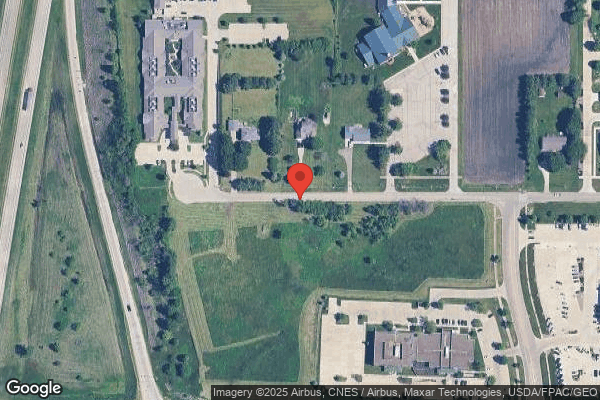
Understanding Severity Codes (click to expand)
Life-Threatening (Immediate Jeopardy)
J - Isolated K - Pattern L - Widespread
Actual Harm
G - Isolated H - Pattern I - Widespread
Potential for Harm
D - Isolated E - Pattern F - Widespread
No Harm (Minor)
A - Isolated B - Pattern C - Widespread

Questions to Ask on Your Visit

  • "What changes have you made since the serious inspection findings?"
  • "Can I speak with families of current residents?"
  • "What's your RN coverage like on weekends and overnight?"

Our Honest Assessment

Strengths
  • • Licensed and certified facility. Meets minimum state requirements.
Concerns
  • • Multiple safety concerns identified: 1 life-threatening violation(s), 4 harm violation(s), $34,450 in fines. Review inspection reports carefully.
  • • 56 deficiencies on record, including 1 critical (life-threatening) violation. These warrant careful review before choosing this facility.
  • • $34,450 in fines. Higher than 94% of Iowa facilities, suggesting repeated compliance issues.
  • • Grade F (3/100). Below average facility with significant concerns.
Bottom line: Trust Score of 3/100 indicates significant concerns. Thoroughly evaluate alternatives.

About This Facility

What is Parkridge Specialty Care's CMS Rating?

CMS assigns Parkridge Specialty Care an overall rating of 1 out of 5 stars, which is considered much below average nationally. Within Iowa, this rating places the facility higher than 0% of the state's 100 nursing homes. A rating at this level reflects concerns identified through health inspections, staffing assessments, or quality measures that families should carefully consider.

How is Parkridge Specialty Care Staffed?

CMS rates Parkridge Specialty Care's staffing level at 3 out of 5 stars, which is average compared to other nursing homes. Staff turnover is 46%, compared to the Iowa average of 46%.

What Have Inspectors Found at Parkridge Specialty Care?

State health inspectors documented 56 deficiencies at Parkridge Specialty Care during 2022 to 2025. These included: 1 Immediate Jeopardy (the most serious level, indicating potential for serious harm or death), 4 that caused actual resident harm, and 51 with potential for harm. Immediate Jeopardy findings are rare and represent the most serious regulatory concerns. They require immediate corrective action.

Who Owns and Operates Parkridge Specialty Care?

Parkridge Specialty Care is owned by a non-profit organization. Non-profit facilities reinvest revenue into operations rather than distributing to shareholders. The facility is operated by CARE INITIATIVES, a chain that manages multiple nursing homes. With 90 certified beds and approximately 77 residents (about 86% occupancy), it is a smaller facility located in PLEASANT HILL, Iowa.

How Does Parkridge Specialty Care Compare to Other Iowa Nursing Homes?

Compared to the 100 nursing homes in Iowa, Parkridge Specialty Care's overall rating (1 stars) is below the state average of 3.0, staff turnover (46%) is near the state average of 46%, and health inspection rating (1 stars) is much below the national benchmark.

What Should Families Ask When Visiting Parkridge Specialty Care?

Based on this facility's data, families visiting should ask: "What changes have been made since the serious inspection findings, and how are you preventing similar issues?" "Can I visit during a mealtime to observe dining assistance and food quality?" "How do you handle medical emergencies, and what is your hospital transfer rate?" "Can I speak with family members of current residents about their experience?" These questions are particularly relevant given the facility's Immediate Jeopardy citations.

Is Parkridge Specialty Care Safe?

Based on CMS inspection data, Parkridge Specialty Care has documented safety concerns. Inspectors have issued 1 Immediate Jeopardy citation (the most serious violation level indicating risk of serious injury or death). The facility has a 1-star overall rating and ranks #100 of 100 nursing homes in Iowa. Families considering this facility should ask detailed questions about what corrective actions have been taken since these incidents.

Do Nurses at Parkridge Specialty Care Stick Around?

Parkridge Specialty Care has a staff turnover rate of 46%, which is about average for Iowa nursing homes (state average: 46%). Moderate turnover is common in nursing homes, but families should still ask about staff tenure and how the facility maintains care continuity when employees leave.

Was Parkridge Specialty Care Ever Fined?

Parkridge Specialty Care has been fined $34,450 across 1 penalty action. The Iowa average is $33,423. While any fine indicates a compliance issue, fines under $50,000 are relatively common and typically reflect isolated problems that were subsequently corrected. Families should ask what specific issues led to these fines and confirm they've been resolved.

Is Parkridge Specialty Care on Any Federal Watch List?

Parkridge Specialty Care is not on any federal watch list. The most significant is the Special Focus Facility (SFF) program, which identifies the bottom 1% of nursing homes nationally based on persistent, serious quality problems. Not being on this list means the facility has avoided the pattern of deficiencies that triggers enhanced federal oversight. This is a positive indicator, though families should still review the facility's inspection history directly.