On With Life Long Term Care
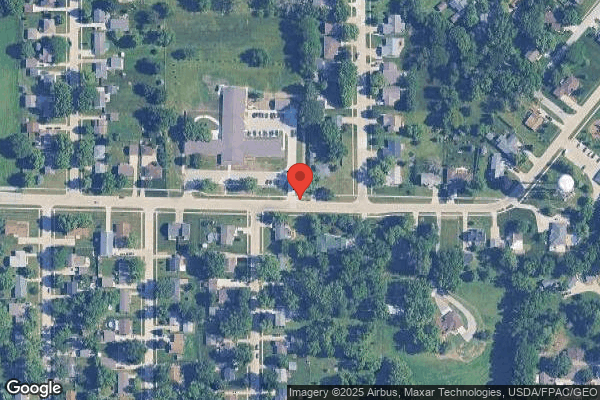
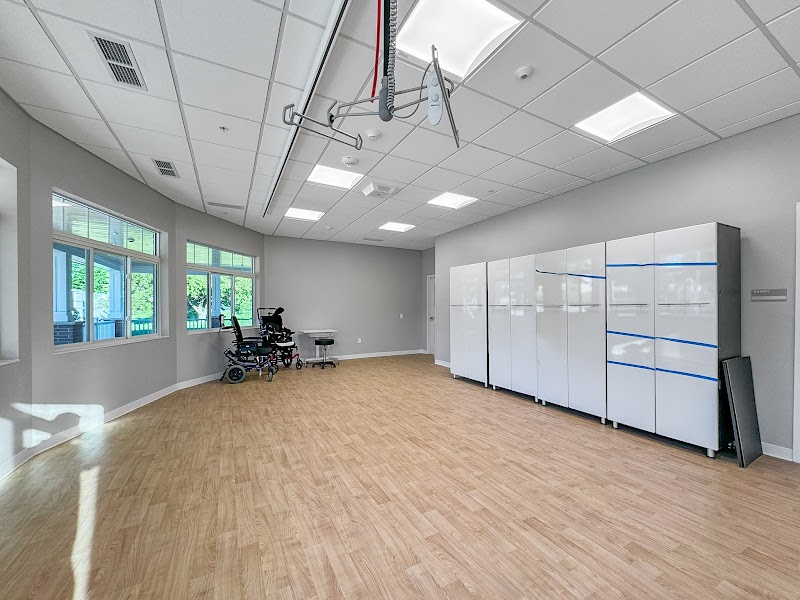
1002 W Washington Ave., Polk City, IA 50225 (515) 421-9200
Non profit - Corporation 40 Beds Independent Data: November 2025
Trust Grade
70/100
#135 of 392 in IA
Last Inspection: December 2024

Within standard 12-15 month inspection cycle. Federal law requires annual inspections.

Overview

On With Life Long Term Care in Polk City, Iowa, has a Trust Grade of B, indicating it is a good choice for families seeking care. It ranks #135 out of 392 nursing homes in Iowa, placing it in the top half of facilities statewide, and #14 of 29 in Polk County, meaning only one local option is better. The facility is improving, with issues decreasing from 4 in 2023 to 2 in 2024. Staffing is rated at 4 out of 5 stars, but the high turnover rate of 81% is concerning, as it is significantly above the state average of 44%. There have been no fines, which is a positive sign, and the facility has more RN coverage than 81% of Iowa facilities, ensuring better oversight of resident care. However, there are some weaknesses to consider. Recent inspections revealed concerns about food safety, such as staff failing to wear hairnets properly while serving food, which could lead to foodborne illness. Additionally, a resident's catheter bag was found lying on the floor instead of being properly maintained, posing an infection risk. The facility also inaccurately recorded a resident's vaccination status, highlighting areas that need attention. Overall, while On With Life shows strengths in care quality and RN coverage, families should be aware of the staffing challenges and specific health and safety concerns.

Trust Score
B
70/100
In Iowa
#135/392
Top 34%
Safety Record
Low Risk
No red flags
Inspections
Getting Better
4 → 2 violations
Staff Stability
⚠ Watch
81% turnover. Very high, 33 points above average. Constant new faces learning your loved one's needs.
Penalties
✓ Good
No fines on record. Clean compliance history, better than most Iowa facilities.
Skilled Nurses
✓ Good
Each resident gets 118 minutes of Registered Nurse (RN) attention daily — more than 97% of Iowa nursing homes. RNs are the most trained staff who catch health problems before they become serious.
Violations
○ Average
7 deficiencies on record. Average for a facility this size. Mostly minor or procedural issues.
★★★★☆
4.0
Overall Rating
★★★★☆
4.0
Staff Levels
★★★★☆
4.0
Care Quality
★★★★☆
4.0
Inspection Score
Stable
2023: 4 issues
2024: 2 issues

The Good

  • 4-Star Staffing Rating · Above-average nurse staffing levels
  • 4-Star Quality Measures · Strong clinical quality outcomes
  • Full Sprinkler Coverage · Fire safety systems throughout facility
  • No fines on record

Facility shows strength in staffing levels, quality measures, fire safety.

The Bad

Staff Turnover: 81%

35pts above Iowa avg (46%)

Frequent staff changes - ask about care continuity

Staff turnover is very high (81%)

33 points above Iowa average of 48%

The Ugly 7 deficiencies on record

Dec 2024 2 deficiencies
CONCERN (D)

Potential for Harm - no one hurt, but risky conditions existed

Infection Control (Tag F0880)

Could have caused harm · This affected 1 resident

Based on observation, clinical record review, staff interview, and policy review, the facility failed to maintain infection control standards due to a catheter bag not maintained in a bag cover and ly...

Read full inspector narrative →
Based on observation, clinical record review, staff interview, and policy review, the facility failed to maintain infection control standards due to a catheter bag not maintained in a bag cover and lying on the floor under the resident's wheelchair for 1 (Resident #26) of 1 resident reviewed for catheter care. The facility reported a census of 40 residents. Findings include: The Quarterly Minimum Data Set (MDS) for Resident #26, dated 9/12/24, included diagnoses of anoxic (very low oxygen level) brain damage and seizure disorder. The Care Plan for Resident#26 with revision date 12/02/24 documented as focus area as follows; the resident had an indwelling urinary catheter due to urinary retention related to brain injury. The goal of the Care Plan documented the Foley cahteter was to be taken care of per protocol and discontinuation to be reassessed regularly. Interventions of the Care Plan included; monitor/record/ report to doctor for signs or symptoms of urinary tract infection which may include pain, burning, blood tinged urine, cloudiness, no output, deepening of urine color, foul smelling urine. Resident #26's order summary report dated 12/12/24 revealed an order for a Foley catheter (tube into bladder to drain urine) for urinary retention on 12/1/24. Observation on 12/09/24 at 11:02 AM, resident sitting in wheelchair in her room with the catheter bag, without a bag cover (bag to protect urinary bag from touching the floor), on the floor under the wheelchair. Facility policy, Closed Urinary Drainage revised 4/30/24, documented attach drainage bag to bed frame, not touching floor within the bag cover. Interview on 12/12/24 at 1:19 PM, the Director of Nursing stated expectation for the catheter bag to be in a cover bag, attached to the chair or bed, and not touching the floor.
CONCERN (E)

Potential for Harm - no one hurt, but risky conditions existed

Food Safety (Tag F0812)

Could have caused harm · This affected multiple residents

Kitchen Based on observations, staff interview, and policy review the facility failed to serve food under sanitary conditions to prevent foodborne illness during one of two meals observed. Facility st...

Read full inspector narrative →
Kitchen Based on observations, staff interview, and policy review the facility failed to serve food under sanitary conditions to prevent foodborne illness during one of two meals observed. Facility staff also failed to conceal hair completely in a hairnet to prevent foodborne illness. The facility reported a census of 40 residents. Findings include: Observations revealed the following: a. On 12/9/24 at 9:30 AM, the dietary supervisor wore a hairnet covering the hair pulled into a hair tie on the top of her head, but had the front, sides and back of the hair exposed (not in the hairnet). b. On 12/10/24 at 4:49 PM, Staff B, dietary aide, wore gloves while she served food to the residents. Staff B touched the handle of utensils used to serve entrees, and then used her gloved hand, picked up a piece of meat, and placed the meat onto the plates. c. During the lunch meal service on 12/11/24 starting at 11:55 AM, Staff A, dietary cook, wore gloves as he plated food for the residents. Staff A used a paring knife to cut up the chicken parmesan/ noodles and vegetables, then used tongs to place garlic bread onto the plates. Staff A picked the garlic bread up with his gloved hand and then used scissors to cut the garlic bread into bite-sized pieces. Staff A touched bowls and utensils, opened a drawer to obtain a serving scoop, then touched the food with the same gloved hands. d. On 12/11/24 at 12:25 PM, the dietary supervisor donned a pair of gloves, placed a ham and cheese sandwich on a cutting board, then took a knife and applied butter to the bread. The dietary supervisor continued to wear the same gloves, opened a drawer, obtained a spatula, then picked up the ham/cheese sandwich, and placed the sandwich in a frying pan on the stove with the same gloved hand. At 12:28 PM, the dietary supervisor wore the same gloves, used a knife to cut up the grilled ham and cheese sandwich, then placed the sandwich onto a plate. e. On 12/11/24 at 12:35 PM, the dietary supervisor wore gloves, opened the lid to the refrigerated food storage/prep area, removed a block of cheese slices, peeled cheese slices off, and placed the cheese slices on a slice of bread. The dietary supervisor then opened the refrigerator, removed a package of ham slices, placed ham slices onto a paper towel, then placed the ham slices onto the bread. The dietary supervisor picked up a knife and applied butter onto the bread slices. The dietary supervisor picked up the ham and cheese sandwich with her gloved hand and placed the ham and cheese sandwich into the frying pan. The dietary supervisor continued to wear the same gloves and touched food and non-food items. At 12:39 PM, the dietary supervisor placed the grilled ham and cheese sandwich onto a cutting board, took a knife and cut the sandwich up, then picked the cut-up pieces and placed them onto a plate and removed her gloves. f. During the lunch meal service on 12/11/24, the dietary supervisor wore a hairnet that only covered the hair on top of her head. The hair on the front, sides, and back of her head were not covered in the hairnet. Staff C wore a hairnet that covered the hair above the ears only, and had hair exposed to the sides and back of his head. Staff B wore a hairnet that covered only the top of the head, but the back and sides of the head were not restrained in the hairnet. In an interview 12/12/24 at 12:57 PM, the Dietician reported she expected staff wear gloves anytime hands came into contact with ready to eat food. The dietician also reported gloves changed between tasks. The dietician also expected staff wear hairnets and had hair covered when staff worked in the kitchen. An undated Disposable Gloves policy revealed disposable gloves used whenever manual contact with ready to eat food is unavoidable, in order to provide a measure of protection in preventing foodborne illness. Gloves changed when they became soiled or whenever changed tasks. Hands washed after soiled gloves removed. An undated Personal Hygiene policy revealed all dietary staff practiced good hygiene to maintain sanitary working conditions. Hairnets or bonnets must be worn at all times in the kitchen. The hairnet must completely cover the hair.
Sept 2023 4 deficiencies
CONCERN (D)

Potential for Harm - no one hurt, but risky conditions existed

Assessment Accuracy (Tag F0641)

Could have caused harm · This affected 1 resident

**NOTE- TERMS IN BRACKETS HAVE BEEN EDITED TO PROTECT CONFIDENTIALITY** Based on clinical record review, staff interview, guidance from the Resident Assessment Instrument (RAI) and the Centers for Dis...

Read full inspector narrative →
**NOTE- TERMS IN BRACKETS HAVE BEEN EDITED TO PROTECT CONFIDENTIALITY** Based on clinical record review, staff interview, guidance from the Resident Assessment Instrument (RAI) and the Centers for Disease Control (CDC) guidelines, and facility policy review the facility failed to accurately reflect the pneumococcal vaccination status on the Minimum Data Set (MDS) Assessment for 1 of 5 residents reviewed (Res #8). The facility reported a census of 31 residents. Findings include: The MDS for Resident #8 dated 9/4/23 identified a Brief Interview of Mental Status (BIMS) score of 4 out of 15 indicating severe cognitive impairment. The MDS documented diagnoses that included traumatic brain dysfunction and diabetes mellitus. The MDS reflected an admission to the facility date as 7/2/07 and a birth year of 1952. The clinical record for Resident #8 revealed he had six MDS Assessments completed since last annual survey, dated 7/4/22, 10/4/22, 1/2/23, 4/4/23, 6/9/23 and 9/4/23. Five of the six of the MDS Assessments coded the resident's pneumococcal vaccination up to date. The immunization portion of the Electronic Health Record reflected the resident received a pneumococcal vaccination on 7/26/07 and had received no further pneumococcal vaccinations since that time. The Long Term Care Facility Resident Assessment Instrument (RAI) 3.0, October 2019 directs on page O-12 Up to date means in accordance with current Advisory Committee on Immunization Practices (ACIP) recommendations. The ACIP provides guidance to the CDC regarding use of vaccines. The guidelines from the CDC document the recommendation for adults age [AGE] older is to receive at least one further vaccination 1 year after the prior vaccination, based on the type of vaccine in order to considered up to date. On 9/27/23 at 12:30 pm, the MDS Coordinator stated it was her error of marking Resident #8's vaccines as up to date. She stated she was unclear that he required a second dose in order to be up to date and she would submit a modification of the MDS. The undated facility policy titled On With Life MDS Policy documented the expectation of the MDS Coordinator Registered Nurse: Accurately codes the MDS to reflect services delivered per RAI guidelines.
CONCERN (D)

Potential for Harm - no one hurt, but risky conditions existed

Comprehensive Care Plan (Tag F0656)

Could have caused harm · This affected 1 resident

Based on clinical record review, observation, staff interviews and family interviews, the facility failed to follow interventions on a comprehensive care plan for 1 of 12 residents reviewed (Resident ...

Read full inspector narrative →
Based on clinical record review, observation, staff interviews and family interviews, the facility failed to follow interventions on a comprehensive care plan for 1 of 12 residents reviewed (Resident #11). The facility reported a census of 31 residents. Findings include: The Minimum Data Set (MDS) of Resident #11 dated 9/4/23 identified severely impaired cognitive skills for daily decision making. The MDS revealed the resident totally dependent upon staff assistance for bed mobility, transfers, wheelchair locomotion, dressing, eating, toilet use, personal hygiene and bathing. The MDS coded a functional limitation in range of motion (ROM) with impairments present on both sides of the resident's body in the upper and lower extremities. The Care Plan with a focus area of impaired skin integrity, dated 2/24/22 directed staff to: • Place pillows along side body and place arms to side, not across chest during nap during the day • Bilateral Upper Extremity Bivalves during nap during the day • Hard Wrist Splints during nap during the day • Bilateral PRAFO's when lying on back • Compression socks turned inside-out The Care Plan with a focus area of Activity of Daily Living (ADL) self-care performance deficit, revision date 4/5/22, directed staff: • Resident wears bilateral AFOs; ensure they are put on correctly • Bend the resident's knee when applying AFO to facilitate proper placement On 9/25/23 at 1:15 pm, a family member of Resident #11 stated concerns that the braces are not used on days family does not visit. The family member stated he has photos of where Resident #11's braces are stored and the braces are found to be in the exact same spot and position two days in a row as if they have not moved or been used. On 9/27/23 at 12:40 pm, Resident #11 was observed lying in bed. She had bivalves on her arms but her wrist splints were on her shelf, not being utilized. Her AFO boots were on but were observed not to be in proper alignment. There was approximately 1 inch of space between the resident's heel of her feet and the AFO. On 9/27/23 at 1:29 pm, a family member of Resident #11 arrived for a visit. The family member also pointed out the compression sock was not turned inside out as directed on the care plan on the Resident's left foot. The family member removed both AFO's and demonstrated during reapplication that when bending the knee as directed on the care plan, the heel of Resident #11's foot rested flat against the AFO as intended. On 9/27/23 at 2:15 pm, Staff C, Certified Nurse Aide (CNA) and Staff D, CNA entered the room to transfer the resident to her wheelchair. Staff C stated the wrist splints should have also been on Resident #11. Both staff denied they had performed cares to lay the resident down for her nap and were not aware of why her wrist splints were not placed. The resident's Electronic Health Record (EHR) revealed an active order dated 5/26/20 which stated OT/PT (Occupational Therapy/Physical Therapy) to assess, modify and schedule all splints, AFOs, and wheelchairs as necessary. The Task Section of the EHR revealed a task labeled CIRCULATORY which instructed staff as follows: Apply compression stockings inside out to avoid skin irritation from the seams. The task revealed it was signed as completed on 9/27/23 at 7:32 am. The Task Section of the EHR revealed a task labeled Splints Upper Extremity which instructed: Left Upper Extremity, Right Upper Extremity elbow extension bivalve with hand splint on during AM nap. The task revealed it was signed as completed on 9/27/23 at 11:13 am. The Task Section of the EHR revealed an unnamed task which instructed: During the Day: Place pillows along side my body and place my arms to the side not across my chest. BUE bivalves and hard wrist splints during nap. Bilateral PRAFOs when Supine. Compression socks-inside out. The task revelaed it was signed as completed on 9/27/23 at 12:45 pm. On 9/27/23 at 3:03 pm, the Occupational Therapist (OT) stated therapy sets the brace schedule for the CNA's to follow and the CNA's document them in the EHR under the Task section. She stated they also posts the schedules in the resident rooms. The OT stated Resident #11 has had the same brace schedule for over a year with no changes. On 9/27/23 at 3:12 pm the Director of Nursing (DON) stated it is her expectation the CNA's follow the care plan and place all splints/orthotic devices on the residents per therapy orders and as they are documented on the Tasks section of the EHR.
CONCERN (D)

Potential for Harm - no one hurt, but risky conditions existed

Respiratory Care (Tag F0695)

Could have caused harm · This affected 1 resident

**NOTE- TERMS IN BRACKETS HAVE BEEN EDITED TO PROTECT CONFIDENTIALITY** Based on observations, clinical record review, and staff interviews the facility failed to provide respiratory care and services...

Read full inspector narrative →
**NOTE- TERMS IN BRACKETS HAVE BEEN EDITED TO PROTECT CONFIDENTIALITY** Based on observations, clinical record review, and staff interviews the facility failed to provide respiratory care and services in accordance with professional standards of practice for 2 of 2 residents reviewed (Resident #10 and #15) requiring humidified air through tracheostomy. The facility reported a census of 31 residents. Findings included: 1. The Minimum Data Set (MDS) dated [DATE] for Resident #10 documented the resident is in a persistent vegetative state/no discernible consciousness so was unable to complete a Brief Interview of Mental Status (BIMS). The MDS documented diagnoses to include traumatic brain dysfunction, quadriplegia, tracheostomy and chronic respiratory failure, unspecified with hypoxia or hypercapnia. An observation on 9/25/23 at 12:26 PM in Resident #10's bedroom revealed humidified air bubbler and connection tubing dated 9/1/23. An observation on 9/26/23 at 10:00 AM in Resident #10's bedroom revealed humidified air bubbler and connection tubing dated 9/1/23. Review of Resident #10's Medication Administration Records (MAR) revealed an order to change respiratory tubing, bag, aerosol mask, and humidifier bottle every Friday night. The MAR also had an order to apply humidified air to tracheostomy while in the room as needed. 2. The MDS dated [DATE] for Resident #15 had a BIMS documented as should not be conducted because Resident #15 was rarely/never understood. The MDS documented diagnoses to include cerebral palsy, quadriplegia and tracheostomy. An observation on 9/25/23 at 12:56 PM in Resident #15's bedroom revealed humidified air bubbler and connection tubing dated 9/1/23. An observation on 9/26/23 at 10:06 AM in Resident #15's bedroom revealed humidified air bubbler and connection tubing dated 9/1/23. Review of Resident #15's MAR revealed an order for tracheostomy vent to be worn during the day to help humidify the air through his tracheostomy. Review of the undated document titled [NAME] Hall Night shift revealed tubing to be changed on Fridays. On 9/26/23 at 3:18 PM Staff A, Registered Nurse (RN), stated humidified air bubblers were changed monthly and the rest of the respiratory equipment were changed weekly. On 9/26/23 at 2:15 PM Staff B, Licensed Practical Nurse (LPN), stated the humidification bubblers were changed monthly. Staff B stated the rest of the respiratory equipment were changed weekly. Review of procedure with revisit date 3/7/23, titled Replacement of Suction Canisters and Respiratory Equipment revealed for infection prevention change respiratory equipment weekly (Example, Y-bag, tubing, humidifiers, nebulizer's, and cannula's). On 9/27/23 at 9:33 AM the DON stated the facility's expectation is that the bubbler and tubing connected to the humidification machine are replaced weekly. The DON stated that she expected the tubing and bubbler would have been changed out since 9/1/23. The DON stated it is on the night shift green hall report sheet for respiratory tubing to be changed out on Friday.
CONCERN (D)

Potential for Harm - no one hurt, but risky conditions existed

Deficiency F0883 (Tag F0883)

Could have caused harm · This affected 1 resident

**NOTE- TERMS IN BRACKETS HAVE BEEN EDITED TO PROTECT CONFIDENTIALITY** Based on clinical record review, staff interview, and the Centers for Disease Control (CDC) guidelines, the facility failed to p...

Read full inspector narrative →
**NOTE- TERMS IN BRACKETS HAVE BEEN EDITED TO PROTECT CONFIDENTIALITY** Based on clinical record review, staff interview, and the Centers for Disease Control (CDC) guidelines, the facility failed to provide the pneumococcal vaccination as appropriate for 1 of 5 residents reviewed (Res #8). The facility reported a census of 31 residents. Findings include: The Minimum Data Set (MDS) for Resident #8 dated 9/4/23 identified a Brief Interview of Mental Status (BIMS) score of 4 out of 15 indicating severe cognitive impairment. The MDS documented diagnoses that included traumatic brain dysfunction and diabetes mellitus. The MDS reflected an admission to the facility date as 7/2/07 and a birth year of 1952. The immunization portion of the Electronic Health Record reflected Resident #8 received a pneumococcal vaccination on 7/26/07 and had received no further pneumococcal vaccinations since that time. The guidelines from the CDC document the recommendation for adults age [AGE] older is to receive at least one further vaccination 1 year after the prior vaccination, based on the type of vaccine in order to be considered up to date. On 9/27/23 at 8:04 am the Infection Preventionist Nurse stated the facility used an older computer system in 2007 so they are unaware of which vaccination Resident #8 received. The EHR only showed it documented as Pneumovax Dose 1. She stated she would reach out to the guardian of the resident as well as the physician in order to get the resident up to date on the vaccine. She additionally stated the facility has reached out to coordinator for the EHR system to add a flag to a resident chart who is at or over age [AGE] so the facility can better track when a resident turns 65.
Jun 2022 1 deficiency
CONCERN (D)

Potential for Harm - no one hurt, but risky conditions existed

Unnecessary Medications (Tag F0759)

Could have caused harm · This affected 1 resident

Based on policy review, observations, record review and staff interviews, the facility failed to ensure a medication error rate of less than 5% for 2 of 2 Nurses (Staff J and Staff K) observed during ...

Read full inspector narrative →
Based on policy review, observations, record review and staff interviews, the facility failed to ensure a medication error rate of less than 5% for 2 of 2 Nurses (Staff J and Staff K) observed during Medication Administration. Observations during medication administration revealed there were two medication errors out of 27 opportunities, which resulted in a 7.41% medication error rate. Findings Include: A review of the facility policy titled, Administration of Medications, effective 02/09/2017, revealed, Objectives: To properly and safely administer medications for treating and/or preventing injury and disease .Procedures: .E. Read and check medication label against the electronic (e) MAR (Medication Administration Record) three times before administering medication (before removing medication, as drug is removed from container, before returning drug to medication cart or refrigerator). Check and observe the 6 rights of medication administration (right PS [person served], right medication, right dosage, right time, right route, and right documentation). 1. During an observation of Medication Administration on 06/28/2022 at 7:40 AM, Staff J, Registered Nurse (RN, administered Tobradex ointment onto both of Resident #6's eyelids. A review of the current Medication Review Report revealed a Physician Order, dated 06/22/2022, for Tobramycin/Dexamethasone suspension (drops) 0.3-0.1%. The order directed staff to instill one drop to both eyes four times a day for seven days for a bacterial infection. There was also an order, dated 06/22/2022, for Tobradex ointment 0.3-0.1%. The order directed staff to apply topically to the eyelids of both eyes at bedtime for seven days for a bacterial infection. During an interview on 06/28/2022 at 2:55 PM, Staff J confirmed the ointment was administered instead of the eye drop. 2. During an observation of Medication Administration on 06/28/2022 at 8:48 AM, Staff K, RN, administered one chewable tablet of aspirin 81 milligrams (mg). Staff K indicated the order was for enteric coated (a coating to prevent dissolving in the stomach and to avoid gastric distress) but there was not any available. A review of the current Medication Review Report revealed a Physician Order, started 05/28/2020, for aspirin low 81 mg enteric coated. The order directed staff to give one tablet by mouth daily with food. During an interview on 06/28/2022 at 3:02 PM, Staff K indicated the facility did not have enteric coated aspirin. Staff K stated the Pharmacy had been called but the enteric coated aspirin had not been sent. During an interview on 06/29/2022 at 10:35 AM, the Director of Nursing #1 indicated the expectation was for Physician Orders to be followed. During an interview on 06/30/2022 at 11:40 AM, the Executive Director indicated his expectation was for there to be no Medication Administration errors.
Understanding Severity Codes (click to expand)
Life-Threatening (Immediate Jeopardy)
J - Isolated K - Pattern L - Widespread
Actual Harm
G - Isolated H - Pattern I - Widespread
Potential for Harm
D - Isolated E - Pattern F - Widespread
No Harm (Minor)
A - Isolated B - Pattern C - Widespread

Questions to Ask on Your Visit

  • "Why is there high staff turnover? How do you retain staff?"
  • "Can I speak with families of current residents?"
  • "What's your RN coverage like on weekends and overnight?"

Our Honest Assessment

Strengths
  • • No major safety red flags. No abuse findings, life-threatening violations, or SFF status.
  • • No fines on record. Clean compliance history, better than most Iowa facilities.
Concerns
  • • 81% turnover. Very high, 33 points above average. Constant new faces learning your loved one's needs.
Bottom line: Mixed indicators with Trust Score of 70/100. Visit in person and ask pointed questions.

About This Facility

What is On With Life Long Term Care's CMS Rating?

CMS assigns On With Life Long Term Care an overall rating of 4 out of 5 stars, which is considered above average nationally. Within Iowa, this rating places the facility higher than 99% of the state's 100 nursing homes. This rating reflects solid performance across the metrics CMS uses to evaluate nursing home quality.

How is On With Life Long Term Care Staffed?
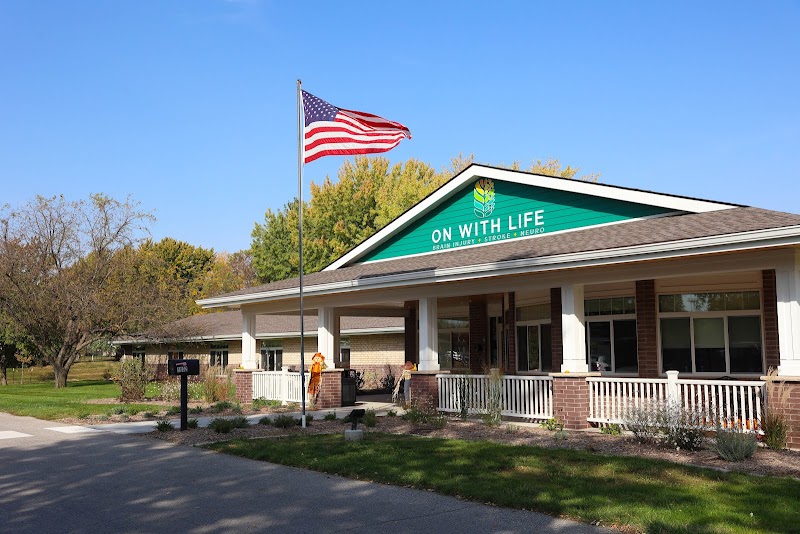
CMS rates On With Life Long Term Care's staffing level at 4 out of 5 stars, which is above average compared to other nursing homes. Staff turnover is 81%, which is 35 percentage points above the Iowa average of 46%. High turnover can affect care consistency as new staff learn residents' individual needs. RN turnover specifically is 71%, which is notably high. RNs provide skilled clinical oversight, so turnover in this role can affect medical care quality.

What Have Inspectors Found at On With Life Long Term Care?

State health inspectors documented 7 deficiencies at On With Life Long Term Care during 2022 to 2024. These included: 7 with potential for harm.

Who Owns and Operates On With Life Long Term Care?

On With Life Long Term Care is owned by a non-profit organization. Non-profit facilities reinvest revenue into operations rather than distributing to shareholders. The facility operates independently rather than as part of a larger chain. With 40 certified beds and approximately 38 residents (about 95% occupancy), it is a smaller facility located in Polk City, Iowa.

How Does On With Life Long Term Care Compare to Other Iowa Nursing Homes?

Compared to the 100 nursing homes in Iowa, On With Life Long Term Care's overall rating (4 stars) is above the state average of 3.1, staff turnover (81%) is significantly higher than the state average of 46%, and health inspection rating (4 stars) is above the national benchmark.

What Should Families Ask When Visiting On With Life Long Term Care?

Based on this facility's data, families visiting should ask: "How do you ensure continuity of care given staff turnover, and what is your staff retention strategy?" "Can I visit during a mealtime to observe dining assistance and food quality?" "How do you handle medical emergencies, and what is your hospital transfer rate?" "Can I speak with family members of current residents about their experience?" These questions are particularly relevant given the facility's high staff turnover rate.

Is On With Life Long Term Care Safe?

Based on CMS inspection data, On With Life Long Term Care has a clean safety record: no substantiated abuse findings (meaning no confirmed cases of resident harm), no Immediate Jeopardy citations (the most serious violation level indicating risk of serious injury or death), and is not on the Special Focus Facility watch list (a federal program monitoring the lowest-performing 1% of nursing homes). The facility has a 4-star overall rating and ranks #1 of 100 nursing homes in Iowa. While no facility is perfect, families should still ask about staff-to-resident ratios and recent inspection results during their visit.

Do Nurses at On With Life Long Term Care Stick Around?

Staff turnover at On With Life Long Term Care is high. At 81%, the facility is 35 percentage points above the Iowa average of 46%. Registered Nurse turnover is particularly concerning at 71%. RNs handle complex medical decisions and coordinate care — frequent RN changes can directly impact care quality. High turnover means new staff may not know residents' individual needs, medications, or preferences. It can also be disorienting for residents, especially those with dementia who rely on familiar faces. Families should ask: What is causing the turnover? What retention programs are in place? How do you ensure care continuity during staff transitions?

Was On With Life Long Term Care Ever Fined?

On With Life Long Term Care has no federal fines on record. CMS issues fines when nursing homes fail to meet care standards or don't correct problems found during inspections. The absence of fines suggests the facility has either maintained compliance or corrected any issues before penalties were assessed. This is a positive indicator, though families should still review recent inspection reports for the full picture.

Is On With Life Long Term Care on Any Federal Watch List?

On With Life Long Term Care is not on any federal watch list. The most significant is the Special Focus Facility (SFF) program, which identifies the bottom 1% of nursing homes nationally based on persistent, serious quality problems. Not being on this list means the facility has avoided the pattern of deficiencies that triggers enhanced federal oversight. This is a positive indicator, though families should still review the facility's inspection history directly.