Good Samaritan Society - Red Oak
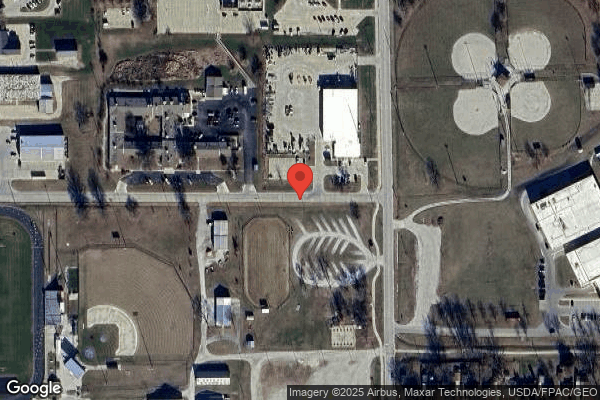

201 Alix Avenue, Red Oak, IA 51566 (712) 623-3170
Non profit - Corporation 64 Beds GOOD SAMARITAN SOCIETY Data: November 2025 1 Immediate Jeopardy citation
Trust Grade
23/100
#347 of 392 in IA
Last Inspection: April 2025

Within standard 12-15 month inspection cycle. Federal law requires annual inspections.

Overview

Good Samaritan Society - Red Oak has received a Trust Grade of F, indicating significant concerns about the facility's quality of care. It ranks #347 out of 392 in Iowa, placing it in the bottom half of nursing homes statewide, and #3 out of 4 in Montgomery County, meaning only one local option is better. The facility's conditions are worsening, with issues increasing from 9 in 2024 to 10 in 2025. While staffing is a relative strength with a rating of 4 out of 5 stars and a low turnover rate of 24%, the facility incurred $45,990 in fines, which is higher than 85% of Iowa facilities and suggests ongoing compliance problems. Notable incidents include a failure to provide timely assessments for a resident's worsening condition, leading to a critical situation, and inadequate measures to prevent falls for residents with a history of falls, resulting in injuries. While staffing levels are commendable, the facility's overall performance raises serious concerns for families considering care for their loved ones.

Trust Score
F
23/100
In Iowa
#347/392
Bottom 12%
Safety Record
High Risk
Review needed
Inspections
Getting Worse
9 → 10 violations
Staff Stability
✓ Good
24% annual turnover. Excellent stability, 24 points below Iowa's 48% average. Staff who stay learn residents' needs.
Penalties
✓ Good
$45,990 in fines. Lower than most Iowa facilities. Relatively clean record.
Skilled Nurses
✓ Good
Each resident gets 43 minutes of Registered Nurse (RN) attention daily — more than average for Iowa. RNs are trained to catch health problems early.
Violations
⚠ Watch
22 deficiencies on record. Higher than average. Multiple issues found across inspections.
★☆☆☆☆
1.0
Overall Rating
★★★★☆
4.0
Staff Levels
★★★★☆
4.0
Care Quality
★☆☆☆☆
1.0
Inspection Score
Stable
2024: 9 issues
2025: 10 issues

The Good

  • 4-Star Staffing Rating · Above-average nurse staffing levels
  • 4-Star Quality Measures · Strong clinical quality outcomes
  • Low Staff Turnover (24%) · Staff stability means consistent care
  • Full Sprinkler Coverage · Fire safety systems throughout facility
  • No fines on record
  • Staff turnover is low (24%)

    24 points below Iowa average of 48%

Facility shows strength in staffing levels, quality measures, staff retention, fire safety.

The Bad

1-Star Overall Rating

Below Iowa average (3.0)

Significant quality concerns identified by CMS

Federal Fines: $45,990

Above median ($33,413)

Moderate penalties - review what triggered them

Chain: GOOD SAMARITAN SOCIETY

Part of a multi-facility chain

Ask about local staffing decisions and management

The Ugly 22 deficiencies on record

1 life-threatening 1 actual harm
Aug 2025 1 deficiency 1 IJ
CRITICAL (J) 📢 Someone Reported This

A family member, employee, or ombudsman was alarmed enough to file a formal complaint

Immediate Jeopardy (IJ) - the most serious Medicare violation

Quality of Care (Tag F0684)

Someone could have died · This affected 1 resident

**NOTE- TERMS IN BRACKETS HAVE BEEN EDITED TO PROTECT CONFIDENTIALITY** Based on clinical record review, staff interviews, physician interview, physician assistant interview, policy review, and the Na...

Read full inspector narrative →
**NOTE- TERMS IN BRACKETS HAVE BEEN EDITED TO PROTECT CONFIDENTIALITY** Based on clinical record review, staff interviews, physician interview, physician assistant interview, policy review, and the National Library of Medicine review, the facility failed to provide assessments and interventions timely with a change in resident condition for 1 of 3 residents (Resident #3). The facility also failed to comprehensively care plan the need for assessment of impaired circulation following a history of a great toe amputation in June of 2025 which lead to the skilled placement at the facility. This failure resulted in Immediate Jeopardy to the health, safety and security of the resident. The facility reported a census of 37 residents. The State Agency informed the facility of the Immediate Jeopardy (IJ) on 8/6/25 at 9:50 AM. The IJ began on 8/3/25, when the resident exhibited an increase in her level of pain, along with a change in her activities of daily living (ADL) functional ability. Facility staff removed the IJ on 8/7/25 through the following actions:-Resident # 3 was transferred to the local hospital on 8/4/25 with a diagnosis of critical limb ischemia RLE. A thrombectomy was conducted to improve blood flow. Amputation was discussed with resident. -Residents with atherosclerosis, intermittent claudication and recent amputations and signs of DVT are at risk. All other residents diagnosis' were reviewed by nurse manager on 8/7/25 and no other residents present with signs or symptoms of ischemia. -All residents will be assessed at the time of noted changes with notifications to the physician for further direction/orders. All orders will be followed as provided. Nurses educated on 8/7/2025 by Nurse manager on the symptoms of DVT and circulatory assessments. A quiz was completed by all nurses after education to show understanding. No nurse will work until completing education and quiz. Education will be provided to all Certified Medication Assistants to interview resident for pain level prior to giving a prn and to report to charge nurse resident observed status and level of pain each time a PRN analgesic is given, nurse to assess as needed for any changes or concerns. Education done on 8/7/25 by Nursing Management, no medication assistant will work until education is completed. Quiz for understanding will be completed. Oversight will be provided each business day by the nursing management team to review any changes in resident status and ensure that appropriate assessments and documentation are completed and ongoing as necessary with updates to the physician and responsible party.-All residents will be assessed for signs and symptoms of DVT or atherosclerosis. This will be completed 8/7/2025 by nursing. Any residents with a known history of DVT or atherosclerosis will have circulatory assessments twice daily until face to face visit with physician. If symptoms present doctor will be notified immediately for further direction. This will be implemented 8/7/2025 by nursing.-Resident #3 will be assessed upon return from hospital and care plan updated as needed to provide individualized care. This will include physical and psychosocial needs. -An ad hoc QA meeting held 8/7/25 to review the care of this resident and action plan for education and care going forward.-Daily oversight will be completed each business day M-F beginning 8/8/24. Audit of circulatory assessments will be completed daily x5 days and weekly x3 with results taken to QAPI for further review and recommendation.The scope lowered from a J to a D at the time of the survey after ensuring the facility implemented education and their policy and procedure. Findings include: According to the Minimum Data Set (MDS) assessment dated [DATE] Resident #3 scored 15/15 on the Brief Interview for Mental Status (BIMS) score indicating normal cognitive function. The document revealed diagnoses of amputation, coronary artery disease, atherosclerosis native arteries of extremities with gangrene right leg, atherosclerosis native arteries of extremities with resting pain right leg, atherosclerosis native arteries of extremities with resting pain, left leg, presence of other vascular implants and grafts, occlusion and stenosis of right carotid artery, and congenital renal artery stenosis. The MDS noted the resident took antidepressant, anticoagulant, antibiotic, opioid, antiplatelet, and anticonvulsant medications. The document recorded the resident receiving scheduled and as needed (PRN) pain medication, and no non-medication interventions for pain during the last 5 days of the assessment period. The MDS reflected that the resident required partial/moderate assistance for toileting, sitting to/from standing, transfers and utilized a walker and wheelchair. The Care Plan with the initiated date 8/6/25 revealed a focus area related to impaired circulation related to Atherosclerosis of Native Arteries of right and left legs, Peripheral Artery Disease, exhibited by recent Bypass graft to right (R) and left (L) Femoral popliteal arteries was initiated on 8/6/25. The goal of being free from signs/symptoms of complications of poor circulation through the review period was initiated on 8/7/25. Interventions for staff included observing fingers and lower extremities/stumps for pedal pulses, pain, edema, sensation, movement, temperature and color routinely and notify the nurse of any changes and the nurse to immediately notify the primary care provider (PCP) and document abnormal observations in progress notes. The Care Plan lacked any focus area or directions for staff related to impaired circulation prior to 8/6/25.The Care Plan provided a focus area of the resident being on opioid therapy related to post-surgical pain initiated and revised on 6/13/25. The interventions for staff included observe/record/report to the nurse any signs/symptoms of non-verbal pain: (SPECIFY: Changes in breathing (noisy, deep/shallow, labored, fast/slow), vocalizations (grunting, moans, yelling out, silence), mood/behavior changes (more irritable, restless, aggressive, squirmy, constant motion), face (sad, crying, worried, scared, clenched teeth, grimacing) and body (tense, rigid, rocking, curled up, thrashing). A focus area of the resident being on anticonvulsant medication therapy related to chronic neuropathic pain initiated and revised on 6/13/25 provided an intervention to monitor the resident condition based on clinical practice guidelines or clinical standards of practice related to use of Gabapentin. A focus area related to acute pain/discomfort related to the incision to groin and right lower extremity (RLE) initiated and revised on 6/13/25 provided interventions to notify the health care provider if interventions were unsuccessful or if current complaint was a significant change from residents past experience of pain, the resident was able to notify staff of pain, rate pain level on 0-10 scale, request intervention and report effectiveness of intervention, and observe and report changes in usual routine, sleep patterns, decrease in functional abilities, decrease range of motion (ROM), and withdrawal or resistance to care with an initiation/revision date of 6/13/25. An activities of daily living (ADL) self-care performance related to RLE bypass graft and pain focus area dated 6/13/25 provided staff interventions of ambulation in room with staff assistance and 1 assist with gait belt and front wheeled walker to transfer.The clinical record lacked documentation pertaining to non-pharmacological interventions related to pain.The Wound Data Collection -V2 dated 8/3/25 at 1:10 PM for the unstageable right (R) heel ulcer revealed there were no signs of complications or resident complaint of pain. There was no specific documentation related to a circulatory assessment. The Wound Data Collection -V2 dated 8/4/25 at 1:38 PM for the right groin incision revealed the right lower extremity (RLE) was purple, cold to touch and the resident had extreme pain.The Wound Data Collection - V2 dated 8/4/25 at 1:45 PM for the unstageable R heel ulcer revealed the RLE was purple, mottled, no pedal pulse and the resident had extreme pain in the entire RLE.The Wound Data Collection - V2 dated 8/4/25 at 1:52 PM for the right great toe amputation revealed the RLE was purple, mottled, cold to touch, the resident had extreme pain and was provided pain medication. The Pain Level Summary reviewed from 7/8/25 to 8/4/25 revealed 5/136 entries of the resident having complaints of 10/10 pain. The dates recorded with follow up pain levels included: 7/13/25 at 6:51 PM pain at 10/10 with an entry at 8:07 PM of pain at 5/10 7/14/25 at 2:21 AM, pain at 10/10 with an entry at 8:56 AM of pain 4/10 7/17/25 at 8:30 PM with pain at 10/10 with an entry at 10:12 PM of pain at 0/10 7/24/25 at 6:48 PM with pain at 10/10 with an entry on 7/25/25 at 4:18 AM of pain at 0/10 8/3/25 at 2:35 PM with pain at 10/10, follow up pain level of 10/10 around 4:00 was not documented. The Clinical Physician Orders printed 8/11/25 provided Resident #3 was prescribed: -Acetaminophen Extra Strength Tablet 500 mg 2 tablets every 8 hours PRN for pain not to exceed 3000 mg - start date 7/8/25 -Gabapentin Oral Capsule 100 mg 3 capsules three times a day (TID) for Atherosclerosis of Native Arteries of Extremities with Rest Pain, R leg, Atherosclerosis of Native Arteries of Extremities with Rest Pain, L leg - start date 7/14/25 -Lidocaine Patch 5% apply to affected area topically 1 time a day (QD) for pain - start date 7/9/25 -Lidocaine Path 5% apply to remove patch topically at bedtime for pain - start date 7/8/25 -Oxycodone HCL Oral Tablet 5 mg 1 tablet every 4 hours PRN for pain - start date 8/3/25 The Medication Administration Record (MAR) - Treatment Administration Record (TAR) 8/25 with the Pain Level Summary revealed Resident #3 was provided the following PRN medications and treatment related to pain management from 8/1/25 - 8/4/25: -8/1/25 at 2:23 PM Oxycodone HCL 5 mg 1 tablet every 6 hours PRN for pain (discontinued on 8/3/25) with pain 4/10. -8/1/25 at 3:24 PM pain 0/10 -8/1/25 at 9:20 PM Oxycodone HCL 5 mg 1 tablet every 6 hours PRN with pain 7/10 -8/1/25 at 10:31 PM pain 2/10 -8/3/25 at 11:23 AM Lidocaine Patch 5% bottom L foot -8/3/25 at 11:24 AM Oxycodone HCL 5 mg 1 tablet by mouth every 6 hours PRN with pain 5/10 -8/3/25 at 12:40 PM pain level 2/10 -8/3/25 at 1:21 PM Acetaminophen Extra Strength 500 mg 2 tablets with pain 7/10 -8/3/25 at 2:35 PM Oxycodone HCL 5 mg 1 tablet 1 time only for uncontrolled pain for 1 day (start 8/3/25 2:35 PM) with pain 10/10 -8/3/25 at 7:25 PM pain level 3/10 -8/4/25 at 2:14 AM Acetaminophen Extra Strength 500 mg 2 tablets with pain 5/10 -8/4/25 at 5:04 AM pain level 1/10 -8/4/25 at 8:25 AM OK to send to emergency room (ER) for uncontrolled pain/evaluation of numbness to RLE one time only for pain/numbness for 1 day (start date 8/3/25 2:45 PM) -8/4/25 at 8:26 AM pain level 0/10 -8/4/25 at 8:30 AM Oxycodone HCL 5 mg 1 tablet every 4 hours PRN with pain 4/10 -8/4/25 at 10:20 AM Acetaminophen Extra Strength 500 mg 2 tablets with pain 4/10 The Progress Notes dated 8/3/25 - 8/5/25 revealed the following entries:-8/3/25 at 11:24 AM Oxycodone HCL 5 mg -8/3/25 at 12:40 PM Pain medication was effective pain 2/10-8/3/25 at 1:21 PM Acetaminophen Extra Strength 500 mg 2 tablets. Resident crying, rubbing on R calf.-8/3/25 at 2:30 PM call placed to on-call physician informing of uncontrolled pain, numbness to the R calf. The resident had been provided PRN Oxycodone and Tylenol with no effectiveness. A new order was received for Oxycodone 5 mg now, to increase frequency to every 4 hours, and to send to the emergency room (ER) if pain continues to be uncontrolled, numbness continues to RLE. -8/3/25 at 2:35 PM Oxycodone HCL 5 mg 1 tablet-8/3/25 at 7:25 PM Acetaminophen Extra Strength 500 mg 2 tablets; follow up pain 3/10 and ineffective.-8/4/25 at 2:14 AM Acetaminophen Extra Strength 500 mg 2 tablets -8/4/25 at 5:04 AM PRN administration follow up pain 1/10 and effective. -8/4/25 at 8:30 AM Oxycodone HCL 5 mg 1 tablet-8/4/25 at 9:53 AM PRN administration follow up pain 0/10 and effective.-8/4/25 at 10:20 AM Acetaminophen Extra Strength 500 mg 2 tablets-8/4/25 at 10:30 AM Leg purplish/red in color, cold to touch and no palpable pedal pulse.-8/4/25 at 10:34 AM sent to ER due to RLE being cold to touch.-8/4/25 at 10:38 AM PRN administration follow up pain 4/10 and ineffective.-8/4/25 at 10:39 AM hospital surgical department requesting medication administration record as the resident was going into a surgical procedure to attempt to restore blood flow to RLE.-8/4/25 at 12:33 PM call from ER the resident transferred to a different hospital for Critical Limb Ischemia RLE with no circulation in leg.-8/4/25 at 2:00 PM entry for Transfer to the Hospital Form completion.-8/5/25 at 9:48 AM hospital contacted and a thrombectomy was performed to restore blood flow, with potential amputation in the future. The Point of Care Document Dressing revealed: -8/3/25 8:41 AM independent (no help or staff oversight)-8/3/25 8:05 PM limited assistance (resident highly involved)-8/4/25 8:41 AM total dependence (full staff performance) The Point of Care Document Walk in Room revealed: -8/3/25 8:41 AM (independent)-8/3/25 3:46 PM activity did not occur-8/4/25 8:41 AM extensive assistance The Point of Care Document Personal Hygiene revealed: -8/3/25 8:41 AM independent -8/3/25 3:45 PM independent -8/4/25 8:41 PM total dependence The Point of Care Document Transfers revealed: -8/3/25 8:41 AM independent -8/3/25 3:46 PM limited assistance -8/4/25 8:41 AM extensive assistance The Shift Exchange Documents for 8/1/25 - 8/4/25 disclosed for Resident #3: -8/1/25 Overnight OK -8/1/25 AM pain pill at 2:21 PM -8/2/25 Overnight OK -8/2/25 AM OK -8/2/25 PM OK -8/3/25 Overnight OK -8/3/25 AM 11:25 Oxy, 1:20 PM Tylenol -8/3/25 PM 2:36 PM oxy - new verbal order for increased frequency of Oxy 5 mg to every 4 hours and OK to send to ER if pain remains uncontrolled or numbness to right calf/leg. -8/4/25 Overnight can't stand up will fall -8/4/25 AM pain pill at 8:30 AM, sent to ER, admitted . The Skilled Nursing Facility (SNF)/Nursing Facility (NF) to Hospital Transfer Form (eINTERACT) dated 8/4/25 revealed the resident was transferred to the hospital at 1:58 PM. The document provided a report was called into the hospital at 10:00 AM with the resident's most recent pain medication of Oxycodone HCL 5 mg on 8/4/25 at 8:30 AM. The vital signs provided on the document revealed the last set of vitals was completed on 7/29/25, and pain level was 4/10 on 8/4/25 at 10:38 AM. The document lacked documentation pertaining to the Acetaminophen Extra Strength 500 2 tabs that was provided at 10:20 AM, and the completion of a current set of vitals. The Hospital Medical Record for 8/4/25 revealed Resident #3 arrived at the hospital on 8/4/25 at 11:02 AM via a wheelchair from the facility with chief complaints of right lower leg vein bypass, right big toe amputation, and the resident stating pain had started the previous day, pain was 10/10, sharp and throbbing, the right foot was cool to the touch, and no pedal pulse was found. The document provided the pain was first reported around 2:00 PM on 8/3/25 with orders for additional pain medication provided as ordered. The document reflected that the resident stated that pain continued through the night and into the morning of 8/4/25. The document disclosed the resident stated the RLE is painful, numb, unable to put weight on it without feeling that her leg was collapsing under her. The document's Physical Exam revealed: -The resident's right leg was cool and mottled compared to the left leg extending to just proximal to the knee.-There was neither a Dorsalis Pedis Artery Pulse or Posterior Tibial Pulse obtained by palpation or by Doppler.-The toes were very pale with no cap refill. -A wound VAC was in place at the right groin.-The resident presented with a peripheral heart rate of 73, respirations of 18, blood pressure 184/85 (high). A contrast enhanced computerized tomography scan (CT scan) angiogram of the abdomen and pelvis with bilateral lower extremities dated 8/4/25 recorded: -Occlusion of the R common iliac, internal and external iliac arteries.-Occlusion of the superficial femoral artery bypass graft. The hospital reported that due to the life-threatening nature of the resident's medical problem and the likely delay using ground transportation, air transport was arranged and the resident would go directly to the preop area of the hospital where the Vascular Surgeon practiced. On 8/6/25 at 11:54 AM Staff A, Registered Nurse (RN), stated Resident #3 began complaining of major pain with crying behavior and numbness in the RLE around 2:00 PM on 8/3/25. The staff stated the resident's skin color at the front of the calf where reporting pain was red in color, and a faint pulse was detectable. The staff stated the resident reports of pain previously had been vague, and she had never seen the resident cry with pain even with wound VAC changes. The staff stated she contacted the On-call Physician regarding the uncontrolled pain and not due for another PRN Oxycodone, as well as numbness of the RLE. The staff stated orders were received for a 1 time dose of Oxycodone, increased the frequency of the PRN Oxycodone to every 4 hours from every 6, and to send the resident to the hospital if the uncontrolled pain and numbness continued. The staff stated she did not document in the Progress Notes the resident's crying behavior related to the pain or the complaints of numbness in the RLE, as it was time for shift exchange and she thought she had helped out by calling the physician and getting the new orders. Staff A stated she gave a report to Staff E, RN, and Staff D, Certified Medication Aide (CMA), if the pain medication was not effective or continued numbness there was an order to send the resident to the ER. Staff A indicated that looking back, she wished she would have stayed versus leaving and followed up on the resident's pain since she was crying or even sent the resident to the ER right away. On 8/6/25 at 12:30 PM, Staff B, Certified Nurse Assistant (CNA), stated when she dropped off Resident #3's lunch tray on 8/3/25 the resident had her RLE propped up, complaining of pain, and crying. The staff stated the resident crying with pain was abnormal behavior. The staff stated she recalled the resident having an infection in the lower extremity and did not cry with pain. Staff B stated she contacted Staff A regarding the resident's behavior and complaint of pain. The staff stated when she returned to pick up the resident's tray, it was in the hallway and she heard Staff A state she was sending a fax out to the physician. On 8/6/25 at 12:35 PM, Staff C, CNA, stated the resident began complaining of pain and crying in the afternoon on 8/3/25. The staff stated the resident required more assistance than her normal for transfers in the afternoon on 8/3/25. Staff C stated the resident typically required limited assistance and would self transfer independently, but in the afternoon the resident required moderate assistance. Staff C stated Staff A left around 3:30 PM on 8/3/25 and Staff C took over as the nurse. On 8/6/25 at 12:58 PM Staff D stated she was notified by Staff A of the verbal order for a 1 time dose of Oxycodone HCL 5 mg for pain in the RLE. The staff stated the resident had been crying at the time of the medication dispensing which was unusual for the resident. The staff stated when she returned to the resident around 4:00 PM for medication administration the resident stated her RLE continued to hurt at 10/10 but no longer felt as though someone was stabbing her leg. The staff stated she spoke with the resident again later at an unspecified time, the resident was sitting up and continued to complain of pain. The staff stated she told Staff E if the pain was persisting the resident could be sent to the ER. On 8/6/25 at 1:27 PM the On-call Physician stated he recalled receiving a call from the facility regarding Resident #3 and the resident being anxious and having increased pain. The Physician stated he could not recall if the nurse reported a change in the resident's behavior with crying that was out of the ordinary. The On-call Physician stated he was aware of the resident being in the facility for lower extremity intervention and post-operative care. The Physician stated he was told the resident was on routine pain medications, had taken what was prescribed, and asked for additional medication. The On-Call Physician agreed to provide a 1 time dose of Oxycodone, change the frequency of the PRN Oxycodone medication, and told the nurse if there was any change in the RLE assessment or if the pain medication was not effective the resident needed to go to the hospital. When asked if 10/10 pain at 4:00 PM would be a concern when the additional dose of Oxycodone was provided at 2:30 PM, the On-Call Physician indicated the resident should have gone to the hospital. On 8/6/25 at 2:10 PM Staff E, Registered Nurse, confirmed she worked on 8/3/25. The staff stated she had no contact with Resident 3# as that was not her normal hallway to work. The staff stated she always goes down to listen to the shift exchange report, but did not recall any details about the resident. The staff stated Staff A was on shift until 6:00 PM when the overnight staff came on duty. On 8/6/25 at 2:20 PM the MDS Coordinator stated she completed an assessment on Resident #3 around 10:30 AM on 8/4/25 due to contact by the Wound Care Nurse/LPN stating the resident was crying with pain. The staff stated she requested the Social Services Supervisor/RN to accompany her to assess the resident. Prior to assessing the resident, the staff stated she read the MAR - TAR, saw the orders for sending the resident to the ER, and instructed Staff G to begin the transfer process. The MDS Coordinator stated the resident's RLE present with red/purple color, cold to touch, and no pedal pulse. The staff stated she put her assessment in the Progress Notes, but did not do a formal assessment. The staff reported documentation of the assessment would also be in the SNF/NF Transfer to Hospital Transfer Form dated 8/4/25. When reviewing the document, the MDS Coordinator acknowledged the completion of the document indicating the resident transferred at 1:58 PM when the resident had actually left the facility around 10:34 AM. The staff stated she was unsure if this document was available for the ER review when a resident was transferred from the facility. The MDS Coordinator admitted there was no documentation regarding any assessments on the resident's RLE despite the order from the physician stating to transfer the resident to the ER for uncontrolled pain/evaluation of numbness to the RLE. The MDS Coordinator stated that given the resident's diagnoses assessments should be completed at least once a shift and documented. On 8/6/25 at 2:40 PM the Social Services Supervisor/RN confirmed the Director of Nursing (DON) was on vacation. The staff confirmed she was present with the MDS Coordinator on 8/4/25 when the assessment took place, but could not provide a time except it was after 9:00 AM. The staff acknowledged that Resident #3 was provided a 1 time dose of Oxycodone on 8/3/25 at 2:35 PM, and there was no pain assessment or follow up regarding the pain documented in the clinical record. The staff stated she expected there to be a pain level follow up to ensure the effectiveness of the medication. The staff stated assessments should be completed once per shift and documented. The staff acknowledged there was no documentation of assessments in the Progress Notes. The staff stated Staff A clocked out at 3:11 PM despite being on the schedule until 6:00 PM. The Social Services Supervisor/RN stated it was not uncommon for a nurse to do that if their job duties were done, there was a CMA covering that area, and another nurse on the floor. On 8/6/25 at 2:47 PM Staff F, Wound Care Nurse/Licensed Practical Nurse (LPN), stated when she entered Resident #3's room on 8/4/25 in the morning the resident was crying and complaining of pain in the RLE. The staff stated she obtained Tylenol from Staff G, Registered Nurse (RN), and provided it to the resident. The Wound Care Nurse/LPN stated she could not recall Resident #3 crying previously with pain during treatments. The staff stated she did not consistently complete an assessment that included checking for a pedal pulse when doing the resident's wound care. The staff stated she could not recall a lot about the resident's pedal pulse as she did not complete the admission assessment but felt the pulse was good. The staff could not state what the pulse was like most recently. On 8/6/25 at 6:02 PM Staff G confirmed she worked on 8/4/25. The staff stated she was aware of the resident's order to go to the ER if she had uncontrolled pain and/or numbness in the RLE. The Staff stated the resident complained of pain around 8:00 AM and was provided her PRN Oxycodone. The staff stated a short time later the Wound Care Nurse/LPN contacted her about the resident requesting additional pain medication. Staff G stated as it was too early for additional Oxycodone, PRN Tylenol was dispensed, and provided to the Wound Care Nurse/LPN to provide to the resident. The staff stated she was then contacted by the Administrative Nurse to prepare to send the resident to the hospital as her leg was really cold. Staff G stated she did not recall Staff H, LPN, saying anything about the resident's RLE during shift exchange. The staff stated she discovered the order by reading the TAR as she does every time she comes on shift to ensure knowledge about residents' orders as she only worked 3 days/week. The staff stated she did not do assessments of the RLE on a routine basis unless the resident was complaining of pain. The staff stated if she did an assessment and the resident was skilled she would probably put it on the Skilled Assessment Note. Staff G responded if the resident was not skilled she would put the assessment on the Skin Assessment under the User Defined Assessments (UDAs) if there was something out of the ordinary. The staff continued if it was normal she might put something in the Progress Notes but nothing extensive. The staff stated there was no indication to do pedal pulse assessment. On 8/7/25 at 9:31 PM Staff H confirmed she was the overnight shift staff for 8/3/25 to 8/4/25. The staff stated she was not told anything during the shift exchange report regarding Resident #3 from Staff E. Staff H stated she did not recall anything specific to Resident #3 on the Shift Exchange Document. The staff stated the resident did require pain medication overnight, but that was not uncommon. The staff stated the resident had not cried during her previous shifts when requesting pain medication. The staff stated she was not aware of an order to send the resident to the ER for uncontrolled pain/evaluation of numbness to the RLE. Staff H stated she did not bring anything up to Staff G during the shift exchange on the morning of 8/4/25 as she did not know of the order. On 8/7/25 at 12:00 PM Staff A stated Staff E was aware of the staff leaving early and was the only nurse on the floor. The staff stated during shift exchange on 8/3/25 Staff E asked Staff A to make sure the conversation/order from the physician was written on the Shift Exchange Document. The staff stated she documented the contact with the physician and orders on the Shift Exchange Document. Staff A stated she was really upset that staff had not taken care of the resident, and felt she had done all she could at the end of her shift by calling the physician and getting orders due to the resident's significant complaints of pain and crying behavior. On 8/7/25 at 3:50 PM the Physician Assistant (PA) for the Vascular Surgeon stated Resident #3 had a through the knee amputation on 8/7/25. When asked if sending the resident to the hospital on 8/3/25 instead of 8/4/25 would have made a difference, the PA replied the resident would not have had to suffer as many days in significant pain as the thrombectomy would have been completed sooner as the resident did go immediately into surgery upon admission to the hospital, and the resident had relief from the pain following the procedure. On 8/13/25 at 4:40 PM Staff I, CNA, confirmed she provided care to Resident #3 on the night of 8/3/25 to 8/4/25. The staff stated during that shift the resident turned her call light on and requested to be changed. Staff I disclosed she completed care in bed as the resident was complaining of pain in the RLE. The staff voiced she was careful with moving the resident in bed due to the resident's complaints of pain. Staff I stated Resident #3's normal behavior was to turn her call light on, request to use the bathroom and be changed in the bathroom; the resident's behavior on 8/3/25 to 8/4/25 was outside of her normal behavior. The staff stated the nurse had also been in the resident's room that night to provide pain medication due to the resident's pain in the RLE. The facility policy titled Nursing Documentation Guidelines, Timelines - Rehab/Skilled reviewed/revised 5/7/25 revealed a purpose of systematically and continuously collecting information about the health status of a resident and to ensure appropriate documentation is completed in a timely manner. The document provided that if a change in condition was identified in a resident the nurse would use an eINTERACT Change in Condition Evaluation to collect the data prior to communicating with the medical provider. The document disclosed day-to-day documentation of specific occurrences would be completed in the Progress Notes. The National Center for Biotechnology Information, a service of the National Library of Medicine, National Institutes of Health, revealed the onset of action for Oxycodone is 10 to 30 minutes for immediate-release formulation and 1 hour for the controlled release. The plasma half-life is 3 to 5 hours, and stable plasma levels are reached within 24 to 36 hours. The duration ranges from 3 to 6 hours for immediate release or 12 hours for controlled release.
Apr 2025 9 deficiencies 1 Harm
SERIOUS (G) 📢 Someone Reported This

A family member, employee, or ombudsman was alarmed enough to file a formal complaint

Actual Harm - a resident was hurt due to facility failures

Accident Prevention (Tag F0689)

A resident was harmed · This affected 1 resident

**NOTE- TERMS IN BRACKETS HAVE BEEN EDITED TO PROTECT CONFIDENTIALITY** Based on observations, staff interviews, record review and facility policy review the facility failed to establish and implement...

Read full inspector narrative →
**NOTE- TERMS IN BRACKETS HAVE BEEN EDITED TO PROTECT CONFIDENTIALITY** Based on observations, staff interviews, record review and facility policy review the facility failed to establish and implement interventions to prevent falls and injuries for 2 of 3 residents reviewed. Resident #20 had a history of confusion and many falls. She tripped on the pedals of the wheel chair on 3/1/25 and staff failed to follow through with an intervention to remove those pedals from the wheelchair when not in use. On 4/2/15 the resident again tripped on the wheel chair pedals, fell and sustained head trauma. Resident #6 had many falls and the facility failed to evaluate for risks and hazards and failed to implement interventions for every fall. The facility reported a census of 43 residents. Findings include: 1. According to the Minimum Data Set (MDS) dated [DATE], Resident #20 had a Brief Interview for Mental Status (BIMS) score of 3 (severe cognitive deficit). She required supervision with eating, dressing and hygiene and toilet transfers. The resident had two or more falls with injury since admission. She was admitted to the facility on [DATE]. The Care Plan (CP) updated on 4/17/25, showed that Resident #20 was at risk for falls related to confusion, incontinence, osteoporosis, syncope and medication use. The CP listed 11 falls from 1/1/25 through 4/2/25. The resident had self-care performance deficit related to dementia, she was able to ambulate with seated walked, gait belt and assistance of one and she was able to transfer with the assistance of one staff. The resident had behavior symptoms related to dementia, a history of exit seeking and verbal aggression. On 4/7/25 Resident #20 was admitted to Hospice Services after an alteration in neurological status related to head injury with traumatic cerebral hemorrhage. On 4/15/25 at 10:03 AM, observed Resident #20 sitting in her wheelchair with Hospice staff in the dayroom. She had a tall back wheelchair; her feet were on the pedals and it was slightly tilted. There was an open sore on the right side of her face, her forehead and cheek had bruising in various stages of healing. The resident was very calm and the Hospice staff person said that she was just getting to know the resident and she had been told that Resident #20 had days of agitation. The Care Plan (CP) and Fall Scene Huddle Worksheet (FSHW) contained the following information related to falls since January: a. Fall on 1/9/25 the CP included an intervention to check frequently during shifts. The FSHW lacked a root cause or intervention. b. Fall on 1/25/25 unwitnessed in her room no intervention on the CP. FSHW intervention included wearing gripper socks 24 hours a day. c. Falls on 1/26 and 1/27/25 unwitnessed in her room, no interventions listed on the CP. FSHW included a medication change. d. Fall on 2/28/25 intervention on the CP not to leave the resident in the room unattended with foot rest on recliner up. FSHW included a root cause of trying to transfer out of the recliner. e. Fall on 3/1/25 the CP included an intervention to keep in view of staff. The FSHW included the root cause to be that she tripped on the foot pedals of the wheel chair, fall with abrasion to head. The corrective actions taken to prevent recurrence of this incident was to remove the pedals when not in use and all staff would complete the corrective action. f. Falls on 3/6 and 3/7/25 CP intervention was to check often (repeat intervention from 1/9) frequently leave door open. 3/7/25 fall in room when up independently with contusion to head. CP intervention to leave door to room open and check often. No FSHW document. g. Fall on 3/16/25 no intervention added on CP. FSHW documentation; found on floor in another resident's room. Confusion, intervention to keep light on in the bathroom. h. Fall on 4/2/25 in the morning, slid from wheel chair no injury no team meeting i. Fall on 4/2/25 late afternoon. CP included; the resident got up out of wheel chair independently, intervention to remove pedals from the WC unless staff pushing resident in chair. FSHW root cause resident attempting to stand up and tripped over wheel chair pedal. She had been fidgeting with pedals on WC all day, talking to people not there The Nursing Progress Notes for the resident included the following: a. On 3/1/25 at 10:38 AM the resident was sitting at the nurse's station, the Certified Nurse Aide (CNA) saw the resident attempt to get up from wheel chair, became unbalanced, swayed backward, unable to clear foot pedals on the wheel chair falling to the floor and obtained a 5-centimeter (cm) x 3 cm. laceration. b. On 4/2/25 at 1:03 PM, the resident was sitting in common area in wheelchair looking at a magazine, she tore a page out and was taking to someone, and slid to the edge of the wheelchair seat and then slow motion went to the floor, did not hit her head. The pedals were on the wheelchair. She was assessed and sat back it the wheelchair then taken to the front nurse's station. c. On 4/2/25 at 5:54 PM, the resident was sitting in chapel in her wheelchair attempting to get up and she tripped over the pedal on the wheelchair and fell and hit her head. Large amount of blood. Emergency service called and sent to the emergency room. d. On 4/2/25 at 8:50 PM, call to the hospital and told that she had a brain bleed and was being transferred to a larger hospital. e. On 4/5/25 at 1:36 PM, returned to facility from hospital. Scattered bruising on bilateral upper extremities abrasion on right forehead measuring 3 cm. x 1.5 cm. The Incident Reports included the following: a. 4/2/25 at 10:37 AM the resident was in her wheelchair by the nurses station. She had been messing with the pedals on the wheelchair and talking to someone. She had a picture from a magazine in her hand and scooted to the edge of the wheelchair seat and slid to the floor. b. 4/2/25 at 4:30 PM the resident was getting up out of the wheelchair. The nurse tried to get to her but the resident tripped over the pedals before she could get to her. She fell and hit her head. On 4/16/25 at 1:36 PM, Staff K, CNA, said that she was working on 4/2/25 when Resident #20 fell in the chapel. She and another CNA were taking the residents to the chapel to wait for the dining room to open. There was a nurse in the area and it was about 4:00 PM. Resident #20 said that she was cold so they got her a blanket. Staff K said that she had been more agitated and the night before they found her walking down the hallway on her own. She said there had been a time when they used chair alarms but they were no longer able to use them. The resident would also climb out of bed and it helped to have a bed pad that would alarm but they don't have that any more either. Staff K said they usually have two staff in the dining room to monitor residents. On 4/16/25 at 1:44 PM, Staff H, CNA said that she was working on 4/2/25 when Resident #20 fell. That evening, there was a nurse and about 6-7 residents' in the chapel waiting to be taken into the dining room. She said that she was talking to another resident and next thing she knew, Resident #20 was on the floor. Foot pedals on the wheel chair were down and she was covered with a blanket. On 4/16/25 at 2:15 PM, Staff B Licensed Practical Nurse (LPN) said that she was the only one in the chapel that afternoon and she was passing pills. When she saw the resident getting up, she had some pills in her hands and couldn't get to her fast enough to prevent her from falling. She said the resident had been messing around the pedals earlier in the day. On 4/16/25 at 3:03 PM, the Director of Nursing (DON) said that having just one person in the chapel when the residents were waiting to go into the dining room was enough because the CNAs were in and out as they assisted the other residents. She said that after falls, they had a stand-up meeting with the team and come up with ideas on what they can do differently and add those interventions to the care plan. 2. The MDS assessment dated [DATE] for Resident #6 documented she scored 12 on the BIMS indicating she has moderately impaired cognition. The MDS documented she was independent with transfers and walking 10 feet. The MDS documented she required supervision or touching assistance for walking 50 feet with two turns. The MDS documented she had diagnoses to include arthritis, dementia, multiple fractures of ribs and syncope and collapse. The Care Plan dated 1/2/24 documented the following fall focus for Resident #6: The resident has had an actual fall (prior to admit) with fracture to right arm R/T Poor balance, Dementia. 10/3/24 fall in room without injury. 10/5/24 fall in room when carrying items while pushing walker. 10/15/24 fall in room with 3 left rib fractures. 12/28/24 fall from obstacle in room. 2/3/25 fall in room when lost balance. 4/11/25 fall in dining room when slipped on floor. Date Initiated: 1/2/2024 Revision on: 4/14/2025 The Care Plan lacked documentation of the fall that occurred on 1/2/25 and any new interventions. The Progress Notes for the resident documented the following: On 1/2/25 at 7:05 PM Late Entry: As leaving room across the hall from resident room (her door was open) heard her yell at her radio, which was on the floor and watched her walk up to it and kick it. She went to kick it again and fell to her buttocks. She did not hit her head. Asked her to wait a minute while got someone to help get her up, she kicked at me, said it was all my fault and I wasn't to touch her. When CNA arrived, we attempted to help her up and she fought us scratching, pulling our clothes and refused to stand. On 1/2/25 at 7:05 PM Late Entry: She refused vitals (VS). When we thought she might be calmer (720pm) we were able to help her to bed, she continued to yell at us both and told us to take her to the huskow (slang for jail?). As we were leaving she put her hands above her head in the air and purposely slid easily to her floor, yelling leave me alone for good, I don't need any help from you and your people. Eventually we were able to get her up in the Hoyer without difficulty and transferred her to bed. No VS were able to be obtained. The Progress Notes lacked any other documentation regarding the fall on 1/2/25. On 4/16/25 at 11:50 AM the DON stated the facility does not have an incident report for the fall on 1/2/25. She stated the nurse at the time missed it. She stated it was crazy at the time of the fall, the resident was uncooperative and that affected their ability to assess her. Review of the clinical record and the chart lacked a Falls Tool assessment for the fall on 1/2/25. During an interview on 4/16/25 at 12:09 PM the DON stated they don't do a drill down to find the root cause at the time of the fall. She stated they discuss them the next morning at daily huddle with all staff and if there are reasons for the fall with recommendations that come out of that meeting then the MDS Coordinator will update the care plan and put those interventions in place. Upon asking, the DON provided the Falls Scene Huddle Worksheet for all of Resident #6's falls except she did not provide one for the fall that occurred on 1/2/25. The facility policy with the revised date 4/8/25 titled Fall Prevention and Management documented the following: Purpose: -To promote resident well-being by developing and implementing a fall prevention and management program. -To identify risk factors and implement interventions before a fall occurs. -To give prompt treatment after a fall occurs. -To provide guidance for documentation. Policy for fallen resident: 6. A nurse must observe the resident and perform a full body exam to determine if there may be suspected injury and direct whether to move the resident. f. Complete Fall Scene Huddle Worksheet. 8. If the resident is stable, call available employees to the scene of the fall and begin the investigation using the Fall Scene Huddle Worksheet. 9. After the initial documentation of the incident in the SAFE Event Reporting application (Incident Report), if there is a need for additional documentation, this will be done in the Progress Notes. 11. Complete the Falls Tool if not done in the post fall huddle. 16. Review and update the Care Plan with any changes/new interventions. 18. Continue to monitor condition and the effectiveness of the interventions.
CONCERN (D)

Potential for Harm - no one hurt, but risky conditions existed

Comprehensive Care Plan (Tag F0656)

Could have caused harm · This affected 1 resident

**NOTE- TERMS IN BRACKETS HAVE BEEN EDITED TO PROTECT CONFIDENTIALITY** 2. The MDS assessment dated [DATE] for Resident #6 documented she scored 12 on the BIMS indicating she has moderately impaired c...

Read full inspector narrative →
**NOTE- TERMS IN BRACKETS HAVE BEEN EDITED TO PROTECT CONFIDENTIALITY** 2. The MDS assessment dated [DATE] for Resident #6 documented she scored 12 on the BIMS indicating she has moderately impaired cognition. The MDS documented over the last two weeks she had little interest or pleasure in doing things 12-14 days, felt down, depressed or hopeless 7-11 days, and felt tired or had little energy 12-14 days. The MDS documented she had diagnoses to include dementia, anxiety disorder and depression. The Care Plan with the revised date of 1/13/25 documented Resident #6 is on an antidepressant related to depression. The Care Plan directed staff to monitor the resident condition based on clinical practice guidelines or clinical standards or practice. The Care Plan lacked any documentation of suicidal ideation. The Progress Notes for the resident documented the following: On 1/16/25 at 11:47 AM the Nurse Practitioner for Mental Health was here to see the resident for rounds. Resident stated to provider she wants to kill herself. The NP gave an order for the resident to be evaluated and treated in the emergency room (ER) for delirium and suicidal ideation. The fire department called for transport. Report given to the hospital ER and son present and aware. On 1/16/25 at 11:57 AM the resident transferred to the hospital. On 1/16/25 at 6:30 PM the resident returned from the hospital at 6:30 PM. Her son transported her via private vehicle. She had new orders for Sertraline increase for depression. Her other order was for Lorazepam 1 mg IM every 6 hours PRN agitation. Her son is aware of the new orders. The written orders were faxed to the pharmacy. When she arrived, she told her son and myself that we needed to leave her alone, that she was going to bed. She took all of her scheduled (hour of sleep) HS meds without complaint. On 4/16/25 at 11:50 AM the Director of Nursing stated the NP for mental health continued to follow the resident for her psyche concerns but the Care Plan was not implemented for interventions done for the suicidal ideation. Based on clinical record review, observation, staff interview, and policy review the facility failed to develop a comprehensive care plan that included problems, goals, or interventions for a resident (Resident #6) with suicidal ideations. The facility further failed to implement interventions for a smoking resident (Resident #18) listed on the care plan. The facility reported a census of 43 residents. Findings include: 1. Review of Resident #18's Minimum Data Set (MDS) dated [DATE] revealed a Brief Interview of Mental Status (BIMS) score of 15 indicating intact cognition. Review of Resident #18's Care Plan with a print date of 4/16/25 revealed Resident #18 is a smoker. The Care Plan further revealed interventions to store cigarettes and lighter at the nurse's station. On 4/16/25 at 9:01 AM observed Resident #18 smoking. It was then observed when Resident #18 came back into the facility Resident #18 kept the lighter in a pocket and did not place it at the nurse's station. Interview 4/16/25 at 9:18 AM with Resident #18 revealed that she keeps her lighter with her, but her cigarettes are kept at the nursing station. Interview 4/16/25 at 9:30 AM with Staff B Licensed Practical Nurse (LPN) revealed that they do not keep any of the cigarettes or lighters at the nurses station. Staff B then revealed that all rooms have a lock box, and that is where the residents who smoke should be keeping their items. Staff B further revealed that Resident #18 should be keeping her cigarettes in a lockbox. Interview 4/16/25 at 9:34 AM with the Director of Nursing (DON) revealed she would expect Resident #18 to place her lighter at the nurses station for safe keeping. During a follow up interview 4/17/25 at 8:06 AM with the DON revealed her expectation would be for staff to follow the care plan as implemented.
CONCERN (D)

Potential for Harm - no one hurt, but risky conditions existed

Deficiency F0658 (Tag F0658)

Could have caused harm · This affected 1 resident

Based on Electronic Health Record (EHR) review, staff interview, policy, and Medication Administration Records - Treatment Administration Records (MAR-TAR) review the facility failed to provide needed...

Read full inspector narrative →
Based on Electronic Health Record (EHR) review, staff interview, policy, and Medication Administration Records - Treatment Administration Records (MAR-TAR) review the facility failed to provide needed services in accordance with professional standards by leaving medications in the residents room for self administration without visualization by the nurse for 1 of 8 residents (Resident #3). The facility reported a census of 43 residents. Findings include: The Minimum Data Set (MDS) for Resident #3, dated 3/11/2025 documented a Brief Interview for Mental Status (BIMS) score of 15 indicating no cognitive impairment. The MDS documented utilization of an enteral feeding tube for medication administration. On 4/16/25 at 9:18 AM an observation revealed Staff N, Registered Nurse (RN) entered Resident #3's room with medications. Staff N completed administration of enteral medications. Staff N left Nystatin at Residents #3's chair side table to self administer later. Staff N left the room and shut the door. Review of Resident #3's MAR-TAR documented a physician's order for Nystatin mouth and throat suspension 100000 unit/mL. The order documented to give 5mL by mouth 2 times a day for sore mouth may give PRN also. Review or Resident #3 EHR titled, Care Plan documented no plan for self administration of medications. On 4/16/25 at 10:05 AM Staff N stated Resident #3 does the Nystatin treatment after breakfast. Staff N acknowledged that usually the medication was administered when she entered the room but at times when the meal had not been eaten she would leave the medication for Resident #3 to administer on her own. Staff N stated she did not think Resident #3 had an assessment for self administration of medications. Staff N acknowledged that day was one of the very few times that she had left the medication for Resident #3 to administer herself. On 4/16/25 at 10:11 AM the Director of Nursing (DON) acknowledged that Resident #3 did not have a self administration assessment completed and did not have a care plan that reflected she could keep the medication at the bedside. The DON stated since Resident #3 did not have a self administration assessment completed or an order from the doctor for self administration her expectation was that the nurse would remain in the room to monitor the administration of the medication. Review of the policy revised 4/8/25 titled, Medication Administration documented the resident had the right to self-administer medications if the interdisciplinary team determined that this practice was safe for the individual resident and was documented in the care plan. An order from the provider was required for that activity. Nursing employees would be aware of medications kept in the room and responsible for recording self-administration doses in the resident's medication record.
CONCERN (D) 📢 Someone Reported This

A family member, employee, or ombudsman was alarmed enough to file a formal complaint

Potential for Harm - no one hurt, but risky conditions existed

ADL Care (Tag F0677)

Could have caused harm · This affected 1 resident

**NOTE- TERMS IN BRACKETS HAVE BEEN EDITED TO PROTECT CONFIDENTIALITY** Based on observation, interview and record review the facility failed to provide oral cares for 1 of 3 residents reviewed (Resid...

Read full inspector narrative →
**NOTE- TERMS IN BRACKETS HAVE BEEN EDITED TO PROTECT CONFIDENTIALITY** Based on observation, interview and record review the facility failed to provide oral cares for 1 of 3 residents reviewed (Resident #28). The facility reported a census of 43 residents. Findings include: According to the Minimum Data Set (MDS) dated [DATE], Resident #28 had a Brief Interview for Mental Status (BIMS) score of 7 (moderate cognitive deficit.) He was totally dependent on staff for showering, dressing, personal hygiene and toileting. The Care Plan dated on 12/16/24, for Resident #28 showed that he had impaired cognitive functioning related to dementia and he was non-ambulatory. The resident required staff assistance of 1 for oral cares, shaving and grooming. A review of the clinical record; Point of Care History, Oral Care Provided for a 30 day history showed that Resident #28 did not have any oral cares provided in that timeframe. The History and Physical report from the hospital, dated 3/2/25 at 3:32 PM, showed that Resident #28 presented from the emergency room with pneumonia, urinary tract infection, suspected deep tissue injury of unknown depth of heel and a sacral wound. Once the resident arrived on the floor of the hospital, he was noted to have crusty skin in the corners of his mouth with yellow film build up in his mouth and teeth. On 4/17/25 at 7:25 AM, it was discovered that there were no tooth brushes in the bathroom cabinet. Staff L, Certified Nurse Aide (CNA) and Staff M, CNA said that they would help Resident #28 with oral care but they weren't sure where his toothbrush was. They looked around and found one in the top drawer of his dresser and a small tube of toothpaste. On 4/17/25 at 9:09 AM, the Director of Nursing (DON) said that staff were expected to set up the tooth brush and encourage the resident to brush his own teeth. She would expect that it would be documented. A facility policy titled: Denture and Oral Care last reviewed on 4/6/25 the purpose of the policy was to ensure good oral hygiene and maintain healthy condition of teeth and oral cavity. Staff were to document care in the Point of Care in the Electronic Medical Record (POC/EMR).
CONCERN (D) 📢 Someone Reported This

A family member, employee, or ombudsman was alarmed enough to file a formal complaint

Potential for Harm - no one hurt, but risky conditions existed

Pressure Ulcer Prevention (Tag F0686)

Could have caused harm · This affected 1 resident

**NOTE- TERMS IN BRACKETS HAVE BEEN EDITED TO PROTECT CONFIDENTIALITY** Based on observations, resident interview, staff interview and physician interview, record review, and facility policy review th...

Read full inspector narrative →
**NOTE- TERMS IN BRACKETS HAVE BEEN EDITED TO PROTECT CONFIDENTIALITY** Based on observations, resident interview, staff interview and physician interview, record review, and facility policy review the facility failed to provide adequate pressure ulcer care for 2 of 3 residents reviewed (Resident #39, #28). Resident #39 had a Stage IV pressure on his coccyx and staff failed to complete the treatments as ordered. He was found to have 3 areas of skin breakdown that staff failed to document and measure. Resident #28 had a Stage II pressure on his buttocks and was found to be without the ordered dressing. The facility reported a census of 43 residents. Findings include: The MDS (Minimum Data Set) assessment identifies the definition of pressure ulcers: Stage I is an intact skin with non-blanchable redness of a localized area usually over a bony prominence. Darkly pigmented skin may not have a visible blanching; in dark skin tones only it may appear with persistent blue or purple hues. Stage II is partial thickness loss of dermis presenting as a shallow open ulcer with a red or pink wound bed, without slough (dead tissue, usually cream or yellow in color). May also present as an intact or open/ruptured blister. Stage III Full thickness tissue loss. Subcutaneous fat may be visible but bone, tendon or muscle is not exposed. Slough may be present but does not obscure the depth of tissue loss. May include undermining and tunneling. Stage IV is full thickness tissue loss with exposed bone, tendon or muscle. Slough or eschar (dry, black, hard necrotic tissue). may be present on some parts of the wound bed. Often includes undermining and tunneling or eschar. Unstageable Ulcer: inability to see the wound bed. 1. According to the Minimum Data Set (MDS) dated [DATE], Resident #28 had a Brief Interview for Mental Status (BIMS) score of 7 (moderate cognitive deficit). He was totally dependent on staff for showering, dressing, personal hygiene and toileting. He had one, stage 2 pressure, and one stage 2 pressure that was present upon readmission. The MDS dated [DATE], showed that the resident had one, Stage I pressure injury at that time. The Care Plan updated on 12/16/24, for Resident #28 showed that he had impaired cognitive functioning related to dementia and he was non-ambulatory. He had a suprapubic urinary catheter. Staff were to monitor for cloudiness, output, foul smelling urine. He had the potential for pressure ulcer development and on 3/11/25 he had a stage 2 pressure to coccyx and a pressure on his heel they were noted to be present upon hospital return on 3/7/25. A Wound Data Collection (WDC) document dated 4/9/25 at 7:02 AM, showed that Resident #28 had an unstageable ulcer on the left heel that measured 2 centimeters (cm) x 3 cm. The wound was being treated with Betadine. The WDC dated 4/9/25 at 7:04 AM, showed that Resident #28 had a Stage II wound on the right buttocks measuring 2 cm. x 2.3 cm. and a depth of 0.2 cm. There was no dressing present at the time of the assessment and the resident did not voice complaints of pain related to the wound. Dressing description; Mepilex. According to the Clinical Physician Orders, Resident #28 had an order dated 3/10/25 at 11:00 AM, to apply Mepilex dressing to open area right buttocks, change every 3 days and as needed when soiled. During an observation on 4/15/25 at 12:48 PM, Staff E, Certified Nurse Aide (CNA) and Staff F CNA, prepared to provide incontinence cares for Resident #28. The resident was laying in bed and was wearing gripper socks. Staff E removed his socks and revealed a large red spot on the bottom of his left heel. It looked to have Betadine on, and around the spot. When the CNA's removed the residents brief and rolled him onto his right side, to clean him, the resident flinched and said ouch as they wiped an open area on the right buttock bottom. Staff F questioned if the resident should have some cream applied to the area and Staff E said that he should have a dressing on it and she would inform the nurse that he needed the treatment completed. The Medication Administration Record and Treatment Administration Record (MAR/TAR), printed on 4/15/25 at 12:52 PM, showed that the treatment order for Mepilex dressing to the open area of the right buttocks had been completed at 10:26 AM that morning. A review of the history of skin breakdown for Resident #28 revealed a Skin Observation document dated 2/24/25 at 10:00 AM, showed that a skin check had been completed that day with no skin conditions observed/skin conditions resolved. The nursing notes on 3/2/25 at 9:24 AM, showed that Resident #28 was transferred to the emergency room at 7:13 AM that morning. The History and Physical report from the hospital, dated 3/2/25 at 3:32 PM, showed that Resident #28 presented from the emergency room with pneumonia, urinary tract infection, suspected deep tissue injury of unknown depth of heel and a sacral wound. Once the resident arrived on the floor of the hospital, his brief was removed, and he was found to have small open skin areas in the groin and scrotum, a possible Stage II wound in the sacral area, and a large deep tissue injury to the left heel. The Wound Care Progress Note, final report from the hospital, recorded on 3/6/25, showed that Resident #28 was found to have an unstageable suspected deep tissue injury of the left heel and a pressure ulcer Stage II of the right buttocks. Both present upon admission to the hospital. On 4/17/25 at 6:50 AM, the Director of Nursing (DON) maintained that Resident #28 had no skin issues when he went into the hospital on 3/2/25. She said the skin nurse did an assessment on the resident the day that he went out to the emergency room, and there was nothing in the notes about the heel or open area on his buttocks. The DON said that the resident was in the emergency room all day and these issues developed during that time before he was admitted to the hospital. On 4/17/25 at 9:05 AM the DON said that the patch probably fell off after the treatment nurse put it on earlier that day. She said she would expect that a new spot would be noted and measured. Measurements are expected once a week. On 4/17/25 at 10:09 AM the Physician for Resident #28 said that without having seen the wounds that were described in the ED at first thought, one would think there would be something the staff would have seen on his heel or stage II on his buttocks. Without having seen them, he just couldn't say for sure. He added that overall he is happy with their wound care here. 2. The MDS dated [DATE], for Resident #39, showed that he was admitted to the facility on [DATE] and he had a BIMS score of 13 (moderate cognitive deficit). The resident was always incontinent of urine and frequently incontinent of bowel. His diagnoses include: malnutrition, Chronic Obstructive Pulmonary Disease (COPD) and a Stage 4 pressure ulcer of the sacral region. The Care Plan dated 3/3/25, showed that Resident #39 had self-care performance deficits related to malnutrition and weakness. He was bedfast most of the time and non-ambulatory. Resident #39 was dependent for all bed mobility, dependent for toilet use and hygiene. He was incontinent of bowel and bladder and he required 2 staff assistance for transfers with a mechanical lift. He had the potential for pressure ulcer development. Staff were to notify the nurse immediately of any new areas of skin breakdown: redness, blisters or discoloration. Assess and monitor wound healing and report improvements and/or decline. The resident required Enhanced Barrier Precautions (EBP) related to stage 4 pressure injury to sacrum. The WDC dated 4/8/25 at 12:06 PM for Resident #39 showed that he had a Stage IV wound on sacrum measuring 2 cm. x 1.7 cm. with a depth of 0.5 cm. The wound had minimum drainage, serosanguinous in color with no odor. Undermining or Tunneling Depth was 0.8 cm. at 6:00 and 12:00. On 4/16/25 at 10:14 AM, Staff C Certified Nurse Aide (CNA) and Staff D, CNA, prepared to transfer Resident #39 to the shower chair for a shower. The resident was in bed on his back, his legs supported with a pillow at the knees and he was wearing heel protectors. The resident had a scabbed wound on the back of his left calf and the right calf had a dark spot in the area of where the legs had been resting on the pillow. Further up on the left thigh here were two separate open areas. When asked if those skin issues were documented, Staff D responded that those were old spots that had been there for a while. Staff C and Staff D turned the resident onto his left side. He had a dressing patch on his coccyx that was not dated and was soiled. With gloved hands, Staff C (aide) peeled the dressing off and pulled the packing out of the wound and threw it away. The wound had a large opening that immediately started to bleed and dripped down his side onto the bed. On 4/16/25 at 10:52 AM, Staff D pushed the resident back to his room after his shower. The wound was left open through the shower and the lift sling was still soiled with blood on the back. The resident was transferred back to the bed for the wound treatment. Staff G, Treatment Nurse, provided the wound treatment including measurements and packing. Staff G was not sure if the other skin issues had been documented. She later said that a skin observation had been completed on 4/12/25 and included the other skin breakdown. A Skin Observation document dated 4/12/25 at 12:48 PM, showed an area on outer aspect of the left knee scabbed and right knee outer aspect of right knee scabbed. The chart lacked measurements, description, or reference to the two open areas on the left leg. The Assessments tab lacked follow up documentation of the three areas observed. The MAR/TAR for March and April for Resident #39 showed an order for Wound care dated 3/6/25 at 7:00 PM to cleanse with wound cleanser, pack wound/undermining with normal saline soaked gauze, cover with foam dressing twice a day (BID) and as needed (PRN) every morning and at bedtime. The TAR showed that on March 6th, 14th, 17th and 19th the evening treatment was not completed. The charting for the evening treatment was left blank on the 7th, 8th, 9th, 12th, 15th, 18th, 21st, 22nd, 23rd, 26th, 28th, 29th, 30th, 31st, and April 12th and 13th. On 4/17/25 at 10:11 AM the Physician said he would be more concerned with the wound having been exposed to the Hoyer sling then being open in the shower. He stated it is probably not best practice to have put him on the sling. A facility policy titled: Pressure Ulcer/Wound Care Resource Packet, dated 6/5/24 showed that a Wound Data Collection UDA was required for documenting daily monitoring, was required at least weekly when skin integrity was impaired or an open area was present, and was required to be used daily and with every treatment for documenting observations. The facility must ensure that a resident having pressure sores received necessary treatment and series to promote healing, prevent infection and prevent new sores from developing.
CONCERN (D)

Potential for Harm - no one hurt, but risky conditions existed

Tube Feeding (Tag F0693)

Could have caused harm · This affected 1 resident

**NOTE- TERMS IN BRACKETS HAVE BEEN EDITED TO PROTECT CONFIDENTIALITY** Based on Electronic Health Records (EHR), staff interview, observation and policy review the facility failed to implement polici...

Read full inspector narrative →
**NOTE- TERMS IN BRACKETS HAVE BEEN EDITED TO PROTECT CONFIDENTIALITY** Based on Electronic Health Records (EHR), staff interview, observation and policy review the facility failed to implement policies and procedures regarding the technical aspect of feeding tubes by pushing enteral medication with a piston syringe into enteral tube for 1 of 1 residents (Resident #3). The facility reported a census of 43 residents. Findings include: The Minimum Data Set (MDS) dated [DATE] for Resident #3 documented a Brief Interview for Mental Status (BIMS) of 15 indicating no cognitive impairment. The MDS documented utilization of an enteral feeding tube for medication administration. The Care Plan with initiation date of 9/21/23 documented the resident requires tube feeding and has a PEG tube. On 4/16/25 at 9:18 AM an observation revealed Staff N, Registered Nurse (RN) completed hand hygiene and crushed medication. Staff N entered Resident #3's room and applied gown and gloves. Staff N flushed enteral tube with 30cc of water and pushed it very slowly. Staff N drew up medications in a piston syringe and slowly pushed medication into Resident #3's enteral tube. Staff N then flushed the enteral tube with 30cc water and pushed slowly. Staff N removed gloves and rinsed the graduate and syringe. Staff N removed the gown and completed hand hygiene. On 4/16/25 at 10:05 AM Staff N, stated Resident #3 was not administered medications via gravity because her tube had resistance and would not flow well via gravity. On 4/16/25 at 10:11 AM the Director of Nursing (DON) stated light pushing would be acceptable when administering medications with a piston syringe. The DON acknowledged the policy did not state pushing was acceptable practice. The DON explained Resident #3 preferred the nurses to give a light push with medication administration with her enteral tube and that should have been on the care plan. The DON acknowledged pushing medications was not on Resident #3's care plan. Review of policy revised 3/4/25 titled, Medication: Tube Administration documented medications were administered with syringe slowly and steadily. Extent of the elevation of the syringe would determine the flow rate.
CONCERN (E)

Potential for Harm - no one hurt, but risky conditions existed

Menu Adequacy (Tag F0803)

Could have caused harm · This affected multiple residents

Based on observation, staff interviews, and policy review the facility failed to provide a well balanced diet that meets nutritional and special dietary needs by use of incorrect serving size portions...

Read full inspector narrative →
Based on observation, staff interviews, and policy review the facility failed to provide a well balanced diet that meets nutritional and special dietary needs by use of incorrect serving size portions for meals. The facility reported a census of 43 residents. Findings include: Continuous observation on 4/16/25 at 11:19 AM to 11:40 AM revealed the following: Staff A placed 10 brownies into the blender and added milk to be pureed. Staff A then added thickener to the puree. Staff then poured the pureed brownies into serving bowls without measuring the puree. Staff A then prepared 4 servings of green beans in the blender to puree. Staff A added thickener to the green beans. Staff A then placed the green bean puree into a pan and placed this onto the steam table without measuring the amount made. Staff A then prepared 10 servings of ham and beans in the blender and again placed the puree mixture into a pan and placed into the steam table without measuring the amount of puree mixture. Staff A then obtained scoops for service and placed them on the steam table. Staff A revealed that he had made extra servings for service. Interview on 4/16/25 at 12:17 PM with the Food and Nutrition Supervisor revealed Staff A didn't measure the puree items prior to service. The Food and Nutrition Supervisor further revealed her expectation would be for puree to be measured after being pureed to obtain the correct scoop size. Interview on 4/16/25 at 12:24 PM with the Administrator revealed that proper portion sizes as well as the pureeing process should be followed. Review of a facility provided policy titled, Textured-Modified Diets with a revision date of 4/23/24 revealed: a. Measure the total volume of the food after it is pureed. b. Divide the total volume of the pureed food by the original number of portions.
CONCERN (E)

Potential for Harm - no one hurt, but risky conditions existed

Food Safety (Tag F0812)

Could have caused harm · This affected multiple residents

Based on observation, staff interview, and policy review the facility failed to prepare, serve and distribute food in accordance with safe food handling practices. The facility reported a census of 43...

Read full inspector narrative →
Based on observation, staff interview, and policy review the facility failed to prepare, serve and distribute food in accordance with safe food handling practices. The facility reported a census of 43 residents. Findings include: During continuous observation on 4/16/25 from 11:45 AM to 12:08 PM Staff A [NAME] was observed to have touched plate warmer lids, menus, handles on scoops, and the jeans Staff A was wearing. Staff A was observed to take the lids off of the food items bare handed in the warmers and then scoop out the food and place the food onto a plate. Staff A was then observed to place the lids back on the food in the steam stable and place the scoop on top of the lids on the steam table. Staff A was observed touching multiple items between serving the food from the steam table. Interview on 4/16/25 at 12:17 PM with the Food and Nutrition Supervisor revealed that Staff A should have not placed the scoop on top of the lids of the warmer pans after use. Interview on 4/16/25 at 12:24 PM with the Administrator revealed an expectation that proper hand sanitizing should be completed at the appropriate times in the kitchen while serving. Review of a facility provided policy titled, Hand Hygiene with a revision date of 3/29/22 revealed: a. All employees are responsible for maintaining adequate hand hygiene by adhering to specific infection control practices.
CONCERN (E)

Potential for Harm - no one hurt, but risky conditions existed

Infection Control (Tag F0880)

Could have caused harm · This affected multiple residents

**NOTE- TERMS IN BRACKETS HAVE BEEN EDITED TO PROTECT CONFIDENTIALITY** Base on observations, staff interviews and record review the facility failed to use infection control practices for 3 of 13 reco...

Read full inspector narrative →
**NOTE- TERMS IN BRACKETS HAVE BEEN EDITED TO PROTECT CONFIDENTIALITY** Base on observations, staff interviews and record review the facility failed to use infection control practices for 3 of 13 records reviewed. Resident #39 had an open pressure ulcer on his coccyx that was exposed to pathogens as it came into contact with the mechanical lift sling. Staff failed to use adequate hand hygiene while caring for Resident #3, and Resident #33 was found to have his catheter bag resting on the floor. The facility reported a census of 43 residents. Findings include: 1. The Minimum Data Set (MDS) dated [DATE], for Resident #39, showed that he was admitted to the facility on [DATE] and he had a Brief Interview of Mental Status (BIMS) score of 13 (moderate cognitive deficit.) The resident was always incontinent of urine and frequently incontinent of bowel. His diagnoses include: malnutrition, Chronic Obstructive Pulmonary Disease (COPD) and a Stage 4 pressure ulcer of the sacral region. The Care Plan dated 3/3/25, showed that Resident #39 had self-care performance deficits related to malnutrition and weakness. He was bedfast most of the time and non-ambulatory. Resident #39 was dependent for all bed mobility, dependent for toilet use and hygiene. He was incontinent of bowel and bladder and he required 2 staff assistance for transfers with a mechanical lift. He had the potential for pressure ulcer development. Staff were to notify the nurse immediately of any new areas of skin breakdown: redness, blisters or discoloration. Assess and monitor wound healing and report improvements and/or decline. The resident required Enhanced Barrier Precautions (EBP) related to stage 4 pressure injury to sacrum. On 4/16/25 at 10:14 AM, Staff C Certified Nurse Aide (CNA) and Staff D, CNA, prepared to transfer Resident #39 to the shower chair for a shower. The resident was in bed on his back, his legs supported with a pillow at the knees and he was wearing heel protectors. The resident had a scabbed wound on the back of his left calf and the right calf had a dark spot in the area of where the legs had been resting on the pillow. Further up on the left thigh here were two separate open areas. When asked if those skin issues were documented, Staff D responded that those were old spots that had been there for a while. Staff C and Staff D turned the resident onto his left side. He had a dressing patch on his coccyx that was not dated and was soiled. With gloved hands, Staff C pealed the dressing off and pulled the packing out of the wound and threw it away. The wound had a large opening that immediately started to bleed and dripped down his side onto the bed. Staff D then got a netted shower sling for the mechanical lift and laid it on the bed. The CNA's assisted him to roll back to his right side, then Staff D tucked the rolled-up sling under his right side. The CNA's told the resident that there would be a bump that he needed to roll over, and they assisted him to roll over the rolled-up sling, back onto his left side, pulled the sling under him and got him into position to transfer him with the mechanical lift. The wound continued to bleed throughout the process and when they transferred him to the shower chair, the netted sling was soiled with blood from the wound and Staff D pushed him to the shower room. On 4/16/25 at 10:52 AM, Staff D pushed that resident back to his room after his shower. The wound was left open through the shower and the lift sling was still soiled with blood on the back. The resident was transferred back to the bed for the wound treatment. Staff G, Treatment Nurse, provided the wound treatment including measurements and packing. Staff G removed her gloves before leaving the room but failed to wash her hands or use sanitizer before walking down the hallway. On 4/17/25 at 7:04 AM, the Director of Nursing (DON) expressed concern that the CNA removed the resident's dressing and packing. She agreed that having the open ulcer in contact with the sling and open throughout the shower was an infection control issue. On 4/17/25 at 10:11 AM the Physician said he would be more concerned with the wound having been exposed to the Hoyer sling then being open in the shower. He stated it is probably not best practice to have put him on the sling. 2. The MDS for Resident #3, dated 3/11/2025 documented a BIMS of 15 indicating no cognitive impairment. The MDS documented utilization of an enteral feeding tube for medication administration. On 4/16/25 at 9:18 AM Staff N, Registered Nurse (RN) completed hand hygiene, applied a gown and applied gloves. Staff N administered medication and water via an enteral tube. Staff N removed the old split sponge, applied a new split sponge, removed gloves and applied tape to the split sponge without gloves on. Staff N removed the gown, and completed hand hygiene. Staff N left the room and shut the door. On 4/16/25 at 10:11 AM the Director of Nursing (DON) acknowledged gloves should be utilized during any cares performed with any interaction with Resident #3's enteral tube. 3. The MDS for Resident #33, dated 1/28/2025 documented a BIMS of 14 indicating no cognitive impairment. The MDS documented placement of a suprapubic catheter. On 4/16/25 at 6:52 AM Staff O, Certified Nursing Assistant (CNA) and Staff P, CNA applied gowns and gloves. Staff O separated catheter tubing, catheter cleansed with an alcohol wipe. Staff P opened the tip of the catheter tubing, emptied the bed catheter bag into the toilet and replaced the tip of the catheter tubing. The catheter tip was not cleansed prior to replacement. The catheter bag was placed in a plastic bag. Staff O applied Resident #33's catheter leg bag. Staff P changed gloves, completed hand hygiene and applied new gloves. Resident #33 shoes were applied by Staff P. Staff O obtained peri wipes and laid the peri wipes on the bed. Staff O cleansed supra pubic stoma site with wet wipe and tubing down about 6 inches. Staff O then took Resident #33's shoes, took pant leg off, applied brief, put pant leg back on and shoe back on, pulled up pants, tore the sides of brief, obtained wipes, cleansed groin on left and right side, and cleansed the outside of Resident #33's penis. Staff O did not retract Resident #33's foreskin. Staff O asked Resident #33 to turn over. Staff O cleansed buttocks, removed gloves and reapplied gloves without hand hygiene. Staff O pulled Resident #33's brief and pants the rest of the way up. Staff O then removed gloves, completed hand hygiene and applied new gloves. Staff P assisted Resident #33 to apply a shirt, applied a gait belt, utilized the gait belt for transfer. Staff O turned water on and moistened a wash cloth. Staff P removed his gloves, gathered bedding and put them in a plastic bag. Staff O gave the warm cloth to Resident #33 to clean his face. Staff P removed his gown. Staff O removed her gloves and gown. Staff P left the room and did not complete hand hygiene. Staff O removed the gown and completed hand hygiene. Staff P went to the next resident's room and started care. On 4/16/25 at 2:26 PM the DON stated the facility's expectation was that hand hygiene would be completed between all glove changes and when moving from one area of the body to another. Review of the policy revised 3/29/22 titled, Infection Prevention Hand Hygiene documented all employees in patient care areas will adhere to the 4 moments of hand hygiene and 2 zones of hand hygiene: entering room, before clean task, after bodily fluid/glove removal, exiting room, and 2 zones patient zone and health-care zone. Hand sanitizer or soap will be utilized after removing gloves regardless of the task, application of dressings, when exiting the patient room, and when moving from contaminated body site to a clean body site during patient care.
Jul 2024 4 deficiencies
CONCERN (D)

Potential for Harm - no one hurt, but risky conditions existed

Deficiency F0804 (Tag F0804)

Could have caused harm · This affected 1 resident

**NOTE- TERMS IN BRACKETS HAVE BEEN EDITED TO PROTECT CONFIDENTIALITY** Based on clinical record review, resident interviews, observation, staff interviews, and policy review the facility failed to pr...

Read full inspector narrative →
**NOTE- TERMS IN BRACKETS HAVE BEEN EDITED TO PROTECT CONFIDENTIALITY** Based on clinical record review, resident interviews, observation, staff interviews, and policy review the facility failed to provide food at an appetizing temperature to 3 of 15 residents reviewed (Resident #31, #30 and #40). The facility reported a census of 29 residents. Findings include: 1. The Minimum Data Set (MDS) assessment dated [DATE] revealed Resident #31 had a Brief Interview for Mental Status (BIMS) score of 14/15 indicating no cognitive impairment. The assessment section entitled Functional Abilities and Goals (GG) revealed Resident #31 was independent with eating. On 6/30/24 at 1:14 PM Resident #31 stated baked potatoes have been served raw and food is not always warm when it should be hot. The resident stated room trays are worse than food served in the dining room. Continuous observation on 6/30/24 beginning at 12:05 PM noted a cart with 3 room trays present. Between that time and 12:15 PM seven more meals were added to the cart. At 12:17 room delivery began by Staff A, Dietary Aide. Tray delivery service continued until the last tray at 12:33 PM. Requested Staff A to return the tray to the dining room for temperature check. At 12:35 PM Staff B, cook, took the temperatures of the food with the Dietary Manager (DM) present. The food items were on a plate inside of an insulated bottom and lid. The coleslaw registered 72.8 degrees and the pulled pork sandwich 106 degrees. A new tray was prepared for delivery. The temperatures of the food was requested with the coleslaw registered at 50 degrees and the pulled pork sandwich at 136.2 degrees. Staff B stated would need to do a substitution for the coleslaw. Observation on 7/1/24 at 12:20 PM found 2 trays on a meal cart for room tray delivery. Staff A placed additional room trays on the cart and left the dining area at 12:45 for delivery. On 6/30/24 at 12:37 PM Staff B stated cold foods should be served at or below 41 degrees and hot foods from the steam table above 135 degrees. The DM stated to prevent cold foods from getting warm may need to serve in Styrofoam containers versus on the warm plates with insulated covers. The DM stated room trays should not be sitting for over 10 minutes before delivery to the room. The facility policy, Food Temperature Monitoring - Food and Nutrition Services, dated 12/21/23 revealed that temperatures should be retaken periodically throughout the meal service to ensure foods are held below 41 degrees or above 135 degrees. The policy further revealed that test trays should be done periodically to ensure holding temperatures based on food safety. 2. The MDS assessment dated [DATE] documented Resident #30 had a Brief Interview for Mental Status (BIMS) score of 15 indicating no cognitive impairment. On 6/30/24 at 12:06 PM Resident #30 stated the food is frequently served cold, at least once a week. Resident #30 stated she ate every meal in her room. Resident #30 stated the facility had heated plates but the food might be cold being applied to the plates. 3. The MDS dated [DATE] documented Resident #40 had a BIMS score of 15 indicating no cognitive impairment. On 6/30/24 on 1:11 PM Resident #40 stated the pork on the sandwich today at lunch was not hot. Resident #40 stated coleslaw was not cold. Resident #40 stated he did not eat too much of it. Resident #40 stated food is cold when it should be hot at times.
CONCERN (D)

Potential for Harm - no one hurt, but risky conditions existed

Infection Control (Tag F0880)

Could have caused harm · This affected 1 resident

**NOTE- TERMS IN BRACKETS HAVE BEEN EDITED TO PROTECT CONFIDENTIALITY** 2. The MDS assessment dated [DATE] documented Resident #40 had a BIMS score of 15 indicating no cognitive impairment. The MDS do...

Read full inspector narrative →
**NOTE- TERMS IN BRACKETS HAVE BEEN EDITED TO PROTECT CONFIDENTIALITY** 2. The MDS assessment dated [DATE] documented Resident #40 had a BIMS score of 15 indicating no cognitive impairment. The MDS documented Resident #40 had a surgically placed supra pubic catheter. On 7/2/24 at 1:42 PM Staff F Certified Nursing Assistant (CNA) and Staff G CNA completed hand hygiene, applied a gown, and applied gloves. Staff G applied a barrier to the ground and placed a graduated cylinder on the barrier. Staff G cleansed the catheter drainage tube with an alcohol wipe. Staff G emptied urine from the catheter leg bag. Staff F took the graduated cylinder to the toilet and emptied. Staff F removed his gloves and applied new gloves without performing hand hygiene. Staff F returned to the Resident #40 and stood the resident utilizing a gait belt. Staff G cleansed Resident #40's supra pubic stoma with a peri wipe. Staff G cleansed the catheter tubing. Staff F and Staff G then pulled Resident #40 ' s brief up, pulled his pants up, and sat Resident #40 back down in the recliner. Staff G removed the gloves, removed the gown, and completed hand hygiene in the room. Staff F removed the gown, removed gloves, opened the door, walked down the hall to the nurses station, entered the bathroom behind the nurses station, and completed hand hygiene. Review of policy titled, Infection Prevention: Hand Hygiene revised 3/29/22 documented that all employees in patient care areas will adhere to the 4 Moments of Hand Hygiene when entering a residents room, before clean task, after body fluid / glove removal, and exiting room. On 7/2/24 at 2:00 PM the DON stated the facility's expectation for hand hygiene would be after glove removal, before and after resident care, when entering or exiting a residents room, and between clean and dirty tasks. Based on observation, record review, staff interview, and policy review, the facility failed to implement infection control practices to prevent cross contamination of invasive medical devices. The facility reported a census of 40 residents. Findings include: 1. On 6/30/24 at 1:00 PM, observed Resident #11 sitting in his wheelchair with his indwelling catheter drainage bag hanging on an angled part of the wheelchair frame and the tubing lying on the floor. The admission Minimum Data Set (MDS) assessment dated [DATE] revealed the resident had a Brief Interview for Mental Status (BIMS) score of 11 out of 15 which indicated moderately impaired cognition. It included diagnoses of diabetes mellitus and obstructive uropathy (impaired urine flow). It also indicated the resident had an indwelling catheter and required supervision with toileting hygiene. The Care Plan dated 6/25/24 indicated the resident had potential for a urinary tract infection related to the indwelling catheter and directed staff to perform catheter care by a Certified Nursing Aide (CNA) every shift and as needed per facility protocol. The Electronic Health Record (EHR) progress notes dated 6/30/24 indicated the resident relied on staff for catheter care. On 7/01/24 at 1:17 PM, a catheter care observation revealed Staff D, CNA and Staff E, CNA performed hand hygiene (HH) and donned gloves. Staff D opened the resident's bathroom cabinet and got alcohol wipe packets. She opened the resident's closet and got a trash bag. She placed the alcohol wipe packets on the floor in front of the resident's wheelchair and put the urine container inside the plastic bag on the floor at the resident's feet. Staff E picked up the alcohol wipe packets off the floor, opened one alcohol packet, and handed the alcohol wipe to Staff D. Staff D grabbed the wipe with her right hand and wiped the resident's urine collection bag drain port. She used her right hand to unclamp the drain port and emptied the urine into the urine container. Staff E opened another alcohol packet, and handed the alcohol wipe to Staff D. Staff D grabbed the wipe with her right hand and wiped the resident's urine collection bag drain port then clamped it and secured it. She placed the urine collection drain bag inside a dignity bag and hung it to the underside frame of the resident's wheelchair. On 7/01/24 at 1:25 PM, Staff D stated she should've performed hand hygiene and changed gloves after emptying the resident's urine collection bag. Staff E stated she should've opened the alcohol packet and had Staff D grab the alcohol wipe directly from the packet.
CONCERN (E)

Potential for Harm - no one hurt, but risky conditions existed

Food Safety (Tag F0812)

Could have caused harm · This affected multiple residents

Based on observations, staff interviews, and policy reviews the facility failed to prepare, serve, distribute, and store food in accordance with professional standards. The facility reported a census ...

Read full inspector narrative →
Based on observations, staff interviews, and policy reviews the facility failed to prepare, serve, distribute, and store food in accordance with professional standards. The facility reported a census of 40 residents. Findings include: Continuous observation on 6/30/24 starting at 10:38 AM noted the upright refrigerator/freezer combination in the kitchen to have a black fuzzy area on the ledge that had smaller dots/splotches spreading to the right and to the left. The refrigerator shelves had an uncovered dessert with whipped topping, an opened undated gallon of milk, 2 packages of pizza neither dated with one package not sealed, and an undated plastic bag with whipped cream inside of it. The walk in dry goods pantry had empty cardboard boxes/flats sitting on the floor, as well as condiment packages. The walk in refrigerator had a container of strawberries that had a white fuzzy appearance to it. Continuous observation on 7/1/24 starting at 11:18 AM of the kitchen and mealtime revealed the following: -The walk in refrigerator contained a package of strawberries with a white fuzzy appearance and discolored, soft strawberries. -Staff B, cook, washed his hands and began modification of 6 cornmeal muffins using a small processor. Staff donned gloves for removal of the wrappers from the muffins. After placing the muffins in the processor the staff removed the gloves and placed them next to the empty muffin flat on the counter where food preparation was taking place. The staff touched his face with his hand, placed the liner in the pan, and poured the pureed muffins into the lined pan. Staff B covered the pan and placed it in the refrigerator. The staff threw the empty muffin flat away and the dirty gloves were left on the food preparation counter. -During the meal service the staff placed the serving scoops and tongs on top of steam table lids and on serving counters when not in use. Staff B prepared a peanut butter and jelly sandwich for a resident on a food preparation counter. After washing his hands, staff B donned a single glove on his right hand. Using the non-gloved hand the staff obtained the bread, opened the wrapper. Using the gloved hand obtained the bread and placed it on the plastic wrap for the sandwich. The peanut butter lid was removed using the single non-gloved hand. Holding the bread with the gloved hand, applied the peanut butter with a spreader with the non gloved hand. Staff attempted removal of the lid of the jelly and needed to remove the glove to open. The staff then touched the sandwich, realized the error, stopped preparation and threw the sandwich away. The staff placed the dirty glove on the food preparation counter next to the bread. The staff donned a new glove without washing his hands. The staff used the gloved hand to obtain bread and hold during application of the peanut butter and jelly. The sandwich was wrapped in plastic wrap. The staff removed the glove and placed it on the counter with the other dirty glove next to the bread package. On 7/1/24 at 1:40 PM the Dietary Manager (DM) stated the refrigerators were cleaned weekly and there was a log of cleaning duties. The DM concurred the upright refrigerator had been dirty and contained items that were not marked and uncovered. The DM indicated that she had not looked at the walk-in refrigerator and was unaware of the strawberries with the fuzzy white appearance. On 7/2/24 at 1:42 PM the DM stated the process of using gloves included washing hands prior to application and immediately throwing them into the trash upon removal. The facility policy, Hand Hygiene - Enterprise, dated 3/29/22 revealed hand hygiene must be performed after removal of gloves regardless of the task completed. The facility policy, General Sanitation - Food and Nutrition, dated 6/25/24 revealed that food should be stored, prepared, distributed, and served under sanitary conditions. The policy further revealed the food preparation, kitchen, serving areas and dry storage are cleaned and sanitized on a regular basis.
MINOR (C)

Minor Issue - procedural, no safety impact

Staffing Information (Tag F0732)

Minor procedural issue · This affected most or all residents

Based on observations, staff interview, and policy review the facility failed to complete and post on a daily basis the nursing staffing data. The facility reported a census of 40 residents. Finding i...

Read full inspector narrative →
Based on observations, staff interview, and policy review the facility failed to complete and post on a daily basis the nursing staffing data. The facility reported a census of 40 residents. Finding include: On 6/30/24 at 10:04 AM an observation of a document titled, Daily Staffing noted Saturday June 29th 2024 as the date. On 7/1/24 at 10:04 AM an observation of a document titled, Daily Staffing documented Saturday June 29th 2024 as the date. On 7/1/24 at 12:35 PM the DON stated Staff H licensed practical nurse (LPN) / Wound Nurse was the staff responsible for changing the staffing sheet. The DON stated she would have expected that the Daily Staffing Form would be changed out daily and that overnight nurses can print it as well. Review of document titled, Nursing Staff Daily Posting Requirements revised 2/28/24 documented the facility will post daily the current date, the total number and the actual hours worked by registered nurses, licensed practical nurses or licensed vocational nurses, certified medication assistants, certified nurse aides, and resident census with registry and pool staff members included.
Apr 2024 5 deficiencies
CONCERN (D) 📢 Someone Reported This

A family member, employee, or ombudsman was alarmed enough to file a formal complaint

Potential for Harm - no one hurt, but risky conditions existed

Notification of Changes (Tag F0580)

Could have caused harm · This affected 1 resident

Based on clinical record review, staff interviews and family interviews the facility failed to notify 1 of 3 resident's (Resident #1) family when a bruise developed. The facility reported a census of ...

Read full inspector narrative →
Based on clinical record review, staff interviews and family interviews the facility failed to notify 1 of 3 resident's (Resident #1) family when a bruise developed. The facility reported a census of 44 residents. Findings include: The quarterly Minimum Data Set (MDS) assessment tool with a reference date of 10/3/23 documented Resident #1 had a Brief Interview of Mental Status (BIMS) score of 15. A BIMS score of 15 suggested no cognitive impairment. The MDS documented she utilized a wheelchair, was always incontinent of urine and frequently incontinent of bowel. The following diagnoses were listed for the resident: heart failure, stroke, hemiplegia, and depression. The Care Plan focus area with an initiation date of 7/6/23 documented Resident #1 had activities of daily living self-care deficit due to limited mobility, limited range of motion, right sided weakness related to a stroke. The Care Plan documented she required substantial staff assistance with bed mobility and to use a repositioning/turn sheet. The Skin Observation form dated 11/5/23 at 10:35 AM documented by Staff A Registered Nurse (RN) a large purple bruise to Resident #1's right thigh, painful to touch. The Skin Observation form only included documentation on this date of the bruise to the resident's thigh. The Progress Note for Resident #1 documented on 11/6/23 at 6:16 AM Staff C Licensed Practical Nurse (LPN) called hospice due to a change in condition; resident pale and moaning. Noted to Resident #1's right upper thigh had a big black and blue mark and was hard to the touch. Hospice nurse will be coming to assess her, resident's daughter called and informed of the situation and will be coming in. The Progress Note only included documentation on this date about the mark to her right upper thigh. The family provided photos taken on 11/6/23 at 8:33 AM, of the bruising to Resident #1's right hip and upper thigh. The bruising to her right hip deep purple in color spreading to her outer mid-thigh. Throughout her hip and thigh pink/purple discoloration noted. On her upper thigh light blue bruising noted. On 4/12/24 at 10:00 AM the resident's daughter in law stated her and her husband had visited Resident #1 on Sunday, 11/5/23. On that day the resident stated she was in pain and staff had been giving her pain medication while they were there. When they asked where her pain was located, Resident #1 stated it felt like a bruise over a bruise on her hip. Her daughter in law denied looking at the area for any bruising. On 4/12/24 at 1:41 PM Resident #1's first emergency contact stated on that Saturday 11/5/23 she had talked to her mom on the phone about 9:00 to 9:30 PM. She could tell something was not right, she was in a lot of pain. Her mother indicated her right hip/side was hurting and reported she had a bruise there. The facility called her early the next morning to inform her about the residents decline but they did not notify her about any bruising. On 4/16/24 at 11:53 AM Staff C LPN stated the morning she sent Resident #1 out on 11/6/23 she could not remember much from that day. After her progress note was read to her, she indicated that was all she could remember but if that's what she wrote than the bruise it must have been there before that day. She indicated she called who needed to be called but could not recall who specifically. On 4/16/24 at 12:48 PM Staff A RN acknowledged she documented a bruise to Resident #1's right thigh in November. When asked what had happened she stated it was probably from the sling when they used the mechanical lift on her. Resident #1 had tender skin on her right side with no muscle tone as a result of her stroke. She indicated the bruise was about the size of her hand at that time and was the first time seeing it. When asked if she notified anyone of this bruising she could not recall, she also could not recall if she notified the resident's family. On 4/16/24 at 1:24 PM the Director of Nursing (DON) stated if the skin area of concerns was new then family should have been notified. During an email correspondent on 4/17/24 at 8:55 AM she indicated the facility doesn't really have a policy/procedure related to family notification.
CONCERN (D) 📢 Someone Reported This

A family member, employee, or ombudsman was alarmed enough to file a formal complaint

Potential for Harm - no one hurt, but risky conditions existed

Report Alleged Abuse (Tag F0609)

Could have caused harm · This affected 1 resident

Based on clinical record review, staff interviews, family interview and facility policy review the facility failed to notify facility management timely when 1 of 3 residents (Resident #1) was found to...

Read full inspector narrative →
Based on clinical record review, staff interviews, family interview and facility policy review the facility failed to notify facility management timely when 1 of 3 residents (Resident #1) was found to have a bruise to her right hip/thigh on 11/5/23. Management not notified until 11/6/23. The facility reported a census of 44 residents. Findings include: The quarterly Minimum Data Set (MDS) assessment tool with a reference date of 10/3/23 documented Resident #1 had a Brief Interview of Mental Status (BIMS) score of 15. A BIMS score of 15 suggested no cognitive impairment. The MDS documented she utilized a wheelchair, was always incontinent of urine and frequently incontinent of bowel. The following diagnoses were listed for the resident: heart failure, stroke, hemiplegia, and depression. The Care Plan focus area with an initiation date of 7/6/23 documented Resident #1 had activities of daily living self-care deficit due to limited mobility, limited range of motion, right sided weakness related to a stroke. The Care Plan documented she required substantial staff assistance with bed mobility and to use a repositioning/turn sheet. The Skin Observation form dated 11/5/23 at 10:35 AM documented by Staff A Registered Nurse (RN) a large purple bruise to Resident #1's right thigh, was painful to touch. The Skin Observation form only included documentation of the bruise to the resident's thigh. The Progress Notes for Resident #1 on 11/6/23 at 6:16 AM, Staff C Licensed Practical Nurse (LPN) documented she called hospice due to a change in condition; resident pale and moaning. Noted to Resident #1's right upper thigh had a big black and blue mark and hard to the touch. Hospice nurse will be coming to assess her, resident's daughter called and informed of the situation and will be coming in. The Progress Note only included documentation about the mark to her right upper thigh. The family provided photos, taken on 11/6/23 at 8:33 AM, of the bruising to Resident #1's right hip and upper thigh. The bruising to her right hip deep purple in color spreading to her outer mid-thigh. Throughout her hip and thigh, pink/purple discoloration noted. On her upper thigh light blue bruising noted. On 4/16/24 at 11:53 AM Staff C Licensed Practical Nurse (LPN) stated the morning she sent Resident #1 to the hospital she could not recall seeing the bruising to her hip. After reading her progress note, she stated it had to have been there before that day. She did recall the family calling and requesting Staff B not to go in the resident's room alone. She tried to assure the family member she would not let him go in by himself. When asked if she reported this to anyone in management she believed she did but was unsure if she personally talked to someone. She added she may have given a note to the DON but she's not certain. On 4/16/24 at 12:48 PM Staff A RN acknowledged she documented a bruise to Resident #1's right thigh in November. When asked what had happened she stated it was probably from the sling they used with the mechanical lift. Resident #1 had tender skin on her right side with no muscle tone as a result of her stroke. She indicated the bruise was about the size of her hand at that time and as the first time seeing it. When asked if she notified facility management of this bruising she stated she probably mentioned it to the Director of Nursing (DON). On 4/16/24 at 1:24 PM the DON stated the overnight nurse notified her of the bruising on 11/6/23, the day they sent her to the emergency room (ER). When she read the progress note from that morning, she stated she was notified very early that morning. When asked if she saw the bruising she denied seeing it because Resident #1 was exiting the building at the same time she was coming in to work. When staff reported to her, it was described as discoloration like a blood clot, hard to the touch but it was not described as a bruise to her. She added when the nurse told her about it, she described it on her underside and it was purple in color. In an email correspondent on 4/17/24 at 8:55 AM she indicated they did not have an incident report for the injury the resident's right hip. The facility's Abuse and Neglect-Rehab/Skilled, Therapy and Rehab policy with a revision date of 7/6/2023 documented the follow purpose: to ensure all identified incidents of alleged or suspected abuse/neglect, including injuries of unknown origin, are promptly reported and investigated. Alleged or suspected violations involving any mistreatment, neglect, exploitation or abuse including injuries of unknown origin will be reported immediately to the Administrator. In the absence of the Administrator the following individuals have the administrative authority of the administrator for purposes of immediate reporting of alleged violations: the director of nursing services or the supervisor or social services. The Procedure section documented: 2. The charge nurse or licensed nurse will be notified immediately, assess the situation to determine whether any emergency treatment or action is required and complete an initial investigation. If this is an injury of unknown origin, he or she also will attempt to determine the cause of the injury. A designated individual will complete the documentation.
CONCERN (D) 📢 Someone Reported This

A family member, employee, or ombudsman was alarmed enough to file a formal complaint

Potential for Harm - no one hurt, but risky conditions existed

Deficiency F0658 (Tag F0658)

Could have caused harm · This affected 1 resident

**NOTE- TERMS IN BRACKETS HAVE BEEN EDITED TO PROTECT CONFIDENTIALITY** Based on observations, resident interview, family interview, staff interviews and facility policy review the facility staff fail...

Read full inspector narrative →
**NOTE- TERMS IN BRACKETS HAVE BEEN EDITED TO PROTECT CONFIDENTIALITY** Based on observations, resident interview, family interview, staff interviews and facility policy review the facility staff failed to supervise medication administration by leaving 1 of 3 resident's (Resident #3) medication on their bed side table. The facility reported a census of 44 residents. Findings include: The annual Minimum Data Set (MDS) assessment tool with a reference date of 2/13/24 documented Resident #3 had a Brief Interview of Mental Status (BIMS) score of 4. A BIMS score of 4 suggested severe cognitive impairment. The MDS documented she did not reject care during the review period. The follow diagnoses were listed: Alzheimer's disease, Gastric Esophageal Reflux Disease (GERD), renal failure, thyroid, arthritis, dementia, mood disorder, and mixed incontinence. The Care Plan focus area with an initiation date of 2/24/23 documented Resident #3 had self care performance deficit related to Alzheimer's dementia and rheumatoid arthritis. The Physician's Orders revealed an order for calcium carbonate (TUMS) oral tablet chewable, 500 milligrams (mg) by mouth once a day for health maintenance. The record lacked an order for Resident #3 to self-administer medications. Observations revealed the following: a) On 4/11/24 at 1:50 PM a clear medication cup on the resident's bedside table contained a yellow tablet of what appeared to be TUMS. b) On 4/16/24 at 10:46 AM a clear medication cup on the resident's bedside table contained a light blue tablet of what appeared to be TUMS. Review of Resident #3's assessment tab in her clinical record revealed no Self-Administration of Medication assessment had been completed. On 4/12/24 at 8:42 AM Resident #3 stated when she receives her medications, staff would generally watch her take them. She added she does a pretty good job getting them all down. On 4/16/24 at 1:24 PM the Director of Nursing (DON) stated staff should watch residents take their medications. When she was informed of the calcium carbonate tablets being found in Resident #3's room on two different days she stated the order would need to read the resident could take the medication on their own. It's pretty easy to do, they would need to contact her doctor. On 4/12/24 at 9:48 AM Resident #3's son indicated one day when he visited he found one pill on her bedside table but did not think anything of it. He visited a second time and found a medication cup full of pills. When he reported it to the medication aide, they told him it was her medications from the night before but this was at like 2:00 PM so he assumed they were her morning medications. He counted 10 pills in the medication cup. He took a photo of it and showed the Director of Nursing (DON). This was within the last 30 days. The DON assured him that she would talk to staff about this. This was about two weeks ago. He came in last Sunday to visit and found pills in her room that had not been taken yet. On 4/16/24 at 1:24 PM the Director of Nursing (DON) informed of finding TUMS in Resident #3's room on two different occasions. She stated staff should watch residents take their medications unless there was an order for them to take them on their own. If Resident #3 wanted to take the TUMS later they could call the physician to get an order for that. On 4/18/24 at 10:37 AM the DON stated she has not had issues with staff leaving medications in resident's rooms for them to take later nor has she had family members voice concerns. On 4/18/24 at 9:55 AM the Administrator stated he has not noticed medications being left in resident rooms but it had been an issue with past surveys. He stated he does [NAME] on staff about not putting medications in the medication cup and walking away. The facility's Resident Self-Administration of Medication policy with a revision date of 10/30/23 documented the purpose of this policy is to determine if the resident can safely self-administer medications, to identify which medications may be safely self-administered, and to provide residents who can do so safely with the opportunity to self-administer medications. PROCEDURE: The first six steps should be completed before obtaining a physician's order. 1. Complete the Resident Self-Administration of Medications UDA to determine if the resident can safely administer medications and to create a plan to assist the resident to be successful in this process. The interdisciplinary team must determine whether each resident who expresses a desire to self-administer medications can do this safely. It is also recommended that the initial MDS be completed prior to this review. Areas of the MDS that may impact the team's decision include B, C, D, E and J. A query could be used by the team to review MDS coding on these and other areas. 2. The interdisciplinary team will determine if the resident has any specific educational needs or if he or she requires any accommodation to self-administer medication(s). When responding to question 3 - numbers 2 through 6 will create a progress note for Teaching - Resident/Family. 3. The interdisciplinary team will also determine where medications will be stored. This can be at the nurses' station, in a locked medication cart, a locked compartment or locked drawer in the resident's room. If the medication is stored at the resident's bedside, an additional key must be kept by nursing employees. 4. The interdisciplinary team will determine the location where the medication will be self-administered. Medication cannot be left within reach of another resident and must be under the control of the resident who is self-administering at all times. 5. The interdisciplinary team will determine who will document the medication administration (e.g., the resident or the nursing employees). If the resident will be documenting his or her medication, it is recommended that the Resident Self-Administration Record be used and scanned into the medical record. 6. The interdisciplinary team's determination that the resident can safely self-administer medications must be documented in the Resident Self-Administration of Medication UDA. 7. A physician's order must be obtained prior to the resident self-administering medications. a. The order must be specific to the medications being self-administered. Update with new orders as needed. 8 . The care plan must indicate which medications the resident is self-administering, where they are kept, who will document the medication and the location of administration, if applicable. Document quarterly on PN - Care Plan Review. 9. The resident's ability to continue to safely self-administer medication must be reviewed during the care planning process. It is recommended that this be done at least quarterly and with any significant change. If the resident is no longer able to self-administer medications safely, the physician must be notified, and medication will then be administered by nursing employees. 10. All medications that the resident stores in his or her room must be reconciled (counted or observed for amount used, e.g., ointments and inhalers) and documented by a licensed nurse at least weekly on the MAR. 11. Medication errors made by the resident during self-administration are not to be counted in the location's medication error rate. 12. Some states have specific rules regarding self-administration of medications. Please check your state regulations for additional information. Periodic verification with the individual state regulations is encouraged due to potential changes.
CONCERN (D) 📢 Someone Reported This

A family member, employee, or ombudsman was alarmed enough to file a formal complaint

Potential for Harm - no one hurt, but risky conditions existed

Quality of Care (Tag F0684)

Could have caused harm · This affected 1 resident

Based on clinical record review, hospice documentation review and staff, family and hospice staff interview the facility failed to assess and intervene timely for a bruise for 1 of 3 resident (Residen...

Read full inspector narrative →
Based on clinical record review, hospice documentation review and staff, family and hospice staff interview the facility failed to assess and intervene timely for a bruise for 1 of 3 resident (Resident #1) reviewed. The facility reported a census of 44 residents. Findings include: The quarterly Minimum Data Set (MDS) assessment tool with a reference date of 10/3/23 documented Resident #1 had a Brief Interview of Mental Status (BIMS) score of 15. A BIMS score of 15 suggested no cognitive impairment. The MDS documented she utilized a wheelchair, was always incontinent of urine and frequently incontinent of bowel. The following diagnoses were listed for the resident: heart failure, stroke, hemiplegia, and depression. The Care Plan focus area with an initiation date of 7/6/23 documented Resident #1 had activities of daily living self-care deficit due to limited mobility, limited range of motion, right sided weakness related to a stroke. The care plan documented she required substantial staff assistance with bed mobility and to use a repositioning/turn sheet. Review of hospice coordination notes from 5/23/23 through 11/7/23 revealed no documentation of the brusing. On 4/12/24 at 10:00 AM the resident's daughter in law stated her and her husband had visited Resident #1 on Sunday, 11/5/23 and the resident stated she was in pain and staff had been giving her pain medication while they were there. When they asked where her pain was located, Resident #1 stated it felt like a bruise over a bruise on her hip. Her daughter in law denied looking at the area for any bruising. The Skin Observation form dated 11/5/23 at 10:35 AM documented by Staff A Registered Nurse (RN) a large purple bruise to Resident #1's right thigh, painful to touch. This was the only skin observation related to the bruise to the resident's thigh. On 4/12/24 at 1:41 PM Resident #1's first emergency contact stated on that Saturday 11/5/23 she had talked to her mom on the phone about 9:00 to 9:30 PM. She could tell something was not right, she was in a lot of pain. Her mother indicated her right hip/side was hurting and reported she had a bruise there. She got a call early the next morning about her decline but staff never talked to her about any bruising. Review of Resident #1's record reviewed a progress note on 11/6/23 at 6:16 AM by Staff C Licensed Practical Nurse (LPN) documented she called hospice due to a change in condition; resident pale and moaning. Noted to Resident #1's right upper thigh had a big black and blue mark and was hard to the touch. Hospice nurse will be coming to assess her, resident's daughter called and informed of the situation and will be coming in. This was the only progress note about the mark to her right upper thigh. The family provided photos, that were taken on 11/6/23 at 8:33 AM, of the significant bruising to Resident #1's right hip and upper thigh. Noted bruising to her right hip deep purple in color spreading to her outer mid-thigh. Throughout her hip and thigh noted pink/purple discoloration and on her upper thigh light blue bruising. Color of bruising indicated different levels of healing. On 4/16/24 at 12:48 PM Staff A RN acknowledged she documented a bruise to Resident #1's right thigh in November. When asked what had happened she stated it was probably from the sling with they used the mechanical lift on her. Resident #1 had tender skin on her right side with no muscle tone as a result of her stroke. She indicted the bruise was about the size of her hand at that time and as the first time seeing it. On 4/16/24 at 11:53 AM Staff C LPN stated the morning she sent Resident #1 out on 11/6/23 stated she could not remember much from that day. After her progress note was read to her, she indicated that was all she could remember but if that's what she wrote than the bruise must have been there before that day. She indicated she called who needed to be called. On 4/16/24 at 6:59 PM Staff D Certified Nursing Assistant (CNA) stated Resident #1 had a decent sized bruise on her hip that bothered her during cares. When they would help her, they would try to avoid that area. When asked how long that bruise was there she stated about a month before she passed in November. She added the bruising started at her hip and extended down towards her leg but no one told her what had happened. Resident #1 only reported it being sore there but would not say anything else. When asked if she told anyone about it, she indicated she told nurses multiple times. They would look at it but could not recall the nurse's names. On 4/16/24 at 7:37 PM Staff E CNA stated when she would give Resident #1 her baths, she noticed some redness to her folds. When asked if she noticed any bruising, she stated she remembered seeing bruising but could not remember where. She indicated she noticed the bruising a few days in a row. When that happens, she is to call the nurse and they are to come assess the area in question. When Staff E noticed the bruising, she was like holy cow what happened there but again could not remember where the bruising was located, exactly. She wanted to say it was on her right side between her shoulder and knee, somewhere around there she believed. On 4/18/24 at 9:55 AM the Administrator stated all incidents are to be reported to managment as soon as possible so they can be investigated and all incident reports are to be completed within 24 hours. The Administrator stated he assumed nursing would have done skin assessments of the bruise and if it had been there that long then nurses should have been doing skin assessments all along. On 4/18/24 at 10:37 AM the Director of Nursing (DON) acknowledged if the CNAs noticed a bruise on the resident, told the nurses and the nurses notified it as well then, assessments should have been completed.
CONCERN (D) 📢 Someone Reported This

A family member, employee, or ombudsman was alarmed enough to file a formal complaint

Potential for Harm - no one hurt, but risky conditions existed

Deficiency F0849 (Tag F0849)

Could have caused harm · This affected 1 resident

Based on clinical record review, staff interviews, resident interview, family interview, hospice staff interview, and hospice agreement contract the facility failed to notify 1 of 3 resident's (Reside...

Read full inspector narrative →
Based on clinical record review, staff interviews, resident interview, family interview, hospice staff interview, and hospice agreement contract the facility failed to notify 1 of 3 resident's (Resident #1) hospice provider when they found a bruise on her right hip and thigh. The facility reported a census of 44 residents. Findings include: The quarterly Minimum Data Set (MDS) assessment tool with a reference date of 10/3/23 documented Resident #1 had a Brief Interview of Mental Status (BIMS) score of 15. A BIMS score of 15 suggested no cognitive impairment. The MDS documented she utilized a wheelchair, was always incontinent of urine and frequently incontinent of bowel. The following diagnoses were listed for the resident: heart failure, stroke, hemiplegia, and depression. The Care Plan focus area with an initiation date of 7/6/23 documented Resident #1 had activities of daily living self-care deficit due to limited mobility, limited range of motion, right sided weakness related to a stroke. The Care Plan documented she required substantial staff assistance with bed mobility and to use a repositioning/turn sheet. The Skin Observation form dated 11/5/23 at 10:35 AM documented by Staff A Registered Nurse (RN) a large purple bruise to Resident #1's right thigh, painful to touch. The Skin Observation form only included documentation on this date of the bruise to the resident's thigh. The Progress Notes for Resident #1 on 11/6/23 at 6:16 AM by Staff C Licensed Practical Nurse (LPN) documented she called hospice due to a change in condition; resident pale and moaning. Noted to Resident #1's right upper thigh had a big black and blue mark and was hard to the touch. Hospice nurse will be coming to assess her, resident's daughter was called and informed of the situation and will be coming in. This was the only progress note about the mark to her right upper thigh. The family provided photos, taken on 11/6/23 at 8:33 AM, of the bruising to Resident #1's right hip and upper thigh. The bruising to her right hip deep purple in color spreading to her outer mid-thigh. Throughout her hip and thigh was pink/purple discoloration noted. On her upper thigh was light blue bruising. Review of hospice coordination notes from 5/23/23 through 11/7/23 revealed no documentation hospice notified of the bruise that was found on Resident #1's right hip/thigh. On 4/12/24 at 1:27 PM the Hospice (Licensed Practical Nurse) LPN that took care of Resident #1 stated she had noticed some bruising on her right lower leg. She remembered asking what had happened and was told she bumped it while they were using the mechanical lift for a transfer. She did not recall if Resident #1 had a fall during her time at the facility. During a follow-up email correspondence on 4/17/24 at 6:31 PM the hospice nurse was provided photos of the bruising on Resident #1's right hip/upper thigh. She indicated she knew about the bruising on her right upper ankle but did not know about that bruising on her hips or knees. On 4/16/24 at 12:48 PM Staff A RN acknowledged she documented a bruise to Resident #1's right thigh in November. When asked what had happened she stated it was probably from the sling when they used the mechanical lift on her. Resident #1 had tender skin on her right side with no muscle tone as a result of her stroke. She indicted the bruise was about the size of her hand at that time and as the first time seeing it. When asked if she notified hospice, she stated she would have told them when they came to the facility to visit the resident. On 4/18/24 at 10:37 AM the Director of Nursing (DON) stated if family is notified of the skin issue, there was no change in the resident's condition, and there was nothing wrong with the resident hospice would not need to be notified. The facility provided a document titled Hospice and Nursing Facility Services Agreement that was signed by the facility representative and hospice provider representative in 2016. The Agreement documented hospice and the facility shall communicate with one another regularly and as needed for each particular hospice resident. After every communication between hospice and the facility, each party shall document the communication in it's respective clinical records to ensure that the needs of the residents are met twenty four hours per day.
May 2023 3 deficiencies
CONCERN (D)

Potential for Harm - no one hurt, but risky conditions existed

Deficiency F0553 (Tag F0553)

Could have caused harm · This affected 1 resident

Based on record review, interviews, and facility policy review, the facility failed to ensure 1 of 2 sampled residents reviewed for care plan participation had been invited to participate in their car...

Read full inspector narrative →
Based on record review, interviews, and facility policy review, the facility failed to ensure 1 of 2 sampled residents reviewed for care plan participation had been invited to participate in their care plan conferences (Resident #22). The facility reported a censis of 46 residents. Findings included: Review of the facility's policy titled Comprehensive Care Plan and Care Conferences, reviewed/revised 10/21/2022, revealed, a. The comprehensive care plan is developed by an interdisciplinary team. b. The interdisciplinary team consists of: Resident and/or resident representative. The policy further indicated, 4. Coordinating the Care Conference a. Social worker or designated employee will: 1) Establish the time and place to hold care conference. 2. Invite residents and their representative (with resident's permission) at least two weeks in advance of the care conference and If resident and/or representative is not invited to the care conference, an explanation must be included in the medical record. Review of the admission Record indicated the facility admitted Resident #22 on 01/24/2018 with diagnoses that included type 2 diabetes mellitus, chronic kidney disease, and adult failure to thrive. Review of the quarterly Minimum Data Set (MDS), with an Assessment Reference Date (ARD) of 04/18/2023, revealed Resident #22 had a Brief Interview for Mental Status (BIMS) score of 12, which indicated the resident had moderate cognitive impairment. A review of a Care Conference Note, dated 4/28/2023 at 10:15 AM, indicated Resident #22 had not been present at their care plan conference on 04/28/2023. During an interview on 05/22/2023 at 9:35 AM, Resident #22 stated they had not been invited to participate in their care plan conference. During an interview on 05/22/2023 at 3:28 PM, the MDS Coordinator stated Resident #22 was not present at their care plan conference on 04/28/2023. She stated the resident was coherent and could participate. She further stated there was no documentation in the resident's electronic health record which indicated the resident was invited to participate in their care plan conference. The MDS Coordinator stated it was the Social Worker's responsibility to invite the resident. She stated there was no social worker at this time, so the MDS Coordinator was responsible for inviting residents and family to care plan conferences. During an interview on 05/23/2023 at 10:38 AM, the Director of Nursing stated residents should be invited to participate in their care plan conferences. During an interview on 05/23/2023 at 2:33 PM, the Administrator stated he expected residents to be invited to their care plan conferences.
CONCERN (D)

Potential for Harm - no one hurt, but risky conditions existed

Respiratory Care (Tag F0695)

Could have caused harm · This affected 1 resident

Based on observations, interviews, record review, and facility policy review, the facility failed to ensure nebulizer equipment was dated and initialed when replaced for 1 of 1 resident reviewed for r...

Read full inspector narrative →
Based on observations, interviews, record review, and facility policy review, the facility failed to ensure nebulizer equipment was dated and initialed when replaced for 1 of 1 resident reviewed for respiratory services (Resident #35). The facility reported a census of 46 resident. Findings included: A review of the Oxygen Administration, Safety, Mask Types-R/S, LTC, Therapy & Rehab policy, revised 06/29/2022, revealed, Purpose: To keep oxygen equipment clean and maintained in good condition. The policy also revealed, Disposable equipment should be changed weekly according or according to manufacturer's instruction and marked with date and initials. A review of Resident #35's admission Record revealed the facility admitted the resident on 11/07/2022 with diagnoses of spondylosis (spinal arthritis), atrial fibrillation, dementia, chronic kidney disease, chronic rhinitis (congestion), and muscle weakness. A review of Resident #35's significant change in status Minimum Data Set (MDS) with an Assessment Reference Date (ARD) of 04/24/2023, revealed the resident had short-term and long-term memory problems with severely impaired cognitive skills for daily decision making. The MDS revealed the resident was totally dependent on one-person physical assistance for bathing, required extensive one-person physical assistance with bed mobility, transfers, dressing, toilet use, and personal hygiene, and required limited one-person physical assistance with locomotion and eating. A review of Resident #35's care plan initiated on 04/18/2023, revealed the resident had a terminal prognosis and was on hospice services. Interventions directed staff to, Work with nursing staff to provide maximum comfort for the resident by turning/repositioning, distractions and/or provide medications as ordered. A review of Resident #35's Order Summary Report revealed the resident had an order dated 04/19/2023 for DuoNeb Solution 0.5 milligrams/3 milliliter (Ipratropium Albuterol) two times a day. Observation of Resident #35's nebulizer mask and tubing on 05/22/2023 at 9:29 AM, revealed no date or initials on the tubing to indicate when the equipment was changed. During an interview with Registered Nurse (RN) #8 on 05/22/2023 at 3:44 PM, she stated the night nurse was responsible for changing the nebulizer equipment during the night shift on Mondays. She stated the night nurse was new and may not be aware she needed to date and label the nebulizer equipment when it was changed. She stated the nebulizer equipment should be dated when it was changed. A review of Resident #35's Treatment Record revealed Licensed Practical Nurse (LPN) #7 changed the resident's nebulizer equipment and oxygen tubing 05/22/2023 during the night shift. Observations of Resident #35's nebulizer equipment on 05/23/2023 at 9:34 AM the tubing was not dated or initialed. During a telephone interview with LPN #7 on 05/23/2023 at 10:58 PM, she stated she started at the facility in February 2023. She stated oxygen equipment was scheduled for weekly replacement, and she would date and initial the tubing when she replaced it. She stated oxygen and nebulizer equipment was changed on Saturday nights. She stated she was familiar with Resident #35 but not the resident's nebulizer treatment. During an interview with the Director of Nursing (DON) on 05/23/2023 at 10:00 AM, she stated oxygen and nebulizer equipment was to be changed weekly by night shift nurses and should be labeled with a date and initials. She stated RN #8 brought the issue of Resident #35's unlabeled equipment to her attention on 05/22/2023, but she did not double check that the tubing was dated. She stated the night nurse should be checking for dates and initials and should document the replacement in the Treatment Record. The DON reviewed Resident #35's Treatment Record and verified the night nurse, LPN #7, had changed the equipment the preceding night shift, 05/22/2023. The DON stated LPN #7 should have placed a label with the date and her initials on the equipment after it was changed. During an interview with the Administrator on 05/24/2023 at 3:23 PM, he stated he expected the nurses to label nebulizer equipment with initials and the date when it was changed. He stated this was important, so the nurses knew when it was last changed out. He stated he was not aware of any issues regarding labeling of oxygen or nebulizer tubing.
CONCERN (D)

Potential for Harm - no one hurt, but risky conditions existed

Pharmacy Services (Tag F0755)

Could have caused harm · This affected 1 resident

Based on observation, interviews, and facility policy review, the facility failed to ensure expired medications had been removed from the refrigerator in 1 (far west medication room) of 1 medication r...

Read full inspector narrative →
Based on observation, interviews, and facility policy review, the facility failed to ensure expired medications had been removed from the refrigerator in 1 (far west medication room) of 1 medication rooms inspected. The facility reported a census of 46 residents. Findings included: Review of the facility's policy titled, Medications: Acquisition Receiving Dispensing and Storage, reviewed/revised 03/02/2023, revealed, The location [facility] will routinely check for expired medications and necessary disposal will be done in accordance with state/pharmacy regulations. On 05/23/2023 at 4:46 PM, the far west medication room refrigerator was observed. The refrigerator contained four bisacodyl 10 milligram (mg) rectal suppositories with an expiration date of November 2020 and two acetaminophen 650 mg rectal suppositories with an expiration date of May 2022. During an interview on 05/23/2023 at 4:51 PM, Registered Nurse #8 stated all nurses were responsible for checking for expired medications. During an interview on 05/23/2023 at 4:52 PM, the Director of Nursing stated it was the night nurses' responsibility to check for expired medication. She stated she or her designee also randomly checked for expired medication, and they had not been checking. During an interview on 05/23/2023 at 4:55 PM, the Administrator stated he expected expired medication to be removed from stock.
Understanding Severity Codes (click to expand)
Life-Threatening (Immediate Jeopardy)
J - Isolated K - Pattern L - Widespread
Actual Harm
G - Isolated H - Pattern I - Widespread
Potential for Harm
D - Isolated E - Pattern F - Widespread
No Harm (Minor)
A - Isolated B - Pattern C - Widespread

Questions to Ask on Your Visit

  • "What changes have you made since the serious inspection findings?"
  • "Can I speak with families of current residents?"
  • "What's your RN coverage like on weekends and overnight?"

Our Honest Assessment

Strengths
  • • 24% annual turnover. Excellent stability, 24 points below Iowa's 48% average. Staff who stay learn residents' needs.
Concerns
  • • Multiple safety concerns identified: 1 life-threatening violation(s), 1 harm violation(s), $45,990 in fines. Review inspection reports carefully.
  • • 22 deficiencies on record, including 1 critical (life-threatening) violation. These warrant careful review before choosing this facility.
  • • $45,990 in fines. Higher than 94% of Iowa facilities, suggesting repeated compliance issues.
  • • Grade F (23/100). Below average facility with significant concerns.
Bottom line: Trust Score of 23/100 indicates significant concerns. Thoroughly evaluate alternatives.

About This Facility

What is Good Samaritan Society - Red Oak's CMS Rating?

CMS assigns Good Samaritan Society - Red Oak an overall rating of 1 out of 5 stars, which is considered much below average nationally. Within Iowa, this rating places the facility higher than 0% of the state's 100 nursing homes. A rating at this level reflects concerns identified through health inspections, staffing assessments, or quality measures that families should carefully consider.

How is Good Samaritan Society - Red Oak Staffed?

CMS rates Good Samaritan Society - Red Oak's staffing level at 4 out of 5 stars, which is above average compared to other nursing homes. Staff turnover is 24%, compared to the Iowa average of 46%. This relatively stable workforce can support continuity of care.

What Have Inspectors Found at Good Samaritan Society - Red Oak?

State health inspectors documented 22 deficiencies at Good Samaritan Society - Red Oak during 2023 to 2025. These included: 1 Immediate Jeopardy (the most serious level, indicating potential for serious harm or death), 1 that caused actual resident harm, 19 with potential for harm, and 1 minor or isolated issues. Immediate Jeopardy findings are rare and represent the most serious regulatory concerns. They require immediate corrective action.

Who Owns and Operates Good Samaritan Society - Red Oak?

Good Samaritan Society - Red Oak is owned by a non-profit organization. Non-profit facilities reinvest revenue into operations rather than distributing to shareholders. The facility is operated by GOOD SAMARITAN SOCIETY, a chain that manages multiple nursing homes. With 64 certified beds and approximately 40 residents (about 62% occupancy), it is a smaller facility located in Red Oak, Iowa.

How Does Good Samaritan Society - Red Oak Compare to Other Iowa Nursing Homes?

Compared to the 100 nursing homes in Iowa, Good Samaritan Society - Red Oak's overall rating (1 stars) is below the state average of 3.0, staff turnover (24%) is significantly lower than the state average of 46%, and health inspection rating (1 stars) is much below the national benchmark.

What Should Families Ask When Visiting Good Samaritan Society - Red Oak?

Based on this facility's data, families visiting should ask: "What changes have been made since the serious inspection findings, and how are you preventing similar issues?" "Can I visit during a mealtime to observe dining assistance and food quality?" "How do you handle medical emergencies, and what is your hospital transfer rate?" "Can I speak with family members of current residents about their experience?" These questions are particularly relevant given the facility's Immediate Jeopardy citations.

Is Good Samaritan Society - Red Oak Safe?

Based on CMS inspection data, Good Samaritan Society - Red Oak has documented safety concerns. Inspectors have issued 1 Immediate Jeopardy citation (the most serious violation level indicating risk of serious injury or death). The facility has a 1-star overall rating and ranks #100 of 100 nursing homes in Iowa. Families considering this facility should ask detailed questions about what corrective actions have been taken since these incidents.

Do Nurses at Good Samaritan Society - Red Oak Stick Around?

Staff at Good Samaritan Society - Red Oak tend to stick around. With a turnover rate of 24%, the facility is 22 percentage points below the Iowa average of 46%. Low turnover is a positive sign. It means caregivers have time to learn each resident's needs, medications, and personal preferences. Consistent staff also notice subtle changes in a resident's condition more quickly.

Was Good Samaritan Society - Red Oak Ever Fined?

Good Samaritan Society - Red Oak has been fined $45,990 across 1 penalty action. The Iowa average is $33,539. While any fine indicates a compliance issue, fines under $50,000 are relatively common and typically reflect isolated problems that were subsequently corrected. Families should ask what specific issues led to these fines and confirm they've been resolved.

Is Good Samaritan Society - Red Oak on Any Federal Watch List?

Good Samaritan Society - Red Oak is not on any federal watch list. The most significant is the Special Focus Facility (SFF) program, which identifies the bottom 1% of nursing homes nationally based on persistent, serious quality problems. Not being on this list means the facility has avoided the pattern of deficiencies that triggers enhanced federal oversight. This is a positive indicator, though families should still review the facility's inspection history directly.