Accura Healthcare of Stanton
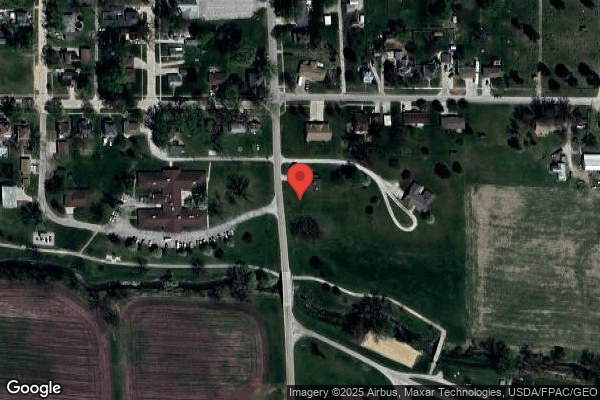
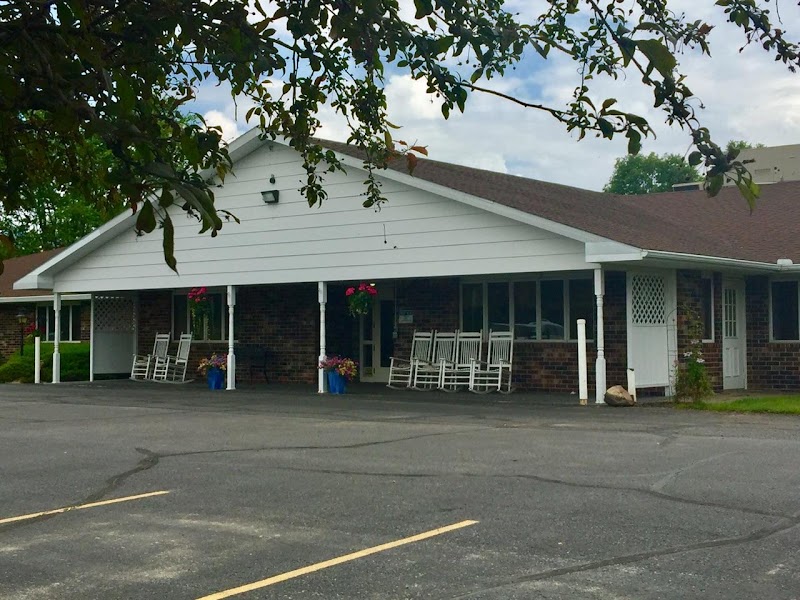
213 Halland Avenue, Stanton, IA 51573 (712) 829-2727
For profit - Limited Liability company 46 Beds ACCURA HEALTHCARE Data: November 2025
Trust Grade
60/100
#172 of 392 in IA
Last Inspection: June 2025

Inspected within the last 6 months. Data reflects current conditions.

Overview

Accura Healthcare of Stanton has a Trust Grade of C+, which indicates that it is slightly above average but not particularly notable among nursing homes. It ranks #172 out of 392 facilities in Iowa, placing it in the top half, and it is the best option out of four in Montgomery County. The facility is improving, having reduced its issues from 15 in 2024 to just 3 in 2025. Staffing is a strong point with a rating of 4 out of 5 stars and a turnover rate of 41%, which is better than the Iowa average, suggesting that staff are committed to their roles. There have been no fines reported, which is a positive sign, but there are some concerns; incidents included a lack of certified dietary management and failures in food preparation for residents with specific dietary needs, which could affect their health and well-being. Overall, while the facility shows strengths in staffing and compliance, families should be aware of the dietary management issues that need addressing.

Trust Score
C+
60/100
In Iowa
#172/392
Top 43%
Safety Record
Low Risk
No red flags
Inspections
Getting Better
15 → 3 violations
Staff Stability
○ Average
41% turnover. Near Iowa's 48% average. Typical for the industry.
Penalties
✓ Good
No fines on record. Clean compliance history, better than most Iowa facilities.
Skilled Nurses
✓ Good
Each resident gets 47 minutes of Registered Nurse (RN) attention daily — more than average for Iowa. RNs are trained to catch health problems early.
Violations
⚠ Watch
26 deficiencies on record. Higher than average. Multiple issues found across inspections.
★★★☆☆
3.0
Overall Rating
★★★★☆
4.0
Staff Levels
★★☆☆☆
2.0
Care Quality
★★★☆☆
3.0
Inspection Score
Stable
2024: 15 issues
2025: 3 issues

The Good

  • 4-Star Staffing Rating · Above-average nurse staffing levels
  • Full Sprinkler Coverage · Fire safety systems throughout facility
  • No fines on record
  • Staff turnover below average (41%)

    7 points below Iowa average of 48%

Facility shows strength in staffing levels, fire safety.

The Bad

3-Star Overall Rating

Near Iowa average (3.1)

Meets federal standards, typical of most facilities

Staff Turnover: 41%

Near Iowa avg (46%)

Typical for the industry

Chain: ACCURA HEALTHCARE

Part of a multi-facility chain

Ask about local staffing decisions and management

The Ugly 26 deficiencies on record

Jun 2025 3 deficiencies
CONCERN (D)

Potential for Harm - no one hurt, but risky conditions existed

PASARR Coordination (Tag F0644)

Could have caused harm · This affected 1 resident

**NOTE- TERMS IN BRACKETS HAVE BEEN EDITED TO PROTECT CONFIDENTIALITY** Based on clinical record review, PASRR document review and staff interview, the facility failed to refer 1 resident with a negat...

Read full inspector narrative →
**NOTE- TERMS IN BRACKETS HAVE BEEN EDITED TO PROTECT CONFIDENTIALITY** Based on clinical record review, PASRR document review and staff interview, the facility failed to refer 1 resident with a negative Level I result for the Preadmission Screening and Resident Review (PASRR), who was later identified with newly evident or possible serious mental disorder or other related condition, to the appropriate state-designated authority for Level II PASRR evaluation and determination for 1 out of 1 residents (Resident #35) reviewed for PASRR requirements. The facility reported a census of 38 residents. Finding include: The Minimum Data Set (MDS) dated [DATE] for Resident #35 documented a Brief Interview for Mental Status (BIMS) score of 13 indicating no cognitive impairment. Review of Resident #35's Electronic Health Record (EHR) titled, Diagnosis revealed diagnoses of anorexia on 5/2/25 and unspecified psychosis on 10/2/25. Review of Resident #35's EHR titled, Notice of PASRR level 1 Screen Outcome dated October 1, 2024 documented under mental health diagnoses major depression and anxiety disorder. Document did not include the diagnosis of anorexia or psychosis. On 6/18/25 at 8:57 AM the Director Of Nursing (DON) stated October was the time when the previous MDS Coordinator went on maternity leave and Staff D, Licensed Practical Nurse (LPN) took over doing MDS and that was when the facility realized the previous MDS Coordinator was not completing what should have been completed. The DON stated she had not thought of anorexia as something that should be resubmitted to PASRR. The DON acknowledged that the diagnosis of psychosis was a diagnosis that should have been sent to PASRR for another evaluation. The DON stated as soon as the facility received the order for anorexia and psychosis the PASRR should have been updated. The DON acknowledged that she dropped the ball on that. The DON stated she was the staff that was in charge of completing the PASRR submissions at that time. Review of undated document titled, Status Change PASRR documented a resident required a new PASRR referral when an additional diagnosis of a mental health disorder was identified. On 6/19/25 the Administrator stated the facility did not have a policy for PASRR submissions. The Administrator stated the facility follow requirements for change in status per PASRR.
CONCERN (D)

Potential for Harm - no one hurt, but risky conditions existed

Quality of Care (Tag F0684)

Could have caused harm · This affected 1 resident

**NOTE- TERMS IN BRACKETS HAVE BEEN EDITED TO PROTECT CONFIDENTIALITY** Based on clinical record review, hospital record review, and staff interviews, the facility failed to provide adequate and timel...

Read full inspector narrative →
**NOTE- TERMS IN BRACKETS HAVE BEEN EDITED TO PROTECT CONFIDENTIALITY** Based on clinical record review, hospital record review, and staff interviews, the facility failed to provide adequate and timely assessment and intervention for 1 of 13 residents (Resident #38) reviewed. Resident #38 experienced nausea with vomiting for 4 days and the chart lacked vital signs or bowel assessments throughout that time period. The resident was sent to the hospital and was found to have a bowel obstruction with perforation. The facility reported a census of 38 residents. Findings include: According to the Minimum Data Set (MDS) dated [DATE], Resident #38 had a Brief Interview for Mental Status (BIMS) score of 15 (intact cognitive ability). The resident required partial assistance with hygiene, dressing and toileting. He was occasionally incontinent of urine and bowel and had occasional constipation. Diagnoses for Resident #38 included anemia, atrial fibrillation, heart failure, Benign Prostatic Hyperplasia (BPH) and urgency incontinence. The Care Plan initiated on 4/16/25, showed that Resident #38 had the potential for bowel and bladder incontinence related to BPH, a history of malignant neoplasm of the prostate and constipation. Staff were to assess bowel sounds and abdomen and to report abnormalities to the primary care physician. Staff were to follow bowel protocols and to give as needed medication for constipation. The following was found in the Nursing Progress Notes: a. On 5/7/25 at 9:18 AM, Resident #38 complained of nausea/vomiting and refused food and medications. A fax was sent to the provider. b. On 5/7/25 at 11:34 AM, the resident requested to see the doctor related to vomiting and back pain. An appointment was made to see the doctor at 2:00 PM that day c. On 5/7/25 at 7:08 PM, the resident came back from clinic. The doctor suspected complicated urinary tract infection. He was given an antibiotic in the clinic and a follow up prescription for Zofran for nausea. The resident was added to the hot list. The Doctor Clinic Note dated 5/7/25, indicated that Resident #38 presented with left sided back pain and vomiting and was uncomfortable going to the bathroom. The doctor noted that the resident had some trouble with his prostate in the past, and his overall functional status had declined since he was admitted to the nursing home. His bowel sounds were not assessed in the clinic and a urine culture was initiated. The resident was given a gram of antibiotic; Rocephin and Toradol for pain. Continued Nursing Progress Notes: d. On 5/8/25 at 8:08 AM, Zofran was given for nausea after vomiting 3 times. e. On 5/8/25 at 11:17 AM, unable to keep pills down this morning. f. On 5/8/25 at 11:38 AM, Cefdinir 300 mg antibiotic prescribed for UTI g. On 5/8/25 at 6:11 PM, the resident was still nauseous, given Zofran. h. On 5/9/25 at 8:48 AM, Zofran given for nausea i. On 5/10/25 at 7:19 AM Zofran needed for nausea j. On 5/10/25 at 9:25 AM, came out for breakfast but didn't eat much k. On 5/10/25 at 12:46 PM, the resident stated he vomited after breakfast. The housekeeper reported dark colored vomit. Contacted Director of Nursing (DON) and asked if he should be sent to the ED l. On 5/10/25 at 1:10 PM, call received from doctor and order was received to send to the Emergency Department (ED) due to possible dehydration. m. On 5/10/25 at 6:01 PM, the resident was being transferred to a different hospital for a small bowel obstruction, acute kidney injury, pneumoperitoneal. A review of the Vitals and Progress Notes showed that from 5/8 through 5/10/25, the chart lacked completed vital signs or bowel assessments. The ED report dated 5/10/25 at 1:42 PM, showed that Resident #38 presented with abdominal pain, nausea, vomiting, a heart rate of 105 Beats Per Minute (BPM), and Blood Pressure (BP) of 95/56. The abdomen was soft, mildly distended, tenderness to palpation with significant tenderness in right lower extremity, positive guarding, no rebound tenderness. Vital signs show that he was tachycardic and hypotensive. Fluids and pain medication started. After fluids the BP was 86/63. Radiology findings were suggestive of a small bowel obstruction with possible transition point in the right hemiabdomen, suggestive of perforation. The patent and family agreed to have him transferred for possible surgical intervention. The hospital report dated 5/10/25 at 7:51 PM, showed that the admitting diagnosis was septic shock. The BP was 76/53, HR 121 BPM, respiration 50 breaths per minute. The active problems included; septic shock, bowel perforation and congestive heart failure. On 5/10/25 at 10:43 PM, the postoperative diagnosis included perforated small bowel, small bowel obstruction internal hernia causing small bowel volvulus (twisting of intestine cutting off blood.) Nursing Progress Notes showed: a. On 5/16/25 at 2:17 PM, the resident was admitted back to facility b. On 6/1/25 at 2:25 AM, the resident passed away. On 6/18/25 at 9:56 AM Staff C Licensed Practical Nurse (LPN) remember calling the doctor on 5/10/25 to get an appointment in the clinic that day. She said that she found out the next day, that he still had stomach issues and pain in his back. She did not remember having listened to his bowel sounds or taking any vitals. The resident had been on antibiotics for a couple days, he was lethargic, didn't want to come out of his room. She called the doctor on 5/10 because he was not getting any better and he looked septic. Staff C said he was pail, lethargic, isolating, and just laying there in bed. Staff C acknowledged the symptoms of sepsis included a high temperature, low BP, and high pulse. On 6/18/25 at 10:29 AM Staff E, Certified Nurse Aide (CNA) stated that Resident #38 was very nauseous, and was up half the night vomiting. She got him to try some broth, and crackers, but he ended up getting sick and much weaker. When he was first admitted he was able to get himself to the bathroom but then he became weaker and had several falls because he was trying to take himself to the bathroom. On 6/18/25 at 10:39 AM, Staff B, Registered Nurse (RN) worked with him one day before he was hospitalized . He had been complaining of stomach hurting, and it was passed on in report that he had a UTI. That morning he threw up the pills that she had given him so she contacted the doctor to see if he wanted her to re-administer the antibiotic. She gave him some Zofran, he said he felt better, and tried to eat a little breakfast and she gave him another dose of antibiotic. He had vomited in the trash can, she said it was a watery orange, and it looked like bile. Staff B said that they complete hot charting when a resident was on an antibiotic. What they were expected to do was to check a temperature and any adverse effect of antibiotic. She thought that she had assessed his bowel sounds and they were quiet, but he didn't have pain in the abdomen, it was more generalized back pain. She said that he didn't complain of burning with urination. On 6/18/25 at 7:14 AM, the Director of Nursing (DON) said that if a resident was on hot charting that meant that they would keep a running list at the nurse's station of the residents that were on an antibiotic and they were expected to chart on that resident daily. When asked if that meant to include vital signs, she said that it depends on the situation. On 6/18/25 at 1:18 PM, the DON said that that nurses should have put something in the notes about pain, should have done daily vitals as the Resident #38 was not getting better. On 6/19/25 at 7:08 AM, the DON said that they did not have a policy on resident change in status, and they would follow standard of care. The facility did not provide the resource for the standard of care for resident assessments that they teach the staff.
CONCERN (D)

Potential for Harm - no one hurt, but risky conditions existed

Respiratory Care (Tag F0695)

Could have caused harm · This affected 1 resident

**NOTE- TERMS IN BRACKETS HAVE BEEN EDITED TO PROTECT CONFIDENTIALITY** Based on observations, staff interviews and clinical record review the facility failed to ensure that a resident was provided su...

Read full inspector narrative →
**NOTE- TERMS IN BRACKETS HAVE BEEN EDITED TO PROTECT CONFIDENTIALITY** Based on observations, staff interviews and clinical record review the facility failed to ensure that a resident was provided supplemental oxygen for 1 of 1 resident reviewed. In two separate observations in the dining room, it was discovered that the oxygen tank for Resident #89 was empty. The facility reported a census of 38 residents. Findings include: According to the Minimum Data Set (MDS) dated [DATE], Resident #89 had a Brief Interview for Mental Status (BIMS) of 15 (intact cognitive ability). She required minimal assistance with hygiene, dressing, personal hygiene and was on continuous oxygen therapy. Her diagnoses included atrial fibrillation, heart failure, renal insufficiency, diabetes mellitus, presence of cardiac pacemaker. The Care Plan dated 6/12/25, showed that the resident had the potential for actual respiratory abnormalities related to Congestive Heart Failure (CHF), shortness of breath and the use of supplemental oxygen. Staff were to assist with the tank/concentrator as needed. The Orders tab in the electronic charts showed an order dated 6/5/25 at 3:49 PM, for continuous oxygen, 3 liters, via nasal cannula. On 6/16/25 at 11:57 AM, Resident #89 was sitting at the lunch table in her Wheel Chair (WC) with an oxygen tank on the back of the WC. The gauge on the top of the tank showed the needle in the red zone that indicated it was empty. The Nasal Cannula (NC) was hanging on the tank and attached to the resident's nostrils. At 12:36 PM, the resident propelled herself back to her room and the oxygen tank was still on empty. On 6/17/25 at 11:43 AM, Resident #89 was at the lunch table in her WC with an oxygen tank on the back. The needle was in the red zone. The Director of Nursing (DON) then went over to the resident and checked the tank. She told the resident that the tank was making a ticking sound and wheeled her out of the dining room area. They came back a short time later with a different oxygen tank and the needle showed there was oxygen in that tank. On 6/17/25 at 12:03 PM, Staff D Licensed Practical Nurse (LPN) said that she had pushed Resident #89 out to the dining room but she hadn't looked at the oxygen tank. She said that they keep the tank on the back when the WC was in the resident's room. Staff D said that some of the tanks will have a ticking sound if/when it was getting low or empty. She said that the Certified Nurse Aides (CNA) will usually will tell them if/when the oxygen tank was empty. On 6/19/25 at 7:05 AM, the DON said that at 3 liters, the tank would get empty pretty quickly. She acknowledged that the staff should have been checking it more closely. The DON said that they did not have a policy for supplemental oxygen use but to follow the standards of care. The facility did not provide the resource used to educate staff on the standards of care for oxygen use.
Jul 2024 15 deficiencies
CONCERN (D)

Potential for Harm - no one hurt, but risky conditions existed

Deficiency F0582 (Tag F0582)

Could have caused harm · This affected 1 resident

Based on clinical record review and staff interview, and instructions of CMS form 10123-NOMNC, the facility failed to provide notice within the required 2 calendar days of Medicare Non Coverage for 2 ...

Read full inspector narrative →
Based on clinical record review and staff interview, and instructions of CMS form 10123-NOMNC, the facility failed to provide notice within the required 2 calendar days of Medicare Non Coverage for 2 of 3 (Resident #43 and #44) residents reviewed. The facility reported a census of 42. Findings include: The census portion of the Electronic Health Record (EHR) of Resident #43 revealed the Resident began receiving skilled care under Medicare A payer source on 5/2/24 and Medicare continued to pay for her stay through 5/20/24. The facility provided a Skilled Nursing Facility Advance Beneficiary Notice of Non-Coverage (SNFABN) which was signed by the resident representative on 5/17/24. The facility was unable to produce a signed Notice of Medicare Non Coverage (NOMNC) form. The NOMNC form given was the typed name of the resident representative noted as t/o (telephone order) and the date of 5/17/24. The census portion of the Electronic Health Record (EHR) of Resident #44 revealed the Resident began receiving skilled care under Medicare A payer source on 11/1/23 and Medicare continued to pay for her stay through 1/4/24. The facility provided a Skilled Nursing Facility Advance Beneficiary Notice of Non-Coverage (SNFABN) which was signed by the resident representative on 12/21/23. The facility was unable to produce a signed Notice of Medicare Non Coverage (NOMNC) form. The NOMNC form given was the typed name of the resident representative noted as t/o (telephone order) and the date of 12/21/23. On 7/19/24 at 12:58 pm the Social Services Director stated she took over the position of Social Services in March of 2023. She said she had been trained that there was only one form, the SNF ABN form. She found out later about the NOMNC. She said when she found out about the NOMNC she called the residents or resident representative after they had all discharged home and told them about the form but dated it the same date as the ABN had been signed. The residents who were discharged during this time frame were not given information of filing an appeal to continue their skilled stay through Medicare.
CONCERN (D)

Potential for Harm - no one hurt, but risky conditions existed

Abuse Prevention Policies (Tag F0607)

Could have caused harm · This affected 1 resident

Based on employee file review, staff interview, and facility policy review the facility failed to ensure 2 of 5 staff members reviewed (Staff L & Staff M) completed the two hour Dependent Adult Abuse ...

Read full inspector narrative →
Based on employee file review, staff interview, and facility policy review the facility failed to ensure 2 of 5 staff members reviewed (Staff L & Staff M) completed the two hour Dependent Adult Abuse training within 6 months of their hire date. The facility reported a census of 42 residents. Findings include: 1. Review of the employee file of Staff L, conducted on 7/19/24, revealed a hire date of 12/8/23. The employee file lacked documentation of Iowa Department of Public Health (IDPH) approved Dependent Adult Abuse Mandatory Reporter training having been completed. 2. Review of the employee file of Staff M, conducted on 7/19/24, revealed a hire date of 1/4/24. The employee file lacked documentation of Iowa Department of Public Health (IDPH) approved Dependent Adult Abuse Mandatory Reporter training having been completed. On 7/19/24 at 2:38 pm the Business Office Manager stated she would search to see if the certificates could be located. On 7/19/24 at 5:00 pm, no certificates had been located. The facility policy titled Nursing Facility Abuse Prevention, Identification, Investigation and Reporting Policy, dated 1/10/22, documented the following: - Within six months of hire each employee shall be required to complete an initial 2-hour training course provided by the Iowa Department of Human Services relating to the identification and reporting of dependent adult abuse. Each employee will take a 1-hour recertification training within 3 years of the initial training and every three years thereafter.
CONCERN (D) 📢 Someone Reported This

A family member, employee, or ombudsman was alarmed enough to file a formal complaint

Potential for Harm - no one hurt, but risky conditions existed

Report Alleged Abuse (Tag F0609)

Could have caused harm · This affected 1 resident

**NOTE- TERMS IN BRACKETS HAVE BEEN EDITED TO PROTECT CONFIDENTIALITY** Based on clinical record review, facility document review, and staff interview, the facility failed to report timely an allegati...

Read full inspector narrative →
**NOTE- TERMS IN BRACKETS HAVE BEEN EDITED TO PROTECT CONFIDENTIALITY** Based on clinical record review, facility document review, and staff interview, the facility failed to report timely an allegation of possible abuse or injury of unknown origin for 1 of 1 resident (#21). The facility reported a census of 42 residents. Findings include: A facility self-report dated 7/05/24 revealed a resident sustained an injury of unknown origin and accused a staff member of making her fall on 6/26/24. The admission Minimum Data Set (MDS) dated [DATE] revealed a Brief Interview for Mental Status (BIMS) score of 12 out of 15 which indicated moderately impaired cognition. It included diagnoses of cancer, Alzheimer's disease, chronic obstructive pulmonary disease (COPD), and thoracogenic scoliosis (spinal curvature caused by disease or surgery). It revealed the resident was dependent with toileting hygiene and putting on and removing footwear, required supervision with eating and maximum assistance with all other activities of daily living (ADLs). The Electronic Health Record (EHR) included a progress note indicating the resident had an X-Ray in response to a left elbow injury. Facility Investigation notes dated 6/26/24 indicated the facility investigated the accused staff member and terminated her on 7/01/24 for other reasons. The investigation notes indicated the Director of Nursing (DON) contacted the facility's corporate office on 7/01/24 regarding reporting of the incident to the proper State Agency. The notes revealed the State Agency reporting process began on 7/03/24. On 7/19/24 at 5:35 PM, the DON stated she initially thought to report the incident to the state agency but was informed by her corporate administration that it was not a reportable event. She stated she later received direction to report the event to the state agency. On 7/22/24 at 8:35 AM, the Administrator stated the facility should follow the reporting requirements set by the State Agency.
CONCERN (D)

Potential for Harm - no one hurt, but risky conditions existed

Assessment Accuracy (Tag F0641)

Could have caused harm · This affected 1 resident

**NOTE- TERMS IN BRACKETS HAVE BEEN EDITED TO PROTECT CONFIDENTIALITY** #3 The MDS assessment of Resident #37 dated 7/2/24 identified a BIMS score of 7 which indicated severe cognitive impairment. The...

Read full inspector narrative →
**NOTE- TERMS IN BRACKETS HAVE BEEN EDITED TO PROTECT CONFIDENTIALITY** #3 The MDS assessment of Resident #37 dated 7/2/24 identified a BIMS score of 7 which indicated severe cognitive impairment. The MDS revealed the resident independent with bed mobility, personal care, transfers, toileting, eating, and dressing. The MDS revealed the resident occasionally incontinent of urine and always continent of bowel. The MDS documented diagnoses that included: unspecified dementia without behavioral, cancer, atrial fibrillation (irregular and often very rapid heart rhythm), hypertension, renal insufficiency, arthritis, anxiety disorder, spinal stenosis lumbar region without neurogenic [NAME] (chronic condition-spinal canal narrows, compressing the spinal cord and nerve roots), and cervicalgia (neck pain). The MDS revealed the resident was not at risk for developing pressure ulcers/injuries and the resident does not have one or more unhealed pressure ulcers/injuries. The Care Plan updated 7/11/24 revealed no documentation of the resident's unstageable pressure ulcer on right lateral foot. The Resident Matrix dated 7/16/24 revealed the resident has an unstageable pressure ulcer. The Physician Order for treatment dated 7/4/24 revealed Promegran Prisma to area on right outer foot. Cover with Mepilex. Change on bath days and as needed until healed. Noted Nursing staff completed treatment as ordered. On 7/19/24 at 8:05 am the MDS Coordinator, RN revealed she is still learning the process of completing and updated Care Plans for the residents. The MDS Coordinator is still learning the process of each section of MDS. On 7/19/24 at 12:57 pm the DON stated the facility does not have policies for Care Plan and MDS initiating or revising. She stated they follow the regulations. Based on clinical record review, observations, and staff interviews, the facility failed to assure each resident received an accurate Minimum Data Set (MDS) assessment, reflective of the resident's status at the time of the assessment for 3 of 14 residents reviewed (Resident #25, Resident #33 and Resident #37). The facility reported a census of 42 residents. Findings include: 1. The MDS assessment of Resident #25 documented a Brief Interview of Mental Status (BIMS) score of 13 which indicated cognition intact. The MDS recorded the resident experienced no mood symptoms of feeling down, depressed or hopeless. The MDS documented the resident exhibited no physical or verbal behaviors. The MDS documented diagnoses that included Alzheimer's disease, anxiety disorder, depression and bipolar disorder. The MDS documented the resident took antipsychotic and antidepressant medications during the lookback period. The MDS documented no gradual dose reduction (GDR) of psychotropic medications had been attempted and the physician had not documented a GDR as clinically contraindicated. The MDS documented bed rails were used daily as a restraint. On 7/16/24 at 1.53 pm Resident #25 was observed lying in bed. She had 2 mobility rails in place on her bed. The Side Rail Assessment of Resident #25 dated 2/19/24 documented Side rails are indicated and serve as an enabler to promote independence. The Medication Administration Record (MAR) for Resident #25 for May of 2024 failed to reveal any documentation of the resident taking any antidepressant medications. The Psychotropic Utilization Detail of Resident #25 for May, 2024 documented GDR's had been declined in August 2023 and October 2023 per the psychiatric progress notes. The encounter Psyche Progress Notes of Resident #25 documented Dose reductions of the psychotropic medications are not clinically indicated due to the patient's psychiatric symptoms as detailed in this progress note. Tapering of the medication would not achieve the desired therapeutic effects and the current dose is necessary to maintain or improve the resident's function, well-being, safety and quality of life. 2. The MDS assessment of Resident #33 dated 5/14/24 documented bed rails were used daily as a restraint. On 7/16/24 11:54 am Resident #33 was observed lying in bed with 2 mobility rails up. The Side Rail Assessment of Resident #33 dated 5/10/24 documented Side rails are indicated and serve as an enabler to promote independence. On 7/17/24 at 2:02 pm, the MDS Coordinator stated side rails being documented on an MDS is an error. She stated the facility is restraint free. She said rails are needed for bed mobility and to promote independence. She stated she would look at the MDS and make modifications. On 7/19/23 at 8:00 am, the MDS Coordinator stated the person who had been in her position prior to her had no tracking system in place for GDR's. She stated the Director of Nursing (DON) is now keeping a book to track them. She stated she had no way of knowing if GDR's had been contraindicated due to no tracking system so she marked no on the MDS form. On 7/19/24 at 12:19 pm, the DON stated MDS should be completed accurately. She stated there is a corporate person who oversees the MDS but she is not aware if each one is checked over as the MDS Coordinator is still in training.
CONCERN (D)

Potential for Harm - no one hurt, but risky conditions existed

Deficiency F0657 (Tag F0657)

Could have caused harm · This affected 1 resident

**NOTE- TERMS IN BRACKETS HAVE BEEN EDITED TO PROTECT CONFIDENTIALITY** Based on clinical record review, observation, staff interview, the facility failed to revise and update the care plan for 2 of 1...

Read full inspector narrative →
**NOTE- TERMS IN BRACKETS HAVE BEEN EDITED TO PROTECT CONFIDENTIALITY** Based on clinical record review, observation, staff interview, the facility failed to revise and update the care plan for 2 of 14 residents reviewed for care plan revision (Resident # 37, #16). The facility reported a census of 42 residents. Findings include: 1. The Minimum Data Sheet (MDS) assessment of Resident #37, dated 7/2/24, identified a Brief Interview of Mental Status (BIMS) score of 7 which indicated severe cognitive impairment. The MDS revealed the resident independent with bed mobility, personal care, transfers, toileting, eating, and dressing. The MDS revealed the resident occasionally incontinent of urine and always continent of bowel. The MDS documented diagnoses that included: unspecified dementia without behavioral, cancer, atrial fibrillation (irregular and often very rapid heart rhythm), hypertension, renal insufficiency, arthritis, anxiety disorder, spinal stenosis lumbar region without neurogenic [NAME] (chronic condition-spinal canal narrows, compressing the spinal cord and nerve roots), and cervicalgia (neck pain). The MDS revealed the resident was not at risk for developing pressure ulcers/injuries and the resident does not have one or more unhealed pressure ulcers/injuries. The Care Plan, updated 7/11/24 revealed no documentation of the resident's unstageable pressure ulcer on right lateral foot. The Resident Matrix dated 7/16/24 revealed the resident has an unstageable pressure ulcer. The Physician Order for treatment dated 7/4/24 revealed Promegran Prisma to area on right outer foot. Cover with Mepilex. Change on bath days and as needed until healed. Noted Nursing staff completed treatment as ordered. On 7/18/24 at 4:49 PM Staff N, RN reviewed Doctor's order for right lateral foot. The staff gathered supplies, knocked and entered the whirlpool room, set supplies on barrier, hand-washed, gloved, assessed area. Area was closed. The staff stated will talk with Director of Nursing, area appears healed, treatment is to be discontinued if healed. On 7/19/24 at 8:05 am, the MDS Coordinator, RN revealed she is still learning the process of completing and updated Care Plans for the residents. The MDS Coordinator is still learning the process of each section of MDS. 2. On 7/16/24 at 10:52 am, Resident #16 stated she had taken a fall which resulted in a broken tailbone prior to moving to the facility. She stated she still had a lot of pain and although the facility administered pain medication, it was not effective enough. She stated that at that moment, she could hardly stand to sit in the chair due to pain. The MDS of Resident #16 dated 5/21/24 identified a BIMS score of 13 which indicated cognition intact. The Care Plan of Resident #16 documented a Focus Area of Pain initiated 12/11/23. The Care Plan directed staff to administer as needed pain medication as directed by physician and notify the nurse of any signs of pain. The fax written to the physician on 4/21/24 indicated staff noted the resident complaining of pain and refusing meals. On 4/22/24 the physician ordered scheduled pain medication three times a day. The Medication Administration Record (MAR) for Resident #16 for July of 2024 indicated Acetaminophen, extended release, 650 mg had been given three times a day scheduled since 4/22/24. The Care Plan was not updated to reflect the resident had been ordered scheduled pain medications. On 7/19/24 at 12:57 pm, the Director of Nursing (DON) stated the facility does not have a policy regarding care plans. She stated the facility follows the regulations and standards of care.
CONCERN (D)

Potential for Harm - no one hurt, but risky conditions existed

Deficiency F0688 (Tag F0688)

Could have caused harm · This affected 1 resident

**NOTE- TERMS IN BRACKETS HAVE BEEN EDITED TO PROTECT CONFIDENTIALITY** Based on clinical record review, observation, staff interviews, and policy review, the facility failed to provide restorative ac...

Read full inspector narrative →
**NOTE- TERMS IN BRACKETS HAVE BEEN EDITED TO PROTECT CONFIDENTIALITY** Based on clinical record review, observation, staff interviews, and policy review, the facility failed to provide restorative activities for 1 of 2 sampled residents in order to maintain a functional range of motion and prevent a decline in activities of daily living (Resident #22). The facility reported a census of 42 residents. Findings include: The Minimum Data Set (MDS) assessment dated [DATE] revealed Resident #22 to be dependent on staff for bathing, dressing, bed mobility, transferring and toileting. The MDS revealed the resident to have a functional limitation in range of motion on 1 upper extremity and 1 lower extremity. The MDS documented the resident to have diagnoses of hypertension (high blood pressure), diabetes, hemiplegia (paralysis of one side of the body) and a prior stroke. The MDS failed to reveal the resident had received any Speech, Occupational or Physical Therapies or any Restorative Nursing Programs during the lookback period. The Care Plan revealed a Focus Area of CVA/Stroke, revision date of 3/26/24 which directed staff to perform range of motion exercises several times a day. The Care Plan revealed a Focus Area of Self Care Deficit related to right side hemiparesis which directed staff of the resident needing staff assistance for bathing, bed mobility, dressing, toileting and transfers. The Care Plan also directed staff the resident had a Restorative Nursing Program, revised 5/11/21. On 7/16/24 at 1:32 pm, the resident was observed sitting in his wheelchair in his room resting. His right wrist was noted to be contracted. On 7/18/24 at 11:19 am, the Social Services director stated Resident #22 is non verbal. She stated he is picky about what staff members work with him and his wrist contracture has been there for a long time. She stated she was unaware of the resident having a Restorative Program. She said the MDS Coordinator also acts as the Restorative Nurse. On 7/18/24 at 3:16 pm, the Rehabilitation Director stated Resident #22 would be screened that day to see if he is appropriate to receive Medicare Part B therapy services. She stated typically a resident is screened by therapy each quarter during his or her MDS period. She stated she had been the therapy director for a year and Resident #22 had never been screened for therapy during her time as director. On 7/18/24 at 4:07 pm, the Rehabilitation Director stated she had screened Resident #22 and he had displayed no change in status from when he last received therapy in 2021. She stated he would be able to be picked up for therapy for the purpose of writing a restorative program. On 7/19/24 at 8:00 am, the MDS Coordinator stated she does not know why Resident #22 does not have a restorative program. She stated there is no reason she is aware of and that he would be appropriate for an Activities of Daily Living (ADL) and/or Dressing program. On 7/19/24 at 12:19 pm, the Director of Nursing (DON) stated any residents who are fully independent do not have a restorative program. She said all other residents should have a program but some may be removed if a resident repeatedly refuses. The facility policy Restorative Program Process, dated 11/1/19 documented the following: 1. Upon admission, quarterly and with significant change the resident's level of function will be assessed by the licensed nurse or in collaboration with therapy. 2. Based on the results of the assessment the licensed nurse will develop a care plan showing the resident's individual problems, determine approaches/interventions and set goals. 3. The licensed nurse will develop a restorative nursing program with individualized interventions and goals which may include recommendations for strategy and adaptive equipment from therapy. 4. The licensed nurse will educate all direct care staff assigned to the resident(s) on their restorative nursing program. 5. The licensed nurse will monitor staff and resident(s) to ensure compliance with the restorative nurse program. 6. The licensed nurse will monitor the daily restorative nursing program documentation in POC and follow-up with staff as needed. 7. The licensed nurse will write a monthly restorative nursing summary to track the resident(s) progress. 8. The licensed nurse will update the care plan and the restorative nursing program to reflect the resident(s) specific goals and interventions as needed. 9. The licensed nurse will make referrals to therapy as needed. 10. The licensed nurse will develop a discharge plan for the resident(s) who no longer need a restorative nursing program.
CONCERN (D) 📢 Someone Reported This

A family member, employee, or ombudsman was alarmed enough to file a formal complaint

Potential for Harm - no one hurt, but risky conditions existed

Accident Prevention (Tag F0689)

Could have caused harm · This affected 1 resident

**NOTE- TERMS IN BRACKETS HAVE BEEN EDITED TO PROTECT CONFIDENTIALITY** Based on clinical record review, facility document review, staff interviews, family interview, and facility policy review, the f...

Read full inspector narrative →
**NOTE- TERMS IN BRACKETS HAVE BEEN EDITED TO PROTECT CONFIDENTIALITY** Based on clinical record review, facility document review, staff interviews, family interview, and facility policy review, the facility failed to supervise and provide a secure environment for 1 of 1 residents reviewed for elopement (Resident #29). The facility reported a census of 42 residents. Finding include: The Minimum Data Sheet (MDS) assessment of Resident #29, dated 10/5/23, identified a Brief Interview of Mental Status (BIMS) score of 11 which indicated moderate cognitive impairment. The MDS recorded the resident experienced mood symptoms of feeling down, depressed, or hopeless on 12 to 14 days of the previous 2-week look back period. The MDS did not reveal any wandering or exit seeking behavior. The MDS revealed the resident independent with bed mobility, personal care, transfers, toileting, eating, and dressing. The MDS documented diagnoses that included: type 2 diabetes mellitus, coronary artery disease, hypertension, renal insufficiency, and pancytopenia (low levels of red blood cells, white blood cells, and platelets). The MDS documented the resident received insulin injections on 7 out of 7 days of the assessment reference period. The Care Plan revised 10/3/23 identified the resident as an elopement risk. The care plan informed the staff to check the wander guard every shift, the resident's wander guard on shoelaces, history of removing wander guard, the resident will ask to leave the facility and walk around, and behaviors stating his is not in prison. The Wander Guard monitoring for the resident #29 revealed the Staff documented 10/24/23 to 7/17/24, current. The facility initiated, monitor the wander guard device every shift every day, started on 9/28/23. The staff did not complete documentation from 10/24/23 to 7/17/24, current. The Communication with Physician Progress Note dated 10/11/23 revealed Doctor started Donepezil 5 mg daily for dementia. New diagnosis of unspecified dementia, updated in the residents chart on 10/12/23. The Nurse Progress Note (PN) dated 10/20/23 revealed the resident left the building for unknown time, stated the resident exited the building between 4:30 PM and 5:00 PM. The staff unaware of the resident absence until the resident returned, approximately 5:45 PM. The resident brought to the facility whiskey and sandals. The PN revealed the resident wanted to drive the car to the facility, the resident unable to find the keys. Staff I, LPN stated she asked wife at dinner where the husband was, wife stated she did not know, she forgot. The resident revealed to Staff I that he attempted two other times, staff intervened, the resident waited and succeeded the last attempt. Staff I notified the Administrator, instructions placed wander guard on left ankle, 15 minute visual observations, head to toe assessment, and BIMS assessment. The sign in and sign out paper on 10/20/23 revealed the resident's daughter took the resident out of the facility at 3:15 PM and returned at 4:10 PM. The 15 minute visual observations for the resident #29 started 10/20/23 after the incident occurred, to 7/17/24, current. The facility did not provide documentation from 10/20/23 to 11/4/23. The staff did not provide any documentation for 12/1/23 to 12/31/23 and 5/1/24 to 5/31/24. The staff did not complete documentation from 1/1/24 to 4/30/24. The staff documented 6/1/24 to 7/17/24, current. The Elopement Drills are completed monthly. The staff provided documentation for every month with exception from 10/1/23 to 2/29/24, the staff was unable to provide documentation. The Elopement education is provided for staff at orientation and periodically at staff meetings. Observation on 7/18/24 revealed the resident's house is two and a half blocks north of the facility up a hill. Noted multiple houses, structures, and trees, unable to see the resident's house. South of the facility up the hill about half of a block is a active train track, south of the facility parking lot is an active walking trail. On 7/17/24 at 3:02 PM the Director of Nursing (DON) stated she was informed from the Regional [NAME] President of Operations via email about the elopement. The facility did a compliant review on the incident that occurred on 10/20/23 at 5:45 PM. Regional [NAME] President of Operations stated the resident #29 had higher BIMS upon return from the facility. The resident was educated about signing in & signing out when he wanted to leave the facility. Staff denied education about the code to the door, stated resident already knew the code. DON stated she does not know when staff stopped him from independently leaving at his will and when the wander guard was removed. On 7/18/24 at 8:06 AM Daughter and POA of the resident #29 recalled the elopement. Staff I updated her about the resident arriving back to facility about 5:45 PM. Staff I informed her the resident left and walked to his house, gathered sandals and whiskey, and walked back. He wanted to drive the car but could not find the keys. Daughter stated the resident is memory impaired, unable to make proper judgement decisions, resulted in placement at the facility. Daughter stated if the resident was able to find the keys to the car, he would have drove it back to the facility, the resident's wife resides at the facility. Stated earlier that day the Social Worker informed her that the resident was anxious, the resident stated to the staff he did not want to be there, his condition was better than others that live here. The daughter and social worker made arrangements for the daughter to come and take the resident(s) out for a walk. The daughter stated she took her parents out for a walk on the nearby trail after 3:00 PM and returned after 4:00 PM, stated she completed the sign in and sign out sheet, that would have the exact time. The daughter stated she arrived back to the facility checked parents back in, walked to the front entrance, the resident liked to walk her to the door, she punched the code in and said bye. The daughter stated he watched her punch in the code and he must have used that to get out. The resident stayed at door while she left. Stated she thought he was not anxious anymore and appeared to be okay. She thought he stole scissors or nail clippers to get the wander guard off. The resident was trying to prove a point, he wanted to show us that he can still do things on his own, that he does not need a nursing home. The daughter stated the resident is being monitored and treated by the telepsych Doctor, is involved in 1:1 activity, brother takes the resident to the farm with his dog, and on medications to help with his anxiety, he has been so much better. The daughter stated he has lived in [NAME] his entire life and knows the town and the way home. She feels like he was safe the day he got out. On 7/18/24 at 2:52 PM Staff J, CNA stated she worked the 2:00 pm to 10:00ppm shift on 10/20/23, she assisted another resident at the time of elopement. Staff J, seen the resident walking from the south nurses station to the north nurse station carrying a black garbage bag, as she was walking from the east wing to the west wing. Staff J denied hearing any alarms that shift. Staff J stated she was informed by other staff working that shift that the resident eloped that evening. Staff J denied hearing any pages for lost residents that shift. Staff J stated the resident will be sneaky when attempting to leave the facility, one attempt he wore a coat and sunglasses. Staff stated the education she received, frequent visual checks and redirect the resident when showing signs of increase exit seeking. Staff stated she is pretty sure, the resident is to always be supervised when outside. On 7/18/24 at 2:59 PM Staff K, CNA stated she worked the 2:00 pm to 10:00ppm shift on 10/20/23, Staff K aware the resident was out of the facility with his wife and daughter, unaware of the return time. Staff K denied any alarms sounding that shift and denied any pages for lost residents. Staff K updated about the elopement late that shift. Revealed she seen the Nurse laughing about it, shocked that the Nurse did not appeared to be taking the incident serious. The education that was provided redirect the resident when exit seeking, notify the nurse, and supervise the resident when outside. On 7/18/24 at 3:15 PM Staff I, LPN confirmed she was the nurse supervising the resident on 10/20/23 during the elopement. Staff I stated lots of visitors coming in and going out of the facility that evening. Staff I informed that the resident having increase anxiety, Social Worker spoke with daughter, daughter took wife and the resident out of facility in attempt to decrease anxiety. Staff I stated she seen them arrive back, and seen the daughter, the resident, and a third person walk to the front door (south entrance), she did not stand there to see them walk out the door. Staff I assumed the resident left with daughter. Staff I stated the daughter does not always tell the staff when she is taking the resident out of the building. Staff I denied reviewing the sign in and sign out sheet or calling the daughter to verify. Staff I revealed continued doing her tasks. Staff I stated when she assisted the wife at supper she asked the whereabouts of the resident, the wife stated she forgot. Staff I continued to assume the resident was out with the daughter. Staff I was informed by the south nurse that the resident walked back into building holding a sack of items. Staff I asked the resident where he came from, the resident replied I left and went home to take care of a few things. The resident had whiskey and sandals. Staff I stated the resident was approximately gone from 4:30 PM to 5:45 PM. The resident is to have a wander guard on, the resident had different shoes on therefore the wander guard alarm did not sound. The resident revealed to staff I that he waited until he got the chance and then followed someone out. Other residents and their families outside of the facility. The resident ignored the questions asked by the families and kept walking to his house. Staff I stated you can see his house from the window in his room. Staff I revealed the resident wore a long sleeve flannel plaid shirt and jeans. Staff I stated resident appeared to be proud of himself. Staff I reported she called the administrator, the daughter, and the primary care physician. Staff I was instructed to start 15 minute checks, head to toe assessment, and BIMS. Staff I stated the resident recently admitted and did not have a routine yet, nor showed a certain time of day to be more anxious. The facility policy titled Missing Resident/Elopement Process updated 7/12/21 directed staff: Care Plan will be modified as needed based on risk assessment. An alarm bracelet may be placed on the resident to audibly alert the staff of attempts by the resident to exit the facility. The resident's care plan shall address behaviors using resident specific goals and/or approaches as assessed by the IDT. Staff will encourage activities which the resident enjoys in order to occupy/distract the resident.
CONCERN (D) 📢 Someone Reported This

A family member, employee, or ombudsman was alarmed enough to file a formal complaint

Potential for Harm - no one hurt, but risky conditions existed

Deficiency F0697 (Tag F0697)

Could have caused harm · This affected 1 resident

**NOTE- TERMS IN BRACKETS HAVE BEEN EDITED TO PROTECT CONFIDENTIALITY** 2. On 7/16/24 at 1:20 PM, Resident #21's relative confirmed the resident was under hospice care and had not had her morning pain...

Read full inspector narrative →
**NOTE- TERMS IN BRACKETS HAVE BEEN EDITED TO PROTECT CONFIDENTIALITY** 2. On 7/16/24 at 1:20 PM, Resident #21's relative confirmed the resident was under hospice care and had not had her morning pain medication. The Pain Interview dated 6/15/24 revealed the resident reported she had almost constant pain within the preceding five (5) days. The admission Minimum Data Set (MDS) assessment dated [DATE] revealed a Brief Interview for Mental Status (BIMS) score of 12 out of 15 which indicated moderately impaired cognition. It included diagnoses of cancer, Alzheimer's disease, chronic obstructive pulmonary disease (COPD), and thoracogenic scoliosis (spinal curvature caused by disease or surgery). It revealed the resident was dependent with toileting hygiene and putting on and removing footwear, required supervision with eating and maximum assistance with all other Activities of Daily Living (ADLs). The Electronic Health Record (EHR) included a physician order dated 6/13/24 and reordered on 6/26/24 for Hydrocodone-Acetaminophen Oral tablet 10-325 mg and directed staff to give 2 tablets by mouth three times a day for pain and give 1 tablet by mouth every 24 hours as needed for pain. The Medication Administration Record (MAR) indicated the resident's Hydrocodone-Acetaminophen order was to be administered at breakfast, mid AM, and at bedtime. The Medication Administration Audit Report revealed the resident's Hydrocodone-Acetaminophen was administered late 41 times out of 105 doses when following the standard administration schedule or 19 times out of 105 doses when following the custom administration schedule (3-hour time range for each ordered dose). A Pain Scale rating review indicated the resident had an average pain rating of 4.8 out of 10. The Care Plan dated 6/13/24 included pain due to arthritis and scoliosis and directed staff to administer pain medication as directed by the physician. On 7/19/24 at 12:57 PM, the Director of Nursing stated the facility did not have a policy directly addressing pain management. She stated the facility followed regulations. Based on clinical record review, resident interview, family interview and staff interviews, the facility failed to provide appropriate pain management for 2 of 2 residents reviewed (Res #16 and Res #21). The facility reported a census of 42 residents. Findings include: The Minimum Data Set (MDS) assessment of Resident #16 dated 5/21/24 identified a Brief Interview of Mental Status (BIMS) score of 13 which indicated cognition intact. The Care Plan of Resident #16 documented a Focus Area of Pain initiated 12/11/23. The Care Plan directed staff to administer as needed pain medication as directed by physician and notify the nurse of any signs of pain. On 7/16/24 at 10:52 am, Resident #16 stated she had taken a fall which resulted in a broken tailbone prior to moving to the facility. She stated she still had a lot of pain and although the facility administered pain medication, it was not effective enough. She stated that at that moment, she could hardly stand to sit in the chair due to pain. The Treatment Administration Record (TAR) of Resident #16 for the months of May, June and July of 2024 were reviewed. The TAR revealed the resident had an order for a lidocaine patch, 4% for lower back pain. It was not signed off as being utilized at all for the months reviewed. The Medication Administration Record (MAR) for Resident #16 for July of 2024 indicated Acetaminophen, extended release, 650 mg had been given three times a day scheduled since 4/22/24. Neither the MAR or the TAR for any of the months reviewed revealed any staff had documented a pain level for the resident at any time. The Weights & Vitals portion of the Electronic Health Record revealed a numerical pain assessment had last been documented on 4/7/24. The Progress Notes indicated the following: 5/20/24: Pain: Indicators of Pain: None 5/25/24: Resident denies shoulder pain and no bruising noted to left deltoid from B12 injection. No other progress notes were found indicating a pain assessment since 5/25/24. On 7/18/24 at 10:24 am, Staff O, Certified Nurse Aide (CNA) stated the resident complained of back pain earlier that morning during cares. She stated the resident complains of pain every day, sometimes more than once a day. She stated she notifies the nurse to see if the resident has anything available for pain. On 7/18/24 at 10:26 am, Staff P, Registered Nurse (RN) stated Resident #16 has chronic pain. She said her pain level ranges day to day anywhere from stating her pain is 0 as high as a 7 or 8 on a 1-10 pain scale. She explained pain should be monitored three times a day with the scheduled acetaminophen and she would update the order to add pain monitoring into the MAR. She stated she knows the resident has increased pain when she is in her chair. She said the family is looking at hospice care and she hoped the resident could obtain better pain management once she enrolled in hospice care. She also stated some days the resident refuses to get out of bed due to her pain being so high. She said she is not aware if the physician had ever been notified of the resident's pain not being appropriately managed. On 7/18/24 at 10:37 am the Director of Nursing (DON) stated pain management documentation is individualized for the resident. She stated if a resident who generally does not have pain and has no scheduled pain medication, it should be monitored at minimum once a month along with monthly vital signs. She stated for any resident who is on any scheduled pain medication, it should be documented with each administration of the medication. All residents receive a quarterly pain assessment as part of the MDS as well. On 7/19/24 at 12:19 pm, the DON stated if staff is noting a resident to have increased pain, especially to the point of not being able to get out of bed, she would expect the nurse to notify the physician so the pain medication regimen could be evaluated by the physician.
CONCERN (D)

Potential for Harm - no one hurt, but risky conditions existed

Staffing Information (Tag F0732)

Could have caused harm · This affected 1 resident

Based on document review and staff interview, the facility failed to complete and post nurse staffing information at the beginning of each shift. The facility reported a census of 42 residents. Findin...

Read full inspector narrative →
Based on document review and staff interview, the facility failed to complete and post nurse staffing information at the beginning of each shift. The facility reported a census of 42 residents. Findings include: On 7/19/24 at 12:45 PM, the posted staffing sheet revealed incomplete day and evening shift staffing data. On 7/19/24 at 2:30 PM, a nurse staffing information binder review revealed 17 out of 17 staffing sheets for July 2024 were incomplete. There was no staffing sheet for July 17, 2024. On 7/19/24 at 3:15 PM, the Director of Nursing (DON) stated the staffing information sheet is initiated during night shift and the nurse for each shift was expected to complete and post the staffing information. On 7/22/24 at 8:35 AM, the DON stated the facility did not have a policy regarding posting of staffing data.
CONCERN (D)

Potential for Harm - no one hurt, but risky conditions existed

Deficiency F0804 (Tag F0804)

Could have caused harm · This affected 1 resident

Based on observation, staff interview, and policy review, the facility failed to provide food served by a method to maintain a safe and appetizing temperature. The facility reported a census of 42. Fi...

Read full inspector narrative →
Based on observation, staff interview, and policy review, the facility failed to provide food served by a method to maintain a safe and appetizing temperature. The facility reported a census of 42. Findings include: On 7/19/24 at 11:50 AM, Staff A, Cook, prepared pork ribs, carrots, and macaroni & cheese for two (2) pureed lunch menus. He divided each menu item into separate bowls, heated the pureed carrots, and placed all six (6) bowls in a pan on the steam table. The temperatures were not checked for any of the pureed items before being placed in the steam table pan. At 12:22 PM, Staff A put one (1) of each item on a plate for Staff B, Dietary Aide (DA) to deliver to the resident. Both Staff A and Staff B indicated the lunch plate was being delivered to the resident. A temperature check of each item was performed with the following results. a) Pureed pork ribs were 129.4° Fahrenheit (F). b) Pureed macaroni & cheese was 80.1° F. Staff A gave Staff B the plate and she took it to the resident. A policy titled Food Temperatures dated 2021indicated all hot food items must be cooked to appropriate internal temperatures, held, and served at a temperature of at least 135 degrees Fahrenheit. On 7/22/24 at 8:47 AM, the Dietary Manager stated staff should follow the safe food temperature ranges.
CONCERN (E)

Potential for Harm - no one hurt, but risky conditions existed

Comprehensive Care Plan (Tag F0656)

Could have caused harm · This affected multiple residents

4. The MDS of Resident #29 dated 6/25/24 identified a BIMS score of 4 which indicated severe cognitive impairment. The MDS recorded the resident experienced mood symptoms of feeling down, depressed, o...

Read full inspector narrative →
4. The MDS of Resident #29 dated 6/25/24 identified a BIMS score of 4 which indicated severe cognitive impairment. The MDS recorded the resident experienced mood symptoms of feeling down, depressed, or hopeless on 2 to 6 days and little interest or pleasure in doing things on 12 to 14 days of the previous 2-week look back period. The MDS did not reveal any wandering or exit seeking behavior. The MDS revealed the resident independent with bed mobility, personal care, transfers, toileting, eating, and dressing. The MDS documented diagnoses that included: type 2 diabetes mellitus, coronary artery disease, hypertension, renal insufficiency, non-Alzheimer's dementia, adjustment disorder with depressed mood, and pancytopenia (low levels of red blood cells, white blood cells, and platelets). The MDS documented the resident received insulin injections on 7 out of 7 days of the assessment reference period and Antidepressant. The Care Plan revised 10/12/23 identified the resident having anxiety related to dementia. The care plan informed the staff a calendar in his room for orientation and the resident is currently seeing telepsych. The care plan identified the resident having depression related to adjustment disorder. The care plan informed the staff continue therapy, encourage engagement in facility activities, provide 1:1 as needed, and Telehealth for med review and medication changes. The care plan did not reveal any personalized interventions related to dementia, wandering, and anxiety. 5. The MDS assessment of Resident #3 dated 4/7/24 identified a BIMS score of 1 which indicated severe cognitive impairment. The MDS revealed no behaviors. The MDS revealed the resident is dependent with bed mobility, personal care, transfers, toileting, and dressing. The MDS revealed the resident frequently incontinent of urine and bowel. The MDS documented diagnoses that included: Parkinson's Disease, coronary artery disease, hypertension, renal insufficiency, non-Alzheimer's dementia, anxiety, depression, atrial fibrillation, and other personality & behavior disorders due to know physiological condition. The MDS revealed the Doctor prescribed the following classification of medications for the resident: antipsychotic, antidepressant, opioid, and antiplatelet. The Care Plan revised 7/9/24 identified the resident with altered thought process/cognition related to dementia. The care plan informed the staff assess resident upon admission, quarterly or with significant changes to identify decline/further decline in cognitive status, education family or responsible party regarding changes, and reassure resident to decrease frustration. The care plan identified the resident receiving hospice services due to vascular dementia without behavioral disturbance psychotic disturbance, mood disturbance, and anxiety. The care plan informed the staff with Hospice services and notify hospice of changes in my condition. The care plan did not reveal any targeted behavior related to dementia, other personality and behavior disorder, no personalized interventions for hospice care, no focus on depression, anxiety, and Parkinson's Disease. 6. The MDS assessment of Resident #32 dated 6/4/24 identified the resident is rarely or never understood. The MDS revealed no behaviors. The MDS revealed the resident is totally dependent upon 2 person physical assistance for toilet use, bed mobility, and transfers. The MDS revealed the resident frequently incontinent of urine and bowel. The MDS documented diagnoses that included: Alzheimer's Disease, hypertension, cerebrovascular accident, anxiety, depression, chronic obstructive pulmonary disease, unspecified mood disorder, and atrial fibrillation. The MDS revealed the Doctor prescribed the following classification of medications for the resident: antipsychotic, antidepressant, and antiplatelet. The Care Plan revised 6/10/24 identified the resident potential for behavior/altered coping (actual or history) related to: becoming tearful. The care plan informed the staff move resident to a quiet area to deescalate behavior, provide 1:1 activities as needed, and provide the mechanical cat for resident to help self soothe. The care plan revealed resident with altered thought process/cognition related to dementia, TIA. The care plan informed the staff assess resident upon admission, quarterly or with significant changes to identify decline/ further decline in cognitive status. The care plan revealed potential for depression related to recurrent major depressive episodes, mild (disorder). The care plan informed the staff administer medications as ordered, assess for signs and symptoms of depression and report abnormal's, encourage visits from family members and friends, provide reassurances as needed. The care plan did not reveal any targeted behavior and personalized interventions related to Alzheimer's Disease, cerebrovascular accident, anxiety, and depression. On 7/19/24 at 8:05 am, the MDS Coordinator, RN revealed she is still learning the process of completing and updated Care Plans for the residents. Stated the residents targeted behaviors should be on their care plan and personal interventions should also be on the care plan. Certified Nurses Aides are educated to complete behavioral tracking for residents having behavior and Nurses are educated to document a progress note for any behaviors that occur. MDS Coordinator stated she reviews the documentation to complete her Minimum Data Sheets Assessment. On 7/19/24 at 12:57 pm the DON stated the facility does not have policies for Care Plan and MDS initiating or revising. She stated the facility follows the regulations. Based on clinical record review and staff interviews, the facility failed to fully develop and personalize comprehensive care plans for 6 of 14 residents reviewed. (Residents #3, #6, #25, #29, #32 & #40). The facility reported a census of 42 residents. Findings include: 1. The Medication Administration Record (MAR) of Resident #6 for July 2024 documented the resident to have an order for Eliquis, an anticoagulant medication (a medication, also called a blood thinner, used to prevent and treat blood clots), twice day due to chronic atrial fibrillation (a type of an irregular heartbeat). The Care Plan revealed a Focus Area of anticoagulant therapy, dated 5/6/24. The only intervention on the focus area stated Administer anticoagulant medications as ordered by physician. Monitor for side effects and effectiveness every shift. The Care Plan failed to reveal a reason why the resident takes the medication. The Care Plan failed to reveal what side effects to monitor for or how to monitor for effectiveness. 2. The MAR of Resident #25 for July, 2024 documented the resident to have an order for Quetiapine Fumarate, an antipsychotic medication, daily for bipolar disorder. The Care Plan of Resident #25 revealed a Focus Area of antipsychotic medications. In parenthesis it stated to specify the medication and then stated related to which was left blank. The Focus area was dated 3/5/24. The only intervention on the focus area stated Administer antipsychotic medications as ordered by physician. Monitor for side effects and effectiveness every shift. The Care Plan failed to reveal the name of the medication/medications Resident #25 was being administered. The Care Plan failed to reveal a diagnosis related to the order. The Care Plan failed to reveal any personalized information for the resident as to what behaviors have been exhibited correlated to the use of the medication. The Care Plan failed to reveal what side effects to monitor for how or where to monitor the effectiveness. 3. The Census Line of the Electronic Health Record of Resident #40 revealed she had been admitted to the facility under hospice care on 2/19/24. The Care Plan of Resident #40 revealed a Focus Area of Hospice Services dated 2/19/24. The interventions listed the name of the hospice company. The second intervention stated to notify hospice of any changes in condition. The Care Plan failed to be personalized to the resident to include any other interventions such as pain management, emotional support, end of life education, what goods or services hospice was providing in the facility, or the facility staff working cohesively with the hospice team. On 7/19/24 at 12:19 pm, the Director of Nursing (DON) stated she expects care plans to be personalized. She stated, for instance, for psychotropic medications, specific behaviors should be included on the care plan. She stated when a resident begins a new medication, the nurses do hot charting through progress notes to include behaviors or side effects and those should be carried to the care plan.
CONCERN (E)

Potential for Harm - no one hurt, but risky conditions existed

Deficiency F0801 (Tag F0801)

Could have caused harm · This affected multiple residents

Based on document review and staff interview, the facility failed to employ sufficient staff with the appropriate competencies and skills sets to carry out the functions of the food and nutrition serv...

Read full inspector narrative →
Based on document review and staff interview, the facility failed to employ sufficient staff with the appropriate competencies and skills sets to carry out the functions of the food and nutrition service by not having a certified dietary manager. The facility reported a census of 42 residents. Findings include: On 7/17/24 at 11:30 AM, the Dietary Manager (DM) stated she passed the certification test but hadn't purchased the license. On 7/18/24 at 1:15 PM, a course completion certificate revealed she was not certified as an approved nutrition and food service manager. On 7/18/24 at 1:19 PM, the DM stated she did not have a national certification. A policy titled Personnel - General dated 2021 indicated the food and nutrition services department will be staffed to assure that sufficient, competent, supportive personnel carry out the functions of the department. On 7/22/24 at 8:35 AM, the Administrator stated the Dietary Manager was expected to have the correct dietary management certification.
CONCERN (E)

Potential for Harm - no one hurt, but risky conditions existed

Menu Adequacy (Tag F0803)

Could have caused harm · This affected multiple residents

**NOTE- TERMS IN BRACKETS HAVE BEEN EDITED TO PROTECT CONFIDENTIALITY** Based on observation, menu review, and staff interview, the facility failed to properly prepare pureed diets for 2 of 2 resident...

Read full inspector narrative →
**NOTE- TERMS IN BRACKETS HAVE BEEN EDITED TO PROTECT CONFIDENTIALITY** Based on observation, menu review, and staff interview, the facility failed to properly prepare pureed diets for 2 of 2 residents (Resident #27 & #20) reviewed. The facility also failed to serve the appropriate portions for 11 residents who received regular diets and 3 residents who received carbohydrate-controlled (4 CHO) diets (Resident #17, #22, and #29). The facility reported a census of 42. Findings include: The facility's Menu for lunch for 7/18/24 identified the following items to be served as part of the planned pureed textured diet: #12 scoop (2 2/3 oz) of pureed ribs #8 scoop (4 oz) of pureed macaroni & cheese #12 scoop (2 2/3 oz) of pureed green beans, no bacon #20 scoop (1 5/8 oz) of pureed bread & margarine #12 scoop (4 oz) of pureed gooey butter cake 8 fluid oz milk The facility's Menu also identified a 2-oz serving for 4 CHO diets. Record review of the Diet Orders for Residents #20 and #27 revealed both had an order for regular diet, puree texture and Residents #17, #22, and #29 had an order for 4 CHO (carbohydrate controlled) diet. Continuous observation of lunch preparation and service began on 7/18/24 at 10:50 pm. On 7/18/24 at 10:50 AM, Staff A, Cook, used a basting spoon to place four (4) unmeasured servings of carrots into the blender. He added an unmeasured amount of 2% milk. He blended the mixture and divided the total amount into two (2) small bowls. He covered the bowls with cellophane and placed them in the microwave. No measurement of volume was done. At 11:07 AM, Staff A placed one (1) slice of bread, two (2) pork ribs, and an unmeasured amount of milk into the blender. He blended the items and added more unmeasured milk to the blender. He divided the total volume into two (2) separate bowls and placed them in a pan on the steam table. No measurement of volume was done. At 11:25 AM, Staff A placed an unknown amount of macaroni into the blender with a basting spoon. He added an unmeasured amount of milk and blended it. He divided the mixture into two (2) bowls and placed them in a pan on the steam table. He took the carrots from the microwave and placed them in a pan on the steam table. No measurement of volume was done. At 12:00 PM, Staff A began preparing residents' lunch plates. The first 11 plates were prepared with partially full 4-oz servings of macaroni & cheese, green beans, and mixed vegetables. Throughout lunch service, a 4-oz serving scoop was used for every resident plate prepared with macaroni & cheese. On 7/19/24 at 5:15 PM, the Dietary Manager stated the facility did not have a policy specifically for the puree process but staff should follow the designated ([NAME] Brothers) puree process. An undated document titled Puree Process directed staff to measure the total volume of food after it has been pureed and divide the total volume of the pureed food by the original number of portions using the Puree Scoop Chart. A policy titled Accuracy and Quality of Tray Line Service dated 2021 indicated the meal will be checked against the therapeutic diet spreadsheet to assure that foods are served as listed on the menu and each meal will be checked for proper portion sizes. On 7/22/24 at 8:47 AM, the Dietary Manager stated staff should follow the diet spreadsheet.
CONCERN (E)

Potential for Harm - no one hurt, but risky conditions existed

Food Safety (Tag F0812)

Could have caused harm · This affected multiple residents

**NOTE- TERMS IN BRACKETS HAVE BEEN EDITED TO PROTECT CONFIDENTIALITY** Based on observations, staff interviews, and facility policy review, the facility failed to maintain sanitary practices by impro...

Read full inspector narrative →
**NOTE- TERMS IN BRACKETS HAVE BEEN EDITED TO PROTECT CONFIDENTIALITY** Based on observations, staff interviews, and facility policy review, the facility failed to maintain sanitary practices by improperly storing and serving food. The facility reported a census of 42 residents. Findings include: On 7/16/24 at 8:25 AM, an initial kitchen observation identified the following findings: An Arctic Air refrigerator contained: 1) An unlabeled, undated clear container with sliced orange items. 2) An undated, previously opened bottle of tomato juice. 3) An unlabeled pouch of round, yellow items. An American Panel refrigerator contained: 1) An unlabeled, clear package of chopped meat. 2) An undated, partially closed, clear storage bag of sliced Swiss and American cheese. 3) An undated, previously opened jar of minced garlic. 4) An undated, previously opened bottle of Sweet and Smokey BBQ sauce. An American Panel freezer contained: 1) A box of packaged breaded chicken chunks stored on the floor. 2) An open box of exposed beef patties. The dry goods storage contained: 1) An opened box of packaged hot dog buns stored on the floor. 2) A shelf of seasonings with an opened container of black pepper and garlic powder. On 7/16/24 at 8:25 AM, Staff A, Cook, propped his left, gloved hand on the garbage can rim with his fingers touching the inside. He walked over to the serving steam table, repositioned the lids of two pans of food, grabbed a rag, and wiped the food serving table area. He did not change gloves nor perform hand hygiene throughout the process. On 7/16/24 at 8:45 AM, Staff A laid a pair of gloves on the steam table platform where resident meal plates were previously prepared. He donned the gloves, staged two styrofoam plates in the same area on the platform, and put a serving of oatmeal on each plate. He grabbed a black marker, wrote something on the styrofoam plate used as a plate cover, and put the black marker on the steam table platform. He grabbed another plate, sliced a banana, put the slices on the plate, and gave it to the food service aide to served it to a resident. He did not change gloves nor perform hand hygiene throughout the process. On 7/16/24 at 12:00 PM, a large baking sheet with serving bowls of sherbet was observed on a wooden table with a baking sheet of sherbet bowls lying directly on top of the lower bowls. On 7/17/24 at 8:40 AM, Staff C, Registered Nurse (RN) took uncovered styrofoam cups of coffee and breakfast trays on a cart to room [ROOM NUMBER]. On 7/17/24 at 8:55 AM, Staff D, Certified Medicine Aide (CMA) took an uncovered bowl of cereal to a resident in the rear lobby. She was observed feeding the resident a piece of toast with her bare hands. On 7/17/24 at 10:35 AM, a follow-up kitchen observation revealed the following findings: An Arctic Air refrigerator contained: 1) An opened, unlabeled, and undated package with a disc-shaped item. 2) An opened, unlabeled storage bag of square, thinly sliced, orange items. 3) An unlabeled baking sheet of meat. An American Panel refrigerator contained: 1) An undated, unlabeled, clear bag of chopped meat. 2) An undated, clear storage bag of sliced Swiss and American cheese. 3) An undated, previously opened jar of minced garlic. 4) An undated, previously opened bottle of Sweet and Smokey BBQ sauce. 5) An undated, unlabeled sealed package of round meat. 6) An unlabeled, previously opened white bag. 7) Two unlabeled pitchers of brown liquid. An American Panel freezer contained: 1) An unlabeled baking sheet of tube-shaped meat. 2) An unlabeled, undated previously opened white bag. The dry goods storage contained: 1) An undated, unlabeled previously opened, opaque bag of small, doughnut shaped item. 2) An unlabeled, clear storage On 7/17/24 at 11:40 AM, Staff E, Dietary Aide (DA) performed a sanitizer test on two (2) buckets of solution used to clean the food preparation area. She got a piece of Hydrion Chlorine test strip and submerged it in the first bucket, held in the solution for 10 seconds, removed it and stated it should be documented at 10 parts per million (ppm). She repeated the process for the second bucket and yielded the same results of 10 ppm. The manufacturer's quaternary sanitizer solution recommendations indicate levels below 50 ppm should be discarded. At 12:42 PM, Staff F, Environmental Services (EVS) entered the kitchen area, walked to the coffee maker, grabbed the pot of coffee and took it out of the kitchen area. No hand hygiene was performed throughout the process. The Dietary Manager confirmed the coffee maker was within the kitchen area and stated staff should wash their hands upon entering the kitchen. On 7/18/24 at 10:40 AM, a kitchen observation revealed a portable fan on the serving counter blowing air into a cut out section in the ceiling directly above the food serving area. Staff B, Dietary Aide (DA) was sweeping pieces of ceiling insulation from beneath the serving steam table. At 10:55 AM, the Maintenance Director laid a piece of sheet metal on the food preparation counter to use for repairing the ceiling. At 11:00 AM, Staff A, Cook, placed a strainer in the sink designated for washing dirty dishes, poured cooked macaroni into the strainer, placed the strained macaroni back into the pot, and returned the pot back on the stove. At 11:07 AM, he used tongs to place pork ribs into a blender and laid the tongs on the sheet metal lying on the food preparation counter. He used milk with a best buy date of 7/17/24 to prepare two (2) pureed diets. At 11:30 AM, Staff A placed several small paper plates on the food preparation counter. His thumb touched the center food area side of every plate. A policy titled Food Storage dated 2021 indicated food should be dated as it is placed on the shelves if required by state regulation. It also indicated all foods should be stored off the floor. A policy titled General Food Preparation and Handling dated 2021 indicated food items will be prepared to conserve maximum nutritive value, develop, and enhance flavor and keep free of harmful organisms and substances. It also indicated disposable gloves should be discarded after each use and food should be prepared and served with clean utensils. On 7/22/24 at 8:51 AM, the Dietary Manager stated staff should follow the facility's policies regarding food storage, hand hygiene, and prevention of cross-contamination.
CONCERN (E)

Potential for Harm - no one hurt, but risky conditions existed

Infection Control (Tag F0880)

Could have caused harm · This affected multiple residents

**NOTE- TERMS IN BRACKETS HAVE BEEN EDITED TO PROTECT CONFIDENTIALITY** Based on observations, staff interviews, record reviews, and policy review, the facility failed to implement the Infection Preve...

Read full inspector narrative →
**NOTE- TERMS IN BRACKETS HAVE BEEN EDITED TO PROTECT CONFIDENTIALITY** Based on observations, staff interviews, record reviews, and policy review, the facility failed to implement the Infection Prevention and Control Program (IPCP) by staff not discarding Personal Protective Equipment (PPE) immediately after use nor appropriately performing hand hygiene. The facility also failed to identify areas or devices in the building to reduce the risk and prevent the growth of Legionella or other waterborne pathogens. The facility reported a census of 42 residents. Findings include: On 7/16/24 at 12:45 PM, a covered, yellow isolation container in the northeast hall had PPE (isolation gowns) hanging out of it. On 7/17/24 at 8:20 AM, Staff G, Certified Nurse Aide (CNA) picked up a resident's meal ticket off of the floor in front of the service window, put it on the counter, then grabbed 2 packs of plastic utensils wrapped in paper towel and took it to the residents in room [ROOM NUMBER]. No hand hygiene was observed. On 7/17/24 at 8:23 AM, an observation revealed a covered isolation bin near room [ROOM NUMBER] had PPE gown straps hanging out of the top. A PPE gown was observed hanging on the outside of room [ROOM NUMBER]'s door. On 7/17/24 at 9:50 AM, the Infection Preventionist (IP) stated the bin for used PPE should be covered and PPE should not be hanging out of it. On 7/17/24 at 2:20 PM, a document titled General Information Prevention and Control - Nursing Standards updated 5/06/24 revealed single-use disposable equipment or devices labeled by the manufacturer for single-use are not to be reused. The IP stated interpreted the policy to indicate the gowns should not be reused. On 7/18/24 at 2:15 PM, the Maintenance Director stated he was not familiar with the facility's water flow diagram and was not able to verbalize the water flow system. A visual observation of the maintenance department utility room revealed a water heater with a set-point of 118 degrees Fahrenheit and two (2) tanks labeled water storage tanks with a set-point of 112 degrees F. The facility also had a water softener. On 7/18/24 at 3:04 PM, the Maintenance Director stated the facility did not have a water management plan, a water flow diagram, nor measures to assess the risk of or prevent the growth of Legionella or other waterborne pathogens. He stated his water temperature checks in resident rooms is what he used for high risk area checks. On 7/18/24 at 3:44 PM, the Maintenance Director provided blank templates dated 8/23 for water system flow and Legionella risk areas and stated he didn't have completed versions. On 7/18/24 at 4:43 PM, Staff H, CNA exited room [ROOM NUMBER] in PPE (gown, mask, and gloves) and walked to the other end of the unit hall, removed it, and placed it in a trash bin. He donned new PPE and walked back down the hall to room [ROOM NUMBER]. On 7/19/24 at 11:42 AM, the Maintenance Director provided completed water system flow and a Legionella Risk Area documents dated for 7/18/24. A policy titled Transmission-Based Precautions updated 4/01/24 directed staff to use contact precautions on those residents who are known or show are suspected to be infected or colonized with epidemiological organisms. It also directed staff to remove gown and gloves prior to leaving a room. A policy titled Legionella dated 10/24/23 indicated sound engineering, preventative maintenance and housekeeping practices will be utilized to minimize the risk of exposing residents and team members to the legionella bacteria. On 7/22/24 at 8:35 AM, the Administrator stated the Legionella assessment and prevention policy and procedure should be followed and the checks should be completed.
May 2023 8 deficiencies
CONCERN (D)

Potential for Harm - no one hurt, but risky conditions existed

Deficiency F0578 (Tag F0578)

Could have caused harm · This affected 1 resident

**NOTE- TERMS IN BRACKETS HAVE BEEN EDITED TO PROTECT CONFIDENTIALITY** Based on clinical record review, and staff interviews the facility failed to have correct documentation of resident's choice rel...

Read full inspector narrative →
**NOTE- TERMS IN BRACKETS HAVE BEEN EDITED TO PROTECT CONFIDENTIALITY** Based on clinical record review, and staff interviews the facility failed to have correct documentation of resident's choice related to advance directives for 1 of 5 residents reviewed (Resident #7). The facility reported a census of 37 residents. Findings include: The Minimum Data Set (MDS) dated [DATE] documented Resident #7 entered the facility on [DATE]. The MDS also documented a Brief Interview of Mental Status (BIMS) of 11 out of 15 possible points indicating moderate cognitive impairment. The Care Plan dated [DATE] documented Resident #7 requested advance directives for Do Not Resuscitate (DNR) and documented the resident has a Power of Attorney (POA). The Clinical Physician Orders for Resident #7 documented an order for Cardiopulmonary Resuscitation (CPR) dated [DATE]. The document titled Iowa Physician Orders for Scope of Treatment (IPOST) revealed the POA for Resident #7 requested a DNR order and signed it on [DATE]. The Medication Administration Record dated [DATE] documented an order for CPR. The record revealed staff discontinued the order for CPR on [DATE] after survey initiated and started a new order for DNR. On [DATE] at 2:00 PM, Staff A, registered nurse (RN), stated that advance directives are first looked for in the hard chart. Staff A stated if advanced directives are not in the hard chart they would then look in Point Click Care (PCC), the electronic clinical record. On [DATE] at 2:40 PM, Staff B, licensed practical nurse (LPN), stated she would first look in the hard chart for advance directives. Staff B stated that advanced directives are located in the front of everyone's hard charts in a plastic sleeve. On [DATE] at 3:00 PM, the Director of Nursing (DON), stated it is the facility's expectation that nurses would first look in the hard charts for advance directives then if advance directives were not in the hard cart, the nurse would look in PCC. The DON stated the facility's expectation is for the physician's orders to match the IPOST and vice versa. On [DATE] at 1:03 PM the Administrator stated the facility had no policy on physician order entry or acknowledgement. The Administrator stated the facility expected nursing to follow the standard of practice for order entry and acknowledgement.
CONCERN (D)

Potential for Harm - no one hurt, but risky conditions existed

Deficiency F0582 (Tag F0582)

Could have caused harm · This affected 1 resident

Based on facility record review, clinical record review and staff interview, the facility failed to provide 48 hour notification to the resident/resident representative of discontinued Medicare Part A...

Read full inspector narrative →
Based on facility record review, clinical record review and staff interview, the facility failed to provide 48 hour notification to the resident/resident representative of discontinued Medicare Part A services and the right to an appeal for 1 of 3 residents reviewed (Resident#13). The facility reported a census of 37 residents. Findings include: The Skilled Nursing Facility Beneficiary Protection Notification (BPN) Review completed for Resident #13, documented resident's Medicare Part A skilled services episode start date of 9/15/22 and last covered day of Part A service of 11/23/22. The facility/provider initiated the discharge from Medicare Part A services when benefit days were not exhausted. The Notice of Medicare Non-Coverage Form 10123 for Resident #13, documented the resident was provided notice of Medicare covered skilled nursing services to be discontinued on 11/23/22 and signed by the resident on 11/23/22. During an interview on 5/16/23 at 11:55 AM, the Administrator stated the facility did not have a policy but expectation was per standards to give a 48 hour notice to the resident of discontinuation of Medicare Part A covered services.
CONCERN (D)

Potential for Harm - no one hurt, but risky conditions existed

Comprehensive Care Plan (Tag F0656)

Could have caused harm · This affected 1 resident

**NOTE- TERMS IN BRACKETS HAVE BEEN EDITED TO PROTECT CONFIDENTIALITY** Based on clinical record review and staff interviews the facility failed to provide a comprehensive care plan that included anti...

Read full inspector narrative →
**NOTE- TERMS IN BRACKETS HAVE BEEN EDITED TO PROTECT CONFIDENTIALITY** Based on clinical record review and staff interviews the facility failed to provide a comprehensive care plan that included anticoagulant therapy for 1 of 5 residents reviewed (Resident #27). The facility reported a census of 37 residents. Finding include: The Minimum Data Set (MDS) dated [DATE] documented Resident #27 entered the facility on 2/17/21. The MDS documented a Brief Interview of Mental Status (BIMS) score of 00 out of 15 possible points indicating severe cognitive impairment. The MDS documented diagnoses that included chronic embolism and thrombosis of an unspecified vein. The Care Plan dated 3/1/21 for Resident #27 documented the resident had the potential for actual injury related to a history of falls. The Care Plan lacked any documentation the resident was on anticoagulant therapy and adverse effects to watch for. The Medication Administration Record (MAR) dated 5/1/23 - 5/31/23 documented an order for Xarelto tablet 20 milligrams (mg) by mouth once a day for chronic embolism and thrombosis of an unspecified vein. On 5/17/23 at 9:15 AM Staff D, Licensed Practical Nurse (LPN), MDS Coordinator, stated residents on anticoagulants should have a care plan related to anticoagulant therapy and care needed related to anticoagulant therapy. On 5/17/23 at 9:35 AM the DON stated the facility's expectation is residents on anticoagulant therapy should have a care plan related to anticoagulant therapy and cares needed related to anticoagulant therapy.
CONCERN (D)

Potential for Harm - no one hurt, but risky conditions existed

Accident Prevention (Tag F0689)

Could have caused harm · This affected 1 resident

Based on clinical record review, observations, facility record review and staff interviews, the facility failed to use safe transfer techniques, lifting on a resident without a gait belt, for 1 of 1 r...

Read full inspector narrative →
Based on clinical record review, observations, facility record review and staff interviews, the facility failed to use safe transfer techniques, lifting on a resident without a gait belt, for 1 of 1 resident reviewed (Resident # 20). The facility reported a census of 37 residents. Findings include: The Minimum Data Set (MDS) assessment for Resident #20, dated 5/3/23, included diagnoses of non-Alzheimer's dementia, anxiety disorder, muscle wasting, and difficulty in walking. The MDS identified the resident needed extensive assistance of two staff for toileting and extensive assist of one staff for bed mobility, transfer and dressing. The MDS documented the resident was frequently incontinent of urine and bowel. The MDS indicated the resident had a Brief Interview for Mental Status (BIMS) score of 00 out of 15 possible points, indicating severe cognitive impairment. The Care Plan dated 1/11/19 for Resident #20 documented a risk for falls anf related injury. During an observation on 5/17/23 at 7:57 AM, Staff C, Certified Nurse Aide entered Resident #20's room and washed her hands. Observed Staff C place shoes on the resident, assist the resident to stand, with her left hand under the resident's right arm, holding the right hand, without a gait belt, and walked the resident to the bathroom. Observed Staff C assist the resident with dressing and assist the resident to stand from the toilet by lifting under resident's left arm. The facility Competency for Transfer with a Gait Belt dated 5/11/21 directed staff to place the gait belt around the resident snugly and to hold the gait belt with palms of the lead facing upward and their elbows by their side. During an interview on 5/17/23 at 10:00 AM, the Physical Therapy Assistant, stated if staff have to lift on a resident they should use a gait belt. During interview on 5/17/23 at 2:30 PM, the Director of Nursing, stated expectation is to use a gait belt when lifting on residents to assist with transfers.
CONCERN (D) 📢 Someone Reported This

A family member, employee, or ombudsman was alarmed enough to file a formal complaint

Potential for Harm - no one hurt, but risky conditions existed

Pharmacy Services (Tag F0755)

Could have caused harm · This affected 1 resident

**NOTE- TERMS IN BRACKETS HAVE BEEN EDITED TO PROTECT CONFIDENTIALITY** Based on clinical record review, facility investigation, facility policy review and staff interviews the facility failed to keep...

Read full inspector narrative →
**NOTE- TERMS IN BRACKETS HAVE BEEN EDITED TO PROTECT CONFIDENTIALITY** Based on clinical record review, facility investigation, facility policy review and staff interviews the facility failed to keep narcotic records in an order that accounts for all narcotics and is maintained to enable an accurate reconciliation for 1 of 1 residents reviewed (Resident #40). The facility reported a census of 37 residents. Findings include: The Minimum Data Set (MDS) dated [DATE] documented Resident #40 scored 00 out of 15 possible points on the Brief Interview of Mental Status indicating severe cognitive impairment. The MDS documented diagnoses to inlcude anxiety disorder and depression. The Medication Administration Record (MAR) for May 2022 revealed an order for Lorazepam Intensol Concentrate 2 milligrams(mg)/milliliter(ml). Give 0.25 ml by mouth every one hour as needed for anxiety/restlessness by mouth or under tongue. The undated facility investigation, provided by the Administrator, revealed a 30 ml bottle of Ativan was reported to be missing on 5/24/22 from the south medication room refrigerator. Report revealed 5/19/22 was the last date identified by staff through the interview process that the liquid Ativan was counted corrected visually. The facility policy Controlled Substances dated 10/19/22, provided by the Administrator, revealed the following: a. Narcotic records are reconciled by a physical count of the remaining narcotic supply at the change of each shift by the oncoming and outgoing licensed nurse/designee. Emergency kits containing narcotics will be checked at the same time to be sure the seal has not been broken or will be reconciled if the kit is not sealed. b. After the supply is counted and justified, each nurse must record the date and his/her signature verifying that the count is correct. Review of the Controlled Drug Count Record dated May 2022, provided by the Administrator, revealed all signature areas filled out from 5/19/22, the last actual visual count of Ativan, through 5/24/22 when medication was discovered to be missing. On 5/16/23 at 4:35 PM Staff B, licensed practical nurse (LPN), stated she recalled Resident #40's Ativan bottle being gone all of a sudden. Staff B stated the bottle of Ativan was unopened at the time reported missing. Staff B stated at the time when the Ativan came up missing all nurses including herself did not count the liquid Ativan. Staff B stated she did not take the Ativan. Staff B stated she did not know for sure what happened to the bottle of Ativan. On 5/17/23 at 11:28 AM, Staff E LPN, stated medications came in on 5/5/22 and she reconciled the medications including the Ativan for Resident #40. She stated the other nurse was busy at the time. She stated she did not remember what the other nurse's name was working that night. Staff E stated all the nurses were supposed to count the medication in the refrigerator but none of them did at that time. Staff E stated nurses frequently did not count the unopened bottles in the refrigerator in the south medication room. Staff E stated it was commonplace to only count the open bottles of narcotics at that time. Staff E stated she did not know what happened to the Ativan. Staff E stated she did not take the Ativan. On 5/17/23 at 11:55 AM, Staff F LPN, stated the nurses never counted the narcotics in the refrigerator at the time Resident #40's Ativan was discovered to be missing. Staff F stated she counted all narcotics but did not count liquid narcotics in the refrigerator every time. Staff F stated it was commonplace at the time prior to medication being discovered missing to never count liquid narcotics with another nurse. Staff F stated the facility had a sheet that indicated the nurses signed acknowledging they counted but that it was never counted. Staff F stated she does not know what happened to Resident #40's Ativan. Staff F stated she did not take Resident #40's Ativan. On 5/17/23 at 12:08 PM the Director of Nursing (DON), stated at the time when Resident #40's Ativan came up missing she had been working as nurse as needed (PRN) at night. The DON stated she looked at Resident #40's Ativan and counted with Staff B together on 5/19/22. The DON stated she signed off but did not actually go in, open and actually look at Resident #40's Ativan on 5/21/22. The DON stated unfortunately this was common practice to not count the liquid narcotics. The DON stated has no idea what happened to Resident #40's Ativan. The DON stated she did not take Resident #40's Ativan. On 5/17/23 at 2:27 PM Staff H, registered nurse (RN), stated it was commonplace at the time Resident #40's liquid Ativan came up missing not to count the liquid medications. Staff H stated he did not know what happened to Resident #40's Ativan. Staff H stated he did not take the Ativan. On 5/17/23 at 3:27 PM Staff G, LPN, counted Resident #40's Ativan on 5/24/22 and the Ativan was not there. Staff G immediately reported missing Ativan to both the DON and Administrator. Staff G stated she searched the entire building and called the pharmacy. Staff G stated the Ativan was not found. Staff G stated the pharmacy did an audit to see if The Ativan was returned and it was not. Staff G stated at the time it was common practice to not count the liquid narcotics. Staff G stated she didn't always count the liquid narcotics every time. Staff G stated she never found out what happened to the Ativan. Staff G stated she did not take the Ativan. On 5/17/23 at 3:35 PM Staff I, RN, stated at the time she worked PRN. Staff I stated at the time when Resident #40' Ativan came up missing it was common practice for other nurses to not count the liquid narcotics. Staff I stated she counted the liquid narcotics every other time she had the south cart. Staff I stated she does not know what happened with the Ativan. Staff I stated she did not take the Ativan. On 5/18/23 at 8:24 AM Staff J, LPN, stated she was Assistant Director of Nursing (ADON) at the time Resident #40's bottle of Ativan was discovered to be missing. Staff J stated she was told about the incident a day after the medication was found to be missing. Staff J reported she reviewed the logs of narcotic count to see which nurses completed appropriate counts and who didn't. Staff J stated all nurses working at the facility received a written write up and in-service to ensure correct counting of narcotics was going to be completed moving forward. Staff J stated quite a few nurses would not check refrigerated narcotics. Staff J stated she always counted the liquid narcotics but most nurses did not. Staff J stated the facility did replace the missing bottle of Ativan. Staff J stated the facility never found out what happened to the bottle. Staff J stated she did not take the bottle of Ativan. On 5/18/23 08:32 AM the Administrator stated the facility replaced Resident #40's missing bottle of Ativan at the facility's cost. The Administrator stated during investigation it was revealed most nurses were not completing the liquid narcotic count correctly and no determination could be made of what happened to the Ativan. The Administrator stated she did not take the Ativan. On 5/18/23 at 08:37 AM Staff K, stated she was the DON at the time Resident #40's bottle of Ativan was discovered as missing. Staff K stated Staff G was counting the liquid narcotics and discovered Resident #40's bottle was missing. She brought it to the attention of the Administrator, called the pharmacy and searched the facility. Staff K stated she called all employees that had worked on the south cart and still did not discover what happened to the Ativan. Staff K stated at the time several nurses did not complete the liquid narcotics count correctly. Staff K stated at the time she did not complete the count correctly either. Staff K stated she never discovered what happened to Resident #40's missing bottle of Ativan. Staff K stated she did not take the missing bottle of Ativan. Staff K stated after Resident #40' Ativan was discovered to be missing a signature sheet was made to be signed that liquid narcotics were counted. Staff K stated she also completed spot checks for months to ensure narcotics were counted correctly. Staff K reported the facility replaced the narcotic at the facility's cost.
CONCERN (D) 📢 Someone Reported This

A family member, employee, or ombudsman was alarmed enough to file a formal complaint

Potential for Harm - no one hurt, but risky conditions existed

Deficiency F0800 (Tag F0800)

Could have caused harm · This affected 1 resident

Based on observation, clinical record review, and staff interviews, the facility failed to provide the resident with the correct diet of a mechanical soft, ground meat diet as ordered by the physician...

Read full inspector narrative →
Based on observation, clinical record review, and staff interviews, the facility failed to provide the resident with the correct diet of a mechanical soft, ground meat diet as ordered by the physician for 2 of 2 residents reviewed (Resident # 8 and #23). The facility reported a census of 37 residents. Findings include: 1. The Minimum Data Set (MDS) assessment for Resident #23 dated 2/28/23, included diagnoses of non-Alzheimer's dementia and Parkinson's disease. The MDS identified the resident needed extensive assistance of 1 staff for eating and extensive assistance of two staff for bed mobility, transfers, dressing, and toilet use. The MDS documented the resident on a mechanically altered diet (require change in texture of food or liquids). The MDS indicated the resident had a Brief Interview for Mental Status (BIMS) score of 00 out of 15 possible points, indicating severe cognitive impairment. During an observation on 5/16/23 at 1:00 PM, in the south lounge area, Resident #23's sister was assisting the resident to dine with a meal of a bacon, lettuce and tomato sandwich, (sandwich had strips of bacon, lettuce leaf, sliced tomato on 2 slices of bread), pasta salad with chunks of ham, and coleslaw. The Clinical Physician Orders for Resident #23 documented an order for a regular diet, mechanical soft with ground meats texture dated 2/24/23. Review of the facility's week 4 house mechanical soft menu dated 5/14/23, documented the following menu items for 5/16/23 lunch: ham salad sandwich, ranch pasta salad, ground meat no peas, steamed cabbage, peanut butter banana bread, no chips, and milk. During an interview on 5/16/23 at 1:25 PM, Resident #23's sister stated she let staff know when she was ready to assist the resident with his meal and staff would bring the resident's tray to the south living room. Resident's sister stated on this date the tray was provided by Staff O, Certified Nurse Aide (CNA). During an interview on 5/16/23 at 1:29 PM, Staff O confirmed Resident #23 is on a mechanical soft diet with ground meat. She stated in hindsight she served the resident a regular diet today, which is not his ordered diet. Staff O stated she usually looks at the diet slip and does not remember looking at the diet slip today due to all the problems in the kitchen today and meals served late. During an interview on 5/16/23 at 1:46 PM, the Dietary Manager (DM) stated she realized at the end of the lunch meal service when Resident #23's diet slip was remaining, that resident was provided the wrong diet tray and resident was provided another resident's tray that was a regular diet. 2. The MDS assessment for Resident #8 dated 2/15/23, included diagnoses of non-Alzheimer's dementia and schizophrenia. The MDS identified the resident was independent with set up help for eating and limited assistance of one staff for bed mobility and transfers, and extensive assist of one staff for dressing and toilet use. The MDS documented the resident on a mechanically altered diet (require change in texture of food or liquids). The MDS indicated the resident had a BIMS score of 9 out of 15 possible points, indicating moderate cognitive impairment. During an interview on 5/18/23 at 10:05 AM, Staff P, CNA stated she was assisting Resident #8 to dine at breakfast and Staff R, Licensed Practical Nurse (LPN) approached the table to give Resident #8's medication, saw a full bacon strip on Resident #8's plate and stated Resident #8 is not to have that as the resident is on a mechanical soft diet. Staff P stated Staff R, LPN, removed the plate with the bacon. Staff P stated she had already fed Resident #8 a sausage link by cutting it into 4 pieces, and other food items resident had consumed were oatmeal, 2 hard eggs, and banana slices. Staff P stated Staff O, CNA had served the tray to Resident #8 and Staff P assisted Resident #8 to dine. Staff P stated the diet card is provided at the kitchen window when staff get a resident's plate, but the card does not go out to the dining room with the food tray to be able to confirm the resident's correct diet when assisting a resident. During an interview on 5/18/23 at 10:50 AM, Staff P stated she had served Resident # 8's breakfast tray, but did not assist the resident to dine. Staff O stated she checked Resident #8's diet card for resident name and diet and asked Staff S, [NAME] if was the right diet. Staff O stated Resident #8's tray had sliced banana, oatmeal, eggs, and may have been bacon, not sure, but thinks the bacon was ground, not sure, and did not know if any sausage. Staff O stated she didn't know who fed Resident #8 at breakfast. Staff O stated Staff P asked if she served Resident #8's tray but did not say anything else to her. During an interview on 5/18/23 at 11 AM, Staff O stated was working as kitchen aide this morning and heard Resident #8 received a whole strip of bacon, was not supposed to, but wasn't fed the bacon. Staff O stated she observed Resident #8's plate with the strip of bacon on it. During an interview on 5/18/23 at 11:15 AM, Staff R stated she was providing Resident #8's medication and saw a full strip of bacon on the resident's plate, removed the plate as she knew resident was not to receive, and bacon was the only food item left on the plate. Staff R stated Staff P was assisting Resident #8 to dine and did not ask the food items Resident #8 had consumed. During an interview on 5/18/23 at 11:32 AM, Staff S stated she served the breakfast meal, doesn't recall what she served for Resident #8, but Staff L, Dietary Manager told her she served a bacon strip to Resident #8, with a mechanical soft diet. Staff S stated if a resident is on a mechanical soft diet, should receive ground meat. Staff S confirmed Resident #8's diet card is marked mechanical soft diet, with breakfast items of banana, 2 fried egg hard, 1 sausage, oatmeal, and 1 bacon (which is partially faded). The Clinical Physician Orders for the resident documented an order for a regular diet, mechanical soft with ground meats texture dated 12/7/22. During an interview on 5/18/23 at 2:17 PM, the Administrator stated it is an expectation for all residents to receive the correct diet order.
CONCERN (D)

Potential for Harm - no one hurt, but risky conditions existed

Food Safety (Tag F0812)

Could have caused harm · This affected 1 resident

Based on observation, facility policy review and staff interview the facility failed to store food in accordance with professional standards for 37 of 37 residents. The facility reported a census of 3...

Read full inspector narrative →
Based on observation, facility policy review and staff interview the facility failed to store food in accordance with professional standards for 37 of 37 residents. The facility reported a census of 37 residents. Findings include: 1. On 5/15/23 from 11:30 AM through 12:00 PM a continuous observation during the initial kitchen tour revealed: a. a bottle of peach wine in the walk-in refrigerator without an open date, b. a bottle of concord grape wine in the walk-in refrigerator without an open date, c. a bottle of blush wine in the walk-in refrigerator without an open date, d. sausage patties and sausage links on a cookie sheet in the walk-in freezer uncovered and undated, e. a clear bag of dinner rolls in the walk-in freezer without an open date, and f. a loaf of bread on a shelf without an open date. The facility policy Food Storage dated 2021 provided by Staff L revealed the following: a. Plastic containers with tight-fitting covers or sealable plastic bags must be used for storing grain products, sugar, dried vegetables, and broken lots of bulk foods or opened packages. All containers or storage bags must be legible and accurately labeled and dated. On 5/15/23 at 12:00 PM Staff L, stated it is the facility's expectation that all open packages are sealed and labeled with an open date.
CONCERN (E)

Potential for Harm - no one hurt, but risky conditions existed

Infection Control (Tag F0880)

Could have caused harm · This affected multiple residents

Based on observations, clinical record review, facility record review and staff interviews the facility failed to provide appropriate hand hygiene while assisting with dining, during perineal care and...

Read full inspector narrative →
Based on observations, clinical record review, facility record review and staff interviews the facility failed to provide appropriate hand hygiene while assisting with dining, during perineal care and during grooming for 6 of 12 residents reviewed (Resident #8, Resident #12, Resident #20, Resident #22, Resident #25 and Resident #30). The facility reported a census of 37 residents. Findings include: 1. On 5/15/23 from 12:00 PM - 1:00 PM the dining observation revealed the following: A. Staff M, Certified Nursing Assistant (CNA), assisted Resident #8 with eating then moved to the table on the right and assisted Resident #30 with eating. Staff M then moved to the table on the right and assisted Resident #22 with eating and walked back to Resident #8 and assisted him with eating. This pattern was completed throughout lunch without any hand hygiene between residents. B. Staff N, CNA, entered the dining room at 12:05 PM and applied gloves. Staff N assisted Resident #8 with eating then moved to the table on the left and assisted Resident #12 with eating. This pattern was completed throughout lunch without any hand hygiene between residents. C. Staff C, CNA, assisted Resident #25 with eating then moved to the table on the right and assisted Resident #22 with eating. This pattern was completed throughout lunch without any hand hygiene between residents. On 5/15/23 at 12:40 PM Staff C stated she did not know the policy, procedure, or facility expectation for hand hygiene between residents during meal time when assisting with dining. Staff C stated she decided herself she would complete hand hygiene after every other resident. On 5/15/23 at 12:43 PM Staff M stated she doesn't know the policy, procedure, or facility expectation but could ask management. On 5/15/23 at 12:52 PM Staff N stated that she usually completes hand hygiene between every resident every time but knows that she did not complete hand hygiene during lunch 5/15/23. Staff N stated she doesn't know the policy, procedure, or facility expectation for hand hygiene between residents. The facility policy titled Standard Precautions dated 10/19/22, provided by Staff L revealed: a. handwashing: wash hands after touching blood, body fluids, secretions, and contaminated items, whether or not gloves are worn, after gloves are removed, between resident contacts and any other time necessary, such as between tasks or procedures on the same resident. The facility policy titled Hand Hygiene dated 10/19/22, provided by the Director of Nursing (DON) revealed: a. alcohol based hand sanitizer should be utilized after contact with blood, body fluids, or contaminated surfaces. On 5/15/23 at 12:30 PM Staff L stated the facility's expectation is for hand hygiene to be completed between every resident every time when assisting with meal service. On 5/15/23 at 1:00 PM the DON stated the facility's expectation is at least hand sanitizer if not soap and water is utilized for hand hygiene between every resident every time. The DON stated hand hygiene should also be completed before and after assistance with eating meals. 2. The MDS assessment for Resident #20, dated 5/3/23, included diagnoses of non-Alzheimer's dementia, anxiety disorder, muscle wasting, and difficulty in walking. The MDS identified the resident needed extensive assistance of one staff for bed mobility, transfers, dressing, toilet use and the resident was frequently incontinent of urine and bowel. The MDS indicated the resident had a Brief Interview for Mental Status (BIMS) score of 00 out of 15 possible points, indicating severe cognitive impairment. During an observation on 5/17/23 at 7:57 AM, Staff C, CNA entered Resident #20's room and washed her hands in the sink. Staff C placed shoes on the resident, assisted resident to stand and walked the resident to the bathroom. Staff C applied gloves, removed the resident's wet brief and with the same gloves proceeded to gather clean clothes. Staff C applied hand sanitizer to the same gloves, and applied clean socks, pullup, and pants. Staff C placed a washcloth in the sink, ran water onto the wash cloth, and proceeded to wipe the resident's face with the cloth that sat in the sink. Staff C removed the gloves, sanitized hands, gloved, assisted resident to stand, and provided perineal care. Staff C removed gloves, sanitized hands, adjusted resident's clothing and walked resident out to room holding resident's hand. Staff C confirmed the brief was wet. During an interview on 5/17/23 at 2:00 PM, the DON stated it was an expectation to remove gloves and use hand hygiene after removing a brief and before touching clean items.
Understanding Severity Codes (click to expand)
Life-Threatening (Immediate Jeopardy)
J - Isolated K - Pattern L - Widespread
Actual Harm
G - Isolated H - Pattern I - Widespread
Potential for Harm
D - Isolated E - Pattern F - Widespread
No Harm (Minor)
A - Isolated B - Pattern C - Widespread

Questions to Ask on Your Visit

  • "Can I speak with families of current residents?"
  • "What's your RN coverage like on weekends and overnight?"

Our Honest Assessment

Strengths
  • • No major safety red flags. No abuse findings, life-threatening violations, or SFF status.
  • • No fines on record. Clean compliance history, better than most Iowa facilities.
  • • 41% turnover. Below Iowa's 48% average. Good staff retention means consistent care.
Concerns
  • • 26 deficiencies on record. Higher than average. Multiple issues found across inspections.
Bottom line: Mixed indicators with Trust Score of 60/100. Visit in person and ask pointed questions.

About This Facility

What is Accura Healthcare Of Stanton's CMS Rating?

CMS assigns Accura Healthcare of Stanton an overall rating of 3 out of 5 stars, which is considered average nationally. Within Iowa, this rating places the facility higher than 0% of the state's 100 nursing homes. This mid-range rating indicates the facility meets federal standards but may have areas for improvement.

How is Accura Healthcare Of Stanton Staffed?

CMS rates Accura Healthcare of Stanton's staffing level at 4 out of 5 stars, which is above average compared to other nursing homes. Staff turnover is 41%, compared to the Iowa average of 46%. This relatively stable workforce can support continuity of care.

What Have Inspectors Found at Accura Healthcare Of Stanton?

State health inspectors documented 26 deficiencies at Accura Healthcare of Stanton during 2023 to 2025. These included: 26 with potential for harm.

Who Owns and Operates Accura Healthcare Of Stanton?

Accura Healthcare of Stanton is owned by a for-profit company. For-profit facilities operate as businesses with obligations to shareholders or private owners. The facility is operated by ACCURA HEALTHCARE, a chain that manages multiple nursing homes. With 46 certified beds and approximately 38 residents (about 83% occupancy), it is a smaller facility located in Stanton, Iowa.

How Does Accura Healthcare Of Stanton Compare to Other Iowa Nursing Homes?

Compared to the 100 nursing homes in Iowa, Accura Healthcare of Stanton's overall rating (3 stars) is below the state average of 3.1, staff turnover (41%) is near the state average of 46%, and health inspection rating (3 stars) is at the national benchmark.

What Should Families Ask When Visiting Accura Healthcare Of Stanton?

Based on this facility's data, families visiting should ask: "Can I visit during a mealtime to observe dining assistance and food quality?" "How do you handle medical emergencies, and what is your hospital transfer rate?" "Can I speak with family members of current residents about their experience?"

Is Accura Healthcare Of Stanton Safe?

Based on CMS inspection data, Accura Healthcare of Stanton has a clean safety record: no substantiated abuse findings (meaning no confirmed cases of resident harm), no Immediate Jeopardy citations (the most serious violation level indicating risk of serious injury or death), and is not on the Special Focus Facility watch list (a federal program monitoring the lowest-performing 1% of nursing homes). The facility has a 3-star overall rating and ranks #100 of 100 nursing homes in Iowa. While no facility is perfect, families should still ask about staff-to-resident ratios and recent inspection results during their visit.

Do Nurses at Accura Healthcare Of Stanton Stick Around?

Accura Healthcare of Stanton has a staff turnover rate of 41%, which is about average for Iowa nursing homes (state average: 46%). Moderate turnover is common in nursing homes, but families should still ask about staff tenure and how the facility maintains care continuity when employees leave.

Was Accura Healthcare Of Stanton Ever Fined?

Accura Healthcare of Stanton has no federal fines on record. CMS issues fines when nursing homes fail to meet care standards or don't correct problems found during inspections. The absence of fines suggests the facility has either maintained compliance or corrected any issues before penalties were assessed. This is a positive indicator, though families should still review recent inspection reports for the full picture.

Is Accura Healthcare Of Stanton on Any Federal Watch List?

Accura Healthcare of Stanton is not on any federal watch list. The most significant is the Special Focus Facility (SFF) program, which identifies the bottom 1% of nursing homes nationally based on persistent, serious quality problems. Not being on this list means the facility has avoided the pattern of deficiencies that triggers enhanced federal oversight. This is a positive indicator, though families should still review the facility's inspection history directly.