Happy Siesta Health Care Center
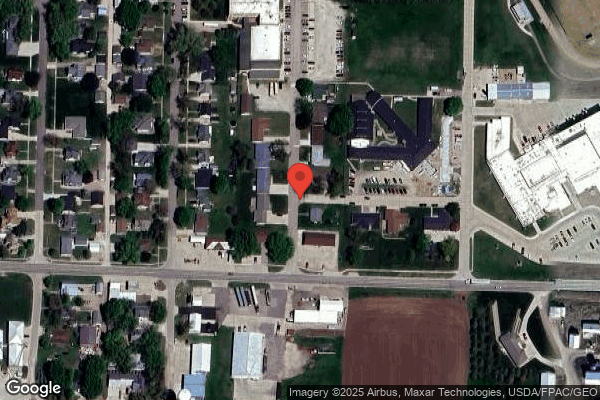
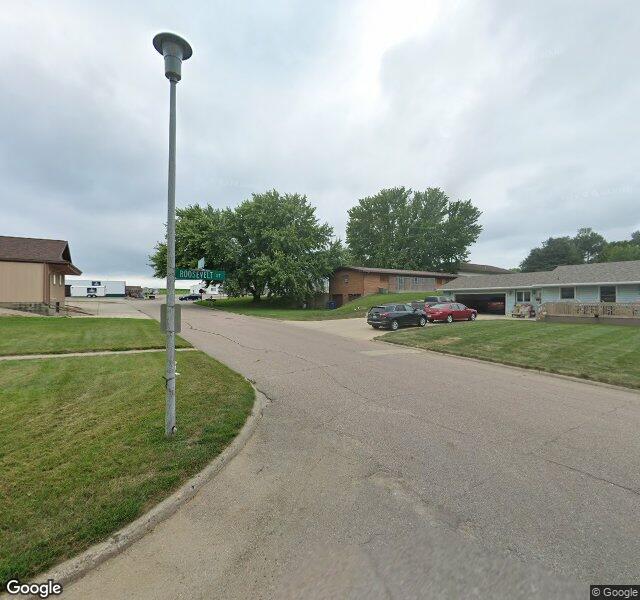
423 Roosevelt St, Remsen, IA 51050 (712) 786-1125
Non profit - Corporation 62 Beds Independent Data: November 2025 1 Immediate Jeopardy citation
Trust Grade
41/100
#274 of 392 in IA
Last Inspection: June 2025

Inspected within the last 6 months. Data reflects current conditions.

Overview

Happy Siesta Health Care Center has a Trust Grade of D, indicating below-average performance and some significant concerns. It ranks #274 out of 392 nursing homes in Iowa, placing it in the bottom half of facilities statewide, and #4 out of 5 in Plymouth County, meaning there are only a few local options that are better. The facility is worsening, as the number of issues identified increased from 1 in 2024 to 4 in 2025. Staffing is a weakness, with only a 1-star rating and a concerning 0% turnover, which may suggest staff are not satisfied. The home also incurred $9,835 in fines, reflecting average compliance issues. In terms of care, there have been critical incidents, including a failure to prevent a resident at risk for elopement from leaving the facility unattended, and a serious incident where a resident fell while being transported, resulting in a cervical fracture. Additionally, there were concerns about food safety practices in the kitchen, where staff did not consistently follow hygiene standards while preparing meals. While there are some strengths, such as the facility's efforts to address critical issues, the overall picture presents significant risks for potential residents.

Trust Score
D
41/100
In Iowa
#274/392
Bottom 31%
Safety Record
High Risk
Review needed
Inspections
Getting Worse
1 → 4 violations
Staff Stability
○ Average
Turnover data not reported for this facility.
Penalties
○ Average
$9,835 in fines. Higher than 52% of Iowa facilities. Some compliance issues.
Skilled Nurses
○ Average
RN staffing data not reported for this facility.
Violations
○ Average
6 deficiencies on record. Average for a facility this size. Mostly minor or procedural issues.
★★☆☆☆
2.0
Overall Rating
★☆☆☆☆
1.0
Staff Levels
★★★★☆
4.0
Care Quality
★★★☆☆
3.0
Inspection Score
Stable
2024: 1 issues
2025: 4 issues

The Good

  • 4-Star Quality Measures · Strong clinical quality outcomes
  • Full Sprinkler Coverage · Fire safety systems throughout facility
  • No fines on record

Facility shows strength in quality measures, fire safety.

The Bad

2-Star Overall Rating

Below Iowa average (3.0)

Below average - review inspection findings carefully

Federal Fines: $9,835

Below median ($33,413)

Minor penalties assessed

The Ugly 6 deficiencies on record

1 life-threatening 1 actual harm
Jun 2025 4 deficiencies
CONCERN (D)

Potential for Harm - no one hurt, but risky conditions existed

Notification of Changes (Tag F0580)

Could have caused harm · This affected 1 resident

**NOTE- TERMS IN BRACKETS HAVE BEEN EDITED TO PROTECT CONFIDENTIALITY** Based on record review and staff interview, the facility failed to notify the physician in a timely manner of a change in condit...

Read full inspector narrative →
**NOTE- TERMS IN BRACKETS HAVE BEEN EDITED TO PROTECT CONFIDENTIALITY** Based on record review and staff interview, the facility failed to notify the physician in a timely manner of a change in condition for 1 of 15 residents reviewed (Resident #22). The facility reported a census of 50 residents. Findings include: According to the Minimum Data Set (MDS) assessment dated [DATE] Resident #22 had a Brief Interview for Mental Status (BIMS) indicating severe cognitive impairment. Diagnoses included aphasia (language disorder affecting the ability to communicate), schizophrenia, and adverse effects of unspecified antipsychotics and neuroleptics. The Care Plan initiated 3/9/22 identified the resident used an opioid medication. The interventions included observing and reporting changes in usual routine, sleep patterns, decrease in functional abilities, decreased range of motion (ROM), withdrawal or resistance to care. The Care Plan dated 6/21/22 documented the resident took psychoactive medications related to schizophrenia, anxiety, and depression. The interventions included observing for and reporting as needed any adverse reactions to: Depakote; including lethargy. Antidepressant; including fatigue, appetite loss. Antipsychotic; including fatigue, loss of appetite. Antianxiety; including drowsiness, slow reflexes, The Progress Notes documented: a. On 5/29/25 at 1:17 p.m. the resident found to have lowered herself to the floor next to her bed and resting her head on the bed. She responded slowly and appeared sleepy. Resident's hands were warm to touch and cheeks flushed. Assisted the resident with removing her sweater. She had a temperature of 98.2. The resident requested to lay back down in bed. Assisted the resident to bed and rest with her eyes closed. b. On 5/30/25 at 3:06 p.m. the resident had been lethargic and weak during the shift. She said she didn't feel very good, but could not be specific about what didn't feel well. She required 2 assist with transfers on and off the toilet. She had a difficult time holding an upright position while on the toilet. Vital signs (V/S) were temperature (T) 97.6, pulse (P) 81 respirations (R) 20, blood pressure (BP) 91/53 oxygen (O2) saturation (sat) 93% on room air (RA). She had no coughing noted or signs and symptoms of shortness of breath (SOB). Her bilateral arms/hands had tremors at times and had a difficult time holding a glass of liquid. Staff assisted her with both meals. The resident laid down from 10 a.m. until 12:30 p.m. Staff assisted her to the bathroom and asked her if she was hungry and she nodded her head yes. Staff brought the resident out and assisted with lunch. No foul odor noted to urine. Unable to get the resident to take deep breaths to assess lung sounds effectively. The nurse reached out to the resident's Power of Attorney (POA) and updated her. At 3:18 p,m. unable to reach the resident's POA due to being out of the office until Monday. Would call her Monday. c. On 5/31/25 at 12:49 a.m. the resident continued to appear lethargic. She rested in bed and exhibited periods of apnea (temporary cessation of breathing). Her skin was cool to the touch and her room was also cold. She responded to verbal stimuli and was able to move all extremities, though her movements were slow. She was unable to take deep breaths for a proper lung assessment. The resident responded to a few questions when prompted. She denied experiencing cough, sore throat, or body aches. However, she was confused, consistent with her baseline due to dementia. VS B/P, 112/81, P 92, O2 95%, tympanic temp 97.6, R 18. d. On 5/31/25 at 1:42 p.m. the resident was lethargic and not very talkative that shift. Her vital signs were stable and the resident unable to verbalize if she was not feeling well. The resident pocketed food at meals, and appetite poor. She did not drink much fluids even when asked by staff. She did take medications without any incident. Resident not her normal self. e. On 6/1/25 at 10:20 a.m. the resident had been sleepy during the shift. She was helped in the morning with cares, and came out for breakfast, eating 50%. Vital signs within normal ranges. The resident did not complain of, or show signs of pain. f. On 6/1/25 at 8:48 p.m. the resident continued to be very lethargic, pale, and cool to the touch. with periods of apnea noted. Her eyes were open during the assessment. When asked her if she felt sick, she whispered yes. Vital signs taken. The resident did take her pills with much encouragement and drank about 2 ounces of water. The resident rested in her bed. Would continue to monitor. g. On 6/2/25 at 8:11 a.m. house supplement held due to lethargy. h. On 6/2/25 at 9:47 a.m. called and spoke with the POA about changes noted with the resident. The resident continued to be lethargic. She sat with eyes open during shower and responded very little. The resident unable to maintain an upright position on the shower chair and leaned to the right. Sent a fax to the physician updating him, and asking if he would advise any testing. i. On 6/2/25 at 12:50 p.m. the resident found to have lowered herself onto the floor next to her bed. Required assistance of 2 with a gait belt to get her up into her wheelchair and into the bathroom. The resident continued to have difficult time maintaining upright posture while sitting on the toilet, and was incontinent of urine. Incontinence cares provided. Urine continued with no foul odor. When asked if she was thirsty resident softly answered yes. Assisted the resident with a glass of water and a cup of pudding, eating almost all of the pudding and drinking about 3/4 of the water. While assisting her, the resident drooled a few times. The resident sat with her eyes open and didn't speak. Call placed to the physician's office about the fax sent that morning to make sure they received it. Left a detailed message on the physician's nurse's voicemail. j. On 6/2/25 at 2:17 p.m. the resident's medications held due to being lethargic. k. On 6/2/25 at 4:31 p.m. the resident lethargic and not taking fluids. l. On 6/3/25 at 9 a.m. telephone order (T.O.) received to hold medications if the resident lethargic and unable to take. m. On 6/3/25 at 9:15 a.m. fax received back (from the physician) with orders to obtain a Complete Blood Count (CBC), Comprehensive Metabolic Panel (CMP) and Urinalysis (UA). T.O. received to obtain UA with microscopic via mini catheter. n. On 6/3/25 at 9:35 a.m. obtained samples for labs. The resident rested in bed. She continued to be lethargic, laying with eyes open and responding very little. Tried pudding and water and the resident let both run back out of her mouth. o. On 6/3/25 at 12:30 p.m. call received from the physician's nurse reporting a critical value on res blood work. Her sodium was at 175 (reference 136 to 145). The physician's nurse stated the resident's POA would need to decide if she would like the resident seen in the emergency room (ER) for possible treatment, or look at end of life care. Call placed to res POA and would like the resident evaluated at ER. The physician notified of the POA decision. T.O. received to have the resident transferred by ambulance to the ER for evaluation. p. On 6/3/25 at 8 p.m. call received from the hospital stating the resident would be admitted to the hospital. A Physician Communication Form dated 6/2/25 at 9:40 a.m. documented the res. showed a decline over the last week. She responded very little that day and was lethargic. Required 2 assist for transfers. VS remained stable. Had a small amount of clear nasal drainage early last week, and complained of not feeling well. No cough or cold symptoms. The resident would sleep significantly more for a few days, then return to normal self. They were not seeing any improvement. Asked if the physician would advise any testing. Urine clear without foul odor. Has ate and drank very poorly since 5/27/25. The physician responded CBC, CMP, UA with micro dated 6/3/25. The hospital History and Physical dated 6/3/25 documented the resident had shown a gradual decline in her clinical condition the previous few months, but a drastic change the past couple of days. The resident had been less active and talkative lately, but showed a dramatic change over the last couple of days. The nursing facility reached out about obtaining labs. Her white blood count (WBC) was slightly elevated at 12.9, hemoglobin 17.3, sodium 175, BUN 121 (reference range 7 to 18) and creatinine 4.75 (reference range 0.55 to 1.02). Calcium mildly elevated at 10.7 (reference range 8.5 to 10.1). The resident admitted for continued care while they worked with her guardian to determine final course of care. On 6/11/25 at 1 p.m. Staff A Licensed Practical Nurse (LPN) said on 5/30/25, a Friday, (she worked Monday through Friday) she knew the resident was sleepy, but she'd had that before, so waiting a day before doing anything, was appropriate at the time. When she returned to work on 6/2/25 she could see the resident had not improved from Friday, so she tried to get hold of the doctor. She sent a fax out and called the office 2 to 3 times. Staff A said if she had worked the weekend she would have gotten something going sooner. On 6/11/25 at 1:40 p.m. Staff G Certified Nursing Assistant (CNA) stated prior to the hospitalization the resident was lethargic, and seemed to be in pain. On 6/11/25 at 1:45 p.m. Staff E Certified Nursing Assistant (CNA) stated prior to the hospitalization she was declining from Thursday (5/29/25) on. The nurses on the weekends were not as familiar with the resident. She ate very little. They had to wake her, but she was drinking. She didn't seem to be in pain. On 6/11/25 at 2:05 p.m. Staff B CNA stated prior to the hospitalization she had not been herself. They were wondering if she may have bumped her head sometime when getting down on the floor. On 6/11/25 at 4:50 p.m. Staff C RN stated when she worked in the unit prior to the resident's hospitalization, she was fatigued and didn't feel good. On 6/11/25 at 4:58 p.m. Staff D CNA stated prior to the hospital, the resident was very sleepy and not eating or drinking. On 6/12/25 8:31 a.m. the resident's Physician stated ideally they would have reported sooner. If they had notified him sooner, caught (the hypernatremia) earlier, and successfully treated it, he thought she would have died within 6 months. He said the resident had some dehydration, but there could be other causes of hypernatremia. He could not specify at the time. On 6/12/25 at 9:42 a.m. the Administrator stated the doctor and the psych ARNP were on vacation that week. They also knew the resident had been having a gradual decline. On 6/12/25 at 10:10 a.m. the resident's Physician stated when is on vacation the facility can send a fax to the office and the nurse would pass it along to another provider as necessary. If it was after hours they would call the ER on call. He said they usually responded to faxes the same day unless it was sent late afternoon. The facility undated Notification of Change Policy included the facility nursing staff should be responsible in notifying the resident's physician of changes in a resident's condition.
CONCERN (D)

Potential for Harm - no one hurt, but risky conditions existed

Deficiency F0605 (Tag F0605)

Could have caused harm · This affected 1 resident

**NOTE- TERMS IN BRACKETS HAVE BEEN EDITED TO PROTECT CONFIDENTIALITY** Based on record review and staff interview, the facility failed to ensure staff implemented resident specific interventions for ...

Read full inspector narrative →
**NOTE- TERMS IN BRACKETS HAVE BEEN EDITED TO PROTECT CONFIDENTIALITY** Based on record review and staff interview, the facility failed to ensure staff implemented resident specific interventions for psychotropic medications for 1 of 6 residents reviewed (Resident #22). The facility reported a census of 50 residents. Findings include: According to the Minimum Data Set (MDS) assessment dated [DATE] Resident #22 had a Brief Interview for Mental Status (BIMS) indicating severe cognitive impairment. Diagnoses included aphasia (language disorder affecting the ability to communicate), schizophrenia, and adverse effects of unspecified antipsychotics and neuroleptics. The Care Plan dated 6/21/22 documented the resident took psychoactive medications related to schizophrenia, anxiety, and depression. The interventions included observing for and reporting as needed any adverse reactions to: Depakote; including lethargy. Antidepressant; including fatigue, appetite loss. Antipsychotic; including fatigue, loss of appetite. Antianxiety; including drowsiness, slow reflexes, The Psych Advanced Registered Nurse Practitioner (ARNP) managed the resident's medications. An Outpatient Psychiatric/Mental Health Progress Note dated 5/14/25 documented the resident's medications included Divalproex (anticonvulsant), Risperdal (antipsychotic), Sertraline (antidepressant), and Lorazepam (antianxiety). Treatment recommendations and orders included increasing Lorazepam 0.5 mg 3 times a day, to Lorazepam 1 mg every morning and 2 p.m. and continuing Lorazepam 0.5 mg at bedtime. Discharge instructions included calling with concerns or questions. The Progress Notes documented : a. On 5/30/25 at 3:06 p.m. the resident had been lethargic and weak during the shift. She said she didn't feel very good, but could not be specific about what didn't feel well. She required 2 assist with transfers on and off the toilet. She had a difficult time holding an upright position while on the toilet. Vital signs (V/S) were temperature (T) 97.6, pulse (P) 81 respirations (R) 20, blood pressure (BP) 91/53 oxygen (O2) saturation (sat) 93% on room air (RA). She had no coughing noted or signs and symptoms of shortness of breath (SOB). Her bilateral arms/hands had tremors at times and had a difficult time holding a glass of liquid. Staff assisted her with both meals. The resident laid down from 10 a.m. until 12:30 p.m. Staff assisted her to the bathroom and asked her if she was hungry and she nodded her head yes. Staff brought the resident out and assisted with lunch. No foul odor noted to urine. Unable to get the resident to take deep breaths to assess lung sounds effectively. The nurse reached out to the resident's Power of Attorney (POA) and updated her. At 3:18 p,m. unable to reach the resident's POA due to being out of the office until Monday. Would call her Monday. b. On 5/31/25 at 12:49 a.m. the resident continued to appear lethargic. She rested in bed and exhibited periods of apnea (temporary cessation of breathing). Her skin was cool to the touch and her room was also cold. She responded to verbal stimuli and was able to move all extremities, though her movements were slow. She was unable to take deep breaths for a proper lung assessment. The resident responded to a few questions when prompted. She denied experiencing cough, sore throat, or body aches. However, she was confused, consistent with her baseline due to dementia. VS: 112/81, P 92, O2 95%, tympanic 97.6, 18. c. On 5/31/25 at 1:16 p.m. the aide came to get the writer to evaluate the resident's right foot and right hip due to bruising. The writer noted a purplish/gray, 6 cm x 6 cm bruise to the top of her right foot. Also noted purple/gray diffuse bruising to the right hip. Due to the residents condition, unable to get description of what happened. d. On 5/31/25 at 1:42 p.m. the resident was lethargic and not very talkative that shift. Her vital signs were stable and the resident unable to verbalize if she was not feeling well. The resident pocketed food at meals, and appetite poor. She did not drink much fluids even when asked by staff. She did take medications without any incident. Resident not her normal self. e. On 6/1/25 at 10:20 a.m. the resident had been sleepy during the shift, she was helped in the morning with cares, and came out for breakfast, eating 50%. Vital signs within normal ranges. The resident did not complain of, or show signs of pain. f. On 6/1/25 at 8:48 p.m. the resident continued to be very lethargic, pale, and cool to the touch. with periods of apnea noted. Her eyes were open during the assessment. The writer asked her if she felt sick and she whispered yes. Vital signs taken. The resident did take her pills with much encouragement and drank about 2 ounces of water.The resident rested in her bed. Would continue to monitor. g. On 6/2/25 at 8:11 a.m. house supplement held due to lethargy. h. On 6/2/25 at 9:47 a.m. called and spoke with the POA about changes noted with the resident. The resident continued to be lethargic. Sat with eyes open during shower and responded very little. Unable to maintain an upright position on the shower chair and leaned to the right. Fax sent to the physician updating him, and asking if he would advise any testing. i. On 6/2/25 at 12:50 p.m. the resident found to have lowered herself onto the floor next to her bed. Required assistance of 2 with gait belt up into her wheelchair and into the bathroom. The resident continued to have difficult time maintaining upright posture while sitting on the toilet, and was incontinent of urine. Incontinence cares provided. Urine continued with no foul odor. When asked if she was thirsty resident softly answered yes. Assisted the resident with a glass of water and a cup of pudding, eating almost all of the pudding and drinking about 3/4 of the water. While assisting her the resident drooled a few times. The resident sat with her eyes open and didn't speak. Call placed to the physician's office about fax sent that morning to make sure they received it. Detailed message left on the physician's nurses voicemail. j. On 6/2/25 at 2:17p.m. the resident's meds held due to being lethargic. k.On 6/2/25 at 4:31 p.m. the resident lethargic and not taking fluids. l. On 6/3/25 at 9 a.m. telephone order received to hold medications if res if lethargic and unable to take. m. On 6/3/25 at 9:15 a.m. fax received back with orders to obtain Complete Blood Count (CBC), Complete Metabolic Panel (CMP) and Urinalysis (UA) with microscopic. T.O. received to obtain UA via mini catheter. n. On 6/3/25 at 9:35 a.m. obtained samples for labs. The resident rested in bed. She continued to be lethargic, laying with eyes open and responding very little. Tried pudding and water and the resident let both run back out of her mouth. o. On 6/3/25 at 12:30 p.m. call received from the physician's nurse reporting a critical value on res blood work. Her sodium was at 175 (reference 136 to 145). The physician's nurse stated the resident's POA would need to decide if she would like the resident seen in the ER for possible treatment, or look at end of life care. Call placed to res POA and would like the resident evaluated at ER. The physician notified of the POA decision. T.O. received to have the resident transferred by ambulance to the ER for evaluation. p. On 6/3/25 at 8 p.m. call recieved from the hospital stating the resident would be admitted to the hospital. On 6/11/25 at 1 p.m. Staff A Licensed Practical Nurse (LPN) said on 5/30/25, a Friday, (she worked Monday through Friday) she knew the resident was sleepy, but she'd had that before, so waiting a day before doing anything, was appropriate at the time. When she returned to work on 6/2/25 she could see the resident had not improved from Friday, so she tried to get hold of the doctor. She sent a fax out and called the office 2 to 3 times. Staff A said if she had worked the weekend she would have gotten something going sooner. The clinical record lacked documentation the facility notified the psych ARNP of the resident's condition change after the increase in psychotropic meds. On 6/12/25 at 9:17 a.m. the psych ARNP stated she checked her record and she had not received notification about the resident in that timeframe. The facility undated Psychotropic Medication Monitoring policy documented the facility would administer psychotropic medications appropriately working with the interdisciplinary team to ensure the appropriate use, evaluation, and monitoring.
CONCERN (D)

Potential for Harm - no one hurt, but risky conditions existed

Accident Prevention (Tag F0689)

Could have caused harm · This affected 1 resident

**NOTE- TERMS IN BRACKETS HAVE BEEN EDITED TO PROTECT CONFIDENTIALITY** Based on record review and staff interview, the facility failed to complete assessment after incidents for 1 of 2 residents revi...

Read full inspector narrative →
**NOTE- TERMS IN BRACKETS HAVE BEEN EDITED TO PROTECT CONFIDENTIALITY** Based on record review and staff interview, the facility failed to complete assessment after incidents for 1 of 2 residents reviewed (Resident #22). The facility reported a census of 50 residents. Findings include: According to the Minimum Data Set (MDS) assessment dated [DATE] Resident #22 had a Brief Interview for Mental Status (BIMS) indicating severe cognitive impairment. Diagnoses included aphasia (language disorder affecting the ability to communicate), schizophrenia, and adverse effects of unspecified antipsychotics and neuroleptics. The resident had 2 or more falls with no injury and 2 or more fall with injury since the previous assessment. The Care Plan initiated 6/21/21 identified a focus of Activities of Daily Living (ADL's). The interventions included the resident had a past history and current behavior of putting herself on the floor or ground. She was able to get herself up off the floor at times, but may need assistance getting up at times. The Care Plan initiated 7/5/21 identified the resident had cognitive impairment related to paranoid schizophrenia. The resident observed with behavior of putting self on the floor and crawling around, then getting herself to a standing position independently. The Care Plan initiated 11/2/23 identified the resident had impulsive and frequent position changes. She often declined assistance during these transfers. Safety awareness and spatial judgement was poor. Interventions included encouraging res to wear shoes during the day. The resident was noted to lower herself to the floor, usually in her bedroom, assure safety of the area, and free of objects that may cause harm, and encouraging her to sit in her recliner. On 5/29/25 at 1:17 p.m. the resident was found to have lowered herself to the floor next to her bed and resting her head on the bed. The resident was slow to respond to the writer and appeared sleepy. Her hands were warm to touch and cheeks flushed. The writer assisted the resident with removing her sweater. T-98.2. The resident requested to lay back down in bed. Assisted the resident to bed and rested with her eyes closed. On 5/31/25 at 1:16 p.m. the aide came to get the nurse to evaluate the resident's right foot and right hip due to bruising. The nurse noted a purplish/gray, 6 cm x 6 cm bruise to the top of her right foot, and purple/gray, diffuse bruising to the right hip. Due to the resident's condition, unable to get a description of what happened. On 6/2/25 at 12:50 p.m. the resident was found to have lowered herself onto the floor next to her bed. She required assistance of 2 with a gait belt to get her up into her wheelchair and into the bathroom. The resident continued to have a difficult time maintaining an upright posture while sitting on the toilet. On 6/11/25 at 1 p.m. Staff A Licensed Practical Nurse (LPN) said they usually saw the resident when she would put herself on the floor. It was usually out in the main area. If she put herself on the floor in her room it would be from the bed down to the floor, and usually she would get back up on her own. Staff A said if the resident was found on the floor, and no one could see that she had done it herself, that would be an incident report with the appropriate investigative management. She said she saw her going down to the floor as she walked by her room on 5/29/25 and 6/2/25. 6/11/25 at 1:45 p.m. Staff E, CNA stated they helped the resident up from the floor when she couldn't get up on her own. They didn't always see her get down. On 6/11/25 at 2:05 p.m. Staff B, Certified Nursing Assistance (CNA) stated if they found the resident on the floor they helped her up, if they witnessed it or not. On 6/11/25 at 4:50 p.m. Staff C, RN stated the resident put herself on the floor repeatedly. She said they were mostly witnessed. If they were witnessed, they didn't do an incident report. On 6/11/25 at 4:58 p.m. Staff D, CNA stated they helped the resident off the floor if they witnessed her putting herself on the floor or not. They didn't tell the nurse every time, because that's what she did. On 6/12/25 at 9:42 a.m. the Administrator stated the resident put herself on the floor continually. She would put herself down and get herself back up. It was a very unique situation. The Director of Nursing (DON) stated the bruising (5/31/25) could have been caused by her rolling around on the floor. The undated facility policy, Resident Safety, Accidents and Incidents identified the purpose to ensure all resident accidents and incidents were properly assessed and reviewed. The following data, as applicable, shall be documented in the Risk Management section of Point Click Care: a. The date and time the accident or incident took place; b. The nature of the injury/illness (e.g., bruise, fall, nausea, etc.); c. The circumstances surrounding the accident or incident; d. Where the accident or incident took place; e. The name(s) of witnesses and their accounts of the accident or incident; f. The injured person's account of the accident or incident; g. The time the injured person's attending Physician was notified h. The date/time the injured person's family was notified i. The condition of the injured person, including his/her vital signs; range of motion, pain, observable injuries and neuros for all falls with head injury, or if the fall was unwitnessed. j. Any corrective action taken k. Intervention to prevent reoccurrence is added to care plan l. Other pertinent data as necessary or required; and m. The signature and title of the person completing the report.
CONCERN (E)

Potential for Harm - no one hurt, but risky conditions existed

Food Safety (Tag F0812)

Could have caused harm · This affected multiple residents

Based on observation and staff interview, the facility failed to prepare and serve food with professional standards for food service safety. The facility had a census of 50 residents. Findings include...

Read full inspector narrative →
Based on observation and staff interview, the facility failed to prepare and serve food with professional standards for food service safety. The facility had a census of 50 residents. Findings include: During observation in the kitchen: a. On 6/11/25 at 9:45 a.m. Staff F, [NAME] wore gloves, handled utensils, obtained milk from the refrigerator, put her gloved hand in the bread bag, placed 4 slices of meat in the Robot coupe, and the 4 slices of bread tearing the bread with the gloved hands. b. At 10:30 a.m. Staff F started plating food for the special care unit. During the meal service Staff F wore gloves. She plated the hot food and the Dietary Manager (DM) who also wore gloves, picked up buttered bread and folded it with both hands and placed it on the plate. She touched the hot plate and pushed the tray over (on the counter top) with her left hand, then picked up another slice of bread and folded and put on the plate. She continued through plating the the unit trays, then changed gloves. c. At 11:02 a.m. Staff F wore gloves when plating food for the main floor. Staff let them know who was in the dining room (DR). Staff F touched the serving utensils, going through the utensil drawer several times. At the start of serving the main floor, Staff F used a utensil to pick up the bread and put on the plates. After plating several, Staff F started picking up the bread with the gloved hand. She reached in the bread bag to make sandwiches. Staff F changed gloves several times without washing her hands. At the end of meal service, Staff F stated she knew they shouldn't touch the food. She said she was doing it that way (using a utensil) awhile when she thought about it. The DM confirmed they should not touch food, if other surfaces were touched with gloves on. The FDA Food Code 2022, 3-304.15 gloves, use limitation, directed if used, single use gloves should be used for only one task such as working with ready to eat food, used for no other purpose, and discarded when damaged or soiled, or when interruptions occurred in the operation.
Apr 2024 1 deficiency 1 Harm
SERIOUS (G) 📢 Someone Reported This

A family member, employee, or ombudsman was alarmed enough to file a formal complaint

Actual Harm - a resident was hurt due to facility failures

Accident Prevention (Tag F0689)

A resident was harmed · This affected 1 resident

**NOTE- TERMS IN BRACKETS HAVE BEEN EDITED TO PROTECT CONFIDENTIALITY** Based on clinical record reviews, staff interviews, hospital record reviews, facility investigation and policy review the facili...

Read full inspector narrative →
**NOTE- TERMS IN BRACKETS HAVE BEEN EDITED TO PROTECT CONFIDENTIALITY** Based on clinical record reviews, staff interviews, hospital record reviews, facility investigation and policy review the facility failed to provide adequate nursing supervision for 1 of 3 residents reviewed (Resident #1) for falls. Resident #1 had a fall while riding in the facility passenger van, resulting in his wheelchair tipping over backwards, hitting his head and sustaining three lacerations to the back of his head. The fall required a transfer to the emergency room three weeks later which resulted in admission to the hospital for a C2 cervical fracture that required surgical intervention and placement of a halo brace (an orthotic support that helps immobilize and protect bones in the neck following an injury). The facility reported a census of 54 residents. Citation considered past noncompliance as the facility completed the following interventions prior to the surveyor entering the facility on 4/15/24: 1. Q'straint loops ordered for securement-4/3/24 2. Antitipper attached to both chairs-3/8/24 3. Van drivers retrained on Q'straint securement-4/3/2024 4. Safety inspection completed for van -3/11/2024 5. Pre-trip safety checklist for van transports -4/4/2024 6. Staff education provided on accident policy-4/3/2024 and ongoing 7. Inventory system for wheelchairs established- 3/8/2024 and ongoing Findings include: Resident #1' s Minimum Data Set (MDS) assessment dated [DATE] identified a Brief Interview for Mental Status (BIMS) score of 3, indicated severely impaired cognition. The MDS identified Resident #1 had signs and symptoms of delirium of disorganized thinking that fluctuates. The MDS identified Resident #1 required partial/moderate assistance of one person with transfers, toilet use and ambulation of 50 feet using a walker. Resident #1's MDS included diagnoses of cancer, benign prostatic hyperplasia, thyroid disorder, stroke, non-alzheimer's dementia, and unsteadiness on feet. Resident #1's Fall Risk Evaluation documented the following scores and fall risk: 1/27/24= 16- Total score of 10 or higher represents a high risk 3/8/24= 15- Total score of 10 or higher represents a high risk The Care Plan with target date of 3/15/24 documented Resident #1 was a fall risk. The care plan interventions included the following: a. Anticipate and meet Resident #1 ' s needs. b. Assist to bed when noted to be drowsy. c. Be sure Resident #1 ' s call light is within reach and encourage him to use it for assistance as needed. d. Encourage Resident #1 to participate in activities that promote exercise, physician activity for strengthening and improving mobility. e. Follow facility fall protocol. f. Get up in a wheelchair if awake and anxious in bed. g. Keep foot pedals off the wheelchair when not assisting Resident #1. i. Merry-walker will have a tray securely in place at all times when utilizing it. j. Use one cushion in the wheelchair. A Progress Note dated 3/7/24 at 1:31 PM revealed Resident #1 was out to the dining room for lunch leaning quite a bit to the left and unable to sit himself up. Resident #1 then sat in a merry walker, continued to lean and was unable to stand on command. Resident #1 was unsteady and leaning to the left side. The note documented Resident #1 right hand grip greater than left. Resident #1's wife notified of condition and reported Resident #1 was leaning to the right a little the day before. The note further documented that the wife did not want resident assessed and would like him to stay at the facility. The note revealed the wife believed Resident #1 had another TIA( (Transient Ischemic Attacks). Primary Care Physician notified via fax of condition and to keep at facility per wife request with no further aggressive treatments/evaluations. A Progress Note dated 3/28/24 at 1:34 PM titled Social Service Note documented a new Iowa Physician Orders for Scope of Treatment (IPOST) was filled out with Resident #1's wife and placed in Resident #1's medical record. A Progress Note dated 3/8/24 titled Incident Note at 2:25 PM revealed while on bus ride, staff reported Resident #1 fell backwards in his wheelchair. Upon returning to the facility, Resident #1 was noted to have 3 lacerations to the back of the scalp with blood drainage. Vital signs and neurological checks (neuro's) were initiated upon return to the facility. The neurological checks revealed the left pupil was sluggish and Resident #1 was leaning to his left. The note documented the neurological symptoms were present on 3/7/24 and Primary Care Physician (PCP) had been updated on 3/7/24. The note documented the PCP and wife were notified regarding the fall and the wife wished to keep resident at the facility. An Incident Report (IR) dated 3/8/24 at 2:45 PM identified a witnessed fall during a bus ride. The report revealed Resident #1 while on the bus ride fell backwards in his wheelchair and received lacerations to the back of his scalp. The intervention was to have the bus inspected by maintenance to ensure no malfunctions. The IR dated 3/8/24 documented a note on 3/11/24 that revealed upon further review of the incident, the interdisciplinary team determined Resident #1 had been on a facility sponsored bus ride with Staff A, Activity Director and Staff B, Activity Assistant. Staff A was driving the van and as she completed a right turn, she accelerated and Resident #1 ' s chair tipped backwards. Staff A stopped the vehicle and Staff A and Staff B sat Resident #1 back up and return to the facility. The bus was taken out of use pending safety inspection. Staff C, Maintenance director completed the inspection on the morning of 3/11/24. The inspection resulted in no system concerns and the bus was placed back in use. Staff A reported that she thought she had Resident #1 strapped in correctly. The report documented it was plausible that the straps had come loose during the turn or that the resident had tried to stand. A Progress Note dated 3/9/24 at 9:37 PM documented the CNA (Certified Nursing Assistant) reported Resident #1 was really painful with movements getting out of the merry walker ready for bed. The note documented Tylenol was given. A Progress Note dated 3/10/24 at 1:39 PM documented Resident #1 complained of pain in the back of neck. Resident #1's neck was stiff and would not lift neck straight up. The note revealed Resident #1 needed full assistance with eating and drinking solids and fluids. The note documented Tylenol was given for neck pain that morning and a heat pad was applied to the neck. A Progress Note dated 3/11/24 at 2:38 PM documented Resident #1 self propelled in the wheelchair. Resident #1 complained of neck pain and was unable to lift head straight up. The note documented his neck was stiff. The note documented Tylenol was given and effective. A Progress Note dated 3/12/24 at 9:19 AM documented a new telephone order was received for Resident #1 to have Physical Therapy evaluation and treatment for wheelchair positioning and neck stiffness. The note documented Resident #1's wife notified and agreed with treatment. A Progress Note dated 3/12/24 at 10:32 AM documented Resident #1 complained of neck pain and Tylenol was given and a warm pack provided. A Progress Note dated 3/13/24 at 3:01 PM documented Resident #1's lacerations remained on the top of the scalp with dried blood and without pain when touched. Areas were cleansed. Resident #1 complained of neck pain. The note documented pain score was 10 out of 10. The note revealed Resident #1 had a lot of tension to the back of the head area and grimaced when head palpated. Resident #1's chin almost touched his chest and he had a harder time eating. Resident #1 had to use a straw to drink fluid as he was not able to tilt head back due to pain and stiffness. A Progress Note dated 3/13/24 at 6:48 PM documented Therapy assessed Resident #1 and reported that he may benefit from a muscle relaxer. Resident #1's back of neck was stiff and tight since the fall. Heat and Tylenol had been given for the pain of 10 out of 10. The note revealed a fax was sent to the PCP and the wife updated. The wife reported she had noticed during visit on 3/12/24, Resident #1's head had been down more than usual. The note documented at supper on 3/13/24, Resident #1 was able to drink without a straw and lift head a little further than earlier that day. A Progress Note dated 3/14/24 at 11:50 AM revealed a fax had returned from PCP regarding neck pain and new orders were received to start methocarbamol (muscle relaxant) 500 mg (milligrams) three times a day as needed for 14 days. The note documented Resident #1's wife was aware of the new order. A Progress Note dated 3/17/24 at 5:26 PM documented Resident #1 was transferred with the mechanical stand and two staff members and did not tolerate it well. The note documented Resident #1 would use a mechanical lift with assistance of two staff members for staff and resident safety. A Progress Note dated 3/19/24 at 3:08 PM revealed Therapy requested soft collar to support Resident #1's neck. The note documented a fax was sent to the PCP requesting an order. A Progress Note dated 3/19/24 at 5:50 PM revealed a new order was received from PCP for a soft collar brace. The note documented Resident #1's wife was notified of the new order and did not want to pay for the brace if it was over $100.00. The wife reported she would check the medical store and let the facility know. A Progress Note dated 3/20/24 at 12:29 PM documented Resident #1's wife came to the facility with a soft collar brace. The wife voiced concerns with Resident #1 not eating lunch. The note documented staff assisted Resident #1 with lunch and he refused to eat. Methocarbamol was given as Resident #1's neck appeared to be more [NAME] and not able to lift the head. The note documented Resident #1 leaning more to the left and unable to take drinks without straws and presented with challenges during feeding. A Progress Note dated 3/20/24 at 1:19 PM documented a new telephone order received from PCP for soft collar on in the morning and off at hour of sleep as Resident #1 tolerated. A Progress Note dated 3/21/24 at 12:47 PM documented Resident #1's wife at the facility for lunch and was concerned with Resident #1's neck pain. The wife reported Resident #1 had never had stiffness this long before and reported Resident #1 seemed to be in a lot of pain when touched. The note documented muscle relaxer, Tylenol and heat had been applied and effective at times. The wife wondered if a Chiropractor would be effective or able to do x-rays. The note documented a Chiropractic Office was notified of the wife's request and the office requested to talk to the wife. Resident #1's wife returned to the facility after lunch and requested for Resident #1 to be seen at Urgent Care for x-ray of the neck per Chiropractor's recommendations. The note revealed Urgent Care was notified of the situation, paperwork was given to Resident #1's wife and Resident #1 transported via facility van to Urgent Care. The note documented Resident #1's wife reported that she did not want to prolong anything, she just wanted him to be comfortable. The note revealed Resident #1 had not been able to relax his head while sleeping at night the last couple of nights. A Progress Note dated 3/21/14 at 12:56 PM documented Resident #1's wife was aware of the neck pain and initially refused assessment by PCP. A Progress Note dated 3/21/24 at 2:55 PM revealed the facility received a phone call from a Nurse Practitioner reporting Urgent Care was not able to do the x-ray as Resident #1 was in so much pain when they tried to straighten the neck. A new order was received for a CT (computed tomography) scan but would need a prior authorization through insurance first. A Progress Note dated 3/27/24 at 12:55 PM documented Resident #1's CT scan was scheduled for Friday, 3/29/24 at 11:00 AM. The note documented Resident #1's wife was aware. A Progress Note dated 3/29/24 at 4:53 PM documented the facility received a call from ARNP (Advance Registered Nurse Practitioner) who reported she had received the CT scan results and Resident #1 had a C2 fracture. The ARNP voiced she had reached out to Orthopedics for further services and would get back to the facility with orders. The note documented Resident #1's wife was updated. A Progress Note dated 3/29/24 at 7:55 PM documented the ARNP gave new orders to transfers Resident #1 to hospital emergency room on 3/30/24 via facility vehicle for placement of hard collar for acute fracture of the C2. A Progress Note dated 3/30/24 at 7:09 AM documented Resident #1 was out of the facility via facility van for appointment at a hospital in Sioux City. A Progress Note dated 3/30/24 at 10:01 AM documented Resident #1 had a hangman break (break in one or two bones in the neck) and would be admitted for surgery on 3/31/24. The note documented Resident #1's wife was aware and a bed hold was received. A Progress Note dated 4/2/24 at 12:25 PM revealed Resident #1 returned to the facility from the hospital with a Halo brace in place. Review of the IPOST dated 3/8/24 revealed Resident #1 was a DNR/Do Not Attempt Resuscitation and Comfort Measures only (Use medication by any route, positioning, wound care and other measures to relieve pain and suffering. Use oxygen, suction, and manual treatment of airway obstruction as needed for comfort. Patient prefers no transfer to hospital for life sustaining treatment. Transfer if comfort needs cannot be met in current location). Review of the CT Scan completed on 3/29/24 revealed the following impression: 1. Acute fracture C2 involving the junction bilateral pedicle with vertebral body. Minimally displaced. C2 shows 2 mm (millimeter) anterolisthesis (the upper vertebral body is positioned abnormally compared to the vertebral body below it) relative to C3. 2. Wedge configuration anterior body C3 new compared to prior CT from 2/7/2020. Age indeterminate consistent with mild anterior column wedge compression fracture. A Hospital Consultation report dated 3/30/24 documented Resident #1's head was tilted to the left about 70 degrees with his left ear almost on his shoulder. Attempts to straighten them up produced severe neck pain. The consultation note documented Resident #1 had a hangman's type C2 fracture right rotation slight angulation anteriorly of C2. The note revealed the Physician recommended treatment with distraction under sedation anesthesia then stabilized in a halo thoracic brace. A Hospital Progress Note dated 4/1/24 documented Resident #1 appeared to be tolerating his halo well. The note revealed Resident #1 was stable and could go back to the nursing home and to follow up in the office in one month for x-rays. On 4/15/24 at 12:45 PM, Staff B, Activity Assistant reported the bus ride occurred between 2-2:30 PM. Staff B reported Staff A loaded the residents on the van. Staff B reported it was her first time going in the van. She stated Resident #1 sat in the back of the van in a wheelchair directly behind the bench seats. She stated she remembered Staff A bending over and hooking some things up on his wheelchair but apparently it was not everything. Staff B reported she was riding along as an extra staff member for the activity. Staff B stated she had not been trained on the van. She stated she has now done the computer training (after the incident). Staff B reported Staff A was driving and she was in the passenger seat. She stated when they got to LeMars, they toured a residential area, she stated Staff A slowed down for a corner then quickly accelerated and that was when she heard a noise. Staff B stated she turned around and saw Resident #1 had tipped over. Staff B stated Staff A stopped the van on the street, they both got out of the van and went around to the back. She stated Staff A opened the back door and put the lift down. Staff B stated Resident #1 was still in the wheelchair that had tipped over backwards, his head was resting on the floor of the van. She stated they got Resident #1 upright. She stated Resident #1 was alert and conscious the whole time. She stated when they sat him up they noticed the laceration on the back of his head. Staff B stated she did not recall if safety straps were in place prior or after the incident. Staff B stated she was more concerned at that time if Resident #1 was okay. She stated once he was sat back up she recalled Staff A putting hooks to the wheelchair and putting a front strap across him. Staff B stated she wondered if the front strap was not in place before. She stated after the incident they returned to the facility. Staff B stated when they got back, Staff A unloaded Resident #1 and took him into the facility. Staff B stated some of the nurses asked her what had happened and she stated she thought Resident #1 was not strapped in correctly but she did not know for sure as she had not been trained. On 4/15/24 at 1:15 PM, Staff A, Activity Director reported Staff B and herself loaded the bus with five residents. Staff A stated everyone was buckled in and they went on a bus ride. She stated she went around a corner, Resident #1 tipped over in his wheelchair. She stated Staff B and herself got Resident #1 upright in the chair, buckled back in place and then headed back to the facility. Staff A stated she was the one who loaded Resident #1 into the van. She stated she thought she had applied the Q'straints to the wheelchair to hold it in place on the bus. Staff A stated two Q'straints go on the front of the wheelchair and two Q'straints go on the back of the wheelchair. When asked if she had applied the front seat belt, she stated she did not think so. She stated she thought she had totally forgotten to put the front strap on. She stated unless it got unbuckled. Staff A reported she was not going too fast around the corner. She stated she accelerated too fast. She stated she stopped the van on the road. She stated Staff B and herself went to the back of the bus and opened the door. Staff A stated she observed Resident #1 had tipped over backwards in his wheelchair. She stated he was still in his wheelchair but his butt was off the seat. Staff A stated Staff B and herself assisted Resident #1 upright by taking ahold of the wheelchair and tipping Resident #1 and the wheelchair up at the same time. Staff A stated Resident #1's head was bleeding. She stated there was a laceration on the top of his head. Staff A stated she was not sure what he hit his head on. Staff A reported she used some gauze from the 1st aid kit to clean the laceration and wipe off the blood. She stated she applied the Q'straints to the wheelchair and placed the front seat belt on the way back to the facility. She stated she did not call the facility prior to returning. She stated, I just brought him back. Staff A stated Resident #1 was awake, smiling and denied any pain. She stated she took Resident #1 into the facility and talked to Staff C, RN (Registered Nurse) and Staff E, RN/DON (Director of Nursing). Staff A stated Staff C and Staff D took Resident #1 to evaluate him. Staff A reported after the incident she took a class on the computer regarding the Q'straints. She stated she was fired on Friday, April 5th due to safety concerns with the residents. She stated after Resident #1 had tipped over in the bus, she was not sure what had happened with the Q'straints. She stated the Q'straint by the door was all the way unrolled, it appeared it had been in place but had come off the wheelchair. She stated the Q'straint across from the door appeared as it had not been put into place as it was still rolled up the mechanism/mount and the two Q'straints back of the wheelchair were in place. On 4/15/24 at 2:13 PM, Staff D, RN reported she was the nurse on duty when Staff A brought Resident #1 back to the facility from the bus ride. She stated she had been told in the report that Resident #1 was having stroke-like symptoms the day before and the Dr. had been faxed. Staff D stated Staff A reported to her Resident #1 had fallen in the van in the wheelchair. Staff D stated she assessed him from the point when he had been brought back to the facility. She stated she started neuro's (neurological assessment) which were hard to assess as the neuro's had been abnormal the day before because of the stroke-like symptoms. Staff D stated his wife was aware of the symptoms. She stated Resident #1 had lacerations to the back of his head. She stated she cleansed the lacerations, dried them and left them open to air. Staff D stated Staff E, DON called Resident #1's wife to update her. Staff D stated Staff E reported Resident #1's wife did not want him sent for a further evaluation. She stated she sent a fax to the Dr to report the fall and lacerations. Staff D stated Staff A reported Resident #1 fell backwards in his wheelchair. Staff D reported that Staff A made a comment in front of Staff E and herself, Can we not chart he wasn't buckled in correctly as I don't want to lose my job. Staff D reported Staff E took Staff A straight to her office. She stated she was not sure what happened after that but the comment was made on 3/8/24. She stated the facility asked for a statement about Staff A's comment on 4/4/24 when Corporate was in the building. Staff D stated Resident #1's wife wanted him to go to the Chiropractor but the Chiropractor would not work on him without imaging. She stated x-rays could not be done because they could not straighten out his neck so they had to get a prior authorization to get a CT scan. She stated that it took a couple of days to get approved. She stated the ARNP called her and told her there was a C2 fracture and asked if he was wearing the soft collar. Staff D reported Resident #1 would wear the soft collar during the day and it would be removed at night. She stated the ANRP reported he was going to need a hard collar. She stated she called Resident #1's wife regarding the fracture. Staff D stated Resident #1's wife wanted him to be comfortable and wanted to correct his neck. She stated they went over the risk vs. benefit. On 4/15/24 at 3:35PM, the Administrator reported the facility did not have any van policies prior to Resident #1's incident. She stated policies were created after the incident. She stated the driver of the van (Staff A) had training prior to the incident. She reported all the drivers received training after the incident including Staff A. The Administrator reported Staff A no longer worked at the facility. On 4/15/24 at 3:39 PM, Staff E RN/DON reported she believed Staff B brought Resident #1 to the nurse station from the bus ride. Staff E stated Staff B reported Resident #1 had fallen out of the wheelchair on the bus. She stated Staff A and Staff B picked Resident #1 up and came directly back to the facility. She stated Resident #1 was calm and had four lacerations to the back of his head. Staff E stated she talked to Staff A after parking the bus and Staff A reported Resident #1 had tipped backwards and thought he had hit his head on the ramp behind him. She stated the lacerations were oozing so Staff D, RN cleansed the areas and completed the neuro's exam. Staff E stated one pupil was sluggish and one hand grip weaker which were the same findings as the day before. She stated Resident #1's wife reported Resident #1 had frequent TIAs and Resident #1 s symptoms had been consistent with previous TIAs. Staff E stated Resident #1's wife was at the facility the day of the bus trip and encouraged him to go. Staff E stated Staff A was going around a corner, when she accelerated, Resident #1 tipped back in his wheelchair. Staff E stated Staff A reported she had applied the Q'straints but could not verify she had tightened them. Staff E reported she did not recall Staff A making the statement about not charting Resident #1 wasn't buckled in correctly. She stated she took Staff A to the office to call the Administrator to tell her what had happened. Staff E stated she called the wife, and reported Resident #1 had fallen out of the wheelchair. She stated Resident #1's wife stated he had probably tried to stand up and pushed himself back. Staff E stated she told the wife that nobody saw the incident happen and the facility would do an investigation and check the Q'straints to make sure they were working properly. Staff E stated she reported the abnormal neuro's to the wife and the wife was not concerned regarding the findings. She stated the wife did not want any further evaluations or Resident #1 to be sent out. Staff E stated the wife commented about the TIA and was not concerned. Staff E stated she could not comment if the front seat belt was in place. She stated she was more concerned about the chair tipping backwards and if the chair was secured down with the Q'straints in the front. Staff E reported Resident #1's head tilted to the left and became more pronounced with the recent stroke symptoms. She stated the wife reported his neck issue would usually get better after a few days and it did not. She stated she called Resident #1 's PCP to get a Physical Therapy order for neck stiffness. Staff E stated Resident #1's wife was okay with the order for PT. Staff E stated Therapy suggested a soft collar which was ordered by the PCP. She stated Resident #1's wife obtained the soft collar and brought it to the facility. She stated Resident #1 wore the soft collar during the day and off at night. She stated his neck was straight when he laid in bed and did not have the tilt. She reported that his pain varied. He would wax and wean. She stated there were periods of time his pain was improving. She stated the soft collar did hold his neck up a little. She stated she was surprised with the CT scan results. On 4/15/24 at 4:19 PM, Staff A, Activity Director re-interviewed and asked if she had stated not to chart Resident #1 wasn't buckled in correctly as she couldn't afford to lose her job. Staff A stated she may have said it out of fear and worry. She stated she says a lot of stuff when she is not thinking. She stated sometimes she says things she does not mean. She stated she does not always think before she speaks. She stated it is a problem she has and something she would like to change. She stated she was in tears after the incident. She stated she cannot say for sure if she said it or not. On 4/16/24 at 8:00 AM, the Administrator reported the probable conclusion from the facility investigation was that the Q'straints were not applied properly. She stated if they were applied properly along with the seat belt the chair would have not tipped. She stated the facility does not know for sure as the driver, Staff A was not able to recall details and Staff B was an activity assistant that rode along for the activity and did not pay attention to the restraints. The Administrator reported Staff A had been trained previously. She stated the training did not change and the bus was the same. She stated after the facility learned of the severity of the injuries they did a deeper dive into the incident and did a reenactment. She stated at that time they concluded that Staff A was intentionally careless and was terminated on 4/5/24. She stated after the incident Staff A did not drive the bus. The Administrator stated if you look at Staff A's employee file there were other concerns related to carelessness. The Administrator stated she did not think Staff A intentionally tried to hurt someone. When asked if she thought Staff A was driving too fast, she stated no. The Administrator stated sometimes Staff A acts before thinking. The Administrator reported Resident #1's wife had reported his neck stiffness and posture was a symptom of his TIAs. She stated Resident #1 had a gradual decline and his wife wanted him to go see the chiropractor as she thought his poor neck posture was leading to his neck being stiff. She stated the x-rays and CT scan were needed for him to be able to see the Chiropractor. She stated they were not suspecting an injury and were surprised by the results. The Administrator reported the Q'straint posters were added to the bus after the incident occurred as an intervention and reminder to staff. She stated the expectations for the Q'straints had not changed, they were the same before and after the incident. The Administrator reported during the investigation the facility learned they had different wheelchairs and needed different attachments to be secured in the van correctly. She stated they ordered and recieved Q'straint loops. On 4/16/24 at 8:30 AM, Staff C, Maintenance Director reported he had assessed the van after the incident and did not find anything wrong with the Q'straints. He stated Q'straints were working appropriately. Staff C reported if the Q'straints were properly placed the wheelchair should not have tipped backwards. He stated after the incident he completed training and became certified. He stated after watching the training videos he identified the mounts in the van needed to be moved to ensure the Q'Straints were applied correctly and at the right angle. Staff C demonstrated inside the van how he moved the mounts and how to attach the Q'straints correctly along with the seat belt. Staff C also demonstrated where the mounts and wheelchair would have been during the incident/fall. He stated after doing the training the facility learned that with the tilt-n-space wheelchairs need additional equipment (Q'straint loop) to secure the chair appropriately and to have the straps at the right angle. Staff C demonstrated that the Q'straints do not retract on their own and that you have to push a red button for the strap to retract. He stated if the Q'straints are applied correctly and tightened, he did not think the restraints would be able to come off on their own. He verified that if the Q'strainst had not been pulled out from the mechanism (unrolled) then it had not been applied to the wheelchair. Staff C reported Resident #1 was now using a Care Foam Chair and showed surveyor Resident #1's tilt-n-space wheelchair that was in the therapy room. The Administrator came to the therapy room. The Administrator stated during the investigation the facility could not determine which wheelchair Resident #1 was in during the ride (tilt-n-space) or standard wheelchair. She stated Staff A or Staff B could not recall. She stated the facility applied anti-tippers to both of the chairs after the incident. On 4/15/24 at 9:35 AM, Resident #1's wife reported she thought he had a mini stroke. She stated his whole upper body would tip when he had a stroke. She said his head tilted more than normal but she thought it was from the stroke. She stated a week or two after the fall he started hurting. She stated his head was going down and he could not lift it. She stated before he would snap out of it and straighten out. She stated it didn't happen this time and his head kept falling down. She stated she was visiting on the day of the bus ride and she had asked that he go along as he enjoyed going on rides. She stated he was switched to a regular wheelchair so he could sit up and see better. She stated she asked the nurse about going to the Chiropractor because she thought sometime might be out of place. She stated her Chiropractor suggested doing an x-ray first. She stated it was a good thing we did. She stated the staff was giving pain pills and muscle relaxers and they were not helping him and not loosening him up. She stated the DR told her the CT scan showed a lot of little strokes. She stated he couldn ' t raise his head and if they tried to raise his head, he would say ouch. She stated his chin was on his chest. She stated she thought something needed to be done as he was having a hard time eating and had to use a straw to drink. She stated that after the fall and as time went on his head tipped more and more. She stated she had met him at Dr ' s appointments before and would see the staff load and unload him from the bus. She stated during those times, the wheelchair was secured in the bus. She stated the day of the bus ride she did not see him get loaded on the bus so she does not know if the wheelchair was secured or if he had the seat belt on during the ride. On 4/16/24 at 1:49 PM, Staff F, RN reported Resident #1[TRUNCATED]
Jul 2023 1 deficiency 1 IJ
CRITICAL (J) 📢 Someone Reported This

A family member, employee, or ombudsman was alarmed enough to file a formal complaint

Immediate Jeopardy (IJ) - the most serious Medicare violation

Accident Prevention (Tag F0689)

Someone could have died · This affected 1 resident

**NOTE- TERMS IN BRACKETS HAVE BEEN EDITED TO PROTECT CONFIDENTIALITY** Based on clinical record review, staff interviews, facility record review and facility policy review, the facility failed to ens...

Read full inspector narrative →
**NOTE- TERMS IN BRACKETS HAVE BEEN EDITED TO PROTECT CONFIDENTIALITY** Based on clinical record review, staff interviews, facility record review and facility policy review, the facility failed to ensure residents at risk for elopement were unable to exit the facility unattended for 1 of 1 residents reviewed for elopement (Resident #1). The facility failure resulted in an Immediate Jeopardy to the health, safety, and security of the residents. The facility reported a total census of 52 residents. The facility State Agency informed the facility of the Immediate Jeopardy (IJ) that began as of June 27th, 2023 on July 11, 2023. The Facility Staff removed the Immediate Jeopardy on July 11, 2023 through the following actions: 1. Staff education conducted on 6/28/23 for the elopement policy that included resident headcounts for unexplained alarms and elopement drills. The elopement drills occurred on each shift then four times weekly and monthly thereafter. 2. The facility reduced the alarm reactivation delay for security doors from 30 seconds to 15 seconds completed on 7/5/23. 3. The security on the Chronic Confused Dementing Illness (CCDI) unit doors changed from a push button entry to a coded entry completed on 7/5/23. 4. The keypad codes reset for the secured doors completed on 7/5/23. 5. The second North exterior basement door, by the activities area, secured on 7/11/23. 6. Additional education given to staff to visually monitor security doors as visitors and staff pass through to prevent residents from exiting the area before the door closes and the alarm reactivates completed on 7/11/23. 7. The facility made certain every staff member received elopement education and instructed to count each resident when a source of a door alarm cannot be determined completed on 7/11/23. The scope lowered from a J to D at the time of the survey after ensuring the facility implemented their plan of action, performed observations to ensure staff entered and exited secured doors safely and that all doors were properly secured. Findings Include: The Minimum Data Set (MDS) assessment dated [DATE] for Resident #1 documented diagnoses of dementia with other behavioral disturbances, cognitive communication deficit and other symptoms and signs involving cognitive functions and awareness. The MDS showed the Brief Interview for Mental Status (BIMS) score of 4 which indicated severe cognitive impairment. Review of Resident #1 ' s Progress Notes revealed the following: a. On 5/31/2023 2:31 PM Resident #1 is wandering and checking doors this PM. He is smiling but tells me that he is a little defeated. He explains he has 3 families running over him. I reassure him he can turn the situation around. He continues on his way. b. On 6/4/2023 at 12:19 PM Resident #1 wandered throughout this shift in and out of the resident's rooms. Removing items from one room and bringing it to others. He reports he is very busy. Pleasant and cooperative. c. On 6/27/2023 3:30 PM Upon return to CCDI, head to toe assessment and skin assessment completed. Vital signs: temperature 98.5, pulse 84, respirations 12, blood pressure 130/80 and oxygen saturation 96% room air. Alert to self only which is normal for the resident. Lung sounds clear all fields, no sign or symptoms (s/s) of respiratory distress exhibited. Respirations are easy and unlabored. Bowel sounds present x 4 quadrants, abdomen is soft, nontender with palpitation. The resident is able to move all extremities within normal limits, no discomfort noted. Skin assessed and no impairments noted. Ambulates with steady gait. Dependent edema noted bilateral ankles which is also normal for the resident. Hand grips equal, pupils are equal, round and reactive to light and accommodation in bilateral eyes, skin dry and intact. Mood pleasant and cooperative. Denies pain when asked. Demeanor is calm and smiling. No S/S of injury noted. In an interview on 7/11/23 at 10:29 AM, Staff A, Certified Nursing Assistant (CNA), reported while driving to work on 6/27/23 herself and Staff B, CNA, observed Resident #1 walking near a local business located beside a highway. After assisting the resident into the car they drove him back to the facility, located approximately six blocks away. In an interview on 7/11/23 at 10:51 AM, Staff C, CNA, reported that she assisted another resident to the bathroom when she heard the door alarm sound. Staff C then heard an unidentified staff member report on the radio that it was all clear. Staff C later learned Resident #1 was found outside. Staff C also revealed that she did not receive elopement education and did not participate in elopement drills that day or thereafter. In an interview on 7/11/23 at 10:51 AM, Staff E, CNA, reported that she assisted a weak resident from the shower when the door alarm sounded. Staff E checked the alarming door approximately four to five minutes after the alarm started. When Staff E arrived at the alarming door she looked in both directions, and looked around the side of the building, but could not determine who or what triggered the alarm. Staff E stated that she called an all clear because she could not find anyone near the alarming door. Staff E reported after the elopement she received elopement education and now knows if the source of the door alarm cannot be determined, staff need to count all the residents to determine if someone is missing. On 7/12/23 at 11:48 PM a facility tour completed with the Administration and Maintenance Supervisor (MS). During the tour the Administrator explained the facility investigation concluded Resident #1 followed a staff member through two secured doors before the doors completely shut. This allowed the resident to exit both doors without alerting staff. The resident then exited an exterior door located behind the CCDI unit. The alarm sounded, staff investigated and called an all clear on the radio. The Administrator reported the staff that investigated the alarm failed to follow protocol. A headcount of all the residents should have been obtained when the source of the alarm is undetermined. Later in the tour the second north exterior basement door, located by the activities area, found to open to the outside when pushed. The door failed to be secured with a lock or door alarm. When asked why the door wasn ' t secured, the Administrator stated, it has always been that way. When asked if a resident could exit through the door without staff knowing, the Administrator answered, yes. This unsecured door could potentially allow a resident to ambulate approximately one block North to a highway with a speed limit of 35 miles per hour. The Administrator stated, we identified this area during our QAPI (Quality Assurance and Performance Improvement) assessment as an area that needed improvement. When asked if there was a plan to secure the door, the Administrator reported a company is scheduled to come the next day to identify needs and create a plan to better secure the building. When further asked what the immediate plan was to secure the door, the Administrator replied, we could install a door knob lock. The Administrator then turned to the MS and instructed him to complete the task that day. At 11:03 AM the Administrator reported the completion of the installation of the door knob lock. During the conclusion of the tour the exterior door of the staff entrance found not to be locked or secured by an alarm. The inside door to the hall where residents reside found to be secured with a keypad push button lock located on the door handle. Upon exiting this area the inside door did not close independently thus leaving the door unlocked and unsecured. The MS pulled the door shut manually. The Wandering Risk assessment dated [DATE] showed Resident #1 a high risk for wandering and resided in the CCDI Unit. The Care Plan last revised 6/7/23 showed Resident #1 as a high risk for elopement and appropriate for the CCDI unit. The Resident Safety: Elopement Risk, Wanderguard and Door Alarm policy dated 2023 directed staff that if no resident is seen at a site of a door alarm, staff should immediately start the Missing Person Procedure. Door Alarms: Each exit door has a catch all alarm that will sound if the appropriate code is not entered prior to opening the door. Once at the engaged door staff should immediately look for a resident that has or is trying to exit the building. If there is no resident seen, staff should immediately start the missing resident procedure. If an alarm is discovered de-activated or not working, staff will perform an immediate head count to ensure all residents are accounted for. The Missing Person policy dated 2023 identified upon discovery of a missing resident: 1. Conduct a quick but thorough search of the until and logical places where the resident may have gone. 2. If a resident cannot be located, the nurse in charge of the area shall be responsible for notifying the administrator and page overhead code chickadee. This will alert all staff that a resident is missing. Immediate attempts shall be made to determine where the resident was last seen and what the resident was wearing. This information should be indicated on the Information on missing residents form and given to the commande On 7/12/23 at 5:19 PM the Administrator reported that staff need to ensure that residents do not exit out of a secured door with staff. Staff should wait to make certain doors are completely closed before leaving the area. The Administrator reported that if a resident or person can not be found at the alarming door, staff are required to complete a headcount of all residents.
Understanding Severity Codes (click to expand)
Life-Threatening (Immediate Jeopardy)
J - Isolated K - Pattern L - Widespread
Actual Harm
G - Isolated H - Pattern I - Widespread
Potential for Harm
D - Isolated E - Pattern F - Widespread
No Harm (Minor)
A - Isolated B - Pattern C - Widespread

Questions to Ask on Your Visit

  • "What changes have you made since the serious inspection findings?"
  • "Can I speak with families of current residents?"
  • "What's your RN coverage like on weekends and overnight?"

Our Honest Assessment

Strengths
  • • Licensed and certified facility. Meets minimum state requirements.
Concerns
  • • Multiple safety concerns identified: 1 life-threatening violation(s), 1 harm violation(s). Review inspection reports carefully.
  • • 6 deficiencies on record, including 1 critical (life-threatening) violation. These warrant careful review before choosing this facility.
  • • Grade D (41/100). Below average facility with significant concerns.
Bottom line: Trust Score of 41/100 indicates significant concerns. Thoroughly evaluate alternatives.

About This Facility

What is Happy Siesta Health Care Center's CMS Rating?

CMS assigns Happy Siesta Health Care Center an overall rating of 2 out of 5 stars, which is considered below average nationally. Within Iowa, this rating places the facility higher than 0% of the state's 100 nursing homes. A rating at this level reflects concerns identified through health inspections, staffing assessments, or quality measures that families should carefully consider.

How is Happy Siesta Health Care Center Staffed?

CMS rates Happy Siesta Health Care Center's staffing level at 1 out of 5 stars, which is much below average compared to other nursing homes.

What Have Inspectors Found at Happy Siesta Health Care Center?

State health inspectors documented 6 deficiencies at Happy Siesta Health Care Center during 2023 to 2025. These included: 1 Immediate Jeopardy (the most serious level, indicating potential for serious harm or death), 1 that caused actual resident harm, and 4 with potential for harm. Immediate Jeopardy findings are rare and represent the most serious regulatory concerns. They require immediate corrective action.

Who Owns and Operates Happy Siesta Health Care Center?

Happy Siesta Health Care Center is owned by a non-profit organization. Non-profit facilities reinvest revenue into operations rather than distributing to shareholders. The facility operates independently rather than as part of a larger chain. With 62 certified beds and approximately 50 residents (about 81% occupancy), it is a smaller facility located in Remsen, Iowa.

How Does Happy Siesta Health Care Center Compare to Other Iowa Nursing Homes?

Compared to the 100 nursing homes in Iowa, Happy Siesta Health Care Center's overall rating (2 stars) is below the state average of 3.0 and health inspection rating (3 stars) is at the national benchmark.

What Should Families Ask When Visiting Happy Siesta Health Care Center?

Based on this facility's data, families visiting should ask: "What changes have been made since the serious inspection findings, and how are you preventing similar issues?" "Can you walk me through typical staffing levels on day, evening, and night shifts?" "Can I visit during a mealtime to observe dining assistance and food quality?" "How do you handle medical emergencies, and what is your hospital transfer rate?" These questions are particularly relevant given the facility's Immediate Jeopardy citations and the below-average staffing rating.

Is Happy Siesta Health Care Center Safe?

Based on CMS inspection data, Happy Siesta Health Care Center has documented safety concerns. Inspectors have issued 1 Immediate Jeopardy citation (the most serious violation level indicating risk of serious injury or death). The facility has a 2-star overall rating and ranks #100 of 100 nursing homes in Iowa. Families considering this facility should ask detailed questions about what corrective actions have been taken since these incidents.

Do Nurses at Happy Siesta Health Care Center Stick Around?

Happy Siesta Health Care Center has not reported staff turnover data to CMS. Staff turnover matters because consistent caregivers learn residents' individual needs, medications, and preferences. When staff frequently change, this institutional knowledge is lost. Families should ask the facility directly about their staff retention rates and average employee tenure.

Was Happy Siesta Health Care Center Ever Fined?

Happy Siesta Health Care Center has been fined $9,835 across 1 penalty action. This is below the Iowa average of $33,177. While any fine indicates a compliance issue, fines under $50,000 are relatively common and typically reflect isolated problems that were subsequently corrected. Families should ask what specific issues led to these fines and confirm they've been resolved.

Is Happy Siesta Health Care Center on Any Federal Watch List?

Happy Siesta Health Care Center is not on any federal watch list. The most significant is the Special Focus Facility (SFF) program, which identifies the bottom 1% of nursing homes nationally based on persistent, serious quality problems. Not being on this list means the facility has avoided the pattern of deficiencies that triggers enhanced federal oversight. This is a positive indicator, though families should still review the facility's inspection history directly.