Park View Rehabilitation Center
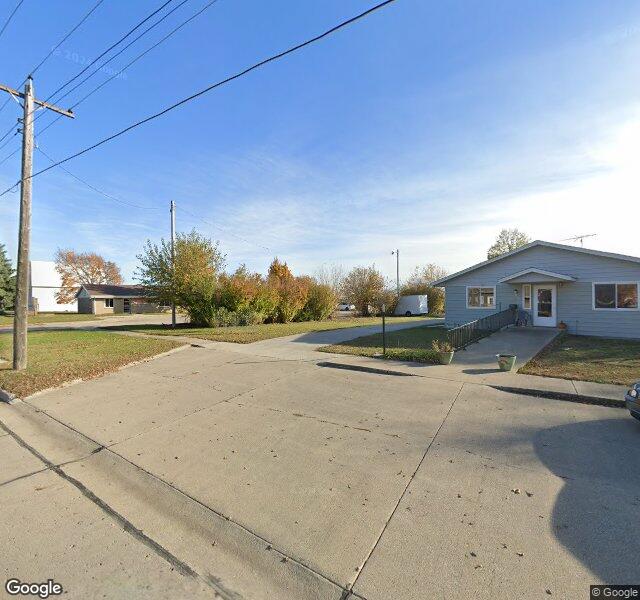
601 PARK AVENUE, SAC CITY, IA 50583 (712) 662-3818
For profit - Corporation 77 Beds LEGACY HEALTHCARE Data: November 2025
Trust Grade
40/100
#290 of 392 in IA
Last Inspection: March 2025

Within standard 12-15 month inspection cycle. Federal law requires annual inspections.

Overview

Park View Rehabilitation Center has a Trust Grade of D, which means it is below average and has some concerning issues. It ranks #290 out of 392 facilities in Iowa, placing it in the bottom half, and #3 out of 4 in Sac County, indicating only one local option is better. The facility's performance is worsening, with the number of reported issues increasing from 1 in 2024 to 6 in 2025. Although staffing is a relative strength with a 3-star rating and a turnover rate of 40%, which is lower than the state average, there are concerns about RN coverage being less than 78% of Iowa facilities. Additionally, the facility has incurred $30,465 in fines, which is higher than 75% of Iowa facilities, suggesting repeated compliance issues. Specific incidents include a resident whose wound care was not adequately followed up, leading to deterioration and hospitalization, and another resident who suffered multiple falls due to a malfunctioning pressure alarm, resulting in serious injuries. Overall, while there are some strengths in staffing, the facility has significant weaknesses that families should consider.

Trust Score
D
40/100
In Iowa
#290/392
Bottom 27%
Safety Record
Moderate
Needs review
Inspections
Getting Worse
1 → 6 violations
Staff Stability
○ Average
40% turnover. Near Iowa's 48% average. Typical for the industry.
Penalties
✓ Good
$30,465 in fines. Lower than most Iowa facilities. Relatively clean record.
Skilled Nurses
○ Average
Each resident gets 34 minutes of Registered Nurse (RN) attention daily — about average for Iowa. RNs are the most trained staff who monitor for health changes.
Violations
⚠ Watch
17 deficiencies on record. Higher than average. Multiple issues found across inspections.
★★☆☆☆
2.0
Overall Rating
★★★☆☆
3.0
Staff Levels
★★★☆☆
3.0
Care Quality
★★☆☆☆
2.0
Inspection Score
Stable
2024: 1 issues
2025: 6 issues

The Good

  • Full Sprinkler Coverage · Fire safety systems throughout facility
  • No fines on record
  • Staff turnover below average (40%)

    8 points below Iowa average of 48%

Facility shows strength in fire safety.

The Bad

2-Star Overall Rating

Below Iowa average (3.0)

Below average - review inspection findings carefully

Staff Turnover: 40%

Near Iowa avg (46%)

Typical for the industry

Federal Fines: $30,465

Below median ($33,413)

Moderate penalties - review what triggered them

Chain: LEGACY HEALTHCARE

Part of a multi-facility chain

Ask about local staffing decisions and management

The Ugly 17 deficiencies on record

2 actual harm
Sept 2025 3 deficiencies 2 Harm
SERIOUS (G) 📢 Someone Reported This

A family member, employee, or ombudsman was alarmed enough to file a formal complaint

Actual Harm - a resident was hurt due to facility failures

Quality of Care (Tag F0684)

A resident was harmed · This affected 1 resident

**NOTE- TERMS IN BRACKETS HAVE BEEN EDITED TO PROTECT CONFIDENTIALITY** Based on record review and staff interview, the facility failed to ensure residents received treatment and care in accordance wi...

Read full inspector narrative →
**NOTE- TERMS IN BRACKETS HAVE BEEN EDITED TO PROTECT CONFIDENTIALITY** Based on record review and staff interview, the facility failed to ensure residents received treatment and care in accordance with professional standards of practice for 1 of 3 resident's reviewed (Resident #1). The facility reported a census of 43 residents. Resident #1 had wounds that were deteriorating. The resident was seen in the wound center. The facility sent the assessment of the wound in a fax to the PCP on 8/21/25 and wrote the resident would be seen in the wound center 8/22/25. The PCP replied okay. The PCP was not the wound center provider. The resident did not have an appointment on 8/22/25. The facility did not follow up until 8/27/25 with an assessment. The fax notified the wound center physician that the wound deteriorated and had a foul odor. The physician ordered a different treatment until seen on 8/29/25. The nurse who did the assessment had hoped he would want to see her sooner, but did not convey that in the fax. The resident admitted to the hospital 8/28/25 in respiratory distress, with fever and a large buttock ulcer, which likely caused her symptoms. The resident became septic (a life threatening complication of an infection). Findings include:According to the Minimum Data Set (MDS) assessment dated [DATE] Resident #1 demonstrated long and short term memory problems and severely impaired cognitive skills for daily decision making. The resident had diagnoses including a stroke with hemiplegia (paralysis of 1 side of the body) of the right dominant side.The Care Plan identified the resident at risk for alteration in skin integrity related to immobility, right sided weakness Status Post (S/P) stroke, anticoagulant and antiplatelet usage. On 7/30 pressure ulcer R buttock, and 8/15 pressure ulcer L buttock. Interventions included: Administering medications as ordered, administering treatment per physician orders, barrier cream to peri area/buttocks as needed, educating the resident and/or family/caregiver as to causes of skin breakdown, including transfers/positioning requirements, encouraging good nutrition and hydration in order to promote healthier skin, encouraging to reposition, following facility policies/protocols for the prevention/treatment of skin breakdown, observing skin condition with care, pressure reducing device on bed, pressure reducing device on chair, providing preventative skin care, using pillows/positioning devices as needed.The Progress Notes documented the following: a. On 7/31/25 at 9:32 a.m. a reddish-purplish colored area remained on the resident's left upper buttock due to Moisture Associated Skin Damage (MASD). The skin was peeling over this area with yellowish colored drainage and the Mepilex saturated. They used a Mepilex dressing to this area for protection on bath days. They questioned changing the Mepilex dressing daily to this area, start Vitamin C 500 mg, Zinc 50 mg daily, and 4 oz of supplement 2 times a day, to promote wound healing. b. On 7/31/25 at 4:01 p.m. a fax received from the Primary Care Provider (PCP) regarding the compromised area on the left upper buttock. New orders included changing the Mepilex dressing daily to the area, and starting Vitamin C, Zinc, and supplement. c. On 8/4/25 at 10:51 a.m. the open area to the resident's left buttock was purple, with blisters, appearing to turn into a pressure area. A moderate amount of drainage to the area, and the Mepilex saturated this a.m. The resident had pain when touched the area. Asked for an order to have the resident seen at the wound clinic. d. On 8/4/25 at 3:46 p.m. the fax returned regarding an order for the resident to be seen at the wound clinic for the open area to her buttock. The physician responded yes. e. On 8/7/25 at 11:33 a.m. a weekly skin assessment revealed a reddish-purplish colored area remained on the left upper buttock. The skin was peeling over the area with serous drainage. The area had deteriorated and measured 8.2 cm x 8 cm. They used a Mepilex dressing to the area daily. She also had a red 1.2 cm x 1.3 cm blanchable area on her left buttock with intact skin. Moisture barrier cream applied to the area. She would be seen in the wound clinic the next day. They would continue to monitor the area. f. On 8/7/25 at 9:19 p.m. received a fax regarding the resident's weekly skin assessment. The physician responded agree. g. On 8/8/25 at 11:25 a.m. the resident returned from the wound care appointment with a new order for Santyl ointment to the right buttock wound and cover with Mepilex 3 times per week. h. On 8/14/25 at 9:01 a.m. the weekly skin assessment revealed a reddish-purplish colored area remained on the left upper buttock with the skin peeling, serous drainage, and some yellow slough. The area remained the same and measured 8.2 cm x 8 cm. She also has a reddish-purple 2.2 cm x 2.2 cm area that had deteriorated on her left buttock with intact skin. Moisture barrier cream applied to the area. She would be seen in the wound clinic the following day. They would continue to monitor the area. i. On 8/15/25 at 12:36 p.m. the resident went to the wound clinic with orders for Santyl & Mepilex to the right buttock and sacrum 3 times a week and as needed (prn). Aquacel AG/small Mepilex border to the left buttock 3 times a week and prn. Follow up appointment 8/29/25 at 9:30 a.m. Family notified and planned to go with the resident to the appointment. j. On 8/18/25 at 6:27 p.m. a communication with the physician, changed the resident's left upper buttock dressing due to soiling. The area measured 3.3 cm x 2 cm, the wound edges were reddened, the wound bed had eschar, exudate moderate/purulent with foul odor. Area cleaned and patted dry, and Aquacel ag, and Mepilex border applied. Asked if had any other suggestions.Changed dressing to right upper buttock due to soiling. The area measured 8.7 cm x 10.7 cm with a moderate amount of purulent exudate with a foul odor, wound edges reddened and wound bed had eschar. Cleaned the area patted dry and Santyl and a Mepilex border applied. Asked if had any other suggestions, k. On 8/19/25 at 6:33 p.m. received a fax regarding dressing change and findings. The physician replied with he would continue the same dressing change, and prn when soiled until Friday (8/22/25). The fax returned by the wound center physician on 8/19/25 included follow up on Friday (8/22/25). l. On 8/21/25 at 3:54 p.m. the weekly skin assessment revealed a reddish-purplish colored area remained on the left upper buttock with some yellow slough and measured 2.7 cm x 2 cm. She also had an open area that measured 8 cm x 10.5 cm that had deteriorated on her right buttock with yellow slough around the edges and brown discolored skin in the center. She would be seen in the wound clinic the following day. They would continue to monitor. The fax with the above information returned by the Primary Care Provider on 8/22/25 read okay. The clinical record lacked documentation the resident had an appointment at the wound center on 8/22/25, or follow up on the wound status. The clinical record lacked documentation the facility notified the wound center physician of the deteriorating wound. m. On 8/27/25 at 7:18 a.m. a weekly skin assessment documented an open area remained on the resident's left upper buttock with yellow slough around the edges and a brown colored center. The area measured 2.7 cm x 2 cm. She also had an open area that measured 8 cm x 9.9 cm with a depth of 1 cm, that had deteriorated on her right buttock with yellow slough around the edges and brown discolored skin in the center, and the areas were lifting around the edges and had a very foul odor. They would continue to monitor the area. n. On 8/27/25 at 12:53 p.m. received a new order for the wound to the resident's left buttock. The fax returned by the wound center physician on 8/27/25 read okay, would see her Friday, and use a dressing with Dakin's solution daily. o. On 8/28/25 at 2:25 p.m. the resident had labored breath sounds, with wheezing heard bilaterally. The head of the bed elevated to prevent shortness of breath. A Foley catheter remained in place. Bowel sounds present in all 4 quadrants. Abdomen soft and non- tender. The resident alert and oriented to self only. Speech and respirations labored. The resident denied pain or shortness of breath when asked. Call placed to PCP and received the okay to send the resident to the emergency room (ER) by ambulance. Call received from ER notifying the resident admitted through the weekend for intravenous (IV) antibiotics. p. On 8/28/25 at 3:08 p.m. the transfer to the hospital summary included the resident's vitals were temperature 103.5 (norm 97-99), pulse 114 (norm 60-100), respirations 28 (norm 12-18), blood pressure 166/108 (high), and pulse oximetry 95% on room air. Breathing was labored and lung sounds with course crackles bilaterally.The Hospitalization report dated 8/29/25 at 3:55 p.m. documented the resident admitted with respiratory distress, fever and a large right buttock ulcer. The resident had urine, blood and wound cultures done in the ER before starting IV antibiotics. The resident had gradually developed a large right buttock ulcer after having a stroke, causing right hemiparesis and expressive aphasia (loss of ability to produce language). She was on oral antibiotics based on her last wound culture results before coming to the hospital. At the hospital they started the resident on Rocephin 1 gm every 12 hours and Vancomycin 1500 mg daily. Albumen 25 mg was added to her medications due to poor nutritional status and hypoalbuminemia. The resident's family preferred a larger hospital for her care where she could have advanced wound care for her large buttock ulcer which likely caused her symptoms. Prior to her transfer the resident had an episode of atrial fibrillation with rapid ventricular response requiring IV medication for heart rate control, IV Lasix, morphine and oxygen with a mask for her respiratory distress. She also had a dose of IV Tylenol for the fever. Her heart rate and blood pressure stabilized by the time she transferred. Prior to the resident's transfer, her blood cultures became positive. The principal diagnosis on discharge was sepsis with acute respiratory failure, and the active problems included open wound of right buttock with complication.On 9/3/25 at 9:07 a.m. Staff A Licensed Practical Nurse (LPN) stated the day she sent Resident #1 out she thought she was having respiratory issues. She had vitals that were high, her blood pressure pulse and respirations. After she sent the resident, out she received a return call later from a Registered Nurse (RN) at the hospital stating they were keeping for her bottom, and she would be on IV antibiotics. Staff A stated the day she sent her out she hadn't looked at her bottom because she was quite concerned about the condition she found her in. She said she had never done the dressing to the resident's bottom because she had just recently oriented to a nursing position. She said she had worked at the facility for years and just recently became an LPN. She said she did see the dressing change when orienting but she did not know the date that she saw it. She said the wound appeared to be large and appeared to have purulent drainage. She said the resident did not express pain during the treatment change. She was not sure which buttock that would have been on.On 9/3/25 at 11:30 a.m. Staff B LPN stated when she looked at the wound and did the dressing change on 8/27 the smaller one seemed the same. The other one appeared deeper and the edges were starting to come off and she was draining serous drainage although it was hard to tell if it was actually drainage or some of what they were putting in the wound.On 9/3/25 at 12:20 p.m. Staff C LPN Stated she was doing the wound assessment every week since the MDS coordinator left for vacation, and then decided not to come back. She said she did this normally on Thursdays and then she would fax the doctors with the results. She said the resident's wounds had been deteriorating and she had done the assessments on a Wednesday prior to 8/29/25 and the wound stunk. She sent a fax to the doctor and he returned with using Dakin's solution until he saw her on the 29th. She had hoped that he would want to see her before that. Regarding whether the resident had an appointment on the 22nd, she said she wasn't sure. She said it's possible she looked at the wrong week and that's why she thought there was one, but she couldn't say for sure.On 9/3/25 12:47 p.m. Staff D LPN stated between the last two times she had seen the resident's bottom, it had gotten much worse. She said it had opened up and it was deeper. She said between the two times it had gone from being changed twice a week to daily. She doesn't remember odor but she had drainage. In the last two days she worked there was a lot more drainage. She said she had to call the resident's family member to let her know about a new order regarding her potassium and she talked to her at that time about the wound, and the family member was going to her next appointment with her. On 94/25 at 9:10 a.m. the Provisional Administrator confirmed the resident did not have an appointment on 8/22/25 at the wound center.The facility undated Skin Management policy documented the potential ongoing management strategies may include risk factor management interventions including management of acute changes in the resident's condition.
SERIOUS (G) 📢 Someone Reported This

A family member, employee, or ombudsman was alarmed enough to file a formal complaint

Actual Harm - a resident was hurt due to facility failures

Accident Prevention (Tag F0689)

A resident was harmed · This affected 1 resident

**NOTE- TERMS IN BRACKETS HAVE BEEN EDITED TO PROTECT CONFIDENTIALITY** Based on observation, record review, and staff interview, the facility failed to ensure a resident received adequate supervision...

Read full inspector narrative →
**NOTE- TERMS IN BRACKETS HAVE BEEN EDITED TO PROTECT CONFIDENTIALITY** Based on observation, record review, and staff interview, the facility failed to ensure a resident received adequate supervision to prevent accidents for 1 of 3 residents reviewed (Resident #2). Resident #1 fell on 7/10/25 fracturing his right elbow that would require surgical repair, and a laceration near his right eye requiring 7 sutures. The resident had a pressure alarm that did not sound to alert staff the resident was getting up without assistance. Staff failed to determine why the alarm did not sound. On 7/11/25 the resident fell again fracturing his left elbow, also requiring surgical repair. The resident's pressure alarm again failed to sound to alert staff the resident was getting up. The facility reported a census of 43 residents. Findings include:The Care Plan documented Resident #2 admitted to the facility on [DATE]. The Care Plan identified the resident had impaired cognitive function, and at risk for falls, on 7/10/25 at 10:30 a.m. fall with no injury, on 7/10/25 at 2:07 p.m. fall with right eyebrow laceration, fracture right elbow, on 7/11/25 at 6:10 a.m. fall with left elbow fracture, left eyebrow laceration, pain in left wrist. On 7/10/25 door alarm initiated and moved to a closer room to the nurse's station.The Progress Notes documented the following: a. On 7/10/25 at 10:30 a.m. the aides summoned the nurse when the resident was found in a sitting position in the opposite room. The resident went to the emergency room for evaluation. b. On 7/10/25 at 2:07 p.m. the resident was found in a sitting position in the room across the hall. The resident was unable to move his right upper extremity. The resident's eye lid on the right side (swelling hemorrhaging). Certified Nursing Assistants (CNA's) held a cold washcloth to the site of his face. Relevant interventions in place at the time of the incident: included a bed alarm.Preliminary Recommendations, if any, for consideration as further preventative measures was a door alarm. c. On 7/10/25 at 2:59 p.m. received a call from hospital. The nurse reported resident had a laceration to his right eyebrow that was sutured. The resident had 7 sutures needing removal in one week. Suture care instructions being sent back with resident. Nurse also reports the resident broke his right elbow in multiple locations and would need surgery. Prior to surgery, the resident needed cardiac clearance. Appointment set up with cardiology for July 16th at 8:45 a.m. They called to schedule a surgery appointment on July 17th. The nurse at the hospital reported the resident had splint and sling in place, the elbow would need to be kept at 90 degrees. The resident could continue same medications, and able to return to the facility at that time. d. On 7/10/25 at 3:13 p.m. received paperwork upon resident's return. Suture instructions: keep wound clean and dry, use hydrogen peroxide and water soaked gauze to wipe clean every day. The goal of each cleaning was to get it back to just stitches and skin, not letting a scab form. They should dress the laceration with antibiotic ointment, and cover with bandages if it could get dirty. No prolonged soaks until healed, quick showers were okay, patting dry afterwards. Stitches out in 7 days, monitor for infection. Tylenol if needed for temp or discomfort. No instructions for splint care. e. On 7/11/25 at 8:03 a.m. the nurse was called into the resident's room at 6:10 a.m.by the CNAs while they were doing physical rounds and saw the resident on the floor face down. No alarm sounded. The fall was not witnessed. It took 2 staff with a gait belt to assist the resident up and into his recliner with a walker. The resident had a slow, unsteady gait. The resident wore his gripper socks. It appeared the resident used his walker at the time of the incident. The floor was dry other than the blood that came from the resident's injures after the fall. The resident was last checked at 4 a.m. and was not incontinent of bowel and the catheter emptied. The resident stated he tried to hold himself up when asked what he was attempting to do. The resident bled from the previous injury to his right eye brow and a new injury to the left eyebrow. The nurse had previously laid eyes on the resident at 5:50 a.m. and he rested in bed. The resident had full range of motion (ROM) to his extremities other than his right arm that had a previous injury to his elbow. He did not complain of discomfort while having resident do ROM other than slight discomfort in his left wrist. Neuros initiated and pupils sluggish. The resident complained of pain in his nose, lower back, and left wrist. The resident got a laceration to his left eyebrow. Made resident comfortable and cleaned blood off. The resident had a pressure alarm under him while in bed. This alarm did not sound. The resident had a history of turning his alarms off and/or moving them. Preliminary Recommendations, if any, for consideration as further preventative measures was a bed alarm that attached to the resident and sounded when the resident tried to get up. f. On 7/11/25 at 11:15 a.m. called the hospital to check the status of the resident. The ER nurse informed the resident had fractured his left elbow. g. On 7/11/25 at 5:55 p.m. a hospital nurse called and stated the resident admitted with possible return 7/12 or 7/13/25. h. On 7/13/25 at 10:30a.m. the resident returned to the facility. Both arms were in splints with ace wrap form his hands to the upper arm bilat. The resident could move his shoulders and legs. He did not reach with his arms. Fingernails were slightly pale but had + capillary refill (quick medical assessment that measured how quickly blood returned to the capillaries (tiny blood vessels) in the skin, used to evaluate circulation). A hospital after visit summary dated 7/10/25 documented the resident seen for right elbow fracture and right eyebrow laceration. The resident had a right eyebrow laceration repair. Return to care facility instructions included: Sutures out in 7 days, right elbow with posterior splint and sling for support, loosen and reapply if too restrictive. The resident's chart needed labeled a fall risk. An x-ray of the right elbow on 7/10/25 at 9:50 a.m. showed a fracture traversing the base of the olecranon process. There was posterior and proximal migration of the proximal fracture fragment with separation of fragments by at least 2.6 cm. Discussed the case with orthopedics. The resident would need surgical intervention on this. He would need cardiac clearance first. Appointment set up 7/16/25 at 8:45 a.m. A hospital report dated 7/11/25 at 7:05 a.m. documented the resident presented to the ER via ambulance from the care facility secondary to a fall. The resident had been well at morning rounds and a few minutes later he apparently decided to get up and fell in his room. He apparently had a piled enough stuff on his bed alarm so it did not go off. He had a small laceration by the left eyebrow and swelling to the left elbow.An x-ray of the left elbow on 7/11/25 at 8:34 a.m. showed an acute mildly displaced intra-articular fracture of the olecranon. There was prominent dorsal soft tissue swelling. Discussed with the orthopedist and the resident would be scheduled for surgery on his left elbow in conjunction with the prior arranged surgery to the right elbow. These were nearly identical fractures sustained on consecutive days. Resident at significant risk for fall secondary to events of the last 2 days. The resident admitted to the hospital.On 9/3/25 at 9:38 a.m. Staff E Registered Nurse (RN) stated the resident fell on 7/10 around 9 a.m. He had been in bed prior to the fall. He did have an alarm on his bed but, he did not know if the alarm sounded at the time of the fall. He said he just charted it a little bit in the morning and then did a much more in depth documentation that afternoon. On 9/3/25 at 12:12 p.m. Staff F Certified Nursing Assistant (CNA) stated all she knew was that when they went to get the resident to take him to breakfast he wasn't there. They let them know that they needed to look for him and so they started a search, but it didn't take very long for them to find him he was just across the hall in another room. On 9/3/25 at 1:43 p.m. Staff G CNA stated she was the full-time bath aid but she had been called to work on the floor for a couple hours that day. Someone called over the walkie that the resident needed to come out for breakfast. She went to his room and he wasn't in there, and he wasn't in the bathroom, and she said well he's not in his room. They decided they needed to search for him which didn't take very long because he was across the hall. She didn't even know he could walk. She said his alarm did not sound that morning. Staff G said she didn't know why the alarm didn't go off that morning she never found out. On 9/3/25 at 1:51 p.m. Staff H CNA stated she did not hear the alarm sound, and she did not know why it did not.On 9/4/25 at 9:29 a.m. Staff G Licensed Practical Nurse (LPN) stated the resident had the alarm in place on 7/11/25 but it did not sound. She said either they did not turn it on the night before or the resident had turned it off himself. She said she thought he had learned how to turn it off. She said he now had another alarm hooked to him that sounded if he pulled away from it. She said the alarm was in place so when he was getting up they would know, and respond.The undated facility Fall Occurrence policy documented the purpose to ensure residents were evaluated for fall risks and implemented interventions to minimize the risk for falls and/or the risk for injury from falls.
CONCERN (D) 📢 Someone Reported This

A family member, employee, or ombudsman was alarmed enough to file a formal complaint

Potential for Harm - no one hurt, but risky conditions existed

Notification of Changes (Tag F0580)

Could have caused harm · This affected 1 resident

**NOTE- TERMS IN BRACKETS HAVE BEEN EDITED TO PROTECT CONFIDENTIALITY** Based record review and staff interview, the facility failed to notify the resident's representative of a change in condition fo...

Read full inspector narrative →
**NOTE- TERMS IN BRACKETS HAVE BEEN EDITED TO PROTECT CONFIDENTIALITY** Based record review and staff interview, the facility failed to notify the resident's representative of a change in condition for 1 of 4 residents reviewed (Resident #1). The facility reported a census of 43 residents. Findings include:According to the Minimum Data Set (MDS) assessment dated [DATE] Resident #1 demonstrated long and short term memory problems and severely impaired cognitive skills for daily decision making. The resident had diagnoses including a stroke with hemiplegia of the right dominant side.The Care Plan identified the resident at risk for alteration in skin integrity related to immobility, right sided weakness Status Post (S/P) stroke, anticoagulant and antiplatelet usage. On 7/30/25 pressure ulcer right buttock, and 8/15/25 pressure ulcer left buttock. A Concern Form dated 8/29/25 documented Resident #1's family member gave a verbal in person report. She felt the facility had not notified her of the resident's wound worsening.The Progress Notes dated 8/21/25 at 3:54 p.m. documented the weekly skin assessment revealed a reddish-purplish colored area remained on the left upper buttock with some yellow slough and measured 2.7 cm x 2 cm. She also had an open area measuring 8 cm x 10.5 cm that had deteriorated on her right buttock, with yellow slough around the edges and brown discolored skin in the center. The fax with the above information returned by the Primary Care Provider on 8/22/25 showed physician notification. The clinical record lacked documentation the resident representative received notification of the change in the wound.On 9/3/25 at 12:20 p.m. Staff C Licensed Practical Nurse (LPN) stated she normally did wound assessments on Thursdays and then she would fax the doctors with the results. She said the resident's wounds had been deteriorating.The facility Notification for Change of Condition policy revised 6/2023 identified the facility would provide care to residents and provide notification of resident change in status. The facility must immediately inform the resident; consult with the resident's physician, and notify the resident's representative when there was a significant change in the resident's physical, mental, or psychosocial status.
Mar 2025 3 deficiencies
CONCERN (D)

Potential for Harm - no one hurt, but risky conditions existed

Deficiency F0657 (Tag F0657)

Could have caused harm · This affected 1 resident

Based on observations, staff interviews, clinical record reviews, and policy reviews the facility failed to review and revise the Care Plan interventions for 2 of 12 residents reviewed (#4, #17). The ...

Read full inspector narrative →
Based on observations, staff interviews, clinical record reviews, and policy reviews the facility failed to review and revise the Care Plan interventions for 2 of 12 residents reviewed (#4, #17). The facility failed to revise Care Plan interventions for a resident who had a change in oxygen use and changed from weight gain to weight loss, and a resident who had a new intervention for fall prevention. Findings include: 1. The Minimum Data Set (MDS) for Resident #4 dated 12/13/24 identified a Brief Interview for Mental Status (BIMS) score of 10/15 indicating moderate cognitive impairment. The MDS included diagnoses of anxiety, depression, Non-Alzheimer's Dementia, and congestive heart failure (CHF). The MDS identified Resident #4 took antipsychotic and antidepressant medications. The document revealed the resident did not have a weight loss or gain of 5% or more in the past month or loss or gain of 10% or more in the last 6 months. The document revealed the resident did utilize oxygen (O2). a.) The Electronic Medical Record (EMR) Progress Notes 5/1/24 to 3/5/25 revealed on 2/19/25 the Dietitian noted the resident weighed 162.4# triggering for a loss of 19# (10%) since 1/19 weight of 183#, and from 8/23/24 weight of 183#. The entry questioned the accuracy of the 1/19 weight as weights before and after were in the 169-173# range. However the 180 day (6 month) look back revealed a significant weight loss. The entry further revealed notification to the primary care provider (PCP), the resident's BMI was 27 indicating overweight, and the resident had been ill. An entry on 7/23/24 identified a weight warning for weight gain with the resident retaining fluid and requesting small servings during meals. Additionally the resident was triggered for a weight gain on 5/15/24 with the initiation of a diuretic related to CHF. The EMR Weights revealed Resident #4 had daily weights until 2/24 then weights decreased gradually to monthly or twice monthly. The EMR Clinical Physician Orders revealed an order for daily weight for one time a day for edema initiated on 10/10/23 and discontinued on 2/1/24. Resident #4's Care Plan revealed a focus area identifying unplanned/unexpected weight gain related to CHF, bilateral lower extremity (BLE) edema with a creation date of 9/20/23 and revision date of 11/20/24. An intervention for staff to follow included weight daily per PCP order created on 12/20/23 and revised on 11/20/24. The facility failed to update the Care Plan to reflect Resident #4's change from unexpected weight gain to weight loss, and discontinuation of daily weights on 2/1/24. On 3/6/25 at 8:12 AM the Administrator and Director of Nursing (DON) acknowledged the resident's Care Plan neither reflected the current interventions for weighing the resident nor the documentation by the Dietitian in the Progress Notes of the resident having a significant weight loss rather than a weight gain. b.) The EMR Progress Notes 5/1/24 to 3/5/25 revealed Resident #4's use of O2. An entry on 10/23/24 revealed O2 at 2-4 liters(L) per nasal cannula (NC) every shift for titrated O2 to keep sats equal to or greater than 90%. Entry dated 6/22/24 revealed communication with the PCP to increase O2 use to 2-4 L per NC. The EMR Clinical Physician Orders dated 3/6/25 revealed an order for O2 at 2L-4L per NC every shift for titrate O2 to keep saturations equal to or greater than 90% confirmed on 6/22/24. Resident #4's Care Plan revealed a focus area related to CHF with an intervention of continuous humidified O2 on at 2L/NC. The facility failed to update the Care Plan to reflect Resident #4's change of O2 use from continuous 2L to O2 at 2L-4L every shift for titrate to keep saturations equal to or greater than 90%. Observation on 3/3/25 revealed Resident #4 with humidified O2 via NC at 3L while seated in her recliner. Observation on 3/4/25 revealed Resident #4 at the beauty salon with humidified O2 via NC at 3L. On 3/4/25 at 1:08 PM Staff B, Certified Nursing Assistant (CNA)/Bath Aide, stated Resident #4 utilized O2 at all times and staff could turn the concentrator off and on to transport the resident. On 3/4/25 at 1:51 PM Staff C, Registered Nurse (RN), stated the resident used oxygen at all times. However when the staff confirmed with the Clinical Physician Orders, the staff stated the orders reflected titrated oxygen not continuous to keep sats above 90%. On 3/6/25 at 8:15 AM the DON stated the order allowed the nurses to raise the oxygen if necessary to 4L to keep the resident's saturations above 90%. The DON acknowledged the Care Plan did not reflect the order for titration to 4L. 2. The MDS for Resident #17 dated 1/24/25 identified a BIMS score of 4/15 indicating severe cognitive impairment. The MDS included diagnoses of hypertension (high blood pressure) anxiety, Non-Alzheimer's Dementia, and history of falling. The MDS identified Resident #4 took antipsychotic and antiplatelet medications. The document revealed the resident had 1 fall with no injury and 1 fall with injury (except major) since the prior assessment. The document revealed the resident utilized a bed alarm and chair alarm both used daily. On 3/3/25 at 12:32 PM observed Resident #17 in a low bed with a bed pad alarm and bed rails; w/c alarm present on w/c. On 3/4/25 at 1:01 PM observed Resident #17 in a low bed with a bed pad alarm, bed rails, and call light within reach. Resident #17's Care Plan dated 12/2/20 identified a focus area related to not thinking clearly related to back pain with an intervention of an alarm at all times due to attempts to self transfer. The document revealed a focus area related to fall at home sustaining a closed compression fracture and risk for falls related to weakness and restless leg syndrome. Interventions for this focus area included appropriate footwear, self propelling wheelchair (w/c) with leg rests out of way, Dycem to recliner. The document revealed a focus area related to use of grab bars on the bed with the intervention of use of grab bars for impaired mobility and transfer ability. The facility failed to revise the Care Plan to reflect the use of a low bed as a fall intervention. On 3/4/25 at 1:08 PM Staff B stated when the resident goes to bed, it is moved to the low position. The staff were told to lower the bed by nurses, and it was on the Communications Board, part of the EMR. Staff B stated the resident had been utilizing the low bed for awhile. On 3/4/25 at 1:51 PM Staff C stated she would look at the Care Plan for all of Resident #17's fall interventions. When the staff was reviewing the Care Plan, she stated the resident required a low bed for some time, but acknowledged it was not on the Care Plan. Staff C updated the Care Plan during the interview. On 3/4/25 at 3:37 PM Staff D stated fall interventions for Resident #17 included a pressure pad alarm, w/c alarm, and the bed lowered to the floor. On 3/6/25 at 8:17 AM the DON stated Care Plan focus areas and interventions should be added to the Care Plan as they are needed to reflect the resident's current needs and level of care. The DON expected if a new fall intervention was put into place it would be added to the Care Plan at that time. On 3/6/25 at 8:20 AM the Administrator stated she expected the Care Plans to provide interventions that reflected the residents' needs. The Administrator acknowledged that some Care Plans might need updates as there had been a change in staffing and the DON had been covering multiple areas. The facility did not have a policy related to Care Plan revisions. The Administrator indicated the facility followed the Resident Assessment Instrument (RAI) manual for Care Plan updates.
CONCERN (D)

Potential for Harm - no one hurt, but risky conditions existed

Respiratory Care (Tag F0695)

Could have caused harm · This affected 1 resident

**NOTE- TERMS IN BRACKETS HAVE BEEN EDITED TO PROTECT CONFIDENTIALITY** Based on observations, record review, staff interviews, the facility failed to have an emergency tracheostomy kit with obturator...

Read full inspector narrative →
**NOTE- TERMS IN BRACKETS HAVE BEEN EDITED TO PROTECT CONFIDENTIALITY** Based on observations, record review, staff interviews, the facility failed to have an emergency tracheostomy kit with obturator at bedside for 1 of 1 residents reviewed (Resident #24). The facility reported a census of 38. Findings include: The Minimum Data Set (MDS) assessment dated [DATE] for Resident #24 documented diagnoses of coronary artery disease, acute respiratory distress, depression, and pneumonia. The MDS showed the Brief Interview for Mental Status (BIMS) score of 14, indicating intact cognition. The MDS documented Resident #24 had a tracheostomy (surgical opening in neck to provide for obstruction of breathing) and required oxygen. Review of the Care Plan with a target date of 5/15/25 revealed Resident #24 has a tracheostomy in place related to malignant neoplasm of the larynx. The Care Plan revealed that the facility would maintain a spare trach at the bedside. The Care Plan failed to have documentation that Resident #24 would fiddle with the emergency trach kit while it was in the room. Review of the facility provided tracheostomy guidelines for Resident #24 that are kept in the narcotic binder at the nurses medication cart titled Tube Out Procedures revealed that the extra tracheostomy tube and obturator will be kept at bedside. Observations of the residents room on 3/3/25 at 1:00 PM and 3/6/25 at 12:05 PM revealed no emergency tracheostomy set with an obturator kept in the room. Interview on 3/6/25 at 12:05 PM, Staff A, License Practical Nurse (LPN) stated the facility keeps the extra tracheostomy set up at the nurses station. When asked about the agency nurses and how they would know where to locate it if there was an emergency, Staff A responded that she would report where it was kept during nurse to nurse report. Interview on 3/6/25 at 12:15 PM with the DON, acknowledged they don't keep the emergency trach kit in the room because Resident #24 is independent with ambulation and is able to get up and fiddles with items throughout his room and it wouldn't stay clean. Interview on 3/5/25 at 11:20 AM with the Administrator stated the facility does not have a tracheostomy policy.
CONCERN (E)

Potential for Harm - no one hurt, but risky conditions existed

Comprehensive Care Plan (Tag F0656)

Could have caused harm · This affected multiple residents

Based on observation, resident and staff interviews, clinical record review, and policy review, the facility failed to develop and implement a Comprehensive Care Plan for 4 of 12 residents reviewed (R...

Read full inspector narrative →
Based on observation, resident and staff interviews, clinical record review, and policy review, the facility failed to develop and implement a Comprehensive Care Plan for 4 of 12 residents reviewed (Resident #4, #15, #16, #22). The Care Plans failed to identify target behaviors related to the use of psychotropic, antianxiety, and antidepressant medications, and non-pharmalogical interventions. The facility reported a census of 38 residents. Findings include: 1. The Minimum Data Set (MDS) for Resident #4 dated 12/13/24 identified a Brief Interview for Mental Status (BIMS) score of 10/15 indicating moderate cognitive impairment. The MDS included diagnoses of anxiety, depression, and Non-Alzheimer's Dementia. The document identified little interest or pleasure in doing things 2-6 days in the reporting period, rarely lonely or isolated from those around. The MDS identified Resident #4 took antipsychotic and antidepressant medications during the last 7 days of the assessment period. Review of Resident #4's Electronic Medical Record (EMR) Physician Orders dated 3/6/25 identified the resident was prescribed; a.) Quetiapine Fumarate 25 mg - .5 tablet once daily for dementia in other diseases classified elsewhere, unspecified severity with other behavioral disturbance, b.) Lexapro 5 mg - 2.5 mg once daily for depression unspecified. The Physician Orders did not identify target behaviors related to the medications prescribed. An EMR Progress Note dated 7/17/24 identified refusal of care. Resident #4's Care Plan initiated 9/14/23 identified a focus area related to utilization of a psychotropic medication in the category of antipsychotic and antidepressant. The document identified interventions including side effects, monitor behaviors per facility protocol, monitor for changes in cognition, mood and behaviors. The Care Plan failed to identify target behaviors related to the use of psychotropic medications, non-pharmalogical interventions, and the side effects of medications. The Care Plan failed to have a focus area with goal(s), and interventions related to the diagnosis of dementia. 2. The MDS for Resident #15 dated 1/22/25 identified a BIMS score of 15/15 indicating normal cognition. The MDS included diagnoses of Alzheimer's, Non-Alzheimer's Dementia, anxiety, and depression. The document identified no signs/symptoms of feeling down, depressed or hopeless, social isolation, delusions, hallucinations, rejection of care or wandering. The MDS identified Resident #15 took antipsychotic and antidepressant medications during the last 7 days of the assessment period. Review of Resident #15's EMR Physician Orders dated 3/5/25 identified the resident was prescribed; a.) Buspirone HCI 10 mg 1 time/day for anxiety disorder, unspecified and major depressive disorder, single episode unspecified, b.) Buspirone HCI 15 mg 3 times/day for anxiety, c.) Lexapro 30 mg 1 time/day for major depressive disorder, single episode unspecified, d.) Bupropion HCI ER (XL) 24 hour 300 mg 1 time/day for depression, e.) Trazodone HCI 50 mg .5 tablet 1 time/day for major depressive disorder, single episode unspecified, f.) Abilify 1 mg 1 time/day for major depressive disorder, single episode unspecified, The Physician Orders did not identify target behaviors related to the medications prescribed. The EMR Progress Notes dated 5/1/24 to 3/5/25 revealed Resident #15 displayed behaviors of complaints of not getting what she wants related to smoking, ignoring staff when attempting to assist, history of frequent complaints and anger with staff, refusal of assessment, and yelling at staff. Resident #15's Care Plan identified the use of a psychotropic medication in the category of antipsychotic/ antidepressant, and anti-anxiety related to anxiety and depression diagnoses. Interventions for staff to follow revealed medications as ordered, side effects and complications, ensuring the diagnosis corresponds with medication prescribed, non-pharmalogical interventions, monitor behaviors per facility protocol, cognition, mood, and behavior. The Care Plan failed to identify the target behaviors related to the use of antipsychotic medications and anxiety. 3. The MDS for Resident #16 dated 1/22/25 identified a BIMS score of 15/15 indicating normal cognition. The MDS included diagnoses of anxiety disorder, depression, schizophrenia, and post traumatic stress disorder. The document identified the resident feeling down, depressed or hopeless during the previous 7-11 days, poor appetite or overeating 7-11 days, feeling bad about oneself 2-6 days, sometimes feeling lonely or isolated from others. The document revealed no behaviors, rejection of care or wandering. The MDS identified Resident #16 took antipsychotic and antidepressant medications during the last 7 days of the assessment period. Review of Resident #16's EMR Physician Orders dated 3/5/25 identified Resident #16 was prescribed a.) Sertraline 50 mg 1 tablet day related to major depressive disorder, b.) Lamotrigine 200 mg 1 tablet day related to schizoaffective disorder, bipolar type, c.) Invega Oral Tablet Extended Release 24 hour 6 mg 1 tablet day related to schizoaffective disorder, bipolar type The Physician Orders did not identify target behaviors related to the medications prescribed. The EMR Progress Notes dated 1/25/25 to 3/5/25 revealed Resident #16 displayed no behaviors. Resident #16's Care Plan revealed the utilization of psychotropic medication in the category of antipsychotic/antidepressant related to schizoaffective disorder, depression. The Care Plan revealed interventions for staff included side effects, use of non-pharmalogical interventions, and monitoring behaviors per facility protocol. The facility failed to identify target behaviors related to the use of psychotropic medications and schizoaffective and depression diagnoses in the Care Plan. 4. The MDS for Resident #22 dated 12/20/24 identified a BIMS score of 13/15 indicating normal cognition. The MDS included diagnoses of anxiety, depression, bipolar, and psychotic disorder. The document identified no signs/symptoms of feeling down, depressed or hopeless, social isolation, delusions, hallucinations, rejection of care or wandering. The MDS identified Resident #22 took antipsychotic and antidepressant medications during the last 7 days of the assessment period. Review of the EMR Physician Orders dated 3/5/25 identified Resident #22 was prescribed; a.) Seroquel 25 mg 1 tab at bedtime for generalized anxiety disorder, delusional disorder, b.) Amitriptyline HCI 50 mg one time day for depression, c.) Duloxetine HCI 60 mg one time/day for depression. The Physician Orders did not identify target behaviors related to the medications prescribed. The EMR Progress Notes dated 5/1/24 to 3/5/25 revealed Resident #22 had 2 episodes of depression without the symptoms of depression. The Progress Notes did not identify target behaviors. Resident #22's Care Plan revealed the utilization of psychotropic medication in the category of antipsychotic/antidepressant related to depression and anxiety. The Care Plan revealed the interventions for staff included side effects, monitoring behaviors per facility protocol, and monitoring for changes in mood, cognition, and behavior. The facility failed to identify target behaviors related to the use of psychotropic medications with anxiety and depression diagnoses in the Care Plan. On 3/6/25 at 8:07 AM the Administrator and the Director of Nursing (DON) stated some residents have Behavior Management Plans that were developed by the Social Worker with the assistance of the psych provider if necessary. The Administrator stated however not every resident had a Behavior Management Plan. The Administrator stated the plans were located in the Narc Book on the medication carts. The Administrator stated those individuals with a Behavior Management Plan also had a sheet that staff mark what behaviors happened during the day. The DON and Administrator acknowledged neither target behaviors nor non-pharmalogical interventions were identified on all the Care Plans. On 3/6/25 at 11:36 AM the Administrator was unable to provide details regarding the statement monitor behaviors per facility protocol identified on the Care Plans. On 3/6/25 at 12:00 PM the Regional Nurse Consultant stated the monitor behaviors per facility protocol was a general statement used by the previous corporation, and the facility was in the process of updating Care Plans to provide more individualized focus areas, goals and interventions. The facility policy, Baseline Care Plan Guidelines V2, Rev 121018, revealed the Care Plan should provide the information needed to safely care for a new resident. The document revealed the interventions needed to match the resident's current needs. The facility policy, Antipsychotic Drug Use, Revised 10/99, revealed the facility would identify the symptoms of the diagnosis requiring antipsychotic,antidepressant drug intervention. The document revealed the Care Plan should be reviewed and updated for interventions related to identified behaviors or symptoms of the diagnosis.
Apr 2024 1 deficiency
CONCERN (D)

Potential for Harm - no one hurt, but risky conditions existed

Infection Control (Tag F0880)

Could have caused harm · This affected 1 resident

Based on observations, staff interview, and infection control policy review, the facility failed to complete hand hygiene when assisting residents to eat, at the same time, in an effort to reduce the ...

Read full inspector narrative →
Based on observations, staff interview, and infection control policy review, the facility failed to complete hand hygiene when assisting residents to eat, at the same time, in an effort to reduce the risk of spreading infection for 3 out of 3 residents during meal service (Residents #6, #28, # 32). The facility reported a census of 39 residents. Findings include: Observed noon meal service on 4/24/24 at 11:30 AM: Staff A Certified Nursing Assistant (CNA) assisted two residents to eat at the same time (Resident #28 & #32). Staff A sat between the residents and used same hand to feed both residents. No hand hygiene observed when alternating between residents. Staff A wiped Resident #32's mouth with his napkin; no hand hygiene observed afterwards. Staff A wiped Resident #28's mouth with her napkin; no hand hygiene observed afterwards. Staff A walked over to 3rd resident at table (Resident #6) and helped with drink and straw; no hand hygiene observed before or after task. Staff A returned to her seat and continued to assist Resident #28 and #32. During lunch service, Staff A held Resident #28's hand (3 different occasions) with same hand feeding Resident #32 with; no hand hygiene observed before assisting with Resident #32. On 4/24/24 at 1:05 PM, the Assistance Director of Nursing (ADON)/infection preventionist reported an expectation of hand hygiene after wiping resident's mouth or if touching straws. Hand hygiene not expected if touching resident's hand, unless visible soiled. At 3 PM, follow-up interview with ADON revealed no staff expectation to use two different hands when feeding two different residents. Staff is expected to use different silverware (resident specific). On 4/24/24 at 1:36 PM, the Exposure Control/Hand hygiene policy (page 8 of 26; Rev 09/22) reviewed and indicated the following: 40.Hand hygiene should be performed: a.Before & after direct resident contact. b.Before & after assistance a resident with meals. c.Upon and after coming in contact with a resident's intact skin (i.e. taking a pulse or blood pressure or assisting a resident with transferring/ambulation. d.After contact with a resident's mucous membranes and bodily fluids or excretions. e.After handling soiled or used linens, dressings, bedpans, catheters, and urinals.
Nov 2023 3 deficiencies
CONCERN (D) 📢 Someone Reported This

A family member, employee, or ombudsman was alarmed enough to file a formal complaint

Potential for Harm - no one hurt, but risky conditions existed

Resident Rights (Tag F0550)

Could have caused harm · This affected 1 resident

**NOTE- TERMS IN BRACKETS HAVE BEEN EDITED TO PROTECT CONFIDENTIALITY** Based on staff interviews, resident interviews, facility documentation, and review of facility policy, the facility failed to pr...

Read full inspector narrative →
**NOTE- TERMS IN BRACKETS HAVE BEEN EDITED TO PROTECT CONFIDENTIALITY** Based on staff interviews, resident interviews, facility documentation, and review of facility policy, the facility failed to provide care for 2 of 6 residents reviewed (Resident #5 and #6) in a manner to promote dignity and respect. Interviews determined that Resident #5 sat visibly incontinent of urine in a common area for visitors and other residents to witness his incontinence for over 2 hours. In addition, Resident #6 felt that the staff ignored her husband when they turned off his call light and she did not hear the staff member state she would be back. Findings include: 1. Resident #5's Minimum Data Set (MDS) assessment dated [DATE] identified no completed Brief Interview for Mental Status (BIMS) score. The Staff Assessment for Mental Status listed Resident #5 as severely impaired for decision making. Resident #5's MDS included diagnoses of moderate intellectual disabilities, depression, altered mental status and unspecified symptoms and signs with cognitive functions and awareness. The MDS listed Resident #5 as always incontinent of urine. The Care Plan with a target date of 11/9/23 revealed Resident #5 had mixed bladder incontinence related to physical limitations and required assistance with activities of daily living related to impaired cognition. The care plan documented Resident #5 depended on one person for toilet use and personal hygiene needs. The care plan directed staff to use assistance of two persons and an EZ stand (machine to assist with standing) for transfers to the toilet and to provide incontinence care when incontinent. A form titled [Facility Name] Verbal Coaching dated 8/14/23 documented an incident involving Staff A, CNA (Certified Nursing Assistant), and Resident #5. The incident section of the form documented after supper described Resident #5 as incontinent of urine. Staff B, RN (Registered Nurse), told Staff A, Resident #5 was wet. Staff A stated, Yea, he will be the first one we do. The form documented Resident #5 remained in the central area until HS (hour of sleep) cares with his pants still wet. At 8 PM, Resident #5 remained in the wheelchair. The form further documented that Staff A used her cell phone and/or ate Culvers after her scheduled break. The comments section of the form documented a reminder provided to Staff A of position changes every 2 hours and that all residents need oral care. The Administrator and Staff B signed the form. On 10/31/23 at 10:44 AM, Staff B acknowledged that she completed a verbal coaching form with Staff A on 8/14/23. Staff B reported she had a bad night with Staff A that night. Staff B reported that she told Staff A at approximately 6:00 PM about Resident #5 appeared incontinent of urine and needed changed. Staff B reported that she could visibly see Resident #5 that soiled (incontinent of urine) his pants from the outside of his pants. Staff B reported Staff A stated she would take care of Resident #5 first. Staff B stated Resident #5 sat in a common area by the medication room so they could keep an eye on him. Staff B stated at 8:00 PM, Resident #5 still sat there and remained wet/soiled. Staff B stated obviously Staff A did not take care of Resident #5 first like she said she would. Staff B stated Staff A went to break, used her cell phone, and ate Culvers. Staff B reported she did not know what exact time Resident #5 received care but he remained in the common area wet. Staff B stated she thought the staff completed his cares before 9:00 PM. On 10/31/23 at 11:35 AM, Staff C, Director of Nursing (DON), reported that she expected the staff to provide dignity to the residents as well as they can. An undated facility policy titled Enhancing and Maintaining Quality of Life documented that the facility would care for its residents in a manner and in an environment that promotes maintenance or enhancement of each resident's quality of life. The policy further documented that staff will focus on treating each resident with dignity and respect in full recognition of his or her individuality as they carry out activities that assist the resident to maintain or enhance his/her self-esteem and self-worth. The policy indicated the facility will provide reasonable accommodations of resident's individual need and preference related to their care and environment, directed toward assisting the resident to maintain and/or achieve their highest practicable level of functioning, promoting dignity and well-being. 2. The Minimum Data Set (MDS) for Resident #6 dated 9/14/23 assessment identified a Brief Interview for Mental Status (BIMS) score of 13, indicating intact cognition. Resident #6's MDS included diagnoses of anxiety, depression, rheumatoid arthritis (chronic inflammation that can affect your joints, skin, eyes, lungs, heart, and blood vessels), anemia (low iron level in the blood), heart failure (heart inability to pump the blood), hypertension (high blood pressure) and renal (kidney) disease. A facility grievance form dated 10/16/23 identified that Resident #6 felt that Staff A ignored her husband. Resident #6 reported that Staff A came in and shut off Resident #2's (husband's) call light without saying anything. The grievance form indicated another staff member returned and helped Resident #2 to the bathroom. An untitled facility documented dated 10/17/23 at 10:36 AM documented Resident #6 stated the staff treat her with respect and dignity occasionally. An untitled facility document dated 10/17/23 and signed by Staff D, ADON (Assistant Director of Nursing), documented the following interview with Resident #6: -Resident #6 doesn't want to get anyone in trouble. -Resident #6 stated Staff A walked into the room and walked back out without saying a word. -Resident #6 stated she could not describe Staff A's attitude because she didn't talk and she did not normally assist them. -Resident #6 could not remember if Staff A shut off Resident #2's call light or not. She stated she could not remember. -Resident #6 stated even if Staff A would have just told me she was busy and would be back that would have been acceptable. A facility form titled Warning Notification dated 10/18/23 documented Staff A received a 3 day unpaid work suspension. The form contained the following information: a. The Reference to Rule/Regulation section on the form documented: Insubordination- Failure to work in a cooperative manner with co-worker and team leaders. Disrespectful to co-workers, supervisors and residents. Unprofessional attitude and uncooperative behavior. b. The Summary section on the form documented: Turning off call lights, not assisting residents or not explaining to them the reason why to reassure them, and not providing good customer service. Residents felt that Staff A ignored them and did not want to help them when they needed assistance. c. The form was signed by Staff A, Staff D, and Staff E, Regional Nurse Consultant. On 10/25/23 at 12:34 PM, Staff F, CNA, reported that Resident #2 used an EZ stand to transfer and liked to go from his wheelchair to his recliner after supper. Staff F stated she witnessed Staff A go into Resident #2's room and shut off the call light and not say anything to Resident #2. Staff F stated she wheeled another resident back to his room when it occurred. Staff F reported that she went into the room and saw Resident #6 writing information down on a sticky note. Staff F reported Staff A stated that Resident #6 wrote that stuff down to get her kicked out of their room. Staff F reported Resident #6 stated Staff A came in the room three times and did not say anything to them. On 10/26/23 at 1:56 PM, Staff A explained one time that Resident #2 had his call light on, she asked if he needed to go to the bathroom and he said no so she told him to hold on. Staff A stated he needed a lift and she needed a second person. Staff A stated she went to help another resident and when she went back in the room she saw Resident #6 upset. Resident #6 asked for her name to write it down. Staff A stated she told Staff F she would not go back in the room until a nurse talked to Resident #6, as she felt afraid of Resident #6 reporting her. Staff A stated a nurse talked to Resident #6 and reported she did not hear Staff A say that she would be back. On 10/30/23 at 8:25 AM, Resident #6 stated she did not remember an incident a couple weeks ago when a CNA entered her room, turned off the call light, and did not say anything. Resident #6 worked on her menu and did not seem interested in talking. This observation appeared different compared to a previous interview conducted the previous week. On 10/30/23 at 1:04 PM, Staff D reported that she interviewed Resident #6. Staff D stated Resident #6 did not want to talk to her at first as she did not want to get anyone in trouble. Staff D stated Resident #6 reported that she could not comment on Staff A's attitude as she usually does not take care of them or interact with them. She stated Resident #6 reported if Staff A would have said she was busy then that would have been okay. Staff D described the main problem as communication. Staff D reported Resident #2 received the care that he needed as another CNA did come into the room and help him.
CONCERN (D) 📢 Someone Reported This

A family member, employee, or ombudsman was alarmed enough to file a formal complaint

Potential for Harm - no one hurt, but risky conditions existed

Accident Prevention (Tag F0689)

Could have caused harm · This affected 1 resident

Based on observation, clinical record review, and staff interviews, the facility failed to provide adequate transfers for 2 or 6 residents reviewed (Resident #2 and #1) to ensure a safe transfer accor...

Read full inspector narrative →
Based on observation, clinical record review, and staff interviews, the facility failed to provide adequate transfers for 2 or 6 residents reviewed (Resident #2 and #1) to ensure a safe transfer according to plan of care. The facility did not provide the number of staff needed for each transfer according to the care plan. The facility reported a census of 37 residents. Findings include: 1. The Minimum Data Set (MDS) assessment for Resident #2 dated 9/14/23 identified a Brief Interview for Mental Status (BIMS) score of 13, indicating intact cognition. The MDS identified that Resident #2 required extensive assistance from two persons with bed mobility and toilet use. The MDS identified Resident #2 required extensive assistance of one person with transfers. Resident #2's MDS included diagnoses of hypertension (high blood pressure), hyperlipidemia, Alzheimer's disease, and history of falling. The Care Plan with target date of 1/10/24 revealed Resident #2 had mixed bladder incontinence and required assistance with activity of daily living (ADLs) related to Alzheimer's disease and weakness. The care plan directed staff to aid of two people with a gait belt and 4 wheeled walker with all transfers and ambulation including to the bathroom. The care plan directed staff that they may use an EZ stand (machine that assists with standing) as needed for transfers. On 10/30/23 at 11 AM, observed Staff I, CNA (certified nursing assistant), apply a gait belt around Resident #2's waist. Staff I elevated the lift chair and provided cues/direction for Resident #2 to stand up from the lift chair. Staff I then ambulated Resident #2 to the BR with a gait belt, a 4 wheeled walker, and the assistance of one. Staff I assisted Resident #2 with pulling down his pants and sitting on the toilet. Staff I reported Resident #2 required the assistance of one person with transfers and ambulation. Staff I stated Resident #2 used the EZ stand as needed. Staff I reported that if Resident #2 did not stand well after three attempts then she would use the EZ stand. Staff I reported Resident #2 received therapy and an ultrasound to his left shoulder. Staff I stated that the staff used to walk Resident #2 to meals but that was too far now. Resident #6 (Wife) was present in the room and stated it depended on which staff member did the transfer on whether the EZ stand was used or not. Staff I reported she started working at the facility in March 2023 and Resident #2 required assistance of one person the entire time and the EZ stand as needed. On 10/31/23 at 8:34 AM, Staff C, DON (Director of Nursing), reported she followed-up with therapy and Resident #2 required the assistance of two persons with transfer and ambulation. Staff C reported she completed verbal coaching with Staff I regarding following resident care plans. She stated the verbal coaching form had not been signed by Staff I as she has not been back to work. The DON reported the CNAs can use their professional judgment on if they need to use the EZ stand or not. The Staff C stated the decision to use the EZ stand was based on if Resident #2 was standing or transferring well. An undated facility form tilted [Facility Name] Rehabilitation Center Verbal Coaching form revealed Staff I received verbal coaching. The incident section on the form documented Staff I transferred Resident #2 with assistance of one when the care plan stated to utilize staff assistance of two for transfers. The form directed Staff I to ensure to follow resident care per their Care Plan. The Administrator, Staff C, and Staff I signed the form. On 10/31/23 at 11:40 PM, the Administrator reported the facility did not have a facility policy regarding transfers, ADLs or accidents/supervision. On 10/31/23 at 1:04 PM, the Administrator reported in general the nurses and aides know the care plan and where to find it. She stated each situation is different and we still must use professional judgment. 2. The Minimum Data Set (MDS) for Resident #1 dated 9/27/23 assessment identified a BIMS score of 4, indicating severely impaired decision making. The MDS identified Resident #1 required extensive assistance of one person with bed mobility and transfers. The MDS identified Resident #1 required extensive assistance of two with toilet use. Resident #1's MDS included diagnoses anemia, hypertension, diabetes mellitus, osteoporosis, hip fracture, other fracture, anxiety disorder, non-Alzheimer's dementia, presence of right artificial hip joint and same level fall. A Progress note titled Incident Report dated on 9/21/23 at 1:37 AM revealed staff observed Resident #1 lying on the floor in her room. According to the note, no physical injuries were noted at the time of the fall. A Health Status noted dated 9/21/23 at 3:13 PM documented Resident #1 had left hip pain with movement and was adducted. The note documented hospice and the primary care physician (PCP) was notified of fall and assessment. The PCP directed the facility to give Acetaminophen 500 mg (milligrams) by mouth every 6 hours as needed and to send for an X-ray if the Power of Attorney (POA) chooses. According to the note, the POA wanted Resident #1 to decide and Resident #1 wanted to remain at the facility. The Care Plan with a target date of 1/10/24 revealed Resident #1 needed assistance with ADLs related to weakness and overall physical decline. The care plan revealed Resident #1 elected to receive hospice services. The care plan directed staff to do the following on 10/11/23: -Provide extensive assistance of 2 staff members and a gait belt for transfers. -Provide extensive assistance of 2 staff members for toileting needs. The Care Plan with a target date of 1/10/24 directed staff to do the following on 10/26/23: -Provide assistance of 1 staff member for all transfers and ADL's. Resident #1 may require additional staff assistance with increased pain or behaviors. -Provide extensive assistance of 1-2 staff members and gait belt with transfers. -Provide extensive assistance of 1-2 staff members for toileting needs. An untitled/unsigned facility document dated 10/24/23 provided by the Administrator documented Staff F, CNA, transferred Resident #1 by herself. According to the note, the Administrator had Staff D, ADON (Assistant Director of Nursing) review Resident #1's Care Plan to see how Resident #1 transferred. The Care Plan determined Resident #1 needed 2 people to assist with transfers. The note documented Staff F was educated on the level of assistance required. On 10/25/23 at 12:34 PM, Staff F reported she has transferred Resident #1 by herself. Staff F stated she tried to have two people in Resident #1's room during transfers. Staff F reported she thought Resident #1 was care planned to be assistance of two with transfers. Staff F stated she only transferred Resident #1 by herself when the facility was short staffed and other staff members were stuck in another room. On 10/25/23 at 2:37 PM, Staff B, RN (Registered Nurse) reported Resident #1 required assistance from one staff member with transfers but Resident #1 did not always remember she needed assistance. Staff B stated the staff will use a bear-hug method with pivot transfers to support/bear as much of Resident #1's weight as much as possible. Staff B stated the staff will have Resident #1 put her arms around their neck and shoulders during the transfer. On 10/25/23 at 4:13 PM, Staff A, CNA, reported that on 10/23/23 at 3:30 PM she got Resident #1 up by herself in her wheelchair and brought Resident #1 out to the center with her alarm on. Staff A reported later Resident #1 wanted to go back to bed so she asked Staff K, LPN to help her with the transfer because she had noticed the brake on Resident #1's wheelchair did not stay locked during the last transfer that she did by herself. Staff A reported that there are other staff members that transfer Resident #1 by themselves. On 10/30/23 at 3:05 PM, Staff C reported that she had updated Resident #1's Care Plan the week prior on 10/26/23 for assistance of 1-2 staff members with transfers and toilet use as her condition and behaviors fluctuate. The DON stated there are days that one person can transfer Resident #1 with assistance of one, gait belt and walker and other days due to her behaviors she may need more assistance. On 10/31/23 at 8:34 AM, when asked how the CNAs determine to use assistance of 1 or 2 with transfers with Resident #1, she replied stated if the transfer did not go well then, the staff can use more assistance. When asked if the CNAs can assess the level of assistance required with a transfer, Staff C stated no. Staff C stated if the transfer is not going well, the CNAs can always get a nurse to determine the assistance level. When asked what the CNAs were expected to do if they are in the middle of a transfer with assistance of one and the transfer did not go well, Staff C stated there was always that potential with any resident or person.
CONCERN (D) 📢 Someone Reported This

A family member, employee, or ombudsman was alarmed enough to file a formal complaint

Potential for Harm - no one hurt, but risky conditions existed

Incontinence Care (Tag F0690)

Could have caused harm · This affected 1 resident

**NOTE- TERMS IN BRACKETS HAVE BEEN EDITED TO PROTECT CONFIDENTIALITY** Based on observation, clinical record review, staff interviews, and policy review the facility failed to provide adequate incont...

Read full inspector narrative →
**NOTE- TERMS IN BRACKETS HAVE BEEN EDITED TO PROTECT CONFIDENTIALITY** Based on observation, clinical record review, staff interviews, and policy review the facility failed to provide adequate incontinence care in a timely manner for 1 of 5 resident reviewed (Resident #5). Findings include: Resident #5's Minimum Data Set (MDS) assessment dated [DATE] identified no completed Brief Interview for Mental Status (BIMS) score. The Staff Assessment for Mental Status listed Resident #5 as severely impaired for decision making. Resident #5's MDS included diagnoses of moderate intellectual disabilities, depression, altered mental status and unspecified symptoms and signs with cognitive functions and awareness. The MDS identified Resident #5 required extensive assistance of two persons with bed mobility, transfers, and toilet use. The MDS listed Resident #5 as always incontinent of urine. The Care Plan with a target date of 11/9/23 revealed Resident #5 had mixed bladder incontinence related to physical limitations and required assistance with activities of daily living related to impaired cognition. The care plan documented Resident #5 depended on one person for toilet use and personal hygiene needs. The care plan directed staff to use assistance of two persons and an EZ stand (machine to assist with standing) for transfers to the toilet and to provide incontinence care when incontinent. A form titled [Facility Name] Verbal Coaching dated 8/14/23 documented an incident involving Staff A, CNA (Certified Nursing Assistant), and Resident #5. The incident section of the form documented after supper described Resident #5 as incontinent of urine. Staff B, RN (Registered Nurse), told Staff A, Resident #5 was wet. Staff A stated, Yea, he will be the first one we do. The form documented Resident #5 remained in the central area until HS (hour of sleep) cares with his pants still wet. At 8 PM, Resident #5 remained in the wheelchair. The form further documented that Staff A used her cell phone and/or ate Culvers after her scheduled break. The comments section of the form documented a reminder provided to Staff A of position changes every 2 hours and that all residents need oral care. The Administrator and Staff B signed the form. On 10/25/23 at 12:34 PM, Staff F, CNA, reported that she had concerns with Staff A leaving Resident #5 in his soiled brief (disposable underwear full of urine) the whole shift. On 10/26/23 at 1:56 PM, Staff A said that she has been told that she did not check Resident #5 enough when it comes to incontinence care. Staff A reported that Resident #5 had a tendency of moving his brief. Staff A stated Resident #5 used to sit on the toilet and now he is just incontinent. Staff A stated Resident #5 will start urinating while changing him. On 10/31/23 at 12:14 PM, Staff G, CNA stated she worked after Staff A when working on the overnight shift up to last month. Staff G reported she came in at 10:00 PM, Staff A refused at times to take care of Resident #5. Staff G stated Staff A refused to put Resident #5 in bed and there has been times she left him in his pee (his wet brief). Staff G reported that Staff A told her, Resident #5 had been too much for her so she did not change him at all during the shift. Staff G explained that around 5-10 times she discovered that Resident #5 required a full bed change at the beginning of her shift. On 10/30/23 at 8:58 AM, Staff H, CNA, reported that she had concerns with Staff A as she did not always meet all the resident needs. Staff H stated Staff A did not always do peri care. She added that Staff A would remove the soiled briefs and apply a clean brief without providing perineal (peri) care. During a follow-up interview on 10/31/23 at 10:25 AM, Staff H stated she worked after Staff A on the overnight shift and sometimes at the beginning of her shift, she found Resident #5 wet. Staff H reported that she did not feel that Staff A checked on Resident #5 enough. On 10/31/23 at 10:44 AM, Staff B acknowledged that she completed a verbal coaching form with Staff A on 8/14/23. Staff B reported she had a bad night with Staff A that night. Staff B reported that she told Staff A at approximately 6:00 PM about Resident #5 appeared incontinent of urine and needed changed. Staff B reported that she could visibly see Resident #5 that soiled (incontinent of urine) his pants from the outside of his pants. Staff B reported Staff A stated she would take care of Resident #5 first. Staff B stated Resident #5 sat in a common area by the medication room so they could keep an eye on him. Staff B stated at 8:00 PM, Resident #5 still sat there and remained wet/soiled. Staff B stated obviously Staff A did not take care of Resident #5 first like she said she would. Staff B stated Staff A went to break, used her cell phone, and ate Culvers. Staff B reported she did not know what exact time Resident #5 received care but he remained in the common area wet. Staff B stated she thought the staff completed his cares before 9:00 PM. On 10/31/23 at 1:04 PM, the Administrator reported staff are to complete end of shift rounds with each other to help identify any issues from shift to shift that may occur so they can be addressed at that time. An undated facility policy titled Bowel and Bladder Continence Status and Retraining Assessment documented incontinent care will be completed after each episode of bowel and/or bladder incontinency. The policy further documented that residents who are not candidates for re-training or unable to recognize the need to void or defecate, checking for incontinence will occur upon rising, within an hour before and/or after meals, before attending activities, before retiring for the night, within a half hour of leaving the facility for an outing, and at other times deemed necessary.
Feb 2023 7 deficiencies
CONCERN (D)

Potential for Harm - no one hurt, but risky conditions existed

Deficiency F0561 (Tag F0561)

Could have caused harm · This affected 1 resident

**NOTE- TERMS IN BRACKETS HAVE BEEN EDITED TO PROTECT CONFIDENTIALITY** Based on clinical record, facility records, resident interview, and staff interview, the facility failed to allow 1 of 36 reside...

Read full inspector narrative →
**NOTE- TERMS IN BRACKETS HAVE BEEN EDITED TO PROTECT CONFIDENTIALITY** Based on clinical record, facility records, resident interview, and staff interview, the facility failed to allow 1 of 36 residents reviewed choice in bed time (Resident #7). The facility reported a census of 36 residents. Findings include: The Minimum Data Set (MDS) dated [DATE] revealed Resident #7 had a Brief Interview of Mental Status (BIMS) score of 15 which indicated intact cognition. The MDS revealed Resident #7 needed the extensive assistance of two persons with bed mobility, transfers, and toilet use. The MDS included diagnoses of osteoarthritis, low back pain, open wound to right foot, chronic non pressure ulcer to right calf, and chronic non pressure ulcer to other part of right foot with bone involvement without evidence of necrosis (dead skin). In an interview on 2/14/23 at 10:08 AM, Resident #7 reported that she liked to go to bed later in the evening around 9:00 PM to 10:00 PM. Resident #7 explained that when only two Certified Nurse Assistants (CNAs) work, they put her to bed between 7:30 PM to 8:00 PM and do not give her a choice for her bedtime. When asked if she reported this to a staff member, Resident #7 said that it would not matter anyway because nothing gets done about the problems she reports. The Care Plan Focus with a target date of 4/30/23 indicated that Resident #7's daily preferences were important to her. The Goals listed that she would be able to maintain her daily preferences with staff assistance and be able to state satisfaction with her daily preferences. Resident #7 would be able to advocate on her own behalf should she wish to change them. The Intervention directed her sleep preference as Resident #7 would alert staff when she is ready to go to bed. Resident #7 had independence on deciding when she wants to go to bed. Resident #7 usually goes around 9 PM or after. 2. I prefer to go to bed between 9-10PM. The Care Plan Focus with a target date of 4/30/23 indicated that Resident #7 needs assistance with her activities of daily living (ADLs) related to hereditary and idiopathic neuropathy, wedge compression fracture of first lumbar vertebra, osteoarthritis, deformities of bilateral feet and toes, and diabetes. The Goal instructed that she wants to be able to participate in her care and make her needs known to the caregivers. The Intervention directed that Resident #7 likes to get up at 6 AM, but may request to remain in bed longer. Resident #7 prefers to go to bed between 9 - 10 PM. By bed, Resident #7 means to have her set up in her recliner with pillows and blankets so that she is comfortable. The Facility assessment dated [DATE] revealed that Daily Routine Accommodations include bed time. In an interview on 2/20/23 at 4: 22 PM, Staff H, Director of Nursing (DON), reported that she did not believe Resident #7 would say that she does not get a choice when she goes to bed because Resident #7 does not do anything she does not want to do. In the same interview, Staff H did not disclose any information related to Resident #7's concerns with how staffing affects when she would be put to bed.
CONCERN (D)

Potential for Harm - no one hurt, but risky conditions existed

Notification of Changes (Tag F0580)

Could have caused harm · This affected 1 resident

**NOTE- TERMS IN BRACKETS HAVE BEEN EDITED TO PROTECT CONFIDENTIALITY** Based on clinical record, facility policy, resident interview, and staff interview, the facility failed to report a change in a ...

Read full inspector narrative →
**NOTE- TERMS IN BRACKETS HAVE BEEN EDITED TO PROTECT CONFIDENTIALITY** Based on clinical record, facility policy, resident interview, and staff interview, the facility failed to report a change in a resident health status to the physician for 1 of 16 residents reviewed (Resident #16). The facility reported a census of 36 residents. Finding include: The Minimum Data Set (MDS) dated [DATE] revealed a Brief Interview of Mental Status (BIMS) score of 15 which indicated intact cognition. The Medication Review Report signed 2/9/23 by a physician revealed Resident #16 had diagnoses of congestive heart failure (CHF), hypertension, pulmonary hypertension, hemiplegia and hemiparesis following cerebral infarction affecting their non-dominant side. In an interview on 2/13/23 at 11:47 AM, Resident #16 reported that she does not think she has been weighed as often as she should since she started living at the facility last month. She thought that she'd be weighed each time she took a bath, but that hasn't been happening. In addition, Resident #16 reported that no one has told her weight after it's taken. The Electronic Health Record (EHR) revealed the following: 1. No order for frequency of weight measurement. 2. Resident #16 weights a. 154.8 pounds on 1/8/23 at 6:44 AM. b. 156.8 pounds on 1/8/23 at 1:22 PM. c. 160.5 pounds on 1/9/23 at 7:14 AM. 3. Resident #16's blood pressure was 170/109 on 1/9/23 at 7:19 AM. The EHR lacked documentation of notifying the physician of Resident #16's weight gain of 5.7 pounds in less than 24 hours along with an elevated blood pressure. In an interview on 2/15/23 at 2:16 PM, Staff L, Director of Nursing (DON), reported that orders for monthly vital signs include a weight. In addition, each resident is weighed weekly with their bath. The Family and Physician Notification Relating to Accident or Change in Medical Condition policy revised April 2012 instructed the following: 1. The facility must immediately inform the resident; consult with the resident's physician; and if known, notify the resident's responsible party when there is: a. A significant change in the resident's physical, mental, or psychosocial status (i.e., a deterioration in health, mental, or psychosocial status in either life-threatening conditions or clinical complications); 2. Documentation of the accident or significant change in condition will be recorded in Resident #16's medical record and will include: the date, time of accident or change in condition, a description of the accident or change noted in Resident #16's condition, location of the accident, full assessment of Resident #16 including vital signs (in the event of an accident, ability to move extremities), and resident's physical and mental status at the time of the accident or change in condition. In an interview on 2/20/23 at 5:21, Staff H, Director of Nursing (DON), reported that there must have been a problem with the scale used to weigh Resident #16. During the interview, Staff H was not able to identify a possible correlation between Resident #16's weight gain, high blood pressure warning, and Resident #16's bilateral lower extremity edema. When asked about notifying the physician of the change in Resident #16's weight, Staff H reported the progress notes included a weight note on 1/17/23 at 10:03 AM. The Weight Note dated 1/17/23 at 9:59 AM listed that Resident #16 triggered for a 5% weight gain. Resident #16 returned from home with a weight gain and has remained around 160 pounds. Resident #16 continues with 2 plus (+) pitting edema to her bilateral lower extremities and lymphedema in her left arm with a compression sleeve in place. Resident #16 continued to eat fairly well during meals between 25%-100% of each meal. Will continue to monitor. The EHR lacked documentation of a response from or notification to the Provider.
CONCERN (D)

Potential for Harm - no one hurt, but risky conditions existed

Deficiency F0676 (Tag F0676)

Could have caused harm · This affected 1 resident

**NOTE- TERMS IN BRACKETS HAVE BEEN EDITED TO PROTECT CONFIDENTIALITY** Based on clinical record, facility policy, resident interview, and staff interview, the facility failed to perform restorative t...

Read full inspector narrative →
**NOTE- TERMS IN BRACKETS HAVE BEEN EDITED TO PROTECT CONFIDENTIALITY** Based on clinical record, facility policy, resident interview, and staff interview, the facility failed to perform restorative therapy for 1 of 3 resident reviewed (Resident #7). The facility reported a census of 36 residents. Findings include: The Minimum Data Set (MDS) dated [DATE] revealed Resident #7 had a Brief Interview of Mental Status (BIMS) score of 15 which indicated intact cognition. The MDS revealed Resident #7 needed the extensive assistance of two persons with bed mobility, transfers, and toilet use. The MDS included diagnoses of osteoarthritis, low back pain, open wound to right foot, chronic non pressure ulcer to right calf, and chronic non pressure ulcer to other part of right foot with bone involvement without evidence of necrosis (dead skin). The Care Plan Focus with a Target date of 4/30/23 identified that Resident #7 had a Restorative Nursing Program to help achieve and maintain optimal physical, mental, and psychosocial functioning. The Care Plan included two goals a. Bilateral Lower Extremity Lymphatic drainage: goal is to decrease bilateral lower extremity chronic lymphedema. b. Active Range of Motion: goal is to maintain upper and lower extremity range of motion and strength. The Interventions directed the following 1. Active Range of Motion (AROM) Restorative i.Upper extremity strengthening with red and green theraband including shoulder horizontal abduction/adduction flexion/extension and abduction/adduction, and bicep curls times 15-20 times ii.Left hand digiflex, yellow x 15-20 reps iii. Right hand digiflex, green x 15-20 reps 2. Active Range of Motion (AROM) Restorative Nursing Program Lower extremity seated strengthening with 3# weights including marches, long arc quads, hip abduction, heel/toe raises, and ball squeezes 2x15 times 1x a day i. Bilateral Lower extremity lymphedema drainage techniques Program: manual lymphedema drainage Frequency: provide patient with manual lymphatic drainage technique to bilateral lower extremities 3 times a week. if patient is out at wound clinic for treatment, do not provide Resident #7 with lymphatic drainage that day. In an interview on 2/14/23 at 10:19 AM, Resident #7 reported that she was supposed to have exercises for her arms starting yesterday but no one has done this yet, she feels this is important to be able to gain strength to return to transfers using the EZ Stand. In an interview on 2/17/23 at 12:03 PM, Staff N, Physical Therapist (PT) reported that Resident #7 started a restorative program April 2022 for both upper and lower body exercises with the number of weekly sessions scheduled with the nursing department. Staff N reported that Resident #7 asked Occupational Therapy (OT) for arm strengthening, but Staff N cannot find orders for OT as this is something that the nursing department has control of. The Plan of Care Response History from 1/19/23 to 2/16/23 related to the intervention of Active Range of Motion (AROM) Restorative for Resident #7's upper extremities included a follow-up question about if the program was performed. All 14 dates had a no as the response. The Electronic Health Record (EHR) lacked documentation regarding Resident #7's refusal for restorative therapy sessions or that Resident #7 had orders to hold her upper extremity exercises. The Nursing Rehabilitation/Restorative Care policy revised 1/20/11 directed that the purpose of restorative therapy was to: 1. To promote the resident's ability to adapt and adjust to living as independently and safely as possible. 2. To improve or maintain function in physical abilities, ADL's (Activities of Daily Living), and prevent further impairment. 3. To achieve and maintain optimal physical, mental, and psychosocial function. In an interview on 2/20/23 at 4:23 PM, Staff H, Director of Nursing (DON), reported that Resident #7 had orders to hold therapy due to blood clots. In the same interview, when asked if this order included a hold on therapy for upper extremity exercises, Staff H reported therapy held this activity as well. In an email on 2/20/23 at 4:55 PM, the Administrator reported that therapy communicated to the Restorative Aide that she was not to do Resident #7's program until the program was re-evaluated by therapy. The same email lacked specific information related to upper extremity exercises.
CONCERN (D)

Potential for Harm - no one hurt, but risky conditions existed

Infection Control (Tag F0880)

Could have caused harm · This affected 1 resident

**NOTE- TERMS IN BRACKETS HAVE BEEN EDITED TO PROTECT CONFIDENTIALITY** Based on observation, clinical record, facility policy, and staff interview, the facility failed to perform hand hygiene during ...

Read full inspector narrative →
**NOTE- TERMS IN BRACKETS HAVE BEEN EDITED TO PROTECT CONFIDENTIALITY** Based on observation, clinical record, facility policy, and staff interview, the facility failed to perform hand hygiene during resident care procedures for 2 of 5 residents reviewed (Resident #7 and #22). The facility reported a census of 36 residents. Findings include: 1. The Minimum Data Set (MDS) dated [DATE] revealed Resident #7 had a Brief Interview of Mental Status (BIMS) score of 15 which indicated intact cognition. The MDS revealed Resident #7 needed the extensive assistance of two persons with bed mobility, transfers, and toilet use. The MDS included diagnoses of osteoarthritis, low back pain, open wound to right foot, chronic non pressure ulcer to right calf, and chronic non pressure ulcer to other part of right foot with bone involvement without evidence of necrosis (dead skin). On 2/14/23 at 10:42 AM watched Staff A, Licensed Practical Nurse (LPN), perform dressing changes to Resident #7's wounds on both of her lower legs and feet Staff L, Director of Nursing (DON) observed. Without hand hygiene, Staff A entered the room and began to prepare dressing supplies. Staff A left Resident #7's room to obtain additional supplies, after she returned she did not perform hand hygiene before completing the supply preparation. As Staff A did the dressing change witnessed her touch the inside of a trash can liner when she threw away tape. As Staff A changed her gloves, four times she failed to perform hand hygiene. Staff A completed the dressing change along with the clean up of supplies. After Staff A left the room two drops of blood remained on the floor under Resident #7's left foot about the size of a quarter. The Nursing Home visit note dated 2/10/23 signed by a physician revealed that Resident #7 had a current diagnosis of MRSA (methicillin resistant Staphylococcus aureus) carrier. On 2/15/23 at 10:34 AM, Staff A reported that she went back to Resident #7's room to clean the blood on Resident #7's floor. 2. The Minimum Data Set (MDS) dated [DATE] revealed Resident #22 had a Brief Interview of Mental Status (BIMS) score of 14 which indicated intact cognition. The MDS included diagnoses of absence of left leg above the knee, low back pain, and reduced mobility. The MDS indicated that Resident #22 required extensive assistance of two persons with toilet use. On 2/14/23 at 8:27 AM observed Staff D, Certified Nurse Assistant (CNA), touched the inside of the trash liner with her gloved hands. Without completing hand hygiene or removing her gloves, watched Staff D perform perineal (peri) care to Resident #22. Staff D still did not perform hand hygiene when she removed her gloves after completing peri care and then assisted Resident #22 in putting on a new disposable brief. Staff M, CNA, did not perform hand hygiene after removing her gloves when she finished assisting Staff D with Resident #7's peri care. The Infection Prevention and Control Program (IPCP) Guidelines revised September 2022 directed that staff perform hand hygiene at the following times 1. When hands are visibly soiled (wash with soap and water). 2. Before and after direct resident contact 3. Before and after performing any invasive procedure (i.e. fingerstick blood sampling) 4. Before and after changing a dressing. 5. After contact with a resident's mucous membranes and body fluids or secretions. 6. After handling soiled or used linens, dressings, bedpans, catheters and urinals. 7. After handling soiled equipment or utensils. 8. After removing gloves. On 2/14/23 at 11:48 AM, Staff L reported that she did not see the two drops of blood on the floor under Resident #7's left foot, she then reported this to Staff A for cleaning. Staff L explained that she observed towards the end of the procedure things got sloppy. In addition Staff L agreed that hand hygiene should be performed when a staff member enters a resident's room, after touching the inside of trash liners, and with glove changes.
CONCERN (E)

Potential for Harm - no one hurt, but risky conditions existed

Grievances (Tag F0585)

Could have caused harm · This affected multiple residents

Based on observation, facility records, facility policy, resident representative interview, and staff interview, the facility failed to file a grievance for an issue reported by a resident's represent...

Read full inspector narrative →
Based on observation, facility records, facility policy, resident representative interview, and staff interview, the facility failed to file a grievance for an issue reported by a resident's representative and provide a process in which grievances may be reported anonymously. The facility reported a census of 36 residents. Findings include: On 2/15/23 at 2:37 PM observed a binder out in a common area of the facility that contained a table of contents with a line item related to grievances. The binder did not contain any other information related to grievances including forms to use to file a grievance. No suggestion box was observed in the facility. In an interview on 2/20/23 at 1:56 PM, Resident #6's Representative (RR #6) reported the following: 1. having a conversation about a month ago regarding how Resident #6's laundry continued to be missing. RR #6 reported that he laundered part of Resident #6's clothing and during the conversation, the Administrator became verbally aggressive with him and told him that he just laundered Resident #6's clothing. 2. Over the past 2-3 years, RR #6 added that he has reported concerns to staff, including the Administrator, with no resolution. RR #6 explained that he feels put off, that his concerns are not heard, and that the facility does not care when he has a concern. 3. RR #6 is fearful that the care Resident #6 receives could be negatively impacted if he reported further grievances after the treatment experienced with the Administrator. 4. He does not know where grievance information is located in the facility or how to file an anonymous grievance. The Grievance Log entries from 3/24/22 to 1/30/23 lacked mention of any grievances filed related to laundry or missing clothing. The Grievances policy dated 1/21/11 revealed the following: 1. Policy: In the interest of protecting all residents' rights, the following individuals or agencies may be contacted by any resident, family member, employee or member of the general public-without fear of restraint, coercion, discrimination, or reprisal- to address grievances, to discuss changes in policies and services, or to report allegations of abuse, neglect, misappropriation of resident property or non-compliance with advance directives. 2. Procedure: a. The facility will register and respond to requests for action and assure that residents, families, legal representatives, and staff are protected from threat of reprisal. b. Action forms will be readily available to all persons through the business office, nurses' station(s), employee lounge, and from any team leader. c. Action (previously called Grievance) is an acronym for Attentive to Customers and Taking Initiative on Needs. The title is intended to convey our commitment to receiving feedback and information, and to taking action when we receive it. d. Forms may be filed by any person, to any employee, at any time, either verbally or in writing. Additionally, forms may be deposited in the Suggestion Box located in the facility lobby area. In an interview on 2/20/23 at 4:18 PM, the Administrator reported that the process to file a grievance was that the form used would be available from any staff member and that the completed form was returned to either any staff member or slid under her office door.
CONCERN (E)

Potential for Harm - no one hurt, but risky conditions existed

Deficiency F0804 (Tag F0804)

Could have caused harm · This affected multiple residents

Based on observations, facility record review and resident and staff interviews the facility failed to ensure proper temperatures for foods served to residents. The facility reported a census of 36 re...

Read full inspector narrative →
Based on observations, facility record review and resident and staff interviews the facility failed to ensure proper temperatures for foods served to residents. The facility reported a census of 36 residents. Finding Include: On 2/13/23 at 11:14 AM observed Staff C, Cook, remove the carrots from the steam table, she added them to the blender with hot broth, and pureed the portions. Staff C poured the carrots into a measuring cup, looked at the measuring cup, and poured out what she stated was half and placed it into another container, for service. She then covered the carrots with aluminum foil. As Staff C walked towards the door to leave the kitchen question if she planned to serve that portion to the residents and she stated yes. Asked her if she would take the temperature of the carrots. Staff C opened up the container and placed the thermometer into the pureed mixture with the end of the thermometer going into a whole carrot in the bottom of the pureed carrots. Staff C looked at the thermometer with a temperature of 119 degrees and stated oh these are not hot enough, I am going to put them into the steamer before we serve them to heat them back up. Staff C placed the carrots into the steamer to bring the food to temperature prior to serving. On 2/13/23 at 2:17 p.m. Resident #8 reported that the food that should be hot, is not always hot when the meal is served. On 2/13/23 at 2:46 PM Resident #17 revealed the hot food is not always hot when the meal is served. On 2/13/23 at 1:43 PM Resident #20 explained that she eats a pureed diet and the food does not always taste like it should and the hot food is not always ho when she receives her meal. Review of meal temperature logs revealed the following information: 12/25/22-12/31/22: Lacked documentation of temperatures recorded for dinner on: Wednesday 12/28/22 Friday 12/30/22 1/1/23-1/7/23: Lacked documentation of temperatures recorded for dinner on: Sunday 1/1/23 Saturday 1/7/23 1/8/23-1/14/23: Lacked documentation of temperatures recorded for dinner on: Sunday 1/8/23 Thursday 1/12/23 1/15/23-1/21/23: Lacked documentation of temperatures recorded for dinner on: Tuesday 1/17/23 Undated: Lacked documentation of temperatures recorded for dinner On: Sunday Wednesday 1/29/23-2/4/23: Lacked documentation of temperatures recorded for dinner on: Monday 1/30/23 Thursday 2/2/23 Saturday 2/3/23 2/5/23-2/11/23: Lacked documentation of temperatures recorded for dinner on: Sunday 2/5/23 Friday 2/10/23 The Food Temperatures policy dated 9/1/09 directed that the Dietary Manager shall obtain and audit test meal trays randomly. The temperatures of food items will be taken and properly recorded on the food temperature record before foods are served. The facility may also choose to record food temperatures after meal service. On 2/14/23 at 2:21 p.m. the Dietary Manager (DM) reported that food temperatures are only taken prior to service and the staff does not check temperatures after the meal. The DM added that she expects the staff to check and record temperatures for all meals.
CONCERN (E)

Potential for Harm - no one hurt, but risky conditions existed

Deficiency F0805 (Tag F0805)

Could have caused harm · This affected multiple residents

Based on observation and resident and staff interviews the facility failed to ensure residents received the proper diet texture to meet the residents needs in 1 of 1 residents reviewed (Resident #20)....

Read full inspector narrative →
Based on observation and resident and staff interviews the facility failed to ensure residents received the proper diet texture to meet the residents needs in 1 of 1 residents reviewed (Resident #20). The facility reported a census of 36 residents. Finding Include: On 2/13/23 at 11:14 AM observed Staff C, Cook, placed 2 servings of carrots into the blender, added hot chicken broth and closed the top.Staff C proceeded to blend the carrots until she had a smooth texture. Staff C poured the carrots into a measuring cup, looked at the measuring cup, and poured out what she stated was half and placed it into another container, for service. She then covered the carrots with aluminum foil. As Staff C walked towards the door to leave the kitchen, she confirmed that was the portion she was going to serve to the resident. Asked her if she would take the temperature of the carrots. Staff C opened up the container and placed the thermometer into the pureed mixture with the end of the thermometer going into a carrot approximately the size of a quarter in the pureed carrots. Staff C looked at the thermometer with a temperature of 119 degrees and stated oh these are not hot enough, I am going to put them into the steamer before we serve them to heat them back up. Staff C placed the carrots into the steamer to bring the food to temperature prior to serving. When questioned about the whole carrot in the bottom she confirmed it was not a pureed carrot. Staff C took the container with the portion to be served to the resident along with the leftover and placed it back into the blender and blended it again until smooth. Staff C again poured the pureed carrots into the measuring cup, poured what she said was half the amount into the serving dish, and covered it with aluminum foil. Afterwards she placed it into the steamer to bring it back up to temperature. Staff C took two servings of dessert and placed into the blender with milk and blended the amount to puree consistency. Staff C poured out of what Staff C stated was half of the portion into a serving dish to be served to the resident. Staff C then took two potatoes and ham and added it to the blender. Staff C did not add any extra liquid to the blender. Staff C blended until smooth and poured out what she reported as half of the portion into a serving pan to place into the steamer to bring up to temperature before serving to the resident. The facility did not provide a policy on diets. On 2/16/23 at 10:15 a.m. the Dietary Manager (DM) revealed that she had concerns with the puree process with Staff C and that she completed education with her right away. The DM explained that the pureed food should be measured out for the appropriate serving and should not have a whole carrot in the pan ready to serve to a resident.
Understanding Severity Codes (click to expand)
Life-Threatening (Immediate Jeopardy)
J - Isolated K - Pattern L - Widespread
Actual Harm
G - Isolated H - Pattern I - Widespread
Potential for Harm
D - Isolated E - Pattern F - Widespread
No Harm (Minor)
A - Isolated B - Pattern C - Widespread

Questions to Ask on Your Visit

  • "Can I speak with families of current residents?"
  • "What's your RN coverage like on weekends and overnight?"

Our Honest Assessment

Strengths
  • • 40% turnover. Below Iowa's 48% average. Good staff retention means consistent care.
Concerns
  • • 17 deficiencies on record, including 2 serious (caused harm) violations. Ask about corrective actions taken.
  • • $30,465 in fines. Higher than 94% of Iowa facilities, suggesting repeated compliance issues.
  • • Grade D (40/100). Below average facility with significant concerns.
Bottom line: Trust Score of 40/100 indicates significant concerns. Thoroughly evaluate alternatives.

About This Facility

What is Park View Rehabilitation Center's CMS Rating?

CMS assigns Park View Rehabilitation Center an overall rating of 2 out of 5 stars, which is considered below average nationally. Within Iowa, this rating places the facility higher than 0% of the state's 100 nursing homes. A rating at this level reflects concerns identified through health inspections, staffing assessments, or quality measures that families should carefully consider.

How is Park View Rehabilitation Center Staffed?

CMS rates Park View Rehabilitation Center's staffing level at 3 out of 5 stars, which is average compared to other nursing homes. Staff turnover is 40%, compared to the Iowa average of 46%. This relatively stable workforce can support continuity of care.

What Have Inspectors Found at Park View Rehabilitation Center?

State health inspectors documented 17 deficiencies at Park View Rehabilitation Center during 2023 to 2025. These included: 2 that caused actual resident harm and 15 with potential for harm. Deficiencies causing actual harm indicate documented cases where residents experienced negative health consequences.

Who Owns and Operates Park View Rehabilitation Center?

Park View Rehabilitation Center is owned by a for-profit company. For-profit facilities operate as businesses with obligations to shareholders or private owners. The facility is operated by LEGACY HEALTHCARE, a chain that manages multiple nursing homes. With 77 certified beds and approximately 36 residents (about 47% occupancy), it is a smaller facility located in SAC CITY, Iowa.

How Does Park View Rehabilitation Center Compare to Other Iowa Nursing Homes?

Compared to the 100 nursing homes in Iowa, Park View Rehabilitation Center's overall rating (2 stars) is below the state average of 3.0, staff turnover (40%) is near the state average of 46%, and health inspection rating (2 stars) is below the national benchmark.

What Should Families Ask When Visiting Park View Rehabilitation Center?

Based on this facility's data, families visiting should ask: "Can I visit during a mealtime to observe dining assistance and food quality?" "How do you handle medical emergencies, and what is your hospital transfer rate?" "Can I speak with family members of current residents about their experience?"

Is Park View Rehabilitation Center Safe?

Based on CMS inspection data, Park View Rehabilitation Center has a clean safety record: no substantiated abuse findings (meaning no confirmed cases of resident harm), no Immediate Jeopardy citations (the most serious violation level indicating risk of serious injury or death), and is not on the Special Focus Facility watch list (a federal program monitoring the lowest-performing 1% of nursing homes). The facility has a 2-star overall rating and ranks #100 of 100 nursing homes in Iowa. While no facility is perfect, families should still ask about staff-to-resident ratios and recent inspection results during their visit.

Do Nurses at Park View Rehabilitation Center Stick Around?

Park View Rehabilitation Center has a staff turnover rate of 40%, which is about average for Iowa nursing homes (state average: 46%). Moderate turnover is common in nursing homes, but families should still ask about staff tenure and how the facility maintains care continuity when employees leave.

Was Park View Rehabilitation Center Ever Fined?

Park View Rehabilitation Center has been fined $30,465 across 1 penalty action. This is below the Iowa average of $33,384. While any fine indicates a compliance issue, fines under $50,000 are relatively common and typically reflect isolated problems that were subsequently corrected. Families should ask what specific issues led to these fines and confirm they've been resolved.

Is Park View Rehabilitation Center on Any Federal Watch List?

Park View Rehabilitation Center is not on any federal watch list. The most significant is the Special Focus Facility (SFF) program, which identifies the bottom 1% of nursing homes nationally based on persistent, serious quality problems. Not being on this list means the facility has avoided the pattern of deficiencies that triggers enhanced federal oversight. This is a positive indicator, though families should still review the facility's inspection history directly.