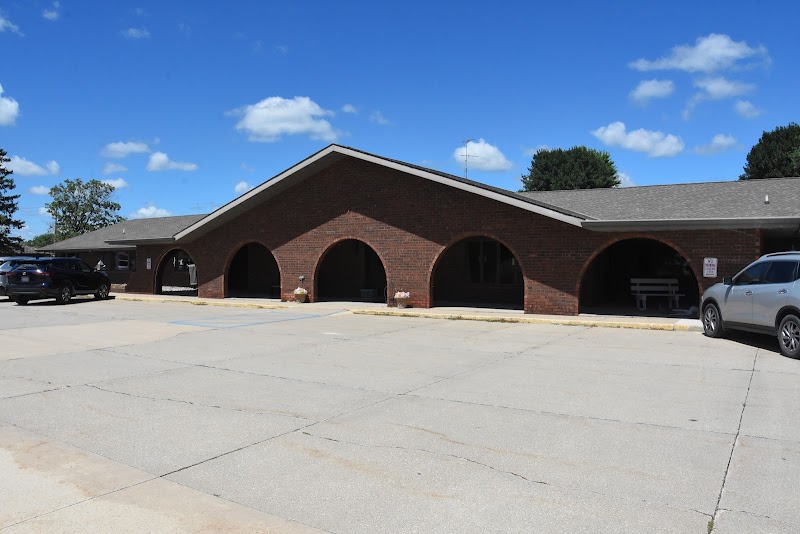
Sheffield Care Center
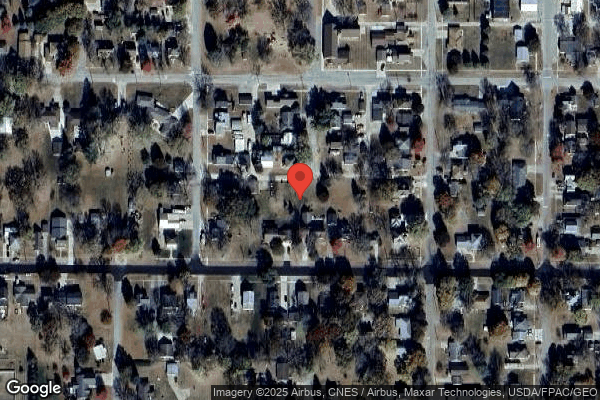
100 BENNETT DRIVE, SHEFFIELD, IA 50475 (641) 892-4691
Non profit - Corporation 45 Beds Independent Data: November 2025
Trust Grade
75/100
#146 of 392 in IA
Last Inspection: September 2024

Within standard 12-15 month inspection cycle. Federal law requires annual inspections.

Overview

Sheffield Care Center has a Trust Grade of B, indicating it is a good choice, although there are some areas for improvement. It ranks #146 out of 392 facilities in Iowa, placing it in the top half, but is #3 out of 3 in Franklin County, meaning only one local option is better. The facility's trend is worsening, with reported issues increasing from 2 in 2023 to 3 in 2024. Staffing is a concern, receiving a 2 out of 5 rating, but has a low turnover rate of 0%, which is much better than the Iowa average of 44%. The center has faced $26,402 in fines, which is higher than 82% of Iowa facilities, suggesting ongoing compliance issues. Additionally, RN coverage is lacking, being lower than 87% of state facilities, which can impact care quality. Specific incidents include the failure to submit required staffing reports and not implementing necessary safety precautions for residents with catheters, which raises potential health risks. While the center has some strengths, such as low staff turnover, these weaknesses highlight important areas for families to consider when researching care options.
Trust Score
B
75/100
In Iowa
#146/392
Top 37%
Safety Record
Low Risk
No red flags
Inspections
Getting Worse
2 → 3 violations
Staff Stability
○ Average
Turnover data not reported for this facility.
Penalties
✓ Good
$26,402 in fines. Lower than most Iowa facilities. Relatively clean record.
Skilled Nurses
⚠ Watch
Each resident gets only 27 minutes of Registered Nurse (RN) attention daily — below average for Iowa. Fewer RN minutes means fewer trained eyes watching for problems.
Violations
✓ Good
Only 5 deficiencies on record. Cleaner than most facilities. Minor issues only.
★★★★☆
4.0
Overall Rating
★★☆☆☆
2.0
Staff Levels
★★☆☆☆
2.0
Care Quality
★★★★☆
4.0
Inspection Score
Stable
2023: 2 issues
2024: 3 issues

The Good

  • Full Sprinkler Coverage · Fire safety systems throughout facility
  • No fines on record

Facility shows strength in fire safety.

The Bad

Federal Fines: $26,402

Below median ($33,413)

Moderate penalties - review what triggered them

The Ugly 5 deficiencies on record

Sept 2024 3 deficiencies
CONCERN (D)

Potential for Harm - no one hurt, but risky conditions existed

Infection Control (Tag F0880)

Could have caused harm · This affected 1 resident

**NOTE- TERMS IN BRACKETS HAVE BEEN EDITED TO PROTECT CONFIDENTIALITY** Based on interviews, observations, and record review, the facility failed to initiate Enhanced Barrier Precautions (EBP) and the...

Read full inspector narrative →
**NOTE- TERMS IN BRACKETS HAVE BEEN EDITED TO PROTECT CONFIDENTIALITY** Based on interviews, observations, and record review, the facility failed to initiate Enhanced Barrier Precautions (EBP) and they facility didn't know what they were. At the time of the survey 1 resident had a catheter (Resident #23) and didn't have EBP set up in his room. In addition, the facility failed to handle laundry from isolation rooms while wearing the appropriate Personal Protective Equipment (PPE). The facility reported a census of 35 residents. Findings include: Resident #23's Minimum Data Set assessment dated [DATE] identified a Brief Interview for Mental Status (BIMS) score of 13, indicating intact cognition. Resident #23 had an indwelling catheter. The MDS included a diagnosis of retention of urine. On 9/23/24 at 11:50 AM, Resident #23 stated he had a catheter and it drained into a leg bag inside of his pant leg. His room didn't have an EBP sign or cart with PPE set up. An email from the Administrator dated 9/26/24 at 1:26 PM documented the facility would initiate EBP for Resident #23 due to his catheter. An additional email from the Administrator dated 9/26/24 at 1:32, documented that the facility didn't have any residents with chronic wounds. On 9/26/24 at 10:37 AM, when questioned about EBP, the Director of Nursing (DON) and the Administrator responded they didn't hear or know about it, nor did they remember getting information about it. They looked over EBP information off the website. They stated they would initiate EBP right then. On 9/26/24 at 11:01 AM during a walk-through the laundry room, Staff C, Laundry Aide, stated she didn't wear a gown nor has she ever worn a gown when handling isolation laundry in red bags. She stated she put on a mask, gloves, and face shield before, but never put on a gown. She stated she washed the isolation red bags last and she sits the bag on the ground. Then she grabbed the bag at the bottom after opening it up at the top, then tipped and shake the contents out of the red bag into the washing machine. Afterwards, she disposed of the red bag into a biohazard container. On 9/26/24 at 12:50 PM, the Administrator stated they understood the concerns with the staff not wearing a gown when handling isolation laundry bags and the facility not having EBP in place. A Center for Clinical Standards and Quality/Quality, Safety & Oversight Group Reference: QSO 24 08 NH dated 3/20/24, documented the following: Enhanced Barrier Precautions in Nursing Homes to Prevent Spread of Multidrug resistant Organisms (MDROs) Background: Multidrug resistant organism (MDRO) transmission is common in long term care (LTC) facilities (i.e., nursing homes), contributing to substantial resident morbidity and mortality and increased healthcare costs. Many residents in nursing homes are at increased risk of becoming colonized and developing infections with MDROs. In 2019, CDC (Center for Disease Control) introduced a new approach to the use of personal protective equipment (PPE) called Enhanced Barrier Precautions (EBP) as a strategy in nursing homes to decrease transmission of CDC targeted and epidemiologically important MDROs when contact precautions do not apply. The approach recommended gown and glove use for certain residents during specific high contact resident care activities associated with MDRO transmission and did not involve resident room restriction. As described in the Healthcare Infection Control Practices Advisory Committee (HICPAC) white paper, Consideration for the Use of Enhanced Barrier Precautions in Skilled Nursing Facilities dated June 2021, more than 50% of nursing home residents may be colonized with an MDRO. This report noted that the use of contact precautions to prevent MDRO transmission involves restricting residents to their rooms, which may negatively impact a resident's quality of life and psychosocial well being. As a result, many nursing homes only implemented contact precautions when residents are infected with an MDRO. Memorandum Summary In July 2022, the CDC released updated EBP recommendations for Implementation of PPE Use in nursing homes to prevent spread of MDROs, and therefore, CMS is updating its infection prevention and control guidance accordingly. The recommendations now include the use of EBP during high contact care activities for residents with chronic wounds or indwelling medical devices, regardless of their MDRO status, in addition to residents who have an infection or colonization with a CDC targeted or other epidemiologically important MDRO when contact precautions do not apply. This new guidance related to EBP is being incorporated in F880 Infection Prevention and Control to assist LTC surveyors when evaluating the use of enhanced barrier precautions in nursing homes. We note that facilities have some discretion when implementing EBP and balancing the need to maintain a homelike environment for residents. Memorandum Summary of CMS is issuing new guidance for State Survey Agencies and long-term care (LTC) facilities on the use of enhanced barrier precautions (EBP) to align with nationally accepted standards. o EBP recommendations now include use of EBP for residents with chronic wounds or indwelling medical devices during high contact resident care activities regardless of their multidrug resistant organism status. o The new guidance related to EBP is being incorporated into F880 Infection Prevention and Control. An undated Linen, laundry, textile handling policy, directed the following: The facility staff should handle all used laundry as potentially contaminated and use standard precautions (e.g., gloves, gowns when sorting and rinsing). The facility should use the following practices: Policy Interpretation and Implementation a. Staff should handle soiled textiles/linens with minimum agitation to avoid the contamination of air, surfaces and persons. b. Employees should perform hand hygiene and wear appropriate PPE for sorting and handling contaminated laundry.
CONCERN (D)

Potential for Harm - no one hurt, but risky conditions existed

Deficiency F0943 (Tag F0943)

Could have caused harm · This affected 1 resident

Based on employee's file review, facility policy, and staff interview, the facility failed to assure 2 of 5 employees met the requirements for Mandatory Adult Abuse Training (Staff A and Staff B). The...

Read full inspector narrative →
Based on employee's file review, facility policy, and staff interview, the facility failed to assure 2 of 5 employees met the requirements for Mandatory Adult Abuse Training (Staff A and Staff B). The facility reported a census of 35 residents. Findings include: A review of Staff A's, Dietary Aide, employee file listed a hire date of 1/29/24. The file listed a due date of the two-hour Dependent Adult Abuse Mandatory Reporter Training as 7/29/24. The file lacked a certification of completion. A review of Staff B's, Dietary Aide, employee file listed a hire date of 2/2/24. The file indicated a due date of the two-hour Dependent Adult Abuse Mandatory Reporter Training as 8/29/24. The file lacked a certification of completion. Review of facility Abuse Prevention Policy, revised December 2016, stated: As part of the resident abuse prevention, the administration will: require staff training/orientation programs that include such topics as abuse prevention, identification and reporting of abuse, stress management, and handling verbally or physically aggressive resident behavior. In an interview on 9/26/24 at 11:50 AM, the Administrator acknowledged the employees should have completed the Dependent Adult Abuse Mandatory Reporter Training within six months of their hire date. In an interview on 9/26/24 at 12:06 PM, the facilities Administrative Assistant/Office Manager acknowledged the employees didn't complete the required Dependent Adult Abuse Mandatory Reporter Training.
CONCERN (E)

Potential for Harm - no one hurt, but risky conditions existed

Staffing Data (Tag F0851)

Could have caused harm · This affected multiple residents

Based on the Center for Medicare and Medicaid Services (CMS) Payroll Based Journal (PBJ) Staffing Data Report (Fiscal Year Quarters 1, 2, and 3, 2024) review, facility staffing review, policy review, ...

Read full inspector narrative →
Based on the Center for Medicare and Medicaid Services (CMS) Payroll Based Journal (PBJ) Staffing Data Report (Fiscal Year Quarters 1, 2, and 3, 2024) review, facility staffing review, policy review, and staff interviews, the facility failed to submit staff reports for the PBJ Staffing Data Report. The facility reported a census of 56 residents. Findings include: The PBJ Staffing Data Reports for Fiscal Year 2024, Quarters 1, 2, and 3 all triggered for the following: a. Failed to Submit Data for the Quarter b. One Star Staffing Rating c. Excessively Low Weekend Staffing d. No RN hours d. Failed to have Licensed Nursing Coverage 24 Hours/Day Review of nursing staffing schedules for August and September 2024 revealed appropriate nursing staffing, 8-hour daily RN coverage, and 24 hours/day Licensed Nursing coverage. Interview on 9/26/24 at 11:51 AM, the Administrative Assistant/Office Manager acknowledged the facility didn't successfully submit the staffing data for quarters 1, 2, and 3 as they had changes to the facility's time clock system that she didn't know about. The submitted reports ran with the new time clock system had an incorrect format for the PBJ reporting. As a result, the facility didn't successfully submit the data. Once the Administrative Assistant/Office Manager knew of the formatting problem, she learned CMS's application for submitting the data had changed. Since then, she has no access for this program and had worked with CMS to try to correct this. Review of facility provided Staffing policy, revised October 2017 revealed the following: Our facility provides sufficient numbers of staff with the skills and competency necessary to provide care and services for all residents in accordance with resident care plans and the facility assessment. Policy Interpretation and Implementation a. Licensed nurses and certified nursing assistants are available 24 hours a day to provide direct resident care services. b. Staffing numbers and the skill requirements of direct care staff are determined by the needs of the residents based on each resident's plan of care. c. Other support services (e.g., dietary, activities/recreational, social, therapy, environmental, etc.) are also staffed to ensure that resident needs are met. d. Direct care staffing information per day (including agency and contract staff) is submitted to the CMS payroll based journal system on the schedule specified by CMS, but no less than once a quarter.
Nov 2023 1 deficiency
CONCERN (D)

Potential for Harm - no one hurt, but risky conditions existed

Infection Control (Tag F0880)

Could have caused harm · This affected 1 resident

**NOTE- TERMS IN BRACKETS HAVE BEEN EDITED TO PROTECT CONFIDENTIALITY** Based on observation, clinical record review, staff interview and policy review, the facility failed to follow standard practice...

Read full inspector narrative →
**NOTE- TERMS IN BRACKETS HAVE BEEN EDITED TO PROTECT CONFIDENTIALITY** Based on observation, clinical record review, staff interview and policy review, the facility failed to follow standard practices and protocol for infection prevention during wound care for 1 of 2 residents reviewed (Resident #28). The facility reported a census of 33 residents. Findings include: The Minimum Data Set (MDS) dated [DATE] documented Resident #28 had a Brief Interview for Mental Status (BIMS) score of 13 indicating intact cognitive response. The MDS further documented the resident had diagnoses including medically complex conditions, cancer, anemia, coronary artery disease, heart failure, renal insufficiency, diabetes mellitus and cellulitis of right axilla (armpit). The Care Plan for Resident #28 revised 10/9/23 with a focus for the area to the right axilla documented under interventions and tasks to follow wound protocol per order and treatment to the area at right axilla per order. Clinical record review of Physician Orders for Resident #28 revealed an order for Aquacel Ag Foam External Pad (Silver) to apply to right axilla topically one time a day every Monday, Wednesday and Friday for wound healing related to cellulitis of right axilla, cleanse area with normal saline or wound cleanser, apply Aquacel, and cover with 4X4 Mepilex. During an observation on 11/15/23 at 8:55 AM, Staff A, contracted Registered Nurse (RN), conducted wound care to Resident #28 ' s right axilla. The facility Director of Nursing (DON) was present during the wound care. Staff A brought supplies to the resident's room with bare hands, placed the supplies on the tray table in the resident's room, washed her hands, applied gloves, and then removed tools from a backpack and placed the tools on the tray table. Staff A did not place a barrier down on the table and did not sanitize the table. Staff A sprayed Dermal (antimicrobial) on clean gauze that had been placed in a plastic cup, removed the new dressing from the wrapper, dated the dressing, then cut a square off the Aquacel with scissors that had been placed directly on the tray table. Staff A then removed the previous dressing from the resident, placed the dressing in a trash can and then cleaned the wound bed with Dermal spray on the gauze. Staff A then removed a curettage (tool used to remove tissue) and used this tool in the wound area. Staff A then measured the wound and put the square of Aquacel on the wound. Staff A then removed the new dressing from the package, touching the inside of the clean dressing with the same gloved hands used to clean the wound and touch supplies on the table. Staff A did not wash or sanitize hands or change gloves in between removing the previous dressing, cleaning the wound and applying the new dressing. Staff A then removed gloves, washed hands, put on new gloves, and cleaned the scissors and the pen with an alcohol wipe. During an interview 11/15/23 at 12:10 PM, the DON acknowledged concerns with the wound care of Resident #28 conducted by Staff A. The DON verified Staff A did not have a clean field prior to setting down supplies on the tray table and did not change gloves after cleaning the wound. The DON stated she expected staff to have a clean field prior to setting down supplies for wound care. She verbalized she expected staff to change gloves after cleaning the wound and before applying a new dressing. The DON acknowledged the facility wound care policy was not followed and this is a concern for infection control. The facility policy titled Wound Care revised October 2010 instructed staff to use a disposable cloth to establish a clean field prior to wound care. It further instructed staff to wash and dry hands thoroughly and put on exam gloves to remove the dressing, then apply clean gloves to cleanse the wound with a no touch technique.
Sept 2023 1 deficiency
CONCERN (D) 📢 Someone Reported This

A family member, employee, or ombudsman was alarmed enough to file a formal complaint

Potential for Harm - no one hurt, but risky conditions existed

Deficiency F0698 (Tag F0698)

Could have caused harm · This affected 1 resident

**NOTE- TERMS IN BRACKETS HAVE BEEN EDITED TO PROTECT CONFIDENTIALITY** Based on clinical record review, staff interviews and policy review the facility failed to ensure assessments before and after o...

Read full inspector narrative →
**NOTE- TERMS IN BRACKETS HAVE BEEN EDITED TO PROTECT CONFIDENTIALITY** Based on clinical record review, staff interviews and policy review the facility failed to ensure assessments before and after outpatient hemodialysis treatments were completed for 1 of 1 resident reviewed for dialysis, (Resident #4). The facility reported a census of 30 residents. Finding include: Resident #4 ' s Minimum Data Set (MDS) assessment dated [DATE] identified a Brief Interview for Mental Status (BIMs) score of 13, indicating intact cognition. The MDS identified Resident #4 required extensive assistance of two persons with bed mobility and limited assistance of one person with transfers, ambulation in room and toilet use. The MDS included diagnoses of hypertension (high blood pressure), cancer, anemia, coronary artery disease, diabetes mellitus, chronic kidney disease with dependence on renal dialysis (running blood through an external machine to rid the blood of toxins). The Care Plan with a revised date of 6/27/23 identified a need for hemodialysis on Tuesday, Thursday, and Saturday. The Care Plan directed staff to do the following: -Monitor, document and report as needed any signs and symptoms of infection to the access site: redness, swelling, warmth or drainage. -Monitor, document and report as needed for signs and symptoms of renal insufficiency: changes in level of consciousness, changes in skin turgor, oral mucosa, changes in heart and lung sounds. -Monitor, document and report as needed new or worsening peripheral edema (swelling on legs). A Physician Progress note dated 7/24/23 revealed Resident #4 had a right chest port for dialysis treatments. The August 2023 Medication Administration Record (MAR)/Treatment Administration Record (TAR) failed to direct staff to complete pre/post hemodialysis assessments on Tuesday, Thursday, and Saturday or a daily assessment for Resident #4. Review of August 2023 calendar revealed Resident #4 should have attended hemodialysis on the following dates: 8/1, 8/3, 8/5, 8/8, 8/10, 8/12, 8/15, 8/17, 8/19, 8/22, 8/24, 8/26, 8/29 and 8/31. The clinical record lacked documentation pre and post dialysis assessment for Resident #4 were completed for the month of August 2023. The documentation lacked assessments regarding status of the resident, the dialysis port, and complete/full set of vital signs before and after dialysis. The clinical record revealed no dialysis evaluations/assessments on non-dialysis days for the month of August 2023. An undated facility policy titled Policy and Procedures for Dialysis Services documented the purpose of the policy was to ensure that residents who require hemodialysis receive such services, consistent with professional standards of practice, the comprehensive person centered care plan, and the residents' goals and preferences. The policy directed coordination and collaboration between the facility and the dialysis facility to assure the following: 1. The resident's needs related to dialysis treatments are met. 2. The professional standards of practice are met including: a. The ongoing monitoring for complications related to dialysis treatments received at a certified dialysis facility including but not limited to the port site with cares, blood pressure and weight changes and informing the attending practitioner and dialysis facility of the changes. b. The nursing home staff must be aware and identify changes in the resident's behavior that may impact the safe administration of dialysis, including, resistance to care, and pulling on tubes, access sited and inform the attending practitioner and dialysis facility of the changes. The policy further directed the facility staff to contact and communicate with the practitioner, resident/resident representative, and designated dialysis staff regarding any significant changes in the resident's status related to the clinical complications or emergent situation that may impact the dialysis portion of the care plan. These situations may include but are not limited to changes in condition or sudden unexpected decline in condition, dialysis complications such as bleeding, hypotension or adverse consequences to a medication or therapy, or other situations. On 8/31/23 at 11:50 AM, Staff A, Licensed Practical Nurse (LPN) reported Resident #4 had a port for dialysis. Staff A stated she would obtain a blood pressure after Resident #4 returned from dialysis and would document the reading in the medical record. Staff A stated there was not an assessment form to fill out. Staff A reported she does not complete any other vital signs or an assessment after Resident #4 returned from dialysis. On 8/31/23 at 12:05 PM, the Director of Nursing (DON) acknowledged and verified pre and post dialysis assessments have not been completed. The DON stated she would start the assessments right away.
Understanding Severity Codes (click to expand)
Life-Threatening (Immediate Jeopardy)
J - Isolated K - Pattern L - Widespread
Actual Harm
G - Isolated H - Pattern I - Widespread
Potential for Harm
D - Isolated E - Pattern F - Widespread
No Harm (Minor)
A - Isolated B - Pattern C - Widespread

Questions to Ask on Your Visit

  • "Can I speak with families of current residents?"
  • "What's your RN coverage like on weekends and overnight?"

Our Honest Assessment

Strengths
  • • No major safety red flags. No abuse findings, life-threatening violations, or SFF status.
  • • Only 5 deficiencies on record. Cleaner than most facilities. Minor issues only.
Concerns
  • • $26,402 in fines. Higher than 94% of Iowa facilities, suggesting repeated compliance issues.
Bottom line: Generally positive indicators. Standard due diligence and a personal visit recommended.

About This Facility

What is Sheffield Care Center's CMS Rating?

CMS assigns Sheffield Care Center an overall rating of 4 out of 5 stars, which is considered above average nationally. Within Iowa, this rating places the facility higher than 99% of the state's 100 nursing homes. This rating reflects solid performance across the metrics CMS uses to evaluate nursing home quality.
How is Sheffield Care Center Staffed?
CMS rates Sheffield Care Center's staffing level at 2 out of 5 stars, which is below average compared to other nursing homes.

What Have Inspectors Found at Sheffield Care Center?

State health inspectors documented 5 deficiencies at Sheffield Care Center during 2023 to 2024. These included: 5 with potential for harm.

Who Owns and Operates Sheffield Care Center?

Sheffield Care Center is owned by a non-profit organization. Non-profit facilities reinvest revenue into operations rather than distributing to shareholders. The facility operates independently rather than as part of a larger chain. With 45 certified beds and approximately 36 residents (about 80% occupancy), it is a smaller facility located in SHEFFIELD, Iowa.

How Does Sheffield Care Center Compare to Other Iowa Nursing Homes?

Compared to the 100 nursing homes in Iowa, Sheffield Care Center's overall rating (4 stars) is above the state average of 3.1 and health inspection rating (4 stars) is above the national benchmark.

What Should Families Ask When Visiting Sheffield Care Center?

Based on this facility's data, families visiting should ask: "Can you walk me through typical staffing levels on day, evening, and night shifts?" "Can I visit during a mealtime to observe dining assistance and food quality?" "How do you handle medical emergencies, and what is your hospital transfer rate?" "Can I speak with family members of current residents about their experience?" These questions are particularly relevant given the below-average staffing rating.

Is Sheffield Care Center Safe?

Based on CMS inspection data, Sheffield Care Center has a clean safety record: no substantiated abuse findings (meaning no confirmed cases of resident harm), no Immediate Jeopardy citations (the most serious violation level indicating risk of serious injury or death), and is not on the Special Focus Facility watch list (a federal program monitoring the lowest-performing 1% of nursing homes). The facility has a 4-star overall rating and ranks #1 of 100 nursing homes in Iowa. While no facility is perfect, families should still ask about staff-to-resident ratios and recent inspection results during their visit.

Do Nurses at Sheffield Care Center Stick Around?

Sheffield Care Center has not reported staff turnover data to CMS. Staff turnover matters because consistent caregivers learn residents' individual needs, medications, and preferences. When staff frequently change, this institutional knowledge is lost. Families should ask the facility directly about their staff retention rates and average employee tenure.

Was Sheffield Care Center Ever Fined?

Sheffield Care Center has been fined $26,402 across 6 penalty actions. This is below the Iowa average of $33,343. While any fine indicates a compliance issue, fines under $50,000 are relatively common and typically reflect isolated problems that were subsequently corrected. Families should ask what specific issues led to these fines and confirm they've been resolved.

Is Sheffield Care Center on Any Federal Watch List?

Sheffield Care Center is not on any federal watch list. The most significant is the Special Focus Facility (SFF) program, which identifies the bottom 1% of nursing homes nationally based on persistent, serious quality problems. Not being on this list means the facility has avoided the pattern of deficiencies that triggers enhanced federal oversight. This is a positive indicator, though families should still review the facility's inspection history directly.