Garden View Care Center
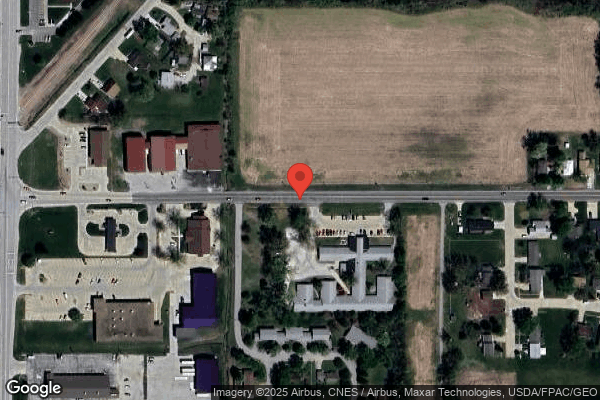
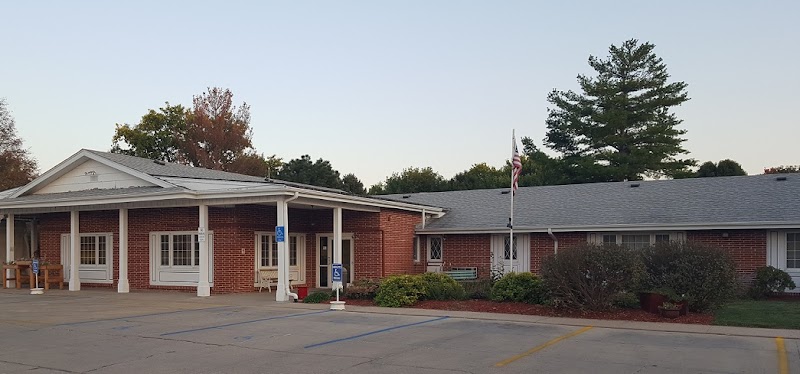
1200 West Nishna Road, Shenandoah, IA 51601 (712) 246-4515
For profit - Limited Liability company 50 Beds ARBORETA HEALTHCARE Data: November 2025 4 Immediate Jeopardy citations
Trust Grade
0/100
Last Inspection: April 2025

Within standard 12-15 month inspection cycle. Federal law requires annual inspections.

Overview

Garden View Care Center in Shenandoah, Iowa has received a Trust Grade of F, indicating significant concerns about the facility's overall quality and care. It does not rank among the nursing homes in Iowa or Page County, suggesting it is at the bottom of the list with no competitive alternatives nearby. While the facility's trend is improving, having decreased from 30 issues in 2024 to 26 in 2025, the overall situation remains troubling, with 77 issues found during inspections, including critical incidents of physical and verbal abuse involving staff and residents. Staffing turnover is impressively low at 0%, which is a positive sign, but the RN coverage is concerning as it falls below 92% of Iowa facilities. Additionally, the facility has accumulated $167,067 in fines, which is higher than 99% of other nursing homes in the state, indicating serious compliance issues. Families should be aware of the serious issues reflected by the inspector findings, including an incident where a resident was physically and verbally abused by a staff member, which was not reported in a timely manner, exposing residents to ongoing risk. Overall, while there are some staffing strengths, the alarming deficiencies raise significant concerns for potential residents and their families.
Trust Score
F
0/100
In Iowa
#112/223
Top 50%
Safety Record
High Risk
Review needed
Inspections
Getting Better
30 → 26 violations
Staff Stability
○ Average
Turnover data not reported for this facility.
Penalties
⚠ Watch
$167,067 in fines. Higher than 76% of Iowa facilities, suggesting repeated compliance issues.
Skilled Nurses
⚠ Watch
Each resident gets only 24 minutes of Registered Nurse (RN) attention daily — below average for Iowa. Fewer RN minutes means fewer trained eyes watching for problems.
Violations
⚠ Watch
77 deficiencies on record. Higher than average. Multiple issues found across inspections.
☆☆☆☆☆
0.0
Overall Rating
☆☆☆☆☆
0.0
Staff Levels
☆☆☆☆☆
0.0
Care Quality
☆☆☆☆☆
0.0
Inspection Score
Stable
2024: 30 issues
2025: 26 issues

The Good

  • Full Sprinkler Coverage · Fire safety systems throughout facility
  • No fines on record

Facility shows strength in fire safety.

The Bad

Federal Fines: $167,067

Well above median ($33,413)

Significant penalties indicating serious issues

Chain: ARBORETA HEALTHCARE

Part of a multi-facility chain

Ask about local staffing decisions and management

The Ugly 77 deficiencies on record

4 life-threatening 3 actual harm
Apr 2025 11 deficiencies
CONCERN (D)

Potential for Harm - no one hurt, but risky conditions existed

Deficiency F0625 (Tag F0625)

Could have caused harm · This affected 1 resident

Based on clinical record review, facility policy review and staff interviews the facility failed to provide a bed hold notification upon hospitalization for 1 of 3 residents (Residents #10) reviewed. ...

Read full inspector narrative →
Based on clinical record review, facility policy review and staff interviews the facility failed to provide a bed hold notification upon hospitalization for 1 of 3 residents (Residents #10) reviewed. The facility reported a census of 41 residents. Findings Include: Review of the clinical record revealed, Resident #10 transferred to the hospital on 1/24/25 and returned to the facility on 1/31/25. Review of the clinical record revealed a bed hold notification signed on 4/3/23. During an interview on 4/10/25 at 10:07 AM, the Director of Nursing stated the facility had the resident sign a bed hold form during admission for future bed hold purposes and that was the bed hold utilized for all future bed hold needs. During an interview on 4/10/25 at 10:15 AM, the Administrator stated a bed hold notification was required at the time the transfer occurred. The Administrator acknowledged the bed hold form was signed upon admission and that was not acceptable for bed hold notification. Review of policy titled, Bed-Holds and Returns, revised 10/2022 documented all residents/representatives were provided written information regarding the facility and state bed-hold policies, which address holding or reserving a resident's bed during periods of absence (hospitalization or therapeutic leave). Residents, regardless of payer source, are provided written notice about these polices at least twice: a. Notice 1: well in advance of any transfers (e.g., in the admission packet) and b. Notice 2: at the time of transfer (or, if the transfer was an emergency, within 24 hours).
CONCERN (D)

Potential for Harm - no one hurt, but risky conditions existed

Comprehensive Care Plan (Tag F0656)

Could have caused harm · This affected 1 resident

Based on clinical record review, facility policy review, family and staff interviews, the facility failed to provide an opportunity for a comprehensive care plan to be reviewed and revised by an inter...

Read full inspector narrative →
Based on clinical record review, facility policy review, family and staff interviews, the facility failed to provide an opportunity for a comprehensive care plan to be reviewed and revised by an interdisciplinary team composed of each resident and resident representative to allow developing the care plan and making decisions about his or her care to 1 of 3 residents reviewed (Resident #10). The facility reported a census of 41 residents. Finding include: During an interview on 4/7/25 at 2:29 PM, Resident #10's Daughter, as translated by Resident #10's granddaughter, reported the facilty had not called her about care plan conferences. Review of document titled, Resident Care Conference Signature Sheet, revealed a Care Conference had been completed for Resident #10 on 4/13/23, 7/13/23, 9/27/23, 12/5/23, 12/17/24 and 3/18/25 On 4/9/25 at 11:07 AM Staff L, Social Worker stated she had been employed at the facility since October 2024. Staff L stated she had never had to call Resident #10 ' s daughter. Staff L stated she called Resident #10 ' s family ahead of care conferences. Staff L stated she left a message because they did not answer. Stated Resident #10 was invited both times and he did not come. Staff L acknowledged care conferences were not completed from 12/5/23 - 12/17/24. Staff L stated she did not consistently document in the EHR care conference meetings. Staff L stated care conferences should have been completed at a minimum of quarterly. On 4/9/25 at 11:46 AM the DON stated she would like to see the care plans completed with the family and resident present. The DON stated she would like to see the family and residents attend the care conferences. The DON acknowledged care conferences should be completed at a minimum of quarterly. The DON stated she would expect the family would have been notified per policy. On 4/9/25 at 12:00 PM the Administrator stated the care conferences should have been completed quarterly for Resident #10. Review of policy revised 3/22 titled, Care Plans, Comprehensive Person-Centered documented a comprehensive, person-centered care plan that includes measurable objectives and timetables to meet the resident ' s physical, psychosocial and functional needs are developed and implemented for each resident. Each resident ' s comprehensive person-centered care plan was consistent with the resident ' s rights to participate in the development and implementation of his or her plan of care, including the right to participate in the planning process.
CONCERN (D)

Potential for Harm - no one hurt, but risky conditions existed

Deficiency F0661 (Tag F0661)

Could have caused harm · This affected 1 resident

**NOTE- TERMS IN BRACKETS HAVE BEEN EDITED TO PROTECT CONFIDENTIALITY** Based on record, policy review, and interview the facility failed to complete a discharge summary with a recapitulation of the r...

Read full inspector narrative →
**NOTE- TERMS IN BRACKETS HAVE BEEN EDITED TO PROTECT CONFIDENTIALITY** Based on record, policy review, and interview the facility failed to complete a discharge summary with a recapitulation of the residents stay, arrangements for support and follow up appointments, and medication reconciliation for 1 of 1 resident reviewed (Resident #42.) The facility reported a census of 41 residents. Findings include: According to the Minimum Data Set (MDS) dated [DATE], Resident #42 was admitted to the facility on [DATE]. The resident had frequent pain, received scheduled pain medication and was taking an antidepressant. The Care Plan dated 11/22/24, revealed Resident #42, in part: Use of anti-depressant medications; Use of anti-anxiety medications; and Pain and discomfort related to a left hip fracture and use of as needed pain medications. Review of the January 2025 Medication Administration Record/Treatment Administration Record (MAR/TAR) revealed the last day Resident #42 administered medications as 1/8/25. Review of the clinical record revealed a lack of documentation related to discharge date , disposition, reconciliation of pre-discharge medications with post-discharge medications, transportation arrangements, appointments arranged upon discharge, and if there is a need for support services after discharge. On 4/10/25 at 8:30 AM the Director of Nursing (DON) said that she was not sure about the discharge planning for Resident #42 if there was a summary, appointments scheduled, of if there was a reconciliation of pre-discharge medications with post-discharge medications. According to the facility policy titled: Discharge Summary and Plan, reviewed in December 2016, a Policy Statement declared: When a resident's discharge is anticipated, a discharge summary and post-discharge plan would be developed to assist the resident to adjust to his/her new living environment. Policy Interpretation and Implementation included, in part: 2. The discharge summary will include a recapitulation of the resident's stay at this facility and a final summary of the resident's status at the time of the discharge in accordance with established regulations governing release of resident information and as permitted by the resident. The discharge summary shall include a description of the resident's .: 3. As part of the discharge summary, the nurse will reconcile all pre-discharge medication with the resident's post-discharge medications. The medication reconciliation will be documented 4. Every resident will be evaluated for his or her discharge needs and will have an individualized post- discharge plan. 5. The post-discharge plan will be developed by the Care Planning/Interdisciplinary Team with the assistance of the resident and his or her family and will include: a. Where the individual plans to reside; b. Arrangements that have been made for follow-up care and services; c. A description of the resident's stated discharge goals; d. The degree of caregiver/support person availability, capacity and capability to perform required care; e. How the IDT will support the resident or representative in the transition to post-discharge care; f. What factors may make the resident vulnerable to preventable readmission; and g. How those factors will be addressed.
CONCERN (D)

Potential for Harm - no one hurt, but risky conditions existed

Deficiency F0688 (Tag F0688)

Could have caused harm · This affected 1 resident

**NOTE- TERMS IN BRACKETS HAVE BEEN EDITED TO PROTECT CONFIDENTIALITY** Based on clinical record review, observations, facility policy review and staff interviews,the facility failed to apply a hand s...

Read full inspector narrative →
**NOTE- TERMS IN BRACKETS HAVE BEEN EDITED TO PROTECT CONFIDENTIALITY** Based on clinical record review, observations, facility policy review and staff interviews,the facility failed to apply a hand splint in an attempt to prevent further decrease in range of motion for 1 of 3 residents (Resident #19) reviewed. The facility reported a census of 41 residents. Findings include: Review of Resident #19 ' s Minimum Data Set (MDS) dated [DATE] revealed Resident 19 admitted to the facility 5/31/18 from the community. The MDS further revealed diagnosis of stroke, hemiplegia affecting left nondominant side, and contracture of muscle to the left hand. Review of Resident #19 ' s Care Plan with a revision date of 4/3/25 revealed Resident #19 has contractures in the left hand and Resident #19 is to wear a splint to the left hand when out of bed except for when bathing and grooming to prevent contractures. Review of the electronic health record (EHR) page titled Tasks revealed a 30 day look back from 4/8/25 for assistance with left hand splint on when out of the bed during the daytime revealed no documentation. During an observation on 4/08/25 at 8:50 AM, Resident #19 did not have a splint on his left hand. During an observation on 4/08/25 at 12:06 PM, Resident #19 did not have a splint on his left hand. During an interview on 4/08/25 at 1:24 PM, Staff F Certified Nurses Assistant (CNA) stated CNA place braces on residents when getting them up in the morning. Staff F further revealed that Resident #19 is supposed to have a splint on his left hand. She stated that Resident #19 never refuses to have the splint place. During an interview on 4/08/25 at 1:31 PM, Staff G CNA stated that braces are put on when getting residents up. Staff G then that CNA's will chart refusals. Staff G then observed Resident #19's splint sitting on the bed side table in Resident #19 ' s room, and stated it should have been on Resident #19. During an interview on 4/08/25 at 2:00 PM, the Director of Nursing (DON) stated she would have expected splints to be put on at the correct times. The facility did not have a policy to direct the use of splints to maintain range of motion.
CONCERN (D)

Potential for Harm - no one hurt, but risky conditions existed

Pharmacy Services (Tag F0755)

Could have caused harm · This affected 1 resident

**NOTE- TERMS IN BRACKETS HAVE BEEN EDITED TO PROTECT CONFIDENTIALITY** Based on clinical record review, Shift Change Controlled Substance Inventory Log review, facility policy review and staff interv...

Read full inspector narrative →
**NOTE- TERMS IN BRACKETS HAVE BEEN EDITED TO PROTECT CONFIDENTIALITY** Based on clinical record review, Shift Change Controlled Substance Inventory Log review, facility policy review and staff interviews, the facility failed to ensure medications for a bowel program to treat constipation were available when needed for 1 of 1 resident (Resident #32). And the facility failed to consistently complete shift to shift inventory counts for controlled medications. The facility reported a census of 41 residents. Findings include: 1. The Minimum Data Set (MDS) dated [DATE], Resident #32 had a Brief Interview for Mental Status (BIMS) score of 15 out of 15, which indicated intact cognition. The MDS revealed Resident #32 dependent on staff for toileting, transfers, dressing and eating. The MDS indicated the resident used an indwelling urinary catheter and was always incontinent of bowel. The diagnoses listed included, in part: spinal cord injury at C5 (injury of the 5th vertebrae in cervical spinal cord region), quadriplegia (paralysis of all four limbs), muscle wasting, and neurogenic bladder (lack of bladder control due to nerve damage.) The Care Plan, dated 9/26/24 for Resident #32, included a Focus area to address [Name redacted] has an altercation in neurological status r/t (related to) quadriplegic C5. Interventions included, in part: Bowel/bladder program to improve or maintain continence PRN (as needed). The Care Plan, dated 9/26/24 included a Focus are to address [Name redacted] has bowel incontinence r/t quad (quadriplegia) in on QOD (every other day) bowel regimen. Interventions included, in part: See EMAR (electronic Medication Administration Record) for QOD RX (prescription) for bowel stimulation. Review of the clinical record revealed the following Physician Orders a. BOWEL PROGRAM- INSERT ONE SUPPOSITORY OR DOCUSATE MINI ENEMA RECTALLY QOD WAIT 15 MINUTES IF NO BOWEL MOVEMENT THEN STIMULATE RECTUM AND WAIT 15 MINUTES, REPEAT UP TO ONE HOUR. Order date: 8/17/24. b. Miralax Oral Power 17 GM/SCOOP (grams per scoop) .give 1 scoop by mouth one time a day every other day for CONSTIPATION related to NEUROGENIC BOWEL. Order date: 4/4/23. c. Senna Oral Tablet 8.6 MG (milligrams) one time a day for CONSTIPATION/BOWEL MANAGEMENT related to NEUROGENIC BOWEL. Order date: 4/4/23. d. Bisacodyl Oral Delayed Release 5 MG .give 3 tablets as needed for DAILY PRN (as needed) FOR CONSTIPATION related to NEUROGENIC BOWEL. Order date: 4/4/23. e. Biscolax Rectal Suppository .Insert 1 suppository rectally every 24 hours as needed for BOWEL PROGRAM related to NEUROGENIC BOWEL. Order date: 4/4/23. f. Fleet Enema Rectal Enema .Insert 1 dose rectally every 24 hours as needed for CONSTIPATION related to NEUROGENIC BOWEL. Order date: 4/4/23/ g. Miralax Oral Power 17 GM/SCOOP .give 1 scoop by mouth every 24 hours as needed for CONSTIPATION related to NEUROGENIC BOWEL. Order date: 4/4/23. Review of the Task: Bowel Movement 30-day documentation starting on March 9, 2025 revealed the resident did not have a bowel movement on 3/24/25, 3/25/25, 3/26/25, 3/29/25, and 3/30/25. Review of the March 2025 EMAR and Nursing Notes revealed: a. The EMAR on 3/24/25 documented a 9 for the Bowel Program. Per the EMAR Chart Codes, a 9 indicated Other/See Nurses Notes. The Nursing Note entered on 3/24/25 at 3:19 AM, documented no suppositories available. b. The EMAR on 3/24/25 at 7:59 PM documented a Miralax PRN administered. The Nursing Notes dated 3/25/25 at 12:32 AM documented the PRN Miralax ineffective. c. The EMAR on 3/26/25 documented a 9 for the Bowel Program. The Nursing Notes entered on 3/26/25 at 3:16 AM, documented Medication unavailable. d. The EMAR on 3/28/25 documented a 2 for the Bowel Program. Per the EMAR Chart Codes, a 2 indicated Medication Refused. The Nursing Note entered on 3/28/25 at 5:16 AM, documented explained to resident that we are out of suppositories and offered enema as ordered. resident refused enema at this time. e. The EMAR on 3/30/25 documented a 2 for the Bowel Program. The Nursing Note entered on 3/30/25 at 4:26 AM, documented Patient declined medication in AM. The EMAR documented scheduled Senna administered. The EMAR and Nursing Notes lacked documentation to indicate a PRN offered. f. The EMAR on 3/31/25 documented a 9 for Miralax scheduled one time a day every other day. The Nursing Note entered on 3/31/25 at 10:20 AM, documented medication unavailable. The Nursing Note entered on 3/31/25 at 4:16 PM, documented resident requested Miralax PRN for constipation. The EMAR documented Miralax PRN administered with an unknown result. During an interview on 4/08/25 at 1:25 PM, the Director of Nursing (DON) and Assistant Director of Nursing (ADON) said that at times, they had trouble getting medications delivered timely. They were aware that Resident #32 had been out of suppositories but it wasn't for more than a day because they went out and bought some while they waited for the order. The ADON said that the nurses should have looked harder for the medication. Review of policy revised July 2016, titled Medication and Treatment Orders, Policy Interpretation and Implementation #11 directed: Drugs and biologicals that are required to be refilled must be reordered fro the issuing pharmacy not less than three (3) days prior to the last dosage being administered to ensure that refills are readily available. 2). A document titled, Shift Change Controlled Substance Inventory Log is used by facility to count controlled substances at the end of each shift. The form provided an area on the top of the log to document: Total # (number) of sheets from Previous Page and Total # of Cards from Previous Page. Verified by: Nurses Initials/Date: 1.: Nurses Initials/Date: 2. The Inventory Log has an area to the far left to indicate the Date, Time, Nurse Signature, Total # of Cards at Start, Total # of Sheets at Start. The Log is then divided into two columns. The first column is for SHEETS ADDED, with areas to indicate: Resident Name, Medication and Strength, QTY (quantity) of Cards, QTY of sheets, and Verified by. The second column is for SHEETS REMOVED with areas to indicate: Resident Name, Medication and Strength, QTY of Cards, QTY of sheets, and Verified by. The far right of the Inventory Log has an area to indicate: Total # of Cards at End and Total # of Sheets at End. Review of Shift Change Controlled Substance Inventory Logs on 4/9/25 at 5:30 AM, revealed: a. On 3/24/25, one inventory count completed for the day at 2200 (10:00 PM) by one nurse, with no verification signature by nurse. b. On 3/27/25, no inventory counts documented or nurses signature present for the day. c. On 3/28/25, an inventory count completed at 6:00 AM by one nurse, with no verification signature by a nurse. Inventory count completed at 2200, verified by two nurse signatures. d. On 3/29/25, one inventory count completed at 2000 (8:00 PM) by one nurse for the day, with no verification signature by a nurse. e. On 4/1/25, one inventory count completed for the day at 1817 (6:17 PM) with two nurse signatures. f. On 4/2/25, an inventory count completed at 6:00 AM with two nurse signatures. An inventory count completed at 1817 with one nurse, with no verification signature by a nurse. g. On 4/3/25, a nurse signature present without a time noted, and no documentation to indicate Resident Name, Medication & Strength, or counts of sheets or cards. An inventory count completed at 1400 (2:00 PM) with two nurse signatures. A time of 2200 indicated with no nurse signature present, and no documentation to indicate Resident Name, Medication & Strength, or counts of sheets or cards. h. On 4/7/25, one inventory count completed with no time indicated and only one nurse signature. On nurse signature with a time of 2120 indicated, with no documentation to indicate Resident Name, Medication & Strength, or counts of sheets or cards. One nurse signature with no time noted, or documentation to indicate Resident Name, Medication & Strength, or counts of sheets or cards. One inventory completed with no time indicated, and two nurses signature present. One inventory completed with no time indicated, and no verification signature by a nurse. During an interview on 4/10/25 at 8:30 AM, the DON stated that nurses were taught to verify the narcotic count upon shift change and the ongoing and outgoing nurse was expected to look at the medications and the book to verify. Review of the facility policy, titled Controlled Substances, revised December 2012 Policy Interpretation and Implementation #9 directed Nursing staff must count controlled medications at the end of each shift. The nurse coming on duty and the nurse going off duty must make the count together. They must document and report any discrepancies to the DON.
CONCERN (D)

Potential for Harm - no one hurt, but risky conditions existed

Deficiency F0760 (Tag F0760)

Could have caused harm · This affected 1 resident

**NOTE- TERMS IN BRACKETS HAVE BEEN EDITED TO PROTECT CONFIDENTIALITY** Based on clinical record review, facility policy review and staff interviews, the facility failed to ensure a resident received ...

Read full inspector narrative →
**NOTE- TERMS IN BRACKETS HAVE BEEN EDITED TO PROTECT CONFIDENTIALITY** Based on clinical record review, facility policy review and staff interviews, the facility failed to ensure a resident received insulin as prescribed by a physician resulting in a significant medication error for 1 of 6 residents reviewed (Resident #20). The facility reported a census of 41 residents. Findings include: The Minimum Data Set (MDS) dated [DATE] for Resident #20 documented a Brief Interview for Mental Status (BIMS) score of 13 out of 15, which indicated intact cognition. The diagnoses list in the MDS included type 2 diabetes mellitus with hyperglycemia. Review the Care Plan, revised on 11/19/24, revealed a Focus are to address [Name redacted] has Insulin Dependent Diabetes Mellitus; taking long and shore acting insulin w/SS (with sliding scale - insulin units administered depend on blood sugar readings). Interventions included, in part: Administer insulins as prescribed by physician. Update insulin changes in MAR (Medication Administration Record). Date Initiated: 5/11/23. Review of the April 2025 MAR revealed an order for Insulin Aspart Flexpen 100 UNIT/ML (milliliter) Solution pen-injector Inject as per sliding scale; if 0-124 = 0; 125-500 = 25, subcutaneously three times a day related to TYPE 2 DIABETES MELLITUS WITH HYPERGLYCEMIA. Hold if BS (blood sugar) is below 125. Order Date: 3/27/25. D/C (discontinuation) Date: 4/8/25. Documentation on the MAR on 4/7/25 for the EVE (PM meal) dose of Insulin Aspart indicated a BS reading of 399, and a 9. Per the MAR Chart Code, a 9 indicated Other/See Nurses Notes. A review of the electronic health record (HER) revealed a lack of Nursing Notes on 4/7/25. During an interview on 4/8/25 at 1:10 PM, Staff B, Licensed Practical Nurse (LPN) stated Staff A, LPN made changes to insulin orders in an attempt to provide clarification. Staff B stated Resident #20 should have had a scheduled insulin order and a sliding scale order. Staff B explained that the scheduled Insulin Aspart FlexPen 100 unit/ML (milliliter) .inject 25 unit subcutaneously with meals for HOLD if BS is BELOW 125 related to TYPE 2 DIABETES MELLITUS WITH HYPERGLYCEMIA order was changed to be sliding scale. Staff B stated this is what caused Resident #20 to only get 21 units of insulin based on the sliding scale order for a blood sugar of 399 on the evening of 4/7/25. Staff B explained the change resulted in the order for scheduled 25 units of insulin administered at meals to be discontinued. Staff B stated Resident #20 should have gotten 21 units of insulin based on a blood sugar reading of 399 per the sliding scale, and 25 scheduled units at meal time, for a total of 46 units. Review of an Order Audit Report, printed on 4/10/25, revealed an Order Date of 1/7/25 for Insulin Aspart FlexPen 100 UNIT/ML Solution pen-injector. Inject as per sliding scale: if 150-200 = 5; 201-250 = 8; 251-300 = 12; 301-350 = 15; 351-400 = 21 Over 400 repeat SSI in 2 hours, subcutaneously three times a day related to TYPE 2 DIABETES MELLITUS .AND Inject 25 unit subcutaneously three times a day related to TYPE 2 DIABETES MELLITUS. Hold if BS is below 125. The Order Audit Report indicated a D/C date of 3/27/25, created by Staff A, LPN. During an interview on 4/8/25 at 2:10 PM, Resident #20's Physician stated his notes indicated the resident is to receive 25 units of aspart (insulin) at meal time and hold if below 125 (blood sugar result). He stated he did not remember changing the order to read the way it was entered as only sliding scale and looking in his notes he did not see anything documented. The Physician stated if Resident #20 would have received the 25 units his blood sugar would have been better. He explained he did not feel that the missed dose would have caused Resident #20 to go to the hospital. During an interview on 4/8/25 at 3:08 PM, Staff N, LPN stated she held the aspart 25 units yesterday (PM meal on 4/7/25). Staff N acknowledged she only gave 21 units of aspart on 4/7/25 based on the order at the time, which was based on a sliding scale. During an interview on 4/8/25 at 3:23 PM, the Director of Nursing (DON) stated she was having difficulties finding the orders because she thought the Nurse Consultant had changed the orders because the orders seemed confusing and could confuse agency staff because they were written as PRN routine orders. During an interview on 4/8/25 at 3:39 PM, the facility Nursing Consultant stated she changed the orders back to the previous orders [scheduled insulin at meals, and a sliding scale insulin order] after Staff A made changes. The Nurse Consultant explained Staff A changed all of the standing orders for routine insulins for Resident #20 to a sliding scale. The Nurse Consultant stated there was a medication error because Staff N held the 25 units of aspart for Resident #20 and should not have. During an interview on 4/8/25 at 4:11 PM, the DON stated nobody had informed her about 25 units of aspart missed on 4/7/25 for Resident #20. The DON stated 25 units of aspart did seem like a lot of insulin to miss especially if it was scheduled, and acknowledged this was a significant medication error. During an interview on 4/9/25 at 4:12 PM, Staff A, LPN stated she updated the insulin order as it already said do not give insulin when a blood sugar reading is below 125. Staff A said the reason she changed the order was she wanted to include the parameter. Review of the EHR revealed a Health Status Note for Resident #20, entered on 4/8/25 at 5:54 PM, which documented: Spoke to [physician name redacted] concerning [name redacted] missed scheduled 25 units of insulin at the PM meal on 4/7/25. Explained that [name redacted] BS (blood sugar) 399 and he only received 21 units of sliding scale insulin aspart and did not receive the 25 units of scheduled insulin aspart that he is supposed to get at every meal. This would have been a total of 46 units he should have received. When asked if this could have put in him harm's way the Dr. stated no it was just a simple med error. Informed the Dr. that [name redacted] BS this AM was 340 prior to receiving any insulin. Review of policy titled, Administering Medications documented medications must be administered in accordance with the orders, including any required time frame. If a dosage was believed to be inappropriate or excessive for a resident, or a medication had been identified as having potential adverse consequences for the resident or is suspected of being associated with adverse consequences, the person preparing or administering the medication shall contact the resident's attending physician or the facility's Medical Director to discuss the concerns.
CONCERN (E)

Potential for Harm - no one hurt, but risky conditions existed

Abuse Prevention Policies (Tag F0607)

Could have caused harm · This affected multiple residents

Based on personnel file review, facility policy review, and staff interviews the facility failed to complete a background check related to abuse and criminal history in a timely manner for one staff m...

Read full inspector narrative →
Based on personnel file review, facility policy review, and staff interviews the facility failed to complete a background check related to abuse and criminal history in a timely manner for one staff member. The facility reported a census of 41 residents. Findings include: Review of a document titled [Company name redacted] Report Writer Generated Report, dated 4/98/25 revealed Staff E, Certified Nursing Assistant (CNA) hired on 1/3/23. Review of Staff E, CNA personnel file revealed a Single Contact License and Background Check document dated 2/5/25. During an interview on 4/10/25 at 11:32 AM, Staff J, Business Office Manger stated background checks were completed in February 2025 for any staff that did not have one on file due to a directive from the corporate office after a change in ownership. Staff J stated Staff E did not have a background check completed prior to February 2025. During an interview on 4/10/25 at 11:33 AM, Staff K Director of Business Office Services for the corporate office stated the Human Resources department spoke with Staff J about the missing background check, and then gave a directive to all facilities to ensure any employees with a missing background check had one completed. During an interview on 4/10/25 at 11:49 AM, the Administrator acknowledged the facility had not completed a background check for Staff E, CNA prior to or upon hire in 2023. The Administrator explained they expected employee background checks be completed prior to hire, and employee started working. Review of the facility policy titled, Nursing Facility Abuse Prevention, Identification, Investigation and Reporting Policy, updated on 7/8/2024, Employee Screening included, in part: The facility shall screen all potential employees for a history of abuse, neglect, exploitation, misappropriation of property, or mistreatment of Residents . This would be accomplished through the following (including maintaining documentation of such results): 1. Iowa .The facility would conduct a state specific criminal record check and dependent adult/child abuse registry check on all prospective employees and other individuals engaged to provide services to residents, prior to hire .
CONCERN (E)

Potential for Harm - no one hurt, but risky conditions existed

Deficiency F0804 (Tag F0804)

Could have caused harm · This affected multiple residents

**NOTE- TERMS IN BRACKETS HAVE BEEN EDITED TO PROTECT CONFIDENTIALITY** 3. Review of Resident #26's MDS, dated [DATE] for Resident #26 documented a BIMS of 11 indicating moderate cognitive impairment....

Read full inspector narrative →
**NOTE- TERMS IN BRACKETS HAVE BEEN EDITED TO PROTECT CONFIDENTIALITY** 3. Review of Resident #26's MDS, dated [DATE] for Resident #26 documented a BIMS of 11 indicating moderate cognitive impairment. The MDS list of diagnoses included, in part: severe protein - calorie malnutrition. During an interview on 4/7/25 at 1:30 PM, Resident #26 stated the food was served cold at least once a week. Resident #26 revealed he never asks the staff to heat it back up. Resident #26 said he ate meals in the dining room, not in his room. 4. Review of Resident #27's MDS, dated [DATE] for Resident #27 documented a BIMS of 11 indicating moderate cognitive impairment. During an interview on 4/7/25 at 11:54 AM, Resident #27 explained the food is cold 2 or 3 times a week, mostly breakfast. Resident #27 said the oatmeal was always served cold. Based on observations, clinical record review, facility policy review, and resident and staff interviews, the facility failed to provide food at an appetizing temperature for 4 of 5 residents ( Residents #7, #17, #26, and #27) reviewed. The facility reported a census of 41 residents. Findings include: 1. Review of Resident #7's Minimum Data Set (MDS) dated [DATE], revealed a Brief Interview for Mental Status (BIMS) score of 14 indicating intact cognition. During an interview on 4/07/25 at 10:23 AM, Resident #7 stated the food is disgusting, and that the food is often cold, especially with room trays. 2. Review of Resident #17's MDS, dated [DATE] revealed a BIMS score of 15 indicating intact cognition. During an interview on 4/07/25 10:06 AM, Resident #17 stated the food can be cold at times when it should be warm. During an observation 4/9/25 at 12:46 PM, a sample tray was served to the State Agency and temperatures of sweet and sour chicken and fried rice taken. The sweet and sour chicken had a temperature of 126.3 degrees Fahrenheit (F) and the fried rice had a temperature of 123.2 degrees F. During an interview on 4/9/25 at 12:49 PM, the Certified Dietary Manager (CDM) stated her expectation would be for foods to be served at the appropriate temps. Review of undated policy titled, Food Temperatures documented hot food temperatures must read no less than 140F when residents are served.
CONCERN (E)

Potential for Harm - no one hurt, but risky conditions existed

Deficiency F0865 (Tag F0865)

Could have caused harm · This affected multiple residents

Based on the previous Centers for Medicare and Medicaid Services (CMS) form 2567 review, staff interviews and facility policy review, the facility failed to ensure they provided a comprehensive, effec...

Read full inspector narrative →
Based on the previous Centers for Medicare and Medicaid Services (CMS) form 2567 review, staff interviews and facility policy review, the facility failed to ensure they provided a comprehensive, effective Quality Assessment and Performance Improvement (QAPI) program. The facility reported a census of 41 residents. Findings include: A review of the Department of Inspections Appeals and Licensing website revealed that the facility had repeated deficient practices identified during the annual surveys and complaint investigations as follows: a. F880 Infection Control deficient practice cited during Recertification Survey ending on 7/25/24, Complaint Survey ending on 9/11/24, and Complaint Survey ending on 2/27/25. b. F865 QAPI Program deficient practice cited during the Complaint Survey ending on 9/11/24 and the Complaint Survey ending on 2/27/25 During an interview on 4/10/25 at 11:30 AM, the Administrator said that the QA (Quality Assurance) team has been meeting monthly since they started the transition of companies. He stated that they have made progress but there have been so many areas in need of change it's been a slow process. The QAPI Facility Plan dated 1/2/25, the facility specific goals included to implement the QAPI process successfully as evidenced by the formulation of effective Performance Improvement Plans. Systematic action would be analyzed by the PIP committee not only for desired outcome but also for any unintended outcomes. The Root Cause Analysis (RCA) would be completed when a significant event or practice that may negatively impact a resident safety or reception of quality care was identified through QAPI.
CONCERN (E)

Potential for Harm - no one hurt, but risky conditions existed

Infection Control (Tag F0880)

Could have caused harm · This affected multiple residents

**NOTE- TERMS IN BRACKETS HAVE BEEN EDITED TO PROTECT CONFIDENTIALITY** 2. A review of the Infection Control (IC) program for the facility revealed that the Infection Prevention and Control Program po...

Read full inspector narrative →
**NOTE- TERMS IN BRACKETS HAVE BEEN EDITED TO PROTECT CONFIDENTIALITY** 2. A review of the Infection Control (IC) program for the facility revealed that the Infection Prevention and Control Program policy was last updated on 10/1/22. During an interview on 4/09/25 11:47 AM, the DON stated that she thought the IC policy would have been reviewed in the Quality Assurance (QA) meetings but she did not have documentation. Review of the policy, updated 10.01.22, titled Infection Prevention and Control Program revealed a Policy Statement which declared An infection prevention and control program is established and maintained to provide a safe, sanitary, and comfortable environment and to help prevent the development and transition of communicable diseases and infections. The Policy Interpretation and Implementation section directed, in part: a. The infection prevention and control program is developed to address the facility-specific infection control needs and requirements identified in the facility assessment and the infection control risk assessment. The program is reviewed annually and updated as necessary. Based on observation, clinical record review, policy review, and staff interview the facility failed to use Enhanced Barrier Precautions (EBP) when providing ileostomy care for 1 of 3 residents (Resident #26), and complete an annual review of the facility Infection Prevention and Control Program (IPCP). The facility reported a census of 41 residents. Findings include: 1. The Minimum Data Set (MDS), dated [DATE] for Resident #26 documented a Brief Interview for Mental Status (BIMS) of 11 indicating moderate cognitive impairment. MDS also indicated Resident #26 utilized an ileostomy (an opening in the abdominal will from the small intestine to the outside the body to allow waste to exit the body). During an interview on 4/7/25 at 1:35 PM, Resident #26 stated he had an ileostomy that was about a month old. Resident #26 stated the staff do not ever wear gowns when emptying his colostomy bag. Review the Care Plan, Date Initiated: 3/24/25 revealed a Focus area to address Requires enhanced barrier precautions related to the presence of ileostomy. The Focus area included the Intervention: PPE (Personal Protective Equipment) and waste disposal regularly monitored for compliance. Date Initiated: 3/24/25. During a continuous observation on 4/8/25 starting at 12:48 PM, Staff M, Certified Nursing Assistant (CNA) and Staff G, CNA emptied Resident #26 ' s ileostomy collection bag. Both staff completed hand hygiene, and donned gloves. Neither staff donned a gown. Staff M obtained a graduated container (a container that has markings to measure contents collected) and garbage bag, which she placed inside of the graduate. Staff M proceeded to unfold the ileostomy bag, and emptied the contents into the bagged graduate container. Staff M handed the garbage bag to Staff G. Staff M cleansed the open end of the ileostomy bag and resealed. Gloves were removed by both staff and placed in the garbage bag with the waste. Both staff completed hand hygiene. Staff G then carried the garbage bag down the hall to the garbage area in the hallway. During an interview on 4/9/25 at 11:01 AM, the Director of Nursing (DON) stated if a resident was on EBP then a gown should have been worn in the room when the ileostomy was emptied. The DON acknowledged Resident #26 was on EBP. Review of policy dated 3/25/24 titled, Enhanced Barrier Precautions revealed a Policy Statement which declared Enhanced Barrier Precautions are utilize to prevent the spread of multi-drug resistant organisms (MDROs) to residents. The Policy Interpretation and Implementation section directed, in part: 1. Enhanced Barrier Precautions (EBPs) are used as in infection prevention and control intervention to reduce the spread to multi-drug resistant organisms (MDROs). 2. EBPs employ targeted gown and glove use during high-contact resident care activities when contact precautions do not otherwise apply . 3. Examples of high-contact resident care activities requiring the use of gown and gloves include .g. Indwelling device care of use (Central lines, Urinary catheters, feeding tubs, tracheotomy/ventilator etc). 4. EBPs are indicated (when contact precautions do not otherwise apply) for residents with chronic wounds and/or indwelling medical devices regardless of MDRO colonization.
CONCERN (E)

Potential for Harm - no one hurt, but risky conditions existed

Deficiency F0887 (Tag F0887)

Could have caused harm · This affected multiple residents

**NOTE- TERMS IN BRACKETS HAVE BEEN EDITED TO PROTECT CONFIDENTIALITY** Based on clinical record review, facility policy review, and staff interview the facility failed to offer residents a COVID-19 i...

Read full inspector narrative →
**NOTE- TERMS IN BRACKETS HAVE BEEN EDITED TO PROTECT CONFIDENTIALITY** Based on clinical record review, facility policy review, and staff interview the facility failed to offer residents a COVID-19 immunization in 2024 for 4 of 5 residents reviewed (Residents #30, #32, #22 and #38.) The facility reported a census of 41 residents. Findings include: 1. Review of the Minimum Data Set (MDS) dated [DATE], revealed Resident #30 admitted to the facility on [DATE]. She had a Brief Interview for Mental Status (BIMS) score of 15 (intact cognitive ability.) Her diagnoses included; diabetes mellitus, respiratory failure, Chronic Obstructive Pulmonary Disease (COPD) and morbid obesity. The clinical page in the electronic chart titled: Immunizations, indicated that on 10/2/24 the resident had an influenza immunization. The chart lacked documentation that the COVID-19 immunization had been offered. 2. Review of the MDS dated [DATE], revealed that Resident #32 admitted to the facility on [DATE]. His diagnoses include; spinal cord injury, muscle wasting atrophy, quadriplegia. The Immunizations tab in the electronic chart documented that the resident had refused a influenza immunization in 2024 and he had a COVID-19 booster in 9/30/22. The chart lacked evidence that the COVID -19 immunization had been offered in 2024. 3. Review of the MDS dated [DATE], revealed Resident #22 admitted to the facility on [DATE]. The resident had diagnoses that included; idiopathic peripheral autonomic neuropathy, chronic kidney disease, stage 3, type 2 diabetes mellitus, and benign prostatic hyperplasia. The Immunization page in the electronic chart revealed Resident #22 had the influenza vaccine on 10/2/24 and the COVID-19 vaccine on 11/16/23. The chart lacked information that the COVID-19 vaccine had been offered in 2024. 4. Review of the MDS MDS dated [DATE], Resident #38 admitted on [DATE]. His diagnoses included; flaccid hemiplegia affecting the right side, peripheral vascular disease, transient cerebral ischemic attack, and osteomyelitis. The immunization page for Resident #38 had completed the influenza vaccine on 10/2/24, but the chart lacked information that the COVID -19 immunization had been offered in 2024. During an interview on 4/09/25 at 10:18 AM, the Director of Nursing (DON) said she was not at the facility in October of last year [2024] and was not sure if the COVID -19 vaccine was offered to the residents in 2024. She said they had a list of 30 residents that would like a COVID vaccine and it's been ordered. Review of the facility policy, COVID-19 Policy Guidelines, last updated on 9/1/24, revealed the COVID vaccine would be offered and provided directly or by arrangement with pharmacy partner. The facility would educate residents and or resident representatives and staff on COVID -19 vaccinations prior to each dose administered. The facility would provide COVID-19 vaccinations per CDC (Center for Disease Control) guidance and schedules, resident physician orders and resident/staff consent and administer in accordance with CDC, ACIP (Advisory Committee on Immunization Practices), FDA (Food and Drug Administration) and manufacturer guidelines.
Feb 2025 15 deficiencies
CONCERN (D) 📢 Someone Reported This

A family member, employee, or ombudsman was alarmed enough to file a formal complaint

Potential for Harm - no one hurt, but risky conditions existed

Deficiency F0657 (Tag F0657)

Could have caused harm · This affected 1 resident

Based on observations, record review, staff and resident interviews, and policy review the facility failed to update 2 of 7 (Resident #4 and #5) resident's care plans. The facility reported a census o...

Read full inspector narrative →
Based on observations, record review, staff and resident interviews, and policy review the facility failed to update 2 of 7 (Resident #4 and #5) resident's care plans. The facility reported a census of 37 residents. Findings include: 1. According to the quarterly Minimum Data Set (MDS) assessment tool with a reference date of 1/14/2025, documented Resident #4 had a Brief Interview of Mental Status (BIMS) score of 14. A BIMS score of 14 suggested no cognitive impairment. The MDS documented Resident #4 had an indwelling catheter, ostomy and received tracheostomy care. The following diagnoses were listed for Resident #4: sepsis, renal failure, neurogenic bladder, multidrug-resistant organism, pneumonia, quadriplegia, multiple sclerosis, anxiety, respiratory failure, stage 4 pressure ulcer. The Care Plan focus area with a revision date of 11/4/2024 documented Resident #4 had bowel and bladder incontinence related to disease process, history of urinary tract infection (UTI), and impaired mobility. The Care Plan documented he used an adult brief and staff are to change the brief on rounds and as needed (PRN). The Care Plan documented Resident #4 was incontinent and staff were encouraged to check the resident on rounds and as required for incontinence. Review of Resident #4's February 2025 Treatment Administration Record (TAR) revealed the following orders: a) change foley catheter every 30 days, with a start date of 1/22/2025; b) change colostomy once a week and PRN, with a start date of 2/8/2023. On 2/25/2025 at 10:30 AM Staff E Certified Medication Aide (CMA) acknowledged Resident #4 had a catheter and colostomy. The Care Plan dated 11/4/2024 lacked revisions to show the resident had a catheter and colostomy and lacked directives for staff on the care of the devices. 2. According to the significant change MDS assessment tool with a reference date of 1/24/2025 documented Resident #5 had a BIMS score of 3. A BIMS score of 3 suggested severe cognitive impairment. Resident #5 had one sided impairment to her upper and lower extremities and utilized a wheelchair. The MDS documented Resident #5 did not have any falls since her admission/entry or reentry or prior assessment. The following diagnoses were listed for the resident: stroke, diabetes mellitus, dementia, anxiety disorder, depression, bipolar disorder, lack of coordination, abnormalities of gait and mobility, and muscle weakness. The Care Plan focus area with a revision date of 10/22/2024 documented Resident #5 required assistance with Activities of Daily Living (ADLs) related to a history of a stroke with weakness and abnormal gait, dementia and bipolar disorder. The Care Plan focus area with a revision date of 10/22/2024 documented Resident #5 was at risk for falls related to medication side effects, incontinence, noncompliance with safety interventions and a history of falls prior to her admission. On 12/2/2024 resident was found lying on mat by her bed. The Care Plan documented she required extensive assistance of two staff for a stand and pivot transfer. The Care Plan failed to instruct staff to utilize a fall mat when she is in bed. On 2/14/2025 at 10:40 AM Resident #5 was not in her room; observed a grey fall mat folded up under the resident's bed. On 2/13/2025 at 1:46 PM Staff B Certified Medication Aide (CMA) stated Resident #5 fell out of her bed on 2/12/2025; her bed was in the lowest position but her fall mat was not in place. On 2/19/2025 at 1:26 PM Staff C Licensed Practical Nurse (LPN) stated Resident #5's fall mat is to be in place whenever she is in bed and should be on her care plan as such. On 2/21/2025 at 10:13 AM Staff D Certified Nursing Assistant (CNA) stated Resident #5 is to have a fall mat on her floor when in bed. On 2/25/2025 at 9:29 AM Staff T CNA stated Resident #5's fall mat is to be on the floor next to her bed whenever she is in bed. It has been that way for at least 2 years. On 2/25/2025 at 10:30 AM Staff E CMA started Resident #5's fall mat is to be on the floor next to her bed whenever she is in bed. On 2/26/2025 at 11:45 AM the Director of Nursing (DON) stated Resident #5's fall mat should be in place anytime she is in bed. Staff told her on 2/12/2025, it was not in place prior to her fall. She acknowledged Resident #4 had a supra pubic catheter and a colostomy. She indicated someone in Corporate will initiate the Care Plans then the facility staff are able to go in and update them as needed. When asked if these things needed to be on their Care Plan, she indicated they should be. The facility provided a policy titled Care Plans, Comprehensive Person-Centered, with a revision date of March 2022. The policy statement indicated a comprehensive, person-centered care plan that includes measurable objectives and timetables to meet the resident's physical, psychosocial and functional needs is developed and implemented for each resident. 9) Care Plan interventions are chosen only after data gathering, proper sequencing of events, careful consideration of the relationship between the resident's problem areas and their causes, and relevant clinical decision making. 11) Assessment of residents are ongoing and care plans are revised as information about the residents and the residents' condition change. 12) The interdisciplinary team reviews and updates the care plan: a) when there has been a significant change in the resident's condition; b) when the desired outcome is not met; d) at least quarterly, in conjunction with the required quarterly MDS assessment.
CONCERN (D) 📢 Someone Reported This

A family member, employee, or ombudsman was alarmed enough to file a formal complaint

Potential for Harm - no one hurt, but risky conditions existed

Pressure Ulcer Prevention (Tag F0686)

Could have caused harm · This affected 1 resident

Based on observation, clinical record review, resident and staff interviews, and facility policy review the facility failed to complete treatments as ordered for 1 of 2 residents (Resident #1) with pr...

Read full inspector narrative →
Based on observation, clinical record review, resident and staff interviews, and facility policy review the facility failed to complete treatments as ordered for 1 of 2 residents (Resident #1) with pressure ulcers. The facility reported a census of 37 residents. Findings include: According to the annual Minimum Data Set (MDS) assessment tool with a reference date of 11/19/2024, Resident #1 had a Brief Interview of Mental Status (BIMS) score of 15. A BIMS score of 15 suggested no cognitive impairment. The MDS documented she was at risk for developing pressure ulcers/injuries and had one stage two pressure ulcer. The MDS indicated she had 2 venous and arterial ulcers present. Resident #1 utilized a pressure reducing device for her chair, had nutrition or hydration interventions to manage skin problems, had pressure ulcer/injury care, and had orders for the application of nonsurgical dressing as well as ointments and/or medications. The following diagnoses were documented for Resident #1: end stage renal disease, anemia, diabetes mellitus, and stroke. The Care Plan focus area with a revision date of 11/21/2024 documented she had actual skin integrity impairment to bilateral lower extremities, posterior right lower extremity, left toes. Resident #1 goes to the wound clinic. She had stage two pressure ulcer, venous ulcers to her bilateral lower extremities. The Care Plan directed staff to follow doctor's orders for treatment of injuries. Staff are to monitor/document location, size and treatment of skin injury. The following Progress Notes were documented for Resident #1: a) On 12/13/2024 at 11:43 AM wound clinic faxed recent notes and wound measurements b) On 1/10/2025 at 12:29 AM Resident #1 was seen at the wound clinic on 1/9/2025. Bilateral lower extremities (BLE) order to continue with Xerofoam, ABD pad, then apply ace wraps to ulcers. Follow up with physician due to odor and green drainage from wounds and follow up with vascular due to persistent wounds. Resident #1 is to follow-up in 1 month on 2/6/2025 at 10:30 AM. c) On 2/6/2025 at 1:35 PM Resident #1 returned from the wound clinic today. No wound measurements, so the nurse called the clinic and requested they fax information on wounds. Record review revealed the following wound clinic notes: a) On 12/12/2024 at 10:30 AM new dressing and treatment orders, along with measurements of wounds. Resident return appointment in 1 month on 1/9/2025. b) On 1/9/2025 at 10:30 AM measurements of wounds documented, return appoint in 1 month, c) On 2/6/2025 at 10:30 AM measurements of wounds documented, recommend following up with vascular due to non-healing bilateral lower extremities (BLE) wounds and multiple ulcerations of foot. Review of Resident #1's assessment tab in her EHR revealed the following weekly skin assessments: a) 12/10/24 weekly skin assessment BLE vascular no measurements no staging b) 12/17/24 weekly skin assessment BLE vascular no measurements no staging c) 12/31/24 weekly skin assessment BLE vascular no measurements no staging d) 1/8/25 weekly skin assessment BLE vascular no measurements, no staging e) 1/18/25 weekly skin assessment BLE vascular no measurements, no staging f) 1/31/25 weekly skin assessment BLE vascular no measurements, no staging g) 2/6/25 weekly skin assessment BLE vascular measurements included h) 2/11/25 weekly skin assessment BLE vascular no measurements, no staging i) 2/18/25 weekly skin assessment BLE vascular no measurements, no staging-last wound clinic visit 2/6/25 measurements obtained and entered into skin assessment on that day. Record review revealed it lacked orders for staff to not complete measurements of Resident #1's wounds while completing her weekly skin assessments. Review of Resident #1's December 2024 Treatment Administration Record (TAR) revealed the following orders were not signed out as being completed: a) Apply to BLE Xerofoam, ABD pad, rolled gauze and wrap with ace wraps daily, one time a day; not signed out as being completed on 12/16, 12/20, 12/23 b) Wound care to left lower extremity (LLE)-Xerofoam to LLE and left heal, cover with absorbent dressing then ace wrap, change daily; not signed out as being completed on 12/4, 12/15 c) Wound care to right lower extremity (RLE)- apply Santyl to necrotic and slough areas, Xerofoam to other open green areas (not over Santyl), apply absorbent dressing, ace wrap change daily; not signed out as being completed on 12/6, 12/15 d) Weekly skin assessment every Tuesday; not signed out as completed on 12/24 e) Elevated legs three times a day (TID) for at least 30 minutes every shift; order not signed out as being completed on 12/5, 12/9, 12/20 Review of Resident #1's January 2025 TAR revealed the following orders were not signed out as being completed: a) Apply to BLE Xerofoam, ABD pad, rolled gauze and wrap with ace wraps daily, one time a day; not signed out as being completed on 1/6, 1/23 b) Dressing applied to promote autolytic debridement, one time a day every Tuesday, Thursday, Saturday for wound care; not signed out as being completed on 1/23 c) Non pressure assessment to be completed weekly with skin assessment one time a day every Tuesday; not signed out as being completed on 1/21, 1/28 d) Santyl External ointment 250 unit/gram, apply to BLE topically one time a day every Tuesday, Thursday, and Saturday; not signed out as being completed on 1/23 e) Triamcinolone Acetonide External Cream 0.1%, apply to legs topically one time a day every Tuesday, Thursday, and Saturday; not signed out as being completed on 1/23 f) Weekly skin assessment one time a day every Tuesday for skin care; not signed out as being completed on 1/14, 1/21, 1/28 g) Offload heels with offloading boots every shift; not signed out as being completed on 1/23 h) Elevate BLE at heart level TID for at least 30 minutes daily; not signed out as being completed on 1/17 in the morning and lunch, 1/23 in the morning and lunch Review of Resident #1's February 2025 TAR revealed the following orders were not signed out as being completed: a) Apply to BLE Xerofoam, ABD pad, rolled gauze and wrap with ace wraps daily, one time a day; not signed out as being completed on 2/12, 2/13 b) Dressing applied to promote autolytic debridement, one time a day every Tuesday, Thursday, Saturday for wound care; not signed out as being completed on 2/13 c) Non-pressure assessment to be completed weekly with skin assessment one time a day every Tuesday; not signed out as being completed on 2/4 d) Santyl External ointment 250 unit/gram, apply to BLE topically one time a day every Tuesday, Thursday, and Saturday; not signed out as being completed on 2/13 e) Triamcinolone Acetonide External Cream 0.1%, apply to legs topically one time a day every Tuesday, Thursday, and Saturday; not signed out as being completed on 2/13 f) Offload heels with offloading boots every shift; not signed out as being completed on 2/12 g) Elevate BLE at heart level TID for at least 30 minutes daily; not signed out as being completed on: 2/12 at bed time, 2/13 in the morning and at lunch h) Weekly skin assessment one time a day every Tuesday: not signed out as being completed on 2/4, 2/18. On 2/20/2025 at 1:18 PM Resident #1's bilateral lower extremities appear to be wrapped in ace wraps. When asked if her dressings and treatments are getting completed every day, she stated most generally they get done. She added some times the nurses will skip them, at times they will skip 2 days at a time. Resident #1 indicated if the right staff are working they will get done and it varies on who will skip the treatments. She knows Staff C Licensed Practical Nurse (LPN) and Staff H completes the treatments and dressings. She does go to the wound clinic once a month where they assess her wounds and have told her they are looking good. Resident #1 was asked if the facility completes weekly skin assessments to her wounds and she indicated she was not sure if they do them but knows there are some that do not do the assessments. She acknowledged they do assess her wounds at the wound clinic. On 2/26/2025 at 11:45 AM the Director of Nursing (DON) stated they do not obtain measurements with her weekly skin assessments because they do them monthly at the wound clinic. The areas are all over the place on her lower legs, it would be hard to get accurate measurements. The nurses look at them every day with her treatments. The ADON added she was surprised they have not amputated her legs due to her vascular ulcers. When asked about her orders as not being signed out as being completed, the DON stated she refuses them often and denied being told that staff are just not doing them. The facility provided a document titled Pressure Ulcers/Skin Breakdown-Clinical Protocol with a revision date of April 2018. Assessment and Recognition: 2. The nurse shall describe and document/report the following: a) full assessment of pressure sore including location, state, length, width and depth, presence of exudates or necrotic tissue. Treatment/Management: 1. The physician will order pertinent wound treatments, including pressure reduction surfaces, wound cleansing and debridement approaches, dressings (occlusive, absorptive, etc.), and application of topical agents. 2. The physician will help identify medical interventions related to wound management. The facility provided a procedure titled Wound Care with a revision date of October 2010. The purpose of this procedure is to provide guidelines for the care of wounds to promote healing. Preparation: 1. Verify that there is a physician's order for this procedure. Documentation: The following information should be recorded in the resident's medical record: 6. All assessment data (i.e. wound bed color, size, drainage, etc.) obtained when inspecting the wound. 9. If the resident refused the treatment and the reason(s) why. The facility provided a policy titled Administering Medications with a revision date of December 2012. The policy indicated: 21. Topical medications used in treatments must be recorded on the resident's TAR.
CONCERN (D) 📢 Someone Reported This

A family member, employee, or ombudsman was alarmed enough to file a formal complaint

Potential for Harm - no one hurt, but risky conditions existed

Accident Prevention (Tag F0689)

Could have caused harm · This affected 1 resident

Based on clinical record review, staff interviews and facility policy review the facility failed to ensure a gait belt was used for 1 of 14 residents (Resident #5) reviewed for falls. The facility rep...

Read full inspector narrative →
Based on clinical record review, staff interviews and facility policy review the facility failed to ensure a gait belt was used for 1 of 14 residents (Resident #5) reviewed for falls. The facility reported a census of 37 residents. Findings include: According to the significant change Minimum Data Set (MDS) assessment tool with a reference date of 1/24/2025 documented Resident #5 had a Brief Interview of Mental Status (BIMS) score of 3. A BIMS score of 3 suggested severe cognitive impairment. Resident #5 had one sided impairment to her upper and lower extremities and utilized a wheelchair. The MDS documented Resident #5 did not have any falls since her admission/entry or reentry or prior assessment. The following diagnoses were listed for the resident: stroke, diabetes mellitus, dementia, anxiety disorder, depression, bipolar disorder, lack of coordination, abnormalities of gait and mobility, and muscle weakness. The Care Plan focus area with a revision date of 10/22/2024 documented Resident #5 required assistance with Activities of Daily Living (ADL's) related to a history of a stroke with weakness and abnormal gait, dementia and bipolar disorder. The Care Plan documented she required extensive assistance of two staff for stand and pivot transfers. On 2/13/2025 at 1:36 PM Staff D was asked if anything happened during the time a nurse was not present that required them to notify the Administrator, she acknowledged Resident #5 had a fall. The Administrator went in and assessed Resident #5; asked her specific areas with pain, checked her legs, and hips. No pain was noted during the assessment. The Administrator and Staff B assisted the resident up off the floor into a wheelchair without the use of a gait belt. On 2/13/2025 at 1:46 PM Staff B CMA asked if anything happened during the time a nurse was not in the building on 2/12/2025, she stated Resident #5 fell shortly after Staff A left the building. It happened about 2:30 PM, she fell out of bed; her bed was in the lowest position but her fall mat was not in place. The Administrator came in, squeezed her calf, one of her knees, and thigh. They proceeded to stand her up with no gait belt by her and the Administrator placing an arm under her armpit, held on to Resident #5's pants, stood her up and placed her in the wheelchair. The Administrator asked her at about 3:00 PM to get her vitals, as she was trying to get report from Staff E. Staff D was asked since this was an unwitnessed fall, should vitals have been completed; she stated they should have been done. She added she did not know the frequency of them because that is a nurse's job. On 2/13/2025 at 3:46 PM the Administrator was asked if anything happened that required a nurse's attention, while there was no nurse in the building on 2/12/2025. He stated Resident #5 fell out of bed; he assessed her and got her in to her wheelchair. There were no injuries and follow-up vitals were done. The Administrator was asked what kind of assessment was completed he stated, he made sure the resident was not in pain, checked for bleeding and bruising. He felt confident that the fall was an easy fall, she slid off the bed. They were able to get her up without discomfort or pan. He had Staff B complete vitals on her. When asked who initiated the neurological assessments since it was an unwitnessed fall, he stated those did not happen. He indicated himself, Staff B and another staff member assisted Resident #5. Staff D was being Resident #5, Staff B and himself were on either side of her and they lifted her up. When asked if they had a gait belt on Resident #5 he acknowledged they did not. He did not notice any pain or discomfort. On 2/25/2025 at 10:30 AM Staff E Certified Medication Aide (CMA) stated gait belts are to be used when assisting residents off the floor. Before the new company took over they had a policy where they had to use a mechanical lift for anyone that was found on the floor, now staff are not sure what their new policy is. On 2/26/2025 at 11:45 AM the Director of Nursing (DON) could not speak of if the facility had a no lift policy or not. Would assume if the person that fell was a larger individual that required a two person assist, a lift would be use. Someone like Resident #5, staff could pick her up and put her to bed safely. A gait belt should have been used when assisting Resident #5 off the floor when she fell on 2/12/2025. She would expect staff to have gait belts with them at all times and to use them with every transfer that does not require a mechanical lift. The facility provided a policy titled Safe Lifting and Movement of Residents with a revision date of July 2017. In order to protect the safety and well-being of staff and residents, and to promote quality care, this facility uses appropriate techniques and devices to lift and move residents. 1. Resident safety, dignity, comfort and medical condition will be incorporated into goals and decisions regarding the safe lifting and moving of residents. 2. Manual lifting of residents shall be eliminated when feasible. 4. Staff responsible for direct resident care will be trained in the use of manual (gait/transfer belts, lateral boards) and mechanical lifting devices.
CONCERN (D) 📢 Someone Reported This

A family member, employee, or ombudsman was alarmed enough to file a formal complaint

Potential for Harm - no one hurt, but risky conditions existed

Deficiency F0725 (Tag F0725)

Could have caused harm · This affected 1 resident

**NOTE- TERMS IN BRACKETS HAVE BEEN EDITED TO PROTECT CONFIDENTIALITY** Based on clinical record review, agency staff schedule, facility schedule, staff interviews and facility assessment the facility...

Read full inspector narrative →
**NOTE- TERMS IN BRACKETS HAVE BEEN EDITED TO PROTECT CONFIDENTIALITY** Based on clinical record review, agency staff schedule, facility schedule, staff interviews and facility assessment the facility failed to provide nursing coverage on [DATE] from approximately 1:30 PM until approximately 4:30 PM. Staff indicated Staff A Agency LPN started her shift on [DATE] at 6:00 PM and worked until [DATE] at approximately 1:30 PM due to another staff member calling sick to work. The Administrator advised Staff A to go back to the hotel to nap and get her medications before her next shift started at 6:00 PM. The facility reported a census of 37 residents. Findings include: According to the quarterly Minimum Data Set (MDS) assessment tool with a reference date of [DATE], documented Resident #4 had a Brief Interview of Mental Status (BIMS) score of 14. A BIMS score of 14 suggested no cognitive impairment. The MDS documented Resident #4 had an indwelling catheter, ostomy and received tracheostomy care. The following diagnoses were listed for Resident #4: sepsis, renal failure, neurogenic bladder, multidrug-resistant organism, pneumonia, quadriplegia, multiple sclerosis, anxiety, respiratory failure, stage 4 pressure ulcer. The Care Plan focus area with a revision date of [DATE] documented Resident #4 required tube feeding related to water flushes, dysphagia, chewing problem, and swallowing problems. The Care Plan focus area with a revision date of [DATE] documented Resident #4 has (potential acute) pain related to chronic disability. The Care Plan focus area with a revision date of [DATE] documented Resident #4 has a tracheostomy related to impaired breathing mechanics, has as needed (PRN) oxygen to keep his saturations above 90%. Staff are to suction as necessary. Staff are also to keep an extra tracheotomy tube and obturator at the bedside. If the tube is coughed out, open the stoma with a hemostat. If the tube cannot be reinserted, monitor/document for signs of respiratory distress. If able to breathe spontaneously, elevate the head of bed to 45 degrees and stay with resident. Obtain medical help immediately. The Care Plan focus area with a revision date of [DATE] documented Resident #4 received an anticoagulant therapy due to a diagnosis of a pulmonary embolism. Record review revealed Resident #4 had the following hospital and emergency room (ER) visits: 1) [DATE]-[DATE] he was hospitalized for sepsis secondary to a urinary tract infection (UTI) 2) On [DATE] he went to the ER to be suctioned because he would not allow the nurse on duty to suction him 3) [DATE]-[DATE] he was hospitalized for sepsis due to pneumonia 4) February 3, 2025-February 10, 2025 he was hospitalized for severe sepsis with acute organ dysfunction 5) February 14, 2024 he was sent to the ER for a possible seizure. Upon entrance into the facility the facility provided a document with the following Residents in Isolation: 1) Resident #9 went in to isolation on [DATE] for influzena A, was symptomatic 2) Resident #10 went in to isolation on [DATE] for COVID-19, was symptomatic On [DATE] at 4:57 PM Staff A's staffing agency account/payroll staff member emailed her timecard for the month. The timecard indicated Staff A went to work on [DATE] at 5:40 PM and worked until [DATE] at 1:38 PM. Review of the daily schedule dated [DATE] listed the following staff were scheduled to work Staff E Certified Medication Aide (CMA), Staff B CMA, Staff K CMA, Staff O Certfied Nurse Aide (CNA), Staff N CNA, Staff L CNA, Staff M CNA, Staff D CNA, and Staff S CNA. Staff H Licensed Practical Nurse (LPN) was on the schedule but called off sick. The Administrator was asked to send CPR certifications of staff that were CPR certified. He sent the following staff's certificates: Staff A, Staff C, Staff H, and the Assistant Director of Nursing (ADON). The Administrator later indicated the Director of Nursing's (DON) CPR certification had expired. The staff members on the schedule for [DATE] did not have their CPR certificates. The facility failed to have a CPR certified staff member on duty from 1:30 PM until 5:30 PM on [DATE]. On [DATE] at 11:43 AM Staff C LPN was asked to talk about staffing on [DATE]. Staff C stated oh boy, a nurse called in the night prior for the AM shift. Staff C indicated the DON sent her a text asking her to cover the AM shift on [DATE], but she told her she could not because she was sick. They were unable to find anyone which left Staff A stuck at work. Staff C was told the DON told Staff A to contact her agency to find her a replacement. Staff C got a call from a staff member on [DATE] stating the Administrator told Staff A to go back to hotel, take a nap, get her medications, and come back for her 6:00 PM shift. Staff K CMA told her this and that the Administrator took the medication cart keys at approximately 1:40 PM on [DATE] and Staff A left the building. Staff B took Staff A to her hotel. Staff C indicated Staff A reported to work at 6:00 PM on [DATE], stayed until roughly 2:00 PM on [DATE] and was scheduled to work at 6:00 PM on [DATE]. They had no nurse on duty from approximately 2:00 PM-4:30 PM until the DON arrived at the facility. In all the years she has been in this facility, this has never happened before. When asked who else was present at that time that would be able to discuss this she stated: Staff B, Staff E, Staff K and the Administrator was here too. Staff C added Staff A should not have left the building, she should have stayed in the building and napped or something. On [DATE] at 12:04 PM Staff K stated she went in to work at 6:00 AM on [DATE] and Staff A was to be there until noon because the scheduled day nurse called in sick at 8:00 PM the night prior ([DATE]). Management talked to several staff to see if they could come in. At 1:30 PM Staff A looked at her as she was getting her thinks gathered and packed up. She asked Staff K who she was supposed to give her medication cart keys to and Staff K told her she was unsure since there was no other nurse there. Staff A then went in to the Administrator's office and she gave him her keys. Staff K was at the medication cart across from where the Administrator's office was and she heard him tell Staff A to go get some rest and he would see her around 5:00 PM. Staff A left the building and Staff K stated when she left at the end of her shift at 2:00 PM there was no nurse replacement. Staff K stated she has never known there to not be a nurse in the building. Staff K was asked to list the staff members present during this time: herself, Staff E, Staff L, Staff M, Staff N, Staff O, Staff P, Staff Q Housekeeper, and Staff R Housekeeper. When asked if there were any high-risk residents in the facility at that time, she stated Resident #4 had to be suctioned regularly, residents with COVID and Influenza that could have a change at any time that only a nurse could provide. On [DATE] at 12:56 PM Staff P was asked to discuss staffing from yesterday, [DATE]. She stated she worked 6:00 AM-2:00 PM with Staff A, Staff E, Staff K, Staff L, Staff M, Staff N, Staff O. The DON and ADON were not working that day. Staff P indicated Staff A left the facility about 1:00 PM with no other nurse in the building. Staff P left the building at approximately 2:10 PM and there was still no nurse in the building. The Administrator told staff he is a nurse but not currently licensed. On [DATE] at 1:04 PM Staff O was asked to discuss staff on [DATE]. She stated Staff A come in to work on [DATE] at 6:00 PM and was there until [DATE] at 1:30 PM. Her Agency called the facility and stated she needed to go home. Staff A gave the Administrator her medication cart keys and left. The Administer said it was okay for her leave because he is a nurse but is not licensed. Staff O indicated she was unsure what time a nurse came in to the facility on [DATE] after Staff A left the building. When asked what staff were present for this she stated, Staff B, Staff D, Staff N, and Staff S. The ADON and DON were not in the building that day. Staff B took Staff A back to her hotel that day. On [DATE] at 1:19 PM Staff E was asked to discuss staffing on [DATE]. Staff E stated they had five CNA's on the floor, two CMAs, and one nurse. The one nurse had worked the night before, starting at 6:00 PM on [DATE] but was unsure when she left as she was in the dining room charting. Staff E thought someone told her the nurse left at 1:45 PM. When asked who the nurse was she stated Staff A. Staff E stated she left for the day at 3:03 PM and there was no nurse in the building at that time; the DON and ADON were not here either. Staff E was asked to who was working after 2:00 PM on [DATE], she stated: Staff B CMA, Staff D CNA, Staff N, and Staff S Agency CNA. Staff E stated they had high risk residents at that time: Resident #4, they just sent him back to the emergency room (ER) today, they have dialysis residents, residents with influenza and COVID-19, and several residents with frequent falls. She indicated Resident #5 fell that day when there was no nurse in the building, not even 30 minutes after Staff A left. Resident #5 did not get hurt. Staff E stated she felt bad for Staff A because she had worked a lot of hours. On [DATE] at 1:36 PM Staff D was asked to discuss staffing on [DATE]. She stated they had no nurse in the building for about 3 hours; from about 1:40 PM until about 5:30-5:45 PM. Staff D stated she clocked in at 2:00 PM along with Staff N and Staff S. The Administrator was in the building and knew what was going on. He told staff if they had any issues he was a nurse and they needed to go. He was a nurse before he was an Administrator. Staff D was asked if anything happened during the time a nurse was not present that required them to notify the Administer, she acknowledged Resident #5 had a fall. The Administer went in and assessed Resident #5; asked her specific areas with pain, checked her legs, and hips. No pain was noted during the assessment. The Administrator and Staff B assisted the resident up off the floor into a wheelchair without the use of a gait belt. She indicated this was the only incident that happened in which the Administer was needed. The DON ended up coming in about 4:30 PM. Staff A returned for her scheduled 6:00 PM-6:00 AM shift about 5:30-5:45 PM. Staff D stated it was crazy and scary that they did not have a nurse in the building, they were all worried; this had never happened before. On [DATE] at 1:46 PM Staff B CMA was asked to talk about staffing on [DATE]. Staff B stated yesterday was a sh*t show. Before she could clock in, Staff A was on duty then went outside, started walking then asked if she could give her a ride to her hotel. This was between 1:30 PM and 2:00 PM because Staff B was back at the facility by 2:00 PM. Staff B stated Staff A had been there all day, they did not have a nurse to relieve her. The Administrator has told her to go home for a few hours, get her medications, get a nap in and be back at about 5:30 PM; that's what Staff A told her. When Staff B got back to the facility there was no nurse working, at least not a licensed one. The Administer stated he has been a nurse in the past, just not licensed to practice. At the time there was only one CMA in the building and the nurse came in, she wants to say maybe about 5:30 PM. She added she was not sure because she was in the dining room. One of the CNAs told her the DON had come in. When asked if anything happened during the time a nurse was not in the building, she stated Resident #5 fell shortly after Staff A left the building. It happened about 2:30 PM, she fell out of bed; her bed was in the lowest position but her fall mat was not in place. The Administrator came in, squeezed her calf, one of her knees, and thigh. They proceeded to stand her up with no gait belt by her and the Administrator placing an arm under her armpit, held on to Resident #5's pants, stood her up and placed her in the wheelchair. The Administrator asked her at about 3:00 PM to get her vitals, as she was trying to get report from Staff E. Staff D was asked since this was an unwitnessed fall, should vitals have been completed; she stated they should have been done. She added she did not know the frequency of them because that is a nurse's job. On [DATE] at 3:46 PM the Administrator stated on [DATE] the morning nurse, Staff H Licensed Practical Nurse (LPN) was schedule to work 6:00 AM-6:00 PM on [DATE]. Staff A was working the overnight shift on [DATE] and agreed to stay until noon. That morning they attempted to get another nurse to come in. The DON was ill, had a doctor's appointment so she was not in the facility. The ADON was stranded in the country because of the snow. They attempted to get agency staff but they were not able to provide coverage. The plan was to have Staff A get some sleep in the building so they had a nurse, but she needed her medications. She went to her hotel to get her medications; his understanding was she was going to come back but did not. There was a three-hour gap where they did not have a nurse; from about 1:00 PM until 4:00 PM. He had a medication aide here to pass medications. The Administrator stated he took charge of the keys for the medication cart Staff A was responsible for. He stated he has been an Administrator for 50 some years and was an LPN in Minnesota and North Dakota, but does not have a current license. He acted like a nurse and knew that set some people off. The Administrator indicated he spoke to someone at the Iowa Department of Inspections, Appeals, and Licensing about what was going on. He indicated if needed they would have been able to send residents to the hospital that needed attention. The ADON was working from home. With the combination of the weather, people being off sick it all hit at once yesterday. He added this never happened to him before. When asked if anything happened that required a nurse's attention he stated Resident #5 fell out of bed; he assessed her and got her in to her wheelchair. There were no injuries and follow-up vitals were done. The Administrator was asked what kind of assessment was completed he stated, he made sure the resident was not in pain, checked for bleeding and bruising. He felt confident that the fall was an easy fall, she slid off the bed. They were able to get her up without discomfort or pan. He had Staff B complete vitals on her. When asked who initiated the neurological assessments since it was an unwitnessed fall, he stated those did not happen. He indicated himself, Staff B and another staff member assisted Resident #5. Staff B and himself were on either side of her and they lifted her up. When asked if they had a gait belt on Resident #5 he acknowledged they did not. He did not notice any pain or discomfort. The Administrator added he told Staff A to go to her hotel to get her medications that she needed for sleep but she did not come back until 5:30 PM. He denied suggesting her to go take a nap then come back. He added he stayed in the facility until Staff A came back for her shift. On [DATE] at 4:23 PM the DON stated Staff A left on her own, no one told her to leave yesterday. When asked if she was in the facility when this all happened to verify that, she indicated she was not. She was in the hospital getting infusions. On [DATE] at 5:11 PM Staff A was asked to discuss what took place on [DATE]. She stated she came in at 6:00 PM on [DATE] and left at 1:30 PM on [DATE]. She indicated the Administrator told her agency that she could leave and she would be back at 5:30 PM when her next shift started. The Administrator used to be a nurse but did not have an active license. She wanted to work until noon and then wanted to go get some sleep before her next shift at 6:00 PM. She felt if she worked until noon that would give them plenty of time to find coverage. She added she had done this before but this time, management should have come in. Staff A stated her agency records their calls, so they should have the conversation with their staff and the Administrator recorded. Staff A stated she has severe narcolepsy and needed to go get sleep with her CPAP for a few hours. She needed her medications and wanted to go rest for 2-3 hours, she can't work straight through like that. She indicated she works a lot of hours there, usually 12-16-hour shifts. On [DATE] at 9:08 AM spoke to staff at Staff A's staffing agency. Prior to the caller picking up the phone, a recording indicated the call will be record for training purposes. Staff indicated she called to speak with the Administrator because Staff A was scared to leave but she could not work that many hours, 36 hours in a row. The Administrator told Staff A to leave, the calls are recorded so she has that on file. She was not sure when he told Staff A to come back to the facility, he didn't specify that. She did call to see if Staff A left and she was told she left at approximately 1:00 PM. The agency staff member indicated Staff A had recently tested positive for Influenza A. Staff A started working in January the week of the 6th-12th and has not stopped working since. On [DATE] at 11:03 AM Staff F Registered Nurse (RN) stated she could not believe they allowed a nurse to leave the building without a nurse to cover her. Management should have been on top of that. Staff F stated she lives nearby but no one called to see if she could cover. When it snows like it did that day, her clinic will close. So, she could have come in so that nurse could have went home to nap, but no one called her. On [DATE] at 9:29 AM Staff T CNA stated they used to have to wear gait belts while they worked. Now gait belts are hardly used but a few staff members will always use a gait belt. She stated personally, she would use a gait belt to assist residents off the floor. She also knows some staff will two arm assist residents off the floor without a gait belt. On [DATE] at 2:15 PM Staff S Agency CNA stated she worked the day they had no nurse in the building. She was passing ice and waters when Staff D stated Resident #5 had fallen. They all were already panicking because there was no nurse on the floor; that has never happened. The Administrator came in the resident's room and stated he used to be a nurse but did not have an active license at the time. He started to assess Resident #5: asked if anything hurt, checked her hips. Resident #5 stated she was fine. Staff B, Staff D and the Administrator assisted the resident up from the floor to her wheelchair. They put her shoes on and noticed the fall mat was under her bed. They did not use a gait belt when transferring her from the floor to the wheelchair. They grabbed her pants and put their arms under her arms and lifted her up. They had no nurse in the building for three hours. The DON came in because Staff A could not work that many hours, it would have been unsafe either way. Staff S stated she was told the Administrator told Staff A to go home. On [DATE] at 11:45 AM the DON stated she knows the nurses are busy they have 40 residents to one nurse. She is working on getting that changed, they need another nurse on the day shift to split things up. It can be too much for one nurse to take on; if one thing happens, it all goes out the window. Staff A's staffing agency emailed a recording of the phone call between the staff agency and the Administrator on [DATE]: Staffing Agency: I am not sure who to speak with, I tried calling the ADON earlier. Our staff member, Staff A has been there since 6:00 PM last night and she really needs to go get her medications. The Administrator interrupted her and stated I told her three times to go. The Staffing Agency stated Staff A does not want to get in trouble for leaving, the Administrator interrupted her and stated I will go and tell her, did she just call you? Staffing Agency stated yes, she did, asked to call over, just wanted to make sure. The Administrator interrupted her and stated I am sorry they bothered you, I told her an hour ago to go. Staffing Agency stated she will call and let her know. The Administrator stated you call and tell her, tell her you talked to the Administrator. The call ended. The Facility Assessment with date(s) assessment or update of [DATE] documented: 1. The facility will utilize this facility assessment to consider specific staffing needs for each resident unit in the facility and adjust as necessary based on changes to its resident population. 2. Consider specific staffing needs for each resident unit in the facility and adjust as necessary based on changes to its resident population. 3. Consider specific staffing needs for each shift, such as day, evening, night, and adjust as necessary based on any changes to its resident population. 4. Develop and maintain a plan to maximize recruitment and retention of direct care staff. Staffing Plan: Direct care staffing to include charge nurse, CMA and CNA. RN/LPN charge nurse: 1 nurse per shift (usually 12-hour shifts): a) weekday day shift-1 b) weekday night shift-1 c) weekend day shift-1 d) weekend night shift-1 e) if a nurse is schedule for 8 hours, there will be one nurse on each shift. Team Leaders that are licensed nurses/CNAs may periodically assist residents with Activities of Daily Living (ADL's). Contingency Planning: The organization implements a proactive and systematic approach involving regular review of staffing and other potential disruptions. The organization cross-trains staff members for work within the organization including on-call staff are available and the organization has established partnerships with staffing agencies to mitigate the impact of sudden staffing shortages.
CONCERN (D) 📢 Someone Reported This

A family member, employee, or ombudsman was alarmed enough to file a formal complaint

Potential for Harm - no one hurt, but risky conditions existed

Deficiency F0726 (Tag F0726)

Could have caused harm · This affected 1 resident

**NOTE- TERMS IN BRACKETS HAVE BEEN EDITED TO PROTECT CONFIDENTIALITY** Based on clinical record review, staff interviews, and facility assessment review the facility failed to ensure the appropriate ...

Read full inspector narrative →
**NOTE- TERMS IN BRACKETS HAVE BEEN EDITED TO PROTECT CONFIDENTIALITY** Based on clinical record review, staff interviews, and facility assessment review the facility failed to ensure the appropriate licensed staff were competent to complete an assessment after Resident #5 had an unwitnessed fall. The facility also failed to ensure the appropriate certified staff assisted Resident #5 with a transfer after she sustained an unwitnessed fall. The facility reported a census of 37 residents. Findings include: According to the significant change Minimum Data Set (MDS) assessment tool with a reference date of [DATE] documented Resident #5 had a Brief Interview of Mental Status (BIMS) score of 3. A BIMS score of 3 suggested severe cognitive impairment. Resident #5 had one sided impairment to her upper and lower extremities and utilized a wheelchair. The MDS documented Resident #5 did not have any falls since her admission/entry or reentry or prior assessment. The following diagnoses were listed for the resident: stroke, diabetes mellitus, dementia, anxiety disorder, depression, bipolar disorder, lack of coordination, abnormalities of gait and mobility, and muscle weakness. The Care Plan focus area with a revision date of [DATE] documented Resident #5 required assistance with Activities of Daily Living (ADLs) related to a history of a stroke with weakness and abnormal gait, dementia and bipolar disorder. The Care Plan documented she required extensive assistance of two staff for stand and pivot transfers. On [DATE] at 1:36 PM Staff D was asked to discuss staffing on [DATE]. She stated they had no nurse in the building for about 3 hours; from about 1:40 PM until about 5:30-5:45 PM. Staff D stated she clocked in at 2:00 PM along with Staff N and Staff S. The Administrator was in the building and knew what was going on. He told staff if they had any issues he was who they needed to go to. He was a nurse prior to being an Administrator. Staff D was asked if anything happened during the time a nurse was not present that required them to notify the Administrator, she acknowledged Resident #5 had a fall. The Administrator went in and assessed Resident #5; asked her specific areas with pain, checked her legs, and hips. No pain was noted during the assessment. The Administrator and Staff B assisted the resident up off the floor into a wheelchair without the use of a gait belt. She indicated this was the only incident that happened in which the Administrator was needed. The Director of Nursing (DON) ended up coming in about 4:30 PM. Staff A returned for her scheduled 6:00 PM-6:00 AM shift about 5:30-5:45 PM. Staff D stated it was crazy and scary that they did not have a nurse in the building, they were all worried; this had never happened before. On [DATE] at 1:46 PM Staff B Certified Medication Aide (CMA) was asked to talk about staffing on [DATE]. Staff B stated yesterday was a sh*t show. Before she could clock in, Staff A was on duty then went outside, started walking then asked if she could give her a ride to her hotel. This was between 1:30 PM and 2:00 PM because Staff B was back at the facility by 2:00 PM. Staff B stated Staff A had been there all day, they did not have a nurse to relieve her. The Administrator had told her to go home for a few hours, get her medications, get a nap in and be back at about 5:30 PM; that's what Staff A told her. When Staff B got back to the facility there was no nurse working, at least not a licensed one. The Administrator stated he has been a nurse in the past, just not licensed to practice. At the time there was only one CMA in the building and the nurse came in, she wants to say maybe about 5:30 PM. She added she was not sure because she was in the dining room. One of the CNA's told her the DON had come in. When asked if anything happened during the time a nurse was not in the building, she stated Resident #5 fell shortly after Staff A left the building. It happened about 2:30 PM, she fell out of bed; her bed was in the lowest position but her fall mat was not in place. The Administrator came in, squeezed her calf, one of her knees, and thigh. They proceeded to stand her up with no gait belt by her and the Administrator placing an arm under her armpit, held on to Resident #5's pants, stood her up and placed her in the wheelchair. The Administrator asked her at about 3:00 PM to get her vitals, as she was trying to get report from Staff E. Staff D was asked since this was an unwitnessed fall, should vitals have been completed; she stated they should have been done. She added she did not know the frequency of them because that is a nurse's job. On [DATE] at 3:46 PM the Administrator was asked if anything happened that required a nurse's attention, while there was no nurse in the building on [DATE]. He stated Resident #5 fell out of bed; he assessed her and got her in to her wheelchair. There were no injuries and follow-up vitals were done. The Administrator was asked what kind of assessment was completed he stated, he made sure the resident was not in pain, checked for bleeding and bruising. He felt confident that the fall was an easy fall, she slid off the bed. They were able to get her up without discomfort or pain. He had Staff B complete vitals on her. When asked who initiated the neurological assessments since it was an unwitnessed fall, he stated those did not happen. He indicated himself, Staff B and another staff member assisted Resident #5. Staff B and himself were on either side of her and they lifted her up. When asked if they had a gait belt on Resident #5 he acknowledged they did not. He did not notice any pain or discomfort. On [DATE] at 2:15 PM Staff S Agency CNA stated she worked the day they had no nurse in the building. She was passing ice and waters when Staff D stated Resident #5 had fallen. They all were already panicking because there was no nurse on the floor; that has never happened. The Administrator came in the resident's room and stated he used to be a nurse but did not have an active license at the time. He started to assess Resident #5: asked if anything hurt, checked her hips. Resident #5 stated she was fine. Staff B, Staff D and the Administrator assisted the resident up from the floor to her wheelchair. They put her shoes on and noticed the fall mat was under her bed. They did not use a gait belt when transferring her from the floor to the wheelchair. They grabbed her pants and put their arms under her arms and lifted her up. They had no nurse in the building for three hours. The DON came in because Staff A could not work that many hours, it would have been unsafe either way. Staff S stated she was told the Administrator told Staff A to go home. On [DATE] at 11:45 AM the DON indicated the Administrator was a nurse but did not have an active license. When asked if he had his CNA certification, she was unable to confirm or deny if he was certified. According to a https://nurses.com search, the Administrator's Minnesota LPN license expired on [DATE]. A search to see if he held a license in Iowa, revealed there were not results for that search. The Facility Assessment with date(s) assessment or update of [DATE] documented: Team Leaders that are licensed nurses/CNAs may periodically assist residents with Activities of Daily Living (ADL's).
CONCERN (D) 📢 Someone Reported This

A family member, employee, or ombudsman was alarmed enough to file a formal complaint

Potential for Harm - no one hurt, but risky conditions existed

Deficiency F0757 (Tag F0757)

Could have caused harm · This affected 1 resident

Based on clinical record review, staff interviews, and facility policy review the facility failed to ensure 1 of 4 residents reviewed (Resident #7) was free from unnecessary medications. The facility ...

Read full inspector narrative →
Based on clinical record review, staff interviews, and facility policy review the facility failed to ensure 1 of 4 residents reviewed (Resident #7) was free from unnecessary medications. The facility reported a census of 37 residents. Findings include: According to the Annual Minimum Data Set (MDS) assessment tool with a reference date of 1/9/2025 documented Resident #7 had a Brief Interview of Mental Status (BIMS) score of 5. A BIMS score of 5 suggested severe cognitive impairment. The MDS documented he did not display physical, verbal, or other behavioral symptoms during the review period. Resident #7 did not exhibit rejection of care behaviors. The MDS documented he received scheduled pain medication regimen, did not receive an as needed (PRN) pain medications or was offered or declined, and he did not receive a non-medication intervention for pain. He did not receive an opioid during the 7-day review period. The following diagnoses were documented for Resident #7: stroke, cancer, heart failure, benign prostatic hyperplasia, renal failure, diabetes mellitus (DM), dementia, insomnia. The Care Plan focus area with a revision date of 2/27/2024 documented Resident #7 was at risk for pain related to decreased mobility and a cancer diagnosis. Staff were directed to: a) Administer his analgesic medications as ordered; b) anticipate the resident's need for pain relief and respond immediately to any complaint of pain. The Care Plan focus area with a revision date of 11/4/2024 documented #7 had a behavior problem related to him not wanting to have others care of him, having confusion and thinking he or his sister owns the facility. The resident refuses to go to bed unless his door is shut; will sleep in both beds in the room (does not have a roommate); smears stool onto clothing, his bed, and wheelchair; takes his brief off; self-transfers; gets agitated; mocks staff and residents; and does not listen when staff asks or suggests cares or interventions. The Care Plan directed staff to: a) Administer medications as ordered; b) Anticipate and meet the resident's needs; c) Intervene as necessary to protect the rights and safety of others. Approach/speak in a calm manner, divert attention, remove from the situation and take to an alternative location as needed. Review of Resident #7's January 2025 Medication Administration Record (MAR) revealed the following orders: a) Tylenol 8-hour oral tablet extended release 650 milligrams (mg), give 1 tablet by mouth at bedtime at 8:00 PM. b) Oxycodone HCL (narcotic pain relief) 5 mg, give 1 tablet every 6 hours as needed (PRN), with an order date of 1/20/2025. It was signed out as being given on 1/24/2025 at 2:57 AM with a pain rating of 7 out of 10, 1/26/2025 at 3:05 AM with a pain rating of 8 out of 10, 1/29/2025 at 4:18 AM with a pain rating of 6 out of 10, and 1/31/2025 at 4:09 AM with a pain rating of 5 out of 10. Signed out by Staff A Agency Licensed Practical Nurse (LPN). c) Assess pain on a scale of 0-10 two times a day for pain monitoring, with an order date of 4/9/2024. Staff documented his pain rating to be between 0 and 7, with 58 out of 62, ratings at a 0. Review of Resident #7's February 2025 MAR revealed the following: a) Tylenol 8-hour oral tablet extended release 650 milligrams (mg), give 1 tablet by mouth at bedtime at 8:00 PM. b) Oxycodone HCL 5 mg give 1 tablet every 6 hours PRN, with an order date of 1/20/2025. It was signed out as being given on 2/7/2025 at 2:16 AM with a pain rating of 5 out of 10, 2/9/2025 at 12:45 AM with a pain rating of 6 out of 10, 2/18/2025 at 8:50 PM with a pain rating of 5 out of 10, and 2/23/2025 at 12:12 AM with a pain rating of 6 out of 10. Signed out by Staff A. c) Assess pain on a scale of 0-10 two times a day for pain monitoring, with an order date of 4/9/2024. Staff documented his pain rating to be between 0 and 7, with 43 out of 48, ratings at a 0. On 2/18/2025 at 2:16 PM Staff H Licensed Practical Nurse (LPN) stated she has worked nights before. When asked if Resident #7 has pain at night, she indicated she has never given him a narcotic at night. He will moan and groan but she has never indicated he was in pain. There will be months where it's not signed out as being given but for some reason Staff A LPN is signing it out frequently as giving it to him. On 2/18/2025 at 3:21 PM Staff K Certified Medication Aide (CMA) stated Resident #7 does have a PRN order for pain. At one time they would give it to him at night to help him sleep. Since they have started him on a sleeping pill they do not give it to him anymore because he sleeps at night. He can tell you when he is in pain but not sure if he is agreeing with you or telling you he is in pain. He has non-verbal moans and groans but you can tell when he needs it. On 2/19/2025 at 7:05 AM Staff W (Certified Nursing Assistant) CNA stated Staff A gives Resident #7 his PRN narcotic without him being in pain. Staff A has been heard saying she gives it to him at night because she needs an okay night at work. Staff W was unsure who else Staff A has done this too but Staff A says if they have it, she will give it. Staff A made Staff W go with her one night while she administered the medication as a witness. Staff W indicated he was not in pain that night. He always makes noise, he grunts all the time and she still gave it to him. On 2/19/2025 at 11:03 AM Staff F RN stated Resident #7 is usually sleeping when she works the night shift. He will moan a lot, so she will ask if he wants his pain medication and he will say no. Staff F was asked to describe his behaviors, she stated he just hollers out during transfers, insulin shots, then he is fine. On 2/19/2025 at 1:26 PM Staff C LPN stated a couple years ago Resident #7 would be in pain at night, so they got the PRN order and he would get one at bed time. After a while he would not get it because they had ordered a sleeping pill for him. Since that sleeping pill has been ordered she has never had to give him his PRN medication. Resident #7 does not moan or groan, on occasion during the day he will get fidgety, will moan and groan. When asked if he is able to tell you if he is in pain, she stated he will tell you he is and where his pain is. On 2/25/2025 at 9:29 AM Staff T CNA stated Resident #7 does scream a lot especially when you are using the mechanical lift with him. As soon as you stand him up he starts screaming, the nurses give him his insulin he screams. Some days he does not scream, she denied thinking it was pain related and thought it was because she was agitated. On 2/25/2025 at 2:15 PM Staff S Agency CNA stated she Resident #7 some times will have pain while she is working with him, but he does not ask for medication to help with it. He will yell when they are using the mechanical lift with him, will ask if he is pain and he will say yes or no but he also just likes to yell. When asked if she felt his pain was enough to receive a narcotic medication she stated she is not sure if is in that much pain. She added she was unsure if he could tell you how much pain that would call for the use of a narcotic pain pill. On 2/26/2025 at 11:45 AM the Director of Nursing (DON) stated he has behaviors more than pain. When they do his blood sugar he will holler. She has taken care of him before and when she tells him I am going to do your blood sugar he will say I am going to scream. She will poke his finger and he will say ow. He is not a good historian and screams to get a reaction. Give him insulin, he screams. Any time you do anything with him, he screams. The believed he would be able to tell them if he was in pain and felt he could indicate where it is. She has worked at night with him and he does not yell out unless you are assisting him to bed or change him. If she felt he was in pain she would look to see what was causing his pain and go from there. She would do a physical assessment, look for guarding behavior. The facility provided a policy titled Administering Medications with a revision date of December 2012. The policy documented if a resident uses PRN medications frequently, the Attending Physician and Interdisciplinary Care Team, with support from the Consultant Pharmacist as needed, shall re-evaluate the situation, examine the individual as needed, determine if there is a clinical reason for the frequent PRN use, and consider whether a standing dose of medication is clinically indicated.
CONCERN (D) 📢 Someone Reported This

A family member, employee, or ombudsman was alarmed enough to file a formal complaint

Potential for Harm - no one hurt, but risky conditions existed

Deficiency F0761 (Tag F0761)

Could have caused harm · This affected 1 resident

Based on observations, staff interviews, and facility policy review the facility failed to appropriately store six medications after they were delivered to the facility from the pharmacy. The facility...

Read full inspector narrative →
Based on observations, staff interviews, and facility policy review the facility failed to appropriately store six medications after they were delivered to the facility from the pharmacy. The facility reported a census of 37 residents. Findings include: On 2/13/2025 at 5:03 PM an opened and unattended blue plastic bag sat on top of the counter at the nurse's station. Inside the bag were the following medication cards: sertraline (anti-depressant), oseltamivir (treatment of influenza), Lisinopril (treatment of hypertension), pyridostigmine (treatment of myasthenia gravis), Eliquis (anti-coagulant), and metoprolol (treatment of hypertension). At 5:30 PM the blue bag was behind the counter of the nurse's station, out of reach from passersby. On 2/25/2025 at 10:30 AM Staff E Certified Medication Aide (CMA) stated she tries to have the nurse put the delivered medications away when she is working. On 2/26/2025 at 11:00 AM Staff C Licensed Practical Nurse (LPN) and Staff J CMA stated when medications are delivered from the pharmacy they are usually in white or blue bags. The nurse or CMA that is present when they are delivered will put them away, they should not sit on the counter unattended. On 2/26/2025 at 11:45 AM the Director of Nursing (DON) stated when medications are delivered from the pharmacy she will open the package, take the packing slip out to check off what they have and compare it with the list. She will sign the forms, give them one, she keeps the other then she will take the medications to the cart and put them away. When she was made aware that a pharmacy bag was left opened and unattended on the nurse's station counter for 30 minutes she stated, no no, that should have been either given to the CMA to put them aware or not sitting on the counter. The facility provided a policy titled Medication Labeling and Storage with a revision date of February 2023. The facility stores all medications and biologicals in locked compartments under proper temperature, humidity and light controls.
CONCERN (D) 📢 Someone Reported This

A family member, employee, or ombudsman was alarmed enough to file a formal complaint

Potential for Harm - no one hurt, but risky conditions existed

Medical Records (Tag F0842)

Could have caused harm · This affected 1 resident

Based on clinical record review, staff interviews and facility policy review the facility failed to ensure Resident #5, #9, and #10's records were complete and accurate. Resident #5's clinical record ...

Read full inspector narrative →
Based on clinical record review, staff interviews and facility policy review the facility failed to ensure Resident #5, #9, and #10's records were complete and accurate. Resident #5's clinical record did not contain an incident report after she sustained an unwitnessed fall nor did staff complete an assessment. Resident #9's clinical record did not contain information about his positive Influenza A status and Resident #10's clinical record did not contain information about his positive COVID-19 status. The facility reported a census of 37 residents. Findings include: 1. According to the significant change Minimum Data Set (MDS) assessment tool with a reference date of 1/24/2025 documented Resident #5 had a Brief Interview of Mental Status (BIMS) score of 3. A BIMS score of 3 suggested severe cognitive impairment. Resident #5 had one sided impairment to her upper and lower extremities and utilized a wheelchair. The MDS documented Resident #5 did not have any falls since her admission/entry or reentry or prior assessment. The following diagnoses were listed for the resident: stroke, diabetes mellitus, dementia, anxiety disorder, depression, bipolar disorder, lack of coordination, abnormalities of gait and mobility, and muscle weakness. The Care Plan focus area with a revision date of 10/22/2024 documented Resident #5 was at risk for falls related to medication side effects, incontinence, noncompliance with safety interventions and a history of falls prior to her admission. On 12/2/2024 resident was found lying on the mat by her bed. The Care Plan documented she required extensive assistance of two staff for a stand and pivot transfer. Review of Resident #5's Progress Notes on 2/14/2025 at 10:17 AM revealed one progress note related to a fall that occurred on 2/11/2025 at approximately 9:00 PM. On 2/18/2025 at 11:03 AM the Interim Administrator emailed a print out of incident reports from 1/22/2025 through 2/16/2025. The print out of incident reports listed Resident #5's last incident report related to a fall was dated 2/11/2025 at 9:00 PM. On 2/21/2025 at 11:52 AM the Interim Administrator emailed an incident report documenting Resident #5's fall on 2/12/2025, that was completed by the Director of Nursing (DON). On 2/21/2025 at 11:52 AM the Interim Administrator emailed an incident report documenting Resident #5's fall on 2/12/2025, that was completed by the Director of Nursing (DON). Review of Resident #5's assessment tab in her Electronic Health Record (EHR) revealed it lacked a post fall assessment from her fall on 2/12/2025. The only post fall assessment full assessment was documented on 2/13/2025 by the DON. The facility provided a document titled Falls-Clinical Protocol with a revision date of March 2018. The staff will evaluate and document falls that occur while the individual is in the facility: for example, when and where they happen, any observations of the events, etc. On 2/13/2025 at 3:46 PM the Administrator was asked if anything happened that required a nurse's attention, while there was no nurse in the building on 2/12/2025. He stated Resident #5 fell out of bed; he assessed her and got her in to her wheelchair. There were no injuries and follow-up vitals were done. The Administrator was asked what kind of assessment was completed he stated, he made sure the resident was not in pain, checked for bleeding and bruising. He felt confident that the fall was an easy fall, she slid off the bed. They were able to get her up without discomfort or pain. He had Staff B complete vitals on her. When asked who initiated the neurological assessments since it was an unwitnessed fall, he stated those did not happen. He indicated himself, Staff B and another staff member assisted Resident #5. Staff B and himself were on either side of her and they lifted her up. When asked if they had a gait belt on Resident #5 he acknowledged they did not. He did not notice any pain or discomfort. On 2/26/2025 at 11:45 AM the Director of Nursing (DON) stated the nurses are responsible for filling out the incident reports (IPs) when the event happens or as soon as it can get done. When asked when Resident #5's IR was filled out related to her fall on 2/12/2025, she stated that was her bad. At the time of the fall the she was in the hospital getting infusions then came in to the facility. She know better now and clarified the IR should have been filled out sooner then it was. 2. The facility provided a handwritten note that indicated Resident #9 went in to isolation on 2/10/2025 due to a positive Influenza A test. The note documented he was symptomatic. Review of Resident #9's Progress Notes on 2/13/2025 at 3:30 PM revealed it lacked documentation of a positive Influenza A test. 3. The facility provided a handwritten note that indicated Resident #10 went in to isolation on 2/10/2025 due to a positive COVID-19. The note documented he was symptomatic. Review of Resident #10's Progress Notes on 2/26/2025 at 9:50 AM revealed it lacked documentation of a positive COVID-19 test. On 2/26/2025 at 11:45 AM the DON stated staff should be charting the resident's test results in their chart; whether they are positive or negative. She knew Staff did not chart Resident #10's positive COVID-19 test results. She stated it was nursing 101 to document that. The facility provided a document titled COVID-19 Policy Guidelines that was updated on 9/1/2024. Recording of test results: 1) The facility will record all test results, both positive and negative, within the organization's tracking system. 2) Positive and negative test results will be recorded/maintained in the resident permanent medical record. 3) Document resident refusals and interventions that were implemented based on those refusals.
CONCERN (E) 📢 Someone Reported This

A family member, employee, or ombudsman was alarmed enough to file a formal complaint

Potential for Harm - no one hurt, but risky conditions existed

Deficiency F0658 (Tag F0658)

Could have caused harm · This affected multiple residents

**NOTE- TERMS IN BRACKETS HAVE BEEN EDITED TO PROTECT CONFIDENTIALITY** Based on clinical record review, staff and resident interviews, and policy review the facility failed to follow physician order'...

Read full inspector narrative →
**NOTE- TERMS IN BRACKETS HAVE BEEN EDITED TO PROTECT CONFIDENTIALITY** Based on clinical record review, staff and resident interviews, and policy review the facility failed to follow physician order's for 2 of 4 residents (Resident #2 and #3) reviewed. The facility also failed to obtain an order to discontinue a medication prior to destroying it for 1 of 4 residents (Resident #6) reviewed. The facility reported a census of 37 residents. Findings include: 1. According to the quarterly Minimum Data Set (MDS) assessment tool with a reference date of [DATE] documented Resident #2 had a Brief Interview of Mental Status (BIMS) score of 15. A BIMS score of 15 suggested no cognitive impairment. The resident did not refuse cares during the review period and received insulin. The following diagnoses were listed for Resident #2: type 2 diabetes mellitus, renal failure. The Care Plan focus area with a revision date of [DATE] documented Resident #2 had diabetes mellitus type 2. Staff were directed to administer diabetes medications as ordered by her doctor and to monitor/document for side effects and effectiveness. The Care Plan focus area with a revision date of [DATE] documented Resident #2 had hypertension. Staff were to give her antihypertensive medications as ordered and monitor for any side effects. Review of Resident #2's [DATE] Medication Administration Record (MAR) revealed the following: a) Mounjaro (treatment of diabetes) Subcutaneous Solution Auto-Injector 15 milligrams (mg)/0.5 milliliters (mL). Inject 0.5 mL subcutaneous one time a day every Thursday related to type 2 diabetes mellitus; with an order date of [DATE] and discontinued date of [DATE]. The order was not signed out as being given on [DATE]. b) Hydralazine (treat hypertension) HCL 50 mg, give one tablet by mouth three times a day (TID) related to essential hypertension, hold if systolic blood pressure is less than 100; with an order date of [DATE]. The order was signed out as being given on [DATE] for a blood pressure of 94/51 and on [DATE] for a blood pressure of 94/67. c) Weekly weights every day shift on Tuesdays for weight monitoring; with an order date of [DATE]. The order was not signed out as being completed on [DATE] and [DATE]. Review of Resident #2's [DATE] Progress Notes revealed there were no notes documenting the reason for her Mounjaro not being signed out as given. There were also no notes related to her Hydralazine given outside the ordered parameters nor were there notes about her weight not being obtained. Clinical record review revealed the following facsimile (fax) sent to Resident #2's physician on [DATE]: medication error from [DATE]. Resident #2 did not receive her morning medications. Any new orders? The physician replied, no new orders. Review of Resident #2's February 2025 MAR revealed the following: a) Fenofibrate (treatment of high cholesterol) Micronized 67 mg capsule, give 1 capsule by mouth one time a day for high cholesterol; with an order date of [DATE]. The order was not signed out as being given on [DATE]. b) Humalog (treatment of diabetes) KwikPen Subcutaneous Solution Pen, inject per sliding scale; with an order date of [DATE]. The order was not signed out as being given at 11:00 AM on [DATE]. c) Humalog KwikPen Subcutaneous Solution Pen, inject per sliding scale; with an order date of [DATE] and discontinued date of [DATE]. On [DATE] at 9:00 PM her blood sugar was 201 and staff documented no insulin required. d) Blood sugars four times a day (QID); with an order date of [DATE]. The order was not signed out as being completed on [DATE]. Review of Resident #2's February Progress Notes revealed there were no notes documenting the reason her Fenofibrate was not signed out as being given. There were also no notes related to her Hydralazine given outside the ordered parameters, why her Humalog was not given and why it was given outside the ordered parameters. On [DATE] at 10:35 AM Resident #2 stated there was one day when the Assistant Director of Nursing (ADON) was on the floor passing medications but she did not give the residents on this hall their medications and insulin's. She added there were about 12 residents on the hall. She brought it up to the Activities Director, he agreed that was not right and to bring it up in the next council meeting to see if other residents had the same issue. When they had their January council meeting a lot of people said they did not get their medications and insulin's, the residents that could remember said that. Resident #2 has confronted the ADON on why she hadn't received her Tresiba one day, the ADO told she administered it when she was sleeping. Resident #2 disagreed because the morning medication aide came in that morning to wake her up for her blood sugar to be taken. This was at about 7:00 AM that morning. The ADON said it was at the same time but Resident #2 disagreed with her. The ADON told Resident #2 that she was correct, that was that. The ADON charted she gave her the Tresiba but she never got it. This was the same day the other resident did not get her medications. When she asked Staff C Licensed Practical Nurse (LPN) about what was going on because she still had not received her Tresiba. Staff C told her there were 12 other people that did not get their medications. She later learned that The ADON went in to her office and documented she had given all the residents their medications and insulin's. Resident #2 stated Staff A LPN is something else. When her blood sugars are under 200 Staff A will try to give her insulin and Resident #2 will remind her that order is written as over 200. Staff A would tell her to not tell her how to do her job. On [DATE] at 1:26 PM Staff C Licensed Practical Nurse (LPN) stated orders should be signed out at the time of them being administered. Some will walk away from the medication cart, administer the medication then sign the medication as being administered. Ideally, it should be signed out at the time the medication was given. If the order has parameters, they should be followed. If the medication has to be held for being outside of the parameters, there's an option that states see nurse's note then the nurse would chart why it was held. 2. According to a Quarterly MDS assessment tool with a reference date of [DATE], Resident #3 had a BIMS score of 14. A BIMS score of 14 suggested no cognitive impairment. The MDS documented he did not reject care during the review period. The following diagnoses were listed for Resident #3: type 2 diabetes mellitus, renal failure, obstructive uropathy, seizures, depression and obesity. The Care Plan focus areas with a revision date of [DATE] documented he had a seizure disorder; diagnoses of essential hypertension, type 2 diabetes mellitus, hypothyroidism; and had the potential for pain. Staff were directed to give medications as ordered by the doctor. Review of Resident #3's [DATE] MAR revealed the following order: Humalog 100 U/mL, inject as per sliding scale: if 150-200 give 2 units; if 201-250 give 4 units. The MAR documented on [DATE] his blood sugar was 156, staff documented 7 indicating no insulin required. On [DATE] his blood sugar was 206, staff documented 7 indicated no insulin required. Review of Resident #3's Progress Notes revealed there were no notes to explain why the order was not followed as ordered. Review of Resident #3's [DATE] MAR revealed the following medications were documented as refused by the ADON, on [DATE] during the AM medication pass: a) Aspirin 81 mg, give one tablet in the AM, b) Finasteride (treatment of enlarged prostate) 5 mg, give one tablet in the AM, c) Folic Acid 1 mg, give one tablet in the AM, d) Lactobacillus (probiotic), give one tablet in the AM, e) Lasix (diuretic)20 mg, give two tablets in the AM, f) Lexapro (anti-depressant) 10 mg, give one tablet in the AM, g) Magnesium Oxide 400 mg, give one tablet in the AM, h) Pantoprazole (treatment of gastroesophageal reflux disease) 40 mg, give one tablet in the AM, i) Tamsulosin (treatment of enlarged prostate) 0.4 mg, give two capsules in the AM, j) Docusate Sodium 100 mg, give one capsule in the AM, k) Famotidine (treatment of GERD) 20 mg, give one tablet in the AM l) Levetiracetam (treatment of seizures) 750 mg, give two tablets in the AM, m) Metformin (treat diabetes) 1000mg, give one tablet in the AM, n) Vimpat (treat seizures) 100mg, give one tablet in the AM, o) Ferrous Sulfate 325mg, give one tablet in the AM, p) Humalog 14 units before meals at 8:00 AM, q) Humalog sliding scale in the AM and at lunch. Review of Resident #3's Progress Notes revealed there were no notes in relation to his refusal of his morning medications. On [DATE] at 2:05 PM Resident #3 stated there was one day last month, the ADON was working on the floor for the first time. She was on the East Hall medication cart and he did not get his medications. He did not get his medications that he usually would get around breakfast time, until about 11:05 AM. His doctor advised him not to take them so he refused them. Everyone had called in that day, which left her to work on the floor that day. On [DATE] at 9:39 AM Staff C Licensed Practical Nurse (LPN) reviewed Resident #3's medications. She presented it was documented he refused his medications on [DATE]. She indicated he has never refused his medications before. 3. According to the quarterly MDS assessment tool with a reference date of [DATE], documented Resident #4 had a BIMS score of 14. A BIMS score of 14 suggested no cognitive impairment. The MDS documented Resident #4 had an indwelling catheter, ostomy and received tracheostomy care. The following diagnoses were listed for Resident #4: sepsis, renal failure, neurogenic bladder, multidrug-resistant organism, pneumonia, quadriplegia, multiple sclerosis, anxiety, respiratory failure, stage 4 pressure ulcer. Review of Resident #4's [DATE] MAR revealed the following orders were not signed out as being given: a) Apixaban (blood thinner) 2.5mg, give one tablet BID; not signed out as being given on the evening shifts of 12/1, 12/9, 12/13, 12/15 b) Dorzolamide HCL-Timolol Mal (treatment of increased eye pressure) Ophthalmic Solution 22.3-6.8mg/ML, instill one drop to left eye BID; not signed out as given on the evening shifts of 12/1, 12/9, 12/13, 12/15 c) Protein Enteral Liqui, give one-ounce BID; not signed out as being given on the evening shifts of 12/1, 12/9, 12/13, 12/15 d) Midodrine HCL (treatment of low blood pressure) 5mg, give 10mg TID; not signed out as being given on the evening shift of 12/1, 12/9, 12/13, 12/15 e) Tizanidine HCL (treatment muscle spasms) 2mg, give one tablet TID; not signed out as being given on 12/1, 12/9, 12/13, 12/15 f) Simethicone drops oral suspension (assist with bloating) 20mg/0.3mL, give 1.2mL four times a day (QID); not signed out as being given 12/1, 12/9, 12/13, 12/15 Review of Resident #4's [DATE] Treatment Administration Record (TAR) revealed the following order was not signed out as being completed: a) change tracheostomy once per month on the 11th of every month, with an order date of [DATE] and discontinued date of [DATE]; not signed out as being completed on 12/11 b) change tracheostomy once per month on the 12th of every month, with an order date of [DATE]; not signed out as being completed on 12/12 c) change posey every week and as needed (PRN), every Friday; not signed out as being completed on 12/13 d) okay to give oral cares with sponge only, every shift; not signed out as being completed at 2:00 PM on 12/5 Review of Resident #4's Progress Notes in December revealed there were no notes to reflect why his orders were not signed as being given or completed. Review of Resident #4's [DATE] MAR revealed the following orders were not signed as being completed: a) Ambien (treatment of insomnia) 5mg, give one at bedtime; not signed out as being given on 1/23 b) Apixaban 2.5mg, give one tablet BID; not signed out as being given on 1/19, 1/23, 1/26 on the evening medication pass c) Dorzolamide HCL-Timolol Mal Ophthalmic Solution 22.3-6.8mg/mL; not signed out as being administered on 1/19, 1/23, 1/26 on the evening medication pass d) Protein Enteral Liquid, give one ounce BID; not signed out as being administered on 1/19, 1/23, 1/26 on the evening medication pass e) Midodrine HCL 5mg, give 10mg TID; not signed out as being administered on 1/19, 1/23, 1/26 on the evening medication pass f) Xanax (anti-anxiety) 0.25mg, give one tablet BID; order not signed out as being given on 1/18 AM medication pass g) Tizanidine HCL 2mg; give 1 tablet TID; not signed out as being administered on 1/19, 1/23, 1/26 on the evening medication pass Review of Resident #4's [DATE] MAR revealed the following order: Midodrine HCL 5mg, give 10mg TID related to orthostatic hypotension. Hold if his systolic blood pressure is greater than 110. This order was signed out as given outside the ordered parameter on: a) 1/22 at lunch with a blood pressure of 120/78 b) 1/23 at AM medication pass with a blood pressure of 116/62 and at lunch with a blood pressure of 126/63 c) 1/24 at AM mediation pass with a blood pressure of 123/96, at lunch with a blood pressure of 114/78, and the evening medication pass with a blood pressure of 116/76 d) 1/26 at AM medication pass with a blood pressure of 121/84 e) 1/27 at evening medication pass with a blood pressure of 111/74 f) 1/30 at evening medication pass with a blood pressure of 115/77 Review of Resident #4's [DATE] TAR revealed the following orders were not signed out as being completed: a) Change and date oxygen tubing and nebulizer mask and tubing every week; not signed out as being completed 1/7 b) Change colostomy 1 time a week and as needed (PRN); not signed out as being completed on 1/8 c) Change posey every week and PRN one time a day every Friday; not signed out as being completed on 1/10 d) Change trach once per month on the 12th; not signed out as being completed on 1/12 e) Cover reddened area to left out ankle with mepilex dressing for pressure relief every 72 hours untiled; not signed out as being completed on 1/8, 1/11, 1/23 f) Cover wound on right buttock with mepilex dressing every day for pressure relief until healed; not signed out as being completed on 1/23 g) Change foley catheter every 30 days and PRN, with an order date of [DATE]; not signed out as being completed on 1/22 h) Change foley catheter monthly and PRN, every 30 days, with order date of [DATE] and a discontinued date of [DATE]; not signed out as being completed on 1/21 i) Ketoconazole to hair on baths every Tuesday and Friday; not signed out as being completed on 1/7, 1/10 j) Left buttocks: cleanse area with house wound cleanser, apply collagen powder, cover with super absorbent dressing, change every day; not signed out as being completed 1/23 k) Left heel: cleanse with soap/water and rinse, apply skin prep, apply puracel+ or equivalent collagen dressing, cover with super absorbent dressing change every other day; order was not signed out as being completed on 1/23 l) Lay in bed to offload for 2 hours every afternoon; not signed out as being completed on 1/17, 1/23 m) Mepilex dressing to left buttocks, cleanse area, apply dressing every day until healed; not signed out as being completed on 1/23 n) Right heel; cleanse with soap and water and rinse, apply skin prep, cover with super absorbent dressing 3 times per week every Tuesday, Thursday, and Saturday; not signed out as being completed on 1/23 (Thursday) o) Right inner groin/thigh cleanse with wound cleanser, pat dry, collagen powder to open area. Place ABD pad between groin and thigh, no tape. Compete every day until healed; order not signed out as being completed on 1/23 p) Wash suction canister with hot soapy water, rinse well. Use mouthwash to help with odor; not signed out as being completed on 1/24 q) Weekly skin assessment to be completed on Fridays; not signed out as being completed on 1/24 r) Weekly weight on Fridays; not signed out as being completed 1/17, 1/24 s) Colostomy cares every shift; not signed out as being completed on 1/23 day shift Review of Resident #4's notes in January revealed there were no notes to reflect why his orders were not signed as being given or completed. Review of Resident #4's February 2025 MAR revealed the following orders were not signed out as being given: a) Ambien 5mg; not signed out as given on 2/22 and 2/23 b) Enteral feed order, clean tube site daily with soap and water-may apply drainage sponger if desired; not signed out as being completed on 2/13 c) Multivitamin and Mineral Liquid 5 milliliters (mL); not signed out as being given on 2/13 d) Trazadone (treatment of insomnia) 25 mg at bedtime; not signed out as being given on 2/22, 2/23 e) Apixaban 2.5mg give 1 tablet BID; not signed out as being given on 2/16 evening medication pass f) Dorzolamide HCL-Timolol Mal Ophthalmic Solution 22.3-6.8mg/mL; not signed out as being administered during the evening medication pass on 2/16, 2/18, 2/24 g) Protein Enteral Liquid, give 1 ounce BID; not signed out as given during the AM medication pass on 2/13 and evening medication pass on 2/16 h) Xanax 0.25mg BID; not signed out as being given at bedtime on 2/20 i) Gabapentin 4mL TID: not signed out as being given at lunch on 2/12, 2/13 j) Midodrine HCL 10mg TID; not signed out as being given at lunch on 2/12 and 2/13, AM medication pass on 2/13, evening medication pass on 2/16, 2/18, 2/24 k) Tizanidine 2mg give one tablet TID; not signed out as being given during the evening medication pass on 2/16, 2/18 l) Iprtropium-Albuterol Inhalation Solution 0.5-2.5mg/3mL every 6 hours; not signed out as being given at 12:00 AM on 2/13 and 6:00 PM on 2/18 Review of Resident #4's February 2025 MAR revealed the following order: Midodrine HCL 5mg, give 10mg TID related to orthostatic hypotension. Hold if his systolic blood pressure is greater than 110. This order was signed out as given outside the ordered parameter on: a) 2/11 at the lunch medication pass with a blood pressure of 113/62 b) 2/15 at the evening medication pass with a blood pressure of 114/82 c) 2/22 at the evening medication pass with a blood pressure of 115/83 d) 2/23 at the evening medication pass with a blood pressure of 114/81 Review of Resident #4's February TAR revealed the following orders were not signed out as being completed: a) Change colostomy 1 time a week and PRN every Wednesday; not signed as being completed on 2/12 b) Change tracheostomy once per month; not signed out as being completed on 2/12 c) Cover reddened area to left outer ankle with mepilex dressing for pressure relief every 72 hours until healed; order not signed out as being completed on 2/13 d) Cover wound on right buttock wound, apply mepilex dressing every day for pressure relief until healed; order not signed out as being completed on 2/13, 2/18 e) Flush foley every day and [NAME] with 120mL of normal saline at night; order not signed out as being completed on 2/12, 2/22 f) Ketoconazole to hair on baths every Tuesday and Friday; not signed out as being completed on 2/18 g) Left buttocks: cleanse area with house wound cleanser, apply collagen powder, cover with super absorbent dressing, change every day; not signed out as being completed 2/13, 2/18 h) Left heel: cleanse with soap/water and rinse, apply skin prep, apply puracel+ or equivalent collagen dressing, cover with super absorbent dressing change every other day; order was not signed out as being completed on 2/18 i) Lay in bed to offload for 2 hours every afternoon; not signed out as being completed on 2/13, 2/18 j) Mepilex dressing to left buttocks, cleanse area, apply dressing every day until healed; not signed out as being completed on 2/13, 2/18 k) Right heel; cleanse with soap and water and rinse, apply skin prep, cover with super absorbent dressing 3 times per week every Tuesday, Thursday, and Saturday; not signed out as being completed on 2/13, 2/18 l) Right inner groin/thigh cleanse with wound cleanser, pat dry, collagen powder to open area. Place ABD pad between groin and thigh, no tape. Compete every day until healed; order not signed out as being completed on 2/13, 2/18 m) Wash suction canister with hot soapy water, rinse well. Use mouthwash to help with odor; not signed out as being completed on 2/12 n) Weekly weight, one time a day every Friday; not signed out as being completed on 2/21 o) Colostomy cares every shift; not signed out as being completed the night of 2/12, day shift on 2/13 p) Contact/droplet isolation in place due to a highly contagious pathogen COVID-19. All meals, treatments to be completed in his room. Isolation x 10 days, vitals every shift, every day and night shift for 11 days; order not signed out as being completed on 2/22 night shift q) Cough assist: has four pressure settings, do up to 20 breathers with a minimum of 5 breathes. He can tell how many breaths he wants to do. This can be done up to 4 times a day; not signed out as being completed on 2/12, 2/13 AM medication pass and 2/11, 2/12, 2/22 at bedtime r) Foley catheter care every shift; not signed out as being completed on 2/12, 2/22 at night and 2/12 during the day s) Maintain a blue line ultra portex size 8 tracheostomy; not signed out as being completed on 2/12, 2/22 at 10:00 PM and 2/12 at 6:00 AM t) Trach cares very shift with peroxide and no dressing; not signed out as being completed on 2/13 on the AM shift, 2/12 and 2/22 at bedtime u) Utilize speaking valve with tracheostomy while in bed; not signed out as being completed on 2/13 on the AM shift, 2/12 and 2/22 at bedtime v) Ok to give oral cares with sponge only; not signed out as being completed on 2/11, 2/12, 2/13, 2/22, 2/23 at 2:00 PM, 2/12, 2/22 at 10:00 PM, 2/13 at 6:00 AM w) Oxygen to maintain oxygen above 90%; not signed out as being completed on 2/12, 2/22 evening and night shifts, 2/13 day shift Review of Resident #4's notes in February revealed there were no notes to reflect why his orders were not signed as being given or completed. On [DATE] at 11:48 AM Resident #4 stated he has been in and out of the hospital a lot lately because he was septic. He indicated he has wounds on hit buttocks and heels. He indicated the wound on his right heel is almost healed and his other wounds are getting smaller. Staff are doing his treatments to these areas every day, even when in the hospital. He added he has had issues with an overnight nurse not suctioning him when he needs it. He let them know he needed suctioned but the overnight nurse would not come and do it. When asked if that nurse every came in to suction him, he stated she did not and he had to wait until the morning shift nurse came in for him be suctioned. He denied anything negatively happening because he was not suctioned. He gets his medications as ordered and through his gastrostomy tube. On [DATE] at 11:43 AM Staff C Licensed Practical Nurse (LPN) stated about three weeks ago, staff called in and the ADON had to cover the floor which included doing the medication pass. Residents #1, #2, and #3 indicated they did not get their medications the day the ADON worked the floor. At lunch Resident #2 argued with the ADON about not receiving her insulin that morning, telling her she got it about 7am, which Resident #2 told that was a lie and she had received it. The ADON ended up giving the resident her insulin. Staff C asked if she supposedly gave the resident her insulin that morning, why would she give it again if she was insistent that she gave it to the resident that morning? That Friday the ADON grilled Staff C about filling out a medication error on Resident #2's behalf. Staff C noticed that day the medications were not signed out as being given. When she came in the next morning they were all signed off. During a follow up interview on [DATE] at 1:26 PM Staff C stated orders should be signed out at the time of medication administration or when completing a treatment. Some staff will administer the medications first then sign them out as being given. She acknowledged if an order read to hold a medication if the resident's blood pressure was less than 100, than it should be held if it's below 100. She added there is an option when documenting to see nurse's note, then make a note that the medication was held because the blood pressure was less than 110. On [DATE] at 1:16 PM Staff B Certified Medication Aide (CMA) stated Resident #2 swore to her she did not get her insulin when the ADON was working the floor. On [DATE] at 1:19 PM Staff E CMA stated Resident #2 has mentioned to her that she has not received her insulin before. On [DATE] at 11:03 AM Staff F Registered Nurse (RN) stated medications should be signed off as given as soon as they are administered. When asked if it was acceptable to sign off medications as administered, 5 hours after they were administered, she stated no. If an order reads to hold if the blood pressure was below 100 and the blood pressure was 97 what would you do, Staff F stated the medication would be held. 4. According to the annual MDS assessment tool with a reference date of [DATE] documented Resident #6 had a BIMS score of 14. A BIMS score of 14 suggested no cognitive impairment. The MDS documented she received scheduled pain medications as well as, as needed (PRN) pain medications. Resident #6 received an opioid 7 days of the 7 day review period. The MDS documented the following diagnoses: stage 5 kidney disease, hypertension, renal failure, thyroid disease, Parkinson's disease, anxiety, depression, bilaterally below the knee amputations, and obesity. A Care Plan focus area with a revision date of [DATE] documented Resident #6 had chronic pain related to a compression fracture to her T11, arthritis, gout, and morbid obesity as evidenced by reports of waking up in pain or extremities asleep or pain if up too long. The care plan directed staff to administer her analgesics as ordered. Review of Resident #6's February 2025 MAR revealed she had the following orders: a) Oxycodone 5mg, give 1 tablet by mouth every 12 hours PRN for pain, with an order date of [DATE], b) Oxycodone 5mg, give 2 tablets by mouth every 12 hours PRN for pain, with an order date of [DATE]. Clinical record review revealed a Controlled Drug Administration Record Tablet for Resident #6's oxycodone order with a received date of [DATE] and a last administered date of [DATE]. The form documented a date of discontinuance of [DATE] with the 3 remaining tablets destroyed in the drug buster on [DATE]. Review of Resident #6's Progress Notes for September revealed no notes were documented with a reason the medication was destroyed. On [DATE] at 3:21 PM Staff K Certified Medication Aide (CMA) stated someone told her this morning the medication card was missing. She stated she honestly could not say the last time the medication card was there, Resident #6 has never asked for the medication. There should be a medication card because she has an order for it. She is pretty sure the resident has not had the medication for six months or more. On [DATE] at 1:26 PM Staff C Licensed Practical Nurse (LPN) stated orders should be signed out at the time of them being administered. Some will walk away from the medication cart, administer the medication then sign the medication as being administered. Ideally, it should be signed out at the time the medication was given. If the order has parameters, they should be followed. If the medication has to be hold for being outside of the parameters, there's an option that states see nurse's note then the nurse would chart why it was held. On [DATE] at 1:15 PM the Director of Clinical Nursing Services stated they found the count sheet for Resident #6 and the medication was destroyed on [DATE]. The pharmacy last sent the medication to the facility on [DATE]. They called the physician to get a discontinued order. When they reviewed the medication, Resident #6 had not used the medication since [DATE], thought the order had expired and that may have been why the medication was destroyed. On [DATE] at 11:45 AM the Director of Nursing (DON) stated orders should be signed out immediately after they are completed. If an order has parameters on it, they should be followed and the medication should be given or held based on those parameters. She is unsure why Resident #6's PRN oxycodone cart was destroyed. Not sure if it was expired but there was no order to discontinue or destroy. The nurse that worked that day did not specify why it was destroyed, she was unsure what happened. The facility provided a policy titled Administering Medications with a revision date of [DATE]. The policy indicated: 3. Medications must be administered in accordance with the orders, including any required time frame. 4. Medications must be administered with in one hour of their prescribed time, unless otherwise specified (for example, before or after meal orders). 18. If a drug is withheld, refused, or given at a time other than the scheduled time, the individual administering the medication shall initial and circle the MAR space provided for that drug and dose. 19. The individual administering the medication must initial the resident's MAR on the appropriate line after giving each medication and before administering the next ones. 20. As required or indicated for a medication, the individual administering the medication will record in the resident's medical record: a) the date and time the medication was administered g) the signature and title of the person administering the drug 21. Topical medications used in treatments must be recorded on the resident's TAR. The facility provided an untitled document that listed the following medication pass times: 1) AM: 6:30 AM-11:00 AM 2) Lunch: 11:00 AM-2:00 PM 3) Supper 4:00 PM-6:30 PM 4) HS (at bedtime): 7:00 PM-11:00 PM
CONCERN (E) 📢 Someone Reported This

A family member, employee, or ombudsman was alarmed enough to file a formal complaint

Potential for Harm - no one hurt, but risky conditions existed

Quality of Care (Tag F0684)

Could have caused harm · This affected multiple residents

Based on clinical record review, staff interviews and facility policy review the facility failed to complete a full assessment, initiate neuros, and have a licensed nurse assess Resident #5 after she ...

Read full inspector narrative →
Based on clinical record review, staff interviews and facility policy review the facility failed to complete a full assessment, initiate neuros, and have a licensed nurse assess Resident #5 after she sustained an unwitnessed fall. The facility also failed to complete assessments for 6 residents (Resident #1, #8, #11, #12, #13, and #14) that tested positive for COVID-19 and 1 resident (Resident #9) that tested positive for influenza A. The facility reported a census of 37 residents. Findings include: 1. According to the significant change Minimum Data Set (MDS) assessment tool with a reference date of 1/24/2025 documented Resident #5 had a Brief Interview of Mental Status (BIMS) score of 3. A BIMS score of 3 suggested severe cognitive impairment. Resident #5 had one sided impairment to her upper and lower extremities and utilized a wheelchair. The MDS documented Resident #5 did not have any falls since her admission/entry or reentry or prior assessment. The following diagnoses were listed for the resident: stroke, diabetes mellitus, dementia, anxiety disorder, depression, bipolar disorder, lack of coordination, abnormalities of gait and mobility, and muscle weakness. The Care Plan focus area with a revision date of 10/22/2024 documented Resident #5 required assistance with Activities of Daily Living (ADLs) related to a history of a stroke with weakness and abnormal gait, dementia and bipolar disorder. The Care Plan focus area with a revision date of 10/22/2024 documented Resident #5 was at risk for falls related to medication side effects, incontinence, noncompliance with safety interventions and a history of falls prior to her admission. On 12/2/2024 resident was found lying on mat by her bed. The Care Plan documented she required extensive assistance of two staff for a stand and pivot transfer. Review of Resident #5's Progress Notes on 2/14/2025 at 10:17 AM revealed one progress note related to a fall that occurred on 2/11/2025 at approximately 9:00 PM. On 2/18/2025 at 11:03 AM the Administrator emailed a print out of incident reports from 1/22/2025 through 2/16/2025. The print out of incident reports listed Resident #5's last incident report related to a fall was dated 2/11/2025 at 9:00 PM. On 2/21/2025 at 11:52 AM the Administrator emailed an incident report documenting Resident #5's fall on 2/12/2025, that was completed by the Director of Nursing (DON). Review of a document titled Neurological Assessment Flow Sheet that was provided by the Administrator on 2/24/2025 at 4:13 PM via email, documented a set of vitals on 2/12/2025 at 2:30 PM, the next set of vitals was documented on 2/13/2025 at 10:30 AM. In addition to vitals, motor functions, pupil response and pain response were assessed. Review of Resident #5's assessment tab in her Electronic Health Record (EHR) revealed it lacked a post fall assessment from her fall on 2/12/2025. The only post fall full assessment was documented on 2/13/2025 by the DON. On 2/13/2025 at 1:36 PM Staff D Certified Nursing Assistant (CNA) stated on 2/12/2025 about 2:30 PM Resident #6 had fallen. She was found on the floor next to her bed, her fall mat was not in place, call light was not on and did not say what she was trying to do. Staff D went and got the Interim Administrator since there was no nurse in the building at the time. The Interim Administrator had told staff prior to this fall he was a nurse prior to being the Interim Administrator but was not licensed. The Interim Administrator assessed the resident: asked her if she had pain in specific areas, checked her legs and hips. The Interim Administrator and Staff B Certified Medication Aide (CMA) scooped the resident off of the floor, on to her feet as Staff D pushed the wheelchair behind Resident #6 so she could sit down. Staff D acknowledged a gait belt was not used to assist the resident off the floor to her wheelchair. On 2/13/2025 at 1:46 PM Staff B stated on 2/12/2025 at 2:30 PM Resident #6 fell out of her bed; her bed was in the lowest position but her fall mat was not in place. The Administrator came in, squeezed her calf, one of her knees, one of her thighs and they proceeded to stand her up with no gait belt. When asked how they assisted her up off the floor, Staff B stated her and the Administrator put one of their arms under her arm, held her pants and transferred her to the wheelchair. As she was trying to get report from the other CMA at 3:00 PM, the Administrator asked her to get vitals on Resident #5; 30 minutes after the fall occurred. When asked if neurological checks were started she stated they were not done but should have since it was an unwitnessed fall. When asked about the frequency of the neurological checks, she acknowledged she was not sure as that was a nurse's job. On 2/13/2025 at 3:46 PM the Administrator stated Resident #6 fell out of bed, he assessed her and got her in to her wheelchair. There were no injuries and follow-up vitals were done. When asked what kind of assessment he completed he stated he made sure she was not in pain, checked for bleeding. Her bed was in the lowest position so he felt confident that the fall was easy as she slid out of bed. When they got her up off the floor, she did not have discomfort or pain. The fall happened about 2:30 PM. After the fall she was out and about in the dining room without concerns of pain. He had Staff B get her vitals. When asked since this was an unwitnessed fall, who completed the neurological assessments; he stated the neurological checks did not happen. When asked how they assisted the resident off the floor he stated Staff D was behind the resident with him and Staff B on either side of the resident and they lifted her up. The Administrator denied using a gait belt for the transfer. On 2/19/2025 at 11:03 AM Staff F Registered Nurse (RN) stated when an unwitnessed fall occurs, the nurse needs to initiate neurological assessments, complete a full body assessment, pain assessment and if they resident is in pain, they should be checked out at the emergency room (ER). On 2/19/2025 at 1:26 PM Staff C Licensed Practical Nurse (LPN) stated when there is an unwitnessed fall before the resident is moved, vitals need to be obtained, range of motion (ROM) needs to be assessed, assess for pain and determine whether or not they hit their head, initiate neurological checks. Staff are not supposed to pick residents off the floor themselves, they are to us a mechanical lift. If the resident is experiencing pain they will call the emergency room (ER) to be evaluated. When asked when this type of assessment should be completed she stated the initial assessment is to be completed as soon as able. Waiting 30 minutes to get the first set of vitals is not appropriate. Neurological checks are also to be started right away. When asked who makes out the incident report after a resident has a fall she states whatever nurse is taking care of the situation and should be completed as soon as able to do so. The facility provided a document titled Neurological Assessment with a revision date of October 2010. The purpose of this procedure is to provided guidelines for a neurological assessment: 2) when following an unwitnessed fall. General Guidelines: 1. Neurological assessments are indicated: a) following an unwitnessed fall 2. When assessing neurological status, always include frequent vitals. Particular attention should be paid to widening pulse pressure (different between systolic and diastolic pressures). This may be indicative of increasing intracranial pressure. 3. Any change in vital signs or neurological status in a previously stable resident should be reported to the physician immediately. Documentation: The following information should be recorded in the resident's medical record: 1. The date and time the procedure was performed. 2. The name and title of the individuals who performed the procedure. 3. All assessment data obtained during the procedure. 4. How the resident tolerated the procedure. 5. If the resident refused the procedure, the reason(s) why and the intervention taken. 6. The signature and title of the person recording the date. 2. Review of Resident #1's Progress Notes revealed the following note: 2/22/2025 at 12:57 AM: resident tested COVID-19 per CDC recommendations related to routine outbreak testing; positive results. Her physician and family were notified and resident placed in transmission-based precautions for 10 days. Review of Resident #1's assessment tab in her EHR revealed one COVID-19 Observation assessment completed on 2/22/2025. The tab lacked additional COVID-19 Observation assessments. Review of Resident #1's vitals tab in her EHR revealed vitals were obtained every shift. Resident #1's clinical record lacked respiratory assessments every shift once she had a positive COVID-19 test. 3. Review of Resident #8's Progress Notes revealed the following note: 2/22/2025 at 12:04 AM: resident tested COVID-19 per CDC recommendations related to routine outbreak testing; positive results. His physician and family were notified and resident placed in transmission-based precautions for 10 days. Review of Resident #8's assessment tab in his EHR revealed two COVID-19 Observation assessments completed on 2/22/2025 and 2/23/2025. The tab lacked additional COVID-19 Observation assessment. Review of Resident #8's vitals tab in his EHR revealed vitals were obtained every shift. Resident #8's clinical record lacked respiratory assessments every shift once he had a positive COVID-19 test. 4. The facility provided a hand-written note that indicated Resident #9 went in to isolation on 2/10/2025 due to a positive Influenza A test. The note documented he was symptomatic. Review of Resident #9's Progress Notes on 2/13/2025 at 3:30 PM revealed it lacked documentation of a positive Influenza A test. Review of Resident #9's assessment tab in his EHR revealed it lacked assessments. Review of Resident #9's vitals tab in his EHR revealed his temperature was not obtained on 2/10, 2/11, and only one time on 2/12 and 2/13. The facility failed to obtain and document his blood pressure, pulse, respirations and oxygen saturations from 2/10/2025-2/15/2025. Resident #9's clinical record lacked respiratory assessments every shift once he had a positive Influenza A test. 5. Review of Resident #11's Progress Notes revealed the following note: 2/22/2025 at 12:55 AM: resident tested COVID-19 per CDC recommendations related to routine outbreak testing; positive results. His physician and family were notified and resident placed in transmission-based precautions for 10 days. Review of Resident #11's assessment tab in his EHR reveal one COVID-19 Observation assessment was completed on 2/22/2025. The tab lacked additional COVID-19 Observation assessments. Review of Resident #11's vitals tab in his EHR revealed his blood pressure, pulse and temperature was only obtained once on 2/22 and 2/23. His oxygen saturation was obtained once on 2/22 and not at all on 2/23. His respiration rate was not obtained on 2/22 and 2/23. Resident #11's clinical record lacked respiratory assessments every shift once he had a positive COVID-19 test. 6. Review of Resident #12's Progress Notes revealed the following note: 2/22/2025 at 12:58 AM: resident tested COVID-19 per CDC recommendations related to routine outbreak testing; positive results. His physician and family were notified and resident placed in transmission-based precautions for 10 days. Review of Resident #12's assessment tab in his EHR revealed one COVID-19 Observation assessment was completed on 2/22/2025 and 2/25/2025. The tab lacked additional COVID-19 Observations assessments. Review of Resident #12's vitals tab in his EHR revealed his blood pressure, pulse, oxygen saturation, and temperature were not obtained on 2/23/2025. Resident #12's clinical record lacked respiratory assessments every shift once he had a positive COVID-19 test. 7. Review of Resident #13's Progress Notes revealed the following notes: a) on 2/20/2025 at 6:17 AM the hospital called and said he was being admitted for pneumonia and COVID-19, b) on 2/21/2025 at 5:13 PM Resident #13 returned to the facility via squad. Review of Resident #13's assessment tab in his EHR revealed a COVID-19 Observation assessment was completed on 2/22/2025. The tab lacked additional COVID-19 Observation assessments. Review of Resident #13's vitals tab in his EHR revealed his blood pressure, pulse and temperature was only obtained once on 2/23. A second set of vitals were not obtained. Resident #13's clinical record lacked respiratory assessments every shift once he had a positive COVID-19 test. 8. Review of Resident #14's Progress Notes revealed the following note: 2/22/2025 at 12:48 AM: resident tested COVID-19 per CDC recommendations related to routine outbreak testing; positive results. Her physician and family were notified and resident placed in transmission-based precautions for 10 days. Review of Resident #14's assessment tab in her EHR revealed a COVID-19 Observation assessment was completed on 2/23/2025. The tab lacked additional COVID-19 Observation assessments. Review of Resident #14's vitals tab in her EHR revealed her blood pressure and pulse was only obtained once on 2/22/2025 and 2/23/2025, her oxygen saturation, temperature, respirations were not obtained on 2/22/2025 and 2/23/2025, and her respirations and temperature were obtained once on 2/24/2025. Resident #14's clinical record lacked respiratory assessments every shift once he had a positive COVID-19 test. On 2/26/2025 at 11:45 AM the Director of Nursing (DON) stated when a resident sustains an unwitnessed fall a head to toe assessment should be completed, then neurological checks should be initiated unless the resident is competent and able to tell staff if they hit their head or not. She would still assess the resident's head to see if there was anything that may suggest they hit their head. When asked if Resident #5 would be competent enough to say if she hit her head or not, she stated she would not be. When asked what the neurological assessment protocol is she stated every 15 minutes for 1 one, every 30 minutes for four hours, then every four hours four times, then every shift for 72 hours. When asked if neurological checks were initiated on 2/12/2025 when she fell, she stated no because she had an unwitnessed fall on the 11th so they continued with the neurological checks they had already been doing. The DON was asked if they should have been restarted when she fell on 2/12/2025, she stated technically yes, if she fell they would have started over from the beginning. A head to toe assessment should be completed immediately after a resident fall, before the resident is even assisted off the floor. Vitals need to be obtained, check ROM, to see if there's any shortening of the legs that may indicate a broken hip. When asked what kind of assessment should be completed during their outbreak status she indicated any resident with COVID-19 should have a respiratory assessment completed every shift, document if they are symptomatic or not, a full set up vitals, and monitor other residents for symptoms; act accordingly. On 2/23/2025 at 10:00 AM located behind the nurse's station, a printout was posted on the bulletin board. The ADON stated the Corporate Infection Control Nurse sent this via email at the start of their outbreak. The print out contained the following information: COVID-19 1 positive, 2 staff: 1. Resident isolation x 10 days with today being day 0, to come off isolation on 2/21/2025. They may only exit room for medical necessary reasons with source control in place. Full set of vitals and respiratory assessment completed every shift for monitoring for 10 days. 2. Roommate of positive resident (if they have one) should be tested every 48 hours for 3 days and monitored for symptoms every shift with full set of vitals for 10 days. If the roommate is able to wear source control they may come out of their room, but only if they are willing to be tested per the above schedule and wear a mask when outside of their room. If they are unable and or unwilling to comply with that rule, they must be placed on contact/droplet isolation for 7 days until the final test confirms they are negative.
CONCERN (E) 📢 Someone Reported This

A family member, employee, or ombudsman was alarmed enough to file a formal complaint

Potential for Harm - no one hurt, but risky conditions existed

Deficiency F0727 (Tag F0727)

Could have caused harm · This affected multiple residents

Based on, facility nursing schedule review, facility staffing sheets, management call in logs, facility's Payroll Based Journal (PBJ), staff interviews and facility assessment review the facility fail...

Read full inspector narrative →
Based on, facility nursing schedule review, facility staffing sheets, management call in logs, facility's Payroll Based Journal (PBJ), staff interviews and facility assessment review the facility failed to have Registered Nurse (RN) coverage daily for 8 consecutive hours, 7 days a week. The facility reported a census of 37 residents. Findings include: Review of the January 2025 nursing schedule and Facility Staffing sheets revealed the facility failed to have a Registered Nurse (RN) for 8 consecutive hours and 7 days a week on: 1/1 and 1/23. Review of the February 2025 nursing schedule and Facility Staffing sheets revealed the facility failed to have RN coverage daily for 8 consecutive hours, 7 days a week on: 2/1, 2/2, 2/4, 2/5, 2/7, 2/8, 2/9, 2/10, 2/11, 2/15, and 2/16. Review of the facility's PBJ report for October 1, 2024 - December 31, 2024 revealed the facility did not have RN coverage on 11/26/2024, 12/6/2024, 12/10/2024, 12/23/2024, 12/24/2024, and 12/25/2024. On 2/13/2025 at 11:43 AM Staff C Licensed Practical Nurse (LPN) laughed when asked how the RN coverage was, she added it's still an issue at the facility. On 2/13/2025 at 12:04 PM Staff K Certified Medication Aide (CMA) laughed when asked how the RN covered was there at the facility. She added she knew there were a lot of days without a RN. Staff K was asked in the last two weeks how many days has the Director of Nursing (DON) worked for RN coverage, she said maybe two times. On 2/13/2025 at 1:19 PM Staff E CMA stated when the DON is working they have RN coverage but she had been on vacation, sick or the hospital a lot lately. They have one RN, Staff F that works as needed (PRN) on the weekends but they have no coverage when the DON is gone during the week. They have two nurses that are facility nurses but they are LPN's. The Assistant Director of Nursing (ADON) is gone a lot too but she is an LPN. On 2/18/2025 at 2:16 PM Staff H LPN was asked how the RN coverage was here at the facility, she stated we don't have it. The DON will tell staff that they have it but it does not need to be consecutive hours. On 2/19/2025 at 11:03 AM Staff F RN stated the facility does not have a lot of RN's. She usually works 23 times a month because she has a full-time job elsewhere. She will usually work Friday night at 8:00 PM until 8:30 AM on a Saturday. She has not been there in a couple of weeks. On 2/19/2025 at 1:26 PM Staff C LPN was asked what RN's work at the facility, she stated the DON, Staff F RN, Staff U RN, and Staff V. Staff F works weekends but not every weekend. Staff U is not here anymore. Staff V has not picked up a shift in forever, wants to say 6 months. On 2/25/2025 at 9:14 AM Staff V RN stated she had not worked at the facility in a few months. She has not worked there since the new DON has been there. She reached out in October for shifts to be covered but there was nothing. She reached out again for open shifts but its always a battle to get any kind of response. The ADON reached out asking about dates of availability in March but she was out of time. When Staff V would reach out to management to pick up a shift, they will tell her it's been covered by agency staff. With her full-time job, she has some flexibility and can pick up shifts at the facility as long as it's not a last-minute request. In January she had a lot of flexibility and wanted to work, but no one returned her calls. On 2/25/2025 at 9:29 AM Staff T CNA laughed when asked if they have RN coverage at the facility. She stated she did not think they had an RN other than Staff F. She knew another nurse wanted to pick up hours but the ADON or DON would not answer that nurse's messages. She hears people saying they don't have RN coverage. On 2/26/2025 at 11:45 AM the DON stated their RN coverage is pretty good. She stated they had Staff U filling in on overnights, Staff F works 10:00 PM-8:00 AM on the weekends and Staff X agency RN will fill in on the weekends/holidays. The Facility Assessment with a date of assessment or update of 2/14/2025 documented the facility retains staffing to maintain 24-hour licensed nurse (8 hours of RN coverage, 7 days a week).
CONCERN (E) 📢 Someone Reported This

A family member, employee, or ombudsman was alarmed enough to file a formal complaint

Potential for Harm - no one hurt, but risky conditions existed

Staffing Information (Tag F0732)

Could have caused harm · This affected multiple residents

Based on observations and staff interviews the facility failed to ensure the nurse staffing information was posted to include accurate required information and updated daily for residents and visitors...

Read full inspector narrative →
Based on observations and staff interviews the facility failed to ensure the nurse staffing information was posted to include accurate required information and updated daily for residents and visitors to see. The facility reported a census of 37 residents. Findings include: On 2/13/2025 at 11:45 AM the daily staff posting was located at the front of the building to the left of the nurse's station, at the start of center hall dated 2/11/2025. At 2:25 PM the daily staff posting located where center, west and east halls met was dated 2/11/2025. On 2/14/2025 at 8:38 AM the daily staff postings was located at the front of the building to the left of the nurse's station; at the start of center hall and at where center, west and east halls met and was dated 2/14/2025. On 2/19/2025 at 9:56 AM the daily staff posting was located at the front of the building to the left of the nurse's station; at the start of center hall and at where center, west and east halls met and was dated 2/18/2025. On 2/26/2025 at 11:45 AM the Director of Nursing (DON) stated the night nurses fill out the staff postings that are present in the facility for residents and visitors to see.
CONCERN (E) 📢 Someone Reported This

A family member, employee, or ombudsman was alarmed enough to file a formal complaint

Potential for Harm - no one hurt, but risky conditions existed

Administration (Tag F0835)

Could have caused harm · This affected multiple residents

Based on observations, staff interviews, clinical record review, and facility assessment review the decisions in administering the facility contributed to deficient practice. The facility reported a c...

Read full inspector narrative →
Based on observations, staff interviews, clinical record review, and facility assessment review the decisions in administering the facility contributed to deficient practice. The facility reported a census of 37 residents. Findings include: On 2/13/2025 at 11:43 AM Staff C Licensed Practical Nurse (LPN) stated last month residents reported they did not get their medications when the Assistant Director of Nursing (ADON) worked the floor. Staff C filled out medication error incident reports and the ADON grilled her about doing that. On 2/13/2025 at 12:04 PM Staff K Certified Medication Aide (CMA) stated on 2/12/2025 the Administrator approached her as she was at the nurse's station, basically ripping on her. She was not sure if the Administrator knew if she called with concerns about not having a nurse in the building. Staff K stated he agreed with her that it was not right but he felt like it should have been kept in the facility and not talked about. On 2/13/2025 at 1:36 PM Staff D Certified Nursing Assistant (CNA) was asked to discuss staff on 2/12/2025. She stated they had no nurse in the building for about 3 hours; from about 1:40 PM until about 5:30-5:45 PM. Staff D stated she clocked in at 2:00 PM along with Staff N and Staff S. The Administrator was in the building and knew what was going on. He told staff if they had any issues he was who they needed to go to. He was a nurse before he was an Administrator. Staff D was asked if anything happened during the time a nurse was not present that required them to notify the Administrator, she acknowledged Resident #5 had a fall. The Administrator went in and assessed Resident #5; asked her specific areas with pain, checked her legs, and hips. No pain was noted during the assessment. The Administrator and Staff B assisted the resident up off the floor into a wheelchair without the use of a gait belt. She indicated this was the only incident that happened in which the Administrator was needed. The DON ended up coming in about 4:30 PM. Staff A returned for her scheduled 6:00 PM-6:00 AM shift about 5:30-5:45 PM. Staff D stated it was crazy and scary that they did not have a nurse in the building, they were all worried; this had never happened before. On 2/13/2025 at 1:46 PM Staff B CMA was asked to talk about staffing on 2/12/2025. Staff B stated yesterday was a sh*t show. Before she could clock in, Staff A was on duty, then came outside, started walking she asked if she could give her a ride to her hotel. This was between 1:30 PM and 2:00 PM because Staff B was back at the facility by 2:00 PM. Staff B stated Staff A had been there all day, they did not have a nurse to relieve her. The Administrator had told her to go home for a few hours, get her medications, get a nap in and be back at about 5:30 PM; that's what Staff A told her. When Staff B got back to the facility there was no nurse working, at least not a licensed one. The Administrator stated he has been a nurse in the past, just not licensed to practice. At the time there was only one CMA in the building until the nurse came back in, she wants to say maybe about 5:30 PM. She added she was not sure because she was in the dining room. One of the CNAs told her the Director of Nursing (DON) had come in. When asked if anything happened during the time a nurse was not in the building, she stated Resident #5 fell shortly after Staff A left the building. It happened about 2:30 PM, she fell out of bed; her bed was in the lowest position but her fall mat was not in place. The Administrator came in, squeezed her calf, one of her knees, and thigh. They proceeded to stand her up with no gait belt by her and the Administrator placing and arm under her armpit, held on to Resident #5's pants, stood her up and placed her in the wheelchair. The Administrator asked her at about 3:00 PM to get her vitals, as she was trying to get report from Staff E. Staff D was asked since this was an unwitnessed fall, should vitals have been completed; she stated they should have been done. She added she did not know the frequency of them because that is a nurse's job. Staff B stated they only have three nurses and one is leaving, one agency nurse, besides the ADON and DON. The DON and ADON do not come out of their offices to help. On 2/13/2025 at 3:46 PM the Administrator stated on 2/12/2025 the morning nurse, Staff H Licensed Practical Nurse (LPN) was schedule to work 6:00 AM-6:00 PM. Staff A was working the overnight shift on 2/11/2025 and agreed to stay until noon. That morning they attempted to get another nurse to come in. The DON was ill, had a doctor's appointment so she was not in the facility. The ADON was stranded in the country because of the snow. They attempted to get agency staff but they were not able to provide coverage. The plan was to have Staff A get some sleep in the building so they had a nurse, but she needed her medications. She went to her hotel to get her medications; his understanding was she was going to come back but did not. There was a three-hour gap where they did not have a nurse; from about 1:00 PM until 4:00 PM. He had a medication aide here to pass medications. The Administrator stated he took charge of the keys for the medication cart Staff A was responsible for. He stated he has been an Administrator for 50 some years and was a LPN in Minnesota and North Dakota, but does not have a current license. He acted like a nurse and knew that set some people off. The Administrator indicated he spoke to someone at the Iowa Department of Inspections, Appeals, and Licensing about what was going on. He indicated if needed they would have been able to send residents to the hospital that needed attention. The ADON was working from home, the DON got to the facility to get stuff done. With the combination of the weather, people being off sick it all hit at once yesterday. He added this never happened to him before. When asked if anything happened that required a nurse's attention he stated Resident #5 fell out of bed; he assessed her and got her in to her wheelchair. There were no injuries and follow-up vitals were done. The Administrator was asked what kind of assessment was completed he stated, he made sure the resident was not in pain, checked for bleeding and bruising. He felt confident that the fall was an easy fall, she slid off the bed. They were able to get her up without discomfort or pain. He had Staff B complete vitals on her. When asked who initiated the neurological assessments since it was an unwitnessed fall, he stated those did not happen. He indicated himself, Staff B and another staff member assisted Resident #5. Staff B and himself were on either side of her and they lifted her up. When asked if they had a gait belt on Resident #5 he acknowledged they did not. He did not notice any pain or discomfort. The Administrator added he told Staff A to go to her hotel to get her medications that she needed for sleep but she did not come back until 5:30 PM. He denied suggesting her to go take a nap then come back. He added he and the DON stayed in the facility until Staff A came back for her shift. On 2/13/2025 at 5:11 PM Staff A was asked to discuss what took place on 2/12/2025. She stated she came in at 6:00 PM on 2/11/2025 and left at 1:30 PM on 2/12/2025. She indicated the Administrator told her agency that she could leave and she would be back at 5:30 PM when her next shift started. The Administrator used to be a nurse but did not have an active license. She wanted to work until noon and then wanted to go get some sleep before her next shift at 6:00 PM. She felt if she worked until noon that would give them plenty of time to find coverage. She added she had done this before but this time, management should have come in. Staff A stated her agency records their calls, so they should have the conversation with their staff and the Administrator recorded. Staff A stated she has severe narcolepsy and needed to go get sleep with her CPAP for a few hours. She needed her medications and wanted to go rest for 2-3 hours, she's can't work straight through like that. She indicated she works a lot of hours there, usually 12-16 hour shifts. On 2/18/2025 at 2:16 PM Staff H LPN stated she can't believe this place is still open. She has put in her notice and is going to elsewhere to work. She indicated right now she is the only nurse on the floor with the CNAs because the two CMA's went home for the day. Staff H indicated she got here at 10:00 PM on 2/17/2025, worked an overnight shift and will be here until 6:00 PM today. She had to take her kids to school this morning so they called an agency nurse to come in while she took her kids to school. She questioned why would they pay an agency nurse to cover a couple hours while the ADON and DON sat in their office. Management will not help when their staff are struggling to get their tasks done, they just stay in their office. At one time Resident #4 needed suctioned but Staff H was really busy so the CNA asked the DON if she could do it. The DON told the CNA she's not f***ing doing it. She has told staff that she's not doing things because it not her problem. The DON will sit in her office and talk about staff, ADON will push everything off on to the nurses; they are creating a hostile work environment. There is not teamwork here, just toxic behaviors. She has voiced her concerns to Corporate and her reasons for leaving the facility. She was told to discuss them with the Administrator. She did that but it did not go anywhere, nothing has changed. The day they had no nurse here, why did the Administrator allow that? Management should have come in to cover it. A nurse left the building with coverage and he allowed it, he did not mandate someone to work. On 2/18/2025 at 3:21 PM Staff K Certified Medication Aide (CMA) stated since the survey started she stated the Administrator would usually walk by and say good morning to her. He did not acknowledge her being at work today. Staff and residents have told her the DON was saying a lot of things about Staff K. Other staff members told her the DON was overheard saying she was going to kick her a** for calling state. Staff K stated she is definitely getting the cold shoulder right now and they should not be doing that. On 2/19/2025 at 7:05 AM Staff W CNA stated staff are talking about how the DON is talking about kicking Staff K's butt for turning them in to state. She does not understand why no one is getting along here at the facility. The DON is not professional, she will stand up at the nurse's station and cuss and she will not come out of her office to assist with tasks. One time she went in to ask her to suction Resident #4, she refused to do because she has done it enough. She did not go in there an do it. Isn't that their job, to make sure he can breathe? On 2/19/2025 at 12:49 PM Transportation staff stated Resident #4 hollered that he needed suctioned and wanted the DON to do it. She went in to the DON's office and told her he asked that she do it. The DON said she was busy and the ADON said it's not her job. The Transportation staff member said her jaw dropped, but no one got up to do it. She went to the nurse and told her, she felt bad because the nurse was very busy. That bothers her, things like that. She knows the current staff care for their residents, but they are fed up with the management not stepping up to help. On 2/19/2025 at 11:03 AM Staff F Registered Nurse (RN) stated she feels like the whole place is going to crap. The DON does not care, she can never get ahold of her, they have no RN coverage and recently a nurse left the building for a few hours with no replacement. She has heard from a lot of staff that management is not willing to help, will not do a lot and can't get ahold of them when needed. On 2/25/2025 at 9:29 AM Staff T CNA stated the other day Staff H was the only nurse on the floor with no CMA's. The ADON or DON did not ask if she needed help before they left, just walked out. That is inappropriate because medications and insulin's were given late. Staff had asked how long the surveyor was going to be in the building and the Social Worker said if people would stop coming to talk with the surveyor, the survey would be over sooner. On 2/25/2025 at 2:15 PM Staff S Agency CNA stated she worked the day they had no nurse in the building. She was passing ice and waters when Staff D stated Resident #5 had fallen. They all were already panicking because there was no nurse on the floor; that has never happened. The Administrator came in the resident's room and stated he used to be a nurse but did not have an active license at the time. He started to assess Resident #5: asked if anything hurt, checked her hips. Resident #5 stated she was fine. Staff B, Staff D and the Administrator assisted the resident up from the floor to her wheelchair. They put her shoes on and noticed the fall mat was under her bed. They did not use a gait belt when transferring her from the floor to the wheelchair. They grabbed her pants and put their arms under her arms and lifted her up. They had no nurse in the building for three hours. The DON came in because Staff A could not work that many hours, it would have been unsafe either way. Staff S stated she was told the Administrator told Staff A to go home. On 2/26/2025 at 11:45 AM the DON stated she started at the facility Mid October of 2024. When asked how often she works the floor she stated twice, mostly because she has been sick. When asked how often the ADON works the floor she stated twice, as well. On 2/27/2025 during the exit conference with the department heads and corporate staff the ADON laughed when this deficiency and findings were discussed. The Facility Assessment with a date of assessment or update of 2/14/2025 documented the facility will utilize this facility assessment to: 1) inform staffing decisions to ensure there are enough staff with the appropriate competencies and skill sets necessary to care for its residents' needs as identified through resident assessments and care plans. Staffing plan: Administrator-in charge of administrative duties, oversees the entire building's operations. Team leaders that are licensed Nurses/CNAs may periodically assist residents with ADLs. Team leaders may also assist residents with meals. Inform staffing decisions to ensure that they are enough staff with the appropriate competencies and skill sets necessary to care for it's residents' needs as identified through resident assessments and plans of care by daily staffing assignment sheets and hours posted. The facility proved a document titled Quality Assurance Performance Improvement (QAPI), Quality Assessment Assurance (QAA) Plan with a revision date of 1/2/2025. The facility expects areas for improvement to be identified and provides for an non-retaliatory process that promotes input from staff, residents, resident representatives, and family members.
CONCERN (E) 📢 Someone Reported This

A family member, employee, or ombudsman was alarmed enough to file a formal complaint

Potential for Harm - no one hurt, but risky conditions existed

Deficiency F0865 (Tag F0865)

Could have caused harm · This affected multiple residents

Based on previous CMS-2567 review, staff interview, and facility policy review the facility failed to ensure a comprehensive, effective Quality Assessment and Performance Improvement (QAPI) program. T...

Read full inspector narrative →
Based on previous CMS-2567 review, staff interview, and facility policy review the facility failed to ensure a comprehensive, effective Quality Assessment and Performance Improvement (QAPI) program. The facility reported a census of 37 residents. Findings include: Review of the Department of Inspections, Appeals and Licensing (DIAL) website under the facility's visit history revealed repeated deficient practices identified during the facility's complaint survey ending on on 2/2/2024: a) F725 Sufficient Nursing Staff b) F727 Sufficient Nursing Staff c) F732 Posted Nurse Staffing Information, The facility's complaint survey ending on 4/5/2024: a) F684 Quality of Care b) F842 Resident Records-Identifiable Information The facility's annual recertification survey ending on 7/25/2024: a) F684 Quality of Care b) F725 Sufficient Nursing Staff c) F727 Sufficient Nursing Staff d) F689 Free of Accidents/Hazards/Supervision/Devices e) F880 Infection Control The facility's complaint and facility report incident survey ending on 9/11/2024: a) F689 Free of Accidents/Hazards/Supervision/Devices b) F725 Sufficient Nursing Staff c) F842 Resident Records-Identifiable Information d) F865 QAPI Program/Plan Good Faith Attempt e) F880 Infection Control On 2/27/2025 at 8:41 AM the Administrator stated after a survey, the results are shared with the management team members and start their plan of correction of moving forward, work on meeting the standards to get back in compliance. When asked what is done to ensure items identified are not repeated in future surveys, he stated depends on the items identified. They may need to demote or remove staff, do more audits, provided education and see what training needs to be redone. They will do daily or weekly reports to see what has been done and what issues have come up that have not been addressed yet. The facility provided a document titled Quality Assurance Performance Improvement (QAPI), Quality Assessment Assurance (QAA) Plan with a revision date of 1/2/2025. The purpose of QAPI in our organization is to develop a culture of proactive leadership that solicits the input from employees in various departments, including contracted professionals, if indicated, as well as those we serve residents, resident representatives, and family members. Further, our purpose includes ongoing development of plans for improvement leading to systematic changes that support exceptional health care to seniors and operating excellence in every aspect of our business.
CONCERN (E) 📢 Someone Reported This

A family member, employee, or ombudsman was alarmed enough to file a formal complaint

Potential for Harm - no one hurt, but risky conditions existed

Infection Control (Tag F0880)

Could have caused harm · This affected multiple residents

**NOTE- TERMS IN BRACKETS HAVE BEEN EDITED TO PROTECT CONFIDENTIALITY** Based on observations, record review, staff and resident interviews, and facility policy reviews the facility failed to ensure a...

Read full inspector narrative →
**NOTE- TERMS IN BRACKETS HAVE BEEN EDITED TO PROTECT CONFIDENTIALITY** Based on observations, record review, staff and resident interviews, and facility policy reviews the facility failed to ensure all staff wore masks, and provided masks upon entry in to the facility while in outbreak status. Staff also failed to follow proper practices when obtaining a resident's blood sugar and prior to administering resident's insulin. The facility reported a census of 37 residents. Findings include: 1. On 2/13/2025 at 11:45 AM on the front entrance door was a sign that notified visitors the facility was in outbreak status, masks are required. Once inside the main entrance double doors, no masks were available to put on. There were no masks and no one at the nurse's station at the start of center hall. One had to walk down center hall to the nurse's station where the three halls meet to ask for a mask. On 2/13/2025 at 12:20 PM the Administrator walked in the surveyor's room with no mask on, there was no mask present around his neck or in his hands. At 2:25 PM the Administrator was at the back nurse's station with no mask on, no mask around his neck or chin. Once he saw the surveyor, he put on a mask. At 4:13 PM observed the Director of Nursing (DON) walking around behind the nurse's station with no mask on, she had been witnessed to be coughing throughout the day. On 2/14/2025 at 8:30 AM the sign remained on the front door indicating masks required for staff and visitors. Once inside the facility through the front doors, no masks available at the main entrance. At 8:45 AM observed the DON and Administrator at the back nurse's station with no masks on. At 10:35 AM the DON walked from her office to the Administrators office without a mask on, she was observed coughing without covering her mouth. On 2/18/2025 at 10:00 AM Staff I Dietary Aide (DA) walked from the kitchen to the front of the building. At 10:01 AM Staff I walked from the front of the building to the kitchen with a mask on. At 3:30 PM the Activity Director (AD) assisted 11 residents with an activity. The AD had his mask on his chin, not covering his nose and mouth. At 3:45 PM the AD remained in the dining room with residents assisting with an activity, 11 residents remain for the activity. Once he saw the surveyor he covered his mouth and nose with his mask. At 3:52 PM 11 residents remained in the dining room for the activity and the AD mask was off again. On 2/19/2025 at 9:56 AM the Administrator placed masks on the table directly in front of the front entrance. On 2/20/2025 at 11:07 AM the AD assisted 8 residents with an activity in the dining room with his mask down, not covering his face or nose. The Transportation staff member walked down [NAME] hall with her mask below her chin, not covering her mouth and nose. Staff A Licensed Practical Nurse (LPN) observed at the nurse's station with her mask on her chin, below her mouth and nose. On 2/25/2025 at 8:45 AM the DON reported they had 6 new cases of COVID-19 since the 21st. She reported none of the residents were showing signs and symptoms. At 10:41 AM the Social Worker walked down [NAME] hall from the dining room with her mask under her chin. Once she saw the surveyor she pulled the mask over her mouth and nose. At 1:19 PM the Social Worker walked down center hall, passing 3 residents and 2 staff members with her mask below her chin. Once she saw the surveyor she pulled her mask over her mouth and nose. On 2/26/2025 at 10:30 AM Staff J Certified Medication Aide (CMA) was at the medication cart at the beginning of East hall with her mask under her chin. Staff C LPN sat at the nurse's station with her mask below her chin. At 10:37 AM the AD walked out of resident room [ROOM NUMBER] with his mask under his chin, once he saw the surveyor he pulled his mask up to cover his nose and mouth. At 10:38 AM the Social Worker walked from her office on center hall, down east hall to the room where the vending machines were with her mask under her chin, not covering her mouth or nose. At 11:08 AM the AD was at the front of the facility with 6 residents assisting with an activity. His mask was under his chin, once he saw the surveyor he pulled the mask up to cover his nose and mouth. The facility provided a document titled Long Term Care (LTC) Respiratory Surveillance Line List dated 2/24/2025. The list documented the Transportation staff member tested positive for COVID-19 on 2/21/2025 with the following symptoms documented: fever, cough, body aches, headaches, and chills. On 2/23/2025 at 10:00 AM located behind the nurse's station, a print out was posted on the bulletin board. The ADON stated the Corporate Infection Control Nurse sent this via email at the start of their outbreak. The print out contained the following information: COVID-19 1 positive, 2 staff: 1. Resident isolation x 10 days with today being day 0, to come off isolation on 2/21/2025. They may only exit room for medical necessary reasons with source control in place. Full set of vitals and respiratory assessment completed every shift for monitoring for 10 days. 2. Roommate of positive resident (if they have one) should be tested every 48 hours for 3 days and monitored for symptoms every shift with full set of vitals for 10 days. If the roommate is able to wear source control they may come out of their room, but only if they are willing to be tested per the above schedule and war a mask when outside of their room. If they are unable and or unwilling to comply with that rule, they must be placed on contact/droplet isolation for 7 days until the final test confirms they are negative. An outbreak sign must be posted for both outbreaks at the front door. As well ensure there is a passive screen sign for COVID-19 posted at the front door at all times. It must remain in place always. Outbreak: now that you are in outbreak as far as COVID-19 goes, all staff are required to wear surgical masks at all times. You will be in outbreak status a minimum of 2 weeks. You must complete routine testing of all staff and residents a minimum of every 7 days. This will continue until you have no new positives for 14 days. On 2/19/2025 at 7:05 AM Staff W Certified Nursing Assistant (CNA) stated since they have been in outbreak status, staff are not wearing masks in the halls or in resident's rooms. She started to wear one once everyone started to get sick. On 2/19/2025 at 1:26 PM Staff C Licensed Practical Nurse (LPN) stated the facility used to have sheets that were filled out that included the time tested and whether the test was positive or negative. She indicated masks are worn when remembered to do so. They started in outbreak status once they had staff and residents test positive for COVID-19 plus an Influenza positive resident. On 2/21/2025 at 10:13 AM Staff D CNA stated the facility is not doing COVID-19 since they have been in outbreak status. She stated even for staff, they are doing them so she is doing them on her own at home. It's been a concern that they are not doing testing, people have been asking for guidance but they get told there is no protocol to follow. When the previous Administrator was in house, they were testing every 48 hours. Staff D stated they have not been testing residents either. When asked what their current protocol is she indicated she is unsure of it. They thought they should be following CDC guidelines but was told the facility makes up their own guidance. On 2/25/2025 at 2:15 PM Staff S Agency CNA stated masks are not getting worn. A lot of times they are on their neck or under staff's nose. They are not keeping track of COVID-19 testing; they test two days ago but before that they were tested the week prior. They used to have to fill out sheets when they would get tested to help keep track of things but they don't have that anymore. The facility provided a document titled COVID-19 Policy Guidelines with a revision date of 9/1/2024. The policy indicated the facility has established protocol for the prevention and spread of COVID-19 in accordance with the CDC, CMS, and State/Local Agencies. For residents and visitors, the safest practice is to wear masks. All employees, consultants, contractors should be educated related to virus, infection control, prevention, early detection, and monitoring. Resident close contact exposure: if a the resident or family report possible close contact to an individual with COVID-19 the facility testing should be as follows, test 24 hours after known exposure and if negative, again 48 hours after the first negative test and, if negative, 48 hours after the second negative test. The resident should be monitored for signs and symptoms and wear source control for 10 days. All residents experiencing a new onset of symptoms as outlined by the CDC consistent with that of COVID-19 should be placed on airborne transmission-based precautions and testing should be performed. 1) All symptomatic resident with a positive antigen test should be considered positive for COVID-19. 2) A symptomatic resident with a negative antigen test should have a confirmatory NAAT/PCR test completed, or a second antigen test performed 48 hours after the first negative test. Empiric Use of Transmission Based Precautions (quarantine): Residents who have experienced close contact and remain asymptomatic do not require empiric use of transmission-based precautions. 1) The resident should wear source control for 10 days following the exposure 2) The resident should be tested immediately but not sooner than 24 hours after known exposure and if negative, again 48 hours after the first negative test and, if negative, 48 hours after the second negative test. 3) The resident should be monitored for signs and symptoms and wear source control. High risk exposure requiring testing with no work restriction: 1) The healthcare provider should wear source control for 10 days following the exposure, and 2) Perform COVID-19 testing immediately (but not earlier than 24 hours after the exposure) and, if negative, again in 48 hours after the first negative test, if negative, again 48 hours after the second negative test and 3) Follow all recommended infection prevention control practices including wearing well-fitting source control, monitoring themselves for fever or symptoms consistent with COVID-19 and not reporting to work when ill or if testing positive for COVID-19 infection. 2. According to the quarterly Minimum Data Set (MDS) assessment tool with a reference date of 12/4/2024 documented Resident #2 had a Brief Interview of Mental Status (BIMS) score of 15. A BIMS score of 15 suggested no cognitive impairment. Resident did not refuse cares during the review period and received insulin. The following diagnoses were listed for Resident #2: type 2 diabetes mellitus, renal failure. The Care Plan focus area with a revision date of 6/16/2024 documented Resident #2 had diabetes mellitus type 2. Staff were directed to administer diabetes medications as ordered by her doctor and to monitor/document for side effects and effectiveness. Resident #2 had the following orders: a) Blood sugars four times a day (QID), with an order start date of 10/2/2023, b) Humalog (treatment of diabetes) injection solution 100 unit/milliliters (u/mL), inject per sliding scale. On 2/18/2025 at 10:35 AM Resident #2 stated Staff A has a habit of doing accuchecks and giving insulin without using alcohol wipes. Resident #2 would tell her she needed to use the wipes and Staff A would tell her she forgot the wipes. Resident#2 would tell Staff A she is not forgetting to use the alcohol wipes with her. Resident #2 stated it's just crazy to her that she would not use alcohol wipes before getting her blood sugar and before administering her insulin. 3. According to the annual MDS assessment tool with a reference date of 1/30/2025, Resident #6 had a BIMS score of 14. A BIMS score of 14 suggested no cognitive impairment. The MDS documented she received insulin 7 days of the 7-day review period. The MDS listed the following diagnoses: stage 5 kidney disease, hypertension, renal failure, diabetes mellitus, thyroid disease, Parkinson's disease, anxiety, and depression. The Care Plan focus area with a revision date of 11/19/2019 documented Resident #6 was insulin dependent due to her diagnosis of diabetes mellitus. She received Humalog sliding scale daily before meals. Staff were directed to administer insulin as ordered by doctor and to monitor/document for side effects and effectiveness. Resident #6 had the following orders: a) Lantus (treatment of diabetes) 100 u/mL, give 30 U two times a day (BID), with an order date of 2/3/2025 b) Lyumjev 100 u/mL, inject as per sliding scale, with an order date of 2/3/2025. On 2/25/2025 at 1:14 PM Resident #6 indicated she had a device placed on her upper arm that monitors her blood sugars. When staff replaces the device, they cleanse the area prior to placing a new device. When they administer her insulin in her abdomen or the back of her upper arms, not all staff cleanse the area prior to administering her insulin. 4. According to the Annual MDS assessment tool with a reference date of 2/13/2025 Resident #8 had a BIMS score of 15. A BIMS score of 15 suggested no cognitive impairment. Resident #8 received insulin 7 days during the 7 day review period. The MDS listed the following diagnoses for Resident #8: diabetes mellitus, depression, long term use of insulin and obesity. The Care Plan focus area with a revision date of 11/18/2024 documented he had diabetes mellitus and had an order to self-administer his insulin. The Care Plan directed staff to administer diabetic medications as ordered by the doctor. Resident #8 had the following orders: a) Tresiba (treatment of diabetes mellitus) inject 45u every day, with a start date of 11/5/2024, b) Lyumjev 100u/mL give 15 U before meals, with a start date of 4/20/2024, c) Lyumjev 100u/mL inject per sliding scale, with a start date of 4/9/2024, d) Accuchecks four times day, with a start date of 11/9/2022. On 2/18/2025 at 3:48 PM Resident #8 stated Staff A on the evening shift will check his blood sugars but does not cleanse his finger before checking it. She also does not cleanse the site before she gives him his insulin. She does this a lot and when asked why, Staff A would tell him she forgot the alcohol wipes. Resident #2 will argue with Staff A until she goes to get an alcohol wipe. Resident #8 stated he stopped asking her because it was the same excuse each time and nothing changed. On 2/13/2025 at 11:43 AM Staff C Licensed Practical Nurse (LPN) stated residents have told her that Staff A does not cleanse sites before obtaining resident's blood sugars and before administering their insulin's. At one time Resident #8 made Staff A go get an alcohol wipe because she told him she forgot. During a follow up on 2/19/2025 at 1:26 PM Staff C stated prior to obtaining a resident's blood sugar, you must cleanse the site with an alcohol wipe, make sure the area is dry then use the lancet to obtain the sample. The same goes for when administering insulin, you let the resident know what you are doing, ask where they would like the insulin administered then cleanse the site then administer the insulin. During a follow up interview on 2/21/2025 at 9:39 AM Staff C stated two Mondays ago, the ADON printed off COVID-19 testing guidelines informing them they were in outbreak status, staff need to be in masks for two weeks, testing needed to be done every seven days, until there are no new positives for 14 days. Staff C stated there are residents that are currently sick so she is testing residents and as of current she has had four residents test positive. On 2/19/2025 at 11:03 AM Staff F Registered Nurse (RN) stated when obtaining a resident's blood sugar staff should cleanse the resident's finger with an alcohol wipe first. Same goes prior to administering their insulin; the site should be cleansed with an alcohol wipe first. On 2/25/2025 at 9:29 AM Staff T CNA stated depending on who is working depends on whether or not masks are being worn. They are not testing staff members, she does her own testing. On 2/25/2025 at 10:30 AM Staff E Certified Medication Aide (CMA) stated COVID-19 testing is not getting done. She stated when the previous Administrator was there, they were doing testing every 48 hours, but now that's not getting done. Staff used to have sheets to fill out when staff were tested but they don't have that anymore. The last time she had a COVID-19 test was last Wednesday (2/19/2025). Staff E was asked if masks are being worn at the facility, she laughed and said people are not wearing them like they were supposed to. On 2/26/2025 at 11:45 AM the DON stated while they are in outbreak status the protocol is supposed to be the residents are tested initially, then 48 hours later all residents are to be bested. The residents that are positive will be tested again at the end of the 10-day isolation period. Staff should be tested before coming in to work and that is offered onsite. When asked she was aware staff are not wearing their masks appropriately or at all, she indicated she knew. They should be worn at all times, unless staff are in their own personal space. The DON was asked to define personal space, she stated: in their office, bathroom. They should be worn when staff are within 6 feet of any human being, it should always be on during resident cares and should be worn appropriately over their mouth and nose. The DON indicated she will educate staff on wearing them appropriately. The DON indicated when obtaining a resident's blood sugar staff should cleanse the resident's finger with an alcohol wipe prior to getting their blood sugar. When staff administer the resident's insulin, they should cleanse the site prior to administration with an alcohol wipe. The facility provided a procedure titled Blood Sampling-Capillary (Finger Sticks) with a revision date of September 2014. The purpose of this procedure is to guide the safe handling of capillary-blood sampling devices to prevent transmission of bloodborne diseases to residents and employees. Steps in the procedure: 5. Wipe the area to be lanced with an alcohol wipe 6. Obtain the blood sample. The facility provided a document titled Insulin Administration with a revision date of September 2014. The purpose is to provide guidelines for the safe administration of insulin to residents with diabetes. Steps in the procedure: 16. select an injection site 17. clean the infection site with an alcohol wipe and allow to air dry.
Sept 2024 10 deficiencies 4 IJ
CRITICAL (J) 📢 Someone Reported This

A family member, employee, or ombudsman was alarmed enough to file a formal complaint

Immediate Jeopardy (IJ) - the most serious Medicare violation

Free from Abuse/Neglect (Tag F0600)

Someone could have died · This affected 1 resident

**NOTE- TERMS IN BRACKETS HAVE BEEN EDITED TO PROTECT CONFIDENTIALITY** Based on observation, record review, policy, and staff interviews, the facility failed to prevent physical and verbal abuse of R...

Read full inspector narrative →
**NOTE- TERMS IN BRACKETS HAVE BEEN EDITED TO PROTECT CONFIDENTIALITY** Based on observation, record review, policy, and staff interviews, the facility failed to prevent physical and verbal abuse of Resident #2 and Resident #5. On 8/26/24 between 5:00 pm and 5:30 pm, a CNA witnessed another CNA physically and verbally abuse Resident #2 and Resident #5. The investigation revealed the same CNA had a history of verbally and physically abusing Resident #2 and Resident #5 without being separated. This failure resulted in residents living at the facility exposed to the actual abuse and the potential of abuse therefore causing an Immediate Jeopardy to the health, safety, and security of the resident. The State Agency informed the facility of the Immediate Jeopardy (IJ) that began as of August 26, 2024 on September 8, 2024 at 11:30 a.m The facility staff removed the IJ on September 8, 2024 through the following actions: -Resident and staff interviews to determine any unreported incidence of abuse conducted on 8/28-29/24. -All Staff are educated on Abuse types, Reporting Requirements, and Requirement of immediate separation on 8/28-29/24 and continuing 9/8/24 with all employees being educated on the abuse policy prior to working with residents. -The Administrator has been identified as the Abuse Coordinator and signage for phone number/contact for 24/7 reporting has been placed conspicuously in the facility. The scope lowered from a J to a D at the time of the survey after ensuring the facility implemented education and their policy and procedures. The facility identified a census of 37 residents. Findings include: 1. The Minimum Data Set (MDS) assessment dated [DATE] documented Resident #2 had a Brief Interview for Mental Status (BIMS) score of 3 indicating severe cognitive impairment. The MDS assessment also indicated Resident #2 required substantial / maximal assistance with dressing and undressing the upper and lower body. Review of Resident #2's electronic health record (EHR) titled, Weekly Skin Assessment-V5 dated 8/27/24 at 3:55 PM documented by Staff D, Licensed Practical Nurse (LPN) 3 bruises to the chest. Bruising measured 2 cm x 2 cm, 4 cm x 3 cm, and 1 cm x 1.5 cm. Review of the facility provided incident report dated 8/25/24, completed by the Administrator revealed as the Administrator was interviewing staff regarding another incident with Resident #2, it was reported that Staff U had stated to Resident #2 don't f-ing hit me. I'll never take care of you again. when Resident #2 had hit Staff U on the side kinda in her back. The Administrator was not able to interview Resident #2 due to her mental status. Resident #2's BIMS is 3/15. The Administrator focused on interviewing Certified Nurses Assistants (CNA) that would have worked with Resident #2 and employees, as well as other staff. Random resident interviews reflected no issues regarding being verbally threatened by a staff member or another resident. Random staff interviews reflected some had no concerns with employees being verbally abusive to residents. Others mentioned Staff U and how she talks to residents, threatening to hit the residents when they hit her during care. The Administrator could substantiate that verbal abuse had occurred, but not the specific dates due to interview comments. Review of the facility provided incident report with incident date of 8/27/24, completed by the Administrator revealed it was noted that Resident #2 had 3 fingertip bruises to her chest when staff were getting her up on 8/27/24. The Administrator focused on interviewing staff that worked from Sunday, (8/25) to Tuesday, (8/27) to address if they worked with Resident #2 and, if so, what date, in what capacity, did they provide care to Resident #2 or assist with cares, if assisting who did they assist, did they notice any bruises, and if they noticed any bruises who and when did they report it. Staff D, Licensed Practical Nurse (LPN) was given a report of bruising and thought she would address the bruising with Resident #2's skin assessment that was due on 8/27/24. When Staff D went to do a skin assessment, she stopped the minute she saw the fingerprint type bruising and asked the DON to come with her to complete the skin assessment. Employees interviewed had not seen the bruising until the morning of 8/27/24 when getting resident up for the day. Staff M left a statement under the Administrators door on 8/27/24 because she worked after the Administrator left, stating that Staff U had pushed Resident #2 down in her chair after changing her. Staff M stated that Staff U had aggressively pulled Resident #2 down into her chair from the shoulder area. Based on staff members' interviews the facility could substantiate that physical abuse occurred as Resident #2 had fingerprint bruises and Staff M witnessed Staff U pull Resident #2 down into her chair. This is most likely caused due to resident diagnosis/disposition and the alleged perpetrator's poor disposition, lack of empathy, and understanding of the resident population. On 9/6/24 at 9:45 AM the Administrator stated facility staff acknowledged that they were probably wrong for not reporting the abuse. The Administrator stated she did not look at Resident #2 or Resident #5 because the nurse addressed the concern right then about Resident #2. The Administrator stated the facility's expectation was that all possible abuse would be reported to the management but the nurse did not see this as abuse. The Administrator stated she thought that the possible verbal and physical aggression to Resident #2 and #5 probably should have been reported to the state agency as an allegation. The Administrator stated the allegations to both Resident #2 and #5 were unreported. The Administrator stated she wrapped everything in on the 2 facility reported incidents because it was related to Staff U. On 9/6/24 at 4:20 PM Staff D stated staff had told her that Staff U had pushed Resident #2 back in the wheelchair. Staff D stated Resident #2 was a weekly skin assessment that day. Staff D stated she asked Staff J and Staff J told her the bruising was on Resident #2's chest. Staff D stated there were 3 bruises that resembled fingers on Resident #2's left upper chest. On 9/7/24 at 10:26 AM Staff V stated Staff J brought the bruise on Resident #2 to her attention at 6:10 AM. Staff V stated Staff D came in at 6:20 AM. Staff V stated she was fired related to not assessing the bruise. 2. The MDS assessment dated [DATE] documented Resident #5 had a BIMS score of 6 indicating severe cognitive impairment. The MDS assessment also indicated Resident #5 was dependent on staff for dressing and undressing the upper body, lower body and for toileting. On 9/6/24 at 1:43 pm Staff B, Certified Nursing Assistant (CNA) stated she used to work on evenings shift. Staff B stated she worked with Staff U and had seen her be aggressive to residents. Staff B stated Resident #5 was one of the residents. Staff B stated Resident #5 did not want to get up for supper. Staff B stated Staff F, Certified Medication Assistant (CMA) was present and Staff U grabbed Resident #5 by his feet and swung them over the bed and pulled him up by his arms unnecessarily rough. Staff B stated Resident #5 was cussing and asked what she was doing. Staff B stated Staff F was asking Resident #5 why he was being so mean. Staff B stated she wrote a statement about it and it was in the statement. Staff B stated this incident happened recently. Staff B stated Staff U was suspended the next day. Staff B stated the day after Staff U was suspended she found a bruise on Resident #5's arm Staff B stated talk to Staff L she had been around a lot of things Staff U did that was not acceptable. On 9/7/24 at 11:30 AM Staff G, CNA stated she had heard a staff member speak very verbally abusive. Staff G stated the CNA was Staff U. Staff G stated Resident #5 told Staff U to leave him alone and called her a f***ing bitch. Staff G stated Staff U said to Resident #5 you are not going to talk to me like that you f***ing a**hole. Staff G stated one time Staff U was getting Resident #5 up and Staff U took Resident #5's legs and flung his legs in an aggressive manner out of bed. Staff G stated it was done in a manner that if it was done to her it would have hurt her back. Staff G stated Resident #5 would say he would punch Staff U and Staff U would say she would punch him before he could get to her. Staff G stated she had seen the 3 finger bruises and it looked like finger print marks on Resident #2. Staff G stated she found it right when she was got Resident #2 up the morning of 8/27/24. Staff G stated that Staff L came in the evening of 8/27/24 and she said she knew where those bruises came from. Staff G stated Staff L stated Staff U had pushed Resident #2 back and down in her wheelchair. On 9/7/24 at 1:51 PM Staff K CNA stated she had seen Staff U be unnecessarily rough with Resident #2. Staff K stated when Staff U completed personal cares for Resident #2 she would talk down to Resident #2 and tell her that she shouldn't piss her pants. Staff K stated she should have reported the incident. Staff K stated these verbal and physical incidents towards residents had been happening since May. Staff K stated Resident #5 cussed at staff and residents. Staff K stated Staff U was very mean to Resident #5. Staff K stated Staff U would say to Resident #5 you f***ing bitch i will hit you before you hit me. Staff K stated Resident #5 does not like taking his shirt off and Staff U would force his shirt off over his head. Staff L stated Staff U was very forceful. Staff U stated Staff U would pull Resident #2 up by the arms and swing the legs very forcefully out of bed. Staff K stated she had seen Staff U push Resident #2 back in the chair and pulling her back by the shoulders but did not remember if she did the evening of 8/26/24. Staff stated she worked with Staff U the night before the bruise was found on Resident #2. On 9/7/24 at 2:27 PM Staff L, CNA stated Staff U, her and Staff E went into Resident #5's room to put him to bed and Staff L was very new at that time. Staff L stated they had sat Resident #5 in bed and Staff U told Resident #5 don't f***ing kick me or I will hit you. Staff L stated Staff U was not very gentle when assisting Resident #2 with care. Staff L stated had heard Staff U tell Resident #2 to stop f***ing hitting her or she will never take care of her again. Staff L stated she saw the bruises on Resident #5 on the 27th 2-10 PM shift and they looked like finger bruises. On 9/7/24 at 3:07 PM Staff M, CNA stated had seen physical and verbal abuse by Staff U. Staff M stated Staff U was physical with Resident #2 before getting her ready for dinner on 8/26/24. Staff M stated she worked 8/26/24 2:00 AM - 6:00 AM and then returned at 4:30 PM. Staff M stated they were getting Resident #2 changed before supper and Staff U went to stand Resident #2 up next to the sink, changed her, and Resident #2 would not sit down. Staff M stated Staff U put her hand over Resident #2's shoulder and pushed her down in the wheelchair. Staff M stated when Resident #2 wouldn't sit Staff U put her whole hand over Resident #2's shoulder and forcefully sat Resident #2 down. Staff M stated she told Staff U not to do that and then she went and told Staff V. Staff M stated the bruise on Resident #2 looked like 3 perfect fingerprints and appeared in the same spot that Staff U had put her hands on Resident #2. Staff M stated she was in the room when Staff U said don't f***ing hit me because I will hit you back to Resident #5. On 9/7/24 at 4:00 PM the Administrator stated most of the complaints from the staff were about Staff U's negative attitude. The Administrator stated Staff U was given a final written warning regarding harassment to other staff. The Administrator stated Staff U was suspended because of verbal abuse. The Administrator stated when the bruises showed up on Resident #2, she tried to figure out where the bruise came from and that is when the verbal abuse came out. The Administrator stated as the facility was going through the investigation it was discovered how rough Staff U was with Resident #2 and #5. The Administrator acknowledged Staff U should have been separated immediately from resident care and that did not occur. On 9/7/24 at 4:28 PM Staff U stated when she was terminated she worked the PM shift and worked AM shift for almost 10 years at the facility prior. Staff U stated the staff that worked at the facility treated the residents with dignity and respect. Staff U stated she never witnessed any staff being physically and verbally aggressive. Staff U stated she never heard any staff cuss at the residents. Staff U stated she never cussed at any residents. Staff U stated she never forced a resident to move if they did not want to. Staff U stated she had worked with Resident #2 and #5. Staff U stated she had never seen Resident #2 have any bruising of unknown origins. Staff U stated she was accused of verbally abusing residents. Staff U stated she did not abuse any residents at the facility. Review of documents titled, Employee Questionnaire for Abuse Allegations dated 8/29/24, Staff G documented she had witnessed Staff U telling Resident #2 and #5 if you hit me I will hit you back and had witnessed her being rough with both of them like harshly pulling their legs out of bed. Staff G also documented Staff U had called them a**holes. Staff L documented Staff U yelled at Resident #5 don't f***ing kick me or I will hit you. Review of policy titled, Abuse Prevention Program and Reporting Policy revised 4/23 documented abuse was defined as willful infliction of injury, unreasonable confinement, intimidation with resulting physical harm or pain or mental anguish, and punishment with resulting physical harm or pain or mental anguish. Verbal abuse was defined as oral, written, or gestured language that willfully includes disparaging and derogatory terms to the resident or within their hearing distance, regardless of their age, ability to comprehend, or disability. Physical abuse was defined including hitting, slapping, pinching, scratching, spitting, holding roughly. It also includes controlling behavior through corporal punishment.
CRITICAL (J) 📢 Someone Reported This

A family member, employee, or ombudsman was alarmed enough to file a formal complaint

Immediate Jeopardy (IJ) - the most serious Medicare violation

Report Alleged Abuse (Tag F0609)

Someone could have died · This affected 1 resident

**NOTE- TERMS IN BRACKETS HAVE BEEN EDITED TO PROTECT CONFIDENTIALITY** Based on observation, record review, policy, and staff interviews, the facility failed to report an allegation of abuse to the I...

Read full inspector narrative →
**NOTE- TERMS IN BRACKETS HAVE BEEN EDITED TO PROTECT CONFIDENTIALITY** Based on observation, record review, policy, and staff interviews, the facility failed to report an allegation of abuse to the Iowa Department of Inspections & Appeals and Licensing (DIAL) within 2 hours of an allegation of physical and verbal abuse of Resident #2 and Resident #5. On 8/26/24 between 5:00 pm and 5:30 pm, a CNA witnessed another CNA physically and verbally abuse Resident #2 and Resident #5. The CNA stated she reported the physical abuse of Resident #2 to a nurse on 8/26/24 between 5:00 pm - 5:30 pm. Neither the CNA nor the nurse reported the physical abuse to the state agency or the administration. The investigation revealed the same CNA had history of verbally and physically abusing Resident #2 and Resident #5 and those allegations were also not reported. This failure resulted in residents living at the facility to be exposed to actual abuse and the potential of abuse therefore causing an Immediate Jeopardy to the health, safety, and security of the resident. The State Agency informed the facility of the Immediate Jeopardy (IJ) that began as of August 26, 2024 on September 8, 2024 at 11:30 AM. The facility staff removed the IJ on September 8, 2024 through the following actions: -Resident and staff interviews to determine any unreported incidence of abuse conducted on 8/28-29/24. -All Staff are educated on Abuse types, Reporting Requirements, and Requirement of immediate separation on 8/28-29/24 and continuing 9/8/24 with all employees being educated on the abuse policy prior to working with residents. -The Administrator has been identified as the Abuse Coordinator and signage for phone #/contact for 24/7 reporting has been placed conspicuously in the facility. The scope lowered from a J to a D at the time of the survey after ensuring the facility implemented education and their policy and procedures. The facility identified a census of 37 residents. Findings include: 1. The Minimum Data Set (MDS) assessment dated [DATE] documented Resident #2 had a Brief Interview for Mental Status (BIMS) score of 3 indicating severe cognitive impairment. The MDS also indicated Resident #2 required substantial / maximal assistance with dressing and undressing the upper and lower body. Review of Resident #2's electronic health record (EHR) titled, Weekly Skin Assessment-V5 dated 8/27/24 at 3:55 PM documented by Staff D, Licensed Practical Nurse (LPN) 3 bruises to the chest of Resident #2. Bruising measured 2 cm x 2 cm, 4 cm x 3 cm, and 1 cm x 1.5 cm. 2. The MDS assessment dated [DATE] documented Resident #5 had a BIMS score of 6 indicating severe cognitive impairment. The MDS also indicated Resident #5 was dependent on staff for dressing and undressing the upper body, lower body and for toileting. Review of the facility provided incident report dated 8/25/24, completed by the Administrator revealed as the Administrator was interviewing staff regarding another incident with Resident #2, it was reported that Staff U had stated to Resident #2 don't f-ing hit me. I'll never take care of you again when Resident #2 had hit Staff U on the side kinda in her back. The Administrator was not able to interview Resident #2 due to her mental status. Resident #2's BIMS is 3/15. The Administrator focused on interviewing Certified Nurses Assistants (CNA) that would have worked with Resident #2 and employees, as well as other staff. Random resident interviews reflected no issues regarding being verbally threatened by a staff member or another resident. Random staff interviews reflected some had no concerns with employees being verbally abusive to residents. Others mentioned Staff U and how she talks to residents, threatening to hit the residents when they hit her during care. The Administrator could substantiate that verbal abuse had occurred, but not the specific dates due to interview comments. Review of the facility provided incident report with incident date of 8/27/24, completed by the Administrator revealed it was noted that Resident #2 had 3 fingertip bruises to her chest when staff were getting her up on 8/27/24. The Administrator focused on interviewing staff that worked from Sunday, (8/25) to Tuesday, (8/27) to address if they worked with Resident #2 and, if so, what date, in what capacity, did they provide care to Resident #2 or assist with cares, if assisting who did they assist, did they notice any bruises, and if they noticed any bruises who and when did they report it. Staff D, Licensed Practical Nurse (LPN) was given a report of bruising and thought she would address the bruising with Resident #2's skin assessment that was due on 8/27/24. When Staff D went to do a skin assessment, she stopped the minute she saw the fingerprint type bruising and asked the DON to come with her to complete the skin assessment. Employees interviewed had not seen the bruising until the morning of 8/27/24 when getting the resident up for the day. Staff M left a statement under the Administrators door on 8/27/24 because she worked after the Administrator left, stating that Staff U had pushed Resident #2 down in her chair after changing her. Staff M stated that Staff U had aggressively pulled Resident #2 down into her chair from the shoulder area. Based on staff members' interviews the facility could substantiate that physical abuse occurred as Resident #2 had fingerprint bruises and Staff M witnessed Staff U pull Resident #2 down into her chair. This is most likely caused due to resident diagnosis/disposition and the alleged perpetrator's poor disposition, lack of empathy, and understanding of the resident population. On 9/6/24 at 9:45 AM the Administrator stated facility staff acknowledged that they were probably wrong for not reporting the abuse. The Administrator stated she did not look at Resident #2 or Resident #5 because the nurse addressed the concern right then about Resident #2. The Administrator stated the facility's expectation was that all possible abuse would be reported to the management but the nurse did not see this as abuse. The Administrator stated she thought that the possible verbal and physical aggression to Resident #2 and #5 probably should have been reported to the state agency as an allegation. The Administrator stated the allegations to both Resident #2 and #5 were unreported. The Administrator stated she wrapped everything in on the 2 facility reported incidents because it was related to Staff U. On 9/6/24 at 1:43 PM Staff B, Certified Nursing Assistant (CNA) stated she used to work on evenings shift. Staff B stated she worked with Staff U and had seen her be aggressive, physically and verbally abusive to residents. Staff B stated on that day she did not speak to the nurse or the management because she felt when you tell certain people here that nothing really happened. Staff B stated the day after Staff U was suspended she found a bruise on Resident #5's arm and she reported this to the Administrator because Staff U had pulled him up out of bed by his arms. Staff B stated talk to Staff L she had been around a lot of things Staff U did that was not acceptable. On 9/6/24 at 4:20 PM Staff D stated staff had told her that Staff U had pushed Resident #2 back in the wheelchair. Staff D stated Staff V was the overnight nurse and told her to look at the bruising on Resident #2 as the overnight nurse had not looked at it. Staff D stated Resident #2 was a weekly skin assessment that day. Staff D stated she asked Staff J and Staff J told her the bruising was on Resident #2's chest. Staff D stated there were 3 bruises that resembled fingers on Resident #2's left upper chest. Staff D stated she immediately reported this to the DON of the suspicious marks. On 9/7/24 at 10:26 AM Staff V stated Staff J brought the bruise on Resident #2 to her attention at 6:10 AM. Staff V stated Staff D came in at 6:20 AM. Staff V stated she was fired related to not assessing the bruise. Staff V stated she did not look at the bruise but Staff D was at the facility about 5 minutes after notified. On 9/7/24 at 11:30 AM Staff G, CNA stated she had heard a staff member speak very verbally abusive to residents. Staff G stated the CNA was Staff U. Staff G stated she felt like Staff U would have retaliated if she told the nurses or administration. Staff G stated she had seen the 3 finger bruises and it looked like finger print marks on Resident #2. Staff G stated she reported this to Staff V. Staff G stated Staff V did not come down and look at the bruises. Staff G stated she found it right when she was got Resident #2 up the morning of 8/27/24. Staff G stated Staff L stated Staff U had pushed Resident #2 back and down in her wheelchair. Staff G stated she felt that she should have reported Staff U's behavior towards the residents and she did not. On 9/7/24 at 1:51 PM Staff K CNA stated she had seen Staff U be unnecessarily rough with Resident #2. Staff K stated these verbal and physical incidents towards residents had been happening since May. Staff K stated she did not know if what Staff U was doing was counted as abuse but was told yesterday that all of it was counted as abuse. Staff K stated she had worked in the last 2 weeks. Staff K stated she works 5 hours at least 2 days a week. Staff K stated has worked at least 20 hours since the incident. Staff K stated she noticed the bruises on Resident #2. Staff K stated she had seen Staff U push Resident #2 back in the chair and pulling her back by the shoulders but did not remember if she did the evening of 8/26/24. On 9/7/24 at 2:27 PM Staff L, CNA stated she reported multiple times to the Administrator about the way Staff U spoke to the residents. Staff L first spoke to the Administrator about Staff U's behavior back in May the first time. Staff L stated she had worried about retaliation at work. On 9/7/24 at 3:07 PM Staff M, CNA stated she had seen physical and verbal abuse by Staff U. Staff M stated Staff U was physical with Resident #2 before getting her ready for dinner on 8/26/24. Staff M stated she told Staff U not to do that and then she then told Staff V. Staff M stated she told Staff V and Staff V said she would talk to Staff U and report it to the Administrator. Staff M stated she probably should have told the Administrator herself but she thought Staff V would tell the Administrator. Staff M stated the bruise on Resident #2 looked like 3 perfect fingerprints and appeared in the same spot that Staff U had put her hands on Resident #2. Staff M stated Staff V never looked at the bruise. On 9/7/24 at 4:00 PM the Administrator stated most of the complaints from the staff were about Staff U's negative attitude. The Administrator stated Staff U was given a final written warning regarding harassment to other staff. The Administrator stated Staff U was suspended because of verbal abuse. The Administrator stated when the bruises showed up on Resident #2 they tried to figure out where the bruise came from and that is when the verbal abuse came out. The Administrator stated as the facility was going through the investigation it was discovered how rough Staff U was with Resident #2 and #5. The Administrator acknowledged Staff U should have been separated immediately from resident care and that did not occur. On 9/7/24 at 4:28 PM Staff U stated when she was terminated she worked the PM shift and worked the AM shift for almost 10 years at the facility prior. Staff U stated the staff that worked at the facility treated the residents with dignity and respect at the facility. Staff U stated she never witnessed any staff being physically and verbally aggressive. Staff U stated she never heard any staff cuss at the residents. Staff U stated she never cussed at any residents. Staff U stated she never forced a resident to move if they did not want to. Staff U stated she had worked with Resident #2 and #5. Staff U stated she had never seen Resident #2 have any bruising of unknown origins. Staff U stated she was accused of verbally abusing residents. Staff U stated she did not abuse any residents at the facility. Review of documents titled, Employee Questionnaire for Abuse Allegations dated 8/29/24 documented Staff G had witnessed Staff U telling Resident #2 and #5 if you hit me I will hit you back and have been rough with both of them like harshly pulling their legs out of bed. Staff G also documented Staff U had called them a**holes. Staff L documented Staff U yelled at Resident #5 don't f***ing kick me or I will hit you. Review of policy titled, Abuse Prevention Program and Reporting Policy revised 4/23 documented when witnessed abuse or suspected abuse occurs staff should notify the shift supervisor immediately. Report the incident immediately to the Administrator, and Director of Nursing. Any staff member with knowledge of the event is responsible for notifying the Administrator and/or DON. Report the appropriate state agency immediately by fax or telephone or on-line reporting after identification of alleged/suspected incident. Initiate process according to State-specific regulations. Notify the legal guardian, spouse, or responsible family member/significant other of the alleged or suspected abuse, neglect, mistreatment, and/or misappropriation of property immediately. The Facility Administrator is responsible to initiate contact with local law enforcement, immediately, when warranted, as required by state law. Consult with management consulting companies as needed for additional support.
CRITICAL (J) 📢 Someone Reported This

A family member, employee, or ombudsman was alarmed enough to file a formal complaint

Immediate Jeopardy (IJ) - the most serious Medicare violation

Investigate Abuse (Tag F0610)

Someone could have died · This affected 1 resident

**NOTE- TERMS IN BRACKETS HAVE BEEN EDITED TO PROTECT CONFIDENTIALITY** Based on clinical record review, facility document review, staff interviews and policy review, the facility failed to separate a...

Read full inspector narrative →
**NOTE- TERMS IN BRACKETS HAVE BEEN EDITED TO PROTECT CONFIDENTIALITY** Based on clinical record review, facility document review, staff interviews and policy review, the facility failed to separate an alleged CNA abuser to prevent further verbal and physical abuse of Resident #2 and Resident #5 and failed to complete a comprehensive investigation immediately. On 8/26/24 between 5:00 pm and 5:30 pm, a CNA witnessed another CNA physically and verbally abuse Resident #2 and Resident #5. The CNA stated she reported the physical abuse of Resident #2 to a nurse on 8/26/24 between 5:00 pm - 5:30 pm. The CNA stated the nurse never assessed the area. The CNA continued to work with Resident #2 and Resident #5 after the CNA witnessed the abuse. On 8/27/24 the staff identified a bruise to the upper left side of Resident #2's chest in the shape of fingers. Upon investigation of the bruises on Resident #2, it was identified the same CNA had history of verbally and physically abusing Resident #2 and Resident #5. This failure resulted in residents living at the facility to be exposed to actual abuse and the potential of abuse therefore causing an Immediate Jeopardy to the health, safety, and security of the resident. The State Agency informed the facility of the Immediate Jeopardy (IJ) that began as of August 26, 2024 on September 8, 2024 at 11:30 AM. The facility staff removed the IJ on September 8, 2024 through the following actions: - Resident and staff interviews to determine any unreported incidence of abuse conducted on 8/28-29/24. -All Staff are educated on Abuse types, Reporting Requirements, and Requirement of immediate separation on 8/28-29/24 and continuing 9/8/24 with all employees being educated on the abuse policy prior to working with residents. -The Administrator has been identified as the Abuse Coordinator and signage for phone #/contact for 24/7 reporting has been placed conspicuously in the facility. The scope lowered from a J to a D at the time of the survey after ensuring the facility implemented education and their policy and procedures. The facility identified a census of 37 residents. Findings include: 1. The Minimum Data Set (MDS) assessment dated [DATE] documented Resident #2 had a Brief Interview for Mental Status (BIMS) score of 3 indicating severe cognitive impairment. The MDS assessment also indicated Resident #2 required substantial/maximal assistance with dressing and undressing the upper and lower body. Review of Resident #2's electronic health record (EHR) titled, Weekly Skin Assessment-V5 dated 8/27/24 at 3:55 PM documented by Staff D, Licensed Practical Nurse (LPN) 3 bruises to the chest of Resident #2. Bruising measured 2 cm x 2 cm, 4 cm x 3 cm, and 1 cm x 1.5 cm. Review of the facility provided incident report dated 8/25/24, completed by the Administrator revealed as the Administrator was interviewing staff regarding another incident with Resident #2, it was reported that Staff U had stated to Resident #2 don't f-ing hit me. I'll never take care of you again. when Resident #2 had hit Staff U on the side kinda in her back. The Administrator was not able to interview Resident #2 due to her mental status. Resident #2's BIMS is 3/15. The Administrator focused on interviewing Certified Nurses Assistants (CNA) that would have worked with Resident #2 and employees, as well as other staff. Random resident interviews reflected no issues regarding being verbally threatened by a staff member or another resident. Random staff interviews reflected some had no concerns with employees being verbally abusive to residents. Others mentioned Staff U and how she talks to residents, threatening to hit the residents when they hit her during care. The Administrator could substantiate that verbal abuse had occurred, but not the specific dates due to interview comments. Review of the facility provided incident report with incident date of 8/27/24, completed by the Administrator revealed it was noted that Resident #2 had 3 fingertip bruises to her chest when staff were getting her up on 8/27/24. The Administrator focused on interviewing staff that worked from Sunday, (8/25) to Tuesday, (8/27) to address if they worked with Resident #2 and, if so, what date, in what capacity, did they provide care to Resident #2 or assist with cares, if assisting who did they assist, did they notice any bruises, and if they noticed any bruises who and when did they report it. Staff D, Licensed Practical Nurse (LPN) was given a report of bruising and thought she would address the bruising with Resident #2 ' s skin assessment that was due on 8/27/24. When Staff D went to do a skin assessment, she stopped the minute she saw the fingerprint type bruising and asked the DON to come with her to complete the skin assessment. Employees interviewed had not seen the bruising until the morning of 8/27/24 when getting resident up for the day. Staff M left a statement under the Administrators door on 8/27/24 because she worked after the Administrator left, stating that Staff U had pushed Resident #2 down in her chair after changing her. Staff M stated that Staff U had aggressively pulled Resident #2 down into her chair from the shoulder area. Based on staff members' interviews the facility could substantiate that physical abuse occurred as Resident #2 had fingerprint bruises and Staff M witnessed Staff U pull Resident #2 down into her chair. This is most likely caused due to resident diagnosis/disposition and the alleged perpetrator ' s poor disposition, lack of empathy, and understanding of the resident population. 2. The MDS assessment dated [DATE] documented Resident #5 had a BIMS score of 6 indicating severe cognitive impairment. The MDS assessment also indicated Resident #5 was dependent on staff for dressing and undressing the upper body, lower body and for toileting. On 9/6/24 at 9:45 AM The Administrator stated facility staff acknowledged that they were probably wrong for not reporting the abuse. The Administrator stated she did not look at Resident #2 or Resident #5 because the nurse addressed the concern right then about Resident #2. The Administrator stated the facility's expectation was that all possible abuse would be reported to the management but the nurse did not see this as abuse. The Administrator stated she thought that the possible verbal and physical aggression to Resident #3 and #5 probably should have been reported to the state agency as an allegation. The Administrator stated the allegations to both Resident #3 and #5 were unreported. The Administrator stated she wrapped everything in on the 2 facility reported incidents because it was related to Staff U. On 9/6/24 at 1:43 pm Staff B, Certified Nursing Assistant (CNA) stated she used to work on evenings shift. Staff B stated she worked with Staff U and had seen her be aggressive to residents. Staff B stated Resident #5 was one of the residents. Staff B stated Resident #5 did not want to get up for supper. Staff B stated Staff F, Certified Medication Assistant (CMA) was present and Staff U grabbed Resident #5 by his feet and swung them over the bed and pulled him up by his arms unnecessarily rough. Staff B stated Resident #5 was cussing and asked what she was doing. Staff B stated Staff F was asking Resident #5 why he was being so mean. Staff B stated she wrote a statement about it and it was in the statement. Staff B stated this incident happened recently. Staff B stated Staff B was suspended the next day. Staff B stated on that day she did not speak to the nurse or the management because she felt when you tell certain people here that nothing really happened. Staff B stated the day after Staff U was suspended she found a bruise on Resident #5's arm and she reported this to the Administrator because Staff U had pulled him up out of bed by his arms. Staff B stated talk to Staff L she had been around a lot of things Staff U did that was not acceptable. On 9/6/24 at 4:20 PM Staff D stated staff had told her that Staff U had pushed Resident #2 back in the wheelchair. Staff D stated Staff V was the overnight nurse and told her to look at the bruising on Resident #2 as the overnight nurse had not looked at it. Staff D stated Resident #2 was a weekly skin assessment that day. Staff D stated she asked Staff J and Staff J told her the bruising was on Resident #2's chest. Staff D stated there were 3 bruises that resembled fingers on Resident #2's left upper chest. Staff D stated she immediately reported this to the DON of the suspicious marks. On 9/7/24 at 10:26 AM Staff V stated Staff J brought the bruise on Resident #2 to her attention at 6:10 AM. Staff V stated Staff D came in at 6:20 AM. Staff V stated she was fired related to not assessing the bruise. Staff V stated she did not look at the bruise but Staff D was at the facility about 5 minutes after notified. On 9/7/24 at 11:30 AM Staff G, CNA stated she had heard a staff member speak very verbally abusive. Staff G stated the CNA was Staff U. Staff G stated Resident #5 told Staff U to leave him alone and called her a f***ing bitch. Staff G stated Staff U said to Resident #5 you are not going to talk to me like that you f***ing a**hole. Staff G stated one time Staff U was getting Resident #5 up and Staff U took Resident #5's legs and flung his legs in an aggressive manner out of bed. Staff G stated it was done in a manner that if it was done to her it would have hurt her back. Staff G stated with Resident #5 would say he would punch Staff U and Staff U would say she would punch him before he could get to her. Staff G stated she felt like Staff U would have retaliated if she told the nurses or administration. Staff G stated she had seen the 3 finger bruises and it looked like finger print marks on Resident #2. Staff G stated she reported this to Staff V. Staff G stated Staff V did not come down and look at the bruises. Staff G stated she found it right when she got Resident #2 up the morning of 8/27/24. Staff G stated Staff D might have arrived 5 minutes after she told Staff V. Staff G stated that Staff L came in the evening of 8/27/24 and she said she knew where those bruises came from. Staff G stated Staff L stated Staff U had pushed Resident #2 back and down in her wheelchair. Staff G stated she felt that she should have reported Staff U's behavior towards the residents and she did not. On 9/7/24 at 1:51 PM Staff K CNA stated she had seen Staff U be unnecessarily rough with Resident #2. Staff K stated when Staff U completed personal cares for Resident #2 she would talk down to Resident #2 and tell her that she shouldn't piss her pants. Staff K stated she should have reported the incident. Staff K stated these verbal and physical incidents towards residents had been happening since May. Staff K stated Resident cussed at staff and residents Staff K stated Staff U was very mean to Resident #5. Staff K stated Staff U would say to Resident #5 you f***ing bitch i will hit you before you hit me. Staff K stated Resident #5 does not like taking his shirt off and Staff U would force his shirt off over his head. Staff L stated Staff U was very forceful. Staff K stated she did not know if what Staff U was doing was counted as abuse but was told yesterday that all of it was counted as abuse. Staff U stated Staff U would pull Resident #2 up by the arms and swing the legs very forcefully out of bed. Staff K stated she had worked in the last 2 weeks. Staff K stated she works 5 hours at least 2 days a week. Staff K stated she has worked at least 20 hours since the incident. Staff K stated she noticed the bruises on Resident #2. Staff K stated she had seen Staff U push Resident #2 back in the chair and pulling her back by the shoulders but did not remember if she did the evening of 8/26/24. Staff stated she worked with Staff U the night before the bruise was found on Resident #2. On 9/7/24 at 2:27 PM Staff L, CNA stated she reported multiple times to the Administrator about the way Staff U spoke to the residents. Staff L first spoke to the Administrator about Staff U's behavior back in May the first time. Staff L stated Staff U, her and Staff E went into Resident #5's room to put him to bed and Staff L was very new at that time. Staff L stated they had sat Resident #5 in bed and Staff U told Resident #5 don't f***ing kick me or I will hit you. Staff L stated Staff U was not very gentle when assisting Resident #2 with care. Staff L stated had heard Staff U tell Resident #2 to stop f***ing hitting her or she will never take care of her again. Staff L stated she saw the bruises on Resident #5 on the 27th 2-10 shift and they looked like finger bruises. Staff L stated she had worried about retaliation at work. On 9/7/24 at 3:07 PM Staff M, CNA stated she had seen physical and verbal abuse by Staff U. Staff M stated Staff U was physical with Resident #2 before getting her ready for dinner on 8/26/24. Staff M stated she worked 8/26/24 2:00 AM - 6:00 AM and then returned at 4:30 PM. Staff M stated they were getting Resident #2 changed before supper and Staff U stood Resident #2 up next to the sink, changed her, and Resident #2 would not sit down. Staff M stated Staff U put her hand over Resident #2's shoulder and pushed her down in the wheelchair. Staff M stated when Resident #2 wouldn't sit Staff U put her whole hand over Resident #2's shoulder and forcefully sat Resident #2 down. Staff M stated she told Staff U not to do that and then she went and told Staff V. Staff M stated she told Staff V and Staff V said she would talk to Staff U and report it to the Administrator. Staff M stated she probably should have told the Administrator herself but she thought Staff V would tell the Administrator. Staff M stated the bruise on Resident #2 looked like 3 perfect fingerprints and appeared in the same spot that Staff U had put her hands on Resident #2. Staff M stated Staff V never looked at the bruise. Staff M stated she was in the room when Staff U said don't f***ing hit me because I will hit you back to Resident #5. On 9/7/24 at 4:00 PM the Administrator stated most of the complaints from the staff were about Staff U's negative attitude. The Administrator stated Staff U was given a final written warning regarding harassment to other staff. The Administrator stated Staff U was suspended because of verbal abuse. The Administrator stated when the bruises showed up on Resident #2 they tried to figure out where the bruise came from and that is when the verbal abuse came out. The Administrator stated as the facility was going through the investigation it was discovered how rough Staff U was with Resident #2 and #5. The Administrator acknowledged Staff U should have been separated immediately from resident care and that did not occur. On 9/7/24 at 4:28 PM Staff U stated when she was terminated she worked the PM shift and worked the AM shift for almost 10 years at the facility prior. Staff U stated the staff that worked at the facility treated the residents with dignity and respect at the facility. Staff U stated she never witnessed any staff being physically and verbally aggressive. Staff U stated she never heard any staff cuss at the residents. Staff U stated she never cussed at any residents. Staff U stated she never forced a resident to move if they did not want to. Staff U stated she had worked with Resident #2 and #5. Staff U stated she had never seen Resident #2 have any bruising of unknown origins. Staff U stated she was accused of verbally abusing residents. Staff U stated she did not abuse any residents at the facility. Review of documents titled, Employee Questionnaire for Abuse Allegations dated 8/29/24 revealed Staff G documented she had witnessed Staff U telling Resident #2 and #5 if you hit me I will hit you back and have been rough with both of them like harshly pulling their legs out of bed. Staff G also documented Staff U had called them a**holes. Staff L documented Staff U yelled at Resident #5 don't f***ing kick me or I will hit you. Review of policy titled, Abuse Prevention Program and Reporting Policy revised 4/23 documented identified events, such as suspicious bruising of residents, occurrences, patterns, and trends that may constitute abuse, neglect, and/or mistreatment and investigate. Injuries of unknown source classified as injuries of unknown source when both the following conditions are met. The source of the injury was not observed by any person or the source of the injury could not be explained by the resident; and the injury is suspicious because of the extent of the injury or the location of the injury or the number of injuries observed at one particular point in time or the incidence of injuries over time. Instruct staff, resident, family and visitor, to report immediately, without fear of reprisal, any knowledge or suspicion of suspected abuse, neglect, mistreatment, and/or misappropriation of property. Initiate an internal Incident/Accident Report immediately upon identification of actual or suspected abuse, neglect, mistreatment, and/or misappropriation of property. Provide for the immediate safety of the resident/patient upon identification of suspected abuse, neglect, mistreatment, and/or misappropriation of property. Means of providing protection include, but are not limited to: Immediately separating resident from alleged perpetrator. Moving residents to another room or unit. Provide 1:1 monitoring as appropriate. Implement discharge process immediately if the resident is a danger to self or to others. In the case of a direct caregiver being suspected of allegedly abusing, neglecting, or mistreating a resident, the Administrator must immediately relieve the individual of their duties without pay until the investigation is completed.
CRITICAL (J) 📢 Someone Reported This

A family member, employee, or ombudsman was alarmed enough to file a formal complaint

Immediate Jeopardy (IJ) - the most serious Medicare violation

Accident Prevention (Tag F0689)

Someone could have died · This affected 1 resident

**NOTE- TERMS IN BRACKETS HAVE BEEN EDITED TO PROTECT CONFIDENTIALITY** Based on observation, clinical record review, staff interviews, and policy review the facility failed to protect residents from ...

Read full inspector narrative →
**NOTE- TERMS IN BRACKETS HAVE BEEN EDITED TO PROTECT CONFIDENTIALITY** Based on observation, clinical record review, staff interviews, and policy review the facility failed to protect residents from possible accidents and injuries for 2 of 3 residents (Resident #1, Resident #9) reviewed for wandering and elopement. The facility failed to change the door code after knowledge of a resident who presented as an elopement risk knew the code and failed to ensure that door alarms worked properly. On 8/25/24 at 9:00 PM. facility staff realized Resident #1 was not in the building. The resident was last seen at 8:30 PM, and the police found the resident in Walmart around 10:00 PM. Resident #1 had a history of exit seeking behaviors, could enter the code to the front door to exit without setting off the alarm, and had presented with exit seeking behaviors the day of the elopement. When Resident #1 returned to the facility through the front door the Wanderguard System (WGS) alarm did not go off. The facility reported 3 residents wore WGS bracelets and the WGS for the main entry was last checked for functioning on 8/23/24. Resident #1 wore a WBS bracelet but it had not been checked to ensure it functioned properly. The State Agency informed the facility on 9/8/24 at 11:30 AM of the Immediate Jeopardy (IJ) that began on 8/25/24. The immediacy was removed on 9/8/24 when the facility implemented the following: -The code to the door was changed on 8/26/24. -All Residents had Elopement Risk Assessments reviewed and/or completed by 8/26/24. Elopement Binders were updated with current at risk residents and care plans were added to the binders regarding the resident's individual supervision needs. -Residents with WGS had Sensor Checks added to the Electronic Medication Administration Record (EMAR) for placement and function daily (QD). -The WGS door alarm checks were to be completed QD and audited by the Administrator starting 8/26/24. -The facility provided education to the staff on Elopement Procedures/Protocols which was completed 8/26/24. -Additional education was provided starting on 9/8/24 regarding supervision levels of residents per care plan and the removal plan. Employees will be educated over next week prior to the start of their next shift. Observation on 9/10/24 at 10:50 AM revealed a group of residents gathered in the large living room at the front of the building including Resident #9, identified by the facility as high risk for elopement and Resident #2, identified as moderate risk for elopement. Resident #14, identified by the facility as moderate risk for elopement, entered the code for opening the main door and proceeded to exit the building. The door alarm began going off as Resident #14, Resident #13, and Resident #12 exited the building. As Resident #9 came near the door, the WGS alarm began sounding. No staff responded to either alarm. The door closed due to the difficulty of a resident exiting the building. The alarms sounded for approximately 1.5 minutes before staff responded. Resident #9 indicated he did have an intention of exiting the building. The State Agency informed the facility on 9/10/24 at 11:40 AM the removal of the immediacy for the IJ was retracted and continued to be a concern. The immediacy was removed on 9/10/24 when the facility implemented the following: -Code to the front door was changed on 9/10/24 and staff educated that only staff members were to have the code. -No family members, residents, or visitors were to know the code for exiting the building. -The resident smoking area moved to the back of the facility. -Staff were re-educated on the elopement policy and not sharing the front door code on 9/10/24. The scope was lowered from a J to a D at the time of the survey after ensuring the facility implemented education and their policy and procedures. The facility reported a census of 37 residents. Findings include: The Minimum Data Set (MDS) assessment for Resident #1 dated 7/24/24 identified a Brief Interview for Mental Status (BIMS) score of 15 which indicated intact cognition. The MDS documented diagnoses that included: hypertension, renal insufficiency, non-Alzheimer's dementia, depression, chronic obstructive pulmonary disease (COPD), difficulty in walking, and unsteadiness on feet. The document revealed that since the previous quarterly assessment was completed on 5/1/24 the resident had 1 fall without injury and two or more falls with injury, except major. Resident #1 was independent with toileting, dressing, transfers, and ambulation. The resident utilized a walker and had a wander/elopement alarm that was used daily. A Neuropsychological Evaluation completed on 1/18/24 revealed a diagnostic impression of Alzheimer's dementia with behavioral disturbance. The document provided a recommendation that due to the resident's diagnosis and evidence of cognitive impairment, she should be considered a vulnerable adult and supervision was recommended. An Elopement Risk assessment dated [DATE] revealed the resident had a score of 15 which indicated a high risk for wandering. The document revealed the resident was a known wanderer/history of wandering, but did not indicate the resident was known to have exit seeking/history of exit seeking. A Fall Risk assessment dated [DATE] revealed a score of 8 which indicated a moderate risk for falls. The Care Plan printed on 9/6/24 revealed the document did not contain a focus area or interventions for wandering until 8/26/24. A Facility Investigation revealed Resident #1 was observed by Staff N seated in the lobby at 8:30 PM on 8/25/24. At 9:00 PM Staff N noted the resident was neither in the lobby nor in her bedroom. A search for the resident was initiated and the administrator was notified at 9:18 PM of the resident's unknown location. Staff were dispersed to look within the building, outside of the building, and local stores. The Administrator notified the police at 9:29 PM. The resident was located by the police in Walmart at 9:45 PM with the Administrator notified at 9:54 PM. The resident presented without injury upon return to the facility. The Administrator identified the WGS was not working on the front door. The resident had been demonstrating exit seeking behaviors previously that day, as had been asking staff to take her shopping. Further investigation revealed on 5/18/24 Resident #1 had demonstrated exit seeking behavior. On 9/7/24 at 10:41 AM Staff E stated on 5/18/24 the resident had been asking staff to take her to the bar and had stated she was going to leave the building. Despite redirection the resident entered the code to the front door and exited the building. The staff maintained visual eyesight on the resident until the Administrator had eyesight on the resident. The resident returned to the facility escorted by the Administrator. The facility did not complete an Elopement Risk Assessment after this event. Additionally, the Progress Notes within the electronic health record revealed an entry on 6/1/24 of Resident #1 attempting to leave the facility and signing herself out. Observation on 9/7/24 revealed the facility was located on a main east/west 2 lane road with a speed limit of 25 MPH without a shoulder or sidewalk. The Walmart was located .6 miles away on a 5 lane highway with posted speed limit of 35 MPH without a shoulder or sidewalk. The highway crossed over an active railroad. Review of the weather on 8/25/24 revealed the temperature was 86 degrees with 79% humidity and a low of 72 degrees. The sunset occurred at 8:30 PM. On 9/6/24 at 2:30 PM Staff T, Maintenance Director, stated he had to rewire the WGS because it was broken and not working appropriately after Resident #1's elopement on 8/25/24. On 9/7/24 at 1:00 PM Staff H stated when working on 8/25/24 she had provided Resident #1 her medications around 6:30 PM but did not see her after that time. The staff stated the door alarm did not go off when the resident returned to the building after 10:00 PM. Resident H stated she did not announce overhead the resident was missing due to concerns of a Health Insurance Portability and Accountability Act (HIPAA) concerns. The staff stated she could barely hear the WGS alarm at the nurse's station in the back of the building, but if there was additional noise or she was not near the nurse's station she could not hear it at all. The staff further revealed that the front doorbell could also not be heard at the rear of the building. Staff H stated she was aware that Resident #1 knew the door code to exit the building, as did other residents. The staff stated independent smokers were allowed to go out of the building alone. Staff H further revealed Resident #1 would assist other residents out of the building (independent smokers who did not know the door code), and visitors. The staff stated checking a resident's WGS bracelet involved visually seeing the bracelet, not checking the functioning of the device. On 9/7/24 at 3:20 PM Staff M stated on the night of 8/25/24 she did not have a lot of interaction with Resident #1. The staff stated she drove around the area to different stores looking for the resident when she was discovered to be missing. Staff M stated she did not recall the door alarm going off when the resident returned that night. The staff stated she could not hear the alarm in the back of the building when working. On 9/7/24 at 5:40 PM Staff N stated she had been told Resident #1 had been exhibiting exit seeking behaviors earlier in the day on 8/25/24. The staff did not recall the front door alarm going off on 8/25/24 at 9:00 PM when she went to prepare to take residents outside for a smoke break and discovered Resident #1 was not in the vicinity. The staff stated the alarm did not go off upon the resident's return that night. Staff N stated she was unable to hear the WGS alarm when working in the back of the building. The staff further revealed that prior to Resident #1's elopement, checking a resident's WGS bracelet consisted of visually seeing the bracelet, not checking for functioning. The Administrator stated on 9/7/24 at 4:01 PM Resident #1 had a history of wandering and exit seeking behaviors. The Administrator acknowledged Resident #1 as well as some other residents knew the door code to exit the building. The Administrator further acknowledged the facility should have completed an updated Elopement Risk Assessment for Resident #1 following her exit from the building. The administrator stated the WGS had repairs completed on 8/28/24 to ensure functioning appropriately. The facility provided document, Elopement Policy, dated 6/18/19, revealed specific plans would be developed for each resident identified at risk for elopement/wandering including causes and patterns. The document further revealed the facility would maintain a notebook with demographics and pictures of residents at risk for elopement, and keep its location in a known place for all staff to reference. The facility provided document, Missing Resident Protocol, dated 6/18/19, revealed staff would make an announcement overhead to alert all staff of the missing resident, and the missing resident would be considered a facility-wide emergency.
CONCERN (E) 📢 Someone Reported This

A family member, employee, or ombudsman was alarmed enough to file a formal complaint

Potential for Harm - no one hurt, but risky conditions existed

Safe Environment (Tag F0584)

Could have caused harm · This affected multiple residents

Based on observations, resident interviews, staff interviews and policy review the facility failed to maintain a safe and comfortable environment free of possible hazards by having insufficient linens...

Read full inspector narrative →
Based on observations, resident interviews, staff interviews and policy review the facility failed to maintain a safe and comfortable environment free of possible hazards by having insufficient linens, and residents' beds not being made on a consistent basis. The facility reported a census of 37 residents. Findings include: 1. The Minimum Data Set (MDS) assessment for Resident #6 dated 6/26/24 identified a Brief Interview for Mental Status (BIMS) score of 15 which indicated normal cognition. Resident #6 on 9/7/24 at 1:20 PM stated the facility runs out of bed soakers frequently. The resident stated that with the size of the facility they should have a large enough supply to not run out of linens, but they do. 2. The MDS for Resident #10 dated 6/5/24 identified a BIMS score of 15 which indicated normal cognition. Resident #10 on 9/9/24 at 8:06 AM stated that she had returned from dialysis on multiple days where her bed had not been made. The resident stated she goes to dialysis later in the day on Mondays, Wednesdays, and Fridays. 3. The MDS for Resident #11 dated 8/19/24 identified a BIMS score of 15 which indicated normal cognition. Resident #11 on 9/10/24 at 2:07 PM stated the staff did not always make her bed. Observed the resident's bed to have dirty, stained sheets, and was unmade. 4. The MDS for Resident #7 dated 8/22/24 identified a BIMS score of 12 which indicated a moderate cognitive impairment. Observation on 9/7/24 at 1:50 PM revealed Resident #7's bed to be unmade and not having a fitted sheet. Staff C, Certified Nursing Assistant (CNA), on 9/6/24 at 3:52 PM stated had previously worked the overnight shift and had recently begun working the evening shift. The staff stated the facility ran out of bed pads/soakers during both the evening and night shifts. Staff C stated they used additional sheets on the bed to compensate for the lack of soakers. Staff D, Licensed Practical Nurse (LPN), on 9/6/24 at 4:18 PM stated the CNA's have come to her stating they did not have sheets or bed pads. The staff stated she has gone to the laundry to ask for clean linens or look for them when there had not been a supply in the closets. Staff E, LPN, on 9/7/24 at 10:41 AM stated the facility ran out of fitted sheets and soaker pads. Staff stated when the supplies were not available she would look in the laundry and would substitute flat sheets and bariatric sheets for fitted sheets. The staff stated she had notified the administration of the need for increased bed pads and sheets. Staff I, CNA, on 9/7/24 at 1:49 PM stated the facility ran out of soakers, sheets, and residents' personal clothing. Staff I stated when they ran out of linens they could not make the residents' beds or would improvise with use of other linens or repositioning. On 9/8/24 at 1:50 PM Staff G, CNA, and Staff S, CNA, stated residents' beds were typically changed on bath days, unless soiled. Staff stated they had not noticed Resident #7's bed had not been made. The staff did not explain why the resident's bed did not have a fitted sheet. Staff Q, Housekeeping Assistant, on 9/9/24 at 8:47 AM stated the facility had been low on bed pads and sheets. The staff stated if supplies were low or out in the morning, the restock would be in the supply closets by mid/late morning. The staff stated residents' beds should be remade by noon. Staff Q stated as a general rule the laundry should be put away at the end of the day. Staff R, Laundry Aide, on 9/9/24 at 9:09 AM stated she had suggested to her department head and the facility administrator to purchase more bed pads and sheets. The staff stated the response she had received from administration was ordering would be completed at the beginning of the month. The staff stated the facility also ran out of blankets as some residents required multiple blankets on their beds. The facility provided policy, Homelike Environment, revised 2/21, revealed characteristics of a homelike facility should include: clean bed and bath linens in good condition.
CONCERN (E) 📢 Someone Reported This

A family member, employee, or ombudsman was alarmed enough to file a formal complaint

Potential for Harm - no one hurt, but risky conditions existed

Comprehensive Care Plan (Tag F0656)

Could have caused harm · This affected multiple residents

Based on clinical record review, staff interviews, and policy review the facility failed to develop, implement and follow Comprehensive Care Plans for 3 of 14 residents (#1, #2, #11) reviewed. The fac...

Read full inspector narrative →
Based on clinical record review, staff interviews, and policy review the facility failed to develop, implement and follow Comprehensive Care Plans for 3 of 14 residents (#1, #2, #11) reviewed. The facility reported a census of 37 residents. Findings include: 1. The Minimum Data Set (MDS) assessment for Resident #1 dated 7/24/24 identified a Brief Interview for Mental Status (BIMS) score of 15 which indicated intact cognition. The MDS documented diagnoses that included: hypertension, renal insufficiency, non-Alzheimer's dementia, depression, chronic obstructive pulmonary disease (COPD), difficulty in walking, and unsteadiness on feet. The document revealed that since the previous quarterly assessment was completed on 5/1/24 the resident had 1 fall without injury and two or more falls with injury, except major. Resident #1 was independent with toileting, dressing, transfers, and ambulation. The resident utilized a walker and a wander/elopement alarm that was used daily. The Elopement Risk form dated 5/1/24 documented Resident #1 was a high risk for wandering. The Care Plan printed on 9/6/24 revealed the document did not contain a focus area or interventions for staff to follow until 8/26/24 regarding the resident's wandering behavior. The document did reveal Resident #1 had a Wanderguard System (WGS) in place initiated on 2/12/24. On 8/26/24 a focus area related to the resident's increased risk for wandering/elopement was initiated with interventions provided regarding the WGS, and specific directions regarding the resident. 2. The MDS for Resident #2 dated 6/18/24 identified a BIMS score of 3 which indicated severe cognitive impairment. The MDS documented diagnoses that included: cerebrovascular accident, non-Alzheimer's dementia, anxiety disorder, depression, and bipolar disorder. The resident required substantial/maximal assistance for transfers, and transitional movements of sit to/from stands. The document revealed Resident #2 utilized a wheelchair and was able to self propel distances of 150'. The Care Plan printed 9/9/24 revealed a focus area of assistance with activities of daily living (ADL's) with an intervention of transferring to a stationary chair during meal times to assist with increased eating during meal time with a revision date of 8/12/24. On 9/7/24 at 7:27 AM, 9/8/24 at 8:00 AM, 9/9/24 at 8:30 AM and 9/9/24 at 1:25 PM observed Resident #2 seated in her wheelchair at the dining room table consuming meals. On 9/9/24 at 1:55 PM Staff J stated she did not consistently transfer Resident #2 to a dining room chair. The staff stated if the resident was not wandering around the facility, the resident would remain in the wheelchair. 3. The MDS for Resident #11 dated 8/11/24 identified a BIMS score of 15 which indicated intact cognition. The MDS documented diagnoses that included: end stage renal disease, chronic venous hypertension with ulcer of left lower extremity, venous insufficiency (chronic) peripheral and multidrug resistant organism. The Care Plan printed on 9/9/24 revealed the document did not contain a focus area or interventions related to enhanced barrier precautions (EBP). The document did contain a treatment regime for lower extremity wounds. The Administrator on 9/7/24 at 6:50 AM stated that care plans needed to reflect resident needs and with multiple directors of nursing (DON's) some care plans may be lacking. The facility provided document, Elopement, dated 6/18/19 revealed a resident with significant wandering behavior had a care plan developed appropriately. The care plan would address the wandering as a specific problem with approaches that were formulated, patterns identified, and causes be addressed. The facility provided policy, Care Plans, Comprehensive Person-Centered, revised 3/22, revealed the care plan would provide information to meet the individual resident's physical, psychosocial, and functional needs. The document further revealed the care plan reflects currently recognized standards of practice for problem areas and conditions. The document stated interventions should address underlying sources of the problem area, and assessments were ongoing and care plans revised as the residents' conditions changed.
CONCERN (E) 📢 Someone Reported This

A family member, employee, or ombudsman was alarmed enough to file a formal complaint

Potential for Harm - no one hurt, but risky conditions existed

Deficiency F0725 (Tag F0725)

Could have caused harm · This affected multiple residents

Based on clinical record review, facility document review, resident interviews, staff interviews, and policy review the facility failed to provide adequate nursing staff to assure residents safety and...

Read full inspector narrative →
Based on clinical record review, facility document review, resident interviews, staff interviews, and policy review the facility failed to provide adequate nursing staff to assure residents safety and well-being. The facility reported a census of 37 residents. Findings include: 1. Review of the August 2024 schedule revealed on the day shift less than 4 CNA's worked on 8/25 and 8/31/24. Review of the August 2024 schedule revealed on the evening shift less than 3 CNA's worked on 8/25, 8/26, 8/27, 8/28, 8/29, 8/30, and 8/31/24. Review of the August 2024 schedule revealed on the overnight shift less than 2 CNA's worked on 8/26, 8/27, 8/30, and 8/31/24. Review of the September 2024 schedule revealed the day shift less than 4 CNA's worked on 9/1, 9/7, and 9/8/24. Review of the September 2024 schedule revealed the evening shift less than 3 CNA's worked on 9/1, and 9/4/24. Review of the September 2024 schedule revealed the overnight shift less than 2 CNA's worked on 9/1, 9/2, 9/3, 9/7, and 9/8/24. Review of the facility document, Facility Assessment, updated 8/14/24 revealed the ratio of registered and licensed practical nurses to aides shall be sufficient to assure professional guidance and supervision in the nursing care of residents. CMA and CNAs were based on Patients Per Day (PPD) of 1.95. CMA's staffed 1.5-2 for day and evening shifts. CNAs staffed: Day Shift (6 AM to 2 PM) 4 Evening Shift (2 PM to 10 PM) 3-3.5 Night Shift (10 PM to 6 AM ) 2 The document further revealed the adequacy of nursing staffing would be evidenced by positive resident outcomes, appropriate nurse to resident ratios, balanced staffing mix, manageable nurse workloads, compliance with standards, availability of resources, and positive feedback from nurses. On 9/6/24 at 3:52 PM Staff C, Certified Nursing Assistant (CNA) stated she had previously worked on the overnight shift. The staff stated she had worked overnight shifts where she was the only CNA with the nurse, and other shifts where there was 1 other CNA and a nurse. The staff stated when there was not enough staff on the shift, the staff did not get their 30 minute breaks and residents had to wait longer for their care. On 9/6/24 at 4:18 PM Staff D, Licensed Practical Nurse (LPN) stated she has worked various shifts with low staffing. The staff stated many residents in the facility required higher care needs in ADLs and required mechanical lift transfers (required 2 staff for completion). Staff D also stated when low on staffing resident treatments may not get completed as ordered, as she will be assisting staff as CNA versus completing nurse duties. The staff stated the administration was aware of the staffing shortage. On 9/7/24 at 1:00 PM Staff H, Certified Medication Aide (CMA) stated that staffing was not good. The staff stated she had worked on shifts where there was only 1 medication aide and 1 nurse for the whole building. Staff H stated she has had to manage both medication carts for the whole building. The staff stated she had been waiting for something to happen like the elopement on 8/25/24 when there is 1 nurse caring for a resident, 2 CNAs in a room, and she is left on the floor, she was unable to hear the door alarms. Staff H further stated the residents did not get the care they deserved or required when there is not sufficient staff. 2. The Minimum Data Set (MDS) for Resident #6 dated 6/26/24 identified a Brief Interview for Mental Status (BIMS) score of 15 which indicated normal cognition. The MDS documented diagnoses that included: unspecified injury at C5 level of cervical spinal cord, polyneuropathy, and multi-system degeneration of the autonomic nervous system. Resident #6 was dependent on staff for all activities of daily living (ADLs) and transfers. The resident utilized a power wheelchair. On 9/7/24 at 1:20 PM Resident #6 stated the facility did not have enough staff on the overnight shift. The resident stated it can take up to an hour to answer call lights on overnights. 3. The MDS for Resident #10 dated 6/5/24 identified a BIMS score of 15 which indicated normal cognition. The MDS documented diagnoses that included: heart failures, renal insufficiency, depression, and type 2 diabetes. The resident required substantial/maximal assistance for transfers. The resident had bowel incontinence. On 9/9/24 at 8:06 AM Resident #10 stated she has had to wait for a long time for staff to answer call lights. The resident stated there were times when she had soiled herself as staff had not answered her call light in time. Resident #10 stated wait times for call lights were worse during meals and on holidays. On 9/9/24 at 11:34 AM the Administrator stated she had been doing call light audits and was aware of longer lights right after supper due to the requirement of 2 staff for personal cares and transfers of residents, as well as overnights. The Administrator stated the nurse was expected to help with care when necessary, especially on overnight shifts when there was only 1 CNA scheduled. The Administrator stated the goal was to have 2 staff on overnight shifts. The facility policy, Staffing, revised 10/17, revealed the facility would provide sufficient numbers of staff with the skills and competency necessary to provide care and services for all residents in accordance with resident care plans and facility assessment. The staffing numbers and skill requirements of direct care staff were determined by the residents' needs based on their individualized care plans.
CONCERN (E) 📢 Someone Reported This

A family member, employee, or ombudsman was alarmed enough to file a formal complaint

Potential for Harm - no one hurt, but risky conditions existed

Infection Control (Tag F0880)

Could have caused harm · This affected multiple residents

**NOTE- TERMS IN BRACKETS HAVE BEEN EDITED TO PROTECT CONFIDENTIALITY** Based on observation, clinical record review, policy review, and staff interviews the facility failed to provide appropriate inf...

Read full inspector narrative →
**NOTE- TERMS IN BRACKETS HAVE BEEN EDITED TO PROTECT CONFIDENTIALITY** Based on observation, clinical record review, policy review, and staff interviews the facility failed to provide appropriate infection prevention practices for residents at the facility. The facility failed to prevent, investigate and identify possible infection control issues from the water intrusion and black substance in the basement. The facility reported a census of 37 residents. Findings include: The Minimum Data Set (MDS) assessment dated [DATE] documented Resident #7 had a Brief Interview for Mental Status (BIMS) score of 12 indicating moderate cognitive impairment. The MDS also indicated Resident #7 had a dependence on supplemental oxygen, shortness of breath, chronic respiratory failure, and obstructive sleep apnea. Review of the document titled, Discharge summary dated [DATE] for Resident #7 revealed after admission to the hospital on 8/9/24 Resident #7 developed acute hypoxic respiratory failure requiring BIPAP, that had been weaned off 8/14/24 to room air yesterday but on 8/15/24 required 3L of oxygen via nasal cannula. Review of the document titled, Doctor's Orders and Progress Notes documented on 8/22/24 at 10:00 AM Resident #7 was seen in the clinic for follow up from a recent hospitalization for shortness of breath and complaints of decreased hearing. New order to start loratadine 10 mg daily related to allergic rhinitis. Review of EHR revealed Resident #7 resided in room [ROOM NUMBER]-1 on hall A wing. On 9/6/24 at 9:45 AM the Administrator stated several residents had flu like symptoms in August. The Administrator stated those residents were tested August 15, 17, 19, 22, 25, and 29. The Administrator stated those residents were tested September 2 and 5. The Administrator stated there were 3 or 4 residents that had flu like symptoms and they were not positive for Covid and Resident #5 was one of the residents. The Administrator stated there was a Covid assessment that was completed if the resident had symptoms. The Administrator stated a resident was sent to the hospital for evaluations as well but never tested positive for any virus. On 9/9/24 at 9:55 AM Staff T Maintenance Director stated there had been concerns with the soil that washed away near that window well and it had been brought to the administrator's attention. Staff T stated there was a room behind this area in the basement. Staff T stated the room with the window well has a big problem with water intrusion. Staff T stated during heavy rainfall water comes in through the wall and the window well and causes mud on the floor. Staff T acknowledged he had a concern with the black fuzzy substance on the wall as well as the mud on the floor and the conditions present in the basement of the facility. Staff T stated the Administrator was aware of the concerns. On 9/9/24 at 11:28 AM the Administrator stated she had been notified of the conditions of the basement and storage of resident medical records. The Administrator stated the crack in the hallway on A wing had been there since she started. The Administrator stated she was aware of the concerns in the basement and the wall was not a foundation issue more of how the wall was sealed to prevent the water intrusion. The Administrator stated the facility had not had anyone look at the wall related to structural integrity. The Administrator stated Resident #7 had respiratory issues prior to entry and was on 4 L of oxygen at times. The Administrator stated there was no root cause analysis completed related to the exacerbation because he had preexisting respiratory. The Administrator stated the infection prevention staff looked at pre-existing conditions and left it at that as opposed to looking at the root cause possible being the basement moisture and water intrusion aiding in the exacerbation of some of the respiratory symptoms. The Administrator stated there was a possibility that the water intrusion and the moisture and condition of the wall could possibly cause an exacerbation of respiratory symptoms and conditions. The Administrator acknowledged that a root cause analysis should have been completed to rule out the possibility of exacerbation related to the conditions of the basement. Review of policy titled, Infection Prevention and Control updated 10/1/22 documented an infection prevention and control program is established and maintained to provide a safe, sanitary, and comfortable environment and to help prevent the development and transmission of communicable diseases and infections. The elements of the infection prevention and control program consist of coordination/oversight, policies/procedures, surveillance, data analysis, antibiotic stewardship, outbreak management, prevention of infection, and employee health and safety. The infection prevention and control committee is responsible for reviewing and providing feedback on the overall program. Surveillance data and reporting information is used to inform the committee of potential issues and trends. Surveillance tools are used for recognizing the occurrence of infections, recording their number and frequency, detecting outbreaks and epidemics, monitoring employee infection, monitoring adherence to infection prevention and control practices, and detecting unusual pathogens with infection control implications. Data gathered during surveillance is used to oversee infections and spot trends. For prevention of infection identifying possible infections or potential complications of existing infections. instituting measures to avoid complications or dissemination.
CONCERN (F) 📢 Someone Reported This

A family member, employee, or ombudsman was alarmed enough to file a formal complaint

Potential for Harm - no one hurt, but risky conditions existed

Medical Records (Tag F0842)

Could have caused harm · This affected most or all residents

Based on observation, record review and staff interviews the facility failed to maintain medical records that were systematically organized and failed to safeguard the medical records from loss or des...

Read full inspector narrative →
Based on observation, record review and staff interviews the facility failed to maintain medical records that were systematically organized and failed to safeguard the medical records from loss or destruction. The facility reported a census of 37 residents. Findings include: On 9/9/24 at 9:40 AM a continuous observation of the building revealed the following: -Outside the facility to the left of the cellar door revealed a window well unable to determine depth with washed away soil next to the window well approximately 1 foot x 1.5 foot. -Observation of the basement revealed a room where the window well with washed away soil had a red painted wall with black fuzzy substance growing on the wall. The paint was chipping, loose, and bubbled up. Approximately the whole wall consistently had these concerns. Observation of 2 rooms filled with stacks of resident records. The boxes had fallen over and signs of water damage to the boxes and resident records in the boxes. On 9/9/24 at 9:55 AM Staff T Maintenance Director stated there had been concerns with the soil that washed away near that window well and it had been brought to the Administrator's attention. Staff T stated there was a room behind this area in the basement. Staff T stated the room with the window well has a big problem with water intrusion. Staff T stated during heavy rainfall water comes in through the wall and the window well and causes mud on the floor. Staff T acknowledged he had a concern with the black fuzzy substance on the wall as well as the mud on the floor and the conditions present in the basement of the facility. Staff T stated the Administrator was aware of the concerns Staff T acknowledged the damage to the boxes and files in the boxes. Staff T stated he was not in charge of the files or what happened to them. On 9/9/24 at 11:28 AM the Administrator stated she had been notified of the conditions of the basement and storage of resident medical records. The Administrator stated she was going to shred all the files but had not got to that yet. The Administrator stated the facility's expectation was the file would have been stored appropriately. The Administrator acknowledged the resident records were not appropriately being stored. Review of document titled, Location and Storage of Medical Records documented the facility shall protect and safeguard all medical records. Medical records are stored in a locked room and protected from fire, water damage, insects, and theft. Archived medical records (those being retained for a specified period beyond the resident ' s discharge or death) will be clearly identified as archive records and stored appropriately.
CONCERN (F) 📢 Someone Reported This

A family member, employee, or ombudsman was alarmed enough to file a formal complaint

Potential for Harm - no one hurt, but risky conditions existed

Deficiency F0865 (Tag F0865)

Could have caused harm · This affected most or all residents

**NOTE- TERMS IN BRACKETS HAVE BEEN EDITED TO PROTECT CONFIDENTIALITY** Based on facility record review, staff interviews, and facility policy review the facility failed to demonstrate evidence of sys...

Read full inspector narrative →
**NOTE- TERMS IN BRACKETS HAVE BEEN EDITED TO PROTECT CONFIDENTIALITY** Based on facility record review, staff interviews, and facility policy review the facility failed to demonstrate evidence of systematic identification of reporting, investigation, analysis, and prevention of adverse events. The facility failed to demonstrate the development, implementation, and evaluation of corrective actions or performance improvement activities. The facility reported a census of 37 residents. Findings include: Review of the facility's past survey violations document revealed the following repeated deficiencies since the Administrator's hire date of 12/30/2019: -F609, reporting alleged violations, during surveys ending on 4/27/23, 8/8/23, 4/5/24 and current survey. Survey ending on 8/8/23 and current survey resulting in a harm level deficiency. -F689, free of accidents/hazards and supervision, during surveys ending on 3/19/2020, 4/20/2021, 10/5/22, 7/25/24 and current survey. Surveys ending on 4/20/21, 7/25/24, and current survey resulting in a harm level deficiency. -F725, sufficient nursing staff, during surveys ending on 4/20/2021, 2/2/24, 7/25/24 and current survey. -F880, infection prevention and control, during surveys ending on 3/19/2020, 4/20/23, 4/27/23, 7/25/24 and current survey On 9/11/24 at 9:16 AM the Administrator stated the facility had not developed a performance improvement plan (PIP) currently per say on 609 because the regulation violation had been in several different areas of the 609 regulation. The Administrator stated there had been repeated education on reporting abuse. The Administrator stated the facility monitored the area of concern for 90 days but after that 90 days it seemed there was a complaint about the similar incident. The Administrator stated completing development of a plan can be hard when there is no consistent nursing leadership. The Administrator stated there has been an interim DON since July of 22 - July of 23 and another interim DON recently since mid December 23 till currently. The Administrator stated she was not a nurse. The Administrator stated if there was consistent dedicated nursing leadership there could have been appropriate risk management development. The DON stated there was no oversight by that department and things were missed. The Administrator stated the concerns with federal regulation for 689 were also separate issues inside of a very large regulation that were not related. The Administrator stated development of a plan that covers all the concerns under 689 was not accomplished. The Administrator stated staffing issues occur because agency employees cancel and then you are down to 1 on overnight shift. The Administrator stated there was no onboarding for employees done at the facility and the current owners set up the agency and onboarding process. The Administrator stated if she could onboard at the facility she could have onboarded and hired employees quicker. The Administrator stated the August nursing schedule was accurate with any changes in staffing reelected on that schedule. The Administrator stated the September schedule from [DATE]st through the 10 is also accurate. The Administrator stated all staff were identified that worked on the August and the September schedule. The Administrator stated there was no current PIP related to staffing but she was working on the issue. The Administrator stated she reached out to agency and sister facilities. The Administrator stated the facility's corporate office placed the online ads and interview quickly and then the facility's corporate office sent the score card and as soon as the corporate office gave a start date she reached out and asked when they could start. The Administrator stated with the new owner all onboarding will be in house so it should be more fluid. The Administrator acknowledged that hand hygiene was the previous concern with the multiple federal citation of 880. The Administrator stated the new assistant director of nursing (ADON) was working to get through the IP course and there had not been consistent nursing leadership prior to that. The Administrator stated the concerns with water intrusion and the state of the basement were not considered an infection and were not treated with antibiotics. The Administrator stated because there was no positive Covid, flu, or URI the concerns were not on the infection control log and there was no root cause analysis completed related to the concerns in the basement. The Administrator stated the facility really needed to use the root cause analysis from consistent staffing in the leadership portion of the nursing department. Stated the individual staff have access to the individual PIP's and she could not gather them at this time for the survey team. Review of policy titled, Quality Assurance Performance Improvement (QAPI) Quality Assessment Assurance (QAA) updated 12/28/23 documented the topics to be considered for performance improvement plans will be identified through the Feedback, Data Systems and Monitoring process. Prioritization of Performance Improvement Plans will be based on the scope and severity of the identified issue and the potential impact the issue has on Resident safety, clinical outcomes, and satisfaction. Performance Improvement Plan [NAME] will be developed by the QAPI committee when a topic is identified as requiring Performance Improvement Plan through the above process.
Jul 2024 9 deficiencies 1 Harm
SERIOUS (G) 📢 Someone Reported This

A family member, employee, or ombudsman was alarmed enough to file a formal complaint

Actual Harm - a resident was hurt due to facility failures

Accident Prevention (Tag F0689)

A resident was harmed · This affected 1 resident

**NOTE- TERMS IN BRACKETS HAVE BEEN EDITED TO PROTECT CONFIDENTIALITY** Based on observations, clinical record review, hospital document review, resident and staff interviews, and facility policy revi...

Read full inspector narrative →
**NOTE- TERMS IN BRACKETS HAVE BEEN EDITED TO PROTECT CONFIDENTIALITY** Based on observations, clinical record review, hospital document review, resident and staff interviews, and facility policy review, the facility failed to protect residents from possible accidents and injuries for 2 of 3 residents (Resident #13, and #39). The facility reported a census of 40 residents. Findings include: 1. Record review of the Minimum Data Set (MDS) 5 Day Medicare assessment for Resident #13, dated 5/7/24 documented a Brief Interview of Mental Status (BIMS) score of 13 indicating the resident cognitively intact. The document revealed the resident required dependence for toileting, bathing, lower body dressing, shoes, and partial moderate assistance for upper body dressing. The resident was dependent for rolling, lying to and from seated positions and transfers. Resident #13 had occasional bowel and bladder incontinence. Diagnoses included: orthostatic hypotension, renal insufficiency, hip fracture (fracture unspecified part of neck of left femur, subsequent for closed fracture with routine healing, seizure disorder/epilepsy (conversion disorder with seizures or convulsions), left artificial hip joint; pain medication as needed, pain reported occasionally. Resident #13's Baseline Care Plan dated 5/2/24 indicated in Section E the resident required total dependence for transfers. Section D of the document revealed safety concerns of history of falls, history of fall related injuries. Resident #13's Care Plan printed on 7/23/24 revealed the resident was a moderate risk for falls with initiation on 7/21/22 and revised 9/20/22. The interventions for staff to utilize included: anticipating and meeting the resident's needs (9/20/22), resident required a safe environment (6/5/23), and evaluation for use of a walker (9/20/22). A focus area of renal insufficiency (revised 3/27/24) indicated an intervention for staff to assist with activities of daily living (ADLs) and ambulation as needed. Watch for shortness of breath (SOB) and match the level of assistance to residents current energy level (initiated 7/19/23). The ADL focus revision was on 3/27/24 with the intervention of 2 staff participation to use the toilet, 2 staff to participate with transfers, and 2 staff to reposition and turn in bed. The electronic health record (EHR) revealed on 7/21/24 at 4:30 PM Resident #13 had increased pain, swelling and bruising to the left lower extremity (LLE). The document revealed a staff had attempted to transfer the resident to the wheelchair for toileting and the resident had fallen on 7/19/24. The resident was taken to the emergency department where the resident was diagnosed with a left ankle fracture and was non weight bearing (NWB). Resident #13's hospital medical record dated 7/21 and 7/22/24 revealed diagnosis of 1. acute comminuted impacted fracture of the distal tibia extending to the tibia plafond. 2. Acute comminuted fracture of the distal fibula above the level tibiofibular syndesmosis. 3. acute longitudinal mid calcaneal fracture extending to the mid subtalar joint. 4. Surround ankle swelling with ankle effusion. Swelling in the dorsum of the foot. On 7/23/24 at 2:14 PM Staff G, Certified Nursing Assistant (CNA) stated Resident #13's call light was on and she went into the room. The staff asked Resident #13 what she needed and the resident stated she was going to the bathroom. The staff stated she asked the resident if she needed the bedpan and the resident indicated no she was using the bathroom. Staff G stated Resident #13 was normally lying down in bed upon entry into the room, but at this time the resident was seated on the edge of the bed. The staff stated the resident stated she had been cleared by therapy for stand pivot transfers. Staff G stated she placed the wheelchair in front of the resident as the resident directed, the resident locked the brakes, and placed her arms on the armrests. The staff stated she went to help her, the resident stood for a couple of seconds and her leg gave out. Staff G stated she called Staff E for assistance. Staff E, Licensed Practical Nurse (LPN), and Staff H, LPN, came into the room. Staff G stated Resident #13 did not hit her head, was on her knees with her upper body on the wheelchair. Staff G stated Staff H and herself put a gait belt on the resident and attempted to get the resident up. Staff G acknowledged she had not put a gait belt on prior to this as she didn't know where one was. Staff G stated as Resident #13 was unable to get up from this position, the resident was lowered to the floor. The sling was obtained and placed under the resident. Resident #13 stated she thought she had twisted her ankle. Staff G stated she moved Resident's LLE and Staff H moved the right lower extremity (RLE) into position for use of the NWB dependent mechanical lift. Staff G stated she told Staff E that Resident 13's ankle looked like Jell-o. The staff stated she restated the RLE did not look right to Staff E once the resident was in bed. Staff G stated when Resident #13 was back in bed, it was noticed the resident did not have gripper socks on her feet (feet were bare) and they were donned at that time. Staff G stated Staff E directed her to get vitals. Staff G stated she took her blood pressure 4 times as it was low and she wanted to make sure it was right. Staff G stated the resident required a NWB dependent mechanical lift. The staff stated the resident had recently had the LLE brace removed and was more independent in self care. Staff G stated the resident was able to put on her brief, pants, and rolled in bed. The staff stated there were not big changes in Resident 13's abilities on dialysis and non-dialysis days as the resident was compliant with attending dialysis. Staff G stated she would know about a resident's assistance needs by reading the communication book, however unsure if this still exists, the CNA's report, and nurses would notify staff. The CNA did not recall anything specific to this resident during the report that night. On 7/23/24 at 2:56 PM Staff I, Physical Therapist Assistant (PTA), and Staff J, Occupational Therapist Registered (OTR), stated Resident 13 sustained a fall 2 years prior when preparing to go on a home safety assessment and sustained a left hip fracture. Staff I and Staff J stated the resident was not recommended for surgery and had been NWB until March 2024. The staff stated the resident had a hip replacement in 3/24 and while receiving therapy in the hospital the resident stood up and sustained a multisite left femur fracture. Resident #13 had surgery with screws and wires to put the bone back together. The resident returned to the facility with NWB to LLE. Staff stated the resident could not utilize a NWB dependent mechanical lift due to hip precautions and the resident was unable to stand. Staff stated the resident needed to stand pivot independently or use a NWB dependent mechanical lift to attend dialysis. Staff I and J stated after missing 5 days of dialysis the resident returned to the acute hospital and remained there for 6 weeks. The staff stated upon return from the hospital (5/1/24) the resident had a LLE immobilizer and was NWB. Resident #13 could use the NWB dependent mechanical lift as hip precautions had been discontinued. Staff I stated the immobilizer was to be in place at all times except for bathing. Staff I and Staff J stated trials had been to complete sit to stand at the parallel bars with the resident unsuccessful. The staff stated on 7/11/24 Resident #13 returned from the orthopedic physician with LLE immobilizer discontinued, range of motion (ROM) as tolerated, weight bearing as tolerated (WBAT) to the LLE, and follow up if needed. Staff I and Staff J stated therapies worked together on sit to stand at the parallel bars and were not successful. Staff J stated that Resident #13 on 7/16/24 stated she was worn out and couldn't complete the sit to stand as she had tried herself in her room. Staff I and Staff J stated education had been provided to the resident regarding safety and progression of therapy, and due to the extensive time of NWB the resident had significant weakness in the lower extremities. The staff stated the resident was cognizant and knew she had been unable to complete trials in therapy; however the resident had decreased safety, cognition and insight into abilities. Staff I and Staff J stated Resident #13 was still in therapy, and would work on strengthening. The staff stated if a resident had a change in status/transfer/self care, the therapy department utilized a Therapy Communication Form to notify the facility. The document would go to the nurses station and would be placed up in the resident's room. Staff I and Staff J reiterated at the time of the fall the resident required a NWB dependent mechanical lift. On 07/23/24 at 3:35 PM Resident #13 stated she wanted to get up and go to the bathroom on 7/19/24. The resident stated there was 1 CNA present and no gait belt, as she did not have a brief on just her top. Resident #13 stated she started to pivot and her right foot slid under the bed, and her arms and chest were on the wheelchair. Resident #13 stated the staff got a sling to get her off of the floor. The resident stated she didn't think any more about it as there was no pain, she thought she had sprained her ankle. Resident #13 stated she stayed in bed on Saturday, per normal, and when she tried to move around to get up on Sunday (7/21/24) she had increased pain. The resident requested nursing to wrap her ankle, as she thought she had sprained it. Resident #13 stated she went to the hospital and had 3 fractures. The resident stated she had been transferring with a NWB dependent mechanical lift prior to fall and now transferring that way again. The resident stated it was her own decision to transfer to the wheelchair and had set it up to do what she had done in therapy. On 7/24/24 at 11:40 AM Staff E, Licensed Practical Nurse (LPN), provided the following information regarding the sequence of events on 7/19/24. Staff E stated she was getting a report from Staff H, LPN, when she received a call from Staff G, CNA, stating a nurse was needed to come to the resident's room. Staff E and Staff H went to the Resident #13's room and observed the resident on her knees with the top part of her body on a wheelchair in front and legs under the bed but not touching the bed. Staff G, E, and Staff H moved the wheelchair, placed the sling under the bed, and slid the resident out away from the bed to connect to the NWB dependent mechanical lift. The staff stated she could visualize the leg/ankle. Staff H moved the resident leg/ankle with the resident having no c/o pain. Resident #13 was transferred into bed. The staff stated Staff G stated the resident told her that she was released from therapy and refused to use the NWB dependent mechanical lift as she could transfer. Staff E stated the resident is very aware of things and could have stated that. Staff E stated she faxed the physician notifying of the fall. Staff E stated she would call the physician if the resident had hit head, or had an obvious injury, change in vitals. The staff stated she did not notify the Director of Nursing (DON), as there had been several DON's in the past few months and one DON has specified not to contact at night. The staff couldn't remember which DON it was. The staff stated the resident had no c/o pain on Friday night or Saturday night. Staff E stated an assessment was completed and placed in the Risk Management Document. Blood pressure was taken 3 different times as was low. Staff E stated she forgot to put the fall on the 24 hour sheet and in the Progress Notes. The staff stated as the fall was witnessed it did not trigger the Fall Assessment. On 7/24/24 at 12:50 PM the Administrator stated the DON and/or the Administrator should have been contacted on the night of the fall. The Administrator stated assessments were to be completed at the time of the fall and before moving the resident to ensure there was not an injury. The Administrator stated Staff E did not complete a Fall Assessment as the staff when completing the Risk Assessment did not select the correct category and therefore Fall Assessment did not trigger for completion. The Administrator indicated that Resident #13 has a history of lower blood pressures thus it may have required multiple assessments. The Administrator indicated the facility was a no lift facility and would not have required 2 staff for transfers. The Administrator did acknowledge the Care Plan may have indicated 2 staff when Resident #13 returned from the hospital briefly and was unable to use a NWB dependent mechanical lift due to precautions. The Administrator concurred the Care Plan was not up to date. On 7/24/24 at 1:40 PM the DON indicated the process for CNA finding a resident on the floor was to look for bodily fluids, call the nurse and teammates to get assistance. The nurse would complete a head to toe assessment, including vitals, prior to moving the resident with questions asked including what happened, pain, hitting of limb/head. Based on the assessment document pain and would seek physician orders for x-ray. If the resident complained of head pain/increased confusion or if the fall was unwitnessed neuro checks would be initiated. If there was no obvious injury the use of NWB dependent mechanical lift would be used to get the resident off of the floor. The DON stated a physician should be called, not faxed, to notify of a fall. Depending upon whether the resident was their own responsible part an emergency contact or Power of Attorney would be contacted, as well as the Facility Administrator and/or the DON. The DON stated a Fall Assessment should be fully completed. The DON indicated the Fall Assessment would be triggered from the Risk Assessment by selecting fall as the category. The DON stated an immediate intervention should also be put into place at the time of the fall. The DON expected a Progress Note would be entered into the EHR with the head to toe assessment, what happened, contacts made. On 7/24/24 at 2:05 PM Staff J, OTR, stated the Therapy Communication Form was utilized to communicate all changes in therapy to the facility. The document required the signature of the therapist and a representative from the facility acknowledging the change. Staff I, PTA, stated the facility was a no lift facility and 2 person transfers were not typically done. Staff I stated when a Therapy Communication Form was completed it was taken to the nurse in charge of that resident for education and signature, the CNA working with that resident was trained in the change, a copy was placed in the folder for scanning to EHR and Care Plan updating, and was posted in the resident's room. Staff I stated she would post in the resident's room during a treatment session to ensure completed and would document the posting. On 7/24/24 at 2:15 PM the Administrator stated the facility was moving to a no lift facility to ensure the safety of the residents and staff. The Administrator stated if there were special circumstances requiring a 2 person transfer there would be specific training for that resident. The Administrator acknowledged a person transitioning from a NWB dependent mechanical lift to stand pivot of one assist would be hard. The Administrator stated transitioning from a NWB dependent mechanical lift to weight bearing mechanical lift to stand pivot transfer would be a more natural progression. On 7/24/24 at 2:20 PM Staff K stated she would ask the nurse or DON about a resident's abilities, and ask to see a Care Plan. The staff stated if a resident had a change in function would ask the nurse or DON, but couldn't tell how she would know if someone had a change in function prior to her shift. On 7/25/24 at 11:26 AM the DON stated she felt every resident that requires assistance to transfer should be issued a gait belt or every CNA should be issued a gait belt for use with individuals needing assistance to prevent having to look for gait belts at times of transfers. The DON expected staff assisting residents with transfers utilize gait belts. Review of the facility's Fall Risk Reduction and Management Policy revised 12/15 revealed components of the falls risk reduction program contains, but not limited to identification of risks for falls, implementation of individualized interventions, interdisciplinary review of each fall, post fall care and management, and analysis of fall data for quality improvement opportunities. Procedures identified in the document include identified interventions with the fall risk, individualized goals and interventions in the care plan, and completion of the admission/re-admission documents and review of the initial Care Plan. Higher fall risk was defined as an individual with 2 or more falls in the previous 6 months, history of falls and determination by the Interdisciplinary Team. The documentation revealed the care plan would need to be revised with new interventions and as indicated, and changes would be communicated to the caregiving team. Review of the facility's Clinical Change in Condition Management Policy revised 6/15 revealed the resident would be assessed if there was a change in condition, review of the medical record, review of the condition with a Registered Nurse (RN), notification to the physician, complete documentation requirements, review the Care Plan interventions and modify, and update the staff of changes. 2. According to the MDS assessment dated [DATE], Resident #39 had a BIMS score of 9 (moderate cognitive deficit). He required partial assistance with eating, dressing, toileting and transfers. The Care Plan updated on 1/29/24, showed that Resident #39 had chronic pain related to lung cancer and urothelial carcinoma of the bladder. He had an Activities of Daily Living (ADL) self-care performance deficit and he was a fall risk related to dementia. Staff were to provide frequent checks due to falls and to review information on past falls and attempt to determine cause of falls and remove any potential causes if possible. Observations revealed the following: On 7/22/24 at 11:50 AM, Resident #39 was in his recliner, sitting on edge of seat. The wheel chair was behind the recliner, and the call light was on the floor near the bed. On 7/22/24 at 2:32 PM, the resident was in his room, in the wheel chair, bent over and reaching for his shoes on the floor. On 7/22/24 at 3:02 PM, the resident was in his room, in the wheel chair. His glasses were on the floor and he is reaching for them. A review of the clinical record revealed that Resident #39 had the following falls since June 1,2024: a. 6/5/24 at 12:51 PM, he was found on floor in room said he was trying to reach the bed. b. 6/14/24 at 1:30 AM, he was lying on right side on floor. trying to get my shoes c. 6/15/24 10:20 PM, he was found on the floor, unable to say what happened, no injuries d. 6/16/24 at 6:00 AM, he was found lying on the floor next to the recliner. foot rest still extended. no clothes on trying to get rid of the smell. e. 6/18/24 at 5:35 AM he was standing, holding up brief and went backwards. f. 6/21/24 at 3:00 PM he was in his room alone, tried to transfer self on bed and was found sitting in front of the bed on his knees. g. 6/23/24 at 3:12 PM, he was found on the floor in room, on his hands and knees in front of his wheel chair. h. 6/23/24 at 9:37 PM he was found on the floor in the dining room. He stated that he slid to the floor. i. 6/24/24 at 10:57 AM, found on the floor in his room with the wheel chair behind him. The breaks were not locked. j. 7/4/24 at 3:15 PM found on the floor in his room. k. 7/8/24 at 7:26 PM, he was found on the floor in his room. The dinner tray was on the bedside table. And the wheel chair beside him. l. 7/12/24 at 8:30 PM found on the floor in his room. One shoe under his legs and one shoe under his head. Appears that he took his shoes off and got out of the wheel chair. m. 7/16/24 at 3:45 AM, found in his room on his knees in front of the bed. He was unable to say what happened. n. 7/18/24 at 3:00 PM found on the floor in his room, feet bent under him. I was trying to get on the floor. o. 7/12/24 at 9:00 PM found on flood on his knees in room facing recliner helped him into recliner. On 7/25/24 at 7:20 AM, the Director of Nursing (DON) said that she was aware of the problem of all of the falls that Resident #39 had and this week she was going to propose weekly root cause analysis meetings to determine what could be done differently. She acknowledged that interventions had not been implemented and care planned.
CONCERN (D)

Potential for Harm - no one hurt, but risky conditions existed

Quality of Care (Tag F0684)

Could have caused harm · This affected 1 resident

**NOTE- TERMS IN BRACKETS HAVE BEEN EDITED TO PROTECT CONFIDENTIALITY** 2. Record review of the Minimum Data Set (MDS) assessment for Resident #6, dated 6/15/24 documented a Brief Interview of Mental ...

Read full inspector narrative →
**NOTE- TERMS IN BRACKETS HAVE BEEN EDITED TO PROTECT CONFIDENTIALITY** 2. Record review of the Minimum Data Set (MDS) assessment for Resident #6, dated 6/15/24 documented a Brief Interview of Mental Status (BIMS) score of 15/15 indicating normal cognition. Section M Skin conditions identified clinical assessment, at risk for pressure ulcers, no pressure ulcers. 2 venous and arterial ulcers present. Pressure reducing device for bed, nonsurgical dressing, ointments/medications. Resident #6's Treatment Administration Record (TAR) for 7/2024 revealed 3 dates (7/2, 7/12, 7/22) wound care was not signed off as completed. The treatment order read 1) cleanse wounds with house wound cleanser; 2) apply Aquacel AG to wounds; 3) cover with ABD pads; 4) wrap c kerlix; 4) change one time a day for wounds related to Chronic Venous Hypertension (Idiopathic) with Ulcer of Left Lower Extremity. Change daily due to increase in drainage. Do not use Xerofoam. Dated 2/10/24. The Care Plan revealed a focus area of actual impairment to skin integrity to the posterior right lower extremity (RLE), left foot, toes, wound care at a local Hospital initiated 7/14/23 and revised 717/23. Interventions identified for staff included 9/13/21 start dressing 2nd toe of the left foot, change every day. Follow physician orders for treatment of injury, monitor/document location, size and treatment of skin injury. Report abnormalities, failure to heal, signs/symptoms of infection, maceration etc. to MD, and obtain blood work and labs as ordered by physician with initiation on 8/2/21 and revision on 6/29/23. Weekly Skin Assessments reviewed for the past month noted 3 assessments. Assessment 7/18/24 revealed open areas on the right left leg (RLL) front (vascular), left lower leg (LLL) (vascular), right hand back (skin). There were no measurements. Assessment 7/4/24 revealed open areas with no site information and no measurements. Assessment on 6/20/24 revealed open areas, the type of venous insufficiency, no measurements, location on the bilateral lower extremities (BLE). On 7/24/24 at 1:20 PM the Director of Nursing (DON), Registered Nurse, stated the Weekly Skin Assessments should be thoroughly completed each week. The DON indicated the dates were originally set up to coordinate with the resident's bath days. The DON stated if a resident sees wound care the nurses will sometimes not do measurements and defer to the measurements from the wound clinic. The DON stated Resident #6 does go to the [NAME] Wound Clinic. The DON indicated it was her expectation that the nurses complete measurements and the assessments weekly, and not depend on wound clinic documents. The DON stated if orders are written to have a treatment done daily, it would be expected the treatment would be done daily. The staff stated if the treatment could not be completed due to the availability of the resident, the TAR would be left blank and would alert red to the oncoming shift. The shift that wasn't able to complete the treatment would notify the oncoming shift of the treatment that needed to be completed and that shift would complete the treatment. The DON stated the Care Plans should reflect the current needs of the resident. The Care Plans were currently being completed by a staff off site. The facility just hired a staff to be the Unit Manager and this staff would be responsible for the MDS, Care Plans, and higher need Skin Assessments. Based on observations,staff interviews, provider interview, clinical record review and policy review the facility failed to ensure that residents had accurate and timely assessment and interventions for 2 of 13 residents reviewed. Resident #40 and Resident #6 had chronic skin ulcers, staff failed to complete weekly skin assessments and failed to provide skin treatments as ordered. The facility reported a census of 40 residents. Findings include: 1. According to the Minimum Data Set (MDS) assessment dated [DATE], Resident #40 was unable to complete a Brief Interview for Mental Status (BIMS). He had moderately impaired cognitive skills for daily decision making and disorganized thinking. The resident required set up assistance with eating and upper body dressing, partial assistance with lower body dressing and toileting hygiene. His diagnosis included heart failure, hypertension, peripheral vascular disease, aphasia and cerebrovascular accident (CVA). The Care Plan updated on 2/22/24, showed that Resident #40 had hemiplegia/hemiparesis related to CVA. He had difficulty communicating and would speak word salad and use hand gestures. He was receiving pain medication therapy, had altered cardiovascular status and was on diuretic therapy, furosemide. Staff were to administer medications as ordered and to monitor for side effects. Resident #40 had altered skin integrity related to venous stasis ulcers to bilateral lower legs. Staff were to monitor with weekly skin checks. In an observation on 7/22/24 at 12:00 PM, Resident #40 was sitting in his wheel chair, wearing shorts. The skin on his bilateral lower limbs was very tight, swollen and blotchy red with open areas. He was wearing gripper socks and no support hose. The resident had difficulty speaking and answered questions with just one word or a head nod. When asked if he should have his legs wrapped or support hose on, he said yes. A review of the electronic chart showed the following treatment orders: a. Order dated 3/22/24 at 8:57 AM, to cleanse with soap and water, apply moisturizing lotion to intact skin, cover ulcers with Xerofoam than apply UNNA boot, (compression dressing for leg and foot wounds) roller gauze then secure with Coban Wrap (breathable self-adherent wrap) on Tuesdays and Fridays. b. Order dated 4/4/24 at 1:43 PM, to cleanse the wound on the right foot 2nd toe, apply Puracol Plus (collagen wound dressing) to wound base and secure with Band-Aid every other day on Tuesday and Friday for venous stasis ulcer. The Treatment Administration Record (TAR) showed that the above treatments were not completed for June on the 7th, 18th, 21st, 25th. The nursing notes lacked explanation as to why the treatments were not completed. Weekly Skin Assessment showed the following: a. 5/26/24 at 11:10 AM excoriated area in abdomen and groin. No mention of legs or toes. b. 6/29/24 at 2:16 AM abdomen and groin listed with no measurements. No mention of toes or legs. c. 7/14/24 at 1:11 AM right lower leg and left lower leg with no measurements sees wound care. d. 7/19/24 at 6:49 PM groin and bilateral lower extremity listed as site. No measurements, no definition or mention of the toes. An order dated 6/7/24 at 6:00 PM showed that staff were to complete head to toe skin checks weekly and to report any new skin areas. The chart lacked weekly skin assessments on 6/7/24 and 6/21/24. A Progress Note from Wound Care Services, dated 7/12/24 at 1:00 PM, showed that the bilateral lower extremities had scattered open lesions to bilateral ankles. There were larger areas of dermatitis to the right medial proximal lower leg measuring 2 centimeters (cm) x 6 cm x 0.2 cm. Left posterior leg measured 3 cm x 3 cm x 0.2 cm. The wound to the right foot third tow, after debridement of callous, measured 0.2 cm x 0.5 cm x 0.2 cm. Please monitor right 3rd toe closely for cellulitis. Nursing notes from 7/12/24 through 7/25/24 lacked reference to the condition of the toes on his right foot. On 7/23/24 at 2:22 PM, Staff A Registered Nurse (RN) provided treatment to the legs and to the toes on the right foot. The resident has an open spot on the back of his right knee and the back of his left calf. Resident #40 said that he had some pain in those areas. Staff A mentioned that the resident's legs were more swollen than the last time she had applied the treatments, one week prior. Staff A said that the open spot on his left leg was a new area. The Medication Administration Record (MAR) for Resident #40, showed an order dated 2/20/24 at 2:23 PM, for furosemide 20 milligrams (mg) (diuretic helps body get rid of extra water by increasing urine output) daily. The clinical record showed that the resident refused the medication 15 times in the month of June and 9 times in July. On 7/24/24 at 7:51 AM, Staff C, Certified Medication Aide (CMA) said that Resident #40 would often refuse the furosemide. She said that he would lay all of his pills out on the table, would single out the furosemide and say no. She said that she had tried to educate him many times about the edema. She said that she told the nurses whenever he refused. She didn't know if the doctor had been contacted. On 7/24/24 at 9:15 AM, the doctor said that he was aware that Resident #40 would occasionally refuse the furosemide. In relationship to the fluid retention, the doctor was mostly concerned about the condition of the skin on his legs. He said the last time that he saw the resident, he didn't think that he looked at the legs because the resident was focused on other concerns. He said that he would like to have updates on the skin condition if/when it got worse. According to a facility policy titled: Skin & Wound Care Management dated 6/2015, staff were expected to perform weekly skin reports. A facility policy dated 6/2015 and titled: Clinical Change in Condition, staff were to perform daily observation and communication to identify changes in a resident that required further investigation.
CONCERN (D)

Potential for Harm - no one hurt, but risky conditions existed

Deficiency F0698 (Tag F0698)

Could have caused harm · This affected 1 resident

Based on clinical record review, resident and staff interviews, and policy review the facility failed to provide ongoing assessment and oversight for residents before and after dialysis for 2 of 2 res...

Read full inspector narrative →
Based on clinical record review, resident and staff interviews, and policy review the facility failed to provide ongoing assessment and oversight for residents before and after dialysis for 2 of 2 residents (Resident #2, and #27) reviewed. The facility reported a census of 40 residents. Findings include: 1. Review of the Minimum Data Set (MDS) assessment for Resident #2 dated 5/8/24 revealed a Brief Interview for Mental Status (BIMS) score of 15/15 indicating intact cognition. The MDS further revealed diagnosis of chronic kidney disease, stage 5, and morbid obesity. Review of Resident #2's Care Plan dated 7/23/24 revealed Resident #2 had a focus area related to hemodialysis and renal failure. Interventions identified for staff included dates of dialysis, assessments per protocol, labs per protocol, and notification to the physician. Review of the Electronic Health Record (EHR) for the month of July 2024 noted 6/9 dialysis documents in the record. Documents 7/19 and 7/17 contained both pre and post dialysis assessments. Documents dated 7/12, 7/10, 7/8 and 7/5/24 contained pre-dialysis assessments and no post dialysis assessments. On 7/24/24 at 12:48 PM Staff A completed Resident #2's post dialysis assessment. The resident ended dialysis treatment early and went to the hospital due to pain in the back. It was reported the resident refused to be weighed upon return to the facility due to pain. Staff A completed hand hygiene, donned gown, and gloves. The staff completed vitals with blood pressure 138/62, temperature 96.2 degrees Fahrenheit, oxygen 99% on 2 Liters via nasal cannula, and heart rate 93. Assessment of resident's pain and location was completed. Staff A listened to the resident's fistula, lungs and stomach. The assessment revealed no concerns. Staff A completed hand hygiene at the end of the assessment. On 7/23/24 at 3:25 PM Resident #2 stated staff do not consistently do assessments before and after dialysis. 2. Record review of the MDS assessment for Resident #27, dated 6/15/24 documented a BIMS score of 15/15 indicating normal cognition. The resident had a diagnosis of renal insufficiency, renal failure, or end stage renal disease. The resident received dialysis. Resident #27's Care Plan focus area revealed renal insufficiency, end stage renal disease, hydronephrosis, UTI and is dependent on hemodialysis with date initiated of 05/03/2024 and revision on 6/12/2024. Interventions for staff included monitor/document/report to physician as needed edema; weight gain of over 2 pounds a day; neck vein distension; difficulty breathing (Dyspnea); increased heart rate (Tachycardia); elevated blood pressure (Hypertension); skin temperature; peripheral pulses; level of consciousness ; monitor breath sounds for crackles; with date initiated on 5/03/2024 and revision on 6/12/2024. A focus area potential problem related to the right foot abscess with incision, end stage renal disease, low protein levels. Intervention for staff included weight at the same time of day and record; the resident is weighed at (TIME) using (specify scale) with date initiated 4/30/24 and revised 6/12/24. Provide, serve diet as ordered: Consistent Carbohydrate /Renal diet and 2000 cc/24 hrs. Monitor intake and record every meal with date initiated 04/30/2024. Review of the EHR for the month of July 2024 noted 3 dialysis documents were completed. Document review revealed incomplete documentation for the assessments completed. On 7/23/24 at 9:20 AM the Director of Nursing (DON) and Staff B, Nurse Consultant, stated assessments should be completed before and after dialysis. Assessments should include vitals, pain and assessment of fistula for bruit and thrill. The staff stated the Care Plan should support the requirements of pre and post dialysis assessments. On 7/23/24 at 2:40 PM Resident #27 stated the facility does not complete assessments upon returning from dialysis. The resident stated the facility may do assessments before dialysis and assessment were completed during dialysis. On 7/24/24 at 10:44 AM the Administrator and DON concurred that assessments for pre and post dialysis are not being completed as required. The staff confirmed Resident #27 attended dialysis 3 times a week. The facility has changed processes to try to improve the consistency. The facility has noted 2 nurses were completing assessments more consistently. Review of facility policy, Dialysis Communication revised 8/2015, revealed the nurse is responsible for completion of vital signs, last blood sugar, dietary concerns, medications pre dialysis, any changes for dialysis and special instructions if necessary. The document would be sent with the resident to dialysis. Upon return from dialysis the resident is assessed for vital signs and status of the shunt/catheter.
CONCERN (D)

Potential for Harm - no one hurt, but risky conditions existed

Infection Control (Tag F0880)

Could have caused harm · This affected 1 resident

**NOTE- TERMS IN BRACKETS HAVE BEEN EDITED TO PROTECT CONFIDENTIALITY** 2. Record review of the MDS assessment for Resident #6, dated 6/15/24 documented a BIMS score of 15/15 indicating normal cogniti...

Read full inspector narrative →
**NOTE- TERMS IN BRACKETS HAVE BEEN EDITED TO PROTECT CONFIDENTIALITY** 2. Record review of the MDS assessment for Resident #6, dated 6/15/24 documented a BIMS score of 15/15 indicating normal cognition. Section M Skin conditions identified clinical assessment, at risk for pressure ulcers, no pressure ulcers, and 2 venous and arterial ulcers present. Pressure reducing device for bed, nonsurgical dressing, ointments/medications. Resident #6's Care Plan revealed a focus area of actual impairment to skin integrity to the posterior right lower extremity (RLE), left foot, toes, wound care at [NAME] County Memorial Hospital initiated 7/14/23 and revised 717/23. Interventions identified for staff included 9/13/21 start dressing 2nd toe of the left foot, change every day. Follow physician orders for treatment of injury, monitor/document location, size and treatment of skin injury. Report abnormalities, failure to heal, s/sx of infection, maceration etc. to MD, and obtain blood work and labs as ordered by physician with initiation on 8/2/21 and revision on 6/29/23. Resident #6's treatment order revealed 1) cleanse wounds with house wound cleanser; 2) apply Aquacel AG to wounds; 3) cover with ABD pads; 4) wrap c kerlix; 4) change qd. one time a day for wounds related to Chronic Venous Hypertension (Idiopathic) with Ulcer of Left Lower Extremity. Change daily due to increase in drainage. Do not use Xeroform. Dated 2/10/24. Continuous observation on 7/23/24 at 10:12 AM, Staff A, Registered Nurse (RN) provided wound care to Resident #6 with the Director of Nursing (DON) present. The staff obtained supplies from the treatment cart at the nurses station and took them to the resident's room. Staff A donned a gown, placed a pad on the floor, paper barriers on the pad, and the supplies on the barrier. Staff A donned gloves without hand hygiene, removed Resident #6's socks, placed them in the red linen bag, gloves removed, and new gloves donned without hand hygiene. The staff removed the resident's band aid from the toe, gloves removed and new gloves donned without hand hygiene. Staff A cleansed bilateral lower extremities (BLE's) with 4 x 4 pads without changing gloves between the LE's. The staff removed gloves, donned new gloves without hand hygiene. Staff A took measurements of the wounds on each leg, left toe and right toe without cleaning the tape measure between each wound. Gloves were changed without hand hygiene. Staff A placed ointment onto a 4 x 4, used corners of same 4 x 4 for donning on left lower extremity (LLE). The staff used corners of a 4 x 4 for applying to areas on the RLE. Staff A changed gloves without hand hygiene. New ointment onto glove onto hand, and spread onto leg; glove removed from the right hand prior to applying ointment to RLE. Staff removed gloves, took scissors from her pocket, and put gloves on without hand hygiene. Staff A cleaned the scissors. Staff A cut pieces of Calcium Alginate to cover open areas. The staff completed all of LLE with right upper extremity (RUE) and then applied the Calcium Alginate to the RLE with the left upper extremity (LUE) and then began touching the areas with the RUE without hand hygiene. Staff A removed gloves and opened abdominal pads, donned gloves, taped pads together, and wrapped around Resident #6's LE's. Between LE's the staff placed items in the trash and continued with wrapping the resident's legs. The staff wrapped Kerlex around each leg, 2 Ace wraps, and socks. Staff A threw the packaging, gloves and gown away and proceeded to wash her hands before leaving the resident's room. On 7/23/24 at 10:51 AM the DON reviewed the process and indicated Staff A didn't change gloves enough, the tape measure should have been cleaned between wounds measured, and there should have been separation between cleaning, and wound management of each LE. The DON further stated hand hygiene was not present during the wound care. Based on observations, clinical record review, staff interviews and policy review the facility failed to implement appropriate hand hygiene and infection control practices to mitigate the spread of pathogens for 2 of 4 resident reviewed. Wound care treatments without hand hygiene for Resident #40 and #6. The facility reported a census of 40 residents. Findings include: 1. According to the Minimum Data Set (MDS) assessment dated [DATE], Resident #40 was unable to complete a Brief Interview for Mental Status (BIMS). He had moderately impaired cognitive skills for daily decision making and disorganized thinking. The resident required set up assistance with eating and upper body dressing, partial assistance with lower body dressing and toileting hygiene. The diagnoses included heart failure, hypertension, peripheral vascular disease, aphasia and Cerebrovascular Accident (CVA). The Care Plan updated on 2/22/24, showed that Resident #40 had Hemiplegia/Hemiparesis related to CVA. He had difficulty communicating and would speak word salad and use hand gestures. He was receiving pain medication therapy, had altered cardiovascular status and was on diuretic therapy, furosemide. Staff were to administer medications as ordered and to monitor for side effects. Resident #40 had altered skin integrity related to venous stasis ulcers to bilateral lower legs. Staff were to monitor with weekly skin checks. In an observation on 7/22/24 at 12:00 PM, Resident #40 was sitting in his wheel chair, wearing shorts. The skin on his bilateral lower limbs was very tight, swollen and blotchy red with open areas. He was wearing gripper socks and no support hose. The resident had difficulty speaking and answered questions with just one word or a head nod. When asked if he should have his legs wrapped or support hose on, he said yes. On 7/23/24 at 2:22 PM, Staff A Registered Nurse (RN) asked Resident #40 if she could administer the wound treatment to his legs and to the toes on his right foot, and he agreed. The resident had open spots on the back of his right knee and the back of left calf. He said that it was painful. Staff A provided betadine treatment to the toes, removed her gloves and failed to perform hand hygiene. She wrapped the legs with an UNNA boot treatment, (compression dressing for leg and foot wounds), removed her gloves but failed to perform hand hygiene. She then said that she needed to get some tape, took off her gloves, then removed her gown, did not perform hand hygiene and left the room. A facility policy titled Infection Prevention reviewed on 3/2022 Hand hygiene is the number one way to prevent facility acquired infections by reducing the spread of harmful germs that can cause serious illness or death to residents. Healthcare providers must perform hand hygiene; before moving from work on a soiled body site to a clean bod site on the same patient, immediately after glove removal.
CONCERN (D)

Potential for Harm - no one hurt, but risky conditions existed

Deficiency F0883 (Tag F0883)

Could have caused harm · This affected 1 resident

**NOTE- TERMS IN BRACKETS HAVE BEEN EDITED TO PROTECT CONFIDENTIALITY** Based on staff interview, clinical record review and policy review the facility failed to offer influenza immunization to 1 of 5...

Read full inspector narrative →
**NOTE- TERMS IN BRACKETS HAVE BEEN EDITED TO PROTECT CONFIDENTIALITY** Based on staff interview, clinical record review and policy review the facility failed to offer influenza immunization to 1 of 5 residents reviewed. Resident #16 signed the consent for the immunization, but the chart lacked evidence that she received the shot. The facility reported a census of 40 residents. Findings include: According to the Minimum Data Set (MDS) assessment dated [DATE], Resident #16 had a Brief Interview for Mental Status (BIMS) score of 15 (intact cognitive ability). She was totally dependent for toileting, lower body dressing and transfers. Her diagnoses included anemia, heart failure, renal insufficiency, pneumonia and septicemia, and chronic respiratory failure. The Care Plan revised on 1/12/24 showed that Resident #16 had a tracheostomy and required suction as necessary. She had a cardiac pacemaker and an automatic cardiac defibrillator. According to the Immunizations tab in the electronic charting, Resident #16 did not receive the influenza vaccine in 2023. An Informed Consent for Influenza Vaccine showed that the resident had given the facility permission to administer an influenza vaccination. It was signed on 11/6/23 at 11:02 AM. On 7/25/24 at 10:54 AM, the Infection Preventionist (IP) said he looked for documentation that the resident had the influenza vaccine and did not find anything. He said that the immunization process began upon admission, with the social worker doing the paperwork, including consents for vaccinations. The social worker would then give the information to nursing, and nursing would follow up with a doctors order and providing the shot. The communication broke down somewhere along that line. Facility policy titled: Immunizations, dated 8/2023, stated that all residents of the facility regardless of age and medical condition will receive the influenza vaccine annually, conditioned upon the availability of the vaccines unless there is a documented contraindication, decline or refusal of vaccine and depending on availability of vaccine. The influenza vaccine will be administered during the optimal time for immunization, which is usually considered to be October 1st through March 31st.
CONCERN (E)

Potential for Harm - no one hurt, but risky conditions existed

Deficiency F0657 (Tag F0657)

Could have caused harm · This affected multiple residents

**NOTE- TERMS IN BRACKETS HAVE BEEN EDITED TO PROTECT CONFIDENTIALITY** Based on clinical record review, staff interviews, and policy review the facility failed to revise and update the Comprehensive ...

Read full inspector narrative →
**NOTE- TERMS IN BRACKETS HAVE BEEN EDITED TO PROTECT CONFIDENTIALITY** Based on clinical record review, staff interviews, and policy review the facility failed to revise and update the Comprehensive Care Plan for 4 of 17 residents (Resident #13, #2, #6, and #27) reviewed. The facility reported a census of 40 residents. Findings include: 1. Record review of the Minimum Data Set (MDS) 5 Day Medicare assessment for Resident #13, dated 5/7/24 documented a Brief Interview of Mental Status (BIMS) score of 13 indicating the resident cognitively intact. The document revealed the resident required dependence for toileting, bathing, lower body dressing, shoes, and partial moderate assistance for upper body dressing. The resident was dependent for rolling, lying to and from seated positions and transfers. Resident #13 had occasional bowel and bladder incontinence. Diagnoses included: orthostatic hypotension, renal insufficiency, hip fracture (fracture unspecified part of neck of left femur, subsequent for closed fracture with routine healing, seizure disorder/Epilepsy (conversion disorder with seizures or convulsions), left artificial hip joint; pain medication as needed, pain reported occasionally Resident #13's Baseline Care Plan dated 5/2/24 indicated in Section E the resident required total dependence for transfers. Section D of the document revealed safety concerns of history of falls, history of fall related injuries. Resident #13's Care Plan printed on 7/23/24 revealed the resident was a moderate risk for falls with initiation on 7/21/22 and revised 9/20/22. The interventions for staff to utilize included anticipating and meeting the resident's needs (9/20/22), resident required a safe environment (6/5/23), and evaluation for use of a walker (9/20/22). A focus area of renal insufficiency (revised 3/27/24) indicated an intervention for staff to use included assisting with activities of daily living (ADLs) and ambulation as needed. Watch for shortness of breath (SOB) and match the level of assistance to residents current energy level (initiated 7/19/23). The ADL focus revision was on 3/27/24 with the intervention of 2 staff participation to use the toilet, 2 staff to participate with transfers, and 2 staff to reposition and turn in bed. On 7/23/24 at 9:20 AM Staff B, Nurse Consultant, and the Director of Nursing (DON) stated the Care Plans should coincide with physician orders and reflect the resident's needs. On 7/23/24 at 2:56 PM Staff I, Physical Therapist Assistant (PTA), and Staff J, Occupational Therapist Registered (OTR), stated Resident #13 sustained a fall 2 years prior when preparing to go on a home safety assessment and sustained a left hip fracture. Staff I and Staff J stated the resident was not recommended for surgery and had been non weight bearing (NWB) until March 2024. The staff stated the resident had a hip replacement in 3/24 and while receiving therapy in the hospital the resident stood up and sustained a multisite left femur fracture. The resident returned to the facility with NWB to the left lower extremity (LLE). Staff stated the resident could not utilize a NWB dependent mechanical lift due to hip precautions/pain and the resident was unable to stand. Staff stated the resident needed to stand pivot independently or use a NWB dependent mechanical lift to attend dialysis. Staff I and J stated after missing 5 days of dialysis the resident returned to the acute hospital and remained there for 6 weeks. The staff stated upon return from the hospital (5/1/24) the resident had a LLE immobilizer and was NWB. Resident #13 could use the NWB dependent mechanical lift as hip precautions had been discontinued. The staff stated if a resident had a change in status/transfer/self care, the therapy department utilized a Therapy Communication Form to notify the facility. The document would go to the nurses station and would be placed up in the resident's room. Staff I and Staff J reiterated at the time 5/19/24 the resident required a NWB dependent mechanical lift. On 7/24/24 at 12:50 PM the Administrator stated the facility was a no lift facility and would not have required 2 staff for transfers. The Administrator did acknowledge the Care Plan may have indicated 2 staff when Resident #13 returned from the hospital briefly in March and was unable to use a non weight bearing (NWB) dependent mechanical lift due to precautions. The Administrator concurred the Care Plan was not up to date. 2. Review of the Minimum Data Set (MDS) assessment for Resident #2 dated 5/8/24 revealed a Brief Interview for Mental Status (BIMS) score of 15/15 indicating intact cognition. The MDS further revealed diagnosis of chronic kidney disease, stage 5, and morbid obesity. Review of Resident #2's Care Plan dated 7/23/24 revealed Resident #2 had a focus area of fluid restriction of 1500cc/24/hrs. due to: lymphedema and renal insufficiency initiated on 3/8/23. Interventions included: May have 400cc with lunch, document amt consumed. May have 200cc with the AM med pass. May have 120cc during afternoon/eve prn med pass. May have 400cc with dinner, document amt consumed. May have 200cc during night med pass. May have 400cc at bedtime, document amt consumed. Obtain weights as ordered. Date Initiated: 06/05/2014. Physician orders for Resident #2 dated 9/6/23 revealed fluid restrictions, 2000cc every 24 hours, Dietary provides 980 cc and nursing 1020cc every shift for monitoring of fluid intake related to chronic kidney disease, stage 5. Document amount of fluid consumed between meals. 3. Record review of the MDS assessment for Resident #6, dated 6/15/24 documented a BIMS score of 15/15 indicating normal cognition. Section M, Skin conditions, identified clinical assessment, at risk for pressure ulcers, no pressure ulcers, 2 venous and arterial ulcers present. Pressure reducing device for bed, nonsurgical dressing, ointments/medications. Resident #6 had diagnosis of end stage renal disease, chronic venous hypertension with ulcer of left lower extremity (LLE), and venous insufficiency (chronic) peripheral. The Care Plan revealed a focus area of actual impairment to skin integrity to the posterior right lower extremity (RLE), left foot, toes, wound care at [NAME] County Memorial Hospital initiated 7/14/23 and revised 717/23. Interventions identified for staff included 9/13/21 start dressing 2nd toe of the left foot, change every day. Follow physician orders for treatment of injury, monitor/document location, size and treatment of skin injury. Report abnormalities, failure to heal, signs/symptoms of infection, maceration etc. to physician, and obtain blood work and labs as ordered by physician with initiation on 8/2/21 and revision on 6/29/23. Resident #6's treatment order revealed 1) cleanse wounds with house wound cleanser; 2) apply Aquacel AG to wounds; 3) cover with ABD pads; 4) wrap c kerlix; 4) change one time a day for wounds related to Chronic Venous Hypertension (Idiopathic) with Ulcer of Left Lower Extremity. Change daily due to increase in drainage. Do not use Xeroform. Dated 2/10/24. 4. Record review of the MDS assessment for Resident #27, dated 6/15/24 documented a BIMS score of 15/15 indicating normal cognition. The resident had a diagnosis of renal insufficiency, renal failure, or end stage renal disease. The resident received dialysis. Resident #27's Care Plan focus area revealed renal insufficiency, end stage renal disease, hydronephrosis, UTI and is dependent on hemodialysis with date initiated of 05/03/2024 and revision on 06/12/2024. Interventions for staff included: monitor/document/report to physician as needed edema; weight gain of over 2 pounds a day; neck vein distension; difficulty breathing (Dyspnea); increased heart rate (Tachycardia); elevated blood pressure (Hypertension); skin temperature; peripheral pulses; level of consciousness ; monitor breath sounds for crackles; with date initiated on 05/03/2024 and revision on 06/12/2024. A focus area potential problem related to the right foot abscess with incision, end stage renal disease, low protein levels. Intervention for staff included weight at the same time of day and record; the resident is weighed at (TIME) using (specify scale) with date initiated 4/30/24 and revised 6/12/24. Provide, serve diet as ordered: Consistent Carbohydrate /Renal diet and 2000cc/24hrs. Monitor intake and record every meal with date initiated 04/30/2024. Resident #27's Physician Orders dated 6/1/24 revealed Fluid Restrictions, _2000____cc/24 hrs. Dietary provides ______cc, Nsg provides ________cc every shift for Monitoring of fluid intake. Document amount of fluid consumed between meals. The Electronic Health Record (EHR) revealed fluid intakes between meals were recorded on the Treatment Administration Record (TAR). The Task Tab of the EHR did not provide location for recording of fluids consumed at meals. Weight records for Resident #27 revealed the previous 6 months weights were taken on 6/24, 5/30, 4/29. The facility policy Care Plan Development dated 8/15 revealed the Comprehensive Care Plan is derived from the MDS assessment, and includes the resident needs/strengths, and be reviewed and revised as needed. The document indicated the Care Plan is an integral to the provision of care to the resident and will be available to team members responsible for providing care and services. Documentation must be consistent with the resident's Plan of Care and revisions completed as needed.
CONCERN (E)

Potential for Harm - no one hurt, but risky conditions existed

Food Safety (Tag F0812)

Could have caused harm · This affected multiple residents

Based on observation, staff interview, and policy review the facility failed to prepare, serve and distribute food by failing to provide hand hygiene and glove use according to professional standards....

Read full inspector narrative →
Based on observation, staff interview, and policy review the facility failed to prepare, serve and distribute food by failing to provide hand hygiene and glove use according to professional standards. The facility reported a census of 40 residents. Findings include: During a continuous observation on 7/23/24 at 11:00 AM Staff L, Cook, and Staff M, Dietary Aide, completed noon meal preparations. Staff L took temperatures as food items were removed from the steam oven (fried rice, plain rice, fried rice without vegetables, plain chicken) and broccoli from the stovetop. The staff did not clean the thermometer between food items and placed the uncovered thermometer(s) on the countertop throughout the meal process amongst papers, pen, and trash. Staff M moved in and out of the kitchen completing dining room tasks and kitchen tasks without hand hygiene. Staff L carried dirty dishes to the washroom, rinsed, placed dishes in the sink, and returned to the kitchen without hand hygiene. During the meal service there were 2 discarded plates with Staff M taking plates to the dish room to discard, came back to the main kitchen, and continued serving plates to residents without hand hygiene. Staff L stopped serving the meal, obtained a can of soup from the dry goods pantry, returned to the kitchen, and prepared the soup without hand hygiene. Staff L donned gloves without hand hygiene to prepare a peanut butter and jelly sandwich. The staff removed a single glove, placed it on the counter, untied the bread, put a new glove on, prepared the sandwich, removed the gloves and placed them on the counter next to the bread, peanut butter, and jelly. There was no hand hygiene during this task. Staff N delivered the room trays with hand hygiene completed 2/11 opportunities between the rooms. On 7/23/24 at 4:30 PM the Administrator stated the staff should have increased hygiene tasks in the kitchen by wearing gloves and washing hands. The Administrator stated she had noted the need for improved hygiene on occasions when she had been in the kitchen. The Dietary Manager had provided hand hygiene training to the staff. The facility policy Hand Hygiene reviewed in 3/22 revealed hand hygiene is the best way to prevent the spread of germs. The facility requires staff to perform hand hygiene per Center for Disease Control recommendations. The facility did not have a policy for hygiene specific to the kitchen.
CONCERN (F)

Potential for Harm - no one hurt, but risky conditions existed

Deficiency F0725 (Tag F0725)

Could have caused harm · This affected most or all residents

**NOTE- TERMS IN BRACKETS HAVE BEEN EDITED TO PROTECT CONFIDENTIALITY** Based on observation, resident interviews, staff interviews, facility document review and clinical record review the facility fa...

Read full inspector narrative →
**NOTE- TERMS IN BRACKETS HAVE BEEN EDITED TO PROTECT CONFIDENTIALITY** Based on observation, resident interviews, staff interviews, facility document review and clinical record review the facility failed to provide adequate staffing to ensure that the needs of the residents were met, and that the call lights were answered in a timely manner. The facility reported a census of 40 residents. Findings include: 1. According to the Minimum Data Set (MDS) assessment dated [DATE] Resident #35 had a Brief Interview for Mental Status (BIMS) score of 15 (intact cognitive ability). He was totally dependent on staff for eating, hygiene, dressing and transfers. Diagnoses to include injury of C5 level of cervical spinal cord, degeneration of the autonomic nervous system, and neurogenic bowel. The Care Plan last revised on 1/31/24, showed that Resident #35 had a diagnosis of C5 level spinal injury and quadriplegia. He had no control of muscles, and required the use of a mechanical lift for transfers, with 2 assistance. On 7/22/24 at 3:01 PM, Resident #35 said that sometimes the call lights could take up to an hour to get answered I understand, sometimes they are short staffed he said it's mostly at night and they have talked about it more than once at the Resident Council meetings. On 7/25/24 at 7:52 AM Resident Council President said that at every meeting they talk about the concerns with long call light response time. He said that it takes staff 20-30 minutes to answer the call light, worst times are on the weekends and night time. The Resident Council Meetings showed that in May 2024, the call lights were an on-going issues. The June 2024 minutes showed that residents were concerned about the lack of adequate staffing on evenings, resulting in long wait for call lights to be answered. 2. On 7/22/24 at 12:35 PM Resident #14 stated he did not see staff as often since moving to a room that was away from the main hallway. The resident stated he timed the staff on a call light and it took an hour for them to answer. 3. The MDS assessment dated [DATE] for Resident #2 documented a BIMS score of 15 out of 15 indicating intact cognition. On 7/22/24 at 1:01 PM Resident #2 stated call lights were not always answered in a timely manner. The resident stated she timed a call light once and it took one hour and eight minutes. On 7/25/24 at 7:20 AM, the Director of Nursing (DON) said she was very concerned about the ongoing staffing issues because she was getting pressured to cut staff in order to stay within a budget. She explained that the needs of the residents were very high and the expectations to have fewer staff was unrealistic and unsafe. She said that many of the residents required 2 staff assistance with transfers, extensive wound care, and there were 5 dialysis residents that required regular assessments. She said she had been forced to cut staff where many times in the evenings and overnight, leaving just the nurse and one Certified Nurse Aide (CNA) and the nurses are not able to get the wound treatments completed, and can't get through all the faxes to the doctors and do the charting. On 7/25/24 at 7:55 AM, the Activities Director said that call lights are an on-going conversation. The residents are very aware that there are times of short staffing and will say it's usually at night time when they need to be transferred to the toilet and have to wait a long time to get help. On 7/24/24 at 11:56 AM, Staff E, Licensed Practical Nurse (LPN), said there have been many nights that she and one aide have been the only staff on duty. On dialysis days, they would have the morning nurse come in to help around 2:00 AM but otherwise, with just the two people on, the residents that required 2 assist would just have to wait until the two of them could get there to help. She was aware that before the new DON was hired, there were a string of days with no RN coverage. On 7/24/24 at 1:57 PM, Staff C, Certified Medication Aide (CMA) said that there were times when the nurse on duty was not able to get to all of the treatments and it gets put off to the next shift or it just didn't get done. On 7/24/24 at 2:07 PM, Staff F, CMA said that the nurses do the best they can to try to get to the residents' treatments but it's a lot and they try to work as a team. She said that they are often short staffed and it's usually in the CNA area, when that happens, the CMA's have to jump in and help. The call light wait time gets longer and the residents do notice. On 7/24/24 at 3:35 PM, Staff D, LPN said that when a resident was a 2 assist, and it just her and one aide, they need her to help with transfers but she can't get to the things she needs to do. During the evenings meals, getting residents too and from dinner is a difficult time and the call lights can take longer than 30 minutes and the residents are the ones that suffer. According to the Facility Assessment the ratio of registered and licensed practical nurses to aides shall be sufficient to assure professional guidance and supervision in assuring care of the residents. The facility retains sufficient staffing to maintain a 24-hour licensed nurse (8 hours are a registered nurse, 7-days a week). The facility staffs with 1 nurse and 2 CMA's on day shift. Evening shift 1-1.5 CMA and nurse. CNA/CMA day shift: 4 CNA's, 2 CMA's, Evening shift: 3-4 CNA's, 1-1.5 CMA's, Night Shift: 2 CNA's.
CONCERN (F)

Potential for Harm - no one hurt, but risky conditions existed

Deficiency F0727 (Tag F0727)

Could have caused harm · This affected most or all residents

Based on staff interviews, facility record review and policy review, the facility failed to provide Registered Nurse (RN) coverage for 8 consecutive hours each day. The facility reported a census of 4...

Read full inspector narrative →
Based on staff interviews, facility record review and policy review, the facility failed to provide Registered Nurse (RN) coverage for 8 consecutive hours each day. The facility reported a census of 40 residents. Findings include: A review of the nursing schedule for June and July 2024 revealed that on following days, the facility failed to provide 8 hours of RN coverage: June 10, 19, 22, 28, 11, 20, 27. July 1, 6 and 7th. On 7/23/24 at 11:37 AM, the Administrator acknowledged the gap in RN coverage. She said that it was in the timeframe when they were in transition with the Director of Nursing (DON) so they had to cover the shifts with Licensed Practical Nurses (LPN's.) On 7/24/24 at 11:56 AM, Staff E, LPN said that before the new DON started in July, there were strings of days with no RN coverage. The LPN's have stepped up to fill in the gap the best they could. On 7/24/24 at 3:35 PM, Staff D, LPN, said that the expectations on the nurses was overwhelming and many times they only have 2 staff people on the floor. When residents are a 2 assist, they need her there and she can't get to the things she needs to do. According to the Facility Assessment the ratio of registered and licensed practical nurses to aides shall be sufficient to assure professional guidance and supervision in assuring care of the residents. The facility retains sufficient staffing to maintain a 24-hour licensed nurse (8 hours are a registered nurse, 7-days a week). The facility staffs with 1 nurse and 2 CMA's on day shift. Evening shift 1-1.5 CMA and nurse. CNA/CMA day shift: 4 CNA's, 2 CMA's, Evening shift: 3-4 CNA's, 1-1.5 CMA's, Night Shift: 2 CNA's
Apr 2024 5 deficiencies
CONCERN (D) 📢 Someone Reported This

A family member, employee, or ombudsman was alarmed enough to file a formal complaint

Potential for Harm - no one hurt, but risky conditions existed

Report Alleged Abuse (Tag F0609)

Could have caused harm · This affected 1 resident

Based on facility investigative file review, staff interviews and policy review the facility failed to report a reportable event in a timely manner for 1 of 3 residents (Resident #6) reviewed for repo...

Read full inspector narrative →
Based on facility investigative file review, staff interviews and policy review the facility failed to report a reportable event in a timely manner for 1 of 3 residents (Resident #6) reviewed for reportable events. The facility reported a census of 41 residents. Findings include: The facility's 5-day investigation summary involving Resident #6 documented the alleged incident occurred on 3/23/24 and was reported on the company compliance hotline on 3/27/24. The summary documented the following description of the incident: the caller reported on the compliance hotline that Staff A Licensed Practical Nurse (LPN) had said to a paralyzed resident that you f***ing stink. There's no reason your lazy a** can't shower. Get in the shower now. The staff reported it happened on 3/23/24. On 4/4/24 at 10:49 AM Staff B LPN stated she called the corporate hotline to report on 3/23/24 that Staff B told Resident #6 that he stinks, is lazy and needs to get up to shower because he stinks. Staff B indicated she was at the nurse's station when she heard this. When Staff B came to the nurse's station Staff A asked her if she just told someone they stink in which Staff A stated it was true, they stink and can smell them in the hallway. Staff B indicated she sat on this information for a couple days and it bothered her more as she thought about it. She indicated her grandma was in a nursing home and if this happened to her, she would move her. Staff B stated she could not tell the Administrator because she has favorite staff and Staff A is one of them. When asked why a delay in reporting her concerns, she stated she thought about the consequences with her reporting it, was it abuse or was it not, if it was abuse what would happen to Staff A's job. On 4/4/24 at 2:28 PM the Regional Director of Clinical Services stated staff should report allegations of abuse immediately and would expect them to notify staff in the facility first. The call came in on the compliance hotline on 3/27/24 and the facility reported it to the State Agency at the same time. On 4/4/24 at 3:33 PM the Administrator stated staff should report any allegation of abuse immediately and staff just educated on this. Not all staff have been educated because some have not worked since then or are as needed (PRN) staff members. During the education she talked about abuse and neglect, gave examples of verbal abuse too. She instructed them to call her immediately, not to text her phone after 9:00 PM because she would not hear it. They need to call her and speak with her. She also let them know she has two hours to report abuse allegations to the state agency. The Administrator acknowledged she is the Abuse Coordinator. She indicated the message on the compliance hotline stated the alleged incident happened on 3/23/24 and staff called the hotline the morning of 3/27/24. The facility's Abuse Prevention Program and Reporting Policy with a revision date of 4/2023 documented each employee is responsible to immediately report any suspected abuse. Each incident will be investigated and required reporting completed. Staff are to notify the shift supervisor immediately if suspected abuse, neglect, mistreatment or misappropriation of property occurs. Report the incident immediately to the Administrator and Director of Nursing (DON). Any staff member with knowledge of the event is responsible for notifying Administrator and/or DON.
CONCERN (D) 📢 Someone Reported This

A family member, employee, or ombudsman was alarmed enough to file a formal complaint

Potential for Harm - no one hurt, but risky conditions existed

Transfer Requirements (Tag F0622)

Could have caused harm · This affected 1 resident

**NOTE- TERMS IN BRACKETS HAVE BEEN EDITED TO PROTECT CONFIDENTIALITY** Based on clinical record review, staff interview, hospital staff interview and policy review the facility failed to allow a resi...

Read full inspector narrative →
**NOTE- TERMS IN BRACKETS HAVE BEEN EDITED TO PROTECT CONFIDENTIALITY** Based on clinical record review, staff interview, hospital staff interview and policy review the facility failed to allow a resident to return to the facility after a facility initiated transfer to an acute setting for 1 of 3 residents (Resident #2) reviewed for appropriate discharge. The facility reported a census of 41 residents. Findings include: According to the quarterly Minimum Data Set (MDS) assessment tool with a reference date of 3/7/24 Resident #2 had a Brief Interview Mental Status (MDS) score of 14. A BIMS score of 14 suggested no cognitive impairment. The MDS documented he had no physical, verbal, or other behavioral symptoms directed to others during the review period. Resident #2 also did not reject care during the review period. The MDS documented the following diagnoses: malignant neoplasm of rectum, unspecified mood disorder, constipation, and moderate intellectual disabilities. The MDS documented active discharge planning occurring for the resident to return to the community and no referrals made to the Local Contact Agency due to the referral was not wanted. The Care Plan focus area with an initiated date of 11/10/23 documented Resident #2 wished to discharge to the community. The care plan indicated the facility was to evaluate and discuss with Resident #2 the prognosis for independent or assisted living. Staff were to identify, discuss and address his limitations, risks, benefits and needs for maximum independence. Review of Resident #2's Behavior Monitoring and Interventions Plan of Care Response History with a review date of 3/6/24-4/4/24 revealed staff last documented he had behaviors on 3/21/24 at 11:55 AM that consisted of: cursing at others, expressed frustration/anger at others, screaming at others and disruptive sounds. The following Progress Notes were documented for Resident #2: a) On 3/1/24 at 1:47 PM Resident #2 became upset when female resident accused him of starting a conflict in the TV lounge. Resident #2 did not say anything to the female resident but did leave the area and went back to his room. b) On 3/9/24 at 12:52 PM this nurse did not witness incident, heard yelling and crashing coming from dining room. Once in the dining room, saw another resident sitting in his wheelchair by the kitchen door. Staff reported that Resident #2 was yelling at a resident and slammed two ice chest carts into another resident's right foot. The two residents were immediately relocated to different areas in the facility. c) On 3/21/24 at 1:46 PM staff reported to this nurse that Resident #2 became upset and agitated once he was informed that he did not qualify for placement in another facility. The resident starting throwing things and yelling. The Administrator went outside with the resident to walk around and calm him down some. After approximately 15 to 20 minutes he returned to the dining room and ate his lunch. d) On 3/26/24 at 9:10 PM Resident #2 was asked politely by this staff to go away from the nurse's station due to HIPPA and nurse needing to call Administrator about another resident. He was told by another staff nearby that he would be notified when it's time to go outside and smoke. He yelled, walked away from the station, kicked the mechanical lift and the cart holding trash/linens on the way to his room cursing multiple times, very loudly as he walked to his room. He slammed his door, cursing loudly, kicked his furniture and the wall. He then opened and slammed his door multiple times. Shortly after that, he came walking down the hallway toward the nurse's station with his coat on. This staff caught up with him sitting in the area where employees smoke. He was breathing heavily. He said no negative words to this staff. This resident smoked two cigarettes, disposed of hem correctly, and went inside. He went straight to his room, quietly. No new behaviors after he came back inside. Notified Administrator of incident. e) On 3/27/24 at 12:20 PM the Administrator presented Resident #2 with an emergency discharge letter at the hospital emergency room (ER). The facility's Social Service Director was with the Administrator for the presentation. The Progress Notes lacked documentation of any behaviors or the transfer to the ER on [DATE]. Review of Resident #2's March 2024 Medication Administration Record (MAR) documented he had the following as needed (PRN) order: Lorazepam (antianxiety) 0.5 milligrams (mg) 1 tablet every 1 hour as needed for anxiousness. The MAR documented staff last administered this medication on 3/21/24 at 12:18 PM. The MAR lacked documentation of Lorazepam administration on 3/1/24, 3/26/24 or 3/27/24. The local hospital provided an Emergency Involuntary Discharge letter dated 3/27/24 addressed to Resident #2 at the local ER. The letter stated he had been discharged from the facility because his discharge is mandated to protect the health, safety and welfare of other residents and/or staff. Specifically, he exhibited aggressive and violent behaviors yelling, threatening, and throwing items in the presence of staff and other residents. The letter documented he was discharged to the local medical center on 3/27/23. On 4/2/24 at 10:38 AM a hospital staff member stated when Resident #2 came to their ER it was said he had disruptive behaviors then the facility came to serve him with an eviction notice, on 3/27/24. They served the notice the same day he came to the ER, the facility was not going to take him back. The hospital had no choice but to keep him and admit him for inpatient observations. Since he has been in the hospital they have had no issues with any behaviors and remains in the hospital until they can find placement for him. She indicated a hospital is not a proper place for him he needs to be in a group home. She indicated when the hospital received his MAR, he hadn't received a PRN since 3/21/24. They were told Resident #2 had received the news he was not approved for waiver placement and that was upsetting to him. The facility sent him to the ER on the 27th because he had increased behaviors for the last week but they noted no PRN's were given to help with his behaviors. The staff member also reported no one call the ER and gave them report on what was going on before he came to the ER. On 4/4/24 at 3:33 PM the Administrator stated Resident #2 was sent to the hospital because he had increased behaviors and they could not calm him down. On the day they completed the tornado drill he was upset about not being able to go out to smoke because another resident he does not get along with was outside smoking. Staff informed him he needed to wait until she was done and he became upset; started to yell and scream. Since the tornado drill was taking place all the residents were in the hall way, he stormed off as a resident stepped out of her room he went off on her because she asked him not to go in her room. As he went down the hall to his room he was beating on the wall, slamming his door, and he slammed his door so hard the resident's stuff on the other side of his wall, fell off. Resident #2 then went outside and the Activities Director followed him outside. The resident pushed the door in the Activities Director's face, walked around the building and came back in through the laundry door, down the hall and in to the Dietary Manager's office. She tried to calm him down but he was screaming at her, throwing things in the dining room, beating his head with his hands. At that time the Administrator called 911 because they needed someone to help calm him down. They had the police and Emergency Medical Service (EMS) come in the backdoor and he continued to hit his head, scream and looked for things to throw. He went out the door and wanted a cigarette as the police tried to calm him down. Resident #2 then went off on the police, got up and they must have thought he was going to go after them because they put his upper body face down on a car and administered a medication nasally. EMS then took him to the hospital. The Administrator stated prior to this he was wanting to go to a group home in Des Moines but the week before he was told he was not accepted. He became agitated at that time by throwing things at the Social Service Director. The Activities Director took him outside, to see if it would calm him down but he was so agitated he would not calm down. The Administrator was informed there was no documentation in the resident's Electronic Health Record (EHR) to reflect these behaviors she stated every one probably said well that's just Resident #2 and did not document it. She was also informed of Resident #2 not receiving a PRN to help with his anxiousness since 3/21/24, she stated it was probably offered but he refused. There was not documentation to support this, she indicated she knew this because she did a review of his chart after he went to the ER. The Administrator stated she has had staff members wanting to quit because they are scared of him and residents are scared of him as well. At that point, she knew they could not have him return to the facility. She called the facility's main office and started the emergency discharge paperwork. She indicated over the weekend prior to him going to the hospital, Resident #2 had behaviors. When she was informed there was no documentation to support this in his progress notes or behavior charting. She again indicated she reviewed his chart and saw there was no documentation but there was enough to be documented. She reiterated that staff just thought it was just Resident #2 so they did not document. When asked why the emergency discharge was given to him while in the ER she stated for the safety of her staff and residents. There was no way to control him or protect them, it's their right to be free of abuse. She did not feel everyone in the facility was safe. The facility's Discharge Management policy with a revision date of 12/2019 documented the federal regulation articulates rights that the resident has related to admission, transfer, or discharge, some of the procedures facilities must follow, and records they must keep. The definition of transfer and discharge here applies to movement to a bed outside the certified facility (including differently licensed beds in the same physical plant), but does not apply to movement to a different bed in the certified facility. The rules regarding transfer or discharge (a) establish the conditions under which a resident may be transferred involuntarily, including that the facility is closing, the resident has improved so that he/she no longer needs the care, the facility is unable to provide the resident with the necessary care, the resident is a danger to self or others, and the resident has failed to pay for care or (if supported by third parties, including Medicaid) has failed to have the care paid for. The federal rule establishes expectations for documentation regarding transfers (including the reason), and written notice to the residents of at least 30 days, unless the reason for transfer is related to urgent medical needs of the resident or health and safety of others. The written notice must include the reasons for the transfer/discharge, the effective date, the location of discharge or transfer, the right of appeal, and notification of how to reach the long-term care ombudsman and/or the appropriate Protection and Advocacy agency in the case of individuals with developmental disabilities or persons who are mentally ill. Further, the facility must provide sufficient preparation and orientation to residents to ensure safe and orderly transfer or discharge from the facility.
CONCERN (D) 📢 Someone Reported This

A family member, employee, or ombudsman was alarmed enough to file a formal complaint

Potential for Harm - no one hurt, but risky conditions existed

Deficiency F0661 (Tag F0661)

Could have caused harm · This affected 1 resident

Based on clinical record review, staff interviews and policy review the facility failed to complete a recapitulation of stay for 2 of 3 residents (Resident #4 & #5) reviewed. The facility reported a c...

Read full inspector narrative →
Based on clinical record review, staff interviews and policy review the facility failed to complete a recapitulation of stay for 2 of 3 residents (Resident #4 & #5) reviewed. The facility reported a census of 41 residents. Findings include: 1. According to the discharge return not anticipated Minimum Data Set (MDS) assessment tool with a reference date of 3/1/24 Resident #4 discharged from the facility. The MDS documented active discharge planning occurred for the resident to return to the community. The Care Plan focus area with an initiation date of 2/13/2024 documented Resident #4 wished to be discharged to the community. On 3/1/24 at 4:39 PM a progress note documented discharged . Review of the documents tab in Resident #4's clinical record contained a document titled discharge paperwork with an uploaded date of 3/6/24. The discharge paperwork lacked a recapitulation of the resident's stay that included course of illness/treatment or therapy, pertinent lab, radiology, and consultation results, reconciliation of all pre-discharged medications with the resident's post-discharge medications (both prescribed and over-the-counter). The discharge paperwork also lacked a post-discharge plan of care that is developed with the resident and representative which will assist the resident to adjust to her new living environment. The post-discharge plan of care must indicate where the individual plans to reside, any arrangements that have been made for the resident's follow up care and any post discharge medical and non-medical services. 2. According to the discharge return not anticipated MDS assessment tool with a reference date of 2/18/24 Resident #5 discharged from the facility. The MDS documented an unplanned discharge but discharge planning occurring for the resident to return to the community. The Care Plan focus care area with an initiation date of 2/14/24 documented Resident #5 wished to discharge to the community. On 2/18/24 at 11:57 AM a progress note documented Resident #5 left with his family to transfer to another facility. Medications and belongings sent with him. Record review revealed it lacked a recapitulation of the resident's stay. On 4/4/24 at 4:29 PM the Director of Clinical Services stated their policy does not have a timeframe on staff completion of a recapitulation of stay but it should be completed ASAP, at a maximum of 2 weeks. He would make sure it's done within a couple days of discharge. He looked at what the Social Service Director had done for other residents for their discharge summary and he would have expected the nurse and resident to go over their current orders and sign off that that was completed. The facility's Discharge Documentation with an original date of 6/2015 documented nursing staff work with the interdisciplinary team to prepare a resident/patient for discharge from the facility, as indicated. Nursing documentation includes education and training on the disease process and ongoing clinical care needs of the resident/patient. Education and training may also be provided to the family/responsible party of the resident/patient as indicated. Staff are to complete the nursing section of the Interdisciplinary Discharge Summary/Recapitulation Form.
CONCERN (D) 📢 Someone Reported This

A family member, employee, or ombudsman was alarmed enough to file a formal complaint

Potential for Harm - no one hurt, but risky conditions existed

Quality of Care (Tag F0684)

Could have caused harm · This affected 1 resident

Based on clinical record review, staff interviews and facility policy review the facility failed to complete discharge assessments when 3 of 3 residents (Resident #2, #4, and #4) discharged from the f...

Read full inspector narrative →
Based on clinical record review, staff interviews and facility policy review the facility failed to complete discharge assessments when 3 of 3 residents (Resident #2, #4, and #4) discharged from the facility. The facility reported a census of 41 residents. Finding include: 1. According to the quarterly Minimum Data Set (MDS) assessment tool with a reference date of 3/7/24 documented Resident #2 had a Brief Interview Mental Status (MDS) score of 14. A BIMS score of 14 suggested no cognitive impairment. The MDS documented he had no physical, verbal, or other behavioral symptoms directed to others during the review period. Resident #2 also did not reject care during the review period. The MDS documented the following diagnoses: malignant neoplasm of rectum, unspecified mood disorder, constipation, and moderate intellectual disabilities. The Care Plan focus area with an initiated date of 11/10/23 documented Resident #2 wished to discharge to the community. The care plan indicated the facility was to evaluate and discuss with Resident #2 the prognosis for independent or assisted living. Staff to identify, discuss and address his limitations, risks, benefits and needs for maximum independence. On 3/27/24 at 12:20 PM a progress note documented the Administrator presented Resident #2 with an emergency discharge letter at the hospital emergency room. The facility's Social Service Director was with the Administrator for the presentation. The resident's clinical record lacked a discharge assessment prior to him going to the Emergency Room. 2. According to the discharge return not anticipated Minimum Data Set (MDS) assessment tool with a reference date of 3/1/24 Resident #4 discharged from the facility. The MDS documented active discharge planning occurred for the resident to return to the community. The Care Plan focus area with an initiation date of 2/13/2024 documented Resident #4 wished to be discharged to the community. On 3/1/24 at 4:39 PM a progress note documented discharged . The resident's clinical record lacked a discharge assessment prior to her going home with family. 3. According to the discharge return not anticipated MDS assessment tool with a reference date of 2/18/24 Resident #5 discharged from the facility. The MDS documented an unplanned discharge but discharge planning occurring for the resident to return to the community. The Care Plan focus care area with an initiation date of 2/14/24 documented Resident #5 wished to discharge to the community. On 2/18/24 at 11:57 AM a progress note documented Resident #5 left with his family to transfer to another facility. Medications and belongings were sent with him. The resident's clinical record lacked a discharge assessment prior to his transfer to another facility. On 4/4/24 at 3:33 PM the Administrator stated when a resident is discharged from the facility an assessment should be part of the recapitulation of stay. When asked about Resident #5's discharge she indicated he went home with his wife for a day then to another nurse facility. When asked about a discharge assessment she stated it should be part of the recapitulation of stay. On 4/4/24 at 4:29 the Director of Clinical Services stated when a resident is discharged from the facility he would have expected staff to get a set of vitals, current weight, review the orders on their Medication Administrator Record (MAR) and Treatment Administration Record (TAR) with the resident, who they are leaving the facility with or with the receiving facility, mode of transportation, and where their personal belongings went. A review of their progress notes, skin sweep and discussion about any follow up appointments should be completed too. The facility's Discharge Documentation with an original date of 6/2015 documented nursing staff work with the interdisciplinary team to prepare a resident/patient for discharge from the facility, as indicated. Nursing documentation includes education and training on the disease process and ongoing clinical care needs of the resident/patient. Education and training may also be provided to the family/responsible party of the resident/patient as indicated. Procedure: 1. Document resident/patient progress towards goals and plan for discharge with the interdisciplinary team, resident/patient and family/responsible party. a. Verify Care Plan is updated and reflects resident/patient clinical status b. Review and verify the following documentation is accurate and reflects resident/patient clinical status: Vital signs Weight Record MAR / TAR Progress notes Skin Sweep 2. Document the treatments and services that have been arranged for the resident/patient discharge. Treatments and/or Services may include, but are not limited to: Chemotherapy Dialysis Home health services Home medical equipment (e.g., oxygen therapy, tube feedings, adaptive equipment) Lab tests Out-patient therapy Physician follow up visits Transportation 3. Record resident/patient and/or family education on the Resident / Family Education Record. 4. Complete the nursing section of the Interdisciplinary Discharge Summary/Recapitulation Form. 5. Assist Social Services in completing the Discharge Information. Provide a copy of the completed document to the resident/patient prior to discharge. 6. Complete the Inventory List in the Documentation program prior to discharge. 7. Complete any additional transfer documentation as required by state regulation.
CONCERN (D) 📢 Someone Reported This

A family member, employee, or ombudsman was alarmed enough to file a formal complaint

Potential for Harm - no one hurt, but risky conditions existed

Medical Records (Tag F0842)

Could have caused harm · This affected 1 resident

**NOTE- TERMS IN BRACKETS HAVE BEEN EDITED TO PROTECT CONFIDENTIALITY** Based on clinical record review, staff interview, hospital staff interview, and policy review the facility failed to have comple...

Read full inspector narrative →
**NOTE- TERMS IN BRACKETS HAVE BEEN EDITED TO PROTECT CONFIDENTIALITY** Based on clinical record review, staff interview, hospital staff interview, and policy review the facility failed to have complete and accurate medical records for 1 of 3 residents (Resident #2) reviewed. The facility reported a census of 41 residents. Findings include: According to the quarterly Minimum Data Set (MDS) assessment tool with a reference date of 3/7/24 Resident #2 had a Brief Interview Mental Status (MDS) score of 14. A BIMS score of 14 suggested no cognitive impairment. The MDS documented he had no physical, verbal, or other behavioral symptoms directed to others during the review period. Resident #2 also did not reject care during the review period. The MDS documented the following diagnoses: malignant neoplasm of rectum, unspecified mood disorder, constipation, and moderate intellectual disabilities. The Care Plan focus area with an initiated date of 11/10/23 documented Resident #2 wished to discharge to the community. The care plan indicated the facility was to evaluate and discuss with Resident #2 the prognosis for independent or assisted living. Staff to identify, discuss and address his limitations, risks, benefits and needs for maximum independence. Review of Resident #2's Behavior Monitoring and Interventions Plan of Care Response History with a review date of 3/6/24-4/4/24 revealed staff last documented he had behaviors on 3/21/24 at 11:55 AM that consisted of: cursing at others, expressed frustration/anger at others, screaming at others and disruptive sounds. The following Progress Notes were documented for Resident #2: a) On 3/1/24 at 1:47 PM Resident #2 became upset when female resident accused him of starting a conflict in the TV lounge. Resident #2 did not say anything to the female resident but did leave the area and went back to his room. b) On 3/9/24 at 12:52 PM this nurse did not witness incident, heard yelling and crashing coming from dining room. Once in the dining room, saw another resident sitting in his wheelchair by the kitchen door. Staff reported that Resident #2 was yelling at a resident and slammed two ice chest carts into another resident's right foot. The two residents were immediately relocated to different areas in the facility. c) On 3/21/24 at 1:46 PM staff reported to this nurse that Resident #2 became upset and agitated once he was informed that he did not qualify for placement in another facility. The resident starting throwing things and yelling. The Administrator went outside with the resident to walk around and calm him down some. After approximately 15 to 20 minutes he returned to the dining room and ate his lunch. d) On 3/26/24 at 9:10 PM Resident #2 was asked politely by this staff to go away from the nurse's station due to HIPPA and nurse needing to call Administrator about another resident. He was told by another staff nearby that he would be notified when it's time to go outside and smoke. He yelled, walked away from the station, kicked the mechanical lift and the cart holding trash/linens on the way to his room cursing multiple times, very loudly as he walked to his room. He slammed his door, cursing loudly, kicked his furniture and the wall. He then opened and slammed his door multiple times. Shortly after that, he came walking down the hallway toward the nurse's station with his coat on. This staff caught up with him sitting in the area where employees smoke. He was breathing heavily. He said no negative words to this staff. This resident smoked two cigarettes, disposed of hem correctly, and went inside. He went straight to his room, quietly. No new behaviors after he came back inside. Notified Administrator of incident. e) On 3/27/24 at 12:20 PM the Administrator presented Resident #2 with an emergency discharge letter at the hospital emergency room (ER). The facility's Social Service Director was with the Administrator for the presentation. The Progress Notes lacked documentation of any behaviors, assessments or the transfer to the ER on [DATE]. Review of Resident #2's March 2024 Medication Administration Record (MAR) documented he had the following as needed (PRN) order: Lorazepam (antianxiety) 0.5 milligrams (mg) 1 tablet every 1 hour as needed for anxiousness. The MAR documented staff last administered this medication on 3/21/24 at 12:18 PM. The MAR lacked documentation of Lorazepam administration on 3/1/24, 3/26/24 or 3/27/24. The local hospital provided an Emergency Involuntary Discharge letter dated 3/27/24 addressed to Resident #2 at the local ER. The letter stated he had been discharged from the facility because his discharge is mandated to protect the health, safety and welfare of other residents and/or staff. Specifically, he exhibited aggressive and violent behaviors yelling, threatening, and throwing items in the presence of staff and other residents. The letter documented he was discharged to the local medical center on 3/27/23. The local hospital provided an Emergency Involuntary Discharge letter dated 3/27/24 addressed to Resident #2 at the local emergency room (ER). The letter stated he had been discharged from the facility because his discharge is mandated to protect the health, safety and welfare of other residents and/or staff. Specifically, he exhibited aggressive and violent behaviors yelling, threatening, and throwing items in the presence of staff and other residents. The letter documented he was discharged to the local medical center on 3/27/23. On 4/2/24 at 10:38 AM a hospital staff member stated when Resident #2 came to their ER it was said he had disruptive behaviors then the facility came to serve him with an eviction notice, on 3/27/24. Since he has been in the hospital they have had no issues with any behaviors and remains in the hospital until they can find placement for him. She indicated a hospital is not a proper place for him he needs to be in a group home. She stated when the hospital received his MAR, he hadn't received a PRN since 3/21/24. They were told Resident #2 had received the news he was not approved for waiver placement and that was upsetting to him. The facility sent him to the ER on the 27th because he had increased behaviors for the last week but they noted no PRN's were given to help with his behaviors. The staff member also reported no one call the ER and gave them report on what was going on before he came to the ER. On 4/4/24 at 3:33 PM the Administrator stated staff sent Resident #2 to the hospital because he had increased behaviors and they could not calm him down. On the day they completed the tornado drill he was upset about not being able to go out to smoke because another resident he does not get along with was outside smoking. Staff informed him he needed to wait until she was done and he became upset; started to yell and scream. Since the tornado drill was taking place all the residents were in the hall way, he stormed off as a resident stepped out of her room he went off on her because she asked him not to go in her room. As he went down the hall to his room he was beating on the wall, slamming his door, he slammed his door so hard the resident's stuff on the other side of his wall, fell off. Resident #2 then went outside and the Activities Director followed him outside. The resident pushed the door in the Activities Director's face, walked around the building and came back in through the laundry door, down the hall and in to the Dietary Manager's office. She tried to calm him down but he was screaming at her, throwing things in the dining room, beating his head with his hands. At that time the Administrator called 911 because they needed someone to help calm him down. They had the police and Emergency Medical Service (EMS) came in the backdoor and he continued to hit his head, scream and looked for things to throw. He went out the door and wanted a cigarette as the police tried to calm him down. Resident #2 then went off on the police, got up and they must have thought he was going to go after them because they put his upper body face down on a car and administered a medication nasally. EMS then took him to the hospital. The Administrator stated prior to this he was wanting to go to a group home in Des Moines but the week before he was told he was not accepted. He became agitated at that time by throwing things at the Social Service Director. The Activities Director took him outside, to see if it would calm him down but he was so agitated he would not calm down. The Administrator was informed there was no documentation in the resident's Electronic Health Record (EHR) to reflect these behaviors she stated every one probably said well that's just Resident #2 and did not document it. She was also informed of Resident #2 not receiving a PRN to help with his anxiousness since 4/21/24, she stated it was probably offered but he refused. There was not documentation to support this, she stated she knew this because she did a review of his chart after he went to the ER. She stated over the weekend prior to him going to the hospital, Resident #2 had behaviors. When she was informed there was no documentation to support this in his progress notes or behavior charting. She again stated she reviewed his chart and saw there was no documentation but there was enough to be documented. She reiterated that staff just thought it was just Resident #2 so they did not document. The facility policy titled Documentation with an original date of 8/2015 documented facility nursing staff documents the provision of nursing care according to nursing standards and regulatory requirements. Documentation tools are designed, when completed, to demonstrate the clinical care provided to the resident/patient and to ensure the appropriate information is available to all interdisciplinary team members regarding treatment interventions and responses. Frequency of nursing documentation is based on resident/patient clinical status, clinical need and regulatory requirements. Components of the nursing documentation process include, but are not limited to the following: o Identification and implementation of daily and weekly data collection tools based on resident/patient clinical condition and regulatory requirements o Documentation in progress notes that reflect the ongoing clinical condition of the resident/patient o Development and documentation of resident/patient individualized interventions and goals through the care plan process o Ongoing, periodic evaluations according to the resident/patient clinical status and regulatory requirements Facility nursing staff maintains daily, weekly, monthly and quarterly documentation to demonstrate nursing care provided to the resident/patient and assists the interdisciplinary team in evaluating the resident/patient clinical condition. Daily and weekly documentation is also done to assist in accurate completion of the MDS and to meet regulatory requirements. Monthly documentation summarizes the resident/patient clinical status and Quarterly documentation re-evaluates the resident/patient status for any changes required in the comprehensive care plan.
Feb 2024 6 deficiencies
CONCERN (D) 📢 Someone Reported This

A family member, employee, or ombudsman was alarmed enough to file a formal complaint

Potential for Harm - no one hurt, but risky conditions existed

Comprehensive Care Plan (Tag F0656)

Could have caused harm · This affected 1 resident

Based on record review, resident and staff interviews, and policy review the facility failed to develop a comprehensive Care Plan for 1 of 6 residents reviewed (Resident #6). The facility reported a c...

Read full inspector narrative →
Based on record review, resident and staff interviews, and policy review the facility failed to develop a comprehensive Care Plan for 1 of 6 residents reviewed (Resident #6). The facility reported a census of 43 residents. Findings include: Observation on 1/31/24 at 7:45 AM revealed Resident #6 sat in his motorized wheelchair in the back-dining room. He had a urine drainage bag hooked to his wheelchair, gripper socks on, and wore glasses. According to the admission Minimum Data Set (MDS) with a reference date of 11/7/23 documented Resident #6 had a Brief Interview for Mental Status (BIMS) score for 13. A score of 13 suggested intact cognition. The MDS documented he utilized a wheelchair for mobility; wore corrective lenses; was dependent of staff for showering/bathing, toilet use, putting on and taking off footwear, set up assistance for oral and personal hygiene, partial/moderate assistance for upper body dressing, and substantial/maximal assistance for lower body dressing. The MDS documented he had an indwelling catheter and was always incontinent of bowel. Resident #6 was at risk for developing pressure ulcers/injuries, had open lesions on his foot, and moisture associated skin damage (MASD). The following skin and ulcer/injury treatments were checked as being used: pressure reducing device for bed, application of non-surgical dressings, applications of ointments/medications. The following diagnoses were listed for Resident #6: neurogenic bladder, urinary tract infection (last 30 days), diabetes mellitus, depression, cutaneous abscess of left foot, spinal stenosis, chronic pain, and pressure ulcer of unspecified site. The MDS documented the following summary of his care area assessment (CAA): functional abilities, urinary incontinence and indwelling catheter, falls, nutritional status, pressure ulcer/injury, psychotropic drug use. The Care Plan documented Resident #6 admission date of 10/25/23. The Care Plan focus area with an initiated date of 10/30/23 documented Resident #6 had diabetes mellitus and listed interventions. The Care Plan focus area lacked any goals. The Care Plan focus areas with an initiation date of 10/30/23 documented the following: -The resident has (X) pressure ulcer or potential for pressure ulcer development related to:, but lacked why he had potential for developing them. The focus area lacked goals and interventions for staff to follow to ensure he does not develop a pressure ulcer. -The resident had a condom/intermittent/indwelling, suprapubic catheter:, but lacked any goals, and interventions for staff to utilize while caring for the resident's catheter. -The resident has (specify: acute/chronic) pain related to:, but lacked why the resident experienced pain. The focus area lacked goals and any interventions for the staff to follow. -The resident wishes to (specify: return/be discharged ) to (specify: their home, another facility):, but lacked goals and any interventions to help the resident return to his desired placement. A Care Plan focus area with a revision date of 11/30/23 documented he had a nutritional problem related to his diagnoses of morbid obesity, type 2 diabetes mellitus, depression, and chronic pain with limited activity and vascular areas. The focus area lacked goals and any interventions for staff to follow. The Care Plan lacked information or staff directives for activities of daily living (ADL's), interventions for management of skin integrity, or adaptive devices such as his motorized wheelchair and glasses. A Care Plan focus area with a revision date of 1/12/24 documented he was at risk for fall related to:, but lacked why he was at risk for falls. The Care Plan documented a goal but failed to include interventions for staff to follow to ensure the resident does not experience falls. On 2/1/24 at 11:23 AM Resident #6 stated he currently does not have pressure ulcers but has blisters on his legs from his lymphedema. On 2/1/24 at 1:58 PM the Administrator stated the Interdisciplinary Team (IDT) is responsible for completing the Care Plans and the previous Director of Nursing (DON) was trying to keep up with them and after the Minimum Data Set (MDS) Coordinator/Assistant Director of Nursing (ADON) left they were not reviewing them on a weekly basis. The facility's Care Plan Development policy dated 8/2015 documented: 1. An individualized, comprehensive Care Plan using the results of the MDS assessment, resident/family/legal representative, and interdisciplinary input will be developed for each resident in the facility within 21 days of admission or 7 days after the completion date of a comprehensive MDS assessment, and describe the services that are to be furnished to attain or maintain the resident's highest practicable physical, mental and psychosocial well-being. The Care Plan will include measurable objectives, interventions, goals, and timetables. The Care Plan will be reviewed and revised on an as needed basis and at least every 92 days. 2. The comprehensive Care Plan is developed by the interdisciplinary team with input from the resident/family/legal guardian and information derived from the MDS/CAA assessment. The resident and or family/legal guardian have the right to decline participation in the development of the Care Plan or decline treatment. The declination will be documented in the medical chart. A summary of the resident's Care Plan and a copy of any advanced directives shall accompany each resident discharged , or transferred to another facility, or shall be forwarded to the receiving facility as soon as possible consistent with good medical practice. 3. Comprehensive Care Plans are designed to: -Include identified resident needs and strengths. -Include risk factors associated with needs -Build upon resident strengths and abilities. -Indicate goals and objectives that are measurable and obtainable and are derived from information supplied by resident/family/legal guardian and MDS data. -The Care Plan will be reviewed and revised as needed, when a significant change in condition is noted, when outcomes were not achieved or when outcomes are completed, and at least every 92 days. -Distinguish team members responsible for each component of care. -The interdisciplinary team includes but not limited to: a. Attending Physician. b. RN, LPN, CNA. c. Dietary Manager/Registered Dietician. d. Activity/Recreational Director. e. Therapist (OT, PT, ST) f. Social Worker g. Director of Nursing h. Consultants i. Others as necessary to meet the needs of the resident. 4. The Care Plan is integral to the provision of care to the resident and will be available to team members who are responsible for providing care and services. The completed Care Plans will be maintained in the resident's clinical record. All team members are responsible for reporting any changes to the resident's condition to the primary/charge nurse and of any goals or objectives not being met. Any changes must be reported to the MDS Coordinator for review. Documentation must be consistent with the resident's Plan of Care and revisions will be done on an as needed basis and can be done by any member of the Interdisciplinary Team.
CONCERN (D) 📢 Someone Reported This

A family member, employee, or ombudsman was alarmed enough to file a formal complaint

Potential for Harm - no one hurt, but risky conditions existed

ADL Care (Tag F0677)

Could have caused harm · This affected 1 resident

Based on observations, record review, staff and resident interviews, and grievance forms review the facility failed to provide bathing opportunities for 3 of 3 residents reviewed (Residents #4, #5, an...

Read full inspector narrative →
Based on observations, record review, staff and resident interviews, and grievance forms review the facility failed to provide bathing opportunities for 3 of 3 residents reviewed (Residents #4, #5, and #6). The facility reported a census of 43 residents. Findings include: On 1/31/24 at 7:45 AM Resident #7 sat in the back-dining room with his peers. His hair was greasy. Resident #5 also sat in the back dining room with his peers. He wore a black t-shirt that had white flakes throughout. At 2:00 PM Resident #8 and #9 sat in their rooms both of their hair was greasy. On 2/1/24 at 11:25 AM Resident #8 sat in the back dining room with his peers. He wore a blue long-sleeved shirt that had white flakes throughout his shirt. He also wore blue and grey plaid pajama pants that also had white flakes in the lap of his pants. His fingernails were long. He indicated he received a bath today; hair appeared clean and brushed. 1. According to the quarterly Minimum Data Set (MDS) with a reference date of 11/13/23 documented Resident #4 had a Brief Interview for Mental Status (BIMS) score of 15. A BIMS score of 15 suggested no cognitive impairment. The Care Plan focus area with a revision date of 7/13/17 documented the resident required extensive assistance of one staff for bathing. Staff were directed to check nail length, trim and clean on bath day and as necessary. She has agreed to take one shower a week and a sponge bath once a week. Review of a facility document titled Monday Bath List revealed Resident #4 was listed as receiving a shower on Mondays. The facility provided bath sheets, that are completed by the Certified Nursing Assistants (CNA) from 1/9/24-1/31/24. Review of the bath sheet that were provided revealed Resident #4 received a shower on 1/15/24 (Monday), 1/22/24 (Monday), no bath sheet to review for 1/29/24. There was no documentation of Resident #4 receiving a sponge bath once a week in addition to her weekly shower. 2. According to the quarterly MDS with a reference date of 11/10/23 documented Resident #5 had a BIMS score of 15. A BIMS score of 15 suggested no cognitive impairment. The Care Plan focus area with a revision date of 5/8/2018 documented Resident #5 had activities of daily living (ADLs) self-care performance deficit related to morbid obesity and weakness. The Care Plan documented he required extensive assistance of one staff participation with bathing. Review of facility documents titled Wednesday Bath List and Saturday Bath list documented he was to receive a shower on Wednesdays and Saturdays. The facility provided bath sheets, that are completed by the CNA's from 1/9/24-1/31/24. Review of the bath sheets that were provided revealed Resident #5 received a shower on: 1/12/24 (Friday), 1/24/24 (Wednesday), 1/27/24 (Saturday), 1/31/24 (Wednesday). On 1/17/24 (Wednesday) staff did not sign the sheet to indicate his shower was completed. There was no bath sheet completed on 1/10/24 (Wednesday) and 1/20/24 (Saturday). 3. According to the admission MDS with a reference date of 11/7/23 documented Resident #6 had a BIMS score of 13. A BIMS score of 13 suggested no cognitive impairment. Review of his Care Plan revealed it lacked information related to his bathing assistance. Review of the facility documents titled Monday Bath List and Thursday Bath List documented Resident #6 was to receive a shower on Mondays and Thursdays. The facility provided bath sheets, that are completed by the CNA's from 1/9/24-1/31/24. Review of the bath sheets that were provided revealed Resident #6 received a shower on: 1/18/24 (Thursday), 1/22/24 (Monday), 1/25/24 (Thursday). There was no bath sheet completed on 1/11/24 and 1/29/24. On 1/15/24 (Monday) staff did not sign the sheet to indicated his shower was completed. Review of Resident Grievance/Concern/Complaint Reports revealed the following were filled out: -11/21/23 resident stated she hasn't had a bath in a month. She would also like a bath twice a week versus only once a week. Stated she was told she could only have one to make it easier for staff. -12/28/23 three residents stated they were not getting baths for a week. They got baths last week but none this week. Also received a call from dialysis on their complaints to their staff. On 1/31/24 at 7:45 AM Resident #5 stated he does not always get a bath twice a week, especially when they are short staffed. He indicated they used to have a bath aide but they took that away so they could work the floor. Resident #6 stated he also does not always get a bath twice a week because they don't have the staff to do them. On 1/30/24 at 1:08 PM Staff B Certified Medication Aide (CMA) stated they took the bath aide away so now the aides are responsible for getting their baths done. When asked if she felt that residents were getting their needs met, she stated that depended on staffing and they have a lot of residents that require a lot of help and are heavy with cares. On 1/30/24 at 2:18 PM Staff C CMA stated shower/baths are an issue too and the surveyor will learn that. She added oral care and hair brushing is getting missed too. On 1/30/24 at 2:30 PM Staff D CNA acknowledged baths are not getting done when they are short staffed. On 1/31/24 at 1:12 PM the previous Director of Nursing (DON) was asked if baths were getting done while she was employed, she acknowledged they always have had issues with getting them done. They did away with the bath aide position. On 1/31/24 at 9:04 AM Staff F RN stated she had a resident tell her they were not getting their baths for weeks but could not recall who the resident was. It concerns her when residents are not getting their baths. She knows the facility has been in trouble for this before. On 1/31/24 at 9:44 AM Staff H CNA stated staffing could be better as they only have 3 CNAs; two on one hall and her on the other. When they are short they will not get their baths done and sadly will do the bare minimum with cares. She felt like since they moved everyone to the back of the facility, the staffing numbers have been low. They did that because their census is low and did not want staff walking all over to answer call lights. She was thankful for her CMA today because she has been helping her. On 1/31/24 at 2:10 PM Staff I LPN stated they have CNAs but with a low census they cut their hours back. Their acuity is still high which contributes to them running short at times. They took the bath aide away now the baths do not get done and she knows they have been written up for it before. She believed residents not getting their baths is the biggest issue. Stated they do not get restorative done because they pulled the CMA to the medication cart. Resident call lights get answered as timely as they can but when there are only two people on the floor and the residents require assistance of two staff that leaves no one on the floor. On 2/1/24 at 9:32 AM Staff K CNA and Staff L CNA acknowledged staffing is not the greatest because they have a lot of call ins. When they are short staffed baths will not get done, neither will their charting. On 2/1/24 at 1:58 PM the Administrator stated she reviews the bath lists since she started. She looks at them to see that the baths are being done. She added the sheets are easier to look at. She has started to put the staff's initials next to the resident in need of a bath, do that for accountability. If that bath does not get done she knows who she needs to address it with. They are currently documenting baths as being completed on the bath sheets and would like to move to charting them in their Electronic Health Record (EHR). She acknowledged baths are to be completed twice a week but if a resident wants one a week they will honor it but encourage a second one. If a resident wants a third bath, they will do that as well. When asked if she felt baths were getting done twice a week, she indicated she thought so. She added they did remove the bath aide to add additional staff on the floor which meant the CNAs would do their own baths. When it was brought to her attention baths were being missed per resident and staff interviews and record review she stated it can be a struggle at times just depends on who is working. That's why she started designating certain CNAs to do a certain amount of baths when they work. When asked for a policy related to bathing the Administrator indicted the facility only had a procedure on how to do a bath. They follow the standard practice of two per week and as needed (PRN).
CONCERN (D) 📢 Someone Reported This

A family member, employee, or ombudsman was alarmed enough to file a formal complaint

Potential for Harm - no one hurt, but risky conditions existed

Deficiency F0688 (Tag F0688)

Could have caused harm · This affected 1 resident

Based on record review, staff and resident interviews, and facility policy review the facility failed to carry out restorative programs for 2 of 2 residents reviewed (Resident #4 and #5). The facility...

Read full inspector narrative →
Based on record review, staff and resident interviews, and facility policy review the facility failed to carry out restorative programs for 2 of 2 residents reviewed (Resident #4 and #5). The facility reported a census of 43 residents. Findings include: 1. According to the quarterly Minimum Data Set (MDS) with a reference date of 11/13/23 documented Resident #4 had a Brief Interview for Mental Status (BIMS) score of 15. A BIMS score of 15 suggested no cognitive impairment. The MDS documented she was independent when eating, required moderate assistance for oral hygiene, dependent on staff for toilet use, hygiene, shower/bathing, and substantial assistance for personal hygiene. The MDS documented she did not perform her restorative programs in the last 7 calendar days The MDS listed the following diagnoses: seizure, depression, respiratory failure, and morbid obesity. Review of Resident #4's Electronic Health Record (EHR) revealed she was to complete the following tasks: nursing rehab- Active Range of Motion AROM bilateral lower extremities seated exercise/balloon kicks 3 times per week, bilateral upper extremities ROM activities/fine motor tasks. Staff were to document the number of minutes spent providing AROM and passive ROM (PROM). From 1/1/24-2/1/24 staff documented 5 minutes on 1/4/24, 1/8/24, 1/12/24, 1/15/24, 1/18/24, 1/22/24, and 2/1/24. Staff were to document the number of minutes spent providing splint or brace assistance. From 1/1/24-2/1/24 staff documented 5 on 1/4/24, 1/12/24, 1/18/24, 2/1/24 and 0 on 1/8/24, 1/15/24 and 1/22/24. Staff were to document the level of participation by the resident. From 1/1/24-2/1/23 staff documented resident actively participated on 1/4/24, 1/8/24, 1/12/24, 1/15/24, 1/18/24, 1/22/24, and 2/1/24. Staff were to document the number of reps completed, on 1/4/24, 1/12/24, 1/18/24, 2/1/24 staff documented 2. On 1/8/24, 1/15/24, and 1/22/24 staff documented 10. 2. According to the quarterly MDS with a reference date of 11/10/23 documented Resident #5 had a BIMS score of 15. A BIMS score of 15 suggested no cognitive impairment. The MDS documented he was independent for eating and oral hygiene, was dependent of staff for toilet use, hygiene, required maximal assistance for shower/bathing self, lower body dressing, and putting on/taking off footwear, and set up help for personal hygiene. The MDS documented he did not perform his restorative programs in the last 7 calendar days. The MDS listed the following diagnoses: atrial fibrillation, diabetes mellitus, anxiety, depression, morbid obesity, and cellulitis. Review of Resident #5's Electronic Health Record (EHR) revealed he was to complete the following tasks: nursing rehab- AROM bilateral upper extremity exercise, attempt program 3 times per week. Staff are to document the number of minutes spent providing AROM. From 1/1/24-2/1/24 staff documented 5 minutes completed on 1/8/24, 1/9/24, and 1/15/24. Nursing rehab-dressing/grooming, hygiene tasks (brushing teeth after meals). Staff were instructed to document the number of minutes spent providing AROM, passive ROM (PROM), and providing splint and brace assistance. From 1/1/24-2/1/24 staff documented 5 minutes completed on 1/8/24, 1/9/24, and 1/15/24. Staff were to document the level of participation by the resident. From 1/1/24-2/1/23 staff documented resident actively participated on 1/8/24, 1/9/24, and 1/15/24. Staff were to document the number of reps completed, on 1/8/24 staff documented 2, 1/9/24 and 1/15/24 staff documented 10. On 1/30/24 at 1:08 PM Staff B Certified Medication Aide (CMA) was asked if she still does restorative programs, she stated they have moved her to the medication cart which means the CNAs are responsible for doing the resident's restorative programs. She denied having a binder or book to look at the resident's programs. Staff are to look in the resident's Electronic Health Record (EHR) and chart when they are completed. On 1/31/24 at 7:45 AM Resident #5 stated they took the restorative aide away and put her on the floor to help pass medications, so no one does restorative. He indicated he is supposed to walk two times a day but he doesn't because they don't have staff to do it. On 1/31/24 at 2:10 PM Staff I LPN stated they do not get restorative done because they pulled the CMA to the medication cart. On 2/1/24 at 1:58 PM the Administrator acknowledged they do not have a restorative aide currently. They currently do not have someone designated to do the restorative programs but all the CNAs are taught how to do the programs. When documenting the programs are being done they are to do so in their Electronic Health Record (EHR). When asked if the restorative programs are being completed she stated she honestly could not answer that, would have to look in to that. The facility's Restorative Nursing policy dated 5/2014 documented the facility strives to enable residents to attain and maintain their highest practical level of physical, mental, and psychosocial functioning. The interdisciplinary team (IDT) works with the resident and family/responsible party to identify measurable restorative goals and practical interventions that can be implemented and achieved with nursing support. A licensed nurse manages the restorative nursing process with assistance of nursing assistants trained in providing restorative care.
CONCERN (E) 📢 Someone Reported This

A family member, employee, or ombudsman was alarmed enough to file a formal complaint

Potential for Harm - no one hurt, but risky conditions existed

Deficiency F0725 (Tag F0725)

Could have caused harm · This affected multiple residents

**NOTE- TERMS IN BRACKETS HAVE BEEN EDITED TO PROTECT CONFIDENTIALITY** Based on observations, resident and staff interviews, resident council minutes, and facility assessment, the facility failed to ...

Read full inspector narrative →
**NOTE- TERMS IN BRACKETS HAVE BEEN EDITED TO PROTECT CONFIDENTIALITY** Based on observations, resident and staff interviews, resident council minutes, and facility assessment, the facility failed to provide adequate staff to meet residents' needs. The facility reported a census of 43 residents. Findings include: On 1/31/24 at 7:45 AM Resident #7 sat in the back-dining room with his peers. His hair was greasy. Resident #5 also sat in the back-dining room with his peers. He wore a black t-shirt that had white flakes throughout. At 2:00 PM Resident #8 and #9 sat in their rooms both had greasy hair. On 2/1/24 at 11:25 AM Resident #8 sat in the back-dining room with his peers. He wore a blue long-sleeved shirt that had white flakes throughout his shirt. He also wore blue and grey plaid pajama pants that also had white flakes in the lap of his pants. His fingernails were long. He indicated he received a bath today; hair appeared clean and brushed. Review of Resident Council Minutes revealed during their 12/29/23 meeting residents indicated the facility was understaffed-certain residents are having to wait too long to use the restroom or certain staff are not doing certain cares. During their 1/29/24 meeting residents stated they still felt nursing was understaffed. The facility provided a list of residents that required the assistance of two staff. The list had 15 residents listed and 4 additional residents that required the assistance of two staff dependent on the day and time when help is needed. Review of the Facility Assessment with a last reviewed date of 4/27/23 documented an average daily census of 45.34 in the last year. The ratio of Registered Nurses (RN's) and Licensed Practical Nurses (LPN's) to Certified Nursing Assistants (CNA's) shall be sufficient to assure professional guidance and supervision in the nursing care of the residents. Facility retains sufficient staffing to maintain a 24-hour licensed nurse (8-hours are a registered nurse, 7-days a week). An RN or LPN charge nurse: 1 for each unit daily and 1 on night shift (12-hour shifts). Facility also uses Certified Medication Aides (CMA's) and moving towards 8 hour shifts. It may staff with 1 nurse and 2 CMA's or 2 nurses on day shift with or without a CMA. Evening shift is often 1-1.5 CMA and nurse. For CNA's/CMA's: day shift (6:00 AM-2:00 PM) 5-6 CNA's (includes restorative and bath aide), 1-2 CMA's. On the evening shift (2:00 PM-10:00 PM) 3-4 CNA's, 1-1.5 CMA's. On the night shift (10:00 PM-6:00 AM) 2 CNA's. Review of the daily schedule from 12/16/23-12/31/23 revealed the following days lacked sufficient staff: -12/17/23 6:00 AM-2:00 PM lacked 2-3 CNA's, no nurse from 6:00 PM-10:00 PM. -12/20/23 6:00 PM-10:00 PM lacked 1-2 CNA's. -12/23/23 6:00 AM -2:00 PM lacked 2-3 CNA's, 2:00 PM-10:00 PM lacked 1-2 CNA's -12/24/23 6:00 AM-2:00 PM lacked 2-3 CNA's, and 10:00 PM-6:00 AM lacked one CNA. -12/25/23 2:00 PM-10:00 PM lacked 1 CMA, 10:00 PM-6:00 AM lacked one CNA. -12/29/23 6:00 AM-2:00 PM lacked 2-3 CNA's. -12/31/23 6:00 AM-2:00 PM lacked 2-3 CNA's. Review of the daily schedule from 1/8/24-1/29/24 revealed the following days lacked sufficient staff: -1/9/24 10:00 PM-6:00 AM lacked 1 CNA -1/11/24 6:00 AM-2:00 PM lacked 1-2 CNA's -1/12/24 6:00 AM-2:00 PM lacked 1-2 CNA's, 2:00 PM-10:00 PM lacked 2-3 CNA's, 10:00 PM-6:00 AM lacked 1 CNA. -1/13/24 6:00 AM-2:00 PM lacked 1-2 CNA's, 6:00 PM-10:00 PM lacked 1-2 CNA's -1/14/24 6:00 AM -2:00 PM lacked 2-3 CNA's -1/15/24 2:00 PM-6:00 PM lacked 1-2 CNA's -1/16/24 6:00 AM-2:00 PM lacked 1-2 CNA's -1/17/24 6:00 AM-2:00 PM lacked 1-2 CNA's -1/18/24 6:00 AM-2:00 PM lacked 1-2 CNA's, 2:00 PM-10:00 PM lacked 1-2 CNA's -1/19/24 6:00 AM-2:00 PM lacked 1-2 CNA's, 2:00 PM-10:00 PM lacked 1-2 CNA's -1/20/24 6:00 AM-2:00 PM lacked 1-2 CNA's -1/21/24 6:00 AM-2:00 PM lacked 2-3 CNA's, 6:00 PM-10:00 PM lacked 1-2 CNA's -1/22/24 6:00 AM-2:00 PM lacked 1-2 CNA's -1/23/24 6:00 AM-2:00 PM lacked 1-2 CNA's, 6:00 PM-10:00 PM lacked 1-2 CNA's -1/24/24 6:00 AM-2:00 PM lacked 1-2 CNA's, 6:00 PM-10:00 PM lacked 1-2 CNA's -1/25/24 6:00 AM-2:00 PM lacked 1-2 CNA's -1/26/24 6:00 AM-2:00 PM lacked 2-3 CNA's, 6:00 PM-10:00 PM lacked 1-2 CNA's -1/27/24 6:00 AM-2:00 PM lacked 1-2 CNA's -1/28/24 6:00 AM-2:00 PM lacked 2-3 CNA's -1/29/24 6:00 AM-2:00 PM lacked 2-3 CNA's On 1/30/24 at 12:02 PM the Administrator indicated they moved all the residents to the back of the facility to help with staff issues. On 1/30/24 at 12:43 PM Staff A LPN when asked how staffing was today she stated they had 2 LPN's and 4 CNA's. Staff A indicated she was the only nurse on the floor yesterday with 3 CNA's and 43 residents. She stated they moved all the residents to the back of the building thinking it would help with the low staff numbers. On 1/30/24 at 1:08 PM Staff B Certified Medication Aide (CMA) stated there were two LPN's on duty today, 4 CNA's, and 2 CMA's which was a lot. She added staffing is usually not staffed that well. She indicated they usually run with 2 CMA's, 1 nurse, and 3 CNA's on the floor, maybe 4. They took the bath aide away so now the aides are responsible for getting their baths done. When asked if she felt that residents were getting their needs met, she stated that depended on staffing and they have a lot of residents that require a lot of help and are heavy with cares. On 2/1/24 at 8:50 AM when asked how staffing was today she stated they have 2 CMA's with one in training, 4 CNA's and 1 LPN. Staff B was asked if she still does restorative programs, she stated they have moved her to the medication cart which means the CNA's are responsible for doing the resident's restorative programs. She denied having a binder or book to look at the resident's restorative programs. Staff are to look in the resident's Electronic Health Record (EHR) and chart when they are completed. On 1/30/24 at 2:18 PM Staff C CMA stated staffing was pretty good. Normally they have 3 CNA's, 2 CMA's and 1 nurse. When asked if the resident's needs are being met when they feel understaffed she stated, call lights do not always get answered timely but they try their best. She felt the resident don't get the care they deserve and staff are not spending enough time with them during cares and to visit. She felt that during cares it's like [NAME] bam and that's it. Staff C indicated shower/baths are an issue too and the surveyor will learn that. She added oral care and hair brushing is getting missed too. On 1/31/24 at 9:30 AM she stated they had 2 CMA's, 3 CNA's, and 1 LPN on today and the 1 CNA working alone is not happy. Staff C acknowledged she was behind on her medications currently because it's a heavy medication pass. On 1/30/24 at 2:30 PM Staff D CNA stated she agreed that when cares are getting done, they are getting done quickly. She added residents need to be checked on more but when staffing is low, they have to cut stuff out and just do the basic staff. When asked what things are getting cut she indicated water will not get replenished, snacks will not be passed out. If a resident asks for one they will get them one or if they are diabetic they will get them a snack too. Staff D acknowledged baths are not getting done. They will also not do charting but will at least chart their last bowel movement. They currently have 3 CNA's, 2 CMA's, and 1 LPN for this shift. On 1/31/24 at 1:12 PM the previous Director of Nursing (DON) stated the 2:00 PM-10:00 PM shift was hard to cover but they hired more staff to help with that. They had plenty of CMA's so if she was the only nurse on, they would have two CMA's do medications and she could do treatments. They had a couple agency LPN's that would come in to help with staffing. On 1/31/24 at 12:17 PM Staff G RN stated she works every other weekend and at times 6:00 PM-10:00 PM, just depends on her schedule. There is another PRN RN and she used to be the MDS Coordinator/ADON. Since the DON left her and one other nurse are the only RN's. When asked about CNA coverage she stated the day shift is usually fairly good. Some evenings they would have one CNA and it would not be great. She will help the CNA's if we have a CMA helping with medications. Which means treatments can be put off longer. Staff G added call lights are not always answered timely, especially when they are short staffed. They try their hardest but when we're short it's hard to get them as they should. When asked why they moved all the staff to the back of the facility she indicated she was told it was to help with call lights getting answered and so staff were not running all over the facility; it was an efficiency thing. Her only concern about staffing is if something were to go wrong there would be no back up. She's always concerned when she comes in to know if they will have staff and the need for more RN's. On 1/31/24 at 9:44 AM Staff H CNA stated staffing could be better as they only have 3 CNA's; two on one hall and her on the other. When they are short they will not get their baths done and sadly will do the bare minimum with cares. She felt like since they moved everyone to the back of the facility, the staffing numbers have been low. They did that because their census is low and did not want staff walking all over to answer call lights. She was thankful for her CMA today because she has been helping her. On 1/31/24 at 2:10 PM Staff I LPN stated resident call lights get answered as timely as they can but when there are only two people on the floor and the residents require assistance of two staff that leaves no one on the floor to answer call lights. On 2/1/24 at 9:32 AM Staff K CNA and Staff L CNA acknowledged staffing is not the greatest because they have a lot of call ins. When they are short staffed baths will not get done, neither will their charting. They added call lights can be answered timely if they have enough staff working. Staff L stated they have a lot of residents that require the assistance of two staff so that takes staff off the floor. They both stated the residents are not getting the care they deserve and need. On 2/1/24 at 1:58 PM the Administrator stated they are good on the number of CNA's but will have call ins on the overnight shift, leaving one CNA on the floor. During the morning shift they will have 4 CNA's for 43-45 residents. Since they have CMA's they will run with more of them on duty with the nurses so the nurses can do insulins, treatments, documentation, and assessments. She acknowledged they are down two full time nurses. When asked why all the residents are now on the back part of the facility she stated they did that so staff are not running back and forth to get stuff done. Moved everyone back there to keep staff together with the residents all in one area of the building. Felt that would help with staffing and care to not rush to get to other residents. The Administrator stated they look at call lights every day. They started doing angel rounds and include call light response times. They push to get the call lights answered within 15 minutes. Anyone can answer a call light and will get the appropriate staff member if resident care is needed. They have a lot of residents that are staff assist of two, so that takes people off the floor. They have found the call light response times are longest at meal times or when it's time for bed. When asked if the facility had a staffing policy or how the number of staff per shift is determined she indicted they follow the facility assessment.
CONCERN (E) 📢 Someone Reported This

A family member, employee, or ombudsman was alarmed enough to file a formal complaint

Potential for Harm - no one hurt, but risky conditions existed

Deficiency F0727 (Tag F0727)

Could have caused harm · This affected multiple residents

Based on the staff roster, daily schedules, monthly schedule, payroll-based journal (PBJ), facility assessment, and staff interviews, the facility failed to have a Registered Nurse (RN) for eight cons...

Read full inspector narrative →
Based on the staff roster, daily schedules, monthly schedule, payroll-based journal (PBJ), facility assessment, and staff interviews, the facility failed to have a Registered Nurse (RN) for eight consecutive hours a day, 7 days a week as required. The facility reported a census of 43 residents. Findings include: Review of the facility's staff roster revealed the facility employed two Registered Nurses (RN). Review of the facility's Payroll-Based Journal (PBJ) for October 1, 2023-December 1, 2023 revealed the facility reported no Registered Nurse (RN) hours on 10/25/23, 10/26/23, 10/31/23, 11/13/23, 11/26/23 and 12/31/23 Review of the Facility Assessment with a last reviewed date of 4/27/23 documented an average daily census of 45.34 in the last year. The ratio of RN's and Licensed Practical Nurses (LPN's) to Certified Nursing Assistants (CNA's) shall be sufficient to assure professional guidance and supervision in the nursing care of the residents. Facility retains sufficient staffing to maintain a 24-hour licensed nurse (8-hours are a registered nurse, 7-days a week). Review of the December 2023 daily schedule for the 9th, 10th, and 16th-31st, and December Schedule revealed the following days lacked RN coverage: -12/1/23 lacked 4 hours of RN coverage -12/5/23 lacked 1 hour of RN coverage -12/6/23 lacked 8 hours of RN coverage -12/7/23 lacked 5 hours of RN coverage -12/9/23 lacked 4 hours of RN coverage -12/10/23 lacked 8 hours of RN coverage -12/11/23 lacked 2 hours of RN coverage -12/12/23 lacked 2 hours of RN coverage -12/13/23 lacked 3 hours of RN coverage -12/14/23 lacked 3 hours of RN coverage -12/15/23 lacked 4 hours of RN coverage -12/16/23 lacked 2 hours of RN coverage -12/19/23 lacked 3 hours of RN coverage -12/21/23 lacked 8 hours of RN coverage -12/22/23 lacked 8 hours of RN coverage -12/23/23 lacked 8 hours of RN coverage -12/24/23 lacked 8 hours of RN coverage -12/25/23 lacked 8 hours of RN coverage -12/25/23 lacked 8 hours of RN coverage -12/26/23 lacked 8 hours of RN coverage -12/27/23 lacked 8 hours of RN coverage -12/28/23 lacked 4 hours of RN coverage -12/29/23 lacked 8 hours of RN coverage -12/30/23 lacked 8 hours of RN coverage Review of the January 2024 daily schedule for the 8th-29th and January Schedule revealed the following days lacked RN coverage: -1/1/24 lacked 8 hours of RN coverage -1/2/24 lacked 3 hours of RN coverage -1/3/24 lacked 8 hours of RN coverage -1/4/24 lacked 8 hours of RN coverage -1/5/24 lacked 8 hours of RN coverage -1/6/24 lacked 8 hours of RN coverage -1/7/24 lacked 8 hours of RN coverage -1/8/24 lacked 8 hours of RN coverage -1/10/24 lacked 3 hours of RN coverage -1/11/24 lacked 2 hours of RN coverage -1/15/24 lacked 3 hours of RN coverage -1/16/24 lacked 8 hours of RN coverage -1/17/24 lacked 8 hours of RN coverage -1/18/24 lacked 8 hours of RN coverage -1/19/24 lacked 4 hours of RN coverage -1/20/24 lacked 3 hours of RN coverage -1/21/24 lacked 8 hours of RN coverage -1/22/24 lacked 8 hours of RN coverage -1/23/24 lacked 8 hours of RN coverage -1/24/24 lacked 3 hours of RN coverage -1/25/24 lacked 2 hours of RN coverage -1/26/24 lacked 8 hours of RN coverage -1/29/23 lacked 8 hours of RN coverage On 1/30/24 at 12:43 PM Staff A Licensed Practical Nurse (LPN) stated they have one RN that works as needed (PRN) and she works every other weekend. She added they have no RN coverage during the week. On 1/30/24 at 1:08 PM Staff B Certified Medication Aide (CMA) stated they have one RN in-house, one other RN works full time at the hospital and at their facility PRN, usually on the weekends. On 1/30/24 at 2:18 PM Staff C CMA stated they have one RN on their schedule that works PRN when she can another RN that works every other weekend. They have no Minimum Data Set (MDS) Coordinator, Assistant Director of Nursing (ADON), or Director of Nursing (DON). The DON quit in January and the MDS Coordinator stepped down. On 1/31/24 at 1:12 PM the previous Director of Nursing stated her last day in the facility was 1/15/24. When asked how the RN coverage was during her time at the facility, she stated she was the only full time RN and she could not cover every day. They did have PRN RN's to help but it still was not great. After she left she was not sure what they did for RN coverage. When asked what the facility would do if there was not an RN available to work the required 8 hours each day she indicated she would count on helping. She tried to cover every day if there was no RN coverage but it was too much. That was one of the main reasons she quit, she loved working there but could not do it anymore. When asked how the facility provided care to residents that required an RN if one was not available she acknowledged it was basically just her, she would have to come in. The MDS Coordinator went to PRN and they had another RN that had a full-time job but worked PRN; she would come in if she could. Her biggest concerns was the lack of RN availability. On 1/31/24 at 9:04 AM Staff F RN stated she used to be the MDS Coordinator/ADON but now works PRN since October. When she works PRN she would work 6:00 PM-10:00 PM maybe once or twice a week. She indicated it was common to not have an RN on the floor. Staff F added it distresses her when she is the only RN in the building for the week. She indicated her biggest concern was RN and nursing coverage. Employees are worried if they are going to have to pull 16-hour shifts, going to be at the facility passed their shift, and who will be working. Staff F stated she had to remove herself from the facility and went PRN so she was not working 7 days on end. On 1/31/24 at 12:17 PM Staff G RN stated she works every other weekend and at times 6:00 PM-10:00 PM, just depends on her schedule. There is another PRN RN and she used to be the MDS Coordinator/ADON. Since the DON left her and other nurse are the only RN's. When asked about CNA coverage she stated the day shift is usually fairly good. Some evenings they would have one CNA and it would not be great. She will help the CNA's if we have a CMA helping with medications. Which means treatments can be put off longer. Staff G added call lights are not always answered timely, especially when they are short staffed. They try their hardest but when short it's hard to get them as they should. When asked why they moved all the staff to the back of the facility she indicated she was told it was to help with call lights getting answered and so staff were not running all over the facility; it was an efficiency thing. Her only concern about staffing is if something were to go wrong there would be no back up. She's always concerned when she comes in to know if they will have staff and the need for more RN's. On 1/31/24 at 1:28 PM Staff J LPN stated their RN coverage is absent. They have one RN that works every other weekend and 6:00 PM-10:00 PM. The MDS Coordinator/ADON went PRN then the DON left. The DON would be scheduled to come in but would only work for 4 hours and was told since she was salary it was ok. When the DON was sick in November the RN coverage was not consistent. When the DON went on vacation in December, again they had no consistent RN coverage. Since the DON left January 18th they have not had RN coverage. When the DON would work during the week, she would not work a full 8 hours. She is stressed out because when she comes in she is not sure if there will be coverage or if she will get a break. Residents are not getting their baths. The CNA hours have been reduced, residents at the facility have high acuity which pulls 1-2 staff off the floor. If she is the only nurse on the floor she will not take a break. She legally can not clock out when there is no other nurse in the building. Call lights are on for an excessive amount of time, residents are not getting repositioned as often as they should, toileting is done at a minimum. On 2/1/24 at 1:58 PM the Administrator stated before the previous DON left she provided RN coverage and Staff G worked PRN to ensure one RN was on duty. Their MDS Coordinator/ADON left on November 1st and she went PRN as well. The previous DON would work the required 8 hours. When she was gone December 6th-12th there was probably a couple days RN coverage was lacking. Her last day at the facility was January 15th and they had an interim DON lined up to start on the 22nd but did not start until the 29th. She came in on the 29th but was sent home sick and the Regional Nurse Consultant was here on the 30th because the survey started. When asked what the facility does when they do not have an RN available to work the required 8 hours each day, the Administrator stated they go with the nurses they have, that's what she has to do. If they have residents that require the care of an RN she would call the hospital or regional staff members to see if they can get a nurse in-house but they have not had to do that. They also do not admit residents with intravenous lines that would require an RN. The PBJ report showed no RN coverage on those days because that was when the previous DON was out of the facility. The other days may have been when they had agency here but did not get her hours on their payroll to reflect that. They currently have advertisements out seeking RN's since October. They are looking to hire a remote MDS Coordinator then will hire an ADON to work on the floor and help with RN coverage. Currently the interim DON will assist with RN coverage when the two PRN RN's are not able to provide coverage. When asked if the interim DON could potentially work 7 days a week, she acknowledged that and stated she will be staying in town to help with availability. When asked if they have a policy for RN coverage she indicated they reach out to sister facilities and agency to fill RN coverage if needed.
MINOR (C) 📢 Someone Reported This

A family member, employee, or ombudsman was alarmed enough to file a formal complaint

Minor Issue - procedural, no safety impact

Staffing Information (Tag F0732)

Minor procedural issue · This affected most or all residents

Based on observations and staff interview the facility failed to ensure the nurse staffing information was posted to include the required information and in an accessible area for residents and visito...

Read full inspector narrative →
Based on observations and staff interview the facility failed to ensure the nurse staffing information was posted to include the required information and in an accessible area for residents and visitors to see. The facility reported a census of 43 residents. Findings include: Observations revealed on 1/30/24 at 12:30 PM, 1/31/24 at 7:00 AM, and 2/1/24 at 1:00 PM revealed the daily schedule tacked to a cork board behind the nurse's station to the left of the copy machine, not accessible to residents and visitors. The schedule did not include staff titles, total or actual hours worked, the census, and facility name. The schedule was completed for all three shifts. On 2/1/24 at 1:58 PM the Administrator stated the nurse staffing information has not been done since the Director of Nursing (DON) left. On 2/2/24 at 11:15 AM the Administrator stated she had the daily staff posted up in the front today, where they had it before. She acknowledged it was not posted in back of the building where all the residents reside. When asked if the facility had a policy referencing nurse staff postings she indicated they follow the regulations.
Aug 2023 4 deficiencies 1 Harm
SERIOUS (G) 📢 Someone Reported This

A family member, employee, or ombudsman was alarmed enough to file a formal complaint

Actual Harm - a resident was hurt due to facility failures

Quality of Care (Tag F0684)

A resident was harmed · This affected 1 resident

**NOTE- TERMS IN BRACKETS HAVE BEEN EDITED TO PROTECT CONFIDENTIALITY** Based on clinical record review, facility policy review, staff, and resident interviews the facility failed to have a nurse asse...

Read full inspector narrative →
**NOTE- TERMS IN BRACKETS HAVE BEEN EDITED TO PROTECT CONFIDENTIALITY** Based on clinical record review, facility policy review, staff, and resident interviews the facility failed to have a nurse assess a 1 of 3 residents (Resident #3) after a fall, prior to moving him or put appropriate interventions in place when he experienced a change in condition of increased pain, new bruising, and swelling. The staff found Resident #3 on his knees in his room on Friday 5/19/23, while on the floor he complained of pain. A Certified Nurse Aide (CNA) reported he could not stand to see the resident uncomfortable, so he moved him to the bed before getting the nurse. When the nurse assessed the resident he denied pain, but said it did hurt before he got off the floor. He started to request as needed (PRN) pain medication on Saturday 5/20/23 and received at least a dose of pain medications each day until 5/24/23. After he started having pain on 5/20/23 (Friday), the nurse faxed the physician to update them on Resident #3's change in condition. The facility did not receive a response until 5/22/23 (Monday) with an order for an x-ray. Resident #3 had the x-ray on 5/22/23 at the hospital. The facility waited two days before contacting someone about the results of the x-ray. On 5/24/23, Resident #3 we went to the hospital due to the x-ray results revealing that he had a right femur fracture. Resident #3 went five days after falling before the facility determined that he fractured his bone around the new hardware he received the week before. Findings include: Resident #3's Minimum Data Set (MDS) assessment dated [DATE] identified a Brief Interview Mental Status (BIMS) score of 15, indicating no cognitive impairment. Resident #3 required extensive assistance of two persons for transfers, walking in his room, and locomotion. Resident #3 received a scheduled pain medication regimen with an as needed (PRN) medication received, offered, or declined during the five day lookback period. His pain made it hard for him to sleep at night, limited his day to day activities, and he rated his pain as moderate. The MDS listed that he fell prior to his admission that resulted in a major surgery. Since his admission he experienced one fall that resulted in a major injury. The MDS included diagnoses of displaced spiral fracture of right femur, anemia, and renal failure. The Care Plan focus area documented Resident #3 was at high risk for falling because he had gait and balance issues because of a recent right femur fracture. The care plan contained the following interventions: a. 6/15/23: Encourage the resident to participate in activities that promote exercise, physical activity for strengthening and improved mobility b. 7/5/23: Follow-up with his orthopedic provider as scheduled c. 6/15/23: Keep needed items within reach d. 7/5/23: Resident ambulates with assistance from one staff with a wheelchair e. 6/15/23: Review information on past falls and attempt to determine cause of the falls. The Care Plan Focus revised 6/15/23 indicated that Resident #3 had an actual fall on 5/19/23 with no noted injury due to poor balance with self-transferring in his room. On 5/22/23 observation revealed bruising on his right inner thigh to his lower extremity. On 5/24/23 Resident #3 went to the hospital. On 5/26/23 the hospital diagnosed him with a periprosthetic fracture, a broken bone that happens around a previously repaired fracture, around the internal prosthetic, artificial substitute, right knee joint. The Interventions instructed the following: a. 5/18/23: Continue interventions from the at-risk plan. b. 5/24/23: Determine and address causative factors of the fall. c. 5/25/23: Keep call light within reach and encourage to use his call light and ask for help. d. Revised 6/15/23: Keep his wheelchair close to his bed to give safe transfer if attempts to self-transfer. Resident can be noncompliant with transferring from bed to chair or wheelchair. The Care Plan Focus revised 6/15/23 recorded that Resident #3 had pain related to right femur fracture. He used oxycodone with acetaminophen (opioid pain medication), intramuscular (IM injection) Toradol (reduce swelling pain medication), and cyclobenzaprine (muscle relaxers to help with pain). On 8/2/23 at 1:30 PM the Administrator provided Resident #3's admission Nursing Data Collection assessment dated [DATE] at 8:52 PM. The assessment included the following skin impairment on admission: right trochanter (hip) had a surgical incision site with a dressing in place. The wound appeared clean, dry, and intact. The Daily Skilled assessment dated [DATE] at 12:25 AM indicated that Resident #3 had no concerns related to edema. The notes section remained incomplete or blank. The note lacked concerns related to skin integrity issues. The Fall Incident Report dated 5/19/23 at 10:40 PM detailed that the aide reported to Staff C that he found Resident #3 on his knees beside his bed. When the nurse entered the room, she observed Resident #3 in bed alert and oriented. The staff got Resident #3's vital signs, which appeared within normal limits (WNL). Resident #3 denied any pain at that time, but did add that at the time his fall he felt pain in his right leg. Resident #3 stated he tried to get into bed from his chair and started to go down, so he slid down to his butt next to his bed. After getting to the floor, he got on his knees to try and get up. He said he pushed his call light but did not want to wait any longer. After assessing Resident #3, the nurse encouraged him to use his call light and be patient. In addition, the nurse planned to advise the staff to do more frequent rounds. The nurse notified his family and doctor of the fall and that he had no new injuries. The Health Status Note dated 5/19/23 (Friday) at 11:18 PM written by Staff C, Agency Registered Nurse (RN), described that the staff found Resident #3 on his knees by his bed in his room. The Certified Nurse Aide (CNA) notified the nurse. The nurse assessed his vitals and charted in his Electronic Health Record (EHR). Resident #3 reported that he tried to go to bed on his own but he started to fall, so he slid down to the floor on his bottom. After he got on the floor, he got to his knees when the CNA found him. Resident #3 denied pain at that time but did report that his right leg injury did hurt at the time of the fall. The assessment revealed no bleeding, bruising, redness, or swelling to his left leg. The Daily Skilled assessment dated [DATE] at 1:08 AM indicated that Resident #3 had no concerns related to edema. The notes section remained incomplete or blank. The note lacked concerns related to skin integrity issues. The Health Status Note dated 5/20/23 (Saturday) at 6:51 PM written by Staff E, RN, listed that Resident #3 fell on the night shift of 5/19/23 around 10:00 PM. On 5/20/23 around 3:00 PM, Resident #3 reported that he had pain. When the nurse asked where he had pain, he showed the nurse his right side. The nurse noticed he had a lot of bruising on his right inner thigh all the way down to his right lower calf with black and blue areas. Resident #3 added that he did not have that before. He did have surgery to his femur a week ago. The Daily Skilled assessment dated [DATE] at 3:26 PM indicated that Resident #3 had no concerns related to edema. The notes section remained incomplete or blank. The note lacked concerns related to skin integrity issues. A facsimile (fax) sent to the physician on 5/20/23 listed that the nurse had a concerned due to Resident #3 falling after just having surgery a week before. The note included a request for any new orders? The Advanced Registered Nurse Practitioner (ARNP) responded with questions regarding why he had surgery, as they did not have notes in his chart. Then they questioned if he had any difficulty with walking or moving his leg? If so, get an x-ray. The fax included a note dated 5/22/23 that he went to the hospital for an x-ray. The Daily Skilled assessment dated [DATE] at 6:46 AM listed that Resident #3 had edema present to his right hip post-surgical site. The wound section included documentation of a right hip incision, that appeared clean, dry, and intact. The assessment described that Resident #3 received as needed (PRN) pain medication to treat his pain. The Health Status Note dated 5/22/23 (Monday) at 11:20 AM written by Staff E recorded that the nurse went to see how Resident #3 was doing due to his fall over the weekend. Resident #3 reported that he had pain and trouble walking after his fall. The nurse sent a fax to the physician over the weekend with concerns. The physician sent a fax back today that stated if the resident had difficulty walking or moving his leg, they need to get an x-ray. The nurse made an appointment with x-ray in town. Resident left the facility to be seen at the hospital for an x-ray. The Daily Skilled assessment dated [DATE] at 12:43 AM indicated that Resident #3 had no concerns related to edema. The notes section remained incomplete or blank. The note lacked concerns related to skin integrity issues. The Daily Skilled assessment dated [DATE] at 1:00 AM indicated that Resident #3 had no concerns related to edema. The notes section remained incomplete or blank. The note lacked concerns related to skin integrity issues. The Health Status Note dated 5/24/23 (Wednesday) at 3:35 PM written by the Assistant Director of Nursing (ADON) reflected that the nurse called the clinic to see if Resident #3's x-ray had been addressed. The clinic informed the nurse that the x-ray results were sent to the physician's clinic on 5/22/23 (Monday). The nurse obtained a copy of the x-ray results and sent them to Resident #3's orthopedic doctor for review. Review of Resident #3's EHR revealed an order dated 5/24/23 at 5:52 PM. The facility received a verbal order from the ARNP on call for the physician to send Resident #3 to the hospital for evaluation for significant bruising to left inner thigh after fall at bedside transferring from the recliner to his bed independently with his walker. The Verbal Order dated 5/24/23 at 5:57 PM received by the ADON from the ARNP directed the facility to send Resident #3 to the emergency room (ER) for evaluation due to his significant bruising to his left inner thigh after his fall. The Emergency Department (ED) Provider Note dated 5/24/23 at 6:50 PM reflected that Resident #3 had an open reduction internal fixation (ORIF, a type of surgical repair) of his right hip on 5/18/23. After his repair, he transferred to the nursing facility on 5/19/23 and fell on 5/19/23. At that time, the facility notified his primary care provider. Resident #3 went to the local clinic for imaging on 5/22/23. A two-view x-ray of his right femur revealed a comminuted distal femoral diaphysis fracture (fracture straight across the bone or into many pieces) status post ORIF. Displaced fracture fragment laterally and superior margin of the fracture comparison with prior exams recommended clinical correlation and follow-up recommended. The DON learned of the x-ray report and attempted multiple times to reach the primary care provider without success. Resident #3 went to another hospital to be evaluated. The Health Status Note dated 5/25/23 at 8:24 AM indicated that the nurse called the ER for an update on Resident #3. He went to the medical-surgical floor overnight for observation, then transferred to another hospital in the morning for an orthopedic consult. The Health Status Note dated 5/25/23 at 4:46 PM indicated that Resident #3 would have surgery the morning of 5/26/23. Resident #3's June 2023 Medication Administration Record (MAR) included an order dated 5/18/23 for oxycodone-acetaminophen 5-325 milligrams (mg), give two tablets by mouth every 4 hours PRN for pain. The order directed to give one to two tablets every four to six hours PRN related to a right femur fracture. The MAR included documentation indicating that he received the medication on the following days: - 6/19/23 at 9:11 PM pain rating of 0, follow-up documentation listed it as effective - 6/20/23 at 10:01 AM pain rating of 4 out of 10, follow-up documentation listed it as effective - 6/20/23 at 5:01 PM pain rating of 4 out of 10, follow-up documentation listed it as ineffective - 6/21/23 at 10:52 PM pain rating of 7 out of 10, follow-up documentation listed it as effective - 6/22/23 at 5:41 PM pain rating of 5 out of 10, follow-up documentation listed it as effective - 6/23/23 at 4:53 AM pain rating of 8 out of 10, follow-up documentation listed it as effective - 6/23/23 at 9:36 AM pain rating of 7 out of 10, follow-up documentation listed it as effective - 6/23/23 at 5:24 PM pain rating of 8 out of 10, follow-up documentation listed it as ineffective - 6/24/23 at 5:41 AM pain rating of 8 out of 10, follow-up documentation listed it as effective On 8/1/23 at 2:59 PM attempted to call Staff E. Due to no answer, left a voicemail and sent a text message. On 8/1/23 at 3:05 PM Staff D, Agency CNA, reported that the nightshift ran late that night. At about 10:30 PM he saw that Resident #3 had his call light on. When he went in to his room, he found him on the floor on his knees next to his bed with a pillow under his knees. He had no way to get help because the other staff went to the front of building and he did not have anyone down his hall. Resident #3 did not have the option to call out for help and he had excruciating pain. So, Staff D assisted him, by himself, to the side of his bed. Once he knew Resident #3 was comfortable he went and got the nurse so she could assess him and get him completely in bed. When asked how he acted his shift before his fall, he responded that someone told him in report about Resident #3 being basically independent, recovering from surgery, and due to discharge the next day. Staff D felt the resident was pretty with it and could get to his recliner which was less than 10 feet from his bed. Staff D denied that Resident #3 complained of pain during his shift. After he fell, he experienced a lot of pain while he on the floor. After he got in bed, he did not complain of pain. When asked to describe how he assisted Resident #3 from the floor to his bed alone, Staff D responded that he knelt next to Resident #3 on one knee and they each placed one arm around the back of each other's neck. With Resident #3's good leg they both stood up and got him to sit in bed. Resident #3 did not have not non-skid socks on at the time, just regular socks. His walker was nearby but it must have gotten out of his hands. The resident did not say where his pain was but would assume his knees and/or hip. The last time he saw Resident #3 before his fall was around 9:30 PM-9:45 PM when they passed out snacks and water. At that time, he sat in his chair and said he would let the staff know when he was ready for bed. On 8/2/23 at 10:56 AM the ADON stated that Resident #3 went to the local hospital for an x-ray. She did not know why it took two days to get the results of the x-ray. She reported that she worked on the MDS reports and did not stand by the fax machine all the time. As she recalled, she remembered asking why the report took so long and wondered where it was. She decided at that time to call the hospital to get the results. When she received the results, she notified the physician and Resident #3's orthopedic surgeon. When x-ray results are available they should be sent to the facility, but sometimes they send them to the ordering provider's office. She believed that was where the breakdown was and why the facility did not receive the results timely. When inquired if it is appropriate to move Resident #3 prior to a nurse completing an assessment, the ADON replied that she did not know that happened but that is not done at the facility. The staff should get the nurse and additional help with getting him up. She indicated that staff should use a Hoyer (full-body mechanical lift) to get Resident #3 off the floor, safely. On 8/2/23 at 12:43 PM Staff B, previous Director of Nursing (DON), indicated that sometimes the x-ray reports are sent to the facility, other times the staff must call for them. She added that sometimes the clinic sends the x-ray reports to the ordering physician. There's a little bit of a breakdown in that when they send the x-ray reports to the ordering physician. When questioned about the fall that took place on late Friday evening, Staff B responded that if the nurse had concerns and needed to notify the doctor what should they do; generally, would call the doctor if it's an emergency and is dependent on the nurse's assessment. When asked about what she would do if she observed new onset of bruising to his right inner thighs, Staff B responded that she believed he had some bruising on admission from his surgery. After she got informed that the nurse documented that Resident #3 indicated the bruising was new, she replied that she thought they called for a portable x-ray, sounded like they faxed the doctor for an order. Staff B was informed of no notes or orders located requesting the portable x-ray. When asked about the nurse sending a fax the doctor on a Saturday but the doctor did not write orders until Monday for an x-ray to be completed, should the nurse have done anything differently? Staff B stated the nurse should have called the ER. When asked if they did not call for the portable x-ray, should staff have done anything differently? Staff should have called the ER to get an x-ray. Staff B stated the staff are expected to go get the nurse so they can be assessed if they find a resident who fell. When asked if the resident could be moved prior to the nurse completing the assessment, she stated the nurse needs to do an assessment first. Once the assessment is done then they can get some help to move them. After learning that Staff D stated Resident #3 had excruciating pain and he did not feel comfortable leaving him there so he moved him before the nurse completed her assessment, Staff B questioned if he put that in his statement because it did not sound right. She added she did not know that and he did not put that in his statement. On 8/2/23 at 1:00 PM Staff C explained that when the CNA came to let her know that Resident #3 fell, she grabbed the vitals machine and went to his room. She noted Resident #3 in bed and had dark bluish bruising to his surgical site on his right hip, from his surgery. Resident #3 did not complain of pain at that time and he kept saying it was his fault. She educated him on waiting for help when he needed to transfer. She initiated neurological checks, those were fine all night and he appeared fine the rest of the night as well. She could not remember what he had on his feet. When asked what she would do if she noticed new bruising to his right inner thigh and that he had pain, she responded that she would call the provider. If the provider did not respond, she would call the DON for guidance. When x-ray results are available Staff C stated they are usually sent to the facility. On 8/2/23 at 1:54 PM observed Resident #3 lying in bed with his right foot on a wedge. When asked about the fall that took place after his admission to the facility, he stated that he sat in the big recliner in front of his window to the right of his bed. He activated his call light and got impatient, he thought his walker was within reaching distance. It appeared roughly four feet from him. When he went to reach for it while standing he went down to the ground. He could not remember how he landed but he did remember that he got a pillow to put under his knees on the floor. He noted his walker with him on the floor. A male staff member came in and picked him up off the ground. When asked if he had any pain, he replied that he could not remember because he just had his hip repaired. He also could not remember how long his call light was on that evening. Resident #3 stated the fall was his fault, he was just being impatient. On 8/3/23 at 3:57 PM reviewed the following with the Physician on the events that took place after Resident #3 came to the facility: - Arrived to the facility on 5/17/23 post right femur fracture repair, admission assessment documented surgical incision at right hip, with no bruising or swelling documented. - Friday, 5/19/23 at 10:40 PM found him on his knees by his bed. He attempted to self-transfer; Resident #3 did not have pain but his right leg did hurt when he fell. The nursing assessment did not reveal any bruising, redness, or swelling at that time. - Saturday, 5/20/23 around 3:00 PM Resident #3 complained of pain and showed the nurse where it hurt. He described that he had a lot of bruising on his right inner thigh all the way down to his right lower calf (black and blue). He added that he did not have that before. - Monday, 5/22/23 Resident #3 had pain and trouble walking after his fall. The facility sent a fax over the weekend with concerns, the ARNP faxed back that Monday. The ARNP directed that if he had difficulty walking or moving his leg for him to get an x-ray. The nurse made an appointment for him in town and he left facility for hospital to get x-ray. When inquired if the nurse on 5/20/23 should have done anything different when she noticed the bruising, the Physician explained that it depended on what other symptoms Resident #3 had. If the nurse called him, he would have told her to send Resident #3 to the ER for an x-ray. He did not recall if a portable x-ray was ordered for this resident. He started his vacation on 5/22/23 but would have been available Friday the 19th through Sunday the 21st had they called him. He added the facility has his cell phone and know to call him when needed. The staff member could have also called the ER as well. On 8/8/23 at 11:42 AM the DON stated if a resident fell, the staff is expected to get help. They should turn on the call light or get someone that may be nearby, they are not to leave the resident. After the nurse assesses the resident, then they can be moved. When she learned that the CNA moved Resident #3 before the nurse could assess him, she said he should not have done that and that she just heard that for the first time. At the time of the fall she was the Regional Nurse Consultant. When inquired who is responsible for obtaining x-ray results after a resident has an x-ray, the DON replied that the nurse who is following up on it should get the x-ray results. If the resident went to the ER it can take a bit to get the result but she would expect the staff to call within a couple hours to get the results. They can also call the hospital to get the medical records. When she first started as the DON, the hospital called her to inform her of the x-ray results. When informed that the staff waited two days to call for the results, the DON appeared surprised that the hospital did not call with them. If the resident started to experience pain that did not respond to pain medications, she expected the staff to follow up on that. If she noticed the new onset of bruising to his right inner thigh extending to his lower calf she would have called the doctor for orders. She added that the staff could also call her or the ER for any guidance. She explained that since she returned as the DON, her phone is busy with calls from staff. On 8/8/23 at 3:13 PM the Administrator stated that sometimes the x-ray reports are sent back with the resident but other times they will have to request them from medical records. Since he went to the ER for the x-ray the facility had to request them either that day or the following day. At the time of this incident, she was on leave and when she heard he fell on a Friday and x-rays did not get done until Monday she couldn't believe it. They should have notified the doctor to see what they should do after his fall that Friday. When the nurse noticed the new onset of bruising and pain on Saturday that nurse should have called the doctor. The doctor is always available and would answer his phone at all hours of the night. The Clinical Change in Condition Management policy dated June 2015 directed staff to contact the physician and provide clinical data and information about the resident's condition. The staff are to document the notification to the physician, the physician's response in the resident's medical record, and initiate any new physician orders. The nurse is to document the resident's condition and location on the 24-hour report. In addition, the nurse should verify that the family/responsible party got notified. Then review the resident at the next scheduled care management meeting as applicable.
CONCERN (D) 📢 Someone Reported This

A family member, employee, or ombudsman was alarmed enough to file a formal complaint

Potential for Harm - no one hurt, but risky conditions existed

Deficiency F0558 (Tag F0558)

Could have caused harm · This affected 1 resident

**NOTE- TERMS IN BRACKETS HAVE BEEN EDITED TO PROTECT CONFIDENTIALITY** Based on clinical record review, staff interviews, and hospital staff interviews the facility failed to ensure 1 of 3 residents ...

Read full inspector narrative →
**NOTE- TERMS IN BRACKETS HAVE BEEN EDITED TO PROTECT CONFIDENTIALITY** Based on clinical record review, staff interviews, and hospital staff interviews the facility failed to ensure 1 of 3 residents (Resident #4) went to their follow up appointments, had the appropriate labs, and diagnostic work as ordered. Findings include: Resident #4's quarterly Minimum Data Set (MDS) assessment dated [DATE] identified a Brief Interview of Mental Status (BIMS) score of 0, indicating severe cognitive impairment. The MDS indicated that he required extensive assistance from one person for bed mobility, transfers, dressing, toilet use, and personal hygiene. The MDS included diagnoses of malignant neoplasm of bladder (bladder cancer that spread), cancer, heart failure, diabetes mellitus, dementia, and depression. The Care Plan Focus area dated 2/21/23 indicated that Resident #4 had bladder cancer. The After Visit Summary dated 6/28/22 included the following scheduled appointments: - 11/23/22 lab scheduled at 9:30 AM - 11/23/22 a Magnetic Resonance Imaging (MRI) scheduled at 11:20 AM - 11/23/22 return visit with oncologist schedule at 1:00 PM Resident #4's clinical record review from 4/1/22 - 12/1/22 lacked documentation that Resident #4 refused his appointment, went to his appointment, completion of ordered labs, a completed or rescheduled MRI from the 11/23/22 appointment. On 8/2/23 at 2:10 PM spoke with the local hospital about Resident #4's missed appointment and attempts to reschedule them. The hospital discussed the following notes: - 7/8/22 facility contacted related to recent appointment and findings. - 11/23/22 the hospital contacted Resident #4's Power of Attorney (POA) to notify that Resident #4 missed his appointment. Resident #4's POA voiced concerns that Resident #4 had gotten worse. The facility's transportation staff left a message regarding Resident #4's appointment that indicated he needed labs and a scan before a telehealth appointment could be completed. The oncology clinic attempted to contact the facility's transportation staff/Admissions Director multiple times from 11/18/22-11/21/22 with no return call. The clinic then contacted the facility and received no return call from the Director of Nursing (DON). - 4/14/23 Resident #4's POA reported an increase in his pain, she felt his condition is deteriorating and that he needed to see the oncologist. Resident #4 needed to come at the end of November with labs and a scan completed beforehand and they could hold a telehealth appointment. Resident #4 had an appointment scheduled but he did not show up for his appointment. The clinic contacted the facility, who said they would call back to reschedule but nothing happened after that. - 5/25/23 Resident #4's POA contacted the clinic to report that he received iron infusions due to low hemoglobin lab values. - 6/7/23 when the clinic called the facility to see if Resident #4 was coming to his appointment and they informed the clinic staff that he went home with hospice services. On 8/3/23 at 11:13 AM Resident #4's Oncology Nurse read the following notes about his coordinating with the facility to make his appointments. The clinic attempted to call the facility in April 2023, multiple times to reschedule his missed appointment from November 2022. The appointment required scheduled labs and a scan. After he received his labs and scan, the facility wanted to do a telehealth visit. They did not know if Resident #4 had his labs and scan completed, but he did not go to the clinic's hospital to get them completed. They got an update in May from the resident's POA about him receiving iron infusions. When the clinic called the facility in June, they informed them that he went home with hospice services. In November 2022 the clinic made attempts to speak with the transportation staff/Admissions Director from 11/18/22-11/21/22. The clinic left messages but did not have their calls returned. The clinic contacted the DON but did not receive a call back to reschedule the appointment that he missed in November 2022. On 8/8/23 at 11:22 AM the Social Worker/Admissions Director explained that since February, she had scheduling appointments and setting up transportation added to her tasks. When asked about Resident #4 missing his appointment on 11/23/22, she replied that she contacted his guardian. She did not know if the guardian knew about the appointment. When they had his Care Conference with his guardian, the Social Worker/admission Director learned that Resident #4 missed his appointment in November. She attempted to reschedule it but the earliest appointment available was June 7, 2023. She clarified with the guardian that she planned to go with Resident #4 that day. She did not believe he made it to that appointment, because he went home on hospice. The Social Worker/Admissions Director indicated that she never got any information for the November 2022 appointment. When inquired about the messages received from Oncology from 11/18/22-11/21/22, she responded that a lot of times the floor staff will take messages and not send them to the appropriate people.
CONCERN (D) 📢 Someone Reported This

A family member, employee, or ombudsman was alarmed enough to file a formal complaint

Potential for Harm - no one hurt, but risky conditions existed

Report Alleged Abuse (Tag F0609)

Could have caused harm · This affected 1 resident

**NOTE- TERMS IN BRACKETS HAVE BEEN EDITED TO PROTECT CONFIDENTIALITY** Based on record review, staff interviews and facility policy review the facility failed to report a reportable event for 1 of 3 ...

Read full inspector narrative →
**NOTE- TERMS IN BRACKETS HAVE BEEN EDITED TO PROTECT CONFIDENTIALITY** Based on record review, staff interviews and facility policy review the facility failed to report a reportable event for 1 of 3 residents reviewed (Resident #2). Findings include: Resident #2's Minimum Data Set (MDS) assessment dated [DATE] identified a Brief Interview of Mental Status (BIMS) score of 15, indicating no cognitive impairment. The MDS listed that she required extensive assistance of one person for bed mobility, dressing, and personal hygiene. In addition, the MDS indicated that she required extensive assistance of two persons for transfers and toilet use. The MDS included diagnoses of diabetes mellitus, heart failure (impaired heart function), hypertension (high blood pressure), renal failure (severely impaired kidney function), seizure disorder, and depression. The Care Plan Focus revised 12/29/22 reflected that Resident #2 had a risk of falling due to weakness, need for assistance with cares, and required encouragement to use her call light. The Interventions directed the following: a. Revised 8/25/22: Make sure her call light is within reach and to educate the resident to use it for assistance as needed b. 10/28/22: Ensure that her assistive device for grabbing things is within reach to improve independence c. 12/29/22: Ensure the resident is wearing appropriate footwear when ambulating or mobilizing in her wheelchair d. 8/15/22: Keep needed items such as water within reach The Care Plan Focus revised 8/25/22 indicated that Resident #2 had an activities daily of living (ADL) deficit related to weakness and that he husband used to care for her and her daughter. The Intervention section listed the following directions revised on 4/24/23: a. Toilet use: resident required two staff to use the toilet b. Transfers: resident required two staff when transferring c. Bed mobility: resident required two staff to reposition; sleeps in recliner. The Health Status Note dated 4/24/23 at 3:18 PM written by Staff A, Corporate MDS Coordinator, reflected that while staff provided care to Resident #2 as she stood with her walker, she reported her legs were giving out. The staff heard a popping sound in Resident #2's right knee as they lowered her to the floor. Resident #2's legs went outward in a chicken wing shape. Three staff members and a gait belt assisted her to bed. The staff observed her knee off to the side and she reported pain to be 10 out of 10, indicating severe pain. The Assistant Director of Nursing (ADON) called the physician with orders to send to her to the emergency room (ER) to be assessed. The Verbal Order dated 4/24/23 at 3:34 PM had directions to send Resident #2 to the ER for an evaluation after staff lowered her to the floor and heard a pop in her right knee. The Health Status Note dated 4/24/23 at 4:57 PM documented by the ADON listed that Resident #2 had a right femur fracture. The Health Status Note dated 4/24/23 at 6:06 PM written by Staff A, indicated that the facility received a call from the ER reporting that Resident #2 had a femur fracture. The ER reported they transferred her to another hospital. The Emergency Department (ED) Provider Note dated 4/24/23 at 4:23 PM reflected that Resident #2 complained of right leg pain that started right before her arrival to the ER. As she got dressed, her legs gave out and buckled. At that time, she heard a loud pop. The present nursing home staff helped her to the floor. The note included documentation of a right knee x-ray that showed a fracture of the mid/distal femoral diaphysis with mid lateral and posterior displacement of the distal fragment (a type of fracture in the big bone of the leg). The hospital transferred Resident #2 to another hospital for a higher level of care. The Self-Report related to the incident on 4/24/23 indicated that the facility did not report the incident to the State Agency until 6/30/23 at 4:52 PM and amended the report on 7/10/23 at 12:38 PM. The Accident/Fall Reporting Flowsheet contained the following questions: - 1. Was the resident involved in the accident ambulatory at the time of the fall/accident? If NO go to question 2. - 2. Did the resident die due to the accident? If NO, go to question 3. - 3. Was the resident admitted to the hospital or other higher level of care due to the accident? If YES, report to the Department. On 8/2/23 at 11:03 AM the ADON reported that she informed the Administrator and other staff members who needed to know of Resident #2's femur fracture. On 8/2/23 at 11:59 AM Staff A explained that she notified Staff B, previous Director of Nursing (DON), at the time and the ADON of Resident #2's femur fracture. The Administrator was not in the building and the facility had a new ADON at that time. On 8/8/23 at 11:29 AM the Social Worker/Admissions Director stated the Administrator was on leave at the time of Resident #2's accident. Staff B told her that the staff lowered Resident #2 to the floor, but she did not fall. They heard a pop and got an x-ray. When she asked Staff B if she needed to contact the Administrator, Staff B told her that the hospital sent the results to the physician. After he reviewed the results, he deemed it not a major injury. Since the physician declared it not as a major injury, they did not need to report it to the State Agency. On 8/8/23 at 11:51 AM when asked if they should have reported Resident #2's fracture to the State Agency, the Director of Nursing (DON) replied that the physician signed the major injury determination form and declared the injury as not a major injury. After a joint review of the Accident/Fall Reporting Flowsheet, she reported that she would need to call her corporate to see if they are doing things correctly. On 8/8/23 at 1:30 PM the Administrator reported that she had leave at the time of the accident. When they told her about the incident on 4/24/23, the staff explained it did not need reported. Once she learned of what took place and went through the Accident/Fall Reporting Flowsheet with the DON, she responded that they should have reported the incident. On 8/8/23 at 3:10 PM during a follow-up interview the Administrator acknowledged that the facility should have reported incident. The Abuse Prevention Program and Reporting Policy reviewed August 2019 revealed staff are to report the incident immediately to the Administrator and DON. Any staff member with knowledge of the event is responsible for notifying the Administrator and/or DON. The facility is to notify the appropriate State Agency immediately by fax or telephone or the on-line reporting after identification of suspected incident. The staff are to initiate the process according to the state-specified regulations.
CONCERN (E) 📢 Someone Reported This

A family member, employee, or ombudsman was alarmed enough to file a formal complaint

Potential for Harm - no one hurt, but risky conditions existed

Safe Environment (Tag F0921)

Could have caused harm · This affected multiple residents

**NOTE- TERMS IN BRACKETS HAVE BEEN EDITED TO PROTECT CONFIDENTIALITY** Based on observations and staff interviews the facility failed to maintain a safe and sanitary environment. The facility reporte...

Read full inspector narrative →
**NOTE- TERMS IN BRACKETS HAVE BEEN EDITED TO PROTECT CONFIDENTIALITY** Based on observations and staff interviews the facility failed to maintain a safe and sanitary environment. The facility reported a census of 46 resident. Findings include: Observations starting on 7/21/23 at 9:50 AM revealed the following: - room [ROOM NUMBER]'s air conditioning unit contained brown stains on top of the vent area where the air is pushed out in to the resident room - room [ROOM NUMBER]'s air conditioning unit contained multiple black speckles on the internal and external vents where the air is pushed out to the resident's room, floor of the air vent, and on the vent cover over the filter. The room had missing chunks of tile out of the floor, paint missing on the wall next to the resident's bed, and the floor felt sticky with black debris that outlined a rectangle shape - room [ROOM NUMBER]'s air conditioning unit contained black debris built up where the air is pushed out to the resident's room - room [ROOM NUMBER]'s air conditioning unit contained black, white, grey debris built up where the air is pushed out to the resident's room - room [ROOM NUMBER]'s air conditioning unit contained black speckles, brown stains, and white build up on the vent where the air is pushed out to the resident's room - room [ROOM NUMBER] air conditioning unit contained multiple black speckles throughout the internal and external vents where air is pushed out to the resident's room - room [ROOM NUMBER]'s air conditioning unit contained black speckles on the vent where air is pushed out in to the resident's room - room [ROOM NUMBER]'s air conditioning unit contained black speckles on the vent where air is pushed out in to the resident room. Noted large amount of black debris built up on the inside of the internal part of the vent where air is pushed out in to the resident room. - room [ROOM NUMBER]'s door frame revealed the door marred (damaged) where the kick guard is not all the way to the edge of the door - room [ROOM NUMBER] by the door knob the door is marred with splintered wood. The kick guard at the bottom of the door is also peeling off exposing more of the marred door. The door frame has a lot of marred areas as well. The wall by the bed has a large area of missing paint. On the other side of the room there are two areas that have been patched with a white substance but not painted with chunks of dry wall exposed. The bathroom door is marred as well. - Between rooms [ROOM NUMBERS] there is a ceiling tile that is gone with exposed wires. One wire is hanging down about half a foot from the other wire. - room [ROOM NUMBER] where the white kick guard does not meet the edge of the door are marred areas. At the top of the white kick guard the door is so marred the wood has begun to splinter. The door frame is also marred. The wall by the window has a large white area that needs painted - room [ROOM NUMBER]'s carpet piece on the wall leading in to the room is detached from the wall exposing an area on the frame to be marred. - room [ROOM NUMBER]'s white kick guard is coming off, exposing marred areas on the door. - room [ROOM NUMBER]'s door frame is marred in multiple areas. The white kick guard is coming off exposing marred areas on the door. - room [ROOM NUMBER]'s white kick guard is coming off, exposing marred areas on the door. - room [ROOM NUMBER]'s white kick guard is coming off at the bottom of the door, exposing marred areas on the door. The bathroom door is marred with large areas with deeper marred area and whole in the door. These marred areas on the doors make it hard to clean the doors and frames appropriately. On 8/8/23 at 3:35 PM the Administrator indicated the previous Maintenance Director was responsible to clean the air conditioning units in the resident's rooms. He always made excuses that the facility did not have money to properly clean them. She purchased items on her own credit card that would allow the units to be cleaned properly. He was also responsible for repairing the marred doors and door frames throughout the facility. When asked about the missing ceiling tile she indicated there was a leak and she removed it. She is in the process of looking for an extra ceiling tile to replace it now that the leak is fixed. Their new Maintenance Director will be starting on 8/21/23.
Apr 2023 14 deficiencies
CONCERN (D)

Potential for Harm - no one hurt, but risky conditions existed

Resident Rights (Tag F0550)

Could have caused harm · This affected 1 resident

Based on observation, interview, and policy review, the facility failed to honor resident dignity and serve residents seated together during dining at the same time for one supplemental resident of si...

Read full inspector narrative →
Based on observation, interview, and policy review, the facility failed to honor resident dignity and serve residents seated together during dining at the same time for one supplemental resident of sixteen sampled residents (Resident (R) 143). The facility reported a census of 46 residents. Findings include: Review of the facility NUTRITION SERVICES MANUAL Dining Services, dated June 2015 revealed, Serve table when all residents/patients are seated at the table. Review of the facility SOCIAL SERVICES MANUAL Resident/Family Care & Services, dated February 2015 revealed, The facility strives to assure that each resident/patient has a dignified existence. 1. Observation during the noon meal service on 04/24/23 at 12:00 PM revealed R27, R30, R45 and R143 were seated at the same table. R143 waited an additional 15 minutes before getting her meal. During an interview at the time of the observation, R 143 stated, It bothered me a little bit waiting for my food. I was a little bit hungry. 2. Observation of the noon meal service on 04/25/23, R1, R143, R25, R8, and R22 were observed seated together. At 12:05 PM, R1, R8, and R22 were observed eating lunch. At 12:16 PM, R25 was served her lunch. At 12:23 PM, Dietary Aide 2 (DA2) walked by and told R143 she would get her food as soon as she could. At 12:28 PM, R143 was served the regular meal. During an interview on 04/27/23 at 2:28 PM, the Dietary Manager (DM) stated that all residents seated at a table together should be served at the same time. The DM also stated when a resident ordered an alternate, if it was not ordered by 10:00 AM before the lunch meal, they may have to wait. The DM was not aware of the long wait time for R143 on 04/25/23.
CONCERN (D) 📢 Someone Reported This

A family member, employee, or ombudsman was alarmed enough to file a formal complaint

Potential for Harm - no one hurt, but risky conditions existed

Deficiency F0554 (Tag F0554)

Could have caused harm · This affected 1 resident

**NOTE- TERMS IN BRACKETS HAVE BEEN EDITED TO PROTECT CONFIDENTIALITY** Based on observation, interview, and record review, the facility failed to ensure one of 16 sampled residents (Resident (R) 5) h...

Read full inspector narrative →
**NOTE- TERMS IN BRACKETS HAVE BEEN EDITED TO PROTECT CONFIDENTIALITY** Based on observation, interview, and record review, the facility failed to ensure one of 16 sampled residents (Resident (R) 5) had a physician's order and was screened/assessed for the self-administration of medications prior to medications being left with the resident by facility nursing staff. This deficient practice created a potential for medication errors to occur. The facility reported a census of 46 residents. Findings include: The facility did not provide a policy for self-administration of medications. Review of R5's undated electronic medical record (EMR) admission Record under the Profile tab revealed R5 admitted to the facility on [DATE], and recently readmitted on [DATE]. Review of R5's annual Minimum Data Set (MDS) with an assessment reference date (ARD) of 02/23/23 revealed a Brief Interview for Mental Status (BIMS) score of 15 out of 15 indicative of intact cognition. Review of R5's EMR Orders tab for current physician's orders included an order for Sevelamer Carbonate Tablet (Renvela, medication used to lower blood phosphate) 800 milligrams (mg) to be given three times a day with meals for supplement related to chronic kidney disease, stage five. Review of the physician's orders did not include orders to self-administer medications. Review of R5's EMR Care Plan tab revealed a Care Plan dated 04/02/23 for the focus keeps some meds at bedside and self-administers [sic]. (Carmex lip balm, PRN [as needed] eye drops). The goal stated, will safely administer and store own medications as evidenced by demonstration of abilities and no decline in health conditions through the review date, with interventions including able to administer own meds with no safety issues as identified with a self administration assessment and able to open and close storage device for medications without assistance, or if assistance is needed is able to request assistance from appropriate personnel when necessary. The Care Plan did not address the self-administration of medications besides lip balm and eye drops. Review of R5's EMR Assessments and Documents tab lacked documentation of a self-administration assessment for R5. During an observation of lunch service on 04/24/23 at 12:05 PM, R5 was seated in the independent dining room and had a medication cup containing two white pills. R5 wheeled away from the dining room table, leaving the medication cup, to check on lunch service and then returned to her table. There were no nursing staff present in the dining room during this time. During an interview on 04/25/23 at 10:25 AM, R5 stated the nurses often left her medication cup on her bedside table. R5 stated she did not know what half my pills are that I take. During an interview on 04/27/23 at 10:40 AM, the Interim Director of Nursing (IDON) confirmed R5 did not self-administer medications and did not have a self-administration assessment. The DON stated she expected staff to stay with the residents when administering medications. During an interview on 04/27/23 at 4:38 PM, Medication Technician (MT) 1 confirmed she administered R5's noon medications on 04/24/23. MT1 stated R5 needed to take her Renvela right with her food and it was hard to time administering the medication. MT1 stated she did not always leave the medications with R5, but she has to decide what to do with the medication and if she will remember to come back in time to administer it to R5. MT1 confirmed she will at times leave the medication with R5 to take on her own.
CONCERN (D)

Potential for Harm - no one hurt, but risky conditions existed

Report Alleged Abuse (Tag F0609)

Could have caused harm · This affected 1 resident

**NOTE- TERMS IN BRACKETS HAVE BEEN EDITED TO PROTECT CONFIDENTIALITY** Based on record review, interview, and facility policy review, the facility failed to report an injury of unknown origin to loca...

Read full inspector narrative →
**NOTE- TERMS IN BRACKETS HAVE BEEN EDITED TO PROTECT CONFIDENTIALITY** Based on record review, interview, and facility policy review, the facility failed to report an injury of unknown origin to local law enforcement, for one resident (Resident (R) 16) out of one resident reviewed for abuse in a timely manner. Specifically, the facility failed to immediately (or within two hours) report an injury of an unknown source to local law enforcement that resulted in serious injury to R16 (i.e., left humeral fracture and left dislocated shoulder). The failure placed the resident for potential abuse. The facility reported a census of 46 residents. Findings include: Review of the facility's policy titled Abuse Prevention Program and Reporting Policy, last revised 04/2017, under the section titled Identification indicated Injuries of unknown source - classified as injuries of unknown source when both the following conditions are met: The source of injury was not observed by any person, or the source of the injury could not be explained by the resident. The injury is suspicious because of the extent of the injury of the location of the injury (e.g., the injury is located in an area not generally vulnerable to trauma) or the number of injuries observed at one particular point in time or the incidence of injuries over time. Further review under the Reporting section indicated the facility's Administrator was responsible for initiating contact with local law enforcement immediately when warranted as required by state law. Review of R16's significant change in condition Minimum Data Set (MDS) with an Assessment Reference Date (ARD) of 02/23/23 located in the electronic medical record (EMR) under the MDS tab revealed the facility re-admitted R16 from an acute care hospital on [DATE]. R16 was rarely/never understood, as evidenced by a Brief Interview for Mental Status (BIMS) score of zero out of 15. R16, was a bed-bound resident, required total assistance for bed mobility, dressing, toilet use, personal hygiene, and showers with two-plus-person physical assistance. Review of the Progress Notes located in the EMR under the Progress Notes tab dated 02/10/23 indicated that the staff noted R16's facial grimacing with range of motion (ROM) and palpation to the left shoulder and bone-on-bone grinding. Staff notified R16's primary care physician (PCP), who ordered x-rays of R16's left shoulder. At 4:33 PM x-ray revealed a left shoulder obliquely oriented displaced fracture of the proximal humerus. The facility discharged R16 to the emergency room. Review of the Progress Notes dated 02/11/23 indicated the hospital admitted R16 for observation due to being unable to reinsert R16's dislocated shoulder. Review of the facility's undated Initial Report to the state agency (SA) provided by the facility indicated that around 7:30 AM, when staff was getting R16 up, staff noted that her arm was [NAME] and contracted more than usual. The registered nurse assessed R16 and contacted R16's primary care physician (PCP). The PCP ordered X-rays, which were ordered and conducted, noting a fracture. Investigation initiated. Review of the facility's undated 5 day [sic] Investigation Summary provided by the facility indicated the facility reported the incident to the SA on 02/10/23 and reported the incident to local law enforcement on 02/14/23 (four days after identifying an injury of unknown source). During a telephone interview on 04/26/23 at 2:05 PM, the Administrator stated that when staff identified the injury of an unknown source, she notified the state survey agency but did not think it was abuse and focused on conducting the investigation. During her investigation, she realized she needed to contact local law enforcement to report the incident. On 02/14/23, she contacted local law enforcement to report the incident, and a police officer came out to investigate the incident. The Administrator acknowledged the facility should have notified local law enforcement within the mandated timeframe.
CONCERN (D)

Potential for Harm - no one hurt, but risky conditions existed

Deficiency F0657 (Tag F0657)

Could have caused harm · This affected 1 resident

**NOTE- TERMS IN BRACKETS HAVE BEEN EDITED TO PROTECT CONFIDENTIALITY** Based on interview, record review, and policy review, the facility failed to revise care plans for two of 16 sampled residents (...

Read full inspector narrative →
**NOTE- TERMS IN BRACKETS HAVE BEEN EDITED TO PROTECT CONFIDENTIALITY** Based on interview, record review, and policy review, the facility failed to revise care plans for two of 16 sampled residents (Resident (R) 10 and R16). This failure created an increased risk for the residents to receive care and services not appropriate for their current clinical condition. The facility reported a census of 46 residents. Findings include: Review of the facility policy CLINICAL PROGRAMS MANUAL Care Plan Development, dated August 2015 revealed, The care plan will include measurable objectives, interventions, goals, and timetables . The care plan is integral to the provision of care to the resident . All team members are responsible for reporting any changes to the resident's condition . Documentation must be consistent with the resident's plan of care and revisions will be done on an as needed basis and can be done by any member of the Interdisciplinary team . 1. Review of R10's electronic medical record (EMR) Census tab revealed R10 originally admitted to the facility on [DATE] and readmitted to the facility on [DATE]. Review of R10's EMR Med Diag [Medical Diagnoses] tab revealed R10's diagnoses included multiple sclerosis and quadriplegia, unspecified. During an observation and interview on 04/24/23 at 3:42 PM, R10 was lying in bed on his back. R10 had a tracheostomy. R10 confirmed he currently received all nutrition through a gastronomy tube. Review of R10's EMR Progress Notes tab revealed the following Health Status Notes: On 02/01/23 at 1:00 PM, R10 was readmitted to the facility with a new tracheostomy. On 03/21/23 at 12:37 PM, R10 was readmitted to the facility and was to be NPO, nothing by mouth. Review of R10's EMR Assessments tab revealed a Smoking Data Collection assessment, dated 02/13/23, which stated R10 was no longer a smoker due to his tracheostomy. Review of the EMR Care Plan under the Care Plan tab revealed: A care plan with the focus the resident has nutritional problem . has refused all supplements . >25% uneaten at meals, revised 02/02/23. The interventions included: Encourage snacks between meals. Family brings pop in for resident, he drinks very little water Provide and serve supplements as ordered: [R10] refuses all supplements. RD [registered dietitian] to evaluate and make diet change recommendations PRN [as needed]. There were no nutritional interventions targeted for R10's NPO status. A Care Plan with the focus Resident presents with dysphagia related to trach placement, created 03/22/23, did not include any goals or interventions. Review of the care plan in its entirety neglected additional information regarding R10's tracheostomy. A Care Plan with the focus The resident is a daily smoker when weather allows, revised 03/04/21. The Care Plan had not been updated to address R10's current non-smoking status. During an interview on 04/27/23 at 1:00 PM, the Assistant Director of Nursing (ADON) stated she updated the Care Plans, in addition to specific department staff making changes on an ongoing basis. The ADON confirmed that R10 was a non-smoker and had not been a smoker in the three months that she had worked for the facility. The ADON stated she had been working on updated R10's Care Plan and that it should have been updated at readmission. The ADON stated the Registered Dietitian (RD) would update the Nutrition Care Plan and acknowledged that it did not reflect his current status since readmission. During an interview with the Interim Director of Nursing (IDON) and ADON on 04/27/23 at 3:00 PM, the IDON stated Care Plans were updated at MDS review dates. The ADON added that Care Plans were always a work in progress. The ADON, referring to the Nutrition Care Plan stated the interventions related to oral intake were from R10's earlier admissions prior to returning with NPO status. The IDON stated R10's Care Plan for nutrition and tracheostomy had been updated yesterday but should have been updated at the time of his readmissions. The ADON and IDON could not locate R10's NPO order, and stated when R10 was readmitted to the facility he was NPO due to his failed swallow study tests at the hospital. 2. Review of the admission Record (Face Sheet)located in the resident's EMR under the Profile tab revealed the facility originally admitted R16 to the facility on [DATE]. R16's pertinent diagnoses included contracture of the right shoulder, left shoulder, right elbow, left elbow, right hand, and left hand, aphasia, cardiovascular accident, Lewy body dementia, and schizophrenia. Review of the significant change in condition Minimum Data Set (MDS) with an Assessment Reference Date (ARD) of 02/23/23 located in the EMR under the MDS tab indicated R16 was readmitted to the facility from an acute care hospital on [DATE]. R16 was rarely/never understood, as evidenced by a Brief Interview for Mental Status (BIMS) score of zero out of 15. R16 had functional limitations in the range of motion (ROM) to the upper and lower extremities. R16 did not receive therapy or restorative nursing services during the review period. Review of R16's physician's Order Summary Report located in the EMR under the Orders tab dated 04/2023 included an order dated 07/21/21 for a right carrot splint, 23 hours on and one hour off. Review of R16's Care Plan located in the EMR under the Care Plan tab revised 04/20/23 indicated R16 had a potential for skin impairment related to skin-to-skin contact with fingers and palm and was at risk for skin breakdown related to the right soft elbow splint and palm guard. Pertinent interventions included a right palm guard and right soft elbow splint on at all times except bathing or during other activities of daily living, and to notify therapy if staff notices any redness or skin compromise from splint use. Attempt to reapply the splints if the resident removed them. Document and notify the nurse if the resident does not allow staff to reapply or continues to take the splints off. R16 will wear the right soft elbow splint and right palm guard at all times except during bathing, grooming, and hygiene. The facility did not update R16's care plan to include a carrot splint, rolled-up washcloths, or discontinue the right soft elbow splint and right palm guard. During a concurrent observation and interview on 04/26/23 at 11:32 AM, Certified Nurse Aide (CNA)2 stated that she did not think the staff used splints and braces for R16 since being placed on hospice. CNA2 reviewed R16's Care Plan which revealed the resident should have a right palm guard and right soft elbow splint on at all times except when bathing or during other Activities of Daily Living (ADLs). When asked about the right carrot splint, CNA2 stated that they no longer used it because it would not stay in R16's hand, so they used rolled-up washcloths instead. Review of the Progress Notes located in the EMR under the Progress Notes tab dated 01/04/23 through 04/27/23 indicated the resident was discharged from Occupational Therapy on 02/28/23 because R16 was admitted to hospice, and the right soft elbow splint was discontinued. The Progress Notes did not include information regarding the right carrot splint or rolled-up washcloths. Review of the CNA Task documentation located in the EMR under the Tasks tab dated 04/2023 directed staff to assist with splint or brace to bilateral elbows and PROM [Passive Range of Motion] bilateral upper extremities, neck, and bilateral lower extremities, attempt three to five times a week. Further review revealed staff signed off they completed the treatments on 04/12, 04/14, 04/19, and 04/21/23. During an interview on 04/26/23 at 12:22 PM, the Interim Director of Nursing (IDON) stated that after being placed on hospice care, the Occupational Therapist (OT) wanted to discontinue the rolled-up washcloths and soft elbow splints and that staff should have updated R16's Care Plan. During an interview on 04/26/23 at 1:36 PM, the OT stated that when the resident returned from the hospital, staff advised her that the resident had a fractured humerus, dislocated shoulder, and was placed on hospice. When R16 started on hospice, she discontinued the use of the soft elbow splints because staff would need to lift the resident's arm to apply the splints. The OT stated that the nursing staff should have updated the Care Plan. The OT stated that they stopped using the carrot splint because it had a hole in it, and beads kept coming out of the splint. After she fixed the carrot splint, staff were to alternate it with handrolls (rolled-up washcloths).
CONCERN (D)

Potential for Harm - no one hurt, but risky conditions existed

Deficiency F0660 (Tag F0660)

Could have caused harm · This affected 1 resident

**NOTE- TERMS IN BRACKETS HAVE BEEN EDITED TO PROTECT CONFIDENTIALITY** Based on interview and record review, the facility failed to document discharge planning and create a discharge care plan for on...

Read full inspector narrative →
**NOTE- TERMS IN BRACKETS HAVE BEEN EDITED TO PROTECT CONFIDENTIALITY** Based on interview and record review, the facility failed to document discharge planning and create a discharge care plan for one of three residents reviewed for discharge (Resident (R) 31). The facility's deficient practice resulted in confusion and frustration for R31 regarding discharge planning. The facility reported a census of 46 residents. Findings include: Review of R31's electronic medical record (EMR) Census tab revealed R31 was admitted to the facility on [DATE]. Review of R31's EMR Progress Notes tab revealed the most recent Note regarding discharge planning was by the former Social Services Director (SSD) on 06/20/22 at 12:31 PM. The note revealed, Resident came to my office upset about not being able to find placement. Explained that it is hard to find an apartment due to him needing low income and low income have a waiting list. He has been added to several waiting lists. Also explained that it is hard to find placement due to him being evicted from other places. Resident stated that he is to the point where he is just going to leave and not come back. He would say he is going to say [sic] with a friend and not come back. Had resident sign AMA [against medical advice] just incase [sic] he leaves and does not return. Explained that if he was to leave against medical advice that [facility]would not be responsible for what happened beyond that point. Signed 6/20/2022. Review of R31's quarterly Minimum Data Set (MDS) with an assessment reference date (ARD) of 02/24/23 revealed a Brief Interview for Mental Status [BIMS] score of 15 out of 15 indicative of intact cognition. The MDS further indicated an active discharge plan was in place for R31 to return to the community. Review of R31's EMR Care Plan tab revealed a Care Plan revised 04/19/23, did not address R31's discharge planning or desire to return to the community. During an interview on 04/24/23 at 2:25 PM, R31 stated he was wanting to discharge from the facility but had to do it all myself. R31 expressed frustration at trying to coordinate calling for housing and completing the paperwork on his own. R31 stated he was very independent; took care of his own colostomy; and was observed walking around the room without difficulty. During an interview on 04/27/23 at 8:33 AM, the Interim Administrator/Social Services Director confirmed she was responsible for discharge planning. The Interim Administrator/Social Services Director stated they were working to find R31 a low rent apartment, due to a past eviction he has been denied multiple times. The Interim Administrator/Social Services Director stated R31 wanted to go to a town an hour away but she was working to get him to start with an apartment in the local area where she has better connections, due to his eviction history. She stated she had asked R31 to complete what he could pertaining to his history on the housing forms and then she would go over the forms with him and complete any missing information. She confirmed there was not a care plan for discharge planning, and she had not documented any of the discharge planning in R31's medical record. She indicated the Assistant Director of Nursing (ADON) oversaw care plans. During an interview on 04/27/23 at 1:17 PM, the ADON stated discharge planning and the discharge care plan were usually completed by social services on admission to the facility.
CONCERN (D) 📢 Someone Reported This

A family member, employee, or ombudsman was alarmed enough to file a formal complaint

Potential for Harm - no one hurt, but risky conditions existed

Quality of Care (Tag F0684)

Could have caused harm · This affected 1 resident

**NOTE- TERMS IN BRACKETS HAVE BEEN EDITED TO PROTECT CONFIDENTIALITY** Based on observation, interview, record review, and review of facility policy, for one of sixteen sampled residents (Resident (R...

Read full inspector narrative →
**NOTE- TERMS IN BRACKETS HAVE BEEN EDITED TO PROTECT CONFIDENTIALITY** Based on observation, interview, record review, and review of facility policy, for one of sixteen sampled residents (Resident (R) 40), the facility failed to ensure the resident had transportation to scheduled appointments and failed to ensure wound care dressings were completed per physician's orders. These failures resulted in R40's delay in seeing her nephrologist and had the potential to impede wound healing. The facility reported a census of 46 residents. Findings include: Review of the facility provided SOCIAL SERVICES MANUAL Referral Services, dated February 2015 revealed, The facility staff assists resident/patients in arranging transportation for physician appointments . assist nursing staff with arranging transportation, as needed. Review of R40's electronic medical record (EMR) Census tab revealed R40 admitted to the facility on [DATE] and discharged on 03/07/23. R40 readmitted to the facility on [DATE] and discharged on 04/14/23. Review of R40's EMR Med Diag [Medical Diagnoses] tab revealed R40's diagnoses included unspecified open wound, right lower leg, subsequent encounter. Review of R40's admission Minimum Data Set(MDS) with an assessment reference date (ARD) of 03/15/23 revealed a Brief Interview for Mental Status (BIMS) score of 15 out of 15 indicative of intact cognition. 1. During an interview on 04/26/23 at 11:05 AM, R40's family member (F40) stated R40 had an appointment with the nephrologist for 03/23/23 and she had spoken with the facility Administrator who assured her R40 would have transportation for the appointment. F40 stated when she found out R40 did not make it to the appointment again the Administrator informed her she had written a post-it note and gave it to the gal that does transportation and it got lost. F40 stated R40 was seen by the nephrologist a few weeks ago. During an interview on 04/26/23 at 8:38 AM, the Interim Administrator/Social Services Director (SSD) stated she had taken over the scheduling of appointments and transportation around 03/20/23. The SSD reviewed her calendar and found where R40 saw the nephrologist on 04/13/23 but could not find any information for a March nephrology appointment for R40. The SSD stated the Former Activities Director (FAD) had handled transportation until the FAD resigned, and they planned to hand it over to the new AD once he was trained. During an interview on 04/27/23 at 9:41 AM, the FAD confirmed that she had worked at the facility for three months and was in charge of scheduling transportation for appointments during that time. The FAD stated she did not recall anything specific to her nephrology appointment. The FAD stated nurses would often leave notes on her desk and it was hard to keep up with. During an interview on 04/27/23 at 10:03 AM, the Administrator stated R40 had several referral appointments that her primary care physician wanted completed before R40's discharge from the facility. The Administrator stated she wrote the new appointments on a sticky note and placed it in the transportation folder and the transportation did not get scheduled. The Administrator stated they did realize transportation had not been scheduled until it was too late and R40 missed the 03/23/23 appointment. 2. Review of R40's printed verbal Order provided directly to the survey team dated 03/17/23 revealed an Order for wet to dry to lower right extremity, saline gause [sic] covered by ABD [bandage] wrapped with kerlix, held in place with ace bandage daily. One time day. Review of R40's EMR Treatment Administration Record [TAR], located under the Orders tab in the EMR for March 2023, revealed for the above wound care order, the treatment was not signed off as complete (left blank) by nursing staff on 03/21/23 and 03/23/23. On 03/22/23, Registered Nurse (RN) 1 had coded 9 indicated to see the Nurse Notes. Review of R40's EMR Progress Notes tab revealed a Progress Note dated 03/22/23 at 3:29 PM which stated, wet to dry to lower right extremity; saline gause [sic] covered by ABD wrapped with kerlix, held in place with ace bandage daily, one time a day not completed. During an interview on 04/26/23 at 10:42 AM, RN1, when asked about charting the wound care as not completed, stated she could not recall the specific day however, if I don't get it [wound care] done it's usually because the resident isn't available. [R40] would go sit outside a bit too, so I may not have gotten to it for that reason. Or sometimes I forget to mark it off. When you're the only nurse in the building, usually I worked a lot with med aides, I did not frequently have another nurse in the building . I'm doing half the meds and all the blood sugars and treatments and anything that may come up . [It's] not sufficient to address patient needs . During an interview on 04/26/23 at 11:05 AM, F40 stated when R40 was readmitted to the facility there were physician's orders to complete wound dressing changes every day due to infection. F40 stated when they asked staff about R40's wound dressing changes staff would say it was not in the chart or that night shift would complete it. F40 stated staff would wrap the wound in the evening and it would fall down by morning, and no one would rewrap it. F40 expressed concern because of R40's infection. During an interview on 04/26/23 at 11:23 AM, R40 stated she had leg wound dressings that were supposed to be changed daily and had a hard time getting staff to complete the dressing changes. R40 recalled it taking two days between dressing changes and sometimes longer. During an interview with the Interim Director of Nursing (IDON) and Assistant Director of Nursing (ADON) on 04/27/23 at 3:00 PM, the IDON stated if nursing staff were unable to complete wound care during the shift the staff should either stay later or pass it on to the next shift to complete. The IDON confirmed the expectation if wound care was completed it would be signed off of the TAR.
CONCERN (D)

Potential for Harm - no one hurt, but risky conditions existed

Deficiency F0688 (Tag F0688)

Could have caused harm · This affected 1 resident

**NOTE- TERMS IN BRACKETS HAVE BEEN EDITED TO PROTECT CONFIDENTIALITY** Based on observation, record review, and interview, the facility failed to provide care and services for managing contractures f...

Read full inspector narrative →
**NOTE- TERMS IN BRACKETS HAVE BEEN EDITED TO PROTECT CONFIDENTIALITY** Based on observation, record review, and interview, the facility failed to provide care and services for managing contractures for one resident out of two residents reviewed for contractures (Resident (R) 16). As a result, R16 sustained a small fluid-filled blister on her inner left palm and a reddened area on her inner right palm. Findings include: Review of the admission Record (Face Sheet) located in the electronic medical record (EMR) under the Profile tab revealed the facility originally admitted R16 to the facility on [DATE]. R16's pertinent diagnoses included contracture of the right shoulder, left shoulder, right elbow, left elbow, right hand, and left hand, and Lewy body dementia. Review of the significant change in condition Minimum Data Set (MDS) located in the EMR under the MDS tab with an Assessment Reference Date (ARD) of 02/23/23 indicated R16 was rarely/never understood, as evidenced by a Brief Interview for Mental Status (BIMS) score of zero out of 15. R16 had functional limitations in the range of motion (ROM) to the upper and lower extremities. R16 did not receive therapy or restorative nursing services during the review period. Review of the physician's Order Summary Report dated 04/2023 included an order dated 07/21/21 for a right carrot splint, 23 hours on and one hour off. Review of R16's Care Plan located in the EMR under the Care Plan tab revised 04/20/23 indicated R16 had a potential for skin impairment related to skin-to-skin contact with fingers and palm and was at risk for skin breakdown related to the right soft elbow splint and palm guard. Pertinent interventions included a right palm guard and right soft elbow splint on at all times except bathing or during other activities of daily living, and to notify therapy if staff notices any redness or skin compromise from splint use. Attempt to reapply the splints if the resident removed them. Document and notify the nurse if the resident does not allow staff to reapply or continues to take the splints off. R16 will wear the right soft elbow splint and right palm guard at all times except during bathing, grooming, and hygiene. The facility did not update R16's care plan to include a carrot splint, rolled-up washcloths, or discontinue the right soft elbow splint and right palm guard (cross-refer F657). During an observation of R16 on 04/24/23 at 2:42 PM, R16 was lying in bed. R16's left and right hands were contracted and balled into a fist. The resident did not have splints or braces in place. During an observation on 04/25/23 at 09:14 AM, 11:57 AM, and 4:48 PM, R16 was lying in bed. R16's left and right hands were contracted and balled into a fist. The resident did not have splints or braces in place. During an observation on 04/26/23 at 11:28 AM, R16 was lying in bed. R16's left and right hands were contracted and balled into a fist. The resident did not have splints or braces in place. A note placed on the resident's bathroom door, dated 07/29/22, directed staff to . apply both soft elbow splints on B [bilateral] elbows in the morning after dressing. Wearing schedule is ideal at all times except during UB [upper body] ADL'S [activities of daily living], UB bathing, grooming/hygiene, and UB dressing. 2. Should elbow splints need to be cleaned, there is another pair of soft elbow splints in the closet for backup to allow the other pair to dry. 3. Using hand towels, can't keep carrot in. Please have PT [patient] hold onto hand towel rolls that are available in PT's room. Please change hand towel rolls when soiled/dirty . During a concurrent observation and interview on 04/26/23 at 11:32 AM, Certified Nurse Aide (CNA)2 stated that she did not think the staff used splints and braces since being placed on hospice. CNA2 reviewed the resident's Care Plan, which revealed the resident should have a right palm guard and right soft elbow splint on at all times except when bathing or during other ADL's. When asked about the right carrot splint, CNA2 stated that they no longer used it because it would not stay in R16's hand, so they used rolled-up washcloths instead. Upon entering the resident's room, CNA2 acknowledged that the resident did not have rolled-up washcloths or soft elbow splints. CNA2 placed a rolled-up washcloth in the resident's right, noted swelling in the resident's left hand, and notified the nurse. During an observation and interview on 04/26/23 at 11:35 AM with Registered Nurse (RN) 2 and the Interim Director of Nursing (IDON), both noted R16 had redness to her right inner-lower palm, swelling to her left hand with a small fluid-filled blister to her left inner-lower palm. RN2 placed a rolled-up washcloth in the resident's left hand and repositioned the rolled-up washcloth in the resident's right hand. When asked what interventions should be in place, the IDON stated that she needed to review the clinical record. Review of the Progress Notes located in the EMR under the Progress Notes tab dated 01/04/23 through 04/27/23 indicated the resident was discharged from Occupational Therapy on 02/28/23 because R16 was admitted to hospice, and the right soft elbow splint was discontinued. The progress notes did not include information regarding the right carrot splint or rolled-up washcloths. Review of the Treatment Administration Record (TAR) located in the EMR dated 04/2023 under the section titled Unscheduled 'Other' Orders indicated, Use right carrot splint 23 hours on and one hour off. The TAR did not include an area for staff to document when the splint was in place or removed. Further review revealed no orders for splints or braces to R16's left-hand contracture. Review of the CNA Task documentation located in the EMR under the Tasks tab dated 04/2023 directed staff to assist with splint or brace to bilateral elbows and PROM [Passive/ROM] bilateral upper extremities, neck, and bilateral lower extremities, attempt three to five times a week. Further review revealed staff signed off they completed the treatments on 04/12, 04/14, 04/19, and 04/21/23. During an interview on 04/26/23 at 11:25 AM, CNA1 stated that R16 no longer used splints and braces since her injury (02/10/23) and was admitted to hospice (02/17/23). During an interview on 04/26/23 at 12:22 PM, the IDON stated that after being placed on hospice care, the Occupational Therapist (OT) wanted to discontinue the rolled-up washcloths and soft elbow splints and that staff should have updated R16's Care Plan. Also, staff should have removed the note on the bathroom door dated 07/09/22 from the resident's room. The IDON stated that staff should continue following the physician's Orders and Care Plan until they were updated or changed. The IDON stated that she would contact the hospice provider to see if they want staff to continue placing a rolled-up washcloth in both hands. During an interview on 04/26/23 at 1:36 PM, the OT stated that when the resident returned from the hospital, staff advised her that the resident had a fractured humerus, dislocated shoulder, and was placed on hospice. When R16 started on hospice, she discontinued the use of the soft elbow splints because staff would need to lift the resident's arm to apply the splints. The OT stated that the nursing staff should have updated the care plan. The OT stated that they stopped using the carrot splint because it had a hole in it, and beads kept coming out of the splint. After she fixed the carrot splint, staff were to alternate it with handrolls (rolled-up washcloths). At 1:50 PM, the OT returned and stated that the resident had a small blister in the base of her left palm and some redness with tenderness in the base of her right palm and that staff should have continued using the handrolls to prevent further contractures and skin breakdown.
CONCERN (D)

Potential for Harm - no one hurt, but risky conditions existed

Deficiency F0761 (Tag F0761)

Could have caused harm · This affected 1 resident

Based on observation, record review, interviews, and review of manufacturer's instructions for use, the facility failed to ensure the proper storage and labeling of insulin in one of two medication ca...

Read full inspector narrative →
Based on observation, record review, interviews, and review of manufacturer's instructions for use, the facility failed to ensure the proper storage and labeling of insulin in one of two medication carts reviewed and failed to ensure staff checked and/or documented the medication refrigerator temperatures in one of two mediation rooms. These failures could lead to the loss of potency or reduced effectiveness of medications. Findings include: Review of the manufacturer's Instructions for Use for Humalog insulin dated 04/20/20, indicated, All unopened vials: Store all unopened vials in the refrigerator at 36°F [Fahrenheit] to 46°F (2°C [Celsius] to 8°C). Do not freeze. Do not use it if HUMALOG has been frozen. Keep away from heat and out of direct light. Unopened vials can be used until the expiration date on the carton and label if they have been stored in the refrigerator. Unopened vials should be thrown away after 28 days if they are stored at room temperature. After vials have been opened: Store opened vials in the refrigerator or at room temperature below 86°F (30°C) for up to 28 days. Keep vials away from heat and out of direct light. Throw away all opened vials after 28 days of use, even if there is insulin left in the vial. Review of the manufacturer's Instructions for Use for LEVEMIR® dated 12/2022 indicated, Do not freeze LEVEMIR®. Do not use LEVEMIR® if it has been frozen. Keep LEVEMIR® away from heat or light. All unopened vials: Store unopened LEVEMIR® vials in the refrigerator at 36°F to 46°F (2°C to 8°C). Unopened vials may be used until the expiration date printed on the label if they have been stored in the refrigerator. Unopened vials should be thrown away after 42 days if they are stored at room temperature up to 86°F (30°C). After vials have been opened: Opened LEVEMIR® vials can be stored in the refrigerator at 36°F to 46°F (2°C to 8°C) or at room temperature up to 86°F (30°C). Throw away all opened LEVEMIR® vials after 42 days, even if they still have insulin left in them. Review of the manufacturer's Instructions for Use for Lantus SoloStar Insulin pen dated 08/2022, indicated, Before opening, store Lantus in the refrigerator (36°F to 46°F). Keep pens in the original outer package. Lantus can be refrigerated until the expiration date. Once the expiration date has passed, Lantus should be thrown away. Do not allow Lantus to freeze. Do not put Lantus in the freezer or next to a freezer pack. If you see frost or ice crystals in your Lantus solution, throw it away. Keep Lantus away from direct heat and light. After its first use, don't refrigerate the Lantus SoloStar pen. Keep it at room temperature only (below 86°F). After 28 days, throw your opened Lantus pen away-even if it still has insulin in it. Review of the manufacturer's Instructions for Use for Lorazepam Oral Concentrate, dated 05/2008, indicated, Store at 2° to 8°C (36° to 46°F). 1. During an observation of the A Unit treatment cart on 04/24/23 at 4:20 PM in the presence of the Interim Director of Nursing (IDON), one vial of Humalog, with a handwritten expiration date of 04/03/23, was available for use. One Lantus insulin pen, one vial of Humalog, and one vial of Levemir were not dated when opened. During an interview on 04/24/23 at 4:30 PM, the IDON stated staff should date insulin when opened and discard it when past the expiration date noted after being opened. The nurses are responsible for checking the cart at least weekly and should pay attention to the dates when administering medications. 2. Observation of the medication refrigerator located on Unit B, revealed an internal temperature of 38 degrees F. The medication refrigerator contained several vials of Humalog, Lantus, and Levemir insulin, several Levemir insulin pens, and an open bottle of Lorazepam oral concentrate. Review of the medication Refrigerator Temp Logs provided by the facility for 01/01/23 through 04/24/23 revealed staff did not check and/or document the temperature of the medication refrigerator on 02/07, 04/18, and 04/19/23. During an interview on 04/25/23 at 5:04 PM, the Regional Nurse Consultant (RNC) stated that the purpose of checking the medication refrigerator temps is to keep the medications stored at the correct temperature; if not, the medication is not good. The RNC stated the night shift nurses are responsible for checking the medication refrigerator temperatures every night. During an interview on 04/27/23 at 4:05 PM, the Administrator and Interim Administrator/Social Services Director stated that the facility identified concerns with staff not checking and/or documenting the refrigerator temperatures after the first of the year and continued to be a part of Quality Assurance and Performance Improvement (QAPI). Review of an undated Quality Assurance (QA) and Performance Improvement Plan (PIP) indicated the facility identified issues with staff not checking and/or documenting the refrigerator temperatures on the A and B wings. The PIP indicated management staff would conduct daily audits for two weeks unless staff did not meet the goal of 100% recorded temperatures; then, staff would continue audits for two more weeks and reeducate staff. Once the PIP plans were complete, Team Leads would conduct weekly monitoring for one month. The facility did not provide evidence to support staff auditing the refrigerator temperatures and/or actions taken when staff did not check and/or document the refrigerator temps on 02/07, 04/18, and 04/19/23.
CONCERN (D)

Potential for Harm - no one hurt, but risky conditions existed

Deficiency F0804 (Tag F0804)

Could have caused harm · This affected 1 resident

Based on observations, interviews, review of Resident Council Minutes, and test tray sample, the facility failed to provide food that was palatable and at an appetizing temperature for one of three te...

Read full inspector narrative →
Based on observations, interviews, review of Resident Council Minutes, and test tray sample, the facility failed to provide food that was palatable and at an appetizing temperature for one of three texture diets. Kitchen staff failed to serve ground meat at an appetizing temperature and did not prepare the food in a manner to preserve the temperature for the ground meat diet. Findings include: Review of five months of Resident Council Minutes, provided by the Social Services Director (SSD), revealed the following on 09/28/22 and 02/27/23, respectively: Food is cold on trays and dinner is cold when serving in the dining room; Food is cold when served in the room. During an observation of food temperatures on the steam table on 04/25/23 at 11:50 AM, the temperature of the ground chicken was noted to be 124.7 degrees Fahrenheit (F). [NAME] 1 said, I need to put it in the microwave, I mean the oven. [NAME] 1 said she takes the meat out of the oven, grinds it, and puts it on the steam table. [NAME] 1 said she takes the meat temperature in the oven, not on the steam table. A test meal tray was observed to leave the kitchen on 04/26/23 at 12:51 PM and arrived on the hall at 12:57 PM. The ground meatballs on the test meal tray were sampled by two surveyors and the Dietary Manager (DM) at the time of arrival and found to be cold to taste. The temperature of the ground meat was taken by the DM and noted to be 107.0 degrees F. The DM said, it's cold, needs to be warmed. Review of the DM job description titled, Dietary Services Supervisor, dated January 2013, indicated, Ensure that food is nutritional, appetizing, prepared as planned, and served in a timely and pleasant manner.
CONCERN (D)

Potential for Harm - no one hurt, but risky conditions existed

Deficiency F0806 (Tag F0806)

Could have caused harm · This affected 1 resident

Based on observation, interview, record review, and review of facility policy, the facility failed to ensure food preferences were honored for one of six residents reviewed for food (Resident (R) 5). ...

Read full inspector narrative →
Based on observation, interview, record review, and review of facility policy, the facility failed to ensure food preferences were honored for one of six residents reviewed for food (Resident (R) 5). This deficient practice had the potential to result in decreased intake for the resident Findings include: Review of the facility provided NUTRITION SERVICES MANUAL Dining Services policy dated June 2015 revealed the facility's policy was to verify that resident food preferences were followed and enter all preferences into the tray card system. Review of R5's annual Minimum Data Set (MDS) with an assessment reference date (ARD) of 02/23/23 revealed a Brief Interview for Mental Status (BIMS) score of 15 out of 15 indicative of intact cognition. Review of R5's electronic medical record (EMR) Assessments tab revealed a Resident Food Preferences assessment completed on 04/20/23. The assessment indicated likes and dislikes for R5. R5's dislikes under vegetables included carrots, wax beans, corn, beets, zucchini, cucumbers, squash, mixed vegetables, and Brussel sprouts. Review of R5's tray card provided by the facility revealed R5 received a Renal diet with double meat. The tray card did not indicate any dislikes for R5. During an observation and interview in the dining room on 04/26/23 at 12:39 PM, R5 was served cranberry chicken, carrots, bread, margarine, and sherbet. R5 stated, they know I don't like carrots and they always send it. R5 stated that she did not eat the carrots and thought the chicken also tasted like carrots now. R5 consumed all of her meal, except for the carrots which were untouched. During an interview on 04/27/23 at 12:44 PM, the Registered Dietitian (RD) stated if a resident has carrots on their dislike list the staff should substitute another vegetable. The RD stated the kitchen did not have a set list but should know to offer something else. During an interview on 04/27/23 at 1:10 PM, Dietary Aide (DA) 2 reviewed R5's tray preference card and confirmed it did not include any dislikes and that the kitchen did not have any dislikes for R5. DA2 stated the Dietary Manager (DM) had recently updated the tray preference cards and R5 may have started saying she didn't like carrots after that. During an interview on 04/27/23 at 1:26 PM, the DM stated she reviewed dietary preferences on admission, if residents voiced concerns, and when the EMR indicated an assessment was due. The DM acknowledged R5's tray card did not include R5's dislikes from her assessment. The DM stated it was hard to make substitutions with R5's renal diet.
CONCERN (D)

Potential for Harm - no one hurt, but risky conditions existed

Infection Control (Tag F0880)

Could have caused harm · This affected 1 resident

**NOTE- TERMS IN BRACKETS HAVE BEEN EDITED TO PROTECT CONFIDENTIALITY** Based on observations, interviews, record review, and facility policy review, the facility failed to follow appropriate transmis...

Read full inspector narrative →
**NOTE- TERMS IN BRACKETS HAVE BEEN EDITED TO PROTECT CONFIDENTIALITY** Based on observations, interviews, record review, and facility policy review, the facility failed to follow appropriate transmission-based precautions (TBP) for one (Resident (R)19), of one resident reviewed in isolation for clostridium difficile colitis (C-Diff/inflammation of the colon caused by bacteria). This had the potential to affect other residents, staff, and visitors. Findings include: Review of R19's admission Record, located under the Profile tab of the electronic medical record (EMR), revealed R19 was admitted to the facility on [DATE]. Review of R19's Care Plan, located in the EMR under the Care Plan tab dated 04/19/23 and revised 04/25/23, noted R19 had positive testing for C-Diff, was in isolation, and was on antibiotics. The plan noted: Contact isolation: wear gowns and masks when changing contaminated linens. Place soiled linens in red bags marked biohazard. Bag linens and close bag tightly before taking to laundry. Educate resident/staff regarding preventive measures to contain the infection. Place in private room with contact isolation precautions. During an observation and interview, on 04/24/23 at 12:55 PM, Housekeeper (HK)1 was observed entering R19's room. Signs on R19's door showed a stop sign which noted contact precaution and directions for anyone entering the room. The directions, identified to be from the Centers for Disease Control and Prevention (CDC), noted everyone must clean their hands, including, before entering and when leaving the room; providers and staff must also: put on gloves before room entry, discard gloves before room exit, put on gown before room entry, discard gown before room exit. Two additional signs, from the CDC, indicated how to safely remove personal protective equipment (PPE). HK1 was observed to enter R19's room and begin cleaning without a gown, gloves, or mask. HK1 was asked if she knew why the signs were on the door and stated she did not know. Observation of the hallway directly outside R19's room, on 04/24/23 at 12:55 PM, noted a three-tier cart with (PPE) including gowns, masks, gloves, and red plastic bags. Two black lidded trash bins, with step-on opening mechanisms, and lined with red plastic bags were located next to the three-tier cart. During a continuous observation and interview on 04/25/23 from 1:23 PM to 1:32 PM, CNA3 answered R19's call light. Before entering the room, CNA3 donned the PPE and closed the door. Upon exiting the room, CNA3 placed the resident's room tray on top of a black trash bin, located in the hallway. On top of the food tray was a clear plastic bag, tied, containing yellow liquid and wipes. The meal tray was not bagged. CNA3 then put the soiled bag into the other trash bin and proceeded to doff her PPE in the hallway and placed the PPE in the black trash bin. Without any PPE on, CNA3 carried the room tray into the main dining room, placed it on a resident dining table, and proceeded to comfort a peer. No residents were in the main dining room, however the dishes from the noon meal remained on the tables as they had not yet been cleared. CNA3 did not alert any of the dietary staff that the tray had come from the isolation room. CNA3 was interviewed on 04/26/23 at 2:03 PM. She said she did remove the lunch tray from R19's room on 04/25/23. When asked about plastic bag containing yellow liquid and wipes which had been placed on top of the tray, CNA3 said I know better from my time working at a hospital. I should not have brought it out of the room. The trash cans were outside the room, I just didn't think. During an interview with the Dietary Manager (DM) on 04/26/23 at 9:05 AM the DM was asked how the dietary staff handle room trays when infection control protocols are in place for a resident in isolation? The DM said she was aware of the isolation as R19 had been moved. The DM said we don't handle it any differently unless nursing tells us to. The DM said the kitchen staff had not been told anything. She said she did not know how to handle a room tray for someone in isolation. On 04/26/23 a 10:01 AM, the DM said she had spoken to the Administrator and was told the dishwasher is hot enough and with the chemicals it will kill it. Additionally, the DM said from now on we will bag it and wash it separately to be on the safe side, when they come out of the room. The CNAs will be responsible for bagging the tray. The DM stated she would be telling the kitchen staff that they need to keep the tray separate and wash it separately. The DM confirmed, in the interview, that the kitchen staff had not received the room tray separately or bagged nor had the staff been washing R19's room tray separately from the other dishes. During an interview with the IDON/Infection Preventionist (IDON/IP) on 04/26/23 at 1:24 PM. The IDON/IP was asked about staff expectations entering and exiting R19's room due to the resident's isolation status. The IDON/IP said she would expect staff to use correct contact precautions and described that to include clean stays outside the room and dirty stays inside the room. The IDON further stated that if staff did not touch the resident or anything in the room, they did not have to put on PPE. When asked what the expectation would be for removing a room tray in addition to a plastic bag containing yellow liquid and wipes from the room, placing the room tray on the dining table without notifying the dietary staff, she said the staff needs education. The IDON/IP said she was not aware that the tray was not being washed separately from the other dishes. Review of the facility's Policy and Procedure Regarding Transmission Based Precautions, specifically contact precautions, issued 3/2015 and reviewed 3/2022, read in pertinent part; The facility will utilize Contact Precautions in addition to Standard Precautions or the equivalent, for specified residents known or suspected to be infected or colonized with epidemiologically important microorganisms that can be transmitted by direct contact with the resident/patient or indirect contact with environmental surfaces or resident/patient care items in the resident/patient environment. The facility's Procedure, dated 3/2015 and reviewed 3/2022 read in pertinent part, Implement Standard and contact precautions. Place the resident/patient in a private room when available. Wear gloves when entering the room. Change gloves after having contact with infective material that may contain high concentrations of microorganisms (fecal material, wound drainage, respiratory secretions etc. Remove gloves before leaving room and wash hands immediately with an antimicrobial agent or waterless antiseptic agent. Ensure hands do not touch potentially contaminated environmental surfaces or items in the room after glove removal. Wear a gown (clean, nonsterile) when entering the room if you anticipate that your clothing will have substantial contact with the resident/patient, environmental surfaces, or items in the resident/patient room. Remove the gown before leaving the resident environment and discard in appropriate container. Ensure clothing does not contact potentially contaminated environmental surfaces after gown removal. Review of the facility's Infection Prevention/Control Program Overview, issued 3/20/15, revealed monitor staff compliance to standard and transmission based precautions and other infection control procedures through visual observations.
CONCERN (F)

Potential for Harm - no one hurt, but risky conditions existed

Deficiency F0801 (Tag F0801)

Could have caused harm · This affected most or all residents

Based on interviews, and review of the job description for the Dietary Manager (DM), the facility failed to have a qualified director of food and nutrition services. This had the potential to affect 4...

Read full inspector narrative →
Based on interviews, and review of the job description for the Dietary Manager (DM), the facility failed to have a qualified director of food and nutrition services. This had the potential to affect 45 of 46 residents who consume food from the kitchen. Findings include: Review of the DM's job description titled, Dietary Services Supervisor, provided by the facility, dated January 2013, indicated, Manage the operation of the Dietary Department to include staffing, food ordering, and preparation, food delivery, and clean-up in accordance with facility policies, physician orders, resident care plans, and appropriate regulations. As directed by the Administrator, assures that quality nutritional services are provided on a daily basis and that the dietary department is maintained in a clean, safe, and sanitary manner. The job description further indicated, Must possess a minimum of a high school diploma; Be a graduate of an accredited course in dietetic training approved by the American Dietetic Association. Must have, as a minimum, five year(s) experience in a supervisory capacity in a hospital, skilled nursing care facility; or other related medical facility. Must be registered as a Food Service Director in this state. During an interview on 04/24/23 at 10:40 AM, the DM stated she was not a Certified Dietary Manager and had been employed at the facility since January 2023. The DM stated, I have not received any training and am doing my best to keep the kitchen clean. The DM further stated the Registered Dietician (RD) came to the facility once a week for about three hours for clinical duties but had not given her guidance. During an interview on 04/26/23 at 12:44 PM, the RD stated she was in the facility once a week conducting her clinical duties and spends maybe 30 - 60 minutes in the kitchen. The RD said she thought the DM had been enrolled in an online dietary manager course.
CONCERN (F)

Potential for Harm - no one hurt, but risky conditions existed

Menu Adequacy (Tag F0803)

Could have caused harm · This affected most or all residents

Based on observation, interview, and record review, the facility failed to ensure menus were followed for all residents who received food from the facility kitchen. This failure had the potential to a...

Read full inspector narrative →
Based on observation, interview, and record review, the facility failed to ensure menus were followed for all residents who received food from the facility kitchen. This failure had the potential to affect the nutritional intake of 45 of the 46 residents who consumed food from the kitchen. Findings include: 1. Review of the Diet Spreadsheet, for the 2022-2023 year, provided by the facility revealed the following meal was to be served on 04/25/23 for lunch: Regular: Cranberry glazed chicken, garden long grain and wild rice, parslied carrots, vanilla ice cream with cherry sauce, bread, and margarine. Modified Renal: Cranberry glazed chicken, white rice, parslied carrots, sherbet, white bread, and margarine. The following observations were made during lunch service on 04/25/23: At 12:05 PM, regular diet meals were observed to consist of cranberry glazed chicken, wild rice, carrots, and vanilla ice cream. The meals did not include bread and margarine. At 12:39 PM, Resident (R) 5 was served a renal diet meal consisting of cranberry glazed chicken, carrots, sherbet, white bread, and margarine. The meal did not include white rice. R5 stated she wanted rice with her meal and thought she should have been served rice. During an interview during meal tray service in the kitchen on 04/25/23 at 12:39 PM, [NAME] 1 indicated they did not have white rice for residents on the renal diet and white bread was only listed on the menu that day as a substitute for the rice. During an interview on 04/27/23 at 12:44 PM, the Registered Dietitian (RD) confirmed bread and margarine should have been served with the regular diet meals on 04/25/23 and she was not made aware that it had not been served. The RD confirmed that the renal diet meals should have included white rice, bread, and margarine. During an interview on 04/27/23 at 2:28 PM, the Dietary Manager (DM) stated white rice was available on 04/25/23 however [NAME] 1 did not prepare it for the Renal meals as indicated on the menu. The DM confirmed [NAME] 1 only served bread and margarine with the Renal diet meals and had not followed the menu. 2. Review of the Diet Spreadsheet, for the 2022-2023 year, provided by the facility indicated the dessert item for Wednesday's, 04/26/23, noon meal was a peanut butter and jelly brownie for all diet types except the modified renal and consistent carbohydrate which had graham crackers. During observation of the dining room during lunch service on 04/26/23 at 12:03 PM, a plain brownie was served in place of the peanut butter and jelly brownie. During an interview on 04/27/23 at 2:28 PM, the DM confirmed the brownie served on 04/26/23 had not been prepared following the menu and it was [NAME] 1 going off on her own.
CONCERN (F)

Potential for Harm - no one hurt, but risky conditions existed

Food Safety (Tag F0812)

Could have caused harm · This affected most or all residents

**NOTE- TERMS IN BRACKETS HAVE BEEN EDITED TO PROTECT CONFIDENTIALITY** Based on observations, review of the job description for the Dietary Manager (DM), review of the Nutrition Services Manual, and ...

Read full inspector narrative →
**NOTE- TERMS IN BRACKETS HAVE BEEN EDITED TO PROTECT CONFIDENTIALITY** Based on observations, review of the job description for the Dietary Manager (DM), review of the Nutrition Services Manual, and interviews, the facility failed to ensure food stored was not expired, food in containers were free of food particles and debris. The facility further failed to ensure the equipment in the kitchen was clean, free of food spills and debris. This failure had the potential to affect 45 of 46 residents who consumed food from the kitchen. Findings include: During the initial walk through of the kitchen, with the DM, on 04/24/23 beginning at 10:40 AM, the following was observed and confirmed by the DM. 1. A scoop was observed in the 18 quart (qt.) sugar container. Food particles/debris were noted inside the container. Additionally, a scoop was observed in the 18 qt. flour container. 2. The toaster was observed to be sticky to the touch, had visible food spills on the outside, and food particles/debris all around the top lip of the toaster. The DM agreed when shown the condition of the toaster and said it should be cleaned regularly or wiped down after each shift. A second toaster was sticky to touch with drips of food on the outside. 3. The vent above the food preparation table was noted to have a heavy build-up of dust, cobwebs, and dirt which hung down over the table. Underneath the vent was an uncovered container of apricot muffins. Open spice containers were also observed on a shelf under the ceiling vent. The DM and the Dietary Aide (DA)2 both said the last time the filters were changed was in January 2023, however neither could state when the vent surround had been cleaned. 4. The top of the preparation table had dried food debris on it. There was unidentifiable food debris scattered across the bottom shelf of the food preparation table. 5. On a second food preparation table, a container labeled Hearth Club Baking Powder was opened and had an expiration date of 09/25/22. On the same table was an undated open 10 ounce (oz) container of iodized salt. 6. Two one gallon containers of light corn syrup, had opened dates of 08/13, however the expiration dates were 08/13/20 and 05/12/22 respectively. 7. A one gallon container of Worcestershire sauce had no open date identified. 8. The wall behind the food preparation table had visible spots of peanut butter on it. The outside of the peanut butter container was smeared with peanut butter. 9. A three drawer plastic container, which held scoops, large spoons, and ladles, was sticky to the touch on the outside of the unit. 10. The kitchen refrigerator contained a can of RediWhip which expired on 12/12/22; two cans of HyVee, 13 oz whipped topping, which expired 08/22; a 6.5 lb. container of mustard was noted to have been opened since May 2022 and had no visible expiration date. 11. There were visible black dots/spots all around the edges of the kitchen floor. The DM said the floor had been cleaned but the dark spots remained. When asked about pest control, she stated they come monthly. 12. There was wall damage noted on the floor near the dish machine. This consisted of a hole in the wall and missing baseboard tiles. The DM said the Maintenance Department was aware of it but she did not know when it would be fixed. 13. A large cloth, yellow in color, with visible food particles and dried food on it, was covering the clean plates in the plate holder. 14. In the walk-in refrigerator, there was an open container of whipped topping without a date; a container of Coffee Mate without an open date; cheese slices were in a plastic container with no open date. There was an open bag of shredded cheese, with an open date of 04/11. 15. In the dry storage room, the following was observed: mouse droppings were noted on the floor around a large plastic container which contained a 25 lb. bag of white rice with a scoop inside and a 50 lb. open bag of flour. Mouse droppings were observed in the bottom corner inside the container. The two-section top of the container was loose fitting and did not seal. In front of the large container was a yellow crate. The crate was heavily soiled with visible debris and a sticky red substance all over the crate. There was a container of flour on the floor with mouse droppings visible near the container. The DM said she has never seen a mouse and was not aware of the droppings in and around the container. 16. The shelves in the dry storage room contained the following: A 35 oz bag of dried cereal with a hole in the side. The bag had no expiration date on it. A large bag of dried noodles had an open date of 12/1, however there was no expiration date. A second bag of elbow macaroni had an unreadable open date and no expiration date. A bag of graham cracker crumbs had an open date of 10/13 and an expiration date of 11/07/22. There was a 72 oz box of [NAME] cake mix with an expiration date of 12/22. There were four boxes of spice cake mix, 72 oz, with an expiration date of 09/22. Four packages of pork gravy, 11.3 oz, had an expiration date of 10/26/22. Five packages of brown gravy had an expiration date of 10/26/22. Six packages of chicken gravy had an expiration date of 10/26/22. Eight packages of turkey gravy had an expiration date of 10/26/22. 17. A black box, rodent trap, was observed under the dry storage shelving unit. On 04/25/23 at 2:23 PM, the resident refrigerator, located in the main dining room, was observed. with Cook1 and [NAME] 1 said the key to the locked refrigerator was kept in the kitchen and the items in the refrigerator belonged to the residents. The items were to be marked with the residents' names and a date when it was opened. Cook1 further stated that the kitchen staff only took the refrigerator temperatures but did not clean the refrigerator. The refrigerator contained the following: a 16.9 oz bottle of soda, not labeled with a resident's name and had an expiration date of 2022. An unidentified bottle of salad dressing expired 01/13/21. An unidentified bottle of RediWhip expired 07/22. A one quart container of ice cream, unidentified, expired 07/21/22. A box of oatmeal pies expired 04/19/22. Two boxes of ice cream were not labeled with a resident's name. The inside of the refrigerator was observed to have spilled food and debris. In a cabinet next to the refrigerator, two containers of powdered malted milk had expiration dates of 10/21 and 07/22. The popcorn machine, located in the second dining room, had a heavy build-up of butter, grease, and old popcorn inside. Review of the undated Dietary Manager Job Description states inspect food storage rooms, utility janitorial closets, etc., for upkeep and supply control. Interview on 04/25/23 at 2:39 PM, the DM said dietary is supposed to check the refrigerator temperatures as well as clean the refrigerator. She confirmed the condition of the resident refrigerator and provided the kitchen staff cleaning sheet which did indicate that the kitchen staff were responsible for cleaning the resident refrigerator. The DM said the kitchen staff were at an inservice on 02/23 when cleaning sheets were reviewed and that they had all talked about it two weeks prior to the survey. The DM said she had been in her position since the end of January 2023 and had been trying to clean, however it had been hard to get staff to clean routinely after the first cleaning. The DM stated that weekly cleaning sheets were not being tracked before 04/17/23. When asked how she was overseeing her staff to ensure the cleaning was completed properly, she stated I guess, just checking things, I'm in there everyday, it's a work in progress. She said she assumed the staff were doing their jobs and that she had not rechecked. In an interview with the Maintenance Director (MD) on 04/26/23 at 10:20 AM, he said he was just notified yesterday afternoon about the wall in the dish room that needed to be fixed. The MD said he usually relies on staff to tell him of concerns. The MD further stated, an overall check of the facility, identified as a morning walk around, did not necessarily include the kitchen. The MD said he checked the small appliances once a month and usually tried to get into the kitchen once a week. The MD said that he had used a floor [NAME] on the kitchen floor, four to five months ago, however he could not remove the dark spots. When asked about the hole in the wall in the dish room and the missing tiles, he said he did not notice when cleaning the floor. The MD did state that they had a new exterminator managing the rodent boxes. They provide a monthly service and have not noted any mice. On 04/26/23 at 12:28 PM, while observing the meal service, DA1 was observed to lift a trash can lid, with her bare hands, grab a drinking glass by the top with the same bare hands, pour milk in one and water in another, cover both with plastic wrap and place them on a resident's room tray. The DA1 and the DM were immediately informed of the observation. DA1 removed the two glasses of liquids from the room tray and washed her hands before resuming her duties. When asked if she had been trained on proper hand washing, she said yes and that she blanked out. An interview was conducted with the Registered Dietician (RD) on 04/26/23 at 12:42 PM. She said she is in the facility once a week for approximately four to eight hours. She did not inspect the kitchen unless she was asked to do so. When the concerns were brought to her attention, she said the dietary staff needed to be educated. Review of the facility's Nutrition Services Manual, dated 6/2015, read in pertinent part, Nutrition services staff verifies that food, chemicals, and dishware are stored in a safe, sanitary manner. Dry Storage; Label products with delivery date indicating month, day, and year the product was received. Store baking ingredients and cereal in plastic container or stainless steel bins with lids. Never store scoops in ingredients bins or ice machine; always place in a separate container. To maintain flavor quality, keep spices no more than 2 years. Dry goods may be placed in plastic bags and sealed or placed in plastic containers. Follow expiration date for all packaged goods. Discard all dry goods three months after opening. Store canned goods no longer than one year.
Feb 2023 3 deficiencies 1 Harm
SERIOUS (G) 📢 Someone Reported This

A family member, employee, or ombudsman was alarmed enough to file a formal complaint

Actual Harm - a resident was hurt due to facility failures

Quality of Care (Tag F0684)

A resident was harmed · This affected 1 resident

Based on record review, staff interviews, and facility policy review, the facility failed to prove a timely assessment and implement additional interventions for 1 of 3 residents (Resident #1) reviewe...

Read full inspector narrative →
Based on record review, staff interviews, and facility policy review, the facility failed to prove a timely assessment and implement additional interventions for 1 of 3 residents (Resident #1) reviewed. On 01/31/23, staff told the nurse on duty that Resident #1 had an oxygen saturation level of 74% and her lips were blue. The nurse told staff the resident was exhibiting a behavior because she was non-compliant with wearing her supplemental oxygen (kept removing it). The nurse failed to complete a physical assessment or provide additional interventions other that from ensuring her oxygen remained on, as the resident's oxygen saturation would return to her baseline (usual) when the resident remained in compliance with wearing her oxygen. The nurse reported she thought the resident exhibited behaviors which she said deterred her from completing an assessment and utilizing Resident #1's as needed (prn) orders to help the resident. The resident subsequently transferred to the emergency room (ER) and passed away three days later. The facility reported a census of 42 residents. Findings include: The Minimum Data Set (MDS) assessment tool dated 11/2/22 documented Resident #1 had a Brief Interview of Mental Status (BIMS) score of 3, which suggested the resident demonstrated impaired cognition. The MDS indicated she required extensive assist of two staff for bed mobility, transfers, and toilet use, and extensive assistance of one staff for dressing and personal hygiene. The MDS documented she did not wear oxygen during the 7-day review period. The MDS identified the resident had the following diagnoses: Parkinson's disease, anemia, heart failure, renal failure, diabetes mellitus, paraplegia, seizure disorder, anxiety, depression, bipolar, schizophrenia, respiratory failure with hypoxia, and chronic obstructive pulmonary disease (COPD). The Care Plan Focus area revised on 1/26/2023 documented Resident #1 had altered respiratory status related to ineffective gas exchange secondary to COPD. On 1/24/23, the facility added an intervention to the Care Plan that documented the resident removed her oxygen and directed staff to prompt the resident to keep her oxygen in her nose. The following intervention was initiated on 1/26/23 and guided staff to promote lung expansion and improve air exchange by positioning with proper body alignment (if tolerated, head of bed at 45 degrees). The care plan contained the following resolved intervention: oxygen settings, oxygen via nasal cannula at 2 liters continuously, which was discontinued on 8/22/16 due to resident's noncompliance with wearing the oxygen. The Progress Notes included the following documentation related to Resident #1's respiratory issues: a. On 1/10/23 at 12:45 PM the Licensed Practical Nurse (LPN) documented Resident #1's resident's lips were purple and she was not eating lunch - vital signs were taken and her oxygen level was 75% on room air (RA). When encouraged to take deep breaths, her oxygen level came up to 88%. Oxygen applied at 2 liters (L) via nasal cannula to assist with oxygen intake. b. On 1/10/23 at 10:56 PM Resident #1 returned from the hospital with the following orders: 1) Oxygen at 2 L via nasal cannula to keep her oxygen saturations above 88% 2) Primary Care Provider (PCP) will visit on rounds on the 12th 3) Return to the emergency room (ER) if severe shortness of breath returns c. On 1/13/23 at 9:46 PM Resident #1 had excess secretions, could not talk - very little audible. She only allowed staff to use a tongue depressor once to clean out secretions. Staff asked the resident if she could suction her using the machine, Resident #1 shook her head up and down. Staff called, spoke with the on-call PCP, and received a verbal order to suction Resident #1 for secretions prn. Staff had difficulties suctioning Resident #1 and called Emergency Medical Team (EMT) assistance, who suctioned the resident as needed. Afterwards, she sounded better and her speech was normal, so the EMT's left the building. d. On 1/15/23 at 9:39 AM Resident #1's oxygen saturation levels were 88%-95% while on 3 L of oxygen via nasal cannula. Staff documented the resident had thick secretions, coarse lung sounds, and continuous coughing. PCP notified - will continue to monitor. e. On 1/18/23 at 12:03 PM received new order for Guaifenesin (help clear mucus) 400 milligrams (mg) every 4 hours PRN for cough or congestion for 10 days. Obtain an appointment if condition worsens. f. On 1/21/23 at 4:31 PM Resident had purple lips and her oxygen levels were below 70%. Staff had redirected her to her room so an assessment could be completed. She was in and out of consciousness with diminished lung sounds. Staff put on her supplemental oxygen at 2 L via nasal cannula. Staff was with her and took her vitals, her oxygen saturation was at 90% while wearing supplemental oxygen. For the next 19 minutes, she remained on oxygen, her lips came back to a flesh color, she was alert and oriented, and would speak when spoken to. Her oxygen saturation level bounced between 90% and 98% with the nasal cannula in place. Staff called and asked for the doctor on call to call back. The doctor returned the call and gave an order for a breathing treatment every 4 hours PRN due to shortness of breath and if she worsens she will need to go to the ER. Staff initiated a breathing treatment, then she went to dinner while on oxygen via nasal cannula. g. On 1/24/23 at 5:00 PM Staff A, Agency Licensed Practical Nurse (LPN) documented a late entry: on 1/25/22 at 5:49 PM nurse notified during report of Resident #1's oxygen saturation throughout the night. Staff went in to the resident's room, re-applied the resident's oxygen properly, and checked her oxygen saturation (90% while wearing nasal cannula). During lunch at approximately 11:30 AM, the Certified Medication Assistant told the nurse the resident's lips were blue. As the nurse started to head to the resident's room to get her oxygen, she instead asked a Certified Nursing Assistant (CNA) to get it. The CNA arrived quickly with the oxygen and placed the nasal cannula on the resident. Her saturation increased to 90% and the resident was awake and able to talk, but needed help eating her lunch, so the CNA sat with the resident to assist her with her meal. After lunch, staff assisted her to bed and applied her oxygen. Shortly after, the resident started to yell that she wanted to get up and did not want to stay in bed. Staff A went in to clarify what she was saying because it was difficult to hear from the nurse's station, she repeated herself. Staff A then went to tell the CNA that she wanted to get up for the afternoon. When they arrived back to the room, Resident #1 had fallen asleep with her oxygen on. At approximately 4:30 PM, a CNA went in to her room to assist her up for supper. She was still asleep, had blue lips and the CNA thought she looked gray. She reported her observation to the nurse. When Staff A arrived in the resident's room, her oxygen was off, her lips were blue, and she was breathing through her mouth. Staff A replaced the resident's oxygen and put the oxygen sensor on her finger. While the oxygen sensor was catching a signal, Staff A attempted to awaken the resident, who took a couple of deep breaths, moved a little bit, then went back into a sound sleep. Her O2 saturation was 86%, and after 1-2 minutes, her oxygen increased to 90% while on 2 L of oxygen. Staff A documented she checked on the resident during supper: her oxygen was still on and she looked more pink around the lips. Her lips returned to their natural color and her oxygen was still in place. h. On 1/24/23 at 7:14 PM Staff B Agency LPN documented she arrived to work at 6:00 PM and received report from the previous nurse. After report was completed, CNAs reported that Resident #1 did not seem like herself. Staff stated she was gray in color and oxygen saturations were in the upper 70's to low 80's. Upon entering the resident's room, she showed signs and symptoms of dyspnea, oxygen saturation was at 84%, she used abdominal muscles to breathe, capillary refills were between 3-4 seconds and lung sounds were diminished bilaterally. She would not respond to voices but was able to arouse with touch. The head of her bed was elevated to 45 degrees and her nasal cannula was placed in her mouth due to her mouth breathing. The oxygen flow level was increased to 5 L and her oxygen saturation increased to 94%. Staff B called 911 at 7:00 PM and the resident left the facility at 7:10 PM. i. On 1/25/23 at 12:23 AM Resident #1 was admitted to the hospital for hypoxia and placed on a BiPAP machine (assists with pushing air into the lungs). j. On 1/27/23 at 4:23 AM the hospital called and reported Resident #1 has passed away early in the morning. Review of the assessments tab in Resident #1's Electronic Health Record (EHR) revealed no documentation of assessments completed by staff on 1/24/23. On 1/31/23 at 11:07 AM, Staff B Licensed Practical Nurse (LPN) stated when she arrived, Staff A told her the resident has been up all day and that her oxygen saturations did drop down in the 70's and was kind of tired. A CNA came to her after report and stated Resident #1 did not look right and hasn't looked right all day. She told her Staff A did not do anything when they told her Resident #1's oxygen was good. When Staff B arrived in the resident's room, her oxygen was on and she was definitely gray in color. She put the pulse oxygen reader on and her oxygen was at 84-85% while lying flat in bed. She reported she raised the head of bed, increased her oxygen from 2 L to 5 L, and called the Director of Nursing to let her know what had been going on all day with Resident #1 and that staff had reported Staff A didn't do anything for the resident. The DON told her to put the nasal cannula in her mouth to assist with oxygen intake and this bumped her oxygen saturation up to 94%. Staff B then went to Resident #1's room right after report at 6:15 PM. She called 911 at 7:00 PM and the resident was on her way to the hospital at 7:10 PM. On 1/31/23 at 12:18 PM Staff D CNA stated Resident #1 was not acting herself on 1/24/23 as she is usually a jokester when you would walk in her room, she would just say hi beautiful it's good to see you, but she was not doing any of that. She noticed Resident #1 was not herself, she was lethargic - one of her eyes would not open, her words were slurred, and would not squeeze the CNAs her hands. At around 4:30 PM, she told Staff A what she had noticed about Resident #1. Staff D said she wanted Staff A, LPN to assess her, so staff knew whether or not to get her up in her wheelchair or not. Staff A went into Resident #1's room, but took her time to get there. Staff A put the pulse oximeter on her finger, said it was at 90%, and asked Staff D to assist her out of bed as this was a behavior. Staff D said Staff E, CNA and Staff F, CNA attempted to assist the resident up they had to take her oxygen off because it is short tubing and they did not want to strangle the resident. She indicated they left the pulse oximeter on the resident as they attempted to get the resident up and noted her oxygen saturation went down to 74%. They put her oxygen back on the resident and Staff D went to let the nurse know the resident's oxygen had dropped to 74%, they were not getting her, Staff A just said oh ok and continued to go to the other hall. Staff D opined that a low oxygen saturation is not a behavior and this was not right. After she got her residents up, she went and talked with the Administrator because she was very mad at that point. The Administrator stated she would investigate. After that, Staff D reported she felt she did what she could by reporting her concerns. When her shift ended, the resident was still in bed wearing her oxygen. She said she felt Staff A could have at least attempted something and not just say Oh, she's just having a behavior. On 1/31/23 at 1:31 PM Staff E CMA stated when she starts her shift she does vital signs. She went in to Resident #1's room about 4:45 PM to do her vitals, her oxygen was off, the head of her bed was elevated and her oxygen saturation was 84%. Her oxygen tubing was not even within reach to indicate she removed it herself and her oxygen concentrator was not even on. Staff E said she applied the resident's oxygen, went to another hall to get vitals on other residents with the intentions of coming back to check on Resident #1. She reported Staff A walked up to her, asked for her pulse/oximeter, and left. About 5:00 PM, she went up to the nurse's station and Staff D and Staff F had asked her to bring in her vital sign equipment to Resident #1's room. They told her Staff A told them to get her up but they did not feel comfortable. The CNA's mentioned they told the nurse when they tried to roll her, her lips turned purple and Staff A told them she was just in there and her oxygen was 90%. When Staff E put the pulse oximeter on her oxygen saturation was 86% with oxygen. While they all attempted to get her up, they left the pulse oximeter on her while they attempted to get her up in her wheelchair. They had to take her oxygen off because the tubing was short. It was only off for a split second and her oxygen dropped to 74% so they immediately put the oxygen back on her and told the nurse. Staff A told them this was ongoing today and it was just a behavior because she was just in there and her oxygen was at 90%. They told her they did not feel comfortable about getting her up but Staff A did not do anything. Staff E said when the oncoming nurse, Staff B, arrived, she completed an assessment, increased Resident #1's oxygen from 2 L to 5 L, put her nasal cannula in her mouth, ensured her head of bed was elevated at 45 degrees, and sent the resident to the hospital for evaluation. On 1/31/23 at 1:25 PM Staff F stated she went in to Resident #1's room about 5-5:30 PM to get her up for supper and her oxygen was on at that time. She had noticed she was not acting or looking right. She was the type of person you could joke, she would let you know if she did not want to be joked with, could be very vocal. They put the Hoyer sling under her and she did not say anything with was unusual for her. She would always say you don't know what you are doing, you are not doing it right. Her skin looked gray. They had someone get Staff A, she came in rubbed the resident's feet said they were cold, told staff to get her up, and then left. Resident #1's left eye would barely open and her right eye was closed. Staff A stated this was a behavior, it will be ok and to get her up. They went to change the resident and had to lower the head of the bed to roll her over, but she began to turn purple, so they elevated the head of her and applied her oxygen. They left the resident up in bed for a few minutes and her color went back to normal. They got Staff E to come in with the pulse oximeter to put on the resident while they attempted to get her up, and her oxygen saturation ranged from 72%-90% while they attempted to get her up. They all decided they did not feel comfortable doing so and needed to let the nurse know. Staff F stated Staff D went to let the nurse know but Staff A never came back to the room. Staff D indicated the nurse told her it was a behavior. Staff F stated she was upset and worried something was wrong with her. When Staff B came on shift they let her know what was going on and that they were concerned. Staff B went in, assessed her and sent her to the hospital. On 1/31/23 at 2:21 PM Staff A stated Resident #1 took off her oxygen which would make her oxygen saturations low, and she had taken it off several times on 1/24/23. She stated about 4:30 PM the CNAs came to her to let her know Resident #1's lips were blue. When she went in to her room, Resident #1's oxygen was off and her saturation was at 80%. Staff A reported put the resident's oxygen on and stayed in the room with her. Staff A kept trying to wake Resident #1 up because when she deep sleeps, she mouth breathes and does not take in the oxygen through her nose. Staff A said that after a few minutes, she checked Resident #1's oxygen saturation and it was 90%. The CNAs did not want to get Resident #1 out of bed because they did not feel comfortable with it and Staff A was fine with this. Staff A indicated at about 5-5:30 PM, she checked on the resident again and her oxygen saturation was 90-92% while wearing her oxygen. She added that when she gave report to Staff B, she informed her the resident was asleep, and although she had taken her oxygen off a lot and her oxygen saturations got low, but not critically low. Staff A reported that about couple weeks ago the resident's oxygen order was PRN but the order changed to continuous at 2 L; this was care planned and her doctor was aware of the behavior of taking off the oxygen. When asked if she completed an assessment aside from assessing the resident's oxygen saturation, she stated no because her oxygen saturations were coming back up to normal. She felt this was baseline for her because she had behaviors where she would take off the oxygen, so she did not see a need to do an assessment or listen to her lungs. She also stated she did not think it was necessary to give a PRN breathing treatment or notify the doctor of her oxygen saturations, blue lips, or reports of her looking gray because once the oxygen was on, because her oxygen saturation would come back to normal. On 1/31/23 at 3:15 PM the Administrator stated she talked with the CNAs that worked with Resident #1 the day of 1/24/23. They indicated they were concerned about Resident #1 around 4-4:30 PM when they went to get her up for dinner, noticed she was not responding to them, and said they told Staff A and the nurse went to her room. The resident's oxygen was not on, and when they put it on, her oxygen saturation went to 90%, then the nurse asked the CNAs to get Resident #1, but they did not feel comfortable getting her up for her meal. The oncoming nurse, Staff B, arrived and the same CNAs mentioned to her their concerns about Resident #1. Staff B assessed her and sent her to the hospital to be evaluated. When asked if the Administrator thought Staff A should have done more for Resident #1, she stated yes; typically a nurse would have done more, such as an assessment. On 2/1/23 at 1:05 PM Staff C CNA stated she went up front so she could go to break about 4:30-4:45 PM. While up there she heard Staff D ask Staff A to go assess Resident #1 because she was not acting right. She stated Staff A looked at the CMA and CNAs like they were stupid then went down another hall to pass medications to other residents. When asked if she ever saw Staff A act in this manner before, she stated when she first started at the facility she was really good, but now she acts like she does not care as much, in her opinion. When asked if Resident #1's oxygen orders were PRN or continuous, she stated the thought they were PRN. The oxygen usage was new for the resident and she would always take it off when she had to wear it. On 2/1/23 at 10:53 AM the Director of Nursing (DON) stated it was common for Resident #1 to take her oxygen off. There was an incident a few days ago where it was low and required a call to the doctor. When asked if a nurse was informed of Resident #1's oxygen saturation being below 88% what should be done, she stated the nurse should go assess the resident, get her oxygen saturation level, if she does not have her oxygen on it needed to be put on and the doctor would need to be notified. The DON indicated the assessment should include a full set of vitals, lung sounds, and the resident's respiratory status at that time. The DON acknowledged Staff A's actions were not acceptable. She had asked Staff A if she did an assessment and she told her the resident's lung sounds were diminished and she did not call the doctor because her oxygen went back up. She had an order for a PRN breathing treatment and she should have administered that. On 2/2/23 at 1:00 PM Resident #1's Primary Care Provider (PCP) stated you would think as assessment would have been completed if Resident #1's oxygen saturation has dropped down to the 70's. He did add that the resident was noncompliant with wearing her oxygen and if her oxygen was on at the time of her oxygen saturations being in the 70's 911 should have been called because that is not normal for Resident #1. The facility's Notification of Resident/Patient Change in Condition Procedure with a reviewed date of 11/19 instructed staff to do the following when a resident has experienced a change in condition: 1. Verify any current medical orders present to treat the change in condition 2. Implement intervention(s) as appropriate 3. Evaluate and document resident/patient response to intervention(s) 4. Review MAR for current orders, note any recent medication changes 5. Obtain and document vital signs 6. Complete a physical evaluation. Document results of physical evaluation in medical record and update care plan as indicated 7. Notify the Physician and family/resident representative at the earliest possible time if there is a change in condition (unless requested to do otherwise)
CONCERN (D) 📢 Someone Reported This

A family member, employee, or ombudsman was alarmed enough to file a formal complaint

Potential for Harm - no one hurt, but risky conditions existed

Deficiency F0657 (Tag F0657)

Could have caused harm · This affected 1 resident

Based on record review, staff interviews, and facility policy review, the facility failed to update 1 of 3 residents' care plans reviewed. After Resident #1 returned from the hospital with new orders ...

Read full inspector narrative →
Based on record review, staff interviews, and facility policy review, the facility failed to update 1 of 3 residents' care plans reviewed. After Resident #1 returned from the hospital with new orders for continuous supplemental oxygen, the facility failed to include in her care plan the order for the continuous supplemental oxygen and her non-compliance with keeping on her oxygen. The facility reported a census of 42 residents. Findings include: The Minimum Data Set (MDS) assessment tool dated 11/2/22 documented Resident #1 had a Brief Interview of Mental Status (BIMS) score of 3. A BIMS score of 3 suggested she had severely impaired cognition. The MDS indicated she required extensive assistance of two staff for bed mobility, transfers, toilet use and extensive assistance of one staff for dressing and personal hygiene. The MDS documented she did not wear oxygen during the 7-day review period. The following diagnoses were listed: Parkinson's, anemia, heart failure, renal failure, diabetes mellitus, paraplegia, seizure disorder, anxiety, depression, bipolar, schizophrenia, respiratory failure with hypoxia, and Chronic Obstructive Pulmonary Disease (COPD). The Care Plan Focus area revised on 1/26/2023 documented Resident #1 had altered respiratory status related to ineffective gas exchange secondary to COPD. On 1/24/23 the facility initiated the following intervention: she removed her oxygen and required prompting to keep her oxygen on. The following intervention was also initiated on 1/26/23: staff are to promote lung expansion and improve air exchange by positioning with proper body alignment (if tolerated, head of bed at 45 degrees). The care plan contained the following intervention that was resolved: Oxygen settings, oxygen via nasal cannula at 2 liters continuously. Discontinued 8/22/16 due to resident's noncompliance with wearing the oxygen. The Progress Notes included the following documentation related to Resident #1's respiratory issues: * On 1/10/23 at 10:56 PM Resident #1 returned from the hospital with the following orders: 1) Oxygen at 2 L via nasal cannula to keep her oxygen saturations above 88% 2) Her Primary Care Provider (PCP) will see her when at the facility on rounds on the 12th 3) Return to the emergency room (ER) if severe shortness of breath returns. * On 1/24/23 at 5:00 PM a late entry was documented on 1/25/22 at 5:49 PM by Staff A Agency Licensed Practical Nurse (LPN): notified during report that Resident #1's oxygen saturation throughout the night. Staff went in to the resident's room, put the resident's oxygen on properly and checked her oxygen saturation; it was at 90% with her nasal cannula on. During lunch at approximately 11:30 AM the resident was noted to have blue lips by the Certified Medication Assistant, the nurse started to head to the resident's room get her oxygen when she asked a Certified Nursing Assistant (CNA) to get it. The CNA arrived quickly with the oxygen and placed the nasal cannula on the resident, her saturation went up to 90%, resident was awake, able to talk but needed help eating her lunch. The CNA sat with the resident to assist her with her meal. After lunch she was laid down and her oxygen was reapplied while she laid in bed. Shortly after she was laid down the resident started to yell that she wanted to get up and did not wan to lay down. Staff A went in to clarify what she was saying because it was difficult to hear from the nurse's station, she repeated herself. Staff A then went to tell the CNA that she wanted to get up for the afternoon. When they arrived back to the room, Resident #1 had fallen asleep with her oxygen on. At approximately 4:30 PM a CNA went in to her room to get her up for supper, she was still asleep, had blue lips and thought she looked gray was what was reported to this nurse. Staff A arrived to the resident's room and her oxygen was off, lips blue and she was mouth breathing Staff A replaced the resident's oxygen, put the oxygen sensor on her finger. While the oxygen sensor was catching a signal, Staff A attempted to wake up the resident, she took a couple deep breaths, moved a little bit then went back to in to a sound sleep. When the oxygen sensor first read her oxygen was at 86%, after 1-2 minutes on her oxygen it raised to 90% while on 2 L of oxygen. Staff A did one final check on resident during supper to ensure she looked more pink around the lips and that her oxygen was still on. Her lips returned to their natural color and her oxygen was still in place. Resident #1's Electronic Health Record (EHR) contained the following handwritten order from the hospital dated 1/10/23: oxygen at 2 L via nasal cannula to keep oxygen greater than 88%. The resident's care plan failed to include the new order for her oxygen to be on at 2 L via nasal cannula to keep her oxygen greater than 88% that was ordered on 1/10/23. The care plan also failed to include that Resident #1 would take her oxygen off on her own. On 1/31/23 at 11:07 AM Staff B Licensed Practical Nurse (LPN) stated Resident #1 was to always have her oxygen on via nasal cannula. On 1/31/23 at 12:18 PM Staff D Certified Nursing Assistant (CNA) stated the resident was to have her oxygen on all the time after her visit to the hospital. On 1/31/23 at 1:31 PM Staff E Certified Medication Aide (CMA) indicated she was told Resident #1 was on oxygen full time. On 1/31/23 at 2:21 PM Staff A Licensed Practical Nurse (LPN) stated Resident #1 would take her oxygen off and staff would have to put it back on for her. Her oxygen used to be a PRN order until a few weeks ago she obtained a continuous oxygen order at 2 L. Staff A stated this was care planned and the doctor knew she would take her oxygen off all the time. On 2/1/23 at 10:53 AM the Director of Nursing (DON) stated Resident #1 had orders for her oxygen to be on continuously and it should be on the care plan. On 2/1/23 at 1:47 PM Staff F CNA stated the resident went to the hospital and was told to keep her oxygen on continuously. On 2/2/23 10:52 AM Resident #1's Primary Care Provider was asked what her oxygen order was and he stated the resident would become hypoxic while awake and thought her order was to have oxygen to maintain saturations greater than 90%. He added he aware that the resident would take off her oxygen on her own. The facility's Clinical Care Management Procedure with an original date of 5/14 indicated the facility leadership team verifies that clinical care management involves the coordination of clinical care among the interdisciplinary team members and includes a systematic process for managing care and identifying, evaluating, and responding to changes in resident/patient condition. The team will review and update care plans as indicated and document review in the progress notes.
CONCERN (D) 📢 Someone Reported This

A family member, employee, or ombudsman was alarmed enough to file a formal complaint

Potential for Harm - no one hurt, but risky conditions existed

Deficiency F0658 (Tag F0658)

Could have caused harm · This affected 1 resident

Based on record review, staff interviews, and facility policy review the facility failed to transcribe orders for 1 of 3 residents (Resident #1) reviewed. The facility reported a census of 42 resident...

Read full inspector narrative →
Based on record review, staff interviews, and facility policy review the facility failed to transcribe orders for 1 of 3 residents (Resident #1) reviewed. The facility reported a census of 42 residents. Findings include The Minimum Data Set (MDS) assessment tool dated 11/2/22 documented Resident #1 had a Brief Interview of Mental Status (BIMS) score of 3. A BIMS score of 3 suggested she had severe impaired cognition. The MDS indicated she required extensive assistance of two staff for bed mobility, transfers, toilet use and extensive assistance of one staff for dressing and personal hygiene. The MDS documented she did not wear oxygen during the 7-day review period. The following diagnoses were listed: Parkinson's, anemia, heart failure, renal failure, diabetes mellitus, paraplegia, seizure disorder, anxiety, depression, bipolar, schizophrenia, respiratory failure with hypoxia, and Chronic Obstructive Pulmonary Disease (COPD). The Care Plan Focus area revised on 1/26/2023 documented Resident #1 had altered respiratory status related to ineffective gas exchange secondary to COPD. On 1/24/23 the facility initiated the following intervention: she removed her oxygen and required prompting to keep her oxygen on. The following intervention was also initiated on 1/26/23: staff are to promote lung expansion and improve air exchange by positioning with proper body alignment (if tolerated, head of bed at 45 degrees). The care plan contained the following intervention that was resolved: Oxygen settings, oxygen via nasal cannula at 2 liters continuously. Discontinued 8/22/16 due to resident's noncompliance with wearing the oxygen. The Progress Notes included the following documentation related to Resident #1's respiratory issues: a. On 1/10/23 at 12:45 PM the resident's lips were purple and not eating lunch. Her vital signs were taken and her oxygen level was 75% on room air (RA). While she was encouraged to take deep breaths, her oxygen level came up to 88%. Supplemental oxygen was put on at 2 liters (L) via nasal cannula to assist with oxygen intake. Note was documented by Staff A Licensed Practical Nurse (LPN). b. On 1/10/23 at 10:56 PM Resident #1 returned from the hospital with the following orders: 1) Oxygen at 2 L via nasal cannula to keep her oxygen saturations above 88% 2) Her Primary Care Provider (PCP) will see her when at the facility on rounds on the 12th 3) Return to the emergency room (ER) if severe shortness of breath returns. Resident #1's Electronic Health Record (EHR) contained the following handwritten order from the hospital dated 1/10/23: oxygen at 2 L via nasal cannula to keep oxygen greater than 88% The January 2023 Medication Administration Record (MAR) and Treatment Administration Record (TAR) for Resident #1 contained one oxygen order: oxygen at 2 L via nasal cannula, titrate to keep saturations greater than 88% as needed (PRN) with a start dated of 4/8/202 and a discontinued date of 1/27/23. The MAR and TAR failed to contain the new order that was written on 1/10/23 for Resident #1 to have oxygen at 2 L via nasal cannula to keep her oxygen saturations above 88%. On 1/31/23 at 12:18 PM Staff D Certified Nursing Assistant (CNA) stated after Resident #1's previous hospital visit she was supposed to have it on all the time. On 1/31/23 at 1:31 PM Staff E Certified Medication Aide (CMA) stated when she went in to Resident #1's room at 4:45 PM on 1/24/23 her oxygen was not on. The concentrator was not even on and the tubing was not within reach that would indicate she removed it herself. On 1/31/23 at 2:21 PM Staff A stated Resident #1's oxygen order used to be PRN a couple of weeks ago but three weeks ago she got the order for continuous oxygen at 2 L. On 2/1/23 at 1:05 PM Staff C CNA was asked if Resident #1 required continuous oxygen or PRN; she stated she would say PRN. On 2/1/23 at 1:47 PM Staff F CNA stated when she went to the hospital they had said the resident needed to have her oxygen kept on; it has been that way for a few days. On 2/1/23 at 10:53 AM the Director of Nursing (DON) stated Resident #1 was supposed to have her oxygen on continuously. When she was informed it was not on the MAR or TAR she indicated she would have to look at the resident's orders. She added that previously it was a PRN order then made continuous and it should be on the MAR or TAR. On 2/2/23 at 1:00 PM Resident #1's Primary Care Provider (PCP) indicated he could not recall her exact oxygen order but thought it was to have oxygen on to maintain saturations greater than 90%. The facility's Clinical Care Management Procedure with an original date of 5/14 indicated the facility leadership team verifies that clinical care management involves the coordination of clinical care among the interdisciplinary team members and includes a systematic process for managing care and identifying, evaluating, and responding to changes in resident/patient condition. Clinical care management includes routine assessment, evaluation, response to changes in clinical condition and communication with residents/patients and families/responsible parties. The team reviews for physician notification and implementation of any order changes.
Understanding Severity Codes (click to expand)
Life-Threatening (Immediate Jeopardy)
J - Isolated K - Pattern L - Widespread
Actual Harm
G - Isolated H - Pattern I - Widespread
Potential for Harm
D - Isolated E - Pattern F - Widespread
No Harm (Minor)
A - Isolated B - Pattern C - Widespread

Questions to Ask on Your Visit

  • "What changes have you made since the serious inspection findings?"
  • "Can I speak with families of current residents?"
  • "What's your RN coverage like on weekends and overnight?"

Our Honest Assessment

Strengths
  • • Licensed and certified facility. Meets minimum state requirements.
Concerns
  • • Multiple safety concerns identified: 4 life-threatening violation(s), Special Focus Facility, 3 harm violation(s), $167,067 in fines, Payment denial on record. Review inspection reports carefully.
  • • 77 deficiencies on record, including 4 critical (life-threatening) violations. These warrant careful review before choosing this facility.
  • • $167,067 in fines. Extremely high, among the most fined facilities in Iowa. Major compliance failures.
  • • Grade F (0/100). Below average facility with significant concerns.
Bottom line: This facility is on CMS's Special Focus list for poor performance. Consider alternatives strongly.

About This Facility

What is Garden View Care Center's CMS Rating?

Garden View Care Center does not currently have a CMS star rating on record.
How is Garden View Care Center Staffed?

Detailed staffing data for Garden View Care Center is not available in the current CMS dataset.

What Have Inspectors Found at Garden View Care Center?

State health inspectors documented 77 deficiencies at Garden View Care Center during 2023 to 2025. These included: 4 Immediate Jeopardy (the most serious level, indicating potential for serious harm or death), 3 that caused actual resident harm, 69 with potential for harm, and 1 minor or isolated issues. Immediate Jeopardy findings are rare and represent the most serious regulatory concerns. They require immediate corrective action.

Who Owns and Operates Garden View Care Center?

Garden View Care Center is owned by a for-profit company. For-profit facilities operate as businesses with obligations to shareholders or private owners. The facility is operated by ARBORETA HEALTHCARE, a chain that manages multiple nursing homes. With 50 certified beds and approximately 39 residents (about 78% occupancy), it is a smaller facility located in Shenandoah, Iowa.

How Does Garden View Care Center Compare to Other Iowa Nursing Homes?

Comparison data for Garden View Care Center relative to other Iowa facilities is limited in the current dataset.

What Should Families Ask When Visiting Garden View Care Center?

Based on this facility's data, families visiting should ask: "What changes have been made since the serious inspection findings, and how are you preventing similar issues?" "Can I visit during a mealtime to observe dining assistance and food quality?" "How do you handle medical emergencies, and what is your hospital transfer rate?" "Can I speak with family members of current residents about their experience?" These questions are particularly relevant given the facility's Immediate Jeopardy citations.

Is Garden View Care Center Safe?

Based on CMS inspection data, Garden View Care Center has documented safety concerns. Inspectors have issued 4 Immediate Jeopardy citations (the most serious violation level indicating risk of serious injury or death). The facility is currently on the Special Focus Facility watch list (a federal program monitoring the lowest-performing 1% of nursing homes nationwide). The facility has a 0-star overall rating and ranks #100 of 100 nursing homes in Iowa. Families considering this facility should ask detailed questions about what corrective actions have been taken since these incidents.

Do Nurses at Garden View Care Center Stick Around?

Garden View Care Center has not reported staff turnover data to CMS. Staff turnover matters because consistent caregivers learn residents' individual needs, medications, and preferences. When staff frequently change, this institutional knowledge is lost. Families should ask the facility directly about their staff retention rates and average employee tenure.

Was Garden View Care Center Ever Fined?

Garden View Care Center has been fined $167,067 across 3 penalty actions. This is 4.8x the Iowa average of $34,750. Fines at this level are uncommon and typically indicate a pattern of serious deficiencies, repeated violations, or failure to correct problems promptly. CMS reserves penalties of this magnitude for facilities that pose significant, documented risk to resident health or safety. Families should request specific documentation of what issues led to these fines and what systemic changes have been implemented.

Is Garden View Care Center on Any Federal Watch List?

Garden View Care Center is currently on the Special Focus Facility (SFF) watch list. This federal program identifies the roughly 1% of nursing homes nationally with the most serious and persistent quality problems. SFF facilities receive inspections roughly twice as often as typical nursing homes. Factors in this facility's record include 4 Immediate Jeopardy findings and $167,067 in federal fines. Facilities that fail to improve face escalating consequences, potentially including termination from Medicare and Medicaid. Families considering this facility should ask for documentation of recent improvements and what specific changes have been made since the designation.