Osceola Senior Living
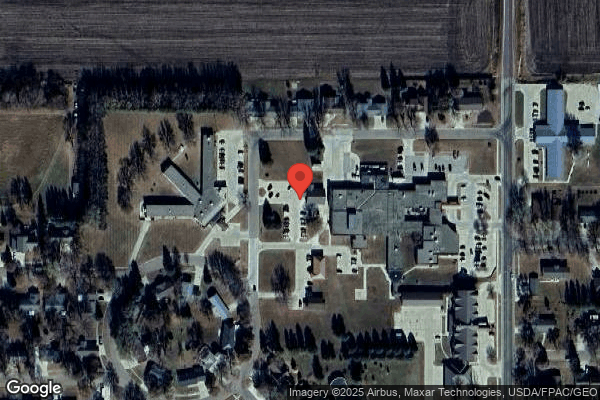
100 CEDAR LANE, SIBLEY, IA 51249 (712) 754-2568
For profit - Corporation 46 Beds Independent Data: November 2025
Trust Grade
50/100
Last Inspection: March 2025

Within standard 12-15 month inspection cycle. Federal law requires annual inspections.

Overview

Osceola Senior Living has received a Trust Grade of C, which means it is average and ranks in the middle of the pack among nursing homes. However, it is important to note that it does not have a specific state or county rank due to being the only facility in Osceola County, indicating there are no local alternatives for comparison. The facility is new and has a trend of stable performance, as this is its first inspection on record. Staffing appears to be a strength, with a turnover rate of 0%, which is well below the Iowa average, but the overall star ratings in health inspection, staffing, and quality measures are all at 0/5, indicating significant areas for improvement. Specific incidents raised concerns, such as a resident not receiving oxygen as ordered and failures in updating medication management for residents with severe cognitive impairments, highlighting the need for better care coordination and adherence to treatment plans.

Trust Score
C
50/100
In Iowa
#112/223
Top 50%
Safety Record
Low Risk
No red flags
Inspections
Too New
0 → 5 violations
Staff Stability
○ Average
Turnover data not reported for this facility.
Penalties
✓ Good
No fines on record. Clean compliance history, better than most Iowa facilities.
Skilled Nurses
○ Average
RN staffing data not reported for this facility.
Violations
✓ Good
Only 5 deficiencies on record. Cleaner than most facilities. Minor issues only.
☆☆☆☆☆
0.0
Overall Rating
☆☆☆☆☆
0.0
Staff Levels
☆☆☆☆☆
0.0
Care Quality
☆☆☆☆☆
0.0
Inspection Score
Stable
: 0 issues
2025: 5 issues

The Good

  • Full Sprinkler Coverage · Fire safety systems throughout facility
  • No fines on record

Facility shows strength in fire safety.

The Bad

No Significant Concerns Identified

This facility shows no red flags. Among Iowa's 100 nursing homes, only 0% achieve this.

The Ugly 5 deficiencies on record

Mar 2025 5 deficiencies
CONCERN (D)

Potential for Harm - no one hurt, but risky conditions existed

Deficiency F0658 (Tag F0658)

Could have caused harm · This affected 1 resident

**NOTE- TERMS IN BRACKETS HAVE BEEN EDITED TO PROTECT CONFIDENTIALITY** Based on record review and staff interviews the facility failed to provide professional standards of care by not following physi...

Read full inspector narrative →
**NOTE- TERMS IN BRACKETS HAVE BEEN EDITED TO PROTECT CONFIDENTIALITY** Based on record review and staff interviews the facility failed to provide professional standards of care by not following physician orders to include the updated order and the correct medication end date in the electronic record for 2 out of 12 residents reviewed (Resident #3 and #31). The facility reported a census of 34 residents. Findings include: 1. The Minimum Data Set (MDS) assessment dated [DATE] for Resident #3 documented diagnoses of Alzheimer's Disease, stroke, and hypertension. The MDS showed the Brief Interview for Mental Status (BIMS) score of 5, which indicated severe cognitive impairment. The Consultant Pharmacist Report for Resident #3 showed on 2/13/25 the physician reordered the as needed (PRN) lorazepam for a duration of 12 months. The Clinical Physician Orders for Resident #3 showed the PRN lorazepam to be last updated on 1/5/25 with an end date of indefinite. The facility failed to enter the updated order in the electronic record and failed to include the correct end date. 2. The MDS assessment dated [DATE] for Resident #31 documented diagnoses of dementia, psychotic disorder and acute kidney disease. The MDS showed the BIMS score of 6, which indicated severe cognitive impairment. The Consultant Pharmacist Report for Resident #31 showed on 12/31/24 the physician reordered the as needed (PRN) lorazepam for a duration of 3 months. The Clinical Physician Orders for Resident #31 showed the PRN lorazepam to be last updated on 9/5/25 with an end date of indefinite. The facility failed to enter the updated order in the electronic record and failed to include the correct end date. The undated Physician's Order policy identified: a. Note the order. b. Put the order in the computer. c. Order from the pharmacy if needed. d Notify the resident and the family of the new order. e. Make an entry in the progress notes regarding the order and notifications. In an interview on 3/13/25 at 9:41 AM, the Director of Nursing (DON) reported physician orders should be updated in the electronic health record and should include the correct end date. The DON reported she would follow up with the pharmacy as they are responsible for entering the orders into the electronic health records.
CONCERN (D)

Potential for Harm - no one hurt, but risky conditions existed

Respiratory Care (Tag F0695)

Could have caused harm · This affected 1 resident

**NOTE- TERMS IN BRACKETS HAVE BEEN EDITED TO PROTECT CONFIDENTIALITY** Based on observation, record review, and staff interview the facility failed to ensure a resident received Oxygen (O2) per the p...

Read full inspector narrative →
**NOTE- TERMS IN BRACKETS HAVE BEEN EDITED TO PROTECT CONFIDENTIALITY** Based on observation, record review, and staff interview the facility failed to ensure a resident received Oxygen (O2) per the physician's order for 1 resident reviewed (Resident #25). The facility reported a census of 34 residents. Findings include: According to the Minimum Data Set (MDS) assessment dated [DATE] Resident #25 scored 12 on the Brief Interview for Mental Status (BIMS) indicating moderate cognitive impairment. The resident had diagnoses including atrial fibrillation, heart failure, and a fracture. The resident did not receive oxygen (O2). The Care Plan initiated 1/8/25 identified the resident with an alteration in tissue perfusion related to Congestive Heart Failure (CHF), Atrial-fibrillation, and pulmonary hypertension. Interventions included administering medications as ordered, and monitoring and consulting with the Primary Care Provider (PCP) as needed (PRN). The Progress Notes dated 2/21/25 at 3:42 p.m. documented the Occupational Therapist (OT) reported the resident had poor activity tolerance with therapy. The OT stated the resident's oxygen (O2) saturation (sat) dropped to 82% with a short walk of 25 feet. The residents sats went up to 88% with pursed lip breathing. At 6:40 p.m. the facility received a return fax from the Certified Nurse Practitioner (CNP) regarding the resident not feeling well, his O2 sats dropping during therapy, and having a dry cough. The CNP wrote to continue to monitor, and administer O2 as needed to maintain O2 sats greater or equal to 92%. The Progress Notes dated 2/22/25 at 11:06 a.m. documented the residents vital signs included an O2 sat of 88%. The Progress Notes dated 2/24/25 at 3:47 p.m. documented a fax sent to the doctor updating him on the resident's O2 needs and sats dropping with activity. At 11:16 p.m. the resident's vital signs included an O2 sat of 89% on room air, and oxygen dropped in the 80's with activity. The Progress Notes dated 2/25/25 at 1:21 p.m. documented the resident's vital signs included an O2 sat of 91%. O2 sats continued to be less than 92% on room air, and he remained on O2 at 2 liters per nasal cannula. The Progress Notes dated 2/25/25 at 2:06 p.m. documented the resident had an O2 sat of 81% on room air while sitting in his recliner. O2 placed at 2 liters per nasal cannula and sats increased to 88%. He did not appear short of breath, and lung sounds were clear. Called the clinic, and sent a fax. The Progress Notes dated 2/26/25 at 3:18 a.m. documented the resident's O2 sat at 89%, remaining low on 2 liters of oxygen via nasal cannula. The Progress Notes dated 3/3/25 at 10:07 a.m. the resident's vital signs included an O2 sat of 90% on 2 liters per nasal cannula. The Progress Notes dated 3/9/25 at 4:57 a.m. documented the resident's vital signs included an O2 sat of 90% on 2 liters of O2. The Progress Notes dated 3/9/25 at 12:41 p.m. documented the resident's vital signs included an O2 sat of 91% on 2 liters O2 via nasal cannula. The Progress Notes dated 3/11/25 at 10:06 a.m. documented the resident's vital signs included an O2 sat of 90%. The resident's clinical record lacked documentation the facility intervened to maintained the resident's sats at 92% or greater. On 3/11/25 at 8:32 a.m. the resident's O2 (between) 1-1/2 to 2 liters per nasal cannula. At 3:06 p.m. the resident's O2 remained at 1-1/2 to 2 liters. On 3/12/25 at 3:05 p.m. the Director of Nursing stated if the order read O2 to keep sats greater or equal to 92% she would expect the O2 would be titrated to do so. An undated facility Oxygen policy included there must be a physician's order for oxygen use which included the route and liter flow or specific oxygen, and how long oxygen was to be administered, and the nurse would monitor and document on a resident's record oxygen flowing per ordered route and rate, and respiratory status.
CONCERN (D)

Potential for Harm - no one hurt, but risky conditions existed

Deficiency F0744 (Tag F0744)

Could have caused harm · This affected 1 resident

**NOTE- TERMS IN BRACKETS HAVE BEEN EDITED TO PROTECT CONFIDENTIALITY** Based on clinical record review and staff interview the facility failed to address dementia/Alzheimer's Disease care on the care...

Read full inspector narrative →
**NOTE- TERMS IN BRACKETS HAVE BEEN EDITED TO PROTECT CONFIDENTIALITY** Based on clinical record review and staff interview the facility failed to address dementia/Alzheimer's Disease care on the care plan for 1 out of 5 residents reviewed (Resident #3). The facility reported a census of 34 residents. Findings include: 1. The Minimum Data Set (MDS) assessment dated [DATE] for Resident #3 documented diagnoses of Alzheimer's Disease, stroke, and hypertension. The MDS showed the Brief Interview for Mental Status (BIMS) score of 5, which indicated severe cognitive impairment. The Care Plan for Resident #3 lacked information regarding the physical, mental and psychosocial needs to support the highest practical level of well being for a resident with Alzheimer's Disease or dementia. In an interview on 3/13/25 at 9:41 AM, the Director of Nursing (DON) reported she expected Alzheimer's Disease to be included in the care plan for Resident #3. The DON reported the facility lacked a policy for Alzheimer's Disease or dementia related to the care plan.
CONCERN (D)

Potential for Harm - no one hurt, but risky conditions existed

Medication Errors (Tag F0758)

Could have caused harm · This affected 1 resident

**NOTE- TERMS IN BRACKETS HAVE BEEN EDITED TO PROTECT CONFIDENTIALITY** Based on clinical record review and staff interview the facility failed to identify side effects, non-pharmalogical intervention...

Read full inspector narrative →
**NOTE- TERMS IN BRACKETS HAVE BEEN EDITED TO PROTECT CONFIDENTIALITY** Based on clinical record review and staff interview the facility failed to identify side effects, non-pharmalogical interventions to try prior to medication and specific targeted behaviors related to high risk medications in 2 out of 5 sampled residents reviewed (Resident #3 and #9). The facility reported a census of 34 residents. Findings include: 1. The Minimum Data Set (MDS) assessment dated [DATE] for Resident #3 documented diagnoses of Alzheimer's Disease, stroke, and hypertension. The MDS showed the Brief Interview for Mental Status (BIMS) score of 5, which indicated severe cognitive impairment. The Clinical Physician Orders for Resident #3 showed the following orders: a. Lorazepam (antianxiety medication) with a start date of 1/5/25, b. Quetiapine (antipsychotic medication) with a start date of 7/15/24, c. Trazodone (antidepressant medication) with a start date of 7/11/24. The Care Plan for Resident #3 revealed the facility failed to include lorazepam, quetiapine and trazodone in the care plan and failed to include specific targeted behaviors the medications are being used for and non-pharmological interventions to be tried. 2. The MDS assessment dated [DATE] for Resident #9 documented diagnoses of peripheral vascular disease, Diabetes Mellitus and stroke. The MDS showed the BIMS score of 15, which indicated no cognitive impairment. The Clinical Physician Orders for Resident #9 showed the following orders: a. Lorazepam (antianxiety medication) with a start date of 2/14/25, b. Trazodone (antidepressant medication) with a start date of 10/2/24. The Care Plan for Resident #9 revealed the facility failed to include lorazepam and trazodone in the Care Plan and failed to include specific targeted behaviors the medications are being used for and non-pharmological interventions to be tried. The Care Plan for Resident #9 also showed the facility failed to remove sertraline (antidepressant medication) from the resident ' s Care Plan when the medication was discontinued. The Clinical Physician Orders for Resident #9 showed the end date for the lorazepam as indefinite. The facility failed to obtain a specific end date for the medication. In an interview on 3/13/25 at 9:41 AM, the Director of Nursing (DON) reported she expected the care plan to identify the side effects, targeted behaviors, non-pharmacological interventions and discontinued medications should be removed. The DON also reported that lorazepam should have a specific end date. The DON reported the facility lacked a policy related to unnecessary medications.
CONCERN (D)

Potential for Harm - no one hurt, but risky conditions existed

Infection Control (Tag F0880)

Could have caused harm · This affected 1 resident

Based on observation, facility policy and staff interview, the facility failed to use proper infection control practices when hanging catheter bags for 2 of 2 residents reviewed (Residents #19 and #23...

Read full inspector narrative →
Based on observation, facility policy and staff interview, the facility failed to use proper infection control practices when hanging catheter bags for 2 of 2 residents reviewed (Residents #19 and #23). The facility also failed to complete proper hand hygiene during urinary catheter care for 1 of 1 residents (Resident #23). The facility reported a total census of 34 residents. Findings include: Observation on 3/11/25 at 9:12 AM showed Resident #19's catheter bag hanging from the garage receptacle. Observation on 3/11/25 at 9:25 AM showed Resident #23's catheter bag hanging from the garage receptacle. Observation on 3/12/25 at 10:04 AM showed Staff A, Certified Nursing Assistant (CNA) applied personal protective equipment (PPE), removed Resident 23's catheter bag from the privacy bag and emptied catheter per policy. Staff A with soiled gloves placed the catheter bag within the privacy bag. Staff A then clamped the catheter bag onto the bed frame, picked up the colander of urine from the floor with the left hand and removed the right glove. Staff A used the soiled right hand to open the resident's door, obtained hand sanitizer from the dispenser in the hall, and attempted to spread the sanitizer within the right hand as she walked to the utility room. Staff A emptied the urine into the hopper then moved the protective gown to the side to gain access to a bottle of hand sanitizer which she obtained from her pant pocket. In an interview on 3/13/25 at 9:41 AM, the Director of Nursing (DON) reported catheter bags should not be hung from garbage receptacles. The DON reported staff should not exit resident rooms to empty urine into the hopper, should not exit the room without removing PPE, and should perform hand hygiene immediately after removing soiled gloves. The undated Emptying Catheter/Catheter Care policy identified the following. The policy failed to address enhanced barrier precautions and PPE instructions: 1. Catheter care and perineal care with am and pm cares, and after each bowel movements. a. Wash hands before and after handling the catheter, tube or bag, and wear gloves, following the standard precautions for infection control. b. Clean the area where the catheter is inserted by wiping away from the insertion site, to prevent germs from being moved from the anus to the urethra. c. Hold the end of the catheter tube to keep it from being pulled while cleaning. d. Wash the catheter to remove any blood or other materials from the catheter, wiping downwards from the urethra. e. Check for irritation, redness, tenderness, swelling, drainage or leaking around the catheter entry site. 2. Catheter tubing and bag. a. Check frequently to be sure there are no kinks or loops in the tubing and that the resident is not lying on the tubing. b. To prevent the catheter from being pulled out, secure the catheter tubing to the thigh without tension on the tubing. c. Always keep the bag below the level of the resident's bladder. d. Use a catheter bag cover to protect the resident's dignity. 3. Emptying the Catheter Bag. a. Empty the catheter bag at the end of every shift and when it is 2/3 full. If the bag were to fill completely, urine would back up into the bladder, causing risk of infection. b. Place a barrier on the floor beneath the bag and then place a graduate on the barrier. c. Remove the drain spout from its sleeve at the bottom of the catheter bag. Use alcohol wipe to clean spout. Open the valve on the spout and let the urine flow out of the bag into the container. d. Do not let the drain tube touch anything. e. Close the valve and use alcohol pad to clean the spout. Put the drain spout into its sleeve on the bag. f. Measure the urinary output and record in resident's record. The undated Hand Hygiene policy identified: a. Wet your hands and wrists with warm water and apply soap (DO NOT USE BAR SOAP). b. Work up a generous lather by rubbing your hands together vigorously for about 20 seconds. c. Pay special attention to the area under your fingernails and around your cuticles, and to your thumbs, knuckles, and the sides of your fingers and hands. d. Avoid splashing water on yourself or the floor. Avoid touching the sink or faucets. e. Rinse your hands and wrists well. f. Pat your hands and wrists dry with a paper towel. Avoid rubbing. g. Turn off the faucet with a dry, clean paper towel. h. Hand sanitizing; i. Apply alcohol-based hand rub to the palm of one hand and then rub your hands together to cover all surfaces of the hands. j. Continue rubbing your hands together until all of the product has dried.
Understanding Severity Codes (click to expand)
Life-Threatening (Immediate Jeopardy)
J - Isolated K - Pattern L - Widespread
Actual Harm
G - Isolated H - Pattern I - Widespread
Potential for Harm
D - Isolated E - Pattern F - Widespread
No Harm (Minor)
A - Isolated B - Pattern C - Widespread

Questions to Ask on Your Visit

  • "Can I speak with families of current residents?"
  • "What's your RN coverage like on weekends and overnight?"

Our Honest Assessment

Strengths
  • • No major safety red flags. No abuse findings, life-threatening violations, or SFF status.
  • • No fines on record. Clean compliance history, better than most Iowa facilities.
  • • Only 5 deficiencies on record. Cleaner than most facilities. Minor issues only.
Concerns
  • • Grade C (50/100). Below average facility with significant concerns.
Bottom line: Mixed indicators with Trust Score of 50/100. Visit in person and ask pointed questions.

About This Facility

What is Osceola Senior Living's CMS Rating?

Osceola Senior Living does not currently have a CMS star rating on record.

How is Osceola Senior Living Staffed?

Detailed staffing data for Osceola Senior Living is not available in the current CMS dataset.

What Have Inspectors Found at Osceola Senior Living?

State health inspectors documented 5 deficiencies at Osceola Senior Living during 2025. These included: 5 with potential for harm.

Who Owns and Operates Osceola Senior Living?

Osceola Senior Living is owned by a for-profit company. For-profit facilities operate as businesses with obligations to shareholders or private owners. The facility operates independently rather than as part of a larger chain. With 46 certified beds and approximately 7 residents (about 15% occupancy), it is a smaller facility located in SIBLEY, Iowa.

How Does Osceola Senior Living Compare to Other Iowa Nursing Homes?

Comparison data for Osceola Senior Living relative to other Iowa facilities is limited in the current dataset.

What Should Families Ask When Visiting Osceola Senior Living?

Based on this facility's data, families visiting should ask: "Can I visit during a mealtime to observe dining assistance and food quality?" "How do you handle medical emergencies, and what is your hospital transfer rate?" "Can I speak with family members of current residents about their experience?"

Is Osceola Senior Living Safe?

Based on CMS inspection data, Osceola Senior Living has a clean safety record: no substantiated abuse findings (meaning no confirmed cases of resident harm), no Immediate Jeopardy citations (the most serious violation level indicating risk of serious injury or death), and is not on the Special Focus Facility watch list (a federal program monitoring the lowest-performing 1% of nursing homes). The facility has a 0-star overall rating and ranks #100 of 100 nursing homes in Iowa. While no facility is perfect, families should still ask about staff-to-resident ratios and recent inspection results during their visit.

Do Nurses at Osceola Senior Living Stick Around?

Osceola Senior Living has not reported staff turnover data to CMS. Staff turnover matters because consistent caregivers learn residents' individual needs, medications, and preferences. When staff frequently change, this institutional knowledge is lost. Families should ask the facility directly about their staff retention rates and average employee tenure.

Was Osceola Senior Living Ever Fined?

Osceola Senior Living has no federal fines on record. CMS issues fines when nursing homes fail to meet care standards or don't correct problems found during inspections. The absence of fines suggests the facility has either maintained compliance or corrected any issues before penalties were assessed. This is a positive indicator, though families should still review recent inspection reports for the full picture.

Is Osceola Senior Living on Any Federal Watch List?

Osceola Senior Living is not on any federal watch list. The most significant is the Special Focus Facility (SFF) program, which identifies the bottom 1% of nursing homes nationally based on persistent, serious quality problems. Not being on this list means the facility has avoided the pattern of deficiencies that triggers enhanced federal oversight. This is a positive indicator, though families should still review the facility's inspection history directly.