The Ambassador Sidney Inc
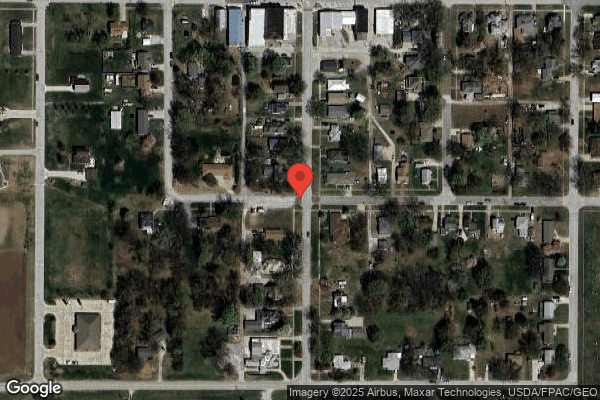
115 MAIN STREET, SIDNEY, IA 51652 (712) 374-2693
For profit - Corporation 46 Beds AMBASSADOR HEALTH Data: November 2025
Trust Grade
75/100
#151 of 392 in IA
Last Inspection: March 2025

Within standard 12-15 month inspection cycle. Federal law requires annual inspections.

Overview

The Ambassador Sidney Inc is a nursing home in Sidney, Iowa with a Trust Grade of B, indicating it is a good choice for families looking for care. Ranked #151 of 392 facilities in Iowa, it falls in the top half, and it is the best option in Fremont County out of two facilities. However, the facility's trend is worsening, with reported issues increasing from 2 in 2024 to 5 in 2025. Staffing is a relative strength, receiving 4 out of 5 stars and a turnover rate of 40%, which is lower than the state average, indicating that staff members tend to stay longer, fostering better resident relationships. The lack of fines is a positive aspect, as the facility has not incurred any penalties. However, some specific incidents raised concerns during inspections. For example, staff did not follow proper infection control practices while preparing meals, such as touching food items with gloved hands that had also touched other surfaces. Additionally, there were failures to ensure that food brought in by residents was labeled and dated and that personal refrigerators were regularly cleaned, which could lead to unsafe food conditions. Overall, while there are strengths in staffing and a lack of fines, potential weaknesses in food safety and infection control practices should be carefully considered.

Trust Score
B
75/100
In Iowa
#151/392
Top 38%
Safety Record
Low Risk
No red flags
Inspections
Getting Worse
2 → 5 violations
Staff Stability
○ Average
40% turnover. Near Iowa's 48% average. Typical for the industry.
Penalties
✓ Good
No fines on record. Clean compliance history, better than most Iowa facilities.
Skilled Nurses
○ Average
Each resident gets 40 minutes of Registered Nurse (RN) attention daily — about average for Iowa. RNs are the most trained staff who monitor for health changes.
Violations
⚠ Watch
14 deficiencies on record. Higher than average. Multiple issues found across inspections.
★★★★☆
4.0
Overall Rating
★★★★☆
4.0
Staff Levels
★★★☆☆
3.0
Care Quality
★★★★☆
4.0
Inspection Score
Stable
2024: 2 issues
2025: 5 issues

The Good

  • 4-Star Staffing Rating · Above-average nurse staffing levels
  • Full Sprinkler Coverage · Fire safety systems throughout facility
  • No fines on record
  • Staff turnover below average (40%)

    8 points below Iowa average of 48%

Facility shows strength in staffing levels, fire safety.

The Bad

Staff Turnover: 40%

Near Iowa avg (46%)

Typical for the industry

Chain: AMBASSADOR HEALTH

Part of a multi-facility chain

Ask about local staffing decisions and management

The Ugly 14 deficiencies on record

Mar 2025 5 deficiencies
CONCERN (D)

Potential for Harm - no one hurt, but risky conditions existed

Accident Prevention (Tag F0689)

Could have caused harm · This affected 1 resident

**NOTE- TERMS IN BRACKETS HAVE BEEN EDITED TO PROTECT CONFIDENTIALITY** Based on observations, clinical record review, and staff interviews, the facility failed to protect a resident from a possible a...

Read full inspector narrative →
**NOTE- TERMS IN BRACKETS HAVE BEEN EDITED TO PROTECT CONFIDENTIALITY** Based on observations, clinical record review, and staff interviews, the facility failed to protect a resident from a possible accident and injury by not following the prevention of fall interventions for 1 of 12 residents (#14) reviewed. The facility reported a census of 40 residents. Findings include: The Minimum Data Set (MDS) for Resident #14 dated 2/4/25 identified a Brief Interview for Mental Status (BIMS) score of 99 indicating the resident was unable to complete the assessment. A cognitive assessment completed by the staff identified short term memory problems, long term memory problems, severely impaired cognitive skills for daily decision making, and behaviors consistently present included inattention, disorganized thinking, and altered level of consciousness. The document revealed the resident was dependent on staff for all activities of daily living (ADLs) and mobility, had diagnoses of cerebrovascular disease (CVA)/stroke, anxiety, and a below the knee amputation (BKA) on the left. The document included the resident took antipsychotic and opioid medications, had no falls during the past reporting period, and received hospice services. Resident #14's Care Plan dated 2/17/25 contained a problem area indicating the resident was at risk for falling related to BKA, weakness, confusion, history of falls, and required staff assistance with care with a start date of 6/14/23 and last review on 1/31/25. The document revealed approaches for staff to follow included a fall mat placed next to the bed dated 1/10/24, and the wheelchair (w/c) to be placed next to the bed and locked dated 8/26/23. The Electronic Health Record (EHR) Fall Risk assessment dated [DATE] revealed a score of 16 indicating at risk. The document identified the resident was disoriented x3, chair bound, not able to perform ambulation, had poor vision, took medications, and other conditions including loss of limb, osteoporosis, CVA, and hospice. Interventions identified in the document included a floor mat, and dependent for ADL's. On 3/17/25 at 11:58 AM observed Resident #14 sleeping in bed with the w/c positioned near the recliner and the fall pad folded against a wall on the other side of the room. On 3/17/25 at 3:30 PM observed the resident was sleeping in bed with the fall mat next to the bed and the w/c across the room. On 3/18/25 at 3:30 PM observed Resident #14 sleeping in bed with the fall mat beside the bed and the w/c between the foot of the bed and the recliner. On 3/20/25 at 7:29 AM Staff I, Certified Nursing Assistant (CNA) stated to find fall interventions, she would check Care Plans, look for notes inside of the resident's room, and the nurses told staff about interventions. The staff stated interventions for Resident #14 included a blue mat put in front of the bed, lower the bed, and side rails up. On 3/20/25 at 7:53 AM Staff J, CNA, stated fall interventions were found in the resident's Care Plan on the computer. The staff stated signs may also be on the walls in the resident's room or stickers on the door. Staff J stated for Resident #14 positioning was the key to preventing falls. The staff stated interventions included tilting the w/c, fall mat on the floor by the bed, and usually keeping the w/c near the foot of the bed in the locked position. On 3/20/25 at 8:10 AM Staff K, Certified Medication Aide (CMA), stated she thought there was a binder at the nurses station with fall interventions for residents. The staff stated a fall intervention for Staff #14 included a blue fall pad on the floor when the resident was in bed. On 3/20/25 at 8:13 AM, Staff L, CNA, stated fall interventions were located in the computer and in the binder. The staff stated a fall intervention for Resident #14 was a mat beside the bed and/or recliner. On 3/20/25 at 8:15 AM the Director of Nursing (DON) stated new fall interventions were discussed during the twice daily Huddle Meetings for all staff. The notes from those meetings were placed in the Scoop Binder for staff reference. The staff stated additionally new interventions may be posted on the board in the staff breakroom. The DON stated fall interventions would also be found in the Care Plans and Pocket Care Plans. The DON expected staff to follow a resident's fall interventions found in the Care Plan. The facility did not have a policy related to following the Care Plan.
CONCERN (D)

Potential for Harm - no one hurt, but risky conditions existed

Respiratory Care (Tag F0695)

Could have caused harm · This affected 1 resident

**NOTE- TERMS IN BRACKETS HAVE BEEN EDITED TO PROTECT CONFIDENTIALITY** Based on observations, staff interviews, facility protocol and clinical record review the facility failed to implement intervent...

Read full inspector narrative →
**NOTE- TERMS IN BRACKETS HAVE BEEN EDITED TO PROTECT CONFIDENTIALITY** Based on observations, staff interviews, facility protocol and clinical record review the facility failed to implement interventions for 1 of 13 residents reviewed. Staff failed to use the As Needed (PRN) suctioning treatment and failed to complete regular vitals when Resident #16 was experiencing increased secretions. The facility reported a census of 40 residents. Findings include: The Minimum Data Set (MDS) dated [DATE], showed that Resident #16 was rarely/never able to make himself understood, and rarely/never understood by others. He was totally dependent on staff for eating, hygiene, transferring and toileting. The resident had shortness of breath or trouble breathing when lying flat, and he was on a mechanically altered diet. Diagnoses for Resident #16 included; cerebral palsy, seizure disorder, gastro-esophageal, reflux disease without esophagitis and dysphagia, The Care Plan last reviewed on 1/10/25, showed that Resident #16 had self-care deficits related to cerebral palsy, cognitive impairment, contractures, impaired communication and immobility. He had a potential for seizures related to seizure disorder and nurses were directed to administer medications as ordered, monitor vials and to suction secretions PRN. In an observation on 3/17/25 at 11:54 AM, Resident #16 was in the dining room getting assists with his lunch. He had a lot of coughing and spilling out of food. On 3/18/25 at 8:04 AM, at breakfast the resident was observed to be coughing and sneezing throughout the meal. The following documentation was found in the Nursing Notes for Resident #16: a. 12/28/24 at 5:41 AM, resident was very congested and had been given Mucinex on the overnight shift. He coughed so much that he had vomited twice. Nasal drainage white and thick, lung sound congested and he was up all night. Doctor notified b. 12/28/24 at 11:21 AM, the resident refused morning medications and did not eat breakfast. Had emesis again. c. 12/29/24 at 6:26 AM, had one emesis with phlegm on the overnight shift. Refused his medications, food and drink. Did not sleep all night. Loose cough. d. 12/29/24 at 11:43 AM one emesis prior to lunch. e. 12/30/24 at 5:24 AM resident had one emesis prior to going to bed, refused medications. f. 12/30/24 at 1:34 PM provider notified regarding congestion and emesis. Started on an antibiotic for sinusitis (inflammation of the sinuses.) The fax sent to the doctor on 12/28/24 included a set of vitals that included an oxygen saturation of 89-92%. The chart lacked any follow up vitals on 12/28/24 or 12/29/25. The chart included a temperature ready only, on 12/30/24. The following documentation was found on the Medication Administration Record/Treatment Administration Record (MAR/TAR) a. An open ended order dated 12/11/22, showed a PRN order to suction with Yankauer (suctioning catheter used to remove secretions from airway) for secretions that the resident was unable to clear. The TAR showed that the PRN order was not used in December or January. b. On 12/31/24 a Respiratory Protocol was added to the TAR for staff to monitor lung sounds, respiration, shortness of breath, cough, vitals, encourage deep breath and cough and encourage fluids. On 3/18/25 at 8:57 AM, Staff A, Licensed Practical Nurse (LPN) was caring for Resident #16 on that day. She said that she was not aware of a PRN order for suctioning and she wasn't sure where the supplies were kept. The Director of Nursing (DON) checked the MAR/TAR to see if the resident had an order for suctioning and said that he was able to clear secretions by coughing on his own. On 3/19/25 at 5:15 AM, Staff B, LPN, said that she did not remember specifically back in December when Resident #16 was having increased secretions and emesis. She said, he does that a lot but she did not remember when it got to the point of upper respiratory infection. Staff B did not have any knowledge of a suctioning machine or an order for suctioning as needed. Staff B said that if the resident had extreme gurgling, the suctioning would probably be helpful. She added that Resident #16 did not follow directions very well and just makes different sounds to communicate. On 3/19/25 at 2:30 PM the Director of Nursing (DON) said that the order that was in the chart for suctioning was an old order from when Resident #16 had a sinus infection in 2022. She understood that the nurses probably didn't know it was there because they didn't use it and the resident was usually able to clear and cough secretions on his own. She said there were vital signs included on the fax to the doctor on 12/28/25. A facility generated undated form titled: Respiratory Protocol showed that as a nursing order to monitoring respiratory symptoms included; monitoring lung sounds, respirations, shortness of breath, cough, and vitals.
CONCERN (D)

Potential for Harm - no one hurt, but risky conditions existed

Medical Records (Tag F0842)

Could have caused harm · This affected 1 resident

Based on observations, staff interviews and clinical record review the facility failed to accurately document treatments provided for 1 of 13 residents reviewed. Nursing staff documented that a wound ...

Read full inspector narrative →
Based on observations, staff interviews and clinical record review the facility failed to accurately document treatments provided for 1 of 13 residents reviewed. Nursing staff documented that a wound treatment for Resident #91 had been done over two hours before it was actually completed. The facility reported a census of 40 residents. Findings include: According to a nursing note dated 3/12/25 at 4:37 PM, Resident #91 was admitted to the facility after a hospitalization for traumatic subdural hemorrhage. The resident presented with a pressure sore to the coccyx and standard treatment orders were initiated. The Medication Administration Record/Treatment Administration Record (MAR TAR) for March 2025 showed an order initiated on 3/13/25 for Calmoseptine (menthol-zinc oxide) ointment 0.44 - 20.6 %, apply three times a day to the pressure ulcer of the sacral region. In an observation on 3/18/25 at 7:09 AM, Staff D Certified Nurse Aide (CNA) and Staff E, CNA provided peri care and brief change for Resident #91. The resident was found to have an open area on the coccyx. The CNA's applied a new brief without having applied a barrier cream or contacting the nurse to complete the treatment. They transferred him into the wheel chair and took him out to the dining room for breakfast. At 8:00 AM the Resident was not back in his room and the bed was stripped. The MAR TAR printed on 3/18/25 at 9:39 AM, showed that the wound treatment had been completed. The scheduled time for the morning treatment was 8:00 AM, and the charted time was at 9:10 AM. The Reason/Comments column included documentation that the treatment was charted late; done on time At 9:47 AM, the Resident was not in his room and the bed was made. On 3/18/25 at 9:48 AM, when asked about the condition of the coccyx wound on Resident #91, Staff A, Licensed Practical Nurse (LPN) said she hadn't done the morning treatment yet. On 3/18/25 at 10:11 AM, Staff A asked a CNA to assist her as she provided the morning wound treatment. On 3/20/25 at 6:50 AM the Director of Nursing (DON) said that the nurses are taught to document after treatments have been completed She said that on 3/12/2025, they had discussed concerns with documentation accuracy and treatments and planned education due at the end of this month for all nursing staff. A facility policy titled Documentation: General Principles, dated 6/2016, showed that the facility would ensure that staff accurately and thoroughly documented all care provided. The correct date and time would be included with each entry in the medical record.
CONCERN (D)

Potential for Harm - no one hurt, but risky conditions existed

Infection Control (Tag F0880)

Could have caused harm · This affected 1 resident

2. According to a nursing note dated 3/12/25 at 4:37 PM, Resident #91 was admitted to the facility after a hospitalization for traumatic subdural hemorrhage. The resident presented with a pressure sor...

Read full inspector narrative →
2. According to a nursing note dated 3/12/25 at 4:37 PM, Resident #91 was admitted to the facility after a hospitalization for traumatic subdural hemorrhage. The resident presented with a pressure sore to the coccyx and standard treatment orders were initiated. The Baseline Care Plan initiated on 3/12/25, showed that the resident had a Stage II pressure sore, on the coccyx with a goal to prevent/heal sores with treatments, positioning and pressure relieving cushion in the wheel chair. The Facesheet for Resident #19, Custom Banner Flags; showed that Enhanced Barrier Precautions would be used in cares. The Medication Administration Record/Treatment Administration Record (MAR TAR) for March 2025 showed an order initiated on 3/13/25 for Calmoseptine (menthol-zinc oxide) ointment 0.44 - 20.6 %, apply three times a day to the pressure ulcer of the sacral region. In an observation on 3/18/25 at 7:09 AM, Staff D was in the room of Resident #91. The resident was in bed and the CNA provided cares. With gloved hands, she started to remove the soiled brief, unhooked the Velcro sides and pulled it down off of the front of the resident. She then decided that she would wait for another CNA to come in and help her, so she reached into her pocket with the same gloved hand, and got a walkie talkie and called for assistance. On 3/19/25 at 2:29 PM, the Director of Nursing (DON) said that she would have expected the CNA to change her gloves and perform hand hygiene before reaching in her pocket. According to the facility policy dated 11/1019, and titled: Gloves; when gloves are indicated they shall be used only once and discarded. A facility policy titled: Enhanced Barrier Precautions (EBP) dated 4/2024, showed that EBP would be used in conjunction with standard precautions and expand the use of Personal Protective Equipment (PPE) to donning of gown and gloves during high-contact resident care activities that provide opportunities for the transfer of Mulitdrug-resistant organisms to staff hands and clothing. High contact resident care activities include wound care. Based on observation, clinical record review, staff interviews, and policy reviews the facility failed to implement appropriate hand hygiene and infection control practices to mitigate the spread of pathogens during resident cares for 2/12 residents (Resident #33, Resident #91). The facility failed to utilize hand hygiene, appropriate glove use, and Enhanced Barrier Precautions (EBP). The facility reported a census of 40. Findings include: 1. The Minimum Data Set (MDS) of Resident #33 dated 12/31/24 reflected the Brief Interview for Mental Status (BIMS) score of 7/15 indicating severe cognitive impairment. The document revealed diagnoses of renal insufficiency and obstructive uropathy, and the resident had an indwelling catheter. The Electronic Health Record (EHR) revealed an order dated 2/5/25 to document suprapubic catheter cares and output at the end of each shift. The Care Plan dated 3/18/25 identified a problem area of indwelling catheter. Approaches identified for the problem area included Methicillin-resistant Staphylococcus aureus (MRSA+), EBP, and report output with catheter care to charge nurses each shift. An additional problem area identified was risk for infection of MDRO related to suprapubic catheter. The approaches identified included EBP with identified areas to be used, precautions required, and completion of hand hygiene prior to and during care. Observed Staff H, Certified Nursing Assistant (CNA) on 3/18/25 at 6:37 AM complete personal care and catheter care with Resident #33. Staff H completed hand hygiene and donned personal protective equipment (PPE), gown and gloves, to initiate care. The staff placed a barrier down, obtained alcohol wipes, and a leg bag to complete the change from the overnight drainage bag. Alcohol wipes utilized to cleanse the tubing before changing the drainage bags. The staff completed drainage and measuring of the overnight bag into a graduated cylinder. Staff H completed emptying the cylinder and placed it on a barrier, rinsed the tubing of the overnight bag, emptied, and placed it in the bag. The staff removed gloves and donned new gloves. The staff proceeded to assist the resident with dressing, grooming, and hygiene tasks. Staff H failed to complete hand hygiene between changing of gloves during the resident's personal care. On 3/18/25 at 8:00 AM the Director of Nursing (DON) stated staff should change gloves anytime between dirty and clean tasks, as well as anytime necessary. The DON expected staff to complete hand hygiene between glove changes. On 3/18/25 at 8:15 AM the Administrator acknowledged she was aware of the lack of hand hygiene between glove changes, and expected hand hygiene to be completed when removing dirty gloves and prior to donning new gloves.
CONCERN (E)

Potential for Harm - no one hurt, but risky conditions existed

Food Safety (Tag F0812)

Could have caused harm · This affected multiple residents

Based on observation, interview and policy review the facility failed to ensure that staff used adequate infection control practices during meal service. The facility reported a census of 40 residents...

Read full inspector narrative →
Based on observation, interview and policy review the facility failed to ensure that staff used adequate infection control practices during meal service. The facility reported a census of 40 residents. Findings include: In an observation of the lunch meal on 3/17/25 at 11:45 AM, Staff G, Dietary Aide (DA) prepared a peanut butter and jelly sandwich for a resident. Staff G first donned gloves, then touched the bread bag, grabbed two slices of bread, grabbed a utensil and held the bread with one gloved hand and spread with other. At 12:02 PM, Staff G prepare a cheese sandwich. The staff member first donned gloves, opened the lid on the container, bread bag, touched the pan, then with the same gloved hands, grabbed out a couple slices of cheese. On 3/18/25 at 12:51 PM the Dietician said that she would do more education on hand hygiene. On 3/20/25 at 8:48 AM, the Dietary Manager (DM) said that she understood that having the gloves on does tend to make a person feel as if they can touch anything. She said that she would provide education and talk to the Dietician about hand hygiene/glove use processes. According to the facility policy dated 11/2019 and titled: Gloves. When gloves are indicated they shall be used only once and discarded.
May 2024 2 deficiencies
CONCERN (D)

Potential for Harm - no one hurt, but risky conditions existed

Pressure Ulcer Prevention (Tag F0686)

Could have caused harm · This affected 1 resident

**NOTE- TERMS IN BRACKETS HAVE BEEN EDITED TO PROTECT CONFIDENTIALITY** Based on observation, staff interview, clinical record review and facility policy review, the facility failed to provide wound c...

Read full inspector narrative →
**NOTE- TERMS IN BRACKETS HAVE BEEN EDITED TO PROTECT CONFIDENTIALITY** Based on observation, staff interview, clinical record review and facility policy review, the facility failed to provide wound care treatments as ordered for 1 of 3 residents reviewed. Resident #6 had pressure wounds on her coccyx and inner ankle, in an observation it was discovered that the treatments were not in place. The facility reported a census of 43 residents. Findings include: According to the Minimum Data Set (MDS) dated [DATE] Resident #6 was unable to complete a Brief Interview for Mental Status, indicating severe cognitive deficits. She had limited range of motion in the lower extremities and was totally dependent on staff for toileting hygiene, dressing, transfers and bed mobility. She was always incontinent of bowel and bladder. The Care Plan last reviewed on 5/1/24, showed that Resident #6 had self-care deficits related to intellectual disability, and she had poor balance with bilateral lower extremity deformity and weakness. The resident was unable to ambulate. She had the potential for pressure ulcers with impaired skin integrity and a history of resolved pressure ulcers. Resident #6 had an unstageable area to right inner foot with a treatment order for calcium alginate and Tegaderm every 3 days and as need to pressure wound on right ankle. According to the order tab in the electronic chart, Resident #6 had a treatment order dated 12/11/23 to apply Calmoseptine and cover with Mepilex every other day, and as needed, to the coccyx. The resident also had an order dated 4/26/24, for calcium alginate and Tegaderm (transparent medical dressing used to cover and protect wounds) every 3 days and as needed to the right inner ankle. According to the Treatment Administration Record (TAR) the treatment to the coccyx had been changed on 5/27/24. On 5/29/24 at 9:38 AM, observed Staff A Certified Nurse Aide (CNA) and Staff B, CNA changing the soiled brief for Resident #6. The resident had two treatment patches on her bottom, one on the coccyx dated 5/25 and the written date on the patch on the gluteal was faded and not readable. Staff A and Staff B removed the protective boots and socks from the resident's feet and the sore on the inside of her right ankle was not covered with a bandage. On 5/30/24 at 9:57 AM, the Director of Nursing (DON) stated Resident #6 should have had the Tegaderm on her ankle. She acknowledged that it had been documented that the Mepilex on her coccyx was changed on 5/27 and said she that would talk to the nurse who had documented as completed. According to a facility policy titled: Wound Care: Prevention, Assessment, Treatment and Documentation dated 9/2020. Treatment and intervention would be established according to facility wound protocols and physician order and documented. For example: turning schedule, dressing type, topical antibiotic powder/aerosol/ointment, antibiotic systemic, or other treatments.
CONCERN (D)

Potential for Harm - no one hurt, but risky conditions existed

Incontinence Care (Tag F0690)

Could have caused harm · This affected 1 resident

**NOTE- TERMS IN BRACKETS HAVE BEEN EDITED TO PROTECT CONFIDENTIALITY** Based on observations, clinical record review, resident interview, staff interviews, and facility policy review, the facility fa...

Read full inspector narrative →
**NOTE- TERMS IN BRACKETS HAVE BEEN EDITED TO PROTECT CONFIDENTIALITY** Based on observations, clinical record review, resident interview, staff interviews, and facility policy review, the facility failed to provide adequate fluids and failed to monitor and report intake and output for 1 of 1 residents reviewed for urinary tract infections and urinary catheter use (Resident #41). Resident #41 had a history of acute kidney injury and chronic urinary tract infections. He was found to have inadequate fluid intake and urine output and staff failed to monitor and report. The facility reported a census of 43 residents. Findings include: According to the Minimum Data Set (MDS) dated [DATE], Resident #41 had a Brief Interview for Mental Status score of 8 (severe cognitive deficit). He needed supervision with eating, and was dependent on staff for toileting and showering. He was admitted to the facility with a urinary indwelling catheter. The Care Plan updated on 5/28/24, showed that he had developed a urinary tract infection (UTI) related to foul odor and cloudy urine in his catheter, staff were to monitor and encourage fluid intake. The resident had a recent hospital stay for urosepsis and aspiration pneumonia and he was at risk for aspiration, staff were directed to encourage intake of fluids (honey thicken). The Nursing Notes documented the following: a. on 4/4/24 at 3:03 PM Resident #41 admitted to the facility from the hospital after having urosepsis. b. on 4/6/24 at 4:05 AM an order to discontinue the Foley catheter due to urosepsis resolved. c. on 4/9/24 at 2:00 PM in the dining room for meals and taking in small amounts of fluids, refused meal intake. d. on 4/10/24 at 1:42 AM moist cough with crackles bilateral lungs. Fax sent to the physician. Elevated head of bed. e. on 4/10/24 at 9:20 AM drank 200 cc of thick liquids from table mate and had a small emesis. f. on 4/11/24 at 3:20 AM vomited X 2 rattling in bilateral lobes temperature of 101.4 oxygen saturation 79%. Sent to the emergency room. According to the Continuum of Care Transfer Report from the hospital, date 4/18/24, Resident #41 admitted to the hospital on [DATE] with the primary reason for admission Acute Kidney Injury (AKI) with complicated urinary tract infection and aspiration pneumonia. The following is observed in an ongoing observation: a. On 5/29/24 at 10:04 AM Resident #41 in the recliner sleeping in his room. The catheter bag hanging from the walker next to his recliner. The urine was dark. No fluids in his room. b. On 5/29/24 at 11:25 AM, resident in his room, no fluids in his room. He has some pudding cups but no liquids. c. On 5/29/24 at 11:41 AM, the resident was at the lunch table, two small glasses of fluid in front of him. d. On 5/29/24 at 1:07 PM, he was sitting in the wheelchair in front of the nurses station. e. On 5/29/24 at 1:56 PM, the catheter tubing has sediment. f. On 5/29/24 at 2:56 PM, no fluids in his room. g. On 5/30/24 at 7:45 AM, the resident sitting at the breakfast table, other residents around him were eating but he didn't have anything in front of him for breakfast yet. No fluids in his room. h. On 5/30/24 at 8:05 AM, he was feeding himself and his thickened water was almost gone, has a juice also. i. On 5/30/24 at 8:23 AM, the resident back in his room, both of his thickened liquids from breakfast had been consumed. According to a dietician note dated 5/13/24 at 9:15 AM, the required amount of daily fluid was between 1795 and 2155 cubic centimeters (cc). Fluid intake should be encouraged. The following was found in the Vitals tab, Fluid intake and Urine Output: from 4/1/24 - 5/30/24 a. From 4/8 - 4/10/24 the average daily fluid intake was 350 cc. of fluid daily. (the census tab showed that the resident was hospitalized from 4/11 - 4/18) b. No fluids documented from 4/18 - 4/21. c. From 4/22 - 4/30/24, the daily average fluid intake was 500 cc. d. From 4/22 - 4/30/24 the average output was 253 cc a day (normal output for adults is 800-2,000 cc a day) e. From 5/1 - 5/28/24 intake average was 252 cc. a day f. From 5/1 - 5/28/24 the average output was 525 cc. a day. On 5/30/24 at 8:28 AM, Staff D, CNA stated Resident #41 did not get fluids in his room because he was on thickened liquids. She said that water was passed after breakfast and at second shift but he didn't get anything. On 5/30/24 at 8:38 AM Staff C, CNA stated the resident didn't have much urine in his catheter bag that morning. They wanted to get a sample of the urine because they suspect he may have a UTI. On 5/30/24 08:46 AM, Resident #41 said the staff did not bring him any liquids in his room. He said that he would like to have fluids in his room and he drank both liquids offered to him this morning at breakfast. On 5/30/24 at 9:07 AM, Staff E, CNA stated Resident #41 did not get water in his room because he was on thickened liquids. She said that she did do the water pass on occasion but she said that she hadn't ever given him a cup of thickened water. On 5/30/24 at 9:57 AM, the Director of Nursing (DON) stated they didn't leave thickened liquids in the resident's room because he would take the glass and try to fill it up with regular water. She said that at times, he would sit out by the nurse's station and they would give him the liquids out there so they can watch him. She said that she would look at the intake and output record but was not aware that the averages had been low. On 5/30/24 at 10:09 AM, Staff A, CNA, stated she hadn't ever brought thickened liquids to the resident in his room but they would bring him some if he asked. When they passed water to the residents, they just skipped his room. She said that he needs to be encouraged to drink. On 5/30/24 at 10:10 AM, Staff B, CNA, stated she hadn't ever brought fluids to Resident #41's room but sometimes he would be sitting out by the nurse's station and the nurses will ask her to get a small glass of thickened liquid for him. She said that she had seen a glass of thickened liquids in his room at times but she hadn't ever seen him try to go fill it up with water himself. According to a facility policy titled: Intake and Output dated 6/2016 it was the policy of the facility to provide adequate fluids to each resident. Nursing personnel would provide and monitor the resident's intake and output based on condition and or physicians order.
Feb 2023 7 deficiencies
CONCERN (D)

Potential for Harm - no one hurt, but risky conditions existed

Deficiency F0554 (Tag F0554)

Could have caused harm · This affected 1 resident

**NOTE- TERMS IN BRACKETS HAVE BEEN EDITED TO PROTECT CONFIDENTIALITY** Based on observation, interview, record review, and review of facility policy, the facility failed to ensure that 1 of 25 sample...

Read full inspector narrative →
**NOTE- TERMS IN BRACKETS HAVE BEEN EDITED TO PROTECT CONFIDENTIALITY** Based on observation, interview, record review, and review of facility policy, the facility failed to ensure that 1 of 25 sampled residents (Resident (R) 19) did not have unsecured medication at their bedside. The facility failed to ensure the resident was assessed for the safe self-administration of an inhaler. This deficient practice has the potential for medication errors related to the inappropriate self-administration of medications and unsecured medications could potential be accessed by individuals other than the intended user. Findings include: Review of a document provided by the facility titled Medication-Self Administration, dated 10/2017 indicated . It is the policy of this facility to permit residents/patients to self-administer their drugs and medications unless such practice for the resident/patient is deemed unsafe . Residents/patients will not be permitted to administer or retain medications in their rooms unless so ordered by the attending physician and approved by the inter-disciplinary team in writing . Medications for the self-administration will be stored at the nurse's carts and/or in the resident's room in a marked medication drawer, medication bin or other storage area of resident's choice in their room . The nurse will document that medications were self-administered by the resident/patient . Review of a document provided by the facility titled Medication Self Administration, dated 05/24/22 indicated R 19 was safe to administer medications. The form indicated the resident was assessed to the safe administration of albuterol one vial, to be administered via a nebulizer machine, as needed four times per day. There was no information which would indicate the resident was assessed for the self-administration of an albuterol inhaler. Review of R19's electronic medical record (EMR) titled Resident Face Sheet, located under the Resident tab indicated the resident was admitted to the facility on [DATE] with a diagnosis of acute and chronic respiratory failure. Review of R19's EMR titled Active Orders located under the Resident tab indicated the resident was ordered ProAir albuterol inhaler 90 micrograms (mcg) to administer two puffs three times a day as needed. During an interview on 02/21/23 at 12:20 PM, R19 stated she takes her own albuterol inhaler and pointed to the inhaler located on her bedside. The inhaler was labeled albuterol and was a yellow container. During an interview on 02/23/23 at 8:05 AM, R19 stated she was safe to self-administer her albuterol inhaler and use her nebulizer machine. The handheld albuterol was observed on her bedside table. During an interview on 02/23/23 at 1:59 PM, the Director of Nursing (DON) stated she was not aware R19 had her ProAir at the bedside. During an interview on 02/24/23 at 8:50 AM, the DON stated she needed to complete an assessment for self-administration of mediation for the albuterol inhaler since R19 would like to administer the ProAir inhaler.
CONCERN (D)

Potential for Harm - no one hurt, but risky conditions existed

Deficiency F0559 (Tag F0559)

Could have caused harm · This affected 1 resident

**NOTE- TERMS IN BRACKETS HAVE BEEN EDITED TO PROTECT CONFIDENTIALITY** Based on interviews, record review, and facility policy review, the facility failed to ensure one resident 1 of 25 sampled resid...

Read full inspector narrative →
**NOTE- TERMS IN BRACKETS HAVE BEEN EDITED TO PROTECT CONFIDENTIALITY** Based on interviews, record review, and facility policy review, the facility failed to ensure one resident 1 of 25 sampled residents (Resident (R) 31) was given advanced notice and a reason for her room change. Findings include: Review of the facility policy titled Room Change/Roommate Assignment, revised on 08/22/22, revealed: Policy Interpretation and Implementation . 4. Advance written notice of a room and/or roommate change will include why the change is being made and any information that will assist the resident in becoming acquainted with his or her new room and/or roommate . Review of R31's electronic medical record (EMR) admission Record indicated the resident was admitted to the facility on [DATE] with a primary diagnosis of Chronic obstructive pulmonary disease. Review of R31's last Quarterly Minimum Data Set (MDS) with an Assessment Reference Date (ARD) of 12/06/22 had a Brief Interview of Mental Status (BIMS) score of 13 out of 15 which indicated the resident was cognitively intact. During an interview on 02/21/23 at 1:30 PM, R31 stated the only problem she had with this place is They threw me in here with a roommate, with no notice at all. They just told me I had to move. The resident stated she felt like she was being strong-armed into the move. During an interview on 02/22/23 at 11:30 AM, the Director of Nursing (DON) stated she could not remember the reason for the move, she looked up the reason for the move and stated that the facility had a new admit that qualified for a private room. Review of a document provided by the facility titled Room/Roommate Change, Advance Notice for R31 dated 01/06/23 at 11:05 AM, the space for reason for room change comments was left blank. Review of R26's EMR admission Record indicated the resident was admitted to the facility on [DATE] at 3:55 PM to R31's previous private room.
CONCERN (D)

Potential for Harm - no one hurt, but risky conditions existed

Respiratory Care (Tag F0695)

Could have caused harm · This affected 1 resident

Based on observation, interview, record review, and facility policy review, the facility failed to ensure staff maintained appropriate infection control measures for the safe handling, cleaning, and s...

Read full inspector narrative →
Based on observation, interview, record review, and facility policy review, the facility failed to ensure staff maintained appropriate infection control measures for the safe handling, cleaning, and storage of respiratory equipment for one resident (Resident (R) 24) reviewed for respiratory care. R24 had the potential to develop a serious respiratory infection due to the lack of maintenance and sanitation of the components (face mask, hose, and filter) to the continuous positive airway pressure (CPAP) machine. Findings include: Review of a document provided by the facility titled Philips Dreamstation.2 CPAP () Advanced .Auto CPAP Advanced, dated 2021, indicated . Clean the device with a cloth dampened with an approved cleaner. Empty and clean the humidifier water tank daily to prevent mold and bacteria growth .Water tank seal Provides a seal between the water tank lid and base. Removable for ease of cleaning . Home cleaning: tubing Hand wash the tubing, mask adapter (if included), and connectors (if included) before first use and weekly. Discard and replace the tubing every 6 months. Review of a document provided by the facility titled Cleaning Respiratory Equipment, dated 02/2017 indicated . It is the policy of this facility to maintain clean and functional respiratory equipment. All respiratory equipment will be cleaned once a week and PRN (as needed) . Review of R24's electronic medical record (EMR) titled Resident Face Sheet located under the Resident tab indicated the resident was admitted to the facility 08/29/22 with a diagnosis of obstructive sleep apnea. Review of R24's EMR titled Care Plan located under the RAI (Resident Assessment Instrument) tab dated 08/29/22 indicated the resident was at pulmonary risk for impaired breathing pattern related to pulmonary hypertension and shortness of breath. There was no indication identified the resident was responsible for the maintenance and sanitation of his CPAP machine. Review of R24's quarterly Minimum Data Set (MDS) with an Assessment Reference Date (ARD) of 12/06/22 located under the RAI tab indicated the resident had a Brief Interview for Mental Status (BIMS) score of 10 out of 15 which indicated the resident was moderately cognitively impaired. The assessment indicated the resident used a CPAP machine. During an interview on 02/21/23 at 10:08 AM, R19 stated he did not clean his CPAP machine and neither did the facility staff. The resident was observed wearing a CPAP device during this interview. During an observation on 02/23/23 at 8:05 AM, R19 was observed sleeping in bed and wearing his CPAP device. During an interview on 02/23/23 at 8:07 AM, Certified Nursing Assistant (CNA) 1 stated she did not clean R19's CPAP since that was something nurses completed. During an interview on 02/23/23 at 8:10 AM, Registered Nurse (RN) 1 stated she did not clean R19's CPAP since this was something the resident was responsible for. During an interview on 02/23/23 at 8:11 AM, the Director of Nursing (DON) stated it was her understanding R19 took care of his own CPAP. During an interview on 02/23/23 at 8:54 AM, R19 stated he would not even know how to change the filters or clean his CPAP. During an observation on 02/23/23 at 9:04 AM, the resident gave permission for RN1 to take off his face mask which was attached to a hose and attached to the CPAP machine. RN1 performed hand hygiene and donned (put on) gloves prior to taking off the resident's mask. RN1 stated there was nasal drainage and skin particles on the inside of the resident's mask. The resident stated during this observation, staff never cleaned his CPAP since he was first admitted to the facility. RN1 then took the face mask, and the mask was connected to the hose. There was a clip connector which secured the face mask to the hose. The clip had heavy yellow residue present. RN1 confirmed the observations and asked the resident permission to clean the components to the CPAP. During an interview on 02/23/23 at 2:06 PM, the DON stated her expectation was for the mask and the hose were to be washed.
CONCERN (D)

Potential for Harm - no one hurt, but risky conditions existed

Infection Control (Tag F0880)

Could have caused harm · This affected 1 resident

Based on observation, interview, record review, and review of manufacturer's manual, the facility failed ensure a staff member sanitized glucometers between uses for 3 of 3 residents (Resident (R) 13,...

Read full inspector narrative →
Based on observation, interview, record review, and review of manufacturer's manual, the facility failed ensure a staff member sanitized glucometers between uses for 3 of 3 residents (Resident (R) 13, R40, and R93) observed receiving finger stick blood glucose test. This failure to sanitize glucometers between residents has the potential for cross contamination of blood-borne pathogens. Findings include: Review of the manual for the Assure Platinum Blood Glucose Monitor System that was used by the facility revealed . The meter should be cleaned and disinfected after use on each patient. This Blood Glucose Monitoring System may only be used for testing multiple patients when Standard Precautions and the manufacturer's disinfection procedures are followed . We have validated . Super Sani-Cloth Germicidal Disposable Wipe for disinfecting the Assure Platinum multi meter . Contact time 2 minutes . dry time of one minute Observation and interview on 02/23/23 at 11:05 AM, revealed one glucometer loosely wrapped in four not separated loosely rolled up Super Sani-Cloth Germicidal Disposable Wipe on top of the medication cart assigned to Certified Medication Aide (CMA) 1 in hall 300. CMA 1 removed the glucometer from the wrapped-up wipes, entered R13's room, and tested the resident's blood glucose with the glucometer without allowing for required dry time. CMA1 returned to the medication cart, without sanitizing the meter, placed the glucometer back into the same loosely rolled up not separated Super Sani-Cloth Germicidal Disposable Wipes on the medication cart. CMA1 gathered more supplies, removed the meter from the same loosely rolled up not separated Super Sani-Cloth Germicidal Disposable Wipes and proceeded to use the meter for R40's glucose test, again not allowing for dry time. CMA1 returned to medication cart, inserted the meter, into the same wipes as used for the previous two residents and started to gather supplies. When CMA1 removed the meter from the rolled up wipes prior to going into the next residents room, she stated she did not know the wet or dry time. CMA1 stated she was sanitizing the meter by placing it in wipes. Ended observation and asked Registered Nurse (RN) 1 to assist CMA1 in sanitizing glucometer prior to use on R93. Review of R13's Face Sheet, located under the Resident tab of the electronic medical record (EMR) revealed R13 had diagnoses that included diabetes mellitus type 2. Review of R13's Physician Order, dated 11/01/16 and located under the Orders tab of the EMR revealed R13 was to receive a Blood Glucose Monitoring four times a day 7:30 AM, 11:30 AM, 5:30 PM and 8:00 PM. Review of R40's Face Sheet, located under the Resident tab of the electronic medical record (EMR) revealed R40 had diagnoses that included diabetes mellitus type 2. Review of R40's Physician Order, dated 01/31/23 and located under the Orders tab of the EMR revealed may check blood glucose levels as needed up to three times a day for hypo/hyper glycemic symptoms. Review of R93's Face Sheet, located under the Resident tab of the electronic medical record (EMR) revealed R93 had diagnoses that included diabetes mellitus type 2. Review of R93's Physician Order, dated 11/01/16 and located under the Orders tab of the EMR revealed R93 was to receive a Blood Glucose Monitoring before meals and at bedtime 8:00 AM, 12:00 PM, 6:00 PM and 8:00 PM. During an interview 02/23/23 at 2:38 PM with the Administrator and Director of Nursing (DON), the DON confirmed her expectation of glucose monitor sanitization would include thoroughly wiping the surface, observing the wet time as specified on the container of the sanitizer product, and dry time. She also stated, new wipes should be used to clean and disinfect between residents. The DON confirmed the CMA1 has not had any trainings that included her evaluating her performance of glucose monitoring and sanitizing between residents since she returned working at the facility a little over 90 days ago. The DON confirmed the glucometer was only shared between R13, R40, and R93.
CONCERN (D)

Potential for Harm - no one hurt, but risky conditions existed

Deficiency F0883 (Tag F0883)

Could have caused harm · This affected 1 resident

**NOTE- TERMS IN BRACKETS HAVE BEEN EDITED TO PROTECT CONFIDENTIALITY** Based on interview, record review, facility policy review, and review of the Centers for Disease Control and Prevention (CDC) gu...

Read full inspector narrative →
**NOTE- TERMS IN BRACKETS HAVE BEEN EDITED TO PROTECT CONFIDENTIALITY** Based on interview, record review, facility policy review, and review of the Centers for Disease Control and Prevention (CDC) guidelines, the facility failed to offer 1 of 5 residents (Resident (R) 2) reviewed for flu/pneumonia vaccinations and/or their representatives, the opportunity for the resident to be vaccinated in accordance with nationally recognized standards. The facility failed to offer R2 the opportunity to be vaccinated with Pneumococcal 15-valent Conjugate Vaccine (PCV15) or one dose of Prevnar 20 (PCV20) in accordance with nationally recognized standards. The facility failed to offer R2 the opportunity to be vaccinated with Pneumococcal conjugate vaccine PCV13 (Prevnar13), prior to 10/21/21. This practice had the potential to increase the risk for these residents to contract pneumonia. Findings include: Review of a document provided by the facility titled Pneumococcal Vaccine, dated 02/2023 indicated .It is the policy of this facility to provide pneumococcal vaccination to residents/patients and to promote immunity to pneumococcal disease at the appropriate intervals. Review of the CDC website titled Pneumococcal Vaccination: Summary of Who and When to Vaccinate, last reviewed 02/13/23, indicated . CDC recommends pneumococcal vaccination for all adults 65 years or older . For adults 65 years or older who have only received a PPSV23 [Pneumococcal Polysaccharide Vaccine], CDC recommends you . May give 1 dose of PCV15 [Pneumococcal Conjugate Vaccine] or PCV20 [PCV13 was previously recommended by the CDC prior to 10/21/21] . The PCV15 or PCV20 dose should be administered at least one year after the most recent PPSV23 vaccination. Regardless of if PCV15 or PCV20 is given, an additional dose of PPSV23 is not recommended since they already received it. Review of R2's electronic medical record (EMR) titled Resident Face Sheet located under the Resident tab indicated the resident was admitted to the facility on [DATE]. The resident was over the age of 65. Review of a document provided by the facility indicated R2 received PNEUMOVAX®23 (PPSV23) on 08/22/13. There was no indication the resident was offered the opportunity for PVC13 prior to 10/21/21. During an interview on 02/24/23 at 8:50 AM, the Director of Nursing (DON) confirmed the facility missed offering R2 the PCV13 and did not identify offering the resident Prevnar 20.
CONCERN (E)

Potential for Harm - no one hurt, but risky conditions existed

Menu Adequacy (Tag F0803)

Could have caused harm · This affected multiple residents

Based on observation, interview, record review, and policy review, the facility failed to ensure menus were followed related to consistency. This failure had the potential to affect up to 9 residents ...

Read full inspector narrative →
Based on observation, interview, record review, and policy review, the facility failed to ensure menus were followed related to consistency. This failure had the potential to affect up to 9 residents who received a mechanical soft diet or a pureed diet and could result in unintentional weight loss for those residents who were nutritionally at risk and who may have difficulty with swallowing. Findings include: Review of a document provided by the facility titled Menus-Regular and Modified, dated 01/2020 indicated . Menus are planned and followed to meet the nutritional needs of residents in accordance with physician's orders . The menus are planned to meet the needs of the residents, based on acceptability and within the budget of the facility . Review of a document provided by the facility titled Diet Spreadsheet .Week 1 indicated the menu served for the residents served a ground meal was ground chicken and broccoli stir fry and steamed rice with gravy. Residents served pureed chicken and broccoli and rice with gravy. 1. Review of Resident (R) 21 electronic medical record (EMR) titled Active Orders, located under the Resident tab dated 10/27/21 indicated the resident was ordered a regular pureed diet with honey thickened liquids. Review of a document provided by the facility titled Lunch -Day 5 dated 02/23/23 indicated R21 was to be served a pureed diet. 2. Review of R11 EMR titled Active Orders, located under the Resident tab dated 12/28/22 indicated the resident was ordered a mechanical soft diet with extra sauces and gravy. Review of a document provided by the facility titled Lunch-Day 5 dated 02/23/23 indicated R11 was to be served a mechanical soft diet. 3. Review of R16 EMR titled Active Orders, located under the Resident tab dated 02/04/22 indicated the resident was ordered a pureed diet. Review of a document provided by the facility titled Lunch-Day 5 dated 02/23/23 indicated R16 was to be served a pureed diet. 4. Review of R9's EMR titled Active Orders, located under the Resident tab dated 04/20/22, the resident was ordered a pureed diet. Review of a document provided by the facility titled Lunch-Day 5 dated 02/23/23 indicated R9 was to be served a pureed diet. A tray line observation conducted on 02/23/23 at 11:15 AM, and the Dietary Aide (DA) 1 took temperatures of the food which was held in the steam table. There was no gravy observed in the steam table. During a random observation conducted on 02/23/23 at 11:42 AM, the following trays were prepared by DA1: R21, R16, and R9 were each served a pureed diet and R11 was served a mechanical soft diet. Staff failed to place gravy on the rice before delivering the four meals trays to R21, R16, R9, and R11 in the main dining room. During an interview on 02/23/23 at 11:46 AM, the Dietary Manager stated she expected the cook to follow the menu and confirmed nine residents had mechanical soft and/or pureed meals that had gravy per the menu.
CONCERN (E)

Potential for Harm - no one hurt, but risky conditions existed

Deficiency F0813 (Tag F0813)

Could have caused harm · This affected multiple residents

Based on observation, interview, and record review, the facility failed to ensure the food a resident brought in from the outside was dated and labeled. The facility further failed to ensure residents...

Read full inspector narrative →
Based on observation, interview, and record review, the facility failed to ensure the food a resident brought in from the outside was dated and labeled. The facility further failed to ensure residents' personal refrigerators were routinely cleaned. This had the potential to affect 5 of 13 (Resident (R) 18, R24, R5, R23, and R19) residents reviewed with personal refrigerators in their rooms. Findings include: Review of a document provided by the facility titled Room Refrigerators dated 07/2019 indicated . It is the policy of this facility to promote cleanliness while providing residents/patients access to food brought into the facility by family . All resident/patient room refrigerators will be provided and stocked by family . Refrigerators will be cleaned weekly and PRN [as needed] by family or facility staff . Opened items must be used within time frame . All food will be kept in closed container with date food has been opened . Perishables will be destroyed PRN by family or facility staff . During a random observation on 02/23/23 at 8:55 AM, R24's personal refrigerator had a jar of Ranch dressing, French dressing, and a partially empty jar of mayonnaise. R24 stated the facility staff never cleaned his refrigerator. There was no date of when the products were opened. During an interview on 02/23/23 at 9:29 AM, the Maintenance Director stated the housekeeping staff were responsible for cleaning the residents' personal refrigerators. The Maintenance Director was present during the following observations: During an observation on 02/23/23 at 9:31 AM, R24 allowed his refrigerator contents to be examined. The Maintenance Director stated he had been in the resident's room previously and tossed the partially emptied jar of mayonnaise out since it was ready to be expired. During an observation on 02/23/23 at 9:33 AM, R19 allowed her refrigerator contents to be examined. The Maintenance Director pulled out three partially emptied individual serving cups of applesauce. The Maintenance Director pulled out an individual serving of melted vanilla ice cream. In the small freezer section was a disposable bowl full of dried out vanilla pudding. The aluminum cover had ice crystals on the inside when the aluminum was pulled from the disposable bowl. None of the food items were dated. R19 stated the facility staff did not clean her refrigerator. During an observation on 02/23/23 at 9:35 AM, R5 allowed her refrigerator contents to be examined. There was a small bag of fresh grapes. There was no date. On the bottom door shelf of the refrigerator were raised white and yellow stains in the plastic crevasses. Also present was a small jar of mayonnaise, approximately one third remaining in the jar. The jar had date of when the product was opened. During an observation on 02/23/23 at 9:40 AM, R18 allowed her refrigerator contents to be examined. The bottom drawer of the refrigerator contained multiple slices of yellow cheese with several of the pieces had heavy mold. There was shelf just above the drawer and a small disposable dish contained hard yellow cheese, processed meat, and two pink frosted cupcakes. The frosting was cracked and dry. The items were covered with another disposable dish. There was no date on these items. The Maintenance Director stated the items were from the previous week's Valentine activity. During an observation on 02/23/23 at 9:41 AM, R23 allowed her the refrigerator contents to be examined. There were two opened cans of Shasta, one diet cola, and the other a Twist flavor. There were raised crusty spots on the bottom shelf of the refrigerator. R23 stated the freezer needed to be defrosted. The small freezer located at the top of the refrigerator had a frozen area which was approximately two inches thick on the outside of the freezer. During an interview on 02/23/23 at 10:13 AM, the Administrator stated there was no cleaning schedule for the residents' personal refrigerators.
Understanding Severity Codes (click to expand)
Life-Threatening (Immediate Jeopardy)
J - Isolated K - Pattern L - Widespread
Actual Harm
G - Isolated H - Pattern I - Widespread
Potential for Harm
D - Isolated E - Pattern F - Widespread
No Harm (Minor)
A - Isolated B - Pattern C - Widespread

Questions to Ask on Your Visit

  • "Can I speak with families of current residents?"
  • "What's your RN coverage like on weekends and overnight?"

Our Honest Assessment

Strengths
  • • No major safety red flags. No abuse findings, life-threatening violations, or SFF status.
  • • No fines on record. Clean compliance history, better than most Iowa facilities.
  • • 40% turnover. Below Iowa's 48% average. Good staff retention means consistent care.
Concerns
  • • 14 deficiencies on record. Higher than average. Multiple issues found across inspections.
Bottom line: Generally positive indicators. Standard due diligence and a personal visit recommended.

About This Facility

What is The Ambassador Sidney Inc's CMS Rating?

CMS assigns The Ambassador Sidney Inc an overall rating of 4 out of 5 stars, which is considered above average nationally. Within Iowa, this rating places the facility higher than 99% of the state's 100 nursing homes. This rating reflects solid performance across the metrics CMS uses to evaluate nursing home quality.

How is The Ambassador Sidney Inc Staffed?

CMS rates The Ambassador Sidney Inc's staffing level at 4 out of 5 stars, which is above average compared to other nursing homes. Staff turnover is 40%, compared to the Iowa average of 46%. This relatively stable workforce can support continuity of care. RN turnover specifically is 62%, which is notably high. RNs provide skilled clinical oversight, so turnover in this role can affect medical care quality.

What Have Inspectors Found at The Ambassador Sidney Inc?

State health inspectors documented 14 deficiencies at The Ambassador Sidney Inc during 2023 to 2025. These included: 14 with potential for harm.

Who Owns and Operates The Ambassador Sidney Inc?

The Ambassador Sidney Inc is owned by a for-profit company. For-profit facilities operate as businesses with obligations to shareholders or private owners. The facility is operated by AMBASSADOR HEALTH, a chain that manages multiple nursing homes. With 46 certified beds and approximately 41 residents (about 89% occupancy), it is a smaller facility located in SIDNEY, Iowa.

How Does The Ambassador Sidney Inc Compare to Other Iowa Nursing Homes?

Compared to the 100 nursing homes in Iowa, The Ambassador Sidney Inc's overall rating (4 stars) is above the state average of 3.1, staff turnover (40%) is near the state average of 46%, and health inspection rating (4 stars) is above the national benchmark.

What Should Families Ask When Visiting The Ambassador Sidney Inc?

Based on this facility's data, families visiting should ask: "Can I visit during a mealtime to observe dining assistance and food quality?" "How do you handle medical emergencies, and what is your hospital transfer rate?" "Can I speak with family members of current residents about their experience?"

Is The Ambassador Sidney Inc Safe?

Based on CMS inspection data, The Ambassador Sidney Inc has a clean safety record: no substantiated abuse findings (meaning no confirmed cases of resident harm), no Immediate Jeopardy citations (the most serious violation level indicating risk of serious injury or death), and is not on the Special Focus Facility watch list (a federal program monitoring the lowest-performing 1% of nursing homes). The facility has a 4-star overall rating and ranks #1 of 100 nursing homes in Iowa. While no facility is perfect, families should still ask about staff-to-resident ratios and recent inspection results during their visit.

Do Nurses at The Ambassador Sidney Inc Stick Around?

The Ambassador Sidney Inc has a staff turnover rate of 40%, which is about average for Iowa nursing homes (state average: 46%). Moderate turnover is common in nursing homes, but families should still ask about staff tenure and how the facility maintains care continuity when employees leave.

Was The Ambassador Sidney Inc Ever Fined?

The Ambassador Sidney Inc has no federal fines on record. CMS issues fines when nursing homes fail to meet care standards or don't correct problems found during inspections. The absence of fines suggests the facility has either maintained compliance or corrected any issues before penalties were assessed. This is a positive indicator, though families should still review recent inspection reports for the full picture.

Is The Ambassador Sidney Inc on Any Federal Watch List?

The Ambassador Sidney Inc is not on any federal watch list. The most significant is the Special Focus Facility (SFF) program, which identifies the bottom 1% of nursing homes nationally based on persistent, serious quality problems. Not being on this list means the facility has avoided the pattern of deficiencies that triggers enhanced federal oversight. This is a positive indicator, though families should still review the facility's inspection history directly.