Tabor Manor Care Center
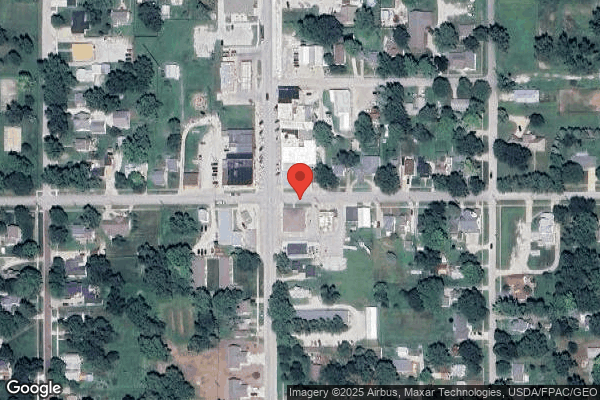

209 MAIN STREET, TABOR, IA 51653 (712) 629-2645
For profit - Corporation 46 Beds Independent Data: November 2025 1 Immediate Jeopardy citation
Trust Grade
13/100
#386 of 392 in IA
Last Inspection: February 2025

Within standard 12-15 month inspection cycle. Federal law requires annual inspections.

Overview

Tabor Manor Care Center has received an F grade, indicating poor performance with significant concerns regarding resident care. Ranked #386 out of 392 facilities in Iowa, this places it in the bottom half of state nursing homes and second out of only two in Fremont County, meaning families have very limited local options. The facility's trend is worsening, with issues increasing from 9 in 2024 to 29 in 2025, reflecting a serious decline in care quality. Staffing is below average with a rating of 2 out of 5 stars and a high turnover rate of 60%, making it difficult for staff to build relationships with residents. Additionally, they faced $42,410 in fines, which is more than 88% of Iowa facilities, signaling ongoing compliance issues. Specific incidents raise serious concerns about resident safety. For example, one resident was able to leave the facility unsupervised, leading to an Immediate Jeopardy situation. Furthermore, two residents suffered falls that resulted in significant injuries because alarms meant to notify staff of their movement failed. On the positive side, some quality measures rated average, suggesting that not all aspects of care are poor, but the overall picture remains troubling.

Trust Score
F
13/100
In Iowa
#386/392
Bottom 2%
Safety Record
High Risk
Review needed
Inspections
Getting Worse
9 → 29 violations
Staff Stability
⚠ Watch
60% turnover. Above average. Higher turnover means staff may not know residents' routines.
Penalties
⚠ Watch
$42,410 in fines. Higher than 78% of Iowa facilities, suggesting repeated compliance issues.
Skilled Nurses
⚠ Watch
Each resident gets only 29 minutes of Registered Nurse (RN) attention daily — below average for Iowa. Fewer RN minutes means fewer trained eyes watching for problems.
Violations
⚠ Watch
57 deficiencies on record. Higher than average. Multiple issues found across inspections.
★☆☆☆☆
1.0
Overall Rating
★★☆☆☆
2.0
Staff Levels
★★★☆☆
3.0
Care Quality
★☆☆☆☆
1.0
Inspection Score
Stable
2024: 9 issues
2025: 29 issues

The Good

  • Full Sprinkler Coverage · Fire safety systems throughout facility
  • No fines on record

Facility shows strength in fire safety.

The Bad

1-Star Overall Rating

Below Iowa average (3.0)

Significant quality concerns identified by CMS

Staff Turnover: 60%

14pts above Iowa avg (46%)

Frequent staff changes - ask about care continuity

Federal Fines: $42,410

Above median ($33,413)

Moderate penalties - review what triggered them

Staff turnover is elevated (60%)

12 points above Iowa average of 48%

The Ugly 57 deficiencies on record

1 life-threatening 1 actual harm
Aug 2025 2 deficiencies
CONCERN (D) 📢 Someone Reported This

A family member, employee, or ombudsman was alarmed enough to file a formal complaint

Potential for Harm - no one hurt, but risky conditions existed

Abuse Prevention Policies (Tag F0607)

Could have caused harm · This affected 1 resident

Based on personnel file review, staff interview and policy and procedure reviews the facility failed to complete the Iowa Criminal History, Iowa Sex Offender Registry, and Iowa Central Abuse Registry ...

Read full inspector narrative →
Based on personnel file review, staff interview and policy and procedure reviews the facility failed to complete the Iowa Criminal History, Iowa Sex Offender Registry, and Iowa Central Abuse Registry prior to employment for 1 of 1 employees reviewed (Staff E). The facility census was 40. Findings include:The personnel file for Staff E, Licensed Practical Nurse (LPN), reflected a hire date of 6/9/25. The file contained a Single Contact License and Background Check (SING) dated 5/20/25. The document revealed the Criminal History required further research with record found results to be faxed. The personnel file did not contain the confirmation of approval to work statement indicating the background check process was completed and the employee was able to work at the facility. On 8/19/25 at 3:00 PM the Administrator stated the facility was looking for the response for the approval to work email. On 8/20/25 at 10:35 AM the Administrator stated at this time the facility had not found the email response in printed or electronic format for approval to work. The Administrator confirmed the facility was required to have the approval to work upon receiving a notification that further research was required. The Administrator acknowledged this had been a problem in the recent past and the facility continued to work on an improved process for submitting and tracking documentation for background checks. The Facility Hiring Process Policy undated revealed the SING must be completed, submitted, and cleared before the employee starts on the floor. The Abuse Prevention, Identification, Investigation, and Reporting Policy undated disclosed the facility will maintain documentation of the conduction of an Iowa criminal record check and dependent adult/child abuse registry check on all prospective employee and other individuals engaged to provide services to residents prior to hire.
CONCERN (E) 📢 Someone Reported This

A family member, employee, or ombudsman was alarmed enough to file a formal complaint

Potential for Harm - no one hurt, but risky conditions existed

Deficiency F0658 (Tag F0658)

Could have caused harm · This affected multiple residents

Based on record reviews, resident interviews, staff interviews, and policy review the facility failed to provide the needed services in accordance with professional standards by not following physicia...

Read full inspector narrative →
Based on record reviews, resident interviews, staff interviews, and policy review the facility failed to provide the needed services in accordance with professional standards by not following physician orders for 4 of 4 residents (Resident #1, #2, #4, #5) reviewed. The facility reported a census of 40 residents. Findings include:1. The Minimum Data Set (MDS) for Resident #1 dated 7/17/25 provided a Brief Interview for Mental Status (BIMS) score of 15/15 indicating normal cognition. The document revealed the resident had diagnoses of anxiety disorder, depression, unspecified asthma with acute exacerbation, thyrotoxicosis, unspecified without thyrotoxic crisis or storm, insomnia, Myasthenia Gravis without acute exacerbation, Myasthenia Gravis with acute exacerbation, and paroxysmal atrial fibrillation. The document disclosed the resident's medications included antidepressant, hypnotic, anticoagulant, and anticonvulsant.The Care Plan updated 7/3/25 provided focus areas of alteration in hematological status related to long term use of anticoagulant therapy, alteration in gastrointestinal status related to gastroenteritis and colitis, and the use of oxygen therapy related to respiratory failure, shortness of breath and asthma all dated 1/15/25 had an intervention of providing medications as ordered and to monitor/document side effects and effectiveness dated 1/15/25. The document's focus areas of use antidepressant medications related anxiety, anticoagulant medications related to atrial fibrillation, and antidepressant medications dated 4/16/25 had intervention for provision of medications as ordered by the physician and monitoring for side effects and effectiveness every shift with a date of 4/16/25. The document's Myasthenia Gravis focus area initiated 4/16/25 contained interventions of administration of prescribed medications, such as acetylcholinesterase inhibitors (e.g., Pyridostigmine) and immunosuppressants (e.g., corticosteroids or other immunomodulating drugs), as per the physician's orders and strict adherence to the medication schedule with an initiation date of 04/16/2025.Resident #1's Medication Administration Record - Treatment Administration Record (MAR-TAR) 7/25 revealed the following entries of NA, per the chart codes indicating not available, pharmacy notified: 7/11/25 morning Arformoterol Tartrate Inhalation Nebulization Solution 15 MCG/2ML (Arformoterol Tartrate) 1 vial inhale orally via nebulizer two times a day related to acute respiratory failure with hypoxia -start date 6/24/25, stop date 7/21/25.7/27/25 day Mupirocin Calcium External Cream 2 % (Mupirocin Calcium (Topical) Apply to face rash topically every day and night shift for rash to face - start date 4/29/2025. 7/31/25 morning, noon, and evening Lactobacillus oral capsule 1 capsule by mouth with meals related to cholecystitis - start date 1/16/25. The document revealed no entries for the following dates:7/5-7/7/25 night antianxiety medication side effects document every day and night shift - start date 1/14/25. 7/5-7/7/25 night anticoagulant medication side effects document every day and night shift - start date 1/14/25. 7/5-7/7/25 behavior monitoring - start date 1/14/25. 7/7, 7/21, 7/23, 7/24/25 evening shift antidepressant medication side effects document every shift (TID) - start date 7/7/25.7/10, 7/16, 7/21, 7/24/25 night shift antidepressant medication side effects document every shift (TID) - start date 7/7/25.7/7, 7/21, 7/23, 7/24/25 evening shift sedative/hypnotic medication side effects - start date 7/7/25.7/10, 7/16, 7/21, 7/24/25 night shift sedative/hypnotic medication side effects - start date 7/7/25.7/7/25 night Arformoterol Tartrate Inhalation Nebulization Solution 15 MCG/2ML 1 vial inhale orally via nebulizer two times a day related to acute respiratory failure with hypoxia - start date 6/24/25, stop date 7/21/25.7/7/25 night Budesonide Inhalation Suspension 0.5 MG/2ML (Budesonide (Inhalation)) 1 vial inhaled orally two times a day related to acute respiratory failure with hypoxia. 7/7/25 night Pyridostigmine Bromide 60 mg 4 times/day. Start date 5/9/25. 7/21, 7/23-7/25/25 night antianxiety medication side effects document every day and night shift - start date 1/14/25.7/21, 7/23-7/25/25 night anticoagulant medication side effects document every day and night shift - start date 1/14/25. 7//21, 7//23-7/25/25 night behavior monitoring - start date 1/14/25.7/30/25 Formoterol Fumarate Inhalation Nebulization Solution 20 MCG/2ML (Formoterol Fumarate) 1 vial inhale orally via nebulizer two times a day related to acute respiratory failure with hypoxia - start date 07/22/2025. 7/30/25 evening Lactobacillus oral capsule 1 capsule by mouth with meals related to cholecystitis - start date 1/16/25. 7/30/25 evening Midodrine HCl Oral Tablet 5 MG (Midodrine HCl) Give 1 tablet by mouth three times a day related to paroxysmal atrial fibrillation - start date 1/14/25, end date 8/13/25.7/30/25 evening Pyridostigmine Bromide 60 mg 4 times/day - start date 5/9/25. 7/30/25 Warfarin Sodium Oral Tablet 2.5 mg - start date 7/16/25. Resident #1's MAR-TAR 7/25 revealed the following entries of medications provided 3 times/day (TID) or 4 times/day (QID) outside of the prescribed time frame and within 3 hours of the next dosage: 7/2/25 Buspirone 5 mg TID ordered 8:00 AM, provided 10:08 AMOrdered 12:00 PM, provided 12:15 PM7/2/25 Lactobacillus 1 tab with meals ordered 8:00 AM, provided 10:58 AMOrdered 12:00 PM, provided 12:15 PM7/2/25 Midodrine HI 5 mg TID days related to paroxysmal atrial fibrillation ordered 8:00 AM, provided 10:07 AMOrdered 12:00 PM, provided 12:14 PM7/2/25 Pyridostigmine Bromide 60 mg QID ordered 8:00 AM, provided 10:07 AMOrdered 12:00 PM, provided 12:15 PM7/5/25 Buspirone 5 mg three times daily (TID) ordered 8:00 AM, provided 11:30 AMOrdered 12:00 PM, provided 12:17 PM7/5/25 Lactobacillus 1 tab with meals ordered 8:00 AM, provided 11:30 AMOrdered 12:00 PM, provided 1:46 PM7/5/25 Midodrine HI 5 mg TID days related to paroxysmal atrial fibrillation ordered 8:00 AM, provided 11:29 AMOrdered 12:00 PM, provided 1:46 PM7/5/25 Pyridostigmine Bromide 60 mg QID ordered 8:00 AM, provided 10:07 AMOrdered 12;00 PM, provided 1:46 PM7/6/25 Buspirone 5 mg three times daily (TID) ordered 8:00 AM, provided 9:59 AMOrdered 12:00 PM, provided 12:02 PM7/6/25 Lactobacillus 1 tab with meals ordered 8:00 AM, provided 10:05 AMOrdered 12:00 PM, provided 12:02 PM7/6/25 Midodrine HI 5 mg TID days related to paroxysmal atrial fibrillation ordered 8:00 AM, provided 9:59 AMOrdered 12:00 PM, provided 12:02 PM7/6/25 Pyridostigmine Bromide 60 mg QID ordered 8:00 AM, provided 10:00 AMOrdered 12;00 PM, provided 12:02 PM7/10/25 Buspirone 5 mg three times daily (TID) ordered 8:00 AM, provided 10:21 AMOrdered 12:00 PM, provided 12;)2 PM7/10/25 Lactobacillus 1 tab with meals ordered 8:00 AM, provided 10:21 AMOrdered 12:00 PM, provided 11:42 AM7/10/25 Midodrine HI 5 mg TID days related to paroxysmal atrial fibrillation ordered 8:00 AM, provided 10:16 AMOrdered 12:00 PM, provided 11:43 AM7/10/25 Pyridostigmine Bromide 60 mg QID ordered 8:00 AM, provided 10:21 AMOrdered 12:00 PM, provided 11:43 AM7/16/25 Buspirone 5 mg three times daily (TID) ordered 8:00 AM, provided 10:45 AMOrdered 12:00 PM, provided 1:20 PM7/16/25 Lactobacillus 1 tab with meals ordered 8:00 AM, provided 10:45 AMOrdered 12:00 PM, provided 1:32 PM7/16/25 Midodrine HI 5 mg TID days related to paroxysmal atrial fibrillation ordered 8:00 AM, provided 10:42 AMOrdered 12:00 PM, provided 1:20 PM7/16/25 Pyridostigmine Bromide 60 mg QID ordered 8:00 AM, provided 10:45 AMOrdered 12:00 PM, provided 1:20 PM7/18/25 Buspirone 5 mg three times daily (TID) ordered 8:00 AM, provided 10:07 AMOrdered 12:00 PM, provided 11:26 AM7/18/25 Lactobacillus 1 tab with meals ordered 8:00 AM, provided 10:08 AMOrdered 12:00 PM, provided 11:26 AM7/18/25 Midodrine HI 5 mg TID days related to paroxysmal atrial fibrillation ordered 8:00 AM, provided 10:07 AMOrdered 12:00 PM, provided 11:26 AM7/18/25 Pyridostigmine Bromide 60 mg QID ordered 8:00 AM, provided 10:07 AMOrdered 12:00 PM, provided 11:26 AM7/19/25 Buspirone 5 mg three times daily (TID) ordered 8:00 AM, provided 11:28 AMOrdered 12:00 PM, provided 11:32 AM7/19/25 Lactobacillus 1 tab with meals ordered 8:00 AM, provided 11:31 AMOrdered 12:00 PM, provided 11:32 AM7/19/25 Midodrine HI 5 mg TID days related to paroxysmal atrial fibrillation ordered 8:00 AM, provided 11:29 AMOrdered 12:00 PM, provided 11:33 AM7/19/25 Pyridostigmine Bromide 60 mg QID ordered 8:00 AM, provided 10:29 AMOrdered 12:00 PM, provided 11:32 AM7/24/25 Buspirone 5 mg three times daily (TID) ordered 8:00 AM, provided 10:21 AMOrdered 12:00 PM, provided 11:53 AM7/24/25 Lactobacillus 1 tab with meals ordered 8:00 AM, provided 10:23 AMOrdered 12:00 PM, provided 11:53 AM7/24/25 Midodrine HI 5 mg TID days related to paroxysmal atrial fibrillation ordered 8:00 AM, provided 10:24 AMOrdered 12:00 PM, provided 11:53 AM7/24/25 7/10/25 Pyridostigmine Bromide 60 mg QID ordered 8:00 AM, provided 10:24 AMOrdered 12:00 PM, provided 11:54 AM7/31/25 Buspirone 5 mg three times daily (TID) ordered 8:00 AM, provided 11:01 AMOrdered 12:00 PM, provided 1:40 PM7/31/25 Lactobacillus 1 tab with meals ordered 8:00 AM, provided 11:02 AMOrdered 12:00 PM, provided 1:40 PM7/31/25 Midodrine HI 5 mg TID days related to paroxysmal atrial fibrillation ordered 8:00 AM, provided 11:01 AMOrdered 12:00 PM, provided 1:40 PM7/31/25 Pyridostigmine Bromide 60 mg QID ordered 8:00 AM, provided 11:01 AMOrdered 12:00 PM, provided 1:40 PM The document revealed no entries for the following dates:8/16/25 night antianxiety medication side effects.8/16/25 night anticoagulant medication side effects. 8/16/25 night behavior monitoring. On 8/19/25 at 11:10 AM Resident #1 stated she was supposed to get some of her medications 3-5 hours apart and had been getting them 1-3 hours apart. The resident stated she had not received some of her breathing treatments.On 8/19/25 10:45 AM the Director of Nursing (DON) stated the medication providers have 1 hour after the scheduled time to provide medications. The staff stated with Resident #1 was difficult as she would refuse some staff or she would not take her medications until she got up around 10:00 AM. The staff stated she would take medications in bed for some staff as she preferred them. The staff stated if the resident refused medications until later morning, the noon medications would be given later to prevent the medications from being provided on top of each other. When asked about the medications on 7/19/25 when the Lactobacillus, Midodrine, Pyridostigmine, and Buspirone provided at 11:31 AM, scheduled at 8:00 AM, and the same 4 medications provided at 11:33 AM, scheduled at 12:00 PM, the DON stated that should not have happened. 2. The MDS for Resident #2 dated 6/26/25 provided a BIMS score of 6/15 indicating severe cognitive impairment. The document revealed the resident had diagnoses of anemia, atrial fibrillation, heart failure, hypertension, diabetes mellitus, peripheral vascular disease, depression, and adjustment insomnia. The document disclosed the resident's medications included antidepressant and diuretic.The Care Plan updated 7/31/25 contained the following focus areas: hypertension related to congestive heart failure, chronic kidney disease, impaired circulation related to nonrheumatic aortic valve stenosis, peripheral vascular disease related to hyperlipidemia, congestive heart failure, and diabetes mellitus dated 10/18/23, with the intervention of provision of medications as ordered, monitor for side effects and effectiveness dated 10/18/23. A focus area for diuretic therapy related to hypertension dated 4/14/25 had interventions to administer diuretic medications as ordered by physician, monitor side effects, and effectiveness and record daily weight with a date of 4/14/25. The document's focus area of osteopenia related to disease process dated 7/23/25 with the intervention of administration of medications as ordered, monitor side effects and effectiveness dated 7/23/25.Resident #2's 8/25 MAR-TAR printed 8/18/25 disclosed no entries for the following dates:8/4, 7/7, 7/9/25 daily weights every day shift for as needed (PRN) Lasix - start date 7/25/23.8/4/25 sleep assessment every night for every night shift - start date 7/14/23. 8/14/25 vital signs monthly every day shift every month on the 14th - start date 7/14/23. 8/8/25 weekly blood pressure every evening shift every Friday - start date 1/26/24. 8/9/25 day barrier cream to peri area BID every day and evening - start date 7/18/23.8/3, 8/4, 8/8, 8/16/25 evening barrier cream to peri area BID every day and evening - start date 7/18/23.8/9/25 day compression stockings for venous stasis on in AM, off PM - start date 3/1/24. 8/3, 8/4, 8/8, 8/16/25 evening compression stockings for venous stasis on in AM, off PM - start date 3/1/24.8/9/25 day lay down and elevate legs above level of heart every day and evening shift for edema related to nonrheumatic aortic stenosis - start date 8/10/23.8/3, 8/4, 8/8, 8/16/25 evening lay down and elevate legs above level of heart every day and evening shift for edema related to nonrheumatic aortic stenosis - start date 8/10/23.8/9/25 day notify primary care physician (PCP) if worsening of hematochezia every day and evening shift - start date 8/23/23.8/3, 8/4, 8/8, 8/16/25 evening notify primary care physician (PCP) if worsening of hematochezia every day and evening shift - start date 8/23/23.8/9/25 day zinc oxide to open area left (L) buttock in pubis area every day and evening shift for wound healing - start date 4/8/25, discharge (d/c) date 8/13/25. 8/3, 8/4, 8/8/25 evening zinc oxide to open area left (L) buttock in pubis area every day and evening shift for wound healing - start date 4/8/25, discharge (d/c) date 8/13/25.8/9/25 day contact cardiology if pulse is >110 consistently at rest every shift - start date 1/25/24.8/3, 8/4, 8/8, 8/16/25 evening contact cardiology if pulse is >110 consistently at rest every shift - start date 1/25/24.8/4/25 night contact cardiology if pulse is >110 consistently at rest every shift - start date 1/25/24.8/9/25 day keep immobilizer in place on right leg (RLE) every shift - start date 7/24/25. 8/3, 8/4, 8/8, 8/16/25 evening keep immobilizer in place on RLE every shift - start date 7/24/25. 8/4/25 night keep immobilizer in place on RLE every shift - start date 7/24/25.8/9/25 day non-weight bearing RLE - start date 7/24/25.8/3, 8/4, 8/8, 8/16/25 evening non-weight bearing RLE - start date 7/24/25.8/4/25 night non-weight bearing RLE - start date 7/24/25. 3. The MDS for Resident #4 dated 7/17/25 provided a BIMS score of 9/15 indicating moderate cognitive impairment. The document revealed the resident had diagnoses of anemia, heart failure, hypertension, peripheral vascular disease, renal insufficiency, diabetes mellitus, asthma, chronic obstructive pulmonary disease (COPD), paroxysmal atrial fibrillation and occlusion and stenosis of unspecified carotid artery. The document disclosed the resident's medications included injections, antidepressant, anticoagulant, diuretic, and hypoglycemic.The Care Plan updated 7/30/25 revealed focus areas of diabetes mellitus and anticoagulant and antiplatelet therapy dated 12/21/23 with the intervention of administering medications as ordered, monitor for side effects and effectiveness dated 12/21/23. The document's focus areas of congestive heart failure (CHF), antidepressant medication related to depression and diuretic therapy related to edema dated 4/23/25 with the intervention of providing medications as ordered, monitor for side effects and effectiveness 4/23/25. The document's focus areas of hypertension related to CHF and anemia related to chronic kidney disease (CKD) dated 5/2/25 had the intervention of providing medications as ordered, monitor for side effects and effectiveness 5/2/25. Resident #4's 8/25 MAR-TAR printed 8/18/25 revealed the following entries of NA for the following dates:8/4/25 Torsemide 20 mg 1 tab at bedtime for 7 days - start date 7/30/258/13, 8/17/25 Torsemide 20 mg every morning for unspecified combined systolic and diastolic heart failure - start date 8/7/25. 8/18/25 Potassium Chloride ER 10 MEQ 1 tablet related to hypertensive CKD with stage 1 through stage 4 chronic kidney disease or unspecified chronic kidney disease start 4/22/25. 8/18/25 Rosuvastatin Calcium Oral Tablet 40 mg. 1 tablet 1 time/day related to hyperlipidemia - start date 9/16/23. Resident #4's 8/25 MAR-TAR printed 8/18/25 disclosed no entries for the following dates:8/7, 8/9, 8/17/25 daily weight every shift if >3# in day of 5# in week call cardiology - start date 12/17/24.8/4/25 sleep assessment every night - start date 7/23/25.8/4/25 night anticoagulant medication monitoring - start date 9/15/23.8/9/25 day anticoagulant medication monitoring - start date 9/15/23.8/4/25 night monitoring of low blood sugar - start date 9/15/23.8/9/25 day monitoring of low blood sugar - start date 9/15/23.8/3, 8/4, 8/8, 8/16/25 evening TED hose on in AM, off in PM - start date 7/24/25.8/9/25 day TED hose on in AM, off in PM - start date 7/24/25.8/3, /8/4, 8/8, 8/16 evening antidepressant medication monitoring every shift - start date 7/4/25.8/4/25 night antidepressant medication monitoring every shift - start date 7/4/25.8/9/25 day antidepressant medication monitoring every shift - start date 7/4/25.8/3, 8/4, 8/8, 8/16/25 evening behavior monitoring - start date 7/7/25.8/4/25 night behavior monitoring - start date 7/7/25.8/9/25 day behavior monitoring - start date 7/7/25.8/3, 8/4, 8/8, 8/26/25 evening monitor for shortness of breath (SOB), offer as needed (PRN) inhaler - start date 12/17/24.8/4/25 night monitor for SOB, offer PRN inhaler every shift - start date 12/17/24.8/9/25 day monitor for SOB, offer PRN inhaler - start date 12/17/24. 4. The MDS for Resident #5 dated 6/26/25 provided a BIMS score of 14/15 indicating normal cognition. The document revealed the resident had diagnoses of heart failure, hypertension, diabetes mellitus, hyperlipidemia, depression, asthma, respiratory failure and chronic pain syndrome. The document disclosed the resident's medications included: antipsychotic, antidepressant, diuretic, opioid, antiplatelet and anticonvulsant.The Care Plan updated 6/21/25 disclosed a focus area of CHF dated 4/1/24 with interventions of providing medications as ordered, monitoring vital signs, monitoring sleep patterns with physician notification of any insomnia or anxiety and weight monitoring daily. The document's focus areas of hypertension, diabetes mellitus, antidepressant medications, pain medication therapy, acute and chronic pain, alteration in neurological status, depression and acute/chronic pain dated 4/1/24 had interventions of provide medications as ordered, monitor/record side effects and effectiveness dated 4/1/24. The document's focus area of diuretic therapy dated 2/4/25 contained interventions of administer medications as ordered, monitor/document side effects and effectiveness every shift and daily weights dated 2/4/25. The Care Plan focus areas dated 3/11/25 of opioid medications and antiplatelet medications with interventions of administer medications as ordered, monitor/document side effects and effectiveness every shift dated 3/11/25. The focus area of antianxiety medications dated 6/20/25 with interventions of administer medications as ordered, monitor/document side effects and effectiveness every shift dated 6/20/25. The documents focus areas of anxiety related to dementia and antiseizure medications dated 6/21/25 had interventions of provide medications, monitor/document side effects and effectiveness dated 6/21/25.Resident #5's 8/25 MAR-TAR printed 8/20/25 revealed the following entries of NA for the following dates:8/18/25 Gabapentin 300 mg 1 capsule every evening for neuropathic pain - start date 3/15/24.8/18/25 Gabapentin 300 mg 3 capsules at bedtime for neuropathic pain - start date 3/15/24. 8/9/25 Ozempic (.25 or .5 mg/dose), .5 mg every Saturday related to Type 2 diabetes mellitus - start date 2/15/25.8/16/25 Ozempic (.25 or .5 mg/dose), .5 mg every Saturday related to Type 2 diabetes mellitus - start date 2/15/25.8/15/25 A & D Ointment to bottom sores every day and night shift for wound healing - start date 2/25/25. Resident #5's 8/25 MAR-TAR printed 8/20/25 disclosed no entries for the following dates:8/2, 8/3, 8/4, 8/8, 8/16, 8/18/25 apply CPAP start date 4/8/24.8/9/25 remove CPAP - start date 4/8/24.8/4, 8/7, 8/9, 8/17/25 daily weight - start date 3/19/24.8/4/25 sleep assessment for insomnia medication - start date 11/24/24.8/8/25 weekly skin assessment - start date/ 3/22/24.8/2, 8/3, 8/4, 8/8, 8/16, 8/18/25 night monitoring of abdominal fold every day and night shift - start date 9/5/24.8/9/25 day monitoring of abdominal fold every day and night shift - start date 9/5/24.8/3, 8/4, 8/8, 8/16/25 night monitor of L breast every day and night shift - start date 9/5/24.8/9/25 day monitoring of L breast every day and night shift - start date 9/5/24.8/3, 8/4, 8/8, 8/16/25 evening monitoring of antianxiety medication every shift - start date 7/7/25.8/4/25 night monitoring of antianxiety medication every shift - start date 7/7/25.8/9/25 day monitoring of antianxiety medication every shift - start date 7/7/25.8/3, 8/4, 8/8, 8/16/25 evening monitoring of antidepressant medication every shift - start date 7/7/25.8/4/25 night monitoring of antidepressant medication every shift - start date 7/7/25.8/9/25 day monitoring of antidepressant medication every shift - start date 7/7/25.8/3, 8/4, 8/8, 8/16/25 evening monitoring of antipsychotic medication - start date 7/7/25.8/4/25 night monitoring of antipsychotic medication - start date 7/7/25.8/9/25 day monitoring of antipsychotic medication - start date 7/7/25.8/3, 8/4, 8/8, 8/16/25 evening monitoring of behaviors - start date 7/7/25.8/4/25 night monitoring of behaviors - start date 7/7/25.8/9/25 day monitoring of behaviors - start date 7/7/25. Resident #5's 8/25 MAR-TAR audit disclosed the resident was provided the following medications/treatments outside the 1 hour time frame of ordered time:8/1/25 Hydrocodone 325, 6 ounces water, Lovastatin 20 mg, Montelukast Sodium 10 mg, Gabapentin 300 mg, Trazodone 50 mg order time 8:00 PM, provided 9:35 PM.8/7/25 A & D Ointment to bottom sores order time 7:00 PM provided 9:23 PM8/7/25 Hydrocodone 325, 6 ounces water, Lovastatin 20 mg, Montelukast Sodium 10 mg, Gabapentin 300 mg, Trazodone 50 mg order time 8:00 PM, provided 9:23 PM. On 8/18/25 at 4:35 PM Resident #5 stated she had received her medications later at night around 10:00 PM and not at the normal time 8-8:30 PM.On 8/19/25 at 9:39 AM Staff A, Licensed Practical Nurse (LPN) stated she did recall not having Ozempic for Resident #5 and did notify the pharmacy but was unaware if the medication was delivered. Staff A stated if staff observed getting low on a medication, they were supposed to pull the label, put on a sheet and fax to the pharmacy. The staff stated the majority of the medications were in the Cubex in the medication room, but Ozempic and Monjaro were not kept in the Cubex. The staff stated Gabapentin was kept in the Cubex but not Nystatin. Staff A revealed if the MAR-TAR is marked NA it meant the medications were not available, and staff potentially were not looking in the Cubex or reporting missing medication. The staff stated they were unsure if Benadryl was in the Cubex. The staff stated there was a list by the Cubex of the medications within the Cubex.On 8/19/25 at 11:40 AM Resident #5 stated she had not received her Gabapentin the previous date. When asked if the staff related a reason as to why she was not receiving the medication, the resident stated she was told it wasn't on the cart. On 8/19/25 at 11:45 AM Staff C, Certified Medication Aide (CMA), stated medications were always in the Cubex. The staff stated the medication change over was the previous night and Resident #5 should have all of her medications today. When asked what would happen if there was not a medication on the cart, the staff responded the nurse should have been notified to check the Cubex and pull the medication if available. Staff C disclosed the medication for Resident #5 was not pulled from the Cubex the previous day. The staff stated the pharmacy replaced the compartments within the Cubex. When asked what NA meant on the MAR-TAR the staff stated it meant the medication was not available and the pharmacy would be notified. When asked what a blank box on the MAR-TAR meant for medications or treatments, the staff stated it meant there was no documentation or the CMA/nurse did not sign off as completed.On 8/19/25 at 1:20 PM Staff B, CMA, stated occasionally medications and breathing treatments were not available. The staff indicated if a medication was low for a couple days, staff were to fax the pharmacy and if the medication did not arrive to follow up with a phone call. Staff B stated the order sheets were kept by the printer/fax so show what medications were ordered. The staff provided the facility also gets proof of delivery from the pharmacy. The staff disclosed did not know anything about Cubex specifically but if the cart was completely out of medication the staff were to notify the nurse and they could pull the medication from the Cubex. On 8/19/25 at 3:12 PM Staff D, CMA, disclosed that if medications were not available on the cart the staff were technically supposed to see if it was available in the Cubex, but she did not do that on a consistent basis. The staff stated if medications were low, staff were to send a fax to the pharmacy for a refill. Staff D revealed higher shortages happened towards the end of the medication cycle or change over. The staff stated if the MAR-TAR provided NA it meant the medication/treatment was not available.On 8/19/25 at 2:35 PM the Director of Nursing (DON) stated the Cubex system was something the pharmacy provided and contained common medications and there was a list in the medication room next to the Cubex. The staff stated if a medication was not on the cart, the staff were to reach out to the nurse to see if it was in the Cubex before documenting NA. The staff further stated if the medication was not available the staff were to reach out to the DON or the on-call and the pharmacy. The DON stated she would investigate why the medication was not available. The staff stated she was not notified the previous day regarding a medication shortage for Resident #5. The DON stated she found out this morning about the shortage as she receives alerts regarding medications that were documented at NA on the MAR-TAR. On 8/19/25 at 4:30 PM the Administrator stated he had been made aware of the problem with lack of medications and the staff not checking the Cubex system. The Administrator expected staff to check the Cubex, and follow the process for medication administration and ordering medications.The Protocol for Medication Administration updated 9/3/14 revealed medications must be provided within 1 hour before or 1 hour after the time it was ordered to be administered. The protocol did not provide instructions regarding the use of the Cubex.
Feb 2025 27 deficiencies 1 Harm
SERIOUS (G) 📢 Someone Reported This

A family member, employee, or ombudsman was alarmed enough to file a formal complaint

Actual Harm - a resident was hurt due to facility failures

Accident Prevention (Tag F0689)

A resident was harmed · This affected 1 resident

**NOTE- TERMS IN BRACKETS HAVE BEEN EDITED TO PROTECT CONFIDENTIALITY** Based on observations, clinical record review, staff interviews, and policy review the facility failed to protect residents from...

Read full inspector narrative →
**NOTE- TERMS IN BRACKETS HAVE BEEN EDITED TO PROTECT CONFIDENTIALITY** Based on observations, clinical record review, staff interviews, and policy review the facility failed to protect residents from accidents and injuries for 2 of 2 residents (Resident #33, and #193) reviewed for falls. Resident #33 fell on 9/18/24 and sustained a right greater tuberosity of humerus fracture (right upper arm) when his alarm failed to go off alerting staff that he had gotten up without staff assistance. Resident #193 fell on 2/4/25 when he got up out of bed and walked across his room without staff assistance, fell, and sustained a left intertrochanteric fracture (left hip fracture). The facility reported a census of 43. Findings include: 1. The Minimum Data Set (MDS) for Resident #33 dated 7/29/24 identified a Brief Interview of Mental Status (BIMS) score of 7/15 indicating severe cognitive impairment. The MDS included diagnoses of Non-Alzheimer's Dementia and depression. The document revealed the resident was substantial assistance for toileting hygiene and lower body dressing. The resident required partial to moderate assistance for sit to stands, chair/bed to chair transfers, toilet transfers, and walking distances up to 50 feet. The document revealed the use of bed and chair alarms used daily. The MDS revealed the resident had 1 fall without injury, and no falls with injury or major injury. Resident #33's Care Plan revised 2/3/25 revealed focus areas for risk for falls and actual falls with injury. The document revealed the interventions at the time of the fall on 9/18/24 included pressure pad alarm at all times (12/13/23), call light within reach at all times and prompt response (11/2/23), ghost alarm to be added to the recliner and alarm to stay in the dining chair (6/10/24), and nurses to check alarms every shift and staff re-education on alarm placement (9/9/24). The Care Plan identified an ADL self-care performance focus with interventions at the time of the fall with transfers requiring the assistance of 2 staff and a walker (11/1/23), toileting with the assistance of staff and staff to perform peri care as needed (11/1/23), and dressing with minimal assistance for the upper body and staff to assist with the lower body (11/1/23). The Morse Fall Scale assessment dated [DATE] revealed a score of 80. A score above 45 indicated a high risk for falls. The Electronic Medical Record (EMR) revealed there was no documentation of the alarms being checked every shift by the nurses to ensure they were functioning from 9/9/24 to 2/5/25. The Risk assessment dated [DATE] revealed the resident sustained an unwitnessed fall in his bedroom. The document revealed the chair alarm did not go off. Intervention from the fall was nurses to check the alarm system and placement every shift, and staff re-education. The Emergency Department (ED) Summary dated 9/18/24 revealed the resident seen for an unwitnessed fall with chief complaint of right hip pain, right shoulder pain, resident holding his head and in a c-collar, and has a skin tear to his left wrist. The discharge diagnosis from the ED was charted as greater tuberosity of humerus fracture. The Orthopedic Note dated 9/20/24 revealed the resident is no weight bearing to his right upper extremity, may remove the sling for elbow, wrist and hand range of motion and hygiene. Observations of Resident #33 revealed the following: -On 2/4/25 at 10:00 AM the resident lying in bed with an alarm cord visible, and 1 alarm on the dining chair. No alarm on the recliner. -On 2/4/25 at 1:56 PM an alarm present on the dining chair, no alarm on the recliner. -On 2/5/25 at 11:15 AM a ghost alarm on the dining chair and no alarm on the recliner. -On 2/6/25 at 10:45 AM a ghost alarm on the dining chair and no alarm on the recliner. -On 2/6/25 at 2:35 PM with the Director of Nursing (DON) a ghost alarm on the dining chair and no alarm on the recliner. On 2/4/25 at 3:00 PM the DON stated the resident's alarm did not go off on 9/18/24. The DON stated the resident had both audible and ghost alarms. The staff stated the resident had a ghost alarm in his recliner, a pressure pad alarm in his dining chair, and a pressure pad alarm in his bed. The DON stated the alarms were checked twice weekly by the restorative nurse and maintenance. The staff stated it was everyone's responsibility to make sure the alarms were working, and to notify nursing if they were not. The DON stated the ghost alarm is attached to the call light system, and if the system were to go down the resident would be switched to a pressure pad alarm. On 2/5/25 at 1:25 PM the DON stated the Care Plan did not have interventions related to the failure of an alarm as it was part of the policy and everyone knew what to do. The DON stated there was never an instance on overnights or weekends when there was not at least 1 regular staff on duty who would know what to do. On 2/5/25 at 3:00 PM the DON acknowledged she was not aware of an intervention on the Care Plan related to nursing completing alarm checks every shift and did not know about the documentation. On 2/6/25 at 10:53 AM the MDS Coordinator acknowledged that documentation had not been completed for the alarm checks, and the checks were not completed. The staff stated there wasn't a link developed to place it in the EMR for documentation. The MDS Coordinator concurred that according to an intervention on the Care Plan the resident should have 2 separate alarms for his chairs - 1 ghost alarm for the recliner and an alarm for the dining chair. On 2/6/25 at 2:32 PM the DON reviewed the Care Plan and indicated there should be a ghost alarm on the recliner and an alarm on the dining room chair. The DON observed the Resident #33's room and chair alarms, and concurred there were not 2 separate alarms as per the Care Plan intervention; there was a ghost alarm on the dining chair and no alarm present on the recliner. 2. The MDS for Resident #193 dated 1/24/25 identified a BIMS score of 8/15 indicating moderate cognitive impairment. The document revealed diagnoses that included: urinary tract infection, white matter disease, unspecified, and mild cognitive impairment of uncertain or unknown etiology. It further disclosed the resident required partial/moderate assistance for dressing, and supervision or touching assistance for toileting hygiene, toilet transfers, and walking distances up to 150 feet. The document indicated the resident utilized a walker during the previous 7 days. The MDS also documented the resident had fallen in the last month. The Baseline Care Plan dated 1/22/25 in the Assessment tab of the EMR was not completed and did not contain interventions or assistance levels related to self care, mobility or mobility devices. The Baseline Care Plan also lacked any safety risks or interventions related to his history of falls. The Morse Fall Scale assessment dated [DATE] revealed a score of 80. Any score above 45 indicated a high risk for falls. The Care Plan dated 2/5/25 revealed a focus related to ADL self-care performance deficit was initiated on 2/2/25 and had a revision of 2/5/25. The interventions did not provide instructions for direct care staff for assistance for toileting, transfers, or use of side rails until 2/5/25. The document contained a focus area related to impaired cognitive function or impaired thought process initiated 1/23/25 with interventions of supervision with all decision making, and task segmentation to support short term memory deficits. The Care Plan revealed a moderate risk for falls focus with interventions including call light within reach at all times with prompt response, and use of appropriate footwear initiated on 1/23/25. The Physical Therapy (PT) Evaluation dated 1/24/25 identified decreased safety with ambulation demonstrated by forgetting to use a walker and bringing his catheter, increasing his risk for falls. The PT Notes dated 1/24/25 to 2/4/25 revealed focus of therapy included strengthening, dynamic balance, endurance, safety education and ambulation. The entry on 2/3/25 indicated the resident required the use of a front wheeled walker and close standby assistance (SBA), the resident was within arm's reach. The 2/3/25 entry further revealed the resident transferred with contact guard assistance (CGA), hands on assistance, with cues required for use of the front wheeled walker (FWW) and safety. Occupational Therapy (OT) Evaluation dated 1/23/25 identified the resident required CGA for toileting, hygiene/grooming, and functional mobility (ambulation) during ADLs. It further revealed decreased standing dynamic balance and safety. OT Notes dated 1/23/25 to 2/4/25 revealed focus of therapy included safety training during transitional movements, dynamic reaching activities in standing position, and ADLs. The note dated 1/31/25 indicated Resident #193 required CGA assistance during dynamic standing activities. A PT Note provided by the facility dated 1/29/25 revealed during the Medicare Meeting the Clinical Team discussed a trial of removing the bed and chair alarms for the resident as he was demonstrating increased agitation and decreased non-compliance with all transfers and mobility. It revealed the staff was in agreement. A recommendation was made for Speech Therapy order to address memory and cognition. Review of the EMR revealed an order dated 1/29/25 for Speech Therapy to evaluate and treat. The record lacked any documentation of Speech Therapy starting and lacked any other interventions being put into place when the alarms were removed. The EMR Progress Notes dated 1/22/25 to 2/5/25 revealed the resident ambulated with a walker and SBA. The Risk assessment dated [DATE] at 11:00 PM revealed Resident #193 sustained an unwitnessed fall in the resident's bedroom. The document revealed the resident did have gripper socks on his feet and his walker nearby. It indicated the resident had stated he was using his walker to get up and turn a light on over his sink. The document identified poor lighting with the resident exhibiting predisposing confusion and gait imbalance. The EMR Point of Care documented care provided by staff on 2/4/25 at 8:37 PM for limited assistance of transfers. The record lacked any documentation of care provided after 8:37 PM. On 2/5/25 at 11:25 AM the Administrator stated Resident #193 sustained a nonwitnessed fall the previous night and sustained a hip fracture. The Administrator stated therapy had wanted the resident independent in his room. The Progress Notes for Resident #193 documented the following: On 2/5/25 at 3:40 AM this nurse notified of resident unwitnessed fall with hip pain on 2/4/25 at 11:14 AM. On call doctor notified and obtained order to send the resident to the hospital. On 2/5/25 at 5:52 AM notified by hospital that the resident was admitted with left hip fracture and ortho was to evaluate. On 2/6/25 at 8:13 AM Staff Y, Certified Occupational Therapy Assistant (COTA), revealed he was a contract therapist for the facility. The staff stated the focus of OT included safety, balance, weight shifting, and functional mobility. The staff stated on 2/4/25 during treatment the resident required CGA for dynamic balance tasks with reaching outside away from the body. On 2/6/25 at 9:46 AM Staff Z, Certified Nurse Assistant (CNA), stated Resident #193 required SBA for ambulation. The staff stated the resident would stand up and move around his room whether he had an alarm or not. On 2/6/25 at 9:51 AM Staff N, CNA/Restorative Aide (RA), stated the resident required SBA for ambulation to the dining room using a walker, the distance is approximately 350 feet. The staff stated the resident would stand with or without the alarm present. Staff N stated that upon standing the resident would take off and walk using the walker. On 2/6/25 at 2:41 PM the DON stated the Baseline Care Plan was utilized until the actual Care Plan was developed. The DON concurred the Care Plan was opened on 1/23/25, and neither the Baseline Care Plan nor the Care Plan provided interventions for staff regarding the resident's transfer abilities until 2/5/25. The DON further concurred the assistance level placed on the Care Plan on 2/5/25 indicated the resident was independent by therapy recommendation. On 2/6/25 at 3:15 PM Staff S, Occupational Therapist Registered (OTR), revealed was a contract therapist for the facility. Staff S stated during his treatment with the resident on 1/28/25 the resident had staggering balance in standing when challenged. The staff stated the resident required CGA>SBA for standing and mobility using the FWW. On 2/6/25 at 4:07 PM Staff AA, Physical Therapist Assistant (PTA)/Program Coordinator (PC), revealed she was a contract therapist for the facility. The staff stated the resident was admitted to the facility for skilled therapy services. The staff stated treatment emphasized strengthening, leg exercises, walking, safety, balance, endurance. Staff AA stated the resident was discussed at the weekly Medicare Meeting on 1/29/25. The staff stated the Medicare Team, which is the clinical team, meets weekly to discuss the residents. The staff stated during the Medicare Meeting on 1/29/25 the clinical team decided to discontinue the bed and chair alarms as they were not effective in preventing the resident from standing and moving around in the room. Additionally Staff AA stated she had observed the resident exhibit signs of agitation with the alarms during therapy by punching the bed when the alarm sounded. Staff AA stated CNAs were part of the team decision to trial no alarms in the room. The staff stated the decision by the team was a 48 hour trial beginning on Wednesday the 29th, and there were no concerns raised during the 48 hour trial. The staff stated the therapy department did not recommend the resident be independent in his room, but discontinue the alarm. On 2/10/25 at 10:10 AM the MDS Coordinator stated the Baseline Care Plan should reflect the resident's ability to transfer within the ADLs portion of the Care Plan. The staff stated the Care Plan should provide information for staff on the resident's assistance needs. The MDS Coordinator stated during the Medicare Meeting it was discussed discontinuing the use of the alarms due to therapy stating it caused increased agitation, and the alarms did not stop the resident from standing or moving around in his room. The MDS Coordinator stated the resident was considered contact guard at a minimum for transfers and ambulation. The staff stated the resident had not been made independent for mobility and transfers. On 2/10/25 at 10:12 AM the Certified Dietary Manager (CDM) stated the alarms for Resident #193 had been discontinued but the resident continued to require assistance for transfers and ambulation. The facility's policy, Resident Information to be Used for Care Plan, dated 1/24/23 revealed sources for generating the Care Plan. The document did not contain information regarding the updating the Care Plan, development of the Baseline Care Plan within 48 hours, or use of the MDS/Resident Assessment Instrument.
CONCERN (D) 📢 Someone Reported This

A family member, employee, or ombudsman was alarmed enough to file a formal complaint

Potential for Harm - no one hurt, but risky conditions existed

Resident Rights (Tag F0550)

Could have caused harm · This affected 1 resident

**NOTE- TERMS IN BRACKETS HAVE BEEN EDITED TO PROTECT CONFIDENTIALITY** Based on clinical record review, staff interview, and facility policy review, the facility failed to treat residents with dignit...

Read full inspector narrative →
**NOTE- TERMS IN BRACKETS HAVE BEEN EDITED TO PROTECT CONFIDENTIALITY** Based on clinical record review, staff interview, and facility policy review, the facility failed to treat residents with dignity and respect throughout cares provided for 1 of 7 residents reviewed (Resident #15).The facility reported a census of 43 residents. Findings include: Record Review of Resident #15 Minimum Data Set (MDS) dated [DATE] documented a Brief Interview of Mental Status (BIMS) score of 06 indicating severe cognitive decline. The MDS reflected Resident #15 diagnoses of non-Alzheimer's dementia, hemiplegia (paralysis on one side of the body), seizure disorder, and ataxia following cerebral infarction (poor muscle coordination and balance after a stroke). The MDS further documented Resident #15 required total dependence on staff for performing activities of daily living. Clinical record review of Resident #15 documented a nurse's Progress Note dated 1/10/25 at 8:49 am a concern about a staff member holding resident's hands down and forcing medications. During an interview on 2/4/25 at 3:13 pm Staff A, Licenced Practical Nurse (LPN) with 9 years of experience in the role, recalled administering medications to Resident #15 and confirmed she did it to prevent residents from flinging her arms. She also stated the resident had a history of refusing medications but typically not for her and the right step would be to wait until the resident was willing to take them. During an interview on 2/06/25 at 2:34 pm the Director of Nursing (DON) stated that her expectations are for staff to document residents' medications refusal. The facility policy titled Protocol for medication administration updated 9/13/14 did not provide directions for staff to follow in case a resident refused to take prescribed medications.
CONCERN (D)

Potential for Harm - no one hurt, but risky conditions existed

Deficiency F0582 (Tag F0582)

Could have caused harm · This affected 1 resident

**NOTE- TERMS IN BRACKETS HAVE BEEN EDITED TO PROTECT CONFIDENTIALITY** Based on clinical document review, staff interview, and policy review the facility failed to provide residents and families with...

Read full inspector narrative →
**NOTE- TERMS IN BRACKETS HAVE BEEN EDITED TO PROTECT CONFIDENTIALITY** Based on clinical document review, staff interview, and policy review the facility failed to provide residents and families with 48 hour notification of financial responsibility when Medicare Part A services were scheduled to be discontinued for 2 of 3 residents reviewed (Resident #11, and #15). The facility reported a census of 43 residents. Findings include: 1. According to the Minimum Data Set (MDS) dated [DATE], Resident #11 had a Brief Interview for Mental Status (BIMS) score that should not be completed by the resident and needed to be completed by the staff. Cognitive patterns identified by the staff included memory problems for short and long term memory, inability to normally recall the season, location of bedroom, staff names and faces, and residing in a nursing home. The document further revealed severely impaired cognitive skills for daily decision making, inattention and disorganized thinking that was continuously present and did not fluctuate. The MDS revealed the resident had diagnoses that included: coronary artery disease, cerebrovascular accident, and multiple sclerosis. The Care Plan updated 12/22/24, showed Resident #11 had self care performance deficits related to activity intolerance, fatigue and limited mobility. The resident required 1 staff assistance for toileting, dressing, and transfers, According to the Census Tab in the Electronic Medical Record (EMR) on 11/26/24 Resident #11 qualified for Medicare A services and on 12/10/24, the resident was Private Pay. The facility Discharge Notification from therapy dated 12/5/24 indicated the last date of treatment was 12/9/24 and the discharge date was 12/10/24. The facility provided a Notice of Medicare Non-Coverage (NOMNC) Form CMS-10123 with a date of termination of services 12/9/24 with a signature date of 12/29/24 by the resident. The facility failed to provide the document and obtain a signature 48 hours in advance of the discharge from therapy services. 2. According to the MDS dated [DATE], Resident #15 had a BIMS score of 6/15 indicating severe cognitive impairment. The MDS revealed the resident had diagnoses that included: other fracture, Cerebrovascular Accident, Non-Alzheimer's Dementia, and hemiplegia or hemiparesis. The Care Plan updated 12/22/24, showed Resident #15 had self care performance deficits related to activity intolerance, fatigue and limited dementia, hemiplegia, and limited mobility. The resident required 1 staff assistance for dressing tasks, and was dependent upon staff for transfers using a mechanical non weight bearing lift. According to the Census Tab in the EMR on 8/22/24 Resident #15 qualified for Medicare A services and on 9/1/24, the resident was Medicaid. The facility provided a Skilled Nursing Facility Beneficiary Protection Notification Review Form CMS-20052 (2/2017) with a last covered day of Part A Service of 8/31/24. The document revealed a Skilled Nursing Facility (SNF) Advanced Beneficiary Notice (ABN), Form CMS-10044 was not provided to the resident without an explanation. The document did not reveal whether a NOMNC Form CMS 10123 was issued and signed by the resident or power of attorney. The facility failed to provide written documentation with a signature by the resident or power of attorney of Form CMS-10123 or Form CMS-10044. On 2/10/25 at 9:55 AM the Assistant Administrator (AA) stated the Beneficiary Notice - Residents discharged Within the Last Six Months document completed upon entry did not have the correct resident names on it. The document contained Medicare B residents, Medicaid Residents, Managed Care Residents, as well as Medicare A residents. The AA indicated the Social Services Director completed the ABN notifications and he completed the pre-authorizations. On 2/10/24 at 10:45 AM the AA indicated the documentation that was completed was submitted for review. On 2/10/24 at 11:40 AM the Administrator acknowledged he had become aware of concerns regarding ABN completion. The facility did not provide an Advanced Beneficiary Notice Policy.
CONCERN (D) 📢 Someone Reported This

A family member, employee, or ombudsman was alarmed enough to file a formal complaint

Potential for Harm - no one hurt, but risky conditions existed

Safe Environment (Tag F0584)

Could have caused harm · This affected 1 resident

**NOTE- TERMS IN BRACKETS HAVE BEEN EDITED TO PROTECT CONFIDENTIALITY** Based on Electronic Health Records (EHR) review, observations, resident interview and staff interview the facility failed to pro...

Read full inspector narrative →
**NOTE- TERMS IN BRACKETS HAVE BEEN EDITED TO PROTECT CONFIDENTIALITY** Based on Electronic Health Records (EHR) review, observations, resident interview and staff interview the facility failed to provide the residents with a comfortable homelike environment by leaving feces and urine in a commode without being emptied for at least 8 hours for 1 of 19 residents (Resident #20) reviewed. The facility reported a census of 43 residents. Findings include: The Minimum Data Set (MDS) dated [DATE] for Resident #20 documented a Brief Interview of Mental Status (BIMS) score of 9 indicating moderate cognitive impairment. Review of Resident #20's EHR documented Resident #20 resided in room [ROOM NUMBER]-A by herself. On 2/3/25 at 4:02 PM entered room [ROOM NUMBER] and observed a commode full of urine and toilet paper with the toilet taped shut. Strong odor of urine noted when entered room [ROOM NUMBER]. On 2/5/25 at 11:05 AM entered room [ROOM NUMBER] and noted a strong smell of urine and feces. A commode in the bathroom was about 1/4 full of urine, feces and toilet paper. On 2/5/25 at 11:07 AM the resident stated she had a bowel movement before breakfast. She stated staff usually come once a day to empty her commode. The resident stated she does not have an issue with the toilet being taped shut becasue she wanted a commode in her room to use anyway. On 2/5/25 at 12:51 PM entered room [ROOM NUMBER] and noted a strong smell of urine and feces. A commode in the bathroom was about 1/2 full of urine with the same feces and toilet paper from earlier observation. On 2/5/25 at 1:38 PM entered room [ROOM NUMBER] and noted a strong smell of urine and feces. A commode in the bathroom was about 1/2 full of urine with the same feces and toilet paper from earlier observation. Current observation also included more feces and more toilet paper. On 2/5/25 at 1:55 PM Staff E, Assistant Administrator stated he was unaware the toilet in room [ROOM NUMBER] had been taped shut. Staff E stated he did not know why there was a commode in room [ROOM NUMBER] either. On 2/5/25 at 1:57 PM Staff A, Licensed Practical Nurse (LPN) stated the toilet in room [ROOM NUMBER] had been taped shut by the administration. Staff A stated she did not know why room [ROOM NUMBER] had a commode but knew Resident #20 had flushed rolls of toilet paper down the toilet and kept clogging it. On 2/5/25 at 2:01 PM Staff N, Certified Nurse Assistant (CNA)/Restorative Aide stated Resident #20 had thrown wash cloths in the toilet and flushed them. Staff N stated she had not witnessed that but was told Resident #20 had done that. Staff N stated she did not know who taped the toilet in room [ROOM NUMBER]'s toilet shut. Staff N acknowledged that Resident #20 had a commode in her room that she had to use for toileting. Staff N stated the CNA's on the hallway were expected to empty the commode. Staff N stated when she arrived at the facility at 6 am she checked the commode before breakfast, after breakfast, before lunch, and after lunch. Staff N stated she had worked the morning shift and had not checked or emptied the toilet. Staff N stated she was working in the restorative department at time of interview. Staff N stated would expect the commode to be emptied about 6 times a shift. On 2/5/25 at 2:06 PM Staff D Certified Nurse Assistant (CNA)/Certified Medication Assistant (CMA) stated the toilet in room [ROOM NUMBER] was taped shut because Resident #20 flushed random things like washcloths, paper towels and other things. Staff D stated the Administrator taped the toilet shut. Staff D acknowledged Resident #20 used a commode for toileting. Staff D stated the CNA's emptied Resident #20's commode. Staff D stated Resident #20 would come out and tell the staff when the commode needs to be emptied. Staff D stated would usually check around lunch time to see if the commode needed to be emptied. Staff D stated she usually checked the commode before and after meals. Staff D stated she arrived at work around 11:00 am and had not emptied the commode in room [ROOM NUMBER] all day. Staff D stated the facility had never trained any expectation on care for the commode. On 2/5/25 at 2:06 PM Staff O, CNA stated the toilet in room [ROOM NUMBER] was taped shut because Resident #20 flushed random things like washcloths, paper towels and other things. Staff O stated the Administrator taped the toilet shut. Staff O acknowledged Resident #20 used a commode for toileting. Staff O stated the CNA's emptied Resident #20's commode. Staff O stated Resident #20 would come out and tell the staff when the commode needs to be emptied. Staff O stated would usually check around lunch time to see if the commode needed to be emptied. Staff O stated she usually checked the commode before and after meals. Staff O stated she arrived at work around 11:00 am and had not emptied the commode in room [ROOM NUMBER] all day. Staff O stated the facility had never trained any expectation on care for the commode. On 2/5/25 at 2:38 PM the Administrator acknowledged the toilet in room [ROOM NUMBER] was taped shut. The Administrator stated there were multiple issues with her flushing washcloths and wipes The Administrator stated when Resident #20 was in the west hall Resident #20 had backed up the toilet 4 times. The Administrator stated the facility had a plumber remove issues. The Administrator stated a company from Omaha came down with a camera and had to jet the whole wing to open it up to get everything up and clear it. The Administrator stated Resident #20 had moved to the south wing and there were washcloths and wipes and little bits of dolls in the plumbing. The Administrator stated the first time cost $2500 and 2nd time cost $1200. The Administrator stated he decided to have a commode put in Resident #20's room and had not had any problems since. The Administrator acknowledged he did not know whether that was wrong or right. The Administrator stated he would expect that the commode should be emptied several times a day. The Administrator stated he expected the commode should be emptied after each use. The Administrator stated he did not want the odor lingering. The Administrator stated checks should have been completed every 2 hours and would expect it would be emptied or addressed at that time. On 2/5/25 at 2:45 PM the DON stated she would expect that the commode would be emptied and would check it every 2 hours.
CONCERN (D) 📢 Someone Reported This

A family member, employee, or ombudsman was alarmed enough to file a formal complaint

Potential for Harm - no one hurt, but risky conditions existed

Investigate Abuse (Tag F0610)

Could have caused harm · This affected 1 resident

Based on clinical record review, staff interview, facility document review and the facility policy review, the facility failed to thoroughly investigate, prevent further potential abuse or mistreatmen...

Read full inspector narrative →
Based on clinical record review, staff interview, facility document review and the facility policy review, the facility failed to thoroughly investigate, prevent further potential abuse or mistreatment and report all results of allegations of abuse to the State Survey Agency within 5 working days of the incident for 1 of 6 residents reviewed (Resident #15). The facility reported a census of 43 residents. Findings include: The Minimum Data Set (MDS) for Resident #15 dated 1/16/25 documented a Brief Interview of Mental Status (BIMS) score of 06 indicating severe cognitive decline. The MDS reflected Resident #15 diagnoses of non-Alzheimer's dementia, hemiplegia (paralysis on one side of the body), seizure disorder, and ataxia following cerebral infarction (poor muscle coordination and balance after a stroke). The MDS further documented Resident #15 required total dependence on staff for performing activities of daily living. The Progress Note for Resident #15 documented on 1/10/24 at 8:49 am a concern about a staff member holding resident's hands down and forcing medications. A review of the facility reported incident (FRI) submitted to the State Survey Agency (SSA) on 1/8/25 documented an allegation of abuse witnessed by a visitor of the facility was brought to the Administrator's attention. In the FRI a corrective action described Staff A, LPN, was notified she was put on administrative leave pending abuse investigation. The Administrator failed to submit a thorough investigation of the alleged abuse to the SSA within 5 working days. The facility provided a current nursing staff schedule and Staff A, LPN, was on the schedule to work as a nurse. During an interview with the Administrator on 2/4/25 at 9:00 am he stated all information from the investigation was submitted to the SSA. Upon request to provide in-house file of the internal investigation, he provided two written witness statements of the allegations of abuse for Resident #15 and a written statement from the alleged perpetrator, Staff A, Licensed Practical Nurse (LPN). He confirmed he did not interview or screen other residents for possible abuse, he did not interview other staff and did not initiate training on Abuse prevention, to include Residents Rights to the alleged perpetrator, Staff A, (LPN) after the incident, only undocumented verbal conversation. The Administrator further revealed Staff A, LPN, was notified a week later she was able to return to work in the same role as prior to the investigation but he told her not to work with the Resident #15. He also stated Staff A, LPN, was due for a mandatory refresher course on Mandatory Reported Training but did not complete it prior to returning to work. During an interview on 2/4/25 at 3:13 pm Staff A, Licensed Practical Nurse (LPN) with 9 years of experience in the role, confirmed the Administrator put her on leave to investigate the allegation but one week later notified her verbally he completed the investigation and she was cleared to work again. Staff A, LPN, did not have verbal or written notices in regard to not providing cares to Resident #15 and was providing nursing cares to Resident #15 since returning to work. Staff A, LPN confirmed the facility did not require her to complete any training, only reminded to take Dependent adult abuse training again since she was due for it. The review of the document titled Time Cards for Staff A, LPN, revealed she returned to work on 1/16/25. Review of the facility provided policy titled Abuse Prevention, Identification, Investigation, and Reporting Policy revised 11-16, documented the procedure: Following completion of the facility investigation, if the facility concludes that the allegations of resident abuse are unfounded, the employee will be allowed to return to job duties involving resident contact, but the employee must maintain a separation and have no contact with the resident alleged to have been abused, by reassigning the accused employee to an area of the facility where no contact will be made between the accused employee and the resident alleged to have been abused. This separation must be maintained until the Department concludes its investigation and issues the written results of its investigation. Following investigation, the Administrator or designated agent will be responsible for forwarding the results of the investigation to the Department of Inspections & Appeals. This written report shall be forwarded to the Department within five days of the initial report.
CONCERN (D)

Potential for Harm - no one hurt, but risky conditions existed

Assessment Accuracy (Tag F0641)

Could have caused harm · This affected 1 resident

**NOTE- TERMS IN BRACKETS HAVE BEEN EDITED TO PROTECT CONFIDENTIALITY** Based on clinical record review, policy review, and staff interviews the facility failed to represent an accurate assessment of ...

Read full inspector narrative →
**NOTE- TERMS IN BRACKETS HAVE BEEN EDITED TO PROTECT CONFIDENTIALITY** Based on clinical record review, policy review, and staff interviews the facility failed to represent an accurate assessment of the resident's status during the observation period of the MDS by not accurately assessing the use of insulin and antianxiety medication for 1 of 10 residents reviewed (Resident #2). The facility reported a census of 43 residents. Finding include: The Minimum Data Set (MDS) dated [DATE] for Resident #2 documented a Brief Interview for Mental Status (BIMS) score of 13 indicating no cognitive impairment. Review of Resident #2's MDS dated [DATE] documented use of insulin therapy by Resident #2. Review of Resident #2's Medication Administration Record (MAR) documented a physician's order for Ozempic 0.25 mg once a day every 7 days. Review of Resident #2's MAR documented no physician order for insulin. On 2/4/25 at 9:11 AM Staff P, Licensed Practical Nurse (LPN)/MDS Coordinator stated she had worked at the facility. Staff P acknowledged the Ozempic was identified as an insulin on Resident #2's MDS and this was a coding error. On 2/4/25 at 10:48 AM the DON acknowledged that Resident #2 was not on insulin. The DON acknowledged Ozempic coded as insulin was a coding error. The DON stated the facility's expectation was that the MDS would reflect an accurate assessment and would be coded correctly. Review of policy dated 3/23/24 titled, MDS Policy documented the MDS is a data collection system that was a correlation of data painting an accurate picture of a resident's needs, care, goals, diagnosis and plan of care.
CONCERN (D)

Potential for Harm - no one hurt, but risky conditions existed

PASARR Coordination (Tag F0644)

Could have caused harm · This affected 1 resident

**NOTE- TERMS IN BRACKETS HAVE BEEN EDITED TO PROTECT CONFIDENTIALITY** Based on clinical record review, staff interview, and policy review the facility failed to complete a Pre-admission Screening an...

Read full inspector narrative →
**NOTE- TERMS IN BRACKETS HAVE BEEN EDITED TO PROTECT CONFIDENTIALITY** Based on clinical record review, staff interview, and policy review the facility failed to complete a Pre-admission Screening and Resident Review (PASRR) for 1 of 1 residents (Resident #3), who was diagnosed with new mental disorder diagnoses since admission to the facility. The facility reported a census of 43 residents. Findings include: Review of Resident #3's Minimum Data Set (MDS) dated [DATE] revealed a Brief Interview for Mental Status (BIMS) score of 13 indicating no cognitive deficit. The MDS further revealed diagnoses of Anxiety Disorder, Depression, and Psychotic Disorder, and Post Traumatic Stress Disorder (PTSD). The document indicated the resident took antipsychotic and antidepressant medications. Review of a facility provided document titled, The Preadmission Screening and Resident Review (PASRR) Level I Screen Outcome, dated 6/14/22 revealed a summary of findings indicating that Resident #3 that did not show evidence of a serious mental illness or an intellectual or developmental disability (IDD) that appears to require PASRR intervention. The document provided the resident had a diagnosis of anxiety disorder (current). The document revealed the resident was taking Amitriplyline 75 mg/day, Klonopin 1 mg/day, Klonopin 4 mg/day, Prozac 20 mg/day, and Trazadone 150 mg/day all for depressive disorder. The document further revealed that should there be a discrepancy in the reported information, a status change should be submitted for further evaluation. The electronic health record (EHR) revealed Resident #3 had medical diagnoses of a.) Anxiety Disorder (F41.9) 5/10/23 during stay b.) Unspecified Psychosis not due to a substance or known physiological condition (F29) 2/7/23 history c.) Other Malaise 2/7/23 (R56.9) history d.) Dizziness and Giddiness 2/7/23 (R42) history e.) Hallucinations 2/7/23 (R44.3) history f.) Alcohol Abuse, uncomplicated 5/3/21 during stay. The EHR Clinical Physician Orders documented the following orders: a.) Sinemet 10-100 mg 1 tab TID unspecified psychosis not due to substance or known physiological condition - 12/2/24 b.) Trintellix Oral Tablet 20 mg - 1 tablet bedtime Generalized Anxiety Disorder (F41.1); other specific depressive episodes (F32.89) - 8/30/24 c.) Clonazepam Oral 1 mg BID - restless legs d.) Seroquel Oral 25 mg (Quetiapine Fumarate) 1 tab - PTSD, primary insomnia, anxiety disorder (F41.9) -5/22/24 f.) Seroquel Oral 50 mg (Quetiapine Fumarate) 50 mg bedtime - Generalized anxiety disorder (F41.1) - 3/18/24 On 2/4/25 at 2:21 PM the Director of Nursing (DON) reviewed the documentation of the PASRR and diagnoses in the EMR for Resident #3, and acknowledged there should have been a PASRR completed with the new diagnoses added in 2023. On 2/10/25 at 11:40 AM the Administrator stated he had become aware of the PASRR concern during the survey and needed to put a process in place to ensure a PASRR was completed when new diagnoses were added by a physician. The facility policy, PASRR Policy dated 1/23/23 revealed when there is a change in mental status or behaviors the resident will be assessed for submitting a Level II PASRR. It further revealed the MDS/Care Plan Team will monitor and the DON will submit concerns.
CONCERN (D) 📢 Someone Reported This

A family member, employee, or ombudsman was alarmed enough to file a formal complaint

Potential for Harm - no one hurt, but risky conditions existed

Deficiency F0657 (Tag F0657)

Could have caused harm · This affected 1 resident

**NOTE- TERMS IN BRACKETS HAVE BEEN EDITED TO PROTECT CONFIDENTIALITY** Based on clinical document review, staff interview, and facility policy review the facility failed to update care plans in a tim...

Read full inspector narrative →
**NOTE- TERMS IN BRACKETS HAVE BEEN EDITED TO PROTECT CONFIDENTIALITY** Based on clinical document review, staff interview, and facility policy review the facility failed to update care plans in a timely manner to reflect the resident's condition for 3 of 5 residents (Resident #19, #23, and #33) reviewed. The facility reported a census of 43 residents. Finding include: 1. The Minimum Data Set (MDS) dated [DATE] for Resident #19 documented a significant change in status and hospice care program. Review of Resident #19's Care Plan lacked significant change to include hospice care or end of life care and interventions. In an interview on 2/6/25 at 3:05 pm the Director of Nursing (DON) stated her expectation was that Resident #19's Care Plan would have been updated at the time to reflect hospice services. 2. The MDS for Resident #23 dated 11/25/24 identified a BIMS score of 12/15 indicating a moderate cognitive impairment. The MDS included diagnoses of hypertension, cerebrovascular accident, paraplegia, diabetes mellitus, and personal history of other venous thrombosis and embolism. It revealed the resident had an open lesion(s) on the foot, and other open lesion(s) other than ulcers, rashes or cuts. It also revealed the application of dressings to the feet. The document revealed the resident utilized a motorized scooter with independence for 150 feet. Resident #23's Electronic Medical Record (EMR) Clinical Medical Diagnoses included acquired absence of the left leg below the knee, Resident #23's Clinical Physician Orders dated 1/23/25 revealed an order dated 1/23/25 for the resident's dressing to remain in place for 1 week, and covered for showers. The order also included the resident was to wear an off-loading boot at all times. An order dated 1/9/25 indicated the resident would wear an off-loading boot to the right foot. An order dated 12/4/24 revealed no whirlpool or tub baths until the foot wound heals. Resident #23's Care Plan revised 2/3/25 revealed a focus area of wound management initiated and revised on 12/8/23. The interventions initiated on 12/8/23 revealed use of antibiotics, monitoring the ulcer for signs of infection, progression or declination, and providing wound care per order. The ADL self-care focus area initiated and revised 12/8/23 revealed interventions for staff including total dependence for bath/shower dated 12/8/23, dressing assistance for staff to pull up pants and brief revised 2/3/25, and transfers with total assistance using a mechanical non weight bearing lift revised 2/3/25. The document contained a focus area of having acute/chronic pain related to diabetic neuropathy, left leg amputation below the knee, and wound infection on back initiated and revised 12/8/23. The fall risk focus related to the left below the knee amputation and contracture of the right lower extremity revised 12/8/23 had an intervention related to the use of the scooter and an extended call light revised 12/8/23, and reminder to turn the scooter off before transfers revised 12/8/23. The document also revealed a focus area related to impaired cognitive loss revised 12/5/23. The facility failed to document in the Care Plan the physician orders to not remove the right foot dressing, and to cover the bandages for showers. The facility did not include the intervention of the resident being seen by the wound clinic for management of the right foot. The failure of Care Plan revision to interventions extended to wearing an off-loading boot to the right foot at all times. The facility failed to include the order for no whirlpool or tub baths in the self care/ADL interventions. Additionally the Care Plan failed to include a focus area related to scooter mobility and the interventions the facility had completed after an incident involving another resident. On 2/5/25 at 11:36 AM and on 2/10/25 at 10:00 AM the MDS Coordinator stated she and the Director of Nursing (DON) completed the nursing portions of the Care Plans. The staff stated the resident had a history of not always aware of safety in the environment. The MDS Coordinator acknowledged that if there were specific interventions regarding the powered mobility it should be on the Care Plan. The staff stated she was not aware of what specific modifications were done to the scooter, but that the Administrator and Maintenance had completed them. On 2/5/25 at 3:05 PM the Administrator stated the resident had been driving his scooter quickly in the halls and had not responded to verbal redirection. The Administrator stated a governor had been placed on the scooter to control the speed. The Administrator stated he did not know the interventions to monitor the speed and safety of the resident's safe use of the scooter. On 2/10/25 at 10:00 AM the MDS Coordinator stated if a resident had orders for a specific treatment regarding wounds then it should be reflected on the Care Plan. The MDS coordinator stated in the example of a wound care boot if it was ordered then it should be on the Care Plan. 3. The MDS for Resident #33 dated 12/26/24 identified a BIMS score of 8/15 indicating moderate cognitive impairment. The MDS included diagnoses of Non-Alzheimer's Dementia and depression. The document revealed the resident was dependent for toileting hygiene, and lower body dressing. The resident required partial to moderate assistance for sit to stands, chair/bed to chair transfers, toilet transfers, and walking distances up to 10 feet. The document revealed the use of bed and chair alarms used daily. The MDS revealed the resident had 2 or more falls without injury, 1 fall with injury (except major), and no falls with major injury. Resident #33's Care Plan revised 2/3/25 revealed a focus area for risk of falls related to confusion, gait/balance problems, psychoactive drug use and vision/hearing problems revised 12/23/23. The interventions for staff included pressure pad alarm at all times revised 12/18/23, and the use of bed/chair alarm in place as needed revised 11/2/23. A focus area related to actual fall with injury initiated 5/2/24 and revised 9/19/24 revealed interventions for staff including ghost alarm added to recliner and alarm to stay in dining chair initiated 6/10/24 and revised 12/13/24, nurses to check alarms every shift and staff education on alarm placement initiated 9/9/24. The facility failed to revise the Care Plan interventions to include instructions for staff to follow when the alarm fails or if there was a failure of the call light system. On 2/4/25 at 8:26 AM the Administrator acknowledged there were concerns with the call light system since mid December and it did not function properly all the time. The Administrator stated sometimes it is random rooms that do not work and other times it is an archive situation and all the call lights were affected. The Administrator stated they became aware of the system not working when the residents reported to staff their call lights had been on, and staff would report that the alerts were not going across the radios. On 2/4/25 at 3:00 PM the DON stated if the call system went down the resident would be switched from a ghost alarm to a pressure pad alarm. On 2/5/25 at 11:15 AM Staff G, Certified Nursing Assistant (CNA), acknowledged the ghost alarm was attached to the call light system and probably would not work if the call lights didn't. On 2/6/25 at 2:32 PM the DON concurred the ghost alarm was attached to the call light system, and if the call lights were not working the ghost alarm would not function properly. The facility's policy, Resident Information to be Used for Care Plan, dated 1/24/23 revealed pertinent information to be utilized to generate the Care Plan. Information to be utilized included fall history with interventions, access to incident report, resident information book, and behaviors. The policy did not include procedures for when to update the Care Plan.
CONCERN (D) 📢 Someone Reported This

A family member, employee, or ombudsman was alarmed enough to file a formal complaint

Potential for Harm - no one hurt, but risky conditions existed

Deficiency F0658 (Tag F0658)

Could have caused harm · This affected 1 resident

**NOTE- TERMS IN BRACKETS HAVE BEEN EDITED TO PROTECT CONFIDENTIALITY** Based on clinical record review, family interview and staff interviews, the facility failed to enter physician's orders into the...

Read full inspector narrative →
**NOTE- TERMS IN BRACKETS HAVE BEEN EDITED TO PROTECT CONFIDENTIALITY** Based on clinical record review, family interview and staff interviews, the facility failed to enter physician's orders into the electronic health record (EHR) and follow physician orders for a resident with an order to wear a mitt/glove for 1 of 8 residents (Resident #22) reviewed. The facility reported a census of 43 residents. Findings include: The Minimum Data Set (MDS) dated [DATE] for Resident #22 documented a Brief Interview for Mental Status score as rarely/never understood indicating severe cognitive impairment. The MDS also documented use of a gastrostomy tube. On 2/3/25 at 1:20 PM Resident #22's mother stated she brought Resident #22 mitts but the facility told her that the mitt was seen as a restraint. Resident #22's mother stated Resident #22 never had the mitt on when she came to the facility. Resident #22's mother stated she bought Resident #22 three pairs of mitts. Review of the document dated 10/30/24 titled Physician's Order documented to place a mitt/glove on the right hand daily. Remove for hygiene and range of motion at least twice daily. Noted by Staff Q, Registered Nurse (RN) on 11/4/24 at 10:35 AM. Review of the Treatment Administration Record for February 2025 revealed no physician's order entered for mitt/glove use. Review of Resident #22's EHR titled, Progress Notes dated 11/4/24 at 10:33 AM by Staff Q, documented a signed order from Resident #22's primary care physician to place a mitt/glove on right hand daily. Remove for hygiene and range of motion at least twice daily. Mitts are to be supplied by the family. Order entered into EHR, POA notified, and Director of Nursing (DON) updated. Review of Resident #22's EHR titled, Progress Notes dated 11/4/24 at 10:33 AM by Nurse Staff R, Licensed Practical Nurse (LPN) documented Resident #22 does not like the mitt on his hand. On 2/6/25 at 8:15 AM Staff P, MDS Coordinator stated the staff had put the mitt on him once that she could recall. On 2/6/25 at 8:43 AM the DON acknowledged Resident #22 had worn the mitt/glove at least once. The DON acknowledged the order for a mitt/glove for Resident #22 was not entered into the EHR. The DON stated she would have expected the order to be entered into the EHR. The DON acknowledged an assessment should have been completed twice a day and was not when Resident #22 had the glove on. The DON stated that Resident #22's mother wanted him to have a glove to prevent him from pulling out his peg tube. The DON stated Resident #22 hates the glove and will refuse the glove frequently.
CONCERN (D) 📢 Someone Reported This

A family member, employee, or ombudsman was alarmed enough to file a formal complaint

Potential for Harm - no one hurt, but risky conditions existed

Quality of Care (Tag F0684)

Could have caused harm · This affected 1 resident

**NOTE- TERMS IN BRACKETS HAVE BEEN EDITED TO PROTECT CONFIDENTIALITY** Based on observation, clinical record review, family interview, staff interviews and facility protocol review the facility faile...

Read full inspector narrative →
**NOTE- TERMS IN BRACKETS HAVE BEEN EDITED TO PROTECT CONFIDENTIALITY** Based on observation, clinical record review, family interview, staff interviews and facility protocol review the facility failed to provide quality of nursing care by not completing an assessment related to the use of a restraint that was ordered by the physician for 1 of 3 residents reviewed (resident #22). The facility reported a census of 43 residents. Finding include: The Minimum Data Set (MDS) dated [DATE] for Resident #22 documented a Brief Interview for Mental Status score as rarely/never understood indicating severe cognitive impairment. The MDS also documented use of a gastrostomy tube. On 2/3/25 at 1:20 PM Resident #22's mother stated she brought Resident #22 mitts but the facility told her that the mitt was seen as a restraint. Resident #22's mother stated Resident #22 never had the mitt on when she came to the facility. Resident #22's mother stated she bought Resident #22 three pairs of mitts. Review of the document dated 10/30/24 titled Physician's Order documented to place a mitt/glove on the right hand daily. Remove for hygiene and range of motion at least twice daily. Noted by Staff Q, Registered Nurse (RN) on 11/4/24 at 10:35 AM. Review of Resident #22's EHR titled, Progress Notes dated 11/4/24 at 10:33 AM by Staff Q, documented a signed order from Resident #22's primary care physician to place a mitt/glove on right hand daily. Remove for hygiene and range of motion at least twice daily. Mitts are to be supplied by the family. Order entered into EHR, POA notified, and Director of Nursing (DON) updated. On 2/6/25 at 8:15 AM Staff P, Licensed Practical Nurse (LPN) MDS Coordinator stated she completely forgot to have the mitt evaluated with Resident #22's order and the assessment was not completed. Staff P acknowledged that a restraint assessment should have been completed because Resident #22 could not take the mitt off on his own. On 2/6/25 at 8:43 AM the DON acknowledged Resident #22 had worn the mitt/glove at least once. The DON acknowledged the order for a mitt/glove for Resident #22 was not entered into the EHR. The DON stated she would have expected the order to be entered into the EHR. The DON acknowledged an assessment should have been completed twice a day and was not when Resident #22 had the glove on. The DON stated that Resident #22's mother wanted him to have a glove to prevent him from pulling out his peg tube. The DON stated Resident #22 hates the glove and will refuse the glove frequently. The DON acknowledged that an evaluation/assessment should have been completed by an occupational therapist. On 2/6/25 at 3:15 PM Staff S, Contract Occupational Therapist stated he had never seen Resident #22 for an assessment/evaluation. Staff S stated if Resident #22 was unable to remove the mitt on his own then an evaluation/assessment should have been completed because the mitt would have been seen as a restraint. Review of protocol updated 2/10/16 titled, Protocol For Use of Physical Restraints And Assessment For Least Restrictive Devices By Therapist documented in the case in which a resident was a high risk for a fall or safety was a concern because all other interventions had been utilized and failed, and / or the facility feels a fall is imminent, the facility may implement the use of a restrictive device while requesting an order from the physician for the use and evaluation of the device. The facility will contact the Power Of Attorney (POA) of the resident prior to initiation of a restrictive device. Whenever the safety of a resident is determined to be at risk a screening shall be completed quarterly by a licensed therapist or care plan team to determine the least restrictive device to be used. A CNA will electronically sign that the resident's restraint had been released and the resident repositioned approximately every 2 hours while using the restraint.
CONCERN (D)

Potential for Harm - no one hurt, but risky conditions existed

Deficiency F0761 (Tag F0761)

Could have caused harm · This affected 1 resident

**NOTE- TERMS IN BRACKETS HAVE BEEN EDITED TO PROTECT CONFIDENTIALITY** Based on observations, staff interviews, pharmacy documentation review and facility policy review, the facility failed to ensure...

Read full inspector narrative →
**NOTE- TERMS IN BRACKETS HAVE BEEN EDITED TO PROTECT CONFIDENTIALITY** Based on observations, staff interviews, pharmacy documentation review and facility policy review, the facility failed to ensure all drugs and biologicals used in the facility are labeled in accordance with professional standards, including expiration dates and with appropriate accessory and cautionary instructions. The facility reported a census of 43 residents. Findings include: 1. During a medication administration observation on 2/5/25 at 7:21 am, Staff B, Registered Nurse (RN) verified a medication against the Medication Administration Record (MAR) for a resident on hall 100. The MAR order directed the medication of insulin injection of 20 units. The insulin pen labeled with the resident's name and read 12 units of insulin to be injected. When asked to verify if the MAR and the insulin pen labels matched, Staff B, RN, stated they don't look at the labels, only in the MAR and she was surprised the label was still attached to the insulin pen because they often just fall off. She didn't read the label prior to using the insulin pen and wasn't aware the dose on the label had a different dosage ordered. During an interview with the Director of Nursing (DON) on 2/5/25 at 7:39 AM she stated the pharmacy does not reprint new order labels for the medications already on hand. A facility provided document titled Pharmacy Labeling of Medication dated 2/10/25 with a communication about pharmacy will be sending the facility stickers when current medication had a change in dosage and to refer to the MAR until that medication is used up. The facility provided policy titled Protocol for medication administration updated 9/3/14 documented the following: The nurse, medication aide administering medications must remain alert to these seven factors. Noting the resident's allergies Giving the right medication Giving the medication to the right resident Giving the medication int he right dosage Giving the medication at the right time Giving the medication by the right route Respecting the resident's right to privacy when administering medications and treatments. In an interview with the Administrator on 2/6/25 at 2:34 pm, he stated he didn't know what the rules of the pharmacy were in regard to the medications and labeling if an order for a resident's current medications was changed. 2. The Minimum Data Set (MDS) dated [DATE] for Resident #1 documented a Brief Interview for Mental Status (BIMS) of 8 indicating moderate cognitive impairment. Review of Resident #1's MAR documented a physician's order for MS Contin oral tablet extended release 15 mg give one tablet every 8 hours for pain with a start date of 12/13/24 and discontinue date of 1/20/25. A physician's order for MS Contin oral tablet extended release 15 mg give two tablets every 8 hours for pain with a start date of 1/20/24 and discontinue date of 1/21/25. A physician's order for MS Contin oral tablet extended release 15 mg give two tablets every 8 hours for pain with a start date of 1/22/24 and discontinue date of 1/30/25. A physician's order for MS Contin oral tablet extended release 30 mg give one tablet every 12 hours for pain with a start date of 1/30/24 and no discontinuation date. On 2/4/25 at 9:31 AM Staff T, Licensed Practical Nurse (LPN) stated she had taken the order for MS Contin from the hospice nurse over the phone. Staff T stated the order had changed from MS Contin 15 mg to MS Contin 30 mg but the times had not changed. Staff T stated Resident #1's hospice physician wanted the medication to be every 12 hours. Staff T stated the hospice nurse and the physician did not specify that the MS Contin 30 mg was supposed to be every 12 hours not every 8 hours. Staff T stated the hospice nurse wanted the facility to use two of the 15 mg tablets because insurance would not cover another prescription and once finished the 15 mg tablets were gone the pharmacy would send the 30 mg tablets. Staff T stated the nurses wrote on the bubble pack the use of two 15 mg tablets until more were sent out. On 2/4/25 at 10:12 AM the Director of Nursing (DON) stated the facility did not have Resident #1's written order for 30 mg MS Contin at the facility. The DON stated the pharmacy was supposed to send new labels but that had not happened for a while. The DON stated she did not know if the staff at the facility could write on the pharmacy labels. On 2/5/25 at 12:54 PM Staff A, LPN stated she had worked at the facility for the last 9 years. Staff A stated if there was a change to an insulin order she would request new labels from the pharmacy or new pens so that it would reflect the same dose on the insulin pen, box it came in, and order in PCC. Staff A stated the order change was in the form of a tablet the medication would be sent back to the pharmacy to be relabeled. Staff A stated she would not write on the label because it was against regulations to write on the label. Staff A stated she had never seen any stickers that stated see MAR for any order changes. On 2/5/25 at 1:07 PM Staff B RN stated when a resident had a change in insulin order the old pens got sent back to the pharmacy to be relabeled. Staff B stated she had worked at the facility almost 2 years. Staff B stated she had never seen any stickers that read see MAR for order change. Staff B stated she would not write on the label because nurses are not supposed to write on pharmacy labels. Staff B stated at other facilities she had worked at she had seen stickers that stated order change see MAR. On 2/5/25 at 4:01 PM the DON stated when a medication was changed the nurses are expected to look at the 24 hour report and to read the MAR. The DON stated the issue occurs when the package and the MAR did not match. The DON acknowledged the facility did not have stickers to mark the medication bubble pack. The DON stated when she spoke to the pharmacy the pharmacy stated they had stickers to apply to the medication label. The DON also stated the pharmacy stated a CMA could not pass medication with the sticker on this label because it was not in their scope of practice to administer with the sticker on the label. The DON acknowledged that the facility did not have the stickers and are currently being ordered. The DON stated the facility had no policy or procedure that had to do with labels or the procedure for an order change. On 2/5/25 at 12:24 PM the Consultant Pharmacist stated she works with the facility as a consultant. She stated the pharmacy was not able to provide new labels to the facility for medication changes per regulations. She stated when the medication was changed the label should have a sticker that stated directions changed see MAR. She stated a CMA would not be able to complete the 5 rights on their own if that sicker is on the medication label. She stated the pharmacy did provide those stickers upon request. The Consultant Pharmacist stated facility staff changing the label would not be acceptable practice. She stated if the narcotic order was not a signed valid script from the provider and the medication would not be sent out until they had a signed valid script from the physician. She stated she does see the continued use of narcotics with changes related to insurance purposes but would expect the facility to use the sticker that states direction change see MAR.
CONCERN (E)

Potential for Harm - no one hurt, but risky conditions existed

Deficiency F0578 (Tag F0578)

Could have caused harm · This affected multiple residents

**NOTE- TERMS IN BRACKETS HAVE BEEN EDITED TO PROTECT CONFIDENTIALITY** Based on document review, record review, and staff interviews the facility failed to have correct documentation of residents' ch...

Read full inspector narrative →
**NOTE- TERMS IN BRACKETS HAVE BEEN EDITED TO PROTECT CONFIDENTIALITY** Based on document review, record review, and staff interviews the facility failed to have correct documentation of residents' choice related to advance directives for 3 of 7 residents reviewed (Resident #24, Resident #194 and Resident #9). The facility reported a census of 43 residents. Finding include: 1. The Minimum Data Set (MDS) dated [DATE] documented Resident #24 entered the facility on 1/6/25. The MDS documented resident entered with Hospice services. Review of the current Medication Administration Record (MAR) revealed Advance Directive as Do Not Resuscitate (DNR). The EHR lacked Resident Advance Directives form signed on admission to reflect the DNR wishes and signed by the resident or representative and the physician. On 2/4/24 at 3:00 pm, the Director of Nursing (DON) stated that advance directives are verified at the time of admission and confirmed the EHR and the physical chart did not have the Resident Advanced Directives form. During the follow up review of the physical record for Resident #24, the Resident Advance Directives form was located and signed by the DON, and verbally verified with the Power of Attorney (POA) for the resident on 2/3/25 to reflect the DNR wishes but not signed by the physician. The facility provided policy titled Advance Directives revised 10/19/23 documented the procedure for obtaining a signed advance directive form upon admission and DNRs statuses required physician's signatures. In an interview on 2/6/25 at 2:34 pm, the Administrator stated his expectation was for the code status to be verified during an admission and for the paperwork to be faxed in a timely manner. 2. The Minimum Data Set (MDS) dated [DATE] for Resident #9 documented a Brief Interview of Mental Status (BIMS) score of 9 indicating moderate cognitive impairment. Review of a document titled, Resident Advance Directive dated 12/21/24 revealed a selection of do not attempt resuscitation (DNR). This document further revealed signatures by DON and Resident #9 but not signed by the physician. 3. The MDS dated [DATE] for Resident #194 documented a BIMS score of 11 indicating moderate cognitive impairment. Review of a document titled, Resident Advance Directive revealed a selection of do not attempt resuscitation (DNR). This document further revealed undated signatures by DON and Resident #194 but not signed by the physician. A request for documentation from the DON of any physician signed copies of Resident Advance Directive for Resident #9 and Resident #194 revealed no signed copies provided. Review of policy titled, Advanced Directives revised 10/19/23 documented DNR's require a physician's signature to be faxed back to the facility.
CONCERN (E) 📢 Someone Reported This

A family member, employee, or ombudsman was alarmed enough to file a formal complaint

Potential for Harm - no one hurt, but risky conditions existed

Abuse Prevention Policies (Tag F0607)

Could have caused harm · This affected multiple residents

Based on facility document review, staff interviews and clinical record review, the facility failed to implement the abuse and neglect policy by not completing background checks prior to staff employm...

Read full inspector narrative →
Based on facility document review, staff interviews and clinical record review, the facility failed to implement the abuse and neglect policy by not completing background checks prior to staff employment and failing to provide annual abuse training. The facility reported a census of 43 residents. Findings include: 1. Review of the document dated 2/4/25 titled, Employee Contact List documented Staff I, Certified Nurse Assistant (CNA) was hired 7/29/24. Review of the document for Staff I titled, Single Contact License and Background Check documented background check was completed 7/25/22. On 2/6/25 at 9:44 AM Staff E, Assistant Administrator acknowledged Staff I's background check was last completed 7/25/22. Staff E stated he would expect that a background check would have been completed prior to being hired 7/29/24. On 2/6/25 at 12:21 PM the Administrator stated the facility's expectation was that a background check would have been completed prior to Staff I's employment at the facility. 2. A review of the Resident #15 Electronic Health Record (EHR) titled Progress Notes documented on 1/10/25 at 8:49 am a concern was brought to the Administrator and the Director of Nursing (DON) about a staff member holding resident's hands down and forcing medications. In an interview on 2/4/25 at 3:13 pm with the alleged Staff A, Licensed Practical Nurse (LPN) confirmed putting her hands on top of Resident #15 hands during the medication administration and giving meds to the resident while the resident was refusing them. Staff A, LPN stated the Administrator did not give her any written disciplinary actions after he was notified of the incident and he did not provide any additional training on Abuse Preventions. She stated the Administrator kept her off work for 1 week and then she returned to work again and was actively providing cares to Resident #16 and to other residents. A review of Staff A, LPN, personnel file documented a hire date of 10/26/16. The file lacked documentation of annual abuse prevention training. A review of the facility provided policy titled Abuse Prevention, Identification, Investigation, and Reporting Policy revised on 11-16 documented all employees shall receive annual training related to the reporting requirements of the Elder Justice Act. In an interview with the Administrator on 2/6/25 at 2:34 pm confirmed the facility did not follow the policy to ensure all staff received annual abuse prevention training.
CONCERN (E) 📢 Someone Reported This

A family member, employee, or ombudsman was alarmed enough to file a formal complaint

Potential for Harm - no one hurt, but risky conditions existed

Comprehensive Care Plan (Tag F0656)

Could have caused harm · This affected multiple residents

**NOTE- TERMS IN BRACKETS HAVE BEEN EDITED TO PROTECT CONFIDENTIALITY** 4. The MDS for Resident #16 dated 1/16/25 identified a BIMS score of 11 indicating moderate cognitive impairment. The MDS indica...

Read full inspector narrative →
**NOTE- TERMS IN BRACKETS HAVE BEEN EDITED TO PROTECT CONFIDENTIALITY** 4. The MDS for Resident #16 dated 1/16/25 identified a BIMS score of 11 indicating moderate cognitive impairment. The MDS indicated the following high-risk drug classes: antidepressant, diuretic, opioid, antiplatelet, hypoglycemic, and anticonvulsant. The MDS identified verbal behavioral symptoms directed toward others occurring at a frequency of every 1 to 3 days. Resident #16's Care Plan revised 12/8/23 documented the resident had the potential to be verbally aggressive towards staff related to poor impulse control. A desired outcome identified the resident will demonstrate effective coping skills through the review date. However, the interventions/tasks did not include the resident's target behaviors or which coping skills to implement. It also lacked non-pharmacological interventions, ordered medications or other treatments available. Review of Resident #16's Physician Orders dated 10/11/2024 identified the resident was prescribed Fluoxetine HCI Capsule 30 mg 1 capsule by mouth daily for depressive disorder. The Progress Notes revealed on 12/26/24 Resident #16 had verbal behavior towards staff, using profanity and no interventions or coping skills were offered or implemented. An Electronic Medical Record (EMR) Progress Note for Resident #16 dated 1/14/25 through 2/10/25 monitoring of Behavior Symptoms did not identify any behaviors in the past 30 days. Based on clinical record review, policy review and staff interviews the facility failed to provide a comprehensive care plan that included goals, desired outcomes and interventions for use of psychotropic medication use, use of antianxiety medication, use of opioid, anticoagulant therapy and use of a diuretic for 7 of 12 residents reviewed (Resident #1, #2, #16 #23, #33, and #194). The facility reported a census of 43 residents. Finding include: 1. The Minimum Data Set (MDS) dated [DATE] for Resident #1 documented a Brief Interview for Mental Status (BIMS) score of 8 indicating moderate cognitive impairment. The MDS also documented utilization of urostomy. Review of Resident #1's Medication Administration Records-Treatment Administration Record (MAR-TAR) dated January 2025 documented a physician's order to change urostomy as needed. Review of Resident #1's Care Plan dated 12/9/23 revealed no focus, desired outcome, or intervention/task in place related to use/care of urostomy. On 2/6/25 at 2:44 PM Staff P, Licensed Practical Nurse (LPN)/MDS Coordinator acknowledged Resident #1 had no Care Plan for use or care of urostomy. Staff P stated the Care Plan should reflect a focus, desired outcome, or intervention/task in place for the use and care of the urostomy. 2. The MDS dated [DATE] for Resident #2 documented a BIMS of 13 indicating no cognitive impairment. The MDS also documented diagnoses of urine retention, essential hypertension, unspecified depression and congestive heart failure. Review of Resident #2's MAR-TAR for February 2025 documented a physician's orders for Rexulti 1mg by mouth in the morning, Furosemide 40mg by mouth daily, Escitalopram 20mg by mouth daily, and Buspirone 10mg by mouth 3 times daily. Review of Resident #2's Care Plan dated 3/22/24 revealed no focus, desired outcome, or intervention/task for use of psychotropic, antipsychotic or diuretic. On 2/4/25 at 2:55 PM Staff P acknowledged Resident #2's Care Plan did not have a focus, desired outcome, or intervention/task for use of psychotropic, antipsychotic or diuretic use. Staff P stated use of psychotropic medications and use of diuretics should have been included on the Care Plan with goals, desired outcomes and interventions. On 2/4/25 at 3:50 PM the DON stated the facility's expectation was Care Plans would have been developed with goals, desired outcomes, and interventions in place for use of psychotropic drugs and use of a diuretic. 3. The MDS dated [DATE] for Resident #194 documented a BIMS score of 11 indicating moderate cognitive impairment. Review of Resident #194's Care Plan dated 1/16/25 revealed no focus, desired outcome, or intervention/task for use of psychotropic/antipsychotic and use of opioid. Review of Resident #194's MAR-TAR for February 2025 documented a physician's orders for tramadol 50mg by mouth every 8 hours as needed for pain. Temazepam 7.5mg by mouth at bedtime, and escitalopram 10 by mouth daily, and buspirone 5mg three times per day. On 2/4/25 at 2:55 PM Staff P acknowledged Resident #194's Care Plan did not have a focus, desired outcome, or intervention/task for use of psychotropic, antipsychotic or opioid use. Staff P stated use of psychotropic medications and use of opioids should have been included on the Care Plan with goals, desired outcomes and interventions. On 2/4/25 at 3:50 PM the DON stated the facility's expectation was Care Plans would have been developed with goals, desired outcomes, and interventions in place for use of psychotropic drugs and use of opioids. 5. The MDS for Resident #23 dated 11/25/24 identified a BIMS score of 12/15 indicating a moderative cognitive impairment. The MDS included diagnoses of hypertension, cerebrovascular accident, paraplegia, and personal history of other venous thrombosis and embolism. It revealed the resident was provided antiplatelet medication. The Electronic Medical Record (EMR) Physician Orders dated 1/23/25 revealed the resident was prescribed Aspirin EC Low Dose oral tablet delayed release 81 mg 1 time daily related to personal history of pulmonary embolism with a start date of 9/26/24. Resident #23's Care Plan revised 2/3/25 revealed a focus for antiplatelet therapy related to history of pulmonary embolism with an initiation date of 12/8/23. The goal for the focus area revealed the resident would be free from adverse reactions to anticoagulant medication. The interventions/tasks referenced anticoagulant medication. The facility failed to develop a Care Plan with goals and interventions related to antiplatelet medication. On 2/10/25 the MDS Coordinator stated that both she and the Director of Nursing (DON) completed the nursing portions of the Care Plan. The MDS Coordinator indicated that the goals and interventions should relate back to the focus area, and in the case of an antiplatelet medication the goal and intervention(s) should relate to antiplatelet medication not anticoagulant. 6. The MDS for Resident #33 dated 12/26/24 identified a BIMS score of 8/15 indicating moderate cognitive impairment. The MDS included diagnoses of Non-Alzheimer's Dementia and depression. It identified a lack of pleasure/interest in doing things for 2-6 days of the reporting period. It did not identify indicators of psychosis. It revealed the resident exhibited behavioral symptoms towards others occurring 1-3 days, verbal behaviors towards others 4-6 days, and other behavioral symptoms not directed towards others for 1-3 days. The document revealed the resident refused cares for 4-6 days. The MDS identified Resident #33 took antipsychotic and antidepressant medications during the last 7 days of the assessment period. The Electronic Medical Record (EMR) Physician Orders dated 2/4/25 identified the resident was prescribed a.) Zyprexa (Olanzapine) 5 mg 1 tablet daily for mood stabilizer related to Vascular Dementia, unspecified severity with other behavioral disturbance. b.) Namenda (Memantine HCl) 10 mg 2 times daily related to Vascular Dementia, unspecified severity with other behavioral disturbance. c.) Donepezil HCI 10 mg 1 time daily related to Vascular Dementia, unspecified severity with other behavior disturbance. d.) Lexapro (Escalitopram Oxalate) 10 mg 1 time daily related to Major Depressive Disorder, recurrent, unspecified. The EMR Progress Notes dated 4/24/24 - 2/9/25 revealed behaviors including refusal of care, yelling, and hitting at staff members and family. Resident #33's Care Plan revised 2/3/25 included psychotropic medications related to major depressive disorder. A goal identified remaining free of drug related interactions. The interventions/tasks did not include the resident's individualized target behaviors of depression. The Care Plan failed to identify a focus area related to the resident taking antidepressant medications related to Major Depressive Disorder, as well as psychotropic medications prescribed for the diagnosis of Vascular Dementia. On 2/4/25 at 1:57 PM the MDS Coordinator stated the medications should be on the Care Plan, and what the interventions and side effects were. The staff stated the target behaviors for a resident should be identified. On 2/4/25 at 2:15 PM the DON stated the facility utilized the pharmacist for completion of Care Plans related to which individual was on psychotropic medications, the audit tools needed, and completion of the Assurance and Improvement in Medication Safety (AIMS). The DON indicated some Care Plans may identify behaviors for residents, but it was not consistent. Additionally the DON stated there would not be target behaviors within each medication focus area. The facility policy, Resident Information to be Used for Care Plan, dated 1/24/23 revealed that all pertinent information was considered for the development of the Care Plan. The document revealed sources to develop the Care Plan including medications with the proper diagnosis and side effects. The document neither included the use of target behaviors related to psychotropic medications, or ensuring the goal and interventions directly related to the identified focus area.
CONCERN (E)

Potential for Harm - no one hurt, but risky conditions existed

Deficiency F0728 (Tag F0728)

Could have caused harm · This affected multiple residents

Based on employee file review, staff interviews, State Agency website, and facility policy review the facility failed to ensure that a hired nurse aide that had worked longer than 4 months had complet...

Read full inspector narrative →
Based on employee file review, staff interviews, State Agency website, and facility policy review the facility failed to ensure that a hired nurse aide that had worked longer than 4 months had completed a training and competency evaluation program approved by the state. The facility reported a census of 43 residents. Findings include: Review of the document dated 2/4/25 titled, Employee Contact List documented Staff I, Certified Nurse Assistant (CNA) was hired 7/29/24. Review of Staff I's employee files revealed no CNA certificate. No proof that Staff I had completed a training and competency evaluation program, a competency evaluation program approved by the State or that Staff I had been deemed or determined competent as a CNA by an approved source. A review of the State Agency (SA) website titled, Direct Care Worker Registry and Health Facility Database documented Staff I's status with CNA certification as no test, currently employed as no, and certification date/expiration date as blank. On 2/6/25 at 9:38 AM Staff J Administrative Assistance stated the facility should report that a CNA was employed at the facility to the SA website and ensure that CNA was certified. Staff J stated if the forms are provided that both the skills test and the written test are provided and they have passed can keep these copies and ask the skills program to report the completion to the SA. Staff J stated she had worked at the facility since July 31, 2024 and trained for all of August 2024. Staff J stated she realized that Staff I was not in the CNA registry last month. On 2/6/25 at 9:44 AM Staff E, Assistant Administrator stated someone at the facility should have reached out to the SA to send the forms and informed the instructor the staff had tested with at the college. Staff E stated Staff I currently worked on the floor as a CNA. Staff E stated in June when Staff I returned to the facility her license had lapsed because she had not worked in 2 years. Staff E stated the facility had a time clock that said she worked about a year and a half ago. Staff E stated in 2023 Staff K, Previous Administrative Assistant noticed Staff I did not have a CNA certificate and started an email to send with the report of work for Staff I in the last 24 months. Staff E stated the concern was passed on after Staff K stopped working at the facility to Staff L, Previous Administrative Assistant. Staff E explained that the concern was never followed up with by Staff L. Staff E stated Staff I tested on 8/22 and 8/24. Staff E stated at 11:07 am 8/6/25 a message was sent to the college inquiring when the written and skills test was completed. Staff E stated Staff I was now documented on the SA website as certified as of 8/8/24. On 2/6/25 at 12:21 PM the Administrator acknowledged Staff I's certification was a previously identified concern. The Administrator stated the facility should have checked within the first 4 months of employment to ensure Staff I was certified. The Administrator stated the facility should have checked with the college to ensure the test was uploaded to the SA website. The Administrator acknowledged the facility did not have a competency test or written test for Staff I, and should have had these tests to prove she was certified. Review of the policy titled, Verification of Licensed Personnel dated 6/2/22 documented CNA's would be used as environmental aides until staff can complete the course and successfully pass the course and the written and skills test. Upon verification of licensed CNA's upon hiring process and verification of successfully passing the course and testing, the CNA will be utilized on the floor. The facility would give the college 5 days to upload this data to the Nurse Aide Registry. In the event it is not showing up on the registry, the college would be contacted on the completion of this action.
CONCERN (E)

Potential for Harm - no one hurt, but risky conditions existed

Medication Errors (Tag F0758)

Could have caused harm · This affected multiple residents

**NOTE- TERMS IN BRACKETS HAVE BEEN EDITED TO PROTECT CONFIDENTIALITY** 2. The MDS for Resident #16 dated 1/16/25 identified a BIMS score of 11 indicating moderate cognitive impairment. The MDS indica...

Read full inspector narrative →
**NOTE- TERMS IN BRACKETS HAVE BEEN EDITED TO PROTECT CONFIDENTIALITY** 2. The MDS for Resident #16 dated 1/16/25 identified a BIMS score of 11 indicating moderate cognitive impairment. The MDS indicated high-risk drug class: antidepressant. The MDS did not list a diagnoses depressive disorder. The MDS identified verbal behavioral symptoms directed toward others occurring at a frequency of every 1 to 3 days. Review of Resident #16's Physician Orders dated 10/11/2024 identified the resident was prescribed Fluoxetine HCI Capsule 30 mg 1 capsule by mouth daily for depressive disorder. Resident #16's Care Plan revised 12/8/23 documented the resident had the potential to be verbally aggressive towards staff related to poor impulse control. A desired outcome identified the resident will demonstrate effective coping skills through the review date. However, the interventions/tasks did not include the resident's target behaviors or which coping skills to implement. It also lacked non-pharmacological interventions, ordered medications or other treatments available. The Care Plan did not list a diagnosis of Depressive disorder, prescribed antidepressant or side effects management. The Progress Notes revealed on 12/26/24 Resident #16 had verbal behavior towards staff, using profanity and no interventions or coping skills were offered or implemented. An Electronic Medical Record (EMR) Progress Note for Resident #16 dated 1/14/25 through 2/10/25 monitoring of Behavior Symptoms did not identify any behaviors in the past 30 days. 3. The MDS dated [DATE] for Resident #2 documented a Brief Interview for Mental Status (BIMS) score of 13 indicating no cognitive impairment. Review of Resident #2's MAR-TAR documented a physician's orders for Rexulti 1mg by mouth in the morning for mood related to depression, Escitalopram 20mg by mouth daily for depression, and Buspirone 10mg by mouth 3 times daily for anxiety. Review of Resident #2's Care Plan revealed no focus, desired outcome, or intervention/task for use of psychotropic, antipsychotic and antianxiety medications and their respective target behaviors. The Physician Orders failed to include target behaviors for each psychotropic medication order. 4. The MDS dated [DATE] for Resident #22 documented a BIMS score as rarely/never understood indicating severe cognitive impairment. Review of Resident #22's MAR-TAR documented a physician's orders for quetiapine fumarate 12.5mg daily via enteral tube and 25mg twice daily via enteral tube for vascular dementia with other behavioral disturbances. Review of Resident #22's Care Plan revealed no target behaviors for use of psychotropic and antipsychotic. The Physician Orders failed to include target behaviors for each psychotropic medication order. 5. The MDS dated [DATE] for Resident #194 documented a BIMS of 11 indicating moderate cognitive impairment. Review of Resident #194's MAR-TAR documented a physician's orders for Temazepam 7.5mg by mouth at bedtime for sleep, and escitalopram 10 by mouth daily for other specified anxiety disorders, and buspirone 5mg three times per day for other specified anxiety disorders. Review of Resident #194's Care Plan revealed no focus, desired outcome, target behaviors or intervention / task for use of psychotropic / antipsychotic medications. The Physician Orders failed to include target behaviors for each psychotropic medication order. Based on clinical record reviews, staff interviews, and policy review, the facility failed to identify target behaviors for psychotropic medication use for 5 of 5 residents reviewed (Resident #33, #16, #2, #22 and #194). The facility reported a census of 43 residents. Findings include: 1. The Minimum Data Set (MDS) for Resident #33 dated 12/26/24 identified a BIMS score of 8/15 which indicated moderate cognitive impairment. The MDS included diagnoses of Non-Alzheimer's Dementia and depression. It identified a lack of pleasure/interest in doing things for 2-6 days of the reporting period. It did not identify indicators of psychosis. It revealed the resident exhibited behavioral symptoms towards others occurring 1-3 days, verbal behaviors towards others 4-6 days, and other behavioral symptoms not directed towards others for 1-3 days. The document revealed the resident refused cares for 4-6 days. The MDS identified Resident #33 took antipsychotic and antidepressant medications during the last 7 days of the assessment period. Review of Resident #33's Electronic Medical Record (EMR) Physician Orders dated 2/4/25 identified the resident was prescribed a.) Zyprexa (Olanzapine) 5 mg 1 tablet daily for mood stabilizer related to Vascular Dementia, unspecified severity with other behavioral disturbance. b.) Namenda (Memantine HCl) 10 mg 2 times daily related to Vascular Dementia, unspecified severity with other behavioral disturbance. c.) Donepezil HCI 10 mg 1 time daily related to Vascular Dementia, unspecified severity with other behavior disturbance. d.) Lexapro (Escalitopram Oxalate) 10 mg 1 time daily related to Major Depressive Disorder, recurrent, unspecified. The Physician Orders failed to include target behaviors for each psychotropic medication order. The Progress Notes dated 4/24/24 - 2/9/25 identified behaviors of care refusal, and yelling and hitting at staff members and family. Resident #33's Care Plan revised 2/3/25 included psychotropic medications related to major depressive disorder. A goal identified remaining free of drug related interactions. However, the interventions/tasks did not include the resident's target behaviors of depression. The Care Plan failed to identify a focus area related to the resident taking antidepressant medications related to Major Depressive Disorder, as well as psychotropic medications prescribed for the diagnosis of Vascular Dementia. On 2/4/25 at 2:15 PM the Director of Nursing (DON) stated the target behaviors for medications were not included in the orders but diagnoses were identified. The facility did not provide a policy related to orders, medications, and target behavior identification.
CONCERN (E)

Potential for Harm - no one hurt, but risky conditions existed

Food Safety (Tag F0812)

Could have caused harm · This affected multiple residents

Based on observations, staff interviews, and policy review the facility failed to store food in accordance with professional standards by not dating food items removed from boxes or disposing of expir...

Read full inspector narrative →
Based on observations, staff interviews, and policy review the facility failed to store food in accordance with professional standards by not dating food items removed from boxes or disposing of expired food items. The facility reported a census of 43 residents. Findings include: On 2/3/25 at 11:15 am an observation in the dry storage room revealed a sealed bag of pretzels with expiration date of September 2024, a bag of dry gravy mix with expiration date of January 2025, 12 sealed cans of chicken noodle soup with expiration date of December 2024, and a cardboard flat of 24 cans of tomato soup with expiration date of January 2024. The dry storage room also revealed 12 sleeves of sealed saltine crackers removed from boxes stored in a large plastic tote without receiving date or expiration date and 8 large bags of cereal sealed removed from boxes without receiving date or expiration date. On 2/3/25 at 11:20 am an observation of the walk-in freezer revealed 10 frozen bags of fried rice removed from the box without a receiving date or expiration date. On 2/3/25 at 11:30 Staff F, Certified Dietary Manager (CDM) stated dry storage is cleaned out and checked for expiration dates two times a year. Staff F stated the freezer is cleaned out and remaining food is moved to yellow milk crates and used for alternate food for the new menu. Staff F stated it was her assumption that all of the previous menu food is used then. Staff F stated she did not know when the bags of cereal or the plastic sleeves of saltine crackers were received or when they expired. Staff F stated the facility did not have a policy on maintaining expiration dates for food removed from boxes. Staff F acknowledged the bag of pretzels, bag of dry gravy mix, cans of chicken noodle soup and cans of tomato soup were expired. Staff F removed the expired items and threw items away. Staff F stated it was the facility's expectation that expired food would not be served and those items would have been thrown away. On 2/4/25 at 8:26 AM the Administrator stated he spoke with Staff F about the expired food in the dry storage. The Administrator stated items in dry storage should be looked at once a month or once a quarter. The Administrator stated the facility's expectation was that the expired food would have been thrown away before it expired. Review of undated policy titled Storage Policy documented that any items out of their original packaging could only be kept for 3 days after opening. Frozen foods and produce are left in the original package. Items remaining in their original packaging may be kept for 30 days after. All items must have an open date after opening. If an item has no open date or improperly stored items must be discarded. Items will be inspected daily by dietary staff, twice weekly on Mondays and Thursday by the CDM and the CDM assistant. Additionally monthly by the Registered Dietitian.
CONCERN (E)

Potential for Harm - no one hurt, but risky conditions existed

Deficiency F0919 (Tag F0919)

Could have caused harm · This affected multiple residents

**NOTE- TERMS IN BRACKETS HAVE BEEN EDITED TO PROTECT CONFIDENTIALITY** Based on clinical record review, resident interview, and staff interview the facility failed to be adequately equipped to allow ...

Read full inspector narrative →
**NOTE- TERMS IN BRACKETS HAVE BEEN EDITED TO PROTECT CONFIDENTIALITY** Based on clinical record review, resident interview, and staff interview the facility failed to be adequately equipped to allow residents to call for staff assistance through a communication system which relays the call directly to a staff member or centralized work area by the system having a known issue that prevents the entire call light system from working. The facility reported a census of 43 residents. Findings include: 1. The Minimum Data Set (MDS) dated [DATE] for Resident #194 documented a Brief Interview for Mental Status (BIMS) of 11 indicating no cognitive impairment. The MDS documented diagnoses of acute respiratory failure with hypoxia and unspecified asthma with acute exacerbation. On 2/3/25 at 12:55 PM Resident #194 stated every staff member knows that her call light does not work appropriately. Resident #194 stated she used to live in a room on the west side and it did not work appropriately. Resident #194 stated she had just had her call light on for the last 30 minutes a couple minutes ago and it was not working. Resident #194 stated the staff had to unplug the call light at the wall to reset the call light. On 2/3/25 at 1:00 PM Staff G, Certified Nurse Assistant (CNA) stated Resident #194 had mentioned to her that the call light was not working appropriately once before. On 2/3/25 at 1:07 PM Staff H, CNA Stated Resident #194's light did not work appropriately when she was in room [ROOM NUMBER]. Staff H stated the call light system goes down at times and needs to be reset. Staff H stated when that happens none of the call lights work. On 2/4/25 at 8:26 AM the Administrator stated the call light system had to archive, and was something the facility has had to deal with since 12/12/24 or 12/15/24. The Administrator stated that the company that made the call light came to the facility and spoke about fixing it, but the software was determined to be outdated. The Administrator stated residents had to tell the staff the call light system was not working. The Administrator revealed when the staff entered a room the resident said the call light had been on for a while. The Administrator further revealed this is when the staff told the resident that the call lights were not coming across the radio. The Administrator stated the call lights not working appropriately happened more on the south wing and there were 2 rooms on south hall that had lost the link to the wireless call light system. The Administrator stated the call light company would remote in and fix that or they would have to reboot the system. The Administrator stated the facility had to archive the call lights and/or the call light system would become overwhelmed. The Administrator acknowledged occasionally he had to ask the staff to check rooms. The Administrator stated there are bells for the residents that were purchased, but they were currently in storage and not handed out to the residents. The Administrator stated there are 40 bells that would be utilized if the system crashed. The Administrator acknowledged there had been complaints from residents and family members about the time it takes to answer the call lights related to the system failure. The Administrator stated it was random rooms and that sometimes when it is an archive situation it is all the call lights. The Administrator stated there were isolated incidents where the IP address was lost. The Administrator stated currently there were no residents that had bells in their room.
CONCERN (E)

Potential for Harm - no one hurt, but risky conditions existed

Deficiency F0943 (Tag F0943)

Could have caused harm · This affected multiple residents

Based on facility document review, staff interviews and policy review the facility failed to provide training to their staff that at a minimum educates staff on activities that constitute abuse, negle...

Read full inspector narrative →
Based on facility document review, staff interviews and policy review the facility failed to provide training to their staff that at a minimum educates staff on activities that constitute abuse, neglect, exploitation, and misappropriation of resident property and procedures for reporting incidents of abuse, neglect, exploitation, or the misappropriation of resident property. The facility reported a census of 43 residents. Findings include: A request for documentation from the Administrator and Staff E, Assistant Administrator of training for Staff I, Certified Nurse Assistant (CNA) in Dependent Adult Abuse / Mandatory Reporter revealed no documentation of completion or certificate of completion. A request for documentation from the Administrator and Staff E of training for Staff M, CNA in Dependent Adult Abuse/Mandatory Reporter revealed no documentation of completion or certificate of completion. On 2/6/25 at 9:44 AM Staff E, Assistant Administrator stated he just sent an email to Staff M that requested a copy of her Dependent Adult Abuse/Mandatory Reporter certificate. Staff E stated Staff M was not on the list the facility had that needed a Dependent Adult Abuse/Mandatory Reporter update. Staff E stated Staff I was on the list and had asked her to complete the Dependent Adult Abuse training and should have completed the training. Staff E acknowledged no documentation of completed training or certificate of completion for either staff. On 2/6/25 at 12:21 PM the Administrator stated the facility's expectation was that Dependent Adult Abuse/Mandatory Reporter training would be completed in the first 6 months of employment at the facility for each staff member. Review of undated policy titled, Abuse Prevention, Identification, Investigation, and Reporting Policy documented each employee shall be required to complete 2 hours of training related to the identification and reporting of dependent adult abuse within six months of initial employment and at least 2 hours of additional dependent adult abuse identification and reporting training every 5 years.
CONCERN (E)

Potential for Harm - no one hurt, but risky conditions existed

Deficiency F0947 (Tag F0947)

Could have caused harm · This affected multiple residents

Based on employee file review and staff interview the facility failed to complete required in-service training for nurse aides to ensure continued competence no less than 12 hours per year. The facili...

Read full inspector narrative →
Based on employee file review and staff interview the facility failed to complete required in-service training for nurse aides to ensure continued competence no less than 12 hours per year. The facility reported a census of 43 residents. Findings include: On 2/5/25 at 3:34 PM Staff D, Certified Nurse Assistant (CNA) stated she had worked at the facility for about a year and a half. Staff D stated the facility provided online in-services for mandatory reporters. Staff D stated she had not gotten regular in-service training related to resident rights, dementia care, infection control or behavioral health. Review of Staff D's employee file revealed no documents of yearly in-service training related to resident rights, dementia care, infection control or behavioral health. On 2/5/25 at 3:47 PM the Director of Nursing (DON) stated there was not currently any training being conducted as the annual training. The DON acknowledged there was no yearly in-services related to resident rights, dementia care, infection control or behavioral health that had been completed. The DON stated not having an CNA yearly training has been identified as a concern and brought to the Administrator's attention. On 2/6/25 at 10:55 AM the Administrator acknowledged that the yearly training/in-services related to resident rights, dementia care, infection control or behavioral health that was required was not completed for CNA's per the regulation.
CONCERN (F)

Potential for Harm - no one hurt, but risky conditions existed

Deficiency F0575 (Tag F0575)

Could have caused harm · This affected most or all residents

Based on observation and staff interviews, the facility failed to post required notifications of State Survey Agencies and other support for advocacy in a form or manner accessible and understandable ...

Read full inspector narrative →
Based on observation and staff interviews, the facility failed to post required notifications of State Survey Agencies and other support for advocacy in a form or manner accessible and understandable to residents or representatives. The facility reported a census of 43 residents. Findings include: Surveyor's observations throughout the survey dates 2/3/25 - 2/6/25 revealed information posted in the common area by the nurses station on how to contact state agencies was above eye level and in small print flyers. Information on Residents Rights was not posted. A framed flyer that read current state survey, fire marshall's report, medicaid and medicare information located in lobby bookcase did not have all listed information in the lobby's bookcase. Another flyer read nondiscrimination policy and at the bottom of the flyer the contact for the facility was outdated. During a facility tour on 2/4/25 at 3:00 pm with the Administrator Assistant, it was observed that the required postings with list of names, mailing and email addresses, and telephone numbers of all pertinent State regulatory and informational agencies and advocacy groups were not all displayed in the area easily visible or accessible to residents and some of the postings were outdated. In an interview with the Administrator on 2/6/25 at 2:34 pm he stated that he will have to look at the area by the nurses desk to check for the information and ensure it is correct and present.
CONCERN (F)

Potential for Harm - no one hurt, but risky conditions existed

Grievances (Tag F0585)

Could have caused harm · This affected most or all residents

Based on staff interview, record review and facility policy review, the facility failed to make information on how to file a grievance available to the residents and make efforts to resolve complaints...

Read full inspector narrative →
Based on staff interview, record review and facility policy review, the facility failed to make information on how to file a grievance available to the residents and make efforts to resolve complaints for 1 resident out of 8 residents reviewed. The facility reported a census of 43 residents. Findings include: During an observation on 2/3/25 at 10:24 am of the common areas, no information was posted on how to file a complaint or a grievance, including a name of the grievance official. In an interview with the Administrator on 2/3/25 at 3:00 pm he revealed the grievances forms and records were located in his office. During the review of the Grievances records, only 1 record was located in the binder filed on 1/2/25 and the section 3 for follow up comments was left blank. The Administrator confirmed the grievance was not followed up for a resolution. In a follow up interview with the Administrator on 2/6/25 at 2:34 pm he stated his expectations was that the residents had access to file grievances and he was responsible to complete and follow up on grievances. The Administrator provided a policy titled Grievance Policy revised 12/27/23 documented the following: It is the policy of this facility that resident or family concerns/grievances occurring during the resident's stay in the facility shall, whenever possible, be responded to by the designated Grievance officer or responsible Department Head closest to the cause of the concern/grievance. Regardless of which supervisor/department head responds, the Administrator or his/her authorized representative shall review all complaints and agree with the actions taken towards resolution. Actions taken to resolve the complaint shall be made within 72 hours from the time the Concern/Grievance was received.
CONCERN (F)

Potential for Harm - no one hurt, but risky conditions existed

Medical Records (Tag F0842)

Could have caused harm · This affected most or all residents

Based on observations, and staff interviews the facility failed to safeguard medical record information against loss, destruction, or unauthorized use. The facility reported a census of 43 residents. ...

Read full inspector narrative →
Based on observations, and staff interviews the facility failed to safeguard medical record information against loss, destruction, or unauthorized use. The facility reported a census of 43 residents. Findings include: Observation on 100 hallway on 2/4/25 from 7:50 am until 8:00 am revealed an unattended medication cart located near the exit door of the hallway. The medication cart equipped with a built-in computer monitor on top of it displayed an Electronic Health Record of a current resident. It revealed personal identifiable information, including full name, room number, birthday, code status, and several medication/treatment orders. One resident walked past the unlocked computer monitor. Subsequent observations of the unlocked, unattended computer monitor with the EHR displaying residents' medical records: 1. 02/05/25 07:32 AM computer screen unlocked 2. 02/05/25 08:36 AM medication labels for refills stuck on the pill crusher 3. 02/05/25 08:37 AM facility visitor in the hallway walked by 4. 02/05/25 08:45 AM computer screen unlocked 5. 02/05/25 09:19 AM computer screen unlocked, housekeeping staff present nearby An anonymous staff member who walked past the medication cart confirmed the computer screen monitor was displaying resident identifiable information and it had to be locked. This staff further stated when they are tasked with administering medications, they lock the monitor screen to protect residents' confidential information. In an interview 2/6/25 at 02:34 pm, the Administrator confirmed that the computer monitor where EHR contained residents information had to be locked if the staff member in charge of the computer was not present.
CONCERN (F)

Potential for Harm - no one hurt, but risky conditions existed

Staffing Data (Tag F0851)

Could have caused harm · This affected most or all residents

Based on the Center for Medicare and Medicaid Services (CMS) Payroll Based Journal (PBJ) Staffing Data Report (July 1-September 30, 2024) review, facility staffing reports review, and staff interviews...

Read full inspector narrative →
Based on the Center for Medicare and Medicaid Services (CMS) Payroll Based Journal (PBJ) Staffing Data Report (July 1-September 30, 2024) review, facility staffing reports review, and staff interviews, the facility failed to submit accurate staff reports for the PBJ Staffing Data Report. The facility reported a census of 43 residents. Findings include: The PBJ Staffing Data Report run date 1/29/25 for quarter four 2024 triggered for excessively low weekend staffing and failed to have licensed nursing coverage 24 hours a day. Review of weekend staffing schedules for quarter 4 months of July, August, and September 2024 revealed equal staffing during the week and the weekend. On 2/6/25 at 12:06 PM Staff E, Assistant Administrator acknowledged time sheets were not turned in for a traveling nurse in particular and was not appropriately being sent to the billing email. Staff E acknowledged this was the reason for the inaccuracy in reporting staffing data. On 2/6/25 at 12:02 PM the Administrator stated he had inaccuracies probably related to agency staff hours being reported. Stated the facility's accountant takes all the staffing data information and submits it to CMS. The Administrator acknowledged time sheets were not turned in appropriately for an agency nurse in particular and this was the reason for the inaccuracy when reporting staffing data. The Administrator stated the facility's expectation was for accurate data to be sent when the facility reported the Payroll Based Journal (PBJ) report to CMS.
CONCERN (F)

Potential for Harm - no one hurt, but risky conditions existed

Deficiency F0865 (Tag F0865)

Could have caused harm · This affected most or all residents

Based on facility record review, staff interview, and policy review the facility failed to have an effective Quality Assurance and Performance Improvement (QAPI) program in place to provide quality ca...

Read full inspector narrative →
Based on facility record review, staff interview, and policy review the facility failed to have an effective Quality Assurance and Performance Improvement (QAPI) program in place to provide quality care for residents. The facility failed to make good faith attempts to correct quality deficiencies, and maintain and implement a comprehensive QAPI program and plan. The facility identified a census of 43 residents. Findings include: The Centers for Medicare and Medicaid Services (CMS) document CASPER Report 0003D dated 1/29/25 revealed the facility had repeated deficient practices in the years 2019, 2021, 2022, 2024, and 2025 as exhibited by the following: F582 Medicaid/Medicare Coverage/Liability Notice (2021, 2025) F623 Notice Requirements Before Transfer/Discharge (2021, 2022) F625 Notice of Bed Hold Policy Before/Upon Transfer (2019, 2021, 2022) F641 Accuracy of Assessments (2021, 2024, 2025) F644 Coordination of Pre-admission Screening and Resident Review (PASRR) and Assessments (2019, 2022, 2024, 2025) F655 Baseline Care Plan (2019, 2025) F656 Development/Implement Comprehensive Care Plan (2022, 2025) F657 Care Plan Timing and Revision (2021, 2022, 2024, 2025) F689 Free of Accident Hazards/Supervision/Devices (2019, 2021, 2022, 2025) F693 Tube Feeding Management/Restore Eating Skills (2019, 2024) F758 Free from Unnecessary Psychotropic Medications/PRN Use (2019, 2021, 2022, 2025) F760 Residents are Free of Significant Med Error (2024, 2025) F761 Label/Store Drugs and Biologicals (2021, 2025) F812 Food Procurement, Store/Prepare/Serve Sanitary (2019, 2021, 2022, 2025) F880 Infection Prevention and Control (2021, 2022, 2024) F883 Influenza and Pneumococcal Immunizations (2021, 2024) On 2/10/25 at 11:40 AM the Administrator stated the facility was not able to provide any current Performance Improvement Plans (PIPs), tracking mechanisms for PIPs, or what staff developed the PIP and took responsibility for it. The Administrator stated the last PIP the facility addressed was Enhanced Barrier Precautions (EBP) when it came out in 4/2024. The Administrator stated going to be honest trying to take something like Infection Control, do all the paperwork and root cause analysis through the assistance of a subsidiary of CMS was difficult. The Administrator stated he was aware of repeat deficiencies including PASRR, Advanced Directives, Minimum Data Set (MDS) accurate completions, and Care Plans. The Administrator stated he would not expect repeat deficiencies but with a small facility and staff turnover there might be some. When asked about concerns with repeat deficiencies the Administrator replied if we get tagged, it's a tag. The Administrator stated the facility did complete Plans of Corrections (POCs), but did not necessarily create a PIP to mitigate repeat deficiencies. The staff stated the POC would shore up the deficiency via personnel changes or audits, but expected the staff to stand on their own 2 feet and do their jobs correctly. The Administrator stated the QAPI team discussed the same concerns that were raised in the Standup Meetings regarding infection control, falls, insufficient intakes and fluids. The Administrator revealed during the past year the facility reorganization of Chapter 11 Section 5 took a toll on himself and Assistant Administrator, and some areas may not have been a high focus as if the facility did not reorganize the facility would have to close. The Administrator acknowledged the facility was not using QAPI to its fullest extent. The facility policy, QAPI Policy and Protocol not dated, revealed PIPs would be used to identify problems and concerns within the facility. The document revealed through the Quality Assurance process data based concerns would be identified and would use staff huddles to collaborate on interventions and root cause analysis.
CONCERN (F)

Potential for Harm - no one hurt, but risky conditions existed

QAPI Program (Tag F0867)

Could have caused harm · This affected most or all residents

Based on staff interview, and policy review the facility failed to properly establish and implement written policies and procedures for the Quality Assurance and Performance Improvement (QAPI) plan. T...

Read full inspector narrative →
Based on staff interview, and policy review the facility failed to properly establish and implement written policies and procedures for the Quality Assurance and Performance Improvement (QAPI) plan. The facility reported a census of 43 residents. Findings include: The facility policy, QAPI Policy and Protocol, revealed no effective procedures to identify, collect, use and monitor data for all departments, and utilize the Facility's Assessment. The document did not identify how the facility would report, track, investigate and analyze adverse events and/or problem prone concerns. The facility policy did not describe how the facility developed corrective actions to effect change at the systems level to prevent quality of care, quality of life and safety problems. The document did not contain how the facility monitored the effectiveness of its Performance Improvement Plans (PIPs) to ensure improvements were sustained. The facility did not contain the required committee members. On 2/10/25 at 11:40 AM the Administrator stated the facility was unable to provide any on-going QAPI programs, implementations, and activities in either paper or electronic format for review. The Administrator indicated he would have to look for that, but did not provide further details. The Administrator stated the last PIP was related to Enhanced Barrier Precautions (EBP) in April 2024, and how the facility customized it to meet its needs. The Administrator stated the committee would use concerns brought up during the Standup Meeting including infection control, falls, upper respiratory infections, urinary tract infections and insufficient intakes. The Administrator stated everyone submits paperwork on falls, infection control, and intakes but was unable to provide the documentation or details of PIPs developed from the paperwork submitted. The Administrator stated the QAPI is managed in the same manner as the daily Standup Meeting. The Administrator acknowledged the policy should be updated yearly. The Administrator stated the facility did not utilize QAPI to its highest potential and abilities.
CONCERN (F)

Potential for Harm - no one hurt, but risky conditions existed

Deficiency F0868 (Tag F0868)

Could have caused harm · This affected most or all residents

Based on facility record review, staff interview, and policy review the facility failed to maintain records of Quality Assurance and Performance Improvement (QAPI) committee meetings 1 of the 3 quarte...

Read full inspector narrative →
Based on facility record review, staff interview, and policy review the facility failed to maintain records of Quality Assurance and Performance Improvement (QAPI) committee meetings 1 of the 3 quarters reviewed and the required attendees. The facility reported a census of 43 residents. Findings include: The facility provided documents titled, Q.A. Meeting, dated 7/10/24 and 12/5/24 revealed all the required members were in attendance. No further quarterly documentation was provided for the previous 3 quarters. The facility policy, QAPI Policy and Protocol undated, revealed the members did not include the Infection Preventionist and Medical Director as required. The document further revealed the team would meet monthly and as needed. The facility document, QAA Committee, revealed the members included the Administrator, Director of Nursing (DON), Minimum Data Set (MDS) Coordinator, Dietary Manager, Activities Director, Social Services, Medical Director, and Pharmacy. The document did not include Infection Preventionist. On 2/10/25 at 11:40 PM the Administrator stated the core members of the QAPI committee were the Administrator, DON, MDS/Care Plan Coordinator, Social Services/Housekeeping/Laundry, and Dietary Supervisor as per policy. When asked about the difference between the QAPI Policy and Protocol, and the QAA Committee document, the Administrator stated the documents should match and the policy must be old. The Administrator acknowledged the policy should be updated yearly. The Administrator stated he expected social services, nursing, MDS Coordinator, Administrator, Assistant Administrator, and the Medical Director present, as well as a floor nurse and Certified Nurse Assistant (CNA) depending upon the concern in the building at the meetings. The Administrator stated in general the Medical Director should be present, and the facility attempts to have QAPI meetings when he is present for rounds. The Administrator stated meetings were held once a quarter, but may have them more frequently if needed and may be without the Medical Director. The Administrator stated there should be 4 attendance sheets since the previous survey. The Administrator stated he could not provide any additional documentation as the Social Services personnel manages that. The Administrator expected as many team members to be present for QAPI meetings, and there was no excuse for not having people at the meetings. The Administrator stated there had been QAPI plans developed related to meeting frequencies or attendance. The Administrator stated the facility did not utilize QAPI to its highest potential and abilities.
Aug 2024 2 deficiencies
CONCERN (D) 📢 Someone Reported This

A family member, employee, or ombudsman was alarmed enough to file a formal complaint

Potential for Harm - no one hurt, but risky conditions existed

Notification of Changes (Tag F0580)

Could have caused harm · This affected 1 resident

Based on clinical record review, staff and primary care provider (PCP) interviews, and policy review the facility failed to notify 1 of 3 resident's (Resident #1) PCP of the resident refusing his newl...

Read full inspector narrative →
Based on clinical record review, staff and primary care provider (PCP) interviews, and policy review the facility failed to notify 1 of 3 resident's (Resident #1) PCP of the resident refusing his newly scheduled breathing treatments. The facility reported a census of 39 resident. Findings include: According to the quarterly Minimum Data (MDS) assessment tool with a reference date of 5/12/24 Resident #1 had severely impaired cognitive skills for daily decision making. The MDS listed the following diagnoses for Resident #1: cerebral infarction, atrial fibrillation, pneumonia, stroke, dementia, seizure disorder, anxiety, depression and gastrostomy status. The Care Plan focus area with a revision date of 11/21/23 documented Resident #1 had altered respiratory status/difficulty breathing related to wheezing. The Care Plan directed staff to administer medications/puffers as ordered, monitor for effectiveness and side effects. The following Progress Notes were documented: a) 5/16/24 at 3:00 PM resident returned from PCP office with new order for nebulizer treatments scheduled three times a day (TID) for five days then as needed (PRN) again. b) 5/18/24 at 1:29 PM resident continues on antibiotic for upper respiratory infection, noted congestion and audible wheezing. He continues to cough up and spit in to his cup. Resident refuses to take his nebulizer treatment. c) 5/19/24 at 10:15 AM continues to refuse to take his nebulizer treatment, even with this nursing attempting to hold mask near his face he pushed it away, saying he has to spit and that he can taste the powder. d) 5/20/24 at 2:21 AM occasional loose cough, wheezing lung sounds, and resident continues to refuse nebulizer treatment. e) 5/20/24 at 2:59 PM remains on antibiotic for upper respiratory infection. Resident refuses breathing treatments, clears secretions with coughing. f) 5/21/24 at 2:31 AM occasional loose cough, wheezing lung sounds, resident continues to refuse nebulizer treatment. g) 5/21/24 at 9:15 AM resident refuses breathing treatments. h) 5/24/24 at 2:18 AM occasional loose cough, wheezing lung sounds, resident continues to refuse nebulizer treatment. i) 5/25/24 at 2:03 AM occasional loose cough, wheezing lung sounds, resident continues to refuse nebulizer treatment. Review of the June 2024 Medication Administration Record (MAR) revealed Resident #1's albuterol sulfate nebulization treatment was scheduled at 8:00 AM, 12:00 PM and 5:00 PM with a start date of 5/17/24 and end date of 5/22/24. The order was signed out as resident refused (RR) on 5/17/24 at 12:00 PM and 5:00 PM, 5/18/24 at 12:00 PM and 5:00 PM, 5/19/24 at 8:00 AM, 12:00 PM and 5:00 PM, 5/20/24 at 12:00 PM and 5:00 PM, 5/21/24 at 8:00 AM and 5:00 PM, and 5/22/24 at 12:00 PM. On 8/6/24 at 11:23 AM Resident #1's PCP stated the resident's mom called the clinic stating he was gurgling and he was brought to the clinic. He did order his PRN breathing treatments to be scheduled TID for five days then back to PRN. The PCP reviewed his notes and indicated he did not have documentation of the facility notifying him of Resident #1 refusing those scheduled breathing treatments. He stated ideally it would have been a good thing to be notified about. He added Resident #1 retains his secretions then spits, so it's hard to tell if he is retaining the secretions or if they are in his lungs. On 8/6/24 at 3:18 PM the Director of Nursing (DON) stated Resident #1 had his breathing treatments scheduled prior but the pharmacist made the recommendation to go to PRN because he was refusing them so much. When the DON was informed of the PCP not being notified of Resident #1 refusing his scheduled breathing treatments in May she stated she would get some paperwork. On 8/7/24 at 11:07 AM the DON was asked if the physician should have been notified of the resident's refusal of his scheduled breathing treatment while being treated for an upper respiratory infection, she stated their policy indicates only with a significant change. She added Resident #1 was notorious for refusing the treatments and his PCP knows that. She indicated the physician would not need to be notified of those refusals unless the order is specified as such. The facility provided a document titled Notification of Physician: Reason for Notification of Physician. Orders: any need that would be generated by resident need, or request, which is outside the current doctor's orders. If this is a minor need and at night, a fax is appropriate. If it is a major concerns or change a phone call is required.
CONCERN (D) 📢 Someone Reported This

A family member, employee, or ombudsman was alarmed enough to file a formal complaint

Potential for Harm - no one hurt, but risky conditions existed

Tube Feeding (Tag F0693)

Could have caused harm · This affected 1 resident

Based on clinical record review, physician and staff interviews and policy review the facility failed to have 1 of 1 resident (Resident #1) PEG tube replaced when it was found to be leaking. The facil...

Read full inspector narrative →
Based on clinical record review, physician and staff interviews and policy review the facility failed to have 1 of 1 resident (Resident #1) PEG tube replaced when it was found to be leaking. The facility also failed to receive a physician's order to administer Resident #1's medications and feedings via Foley catheter. The facility reported a census of 39 residents. Findings include: According to the quarterly Minimum Data (MDS) assessment tool with a reference date of 5/12/24 Resident #1 had severely impaired cognitive skills for daily decision making. The MDS documented he had a feeding tube while a resident. The MDS listed the following diagnoses for Resident #1: cerebral infarction, atrial fibrillation, pneumonia, stroke, dementia, seizure disorder, anxiety, depression and gastrostomy status. The Care Plan focus area with a revision date of 6/16/21 documented Resident #1 has a swallowing problem related to swallowing assessment results. The Care Plan focus area with a revision date of 11/21/23 documented Resident #1 required tube feeding due to dysphagia and swallowing problems. The Care Plan documented he was dependent with tube feeding and water flushes and staff are to see physician orders for current feeding orders. Staff are to check for tube placement and gastric contents/residual volume per facility protocol and record. The following Progress Notes were documented: a) On 6/24/24 at 2:37 PM Staff A Registered Nurse (RN) went to give the resident his afternoon medications through his PEG tube and observed a small leak within the tube. The physician's office was notified and received a verbal order to place foley temporarily until able to get PEG exchange. Called the hospital to schedule this, waiting for a call back with schedule. Staff A and the Director of Nursing (DON) used clean technique and placed a 16 french foley catheter, inflated to 3 cubic centimeter (cc), secured to abdomen with stat lock, flushed and aspirated back stomach contents, swoosh was auscultated with stethoscope. b) 6/25/24 at 11:13 AM g-tube replacement schedule for 7/16/24 at 12:15 PM. c) 7/16/24 at 10:00 AM g-tube replacement rescheduled for 7/30/24 due to no staff available to transport. d) 7/30/24 at 12:06 PM resident went to the hospital for peg tube exchange. Record review revealed a facsimile (fax) dated 6/24/24 to Resident #1's primary care provider from Staff A : ok to place 16 French Foley in g-tube site until able to replace it. Verbal Order Read Back at 2:32 PM. Waiting to hear/schedule appointment for replacement. Resident #1's PCP signed the fax on 6/25/24. Review of Resident #1's June 2024 and July 2024 Medication Administration Record (MAR) revealed his feeding, water flush orders and medications were signed out as being administered. On 8/6/24 at 11:16 AM Resident #1's PCP reviewed his documentation in his clinical office and stated his note documented on 6/24/24 stated for your information (FYI) Staff A from the facility requesting to send Resident #1 to the ER for a leaking g-tube and needing to be replaced. He did not make the recommendation to place the Foley catheter in the g-tube site. He added the sites close up fast, so to place a catheter to maintain the site was what was told to him. When asked if he gave orders to administer the resident's medications and feedings via Foley catheter, he stated they could in an emergency situation but it's not ideal to do that with a Foley catheter due to it potentially leaking. He would not want the resident to get a lot of feedings that way, only important medications. On 8/6/24 at 2:56 PM Staff A was asked how she administered Resident #1's medications when he had the Foley catheter in his g-tube site. She stated she would crush the medications and kept the liquid medications separate. She would flush with 50cc of water, give the pills, flush with water, give the liquid medications and flush again. His feeding order was for 240 cc with a water flush of 360 cc. Before she administered his medications or feedings she would check placement and residuals. Staff A stated this was hard to do by gravity but is much better now that he has a new peg tube. When asked who gave permission to insert the Foley catheter in to his peg tube site, she stated the PCP did and it's in a progress note. She added the PCP also gave the ok to give his medications and feedings through the Foley as well. The surgeon was on vacation and could not get on his schedule right away. When asked if she thought Resident #1 should have went to the ER to have his tube replaced, she stated in her opinion he did not need to go because the Foley catheter is working just fine. When Staff A was informed the PCP did not give orders to use the Foley catheter for medications and feeding administration, she stated she thought they had asked for one. Staff A stated she is new to long term care but would get an order before doing anything. On 8/6/24 at 3:18 PM the DON stated Resident #1 could have went to the ER to have his tube replaced. She indicated they had an order to use the Foley catheter. During a follow-up interview on 8/7/24 at 11:07 AM the DON stated he was not sent to the ER because it was not emergent, the tube had a split in it and they had orders to use the Foley catheter until it could be replaced. When asked if it's common practice to use a Foley catheter in place of a peg tube for medications and feeding she indicated only if the doctor has given orders to do so. The facility provided a document titled Protocol if Resident Pulls out G-Tube, updated 5/23/17. The document indicated staff are to assess to see if the facility has an order to change the g-tube PRN in the facility. If so, follow the g-tube replacement protocol. If there is no order to change the g-tube in the facility, call the PCP or the on-call physician for orders and what the proper course of action should be. Follow the physician's orders.
Apr 2024 7 deficiencies
CONCERN (D)

Potential for Harm - no one hurt, but risky conditions existed

Assessment Accuracy (Tag F0641)

Could have caused harm · This affected 1 resident

**NOTE- TERMS IN BRACKETS HAVE BEEN EDITED TO PROTECT CONFIDENTIALITY** Based on observations, staff interviews, clinical record review, and guidance from the Resident Assessment Instrument (RAI), the...

Read full inspector narrative →
**NOTE- TERMS IN BRACKETS HAVE BEEN EDITED TO PROTECT CONFIDENTIALITY** Based on observations, staff interviews, clinical record review, and guidance from the Resident Assessment Instrument (RAI), the facility failed to document the Minimum Data Set (MDS) Assessment to accurately reflect the status of 2 of 16 residents reviewed (Residents #25, #1). The facility reported a census of 42 residents. Findings include: 1. The Minimum Data Set (MDS) Assessment of Resident #25, dated 2/23/24 identified a Brief Interview for Mental Status (BIMS) score of 7, indicating severe cognitive impairment. The resident had diagnoses of frontotemporal neurocognitive disorder, chronic nephritic syndrome with unspecified morphologic changes, diabetes mellitus with diabetic chronic kidney disease, and unilateral primary osteoarthritis, right knee. The assessment section entitled Functional Abilities and Goals (GG) revealed Resident #25 required supervision/touching assistance for toileting hygiene, putting on/taking off footwear, partial moderate assistance for shower/bathing, lower body dressing. Sit to stand, chair/bed-to-chair transfers documented as set up or clean-up assistance. Toilet transfers, walking up to 150 feet required supervision or touching assistance. Bed mobility scored not applicable as the resident only slept in a recliner and the resident did not use a wheelchair. Observed Resident #25 on 4/1/24 at 3:30 PM sleeping in the recliner with a pad alarm on the recliner with front wheeled walker (FWW) in front of the resident. Observed resident's recliner on 4/2/24 at 1:30 PM empty with chair pad alarm in place while resident in the bathroom. Observed Resident #25 on 4/3/24 at 9:00 AM seated on the bedroom recliner with the chair pad alarm in place. Observed Resident #25 on 4/3/24 at 10:17 AM walking with staff using a FWW. Observed Resident #25 on 4/3/24 at 10:55 AM walking with staff using a FWW to the dining room table. The resident sat in a dining chair with arms, no chair alarm observed. The dining room table located in the rear of the living room. On 4/3/24 at 11:30 AM Staff A, CNA/CMA, stated Resident #25 used a chair pad alarm only in the bedroom recliner as the resident did not sleep in a bed. On 4/3/24 at 11:32 AM Staff B, CNA, stated Resident #25 only used a chair pad alarm in the bedroom recliner. The resident occasionally used a wheelchair if exhibiting pain. However the resident became dependent on the wheelchair and refused to walk. Resident #25 had not slept in a bed for many years. Staff B stated the resident did not attempt to stand or walk unless someone prompted or assisted for ambulation. Resident #25's most recent MDS Quarterly assessment dated [DATE] revealed no use of a chair alarm and no falls. Resident #25's MDS Quarterly assessment dated [DATE] revealed the use of a chair alarm daily and no falls. A chart review indicated Resident #25 had an unwitnessed fall on 1/15/24 in the bedroom just outside the bathroom. Restorative notes from 1/2/24 to current revealed the resident independent in the bedroom with use of a FWW. On 4/3/24 at 11:40 AM the Director of Nursing (DON), Registered Nurse (RN), stated Resident #25 did utilize a chair pad alarm as the resident self transferring in the bedroom. The DON expected if a wheelchair is used then the chair pad alarm should be used. The DON stated the resident would get up and self transfer no matter what the location. The DON expected the MDS to reflect the use of the chair pad alarm. The DON stated the alarm had recently been pulled, but the resident had a physical decline during an acute illness and the alarm restarted. The Administrator present during brief time of the interview concurred the alarm had been discontinued and then put back in place at time of physical decline. The Administrator stated when the MDS is reviewed it is expected that the care plan would also be reviewed to ensure they work together. The DON and Administrator stated a new staff is now completing the MDS and care plans. 2. The MDS of Resident #1 dated 3/18/24 identified the resident to have impairment on both arms and both legs. The MDS revealed the resident totally dependent for bed to chair or chair to bed transfers and for rolling left and right in bed. The MDS documented diagnoses that included multiple sclerosis and paraplegia. The MDS coded bed rails used as a physical restraint on a daily basis. The Care Plan of Resident #1 identified a focus area of Activities of Daily Living self care performance deficit, dated 1/9/24. An intervention of the focus area, dated 2/13/24 directed full upper side rails to assist with bed mobility. The Bed Rail assessment dated [DATE] documented the resident to have no history of falls from bed, no history of attempting to climb over or around the rails, no history of any injury from bed rails, and no history of any entrapment involving bed rails. The Bed Assessment documented the resident to be immobile and to have enough space in the bed to turn or slide to one side. On 4/4/24 at 8:44 am, the DON stated the facility filled out all the paperwork for Resident #1 to have use of the side rails. She stated the side rails are not considered a restraint and should not be documented on the MDS as a restraint and she would consider that to be an MDS error. On 4/4/24 at 8:46 am, Staff E, Licensed Practical Nurse, the current MDS Coordinator, stated she was not the person who completed that MDS but she would consider that a coding error. On 4/4/24 at 8:55 am, Staff D, Registered Nurse, the former MDS Coordinator, stated that she could not locate a side rail assessment at the time she completed the MDS. She stated the MDS was coded incorrectly and they would complete a modification of the MDS to correct it. The Long-Term Care Facility Resident Assessment Instrument (RAI) 3.0 User's Manual, October 2023, directs Physical Restraints are any manual method or physical or mechanical device, material or equipment attached or adjacent to the resident's body that the individual cannot remove easily which restricts freedom of movement or normal access to one's body. It additionally directs any manual method or physical or mechanical device, material or equipment should be classified as a restraint only when it meets the criteria of the physical restraint definition. On 4/4/24 at 8:08 AM the Administrator stated the facility does not have a policy for MDS completion but the facility followed the guidelines of the RAI manual.
CONCERN (D)

Potential for Harm - no one hurt, but risky conditions existed

PASARR Coordination (Tag F0644)

Could have caused harm · This affected 1 resident

**NOTE- TERMS IN BRACKETS HAVE BEEN EDITED TO PROTECT CONFIDENTIALITY** Based on clinical record review and staff interview, the facility failed to refer 1 resident with a negative Level I result for ...

Read full inspector narrative →
**NOTE- TERMS IN BRACKETS HAVE BEEN EDITED TO PROTECT CONFIDENTIALITY** Based on clinical record review and staff interview, the facility failed to refer 1 resident with a negative Level I result for the Pre-admission Screening and Resident Review (PASRR), who was later identified with newly evident or possible serious mental disorder, intellectual disability, or other related condition, to the appropriate state-designated authority for Level II PASRR evaluation and determination for 1 out of 1 residents (Resident #10) reviewed for PASRR requirements. The facility reported a census of 42 residents. Findings include: Review of Resident #10's Minimum Data Set (MDS) dated [DATE] revealed a Brief Interview for Mental Status (BIMS) score of 14 indicating intact cognition. The MDS further revealed diagnosis of anxiety disorder, depression, and bipolar disorder. Review of a facility provided document titled, PASRR Notice of Nursing Facility Approval, dated 12/10/12 revealed a summary of findings indicating that Resident #10 did not meet the criteria for intellectual disability, but did meet the criteria for having a diagnosis of mental illness as defined by PASRR. This document further revealed the diagnosis of depressive disorder. Electronic record review of medical diagnosis for Resident #10 revealed major depressive disorder diagnosed 12/5/16, and bipolar disorder diagnosed 10/11/19. Review of Medication Administration Records (MAR) for Resident #10 revealed orders for Zoloft 50 mg tablet. Give 1 tablet by mouth for major depression. During an interview 4/02/24 at 1:02 PM with Staff C revealed her expectation would be for a PASRR to be completed when new diagnoses are listed. During an interview 4/02/24 at 1:07 PM with the Director of Nursing revealed her expectations would be for PASRR to be completed when a resident has a new qualifying diagnosis then the resident's PASRR would need to be updated. During an interview 4/02/24 at 1:27 PM with the Administrator revealed his expectation for PASRR to be updated and assessed at the appropriate times. Review of a facility provided policy titled, PASRR Policy, dated 1/23/23 documented: a. When there is a change in mental status the resident will be assessed for submitting a level II PASRR.
CONCERN (D)

Potential for Harm - no one hurt, but risky conditions existed

Deficiency F0657 (Tag F0657)

Could have caused harm · This affected 1 resident

**NOTE- TERMS IN BRACKETS HAVE BEEN EDITED TO PROTECT CONFIDENTIALITY** Based on observations, staff interviews, clinical record review, and policy reviews the facility failed to review and revise the...

Read full inspector narrative →
**NOTE- TERMS IN BRACKETS HAVE BEEN EDITED TO PROTECT CONFIDENTIALITY** Based on observations, staff interviews, clinical record review, and policy reviews the facility failed to review and revise the care plan to include a goal for 1 of 16 residents reviewed (Resident #25). The facility reported a census of 42 residents. Findings include: According to the Minimum Data Set (MDS) assessment dated [DATE] Resident #25 scored 7 on the Brief Interview for Mental Status (BIMS) indicating severe cognitive impairment. The resident had diagnoses of frontotemporal neurocognitive disorder, chronic nephritic syndrome with unspecified morphologic changes, diabetes mellitus with diabetic chronic kidney disease, and unilateral primary osteoarthritis, right knee. The assessment section entitled Functional Abilities and Goals (GG) revealed Resident #25 required supervision/touching assistance for toileting hygiene, putting on/taking off footwear, partial moderate assistance for shower/bathing, and lower body dressing. Sit to stand, chair<>bed transfers documented as set up or clean-up assistance. Toilet transfers and walking up to 150 feet required supervision or touching assistance. Bed mobility scored not applicable as the resident only slept in a recliner and the resident did not use a wheelchair. Resident #25's care plan revealed a focus area of Fall/Accidents initiated on 11/23/2020. The focus area did not include a goal. The Interventions/Tasks revealed the pressure pad alarm to be placed in the wheelchair due to resident self transferring without assistance. Observed Resident #25 on 4/1/24 at 3:30 PM sleeping with a pad alarm on a recliner with a front wheeled walker (FWW) in front of the resident. A chart review indicated Resident #25 had an unwitnessed fall on 1/15/24 in the bedroom just outside the bathroom. Restorative notes from 1/2/24 to current indicated the resident as independent in the bedroom with use of FWW. On 4/3/24 at 11:40 AM the Director of Nursing (DON), Registered Nurse (RN), stated that Resident #25 did utilize a chair pad alarm as the resident self transfers in the bedroom. The DON expected if a wheelchair is used the chair pad alarm should be used. The DON stated the resident would get up and self transfer no matter what the location. The DON expected care plans to have goals for each focus area. The Administrator present during a brief time of the interview and stated the care plans are being gradually revised to be more goal driven and not all had been completed at this time. The DON and Administrator stated a new staff is now completing the MDS and Care Plans. The facility's Safety Alarms Policy, undated, revealed the least restrictive type alarm was to be used, and the Care Plan Team reviewed risk and device usage monthly. The facility's Resident Information to Be Used for Care Plan policy dated 1/24/23, revealed information to be used to generate a care plan included but was not limited to fall history with interventions, resident's ambulation/assistive devices/restrictive devices, and restorative books.
CONCERN (D)

Potential for Harm - no one hurt, but risky conditions existed

Tube Feeding (Tag F0693)

Could have caused harm · This affected 1 resident

Based on observation, clinical record review, staff interview and facility policy review, the facility failed to ensure residents who were reliant on enteral feed nutrition received tube feeding per p...

Read full inspector narrative →
Based on observation, clinical record review, staff interview and facility policy review, the facility failed to ensure residents who were reliant on enteral feed nutrition received tube feeding per physician orders for 1 of 2 residents reviewed for tube feeding (Resident #20). The facility reported a census of 42 residents. Findings include: The Minimum Data Set (MDS) of Resident #20, dated 3/7/24, documented diagnoses to include gastrostomy status (an opening into the stomach from the abdominal wall, made surgically for the introduction of food) . The MDS recorded the resident received 51% or greater of total calories through tube feeding and 501 cc/day (cubic centimeters per day) or more fluid intake per tube feeding. The Care Plan of Resident #20 reflected a focus area of tube feeding due to a swallowing problem. On 4/2/24 at 3:20 pm, observation of tube feed by Staff G, Registered Nurse (RN) began. After performing hand hygiene and donning gloves, Staff G, RN, performed oral cares for Resident #20. She then opened a dresser drawer and removed a 237 milliliter(ml) box of Jevity 1.2 calories tube feeding. She confirmed feeding tube placement and checked for any residuals in the tube prior to beginning the tube feeding. She removed her gloves, washed her hands and donned clean gloves. Staff G verified the resident's head of bed at a safe height and first administered 100 mls of water per physician order. She then administered 237 mls of Jevity 1.2 calories tube feeding, followed by an an additional 100 mls of water. The Medication Administration Record of Resident #20 reflected a tube feeding order of Jevity 1.5 calories tube feeding, 240 cc (equal to milliliters) to be given four times a day. On 4/2/24 at 3:35 pm, Staff G stated she had never noticed the order. She stated she would have to look at the original order by the doctor and stated that she guessed nobody had ever noticed the order was for 1.5 calories. The order dated 3/13/24 at 11:35 am for Resident #20 reflected an order which read: Start Jevity 1.5 cal 0.06 gram 1.5 kcal/ml-give 240 ml four times a day via g-tube. Flush with 100 cc before and after for nutrition. The facility policy/protocol for Medication Administration, updated 9/3/14, documented: The nurse, medication aide administering medication must remain alert to these seven factors. 1. Noting the resident's allergies 2. Giving the right medication 3. Giving the medication to the right resident 4. Giving the medication in the right dosage 5. Giving the medication at the right time 6. Giving the medication by the right route 7. Respecting the resident's right to privacy when administering medications and treatments.
CONCERN (D)

Potential for Harm - no one hurt, but risky conditions existed

Deficiency F0760 (Tag F0760)

Could have caused harm · This affected 1 resident

Based on observation, clinical record review, staff interview and facility policy review, the facility failed to prevent a significant medication error for 1 of 3 (Resident #5) residents observed for ...

Read full inspector narrative →
Based on observation, clinical record review, staff interview and facility policy review, the facility failed to prevent a significant medication error for 1 of 3 (Resident #5) residents observed for medication pass. The facility reported a census of 42 residents. Findings include: On 4/3/24 at 7:55 am continuous observation of medication pass began with Staff F, Licensed Practical Nurse (LPN). Staff F opened a drawer of the medication cart and removed several cards of medication for Resident #5 and began dispensing the medication into a medication cup. Staff F then replaced the medication cards into the medication cart and locked the cart and administered the medication to Resident #5. Staff F, LPN not observed to check the medication cards against the Medication Administration Record (MAR) prior to administering the medications. The State Surveyor recorded each medication given during the observation which included 200 mg of Amiodarone, an anti arrhythmic medication (a medication to treat heart rhythm problems). Following the observation of the medication pass, the list of administered medications reconciled against the MAR of the resident. The MAR of Resident #5 for April of 2023 failed to reveal an order for Amiodarone. The Order section of Resident #5's Electronic Health Record (EHR) reflected the resident had a prior order for 200 mg of Amiodarone which discontinued on 1/25/24. On 4/3/24 at 10:08 am, Staff F, LPN stated she did not know why the medication card would be in the cart if the medication had been discontinued since January. She stated she would double check the resident's orders. On 4/03/24 at 10:14 am, the Director of Nursing (DON) stated when an order is received to discontinue a medication, the nurse who receives the order is to fax the order to the pharmacy so they are aware. She stated when medications are received from the pharmacy, the nurse is to check the order against the resident's MAR prior to placing the medication in the med cart. She stated her expectation is for the MAR of the resident to be pulled up on the computer screen and the nurse is to compare the label of the medication against the MAR and follow the 5 rights of medication administration prior to administering the medication. The DON stated the facility had just done med change over for the new month and the March medication cards were still in the medication room. On 4/3/24 at 10:17 am, the Amiodarone card for Resident #5 for March of 2024 observed. Eight doses of the medication had been punched from the medication card, indicating the resident had received the medication eight times in the month of March as well as three times in the month of April. The facility policy Protocol for Medication Administration, updated 9/3/14, documented: The nurse, medication aide administering medication must remain alert to these seven factors. 1. Noting the resident's allergies 2. Giving the right medication 3. Giving the medication to the right resident 4. Giving the medication in the right dosage 5. Giving the medication at the right time 6. Giving the medication by the right route 7. Respecting the resident's right to privacy when administering medications and treatments.
CONCERN (D)

Potential for Harm - no one hurt, but risky conditions existed

Deficiency F0883 (Tag F0883)

Could have caused harm · This affected 1 resident

Based on clinical record review, staff interview, and facility policy/protocol review the facility failed to document for 1 of 5 residents (#7) that the resident either received the influenza immuniza...

Read full inspector narrative →
Based on clinical record review, staff interview, and facility policy/protocol review the facility failed to document for 1 of 5 residents (#7) that the resident either received the influenza immunization or did not receive the immunization due to medical contraindications. The facility reported a census of 42 residents. Findings include: Record review of Resident #7's Immunizations in the Electronic Health Record (EHR) on 4/3/24 lacked documentation if the influenza vaccine received or not given due to medical contraindications. Progress note in the EHR dated 10/31/23 by Staff D, Minimal Data Set (MDS) Coordinator, revealed Resident #7's Power of Attorney (POA) provided verbal consent for the influenza vaccine during the facility's clinic on 11/2/23. On 4/3/24 at 11:45 AM the Director of Nursing/Infection Preventionist (DON/IP) stated Resident #7 did not receive the influenza vaccine on 11/2/24 as the resident had Covid and the vaccine was contraindicated at the time. The DON/IP stated the resident did receive the vaccine at a later date at the physician's office. The DON/IP concurred the documentation should be in the resident's medical record. On 4/4/24 at 7:26 AM the DON/IP indicated via electronic mail that documentation was not found to indicate Resident #7 had received an influenza vaccine. The facility's Influenza and Covid Vaccination Protocol dated 2/13/20 revealed the resident's medical record must include whether the resident received the immunization or did not receive the immunization due to refusal or medical contraindication.
CONCERN (F)

Potential for Harm - no one hurt, but risky conditions existed

Infection Control (Tag F0880)

Could have caused harm · This affected most or all residents

Based on facility policy review and staff interviews the facility failed to maintain an infection prevention and control program that was reviewed annually. The facility reported a census of 42 reside...

Read full inspector narrative →
Based on facility policy review and staff interviews the facility failed to maintain an infection prevention and control program that was reviewed annually. The facility reported a census of 42 residents. Findings incude: Review of the facility provided document titled, Infection Prevention and Control Standard Precautions, revealed the last revision date was completed 1/24/23. On 4/3/24 at 11:45 AM the Director of Nursing/Infection Preventionist (DON/IP), Registered Nurse (RN), stated there was an infection control policy, but was unsure if it had been reviewed and signed by the Medical Director. The DON/IP stated the facility had not had their first Quality Assurance & Performance Improvement (QAPI) meeting of the year with the Medical Director present. The DON/IP stated would look for a signature page for the policy. On 4/3/24 at 3:35 PM the Administrator confirmed the Infection Control Policy should be reviewed annually, and the facility did not have a signature page acknowledging the review of the Infection Control Policy within the past year.
Dec 2023 1 deficiency
CONCERN (D) 📢 Someone Reported This

A family member, employee, or ombudsman was alarmed enough to file a formal complaint

Potential for Harm - no one hurt, but risky conditions existed

Transfer Requirements (Tag F0622)

Could have caused harm · This affected 1 resident

**NOTE- TERMS IN BRACKETS HAVE BEEN EDITED TO PROTECT CONFIDENTIALITY** Based on clinical record review, staff interview and policy review the facility failed to meet a resident's need related to adeq...

Read full inspector narrative →
**NOTE- TERMS IN BRACKETS HAVE BEEN EDITED TO PROTECT CONFIDENTIALITY** Based on clinical record review, staff interview and policy review the facility failed to meet a resident's need related to adequately planned transfer for 1 of 3 residents reviewed (Resident #4). The facility reported a census of 42 residents. Findings include: Resident #4's admission Minimum Data Set (MDS) assessment dated [DATE] documented a Brief Interview of Mental Status (BIMS) score of 7 out of 15 indicating mild cognitive impairment. The MDS documented he had physical behaviors for 1 to 3 days during the review period. Resident #4 would significantly intrude on the privacy or activities of others and disrupt care or the living environment. Resident #4 rejected care 1 to 3 days during the review period. He required limited assistance of staff for bed mobility, transfers and toilet use. He utilized a walker and wheelchair for mobility. The MDS documented the following diagnoses for the resident: Parkinson's disease, urinary tract infection, (UTI), thyroid disease, arthritis, depression, and alcohol abuse. The Care Plan included the following focus plans and interventions: a. 5/16/23 Behaviors: staff will assist him in redirection when he has behaviors. b. 5/24/23 Severe Agitation: still will assist with decreasing his agitation The Care Plan lacked discharge planning. Clinical record review revealed the following Progress Notes: On 7/8/23 at 1:27 PM Resident #4 sent to the emergency room (ER) for a psychiatric evaluation. On 7/10/23 at 8:24 AM looking for other placement for Resident #4 has been on going since the second week he has been at the facility but there have been several refusals. Nine facilities listed in the Progress Notes and none would approve him due to his behaviors. Review of the census tab revealed a stopped billing date of 7/8/23. Review of Resident #4's clinical record revealed it lacked a discharge summary. On 12/20/23 at 10:18 AM the Administrator stated Resident #4 was a difficult one. They sent him twice for psychiatric evaluations but he would be sent back. The Administrator stated he even went with the resident to his appointments to get the resident help. The facility had never dealt with a resident like this. The resident did not harm other residents but was a harm to himself and the staff at the facility. When the hospital wanted to send Resident #4 back to the facility in July, the Administrator did acknowledge he refused to take him back until he was manageable. He did hear he was discharged to a facility that had connections with another facility that handles his type of behaviors and that is where he currently resides. The Administration indicated he knew what he did would result in a deficiency but it was not safe for him to be at the facility. The facility provided an undated policy titled Transfer and Discharge Policy. The policy stated when a resident is transferred or discharged the State of Iowa shall be notified through the State Ombudsman Office. A case activity report shall be generated on any changes in level of care or is discharged from the facility. The care plan team shall assist in planning the transfer information and shall be summarized from the facility's records and sent with the resident. The care plan team also assists in the planning for transfers information or discharge through development of a discharge plan. The care plan team shall assist in planning the transfer of information and shall be summarized from the facility's records and sent with the resident. This shall include the following: a transfer form of diagnosis, aid to daily living information, transfer orders, nursing care plan, physician's orders for care, the resident's personal records and resident care review team assessment.
Dec 2022 18 deficiencies 1 IJ (1 affecting multiple)
CRITICAL (K) 📢 Someone Reported This

A family member, employee, or ombudsman was alarmed enough to file a formal complaint

Immediate Jeopardy (IJ) - the most serious Medicare violation

Accident Prevention (Tag F0689)

Someone could have died · This affected multiple residents

Based on record review, staff interviews, and facility policy review, the facility failed to provided adequate nursing supervision and assistance devices to prevent accidents for 1 of 1 residents (Res...

Read full inspector narrative →
Based on record review, staff interviews, and facility policy review, the facility failed to provided adequate nursing supervision and assistance devices to prevent accidents for 1 of 1 residents (Resident #141) reviewed for elopement (when a resident leaves the facility without staff knowledge or permission). On the afternoon of 7/11/22, a facility employee heard knocking and found Resident #141 outside asking to be let back into the facility. The resident had exhibited increased confusion, voiced her intention to leave the facility, and demonstrated exit-seeking behavior, but staff failed to increase supervision or complete an elopement risk assessment in an attempt to keep her from leaving the facility unattended. This constituted an Immediate Jeopardy to resident health and safety. The facility reported a census of 39 residents. Findings include: The Minimum Data Set (MDS) assessment tool dated 06/06/22 revealed Resident #141 had a Brief Interview of Mental Status (BIMS) score of 10, which indicated the resident demonstrated moderately impaired cognitive abilities. The MDS identified the resident had diagnoses of heart failure (heart does not pump blood effectively), hypertension (high blood pressure), diabetes mellitus, and chronic obstructive pulmonary disease (COPD, air is obstructed from the lungs). The door alarms systems in the facility are as follows: Front Door: The front door immediately alarms overhead when opened, and staff turn of the alarm at the nurse's station. The alarm immediately resets upon closing of the door. The alarm takes approximately 35-40 seconds to alarm once opened. The Wanderguard alarm sounds overhead when the front door threshold is breached. The Wanderguard alarm is turned off at the nurse's station. Cognitively impaired residents at risk for elopement (determined by a wandering or elopement assessment, see policy) must be wearing a wanderguard or have it on their person for the wanderguard system to activate once they reach the door to leave the facility. North and South Door: Both doors contain 2 alarms that alarm immediately upon opening. One alarm sounds overhead and is turned off at the nurse's station. The other alarm is located on the door and sounds at the door. The alarm is turned off by a key at the door. There is also a stop sign banner across each door. Southwest and Courtyard Door: There are 2 alarms for both doors, and both alarm immediately when opened. One alarm sounds overhead and is shut off at the nurse's station. The other alarm sounds at the other nurse's station near the doors and is shut off at that location. There is a stop sign banner across both doors. Service Door: This door requires a key code to open. The Progress Notes from 07/01/22 to 07/10/22 contained documentation that showed the resident displayed confusion and attempted to exit the facility 8 times. Review of the clinical record revealed it lacked a wandering or elopement assessment. The record also failed to contain documentation to show the facility increased nursing supervision or implemented other safety measures after Resident #141's episodes of increased confusion, multiple attempts to leave, and escalated exit -seeking behavior in attempt to keep her from eloping from the facility. A Progress Note on 07/11/22 at 2:34 PM, revealed Resident #141 propelled herself up and down the halls and wandered in and out of other residents' rooms while disrupting the other residents. She also told staff she intended to leave. She told the staff person that documented the progress note (the writer) to get out of the way, attempted to exit the facility via the south door, turned around, then pointed at the writer, and stated, You're fired. Resident #141 also pointed to a resident in another room and said, So are you. Nurse aware of the resident's behavior. A Progress Note dated 7/11/22 at 3:20 PM, documented a staff person heard a knock while walking to the vending machine and saw Resident #141 at the window outside in her wheelchair, looking into the building. When the resident saw the employee, she yelled, Hey, let me back in. When the writer and the Administrator exited the building to escort her back into the facility, they asked Resident #141 how she got outside and what was she doing out there. She replied well, I wanted to go outside, so I went out the front door. Staff assisted the resident assisted into the facility - assessment and skin check revealed no injuries. The resident denied falling, injuries, or pain. Staff then placed a wanderguard bracelet on her wheelchair because she refused to let staff apply a bracelet to her wrist. Resident #141 warned, if you put that on me I will just cut it off. Staff called the resident's medical doctor to report her increased agitation, confusion, and behaviors: she threatened to fire multiple staff and yelled, what the hell are you doing here? You've been here all day too? She also yelled, get out of here! At an x-ray technician in the facility to see another resident. Resident is not easily re-directed and continues to be confused. Staff waiting for response from medical doctor. Hazards include: a. The State Climatologist reported at the time of the elopement revealed the temperature on the afternoon of 7/11/22 measured 81 degrees Fahrenheit (F). relative humidity: 74%, heat index temperature of 85 F, with winds out of the north at 10 mph and no cloud cover or precipitation detected b. Hwy 275 runs parallel to the facility with a speed limit of 45 MPH. An undated report provided and completed by the facility, tiled The (Resident #141) Self Report Elopement identified staff took the following actions after they found the resident unattended outside on 7/11/22: 1. Facility management investigated and reviewed camera footage, which showed that a visitor helped Resident #141 through the glass door. She stood upright by the punch pad for a few moments, then pushed on the door right after the hospice nurse exited the building. 2. The resident remained outdoors for a total of 13-15 minutes. 3. To avoid reoccurrence, the facility staff applied a wanderguard, reduced the time the door remained open during green mode (related to the punch pad) to 25-30 seconds, and also removed the 8.5 in x 11 in placard that contained the door passcode to the nurse's station. In an interview on 12/06/22 at 01:36 PM, Staff H, Administrative Assistant, reported that she found the resident knocking on the window asking for assistance to enter the facility. The window was low enough that the resident could be seen in her wheelchair. Staff H was not certain if the resident had her oxygen with her or not. In an interview on 12/06/22 at 03:47 PM, Staff D, Certified Nursing Assistant (CNA) and Restorative Aide, reported that the resident was very confused with multiple attempts to exit the facility around that time. One day the resident would exhibit a calmer demeanor and then the next, she had extreme changes in behavior in say that she needed to get on a train. In an interview on 12/06/22 at 03:48 PM, Staff I, Registered Nurse (RN), reported she remembered the resident's elopement and that it was uncertain exactly how the resident exited the building, but no harm came to the resident while outside. The undated Elopement Policy directed staff to complete an elopement risk assessment. If resident scores 7 or higher, consider the resident at risk for elopement until further information can be obtained. The Elopement Protocol with a revision date of 02/17/15 directed upon admission to the facility, any resident suspected of being at risk for elopement shall have an evaluation completed. Staff will re-evaluate on a regular basis to correspond with the quarterly MDS schedule or with any change in condition. Any resident deemed at risk for elopement shall have a wander guard placed. Additional interventions to implement through assessment include: wander guard bracelet, picture on Medication Administration Record (MAR), and location away from exit doors if possible. In an interview on 12/07/22 at 06:13 PM, the Administrator verified the resident's record failed to contain an elopement or wandering risk assessment. The facility was notified of the Immediate Jeopardy (IJ) situation on 12/5/22. The IJ was removed on 12/7/22 when the facility implemented the following actions: 1, Completed Elopement Assessments for 8 residents to increase supervision for these affected residents in accordance with their policy. 2. Re-educated all staff regarding the missing resident policy and elopement policy, and stressed the importance of the elopement risk assessments to all nurses. 3. They posted a sign to alert visitors and hospice staff to be aware of residents near the door and alert staff if they suspect a resident is trying to leave. The IJ was lowered from a scope and severity of K to an E.
CONCERN (D)

Potential for Harm - no one hurt, but risky conditions existed

Transfer Notice (Tag F0623)

Could have caused harm · This affected 1 resident

**NOTE- TERMS IN BRACKETS HAVE BEEN EDITED TO PROTECT CONFIDENTIALITY** 2. The Minimum Data Set, dated [DATE] documented Resident #32 had diagnoses of congestive heart failure (CHF) and chronic obstru...

Read full inspector narrative →
**NOTE- TERMS IN BRACKETS HAVE BEEN EDITED TO PROTECT CONFIDENTIALITY** 2. The Minimum Data Set, dated [DATE] documented Resident #32 had diagnoses of congestive heart failure (CHF) and chronic obstructive pulmonary disease (COPD). In an interview on 11/29/22 at 09:48 AM, the resident reported several hospitalizations for COPD exacerbations. The resident's clinical record revealed MDS submissions for discharge with return anticipated on the following dates: a. 04/08/22 b 04/20/22 c. 09/25/22 d. 10/20/22 d. 11/30/22 The facility did not submit an Ombudsman notification policy. In an interview on 12/14/22 at 9:47 AM, Staff E, Social Services reviewed the ombudsman notifications and could not find notifications of the resident's hospitalizations. Based on clinical record review and staff interview, the facility failed to notify the Long Term Care (LTC) Ombudsman when 2 of 2 residents reviewed transferred to the hospital (Resident #32 and 37). The facility reported a census of 39 residents. Findings include: 1. The Minimum Data Set (MDS) dated [DATE] documented Resident #37 admitted to the hospital with return anticipated. A Progress Note dated 10/10/22 at 10:40 PM documented Resident #37 admitted to the hospital for chronic obstructive pulmonary disease (COPD) exacerbation and pneumonia. In an interview on 12/19/22 at 2:08 PM, the Administrator confirmed Ombudsman were not completed, and had recently discussed a new Ombudsman notification process with the Social Worker.
CONCERN (D)

Potential for Harm - no one hurt, but risky conditions existed

Deficiency F0625 (Tag F0625)

Could have caused harm · This affected 1 resident

**NOTE- TERMS IN BRACKETS HAVE BEEN EDITED TO PROTECT CONFIDENTIALITY** 2. The Minimum Data Set, dated [DATE] documented Resident #32 had diagnoses of congestive heart failure (CHF) and chronic obstru...

Read full inspector narrative →
**NOTE- TERMS IN BRACKETS HAVE BEEN EDITED TO PROTECT CONFIDENTIALITY** 2. The Minimum Data Set, dated [DATE] documented Resident #32 had diagnoses of congestive heart failure (CHF) and chronic obstructive pulmonary disease (COPD). In an interview on 11/29/22 at 09:48 AM, the resident reported several hospitalizations for COPD exacerbations. The resident's clinical record revealed MDS submissions for discharge with return anticipated on the following dates: a. 04/08/22 b 04/20/22 c. 09/25/22 d. 10/20/22 d. 11/30/22 The Clinical Record lacked documentation to show staff communicated or supplied bed hold information the resident went to the hospital. The facility did not submit a Bed Hold policy. In an interview on 12/13/22 at 02:42 PM, the Administrator reported that bed hold notifications were inconsistent due to Director of Nursing (DON) and other staffing changes. Based on clinical record review, interviews, and facility policy, the facility failed to provide bed hold notices to residents and/or the responsible parties when residents transferred to the hospital for 2 of 3 residents reviewed (Residents #32 & #37). The facility reported a census of 39 residents. Findings include: 1. The Minimum Data Set (MDS) dated [DATE] documented Resident #37 admitted to the hospital with return anticipated. A Progress Note dated 10/10/22 at 10:40 PM documented Resident #37 admitted to the hospital for chronic obstructive pulmonary disease (COPD) exacerbation and pneumonia. In an interview on 12/19/22 at 2:08 PM, the Administrator confirmed Bed Hold notifications were not completed.
CONCERN (D)

Potential for Harm - no one hurt, but risky conditions existed

PASARR Coordination (Tag F0644)

Could have caused harm · This affected 1 resident

**NOTE- TERMS IN BRACKETS HAVE BEEN EDITED TO PROTECT CONFIDENTIALITY** Based on clinical record review, policy review, and staff interview, the facility failed to submit a Level II Preadmission Scree...

Read full inspector narrative →
**NOTE- TERMS IN BRACKETS HAVE BEEN EDITED TO PROTECT CONFIDENTIALITY** Based on clinical record review, policy review, and staff interview, the facility failed to submit a Level II Preadmission Screening and Resident Review (PASRR) when a resident exhibited a significant change in treatment needs due to disruptive behaviors for 1 of 2 residents reviewed (Resident #28). The facility reported a census of 39 residents. Findings include: The Minimum Data Set (MDS) dated [DATE] revealed the resident had a Brief Interview of Mental Status (BIMS) score of 12 which indicated moderately impaired cognition. The same MDS revealed the resident had diagnoses of major depressive disorder, recurrent, moderate, non-Alzheimer's dementia, unspecified dementia, unspecified severity, without behavioral disturbance, psychotic disturbance, mood disturbance, anxiety, and depression. The Clinical Census revealed that the resident admitted to the facility on [DATE]. The Notice of PASRR Level I Screen Outcome dated 07/20/22 directed no Level II required because Resident #28 did not have a serious mental illness. Also, no further Level I screening required unless (the resident) is known to have or are suspected of having a serious mental illness or an intellectual or developmental disability and exhibit a significant change in treatment needs. The Progress Notes dated 08/13/22, 08/24/22, 08/27/22, 09/30/22, and 11/13/22 revealed episodes of resident yelling and cursing at staff members and agitating other residents. The Progress Note on 11/10/22 at 12:06 PM revealed that the resident slapped a staff member on the face because another resident sat in his spot. Review of the facility PASSR policy regarding revealed no indication of a plan when resident had a change in treatment needs. In an interview on 12/19/22 at 03:51, the Administrator verified the facility had no written policy with regard to submitting a Level II PASSR for significant changes.
CONCERN (D)

Potential for Harm - no one hurt, but risky conditions existed

Comprehensive Care Plan (Tag F0656)

Could have caused harm · This affected 1 resident

**NOTE- TERMS IN BRACKETS HAVE BEEN EDITED TO PROTECT CONFIDENTIALITY** Based on clinical record, facility policy, and staff interview, the facility failed to develop a care plan with signs and sympto...

Read full inspector narrative →
**NOTE- TERMS IN BRACKETS HAVE BEEN EDITED TO PROTECT CONFIDENTIALITY** Based on clinical record, facility policy, and staff interview, the facility failed to develop a care plan with signs and symptoms of a change in 1 of 12 resident's health due to COPD (Resident #32). The facility reported a census of 39 residents. Findings include: The resident's MDS dated [DATE] revealed the resident was admitted to the facility on [DATE]. In an interview on 11/29/22 at 09:48 AM, the resident reported she is hospitalized too often for problems with her COPD, she does not understand why this happens so much. The resident's clinical record revealed MDS submissions for discharge with return anticipated on the following dates: a. 04/08/22 b 04/20/22 c. 09/25/22 d. 10/20/22 d. 11/30/22 The Care Plan with an initiated date of 03/10/22 lacked interventions for staff to use to monitor the resident for adverse signs and symptoms of COPD. In an interview on 12/19/22 at 04:32 PM, the Administrator reported that he would expect care plans to be developed for unlicensed staff to know what signs and symptoms to report to nurses.
CONCERN (D) 📢 Someone Reported This

A family member, employee, or ombudsman was alarmed enough to file a formal complaint

Potential for Harm - no one hurt, but risky conditions existed

Deficiency F0676 (Tag F0676)

Could have caused harm · This affected 1 resident

**NOTE- TERMS IN BRACKETS HAVE BEEN EDITED TO PROTECT CONFIDENTIALITY** Based on resident and staff interview and clinical record and facility policy review, the facility failed to provide restorative...

Read full inspector narrative →
**NOTE- TERMS IN BRACKETS HAVE BEEN EDITED TO PROTECT CONFIDENTIALITY** Based on resident and staff interview and clinical record and facility policy review, the facility failed to provide restorative therapy as planned for 3 of 3 residents reviewed (Residents #9, #10, and #140). The facility reported a census of 39 residents. Findings include: 1. The Minimum Data Set (MDS) dated [DATE] for Resident #140 revealed a Brief Interview of Mental Status (BIMS) score of 9 which indicated moderately impaired cognition. The same MDS revealed the resident had diagnoses of spinal stenosis (narrowing of the spinal canal) of the lumbar region and spondylosis (degeneration of the spine) of the lumbosacral region. The Care Plan with an initiated date of 11/11/22 directed that the resident would have active range of motion (AROM) exercises 3 times per week and walking daily. In an interview on 11/29/22 at 08:12 AM, the resident reported that she thought her doctor wanted her to have therapy exercises, but she has yet to receive them. The Restorative Task log for AROM from 11/11/22 to 11/29/22 revealed that the resident did not receive restorative therapy for the week of 11/20/22. The Restorative Program policy, with no date, directed the program will be 3 times per week. In an interview on 12/14/22 at 10:26 AM, Staff D, Certified Nurse Assistant (CNA) reported that she is not able to assist residents with their restorative therapy program as directed because she will occasionally be transferred from the therapy department to the nursing department when the facility is short on CNA staff. In the same interview, Staff D reported that should a resident refuse therapy, she follows up with the resident daily to offer another session and that when Not Applicable (NA) is charted it means that there was no one working in the therapy department that day. 2. The Minimum Data Set (MDS) dated [DATE] for Resident #9 revealed a Brief Interview of Mental Status (BIMS) score of 11 which indicated moderately impaired cognition. The same MDS revealed the resident had diagnoses of congestive heart failure (CHF, the heart does not pump blood effectively) and chronic obstructive pulmonary disease (COPD, obstructs airflow to the lungs). In an interview on 11/29/22 at 10:40 AM, the resident reported he was supposed to have restorative therapy but that it is inconsistent, sometimes he does not have it for 1-2 weeks. The Care Plan with an initiated date of 07/23/18 directed the resident to have AROM and NuStep 3 times per week and walking daily. The Restorative Task Log from 11/14/22 to 12/12/22 revealed the following: a. AROM was not performed 3 times per week for the weeks of 11/15/22, 11/22/22, 12/922 and 11/29/22. b. NuStep was not performed 3 times per week from 11/14/22 to 12/12/22. c. Daily walking was not performed 4 times in November 2022 and 3 times in December 2022. In an interview on 12/14/22 at 10:26 AM, Staff D reported that she did not know why Activities of Daily Living (ADLs) are listed as restorative therapy, she has asked facility management and was not given an answer. 3. The MDS dated [DATE] for Resident #10 revealed that a Brief Interview of Mental Status (BIMS) score could not be obtained. The same MDS revealed the resident was non verbal with severely impaired hearing and vision. The same MDS revealed the resident had diagnoses of cerebral palsy and hereditary spastic paraplegia. The Care Plan with a revision date of 07/20/22 directed that Passive Range of Motion (PROM)exercises will take place daily on every shift on all extremities. The Plan of Care Response History starting 11/20/22 through 12/17/22 revealed the resident did not receive PROM for a total of 10 times and that each day she did receive PROM only 1 session was documented, not 1 for each shift.
CONCERN (D) 📢 Someone Reported This

A family member, employee, or ombudsman was alarmed enough to file a formal complaint

Potential for Harm - no one hurt, but risky conditions existed

Quality of Care (Tag F0684)

Could have caused harm · This affected 1 resident

**NOTE- TERMS IN BRACKETS HAVE BEEN EDITED TO PROTECT CONFIDENTIALITY** Based on clinical record, resident and staff interview, the facility failed to assess 1 of 12 residents reviewed (Resident#32) w...

Read full inspector narrative →
**NOTE- TERMS IN BRACKETS HAVE BEEN EDITED TO PROTECT CONFIDENTIALITY** Based on clinical record, resident and staff interview, the facility failed to assess 1 of 12 residents reviewed (Resident#32) when changes in health status occurred. The facility reported a census of 39 residents. Findings include: The Minimum Data Set for Resident #32 dated 03/16/22 revealed a Brief Interview of Mental Status (BIMS) score of 11 which indicated moderately impaired cognition. The same MDS revealed the resident had diagnoses of congestive heart failure (CHF, the heart does not pump effectively) and chronic obstructive pulmonary disease (COPD, airflow to the lungs is obstructed). The same MDS also indicated that the resident had respiratory therapy f or 7 out of the past 7 days, has shortness of breath with exertion and while lying flat, and uses oxygen. In an interview on 11/29/22 at 09:48 AM, the resident reported she is hospitalized too often for problems with her COPD, she does not understand why this happens so much. The resident's clinical record revealed MDS submissions for discharge with return anticipated on the following dates: a. 04/08/22 b 04/20/22 c. 09/25/22 d. 10/20/22 d. 11/30/22 The resident's clinical record did not contain any progress notes from 04/03/22 until the resident was hospitalized on [DATE]. The resident's clinical record lacked a readmission assessment for her 04/20/22 hospitalization. The Restorative Program Note on 04/18/22 at 04:09 PM revealed that the resident complained of swollen feet to Staff F, Certified Nurse Assistant (CNA). Staff F reported this to Staff E, Social Services. Staff E talked with the resident and then directed Staff F to elevate the resident's legs. The same note revealed that Staff F directed the resident to drink a lot of fluids. The Clinical Record lacked any information that a nurse was informed of the change in resident's condition. The Infection Note on 04/19/22 at 08:10 PM revealed that the resident's lung sounds were diminished. The Nurse Note on 04/20/22 at 07:14 AM revealed a CNA reported the resident very short of air stated I can't breath, I can't breath Pulse oximeter 91% on 3 liters via nasal cannula. Lungs very tight and diminished, dry cough. Gave PRN (as needed) breathing treatment with minimal results. Patient states she thinks it is time to go to the hospital. The Clinical Record lacked any nurse notes from 09/16/22 until 09/25/22 when the resident had a decline in her health status and was transferred to the hospital. In an interview on 12/19/22 at 04:34 PM, the Administrator reported increased monitoring of a resident with increased frequency of rehospitalizations should take place and that staff need to report concerns about a resident's health to a nurse.
CONCERN (D)

Potential for Harm - no one hurt, but risky conditions existed

Deficiency F0757 (Tag F0757)

Could have caused harm · This affected 1 resident

Based on clinical record review and staff interview, the facility failed to document a diagnosis or indication for use for a medication being given for 1 out of 5 residents reviewed. (Resident #34) Th...

Read full inspector narrative →
Based on clinical record review and staff interview, the facility failed to document a diagnosis or indication for use for a medication being given for 1 out of 5 residents reviewed. (Resident #34) The facility census was 39 residents. Findings include: The Minimum Data Set (MDS) assessment revealed Resident #34 had diagnoses of Essential Hypertension, Type II Diabetes Mellitus, History of Pulmonary Embolism, Viral Meningitis, Nontraumatic Subarachnoid Hemorrhage, Epilepsy, Low Back Pain, Paraplegia, Gastro-Esophageal Reflux Disease, Psychoactive Substance Abuse, Myalgia, and Emphysema. The Medication Administration record revealed that the resident received Tizanidine, a muscle relaxer without documentation of a diagnosis or indications for its use. Resident was receiving differing doses twice daily. The Clinical record review revealed no diagnosis or indication for use of Tizanidine in the clinical record or care plan. In an interview on 12/19/22 at 03:51, the Administrator stated that the expectation would be to have a diagnosis listed for use of all medications.
CONCERN (D)

Potential for Harm - no one hurt, but risky conditions existed

Medication Errors (Tag F0758)

Could have caused harm · This affected 1 resident

**NOTE- TERMS IN BRACKETS HAVE BEEN EDITED TO PROTECT CONFIDENTIALITY** Based on clinical record review, policy review, and staff interview, the facility failed to obtain appropriate documentation fro...

Read full inspector narrative →
**NOTE- TERMS IN BRACKETS HAVE BEEN EDITED TO PROTECT CONFIDENTIALITY** Based on clinical record review, policy review, and staff interview, the facility failed to obtain appropriate documentation from the pharmacist and provider for gradual dose reductions of antipsychotic medications for 1 of 4 residents reviewed. The facility reported a census of 39 residents. Findings Include: The Minimum Data (MDS) with an Assessment Reference Date (ARD) of 10/03/22 for Resident # 13 showed a Brief Interview for Mental Status (BIMS) of 07 which indicated severe cognitive impairment. The MDS showed the resident to have diagnoses of anxiety disorder, depression, and dysthymic disorder . The MDS stated the resident required extensive assistance with one staff for transfers, toileting, hygiene, and ambulation. The resident required extensive assistance with 2 or more staff for dressing. Review of orders revealed orders for antitypical psychotic medication, olanzapine 2.5mg daily and olanzapine 5mg daily dated 10/04/21. Clinical record review revealed no documentation of attempted dose reduction for this medication. Review of policy Protocol for Psychoactive Medication Reduction, updated 02/12/2018 revealed procedure for gradual dose reduction when the physician discontinues psychoactive medications. There was no documentation regarding attempting to reduce dosage for eliminating unnecessary medication. In an interview on 12/19/22 at 03:51, the Administrator stated that the expectation would be for staff to follow the written policy. 4. The Minimum Data Set (MDS) dated [DATE] revealed Resident #25 had short and long term memory problems and had severely impaired cognitive skills for daily decision making. The same MDS revealed the resident had diagnoses of depression, bipolar disorder, psychotic disorder, and insomnia. The Order Summary Report dated 08/05/22 signed by a physician revealed the following orders: a. Risperdal 0.25 milligrams (MG) two times daily for anxiety. b. Remeron 45 mg at bedtime for bipolar disorder. c. Lorazepam 0.5 mg twice daily for anxiety. d. Buspirone 5 mg, 1.5 tablets in the morning for depression. e. Buspirone 5 mg, 3 tablets at bedtime for depression. The Order Summary Report dated 08/05/22 signed by a physician lacked a diagnosis of anxiety. The Medication Regime Review policy dated 12/30/18 lacked direction on the frequency of Monthly Medication Reviews (MMRs). In an interview on 11/30/22 at 11:00 AM, the Assistant Administrator reported that MMRs had not been done since the last Director of Nursing (DON) left in June 2022. When he discovered the MMRs had not been done, he started them in November 2022.
CONCERN (D)

Potential for Harm - no one hurt, but risky conditions existed

Deficiency F0836 (Tag F0836)

Could have caused harm · This affected 1 resident

The facility failed to ensure new employees met all health requirements (Tuberculosis (TB) tests and health examinations) prior to employment for 5 of 5 staff reviewed. The facility reported a census ...

Read full inspector narrative →
The facility failed to ensure new employees met all health requirements (Tuberculosis (TB) tests and health examinations) prior to employment for 5 of 5 staff reviewed. The facility reported a census of 39 residents. Findings include: The facility failed to ensure the following staff received TB screening results or health examinations prior to employment: a. Staff I, former Director of Nursing (DON) b. Staff J, Registered Nurse (RN) c. Staff K, Certified Nursing Assistant (CNA) d. Staff L, Licensed Practical Nurse (LPN) e. Staff M, LPN The facility did not submit a policy related to employment requirements. In an interview on 12/18/22 at 2:37 PM, the Administrator verified that employee files lacked TB test results and health examinations.
CONCERN (D)

Potential for Harm - no one hurt, but risky conditions existed

Infection Control (Tag F0880)

Could have caused harm · This affected 1 resident

**NOTE- TERMS IN BRACKETS HAVE BEEN EDITED TO PROTECT CONFIDENTIALITY** Based on observation, facility policy, Centers for Disease Control (CDC) guidelines, and staff interview, the facility failed to...

Read full inspector narrative →
**NOTE- TERMS IN BRACKETS HAVE BEEN EDITED TO PROTECT CONFIDENTIALITY** Based on observation, facility policy, Centers for Disease Control (CDC) guidelines, and staff interview, the facility failed to perform hand hygiene when providing help and moving between residents that required assistance with dining for 2 of 2 residents reviewed (Residents #3 and #15). The facility reported a census of 39 residents. Findings include: An observation on 12/14/22 at 11:56 AM revealed Staff B, Certified Nursing Assistant (CNA), assisted Residents #15 and #3 with dining. Staff B alternated back and forth between each resident multiple times without performing hand hygiene. The Hand Hygiene in HealthCare Settings guidance from the CDC with a review date of 01/08/21 directed staff to perform hand hygiene prior to touching and after touching a patient (resident) or their immediate environment, and also after contact with blood, body fluids, or contaminated surfaces. The facility's undated Infection Prevention and Control policy did not contain information to instruct staff when to perform hand hygiene when assisting or caring for residents. In an interview on 12/19/22 at 04:34 PM, the Administrator, stated he expected staff to change their gloves between residents when assisting them with eating. Based on observation, facility policy, Centers for Disease Control (CDC) guidelines, and staff interview, the facility failed to perform hand hygiene when providing help and moving between residents that required assistance with dining for 2 of 2 residents reviewed (Residents #3 and #15). The facility reported a census of 39 residents. 1. The Minimum Data Set for Resident #32 dated 03/16/22 revealed a Brief Interview of Mental Status (BIMS) score of 11 which indicated moderately impaired cognition. The same MDS revealed the resident had diagnoses of congestive heart failure (CHF, the heart does not pump effectively) and chronic obstructive pulmonary disease (COPD, airflow to the lungs is obstructed). The same MDS also indicated that the resident had respiratory therapy f or 7 out of the past 7 days, has shortness of breath with exertion and while lying flat, and uses oxygen. Observation on 11/29/22 at 10:02 AM revealed no date label on the resident's oxygen tubing. The Clinical Record lacked documentation of oxygen tubing changes. The Protocol for Use of Oxygen and Nebulizer Tubing/Masks policy with a revision date of 10/19/15 directed the following: a. Oxygen tubing and nebulizer tubing/masks must be changed every other week on overnight shift on Saturday. b. all changes should be documented on the appropriate paperwork provided by the supervisor. In an interview on 12/13/22 at 03:59 PM, Staff [NAME] O. Licensed Practical Nurse (LPN) reported that the only place to document oxygen and nebulizer tubing changes is in PCC. In an interview on 12/13/22 at 02:44 PM, the Administrator reported that all oxygen tubing changes should be documented on the Treatment Administration Record (TAR). In an interview on 12/13/22 at 02:44 PM, the Assistant Administrator reported that not resident's have a places to document oxygen tubing changes on their TARs. 2. The Minimum Data Set (MDS) dated [DATE] for Resident #9 revealed a Brief Interview of Mental Status (BIMS) score of 11 which indicated moderately impaired cognition. The same MDS revealed the resident had diagnoses of congestive heart failure (CHF, the heart does not pump blood effectively) and chronic obstructive pulmonary disease (COPD, obstructs airflow to the lungs). The same MDS revealed the resident had shortness of breath at rest, with exertion, and lying flat and uses oxygen. Observation on 11/29/22 at 10:42 AM of the resident's oxygen tubing labeled with 11/11/22. The Clinical Record lacked documentation of oxygen tubing changes. The Protocol for Use of Oxygen and Nebulizer Tubing/Masks policy with a revision date of 10/19/15 directed the following: a. Oxygen tubing and nebulizer tubing/masks must be changed every other week on overnight shift on Saturday. b. all changes should be documented on the appropriate paperwork provided by the supervisor. In an interview on 12/13/22 at 03:59 PM, Staff [NAME] O. Licensed Practical Nurse (LPN) reported that the only place to document oxygen and nebulizer tubing changes is in PCC. In an interview on 12/13/22 at 02:44 PM, the Administrator reported that all oxygen tubing changes should be documented on the Treatment Administration Record (TAR). In an interview on 12/13/22 at 02:44 PM, the Assistant Administrator reported that not resident's have a places to document oxygen tubing changes on their TARs.
CONCERN (E)

Potential for Harm - no one hurt, but risky conditions existed

Deficiency F0657 (Tag F0657)

Could have caused harm · This affected multiple residents

**NOTE- TERMS IN BRACKETS HAVE BEEN EDITED TO PROTECT CONFIDENTIALITY** Based on observation, clinical record review, staff interview, and facility policy, the facility failed to update a care plan wh...

Read full inspector narrative →
**NOTE- TERMS IN BRACKETS HAVE BEEN EDITED TO PROTECT CONFIDENTIALITY** Based on observation, clinical record review, staff interview, and facility policy, the facility failed to update a care plan when a significant change occurred for 3 of 12 residents reviewed for care plan revisions (Residents #10, #25, & 28). The facility reported a census of 39 residents. Findings include: The Minimum Data Set (MDS) for Resident #28, dated 10/24/22 revealed the resident had a Brief Interview for Mental Status (BIMS) score of 12 which indicated moderately impaired cognition. The same MDS revealed the resident had diagnoses of major depressive disorder, recurrent, moderate, non-Alzheimer's dementia, unspecified dementia, unspecified severity, without behavioral disturbance, psychotic disturbance, mood disturbance, anxiety, and depression. Progress notes revealed that beginning on 08/13/22 the resident began exhibiting behaviors of yelling and cursing at staff, and on 11/10/22 the resident slapped a staff member on the face. The care plan dated 07/18/22 lacked a focus area of behaviors. a desired outcome, and interventions to track causes, interventions, and results of behaviors. The facility policy dated 01/23/2014, titled Interventions and the Care Plan for Charge Nurses, documented that staff were to put an intervention into place immediately after a concern and contact the Director of Nursing (DON), MDS Coordinator, or Administrator. The policy also revealed that only the MDS Coordinator, DON, Dietary Supervisor, or Administrator would put the intervention information on the resident ' care plan. In an interview on 12/19/22 at 03:51 PM, the Administrator stated that the expectation would be for staff to follow the written policy. 2. The Minimum Data Set (MDS) dated [DATE] revealed Resident #25 had short and long term memory problems and had severely impaired cognitive skills for daily decision making. The same MDS revealed the resident had diagnoses of depression, bipolar disorder, psychotic disorder, and insomnia. The Order Summary Report dated 08/05/22 signed by a physician revealed the following orders: a. Risperdal 0.25 milligrams (MG) two times daily for anxiety. b. Remeron 45 mg at bedtime for bipolar disorder. c. Lorazepam 0.5 mg twice daily for anxiety. d. Buspirone 5 mg, 1.5 tablets in the morning for depression. e. Buspirone 5 mg, 3 tablets at bedtime for depression. The Care Plan with an initiated of 08/27/18 had a focus area for bipolar disorder with an intervention that psychoactive medication monitoring patient is on the following medication: Risperidone, rivastigmine, buspar, Trintellix, and lorazepam. Type 0 if no side effects noted. Type 1 if side effects noted, then document in the progress notes any side effects that resident is experiencing - see MAR (Medication Administration Record) for side effects. The MAR for December 2022 lacked specific side effects for psychoactive medications. The Medication Regime Review policy dated 12/30/18 directed that resident's (sic) receiving psychoactive medications should have behavior monitoring diagnosis, target behaviors identified, and side effect monitoring. In an interview on 12/19/22 at 04:32 PM, the Administrator reported that specific side effects should be on the care plan and that if side effects are to be listed on the MAR too that should occur. 3. The MDS dated [DATE] for Resident #10 revealed that a Brief Interview of Mental Status (BIMS) score could not be obtained. The same MDS revealed the resident was non verbal with severely impaired hearing and vision. The same MDS revealed the resident had diagnoses of cerebral palsy and hereditary spastic paraplegia. In an interview on 11/29/22 at 09:04 AM, the resident representative for the resident reported he was not aware that he could attend care conferences via phone call, he gets phone calls from staff but has questions he would like to talk with staff about that he not prepared to ask when he randomly gets phone calls with updates. The Social Services note on 04/14/22 at 10:33 AM revealed that no family was able to attend or talk over the phone. Cathy's family lives in the southern state and they are unable to come and see her, but they do sometime send her different things in the mail. The Care Plan with Family/POA (Power of Attorney) policy, with no date, did not state the options for family involvement when their physical presence is not at a care conference. In an interview on 12/19/22 at 04:31 PM, the Administrator reported that if family is not able to physically attend a care conference, they can attend by either zoom or by telephone. The Administrator was not aware that this family member did not know about attending the care conference by alternate means.
CONCERN (E)

Potential for Harm - no one hurt, but risky conditions existed

Deficiency F0727 (Tag F0727)

Could have caused harm · This affected multiple residents

Based on facility schedule reviews and staff interview, the facility failed to assure a Director of Nursing (DON) employment and registered nurse (RN) on duty for 8 hours daily, 7 days per week. The f...

Read full inspector narrative →
Based on facility schedule reviews and staff interview, the facility failed to assure a Director of Nursing (DON) employment and registered nurse (RN) on duty for 8 hours daily, 7 days per week. The facility reported a census of 39 residents. Findings include: Review of the facility's nursing staff schedule dated 10/31/22 through 12/4/22 revealed the following days lacked a RN on duty for 8 hours during the following days of November 2022: the 3rd, the 5th-12th, the 14th-24th, and the 26th-30th. The facility also failed to provide RN coverage from December 1st-3rd. In an interview on 11/8/22 at 11:35 AM, Staff H, Administrative Assistant, reported the facility lacked a current DON. In an interview on 11/8/22 at 12:21 PM, the Administrator reported the previous DON resigned in August 2022. In a subsequent interview on 12/19/22 at 2:17 PM, the Administrator reported he attempts and has attempted several different recruitment strategies to hire a DON and continues to work to increase RN coverage to meet requirements.
CONCERN (E)

Potential for Harm - no one hurt, but risky conditions existed

Drug Regimen Review (Tag F0756)

Could have caused harm · This affected multiple residents

Based on clinical record reviews, policy reviews, and staff interview, the facility failed to complete Medication Regimen Review (MRR) for 4 of 5 residents reviewed. (Residents #13, #34, #28 and #27) ...

Read full inspector narrative →
Based on clinical record reviews, policy reviews, and staff interview, the facility failed to complete Medication Regimen Review (MRR) for 4 of 5 residents reviewed. (Residents #13, #34, #28 and #27) The facility reported a census of 39 residents. Findings include: 1. The Minimum Data Set (MDS) assessment revealed Resident #13 had diagnoses of gastritis, essential hypertension, congestive heart failure, visual hallucinations, history of cerebral infarction and unspecified mental disorder. The Medication Administration Record (MAR) revealed the resident received Clopidogrel, an anticoagulant, Olanzapine, an atypical antipsychotic being used as an antidepressant medication, and Amlodipine, blood pressure medication. Clinical record review revealed that no MRR for July, August, September, October or November 2022 were completed. 2. The MDS assessment revealed Resident #34 had diagnoses of essential hypertension, type II diabetes mellitus, history of pulmonary embolism, viral meningitis, nontraumatic subarachnoid hemorrhage, and epilepsy. The MAR revealed the resident received Metformin, an antihyperglycemic, Tizanidine, a muscle relaxer and Lisinopril, a blood pressure medication. Clinical record review revealed that no MRR for July, August, September, October or November 2022 were completed. It was also revealed that there was no diagnosis for use of Tizanidine in the clinical record or care plan. 3. The MDS assessment revealed Resident #28 had diagnoses of major depressive disorder, recurrent, moderate,ischemia and infarction of kidney, non-alzheimer ' s dementia, unspecified dementia,unspecified severity, without behavioral disturbance, psychotic disturbance, mood disturbance, anxiety, and depression. The MAR revealed the resident received Risperidone,an atypical antipsychotic medication, Venlafaxine, antidepressant medication, and Apixaban, anticoagulant medication. During record review, documentation revealed MRR in the chart for admit, but no MRR for November 2022. 4. The MDS assessment revealed Resident #27 had diagnoses of congestive heart failure, urinary tract infection, chronic atrial fibrillation, dysthymic disorder, unspecified dementia, and essential hypertension. The MAR revealed the resident received Apixaban, an anticoagulant, Duloxetine, antidepressant medication, Lisinopril, Metoprolol, Catapres, blood pressure medication, and antibiotics Bactrim DS, Cipro, Cephalexin. Clinical record review revealed that no MRR for July, August, September and October 2022 were completed Review of policy, Monthly Medication Review, revised 12/30/18, revealed that the facility would submit, review and monitor psychoactive medications, and potential significant drug interactions as instructed by the pharmacy. During an interview on 11/30/22 at 11:00 AM, the Assistant Administrator (AA), revealed the pharmacist recommendations had not been signed/reviewed by the physician since June 2022 when the Director of Nursing left. He stated that he recently became aware that they were not being completed and took steps to be sure that they were resumed in November 2022.
CONCERN (E)

Potential for Harm - no one hurt, but risky conditions existed

Food Safety (Tag F0812)

Could have caused harm · This affected multiple residents

**NOTE- TERMS IN BRACKETS HAVE BEEN EDITED TO PROTECT CONFIDENTIALITY** Based on observation, facility policy, and staff interview, the facility failed to have a sanitary kitchen and date opened foods...

Read full inspector narrative →
**NOTE- TERMS IN BRACKETS HAVE BEEN EDITED TO PROTECT CONFIDENTIALITY** Based on observation, facility policy, and staff interview, the facility failed to have a sanitary kitchen and date opened foods. The facility reported a census of 39 residents. Findings include: Observation on 11/28/22 at 11:41 AM with the same areas found on 12/14/22 at 11:37 AM: a. The microwave had black and brown dried substance on the bottom with white drips on the inside door. b. A bottle of worcestershire sauce open with no date label. c. The crumb catcher tray under the range has dried food debris. d. The range hood vents had black grime with rust and bubbled paint on inside of hood. e. Flour and sugar bulk storage bins with date label. The [NAME] Manor Cleaning policy, with no date, directed that the Dietary Manager and Registered Dietician will monitor the cleanliness of the kitchen. The Open Item policy, with no date, directed that anything that is opened must be dated with an open date clearly, double bagged, and placed in proper storage. In an interview on 12/19/22 at 04:29 PM, the Administrator agreed that open foods should have a date label.
CONCERN (E)

Potential for Harm - no one hurt, but risky conditions existed

Deficiency F0868 (Tag F0868)

Could have caused harm · This affected multiple residents

Based on record and facility policy review and staff interview, the facility failed to hold quarterly Quality Assurance and Performance Improvement (QAPI) meetings as required. The facility reported a...

Read full inspector narrative →
Based on record and facility policy review and staff interview, the facility failed to hold quarterly Quality Assurance and Performance Improvement (QAPI) meetings as required. The facility reported a census of 39 residents. Findings include: The QAPI sign sheets revealed a 4 month interval between QAPI meetings on 02/12/21 to 06/11/21 and 02/11/22 to 06/10/22 The QAPI Policy and Protocol policy, undated, directed that the team will meet once a month and PRN ( as needed). In an interview on 12/13/22 at 02:36 PM, Staff A, Social Services, reported that the reason for the 4 month interval between QAPI meetings was due to Director of Nursing (DON) retention issues and the time the Medical Director was on vacation for 6 weeks in 2021.
CONCERN (E)

Potential for Harm - no one hurt, but risky conditions existed

Deficiency F0882 (Tag F0882)

Could have caused harm · This affected multiple residents

Based on facility policy and staff interview, the facility failed to designate a staff member as the Infection Preventionist (IP). The facility reported a census of 39 residents. Findings include: In ...

Read full inspector narrative →
Based on facility policy and staff interview, the facility failed to designate a staff member as the Infection Preventionist (IP). The facility reported a census of 39 residents. Findings include: In an interview on 11/30/22 at 09:39 AM, the Administrator reported there was no staff member with specialized training in infection control. The Infection Prevention and Control Program policy dated 02/13/20 directed that the IP shall have received specialized training in infection control.
CONCERN (E)

Potential for Harm - no one hurt, but risky conditions existed

Deficiency F0887 (Tag F0887)

Could have caused harm · This affected multiple residents

Based on clinical record review and staff interview, the facility failed to provide COVID-19 vaccination status of employees and failed to ensure all employees received the COVID-19 vaccination or mee...

Read full inspector narrative →
Based on clinical record review and staff interview, the facility failed to provide COVID-19 vaccination status of employees and failed to ensure all employees received the COVID-19 vaccination or meet exemption requirements. The facility reported a census of 39 residents. Findings Included: In an interview on 12/14/22 at 12:23 PM, Staff N, Dietary Aide reported that she did not receive the COVID-19 vaccination and the facility did not require an exemption. The facility failed to submit the Staff Vaccination Matrix & Cards for review. The Center for Clinical Standards and Quality/Survey & Certification Group last updated on 9/23/22 documented on November 4, 2021, CMS issued a regulation requiring that all nursing home staff be vaccinated against COVID-19 as a requirement for participating in the Medicare and Medicaid programs. This requirement also applies to nearly all Medicare and Medicaid-certified providers and suppliers. CMS will continue to monitor vaccination and infection rates, including the effects of COVID-19 variants on nursing home residents, which have recently caused the number of cases to slightly increase. In an interview on 12/19/22 at 2:55 PM, the Administrator verified Staff N did not have her vaccination and did not have an exemption. The Administrator explained the absence of a Director of Nursing contributed to that component of vaccination compliance.
Understanding Severity Codes (click to expand)
Life-Threatening (Immediate Jeopardy)
J - Isolated K - Pattern L - Widespread
Actual Harm
G - Isolated H - Pattern I - Widespread
Potential for Harm
D - Isolated E - Pattern F - Widespread
No Harm (Minor)
A - Isolated B - Pattern C - Widespread

Questions to Ask on Your Visit

  • "What changes have you made since the serious inspection findings?"
  • "Why is there high staff turnover? How do you retain staff?"
  • "Can I speak with families of current residents?"
  • "What's your RN coverage like on weekends and overnight?"

Our Honest Assessment

Strengths
  • • Licensed and certified facility. Meets minimum state requirements.
Concerns
  • • Multiple safety concerns identified: 1 life-threatening violation(s), 1 harm violation(s), $42,410 in fines, Payment denial on record. Review inspection reports carefully.
  • • 57 deficiencies on record, including 1 critical (life-threatening) violation. These warrant careful review before choosing this facility.
  • • $42,410 in fines. Higher than 94% of Iowa facilities, suggesting repeated compliance issues.
  • • Grade F (13/100). Below average facility with significant concerns.
Bottom line: Trust Score of 13/100 indicates significant concerns. Thoroughly evaluate alternatives.

About This Facility

What is Tabor Manor Care Center's CMS Rating?

CMS assigns Tabor Manor Care Center an overall rating of 1 out of 5 stars, which is considered much below average nationally. Within Iowa, this rating places the facility higher than 0% of the state's 100 nursing homes. A rating at this level reflects concerns identified through health inspections, staffing assessments, or quality measures that families should carefully consider.

How is Tabor Manor Care Center Staffed?

CMS rates Tabor Manor Care Center's staffing level at 2 out of 5 stars, which is below average compared to other nursing homes. Staff turnover is 60%, which is 14 percentage points above the Iowa average of 46%. High turnover can affect care consistency as new staff learn residents' individual needs. RN turnover specifically is 60%, which is notably high. RNs provide skilled clinical oversight, so turnover in this role can affect medical care quality.

What Have Inspectors Found at Tabor Manor Care Center?

State health inspectors documented 57 deficiencies at Tabor Manor Care Center during 2022 to 2025. These included: 1 Immediate Jeopardy (the most serious level, indicating potential for serious harm or death), 1 that caused actual resident harm, and 55 with potential for harm. Immediate Jeopardy findings are rare and represent the most serious regulatory concerns. They require immediate corrective action.

Who Owns and Operates Tabor Manor Care Center?

Tabor Manor Care Center is owned by a for-profit company. For-profit facilities operate as businesses with obligations to shareholders or private owners. The facility operates independently rather than as part of a larger chain. With 46 certified beds and approximately 40 residents (about 87% occupancy), it is a smaller facility located in TABOR, Iowa.

How Does Tabor Manor Care Center Compare to Other Iowa Nursing Homes?

Compared to the 100 nursing homes in Iowa, Tabor Manor Care Center's overall rating (1 stars) is below the state average of 3.0, staff turnover (60%) is significantly higher than the state average of 46%, and health inspection rating (1 stars) is much below the national benchmark.

What Should Families Ask When Visiting Tabor Manor Care Center?

Based on this facility's data, families visiting should ask: "What changes have been made since the serious inspection findings, and how are you preventing similar issues?" "How do you ensure continuity of care given staff turnover, and what is your staff retention strategy?" "Can you walk me through typical staffing levels on day, evening, and night shifts?" "Can I visit during a mealtime to observe dining assistance and food quality?" These questions are particularly relevant given the facility's Immediate Jeopardy citations, the facility's high staff turnover rate, and the below-average staffing rating.

Is Tabor Manor Care Center Safe?

Based on CMS inspection data, Tabor Manor Care Center has documented safety concerns. Inspectors have issued 1 Immediate Jeopardy citation (the most serious violation level indicating risk of serious injury or death). The facility has a 1-star overall rating and ranks #100 of 100 nursing homes in Iowa. Families considering this facility should ask detailed questions about what corrective actions have been taken since these incidents.

Do Nurses at Tabor Manor Care Center Stick Around?

Staff turnover at Tabor Manor Care Center is high. At 60%, the facility is 14 percentage points above the Iowa average of 46%. Registered Nurse turnover is particularly concerning at 60%. RNs handle complex medical decisions and coordinate care — frequent RN changes can directly impact care quality. High turnover means new staff may not know residents' individual needs, medications, or preferences. It can also be disorienting for residents, especially those with dementia who rely on familiar faces. Families should ask: What is causing the turnover? What retention programs are in place? How do you ensure care continuity during staff transitions?

Was Tabor Manor Care Center Ever Fined?

Tabor Manor Care Center has been fined $42,410 across 6 penalty actions. The Iowa average is $33,503. While any fine indicates a compliance issue, fines under $50,000 are relatively common and typically reflect isolated problems that were subsequently corrected. Families should ask what specific issues led to these fines and confirm they've been resolved.

Is Tabor Manor Care Center on Any Federal Watch List?

Tabor Manor Care Center is not on any federal watch list. The most significant is the Special Focus Facility (SFF) program, which identifies the bottom 1% of nursing homes nationally based on persistent, serious quality problems. Not being on this list means the facility has avoided the pattern of deficiencies that triggers enhanced federal oversight. This is a positive indicator, though families should still review the facility's inspection history directly.