Stone Cottage Care Center
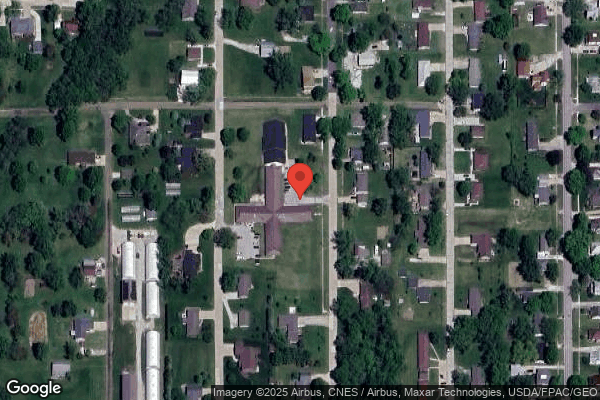
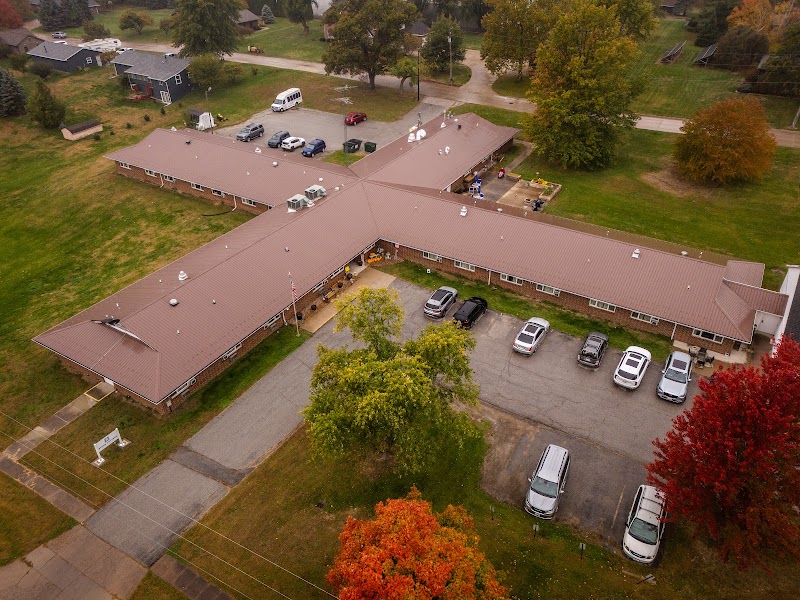
900 SOUTH STONE STREET, SIGOURNEY, IA 52591 (641) 622-2971
For profit - Limited Liability company 41 Beds GABRIEL SEBBAG & THE SAMARA FAMILY Data: November 2025 2 Immediate Jeopardy citations
Trust Grade
6/100
#385 of 392 in IA
Last Inspection: September 2024

Within standard 12-15 month inspection cycle. Federal law requires annual inspections.

Overview

Stone Cottage Care Center has received a Trust Grade of F, indicating poor performance with significant concerns. Ranking #385 out of 392 facilities in Iowa places it in the bottom half, and #3 out of 3 in Keokuk County means there are only two other options in the area, both of which are better. Although the facility is showing improvement, reducing issues from 33 to 5 over the past year, it still raises red flags with $43,583 in fines, which is higher than 90% of Iowa facilities. Staffing is a weakness, with a 1/5 star rating and less RN coverage than 90% of state facilities, making it concerning for resident care. There have been several serious incidents reported. For example, the facility failed to report an allegation of abuse involving a staff member pushing a resident, indicating a lack of oversight. Additionally, a resident with severe health issues did not receive a comprehensive assessment, which could have led to dangerous consequences. Although the facility has strengths in some quality measures, the overall environment raises significant concerns for families considering care for their loved ones.
Trust Score
F
6/100
In Iowa
#385/392
Bottom 2%
Safety Record
High Risk
Review needed
Inspections
Getting Better
33 → 5 violations
Staff Stability
⚠ Watch
54% turnover. Above average. Higher turnover means staff may not know residents' routines.
Penalties
✓ Good
$43,583 in fines. Lower than most Iowa facilities. Relatively clean record.
Skilled Nurses
⚠ Watch
Each resident gets only 24 minutes of Registered Nurse (RN) attention daily — below average for Iowa. Fewer RN minutes means fewer trained eyes watching for problems.
Violations
⚠ Watch
73 deficiencies on record. Higher than average. Multiple issues found across inspections.
★☆☆☆☆
1.0
Overall Rating
★☆☆☆☆
1.0
Staff Levels
★★★★☆
4.0
Care Quality
★☆☆☆☆
1.0
Inspection Score
Stable
2024: 33 issues
2025: 5 issues

The Good

  • 4-Star Quality Measures · Strong clinical quality outcomes
  • Full Sprinkler Coverage · Fire safety systems throughout facility
  • No fines on record

Facility shows strength in quality measures, fire safety.

The Bad

1-Star Overall Rating

Below Iowa average (3.0)

Significant quality concerns identified by CMS

Staff Turnover: 54%

Near Iowa avg (46%)

Higher turnover may affect care consistency

Federal Fines: $43,583

Above median ($33,413)

Moderate penalties - review what triggered them

Chain: GABRIEL SEBBAG & THE SAMARA FAMILY

Part of a multi-facility chain

Ask about local staffing decisions and management

The Ugly 73 deficiencies on record

2 life-threatening 1 actual harm
Sept 2025 4 deficiencies
CONCERN (D) 📢 Someone Reported This

A family member, employee, or ombudsman was alarmed enough to file a formal complaint

Potential for Harm - no one hurt, but risky conditions existed

Resident Rights (Tag F0550)

Could have caused harm · This affected 1 resident

Based on observation, clinical record review, policy review, and staff interviews, the facility failed to interact with a resident in a respectful manner for 1 of 3 residents reviewed for dignity(Resi...

Read full inspector narrative →
Based on observation, clinical record review, policy review, and staff interviews, the facility failed to interact with a resident in a respectful manner for 1 of 3 residents reviewed for dignity(Resident #26). The facility reported a census of 30 residents.Findings:The Quarterly Minimum Data Set(MDS) assessment tool, dated 7/17/25, listed diagnoses for Resident #26 which included heart failure, diabetes, and hemiplegia(one-sided paralysis) and listed her Brief Interview for Mental Status(BIMS) score as 15 out of 15, indicating intact cognition. Care Plan entries, dated 8/19/25, stated the resident had chronic obstructive pulmonary disease and directed staff to administer aerosol or bronchodilators(medications that treated breathing conditions) as ordered. On 9/4/25 at approximately 8:45 a.m., Staff A Certified Medication Assistant(CMA) provided the resident her Symbicort inhaler(a medication inhaled which helped with breathing conditions) and the resident inhaled 2 puffs. After this, Staff A provided the resident a glass of water and the resident swished her mouth and swallowed the water. The resident then said she had to spit and spit into a tissue. Staff A then turned to the State Agency(SA) with a disgusted look on her face as she gestured with her head toward the resident and said ew loogie. The staff member and the resident were near the dining room where other residents and staff were present. The facility policy Resident Rights, revised June 2023, stated employees shall treat residents with kindness, respect, and dignity. On 9/4/25 at 11:02 a.m., when queried regarding Staff A's comment and behavior toward the resident, the Director of Nursing(DON) stated it was not appropriate.
CONCERN (D) 📢 Someone Reported This

A family member, employee, or ombudsman was alarmed enough to file a formal complaint

Potential for Harm - no one hurt, but risky conditions existed

Deficiency F0658 (Tag F0658)

Could have caused harm · This affected 1 resident

Based on observation, clinical record review, policy review, and staff interivew, the facility failed to ensure a resident rinsed their mouth in accordance with professional standards for 1 of 1 resid...

Read full inspector narrative →
Based on observation, clinical record review, policy review, and staff interivew, the facility failed to ensure a resident rinsed their mouth in accordance with professional standards for 1 of 1 residents reviewed for the administration of an inhaler(Resident #26). The faciltiy reported a census of 30 residents. Findings:The Quarterly Minimum Data Set(MDS) assessment tool, dated 7/17/25, listed diagnoses for Resident #26 which included heart failure, diabetes, and hemiplegia(one-sided paralysis)and listed her Brief Interview for Mental Status(BIMS) score as 15 out of 15, indicating intact cognition. The facility policy Provision of Physician Ordered Services, dated 12/23, stated the purpose of the policy was to provide physician ordered services according to professional standards of quality. The September 2025 Medication Administration Record(MAR) listed a 3/24/22 order for Symbicort Aerosol 160-4.5 micrograms[mcg] (budesonide-formoterol fumarate, an inhaler which treats lung conditions) 2 puffs twice daily. The MAR directed staff to ensure the resident rinsed their mouth with water after the inhalation and not to swallow.The Symbicort Highlight of Prescribing Information, retrieved from https://drd9vrdh9yh09.cloudfront.net/50fd68b9-106b-4550-b5d0-12b045f8b184/a4b62ab8-1314-4583-91b4-294ec239f790/a4b62ab8-1314-4583-91b4-294ec239f790_viewable_rendition__v.pdf on 9/4/25 at 1:50 p.m. stated the medication could cause infections of the mouth and throat and directed staff to advise the resident to rinse their mouth with water without swallowing after inhalation to help reduce the risk. On 9/4/25 at approximately 8:45 a.m., Staff A Certified Medication Assistant(CMA) provided the resident her Symbicort inhaler(a medication inhaled which helped with breathing conditions) and the resident inhaled 2 puffs. After this, Staff A provided the resident a glass of water and the resident swished her mouth and swallowed the water. Staff A did not provide her a cup to spit into or encourage her to spit out the water she swished with. On 9/4/25 at 11:02 a.m., the Director of Nursing(DON) stated staff should have residents swish and spit after utilizing a Symbicort inhaler. She stated with Resident #26 they should remind her to spit out the water.
CONCERN (D) 📢 Someone Reported This

A family member, employee, or ombudsman was alarmed enough to file a formal complaint

Potential for Harm - no one hurt, but risky conditions existed

Quality of Care (Tag F0684)

Could have caused harm · This affected 1 resident

Based on observation, clinical record review, policy review, and staff interview, the facility failed to notify the physician of a resident's refusal of an ordered diet and failed to carry out special...

Read full inspector narrative →
Based on observation, clinical record review, policy review, and staff interview, the facility failed to notify the physician of a resident's refusal of an ordered diet and failed to carry out specialized Speech Therapy(ST) services for a diagnoses of dysphagia(difficulty swallowing) for 1 of 2 residents reviewed for a change in condition(Resident #10). The facility reported a census of 30 residents. Findings include:The Quarterly Minimum Data Set(MDS) assessment tool, dated 8/16/25, listed diagnoses for Resident #10 which included dysphagia(difficulty swallowing), Parkinson's disease(a disease which caused tremors and lack of mobility), and anxiety disorder. The MDS stated the resident had a mechanically altered diet and listed his Brief Interview for Mental Status(BIMS) score as 14 out of 15, indicating intact cognition. The facility policy Provision of Physician Ordered Services dated 12/23, stated the facility would provide a reliable process for the proper and consistent provision of physician ordered services according to professional standards of quality. A 7/16/25 5:40 p.m. Nursing Note stated the resident reported that he ate roast beef for lunch and it felt like it was caught in his esophagus. A 7/17/25 2:52 p.m. Nursing Note stated the resident requested a scope due to the roast beef which was stuck and stated he had this happen his whole life. The resident's provider ordered a transfer to the ER for evaluationA 7/17/25 6:26 p.m. Nursing Note stated the resident would transfer to another hospital for a scope. A 7/19/25 5:02 a.m. Nursing Note stated the resident had an endoscopy(a scope inserted through the mouth to visualize the upper digestive system) completed and was on a liquid diet for two weeks and then would advance to a pureed diet. A 7/24/25 Care Plan entry stated the resident had a swallowing problem.An 8/5/25 Care Plan entry stated the resident refused his pureed diet and wanted a mechanical soft diet. An 8/5/25 Fax cover Sheet from the facility to the provider stated the resident completed 2 weeks of a full liquid diet and started a pureed diet today. The form inquired how long the resident was to have a pureed diet before advancing to a regular diet. The provider then inquired if they had Speech Therapy (ST) and directed ST to advance the diet if able. A note on the fax stated the resident had an order for ST. On 9/3/25 at 11:25 p.m., during the noon meal service, Staff D [NAME] prepared a mechanical soft meal consisting of ground chicken alfredo for Resident #10. The Dietary Manager stated the resident refused his ordered pureed diet so they provided him with mechanical soft foods. The facility lacked documentation of the initiation of Speech Therapy (ST) services and lacked communication to the provider that the resident refused his ordered pureed diet. On 9/4/25 at 11:02 a.m., the Director of Nursing(DON) stated the provider wanted the facility to follow up with ST for the resident. She stated she was not sure how often ST came into the building. On 9/4/25 at 1:36 p.m., Staff C Occupational Therapy Assistant(OTA) stated she received an order for ST at the end of July or the beginning of August and had not been able to get a therapist to visit.
CONCERN (D) 📢 Someone Reported This

A family member, employee, or ombudsman was alarmed enough to file a formal complaint

Potential for Harm - no one hurt, but risky conditions existed

Unnecessary Medications (Tag F0759)

Could have caused harm · This affected 1 resident

Based on observation, clinical record review, policy review, and staff interview, the facility failed to ensure the medication error rate did not exceed 5%. The facility's medication error rate calcul...

Read full inspector narrative →
Based on observation, clinical record review, policy review, and staff interview, the facility failed to ensure the medication error rate did not exceed 5%. The facility's medication error rate calculated as 7%. The facility reported a census of 30 residents.Findings include:The Annual Minimum Data Set(MDS) assessment tool, dated 7/10/25, listed diagnoses for Resident #8 which included anxiety, hemiplegia(paralysis affecting one side of the body), and paraplegia(paralysis affecting the lower body) and listed her Brief Interview for Mental Status(BIMS) score as 14 out of 15, indicating intact cognition. A Care Plan entry, revised 2/1/24, stated the resident was a smoker.The September 2025 Medication Administration Record(MAR) listed the following orders:a . 7/21/25 Famotidine(a medication used to reduce stomach acid) tablet 20 milligrams(mg) two times per day.b. 7/16/25 nicotine patch(assisted in nicotine cessation) 24 hour 14 mg/hour 1 patch one time a day. On 9/3/25 at 8:16 a.m., Staff A Certified Medication Assistant(CMA) administered Resident #8's morning medications. Staff A stated that she did not have the resident's nicotine patch. Staff A also failed to administer the resident's Famotidine. A 9/3/25 eMar Medication Administration Note stated the facility waited for the resident's nicotine patch to come in.The facility's medication administration error rate calculated as 7%On 9/4/25 at 11:02 a.m., the Director of Nursing(DON) stated staff should have called the pharmacy if a medication was not available. She stated with regard to the omission of the medication, staff should check the medications better. The undated facility policy Medication Administration, stated staff would administer medications in accordance with professional standards of practice and directed staff to follow the manufacturer's product information for inhalers.
Mar 2025 1 deficiency
CONCERN (D) 📢 Someone Reported This

A family member, employee, or ombudsman was alarmed enough to file a formal complaint

Potential for Harm - no one hurt, but risky conditions existed

Resident Rights (Tag F0550)

Could have caused harm · This affected 1 resident

Based on clinical record review, staff and resident interviews, the facility failed to ensure a resident's right of choice and self determination regarding their health care needs for 1 of 3 residents...

Read full inspector narrative →
Based on clinical record review, staff and resident interviews, the facility failed to ensure a resident's right of choice and self determination regarding their health care needs for 1 of 3 residents reviewed. (Resident #1) The facility reported census was 26. Findings include: According the Quarterly Minimum Data Set (MDS) with a reference date of 2/20/24, Resident #1 had a Brief Mental Status (BIMS) score of 11 which indicated a moderately impaired cognitive status. Resident #1 required maximal assistance with transfers, mobility, dressing, toilet use and personal hygiene needs. Resident #1 was coded as always incontinent of bladder and continent bowel. Resident #1's diagnosis included cerebrovascular accident (stroke), hemiplegia, renal insufficiency and seizure disorder. In an interview on 3/20/25 at 1:33 p.m Staff B, Certified Nurse Aide (CNA), stated she was working an overnight shift on 1/20/25. It was after 10:00 p.m. and she and Staff E, CNA, had just cleaned and prepared Resident #1 for bed and had exited his room when Staff A, Licensed Practical Nurse (LPN), approached her saying Resident #1 needed a suppository since not having a bowel movement for 3 days. Staff B stated they returned to Resident #1's room and she asked Resident #1 if it was okay to get a suppository. Resident #1 stated no, clearly. Staff B stated this all happened as they were rolling Resident #1 onto his side. Staff A was saying something and Staff B stated she was unaware at that time that Staff A had a suppository in his hand. It all happened quickly and Resident #1 began swinging at Staff A as he administered the suppository. Afterwards, Staff B stated she apologized to Resident #1 and encouraged him to report what happened to the Director of Nursing (DON). Staff B stated she later talked to the DON when a similar incident happened (1/26/25). In an interview on 3/20/25 at 1:55 p.m. Staff C, Certified Nurse Aide, stated she was working a double shift (2:00 p.m. to 10:00 p.m.) on the evening of 1/26/25. There was discussion regarding Resident #1 not having a bowel movement for 4 days. Staff A stated Resident #1 needed a suppository and instructed Staff C to accompany him to Resident #1's room. Staff C stated she followed Staff A into Resident #1's room as instructed. Staff A explained to Resident #1 that it was necessary for a suppository. Resident #1 was adamant that he did not want the suppository. Staff A informed Resident #1 that we're going to give one and Staff C assisted in rolling Resident #1 onto his side and Staff A administered the suppository. Staff C stated she felt uncomfortable with the situation and on Monday, 1/27/25, she reported her concern to management. In an interview on 3/20/25 at 12:07 p.m. the Director of Nursing (DON) stated on the morning of 1/26/25, she was making rounds and asked Resident #1 how he was doing. Resident #1 stated last night he was given a suppository against his will. Resident #1 stated he had not had a bowel movement the past few days and Staff A insisted he needed a suppository. Resident #1 stated this was not the first time this has happened. The DON stated she began looking into what happened and called Staff A, who admitted he gave the suppository despite Resident #1 saying no. The DON stated residents have a choice which needs to be respected. The DON stated it is the overnight nurse's responsibility to address bowel movement issues. Point Click Care (PCC) will alert when a resident has not had a bowel movement for 3 days. The DON stated the nurse should follow standard practice by using Milk of Magnesia on day 3 without a bowel movement and a suppository on day 4. The DON stated resident refusals of care or administration of medications should be addressed by the interdisciplinary team. In an interview on 3/24/25 at 1:30 p.m. Staff A, Licensed Practical Nurse, stated on Saturday, 1/25/25 he was working the overnight shift from 6:00 p.m. to 6:00 a.m. That evening Resident #1 was complaining of constipation and a stomach ache. Staff A looked up Resident #1's bowel movement record and it had been four days since his last bowel movement. Staff A stated nurses are supposed to initiate an intervention after the 3rd day. Staff A stated between 8:00 p.m. and 9:00 p.m. Resident #1 was refusing oral medications and becoming increasingly agitated. Resident #1 was offered a suppository and refused, stating you only want to give me a suppository since I'm black. Staff A stated this was typical behavior when Resident #1 is in pain or discomfort. Staff A stated he attempted to explain why he needed the suppository and he would feel better once he had a bowel movement, but Resident #1 remained angry and obstinate. Between 10:00 p.m. and 11:00 p.m. Staff A attempted to assess Resident #1, but was denied. At 11:45 p.m. Staff A was allowed to listen to Resident #1's bowel sounds. They were sluggish and it was now day 4, so Staff A felt it was his duty to ensure Resident #1 received care to relieve his constipation and to prevent further discomfort and complications. Staff A summoned Staff C to assist. Resident #1 was placed on his left side and started getting agitated stating no, no. Staff A stated he perceived the no related to his stomach discomfort. Staff A stated he stopped and attempted to re-explain the dangers of possible bowel obstruction or perforation. Staff A stated Resident #1 seemed to calm down and he quickly inserted the suppository. Within the next two hours, Resident #1 had two large bowel movements. The following evening when Staff A returned to work, Resident #1's daughter was visiting. Resident #1 expressed appreciation for the suppository, saying thank you and that he was feeling much better. Staff A stated Resident #1 is like that. When he is in pain or discomfort, he becomes agitated, racial and unable to think things through. Once he gets the suppository and has the bowel movement, he's fine. Staff A stated Resident #1 had received another suppository on 1/20/25. He was agitated that day also, but primarily upset with the suppository taking too long to work. In an interview on 3/24/25 at 2:30 p.m. Resident#1 was queried if he ever had to use a suppository for constipation? Resident#1 responded yes and stated the LPN Staff A made him take a suppository and he did not want to. Resident#1 stated some time ago he was angry and LPN, Staff A wanted to give him a suppository. The Resident said he told Staff A no, but he gave him one anyway. Resident#1 was asked if he felt better afterwards and he stated yes. According to progress notes dated 1/20/25 at 10:27 p.m. Resident #1 was administered a suppository by Staff A. A follow up note on 1/21/25 at 5:04 a.m. indicated Resident #1 was feeling better following the suppository. According to the Medication Administration Record for January 2025, a suppository was administered to Resident #1 on 1/25/25 at 11:42 p.m. by Staff A.
Dec 2024 2 deficiencies
CONCERN (D) 📢 Someone Reported This

A family member, employee, or ombudsman was alarmed enough to file a formal complaint

Potential for Harm - no one hurt, but risky conditions existed

Transfer Requirements (Tag F0622)

Could have caused harm · This affected 1 resident

Based on clinical record review, staff and family interview, the facility failed to ensure that the transfer or discharge met all documentation requirements necessary for a safe and effective transiti...

Read full inspector narrative →
Based on clinical record review, staff and family interview, the facility failed to ensure that the transfer or discharge met all documentation requirements necessary for a safe and effective transition of care for one of four residents reviewed. (Resident #1) The facility reported census was 25. Findings include: According to a Quarterly Minimum Data Set (MDS) with a reference date of 7/12/24, Resident #1 had short- and long-term memory deficits and severely impaired cognitive status for daily decision making. Resident #1 required maximal to dependent assistance with transfers, mobility, dressing, toilet use and personal hygiene needs. Resident #1 was always incontinent of bladder and was frequently incontinent of bowel. Resident #1's diagnosis included cerebrovascular accident (stroke), hemiplegia, chronic obstructive pulmonary disease. In an interview on 12/31/24 at 12:57 p.m. Staff B, Social Worker, stated the discharge process involving Resident #1 lasted 6 months. There was a facility located which seemed a better fit as they could provide a day program. Staff B stated Resident #1's mother was going through some medical issues, but was able to coordinate with the receiving facility and provide what they needed. Staff B stated most communication was verbal and not recorded. What was recorded was in the progress notes. Staff B stated they had multiple zoom conferences with Resident #1 attending and disclosed her behavior and drug regimen. In an interview on 12/31/24 at 1:44 p.m. Resident #1's mother and guardian stated the facility (DON) informed her they were going to discharge her daughter because she had three strikes and the state required she be moved. Resident #1's mother stated she was not in agreement initially, but cooperated, not knowing her rights. Resident #1's mother stated did not receive notice in writing or any statement related to her right to appeal.
CONCERN (D) 📢 Someone Reported This

A family member, employee, or ombudsman was alarmed enough to file a formal complaint

Potential for Harm - no one hurt, but risky conditions existed

Transfer Notice (Tag F0623)

Could have caused harm · This affected 1 resident

Based on clinical record review, staff and family interview, the facility failed to provide adequate notice of discharge in writing and proper contents of notice, including a statement of the resident...

Read full inspector narrative →
Based on clinical record review, staff and family interview, the facility failed to provide adequate notice of discharge in writing and proper contents of notice, including a statement of the resident's appeal rights prior to discharge for one of four. (Resident #1) The facility reported census was 25. Findings include: According to a Quarterly Minimum Data Set (MDS) with a reference date of 7/12/24, Resident #1 had short- and long-term memory deficits and severely impaired cognitive status for daily decision making. Resident #1 required maximal to dependent assistance with transfers, mobility, dressing, toilet use and personal hygiene needs. Resident #1 was always incontinent of bladder and was frequently incontinent of bowel. Resident #1's diagnosis included cerebrovascular accident (stroke), hemiplegia, chronic obstructive pulmonary disease. In an interview on 12/31/24 at 12:57 p.m. Staff B, Social Worker, stated the discharge process involving Resident #1 lasted 6 months. There was a facility located which seemed a better fit as they could provide a day program. Staff B stated Resident #1's mother was going through some medical issues, but was able to coordinate with the receiving facility and provide what they needed. Staff B stated most communication was verbal and not recorded. What was recorded was in the progress notes. Staff B stated they had multiple zoom conferences with Resident #1 attending and disclosed her behavior and drug regimen. In an interview on 12/31/24 at 1:44 p.m. Resident #1's mother and guardian stated the facility (DON) informed her they were going to discharge her daughter because she had three strikes and the state required she be moved. Resident #1's mother stated she was not in agreement initially, but cooperated, not knowing her rights. Resident #1's mother stated did not receive notice in writing or any statement related to her right to appeal. Resident #1's clinical record review found no discharge notice or appeal rights related to her discharge.
Sept 2024 11 deficiencies
CONCERN (D) 📢 Someone Reported This

A family member, employee, or ombudsman was alarmed enough to file a formal complaint

Potential for Harm - no one hurt, but risky conditions existed

Employment Screening (Tag F0606)

Could have caused harm · This affected 1 resident

Based on employee file review, policy review and staff interviews, the facility failed to conduct a record check evaluation prior to employment to indicate clearance for work for 1 of 5 employee files...

Read full inspector narrative →
Based on employee file review, policy review and staff interviews, the facility failed to conduct a record check evaluation prior to employment to indicate clearance for work for 1 of 5 employee files reviewed. The facility reported a census of 22 residents. Findings include: The untitled facility staff roster listed a hire date for Staff B Registered Nurse(RN) as 9/11/23. An 8/30/23 Single Contact License and Background Check(SING) stated a Criminal History(CCH) record was found and the results would be faxed. The facility lacked further documentation regarding Staff B's CCH and lacked documentation of a record check evaluation completed to indicate she could work at the facility. On 9/25/24 at 2:22 p.m., the Business Office Manager(BOM) stated the facility could not locate the record check evaluation for Staff B and stated she thought they would receive a citation for this. She stated this should be completed prior to hire. On 9/25/24 at 3:30 p.m. the Administrator stated they initiated a background check for Staff B and she was off the schedule until Friday. She stated background checks should be completed prior to the start of work. On 9/26/24 at approximately 2:30 p.m., the Director of Nursing(DON) stated if Staff B's record check evaluation was not complete by Friday, she would work her shifts in place of her. The undated facility Abuse Policy stated the facility would follow protocols for conducting employment background checks.
CONCERN (D)

Potential for Harm - no one hurt, but risky conditions existed

Deficiency F0657 (Tag F0657)

Could have caused harm · This affected 1 resident

**NOTE- TERMS IN BRACKETS HAVE BEEN EDITED TO PROTECT CONFIDENTIALITY** 2. The MDS dated [DATE] revealed Resident #12 scored a 12 out of 15 on the BIMS exam, which indicated cognition moderately impai...

Read full inspector narrative →
**NOTE- TERMS IN BRACKETS HAVE BEEN EDITED TO PROTECT CONFIDENTIALITY** 2. The MDS dated [DATE] revealed Resident #12 scored a 12 out of 15 on the BIMS exam, which indicated cognition moderately impaired. The MDS revealed the resident display physical behavioral symptoms such as hitting, kicking, pushing, scratching, grabbing, and abusing others sexually 1 to 3 days of the 14 day look back period. The Care Plan revealed a focus area on 7/9/24 for resident had potential to be verbally aggressive and had ineffective coping skills. The interventions dated 7/9/24 revealed to anticipate his needs; assess his coping skills and support system; and when resident became agitated to intervene before the agitation escalated. The Care Plan did not reveal a focus area for the resident's verbal or physical sexual aggression towards others. The Progress Note dated 7/3/24 at 8:47 PM, revealed a (Certified Nurse Aide) CNA went into resident's room and commented on resident's haircut. Resident held up his middle finger and made a sexually vulgar comment regarding employee's genitalia. CNA told resident that that was not appropriate and walked out of resident's room. The Progress Note dated 7/11/24 at 2:18 PM, revealed the resident noted joking with staff and he may have taken it too far, he squeezed staff arms too hard and left imprint of fingernails in her arm. Resident instructed to let go several times and did not. Finally, after about 5 times of telling him, he let go of staff member's arm. The Progress Note dated 7/14/24 at 10:57 PM, revealed resident tried to tell staff about the 3 women at the next table to him in the doctor tried to say their names and got them wrong and the resident described one of the resident as the one with the breasts like yours (to the CNA) from Texas. The resident then poked at staff's belly and asked her is she was pregnant. The resident then tried to get staff to go into an empty room with him so he could tell her something and the staff told the resident no. The Progress Note dated 7/19/24 at 5:35 PM, revealed resident continued to be sexually inappropriate to staff. The Progress Note dated 8/2/24 at 4:09 PM, revealed the resident out of room flirting with female staff and making inappropriate comments. The Progress Note dated 8/3/24 at 3:26 PM, revealed the resident rude and argumentative with staff. resident enjoyed calling the telephone line and and reporting false occurrences. Then came out of room and laughed at staff. The resident frequently buts in and started yelling out numbers during narcotic count and frequently made sexual comments to nursing staff. The Progress Note dated 8/3/24 at 5:01 PM, revealed this Registered Nurse (RN) gave resident his PM meds and asked the resident if he would like water. The resident stated yes, or a vodka and orange juice or vodka on the rocks or vodka and sour, that makes you horny. Then the resident got up from the chair and walked back and forth behind this RN and stated Why don't you scratch my back, it itches or you could scratch somewhere else. Then the resident walked down the hall. The Progress Note dated 8/6/24 at 3:45 PM, revealed this nurse notified by [name redacted] in dietary that there was an incident between this resident and Resident #3. This resident came down the hallway by dining room and grabbed Resident #3 butt and pulled her hair. He then returned to his room. Interview with Resident #3 and she reported he grabbed her ass. She was visibly and verbalized she was upset and now scared of the other resident. Director of Nursing (DON) and Administrator notified. The Progress Note dated 8/7/24 at 1:28 PM, revealed the resident's daughter in to visit today; shortly after resident moved rooms to the opposite hallway. The resident's daughter in his room and a short while later noted to be leaving upset; stated he put his hands on me, I'm leaving. The resident remained in his room after this. The Progress Note dated 8/7/24 at 11:39 PM, revealed no behaviors toward any other resident. Told nurse you really got me good busted all my teeth out resident then sticks his teeth out and starts laughing and grabbed at nurse. Speech fast and garbled per usual. The Progress Note dated 8/8/24 at 5:46 AM, revealed resident continued to swear and make sexual comment to staff. The Progress Note dated 8/17/24 at 5:10 AM, revealed the resident continued to make sexually inappropriate comments. Speech often hard to understand. The Progress Note dated 8/22/24 at 11:51 PM, revealed a CNA was in resident's room and he asked her to apply some Icy Hot to his back. As she leaned to the side to reach his back, he stuck his arm out, putting it between her legs. CNA said she quickly moved before he grabbed her. As she leaned over to turn his call light over, she said he grabbed her breasts. Resident reminded that it was inappropriate to touch other people like that. He had also made a comment about wanting to fight that tall girl with the glasses. But he did not give a name. The Progress Note dated 9/15/24 at 11:42 PM, revealed two staff went to get resident to tell him it was time for lunch and he was yelling and told them to help him out of the chair. When staff went to help him, he grabbed one of the CNA's arms and tried pulling her on top of him. The resident threw himself back into the chair and continued to yell. The Progress Note dated 9/16/24 at 12:33 AM, revealed a CNA told this nurse that she was in the stock room putting away supplies when resident entered the room. She stated that she had the door closed but that it had not latched. Resident walked in and began slowly closing the door while saying, Fuck, fuck me, fuck me. I'm horny. Come on fuck me. CNA told resident that he needed to leave the stock room immediately and that he was being very inappropriate. Resident then left without any arguments. Approximately 5 minutes later, resident walked up to the common area and asked where the CNA was. He said that he needed her to rub cream on my leg. Will you send her down to my room. He then turned around and went into his room. Resident had always applied his Icy Hot himself (per his request/Dr. order), so this nurse reminded him that it was in his room and that it would be best if he applied it to his leg. During an interview on 9/25/24 at 4:43 PM, Staff C, CNA stated last Sunday, she filled the back storage room and the resident poked his head in the door and mumbled something and then it became more clear. She stated Resident #12 stated fuck me, fuck me and went to grab the door to enclose us in the room and Staff C told him to get out of the room and he did. Staff C queried on any interventions they did with Resident #12 and she stated they do care with 2 staff members in the room and try to redirect him. During an interview on 9/25/24 at 5:04 PM, Staff D, LPN (Licensed Practical Nurse) queried on Resident #12 behaviors and she stated he was volatile, and when he got mad, it was explosive. Staff D stated she knew of two incidents with the resident making inappropriate comments to the staff. Staff D stated she knew the resident had a meltdown when his daughter came. During an interview on 9/26/24 at 10:03 AM, the DON confirmed Resident #12 made inappropriate comments to staff and it needed care planned. The DON stated the resident currently on 15 minute checks. The DON stated she was shocked with the incident with Resident #12 and Resident #3 and then nothing happened for awhile until the incident with the CNA. The DON stated the resident had raised his hand to her and the Administrator. The Facility Care Plan, Comprehensive Person-Centered Policy revised on November 2019 revealed the following: a. Incorporate identified problem areas b. Incorporate risk factors associated with identified problems c. Reflect treatment goals, timetables, and objective in measurable outcomes d. Areas of concern identified during the resident assessment would be evaluated before interventions added to the care plan. e. Assessment of residents ongoing and care plans revised as information about the residents and the resident's conditions change. Based on clinical record review, staff interview, and policy review the facility failed to include fall interventions for 1 of 2 residents reviewed with a history of falls (Resident #21), failed to address nutrition needs for 1 of 2 residents reviewed for weight loss (Resident #21), and failed to address a resident's history of sexual behaviors toward other residents/staff for 1 of 2 residents reviewed for resident-to-resident interactions (Resident #12). The facility reported a census of 22 residents. Findings include: 1. The 5-Day Minimum Data Set (MDS) assessment tool, dated 7/17/24, listed Resident #21's admission date as 7/10/24 with the diagnoses of stroke, shortness of breath, and diabetes. The MDS stated the resident had a fall within the last month prior to admission and stated the resident required substantial/maximal assistance for chair transfers, toilet transfers. The MDS listed the resident's Brief Interview for Mental Status(BIMS) score as 9 out of 15, which indicated moderately impaired cognition. a. A 9/2/24 Fall report stated the resident sat on his bottom on the floor in front of the sink holding his stool riser. He stated that he had to go to the bathroom and went without his walker. A 9/8/24 Fall report stated the resident laid near his bathroom door and said he had to urinate. A 9/16/24 Fall report stated the resident fell in his room. The report stated the resident did not state the reason he got out of bed. The resident's Care Plan did not address the resident's falls nor include interventions to prevent additional falls. On 9/26/24 at 11:36 a.m., the Director of Nursing(DON) stated the Care Plan should address falls. 2. The facility policy Nutrition (Impaired)/Unplanned Weight Loss-Clinical Protocol, revised September 2017, stated the nursing staff would monitor and document weights of residents and would report significant weight loses to the physician. The staff and physician identified pertinent interventions based on identified causes. A 7/9/24 hospital Registered Dietician note documentd Resident#21 had inadequate energy intake due to a decreased ability to consume sufficient energy evidenced by weight loss and insufficient energy intake from diet compared to estimated needs. The Weight Summary included the following weights. 7/12/24 182.8 lbs 7/17/24 197.2 lbs 7/23/24 200 lbs 8/1/24 191.0 lbs 8/6/24 178.6 lbs 9/1/24 184.6 lbs 9/5/24 181.8 lbs The resident's weight loss between 7/23/24(200 lbs) and 8/6/24(178.6 lbs) calculated as a 10.7% loss. The resident's Care Plan did not address the resident's above weight fluctuations or history of inadequate energy intake and did not include interventions to ensure the resident did not lose additional weight. The resident's clinical record lacked documentation of physician notification of the above weight fluctuations. A 7/20/24 Nutrition/Dietary Note listed the resident's weight as 197.2 lbs and stated the resident was at increased risk of altered nutrition. On 9/25/24 at 1:23 p.m., the DON stated staff should reweigh a resident if there was more than a 3 pound increase or decrease. She stated the facility process was that the dietician evaluated the weights and sent a note to the physician. If the physician thought the weight loss was concerning, he sent orders. On 9/26/24 at 11:36 a.m., the DON stated the Care Plan should address weight loss.
CONCERN (D)

Potential for Harm - no one hurt, but risky conditions existed

Deficiency F0658 (Tag F0658)

Could have caused harm · This affected 1 resident

**NOTE- TERMS IN BRACKETS HAVE BEEN EDITED TO PROTECT CONFIDENTIALITY** Based on observation, record review, staff interview, and the facility policy, the facility failed to ensure an insulin vial dis...

Read full inspector narrative →
**NOTE- TERMS IN BRACKETS HAVE BEEN EDITED TO PROTECT CONFIDENTIALITY** Based on observation, record review, staff interview, and the facility policy, the facility failed to ensure an insulin vial discarded after it was opened past 28 days for 1 of 1 residents reviewed for insulin administration (Resident #5). The facility reported a census of 22 residents. Findings include: The Minimum Data Set (MDS) assessment dated [DATE] revealed Resident #5 revealed 15 out of 15 on the Brief Interview for Mental Status (BIMS), which indicated cognition intact. The MDS revealed a diagnosis of diabetes mellitus (DM). The MDS revealed the resident received insulin for 7 out of 7 days. The Care Plan revealed a focus area dated 12/13/24 for DM I/II and at risk for frequent infections, alternation of skin, visual impairment, hyper/hypoglycemia, renal failure and cognitive/physical impairments. The EMR (Electronic Medical Record) revealed a Medical Diagnosis for Type II DM without complications The EMR revealed the following Physician Orders: a. Lantus Subcutaneous Solution 100 units/ml (milliliters)- inject 18 units subcutaneously one time a day During an observation on 09/25/24 at 7:37 AM, Staff A, RN (Registered Nurse) administered 18 units of insulin into Resident #5 left upper arm. Staff A asked to look at the insulin bottle she used and Staff A pulled a medication bottle with the resident's name and the insulin vial inside the bottle. The medication bottle had a label which revealed the bottle changed on 8/20/24. The vial revealed no visible date it was opened. During an observation on 9/25/24 at 7:44 AM Staff A asked again to see the insulin bottle and then asked if the 8/20/24 was the correct date and she stated she didn't think that was right and placed the insulin back into the resident's cubbie in the medication cart. During an interview on 9/25/24 at 12:43 PM, Staff A queried when opened insulin vials needed discarded and she stated 45 days, or was it 30 days. During an interview on 9/26/24 at 10:16 AM, the Director of Nursing (DON) informed of the date on the insulin bottle container and she stated she hoped the date was for another bottle and a fresh bottle put in it. The DON stated the nurses were supposed to use permanent markers and mark the bottle itself. The DON stated the opened vials needed discarded in 30 days. During an observation on 09/26/24 at 10:18 AM, the DON asked to look at Resident #5 insulin vial and the nurse pulled out a bag with an insulin vial with the date 8/23/24 under the date the vial opened. The nurse then pulled out the medication bottle with another bottle of the resident's insulin with the date of 8/20/24. The DON queried on her expectation of the opened insulin the DON responded that it was pulled in 30 days. The Insulin Administration Policy dated September 2014 revealed the following: a. Steps in Procedure (Insulin Injections via Syringe) 1. check expiration date, if drawn from an opened multi-dose vial. If opened a new vial, record expiration date and time on the vial (follow manufacturer recommendations for expiration after opening.) The GoodRX website dated February 5, 2024 (provided by the facility) revealed the following: a. Unused Lantus vials stored at room temperature last for up to 28 days.
CONCERN (D)

Potential for Harm - no one hurt, but risky conditions existed

Deficiency F0692 (Tag F0692)

Could have caused harm · This affected 1 resident

Based on clinical record review, policy review, and staff interviews, the facility failed to recognize and address weight fluctuations for a resident at risk of impaired nutrition for 1 of 2 residents...

Read full inspector narrative →
Based on clinical record review, policy review, and staff interviews, the facility failed to recognize and address weight fluctuations for a resident at risk of impaired nutrition for 1 of 2 residents reviewed for weight loss(Resident #21). The facility reported a census of 22 residents. Findings include: The Minimum Data Set (MDS) assessment tool, dated 7/17/24, listed diagnoses for Resident #21 which included stroke, shortness of breath, and diabetes and listed the resident's Brief Interview for Mental Status(BIMS) score as 9 out of 15, indicating moderately impaired cognition. The facility policy Nutrition (Impaired)/Unplanned Weight Loss-Clinical Protocol, revised September 2017, stated nursing staff would monitor and document weights of residents and would report significant weight loses to the physician. The staff and physician identified pertinent interventions based on identified causes. A 7/9/24 hospital Registered Dietician note stated the resident had inadequate energy intake due to a decreased ability to consume sufficient energy evidenced by weight loss and insufficient energy intake from diet compared to estimated needs. The Weight Summary included the following weights. 7/12/24 182.8 lbs 7/17/24 197.2 lbs 7/23/24 200 lbs 8/1/24 191.0 lbs 8/6/24 178.6 lbs 9/1/24 184.6 lbs 9/5/24 181.8 lbs The resident's weight loss between 7/23/24(200 lbs) and 8/6/24(178.6 lbs) calculated as a 10.7% loss. The resident's Care Plan did not address the resident's above weight fluctuations or history of inadequate energy intake and did not include interventions to ensure the resident did not lose additional weight. The resident's clinical record lacked documentation of physician notification of the above weight fluctuations. A 7/20/24 Nutrition/Dietary Note listed the resident's weight as 197.2 lbs and stated the resident was at increased risk of altered nutrition. On 9/25/24 at 1:23 p.m., the Director of Nursing (DON) stated staff should reweigh a resident if there was more than a 3 pound increase or decrease. She stated the facility process was that the dietician evaluated the weights and sent a note to the physician. If the physician thought the weight loss was concerning, he sent orders.
CONCERN (D)

Potential for Harm - no one hurt, but risky conditions existed

Respiratory Care (Tag F0695)

Could have caused harm · This affected 1 resident

Based on observation, clinical record review, policy review, and staff and resident interviews, the facility failed to ensure a resident's oxygen tank was available for use for 1 of 1 residents review...

Read full inspector narrative →
Based on observation, clinical record review, policy review, and staff and resident interviews, the facility failed to ensure a resident's oxygen tank was available for use for 1 of 1 residents reviewed receiving oxygen therapy (Resident #3). The facility reported a census of 22 residents. Findings include: The Quarterly Minimum Data Set (MDS) assessment tool, dated 6/27/24, listed diagnoses for Resident #3 which included chronic obstructive pulmonary disease (COPD, a disease of the lungs which caused shortness of breath and difficulty breathing), diabetes, and pain in an unspecified joint. The MDS stated the resident had shortness of breath with exertion (such as walking) and when lying flat. The MDS listed the resident's Brief Interview for Mental Status(BIMS) score as 10 out of 15, which indicated moderately impaired cognition. The facility policy Oxygen Administration, revised October 2010, directed staff to set up oxygen for residents who received oxygen therapy. A 4/12/24 Order Details report listed an order for oxygen 1 liter as needed to keep oxygen greater than 90%. Care Plan entries, dated 7/9/24, stated the resident had COPD, was at risk for shortness of breath, and utilized oxygen as needed. The Care Plan directed staff to administer supplemental oxygen as ordered per the physician. On 9/24/24 at 8:35 a.m., Resident #3 walked down the hall pushing her oxygen concentrator. The oxygen tubing went under the resident's feet multiple times as she tried to push the concentrator down the hall to her room. Observations on 9/25/24 revealed the following: At 7:22 a.m. the resident was in her bathroom. Her oxygen concentrator was in the dining room near her table. At 7:37 a.m., the Administrator went into the bathroom to check on the resident and she said she was fine. At 7:44 a.m. the resident walked out of her room with her walker. The resident wheezed and appeared short of breath. She walked to the dining room and had a cough. At 8:07 a.m., the resident ate breakfast while utilizing oxygen via the concentrator. At 8:21 a.m., the resident stood up from the table with her walker and spoke to Staff G Certified Nursing Assistant(CNA). Staff G assisted another resident out of the dining room. Resident #3 walked to her room and her oxygen concentrator remained in the dining room. The concentrator remained in the dining room until Staff H brought it to the resident' room at 8:43 a.m. At 8:46 a.m., the resident stated she would like her oxygen as soon as possible after meals. On 9/26/24 at 9:44 a.m., Staff I CNA stated staff should take the resident's concentrator back to her room right away after meals. She stated she observed it not taken back right away in the past. She stated the resident should not wheel it back herself as it was not safe. On 9/26/24 at 9:53 a.m. Staff G CNA stated recently she needed her oxygen more. She stated they would bring the oxygen to the dining room when she started heading there. She stated after meals, if she stood up, they would take it back to her room. She stated she should not push it herself. On 9/26/24 at approximately 10:20 a.m., Staff F Licensed Practical Nurse (LPN) stated the resident needed her oxygen and staff should take it to her right away. She stated she should never push it herself. On 9/26/24 at 11:36 a.m., the Director of Nursing (DON) stated recently the resident needed her oxygen more during the day. She stated she should not push it by herself and if she was using it, needed it right away.
CONCERN (D)

Potential for Harm - no one hurt, but risky conditions existed

Deficiency F0697 (Tag F0697)

Could have caused harm · This affected 1 resident

Based on clinical record review, policy review, and resident and staff interviews, the facility failed to ensure that 1 of 1 resident reviewed for pain (Resident #15) received treatment and care relat...

Read full inspector narrative →
Based on clinical record review, policy review, and resident and staff interviews, the facility failed to ensure that 1 of 1 resident reviewed for pain (Resident #15) received treatment and care related to pain management. The facility reported a census of 22 residents. Findings include: The Quarterly Minimum Data Set (MDS) assessment tool, dated 6/20/24, listed diagnoses for Resident #15 which included non-Alzheimer's dementia, diabetes, and hypertension. The MDS stated the resident had frequent pain over the last 5 days and listed the resident's Brief Interview for Mental Status (BIMS) score as 12 out of 15, which indicated moderately impaired cognition. The MDS documented that for the 5 day MDS look back period the resident did not receive any as needed (PRN) pain medication, or non-medication intervention for pain, only scheduled pain medication. The facility policy Pain Management revised 2015, stated pain management was an essential component of health care and directed staff to recognize when the resident was experiencing pain and manage or prevent pain. The policy directed staff to carry out interventions to address pain including medications. Care Plan entries, dated 2/14/24, stated the resident had chronic pain and directed staff to evaluate the effectiveness of pain interventions/medications and notify the physician if interventions were unsuccessful. On 9/23/24 at 1:56 p.m., Resident #15 stated his foot hurt and staff did not care. During the interview, Staff B Registered Nurse (RN) came into the room to ask the resident if he would like to go to his care conference. The resident stated in front of Staff B that his leg was really bad this morning. The September 2024 Medication Administration Record(MAR) listed the following: a. A 6/26/22 order for Acetaminophen (a non-narcotic pain medication) 325 milligrams(mg) three times daily as needed for pain. b. A 7/12/24 order for Tramadol (a narcotic pain medication) 50 mg every 12 hours as needed for pain. The MAR lacked documentation the resident received the above as needed medications on 9/23/24. The resident's Progress Notes lacked documentation of a pain assessment completed on 9/23/24. On 9/25/24 at 6:40 a.m., the resident stated his hip hurts like hell. On 9/25/24 at 12:34 p.m., Staff B stated she did not hear Resident #15 say that he was in pain. She stated he received Tylenol (Acetaminophen) and therapy services. On 9/26/24 at approximately 10:20 a.m., Staff F Licensed Practical Nurse (LPN) stated Resident #15 did have some pain in his hips from time to time. She stated if he complained of pain and it was outside of the timeframe of his scheduled Tramadol, she would administer his as needed Tylenol. She stated if this did not work, she would contact the physician. On 9/26/24 at 11:36 a.m., the Director of Nursing(DON) stated if a resident reported he had pain, the nurse should evaluate the resident and look on the MAR to see if there was a medication he could have.
CONCERN (D)

Potential for Harm - no one hurt, but risky conditions existed

Deficiency F0883 (Tag F0883)

Could have caused harm · This affected 1 resident

Based on record review, staff interview, and facility policy review, the facility failed to screen residents for eligibility and/or failed to document refusals for the pneumococcal vaccines for 3 of 5...

Read full inspector narrative →
Based on record review, staff interview, and facility policy review, the facility failed to screen residents for eligibility and/or failed to document refusals for the pneumococcal vaccines for 3 of 5 residents reviewed. (Resident #5, Resident #7, and Resident #12). The facility reported a census of 22 residents. Findings include: 1. The Review of Resident #5 EMR (Electronic Medical Record) Immunization Record revealed no documentation of the resident receiving a pneumococcal vaccine. The Review of Iowa Registry Immunization System (IRIS) revealed the resident received the pneumococcal 13-valent conjugate vaccine (PCV13) on 10/27/15. The facility lacked documentation the resident received/offered/declined any other pneumococcal vaccines. 2. The Review of Resident #7 EMR Immunization Record revealed the resident received PCV13 on 11/13/15. The Review of IRIS revealed the resident received the pneumococcal 23 vaccine on 9/2/14. The facility lacked documentation the resident offered/declined any additional pneumococcal vaccines. 3. The Review of Resident #12 EMR Immunization Record revealed the resident lacked documentation for the past history or current vaccinations. The Review of IRIS revealed the resident didn't receive any pneumococcal vaccines. The facility lacked documentation the resident offered/declined/received any pneumococcal vaccines. During an interview on 9/24/24 at 11:41 AM, the Director of Nursing (DON) queried on Resident #5, #7, and #12 pneumococcal vaccine status and the DON stated she didn't have access to IRIS, but was working on it. The DON stated she tried to speak to Resident #12 on his vaccine status and he would not tell her. The DON stated Resident #7 received her vaccines outside of the facility. During an interview on 09/26/24 9:08 AM, the Director of Nursing (DON) stated she didn't realize she needed to have the residents sign a consent or declination for the pneumococcal vaccines. The DON stated if Resident #5 wanted the pneumococcal vaccine, they would get them done and would order the vaccine through pharmacy. The DON stated she didn't put in a progress note either for the declination. The DON stated she didn't have any declination forms for Resident #12. The Facility Pneumococcal Vaccine dated 8/16 revealed the following: a. All residents were offered pneumococcal vaccines to aid in preventing pneumonia/pneumococcal infections.
CONCERN (D)

Potential for Harm - no one hurt, but risky conditions existed

Deficiency F0887 (Tag F0887)

Could have caused harm · This affected 1 resident

Based on record review, staff interview, and facility policy review the facility failed to screen residents for eligibility of the COVID-19 vaccines and/or failed to document refusal or acceptance of ...

Read full inspector narrative →
Based on record review, staff interview, and facility policy review the facility failed to screen residents for eligibility of the COVID-19 vaccines and/or failed to document refusal or acceptance of the COVID-19 vaccines for three of five residents reviewed. (Resident #5, Resident #7, and Resident #12) ) The facility reported a census of 22 residents. Findings include: 1. The Review of Resident #5 EMR (Electronic Medical Record) Immunization Record revealed the resident refused a COVID-19 vaccine (no date documented). The Review of Iowa Registry Immunization System (IRIS) revealed the resident received the Pfizer COVID-19 vaccine on 12/29/22. The facility lacked documentation the resident received/offered/declined any other COVID-19 vaccines. 2. The Review of Resident #7 EMR Immunization Record revealed the resident received Moderna COVID-19 booster on 10/11/23. The Review of IRIS revealed the resident received the Moderna COVID-19 on 10/11/23. The facility lacked documentation the resident offered/declined any additional COVID-19 vaccines. During an interview on 9/26/24 08:30 AM, Resident #7 stated she wanted to ask the facility if they offered the COVID vaccine. She stated she usually got them at her doctor's office, but the ride to the office was rough. 3. The Review of Resident #12 EMR Immunization Record revealed the resident lacked documentation for the past history or current vaccinations. The Review of IRIS revealed the resident didn't receive any COVID-19 vaccines. The facility lacked documentation the resident offered/declined/received any COVID vaccines. During an interview on 9/24/24 at 11:41 AM, the Director of Nursing (DON) queried on Resident #5, #7, and #12 COVID-19 vaccine status and she stated Resident #12 was not at the facility during the COVID clinic. The DON stated she didn't have access to IRIS, but was working on it. The DON stated she tried to speak to Resident #12 on his vaccine status and he would not tell her. The DON stated Resident #7 received her vaccines outside of the facility. During an interview on 09/26/24 09:08 AM, the DON stated she didn't realize she needed to have the residents sign a consent or declination for the COVID-19 vaccines. The DON stated she spoke with Resident #5 and she declined the vaccine, but she didn't sign a declination. The DON stated she didn't put in a progress note either for the declination. The DON stated she didn't have any declination forms for Resident #12. The Coronavirus (COVID-19) and COVID-19 Vaccine Policy revised on 2/18/22 revealed the following: a. Residents 1. The vaccine would be offered and administered to residents per the most current Manufacturer's, CDC (Centers for Disease Center), Federal, State, and/or local guidance.
CONCERN (F)

Potential for Harm - no one hurt, but risky conditions existed

Deficiency F0801 (Tag F0801)

Could have caused harm · This affected most or all residents

Based on document review, policy review, and staff interviews, the facility failed to employ a qualified person to serve as the Director of Food and Nutrition Services in the absence of a full-time di...

Read full inspector narrative →
Based on document review, policy review, and staff interviews, the facility failed to employ a qualified person to serve as the Director of Food and Nutrition Services in the absence of a full-time dietitian. The facility reported a census of 22 residents. Findings include: The facility policy Dietary Services Administration effective 3/2015, stated if a dietician was not employed full time, the facility would designate a person to serve as the Director of Food Service who received frequently scheduled consultations from a qualified dietician. The facility would designate a person to serve as the Food Services Director who was a qualified dietitian, a graduate of dietetic technician or dietetic assistant training program or, a graduate of a state-approved course that provided 90 or more hours of classroom instruction in food service supervision and who had experience as a Food Service Supervisor in a health care institution. On 9/23/24 at 9:29 a.m. the Dietary Manager stated she was not a Certified Dietary Manager (CDM), but stated she was in the course. She stated she could not work on it a lot though because she worked every day. On 9/26/24 at 12:04 p.m., the Dietary Manager stated she turned in a few assignments for her CDM course. She stated she could call the dietician anytime she needed her. She stated she did not have consultations with the former dietician. On 9/26/24 at 12:35 p.m., the Administrator stated the Dietary Manager was in the CDM course now and had a year to complete this.
CONCERN (F) 📢 Someone Reported This

A family member, employee, or ombudsman was alarmed enough to file a formal complaint

Potential for Harm - no one hurt, but risky conditions existed

Food Safety (Tag F0812)

Could have caused harm · This affected most or all residents

**NOTE- TERMS IN BRACKETS HAVE BEEN EDITED TO PROTECT CONFIDENTIALITY** Based on observation, policy review, and staff interview, the facility failed to maintain adequate sanitation for 2 of 2 kitchen...

Read full inspector narrative →
**NOTE- TERMS IN BRACKETS HAVE BEEN EDITED TO PROTECT CONFIDENTIALITY** Based on observation, policy review, and staff interview, the facility failed to maintain adequate sanitation for 2 of 2 kitchen observations and failed to carry out sanitary food handling during 1 of 1 meal service observation. The facility reported a census of 22 residents. Findings: The initial kitchen tour, conduced on 9/23/24 at 9:29 a.m., revealed the following concerns: a. Dust particles hung from the 3 spigots of the fire suppression system over the stove. An observation of the noon meal service on 9/24/24 at 11:30 a.m. revealed the following concerns: a. Dust remained on the spigots of the fire suppression systems. A long dust string extended from the bottom of one of the spigots to the horizontal fire suppression pipe. b. [NAME] splatters on the inside floor of the microwave with brown solid food debris on the inside of the door. Yellow and brown solid food debris was present on the front of the microwave near the door opener. The outside of the microwave was sticky to the touch. c. Thick dust particles were present between the air conditioning unit in the corner of the kitchen and the wall. Buns and crackers were on the counter below the unit. d. A floor fan with heavy black dust particles sat on the floor between the white refrigerator in the corner of the kitchen and the cupboards. e. The Dietary Manager opened a bread bag with her bare hands and touched two slices of bread with her bare hands while she spread peanut butter on one of the slices and placed it on a plate. She then squeezed jelly onto the bread. After she finished making the sandwich, she pushed it down with her bare palm. She then placed the plate with the sandwich on a cart. Staff A took the cart out of the kitchen and the Dietary Manager stated the sandwich was for Resident #1. f. [NAME] splatters and crumbs covered the floor of the cupboard under the sink near the coffee maker. A container full of pot holders sat in the crumbs. g. A spray bottle containing a blue substance sat on a metal cart within 1 inch of a [NAME] tub. The Dietary Manager stated the bottle contained glass cleaner. h. An air conditioner to the left of the dish washer blew air toward clean dishes including silverware and water jugs. The flaps of the air conditioner were covered with brown spatters and contained dust particles. On 9/26/24 at 12:04 p.m., the Dietary Manager stated surfaces in the kitchen and spigots should be kept clean. She stated she had a cleaning list for the cook and the dietary aide to follow. She stated she should have worn gloves prior to making the sandwich. On 9/26/24 at 12:55 p.m. the facility ice machine had build-up of a white crusty-appearing substance on both sides of the machine. Flecks of a dark substance were present on the ceiling of the interior ice compartment. A bucket with a scrub brush sat on top of the ice machine. An ice scoop sat directly on the top of the machine not contained in an ice scoop holder. The facility policy Cleaning and Sanitation of Food Service Areas, stated the food service staff would maintain the sanitation of the dining areas. The policy directed staff to clean surfaces to include small equipment, microwaves, hoods, and ice machines.
MINOR (C)

Minor Issue - procedural, no safety impact

Deficiency F0865 (Tag F0865)

Minor procedural issue · This affected most or all residents

Based on staff interview, review of CMS-2567 reports, and facility QAPI (Quality Assurance and Performance Improvement) Plan, the facility failed to ensure an effective QAPI (Quality Assurance Perform...

Read full inspector narrative →
Based on staff interview, review of CMS-2567 reports, and facility QAPI (Quality Assurance and Performance Improvement) Plan, the facility failed to ensure an effective QAPI (Quality Assurance Performance Improvement) process to address previously identified quality deficiencies, resulting in multiple repeat deficiencies identified on the facility's current recertification and complaint survey previously identified during surveys completed in the last 17 months. The facility reported a census of 22 residents. Findings include: Review of the facility's CMS-2567 form from the last recertification's survey which occurred on 6/26/23 to 6/29/24 revealed the facility received no actual harm level citations for care plan revision and food procurement, and QAPI good faith. Review of the facility's CMS-2567 form from a complaint survey which occurred 12/28/23 to 1/10/24 revealed the facility received a no actual harm level citation for food procurement. During an interview on 9/26/24 at 1:03 PM, the Administrator queried on how the facility made sure it stayed in substantial compliance after a plan of care completed for previous surveys and she stated the facility conducted mock surveys on a monthly basis. The Administrator asked what her expectation for substantial compliance and she stated for the facility to do be and continue to have things brought to her attention. The Administrator stated they would keep monitoring. The QAPI Plan 2023 revealed the following information: a. The goals of the QAPI Committee included 1. to promote consistently facility systems and processes and appropriate practices in resident care 2. to help identify negative outcomes relative to resident care and resolve them appropriately. 3. to help departments, consultants and ancillary services implement plans to correct identified issues in quality of care 4. to coordinate the development, implementation, monitoring, and evaluation of action plans to achieve specified quality goals
May 2024 7 deficiencies
CONCERN (D) 📢 Someone Reported This

A family member, employee, or ombudsman was alarmed enough to file a formal complaint

Potential for Harm - no one hurt, but risky conditions existed

Resident Rights (Tag F0550)

Could have caused harm · This affected 1 resident

Based on observation, clinical record review, policy review, and staff and resident interviews, the facility failed to treat residents with dignity and respect by failing to assist a resident with pos...

Read full inspector narrative →
Based on observation, clinical record review, policy review, and staff and resident interviews, the facility failed to treat residents with dignity and respect by failing to assist a resident with positioning in a dignified manner (Resident #1), failing to avoid roughness during incontinence cares (Resident #5), failing to speak to residents in a dignified manner and ensure confidentiality (Resident #5), and failing to engage with residents during the provision of cares (Resident #9) for 3 of 11 residents reviewed for dignity. The facility reported a census of 23 residents. Findings include: 1. The Quarterly Minimum Data Set (MDS) assessment tool, dated 4/18/24, listed diagnoses for Resident #1 which included severe intellectual disabilities, conduct disorder, and disruptive mood dysregulation disorder (a condition characterized by ongoing irritability, anger, and frequent, intense temper outbursts). The MDS documented the resident exhibited physical behavioral symptoms directed toward others such as hitting, kicking, pushing, and grabbing which occurred on 4-6 days during the 7 day review period and listed her cognition as severely impaired. A 3/28/23 Care Plan entry stated the resident was comforted by being on the floor and may position herself on the floor for comfort. An untitled facility investigation, dated 5/15/24, written by the Director of Nursing (DON) stated staff reported Staff A Certified Nursing Assistant (CNA) yanked the resident back by her hood and was choking her. Staff A stated the resident started to go forward in her chair and he grabbed the back of her pants and sweatshirt with one hand and grabbed the upper part of the sweatshirt with the other hand. The facility carried out education that he should grab the shoulder rather than the neck of the shirt. The facility investigation lacked documentation of other resident interviews conducted. On 5/19/24 at 10:41 a.m., Resident #2 reported Resident #1 tried to get out of her chair and Staff A grabbed her by the hood of her shirt and pulled on it and it choked her. He stated the resident became angry and swung at Staff A. He stated Staff A still worked at the facility. The MDS for Resident #2 dated 2/29/24 documented a BIMS score of 15 which indicated intact cognition. On 5/19/24 at 12:50 p.m., via phone, Staff C CNA stated Staff A was trying to scoot Resident #1 back in her chair but he grabbed her by the hood (of her shirt). The resident became upset and swung to hit Staff A and she (Staff C) told him to let her go. She stated Staff A did not know how to do things. On 5/19/24 at 1:06 p.m. via phone., Staff D CNA was queried with regard to the incident with Staff A and Resident #1. She stated Staff A was new on the floor and no one in the facility received any training with regard to Resident #1. Staff D stated she was not a typical nursing home resident and was a lot more challenging. She stated no one received any training and they just went with their first instincts and this had a lot to do with the scenario. Resident #1 required 1:1 supervision and she (Staff D) was charting on the couch and another resident stated that Resident #1 was about to fall out of her chair. Staff A had her chair laid all the way back and she was on the edge and he had her by her pants and the hood of her shirt. Staff D jumped up and grabbed her pants and the resident tried to get Staff A off her and she swung and hit Staff D in the nose. Staff D noticed in the midst of this that the resident was wet and thought this was why she tried to get out of her chair. Staff D stated she did not feel like Staff A was trying to harm the resident, he just lacked training and knowledge. Staff D stated the resident had red marks on her neck from the shirt's zipper. Staff D stated Staff A continued to work the rest of the shift and also the following Friday. On 5/19/24 at 3:12 p.m., the Administrator stated with regard to the situation with Staff A, she received a phone call that there was a possible abuse. She stated they came in and completed a thorough investigation. She stated she was at the facility within 2 minutes and the resident did not have any red marks or visible sights of abuse. She stated they educated staff on how to properly prevent a fall and stated they did not remove Staff A from the facility. She stated Staff A returned to work Friday night and was as needed (prn) so he could potentially return to work. The Administrator stated they provided the survey team with the entire investigation. She stated she would not report an allegation if there were no physical signs of abuse and she did not think there was a concern. On 5/19/24 at 3:26 p.m., the DON stated after she heard of the abuse allegation she immediately assessed the resident and she acted and appeared fine. She stated the resident was scooting out of her chair and Staff A grabbed the back of her shirt so she would not fall face forward. She immediately completed education and called the person who was mentoring the Administrator and he stated there was no harm so put it in a soft file. She stated the resident did not have any marks. She stated Staff A was prn and could return to the facility any time. She stated she did not talk to any other residents and did not ask the staff members if there were any resident witnesses. She stated she did not ask other residents if they had had concerns with Staff A. The DON stated they would report anything with harm or intent. On 5/19/24 at 3:54 p.m. via phone., Staff F Licensed Practical Nurse (LPN) stated after the incident with Staff A, Resident #1 had red marks on the front of her neck from her sweatshirt which went away in less than an hour. Observation on 5/19/24 at 4:10 p.m. revealed Resident #1 sat on the very edge of her wheelchair seat and propelled herself with her feet. On 5/20/24 at 8:18 a.m. via phone Staff A stated he was doing 1:1 with Resident #1 and she was about to fall out of the chair and he tried to prevent it by pulling her back from her pants and shirt. He stated after the incident the Administrator and DON explained to him not to hold residents that way. 2. The Quarterly 4/11/24 MDS listed diagnoses for Resident #5 which included anxiety, depression, and obesity. The MDS listed the resident's Brief Interview for Mental Status (BIMS) score as 15 out of 15, which indicated intact cognition. On 5/19/24 at 11:00 a.m., Resident #5 stated Staff A was aggressive and rough when wiping her after she had a bowel movement. On 5/19/24 at 11:00 a.m., Resident #5 stated the DON told her in front of other residents and staff that she had to move out of her private room into a shared room and said she already owed the facility money. She stated the DON saying this in front of others made her feel terrible. On 5/21/24 at 1:03 p.m., Staff I CNA stated Resident #5 was in a common area getting ready to go to her doctor's appointment and the DON told her that she would need to be paired with a roommate soon and stated that the resident owed money. The facility policy, Resident Rights, revised October 2022, stated employees shall treat all resident with kindness, respect, and dignity. Resident rights included the right to a dignified existence and the right to privacy and confidentiality. 3. The Quarterly MDS assessment tool, dated 3/14/24, listed diagnoses for Resident #9 which included heart failure, cerebrovascular accident (stroke), and anxiety and listed her BIMS score as 15 out of 15, indicating intact cognition. On 5/19/24 at approximately 3:00 p.m., Resident #9 stated when staff came into her room, they were talking to each other about other things. She stated they paid no attention to her and she felt like a number and insignificant. On 5/22/24 at 2:14 p.m., the Administrator stated after an allegation of abuse, they should assess the situation and carry out immediate protection of the 2 parties. She stated staff should treat residents with dignity and respect and should speak and engage with the residents. She stated with regard to the comment made to Resident #5 regarding her finances that that should not have happened and was a Health Insurance Portability and Accountability Act (HIPAA) violation.
CONCERN (D) 📢 Someone Reported This

A family member, employee, or ombudsman was alarmed enough to file a formal complaint

Potential for Harm - no one hurt, but risky conditions existed

Free from Abuse/Neglect (Tag F0600)

Could have caused harm · This affected 1 resident

Based on observation, clinical record review, policy review, and staff and resident interviews, the facility failed to protect a resident (Resident #4) from being pinched by another resident (Resident...

Read full inspector narrative →
Based on observation, clinical record review, policy review, and staff and resident interviews, the facility failed to protect a resident (Resident #4) from being pinched by another resident (Resident #1) on 4/17/24 with a history of physical aggression for 1 of 1 residents reviewed for abuse. The facility reported a census of 23 residents. Findings include: 1. The Quarterly Minimum Data Set (MDS) assessment tool, dated 4/18/24, listed diagnoses for Resident #1 which included severe intellectual disabilities, conduct disorder, and disruptive mood dysregulation disorder (a condition characterized by ongoing irritability, anger, and frequent, intense temper outbursts). The MDS stated the resident exhibited physical behavioral symptoms directed toward others such as hitting, kicking, pushing, and grabbing which occurred on 4-6 days during the 7 day review period and listed her cognition as severely impaired. A 3/22/23 Incident Audit Report stated another resident (Resident #15) yelled ow stop and the resident (#1) swatted toward the resident. The staff member did not witness contact but the other resident had a small skin tear to the top of her left hand. Her mother stated it was a good idea to keep her away from other people because with her autism if she feels like they're invading her space, she would strike out. A 3/28/23 Care Plan entry stated the resident had the potential to be physically aggressive to herself and others at times related to poor impulse control. The resident was easily upset and had mood swings, worry, and anxiety, and was easily overwhelmed and over stimulated. The resident was comforted by being on the floor and may position herself on the floor for comfort. The 3/28/23 Care Plan interventions revealed the following: Staff directed to analyze time of day, places, circumstances, triggers and what de-escalated her behavior. Music calmed the resident and she enjoyed cartoons, soft objects, and colorful things. Staff directed to assess and anticipate her needs: food thirst, toileting needs, comfort level, bed positioning, pain level. Staff directed that when she became agitated, intervene before agitation escalated, guide away from the source of distress, engage calmly in conversation ,if response is aggressive, staff to walk calmly away and approach later. A 12/25/23 Incident Audit Report stated a staff member observed Resident #1 grabbing and pulling at the back of a male resident's (Resident #2) wheelchair. The male resident called out and reported she grabbed his shoulder resulting in a pinch. A 1/1/24 Nurses Note stated Resident #1 grabbed another resident's arm (Resident #14), would not let go, and required the assistance of 3 staff members to get the resident to let go. A 1/14/24 Nurses Note stated Resident #1 bit Resident # 5. The note stated staff provided 1:1 supervision and kept her away from other resident to keep this from happening again. A 1/14/24 Incident Audit Report stated the resident bit another resident in the dining room. A 2/15/24 Care Plan entry stated the resident had been known to bite. A 2/26/24 Care Plan entry directed staff to carry out 30 minute checks around the clock. A 4/17/24 Incident Audit Report stated staff heard another resident (Resident #4) yelling ouch and the resident stated Resident #1 pinched her on the leg. The note stated the resident should be 1:1 while out of her room. A 4/23/24 Nurses Note stated Resident #1 pinched another resident (Resident #4) on 4/17/24 and remained on 1:1 supervision. On 5/19/24 at 9:25 a.m., Resident #1 sat at a table in close proximity to Staff E Certified Nursing Assistant (CNA). 2. The admission MDS assessment tool, listed diagnoses for Resident #4 which included depression, diabetes, and chronic obstructive pulmonary disease. The MDS listed her BIMS score as 6 out of 15, indicating severely impaired cognition. On 5/20/24 at 4:25 p.m., Resident #4 stated for no reason Resident #1 came up to her and pinched her. She stated at the moment no staff were present. On 5/20/24 at 2:43 p.m., Staff G LPN stated there were many times where Resident #1 reached out to other residents. They tried to adjust her medications but it did not work and her behavior has gotten worse. Staff G stated when she first came , she did not pinch and bite. She stated the residents were told to staff away from Resident #1. She stated after Resident #1 bit Resident 5 she could see bite marks. On 5/20/24 at 3:06 p.m. Staff D CNA stated two months ago Resident #1 was not a 1:1 but after she grabbed another resident, they started 1:1's. On 5/20/24 at 3:18 p.m. Staff C CNA stated with regard to the incident between Resident #1 and Resident #4, she (Staff C) and the other aide had to go and assist 2 other residents and while they were gone Resident #1 pinched Resident #4. On 5/20/24 at 3:45 p.m., the Director of Nursing (DON) stated at the time of the incident with Resident #4, Resident #1 was not on 1:1 supervision. She stated she had not had any behaviors so they put her on 30 minute checks and after the situation with Resident #4, they placed her back on 1:1 supervision. On 5/21/24 at 8:36 a.m., the DON stated after the Resident #1 bit Resident #5 they placed her on 1:1 supervision. When her behavior was better, they changed it to 30 minute checks. She stated the resident was a roller coaster and unpredictable. She stated she did not trust her so that is why she is on 1:1 supervision. She stated she felt they could not serve her needs and reached out to other facilities that could better serve her. On 5/21/23 at 10:22 a.m. the DON stated the former Administrator removed 1:1 supervision for Resident #1 after a period of time lapsed in which she had no behaviors. The undated facility policy Abuse stated residents had the right to be free from abuse including physical abuse.
CONCERN (D) 📢 Someone Reported This

A family member, employee, or ombudsman was alarmed enough to file a formal complaint

Potential for Harm - no one hurt, but risky conditions existed

Report Alleged Abuse (Tag F0609)

Could have caused harm · This affected 1 resident

Based on observation, clinical record review, policy review, and staff and resident interviews, the facility failed to report an allegation of abuse to the State Agency when a staff member failed to t...

Read full inspector narrative →
Based on observation, clinical record review, policy review, and staff and resident interviews, the facility failed to report an allegation of abuse to the State Agency when a staff member failed to treat a resident with dignity and respect during positioning (Resident #1) for 1 of 2 residents reviewed for an allegation of abuse. The facility reported a census of 23 residents. Findings include: 1. The Minimum Data Set (MDS) assessment tool, dated 4/18/24, listed diagnoses for Resident #1 which included severe intellectual disabilities, conduct disorder, and disruptive mood dysregulation disorder (a condition characterized by ongoing irritability, anger, and frequent, intense temper outbursts). The MDS stated the resident exhibited physical behavioral symptoms directed toward others such as hitting, kicking, pushing, and grabbing which occurred on 4-6 days during the 7-day review period and listed her cognition as severely impaired. A 3/28/23 Care Plan entry stated the resident was comforted by being on the floor and may position herself on the floor for comfort. An untitled facility investigation, dated 5/15/24, written by the Director of Nursing (DON) stated staff reported Staff A Certified Nursing Assistant (CNA) yanked the resident back by her hood and was choking her. Staff A stated the resident started to go forward in her chair and he grabbed the back of her pants and sweatshirt with one hand and grabbed the upper part of the sweatshirt with the other hand. The facility carried out education that he should grab the shoulder rather than the neck of the shirt. The facility investigation lacked documentation of other resident interviews conducted. The facility lacked documentation they reported the incident to the State Agency. On 5/19/24 at 10:41 a.m., Resident #2 stated Resident #1 tried to get out of her chair and Staff A grabbed her by the hood of her shirt and pulled on it and it choked her. He stated the resident became angry and swung at him. He stated Staff A still worked at the facility. On 5/19/24 at 12:50 p.m., via phone, Staff C (CNA) stated Staff A was trying to scoot Resident #1 back in her chair but he grabbed her by the hood (of her shirt). The resident became upset and swung to hit Staff A and she (Staff C) told him to let her go. She stated Staff A did not know how to do things. On 5/19/24 at 1:06 p.m. via phone, Staff D CNA was queried with regard to the incident with Staff A and Resident #1. She stated Staff A was new on the floor and no one in the facility received any training with regard to Resident #1. Staff D stated she was not a typical nursing home resident and was a lot more challenging. She stated no one received any training and they just went with their first instincts and this had a lot to do with the scenario. Resident #1 required 1:1 supervision and she (Staff D) was charting on the couch and another resident stated that Resident #1 was about to fall out of her chair. Staff A had her chair laid all the way back and she was on the edge and he had her by her pants and the hood of her shirt. Staff D jumped up and grabbed her pants and the resident tried to get Staff A off her and she swung and hit Staff D in the nose. Staff D noticed in the midst of this that the resident was wet and thought this was why she tried to get out of her chair. Staff D stated she did not feel like Staff A was trying to harm the resident, he just lacked training and knowledge. Staff D stated the resident had red marks on her neck from the shirt's zipper. Staff D stated Staff A continued to work the rest of the shift and also the following Friday. On 5/19/24 at 3:12 p.m., the Administrator stated with regard to the situation with Staff A, she received a phone call that there was a possible abuse. She stated they came in and completed a thorough investigation. She stated she was at the facility within 2 minutes and the resident did not have any red marks or visible sights of abuse. She stated they educated staff on how to properly prevent a fall and stated they did not remove Staff A from the facility. She stated Staff A returned to work Friday night and was as needed (prn) so he could potentially return to work. The Administrator stated they provided the survey team with the entire investigation. She stated she would not report an allegation if there were no physical signs of abuse and she did not think there was a concern. On 5/19/24 at 3:26 p.m., the DON stated after she heard of the abuse allegation she immediately assessed the resident and she acted and appeared fine. She stated the resident was scooting out of her chair and Staff A grabbed the back of her shirt so she would not fall face forward. She immediately completed education and called the person who was mentoring the Administrator and he stated there was no harm so put it in a soft file. She stated the resident did not have any marks. She stated Staff A was prn and could return to the facility any time. She stated she did not talk to any other residents and did not ask the staff members if there were any resident witnesses. She stated she did not ask other residents if they had had concerns with Staff A. The DON stated they would report anything with harm or intent. On 5/19/24 at 3:54 p.m. via phone., Staff D Licensed Practical Nurse (LPN) stated after the incident with Staff A, Resident #1 had red marks on the front of her neck from her sweatshirt which went away in less than an hour. Observation on 5/19/24 at 4:10 p.m. revealed Resident #1 sat on the very edge of her wheelchair seat and propelled herself with her feet. On 5/20/24 at 8:18 a.m. via phone Staff A stated he was doing 1:1 with Resident #1 and she was about to fall out of the chair and he tried to prevent it by pulling her back from her pants and shirt. He stated after the incident the Administrator and DON explained to him not to hold residents that way. The facility policy, Resident Rights, revised October 2022, stated employees shall treat all resident with kindness, respect, and dignity. Resident rights included the right to a dignified existence and the right to privacy and confidentiality. On 5/22/24 at 2:14 p.m., the Administrator stated after an allegation of abuse, they should assess the situation and carry out immediate protection of the 2 parties. She stated staff should treat residents with dignity and respect and should speak and engage with the residents. The undated facility policy Abuse stated all report of resident abuse would be promptly reported to State Agencies.
CONCERN (D) 📢 Someone Reported This

A family member, employee, or ombudsman was alarmed enough to file a formal complaint

Potential for Harm - no one hurt, but risky conditions existed

Investigate Abuse (Tag F0610)

Could have caused harm · This affected 1 resident

Based on observation, clinical record review, policy review, and staff and resident interviews the facility failed to complete a thorough investigation and ensure immediate protection for 2 of 2 resid...

Read full inspector narrative →
Based on observation, clinical record review, policy review, and staff and resident interviews the facility failed to complete a thorough investigation and ensure immediate protection for 2 of 2 residents reviewed for an allegation of abuse (Resident #1) from a staff member and for an allegation of abuse from a fellow resident (Resident #3). The facility reported a census of 23 residents. Findings include: 1. The Minimum Data Set (MDS) assessment tool, dated 4/18/24, listed diagnoses for Resident #1 which included severe intellectual disabilities, conduct disorder, and disruptive mood dysregulation disorder (a condition characterized by ongoing irritability, anger, and frequent, intense temper outbursts). The MDS stated the resident exhibited physical behavioral symptoms directed toward others such as hitting, kicking, pushing, and grabbing which occurred on 4-6 days during the 7-day review period and listed her cognition as severely impaired. a. A 3/28/23 Care Plan entry stated the resident was comforted by being on the floor and may position herself on the floor for comfort. An untitled facility investigation, dated 5/15/24, written by the Director of Nursing (DON) stated staff reported Staff A Certified Nursing Assistant (CNA) yanked the resident back by her hood and was choking her. Staff A stated the resident started to go forward in her chair and he grabbed the back of her pants and sweatshirt with one hand and grabbed the upper part of the sweatshirt with the other hand. The facility carried out education that he should grab the shoulder rather than the neck of the shirt. The facility investigation lacked documentation of other resident interviews conducted. On 5/19/24 at 9:25 a.m., Resident #1 sat at a table in close proximity to Staff E CNA. On 5/19/24 at 10:41 a.m., Resident #2 stated Resident #1 tried to get out of her chair and Staff A grabbed her by the hood of her shirt and pulled on it and it choked her. He stated the resident became angry and swung at him. He stated Staff A stilled worked at the facility. On 5/19/24 at 12:50 p.m., via phone, Staff C Certified Nursing Assistant (CNA) stated Staff A was trying to scoot Resident #1 back in her chair but he grabbed her by the hood (of her shirt). The resident became upset and swung to hit Staff A and she (Staff C) told him to let her go. She stated Staff A did not know how to do things. On 5/19/24 at 1:06 p.m. via phone., Staff D CNA was queried with regard to the incident with Staff A and Resident #1. She stated Staff A was new on the floor and no one in the facility received any training with regard to Resident #1. Staff D stated she was not a typical nursing home resident and was a lot more challenging. She stated no one received any training and they just went with their first instincts and this had a lot to do with the scenario. Resident #1 required 1:1 supervision and she (Staff D) was charting on the couch and another resident stated that Resident #1 was about to fall out of her chair. Staff A had her chair laid all the way back and she was on the edge and he had her by her pants and the hood of her shirt. Staff D jumped up and grabbed her pants and the resident tried to get Staff A off her and she swung and hit Staff D in the nose. Staff D noticed in the midst of this that the resident was wet and thought this was why she tried to get out of her chair. Staff D stated she did not feel like Staff A was trying to harm the resident, he just lacked training and knowledge. Staff D stated the resident had red marks on her neck from the shirts zipper. Staff D stated Staff A continued to work the rest of the shift and also the following Friday. On 5/19/24 at 3:12 p.m., the Administrator stated with regard to the situation with Staff A, she received a phone call that there was a possible abuse. She stated they came in and completed a thorough investigation. She stated she was at the facility within 2 minutes and the resident did not have any red marks or visible sights of abuse. She stated they educated staff on how to properly prevent a fall and stated they did not remove Staff A from the facility. She stated Staff A returned to work Friday night and was as needed(prn) so he could potentially return to work. The Administrator stated they provided the survey team with the entire investigation. She stated she would not report an allegation if there were no physical signs of abuse and she did not think there was a concern. On 5/19/24 at 3:26 p.m., the DON stated after she heard of the abuse allegation she immediately assessed the resident and she acted and appeared fine. She stated the resident was scooting out of her chair and Staff A grabbed the back of her shirt so she would not fall face forward. She immediately completed education and called the person who was mentoring the Administrator and he stated there was no harm so put it in a soft file. She stated the resident did not have any marks. She stated Staff A was prn and could return to the facility any time. She stated she did not talk to any other residents and did not ask the staff members if there were any resident witnesses. She stated she did not ask other residents if they had had concerns with Staff A. The DON stated they would report anything with harm or intent. On 5/19/24 at 3:54 p.m. via phone., Staff D Licensed Practical Nurse (LPN) stated after the incident with Staff A, Resident #1 had red marks on the front of her neck from her sweatshirt which went away in less than an hour. Observation on 5/19/24 at 4:10 p.m. revealed Resident #1 sat on the very edge of her wheelchair seat and propelled herself with her feet. On 5/20/24 at 8:18 a.m. via phone Staff A stated he was doing 1:1 with Resident #1 and she was about to fall out of the chair and he tried to prevent it by pulling her back from her pants and shirt. He stated after the incident the Administrator and DON explained to him not to hold residents that way. The facility policy, Resident Rights, revised October 2022, stated employees shall treat all resident with kindness, respect, and dignity. Resident rights included the right to a dignified existence and the right to privacy and confidentiality. On 5/22/24 at 2:14 p.m., the Administrator stated after an allegation of abuse, they should assess the situation and carry out immediate protection of the 2 parties. She stated staff should treat residents with dignity and respect and should speak and engage with the residents. b. A 12/5/23 Nurses Note stated the resident refused to keep clothes on. A 12/19/23 Nurses Notes stated the resident refused staff assistance to put on a brief and pants. A 12/27/23 Behavior Note stated the resident periodically took her clothes off and staff covered her with a blanket. A 1/1/24 Nurses Note stated the resident would not leave her pants on. A 3/13/24 Nurses Note stated a Certified Medication Assistant (CMA) reported she heard the curtain to the resident's (#1) room pulled and she observed a male resident exiting the resident's room. The CMA walked into the resident's room and the resident was naked from the waist up. A 3/13/24 Incident Audit Report stated a CMA reported she heard the curtains pulled in Resident #1's room and observed a male resident exiting the room. Resident #1 was naked from the waist up. The CMA did not realize this needed reported right away and the nurse carried out education regarding this. 2. The Quarterly MDS assessment tool, dated 2/1/24, listed diagnoses for Resident #3 which included anxiety, depression, and chronic obstructive pulmonary disease. The MDS listed the resident's Brief Interview for Mental Status (BIMS) score as 15 out of 15, indicating intact cognition. A 6/20/23 Nurses Note stated the resident was observed looking into another resident's room when she was resting in her bed. A Certified Nursing Assistant (CNA) stated she informed the resident that this was not acceptable behavior and to please respect another residents' privacy. An 11/1/23 Nurses Note stated the resident gave a female resident a drink and the nurse educated him to not feed or provide drinks to other residents. The note stated the resident seemed to have taken a liking to this particular resident. An 11/21/23 Nurses Note stated the resident was in a fellow female resident's room and the nurse encouraged the resident to leave the room as he was not invited into her room and was kindly asked to leave. This resident was also noted to be giving the female resident a glass of juice and staff reminded the resident that he had already been educated on not feeding or giving drinks to other residents. The resident screamed no one ever told me that garbage. An 11/29/23 Nurses Note stated staff observed the resident feeding a fellow female resident and the nurse educated him it was unsafe for him to feed other residents. A 12/17/23 Nurses Note stated the resident walked behind a female resident at lunch and asked staff if the resident had a bra on and ran his hand over her shoulder. A 3/5/24 Behavior Note stated the resident kept entering a resident's room and opened the door and pulled the curtain back. The family requested that he not go in her room or open her door. The nurse explained this to the resident and he used an expletive and stormed away. A 3/10/24 Nurses Note stated the resident attempted to take another resident to her room and staff informed him this was not allowed and a CNA would take the resident to her room to dress her. The resident's Care Plan lacked documentation the resident had a history of entering other resident's rooms and lacked direction to staff regarding guidance related to his supervision. On 5/21/24 at 8:36 a.m. the Director of Nursing (DON) stated Staff J heard the curtain closed and Resident #3 walked out of Resident #1's room and Resident #1 was naked which wasn't super unusual for the resident. She stated she didn't know if he was peeking at her but they had to protect Resident #1. They turned the situation in as abuse and called the police. The DON stated it was upsetting because Resident #1 had the mental capacity of a small child. She stated the sheriff's office came and said they would issue him a ticket for trespassing but when they input his name, they found he had a warrant in another county so he was arrested. She stated they issued him an emergency 3-day discharge while he was in jail. On 5/21/24 at 11:04 a.m., Staff J stated she heard Resident #1's room curtain shut and saw Resident #3 walk out of her room. When she went into Resident #1's room, she was sleeping but had her clothes off. She stated she did not report it right away but thought she did within the hour. She stated she assumed another staff member reported it but wasn't sure which staff member that was. She stated after she (Staff J) informed the DON, the residents were kept apart. On 5/21/24 at 12:24 p.m. Staff H Licensed Practical Nurse (LPN) stated there were a couple female residents Resident #3 was friendly to and on one instance he took Resident #13 and said he was going to assist her into her pajamas. She stated this resident was not cognitively intact and she had to intervene. On 5/21/24 at 12:42 p.m., the DON stated she was not aware he tried to assist a resident in getting ready for bed. She stated she would want staff to notify her right away if he was exiting Resident #1's room. She stated she did not locate a timeline for the day in question but would continue looking. She stated she was not aware that he rubbed another resident's shoulders and stated she could not care plan for issues she did not know about. On 5/22/24 at 2:14 p.m., the Administrator stated after an allegation of abuse, they should assess the situation and carry out immediate protection of the 2 parties. On 5/22/24 at 2:50 p.m., the DON stated if she had known about Resident #3 being in other resident rooms, she would have care planned and directed staff to know what he was doing on a regular basis. The facility policy, Resident Rights, revised October 2022, stated residents had the right to privacy. The undated policy Abuse, stated the facility would carry out timely and thorough investigations of all reports and allegations of abuse and stated the alleged perpetrator would immediately be removed and the resident protected.
CONCERN (D) 📢 Someone Reported This

A family member, employee, or ombudsman was alarmed enough to file a formal complaint

Potential for Harm - no one hurt, but risky conditions existed

Accident Prevention (Tag F0689)

Could have caused harm · This affected 1 resident

Based on observation, clinical record review, policy review, and staff and resident interviews, the facility failed to adequately supervise a resident (Resident #3) in order to protect another residen...

Read full inspector narrative →
Based on observation, clinical record review, policy review, and staff and resident interviews, the facility failed to adequately supervise a resident (Resident #3) in order to protect another resident's personal privacy (Resident #1) for 2 of 5 residents reviewed for supervision. The facility reported a census of 23 residents. Findings include: 1. The Minimum Data Set (MDS) assessment tool, dated 4/18/24, listed diagnoses for Resident #1 which included severe intellectual disabilities, conduct disorder, and disruptive mood dysregulation disorder (a condition characterized by ongoing irritability, anger, and frequent, intense temper outbursts). The MDS listed her cognition as severely impaired. The facility policy, Resident Rights, revised October 2022, stated residents had the right to privacy. A 12/5/23 Nurses Note stated the resident refused to keep clothes on. The Care Plan intervention dated 12/6/23 documented Resident #1 often disrobes and to allow her privacy to do so. A 12/19/23 Nurses Notes stated the resident refused staff assistance to put on a brief and pants. A 12/27/23 Behavior Note stated the resident periodically took her clothes off and staff covered her with a blanket. A 1/1/24 Nurses Note stated the resident would not leave her pants on. A 3/13/24 Nurses Note stated a Certified Medication Assistant (CMA) reported she heard the curtain to the resident's (#1) room pulled and she observed a male resident exiting the resident's room. The CMA walked into the resident's room and the resident was naked from the waist up. A 3/13/24 Incident Audit Report stated a CMA reported she heard the curtains pulled in Resident #1's room and observed a male resident exiting the room. Resident #1 was naked from the waist up. The CMA did not realize this needed reported right away and the nurse carried out education regarding this. 2. The Quarterly MDS assessment tool, dated 2/1/24, listed diagnoses for Resident #3 which included anxiety, depression, and chronic obstructive pulmonary disease. The MDS listed the resident's Brief Interview for Mental Status (BIMS) score as 15 out of 15, which indicated intact cognition. A 6/20/23 Nurses Note stated the resident was observed looking into another resident's room when she was resting in her bed. A Certified Nursing Assistant(CNA) stated she informed the resident that this was not acceptable behavior and to please respect other residents privacy. An 11/1/23 Nurses Note stated the resident gave a female resident a drink and the nurse educated him to not feed or provide drinks to other residents. The note stated the resident seemed to have taken a liking to this particular resident. An 11/21/23 Nurses Note stated the resident was in a fellow female resident's room and the nurse encouraged the resident to leave the room as he was not invited into her room and was kindly asked to leave. This resident was also noted to be giving the female resident a glass of juice and staff reminded the resident that he had already been educated on not feeding or giving drinks to other residents. The resident screamed no one ever told me that garbage. An 11/29/23 Nurses Note stated staff observed the resident feeding a fellow female resident and the nurse educated him it was unsafe for him to feed other residents. A 12/17/23 Nurses Note stated the resident walked behind a female resident at lunch and asked staff if the resident had a bra on and ran his hand over her shoulder. A 3/5/24 Behavior Note stated the resident kept entering a resident's room and opened the door and pulled the curtain back. The family requested that he not go in her room or open her door. The nurse explained this to the resident and he used an expletive and stormed away. A 3/10/24 Nurses Note stated the resident attempted to take another resident to her room and staff informed him this was not allowed and a CNA would take the resident to her room to dress her. The resident's Care Plan lacked documentation the resident had a history of entering other resident's rooms and lacked direction to staff regarding guidance related to his supervision. On 5/21/24 at 8:36 a.m. the Director of Nursing (DON) stated Staff J heard the curtain closed and Resident #3 walked out of Resident #1's room and Resident #1 was naked which wasn't super unusual for the resident. She stated she didn't know if he was peeking at her but they had to protect Resident #1. They turned the situation in as abuse and called the police. The DON stated it was upsetting because Resident #1 had the mental capacity of a small child. She stated the sheriff's office came and said they would issue him a ticket for trespassing but when they input his name, they found he had a warrant in another county so he was arrested. She stated they issued him an emergency 3 day discharge while he was in jail. On 5/21/24 at 11:04 a.m., Staff J stated she heard Resident #1's room curtain shut and saw Resident #3 walk out of her room. When she went into Resident #1's room, she was sleeping but had her clothes off. She stated she did not report it right away but thought she did within the hour. She stated she assumed another staff member reported it but wasn't sure which staff member that was. She stated after she (Staff J) informed the DON, the residents were kept apart. On 5/21/24 at 12:24 p.m. Staff H Licensed Practical Nurse (LPN) stated there were a couple female residents Resident #3 was friendly to and on one instance he took Resident #13 and said he was going to assist her into her pajamas. She stated this resident was not cognitively intact and she had to intervene. On 5/21/24 at 12:42 p.m., the DON stated she was not aware he tried to assist a resident in getting ready for bed. She stated she would want staff to notify her right away if he was exiting Resident #1's room. She stated she did not locate a timeline for the day in question but would continue looking. She stated she was not aware that he rubbed another resident's shoulders and stated she could not care plan for issues she did not know about. On 5/22/24 at 2:50 p.m., the DON stated if she had known about Resident #3 being in other resident rooms, she would have care planned and directed staff to know what he was doing on a regular basis.
CONCERN (D) 📢 Someone Reported This

A family member, employee, or ombudsman was alarmed enough to file a formal complaint

Potential for Harm - no one hurt, but risky conditions existed

Deficiency F0741 (Tag F0741)

Could have caused harm · This affected 1 resident

Based on observation, clinical record review, policy review, and staff and resident interviews, the facility failed to provide sufficient staff with skill sets to care for a cognitively impaired resid...

Read full inspector narrative →
Based on observation, clinical record review, policy review, and staff and resident interviews, the facility failed to provide sufficient staff with skill sets to care for a cognitively impaired resident who required 1:1 supervision (Resident #1) and a resident with behaviors affecting others (Resident #3). The facility reported a census of 23 residents. Findings include: 1. The Minimum Data Set (MDS) assessment tool, dated 4/18/24, listed diagnoses for Resident #1 which included severe intellectual disabilities, conduct disorder, and disruptive mood dysregulation disorder. The MDS stated the resident exhibited physical behavioral symptoms directed toward others such as hitting, kicking, pushing, and grabbing which occurred on 4-6 days during the 7 day review period and listed her cognition as severely impaired. A 3/28/23 Care Plan entry stated the resident was comforted by being on the floor and may position herself on the floor for comfort. An untitled documented, referred to by the Director of Nursing (DON) as a Walking Care Plan and updated 2/14/24, directed staff to provide the resident with objects to hold and keep her away from other residents. The document lacked further direction for staff regarding how to handle her behaviors and lacked documentation on how to assist the resident out of her wheelchair if she tried to exit the chair. An untitled facility investigation, dated 5/15/24, written by the DON stated staff reported Staff A Certified Nursing Assistant (CNA) yanked the resident back by her hood and was choking her. Staff A stated the resident started to go forward in her chair and he grabbed the back of her pants and sweatshirt with one hand and grabbed the upper part of the sweatshirt with the other hand. The facility carried out education that he should grab the shoulder rather than the neck of the shirt. The facility investigation lacked documentation of other resident interviews conducted. On 5/19/24 at 9:25 a.m., Resident #1 sat at a table in close proximity to Staff E CNA. Observation on 5/19/24 at 4:10 p.m. revealed Resident #1 sat on the very edge of her wheelchair seat and propelled herself with her feet. On 5/19/24 at 10:41 a.m., Resident #2 stated Resident #1 tried to get out of her chair and Staff A grabbed her by the hood of her shirt and pulled on it and it choked her. He stated the resident became angry and swung at him. He stated Staff A still worked at the facility. On 5/19/24 at 12:50 a.m., Staff C CNA stated Staff A was trying to scoot Resident #1 back in her chair but he grabbed her by the hood of her shirt. The resident became upset and swung to hit Staff A and she (Staff C) told him to let her go. She stated Staff A did not know how to do things. On 5/19/24 at 1:06 p.m. via phone., Staff D CNA was queried with regard to the incident with Staff A and Resident #1. She stated Staff A was new on the floor and no one in the facility received any training with regard to Resident #1. Staff D stated she was not a typical nursing home resident and was a lot more challenging. She stated no one received any training and they just went with their first instincts and this had a lot to do with the scenario. Resident #1 required 1:1 supervision and she (Staff D) was charting on the couch and another resident stated that Resident #1 was about to fall out of her chair. Staff A had her chair laid all the way back and she was on the edge and he had her by her pants and the hood of her shirt. Staff D jumped up and grabbed her pants and the resident tried to get Staff A off her and she swung and hit Staff D in the nose. Staff D noticed in the midst of this that the resident was wet and thought this was why she tried to get out of her chair. Staff D stated she did not feel like Staff A was trying to harm the resident, he just lacked training and knowledge. Staff D stated the resident had red marks on her neck from the shirts zipper. Staff D stated Staff A continued to work the rest of the shift and also the following Friday. On 5/19/24 at 3:12 p.m., the Administrator stated with regard to the situation with Staff A, she received a phone call that there was a possible abuse. She stated they came in and completed a thorough investigation. She stated she was at the facility within 2 minutes and the resident did not have any red marks or visible sights of abuse. She stated they educated staff on how to properly prevent a fall and stated they did not remove Staff A from the facility. She stated Staff A returned to work Friday night and was as needed (prn) so he could potentially return to work. The Administrator stated they provided the survey team with the entire investigation. She stated she would not report an allegation if there were no physical signs of abuse and she did not think there was a concern. On 5/19/24 at 3:26 p.m., the DON stated after she heard of the abuse allegation she immediately assessed the resident and she acted and appeared fine. She stated the resident was scooting out of her chair and Staff A grabbed the back of her shirt so she would not fall face forward. She immediately completed education and called the person who was mentoring the Administrator and he stated there was no harm so put it in a soft file. She stated the resident did not have any marks. She stated Staff A was prn and could return to the facility any time. She stated she did not talk to any other residents and did not ask the staff members if there were any resident witnesses. She stated she did not ask other residents. if they had had concerns with Staff A. The DON stated they would report anything with harm or intent. On 5/19/24 at 3:54 p.m. via phone., Staff D Licensed Practical Nurse (LPN) stated after the incident with Staff A, Resident #1 had red marks on the front of her neck from her sweatshirt which went away in less than an hour. On 5/20/24 at 8:18 a.m. via phone Staff A stated he was doing 1:1 with Resident #1 and she was about to fall out of the chair and he tried to prevent it by pulling her back from her pants and shirt. He stated after the incident the Administrator and DON explained to him not to hold residents that way. 2. The MDS assessment tool, dated 2/1/24, listed diagnoses for Resident #3 which included anxiety, depression, and chronic obstructive pulmonary disease. The MDS listed the resident's Brief Interview for Mental Status (BIMS) score as 15 out of 15, indicating intact cognition. A 6/20/23 Nurses Note stated the resident was observed looking into another resident's room when she was resting in her bed. A CNA stated she informed the resident that this was not acceptable behavior and to please respect other residents privacy. An 11/1/23 Nurses Note stated the resident gave a female resident a drink and the nurse educated him to not feed or provide drinks to other residents. The note stated the resident seemed to have taken a liking to this particular resident. A 11/21/23 Nurses Note stated the resident was in a fellow female resident's room and the nurse encouraged the resident to leave the room as he was not invited into her room and was kindly asked to leave. This resident was also noted to be giving the female resident a glass of juice and staff reminded the resident that he had already been educated on not feeding or giving drinks to other residents. The resident screamed no one ever told me that garbage. A 11/29/23 Nurses Note stated staff observed the resident feeding a fellow female resident and the nurse educated him it was unsafe for him to feed other residents. A 12/17/23 Nurses Note stated the resident walked behind a female resident at lunch and asked staff if the resident had a bra on and ran his hand over her shoulder. A 3/5/24 Behavior Note stated the resident kept entering a resident's room and opened the door and pulled the curtain back. The family requested that he not go in her room or open her door. The nurse explained this to the resident and he used an expletive and stormed away. A 3/10/24 Nurses Note stated the resident attempted to take another resident to her room and staff informed him this was not allowed and a CNA would take the resident to her room to dress her. The resident's Care Plan lacked documentation the resident had a history of entering other resident's rooms and lacked direction to staff regarding guidance related to his supervision. On 5/21/24 at 8:36 a.m. the DON stated Staff J heard the curtain closed and Resident #3 walked out of Resident #1's room and Resident #1 was naked which wasn't super unusual for the resident. She stated she didn't know if he was peeking at her but they had to protect Resident #1. They turned the situation in as abuse and called the police. The DON stated it was upsetting because Resident #1 had the mental capacity of a small child. She stated the sheriff's office came and said they would issue him a ticket for trespassing but when they input his name, they found he had a warrant in another county so he was arrested. She stated they issued him an emergency 3 day discharge while he was in jail. On 5/21/24 at 11:04 a.m., Staff J stated she heard Resident #1's room curtain shut and saw Resident #3 walk out of her room. When she went into Resident #1's room, she was sleeping but had her clothes off. She stated she did not report it right away but thought she did within the hour. She stated she assumed another staff member reported it but wasn't sure which staff member that was. She stated after she (Staff J) informed the DON, the residents were kept apart. On 5/21/24 at 12:24 p.m. Staff H Licensed Practical Nurse (LPN) stated there were a couple female residents Resident #3 was friendly to and on one instance he took Resident #13 and said he was going to assist her into her pajamas. She stated this resident was not cognitively intact and she had to intervene. On 5/21/24 at 12:42 p.m., the DON stated she was not aware he tried to assist a resident in getting ready for bed. She stated she would want staff to notify her right away if he was exiting Resident #1's room. She stated she did not locate a timeline for the day in question but would continue looking. She stated she was not aware that he rubbed another resident's shoulders and stated she could not care plan for issues she did not know about. On 5/22/24 at 2:50 p.m., the DON stated if she had known about Resident #3 being in other resident rooms, she would have care planned and directed staff to know what he was doing on a regular basis. 3. Review of staff training/education for the time period of 5/21/23 to 5/22/24 revealed the training files of Staff A CNA, Staff B CNA, Staff C CNA, Staff D CNA, and Staff E CNA lacked documentation of education completed related to resident behavioral health needs. The facility policy Required Training, Certification and Continuing Education of Nurse Aides, dated 12/1/23, stated the facility would provide 12 hours of in-service training annually and would included dementia management and care of the cognitively impaired and behavioral health training. The facility policy Behavioral Assessment, Intervention, and Monitoring, revised September 2022, stated each resident shall receive and the facility would provide the necessary behavioral health care and services to attain or maintain the highest practicable physical, mental, and psychosocial well-being, in accordance with the comprehensive assessment and plan of care. The policy stated the facility would evaluate whether the staffing needs had changed based on the acuity of the residents and their plans of care and stated additional staff and/or staff training would be provided if it was determined that the needs of the residents could not be met with the current level of staff of staff training. The untitled Facility Assessment, updated 5/15/24, stated the facility cared for an average of 8 residents with behavioral health needs and listed staff competencies to include caring for residents with mental and psychosocial disorders. The assessment stated the facility must have sufficient staff who provide direct services to residents with the appropriate competencies and skills sets to provide nursing and related services to attain or maintain the highest practicable mental and psychosocial well-being. The assessment stated the facility must provide behavioral health training consistent with the requirements at 483.40. On 5/22/24 at 2:50 p.m., the DON stated staff referred to the walking care plan and had 5 days of orientation regarding the residents. She stated with regard to Resident #1 and Resident #3, it may have helped for them to go through behavioral health training. She stated with regard to Resident #1, staff are told in orientation that it is ok for her to be on the floor.
CONCERN (D) 📢 Someone Reported This

A family member, employee, or ombudsman was alarmed enough to file a formal complaint

Potential for Harm - no one hurt, but risky conditions existed

QAPI Program (Tag F0867)

Could have caused harm · This affected 1 resident

Based on record review, policy review, and staff interview, the facility failed to carry out quality assurance (QA) activities in order to address problem-prone areas and create a plan for improvement...

Read full inspector narrative →
Based on record review, policy review, and staff interview, the facility failed to carry out quality assurance (QA) activities in order to address problem-prone areas and create a plan for improvement. The facility reported a census of 23 residents. Findings: The Centers for Medicare and Medicaid Services (CMS) 2567, dated 6/29/23, listed the following concerns: F550, F609, F610. The CMS 2567, dated 11/30/23, listed the following concerns: F550, F609. The CMS 2567, dated 1/25/24, listed the following concerns: F689. Review of facility QA activities for the period of 1/1/24-5/19/24 revealed a 2/28/24 QA Committee sheet with the topic of all Plan of Correction (POC) tags. The QA documentation lacked further documentation related to the above concern areas including data collection, monitoring, audits, input from staff, and performance indicators. The facility lacked documentation the QA committee systematically identified, reported, tracked, investigated, analyzed and or utilized data to develop activities to prevent future adverse events. The current survey, conducted from 5/19/24-5/22/24 also identified the above concerns. The undated policy Quality Assurance and Performance Improvement (QAPI) stated the facility would maintain documentation to demonstrate evidence of it's ongoing QAPI program which may included but was not limited to: -systems and reports demonstrating systematic identification , reporting, investigation, analysis, and prevention of adverse events; and -documentation demonstrating the development , implementation , and evaluation of corrective actions or performance improvement activities. On 5/22/24 at 2:14 p.m., the Administrator stated they should be carrying out QA activities related to former survey concerns. She stated they should cover abuse prevention every month.
Jan 2024 6 deficiencies
CONCERN (D) 📢 Someone Reported This

A family member, employee, or ombudsman was alarmed enough to file a formal complaint

Potential for Harm - no one hurt, but risky conditions existed

Deficiency F0645 (Tag F0645)

Could have caused harm · This affected 1 resident

**NOTE- TERMS IN BRACKETS HAVE BEEN EDITED TO PROTECT CONFIDENTIALITY** Based on record review and staff interviews, the facility failed to follow directives as ordered and mandated in Level II PASRR ...

Read full inspector narrative →
**NOTE- TERMS IN BRACKETS HAVE BEEN EDITED TO PROTECT CONFIDENTIALITY** Based on record review and staff interviews, the facility failed to follow directives as ordered and mandated in Level II PASRR assessments, and failed to submit a new PASRR assessment when a 90 day conditional Level II PASRR expired, for 2 of 2 resident's reviewed with Level II PASRR's (Resident's #1 and #4). The facility reported a census of 27 residents. Findings include: 1. The Quarterly Minimum Data Set (MDS) Assessment tool dated [DATE] revealed Resident #1 had diagnoses that included cerebral palsy, hemiplegia (paralysis on 1 side of the body), seizure disorder, conduct disorder, autistic disorder and severe intellectual disability, had severe cognitive impairment, rarely/never able to make herself understood or able to understand others, unable to speak, and had impaired vision not corrected by eye-glasses. The assessment documented the resident required maximal staff assistance to transfer from bed to chair, bathing, dressing, toileting and personal hygiene, unable to stand or ambulate, and had physical behaviors directed at others, and other behaviors not directed at others, that occurred from 1 to 3 days of the 7 days that preceded the assessment. A Level II Preadmission Screening and Resident Review (PASRR) form dated [DATE] revealed a time-limited approval of 120 days for the facility to provide services the resident required, the facility mandated to provide: 1. Ongoing psychiatric medication management by a psychiatrist or a psychiatric ARNP (Advanced practice Registered Nurse Practitioner), to evaluate response and effectiveness of psychotropic medications on target symptoms, modify medication orders, and to evaluate ongoing need for additional behavioral health services. The time limited Level II PASRR expired [DATE]. A non-time limited Level II PASRR form dated [DATE] revealed the resident had diagnoses that included major depressive disorder, severe/profound intellectual disability, disruptive behavior disorder, intermittent explosive disorder and severe socialized conduct disorder. The document revealed the resident required, and the facility was mandated to provide services that included: 1. Ongoing psychiatric medication management by a psychiatrist or a psychiatric ARNP (Advanced practice Registered Nurse Practitioner), to evaluate response and effectiveness of psychotropic medications on target symptoms, modify medication orders, and to evaluate ongoing need for additional behavioral health services. Progress Notes transcribed by the resident's psychiatric ARNP revealed: [DATE] - psychiatric medications ordered and approved by the psychiatric ARNP included: a. Gabapentin (an anti-convulsant medication) 600 milligrams (mg) administered oral at 8 a.m. and 8 p.m., 900 mg administered oral at 12 noon. b. Duloxetine (an antidepressant medication) 90 mg administered oral daily in the morning. c. Clonazepam (a Benzodiazepine medication used to treat seizures and panic attacks) 0.5 mg administered oral twice daily, at morning, and at bedtime. [DATE] - psychiatric medications ordered and approved by the psychiatric ARNP included: a. Gabapentin 600 milligrams (mg) administered oral at 8 a.m. and 8 p.m., 900 mg administered oral at 12 noon. b. Duloxetine increased to 120 mg administered oral daily in the morning. c. Clonazepam 0.5 mg administered oral twice daily, at morning, and at bedtime. [DATE] - psychiatric medications ordered and approved by the psychiatric ARNP included: a. Gabapentin 600 milligrams (mg) administered oral at 8 a.m. and 8 p.m., 900 mg administered oral at 12 noon. b. Duloxetine 120 mg administered oral daily in the morning. c. Clonazepam 0.5 mg administered oral twice daily, at morning, and at bedtime. Facility staff received physician orders from the facility's medical director, a general practice physician and not a psychiatrist, for the following medication changes, and did not consult with the resident's psychiatric ARNP: [DATE] - Increase Clonazepam to 0.5 mg oral administered 3 times daily. [DATE] - Hydroxyzine (a antihistamine medication used to cause sedation) 50 mg administered oral every 6 hours as needed for anxiety. [DATE] - Lorazepam (a strong anti-anxiety medication) 1 mg administered oral every 12 hours as needed. The facility could not provide documentation or evidence that the psychiatric ARNP was consulted or had approved the medication changes, or that staff notified them of the resident's aggressive behaviors towards other residents, that had occurred at least 3 times between [DATE] and [DATE], and required to report the incidents to the State Agency. 2. The MDS Assessment tool dated [DATE] revealed Resident #4 had diagnoses that included non-Alzheimer's dementia, seizure disorder, insomnia, anxiety and depression, scored 15 out of 15 points possible on the Brief Interview for Mental Status (BIMS) cognitive assessment that indicated no cognitive deficits or symptoms of delirium present, and had verbal behaviors directed at others that occurred from 1 to 3 days of the 7 days that preceded the assessment. The assessment revealed the resident was independent for ambulation, dressing, toileting, bathing and personal hygiene. Resident #4 had a court-appointed Guardian responsible for his legal decision-making. A Level II PASRR form dated [DATE] revealed the resident had diagnoses that included history of alcohol abuse and dependence, opioid dependence, nicotine dependence, anxiety and conversion disorder, and the resident experienced symptoms that included being easily irritated, mood swings, anxiety, yelling and not following facility rules. The Level II PASRR provided a time-limited approval of 90 days, the facility mandated to provide: 1. Ongoing psychiatric medication management by a psychiatrist or a psychiatric ARNP (Advanced practice Registered Nurse Practitioner), to evaluate response and effectiveness of psychotropic medications on target symptoms, modify medication orders, and to evaluate ongoing need for additional behavioral health services. The resident's psychotropic medications, prescribed by the facility's medical director, a general practice physician and not a psychiatrist, included: 1. Amitryptiline (an anti-depressant medication) 25 mg administered oral daily, ordered [DATE]. 2. Mirtazipine (an anti-depressant medication) 15 mg administered oral daily at bedtime, ordered [DATE]. 3. Paroxetine (an antidepressant medication) 20 mg administered oral daily, ordered [DATE]. 4. Hydroxyzine (an antihistamine medication used for sleep enhancement) 25 mg administered oral 3 times a day as needed, ordered [DATE]. The resident's record revealed an appointment with a psychiatric ARNP was scheduled [DATE] at 8 a.m. The facility could not provide documentation of the resident's attendance at the appointment or directives by the provider. During an interview [DATE] at 3:48 p.m., the interim Director of Nursing stated the resident made his own transportation arrangements, went to appointments on his own, and the resident refused to sign the consent for release of information for the psychiatric ARNP, so the facility was unable to get any information from the psychiatric provider. The facility had not contacted the resident's Guardian to obtain the consent that would have provided the release of information. During an interview [DATE] at 3:48 p.m., the facility Social Worker was not aware the resident's PASRR had expired on [DATE], and the required PASRR assessment had not been completed as of that time. During an interview [DATE] at 11:21 a.m., staff at the psychiatric ARNP's office confirmed the resident attended the [DATE] appointment, was directed to schedule a follow-up appointment for 1 month, the resident did not set up the appointment and had not had further contact with the provider. During an interview [DATE] at 9:18 a.m., the Administrator stated that all managers were fairly new at the facility, including herself, not aware of what staff was responsible for PASRR compliance prior to her hire date, the current Social Worker had been at the facility for 7 days and would be responsible for the requirements, and the facility was able to submit a new PASRR assessment for the resident on the previous evening. During an interview [DATE] at 1:40 p.m., Staff I, facility corporate nurse, stated the facility followed professional standards for compliance with PASRR requirements, and the facility did not have a policy related to PASRR assessments. During an interview [DATE] at 11:05 a.m., the resident showed the Surveyor an email that he had received on his cell phone that described his PASRR had expired on [DATE], the facility was out of compliance with the requirement, and the resident questioned if he could discharge from the facility.
CONCERN (D) 📢 Someone Reported This

A family member, employee, or ombudsman was alarmed enough to file a formal complaint

Potential for Harm - no one hurt, but risky conditions existed

Comprehensive Care Plan (Tag F0656)

Could have caused harm · This affected 1 resident

Based on record review, facility policy, and staff and resident responsible party interviews, the facility failed to develop a person-centered care plan that addressed specific safety needs of a resid...

Read full inspector narrative →
Based on record review, facility policy, and staff and resident responsible party interviews, the facility failed to develop a person-centered care plan that addressed specific safety needs of a resident, for 1 of 5 resident records reviewed (Resident #1). The facility reported a census of 27 residents. Findings include: The Quarterly Minimum Data Set (MDS) Assessment tool dated 10/26/23 revealed Resident #1 had diagnoses that included cerebral palsy, hemiplegia (paralysis on 1 side of the body), seizure disorder, conduct disorder, autistic disorder and severe intellectual disability, had severe cognitive impairment, rarely/never able to make herself understood or able to understand others, unable to speak, and had impaired vision not corrected by eye-glasses. The assessment revealed the resident required maximal staff assistance to transfer from bed to chair, bathing, dressing, toileting and personal hygiene, unable to stand or ambulate, and had physical behaviors directed at others, and other behaviors not directed at others, that occurred from 1 to 3 days of the 7 days that preceded the assessment. A Level II PASRR (Preadmission Screening and Resident Review) form dated 8/3/23 revealed the resident had diagnoses that included major depressive disorder, severe/profound intellectual disability, disruptive behavior disorder, intermittent explosive disorder and severe socialized conduct disorder. The facility's Self-reported Incident under investigation described Resident #1 bit the hand of Resident #2 as Resident #2 held the resident's hand on 1/14/24, and resulted in 3 small bruises on Resident #2's hand. A document entitled Root Cause Analysis, dated 1/1/24, provided by the Administrator and Director of Nursing (DON), described a previous incident between Resident #1 and a different resident in which Resident #1 grabbed the other resident's arm when they were seated in a Dining Room chair. The form described the facility would implement interventions to prevent further altercations, and stated whenever Resident #1 was out of her room, she would be in line of sight of staff members. Staff would also provide objects for the resident to hold or grab with her hands to keep her busy. A Potential for Physical Aggression related to Poor Impulse Control and Overstimulation Problem initiated on the Nursing Care plan on 3/28/23 directed staff as follows; a. Analyze time of day, place, circumstances of what de-escalates resident behaviors and document. b. Assess and address for sensory deficits. c. Assess and anticipate resident needs such as hunger, thirst, toileting or comfort and provide for them. d. Observe resident as needed and document/report and signs or symptoms that the resident is posing a danger to herself or others. e. When resident becomes agitated, intervene before the agitation escalates, guide away from source of distress. The Care Plan did not direct the staff to keep the resident within their line of sight when out of her room. Other problems on the resident's Nursing Care Plan directed staff to ensure the resident did not eat personal care items due to her PICA (condition where people compulsively swallow non-food items) condition, and to remain with the resident and ensure her safety/position the resident on the floor if possible if the resident had a seizure. The facility's undated Care Plans, Comprehensive Person-Centered policy directed staff: 1. A comprehensive, person-centered care plan that includes measurable objectives and timetables to meet the resident's physical, psychosocial and functional needs is developed and implemented for each resident. 2. The care plan interventions are derived from a thorough analysis of the information gathered as part of the comprehensive assessment. 3. Incorporate interventions to address psychosocial needs, mitigate/reduce risk for trauma related triggers. 4. Assessments of residents are ongoing and care plans are revised as information about the resident and resident's conditions change. Staff interviews revealed: 1/24/24 at 11:57 a.m., Staff F, Licensed Practical Nurse (LPN) stated she was not aware they were required to keep Resident #1 in their line of site when she was out of her room, but staff did frequently check on and interact with her because of her needs. 1/25/24 at 10:51 a.m., Staff A, Certified Nursing Assistant (CNA) denied that anyone had directed staff to keep the resident in their line of sight when she was out of her room, the resident required 1 to 1 staffing at times, and the nurses direct that, usually when she was more aggressive or had behaviors. 1/25/24 at 10:57 a.m., Staff B, CNA, stated she was not aware of any directive that staff were to keep Resident #1 in their sight when she was out of her room. Sometimes the resident would try to grab your arm and pull you closer, and other times she tried to scratch you and hurt you, she let's you know when she doesn't like something through her behaviors because she can't speak. 1/25/24 at 8:40 a.m., Staff C, CNA, stated Resident #1 let you know by her actions what she liked and what she didn't, the resident couldn't control her behaviors at times and up to the staff to step in when needed for safety. At times the resident required 1 to 1 supervision by staff. Staff C was not aware of any directive to keep the resident within their sight when she was out of her room, and there was seldom enough staff to ensure that. During an interview 1/23/24 at 12:14 p.m., Resident #1's Guardian stated due to the resident's conditions, she was easily over stimulated, especially by noise and activity, the resident did better in low-stimulus environments, and did not like to be touched unless she initiated the interaction. The resident was unable to speak, unable to control her actions and behaviors due to her conditions. The resident had behaviors when she was over-stimulated, or in pain, or when she's in a situation where she doesn't feel safe. The resident would do better and have fewer behaviors/incidents it staff would recognize those things and try to keep her away from those environments/situations.
CONCERN (D) 📢 Someone Reported This

A family member, employee, or ombudsman was alarmed enough to file a formal complaint

Potential for Harm - no one hurt, but risky conditions existed

Deficiency F0658 (Tag F0658)

Could have caused harm · This affected 1 resident

Based on observation, record review, and staff interviews, the facility failed to follow physician orders for wound care, and failed to ensure documentation was accurate and not falsified, for 1 of 5 ...

Read full inspector narrative →
Based on observation, record review, and staff interviews, the facility failed to follow physician orders for wound care, and failed to ensure documentation was accurate and not falsified, for 1 of 5 resident records reviewed (Resident #3). The facility reported a census of 27 residents. Findings include: The Quarterly Minimum Data Set (MDS) Assessment tool dated 11/9/23 revealed Resident #3 had diagnoses that included diabetes, non-Alzheimer's dementia and back pain, had severe cognitive impairment. The MDS documented that the resident required extensive staff assistance for transfers to and from bed and chair, dressing, toileting, bathing and personal hygiene. Wound care orders directed by the physician included: 12/31/23 Paint left hallux (great toe) with Betadine (antiseptic solution) daily. 12/31/23 Cleanse left heel with Wound Cleanser, apply skin prep to peri wound, collagen pad to wound bed, cover with gauze and gauze wrap daily and as needed. 1/15/24 Paint right hallux and 2nd toe with Betadine twice daily. Review of the resident's January, 2024 Medication Administration Record (MAR) and Treatment Administration Record (TAR) on 1/23/24 at 9:14 a.m. revealed staff documented the wound care was completed on 1/18/24, no documentation of wound care on 1/19/24, 1/20/24 or 1/21/24, and the wound care documented as completed on the 1/22/24 evening shift by the Director of Nursing (DON). The facility's Charting and Documentation policy dated as last revised on July, 2017, directed staff: 1. The following information is to be documented in the resident medical record: a. Treatments or services performed. 2. Documentation in the medical record will be objective, complete, and accurate. 3. Documentation of procedures and treatments will include care-specific details, including: a. the date and time the procedure/treatment was provided. b. the name and title of the individual who provided the care. c. the assessment data and/or any unusual findings obtained during the procedure/treatment. d. how the resident tolerated the procedure/treatment. e. whether the resident refused the procedure/treatment. Observation on 1/23/24 at 10:23 a.m. with Staff D, Certified Nursing Assistant (CNA) revealed both resident's feet wrapped with rolled gauze, secured with tape, and both dressings dated as last changed on 1/19/24 with staff initial present. Staff D stated she usually worked on the evening shift and had worked the evening before, the aides usually help hold the resident's legs when the nurse completed the resident's dressing change, the DON had not asked for assistance on the evening before and she didn't think the resident's dressings had been changed on the previous evening. During an interview on 1/23/24 at 10:28 a.m., when asked to describe the resident's wound conditions observed during the dressing changes that she documented as completed the evening before, the DON stated the resident's wounds were flaky and dry, there was Betadine to his heal, no drainage, and he might have scabbed areas on both feet, Skin Prep was used, sometimes staff had to help with the dressing change and sometimes he's pretty good. Last night she did the dressing change on her own. He didn't seem to have pain in his wounds. Observation on 1/23/24 at 10:39 a.m. revealed Staff I, corporate nurse, observed the resident's dressings on his feet, dated as last changed 1/19/24. Observation in the resident's room on 1/23/24 at 10:48 a.m. revealed all dressings removed from the resident's feet and no staff in the resident's room. During an interview at that time, Staff I, corporate nurse, stated the DON would change the resident's dressings. Observation on 1/23/24 between 11:12 a.m. and 11:27 a.m. revealed the DON completed the dressing change on the resident's left foot, and stated Staff H, Licensed Practical Nurse (LPN) wanted to provide wound care on the right foot. During an interview at that time, the DON stated I misspoke earlier, I didn't do his dressing change last night, was set up to do it and got pulled away. I get him and the resident in the next room confused. When asked if the resident in the next room had wound care orders or dressing changes required, the DON said No. When asked if she had other dressing changes or wound care completed on the previous evening when she worked, the DON said she couldn't remember, she signed off the resident's TAR that the wound care was completed and she shouldn't have done that. Observation on 1/25/24 at 1/25/24 at 10:32 a.m. revealed documentation on the resident's January, 2024 TAR unchanged, continued to indicate the resident had received wound care as ordered on 1/22/24. During an interview on 1/24/24 at 11:57 a.m., Staff F, Licensed Practical Nurse (LPN), stated on 1/21/24, she worked from 6 a.m. through 10:47 a.m. on 1/22/24, the following day ,as the only nurse in the building. She was exhausted and didn't feel safe completing the resident's ordered dressing changes on 1/21/24 and why they were not completed that day.
CONCERN (D) 📢 Someone Reported This

A family member, employee, or ombudsman was alarmed enough to file a formal complaint

Potential for Harm - no one hurt, but risky conditions existed

Accident Prevention (Tag F0689)

Could have caused harm · This affected 1 resident

**NOTE- TERMS IN BRACKETS HAVE BEEN EDITED TO PROTECT CONFIDENTIALITY** Based on record review, and staff and resident responsible party interviews, the facility failed to provide adequate supervision...

Read full inspector narrative →
**NOTE- TERMS IN BRACKETS HAVE BEEN EDITED TO PROTECT CONFIDENTIALITY** Based on record review, and staff and resident responsible party interviews, the facility failed to provide adequate supervision to promote resident safety and prevent a resident to resident incident that resulted in an injury, for 2 of 5 resident records reviewed (Resident's #1 and #2). The facility reported a census of 27 residents. Findings include: 1. The Minimum Data Set (MDS) Assessment tool dated 10/26/23 revealed Resident #1 had diagnoses that included cerebral palsy, hemiplegia (paralysis on 1 side of the body), seizure disorder, conduct disorder, autistic disorder and severe intellectual disability, had severe cognitive impairment, rarely/never able to make herself understood or able to understand others, unable to speak, and had impaired vision not corrected by eye-glasses. The assessment revealed the resident required maximal staff assistance to transfer from bed to chair, bathing, dressing, toileting and personal hygiene, unable to stand or ambulate, and had physical behaviors directed at others, and other behaviors not directed at others, that occurred from 1 to 3 days of the 7 days that preceded the assessment. A Level II PASRR (Preadmission Screening and Resident Review) form dated 8/3/23 revealed the resident had diagnoses that included major depressive disorder, severe/profound intellectual disability, disruptive behavior disorder, intermittent explosive disorder and severe socialized conduct disorder. The facility's self-reported incident under investigation described Resident #1 bit the hand of Resident #2 as Resident #2 held the resident's hand on 1/14/24, and resulted in 3 small bruises on Resident #2's hand. A document entitled Root Cause Analysis, dated 1/1/24, provided by the Administrator and Director of Nursing (DON), described a previous incident between Resident #1 and a different resident in which Resident #1 grabbed the other resident's arm when they were seated in a Dining Room chair. The form described the facility would implement interventions to prevent further altercations, and stated whenever Resident #1 was out of her room, she would be in line of sight of staff members. Staff would also provide objects for the resident to hold or grab with her hands to keep her busy. A Potential for Physical Aggression related to Poor Impulse Control and Overstimulation Problem initiated on the Nursing Care plan on 3/28/23 directed staff: a. Analyze time of day, place, circumstances of what de-escalates resident behaviors and document. b. Assess and address for sensory deficits. c. Assess and anticipate resident needs such as hunger, thirst, toileting or comfort and provide for them. d. Observe resident as needed and document/report and signs or symptoms that the resident is posing a danger to herself or others. e. When resident becomes agitated, intervene before the agitation escalates, guide away from source of distress. The care plan did not direct the staff to keep the resident within their line of sight when out of her room. Staff interviews revealed: 1/24/24 at 11:57 a.m., Staff F, Licensed Practical Nurse (LPN) stated on 1/14/24, the church activity was in the Dining Room, Resident #1 and Resident #2 were at the activity, Staff F was in the Nurse's Station and didn't see the incident. About 15 minutes after the incident, Resident #2 said she had a tattoo on her hand, when Staff F assessed her hand the resident had 3 small bruises on the top of her hand near the pinky finger area, the resident said she held Resident #1's hand and tried to comfort her when the resident bit her. Resident #2 thought the resident was going to kiss her hand, denied pain, Staff F didn't find any other injuries on the resident, notified the resident's family, DON and Administrator, and separated the residents. Staff F thought staff knew Resident #1 could be overstimulated easily, and she didn't like being touched. Staff F was not aware they were required to keep Resident #1 in their line of site when she was out of her room, but staff did frequently check on and interact with her because of her needs. 1/25/24 at 10:51 a.m., Staff A, Certified Nursing Assistant (CNA) stated she did not witness the incident between Resident's #1 and #2 when she worked on 1/14/24 but heard about it that day, it happened around lunch time, and Resident #1 had tried to bite Staff A earlier on that day. Sometimes Resident #1 would touch your arm and smell it, and other times the resident would push you away. Staff A denied that anyone had directed staff to keep the resident in their line of sight when she was out of her room. Staff A stated the resident required 1 to 1 staffing at times, and the nurses directed that, usually when she was more aggressive or having behaviors. 1/25/24 at 10:57 a.m., Staff B, CNA, stated she did not witness the incident between Resident's #1 and #2 when she worked on 1/14/24, but heard that Resident #1 bit Resident #2 in the Dining Room, Staff B thought it had to be around lunch time because Resident #2 usually did not come out of her room except for meal times. Staff B was not aware of any directive that staff were to keep Resident #1 in their sight when she was out of her room. Sometimes the resident would try to grab your arm and pull you closer, and other times she tried to scratch you and hurt you, she let's you know when she doesn't like something through her behaviors because she can't speak. 1/25/24 at 1:44 p.m., Staff O, Agency CNA, stated she did not work on 1/14/24 due to the snow, had only worked at the facility 2 times and not familiar with who Resident #1 was. 1/25/24 at 8:40 a.m., Staff C, CNA, stated Resident #1 let you know by her actions what she liked and what she didn't, the resident couldn't control her behaviors at times and up to the staff to step in when needed for safety. At times the resident required 1 to 1 staffing, and the resident was attention seeking/liked attention. Staff C was not aware of any directive to keep the resident within their sight when she was out of her room, and there was seldom enough staff to ensure that. During an interview 1/23/24 at 12:14 p.m., Resident #1's Guardian stated due to the resident's conditions, she was easily over stimulated, especially by noise and activity, the resident did better in low-stimulus environments, and did not like to be touched unless she initiated the interaction. The resident was unable to speak, unable to control her actions and behaviors due to her conditions. The resident had behaviors when she was over-stimulated, or in pain, or when she's in a situation where she doesn't feel safe. The resident would do better and have fewer behaviors/incidents it staff would recognize those things and try to keep her away from those environments/situations. 2. The admission MDS assessment dated [DATE] revealed Resident #2 had diagnoses that included hypertension (high blood pressure), anxiety and depression, scored 15 out of 15 points on the Brief Interview for Mental Status (BIMS) cognitive assessment, that indicated no cognitive impairment or symptoms of delirium present, and the resident required limited assistance of staff to transfer from bed to chair, ambulation, dressing, toileting and bathing. The assessment revealed the resident was always able to make herself understood and to understand others. Nursing Progress Note dated 1/14/24 at 1:30 p.m., transcribed by Staff F, LPN, stated the resident stated she had a tattoo, showed the nurse her left hand, when asked what happened the resident stated she was holding Resident #2's hand, she brought it up to her mouth and bit down. The resident stated it happened about 10 to 15 minutes earlier. Resident had 3 very small bruises on her left hand just below her pinky finger, all measured less than 0.5 cm, skin intact, no swelling noted, resident denied pain to the area. No other injuries noted. During an interview on 1/23/24 at 9:36 a.m., Resident #2 stated when Resident #1 bit her hand, they were in the Dining Room, it was after church, there were other residents around, she sat next to the Resident #1 and rubbed her arm, she thought the resident liked that, she liked the resident and felt sorry for her. The resident grabbed her hand, she thought she was going to kiss it and the resident bit her left hand on the side by her pinky finger. It left teeth marks on her skin but didn't hurt, the resident wasn't mad at her and not making any sounds. She didn't think the resident was trying to hurt her, but she has stayed away from her as she's been instructed. Observation of the resident's left hand during the interview did not reveal any bruises, marks of signs of open skin from the incident. The resident denied any other incidents with Resident #1.
CONCERN (F) 📢 Someone Reported This

A family member, employee, or ombudsman was alarmed enough to file a formal complaint

Potential for Harm - no one hurt, but risky conditions existed

Deficiency F0725 (Tag F0725)

Could have caused harm · This affected most or all residents

Based on observation, record review, and staff interviews, the facility failed to maintain sufficient nursing staff to enable relief for scheduled nurses upon completion of their 12 hour shift, 4 time...

Read full inspector narrative →
Based on observation, record review, and staff interviews, the facility failed to maintain sufficient nursing staff to enable relief for scheduled nurses upon completion of their 12 hour shift, 4 times between 1/9/24 and 1/22/24, that required the nurse on duty to work in excess of 24 consecutive hours on 2 of the 4 dates, and the facility could not identify a plan for the future that would provide 100 percent certainty that the scheduled nurse on duty would have relief after their completed shift, if the scheduled relief staff failed to come to work. The facility reported a census of 27 residents. Findings include: The facility's nursing schedule revealed the following: 1/9/24 Staff F, Licensed Practical Nurse (LPN) scheduled to work from 6 a.m. to 6 p.m. Staff F, LPN, scheduled to work from 6 p.m. to 6 a.m. 1/12/24 Staff J, Registered Nurse (RN) scheduled to work from 6 a.m. to 6 p.m. Staff H, Agency LPN, scheduled to work from 6 p.m. to 6 a.m. 1/13/24 Staff H, LPN, scheduled to work from 6 a.m. to 11 a.m. Staff F, LPN, scheduled to work from 11 a.m. to 6 p.m. Staff G, RN, scheduled to work from 6 p.m. to 6 a.m. 1/18/24 Staff F, LPN, scheduled to work from 6 a.m. to 6 p.m. Staff F, LPN, scheduled to work from 6 p.m. to 2 a.m. Staff H, Agency LPN, scheduled to work from 2 a.m. to 8 a.m. 1/19/24 Staff G, RN, scheduled to work from 8 a.m. to 2 p.m. The Director of Nursing (DON) scheduled to work from 2 p.m. to 6 p.m. Staff L, Agency RN, scheduled to work from 6 p.m. to 6 a.m. 1/21/24 Staff F, LPN, scheduled to work from 6 a.m. to 6 p.m. Staff F, LPN, scheduled to work from 6 p.m. to 6 a.m. 1/22/24 Staff F, LPN, scheduled to work from 6 a.m. to 6 p.m. DON scheduled to work from 6 p.m. to 10 p.m. Staff M, Agency LPN, scheduled to work from 10 p.m. to 6 a.m. Payroll records between 1/10/24 and 1/25/24 revealed the following: Staff F, LPN worked: 1/13/24 from 2 p.m. to 6:15 p.m. 1/18/24 from 6 a.m. to 2:15 a.m. on 1/19/24 (20.25 consecutive hours, and had to return at 6 a.m. for another 12 hour shift) 1/19/24 from 6 a.m. to 6 p.m. 1/21/24 from 6 a.m. to 10:30 a.m. on 1/22/24 (28.5 consecutive hours) Between 1/11/24 and 1/24/24, Staff F worked 84 regular hours, 21.25 overtime hours for a total of 105.25 hours in 13 days. Staff H, LPN worked: 1/12/24 from 6:09 p.m. to 11:06 a.m. on 1/13/24 1/19/24 from 1:45 a.m. to 8:00 a.m. Staff G, RN worked: 1/19/24 from a.m. to 2:20 p.m. The facility's undated Staffing policy directed our facility provides sufficient numbers of staff with the skills and competency necessary to provide care and services for all residents in accordance with resident care plans and facility assessment. Staff interviews revealed: Staff F, LPN, interviewed 1/24/24 at 11:57 a.m., stated on 1/9/24 there was a snow storm, an agency nurse was scheduled to work at 6 p.m. but called off, then a nurse from a sister facility was to work at 6 p.m. to relieve her, but then her name was crossed off due to weather. The DON didn't come to work that day due to the weather, and Staff F was forced to stay until the following morning after 6 a.m. Staff F was not scheduled to work on 1/13/24, but received a call from Staff E, the Scheduler, and Staff H, LPN, who had been called into work on 1/12/24 at 6 p.m. because Staff J had called in due to the weather. Staff H continued to work until 10:45 a.m. when Staff F arrived to relieve her. On 1/21/24, Staff F, LPN knew early on her 6 a.m. shift that Staff L, Agency RN, was taken off the schedule, there was no staff scheduled to relieve her, she tried to call the DON but the calls went straight to her voice mail. She notified the Administrator and knew the Administrator contacted the corporation. The Scheduler, Staff E, called staffing agencies and several staff in attempts to find a nurse to work but was unable to find anyone to relieve her. She continued to work through the 6 p.m. to 6 a.m. shift, spoke to the DON about her need for relief, as she was also scheduled to work from 6 a.m. to 6 p.m. on 1/22/24. The DON told her she was the DON, she was not relief staff, and she would work from 8 to 4:30 p.m. on 1/22/24 as the DON. Staff F then spoke to the Administrator who instructed her they were trying to find a nurse to relieve her for the 1/22/24 6 a.m. shift. Staff F then contacted the corporation's Regional Director of Operations (RDO) on 1/21/24, notified her that she was required to work in excess of 24 hours, the RDO directed that she could leave when the DON arrived the following day. The DON arrived at approximately 9 a.m. on 1/22/24, did not get report from Staff F, Staff F counted narcotics with the Medication Aide on duty, and left the facility at 10:47 a.m Staff F stated she did not feel safe as the only nurse in the building, responsible for all residents, medication and treatment administration, and staff supervision for that many consecutive hours without relief or a break. On 1/23/24 at 12:53 p.m., Staff H, Agency LPN, stated she was supposed to work from 6 a.m. to 6 p.m. on 1/13/24, but was called in for the 6 p.m. to 6 a.m. shift on 1/12/24 because the nurse had called off. She tried to call the DON on the morning of 1/13/24 to tell her she needed relief, the DON's phone went to voice mail and she was not able to speak to her until approximately 9:30 a.m. The DON told her she wasn't going to relieve her and there was nothing she could do about the situation. Staff H was able to contact Staff F who agreed to come to work to relieve her later that morning, and Staff H was able to leave at 11 a.m. after she had worked 17 consecutive hours. On 1/24/24 at 1:05 p.m., Staff E, the Scheduler, stated staffing the facility was a struggle, she could fill the open shifts through staffing agencies and facility staff, but then the staff call off, they are not held accountable. During inclement weather, such as the snow storms during the recent weeks, staff could stay in the Assisted Living facility so they wouldn't have to drive during the bad weather, but staff decline the provision. Staff E had tried to get a nurse to work on both the 6 a.m. and 6 p.m. shifts on 1/22/24, and did not hear from the staffing agencies until the afternoon of 1/22/24, when informed Staff M, Agency LPN, could work from 10 p.m. to 6 a.m. the following day, she would relieve the DON that had to stay until 10 p.m. that day. On 1/22/24 at 4:25 p.m., the DON stated she started employment at the facility on 12/26/23, had already given her 2 week notice, her last day would be 2/5/24, it was quite a drive for her to get to the facility. The DON stated she was to work as the DON that day from 8 am to 4:30 p.m., got to the facility around 9 am due to road conditions, and had to relieve Staff F, the LPN who had been there and on duty since 6 a.m. the day before. On 1/22/24 at 5:03 p.m., the Administrator stated she was aware Staff F did not have relief on 1/21/24 and had notified the RDO about the concern on 1/21/24. On 1/22/24 at 5:09 p.m., Staff I, corporate nurse, stated there was an agency nurse scheduled to work at 10 p.m. that night (Staff M LPN) who would relieve the DON of nursing duties, and if Staff M failed to arrive, the DON would have to stay overnight as the nurse. On 1/25/24 at 2:20 p.m., the facility's corporate RDO acknowledged the Administrator had notified her of the lack of scheduled nursing staff on 1/21/24, and when asked what the corporation's responsibility for the situation was, the RDO stated the Administrator was instructed to continue to work with the staffing agencies to try to find coverage, and the RDO had contacted some of their facilities to see if there was a nurse available and there was not. When asked why the corporation could not utilize their corporate nurses in that urgent situation, the RDO stated the corporation had never had to do that before and the corporate nurses worked for a different company.
CONCERN (F) 📢 Someone Reported This

A family member, employee, or ombudsman was alarmed enough to file a formal complaint

Potential for Harm - no one hurt, but risky conditions existed

Deficiency F0727 (Tag F0727)

Could have caused harm · This affected most or all residents

Based on record review, and staff interviews, the facility failed to provide the required 8 consecutive hours of Registered Nurse (RN) coverage on 4 dates between 1/10/24 and 1/25/24. The facility rep...

Read full inspector narrative →
Based on record review, and staff interviews, the facility failed to provide the required 8 consecutive hours of Registered Nurse (RN) coverage on 4 dates between 1/10/24 and 1/25/24. The facility reported a census of 27 residents. Findings include: The facility's nursing schedule revealed the following: 1/12/24 Staff J, Registered Nurse (RN) scheduled to work from 6 a.m. to 6 p.m., but called off due to weather. Staff H, Agency LPN, scheduled to work from 6 p.m. to 6 a.m. 1/14/24 Staff F, LPN, scheduled to work from 6 a.m. to 6 p.m. Staff N, LPN, scheduled to work from 6 p.m. to 6 a.m. 1/18/24 Staff F, LPN, scheduled to work from 6 a.m. to 6 p.m. Staff F, LPN, scheduled to work from 6 p.m. to 2 a.m. Staff H, Agency LPN, scheduled to work from 2 a.m. to 8 a.m. 1/21/24 Staff F, LPN, scheduled to work from 6 a.m. to 6 p.m. Staff F, LPN, scheduled to work from 6 p.m. to 6 a.m. Payroll records between 1/10/24 and 1/25/24 revealed the following: Staff G, RN worked: 1/10/24 1/11/24 1/13/24 1/15/24 1/16/24 1/17/24 1/19/24 1/20/24 1/23/24 1/24/24 The Director of Nursing (DON) worked as a staff nurse between 9 a.m. and 10 p.m. on 1/22/24. The facility could not provide any documentation of the required Registered Nurse (RN) staff coverage on 1/12/24, 1/14/24, 1/18/24 and 1/21/24. The facility's undated Staffing policy directed our facility provides sufficient numbers of staff with the skills and competency necessary to provide care and services for all residents in accordance with resident care plans and facility assessment. Staff interviews revealed: On 1/23/24 at 12:53 p.m., Staff H, Agency LPN, stated she was supposed to work from 6 a.m. to 6 p.m. on 1/13/24, but was called in for the 6 p.m. to 6 a.m. shift on 1/12/24 because the scheduled RN had called off. On 1/25/24 at 1:10 p.m., Staff I, Corporate Nurse, stated she could not provide documentation of RN coverage on 1/12/24, 11424, 1/18/24 or 1/21/24.
Jan 2024 7 deficiencies
CONCERN (D) 📢 Someone Reported This

A family member, employee, or ombudsman was alarmed enough to file a formal complaint

Potential for Harm - no one hurt, but risky conditions existed

Deficiency F0725 (Tag F0725)

Could have caused harm · This affected 1 resident

**NOTE- TERMS IN BRACKETS HAVE BEEN EDITED TO PROTECT CONFIDENTIALITY** Based on observation, interviews, and record review the facility failed to provide sufficient nursing staff to meet the acuity n...

Read full inspector narrative →
**NOTE- TERMS IN BRACKETS HAVE BEEN EDITED TO PROTECT CONFIDENTIALITY** Based on observation, interviews, and record review the facility failed to provide sufficient nursing staff to meet the acuity needs of the facility's resident population for 3 of 5 residents reviewed (Residents #1, #2, and #3). The facility reported a census of 28. 1. The Quarterly Minimum Data Set (MDS) for Resident #1 dated 10/26/23 documented diagnoses of cerebral palsy, quadriplegia, and disruptive mood dysregulation disorder. MDS Section C documented an inability to complete the Brief Interview for Mental Status (BIMS), indicative of severely impaired cognition. Section GG indicated the resident was always incontinent; dependent for toilet, tub, and chair transfers; and needed substantial/maximal assistance with toileting, bathing, and dressing. A Care Plan intervention initiated 12/20/23 indicated a poor awareness of personal care and health needs. A focus area revised 5/30/23 indicated the resident disrobed, tore her incontinence brief, and tried to eat it. A focus area revised 1/5/24 indicated the resident had the potential to be physically aggressive with self and others. A Progress Note dated 1/4/24 at 5:30 p.m. documented the following; Resident in dining room for evening meal. Activities had set up a puzzle table in the dining room. Resident was at the puzzle table looking at puzzles and two elderly female residents became upset this resident was at the puzzle table. The two residents became loud and were yelling out for the resident to leave the puzzle table. CNA was attempting to intervene and remove resident from the table. Resident became combative, striking out to her right at residents, throwing chairs on the ground as she was being taken out of the dining room by CNA. Resident reared back and struck CNA in the face, and scratched the CNA on the chest with her fingernails. Interim Director of Nursing (DON) instructed CNA's to remove all residents out of immediate pathway, and to remove all chairs so a pathway could be cleared to remove the resident from the dining room. The resident made grunting sounds and struck out with her right arm on return to her room. Once in room music she liked was played, lights turned down, staff remained with resident as she calmed down. Treats and ice cream given to resident. A Progress Note dated 1/8/24 at 6:30 a.m. revealed the resident entering other residents room, and going through the closed, resident removed and brought to the common area. A Progress Note dated 1/8/24 at 3:42 p.m. documented the resident engaged in self-harm and was combative with staff. On 1/9/24 at 10:49 AM observed a resident in the common area by the front door with television on. Resident#1 began rocking forward in her wheelchair, a little harder with each [NAME] forward. The back wheels came up off of the ground. No nursing staff were present. 2. The Quarterly Minimum Data Set (MDS) for Resident #2 dated 11/9/23 documented diagnoses of non-Alzheimer's dementia, anxiety and depression, and conversion disorder with seizures or convulsions. MDS Section C documented a Brief Interview for Mental Status (BIMS) score of 15, indicative of intact cognition. Care plan focus areas revised 12/21/23 revealed the resident smoked off facility grounds, required a guardian, had a history of alcohol abuse, had potential to be verbally aggressive, had poor impulse control, and had anger related behavior problems. A Progress Note dated 12/19/23 7:47 p.m. documented yelling, cussing, and intimidating a nurse who called the Director of Nursing, Administrator, and police. A progress note dated 12/20/23 documented the resident stated that was one more nurse down which meant he believed he ' got rid of that problem. ' On 1/7/24 at 3:08 p.m. observed the resident re-enter the building from smoking. He yelled he could not get anything done around here and everyone made him wait. He yelled he had to get permission to do anything and expected staff to drive him to get cigarettes. He told another resident to stop looking at him or else. Observation on 1/8/24 at 2:31 p.m. revealed the resident yelled at staff about too many rules and stated he was tired of getting permission to do everything. 3. The Annual Minimum Data Set (MDS) for Resident #3 dated 11/30/23 documented diagnoses of schizophrenia, psychoactive substance abuse with other disorders, and impulse disorder. MDS Section C documented a Brief Interview for Mental Status (BIMS) score of 15, indicative of intact cognition. Care plan interventions revised 12/6/23 indicated the resident had episodes of being combative, resisting care, hallucinations/delusions, and inconsistent stories. A focus area revised on 12/12/23 documented disordered thinking behaviors, inappropriate reactions, and phobia. Interventions included a history of suicidal ideation's and attempts that required staff to report concerns to the DON and provider immediately. A Progress Note dated 1/2/24 revealed the resident had seizure activity in the therapy room. A Nurses Note 1/2/24 at 6:04 p.m. documented the resident mentioned his schizophrenia and heard voices from his satanic religious views, then started growling nonsensical verbiage for 20 seconds. A Progress Note dated 1/3/24 8:10 a.m. documented as follows; this nurse was called to the residents room by activity director. Observed resident laying on his rights side with his right shoulder resting against his wheelchair seat. When asked resident what happened resident reports that he went to get from his recliner to his wheelchair using his walker an when he went to grab the walker with his second hand it slipped and he fell out of his recliner to the floor. Nurses Note 1/3/24 at 12:45 p.m. revealed this nurse heard resident yelling HELP from his room. Door was closed. Upon entering, observed resident laying on his back on the floor next to his bed. Resident reports that he was needing to use the urinal and it was too far away and went to reach for it and sipped off of his bed to the floor A task report review indicated the resident did not shower between 11/12/23 and 12/8/23. On 1/9/24 at 10:50 AM observed the resident in the common area. He looked for the Business Office Manager to request money for cigarettes. He was frustrated and grew louder because he was out of cigarettes and stated he had asked for money since last week. He stated he was really irritated, he couldn't get anything every time she was gone, and was tired of hearing they couldn't help him today. He continued to get louder and more frustrated until Staff A, Certified Medication Aide and scheduler, reassured him. On 1/10/24 at 12:51 p.m. interview with Resident #3 revealed they missed multiple showers. He stated he sometimes refused but they forgot to ask again. An interview with Staff A on 1/9/24 at 9:20 AM revealed there were not enough staff. She described a recent time a staff member on one shift left without making sure they were covered, and they were not so she stayed. Staff A stated agencies were not sending staff without crisis pay. The biggest struggle was when multiple residents with high needs required extra care. An interview with Staff B, Certified Nurse's Aide (CNA), on 1/9/24 at 1:38 PM confirmed there was not enough staff due to behaviors of residents. One resident chewed through a Hoyer sling, blankets, and clothing and refused to keep clothing and briefs on. She reported there was not enough staff to take care of those behaviors and make sure other needs are met too. There was one nurse and one CNA overnight. On 1/9/24 at 2:22 PM the interim Director of Nursing (DON) stated the nurses and staff need education, leadership, and support. She stated they were short Registered Nurses (RN), needed a DON and Assisted Director of Nursing (ADON), and an MDS coordinator. She revealed they would not be able to care for the residents without the help of the staffing agencies. The interim ADON also stated second shift needed aides and overnights needed a second CNA due to acuity. On 1/9/24 at 3:00 PM the Administrator stated they needed more RN coverage, more CNA coverage on all shifts, and to switch to staffing based on acuity that is impacted by resident behaviors and preferences.
CONCERN (D) 📢 Someone Reported This

A family member, employee, or ombudsman was alarmed enough to file a formal complaint

Potential for Harm - no one hurt, but risky conditions existed

Smoking Policies (Tag F0926)

Could have caused harm · This affected 1 resident

Based on observation, interviews, record review, and policy review the facility failed to complete an assessment for 1 of 4 (Resident #5) residents who smoked. The facility reported a census of 28. Fi...

Read full inspector narrative →
Based on observation, interviews, record review, and policy review the facility failed to complete an assessment for 1 of 4 (Resident #5) residents who smoked. The facility reported a census of 28. Findings include: The Quarterly Minimum Data Set (MDS) for Resident #5 dated 10/19/23 documented diagnoses of Barrett's Esophagus without dysphasia (risk of esophageal cancer), heart failure, and chronic obstructive pulmonary disease. MDS Section C documented a Brief Interview for Mental Status (BIMS) of 13, indicative of intact cognition. Progress notes labeled Nurses Note, dated 12/16/23 and 12/20/23, documented the resident went out to smoke. A Care Plan with an admission date of 7/21/23 failed to include smoking goals or interventions. An observation on 1/7/24 at 1:28 PM included Resident #5 exiting the front door with another resident to smoke. They went to the designated area in resident parking and returned. On 1/9/24 at 4:26 PM observed the resident attempted to make it to the smoking area with his walker. The snow was too deep and he returned to the building. On 1/9/24 at 3:30 PM the Administrator provided smoking assessments for 3 residents. The Administrator stated no assessment was completed for Resident #5 and they would do it now. An undated policy titled Windsor Place Independent Smoking Protocol documented that residents were provided smoking education. Smoking evaluations should be completed and residents deemed to be safe to smoke before smoking.
CONCERN (E) 📢 Someone Reported This

A family member, employee, or ombudsman was alarmed enough to file a formal complaint

Potential for Harm - no one hurt, but risky conditions existed

Deficiency F0565 (Tag F0565)

Could have caused harm · This affected multiple residents

**NOTE- TERMS IN BRACKETS HAVE BEEN EDITED TO PROTECT CONFIDENTIALITY** Based on Resident Council documentation, resident interviews, and staff interviews the facility failed to thoroughly act on grie...

Read full inspector narrative →
**NOTE- TERMS IN BRACKETS HAVE BEEN EDITED TO PROTECT CONFIDENTIALITY** Based on Resident Council documentation, resident interviews, and staff interviews the facility failed to thoroughly act on grievances voiced in resident council for 2 of 2 months reviewed. The facility reported a census of 28 residents. Findings include: The Resident Council Meeting Summary dated 11/23/23 documented 14 of 25 residents attended. The follow up section noted the facility was working on smoking times and places from the last meeting. New meeting concerns included Certified Nurse's Aides (CNA's) bothered nurses too much on the weekends. A document titled Resident Meeting Nov. 29th concerns indicated residents reported issues of smoking hours and CNA's on the weekends bothering nursing. A document titled Resident Meeting Concerns 12/23 documented as follows; new nurses needed someone here to help them, residents needed rooms cleaned and trash picked up on the weekend, and more linens in their rooms. The Resident Council Meeting Summary dated 12/21/23 documented 15 of 27 residents attended. New meeting concerns included more help on weekends, more towels, and toilets cleaned more often. On 1/7/24 at 10:01 AM observed a document posted at the entrance to the facility that listed the Administrator as responsible for grievances. The Quarterly Minimum Data Set (MDS) dated [DATE] documented that Resident#2 had scored a 15 out of 15 for the Brief Interview for Mental Status (BIMS), which indicated intact cognitive status. On 1/7/24 at 12:47 PM Resident #2 stated housekeeping only came during the week. He couldn't smoke when he wanted to. The resident stated the facility was always short on CNA staff and staff complained about it to residents. The Annual MDS dated [DATE] documented that Resident#3 had scored a 15 out 15 for the BIMS, which indicated intact cognitive status. On 1/7/24 at 2:54 PM observed a ring around the inside of the toilet of Resident #3's bathroom. He stated it is not cleaned as often as it should be. He reported it needed caulk and seal to the previous maintenance person and other staff, and they did not repair it. On 1/9/24 at 3:00 PM the Administrator confirmed she had concerns about building upkeep and the impact on resident care. She stated they needed more registered nurses, CNA staff, housekeeping/maintenance, and cleaning systems. She recognized acuity impacted overnight and weekend care. The Administrator also indicated they had not implemented smoking changes discussed in October and November. The facility policy titled Resident Rights revised 11/2017 documented resident rights to voice grievances and have the facility respond to those grievances.
CONCERN (E) 📢 Someone Reported This

A family member, employee, or ombudsman was alarmed enough to file a formal complaint

Potential for Harm - no one hurt, but risky conditions existed

Deficiency F0567 (Tag F0567)

Could have caused harm · This affected multiple residents

Based on observation, record review, resident interview, and staff interview the facility failed to provide ready access to personal funds managed by the facility for 1 of 3 residents reviewed (Reside...

Read full inspector narrative →
Based on observation, record review, resident interview, and staff interview the facility failed to provide ready access to personal funds managed by the facility for 1 of 3 residents reviewed (Resident #3) and failed to provide quarterly statements for 11 of 11 residents reviewed. The facility reported a census of 28 residents. Findings include: 1. The Minimum Data Set (MDS) for Resident #3 documented a Brief Interview for Mental Status (BIMS) of 15, indicative of intact cognition. The MDS indicated that it is very important for the resident to do his favorite activities, and go outside when the weather is good. The MDS documented the resident had diagnoses including Schizophrenia, Anxiety, and Bipolar Disorder. The Care Plan for Resident #3 last reviewed on 12/12/23 failed to reveal documentation regarding a Personal Funds Account with the facility. A section related to his mental health revised on 12/12/23 indicated smoking was an intervention to calm his anxiety. A document titled Trust Transaction History dated July 1, 2023 to January 9, 2024 included documentation for Resident #3. It included transactions since the last statement was printed, and revealed the last statement was 6/1/23. The last withdrawal was dated 12/21/23. On 1/9/24 at 10:50 AM revealed Resident #3 in the lobby by the business office manager's office. The door was closed. He indicated the facility was responsible for his funds and he asked for money over a week ago. The Business Office Manager (BOM) reported she couldn't do it that day. The resident stated when the BOM wasn't there he couldn't get anything, and he was tired of being told he couldn't get what he needed. He stated he was really irritated. He denied he received a statement of accounts quarterly and he didn't know when he would get his $50 monthly allowance. He added he was out of cigarettes because the BOM didn't give him money and he couldn't buy gifts for his girlfriend. 2. A document titled Trust Transaction History dated 1/9/24 included documentation for 11 facility residents who deposited funds in an account with the facility. Documentation on this report indicated 8 resident accounts last had statements run on 6/1/23. One resident account had a statement run on 10/31/22. One account had a statement run on 1/31/22. One resident account showed no statement was run. On 1/9/24 at 10:52 AM Staff A, CMA, reported that Resident #3 asked for funds from his account last week and he didn't get them. She stated the BOM was out of the building and no one else could get him money. On 1/10/24 at 1:21 PM the BOM reported that statements were due to be run this month, and did not recall that Resident #3 asked for money last week and stated she ordered him cigarettes for delivery that morning.
CONCERN (E) 📢 Someone Reported This

A family member, employee, or ombudsman was alarmed enough to file a formal complaint

Potential for Harm - no one hurt, but risky conditions existed

Safe Environment (Tag F0584)

Could have caused harm · This affected multiple residents

Based on observation, resident interviews, staff interviews, and policy review the facility failed to maintain a clean, safe environment with scheduled cleaning identified by visible carpet stains mad...

Read full inspector narrative →
Based on observation, resident interviews, staff interviews, and policy review the facility failed to maintain a clean, safe environment with scheduled cleaning identified by visible carpet stains made by urine, blood, and feces which left noticeable odors in a resident room, the North hall, and a common television area near the dining room. The facility reported a census of 28 residents. Findings include: On 1/7/24 at 11:21 AM an observation of the common area and North hallway revealed 10 stains of various sizes on the carpet. The front half of the hallway and into the common area smelled strongly of urine. The hall remained accessible to residents and four residents sat in the common area with the television on. During a continuous observation on 1/8/24 from 11:25 AM to 11:42 AM, multiple North hallway residents walked and rolled through the affected areas. The nurse was located at the nursing cart which sat in the common area near the entrance to the North hall. The urine smell and the stains remained. On 1/9/24 at 12:18 PM an environmental tour of the building revealed a cleaning schedule hanging in the kitchen dated April 2023. A moderate amount of black substance was located near the laundry room door under a window. Missing tiles on the floor between the kitchen and the laundry room exposed a dark substance. Trim fell off the wall in the dining room near the back door. Next to a resident dining table, trim pulled away from the wall and exposed a 6-8 inch by 3-inch hole. Another piece of trim covered a hole in the North hallway with part of the hole above the trim line. On 1/7/24 at 2:54 PM Resident #3 (Minimum Data Set Brief Interview for Mental Status score of 15, which indicated intact cognition) stated their toilet needed caulk and seal because it moved. It had a ring inside the toilet because it needed to be cleaned. They also stated they could use a well-placed bar in the bathroom for better independence. The resident reported they told staff and prior management about these items. On 1/8/24 at 12:55 PM Staff D, Housekeeping, stated the last time they were asked to clean the kitchen floor the water was dark. They stated doors don ' t shut right, there were holes in the walls, and there was junk stored in some of the rooms. Staff D revealed they couldn ' t get supplies due to bills owed in the community. They indicated a resident urinated, defecated, and smeared blood on the carpet. Staff D spot cleaned the carpet and was unable to provide the date it was last deep cleaned. They used to clean with bleach but since they switched to a different type of cleaner the urine smell was stronger. An interview with Staff B, Certified Nurse ' s Aide (CNA) on 1/9/24 at 1:38 PM revealed carpet care was definitely an issue. They confirmed a resident in the North hall who was non-verbal crawled on the floor and removed their clothing and briefs. Staff redirected and put it back on and they took it back off. The resident urinated, defecated, and smeared blood in their room, common areas, and the dining room. They stated housekeeping staff spot treated the area immediately and confirmed the carpet was not deep cleaned on a regular basis. An interview with the interim DON on 1/9/24 at 2:22 PM revealed they had issues with the general upkeep of the building including floors, carpet, and dust. They stated they spoke to the Administrator about infection prevention related to these issues. An interview with the Administrator on 1/9/24 at 11:13 AM indicated that the Dietary Supervisor was handling interim maintenance needs until a new person was hired and trained. They expected issues in the facility to be reported to them as soon as possible so they could be addressed. They did not know when the carpet was last cleaned. Facility policy titled Cleaning and Disinfection of Environmental Surfaces revised 10/2022 documented housekeeping surfaces such as floors were cleaned on a regular basis, when spills occurred, and when visibly soiled. Routine cleaning and disinfection were completed of frequently touched or visibly soiled surfaces in common areas, resident rooms, and at time of discharge. Facility policy titled Infection Prevention and Control Program revised 10/2022 documented it was designed to provide a safe, sanitary, and comfortable environment and included environmental cleaning under guideline 4f. The infection control committee would meet monthly or more often as needed and reported to the Quality Assessment and Assurance Committee to review, analyze, and act as needed.
CONCERN (F) 📢 Someone Reported This

A family member, employee, or ombudsman was alarmed enough to file a formal complaint

Potential for Harm - no one hurt, but risky conditions existed

Deficiency F0727 (Tag F0727)

Could have caused harm · This affected most or all residents

**NOTE- TERMS IN BRACKETS HAVE BEEN EDITED TO PROTECT CONFIDENTIALITY** Based on staff interviews, resident interviews, and record review the facility failed to have sufficient Registered Nurse (RN) c...

Read full inspector narrative →
**NOTE- TERMS IN BRACKETS HAVE BEEN EDITED TO PROTECT CONFIDENTIALITY** Based on staff interviews, resident interviews, and record review the facility failed to have sufficient Registered Nurse (RN) coverage at least 8 consecutive hours a day for 8 of 37 days reviewed. The facility reported a census of 28 residents. Findings include: A staffing document titled December revealed there was no RN coverage December 3rd, 4th, 9th, 10th, 11th, 12th, 13th, or 19th. No additional coverage documentation was provided. The Quarterly Minimum Data Set (MDS) dated [DATE] documented that Resident#2 had scored a 15 out of 15 for the Brief Interview for Mental Status (BIMS), which indicated intact cognitive status. On 1/7/24 at 12:47 PM Resident #2 stated that most of the nursing staff who work with him are Licensed Practical Nurses (LPN), not RN. On 1/8/24 at 8:31 a.m. Staff A, Scheduler reported if both staff are listed as an LPN on the staffing document then they were unable to find RN coverage for that day either internally or from the agencies. The Director of Nursing (DON) at the time was on call some of the days but they did not have documentation that she was in the building for 8 hours those days. On 1/9/24 at 2:22 p.m. the Interim DON reported she provided RN coverage as needed when she started 3 weeks ago. She expected the facility to have 8 hour RN coverage daily.
CONCERN (F) 📢 Someone Reported This

A family member, employee, or ombudsman was alarmed enough to file a formal complaint

Potential for Harm - no one hurt, but risky conditions existed

Food Safety (Tag F0812)

Could have caused harm · This affected most or all residents

**NOTE- TERMS IN BRACKETS HAVE BEEN EDITED TO PROTECT CONFIDENTIALITY** Based on observation, interviews, and policy review the facility failed to maintain equipment and to prepare foods under sanitar...

Read full inspector narrative →
**NOTE- TERMS IN BRACKETS HAVE BEEN EDITED TO PROTECT CONFIDENTIALITY** Based on observation, interviews, and policy review the facility failed to maintain equipment and to prepare foods under sanitary conditions for 3 of 3 kitchen observations. The facility failed to repair the sanitizing triple sink, the Handwashing sink, and the cooking sink in a timely manner. The facility reported a census of 28 residents. Findings include: Observation on 1/7/24 at 11:11 AM were made in the kitchen as follows; a. The kitchen handwashing sink with a sign not to use it. b. In the clean side of the kitchen, a second sink was backed up on both sides with 3 inches of cloudy yellow liquid, an oily layer, and piles of a light ground up substance. c. The 3-section sanitizer sink was taped off and marked not to use. d. One sink remained in the clean prep area. e. The dishwashing area held a rented dish machine and one sink. f. The Dietary supervisor was in the food preparation area without a hair net. His baseball cap left 3 inches of hair uncovered. Observation on 1/9/24 at 11:13 AM in the kitchen as follows; a. A two-sided sink with a brown, chunky substance covering the bottom of both sides. A ring of light-colored substance circled the interior two thirds of the way down the sink bowls. b. The sign remained on the handwashing sink and the sink was noted to be falling forward a half inch from the wall and to the side. c. The floor under the left shelf in the dry storage room was marked with a dry, brown splatter stain about 8 inches by 10 inches. Observation on 1/10/24 at 2:15 PM in the kitchen revealed the clean area sink was used to thaw red meat in a silver bowl and running water splashed over the top. On 1/7/24 at 11:14 AM the Dietary Supervisor confirmed the three sinks in the kitchen were unusable. When the system backed up, the silver two-sided sink was hit first. The 3-section sink was down longer. He stated the new management company wanted 3 bids and he was getting them as fast as he could. He stated the silver sink was down for a couple of weeks and the front sink was for handwashing right now. He stated if the dish machine went down there was not a back up plan. Staff D, Housekeeping reported on 1/8/24 at 12:17 PM that many local parts suppliers, pest control agencies, and plumbing and drain cleaning services would no longer come to the building due to unpaid bills. On 1/8/24 at 1:15 PM Staff E, Dietary Cook/Aide, stated that they had concerns about cleanliness in the kitchen. It was grungy, the sinks didn't work including the 3 section sink since at least September, and one sink that backed up with stuff sitting in it. On 1/9/24 at 11:13 AM the Administrator reported she was not aware of the severity of the situation with the sinks. She stated she put the sign on the handwashing sink and knew about the tape on the sanitizer sinks. She thought they had two bids for repairs from the past maintenance supervisor. At 1:36 PM on 1/9/23 the Administrator stated that the new maintenance staff had been hired and needed training. They were unable to find invoices that showed repairs were attempted or any current bids for the sinks. The Annual MDS dated [DATE] documented that Resident#3 had scored a 15 out 15 for the BIMS, which indicated intact cognitive status. On 1/10/24 at 12:51 PM Resident#3 reported they have received dishes and silverware that are not fully clean, and have had hair in their food. They stated it was just gross. A policy titled Food Safety Requirements revised 10/2022 documented that food services or other designated staff will maintain clean food areas at all times and non-refrigerated foods would be stored in a designated area and kept clean. The policy failed to address maintenance of equipment to prevent foodborne illness.
Nov 2023 3 deficiencies 1 IJ
CRITICAL (J) 📢 Someone Reported This

A family member, employee, or ombudsman was alarmed enough to file a formal complaint

Immediate Jeopardy (IJ) - the most serious Medicare violation

Report Alleged Abuse (Tag F0609)

Someone could have died · This affected 1 resident

**NOTE- TERMS IN BRACKETS HAVE BEEN EDITED TO PROTECT CONFIDENTIALITY** Based on resident interview, staff interview, record review, facility investigation review and facility policy review the facili...

Read full inspector narrative →
**NOTE- TERMS IN BRACKETS HAVE BEEN EDITED TO PROTECT CONFIDENTIALITY** Based on resident interview, staff interview, record review, facility investigation review and facility policy review the facility failed to report an allegation of abuse for 1 of 3 residents reviewed for abuse. The facility staff failed to report an allegation of abuse that occurred on 11/10/23 which alleged staff member pushed and threatened Resident #3. The State Agency informed the facility of the Immediate Jeopardy (IJ) that began as of November 10, 2023 on November 27, 2023 at 3:45 PM. The facility staff removed the Immediate Jeopardy on November 28, 2023 at 3:10 PM by implementing the following actions: a. Licensed Practical Nurse (LPN) Staff A was suspended on 11/20/23 b. All staff education began on 11/27/23 by the Administrator c. Upon notification to the regional team, re-education was immediately to the Administrator on reporting allegations of abuse and neglect beginning 11/27/23 at 7:13 PM d. Interdisciplinary Team (IDT) was re-educated on abuse and neglect policies, included identification and reporting on 11/27/23 e. Staff were notified via phone on abuse and neglect reporting starting on 11/27/23 at 430 PM. All staff in the facility were immediately re-educated on abuse and neglect and requirements for reporting 11/27/23 at 4:30 PM. No staff worked without being re-educated starting 11/27/23 at 10:00PM. Ensured, no staff will work until re-educated f. Quality Assurance Progress Improvement meeting completed with Facility Medical Director 11/28/23 at 8:15 AM g. Facility Admin was suspended 10:00 AM on 11/28/23 for failure to report abuse and neglect allegation h. IDT re-educated 11/28/23 at 10:30AM i. Staff education on-going with quizzing, no staff will work without being re-educated. The scope lowered from J to D at the time of the survey after ensuring the facility implemented education and their policy and procedures. The facility reported a census of 28. Findings include: The Minimum Data Set (MDS) assessment dated [DATE] listed diagnoses for Resident #3 included unspecified dementia, seizure disorder, anxiety, depression, respiratory and heart disease. The Brief Interview for Mental Status (BIMS) assessment scored 15 out of 15, indicating intact cognition. Functional ability section relayed Resident #3 independent with sit to stand, transferring and walking at least one-hundred fifty (150) feet. The Care Plan initiated 05/24/23 documented Resident #3 potential to be verbally aggressive, cursing resistance to care, and name calling related to ineffective coping skills and poor impulse control. Interventions included to intervene before agitation escalates, guide away from source of distress, engage calmly in conversation and if response is aggressive, staff to walk calmly away, and approach later. The Progress Note, dated 11/10/23 at 07:30 PM documented by Nurse, Staff A, Resident #3 had been exposed to staff with CoronaVirus Disease (COVID), was explained needed to test, Resident #3 started yelling, became agitated, explained if he would not COVID test he needed to stay in room, resident screamed loudly in public area. The Progress Note, dated 11/10/23 at 08:34 PM documented by staff A, reattempted to get COVID test, explained it is a test, not a vaccine. Resident #3 became angry and charged nurse with fist raised, yelling. Reported Staff A redirected resident back into room and explained that if any further violent outburst, would call police. The Facility Document titled, A Resident Grievance form dated 11/13/23 completed by Resident #3 documented on Friday 11/10/23 Nurse Staff A grabbed and tried to shove me into my room, laid his hands on me. The Facility Document titled, Final Report regarding Resident Grievance reported by (name redacted) Resident #3 dated 11/13/23 documented by the administrator stated that staff working on 11/10/23 included Nurse staff A, Certified Nurse Assistant, Staff B and other staff member on break relayed Staff B was in the building and relayed she was not a witness but did hear yelling and heard Resident #3 say don't touch me, get your hands off of me. Staff B went to see what was happening and saw Resident #3 and Staff A yelling at each other in the doorway of Resident #3 room. Documented, Staff B did not witness either touching. The interview by the administrator was noted via phone call to nurse staff A on 11/13/23. Staff A states he went into Resident #3 room to administer a COVID test, resident was sitting in his recliner, he stood up and approached nurse Staff A with a raised fist and approached to grab his neck. Nurse staff A put his hands up to prevent Resident #3 from grabbing him, contact made by Resident #3 who began yelling not to touch him, Staff A left the area. Noted, the incident report dated 11/10/23 stated Resident #3 came toward staff with a raised fist and began yelling profanities towards nurse staff A. Also noted Staff A has a diagnosis of unspecified dementia with mood disturbances and psychotic behavior and has a history of being less than truthful and is delusion. Documented ended with, my findings (refers to the administrator) is that Resident #3 became aggressive towards staff A who defended himself and did not cause any harm to the resident. The Facility Document titled, Resident Interview dated 11/13/23 completed by the Administrator documented his phone interview with Staff A. The Administrator wrote: sitting in recliner, ran up to Staff A with fist up, tried to grab neck. Staff A blocked Resident #3 fist, Resident #3 pushed him back, left room and no further incidents. The Facility Document titled, Resident Interview dated 11/13/23 completed by the Administrator documented his interview with CNA, Staff B. Noted, did not witness but saw them yelling and heard Resident #3 say Don't touch me and get your hands off me. Staff B relayed first time ever seeing Staff A that upset. Resident #3 stated people should not put their hands on him, witnessed Staff A & Resident #3 yelling at each other face to face. Interview on 11/20/23 at 12:50 PM Resident #3 stated Staff A shoved me into my room and said he is going to hold me down if I don't let him COVID test me, I told him no he's not. CNA, Staff B came in, saw us face to face and nicely asked for us to stop. Relayed Staff A said that he was going to get help and hold me down, and he was going to call the police, and I offered my phone and said call them. He didn't and he left my room. Resident #3 stated Staff A had no business grabbing me, it was degrading. Interview on 11/20/23 at 1:29 PM CNA Staff B relayed heard Resident#3 yelled get your hands off me. Stated, that is the first time I ever heard him say that. I told Nurse Staff A to give him a few minutes, they were arguing all the way down the hall. Staff A tried to attempt to test him again and both were yelling. Resident #3 has the tendency to yell or cuss us out. I never heard him say keep your hands off me don't touch me relayed, separated Resident# 3 Staff A and Staff B asked Staff A to calm down, he didn't calm down much. Staff A told me that I would have to hold down Resident #3 so he could swab him. I told him No it is not happening, I'm not holding him down that is restraint and I was not going to lose my license. Relayed reported to the Administrator on Monday morning, what occurred on Friday night. Interview on 11/21/23 at 3:00 PM Staff A relayed had worked on 11/10/23 at 6 PM, was notified that a dietary staff member was found positive with COVID and began testing the residents. Staff A stated Resident #3 started screaming and waving his hands when notified he had to test or stay in his room. Staff A stated entered Resident #3 room with test and Resident #3 did not want the test. Staff A stated he raised his voice and Resident #3 rushed me, with right hand in a fist and the left arm extended. Staff A stated he blocked Resident #3 with his right arm. Staff A stated that Staff B, CNA responded when Resident #3 was yelling don't touch me. Staff A stated he didn't expect Resident #3 to act so violently. Staff A stated he told Resident #3 that if there were further outbursts the police would be notified. Staff A stated he asked Staff B to assist. Staff A stated I wanted to get him tested. Staff A stated he was aware that a resident had a right to refuse. Staff A stated Staff B tested Resident #3 and was cooperative. Interview on 11/20/23 at 4 PM The Administrator stated that he did not report the altercation between Resident #3 and Nurse Staff A because his investigation revealed it did not happen. Stated the nurse Staff A had been here for 20 years without incident and resident #3 is demented. Interview on 11/21/23 at 8:00 AM, The Director of Nursing (DON) stated the expectations with staff altercations and/or verbal aggression is to separate and de-escalate. If the nurse is having the altercation, would expect them to walk away and go back with a second person and would like to be notified. The DON relayed at the Monday morning meeting we talked about Staff A grievance. If an altercation between nurse and resident then I would expect the CNA to get in between and de-escalate. I would expect the CNA to report to me. Interview on 11/28/23 at 10:00 AM, Management staff C stated staff should have immediately reported the allegation of abuse that occurred on 11/10/23 to management staff to ensure the timely report to Department of Inspections of Appeals and Licensing (DIAL). Staff C acknowledged there was no report to DIAL of the allegation. Staff C relayed feelings that the administrator ' s relationship and feelings about Nurse Staff A got in the way of what he was supposed to do to protect the residents. According to the November Nursing Schedule 2023 given to the survey team Staff A, LPN worked November 15th, 16th, 17th, and 18th. The facility policy titled, Abuse Prevention Program, last approved 9/2023 stated residents have the right to be free from abuse, neglect, misappropriation of resident property, corporal punishment, exploitation and involuntary seclusion and any physical or chemical restraint not required to treat resident medical condition. The Facility Policy Reporting of Abuse Allegations, last approved 11/2023 stated, all suspected violations and all substantiated incidents of abuse, neglect, exploitation or mistreatment will be immediately reported to appropriate state agencies and other entities or individuals as may be required by law. An alleged violation is a situation or occurrence that is observed or reported by others but has not yet been investigated.
CONCERN (D) 📢 Someone Reported This

A family member, employee, or ombudsman was alarmed enough to file a formal complaint

Potential for Harm - no one hurt, but risky conditions existed

Resident Rights (Tag F0550)

Could have caused harm · This affected 1 resident

**NOTE- TERMS IN BRACKETS HAVE BEEN EDITED TO PROTECT CONFIDENTIALITY** Based on resident interview, staff interview, record review, facility investigation review, and facility policy review the facil...

Read full inspector narrative →
**NOTE- TERMS IN BRACKETS HAVE BEEN EDITED TO PROTECT CONFIDENTIALITY** Based on resident interview, staff interview, record review, facility investigation review, and facility policy review the facility failed to treat 1 of 3 residents reviewed with dignity. (Resident #3). The facility reported a census of 28. Findings include: The Quarterly Minimum Data Set (MDS) assessment dated [DATE] listed diagnoses for Resident #3 included unspecified dementia, seizure disorder, anxiety, depression, respiratory and heart disease. The Brief Interview for Mental Status (BIMS) assessment scored 15 out of 15, which indicated intact cognition. Functional ability section revealed Resident #3 independent with sit to stand, transferring and walking at least one-hundred fifty (150) feet. The Care Plan initiated 05/24/23 documented Resident #3 potential to be verbally aggressive, cursing, resistance to care, and name calling related to ineffective coping skills and poor impulse control. Interventions included to intervene before agitation escalates, guide away from source of distress, engage calmly in conversation and if response is aggressive, staff was directed to walk calmly away, and approach later. The Progress Note, dated 11/10/23 at 07:30 PM documented by Staff A, Licensed Practical Nurse (LPN) Resident #3 had been exposed to staff with CoronaVirus Disease (COVID), was explained needed to test, Resident started yelling, became agitated, explained if he would not COVID test he needed to stay in room, resident screamed loudly in public area. The Progress Note, dated 11/10/23 at 08:34 PM documented by staff A, LPN reattempted to get COVID test, explained it is a test, not a vaccine. Resident #3 became angry and charged nurse with fist raised, yelling. Reported Staff A redirected resident back into room and explained that if any further violent outburst, would call police. The Facility Document titled, A Resident Grievance form dated 11/13/23 completed by Resident #3 documented on Friday 11/10/23 Staff A, LPN grabbed and tried to shove me into my room, laid his hands on me. The Facility Document titled, Final Report regarding Resident Grievance reported by Resident #3 dated 11/13/23 documented by The Administrator revealed: a. Staff working on 11/10/23 included Staff A, Licensed Practical Nurse (LPN) and Staff B Certified Nurse Assistant (CNA). b. Staff B heard Resident #3 say don't touch me, get your hands off of me. c. Staff B responded and saw Resident #3 and Staff A yelling at each other in the doorway of Resident #3 room, did not witness either touching. d. The interview by Administrator was noted via phone call to nurse Staff A on 11/13/23. e. Staff A stated he went into Resident #3 room to administer a COVID test, resident #3 was sitting in his recliner, stood up and approached nurse staff A with a raised fist and approached to grab his neck. f. Nurse staff A put his hands up to prevent Resident #3 from grabbing him, contact made by Resident #3 who began yelling not to touch him, Staff A left the area. g. Note Resident #3 had a diagnosis of unspecified dementia with mood disturbances and psychotic behavior and had a history of being less than truthful and was delusion. h. Findings (refers to the administrator) was that Resident #3 became aggressive towards staff A who defended himself and did not cause any harm to the resident. The Facility Document titled, Resident Interview dated 11/13/23 completed by the Administrator documented his phone interview with Staff A. The Administrator wrote: sitting in recliner, ran up to Staff A with fist up, tried to grab neck. Staff A blocked Resident #3 fist, pushed him back, left room and no further incidents. The Facility Document titled, Resident Interview dated 11/13/23 completed by the Administrator documented his interview with Staff B, Certified Nursing Assistant (CNA). Noted, did not witness but saw Staff A and Resident #3 yelling and heard Resident #3 say Don't touch me and get your hands off me. Staff B relayed first time ever seeing Staff A that upset. Resident #3 stated people should not put their hands on him, witnessed Staff A & Resident #3 yelling at each other face to face. During an interview on 11/20/23 at 12:50 PM, Resident #3 stated Staff A shoved him back into his room and said he was going to hold Resident #3 down if not cooperative with COVID testing. Resident #3 stated, I told him no he's not. Resident #3 stated Staff B entered the room, witnessed the verbal confrontation and nicely asked us to stop. Resident #3 stated Staff A said that he was going to get help and hold me down, and was going to call the police. Resident #3 stated he offered his phone and said call them, but Staff A didn't and left the room. Resident #3 stated Staff A had no business grabbing me, it was degrading. Interview on 11/20/23 at 1:29 PM, Staff B Certified Nursing Assistant (CNA) stated she worked the evening of 11/10/23. Staff B stated she witnessed Staff A and Resident #3 arguing down the hall. Staff B went into a room across the hall from Resident #3's room to assist another resident and heard Resident #3 yelling keep your hands off me don't touch me. Staff B responded to find Staff A and Resident #3 yelling and separated by asking Staff A to let Resident #3 calm down. Staff B stated Staff A gave instruction to hold down Resident #3 so he could swab him and Staff B responded No it is not happening, I'm not holding him down, that is restraint and I'm not going to lose my license. Staff B stated she had tested Resident #3 due to Staff A's threat to isolate him in the room if continued to be non compliant and the test was negative. Staff B stated she had reported to the Administrator on 11/13/23. During an interview on 11/21/23 at 3:00 PM Staff A, Licensed Practical Nurse (LPN) stated work on 11/10/23 at 6 PM, was notified that a dietary staff member was found positive with COVID and began testing the residents. Staff A stated Resident #3 started screaming and waving his hands when notified he had to test or stay in his room. Staff A stated entered Resident #3 ' s room with test and Resident #3 did not want the test. Staff A stated he raised his voice and Resident #3 rushed me, right hand in a fist and the left arm extended. Staff A stated he blocked Resident #3 with his right arm. Staff A stated that Staff B CNA responded when Resident #3 was yelling don't touch me. Staff A stated he didn ' t expect Resident #3 to act so violently. Staff A stated he told Resident #3 that if there were further outbursts the police would be notified. Staff A stated he asked Staff B to assist. Staff A stated I wanted to get him tested. Staff A stated he was aware that a resident had a right to refuse. Staff A stated Staff B tested Resident #3 and Resident #3 was cooperative. During an interview on 11/20/23 at 4 PM, The Administrator stated that he did not report the altercation between Resident#3 and Staff A, LPN because his investigation revealed it did not happen. The Administrator stated, Staff A had worked here for 20 years without incident and Resident #3 was demented. Interview on 11/21/23 at 8:00 AM, The Director of Nursing (DON) stated the expectations with staff altercations and/or verbal aggression was to separate and de-escalate. The DON stated if the nurse was having the altercation, would expect the nurse to walk away and go back with a second person and notify the DON. The DON stated, If a resident refuses and does not have symptoms, we cannot make them stay in their rooms. The facility policy titled, Abuse Prevention Program dated 9/2023 stated residents have the right to be free from abuse, neglect, misappropriation of resident property, corporal punishment, exploitation and involuntary seclusion and any physical or chemical restraint. The Facility Policy Reporting of Abuse Allegations, dated 11/2023 stated, all suspected violations and all substantiated incidents of abuse, neglect, exploitation or mistreatment will be immediately reported to appropriate state agencies and other entities or individuals as may be required by law. An alleged violation is a situation or occurrence that is observed or reported by others but has not yet been investigated. Policy titled COVID testing of Residents dated 5/2023 revealed: Guidelines based upon current CMS, CDC and state specific guidelines. Priority for testing of residents: Residents with signs and symptoms of COVID 19 and/or Outbreaks (any new (1) case arising in the facility) c. Refusal of Testing 1. Residents have the right to refuse COVID 19 testing. 2. Residents that exhibit signs or symptoms of COVID that refuse will be placed on TBP until the criteria for discontinuing. Residents that have symptoms consistant with COVID 19, have been exposed to COVID 19 or if there is a facility outbreak and the resident declines testing, will be placed on or remain on TBP until they meet the symptom-based criteria for discontinuation. d. Duration of Transmission Based Precautions Post Exposure Asymptomatic Residents with Close Contact with Someone with SARS-CoV2 Infection i. TBP not required during evaluation period ii. Residents should wear source control (mask) for 10 days post exposure iii. Test per exposure. During an interview on 11/28/23 at 10:00 AM, Staff C, Regional [NAME] President (RVP) stated staff should have immediately reported the allegation of abuse that occurred on 11/10/23 to management staff to ensure the timely report to Department of Inspections of Appeals and Licensing (DIAL) to rule out an abuse incident. Staff C acknowledged there was no report to DIAL of the allegation.
CONCERN (D) 📢 Someone Reported This

A family member, employee, or ombudsman was alarmed enough to file a formal complaint

Potential for Harm - no one hurt, but risky conditions existed

Accident Prevention (Tag F0689)

Could have caused harm · This affected 1 resident

Based on observation, staff interview, resident/family interview and record review the facility failed to ensure safe transport of resident in a wheelchair for 1 of 3 residents reviewed. (Resident #2)...

Read full inspector narrative →
Based on observation, staff interview, resident/family interview and record review the facility failed to ensure safe transport of resident in a wheelchair for 1 of 3 residents reviewed. (Resident #2). The facility reported a census of 28. Findings include: The Quarterly Minimum Data Set (MDS) for Resident #2 dated 8/22/23 revealed resident scored 04 on a Brief Interview for Mental Status (BIMS) exam, which indicated severe cognitive impairment. The MDS documented diagnoses including Cerebrovascular Accident (CVA) referring to recent stroke, contracture of right foot, contracture of muscle in right upper arm. The MDS documented unclear speech. Resident #2 coded for extensive physical assistance, referenced resident involved in the activity and staff provide weight bearing support for transfers, bed mobility, locomotion on and off the unit, dressing, toilet use and personal hygiene. The MDS revealed resident used wheelchair for mobility. The Care plan updated 8/22/23 documented Resident#2 had right side paralysis from CVA and aphasia (language disorder affects communication can occur suddenly after a stroke). Interventions included the following; allow time to communicate needs, dependence on wheelchair noted and relayed resident is at risk for fall related to the CVA, encourage call light for assistance and fall assessments on admission, routinely and with all falls. The Progress Note dated 9/26/23 at 10:06 AM documented resident unable to get outside herself, is able to smoke independently, administrator takes resident to smoke. The Progress Notes dated 11/1/23 at 11:25 AM documented Resident went outside to smoke, when assisted inside, right foot or shoe caught and tripped causing fall to the ground, sustained abrasion to right face, right knuckle, right knee, directly seen by (name redacted) Advanced Registered Nurse Practitioner (ARNP), neuros initiated per protocol. First aide after fall and one to one with staff then to room to be with spouse for added support. The Facility Self-Report dated 11/2/23 documented resident #2 was in the smoking area of the facility parking lot on 11/1/23, Resident #2 is an independent smoker but required assist of staff to get up the ramp and back into the facility after smoking. The Administrator assisted resident back in the facility, the residents foot caught the pavement and resident fell in the parking lot, caused facial, arm and knee abrasions, medical treatment received. Noted, Resident #2 refused foot pedals in the past and documented residents will only be assisted by staff with wheelchair transport if foot pedals are on. Interview On 11/20/23 at with Resident #2 and Spouse present confirmed fall and bruising occurred when pushed in the wheelchair without foot pedals, does not want foot pedals on. With much speech difficulty Resident #2 reported the following; that she needed foot pedal off to move self in the chair and that pedal got in the way. The Resident reported: if I want to smoke I will have pedals on. Res. #2 expressed, understood the safety reason for foot pedals if being pushed in the wheel chair to avoid another fall. The Administrator reported on 11/21/23 at 1:30 PM, that foot pedals are required to be on a wheelchair if a resident is being pushed. The Administrator reported all staff education that directed all residents must have wheelchair foot pedals in place before pushing them in their wheelchairs to prevent injuries to residents. The Administrator acknowledged the resident fell when being pushed by him in the wheelchair. In an email on 11/20/23 at 3:33 PM the Administrator wrote the facility did not have a foot pedal policy.
Sept 2023 1 deficiency 1 Harm
SERIOUS (G) 📢 Someone Reported This

A family member, employee, or ombudsman was alarmed enough to file a formal complaint

Actual Harm - a resident was hurt due to facility failures

Accident Prevention (Tag F0689)

A resident was harmed · This affected 1 resident

Based on clinical record review and staff interviews, the facility failed to ensure residents receive adequate supervision and assistance devices to prevent accidents. (Resident #2) The facility repor...

Read full inspector narrative →
Based on clinical record review and staff interviews, the facility failed to ensure residents receive adequate supervision and assistance devices to prevent accidents. (Resident #2) The facility reported census was 26. Findings include: The Quarterly Minimum Data Set (MDS) with a reference date of 8/24/23, documented that Resident #2 had impaired long and short term memory deficits and a severely impaired cognitive status. Resident #2 required extensive assistance of two staff members with transfers, mobility, dressing, toilet use and personal hygiene needs. The MDS documented that Resident #2's diagnoses including, Alzheimer's disease, and depression. According to Resident #2's Plan of Care, she has a self care deficit requiring total assistance for all cares, feeding and transfers with interventions which include use of a Hoyer lift and two person assist with all transfers. On 9/20/23 at 10:51 a.m. Staff B, Nurse Aide in Training (NAT), stated she was an aide in training and was shadowing Staff C Certified Nurses Aide (CNA). Staff B, Staff C and Staff D (CNA) were getting residents to their bed and entered the room of Resident #2. Resident #2 required the use of a Hoyer lift for transfers. The lift was in another room, so Staff C left to retrieve the lift. Staff D got impatient and stated fuck it and proceeded to lift Resident #2 from her wheelchair. Staff B stated she questioned Staff D whether she could do that and Staff D stated she had done it before. Staff D positioned herself in front of Resident #2 with her arms under Resident #2's arms. As she lifted, Resident #2's legs slid between Staff D's legs and below the bed frame, preventing Staff D from getting Resident #2 upright. As Staff D, went to move, Resident #2 screamed out in pain as her legs were against the bed frame. Staff B stated she grabbed Resident #2's legs and pulled them from underneath the bed and lifted them off of the floor, allowing Staff D to pivot Resident #2 and put her in to bed. Shortly after this Staff C returned to the room and questioned what had happened. Staff B stated she told Staff C that Staff D attempted to transfer Resident #2 by herself. Staff B stated Staff C stated she would report the incident to the charge nurse. On 9/21/23 at 9:29 a.m. Staff D, CNA, stated on the evening of Friday, 7/14/23, she, Staff C, CNA and Staff B, uncertified nurse aide were getting residents ready for bed. They were in Resident #2's room and Staff C left to get a hoyer lift. When Staff C did not return right away, Staff D stated she got impatient and proceeded to attempt to transfer Resident #2 by herself. As Staff D lifted Resident #2, Resident #2's legs slid under the bed frame and got caught. Staff B helped get Resident #2's legs released and Staff D got Resident #2 onto the bed. Afterwards, Staff D looked at Resident #2's legs and did not see any marks, bruising or injuries. Staff D stated Staff C returned to the room and made the comment we do that sometimes, referring to transferring Resident #2 without the Hoyer lift. Staff D stated she has witnessed other aides transfer residents without a Hoyer when they are care planned to use one. Staff D stated Resident #2 did not scream during the transfer, but does make noises which are normal for her. On 9/20/23 at 11:33 a.m. Staff C Certified Medication Aide, stated on Friday (7/14/23) she was working with an agency aide (Staff D CNA) and an aide in training (Staff B). They were getting residents to bed and took Resident #2 to her room. Staff C stated she would retrieve the Hoyer lift and left the room. Staff C stated a sling had gotten lodged in the wheel of the Hoyer, so she returned to the room to let Staff D and Staff B know it was going to take a moment to get the Hoyer lift. Staff C left the room and when she returned, Resident #2 was in her bed and Staff B and Staff D was standing at the bed. Staff C questioned how Resident #2 had got into bed and Staff D smiled. Staff C stated she was sick that evening and not thinking straight. Staff C stated she left early without telling the charge nurse of the incident. Upon returning on Monday (7/17/23) she reported the incident to the Administrator. Then on Wednesday (7/19/23) she discovered a bruise on Resident #2's left leg. The bruise was yellowing, appearing older, but she assumed it may have been caused by the improper transfer. Staff C reported the bruise to her charge nurse, Staff E (LPN). On 9/21/23 at 11:23 a.m. Staff E, Licensed Practical Nurse, stated on Wednesday, 7/19/23 she was informed by Staff C that Resident #2 had a bruise on her leg, that was probably from an unsafe transfer on Friday, 7/14/23 when an aide transferred her by herself without using a Hoyer lift. Staff E assessed Resident #2's right leg noting a 4 inch by 1 inch yellow faded bruise on her inner right calf. The Progress Notes dated 7/10/23 to 7/15/23 lacked documentation that a transfer of Resident #2 had been completed by staff in an inappropriate manner, and an assessment was not completed of the resident.
Jun 2023 12 deficiencies
CONCERN (D)

Potential for Harm - no one hurt, but risky conditions existed

Deficiency F0582 (Tag F0582)

Could have caused harm · This affected 1 resident

**NOTE- TERMS IN BRACKETS HAVE BEEN EDITED TO PROTECT CONFIDENTIALITY** Based on clinical record review, policy review, and staff interview, the facility failed to document the reason for discharge fr...

Read full inspector narrative →
**NOTE- TERMS IN BRACKETS HAVE BEEN EDITED TO PROTECT CONFIDENTIALITY** Based on clinical record review, policy review, and staff interview, the facility failed to document the reason for discharge from skilled services, the date of notification of Medicare Non-Coverage, and/or appeal decisions for 3 of 3 residents reviewed for completed Medicare services (Residents #176, #177, and #178). The facility reported a census of 22 residents. Findings include: 1. The Beneficiary Notice-Residents discharged Within the Last Six Months form documented Resident #176 discharged from Medicare Part A on 1/4/23. The facility lacked documentation that the Skilled Nursing Facility Advance Beneficiary Notice of Non-coverage (ABN) or the Notice of Medicare Non-Coverage (NOMNC) was completed. The MDS for End of PPS Part A Stay indicated that Resident #176 was discharged from Medicare A coverage on 1/4/23 with return not anticipated. The clinical record lacked documentation of discharge planning, ABN and NOMNC completion, and information regarding ability to appeal. 2. The Beneficiary Notice-Residents discharged Within the Last Six Months form indicated Resident #177 discharged from Medicare Part A on 2/8/23. The facility's copy of the ABN lacked a notification date; the resident's choice regarding care, billing, and appeals; and a signature date. The facility's copy of the NOMNC lacked the patient name, effective date of the end of services, and the date the document was signed. The MDS for End of PPS Part A Stay indicated that Resident #177 was discharged from Medicare A coverage on 2/8/23 with return not anticipated. The clinical record lacked documentation of discharge planning prior to the day of discharge and information regarding ability to appeal. 3. The Beneficiary Notice-Residents discharged Within the Last Six Months form documented Resident #178 discharged from Medicare Part A on 2/19/23. The facility lacked documentation that the Skilled Nursing Facility Advance Beneficiary Notice of Non-coverage (ABN) or the Notice of Medicare Non-Coverage (NOMNC) was completed. The MDS for End of PPS Part A Stay indicated that Resident #178 was discharged from Medicare A coverage on 2/19/23 and facility discharge on [DATE] with return not anticipated. The clinical record lacked documentation of discharge planning, ABN and NOMNC completion, and information regarding ability to appeal. The Beneficiary Notices policy documented that the facility must give notice to the beneficiary at least three days prior to termination of all Part A services when days remain in the benefit period, using the Notice of Medicare Provider Non-Coverage to inform the resident how to request an expedited redetermination. During an interview on 06/28/23 at 12:15 PM, Staff A, Administrator, stated they were unable to locate additional ABN information for skilled discharges and said he wished they had them but they didn't.
CONCERN (D)

Potential for Harm - no one hurt, but risky conditions existed

Deficiency F0657 (Tag F0657)

Could have caused harm · This affected 1 resident

Based on observation, clinical record review, policy review, resident interview, and staff interview, the facility failed to carry out a root cause analysis and implement care plan interventions in or...

Read full inspector narrative →
Based on observation, clinical record review, policy review, resident interview, and staff interview, the facility failed to carry out a root cause analysis and implement care plan interventions in order to prevent falls for 1 of 1 residents reviewed for falls(Resident #2). The facility reported a census of 22 residents. Findings include: The Quarterly Minimum Data Set(MDS) assessment tool, dated 5/18/23, listed diagnoses for Resident #2 which included anxiety, depression, and osteoarthritis(pain in the bones and joints). The MDS documented the resident required extensive assistance of 1 staff for transfers and walking and revealed the resident was not steady and only able to stabilize with staff assistance when moving from a seated to a standing position, walking, turning around and facing the opposite direction while walking, moving on and off the toilet, and transferring between the bed and chair or wheelchair. The MDS listed the resident's Brief Interview for Mental Status (BIMS) score as 15 out of 15, which indicated intact cognition. On 6/26/23 at 10:40 a.m., Resident #2 stated that she fell last night and hit the back of her head which caused a bump. The resident stated that she fell a lot lately. The facility policy Falls and Fall Risk, Managing F 689, effective 4/2023, stated staff would identify interventions related to the resident's specific risks and causes to prevent the resident from falling and to try to minimize the complications from falling. The policy stated the interdisciplinary team would attempt to identify appropriate interventions. A 9/15/21 Care Plan entry stated the resident was at risk for falls related to impaired balance, poor safety awareness, neuromuscular/functional impairment, and/or the use of medications. A 2/2/22 Care Plan entry directed staff to place shoes close to the resident when not on. 2/7/22 Care Plan entries directed staff to provide a safe environment, encourage the resident to ask for assistance when transferring, encourage the participation in activities that promoted exercise, ensure the resident wore appropriate footwear and facility Physical Therapy/Occupational Therapy (PT/OT) evaluation as ordered. Facility Fall reports revealed the following: On 7/23/22, staff found the resident sitting on the floor in front of her wheelchair. On 10/8/22, a nurse found the resident on her bottom with her legs out in front of her. The resident stated she fell trying to make it to the bathroom. On 11/5/22, the resident walked back from the bathroom with her walker and began to lose the ability to stand. Two staff members lowered her to the floor. The resident stated the roommate was not in the vicinity to alert the call light. Staff educated to her use the call light for assistance. On 12/2/22, staff observed the resident lower herself to the floor in the middle of he room. She resident stated she could not walk any further. On 6/5/23, the resident sat on the floor in the bathroom. She stated her legs gave out while she tried to go to the bathroom. The facility called the paramedics to assist in getting the resident off the floor. On 6/13/23, the resident slipped onto the floor from her recliner. On 6/15/23, a staff member observed the resident unsteady and lowered her to the ground. On 6/17/23, the resident laid on her back and stated she was walking to the restroom to the recliner without calling for help. The resident complained of pain 2/10. On 6/21/23, staff observed the resident lying on her stomach in front of the bathroom door. The resident stated she tried to take herself to the bathroom and her legs gave out. On 6/25/23, the resident laid on the floor on her back by the bathroom. She stated she came back from the bathroom and fell. The resident stated she hit the back of her head in 3 places and sustained a small abrasion. The resident stated her back and her head hurt her and she asked to go to the hospital. The resident transferred to the hospital via ambulance. A 6/25/23 Nurses Note stated the resident returned from the hospital and had a CT(computerized tomography-a type of scan) of the brain which revealed no abnormalities. A 10/8/22 Care Plan entry stated the facility placed non-slip strips in front of the toilet to prevent sliding. A 7/3/22 Care Plan entry stated the facility placed a reminder note in the resident's room to direct to alert call light and wait for help. The Care Plan lacked documentation of further interventions implemented related to the above falls and lacked documentation of the completion of a root cause analysis of each fall. During an observation on 6/28/23 at 10:17 a.m., Staff E Certified Nursing Assistant(CNA) placed a gait belt on the resident and assisted her to walk from her wheelchair into the bathroom with her walker. During an interview on 6/28/23 at 11:21 a.m., the Director of Nursing(DON) stated all fall interventions should be on the care plan. When queried as to if there was another place that the facility would document discussion related to falls, she stated it should all be on the care plan but they did discuss falls at their morning meeting. During an interview on 6/29/23 at 8:43 a.m., the DON stated falls was something she had a lot of concerns with at the facility. She stated when someone fell, they needed to find out why and what was going on. She stated the care plan should include interventions to prevent further falls and they should complete a root cause analysis of the falls. She stated the bathroom seemed to have a lot to do with the resident's falls.
CONCERN (D)

Potential for Harm - no one hurt, but risky conditions existed

Accident Prevention (Tag F0689)

Could have caused harm · This affected 1 resident

Based on observation, clinical record review, policy review, resident interview, and staff interview, the facility failed to carry out a root cause analysis and implement interventions in order to pre...

Read full inspector narrative →
Based on observation, clinical record review, policy review, resident interview, and staff interview, the facility failed to carry out a root cause analysis and implement interventions in order to prevent falls for 1 of 1 residents reviewed for falls(Resident #2). The facility reported a census of 22 residents. Findings include: The Quarterly Minimum Data Set(MDS) assessment tool, dated 5/18/23, listed diagnoses for Resident #2 which included anxiety, depression, and osteoarthritis(pain in the bones and joints). The MDS documented the resident required extensive assistance of 1 staff for transfers and walking and stated the resident was not steady and only able to stabilize with staff assistance when moving from a seated to a standing position, walking, turning around and facing the opposite direction while walking, moving on and off the toilet, and transferring between the bed and chair or wheelchair. The MDS listed the resident's Brief Interview for Mental Status(BIMS) score as 15 out of 15, indicating intact cognition. On 6/26/23 at 10:40 a.m., Resident #2 stated that she fell last night and hit the back of her head which caused a bump. The resident stated that she fell a lot lately. The facility policy Falls and Fall Risk, Managing F 689, effective 4/2023, stated staff would identify interventions related to the resident's specific risks and causes to prevent the resident from falling and to try to minimize the complications from falling. The policy stated the interdisciplinary team would attempt to identify appropriate interventions. A 9/15/21 Care Plan entry stated the resident was at risk for falls related to impaired balance, poor safety awareness, neuromuscular/functional impairment, and/or the use of medications. A 2/2/22 Care Plan entry directed staff to place shoes close to the resident when not on. 2/7/22 Care Plan entries directed staff to provide a safe environment, encourage the resident to ask for assistance when transferring, encourage the participation in activities that promoted exercise, ensure the resident wore appropriate footwear and facility Physical Therapy/Occupational Therapy (PT/OT) evaluation as ordered. Facility Fall reports revealed the following: On 7/23/22, staff found the resident sitting on the floor in front of her wheelchair. On 10/8/22, a nurse found the resident on her bottom with her legs out in front of her. The resident stated she fell trying to make it to the bathroom. On 11/5/22, the resident walked back from the bathroom with her walker and began to lose the ability to stand. Two staff members lowered her to the floor. The resident stated the roommate was not in the vicinity to alert the call light. Staff educated to her use the call light for assistance. On 12/2/22, staff observed the resident lower herself tot he floor in the middle of he room. She resident stated she could not walk any further. On 6/5/23, the resident sat on the floor in the bathroom. She stated her legs gave out while she tried to go to the bathroom. The facility called the paramedics to assist in getting the resident off the floor. On 6/13/23, the resident slipped onto the floor from her recliner. On 6/15/23, a staff member observed the resident unsteady and lowered her to the ground. On 6/17/23, the resident laid on her back and stated she was walking to the restroom to the recliner without calling for help. The resident complained of pain 2/10. On 6/21/23, staff observed the resident lying on her stomach in front of the bathroom door. The resident stated she tried to take herself to the bathroom and her legs gave out. On 6/25/23, the resident laid on the floor on her back by the bathroom. She stated she came back from the bathroom and fell. The resident stated she hit the back of her head in 3 places and sustained a small abrasion. The resident stated her back and her head hurt her and she asked to go to the hospital. The resident transferred to the hospital via ambulance. A 6/25/23 Nurses Note stated the resident returned from the hospital and had a CT(computerized tomography-a type of scan) of the brain which revealed no abnormalities. A 10/8/22 Care Plan entry stated the facility placed non-slip strips in front of the toilet to prevent sliding. A 7/3/22 Care Plan entry stated the facility placed a reminder note in the resident's room to direct to alert call light and wait for help. The Care Plan lacked documentation of further interventions implemented related to the above falls and lacked documentation of the completion of a root cause analysis of each fall. During an observation on 6/28/23 at 10:17 a.m., Staff E Certified Nursing Assistant(CNA) placed a gait belt on the resident and assisted her to walk from her wheelchair into the bathroom with her walker. During an interview on 6/28/23 at 11:21 a.m., the Director of Nursing(DON) stated all fall interventions should be on the care plan. When queried as to if there was another place that the facility would document discussion related to falls, she stated it should all be on the care plan but they did discuss falls at their morning meeting. During an interview on 6/29/23 at 8:43 a.m., the DON stated falls was something she had a lot of concerns with at the facility. She stated when someone fell, they needed to find out why and what was going on. She stated the care plan should include interventions to prevent further falls and they should complete a root cause analysis of the falls. She stated the bathroom seemed to have a lot to do with the resident's falls.
CONCERN (D)

Potential for Harm - no one hurt, but risky conditions existed

Staffing Information (Tag F0732)

Could have caused harm · This affected 1 resident

Based on observation and staff interview, the facility failed to complete and post daily staffing that included name, date, census, number of staff, and hours worked for licensed and non-licensed staf...

Read full inspector narrative →
Based on observation and staff interview, the facility failed to complete and post daily staffing that included name, date, census, number of staff, and hours worked for licensed and non-licensed staff. The facility reported a census of 22. Findings include: An observation on 06/26/23 at 12:06 PM revealed a posting area in the main lobby. The posting was dated 6/25/23. A binder on the same table, included previous documents showing posting gaps from 5/29/23 to 6/2/23, 6/4/23 to 6/7/23, 6/9/23, and 6/13/23 to 6/22/23. An observation on 06/27/23 at 08:00 AM showed a posting dated 6/26/23. An observation on 06/28/23 at 08:22 AM confirmed the daily posting remained 6/26/23. An interview on 06/26/23 at 12:06 PM with Staff G, Business Officer Manager/Human Resources, clarified that this is the only staff posting area. An interview on 06/26/23 at 12:15PM with the Administrator indicated that documents were completed at 6:00 AM daily with the charge nurse for posting.
CONCERN (D)

Potential for Harm - no one hurt, but risky conditions existed

Medication Errors (Tag F0758)

Could have caused harm · This affected 1 resident

Based on clinical record review, policy review, and staff interview, the facility failed to document attempts of non-pharmacological interventions prior to the administration of as needed (PRN) psycho...

Read full inspector narrative →
Based on clinical record review, policy review, and staff interview, the facility failed to document attempts of non-pharmacological interventions prior to the administration of as needed (PRN) psychotropic medications for 1 of 1 residents reviewed for prn psychotropic medications(Resident #13). The facility reported a census of 22 residents. Findings include: The Minimum Data Set (MDS) assessment tool, dated 5/30/23, listed diagnoses for Resident #13 which included non-Alzheimer's dementia, depression, and chronic obstructive pulmonary disease. The MDS listed the resident's Brief Interview for Mental Status (BIMS) score as 15 out of 15, indicating intact cognition. The facility policy Psychotropic Drug Use F 757 F758 effective 1/2023, directed staff to identify and note nonpharmacological approaches as an alternative to or an adjunct to prn psychotropic use. Care Plan entries, dated 5/29/23, directed staff to intervene before agitation escalated, guide away from the source of distress, engage calmly in conversation, and provide positive feedback for good behavior. The June Medication Administration Record (MAR) listed an order for Olanzapine(an antipsychotic) 2.5 milligrams(mg) 1 tab every 12 hours as needed for anxiety. The MAR documented the resident received the medication at the following times: 6/8/23 4:07 a.m., 4/17/23 6:51 a.m. and 5:55 p.m., 4/18/23 2:42 p.m., 4/19/23 and 7:00 a.m. During an interview on 6/29/23 at 8:43 a.m., the Director of Nursing (DON) stated the staff should document non-pharmacological interventions attempted either on the MAR or in the Progress Notes.
CONCERN (E)

Potential for Harm - no one hurt, but risky conditions existed

Resident Rights (Tag F0550)

Could have caused harm · This affected multiple residents

**NOTE- TERMS IN BRACKETS HAVE BEEN EDITED TO PROTECT CONFIDENTIALITY** Based on observations, resident and staff interviews, record review and policy review, the facility failed to treat residents wi...

Read full inspector narrative →
**NOTE- TERMS IN BRACKETS HAVE BEEN EDITED TO PROTECT CONFIDENTIALITY** Based on observations, resident and staff interviews, record review and policy review, the facility failed to treat residents with divinity and respect for 5 of 5 residents reviewed (Residents #2, #5, #11, #18 & #24). The facility reported a census of 22 residents. Findings include: 1. The Quarterly Minimum Data Set (MDS) dated [DATE] documented Resident #11 had diagnoses which included stroke, Parkinson's, diabetes mellitus, obesity. The MDS revealed that the resident required the assistance of 2 persons for bed mobility and toileting. Resident #11 had a Brief Interview of Mental Status (BIMS) of 15 which indicated an intact cognition. The Care Plan dated [DATE] directed staff to as follows; to adopt an accepting and consistent approach with Resident #11, do not avoid or overwhelm the resident, and maintain a safe environment for the. During an Interview on [DATE] at 9:47 AM Resident #11 stated Staff H, Certified Nursing Assistant (CNA) treated me like crap and she said what do you want! Resident #11 stated she would turn on the call light to recieve care and Staff H would say she was too busy. Resident #11 reported Staff H would turn her call light off, then walk out of her room or just tell her she was alright. Resident #11 stated She told me to only use the call light one time a night. Resident #11 stated this behavior happened the entire time Staff H was employed at the facility and had made several complaints to nurses' and to other CNA's. Resident #11 stated, I was really afraid she (Staff H) would retaliate and I was afraid for the people who could not speak for themselves because she was rough when she turned me and would jerk me. Resident #11 stated No one else treated me like this. 2. The Quarterly MDS dated [DATE] documented Resident #24 had the diagnoses including congestive heart failure (CHF), diabetes mellitus (DM) and chronic obstructive pulmonary disease (COPD). The MDS revealed the resident required the assistance of 1 staff for bed mobility, transfering and toileting. The BIMS score for Resident #24 was a 4 which suggested a severe cognitive impairment. The Care Plan dated [DATE] for Resident #24 revealed Hospice care due to a terminal condition and directed staff to provide comfort care through the end of life. 3. The Quarterly MDS dated [DATE] documented Resident #5 had the diagnoses including dementia, depression, hypertention (HTN). The MDS indicated the resident required extensive assistance of 1 person with toileting. The BIMS score was a 2 which suggested a severe cognitive impairment. The Care Plan dated [DATE] revealed that Resident #5 had a self-care deficit and directed staff to provide assistance with grooming and hygiene when needed. During an interview on [DATE] at 10:55 AM, Resident #5 stated, I've been told to shut up. Resident #5 stated this happened at night. Resident #5 stated, It upset me. 4. The Quarterly MDS dated [DATE] doucmented that Resident #18 had the diagnoses including chronic kidney disease, dementia, depression, DM and HTN. The MDS indicated that the resident required extensive assistance of 2 for dressing and toileting. The Care Plan dated [DATE] revealed Resident #18 had a short term memory deficit with a BIMS of 14, an intact cognition, and directed staff to break tasks into one step at a time. During an interview on [DATE] at 12:02 PM Resident #18 stated, I told one of the workers that I wanted to go home and she said the only way I was going was if I died. During a follow up interview on [DATE] at 7:41 AM, Resident #18 stated the staff woke him at 5:30 AM and he did not like to get up before 6:30 AM. During an interview on [DATE] at 12:36 PM, Staff E, CNA stated, We are not supposed to be getting residents up before 6 am. Staff E stated she had completed the abuse training and would report any reported abuse to the charge nurse immediately and to the administrator. During an interview on [DATE] at 12:50 PM, Staff L, CNA, stated, The residents tell us when they want to get up or it is in the care plan. During an interview on [DATE] at 2 PM, Staff M, CNA stated Staff H, CNA, was verbally abusive to the residents and said I'm not at their [NAME] and call. Staff M stated she had filed a grievance for Staff H who told a dying man (Resident #24), If you call me again! when his legs fell out of bed and Staff H refused to put his legs back into the bed. Staff M stated, We told the Administrator, nothing was done, she didn't stop. Staff M stated Staff H did not like to provide care for Resident #18 and #5. During an interview on [DATE] at 9:59 AM, Staff J, Licensed Practical Nurse (LPN) stated he was the direct supervisor on the night shift and Staff H did not follow direction. Staff J stated She (Staff H) didn't know how to do the skills, and did not clean people properly when providing peri care. Staff J stated he had reported to the Administrator in [DATE], Staff H was allowed to continue to work, then wrote a letter to the Administrator in [DATE] after speaking to Resident #24, then in [DATE] Staff H was terminated. During an interview on [DATE] at 4:41 PM, Staff K, LPN stated Staff H was rude to the residents. Staff K stated Staff H would tell residents to stop using the call light and woke Resident #18 at 5 am, who did not want to get up at that time. Staff K stated she had reported the inappropriate care to the Administrator in May and [DATE] had filed a written grievance. The Employee Time Card Report for Staff H, documented the following work hours: a) [DATE] to [DATE] was 84.92 hours worked. b) [DATE] to [DATE] was 119.75 hours worked. c) [DATE] to [DATE] was 102.73 hours worked. d) [DATE] to [DATE] was 98.50 hours worked. e) [DATE] to [DATE] was 88 hours worked. f) [DATE] to [DATE] was 92.75 hours worked. During an interview on [DATE] at 12:56 PM, Staff H, CNA, reported she had told a resident to turn the call light on, only if it was important. Staff H stated she had quit her job due to a report of sleeping on the job to the Administrator. During an interview on [DATE] at 8:19 AM the Administrator stated Staff H was not saying nice things and had terminated Staff H for sleeping on the job. Policy F600 titled Abuse Prevention Program, dated 8/2022, revealed the policy to prevent all types of abuse, timely and thorough interventions of all reports and allegations of abuse, ongoing review and analysis of abuse incidents, and the implementations of changes to prevent future occurrences of abuse. Policy titled grievances/Complaints dated [DATE] revealed that residents have a right to file grievances concerning care, treatment or behavior of staff members. The grievances can be oral or written and the Administrator will make prompt efforts to resolve grievances. 5. The Quarterly Minimum Data Set(MDS) assessment tool, dated [DATE], listed diagnoses for Resident #2 which included anxiety, depression, and osteoarthritis(pain in the bones and joints). The MDS indicated the resident required limited assistance of 1 staff for locomotion off the unit(how the resident moved and returned from off-unit locations such as dining areas). The MDS listed the resident's Brief Interview for Mental Status(BIMS) score as 15 out of 15, which indicated intact cognition. The facility policy Respect and Dignity, Right to Personal Property, Including Searches and Illegal Substances F 557, revised 10/2022, stated residents had the right to be treated with respect and dignity and directed staff to provide person-centered care that emphasized the resident's comfort, independence, personal needs, and preferences. During an observation on [DATE] at 12:15 p.m., the resident was in her wheelchair in the dining room and she asked Staff E Certified Nursing Assistant(CNA) if she would push her to her room in her wheelchair. Staff E stated to the resident sorry, I can't push you without foot pedals. The resident then said her foot pedals were in her room on the floor. Staff E then stated again sorry. The Administrator then arrived in the dining room and Staff E did not ask him to retrieve the foot pedals or alert him of the resident's request for staff to push her to her room. The resident then began to slowly propel herself down the hall in her wheelchair. At 12:22 p.m., the resident had only advanced approximately 5 feet down the hallway. During an interview on [DATE] at 9:30 a.m., the resident stated that staff only push her in her wheelchair when they feel like it. She stated some staff will push her but others won't and stated this made her feel angry. On [DATE] at 8:43 a.m., the Director of Nursing (DON) stated if a resident requested for staff to push them in their wheelchair staff should do so. She stated if foot pedals were not on the wheelchair, staff could retrieve them. The DON stated if she heard the interaction, she would have remedied it.
CONCERN (E)

Potential for Harm - no one hurt, but risky conditions existed

Report Alleged Abuse (Tag F0609)

Could have caused harm · This affected multiple residents

**NOTE- TERMS IN BRACKETS HAVE BEEN EDITED TO PROTECT CONFIDENTIALITY** Based on resident and staff interviews, record review and policy review, the facility failed to report suspicion of verbal abuse...

Read full inspector narrative →
**NOTE- TERMS IN BRACKETS HAVE BEEN EDITED TO PROTECT CONFIDENTIALITY** Based on resident and staff interviews, record review and policy review, the facility failed to report suspicion of verbal abuse and neglect affecting the psychosocial well being for 4 of 4 residents reviewed (Resident #5, #11, #18, #24). The facility reported a census of 22 residents. Findings include: 1. The Quarterly Minimum Data Set (MDS) dated [DATE] documented Resident #11 had diagnoses including stroke, Parkinson's, diabetes mellitus, and obesity. The MDS revealed the resident required the assistance of 2 persons for bed mobility and toileting. Resident #11 had a Brief Interview of Mental Status (BIMS) of 15 which indicated an intact cognition. The Care Plan dated [DATE] directed staff to adopt an accepting and consistent approach with Resident #11, do not avoid or overwhelm the resident, and maintain a safe environment for the resident. During an Interview on [DATE] at 9:47 AM Resident #11 stated Staff H, Certified Nursing Assistant (CNA) treated me like crap and said, what do you want! Resident #11 stated she would turn on the call light to recieve care and Staff H would say she was too busy. Resident #11 reported Staff H would turn her call light off, then walk out of her room or just tell her she was alright. Resident #11 stated She told me to only use the call light one time a night. Resident #11 stated this happened the entire time Staff H was employed at the facility and had made several complaints to nurses ' and Certified Nursing Assistants (CNA). Resident #11 stated, I was really afraid she (Staff H) would retaliate and I was afraid for the people who could not speak for themselves because she was ruff when she turned me and would jerk me. Resident #11 stated No one else treated me like this. 2. The Quarterly MDS dated [DATE] documented Resident #24 had the diagnoses including congestive heart failure (CHF), diabetes mellitus (DM) and chronic obstructive pulmonary disease (COPD). The MDS revealed the resident required the assistance of 1 staff for bed mobility, transfering and toileting. The BIMS score for Resident #24 was a 4 which suggested a severe cognitive impairment. The Care Plan dated [DATE] for Resident #24 revealed hospice care due to a terminal condition and directed staff to provide comfort care through the end of life. 3. The Quarterly MDS dated [DATE] documented Resident #5 had the diagnoses including dementia, depression, hypertention (HTN). The MDS revealed the resident required extensive assistance of 1 person with toileting. The BIMS score was a 2 which suggested a severe cognitive impairment. The Care Plan dated [DATE] revealed that Resident #5 had a self-care deficit and directed staff to provide assistance with grooming and hygiene when needed. During an interview on [DATE] at 10:55 AM, Resident #5 stated, I've been told to shut up. Resident #5 stated this happened at night. Resident #5 stated, It upset me. 4. The Quarterly MDS dated [DATE] documented that Resident #18 had the diagnoses including chronic kidney disease, dementia, depression, DM and HTN. The MDS indicated the resident required extensive assistance of 2 for dressing and toileting. The Care Plan dated [DATE] revealed Resident #18 had a short term memory deficit with a BIMS of 14, an intact cognition, and directed staff to break tasks into one step at a time. During an interview on [DATE] at 12:02 PM Resident #18 stated, I told one of the workers that I wanted to go home and she said the only way I was going was if I died. During a follow up interview on [DATE] at 7:41 AM, Resident #18 stated the staff woke him at 5:30 AM and he did not like to get up before 6:30 AM. During an interview on [DATE] at 12:36 PM, Staff E, CNA stated, We are not supposed to be getting residents up before 6 am. Staff E stated she had completed the abuse training and would report any reported abuse to the charge nurse immediately and to the administrator. During an interview on [DATE] at 12:50 PM, Staff L, CNA, stated, The residents tell us when they want to get up or it is in the care plan. During an interview on [DATE] at 2 PM, Staff M, CNA stated Staff H, CNA, was verbally abusive to residents and said I ' m not at their [NAME] and call. Staff M stated she had filed a grievance for Staff H who told a dying man (Resident #24), If you call me again! when his legs fell out of bed and Staff H refused to put his legs back into the bed. Staff M stated, We told the Administrator, nothing was done, she didn't stop. Staff M stated Staff H did not like to provide care for Resident #18 and #5. During an interview on [DATE] at 9:59 AM, Staff J, Licensed Practical Nurse (LPN) stated he was the direct supervisor on the night shift and Staff H did not follow direction. Staff J stated She (Staff H) didn't know how to do the skills, and did not clean people properly when providing peri care. Staff J stated he had reported to the administrator in [DATE], Staff H was allowed to continue to work, then wrote a letter to the Administrator in [DATE] after speaking to Resident #24, then in [DATE] staff H was terminated. During an interview on [DATE] at 4:41 PM, Staff K, LPN stated Staff H was rude to the residents. Staff K stated Staff H would tell residents to stop using the call light and woke Resident #18 at 5 am, who did not want to get up at that time. Staff K stated she had reported the inappropriate care to the Administrator in May and [DATE] had filed a written grievance. The Employee Time Card Report for Staff H, documented the following work hours: a) [DATE] to [DATE] was 84.92 hours worked. b) [DATE] to [DATE] was 119.75 hours worked. c) [DATE] to [DATE] was 102.73 hours worked. d) [DATE] to [DATE] was 98.50 hours worked. e) [DATE] to [DATE] was 88 hours worked. f) [DATE] to [DATE] was 92.75 hours worked. During an interview on [DATE] at 12:56 PM, Staff H, CNA, reported she had told a resident to turn the call light on, only if it was important. Staff H stated she had quit her job due to a report of sleeping during work hours to the Administrator. During an interview on [DATE] at 10:57 AM The Administrator stated he had the night nurse write a letter about Staff H, and spoke with residents. The Administrator stated it was reported Staff H was telling residents not to turn on call lights and was sleeping during work hours. The Administrator stated, I didn't think I needed to report it to the state. Policy F600 titled Abuse Prevention Program, dated 8/2022, revealed the policy to prevent all types of abuse, timely and thorough interventions of all reports and allegations of abuse, ongoing review and analysis of abuse incidents, and the implementations of changes to prevent future occurrences of abuse. Policy titled grievances/Complaints dated [DATE] revealed that residents have a right to file grievances concerning care, treatment or behavior of staff members. The grievances can be oral or written and the Administrator will make prompt efforts to resolve grievances.
CONCERN (E)

Potential for Harm - no one hurt, but risky conditions existed

Investigate Abuse (Tag F0610)

Could have caused harm · This affected multiple residents

**NOTE- TERMS IN BRACKETS HAVE BEEN EDITED TO PROTECT CONFIDENTIALITY** Based on resident and staff interviews, record review and policy review, the facility failed to take action to investigate alleg...

Read full inspector narrative →
**NOTE- TERMS IN BRACKETS HAVE BEEN EDITED TO PROTECT CONFIDENTIALITY** Based on resident and staff interviews, record review and policy review, the facility failed to take action to investigate alleged violation of abuse to prevent further neglect and mistreatment of 4 of 4 residents reviewed (Resident #5, #11, #18, #24). The facility reported a census of 22 residents. Findings include: 1. The Quarterly Minimum Data Set (MDS) dated [DATE] for Resident #11 revealed a diagnosis of a stroke, Parkinson's, diabetes mellitus, obesity and required the assistance of 2 persons for bed mobility and toileting. Resident #11 had a Brief Interview of Mental Status (BIMS) of 15 suggesting an intact cognition. The Care Plan dated [DATE] directed staff to adopt an accepting and consistent approach with Resident #11, do not avoid or overwhelm, and maintain a safe environment. During an Interview on [DATE] at 9:47 AM Resident #11 stated Staff H, Certified Nursing Assistant (CNA) treated me like crap and said, what do you want! Resident #11 stated she would turn on the call light to recieve care and Staff H would say she was too busy. Resident #11 reported Staff H would turn her call light off, then walk out of her room or just tell her she was alright. Resident #11 stated She told me to only use the call light one time a night. Resident #11 stated this happened the entire time Staff H was employed at the facility and had made several complaints to nurses ' and Certified Nursing Assistants (CNA). Resident #11 stated, I was really afraid she (Staff H) would retaliate and I was afraid for the people who could not speak for themselves because she was ruff when she turned me and would jerk me. Resident #11 stated No one else treated me like this. 2. The Quarterly MDS dated [DATE] for Resident #24 revealed the diagnosis of congestive heart failure (CHF), diabetes mellitus (DM) and chronic obstructive pulmonary disease (COPD), and required the assistance of 1 staff for bed mobility, transfering and toileting. The BIMS score for Resident #24 was a 4 which suggested a severe cognitive impairment. The Care Plan dated [DATE] for Resident #24 revealed hospice care due to a terminal condition and directed staff to provide comfort care through the end of life. 3. The Quarterly MDS dated [DATE] for Resident #5 revealed the diagnosis of dementia, depression, hypertention (HTN) and required extensive assistance of 1 person with toileting. The BIMS score was a 2 which suggested a severe cognitive impairment. The Care Plan dated [DATE] revealed that Resident #5 had a self-care deficit and directed staff to provide assistance with grooming and hygiene when needed. During an interview on [DATE] at 10:55 AM, Resident #5 stated, I've been told to shut up. Resident #5 stated this happened at night. Resident #5 stated, It upset me. 4. The Quarterly MDS dated [DATE] for Resident #18 revealed the diagnosis of chronic kidney disease, dementia, depression, DM and HTN, and required extensive assistance of 2 for dressing and toileting. The Care Plan dated [DATE] revealed Resident #18 had a short term memory deficit with a BIMS of 14, an intact cognition, and directed staff to break tasks into one step at a time. During an interview on [DATE] at 12:02 PM Resident #18 stated, I told one of the workers that I wanted to go home and she said the only way I was going was if I died. During a follow up interview on [DATE] at 7:41 AM, Resident #18 stated the staff woke him at 5:30 AM and he did not like to get up before 6:30 AM. During an interview on [DATE] at 12:36 PM, Staff E, CNA stated, We are not supposed to be getting residents up before 6 am. Staff E stated she had completed the abuse training and would report any reported abuse to the charge nurse immediately and to the administrator. During an interview on [DATE] at 12:50 PM, Staff L, CNA, stated, The residents tell us when they want to get up or it is in the care plan. During an interview on [DATE] at 2 PM, Staff M, CNA stated Staff H, CNA, was verbally abusive to residents and said I ' m not at their [NAME] and call. Staff M stated she had filed a grievance for Staff H who told a dying man (Resident #24), If you call me again! when his legs fell out of bed and Staff H refused to put his legs back into the bed. Staff M stated, We told the Administrator, nothing was done, she didn't stop. Staff M stated Staff H did not like to provide care for Resident #18 and #5. During an interview on [DATE] at 9:59 AM, Staff J, Licensed Practical Nurse (LPN) stated he was the direct supervisor on the night shift and Staff H did not follow direction. Staff J stated She (Staff H) didn't know how to do the skills, and did not clean people properly when providing peri care. Staff J stated he had reported to the administrator in [DATE], Staff H was allowed to continue to work, then wrote a letter to the Administrator in [DATE] after speaking to Resident #24, then in [DATE] staff H was terminated. During an interview on [DATE] at 4:41 PM, Staff K, LPN stated Staff H was rude to the residents. Staff K stated Staff H would tell residents to stop using the call light and woke Resident #18 at 5 am, who did not want to get up at that time. Staff K stated she had reported the inappropriate care to the Administrator in May and [DATE] had filed a written grievance. The Employee Time Card Report for Staff H, documented the following work hours: a) [DATE] to [DATE] was 84.92 hours worked. b) [DATE] to [DATE] was 119.75 hours worked. c) [DATE] to [DATE] was 102.73 hours worked. d) [DATE] to [DATE] was 98.50 hours worked. e) [DATE] to [DATE] was 88 hours worked. f) [DATE] to [DATE] was 92.75 hours worked. During an interview on [DATE] at 12:56 PM, Staff H, CNA, reported she had told a resident to turn the call light on, only if it was important. Staff H stated she had quit her job due to a report of sleeping on the job to the Administrator. The facility provided a document dated [DATE] confirming the termination of Staff H, CNA. A note written on bottom of this form revealed, spoke with Staff H on the phone, voluntarily resigned her position signed by the Administrator. The facility provided a file containing written questionnaire ' s completed by 8 residents dated [DATE] and [DATE] revealed Staff H slept during work hours and did not answer call lights. During an interview on [DATE] at 10:57 AM The Administrator stated he had the night nurse write a letter about Staff H, and spoke with residents. The Administrator stated it was reported Staff H was telling residents not to turn on call lights and was sleeping during work hours. The Administrator stated, I didn't think I needed to report it to the state. Policy F600 titled Abuse Prevention Program, dated 8/2022, revealed the policy to prevent all types of abuse, timely and thorough interventions of all reports and allegations of abuse, ongoing review and analysis of abuse incidents, and the implementations of changes to prevent future occurrences of abuse. Policy titled grievances/Complaints dated [DATE] revealed that residents have a right to file grievances concerning care, treatment or behavior of staff members. The grievances can be oral or written and the Administrator will make prompt efforts to resolve grievances.
CONCERN (E)

Potential for Harm - no one hurt, but risky conditions existed

Food Safety (Tag F0812)

Could have caused harm · This affected multiple residents

Based on observation, record review, policy review, and staff interview, the facility failed to store and prepare foods under sanitary conditions for 2 of 2 kitchen observations. The facility reported...

Read full inspector narrative →
Based on observation, record review, policy review, and staff interview, the facility failed to store and prepare foods under sanitary conditions for 2 of 2 kitchen observations. The facility reported a census of 22 residents. Findings include: 1. The initial kitchen observation on 06/26/23 at 9:52 AM revealed the following: A. Expired food items, located in the dry storage room: 1. mushrooms, expired 11/30/22 2. cinnamon streusel coffee cake mix, expired 12/29/22 3. enchilada sauce, expired 1/10/23 4. devil's food cake mix, expired 3/26/23 5. muffin mix, expired 6/8/23 6. lays chips, expired 6/6/23 7. tostitos chips, expired 6/20/23 B. The green detergent bucket was sitting in the sink with a rag in it. The sanitizing bucket was empty and dry. C. Food temperature testing logs for 6/24/23 dinner were not complete and the log for 6/25/23 was empty. 2. The second kitchen observation on 06/27/23 revealed the following: A. At 11:28 AM, observed Staff F, Dietary Aide, puree 2 sandwiches, coleslaw, and banana bread. The sandwich temperature was 55 degrees and placed on ice to cool. The coleslaw temperature was 59 degrees and placed on ice to cool. At 11:52 AM the staff served pureed food to the resident without checking the temperature. B. The sanitizing bucket was empty and dry at 12:17 PM. Observed Staff B, Dietary Manager, make a bucket of sanitizer by combining water and sanitizing liquid without measuring. Results did not register on the first test strip. Staff B added more sanitizing liquid without measuring. Results did not register on the second strip. Staff B added more sanitizing liquid without measuring. Results did not register on the third strip. Staff B indicated that these were the only strips available for this testing. C. Identified a bottle of mustard that expired 4/2/23. 3. During a follow up visit to the kitchen on 06/27/23 at 12:41 PM, Staff B indicated that he found the correct strips buried in a drawer and tested the sanitizer in the bucket. Observed a test that indicated the highest concentration possible. Staff B stated that sanitizer buckets are changed each shift. A record review on 06/28/23 at 11:58 AM revealed the job description signed on 5/1/23 by Staff B indicated the dietary manager is responsible for ensuring food service work areas are maintained in a clean and sanitary manner in accordance with government and other applicable standards. A policy titled Food Safety Requirements, effective 10/2022, specified that foods shall be received and stored in a manner that complies with safe food handling practices. An interview on 6/27/23 at 12:17 PM with Staff B, Dietary Manager, established that the facility policy is to toss expired foods. Staff B stated that refrigerators and freezers are checked about every 3 days for expired items. Staff B indicated that shelf life varies so much that the dry storage is not monitored the same way. Items found to be past the use by date get tossed.
CONCERN (E)

Potential for Harm - no one hurt, but risky conditions existed

Deficiency F0836 (Tag F0836)

Could have caused harm · This affected multiple residents

**NOTE- TERMS IN BRACKETS HAVE BEEN EDITED TO PROTECT CONFIDENTIALITY** Based on record review and staff interviews, the facility failed to ensure timely assessment and submission of veteran status (s...

Read full inspector narrative →
**NOTE- TERMS IN BRACKETS HAVE BEEN EDITED TO PROTECT CONFIDENTIALITY** Based on record review and staff interviews, the facility failed to ensure timely assessment and submission of veteran status (state law requirement) for 4 of 5 residents (Residents #6, #20, #24, and #176). The facility reported a census of 22 residents. Findings include: The facility admissions report for the survey year listed the following: Resident #6, admitted [DATE] Resident #20, admitted [DATE] Resident #24, admitted [DATE] Resident #176, admitted [DATE] The facility lacked documentation of VA Eligibility checks upon admission for the above residents. During an interview 06/28/23 at 3:08 PM, the Administrator confirmed some of the VA documentation was missing. During an email correspondence dated 6/29/23 at 9:16 AM, Staff D, Social Services, indicated there is no documentation for Resident #176. During email correspondence dated 6/29/23 at 11:19 AM, the Administrator stated they are unable to find the Veteran ' s policy.
CONCERN (E)

Potential for Harm - no one hurt, but risky conditions existed

Deficiency F0865 (Tag F0865)

Could have caused harm · This affected multiple residents

Based on Quality Assurance(QA) signature sheets, policy review, and staff interview, the facility failed to ensure it held quarterly QA meetings throughout the survey year. The facility reported a cen...

Read full inspector narrative →
Based on Quality Assurance(QA) signature sheets, policy review, and staff interview, the facility failed to ensure it held quarterly QA meetings throughout the survey year. The facility reported a census of 22 residents. Findings include: 1. Review of the CMS 2567 form dated 4/7/22 revealed, in part, deficiencies identified with notifications related to resident's discharging from skilled services, care plan revision, accidents, and kitchen sanitation. The current survey, completed 6/29/23 also identified concerns with the above areas. Review of the CMS 2567 form, dated 12/29/22, revealed, in part, deficiencies identified with staff dignity concerns. The current survey, completed 6/29/23 also identified concerns with the above area. A 3/13/23 facility Dietary: Kitchen sanitation documented a checklist related to proper kitchen sanitation. A 3/15/23 facility document Accidents documented a checklist related to the management of falls, elopements, and injuries such as skin tears, bruises, and burns. The facility lacked further documentation related to the identification and correction of the above problems including: a. collecting data from various sources related to high risk, high volume, and problem-prone issues b. analyzing the data collected to identify performance indicators signaling deviation from expected performance c. studying the issue to determine underlying causes and contributing factors d. developing and implementing corrective actions e. monitoring data related to the issue to determine if there were sustaining corrections In an interview on 6/29/23 at 12:42 p.m., the Administrator stated during QA, they should talk about previous deficiencies.
CONCERN (E)

Potential for Harm - no one hurt, but risky conditions existed

Deficiency F0868 (Tag F0868)

Could have caused harm · This affected multiple residents

Based on Quality Assurance(QA) signature sheets, policy review, and staff interview, the facility failed to ensure it held quarterly QA meetings throughout the survey year. The facility reported a cen...

Read full inspector narrative →
Based on Quality Assurance(QA) signature sheets, policy review, and staff interview, the facility failed to ensure it held quarterly QA meetings throughout the survey year. The facility reported a census of 22 residents. Findings Include: The facility policy QAPI(Quality Assurance and Performance Improvement) Plan, dated 1/1/23, stated the committee would meet regularly to discus Performance Improvement Plans (PIPs) and progress. A QA Meeting Signature Sheet listed attendees of a QA meeting on 3/15/23. The facility lacked documentation of additional QA meetings held during the survey year from 4/7/22-6/26/23. In email correspondence, sent on 6/27/23 at 1:02 p.m., the Administrator documented he could not locate additional QA documentation. On 6/29/23 at 12:42 p.m., the Administrator stated the facility should conduct QA meetings quarterly.
Dec 2022 6 deficiencies 1 IJ
CRITICAL (J) 📢 Someone Reported This

A family member, employee, or ombudsman was alarmed enough to file a formal complaint

Immediate Jeopardy (IJ) - the most serious Medicare violation

Quality of Care (Tag F0684)

Someone could have died · This affected 1 resident

Based on clinical record reviews and staff interviews, the facility failed to complete a comprehensive assessment on a resident with a persistent and excruciating headache, motor skill decline, and a ...

Read full inspector narrative →
Based on clinical record reviews and staff interviews, the facility failed to complete a comprehensive assessment on a resident with a persistent and excruciating headache, motor skill decline, and a change in mental status for one of four residents reviewed (Resident #1). Due to the lack of a comprehensive assessment for Resident #1, this resulted in an Immediate Jeopardy incident. On December 7, 2022 at 3:00 PM, the Iowa Department of Inspections and Appeals notified the facility of the Immediate Jeopardy. The facility reported a census of 24. Findings include: According to the Minimum Data Set (MDS) assessment tool with an Assessment Reference Date of 10/20/22, Resident #1 had a Brief Interview for Mental Status (BIMS) score of 10, indicating moderately impaired cognition. Resident #1 required limited assistance with transfers, mobility, dressing, toilet use, and personal hygiene needs. Resident #1's diagnoseis included coronary artery disease, congestive heart failure, hypertension, and psychotic disorder. In an interview on 12/5/22 at 3:14 p.m. Staff A, Certified Nurse Aide (CNA), stated that on Tuesday, 11/29/22 she worked a 6:00 a.m. to 2:00 p.m. shift. That morning, Resident #1 was already up in her recliner, this was unusual as Resident #1 usually slept in until 9:00 a.m. to 10:00 a.m. Resident #1 was complaining of a headache and constantly pulling on her call light. At 6:15 a.m. Staff A reported Resident #1's complaints of a severe headache to the charge nurse who happened to also be the Administrator. The Administrator stated Resident #1 had already been given pain medication. Staff A asked the Administrator if the facility had ice packs and was told no, so Staff A got some wet washcloths and placed them on Resident #1's neck and head. Staff A stated the wet cloths helped briefly, but Resident #1 was back on her call light. One minute wanting in her bed and the next wanting back in her recliner. Staff A attempted to comfort her and told her they had given her medication that morning, but Resident #1 did not recall getting the medication. Staff A stated Resident #1 was usually cognitively alert, could carry on a conversation, was independent with most care, and could walk independently using her walker. Resident #1 was also a nurse. Resident #1 continued to complain of a severe headache and Staff A stated she continued to report to the Administrator that Resident #1 was having an excruciating headache and requesting to be sent to the hospital. Staff A indicated the Administrator seemed more interested in cleaning and organizing the medication room than attending to the resident. By 12:00 p.m. to 12:30 p.m. Resident #1 became even more agitated and was yelling she needed to go to the hospital. Her outbursts were so disruptive that residents including Resident #2 and Resident #3, were also commenting to the Administrator that Resident #1 was crying and wanting to go to the hospital. Staff A stated Resident #1 was crying in pain and stated I was a nurse and this is not normal. Staff A stated Staff B and Staff C also witnessed Resident #1's cries for help that day, but nothing was done. Staff A stated she returned to work at 5:30 a.m. the following day (11/30/22). In report, the night aide reported Resident #1 continued to complain of pain and rolled out of bed. Resident #1 was not disturbed once she seemed to calm down. At around 6:20 a.m. Staff A checked on Resident #1. Resident #1 was soaked in urine from her shoulders to her knees. The nurse, Staff E witnessed the residents lack of care and instructed Staff A to give her a bed bath. Staff A stated once she began attending to Resident #1 she knew immediately that she had had a stroke. Resident #1 was unable to talk or move her right side. There was nothing in her eyes, she was like a vegetable. Staff E had an order for a urinalysis and she assisted him with getting the urine sample. Staff A commented, I believe she has had a stroke and Staff E responded maybe. Staff A stated she changed Resident #1's bed three times that day and Resident #1 never showed any signs of improvement. Staff A stated on Monday, 11/28/22, Resident #1 was up, independent and in the dining room talking and normal and by Wednesday, 11/30/22 she was a vegetable. On 12/7/22 at 8:45 a.m. Staff A was contacted for clarification. Staff A stated that she gave a report to the on-coming aide (Staff G) at 2:00 p.m. on 11/29/22. Staff A stated she informed Staff G that Resident #1 had been up all night and complained of a severe headache throughout the day. Staff A stated Resident #1 was requesting to go to the hospital. Staff A explained that the Administrator knew of her condition and Resident #1's request to go to the hospital. In an interview on 12/5/22 at 4:55 p.m. Staff B, CNA, stated that she worked 6:00 a.m. to 2:00 p.m. on Monday, 11/28/22. Staff B stated she remembered Resident #1 being alert, conversing with staff, independently mobile using her walker, and being her normal self. Resident #1 only needed assistance with incontinence cares. On Tuesday, 11/29/22, Staff B worked from 6:00 a.m. until 2:00 p.m. That morning when she arrived, Resident #1 was complaining of a headache. As the morning progressed, Resident #1's headache worsened into a migraine. Resident #1 began requesting to be sent to the hospital. The Administrator stated they had already given her something and stated that is just Resident #1 she complains, but she is fine. Staff B stated she never saw the Administrator check on Resident #1. Resident #1 continued to complain of an excruciating headache and continually pulled on her call light throughout her shift. Resident #1 would say I was a nurse, I know they can help me, but no one did. On 12/7/22 at 11:50 a.m. Staff B was interviewed for clarification. Staff B stated when she spoke with the Administrator about Resident #1, she informed her that Resident #1 was requesting to go to the hospital. At that time the Administrator said she already gave her something for pain. The Administrator added that she complains, but she is fine. In an interview on 12/5/22 at 5:10 p.m. Staff C, Marketing, stated she arrived to work around 8:30 a.m. on 11/29/22. Several of the aides approached her with concerns related to Resident #1. The aides stated Resident #1 was complaining of an excruciating headache and requesting to go to the hospital. The aides indicated they had informed the Administrator several times, but she was doing nothing. Staff C stated she went to the Administrator and expressed her concern. The Administrator stated she had given Resident #1 a Tramadol (controlled pain medication) and they were getting an order for a urinalysis. Staff C stated that the Administrator never saw or assessed Resident #1 that day. Staff C stated that afternoon Resident #1 was grabbing at her head and screaming. Resident #1 wanted to go to the hospital. Staff C stated Resident #1 had been cognitively alert most of the day complaining of a headache, but by late that afternoon her speech had become garbled. She was not alert and confused. On Wednesday, 11/30/22, Resident #1's right side was flaccid, she was unresponsive, and she had no right-side vision. Staff C stated to her knowledge no one ever properly assessed Resident #1 or sought appropriate medical attention. On 12/7/22 at 8:08 a.m. Staff C was contacted for clarification. Staff C stated she included Resident #1's requesting to go to the hospital when informing the Administrator of Resident 1's condition that day and also reported late that afternoon when Resident #1's speech became garbled and she became confused. In an interview on 12/6/22 at 11:05 a.m. Staff D, Certified Medication Aide, stated she worked 6:00 a.m. to 2:00 p.m. on 11/29/22 and was assigned to pass medications. The scheduled nurse called in so the Administrator covered for the absent nurse. Staff D stated the Administrator remained in the medication room cleaning and organizing her entire shift. Staff D stated she started setting up medications when Resident #1's call light came on, so she responded. Resident #1 was complaining of a headache. Staff D assisted Resident #1 to the toilet. Resident #1 was having difficulties walking which was unusual for her. Staff D got Resident #1 to the toilet and returned to her medication cart. The call light came on again and Staff D returned and helped Resident #1 into her recliner, gave her a blanket. Moments later Resident #1 was hollering for help. Staff D gave her Tylenol at 7:14 a.m. and then again returned to her cart as Resident #1 continued to holler out and cry for help. Other aides voiced concerns. At around 9:00 a.m. Staff D asked the Administrator to check on Resident #1. Staff D stated the Administrator never checked on Resident #1 during her shift, despite being informed, and asked multiple times. Staff D stated she felt helpless because the Administrator would not do anything. Staff D stated she was on the assisted living unit setting up medications from about 10:00 a.m. until 12:00 p.m. Upon returning, Resident #1 was continuing to cry out in pain. Staff D said something to the Administrator and she was instructed to give Resident #1 Tramadol at 11:48 a.m. Staff D stated the Administrator did not assess Resident #1 prior to or after the administration of the controlled medication. The next day (11/30/22) an aide reported something was wrong with Resident #1. Staff D went to the room. Resident #1 was sitting in bed awake but not responsive, would not talk, and would not move. Resident #1 would not take her medications. Staff D reported her observations to Staff E. The Administrator was standing nearby, listening to the conversation, then stated the urinalysis was sent. And that she was fine. Staff F stated Staff E went to check on Resident #1. In an interview on 12/6/22 at 5:00 p.m. the Administrator stated on 11/29/22 the day nurse called in, so she took on the responsibilities of the licensed nurse from 6:00 a.m. to 6:00 p.m. The Administrator admitted she does not work the floor and was not familiar with the residents. The Administrator stated Resident #1 had a headache, was confused, and not acting right that day. Resident #1 was given as needed pain medication and the Administrator personally gave her pain medication at 6:02 p.m. The Administrator stated at one time that day (unable to specify the time of day) she noticed Resident #1's oxygen tubing knotted. She corrected it and checked the oxygen saturation which was at 91%-92%. The Administrator stated at 2:00 p.m. Staff D left, then at 6:00 p.m. Staff F arrived and took over the nursing duties. The Administrator was asked if anyone had approached her that day with concerns about Resident #1? The Administrator stated yes, they all thought she had COVID. They told her Resident #1 had a headache. The Administrator was asked if anyone told her Resident #1 wanted to go to the hospital? The Administrator stated no, if they had I would have sent her. The Administrator stated she never charted an assessment on Resident #1, consulted a physician, or notified family of Resident #1's condition. According to the Centers for Disease Control and Prevention (CDC) information on Stroke Signs and Symptoms dated March 4, 2022: During a stroke every minute counts, fast treatment can lessen the brain damage that stroke can cause. By knowing the signs and symptoms of a stroke, you can take quick action and perhaps save a life. Signs and symptoms of stroke include: *Sudden numbness or weakness in the face, arm, or leg, especially on one side of the body. *Sudden confusion, trouble speaking, or difficulty understanding speech. *Sudden trouble seeing in one or both eyes. *Sudden trouble walking, dizziness, loss of balance, or lack of coordination. *Sudden severe headache with no known cause. Call 9-1-1 right away if you or someone else has any of these symptoms. In an interview on 12/6/22 at 4:25 p.m. Staff G, CNA, stated she worked 2:00 p.m. to 10:00 p.m. on 11/29/22. In report she was informed that Resident #1 was not doing well, was in bed, and had a headache. Staff G stated Resident #1 was complaining of a major headache that evening and she informed Staff F, Licensed Practical Nurse (LPN). Staff G stated she assisted Resident #1 to the bathroom a couple times during her shift. Staff G stated Resident #1 was normally independent, so it was unusual for her needing assistance, but that evening she was having balance issues. In an interview on 12/7/22 at 10:30 p.m. Staff H, CNA, stated she worked the overnight shift (10:00 p.m. to 6:00 a.m.) on 11/28/22. Staff H recalled that Resident #1 slept through most of the night, but had slid out of bed at around 5:45 a.m. that morning. Staff H stated she noted no change in Resident #1's condition. Staff H stated she returned that evening (11/29/22) for the overnight shift and was informed in report Resident #1 had a headache that day and that they suspected she had a urinary tract infection. Staff H stated it was not unusual for Resident #1 to have headaches and receive Tylenol. Shortly after midnight (12:29 a.m.) Resident #1 was discovered on the floor in front of her recliner. Resident #1 was disoriented, saying what, what. Resident #1 was unable to understand or respond to staff. Staff H stated this was the first time she had noticed a dramatic change in Resident #1's condition who had been independent and required minimal assistance to now require total care, have to be checked for incontinence, and get changed as needed. In an interview on 12/8/22 at 12:50 a.m. Staff F stated she was an agency nurse, but has worked several shifts at the facility and was familiar with Resident #1. Staff F stated she worked the overnight shift (6:00 p.m. to 6:00 a.m.) on 11/28/22. Staff F recalled Resident #1 being fine during her shift. Resident #1 complained of a headache and was given Tylenol at 5:45 a.m. Resident #1 slid off of her bed when she sat up to take her medication. Resident #1 was not injured. On 11/29/22, Staff F returned to the facility to work another overnight shift. In report the Administrator stated Resident #1 had been acting differently and she was wanting to get a urinalysis and put in an order. The Administrator made no mention of Resident #1's complaints of headache that day or of her change in condition. Early that evening, Resident #1 was screaming help, help, help. Resident #1 was assisted to the bathroom and completely confused. Staff F stated she attributed the confusion to a urinary tract infection based on the information she was given from the Administrator. Staff F stated she thought the change in condition had already been discussed with a physician. Staff F stated if a resident had a change in condition, they should be assessed, have their vitals checked, and a physician notified. The assessment should be documented in the progress notes. Staff F stated she thought Resident #1's change in condition had already been reported. In an interview on 12/8/22 at 4:42 p.m. Staff E, LPN, stated he has taken care of Resident #1 for several years and knows the family well. Staff E stated 6 months ago Resident #1 went through a bout of pulmonary edema and hypoxia. During that time, she was hospitalized and upon returning to the facility she was placed on oxygen supplement and her condition was such that she was placed on hospice services. Resident #1 was adamant that she did not want to return to the hospital. Eventually Resident #1 recovered and about a month ago she was taken off hospice services. Resident #1 was able to toilet independently and required minimal assistance with care. Resident #1 used an oxygen supplement, but was not always compliant. Staff E stated he worked the day shift (6:00 a.m. to 6:00 p.m.) on 11/30/22. It was the first time he had worked in four days. In report he was informed by Staff F, that Resident #1 fell, had increased disorientation, agitation, and restlessness. Following the report, Staff E went to see Resident #1. One of the first things he noticed was a strong odor of urine. Staff E stated this was unusual as Resident #1 was normally a continent. Resident #1 was in her bed restless, grabbing her blankets, and throwing them off her bed. Resident #1 was not responding to directions and was saying words, but not every answer made sense. Staff E stated he checked her pupils which seemed equal and reactive to light, but was unable to check hand grips due to Resident #1's noncompliance. Staff E stated he also noticed Resident #1 holding her right arm into her body and her right wrist slightly contractured. Staff E stated they have a standing order for a urinalysis (UA), so he collected a urine sample to rule out a possible urinary tract infection (UTI). Meanwhile Staff E stated he knew the Advanced Registered Nurse Practitioner (ARNP) would be visiting that morning and she could assess Resident #1 further. At around 9:00 a.m. to 9:30 a.m. ARNP1 visited and started Resident #1 on an antibiotic. ARNP1 stated they would see whether Resident #1 had a UTI and if so treat accordingly. Otherwise the family needed to be consulted whether they wanted more aggressive treatment or comfort care. Staff E stated by the end of that day, Resident #1's right arm was pulled up against her body and right wrist contractured. At that time Staff E suspected Resident #1 had had a stroke. Staff E stated he contacted the family informing them of her condition and that she had probably had a stroke. The family stated they did not want her hospitalized and if her condition did not change they would consider hospice. Staff E explained that according to other caregivers on 11/29/22, Resident #1 had an excruciating headache, unrelieved with medication throughout the day. She was continually on her call light and requesting to go to the hospital, Staff E stated he did not know that. Staff E stated Resident #1 putting on her call light or having a headache was not unusual, but not getting relief of her headache after receiving medication was unusual. Staff E asked what he would have done given these circumstances. Staff E stated he would have assessed Resident #1 and discussed what they could do to relieve her headache. If symptoms persisted he would notify the physician and have her sent out. In an interview on 12/6/22 at 10:05 a.m. ARNP1 reported that on 11/30/22 she visited the facility in response to Resident #1's change in condition. ARNP1 stated this was the first time she had ever seen Resident #1 and she was not familiar with the residents past abilities and condition. ARNP1 stated she was informed by Staff E that Resident #1 had become incontinent and her urine was foul smelling. Staff E stated Resident #1 gets confused when she has a urinary tract infection. ARNP1 stated she seen Resident #1 sitting at her bedside, restless, and unable to respond appropriately when spoken to. ARNP1 stated she spoke with her family who indicated they did not want Resident #1 sent to the hospital. The family indicated the resident would not want to go to the hospital. ARNP1 stated she had not been informed of Resident #1 was having an excruciating headache throughout the day on 11/29/22 and that Resident #1 was requesting to go to the hospital. ARNP1 stated she did not know that prior to the day before, Resident #1 was cognitively alert, verbal, and independently mobile using her walker. ARNP1 asked if she had been contacted about a resident having an excruciating headache, crying, and requesting to go to the hospital, would she send the resident? ARNP1 stated if the resident was cognitively aware, she would not hesitate to send her to the hospital. ARNP1 asked if a resident were having an excruciating headache 24 hours before she had an adverse condition change (stroke), would there have been any benefit to sending the resident to the hospital prior to those adverse changes. ARNP1 stated yes, there are medications which can slow the progression of a stroke down. In an interview on 12/7/22 at 11:30 a.m. the Director of Nursing (DON) stated she was at home with COVID on 11/29/22. The DON stated she has only been the DON for 3 weeks, but has worked at the facility for 3-4 months. The DON stated Resident #1 required limited assistance with changing and some care. Resident #1 could ambulate with a walker and could verbalize her wants and needs, although did not talk a lot. The DON indicated new nurses and CMAs are provided a job description upon hire and provided the surveyor the job descriptions for their CMAs, LPNs, and Registered Nurses. The DON stated residents with complaints or changes in condition are to be thoroughly assessed, treated, and documented in the progress notes. If a complaint persists or is a significant change, nurses are to contact a physician and treat accordingly. Families are also to be notified and documentation of actions recorded in the progress notes. According to the facilities undated Licensed Vocational Nurse Position Description (LPN), licensed nurses are responsible for: *The total nursing care of residents in their assigned unit. *Assumes responsibility for compliance with Federal, State, Local and company regulations. *Charts progress notes in an informative, factual manner that reflects the care administered as well as the resident's response to care. *Observes residents, records significant conditions and reactions, notifies supervisor or physician of resident's conditions and reactions to drugs, treatments and significant incidents. *Takes temperatures, pulse, blood pressure and other vital signs to detect deviations from normal and assess the condition of the resident. *Responds to emergency situations based upon nursing standards, policies, procedures and protocols. In an interview on 12/7/22 at 3:25 p.m. Staff I, LPN, stated that she works for an agency. Staff I stated when a resident has a complaint or change in condition, they are to be assessed, including checking vital signs, rating pain, and administering as needed (PRN) medications when appropriate. The assessment should be recorded in the progress notes. If the change in condition is significant or an emergency type situation, she would first attend to the resident's needs, consult a physician, and notify emergency medical services (EMS) if appropriate. Following the event, she would record the assessment and contact details in the progress notes or on an incident report form. Staff I stated she would notify family and record the communication in the progress notes. Staff I stated when giving a PRN medication, it is recorded in the electronic medical records (EMR) system. The EMR system automatically prompts a follow up needed to evaluate the effectiveness of the medication. Staff I stated she would usually wait 45 minutes to an hour and a half to revisit the resident and evaluate effectiveness. Staff I stated the follow up prompt will remain on the EMR until someone addresses it. According to Resident #1's progress notes: 11/28/22 at 8:16 p.m. administered 50 milligrams Tramadol HL as needed for a headache by Staff F. 11/28/22 at 11:04 p.m. recorded as effective by Staff F. 11/29/22 at 7:14 a.m. administered 650 milligrams of Tylenol as needed for a headache by Staff D. 11/29/22 at 11:25 a.m. recorded as effective by Staff D. 11/29/22 at 11:48 a.m. administered 50 milligrams of Tramadol HL as needed for a headache by Staff D. 11/29/22 at 5:53 p.m. recorded as effective by the Administrator. 11/29/22 at 6:02 p.m. administered 50 milligrams of Tramadol HL as needed for pain by the Administrator. 11/29/23 at 11:31 p.m. recorded as effective by Staff F. In an interview on 12/6/22 at 4:18 p.m. the primary care physician's nurse stated there was no record of anyone from the facility calling regarding Resident #1 on 11/29/22. On , the facility removed the immediate jeopardy, decreasing the scope to a D prior to the exit of the survey by a. When a resident voices a physical complaint and interventions are provided, the nurse will assess and document resolution of the symptoms. Prolonged symptoms will be reported to the medical doctor (MD) and family within two hours after interventions. b. The Charge Nurse will report to MD and family within two hours of interventions if physical symptoms are not improved. The Charge Nurse will document assessment and actions taken in progress notes and on 24 hour report. The 24 hour report and the progress notes will be reviewed Monday through Friday by the DON/designee and by the charge nurse on the weekends and will make changes in plan of care as indicated. c. The 24-hour report and progress notes will be used to address symptoms that residents report. d. The facility provided re-education to current nurses that when resident complains of symptoms, nurse must assess, document and provide interventions. When reassessing the residents, the nurse must document. If the interventions are ineffective, the nurse must call the MD and family within two hours. Immediate corrective action will include reviewing 24 hour report every Monday through Friday. The Weekend supervisor will review report and progress notes for change in status. The current licensed staff will be re-educated prior to working again with documentation of attendance.
CONCERN (D) 📢 Someone Reported This

A family member, employee, or ombudsman was alarmed enough to file a formal complaint

Potential for Harm - no one hurt, but risky conditions existed

Resident Rights (Tag F0550)

Could have caused harm · This affected 1 resident

**NOTE- TERMS IN BRACKETS HAVE BEEN EDITED TO PROTECT CONFIDENTIALITY** Based on clinical record reviews, staff, and resident interviews, the facility failed to ensure a resident's right to a dignifie...

Read full inspector narrative →
**NOTE- TERMS IN BRACKETS HAVE BEEN EDITED TO PROTECT CONFIDENTIALITY** Based on clinical record reviews, staff, and resident interviews, the facility failed to ensure a resident's right to a dignified existence, as the facility coerced and retaliated against that resident when he attempted to exercise his rights for one of four residents reviewed. (Resident #4) The facility reported a census of 24. Findings include: According to the Minimum Data Set (MDS) assessment tool with Assessment Reference Date of 10/26/22, Resident #4 had a Brief Interview for Mental Status (BIMS) score of 12, indicating moderately impaired cognition. Resident #4 required limited assistance with transfers, mobility, dressing, toilet use, and personal hygiene needs. Resident #4's diagnoses included renal insufficiency and diabetes mellitus. In an interview on 12/14/22 at 2:25 p.m. Resident #4 stated that when he initially admitted to the facility, he was told he could have his own room. Resident #4 stated he was skilled at that time. Later, when he was no longer skilled, the facility wanted him to move in with a roommate. Resident #4 stated he refused, noting there were empty rooms in the facility. He continued to argue with the ex-Administrator (XAdmin). After the XAdmin was fired a new Administrator took her place and insisted he had to move. Resident #4 stated they wanted to empty the rooms in other hallways. Resident #4 stated (on 8/3/22) they finally brought in the Deputy Sheriff and was told to either accept a roommate or leave. Resident #4 stated he agreed to have his friend as a roommate and then his friend backed out. Resident #4 stated that the facility staff entered his room, gathered his belongings, and escorted him out the front door. Resident #4 stated he did not have a place to go, was insulin dependent, and was not provided any medications. Resident #4 stated he called his nephew and got a ride to his ex-wife's home. That evening he fell down her steps and was taken by ambulance to the hospital. When he told his story, the hospital stated they can't just kick you out. The hospital kept him for two days, before making arrangements for him to return to the facility. Resident #4 stated he was initially returned to a small room that was so cluttered he was unable to get to his bathroom. Resident #4 stated he had to go to an empty room (32) and use that bathroom. Resident #4 stated he was later moved to room [ROOM NUMBER], where he resides today. Resident #4 stated they had just brought in a roommate two weeks ago. In an interview on 12/20/22 at 3:20 p.m. the Ex-Director of Nursing (XDON) stated she was the DON from April through November 14th, 2022. The XDON stated shortly after the arrival of the new Administrator, they were directed to start moving residents in with roommates to make room for private pay residents. The XDON stated there was no waiting list for private pay residents and no immediate need for vacant rooms. The XDON stated Resident #4 did not want a roommate and argued whenever it was mentioned. On 8/3/22 the XDON again discussed with Resident #4 about getting a roommate. Resident #4 refused and the Administrator was informed. According to the XDON the Administrator went to Resident #4's room and it escalated. The Administrator returned to the nurse's station area and stated Resident #4 was leaving against medical advice (AMA) and to get the paperwork. The XDON stated that between her and the social worker (XSW) they filled out the form. The XDON stated Resident #4 was very upset. The XDON stated she was not involved with removing Resident #4's belongings. The XDON stated she was uncomfortable with how Resident #4 left and voiced her concerns to their corporate office. A zoom meeting took place and the issue was discussed with the Administrator, corporate staff, and the XDON. In an interview on 12/20/22 at 4:19 p.m. the Ex-Social Worker (XSW) stated the facility had several changes in management in the past year. When the current Administrator started, she almost immediately began insisting Medicaid/Medicare residents were to have roommates. The XSW stated she did not understand why the Administrator was pushing for roommates since several of the residents had been in rooms for a long time and they had several vacant rooms. The Administrator instructed the XSW to start giving 30 day eviction notices, which included Resident #4. The XSW stated she was able to assist some residents with alternative placement, but could not find placement for Resident #4. On 8/3/22 the roommate issue came up again. Resident #4 did not understand why he needed a roommate. The Administrator and the XSW went to Resident #4's room. Resident #4 was asking why he had to have a roommate and the Administrator began yelling at him, stating you are getting a roommate or leaving AMA, what is it going to be. The Administrator would not allow Resident #4 to speak and keep saying what is it going to be, roommate or AMA. Resident #4 got so upset he finally said I'm leaving. The Administrator said fine, have him sign the papers. The XSW stated the maintenance guy gathered his belongings, sat them outside the front door and Resident #4 was escorted out. The XSW stated the Deputy Sheriff was present and escorted Resident #4 to the front door. According to a Social Services Note dated 8/3/22 and written by the XSW, Housekeeping went to let Resident #4 know she was going to rearrange his items to his side of the room and one side of the closest and Resident #4 was not very happy, got loud in the lobby and threatened to leave and then said by law it is our right to find him a place to live that he likes. The XSW told him if he was to walk out it was not our responsibility to find him placement. In an interview on 12/21/22 at 10:53 a.m. the Local Deputy Sheriff (LDS) stated on 8/3/22 he was called to the facility to intervene and keep the peace regarding a tenant dispute with the facility. Two residents, Resident #4 and Resident #5 were being asked to share a room to allow room for a pending admission from the hospital. Resident #4 was very upset and given the choice to either share a room or leave AMA. LDS stated it was obvious Resident #4 did not want to leave, but he felt he had no choice. The LDS stated the staff entered his room, placed his belongings into trash bags and escorted Resident #4 in his wheelchair, with his belongings to the front of the building and left him. The LDS stated Resident #4 called a friend and went to his home in Arson where his wife lives, who is in the process of divorcing. The LDS stated he did not feel it was right that a facility could force a resident onto the streets with no place to go. In an interview on 12/21/22 at 12:08 p.m. the Administrator was asked if she recalled her conversation with Resident #4 on 8/3/22. The Administrator asked if that was the day Resident #4 left AMA? The Administrator then stated she was Resident #4's niece by marriage, so she usually would have someone else talk to him. The Administrator stated she did not recall the conversation she had with him that day. The Administrator was asked if she remembered why it was necessary for Resident #4 to share a room. The Administrator stated she did not recall, noting that was a long time ago. In a statement on 12/20/22 at 5:12 p.m. during a phone call, the facilities Corporate Manager indicated she was unable to locate an AMA form related to Resident #4's discharge on [DATE]. According to a progress note dated 8/3/22 at 12:00 p.m. and written by the XDON, Resident #4 and his belongings were discharged AMA and he had someone to pick him up.
CONCERN (D) 📢 Someone Reported This

A family member, employee, or ombudsman was alarmed enough to file a formal complaint

Potential for Harm - no one hurt, but risky conditions existed

Notification of Changes (Tag F0580)

Could have caused harm · This affected 1 resident

Based on clinical record reviews and staff interviews, the facility failed to consult a resident's physician or notify the family of a resident's persistent and excruciating headache, motor skill decl...

Read full inspector narrative →
Based on clinical record reviews and staff interviews, the facility failed to consult a resident's physician or notify the family of a resident's persistent and excruciating headache, motor skill decline, and mental status change in a timely manner. (Resident #1) The facility reported a census of 24. Findings include: According to the Minimum Data Set (MDS) assessment tool with Assessment Reference Date of 10/20/22, Resident #1 had a Brief Interview for Mental Status (BIMS) score of 10, indicating a moderately impaired cognition. Resident #1 required limited assistance with transfers, mobility, dressing, toilet use, and personal hygiene needs. Resident #1's diagnoses included coronary artery disease, congestive heart failure, hypertension, and psychotic disorder. In an interview on 12/5/22 at 3:14 p.m. Staff A, Certified Nurse Aide (CNA), stated that on Tuesday, 11/29/22 she worked a 6:00 a.m. to 2:00 p.m. shift. That morning, Resident #1 was already up in her recliner, this was unusual as Resident #1 usually slept in until 9:00 a.m. to 10:00 a.m. Resident #1 was complaining of a headache and constantly pulling on her call light. At 6:15 a.m. Staff A reported Resident #1's complaints of a severe headache to the charge nurse who happened to also be the Administrator. The Administrator stated Resident #1 had already been given pain medication. Staff A asked the Administrator if the facility had ice packs and was told no, so Staff A got some wet washcloths and placed them on Resident #1's neck and head. Staff A stated the wet cloths helped briefly, but Resident #1 was back on her call light. One minute wanting in her bed and the next wanting back in her recliner. Staff A attempted to comfort her and told her they had given her medication that morning, but Resident #1 did not recall getting the medication. Staff A stated Resident #1 was usually cognitively alert, could carry on a conversation, was independent with most care, and could walk independently using her walker. Resident #1 was also a nurse. Resident #1 continued to complain of a severe headache and Staff A stated she continued to report to the Administrator that Resident #1 was having an excruciating headache and requesting to be sent to the hospital. Staff A indicated the Administrator seemed more interested in cleaning and organizing the medication room than attending to the resident. By 12:00 p.m. to 12:30 p.m. Resident #1 became even more agitated and was yelling she needed to go to the hospital. Her outbursts were so disruptive that residents including Resident #2 and Resident #3, were also commenting to the Administrator that Resident #1 was crying and wanting to go to the hospital. Staff A stated Resident #1 was crying in pain and stated I was a nurse and this is not normal. Staff A stated Staff B and Staff C also witnessed Resident #1's cries for help that day, but nothing was done. Staff A stated she returned to work at 5:30 a.m. the following day (11/30/22). In report, the night aide reported Resident #1 continued to complain of pain and rolled out of bed. Resident #1 was not disturbed once she seemed to calm down. At around 6:20 a.m. Staff A checked on Resident #1. Resident #1 was soaked in urine from her shoulders to her knees. The nurse, Staff E witnessed the residents lack of care and instructed Staff A to give her a bed bath. Staff A stated once she began attending to Resident #1 she knew immediately that she had had a stroke. Resident #1 was unable to talk or move her right side. There was nothing in her eyes, she was like a vegetable. Staff E had an order for a urinalysis and she assisted him with getting the urine sample. Staff A commented, I believe she has had a stroke and Staff E responded maybe. Staff A stated she changed Resident #1's bed three times that day and Resident #1 never showed any signs of improvement. Staff A stated on Monday, 11/28/22, Resident #1 was up, independent and in the dining room talking and normal and by Wednesday, 11/30/22 she was a vegetable. On 12/7/22 at 8:45 a.m. Staff A was contacted for clarification. Staff A stated that she gave a report to the on-coming aide (Staff G) at 2:00 p.m. on 11/29/22. Staff A stated she informed Staff G that Resident #1 had been up all night and complained of a severe headache throughout the day. Staff A stated Resident #1 was requesting to go to the hospital. Staff A explained that the Administrator knew of her condition and Resident #1's request to go to the hospital. In an interview on 12/5/22 at 4:55 p.m. Staff B, CNA, stated that she worked 6:00 a.m. to 2:00 p.m. on Monday, 11/28/22. Staff B stated she remembered Resident #1 being alert, conversing with staff, independently mobile using her walker, and being her normal self. Resident #1 only needed assistance with incontinence cares. On Tuesday, 11/29/22, Staff B worked from 6:00 a.m. until 2:00 p.m. That morning when she arrived, Resident #1 was complaining of a headache. As the morning progressed, Resident #1's headache worsened into a migraine. Resident #1 began requesting to be sent to the hospital. The Administrator stated they had already given her something and stated that is just Resident #1 she complains, but she is fine. Staff B stated she never saw the Administrator check on Resident #1. Resident #1 continued to complain of an excruciating headache and continually pulled on her call light throughout her shift. Resident #1 would say I was a nurse, I know they can help me, but no one did. On 12/7/22 at 11:50 a.m. Staff B was interviewed for clarification. Staff B stated when she spoke with the Administrator about Resident #1, she informed her that Resident #1 was requesting to go to the hospital. At that time the Administrator said she already gave her something for pain. The Administrator added that she complains, but she is fine. In an interview on 12/5/22 at 5:10 p.m. Staff C, Marketing, stated she arrived to work around 8:30 a.m. on 11/29/22. Several of the aides approached her with concerns related to Resident #1. The aides stated Resident #1 was complaining of an excruciating headache and requesting to go to the hospital. The aides indicated they had informed the Administrator several times, but she was doing nothing. Staff C stated she went to the Administrator and expressed her concern. The Administrator stated she had given Resident #1 a Tramadol (controlled pain medication) and they were getting an order for a urinalysis. Staff C stated that the Administrator never saw or assessed Resident #1 that day. Staff C stated that afternoon Resident #1 was grabbing at her head and screaming. Resident #1 wanted to go to the hospital. Staff C stated Resident #1 had been cognitively alert most of the day complaining of a headache, but by late that afternoon her speech had become garbled. She was not alert and confused. On Wednesday, 11/30/22, Resident #1's right side was flaccid, she was unresponsive, and she had no right side vision. Staff C stated to her knowledge no one ever properly assessed Resident #1 or sought appropriate medical attention. On 12/7/22 at 8:08 a.m. Staff C was contacted for clarification. Staff C stated she included Resident #1's requesting to go to the hospital when informing the Administrator of Resident 1's condition that day and also reported late that afternoon when Resident #1's speech became garbled and she became confused. In an interview on 12/6/22 at 11:05 a.m. Staff D, Certified Medication Aide, stated she worked 6:00 a.m. to 2:00 p.m. on 11/29/22 and was assigned to pass medications. The scheduled nurse called in so the Administrator covered for the absent nurse. Staff D stated the Administrator remained in the medication room cleaning and organizing her entire shift. Staff D stated she started setting up medications when Resident #1's call light came on, so she responded. Resident #1 was complaining of a headache. Staff D assisted Resident #1 to the toilet. Resident #1 was having difficulties walking which was unusual for her. Staff D got Resident #1 to the toilet and returned to her medication cart. The call light came on again and Staff D returned and helped Resident #1 into her recliner, gave her a blanket. Moments later Resident #1 was hollering for help. Staff D gave her Tylenol at 7:14 a.m. and then again returned to her cart as Resident #1 continued to holler out and cry for help. Other aides voiced concerns. At around 9:00 a.m. Staff D asked the Administrator to check on Resident #1. Staff D stated the Administrator never checked on Resident #1 during her shift, despite being informed, and asked multiple times. Staff D stated she felt helpless because the Administrator would not do anything. Staff D stated she was on the assisted living unit setting up medications from about 10:00 a.m. until 12:00 p.m. Upon returning, Resident #1 was continuing to cry out in pain. Staff D said something to the Administrator and she was instructed to give Resident #1 Tramadol at 11:48 a.m. Staff D stated the Administrator did not assess Resident #1 prior to or after the administration of the controlled medication. The next day (11/30/22) an aide reported something was wrong with Resident #1. Staff D went to the room. Resident #1 was sitting in bed awake but not responsive, would not talk, and would not move. Resident #1 would not take her medications. Staff D reported her observations to Staff E. The Administrator was standing nearby, listening to the conversation, then stated the urinalysis was sent. And that she was fine. Staff F stated Staff E went to check on Resident #1. In an interview on 12/6/22 at 5:00 p.m. the Administrator stated on 11/29/22 the day nurse called in, so she took on the responsibilities of the licensed nurse from 6:00 a.m. to 6:00 p.m. The Administrator admitted she does not work the floor and was not familiar with the residents. The Administrator stated Resident #1 had a headache, was confused, and not acting right that day. Resident #1 was given as needed pain medication and the Administrator personally gave her pain medication at 6:02 p.m. The Administrator stated at one time that day (unable to specify the time of day) she noticed Resident #1's oxygen tubing knotted. She corrected it and checked the oxygen saturation which was at 91%-92%. The Administrator stated at 2:00 p.m. Staff D left, then at 6:00 p.m. Staff F arrived and took over the nursing duties. The Administrator was asked if anyone had approached her that day with concerns about Resident #1? The Administrator stated yes, they all thought she had COVID. They told her Resident #1 had a headache. The Administrator was asked if anyone told her Resident #1 wanted to go to the hospital? The Administrator stated no, if they had I would have sent her. The Administrator stated she never charted an assessment on Resident #1, consulted a physician, or notified family of Resident #1's condition. According to the Centers for Disease Control and Prevention (CDC) information on Stroke Signs and Symptoms dated March 4, 2022: During a stroke every minute counts, fast treatment can lessen the brain damage that stroke can cause. By knowing the signs and symptoms of a stroke, you can take quick action and perhaps save a life. Signs and symptoms of stroke include: *Sudden numbness or weakness in the face, arm, or leg, especially on one side of the body. *Sudden confusion, trouble speaking, or difficulty understanding speech. *Sudden trouble seeing in one or both eyes. *Sudden trouble walking, dizziness, loss of balance, or lack of coordination. *Sudden severe headache with no known cause. Call 9-1-1 right away if you or someone else has any of these symptoms. According to the facilities undated Licensed Vocational Nurse Position Description (LPN), licensed nurses are responsible for: *Observes residents, records significant conditions and reactions, notifies supervisor or physician of resident's conditions and reactions to drugs, treatments and significant incidents. In an interview on 12/8/22 at 12:50 a.m. Staff F, Licensed Practical Nurse, stated if the residents have a change in condition, they should be assessed, have vitals checked, and a physician notified. The assessment should be documented in the progress notes. Staff F stated she thought Resident #1's change in condition had already been reported during the day shift on 11/29/22. In an interview on 12/8/22 at 4:42 p.m. Staff E, Licensed Practical Nurse, was informed that according to other caregivers on 11/29/22, Resident #1 had had an excruciating headache, unrelieved with medication throughout the day. She was continually on her call light and requesting to go to the hospital. Staff E stated Resident #1 pulling on her call light or having a headache was not unusual, but not getting relief of her headache after given medication was unusual. Staff E stated he would have assessed Resident #1 and discussed what they could do to relieve her headache. If symptoms persisted he would notify the physician and have her sent out. In an interview on 12/6/22 at 10:05 a.m. ARNP1, Nurse Practitioner, stated on 11/30/22 she visited the facility in response to Resident #1's change in condition. ARNP1 stated this was the first time she had ever seen Resident #1 and she was not familiar with the residents past abilities and condition. ARNP1 stated she was informed by Staff E that Resident #1 had become incontinent and her urine was foul smelling. Staff E stated Resident #1 gets confused when she has a urinary tract infection. ARNP1 stated she seen Resident #1 sitting at her bedside, restless, and unable to respond appropriately when spoken to. ARNP1 stated she spoke with her family who indicated they did not want Resident #1 sent to the hospital. The family indicated the resident would not want to go to the hospital. ARNP1 stated she had not been informed that Resident #1 had an excruciating headache throughout the day on 11/29/22 and that Resident #1 was requesting to go to the hospital. ARNP1 stated she did not know that prior to yesterday, Resident #1 was cognitively alert, verbal, and independently mobile using her walker. ARNP1 asked if she had been contacted about a resident having an excruciating headache, crying and requesting to go to the hospital, would she send the resident? ARNP1 stated if the resident was cognitively aware, she would not hesitate to send her to the hospital. ARNP1 asked if a resident were having an excruciating headache 24 hours before she had an adverse condition change (stroke), would there have been any benefit to sending the resident to the hospital prior to those adverse changes. ARNP1 stated yes, there are medications which can slow the progression of a stroke down. In an interview on 12/7/22 at 11:30 a.m. the Director of Nursing (DON) stated residents with complaints or changes in condition are to be thoroughly assessed, treated, and documented in the progress notes. If a complaint persists or is a significant change, nurses are to contact a physician and treat accordingly. Families are also to be notified and then documented in the progress notes. In an interview on 12/7/22 at 3:25 p.m. Staff I, Licensed Practical Nurse, stated she works for an agency. Staff I stated that when a resident has a complaint or change in condition, they are to be assessed, including checking vital signs, rating pain, and administering as needed (PRN) medications when appropriate. The assessment should be recorded in the progress notes. If the change in condition is significant or an emergency type situation, she would first attend to the resident's needs, consult a physician, and notify emergency medical services (EMS) if appropriate. Following the event she would record the assessment and contact details in the progress notes or on an incident report form. Staff I stated she would notify family and record the communication in the progress notes. In an interview on 12/13/22 at 9:33 a.m. Resident #1's son and Power of Attorney (POA), indicated he was first contacted by the facility on 11/30/22 by Staff E. He was informed at that time that his mother was not feeling well and they thought it might be a bladder infection. Later that same day they reported the lab was negative and they thought that she had a stroke. The son stated he was recently told by an aide who had since quit that she felt his mother was not cared for properly. The son was informed that according to multiple caregivers working on 11/29/22, his mother was having an excruciating headache that day and at some point started requesting to be sent to the hospital. The headache, motor skill changes, and mental status changes were all signs of a stroke. Based on the Department of Inspections and Appeals investigation, the nurse that day failed to take appropriate action including not consulting a physician or notifying family. The son was grateful for the information and stated had he known he may have agreed to have his mother sent to the hospital.
CONCERN (D) 📢 Someone Reported This

A family member, employee, or ombudsman was alarmed enough to file a formal complaint

Potential for Harm - no one hurt, but risky conditions existed

Transfer Requirements (Tag F0622)

Could have caused harm · This affected 1 resident

**NOTE- TERMS IN BRACKETS HAVE BEEN EDITED TO PROTECT CONFIDENTIALITY** Based on clinical record reviews, staff, and resident interviews the facility failed to allow a resident to remain in the facili...

Read full inspector narrative →
**NOTE- TERMS IN BRACKETS HAVE BEEN EDITED TO PROTECT CONFIDENTIALITY** Based on clinical record reviews, staff, and resident interviews the facility failed to allow a resident to remain in the facility unless that resident agreed to having a roommate, despite multiple vacant rooms available and no pending admissions. The facility badgered and coerced the resident into leaving under the premise until he left voluntarily and against medical advice (AMA) for one of four residents reviewed. (Resident #4) The facility reported a census of 24. Findings include: According to the Minimum Data Set (MDS) assessment tool with assessment reference date of 10/26/22, Resident #4 had a Brief Interview for Mental Status (BIMS) score of 12, indicating moderately impaired cognition. Resident #4 required limited assistance with transfers, mobility, dressing, toilet use, and personal hygiene needs. Resident #4's diagnoses included renal insufficiency and diabetes mellitus. According to the facilities Transfer and/or Discharge, Including Against Medical Advice (AMA) policy Guidelines revised October 2022 the community will permit a resident to remain in the community, and not transfer or discharge the resident from the community unless: a. The transfer is necessary for the resident's welfare and the resident's needs cannot be met in the facility; b. The transfer or discharge is appropriate because the resident's health has improved sufficiently so the resident no longer needs the services provided by the facility; c. The safety of individuals in the facility is endangered due to the clinical or behavioral status of the resident; d. The health of individuals in the facility would otherwise be endangered; e. The resident has failed, after reasonable and appropriate notice, to pay for a stay at the facility; f. An immediate transfer or discharge is required by the resident's urgent medical needs; g. The facility ceases to operate. If the need arises, address with residents and if appropriate their representative, that leaving against medical advice is not in their best interest. Except in conditions listed above, the community may issue a resident, and/or his representative a thirty (30)-day advanced notice of an impending transfer or discharge from our facility. The resident may not be transferred or discharged while an appeal of such is in place or unless failure to discharge or transfer would endanger the health or safety of the resident or other individuals in the community. This danger will be documented in the medical record. The resident and/or representative will be provided the following information within the notice, in writing and language and manner they understand, prior to transfer: - The reason for the transfer or discharge, and reasons for the move in writing and in language and manner they understand; - Send a copy of the notice to the State Long Term Ombudsman, note in record; - The effective date of transfer or discharge; - Reason for the transfer; - A statement of the resident's appeals rights, including the name, address and telephone number of the entity which receives such requests; and information on how to obtain the appeal form and assistance in completing the form and submitting the appeal hearing request. - The name, address, and telephone number of the state long term ombudsman; - The name, address, mailing and email address and telephone number of each advocacy or mentally ill or developmental disabled individuals as applies; and - The name, address, mailing and email address and telephone number of the state health department agency that has been designated to handle appeals or transfers and discharge notices. In an interview on 12/14/22 at 2:25 p.m. Resident #4 stated that when he initially admitted to the facility, he was told he could have his own room. Resident #4 stated he was skilled at that time. Later, when he was no longer skilled, the facility wanted him to move in with a roommate. Resident #4 stated he refused, noting there were empty rooms in the facility. He continued to argue with the ex-Administrator (XAdmin). After the XAdmin was fired a new Administrator took her place and insisted he had to move. Resident #4 stated they wanted to empty the rooms in other hallways. Resident #4 stated (on 8/3/22) they finally brought in the Deputy Sheriff and was told to either accept a roommate or leave. Resident #4 stated he agreed to have his friend as a roommate and then his friend backed out. Resident #4 stated that the facility staff entered his room, gathered his belongings, and escorted him out the front door. Resident #4 stated he did not have a place to go, was insulin dependent, and was not provided any medications. Resident #4 stated he called his nephew and got a ride to his ex-wife's home. That evening he fell down her steps and was taken by ambulance to the hospital. When he told his story, the hospital stated they can't just kick you out. The hospital kept him for two days, before making arrangements for him to return to the facility. Resident #4 stated he was initially returned to a small room that was so cluttered he was unable to get to his bathroom. Resident #4 stated he had to go to an empty room (32) and use that bathroom. Resident #4 stated he was later moved to room [ROOM NUMBER], where he resides today. Resident #4 stated they had just brought in a roommate two weeks ago. In an interview on 12/20/22 at 3:20 p.m. the Ex-Director of Nursing (XDON) stated she was the DON from April through November 14th, 2022. The XDON stated shortly after the arrival of the new Administrator, they were directed to start moving residents in with roommates to make room for private pay residents. The XDON stated there was no waiting list for private pay residents and no immediate need for vacant rooms. The XDON stated Resident #4 did not want a roommate and argued whenever it was mentioned. On 8/3/22 the XDON again discussed with Resident #4 about getting a roommate. Resident #4 refused and the Administrator was informed. According to the XDON the Administrator went to Resident #4's room and it escalated. The Administrator returned to the nurse's station area and stated Resident #4 was leaving against medical advice (AMA) and to get the paperwork. The XDON stated that between her and the social worker (XSW) they filled out the form. The XDON stated Resident #4 was very upset. The XDON stated she was not involved with removing Resident #4's belongings. The XDON stated she was uncomfortable with how Resident #4 left and voiced her concerns to their corporate office. A zoom meeting took place and the issue was discussed with the Administrator, corporate staff, and the XDON. In an interview on 12/20/22 at 4:19 p.m. the Ex-Social Worker (XSW) stated the facility had several changes in management in the past year. When the current Administrator started, she almost immediately began insisting Medicaid/Medicare residents were to have roommates. The XSW stated she did not understand why the Administrator was pushing for roommates since several of the residents had been in rooms for a long time and they had several vacant rooms. The Administrator instructed the XSW to start giving 30 day eviction notices, which included Resident #4. The XSW stated she was able to assist some residents with alternative placement, but could not find placement for Resident #4. On 8/3/22 the roommate issue came up again. Resident #4 did not understand why he needed a roommate. The Administrator and the XSW went to Resident #4's room. Resident #4 was asking why he had to have a roommate and the Administrator began yelling at him, stating you are getting a roommate or leaving AMA, what is it going to be. The Administrator would not allow Resident #4 to speak and keep saying what is it going to be, roommate or AMA. Resident #4 got so upset he finally said I'm leaving. The Administrator said fine, have him sign the papers. The XSW stated the maintenance guy gathered his belongings, sat them outside the front door and Resident #4 was escorted out. The XSW stated the Deputy Sheriff was present and escorted Resident #4 to the front door. According to a Social Services Note dated 8/3/22 and written by the XSW, Housekeeping went to let Resident #4 know she was going to rearrange his items to his side of the room and one side of the closest and Resident #4 was not very happy, got loud in the lobby and threatened to leave and then said by law it is our right to find him a place to live that he likes. The XSW told him if he was to walk out it was not our responsibility to find him placement. In an interview on 12/21/22 at 10:53 a.m. the Local Deputy Sheriff (LDS) stated on 8/3/22 he was called to the facility to intervene and keep the peace regarding a tenant dispute with the facility. Two residents, Resident #4 and Resident #5 were being asked to share a room to allow room for a pending admission from the hospital. Resident #4 was very upset and given the choice to either share a room or leave AMA. LDS stated it was obvious Resident #4 did not want to leave, but he felt he had no choice. The LDS stated the staff entered his room, placed his belongings into trash bags and escorted Resident #4 in his wheelchair, with his belongings to the front of the building and left him. The LDS stated Resident #4 called a friend and went to his home in Arson where his wife lives, who is in the process of divorcing. The LDS stated he did not feel it was right that a facility could force a resident onto the streets with no place to go. In an interview on 12/21/22 at 12:08 p.m. the Administrator was asked if she recalled her conversation with Resident #4 on 8/3/22. The Administrator asked if that was the day Resident #4 left AMA? The Administrator then stated she was Resident #4's niece by marriage, so she usually would have someone else talk to him. The Administrator stated she did not recall the conversation she had with him that day. The Administrator was asked if she remembered why it was necessary for Resident #4 to share a room. The Administrator stated she did not recall, noting that was a long time ago. In a statement on 12/20/22 at 5:12 p.m. during a phone call, the facilities Corporate Manager indicated she was unable to locate an AMA form related to Resident #4's discharge on [DATE]. According to a progress note dated 8/3/22 at 12:00 p.m. and written by the XDON, Resident #4 and his belongings were discharged AMA and he had someone to pick him up.
CONCERN (D) 📢 Someone Reported This

A family member, employee, or ombudsman was alarmed enough to file a formal complaint

Potential for Harm - no one hurt, but risky conditions existed

Transfer Notice (Tag F0623)

Could have caused harm · This affected 1 resident

**NOTE- TERMS IN BRACKETS HAVE BEEN EDITED TO PROTECT CONFIDENTIALITY** Based on record review, staff and resident interviews the facility failed to provide a resident adequate notice and documentatio...

Read full inspector narrative →
**NOTE- TERMS IN BRACKETS HAVE BEEN EDITED TO PROTECT CONFIDENTIALITY** Based on record review, staff and resident interviews the facility failed to provide a resident adequate notice and documentation prior to their discharge for one of four residents reviewed. (Resident #4) The facility reported a census of 24. Findings include: According to the Minimum Data Set (MDS) assessment tool with Assessment Reference Date of 10/26/22, Resident #4 had a Brief Interview for Mental Status (BIMS) score of 12, indicating moderately impaired cognition. Resident #4 required limited assistance with transfers, mobility, dressing, toilet use, and personal hygiene needs. Resident #4's diagnoses included renal insufficiency and diabetes mellitus. According to the facilities Transfer and/or Discharge, Including Against Medical Advice (AMA) policy Guidelines revised October 2022 the community will permit a resident to remain in the community, and not transfer or discharge the resident from the community unless: a. The transfer is necessary for the resident's welfare and the resident's needs cannot be met in the facility; b. The transfer or discharge is appropriate because the resident's health has improved sufficiently so the resident no longer needs the services provided by the facility; c. The safety of individuals in the facility is endangered due to the clinical or behavioral status of the resident; d. The health of individuals in the facility would otherwise be endangered; e. The resident has failed, after reasonable and appropriate notice, to pay for a stay at the facility; f. An immediate transfer or discharge is required by the resident's urgent medical needs; g. The facility ceases to operate. If the need arises, address with residents and if appropriate their representative, that leaving against medical advice is not in their best interest. Except in conditions listed above, the community may issue a resident, and/or his representative a thirty (30)-day advanced notice of an impending transfer or discharge from our facility. The resident may not be transferred or discharged while an appeal of such is in place or unless failure to discharge or transfer would endanger the health or safety of the resident or other individuals in the community. This danger will be documented in the medical record. The resident and/or representative will be provided the following information within the notice, in writing and language and manner they understand, prior to transfer: - The reason for the transfer or discharge, and reasons for the move in writing and in language and manner they understand; - Send a copy of the notice to the State Long Term Ombudsman, note in record; - The effective date of transfer or discharge; - Reason for the transfer; - A statement of the resident's appeals rights, including the name, address and telephone number of the entity which receives such requests; and information on how to obtain the appeal form and assistance in completing the form and submitting the appeal hearing request. - The name, address, and telephone number of the state long term ombudsman; - The name, address, mailing and email address and telephone number of each advocacy or mentally ill or developmental disabled individuals as applies; and - The name, address, mailing and email address and telephone number of the state health department agency that has been designated to handle appeals or transfers and discharge notices. In an interview on 12/14/22 at 2:25 p.m. Resident #4 stated that when he initially admitted to the facility, he was told he could have his own room. Resident #4 stated he was skilled at that time. Later, when he was no longer skilled, the facility wanted him to move in with a roommate. Resident #4 stated he refused, noting there were empty rooms in the facility. He continued to argue with the ex-Administrator (XAdmin). After the XAdmin was fired a new Administrator took her place and insisted he had to move. Resident #4 stated they wanted to empty the rooms in other hallways. Resident #4 stated (on 8/3/22) they finally brought in the Deputy Sheriff and was told to either accept a roommate or leave. Resident #4 stated he agreed to have his friend as a roommate and then his friend backed out. Resident #4 stated that the facility staff entered his room, gathered his belongings, and escorted him out the front door. Resident #4 stated he did not have a place to go, was insulin dependent, and was not provided any medications. Resident #4 stated he called his nephew and got a ride to his ex-wife's home. That evening he fell down her steps and was taken by ambulance to the hospital. When he told his story, the hospital stated they can't just kick you out. The hospital kept him for two days, before making arrangements for him to return to the facility. Resident #4 stated he was initially returned to a small room that was so cluttered he was unable to get to his bathroom. Resident #4 stated he had to go to an empty room (32) and use that bathroom. Resident #4 stated he was later moved to room [ROOM NUMBER], where he resides today. Resident #4 stated they had just brought in a roommate two weeks ago. In an interview on 12/20/22 at 3:20 p.m. the Ex-Director of Nursing (XDON) stated she was the DON from April through November 14th, 2022. The XDON stated shortly after the arrival of the new Administrator, they were directed to start moving residents in with roommates to make room for private pay residents. The XDON stated there was no waiting list for private pay residents and no immediate need for vacant rooms. The XDON stated Resident #4 did not want a roommate and argued whenever it was mentioned. On 8/3/22 the XDON again discussed with Resident #4 about getting a roommate. Resident #4 refused and the Administrator was informed. According to the XDON the Administrator went to Resident #4's room and it escalated. The Administrator returned to the nurse's station area and stated Resident #4 was leaving against medical advice (AMA) and to get the paperwork. The XDON stated that between her and the social worker (XSW) they filled out the form. The XDON stated Resident #4 was very upset. The XDON stated she was not involved with removing Resident #4's belongings. The XDON stated she was uncomfortable with how Resident #4 left and voiced her concerns to their corporate office. A zoom meeting took place and the issue was discussed with the Administrator, corporate staff, and the XDON. In an interview on 12/20/22 at 4:19 p.m. the Ex-Social Worker (XSW) stated the facility had several changes in management in the past year. When the current Administrator started, she almost immediately began insisting Medicaid/Medicare residents were to have roommates. The XSW stated she did not understand why the Administrator was pushing for roommates since several of the residents had been in rooms for a long time and they had several vacant rooms. The Administrator instructed the XSW to start giving 30 day eviction notices, which included Resident #4. The XSW stated she was able to assist some residents with alternative placement, but could not find placement for Resident #4. On 8/3/22 the roommate issue came up again. Resident #4 did not understand why he needed a roommate. The Administrator and the XSW went to Resident #4's room. Resident #4 was asking why he had to have a roommate and the Administrator began yelling at him, stating you are getting a roommate or leaving AMA, what is it going to be. The Administrator would not allow Resident #4 to speak and keep saying what is it going to be, roommate or AMA. Resident #4 got so upset he finally said I'm leaving. The Administrator said fine, have him sign the papers. The XSW stated the maintenance guy gathered his belongings, sat them outside the front door and Resident #4 was escorted out. The XSW stated the Deputy Sheriff was present and escorted Resident #4 to the front door. According to a Social Services Note dated 8/3/22 and written by the XSW, Housekeeping went to let Resident #4 know she was going to rearrange his items to his side of the room and one side of the closest and Resident #4 was not very happy, got loud in the lobby and threatened to leave and then said by law it is our right to find him a place to live that he likes. The XSW told him if he was to walk out it was not our responsibility to find him placement. In an interview on 12/21/22 at 10:53 a.m. the Local Deputy Sheriff (LDS) stated on 8/3/22 he was called to the facility to intervene and keep the peace regarding a tenant dispute with the facility. Two residents, Resident #4 and Resident #5 were being asked to share a room to allow room for a pending admission from the hospital. Resident #4 was very upset and given the choice to either share a room or leave AMA. LDS stated it was obvious Resident #4 did not want to leave, but he felt he had no choice. The LDS stated the staff entered his room, placed his belongings into trash bags and escorted Resident #4 in his wheelchair, with his belongings to the front of the building and left him. The LDS stated Resident #4 called a friend and went to his home in Arson where his wife lives, who is in the process of divorcing. The LDS stated he did not feel it was right that a facility could force a resident onto the streets with no place to go. In an interview on 12/21/22 at 12:08 p.m. the Administrator was asked if she recalled her conversation with Resident #4 on 8/3/22. The Administrator asked if that was the day Resident #4 left AMA? The Administrator then stated she was Resident #4's niece by marriage, so she usually would have someone else talk to him. The Administrator stated she did not recall the conversation she had with him that day. The Administrator was asked if she remembered why it was necessary for Resident #4 to share a room. The Administrator stated she did not recall, noting that was a long time ago. In a statement on 12/20/22 at 5:12 p.m. during a phone call, the facilities Corporate Manager indicated she was unable to locate an AMA form related to Resident #4's discharge on [DATE]. According to a progress note dated 8/3/22 at 12:00 p.m. and written by the XDON, Resident #4 and his belongings were discharged AMA and he had someone to pick him up.
CONCERN (E) 📢 Someone Reported This

A family member, employee, or ombudsman was alarmed enough to file a formal complaint

Potential for Harm - no one hurt, but risky conditions existed

ADL Care (Tag F0677)

Could have caused harm · This affected multiple residents

**NOTE- TERMS IN BRACKETS HAVE BEEN EDITED TO PROTECT CONFIDENTIALITY** Based on clinical record reviews, resident, and staff interviews, the facility failed to ensure residents were provided bathing ...

Read full inspector narrative →
**NOTE- TERMS IN BRACKETS HAVE BEEN EDITED TO PROTECT CONFIDENTIALITY** Based on clinical record reviews, resident, and staff interviews, the facility failed to ensure residents were provided bathing opportunities in accordance with professional standards to maintain good personal hygiene for 3 of 3 residents who could not carry out the activity independently. (Resident #4, #6, #7) The facility reported a census of 24. Findings include: In an interview on 12/29/22 at 12:30 p.m. Staff M, Certified Nurse Aide, stated she was the shower aide Monday through Thursday, when she worked, unless there were only two aides scheduled. Then she would have to work the floor and showers would not get done. Staff M stated today she was one of two aides working and showers were not getting done. Staff M stated the staff document showers in the electronic medical records (EMR). When entries have a NA in them or are left blank, it indicates the resident did not get a shower that day. According to the Minimum Data Set (MDS) assessment tool with Assessment Reference Date of 10/26/22, Resident #4 had a Brief Interview for Mental Status (BIMS) score of 12, indicating moderately impaired cognition. Resident #4 required limited assistance with transfers, mobility, dressing, toilet use, and personal hygiene needs. Resident #4's diagnoses included renal insufficiency and diabetes mellitus. In an interview on 12/29/22 at 12:00 p.m. Resident #4 stated he believed the residents should be allowed to shower as often as they wanted. Resident #4 stated he has not had a shower in a week and rarely gets a shower twice a week. According to the EMR bathing records, Resident #4 appeared to be scheduled for showers on Mondays and Thursdays. In the last 60 days, Resident #4 missed 5 shower opportunities and last had a shower 1 week ago (12/22/22). According to the Minimum Data Set (MDS) assessment tool with Assessment Reference Date of 10/7/22, Resident #6 had a Brief Interview for Mental Status (BIMS) score of 14, indicating intact cognition. Resident #6 required extensive assistance with transfers, mobility, dressing, toilet use, and personal hygiene needs. Resident #6's diagnoses included non-Alzheimer's dementia and a seizure disorder. In an interview on 12/27/22 at 12:30 p.m. Resident #6 indicated she did not always get her showers. According to the EMR bathing records, Resident #6 should receive showers on Mondays and Thursdays. The EMR indicated Resident #6 did not receive a shower on 11/7, 11/24, and 12/19 during the last 60 days. According to the Minimum Data Set (MDS) assessment tool with Assessment Reference Date of 12/2/22, Resident #7 had a Brief Interview for Mental Status (BIMS) score of 15 indicating intact cognition. Resident #7 required limited assistance with transfers, mobility, dressing, toilet use, and personal hygiene needs. Resident #7's diagnoses included bipolar disorder, schizophrenia, paralytic gait, chronic obstructive pulmonary disease, and a seizure disorder. In an interview on 12/27/22 at 12:00 p.m. Resident #7 reported being frustrated with not getting his showers, noting he was lucky if he received one shower a week. According to the EMR bathing records, Resident #7 has only had three recorded showers in the past 30 days since his admission on [DATE].
Apr 2022 13 deficiencies
CONCERN (D)

Potential for Harm - no one hurt, but risky conditions existed

Deficiency F0582 (Tag F0582)

Could have caused harm · This affected 1 resident

**NOTE- TERMS IN BRACKETS HAVE BEEN EDITED TO PROTECT CONFIDENTIALITY** Based on clinical record review, policy review, and staff interview, the facility failed to document appeal decisions, the reaso...

Read full inspector narrative →
**NOTE- TERMS IN BRACKETS HAVE BEEN EDITED TO PROTECT CONFIDENTIALITY** Based on clinical record review, policy review, and staff interview, the facility failed to document appeal decisions, the reason for discharge from skilled services, and/or and the date of notification of Medicare Non-Coverage for 1 of 3 residents reviewed for ending Medicare services (Resident # 11). The facility reported a census of 23 residents. Findings include: The Beneficiary Notice-Residents discharged Within the Last Six Months form documented Resident #11 discharged from Medicare Part A on [DATE]. The facility's documentation of the resident's notification of the discharge lacked a notification date, the reason for discharge, and if the resident wished to appeal the decision. The undated When to Use Discharge Letters form directed staff on what form to use based on the scenario. The scenarios included: staying at the facility on intermediate level of care, discharge to hospital, discharge to home, deceased , exhausted 100 skilled days, becomes hospice, beneficiary terms coverage, admitted /re-admitted intermediate level of care, Part B discontinues, and Physical Therapy, Occupational Therapy, or Speech Therapy requested by Beneficiary without Medicare. Resident #11 was discharged from Medicare A on [DATE] and stayed in the facility. The clinical record lacked an ABN notice, and the Generic/Detailed Letters as directed by the policy. During an interview on [DATE] at 12:15 PM, Staff I, Social Services Designee, stated Medicare Advance Beneficiary Notices (ABN) were completed 48 hours prior to a Medicare Part A discharge. The forms completed were the CMS 10055 (Skilled Nursing Facility Advanced Beneficiary Notice of Non-coverage), and the Notice of Medicare Non-coverage forms. Staff I stated the Minimum Data Set Coordinator would complete the forms if she was out of the facility. During an interview on [DATE] at 8:15 AM, the Administrator stated she would expect staff to complete the ABN notices within 48 hours of discharge. She stated the Social Services Designee is assigned the task. The Assisted Living Manager would be expected to complete the forms in absence of Social Services Designee.
CONCERN (D)

Potential for Harm - no one hurt, but risky conditions existed

Employment Screening (Tag F0606)

Could have caused harm · This affected 1 resident

Based on personnel file review, staff interviews and facility policy the facility failed to obtain Department of Human Services (DHS) clearance prior to hire for 1 of 5 personnel files reviewed for cr...

Read full inspector narrative →
Based on personnel file review, staff interviews and facility policy the facility failed to obtain Department of Human Services (DHS) clearance prior to hire for 1 of 5 personnel files reviewed for criminal backgrounds. The facility allowed Staff C, Dietary Aide, who had a criminal background to work without DHS clearance. The Facility reported a census of 23 residents. Findings include: In an interview on 4/1/22 at 1:00 PM, Staff B, Human Resources reported the facility hired Staff C on 1/3/2022. The Single Contact License & Background Check sheet dated 11/30/21 revealed Staff C had a further search required. The Iowa Record Check Request Form S sheet dated 12/4/21 revealed Staff C had a CCH record attached. The record attached revealed Staff C had criminal record. In an interview on 4/6/22 at 10:45 AM, Staff B, Human Resources, verified the facility failed to obtain the DHS clearance prior to Staff C starting employment. Staff B reported the facility removed Staff C, Dietary Aide, from from working until they obtained the DHS clearance. The Abuse Policy/Procedure dated 9/17/19, revealed the policy of this center to screen team members prior to working with residents. Screening components include verification of references, certification and verification of license and criminal background check. The undated and untitled checklist provided by Staff B, Human Resources, revealed the following documents required prior to hire: a. Application. b. Background check. c. TB. d. TB read. e. New hire packet. f. Put into Engage, which will put them in the webclock.
CONCERN (D)

Potential for Harm - no one hurt, but risky conditions existed

PASARR Coordination (Tag F0644)

Could have caused harm · This affected 1 resident

**NOTE- TERMS IN BRACKETS HAVE BEEN EDITED TO PROTECT CONFIDENTIALITY** Based on clinical record review, policy review, and staff interview, the facility failed to refer a resident to the appropriate ...

Read full inspector narrative →
**NOTE- TERMS IN BRACKETS HAVE BEEN EDITED TO PROTECT CONFIDENTIALITY** Based on clinical record review, policy review, and staff interview, the facility failed to refer a resident to the appropriate state-designated mental health or intellectual disability authority after a newly evident or possible serious mental disorder for 1 of 2 residents reviewed for Preadmission Screening and Resident Review (PASARR) (Resident #5). The facility reported a census of 23 residents. Findings include: 1. The Minimum Data Set (MDS) assessment dated [DATE] documented Resident #5 had diagnoses of anxiety and psychotic disorder. Resident #5 had a Brief Interview for Mental Status score of 14, indicating intact cognition. Prior MDS assessments on 8/30/21, 10/3/21, and 12/21/21 also listed psychotic disorder as a diagnosis for the resident. The Notice of Negative Level 1 Screen Outcome dated 3/15/17, stated the resident did not have psychotic/delusional disorder. The facility lacked a recent PASARR. Resident #5's Diagnosis Report listed a 3/29/18 diagnosis of delusional disorder. A Care Plan entry dated 1/4/22 documented the resident had the potential for behaviors as evidenced by refusal of medications/ delusions, and a history of false statements. The Care Plan listed delusional disorder as a diagnosis. The Maximum PASARR and Level of Care Screening Procedure for Long Term Care Services provider manual, dated 2019, stated a Significant Change in Status was federally required to trigger a PASARR Resident Review. The manual included residents who did not previously have a mental illness but exhibited symptoms suggesting the presence of a diagnosis of mental illness as a significant change. During an interview on 3/31/22 at 7:59 a.m., the Social Services Designee stated she did not know she was supposed to resubmit a new PASARR after a resident received a new diagnosis. During an interview on 3/31/22 at 9:01 a.m., the Social Services Designee stated the facility did not have their own policy on PASARR but utilized the Maximum PASARR and Level of Care Screening Procedure for Long Term Care Services provider manual as their policy.
CONCERN (D)

Potential for Harm - no one hurt, but risky conditions existed

Deficiency F0657 (Tag F0657)

Could have caused harm · This affected 1 resident

**NOTE- TERMS IN BRACKETS HAVE BEEN EDITED TO PROTECT CONFIDENTIALITY** Based on observation, clinical record review, policy review, and staff interview, the facility failed to invite a resident to Ca...

Read full inspector narrative →
**NOTE- TERMS IN BRACKETS HAVE BEEN EDITED TO PROTECT CONFIDENTIALITY** Based on observation, clinical record review, policy review, and staff interview, the facility failed to invite a resident to Care Conferences for 1 of 2 reviewed for Care Conferences (Resident #14) . The facility reported a census of 23 residents. Findings include: The Minimum Data Set (MDS) assessment dated [DATE], revealed Resident #14 had a Brief Interview Mental Status (BIMS) score as 15 out of 15, which indicated intact cognition. During an interview on 03/29/22 at 11:10 AM, Resident #14 stated he attended a Care Conference one time since his admission. The resident stated the facility had not informed him of other Care Conference meetings or discussed his plan of care. The Care Planning - Interdisciplinary Team policy dated September 2013 directed staff to encourage the participation of residents, resident ' s family and/or the resident ' s legal representative/guardian or surrogate, and to schedule the meeting at the best time for the resident and family. The Care Conference Note dated 7/27/21 documented the resident attended the Care Conference on 07/21/21. The Clinical Record lacked documentation of additional care conferences for the resident. On 3/31/22 the Administrator provided a document titled Resident/Resident Representation Care-Plan Conference Review signed by the resident on 07/21/21. During an interview on 04/5/22 at 12:10 PM, Staff I, Social Service Designee, stated she was unable to provide additional documentation to show Resident #14 attended additional Care Conferences or agreed to his plan of care. Staff I stated she made a mistake as she did not know she needed to complete this documentation for every Care Conference. During an interview on 04/6/22 at 8:20 AM, the Administrator stated she would expected the Social Services Designee to schedule the Care Conference with the residents and/or resident ' s family, and then ask those in attendance if they wanted a copy.
CONCERN (D)

Potential for Harm - no one hurt, but risky conditions existed

Quality of Care (Tag F0684)

Could have caused harm · This affected 1 resident

**NOTE- TERMS IN BRACKETS HAVE BEEN EDITED TO PROTECT CONFIDENTIALITY** Based on clinical record review, staff interview, and facility policy review, the facility failed to consistently complete respi...

Read full inspector narrative →
**NOTE- TERMS IN BRACKETS HAVE BEEN EDITED TO PROTECT CONFIDENTIALITY** Based on clinical record review, staff interview, and facility policy review, the facility failed to consistently complete respiratory assessments, failed to provide ongoing assessment and monitoring for a resident who experienced a change in respiratory status and had newly applied oxygen, failed to obtain a chest x-ray in a timely manner, and failed to promptly implement a physician order for a Albuterol inhaler for one of 13 residents reviewed for quality of care (Resident #10). The facility reported a census of 23 residents. Findings include: The admission Minimum Data Set (MDS) assessment for Resident #10 dated 2/17/22 revealed the resident scored 11 out of 15 on a Brief Interview for Mental Status (BIMS) exam, which indicated moderately impaired cognition. Per this assessment, Resident #10 did not use oxygen while a resident. Diagnoses for Resident #10 included type 2 diabetes mellitus with hyperglycemia and atrial fibrillation. The Respiratory Symptoms Assessment Notes dated 3/20/22 at 3:01 AM and 3/21/2022 at 12:21 AM, documented the resident currently does not have a fever. No respiratory, gastrointestinal, or muscular symptoms noted on assessment. The Health Status Note dated 3/21/2022 at 3:53 PM documented, Resident reports not feeling well, has productive cough, LSCTA (lung sounds clear to auscultation). Afebrile VS (vital signs)-97.7, 18, 86, 128/65, 98% on RA (room air) Fax out to doctor. The SBAR (Situation, Background, Assessment, Recommendation) dated 3/21/22, documented Resident #10 had an audible productive cough, LSCTA, resident reports (zero with slash symbol) feeling well. Husband/roommate was post covid pneumonia when admitted . Resident #10's vital signs had been documented as temperature 97.7, pulse 86, respirations 17, SAT (saturation) 98% on RA, blood pressure 128/65, and no pain. The assessment portion of the form documented, LSCTA, noted productive cough. Reports not feeling well. Please advise. Thank you! The recommendations section of the form documented, Please complete Covid test et get a 2 view chest x-ray. The form had been signed by the nurse on 3/21/22 and had an NP signature present dated 3/22/22. Written under the nurse signature area was the following: FYI COVID - (negative). The Respiratory Symptoms assessment dated [DATE] at 12:25 AM, documented the resident currently does not have a fever. No respiratory/GI/muscular symptoms noted on assessment. The Nurses Note dated 3/22/2022 at 8:00 PM authored by Staff R, Licensed Practical Nurse (LPN), documented, Orders received by [Name Redacted] ARNP (Advanced Registered Nurse Practitioner). ARNP writes please complete Covid test and get a 2 view CXR. Covid test negative. Call to D.O.N (Director of Nursing) asking about CXR. This nurse asked if the mobile xray company needed to be called tonight or in the morning. D.O.N asked if it was a stat order and this nurse replied no. D.O.N stated that the company could be called in the AM or that resident can be taken to the hospital. The Respiratory Symptoms assessment dated [DATE] at 1:16 AM documented, the resident currently does not have a fever. No respiratory/GI/muscular symptoms noted on assessment. Progress Notes dated 3/23/22 lacked documentation of communication with the X-Ray company. The Nurse Note authored by Staff P, LPN, dated 3/24/2022 at 1:20 PM documented, N.O. (Nursing Order) rec'd (received) re:fax of productive cough SOB (shortness of breath) Please complete covid test et get a 2 view CXR. Covid test -, faxed results to doctor. Ordered 2 view CXR. They will call with time The Patient Report, date of service 3/24/22, revealed Resident #10 had a Chest, 2 View test done for reason of productive cough. The Clinical Indication section documented Dyspnea/respiratory concern. It was documented, 2 radiographic view(s) submitted for evaluation of the chest. Findings documented the following: a. Lines/catheters/foreign body: No foreign body is identified. b. Lungs: Bibasilar infiltrates noted. c. Mediastinum: The mediastinum is within normal limits. d. Bones: No acute osseous abnormalities. d. Other: None. The Impression section of the report documented, bibasiler infiltrates noted. This form had been electronically signed on 3/24/22 at 6:22 PM. Handwritten on the bottom of the form was the following: Nurse (arrow sign) Levaquin 500 q (every) D (day) x7 day per on call with Dr. [Name Redacted] office P(pulse)84, Sat 92%, R (Respirations) 19, T (Temperature) 97.4, cough. L/S (lung sounds) (arrow pointing down symbol) at bases. The form had been noted by a Licensed Practical Nurse (LPN) on 3/25/22, and a signature by a Nurse Practitioner (NP) was present on the form. Above the NP signature, a date of 3/25/22 was observed. The signed Physician Order dated 3/24/22 at 8:00 PM documented, Leaguing tablet 500 MG (Milligram) (levoFLOXacin) Give 500 mg by moth one time only for infiltrates for 1 Day AND Give 500 mg by mouth one time a day for infiltrates on CXR for 6 days. The Respiratory Symptoms assessment dated [DATE] at 12:39 AM documented, the resident currently does not have a fever. No respiratory/GI/muscular symptoms noted on assessment. The Order Note dated 3/25/2022 at 4:32 AM documented, Levaquin Tablet 500 MG (levoFLOXacin) Give 500 mg by mouth one time only for infiltrates <sic> for 1 Day AND Give 500 mg by mouth one time a day for infiltrates on CXR for 6 Days Start Date: 3/24/2022 End Date: 3/31/2022 the above new order from ARNP [Name Redacted] with doctor [Name Redacted] office based on x ray results with bibasilar infiltrates. Has a cough and anxious about being sick. Message left for [Name Redacted] and condition explained to husband. The MAR for March 2022 documented one dose of Levaquin 500 MG had been administered to Resident #10 on 3/25/22 at 5:48 AM. The signed Physician Order dated 3/25/22 at 12:13 PM documented, O2 (oxygen) via nasal cannula at 2 liters x7 days during ATB (Antibiotic) tx (treatment) for pneumonia two times a day for 7 Days. The Medication Administration Record (MAR) for March 2022 documented, O2 via nasal cannula at 2 liters x7 days during ATB for pneumonia two times a day for 7 Days. Start date for the order had been documented as 3/25/22 at 7:00 PM. No initials were observed on the MAR to document oxygen had been administered to Resident #10. The MAR for March 2022 documented, Temp, Pain, O2 two times a day for covid monitoring (start date 2/15/22 at 6:00 AM, discontinued 3/29/22 at 10:45 AM). Documentation for the AM charting (not timed) for 3/25/22 documented, temperature of 97.2, oxygen saturation at 92%, and a pain level of 0. The Weights/Vitals section of the electronic health record (EHR) system revealed the most recent documentation of temperature, blood pressure, respirations, and oxygen saturation for Resident #10 had been documented as follows: a. Temperature 3/25/22 at 8:21 AM: 97.2 F (Fahrenheit) b. Blood Pressure 3/21/22 at 12:00 PM: 128/65 c. Respirations 3/21/22 at 12:00 PM: 18 breaths/minute d. O2 Sat: 3/25/22 at 8:21 AM: 92% Room Air (only oxygen saturation documented for 3/25/22 per the Weights/Vitals EHR.) The Nurses Note dated 3/25/2022 at 1:58 PM authored by Staff A, LPN, documented, Resident continues on Levaquin for lung infiltrates. Resident has a cough and SOB. Resident had an O2 reading of 85% on room air. Order received for resident to have O2 on 2 liters via nasal cannula x7 days. Temp. 97.2. No adverse side effects of ATB noted. The signed Physician Order dated 3/25/22 at 3:16 PM documented, May titrate up to 4 liters as needed to maintain oxygen saturations above 90%. Documentation to titrate oxygen up to four liters to maintain oxygen saturation above 90% was not observed on Resident #10's March 2022 MAR. The signed Physician Order dated 3/25/22 at 3:17 PM documented, Ventolin HFA Aerosol Solution 108 (90) MCG/ACT (Albuterol Sulfate HFA) 2 puffs inhale orally every four hours as needed for SOB (shortness of breath). The MAR for March 2022 documented, Ventolin HFA Aerosol Solution 108 (90) MCG/ACT (Albuterol Sulfate HFA) 2 puffs inhale orally every four hours as needed for SOB (start date 3/25/22 at 3:30 PM, discontinued 3/29/22 at 10:45 AM). Initials were not present on Resident #10's MAR to indicate the inhaler had been administered. Review of the Emergency Kit Contents sheet, Expiration date 7/31/22, revealed the following for Albuterol Sulfate: Albuterol Sulfate 30'S, P/F UD, VIAL-NEB (nebulizer), 2.5MG/3ML, and quantity 12.0. The Nurses Note dated 3/25/2022 at 5:25 PM, authored by Staff A, LPN, documented, later on resident was having c/o (complaining of) SOB stating that she didn't think that the O2 was working. Nurse checked the concentrator and it indeed was working then checked resident's O2 sat and she was sating at 87%. Nurse obtained orders to titrate O2 up to 4 liters as needed to maintain oxygen saturations above 90% and albuterol sulfate inhaler 2 puffs q4h (every four hours) prn (as needed). Nurse then called pharmacy to ensure that inhaler would be delivered. Later resident was having c/o SOB again. CNA (Certified Nursing Assistant) called nurse down and nurse noted that resident was having severe difficulty breathing, nurse checked O2 and resident was sating at 75%. Nurse obtained orders to send resident to ER (Emergency Room). EMS (Emergency Medical Services) arrived, resident's O2 was 69% at that time. EMS put resident on a non-rebreather and the resident's oxygen saturation dropped to 59%. Nurse sent resident with transfer sheet, med list, copy of IPOST (Iowa Physician Orders for Scope of Treatment), and bed hold sheet. Nurse called and notified resident's son. DON notified. [Hospital] called shortly after resident's arrival to state that doctor had called time of death. [Family Member] notified by ER staff. DON notified. The signed Physician Order dated 3/25/22 at 5:00 PM documented, Send to [Name Redacted] ER. The Late Entry Nurses Note dated 3/25/2022 at 10:00 PM documented, staff from medical examiner's office came to pick up x ray report. They stated they already looked at resident at hospital and they believe she passed away from a sudden blood clot to the lung that was a post Ovid symptom. Review of N Respiratory COVID SX Assessment Q (every) 12 for the time period of 3/20/22 through 3/25/22 revealed one assessment had been completed for the following dates: 3/20/22, 3/21/22, 3/22/22, 3/23/22, and 3/25/22. The clinical record for this time period (3/20/22-3/25/22) lacked documentation that an assessment had been done every day. On 4/05/22 at 12:16 PM, Staff A, LPN was queried about respiratory assessments at the facility. Staff A explained she would complete them as needed with the residents if they were having respiratory distress. Per Staff A, she had asked the DON about respiratory assessments in the [Electronic Health Record (EHR)], because one of the other nurses had thought they were doing them on every resident every shift, she had been told that they were not, and day shift did not complete that assessment. Staff A was queried about vitals (vitals signs), and explained everyone had their temperature, oxygen, and pain taken every shift, later clarified as two times a day. Per Staff A, some people were scheduled weekly, some were attached to a medication, and skilled residents had a full set taken every shift. Staff A explained it would be documented in the computer in the MAR. Staff A was queried if they had worked with Resident #10, confirmed they had done so, and further explained the resident had been ambulatory and alert and oriented. Staff A was queried about 3/25/22 (the date of the resident's hospitalization) and explained the following: That morning she had gone in to check vitals when giving medications, and the resident had been running a saturation of 92% on room air. Staff A explained at that in point in time the resident had been having cold symptoms leading up to this, and had a recent chest x-ray which had showed infiltrates. Per Staff A, the resident had been starting on antibiotics due in the evening, and had a recent covid test which had been negative. Staff A was queried if she had completed the resident's covid test, and explained she had not been the person to do the test. Per Staff A, later on in the day, not sure of the time but around lunch time, the resident had complained of shortness of breath. Staff A had checked the oxygen and the resident was at 85%. Staff A further explained there was a concentrator in the room because the resident's husband had previously been on oxygen, she had gone and got tubing and placed the resident on 2 Liters of oxygen, and the resident went up to 94%. Staff A explained she thought she had been going in to do lunch time pills right before lunch. When queried about the 2 Liter oxygen order, Staff A responded she had called on the on-call provider, had requested an order, and had explained the situation going on to them. Staff A was unable to recall who they had spoken with on the call, and also who had given the order. When queried about providers present at the facility at the time, Staff A explained there had not been any doctor or Nurse Practitioner in-house. Per Staff A, a little bit later in the afternoon the resident had started complaining again of the oxygen not working, and Resident #10 had their call light on. Staff A explained she had gone down and checked the tubing which had been fine, not kinked, and there had been distilled water in the humidifier. Staff A further explained she had taken the oxygen off and it had been blowing out. Per Staff A, she checked the resident's O2 and she had been at 87%. She had called the [On-Call] to get orders to titrate it up to 4 as needed, and also got orders for an Albuteral Inhaler 2 puffs every four hours as needed. Staff A explained that unfortunately, she could not do a nebulizer because of corporate policy, and at that point she titrated the oxygen up to 3 Liters and the O2 sat was 92% (per Staff A around time of 2:00 PM). Staff A further explained that later on when she had been doing supper meds (medications), around 4:30 PM, the CNA (Certified Nursing Assistant) she had been working with notified her that [Resident #10] needs you and was short of breath. Staff A explained she ran down there to check her and took her pulse-ox (to monitor oxygen saturation) with her. Per Staff A, she couldn't believe it, happening again, because it had been an issue throughout the day. At that point, the resident was really struggling to breathe, with their mouth gaping wide open and Resident #10's breathing was very labored, described by Staff A as like a fish out of water. Staff A further explained the pulse-ox was reading 75% on 3 Liters, and Staff A's biggest concern was trying to keep the resident's oxygen as high as she could get it. Staff A described that she turned the oxygen to 5 Liters, went to call and get orders to send the resident out, called the on-call and explained the situation, and that she wanted an order to send the resident out. The ambulance had arrived within minutes as they had just dropped another resident at the facility, and the came in and put a pulse-ox on the resident and she was at 69% on 5 Liters of oxygen. Staff A later clarified this had been with her pulse-ox. Staff A further explained during the process of getting things situated, [Resident #10's] oxygen dropped to 62%, they put a non-rebreather on the resident, and she dropped to 59%. The resident was then placed on the gurney and ambulance. Staff A explained that shortly after they had arrived, she got a phone call from the emergency room Nurse that the doctor had called time of death. When queried if Resident #10 had received the Albuterol, Staff A explained they had not. Staff A had sent the order to pharmacy and had explained that they needed it sent tonight. Per Staff A, they only had Albuterol in nebulizer form and they could not give that to the resident under corporate policy, and they knew the Albuterol was in nebulizer form. When queried if the inhaler had arrived before the resident had left, Staff A acknowledged it had not come, and pharmacy normally got to the facility around 11:00 PM. When asked where times would be located for when the oxygen resident's had been increased, as Staff A had explained the oxygen had gone from 2 L, to 3L, to 5L, Staff A acknowledged that throughout the day she had been very busy and had not been the most diligent with charting. Staff A acknowledged the best way would be to look at the time stamps of the orders, and further explained she had tried to keep up on those even if she had not been keeping up with the progress notes. Per Staff A, she and a CNA had been the only two staff in the building starting at 2:00 PM on 3/25/22. Staff A explained that she knew at the time she had sent the resident out it had just been her and a CNA in the building. Per Staff A, there were a lot of staff members who were shared with another facility, there had been a big meeting (outside of the facility) that afternoon, and many persons were over at the other location for a meeting. Staff A then clarified around 2:00 or 3:00 it had just been herself and a CNA caring for the residents, later clarified as approximately 22 residents, and then also Assisted Living, approximately 9 residents. Staff A acknowledged the resident had gone downhill so fast, and it had started out as cold-like symptoms. Per Staff A, she didn't thing anyone thought anything major about it, and she acknowledged she certainly didn't beforehand. Staff A further explained when she had initially obtained the order for oxygen, Staff A believed the resident had been kicking an infection and needed a little help. Staff A explained the resident had gone really fast throughout the day. Staff A was queried what had ultimately prompted her to send the resident out, and answered when she had the resident on 2 Liters and the resident had been sating (oxygen saturation) at 75% there was nothing more she could do for the resident here, and she was seriously, seriously sick. When asked if she had a direct number for the NP or the Doctor, Staff A explained the on-call number was the only number she had to reach the Physician group. On 4/05/22 at 12:52 PM, Staff F, CNA, was queried if they had worked 3/25/22 and explained they had come into the facility for an hour to do notes and had to leave. They explained another staff member had worked for them. On 4/05/22 at 1:00 PM, Staff M, CNA, was queried about the day Resident #10 had been sent to the hospital. Staff M explained she believed the resident left for the hospital after her shift. Staff M was queried about the resident's presentation on that day, and explained she had not noticed any concerns that AM. Staff M acknowledged she believed the resident had gone to breakfast and not lunch. On 4/5/22 at 1:30 PM, Staff L, CNA, was queried about 3/25/22. Staff L explained she had worked 6:00 AM to 2:00 PM, and that day had been Resident #10's shower day. Per Staff L, the resident had explained they didn't sleep good that night, said that the midnight nurse had started the resident on some kind of medicine, and the resident eventually agreed to shower. The resident walked there like she normally did, got all cleaned up, and said that she felt great. Per Staff L, the resident had come up for lunch that day. Staff L acknowledged she would not have seen the resident more towards the end of the shift, and the resident's shower was at 6:30 AM or 7:00 AM. On 4/5/22 at 3:19 PM, Staff N, CNA, who had been present at the facility from 2:00 PM to 10:00 PM on the date the resident had been sent to the hospital, was queried if other staff had been present at the time. Per Staff N, she thought another person had arrived around 5:00 (Staff N worked PMs). Staff N explained the resident had been on oxygen and had turned her call light on and said she had trouble breathing. Per Staff N, she had said that's ok, she would let the nurse know, told the nurse, the nurse went down there, and adjusted the oxygen. Staff N explained the chest X-Ray said pneumonia, and the resident had said it was the first time she had pneumonia. Staff N further explained she had turned on the light an hour later and said that she had trouble breathing. Staff N told the nurse, the nurse went back down, and Staff N was busy getting supper and the ambulance came. Staff N was queried how the resident had physically appeared and if there was anything different that she had observed, and explained she hadn't observed anything different other than the resident had oxygen on. Per Staff N, she and Resident #10 had chatted for a few minutes about the pneumonia shot on the second time she had gone down there. Staff N was queried if there had been any increased monitoring or vitals for the resident, and acknowledged she did not believe so. Staff N was queried who would take vitals at the facility, and explained vitals would be done by the nurses. On 4/5/22 at 4:34 PM, an interview was completed with Staff O, LPN. When queried about Resident #10, Staff O, LPN, explained the resident had gotten an X-ray on the day shift, and the report had come back on his shift. Per Staff O, he had called the doctor on call and they had ordered Levaquin that he had started right away. When asked if Resident #10 had a cough, Staff O responded the resident had an occasional cough which had not been severe, which had been why the x-ray had been done. Staff O further explained when he read the report to the Doctor on call they felt it was an infectious process, which was why the resident had been started on Levaquin. Per Staff O, the next night the Medical Examiner had come in for a copy of the x-ray, said that he had seen the resident, and believed there had been a blood clot due to post covid. Per Staff O, the resident had covid prior to being at the facility. On 4/06/22 at 11:03 AM, the DON was queried about the process for x-rays at the facility. The DON explained that if something was called to the [X-Ray Provider, portable X-Ray], and would take awhile to get or they could not get it, then it could occur at the local hospital or if they couldn't do it they would send the person to the closest place or [Other Hospital in different city] that could accommodate the test. When queried about timeliness of completion of x-rays, the DON explained if there was a stat x-ray with the portable x-ray company, and the company could not be at the facility they would go to the local hospital unless the portable x-ray company could arrive within the hour. If they could not do so, then the facility would not use the portable x-ray company, and the resident would go to the local hospital. If the x-ray was not stat, the facility would call the portable x-ray company. The facility would tell them that they had an order, the x-ray company would call back with a time, and usually if this had not occurred within 24 hours then the facility would go somewhere else, either to the local hospital or elsewhere. When queried about the timeframe for this process to occur, the DON acknowledged their preference would be 24 hours. When queried about the process for respiratory assessments at the facility, the DON acknowledged they were to be completed every shift every day, clarified as twice in a 24 hour period. The DON confirmed that every person should have a respiratory assessment twice a day in the EHR. The DON also explained that on the MAR there should be a daily temperature check, respiratory check, o2 sat, and they believed a pain level as well. When queried about use of nebulizers at the facility, the DON explained it was a preference of the corporation to not use nebulizers, and the DON would check to see if there was a policy to address this. The DON further explained that nebulizers could be used, and it was just a process as the nurse would have to completely gown up with mask, goggles, and booties, go in the entire time the nebulizer was running, and there could not be a roommate. On 4/6/22 at 12:40 PM, the facility Administrator was queried if there had been a meeting on 3/25/22. When queried about the location of the Administrator and DON on that date, the Administrator explained that the DON had been off that day and she (the Administrator) was not sure if she had been at the present facility or another facility as she went where needed on Thursdays and Fridays. The facility had been asked to provide information for who the RN (Registered Nurse) had been at the facility on the date of 3/25/22, and also what hours that individual had worked. The facility provided a Time Data Sheet for the Minimum Data Set (MDS) Coordinator, which revealed they had clocked in on 3/25/22 at 8:30 AM, and had ended their shift on 3/25/22 at 3:30 PM. On 4/06/22 at 12:56 PM, Staff P, LPN, explained she had worked at the facility since January, and worked 6:00 AM to 6:00 PM. When queried about completion of respiratory assessments in the EHR, Staff P explained that she did not use the drop down (assessment), and would chart in the nurses notes. When queried when respiratory assessments would be completed, Staff P responded they would be done upon resident complaint, ex O2 below 90(%), and further explained night shift would do the mandatory covid assessments. Staff P also explained multiple situations, including if the resident was on an antibiotic, where hot charting would be completed for at least three days. When queried about the components of a respiratory assessment, Staff P explained she would listen to the lungs, check the history, she had some post covid residents, would determine norms, and would go from there. When queried about antibiotic charting, Staff P explained she would assess the resident, would chart about initiation of the antibiotic, if it was continuing, completed, resident response, clinical symptom improvement, etc,. lung sounds, and if there had been any adverse side effects or reactions from the antibiotic. Staff P explained this was their process, hot charts were updated daily, and she could not recall of this had been part of her training or not, as she was just conditioned to complete it that way. When queried about x-rays, Staff P explained she would call the portable x-ray company, they would ask about the order, who the resident was, and get all the basic information for the resident, which views had been ordered, and when they wanted it done. Staff P explained the following pertaining to Resident #10: On 3/21/22 the resident had a cough and had not been feeling well. The resident had been afebrile with clear lung sounds, and Staff P had gone ahead and faxed out an SBAR to the Doctor about the resident's current condition, with her vitals and post covid. Staff P explained she had heard nothing back on 3/21/22, had been off work on 3/22/22, then came back in on 3/23/22 and explained the following situation had occurred in report that morning: The midnight nurse had mentioned something about an x-ray for Resident #10, and Staff P said she had faxed out on Monday about respiratory issues. Staff P said that the midnight nurse had mentioned something about the resident's knee, staff had been questioning it on 3/23/22, and the midnight nurse could not find the resident's order anywhere for the x-ray. Per Staff P, there had been question during report of what body location needed an x-ray, knee or chest. Per Staff P, as the day went on, they continued to try to find the order for the chest x-ray, and Staff P could not find the order on 3/23/22. Staff P came in on 3/24/22, did not know how everything transpired, but found the order, put it in the system, and had called the portable x-ray company who came in that day. Staff P explained that she had not seen that the previous nurse had taken action on the x-ray report. Staff P further explained the resident had felt better on Thursday when the chest x-ray had taken place, and the resident's lung sounds had never been bad'. Per Staff P, if she would have seen the order on the 23rd she would have called the portable x-ray company in a heartbeat. On 4/6/22 at 1:16 PM, Staff Q, Certified Medication Aide, explained she had been at the facility earlier in the day of 3/25/22 when Resident #10 had gone to the hospital. Staff Q further explained she had been working as a CNA, and had been in the facility from 8:00 AM to 2:00 PM. According to Staff Q, she walked Resident #10 to the bathroom. When asked how the resident had appeared, Staff Q described the resident as gray with oxygen applied. Per Staff Q, the resident typically ate with the girls, Staff Q had gone down to Resident #10, and on her (Staff Q's) way down there the light had come on. Staff Q explained the resident had been on oxygen, was peaked, and acknowledged she understood why she didn't want to go. When queried when the resident had presented as gray in color, Staff Q explained this had been around lunch. Per Staff Q, the resident has a nasal cannula and concentrator. When queried about an x-ray for Resident #10, Staff Q explained during the morning in report, later clarified as either 3/21/22 or 3/23/22, there had been questioning as another staff had said something in regards to an xray for the resident of the lower extremity. Staff Q explained it had not made any sense if having upper respiratory (issue) why they would be getting an x-ray of the leg. Staff Q later clarified the date as 3/21/22. On 4/6/22 at 2:33 PM, Staff R, LPN, was queried about an x-ray for Resident #10. Staff R explained there were orders for it, and he wanted to say it was a chest x-ray. When queried about the contents of the note he had written about contacting the DON about sending the resident out for an x-ray or calling in the morning, Staff R explained he had already been on the phone with the DON about another matter and asked about it as he had not known how late the x-ray company would come out and if they did x-rays in the middle of the night. Per Staff R, he had reported it off to the next shift x-rays needed to be done or she should be taken to the hospital for it. When queried if the x-ray had ended up being done, Staff R explained he did not know. When queried if there had been question about what site on the body needed the x-ray, Staff R denied this. When queried as to respiratory assessments, Staff R explained they would take temperature, pain level, 02, and further explained it was just second shift that did respiratory assessments. On 4/6/22 at 3:27 PM, the MDS Coordinator/RN, was queried if she had worked on 3/25/22, and responded she had worked from 8:30 AM to 3:30 PM. The MDS Coordinator explained she had been at the facility doing MDS. When queried if she had interacted with Resident #10 at all that day, the MDS Coordinator responded no. The MDS Coordinator further explained she had been told by [Staff A] that she had gotten an order for oxygen, and that was the only thing she remembered for Resident #10 for that day. On 4/6/22 at 4:18 PM, the Nurse Practitioner (NP) acknowledged x-rays should be completed within 24 hours. When queried if timelier x-ray and initiation of antibiotics could have impacted the resident's outcome, the NP responded vitals would have been much more of an indicator. When queried about the inhaler, the NP explained that a bronchodilator could have helped saturation. The NP acknowledged that if the resident's vitals had not been stable at the time the inhaler was initiated the resident should have been sent out. On 4/7/22 at 11:40 AM, the DON acknowledged the facility's policy said respiratory assessments would occur once a day. The DON further clarified that twice a day temperature, oxygen saturation, and respirations would occur, later clarified as in the MAR. The respiratory assessment in the EHR would be done at least daily. When queried about the Albuterol inhaler, the DON explained the following about the pharmacy delivery process: The facility got a delivery every night in a window of 7:00 PM to 10:00 PM. According to the DON, the delivery came from another city, and all orders had to be submitted by 4:00 PM to arrive that evening. The DON e[TRUNCATED]
CONCERN (D)

Potential for Harm - no one hurt, but risky conditions existed

Pressure Ulcer Prevention (Tag F0686)

Could have caused harm · This affected 1 resident

Based on observation, clinical record review, policy review, and staff interview, the facility failed to carry out interventions and follow orders in order to prevent the development and/or worsening ...

Read full inspector narrative →
Based on observation, clinical record review, policy review, and staff interview, the facility failed to carry out interventions and follow orders in order to prevent the development and/or worsening of a pressure ulcer for 1 of 2 residents reviewed for pressure ulcers (Resident #14). The facility reported a census of 23 residents. Findings include: The Minimum Data Set (MDS) assessment, dated 2/23/21, documented Resident #14 had diagnoses of bilateral primary osteoarthritis of the hips, chronic peripheral venous insufficiency, and diabetes mellitus. The MDS listed the residents Brief Interview Mental Status score as 15 out of 15, which indicated intact cognition During an interview on 03/29/22 at 1:49 PM, the resident stated he had a small pressure ulcer on his left buttock. He stated that the nurse put a pad on the area every week, but it often comes off. The resident stated at the last appointment with the wound nurse on 3/28/22 he was told she would order something to help the patch stick better but he had not heard anything else. A clinical record review revealed a physician order, dated 03/15/22, directed staff to cleanse the wound with a cleanser of choice, pat the area dry, cover with a hydrocolloid dressing, change every 7 days and as needed. A Wound Treatment Plan note dated 3/28/22 directed staff to continue to cleanse with wound cleanser, apply skin prep to peri wound and allow it to dry completely. Then apply foam border dressing and change 3x/week and PRN. The March and April 2022 Treatment Administration Records (TAR) displayed an order dated 3/16/22, to cleanse the left buttock with cleanser of choice, pat dry, and cover with hydrocolloid dressing, change every 7 days and PRN one time a day every 7 days for skin. Review of the March and April 2022 TAR revealed the staff failed to complete the dressing change on The March 2022 TAR indicated the staff failed to complete the treatment as ordered on 3/30/22. The April 2022 TAR indicated the staff failed to complete the treatment as ordered on 4/1/22, 4/4/22 and 4/6/22. Observation on 4/6/22 at 8:57 AM, revealed Staff K Registered Nurse (RN) used a hydrocolloid dressing and did not use skin prep for the pressure ulcer dressing change. The facility policy, dated July 2017, titled Pressure Ulcers/Injuries Overview does not address pressure ulcer care order changes. During an interview on 04/06/22 at 2:35 PM, Staff K stated she cleansed the wound, patted the area dry and then used a hydrocolloid dressing to complete the residents pressure ulcer care earlier on this date. She denied using skin prep. Staff K stated the resident has had a physician order to change the dressing every seven days. Staff denied an order change for the treatment plan from the last wound care nurse visit on 03/28/22. During an interview on 04/6/22 at 2:37 PM, the Director of Nursing stated she would expect an order change to be initiated as soon as the provider progress note or faxed order is received. On 04/06/22 at 2:49 PM, Staff K stated she looked at the 03/28/22 wound care note and can verify she missed the order change. Staff K stated she has since updated the resident ' s orders.
CONCERN (D)

Potential for Harm - no one hurt, but risky conditions existed

Accident Prevention (Tag F0689)

Could have caused harm · This affected 1 resident

**NOTE- TERMS IN BRACKETS HAVE BEEN EDITED TO PROTECT CONFIDENTIALITY** Based on observation, staff interview, and clinical record review the facility failed to ensure a resident was properly secured ...

Read full inspector narrative →
**NOTE- TERMS IN BRACKETS HAVE BEEN EDITED TO PROTECT CONFIDENTIALITY** Based on observation, staff interview, and clinical record review the facility failed to ensure a resident was properly secured during van transport for one of four residents reviewed for accidents (Resident #173). The facility reported a census of 23 residents. Findings include: The Clinical Record for Resident #173 revealed diagnoses which included type 2 diabetes mellitus with other specified complication, morbid obesity, and difficulty in walking. The Incident Description present on the Incident Report dated 8/19/2021 at 12:12 PM documented, It was reported that resident was on the way to an appt (appointment) in the facility bus, with TNA (Temporary Nursing Assistant) present, that resident kept scooting his bottom forward in the chair. Resident was reminded to scoot back. TNA looked back as resident arched his back and scooted his buttock the rest of the way off the chair and slid to the floor of the bus. Bus pulled over and called 911 and fire dept (department) and ambulance showed up and got resident on the gurney. Resident was assessed and there were no noted injuries and was taken the rest of the way to the appt via ambulance. Called and set up a return ride with [Name Redacted] Ambulance so we don't have a repeat fall. The Medication Administration Record (MAR) dated August 2021 revealed the resident had received as-needed Hydrocodone-Acetaminophen 5-325MG (narcotic pain medication) on 8/20/21-8/25/21 and 8/27/21. Observation on 3/31/22 at 1:01 PM of the facility ten person van, completed with the Maintenance Supervisor, revealed seats were present in the front portion of the van where passengers could sit behind the driver, and behind this seating area was an open section of the floor which could accommodate wheelchairs. Areas to secure the wheelchair were observed on the floor of the van, and the seatbelt portion was present on the side wall of the van. The Maintenance Director explained that he would secure both sides, front and back, and the seatbelt. The Maintenance Director confirmed he had driven Resident #173 at the time of the incident, and further explained they had been headed to an appointment. The Maintenance Director explained on the way to the appointment Resident #173 had been upset that he was not staying at the hospital. Per the Maintenance Director, Resident #173 had been observed scooting his bottom to come out, had fallen, the Maintenance Director had called 911, and had explained what had happened. The Maintenance Director confirmed he and the resident were the only persons in the vehicle, and explained the resident had been secured via both wheelchair straps and the seatbelt. The Maintenance Director further explained that normally they would run the seatbelt through the wheelchair handle, around the resident's lap, and back through the wheelchair handle, and it would snap in. The Maintenance Director acknowledged due to Resident #173's physical stature, he could not get the seatbelt through the wheelchair handle, and the seatbelt was up over the resident's chest. The Maintenance Director was queried if he had previously transported Resident #173 in the van, and acknowledged he had taken the resident in the van on one other time. The Transportation Education Checklist for Resident #173 dated 12/3/20 documented, Policy: Checklist completed prior to providing resident transportation. The document included the following Yes or No question: Demonstrates the ability to safely secure residents. Y (Yes) had been circled. The same form dated 8/20/21 (following the incident) was reviewed and documented the following handwritten section next to the same question: + seat belt for all residents, including w/c. Y (Yes) had been circled next to this question. On 4/05/22 at 9:16 AM, the Maintenance Director was queried if they had received training on what to do for bariatric residents, and responded not really specific to bariatric residents. The Maintenance Director was queried how he had transported the resident on the previous occasion, and confirmed it had been in the same manner. The Maintenance Director explained that had been how he was shown to secure the belt, and he wasn't shown to run it through the handles. Per the Maintenance Director, he had done this after a resident had complained about discomfort to their chest. On 4/05/22 at 11:29 AM, the facility Administrator, who was not the Administrator at the time of the Facility Reported Incident, was queried about training for the van for bariatric residents if their size did not accommodate the transportation. The Administrator explained they had not had this issue since the Administrator had been at the facility, and acknowledged they should have extenders for the seatbelt to be totally secured in the bus. The Administrator further explained any training had been done prior to her coming to the facility, and the same people had been driving the van. Per the Administrator, if they could not safely transport the resident in the van and did not have an extender they would need to call another company that was able to transport bariatric residents safely. The Facility Policy titled Guidelines for Best Practices Guideline 5.1 Attachment 6 Individual Safety Responsibilities: Authorized Driver dated 2009 did not address the process for securing a resident and their wheelchair in the transport van. The Installation Instructions Vehicle Anchorages & Accessories for 4-Point Wheelchair Securement Systems sheet dated [DATE] documented the following on page 8: Lap belts must always lie against the bony structure of the wheelchair occupant's body and must never infringe on any component of the wheelchair such as armrests, panels, wheels, frames,etc. It also documented, belt restraints must not be held away from the body by wheelchair components such as armrests or wheels.
CONCERN (D)

Potential for Harm - no one hurt, but risky conditions existed

Deficiency F0692 (Tag F0692)

Could have caused harm · This affected 1 resident

**NOTE- TERMS IN BRACKETS HAVE BEEN EDITED TO PROTECT CONFIDENTIALITY** Based on observation, interview, and record review the facility failed to ensure a nutritional supplement was provided per physi...

Read full inspector narrative →
**NOTE- TERMS IN BRACKETS HAVE BEEN EDITED TO PROTECT CONFIDENTIALITY** Based on observation, interview, and record review the facility failed to ensure a nutritional supplement was provided per physician order for one of one resident reviewed for nutrition (Resident #16). The facility reported a census of 23 residents. Findings include: The Annual Minimum Data Set (MDS) assessment dated [DATE] revealed Resident #16 scored 05 out of 15 on a Brief Interview for Mental Status (BIMS) exam, which indicated severely impaired cognition. Per this assessment, the resident was independent with set-up help only for eating, was 59 inches tall, and weighed 145 pounds. The Care Plan dated 12/14/20 last revised 2/15/21 documented, [Resident #16] is at risk for nutritional deficits r/t (related to) dementia, advanced age Dx (Diagnosis) COVID-19- recovered. An intervention dated 12/14/20 and revised 3/24/22 documented, Supplement ordered: Breeze. Review of the resident's Quarterly Dietary assessment dated [DATE] revealed the resident's height had been documented as 59 inches, and weight had been documented as 142 pounds. The Weight status; loss or gain section of the assessment marked the following option: <5% (less than 5%) wt (weight) change in 30 days; <7.5% within 90 days; or <10% within 6 mo. Per the assessment, Resident #16'S oral intake met 76-100% of estimated needs. One of the Relevant Nutrition Related Medications/Supplements included Boost Breeze BID. Review of weights for Resident #16 for March 2022 documented the following: a. 3/1/22: 144.6 pounds b. 3/4/22: 144.7 pounds (same weight documented on two entries for this date) c. 3/7/22: 141.6 pounds d. 3/14/22: 147.6 pounds e. 3/18/22: 147.6 pounds f. 3/21/22: 142.4 pounds g. 4/1/22: 141.0 pounds h. 4/4/22: 141.0 pounds The Physician Order dated 12/15/20 documented, Boost Breeze two times a day for Supplement 1 box BID (twice a day). The Medication Administration Record (MAR) dated March 2022 revealed the following for Boost Breeze: Boost Breeze had been marked as unavailable for one administration on the following dates: 3/14/22, 3/15/22, 3/21/22, 3/25/22, and had been marked as unavailable times two administrations per day on 3/15/22, 3/16/22, 3/17/22, 3/18/22, 3/19/22, 3/20/22, 3/22/22, 3/23/22, 3/24/22, 3/26/22, 3/27/22, 3/28/22, 3/29/22. T Boost Breeze had been marked with a code of 9, which indicated other/see progress notes, once on 3/15/22 and once on 3/21/22. Progress Notes on 3/15/22 and 3/21/22 revealed the supplement was unavailable. On 4/04/22 at 11:55 AM, Resident #16 was observed seated at the table in the dining room. Staff were observed to cut the resident's food, and assisted the resident with a clothing protector. Resident #16 was observed to feed herself the lunch meal. On 4/4/22 at 11:19 AM, the Registered Dietician (RD) was queried about concerns with getting supplements, and explained difficulty getting supplements had come up at their other buildings. The RD further explained part of the issue may have been what the food distributor had available. The RD was queried as to the process if they did not have the supplement available, and explained they could try to find another source to get it, and could see if there were other foods that she liked to cover that time too. The RD acknowledged ideally she would be notified as well. Per the RD, Resident #16's weights had been stable since February, had gone up, and had then gone back down. When queried if they had been notified of the supplement not having been available for this resident, the RD acknowledged she had not been notified. On 4/06/22 at 11:01 AM, the Director of Nursing (DON) confirmed Boost Breeze had been unavailable for the resident. When queried as to the process followed when this happened, the DON acknowledged staff should notify the physician and let them know that it was unavailable, and would also notify the and let the Dietician. When queried if this had occurred in this instance, the DON responded they did not see that it had happened. The Facility Policy titled Nutrition and Hydration Policies and Procedures, updated 1/16/22, documented, 7. Individualized interventions will be determined if diet fortification or commercial supplements would be beneficial. 8. Dietary and nursing staff will monitor the resident's food and fluid intake and acceptance/tolerance of specific interventions.
CONCERN (D)

Potential for Harm - no one hurt, but risky conditions existed

Deficiency F0727 (Tag F0727)

Could have caused harm · This affected 1 resident

Based on staff interview, facility document reviews the facility failed to provide a Registered Nurse on duty for 8 hours a day seven days a week for 4 of 4 weekends in March 2022 and failed to provid...

Read full inspector narrative →
Based on staff interview, facility document reviews the facility failed to provide a Registered Nurse on duty for 8 hours a day seven days a week for 4 of 4 weekends in March 2022 and failed to provide a Registered Nurse as a full time Director of Nursing. The facility reported a census of 23 residents. Findings include: 1. The Nurse Schedule sheet dated March 2022 listed the nurse on duty daily and broke it down by Licensed Practical Nurse and Registered Nurse. The daily sheet failed to contain a Registered Nurse on duty. In an interview on 4/1/22 at 1:00 PM, the Director of Nursing reported they do not have Registered Nurse coverage every weekend for the required 8 hours a day. The Minimum Data Set Coordinator is an Registered Nurse and works full time on weekdays. The undated Facility Assessment Tool sheet showed a plan of a generalized staffing pattern to meet the needs of the residents. The sheet had a box marked yes for Registered Nurse present a minimum of 8 hours a day. In an interview 4/6/22 1:45 PM, the Administrator stated she was aware they lacked Registered Nurse coverage on weekends. The Minimum Data Set Registered Nurse covers the 8 hours a day on weekdays as he/she is a Registered Nurse. 2. The undated Job Description for the Director of Nursing stated that qualifications for the position include a current registration as a Registered Nurse for the state in which the facility is located. The License Verification form dated 12/21/21 revealed the current Director of Nurses had a license as a Licensed Practical Nurse. In an interview on 3/29/22 at 3:45 PM, the Director of Nursing (DON) confirmed she had a license as a Licensed Practical Nurse. In an interview 4/6/22 at 1:45 PM, the Administrator acknowledged that the DON is an Licensed Practical Nurse. The Administrator reported the position was open for so long they had to fill it with a Licensed Practical Nurse. She talked to her supervisor about it but no plans have been started to find a Registered Nurse to fill the position. In an interview on 4/7/22 at 11:00 AM, Staff B, Human Resources, stated that they cannot find the date they last had a Registered Nurse serve as the Director of Nurses. The current Director of Nurses started in December of 2020. In an interview on 4/7/22 at 11:38 AM, the Administrator stated they do not have any nursing waivers.
CONCERN (D)

Potential for Harm - no one hurt, but risky conditions existed

Pharmacy Services (Tag F0755)

Could have caused harm · This affected 1 resident

**NOTE- TERMS IN BRACKETS HAVE BEEN EDITED TO PROTECT CONFIDENTIALITY** Based on clinical record review, staff interview, and policy review, the facility failed to ensure the availability of ordered m...

Read full inspector narrative →
**NOTE- TERMS IN BRACKETS HAVE BEEN EDITED TO PROTECT CONFIDENTIALITY** Based on clinical record review, staff interview, and policy review, the facility failed to ensure the availability of ordered medications for 2 of 4 residents reviewed for medications (Resident #18 and #20). The facility reported a census of 28 residents. Findings: 1. Resident #18's MDS (Minimum Data Set) assessment dated [DATE], listed diagnoses as obstructive sleep apnea, obesity, and kidney disease. The MDS listed the resident's BIMS (Brief Interview for Mental Status) score as 15 out of 15, indicating intact cognition. The May 2022 MAR (Medication Administration Record) listed a 5/6/22 order for Flonase (used to clear nasal passages) suspension 50 mcg (micrograms) one spray in both nostrils one time a day for congestion. The entries on the following days listed the number 11, a code meaning medication not available: 5/11/22, 5/12/22, 5/20/22, 5/21/22, 5/23/22. The Progress Note entries on 5/11/22, 5/12/22, and 5/20/22 documented the Flonase order as not available for Resident #18. 2. Resident #20's MDS assessment tool, dated 4/15/22, listed diagnoses as diabetes, Parkinson's, and obesity. The MDS listed the resident's BIMS score as 15 out of 15, indicating intact cognition. The May 2022 MAR listed the following: a. A 5/17/22 order for Augmentin (an antibiotic) 875-125 mg (milligram) one tablet by mouth two times a day for UTI(Urinary Tract Infection). * The 5/18/22 p.m. administration entry and the 5/19/22 a.m. administration entry listed the number 11, to indicate medication not available. b. A 5/17/22 order for lactobacillus (a probiotic) two tablets by mouth one time a day for UTI. * The 5/17/22, 5/18/22, and 5/19/22 entries listed the number 11 to indicate medication not available. The Progress Notes dated 5/17/22, 5/18/22, and 5/19/22 recorded lactobacillus as not available. The 5/19/22 Progress Notes documented Augmentin not available for Resident #20, as the pharmacy did not deliver it and the Emergency Kit (E-Kit) didn't contain the medication. The Progress Notes recorded that the facility contacted the pharmacy. A 5/20/22 Progress Note stated the facility updated the physician regarding the resident not getting better with her antibiotic. The facility received an order to send the resident to the emergency room (ER). A 5/20/22 Progress Note documented that Resident #20 returned from the ER with an order for Cefdnir (an antibiotic) 300 mg x 10 days for UTI. The facility policy Pharmacy Products and Services Agreement, dated 2/1/22, indicated that the pharmacy would provide products in a prompt and timely manner. During an interview on 5/26/22 at 9:47 a.m., the DON (Director of Nursing) explained that in regard to the antibiotic order for Resident #20, the pharmacy did not replace the emergency kit so there was no medication for the resident. She stated they called the physician to get a lower dose but this was unavailable also. During an interview on 5/26/22 at approximately 1:30 p.m. the DON reported that the facility stock list didn't include acidophilus, but she added it for the future.
CONCERN (E)

Potential for Harm - no one hurt, but risky conditions existed

Deficiency F0800 (Tag F0800)

Could have caused harm · This affected multiple residents

Based on observation, record review, and staff interview the facility failed to meet the nutritional well being of residents by serving less than the specified serving sizes of ground meat for 3 of 3 ...

Read full inspector narrative →
Based on observation, record review, and staff interview the facility failed to meet the nutritional well being of residents by serving less than the specified serving sizes of ground meat for 3 of 3 residents reviewed for ground diets; and of parsley cauliflower for 5 of 21 residents reviewed. The facility reported a census of 23 residents. Findings include: 1. The 03/30/22 facility lunch menu directed staff to serve three ounces of glazed chicken, and four ounces of parsley cauliflower. The facility reported three residents required a mechanical soft diet (chopped, ground or soft foods that break apart without a knife). Observation on 03/30/22 at 11:39 AM, revealed Staff D, Dietary Supervisor, prepared the ground chicken with three, three ounces servings. Staff D transferred the ground chicken from the Robot Coupe to a serving bowl. After the portions were plated, ground chicken remained in the serving bowl. The remaining ground chicken measured out to be four ounces. Observation on 03/30/22 at 11:39 AM, revealed Staff D served all residents the parsley cauliflower The last five servings did not fill the four ounces scoop as directed by the menu. Staff D stated she should have put in another bag of cauliflower. The facility provided monthly menus, and an undated document titled Liberalized Diet Change Guide. The documents lacked direction on how to prepare ground meat, and to ensure directed menu portions are served. During an interview on 04/04/22 at 11:41 AM, the Registered Dietician stated she would expect an extra portion added to prepare the ground meat, and a four ounce scoop used to ensure a three ounce portion. During an interview on 04/04/22 at 12:46 PM, Staff D stated she used the number of portions needed, plus one extra to prepare ground meat. She stated for lunch on 03/30/22 a very small piece of chicken had been used for the extra portion. She explained she would then portion out the meat with the scoop size specified on the menu. Staff D stated she used the wrong scoop size for the ground chicken served for lunch on 3/30/22. Staff D stated the amount left over was more than the small extra portion added, and agreed it measured out to be four ounces. Staff D stated that the last five residents served on 3/30/22 did not get four ounces of parsley cauliflower. She added that not enough cauliflower had been prepared. During an interview on 4/6/22 at 8:10 AM, the Administrator stated she would expect staff to follow the provided training to ensure the ground process is followed and the residents are served a full portion of each entrée. During an interview following meal service on 3/30/22 at 11:33 AM, the Dietary Manager stated she thought the blue scoop was 3 ounces not 2 ounces. She stated she thought residents on a ground diet should receive 3 ounces of meat in volume not weight. She stated she processed 3 chicken breasts and served them to 3 residents and there should not be any leftovers.
CONCERN (E)

Potential for Harm - no one hurt, but risky conditions existed

Food Safety (Tag F0812)

Could have caused harm · This affected multiple residents

Based on observation, facility policy review, and staff interview, the facility failed to prepare foods under sanitary conditions for 2 of 2 kitchen observations. The facility reported a census of 23 ...

Read full inspector narrative →
Based on observation, facility policy review, and staff interview, the facility failed to prepare foods under sanitary conditions for 2 of 2 kitchen observations. The facility reported a census of 23 residents. Findings include: The brief initial tour on 3/29/22 at 9:44 a.m. revealed the following: a. Heavy dust particles covered a fan blowing toward the location of the dishwashing machine. b. Thick drips of liquid covered the inside door threshold of the Max refrigerator. c. Thick drips of liquid and white flecks of food debris covered the inside door threshold and the bottom of the Masterbuild refrigerator. d. Thick dust hung from the left light above the stove. e. Heavy dust particles covered the bottom right side and top of the air conditioning unit blowing toward the flour and the sugar. During follow-up observations of the kitchen on 3/30/22 at 11:18 a.m., the above concerns remained and the following additional concerns: a. A thick layer of dust and black buildup covered an electrical outlet and pipes located within approximately 1 foot of the stove burners. b. A thick layer of dust on the outside of the cabinets under the window. c. A thick layer of dust on a rack on the floor of the cabinets under the window. Thick pieces of dust were on the rack. A Globe meat slicer sat on top of the rack and the cabinet also contained a leaf. d. A thick layer of dust and food debris covered the small kitchen scale and the scale's plastic cover located above the microwave. e. The vents of a bread slicer contained dust and reddish colored food debris. f. The wall knife holder was covered with a layer of dust. g. The metal rack in the back of the kitchen was covered with dust and crumbs. An untitled, undated list of kitchen tasks directed staff to: a. Clean kitchen cabinets and drawers inside and out on Sundays. b. Clean the refrigerators and freezers inside and out on Tuesdays. c. Clean all drawers and fronts inside and out on Wednesdays. d. Clean cupboard bottoms and fronts on Thursdays. e. Clean shelves on Mondays. During an interview on 3/30/22 at 11:32 a.m., the Dietary Manager stated she understood that the dust particles above the stove could fall into the food. She stated the facility cleaned the stove hood every 6 months and it was due in April of 2022. During an interview following the tour on 3/30/22 at 11:18 a.m., the Dietary Manager stated staff should clean the above areas weekly but stated it did not get done. She stated she had a list of tasks for the staff to follow but they did not sign off to indicate completion.
MINOR (B)

Minor Issue - procedural, no safety impact

Transfer Notice (Tag F0623)

Minor procedural issue · This affected multiple residents

2. The Nurses Note dated 11/1/2021 at 9:49 AM, documented staff called for medics to transfer Resident #173 to the hospital for evaluation for lungs, heart and ortho evaluation. Resident lungs are ful...

Read full inspector narrative →
2. The Nurses Note dated 11/1/2021 at 9:49 AM, documented staff called for medics to transfer Resident #173 to the hospital for evaluation for lungs, heart and ortho evaluation. Resident lungs are full and rattling. Oxygen Saturation 92% on 3 liters of oxygen but lips look bluish. Resident unable to cough out mucous. The Orders-Administration Note dated 11/1/21 at 12:54 PM revealed Resident #173 was at the hospital. Notification to the Ombudsman was requested for November 2021. On 3/31/22 at 11:54 AM, the Administrator explained they did not have information for Resident #173. Based on clinical record review, facility form review, and staff interview, the facility failed to notify the Office of the State Long-Term Care Ombudsman of a transfer for 2 of 3 residents reviewed for transfers or discharges (Resident #17 and #173). The facility reported a census of 23 residents. Findings include: 1. A Progress Note dated 1/20/22 documented Resident #17 transferred to the hospital. A Progress Note dated 1/21/22 documented Resident #17 returned from the hospital. The Clinical Record lacked documentation reflecting the facility notified the Office of the State Long-Term Care Ombudsman of the resident's transfer. The Notice of Transfer Form to Long Term Care Ombudsman form directed staff to fax or email the form to the Office of the State Long-Term Care Ombudsman at the end of each month for transfer notifications. During an interview on 3/31/22 at 12:00 p.m., the Administrator stated the facility did not have documentation of notifications to the Office of the State Long-Term Care Ombudsman for Resident #17 and Resident #173's hospitalizations. She stated in the future the facility would assign staff to compete this. During an interview on 3/31/22 at 12:57 p.m., the Administrator stated the facility did not have a policy for notification to the Office of the State Long-Term Care Ombudsman but they followed the federal regulation. She provided a form they used for notification.
Understanding Severity Codes (click to expand)
Life-Threatening (Immediate Jeopardy)
J - Isolated K - Pattern L - Widespread
Actual Harm
G - Isolated H - Pattern I - Widespread
Potential for Harm
D - Isolated E - Pattern F - Widespread
No Harm (Minor)
A - Isolated B - Pattern C - Widespread

Questions to Ask on Your Visit

  • "What changes have you made since the serious inspection findings?"
  • "Can I speak with families of current residents?"
  • "What's your RN coverage like on weekends and overnight?"

Our Honest Assessment

Strengths
  • • Licensed and certified facility. Meets minimum state requirements.
Concerns
  • • Multiple safety concerns identified: 2 life-threatening violation(s), 1 harm violation(s), $43,583 in fines, Payment denial on record. Review inspection reports carefully.
  • • 73 deficiencies on record, including 2 critical (life-threatening) violations. These warrant careful review before choosing this facility.
  • • $43,583 in fines. Higher than 94% of Iowa facilities, suggesting repeated compliance issues.
  • • Grade F (6/100). Below average facility with significant concerns.
Bottom line: Trust Score of 6/100 indicates significant concerns. Thoroughly evaluate alternatives.

About This Facility

What is Stone Cottage Care Center's CMS Rating?

CMS assigns Stone Cottage Care Center an overall rating of 1 out of 5 stars, which is considered much below average nationally. Within Iowa, this rating places the facility higher than 0% of the state's 100 nursing homes. A rating at this level reflects concerns identified through health inspections, staffing assessments, or quality measures that families should carefully consider.

How is Stone Cottage Care Center Staffed?
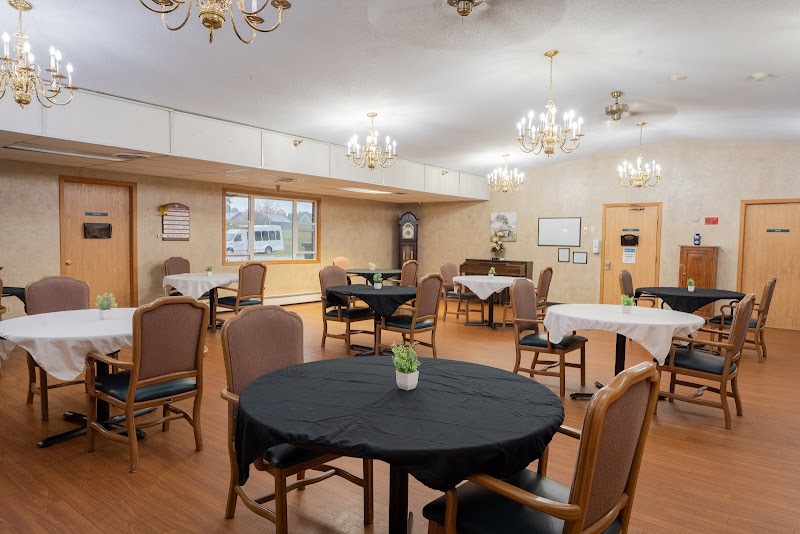
CMS rates Stone Cottage Care Center's staffing level at 1 out of 5 stars, which is much below average compared to other nursing homes. Staff turnover is 54%, compared to the Iowa average of 46%.

What Have Inspectors Found at Stone Cottage Care Center?

State health inspectors documented 73 deficiencies at Stone Cottage Care Center during 2022 to 2025. These included: 2 Immediate Jeopardy (the most serious level, indicating potential for serious harm or death), 1 that caused actual resident harm, 68 with potential for harm, and 2 minor or isolated issues. Immediate Jeopardy findings are rare and represent the most serious regulatory concerns. They require immediate corrective action.

Who Owns and Operates Stone Cottage Care Center?

Stone Cottage Care Center is owned by a for-profit company. For-profit facilities operate as businesses with obligations to shareholders or private owners. The facility is operated by GABRIEL SEBBAG & THE SAMARA FAMILY, a chain that manages multiple nursing homes. With 41 certified beds and approximately 24 residents (about 59% occupancy), it is a smaller facility located in SIGOURNEY, Iowa.

How Does Stone Cottage Care Center Compare to Other Iowa Nursing Homes?

Compared to the 100 nursing homes in Iowa, Stone Cottage Care Center's overall rating (1 stars) is below the state average of 3.0, staff turnover (54%) is near the state average of 46%, and health inspection rating (1 stars) is much below the national benchmark.

What Should Families Ask When Visiting Stone Cottage Care Center?

Based on this facility's data, families visiting should ask: "What changes have been made since the serious inspection findings, and how are you preventing similar issues?" "Can you walk me through typical staffing levels on day, evening, and night shifts?" "Can I visit during a mealtime to observe dining assistance and food quality?" "How do you handle medical emergencies, and what is your hospital transfer rate?" These questions are particularly relevant given the facility's Immediate Jeopardy citations and the below-average staffing rating.

Is Stone Cottage Care Center Safe?

Based on CMS inspection data, Stone Cottage Care Center has documented safety concerns. Inspectors have issued 2 Immediate Jeopardy citations (the most serious violation level indicating risk of serious injury or death). The facility has a 1-star overall rating and ranks #100 of 100 nursing homes in Iowa. Families considering this facility should ask detailed questions about what corrective actions have been taken since these incidents.

Do Nurses at Stone Cottage Care Center Stick Around?

Stone Cottage Care Center has a staff turnover rate of 54%, which is 8 percentage points above the Iowa average of 46%. Moderate turnover is common in nursing homes, but families should still ask about staff tenure and how the facility maintains care continuity when employees leave.

Was Stone Cottage Care Center Ever Fined?

Stone Cottage Care Center has been fined $43,583 across 2 penalty actions. The Iowa average is $33,515. While any fine indicates a compliance issue, fines under $50,000 are relatively common and typically reflect isolated problems that were subsequently corrected. Families should ask what specific issues led to these fines and confirm they've been resolved.

Is Stone Cottage Care Center on Any Federal Watch List?

Stone Cottage Care Center is not on any federal watch list. The most significant is the Special Focus Facility (SFF) program, which identifies the bottom 1% of nursing homes nationally based on persistent, serious quality problems. Not being on this list means the facility has avoided the pattern of deficiencies that triggers enhanced federal oversight. This is a positive indicator, though families should still review the facility's inspection history directly.