Accura Healthcare of Sioux City, LLC
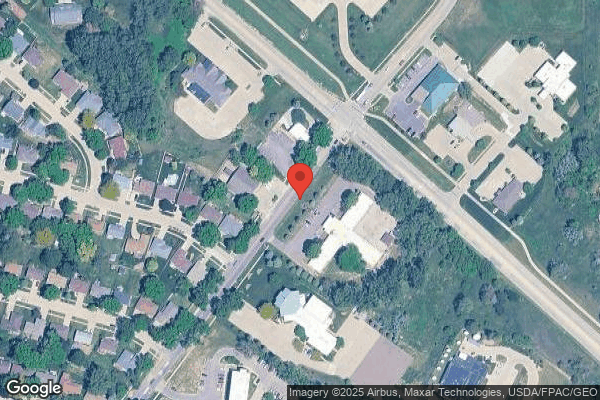
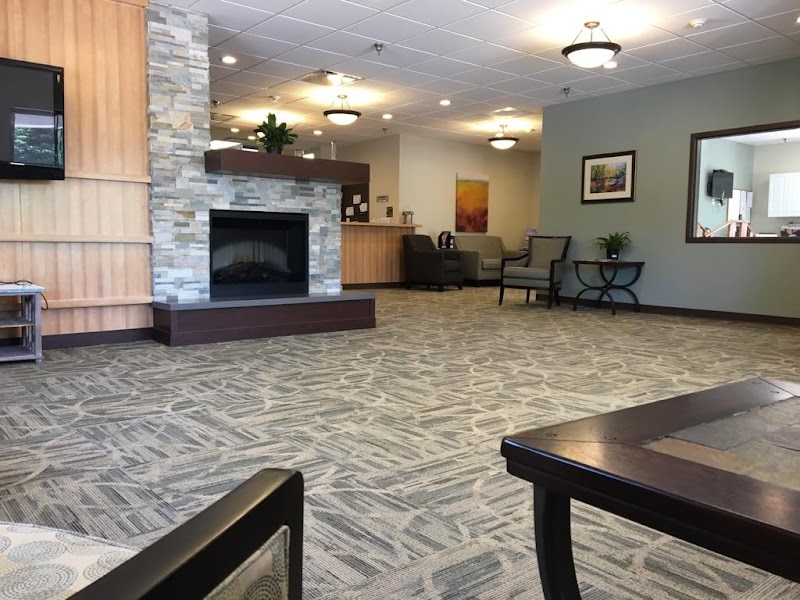
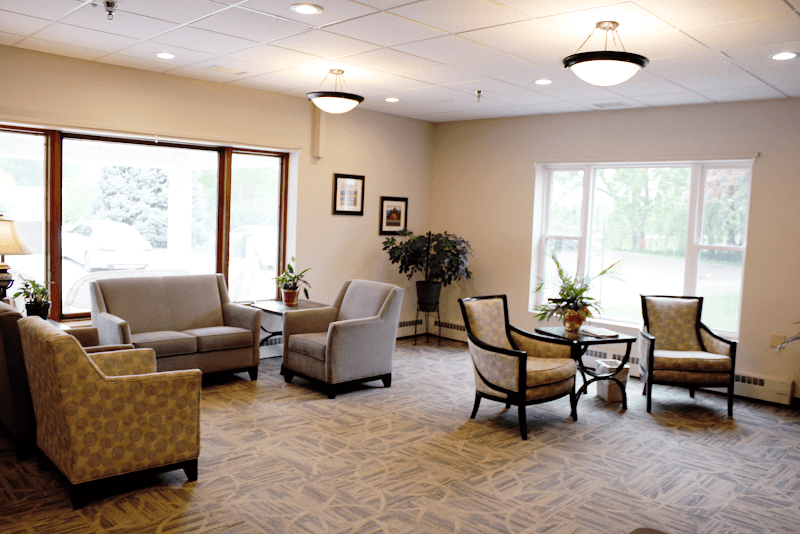
3800 Indian Hills Drive, Sioux City, IA 51104 (712) 239-5025
For profit - Corporation 46 Beds ACCURA HEALTHCARE Data: November 2025
Trust Grade
70/100
#93 of 392 in IA
Last Inspection: October 2024

Within standard 12-15 month inspection cycle. Federal law requires annual inspections.

Overview

Accura Healthcare of Sioux City, LLC has a Trust Grade of B, which indicates it is a good choice for families looking for care. It ranks #93 out of 392 nursing homes in Iowa, placing it in the top half of facilities statewide, and #3 out of 9 in Woodbury County, meaning only two local options are better. The facility is improving, having reduced its issues from 15 in 2023 to none in 2024, which is a positive sign. Staffing is a strength, with a 4 out of 5 star rating and only 23% turnover, significantly lower than the Iowa average of 44%. However, there are areas of concern; although the facility has no fines, it has less RN coverage than 85% of Iowa facilities, which could impact the level of care. Specific incidents include a failure to notify physicians about changes in residents' conditions, and an instance where a resident requiring assistance was not provided with the necessary help, raising potential safety issues. Overall, while there are strengths in staffing and recent improvements, families should consider these weaknesses when evaluating the facility.
Trust Score
B
70/100
In Iowa
#93/392
Top 23%
Safety Record
Moderate
Needs review
Inspections
Getting Better
15 → 0 violations
Staff Stability
✓ Good
23% annual turnover. Excellent stability, 25 points below Iowa's 48% average. Staff who stay learn residents' needs.
Penalties
✓ Good
No fines on record. Clean compliance history, better than most Iowa facilities.
Skilled Nurses
○ Average
Each resident gets 33 minutes of Registered Nurse (RN) attention daily — about average for Iowa. RNs are the most trained staff who monitor for health changes.
Violations
⚠ Watch
29 deficiencies on record. Higher than average. Multiple issues found across inspections.
★★★★☆
4.0
Overall Rating
★★★★☆
4.0
Staff Levels
★★★★☆
4.0
Care Quality
★★★★☆
4.0
Inspection Score
Stable
2023: 15 issues
2024: 0 issues

The Good

  • 4-Star Staffing Rating · Above-average nurse staffing levels
  • 4-Star Quality Measures · Strong clinical quality outcomes
  • Low Staff Turnover (23%) · Staff stability means consistent care
  • Full Sprinkler Coverage · Fire safety systems throughout facility
  • No fines on record
  • Staff turnover is low (23%)

    25 points below Iowa average of 48%

Facility shows strength in staffing levels, quality measures, staff retention, fire safety.

The Bad

Chain: ACCURA HEALTHCARE

Part of a multi-facility chain

Ask about local staffing decisions and management

The Ugly 29 deficiencies on record

1 actual harm
Jul 2023 15 deficiencies
CONCERN (D) 📢 Someone Reported This

A family member, employee, or ombudsman was alarmed enough to file a formal complaint

Potential for Harm - no one hurt, but risky conditions existed

Resident Rights (Tag F0550)

Could have caused harm · This affected 1 resident

**NOTE- TERMS IN BRACKETS HAVE BEEN EDITED TO PROTECT CONFIDENTIALITY** Based on observation, clinical record review, resident, and staff interviews, the facility failed to respect each resident's dig...

Read full inspector narrative →
**NOTE- TERMS IN BRACKETS HAVE BEEN EDITED TO PROTECT CONFIDENTIALITY** Based on observation, clinical record review, resident, and staff interviews, the facility failed to respect each resident's dignity by speaking a foreign language in the presence of residents for 2 out of 13 residents reviewed (Residents #3 and Resident #25). Findings included: 1. Resident #25's Minimum Data Set (MDS) assessment dated [DATE] identified a Brief Interview for Mental Status (BIMS) score of 11, indicating moderate cognitive impairment. The MDS listed that Resident #25 could understand others. On 7/18/23 at 10:01 PM, Resident #25 reported that some staff often spoke Spanish in her presence and during cares. When asked how that made her feel, Resident #25 replied that it made her think they are saying something they don't like about her. She did not know if they thought she could understand them, or if they are trying to tell her to do something. Resident #25 reported that she does not understand Spanish. 2. The Minimum Data Set (MDS) assessment dated [DATE] for Resident #3 documented the Brief Interview for Mental Status (BIMS) score of 15, indicating intact cognition. The MDS reflected that Resident #3 could understand others. On 7/19/23 at 9:35 AM, Resident #3 reported that the staff spoke Spanish in her presence regularly. Resident #3 stated, it made her uncomfortable because she thought that they did not want her to know what they are saying, so she felt they must be talking about her. Resident #3 reported more than a couple of Certified Nurse Aides (CNAs) spoke Spanish in her presence and during cares. Resident #3 explained that she did tell her concerns to the Administration. The Grievance Form dated 5/16/23 indicated that Resident #23 reported that Staff N, CNA, and Staff O, CNA, talked a lot and talked in Spanish that they could not understand. Resident #3 explained that they did not appreciate anyone talking in a foreign language while getting them up. They were joking around and laughing for quite a while. The Employee Corrective Action Form dated 5/16/23 identified Staff N, CNA, received an infraction due to a resident's complaint for speaking a language the resident did not understand while providing cares. The form instructed the facility expectations moving forward that staff would speak the preferred language of the resident while in the presence of residents as the facility is their home. On 7/19/23 at 10:45 AM, Staff B, Activities Director, reported that she received resident complaints, during a Resident Council meeting, that staff spoke Spanish in the presence of residents. Staff B reported the following CNAs to the Administrator: Staff K, Staff L, Staff M, Staff P. On 7/19/23 at 10:54 AM, Staff I, CNA, reported in the past week she witnessed Staff N and Staff O speak Spanish in the presence of residents. On 7/19/23 at 1:11 PM the Administrator reported providing past corrective action to staff that spoke Spanish in the presence of residents. The Administrator stated that the staff shouldn't speak Spanish in the resident care areas, including the nurses' station, due to the facility being the residents' home. The Administrator explained that the only time staff can use Spanish is with primarily Spanish speaking residents. The facility had one resident who spoke primarily Spanish. On 7/19/23 at 5:15 PM, Staff O, CNA, stated she received discipline for speaking Spanish in the presence of residents. Staff O reported that she did not understand why speaking Spanish is not acceptable. Staff O reported that at times staff want to talk about things that are personal and should be able to speak Spanish. The Resident Rights policy dated November 2016 identified that residents have the right to be fully informed in language that he or she can understand about his or her total health status including but not limited to, his or her medical condition.
CONCERN (D) 📢 Someone Reported This

A family member, employee, or ombudsman was alarmed enough to file a formal complaint

Potential for Harm - no one hurt, but risky conditions existed

Deficiency F0567 (Tag F0567)

Could have caused harm · This affected 1 resident

**NOTE- TERMS IN BRACKETS HAVE BEEN EDITED TO PROTECT CONFIDENTIALITY** Based on observations, resident interviews, and staff interviews the facility failed to provide residents with ready access to t...

Read full inspector narrative →
**NOTE- TERMS IN BRACKETS HAVE BEEN EDITED TO PROTECT CONFIDENTIALITY** Based on observations, resident interviews, and staff interviews the facility failed to provide residents with ready access to their personal funds managed by the facility for 5 of 43 residents reviewed (Resident #5, #7, #14, #16, and #18). The facility set a limit of $20 for all residents for their resident trust account for less than 24-hour notice. Finding include: 1. The Minimum Data Set (MDS) dated [DATE] for Resident #7 documented a Brief Interview of Mental Status (BIMS) of 15, indicating no cognitive impairment. On 7/17/23 at 12:06 PM Resident #7 stated residents at the facility are only allowed to get $20.00 cash a day from their personal funds. Resident #7 stated she wished she could get more than $20.00 at a time. 2. The MDS dated [DATE] for Resident #14 documented a BIMS of 14, indicating no cognitive impairment. On 7/17/23 at 1:33 PM Resident #14 stated there is not staff present on the weekend to give money out from personal funds. Resident #14 stated she cannot get money on the weekend. 3. The MDS dated [DATE] for Resident #16 documented a BIMS of 13, indicating no cognitive impairment. On 7/17/23 at 1:33 PM Resident #16 stated there is not a staff member at the facility on the weekend to give money out from their personal funds. Resident #14 stated she cannot get money on the weekend. Observation of a document posted on the business office door dated 10/5/22 revealed, Residents trust the business office only keeps a small amount of money in the office. The Business Office will only be able to give $20.00 at one time. Any resident requesting more than $20.00 will need to give a 24 hour notice/request so the business office can go to process the request through the bank. On 7/18/23 at 2:53 PM Staff A, Business Office Manager, stated she is only allowed $220.00 a month in the cash box at the facility. Staff A stated that was the amount given to her as a total when she started at the facility. Staff A stated all the residents had to do was ask for money 24 hours in advance to get more than $20.00. Staff A stated Residents #5, #7, #14, #16, and #18 had trust funds with the facility. Staff A stated the facility had a lock box on the medication cart with $20.00. Staff A added that if the nurses ran out of money in medication cart on the weekend they could call her Staff A, but she lived one and a half hours away. On 7/18/23 at 3:29 PM the Administer stated Staff B, the Social Worker, lives in the town and has access to the resident funds and can come into the facility if needed to give the residents money from their trust fund. The Administrator stated expectation is residents have access to their money when they need it. On 7/19/23 at 4:41 PM Staff B stated she never got personal funds out for any resident and she never gave cash to the residents. She had a card with all the residents' funds on it. Staff B said she never bought anything on the weekend. She must talk to Staff A before she can buy anything for the residents at the facility and denied ever receiving a call on the weekend to get a resident money. She added that she did not have access to the money at the facility. She must fill out a form to get permission for her to get cash out and denied that she ever got cash out of the account, but added that she did have the pin number. No one ever asked for cash but she did not work on the weekends.
CONCERN (D)

Potential for Harm - no one hurt, but risky conditions existed

PASARR Coordination (Tag F0644)

Could have caused harm · This affected 1 resident

**NOTE- TERMS IN BRACKETS HAVE BEEN EDITED TO PROTECT CONFIDENTIALITY** Based on clinical record review and staff interview, the facility failed to refer 1 resident with a negative Level I Preadmissio...

Read full inspector narrative →
**NOTE- TERMS IN BRACKETS HAVE BEEN EDITED TO PROTECT CONFIDENTIALITY** Based on clinical record review and staff interview, the facility failed to refer 1 resident with a negative Level I Preadmission Screening and Resident Review (PASRR), who was later identified with newly evident or possible serious mental disorder, intellectual disability, or other related condition, to the appropriate state-designated authority for a Level II PASRR evaluation and determination for 1 out of 1 residents (Resident #22) reviewed for PASRR requirements. Finding include: 1. Resident #22's Minimum Data Set (MDS) assessment dated [DATE] identified a Brief Interview of Mental Status (BIMS) of 1, indicating no cognitive impairment. The Mood section of the MDS listed a score of 9, indicating mild depression. Resident #22 exhibited a rejection of care for one to three days in the lookback period. The MDS included diagnoses of paranoid schizophrenia and bipolar disorder. Resident #22 received an antipsychotic and an antidepressant for five out of the seven day lookback period. The Notice of PASRR Level I Screen Outcome Explanation, dated 3/18/21 reflected a notice of no PASRR Level II Required. The PASRR Level I Identification Screen listed nursing facility placement as appropriate for Resident #22. The PASRR Level I screen remains valid for her stay at the nursing facility and should be transferred with her if she relocated. No further Level I screening is required unless you are known to have or are suspected of having a serious mental illness, an intellectual, or developmental disability and exhibit a significant change in treatment needs. The PASRR listed no mental health diagnoses known or suspected. The Level I screen indicated that a PASRR disability is not present because of the following reason: Resident #22 had no evidence of a PASRR condition of an intellectual or developmental disability or a serious behavioral health condition. If changes occur or new information refutes these findings, a new screen must be submitted. Resident #22's Medical Diagnosis list included diagnoses of paranoid schizophrenia and bipolar disorder diagnosed on [DATE]. Resident #22's July 2023 Medication Administration Records (MAR) included an order for Aripiprazole (Antipsychotic medication) tablet 15 milligrams (MG). Give 1 tablet by mouth one time a day related to paranoid schizophrenia. Resident #22's chart lacked a follow-up and/or a resubmission of a PASRR with the diagnosis of paranoid schizophrenia and bipolar disorder. On 7/18/23 at 1:58 PM Staff C, MDS Coordinator, reported that if a resident had a change in diagnosis or medication, the facility would fill out a significant change assessment and submit it to PASRR. Staff C stated someone should have submitted a significant change PASRR for Resident #22. Staff C stated PASRR assessments are completed on everyone that enters the facility. On 7/18/23 at 2:10 PM Staff D, Registered Nurse (RN) / Nurse Consultant, stated the facility had no policy related to PASRRs. Staff D added that the facility followed the state regulations for PASRR submissions.
CONCERN (D)

Potential for Harm - no one hurt, but risky conditions existed

Deficiency F0657 (Tag F0657)

Could have caused harm · This affected 1 resident

**NOTE- TERMS IN BRACKETS HAVE BEEN EDITED TO PROTECT CONFIDENTIALITY** Based on record review, resident interviews, resident family interview, and staff interviews the facility failed to provide an o...

Read full inspector narrative →
**NOTE- TERMS IN BRACKETS HAVE BEEN EDITED TO PROTECT CONFIDENTIALITY** Based on record review, resident interviews, resident family interview, and staff interviews the facility failed to provide an opportunity for a resident and/or a Resident's Representative to participate in a Care Conference to discuss the residents care 1 of 12 residents reviewed (Resident #33). Finding include: Resident #33's Minimum Data Set (MDS) assessment dated [DATE] listed an admission date of 7/19/22. The MDS identified a Brief Interview of Mental Status (BIMS) of 9 indicating moderate cognitive impairment. On 7/17/23 at 10:37 AM Resident #33 stated that she did not remember ever attending a Care Conference. On 7/20/23 at 11:07 AM Resident #33's Representative (RR #33) stated the previous Social Worker used to notify her but she never got notified now. RR #33 only got invited to attend two of the reviews since Resident #33 lived at the facility. RR #33 explained that the facility did not send her any letters related Care Conferences. RR #33's explained the facility only notified her the day of or the day before the Care Conference for the two times they invited her. RR #33 added that she could attend the Care Conference with that little of a notice. The Care Conference Review reflected the following: a. 11/3/22 listed that Resident #33 declined to come and that RR #33 could not attend due to [scribbled out information]. b. The Care Plan Summary Review dated 3/23/23 indicated that Resident #33 declined to participate but lacked documentation of RR #33's response. c. 3/23/23 indicated that the facility attempted to call RR #33 on 3/20/23 but she had a full voicemail box, no documentation of additional attempts to contact her. d. 6/15/23 lacked documentation of an invitation sent to Resident #33 or RR #33. On 7/20/23 at 9:05 AM Staff C, MDS Coordinator / Registered Nurse (RN), stated she attended and entered the note for the Care Conference. On 7/20/23 at 9:18 AM Staff B, Social Worker, stated she had a checklist for the Resident's Representative notification. She sent all letters to the Resident's Representative one month before the Care Conference. Staff B explained that she invited Resident #33 to her Care Conferences but she always refused. Staff B added that she did not document that she sent letters or that she notified the family representatives anywhere. On 7/18/23 at 2:10 PM Staff D, Registered Nurse (RN) / Nurse Consultant, stated the facility did not have a policy for a Comprehensive Care Plan review. Staff D stated the facility followed the state regulations for Comprehensive Care Plan Reviews.
CONCERN (D)

Potential for Harm - no one hurt, but risky conditions existed

Deficiency F0661 (Tag F0661)

Could have caused harm · This affected 1 resident

**NOTE- TERMS IN BRACKETS HAVE BEEN EDITED TO PROTECT CONFIDENTIALITY** Based on record review, staff interviews, and policy review the facility failed to complete a discharge summary after a resident...

Read full inspector narrative →
**NOTE- TERMS IN BRACKETS HAVE BEEN EDITED TO PROTECT CONFIDENTIALITY** Based on record review, staff interviews, and policy review the facility failed to complete a discharge summary after a resident discharged on 1 of 1 resident reviewed (Resident #141). Finding include: Resident #141's Minimum Data Set (MDS) assessment dated [DATE] identified a Brief Interview of Mental Status (BIMS) of 14 indicating no cognitive impairment. Resident #141's Electronic Health Record (EHR) and paper chart lacked a discharge summary and personal belongings list for their discharge on [DATE]. On 7/20/23 at 1:54 PM Staff D, Registered Nurse (RN) / Nurse Consultant, stated a discharge summary was not completed for Resident #141. On 7/20/23 at 2:10 PM Staff D, stated the facility had no policy for completion of a discharge summary, as the facility followed the state regulations for completion of a discharge summary upon a resident's discharge.
CONCERN (D) 📢 Someone Reported This

A family member, employee, or ombudsman was alarmed enough to file a formal complaint

Potential for Harm - no one hurt, but risky conditions existed

Quality of Care (Tag F0684)

Could have caused harm · This affected 1 resident

**NOTE- TERMS IN BRACKETS HAVE BEEN EDITED TO PROTECT CONFIDENTIALITY** Based on record review, resident, and staff interviews the facility failed to assess a resident's blood sugar after a drop in le...

Read full inspector narrative →
**NOTE- TERMS IN BRACKETS HAVE BEEN EDITED TO PROTECT CONFIDENTIALITY** Based on record review, resident, and staff interviews the facility failed to assess a resident's blood sugar after a drop in level with a low rise rate for over an hour and half (Resident #92). Following this assessment, no staff assessed Resident #92 for over three hours. Resident #92 developed a change in condition that required an admission to the hospital due to her hypoglycemic (low blood sugar) status. Findings Included: Resident #92's Minimum Data Set (MDS) assessment dated [DATE] identified a Brief Interview for Mental Status (BIMS) score of 14, indicating intact cognition. The MDS included a diagnosis of diabetes mellitus. The Care Plan dated 6/19/23 identified Resident #92 as a diabetic with a goal not to have any ill effects from hypoglycemia or hyperglycemia. On 7/17/23 at 2:05 PM Resident #92 reported that she went to the hospital a few weeks ago for low blood sugars. The Health Status Note dated 7/5/23 at 2:59 AM indicated that 1:00 AM the nurse observed Resident #92 with her C-Pap (machine to help treat sleep apnea while sleeping) and her leg hanging over the bed. She had slurred speech and did not make sense. Resident #92 had a blood sugar (BS) of 32. The nurse contacted the provider who gave an order for a glucagon injection. The nurse gave Resident #92 the glucagon injection in her right upper arm. The nurse rechecked Resident #92's blood sugar as followed: a. 1:15 AM - BS of 44 mg/dL. b. 1:30 AM - BS of 55 mg/dL. c. 3:00 AM - BS of 74 mg/dL. - Resident #92 drank 200 milliliters (ML) of juice, had a bite of graham cracker, and three tablespoons of honey. d. 5:30 AM - BS of 60 mg/dL. - Resident #92 vomited after receiving honey, the nurse gave the resident as needed Zofran (anti-nausea medicine). The Health Status Note dated 7/5/23 at 8:55 AM labeled Late Entry reflected that the charge nurse requested an order to send Resident #92 to the emergency room (ER) from the provider. The provider declined to give an order to send her to the ER, but gave an order to administer glucagon. Resident #92's nurse called the provider's office and spoke with the provider's nurse who directed to give the glucagon at that time and if they did not see an improvement in 30 minutes in her alertness, they could Resident #92 to the ER. At 9:30 AM the provider's nurse called back for an update on Resident #92. The nurse reported her blood sugar as 94 mg/dL, the nurse received an order to send Resident #92 to the ER. The Health Status Note dated 7/5/23 at 10:07 AM listed that Resident #92 had a blood sugar of 40, she appeared alert but very disoriented. She did not know where she was. Her face looked pale and dusty (gray type coloring). Resident #92 reported to the nurse that she did not feel right. The nurse called the provider who said to give glucagon and if not better within a half hour, they could send to the ER. A half hour later, the nurse checked Resident #92 blood sugar and got a result of 94. Resident #92 reported that she did not feel any better, so the facility sent her to the ER via ambulance. On 7/20/23 at 10:02 AM, Staff R, Licensed Practical Nurse (LPN), reported that the facility did not have a policy or guidelines for the treatment of hypoglycemia. When asked how often blood sugars should be checked, what diet interventions should be used, and when should the provider be notified of hypoglycemia, Staff R responded, that she used her own judgment. On 7/20/23 at 10:02 AM, Staff R, Licensed Practical Nurse (LPN), reported that the facility lacked a policy or guidelines for the treatment of hypoglycemia. When asked how often blood sugars should be checked, what diet interventions should be used, and when should the provider be notified of hypoglycemia, Staff R responded, that she used her own judgment. On 7/20/23 at 11:11 AM, the Director of Nursing (DON), reported the facility lacked a hypoglycemic protocol or policy. The DON reported that she would have done more after 5:30 AM. The DON could not determine, by the nurse's documentation, if the resident was properly assessed or treated. On 7/20/23 at 1:59 PM, the DON reported that if after the first dose of glucagon (medication injected to raise a person blood sugar) Resident #92's blood sugar failed to rise, and stayed at a stable level, she expected the staff to notify the doctor to obtain parameters and request an order to send them to ER if needed.
CONCERN (D) 📢 Someone Reported This

A family member, employee, or ombudsman was alarmed enough to file a formal complaint

Potential for Harm - no one hurt, but risky conditions existed

Accident Prevention (Tag F0689)

Could have caused harm · This affected 1 resident

**NOTE- TERMS IN BRACKETS HAVE BEEN EDITED TO PROTECT CONFIDENTIALITY** Based on observations, record review, and interviews the facility failed to properly use a mechanical lift to avoid hazards and ...

Read full inspector narrative →
**NOTE- TERMS IN BRACKETS HAVE BEEN EDITED TO PROTECT CONFIDENTIALITY** Based on observations, record review, and interviews the facility failed to properly use a mechanical lift to avoid hazards and prevent accidents for 1 of 1 residents reviewed (Resident #13). Findings include: Resident #13's Minimum Data Set (MDS) assessment dated [DATE] identified a Brief Interview for Mental Status (BIMS) score of 10, indicating moderate cognitive impairment. Resident #13 required total assistance from two persons for toilet use and extensive assistance from two persons for personal hygiene. The MDS included diagnoses of neurogenic bladder (difficulty with urinating) and renal insufficiency (poor functioning kidneys). The Care Plan Focus revised 8/9/22 indicated that Resident #13 had an activities of daily living (ADL) deficit due to weakness and a history of cerebral (brain) events. The Intervention dated 8/9/22 instructed that Resident #13 required the assistance of two person for transfers with the full body mechanical lift. On 7/18/23 at 12:52 PM observed Staff O, Certified Nurse Aide (CNA), and Staff Q, CNA, transfer Resident #13 with a full-body mechanical lift from her wheelchair to the bed. Staff O and Staff Q failed to lock the brakes of Resident #13's wheelchair before lifting her with the full-body mechanical left. The Competency for Hoyer Lift updated 5/11/21 instructed staff to place the chair that the resident will be transferred into in position and make sure the brakes are secured. On 7/18/23 at 1:32 PM, the Administrator and the Director of Nursing reported that they both would have to refer to the lift guide for instructions. The Administrator reported the staff are trained on all mechanical lifts and mechanical stands. They expect the staff to follow the education.
CONCERN (D) 📢 Someone Reported This

A family member, employee, or ombudsman was alarmed enough to file a formal complaint

Potential for Harm - no one hurt, but risky conditions existed

Respiratory Care (Tag F0695)

Could have caused harm · This affected 1 resident

**NOTE- TERMS IN BRACKETS HAVE BEEN EDITED TO PROTECT CONFIDENTIALITY** Based on clinical record review, staff interview, and facility policy review, the facility failed to manage oxygen usage for 1 o...

Read full inspector narrative →
**NOTE- TERMS IN BRACKETS HAVE BEEN EDITED TO PROTECT CONFIDENTIALITY** Based on clinical record review, staff interview, and facility policy review, the facility failed to manage oxygen usage for 1 out of 1 residents reviewed (Resident #13) for oxygen use. Findings include: Resident #13's Minimum Data Set (MDS) assessment dated [DATE] identified a Brief Interview for Mental Status (BIMS) score of 10, indicating moderate cognitive impairment. Resident #13 required total assistance from two persons for toilet use and extensive assistance from two persons for personal hygiene. The MDS included diagnoses of heart failure, chronic obstructive pulmonary disease (COPD, long-term lung disease that affects breathing), and anemia (low iron levels in the blood). Resident #13 received oxygen therapy in the lookback period. The Care Plan Focus revised 8/9/22 indicated that Resident #13 had a potential for or actual respiratory abnormalities related to COPD. The Intervention revised 1/8/23 directed oxygen at 3 liters per nasal cannula (3L/NC) while in bed to keep oxygen saturations above 90%. On 7/17/23 at 1:50 PM witnessed Resident #13's oxygen concentrator set at 3.5 L/NC while she rested in bed. On 7/18/23 at 1:32 PM observed Resident #13's oxygen concentrator set at 3.5 L/NC while she rested in bed. Resident #13's Clinical Physician Orders included an order dated 11/16/22 instructing that while she laid in bed, she could have oxygen at 3 L/NC or mask to keep oxygen saturation above 90%. Resident #13's July 2023 Medication Administration Record listed an order dated 11/16/22 instructing that while she laid in bed, she could have oxygen at 3 L/NC or mask to keep oxygen saturation above 90%. On 7/19/23 at 2:01 PM, Staff S, Licensed Practical Nurse (LPN), verified that Resident #13's oxygen setting should be at 3 L/NC. After Staff S entered Resident #13's room, she reported Resident #13's oxygen concentrator showed she received 3.5 L/NC of oxygen. Staff S reduced the oxygen flow to 3 L/NC. On 7/19/22 at 2:41 PM, the Administrator, reported that she expected residents to receive oxygen as ordered by the provider. The Administrator reported that the facility lacked an oxygen policy.
CONCERN (D) 📢 Someone Reported This

A family member, employee, or ombudsman was alarmed enough to file a formal complaint

Potential for Harm - no one hurt, but risky conditions existed

Deficiency F0726 (Tag F0726)

Could have caused harm · This affected 1 resident

**NOTE- TERMS IN BRACKETS HAVE BEEN EDITED TO PROTECT CONFIDENTIALITY** Based on clincial record review and staff interviews, the facility failed to ensure that staff who took a resident's blood press...

Read full inspector narrative →
**NOTE- TERMS IN BRACKETS HAVE BEEN EDITED TO PROTECT CONFIDENTIALITY** Based on clincial record review and staff interviews, the facility failed to ensure that staff who took a resident's blood pressure knew when to notify the nurse of a low result for one of one residents reviewed (Resident #36). Findings include: Resident #36's Minimum Data Set (MDS) assessment dated [DATE] identified a Brief Interview for Mental Status (BIMS) score of 11, indicating moderate cognitive impairment. The MDS included a diagnosis of hypotension (low blood pressure). Resident #36's July 2023 MAR listed an order dated 6/3/23 for Midodrine HCl (medication used to raise blood pressure) oral tablet 5 MG. Give two tablets by mouth three times a day before meals for hypotension. The last pill must be given before 6 PM, hold if blood pressure is 130/85 or above. - 7/19/23 - Staff E, Certified Medication Aide (CMA), documented a blood pressure of 79/49 (average blood pressure for a typical person is 120/80). On 7/19/23 at 9:35 AM Staff E reported that Resident #36 had a blood pressure within range. The blood pressure was less than 130/85 so the blood pressure was good enough to give the medication this morning. She would only notify the nurse if it was a low blood pressure. She did not know at what blood pressure she would notify the nurse, as she did not know the parameters of when to tell them nurse of a low blood pressure. She took their blood pressure earlier that morning with their blood sugar. On 7/19/23 at 9:30 AM Staff F, Licensed Practical Nurse (LPN), denied notification of any excessively low blood pressure that morning shift. Electronic record review of blood pressure expectations revealed blood pressure Systolic abnormal high rate is greater than 139. Abnormally low rate is less than 90. Diastolic abnormal high rate is greater than 89. Abnormal low rate is less than 60. On 7/19/23 at 9:46 AM Staff F stated any blood pressure with a systolic blood pressure less than 80 and diastolic blood pressure less than 60 should be notified to the nurse and would require an assessment. Staff F stated she educated Staff E on parameters for notification of low blood pressures. Staff F stated a blood pressure of 79/49 is a blood pressure that should be told to a nurse. Staff F stated she reassessed Resident #36 that morning shift after educating Staff E on low blood pressures. On 7/19/23 at 9:50 AM the Director of Nursing (DON) explained that the staff should have notified the nurse for blood pressure of 79/49. The DON reported that if a person had a low blood pressure with another symptom then they would automatically notify the nurse. The staff should notify of anything under 100/60. On 7/19/23 at 10:30 AM Staff D, Registered Nurse (RN) / Nurse consultant, reported that they expected the staff to follow standards of practice. Staff D added that the facility did not have a policy related to notification and follow-up for altered vitals.
CONCERN (D) 📢 Someone Reported This

A family member, employee, or ombudsman was alarmed enough to file a formal complaint

Potential for Harm - no one hurt, but risky conditions existed

Medical Records (Tag F0842)

Could have caused harm · This affected 1 resident

**NOTE- TERMS IN BRACKETS HAVE BEEN EDITED TO PROTECT CONFIDENTIALITY** Based on record review and staff interviews the facility failed to maintain accurate medical records for 1 out of 13 residents r...

Read full inspector narrative →
**NOTE- TERMS IN BRACKETS HAVE BEEN EDITED TO PROTECT CONFIDENTIALITY** Based on record review and staff interviews the facility failed to maintain accurate medical records for 1 out of 13 residents reviewed (Resident #92). Findings Included: Resident #92's Minimum Data Set (MDS) assessment dated [DATE] identified a Brief Interview for Mental Status (BIMS) score of 14, indicating intact cognition. The MDS included a diagnosis of diabetes mellitus. The Care Plan dated 6/19/23 identified Resident #92 as a diabetic with a goal not to have any ill effects from hypoglycemia or hyperglycemia. On 7/17/23 at 2:05 PM Resident #92 reported that she went to the hospital a few weeks ago for low blood sugars. The Health Status Note dated 7/5/23 at 2:59 AM indicated that 1:00 AM the nurse observed Resident #92 with her C-Pap (machine to help treat sleep apnea while sleeping) and her leg hanging over the bed. She had slurred speech and did not make sense. Resident #92 had a blood sugar (BS) of 32. The nurse contacted the provider who gave an order for a glucagon injection. The nurse gave Resident #92 the Glucagon injection in her right upper arm. The nurse rechecked Resident #92's blood sugar as followed: a. 1:15 AM - BS of 44 mg/dL. b. 1:30 AM - BS of 55 mg/dL. c. 3:00 AM - BS of 74 mg/dL. - Resident #92 drank 200 milliliters (ML) of juice, had a bite of graham cracker, and three tablespoons of honey. d. 5:30 AM - BS of 60 mg/dL. - Resident #92 vomited after receiving honey, the nurse gave the resident as needed Zofran (anti-nausea medicine). The Health Status Note dated 7/5/23 at 8:55 AM labeled Late Entry reflected that the charge nurse requested an order to send Resident #92 to the emergency room (ER) from the provider. The provider declined to give an order to send her to the ER, but gave an order to administer Glucagon. Resident #92's nurse called the provider's office and spoke with the provider's nurse who directed to give the Glucagon at that time and if they did not see an improvement in 30 minutes in her alertness, they could Resident #92 to the ER. At 9:30 AM the provider's nurse called back for an update on Resident #92. The nurse reported her blood sugar as 94 mg/dL, the nurse received an order to send Resident #92 to the ER. The Health Status Note dated 7/5/23 at 10:07 AM listed that Resident #92 had a blood sugar of 40, she appeared alert but very disoriented. She did not know where she was. Her face looked pale and dusty (gray type coloring). Resident #92 reported to the nurse that she did not feel right. The nurse called the provider who said to give Glucagon and if not better within a half hour, they could send to the ER. A half hour later, the nurse checked Resident #92 blood sugar and got a result of 94. Resident #92 reported that she did not feel any better, so the facility sent her to the ER via ambulance. On 7/20/23 at 10:02 AM, Staff R, Licensed Practical Nurse (LPN), reported that the facility did not have a policy or guidelines for the treatment of hypoglycemia. When asked how often blood sugars should be checked, what diet interventions should be used, and when should the provider be notified of hypoglycemia, Staff R responded, that she used her own judgment. On 7/20/23 at 10:02 AM, Staff R, Licensed Practical Nurse (LPN), reported that she practiced to stay with the resident until their blood sugars stabilize. She usually tests the resident's blood sugars about every 15-20 minutes until they are stable. Staff R added that her normal practice is to assess the resident and take their vital signs every time that she checks their blood sugar. Staff R reported that she documented blood sugar results, vital signs, medication administration, and physician communication in the electronic chart. Staff R recalled coming to work on 7/5/23 and taking care of Resident #92 during the hypoglycemic episode. Staff R reported Resident #92's blood sugar to be 130 milligrams per deciliter (mg/dL) at 7:00 AM. Staff R reported that she took another blood sugar at 7:30 AM, and another employee checked Resident #92's blood sugar shortly after. After reviewing her documentation, Staff R responded, I must not have documented everything that day. Staff R reported that she was very busy that day, as she sent another resident to the hospital that morning. On 7/20/23 at 11:11 AM, the Director of Nursing (DON), reported the facility lacked a hypoglycemic protocol or policy. The DON could not determine, by the nurse's documentation, if the resident was properly assessed or treated. The DON reported the facility lacked a documentation policy. The DON acknowledged that she expected staff to document detailed information during a hypoglycemic event.
CONCERN (E) 📢 Someone Reported This

A family member, employee, or ombudsman was alarmed enough to file a formal complaint

Potential for Harm - no one hurt, but risky conditions existed

Notification of Changes (Tag F0580)

Could have caused harm · This affected multiple residents

**NOTE- TERMS IN BRACKETS HAVE BEEN EDITED TO PROTECT CONFIDENTIALITY** Based on record review, staff interview, and document review the facility failed to notify the physician with a change in condit...

Read full inspector narrative →
**NOTE- TERMS IN BRACKETS HAVE BEEN EDITED TO PROTECT CONFIDENTIALITY** Based on record review, staff interview, and document review the facility failed to notify the physician with a change in condition for 2 of 2 residents reviewed (Residents #7 and #22). Finding include: 1. Resident #7's Minimum Data Set (MDS) dated [DATE] for documented a Brief Interview of Mental Status (BIMS) of 15 indicating no cognitive impairment. The MDS included a diagnosis of edema. Resident #7 had a weight loss of 5% or more in the previous month or a loss of 10% or more in the previous six months while not on a physician-prescribed weight-loss regimen. The MDS listed that Resident #7 received a diuretic (medication to remove excess fluids) for seven out of seven days in the lookback period. Resident #7 June 2023 Medication Administration Record (MAR) included the following orders dated 7/22/22: a. Daily weight and notify the physician if weight gain of 2-3 pounds overnight or 4-5 pounds in five days. Notify the physician with any change in condition, chest pain, intolerable pain, unable to tolerate diet, and shortness of breath. The MAR listed the following weights that had a weight gain that required notification to the physician: i. 6/9/23 at 11:37 AM - 150.0 lbs.; 6/10/23 at 1:49 PM - 154.2 lbs. Weight gain of 4.2 lbs. ii. 6/19/23 at 11:55 AM - 150.8 lbs.; 6/20/23 at 7:24 AM - 153.2 lbs. Weight gain 2.4 lbs. iii. 6/21/23 at 11:06 AM - 151.4 lbs.; 6/22/23 at 10:47 AM - 154.0 lbs. Weight gain 2.6 lbs. iv. 6/7/23 at 11:41 AM - 149.4 lbs.; 6/10/23 at 1:49 PM - 154.2 lbs. Weight gain 4.8 lbs. v. 6/19/23 at 11:55 AM - 150.8 lbs.; 6/24/23 at 10:04 AM - 155.0 lbs. Weight gain 4.2 lbs. b. Furosemide Tablet 20 milligrams (MG). Give 1 tablet by mouth one time a day related to unspecified edema. Resident #7 July 2023 Medication Administration Record (MAR) included the following orders dated 7/22/22: a. Daily weight and notify the physician if weight gain of 2-3 pounds overnight or 4-5 pounds in five days. Notify the physician with any change in condition, chest pain, intolerable pain, unable to tolerate diet, and shortness of breath. The MAR listed the following weights that had a weight gain that required notification to the physician: - 7/1/23 at 7:56 AM - 156.2 lbs.; 7/2/23 at 7:46 AM - 159.4 lbs. Weight gain 3.2 lbs. b. Furosemide Tablet 20 milligrams (MG). Give 1 tablet by mouth one time a day related to unspecified edema. Resident #7's clinical record lacked documentation that the facility notified the physician with weight gain for the months of April, May, June or July. On 7/19/23 at 4:07 PM the Director of Nursing (DON) said she expected the staff notify the physician with fluctuations in weight as ordered by the physician. 2. Resident #22's MDS assessment dated [DATE] identified a BIMS score of 13, indicating no cognitive impairment. The MDS included a diagnosis of type 2 diabetes mellitus with diabetic neuropathy (nerve damage caused by elevated blood sugars that cause pain). Resident #22's June 2023 MAR listed an order dated 1/9/23 to notify the physician for blood sugars above 240 for 48 hours or above 350 and does not respond to attempts at correction four times a day for monitoring related to type 2 diabetes mellitus without complications. Call the doctor for blood sugars greater than 350 or less than 60. a. Blood sugars over 350 on 1, 4, 5, 6, 7, 9, 14, 16, 17, 19, 20, 24, 25, 26, 27, 28, and 29. b. Blood sugars above 240 for 48 hours or longer: i. 6/4/23 at noon through noon on 6/9/23. ii. 6/12/23 at breakfast through breakfast 6/15/23. iii. 6/17/23 at bedtime through the evening meal on 6/21. Resident #22's July 2023 MAR listed an order dated 1/9/23 to notify the physician for blood sugars above 240 for 48 hours or above 350 and does not respond to attempts at correction four times a day for monitoring related to type 2 diabetes mellitus without complications. Call the doctor for blood sugars greater than 350 or less than 60. a. Blood sugars over 350 on 1, 2, 4, 5, 8, 9, 12, 16, 17, and 19. b. Blood sugars above 240 for 48 hours or longer: i. 7/8/23 at bedtime through noon on 7/11/23. ii. 7/13/23 at breakfast through noon on 7/17/23. Resident #22 clinical record lacked documentation that the facility notified the physician of their blood sugar for months of July and June. One time on 6/29/23, Resident #22 had a blood sugar of 424.
CONCERN (E)

Potential for Harm - no one hurt, but risky conditions existed

Deficiency F0802 (Tag F0802)

Could have caused harm · This affected multiple residents

Based on document review, observations, policy, and staff interview the facility failed to employ sufficient staff with the appropriate competencies and skills sets to effectively carry out the functi...

Read full inspector narrative →
Based on document review, observations, policy, and staff interview the facility failed to employ sufficient staff with the appropriate competencies and skills sets to effectively carry out the functions of the food and nutrition service department. The facility reported a census of 43. residents. Findings include: The Diet Spreadsheets labeled Week 3 Wednesday signed by the Dietitian on 4/13/23 provided by Staff J, Dietary Manager, listed the following information: a. Regular diet: 3 ounces (oz) smoked pork loin, one baked sweet potato, and 4 oz buttered peas. b. Pureed diet: #8 scoop pureed smoked pork loin, #8 scoop mashed sweet potatoes, and #12 scoop pureed buttered peas. c. Mechanical soft diet: 3 oz ground smoked pork loin, one baked sweet potato with no skin, and 4 oz scoop creamed corn. On 7/19/23 observed Staff G's, Cook, scoops used for the lunch meal revealed: a. Pureed wax beans size # 16 scoop, pureed meat 3 oz scoop, and pureed sweet potato 3 oz scoop. b. Regular sweet potato 3 oz slotted scoop, peas 3 oz slotted scoop, and wax beans 3 oz slotted scoop. c. Mechanical soft meat size #16 scoop. On 7/19/23 at 11:55 AM observed a pureed diet portion chart behind the food processor in the kitchen. The Menu Substitution Log provided by Staff J revealed a blank document. On 7/19/23 at 11:42 AM Staff G stated she just eyeballs the amount of meat for serving size prior to using the food processor for puree. Watched Staff G use a scoop spoon to empty the food processor. After Staff G, finished observed a large amount of food left in the food processor. The scoop spoon could not reach the large amount of food in the corner of the food processor. On 7/19/23 at 12:21 PM during the continuous observation of the lunch service witnessed Staff G fill the scoops used to serve the mechanical soft diet and the pureed diets only partially full. Witnessed Staff G picked up a peanut butter and jelly sandwich with gloved hands, placed the sandwich on a plate then picked up tongs for pork, placed pork on plate, picked up strainer spoon for sweet potatoes, and then picked up the lids for room trays. Then with the same gloves and without hand hygiene, Staff G picked up bread, picked up a plate, placed the bread on the plate, picked up the room tray lid, applied the lid to the plate, picked up the strawberry cobblers, and put the cobblers on the tray. Staff G used both hands for each task and repeated these tasks through the entire lunch service without changing her gloves or performing hand hygiene. The Hand Hygiene procedure document updated 10/19/22 provided by the Administrator directed that staff should always complete hand hygiene before and after work, before donning (applying) gloves and after removing gloves, after handling contaminated items and equipment, and whenever their hands become physically soiled. On 7/19/23 at 1:36 PM Staff J reported that the kitchen had a substitution sheet that they submit to the Dietitian. Staff J explained that she substitutes whatever the facility has in the kitchen that is of equal nutritional value. The meat portion on the pork loin is determined where the net on the uncooked meat lines up, that is where the portion is cut from. Staff J added that while she worked at the facility, they never had a working scale. Staff J stated she sliced meat to make the plate look full. Staff J explained that they make substitutions about two to three times a week. Substitutions are made because she forgets to order the food, there is a change in census, and/or the facility did not have enough of that food for all the residents. Staff J stated the facility's expectation is to follow the pureed portion chart posted on the wall and added that they did not have #8 sized scoops. Staff J reported that the facility expected gloves are changed when hands are soiled or when they moved from any contaminated surface and food. Staff J stated that the substitution sheet was for a couple months and she expected that it would be filled out properly. Staff J stated the substitution document should not be blank. On 7/20/23 at 12:34 PM the Dietitian stated new gloves should be applied whenever gloves are dirty. The Dietitian stated she would like no glove use during meal service and that tongs would have been ideal. The Dietitian stated she expected the staff to use a scale to determine the serving size of pork loin. On 7/22/23 at 10:25 AM the Administrator reported the expectation of the facility is to use the correct size to serve the food. The serving size should be determined by the size that is suggested by the pureed food chart, size suggested by the dietitian, and serving size specified on the menu. The Administrator stated she did not mind if the cook substituted foods off the menu. The Administrator explained that they expected that the food would be substituted appropriately. The Administrator stated the facility's expectation for glove use in the kitchen is clean touches clean and soiled touches soiled. The Administrator stated the facility's expectation is that if any of these are not correct, the staff washes their hands and applies new gloves.
CONCERN (E)

Potential for Harm - no one hurt, but risky conditions existed

Menu Adequacy (Tag F0803)

Could have caused harm · This affected multiple residents

Based on observation, document review and staff interview the facility failed to follow the menu and prepare food to meet the nutritional needs of the residents. The facility reported a census of 43 r...

Read full inspector narrative →
Based on observation, document review and staff interview the facility failed to follow the menu and prepare food to meet the nutritional needs of the residents. The facility reported a census of 43 residents. Findings include: Review untitled document titled Week 3 menu for Wednesday provided by Staff J revealed a. regular diet: 3 oz smoked pork loin, 1 baked sweet potato, and 4 oz buttered peas b. pureed diet: #8 scoop pureed smoked pork loin, #8 scoop mashed sweet potatoes, and pureed buttered peas. c. Mechanical soft diet: 3 oz ground smoked pork loin, 1 baked sweet potato with no skin, and creamed corn. Observation of scoops used by Staff G for lunch meal for 7/19/23 revealed: pureed wax beans size # 16 scoop, pureed meat 3 oz scoop, pureed sweet potato 3 oz scoop, regular sweet potato 3 oz slotted scoop, mechanical soft meat size #16 scoop, Pea 3 oz slotted scoop, wax beans 3 oz slotted scoop. An observation on 7/19/23 at 11:55 AM revealed a pureed diet portion chart behind the food processor in the kitchen. On 7/19/23 at 11:42 AM Staff G stated she just eyeballs the amount of meat for serving size prior to using the food processor for puree. Watched Staff G use a scoop spoon to empty the food processor. After Staff G, finished observed a large amount of food left in the food processor. The scoop spoon could not reach the large amount of food in the corner of the food processor. A continuous observation of the lunch meal revealed the scoop used to serve mechanical soft meat only partially filled when serving residents' portions and the scoop used to serve pureed food only partially filled when serving residents who received pureed diets. On 7/19/23 at 1:36 PM Staff J reported that the meat portion on the pork loin is determined where the net on the uncooked meat lines up, that is where the portion is cut from. Staff J added that while she worked at the facility, they never had a working scale. Staff J stated she sliced meat to make the plate look full. Staff J stated the facility's expectation is to follow the pureed portion chart posted on the wall and added that they did not have #8 sized scoops. On 7/20/23 at 12:34 PM the Dietitian stated The Dietitian stated she expected the staff to use a scale to determine the serving size of pork loin. She expected the staff to use correct size utensils to serve the items on the menu. On 7/22/23 at 10:25 AM the Administrator reported the expectation of the facility is to use the correct size to serve the food. The serving size should be determined by the size that is suggested by the pureed food chart, size suggested by the dietitian, and serving size specified on the menu.
CONCERN (E) 📢 Someone Reported This

A family member, employee, or ombudsman was alarmed enough to file a formal complaint

Potential for Harm - no one hurt, but risky conditions existed

Food Safety (Tag F0812)

Could have caused harm · This affected multiple residents

2. On 7/19/23 at 12:21 PM during the continuous observation of the lunch service witnessed Staff G fill the scoops used to serve the mechanical soft diet and the pureed diets only partially full. Witn...

Read full inspector narrative →
2. On 7/19/23 at 12:21 PM during the continuous observation of the lunch service witnessed Staff G fill the scoops used to serve the mechanical soft diet and the pureed diets only partially full. Witnessed Staff G picked up a peanut butter and jelly sandwich with gloved hands, placed the sandwich on a plate then picked up tongs for pork, placed pork on plate, picked up strainer spoon for sweet potatoes, and then picked up the lids for room trays. Then with the same gloves and without hand hygiene, Staff G picked up bread, picked up a plate, placed the bread on the plate, picked up the room tray lid, applied the lid to the plate, picked up the strawberry cobblers, and put the cobblers on the tray. Staff G used both hands for each task and repeated these tasks through the entire lunch service without changing her gloves or performing hand hygiene. On 7/19/23 at 1:36 PM Staff J, Dietary Manager, stated the facility's expectation is that gloves are changed when hands are soiled or when moving from any contaminated surface and food. On 7/20/23 at 12:34 PM the Dietitian stated new gloves should be applied whenever gloves are dirty. The Dietitian stated she would like no glove use during meal service and that tongs would have been ideal. On 7/22/23 at 10:25 AM Administrator stated the facility's expectation for glove use in the kitchen is clean touches clean and soiled touches soiled. The Administrator stated the facility's expectation is that if any of these are not correct, the staff washes their hands and applies new gloves. The Hand Hygiene procedure document updated 10/19/22 provided by the Administrator directed that staff should always complete hand hygiene before and after work, before donning (applying) gloves and after removing gloves, after handling contaminated items and equipment, and whenever their hands become physically soiled. Based on observations and staff interviews the facility failed to label food with dates after opening, failed to maintain a clean kitchen, perform hand hygiene, and change gloves after touching dirty items. The facility identified a census of 43 residents. Findings included: 1. An initial kitchen tour conducted on 7/17/23 at 10:54 AM, revealed the following previously open items stored in the refrigerator without an open date: a. Ranch dressing b. French dressing c. Italian dressing d. An unlabeled bottle of Mayonnaise e. Barbeque sauce f. Minced garlic In addition, observed eggs stored directly on top of juice bottles. 2. Observed the following concerns with cleanliness: a. The kitchen floor felt sticky with the appearance of dried food and food debris on it. b. Open shelves covered with dust and found with scattered food debris. c. Bottom of double door fridge found with scattered food debris and dried on food. d. Dishware stored on a portable cart. Cart located within the tape on the floor marking the dirty side of the kitchen. Dishware not covered or inverted. e. Stove top, griddle, and oven revealed brown baked on grease buildup and a variety of food debris. The Food Safety and Sanitation policy dated 2021 identified that the environment health service of the local public health department would routinely inspect the department following their accepted standards and regulations. The Director of food and nutrition services will have a copy of the applicable regulations on file to meet the regulations. The food and nutrition services department will follow regulations as outlined by other official health and organizations with jurisdiction over the facility. The section labeled Food Storage instructed that when a food package is opened the food item should be marked to indicate the opened date. The date is used to determine when to discard the food. The Food Safety - Director of Food and Nutrition Services' Responsibilities policy dated 2021 instructed that the Director of food and nutrition services should assure sanitary conditions will be maintained in the food storage, preparation, and serving areas. On 7/17/23 at 11:31 AM, the Dietary Manager (DM), reported that the staff who worked the last weekend failed to complete their assigned cleaning duties. The DM reported that she expected all areas of the kitchen to be clean and sanitary. The DM reported that she expected staff to complete all assigned cleaning duties. The DM also stated that she expected staff to label food packages and containers with an opened date.
CONCERN (E)

Potential for Harm - no one hurt, but risky conditions existed

Infection Control (Tag F0880)

Could have caused harm · This affected multiple residents

**NOTE- TERMS IN BRACKETS HAVE BEEN EDITED TO PROTECT CONFIDENTIALITY** 2. Resident #36's MDS assessment dated [DATE] identified a BIMS score of 11, indicating moderate cognitive impairment. The MDS i...

Read full inspector narrative →
**NOTE- TERMS IN BRACKETS HAVE BEEN EDITED TO PROTECT CONFIDENTIALITY** 2. Resident #36's MDS assessment dated [DATE] identified a BIMS score of 11, indicating moderate cognitive impairment. The MDS included a diagnosis of hypotension (low blood pressure). On 7/19/23 at 7:37 AM during a continuous observation of Staff E, Certified Medication Aide, doing a medication pass, Staff E failed to complete hand hygiene at the cart prior to removal of medications from the medication card. Staff E cut the pain relief patches open with scissors, then locked the medication cart, walked to the room, and knocked on the door. Before and after entering Resident #36's room, Staff E failed to complete hand hygiene. Resident #36 requested lukewarm water from the tap to take their medication with. Staff E obtained water from the sink and gave Resident #36 their medication without any hand hygiene. Without hand hygiene, Staff E applied gloves, then applied Resident #36's lidocaine patches. Staff E applied initials and date to both patches. Staff E removed gloves and then did hand hygiene. Staff E handed Resident #36 a medicated inhaler, who inhaled two puffs. Staff E walked out of Resident #36's room returned to the medication cart and then walked down to the dining room. The Hand Hygiene policy updated 10/19/22 provided by the Administrator instructed that staff should always complete hand hygiene before and after work, before performing any invasive procedures, before donning gloves and after removing gloves, after handling contaminated items and equipment, between resident care sites, and whenever your hands become physically soiled. On 7/19/23 at 4:17 PM the DON reported she expected the staff to perform hand hygiene prior to and after medication administration. Based on observations, record review, staff interviews, and policy reviews, the facility failed to provide proper hand hygiene after catheter care for 1 of 1 residents reviewed (Resident #13). In addition, the facility failed to complete hand hygiene during a medication administration for 1 out of 3 residents reviewed (Resident #17). Findings include: 1. Resident #13's Minimum Data Set (MDS) assessment dated [DATE] identified a Brief Interview for Mental Status (BIMS) score of 10, indicating moderate cognitive impairment. Resident #13 required total assistance from two persons for toilet use and extensive assistance from two persons for personal hygiene. The MDS included diagnoses of neurogenic bladder (difficulty with urinating) and renal insufficiency (poor functioning kidneys). On 7/18/23 at 1:04 PM watched Staff Q, Certified Nursing Assistant (CNA), empty Resident #13's urine collection bag into a container, wiped the tip of the drain with an alcohol wipe, replaced the drain into the holder. Without removing her gloves after touching the urine collection bag, Staff Q touched the privacy bag, bed controls, and a package of wipes. Staff O, CNA, then emptied the urine from the container, removed her gloves then failed to perform hand hygiene before touching the wheelchair handles and repositioning Resident #13's arms and blankets. The Hand Hygiene policy updated 10/19/23 instructed to perform hand hygiene immediately after glove removal, after contact with blood, body fluids, or contaminated surfaces. On 7/18/23 at 1:32 PM, the Director of Nursing (DON), acknowledged that she expected staff to remove their gloves, and perform hand hygiene after emptying the urine collection bag, emptying urine from a container, or any time after providing resident care. The DON expressed there is some room for improvement.
Aug 2022 14 deficiencies 1 Harm
SERIOUS (G)

Actual Harm - a resident was hurt due to facility failures

Accident Prevention (Tag F0689)

A resident was harmed · This affected 1 resident

**NOTE- TERMS IN BRACKETS HAVE BEEN EDITED TO PROTECT CONFIDENTIALITY** 2. Resident #15's MDS dated [DATE] identified a BIMS score of 15, indicating intact cognition. The MDS documented Resident #15 r...

Read full inspector narrative →
**NOTE- TERMS IN BRACKETS HAVE BEEN EDITED TO PROTECT CONFIDENTIALITY** 2. Resident #15's MDS dated [DATE] identified a BIMS score of 15, indicating intact cognition. The MDS documented Resident #15 required the assistance of two staff for bed mobility, transfers, toilet use, and personal care. The MDS documented a functional limitation in range of motion on one side of the upper and lower extremities. Resident #15 normally used a wheelchair for mobility. The MDS included diagnoses of a nontraumatic intracerebral intracranial hemorrhage (historical brain bleed not due to external force), fibromyalgia (widespread muscle pain), encephalopathy (brain disease and damage), and disorders of the peripheral nervous system. The Care Plan Focus dated [DATE], indicated that he had an activities of daily living (ADL) deficit due to a history of cerebral vascular accident (stroke) with left sided weakness. The Focus included a section related to restorative indicating that Resident #15 would maintain the ability to transfer with the standing mechanical lift (EZ Stand). The intervention revised [DATE] directed that Resident #15 required the assistance of two staff with transfers and toilet use with an EZ Stand. The HAWK-Fall Risk Assessment - V 2 dated [DATE] documented Resident #15 had a score of 9, indicating moderate risk for falls. The Fall Progress Note dated [DATE] at 12:44 PM documented that a Certified Nurse Aide (CNA) called the nurse reporting that Resident #15 and the CNA fell in her room while attempting to transfer her. Upon entering the room the nurse notes Resident #15 laying on the floor, on the left side of the bed. Resident #15 laid on her left side with her left arm under her body with her legs straight out. Resident #15 requested to get up from the floor. The CNA reported that Resident #15 didn't hit her head. Resident #15 denied hitting her head when asked. The staff assisted Resident #15 off the floor with an assist of three and the full body mechanical lift. Resident #15 went to the hospital by ambulance per her family's request. The Progress Note dated [DATE] at 5:18 PM recorded that Resident #15 returned to the facility with no new orders. On [DATE] at 10:15 AM, Resident #15's family member, explained that she fell recently while in the EZ Stand with only one staff member assisting her. The family wanted her examined in the Emergency Department for any injuries. Resident #15's explained that they were informed at the time by the DON that the facility would investigate the fall, though the family did not get informed of the outcome of their investigation. The Incident Report dated [DATE] at 9:29 AM, identified as #582 Witnessed Fall documented one staff member present for the fall during Resident #15's transfer. The [Facility's Name] Competency for the EZ Stand policy, updated [DATE], directed that two caregivers be present for all EZ Stand transfers and to assist each other in the proper placement of both upper and lower straps. The directions instructed the staff to designate one as the lead and the other as the helper. The lead will operate the equipment and instruct the resident while the helper assists in the safe transfer and movement of the equipment. On [DATE] at 4:51 PM the Nurse Consultant, acknowledged that the CNA transferred Resident #15 with an EZ Stand with only one staff present. The Nurse Consultant explained that Resident #15 slid out of the harness used to secure her to the stand, resulting in her falling to the floor. The Nurse Consultant reported the facility re-educated the staff on the proper use of an EZ Stand. She added that she expected the staff to follow the Care Plan and the facility provided competency training on the EZ Stand. Based on clinical record reviews and staff interviews, the facility failed to thoroughly assess a resident for fall risk and/or implement interventions to prevent falls for 2 of 3 residents reviewed (Resident #93 and #15). 1. Resident #93 admitted to the facility from another facility and within the first 48 hours she fell sustaining a head injury. Staff denied know that Resident #93 had a risk for falls, and the fall risk assessment did not get completed. The Care Plan from the previous facility indicated Resident #93 as a risk for falls with an intervention to assure appropriate footwear, shoes, or gripper socks. At the time of the fall, Resident #93 did not utilize appropriate footwear. 2. Resident #15 identified interventions indicated that she needed two staff with a sit to stand lift for transfers. At the time of her fall, only one staff member assisted her with the use of the sit to stand lift. The facility reported a census of 45 residents. Findings include: 1. Resident #93's Minimum Data Set (MDS) assessment dated [DATE] (completed at the previous facility and in this facility's electronic health record, EHR) identified a Brief Interview for Mental Status (BIMS) score of 2, indicating severe cognitive impairment. Resident #93 required extensive assistance with bed mobility, transfers, toilet use, dressing and personal hygiene. The MDS indicated that Resident #93 did not walk. The MDS included a diagnosis of non-Alzheimer's dementia. The Care Plan sent from the facility Resident #93 transferred from identified that she needed assistance with transfers, bed mobility, and ambulation. The interventions included that Resident #93 often did not wait for assistance and transferred on her own. The Care Plan identified Resident #93 needed assistance with using the toilet. The interventions included that Resident #93 did not think she needed assistance from the staff despite her history of falling. Resident #93 received education on the risks of not waiting for staff assistance. The Care Plan identified Resident #93's risk for falls with interventions that she should wear gripper socks when not wearing shoes. The Progress Notes dated [DATE] at 12:42 p.m. documented that Resident #93 admitted from another nursing facility. The resident appeared alert, oriented to person, disoriented to place, disoriented to time, and oriented to situation. She responded to questions appropriately. Resident #93 used a wheelchair for mobility. The Progress Note dated [DATE] at 2:44 p.m. indicated that the system identified a possible drug interaction with the use of Apixaban (anticoagulant) Tablet 5 mg with Diclofenac Epolamine Patch 1.3% (pain patch) due to the increased risk of bleeding. The admission Fall Risk assessment dated [DATE] lacked documentation. The Progress Notes dated [DATE] at 10:44 a.m. documented that the nurse responded to a call to Resident #93's room. Upon arriving, she observed Resident #93 laying on the floor on her left side facing the window. Resident #93 had a large amount of blood underneath her face. When assessed the nurse noted a large laceration to her left eye and to the top of her forehead in the center. Neither injury could be approximated due to size. The staff applied pressure and called 911 to assist them. They placed a pillow under Resident #93's head but did not move her due to complaints of hip pain. Paramedics arrived and Resident #93 went to the hospital. The facility notified the family who reported that they would meet her there. The Progress Note dated [DATE] At 3:00 p.m. recorded that a nurse from the hospital called to say that Resident #93 would be admitted . A History and Physical dated [DATE] documented Resident #93's diagnoses included bilateral small subdural hematomas secondary to a mechanical fall. The Neurosurgeon evaluated the patient, they would observe overnight and recheck a computed tomography (CT) scan the next morning. The emergency room (ER) provider indicated that he would defer further management to the neurosurgeon. Resident #93 also had facial lacerations secondary to the fall. The ER provider repaired the mid forehead laceration. The ER provider contacted plastic surgery to evaluate the left lower eyelid. The ER provider indicated that he would defer further management to the plastic surgeon's judgment. A hospital Progress Note dated [DATE] at 8:09 a.m. documented that Resident #93 admitted to the hospital following a fall at the nursing home. She used an anticoagulant, Eliquis. She had small bilateral subdural hematomas. The nursing staff reported that she had a general physical decline with decreased appetite, weight loss, and memory problems over the last 3 years. The emergency department reported Resident #93 was awake, oriented, and speaking the day before, but she noted to be much less active today. She slept in bed with her mouth open. She initially awakened and responded to verbal stimulus with mostly incomprehensible speech. She did not follow commands. She did spontaneously move all 4 extremities. She had significant bruising with abrasions on the left side of her head and face which were covered with dressings. A CT scan without contrast of the head today showed significant increase in the subdural hematoma on the right with mild mass-effect, including slight midline shift (an important indicator of increased intracranial pressure), and effacement of the ventricle (an indicator of a lack of blood flow). The left subdural hematoma showed no significant change. Given Resident #93's general decline over the last few years and progression of the subdural hematoma, the physician believed the resident had a high chance of continuing to have neurologic decline from the subdural hematoma. I do not recommend craniotomy for evacuation of the hematoma, as the patient's chance of survival without operation would be quite poor. The Progress Note dated [DATE] at 12:31 p.m. indicated that Resident #93 returned to the facility unresponsive. The Progress Note dated [DATE] at 1:14 p.m. documented the involvement of hospice regarding the care of Resident #93. The Progress Note dated [DATE] at 6:15 p.m. indicated that family called the nurse to Resident #93's room. Upon assessment of Resident #93, the nurse determined that she died at 6:55 p.m. On [DATE] at 11:35 a.m. Staff D, Certified Nursing Assistant (CNA), explained that she worked the day Resident #93 fell. Resident #93 went out to breakfast, and laid down after. She did not lay her down and didn't know who did. She added at the time she learned of Resident #93's fall, she sat at the nurses' station. Staff D saw Resident #93 on the floor, but she mostly looked at her head where the blood came from. She said Resident #93 did not have on shoes, she only wore socks, and she didn't think they were gripper socks. On [DATE] at 11:43 a.m. Staff E, CNA, stated that she worked the day Resident #93 fell. She reported that she did not lay Resident #93 down after breakfast. She didn't know a lot about her, but Resident #93's family member told her that she would transfer herself and wasn't safe in doing so. On [DATE] at 11:47 a.m. Staff F, CNA, reported that she did baths. She did not see Resident #93 on the day that she fell. Staff F explained that she did not know Resident #93's risk for falls. On [DATE] at 11:50 a.m. Staff G, CNA, worked the day Resident #93 fell. She indicated that she did not know of Resident #93 risk for falls. She did not lay Resident #93 down after breakfast. She said that Resident #93 fell at the foot of her bed, like she got up, and walked a short distance. She did not have shoes on, and she did not think the socks she wore were gripper socks. She thought they didn't know Resident #93 had a risk of falls because they rushed to bring so many new residents at once. On [DATE] at 11:57 a.m. Staff H, Certified Medication Aide (CMA), stated she passed meds on the opposite hall and that she did not know that Resident #93 had a risk for falls. On [DATE] at 12:03 p.m. Staff I, CNA, stated that she thought she got Resident #93 up for breakfast that day, but didn't think that she laid her down after breakfast. She said if they laid residents down they would take their shoes off. Staff I reported that she did not know the resident was a fall risk. On [DATE] at 12:10 p.m. Staff J, Licensed Practical Nurse (LPN), reported that she was the only charge nurse on duty at the time and she didn't have support. She said prior to the fall she didn't know about Resident #93's risk for falls. She said the information was there but not really available. She said that after Resident #93 fell, she found information of her risk for falls and interventions to prevent her falls. She said Resident #93 had plain socks on, not gripper socks, and no shoes. She said they admitted too many residents at once, resulting in them not knowing important information.
CONCERN (D)

Potential for Harm - no one hurt, but risky conditions existed

Deficiency F0582 (Tag F0582)

Could have caused harm · This affected 1 resident

Based on record review and staff interview, the facility failed provide the appropriate notices to residents and/or their representatives before their skilled care ended for 2 of 3 residents (Resident...

Read full inspector narrative →
Based on record review and staff interview, the facility failed provide the appropriate notices to residents and/or their representatives before their skilled care ended for 2 of 3 residents (Resident #27 and #37). The facility reported a census of 45 residents. Findings include: 1) A SNF Beneficiary Protection Notification Review form filled out by a facility representative documented that Resident #27 started a Medicare Part A skilled service episode on 3/30/22, with the last covered day as 4/20/22. The form indicated the resident/representative did not receive form CMS-10055 or CMS 10123 before discharge from skilled services, notifying them of their rights. 2) A SNF Beneficiary Protection Notification Review form filled out by a facility representative documented Resident #37 started a Medicare Part A skilled service episode 4/29/22, with the last covered day 5/2/22. The form indicated the resident/representative did not receive form CMS-10055 or CMS 10123 before discharge from skilled services, notifying them of their rights. On 8/15/22 at 10:53 a.m. the Regional Nurse Consultant confirmed that the facility did not give appropriate notices to Resident #27 and Resident #37 when they discharged from skilled services.
CONCERN (D)

Potential for Harm - no one hurt, but risky conditions existed

Comprehensive Care Plan (Tag F0656)

Could have caused harm · This affected 1 resident

**NOTE- TERMS IN BRACKETS HAVE BEEN EDITED TO PROTECT CONFIDENTIALITY** Based on clinical record reviews and staff interview, the facility failed to develop and implement a comprehensive person center...

Read full inspector narrative →
**NOTE- TERMS IN BRACKETS HAVE BEEN EDITED TO PROTECT CONFIDENTIALITY** Based on clinical record reviews and staff interview, the facility failed to develop and implement a comprehensive person centered Care Plan for 1 of 13 residents reviewed (Resident #32). The facility reported a census of 45 residents. Findings include: Resident #32's MDS assessment dated [DATE] identified a BIMS score of 14, indicating no cognitive impairment. Resident #32 required extensive assistance of two persons with toilet use. The MDS indicated Resident #32 always incontinent of bowel and bladder. The MDS included diagnoses of a history of a hip fracture and a traumatic brain injury. The Progress Notes dated 5/30/22 at 9:18 a.m. recorded that the facility received Resident #32's culture results that indicated that she had an infection. The facility called the on-call physician and received new orders to start Cipro 250 milligrams (mg) twice a day for five days, then recheck her urine culture to see if the infection had improved. The Urine Culture report dated 5/30/22 documented that Resident #32 had Klebsiella Oxytoca in her urine. Resident #32's Progress Notes dated 6/11/22 at 2:39 p.m. documented a new order for antibiotics. Resident #32's urine culture dated 6/11/22 showed Escheria Coli (found in the intestines), with an order for Macrobid 100 mg two times a day for seven days. The Progress Notes dated 7/26/22 at 10:25 p.m. documented the facility called the physician regarding Resident #32's condition. The physician gave an order to send Resident #32 to the emergency room (ER). The Progress Note dated 7/27/22 at 4:26 a.m. indicated the hospital to notify that Resident #32 got admitted to the hospital with an urinary tract infection (UTI) and novel Coronavirus 2019 (COVID-19). Resident #32's Care Plan lacked documentation to indicate that she had issues with UTIs. On 8/17/22 at 10:03 a.m. the Regional Nurse Consultant stated that the issues with UTIs could be addressed on the care plan.
CONCERN (D)

Potential for Harm - no one hurt, but risky conditions existed

Quality of Care (Tag F0684)

Could have caused harm · This affected 1 resident

**NOTE- TERMS IN BRACKETS HAVE BEEN EDITED TO PROTECT CONFIDENTIALITY** Based on clinical record reviews and staff interview, the facility failed to complete regular assessments on a skin impairment f...

Read full inspector narrative →
**NOTE- TERMS IN BRACKETS HAVE BEEN EDITED TO PROTECT CONFIDENTIALITY** Based on clinical record reviews and staff interview, the facility failed to complete regular assessments on a skin impairment for 1 of 3 residents with a skin impairment (Resident #22). The facility reported a census of 45 residents. Findings include: Resident #22's Minimum Data Set (MDS) assessment dated [DATE] identified a Brief Interview for Mental Status (BIMS) score of 15, indicating no cognitive impairment. The MDS included a diagnosis of anxiety disorder. The Care Plan revised 7/31/22 identified the resident at risk for skin breakdown due to factors including decreased mobility. The interventions included the redness under her folds would heal that review period, redness under breasts had a treatment in place, and drying well under folds following showers. A Clinical Assessment page showed the resident had skin impairment assessments completed on 6/21/22, 7/6/22 (15 days since previous assessment), 7/25/22 (19 days), and 8/16/22 (22 days). The Skin Sheet - non-ulcer assessment dated [DATE] documented the initial observation of Resident #22's skin impairment as 6/13/22. Resident #22 had redness under both breasts measuring 14 by 5 by 0 centimeters (cm). The assessment documented redness to her areas, treatment applied, dry skin, and soreness noted. The Progress Notes dated 7/6/22 at 9:56 a.m. documented a follow up skin and wound assessment completed on a skin condition. The length of the wound measured 14 by 5 x 0 cm. No change noted in the wound, and notification sent to the physician of the current wound. A Skin Sheet non ulcer assessment dated [DATE] documented the skin impairment first observed on 6/13/22. Resident #32 had redness under both breasts measuring 14 by 5 by 0 cm. The assessment documented redness to areas, treatment applied, dry skin, and soreness noted. The Progress Notes dated 7/25/22 at 8:55 p.m. documented a follow up skin and wound assessment completed on a skin condition. The length of the wound measured 14 by 5 by 0 cm. No change noted in the wound. The facility notified the physician of the current wound status and requested new treatment orders per process. On 8/17/22 at 1:19 p.m. the Regional Nurse consultant stated they should have done assessments on a weekly basis.
CONCERN (D)

Potential for Harm - no one hurt, but risky conditions existed

Deficiency F0688 (Tag F0688)

Could have caused harm · This affected 1 resident

**NOTE- TERMS IN BRACKETS HAVE BEEN EDITED TO PROTECT CONFIDENTIALITY** Based on record review and staff interview, the facility failed to assure a resident with decreased range of motion (ROM) receiv...

Read full inspector narrative →
**NOTE- TERMS IN BRACKETS HAVE BEEN EDITED TO PROTECT CONFIDENTIALITY** Based on record review and staff interview, the facility failed to assure a resident with decreased range of motion (ROM) received assistance with completing restorative as planned for 1 of 3 residents reviewed (Resident #3). The facility reported a census of 45 residents. Findings include: Resident #3's Minimum Data Set (MDS) assessment dated [DATE] identified a Brief Interview for Mental Status (BIMS) score of 00, indicating severe cognitive impairment. Resident #3 required extensive assistance with his activities of daily living (ADL's) including bed mobility, dressing, and eating. Resident #3 depended on staff for transfers and toilet use. Resident #3 demonstrated a functional limitation in ROM of both upper and lower extremities. Resident #3's diagnoses included a traumatic brain injury (TBI) and quadriplegia. The Care Plan Focus revised 7/27/22 identified Resident #3 dependent on staff for ADL care due to a history of TBI with quadriplegia. The Care Plan included a goal to maintain his highest practicable level of mobility over the next review period. The interventions included physical therapy, occupational therapy, and speech therapy as ordered. Resident #3's Therapy Restorative Nursing Program dated 12/20/21 directed to please assist him with passive ROM (PROM) to his lower extremities once time daily. Resident #3's Therapy Restorative Nursing Program dated 5/4/22 directed to please assist him with PROM to his lower extremities. The POC Response History documented Passive ROM to bilateral lower extremities: a. 7/24/22-7/30/22 Resident #3 received PROM one time, and refused one time. b. 7/31/22-8/6/22 Resident #3 received no PROM and refused one time. c. 8/7-13/22 Resident #3 received PROM one time and refused two times. On 8/17/22 at 1:22 p.m. Staff C, Certified Nursing Assistant (CNA) / Restorative Aide (RA), stated she kept a notebook with the days that she did therapy with Resident #3. Staff C explained that he should have restorative three to five times a week. She said three times a week would be the minimum number of days he should have restorative. She did ROM of his lower extremities and his hands. She did not do formal charting, until recently when the facility started charting in an electronic health record. The Regional Nurse Consultant added that they recognized the need to work on their restorative program. The facility had a new MDS nurse start and she had experience with restorative so she would be working with that.
CONCERN (D)

Potential for Harm - no one hurt, but risky conditions existed

Incontinence Care (Tag F0690)

Could have caused harm · This affected 1 resident

**NOTE- TERMS IN BRACKETS HAVE BEEN EDITED TO PROTECT CONFIDENTIALITY** Based on observation, record review, and staff interview the facility failed to assure residents received incontinence care in a...

Read full inspector narrative →
**NOTE- TERMS IN BRACKETS HAVE BEEN EDITED TO PROTECT CONFIDENTIALITY** Based on observation, record review, and staff interview the facility failed to assure residents received incontinence care in a manner to prevent urinary tract infection (UTI) for one of three residents reviewed (Resident #32). The facility reported a census of 45 residents. Findings include: Resident #32's MDS assessment dated [DATE] identified a BIMS score of 14, indicating no cognitive impairment. Resident #32 required extensive assistance of two persons with toilet use. The MDS indicated Resident #32 always incontinent of bowel and bladder. The MDS included diagnoses of a history of a hip fracture and a traumatic brain injury. The Progress Notes dated 5/30/22 at 9:18 a.m. recorded that the facility received Resident #32's culture results that indicated that she had an infection. The facility called the on-call physician and received new orders to start Cipro 250 milligrams (mg) twice a day for five days, then recheck her urine culture to see if the infection had improved. The Urine Culture report dated 5/30/22 documented that Resident #32 had Klebsiella Oxytoca in her urine. Resident #32's Progress Notes dated 6/11/22 at 2:39 p.m. documented a new order for antibiotics, Macrobid, to start that evening. Resident #32's urine culture dated 6/11/22 showed Escheria Coli (found in the intestines), with an order for Macrobid 100 mg two times a day for seven days. The Progress Notes dated 7/26/22 at 10:25 p.m. documented the facility called the physician regarding Resident #32's condition. The physician gave an order to send Resident #32 to the emergency room (ER). The Progress Note dated 7/27/22 at 4:26 a.m. indicated the hospital to notify that Resident #32 got admitted to the hospital with an urinary tract infection (UTI) and novel Coronavirus 2019 (COVID-19). On 8/15/22 at 10:02 a.m. observed Staff A, Certified Nursing Assistant (CNA), and Staff B, CNA, placed the sit to stand lift and raised Resident #32. Resident #32 had incontinence of bowel and bladder. The staff sat her on the toilet after Staff B removed her incontinent pad. After Resident #32 reported that she finished on the toilet, the staff lifted her off the toilet. While using disposable wipes, Staff A wiped her from the genital area back several times (1 swipe with each wipe) with bowel movement (bm) on the wipes. While standing in the mechanical lift Resident #32 became unresponsive, and the staff sat her back on the toilet. They called for the nurse and Staff G, CNA, came in with Staff K, LPN who said that Resident #32 did that sometimes with the sit to stand lift. They let her sit for a few minutes then lifted her again and wiped the backside again. They placed a new incontinence pad. Resident #32 got weak, they sat her down again, and then unhooked the lift sling. They applied a gait belt and transferred Resident #32 to a wheelchair, wheeled her to the bed, and assisted her into bed. Resident #32's pants (around her ankles) had to be removed because they were wet. They covered her up and left the room. They did not assure all areas in contact with urine/bm were clean, including the urinary meatus. The facility's Competency for Peri Care updated 4/20/21 directed to gently separate the labia, wash down one side then the other making sure to wash front to back. Then wash down one side then the other of the left and right inner thighs. Then wash the anal area front to back, buttocks and both hips. On 8/17/22 at 10:03 a.m. the Regional Nurse Consultant stated that she expected complete incontinent care.
CONCERN (D)

Potential for Harm - no one hurt, but risky conditions existed

Respiratory Care (Tag F0695)

Could have caused harm · This affected 1 resident

**NOTE- TERMS IN BRACKETS HAVE BEEN EDITED TO PROTECT CONFIDENTIALITY** Based on observation, interview and record review, the facility failed to provide respiratory care and services, in accordance w...

Read full inspector narrative →
**NOTE- TERMS IN BRACKETS HAVE BEEN EDITED TO PROTECT CONFIDENTIALITY** Based on observation, interview and record review, the facility failed to provide respiratory care and services, in accordance with professional standards of practice, for 1 of 1 residents reviewed for oxygen tubing changes (Resident #29), as reflected in the absence of documentation of the cleaning and weekly replacement of tubing. Findings include: 1. Resident #29's MDS dated [DATE] identified a BIMS score of 15, indicating intact cognition. The MDS included diagnoses of acute and chronic respiratory failure with hypercapnia (excessive carbon dioxide in the bloodstream), coronary artery disease (CAD), heart failure, metabolic encephalopathy (toxic chemical imbalance leading to brain illness or injury), a history of septicemia (blood poisoning by bacteria), and a history of cellulitis (bacterial skin infection). Resident #29's MDS documented an entry date of 7/28/22 as a reentry from an acute hospital stay. On 8/9/22 at 8:29 AM, observed Resident #29's nebulizer machine (changes medications from a liquid to a mist for inhalation) tubing and mask lacked a date. The observation further determined the portable oxygen tank attached to Resident #29's wheelchair lacked a date on the oxygen tubing. Resident #29's Physician's Orders included an order dated 3/7/22 for oxygen (O2) at 2 liters (L) per (/) nasal cannula (NC) to keep O2 saturations (sats) greater than 90 percent (%). Resident #32's Physician's Order also included an order dated 4/25/22 for Ipratropium-Albuterol Solution 0.5-2.5 3 milligrams (MG)/3 milliliters (ML) to be inhaled orally twice a day. The Care Plan Focus revised 4/12/2 advised that Resident #29 had a potential for respiratory abnormalities related to a history of pneumonia and congestive heart failure. The Focus included a goal that he would remain free from respiratory infections through the next review. The Interventions dated 4/12/21 directed the staff to provide therapy, medications, and treatments as ordered. The [Facility Name's] Respiratory Equipment Cleaning Procedure, updated 6/16/22, directed the staff to change O2 tubing, nasal cannulas, and masks weekly. On 8/15/22 at 3:43 PM, during a joint inspection of the oxygen equipment used by Resident #29, the ADON acknowledged that the O2 tubing and nebulizer mask currently in use, lacked a date. In a joint review of the Treatment Administration Record (TAR), the ADON acknowledged the record did not contain a directive to change the O2 equipment every week. The ADON stated that she expected the O2 equipment to be changed and dated every week. The ADON added that she expected the TAR to reflect documentation of completion of the task.
CONCERN (D)

Potential for Harm - no one hurt, but risky conditions existed

Deficiency F0698 (Tag F0698)

Could have caused harm · This affected 1 resident

**NOTE- TERMS IN BRACKETS HAVE BEEN EDITED TO PROTECT CONFIDENTIALITY** Based on clinical record review and staff interview, the facility failed to complete dialysis assessments prior to and following...

Read full inspector narrative →
**NOTE- TERMS IN BRACKETS HAVE BEEN EDITED TO PROTECT CONFIDENTIALITY** Based on clinical record review and staff interview, the facility failed to complete dialysis assessments prior to and following dialysis (a mechanical process to filter the kidneys) treatments, for 1 of 1 residents reviewed (Resident #27). The facility reported a census of 45 residents. Findings include: Resident #27's Minimum Data Set (MDS) assessment dated [DATE] identified a Brief Interview for Mental Status (BIMS) score of 13, indicating intact cognition. The MDS included a diagnosis of end stage renal disease (kidneys stop functioning leading to long-term dialysis treatments). The MDS indicated that Resident #27 received dialysis while a resident in the last 14 days of the lookback period. Resident #27's Physicians Orders included the following: a. Revision date 6/25/22: Renal diet (limits sodium, phosphorus, and proteins) b. Revision date 8/2/22: Fluid restriction to 1500 cubic centimeters (cc) every day c. Revision date 6/26/22: no blood pressures to left arm (site of the fistula, connection to the dialysis machine) d. Revision date 6/25/22: Weigh twice daily on dialysis days (Tuesday, Thursday, and Saturday). The Physician's Orders lacked guidance related to the assessment of Resident #27's vital signs, fistula, his general condition, adverse reactions, the presence of the thrill and bruit (indicating a working fistula). A lookback of Resident #27's Dialysis Pre/Post Assessment from 5/12/22 until 8/13/22 determined the following: a. Incomplete assessments for 7/14/22, 7/16/22, and 7/22/22. b. Missing assessments for the dates of 7/26/22, 7/28/22, 8/2/22, 8/9/22, 8/11/22 and 8/14/22. On 8/16/22 at 03:10 PM, during a joint record review with the Nurse Consultant, she acknowledged the incomplete or missing pre and post dialysis assessments. She reported that she expected the assessments to be completed and for the facility to follow best practices in their nursing services to dialysis residents. The Nurse Consultant explained that she discussed this with the ADON and they will educate the nurses about adding a task to the Physician's Orders to reflect on the Treatment Administration Record (TAR), and that will direct the nurse to complete the Dialysis Pre/Post Assessments.
CONCERN (D)

Potential for Harm - no one hurt, but risky conditions existed

Deficiency F0868 (Tag F0868)

Could have caused harm · This affected 1 resident

Based on the review of the Quality Assurance and Performance Improvement (QAPI) sign-in sheets and staff interview, the facility failed to show they held quarterly meetings. The facility reported a ce...

Read full inspector narrative →
Based on the review of the Quality Assurance and Performance Improvement (QAPI) sign-in sheets and staff interview, the facility failed to show they held quarterly meetings. The facility reported a census of 45 residents. Findings include: The facility had sign-in sheets for QAPI meetings dated 3/3/22 and 5/18/22. The facility lacked QAPI meeting sign-in sheets between 7/1/22 and 3/3/22. On 8/17/22 at 1:30 p.m. the Regional Nurse Consultant stated that they could not find any other sign-in sheets for the QAPI meetings. The facility Quality Assurance Process updated 10/21/21 documented the Quality Assurance Committee would meet quarterly.
CONCERN (D)

Potential for Harm - no one hurt, but risky conditions existed

Deficiency F0943 (Tag F0943)

Could have caused harm · This affected 1 resident

**NOTE- TERMS IN BRACKETS HAVE BEEN EDITED TO PROTECT CONFIDENTIALITY** Based on review of personnel files and staff interview, the facility failed to assure that staff had their mandatory adult abuse...

Read full inspector narrative →
**NOTE- TERMS IN BRACKETS HAVE BEEN EDITED TO PROTECT CONFIDENTIALITY** Based on review of personnel files and staff interview, the facility failed to assure that staff had their mandatory adult abuse training within 6 months of hire for 1 of 5 staff reviewed (Assistant Director of Nursing, ADON). The facility reported a census of 45 residents. Findings include: The facility's list of new hires included that the ADON got hired on [DATE]. On [DATE] at 4:34 p.m. a review of the ADON's personnel file revealed the lack of mandatory adult abuse training. On [DATE] at 10:12 a.m. the Administrator stated they were waiting for the ADON's mandatory adult abuse training from her previous employer. The ADON took the training the day before and presented the certificate. On [DATE] at 3:14 p.m. the ADON reported that she thought her abuse training from her previous employer had expired. They were still waiting for it. The Nursing Facility Abuse Prevention, Identification, Investigation and Reporting Policy updated [DATE] directed that within six months of hire each employee should be required to complete an initial 2 hour training course provided by the Department of Human Services relating to the identification and reporting of dependent adult abuse.
CONCERN (E)

Potential for Harm - no one hurt, but risky conditions existed

Deficiency F0625 (Tag F0625)

Could have caused harm · This affected multiple residents

**NOTE- TERMS IN BRACKETS HAVE BEEN EDITED TO PROTECT CONFIDENTIALITY** 3. Resident #15's MDS dated [DATE] identified a BIMS score of 15, indicating intact cognition. The MDS included diagnoses of a n...

Read full inspector narrative →
**NOTE- TERMS IN BRACKETS HAVE BEEN EDITED TO PROTECT CONFIDENTIALITY** 3. Resident #15's MDS dated [DATE] identified a BIMS score of 15, indicating intact cognition. The MDS included diagnoses of a nontraumatic intracerebral intracranial hemorrhage (historical brain bleed not due to external force), fibromyalgia (widespread muscle pain), encephalopathy (brain disease and damage), and disorders of the peripheral nervous system. The Progress Note dated 8/1/22 at 7:24 AM, documented that Resident #15 tested positive for the novel Coronavirus 2019 (Covid-19). Resident #15 displayed impaired oxygenation with oxygen saturations of 88% (normal 95-100%). Resident #15 reported that she did not feel well and displayed facial drooping with mumbled speech. The staff called 911 and Resident #15 went to the hospital and got admitted . The Progress Note dated 8/5/22 at 4:52 PM documented that Resident #15 readmitted to the nursing facility. Resident #15's record lacked supporting documentation to indicate that Resident #15 or her representative received education about and/or offered a Bed Hold agreement. On 8/15/22 at 11:26 AM, the ADON confirmed the absence of a bed hold notification to the guardian. The ADON reported that the staff focused on managing the developing emergency at the time. The ADON acknowledged that the bed hold did not get issued within 24 hours of the emergency hospitalization. 4. Resident #29's MDS dated [DATE] identified a BIMS score of 15, indicating intact cognition. The MDS included diagnoses of acute and chronic respiratory failure, metabolic encephalopathy (toxic chemical imbalance leading to brain illness or injury) and a history of cellulitis (bacterial skin infection). Resident #29's MDS documented an entry date of 7/28/22 as a reentry from an acute hospital stay. The Clinical Census tab in the electronic health record (EHR) documented that Resident #29 had an unpaid hospital leave on 7/13/22 - 7/28/22. Resident #29's EHR lacked documentation to indicate that he received education or an offer related to a bed hold agreement. On 8/15/22 at 11:30 AM, the ADON confirmed Resident #29's clinical record lacked notification about a bed hold to the resident or the resident's representative. The ADON reported that the staff focused on managing the developing emergency at the time. The ADON acknowledged that the bed hold did not get issued within 24 hours of the emergency hospitalization. 5. Resident #8's MDS dated [DATE] identified a BIMS score of 9, indicating moderate cognitive impairments. The MDS included diagnoses of type one diabetes mellitus with ketoacidosis (insufficient insulin in the body creating excess blood acids), anemia, renal insufficiency (kidneys unable to adequately reduce the toxins in the body), and other metabolic insufficiencies. A review of the clinical record revealed a progress note, dated 6/8/22 at 10:58 AM, documented the resident had a blood glucose monitor reading of 600 (target range typically 70-180). The note stated the resident had been vomiting. The physician was contacted and directed the facility to send to the ED for evaluation and treatment. The resident was transported by her significant other and admitted to Unity Point hospital. The record reflected the resident returned to the facility on 6/10/22. On 8/15/22 at 11:35 AM, in an interview with the ADON confirmed that Resident #8's clinical record lacked notification about a bed hold to the resident or the resident's representative. The ADON reported that the staff focused on managing the developing emergency at the time. The ADON acknowledged that the bed hold did not get issued within 24 hours of the emergency hospitalization. Based on clinical record reviews and staff interviews the facility failed to provide written information regarding a bed hold for 5 of 6 residents reviewed (Resident #18, #32, #8, #15 and #29). The facility reported a census of 45 residents. Findings include: Resident #18's Minimum Data Set Assessment (MDS) assessment dated [DATE] identified a Brief Interview for Mental Status (BIMS) score of 15, indicating no cognitive impairment. The MDS included a diagnosis of a stroke. An MDS tracking record showed the resident discharged on 7/31/22 with a return and anticipated . The resident returned to the facility on 8/8/22. The clinical record lacked a bed hold notice given to the resident or his representative. On 8/16/22 at 9:47 a.m. the Regional Nurse Consultant stated they did not do a bed hold when the resident got hospitalized . Resident #32's MDS assessment dated [DATE] identified a BIMS score of 14, indicating no cognitive impairment. The MDS included diagnoses of a history of a hip fracture and a traumatic brain injury. The Progress Notes dated 7/26/22 at 10:25 p.m. documented that the facility called the physician regarding Resident #32's condition and received orders to send her to the emergency room (ER). On 7/27/22 at 4:26 a.m. the facility received a report that Resident #32 got admitted to the hospital. The Progress Notes dated 7/29/22 at 8:44 a.m. documented that Resident #32 returned to the facility. The clinical record lacked a bed hold notice given to Resident #32 or her representative. On 8/16/22 at 9:47 a.m. the Regional Nurse Consultant stated they did not do a bed hold for Resident #32's hospitalization.
CONCERN (E)

Potential for Harm - no one hurt, but risky conditions existed

Food Safety (Tag F0812)

Could have caused harm · This affected multiple residents

Based on observations, facility record reviews, and staff interview, the facility failed to store, sanitize and distribute food in accordance with the professional standards for food safety. The facil...

Read full inspector narrative →
Based on observations, facility record reviews, and staff interview, the facility failed to store, sanitize and distribute food in accordance with the professional standards for food safety. The facility reported a census of 45 residents. Findings include: On 8/8/22 at 11:48 AM, observation of the previous week's dish machine wash and rinse log revealed the following missing log entries related to the meal service temperatures and sanitizing chemical recording (recorded as parts per million (PPM) recordings): a. 8/2/22 missing the evening logs b. 8/3/22 missing the entire day's logs c. 8/4/22 missing the entire day's logs d. 8/5/22 missing the entire day's logs e. 8/6/22 missing the entire day's logs f. 8/7/22 missing the entire day's logs g. 8/8/22 missing the morning logs On 8/8/22 at 11:58 AM, the review of the previous weeks Food Refrigeration Temperature Logs for the refrigerators and freezers revealed missing entries for the following dates: 8/3/22, 8/4/22, 8/5/22, 8/6/22, 8/7/22, and 8/8/22. On 8/8/22 at 12:10 PM, observation of the kitchen equipment revealed the following: a. Dried accumulated food debris covering the top surface of the dish machine. b. Dried food debris lining the interior surfaces of the microwave. c. Dried food debris covering the stove top surface and oven interiors. On 8/9/22 at 11:20 AM, the Dietary Manager (DM), stated that the kitchen did not have a cleaning and sanitizing log. The DM explained that she has been in the process of creating one, since she assumed the position four months ago. On 8/8/22 at 11:30 AM, the DM reported that she expected consistent documentation of the refrigeration logs to include the refrigerated food temperatures. The DM added that she expected consistent documentation of the dishmachine logs to include the wash, the rinse, and the sanitizing PPM following each meal service. The DM stated she expected the kitchen surfaces to be maintained in sanitary conditions. The DM couldn't provide a facility policy on the concerns noted. On 8/15/22 at 11:30 AM, the Nurse Consultant reported that the facility expected the kitchen to comply with the food service regulations.
CONCERN (E)

Potential for Harm - no one hurt, but risky conditions existed

Infection Control (Tag F0880)

Could have caused harm · This affected multiple residents

**NOTE- TERMS IN BRACKETS HAVE BEEN EDITED TO PROTECT CONFIDENTIALITY** Based on observations, clinical record reviews, and staff interviews, the facility failed to document daily novel Coronavirus 20...

Read full inspector narrative →
**NOTE- TERMS IN BRACKETS HAVE BEEN EDITED TO PROTECT CONFIDENTIALITY** Based on observations, clinical record reviews, and staff interviews, the facility failed to document daily novel Coronavirus 2019 (COVID-19) resident assessments for 3 of 9 resident reviewed (Resident #8, #27, and #29) and the facility failed to utilize infection prevention techniques as directed by the Centers for Disease Prevention and Control (CDC) while moving between resident rooms, for 2 of 9 residents reviewed (Resident #146 and #148). The facility reported a census of 45 residents. Findings include: 1. Resident #27's Minimum Data Set (MDS) assessment dated [DATE] identified a Brief Interview for Mental Status (BIMS) score of 13, indicating intact cognition. The MDS included a diagnosis of end stage renal disease (kidneys stop functioning leading to long-term dialysis treatments). The MDS indicated that Resident #27 received dialysis while a resident in the last 14 days of the lookback period. On 8/18/22 at 4:24 PM, a review of the previous two weeks of COVID-19 Assessments revealed missing assessments for the following dates: 7/28/22, 7/29/22, 7/30/22, 7/31/22, 8/1/22, 8/2/22, 8/5/22, 8/6/22, 8/10/22, 8/11/22, and 8/15/22. 2. Resident #29's MDS dated [DATE] identified a BIMS score of 15, indicating intact cognition. The MDS included diagnoses of acute and chronic respiratory failure with hypercapnia (excessive carbon dioxide in the bloodstream), coronary artery disease (CAD), heart failure, metabolic encephalopathy (toxic chemical imbalance leading to brain illness or injury), a history of septicemia (blood poisoning by bacteria), and a history of cellulitis (bacterial skin infection). Resident #29's MDS documented an entry date of 7/28/22 as a reentry from an acute hospital stay. On 8/16/22 at 3:37 PM, a review of the previous two weeks of COVID-19 Assessments revealed missing assessments for the following dates: 7/28/22, 7/29/22, 7/30/22, 7/31/22, 8/1/22, 8/2/22, 8/5/22, 8/6/22, 8/10/22, 8/11/22, and 8/15/22. 3. Resident #8's MDS dated [DATE] identified a BIMS score of 9, indicating moderate cognitive impairments. The MDS included diagnoses of type one diabetes mellitus with ketoacidosis (insufficient insulin in the body creating excess blood acids), anemia, renal insufficiency (kidneys unable to adequately reduce the toxins in the body), and other metabolic insufficiencies. On 8/18/22 at 4:31 PMa review of the previous two weeks of COVID-19 Assessments revealed missing assessments for the following dates: 7/28/22, 7/29/22, 7/30/22, 7/31/22, 8/1/22, 8/2/22, 8/5/22, 8/6/22, 8/10/22, 8/11/22, and 8/15/22. The CDC Interim Infection Prevention and Control Recommendations to Prevent SARS-CoV-2 (COVID-19) Spread in Nursing Homes, updated 2/2/22, recommended that long-term care facilities evaluate residents at least daily for symptoms consistent with COVID-19, and ideally include oxygen saturation measurements, temperature, and screening for symptoms consistent with COVID-19 The [Facility Name] COVID-19 Guidance revised 6/28/22 on page 11 directed that all residents must have a COVID-19 Assessment in their electronic health record completed daily. On 8/16/22 at 4:12 PM, during a joint review of Resident #29's clinical record with the Nurse Consultant, she reported that the facility's practice is to perform and document daily COVID-19 assessments by utilizing the electronic medical record template. The Nurse Consultant acknowledged that the progress notes or skilled assessment notes did not cover or include specific COVID-19 assessments required for proper identification of symptoms. The Nurse Consultant confirmed that Resident #29's clinical record lacked consistent documentation of COVID-19 assessments. The Nurse Consultant added that she expects all residents to have a documented daily COVID-19 assessment completed. 4. Observations: On 8/8/22 at 5:50 p.m. the Director of Nursing (DON) stated that in COVID-19 positive rooms the staff should wear gloves, a gown, an N95 mask and eye protection. When exiting the room, they should remove the gown, gloves, and mask, then clean their eye protection. On 8/8/22 at 5:55 p.m. Staff M, Certified Nursing Assistant (CNA), touched her mask several times with no hand hygiene. Staff M stated they were not assigned specifically to COVID-19 or non COVID-19 rooms. They just went where they were needed. On 8/9/22 at 6:15 p.m. Staff N, Certified Medication Aide (CMA), went into a COVID-19 positive room with personal protective equipment (PPE) on. When she exited the room she removed the gown, gloves, and mask. She then put on a new mask before doing hand hygiene. She did not clean her eye protection. She went back to the medication cart and worked with the computer. On 8/9/22 at 6:22 p.m. Staff O, CNA, passed the evening meals to residents in their rooms. She completed hand hygiene, wore gloves, and a gown for the COVID-19 positive rooms. Staff O removed the gown, the gloves, and did hand hygiene, but she did not change her mask or clean her eye protection when she left COVID-19 positive rooms. She delivered meals to residents both positive and negative with COVID-19. On 8/9/22 at 6:43 p.m. Staff P, Licensed Practical Nurse (LPN), put on a gown and gloves, then went into a COVID-19 positive room. Shortly after she exited the room, she removed the gown, her gloves, and performed hand hygiene. Staff P did not change her mask or clean her eye protection. She went back to the medication cart where a resident sat nearby, and prepared medication. She administered medications to the resident. On 8/10/22 at 7:35 a.m. watched as Resident #146 came out of her room wearing a surgical mask. Staff L, LPN, told her that she could not leave her room unless she wore an N95 mask. Staff L told Resident #146 that she did not have COVID-19 but that her roommate did. Resident #146 said she never had to wear an N95 before. On 8/10/22 at 8:25 a.m. Staff L, LPN, came out of a COVID-19 positive room. She removed her gown, her gloves, and did hand hygiene. She did not change her mask or clean her eye protection. She touched her mask and eye protection, and without doing hand hygiene she touched the medication cart, the mouse on the medication cart, and opened the medication cart. On 8/10/22 at 9:58 a.m. witnessed as Resident #148 (identified as COVID-19 positive on 8/9/22) came out of her room after a staff member told her it was time to smoke. She walked from her room at the end of the hall and through the south hall. As she walked, staff made comments about her walking without wearing a mask since she had COVID-19 with other residents in the hall. Staff did not try to have Resident #148 put a mask on. She walked through the center hall and dining room to the smoking area. On 8/10/22 at 10:10 a.m. Staff Q, Registered Nurse (RN), adjusted her mask and glasses then set up medications without completing hand hygiene. On 8/10/22 at 11:45 a.m. the Administrator stated that if staff went from one COVID-19 positive room to another COVID-19 positive room they would not need to change their mask or clean their eye protection. The CDC's Interim Infection Prevention and Control Recommendations for Healthcare Personnel During the Coronavirus Disease 2019 (COVID-19) Pandemic Updated 2/2/22 instructed that if using source control during the care of a patient for which a NIOSH-approved respirator or facemask is indicated for PPE (e.g., NIOSH-approved N95 or equivalent or higher-level respirator) during the care of a patient with SARS-CoV-2 infection, a facemask during a surgical procedure, or during care of a patient on Droplet Precautions, they should be removed and discarded after the patient care encounter and a new one should be donned (put on).
CONCERN (E)

Potential for Harm - no one hurt, but risky conditions existed

Deficiency F0882 (Tag F0882)

Could have caused harm · This affected multiple residents

Based on the Director of Nursing interview, the facility failed to provide an Infection Preventionist, with specialized training or certification, to monitor and provide oversight to the facility's in...

Read full inspector narrative →
Based on the Director of Nursing interview, the facility failed to provide an Infection Preventionist, with specialized training or certification, to monitor and provide oversight to the facility's infection and prevention program. The facility reported a census of 45 residents. Findings include: During the entrance conference on 8/8/22, the DON identified herself as the person responsible for the Infection Prevention and Control Program. On 8/11/22 at 9:30 AM the DON and Administrative Assistant explained that the DON enrolled for the Infection Preventionist classes when she started six months before. The DON explained that she is the designated staff in charge of the Infection Prevention Program. The DON added that she enrolled in classes, but only has them partially completed. The DON reported that she planned to leave the facility in the near future and that the facility had no other staff currently certified. The DON explained that they get their guidance and updates regarding novel Coronavirus 2019 (COVID-19) from the corporation's person in charge of infection prevention, every 2 weeks.
Understanding Severity Codes (click to expand)
Life-Threatening (Immediate Jeopardy)
J - Isolated K - Pattern L - Widespread
Actual Harm
G - Isolated H - Pattern I - Widespread
Potential for Harm
D - Isolated E - Pattern F - Widespread
No Harm (Minor)
A - Isolated B - Pattern C - Widespread

Questions to Ask on Your Visit

  • "Can I speak with families of current residents?"
  • "What's your RN coverage like on weekends and overnight?"

Our Honest Assessment

Strengths
  • • No fines on record. Clean compliance history, better than most Iowa facilities.
  • • 23% annual turnover. Excellent stability, 25 points below Iowa's 48% average. Staff who stay learn residents' needs.
Concerns
  • • 29 deficiencies on record, including 1 serious (caused harm) violation. Ask about corrective actions taken.
Bottom line: Mixed indicators with Trust Score of 70/100. Visit in person and ask pointed questions.

About This Facility

What is Accura Healthcare Of Sioux City, Llc's CMS Rating?

CMS assigns Accura Healthcare of Sioux City, LLC an overall rating of 4 out of 5 stars, which is considered above average nationally. Within Iowa, this rating places the facility higher than 99% of the state's 100 nursing homes. This rating reflects solid performance across the metrics CMS uses to evaluate nursing home quality.
How is Accura Healthcare Of Sioux City, Llc Staffed?

CMS rates Accura Healthcare of Sioux City, LLC's staffing level at 4 out of 5 stars, which is above average compared to other nursing homes. Staff turnover is 23%, compared to the Iowa average of 46%. This relatively stable workforce can support continuity of care.

What Have Inspectors Found at Accura Healthcare Of Sioux City, Llc?

State health inspectors documented 29 deficiencies at Accura Healthcare of Sioux City, LLC during 2022 to 2023. These included: 1 that caused actual resident harm and 28 with potential for harm. Deficiencies causing actual harm indicate documented cases where residents experienced negative health consequences.
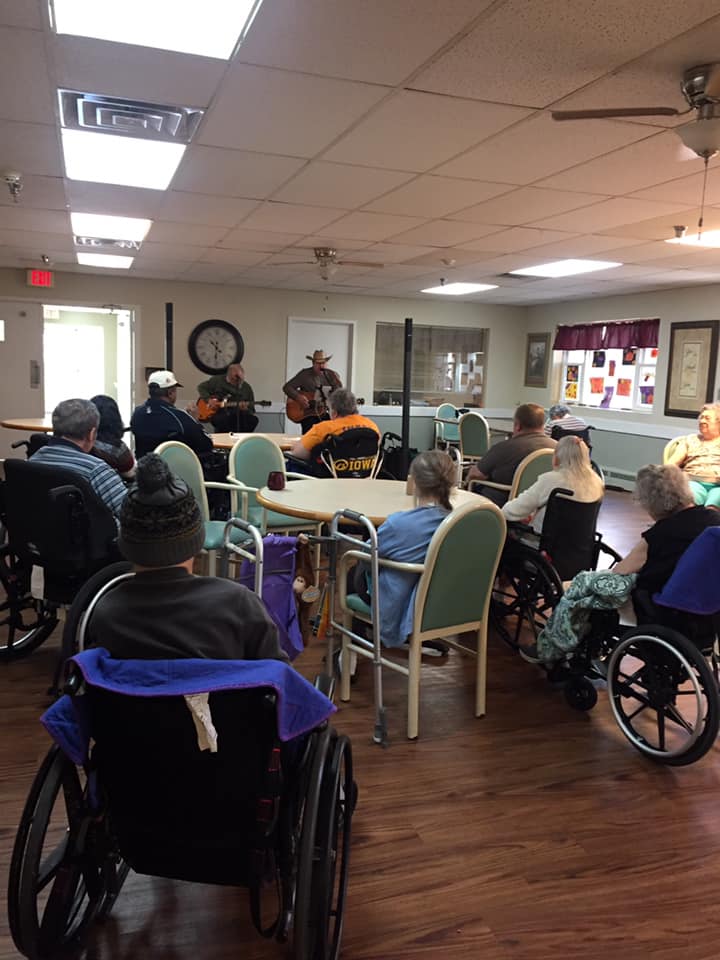
Who Owns and Operates Accura Healthcare Of Sioux City, Llc?

Accura Healthcare of Sioux City, LLC is owned by a for-profit company. For-profit facilities operate as businesses with obligations to shareholders or private owners. The facility is operated by ACCURA HEALTHCARE, a chain that manages multiple nursing homes. With 46 certified beds and approximately 40 residents (about 87% occupancy), it is a smaller facility located in Sioux City, Iowa.

How Does Accura Healthcare Of Sioux City, Llc Compare to Other Iowa Nursing Homes?

Compared to the 100 nursing homes in Iowa, Accura Healthcare of Sioux City, LLC's overall rating (4 stars) is above the state average of 3.1, staff turnover (23%) is significantly lower than the state average of 46%, and health inspection rating (4 stars) is above the national benchmark.

What Should Families Ask When Visiting Accura Healthcare Of Sioux City, Llc?

Based on this facility's data, families visiting should ask: "Can I visit during a mealtime to observe dining assistance and food quality?" "How do you handle medical emergencies, and what is your hospital transfer rate?" "Can I speak with family members of current residents about their experience?"

Is Accura Healthcare Of Sioux City, Llc Safe?

Based on CMS inspection data, Accura Healthcare of Sioux City, LLC has a clean safety record: no substantiated abuse findings (meaning no confirmed cases of resident harm), no Immediate Jeopardy citations (the most serious violation level indicating risk of serious injury or death), and is not on the Special Focus Facility watch list (a federal program monitoring the lowest-performing 1% of nursing homes). The facility has a 4-star overall rating and ranks #1 of 100 nursing homes in Iowa. While no facility is perfect, families should still ask about staff-to-resident ratios and recent inspection results during their visit.

Do Nurses at Accura Healthcare Of Sioux City, Llc Stick Around?

Staff at Accura Healthcare of Sioux City, LLC tend to stick around. With a turnover rate of 23%, the facility is 23 percentage points below the Iowa average of 46%. Low turnover is a positive sign. It means caregivers have time to learn each resident's needs, medications, and personal preferences. Consistent staff also notice subtle changes in a resident's condition more quickly.

Was Accura Healthcare Of Sioux City, Llc Ever Fined?

Accura Healthcare of Sioux City, LLC has no federal fines on record. CMS issues fines when nursing homes fail to meet care standards or don't correct problems found during inspections. The absence of fines suggests the facility has either maintained compliance or corrected any issues before penalties were assessed. This is a positive indicator, though families should still review recent inspection reports for the full picture.

Is Accura Healthcare Of Sioux City, Llc on Any Federal Watch List?

Accura Healthcare of Sioux City, LLC is not on any federal watch list. The most significant is the Special Focus Facility (SFF) program, which identifies the bottom 1% of nursing homes nationally based on persistent, serious quality problems. Not being on this list means the facility has avoided the pattern of deficiencies that triggers enhanced federal oversight. This is a positive indicator, though families should still review the facility's inspection history directly.