Mercyone Siouxland Medical Center
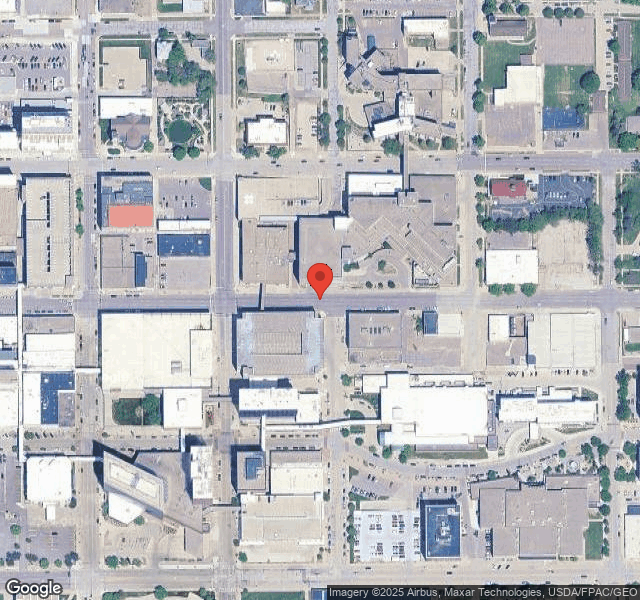
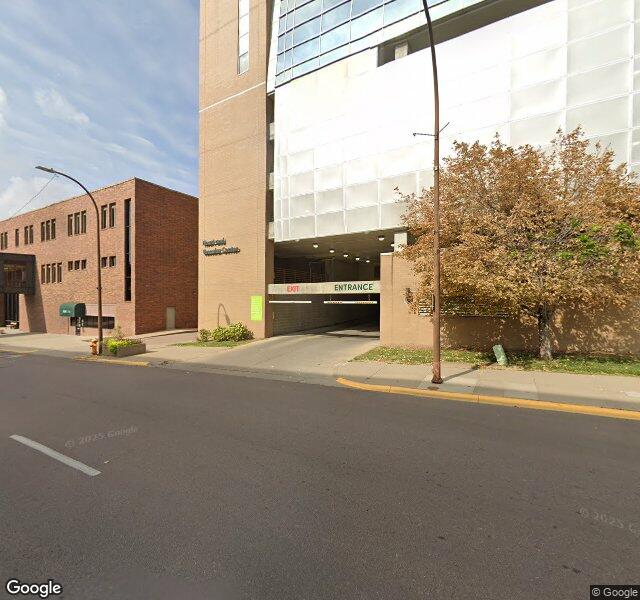
801 FIFTH STREET, SIOUX CITY, IA 51102 (712) 279-5697
Non profit - Corporation 20 Beds TRINITY HEALTH Data: November 2025
Trust Grade
90/100
#49 of 392 in IA
Last Inspection: July 2025

Inspected within the last 6 months. Data reflects current conditions.

Overview

MercyOne Siouxland Medical Center has received a Trust Grade of A, indicating excellent care and high recommendations from residents and families. Ranking #49 out of 392 facilities in Iowa places it in the top half of the state, and it is the top-rated nursing home in Woodbury County. The facility is improving, having reduced its issues from three in 2024 to none in 2025, and maintains a commendable staff turnover rate of 0%, which is significantly lower than the Iowa average of 44%. However, the facility has faced some concerns, such as not adequately explaining binding arbitration agreements to residents and failing to follow proper infection prevention practices during personal care. Despite these weaknesses, the absence of fines and overall 5-star ratings in health inspections and quality measures highlight its strengths.

Trust Score
A
90/100
In Iowa
#49/392
Top 12%
Safety Record
Low Risk
No red flags
Inspections
Getting Better
3 → 0 violations
Staff Stability
○ Average
Turnover data not reported for this facility.
Penalties
✓ Good
No fines on record. Clean compliance history, better than most Iowa facilities.
Skilled Nurses
○ Average
RN staffing data not reported for this facility.
Violations
✓ Good
Only 3 deficiencies on record. Cleaner than most facilities. Minor issues only.
★★★★★
5.0
Overall Rating
☆☆☆☆☆
0.0
Staff Levels
★★★★☆
4.0
Care Quality
★★★★★
5.0
Inspection Score
Stable
2024: 3 issues
2025: 0 issues

The Good

  • 4-Star Quality Measures · Strong clinical quality outcomes
  • Full Sprinkler Coverage · Fire safety systems throughout facility
  • No fines on record

Facility shows strength in quality measures, fire safety.

The Bad

Chain: TRINITY HEALTH

Part of a multi-facility chain

Ask about local staffing decisions and management

The Ugly 3 deficiencies on record

Jan 2024 3 deficiencies
CONCERN (D)

Potential for Harm - no one hurt, but risky conditions existed

Infection Control (Tag F0880)

Could have caused harm · This affected 1 resident

**NOTE- TERMS IN BRACKETS HAVE BEEN EDITED TO PROTECT CONFIDENTIALITY** Based on observation, policy review, and staff interview the facility failed to provide follow infection prevention practices wh...

Read full inspector narrative →
**NOTE- TERMS IN BRACKETS HAVE BEEN EDITED TO PROTECT CONFIDENTIALITY** Based on observation, policy review, and staff interview the facility failed to provide follow infection prevention practices when providing personal care, catheter care, and wound care 2 of 2 residents reviewed (Resident #3 and #111). While completing wound management and incontinence care, the facility failed to complete hand hygiene between gloves and failed to keep clean items clean. While providing care, the staff failed to use clean hands to get clean wash cloths for incontinence. Findings include: 1. Resident #3's Minimum Data Set (MDS) assessment dated [DATE] identified a Brief Interview for Mental Status (BIMS) score of 15, indicating no cognitive impairment. The MDS listed 1 unstageable pressure ulcer and 1 stage one pressure ulcer present upon admission. Resident #3's Orders printed 1/18/24 listed the following orders: a. Dressing change dated 12/28/23 to apply white foam to the right dorsal (top side) foot for protection and change 3 times a week. b. Wound care dated 12/20/23 cleanse left heel with ¼ percent peroxide with ¾ saline solution, rinse with saline, apply thin layer of santyl (ointment use to treat wounds) to wound bed only, apply Aquacel AG advantage (dressing), apply white foam, 4x4 gauze, and Kerlix. On 1/17/24 at 9:38 AM observed Staff A, Registered Nurse, conduct wound care on Resident #3's left and right heels. Staff A removed her gloves and replaced them without completing hand hygiene in between for 7 out 7 times. The Handwashing / Hand Hygiene policy dated January 2022 directed hands may be cleansed with alcohol-based hand rub or wash with soap and water before and after each patient contact and after removing / changing gloves. On 1/18/24 at 8:38 AM the Administrator explained he spoke with the medical staff that work both the morning and evening on 1/17/24 at 7 PM. The Administrator reported the medical staff realized after looking at procedures and policies, they didn't complete hand hygiene when they changed their gloves from contaminated to clean procedures. The Administrator stated they expected staff when moving from a contaminated procedure to a clean procedure, they would complete hand hygiene and then apply new gloves. The Administrator said they also would complete hand hygiene with all glove changes. On 1/17/24 at 3:49 p.m. observed Staff D, Certified Nursing Assistant (CNA), and Staff C, Certified Medication Aide (CMA), assist Resident #3 with incontinence care. They removed her pants and opened her incontinent pad. They had a basin of soapy water and a basin of clear water with wash cloths on a bedside table on a barrier. Staff C wrung out a washcloth and folded it over 2 times. She wiped across the lower abdomen, pulled that layer back, wiped down the right groin, then the left turning the cloth between wipes. She retrieved a washcloth from the clear water and wiped over the areas in the same manner. Without completing hand hygiene, Staff C changed gloves and retrieved another washcloth from the soapy water basin, and squeezed out the excess water. She wiped down the mid genital area and then each side turned the cloth after each wipe. She then changed gloves with no hand hygiene and cleansed down the catheter tubing about 6 inches with a soapy washcloth prepared as previous, turned the cloth and wiped down the tubing again. She then retrieved a washcloth from the clear water basin and wiped down the catheter tubing as before. She then used an alcohol wipe times 2 on the catheter tubing. Staff B, Registered Nurse (RN), (entered) and prepared to do the resident's coccyx treatment. The resident had been incontinent of stool. Staff B washed her hands and gloved. She cleaned the area first with disposable wipes and removed the dressing. She then cleansed the area with soapy washcloths, avoiding the pressure area, then changed gloves with no hand hygiene. She wiped the area with a washcloth from the water basin, then patted dry. She changed her gloves with no hand hygiene and prepared to do the treatment. She cleansed the pressure area, rinsed, then irrigated with Dakin's solution. 2. Resident #111 ' s Minimum Data Set (MDS) assessment dated [DATE] identified a Brief Interview for Mental Status (BIMS) score of 14, indicating no cognitive impairment. The MDS included diagnoses of acute osteomyelitis (infection of the bone) of the left foot and ankle, and gas gangrene (infection of soft tissue). The Baseline Care Plan dated 1/5/24 identified Resident #111 had skin care needs related to his left foot and received intravenous (IV) antibiotic therapy. On 1/17/24 at 10:40 a.m. Staff A, Registered Nurse (RN), and Staff B washed their hands and applied gloves. Staff A removed the soiled dressings from Resident #111 ' s foot. The dressing appeared moderately saturated with serosanguinous drainage. Staff A changed her gloves, and without completing hand hygiene, used peroxide and normal saline to clean the wounds. She then used 4 by 4 gauze sponges to dry Resident #111 ' s foot. Staff A again, changed gloves without hand hygiene. Staff A used Dakin's solution on the wounds and dried the foot with sponges. Staff A changed gloves with no hand hygiene. Staff A dressed the foot and wrapped with kling and ace. The Center for Disease Control's (CDC's), Hand Hygiene in Healthcare Settings last reviewed 11/21/23, directed to use an alcohol-based hand sanitizer as the preferred method for cleaning your hands when they are not visibly dirty because it was more effective at killing potentially deadly germs on hands than soap, and was easier to use during the course of care, especially when moving from soiled to clean activities with the same resident. Always clean your hands after removing gloves. Dirty gloves can soil hands.
CONCERN (F)

Potential for Harm - no one hurt, but risky conditions existed

Deficiency F0847 (Tag F0847)

Could have caused harm · This affected most or all residents

**NOTE- TERMS IN BRACKETS HAVE BEEN EDITED TO PROTECT CONFIDENTIALITY** Based on record review, staff and resident interview, the facility failed to ensure a binding arbitration agreement consisted of...

Read full inspector narrative →
**NOTE- TERMS IN BRACKETS HAVE BEEN EDITED TO PROTECT CONFIDENTIALITY** Based on record review, staff and resident interview, the facility failed to ensure a binding arbitration agreement consisted of key factors necessary for compliance for 8 of 8 residents in the facility (Resident #1, #2. #3, #4, #107, #108, #109, and #111). Findings include: According to the Minimum Data Set (MDS) assessment dated [DATE] Resident #2 scored 15 on the Brief Interview for Mental Status (BIMS) indicating no cognitive impairment. The resident's record contained a signed admission Agreement which included an Arbitration Agreement on page 11 and the resident's signature on page 17. On 1/17/24 at 3:31 p.m. Resident # 2 stated she signed so much she doesn't remember what she signed. She did not know what an arbitration agreement was. The facility Binding Arbitration agreement included: By signing this Agreement, you agree with the Facility that any dispute between you and the Facility, including any dispute over services rendered prior to the date this Agreement was signed and any dispute arising out of your care, including the scope of this arbitration clause and the arbitrability of any claim or dispute, against whomever made (including, to the full extent permitted by applicable law third parties who are not signatories to this Agreement) shall be resolved by binding arbitration with one arbitrator by the American Arbitration Association in accordance with the applicable procedures for the type of dispute which will be either the commercial or consumer procedures of the American Arbitration Association. Notwithstanding the preceding sentence, this binding arbitration provision shall not apply to any actions taken by the Facility to collect on charges owed by you or to any actions taken by the Facility relating to your transfer or discharge as discussed above. Any award of the arbitrator may be entered as a judgment in any court having jurisdiction. This Agreement shall be governed by and interpreted under the Federal Arbitration Act, 9 U.S.C. §§ 1-16. This provision for arbitration may be revoked by written notice delivered to the Facility's Administrative Office within ten days of your signature on this Agreement. All claims arising prior to the effective date of the revocation shall continue to be governed by this provision. You understand that the result of executing this Agreement is that claims, including malpractice claims that you may have against the Facility and its employees and agents, cannot be brought as a lawsuit in a court before a judge or jury and you agree that all such claims will be resolved as described in this section. Nothing in this Agreement prevents you from contacting regulatory or administrative agencies in relation to services provided by the Facility. The facility failed to ensure the resident or his/her representative acknowledged the he/she understood the agreement, failed to give the resident/representative the option to rescind the agreement within 30 days, explicitly state the resident/representative was not required to sign a binding arbitration agreement as a condition of admission to, or as a requirement to continue to receive care at the facility. On 1/18/24 at 8:32 a.m. the Business Office Manager explained she did the admission paperwork with residents when they came in. She summarized things and told the new resident that a binding arbitration agreement meant an arbitrator would settle disputes between the resident and the facility. When the resident signed the admission agreement it included the arbitration agreement. On 1/17/24 at 2 p.m. the Administrator explained the admission packet contained their arbitration agreement. He stated all of the residents signed an admission agreement that included the arbitration agreement.
CONCERN (F)

Potential for Harm - no one hurt, but risky conditions existed

Deficiency F0848 (Tag F0848)

Could have caused harm · This affected most or all residents

**NOTE- TERMS IN BRACKETS HAVE BEEN EDITED TO PROTECT CONFIDENTIALITY** Based on record review, staff and resident interview, the facility failed to ensure a binding arbitration agreement consisted of...

Read full inspector narrative →
**NOTE- TERMS IN BRACKETS HAVE BEEN EDITED TO PROTECT CONFIDENTIALITY** Based on record review, staff and resident interview, the facility failed to ensure a binding arbitration agreement consisted of key factors necessary for compliance for 8 of 8 residents in the facility (Resident #1, #2. #3, #4, #107, #108, #109, and #111). Findings include: According to the Minimum Data Set (MDS) assessment dated [DATE] Resident #2 scored 15 on the Brief Interview for Mental Status (BIMS) indicating no cognitive impairment. The resident's record contained a signed admission Agreement which included an Arbitration Agreement on page 11 and the resident's signature on page 17. On 1/17/24 at 3:31 p.m. Resident # 2 stated she signed so much she doesn't remember what she signed. She did not know what an arbitration agreement was. The facility Binding Arbitration agreement included: By signing this Agreement, you agree with the Facility that any dispute between you and the Facility, including any dispute over services rendered prior to the date this Agreement was signed and any dispute arising out of your care, including the scope of this arbitration clause and the arbitrability of any claim or dispute, against whomever made (including, to the full extent permitted by applicable law third parties who are not signatories to this Agreement) shall be resolved by binding arbitration with one arbitrator by the American Arbitration Association in accordance with the applicable procedures for the type of dispute which will be either the commercial or consumer procedures of the American Arbitration Association. Notwithstanding the preceding sentence, this binding arbitration provision shall not apply to any actions taken by the Facility to collect on charges owed by you or to any actions taken by the Facility relating to your transfer or discharge as discussed above. The facility failed to ensure the arbitration agreement provided for the selection of a neutral arbitrator agreed upon by both parties and the selection of a venue that was convenient to to both parties. On 1/18/24 at 8:32 a.m. the Business Office Manager explained she did the admission paperwork with residents when they came in. She summarized things and told the new resident that a binding arbitration agreement meant an arbitrator would settle disputes between the resident and the facility. When the resident signed the admission agreement it included the arbitration agreement. On 1/17/24 at 2 p.m. the Administrator explained the admission packet contained their arbitration agreement. He stated all of the residents signed an admission agreement that included the arbitration agreement.
Understanding Severity Codes (click to expand)
Life-Threatening (Immediate Jeopardy)
J - Isolated K - Pattern L - Widespread
Actual Harm
G - Isolated H - Pattern I - Widespread
Potential for Harm
D - Isolated E - Pattern F - Widespread
No Harm (Minor)
A - Isolated B - Pattern C - Widespread

Questions to Ask on Your Visit

  • "Can I speak with families of current residents?"
  • "What's your RN coverage like on weekends and overnight?"

Our Honest Assessment

Strengths
  • • Grade A (90/100). Above average facility, better than most options in Iowa.
  • • No major safety red flags. No abuse findings, life-threatening violations, or SFF status.
  • • No fines on record. Clean compliance history, better than most Iowa facilities.
  • • Only 3 deficiencies on record. Cleaner than most facilities. Minor issues only.
Concerns
  • • No significant concerns identified. This facility shows no red flags across CMS ratings, staff turnover, or federal penalties.
Bottom line: Generally positive indicators. Standard due diligence and a personal visit recommended.

About This Facility

What is Mercyone Siouxland Medical Center's CMS Rating?

CMS assigns Mercyone Siouxland Medical Center an overall rating of 5 out of 5 stars, which is considered much above average nationally. Within Iowa, this rating places the facility higher than 99% of the state's 100 nursing homes. This rating reflects solid performance across the metrics CMS uses to evaluate nursing home quality.

How is Mercyone Siouxland Medical Center Staffed?

Detailed staffing data for Mercyone Siouxland Medical Center is not available in the current CMS dataset.

What Have Inspectors Found at Mercyone Siouxland Medical Center?

State health inspectors documented 3 deficiencies at Mercyone Siouxland Medical Center during 2024. These included: 3 with potential for harm.

Who Owns and Operates Mercyone Siouxland Medical Center?

Mercyone Siouxland Medical Center is owned by a non-profit organization. Non-profit facilities reinvest revenue into operations rather than distributing to shareholders. The facility is operated by TRINITY HEALTH, a chain that manages multiple nursing homes. With 20 certified beds and approximately 5 residents (about 25% occupancy), it is a smaller facility located in SIOUX CITY, Iowa.

How Does Mercyone Siouxland Medical Center Compare to Other Iowa Nursing Homes?

Compared to the 100 nursing homes in Iowa, Mercyone Siouxland Medical Center's overall rating (5 stars) is above the state average of 3.1 and health inspection rating (5 stars) is much above the national benchmark.

What Should Families Ask When Visiting Mercyone Siouxland Medical Center?

Based on this facility's data, families visiting should ask: "Can I visit during a mealtime to observe dining assistance and food quality?" "How do you handle medical emergencies, and what is your hospital transfer rate?" "Can I speak with family members of current residents about their experience?"

Is Mercyone Siouxland Medical Center Safe?

Based on CMS inspection data, Mercyone Siouxland Medical Center has a clean safety record: no substantiated abuse findings (meaning no confirmed cases of resident harm), no Immediate Jeopardy citations (the most serious violation level indicating risk of serious injury or death), and is not on the Special Focus Facility watch list (a federal program monitoring the lowest-performing 1% of nursing homes). The facility has a 5-star overall rating and ranks #1 of 100 nursing homes in Iowa. While no facility is perfect, families should still ask about staff-to-resident ratios and recent inspection results during their visit.

Do Nurses at Mercyone Siouxland Medical Center Stick Around?

Mercyone Siouxland Medical Center has not reported staff turnover data to CMS. Staff turnover matters because consistent caregivers learn residents' individual needs, medications, and preferences. When staff frequently change, this institutional knowledge is lost. Families should ask the facility directly about their staff retention rates and average employee tenure.

Was Mercyone Siouxland Medical Center Ever Fined?

Mercyone Siouxland Medical Center has no federal fines on record. CMS issues fines when nursing homes fail to meet care standards or don't correct problems found during inspections. The absence of fines suggests the facility has either maintained compliance or corrected any issues before penalties were assessed. This is a positive indicator, though families should still review recent inspection reports for the full picture.

Is Mercyone Siouxland Medical Center on Any Federal Watch List?

Mercyone Siouxland Medical Center is not on any federal watch list. The most significant is the Special Focus Facility (SFF) program, which identifies the bottom 1% of nursing homes nationally based on persistent, serious quality problems. Not being on this list means the facility has avoided the pattern of deficiencies that triggers enhanced federal oversight. This is a positive indicator, though families should still review the facility's inspection history directly.