Sunrise Retirement Community
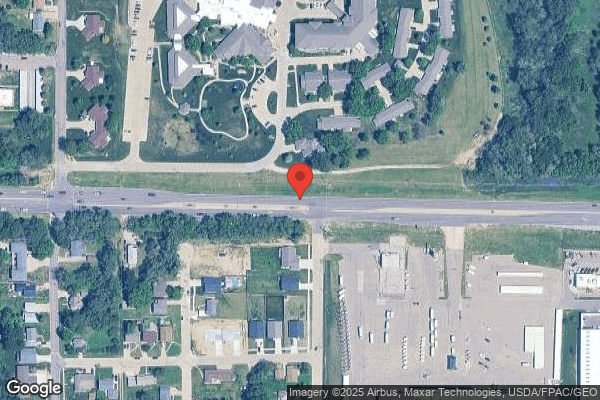
5501 GORDON DRIVE EAST, SIOUX CITY, IA 51106 (712) 276-3821
Non profit - Other 74 Beds Independent Data: November 2025
Trust Grade
90/100
#76 of 392 in IA
Last Inspection: September 2025

Inspected within the last 6 months. Data reflects current conditions.

Overview

Sunrise Retirement Community in Sioux City, Iowa, has received an excellent Trust Grade of A, which means it is highly recommended and stands out for quality care. They rank #76 out of 392 nursing homes in Iowa, placing them in the top half of facilities statewide, and #2 out of 9 in Woodbury County, indicating only one local option is better. The facility is improving, with a decrease in reported issues from 3 in 2024 to 2 in 2025. Staffing is a strong point, earning a perfect 5-star rating, although the 46% turnover rate is around the state average, suggesting there is room for improvement in staff retention. While there are no fines on record, indicating compliance with regulations, some concerns have been noted. For instance, a dietary aide served food without proper hand hygiene, which poses a risk for infection. Additionally, staff failed to ensure safe transfer techniques for a resident who expressed discomfort, and there was a lapse in hand hygiene after providing catheter care, which could lead to health issues. Overall, Sunrise Retirement Community shows strengths in many areas but should address these specific concerns to ensure the highest quality of care.

Trust Score
A
90/100
In Iowa
#76/392
Top 19%
Safety Record
Low Risk
No red flags
Inspections
Getting Better
3 → 2 violations
Staff Stability
⚠ Watch
46% turnover. Above average. Higher turnover means staff may not know residents' routines.
Penalties
✓ Good
No fines on record. Clean compliance history, better than most Iowa facilities.
Skilled Nurses
✓ Good
Each resident gets 60 minutes of Registered Nurse (RN) attention daily — more than 97% of Iowa nursing homes. RNs are the most trained staff who catch health problems before they become serious.
Violations
⚠ Watch
11 deficiencies on record. Higher than average. Multiple issues found across inspections.
★★★★★
5.0
Overall Rating
★★★★★
5.0
Staff Levels
★★★★★
5.0
Care Quality
★★★★☆
4.0
Inspection Score
Stable
2024: 3 issues
2025: 2 issues

The Good

  • 5-Star Staffing Rating · Excellent nurse staffing levels
  • 5-Star Quality Measures · Strong clinical quality outcomes
  • Full Sprinkler Coverage · Fire safety systems throughout facility
  • No fines on record

Facility shows strength in staffing levels, quality measures, fire safety.

The Bad

Staff Turnover: 46%

Near Iowa avg (46%)

Higher turnover may affect care consistency

The Ugly 11 deficiencies on record

Sept 2025 2 deficiencies
CONCERN (D)

Potential for Harm - no one hurt, but risky conditions existed

Accident Prevention (Tag F0689)

Could have caused harm · This affected 1 resident

**NOTE- TERMS IN BRACKETS HAVE BEEN EDITED TO PROTECT CONFIDENTIALITY** Based on observation, interview and record review the facility failed to implement safe transfer techniques for 1 of 2 residents...

Read full inspector narrative →
**NOTE- TERMS IN BRACKETS HAVE BEEN EDITED TO PROTECT CONFIDENTIALITY** Based on observation, interview and record review the facility failed to implement safe transfer techniques for 1 of 2 residents. In an observation of the use of the mechanical lift, E-Z Stand, it was discovered that Resident #46 was not standing firmly on the platform and she expressed that she was having pain in her knees. Staff failed to ensure that the resident was strong enough to complete a safe transfer with the E-Z Stand. The facility reported a census of 67 residents. Findings include:According to the Minimum Data Set (MDS) dated [DATE], Resident #46 was unable to complete a Brief Interview for Mental Status (BIMS) screening. She had short and long-term memory problems and had impaired decision-making skills. The resident required partial assistance for lower body dressing, sit to stand and toilet transfer, and supervision only for walking 10 feet. The Care Plan updated on 8/4/25 showed that staff were to transfer Resident #46 with a pivot transfer to wheelchair only due to falls related to knee pain/weakness. She had advanced dementia and increased assistance was needed with activities of daily living. On 9/08/2025 at 1:17 PM, Staff E, Certified Medication Aide (CMA) and Staff F, (CNA in training) positioned the mechanical lift, E-Z stand, in front of Resident #46 and instructed her to put her feet on the platform. They attached a lift sling around her back, and to the machine. Staff E connected a second strap to the machine (Fanny Seat). The residents left arm was on the outside of the Fanny strap. While the CNA's moved the machine to the commode, the resident said several times that her knees hurt and she rested her buttocks on the Fanny seat. The Fanny Seat was unhooked while the resident was sitting on the commode. At 1:25 PM, she said she was done and they lifted her to semi-standing position, cleaned her bottom and resident said they should hurry, because she was having trouble standing. The staff failed to attach the Fanny seat strap before transferring back to the recliner. The resident said ouch several times, and was bearing weight in her arm pits with her elbows straight out, parallel to the floor. Once the resident was back in the recliner Staff E said that she had been having more pain in her knees and had recently upgraded from a pivot transfer to E-Z Stand. The following was found in the Nursing Progress Notes:a. On 8/20/25 at 11:22 AM, frequent urination/urgency incontinence, strong odor, increased confusion and frequently getting angry at staff, redirection difficult. b. On 8/25/25 at 9:17 AM, due to bilateral lower extremity weakness, resident would be an E-Z stand for all transfer for safety. c. On 8/31/25 at 2:37 AM, does not tolerate E-Z stand well, she lets go of the handle and yells out.d. On 9/4/25 at 2:49 AM, Resident does not do well with E-Z stand. Lets her arms go loose and bottom drops, does not assist with standing. She vocalizes discomfort and puts most of her weight on the safety strap. e. On 9/4/25 at 10:32 AM, the resident does not tolerate E-Z Stand will, yells out and screams, tells staff they don't know what they are doing and will let go of the handles on the machine.f. On 9/5/25 at 10:36 AM, the CNAs reported resident was having bad transfers with E-Z stand, won't stand up straight and elbows were flared out, this caused resident to slide down. CNAs were able to safely transfer resident at the end. g. On 9/9/25 at 5:40 AM, the resident did poorly with E-Z stand, calls out through transfer and picks up feet at times, sags bottom while in strap. On 9/9/25 at 11:00 AM Staff D CNA said that she had been transferring Resident #46 and noticed that she wasn't tolerating it very well. She said she did tell the nurse but the reason they haven't changed her to a Hoyer transfer is because she used the commode and don't know how they would get her on the toilet with a Hoyer. On 9/10/2025 at 8:16 AM, Staff C, Registered Nurse, (RN) said that he had been noticing that the resident hadn't been tolerating the E-Z stand very well. He said that they used two people and the extra strap under her which helps some but sometimes she doesn't want to hang on or she will lift her feet. There were times when she just doesn't want to get up so she will complain of pain and elbows out like chicken wings. When asked about use of Hoyer he agreed she's about getting there He said that it would be a nursing judgement to upgrade transfer status. On 9/10/2025 7:34 AM Staff A, RN said that the resident had a change in condition so they went from pivot transfer to sit to stand. They had recently discovered that she was not bearing weight, having difficulty determining where to put her hands so they went to two assists with sit to stand. The CNAs this morning, that transferred the resident that morning had her come in and watch the transfer and she said they would have a discussion about going to a Hoyer because her knee pain and difficulty bearing weight and chicken winging they have a toileting sling they can use for her on the commode. She will discuss with Unit Manager. The Care Plan for Resident #46 was updated on 9/10/25 to include the use of the E-Z stand for all transfers with 2 people. On 9/11/2025 at 8:29 AM, the Director of Nursing (DON) said that they have weekly meetings with the therapy department and discuss residents that may be struggling with transfers and brainstorm on what is safe for them. She said that the staff should have used the Fanny Seat after Resident #46 was finished on the commode and it was not acceptable to have the residents arms parallel to the floor while transferring with the E-Z Stand. She said that nursing always had the option to downgrade transfer status when they see a resident was not tolerating what they were using. A facility policy titled: E-Z Stand/Lift Policy, dated 1/3/25, showed that residents must be able to bear some weight. The residents Care Plan would reflect if the resident was able to use the E-Z Stand device. The Fanny seat strap would be used for all transfers. Report any complaints or inability to tolerate the E-Z lift to charge nurse. According to the facility policy: Resident Transfer, reviewed on 2/14/25 all resident transfers would be performed using safe techniques, appropriate equipment and in accordance with the resident's care plan. Assessment prior to transfer, assess the resident's condition, strength, balance, cognition, pain medication equipment in use.
CONCERN (D)

Potential for Harm - no one hurt, but risky conditions existed

Infection Control (Tag F0880)

Could have caused harm · This affected 1 resident

Based on observations, record review, staff interviews and policy reviews, the facility failed to provide proper hand hygiene after resident care for 1 of 2 residents reviewed (Resident #9). The facil...

Read full inspector narrative →
Based on observations, record review, staff interviews and policy reviews, the facility failed to provide proper hand hygiene after resident care for 1 of 2 residents reviewed (Resident #9). The facility reported a census of 67 residents.Findings include: Observation on 9/10/25 at 12:55 PM showed Staff H, Certified Nursing Assistant, (CNA) performed hand hygiene, donned personal protective equipment (PPE) of a gown and gloves then provided catheter care. When finished Staff H removed the soiled gloves, failed to perform hand hygiene, and donned new gloves. Staff H then rearranged the wheelchair, opened the door and exited the room. Staff H doffed PPE, failed to perform hand hygiene then proceeded down the hall. The Hand Hygiene policy last updated January 2025 identified hand hygiene should be performed and consistent with accepted standards of practice. In an interview on 9/11/25 at 1:10 PM, Staff I, Registered Nurse, Unit Manager reported the CNA should have performed hand hygiene in between glove changes and immediately after doffing PPE.
Sept 2024 3 deficiencies
CONCERN (D)

Potential for Harm - no one hurt, but risky conditions existed

Deficiency F0658 (Tag F0658)

Could have caused harm · This affected 1 resident

**NOTE- TERMS IN BRACKETS HAVE BEEN EDITED TO PROTECT CONFIDENTIALITY** Based on observation, interview and record review the facility failed to ensure that staff followed through with physicians' ord...

Read full inspector narrative →
**NOTE- TERMS IN BRACKETS HAVE BEEN EDITED TO PROTECT CONFIDENTIALITY** Based on observation, interview and record review the facility failed to ensure that staff followed through with physicians' orders for 1 of 5 residents reviewed. Resident #5 had an order for furosemide (Lasix) related to congestive heart failure and rivastigmine for dementia. Staff failed to ensure that the medications were delivered and administered in a timely manner. The cardiologist directed staff to call if/when Resident #5 had weight gains and staff failed to follow through. The facility reported a census of 70 residents. Findings include: According to the Minimum Data Set (MDS) dated [DATE], Resident #5 had a Brief Interview for Mental Status (BIMS) score of 5 (severe cognitive deficits). Resident #5 was on high risk medications that included a diuretic, opioid and an antiplatelet. She had occasional pain and diagnoses that included heart failure, hypertension, diabetes mellitus, Alzheimer's Disease, The Care Plan for Resident #5, updated on 8/28/24, showed the cardiologist had ordered Lasix and directed staff to obtain daily weights. If there was a gain of 2-3 pounds overnight or 5 pounds in a week, staff were to notify cardiology. The Orders tab showed Resident #5 had the following medication orders: a. furosemide 20 milligrams (mg) 1 tab daily. Order dated 5/22/24. b. rivastigmine patch 4.6 mg/24hr. Order dated 7/2/24. c. rivastigmine patch 9.5mg/24 hour transdermal. Order dated 8/28/24. According to the Medication Administration Record (MAR) for July, the rivastigmine patch 4.6mg. had not been given on the 3rd, 4th, or the 5th because it was unavailable. The August MAR showed that the rivastigmine patch 9.5 mg. had not been given on the 28th, 29th, 30th, 31st and September 1st, 2nd, and 3rd because it was not available. The MARs for Resident #5 showed that the furosemide had not been given on August 31st, [DATE]nd, and 3rd because it was unavailable. The following was included in the Nursing Progress Notes: On 8/27/24 at 5:29 PM, the resident had an increase in the Exelon patch to 9.5mg On 8/29/24 at 9:41 AM, the Exelon patch order was faxed to the pharmacy. At 9:42 AM, the medication orders sent to the Veterans Administration (VA). On 8/29/24 at 2:16 PM, the Primary Care Physician (PCP) indicated that scripts had been sent to VA on 8/28/24. On 8/31/24 at 6:23 PM, nurse attempted to call VA regarding furosemide order but the pharmacy was closed. On 9/1/24 at 1:41 PM, nurse called pharmacy for patch but they did not have in stock and will order. On 9/3/24 at 10:19 AM, called to local pharmacy for furosemide and patches, they received the order today. On 9/4/21 at 12:21 PM resident started on increased dose of patch. On 9/24/24 at 10:47 AM, Staff A, Registered Nurse (RN) said that getting medications from VA was sometimes challenging. They assumed that it would take at least 10 days to get the medications delivered so they would try to go to the resident's home pharmacy to get a supply until the VA supply was delivered. She said that she had called the pharmacy several times to try to get the medications for Resident #5. On 9/26/24 at 2:04 PM, Staff E, LPN said that she personally had gone to the pharmacy and got some Lasix for Resident #5 when she was out. According to the Orders tab in the electronic chart, Resident #5 had an order dated 1/12/24, for daily weights. If she had a weight gain of 2-3 pounds overnight, or 5 pounds in week staff were to call cardiology. Resident #5's weights included: On 7/24; 208 pounds (lbs.) on 7/25; 211 lbs. (weighed after breakfast) On 7/28; 208 lbs. on 7/29; 219 lbs. On 7/30; 207 lbs. on 7/31; 210 lbs. On 8/16; 204 lbs. on 8/17; 210 lbs. On 9/7; 195 lbs. on 9/9; 199.8 lbs. The Nursing Notes lacked reference to the weight gain, if there was a re-weigh, or if cardiology had been contacted. On 9/25/24 at 1:47 PM, Staff D, Certified Medication Aide (CMA) said that she was aware of weight parameters for Resident #5, and if/when there was a gain, she would weigh again to verify and then tell the nurse. She thought the nurses had followed through. On 9/26/24 at 2:04 PM, Staff E, LPN said that she was aware that the weights for Resident #5 had been out of parameters at times, and it was usually due to factors such as time of day, in or out of wheel chair, things in her chair etc. She said if the weight had been high, she would have asked the next shift re-weigh. She said that she personally called the doctor about weight gains and they said to keep monitoring. She said that she would have documented in the nursing notes or on the MAR. The MAR and Nursing Progress Notes lacked reference to re-weighs or doctor contact on the dates in question. On 9/26/24 at 10:40 AM, the Director of Nursing (DON) said that they've had challenges getting medication for Resident #5 related to family wishes, and processes at the VA, and the pharmacy. The processed medications are delivered to the home, and then they bring them to the facility. They prefer their chosen pharmacy be used in the instances where there is a lag in time to get medications from VA. The DON acknowledged that if a daily weight had been out of parameters, staff should have reweighed and followed through per doctor order. A facility policy titled: Unavailable Medications last reviewed on 12/23/23 showed that the facility would establish a procedure for handling instance when prescribed medications were not immediately available in the facility to ensure resident safety and continuity of care, while minimizing disruptions to treatment.
CONCERN (D)

Potential for Harm - no one hurt, but risky conditions existed

Pharmacy Services (Tag F0755)

Could have caused harm · This affected 1 resident

**NOTE- TERMS IN BRACKETS HAVE BEEN EDITED TO PROTECT CONFIDENTIALITY** Based on observation, interview and record review the facility failed to properly monitor and store controlled substances for 2 ...

Read full inspector narrative →
**NOTE- TERMS IN BRACKETS HAVE BEEN EDITED TO PROTECT CONFIDENTIALITY** Based on observation, interview and record review the facility failed to properly monitor and store controlled substances for 2 of 3 residents. Staff failed to destroy controlled medications after the physician's order was discontinued for Resident #36 and #5. They failed to accurately document and verify destruction of controlled medication for Resident #36. The facility reported a census of 70 residents. Findings include: 1) According to the Minimum Data Set (MDS) dated [DATE], Resident #36 had a Brief Interview for Mental Status (BIMS) score of 99 (unable to complete the assessment). The resident was admitted to the facility on [DATE] and had severe cognitive impairment. Resident #36 was totally dependent on staff for transfers, she was receiving hospice services and her diagnoses included; diabetes mellitus, dementia, supraventricular and tachycardia. The Care Plan for Resident #36, updated on [DATE], showed that she was on hospice services from [DATE] - [DATE], and then restarted with hospice on [DATE]. On [DATE], the As Needed (PRN) lorazepam (Ativan) was discontinue due to nonuse. In an observation of medication storage on [DATE] at 10:47 AM, Staff A Registered Nurse (RN) displayed an unused bubble package that contained 14 tabs of Ativan. The sticker showed that the order was dated [DATE]. Staff A said that they would destroy the Ativan if/when it was outdated. She was unsure about how long hospice medications were stored in the cart before being destroyed. According to the Individual Resident Controlled Substance Record (IRCSR) for Resident #36, On [DATE], 14 Ativan was delivered for Resident #36 and none had been used. A separate IRCSR showed the on [DATE], 14 Ativan were delivered and it was used three times, and on [DATE], eleven tabs were destroyed. The Orders tab in the electronic chart showed that Ativan 0.5 milligrams (mg) was renewed on [DATE] and discontinued on [DATE]. On [DATE] at 2:35 PM, the pharmacy said that they had delivered 14 tabs of Ativan on [DATE] and 14 tabs on [DATE]. That order had expired on [DATE]. They received a new order on [DATE], and sent 14 tabs. On [DATE] at 6:25 AM, Staff B, RN said that she was not sure about the policy on destruction of discontinued medications was, but she tried to go through the PRN medication every once in a while to make sure there weren't any out of date. On [DATE] at 3:09 PM, The Director of Nursing and Administrator looked at the orders and the IRCSR sheets and the DON said that they have a process for destroying controlled medications with two nurses once it was discontinued. 2) The MDS dated [DATE] for Resident #5 showed she had a BIMS score of 5 (severe cognitive deficits) and she was admitted to the facility on [DATE]. Resident #5 was on high risk medications that included a diuretic, opioid and an antiplatelet. She had occasional pain and diagnoses that included heart failure, hypertension, diabetes mellitus, Alzheimer's Disease, The Care Plan for Resident #5, updated on [DATE], showed that the cardiologist had ordered Lasix and directed staff to obtain daily weights. If there was a gain of 2-3 pounds overnight or 5 pounds in a week, staff were to notify cardiology. The resident had complaints of pain to left leg, pelvis and left wrist due to fractures and on [DATE], her PRN tramadol was discontinued. In a review of the IRCSR for Resident #5 revealed that on [DATE], 30 Tramadol 50mg tabs, were delivered to the facility and 21 tabs were destroyed on [DATE]. Staff failed to indicate the disposition of the remaining doses and failed to include a second nurse signature. A second IRCSR showed that 30 tabs of Tramadol were delivered on [DATE] and on [DATE] 30 tabs were destroyed. The form included one nurse signature with no disposition. The Medication Administration Record for Resident #5, in the month of March, showed that the Tramadol 50mg PRN had been discontinued on [DATE]. On [DATE] at 10:40 AM The DON acknowledged that the nurse signing off on the destruction of tramadol did not sign the right place on the form and the disposition of the medication was not included on the form. She said that she would prefer to use a different form. The nurses should have been aware of when a medication was discontinued. A facility policy titled; Discontinued Medications, reviewed on [DATE], showed that staff would follow strict protocols for documenting the removal of controlled substances; including having a witness during the removal and disposal process. Both parties must sign off in the controlled substance log, and quantity destroyed.
CONCERN (D)

Potential for Harm - no one hurt, but risky conditions existed

Medical Records (Tag F0842)

Could have caused harm · This affected 1 resident

**NOTE- TERMS IN BRACKETS HAVE BEEN EDITED TO PROTECT CONFIDENTIALITY** Based on interview, record and policy review the facility failed to ensure accurate and complete resident records for 1 of 16 Re...

Read full inspector narrative →
**NOTE- TERMS IN BRACKETS HAVE BEEN EDITED TO PROTECT CONFIDENTIALITY** Based on interview, record and policy review the facility failed to ensure accurate and complete resident records for 1 of 16 Residents reviewed, (Resident #5). Resident #5 had a change in medication with an increased dose. Staff documented the resident did not have adverse reaction to the increased dose, even though the medication hadn't been administered. The facility reported a census of 70 residents. Findings include: According to the Minimum Data Set (MDS) dated [DATE], Resident #5 had a Brief Interview for Mental Status (BIMS) score of 5 (severe cognitive deficits). Resident #5 was on high risk medications that included a diuretic, opioid and an antiplatelet. She had occasional pain and diagnoses that included heart failure, hypertension, diabetes mellitus, Alzheimer's Disease, The Care Plan for Resident #5, updated on 8/28/24, showed that the cardiologist had ordered Lasix and directed staff to obtain daily weights. If there was a gain of 2-3 pounds overnight or 5 pounds in a week, staff were to notify cardiology. The Orders tab showed that Resident #5 had the following medication orders: b. rivastigmine patch 4.6 mg/24hr. Order dated 7/2/24 c. rivastigmine patch 9.5mg/24 hour transdermal. Order dated 8/28/24. According to the Medication Administration Record (MAR) for July, the rivastigmine patch 4.6mg. had not been given on the 3rd, 4th, or the 5th because it was unavailable. The August MAR showed that the rivastigmine patch 9.5 mg. had not been given on the 28th, 29th, 30th, 31st and September 1st, 2nd, and 3rd because it was not available. Staff were directed to monitor resident due to rivastigmine increase on 8/27/24. Assess, monitor for adverse reaction and effectiveness of medication document findings in a Progress Note. The Nursing Progress Notes indicated that the resident had no adverse reactions to increase in medication on the following dates: a. 8/29/24 at 8:48 PM b. 9/1/24 at 3:44 AM c. 9/3/24 at 5:57 AM d. 9/4/24 at 2:54 AM On 9/26/24 at 9:01 AM, Staff D, Licensed Practical Nurse (LPN) said that when a resident was put on a new medication or had an increase, there was an automatic alert in the electronic charting for staff to monitor for side effects or change in condition. She said that there was an option to say that medication hadn't been given. She did not remember what she had documented for response on the patch and thought that the alert hadn't come up until after the patch was delivered to the facility. On 9/26/24 at 10:40 AM the Director of Nursing (DON) acknowledged that there was an automatic assessment that popped up in the electronic chart for new medications. The nurses had an option to indicate that it hadn't been given. According to a facility policy titled: Documentation, last reviewed on 8/9/24, all nurse documentation would be completed, accurately, timely and reflect the care provided to the residents. Documentation was essential for ensuring continuity of care, meeting regulatory requirements and supporting legal, financial and clinical responsibilities.
Nov 2023 6 deficiencies
CONCERN (D)

Potential for Harm - no one hurt, but risky conditions existed

Safe Environment (Tag F0584)

Could have caused harm · This affected 1 resident

**NOTE- TERMS IN BRACKETS HAVE BEEN EDITED TO PROTECT CONFIDENTIALITY** Based on observations, clinical record review, policy review, and staff interviews the facility failed provide residents clean a...

Read full inspector narrative →
**NOTE- TERMS IN BRACKETS HAVE BEEN EDITED TO PROTECT CONFIDENTIALITY** Based on observations, clinical record review, policy review, and staff interviews the facility failed provide residents clean and in good repair equipment for 1 of 6 residents reviewed (Resident #29). Finding include: 1. Resident #29's Minimum Data Set (MDS) assessment dated [DATE] identified a Brief Interview of Mental Status (BIMS) score of 99, indicating she couldn't complete the interview. Resident #29 required a wheelchair for mobility. An observation on 11/27/23 at 1:06 PM revealed yellow foam hanging out of Resident #29's wheelchair headrest. An observation on 11/28/23 at 9:50 AM revealed yellow foam hanging out of Resident #29's wheelchair headrest. An observation on 11/29/23 at 10:43 AM revealed yellow foam hanging out of Resident #29's wheelchair headrest. On 11/29/23 at 10:51 AM Staff F, Certified Nurse Aide (CNA) explained if she found a resident's equipment in need of repair, there is a spot on the computer to report it, and she needed to tell the nurse. Staff F said after making a work order, maintenance received a notification. Staff F reported Resident #29's headrest did not have the tear for long, only about a week. Staff F stated she didn't fill out a work order or notify a nurse, but thought someone else did. On 11/29/23 at 10:54 AM Staff G, CNA, explained that if she found a wheelchair in need of repair and it one of the facility's, the staff would fill out a work order. The restorative department would fix the wheelchair. Staff G stated if the facility did not own the wheelchair, the facility would contact the family. Staff G reported that Resident #29's had his headrest like that for about a week or so. Staff G added that she didn't think the facility owned the wheelchair. She would tell the nurse if she found a wheelchair in need of repair. Staff G stated she told Staff H, Licensed Practical Nurse (LPN), and Staff I, LPN, Resident #29's headrest needed repaired. On 11/29/23 at 10:58 AM Staff J, CNA, said if she found a wheelchair that needed repaired she usually talked to the restorative department and then they would fix the wheelchair. Staff J stated if hospice owned the wheelchair, then they would have it repaired. Staff J stated she noticed Resident #29's headrest had a tear but did not know how long. On 11/29/23 at 11:00 AM Staff H reported Resident #29 used hospice services before but not at the time. Staff H explained if someone notified her about a headrest that needed repaired, she would trade out the headrest. Staff H stated she had noticed the tear in Resident #29's headrest but has not had time to look for one. Staff H stated she didn't know how long Resident #29's headrest had the tear. She noticed that week that it was torn. Staff H stated she had not reported the torn headrest to anyone. On 11/29/23 at 1:31 PM Staff K, Environmental Director, said if a wheelchair needed repaired whoever found the item broken, they would fill out a work order. Staff K added they did not have a work order turned in for Resident#29's wheelchair or headrest. On 11/29/23 at 1:20 PM Staff D, Registered Nurse Manager, stated she would have expected someone to replace Resident #29's headrest. The Maintaining Equipment policy updated 1/7/23 instructed upon identification that equipment needed repair, the staff member will mark the item as out of service, and complete the maintenance request on the computer. If the equipment needed emergency repairs due to an immediate need, the staff will inform maintenance immediately to allow them to prioritize the immediate repair of the equipment. On 11/30/23 at 10:20 AM the Director of Nursing (DON) stated the facility had a staff member assigned to check the wheelchairs weekly. The staff did miss the wheelchair checks recently. The DON explained if the staff did not get to check the wheelchairs, someone else would follow-up the wheelchair checks. The DON reported that she expected someone to Resident #29's headrest would have been seen and replaced.
CONCERN (D)

Potential for Harm - no one hurt, but risky conditions existed

Comprehensive Care Plan (Tag F0656)

Could have caused harm · This affected 1 resident

**NOTE- TERMS IN BRACKETS HAVE BEEN EDITED TO PROTECT CONFIDENTIALITY** 2. Resident #2's MDS assessment dated [DATE] identified a BIMS score of 15, indicating intact cognition. The MDS included diagno...

Read full inspector narrative →
**NOTE- TERMS IN BRACKETS HAVE BEEN EDITED TO PROTECT CONFIDENTIALITY** 2. Resident #2's MDS assessment dated [DATE] identified a BIMS score of 15, indicating intact cognition. The MDS included diagnoses of congestive heart failure (impaired heart function), diabetes mellitus, and rheumatoid arthritis (a disease that makes your immune system attack your own joints, causing pain, swelling and stiffness). Resident #2's Active Orders included an order for Tramadol 50 mg tablet give 1 tablet by mouth four times a day. Resident #2's November 2023 MAR reflected that she received Tramadol 50 mg four times a time for the period reviewed. Resident #2's Care Plan lacked what to monitor due to the use an opioid. Based on clinical record review, policy review, and staff interviews the facility failed to provide a comprehensive care plan that adequately reflected the resident's medications for 3 of 6 residents reviewed (Resident #2, #57, and #58). Two of the residents (Resident #57 and #2) required the use of a pain medication (tramadol), but the Care Plan lacked the use of and what to monitor for tramadol. Finding include: 1. Resident #57's Minimum Data Set (MDS) assessment dated [DATE] identified a Brief Interview of Mental Status (BIMS) score of 99, indicating she couldn't complete the interview. The MDS included a diagnosis of pain in an unspecified hip. The MDS indicated that he used an opioid in the lookback period. Resident #57's November 2023 Medication Administration Record (MAR) included an order dated 10/10/23 for tramadol (an opioid), 50 milligrams (mg) one tablet every 6 hours as needed (PRN). The MAR reflected she received Tramadol 25 times in the month. Resident #57's Care Plan last reviewed 11/28/23 lacked the use of an opioid and what to monitor due to the use of the medication. On 1/30/23 at 11:35 AM Staff D, Registered Nurse Manager, said she completed Resident #57's Care Plan. The Care Plan expectation is to include an opioid, if a resident used one. On 11/30/23 at 9:46 AM the Director of Nursing (DON) reported she talked to the facility's Pharmacist who said the Care Plan did not require the use of an opioid if ordered as needed and not scheduled. The DON said she would address the opioid on the Care Plan if scheduled. The DON explained that if she wrote the Care Plan, she would include what side effects to look for; such as an overdose or severe constipation. 3. Resident #58's MDS assessment dated [DATE] identified a BIMS score of 13, indicating no cognitive impairment. The MDS included diagnoses of type II diabetes mellitus, a stroke, and cancer. Resident #58 received a hypoglycemia (low blood sugar) medication (insulin) for 7 out of 7 days in the lookback period. Resident #58's Active Physician Orders listed an order dated 11/29/23 Levemir FlexPen insulin (used to treat diabetes) to inject 38 units subcutaneously (under the skin into the fatty tissue) every morning and evening. In addition, he used a Novolog FlexPen insulin 100 units based on a sliding scale insulin injected subcutaneously twice a day per blood glucose result. Resident #58's November 2023 Medication Administration Record included the following orders a. Levemir FlexPen insulin 38 units every morning and evening b. Novolog FlexPen insulin 100 units sliding scale insulin twice daily per blood glucose result. Resident #58's Care Plan revised 11/22/23 lacked the use of insulin in the treatment of type II diabetes mellitus. The Comprehensive Care Planning policy revised 4/9/23 indicated the comprehensive care plan is person centered, consistent with their rights, and that it includes measurable goals and timeframes to meet the residents medical, nursing, and mental psychosocial needs based on the comprehensive assessment. On 11/30/23 at 12:05 AM, the DON said she expected the Care Plan to include insulin information such as usage, goal, and approach.
CONCERN (D)

Potential for Harm - no one hurt, but risky conditions existed

Respiratory Care (Tag F0695)

Could have caused harm · This affected 1 resident

**NOTE- TERMS IN BRACKETS HAVE BEEN EDITED TO PROTECT CONFIDENTIALITY** Based on observations, record review, staff interviews, and policy reviews, the facility failed to change and label oxygen tubin...

Read full inspector narrative →
**NOTE- TERMS IN BRACKETS HAVE BEEN EDITED TO PROTECT CONFIDENTIALITY** Based on observations, record review, staff interviews, and policy reviews, the facility failed to change and label oxygen tubing for 1 of 2 residents reviewed (Resident #118). Findings included: Resident #118's Minimum Data Set (MDS) assessment dated [DATE] identified a Brief Interview for Mental Status (BIMS) score of 14, indicating no cognitive impairment. The MDS included diagnoses of Parkinson's Disease (a progressive disorder that affects the nervous system and the parts of the body controlled by the nerves), hypertension (high blood pressure) and pneumonia. Resident #118 used oxygen while a resident in the last 14 days. Resident #118's Active Physician Orders included an order dated 11/10/23 for oxygen 1-4 Liters per nasal cannula (L/NC) to keep his oxygen saturation above 90%. The facility lacked a physician's order to change oxygen tubing. The Care Plan revised 11/21/23 indicated that Resident #118 received oxygen 1-4 L/NC to keep his oxygen saturation above 90%. The Care Plan failed to identify when to change oxygen tubing. On 11/28/23 at 9:49 AM, observed Resident #118's oxygen concentrator tubing not labeled with a date. In an interview on 11/28/23 at 9:50 AM, Resident #118 could not recall when someone last changed his oxygen tubing. In an interview on 11/29/23 at 1:45 PM, Staff L, Registered Nurse (RN), reported physician orders should include an order to change oxygen tubing every Monday during the PM shift. The Administration of Oxygen Therapy policy reviewed 1/7/23 directed to change the oxygen tubing weekly and as needed. The policy also directed the staff to document it on the medication/treatment record. In an interview on 11/29/23 at 1:58 PM, the Director of Nursing (DON), reported the physician's orders include the order to change the oxygen tubing weekly. The nurse documents when they change the oxygen tubing on the Medication Administration Record. The DON reviewed Resident #118 orders then confirmed the facility lacked an order to change Resident #118's oxygen tubing weekly.
CONCERN (D)

Potential for Harm - no one hurt, but risky conditions existed

Deficiency F0725 (Tag F0725)

Could have caused harm · This affected 1 resident

**NOTE- TERMS IN BRACKETS HAVE BEEN EDITED TO PROTECT CONFIDENTIALITY** Based on resident interview, resident family interview, record review, staff interview, and policy review the facility failed to...

Read full inspector narrative →
**NOTE- TERMS IN BRACKETS HAVE BEEN EDITED TO PROTECT CONFIDENTIALITY** Based on resident interview, resident family interview, record review, staff interview, and policy review the facility failed to provide sufficient nursing staff to assure residents' safety by not responding to call lights in a timely manner (less than 15 minutes) to 1 of 8 residents reviewed (Resident #10). Findings include: Resident #10's Minimum Data Set (MDS) assessment dated [DATE] identified a Brief Interview of Mental Status (BIMS) score of 10, indicating moderate cognitive impairment. Resident #10 required total assistance of two persons with transfers. In addition, Resident #10 required extensive assistance of two persons for bed mobility, dressing, toilet use, and personal hygiene. The MDS identified Resident #10 as frequently incontinent of bowel and bladder with no toileting program. The MDS listed that Resident #10 frequently had pain of 4 out of 10, indicating moderate pain, that has limited his day-to-day activities and mad it hard to sleep at night. On 11/28/23 at 10:30 AM Resident #10 reported that it takes a while for someone to answer their call light. On 11/28/23 at 10:30 AM Resident #10's Family Member added that Resident #10 often states that the staff take a while to answer their call light. The Device Activity Report (call light time logs) for room E105, Resident #10's room, from 11/22/23 through 11/29/23 reflected 8 call time responses of longer than 15 minutes. On 11/29/23 at 10:19 AM Staff A, Certified Nurse Assistant (CNA), reported when a resident turns on their call light, the pagers the staff carry vibrate. Staff A added that he expected staff to answer the call lights in 10 minutes or less. Staff A then revealed that if the pager went off for longer than 10 minutes, this causes the nurse manager's pager to alert during the day shift. After receiving the pager alert, she comes out to try and figure out why the call light is still on. On 11/29/23 at 10:37 AM Staff B, Registered Nurse (RN), said she expected staff to answer call lights in 15 minutes or less. On 11/29/23 at 10:52 AM the Director of Nursing (DON) reported she expected the staff to answer the call lights in 15 minutes or less. The DON added the expectation is the facility's policy. The Call Light/Call Pendant policy reviewed 8/18/23 instructed to answer call lights in a timely manner. The goal is to answer them within 15 minutes.
CONCERN (D)

Potential for Harm - no one hurt, but risky conditions existed

Deficiency F0760 (Tag F0760)

Could have caused harm · This affected 1 resident

**NOTE- TERMS IN BRACKETS HAVE BEEN EDITED TO PROTECT CONFIDENTIALITY** Based on observations, facility record review and staff interview the facility failed to properly administer medications for 1 o...

Read full inspector narrative →
**NOTE- TERMS IN BRACKETS HAVE BEEN EDITED TO PROTECT CONFIDENTIALITY** Based on observations, facility record review and staff interview the facility failed to properly administer medications for 1 of 16 residents reviewed (Resident #58). Findings included: Resident #58's Minimum Data Set (MDS) assessment dated [DATE] identified a Brief Interview of Mental Status (BIMS) score of 13, indicating no cognitive impairment. The MDS included diagnoses of type II diabetes mellitus, a stroke, and cancer. Resident #58 received a hypoglycemia (low blood sugar) medication (insulin) for 7 out of 7 days in the lookback period. Resident #58's Active Physician Orders listed an order dated 11/29/23 for Novolog FlexPen insulin 100 units based on a sliding scale insulin, inject subcutaneously twice a day per blood glucose result. Resident #58's November 2023 Medication Administration Record (MAR) reflected that he received the wrong dose of Novolog as directed on the sliding scale: a. Per the sliding scale a blood sugar between 250 and 299 milligram per deciliter (mg/dl) required 6 units of Novolog. i. On 11/19/23 at 5:00 PM Resident #58 received an incorrect dose of 8 units of Novolog for a blood sugar of 259. b. Per the sliding scale a blood sugar between 376 and 399 mg/dl required 14 units of Novolog. i. On 11/28/23 at 5:00 PM Resident #58 received an incorrect dose of 10 units of Novolog for a blood sugar of 383. The Preparation for Medication Administration policy revised in 2020 directed to administer medications in accordance with written orders of the attending physician. If the dose seems excessive considering the resident's age and condition, or a medication order seems to be unrelated to the resident's current diagnosis or condition, the nurse calls the provider's pharmacy for clarification prior to the administration of medication. In an interview on 11/30/23 at 12:05 AM, the Director of Nursing (DON) stated she expected the staff to administer sliding scale insulin per the physician's orders.
CONCERN (E)

Potential for Harm - no one hurt, but risky conditions existed

Food Safety (Tag F0812)

Could have caused harm · This affected multiple residents

Based on observation, staff interview, and policy review the facility failed to prepare food in accordance with professional standards when a dietary staff member served food without completing hand h...

Read full inspector narrative →
Based on observation, staff interview, and policy review the facility failed to prepare food in accordance with professional standards when a dietary staff member served food without completing hand hygiene prior to or during the meal service with contaminated hands. The facility reported a census of 62 residents. Findings include: During a continuous observation of the breakfast meal service on 11/29/23 at 7:48 AM Staff C, Dietary Aide, placed an English muffin in the toaster using her bare hands. Staff C didn't complete hand hygiene after they entered the kitchenette. Staff C crossed her arms and waited for the English muffin to toast. Staff C then pulled the English muffin out of the toaster with her bare hands, placed the English muffin on a plate, held the English muffin with bare hands and applied jelly. Staff C then scooped eggs on to the plate and took it to a resident. Staff C then returned to the kitchenette, again put toast in the toaster, picked up a plate, scooped eggs on the plate, pulled the toast from the toaster, applied jelly, and took the plate to a resident without completing hand hygiene. Staff C completed this same procedure throughout breakfast meal service without doing hand hygiene. The Hand Hygiene policy updated 1/1/23 defined the purpose of hand hygiene as to clean hands to prevent the spread of potentially deadly infections. Hand hygiene (e.g., hand washing and/or alcohol-based hand rub, ABHR): consistent with accepted standards of practice such as the use of ABHR in all clinical situations except: before eating, when hands are visibly soiled, and after using the restroom. On 11/30/23 at 10:31 AM the Administrator stated that the facility's expectation is to complete hand hygiene prior to food service and anytime they contaminated or soiled their hands.
Understanding Severity Codes (click to expand)
Life-Threatening (Immediate Jeopardy)
J - Isolated K - Pattern L - Widespread
Actual Harm
G - Isolated H - Pattern I - Widespread
Potential for Harm
D - Isolated E - Pattern F - Widespread
No Harm (Minor)
A - Isolated B - Pattern C - Widespread

Questions to Ask on Your Visit

  • "Can I speak with families of current residents?"
  • "What's your RN coverage like on weekends and overnight?"

Our Honest Assessment

Strengths
  • • Grade A (90/100). Above average facility, better than most options in Iowa.
  • • No major safety red flags. No abuse findings, life-threatening violations, or SFF status.
  • • No fines on record. Clean compliance history, better than most Iowa facilities.
Concerns
  • • 11 deficiencies on record. Higher than average. Multiple issues found across inspections.
Bottom line: Generally positive indicators. Standard due diligence and a personal visit recommended.

About This Facility

What is Sunrise Retirement Community's CMS Rating?

CMS assigns Sunrise Retirement Community an overall rating of 5 out of 5 stars, which is considered much above average nationally. Within Iowa, this rating places the facility higher than 99% of the state's 100 nursing homes. This rating reflects solid performance across the metrics CMS uses to evaluate nursing home quality.

How is Sunrise Retirement Community Staffed?

CMS rates Sunrise Retirement Community's staffing level at 5 out of 5 stars, which is much above average compared to other nursing homes. Staff turnover is 46%, compared to the Iowa average of 46%.

What Have Inspectors Found at Sunrise Retirement Community?

State health inspectors documented 11 deficiencies at Sunrise Retirement Community during 2023 to 2025. These included: 11 with potential for harm.

Who Owns and Operates Sunrise Retirement Community?

Sunrise Retirement Community is owned by a non-profit organization. Non-profit facilities reinvest revenue into operations rather than distributing to shareholders. The facility operates independently rather than as part of a larger chain. With 74 certified beds and approximately 66 residents (about 89% occupancy), it is a smaller facility located in SIOUX CITY, Iowa.

How Does Sunrise Retirement Community Compare to Other Iowa Nursing Homes?

Compared to the 100 nursing homes in Iowa, Sunrise Retirement Community's overall rating (5 stars) is above the state average of 3.1, staff turnover (46%) is near the state average of 46%, and health inspection rating (4 stars) is above the national benchmark.

What Should Families Ask When Visiting Sunrise Retirement Community?

Based on this facility's data, families visiting should ask: "Can I visit during a mealtime to observe dining assistance and food quality?" "How do you handle medical emergencies, and what is your hospital transfer rate?" "Can I speak with family members of current residents about their experience?"

Is Sunrise Retirement Community Safe?

Based on CMS inspection data, Sunrise Retirement Community has a clean safety record: no substantiated abuse findings (meaning no confirmed cases of resident harm), no Immediate Jeopardy citations (the most serious violation level indicating risk of serious injury or death), and is not on the Special Focus Facility watch list (a federal program monitoring the lowest-performing 1% of nursing homes). The facility has a 5-star overall rating and ranks #1 of 100 nursing homes in Iowa. While no facility is perfect, families should still ask about staff-to-resident ratios and recent inspection results during their visit.

Do Nurses at Sunrise Retirement Community Stick Around?

Sunrise Retirement Community has a staff turnover rate of 46%, which is about average for Iowa nursing homes (state average: 46%). Moderate turnover is common in nursing homes, but families should still ask about staff tenure and how the facility maintains care continuity when employees leave.

Was Sunrise Retirement Community Ever Fined?

Sunrise Retirement Community has no federal fines on record. CMS issues fines when nursing homes fail to meet care standards or don't correct problems found during inspections. The absence of fines suggests the facility has either maintained compliance or corrected any issues before penalties were assessed. This is a positive indicator, though families should still review recent inspection reports for the full picture.

Is Sunrise Retirement Community on Any Federal Watch List?

Sunrise Retirement Community is not on any federal watch list. The most significant is the Special Focus Facility (SFF) program, which identifies the bottom 1% of nursing homes nationally based on persistent, serious quality problems. Not being on this list means the facility has avoided the pattern of deficiencies that triggers enhanced federal oversight. This is a positive indicator, though families should still review the facility's inspection history directly.