Spencer Post Acute Rehabilitation Center
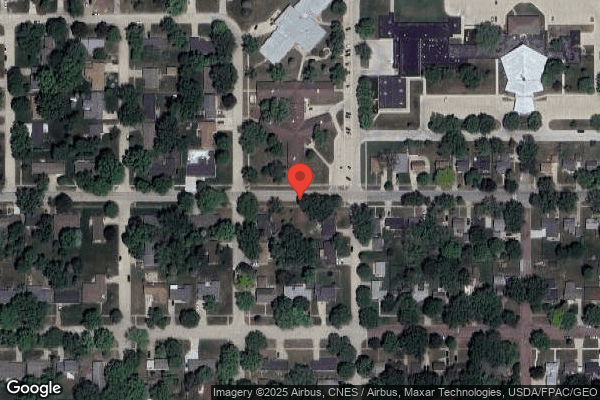

711 West 11th Street, Spencer, IA 51301 (712) 262-2344
For profit - Corporation 82 Beds THE ENSIGN GROUP Data: November 2025 2 Immediate Jeopardy citations
Trust Grade
14/100
#382 of 392 in IA
Last Inspection: August 2025

Inspected within the last 6 months. Data reflects current conditions.

Overview

Spencer Post Acute Rehabilitation Center has received a Trust Grade of F, which indicates significant concerns and a poor reputation. It ranks #382 out of 392 nursing homes in Iowa, placing it in the bottom half of facilities in the state, and #2 out of 2 in Clay County, meaning only one local option is worse. The facility is showing signs of improvement, with the number of issues decreasing from 16 in 2024 to 14 in 2025, but it still faces serious problems. Staffing is a relative strength, as the turnover rate is 0%, which is much better than Iowa's average of 44%, but the 1-star overall rating suggests significant issues remain. Recent inspections revealed critical incidents, including a failure to perform CPR on an unresponsive resident and a significant medication error involving insulin administration, which poses serious health risks. Overall, while there are some staffing strengths, the facility has critical weaknesses that families should carefully consider.

Trust Score
F
14/100
In Iowa
#382/392
Bottom 3%
Safety Record
High Risk
Review needed
Inspections
Getting Better
16 → 14 violations
Staff Stability
○ Average
Turnover data not reported for this facility.
Penalties
○ Average
$24,706 in fines. Higher than 61% of Iowa facilities. Some compliance issues.
Skilled Nurses
○ Average
Each resident gets 31 minutes of Registered Nurse (RN) attention daily — about average for Iowa. RNs are the most trained staff who monitor for health changes.
Violations
⚠ Watch
44 deficiencies on record. Higher than average. Multiple issues found across inspections.
★☆☆☆☆
1.0
Overall Rating
★☆☆☆☆
1.0
Staff Levels
★★☆☆☆
2.0
Care Quality
★★☆☆☆
2.0
Inspection Score
Stable
2024: 16 issues
2025: 14 issues

The Good

  • Full Sprinkler Coverage · Fire safety systems throughout facility
  • No fines on record

Facility shows strength in fire safety.

The Bad

1-Star Overall Rating

Below Iowa average (3.0)

Significant quality concerns identified by CMS

Federal Fines: $24,706

Below median ($33,413)

Minor penalties assessed

Chain: THE ENSIGN GROUP

Part of a multi-facility chain

Ask about local staffing decisions and management

The Ugly 44 deficiencies on record

2 life-threatening
Aug 2025 14 deficiencies
CONCERN (D)

Potential for Harm - no one hurt, but risky conditions existed

Deficiency F0567 (Tag F0567)

Could have caused harm · This affected 1 resident

Based on resident and staff interviews, and policy review, the facility failed to have ready and reasonable access to personal funds upon request for 1 of 17 residents reviewed (Resident #10). The fac...

Read full inspector narrative →
Based on resident and staff interviews, and policy review, the facility failed to have ready and reasonable access to personal funds upon request for 1 of 17 residents reviewed (Resident #10). The facility reported a census of 67. Findings Include:In an interview on 8/11/2025 12:55 PM, Resident #10 reported that if she wanted personal funds during the weekend, she had to plan to get money from the office on Friday.In an interview on 8/12/2025 at 9:25 AM, Resident #10 reported she could not remember when or which staff she asked for personal funds. Resident #10 stated, when I asked they told me that I had to wait for the office manager to be here.In an interview on 8/14/2025 at 8:38 AM, Staff C, Certified Medication Assistant/Certified Nurse Assistant (CMA/CNA) reported if a resident requested personal funds she would go to the Business Officer Manager (BOM). When asked what she would do during non-business hours, Staff C stated, I would probably try to call the head of Human Resources. When asked if a locked cash box or any other way to get funds for a resident during non-business hours, Staff C stated, no. In an interview on 8/14/2025 at 8:58 AM, Staff D, Licensed Practical Nurse, (LPN) reported if a resident requested funds after hours they would have to call whoever was on call. Staff D reported having no access to available funds for residents. Staff D reported she worked at the facility for five years and never knew there to be funds readily available. In an interview on 8/14/2025 at 9:02 AM, the Business Office Manager, BOM reported she would be on call if residents needed funds. When asked if the facility provided readily available funds for residents, the BOM reported approximately a year ago the facility had a lock box but the process needed to be updated. When informed staff interviews failed to show knowledge of a lock box, the BOM replied, the process needs to be updated. In an interview on 8/14/2025 at 9:02 AM, the Director of Nursing (DON) reported no knowledge of personal funds on site for residents. When told the BOM reported having a locked box about approximately one year ago the DON replied, I'll look into it. When asked if the facility should have funds readily available for residents upon request, the DON stated, of course, for dinner with family, or whatever they want.In an interview on 8/14/2025 at 10:56 PM, the Administrator reported the facility failed to have a policy related to personal funds. In an interview on 8/14/2025 at 1:56 PM, BOM showed an envelope with cash and reported funds now available for residents. The BOM explained the facility would work on a plan for the location and staff access to funds.
CONCERN (D)

Potential for Harm - no one hurt, but risky conditions existed

Deficiency F0605 (Tag F0605)

Could have caused harm · This affected 1 resident

**NOTE- TERMS IN BRACKETS HAVE BEEN EDITED TO PROTECT CONFIDENTIALITY** Based on clinical record review and staff interview the facility failed to identify non-pharmacological interventions and target...

Read full inspector narrative →
**NOTE- TERMS IN BRACKETS HAVE BEEN EDITED TO PROTECT CONFIDENTIALITY** Based on clinical record review and staff interview the facility failed to identify non-pharmacological interventions and targeted behaviors on the care plan related to high risk medications in 2 out of 5 sampled residents reviewed (Resident #4 and #21). The facility reported a census of 67 residents.Findings include: 1.The Minimum Data Set (MDS) assessment dated [DATE] for Resident #4 documented diagnoses of stroke, aphasia, and anxiety. The MDS showed the Brief Interview for Mental Status (BIMS) score of 5, which indicated severe cognitive impairment. The Clinical Physician Orders for Resident #4 showed the following orders: Seroquel Oral Tablet 25 milligram (MG) at bedtime with a start date of 4/3/25 Olanzapine Oral Tablet 10 mg daily with a start date of 7/3/25 Oxycodone Oral Tablet 5 MG every eight hours as needed for pain with a start date of 2/11/25. The Care Plan identified Resident #4: Prescribed antipsychotic medication related to anxiety and depression. The Care Plan lacked targeted behaviors to monitor. Prescribed psychotropic medication related to anxiety and depression. The Care Plan lacked targeted behaviors to monitor. Prescribed opioid for chronic pain. The Care Plan lacked non-pharmacological interventions to use prior to opioid medication usage. In an interview on 8/13/2025 at 1:52 PM, the Director of Nursing, (DON) reported the care plan should include non-pharmacological interventions to use prior to opioid medication usage and targeted behaviors to monitor for with the usage antipsychotic and psychotropic medications. The Unnecessary Drugs policy last revised 11/12/15 identified: POLICY: It is the policy of this facility that each resident’s drug regimen must be free from unnecessary drugs. An unnecessary drug is any drug when used:In excessive dose (including duplicate therapy); orFor excessive duration; orWithout adequate monitoring; orWithout adequate indications for its use; [NAME] the presence of adverse consequences which indicate the dose should be reduces or discontinued; orAny combinations of the reasons above. PURPOSE: The purpose of this requirement is that, each resident’s entire drug/medication regimen be managed and monitored to promote or maintain the resident’s highest practicable mental, psychical, and psychosocial well-being. PROCEDURES: Resident receives only those medications, in doses and for the duration clinically indicated to treat the resident’s assessed condition(s). Non-pharmacological interventions are considered and used when indicated, instead of, or in addition to, medicationBehavioral interventionsExercisePrevention of constipationPain managementSleep hygieneIndividualized toileting scheduleAddressing food preferences The potential contribution of the medication regimen to an unanticipated decline or newly emerging or worsening symptom is recognized and evaluated, and the regimen is modified when appropriate. Incorporate appropriate medication related goals and parameters for monitoring the resident’s condition into the comprehensive care plan. 2) According to the MDS assessment dated [DATE] Resident #21 scored 3 on the BIMS indicating severe cognitive impairment. The resident's diagnoses included senile degeneration of the brain. The MDS did not indicate the resident took antidepressant medication. The Care Plan revised 1/2/25 identified the resident on antidepressant medication use related to insomnia. The interventions included giving antidepressant medications ordered by the physician. Monitor/document side effects and effectiveness. The August 2025 Medication Administration Record (MAR) showed the resident received Trazadone 50 MG bedtime daily for Insomnia initiated 10/1/24. The clinical record lacked documentation of a Gradual Dose Reduction (GDR) of the Trazadone. On 8/13/25 at 12:05 p.m. the Pharmacy Consultant confirmed the resident should have had a GDR. She stated she sent out a letter for a GDR in May, and again in June. She said she wondered if the Dr. addressed it in a Progress Note in June. She had the Director of Nursing (DON) looking for it. On 8/13/25 at 3:38 p.m. the DON stated they had not found any completed GDR's for the resident's Trazadone. On 8/14/25 at 12:51 p.m. a sister facility's DON showed the facility policy for psychotropic meds, that did not specifically address GDR's. He said he did not find one that did.
CONCERN (D)

Potential for Harm - no one hurt, but risky conditions existed

Comprehensive Care Plan (Tag F0656)

Could have caused harm · This affected 1 resident

**NOTE- TERMS IN BRACKETS HAVE BEEN EDITED TO PROTECT CONFIDENTIALITY** Based on observations, clinical record review and staff interview the facility failed to revise and update care plans to include...

Read full inspector narrative →
**NOTE- TERMS IN BRACKETS HAVE BEEN EDITED TO PROTECT CONFIDENTIALITY** Based on observations, clinical record review and staff interview the facility failed to revise and update care plans to include a new order for oxygen usage on the comprehensive care plan for 1 of 17 residents reviewed (Resident #9). The facility reported a census of 67 residents. The Minimum Data Set (MDS) assessment dated [DATE] for Resident #9 documented diagnoses of anemia, cancer and malnutrition. The MDS showed the Brief Interview for Mental Status (BIMS) score of 15, indicating no cognitive impairment. Observation on 8/11/2025 at 11:36 AM currently wearing oxygen sitting up in bed. Observation on 8/12/2025 at 12:27 PM currently sleeping in bed with oxygen concentrator on via nasal cannula and running. Review of August Medication Administration Record (MAR) lacked orders for oxygen usage. Review of current Physician Orders lacked an order for oxygen usage. Review of the Care Plan dated 8/12/25 lacked information regarding oxygen usage. Interview on 8/13/2025 at 10:30 a.m., with the Assistant Director of Nursing (ADON) revealed the resident has an oxygen order from his current hospital discharge. The ADON revealed the order should have been added to the orders when he came back from the hospital. Interview on 8/13/2025 at 1:34 p.m., with the Director of Nursing (DON) revealed the hospital discharge order had been noted and should have been put on the orders. The order should have been on the chart and it should have been added to the care plan for the staff. Review of the facility provided policy titled Care Planning with a reviewed date of 9/2020 revealed it is the policy of this facility that the interdisciplinary team (IDT) shall develop a comprehensive person-centered care plan for each resident that includes measurable objectives and timeframes to meet a resident's medical, nursing, mental and psychosocial needs that are identified in the comprehensive assessment. The Care Plan will be revised as needed, and interventions will be implemented. The resident's comprehensive plan of care will be reviewed and/or revised by the IDT after each assessment and updated as appropriate. The Care Plan will be revised as needed for order changes or Resident changes in condition, and interventions will be implemented as appropriate.
CONCERN (D)

Potential for Harm - no one hurt, but risky conditions existed

Quality of Care (Tag F0684)

Could have caused harm · This affected 1 resident

Based on clinical record review, resident and staff interviews and facility policy review the facility failed to have a physicians order to administer medications prior to administering medications to...

Read full inspector narrative →
Based on clinical record review, resident and staff interviews and facility policy review the facility failed to have a physicians order to administer medications prior to administering medications to 1 of 1 residents reviewed (Resident #70). The facility reported a census of 67 residents. Findings include:Resident #70's active diagnosis list included type 2 diabetes mellitus with hyperglycemia and hypertension.The MDS had not been completed for a Brief Interview for Mental Status (BIMS). Interview on 8/11/2025 at 12:38 p.m., with Resident #70 revealed she had a concern with her medications and the facility not having them. She further explained that on 8/9/25 she had to call the local pharmacy to get her Mounjaro (tirzepatide(diabetic medication)) delivered to the facility as they did not have it. Review of hospital discharge records revealed an order for tirzepatide every 7 days with the word hold written next to it. Review of the Order Summary Report signed by the physician on 8/5/25 lacked an order for Mounjaro. Review of current orders revealed an order for Mounjaro with an order date of 8/9/25 at 7:40 p.m., entered by Staff J, Licensed Practical Nurse (LPN). Review of the current Progress Notes lacked orders for Mounjaro medication orders on 8/9/25. Review of the Order Summary Report signed by the physician on 8/11/25 revealed an order for Mounjaro with an order date and start date of 8/9/25. Interview on 8/13/25 at 10:35 a.m., with the Assistant Director of Nursing (ADON) revealed the hospital records were her orders and the facility wrote hold on the orders and faxed that to the pharmacy so they would not send it as the resident told her she would provide the medication so she would not get charged for the medication again. Interview on 8/13/25 at 10:56 a.m., with Resident #70 further revealed that when she was admitted the facility told her she needed to provide her own Mounjaro medication. She was unsure why but she said she had to call on 8/4/25 to get it filled at the local pharmacy. She stated the pharmacy had to order it and when she called them again on 8/9/25 the pharmacy delivered it to the facility. She further revealed the evening of 8/9/25 she had to ask the nurse for the medication. The nurse told her the facility didn't have the order and a little while later she came back with it. Resident #70 explained the nurse didn't know how to use the pen so the resident told her to give it to her and she would do her own injection. Resident #70 verified she gave herself the injection that evening. Interview on 8/13/2025 at 11:06 a.m., with Staff H, Pharmacist revealed the pharmacy received an order for Resident #70 for Mounjaro on 8/4/25 and the pharmacy had to order the medication. She believed the medication was there on 8/7/25. Staff H revealed Resident #70 called the pharmacy on 8/9/25 upset that her medication had not been delivered to the facility. Staff H explained the pharmacy does not usually deliver medications on the weekends but did deliver the medication to the facility on 8/9/25 due to the resident being upset and not having any medication. Interview on 8/13/2025 at 11:46 a.m., with Staff I, Pharmacist. Staff I verified they received the order but did not have anything telling them they needed to hold it. Staff I stated if a medication is over $500 than they call the facility and ask if they are to send it and they send a form for the facility to fill out and return. Staff I revealed staff at the pharmacy had called the facility and they were told absolutely do not send the medication. Staff at the pharmacy did not have the staff member from the facility that said not to send the medication. The form was faxed to the facility but was never returned. Interview on 8/13/2025 with the Director of Nursing (DON) revealed they are unsure of where the order for the medication came from and the facility was actively trying to contact the nurse that entered the order on 8/9/25. The DON verified she had wrote hold on the admission orders as she was trying to verify when the medication was last given and when the resident was to resume the medication. The DON verified the facility admission orders lacked an order for Mounjaro. The DON further revealed the facility had not received the form from the pharmacy that she was aware of and she was unaware the resident called and ordered the medication from the local pharmacy and had the medication delivered to the building. The DON verified she was unaware of the happenings on 8/9/25. Interview on 8/14/2025 at 9:15 a.m., with Staff J, LPN revealed she worked the night of 8/9/25. Staff J verified Resident #70 had a box of Monjauro at the facility and she did not know how it got to the facility but the resident had asked for her medication. Staff J revealed she could not find the order for the medication and she called the pharmacy and the pharmacy said they would fax it to the facility. Staff J verified the pharmacy did not fax the order to the facility that evening. She never saw a physical order prior to giving the medication. Staff J further revealed she wasn't quite sure how to use the medication pen and the resident administered her own medication. Staff J explained she took the information off of the box the medication came in to enter the order into the MAR. Staff J further explained the resident had a doctor appointment on Monday and she was off on Monday but knew the doctor would sign off the order then as it would have been on her order summary report. Review of the facility provided policy titled Administration of Medication with a reviewed date of 10/2021 revealed Medications must be administered in accordance with the written orders of the attending physician.Interview on 8/14/2025 at 10:10 a.m., with the DON revealed the nurse should have never given the medication without an order from the physician and the nurse should have called her if she didn't know how to give the injection.
CONCERN (D)

Potential for Harm - no one hurt, but risky conditions existed

Deficiency F0692 (Tag F0692)

Could have caused harm · This affected 1 resident

**NOTE- TERMS IN BRACKETS HAVE BEEN EDITED TO PROTECT CONFIDENTIALITY** Based on observation, record review, and staff interview, the facility failed to ensure residents with significant weight loss w...

Read full inspector narrative →
**NOTE- TERMS IN BRACKETS HAVE BEEN EDITED TO PROTECT CONFIDENTIALITY** Based on observation, record review, and staff interview, the facility failed to ensure residents with significant weight loss were immediately identified, and assessed for nutritional needs for 1 of 2 resident's reviewed (Resident #21). The facility reported a census of 67 residents. Findings include: According to the Minimum Data Set (MDS) assessment dated [DATE] Resident #21 scored 3 on the Brief Interview for Mental Status (BIMS) indicating severe cognitive impairment. The resident's diagnoses included senile degeneration of the brain, cancer, and atrial fibrillation. The resident weighed 125#, and had a weight loss of 5% in 1 month or 10% in 6 months.The Care Plan initiated 7/30/25 identified the resident would tolerate her diet as ordered. The goal with a target date of 11/4/25, read the resident would maintain weight and nutritional balance through the review date. Interventions included diet to be followed as prescribed, monitoring food and fluid intakes daily and recording, monitoring weight as directed, and supplements as ordered. The Weights and Vitals record documented on 7/4/25, the resident weighed 126.5#. On 8/5/25, the resident weighed 118#, a -6.72% Loss. On 8/13/25 at 10:03 a.m. the resident received breakfast around 9:15 a.m. Staff did set up putting jelly on toast. The resident picked up toast and started eating while chatting. Staff added brown sugar to the resident's hot cereal. The resident started eating. A cup of supplement sat nearly empty. On 8/13/25 at 3:38 p.m. the Director of Nursing (DON) thought the weight could not be right. The Nurse Consultant (NC) said a reweight should have been obtained that day or the next day, and if the weight was correct they should have assessed and intervened. On 8/14/25 at 8:56 a.m. Staff D, Licensed Practical Nurse (LPN) brought a sticky note citing the resident weighed 118# this morning. The Weights and Vitals record documented a weight of 118# on 8/14/25 at 8:46 a.m. The facility Nutrition Policy reviewed 7/2024 documented it was the policy of this facility to ensure that all residents maintained acceptable parameters of nutritional status, such as body weight and protein levels, unless the resident's clinical condition demonstrated it was not possible. Any resident weight that varied from the previous reporting period by 5% in 30 days, 7.5% in 90 days and 10% in 180 days would be evaluated by the Interdisciplinary Team to determine the cause of weight loss/gain, intervention required and need for further recommendations and/or referral.
CONCERN (D)

Potential for Harm - no one hurt, but risky conditions existed

Tube Feeding (Tag F0693)

Could have caused harm · This affected 1 resident

**NOTE- TERMS IN BRACKETS HAVE BEEN EDITED TO PROTECT CONFIDENTIALITY** Based on observations, clinical chart review and staff interview the facility failed to implement policies and procedures regard...

Read full inspector narrative →
**NOTE- TERMS IN BRACKETS HAVE BEEN EDITED TO PROTECT CONFIDENTIALITY** Based on observations, clinical chart review and staff interview the facility failed to implement policies and procedures regarding the technical aspect of feeding tubes by pushing enteral medication with a syringe into enteral tube for 1 of 1 residents (Resident #9). The facility reported a census of 67 residents. Findings include: The Minimum Data Set (MDS) assessment dated [DATE] for Resident #9 documented diagnoses of anemia, cancer and malnutrition. The MDS showed the Brief Interview for Mental Status (BIMS) score of 15, indicating no cognitive impairment. Observation on 8/13/2025 at 2:33 p.m., with Staff B, Registered Nurse (RN) setting up Resident #9's medications. Staff B explained resident is able to take medications by mouth but he sometimes will get gaggy and vomit at times so they do all crushable medications through this tube. At 2:46 p.m. Staff B entered residents room to administer medications. Staff B set up each medication on the bedside table in the medication cup and added water to the crushed medications. Staff B then placed another medication cup next to each one of the medications and filled it with water. Staff B revealed she uses water after each medication. Staff B applied gloves and took a screw on the syringe and placed it into the medication cup and tried to mix the medication and water in the cup and drew the mixture into the syringe. Staff then screwed the syringe onto the tube and pushed the medication through the tubing swiftly and unscrewed the syringe and drew up the water that was in the cup and screwed the syringe back onto the tube and pushed the water into the tubing. The nurse did not check for residual or placement prior to administering the medications or water. The nurse repeated this until all medications were administered. During the administration the resident coughed and an orange like substance came out of the tubing which at this time the resident clamped the tube closed. The nurse did reopen after she was unable to push water through the tubing. After the medications were administered there was white power left in one medication cup that was then placed into the trash. Staff B took the syringe to the bathroom and rinsed the syringe. Prior to rinsing the syringe there was a white substance noted to be on the outside of the syringe and after rinsing there was a white substance noted to be on the inside of the syringe as well when placed into the graduate. At 3:02 p.m., the nurse reentered the room to date the bag the liquid was in hanging on the pole. At this time Staff B stated that she would check for residual but she just gave medications so she is just going to check placement of the tube. At 3:07 p.m., Staff B exited the room to take a phone call and at 3:08 Staff B reentered the room and applied gloves and checked the residents lung sounds. Staff B then primed the tubing and opened the end of the tubing and with the syringe pushed 60 cc of water into the tube. Staff B revealed the resident gets 60 cc of water before and after his feedings. Interview on 8/13/25 at 3:32 p.m., with the Assistant Director of Nursing (ADON) revealed when medications are being placed through the feeding tubes they need to be pushed over a couple minutes as the stomach cannot handle too much at one time and then the resident will regurgitate what was put into their stomachs. The ADON revealed she would not expect the nurse to be pushing the medications quickly. Review of the facility provided policy titled Tube Feeding with a revised date of 9/2019 revealed it is the policy of this facility to assure safe practice in providing tube feedings and to check tube for correct placement every shift or every medication administration by auscultation and spiration. If not in place hold feeding and meds, and notify physician for orders. Interview on 8/13/25 at 4:02 p.m., with the Director of Nursing (DON) revealed she is not sure why Staff B gave the medications through the feeding tub as he is able to take his medications orally. The DON verified she should not have pushed the medications swiftly into the residents stomach she should not have left any medication residual in the cup or syringe after giving the medications. The DON further revealed Staff B should have checked placement of the tube prior to administering medications and not after.
CONCERN (D)

Potential for Harm - no one hurt, but risky conditions existed

Deficiency F0698 (Tag F0698)

Could have caused harm · This affected 1 resident

**NOTE- TERMS IN BRACKETS HAVE BEEN EDITED TO PROTECT CONFIDENTIALITY** Based on record review and staff interview, the facility failed to ensure that residents who required dialysis received services...

Read full inspector narrative →
**NOTE- TERMS IN BRACKETS HAVE BEEN EDITED TO PROTECT CONFIDENTIALITY** Based on record review and staff interview, the facility failed to ensure that residents who required dialysis received services, consistent with professional standards of practice by communication with the dialysis center for 1 resident on dialysis (Resident #3). The facility reported a census of 67 residents. Findings include: According to the Minimum Data Set (MDS) assessment dated [DATE] Resident #21 scored 3 on the Brief Interview for Mental Status (BIMS) indicating severe cognitive impairment. The resident's diagnoses included end stage renal disease, and end chronic obstructive pulmonary (lung) disease. The resident received dialysis. The Care Plan revised 6/19/25 identified the resident needed dialysis Monday/Wednesday/Friday with chair time of 8:30 a.m. A Notebook with the resident's name on it contained pre and post (dialysis) Vital Signs (VS) (taken at dialysis center), including blood pressure, temperature, pulse and weight in kilograms.The Notebook lacked VS between 5/2/25 and 5/9/25. On 5/26/25 a note documented to remind the resident of a fluid restriction of 1500 cc per day, she was gaining too much weight. The clinical record lacked documentation the resident had a fluid restriction, or any communication with the physician about a fluid restriction.The Notebook lacked documentation of pre and post VS between 5/30/25 and 6/4/25, between 6/9/25 and 6/13/25, and between 6/13/25 and 7/4/25.The June TAR initiated documentation of the resident going to dialysis starting 6/5/25 and a refusal on 6/16/25.The Notebook lacked VS between 7/14/25 and 7/18/25, between 7/18/25 and 7/25/25, and 1 undated pre and post VS between 7/25/25 and 8/4/25.The Notebook lacked pre and post VS 8/11/25.On 8/13/25 at 4:54 p.m. the Corporate Nurse stated she had looked and could not find VS for the missing dialysis days. She said normally they would send a sheet with the resident's information on it and dialysis would fill it out and return it. Those sheets would be maintained in her record. The facility Dialysis, Pre and Post Care policy reviewed 6/2022 included collecting dialysis run sheets and following up with the provider on recommendations as needed.
CONCERN (D)

Potential for Harm - no one hurt, but risky conditions existed

Unnecessary Medications (Tag F0759)

Could have caused harm · This affected 1 resident

**NOTE- TERMS IN BRACKETS HAVE BEEN EDITED TO PROTECT CONFIDENTIALITY** Based on observation, Medication Administration Record - Treatment Administration Record (MAR-TAR), Electronic Health Record (EH...

Read full inspector narrative →
**NOTE- TERMS IN BRACKETS HAVE BEEN EDITED TO PROTECT CONFIDENTIALITY** Based on observation, Medication Administration Record - Treatment Administration Record (MAR-TAR), Electronic Health Record (EHR) review, and staff interviews the facility failed to provide 2 of 31 medications as ordered resulting in a medication error rate of 6.45. The facility reported a census of 67 residents. Findings include:1. The Minimum Data Set (MDS) dated [DATE] for Resident #4 documented a Brief Interview for Mental Status (BIMS) of 5 indicating severe cognitive impairment. The MDS documented Resident #5 had a diagnosis of type 2 diabetes mellitus without complications.Review of Resident #4's MAR-TAR documented a physician's order for insulin Lispro injection per sliding scale if blood glucose was 140-180 2 units at 7:30 AM and insulin Glargine inject 32 units subcutaneously one time a day at 7:00 AM.Review of Resident #4's EHR titled, Orders documented a physician's order for insulin Lispro injection per sliding scale if blood glucose was 140-180 2 units at 7:30 AM and insulin Glargine inject 32 units subcutaneously one time a day at 7:00 AM.A continuous observation on 8/13/25 at 7:12 AM morning blood glucose checks and insulin administration revealed Staff B, Registered Nurse (RN) removed Resident #4's insulin Lispro and insulin Glargine from medication cart, Staff B dialed 2 units on the insulin Lispro pen for sliding scale, Staff B dialed 32 units of insulin glargine, Staff B did not prime 2 units from either insulin pen, Staff B walked down the hall, knocked on Resident #4's door, explained the procedure, cleansed the area on left abdomen with an alcohol wipe, insulin Lispro administered in Resident #4's left abdomen, area on left abdomen cleansed with alcohol wipe, insulin Glargine administered in Resident #4's left abdomen, Staff B returned to the medication cart, Staff B removed gloves and placed insulin in the medication cart.On 8/13/25 at 9:10 AM Staff B, RN stated she never primed the needle tips for insulin pens. Staff B stated she had never been told to prime the needle for the insulin pen. On 8/13/25 at 11:12 AM the Director of Nursing (DON) stated the facility's expectation was 2 units would be primed after the septum of the insulin pen was cleansed with an alcohol wipe and the needle was screwed on for each of the insulin pens.
CONCERN (D)

Potential for Harm - no one hurt, but risky conditions existed

Deficiency F0760 (Tag F0760)

Could have caused harm · This affected 1 resident

**NOTE- TERMS IN BRACKETS HAVE BEEN EDITED TO PROTECT CONFIDENTIALITY** Based on observations, staff interviews, Medication Administration Records - Treatment Administration Records (MAR-TAR) and Elec...

Read full inspector narrative →
**NOTE- TERMS IN BRACKETS HAVE BEEN EDITED TO PROTECT CONFIDENTIALITY** Based on observations, staff interviews, Medication Administration Records - Treatment Administration Records (MAR-TAR) and Electronic Health Records (EHR) review the facility failed to ensure the residents were free of significant medication errors to 2 of 6 residents reviewed (Resident #4 and #7). The facility reported a census of 67 residents. Findings include: 1. The Minimum Data Set (MDS) dated [DATE] for Resident #4 documented a Brief Interview for Mental Status (BIMS) of 5 indicating severe cognitive impairment. The MDS documented Resident #5 had a diagnosis of type 2 diabetes mellitus without complications. Review of Resident #4’s MAR-TAR documented a physician’s order for insulin Lispro injection per sliding scale if blood glucose was 140-180 2 units at 7:30 AM and insulin Glargine inject 32 units subcutaneously one time a day at 7:00 AM. Review of Resident #4’s EHR titled, Orders documented a physician’s order for insulin Lispro injection per sliding scale if blood glucose was 140-180 2 units at 7:30 AM and insulin Glargine inject 32 units subcutaneously one time a day at 7:00 AM. A continuous observation on 8/13/25 at 7:12 AM morning blood glucose checks and insulin administration revealed Staff B, Registered Nurse (RN) removed Resident #4's insulin Lispro and insulin Glargine from medication cart, Staff B dialed 2 units on the insulin Lispro pen for sliding scale, Staff B dialed 32 units of insulin glargine, Staff B did not prime 2 units from either insulin pen to ensure needle tip patency, Staff B walked down the hall, knocked on Resident #4’s door, explained the procedure, cleansed the area on left abdomen with an alcohol wipe, insulin Lispro administered in Resident #4’s left abdomen, area on left abdomen cleansed with alcohol wipe, insulin Glargine administered in Resident #4’s left abdomen, Staff B returned to the medication cart, Staff B removed gloves and placed insulin in the medication cart. On 8/13/25 at 9:10 AM Staff B, RN stated she never primed the needle tips for insulin pens. Staff B stated she had never been educated to prime the needle for the insulin pen. On 8/13/25 at 11:12 AM the Director of Nursing (DON) stated the facility's expectation was 2 units would be primed after the septum of the insulin pen was cleansed with an alcohol wipe and the needle was screwed on to ensure patency. Request for policy / procedure revealed no policy provided for insulin administration with an insulin pen. 2.The Minimum Data Set (MDS) dated [DATE] for Resident #7 documented a Brief Interview for Mental Status (BIMS) of 15 which indicated no cognitive impairment. The MDS documented Resident #9 had a diagnosis of traumatic brain injury, aphasia and bipolar. The Care Plan for Resident #7 showed initiated on 11/29/24 anticonvulsant therapy Levetiracetam related to traumatic subdural hemorrhage without loss of consciousness. The Progress Note dated 6/18/2025 at 1:01 PM for Resident #7 showed Staff B, RN documented the following: Resident's night meds omitted last night 6/17/25. No side effects/adverse effects noted. The resident states she feels fine. Family and Primary Care Provider (PCP) notified. The June 2025 Medication Administration for Resident #7 showed the following bedtime medication incorrectly documented as administered on 6/17/25 by Staff G, RN:Levetiracetam 1 tablet by mouth at bedtime for seizures. In an interview on 8/13/2025 at 10:03 AM, Staff B, RN reported in the morning of 6/18/25 Staff C, Certified Medication Assistant/Certified Nurse Assistant (CMA/CNA) reported she found bedtime medications for Resident #7 still in the medication packs from the night before. Staff B reported she couldn't remember what medications were missed but that she reported it to the Director of Nursing (DON), the physician and family. Staff B recalled the night nurse to be Staff G, Licensed Practical Nurse (LPN). In an interview on 8/13/25 at 3:02 PM, Staff G, LPN reported she recalled that she failed to give bedtime medications to Resident #7 on 6/17/25. When asked if there was a reason why she failed to administer medications, Staff B stated, I just missed giving them. The Medication Administration policy last revised on October 2021 identified:Administration of Medication POLICY:It is the policy of this facility that medications shall be administered as prescribed by the attending physician.PROCEDURES:Only licensed medical and nursing personnel or other lawfully authorized staff members may prepare, administer, and record the administration of medications.Medications must be administered in accordance with the written orders of the attending physician including following parameter orders – pulse, blood pressure, blood sugar, etc. All current drugs and dosage schedules must be recorded on the resident's medication administration record (MAR).Identification of the resident must be made prior to administering medication to the resident. Medications may not be set up in advance and scheduled medications must be administered within one (1) hour before or after their prescribed time. NOTE: Before and/or after meal orders must be administered as ordered.When PRN medications are administered, the nurse must record:Justification/ reason the medication is given The date and time administered;The medication nameAny results achieved from administering the drug and the time such results were observed; andThe signature and title of the person administering the drug.If a medication is withheld, refused, or given other than at the scheduled time, the documentation will be reflected in the clinical record. The seven rights of medication administration are as follows in order to ensure safety and accuracy of administration. Right Resident – Resident is identified prior to medication administration Right Time – Medications are administered within prescribed time frames. Right Medication – Medications are checked against the order before they are given. Right Dose – Medications are administered according to the dose prescribed Right Route – Medications are administered according to the route prescribed Right Documentation – Document administration or refusal of the medication after the administration or attempt and note any concerns Right Diagnosis – Medications are administered according to appropriate indication/diagnosis. In an interview on 8/13/2025 at 1:52 PM, the Director of Nursing (DON), reported she expected medications to be given as ordered and that Levetiracetam should have been given to prevent seizures.
CONCERN (D)

Potential for Harm - no one hurt, but risky conditions existed

Menu Adequacy (Tag F0803)

Could have caused harm · This affected 1 resident

Based on observation, policy, Electronic Health Record (EHR) review and staff interview the facility failed to follow the menu and prepare food to meet the residents nutritional needs for 22 of 26 res...

Read full inspector narrative →
Based on observation, policy, Electronic Health Record (EHR) review and staff interview the facility failed to follow the menu and prepare food to meet the residents nutritional needs for 22 of 26 residents (all residents with a regular diet) reviewed. The facility reported a census of 67 residents.Findings include:A continuous observation on 8/12/25 at 11:40 AM revealed Staff A, Certified Dietary Manager (CDM) served the lunch meal. Staff A completed hand hygiene, completed temperature checks on the food, placed serving utensils in the steam table wells with the food, and began lunch service. Through the entire lunch service a 3 oz scoop was utilized to serve all regular diet peas.On 8/12/25 at 12:30 PM Staff A acknowledged the scoop utilized to serve the regular diets the peas was a 3 oz scoop and should have been a 4 oz scoop. Review of document dated 8/14/25 titled, Diet Type Report documented 22 regular diets served in that building for the lunch meal on 8/12/25.Review of document titled, Week 4 Tuesday Diet Spreadsheets the lunch menu revealed regular diets should have 4oz serving of Peas.On 8/12/25 at 3:21 PM the Administrator stated she would expect the staff utilized the appropriate scoop according to the meal spreadsheet. Review of an undated policy titled, Quality of Care Therapeutic Diets documented Routine therapeutic menus are planned by the corporate office or dietary manager and approved by the registered dietitian; however, unusual or complex therapeutic diets are planned in writing by the registered dietitian. A tray identification system is established to ensure that each resident receives his/her diet as ordered.
CONCERN (D)

Potential for Harm - no one hurt, but risky conditions existed

Medical Records (Tag F0842)

Could have caused harm · This affected 1 resident

**NOTE- TERMS IN BRACKETS HAVE BEEN EDITED TO PROTECT CONFIDENTIALITY** Based on resident interview, resident family interviews, staff interview, electronic health records (EHR), document review and p...

Read full inspector narrative →
**NOTE- TERMS IN BRACKETS HAVE BEEN EDITED TO PROTECT CONFIDENTIALITY** Based on resident interview, resident family interviews, staff interview, electronic health records (EHR), document review and policy review the facility failed to maintain medical records on each resident that were complete and accurate by failing to accurately transcribe a physicians order into the EHR for 2 of 8 residents reviewed (Resident #9 and #73). The facility reported a census of 67 residents.Findings include: 1. The Minimum Data Set (MDS) dated [DATE] for Resident #73 did not document a Brief Interview for Mental Status (BIMS) as Resident #73 was admitted on [DATE]. On 8/13/25 at 8:40 AM Staff C, Certified Medication Assistant / Certified Nurse Assistant (CMA/CNA) stated Resident #73’s MAR did not match the bubble pack for the potassium chloride ER tablet. Staff C stated MAR read potassium chloride ER give 20 mEq BID. Staff C stated Resident #73’s bubble pack for potassium chloride documented 20 mEq give 2 tablets daily. Review of Resident #73’s bubble pack for potassium chloride documented potassium chloride ER 20 mEq give 2 tablets daily. Review of Resident #73’s MAR-TAR documented an order for potassium chloride ER with the start date 8/11/25 to give 20mEq by mouth two times a day for supplement at 7:00 AM and 8:00 PM. Review of document dated 8/11/25 titled, Home Medication List for Resident #73 from the hospital documented to stop taking 40 mEq oral twice daily and start taking 40 mEq daily as a new dose. On 8/14/25 10:05 AM the DON acknowledged MAR read Potassium Chloride ER give 20 mEq BID. Review of document revised 5/19 titled, Nursing Clinical with subject Physician Orders documented Verbal orders for drugs and treatments shall be received only by licensed nurses, psychiatric technicians, pharmacists, nurse practitioners, physicians, physicians' assistants (from their supervising physician only), and certified respiratory therapists when the orders relate specifically to respiratory care. Verbal orders must be recorded immediately in the resident's chart by the person receiving the order and must include the date and time of the order. The charge nurse or the director of nursing services shall place the order for all prescribed medications. 2. The MDS assessment dated [DATE] for Resident #9 documented diagnoses of anemia, cancer and malnutrition. The MDS showed the BIMS score of 15, indicating no cognitive impairment. Observation on 8/11/2025 11:36 a.m., of resident wearing oxygen sitting up in bed. Observation on 8/12/2025 12:27 p.m., of resident currently sleeping in bed with oxygen concentrator on via nasal cannula and running. Review of August Medication Administration Record (MAR) and Treatment Administration Record (TAR) lacked orders for oxygen usage. Review of current Physician Orders lacked an order for oxygen usage. Review of the Care Plan dated 8/12/25 lacked information regarding oxygen usage. The facility did not provide a policy of maintaining accurate resident records. Interview on 8/13/2025 at 10:30 a.m., the Assistant Director of Nursing (ADON) revealed the resident has an oxygen order from his current hospital discharge. The ADON revealed the order should have been added to the orders when he came back from the hospital. Interview on 8/13/2025 at 1:34 p.m., with the Director of Nursing (DON) revealed the hospital discharge order had been noted and should have been put on the orders. The order should have been on the chart.
CONCERN (D)

Potential for Harm - no one hurt, but risky conditions existed

Deficiency F0883 (Tag F0883)

Could have caused harm · This affected 1 resident

**NOTE- TERMS IN BRACKETS HAVE BEEN EDITED TO PROTECT CONFIDENTIALITY** Based on clinical record review, staff interviews, Centers for Disease Control and Prevention (CDC) guidelines and facility poli...

Read full inspector narrative →
**NOTE- TERMS IN BRACKETS HAVE BEEN EDITED TO PROTECT CONFIDENTIALITY** Based on clinical record review, staff interviews, Centers for Disease Control and Prevention (CDC) guidelines and facility policy review, the facility failed to screen for eligibility, offer, provide education and document vaccine consent or refusal for the pneumococcal immunization for 1 of 5 resident reviewed (Resident #8) for immunizations. The facility reported a census of 67 residents. Findings include: Resident #8 Minimum Data Set (MDS) dated [DATE] assessment identified a Brief Interview for Mental Status (BIMS) score of 15, indicating intact cognition.Review of the clinical record revealed Resident #8 had received the Pneumococcal Conjugate Vaccine 13-valent (PCV13) on 05/19/20, and Pneumococcal Polysaccharide Vaccine 23-valent (PPSV23) on 10/14/98. The clinical record lacked documentation that Resident #8 was educated, offered a consent for or refusal of the Pneumococcal Conjugate Vaccine PCV20 or PVC21 vaccination. Review of the CDC recommendations dated October 2024 for adults 50 years or older who have received the PCV13 at any age and the PPSV23 less than [AGE] years of age, recommended to give one dose of PCV20 or PVC21 at least 5 years after the PCV13.On 08/14/25 at 3:00 PM, the Director of Nursing (DON) reported she expected vaccinations to be offered per resident preference and education to be given if the resident refused the vaccination. A facility policy titled Immunization, Influenza and Pneumococcal revised 7/2015 documented the facility to offer pneumococcal immunization unless the immunization was medically contraindicated or the resident has already been immunized. In addition, the policy documented before offering the pneumococcal immunization, each resident or the resident's legal representative was to receive education regarding the benefits and potential side effects of the immunization.
CONCERN (E)

Potential for Harm - no one hurt, but risky conditions existed

Deficiency F0628 (Tag F0628)

Could have caused harm · This affected multiple residents

**NOTE- TERMS IN BRACKETS HAVE BEEN EDITED TO PROTECT CONFIDENTIALITY** Based on clinical record review, interviews, and facility policy, the facility failed to ensure bed hold notice was signed by re...

Read full inspector narrative →
**NOTE- TERMS IN BRACKETS HAVE BEEN EDITED TO PROTECT CONFIDENTIALITY** Based on clinical record review, interviews, and facility policy, the facility failed to ensure bed hold notice was signed by residents and or the resident's responsible person when residents transferred out of the facility for 4 of 4 residents reviewed (Residents #2, #4, #5 and #9). The facility reported a census of 67 residents. Findings include: 1. The Minimum Data Set (MDS) assessment dated [DATE] for Resident #4 documented reentry to the facility on 2/20/25 for a short term hospital stay. Review of the Clinical Census report for Resident #4 revealed the following information:a. 11/25/24- hospital leaveb. 12/3/24- activec. 2/9/25- hospital d. 2/11/25- active Review of the Progress Notes for Resident #4 revealed the following:a. 12/12/24 at 2:55 PM, Resident admitted to the hospital on [DATE] for a fracture. b. 2/9/25 at 1:30 PM, Resident admitted to the hospital for emesis and repeated hospitalizations. Review of Resident #4’s chart on 8/13/25 at 9:19 AM showed the facility lacked a bed hold form for 11/25/24 and 2/9/25. In an interview on 8/13/25 at 1:52 PM, the Director of Nursing (DON) reported she would look for bed hold forms for 11/25/24 and 2/9/25. The DON reported that she expected staff to complete bed hold forms prior to residents leaving the building. No bed hold forms submitted. 2) According to the MDS assessment dated [DATE] Resident #2 scored 3 on the Brief Interview for Mental Status (BIMS) indicating severe cognitive impairment. The resident's diagnoses included a stroke and aphasia (a language disorder affecting the ability to communicate). The Progress Notes dated 6/24/25 at 7:09 a.m. documented the resident had Urinary Tract Infection (UTI) symptoms. At 11:26 a.m. a phone call from the clinic reported the Urinalysis (UA) was positive for infection. The white blood count at 19.8 (elevated). Sent to the emergency room (ER) for further evaluation, with possible admission, would call back later. At 1:18 p.m. called the ER for an update on the resident. The ER nurse stated the resident would admit to the hospital for a UTI. The resident's clinical record lacked documentation the facility notified the resident/representative of the bed hold policy. On 8/13/25 at 5:20 p.m. the DON stated the bed hold would be scanned in to the Miscellaneous tab if they had one. The Miscellaneous tab revealed no file indicating a bed hold. 3. The MDS assessment dated [DATE] for Resident #5 documented diagnoses of hypertension, depression and acute respiratory failure with hypoxia. The MDS showed the BIMS score of 10, indicating moderate cognitive impairment. Review of Resident #5’s Census tab revealed the following information: 3/14/25- stop billing 4/3/25- active Review of Progress Notes revealed the following: On 3/14/25 at 2:50 p.m., verbal order received to send resident to the emergency room (ER) for evaluation. On 3/14/25 at 5:41 p.m., resident admitted to the local hospital. On 4/3/25 at 4:11 p.m., resident returned to facility via transport from hospital. Review of the medical chart lacked a bed hold for resident during hospitalization. Interview on 8/13/25 at 10:30 a.m., with the Assistant Director of Nursing (ADON) revealed there was no bed hold completed for Resident #5 during hospitalization on 3/14/25. 4. The MDS assessment dated [DATE] for Resident #9 documented diagnoses of anemia, cancer and malnutrition. The MDS showed the BIMS score of 15, indicating no cognitive impairment. Review of Resident #9’s Census tab revealed the following information: 8/1/25- stop billing 8/5/25- active Review of Progress Notes revealed the following: On 8/1/25 at 7:14 p.m., resident sent to local ER for evaluation. On 8/1/25 at 10:00 p.m., resident hospitalized with right hip fracture. On 8/5/25 at 12:21 p.m., resident back to facility via facility transport. Review of the medical chart lacked a bed hold for resident during hospitalization. Interview on 8/13/25 at 10:30 a.m., with the Assistant Director of Nursing (ADON) revealed there was no bed hold completed for Resident #9 during hospitalization on 8/1/25. Review of facility provided policy titled Bed Hold with a revision date of 5/21/21 revealed it is the policy of this facility to inform the resident, or the resident’s representative, in writing, of the right to exercise the bed hold provision, upon admission and before transfer to a general acute care hospital or before the resident goes on therapeutic leave. A copy of this notification shall become a part of the resident’s health record at the time of transfer. Interview on 8/12/25 at 1:27 p.m., with Medical Records revealed when a bed hold is completed it is uploaded into the residents charts and if they are not there they were not applicable or they didn’t get them done. Interview on 8/13/25 at 10:30 a.m., with the ADON revealed the bed holds for Resident #5 and #9 were not completed and they should have been done when the resident was transferred out of the facility.
CONCERN (E)

Potential for Harm - no one hurt, but risky conditions existed

Infection Control (Tag F0880)

Could have caused harm · This affected multiple residents

**NOTE- TERMS IN BRACKETS HAVE BEEN EDITED TO PROTECT CONFIDENTIALITY** Based on observation, Medication Administration Record (MAR), policy review, and staff interview the facility failed to provide ...

Read full inspector narrative →
**NOTE- TERMS IN BRACKETS HAVE BEEN EDITED TO PROTECT CONFIDENTIALITY** Based on observation, Medication Administration Record (MAR), policy review, and staff interview the facility failed to provide appropriate infection prevention practices when providing care to a resident with a catheter, with wound care, and a resident with an enteral tube, that was on Enhanced Barrier Precautions (EBP) for 5 of 7 reviewed (Resident #4, #7, #9, #14 and #38). The facility reported a census of 67 residents. Findings include: 1. The Minimum Data Set (MDS) dated [DATE] for Resident #4 documented a Brief Interview for Mental Status (BIMS) of 5 indicating severe cognitive impairment. The MDS documented Resident #5 had a diagnosis of type 2 diabetes mellitus without complications. Review of Resident #4’s MAR documented a Physician’s Order for insulin Lispro injection per sliding scale if blood glucose was 140-180 2 units. 2. The MDS dated [DATE] for Resident #14 documented a BIMS of 5 indicating severe cognitive impairment. The MDS documented Resident #5 had a diagnosis of type 2 diabetes mellitus without complications. Review of Resident #14’s MAR documented a Physician’s Order for blood sugar checks one time a day at 7:00 AM. 3. The MDS dated [DATE] for Resident #38 documented a BIMS of 6 indicating severe cognitive impairment. A continuous observation on 8/13/25 at 7:12 AM morning blood glucose checks and insulin administration revealed Staff B, Registered Nurse (RN) did not complete hand hygiene, applied gloves, knocked on Resident #4’s door, entered the residents room, barrier placed on bedside table, cleansed left index finger with alcohol wipe, utilized a lancet to obtain blood sample from left index finger, blood glucose of 153 reported. Staff B exited room, removed gloves, unlocked medication cart, placed blood glucose supplies on the medication cart, returned to Resident #4’s room, covered Resident #4 with a blanket, left Resident #4’s room walked down the hall to Resident #38’s room, knocked on the door, entered Resident #38’s room. Staff B exited Resident #38’s room, returned to the medication cart, moved the medication cart down the hall to Resident #14's room. Staff B applied gloves, knocked on Resident #14’s door, placed a barrier on the Resident #14s bedside table, cleansed the right index finger with an alcohol wipe, lancet utilized to obtain blood sample, blood glucose of 171 reported. Staff B exited room, blood glucose supplies placed on medication cart, removed gloves, pushed medication cart to the nurse station, sat down at the computer, typed on the computer. Same blood glucose machine used on both residents without being cleansed. Staff B returned to medication cart, removed heavy sani-cloth removed from medication cart, utilized sani-cloth to wipe glucose monitor, glucose monitor placed on sani cloth, obtained hand sanitizer from nurse station, placed hand sanitizer on the medication cart, utilized hand sanitizer to complete hand hygiene, Staff B removed Resident #4's insulin Lispro and insulin Glargine from medication cart, Staff B dialed 2 units on the insulin Lispro pen for sliding scale, Staff B dialed 32 units of insulin glargine. Staff B did not prime 2 units from either insulin pen. Staff B walked down the hall, knocked on Resident #4’s door, explained the procedure, cleansed the area on left abdomen with an alcohol wipe, insulin Lispro administered in Resident #4’s left abdomen, area on left abdomen cleansed with alcohol wipe, insulin Glargine administered in Resident #4’s left abdomen. Staff B returned to the medication cart, Staff B removed gloves, placed insulin in the medication cart, pushed the medication cart down the hall to next residents room, Staff B knocked on the door and entered the residents room. On 8/13/25 at 9:10 AM Staff B, RN stated she never primed the needle tips for insulin pens. Staff B stated she had never been told to prime the needle for the insulin pen. Staff B acknowledged that every resident shared one glucose monitor at the facility. Staff B stated she was nervous and forgot to cleanse the monitor the first couple times. Staff B stated she utilized the sani-cloth to cleanse the glucose machine. Staff B explained she wiped it down and allowed it to dry. Staff B stated she was unaware if the machine was required to be wet for any amount of time. Staff B acknowledged the machines were not wet for 2 minutes per the instructions on the Super Sani-wipes. On 8/13/25 at 11:12 AM the Director of Nursing (DON) stated hand hygiene should have been completed prior to application of gloves and after removal of gloves. The DON stated her expectation was the blood glucose machine would be cleansed according to the manufactures requirements and between residents. The DON stated the facility’s expectation was the rubber septum of insulin pens prior to application of the needle tip. Review of document dated 4/18/25 titled, Hand Hygiene documented hand hygiene should be utilized before and after direct contact with residents, before preparing or handling medications, after contact with a resident’s intact skin, after contact with bloody or bodily fluids and after removing gloves. Review of document reviewed 6/25 titled, Infection Control Policy / Procedure with subject Glucometer, Cleaning and Decontamination of documented the facility’s policy was to follow recommendation from the CDC or manufacturer’s guidelines. Review of Assure Platinum Blood Glucose Monitoring System User Instruction Manual documented cleaning and disinfection could be completed by using a commercially available EPA-registered disinfectant detergent or germicide wipe. To wipe, remove from the container and follow product label instructions to disinfect the meter. Review of directions for use of Super Sani-Cloth Germicidal Disposable Wipe documented to unfold wipe and thoroughly wet surface. Allow the surface to remain wet for 2 minutes. Let air dry. 4. The Clinical Physician Orders for Resident #7 showed an order on 5/15/25 to:a. Cleanse buttocks with wound cleanser and 4x4'sb. Dampen collagen with normal saline before inserting into wound c. Place a small piece of calcium alginate on topd. Cover with a 4x4 silicone bordered dressing, changing daily and PRN for dislodgment, drainage, or if it gets soiled. Observation on 8/13/2025 at 10:11 AM of Resident #7 showed Staff E and Staff F Certified Nursing Assistants, (CNA) completed peri care, catheter care then removed the pressure ulcer dressing to the coccyx area, and completed peri care. After care Staff B, Registered Nurse (RN) entered the room to complete the dressing change to the coccyx. Upon arrival to the room the nurse reported she wasn't sure if the pressure ulcer had healed. The nurse washed hands, donned gloves and cleansed the area. The nurse failed to don Personal Protective Equipment (PPE) per Enhanced Barrier Precaution (EBP) protocol. In an interview on 8/13/2025 at 1:52 PM, the Director of Nursing (DON), reported the nurse should follow EBP precautions when completing cares for a resident with a catheter or pressure ulcer. The DON reported the nurse to be knowledgeable in infection control practices. The DON stated, I don’t know why she didn’t. 5. The MDS assessment dated [DATE] for Resident #9 documented diagnoses of anemia, cancer and malnutrition. The MDS showed the BIMS score of 15, indicating no cognitive impairment. Observation on 8/11/2025 at 11:37 a.m., resident noted to be hooked up to feeding tube and sitting up in bed sleeping with an EBP sign on the door into the residents room. Observation on 8/13/2025 at 2:46 p.m., with Staff B, RN entered residents room to administer medications via feeding tube and to hook up his feeding. Staff B entered the residents room and did not apply any personal protective equipment (PPE) upon entering the residents room. Staff B administered medications into the feeding tube with no PPE. At 3:00 p.m., Staff B exited the room after removing gloves and washing her hand to return a basket to her medication cart. At 3:02 p.m., Staff B returned to the room and did not apply any PPE. Staff B checked tube placement and exited the room to take a phone call. Staff B reentered the room at 3:08 p.m., and did not apply PPE prior to listening to the residents lungs and hooking up the residents tube feeding. During interview on 8/13/2025 at 3:34 p.m., Staff B was asked if she was aware of what EBP was? Staff B paused and stated yes she was aware of what EBP was and she should have used it in the room but she had forgotten about the feeding tube. Staff B looked in Resident #9’s room and revealed the room contained PPE for the staff to wear during cares. Review of the Centers for Disease Control website titled Frequently Asked Questions about Enhanced Barrier Precautions in Nursing Homes dated June 28, 2004 visited on 8/14/25 revealed the following information: Enhanced Barrier Precautions are an infection control intervention designed to reduce transmission of multidrug-resistant organisms (MDROs) in nursing homes. Enhanced Barrier Precautions involve gown and glove use during high-contact resident care activities for residents known to be colonized or infected with a MDRO as well as those at increased risk of MDRO acquisition (e.g., residents with wounds or indwelling medical devices). The studies that informed EBP, including defining which care activities most commonly result in transfer of MDROs to staff hands and clothing, were conducted in adult nursing home populations. Assuming Contact Precautions do not otherwise apply, Enhanced Barrier Precautions are recommended for residents with any of the following: 1) infection or colonization with a MDRO or 2) a wound or indwelling medical device, even if the resident is not known to be infected or colonized with a MDRO. Enhanced Barrier Precautions are recommended for residents with indwelling medical devices or wounds, who do not otherwise meet the criteria for Contact Precautions, even if they have no history of MDRO colonization or infection and regardless of whether others in the facility are known to have MDRO colonization. This is because devices and wounds are risk factors that place these residents at higher risk for carrying or acquiring a MDRO and many residents colonized with a MDRO are asymptomatic or not presently known to be colonized. Interview on 8/13/2025 at 3:32 p.m., with the ADON revealed she expected staff to be wearing PPE when they were coming into contact with body fluids. When asked if she would expect the staff to wear PPE during a tube feeding the ADON verified the staff should be wearing PPE when providing care to a resident with a tube feeding. Interview on 8/13/2025 at 4:02 p.m., with the DON revealed the staff and nurses should be wearing PPE when providing care to Resident #9 as he has a feeding tube. During the interview with the DON she revealed Staff B used to be the infection control nurse for the building and she knows that she should have been wearing PPE during the medication administration and working with the tube feeding. The DON verified Staff B should have been wearing PPE.
Aug 2024 12 deficiencies
CONCERN (D)

Potential for Harm - no one hurt, but risky conditions existed

Deficiency F0558 (Tag F0558)

Could have caused harm · This affected 1 resident

**NOTE- TERMS IN BRACKETS HAVE BEEN EDITED TO PROTECT CONFIDENTIALITY** Based on clinical policy, observation, and staff interview the facility failed to provide a call light system within reach of a ...

Read full inspector narrative →
**NOTE- TERMS IN BRACKETS HAVE BEEN EDITED TO PROTECT CONFIDENTIALITY** Based on clinical policy, observation, and staff interview the facility failed to provide a call light system within reach of a resident in contact precautions and accommodate the needs of a resident with closet door hanging unable to be opened for 2 of 18 residents reviewed, ( Resident #9 and #22). The facility reported a census of 53 residents. Findings include: 1. The Minimum Data Set (MDS) dated [DATE] for Resident #22 documented a Brief Interview for Mental Status (BIMS) of 11 indicating moderate cognitive impairment. On 8/20/24 at 8:22 AM observation of Resident #22 lying in bed in his room with a call light not within reach lying on a recliner on the opposite side of the room as his bed . Resident #22 ' s door was closed related to transmission based precautions (TBP). On 8/20/24 at 8:22 AM Resident #22 stated he was unable to find his call light. Resident #22 stated he utilized the call light when in need of staff assistance. Review of Resident #22 ' s Care Plan documented contact and droplet isolation precautions related to severe acute respiratory infection related to Covid diagnosis. On 8/20/24 at 8:31 AM Staff D, Certified Nursing Assistant (CNA) acknowledged Resident #22 ' s call light was located on his recliner and not within his reach. Staff D stated she was in Resident #22 ' s room earlier that morning. On 8/20/24 at 4:34 PM the DON stated the facility ' s expectation was that the call light would have been within reach of Resident #22 while he was in bed. On 8/20/24 at 4:36 PM the Administrator stated the facility's expectation was the call light would have be within reach of Resident #22 while he was in bed. Review of policy titled, Policy / Procedure Subject Call light / Bell reviewed 8/23 documented the policy of that facility was to provide the resident a means of communication with nursing staff. 2. The Minimum Data Set (MDS) assessment for Resident #9 revealed a Brief Interview for Mental Status (BIMS) score of 6 out of 15 which indicated severely impaired cognition. It included diagnoses of dementia, anxiety, depression, psychotic disorder (other than schizophrenia), hallucinations, rheumatoid arthritis, and low back pain. It indicated she required set-up assistance with dressing. On 8/19/24 at 3:35 PM, Resident #9's closet door was observed not attached to the overhead track and required substantial effort to open. The resident stated she didn't understand why her closet door did not open. The right toilet safety rail was observed on her shower floor. On 8/20/24 at 4:30 PM and 8/21/24 at 2:30 PM, Resident #9's closet door and toilet safety rail had not been repaired. On 8/21/24 at 10:08 AM, the Maintenance Supervisor stated he is notified of repair needs by looking at the maintenance log book located at each nursing station. He stated he is also notified by staff leaving notes on his desk, door, or verbally telling him. He stated he checks the logs daily but did not keep a separate log of needed repairs. On 8/22/24 at 11:45 AM, the Maintenance Supervisor stated he makes notes when staff report maintenance needs and attempts to repair it immediately; otherwise, he checks it off when it's repaired. He stated the new computer system included a maintenance section but the facility had not transitioned to it yet. He also stated he didn't have a consistent process in place to identify maintenance repair needs nor did he perform scheduled (routine) maintenance rounds other than Life Safety Code items. He stated he was not aware of resident #9's closet door being off track nor her toilet handrail lying in the shower. A document titled Facility Maintenance reviewed 5/2022 indicated the facility utilizes a maintenance log to report and track any areas that are needing repair. It directed staff to write any maintenance issue down in the log and maintenance staff are to check the log book on days they are present in the facility. It also indicated all work requests must be in form of work orders, not verbal (unless emergency situations). On 8/22/24 at 1:40 PM, the Administrator stated staff should use the appropriate method to notify maintenance of issues. She defined the appropriate method was writing it in the maintenance log.
CONCERN (D)

Potential for Harm - no one hurt, but risky conditions existed

Deficiency F0655 (Tag F0655)

Could have caused harm · This affected 1 resident

**NOTE- TERMS IN BRACKETS HAVE BEEN EDITED TO PROTECT CONFIDENTIALITY** Based on observation, clinical record review, staff interviews, and policy review, the facility failed to include psychotropic m...

Read full inspector narrative →
**NOTE- TERMS IN BRACKETS HAVE BEEN EDITED TO PROTECT CONFIDENTIALITY** Based on observation, clinical record review, staff interviews, and policy review, the facility failed to include psychotropic medications in the baseline care plan for 1 of 18 residents reviewed (Resident #8). The facility reported a census of 53 residents. Findings include: The Minimum Data Set (MDS) assessment dated [DATE] revealed Resident #8 had a Brief Interview for Mental Status (BIMS) score of 15 out of 15 which indicated completely intact cognition. It included diagnoses of Diabetes Mellitus, Cerebrovascular Accident (stroke), depression, and metabolic encephalopathy (brain dysfunction caused be chemical imbalance). It indicted he took an antidepressant within the 7-day look-back period. It also indicated he was admitted to the facility on [DATE]. On 8/20/24 at 2:52 PM, Resident #8 stated he took antidepressant medication and had been on it for a long time. The hospital Discharge Home Medication List directed Resident #8 to continue taking duloxetine (Cymbalta) 60 mg capsule, delayed release daily, by mouth, for depression. The Baseline Care Plan medication section did not include the resident's psychotropic medication use. On 8/20/24 at 4:57 PM, the MDS Coordinator stated the resident's psychotropic medication was not included in the care plan until 10 days after admission. On 8/22/24 at 1:20 PM, the Director of Nursing (DON) stated when medications are reviewed, they should be added to the Baseline Care Plan. A policy titled Comprehensive Person-Centered Care Planning revised 3/2022 indicated within 48 hours of the resident's admission, the facility will develop and implement a baseline care plan that includes instructions needed to provide effective and person-centered care.
CONCERN (D)

Potential for Harm - no one hurt, but risky conditions existed

Deficiency F0657 (Tag F0657)

Could have caused harm · This affected 1 resident

Based on clinical record review, staff interview and facility policy review, the facility failed to revise a comprehensive care plan for 1 of 18 residents reviewed, (Resident #19). The facility report...

Read full inspector narrative →
Based on clinical record review, staff interview and facility policy review, the facility failed to revise a comprehensive care plan for 1 of 18 residents reviewed, (Resident #19). The facility reported a census of 53 residents. Findings include: 1. The Minimum Data Set (MDS) of Resident #19 dated 6/7/24 documented diagnoses that included: non Alzheimer's dementia and depression. The MDS documented the resident received antidepressant medications during the assessment reference period. The current Care Plan of Resident #19 documented a Focus Area dated 5/7/24 of antidepressant medication use (mirtazapine and sertraline) related to depression. The Medication History of Resident #19 reflected that the resident's order for Mirtazapine (an anti depressant medication) was discontinued on 6/11/24. The Psychotropic Med Use Detail Report from the facility's pharmacy, dated July 2024, also reflected Mirtazapine to have been discontinued 6/11/24. The Nursing Note dated 6/11/24 at 1:50 pm documented Received signed medication review for Mirtazapine 'Stop Mirtazapine' . On 8/21/24 at 11:07 am, the MDS Coordinator stated all care plans were re-written in May of 2024 due to the name change of the facility when they went under new ownership. She stated her process to update care plans for medication changes is to run a daily report on medication changes and to read progress notes. She stated a care plan review is done with each resident's MDS as well. She stated a medication change from June should have been updated. The Care Plan review for Resident #19 was last completed 2/2/24. The next review date was labeled as 5/2/24 which the care plan reflected as not being done. The facility policy Comprehensive Person-Centered Care Planning, revision date 3/2022 documented: Point 5 - The resident's comprehensive plan of care will be reviewed and/or revised by the IDT (interdisciplinary team) after each assessment.
CONCERN (D)

Potential for Harm - no one hurt, but risky conditions existed

Deficiency F0658 (Tag F0658)

Could have caused harm · This affected 1 resident

**NOTE- TERMS IN BRACKETS HAVE BEEN EDITED TO PROTECT CONFIDENTIALITY** Based on clinical record review, staff interview and resident interview, the facility failed to follow physician orders to obtai...

Read full inspector narrative →
**NOTE- TERMS IN BRACKETS HAVE BEEN EDITED TO PROTECT CONFIDENTIALITY** Based on clinical record review, staff interview and resident interview, the facility failed to follow physician orders to obtain a resident's weight following admission for 1 of 18 residents reviewed (Resident #106). The facility reported a census of 53 residents. Findings include: The Minimum Data Set (MDS) Assessment of Resident #106 dated 8/15/24 documented the resident admitted to the facility on [DATE]. The MDS identified a Brief Interview of Mental Status (BIMS) score of 14 which indicated cognition intact. On 8/19/24 at 2:10 pm, Resident #106 reported she does not care for the food. She stated the food is cold and she has to supply her own seasonings. The Medication Administration Record (MAR) for August of 2024 for Resident #106 documented an order for Obtain weight upon admission, daily x 3 days, then weekly on Monday day shift x 4 weeks. The MAR reflected that Staff A, Licensed Practical Nurse (LPN) had documented the weight being done on August 10th, August 11th, August 12th, August 14th, and August 19th, 2024. The Weight Summary section of the Electronic Health Record (EHR) of Resident #106, reviewed on 8/22/24 revealed the resident had weights documented on 8/9/24 and on 8/21/24 only. The Plan of Care Response History for weight for Resident #106, reviewed on 8/21/24, revealed no weights had been entered in Plan of Care (the portion of the EHR where the Certified Nurse Aides do charting). On 8/21/24 at 10:44 am, Staff A, LPN stated she enters weights in the EHR prior to signing the MAR. She stated weights are not recorded anywhere else and she did not know why the recordings were not present in the EHR. On 8/21/24 at 11:21 am Resident #16 reported she had been weighed earlier in the day. She stated she did not recall having been weighed any other time since admission except once. On 8/22/24 at 11:30 am, the Administrator stated nursing staff are expected to follow physician orders. She stated resident weights should be documented in the Weight Summary of the resident's chart. The facility policy Physician Orders, reviewed 8/2023, documented a policy statement of: It is the policy of this facility that drugs shall be administered only upon the order of a person duly licensed and authorized to prescribe such drugs. It is the policy of this facility to accurately implement orders in addition to medication orders (treatment, procedures) only upon the order of a person duly licensed and authorized to do so in accordance with the resident ' s plan of care.
CONCERN (D)

Potential for Harm - no one hurt, but risky conditions existed

Deficiency F0688 (Tag F0688)

Could have caused harm · This affected 1 resident

Based on observations, record review and staff interview, the facility failed to provide a Restorative Exercise Program to prevent a worsening of range of motion for 1 of 1 resident reviewed, (Residen...

Read full inspector narrative →
Based on observations, record review and staff interview, the facility failed to provide a Restorative Exercise Program to prevent a worsening of range of motion for 1 of 1 resident reviewed, (Resident #27). The facility reported a census of 53. Findings include: The Minimum Data Set (MDS) of Resident #27 dated 8/9/24 identified a Brief Interview of Mental Status (BIMS) score of 3, which indicated severe cognitive impairment. The MDS documented the resident to have a functional limitation in range of motion affecting all 4 limbs. The MDS revealed the resident to be totally dependent upon staff for eating, bed mobility, dressing, toileting and transferring. The MDS documented the resident as unable to walk. The initial Care Plan for Resident #27 documented a Focus Area of Idiopathic Neuropathy/Radiculopathy, Lumbar Region, with a history of Cerebral Infarction. It indicated the resident used a mechanical lift to transfer and had an inability to ambulate, revision date 11/27/21. The Care Plan directed staff to follow a Restorative Exercise program for Functional Maintenance. The current Care Plan of Resident #27, initiated on 5/3/24, failed to reveal any Restorative Exercise Program. On 8/19/24 at 2:47 pm, Resident #27 was observed lying in bed. It was noted the resident had contractures of both arms. Body pillows were in place on either side of the resident as he laid in bed with signs present on the wall instructing the use of body pillows for positioning. On 8/20/24 at 9:10 am, Resident #27 was observed sitting in a specialty wheelchair in the dining room. He was receiving feeding assistance from the staff. The resident made no attempts to feed himself any food or drink and was fully dependent on staff assistance for meals. On 8/20/24 at 1:49 pm, the MDS Coordinator stated all residents are being reassessed for restorative programs. She stated the facility received a deficiency on the prior survey for not following restorative programs so all of the programs were discontinued. She stated some of the residents who are able to walk do have walking programs but they are not being documented on MDS Assessments are restorative. She stated the facility does not have any restorative staff at this time. On 8/22/24 the Administrator stated the facility does not have a policy on Restorative Exercise. She stated when the facility changed ownership, the staff was directed to discontinue all restorative programs. She said some residents have walking programs but she is not aware of any residents who have a range of motion programs at this time. She clarified the facility does not have a restorative aide employed but that the Certified Nurse Aides are able to do restorative programs.
CONCERN (D)

Potential for Harm - no one hurt, but risky conditions existed

Medication Errors (Tag F0758)

Could have caused harm · This affected 1 resident

**NOTE- TERMS IN BRACKETS HAVE BEEN EDITED TO PROTECT CONFIDENTIALITY** 2. The Minimum Data Set (MDS) dated [DATE] for Resident #14 documented a Brief Interview for Mental Status (BIMS) of 3 indicatin...

Read full inspector narrative →
**NOTE- TERMS IN BRACKETS HAVE BEEN EDITED TO PROTECT CONFIDENTIALITY** 2. The Minimum Data Set (MDS) dated [DATE] for Resident #14 documented a Brief Interview for Mental Status (BIMS) of 3 indicating severe cognitive impairment. Review of Medication Administration Records (MAR) for Resident #14 documented physician orders for mirtazapine tablet 15 mg give 1 tablet by mouth at bedtime related to other recurrent depressive disorders started 4/7/23 and escitalopram oxalate tablet 20mg, give 20 mg by mouth in the morning related to other recurrent depressive disorders started 4/8/23. On 8/21/24 at 2:11 PM the DON stated she would like to see a new system for ensuring the GDR ' s are returned and kept in a separate file. The DON stated with the transition of files from previous owners it was difficult to find previously completed GDR ' s. The DON stated with the transition of ownership the facility went from paper to electronic and would like to have seen better organization of the scanned documents. The DON stated the facility's expectation was that GDR ' s were completed per federal regulations. The DON stated the facility was unable to provide GDR recommendations or physician follow-up for the last 13 months on Resident #14 ' s mirtazapine and escitalopram. Review of policy titled Psychotropic Medications with review date of 12/23 documented that residents who use psychotropic drugs receive gradual dose reductions (GDR), and behavioral interventions, unless clinically contraindicated, in an effort to discontinue these drugs. Based on clinical record review, staff interview and facility policy review, the facility failed to attempt a Gradual Dose Reduction for 2 of 5 residents reviewed, (Residents #14 and #19). The facility reported a census of 53 residents. Findings include: 1. The Minimum Data Set (MDS) of Resident #19 dated 6/7/24 documented diagnoses that included: non Alzheimer's dementia and depression. The MDS documented the resident received antidepressant medications during the assessment reference period. The MDS recorded the residents experienced no mood symptoms of feeling down, depressed or hopeless during the previous 2 weeks look back period. The MDS recorded the resident had no documented behaviors during the 7 day look back period. The Medication History of Resident #19 reflected the resident's order for Sertraline (an anti depressant medication) was decreased from 25 mg to 12.5 mg on 7/21/2023. The Psychotropic Med Use Detail Report from the facility's pharmacy, dated July 2024, also reflected Sertraline to have been lowered on 7/21/23. The Progress Notes failed to document any episodes of the resident showing any depressive symptoms since the lowering of the medication. The facility was unable to provide any documentation of any attempts at stopping the use of Sertraline in the past 13 months since the time the dose was lowered to see if the resident could maintain to be free of symptoms of depression without the use of medication.
CONCERN (D)

Potential for Harm - no one hurt, but risky conditions existed

Menu Adequacy (Tag F0803)

Could have caused harm · This affected 1 resident

Based on observation, menu review, clinical record review, staff interviews, and policy review, the facility failed to serve the correct therapeutic diet for one of one resident who was ordered a rena...

Read full inspector narrative →
Based on observation, menu review, clinical record review, staff interviews, and policy review, the facility failed to serve the correct therapeutic diet for one of one resident who was ordered a renal diet, (Resident #15). The facility reported a census of 53 residents. Findings include: The Minimum Data Set (MDS) assessment for Resident #15 dated 6/14/24 revealed a Brief Interview for Mental Status (BIMS) score of 15 out of 15 which indicated completely intact cognition. It included diagnoses of anemia, Coronary Artery Disease (CAD - heart disease), Heart Failure (HF), hypertension, renal (kidney) disease, and Diabetes Mellitus. It indicated the resident received a therapeutic diet within the 7-day look-back period. The Electronic Health Record (EHR) included a Physician Order for a renal diet dated 10/05/22. On 8/21/24 at 12:15 PM, Staff G, cook, placed a small steam pan of carrots on the steam table. At 12:20 PM, lunch meal service began and Staff G was observed serving Resident #15 regular diet menu items. At 12:58 PM, Staff G stated she did not know why the carrots were sent from the main kitchen. She stated they may have been extra from another meal service time. The Dietary Manager stated the carrots were not on the menu for today and all diets included green beans. A week 5 menu indicated modified renal diets included frozen green beans. On 8/22/24 at 9:10 AM, Staff I, Dietary Aide (DA) stated the facility did not have frozen green beans and frozen carrots were used as a substitution for the renal diet residents. A document titled Meal, Serving the revised 10/2020 directed staff to make sure the right tray is served to the right resident. On 8/22/24 at 1:20 PM, the Administrator stated staff should follow the renal diet menu items.
CONCERN (E)

Potential for Harm - no one hurt, but risky conditions existed

Comprehensive Care Plan (Tag F0656)

Could have caused harm · This affected multiple residents

**NOTE- TERMS IN BRACKETS HAVE BEEN EDITED TO PROTECT CONFIDENTIALITY** Based on Electronic Record Review (EHR), staff interviews, and policy review the facility failed to develop a comprehensive care...

Read full inspector narrative →
**NOTE- TERMS IN BRACKETS HAVE BEEN EDITED TO PROTECT CONFIDENTIALITY** Based on Electronic Record Review (EHR), staff interviews, and policy review the facility failed to develop a comprehensive care plan that included problems, goals, or interventions for use of a diuretic or diagnosis of congestive heart failure, develop a comprehensive care plan that was personalized when a resident received hospice care, and did not follow a care plan for 4 of 18 residents reviewed (Resident #3, #20, #43, and #50). The facility reported a census of 53 residents. Finding include: 1. The Minimum Data Set (MDS) dated [DATE] documented Resident #50 entered the facility on 7/3/24. The MDS also documented a Brief Interview for Mental Status (BIMS) of 9 indicating moderate cognitive impairment. The MDS revealed diagnosis of essential (primary) hypertension and localized edema. The MDS documented use of diuretic. Review of Resident #50 ' s Physician Orders documented lasix oral tablet 40 mg (Furosemide), give 40 mg by mouth one time related to localized edema started 8/15/24 and lasix oral tablet 20 mg (Furosemide), give 20 mg by mouth one time a day related to localized edema started 8/10/24. On 8/21/24 at 3:02 PM Staff C MDS Coordinator stated she would expect interventions would be in place if a resident was on a diuretic. Staff C stated would want to see interventions such as lab work as ordered, change in blood pressure, administer medication as ordered, monitor dose medication may require modifications to minimize consequences, and notify doctor PRN with adverse reactions. Staff C acknowledged Resident #50 did not have any focus, goals, or interventions in place related to the use of a diuretic. On 8/21/24 at 3:45 PM the DON stated facility expectation was that Resident #50 would have a care plan with focus goals or interventions related to the use of a diuretic. 2. The Minimum Data Set (MDS) assessment dated [DATE] revealed a Brief Interview for Mental Status (BIMS) score of 9 out of 15 which indicated moderately impaired cognition. On 8/20/24 at 12:07 PM, a Progress Note revealed the resident was transferred to acute care (hospital) on 7/01/24. A Progress Note dated 7/01/24 indicated the resident was non-emergently sent to the Emergency Room. A Nursing Home to Hospital Transfer Form dated 7/01/24 revealed Resident #20 was transported to the local hospital for a low oxygen saturation. It indicated she received 2 liters per minute (LPM) of oxygen and had a saturation of 93%. A Progress Note dated 7/02/24 revealed the resident was admitted to the hospital for Congestive Heart Failure (CHF) exacerbation. The Baseline Care Plan dated 7/05/24 included exacerbation of CHF. The Care Plan revised 7/10/24 did not include CHF focus nor diagnosis related interventions. 3. The MDS of Resident #43 dated 4/18/24 documented the resident received hospice care while a resident of the facility during the 14 day look back period. The Nursing Note dated 4/18/24 at 1:50 pm documented the resident was admitted to hospice care, specifying the name of the hospice and the primary nurse who would be providing hospice services. The Care Plan of Resident #43 documented a Focus Area of Terminal Prognosis dated 5/8/24. The Focus Area failed to document what terminal prognosis the resident had, what hospice company the resident was receiving services from or any contact information for the hospice. On 8/21/24 at 11:09 am, the MDS Coordinator stated all hospice residents have an individual notebook at the nursing station for all hospice paperwork. She stated the hospice contract, diagnoses and other information is found in these books as well as the Care Plan written by the hospice company. She stated if facility staff need any information regarding hospice this is where they look. She stated she does not include this information on the facility Comprehensive Care Plan because it is in the hospice book. 4. The MDS of Resident #3 identified a BIMS score of 8 which indicated moderate cognitive impairment. The Care Plan of Resident #3 documented a Focus Area of Activities of Daily Living (ADL) Self Care Performance deficit related to disease process dated 7/11/24. The Care Plan directed staff for eating, Resident #3 required 1 staff participation to eat - assist and encourage as needed. The resident was to sit at the Assisted Table in the dining room. On 8/20/24 Resident #3 was observed sitting at the assisted table in the dining room with no staff present at the table. At 8:55 am, staff brought Resident #3 her meal. Resident #3 began to eat her meal. She continued to eat unsupervised until 9:11 am when a staff member sat down across the table to provide feeding assistance to another resident. Resident #3 ate unsupervised for 16 minutes. On 8/20/24 at 11:56 am, Resident #3 was observed sitting at the assisted table waiting for her meal service. At 12:21 pm, Staff B, Certified Nurse Aide (CNA) delivered the resident her meal. She assisted to cut her food up, and provide salt and pepper and butter to the food. She then walked away from the table. On 8/20/24 at 12:33 pm, staff arrived at the assist table to sit and provide feeding assistance for two other residents. Resident #3 ate unsupervised for 12 minutes. On 8/22/24 at 11:30 am, the Administrator stated some residents at the assist table just need supervision and not eating assistance, and can be supervised from anywhere in the dining room, not necessarily at the assist table. She stated if the care plan states staff assistance the resident should receive assistance. The facility policy Comprehensive Person-Centered Care Planning, revision date 3/2022 documented the policy statement: It is the policy of this facility that the interdisciplinary team (IDT) shall develop a comprehensive person-centered care plan for each resident that includes measurable objectives and timeframes to meet a resident ' s medical, nursing, mental and psychosocial needs that are identified in the comprehensive assessment. The IDT team will also develop and implement a baseline care plan for each resident, within 48 hours of admission, that includes minimum healthcare information necessary to properly care for each resident and instructions needed to provide effective and person-centered care that meet professional standards of quality care. The policy documented: Point 4 - The comprehensive care plan will be developed by the IDT within seven (7) days of completion of the Resident Minimum Data Set (MDS) and will include resident ' s needs identified in the comprehensive assessment, any specialized services as a result of PASARR recommendation, and resident ' s goals and desired outcomes, preferences for future discharge and discharge plans.
CONCERN (E)

Potential for Harm - no one hurt, but risky conditions existed

Deficiency F0725 (Tag F0725)

Could have caused harm · This affected multiple residents

**NOTE- TERMS IN BRACKETS HAVE BEEN EDITED TO PROTECT CONFIDENTIALITY** Based on Electronic Health Records (EHR), policy review, resident interview, and observations the facility failed to provide nur...

Read full inspector narrative →
**NOTE- TERMS IN BRACKETS HAVE BEEN EDITED TO PROTECT CONFIDENTIALITY** Based on Electronic Health Records (EHR), policy review, resident interview, and observations the facility failed to provide nursing staff to assure residents safety by not responding to call lights in a timely manner for 5 of 18 residents reviewed (Resident #1, #6, #17, #37, and #106). The facility reported a census of 53 residents. Findings include: 1. The Minimum Data Set (MDS) dated [DATE] for Resident #1 documented a Brief Interview for Mental Status (BIMS) of 15 indicating no cognitive impairment. Review of EHR documented Resident #1 resided in NN09-2. Observation on 8/20/24 at 1:05 PM of room NN09, Resident #1's room revealed the call light was on. Staff B, Certified Nursing Assistant (CNA) entered Resident #1 ' s room at 1:32 PM and answered the call light. Staff B told Resident #1 to let her find another CNA and would be right back. Staff B returned to Resident #1 ' s room at 1:34 PM with mechanical lift. On 8/20/24 at 1:40 PM Staff B stated Resident #1 ' s call light was on because she wanted to use the toilet. On 8/20/24 at 1:33 PM Resident #1 stated she needed to use the toilet that is why her call light was on. Resident #1 stated she was not incontinent during the time she was waiting for her call light to be answered. 2. The MDS dated [DATE] for Resident #17 documented a Brief Interview for Mental Status (BIMS) of 9 indicating moderate cognitive impairment. Review of EHR documented Resident #17 resided in NN11-2. Observation on 8/20/24 at 1:14 PM of room NN11, Resident #17's room revealed the call light was on. On 8/20/24 at 1:36 PM Staff B entered Resident #17 ' s room and answered the call light. On 8/20/24 at 1:40 PM Staff B stated Resident #17 wanted help to transfer into her bed. Staff B stated the facility's expectation was whoever turns the call light on first would be tended to first. Staff B stated she was not sure what the facility ' s expectation was for answering call lights. Staff B stated she believed answering a call light within five minutes would be reasonable, but she could ask the Administrator. Staff B stated anything over five minutes would be too long. On 8/20/24 at 1:42 AM Resident #17 stated her call light was on because she wanted to be transferred to her bed. 3. The MDS dated [DATE] for Resident #37 documented a Brief Interview for Mental Status (BIMS) of 13 indicating no cognitive impairment. On 8/19/24 at 3:40 PM Resident #37 stated she spoke with the Administrator about how short staffing was at the facility. Resident #37 stated the staff frequently took longer than 15 minutes to answer call lights. Resident #37 stated she has a clock on the wall and knows how long it takes for staff to answer the call light when she would turn it on. 4. The Minimum Data Set (MDS) Assessment of Resident #6 dated 8/9/24 identified a Brief Interview of Mental Status (BIMS) score of 14 which indicated cognition intact. On 8/19/24 at 2:52 pm, Resident #6 reported call lights can be up to 45 minutes long. She additionally reported she is unable to take herself from the dining room back to her room. She stated she gets left in the dining room for long periods of time waiting for staff to take her back to her room. 5. The Minimum Data Set (MDS) Assessment of Resident #106 dated 8/15/24 identified a Brief Interview of Mental Status (BIMS) score of 14 which indicated cognition intact. On 8/19/24 at 2:10 pm, Resident #106 reported it is difficult to get staff to answer call lights. She stated it can be over an hour at times. She stated some staff will come and answer the call light and turn if off and tell her they will be back. But they leave and do not address her needs which the call light was turned on for. She further reported when staff tell her they will be back to help her, they do not return. Resident #106 does not have a clock in her room but has a cell phone and reports she watches the time on her phone when the call light is turned on. On 8/20/24 at 4:36 pm the Administrator stated the facility's expectation is that the call would be answered within 15 minutes. On 8/20/24 at 4:42 pm the Director of Nursing (DON) stated the facility's expectation that the resident's call lights would be answered within 15 minutes. The DON stated she would like to see call lights answered within 5 minutes. The DON stated 30 minutes would be excessive. The facility policy titled Policy/Procedure - Nursing Clinical, Routine Procedures, Call Light/Bell documented a policy statement of It is the policy of this facility to provide the resident of means of communication with nursing staff. Point 1: - Answer the light/bell within a reasonable time frame Point 4: - Respond to the request. If the item is not available or you are unable to assist, explain to the resident and notify the charge nurse for further instructions.
CONCERN (E)

Potential for Harm - no one hurt, but risky conditions existed

Staffing Information (Tag F0732)

Could have caused harm · This affected multiple residents

Based on observation and staff interview, the facility failed to post the daily census sheet including the facility resident census and the actual working hours of nurses and nurse aides on duty for t...

Read full inspector narrative →
Based on observation and staff interview, the facility failed to post the daily census sheet including the facility resident census and the actual working hours of nurses and nurse aides on duty for the current date. The facility reported a census of 53 residents. Findings include: On 8/21/24 at 10:52 am, the Longhouse portion of the facility, where the census posting is to be posted, had no census posting visible. Staff A, Licensed Practical Nurse (LPN) stated it had not been completed yet for the day. She stated the prior day's posting was probably in the medication room. On 8/21/24 at 10:55 am, Staff A, LPN obtained keys to the medication room and found census sheets dated 8/16/24 - 8/19/24. When asked if a census sheet had been completed for 8/20/24 she stated she was off work that day and did not know if one had been done. A census for 8/21/24 was filled out and hung on a board in the dining room. On 8/22/24 at 11:30 am, the Administrator stated the daily census posting is to be done by the charge nurse for each shift. She stated it should be initiated by the day shift at 6:00 am when the shift begins. She stated the census for the prior day should not be removed until the new one is hung.
CONCERN (E)

Potential for Harm - no one hurt, but risky conditions existed

Food Safety (Tag F0812)

Could have caused harm · This affected multiple residents

Based on observation, staff interview, and policy review, the facility failed to maintain sanitary practices by failing to keep the ice makers clean and by improperly handling food during meal service...

Read full inspector narrative →
Based on observation, staff interview, and policy review, the facility failed to maintain sanitary practices by failing to keep the ice makers clean and by improperly handling food during meal service. The facility reported a census of 53 residents. Findings include: On 8/19/24 at 11:55 AM, a north building kitchen observation revealed black and pink substance on the internal plastic ice cube guard edge. At 12:05 PM, a south building kitchen observation revealed black and pink substance on the internal plastic ice cube guard edge. On 8/20/24 at 8:17 AM, Staff G, Dietary Aide (DA), transported a gallon of milk on a cart from kitchen without the lid on it. At 8:35 AM, the Dietary Manager opened a salt & pepper packet for a resident, sprinkled the salt and pepper on the resident's eggs then put the opened packets on the resident's plate. On 8/21/24 at 11:35 AM, Staff G, cook, put a glove on her left hand and used her right hand to adjust the glove fingers. She then put a glove on her right hand, placed her right hand on a non-food preparation counter, opened a drawer, and grabbed a serving utensil to prepare pureed diets. She walked over to the steam table, picked up the serving tongs, peeled the aluminum foil back from the garlic bread steam pan, picked up three (3) slices of garlic bread, and placed them in the blender. She picked up the garlic bread with her gloved hands and tore the bread into smaller pieces. She did not change gloves or perform hand hygiene between touching the non-food preparation counter and handling bread. At 11:50 AM, Staff G removed the lid from the steam pan that held the pureed food in bowls and placed the lid top down on top of the serving ladle used for vegetables. At 11:55 AM, Staff H, Dietary Aide (DA) donned gloves, grabbed a loaf of bread, opened it, then grabbed two slices with the same gloved hands and placed them on a plate. No hand hygiene or glove change was performed after touching the outside of the bread packaging. A document titled Food Safety and Sanitation dated 2013 indicated staff will handle all foods safely and directed staff to wash their hands when they have used their hands in an unsanitary way. On 8/22/24 at 1:18 PM, the Administrator stated staff should follow the facility's policy.
CONCERN (E)

Potential for Harm - no one hurt, but risky conditions existed

Infection Control (Tag F0880)

Could have caused harm · This affected multiple residents

**NOTE- TERMS IN BRACKETS HAVE BEEN EDITED TO PROTECT CONFIDENTIALITY** Based on observation, record review, policy review, and staff interview the facility failed to provide appropriate infection pre...

Read full inspector narrative →
**NOTE- TERMS IN BRACKETS HAVE BEEN EDITED TO PROTECT CONFIDENTIALITY** Based on observation, record review, policy review, and staff interview the facility failed to provide appropriate infection prevention practices by not covering the clean linen cart when moving between buildings and in hallways at the facility, not disinfecting wheelchair after contaminated during personal cares for a resident with transmission based precautions, not completing hand hygiene and changing gloves in accordance with standards of practice and touched back of medication cards to cups used to distribute medications for 6 of 12 residents reviewed, (Resident #7, #20, #37, #14, #18 and #50). The facility reported a census of 53 residents. Findings included: 1. The Minimum Data Set (MDS) dated [DATE] documented Resident #50 entered the facility on 7/3/24. The MDS also documented a Brief Interview for Mental Status (BIMS) of 9 indicating moderate cognitive impairment. The MDS revealed indwelling catheter utilized by Resident #50. Observation on 8/21/24 at 8:35 AM Staff E cleansed the tip of catheter tubing with alcohol, urine emptied 775mL from catheter bag, catheter tubing tip cleansed with alcohol, and returned to the holder. Staff E emptied the urine into the toilet. Staff E returned to Resident #50 and removed the blanket and sheet. Staff E and Staff F completed peri care on Resident #50. Lift was obtained by Staff F. Staff F moved the wheelchair closer to Resident #50 ' s bed. Both the lift and the wheelchair were kept in Resident #50 ' s room. Staff F used the mechanical lift while Staff E guided Resident #50 to the wheelchair. Staff E assisted Resident #50 in the wheelchair moving the wheelchair under Resident #50. Staff F removed gloves, completed hand hygiene, applied gloves, and applied foot pedals to the wheelchair. Staff E removed gloves, completed hand hygiene, and applied gloves. Staff E cleansed wheelchair handles with sanitizing wipes at 9:00 AM. Gloves and gowns removed hand hygiene completed by both staff at 9:02 AM, and left Resident #50 ' s room. Handles of the wheelchair were visible dry. On 8/21/24 at 9:09 AM Staff E stated she touched the door and the wheelchair handles with her gloves that were contaminated after cleaning up Resident #50. Staff E stated she wiped the areas down. Staff E stated she was unaware of any time frame for the area to remain wet before the area was sanitized. Staff E stated she looked at the instructions and the sanitizing wipes required the surface to remain moist for a minimum of 2 minutes. Staff E acknowledged that the surface of the wheelchair handles and the door handles were not moist for 2 minutes and the wipes were not utilized correctly. Review of Resident #50's MDS revealed diagnosis of bullous pemphigoid and herpes viral infection. Review of Resident #50's Care Plan documented an intervention of enhanced barrier precautions related to indwelling catheter. Observation on 8/19/24 at 1:00 PM revealed Staff K walked between buildings with no cover over the laundry cart. Observation on 8/19/24 at 1:45 PM revealed Staff K pushing a linen cart uncovered down the hall to room [ROOM NUMBER] on east hall. Staff K stopped at room [ROOM NUMBER], entered the room, left the room, pushed the linen cart down the hall, and stopped in front of room [ROOM NUMBER]. Linen cart remained uncovered the entire observation. On 8/19/24 at 1:47 PM Staff K Housekeeping stated she usually had the laundry cart covered up but had the cover off the laundry cart because she just had a couple items left and the towels to take back over. Staff K stated the linen is usually covered when she leaves any building. Staff K stated usually the linen was covered when the linen was passed. On 8/20/24 at 4:45 PM the DON stated the facility's expectation was that the linen would be covered when linen was transported between buildings and in hallways. Review of policy titled, Laundry Policy updated 4/22 documented clean linen will be covered when transported going between buildings and the cart being utilized will be disinfected on a regular basis. On 8/21/24 at 2:11 PM the DON stated the facility's expectation was that hand hygiene would have been completed between emptying the catheter and completing catheter care. The DON stated the facility's expectation was the sanitizing wipes would have been used as directed by the instructions with the surface to remain moist for at least 2 minutes. Review of document titled, General Guidelines for use documented to allow treated surface to remain wet for 2 minutes and let air dry. Review of document titled, Policy / Procedure for Hand Washing with Review date 6/20 documented hands should be washed at a minimum before and after each resident contact, after contact with any body fluids, and after handling any contaminated item. On 8/20/24 at 8:23 AM, Staff J, Licensed Practical Nurse (LPN) returned from medicating Resident #20 with a spoon and dose cup. She threw the items in the trash attached to the cart, grabbed Resident #37's medication dose cup, and carried them to the resident. Hand hygiene was not performed between residents' medication administrations. On 8/20/24 at 8:46 AM, Staff J, Licensed Practical Nurse (LPN) placed Resident #7's medication cup directly in contact with the back of the medication cards and push the medication out of the card and directly into the cup. On 8/20/24 at 8:53 AM, Staff D, Certified Nurse Aide (CNA) fed two residents Resident #14 and #18 during lunch. She used her right hand to spoon some applesauce into the Resident #18's mouth. She reached to her left with her right hand, gave Resident #14 some water, grabbed Resident #14's bib and wiped Resident #14's mouth. She grabbed Resident #18's spoon with her right hand and fed Resident #18 some applesauce. No hand hygiene was performed throughout the process. A document titled Meal, Serving the revised 10/2020 directed staff to wash hands thoroughly or sanitize with alcohol-based hand rub (ABHR) before serving another resident if you attend to a resident during the serving process. A policy titled Hand Washing reviewed 6/2020 directed staff to wash hands before and after each resident contact and after touching a resident or handling his or her belongings. On 8/22/24 at 1:20 PM, the Director of Nursing (DON) stated staff should perform hand hygiene after using a resident's bib to wipe the resident's mouth. She also stated the resident's medication card should not contact the medication dose cup.
May 2024 1 deficiency 1 IJ
CRITICAL (J) 📢 Someone Reported This

A family member, employee, or ombudsman was alarmed enough to file a formal complaint

Immediate Jeopardy (IJ) - the most serious Medicare violation

Deficiency F0678 (Tag F0678)

Someone could have died · This affected 1 resident

**NOTE- TERMS IN BRACKETS HAVE BEEN EDITED TO PROTECT CONFIDENTIALITY** Based on clinical record review, staff interviews, personnel records and facility policy review on [DATE] the facility staff fai...

Read full inspector narrative →
**NOTE- TERMS IN BRACKETS HAVE BEEN EDITED TO PROTECT CONFIDENTIALITY** Based on clinical record review, staff interviews, personnel records and facility policy review on [DATE] the facility staff failed to implement CPR (cardiopulmonary resuscitation) for one of five residents sampled (Resident #1), who was found unresponsive with no pulse or respirations and desired CPR. This resulted in immediate jeopardy to the residents health and safety. The facility identified a census of 53 current residents, 13 of which were identified by the facility with a request for CPR at the time of cardiopulmonary or respiratory arrest. The facility was notified of the Immediate Jeopardy (IJ) and given the IJ template on [DATE] at 12:15 PM. The immediacy had been removed on [DATE] when the facility provided staff education and review of their policy. The citation is considered a past non-compliance as the facility implemented plan of correction prior to the surveyors entrance on [DATE]. Findings include: 1. A Minimum Data Set (MDS) assessment with a reference date of [DATE] documented Resident #1 was admitted to the facility from the hospital on [DATE] and a Brief Interview for Mental Status (BIMS) score of 14 which indicated intact cognitive skills for decision making. According to the MDS the resident required substantial/maximal assistance with sit to stand and chair to bed transfer and had diagnosis that included fracture of the left wrist and hip. An undated admission Care Plan documented under the heading of Advance Directives Resident #1 was a Full Code. A document titled Cardiopulmonary Resuscitation (CPR) Directive documented that it is the policy of the facility to provide basic CPR to those resident who chose it. The document was signed and dated on [DATE] by Resident #1 indicating by a check mark that the resident had requested CPR be initiated when her heart had stopped beating and/or she had no pulse. The residents signature further documented that she understood that if she wished for CPR at the time her heart stopped beating and/or she had no pulse, basic life support procedures would be provided until paramedics arrive. The directive was signed by the provider on [DATE]. Review of an Order Recap Report for Resident #1 documented an order dated [DATE] that the resident was a full code. The electronic health record contained the admission Record, commonly known as the face sheet, documented under the heading Advance Directive: Full Code. An electronic Progress Note dated [DATE] at 7:00 a.m. revealed documentation by Staff A, Licensed Practical Nurse (LPN) included the following: Certified Nursing Assistant (CNA) summoned to the residents room. Resident laying on bed with eyes open and fixed. Resident had no pulse, no blood pressure, and not breathing which was verified by a second nurse. The family and funeral home were notified. An electronic Progress Note dated [DATE] at 7:20 a.m. revealed Staff B, Registered Nurse, (RN) was called to verify absence of vital signs. CNA was in room and had just finished completing post mortem cares. Verified absence of apical and radial pulse and noted skin cool to touch. Review of a facility electronic Incident Report dated [DATE] at 4:33 p.m. initiated by the Director of Nursing (DON) revealed CNA had summoned the charge nurse on duty to the residents room Resident was lying on the bed, eyes open and fixed. The resident had no pulse, no blood pressure and was without respirations noted. This was verified by a second nurse and the residents daughter was notified. The coroner arrived at the facility to assess resident. Immediate action taken included: all staff educated on the importance of CPR policy and protocol and what to do in the event of a non-responsive resident. During an interview on [DATE] at 9:40 a.m., Staff C, CNA stated on [DATE] at approximately 7:00 a.m. she heard Resident #1's audible call light tone and approximated had responded to the room within 2-3 minutes. Staff C described that she walked into the room, turned off the call light at the bedside, and questioned what can do for resident? The resident hadn't answered so she rubbed her chest and asked again. The resident failed to respond then Staff C noticed her gaze was fixed. Staff C stated that knew something was wrong immediately so summoned the nurse. Staff C described that the resident was still warm to the touch, and her skin tone was pink. Staff C recalled that Staff A, LPN was in the hallway a couple rooms away, and responded to the room right away. Staff A, LPN entered the room, observed the resident, left and returned right away with a stethoscope, listened to resident's chest and commented there was nothing. Staff C described that as Staff A was assessing the resident, the resident took several sharp incomplete breaths, more of an inhale. Staff C stated that Staff A had also noticed the breaths as she had made the comment that she didn't know what those breaths were all about. Staff A, LPN then left the room, and didn't return. Staff C stated that she was in the room at all times, and CPR was not initiated. During an interview on [DATE] at 10:15 a.m. Staff B, Registered Nurse (RN) stated she had been called at approximately 7:20 a.m. as the second nurse to confirm the absence of vital signs. Staff B stated when she entered the room, Staff C, CNA had just finished post mortem cares. Staff B responded that she was not aware that Resident #1 was a full code until later, had not thought to question Staff A, LPN. Staff B further stated that if a resident was found unresponsive would expect the nurse to call for help, check for code status, and start CPR if the resident was a full code. Staff B, RN responded that she had not initiated CPR. In an interview on [DATE] at 10:40 a.m. Staff D, CNA responded she had heard Resident #1's call light, but it had gone off quickly, approximated within a couple of minutes, so knew that it had been answered. During an interview on [DATE] at 11:00 a.m. Staff A, LPN stated she had been summoned to Resident #1's room by Staff C, CNA that resident #1 had passed. Staff A further described when she entered the room noted that the resident had a fixed stare, was pale and that the resident was not cool to touch, but also not warm. Staff A stated she had noticed Resident #1's call light was on and was heading that way but saw Staff C, CNA go into the room. Staff A stated she had not checked the residents code status, and had not started CPR. Staff A responded that she should have checked the code status, had someone call 911, and started CPR. In an interview on [DATE] at 4:05 p.m. the Director of Nursing (DON) stated that on [DATE] had become aware that Resident #1 had passed and was a full code. The DON stated she had questioned Staff B, RN if CPR had been initiated and was informed that CPR had not been performed. The DON interviewed Staff A, LPN who admitted that she was aware Resident #1 was a full code, but that she was already gone when she entered the room so hadn't started CPR. The DON informed that Staff A was terminated as a result of the investigation. The DON further stated that would expect staff to start CPR in a witnessed code situation when the resident had requested resuscitation. The DON further stated that code status was available in the Electronic Health Record. The DON confirmed Resident #1 had a current and active order for CPR Review of a facility personnel form titled Termination Form dated [DATE] documented Staff A, LPN was involuntary terminated for gross misconduct and death. The form contained further explanation for the termination that included: On [DATE] Staff A was on shift and made aware that the resident was unresponsive, the resident was a full code and the employee failed to attempt resuscitation. Per the employee's job description that was reviewed and signed on [DATE] by Staff A, the employee was to administer services within the applicable scope of nursing practice to residents. Staff A failed to adhere to the essential duty and responsibility of performing CPR on a resident that was noted as a full code. Due to the severity of this action Staff A was terminated as of today [DATE]. Review of a facility policy/procedure titled Cardiopulmonary Resuscitation (CPR) identified that it is the policy of the facility to administer CPR according to current national guidelines. The policy included the following guidelines: Once CPR is initiated, it will be discontinued only by a physician's order and/or the arrival of rescue personnel who take over CPR efforts and/or transport the resident. Only staff members certified to perform CPR should perform the procedure. Review of a card dated as issued [DATE] certified that Staff A, LPN had successfully completed the Healthcare Provider (BLS) Adult, Child and Infant CPR course. The facility identified a total of 13 residents with request for full code (CPR).
Mar 2024 3 deficiencies
CONCERN (D) 📢 Someone Reported This

A family member, employee, or ombudsman was alarmed enough to file a formal complaint

Potential for Harm - no one hurt, but risky conditions existed

ADL Care (Tag F0677)

Could have caused harm · This affected 1 resident

**NOTE- TERMS IN BRACKETS HAVE BEEN EDITED TO PROTECT CONFIDENTIALITY** Based on clinical record review, resident interview, staff interview and facility policy review the facility failed to provide b...

Read full inspector narrative →
**NOTE- TERMS IN BRACKETS HAVE BEEN EDITED TO PROTECT CONFIDENTIALITY** Based on clinical record review, resident interview, staff interview and facility policy review the facility failed to provide bathing assistance twice weekly for 3 of 3 residents reviewed for bathing (Resident #1, #3 and #5). The facility reported a census of 54 residents. Findings include: 1. The Minimum Data Set (MDS) assessment dated [DATE] for Resident #1 documented diagnoses of obesity, rheumatoid arthritis and respiratory failure. The MDS showed the Brief Interview for Mental Status (BIMS) score of 15 indicating no cognitive impairment. The MDS revealed Resident #1 required substantial or maximal assistance with shower or bathe self including washing, rinsing and drying self and revealed Resident #1 was dependent on staff for transfers in and out of the shower or tub. Review of Resident #1 ' s Care Plan with a revision date of 3/4/24 revealed shower twice per week and assist with bathing. Review of Resident #1 ' s Task List revealed bathing as needed and Wednesday and Saturday. Review of report titled Documentation Survey Report v2 provided by the facility revealed the following information: December 2023: bathing was scheduled for Wednesday and Saturday a. December 9- bathing was documented as refused. Resident received a bath on December 6 and again on December 13th. Resident went 6 days without a bath. February 2024: bathing was scheduled for Wednesday and Saturday a. February 3- bathing was refused. Resident received a bath on February 1 and not again until February 7. Resident went 5 days without a bath. b. February 14- bathing was documented as not applicable. Resident received a bath on February 10 and not again until February 17. Resident went 6 days without a bath. March 2024: bathing was scheduled for Wednesday and Saturday a. March 2- bathing was documented as refused. Resident received a bath on February 28 and not again until March 6. Resident went 6 days without a bath. 2. The MDS assessment dated [DATE] for Resident #3 documented diagnoses of obesity, need for assistance with personal care and heart failure. The MDS showed the Brief Interview for Mental Status (BIMS) score of 7 indicating severe cognitive impairment. The MDS revealed Resident #3 was dependent on staff shower or bathe self including washing, rinsing and drying self and revealed Resident #3 was dependent on staff for transfers in and out of the shower or tub. Review of Resident #3 ' s Care Plan with a revision date of 2/27/24 revealed whirlpool or shower twice per week and assist with bathing. Review of Resident #3 ' s Task List revealed bathing as needed and Wednesday and Saturday. Review of report titled Documentation Survey Report v2 provided by the facility revealed the following information: February 2024: bathing was scheduled for Wednesday and Saturday a. February 7- bathing was documented as not applicable. Resident received a bath on February 3 and not again until February 10. The Resident went 6 days without a bath. 3. The MDS assessment dated [DATE] for Resident #5 documented diagnoses of obesity, need for assistance with personal care and heart failure. The MDS showed the Brief Interview for Mental Status (BIMS) score of 99 indicating the resident was unable to complete the interview. The MDS revealed Resident #3 was dependent on staff shower or bathe self including washing, rinsing and drying self and revealed Resident #3 required substantial or maximal assistance in and out of the shower or tub. Review of Resident #5 ' s Care Plan with a revision date of 3/4/24 revealed whirlpool or shower twice per week and assist with bathing. Review of Resident #5 ' s Task List revealed bathing as needed and Tuesday and Friday. Review of report titled Documentation Survey Report v2 provided by the facility revealed the following information: February 2024: bathing was scheduled for Tuesday and Friday a. February 9-no documentation recorded, Resident received a bath on February 6 and not again until February 13. The Resident went 6 days without a bath. b. February 16- bathing was documented as not applicable. Resident received a bath on February 13 and not again until February 20. The Resident went 6 days without a bath. c. February 23- bathing was documented as not applicable. Resident received a bath on February 20 and not again until February 27. The resident went 6 days without a bath. Interview on 3/14/24 at 12:53 p.m., with the Administrator revealed she expects the baths to be done as they are scheduled.
CONCERN (D) 📢 Someone Reported This

A family member, employee, or ombudsman was alarmed enough to file a formal complaint

Potential for Harm - no one hurt, but risky conditions existed

Infection Control (Tag F0880)

Could have caused harm · This affected 1 resident

Based on observation, infection control policy and staff interview, the facility failed to provide proper hand hygiene with incontinence care with 2 of 3 residents (Resident #3 and #6) observed. The f...

Read full inspector narrative →
Based on observation, infection control policy and staff interview, the facility failed to provide proper hand hygiene with incontinence care with 2 of 3 residents (Resident #3 and #6) observed. The facility reported a total census of 54 residents. Findings include: 1. Observation on 3/13/24 at 10:11 a.m., of Resident #3 being assisted by Staff C, CNA and Staff D, CNA to lay down after breakfast. Staff C and Staff D performed hand hygiene upon entering Resident #3 ' s room. Staff C and Staff D applied gloves and assisted Resident #3 onto the bed with the mechanical lift to lay down. Staff C and Staff D assisted Resident #3 with removing soiled lift sheet, pants and underwear as Resident #3 was incontinent of urine and feces. Staff C and Staff D removed soiled gloves and reapplied gloves without performing hand hygiene. Staff C picked up clean wipes and perineal cream off the nightstand and laid them on Resident #3 ' s bed. Staff C picked up a clean dry wipe and applied perineal cream and performed appropriate perineal care. Repeating this on the front of the genitals and the hips, buttocks and rectum area until clean. When completed Staff C removed the soiled gloves and reapplied clean gloves without performing hand hygiene and picked up the clean wipes laying on the bed and perineal cream and laid back on the bedside. Staff C and Staff D assisted Resident #3 with reapplying underwear and pants before removing soiled gloves and performing hand hygiene. 2. Observation on 3/13/24 at 9:58 a.m., of Resident #6 being assisted by Staff A, Certified Nursing Assistant (CNA) and Staff B, CNA to lay down after breakfast. Staff and A and Staff B performed hand hygiene upon entering Resident #6 ' s room. Staff and Staff B applied gloves and assisted Resident #6 onto the bed with the mechanical lift to lay down. Staff A with the same same soiled gloves checked Resident #6 ' s incontinence brief. Resident #6 was incontinent of urine. Staff A and Staff B with the same soiled gloves on removed Resident #6 ' s pants and underwear. Staff A with the same soiled gloves on picked up clean wipes and perineal wash off the nightstand and laid them on Resident #6 ' s bed. Staff A with the same soiled gloves on, picked up a clean dry wipe and sprayed with perineal wash and performed appropriate perineal care. Repeating this on the front of the genitals and the rectum. When completed Staff A picked up the clean wipes laying on the bed with the same soiled gloves and the perineal wash and laid on the bedside table to be used again. Staff A with the same soiled gloves on picked up the clean brief and placed underneath Resident #6. Staff A and Staff B with the same soiled gloves on assisted Resident #6 with reapplying underwear and pants before removing soiled gloves and performing hand hygiene. Review of facility provided policy titled Hand Hygiene with a revised date of 10/2017 revealed the following: Hand hygiene will be performed under the following conditions: a. After contact with blood, body fluids, excretions, secretions, mucous membranes, or non-intact skin. b. After handling items potentially contaminated with blood, body fluids, excretions, or secretions. c. After removing gloves. The use of gloves does not replace handwashing. Interview on 3/14/24 with the Administrator revealed she expects staff to be changing gloves when they are going from something that is dirty to clean and performing hand hygiene in between those glove changes.
CONCERN (E) 📢 Someone Reported This

A family member, employee, or ombudsman was alarmed enough to file a formal complaint

Potential for Harm - no one hurt, but risky conditions existed

Resident Rights (Tag F0550)

Could have caused harm · This affected multiple residents

Based on observations and staff interview the facility failed to provide for resident ' s dignity during dining when staff engaged in conversation that was not resident focused. The facility reported ...

Read full inspector narrative →
Based on observations and staff interview the facility failed to provide for resident ' s dignity during dining when staff engaged in conversation that was not resident focused. The facility reported a census of 54 residents. Findings include: Observation on 3/13/24 at 12:32 p.m., Staff A, Certified Nursing Assistant (CNA) and Staff B, CNA were seated at a table of 6 residents that were being assisted with meals. Staff A and Staff B were conversing between each other regarding personal issues and not interacting with the residents as they were being assisted with eating their meals. Interview on 3/14/24 at 12:53 p.m., with the Administrator revealed the staff should have been focused on the residents and involving them in the conversations. The Administrator revealed this topic is discussed quite often at staff meetings and discussed the focus should be on the residents when the staff is assisting them. In an electronic mail communication from the Administrator on 3/14/23 at 2:29 p.m., revealed the facility has staff do a course online on orientation and then yearly on Resident Rights. The facility has the rights posted in each building. The facility does not have a written policy on Resident Rights.
Oct 2023 13 deficiencies 1 IJ
CRITICAL (J)

Immediate Jeopardy (IJ) - the most serious Medicare violation

Deficiency F0760 (Tag F0760)

Someone could have died · This affected 1 resident

**NOTE- TERMS IN BRACKETS HAVE BEEN EDITED TO PROTECT CONFIDENTIALITY** Based on document review, observation, record review, and staff interviews the facility failed to protect a resident from a sign...

Read full inspector narrative →
**NOTE- TERMS IN BRACKETS HAVE BEEN EDITED TO PROTECT CONFIDENTIALITY** Based on document review, observation, record review, and staff interviews the facility failed to protect a resident from a significant medication error. A nurse committed to giving 37 units of Aspart insulin (Novolog) to Resident #47 at 9:45 AM after drawing it up from a vial, then put the vial back into the medication cart. Resident #47 has an order that reads Levemir Subcutaneous Solution 100 UNIT/ML inject 37 units subcutaneously in the morning for 1 of 4 residents reviewed (Resident #47). The State Agency informed the facility of the Immediate Jeopardy (IJ) that began as of October 25, 2023 on October 25th, 2023 at 4:40 P.M. The Facility Staff removed the Immediate Jeopardy on October 26, 2023 through the following actions: a. Starting today (10/26/23), any insulin that is ordered for a resident will be verified by 2 nurses for correct insulin and correct dosage prior to administration. We will have a sheet where 2 nurses will sign off to verify that the correct insulin and correct dosage was administered. b. On 10/26/23, an education memo will be presented to the nurses currently on duty and then to each nurse that works so they are educated of the dual verification for the insulin for all residents as well as a review of the medication administration policy to ensure the triple check process is being completed. This will involve them signing that they have read and understand the memo at the start of their shift. The scope was lowered to a D at the time of the survey after ensuring the facility implemented education and their policy and procedures. The facility reported a census of 55 residents. Findings Include: 1. The Minimum Data Set (MDS) dated [DATE] documented Resident #47 had a Brief Interview of Mental Status (BIMS) of 15 indicating no cognitive impairment. The MDS revealed a diagnosis of type 2 diabetes. An observation on 10/25/23 at 9:45 AM revealed Staff E pushed the medication cart down the hall. Staff E removed Insulin, alcohol wipe, and cotton ball from the medication cart drawer. Staff E applied gloves. Staff E cleansed the top of Resident #47 ' s, as needed (PRN) Aspart insulin vial with alcohol wipe. Staff E drew up 37 units of Aspart into the syringe. On 10/25/23 at 9:57 AM Staff E stated her intention was to enter the room and give Resident #47 the insulin. Medication pass was stopped by the surveyor. The surveyor intervened prior to administration of medication and requested reconciliation of insulin orders. Staff E recognized the medication error and administered the correct insulin. Staff E drew up 37 units of Levemir and administered the medication. Review of Medication Administration Record (MAR) revealed orders for Resident #47 that read Novolog Injection Solution (Insulin Aspart) inject 10 units as needed. Only give if blood sugar is over 400. Levemir Subcutaneous Solution 100 UNIT/ML inject 37 units subcutaneously in the morning. On 10/25/23 at 10:13 AM Staff E stated usually she would read the residents name, the medication, and then compare the drug to the electronic MAR. Staff E stated she would draw the medication into the syringe. Staff E stated she would then compare the medications again to the electronic MAR and administer the medication. Staff E stated she did not compare the medication to the electronic MAR. Staff E stated she just grabbed the insulin that is in the usual location and the Aspart was there instead of the Levemir. Staff E stated she simply did not read the medication. On 10/26/23 at 8:47 AM Staff K stated the outcome of receiving the fast acting Aspart insulin instead of the long acting Levemir could have been very serious. Staff K stated that a very serious hypoglycemic event, possibly death could have occurred. Staff K stated Resident #47 receiving 37 units of Aspart (fast acting insulin) as opposed to Levemir (long acting insulin) would have been a life threatening event ending in death or the need for glucagon only if caught in time. On 10/25/23 at 3:10 PM The administrator stated the facility's expectation was that medications would be administered as ordered. Review of undated policy titled, Medication Administration provided by the Administrator revealed to place the medication on the cart so the medication and the EMAR are visible together. Make sure the medication labels are facing you. Then verify the medication information on the prescription label as to name of drug, strength, dose, and hour of administration with the MAR.
CONCERN (D)

Potential for Harm - no one hurt, but risky conditions existed

Deficiency F0604 (Tag F0604)

Could have caused harm · This affected 1 resident

**NOTE- TERMS IN BRACKETS HAVE BEEN EDITED TO PROTECT CONFIDENTIALITY** Based on clinical record review, observations, staff interviews, and facility policy review, the facility failed to protect resi...

Read full inspector narrative →
**NOTE- TERMS IN BRACKETS HAVE BEEN EDITED TO PROTECT CONFIDENTIALITY** Based on clinical record review, observations, staff interviews, and facility policy review, the facility failed to protect resident from the use of physical restraint that the resident could not remove on their own (Resident #18 and #27). The facility reported a census of 55 residents. Findings include: 1. The Minimum Data Set (MDS) assessment dated [DATE] for Resident #18 documented diagnoses of non-Alzheimer ' s Dementia, repeated falls and anxiety disorder. The MDS showed a Brief Interview for Mental Status (BIMS) score of 03, indicating severe cognitive impairment. Observation on 10/23/23 at 1:59 p.m., revealed a pillow under the fitted sheet on Resident #18 ' s left side of her back under the fitted sheet. 2) According to the Minimum Data Set (MDS) assessment dated [DATE] Resident #27 had long and short term memory problems and moderately impaired skills for daily decision making. The resident required extensive assistance with bed mobility, transfer, eating, and personal hygiene. The resident did not walk. The resident had diagnoses including heart failure and non-Alzheimer's dementia. The Care Plan revised 10/14/21 identified the resident at risk for falls. The interventions included a pool noodle under the fitted sheet on the right side of the bed. On 10/26/23 at 10:00 a.m. the resident laid in bed on her left side, toward the wall. She had a wedge (positioning device) behind her under the bottom sheet. On 10/26/23 at 10:10 a.m. Staff D Licensed Practical Nurse (LPN) stated the wedge under the sheet was to keep the resident from getting up.
CONCERN (D)

Potential for Harm - no one hurt, but risky conditions existed

PASARR Coordination (Tag F0644)

Could have caused harm · This affected 1 resident

**NOTE- TERMS IN BRACKETS HAVE BEEN EDITED TO PROTECT CONFIDENTIALITY** Based on clinical record review and staff interview, the facility failed to refer 1 resident with a negative Level I result for ...

Read full inspector narrative →
**NOTE- TERMS IN BRACKETS HAVE BEEN EDITED TO PROTECT CONFIDENTIALITY** Based on clinical record review and staff interview, the facility failed to refer 1 resident with a negative Level I result for the Preadmission Screening and Resident Review (PASRR), who was later identified with newly evident or possible serious mental disorder, intellectual disability, or other related condition, to the appropriate state-designated authority for Level II PASRR evaluation and determination for 1 out of 1 residents (Resident #10) reviewed for PASRR requirements. The facility reported a census of 55 residents. Findings include: The Minimum Data Set (MDS) assessment dated [DATE] for Resident #10 documented diagnoses anxiety disorder, depression and psychotic disorder. The MDS included a Brief Interview for Mental Status (BIMS) score of 5 indicating severe cognitive impairment. The MDS revealed an active diagnosis of anxiety disorder, depression and psychotic disorder. Review of Resident #1 ' s active diagnosis in her medical chart revealed delusional disorders, hallucinations unspecified, anxiety disorder and other recurrent depressive disorders. Review of the PASRR Level 1 revealed the following information, does the individual have any of the following major mental illnesses? The box listed depression and anxiety disorder Review of the clinical record revealed PASRR dated 4/26/21 revealed Resident #10 PASRR Level 1 identification screen reviewed for a potential PASRR status change shows that further PASRR evaluation is not required at this time. The Level I screen indicates that a PASRR disability is not present because of the following reason: There is no evidence of a PASRR condition of an intellectual/developmental disability or a serious behavioral health condition. If changes occur or new information refutes these findings, a new screen must be submitted. Review of Resident #1 ' s chart lacked a follow-up and resubmission of a PASRR with the diagnosis of psychotic disorder. The facility does not have a PASRR policy. Interview on 10/25/23 at 4:34 p.m., with the Administrator revealed the PASRR should have been resubmitted with current diagnosis.
CONCERN (D)

Potential for Harm - no one hurt, but risky conditions existed

Deficiency F0657 (Tag F0657)

Could have caused harm · This affected 1 resident

**NOTE- TERMS IN BRACKETS HAVE BEEN EDITED TO PROTECT CONFIDENTIALITY** 2. The Minimum Data Set (MDS) dated [DATE] for Resident #33 documented a Brief Interview of Mental Status (BIMS) of 3 indicating...

Read full inspector narrative →
**NOTE- TERMS IN BRACKETS HAVE BEEN EDITED TO PROTECT CONFIDENTIALITY** 2. The Minimum Data Set (MDS) dated [DATE] for Resident #33 documented a Brief Interview of Mental Status (BIMS) of 3 indicating severe cognitive impairment. The MDS revealed a diagnosis for dysphagia, pharyngeal phase. MDS also revealed a primary medical condition of pneumonitis due to inhalation of food and vomit. Review of Resident #33 ' s Care Plan revealed an intervention that stated consistent carbohydrates, a pureed diet, and nectar thick liquids. Review of Resident #33 ' s Medication Administration Record (MAR) revealed an order that reads Consistent Carbohydrate diet, Pureed texture, Honey-thick liquids consistency with a start date of 2/28/23. On 10/26/23 at 7:51 AM Staff A stated Resident #33 ' s Care Plan was incorrect and the consistency of liquid was changed to honey 2/28/23. Staff A stated the care plan should have been updated by this time. Staff A stated the current care plan reads nectar thick consistency for liquids and should be honey thick consistency. On 10/26/23 at 10:02 AM the Administrator stated the facility's expectation was Resident #33 ' s Care Plan would have been updated by now with honey consistency for liquids. The Administrator stated the facility had no policy on the expectation of updating care plans. Based on record review and staff interview, the facility failed to review and revise the care plan to reflect the resident's current status for 2 of 15 residents reviewed (Resident #13 and #33). The facility reported a census of 55 residents. Findings include: According to the Minimum Data Set (MDS) assessment dated [DATE] Resident #13 scored 5 on the Brief Interview for Mental Status (BIMS) indicating severe cognitive impairment. The resident required extensive assistance with activities of daily living (ADL's) including bed mobility, transfer, personal hygiene and bathing. The resident had diagnoses including diabetes, non-Alzheimer's dementia, and Parkinson's disease. The MDS documented the resident received antipsychotic, antidepressant, antianxiety, and hypnotic medication. The October 2023 Medication Administration Record (MAR) showed the resident received the following medications: a. Clonazepam 0.5 mg at bedtime for sleep with a start date 4/7/23. b. Escitalopram 20 mg in the morning related to other recurrent depressive disorders with a start date of 4/8/23. c. Melatonin Tablet 3 mg at bedtime for insomnia with a start date of 4/7/23. d. Mirtazapine 15 mg at bedtime for other recurrent depressive disorders with a start date of 4/7/23. e. Risperdal (antipsychotic) 0.25 mg at bedtime related to Parkinson's disease, major depressive disorder, and generalized anxiety disorder with a start date of 7/25/23 and discontinue date of 10/17/23. f. Risperdal (increased to) 0.5 mg at bedtime for anxiety, and agitation with a start date of 10/17/23. The Care Plan revised 7/11/23 identified the resident had the potential for injury related to anxiolytic (Clonazepam), and antidepressant (Escitalopram, Mirtazapine) side effects/drug interactions. The facility failed to address the Risperdal or Melatonin on the resident's care plan. On 10/26/23 at 1:20 p.m. Staff A Registered Nurse (RN) Care Planning/Unit Manager stated she recognized some of the care plans needed revised. The unit Manager for this resident's area recently left.
CONCERN (D)

Potential for Harm - no one hurt, but risky conditions existed

Deficiency F0698 (Tag F0698)

Could have caused harm · This affected 1 resident

**NOTE- TERMS IN BRACKETS HAVE BEEN EDITED TO PROTECT CONFIDENTIALITY** Based on document review, Electronic Health Records (EHR), and staff interviews the facility failed to provide dialysis services...

Read full inspector narrative →
**NOTE- TERMS IN BRACKETS HAVE BEEN EDITED TO PROTECT CONFIDENTIALITY** Based on document review, Electronic Health Records (EHR), and staff interviews the facility failed to provide dialysis services consistent with professional standards by not completing a post dialysis assessment to 1 of 1 residents reviewed (Resident #20). The facility reported a census of 55 residents. Finding include: The Minimum Data Set (MDS) dated [DATE] for Resident #20 documented a Brief Interview of Mental Status (BIMS) of 14 indicating no cognitive impairment. The MDS documented diagnosis of end stage renal disease. Review of a document titled Dialysis Flow Record for Resident #20 revealed no documentation of dressing conditions. Review of EHR for Resident #20 revealed no documentation of dressing conditions. Review of Resident #20 ' s Care Plan revealed an intervention to monitor, document, and report as needed any signs or symptoms of infection to the access site: redness, swelling, warmth, or drainage. Review of undated document titled Care Plan Approach for Dialysis Patients for Resident #20 revealed after dialysis monitor the dressing every shift until the next am. Dressing needs to be in place for a minimum of 6 hours. On 10/24/23 at 2:45 PM Staff A stated the facility ' s expectation was to only chart dressing conditions by exception. Staff A stated there is no expectation of documentation of the dressing site if dressing condition does not have an issue. On 10/24/23 at 3:21 PM Staff J stated she asked the residents after dialysis if they are nauseated or if they are in any pain. Staff J stated she also checked for Bruit and thrill. Staff J stated she used to chart an assessment of the dressing when the dressing was on the arm. Staff J stated she did not document anywhere that the dressing is checked now the clinic is using the port for dialysis. Staff J stated as a nurse she should have documented somewhere that the dressing was checked but stated she does monitor upon return. On 10/24/23 at 3:54 PM the DON stated it would be the facility's expectation that the port site dressing would be documented in the dressing conditions portion of the Dialysis Flow Record or Progress Notes in the residents EHR.
CONCERN (E)

Potential for Harm - no one hurt, but risky conditions existed

Comprehensive Care Plan (Tag F0656)

Could have caused harm · This affected multiple residents

**NOTE- TERMS IN BRACKETS HAVE BEEN EDITED TO PROTECT CONFIDENTIALITY** Based on document review, record review, resident interview and staff interviews the facility failed to provide a comprehensive ...

Read full inspector narrative →
**NOTE- TERMS IN BRACKETS HAVE BEEN EDITED TO PROTECT CONFIDENTIALITY** Based on document review, record review, resident interview and staff interviews the facility failed to provide a comprehensive care plan related to catheterization to a resident with placement of indwelling catheter, a resident with chronic obstructive pulmonary disease / respiratory compromise and a resident with pain to 3 of 5 residents reviewed (Resident #3, #45 and #13). The facility reported a census of 55 residents. Finding include: 1. The Minimum Data Set (MDS) dated [DATE] for Resident #3 documented a Brief Interview of Mental Status (BIMS) not completed. The MDS revealed short and long term memory problems. MDS also revealed cognitive skills for daily decision making severely impaired. Review of Electronic Health Records (EHR) revealed Resident #3 returned from the hospital 9/20/23 with an indwelling catheter in place. Review of Resident #3 ' s medication administration records (MAR) revealed an order to change 16 French catheter as needed if leaking. During an observation on 10/25/23 of catheter cares completed on Resident #3 revealed an indwelling catheter in place. Review of the current Care Plan revealed no care plan problem with goal, focus, or interventions related to Resident #3 ' s indwelling catheter placement. On 10/25/23 at 4:30 PM Staff A stated without a care plan in place for catheter placement staff would follow usual signs and symptoms for interventions as they would with any residents abnormal urinary symptoms. Staff A stated the facility should have had a care plan with goals and interventions in place related to Resident #3 ' s indwelling catheter. Staff A stated she expected Resident #3 ' s catheter to be discontinued and did not write a care plan. Staff A stated she did not want to answer as to the time frame to which a plan should have been completed. 2. The Minimum Data Set (MDS) dated [DATE] for Resident #45 documented a Brief Interview of Mental Status (BIMS) of 15 indicating no cognitive impairment. The MDS revealed a diagnosis of asthma (COPD) and respiratory failure. The MDS also revealed a primary medical condition of pneumonia. Review of Care Plan revealed no care plan with goal, focus, or interventions related to Resident #45 ' s COPD, respiratory compromise, sortness of breath or oxygen usage. Review of Resident #45 ' s MAR revealed orders for Prednisone 1 mg tablet for COPD, Ipratropium-Albuterol Inhalation Solution 0.5-2.5 (3) MG/3ML as needed related to COPD, Albuterol Sulfate HFA Inhalation Aerosol Solution 108 as needed related to shortness of breath, Oxygen per nasal cannula to keep O2 sats at 88% -92%, and Fluticasone-Salmeterol Inhalation Aerosol Powder Breath Activated 250-50 MCG/ACT related to COPD. On 10/26/23 at 7:49 AM Staff A stated the facility should have had a care plan with focus on shortness of breath or COPD with interventions and goals. Staff A stated currently there is no care plan in place and there should have been. On 10/26/23 at 10:02 AM the Administrator stated the facility's expectation was Resident #45 would have a care related to COPD, use of oxygen, or SOB with appropriate goals, focus, and interventions. The Administrator stated the facility had no policy on care plan expectations. 3) According to the MDS assessment dated [DATE] Resident #13 scored 5 on the Brief Interview for Mental Status (BIMS) indicating severe cognitive impairment. The resident required extensive assistance with activities of daily living (ADL's) including bed mobility, transfer, dressing, toilet use and personal hygiene. The resident had diagnoses including diabetes, non-Alzheimer's dementia, and Parkinson's disease. The MDS documented Resident #13 received scheduled pain medication, received as needed (PRN) pain medications or was offered and declined, and received non-medication intervention for pain. The resident said she experienced pain or hurting frequently the previously 5 days. The resident said she had limited her day to day activities because of pain. She rated the pain moderate. The current Care Plan lacked any identification of, or interventions for pain. On 10/26/23 at 1:20 p.m. Staff A Registered Nurse (RN) Care Planning/Unit Manager stated she recognized some of the care plans needed revised. The unit Manager for this resident's area recently left.
CONCERN (E)

Potential for Harm - no one hurt, but risky conditions existed

Deficiency F0658 (Tag F0658)

Could have caused harm · This affected multiple residents

**NOTE- TERMS IN BRACKETS HAVE BEEN EDITED TO PROTECT CONFIDENTIALITY** Based on document review, electronic health records review, observation, policy review, and staff interviews the facility failed...

Read full inspector narrative →
**NOTE- TERMS IN BRACKETS HAVE BEEN EDITED TO PROTECT CONFIDENTIALITY** Based on document review, electronic health records review, observation, policy review, and staff interviews the facility failed to provide a professional standard of quality by not following physician orders for 3 of 4 residents reviewed (Resident #18, #47, and #207). The facility reported a census of 55 residents. Finding include: 1. The Minimum Data Set (MDS) dated [DATE] documented Resident #18 had a Brief Interview of Mental Status (BIMS) of 3 indicating severe cognitive impairment. An observation of medication administration on 10/24/23 at 7:56 AM revealed Staff D obtained medications from medication cart for Resident #18. Staff D obtained a liquid Potassium bottle with syringe rubber banded to the side of the bottle for Resident #18. Staff D poured liquid Potassium from the bottle into the medication cup. Potassium measured over 5 mL and under 7.5 mL. No measurement on the side of the medication cup for 6 mL. Staff D administered liquid medication to Resident #18. Review of medication administration record (MAR) revealed an order for Resident #18 that read Potassium Chloride solution 20 MEQ/15 ML give 6 mL by mouth. 2. The Minimum Data Set (MDS) dated [DATE] documented Resident #47 had a Brief Interview of Mental Status (BIMS) of 15 indicating no cognitive impairment. The MDS revealed a diagnosis of type 2 diabetes. An observation of medication administration on 10/25/23 at 9:45 AM revealed Staff E drew up 37 units of Aspart insulin into a syringe. Staff E stated her intention was to enter the room and give insulin. Medication pass was stopped by the surveyor. The surveyor intervened prior to administration of medication and requested reconciliation of insulin orders. Staff E recognized the medication error and administered the correct insulin. Staff E administered the correct dose of Levemir 37 units. Review of MAR revealed orders for Resident #47 that read Novolog Injection Solution (Insulin Aspart) inject 10 units as needed. Only give if blood sugar is over 400. Levemir Subcutaneous Solution 100 UNIT/ML inject 37 units subcutaneously in the morning. 3. The Minimum Data Set (MDS) dated [DATE] documented Resident #47 had a Brief Interview of Mental Status (BIMS) of 14 indicating no cognitive impairment. The MDS revealed a diagnosis of Glaucoma. An observation of medication administration on 10/25/23 at 9:32 AM revealed Staff E returned to the medication cart, opened the drawer, and removed Travoprost eye drops. Staff E walked to Resident #207 and administered Travoprost eye drops. Staff E returned to the medication cart. Staff E placed the Travoprost back in the medication cart drawer. Cosopt eye drops were not given at that time. Review of MAR revealed orders for resident #207 that read Travoprost (BAKFree) OphthalmicSolution 0.004 % instill 1 drop in both eyes in the evening for eye health. Cosopt Ophthalmic Solution 2-0.5 % (Dorzolamide HClTimolol Maleate) instill 1 drop in both eyes two times a day for glaucoma 1 drop each eye twice a day for glaucoma at 8:00 AM and 5:00 PM. Review of undated policy titled, Medication Administration provided by the Administrator revealed to verify the medication information on the prescription label as to name of drug, strength, dose, and hour of administration with the MAR. On 10/25/23 at 3:10 PM the Administrator stated the facility's expectation was that medications would be administered as ordered.
CONCERN (E)

Potential for Harm - no one hurt, but risky conditions existed

ADL Care (Tag F0677)

Could have caused harm · This affected multiple residents

**NOTE- TERMS IN BRACKETS HAVE BEEN EDITED TO PROTECT CONFIDENTIALITY** 4. The MDS dated [DATE] documented Resident #47 had a BIMS of 15 indicating no cognitive impairment. The MDS revealed a diagnosi...

Read full inspector narrative →
**NOTE- TERMS IN BRACKETS HAVE BEEN EDITED TO PROTECT CONFIDENTIALITY** 4. The MDS dated [DATE] documented Resident #47 had a BIMS of 15 indicating no cognitive impairment. The MDS revealed a diagnosis of need of assistance with personal care. MDS revealed need for physical help with part of bathing activity and a one person physical assistance for bathing support. Review of document titled Bath Schedule: Tuesday / Friday reflected resident #47 was to be offered a bath / shower every Tuesday and Friday on the pm shift. Review of Electronic Health Records for Resident #47 revealed on 10/6/23 and 10/20/23 baths were given for the month of October. On 10/13/23 documentation revealed Resident #47 refused a shower or bath. On 10/24/23 at 9:37 AM Resident #47 stated in the last two or three months she received one shower every two weeks. Resident #47 stated staff will not complete baths if there are not enough staff or there was a call in. Resident #47 stated she was told when she was admitted to the facility she would receive two baths a week. Resident #47 stated she asked staff a week ahead so that she could be clean and fresh for Sioux falls appointment and there was not enough staff so she did not get a bath or shower that morning. Resident #47 stated she would like a bath or shower more often. On 10/24/23 at 2:52 PM Staff F stated the staff were supposed to give residents a shower or bath twice a week. Staff F stated there are designated days and shifts in the CNA charting book. Staff F stated some baths are not completed. Staff F stated baths have not been completed as they are supposed to be because the facility has not had enough staff. Staff F stated baths have not been completed as they are supposed to have been for at least 3 months. Staff F stated there is a bath rolling log for missed baths that has the names and how many attempts have been made and why the bath is not completed. On 10/24/23 at 2:59 PM Staff G stated that residents are supposed to get a bath or shower twice a week and generally they do. Staff G stated if the baths are missed will put them in the rolling bath log and next shift is supposed to try to pick the baths up. Staff G stated Resident #47 was a pm shower / bath. On 10/24/23 at 3:09 PM Staff H stated generally try to give each resident a bath twice a week. Staff H stated if that is not able to happen would try to give each resident at least one bath a week. Staff H stated depending on staffing residents might not get a bath all week. Staff H stated residents were supposed to get a bath twice a week. Staff H stated she had heard from several residents they were not receiving baths as they wanted or were supposed to. Staff H stated Resident #47 complained about missing baths frequently. Staff H stated she would notify a nurse if a bath is missed. On 10/24/23 at 3:54 PM the DON stated the facility's expectation is that baths are supposed to be given twice a week. The DON stated would complete a bed bath if a full bath was not completed. The DON baths should be completed twice a week but baths are being missed because the facility is short of staff some days. Based on record review, staff and resident interview, the facility failed to assure resident's received baths as planned for 4 of 15 resident's reviewed (Resident #4, #13, #51 and #47 ). The facility reported a census of 55 residents. Findings include: 1) According to the Minimum Data Set (MDS) assessment dated [DATE] Resident #4 scored 15 on the Brief Interview for Mental Status (BIMS) indicating no cognitive impairment. The resident required extensive assistance with bathing. The resident had diagnoses including cerebral palsy, aphasia (loss of ability to understand or express speech), stroke, non-Alzheimer's dementia, and hemiplegia or hemiparesis (paralysis or weakness of 1 side of the body). The Care Plan revised 1/19/23 identified the resident had impaired ability to perform activities of daily living (ADL's) related to cognitive impairment and disease process. The interventions included whirlpools or shower twice per week, and assist with bathing. The Care Plan identified dated 1/19/23 identified the resident had impaired skin integrity related to disease process and incontinence as evidenced by frequent breakdown. The interventions included a head to toe skin check with bathing and as needed (PRN), and report issues to the nurse. The Bathing record showed the previous 30 days the resident received a shower on 10/6/23 and the next one 10/17/23 (11 days), and then on 10/24/23 (7 days). The record indicated bathing not applicable on 10/10/23, 10/13/23, 10/20/23, and 10/27/23. 2) According to the MDS assessment dated [DATE] Resident #13 scored 5 on the BIMS indicating severe cognitive impairment. The resident required extensive assistance with bathing. The resident had diagnoses including diabetes, non-Alzheimer's dementia, and Parkinson's disease. The Care Plan revised 11/4/21 identified the resident had the impaired ability to perform (ADL's) related to cognitive impairment and disease process and needing assistance. The interventions included whirlpool/shower twice per week, assist with bathing. The Care Plan dated 7/6/20 identified the resident had impaired skin integrity related to disease process and incontinence as evidenced by frequent breakdown. The interventions included a head to toe skin check with bathing and PRN, and report issues to the nurse. The Bathing record showed the previous 30 days the resident received a shower on 9/30/23 and the next 10/11/23 (11 days), and the next on 10/18/23 (7 days). The record indicated bathing not applicable on 10/4/23, 10/7/23, and 10/14/23. 3) According to the MDS assessment dated [DATE] Resident #51 had long and short term memory problems and severely impaired skills for daily decision making. The resident required extensive assistance with bathing. The resident had diagnoses including Alzheimer's disease. The Care Plan revised 4/10/23 identified identified the resident had impaired ability to perform ADL's related to cognitive impairment and disease process as evidenced by needing assistance. The interventions included whirlpool/shower twice per week, assist with bathing. The Care Plan identified dated 4/10/23 identified the resident had impaired skin integrity related to disease process and incontinence as evidenced by frequent breakdown. The interventions included head to toe skin check with bathing and PRN and report issues to the nurse. The Bathing record showed the previous 30 days the resident did not receive a shower between 10/5/23 and 10/16/23 (11 days). The record indicated bathing not applicable 10/9/23 and 10/12/23.
CONCERN (E)

Potential for Harm - no one hurt, but risky conditions existed

Deficiency F0688 (Tag F0688)

Could have caused harm · This affected multiple residents

**NOTE- TERMS IN BRACKETS HAVE BEEN EDITED TO PROTECT CONFIDENTIALITY** 3. The MDS dated [DATE] documented Resident #8 documented a BIMS of 12 indicating moderate cognitive impairment. MDS also reveal...

Read full inspector narrative →
**NOTE- TERMS IN BRACKETS HAVE BEEN EDITED TO PROTECT CONFIDENTIALITY** 3. The MDS dated [DATE] documented Resident #8 documented a BIMS of 12 indicating moderate cognitive impairment. MDS also revealed diagnosis of hemiplegia and hemiparesis following unspecified cerebrovascular disease affecting the left non-dominant side. On 10/23/23 at 2:49 PM Resident #8 stated when he first came in therapy would see him often. Resident #8 stated therapy / restorative therapy is completed once a month if he is lucky. Resident #8 stated he would like therapy more often. Review of all 4 of Resident #8 ' s restorative program documents for the month of October revealed no signatures of completion for the month of October. Review of Resident #8 ' s Care Plan revealed restorative programs that read FUNCTIONAL MAINTENANCE: Left arm while sitting in w/c.: Shoulder Flexion and shoulder Abduction. Repeat 5 times and hold 5 seconds each time. 1-2 x week, FUNCTIONAL MAINTENANCE: SEATED: Right Upper Extremity - Daily, 1 to 2 Days/wk. as tolerated 1) Chest press with 2 to 3# dumb bell x's 15 reps. 2) Overhead Press with 1# dumbbell x's 15 reps. 3) Bicep Curls with 2 to 3# dumbbell x's 15 reps., FUNCTIONAL MAINTENANCE: SEATED: Bilateral Lower Extremities - 15 Reps. Daily, 2 Days/wk. as tolerated using RED T-Band 1) Hamstring Curls 2) Ham Presses 3) Hip Abduction/Adduction, and FUNCTIONAL MAINTENANCE: Encourage & assist to attend morning exercise group - Daily,1-2 Days/wk. as tolerated for Bilateral Upper & Lower Extremity ROM/Strengthening On 10/26/23 at 7:58 AM Staff A stated resident is not currently receiving physical therapy or occupational therapy. Staff A stated Resident #8 is on a restorative program. Staff A stated the restorative aide was off for the month of September with COVID. Staff A stated while the facility was training new staff the restorative aide was pulled to the floor frequently. Staff A stated Resident #8 ' s restorative program has not been completed for the month of October at all. Staff A stated Resident #8 ' s restorative program should have been completed at least weekly. On 10/26/23 at 10:02 AM the Administrator stated the facility had no policy on completion of the restorative program. The Administrator stated the restorative program should have been followed as outlined in the care plan. Based on record review and staff interview, the facility failed to assure functional maintenance programs were completed as planned for 3 of 3 residents reviewed (Resident #4, #13, and #8). The facility reported a census of 55 residents. Findings include: 1) According to the Minimum Data Set (MDS) assessment dated [DATE] Resident #4 scored 15 on the Brief Interview for Mental Status (BIMS) indicating no cognitive impairment. The resident required extensive assistance with activities of daily living (ADL's) including bed mobility, transfer, dressing, toilet use, and personal hygiene. The resident had limitation in range of motion (ROM) of the upper and lower extremities on both sides. The resident had diagnoses including cerebral palsy, aphasia (loss of ability to understand or express speech), stroke, non-Alzheimer's dementia, and hemiplegia or hemiparesis (paralysis or weakness of 1 side of the body). The Care Plan identified the resident had mobility impaired related to a chronic and advancing neuromuscular impairment initiated 06/19/16. The interventions included functional maintenance exercises: a. Bilateral Upper Extremities: with 1# Dowel, 2 Sets x 10 reps, 1-2 days/week as tolerated, 1) chest presses 2) circles forward/backward 3) trunk rotation. b. Ambulate using Sit to Stand Lift and 3 Assist - 1-2 days/week as tolerated, to distance as tolerated. May ambulate 5 feet or up to 30-40 feet as tolerated, it will depend on the day. To wear slip resistant shoes. c. Encourage and assist to attend exercise class daily, 1-2 days/week as tolerated. d. Sitting at the edge of the bed with both feet on the floor x's 10 minutes - daily, 1 to 2 days/week as tolerated. Place gait belt, stand within arms reach to steady as needed. The Restorative Nursing Assistant sheets for May 2023 documented the resident only received the functional maintenance exercises 1 day in May. The Restorative Nursing Assistant sheets for June 2023 documented the resident attended exercise class 6 times and 2 of the 3 other functional maintenance exercises only 3 days in June. The Restorative Nursing Assistant sheets for July 2023 documented the resident attended exercise class 5 five times, sitting at the edge of the bed 4 times, and upper extremity exercises only 3 times in July. The Restorative Nursing Assistant sheets for August 2023 documented the resident received the functional maintenance exercises only 2 days in August. The Restorative Nursing Assistant sheets for September 2023 documented the resident attended exercise class only 3 times, and the other exercises only 1 day in September. The Restorative Nursing Assistant sheets for October 2023 documented the resident attended exercise class 8 days and the other functional maintenance exercises 1 day in October. 2) According to the MDS assessment dated [DATE] Resident #13 scored 5 on the BIMS indicating severe cognitive impairment. The resident required extensive assistance with ADL's including bed mobility, transfer, dressing, toilet use, and personal hygiene. The resident had limitation in ROM of the upper extremities on 1 side. The resident had diagnoses including diabetes, non-Alzheimer's dementia, and Parkinson's disease. The resident received Occupational Therapy 5/24/23 to 7/28/23. The Care Plan identified the resident had mobility impaired related to Parkinson's disease, morbid obesity, degenerative joint disease, bilateral artificial artificial knee joint, spondylosis manifested by the need for assistance to transfer/ambulate initiated 2/7/22. The interventions included Functional Maintenance: a. Bilateral upper and lower extremities. Passive and/or active ROM 3-7 days per week. b. Left upper extremity finger stretch. Pain free ROM complete, hand hygiene and dry completely between fingers. c. Bilateral lower extremities: Omnicycle at level 1-2 x 10-15 minutes, daily, 1-2 day/week as tolerated. d. Lower Extremities: Seated- 1# weight/green TheraBand, 15 reps x 2 sets, daily, 1-2 days/week as tolerated: marches, ankle pumps, hip abduction/adduction, hamstring curls/presses. e. Bilateral lower extremities: Seated- passive (P)ROM 20 reps, 1-2 min hold, Daily, 1-2 days/week as tolerated, knee extension stretch. The Restorative Nursing Assistant sheets for August 2023 documented the resident received her functional maintenance program only 2 times during the month. The Restorative Nursing Assistant sheets for September 2023 showed the resident had no documentation of receiving her functional maintenance program. On 10/26/23 the Restorative Nursing Assistant sheets for October 2023 showed the resident had no documentation of receiving her functional maintenance program. On 10/27/23 at 10:25 a.m. Staff B Restorative Aide (RA) stated she did restorative in both buildings, and when she got pulled to the floor, restorative didn't get done. On 10/26/23 at 10:45 a.m. the Certified Occupational Therapy Assistant (COTA) stated they had the restorative for 3-5 days a week, but they did not have the staffing to to it, so they changed it to 1-2 times/week.
CONCERN (E)

Potential for Harm - no one hurt, but risky conditions existed

Unnecessary Medications (Tag F0759)

Could have caused harm · This affected multiple residents

**NOTE- TERMS IN BRACKETS HAVE BEEN EDITED TO PROTECT CONFIDENTIALITY** Based on document review, electronic health records review, observation, policy review, and staff interviews the facility failed...

Read full inspector narrative →
**NOTE- TERMS IN BRACKETS HAVE BEEN EDITED TO PROTECT CONFIDENTIALITY** Based on document review, electronic health records review, observation, policy review, and staff interviews the facility failed to ensure medication error rates are not 5 percent or greater by having a medication error rate of 14.29 percent. The facility reported a census of 55 residents. Finding include: 1. The Minimum Data Set (MDS) dated [DATE] documented Resident #18 had a Brief Interview of Mental Status (BIMS) of 3 indicating severe cognitive impairment. An observation of medication administration on 10/24/23 at 7:56 AM revealed Staff D obtained medications from medication cart for Resident #18. Staff D obtained a liquid Potassium bottle with syringe rubber banded to the side of the bottle for Resident #18. Staff D poured liquid Potassium from the bottle into the medication cup. Potassium measured over 5 mL and under 7.5 mL. No measurement on the side of the medication cup for 6 mL. Staff D administered liquid medication to Resident #18. Review of medication administration record (MAR) revealed an order for Resident #18 that read Potassium Chloride solution 20 MEQ/15 ML give 6 mL by mouth. 2. The Minimum Data Set (MDS) dated [DATE] documented Resident #47 had a Brief Interview of Mental Status (BIMS) of 15 indicating no cognitive impairment. The MDS revealed a diagnosis of type 2 diabetes. An observation of medication administration on 10/25/23 at 9:45 AM revealed Staff E drew up 37 units of Aspart insulin into a syringe. Staff E stated her intention was to enter the room and give insulin. Medication pass was stopped by the surveyor. The surveyor intervened prior to administration of medication and requested reconciliation of insulin orders. Staff E recognized the medication error and administered the correct insulin. Staff E administered the correct dose of Levemir 37 units. Review of MAR revealed orders for Resident #47 that read Novolog Injection Solution (Insulin Aspart) inject 10 units as needed. Only give if blood sugar is over 400. Levemir Subcutaneous Solution 100 UNIT/ML inject 37 units subcutaneously in the morning. 3. The Minimum Data Set (MDS) dated [DATE] documented Resident #47 had a Brief Interview of Mental Status (BIMS) of 14 indicating no cognitive impairment. The MDS revealed a diagnosis of Glaucoma. An observation of medication administration on 10/25/23 at 9:32 AM revealed Staff E returned to the medication cart, opened the drawer, and removed Travoprost eye drops. Staff E walked to Resident #207 and administered Travoprost eye drops. Staff E returned to the medication cart. Staff E placed the Travoprost back in the medication cart drawer. Cosopt eye drops were not given at that time. Review of MAR revealed orders for resident #207 that read Travoprost (BAKFree) OphthalmicSolution 0.004 % instill 1 drop in both eyes in the evening for eye health. Cosopt Ophthalmic Solution 2-0.5 % (Dorzolamide HClTimolol Maleate) instill 1 drop in both eyes two times a day for glaucoma 1 drop each eye twice a day for glaucoma at 8:00 AM and 5:00 PM. Review of undated policy titled, Medication Administration provided by the Administrator revealed to verify the medication information on the prescription label as to name of drug, strength, dose, and hour of administration with the MAR. On 10/25/23 at 3:10 PM the Administrator stated the facility's expectation was that medications would be administered as ordered.
CONCERN (E)

Potential for Harm - no one hurt, but risky conditions existed

Deficiency F0761 (Tag F0761)

Could have caused harm · This affected multiple residents

**NOTE- TERMS IN BRACKETS HAVE BEEN EDITED TO PROTECT CONFIDENTIALITY** Based on clinical record review, policy review, resident interview and staff interview, the facility failed to secure medication...

Read full inspector narrative →
**NOTE- TERMS IN BRACKETS HAVE BEEN EDITED TO PROTECT CONFIDENTIALITY** Based on clinical record review, policy review, resident interview and staff interview, the facility failed to secure medications in a locked compartment, label with open dates and remove medication after expiration date. The facility reported a census of 55 residents. Findings include: 1. An observation on [DATE] at 9:45 AM Staff E pushed the medication cart down the hall. Staff E opened the drawer on the medication cart. Staff E removed the bubble pack from the medication cart. Staff E removed residents medications from the bubble pack. Staff E returned the bubble pack to the medication cart drawer. Staff E entered the residents room and did not lock the medication cart. Staff E then closed the door to the residents room. Staff E gave the medications to the resident. The resident took medication on her own with water wash down. Staff E walked out into the hall during the medication administration still able to observe the resident and locked the medication cart. Staff E walked back into the room and stated she observed the resident take her medications. Staff E returned to the medication cart. Staff E continued with the medication pass and moved the medication cart down the hall and opened the medication drawer and continued the medication pass to the next resident. On [DATE] at 3:47 PM the Administrator stated the facility ' s expectation is if the medication cart is not in view it should be locked at all times. Review of policy revised [DATE] titled, Storage of medications revealed medication rooms, carts, and medication supplies are locked or attended by persons with authorized access.2. Observation on [DATE] at 1:02 p.m., revealed a medication cup sitting on top of the medication cart with 3 pills in the cup. The medication cup lacked any identification as to whom the medication belonged to. 3. Observation on [DATE] at 1:04 p.m., revealed the following medications in the medication cart open and ready for use: Bottle of milk of magnesia with an expiration date of 6/23 Bottle of stomach relief with and expiration date of 8/23 Open bottle of Novolog insulin with no open date Open bottle of Lantus with no open date Review of facility provided policy titled Storage of Medications with a revision date of [DATE] revealed outdated medications are immediately removed from stock, disposed of according to procedures for disposal, and reordered from the pharmacy, if a current order exists. Interview on [DATE] at 3:42 p.m., with the Administrator revealed she would expect everything to be labeled and not in the medication cart if it is expired.
CONCERN (E)

Potential for Harm - no one hurt, but risky conditions existed

Food Safety (Tag F0812)

Could have caused harm · This affected multiple residents

Based on observation, menu review and staff interview, the facility failed to serve food in accordance with professional standards for food safety. The facility reported a census of 55 residents. Find...

Read full inspector narrative →
Based on observation, menu review and staff interview, the facility failed to serve food in accordance with professional standards for food safety. The facility reported a census of 55 residents. Findings include: The menu for the evening meal 10/24/23 included 1/2 a grilled tuna melt. On 10/24/23 at 5:47 p.m. Staff C [NAME] washed her hands and put on gloves. She touched multiple surfaces including the counter, the steam table, the diet cards, and the refrigerator to get something out of it. She then dumped out scrambled eggs squares on to a plate and touched both of them to turn them over, wearing the same gloves. During the meal service, she picked up some of the sandwiches with a pair of tongs and put the sandwich directly on the plate. Other times she picked the sandwich up with the tongs and then used her gloved hand to put it on the plate. Sometimes she just picked the sandwich up with her gloved hand and placed it on the plate. There were a minimum of 9 times when she touched the sandwiches that she was sending out to serve. She did not change her gloves throughout the entire meal service. On 10/26/23 at 10:55 a.m. the Dietary Supervisor stated once you touch other things (wearing gloves) you cannot touch food wearing those same gloves. The FDA 2017 Food Code documented if used, single use gloves should be used for only one task such as working with ready to eat food, used for no other purpose, and discarded when damaged or soiled, or when interruptions occurred in the operation.
CONCERN (E)

Potential for Harm - no one hurt, but risky conditions existed

Infection Control (Tag F0880)

Could have caused harm · This affected multiple residents

**NOTE- TERMS IN BRACKETS HAVE BEEN EDITED TO PROTECT CONFIDENTIALITY** Based on observation, record review, policy review, and staff interview the facility failed to provide appropriate infection pre...

Read full inspector narrative →
**NOTE- TERMS IN BRACKETS HAVE BEEN EDITED TO PROTECT CONFIDENTIALITY** Based on observation, record review, policy review, and staff interview the facility failed to provide appropriate infection prevention practices when providing personal care for 1 of 1 residents, during medication administration, and failed to review the infection control policy annually with appropriate staff. The facility reported a census of 55 residents. Findings include: 1. The Minimum Data Set (MDS) dated [DATE] for Resident #33 documented a Brief Interview of Mental Status (BIMS) of 3 indicating severe cognitive impairment. MDS also revealed diagnosis of monoplegia of upper limb following cerebral infarction affecting left nondominant side and contracture of right and left knee. An observation on 10/24/23 at 8:56 AM of peri care on resident #33 revealed Staff H and Staff F completed peri cares. Staff H and Staff F completed hand hygiene and donned gloves. Staff H removed Resident #33 ' s pants. Staff F removed Resident #33 ' s briefs. Staff H completed peri care on groin and penis using single swipes with cloth. Staff H and Staff F turned Resident #33 on his right side then peri care was completed on buttocks by Staff H. Staff H removed gloves, donned new gloves and put a new brief under Resident #33. Staff H completed no hand hygiene. Staff F then fastened the brief and removed gloves. Staff F then applied new gloves. Staff F completed no hand hygiene. Resident #33 ' s pants were pulled up by Staff H and Staff F. Both Staff F and Staff H removed gloves. Staff H then completed hand hygiene. Staff F applied foot pedals. Staff F completed hand hygiene. 2. An observation on 10/24/23 at 7:56 AM revealed Staff D returned to the medication cart from the previous resident medication administration. Staff D completed no hand hygiene at that time. Staff D unlocked the medication cart, medication bubble pack removed from cart. Staff D removed the bottles of liquid medications from the medication cart. Staff D removed medications from the bubble packs and bottles for liquid medications. Staff D completed no hand hygiene. Staff D completed medication administration. Staff D returned to the cart, opened the computer, opened the medication cart, and started the next resident's medication administration. 3. An observation on 10/25/23 at 9:32 AM Staff E returned to the medication cart, opened the medication cart drawer, removed medication. Staff E had not completed hand hygiene. Staff E applied gloves. Staff E walked to the resident,administered the eye drops, and returned to medication care. Staff E removed gloves and threw the gloves away. Staff E unlocked and returned medication to the medication cart drawer. Staff E completed no hand hygiene and started the next resident ' s medication administration. 4. Review of policy with review date of 5/23 titled, Infection Control Policy and Procedure revealed signatures that the policy was reviewed by the Administrator and the infection prevention nurse. Document was not reviewed by the medical director. Review of policy revised 10/17 titled, Hand Hygiene revealed that hand hygiene will be performed under the following conditions: before performing invasive procedures, before preparing or handling medications, after handling items potentially contaminated with blood, body fluids, excretions, or secretions, and after removing gloves. On 10/25/23 at 3:10 PM the Administrator stated the facility's expectation was that hand hygiene would be completed before handling medications, after removing gloves, and before and after handling items possibly contaminated with bodily fluids. 6. Observation 10/24/23 at 08:59 a.m., revealed a laundry aide pushing a cart uncovered with clean laundry in it. Laundry aide continued down the hallway passing clothing down the hallway until all clean clothing was out of cart. 7. Observation on 10/25/23 at 02:52 p.m., an open basket uncovered revealed clean washcloths, towels and soaker pads sitting in the hallway uncovered. Review of the facility policy titled Laundry Policy updated December 2012 revealed clean linen will be covered when stored and transported and clean linen will be transported to the areas of use in a covered container, which is labeled and disinfected, inside and outside, on a regular basis. Interview on 10/25/23 at 04:47 p.m., with the Administrator revealed all clean linens should be covered in the hallway and when they are passing clean personal clothing.
Jul 2023 1 deficiency
CONCERN (E) 📢 Someone Reported This

A family member, employee, or ombudsman was alarmed enough to file a formal complaint

Potential for Harm - no one hurt, but risky conditions existed

Accident Prevention (Tag F0689)

Could have caused harm · This affected multiple residents

**NOTE- TERMS IN BRACKETS HAVE BEEN EDITED TO PROTECT CONFIDENTIALITY** Based on clinical record review, staff and resident interviews, and facility policy review the facility failed to ensure 4 of 7 ...

Read full inspector narrative →
**NOTE- TERMS IN BRACKETS HAVE BEEN EDITED TO PROTECT CONFIDENTIALITY** Based on clinical record review, staff and resident interviews, and facility policy review the facility failed to ensure 4 of 7 residents reviewed for staff assisted transfer received adequate supervision to protect against hazards in the environment. Record review and interviews revealed Resident #7, #8, #9, and #10 all required assistance of two staff for transfer. Staff reported on multiple occasions they had transferred these resident's alone, which was additionally verified by Resident #7 and #8. On 5/8/23, one nursing staff person assisted Resident #10 to transfer alone which resulted in the resident being lowered to the floor when she was unable to bear weight. The facility reported a census of 56 residents. Findings include: 1. The Minimum Data Set (MDS) assessment with a reference date of 4/8/23 for Resident #7 documented a score of 13 of 15 on Brief Interview for Mental Status (BIMS) test which indicated cognitively intact. The resident had diagnoses that included Parkinson's disease, heart failure, and wheelchair dependence and totally dependent on the assistance of two staff for transfer. An untitled, undated facility work sheet, used by staff as a pocket care plan or worksheet, directed staff Resident #7 required a Hoyer (full mechanical lift) for all transfers with the assistance of two staff. A Nursing Care Plan dated as initiated on 1/25/22 and revised on 10/13/22 identified a focus area: Need for assistance to ambulate in hall/electric wheelchair for majority of travel and directed the following intervention: Hoyer to transfer with assistance of 2 staff. Observation on 7/11/23 at 9:22 a.m. revealed two staff provided assistance with a full mechanical lift transfer from resident's wheelchair to bed. In an interview on 7/11/23 at 2:00 p.m. Resident #7 reported that staff always use the mechanical lift during transfer, however at times two staff assist and sometimes just one staff person assists. 2. The MDS assessment with a reference date of 5/27/23 for Resident #8 documented a score of 15 of 15 on the BIMS test which indicated no cognitive impairment. The resident had diagnoses that included Diabetes Mellitus, weakness, and pain in the right knee and required extensive assistance of two staff for bed mobility, and transfer. An untitled, undated facility work sheet directed staff Resident #8 required a PAL's (Sit to Stand mechanical lift) for all transfers with the assistance of two staff. A Nursing Care Plan dated as initiated on 7/15/19 and revised on 4/6/23 identified a focus area of impaired mobility related to advanced degenerative joint diseases of the bilateral lower extremities, and surgical repair of knee and ankle and directed transfer with sit to stand lift. Observation on 7/11/23 at 3:15 p.m. revealed two staff assisted resident to transfer with a Valaro brand sit to stand mechanical lift from her wheelchair to the toilet. In an interview on 7/6/23 at 4:10 p.m. Resident #8 reported that staff always use a sit to stand lift for transfer. Responded that the newer staff use 2 to transfer her sometimes, but most of the time there has only been one staff person present for her transfer with the sit to stand lift. Resident #8 reported that she feels safe when staff transfer her and has never fallen or about fallen during transfer. 3. The MDS assessment with a reference date of 5/27/23 for Resident #9 documented a score of 9 of 15 on the BIMS test which indicated moderate cognitive impairment. The resident had diagnoses that included Diabetes Mellitus, Parkinson's, chronic foot ulcer and was totally dependent on two staff for transfer. An untitled, undated facility work sheet directed staff Resident #9 required a Hoyer transfer for all transfers with assistance of 2 staff. Observation on 7/11/23 at 9:27 a.m. revealed 2 staff utilized a full mechanical lift to transfer Resident #9 from his wheelchair to bed. 4. The MDS assessment with a reference date of 5/21/23 for Resident #10 documented a score of 9 of 15 on the BIMS test which indicated moderate cognitive impairment. The resident had diagnoses that included heart failure, chronic pain, dementia and required the extensive assistance of two staff for bed mobility and transfer. An untitled, undated facility work sheet directed staff Resident #10 required assistance of two staff with pivot board and gait [NAME] and walker for all transfers. A Nursing Care Plan dated as initiated on 2/24/20 and revised on 5/26/23 identified a focus area of impaired ability to perform ADL's related to displaced fracture of the left humerus and abnormalities of gait, muscle weakness and directed assist to toilet with 2 staff and pivot disc. Observation on 7/11/23 at 10:22 a.m. revealed two staff assisted resident to transfer with a pivot disc and gait belt from wheelchair to toilet. Review of a facility report titled Fall Report and assessment dated [DATE] at 10:45 p.m. revealed Resident #10 was lowered to the floor during transfer to the toilet when her knees gave out. An assessment revealed no injuries. The fall review team evaluated and staff member educated to follow the care sheet which stated to use 2 staff for transfer. In an interview on 7/6/23 at 1:57 p.m. Staff A, Certified Nursing Assistant (CNA) reported that she herself and a number of other CNA's have been doing two-person assist transfers with only one staff person. Identified Resident #8 and #10 as residents who required two staff to transfer that she had transferred by herself. Staff A responded that she had not waited for help when short staffed or when had to wait too long for someone to help. Staff A additionally reported that she was aware that other staff were also doing this. Had reported to the Director of Nursing, who had informed that was not following the plan of care and directed to communicate better with peers. In an interview on 7/6/23 at 2:05 p.m. Staff B, CNA responded that she has seen others and she herself had transferred residents that were directed to have assistance of two on their plan of care. Residents identified that she had transferred by herself included: Resident #7, #8, and #9. Staff B confirmed that she was aware that she was supposed to have two staff as directed on the plan of care, but stated at times there wasn't enough staff and other times staff were just not helpful and failed to respond to request for assistance with transfer. Added that staffing is adequate if everyone would work together. Staff B additionally reported that she had informed the DON. In an interview on 7/6/23 at 2:40 p.m. Staff C, CNA reported that she has transferred residents who required assistance of two staff by herself when felt the facility was short staffed. Residents identified that she had transferred by herself included: Resident #7, #8, #9, and #10. In an interview on 7/6/23 at 3:30 p.m. the Administrator stated that would expect staff to follow the plan of care and the care worksheet. Confirmed that would expect all mechanical lift transfer to have two staff assist. Further reported that she was unaware that staff were completing independently. In an interview on 7/11/23 at 2:55 p.m. the Unit Nurse Manager stated would expect directives for transfer on the care work sheet and the care plan to be followed at all times. Would expect staff to get direction from a nurse before deviating. Additionally, would expect two staff to assist with all mechanical lifts. In an interview on 7/6/23 at 2:35 p.m. the DON denied that she had been made aware that staff were completing mechanical lifts, and 2 assist transfer with only one person. Confirmed the expectation was to have two staff assist with all mechanical lift transfers and all transfers directed on the plan of care and care worksheet to have 2 staff assist. The DON further stated that staffing levels are adequate to provide care as directed, additionally the nurses, managers and herself are available to assist with transfers. Review of an undated facility protocol directed for the use of a Sit to Stand Lift included: Requires two staff 2 assist. Additionally, for use of a Total lift the directives included: One staff person controls the lift. The second staff person lifts the resident's legs and guides them assisting with the transfer.
Understanding Severity Codes (click to expand)
Life-Threatening (Immediate Jeopardy)
J - Isolated K - Pattern L - Widespread
Actual Harm
G - Isolated H - Pattern I - Widespread
Potential for Harm
D - Isolated E - Pattern F - Widespread
No Harm (Minor)
A - Isolated B - Pattern C - Widespread

Questions to Ask on Your Visit

  • "What changes have you made since the serious inspection findings?"
  • "Can I speak with families of current residents?"
  • "What's your RN coverage like on weekends and overnight?"

Our Honest Assessment

Strengths
  • • Licensed and certified facility. Meets minimum state requirements.
Concerns
  • • Multiple safety concerns identified: 2 life-threatening violation(s), Payment denial on record. Review inspection reports carefully.
  • • 44 deficiencies on record, including 2 critical (life-threatening) violations. These warrant careful review before choosing this facility.
  • • $24,706 in fines. Higher than 94% of Iowa facilities, suggesting repeated compliance issues.
  • • Grade F (14/100). Below average facility with significant concerns.
Bottom line: Trust Score of 14/100 indicates significant concerns. Thoroughly evaluate alternatives.

About This Facility

What is Spencer Post Acute Rehabilitation Center's CMS Rating?

CMS assigns Spencer Post Acute Rehabilitation Center an overall rating of 1 out of 5 stars, which is considered much below average nationally. Within Iowa, this rating places the facility higher than 0% of the state's 100 nursing homes. A rating at this level reflects concerns identified through health inspections, staffing assessments, or quality measures that families should carefully consider.

How is Spencer Post Acute Rehabilitation Center Staffed?

CMS rates Spencer Post Acute Rehabilitation Center's staffing level at 1 out of 5 stars, which is much below average compared to other nursing homes.

What Have Inspectors Found at Spencer Post Acute Rehabilitation Center?

State health inspectors documented 44 deficiencies at Spencer Post Acute Rehabilitation Center during 2023 to 2025. These included: 2 Immediate Jeopardy (the most serious level, indicating potential for serious harm or death) and 42 with potential for harm. Immediate Jeopardy findings are rare and represent the most serious regulatory concerns. They require immediate corrective action.

Who Owns and Operates Spencer Post Acute Rehabilitation Center?

Spencer Post Acute Rehabilitation Center is owned by a for-profit company. For-profit facilities operate as businesses with obligations to shareholders or private owners. The facility is operated by THE ENSIGN GROUP, a chain that manages multiple nursing homes. With 82 certified beds and approximately 63 residents (about 77% occupancy), it is a smaller facility located in Spencer, Iowa.

How Does Spencer Post Acute Rehabilitation Center Compare to Other Iowa Nursing Homes?

Compared to the 100 nursing homes in Iowa, Spencer Post Acute Rehabilitation Center's overall rating (1 stars) is below the state average of 3.0 and health inspection rating (2 stars) is below the national benchmark.

What Should Families Ask When Visiting Spencer Post Acute Rehabilitation Center?

Based on this facility's data, families visiting should ask: "What changes have been made since the serious inspection findings, and how are you preventing similar issues?" "Can you walk me through typical staffing levels on day, evening, and night shifts?" "Can I visit during a mealtime to observe dining assistance and food quality?" "How do you handle medical emergencies, and what is your hospital transfer rate?" These questions are particularly relevant given the facility's Immediate Jeopardy citations and the below-average staffing rating.

Is Spencer Post Acute Rehabilitation Center Safe?

Based on CMS inspection data, Spencer Post Acute Rehabilitation Center has documented safety concerns. Inspectors have issued 2 Immediate Jeopardy citations (the most serious violation level indicating risk of serious injury or death). The facility has a 1-star overall rating and ranks #100 of 100 nursing homes in Iowa. Families considering this facility should ask detailed questions about what corrective actions have been taken since these incidents.

Do Nurses at Spencer Post Acute Rehabilitation Center Stick Around?

Spencer Post Acute Rehabilitation Center has not reported staff turnover data to CMS. Staff turnover matters because consistent caregivers learn residents' individual needs, medications, and preferences. When staff frequently change, this institutional knowledge is lost. Families should ask the facility directly about their staff retention rates and average employee tenure.

Was Spencer Post Acute Rehabilitation Center Ever Fined?

Spencer Post Acute Rehabilitation Center has been fined $24,706 across 2 penalty actions. This is below the Iowa average of $33,326. While any fine indicates a compliance issue, fines under $50,000 are relatively common and typically reflect isolated problems that were subsequently corrected. Families should ask what specific issues led to these fines and confirm they've been resolved.

Is Spencer Post Acute Rehabilitation Center on Any Federal Watch List?

Spencer Post Acute Rehabilitation Center is not on any federal watch list. The most significant is the Special Focus Facility (SFF) program, which identifies the bottom 1% of nursing homes nationally based on persistent, serious quality problems. Not being on this list means the facility has avoided the pattern of deficiencies that triggers enhanced federal oversight. This is a positive indicator, though families should still review the facility's inspection history directly.